


Skip to content
Huevos a la flamenca
Featured recipe

Huevos a la flamenca

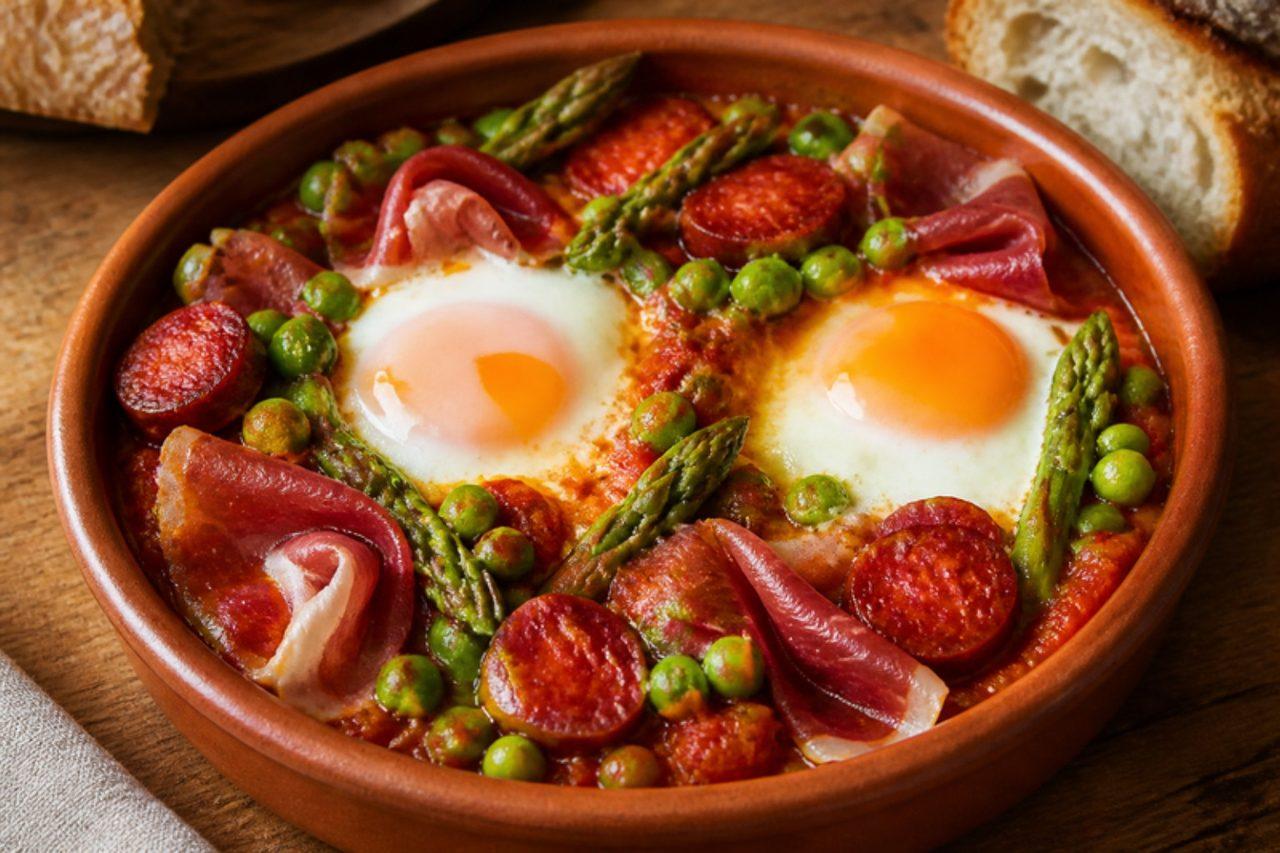
Baked eggs with chorizo and peas

This contains pork (chorizo and serrano ham). Seville has served huevos a la flamenca since at least the nineteenth century, and its old taverns still bring it to the table in individual clay dishes: eggs baked on a tomato sofrito, ringed with peas, asparagus tips, slices of chorizo and ham and strips of red pepper, as colourful as a flamenco dress. It makes a fine lunch with crusty bread. Chef's tip: warm the dishes with the sofrito before adding the eggs, so the whites set quickly from below while the yolks stay soft.

Read more 0 views

What to eat today?

Around the world

Today's trip: Paraguayan

A new country every day, from every cuisine on the site.

Paraguayan

Morcilla dulce

Sweet blood sausage with walnuts 120 minMore from Paraguayan (27) →

This week's collection

Kid-friendly dinners
537 recipes · a new collection every Monday

Latest recipes

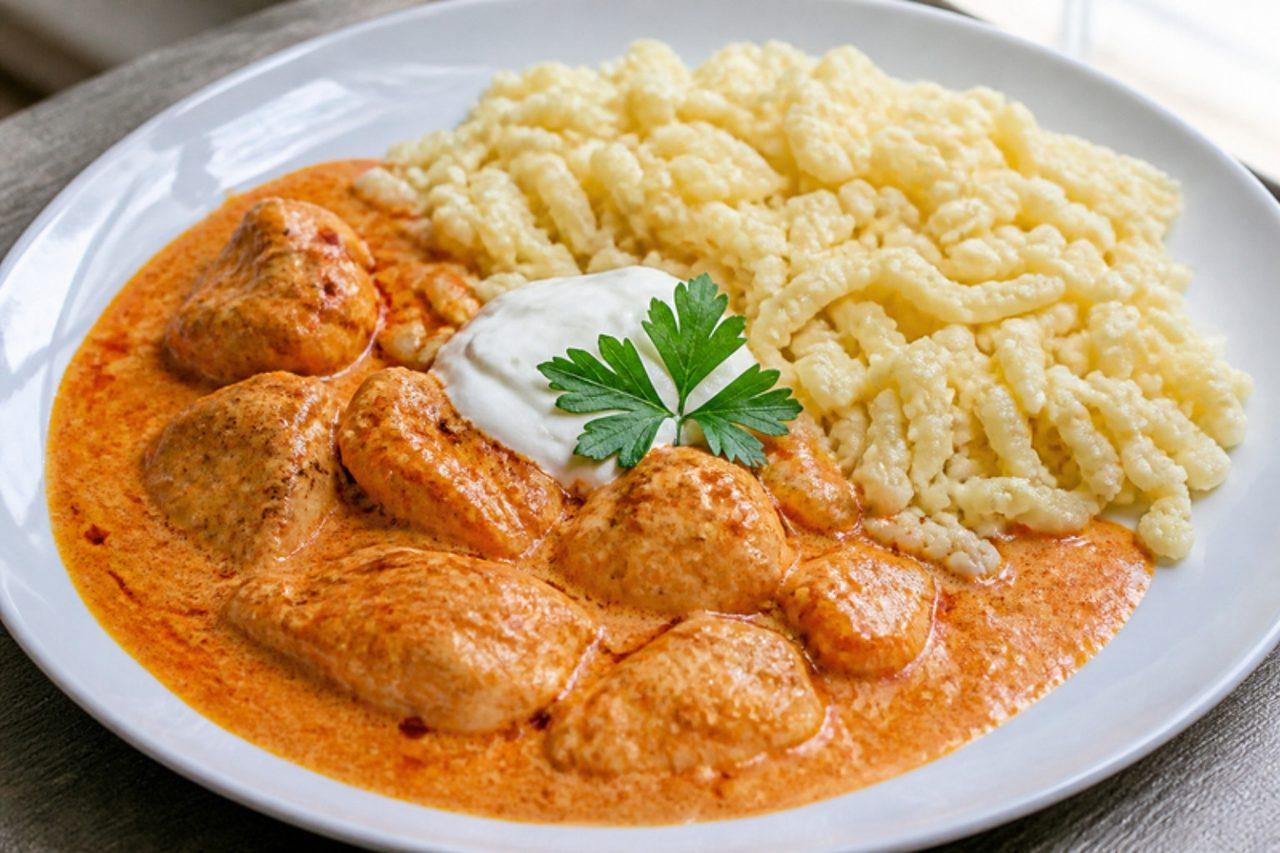
CsirkepaprikásPaprika chicken in sour cream sauce

Csirkepaprikás is the Sunday chicken of Hungarian homes, cooked by grandmothers in villages and in Budapest flats alike and always served with nokedli, the little egg dumplings. Chicken thighs braise gently with onion, plenty of sweet paprika, tomato and pepper, then soured cream is stirred in to make a velvety, brick-orange sauce. Chef's tip: mix the soured cream with a spoonful of flour and some hot sauce before adding it; this stops it from splitting.

by KrazyBadal 0 views

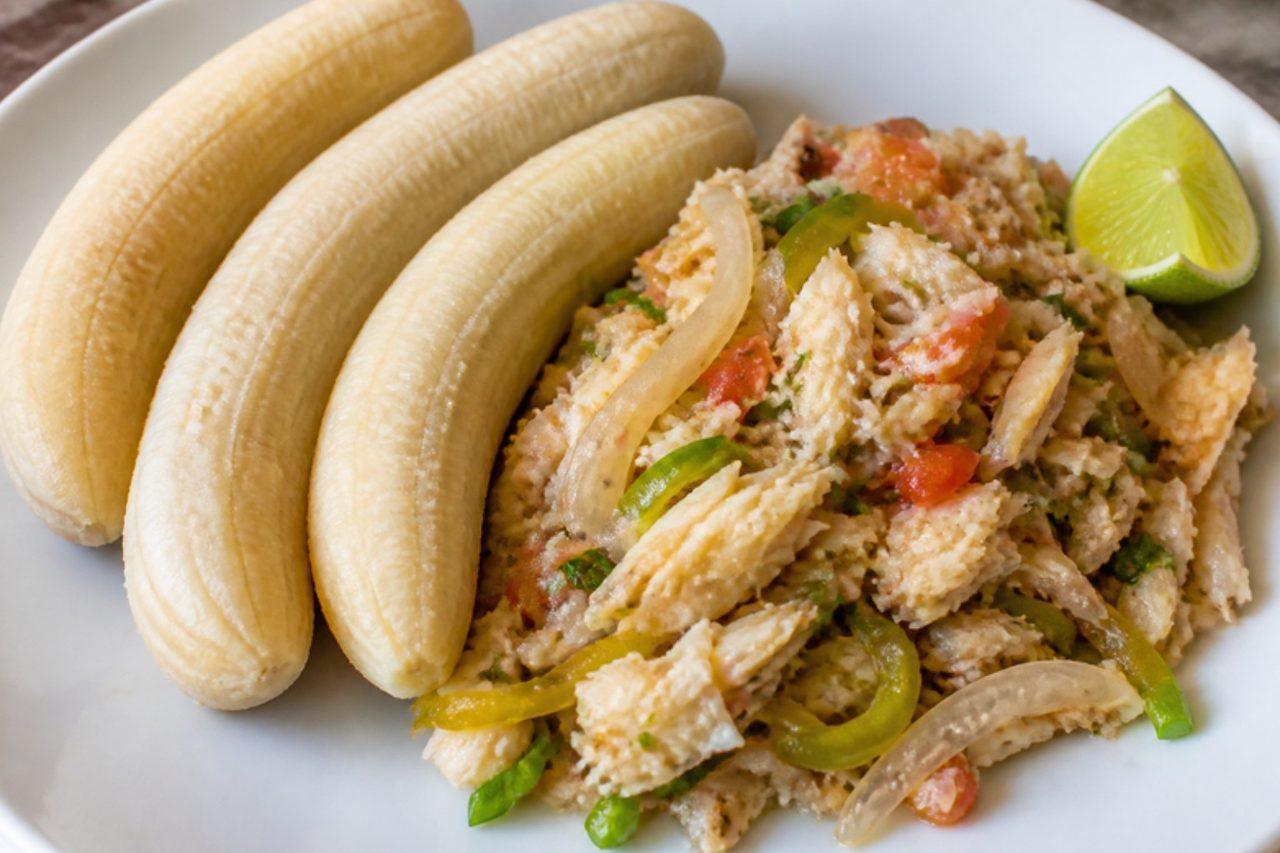
Green fig and saltfishGreen bananas with salt cod

In St Lucia green bananas are called figs, and green fig and saltfish is the national dish: a Saturday lunch in Castries homes and the plate served everywhere on Jounen Kwéyòl, the island's Creole Day in October. The bananas are boiled until tender and mild, a little like potato, and served with salt cod sautéed with onion, sweet pepper, tomato, thyme and hot pepper. Add sliced avocado or cucumber on the side. The most common mistake is not soaking the saltfish long enough, which leaves the whole plate far too salty; taste a flake before you cook it. Chef's tip: rub oil on your hands (or wear gloves) before peeling the green bananas; the sap stains skin black.

by KrazyBadal 0 views

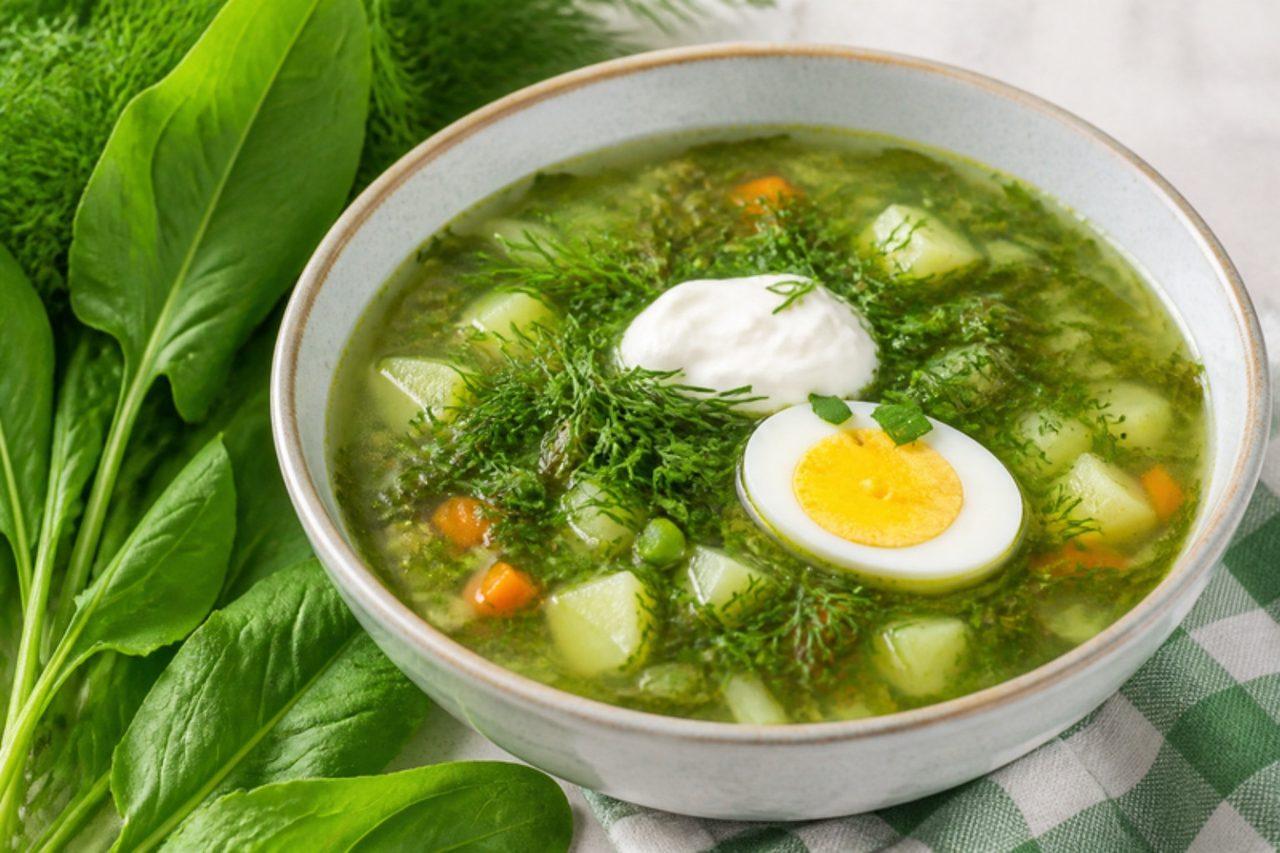
Green borschtSorrel soup with egg

When the first sorrel comes up in village gardens around Chernihiv and Sumy in May, Ukrainian grandmothers stop making red borshch and switch to green: a light, lemony soup of sorrel, potato and herbs, served with halved boiled eggs. It is the soup of early summer and of Trinity Sunday, eaten hot with sour cream or chilled on a warm day. Sorrel gives it a clean sourness, so no vinegar is needed. This version uses vegetable stock instead of the chicken or pork stock some families use. Chef's tip: add the sorrel only in the last two minutes; it turns olive green the moment it hits the heat, but if it boils longer it collapses into stringy khaki threads.

by KrazyBadal 0 views

KootuVegetable and moong dal stew

Kootu sits halfway between a dal and a vegetable dish, and in Tamil homes it is the mild, kind side on a lunch plate next to a sharp rasam or a fiery kuzhambu. Chopped vegetables such as chow-chow, snake gourd, cabbage or pumpkin are cooked with moong dal until soft, then thickened with a paste of fresh coconut, cumin and a little green chilli. It's the dish many Tamil grandmothers give children and anyone recovering from a fever. Spoon it over rice with ghee or serve it alongside sambar and poriyal. Chef's tip: grind the coconut paste with the cumin raw, not toasted; the fresh, sweet cumin flavour is what makes kootu taste like kootu.

by KrazyBadal 0 views

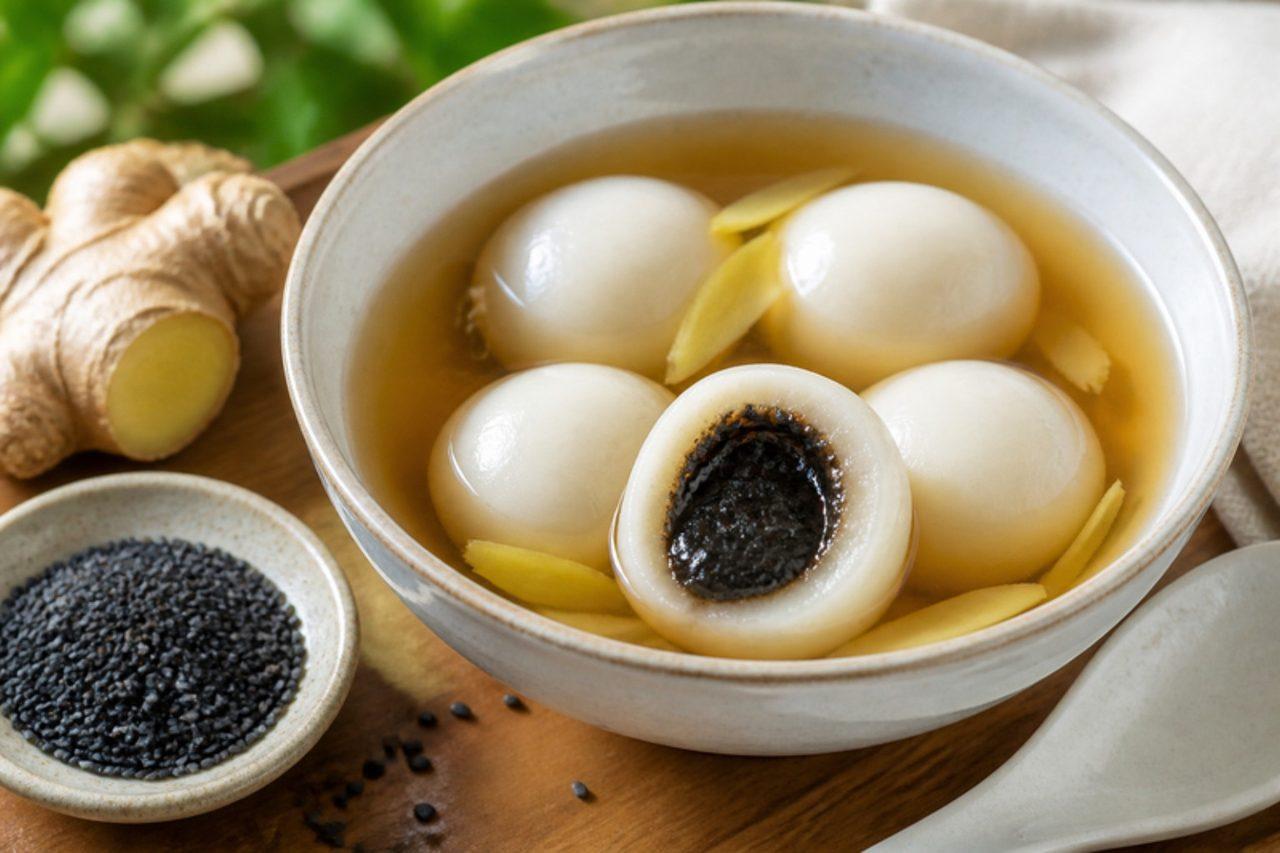
Black sesame tang yuan in ginger syrupSesame rice balls in ginger syrup

Tang yuan are eaten all over China at the Lantern Festival, on the fifteenth day of the Lunar New Year, and in the south also at the winter solstice; their roundness stands for family togetherness. The dough is glutinous rice flour, the classic filling black sesame, sugar and fat, served in a light ginger syrup. Lard is traditional in the filling; coconut oil sets just as firmly and keeps them vegan. Chef's tip: chill the filling until firm and roll it into balls before you start the dough; cold filling is far easier to wrap.

by KrazyBadal 0 views

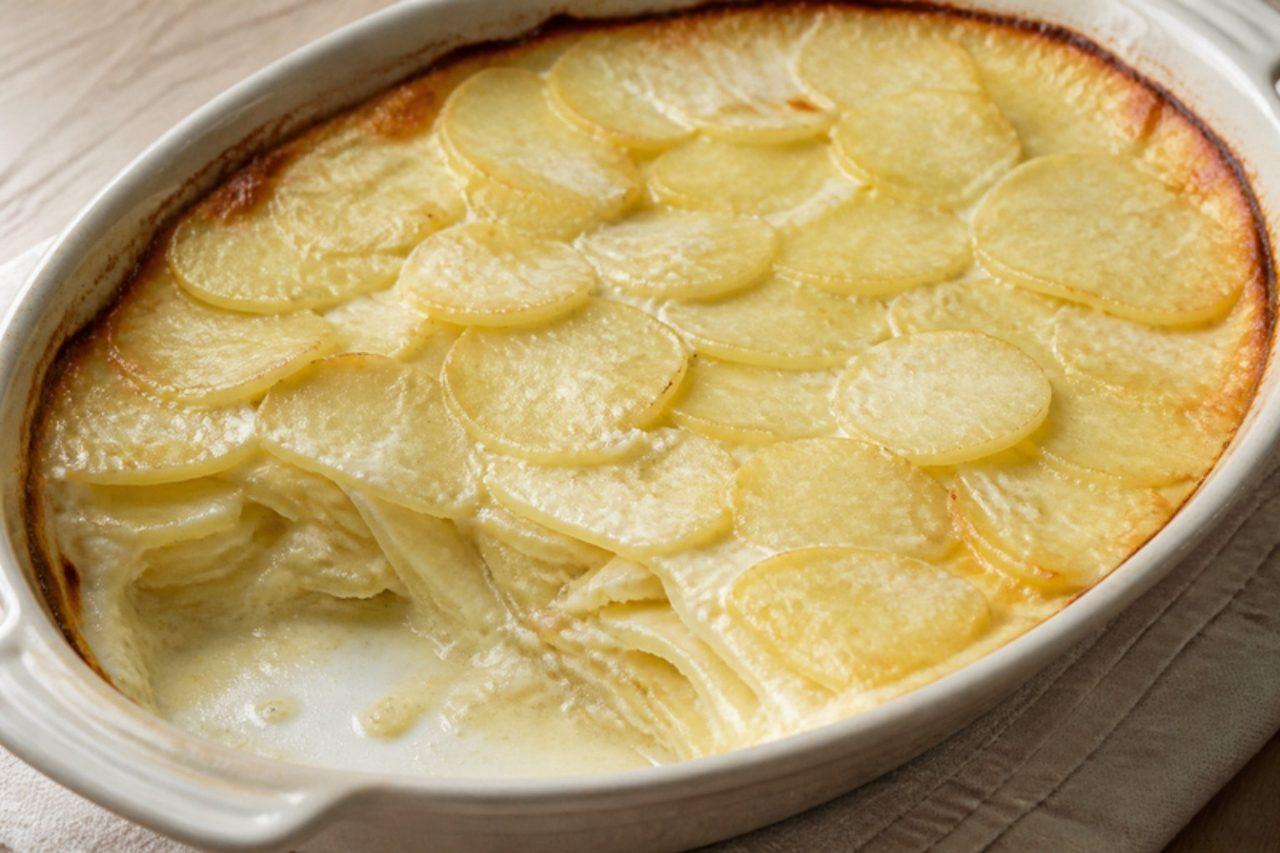
Gratin dauphinoisPotato and cream gratin

Gratin dauphinois comes from the Dauphiné, the mountain region around Grenoble, where it has been made since at least the 1700s. Thinly sliced potatoes are simmered in milk and cream with garlic and nutmeg, then baked slowly until the top is golden and blistered and the inside is soft and creamy enough to cut with a spoon. Purists in the Dauphiné insist there is no cheese; the crust comes from the cream itself. It is a side for Sunday lunch and festive meals, especially good with a green salad or roasted mushrooms. Chef's tip: don't rinse the potato slices; washing off the starch is the common mistake that leaves the cream thin and watery.

by KrazyBadal 0 views

Granita al limoneLemon ice

On summer mornings in Sicily, especially around Catania and Messina, breakfast is granita: a cup of soft, spoonable lemon ice with a warm brioche on the side for dipping. Sicilian granita is finer and creamier than a slushy, because it is stirred as it freezes. All you need is lemons, sugar and water, plus a fork and a freezer. It takes about four hours of occasional scraping. Chef's tip: steep the zest in the warm syrup for 20 minutes; the oils in the peel give a much fuller lemon flavour than juice alone.

by KrazyBadal 0 views

TantanmenSesame chilli noodle soup

Sichuan dan dan noodles are eaten almost dry, with just a spoonful of sauce, but Chinese chefs cooking in post-war Tokyo turned them into a full bowl of soup for Japanese diners. Today tantanmen sits on the menu of almost every Chinese-style restaurant and many ramen shops across Japan, and it sells best in the cold months. The broth is rich with sesame paste, softened with soy milk and lit up with chilli oil, then crowned with savoury fried pork. Pak choi adds a fresh, crunchy contrast. Chef's tip: fry the pork until it is properly brown and a little crisp before seasoning, so it keeps some bite in the soup instead of turning soft.

by KrazyBadal 0 views

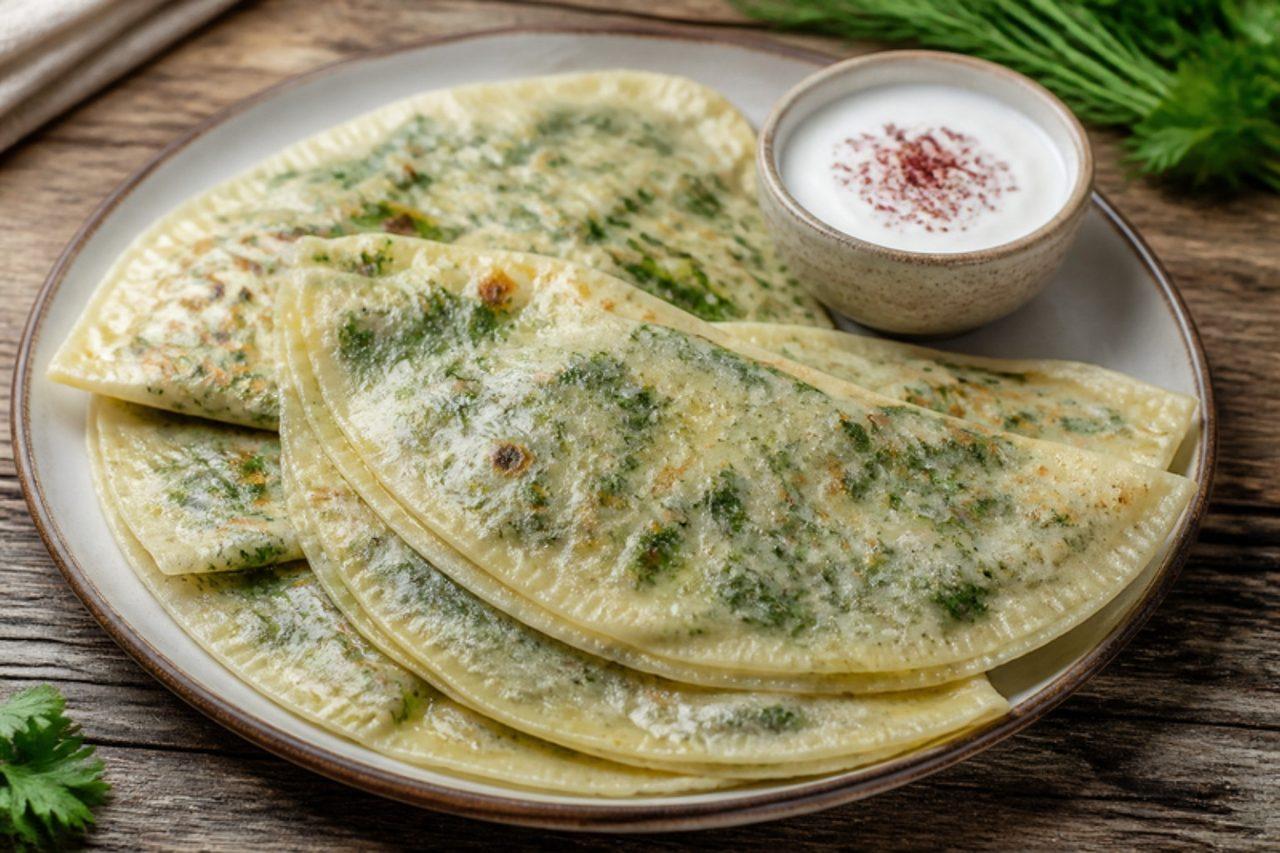
Göyərti qutabıHerb-filled flatbreads

Qutab are the thin half-moon flatbreads that Baku eats at any hour, folded around a filling and cooked in seconds on a domed iron saj, then stacked and brushed with butter. Göyərti qutabı, the green version, is the spring favourite: a handful of chopped spinach, sorrel, dill, coriander and spring onion sealed inside dough rolled so thin the greens show through. They are eaten hot, three or four at a time, sprinkled with sumac and dipped in garlicky yogurt, and appear on every table at Novruz in March. In autumn the same dough wraps pumpkin; that variation is in the steps. Chef's tip: season the greens only just before filling; salt draws out water, and wet greens tear the paper-thin dough.

by KrazyBadal 0 views

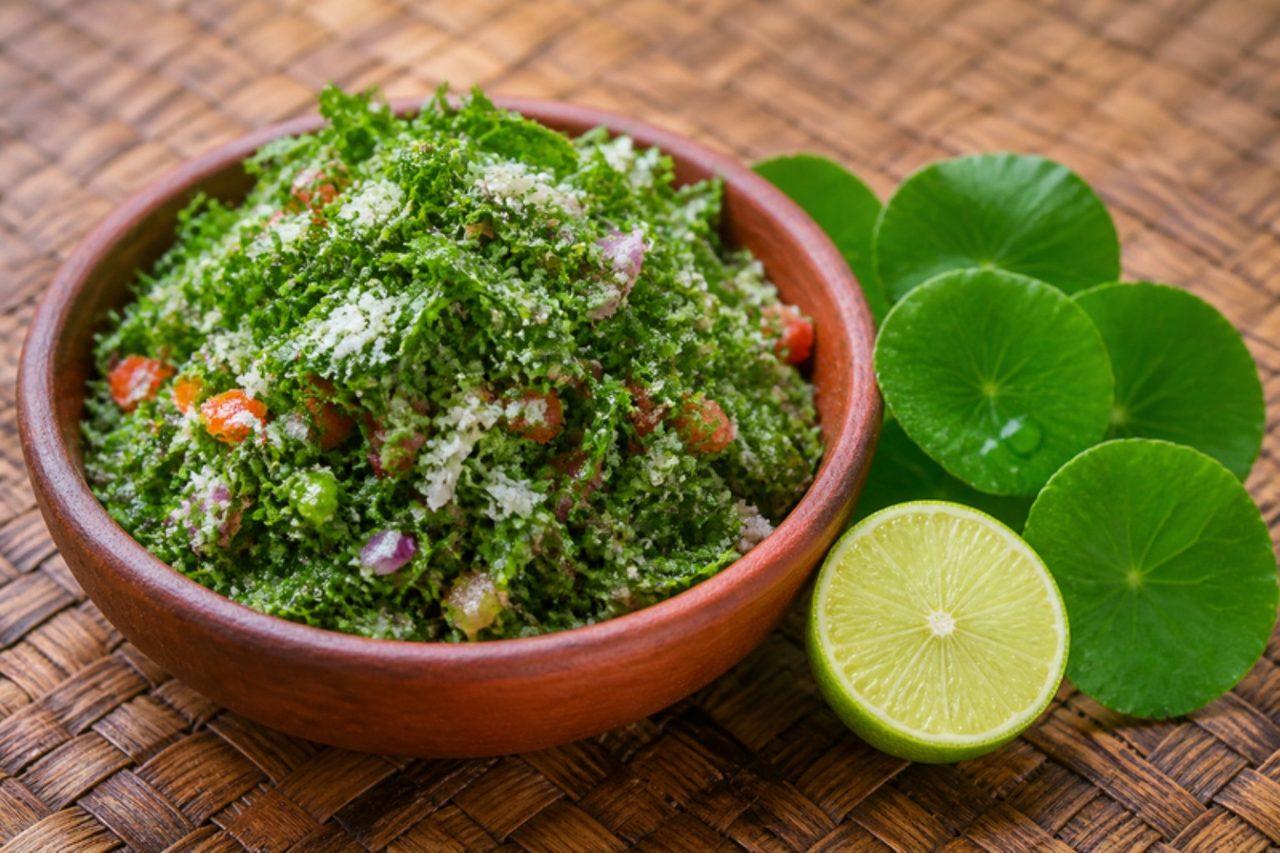
Gotu kola sambolPennywort and coconut salad

Gotu kola (Asiatic pennywort) grows wild along the paddy edges in the south and centre of Sri Lanka, and a raw sambol of its leaves is the green, slightly bitter bite that balances a rice-and-curry lunch. Families in Galle and Matara will tell you it is good for the memory, and it is often served at the start of a meal or with kola kenda, the herbal porridge. The leaves are shredded as finely as possible, then tossed with shallot, tomato, green chilli, a little fresh coconut and plenty of lime, so it's crunchy, peppery and bright. Look for pennywort bunches in Sri Lankan, Thai and Vietnamese shops. The mistake to avoid is dressing it too early: the salt and lime wilt the leaves within half an hour. Chef's tip: roll a stack of leaves into a tight cigar and slice it hair-thin with a sharp knife; the finer the shreds, the better it tastes.

by KrazyBadal 0 views

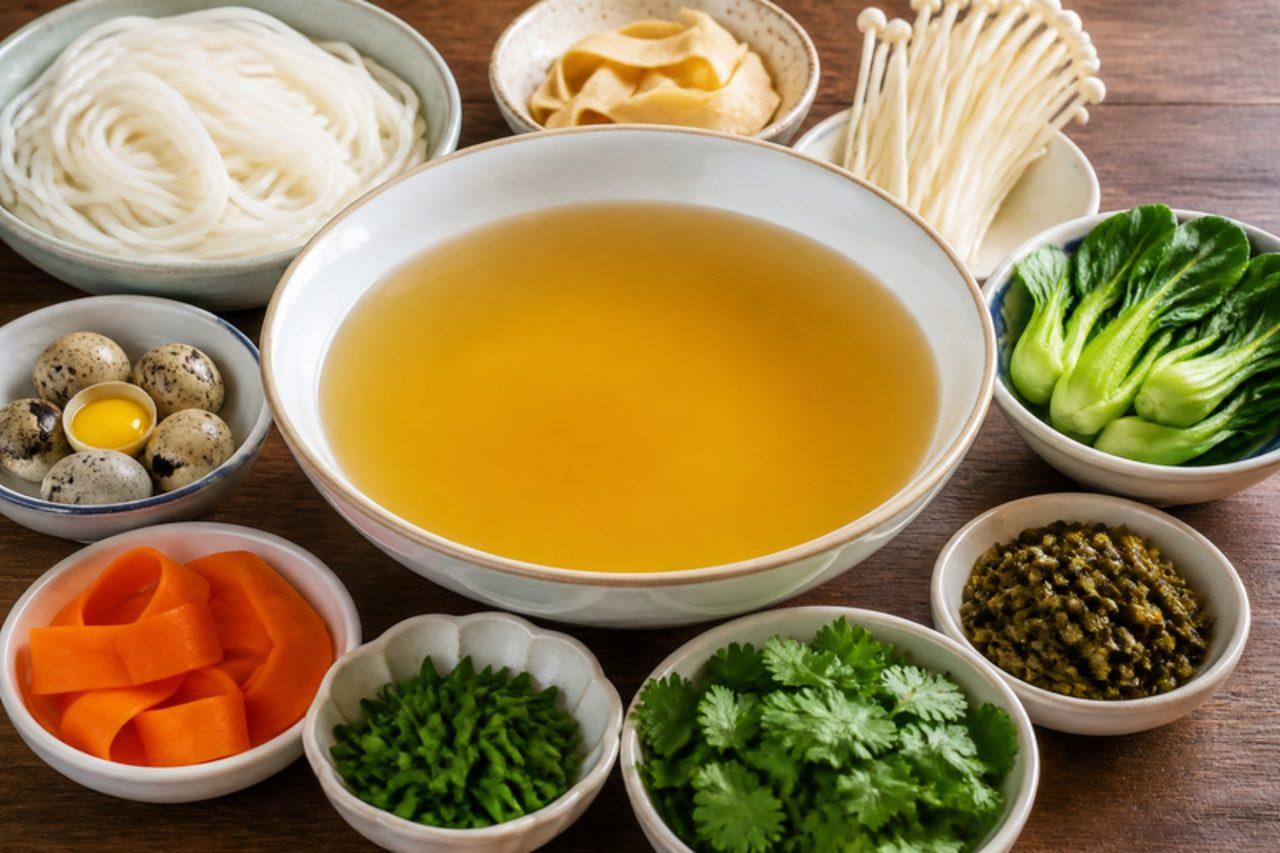
Crossing-the-bridge noodles with vegetable brothRice noodles in hot broth

Guo qiao mi xian comes from Mengzi in southern Yunnan. The story goes that a scholar's wife carried soup across a bridge to his island study each day, and found that a layer of oil kept it piping hot. Today in Kunming it arrives as a big bowl of scalding broth plus small plates of raw thinly sliced vegetables, tofu skin, herbs and rice noodles, which you slide in yourself so they cook at the table. This vegetarian broth is built on mushroom, corn and soybean sprouts. Chef's tip: the broth must be at a rolling boil when it goes into a warmed bowl; that heat is what cooks the toppings.

by KrazyBadal 0 views

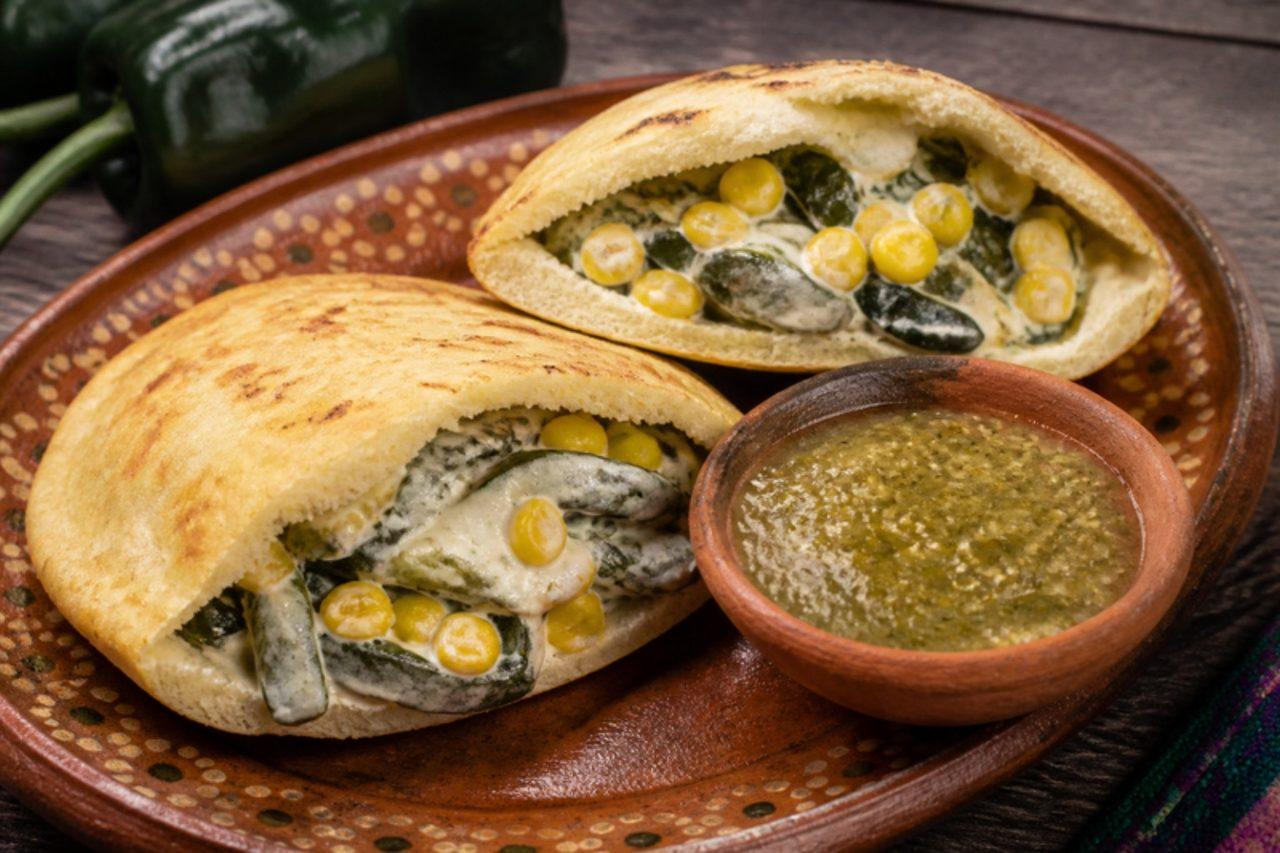
GorditasStuffed masa pockets

Gorditas, 'little fat ones', are thick corn masa cakes cooked on a comal until they puff, then split open like a pitta and stuffed. They are eaten from the north of Mexico down to the central states, at street stalls and at home, with fillings that change from town to town. This vegetarian version is filled with rajas con crema: strips of roasted poblano pepper, onion and sweetcorn in a creamy sauce with melting cheese, smoky and mild. Use masa harina for tortillas, made from nixtamalised corn, not cornmeal or polenta. Poblanos can be hard to find: green bell peppers with a jalapeño give a similar effect. Choose a cheese made with vegetarian rennet. Chef's tip: shape the gorditas no thicker than 1 cm; any thicker and the outside burns before the inside cooks and puffs.

by KrazyBadal 0 views

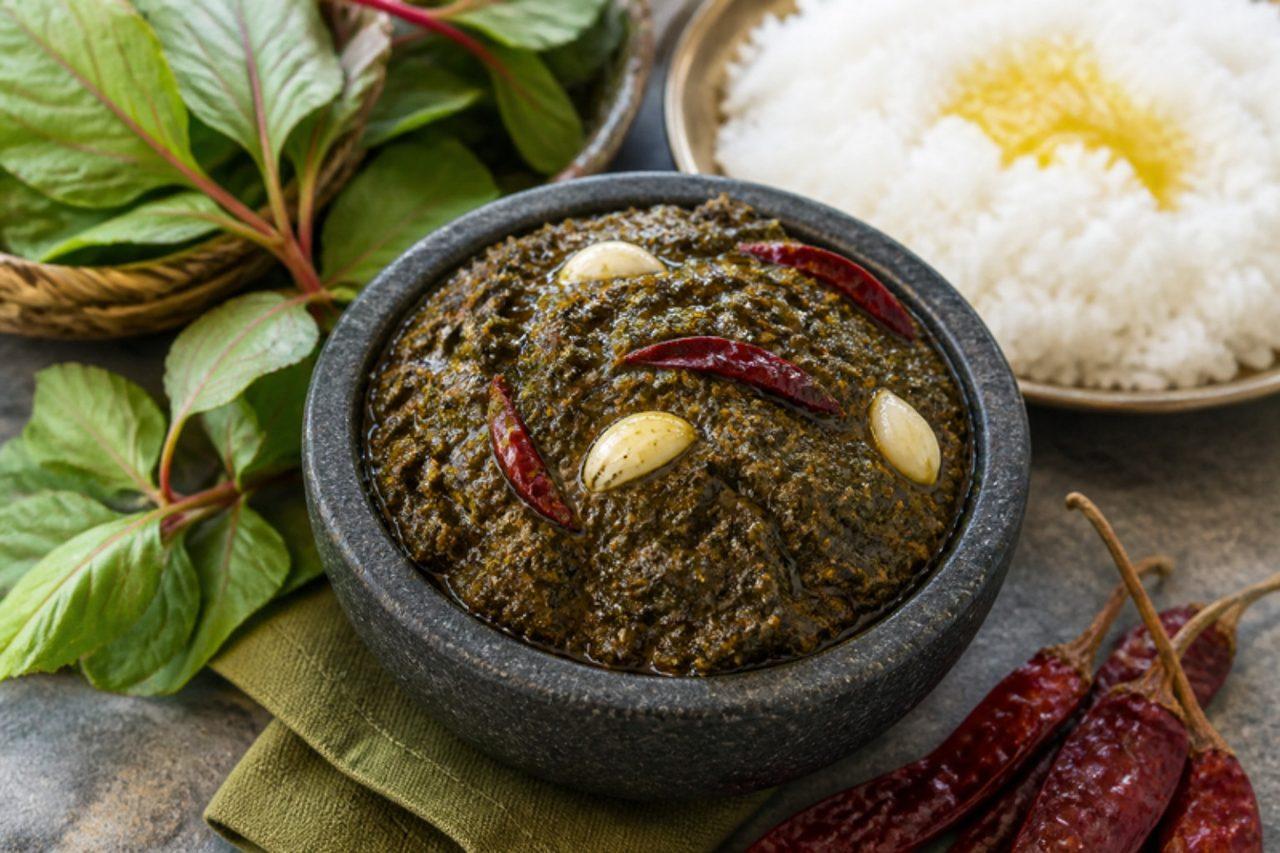
Gongura pachadiSorrel leaf chutney

Gongura, the sour leaf of the roselle plant, is so central to Andhra cooking that it's called the state's own vegetable, and gongura pachadi is its best-known form. The leaves are fried in oil until they melt, then pounded with roasted red chillies, garlic, coriander seeds and fenugreek, and finished with a mustard tempering. It's intensely tangy, hot and garlicky, and in Guntur and Vijayawada homes a spoonful is mixed into hot rice with ghee or eaten with jowar rotte. It keeps in the fridge for a couple of weeks. Chef's tip: fry the leaves until all their water cooks off and they turn dark olive; any moisture left shortens how long the pachadi keeps.

by KrazyBadal 0 views

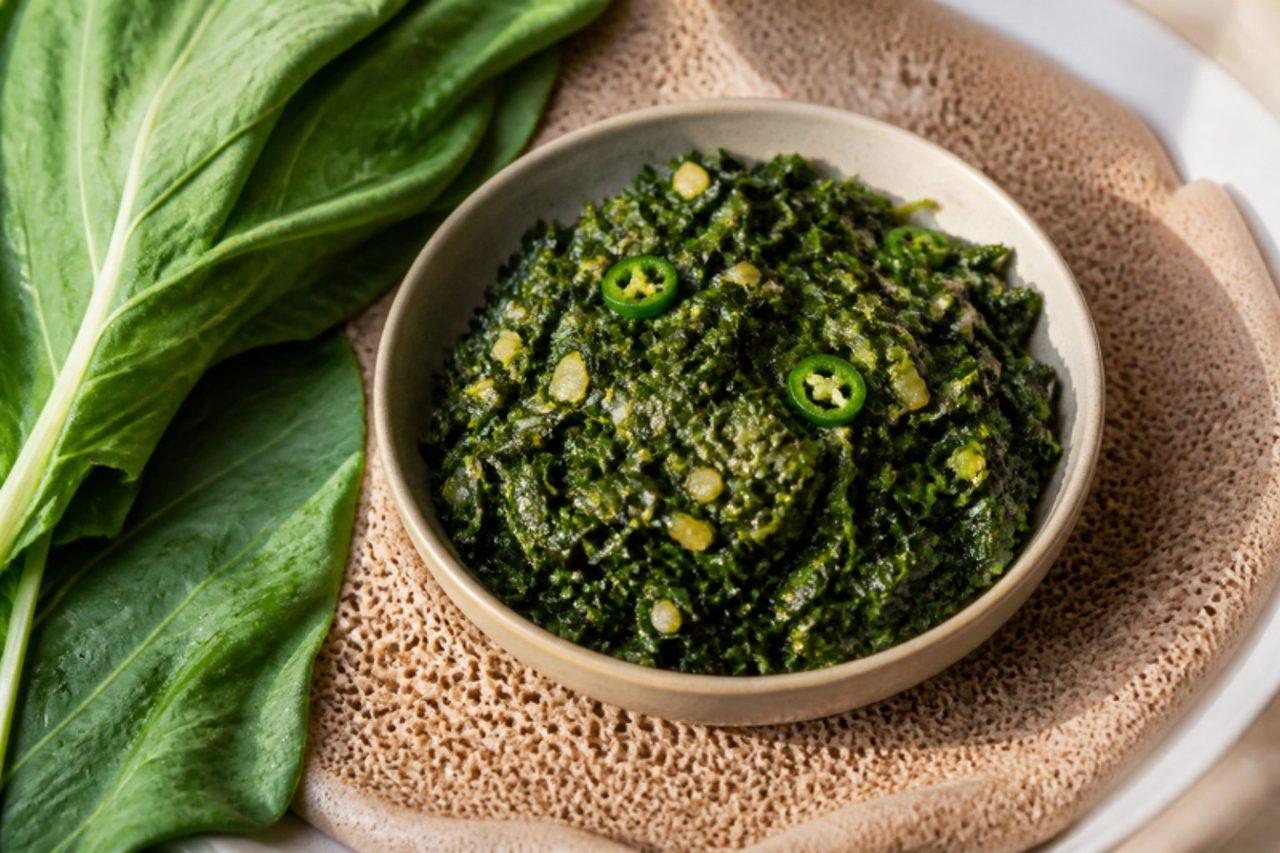
GomenBraised collard greens

Gomen is the everyday green on Ethiopian tables, cooked in homes across the highlands and always part of a fasting platter in Addis Ababa restaurants on Wednesdays and Fridays. Collard greens (or kale) are chopped fine and braised gently with onion, garlic, ginger and green chilli until they turn soft, dark and silky, without any berbere, so they cool the palate next to the red stews. On non-fasting days many cooks add a little niter kibbeh at the end; this oil version keeps it vegan. Chef's tip: cut out the thick central stalks before chopping; left in, they stay stringy long after the leaves are tender.

by KrazyBadal 0 views

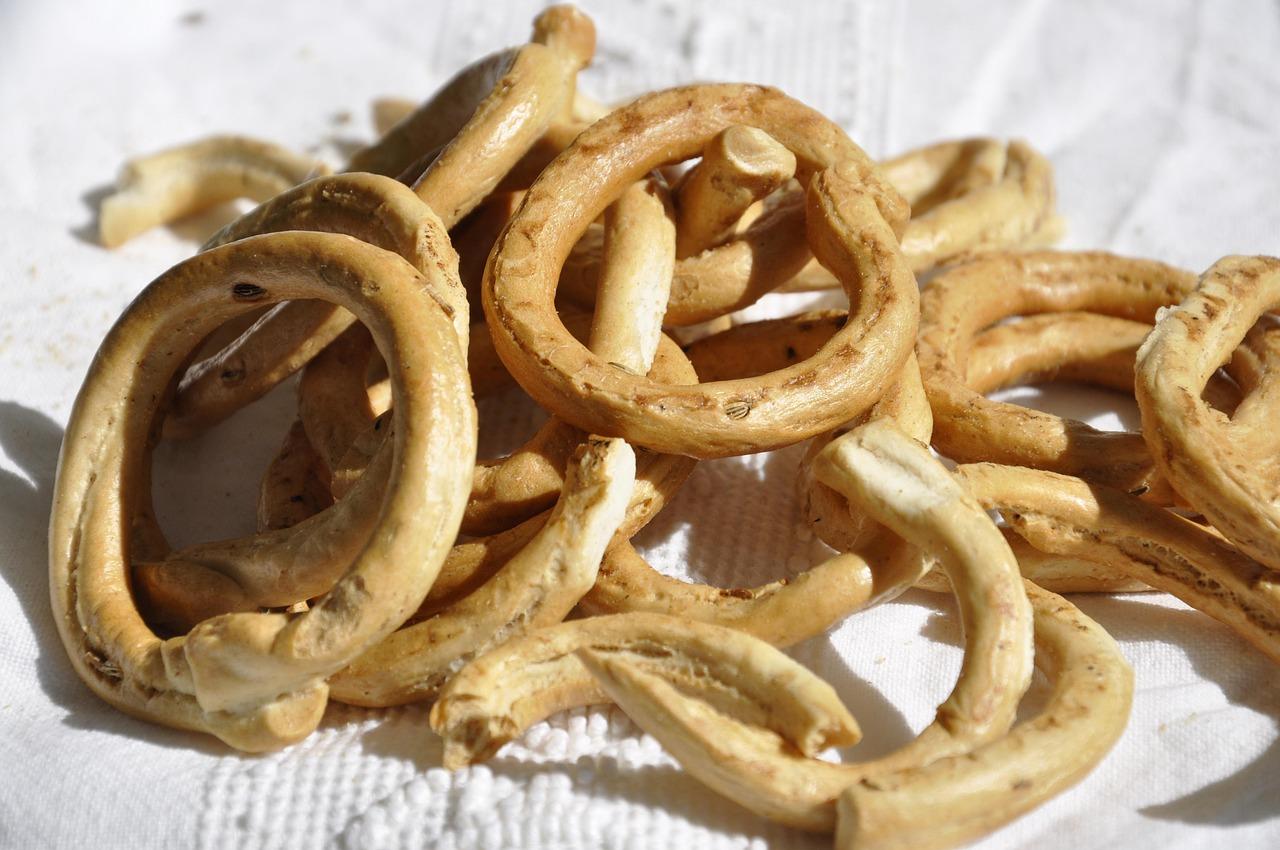
TaralliFennel and olive oil rings

Taralli are the crunchy rings found on every table in Puglia: with a glass of wine before dinner, in bags on the beach, or dunked in coffee. They are made with olive oil and dry white wine, no yeast or butter, and boiled briefly before baking, which gives them their shiny skin and fine, crumbly bite. Fennel seed is the classic flavour; black pepper or chilli are common too. They keep for weeks in a tin. Chef's tip: lift them out of the water the moment they float; longer boiling makes them hard and glassy instead of crumbly.

by KrazyBadal 0 views

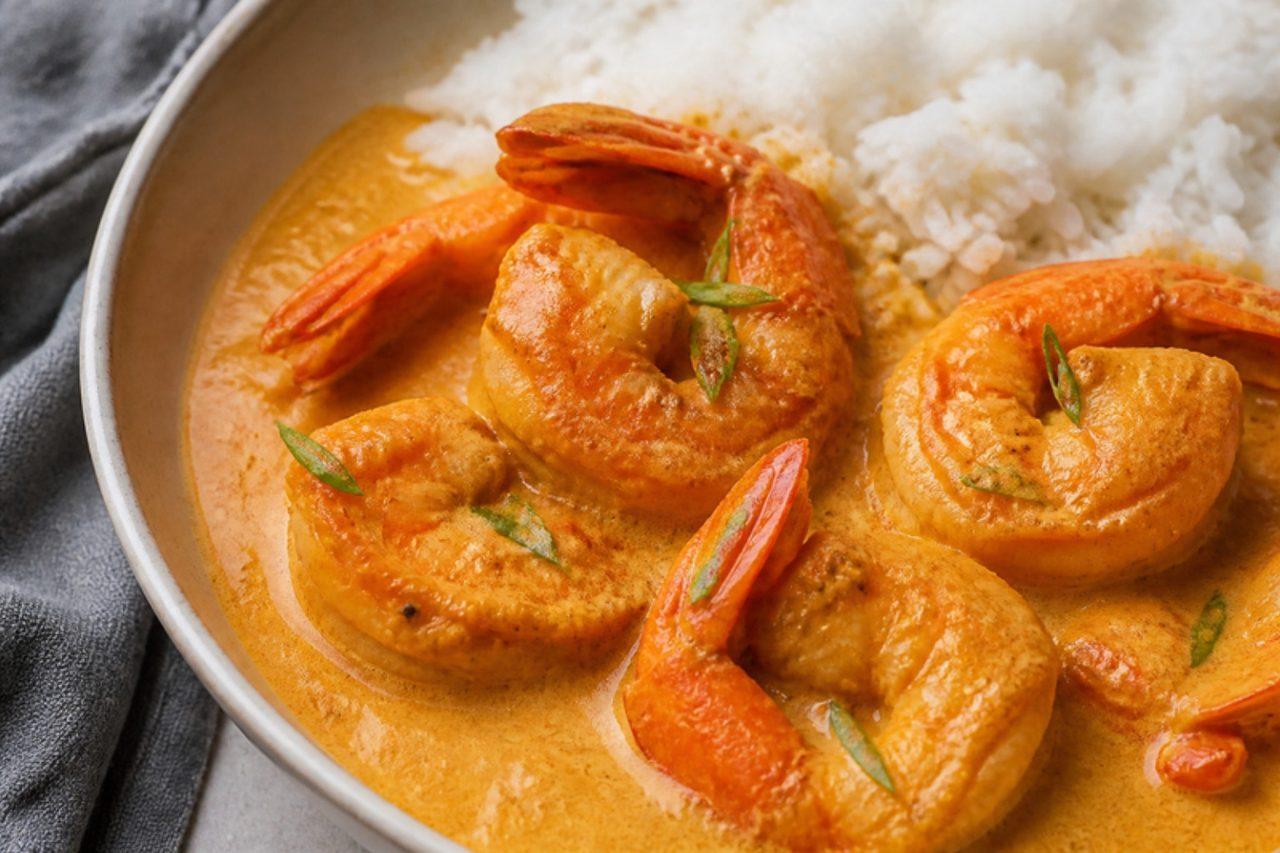
Chingri malaikariPrawns in coconut milk curry

Big prawns in a pale, silky coconut gravy are what a Bengali family cooks for guests, for a new son-in-law at Jamai Sasthi, or for a wedding lunch. The dish is gently spiced, a little sweet, and leans on the head fat of the prawns for richness, so it tastes of the sea rather than of chilli. Serve it with steamed gobindobhog or basmati rice. Chef's tip: if you can find shell-on prawns with heads, leave the heads on; squeeze them into the gravy as you eat for the full flavour.

45 minIndianFishGluten free
by KrazyBadal 0 views

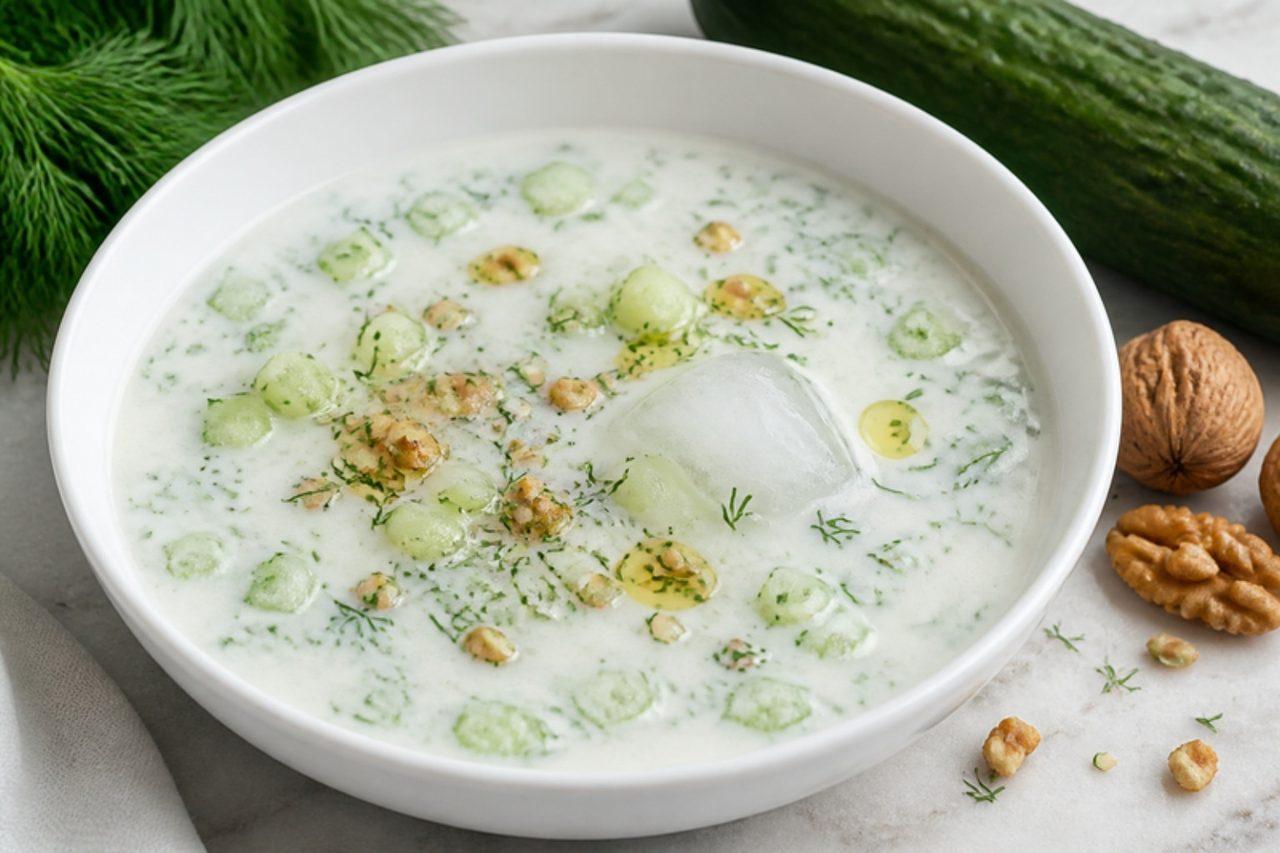
TaratorCold yogurt and cucumber soup

Tarator is what Bulgarians eat on hot July days, from the Black Sea resorts of Varna and Burgas to Sofia lunch counters: a cold, thin soup of tangy yogurt and water with grated cucumber, garlic, dill and crushed walnuts, a drizzle of sunflower oil on top and sometimes an ice cube floating in the bowl. It is served as a starter or drunk from a glass beside a plate of grilled vegetables. Chef's tip: use full-fat, sour, set yogurt and thin it to the consistency of single cream; making it too thick is the usual mistake, and it should be sippable.

by KrazyBadal 0 views

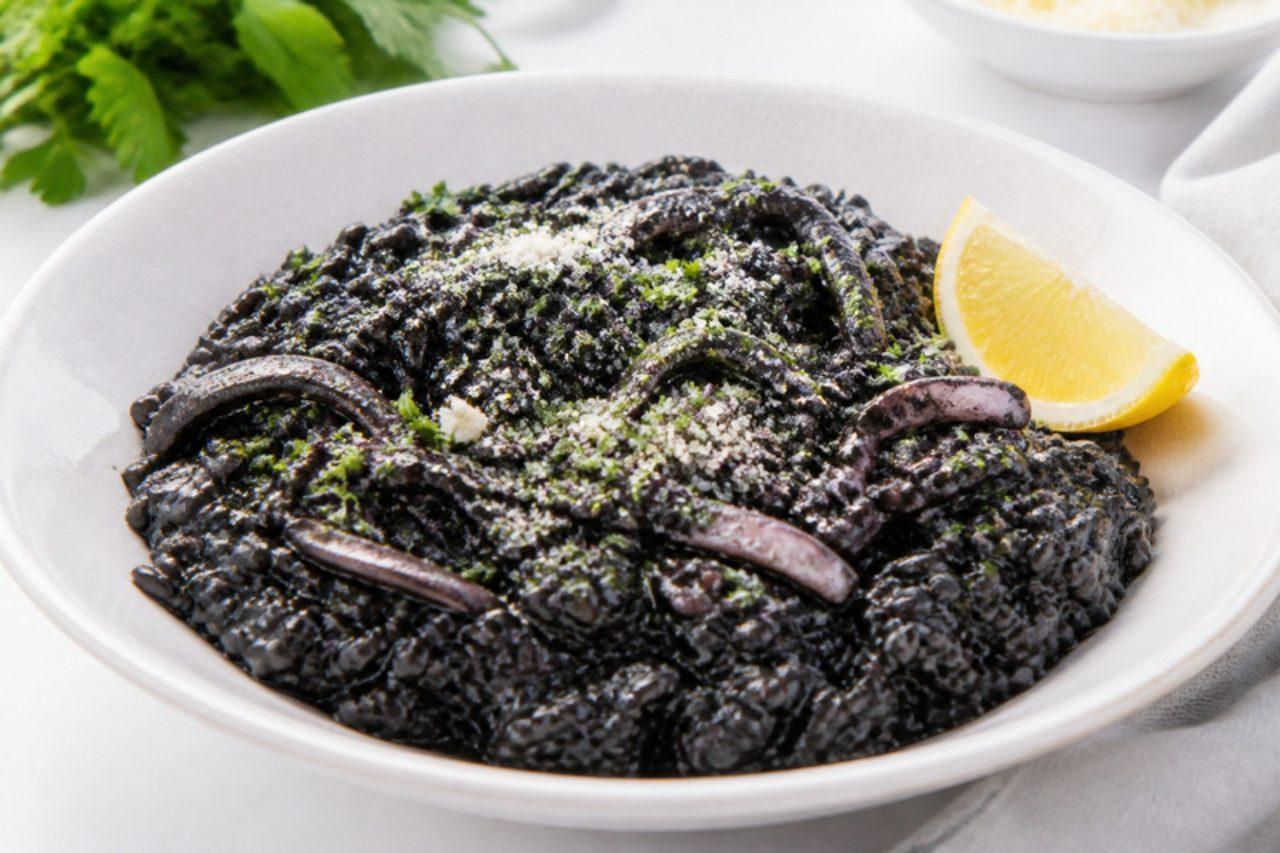
Crni rižotBlack cuttlefish risotto

Along the Dalmatian coast, from Korčula to Dubrovnik, konobas serve crni rižot as the first thing fishermen order when they come ashore, its jet-black colour startling against a white plate. Cuttlefish is cooked slowly with onion and garlic until tender, then rice goes in with fish stock and the ink sac, making a creamy, sea-sweet rice that tastes of the shore. It traditionally includes a splash of dry white wine; for an alcohol-free version, use more stock with a squeeze of lemon. The usual mistake is adding the cuttlefish late and cooking it fast, which leaves it rubbery; it needs to stew first. Chef's tip: serve with a drizzle of good olive oil and grated hard sheep's cheese if you like, and warn your guests about black teeth.

75 minBalkanFishGluten free
by KrazyBadal 0 views

Showing 18 of 7,762 recipes

Show more recipes

Page 745 of 863