


Skip to content
Pasta and eggplant
Featured recipe

Pasta and eggplant

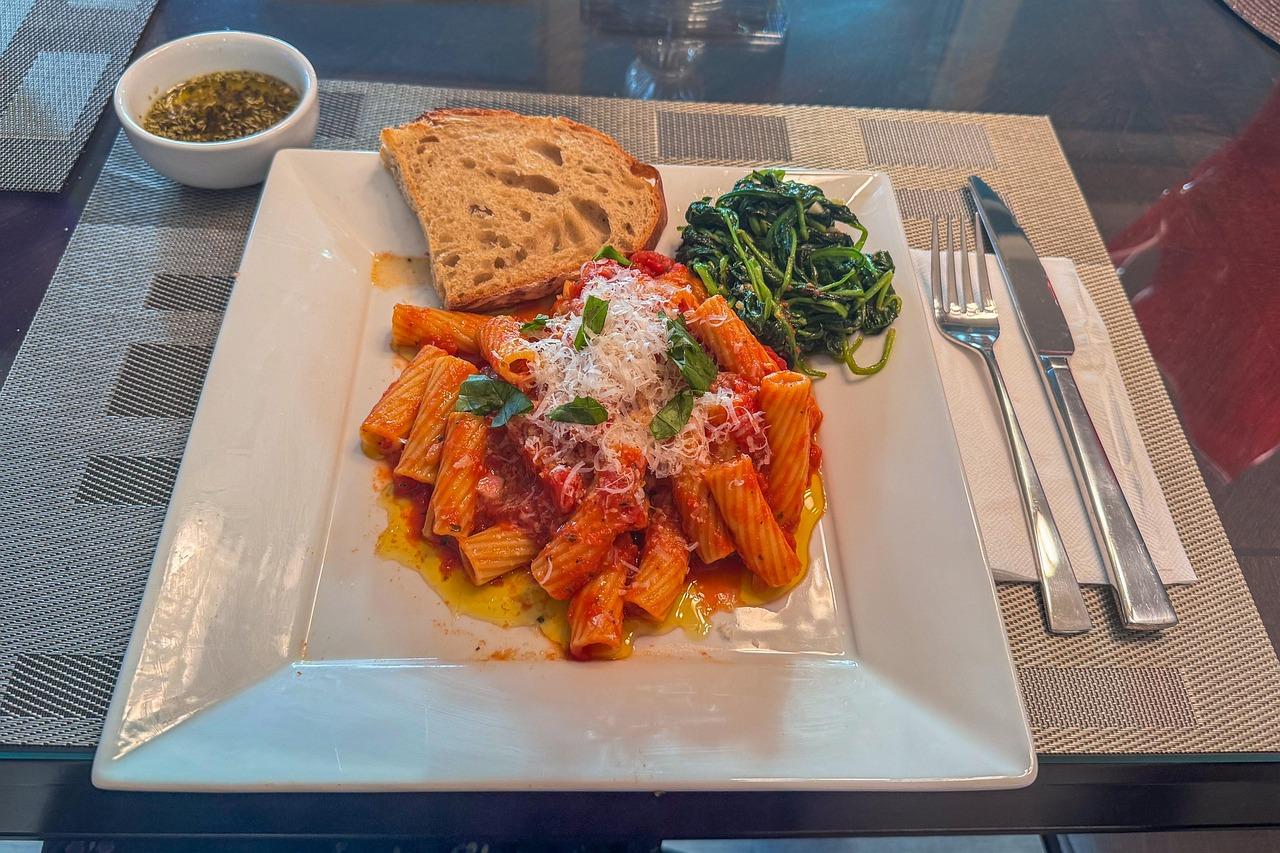
Rigatoni tossed in a thick tomato sauce with soft aubergine, celery and garlic, with an optional splash of brandy for depth, and topped with grated cheddar.

Read more 1 views

What to eat today?

Around the world

Today's trip: Persian

A new country every day, from every cuisine on the site.

Persian

Ash-e shalgham

Turnip and rice soup 65 minMore from Persian (131) →

This week's collection

Kid-friendly dinners
537 recipes · a new collection every Monday

Latest recipes

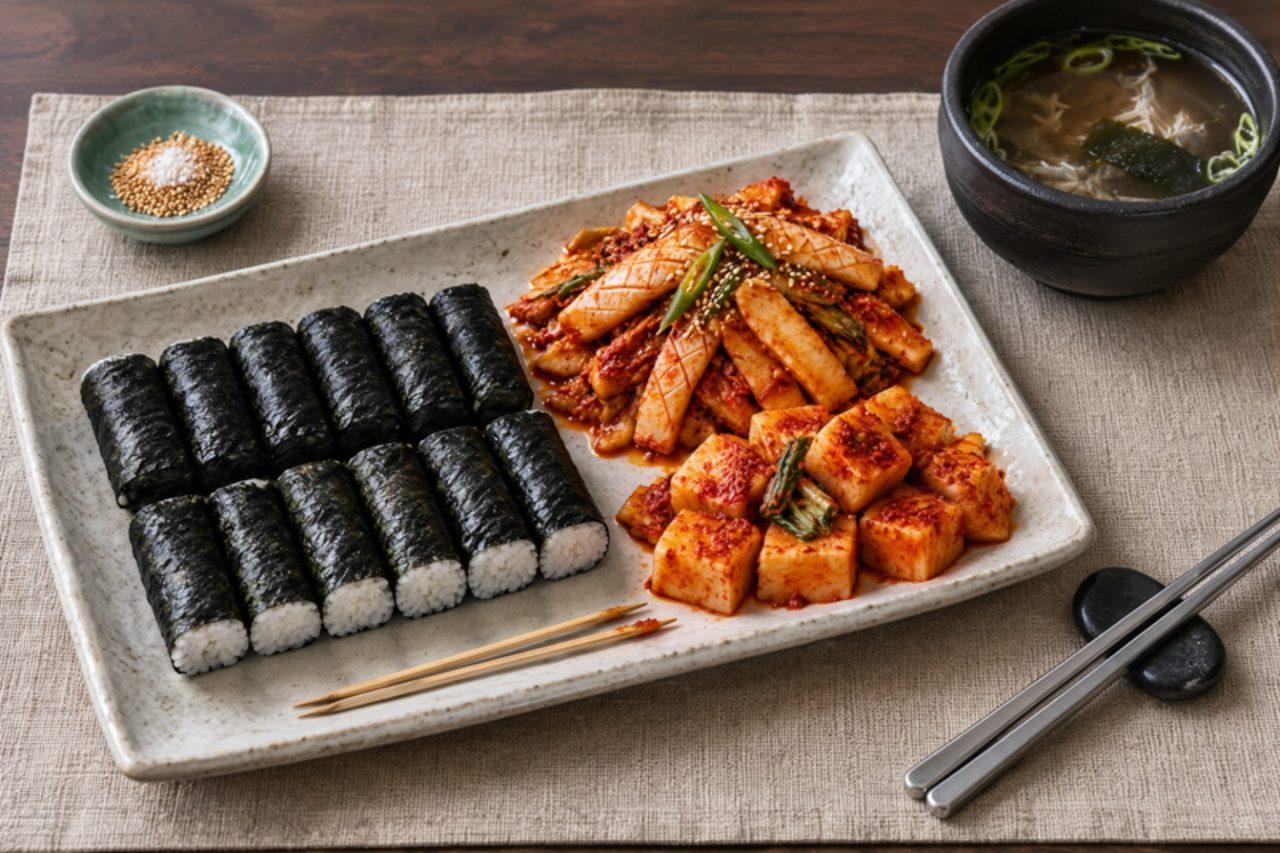
Chungmu gimbapRice rolls with spicy squid

In the harbour town of Tongyeong (once called Chungmu), fishermen's wives made plain rice rolls in laver with the spicy side dishes packed separately, because filled gimbap spoiled in the heat of the boats. Today Chungmu gimbap is a lunchbox and road-trip classic all over Korea: finger-sized rolls eaten with a toothpick, sweet-spicy squid and fish cake, and crunchy radish kimchi. The common mistake is overcooking the squid, which goes rubbery; blanch it just until it turns white and curls. Chef's tip: brush the gim lightly with sesame oil before rolling, which keeps it from going chewy.

by KrazyBadal 0 views

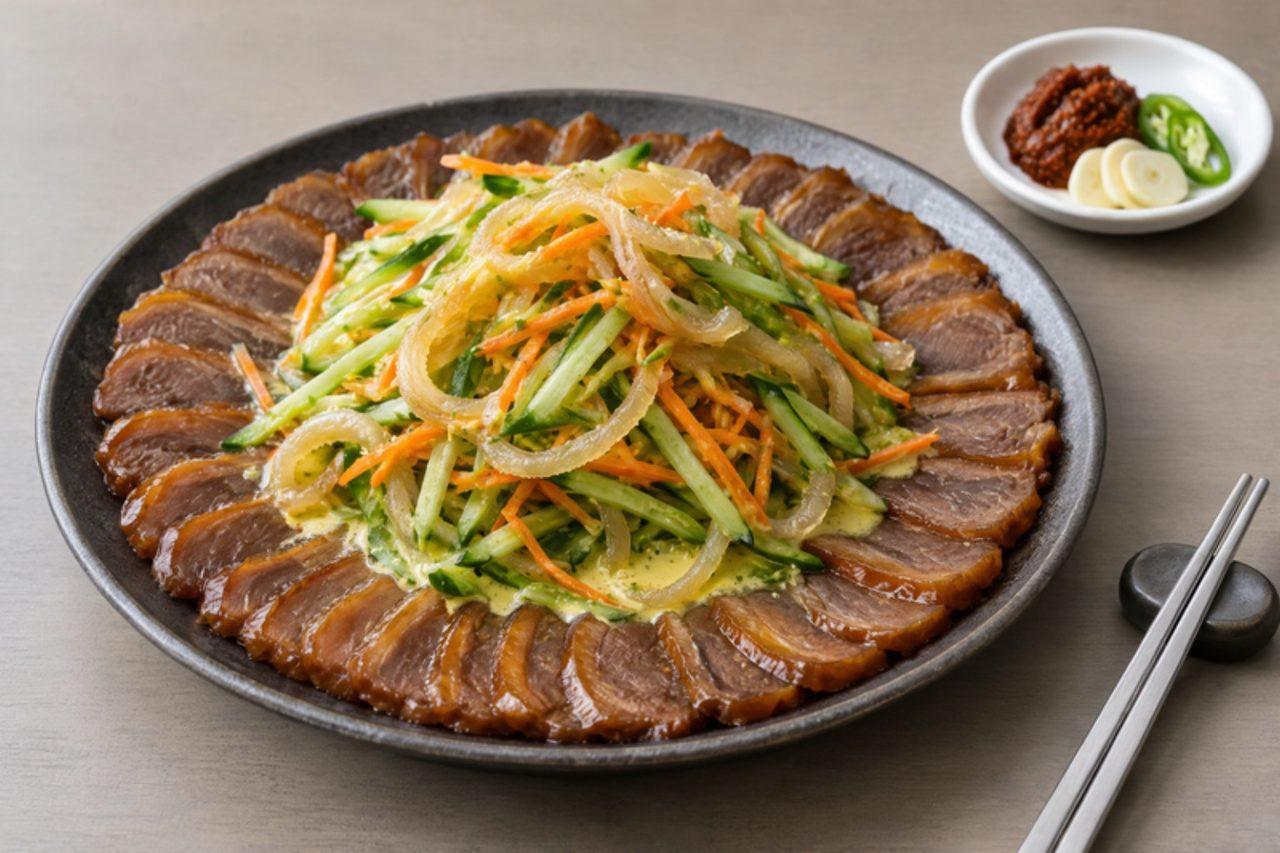
Naengchae jokbalCold sliced pork trotter

Busan's Jokbal Alley in Bupyeong-dong, beside Kkangtong Market, is where braised pork trotter was first served cold as a salad, a summer trick that spread across Korea. The pork trotters are simmered for hours in soy, ginger and spices until the skin turns sticky and tender, chilled, sliced thin and tossed with cucumber, shredded jellyfish and a nose-tingling dressing of Korean mustard, vinegar and garlic. It is evening food, shared from a big platter. Chef's tip: slice the meat only once it is fully cold; warm trotter meat tears instead of cutting into clean slices.

190 minKoreanMeat
by KrazyBadal 0 views

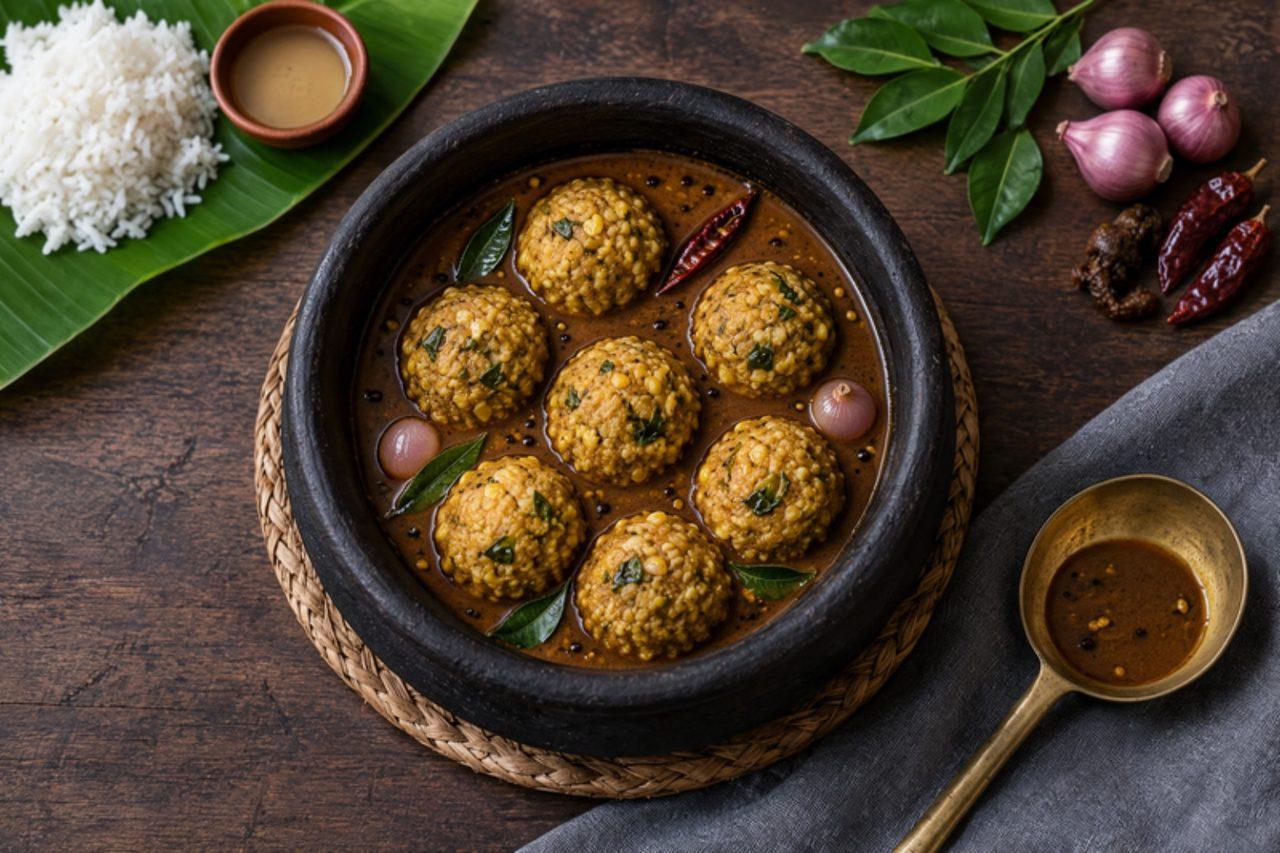
Paruppu urundai kuzhambuLentil dumpling gravy

Paruppu urundai kuzhambu is a Sunday-lunch treat in Tamil homes from Chennai to Coimbatore: coarse balls of soaked chana and toor dal, spiked with fennel, chilli and shallot, dropped raw into a bubbling tamarind gravy where they steam and firm up. The dumplings come out soft inside and soak up the sour, spicy sauce, and the crumbs that escape thicken the gravy. Serve it with plain rice, a spoon of sesame oil and a vegetable poriyal. The usual mistake is stirring as soon as the balls go in, which breaks them; leave them alone until they float and feel firm. Chef's tip: drop one test ball in first; if it cracks, knead a spoon of rice flour into the mixture before shaping the rest.

by KrazyBadal 0 views

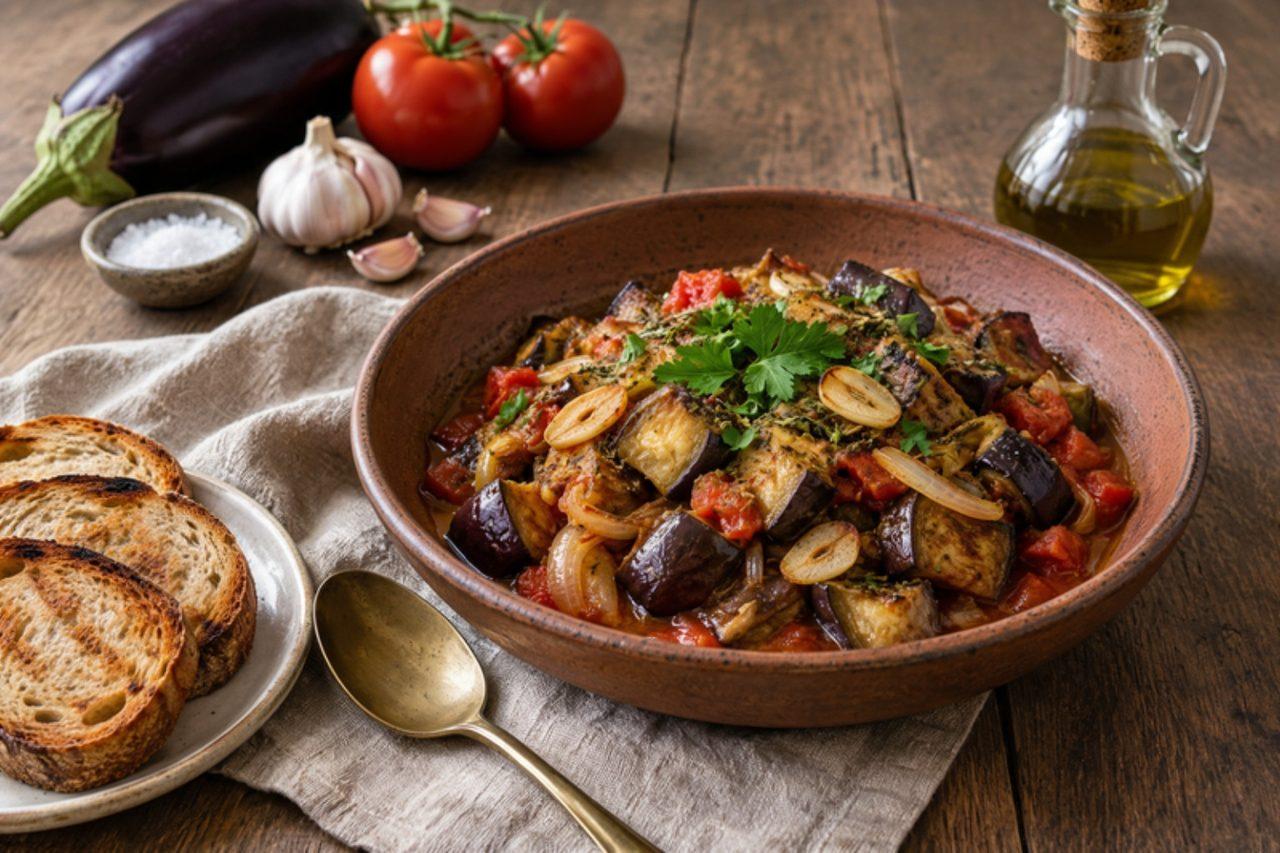
Berinjela refogadaSauteed aubergine with tomato

Brazilian home cooks make berinjela refogada on Sunday and spoon it into the week's marmitas beside rice, beans and a piece of grilled chicken or an egg; it reheats beautifully and tastes even better on the second day. The aubergine cooks down until silky with garlic, onion, tomato and oregano. The common mistake is pouring in more oil every time the pan looks dry; aubergine soaks it up and turns greasy. Add a splash of water instead and cover the pan so the cubes steam soft. Chef's tip: a squeeze of lime and a little chopped parsley just before packing lift the flavour after a night in the fridge.

by KrazyBadal 0 views

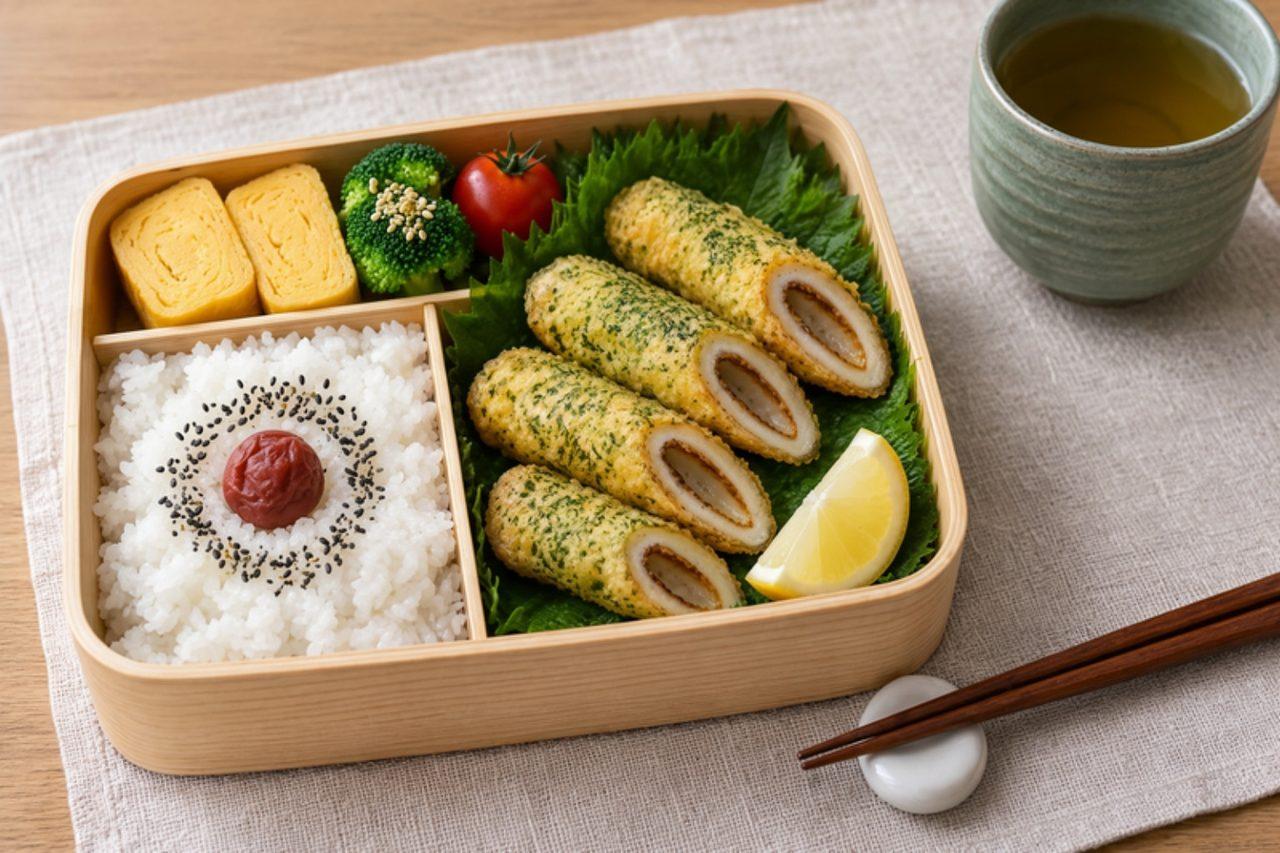
Chikuwa isobe-ageSeaweed-battered fish cake

Isobe-age, "fried in the style of the rocky shore", means anything coated in a batter speckled with green aonori seaweed, and chikuwa isobe-age is the one every Japanese parent tucks into a bento: tubes of chikuwa fish cake fried until puffed and crisp. It is just as good cold and takes ten minutes. The common mistake is a thick batter, which turns bready; it should be like single cream. Chef's tip: dust the chikuwa with a little flour before dipping, so the batter clings and does not slide off in the oil.

by KrazyBadal 0 views

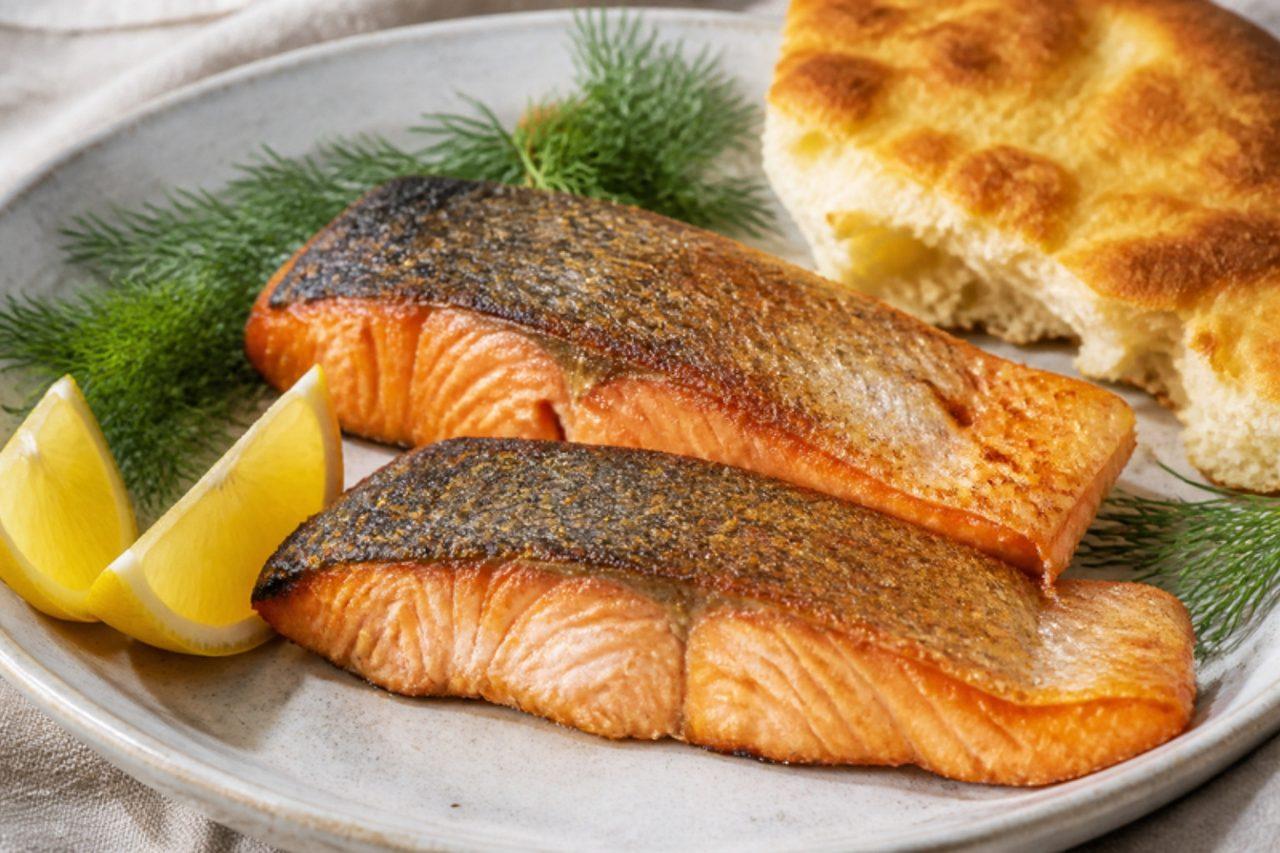
Pan-fried Arctic char

Arctic char, iqaluk in Inuktitut, is the fish of Nunavut, netted in the rivers around Cambridge Bay and Pangnirtung when it runs to the sea in summer and through the ice in spring. It tastes like a cross between salmon and trout, with rosy, delicate flesh. In Iqaluit homes it is eaten many ways; here it is simply pan-fried until the skin crackles, with lemon and a piece of warm bannock. A common mistake is moving the fillet too early; leave it until the skin releases on its own. Chef's tip: press the fillet flat with a spatula for the first 30 seconds so the skin doesn't curl.

by KrazyBadal 0 views

Katsu sandoPork cutlet sandwich

Katsu sando began in Tokyo tonkatsu shops in the 1930s as a cutlet you could carry, and is now a fixture of department-store food halls, train-station kiosks and lunchboxes all over Japan: a crisp panko pork loin cutlet soaked in sweet-sour tonkatsu sauce between pillowy white bread, crusts trimmed off. The common mistake is slicing it while hot, which squashes the bread and makes it soggy; let it rest under a light weight first. Pork loin is a whole cut, so cook it to 63 °C and rest it for 3 minutes. Chef's tip: butter the bread with a little mustard mixed in; it stops the sauce soaking through and adds a gentle kick.

by KrazyBadal 0 views

Bokkeum kimchiStir-fried kimchi with pork belly

When a jar of kimchi turns very sour in Korean homes, it gets stir-fried with a little sugar and sesame oil, and often with pork belly, into bokkeum kimchi, a deep, mellow side dish that keeps for days and is a favourite in school and office dosirak. For a vegan version, use kimchi made without fish sauce or salted shrimp and leave out the pork. The usual mistake is using fresh, crisp kimchi, which tastes harsh when fried; it needs to be properly sour. Chef's tip: fry the kimchi until the edges just begin to catch and caramelise, which is where the flavour is.

by KrazyBadal 0 views

DakgangjeongSticky glazed fried chicken

Dakgangjeong is the boxed fried chicken of Sokcho's Jungang market on Korea's east coast, carried home by the tub and packed into lunchboxes the next day, because the double-fried pieces in their sticky glaze stay crunchy even when cold. The common mistake is frying only once; the second fry drives out moisture so the crust holds up to the sauce. Chef's tip: coat with potato starch rather than flour, and let the coated chicken sit for 5 minutes so the starch hydrates into a craggy crust.

by KrazyBadal 0 views

Jambon-beurreHam and butter baguette

France sells millions of jambon-beurre every working day: half a crusty baguette, split, spread with good salted butter and filled with thin slices of jambon de Paris, the delicate cooked pork ham. Parisians eat it at the office, on a park bench or on the train. The common mistake is a stingy smear of hard butter; the butter is a filling, not a glue, so spread it soft and generous. Some add cornichons, which purists call a different sandwich. Chef's tip: fold each slice of ham loosely in half rather than laying it flat, so the sandwich is airy and every bite has ham.

by KrazyBadal 0 views

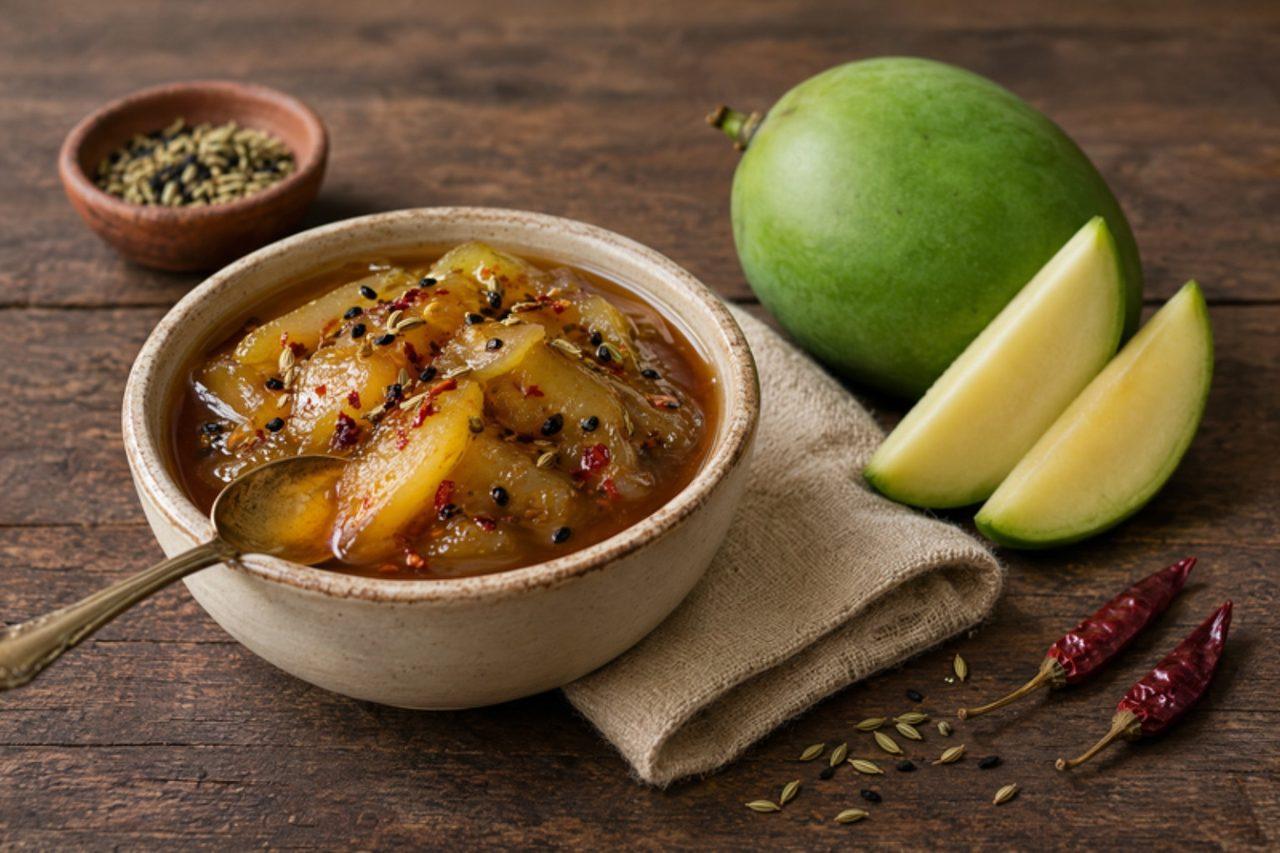
Aam ki launjiSweet and sour raw mango relish

In Rajasthan and across the Hindi belt, launji is the quick mango relish made the day the first raw mangoes come home in April, and it keeps appearing on the thali all through the scorching summer. Unlike the long-cured achaars, it is cooked in 20 minutes: mango pieces in mustard oil with saunf, kalonji, methi and cumin, then simmered with jaggery until glossy. The pieces stay soft but hold their shape in a thick, amber syrup that is sweet first, then sour, with a warm hum of chilli and a liquorice note from the fennel. Eat it with dal-baati, puri, paratha or plain khichdi; in the heat it is believed to cool the body. The common mistake is adding the jaggery too early, so it caramelises and turns bitter before the mango is tender; cook the mango first, then the jaggery. It is ready when the syrup coats the back of a spoon and the mango looks translucent at the edges. It thickens as it cools. Store in a clean jar in the fridge and eat within a week to 10 days. Chef's tip: leave a little peel on some pieces; it gives a pleasant chew and stops the mango from turning to mush.

by KrazyBadal 0 views

Pâté en croûtePork and veal pie in pastry

Lyon's charcuteries display pâté en croûte like jewellery: a tall loaf of crisp, golden pastry wrapped around a coarse terrine of pork and veal. A slice wrapped in paper is a picnic and lunchbox luxury, and the whole loaf is a Sunday project eaten over several days. The common mistake is undercooking it for fear of drying it out: as it is made with minced pork, the centre must reach 71 °C, so use a probe thermometer. The classic farce has a splash of cognac; it's optional here, and apple juice or extra stock is the alcohol-free swap. Chef's tip: chill the filled, unbaked loaf for 30 minutes before baking so the pastry keeps its shape and pattern.

150 minFrenchMeat
by KrazyBadal 0 views

Aussie salad sandwich

The salad sandwich is the backbone of the Australian lunchbox and the school tuckshop order: soft bread built up with tinned beetroot, grated carrot, tasty cheese, tomato and crisp lettuce, cut into triangles and wrapped in paper. Beetroot is what makes it unmistakably Aussie. The common mistake is laying wet beetroot and tomato straight on bare bread, so by lunchtime it is pink and soggy. Many Cheddar-style "tasty" cheeses use animal rennet; choose one labelled vegetarian. Chef's tip: butter both slices to the edge and put the cheese and lettuce next to the bread, with the wet fillings sealed in the middle.

by KrazyBadal 0 views

Curried egg sandwich

A school canteen and church-fete favourite across Australia, the curried egg sandwich is soft white or wholemeal bread filled with hard-boiled egg mashed with mayonnaise and a little mild curry powder, often with lettuce or cress. It goes into lunch boxes cut into fingers. The common mistake is mashing the eggs while warm, which turns the mayonnaise oily and the filling runny; let them cool completely. Chef's tip: warm the curry powder in a dry pan for 20 seconds first, and the raw, dusty taste turns sweet and toasty.

by KrazyBadal 0 views

Tarta de zapallitosCourgette and cheese tart

In Buenos Aires every rotisería sells tartas by the slice, and at home a tarta de zapallitos is baked on Sunday evening so that a wedge can go into the vianda (packed lunch) for school and work all week. Zapallitos are round green courgettes; ordinary courgettes work just as well. The common mistake is adding the courgette raw, which floods the pastry; sauté it until the liquid has cooked away. Argentine queso rallado and many hard cheeses are made with animal rennet, so use a vegetarian hard cheese. Chef's tip: bake the tart on a preheated baking tray so the base crisps before the filling soaks in.

by KrazyBadal 0 views

Torta de chile rellenoStuffed poblano sandwich

At Mexico City's torta stands and school gates, the chile relleno torta is the meat-free favourite: a whole poblano, roasted, peeled, stuffed with melting cheese, dipped in fluffy egg batter and fried, then pressed into a bolillo spread with refried beans and salsa. People buy them warm mid-morning or wrap them in foil for lunch. The common mistake is frying a wet chile: the batter slides off, so pat it dry and dust it with flour first. Oaxaca cheese and Monterey Jack are often made with animal rennet, so choose a vegetarian melting cheese, and check the refried beans are made without lard. Chef's tip: beat the egg whites to stiff peaks before folding in the yolks; that airy capeado is what makes it puff and stay crisp.

by KrazyBadal 0 views

TsukuneChicken meatball skewers

Tsukune are the minced chicken patties of yakitori bars all over Japan, and squashed into small ovals they are one of the most loved bento fillers, eaten cold at school or the office. Ginger and spring onion keep them fresh, and a glossy soy tare makes them sticky and sweet. The tare uses mirin, a sweet rice wine; most of its alcohol cooks off as it bubbles, and for an alcohol-free glaze use 1 tbsp sugar and 2 tbsp water instead. The common mistake is a loose mix that falls apart in the pan; knead it until sticky. Chef's tip: add a spoon of grated tofu or potato starch to the mince, which keeps the patties juicy even the next day.

by KrazyBadal 0 views

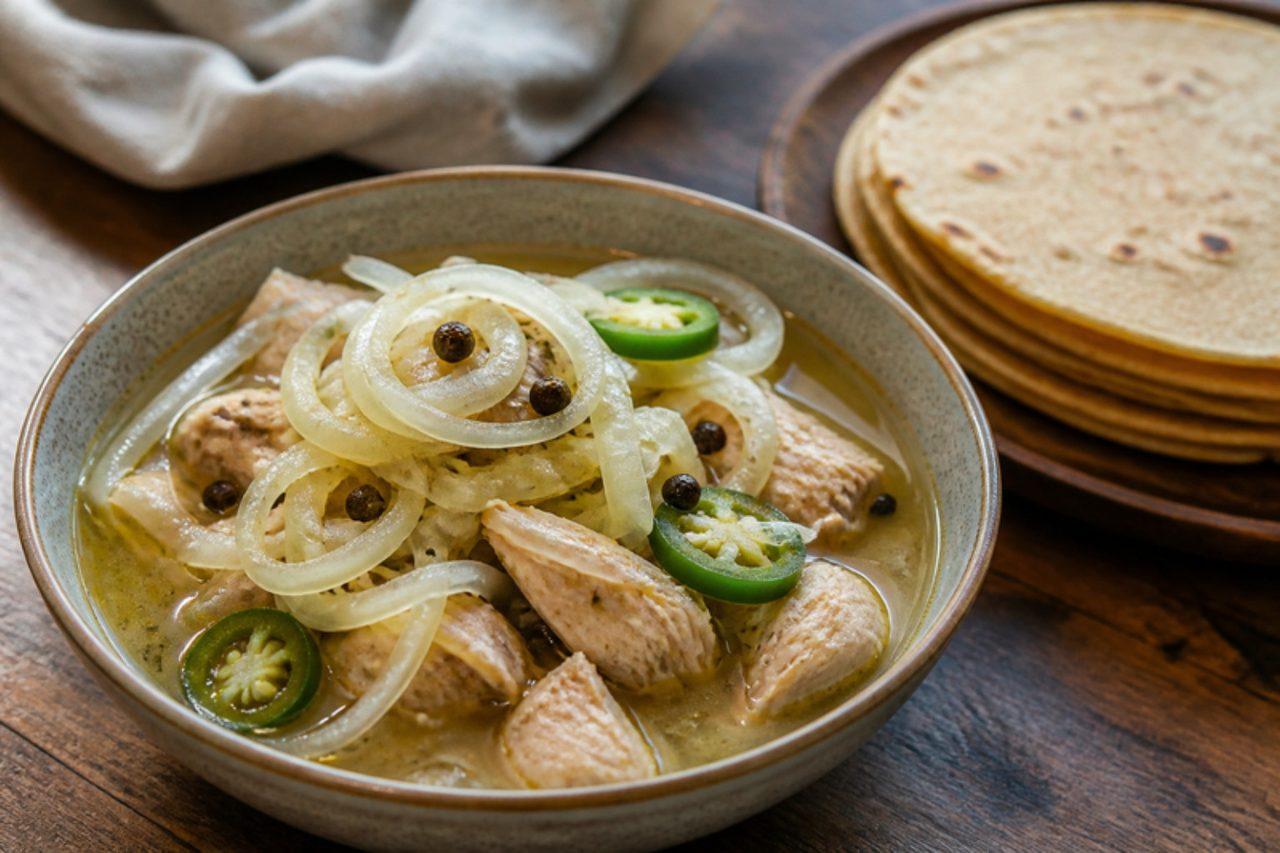
Escabeche beliceñoChicken and onion soup

Northern Belize, around Orange Walk and Corozal, makes escabeche very differently from the pickled fish of the same name elsewhere: it is a clear, peppery chicken soup piled with sweet sliced onions, sharpened with vinegar and scented with allspice, oregano and plenty of garlic. Families eat it for Sunday lunch or to settle a party night, tearing warm corn tortillas into the bowl. Cook the chicken until it reaches 74 °C at the thickest part next to the bone. The common mistake is adding the onions at the start, so they boil to mush; they go in at the end and stay soft but bright. Chef's tip: brown the chicken under the grill or in a hot pan after boiling, as many Belizean cooks do, for a smoky edge before it goes back into the broth.

by KrazyBadal 0 views

Showing 18 of 7,762 recipes

Show more recipes

Page 77 of 863