


Skip to content
Taiwanese grilled corn
Featured recipe

Taiwanese grilled corn

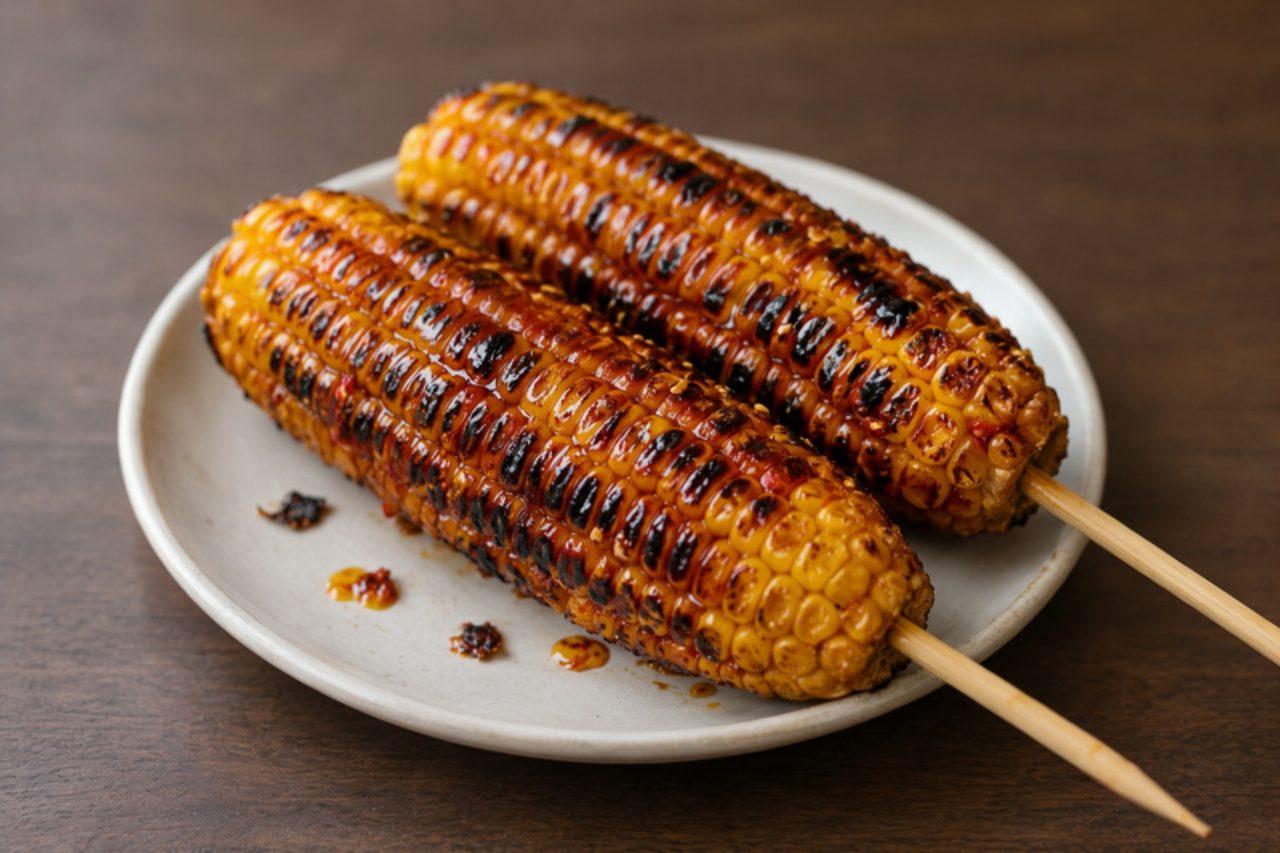
At Raohe and Shilin night markets the grilled-corn stalls are easy to find: look for the queue and the smoky, sweet smell. Cobs are par-cooked, then turned slowly over charcoal while the cook brushes them with a dark glaze of sacha sauce, thick soy paste, garlic and chilli, layer after layer, until the kernels are sticky, slightly charred and deeply savoury. It is eaten hot from a paper sleeve while walking the market. Sacha (shacha) sauce, a Taiwanese barbecue paste, usually contains dried fish and shrimp; vegetarian sacha is sold in Asian shops. Contains soy, wheat and fish. Chef's tip: brush thin coats and turn often; one thick coat burns before the corn chars.

Read more 1 views

What to eat today?

Around the world

Today's trip: Paraguayan

A new country every day, from every cuisine on the site.

Paraguayan

Buñuelos de algas

Sea lettuce fritters 35 minMore from Paraguayan (27) →

This week's collection

Kid-friendly dinners
537 recipes · a new collection every Monday

Latest recipes

Kolo meeDry egg noodles with pork

Ask anyone from Kuching what they miss most and the answer is usually kolo mee, a bowl that looks almost too simple: curly, springy egg noodles tossed in fragrant shallot oil, a little soy and white pepper, then crowned with savoury minced pork and slices of char siu. There is no thick gravy and no chilli on top; the flavour is clean, porky and aromatic, and the texture is the whole point, each strand bouncy and separate. Stalls often add a dash of red char siu oil for the 'red' version. It is eaten at any hour with a small bowl of clear soup and pickled green chilli on the side. Chef's tip: cook the noodles in small portions in a big pot of fiercely boiling water and shake them really dry; any leftover water dilutes the shallot oil.

by KrazyBadal 0 views

Kolkata aloo dumBaby potatoes in ginger tomato gravy

In Kolkata, aloo dum is the partner of luchi: hot puffed puris at a Sunday breakfast, or at the sweet shops and roadside stalls that sell 'luchi-alur dom' as a plate. Bengali aloo dum is thicker, sweeter and more gingery than its Kashmiri cousin, with no yogurt or fennel, and the potatoes are fried until their skins crinkle before they go into the gravy. A little sugar balances the chilli, and a final pinch of roasted cumin-coriander powder gives it the smell of a Bengali kitchen. Chef's tip: prick each boiled potato with a fork so the gravy gets inside.

by KrazyBadal 0 views

Kolhapuri tambda rassa with pandhra rassaFiery red mutton broth

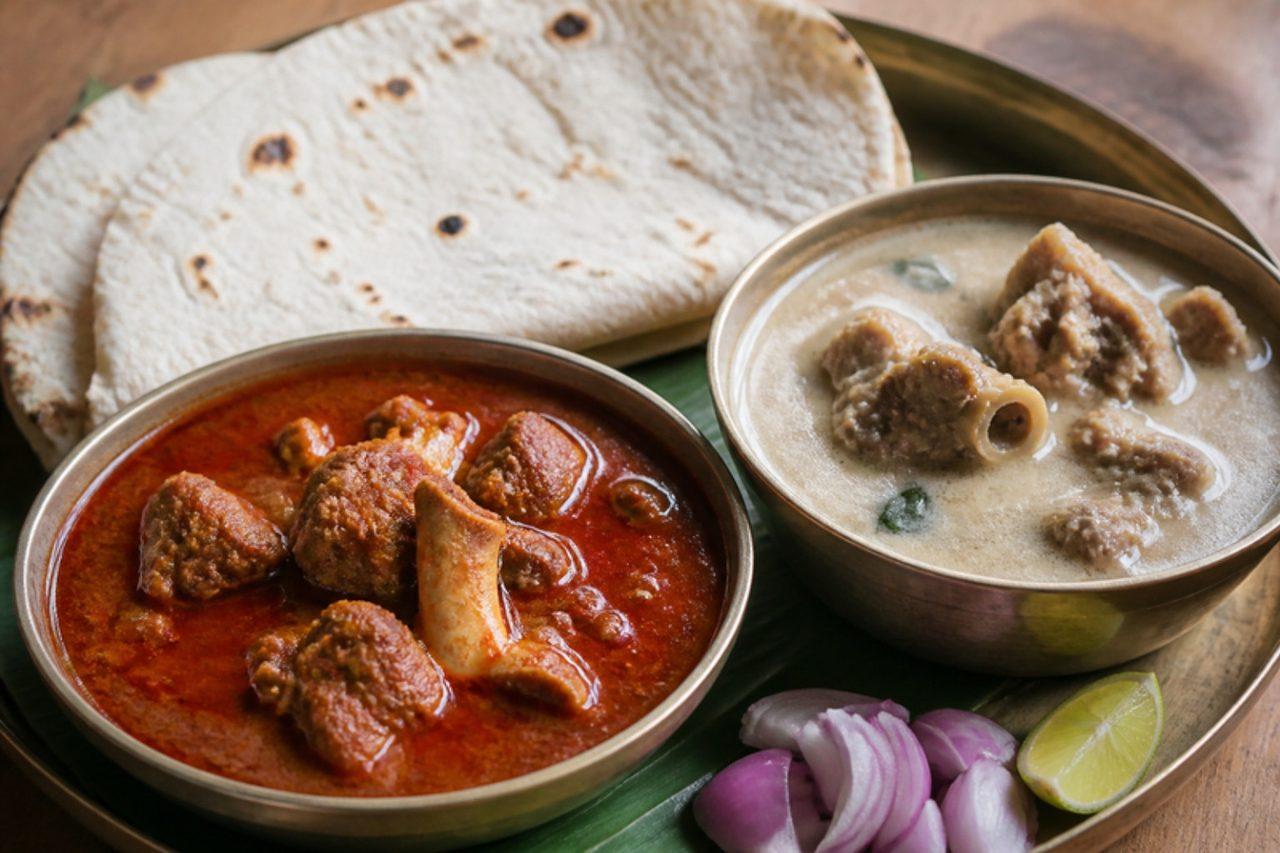
In Kolhapur, in the far south of Maharashtra, Sunday lunch at a khanaval (a family-run eating house) means mutton cooked one way and served two: a thin, blazing-red tambda rassa and a soothing white pandhra rassa made from the same stock. Diners sip the white one between spoonfuls of the red, with bhakri, rice and raw onion on the side. The heat comes from Kolhapur's own chilli blend and a dark-roasted coconut and onion masala. Chef's tip: roast the dried coconut and the onions until they are properly brown, almost mahogany; that roasting, not extra chilli, is what gives the rassa its deep colour and smoky taste.

135 minIndianMeatGluten freeSpicy
by KrazyBadal 0 views

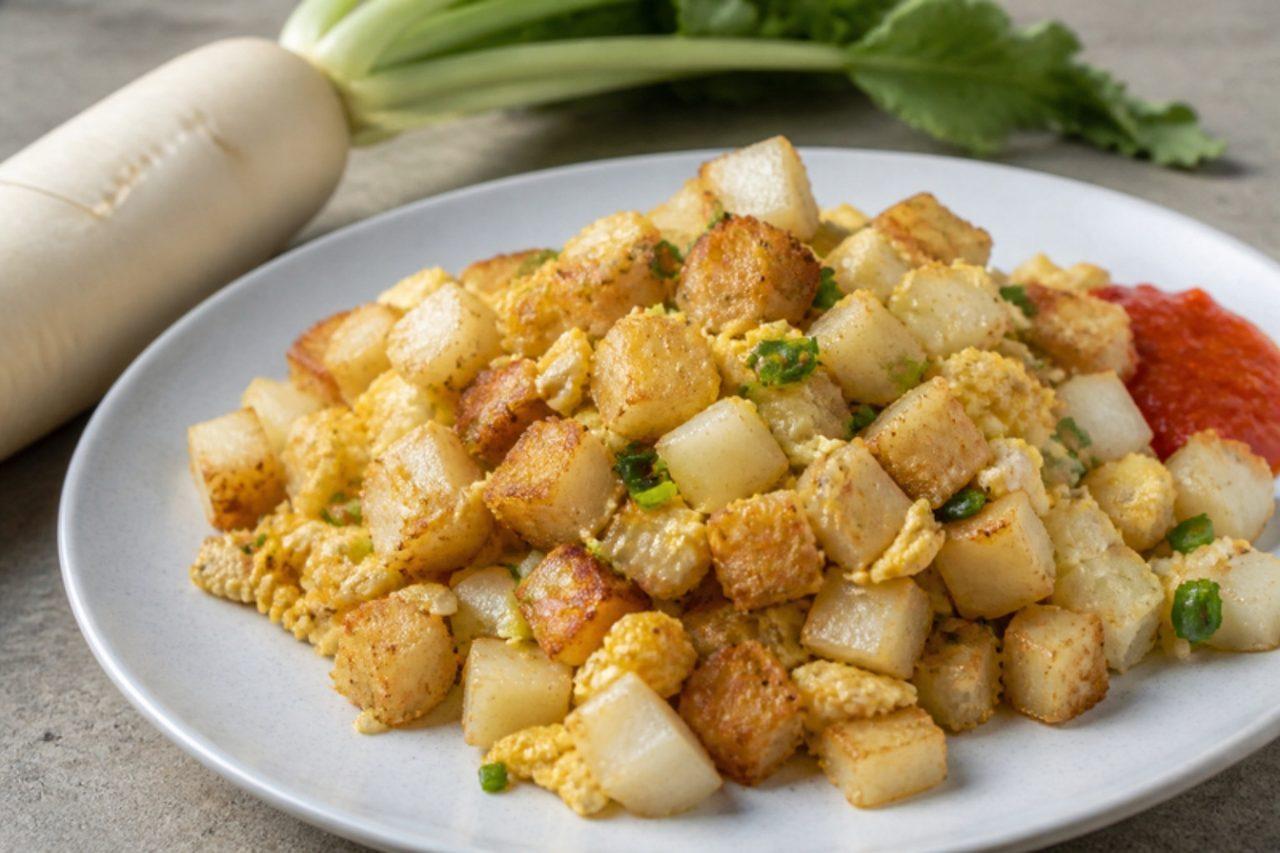
Singapore carrot cake (chai tow kway)Fried radish cake with egg

Singapore's carrot cake has no carrot in it: "carrot" is the local word for white radish (daikon). A steamed cake of rice flour and grated radish is cut into cubes and fried with egg and garlic until crisp and golden, either "white" (plain and eggy) or "black" (with sweet dark soy). It's a breakfast and supper favourite at hawker centres like Chinatown Complex. Most stalls add chai poh (preserved radish); this version leaves it out because many brands are made with fish sauce, and spring onions bring the savoury lift instead. Chef's tip: steam the cake a day ahead and chill it overnight; cold, firm cake cuts cleanly and crisps instead of falling apart.

by KrazyBadal 0 views

Kol posolaBanana stem stir-fry

Kol posola is the pale inner core of the banana plant, chopped and cooked down with mustard oil, ginger and green chilli until it is soft, juicy and faintly sweet. In Assamese villages, where banana plants grow in every yard, it is cheap everyday food, and it is also a favourite on Bihu tables and in Assamese thalis in Guwahati restaurants. It has a mild, cucumber-like flavour and is prized as a cooling, cleansing food. Chef's tip: as you chop the stem, twirl a finger or a skewer through the slices to catch and pull away the fine fibres; otherwise they stay stringy.

by KrazyBadal 0 views

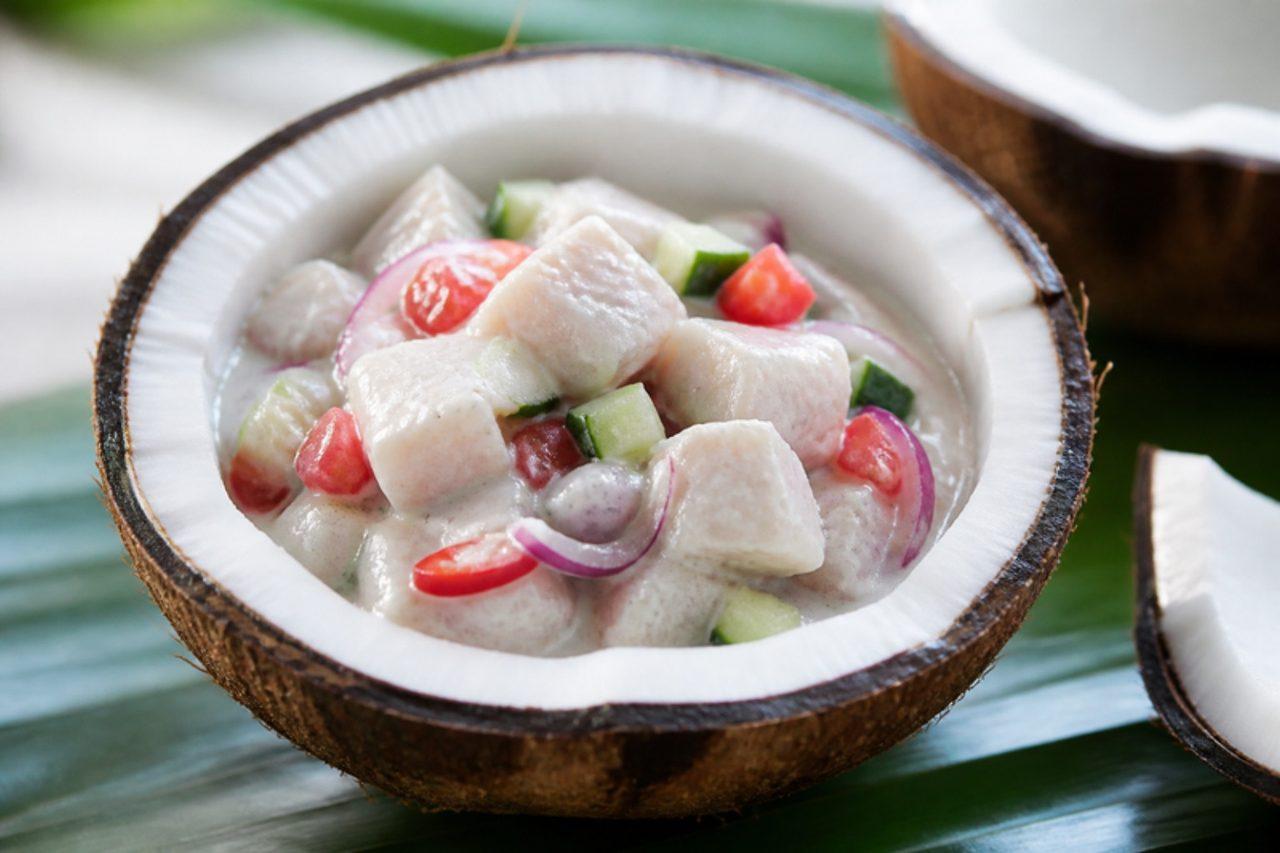
KokodaLime-cured fish in coconut cream

Kokoda (said "ko-kon-da") is Fiji's answer to ceviche, made in villages on Viti Levu and served at Suva's restaurants and family feasts in a half coconut shell: cubes of white fish soaked in lime juice until they turn white, then mixed with fresh coconut cream, onion, tomato, chilli and a little cucumber. Lime "cooks" the look of the fish but does not kill bacteria or parasites like heat does, so this is written as a safer version: use only very fresh fish that has been frozen first (sold as sashimi or sushi grade), keep everything cold and eat it within 2 hours. Raw or lime-cured fish is not for pregnant women, young children or anyone with a weakened immune system; for them, use the lightly poached option in the steps. The mistake is leaving the fish in lime too long, which turns it chalky; 15–20 minutes is enough. Chef's tip: drain off the lime juice before adding the coconut cream so the dish stays creamy, not sour.

by KrazyBadal 0 views

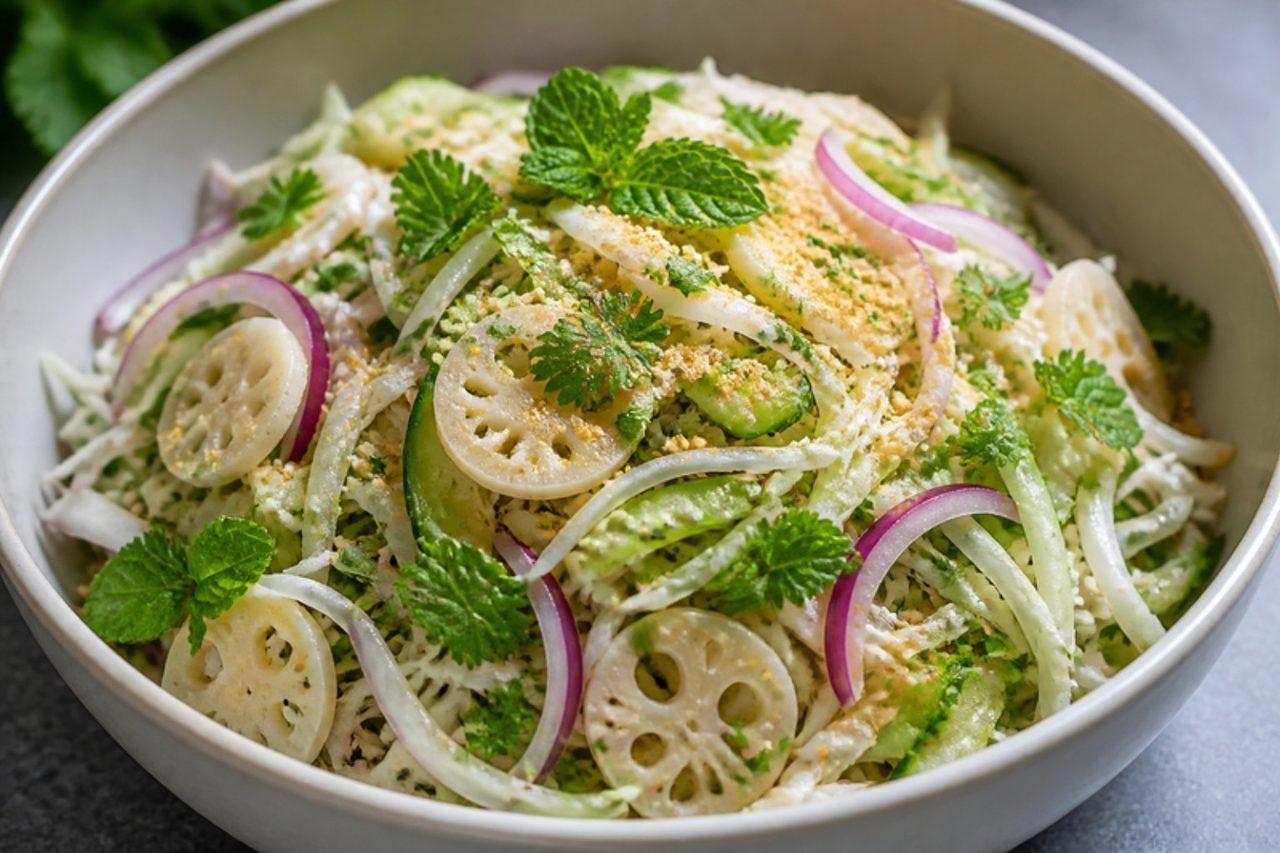
SingjuCabbage and lotus stem salad

Singju is Imphal's favourite evening snack, sold from stalls at Khwairamband market and Thangal Bazar: a pile of finely shredded cabbage, lotus stem, banana flower, onion and fresh herbs, tossed with roasted chilli and toasted gram flour. Most stalls add a little ngari (fermented fish); vegetarian Meitei homes skip it and use extra roasted perilla or sesame and toasted gram flour, which give a nutty, savoury depth. It is crunchy, hot and herby. Chef's tip: shred everything as thinly as you can, almost like hair; the dressing clings better.

by KrazyBadal 0 views

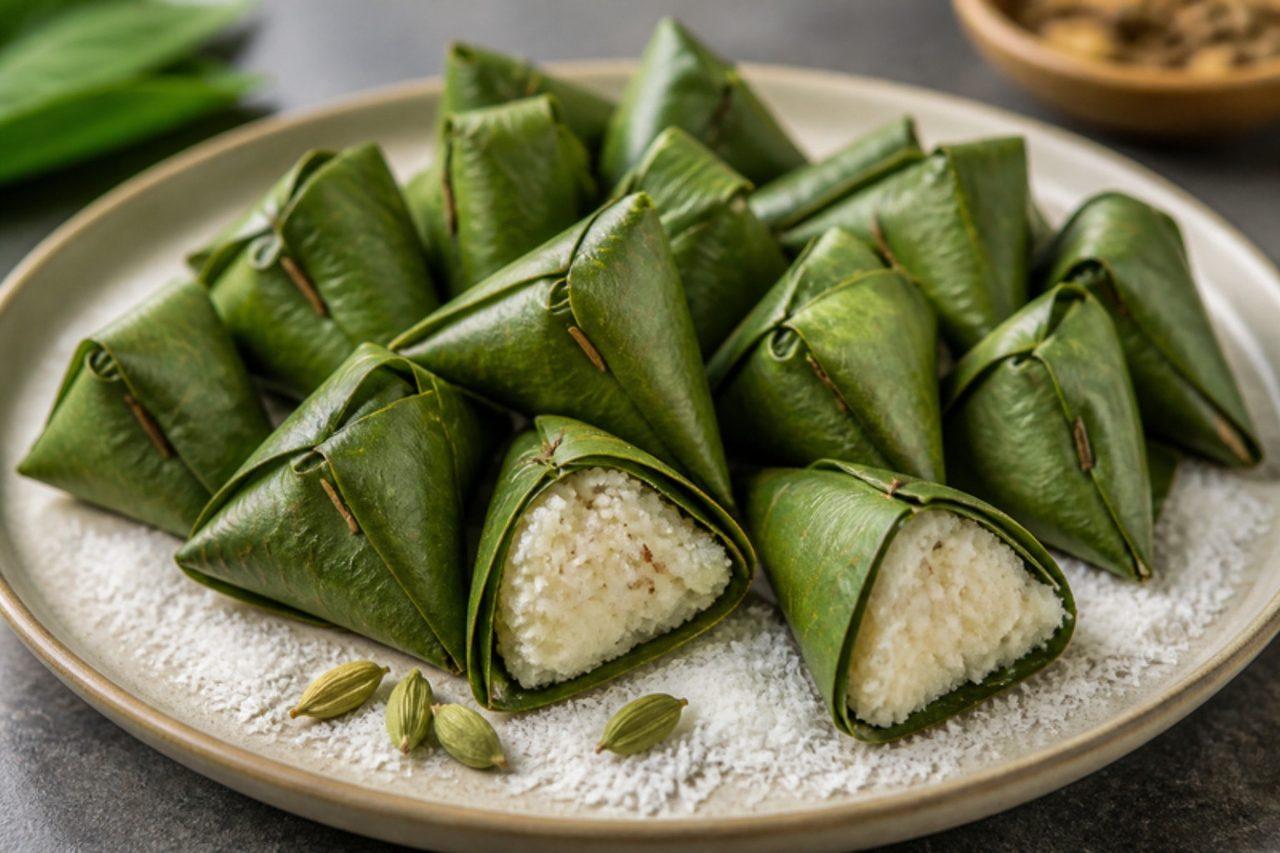
SingodiCoconut milk fudge in leaf cones

Singodi is Almora's other famous sweet, sold in the same shops as bal mithai but looking nothing like it: a soft, pale mix of khoya and coconut packed into a cone of maalu leaf and pinned shut with a twig. The leaf leaves a faint green, woody scent in the sweet, which is the whole point, and people in Kumaon unwrap them at weddings and on trips home. Maalu leaves are almost impossible to buy elsewhere, so this version uses banana leaf or fresh betel (paan) leaves; both give a gentle leafy aroma. Chef's tip: wrap the singodi while the filling is still warm and leave them in the fridge overnight, so the scent of the leaf soaks in.

by KrazyBadal 0 views

KokisCrisp rice flour flowers

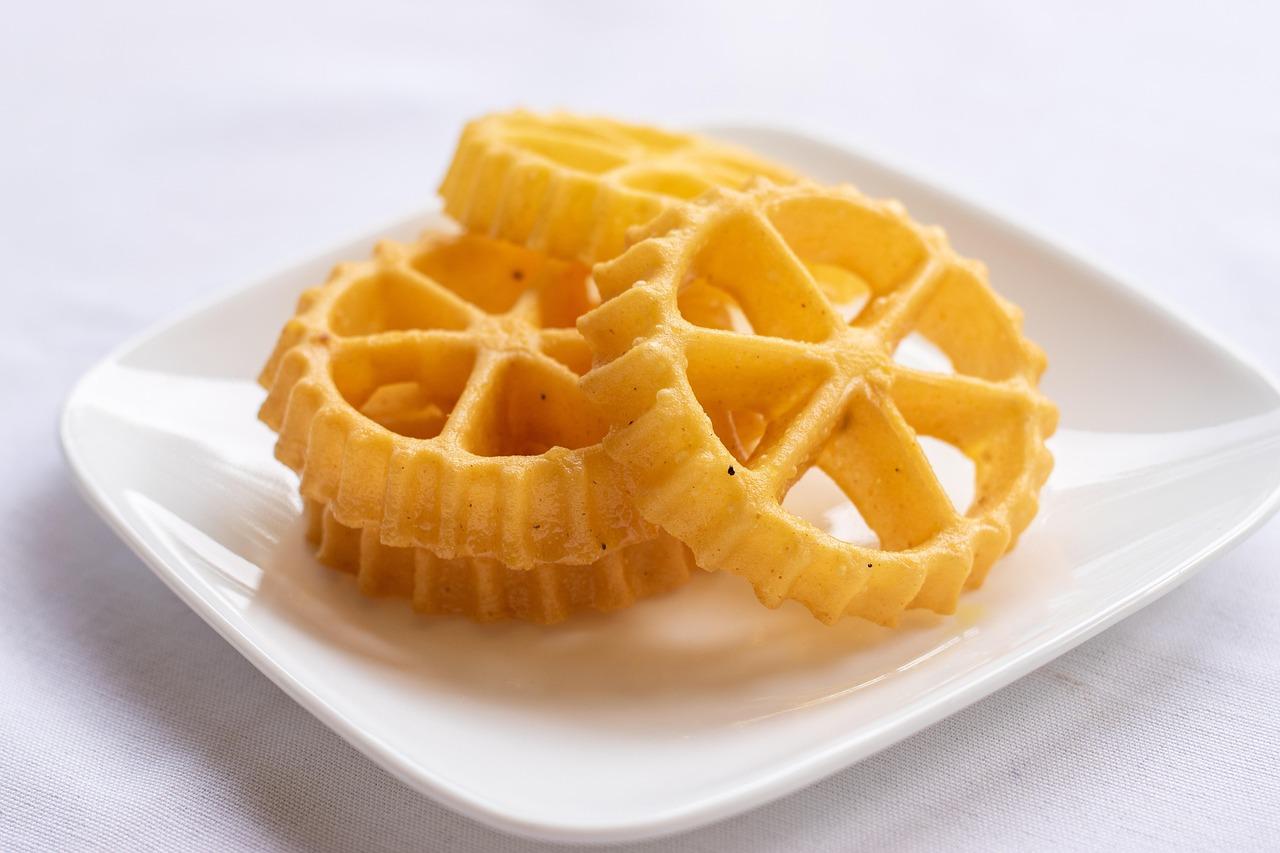
Kokis are the lacy, wheel-shaped crisps that every Sri Lankan family fries in the days before Sinhala and Tamil New Year in April, piled onto the Avurudu table beside kavum, kiri bath and banana. A thin batter of rice flour, thick coconut milk, egg and a little turmeric is picked up on a hot brass kokis mould, dipped into the oil, and shaken free as it sets, so each one is light, salty-sweet and shatteringly crunchy. They're a cousin of the rosette cookie but savoury rather than sugary. The usual mistake is dipping the mould right under the batter, so the kokis sticks and won't release; dip it only three-quarters of the way up its sides. Chef's tip: heat the mould in the oil for a full minute before the first dip, and return it to the oil between every kokis; a cold mould won't pick up batter.

by KrazyBadal 0 views

Arepa reina pepiadaChicken and avocado arepas

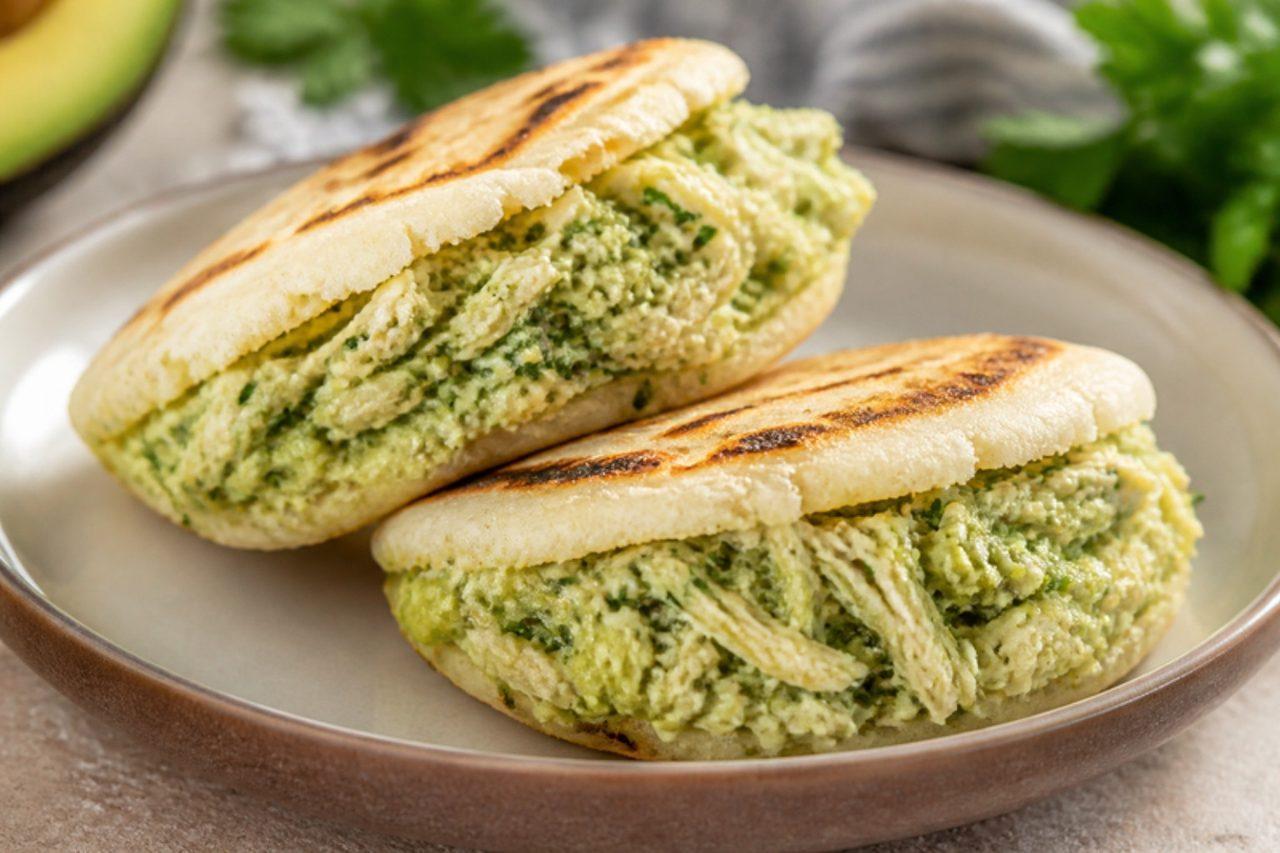
Caracas named this filling after a beauty queen: in 1955 a family running an arepera in the city made it for Susana Duijm, Venezuela's first Miss World, and called it 'the curvy queen'. Shredded chicken is mashed with ripe avocado, a little mayonnaise, lime and coriander, then stuffed into a hot, crisp-skinned arepa split down the side. Venezuelans eat it for breakfast, at lunch from areperas and late at night after a party. The usual mistake is cooking arepas over too high a heat: the outside blackens while the middle stays raw and doughy. Chef's tip: an arepa is done when it sounds hollow when you tap it; if it doesn't, give it a few more minutes in the oven.

by KrazyBadal 0 views

KokiSteamed black-eyed bean pudding

Koki is a dense, orange-red bean cake from the Douala and Bakweri country of Cameroon, made from skinned black-eyed beans blended with red palm oil, chilli and greens, then wrapped in banana leaves and steamed for hours. It is weekend food and market food, eaten with boiled plantain, cassava or ripe banana. It is related to Nigerian moi moi but heavier, richer with palm oil and full of cocoyam leaves or spinach. Chef's tip: warm the palm oil just until liquid before beating it in; poured in cold and solid it leaves streaks of fat instead of an even orange colour.

by KrazyBadal 0 views

Kok choyGreen tea

In an Uzbek chaikhana, from Tashkent's shady teahouses to the courtyards of Khiva, the first thing to arrive is a teapot of kok choy, green tea, with small bowls (piala) and a plate of raisins, almonds and sweets. The host performs qaytarish: pours a bowl, tips it back into the pot, and repeats three times to blend the brew, then serves each guest a bowl only half full, a sign they should stay and be topped up. Green tea is drunk with plov to cut the oil, and all through hot summer days. Chef's tip: use water just off the boil (about 90°C) and warm the pot first; boiling water straight from the kettle makes Chinese green tea taste harsh.

by KrazyBadal 0 views

Kohu-kohuSmoked tuna salad

Ambon's fish markets sell ikan asar, tuna smoked over coconut husks, and one of the best things to do with it is kohu-kohu. Flakes of the smoky fish are tossed with crisp shredded long beans, bean sprouts, lightly toasted coconut, raw shallot, chilli and plenty of lime, making a salad that is crunchy, smoky, sour and hot all at once. It's a staple at Maluku family meals, often served next to papeda and fish soup or simply with rice. Chef's tip: mix it no more than an hour before eating; fresh coconut goes limp and sour if it sits around, and the salad loses its crunch.

by KrazyBadal 0 views

Koba akondroBanana, rice and peanut parcels

Koba is the street sweet of Madagascar's highlands, sold in thick slices from huge logs wrapped in banana leaves at markets and taxi-brousse stops around Antananarivo and Antsirabe. Koba ravina is a dense block of ground peanuts, rice flour and brown sugar; koba akondro adds ripe banana and is softer. This home version makes small parcels that steam in an hour and a half instead of a whole day. Chef's tip: wrap the parcels tightly; loose parcels let water in and the koba turns sticky instead of firm.

by KrazyBadal 0 views

KleponPandan rice balls with palm sugar

Klepon are the jajan pasar, or market cakes, of Java: sold in the morning from baskets lined with banana leaves, bright green from pandan and dusted with grated coconut. Bite one and a pocket of molten palm sugar floods your mouth, so Javanese eat them whole. Malaysians and Singaporeans know the same sweet as onde-onde, made for festive tea tables, so this page covers both. Chef's tip: seal the balls with no cracks and drop them into gently boiling water — the moment they float, give them one more minute, and the sugar inside will be fully molten.

by KrazyBadal 0 views

KladdkakaSticky chocolate cake

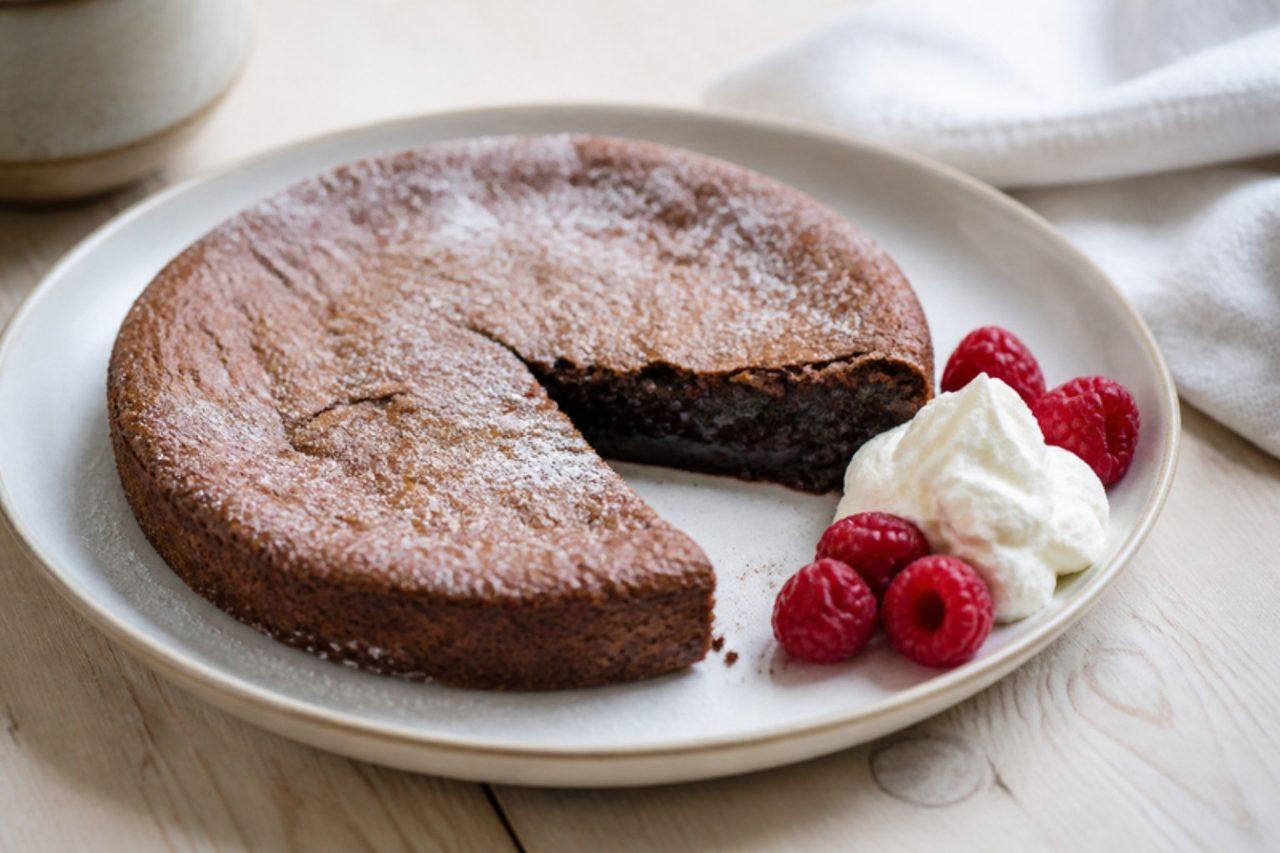
Kladdkaka, literally 'sticky cake', is the chocolate cake Swedish teenagers learn to make first, because it needs one pan, no mixer and no raising agent. The outside bakes to a thin, crackly crust while the centre stays fudgy and almost molten, somewhere between a brownie and a chocolate pudding. In Sweden it turns up at birthday parties, after Friday tacos and at summer cottages, cut into wedges and served with lightly whipped cream and a few raspberries or lingonberries. Cocoa, not bar chocolate, gives it its classic flavour. Chef's tip: take it out when the middle still wobbles like set jelly; it firms up as it cools and a fully set kladdkaka is just a dry chocolate cake.

by KrazyBadal 0 views

KitfoSpiced minced beef

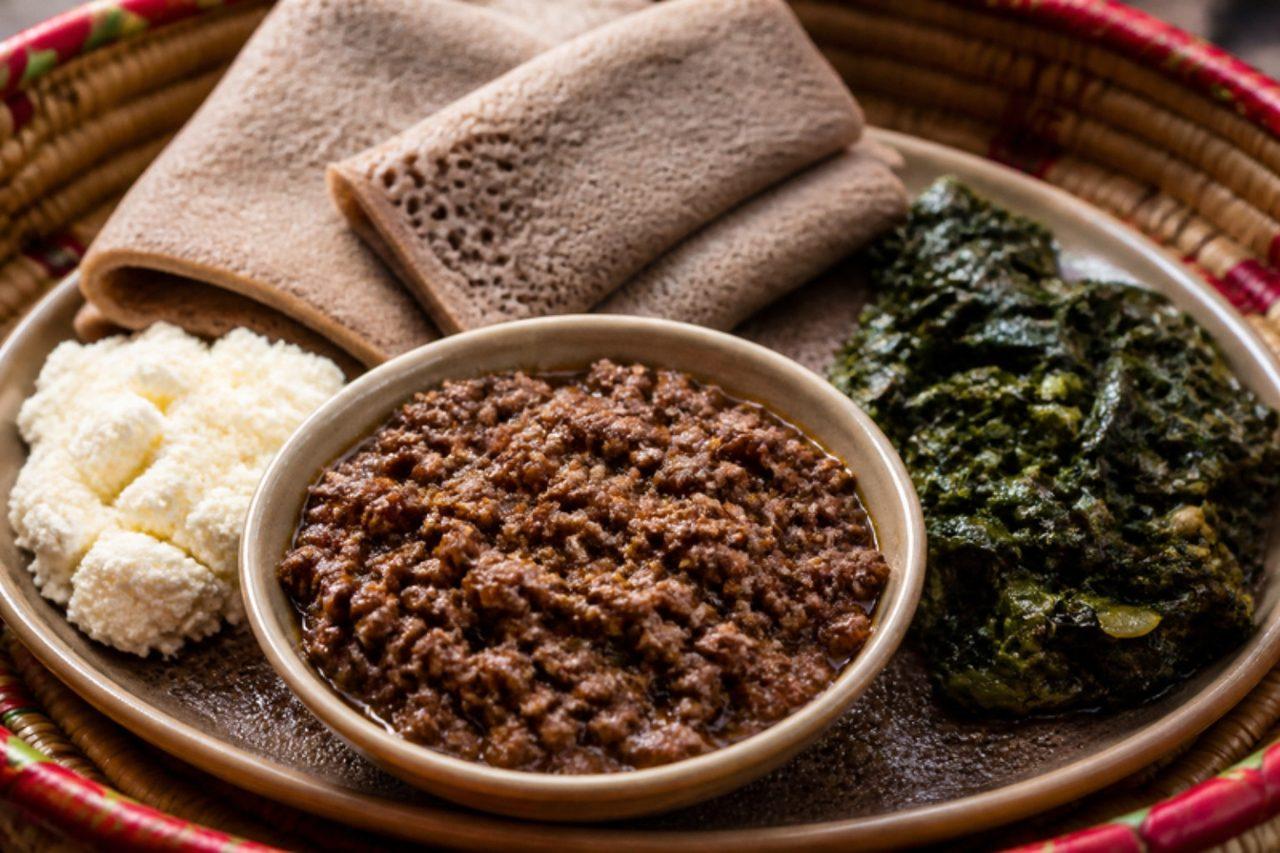
Kitfo comes from the Gurage people south-west of Addis Ababa, and it is the dish Ethiopians order at special kitfo houses or make for Meskel, the September feast of the True Cross. Lean beef is finely minced and stirred with warm spiced butter and mitmita, a hot chilli and cardamom powder. In Ethiopia it is often eaten raw (tire) or barely warmed (leb leb), but raw or lightly warmed minced beef is not safe for home cooks: this version is cooked to 71 °C, which keeps the buttery, fiery flavour with a soft, crumbly texture. Serve with ayib, braised greens and injera or kocho. Chef's tip: mince the beef yourself from a single lean cut if you can, and keep it fridge-cold until the moment it goes into the pan.

by KrazyBadal 0 views

KisraFermented sorghum flatbread

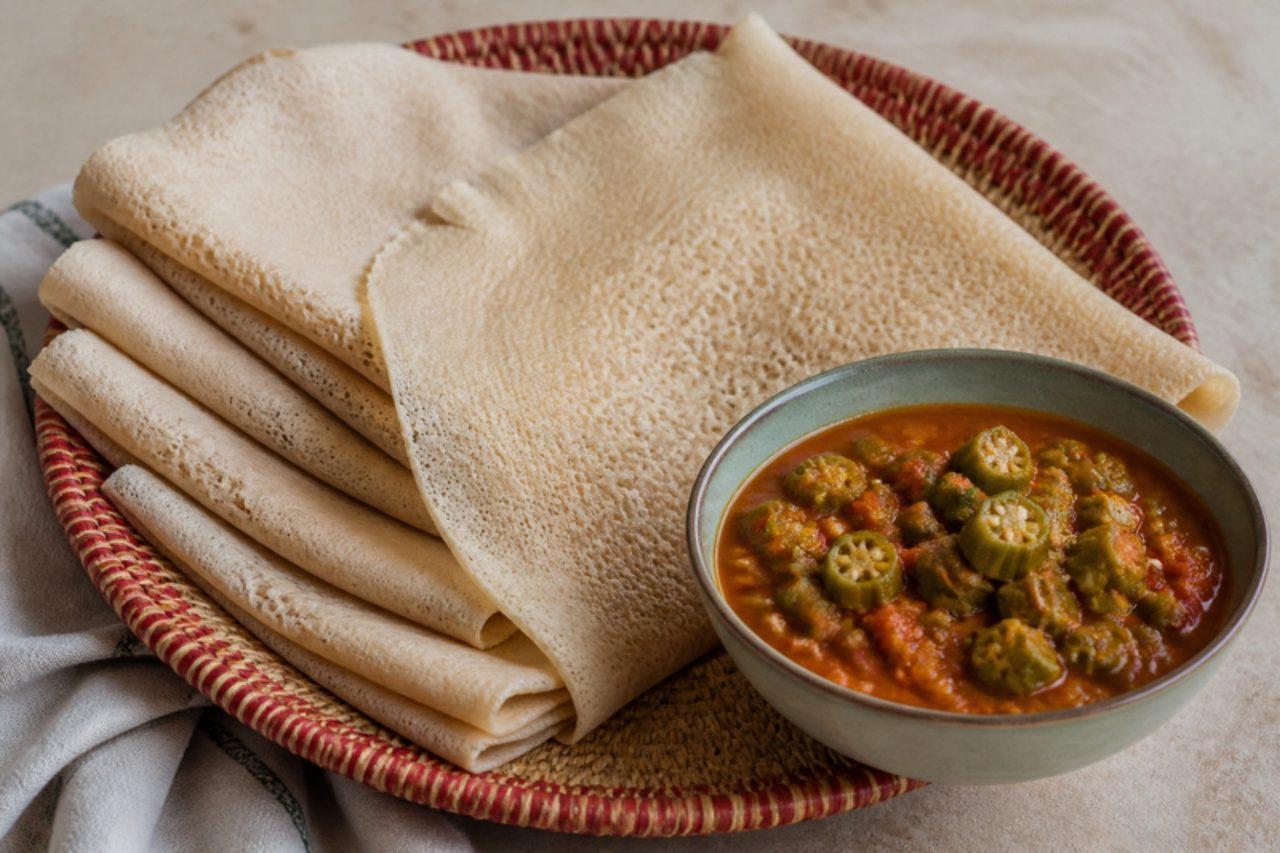
Kisra (kisra rahifa) is the daily bread of northern and central Sudan: a sorghum batter left to sour for a day, then wiped across a very hot iron plate in a single sweep so it cooks into a lacy sheet as thin as paper. In homes it is made early each morning and stacked in folded layers to eat with mullah stews, especially during Ramadan. A wide crêpe pan and a plastic scraper or spatula work at home. Chef's tip: the pan must be hot enough that the batter sets the moment it touches; if it is too cool the sheet sticks and tears.

by KrazyBadal 0 views

Showing 18 of 7,762 recipes

Show more recipes

Page 761 of 863