


Skip to content
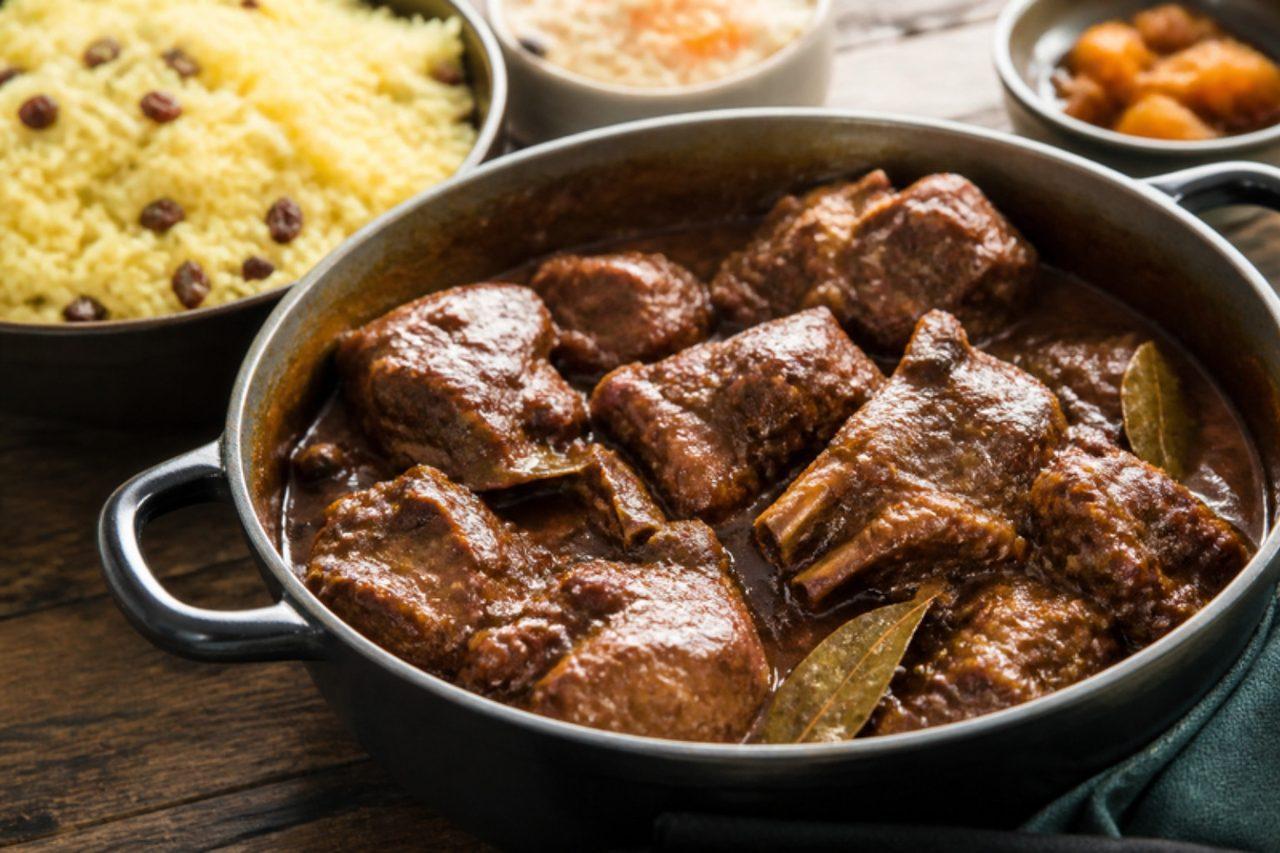
Denningvleis
Featured recipe

Denningvleis

Tamarind and allspice braised lamb

Older Bo-Kaap cooks make denningvleis for family lunches and for the day after Eid, when there is lamb to use up: chunks of shoulder braised with a mountain of onions, bay leaves, allspice and sour tamarind, finished with a little brown sugar. It is not a curry; there is barely any chilli, and the flavour is all sweet against sour, with the fragrance of bay running through a dark, sticky gravy. Serve it with geelrys, the Cape's turmeric rice with raisins, and a sharp tomato-and-onion sambal. The classic slip is pouring in tamarind pulp straight from the block, seeds and stringy fibres included, so soak and strain it first. Chef's tip: let the onions cook down almost to a jam before adding liquid; they thicken the sauce, so you never need flour.

Read more 0 views

What to eat today?

Around the world

Today's trip: Paraguayan

A new country every day, from every cuisine on the site.

Paraguayan

Cocido quemado

Burnt sugar mate drink 14 minMore from Paraguayan (27) →

This week's collection

Kid-friendly dinners
537 recipes · a new collection every Monday

Latest recipes

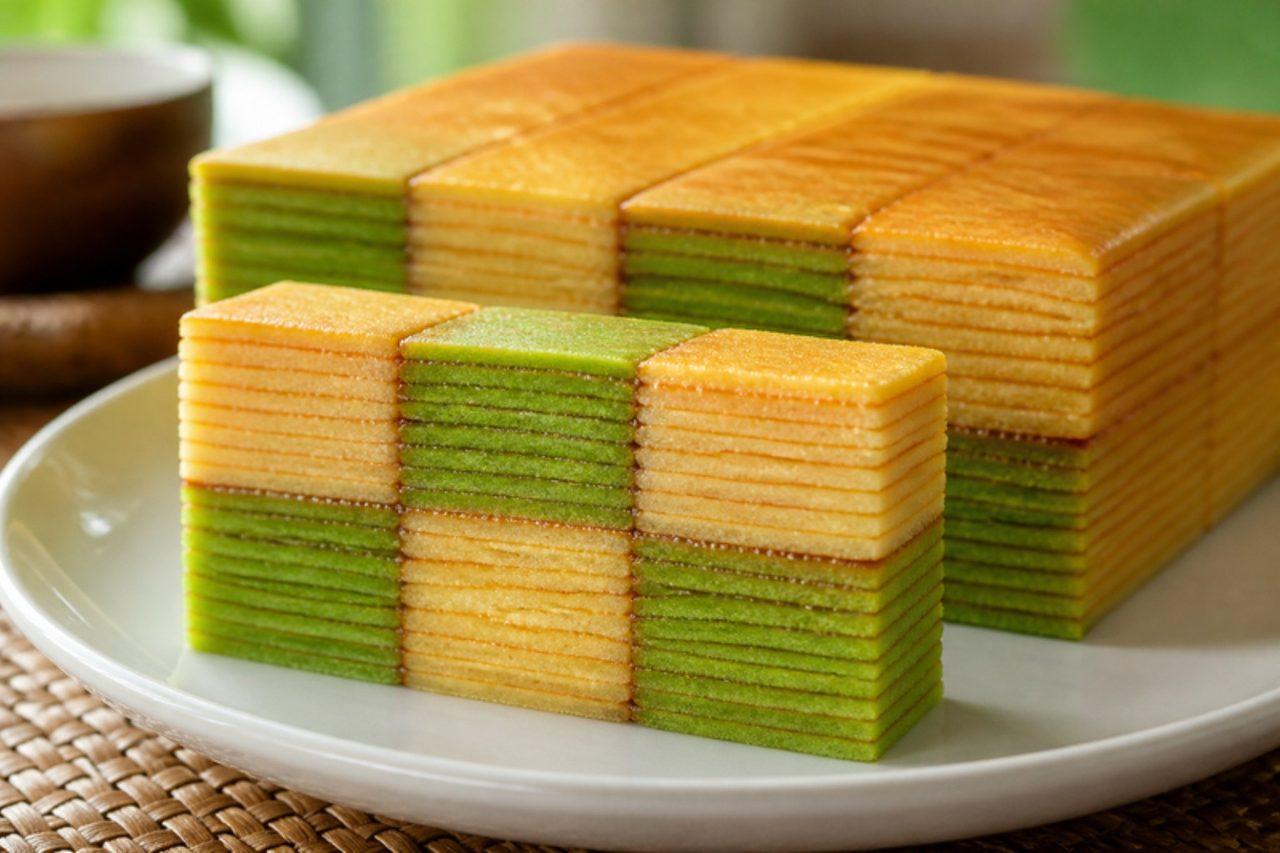
Kek lapis SarawakLayer cake

In Kuching, kek lapis Sarawak is baked for Hari Raya, Christmas and Gawai, and every family gives boxes of it away. Unlike Indonesia's spiced lapis legit, Sarawak cakes are sweet, dense and buttery, often made with condensed milk, and famous for their bright geometric patterns. Many layers are grilled one by one, then the cake is cut into strips and glued back together with jam to make the design. This is the beginner's chequerboard in plain and pandan green. Chef's tip: spread each layer thin and even with the back of a spoon; uneven layers make the pattern crooked.

by KrazyBadal 0 views

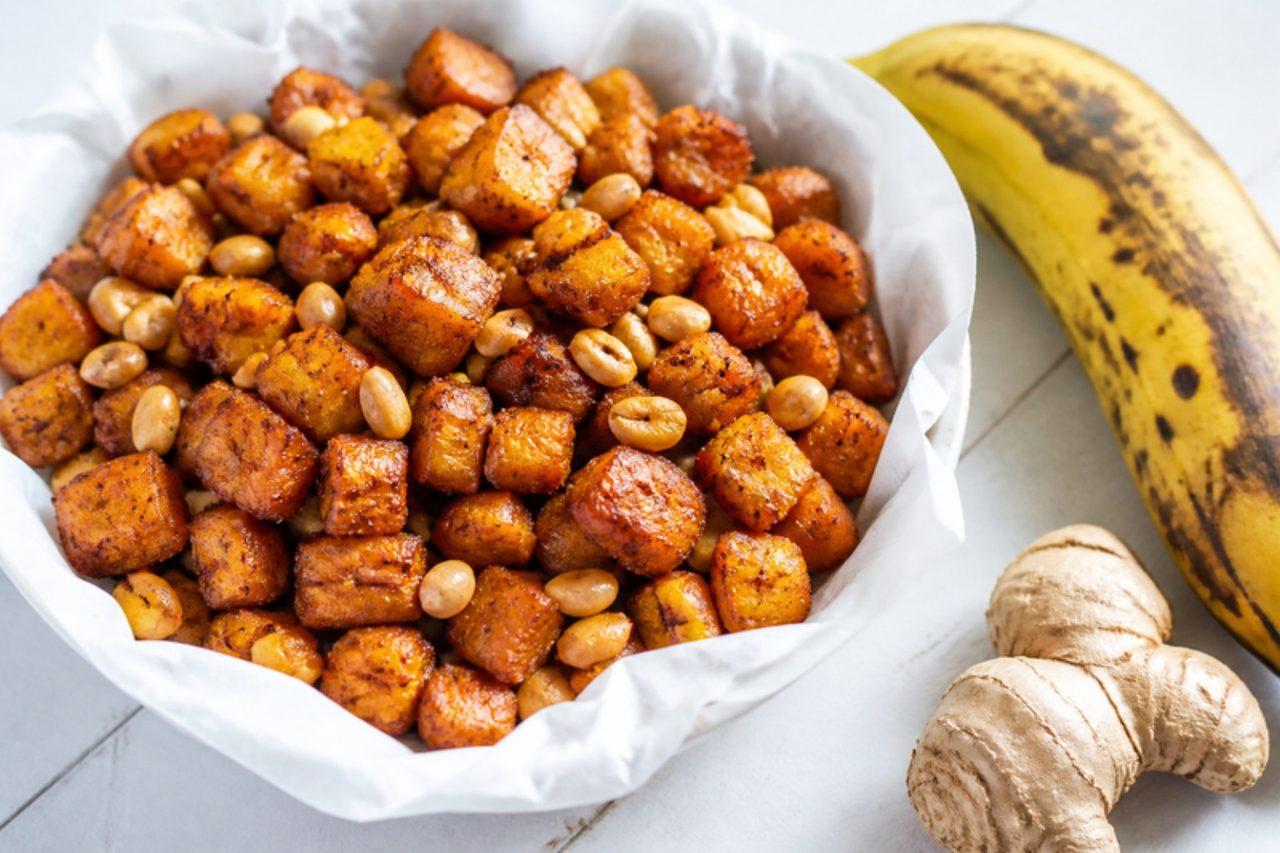
KeleweleSpiced fried plantain

Kelewele is what Accra smells like after dark: ripe plantain cubes tossed in a paste of ginger, onion, chilli and spice, then fried at roadside stalls lit by lamps and sold in paper cones. It is eaten as an evening snack, often with a handful of roasted peanuts, or as a side with red red. The outside caramelises while the spices turn toasty, so every piece is sweet, hot and spicy at once. Chef's tip: use plantains that are yellow with lots of black spots; fully black ones collapse in the oil and green ones never turn sweet.

by KrazyBadal 1 views

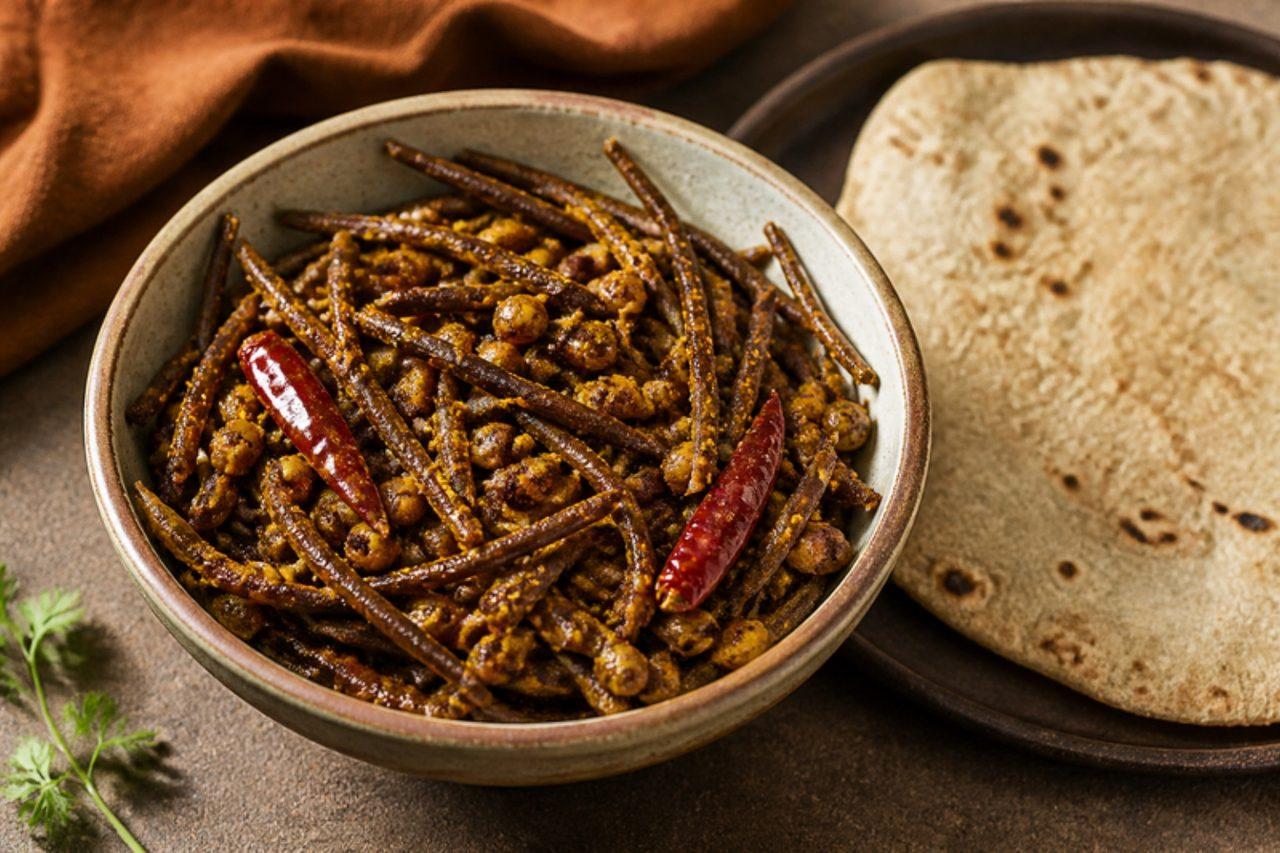
Ker sangriDesert berries and beans

Ker sangri is a true desert dish from the Thar in Rajasthan: ker are small, sour wild caper berries and sangri are the thin, chewy bean pods of the khejri tree, both picked in summer and sun-dried to last the year. Soaked, boiled and fried in plenty of mustard oil with chilli, mango powder and coriander, they become tangy, earthy and almost pickle-like. It keeps for days, which is why it travelled with camel herders. Serve with bajra roti or puri, or as a side to dal baati. Chef's tip: taste a ker berry after boiling; if it is still very bitter, boil it again in fresh water before frying.

by KrazyBadal 0 views

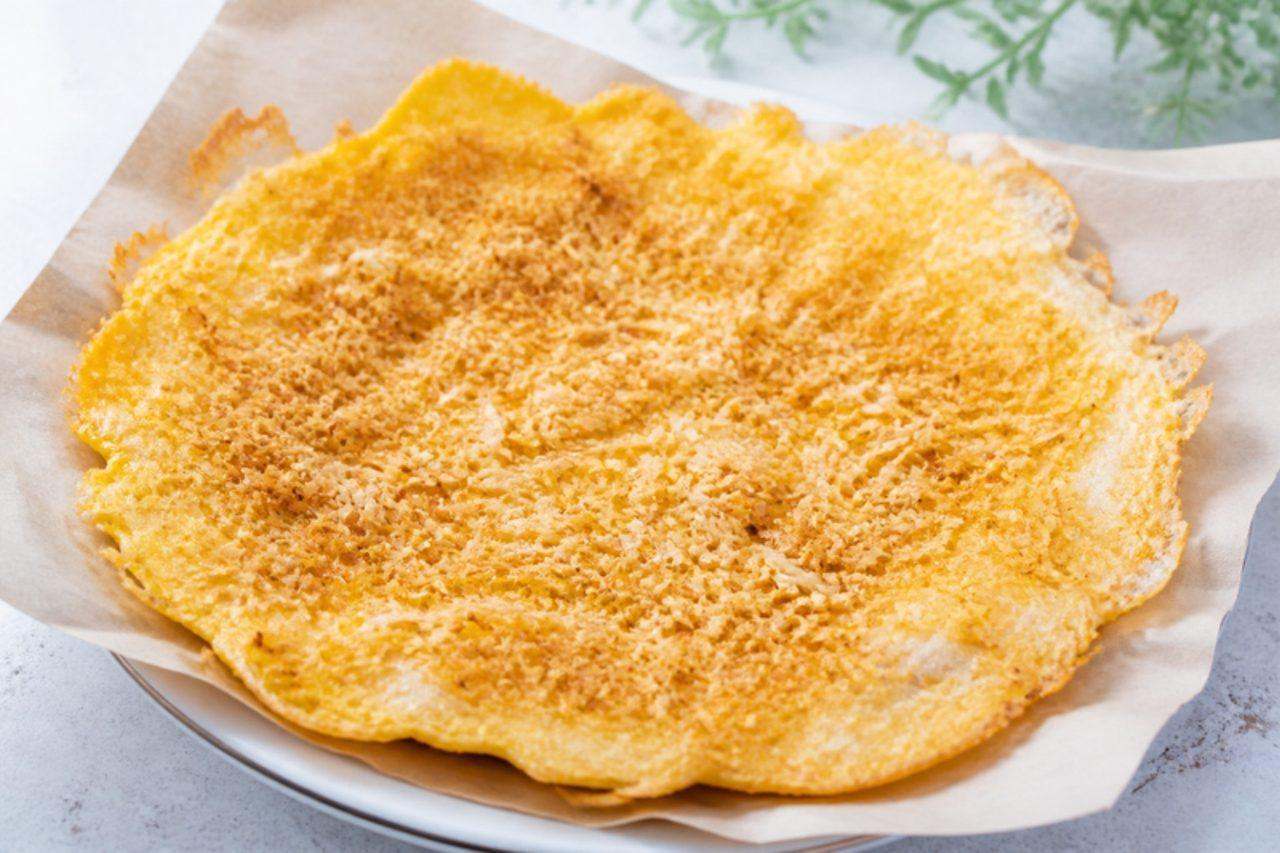
Kerak telorSticky rice and egg omelette

Kerak telor is the Betawi snack of Jakarta, cooked over charcoal by vendors at the Jakarta Fair and around Monas: a little soaked sticky rice is cooked in a tiny wok, an egg cracked on top, then the wok is turned upside down over the coals so the bottom forms a crust. It is finished with serundeng, a spiced toasted coconut, and fried shallots. Vendors usually add dried shrimp to the coconut; this version doesn't. Chef's tip: soak the sticky rice overnight; half-soaked grains stay hard in the middle.

by KrazyBadal 0 views

Kerala meen currySour red fish curry

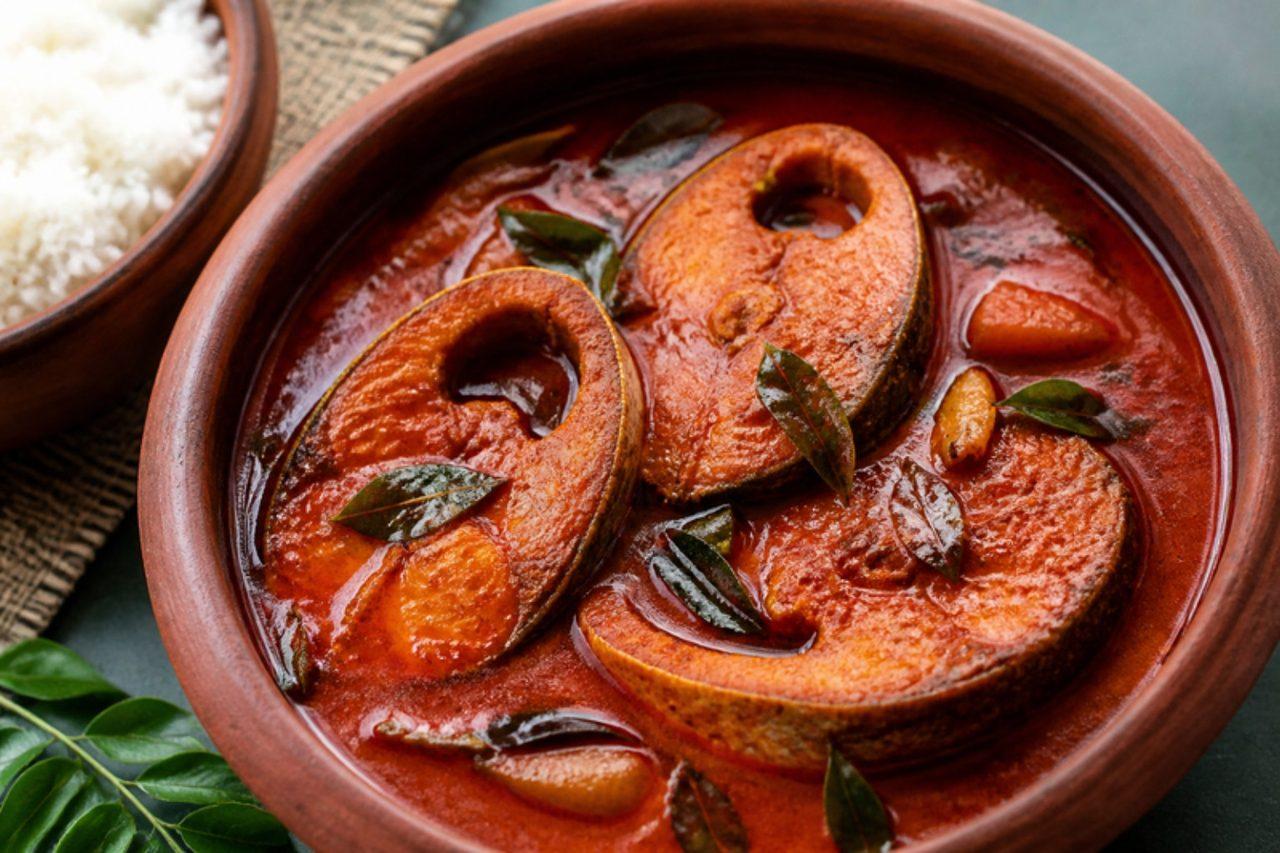
Down the southern backwater districts of Travancore, around Kottayam and Alappuzha, the everyday fish curry has no coconut at all: just a brick-red gravy of chilli, shallots and coconut oil, made sour and smoky with kudampuli (Malabar tamarind). It is traditionally made in a clay pot (manchatti) and left to sit, because it tastes better hours later or the next morning, when the fish has soaked up the sourness. Kingfish, sardines and mackerel are the usual choices; eat it with boiled red Kerala rice or tapioca. Chef's tip: once the fish is in, never use a spoon — hold the pot with a cloth and swirl it so the sauce coats the pieces without breaking them.

45 minIndianFishGluten freeSpicy
by KrazyBadal 0 views

Keropok lekorFried fish sausages

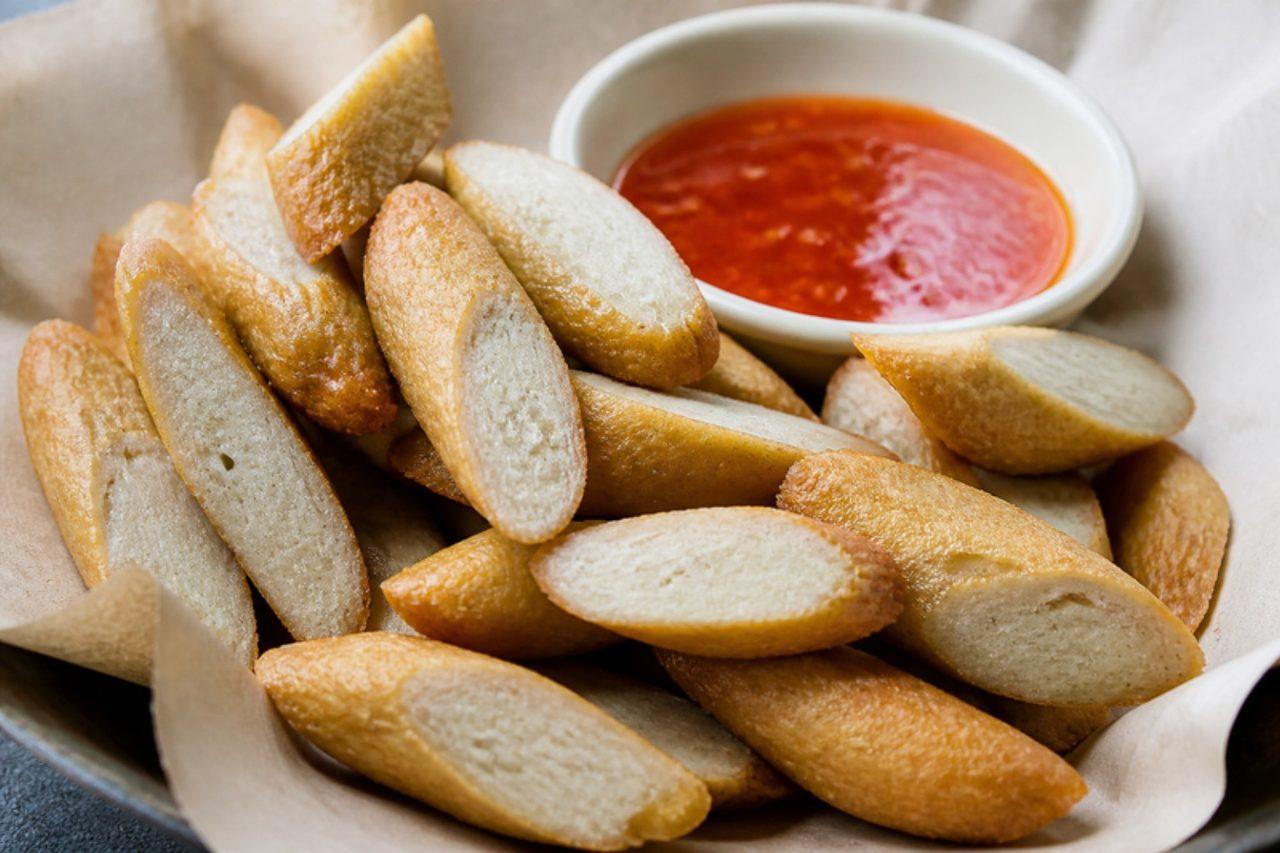
Along the beach road from Kuala Terengganu to Marang, roadside huts sell keropok lekor in paper bags, still hot from the wok. These are long, grey-white sausages of fish and sago starch, boiled until they float and then sliced and fried, so the outside puffs and crisps while the inside stays dense, bouncy and tasting clearly of the sea. Locals dip them in a sweet, garlicky chilli sauce and eat them with tea in the late afternoon. They freeze well after boiling, ready to fry any time. Chef's tip: knead the fish with ice-cold water; keeping the dough cold is what gives the springy bite.

by KrazyBadal 0 views

KespeEgg noodles in vegetable broth

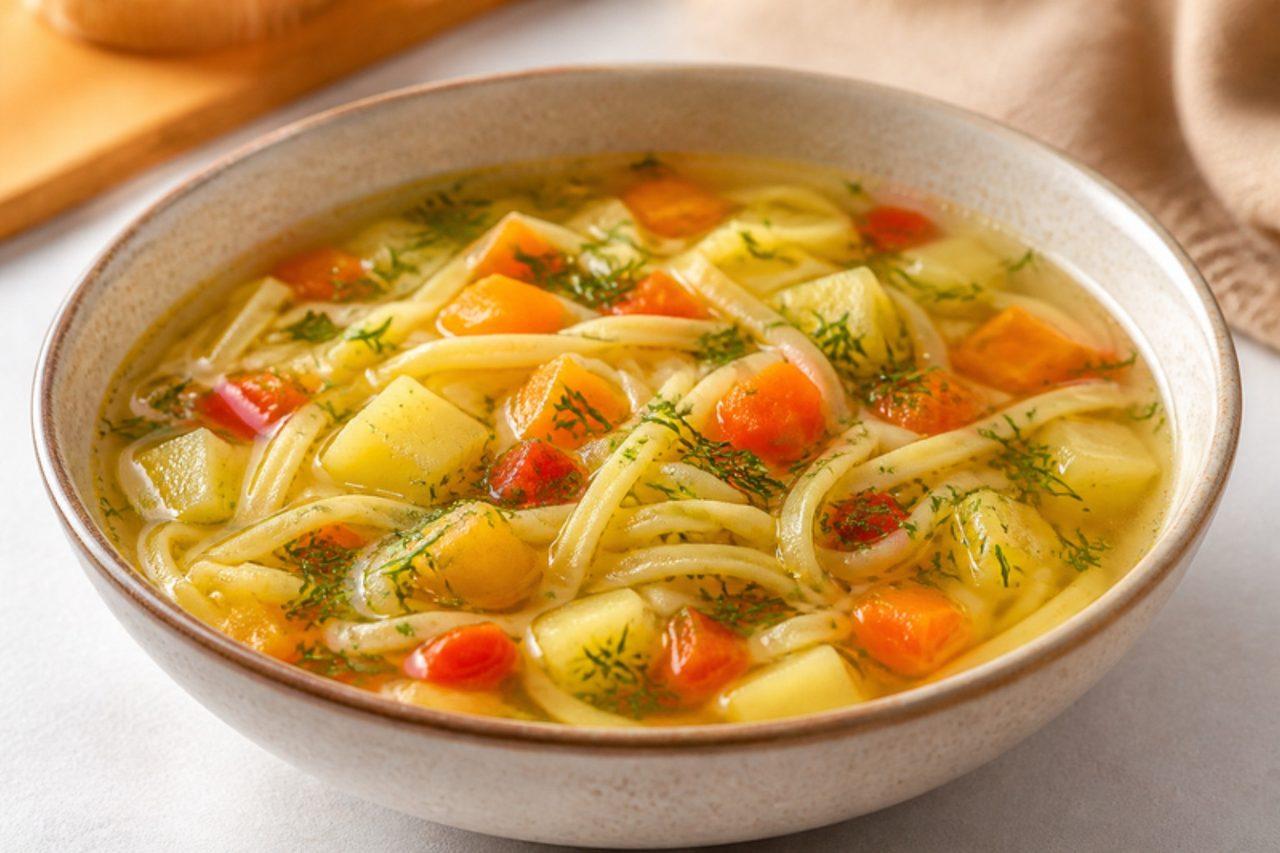
Kespe is the plainest and most comforting of Kazakh soups: home-made egg noodles, cut thin with a knife, simmered in broth with potato, carrot and onion. The name comes from 'kesu', to cut. Grandmothers in villages around Karaganda and Pavlodar make it on winter evenings and for anyone feeling unwell, and in Kyrgyzstan the same soup goes by the same name. It is usually cooked in mutton broth; this version uses a well-browned vegetable broth. Chef's tip: dry the cut noodles for 20 minutes before cooking; they hold their shape and don't cloud the broth.

by KrazyBadal 0 views

KetoprakTofu and noodles in peanut sauce

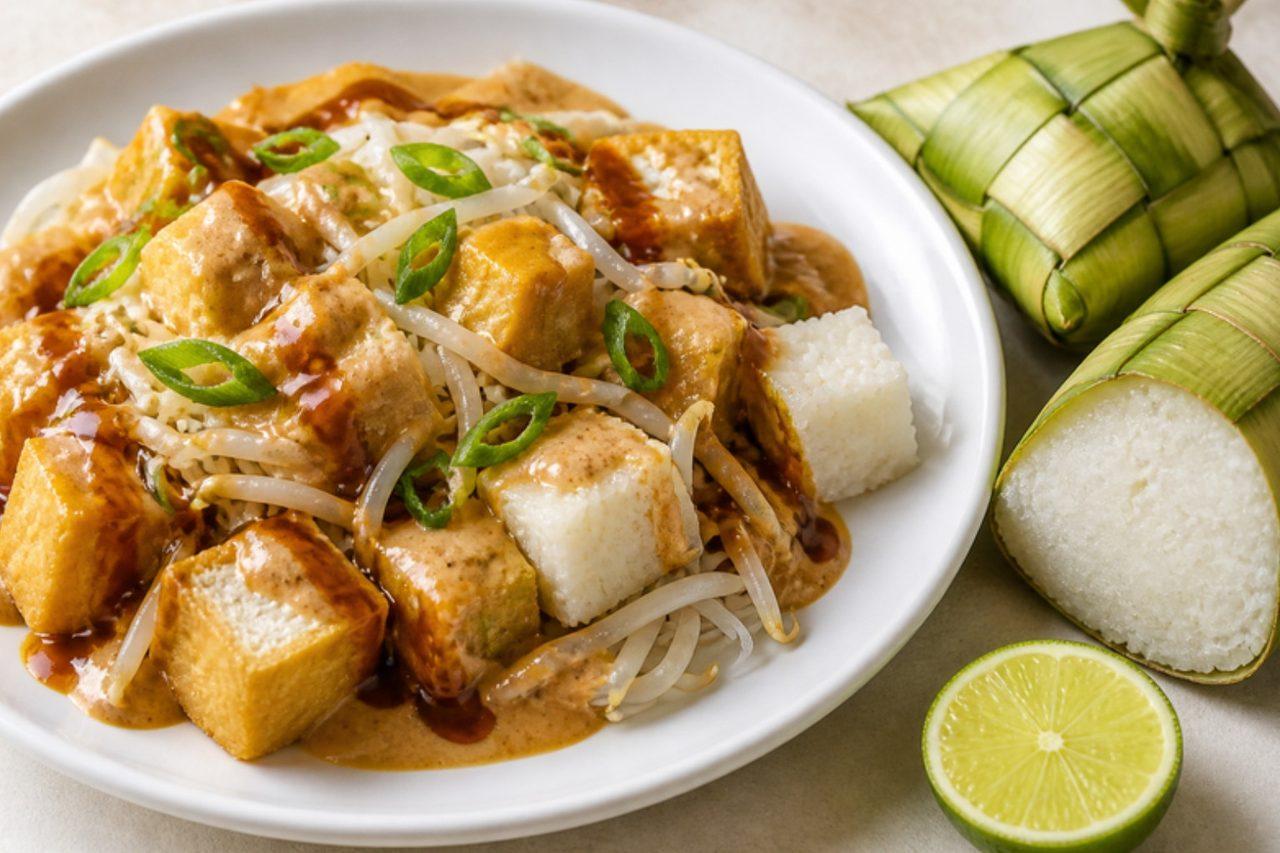
Ketoprak is a Jakarta cart dish, made to order: the seller grinds peanuts, garlic and chilli in a wide stone mortar, loosens them with water and sweet soy, then tips fried tofu, rice cake, rice vermicelli and bean sprouts on top. It is a cousin of gado-gado but simpler, with no egg-and-greens platter, and the raw-garlic sauce is the whole point. Eat it at lunch with plenty of crackers. Chef's tip: grind the garlic with the hot fried peanuts so the garlic mellows slightly; a raw paste made with cold nuts is harsh.

by KrazyBadal 0 views

Key watSpicy beef stew

Ask for key wat at a restaurant in Addis Ababa and you get a bowl of tender beef drowned in a sauce so red it gives the dish its name: key means red in Amharic. It is everyday celebration food, cooked for Sunday lunch, weddings and the end of a fast, and it shares the slow-cooked onion base of doro wat but with chunks of beef and a sharper, more peppery heat. The sauce should be thick and glossy, with a layer of red oil on top. Spoon it over injera with a cooling plate of greens or lentils beside it. Chef's tip: cut the beef into small, even 2 cm cubes so it soaks up the sauce and becomes tender in under an hour and a half.

by KrazyBadal 0 views

KhambirLeavened wholewheat bread

Khambir is the everyday bread of Ladakh: a thick, round wholewheat loaf with a dent pressed into the middle, browned on a griddle and finished in the heat of the kitchen stove. In homes in Leh and Kargil it appears at breakfast, torn into chunks and dipped into salty butter tea, or spread with apricot jam made from the region's dried apricots. The crust is chewy and toasty, the inside dense and slightly sour. Bakers in Leh's old town still sell it warm in the mornings. Chef's tip: let the dough rise until truly doubled; under-risen khambir is heavy and gummy in the middle.

by KrazyBadal 0 views

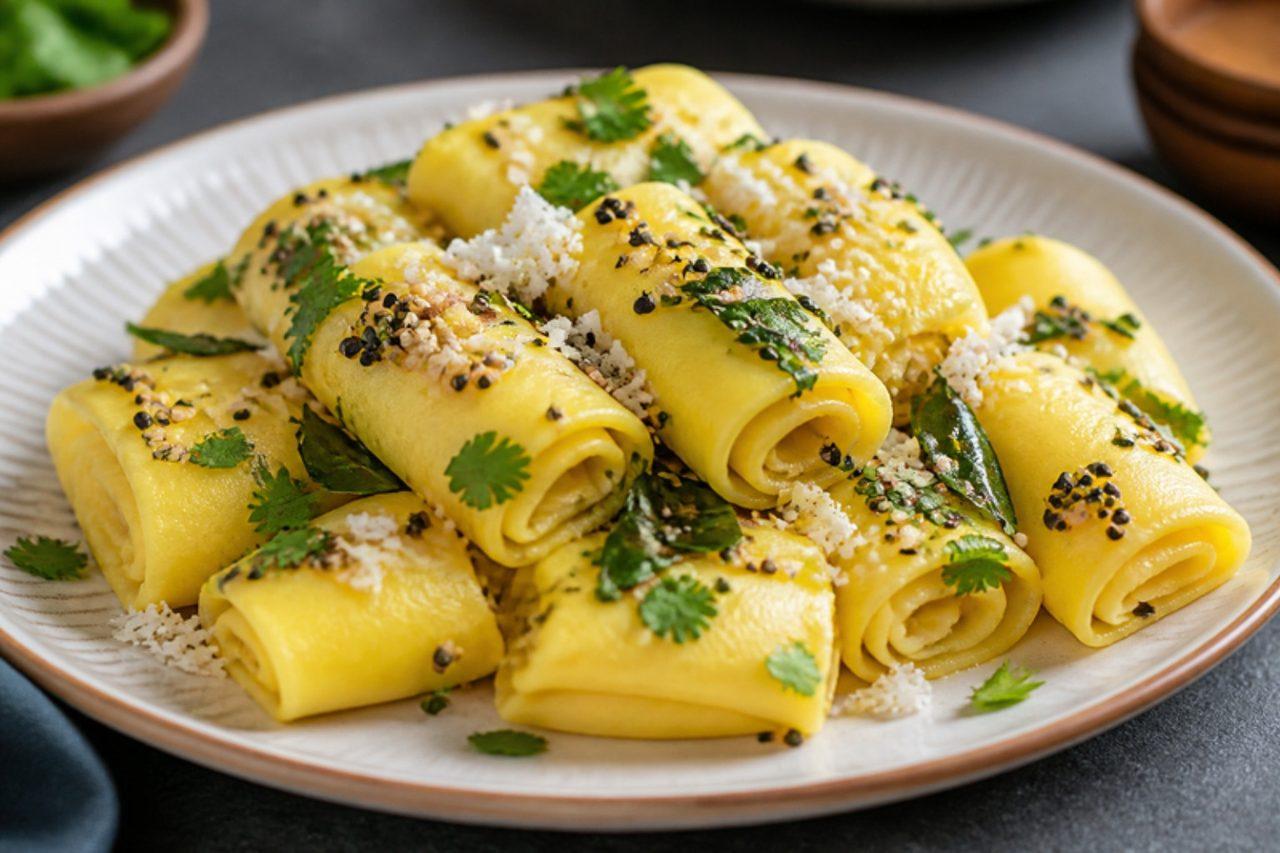
KhandviGram flour yogurt rolls

Khandvi are delicate, melt-in-the-mouth rolls from Gujarat, made by cooking gram flour with sour buttermilk until thick, spreading it paper-thin while hot and rolling it up. They're finished with a sizzling tempering of mustard seeds, sesame and curry leaves, plus fresh coconut and coriander. They're soft, tangy and gently spiced, and a favourite at Gujarati weddings and tea-time. They look tricky, but once you know when the batter is cooked, they're quick. Chef's tip: keep a plate by the stove and test the batter often; when a spoonful spread thin on the plate sets in 30 seconds and peels off in one piece, it's ready, and not a minute before.

by KrazyBadal 0 views

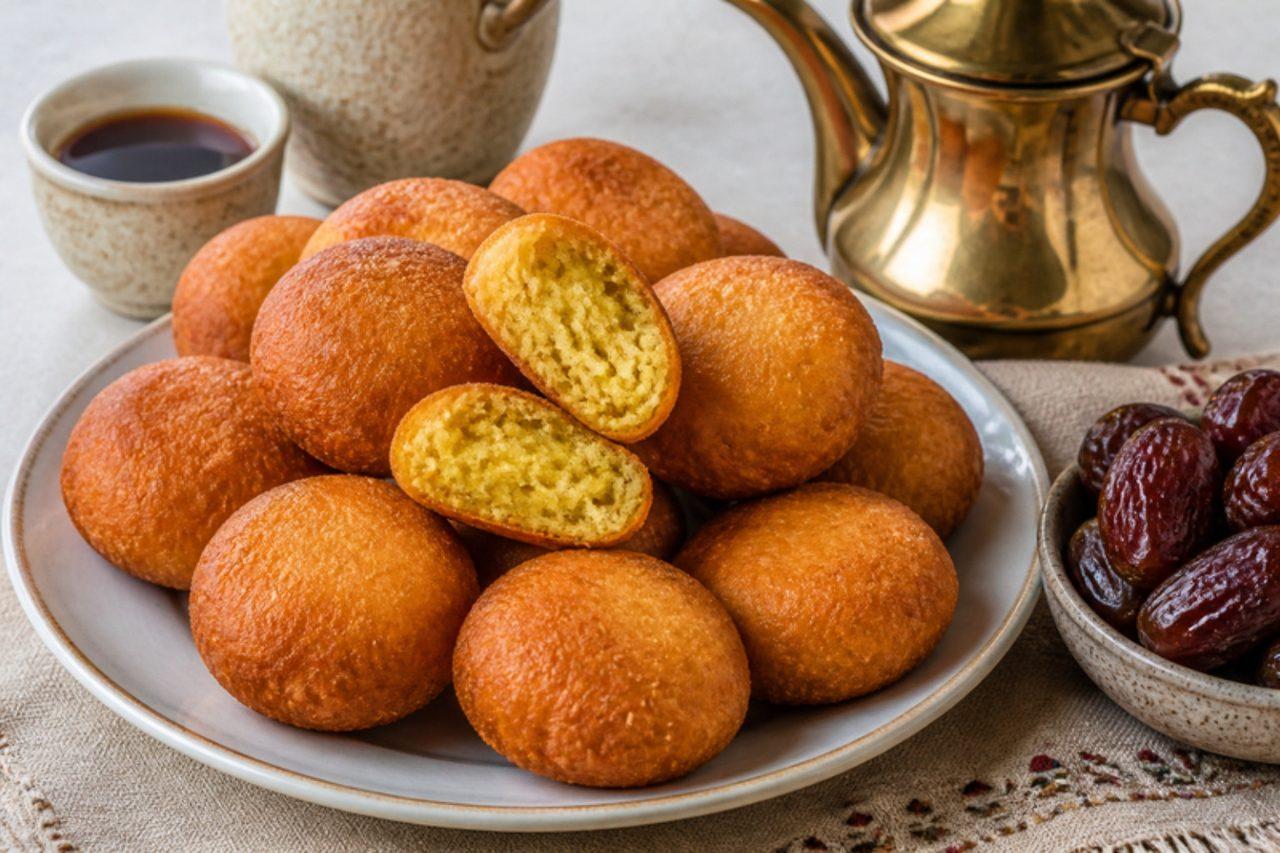
KhanfarooshSaffron rice-flour cakes

Khanfaroosh are an old Emirati sweet, made by grandmothers in Ras Al Khaimah and Fujairah and served with Arabic coffee when guests arrive, at weddings and during Eid. A rice-flour batter rich with eggs, saffron, cardamom and rose water is shallow-fried in small rounds that puff up, golden-brown with a lacy edge and a soft, spongy middle. They are less sweet than they look and best eaten warm from the pan. Chef's tip: let the batter rest for 30 minutes so the rice flour softens; unrested batter fries up gritty.

by KrazyBadal 0 views

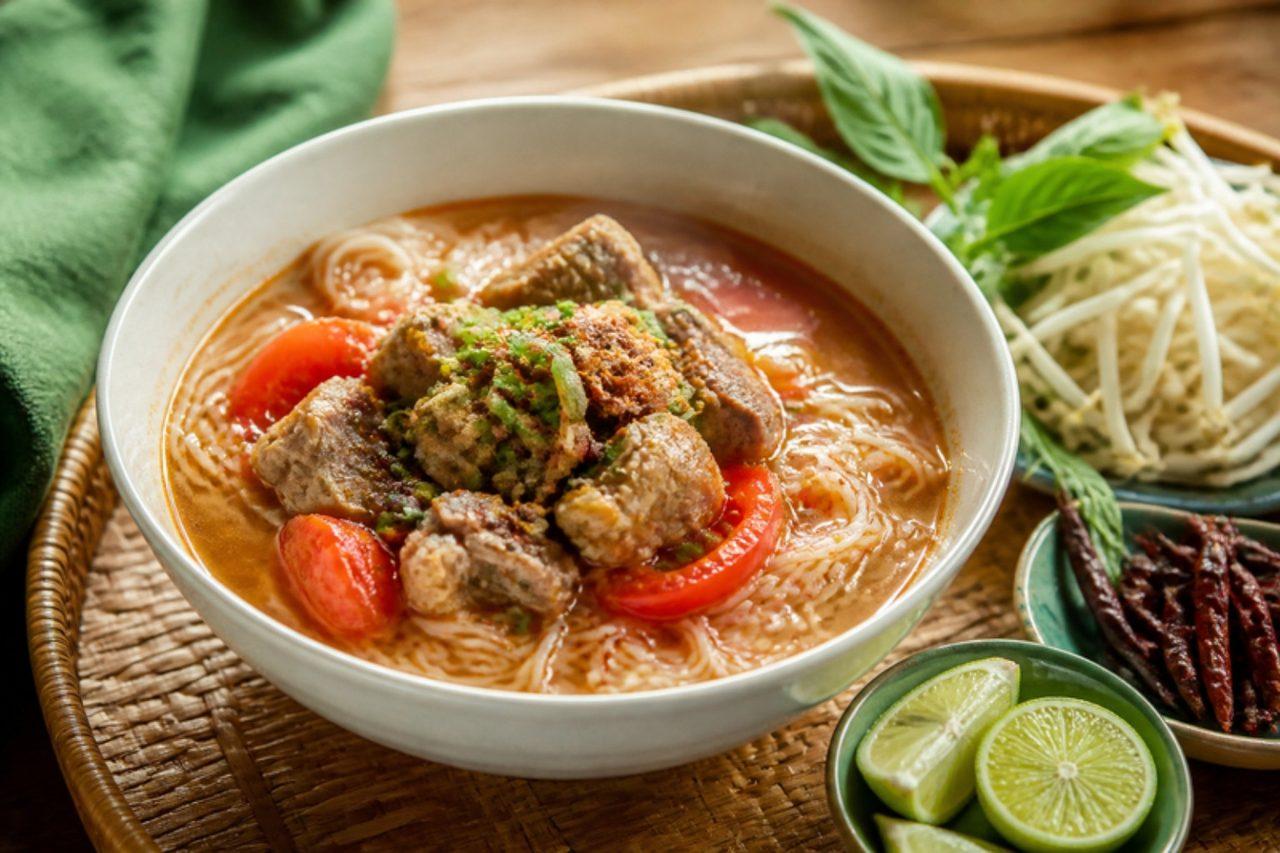
Khanom jeen nam ngiaoRice noodles in spicy pork broth

Breakfast stalls from Chiang Rai to Mae Sai ladle this tangy red broth over soft rice noodles from dawn until it sells out, usually before noon. The soup is light but full-flavoured: pork ribs give body, cherry tomatoes give a fresh sourness, and dried cotton-tree flowers (dok ngiao) add a faint floral, earthy chew. Each diner finishes their bowl at the table with bean sprouts, shredded cabbage, crispy garlic and lime. Cubes of cooked pig's blood are traditional; they are optional here and left out by default. Chef's tip: blanch the ribs and throw that first water away, so the finished broth stays clear and clean-tasting.

90 minThaiSoups
by KrazyBadal 0 views

ZanMillet porridge with vegetables

Zan is the millet porridge of Arunachal Pradesh, eaten by the Monpa, Sherdukpen and other hill communities for breakfast or dinner on cold days. Finger millet (ragi) flour is stirred into boiling water with vegetables, ginger and chilli until thick and smooth, then served with a chilli chutney or butter. Some families cook it with meat; this is the vegetable version. It is warming, filling and earthy-tasting, a little like a savoury polenta. Chef's tip: sprinkle the millet flour in with one hand while whisking with the other, or it forms lumps that never cook out.

by KrazyBadal 0 views

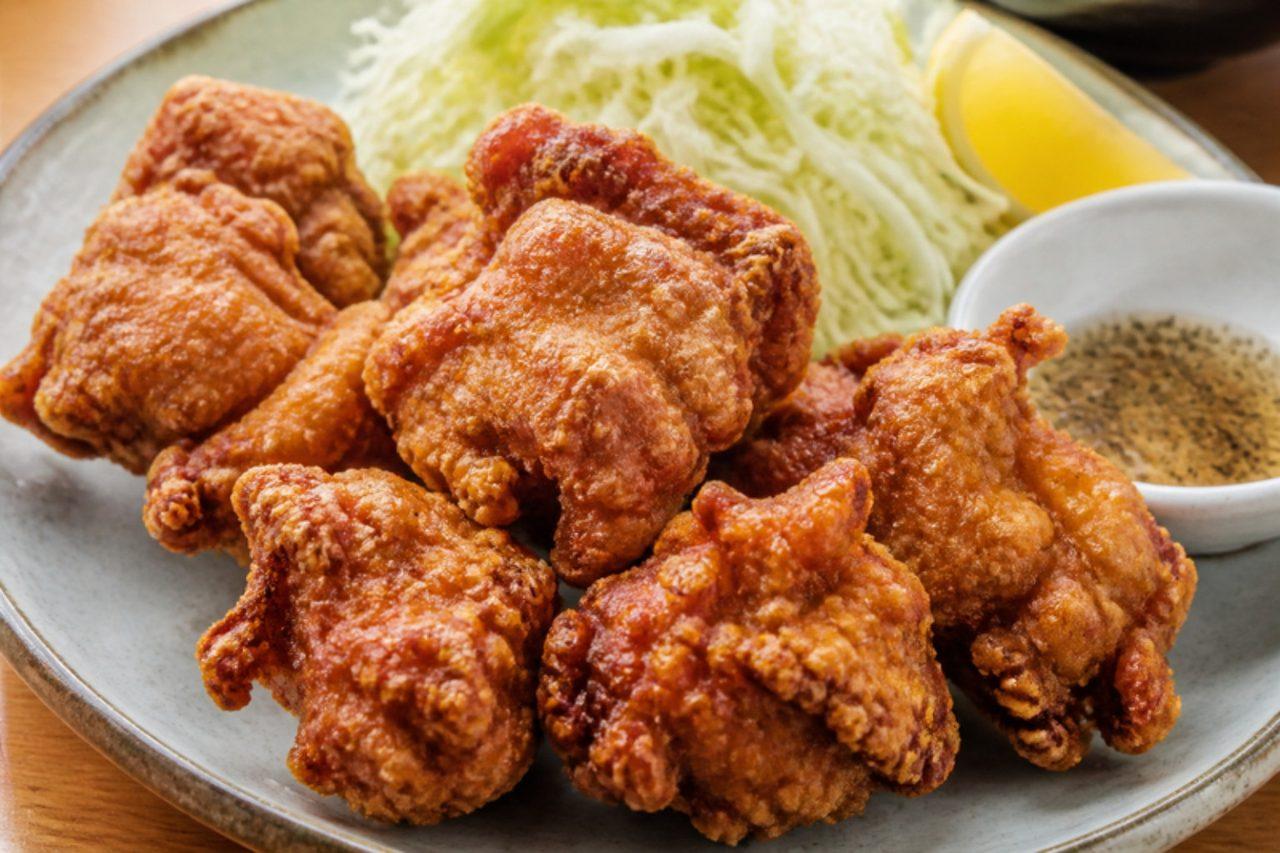
ZangiFried marinated chicken

Ask for fried chicken in Kushiro or Sapporo and you'll be handed zangi, which locals insist is not the same as karaage. A Kushiro restaurant says it coined the name around 1960, and today zangi shops, ski-lodge canteens and supermarket delis across Hokkaido sell it in big, bone-in pieces. The chicken soaks for hours in a punchy mix of soy, sake, garlic, ginger and oyster sauce with an egg beaten in, so the flavour runs right through the meat, and it often comes with a sharp dipping sauce of vinegar, soy and black pepper. The coating is a mix of flour and starch, so it fries darker and more savoury than karaage. Chef's tip: marinate it overnight in the fridge for the full Hokkaido flavour; 30 minutes works, but the difference is clear.

by KrazyBadal 0 views

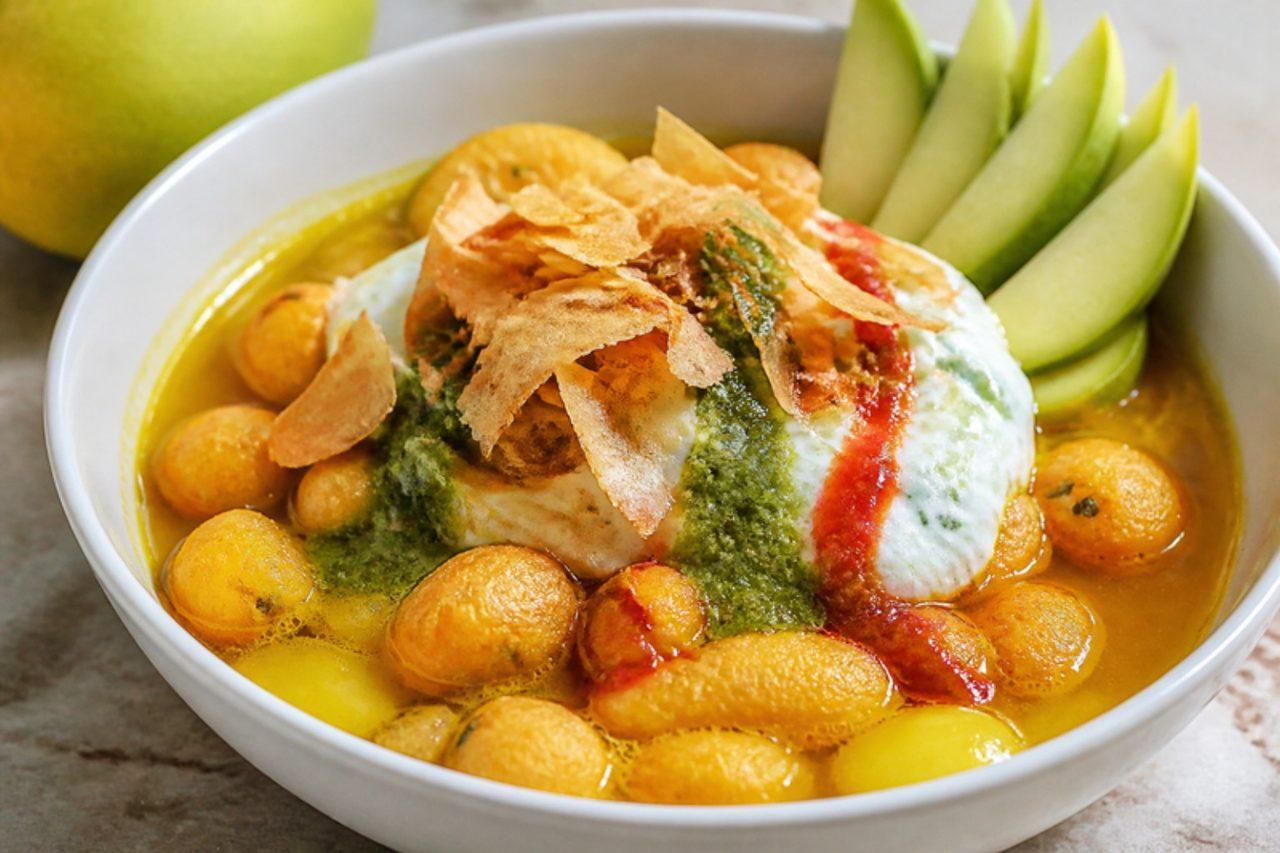
Zanzibar mixMango and gram flour soup with fritters

Zanzibar's famous street bowl (urojo): a thin, tangy, golden soup of gram flour, raw mango, coconut and chilli, filled with little lentil fritters and potato balls and topped with crushed cassava crisps and coconut, green and red chutneys. It's sour, spicy and crunchy all at once. Make the fritters, potato balls and chutney ahead, then assemble the bowls at the table.

by KrazyBadal 0 views

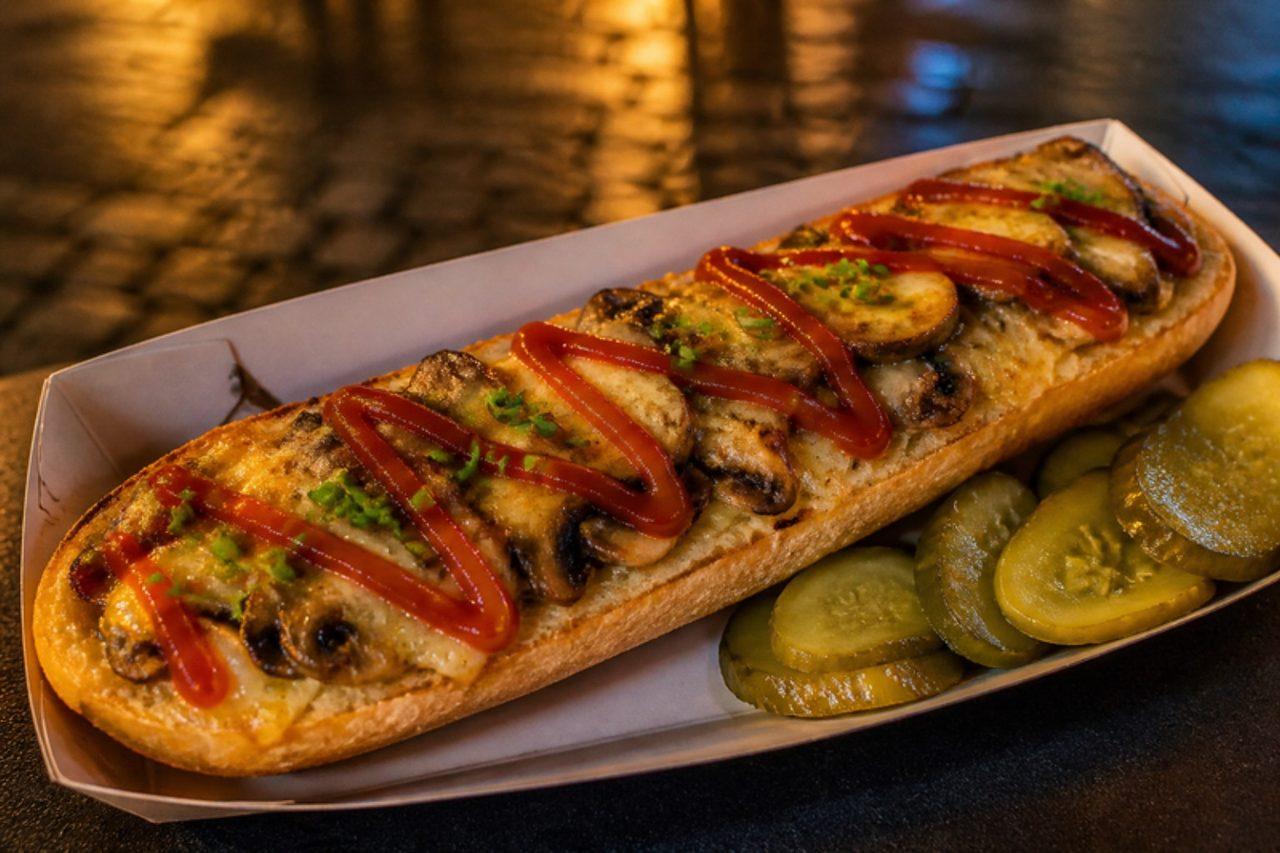
ZapiekankaOpen baguette with mushrooms and cheese

Zapiekanka is Polish street food born in the 1970s and perfected at the hatch windows around Plac Nowy in Kraków's Kazimierz district, where students and night owls queue for one at midnight. Half a long baguette is topped with mushrooms fried with onion, covered in grated cheese and baked until crisp at the edges and bubbling, then finished with a zigzag of ketchup and chives. The classic version has no meat at all. Use a hard cheese made with vegetarian rennet (many supermarket mild Cheddars and Goudas are). Chef's tip: fry the mushrooms until completely dry before they go on the bread; wet mushrooms make the baguette soggy instead of crisp.

by KrazyBadal 1 views

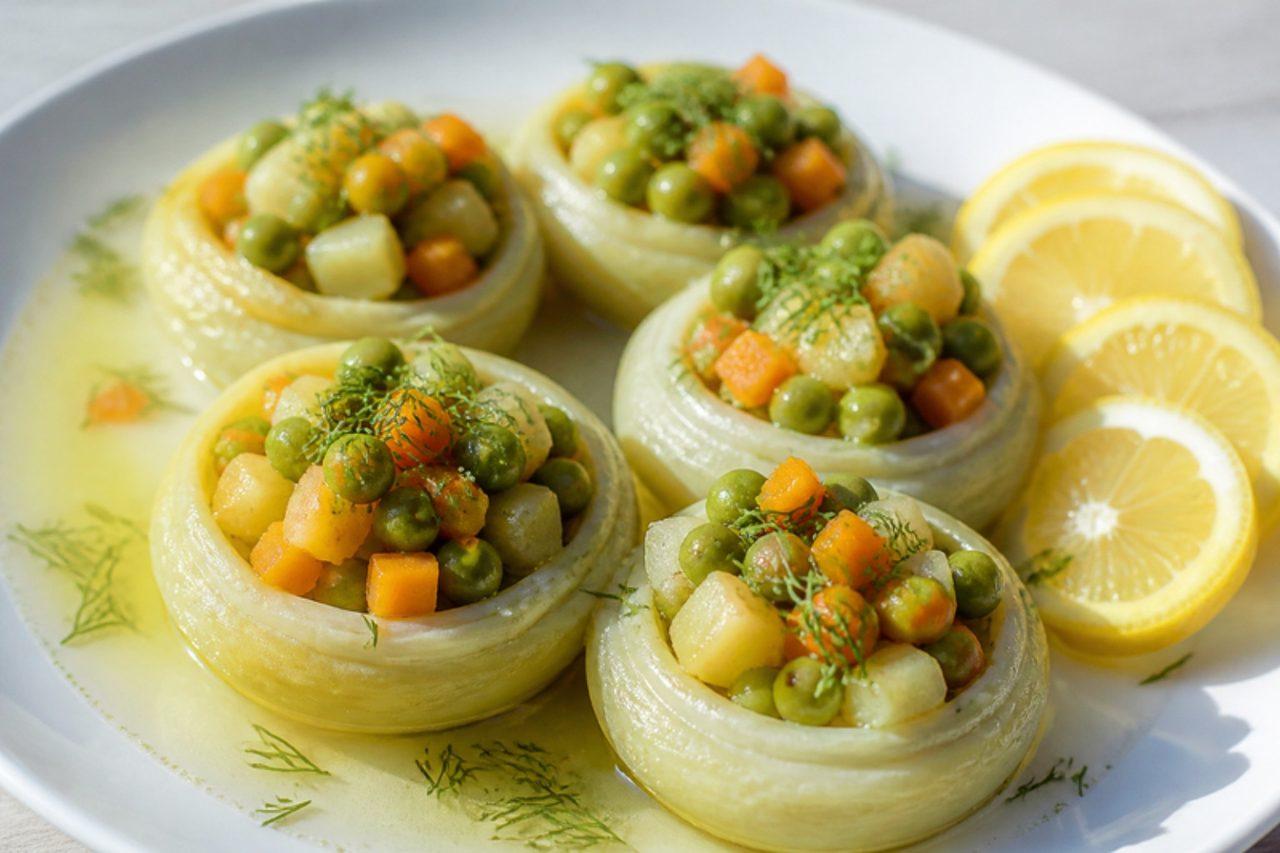
Zeytinyağlı enginarArtichokes braised with peas

In spring, when globe artichokes pile up on stalls in İzmir and Urla, market sellers trim them on the spot into pale hearts kept in lemon water, and families take them home to make zeytinyağlı enginar. The hearts are braised cup-side up with small onions, carrots, potato and peas in olive oil and lemon, then served cold with a shower of dill, often as the first course of a spring dinner. The classic mistake is leaving trimmed artichokes in the air: they turn grey within minutes. Chef's tip: rub every cut surface with lemon as you go and drop the hearts straight into water with lemon juice and a spoonful of flour, which keeps them pale and cream-coloured.

by KrazyBadal 0 views

Showing 18 of 7,762 recipes

Show more recipes

Page 781 of 863