


Skip to content
Full English breakfast
Featured recipe

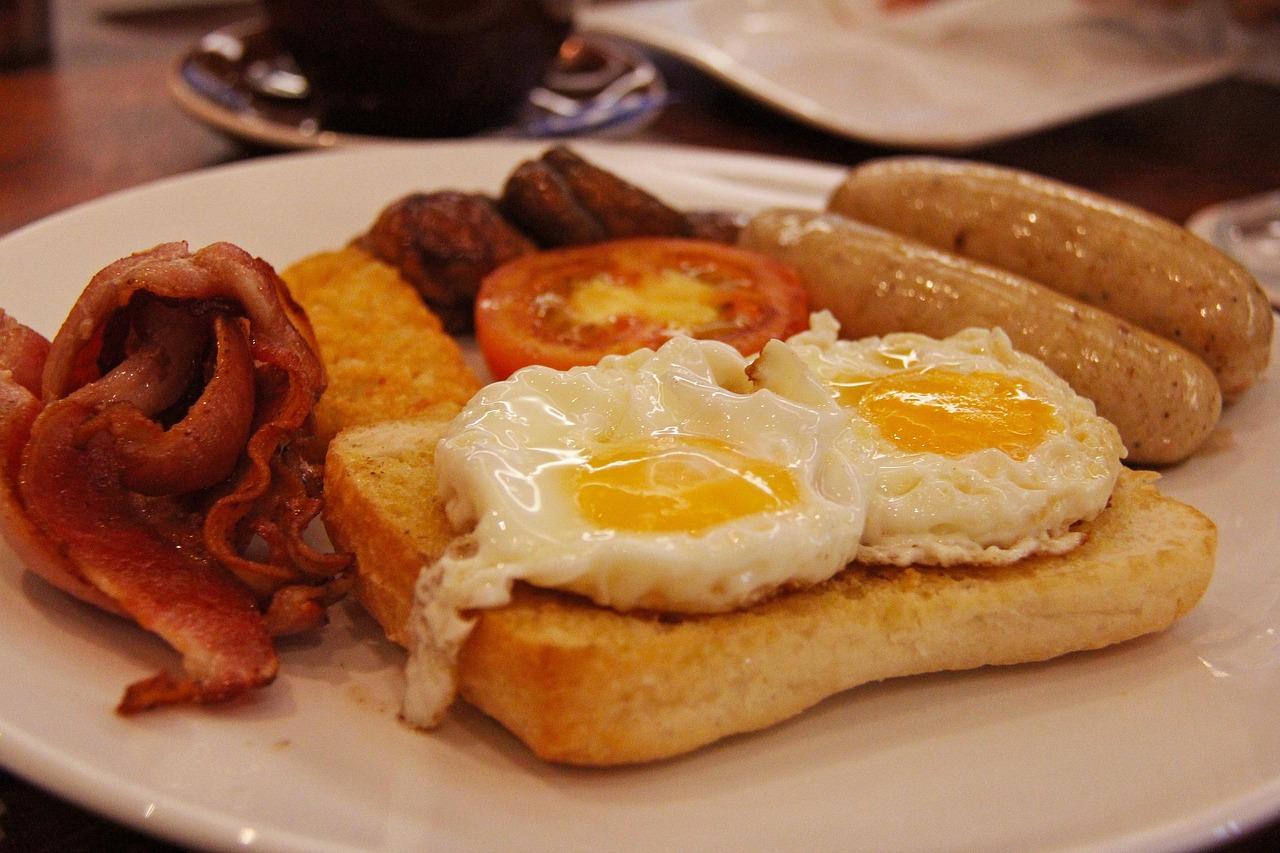
Full English breakfast

The full English is the weekend fry-up of English homes and the pride of every café and B&B from Cornwall to Yorkshire, a plate built to last until supper. This version contains pork: sausages, back bacon and optional black pudding, with fried eggs, baked beans, mushrooms, grilled tomato and buttered toast. The trick is timing so everything lands hot together. Chef's tip: start the sausages first and slowest; everything else cooks in the time they take.

Read more 0 views

What to eat today?

Around the world

Today's trip: Persian

A new country every day, from every cuisine on the site.

Persian

Nazkhatoon

Smoky aubergine with pomegranate 40 minMore from Persian (131) →

This week's collection

Kid-friendly dinners
578 recipes · a new collection every Monday

Latest recipes

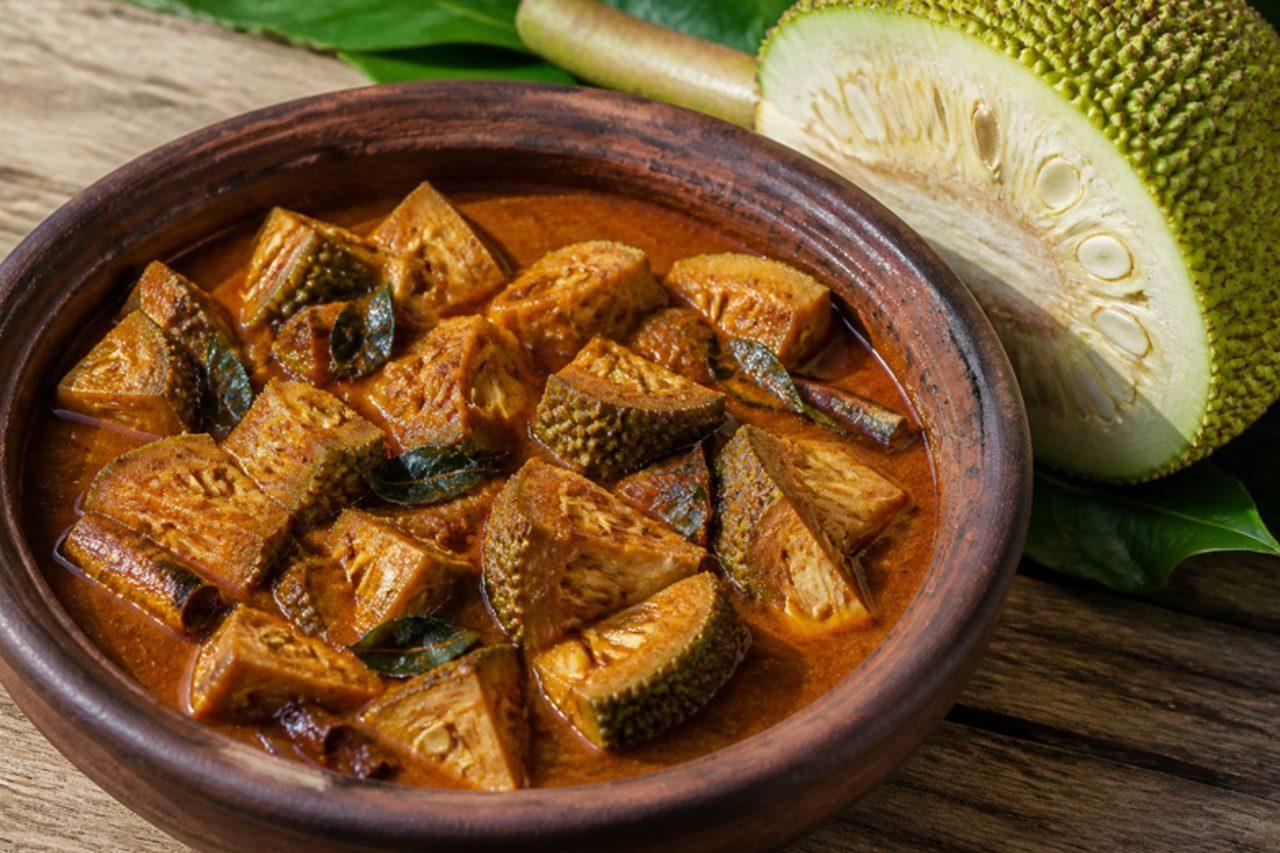
Polos curryYoung green jackfruit curry

Polos is the tiny unripe jackfruit picked in the Western and Sabaragamuwa provinces long before it sweetens, and cooked low and slow it becomes one of the island's most loved festival curries, especially at Sinhala and Tamil New Year in April and at wedding lunches. The firm, pale flesh soaks up a very dark roasted curry powder, garlic, ginger, goraka (a smoky souring fruit) and coconut milk until it turns almost black-brown and tastes rich, sour and meaty. Fresh polos is hard to find abroad; tinned young green jackfruit in brine works well. A frequent mistake is not cooking it long enough, which leaves it squeaky; the pieces must be soft enough to break with a spoon. Chef's tip: oil your hands and knife before cutting fresh jackfruit; the sticky white sap washes off oiled skin but not dry skin.

by KrazyBadal 2 views

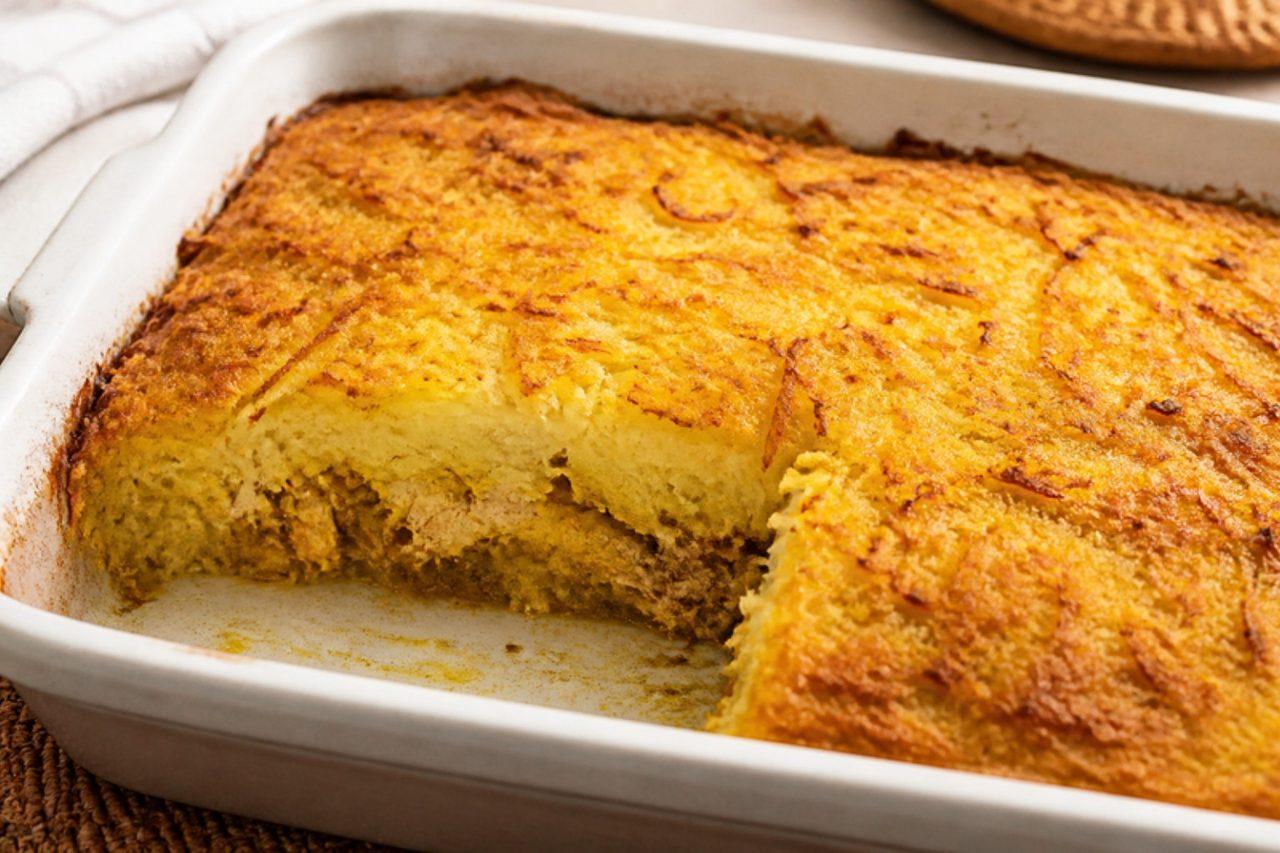
PomBaked chicken and grated pomtajer

Pom is Suriname's celebration dish, baked for birthdays and holidays in Paramaribo and by the Surinamese community in the Netherlands: a layer of grated pomtajer root (a type of taro) mixed with citrus juice, then a layer of chicken stewed with onion, tomato, nutmeg and pickled peppers, then more pomtajer, baked until the top is golden. It is usually eaten on a roll as a "broodje pom". The mistake is skipping the citrus: pomtajer must be mixed with orange or lime juice, which gives the dish its fragrance. Chef's tip: frozen grated pomtajer from Surinamese or Caribbean shops saves the hard grating; if you can't find it, use grated taro or a mix of taro and potato.

by KrazyBadal 0 views

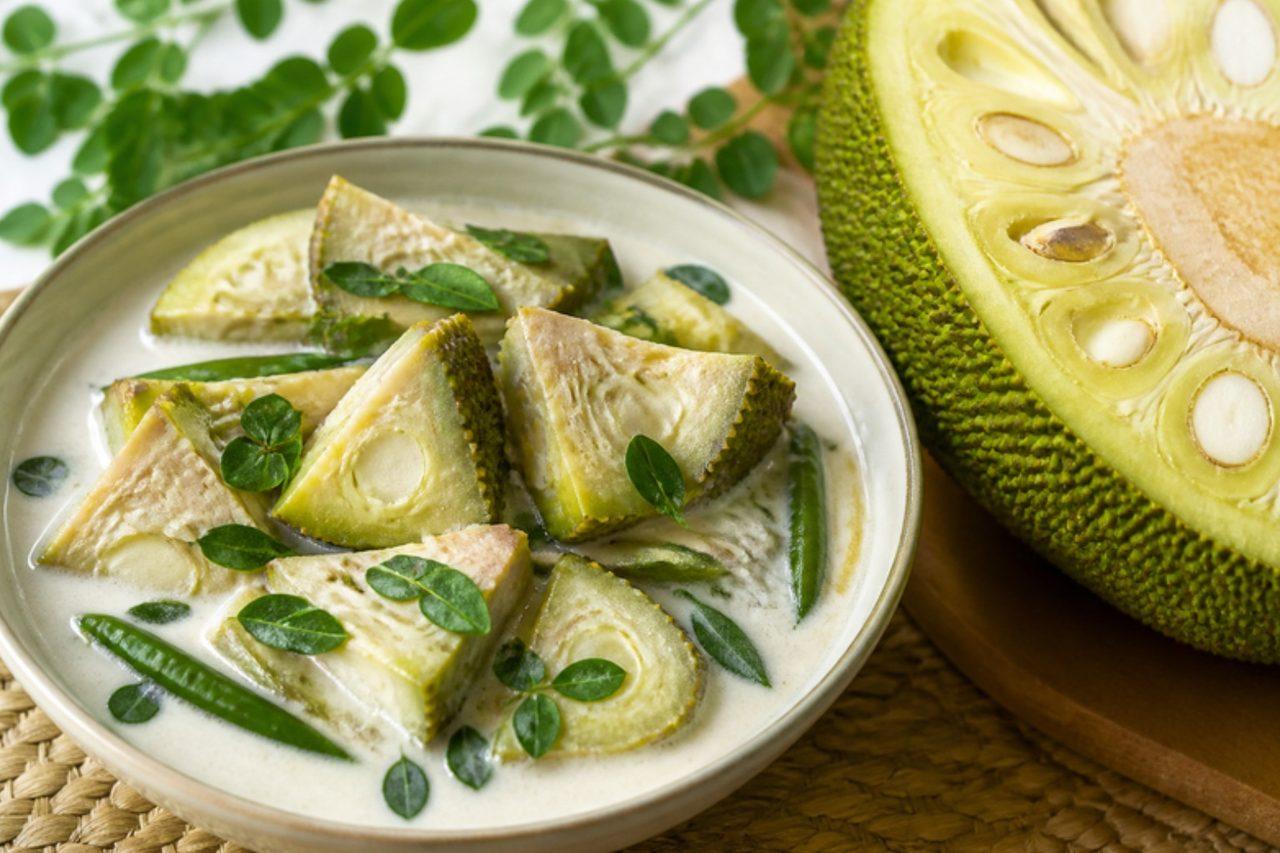
Ginataang langkaYoung jackfruit in coconut milk

In Bicol and across the Tagalog provinces, ginataang langka is what happens when a jackfruit tree drops its fruit too early: the unripe flesh is sliced and cooked in coconut milk with plenty of ginger until tender and creamy. Unlike Java's sweet, dark gudeg or Padang's turmeric gulai nangka, it is pale, savoury and peppery, lifted at the end with malunggay (moringa) leaves and a splash of vinegar. Home cooks often add shrimp or pork; this version is vegetable-only. Chef's tip: oil your knife and hands before cutting fresh jackfruit, as its sap is very sticky; tinned young jackfruit avoids the problem altogether.

by KrazyBadal 0 views

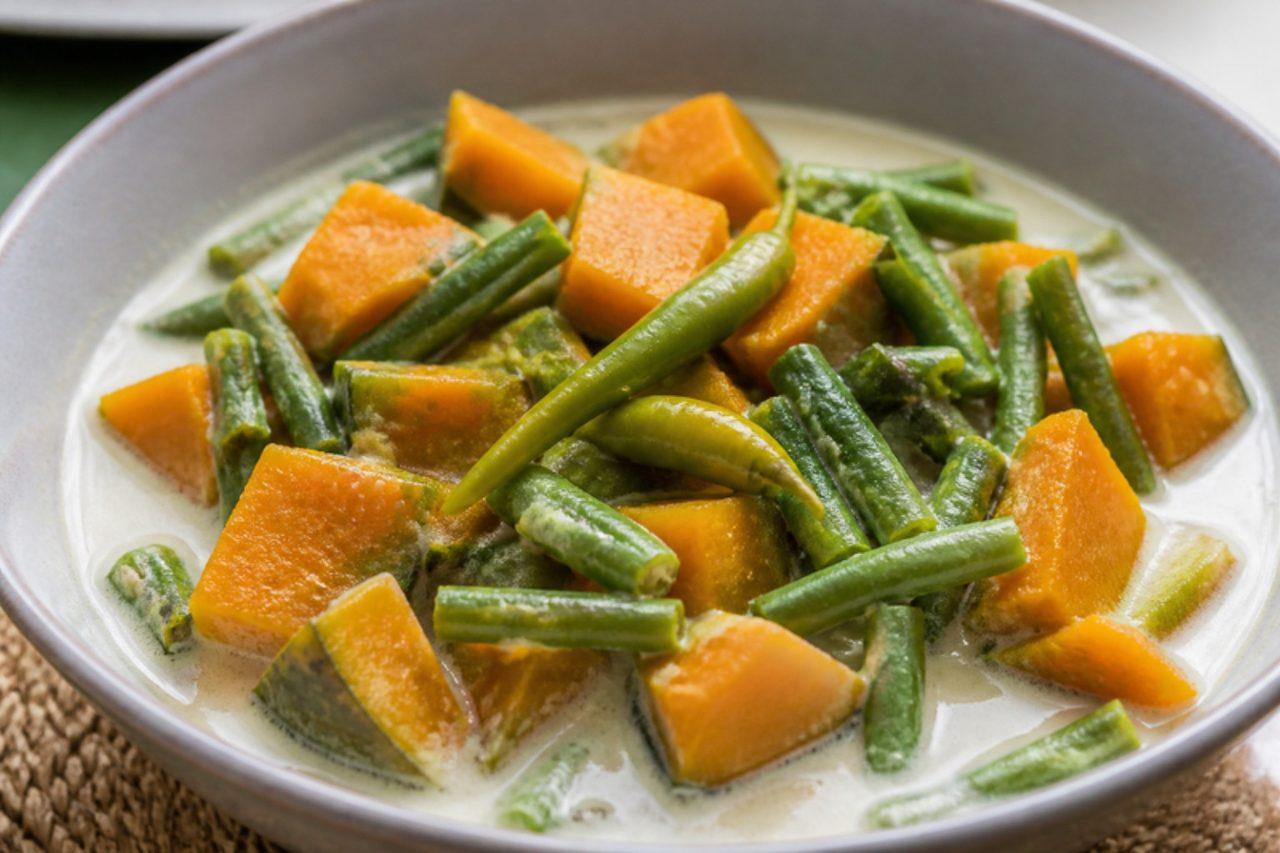
Ginataang kalabasa at sitawSquash and long beans in coconut milk

Ginataan means 'cooked in coconut milk', and in the coconut country of Bicol and Southern Tagalog it is how a lot of weeknight vegetables end up on the table. Ginataang kalabasa at sitaw is the homely version: chunks of orange squash and lengths of yard-long beans simmered in coconut milk with garlic, onion and ginger until the squash just starts to melt into the sauce, turning it pale gold and lightly sweet. Bicolano cooks drop in a long green chilli or two for warmth. It is a one-pot dish served with rice, and many families make it on days when there is no money for meat. Chef's tip: keep back a few chunks of squash to mash into the sauce at the end; it thickens it naturally.

by KrazyBadal 0 views

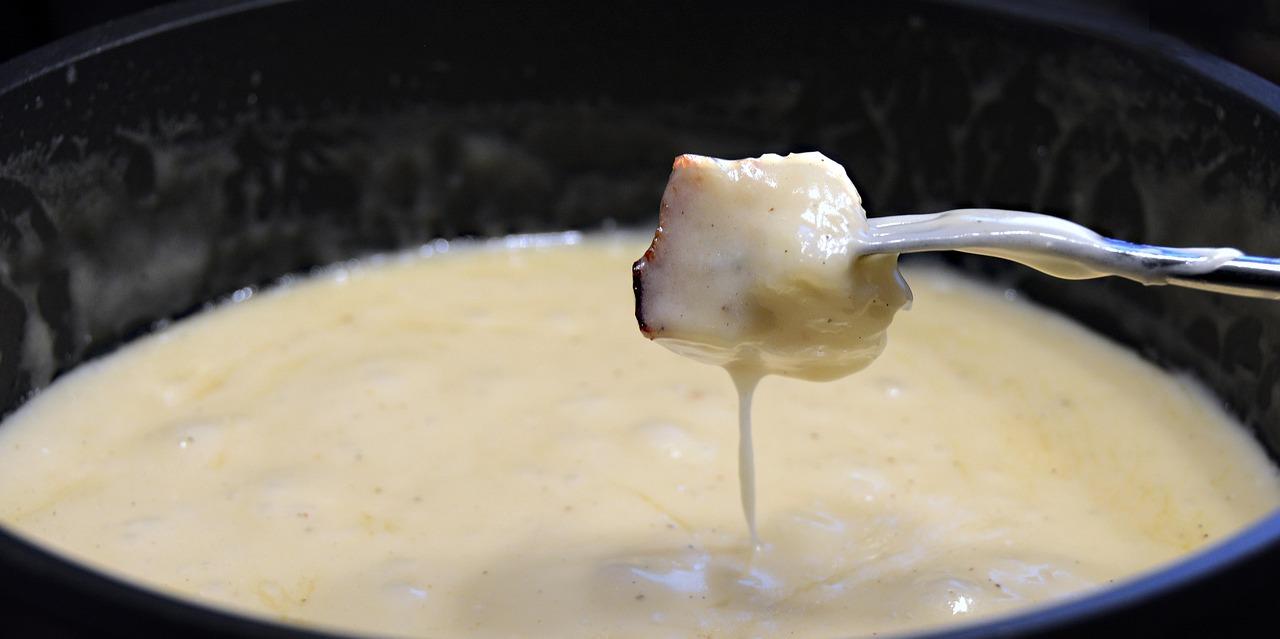
Fondue moitié-moitiéGruyère and Vacherin fondue

Moitié-moitié means half and half, and in Fribourg it names the canton's own fondue: equal weights of nutty Gruyère and soft, buttery Vacherin fribourgeois melted with dry white wine in a glazed earthenware caquelon. Families light the burner in the middle of the table on cold evenings from October to March, and ski huts above Gruyères serve it after a day on the slopes. The Vacherin makes it silkier and milder than a Gruyère-only fondue, so it clings to the bread in a thick, glossy coat. Serve with day-old bread, a plate of cornichons and small boiled potatoes, and drink white wine or warm black tea with it; locals say cold water sits badly with all that cheese. Traditional Gruyère and Vacherin are made with animal rennet, so for a vegetarian table look for wheels labelled with microbial or vegetarian rennet, or ask a cheesemonger for a similar Alpine cheese that uses it. Chef's tip: grate the cheese rather than cubing it and let it come to room temperature for 30 minutes; it melts evenly and the fondue stays smooth.

by KrazyBadal 0 views

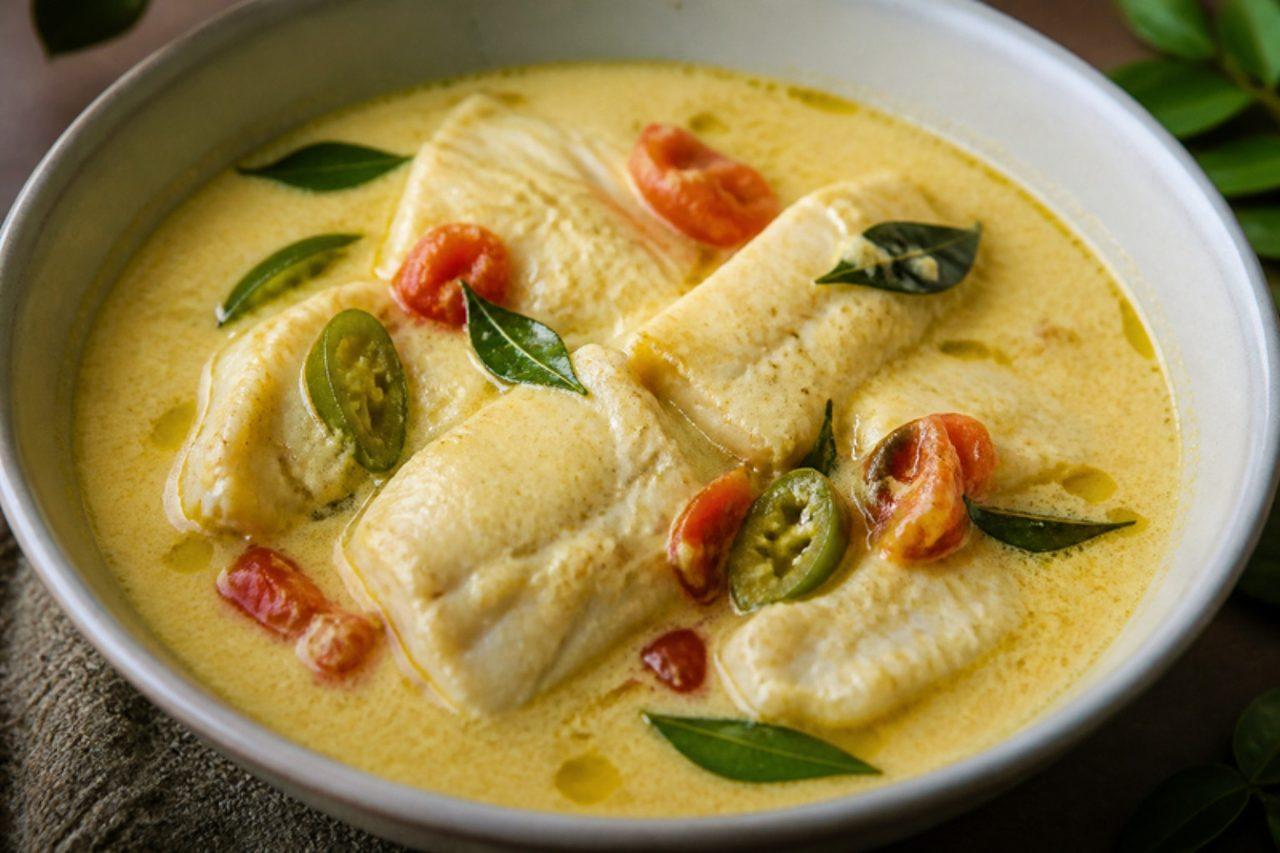
Pondicherry fish assadFish in coconut milk curry

In Puducherry, the former French enclave on the Tamil coast, Creole families of mixed Tamil and French descent cook a fish curry that is softer and creamier than anything else along that shore. Assad is mild and pale, fragrant with fennel, pepper and curry leaves, with the fish poached in thin coconut milk and finished with a thick, rich pour. It is a Sunday-lunch and Christmas dish in these homes, eaten with plain rice or a crusty loaf from the town's bakeries. Chef's tip: add the thick coconut milk only at the very end and keep the curry below a boil, so it stays silky and white.

40 minIndianFishGluten free
by KrazyBadal 0 views

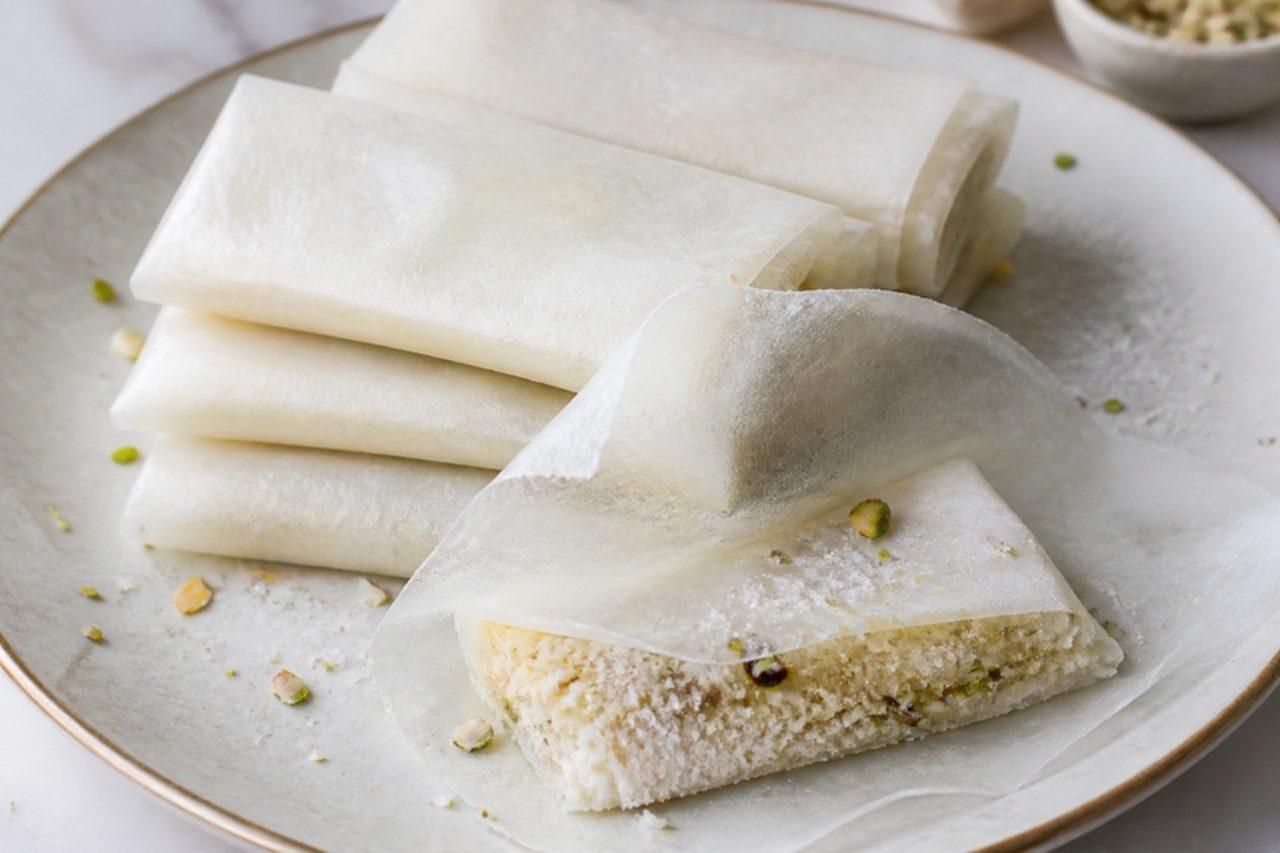
PootharekuluPaper-thin rice sheet sweets

Pootharekulu ('coated sheets') come from Atreyapuram village in the Godavari district, where women make translucent rice-starch films by dipping a cloth in batter and wiping it over a hot, upturned clay pot. Those whisper-thin sheets are then layered with ghee and powdered sugar or jaggery and folded into neat parcels that melt on the tongue. True rekulu need the special pot and years of practice, so this home method spreads a very thin rice batter on an upturned wok or non-stick pan and peels off the dried film. Sheets can also be bought ready-made in Indian shops; then just do the filling. Chef's tip: work with the sheets dry; brush ghee on, never sugar syrup, or they turn soggy and tear.

by KrazyBadal 0 views

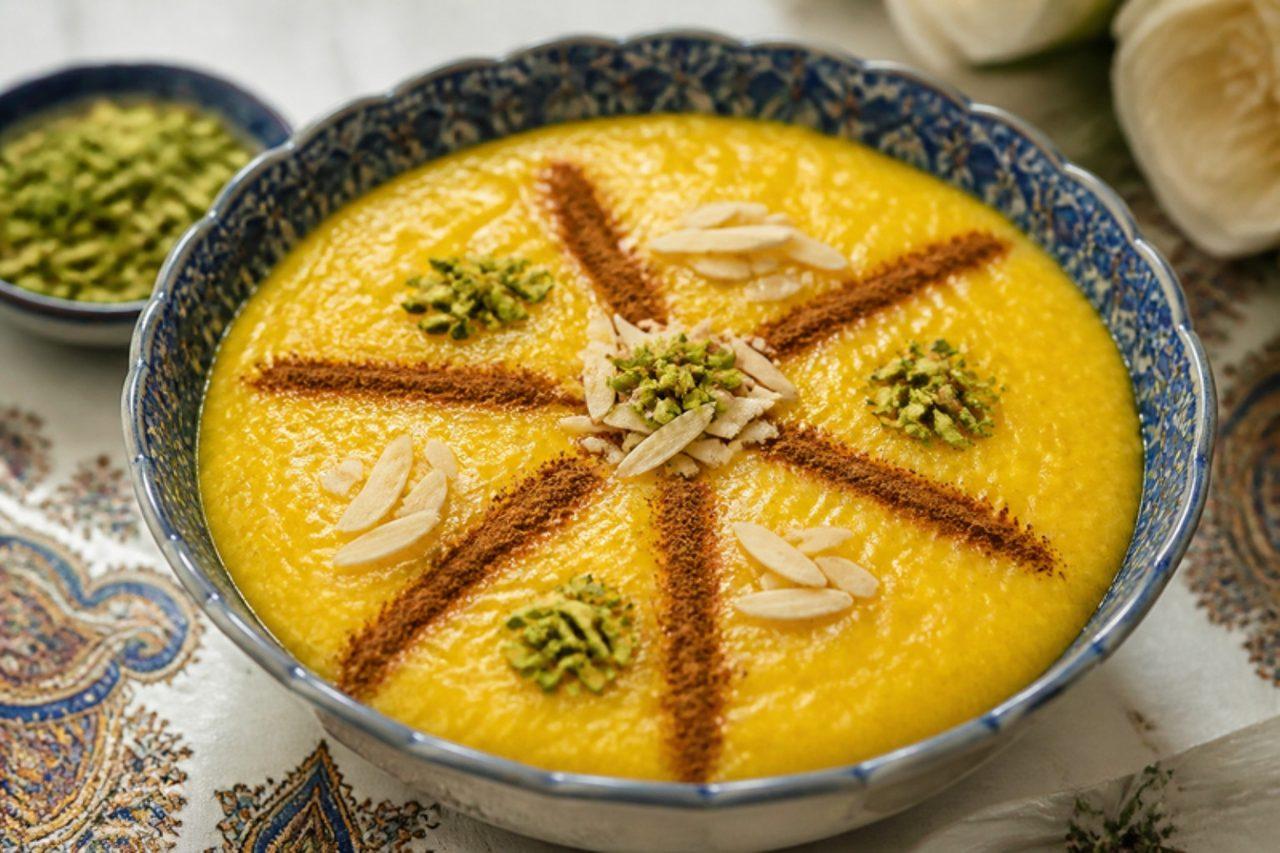
Sholeh zardSaffron rice pudding

Sholeh zard is the bright yellow rice pudding that Iranians cook in huge pots as nazri, food given away to neighbours and strangers, especially during the month of Muharram and on religious feast days; neighbourhoods in Tehran and Mashhad fill with its smell of saffron and rose. Rice is simmered until it almost melts, then sweetened, coloured gold with saffron and perfumed with rosewater and cardamom. It sets softly as it cools and is decorated with cinnamon lines, almonds and pistachios. This version uses a little oil instead of butter, so it is vegan. Chef's tip: add the sugar only when the rice is completely soft; sugar added early stops the grains from breaking down.

by KrazyBadal 0 views

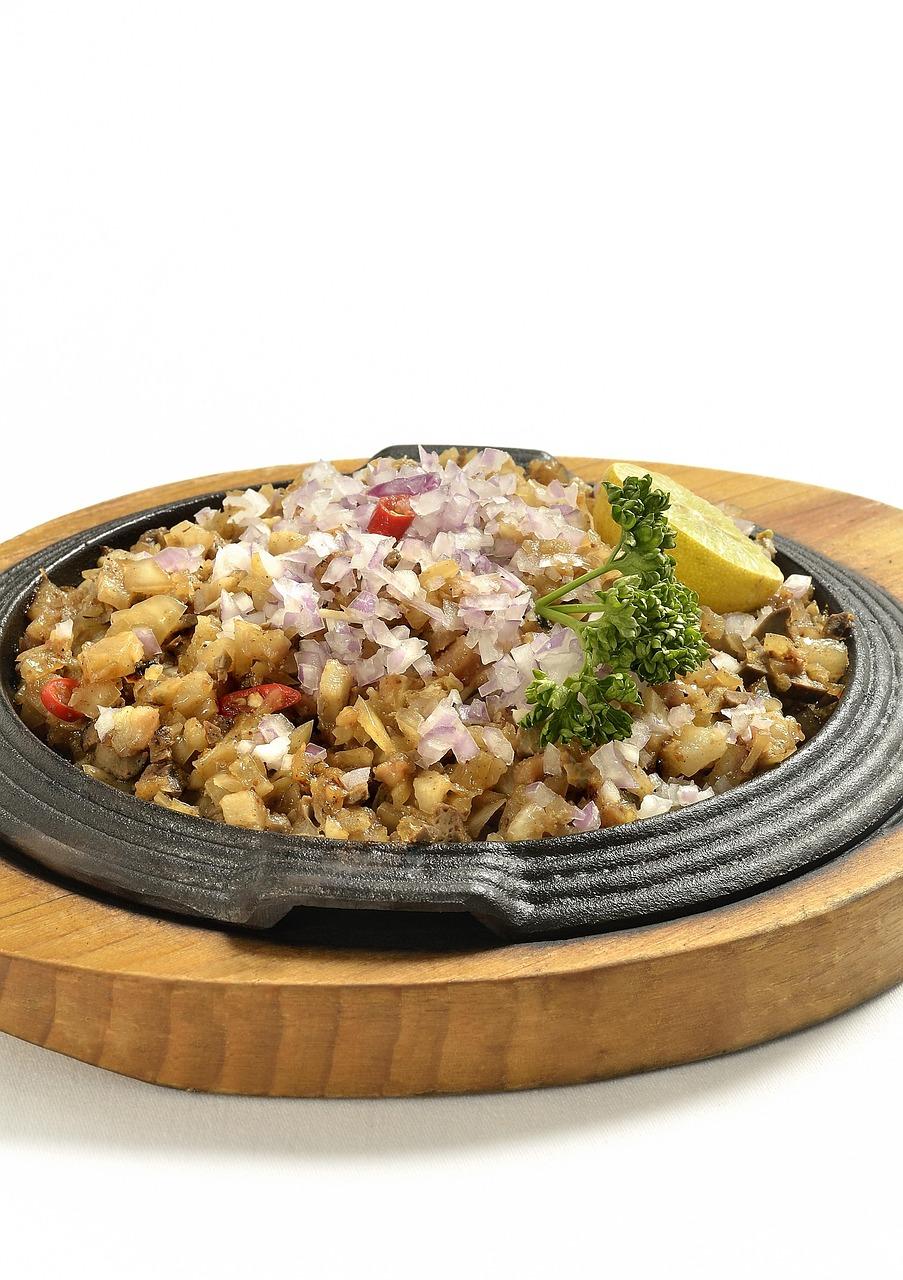
Pork sisigSizzling chopped pork

Sisig comes from Angeles City in Pampanga, where cooks turned pig's head and ears into a sizzling, sour, peppery bar snack that is now on almost every Filipino menu. This home version is pork, using pork belly (and pig's ears if your butcher has them) that is boiled, grilled until charred, then chopped finely and fried with onion, chilli and calamansi juice. It arrives at the table crackling on a hot cast-iron plate, often with a raw egg stirred in. Eat it with rice, or as pulutan with drinks; a cold calamansi juice works as well. Chef's tip: chop the pork small but not to mince; you want little crisp edges and chewy bits in every spoonful.

110 minFilipinoMeatSpicy
by KrazyBadal 0 views

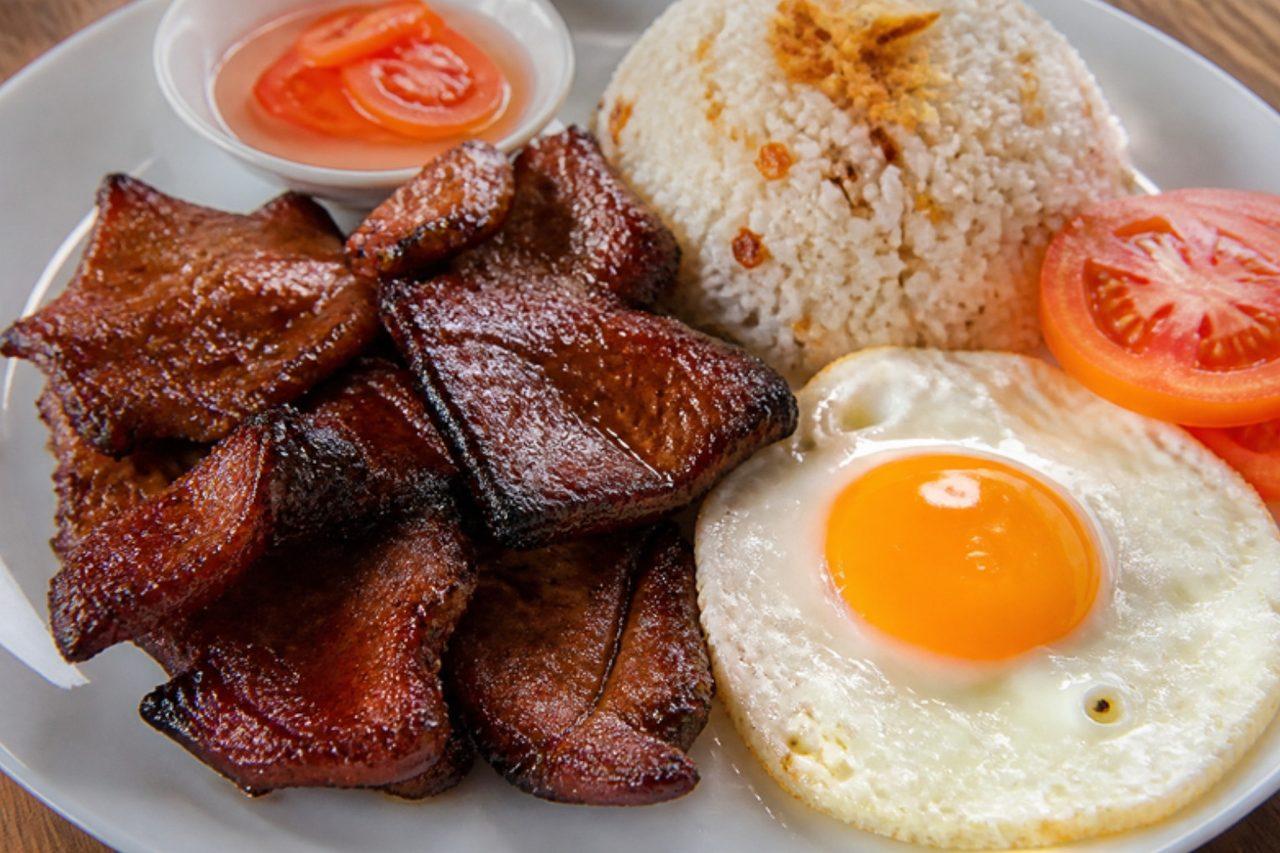
Pork tocinoSweet cured pork

In Pampanga, tocino is breakfast: thin slices of pork shoulder in a sweet, garlicky marinade, fried until the sugar caramelises at the edges, then served with garlic fried rice and a fried egg as 'tosilog'. Shop tocino is often bright pink from curing salts; this home version leaves those out, so it is a sweet marinated pork rather than a true cure, gets its warm red colour from annatto and paprika, and must be kept in the fridge and cooked within 3 days (or frozen). Look for pork with a little fat running through it so it stays juicy. Chef's tip: start it in a splash of water; the pork simmers through first, then the sugar glazes once the water is gone, so it doesn't burn before it's cooked.

by KrazyBadal 0 views

Gin thokeYoung ginger salad

Gin thoke is lahpet thoke's livelier cousin, served on the same lacquered trays at teashops in Yangon and as a palate-wakener after a rich curry lunch. Young ginger is cut into fine threads and pickled in lime and salt so it turns pink and juicy, then tossed with cabbage, tomato, peanuts, fried beans and sesame. Burmese cooks often add fish sauce; salt, lime and a little toasted chickpea flour give the dressing body without it. Chef's tip: use young ginger with thin, pinkish skin if you can find it; mature ginger is fibrous and too fiery to eat in this quantity, so slice it extra thin.

by KrazyBadal 0 views

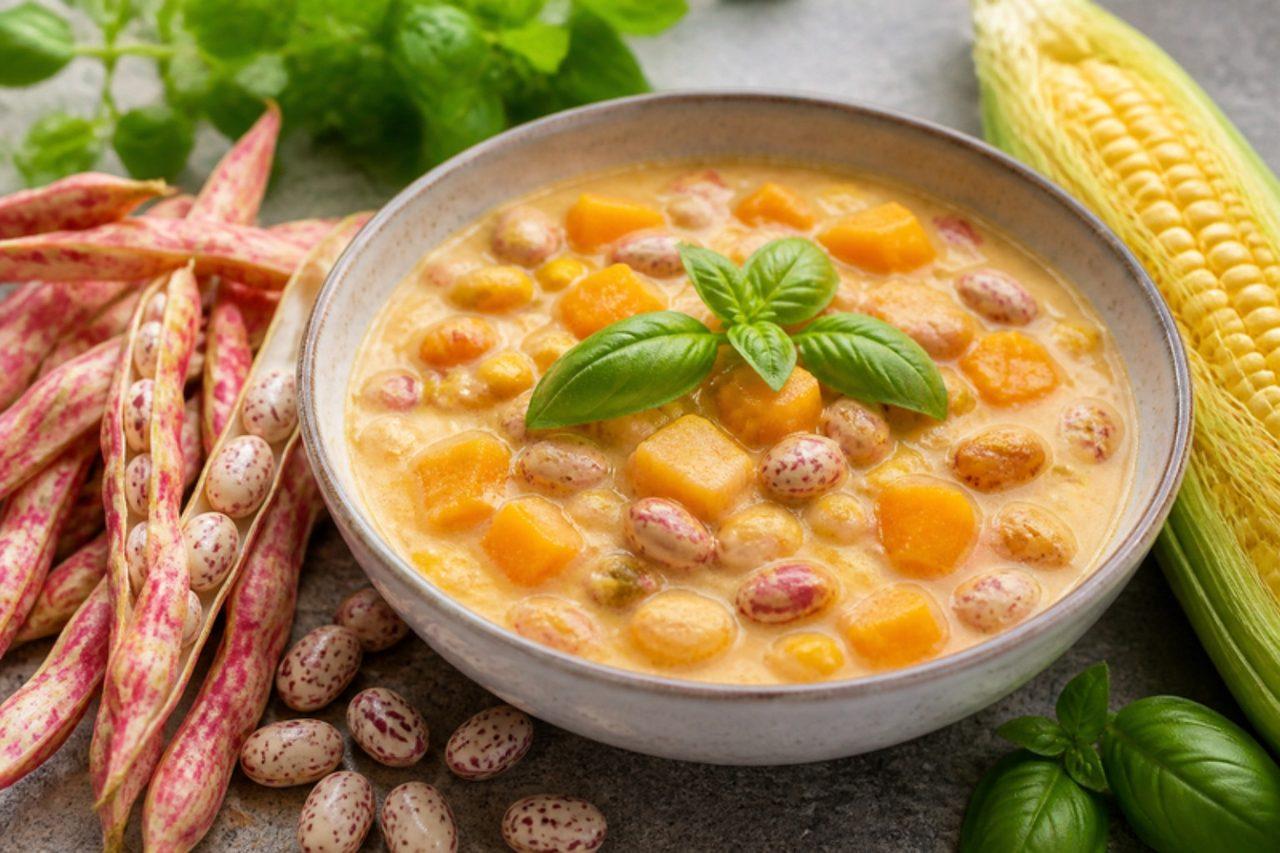
Porotos granadosFresh bean, pumpkin and corn stew

Porotos granados is what central Chile cooks when the fresh beans arrive in late summer: tender cranberry beans shelled at the kitchen table, simmered with pumpkin until it collapses into a thick orange sauce, then finished with grated corn and basil. Families in the Valle Central eat it on hot days, often with pebre and a tomato salad; when the corn is blended in larger amounts it's called 'con mazamorra'. It's hearty but fresh-tasting, and fully plant-based. Chef's tip: add the corn only in the last 10 minutes; it's there to thicken and sweeten, and overcooked it turns floury.

by KrazyBadal 0 views

PortokalopitaOrange fillo cake

Portokalopita is a Greek orange cake with an unusual trick: instead of flour, it uses dried, torn fillo pastry, which soaks up an orange yogurt batter and then a hot orange syrup. It became a favourite in Greek homes in the 1990s and is now baked for coffee mornings, Sunday visits and village festivals across the country. The texture is like a moist sponge with crisp edges, very orangey and not too sweet. It keeps beautifully, so it is perfect for making the day before. Chef's tip: dry the fillo properly until crisp; using it soft is the usual mistake and gives a heavy, gummy cake.

by KrazyBadal 0 views

Posta negra cartageneraBeef in dark panela sauce

Posta negra comes from the Caribbean coast, from Cartagena's old walled city and the towns around it, and it is what a family cooks for a birthday or a Sunday when the grandparents visit. A whole piece of beef is browned, then braised slowly with onion, a little cola-coloured panela (unrefined cane sugar) and Worcestershire-style sauce until the sauce turns nearly black and glossy, sweet and tangy at once. It is sliced and served with coconut rice, fried plantain and a tomato and onion salad. The most common mistake is letting the panela burn when caramelising: it should turn a deep mahogany and smell like toffee, not acrid smoke. Chef's tip: slice the meat across the grain only after it has rested, then return the slices to the sauce so they soak it up.

by KrazyBadal 0 views

Gigantes plakiBaked giant beans

Gigantes plaki is a tray of fat, creamy beans baked in a thick tomato sauce until the top catches and wrinkles. You find it in every taverna's display of oven dishes, on meze tables with bread and olives, and in home kitchens during Lent. The best beans come from Kastoria and Prespes in northern Greece, but any large dried butter beans work. The beans are boiled first, then baked with onions, carrot, celery, garlic and dill. Serve warm or at room temperature with feta for those who eat dairy and crusty bread. Start the night before: the beans need to soak for at least 12 hours. Chef's tip: don't salt the boiling water or add tomato until the beans are already tender; acid and salt too early are the common mistake that keeps the skins tough.

by KrazyBadal 0 views

Ghugni churaBlack chickpea curry with flattened rice

In Patna and the towns along the Ganges, ghugni chura is the morning and evening snack people queue for at the tea stall: a spicy, onion-rich curry of small black chickpeas served alongside chura, flattened rice that is fried or toasted in mustard oil until it crackles. You scoop a bit of each into your mouth together, with raw onion and green chilli for crunch. At home it is just as likely to be breakfast on a winter Sunday or what is offered to guests with tea. Chef's tip: cook the chana until it squashes easily between two fingers; firm chickpeas never soak up the masala.

by KrazyBadal 0 views

PoticaWalnut and honey spiral cake

No Slovenian Easter or Christmas table is complete without potica, a yeasted dough rolled thin around a honeyed walnut filling and baked in a fluted ring mould called a potičnik. When sliced, each piece shows a tight spiral of pale dough and dark nuts. Families in Ljubljana and across Carniola argue about the best filling, but walnut with honey is the classic one, eaten with coffee from Christmas morning until the tin is empty. Unlike a braided Romanian cozonac, the beauty is all in the thin, even swirl. Chef's tip: spread the filling no thicker than the dough and roll it up tightly; a loose roll or a thick layer leaves a gap between dough and filling once baked, the most common potica fault.

210 minBalkanBaking
by KrazyBadal 0 views

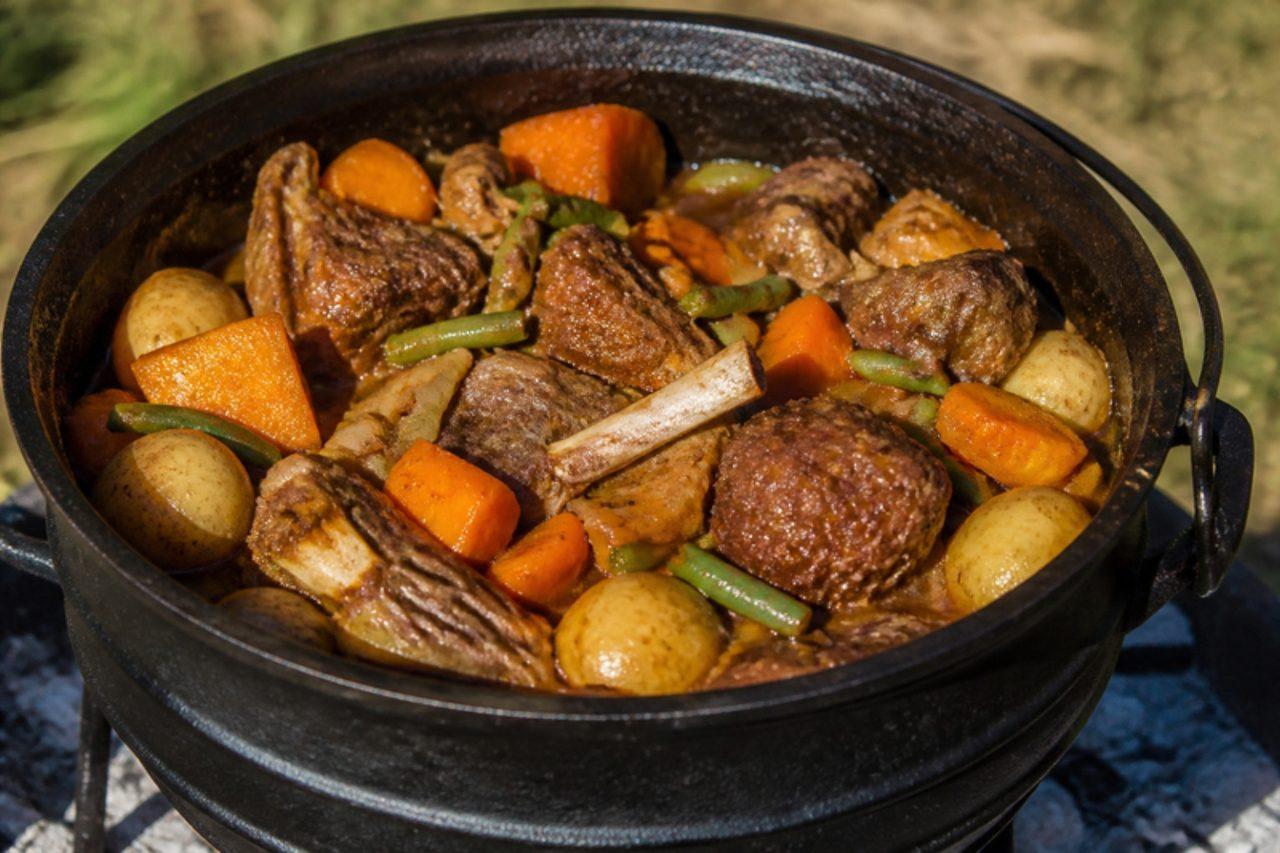
Lamb potjiekosLamb and vegetable stew

Potjiekos is the long, sociable cook of South African weekends: a cast-iron three-legged pot (potjie) sits over a small fire for hours while friends talk around it, and the rule is that once the layers are in, nobody stirs. The lamb is browned at the bottom, then potatoes, carrots, butternut, green beans and mushrooms are stacked on top so the hardest vegetables are nearest the heat. A heavy casserole on the hob or in the oven works just as well. Some cooks add a glass of red wine or beer; this version uses stock only, and you may swap 150 ml of it for wine if you like. The mistake is stirring the pot, which turns the neat layers into mush. Chef's tip: add only a little liquid; the vegetables give off their own juice as they steam.

by KrazyBadal 0 views

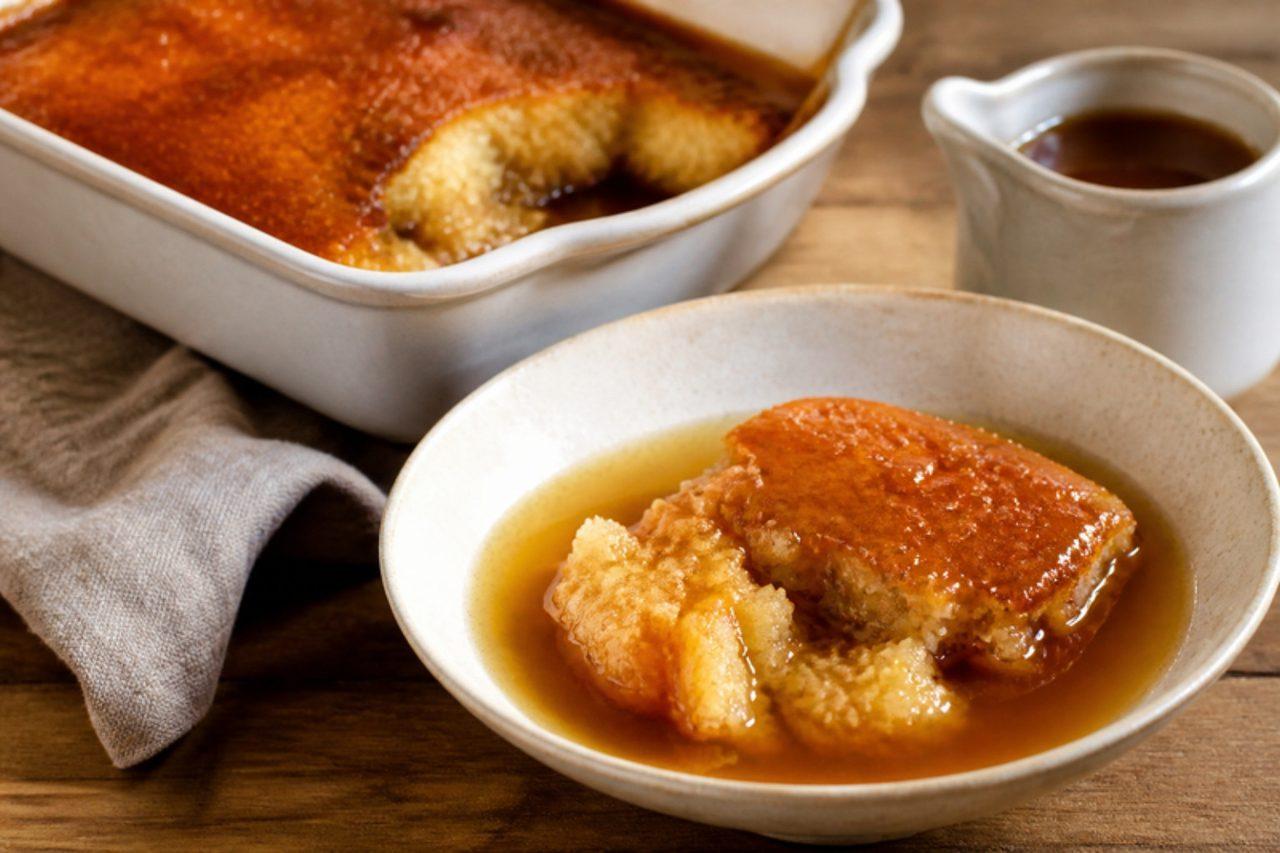
Pouding chômeurCake baked in maple syrup

Pouding chômeur ('unemployed person's pudding') was created in Québec during the Depression of the 1930s, from the cheapest ingredients: flour, sugar, a little butter and hot syrup. As it bakes, the light batter rises through the syrup, which settles underneath as a rich caramel sauce. Today it's made with maple syrup and is a fixture of Québec sugar shacks (cabanes à sucre) in March and April, and of family Sunday dinners. Serve warm with vanilla ice cream. Chef's tip: pour the syrup on boiling hot and spoon the batter over in blobs; never stir them together.

by KrazyBadal 0 views

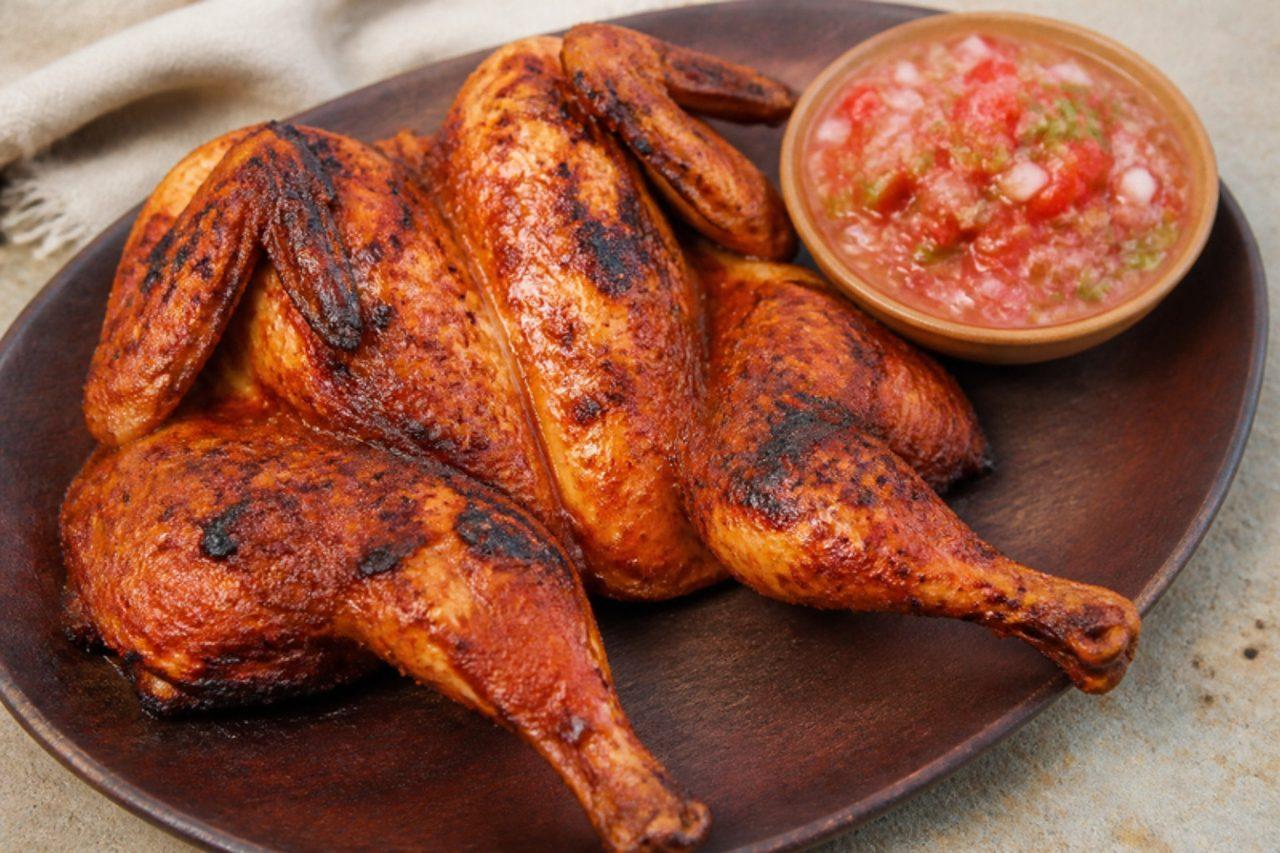
Poulet bicycletteGrilled free-range chicken

Across Burkina Faso and northern Côte d'Ivoire, "bicycle chicken" is the lean village chicken once carried to market strapped to the back of a bike; in Ouagadougou and Bobo-Dioulasso it is grilled whole at open-air stalls in the evening and eaten with fries, attiéké or a chunk of bread. The birds are smaller and firmer than supermarket chicken, so a small free-range or poussin works best at home. The mistake is grilling a whole chicken over high heat from the start, which burns the outside before the inside is safe; start it on indirect heat or in the oven, then char it. Chef's tip: spatchcock the bird so it cooks evenly and fast.

by KrazyBadal 0 views

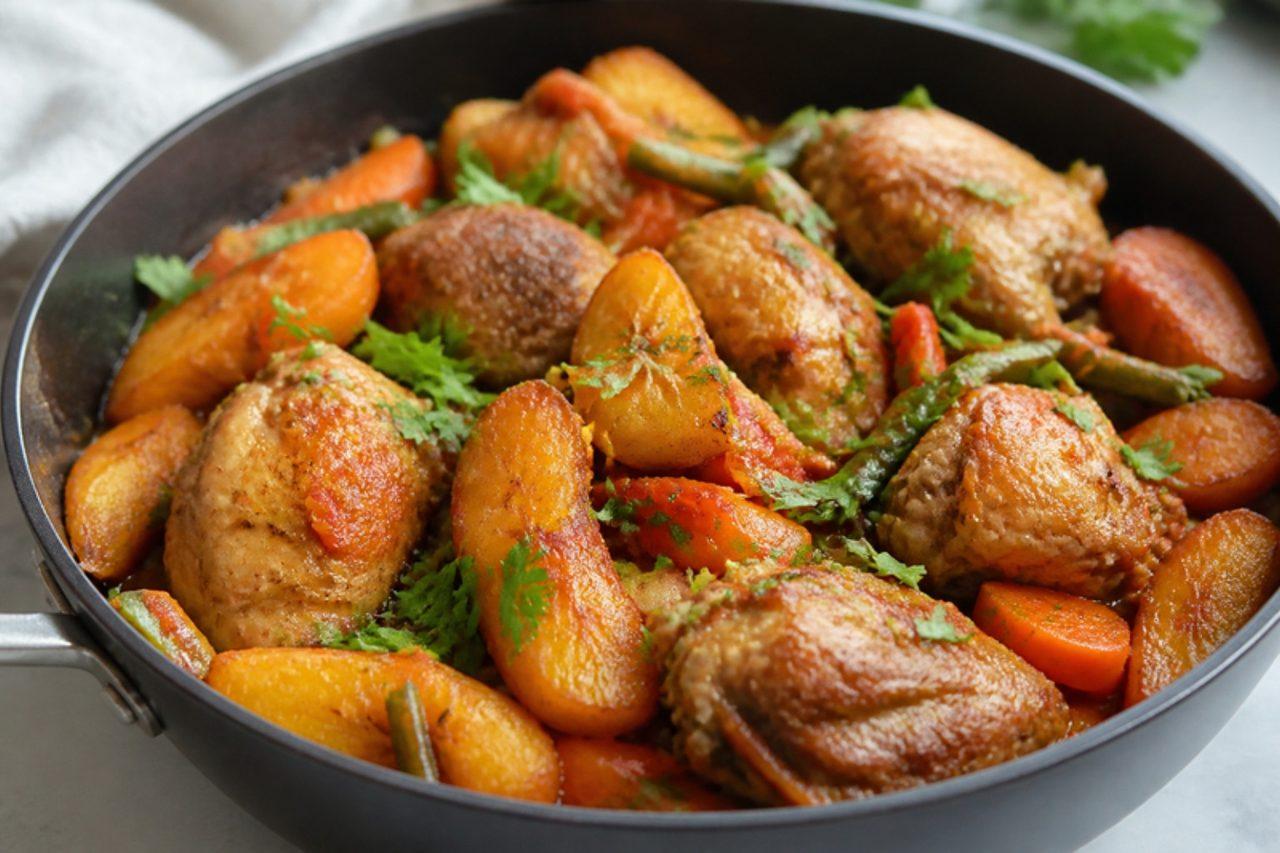
Poulet DGChicken with plantain and vegetables

Poulet DG, short for "poulet directeur général", earned its name in Yaoundé in the 1980s as a dish rich enough for the boss; now it is the centrepiece at weddings and Sunday lunches across Cameroon. Chicken is browned and simmered with tomato, peppers, carrots and green beans, then fried ripe plantain is folded in at the end, so every mouthful is savoury and sweet. The mistake is stirring the plantain in too early, when it breaks up and goes mushy; add it in the last few minutes. Chef's tip: choose plantains that are yellow with lots of black spots, ripe enough to caramelise but still firm.

by KrazyBadal 0 views

Pounded yamPounded yam dough

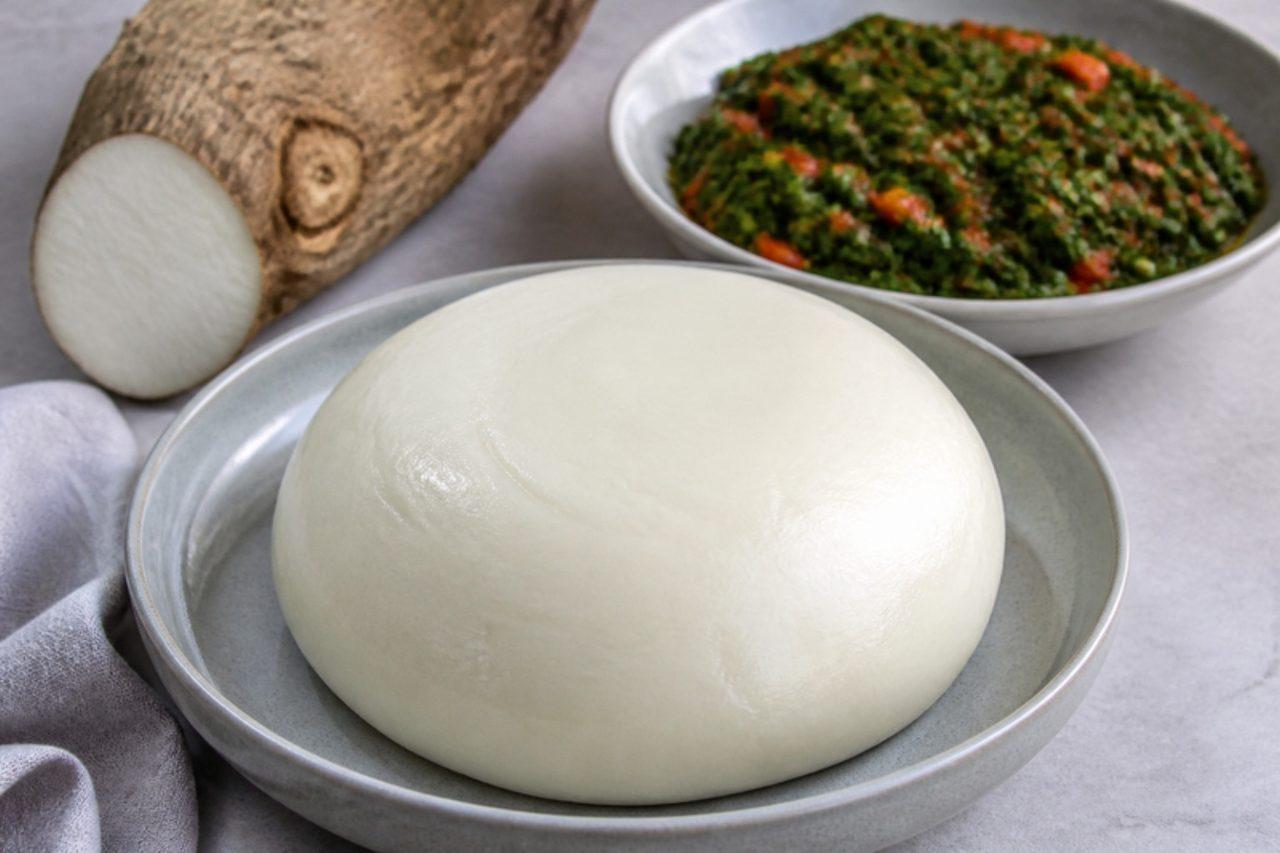
Pounded yam, iyan in Yoruba, is the pride of Ekiti and Oyo tables, where it is still pounded in a big wooden mortar on Sundays and at celebrations, the thud of the pestle carrying down the street. Boiled white yam is beaten until it becomes a smooth, elastic, slightly sticky dough that is torn off by hand and dipped into egusi, efo riro or okra soup. At home most people now use a stand mixer or food processor instead of a mortar. It has to be true African white yam (puna yam), not orange sweet potato, which some shops label as yam. Chef's tip: pound or mix the yam while it is still very hot; as it cools the starch sets and it turns lumpy instead of stretchy.

by KrazyBadal 0 views

Vegetarian ghormeh sabziHerb and kidney bean stew

Ghormeh sabzi is often called Iran's national dish: a dark green stew of slowly fried herbs, kidney beans and whole dried limes that perfumes Iranian kitchens on Friday mornings and turns up at nearly every family gathering. The original is made with lamb; this vegetarian version uses mushrooms and plenty of beans for body, and keeps the deep, sour, almost smoky herb flavour that makes the dish. It is spooned over chelow with its crust on the side. Chef's tip: fry the herbs in oil until they turn very dark green and smell nutty; that long frying is the flavour of the stew.

by KrazyBadal 0 views

Pozole rojoRed pork and hominy soup

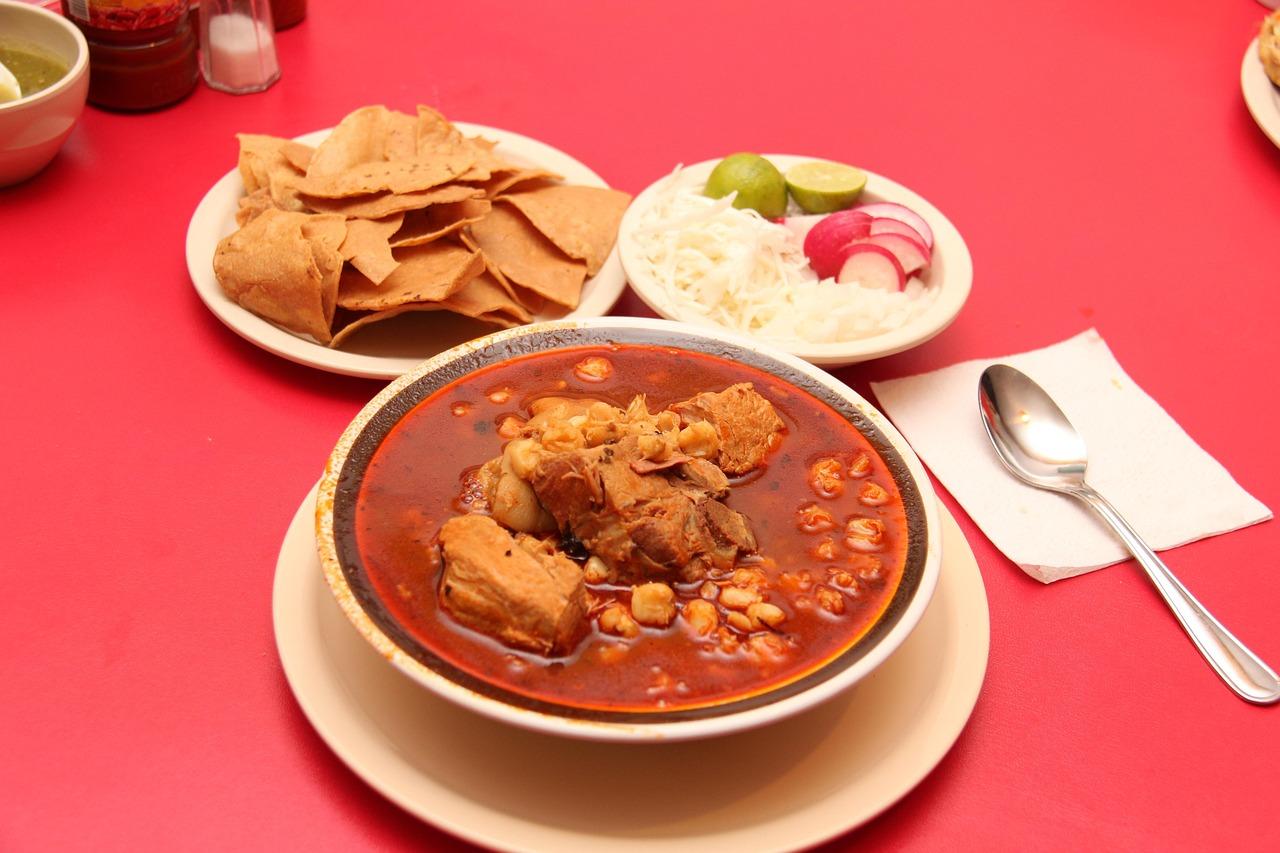
In Jalisco and Guerrero, a pot of red pozole means a crowd: it is made for Independence night on 15 September, for Christmas and New Year, and in Guerrero towns every Thursday is 'jueves pozolero'. Big, chewy kernels of hominy and tender pork simmer in a broth coloured with dried guajillo and ancho chillies, and the bowl is finished at the table with crunchy cabbage, radish, onion, lime and a rub of dried oregano between your palms. It tastes even better the next day, so make the whole pot. Chef's tip: strain the chilli purée through a sieve into the pot, so the broth is silky and free of chilli skins.

180 minMexicanSoupsGluten freeSpicy
by KrazyBadal 0 views

Vegetarian pozole verdeGreen hominy soup

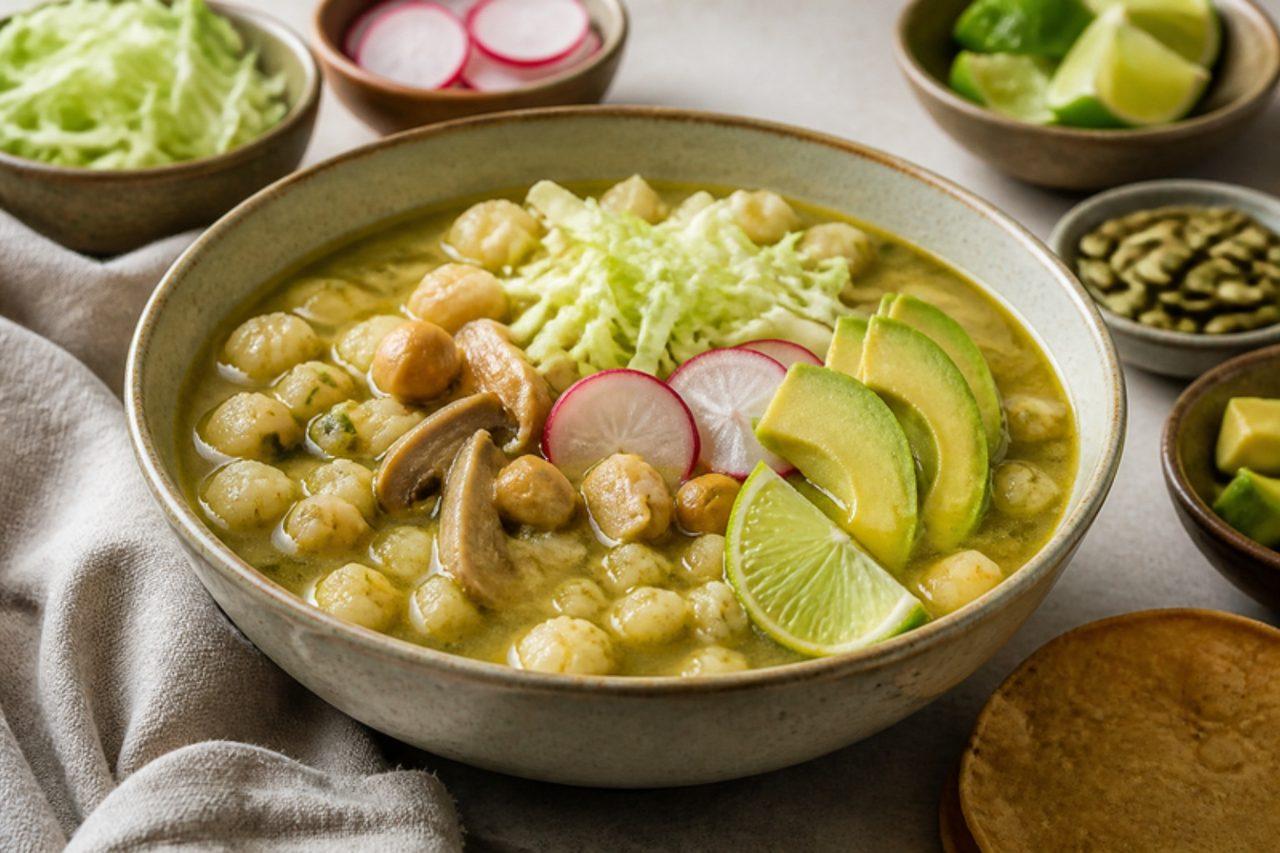
Pozole verde is the green pozole of Guerrero, where Thursday is pozole day and families gather round big bowls of it in Chilpancingo and Acapulco. The broth gets its colour and body from tomatillos, green chillies, coriander and toasted pumpkin seeds (pepitas) blended into a creamy sauce, and it is full of plump, chewy hominy (maíz pozolero), the nixtamalised corn kernels that open like flowers as they cook. This vegetarian version swaps the usual pork for oyster mushrooms and chickpeas, which give the soup a meaty bite. Serve it with the garnishes in little bowls so everyone builds their own: shredded cabbage, radish, onion, oregano, lime and crisp tostadas. Chef's tip: toast the pumpkin seeds only until they puff and start to pop; if they turn brown the whole pot tastes bitter and goes khaki instead of bright green.

by KrazyBadal 0 views

Shorshe ilishHilsa in mustard sauce

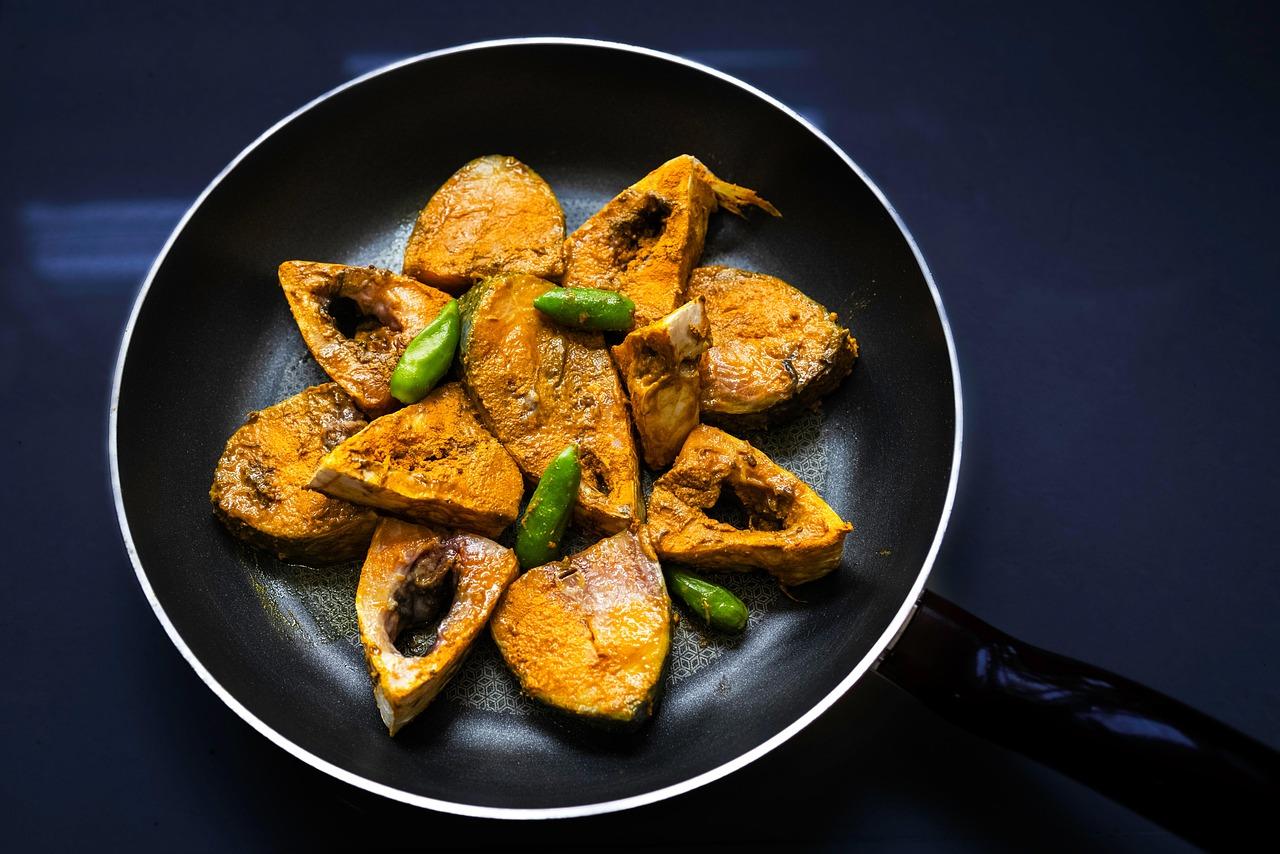
Hilsa, ilish, is the national fish of Bangladesh, and during the monsoon, when the shoals swim up the Padma and Meghna rivers, families in Dhaka and Chandpur cook it almost daily. Shorshe ilish is the most loved way: steaks of the rich, silvery fish gently simmered in a paste of ground yellow and black mustard seed, green chillies and mustard oil until the sauce turns sharp, creamy and nose-tingling. Eat it with plain white rice and nothing else. Hilsa is very bony, so warn guests and eat slowly; salmon steaks are an easier, less traditional swap. The common mistake is boiling the sauce hard after the mustard paste goes in, which turns it bitter. Chef's tip: grind the mustard seeds with a pinch of salt and a green chilli, and let the paste rest for 10 minutes before cooking; this tames the bitterness.

by KrazyBadal 0 views

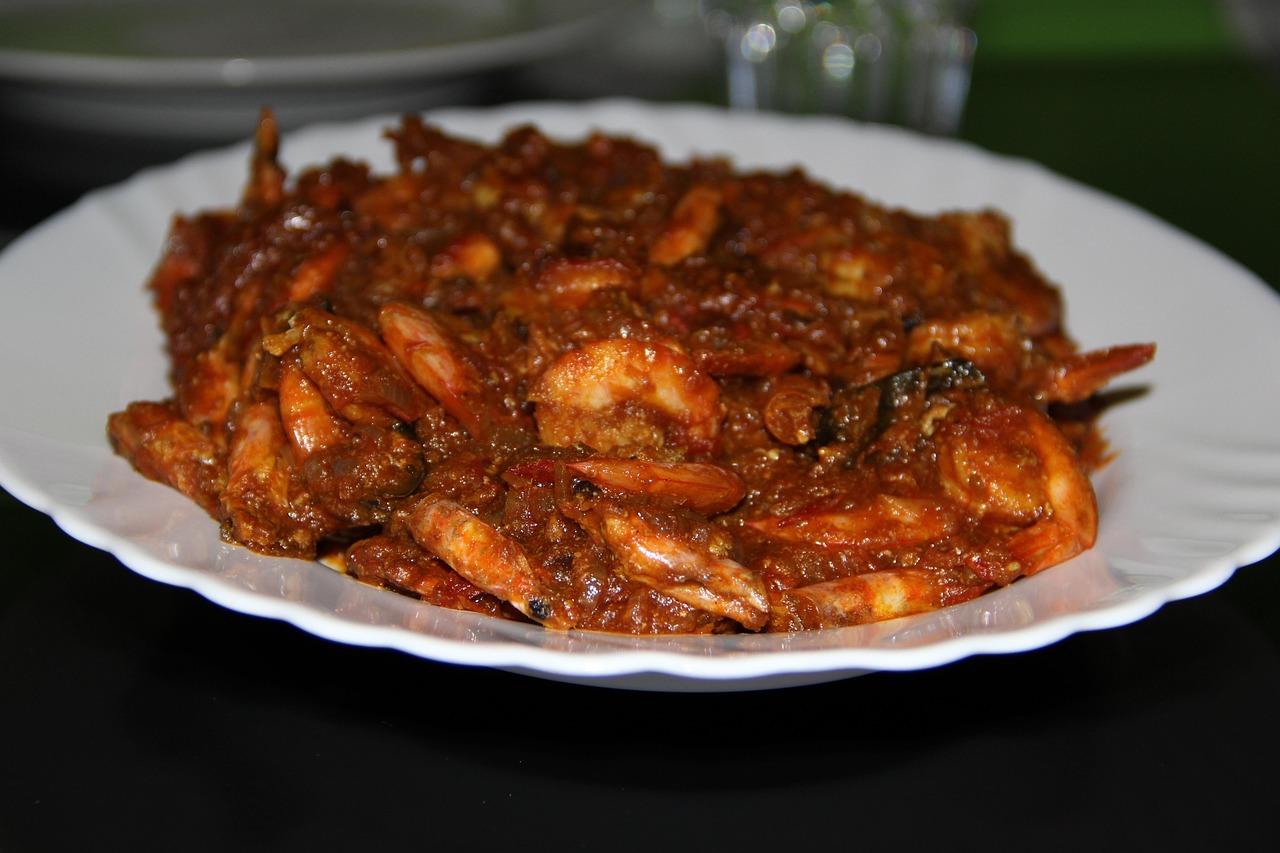
Prawn balchãoSweet-sour prawn pickle curry

Balchão started as a way to keep the catch from the Goan monsoon season: prawns cooked down in a fierce red masala with vinegar and sugar until they keep like a pickle. In Goan homes a jar sits in the fridge to spoon beside rice and dal, and a fresh batch is served as a main curry on Sundays. Its taste is bold: hot, sharp and sweet all at once. Chef's tip: fry the masala slowly until the oil separates and it turns a deep brick colour; undercooked balchão tastes raw and vinegary.

50 minIndianFishGluten freeSpicy
by KrazyBadal 0 views

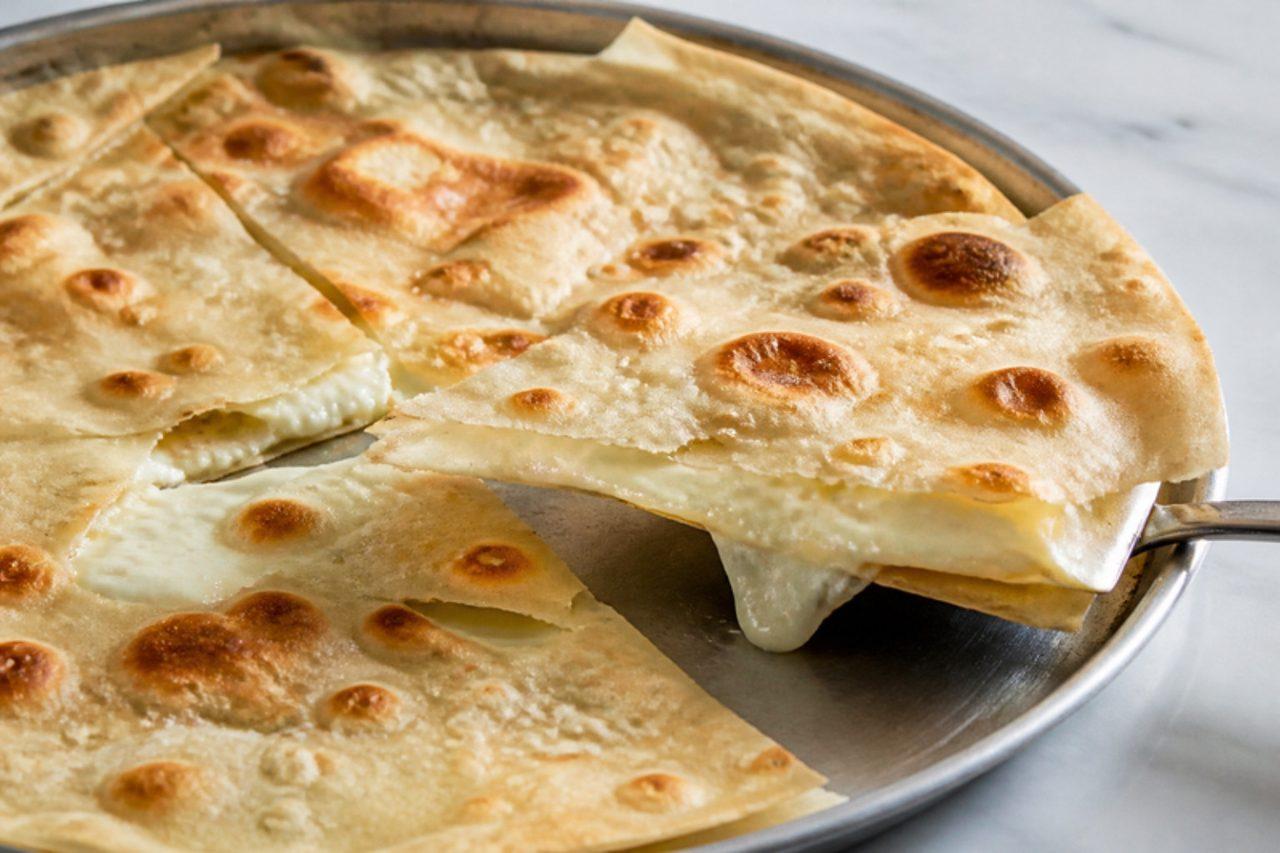
Focaccia di ReccoThin cheese-filled flatbread

Focaccia di Recco has nothing to do with the thick, bubbly focaccia most people know: it is two sheets of unleavened dough stretched almost transparent, with blobs of soft, tangy cheese in between, baked in a blisteringly hot oven for a few minutes. It comes from the seaside town of Recco, east of Genoa, where bakeries sell it in the morning and families eat it as a first course. At home, use stracchino or crescenza, the creamy fresh cheeses closest to Ligurian prescinseua. Chef's tip: stretch the dough over the backs of your hands like a pizzaiolo; rolling alone never gets it thin enough.

by KrazyBadal 0 views

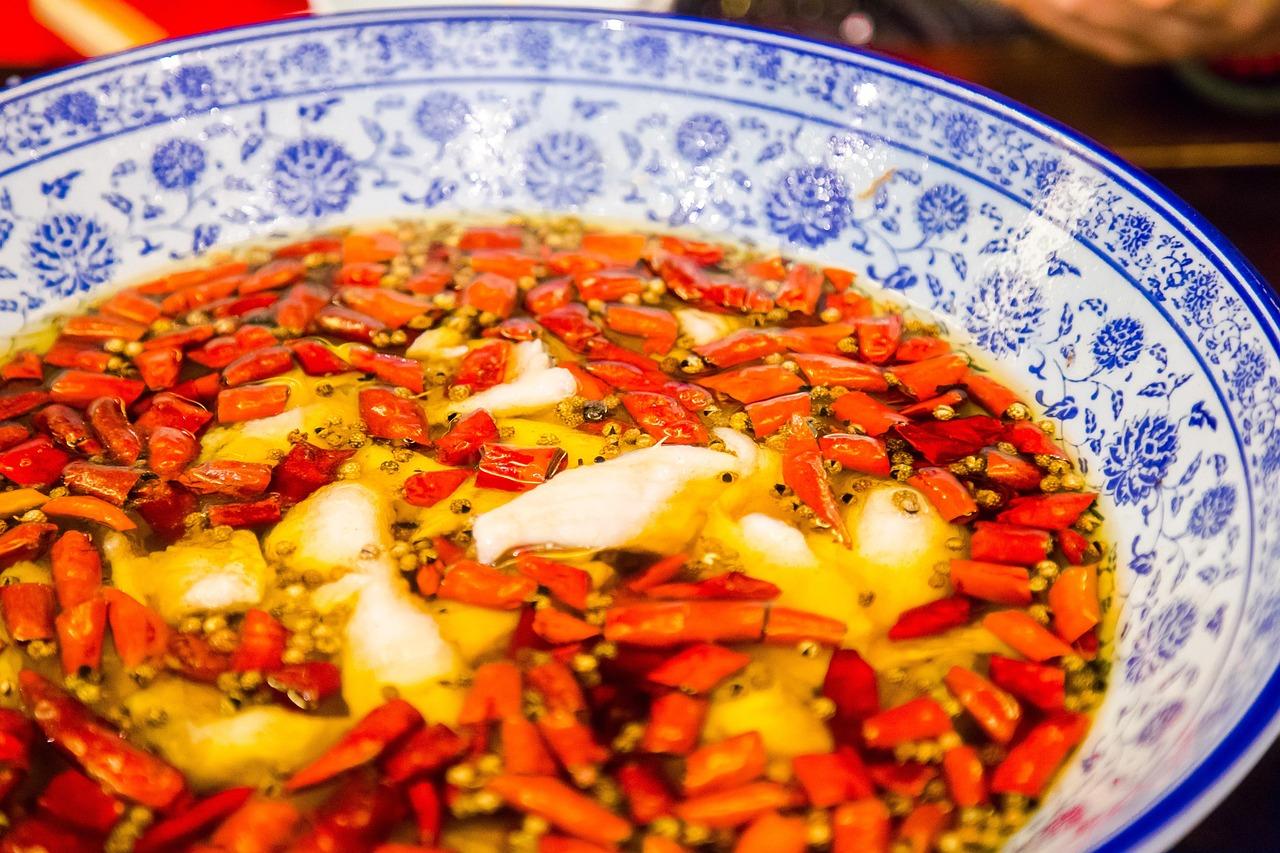
Shui zhu fishFish in chilli broth

'Water-boiled fish' is Sichuan humour at its driest, because what arrives at the table in Chongqing and Chengdu restaurants is a great basin of silky fish slices half hidden under a red sea of chillies and Sichuan pepper, still crackling from a ladle of smoking oil poured over at the last moment. Underneath is a savoury broth of chilli bean paste with soft bean sprouts and celery. It is a dish for sharing with friends over beer or tea: you fish out the slices with chopsticks and leave the oil behind, as everyone does. Plain rice is essential, and something cooling such as smacked cucumber helps. Chef's tip: coat the fish in egg white and cornflour and give it no more than three minutes in the broth; the coating keeps each slice tender and stops it breaking up.

by KrazyBadal 0 views

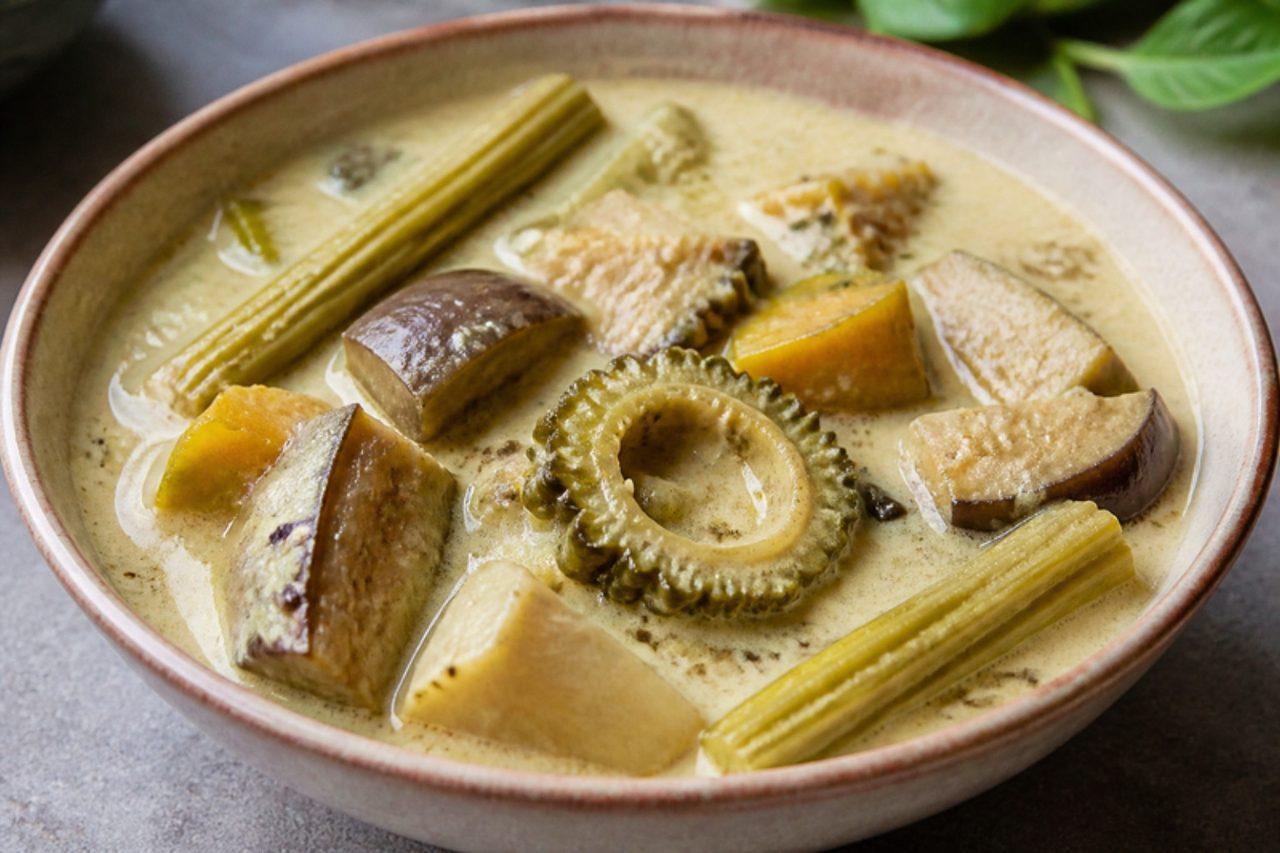
ShuktoBitter mixed vegetable stew

Shukto opens a traditional Bengali meal: a mild, slightly bitter stew of bitter gourd, raw banana, sweet potato, drumsticks and aubergine, eaten with the first mouthfuls of rice to wake up the palate. The vegetables are fried, then simmered with a paste of mustard and poppy seeds and finished with milk and a spoonful of ghee, so the bitterness is balanced by a creamy, faintly sweet sauce. It is a dish of West Bengal's home kitchens, cooked especially in spring. Chef's tip: fry the bitter gourd separately until well browned and add it at the end; this keeps its bitterness pleasant and stops it spreading through the whole pot.

by KrazyBadal 0 views

GheymehLamb and split pea stew

Gheymeh is the stew that big pots are made for: in Iran it is cooked by the cauldron and handed out to neighbours during Muharram, especially on Tasua and Ashura, and it is a fixture of weddings and Friday lunches. Small cubes of lamb simmer with yellow split peas, tomato and dried Persian limes until the sauce is tangy, savoury and a little fragrant with cinnamon. A tangle of crisp, salty potato straws goes on top just before serving. Eat it with chelow rice. Chef's tip: pierce the dried limes and soak them for 10 minutes before adding; they release their sourness faster and don't float.

140 minPersianMeatGluten free
by KrazyBadal 0 views

PrinsesstårtaMarzipan-covered layer cake

This domed green cake sits in every Swedish konditori window and is the cake for name days, birthdays and the last week of September, which Swedes call Prinsesstårtans vecka. It was first written down in the 1930s by Jenny Åkerström, cookery teacher to three young Swedish princesses, and they adored it. Under the smooth marzipan lie airy sponge layers, raspberry jam, thick vanilla custard and a tall mound of whipped cream. Shop versions often set the cream with gelatine; here the custard is firmed with cornflour and the cream with a little mascarpone, so it is fully vegetarian and still slices cleanly. Chef's tip: assemble the cake the day before you need the custard and sponge, but cover it with marzipan only a few hours before serving; marzipan sweats in the fridge overnight.

by KrazyBadal 0 views

GhevarLacy fried batter sweet in syrup

During the monsoon festival of Teej and through Raksha Bandhan, Jaipur's sweet shops stack golden, honeycomb discs of ghevar in their windows. The batter is little more than flour, chilled ghee and ice-cold water, poured into hot ghee in thin streams so it foams into a lacy round. It is then soaked in syrup and finished with rabri, sliced pistachios and a pinch of saffron. Married daughters traditionally receive it from their mothers' homes during Teej. The most common mistake is batter that is too warm or too thick; it fries into a heavy pancake instead of a web. Chef's tip: whisk the ghee with ice cubes until it is white and fluffy before adding flour, and keep the batter bowl in a tray of ice water while frying. A narrow, deep pan, or a metal ring set in a saucepan, gives the sides that help the batter build up.

by KrazyBadal 0 views

Soto ayamTurmeric chicken soup

From Lamongan to Semarang, Java's soto carts start ladling before the morning commute, and a bowl of soto ayam is how many people begin a working day. The broth is light but bright yellow with fresh turmeric, scented with lemongrass and lime leaf, and poured over slippery glass noodles, shredded chicken, crunchy bean sprouts and half a boiled egg. Squeeze in lime, stir in as much sambal as you dare and eat it with plain rice or rice cakes on the side. In East Java vendors finish it with koya, a sandy powder of prawn crackers and fried garlic that thickens the broth as you eat. Chef's tip: keep the pot at a lazy simmer the whole time; a hard boil turns the golden broth cloudy and greasy.

by KrazyBadal 0 views

Soto BanjarSpiced chicken soup

Along the rivers of Banjarmasin in South Kalimantan, breakfast often means soto Banjar eaten at a wooden riverside warung, sometimes after a dawn trip to the floating market. Unlike the turmeric sotos of Java, this broth is pale and clear, perfumed with the sweet spices that traders brought up the river centuries ago: cinnamon, cloves, star anise, cardamom and nutmeg. Shredded chicken, glass noodles, carrot and a boiled egg go into the bowl with rice cakes, and lime and a little chilli sharpen it at the table. Chef's tip: toast the whole spices in the pan for a minute before the paste goes in; it brings out their sweetness without the dusty edge of ground spice.

by KrazyBadal 1 views

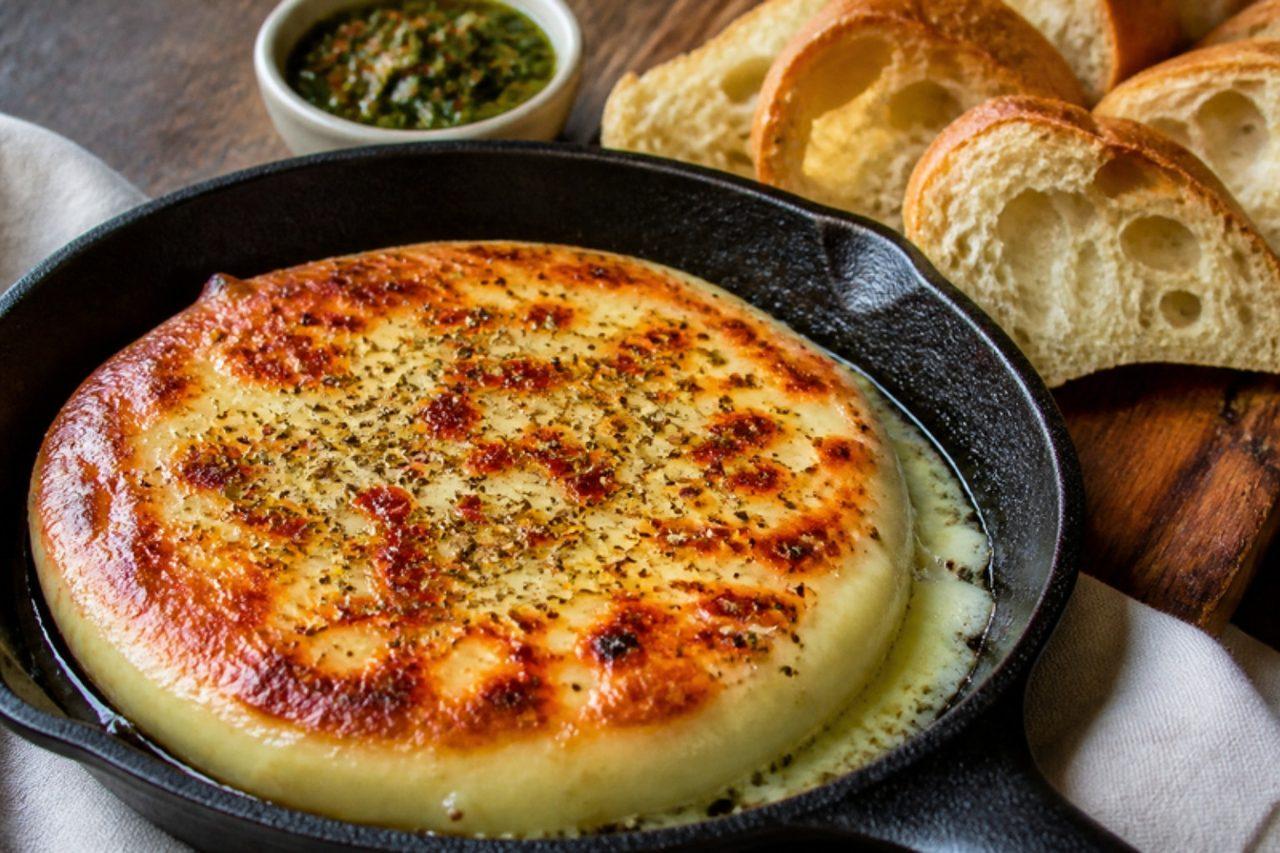
ProvoletaGrilled provolone with oregano

Provoleta is the first thing off the grill at an Argentine asado: a thick round of provolone-style cheese, invented by Italian immigrants in Buenos Aires, cooked in a small iron pan or straight on the grate until the outside forms a golden crust and the inside turns molten. It comes to the table bubbling, sprinkled with oregano and chilli flakes and drizzled with chimichurri, to scoop up with crusty bread. Many provolones use animal rennet, so check the label and choose one made with vegetarian rennet. Chef's tip: chill the cheese well before cooking; cold cheese forms a crust before the middle melts and runs.

by KrazyBadal 0 views

Showing 36 of 8,120 recipes

Show more recipes

Page 785 of 903