Skip to content
Pork souvlaki
Featured recipe

Pork souvlaki

This is a pork recipe. Walk through any Greek town after dark, from Athens to Thessaloniki, and the smell of souvlaki stands drifts down the street; cubes of pork shoulder grilled on thin skewers are the country's favourite cheap supper, eaten standing up or at a plastic-table taverna. At home you marinate the meat in lemon, olive oil, garlic and dried oregano, grill it hard and fast, and pile it on warm pitta with tzatziki, tomato and red onion. Chef's tip: cut the pork into even 2.5 cm cubes and leave a little fat on; lean loin dries out, shoulder stays juicy over high heat.

Read more 1 views

What to eat today?

Around the world

Today's trip: Paraguayan

A new country every day, from every cuisine on the site.

Paraguayan

Buseca

Tripe and white bean stew 185 minMore from Paraguayan (27) →

This week's collection

Kid-friendly dinners
537 recipes · a new collection every Monday

Latest recipes

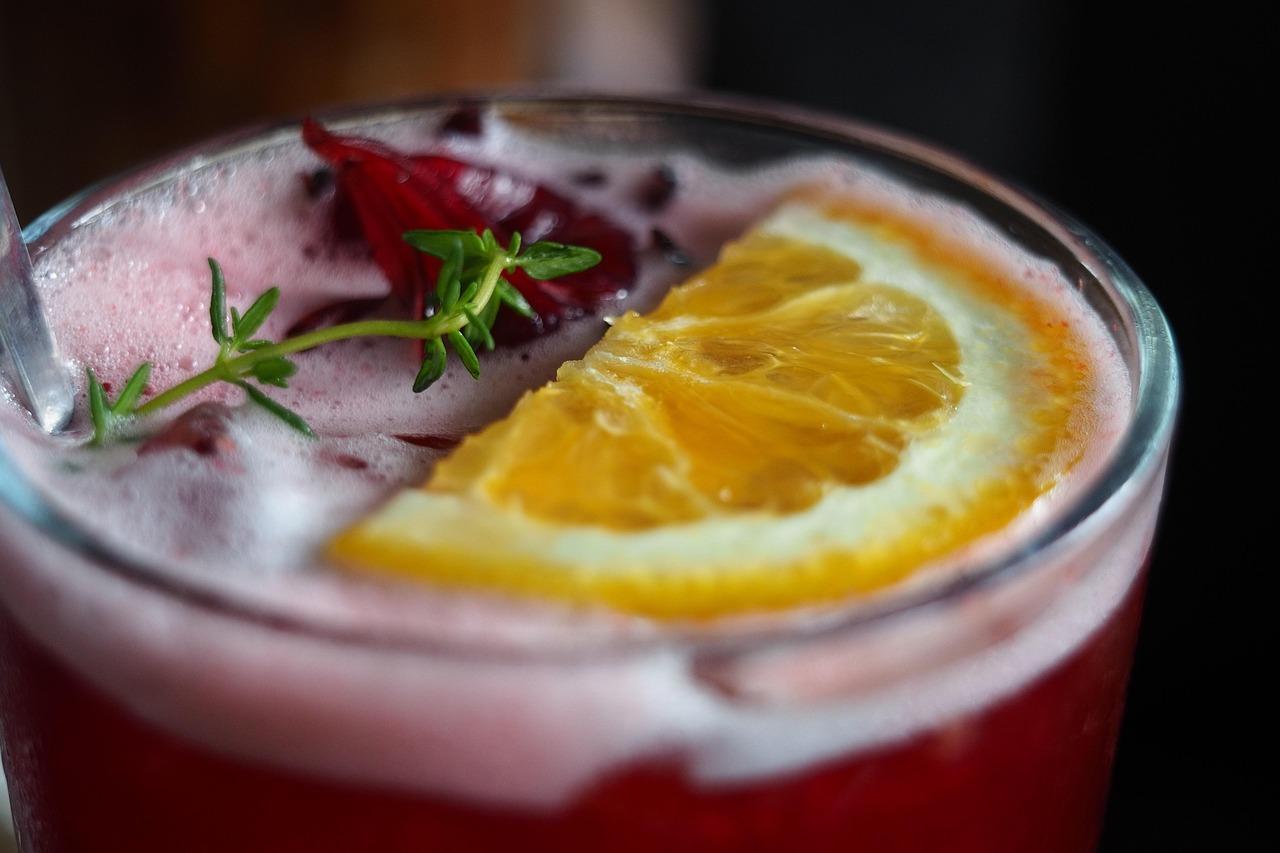
Sorrel drinkHibiscus drink

Sorrel is the drink of a Jamaican Christmas: in December the markets fill with the red flowers (the calyces of a hibiscus), and every home brews a big batch to share. They're steeped with lots of fresh ginger, pimento and cloves, then sweetened, giving a deep ruby drink that's tart, spicy and refreshing over ice. Many families add a splash of white or dark rum for the adults. Chef's tip: be generous with the ginger and let it steep overnight. A long, cool steep pulls out the colour and a fiery ginger bite without the bitterness of over-boiling.

by KrazyBadal 0 views

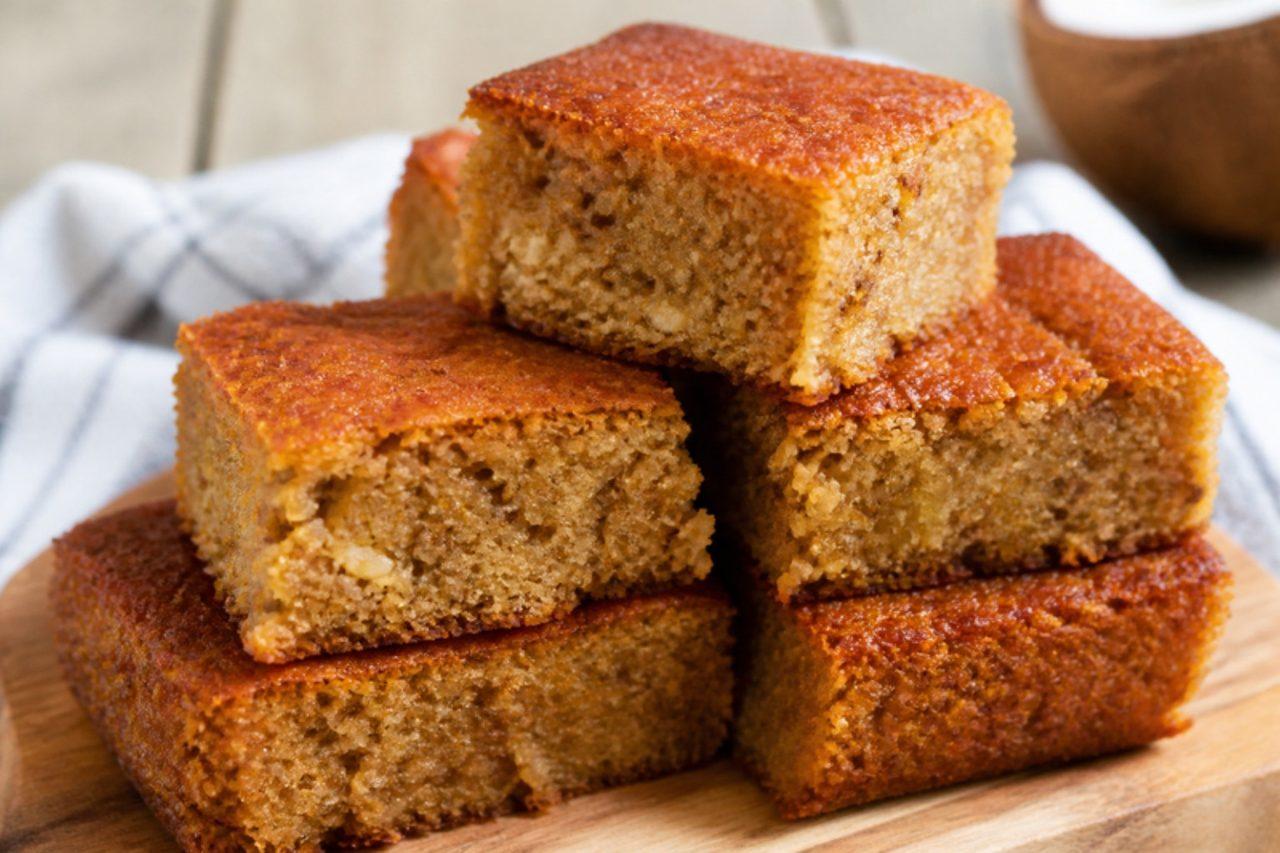
TotoCoconut cake

Toto is an old-time Jamaican country cake, the kind baked in a 'dutchie' over coals in rural St Mary and St Ann and sold in squares at bakeries and school tuck shops. It's dense and moist rather than light, packed with grated coconut, darkened with brown sugar and fragrant with nutmeg, cinnamon and vanilla. Lovely with a cup of tea, still slightly warm. Chef's tip: use fresh grated coconut if you can, or soak desiccated coconut in the warm coconut milk for 15 minutes first. Dry coconut steals moisture from the batter and leaves the cake crumbly instead of chewy.

by KrazyBadal 0 views

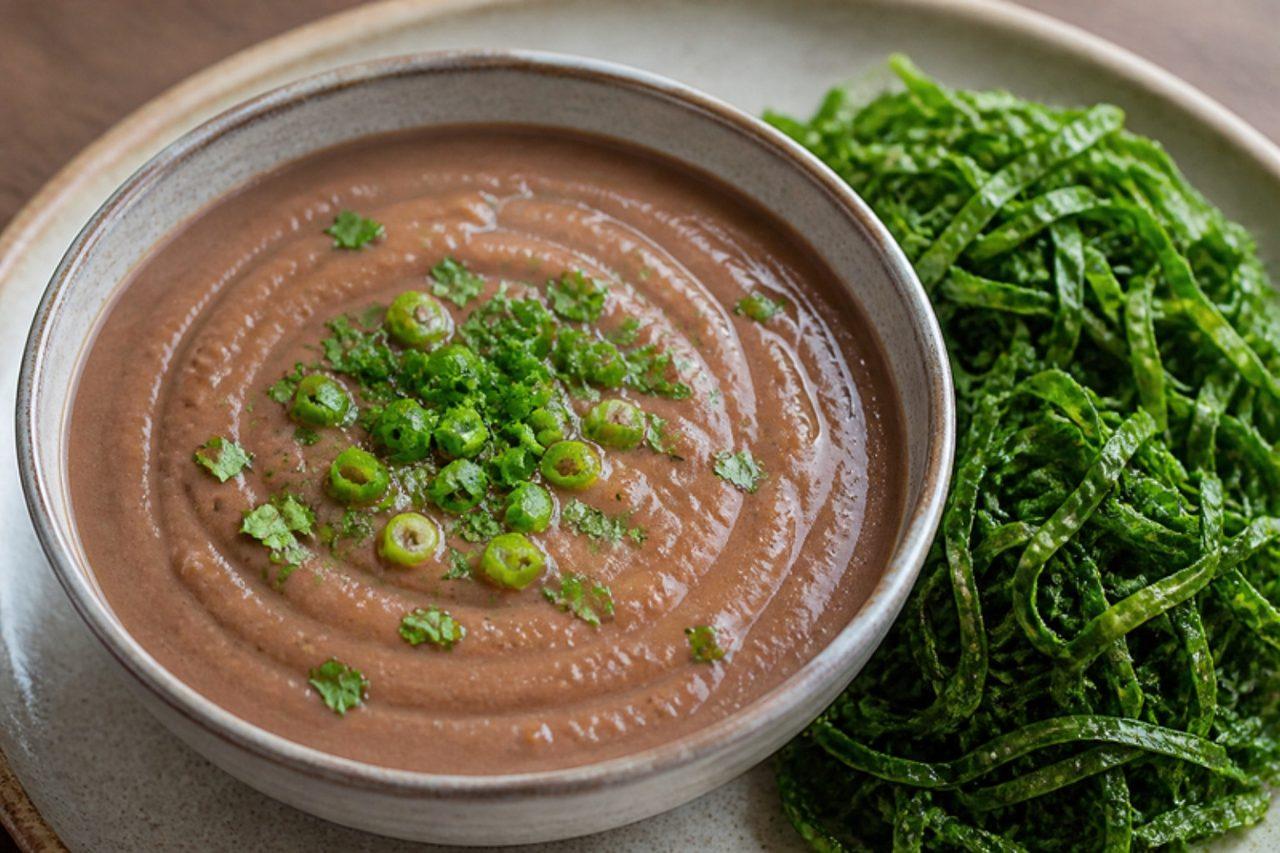
Tutu de feijãoBean purée with toasted manioc meal

Tutu de feijão is everyday comfort food from Minas Gerais, made from yesterday's beans: they're blended smooth, fried with onion and garlic, then thickened with manioc meal into a soft, spoonable mash. In Minas it comes with pork crackling and sausage; here smoked paprika and a crisp onion topping bring the savoury, smoky edge. Serve with rice, couve à mineira and a fried egg if you eat them. Chef's tip: rain in the manioc meal slowly while stirring, as you would polenta, and stop while it's still a little looser than you want. Tutu firms up as it stands, and too much farinha makes it stodgy.

by KrazyBadal 0 views

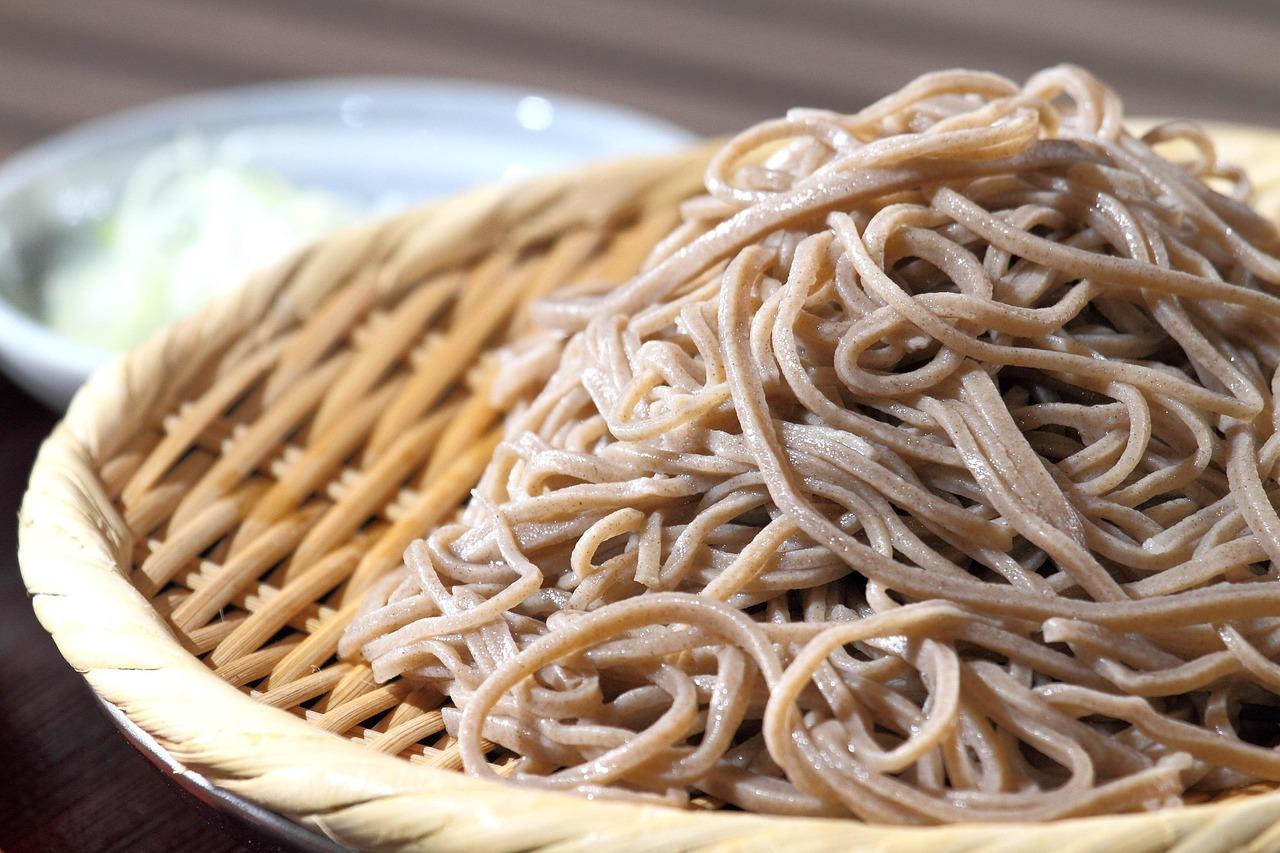
Zaru sobaChilled buckwheat noodles

Zaru soba (ざるそば) is the simplest and most loved way to eat buckwheat noodles in Japan, served chilled on a bamboo tray (zaru) with a small cup of dipping sauce. You pick up a mouthful of noodles, dip them, and slurp. The usual tsuyu sauce is made with bonito; this one gets its savoury depth from kombu and dried shiitake. Refreshing on a hot day, with grated wasabi, spring onion and a little nori. Chef's tip: the ice-water rinse is not optional. It washes off the surface starch and tightens the noodles so they're slippery and firm; soba shops call this 'shime', the finishing chill.

by KrazyBadal 0 views

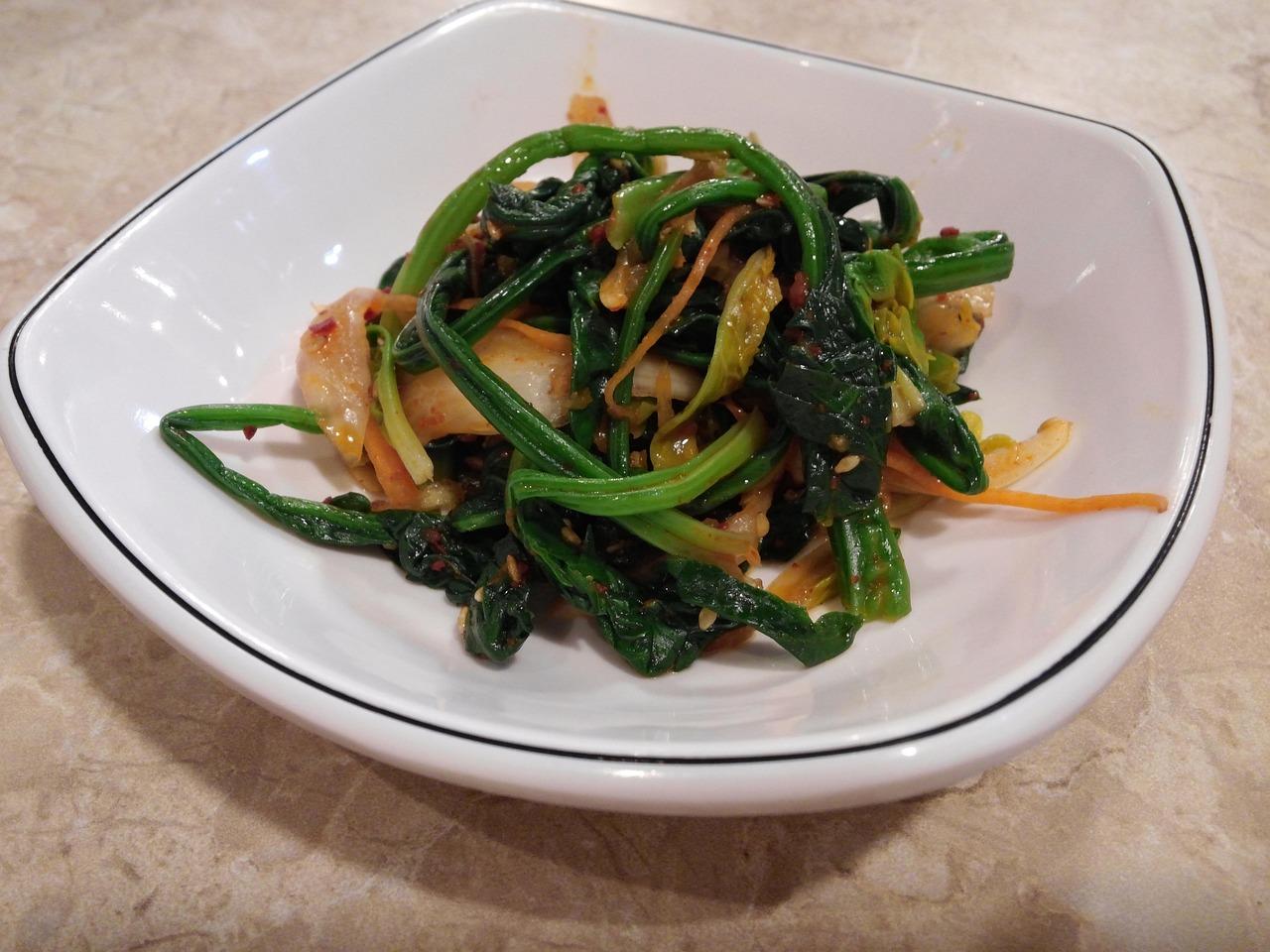
Sigeumchi namulSeasoned spinach

Sigeumchi namul (시금치나물) is a quick side dish of blanched spinach dressed with garlic, a little soy sauce and plenty of toasted sesame. It is one of the banchan found on tables all over Korea, and it is also one of the toppings in bibimbap. The spinach is blanched for just a few seconds so it stays bright green, then squeezed dry so it takes on the dressing. Serve at room temperature with rice and other banchan. Chef's tip: squeeze the spinach really hard before seasoning. Any water left in it dilutes the sesame dressing and makes the namul taste watery.

by KrazyBadal 0 views

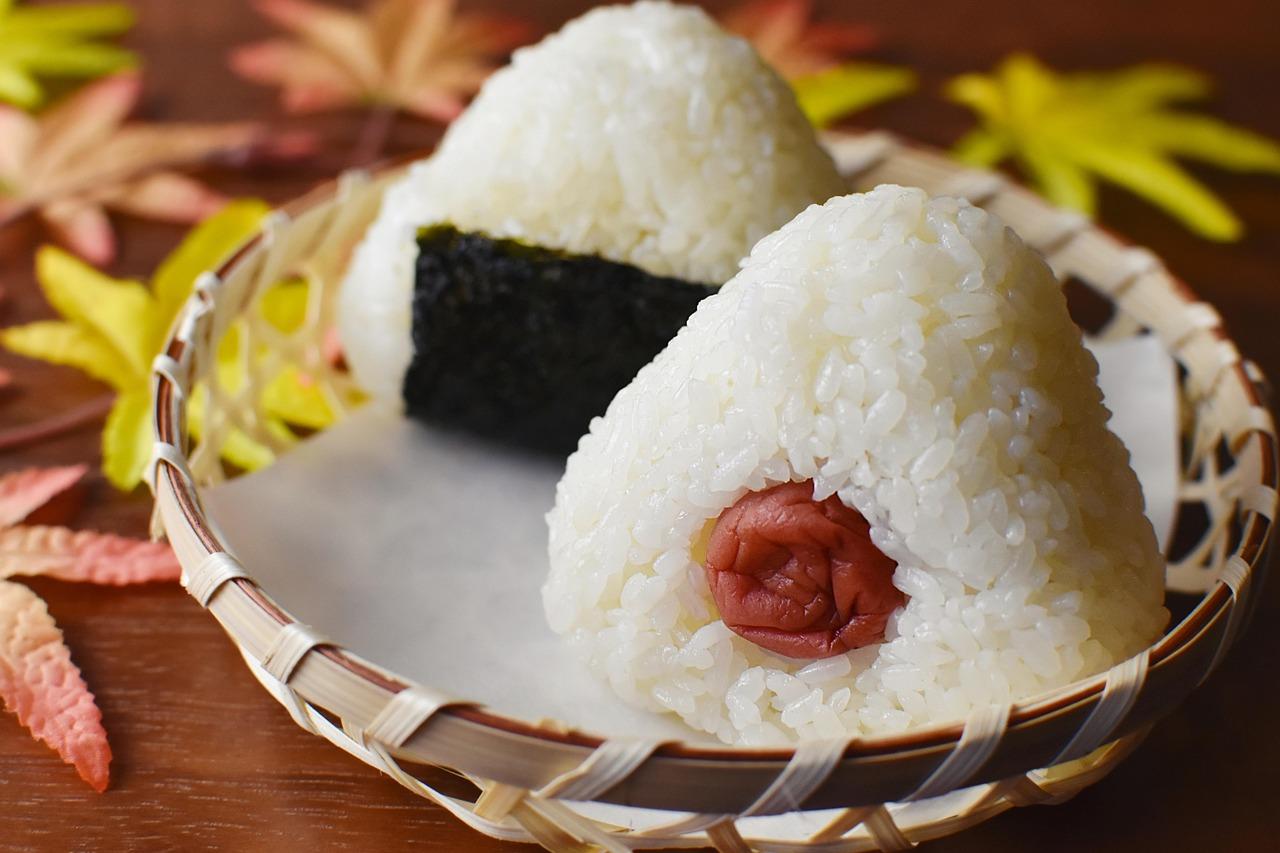
Vegetable onigiriRice balls with vegetables

Onigiri (おにぎり) are Japan's everyday lunchbox and picnic food, sold in every convenience store from Tokyo to Kyushu. Warm rice is pressed around a salty or savoury filling and wrapped in a strip of crisp nori. This recipe gives three vegetarian fillings: sour umeboshi (pickled plum), sweet-salty simmered kombu, and a soy-glazed mushroom and carrot mix. Children love helping to shape them, and they keep well for a packed lunch. Chef's tip: use freshly cooked, still-warm rice and salt your hands, not the rice. The grains stick together only while warm, and the salt on the outside seasons every bite the way a Japanese mother would.

by KrazyBadal 0 views

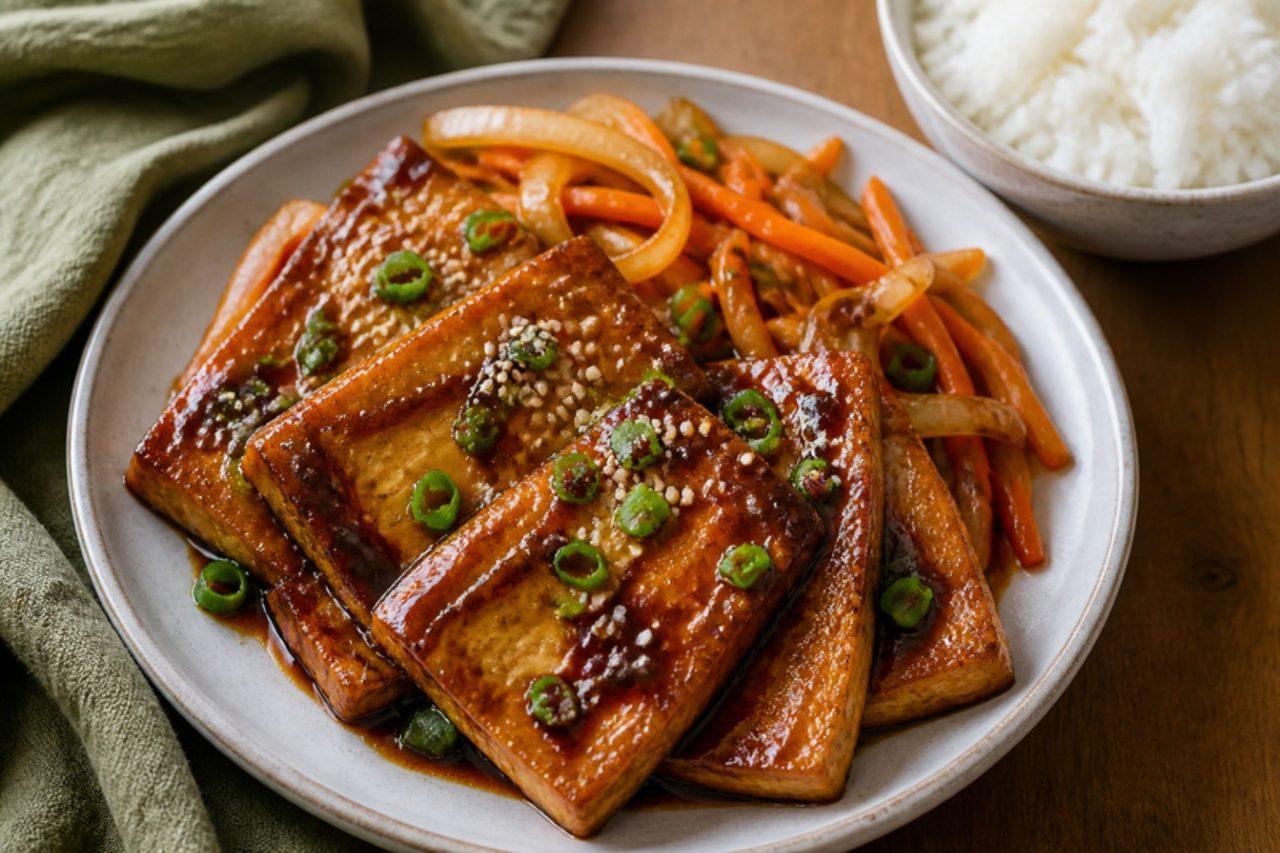
Tofu bulgogiTofu in bulgogi marinade

Tofu bulgogi (두부불고기) takes the famous sweet and savoury bulgogi marinade, usually made for thin slices of beef, and uses it on golden pan-fried tofu instead. It is a popular meat-free dish in homes and temple-style restaurants across Korea. Grated pear sweetens the soy and garlic sauce and makes it glossy, and the tofu is fried first so it holds its shape and soaks up the glaze. Serve with rice, lettuce leaves for wrapping and kimchi. Chef's tip: dry the tofu well and leave it alone in the pan until it releases by itself. A good golden crust is what lets it soak up the glaze without falling apart.

by KrazyBadal 0 views

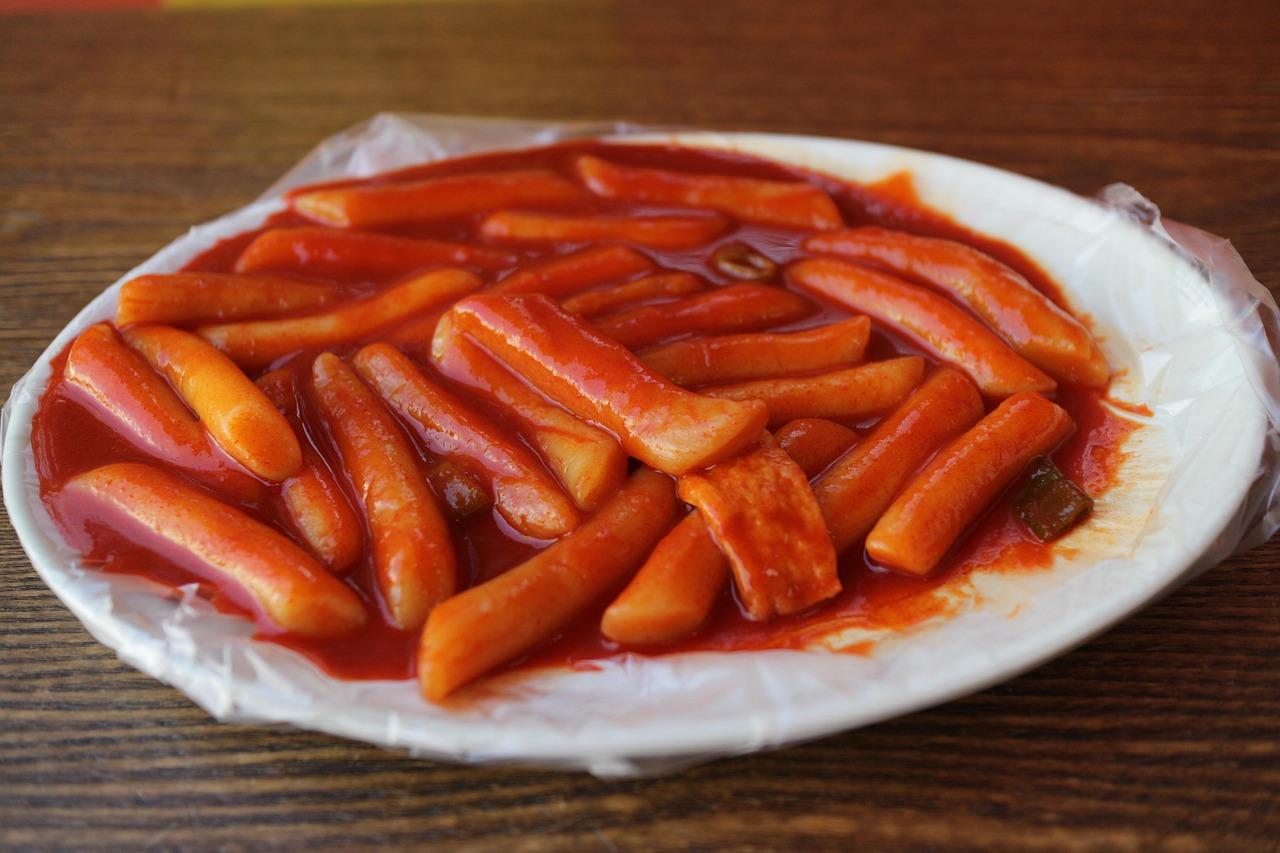
TteokbokkiRice cakes in spicy sauce

Tteokbokki (떡볶이) is Korea's best-loved street snack: chewy cylinders of rice cake simmered in a thick, glossy, sweet and spicy red sauce. It became a classic in Seoul, where it is sold from street stalls and snack bars in every neighbourhood. Street versions use anchovy stock and fish cakes; this vegan version uses a quick kelp and shiitake stock with cabbage and spring onions, and has all the same punch. Eat it hot, while the rice cakes are soft and stretchy. Chef's tip: keep stirring and scrape the bottom; the rice cakes release starch that thickens the sauce but also catches. The sauce is right when it clings to the spoon in a glossy coat.

by KrazyBadal 1 views

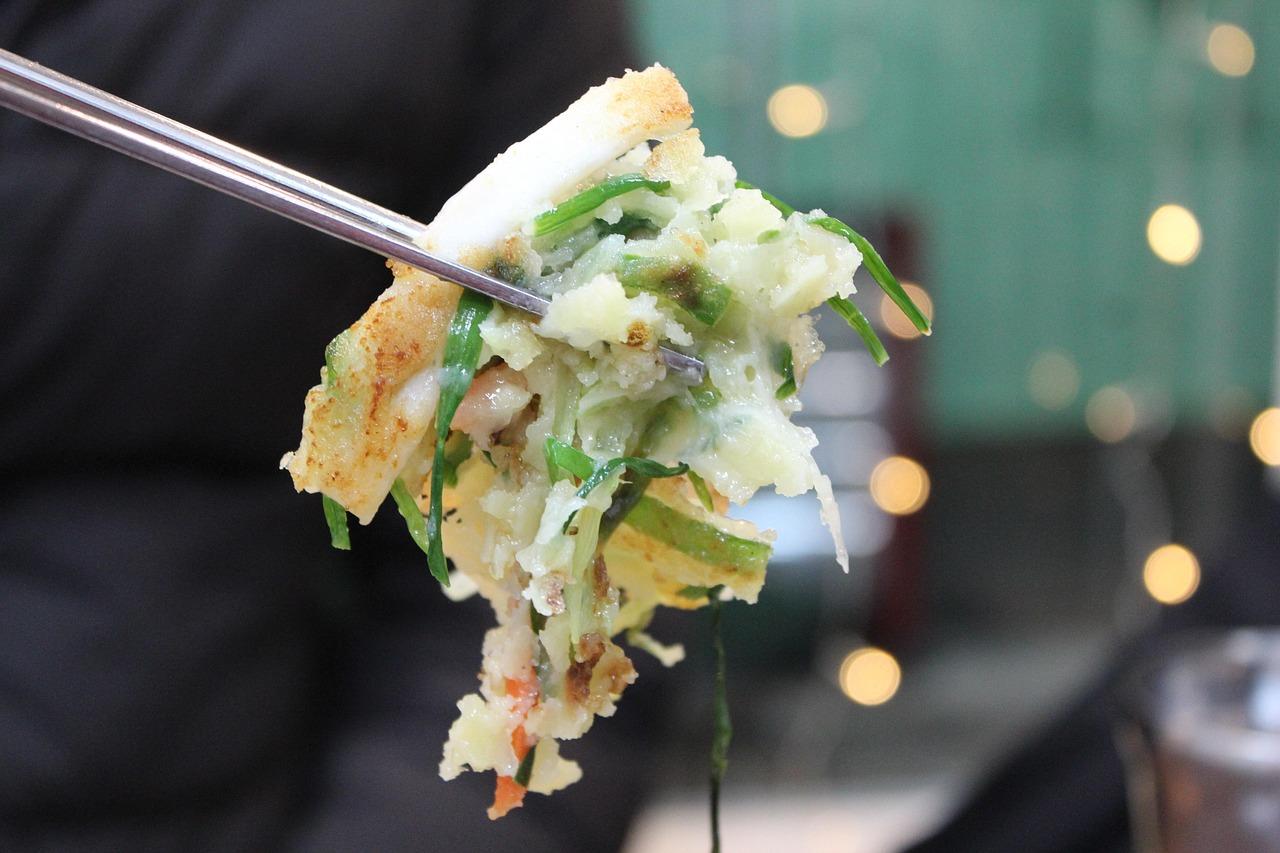
PajeonSpring onion pancake

Pajeon (파전) is a savoury pancake packed with whole spring onions held together by a thin batter. Dongnae, a district of Busan, is famous for its version, made with rice flour in the batter and finished with beaten egg poured over the top; Dongnae pajeon is usually loaded with seafood, which is left out here. Korean families often make it on rainy days and eat it with a soy and vinegar dip. Keep the batter ice cold and the pan hot for the crispest edges. Chef's tip: use just enough batter to glue the spring onions together. Dongnae cooks want you to taste spring onion first and batter second, so it should look lacy, not cakey.

by KrazyBadal 0 views

Showing 9 of 7,762 recipes

Show more recipes

Page 793 of 863