


Skip to content
Kalu dodol
Featured recipe

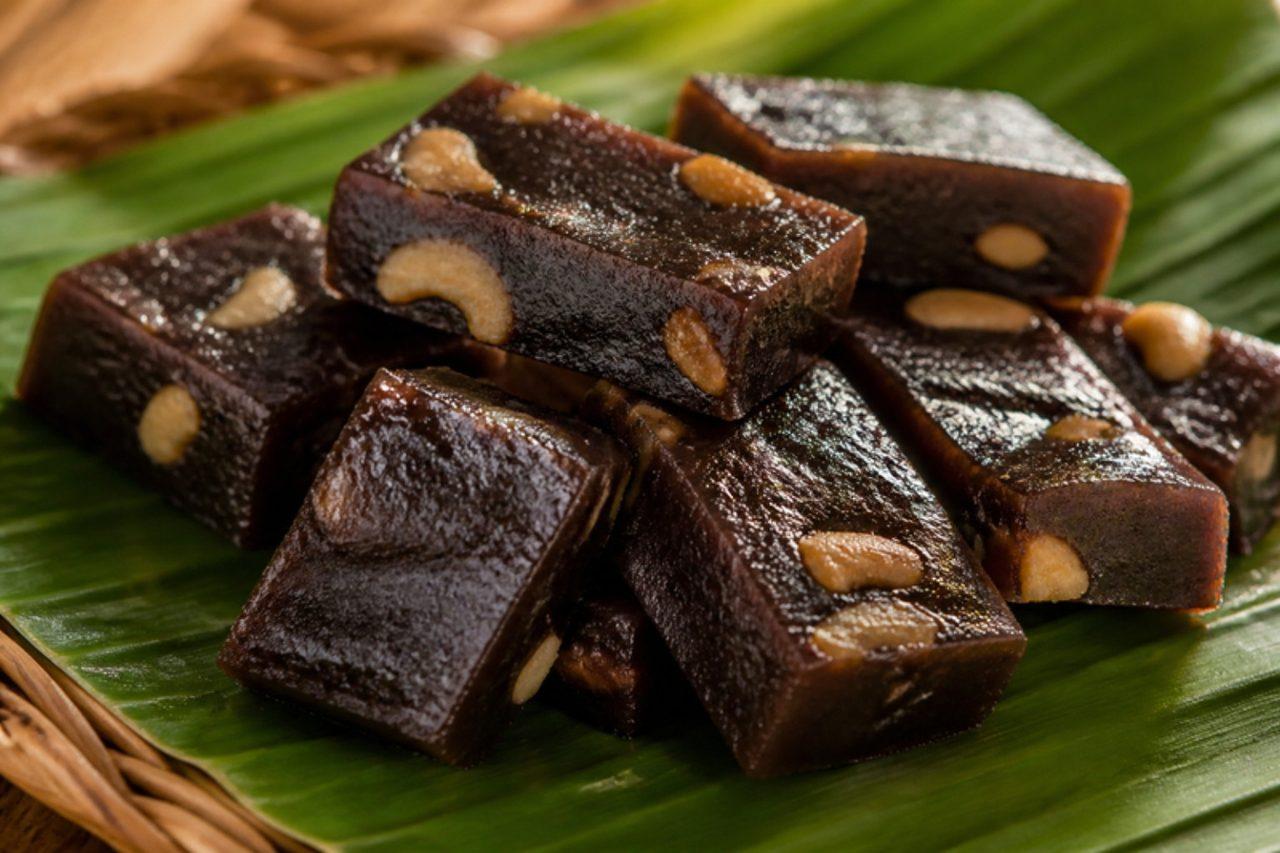
Kalu dodol

Rice flour and jaggery sweet

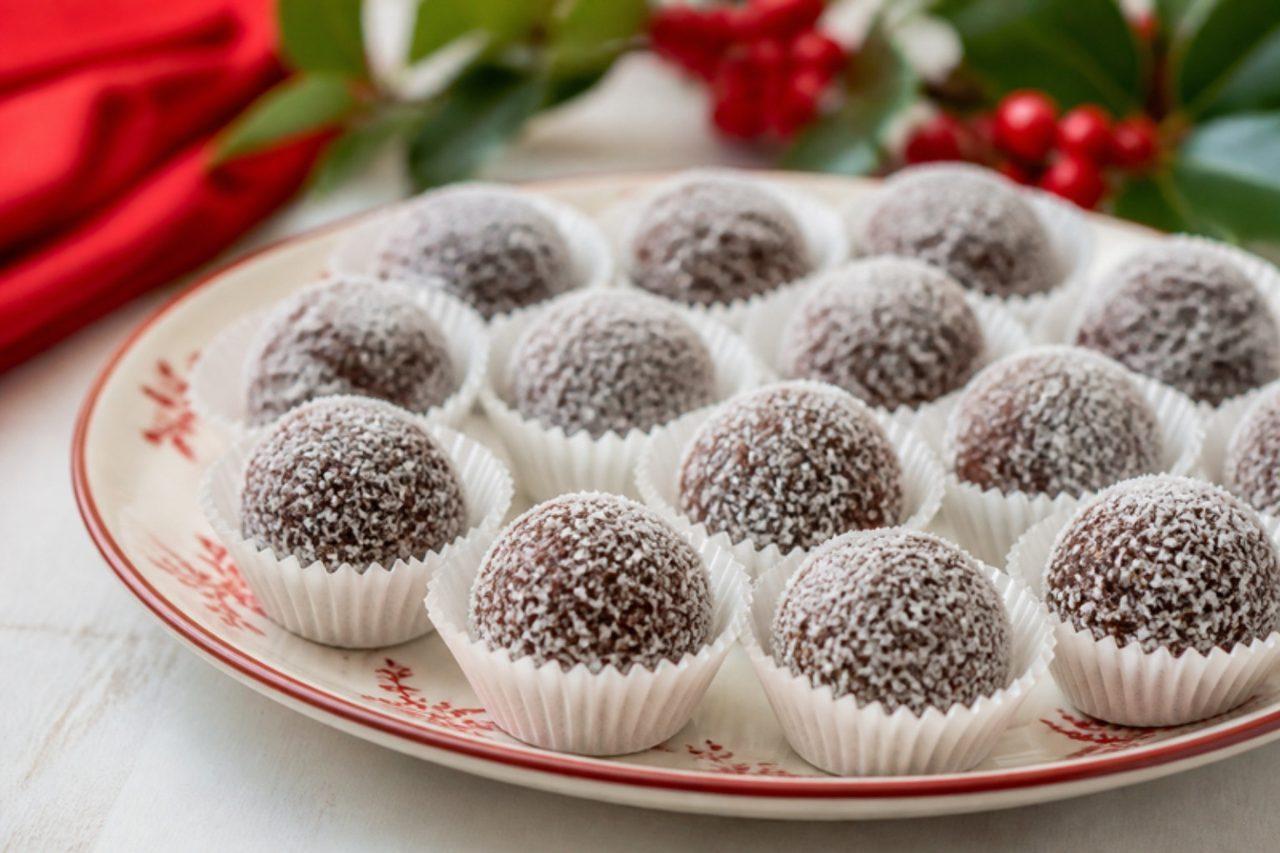
Hambantota and Kalutara both claim the best kalu dodol, and roadside shops in each town sell long, black, glistening slabs wrapped in paper, bought by travellers as gifts for the family back home. The sweet is a test of stamina: coconut milk is cooked down until its oil separates, then rice flour and kithul jaggery are stirred in and the mixture is worked over the heat for two to three hours until it turns dark, glossy and stiff, with cashews and cardamom added at the end. It sets into a chewy, fudgy sweet with a deep caramel and coconut flavour, and is served in thin slices during Avurudu and at weddings. Giving up too early is the one mistake everyone makes once; undercooked dodol stays sticky and grey instead of firm and almost black. Chef's tip: use the widest heavy pan you have and a long wooden spoon, and keep stirring the same direction, scraping the base, so nothing catches.

Read more 0 views

What to eat today?

Around the world

Today's trip: Paraguayan

A new country every day, from every cuisine on the site.

Paraguayan

Cocido quemado

Burnt sugar mate drink 14 minMore from Paraguayan (27) →

This week's collection

Kid-friendly dinners
537 recipes · a new collection every Monday

Latest recipes

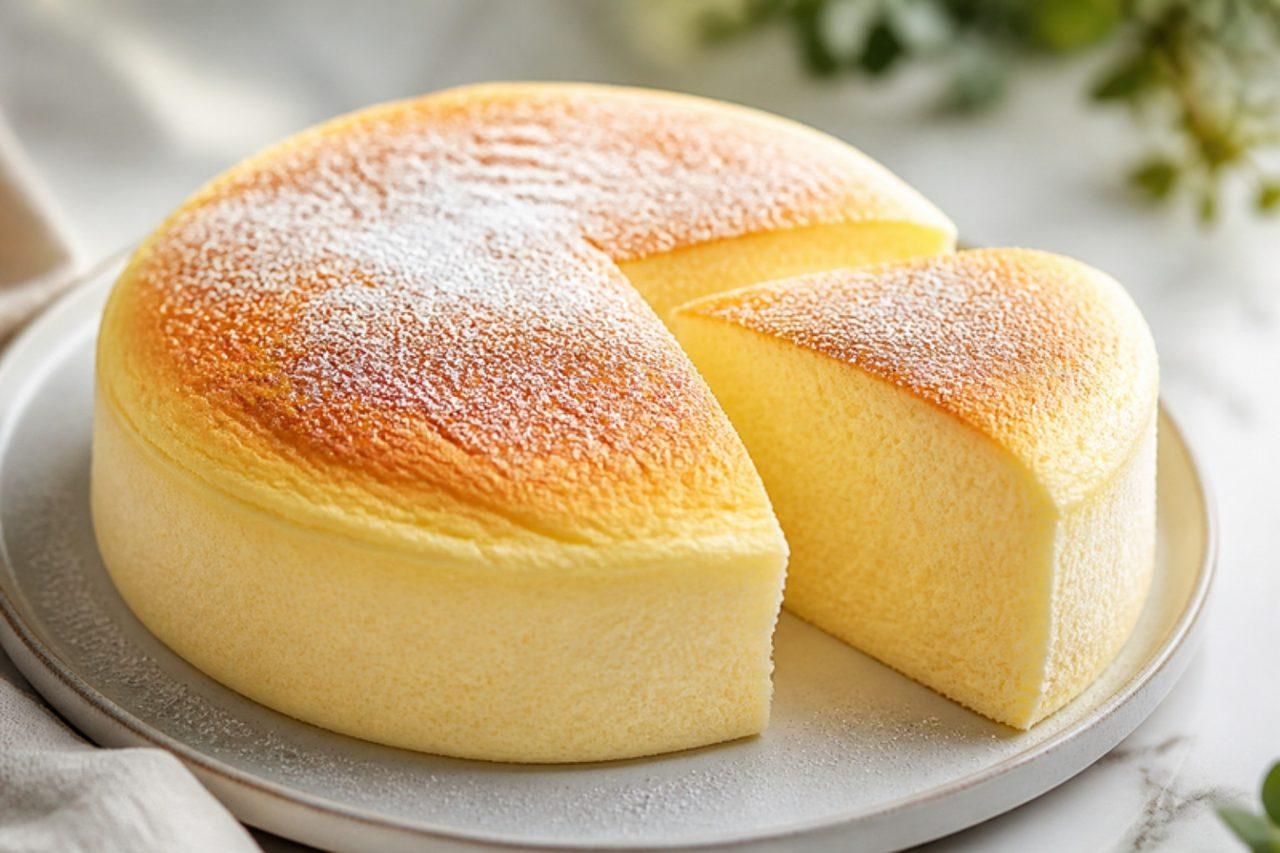
Japanese cheesecake

Japanese soufflé cheesecake (スフレチーズケーキ) is soft, airy and barely sweet, somewhere between a cheesecake and a chiffon sponge, and it wobbles when it comes out of the oven. It became popular in Japanese bakeries in the 1960s and later spread from Osaka and Fukuoka shops around the world. Cream cheese is folded with stiffly whipped meringue and baked slowly in a water bath so it rises without cracking. It takes patience, but the result melts in the mouth. Chef's tip: whip the meringue only to soft-to-medium peaks and bake low and slow in the water bath. Over-whipped egg whites and a hot oven are the two reasons this cake cracks and then collapses.

by KrazyBadal 0 views
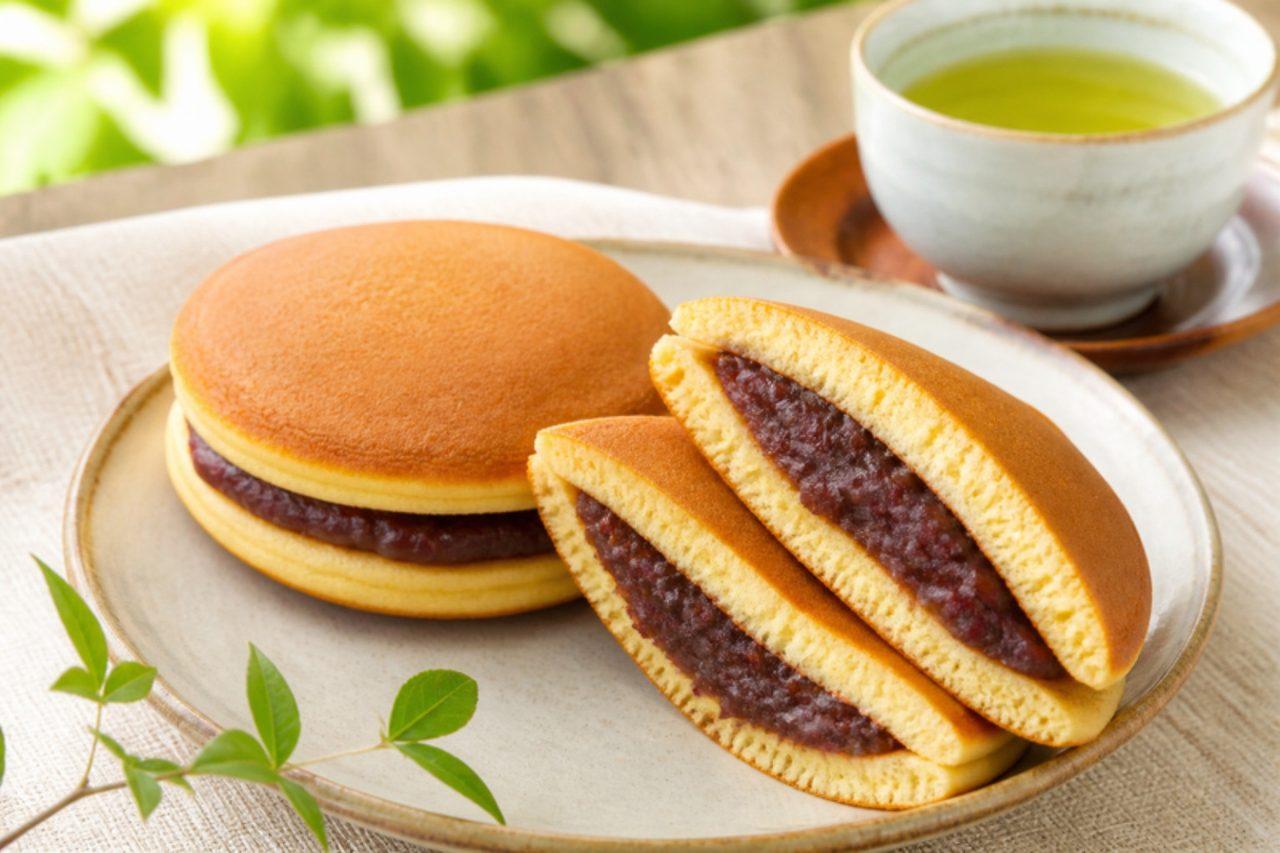
DorayakiHoney pancakes with sweet bean filling

Dorayaki (どら焼き) are two small, golden honey pancakes pressed around a thick layer of sweet red bean paste (anko). They were first sold in their modern form by a Tokyo sweet shop in the early 1900s, and are now in every Japanese bakery and convenience store. The pancakes are soft, moist and slightly springy, with a deep brown, even surface. A good afternoon treat with green tea, and children love them. Chef's tip: wipe the pan almost dry of oil and keep the heat low. That's how Japanese sweet shops get the smooth, evenly brown 'gong' surface (dora means gong); too much oil gives a blotchy, spotted pancake.

by KrazyBadal 0 views

Yaki onigiriGrilled rice balls

Yaki onigiri (焼きおにぎり) are rice balls grilled until they form a crisp, toasty crust, then brushed with soy sauce glaze. They are eaten all over Japan, at izakaya, at barbecues and from the freezer section, as a snack or with miso soup. The inside stays soft and steamy while the outside crackles. Best eaten hot, straight from the pan. Chef's tip: let the shaped rice balls dry for 10 minutes before they go in the pan. A drier surface forms a better crust and won't stick, and the glaze goes on only at the end so it doesn't burn.

by KrazyBadal 1 views

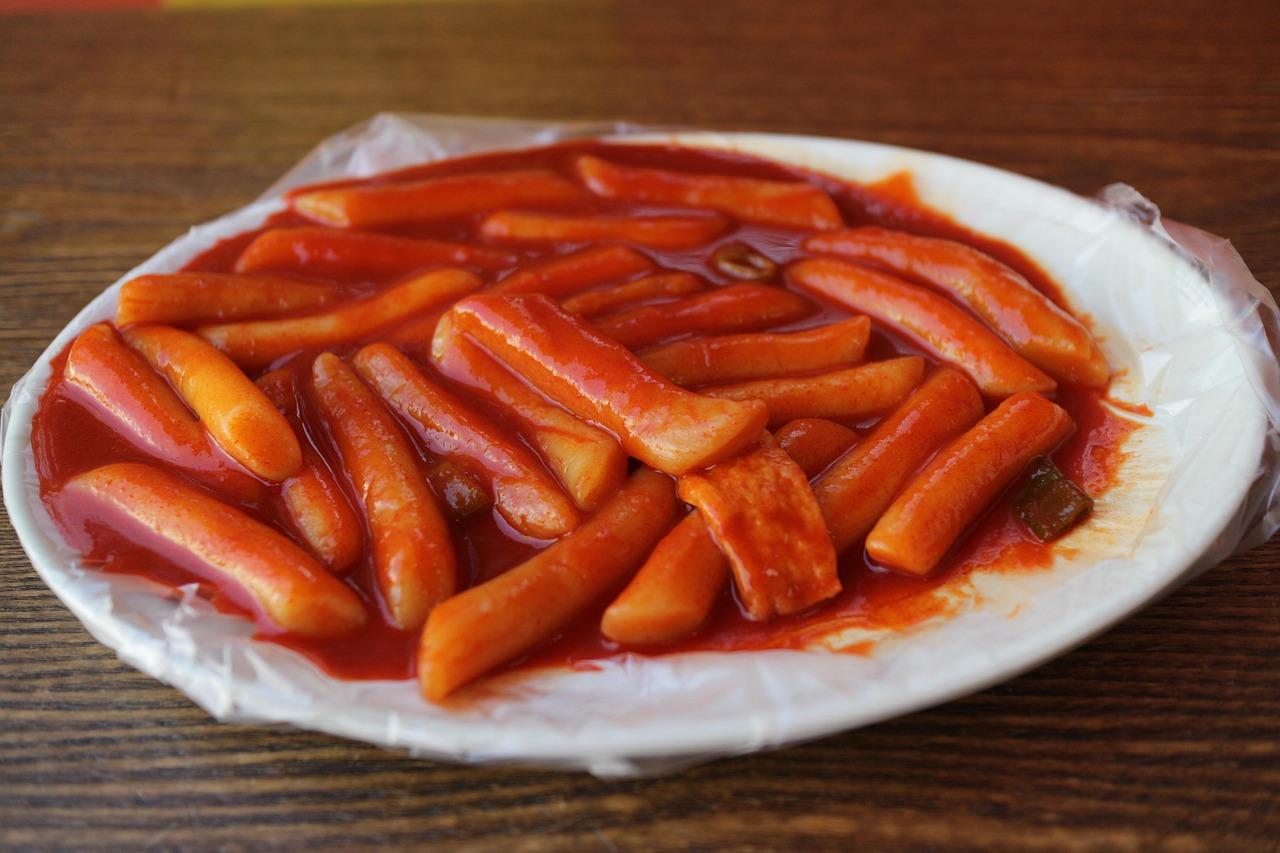
TteokbokkiRice cakes in spicy sauce

Tteokbokki (떡볶이) is Korea's best-loved street snack: chewy cylinders of rice cake simmered in a thick, glossy, sweet and spicy red sauce. It became a classic in Seoul, where it is sold from street stalls and snack bars in every neighbourhood. Street versions use anchovy stock and fish cakes; this vegan version uses a quick kelp and shiitake stock with cabbage and spring onions, and has all the same punch. Eat it hot, while the rice cakes are soft and stretchy. Chef's tip: keep stirring and scrape the bottom; the rice cakes release starch that thickens the sauce but also catches. The sauce is right when it clings to the spoon in a glossy coat.

by KrazyBadal 1 views

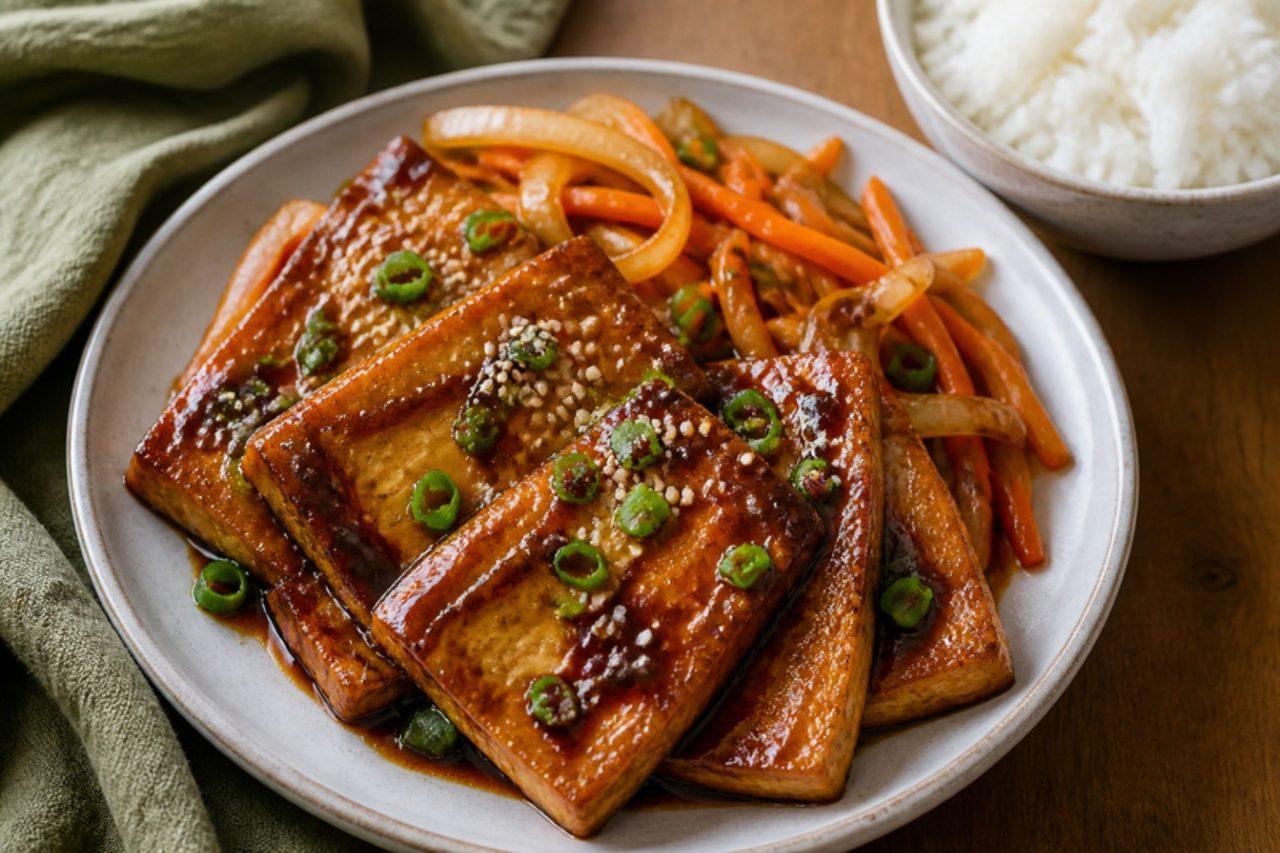
Tofu bulgogiTofu in bulgogi marinade

Tofu bulgogi (두부불고기) takes the famous sweet and savoury bulgogi marinade, usually made for thin slices of beef, and uses it on golden pan-fried tofu instead. It is a popular meat-free dish in homes and temple-style restaurants across Korea. Grated pear sweetens the soy and garlic sauce and makes it glossy, and the tofu is fried first so it holds its shape and soaks up the glaze. Serve with rice, lettuce leaves for wrapping and kimchi. Chef's tip: dry the tofu well and leave it alone in the pan until it releases by itself. A good golden crust is what lets it soak up the glaze without falling apart.

by KrazyBadal 0 views

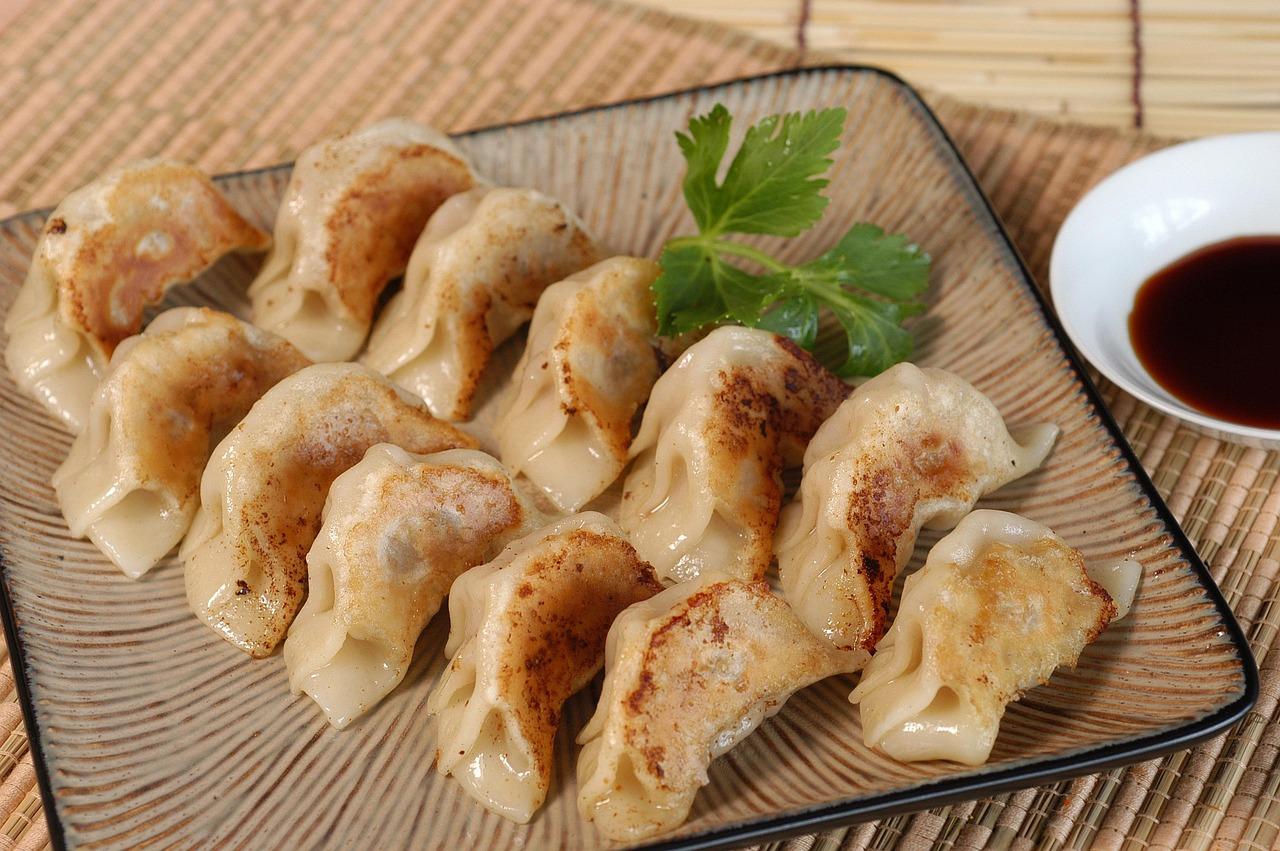
Vegetable gyoza

Gyoza (餃子) came to Japan from China and became a passion in Utsunomiya, a city north of Tokyo that calls itself the gyoza capital, with a gyoza statue outside the station. These vegetarian dumplings are filled with salted cabbage, shiitake, tofu and garlic chives. They're pan-fried and then steamed, so the bottoms turn crisp and golden while the tops stay soft. Shape a big batch and freeze some for later. Chef's tip: squeeze the salted cabbage really hard. Watery filling makes soggy, torn gyoza; a dry filling keeps the wrappers sealed and the bottoms crisp.

by KrazyBadal 0 views

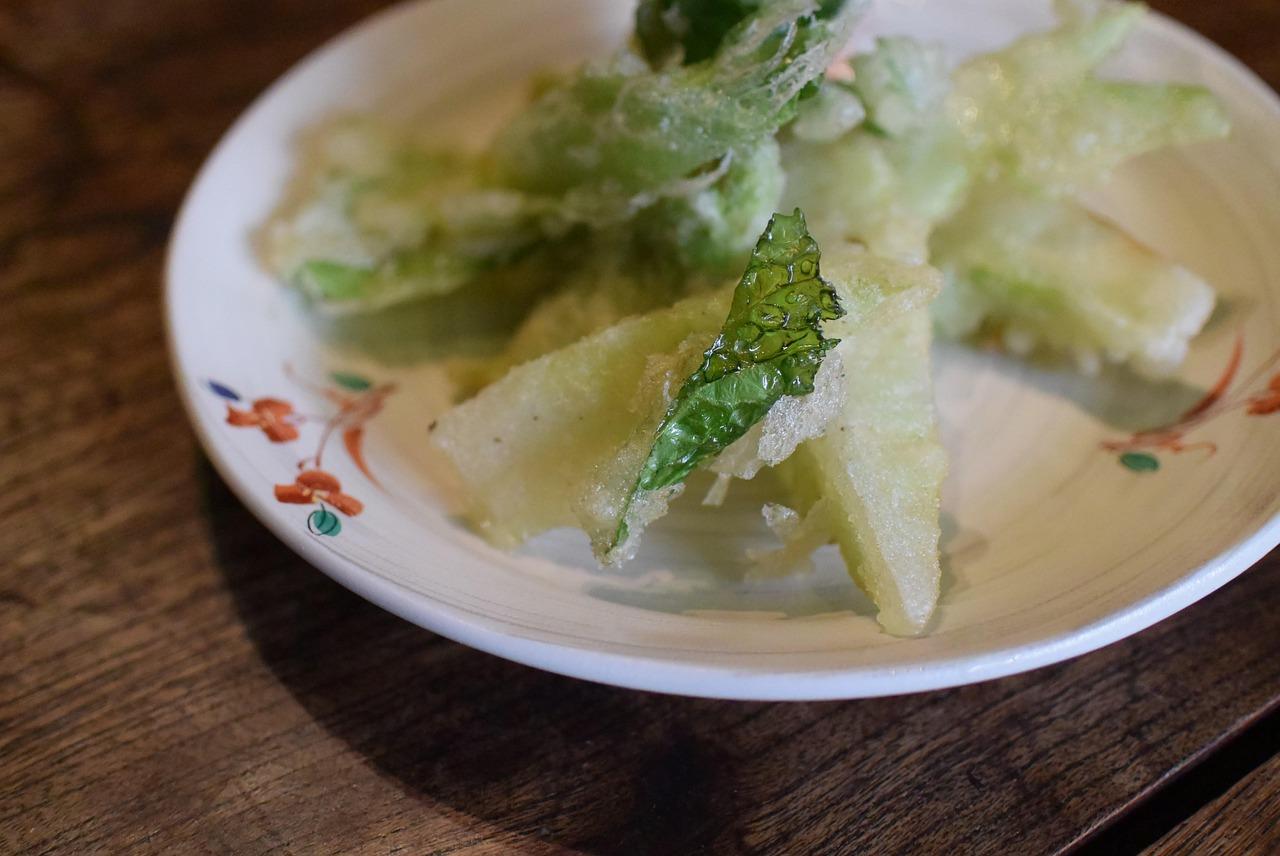
Vegetable tempura

Tempura (天ぷら) became a Tokyo street food in the Edo period, when stalls fried it to order by the city's riverbanks. The secret to the thin, lacy coating is an ice-cold, lumpy batter mixed at the last second and vegetables fried in small batches. Sweet potato, aubergine, pepper, shiitake and green beans all work well. Serve straight from the pan with a light dipping sauce and grated daikon. Chef's tip: keep everything cold. Use ice-cold water, mix the batter only seconds before frying, leave it lumpy, and stand the bowl in a larger bowl of ice. Cold batter hitting hot oil is what makes the lacy, crackly shell that Tokyo tempura masters prize.

by KrazyBadal 0 views

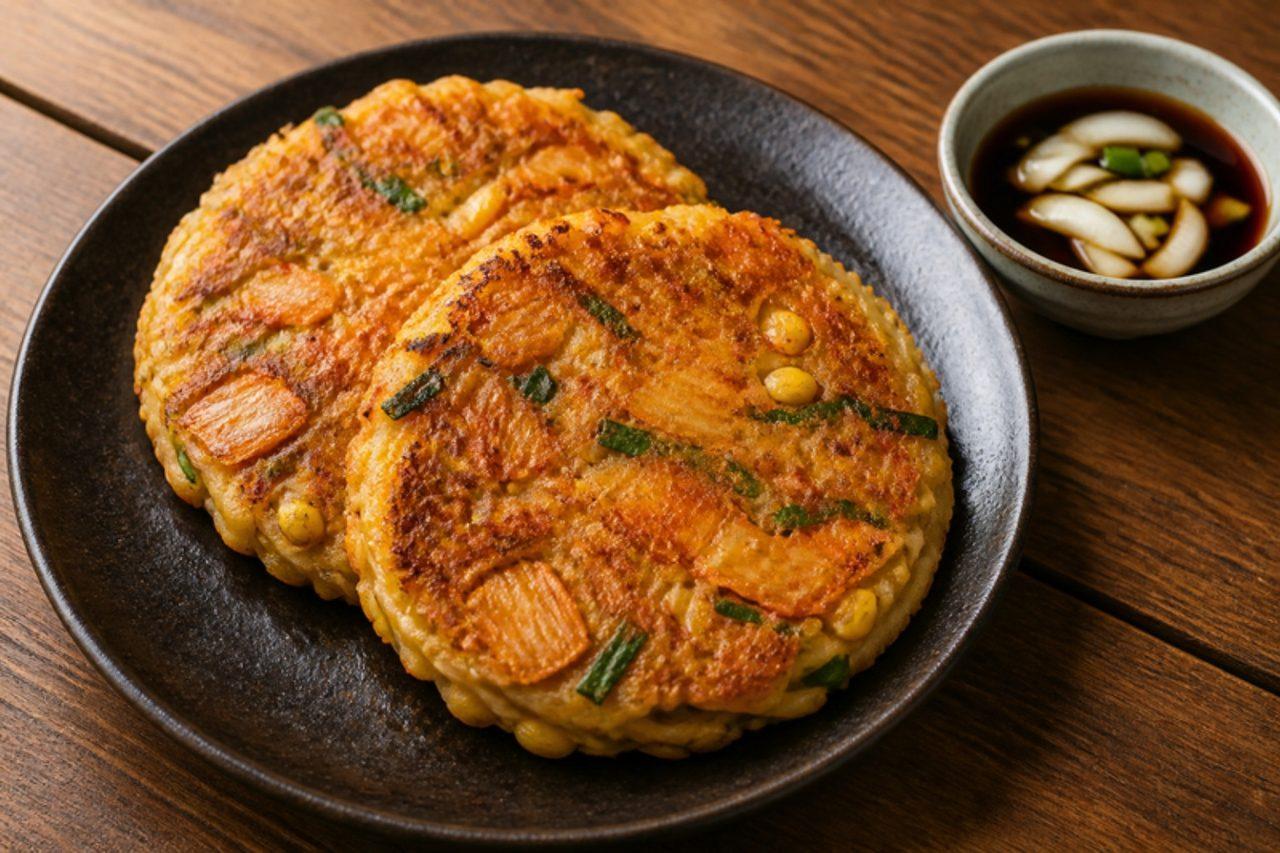
BindaetteokMung bean pancakes

Bindaetteok (빈대떡) are thick, crunchy pancakes made from soaked and ground mung beans mixed with kimchi, bean sprouts and spring onions, then fried in plenty of oil. They are the signature dish of Gwangjang market in Seoul, where stalls grind the beans in stone mills and fry the pancakes in front of you. Market versions often include pork; this one keeps the classic vegetables and is naturally gluten free and rich in protein. The outside turns deep golden and crisp while the inside stays soft. Serve hot with a soy and onion dip. Chef's tip: grind the beans coarse, not silky, and fry in more oil than feels right. The slight grit is what makes Gwangjang-style bindaetteok so crunchy outside and fluffy inside.

by KrazyBadal 0 views

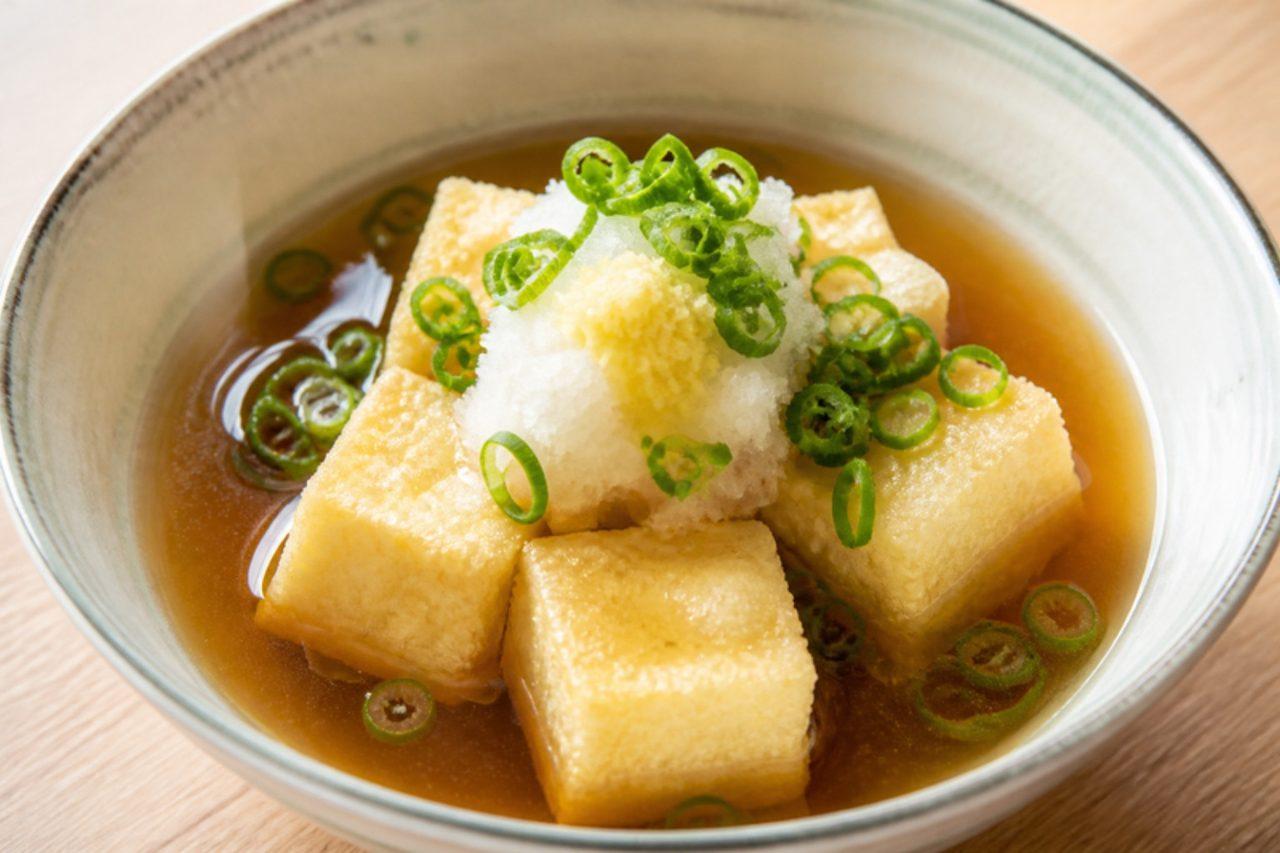
Agedashi tofuFried tofu in warm broth

Agedashi tofu (揚げ出し豆腐) is a classic izakaya dish eaten all over Japan: cubes of soft tofu dusted in potato starch, fried until they form a thin, crisp shell, then bathed in a hot, savoury broth. The coating turns silky as it soaks up the sauce while the tofu inside stays creamy. Usually topped with bonito flakes; here it's grated daikon, ginger and spring onion with a kombu-shiitake broth instead. Chef's tip: coat the tofu in starch right before it goes into the oil, not ahead of time; if it sits, the starch turns damp and the coating fries up gummy instead of crisp.

by KrazyBadal 1 views

Showing 9 of 7,762 recipes

Show more recipes

Page 796 of 863