


Skip to content
Zacuscă
Featured recipe

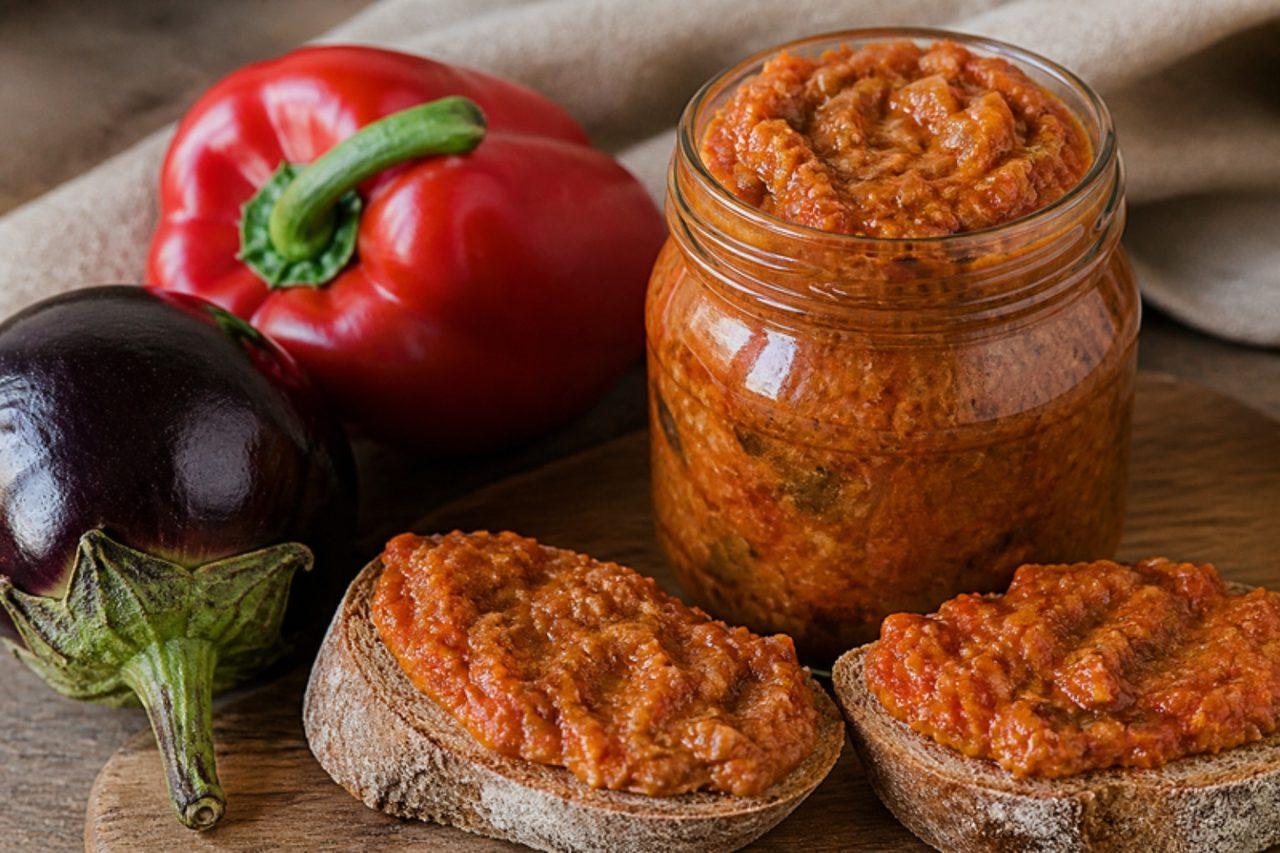
Zacuscă

Roasted aubergine and pepper spread

Zacuscă is the autumn preserve of Moldavia and Transylvania: in Iași and the villages around it, families spend a September weekend charring aubergines and red peppers over a grill and slowly frying them down with onion and tomato into a thick, chunky spread. The jars go into the cellar and come out all winter, spread on bread or eaten with mămăligă during the Orthodox fasts. It is coarser and more oniony than smooth Balkan ajvar, with bay and a long, jammy cook. Chef's tip: let the onions go fully soft and sweet before adding anything else; rushing them leaves a sharp, raw edge that the long cook never removes.

Read more 0 views

What to eat today?

Around the world

Today's trip: Paraguayan

A new country every day, from every cuisine on the site.

Paraguayan

Cocido quemado

Burnt sugar mate drink 14 minMore from Paraguayan (27) →

This week's collection

Kid-friendly dinners
537 recipes · a new collection every Monday

Latest recipes

Kimchi fried rice

Kimchi fried rice (김치볶음밥, kimchi bokkeumbap) is the dish Korean households all over the country make when the kimchi has turned sour and there is leftover rice in the fridge. The kimchi and its juice are fried first so they caramelise, then the rice is tossed through until every grain is red, tangy and a little smoky. A fried egg with a runny yolk on top makes it a meal. Use well-fermented vegetarian kimchi, such as the baechu kimchi in this collection; many shop-bought kimchis contain fish sauce or shrimp, so check the label. Chef's tip: the kimchi must be properly sour, at least two or three weeks old. Fresh kimchi makes a flat, watery fried rice; fry it until it catches slightly before the rice goes in.

by KrazyBadal 0 views

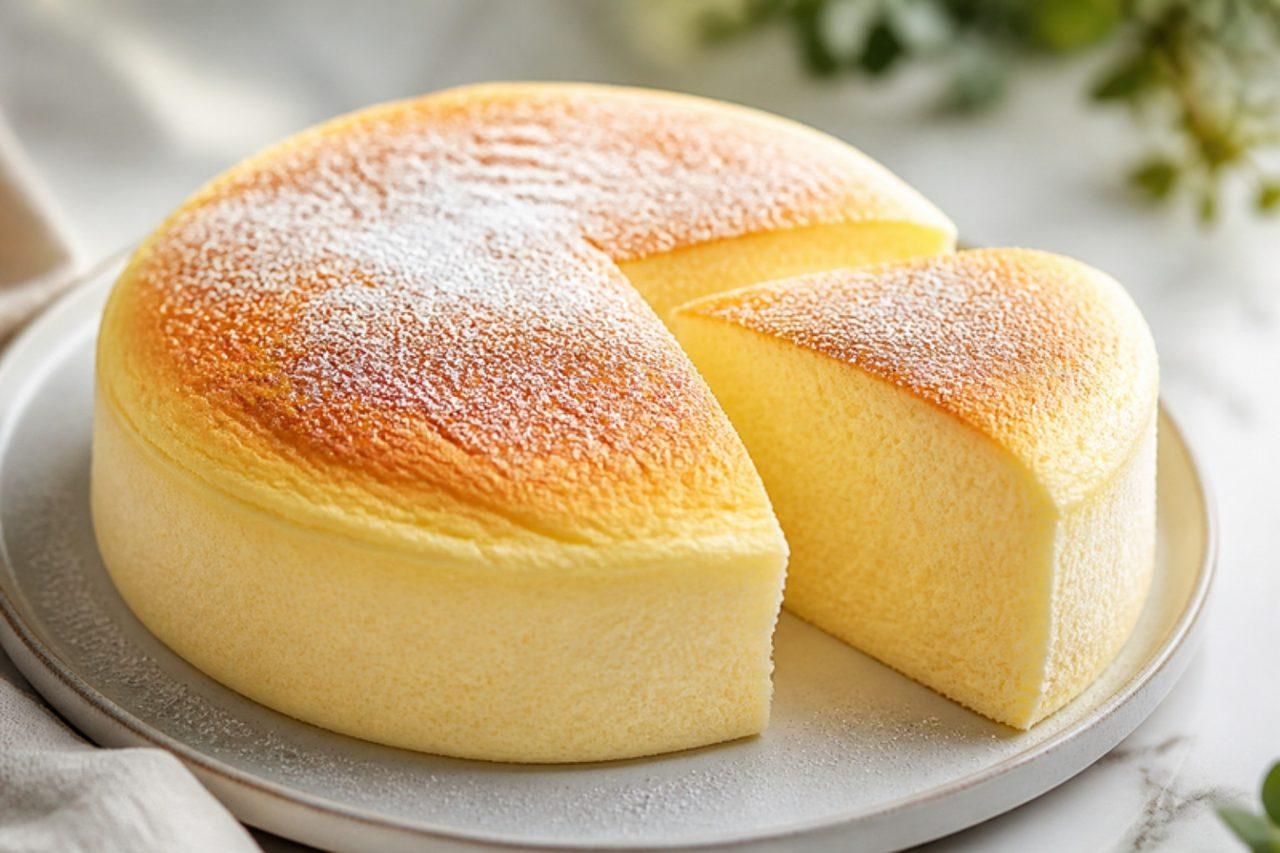
Japanese cheesecake

Japanese soufflé cheesecake (スフレチーズケーキ) is soft, airy and barely sweet, somewhere between a cheesecake and a chiffon sponge, and it wobbles when it comes out of the oven. It became popular in Japanese bakeries in the 1960s and later spread from Osaka and Fukuoka shops around the world. Cream cheese is folded with stiffly whipped meringue and baked slowly in a water bath so it rises without cracking. It takes patience, but the result melts in the mouth. Chef's tip: whip the meringue only to soft-to-medium peaks and bake low and slow in the water bath. Over-whipped egg whites and a hot oven are the two reasons this cake cracks and then collapses.

by KrazyBadal 0 views

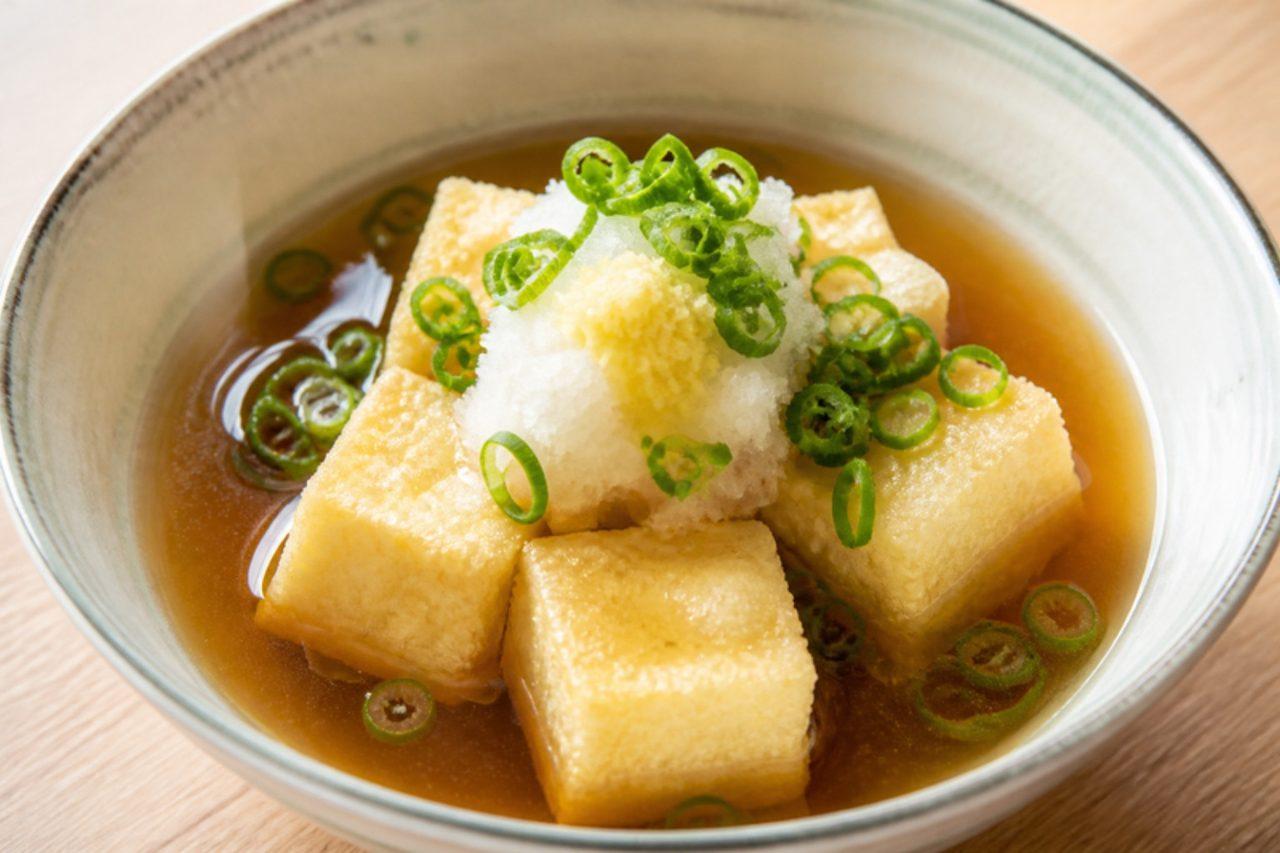
Agedashi tofuFried tofu in warm broth

Agedashi tofu (揚げ出し豆腐) is a classic izakaya dish eaten all over Japan: cubes of soft tofu dusted in potato starch, fried until they form a thin, crisp shell, then bathed in a hot, savoury broth. The coating turns silky as it soaks up the sauce while the tofu inside stays creamy. Usually topped with bonito flakes; here it's grated daikon, ginger and spring onion with a kombu-shiitake broth instead. Chef's tip: coat the tofu in starch right before it goes into the oil, not ahead of time; if it sits, the starch turns damp and the coating fries up gummy instead of crisp.

by KrazyBadal 1 views

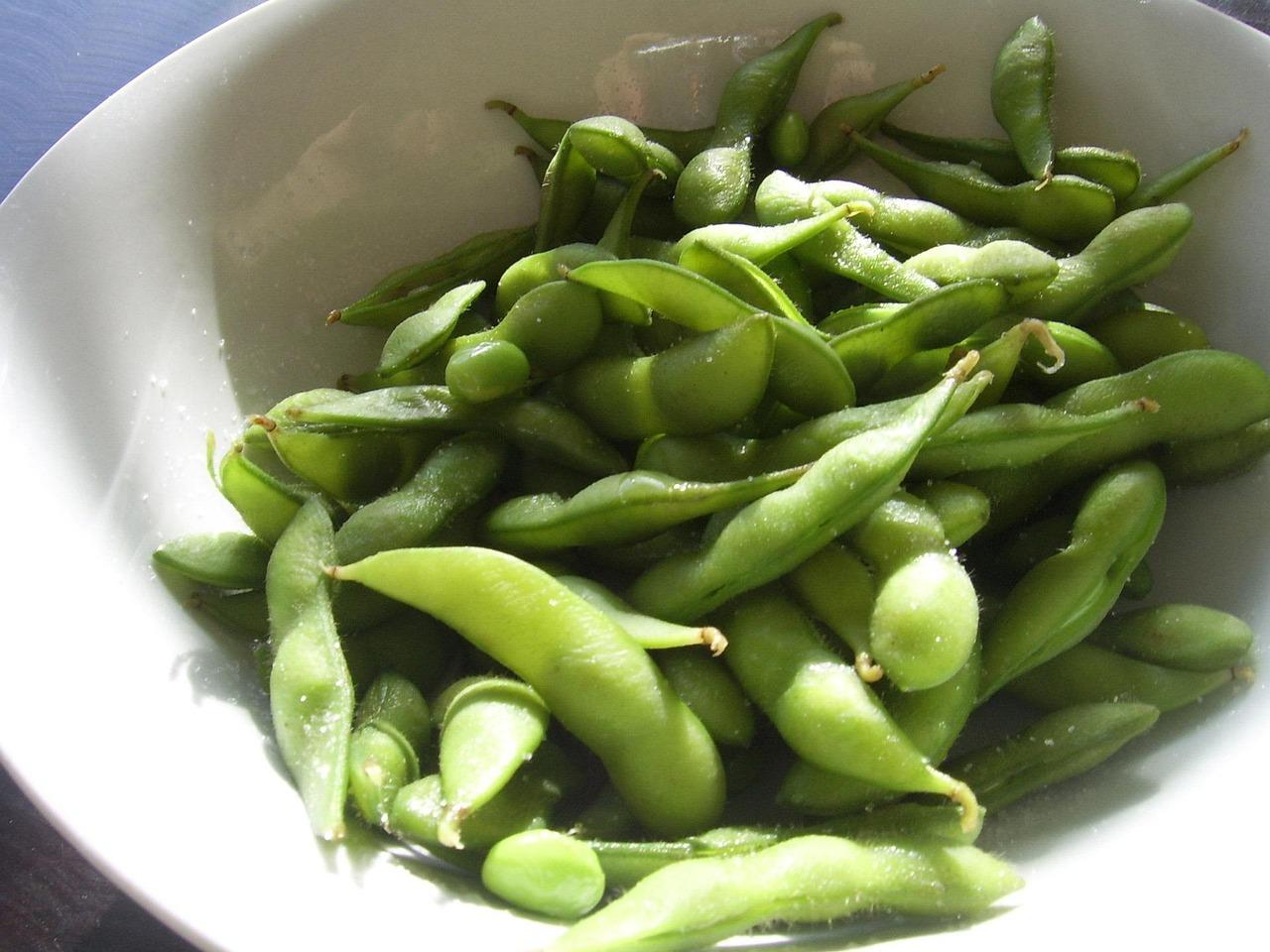
Edamame with sea salt

Edamame (枝豆) are young green soybeans cooked in their pods, the classic snack with a cold drink in izakaya and beer gardens all over Japan, especially in summer. You squeeze the beans straight from the salty pod into your mouth. Rubbing the pods with salt before boiling seasons them through and keeps them bright green. They're a good source of plant protein too. Chef's tip: rub the pods with salt before boiling, as izakaya cooks do. It scrubs off the fuzz, keeps the pods bright green and seasons the beans inside.

by KrazyBadal 0 views

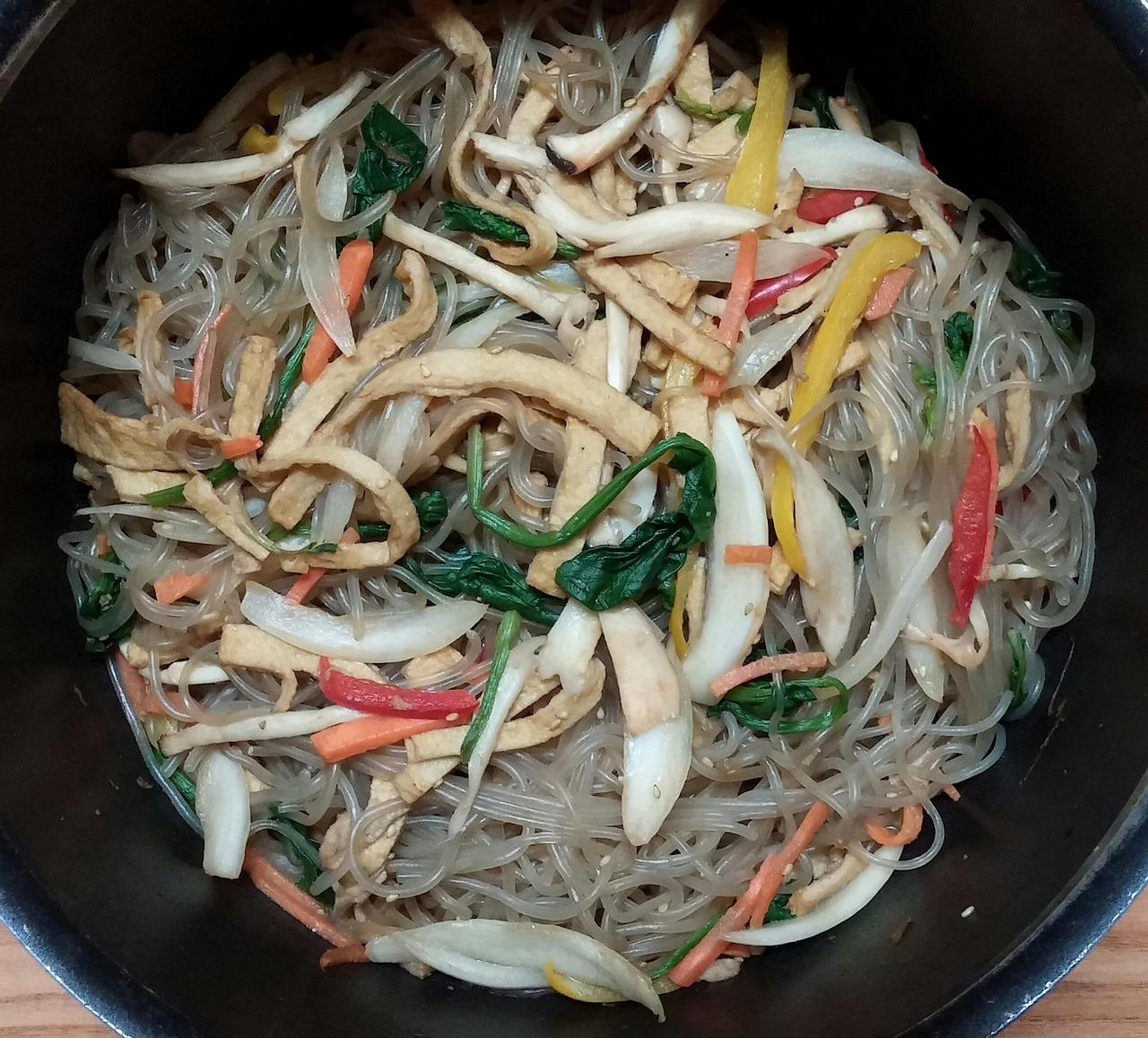
JapchaeGlass noodles with vegetables

Japchae (잡채) is a dish of chewy, translucent sweet potato starch noodles tossed with spinach, mushrooms and brightly coloured vegetables in a sweet soy and sesame dressing. It is made all over Korea for birthdays, holidays and big family meals, because it can be prepared ahead and is eaten warm or at room temperature. Each vegetable is cooked quickly on its own, then everything is mixed by hand so the noodles soak up the seasoning. Older recipes include beef; this one uses shiitake for the savoury depth. Chef's tip: dress the noodles while they are still hot and keep each vegetable crisp. Overcooked noodles clump and turn gluey, so pull them as soon as they are clear and chewy.

by KrazyBadal 0 views

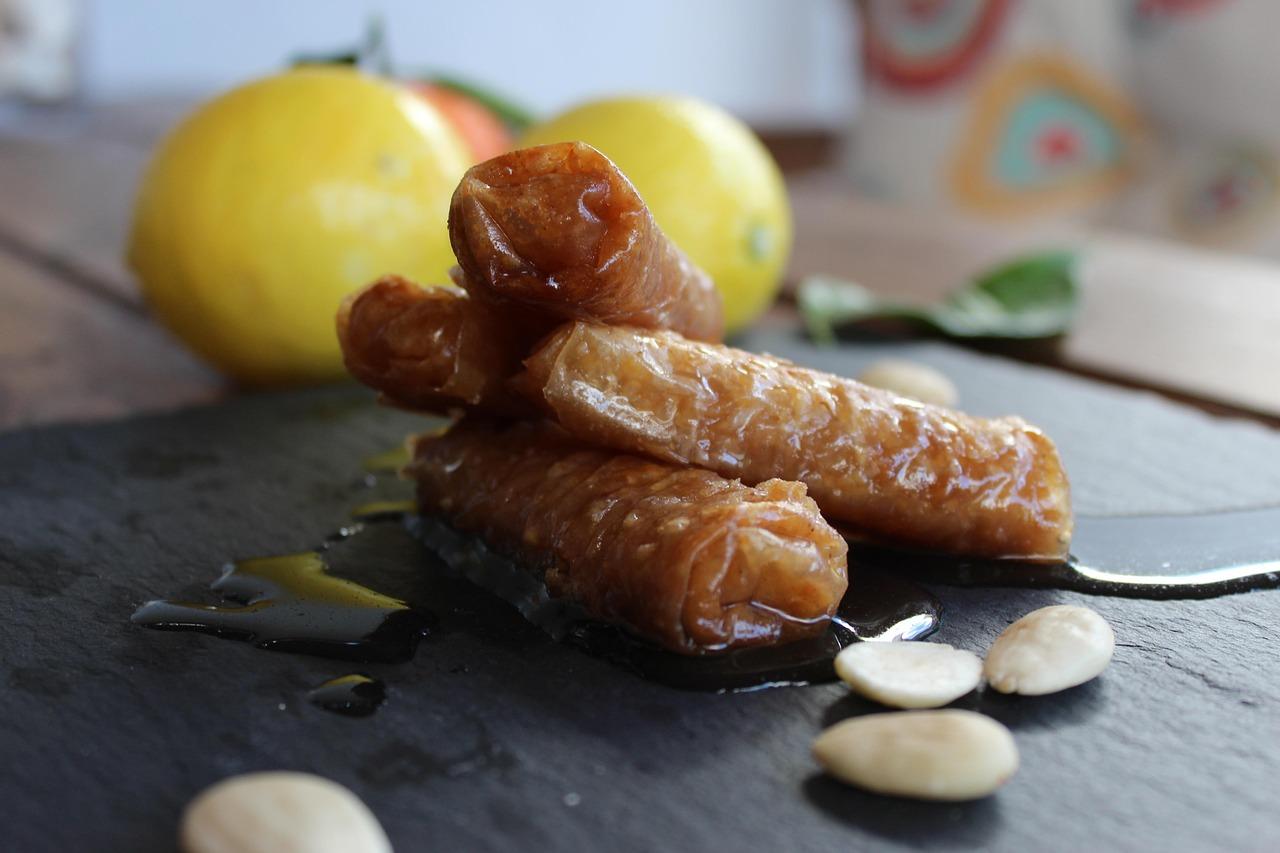
Arabian cigarsWalnut and almond fillo rolls

Thin, crackly rolls of buttered fillo pastry wrapped around a filling of walnuts, almonds, sugar, cinnamon and clove, baked until light golden and then bathed in a warm syrup scented with lemon rind, cinnamon and cloves. Like little baklava fingers, sweet and nutty. Serve with coffee or mint tea; they keep well for a few days.

by KrazyBadal 0 views

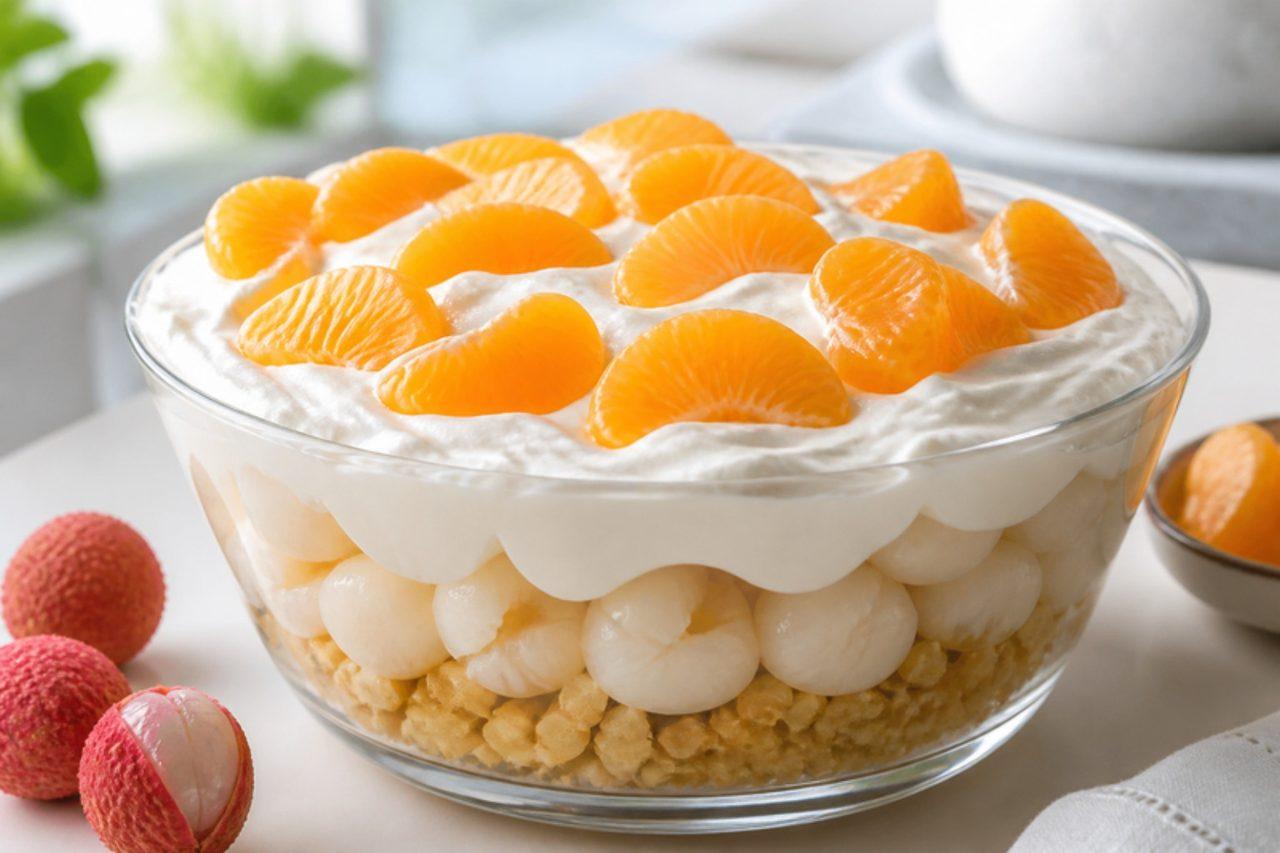
Lychee pudding

A light, no-cook party pudding: chopped lychees mixed with grated crystallised ginger, covered with whipped cream sweetened with icing sugar and more ginger, and decorated with mandarin segments. Fresh, cool and fragrant; chill before serving. Fresh de-seeded lychees work as well as tinned.

by KrazyBadal 0 views

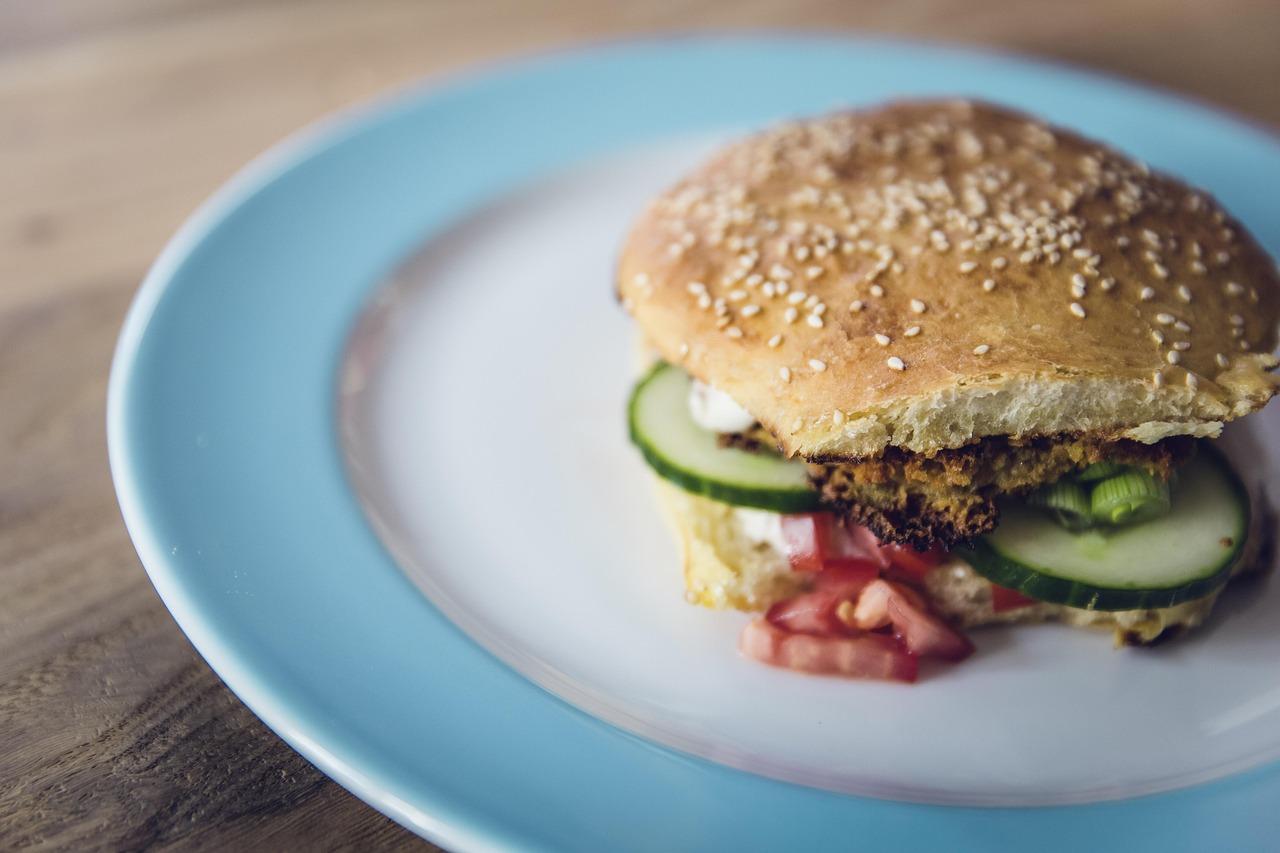
Thai bean burger

A Thai-flavoured veggie burger: butter beans are blended with fresh coconut, spring onions, coriander, roasted peanuts and red curry paste into coarse patties, shallow-fried until crisp and stacked in toasted buns with lettuce, onion and a little sweet chilli sauce. Filling, crunchy and full of flavour. Serve with a salad or chips.

by KrazyBadal 0 views

Arabian date pinwheels

Crumbly, buttery biscuit dough is rolled out, spread with a soft date filling flavoured with cinnamon and lemon, rolled into logs, sliced and baked into pretty pinwheels. They make a big batch of 50 and keep well in an airtight tin. Serve with tea, or with ice cream as a dessert.

by KrazyBadal 0 views

Showing 9 of 7,762 recipes

Show more recipes

Page 798 of 863