


Skip to content
Zeeuwse bolus
Featured recipe

Zeeuwse bolus

Cinnamon sugar spiral bun

Zeeuwse bolussen are the sticky spiral buns of Zeeland, the delta province in the south-west, brought there, it is said, by Portuguese Jewish bakers in the 17th century: a soft yeast dough rolled in dark brown sugar and cinnamon, twisted into a coil and baked until the sugar caramelises into a sticky, dark crust. Middelburg bakeries sell them with butter. A common mistake is rolling them in too little sugar; they need a thick coat for the caramel. Chef's tip: twist the sugared rope tightly before coiling it, so the sugar is trapped in the folds.

Read more 0 views

What to eat today?

Around the world

Today's trip: Persian

A new country every day, from every cuisine on the site.

Persian

Dizi

Lamb and chickpea stew 245 minMore from Persian (131) →

This week's collection

Kid-friendly dinners
537 recipes · a new collection every Monday

Latest recipes

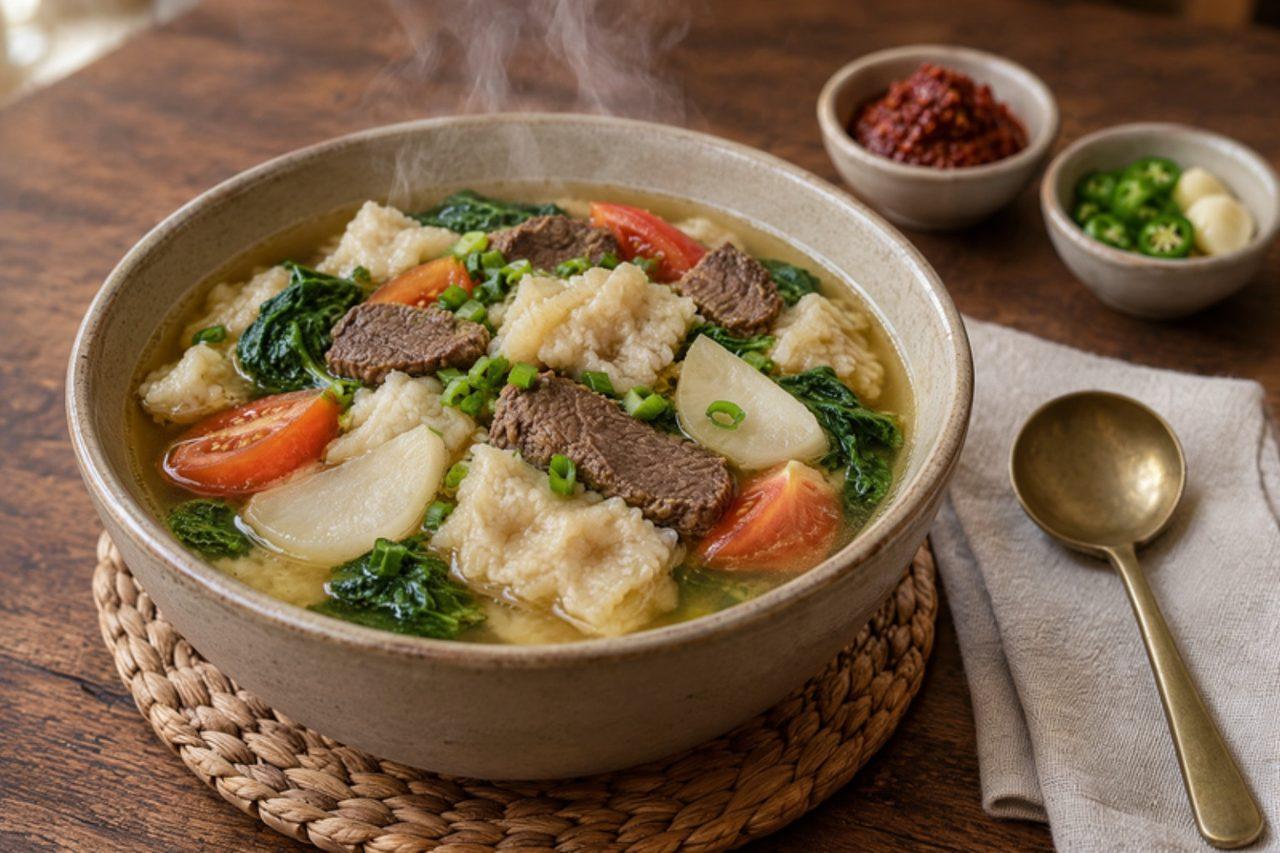
ThenthukHand-pulled noodle soup

In the Tibetan restaurants around Boudha stupa in Kathmandu, thenthuk is what people order on cold evenings and winter mornings: pieces of dough are pulled flat and pinched straight into a light broth with mutton or buffalo, tomato, radish and spinach. The noodles are thick, soft and slightly uneven, and the soup is gentle and warming, with a little soy and spring onion. This home version uses mutton or lamb. Contains wheat and soya. Chef's tip: pull the dough so thin you can almost see your fingers through it; thick pieces stay doughy in the middle.

by KrazyBadal 0 views

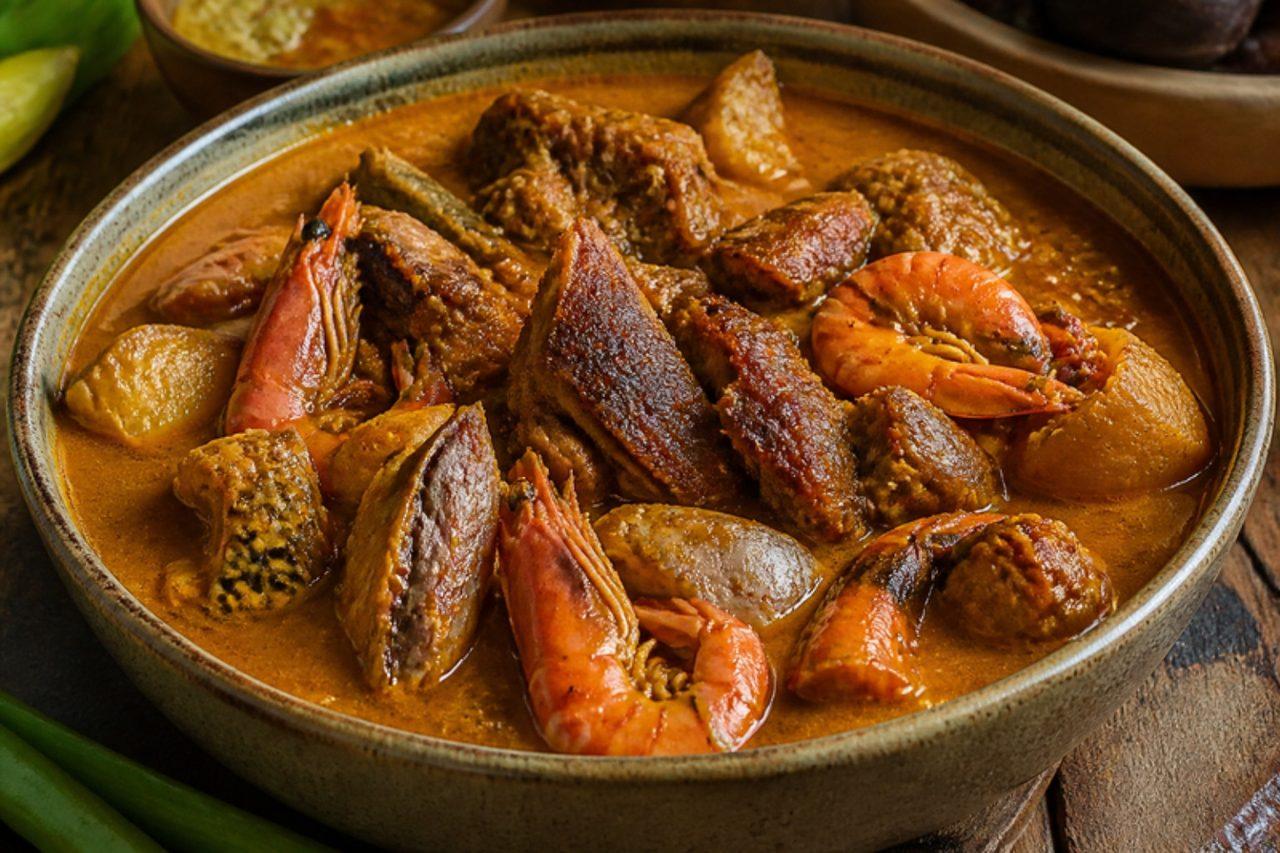
Bouillon d'awaraAwara palm fruit stew

Families in Cayenne, Kourou and Mana start bouillon d'awara days before Easter Monday, when it is eaten together and shared with neighbours; local lore says whoever eats it will come back to Guiana. The base is a thick orange paste of awara palm fruit, cooked very slowly with smoked chicken, salted pork, smoked fish, crab or prawns and a mass of vegetables until everything melds. Awara paste is sold frozen or in jars in Guianese and Antillean shops; if you can't find it, use a mix of palm-fruit concentrate (sold for West African banga soup) and puréed pumpkin, which gives a similar richness though not the same flavour. Salted meats must soak in the fridge overnight. The usual mistake is letting the thick stew catch on the bottom, so stir often. Chef's tip: the stew tastes even better on the second day, reheated until piping hot.

360 minGuyaneseMeatGluten free
by KrazyBadal 0 views

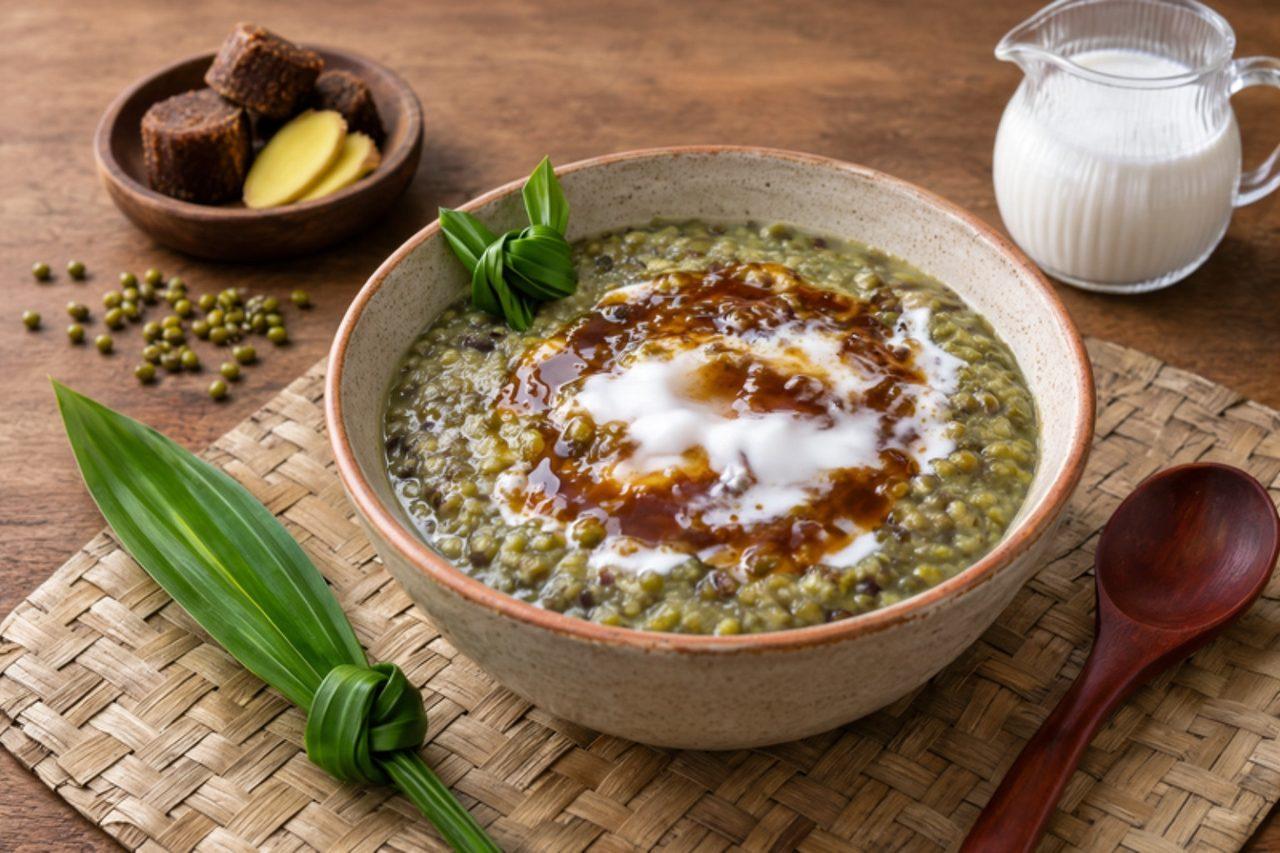
Bubur kacang hijauSweet mung bean porridge

In Java, the bubur kacang ijo seller pushes a cart through the neighbourhood from early morning, ladling warm mung bean porridge sweetened with palm sugar and topped with thick coconut milk. Many people eat it with a slice of white bread dunked in, and late-night stalls in Jakarta sell it alongside instant noodles. The common mistake is adding the sugar too early, which keeps the beans firm; cook them soft first. Chef's tip: cook the coconut milk separately with a pinch of salt and a pandan leaf and pour it on top, so the bowl has a sweet layer and a slightly salty, creamy one.

by KrazyBadal 0 views

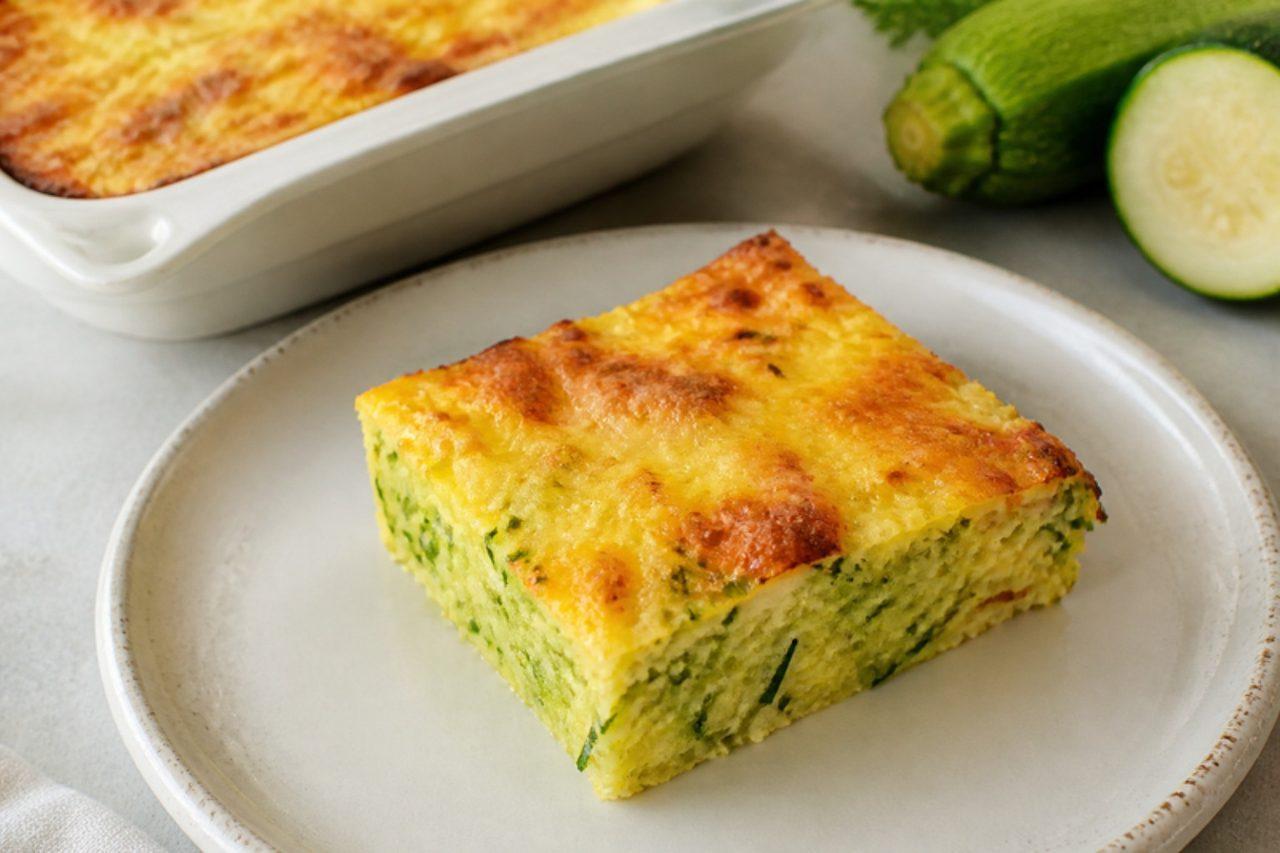
Budín de zapallo italianoBaked courgette pudding

In late summer, when courgettes (zapallo italiano) pile up in Santiago's ferias, home cooks turn them into budín: a soft, savoury bake bound with eggs, milk and cheese, served in squares with rice or a tomato salad for a light weekday lunch. Chileans use mild queso chanco or gouda, which is usually made with animal rennet; choose a cheese marked vegetarian if that matters to you. The big mistake is skipping the draining step: courgettes are mostly water, and a budín made with wet courgette weeps in the dish. Chef's tip: salt the grated courgette, leave it 15 minutes and squeeze it hard in a clean tea towel until it stops dripping.

by KrazyBadal 0 views

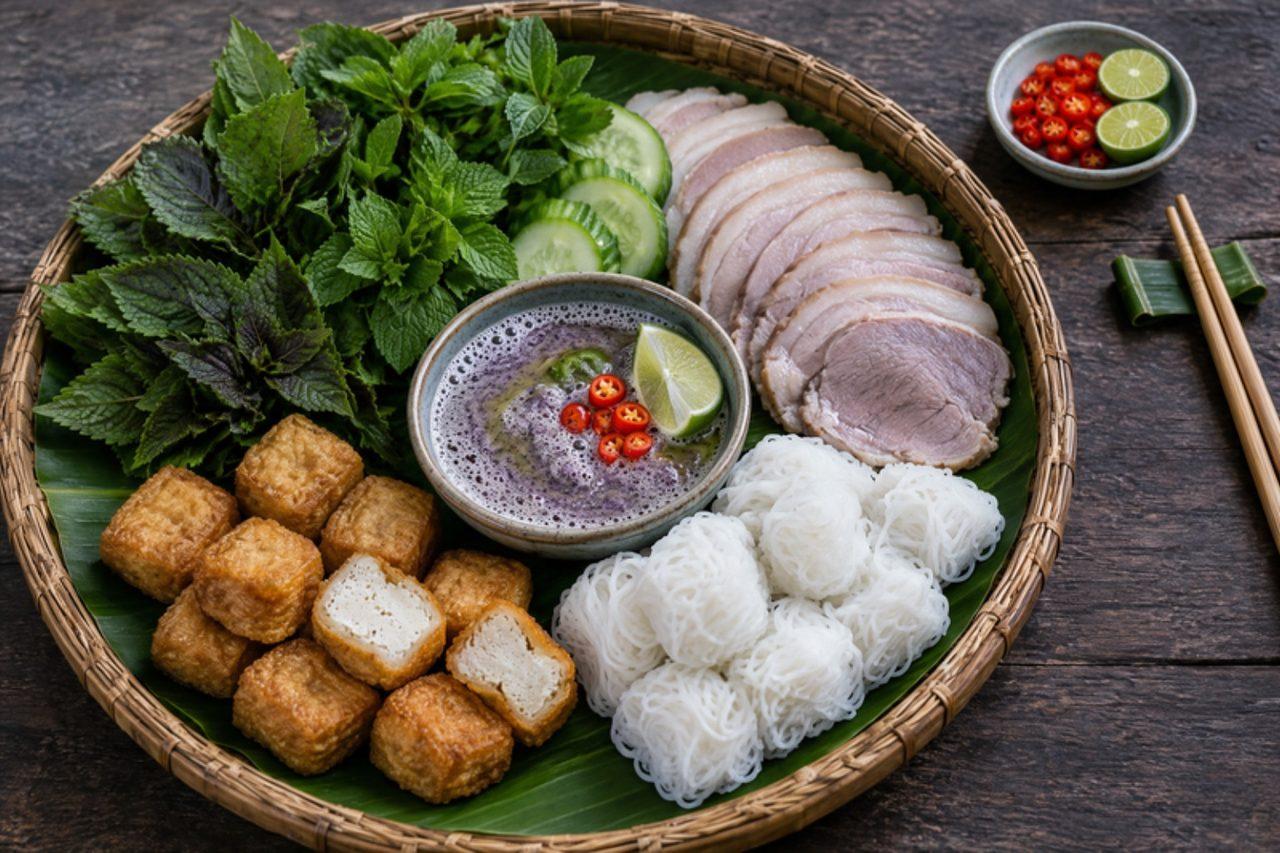
Bún đậu mắm tômNoodles, tofu and shrimp paste

Bún đậu mắm tôm is served on round bamboo trays in the narrow alleys of Hanoi's Old Quarter, where groups of friends squat on low stools at lunch to share squares of pressed rice noodles, cubes of tofu fried until puffy, slices of boiled pork leg or belly and bundles of perilla and Vietnamese balm. Everything is dipped into mắm tôm, pungent fermented shrimp paste whisked with lime, sugar and a splash of hot oil until it foams. It is loud, salty and moreish. Chef's tip: whisk the shrimp paste hard for a full minute; it turns pale and fluffy and its harshness mellows.

by KrazyBadal 0 views

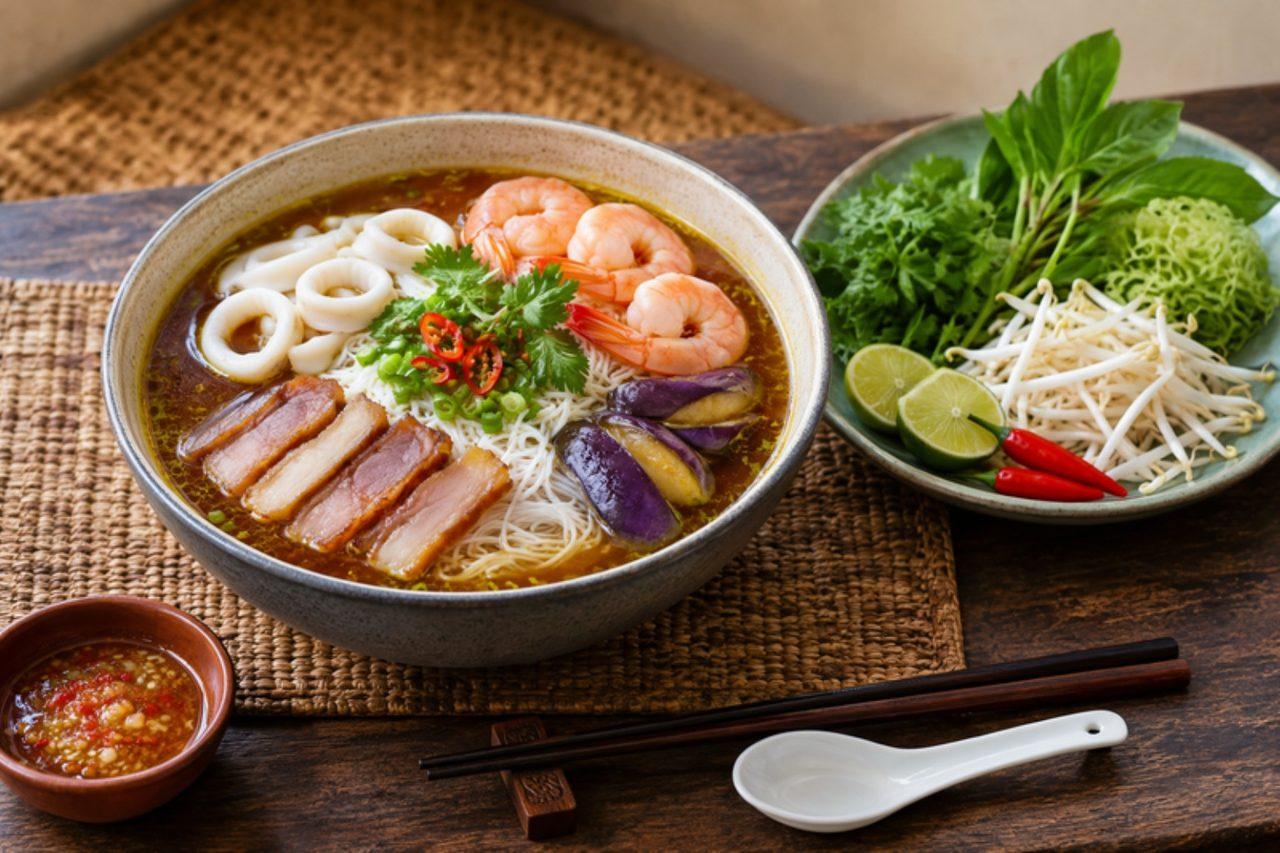
Bún mắmFermented fish noodle soup

Vạn Kiếp Street in Saigon's Bình Thạnh district is lined with stalls serving bún mắm, a noodle soup that came up the river from the Mekong Delta. The broth is built on mắm cá linh or mắm cá sặc, small river fish fermented with salt, simmered until the bones dissolve and strained into a dark, savoury, lemongrass-scented stock. It is loaded with prawns, squid, white fish, slices of boiled pork belly and soft aubergine, and eaten with a mountain of herbs and bean sprouts. Look for jars of mắm at Vietnamese grocers. Chef's tip: strain the fermented fish through a fine sieve, pressing hard; tiny bones make the broth gritty.

by KrazyBadal 0 views

Buñuelos de algasSea lettuce fritters

On the beaches of Rocha, from La Paloma to Punta del Diablo, vendors walk the sand with baskets of hot buñuelos de algas: puffy, salty fritters speckled green with sea lettuce, eaten with a squeeze of lemon. Use dried sea lettuce or mixed seaweed flakes from a shop, or fresh sea lettuce only from a seller who harvests clean water; never pick it from a harbour or near drains. The usual mistake is frying in oil that isn't hot enough, so the fritters soak it up and turn greasy. Chef's tip: rest the batter for 15 minutes so the seaweed softens and the fritters puff more.

by KrazyBadal 0 views

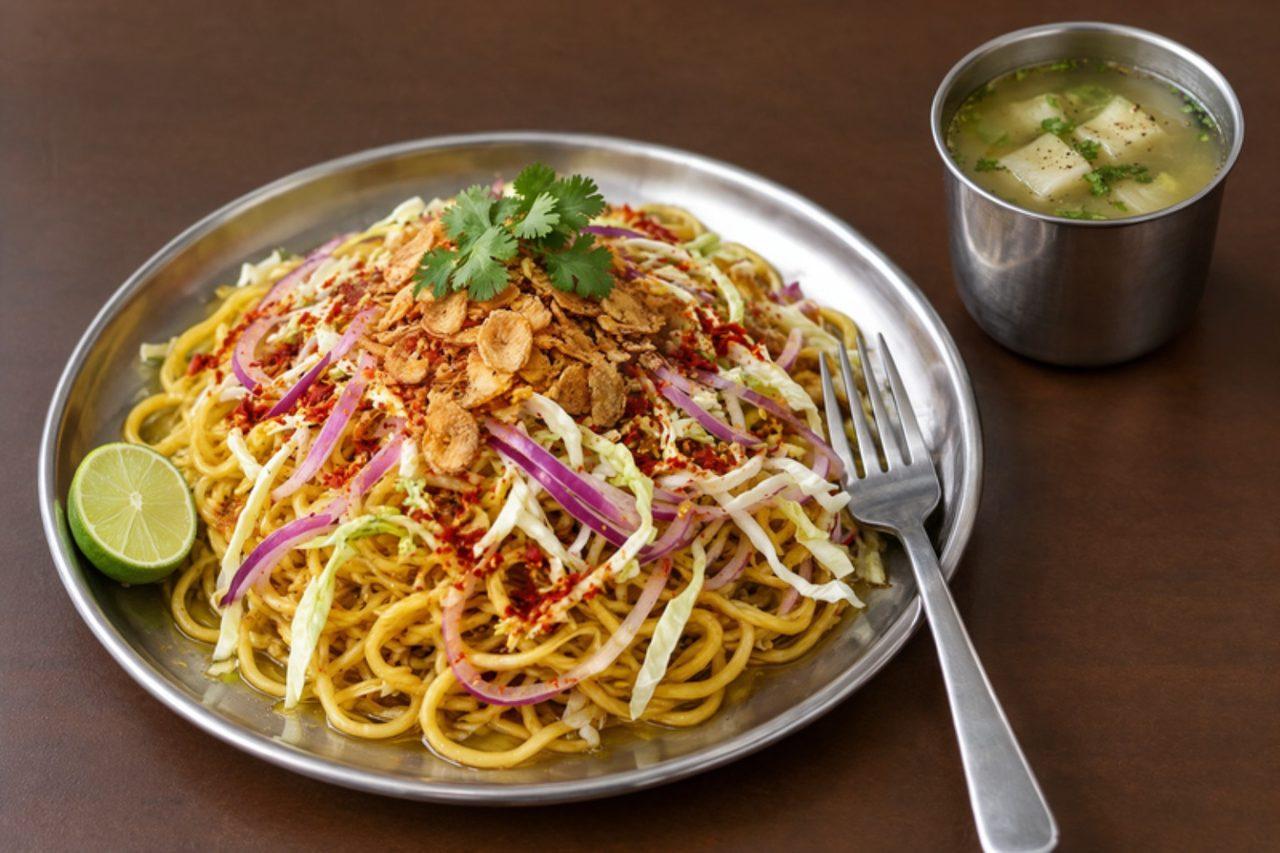
Burma athoBurmese noodle salad

When Tamil families returned from Burma in the 1960s they brought atho with them, and today it is cooked on carts around Burma Bazaar, Parry's Corner and along the roads near the harbour in George Town, busiest at lunch and in the early evening. Cold noodles are mixed by hand with raw cabbage and onion, crisp fried garlic, tamarind, chilli flakes, roasted gram powder and lime, and come with a peppery banana-stem soup on the side. It is sour, hot, crunchy and very moreish. Contains wheat. Chef's tip: fry the garlic slowly until only pale gold; it keeps darkening off the heat and turns bitter if you wait for brown.

by KrazyBadal 0 views

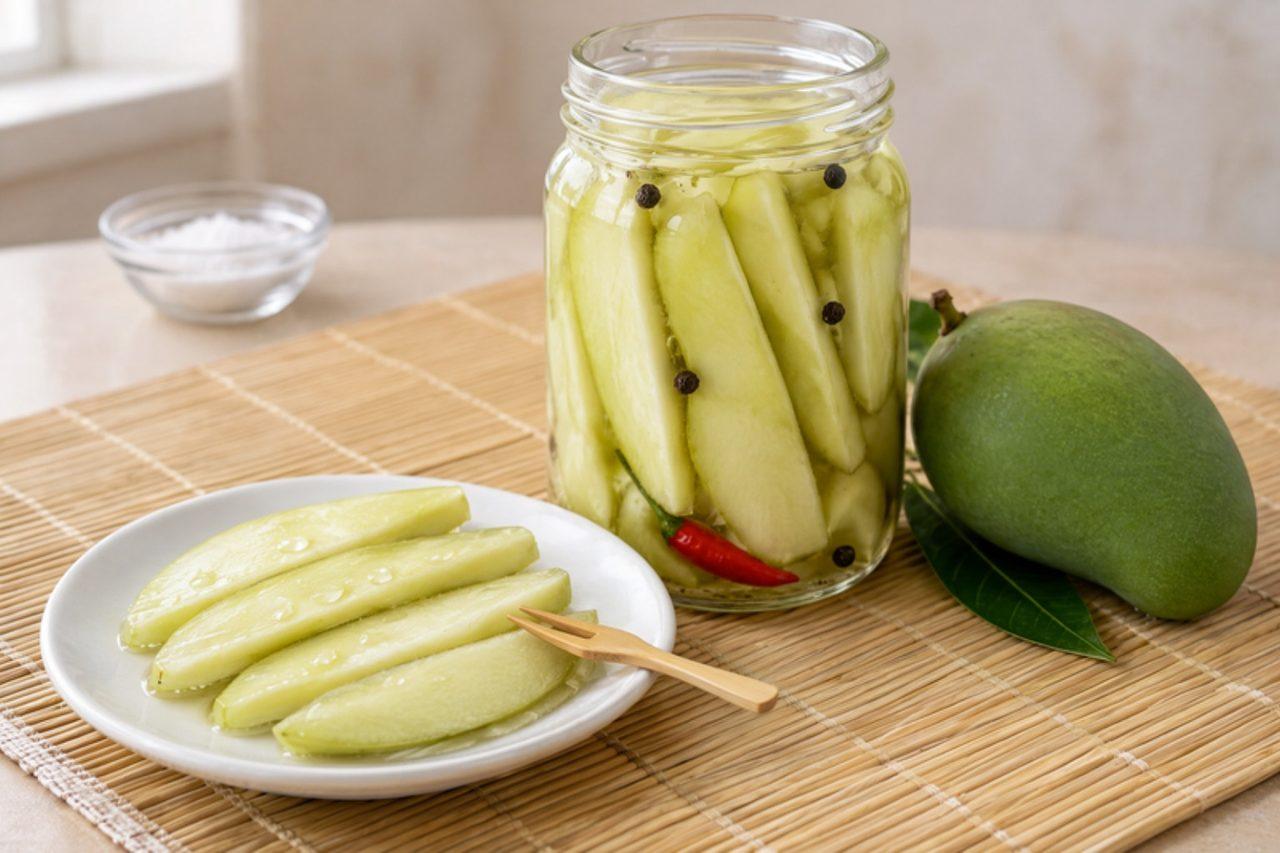
Burong manggaPickled green mango

From Pampanga to Pangasinan, the hot months of March to May bring piles of hard green carabao mangoes to every palengke, and many households slice them into a jar of burong mangga. A week in a sweet salt brine turns the mango from mouth-puckering to bright and juicy: still crunchy, sour at the core, salty-sweet on the outside. It is eaten on the side of inihaw na isda and pritong tilapia, with rice and fried pork at lunch, or as an afternoon merienda straight from the jar, and the brine is sometimes sipped too. Common mistake: using mangoes that have started to ripen; a yellow blush makes the slices go soft and slimy, so choose rock-hard, deep-green fruit. Because the brine has no vinegar it keeps only in the fridge. It is ready when the slices have turned from opaque white to a translucent yellow-green and taste evenly seasoned right through. Chef's tip: let the boiled brine cool completely before pouring, and add a few slices of fresh chilli if you like heat. Outside Asia, use firm green Thai or Indian mangoes from an Asian grocer.

by KrazyBadal 0 views

Yubu jumeoniFried tofu pouches with glass noodles

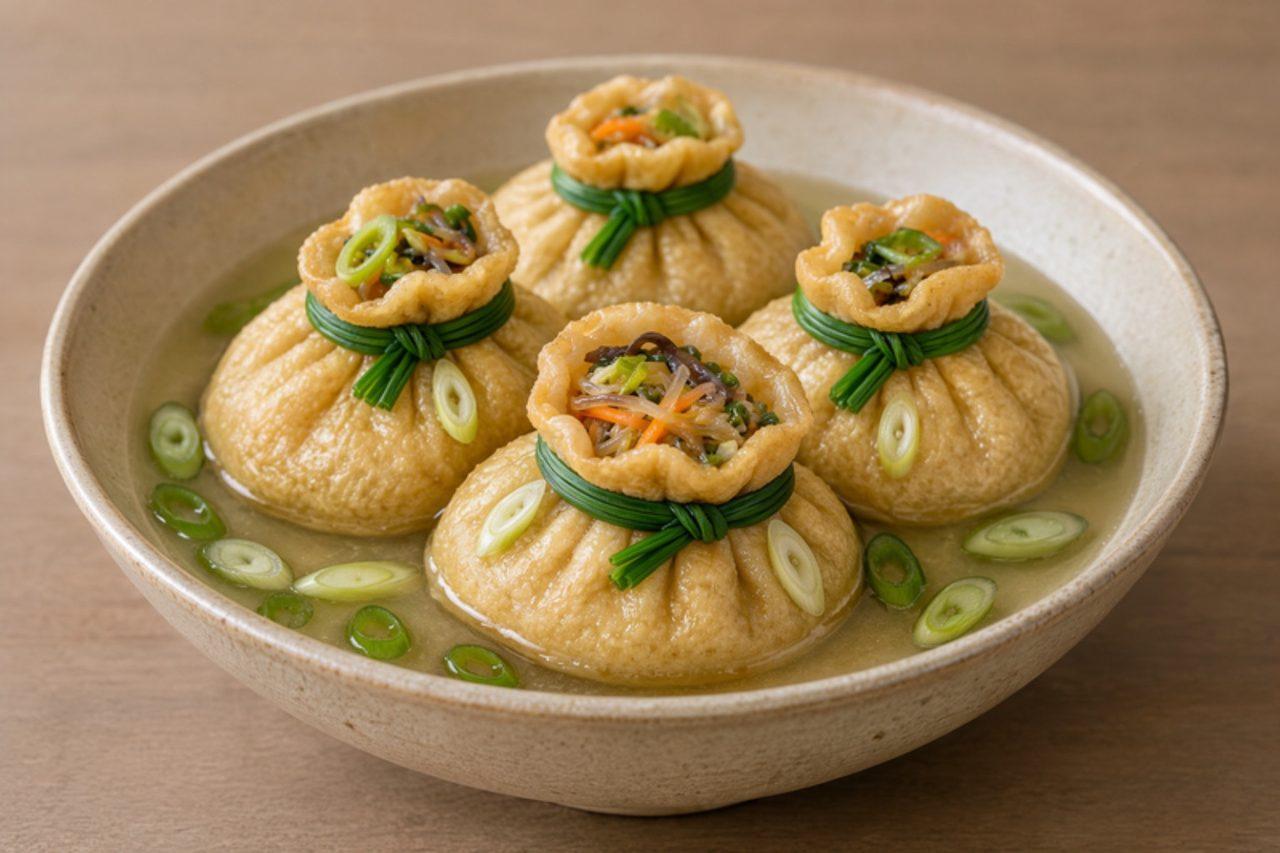
Yubu jumeoni, "tofu pockets", are a Bupyeong Kkangtong Market speciality, said to have been dreamed up by a fish-cake vendor there in the 1980s. Little fried tofu pouches are stuffed with glass noodles and vegetables, tied with a strip of chive like a drawstring purse and left to soak in a steaming pot of anchovy and kelp broth. On cold Busan evenings they are served in a paper cup with a ladle of broth and a dab of soy. Chef's tip: fill the pouches only three-quarters full; they swell as they absorb the broth and split if packed tight.

by KrazyBadal 0 views

Chhena tarkariFried cheese cube curry

In Odia homes, from Cuttack to Puri, chhena tarkari is the special curry for a Sunday lunch, a guest or a festival day when the household eats no onion or garlic. Fresh chhena, the soft cheese Odisha also turns into rasagola, is pressed, cut into cubes and fried golden, then simmered with potato in a thin gravy of tomato, ginger and roasted cumin. The cubes stay soft and soak up the sauce, and the dish is eaten with rice, puri or paratha. Chhena is made by curdling milk with lemon juice, so it contains no rennet. The usual mistake is boiling the gravy hard after the chhena goes in, which breaks the cubes into crumbs. Chef's tip: fry the chhena cubes until golden on two sides only, then rest them in warm water for five minutes; they swell and turn spongy, just like an Odia grandmother's.

by KrazyBadal 0 views

Cachitos de jamónHam-filled crescent rolls

Every Caracas panadería opens its morning with trays of cachitos: soft, slightly sweet crescent rolls wrapped around finely chopped cooked ham (pork), eaten standing at the counter with a café con leche. Some bakeries add a little bacon or cheese; cheese-only cachitos are a good vegetarian swap. The common mistake is overfilling, so the ham pokes out and burns. Chef's tip: roll each wedge snugly from the wide end and tuck the point underneath so it doesn't unroll as it bakes.

by KrazyBadal 0 views

Café con lecheCoffee with hot milk

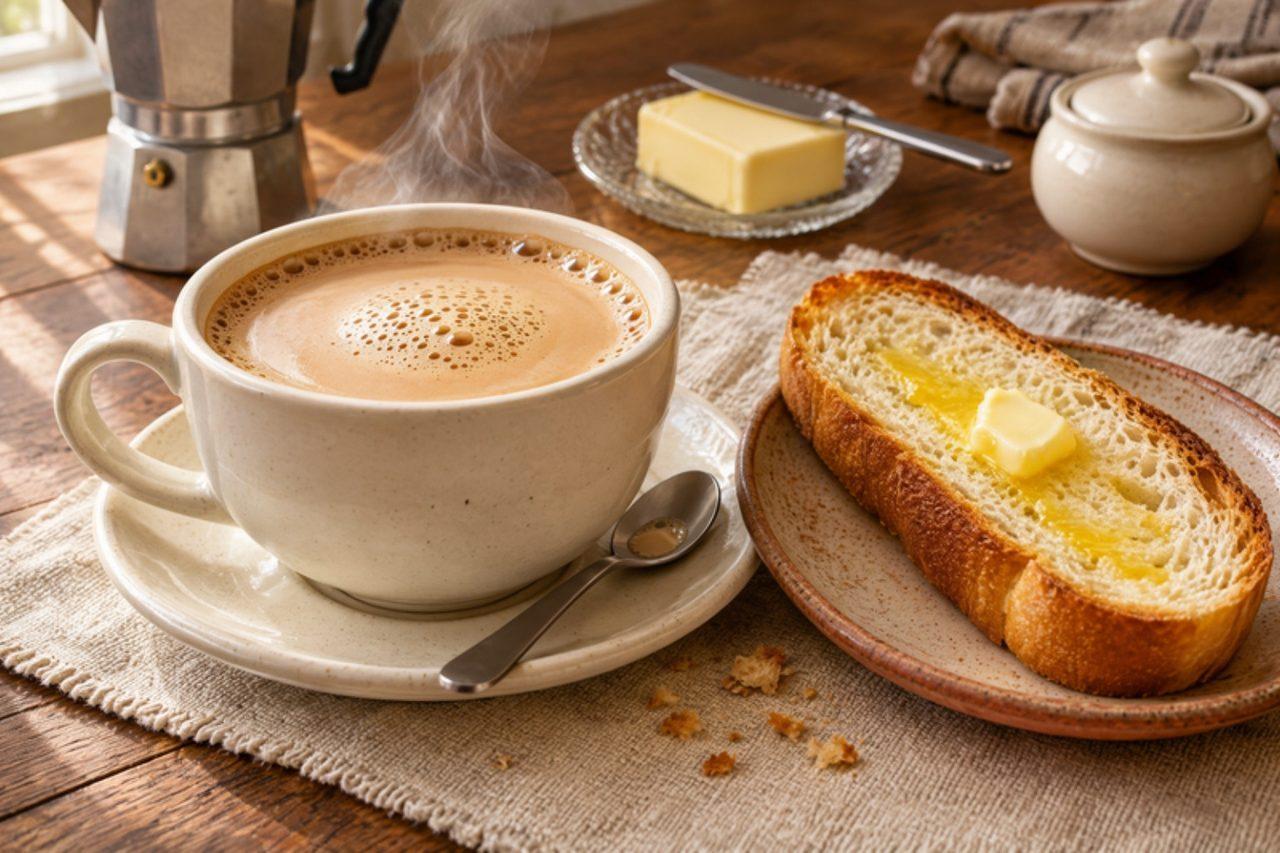
Every morning from Havana to Miami's Little Havana, breakfast is a big cup of café con leche with a length of buttered, pressed Cuban bread (tostada) to dunk in it. A moka pot of dark espresso-style coffee is whipped with sugar into a pale foam, the espumita, and poured into a mug of hot, lightly salted milk. The usual mistake is boiling the milk, which gives it a skin and a cooked taste; heat it only until it steams. Coffee contains caffeine, so this is a grown-up drink; children traditionally get a cup that is mostly milk. Chef's tip: whisk the first few drops of coffee hard with the sugar to a thick paste before adding the rest; that is what makes the creamy espumita on top.

by KrazyBadal 0 views

Escabeche de polloChicken in vinegar and carrot

Pollo en escabeche is a home classic in Córdoba and Buenos Aires, a legacy of Spanish preserving that Argentines make on a Saturday to eat cold all week. It comes out of the fridge for a picada before the asado, as a summer lunch with a green salad and crusty bread, or packed for a day in the sierras. Chicken is browned, then gently cooked in oil and vinegar with carrot, onion, red pepper, garlic, bay and black peppercorns, and left to rest at least a day. The meat turns tender and lightly tangy, the carrots keep a little crunch, and the oil carries the flavour of bay and pepper. Because garlic sits in oil, safety matters: the liquid is half strong vinegar (at least 5% acidity, never diluted beyond what the recipe says), and the jar always lives in the fridge, never on the shelf. Eat it within 5 days. The common mistake is letting it boil hard, which makes the chicken dry and stringy; it should barely tremble. It is ready the next day, when the chicken tastes seasoned right through and the oil has turned golden. Chef's tip: take it out 20 minutes before serving so the oil melts back to liquid.

by KrazyBadal 0 views

FarrottoFarro cooked like risotto

In the hills of the Garfagnana and around Spoleto, where farro has been grown since Roman times, cooks make farrotto in autumn and winter as a heartier cousin of risotto. Semi-pearled farro is toasted in olive oil with onion and celery, then cooked slowly with hot vegetable stock, ladle by ladle, until the grains are tender but still bouncy and wrapped in a light, creamy sauce. Finish with pecorino and serve as a main with a green salad. The usual mistake is stirring as constantly as for risotto; farro releases less starch, so stir every few minutes and beat in the cheese at the end for creaminess. Chef's tip: toast the dry grains until they smell like popcorn before adding any liquid; it deepens the nutty flavour.

by KrazyBadal 0 views

Curried sausages

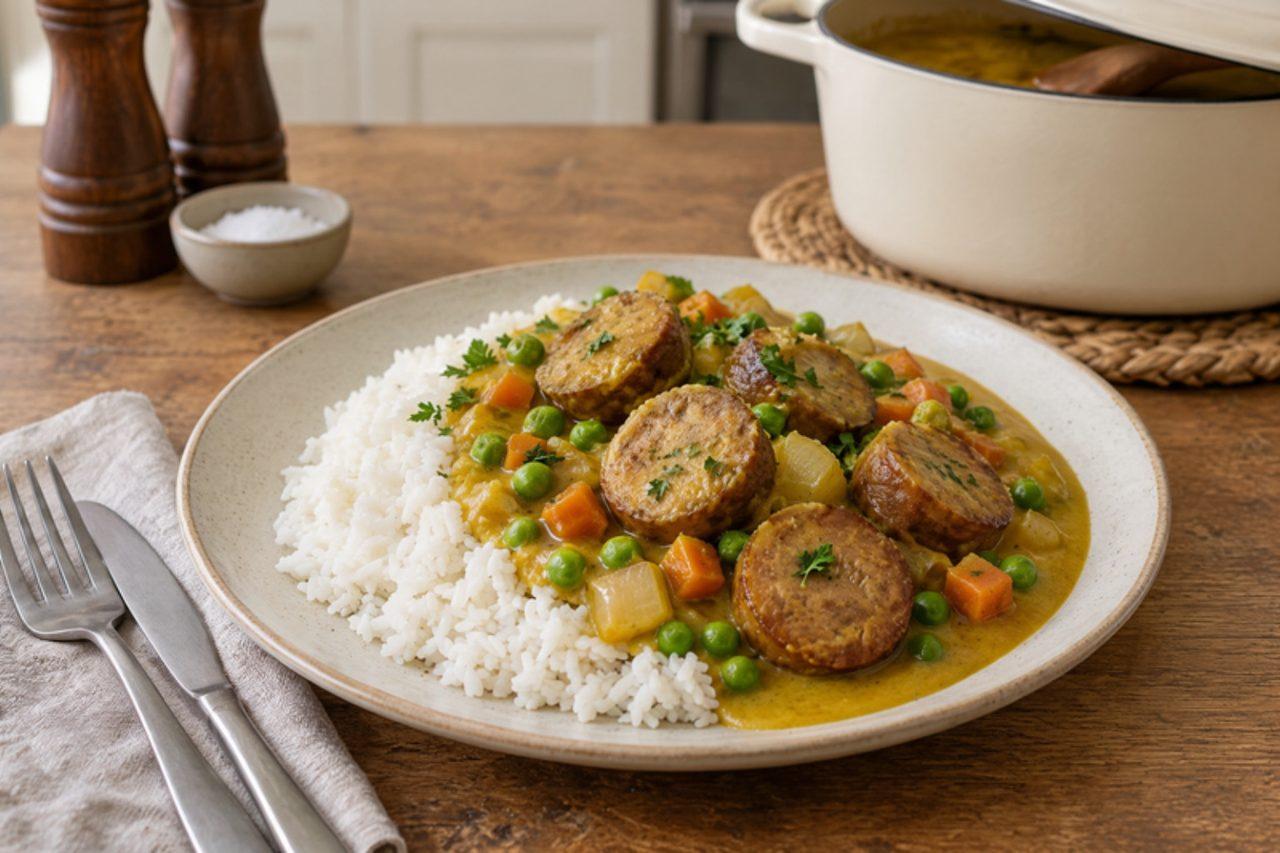
Curried sausages are pure Australian weeknight comfort, the dish generations of kids came home to in Sydney, Brisbane and country towns alike, usually made with thick beef or pork sausages and a tin of mild curry powder. The sausages are browned, sliced and simmered with onion, carrot, potato and peas in a gentle, slightly sweet curry gravy, then spooned over fluffy rice. The usual mistake is skipping the pre-cook: browning the sausages whole first keeps them juicy and gives the sauce its colour. Sausages, whether beef or pork, must reach 71 °C in the centre. Chef's tip: a grated apple simmered in the sauce is the classic Aussie trick for a rounded sweetness without extra sugar.

by KrazyBadal 0 views

Dongbei luan dunMixed vegetable stew

Luan dun, the 'chaotic stew', is everyday harvest cooking from Heilongjiang, Jilin and Liaoning, made in autumn when the garden gives everything at once and a big pot feeds the whole household through the cold evenings. Potato, aubergine, green beans, corn on the cob, peppers and tomato are cooked together in a soy-scented broth until soft and saucy, with the potato thickening it naturally. Serve it with steamed rice or mantou buns. The usual mistake is putting everything in together, so the beans stay squeaky while the aubergine turns to mush; add the vegetables in order of how long they take. A pressure cooker works too: 4 minutes on high after the beans and potato go in. Chef's tip: crush the potato pieces lightly against the pot near the end to give the stew body.

by KrazyBadal 0 views

Juhua cha (chrysanthemum tea)

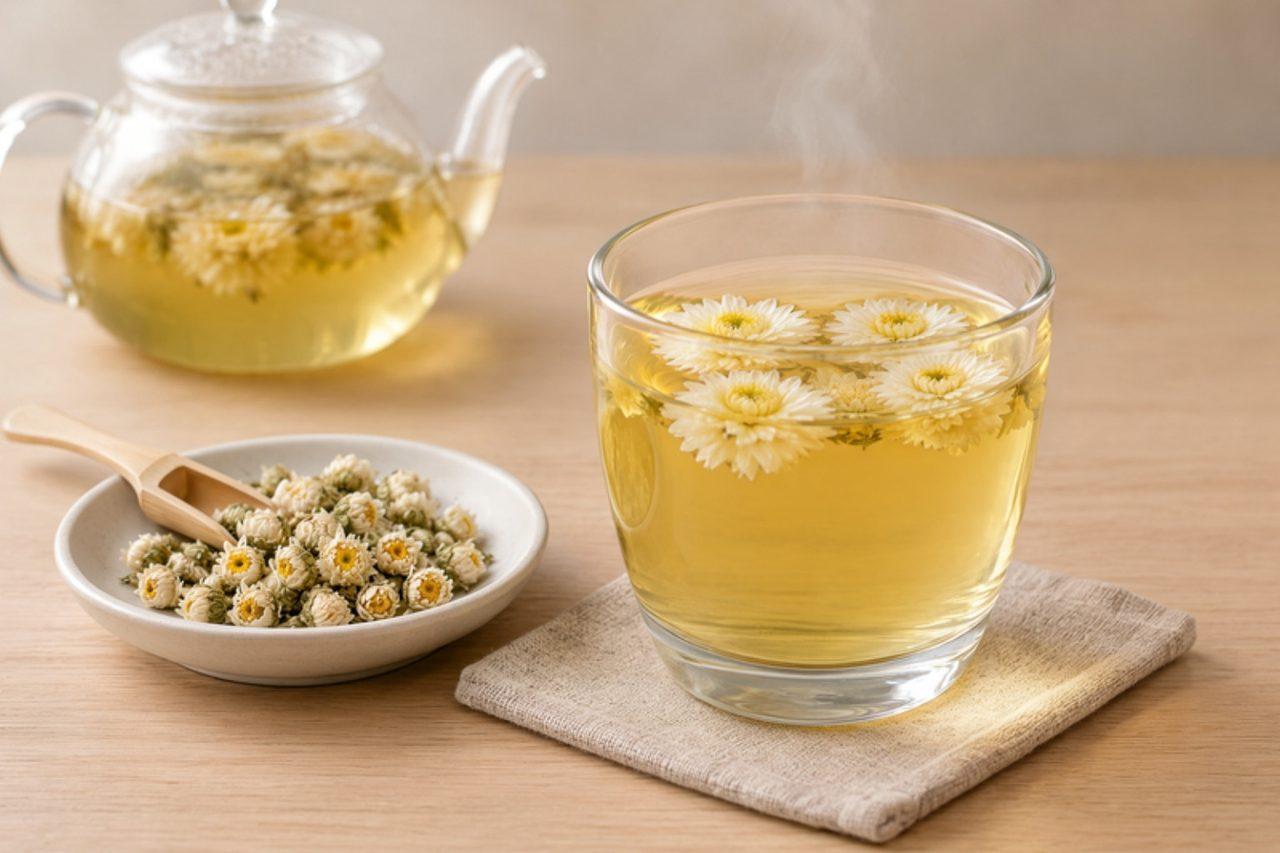
The small white hangbaiju flowers grown around Tongxiang, near Hangzhou, are picked in November, steamed and dried, and they end up in teapots all over China. Families brew them after a rich dinner, through the dry autumn, and iced in summer; dim sum houses in the south offer them as a caffeine-free choice, often mixed with pu-erh. The tea is pale gold, lightly floral with a faint bitterness like chamomile, softened by a little rock sugar and a few goji berries that turn plump and red in the pot. The common mistake is pouring boiling water straight onto the flowers and leaving them for twenty minutes; the tea turns brownish and bitter. Water just off the boil, around 90 °C, and a short steep keep it clear and sweet. It is ready when the flowers have opened like little daisies, the colour is light amber and the smell is honey-like. You can top up the pot two or three times. If you are allergic to ragweed, daisies or marigolds, try a small cup first or skip it, as chrysanthemum belongs to the same family. Chef's tip: for iced juhua cha, brew it double strength and pour it straight over a glass full of ice so it does not taste watery.

by KrazyBadal 0 views

Louise sliceJam and coconut meringue slice

Louise slice, or Louise cake, is a New Zealand tea-time classic found on church cake stalls and in grandma's tins from Invercargill to Whangārei. A buttery shortcake base is spread with raspberry jam and topped with a chewy coconut meringue that bakes to pale gold. It is light and pretty, and very easy. A common mistake is baking the meringue too hot, which browns it before it sets inside. Chef's tip: spread the meringue right to the edges so the jam doesn't bubble through.

by KrazyBadal 0 views

Ka'i ladrilloPeanut molasses bricks

Ka'i ladrillo — 'monkey brick' in Guaraní — is the sweet sold by vendors on Asunción buses and at country fiestas: roasted peanuts bound in boiled cane molasses and set in brick-shaped blocks, crunchy and dark with a slightly smoky toffee taste. It contains peanuts, so keep it away from anyone with a peanut allergy. The common mistake is taking the syrup off too soon, so the bricks stay sticky and never set. Chef's tip: test the syrup by dropping a little into cold water; it is ready when it sets into a brittle thread that snaps.

by KrazyBadal 0 views

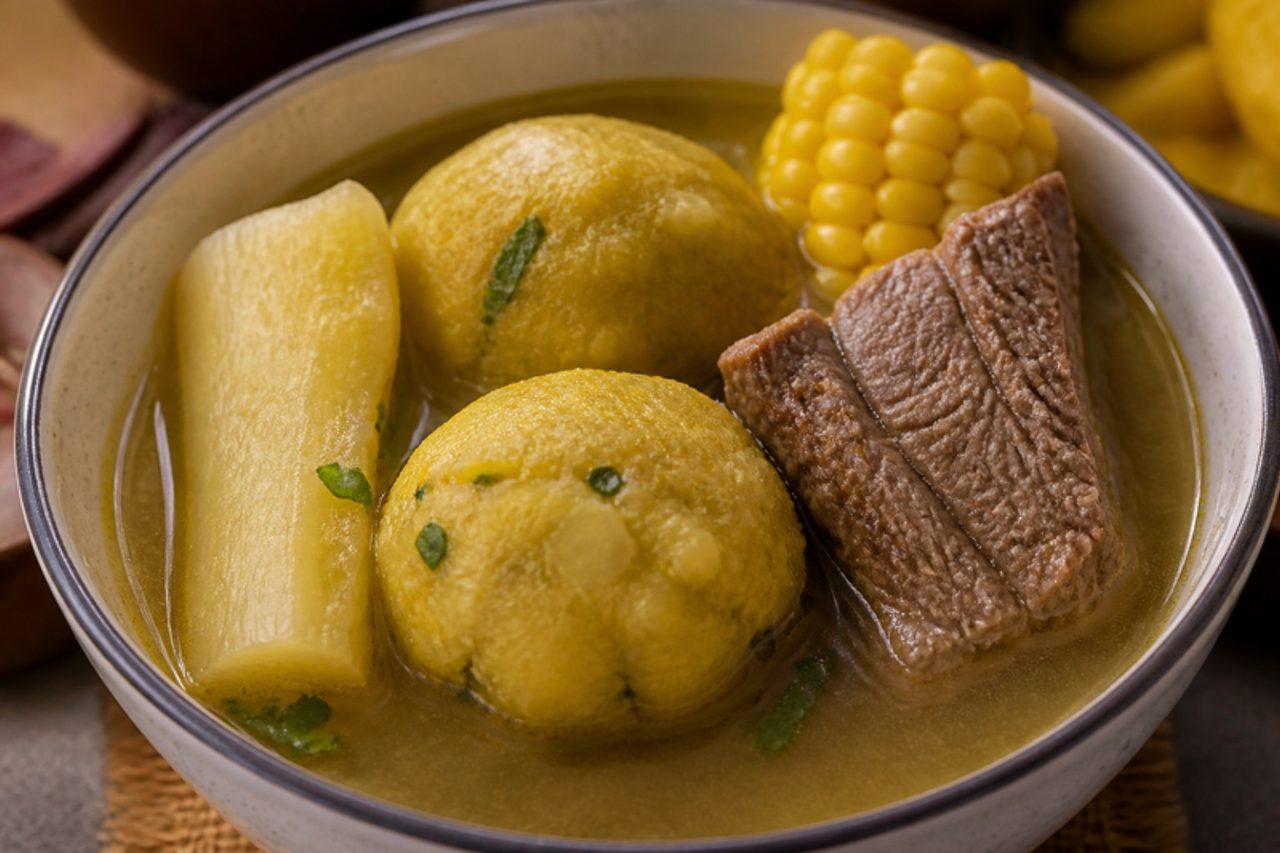
Caldo de bolas de verdeBeef broth with plantain dumplings

Caldo de bolas is the big Sunday soup of Guayaquil and the Guayas coast: a clear beef broth with corn and cassava in which float fist-sized dumplings of green plantain, each stuffed with a savoury filling of beef mince, egg, peas and peanuts. It takes time, so families make it for gatherings and serve it with lime, chilli and rice. Peanuts are an allergen and optional here. The usual mistake is a plantain dough that is too dry, which cracks and falls apart in the broth; it should feel like soft play dough. Cook the mince filling until no pink remains. Chef's tip: mix boiled and raw grated plantain; the raw starch is the glue that holds the bolas together.

160 minAndeanSoupsGluten free
by KrazyBadal 0 views

Caldo de gallinaHen broth with noodles

In Lima's markets and the all-night caldo stalls of districts like La Victoria, a bowl of caldo de gallina is the dawn breakfast for market porters, taxi drivers and anyone coming home late: a deep, golden broth from a slow-simmered hen (a boiling fowl) with ginger and spring onion, ladled over thick noodles and yellow potato, with a boiled egg, lime and ají chilli on the side. The common mistake is boiling the broth hard, which clouds it and toughens the meat; keep it to a lazy simmer. The chicken must reach 74 °C, though after this long simmer it will be well past that. Chef's tip: cook the noodles separately, then put them in the bowls; cooked in the pot they drink the broth and turn it starchy.

by KrazyBadal 0 views

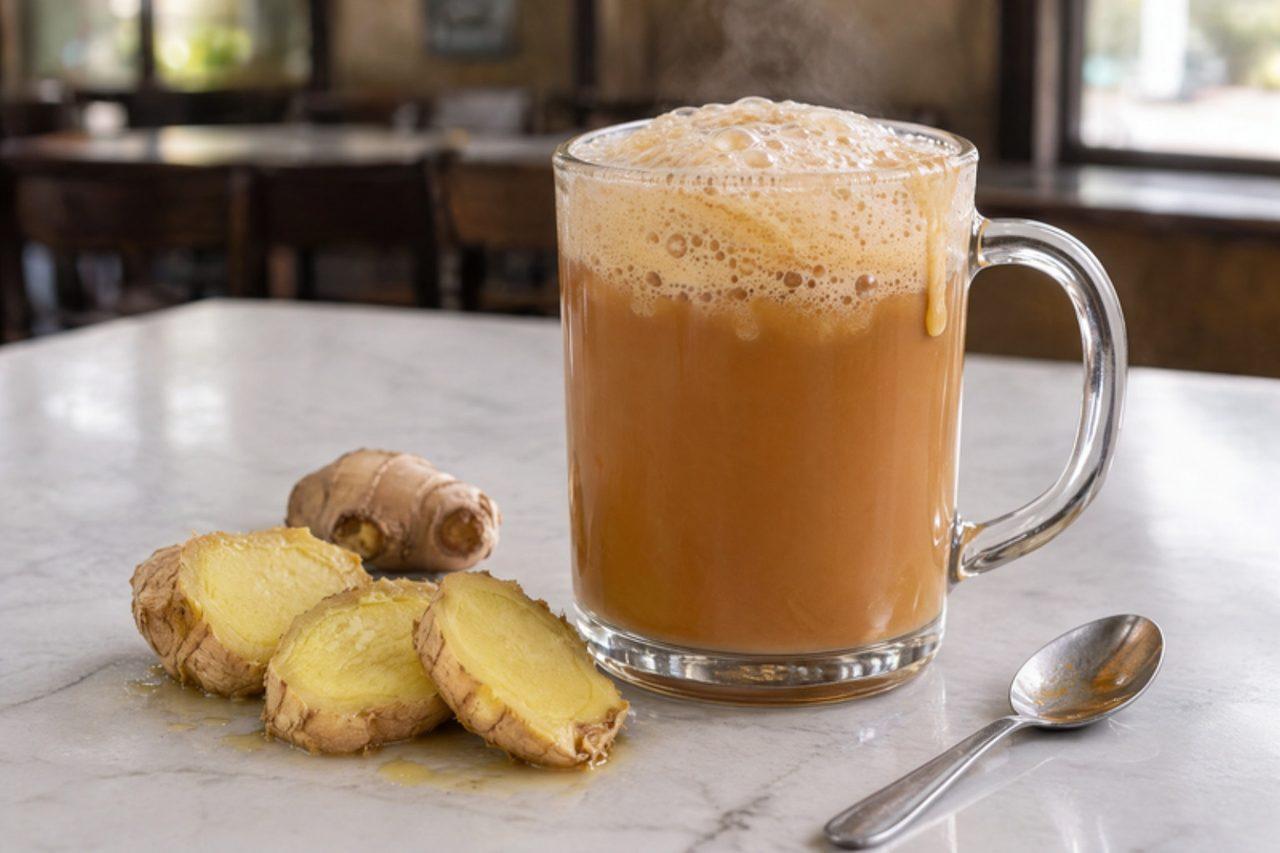
Teh halia (ginger milk tea)

Sit down at any mamak stall in Kuala Lumpur, Penang or Johor Bahru, from breakfast roti canai to the after-football supper at 1 a.m., and someone at the table will order teh halia. It is teh tarik's spicier cousin: dust-fine black tea is boiled with plenty of crushed ginger, mixed with condensed and evaporated milk, then 'pulled' between two mugs from arm's length until a thick froth forms. The result is sweet, creamy and malty, with a ginger heat that catches your throat, most loved on wet monsoon evenings. The common mistake is adding ginger to tea at the end; it then tastes raw and thin. Boil the ginger in the water first for several minutes so the heat goes into the liquid. It is ready when the tea is the colour of milky caramel and a dense froth a few centimetres high sits on top. This contains caffeine, so it is not for children. Chef's tip: practise pulling with water over the sink first, then start low and raise the mug slowly as you pour.

by KrazyBadal 0 views

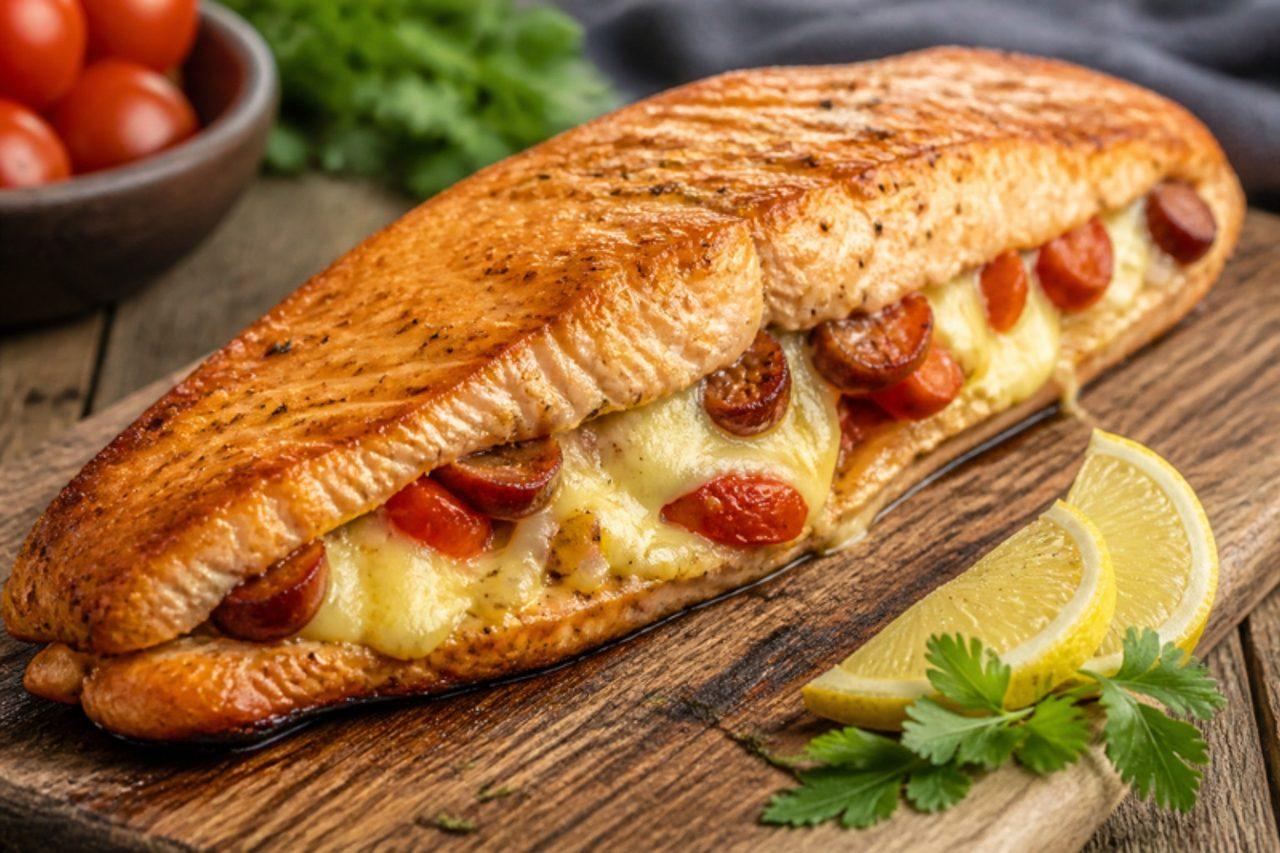
CancatoSalmon with cheese and tomato

Cancato belongs to Chiloé and the lakes around Puerto Montt, where salmon is everyday food: a whole fillet is opened like a book, stuffed with melting cheese, tomato, onion and slices of longaniza (a pork sausage like chorizo), then wrapped and cooked over embers or in the oven. It is party food, cut at the table. The common mistake is putting raw sausage inside: it won't cook through before the salmon dries out. Fry it first. Chef's tip: wrap the parcel in foil with the seam on top and open it for the last 5 minutes, so the cheese browns while the salmon stays juicy.

by KrazyBadal 0 views

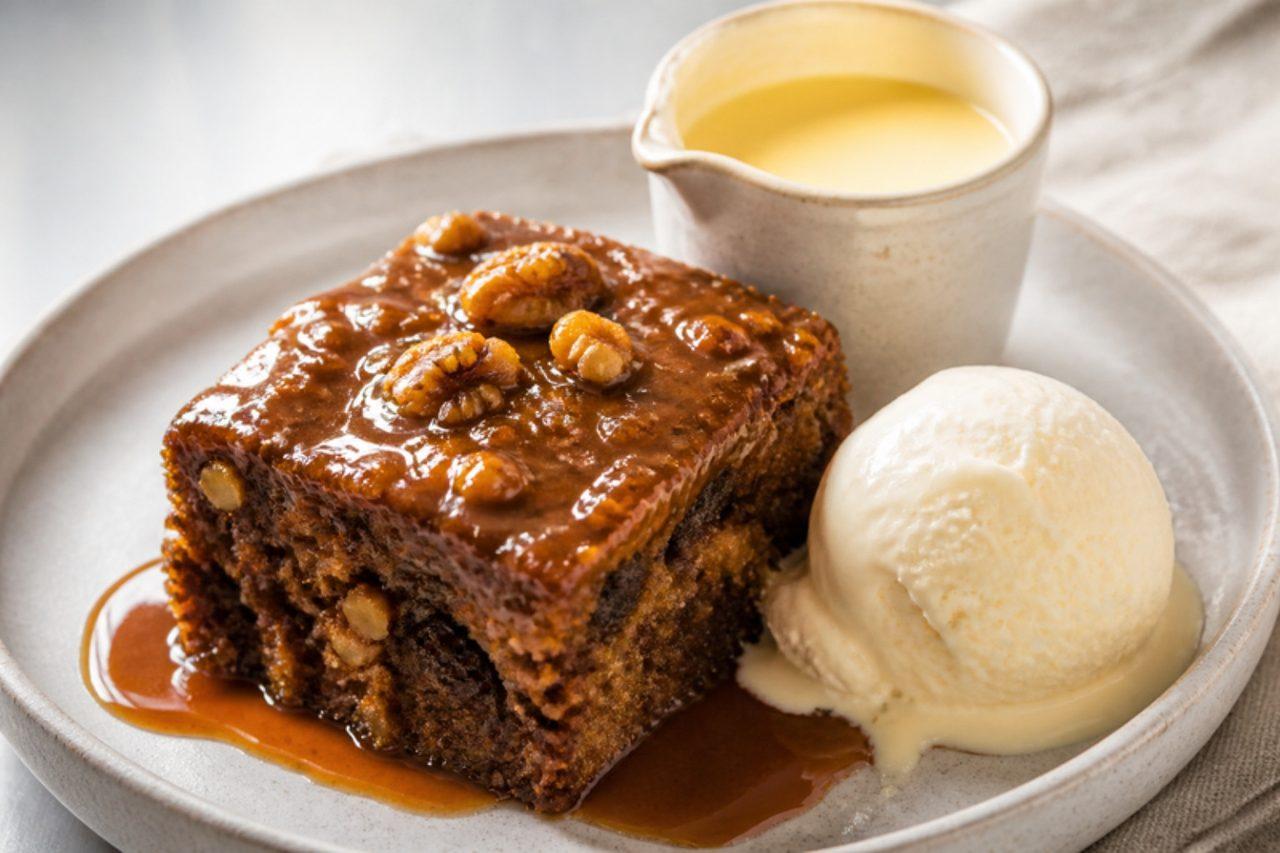
Cape brandy puddingDate and walnut brandy pudding

Sometimes called tipsy tart, this baked pudding of dates and walnuts drenched in a hot brandy and butter syrup is what Cape Town and Winelands families bring out for Sunday lunch in winter and for Christmas. It contains brandy, and because the brandy goes into the syrup off the heat most of the alcohol stays, so serve it to adults only; the ingredient note gives an alcohol-free rooibos or orange syrup for everyone else. Expect a dark, sticky, cake-like sponge that is almost wet at the bottom, with crunchy walnuts and a warm caramel and spice flavour, served with custard, cream or vanilla ice cream. The mistake is pouring the syrup over a cooled pudding, which then won't absorb it. Chef's tip: prick the hot pudding all over with a skewer and pour the hot syrup on slowly, letting each ladle sink in before adding the next.

by KrazyBadal 0 views

DenningvleisTamarind and allspice braised lamb

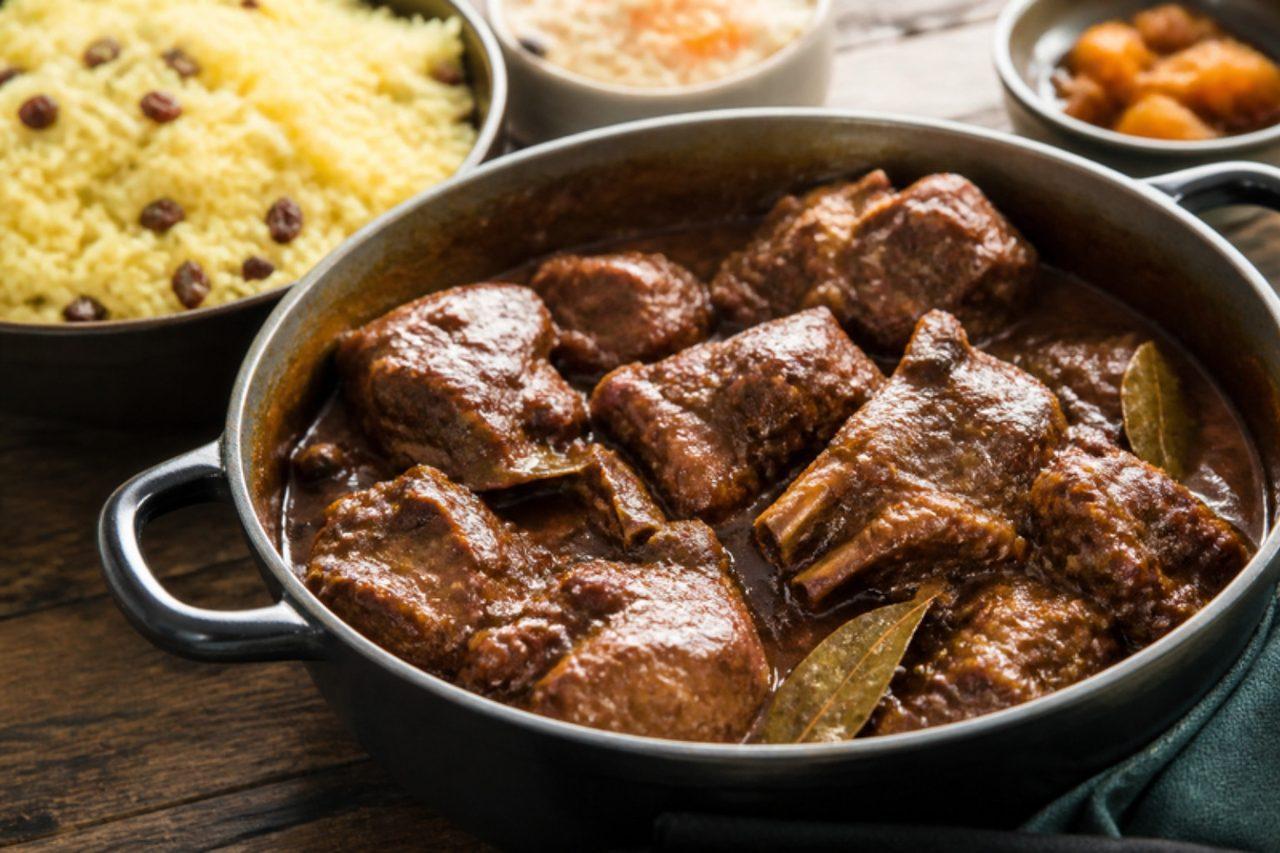
Older Bo-Kaap cooks make denningvleis for family lunches and for the day after Eid, when there is lamb to use up: chunks of shoulder braised with a mountain of onions, bay leaves, allspice and sour tamarind, finished with a little brown sugar. It is not a curry; there is barely any chilli, and the flavour is all sweet against sour, with the fragrance of bay running through a dark, sticky gravy. Serve it with geelrys, the Cape's turmeric rice with raisins, and a sharp tomato-and-onion sambal. The classic slip is pouring in tamarind pulp straight from the block, seeds and stringy fibres included, so soak and strain it first. Chef's tip: let the onions cook down almost to a jam before adding liquid; they thicken the sauce, so you never need flour.

by KrazyBadal 0 views

GujiyaSweet filled pastries

In Uttar Pradesh, Bihar and across the Hindi belt, the days before Holi are for making gujiya: the women of the house sit together rolling, filling and crimping hundreds of these half-moon pastries, which are then offered to guests between rounds of colour. The filling is mawa roasted until grainy and golden, mixed with ghee-toasted semolina, coconut, nuts and powdered sugar; Maharashtra's karanji is the cousin with a coconut filling. The common mistake is frying on high heat, which blisters the pastry and leaves it raw and chewy inside; gujiya should fry slowly until crisp and pale gold. Chef's tip: add the powdered sugar only once the mawa has cooled completely, or it melts and the filling turns sticky.

by KrazyBadal 0 views

Showing 27 of 7,762 recipes

Show more recipes

Page 83 of 863