


Skip to content
Ployes
Featured recipe

Ployes

Buckwheat griddle cakes

Ployes come from the Acadian villages of the Madawaska in north-west New Brunswick, on the border with Maine, where they are eaten at almost every meal in place of bread. The batter of light buckwheat flour, plain flour and baking powder is poured onto a very hot dry griddle and cooked on one side only, until the top is covered in tiny holes. Roll them with butter and molasses, or use them to mop up a stew. Chef's tip: let the batter rest 5 minutes so the bubbles start; without them you get flat pancakes instead of the lacy holes.

Read more 0 views

What to eat today?

Around the world

Today's trip: Persian

A new country every day, from every cuisine on the site.

This week's collection

Kid-friendly dinners
537 recipes · a new collection every Monday

Latest recipes

Capeletis a la CarusoStuffed pasta in cream sauce

Capeletis a la Caruso were created in a Montevideo restaurant in the 1950s and named after the great tenor, and they are still a Sunday lunch favourite in Uruguayan homes: little stuffed pasta hats in a rich sauce of cream, cooked ham (pork), mushrooms and onion, finished with grated cheese. Buy good fresh capeletis or tortellini; the sauce is what you make. The usual mistake is boiling the cream sauce hard, which makes it oily and grainy. Chef's tip: cook the mushrooms in a dry hot pan first until they squeak and brown, before any butter goes in, for a deeper taste.

by KrazyBadal 0 views

MbakbkaPasta cooked in spicy lamb sauce

Mbakbka is the Tripoli family's go-to one-pot, made any day of the week and especially loved in winter: short pasta cooked directly in a spicy red sauce of lamb, tomato paste, chickpeas and bzar spice, so it drinks up the flavour and the starch thickens everything. The name echoes the bubbling sound the pot makes. The usual mistake is adding too little water: the pasta should be just covered when it goes in, and needs a stir every few minutes so it doesn't stick. For a vegetarian version, leave out the lamb and add a diced potato and courgette with the chickpeas, using vegetable stock. Chef's tip: let the pot rest off the heat for 5 minutes with the lid on, and the sauce settles into a thick, glossy coat.

by KrazyBadal 0 views

Ginataang puso ng sagingBanana blossom in coconut milk

Every banana tree in the Philippine countryside gives a heavy purple flower, and in Bicol, Batangas and the Visayas it is shredded and stewed in coconut milk as an everyday ulam for lunch with rice. The banana blossom has a tender, slightly flaky texture and soaks up the ginger, garlic and chilli. The traditional version includes shrimp or fish; this one is vegan. The usual mistake is skipping the salt rub: unrubbed banana blossom stays bitter and turns the sauce grey, so squeeze out its dark sap first. Chef's tip: keep the shredded blossom in water with a spoon of vinegar while you work, so it stays pale.

by KrazyBadal 0 views

Mula ko tarkariRadish curry

In the hills around Kathmandu and Pokhara, long white winter radishes are pulled with their leaves still on, and both go into this simple tarkari served beside dal-bhat. The radish is cut into thin batons and cooked down in mustard oil with a sizzle of fenugreek seed, turmeric and tingly timur pepper until it turns sweet and translucent, while the greens wilt in at the end. The usual mistake is adding too much water: radish releases plenty of its own juice, and extra water turns it into a bland soup. Chef's tip: let the fenugreek seeds turn dark brown, almost black, before the radish goes in; that toasty bitterness is what makes Nepali radish taste right.

by KrazyBadal 0 views

Leung cha (Cantonese herbal tea)

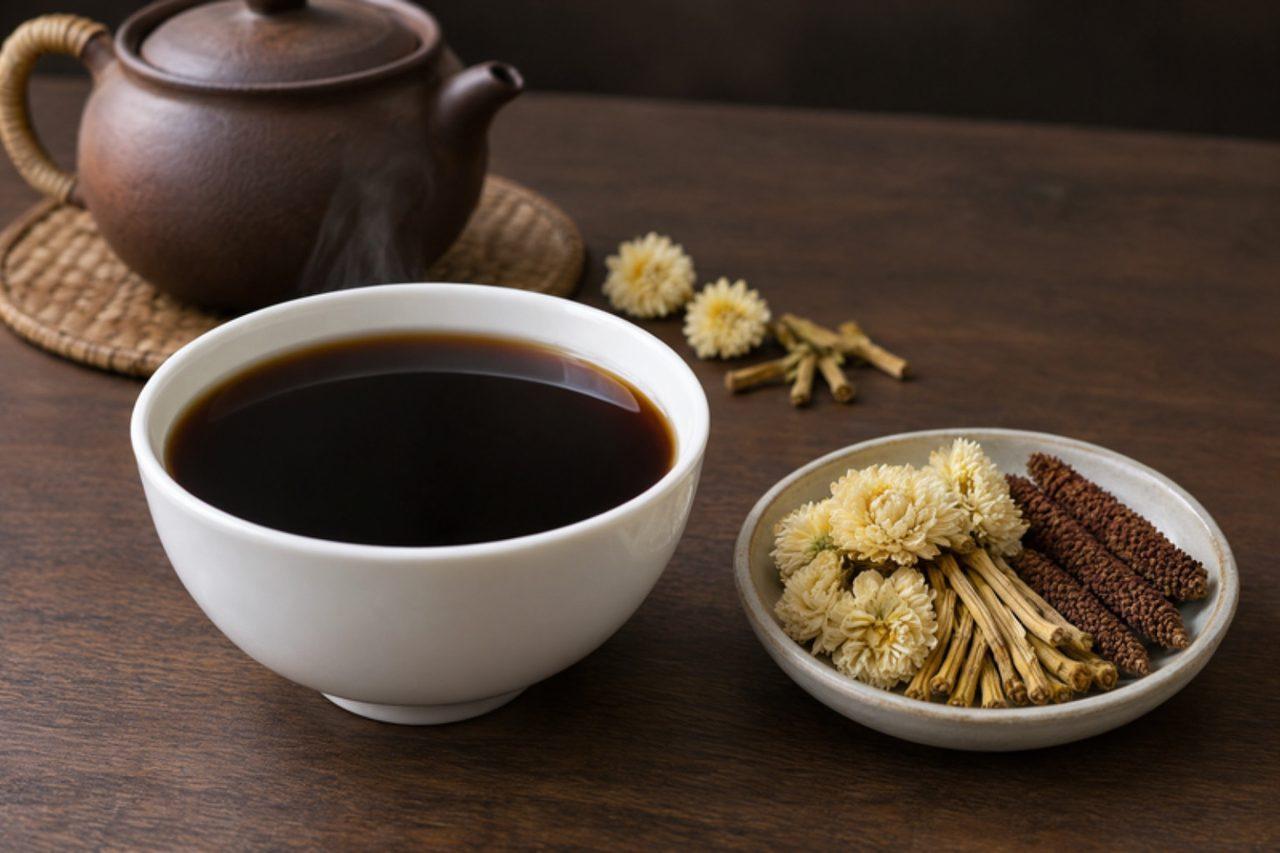
Across Guangdong and Hong Kong, the leung cha shop with its gleaming brass urns is a neighbourhood fixture. People drop in after a run of fried food, late nights or the heavy, humid weather of early summer, when Cantonese tradition says the body has too much 'heat', and down a bowl standing at the counter, then chase it with a dried plum. Brews range from the gentle 'five-flower tea' to fiercely bitter 24-herb mixes. This home version uses dried mesona (sin cho), prunella spike (ha fu cho), chrysanthemum and honeysuckle: dark brown, earthy and grassy, clearly bitter but rounded by the flowers and a little rock sugar. The common mistake is boiling everything together for an hour; the flowers turn harsh and muddy. Simmer the woody herbs first, add the flowers only for the last 10 minutes. It is ready when the liquor is the colour of strong tea and has reduced by about a third. It is traditionally drunk for comfort, not as medicine: skip it in pregnancy and check with a doctor if you take regular medication. Chef's tip: buy herbs pre-weighed as a packet from a Chinese herbalist, who will rinse-check them for grit and freshness.

by KrazyBadal 0 views

Dal dhokli for toddlersWheat dumplings in dal for toddlers

In Ahmedabad pols and Surat kitchens dal dhokli is the Sunday one-pot lunch: diamonds of spiced wheat dough cooked straight in tangy toor dal. This toddler version, for children from 12 months, keeps the soft pasta-like pieces small, leaves out the chilli, peanuts and cloves, and uses only a pinch of jaggery so the dal stays sweet-sour the way Gujarati families like it. It is cooked in oil, so it is dairy free and vegan. It contains wheat (gluten); there is no milk, egg, nuts or soya. Chef's tip: roll the dough thin, about 2 mm; thick dhokli stay chewy in the middle.

by KrazyBadal 0 views

Dal panniyeMaize flour breads baked in leaves

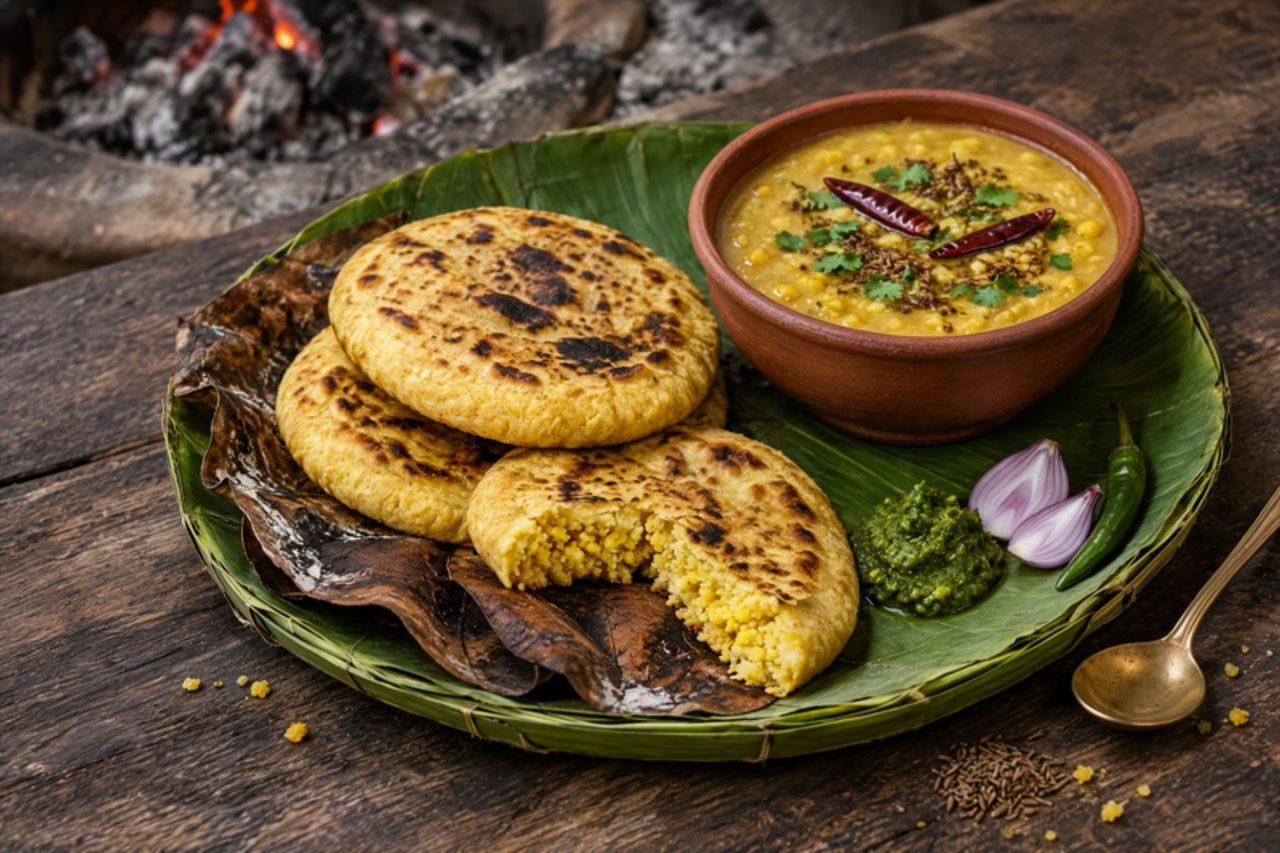
Panniye are the festive breads of the Bhil communities of Jhabua and Alirajpur in western Madhya Pradesh, made for weddings, Bhagoria and harvest gatherings. Thick maize-flour discs are pressed between palash or banana leaves and baked over cow-dung embers until smoky and crisp outside, then served with a garlicky dal and ghee. At home you can bake them on a tawa and finish in the oven. The common mistake is rolling the dough too thin, so it dries out and cracks before it cooks through. Chef's tip: knead the maize dough with warm water and a little curd and let it rest; it holds together much better.

by KrazyBadal 0 views

Dalimbi usalSprouted field bean curry

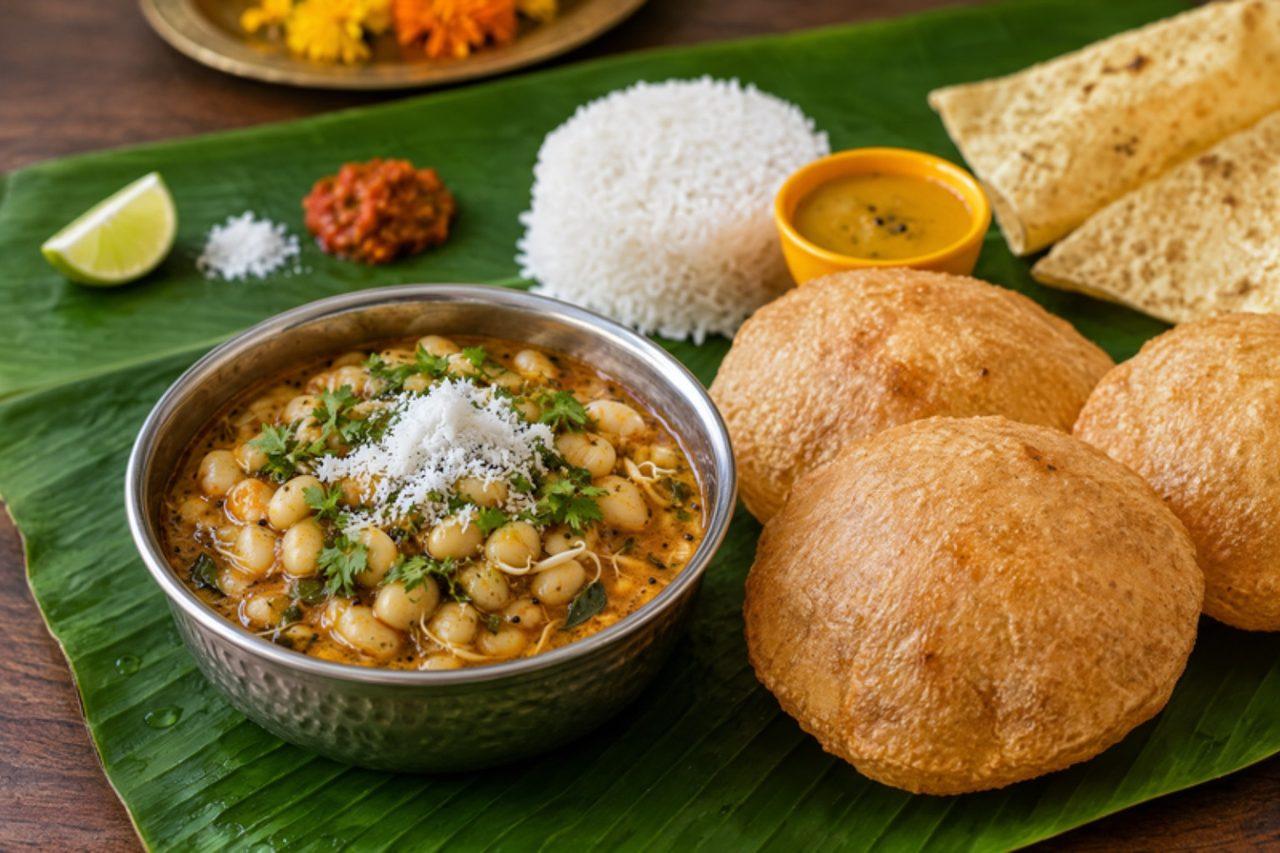
In Konkan and Pune homes, dalimbi usal is a festival dish, cooked for Ganesh Chaturthi, weddings and thread ceremonies and served on the thali beside puran poli and rice. Dalimbi are dried field beans (val) that are soaked, sprouted and peeled; the work takes two days but turns them creamy and sweet. They are simmered gently with fresh coconut, goda masala, kokum and a little jaggery, without onion or garlic. Field beans must always be cooked until fully soft; never eat them raw or half-cooked. The usual mistake is boiling them hard, which bursts the soft peeled beans into mash; keep the simmer gentle. Chef's tip: soak the sprouted beans in warm water for 30 minutes before peeling, and the skins slip off with a pinch.

by KrazyBadal 0 views

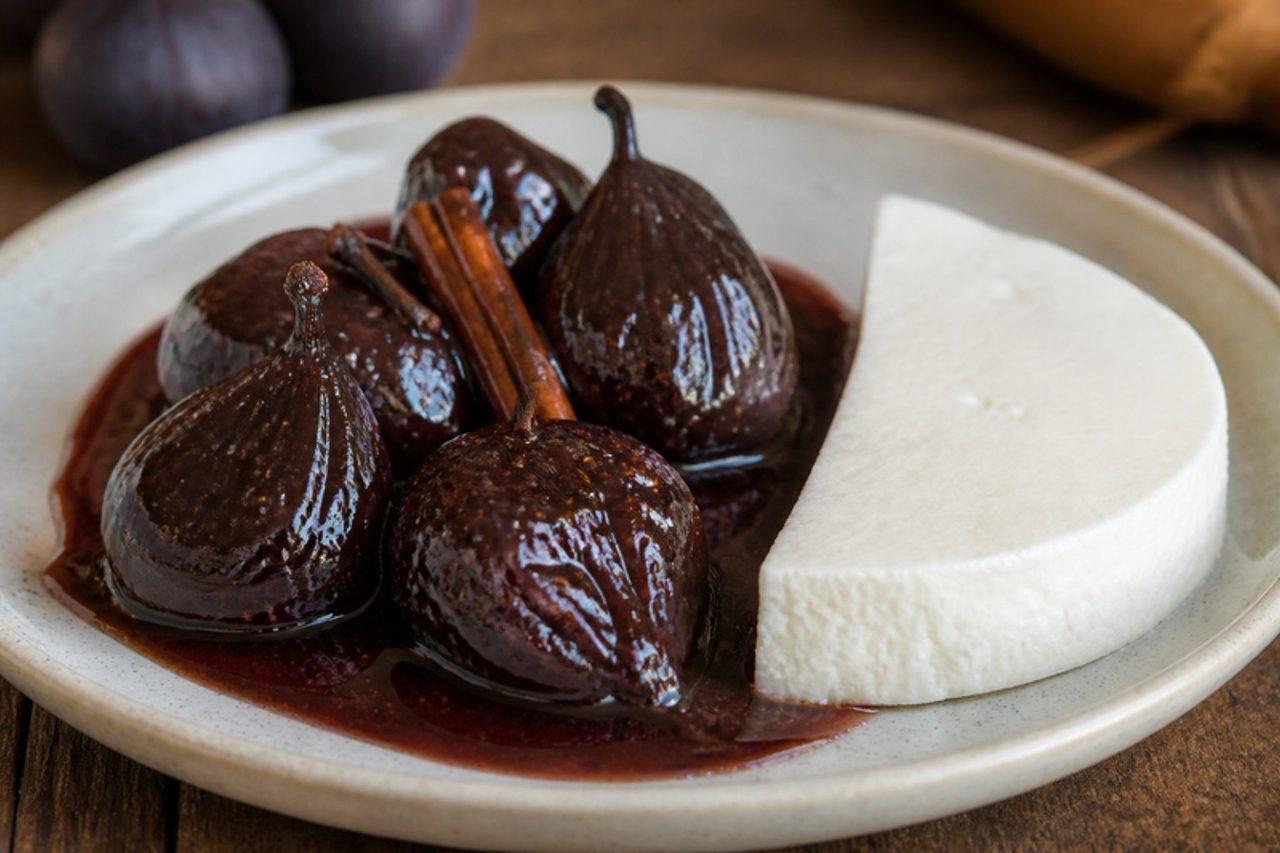
Higos con quesoFigs in syrup with cheese

Across the Ecuadorian highlands, from Ambato to Loja, families make a big pot of figs in dark panela syrup around Christmas and for Sunday lunch, then serve the glossy, near-black fruit with a cool slice of salty fresh cheese. The figs turn tender and jammy, the syrup tastes of cinnamon and cloves, and the cheese cuts the sweetness. Use firm, slightly underripe green figs: ripe ones collapse. The usual mistake is rushing the syrup on a high boil, which leaves it thin and the figs pale instead of deep and shiny. Traditional queso fresco is often set with animal rennet; choose a cheese labelled vegetarian if that matters to you. Chef's tip: make them a day ahead; the figs soak up the syrup overnight and taste even better.

by KrazyBadal 0 views

Showing 9 of 7,762 recipes

Show more recipes

Page 86 of 863