


Skip to content
Khurmi
Featured recipe

Khurmi

Wheat and jaggery biscuits

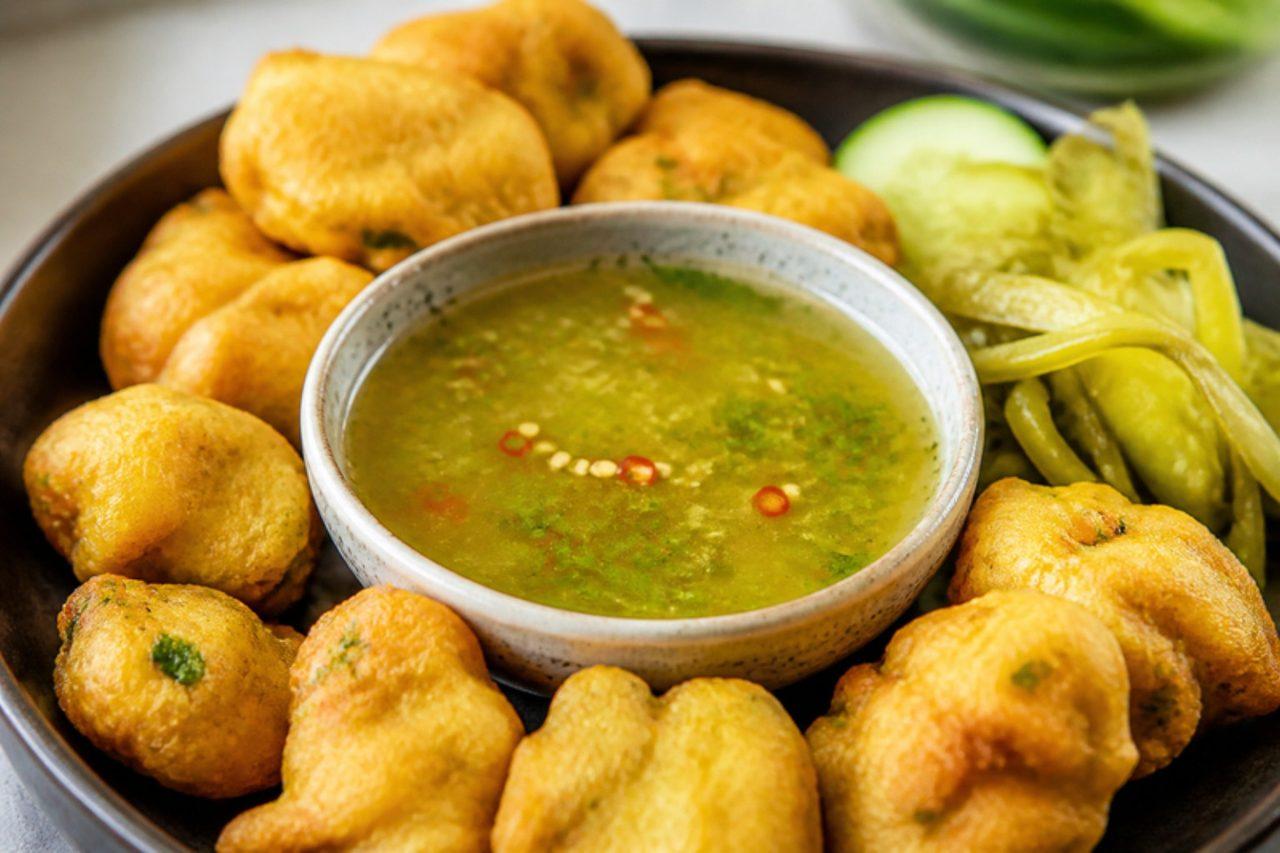
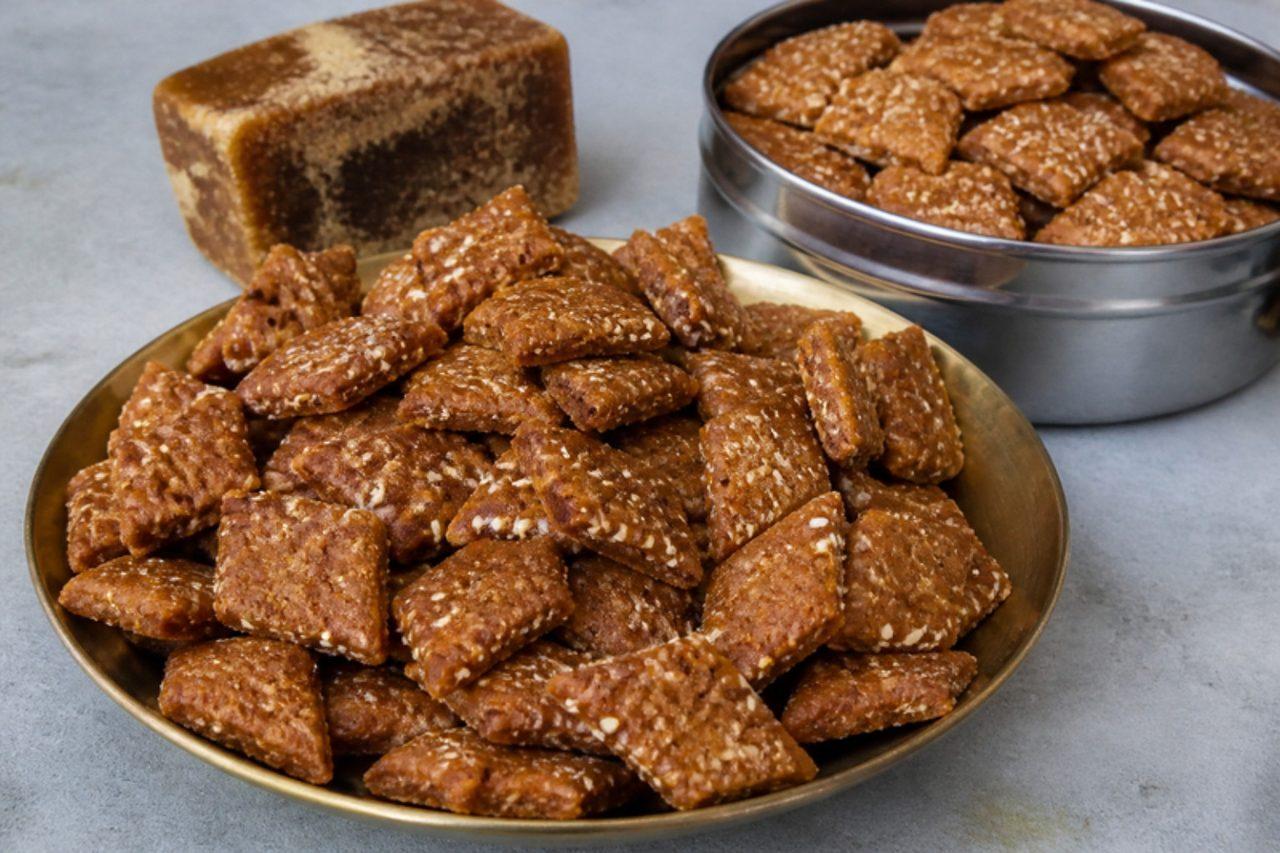
Khurmi are the sweet half of Chhattisgarh's Teeja-Pola festival snacks, made in big batches alongside the salty thethri. The dough is wheat flour and a little semolina bound with melted jaggery, studded with sesame and coconut, then cut into diamonds or pressed into small patterned shapes and fried until dark gold. They have a hard, crunchy bite and a deep caramel flavour, and they last for weeks in a steel dabba, ready for visitors and children back from school. Chef's tip: cool the jaggery water to lukewarm before kneading; hot jaggery makes a slack dough that spreads and soaks up oil.

Read more 1 views

What to eat today?

Around the world

Today's trip: Persian

A new country every day, from every cuisine on the site.

Persian

Nazkhatoon

Smoky aubergine with pomegranate 40 minMore from Persian (131) →

This week's collection

Kid-friendly dinners
537 recipes · a new collection every Monday

Latest recipes

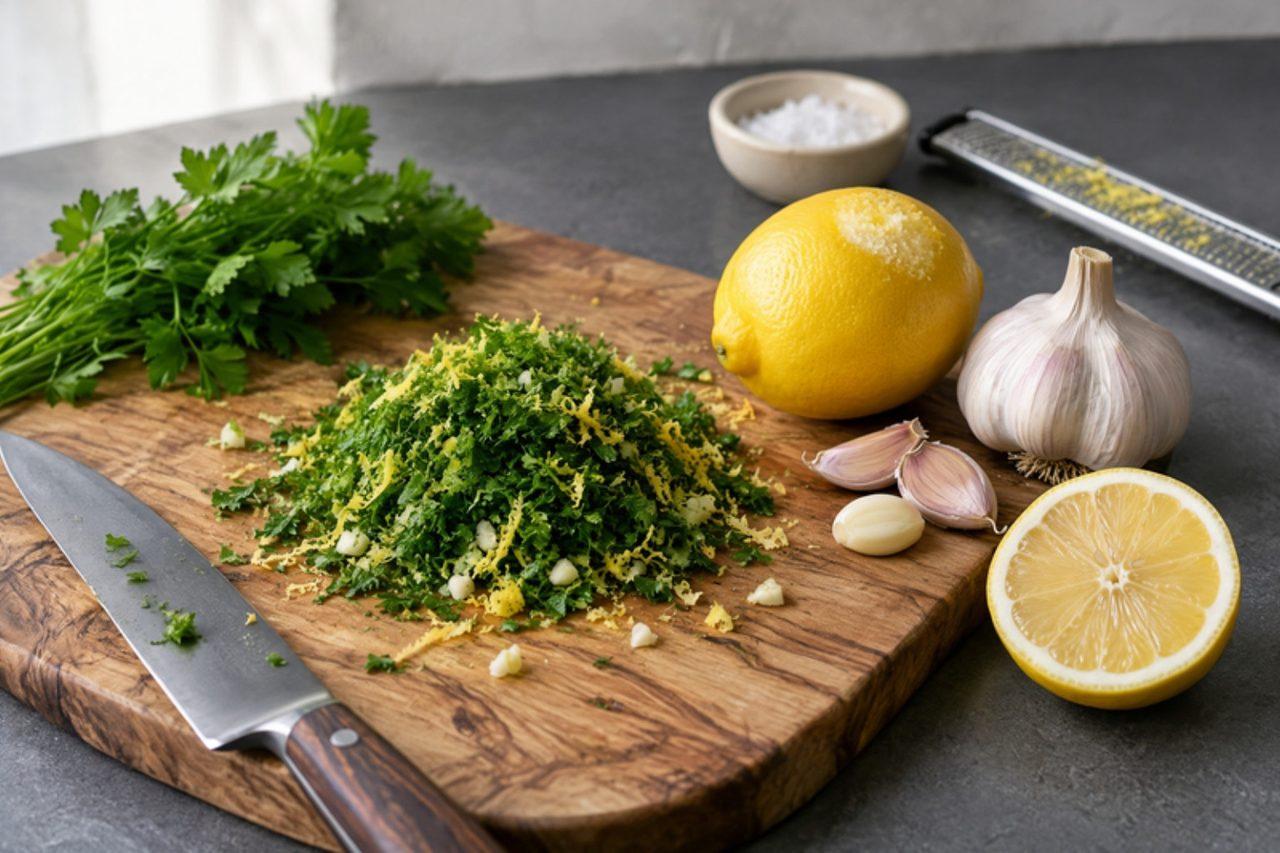
Gremolata

Gremolata is the Milanese finishing touch spooned over ossobuco on Sunday tables across Lombardy, and it brightens any slow-cooked stew, roast vegetables, beans or grilled fish. Flat-leaf parsley, lemon zest and raw garlic are chopped together so finely that they become a fragrant green confetti; the fresh, sharp flavour wakes up a dish so much that you need far less salt. About 0.0 g salt per portion. The usual mistake is grating the white pith with the zest, which makes it bitter; take only the yellow skin. Make it no more than an hour ahead, as the garlic gets harsh and the parsley darkens. Chef's tip: chop the garlic first with a few parsley leaves, so the juice soaks into the herbs instead of sticking to the knife.

by KrazyBadal 0 views
GamjatangPork backbone stew

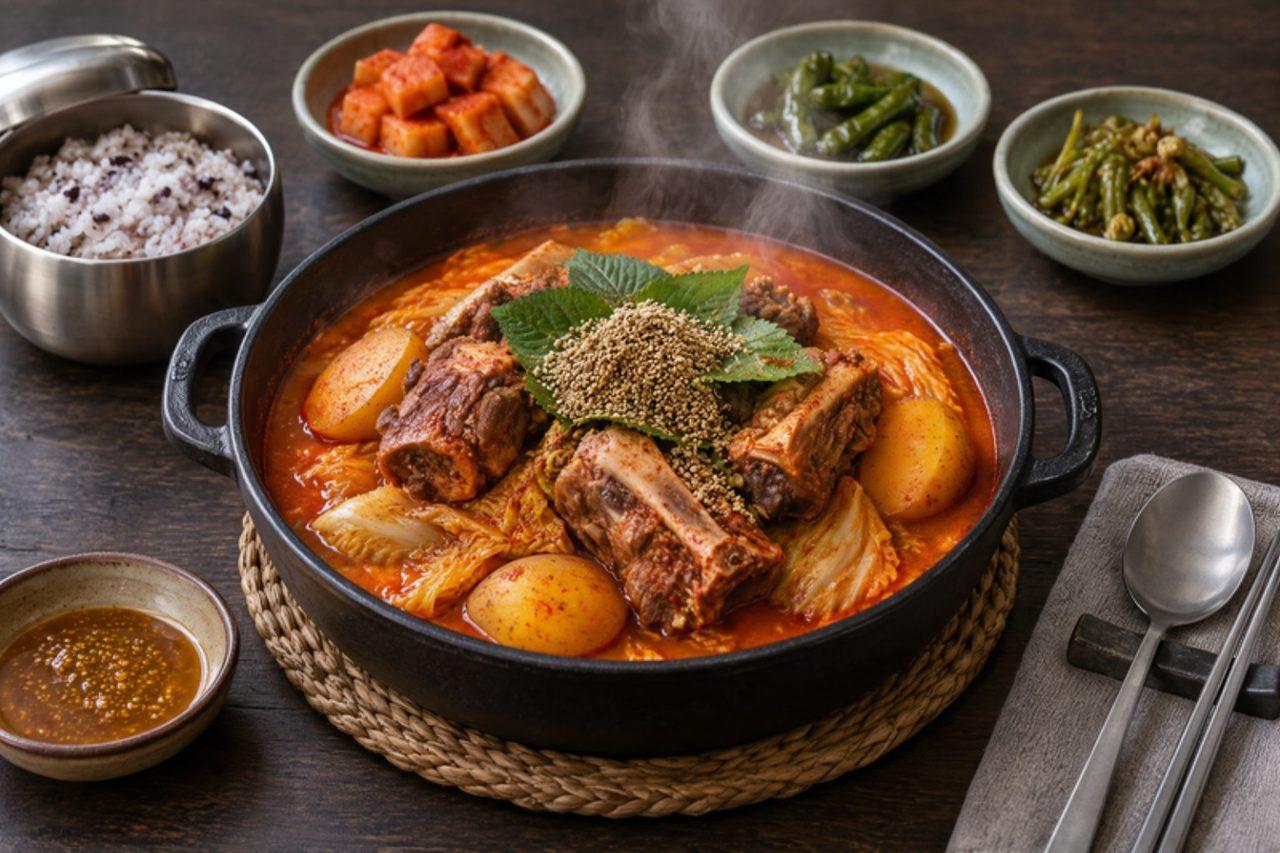
Gamjatang is a late-night favourite in Seoul and Incheon, where restaurants keep huge pots of pork backbone stew bubbling for shift workers and friends after a night out. Pork neck bones are soaked, blanched and simmered with doenjang until the meat pulls away, then finished with potatoes, napa cabbage, perilla leaves and nutty ground perilla seeds in a chilli-red broth. Everyone picks the meat off the bones at the table and ends the meal by frying rice in the leftover broth. The usual mistake is skipping the soaking and blanching, which leaves the broth grey and scummy. A pressure cooker cuts the bone simmering to 45 minutes. Chef's tip: stir the perilla seed powder in only at the end; boiled too long it loses its fragrance.

180 minKoreanMeatSpicy
by KrazyBadal 0 views

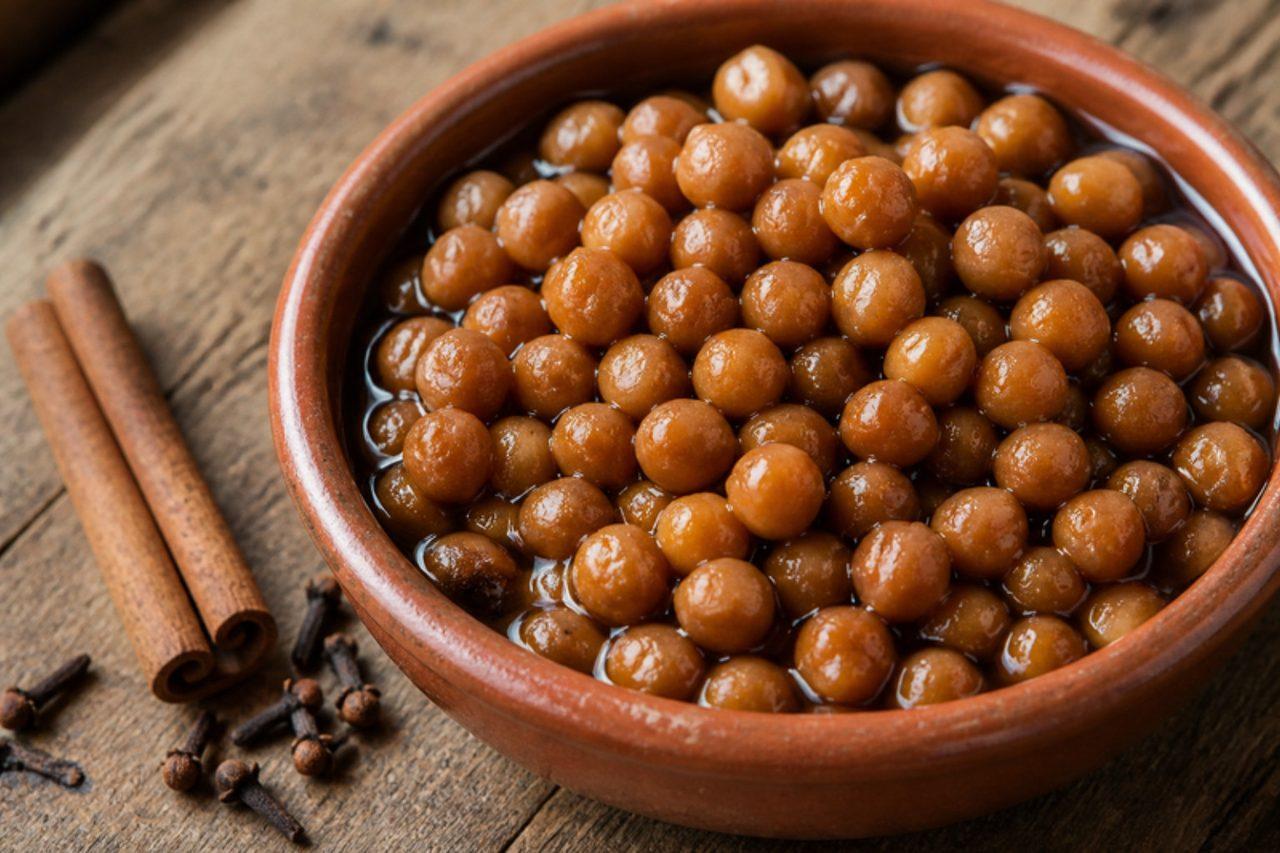
Garbanzos en dulceChickpeas in spiced syrup

In Antigua Guatemala, where the Semana Santa processions walk over carpets of coloured sawdust, the kitchens fill with sweets in dark panela syrup, and chickpeas are among the first to be made. The peeled garbanzos are cooked tender and then simmered slowly in syrup with cinnamon, allspice and cloves until they turn mahogany and glossy, sweet right through but still holding their shape. They are eaten cold from small bowls, often beside sweet mango or fig preserves. Hurrying the syrup is the usual mistake: boil it hard and the chickpeas stay pale inside and the syrup tastes burnt. Chef's tip: rub off the chickpea skins after the first cooking; it takes ten minutes but lets the syrup soak in and gives a silky bite.

by KrazyBadal 0 views

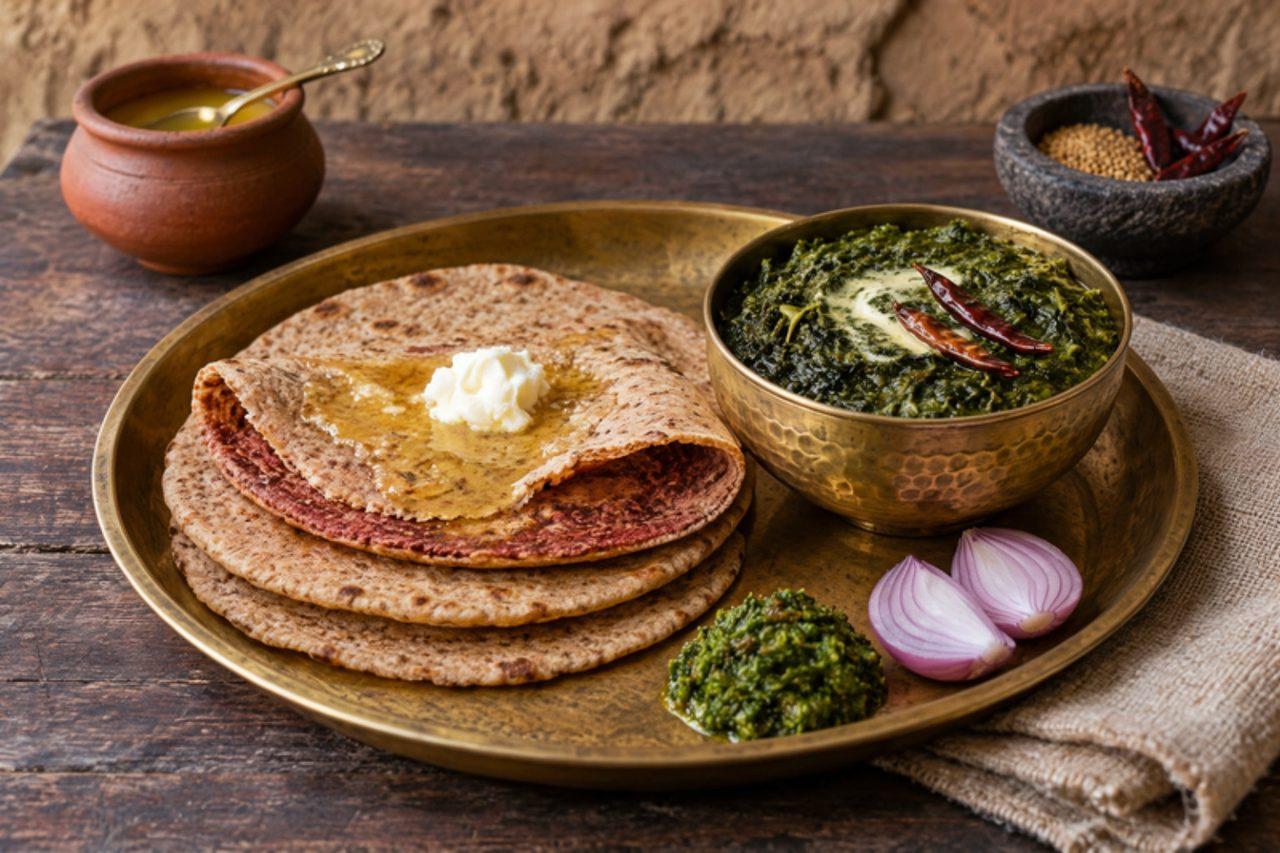
LesuWheat and finger millet roti

Lesu is a clever Garhwali farmhouse roti in which a small ball of mandua (finger-millet) dough is wrapped inside wheat dough and rolled out, so each bite has a soft wheat outside and a dark, earthy layer within. Families eat it for breakfast or dinner in winter with a big dollop of ghee, jaggery or a green saag. The millet adds minerals and a pleasant nutty taste. The common mistake is making the millet dough too dry, which cracks and pokes through the wheat when you roll. Chef's tip: knead the mandua dough with hot water and keep it as soft as the wheat dough, so the two roll out together.

by KrazyBadal 0 views

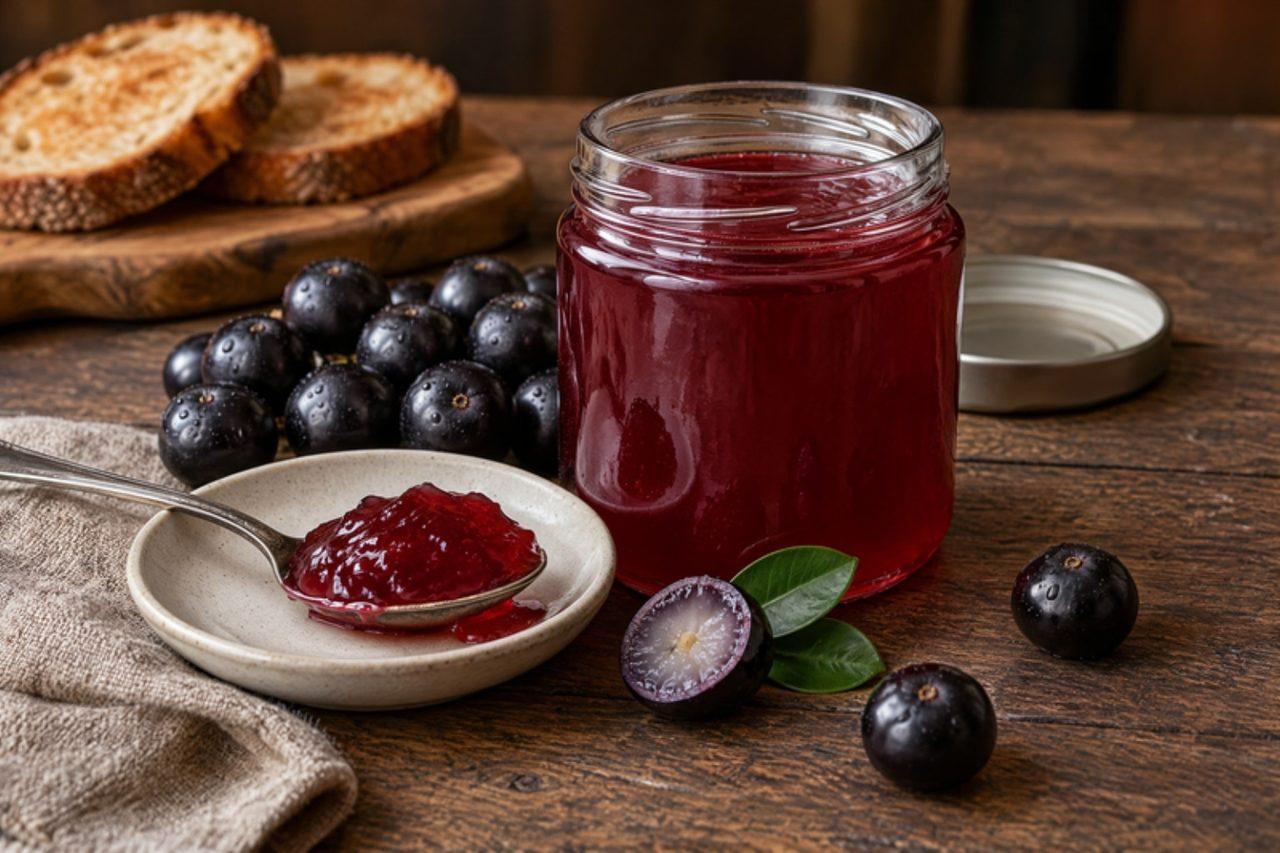
Geleia de jabuticabaJabuticaba jelly

Jabuticabas grow in clusters straight on the trunk of the tree, and in the Minas Gerais spring, from September to November, backyards from Sabará to the south of the state are suddenly covered in shiny black berries. The fruit starts to ferment two or three days after picking, so families turn the glut into jelly, liqueur and syrup; Sabará even celebrates the harvest with a festival. Boiling the berries whole draws colour, tannin and pectin out of the thick skins, so the jelly sets with no added pectin. It is deep ruby-purple, sweet and tart like a dark grape, with a faint astringent edge from the skins. Spread it on pão de queijo or toast, or serve it with fresh white cheese. Abroad, use Concord or other dark, slip-skin grapes, or muscadines. Common mistake: boiling past the setting point; the jelly darkens, turns gummy and the tannins taste bitter, so start testing early. It is ready at 104 °C, or when a drop on a frozen saucer wrinkles when pushed. Chef's tip: let the juice drip through the cloth without squeezing; pressing it makes the jelly cloudy.

by KrazyBadal 0 views

Riso e verzeRice and cabbage soup

Riso e verze is a Lombard and Venetian farmhouse supper for the coldest months, when Savoy cabbage has been sweetened by the frost. Shredded cabbage is stewed slowly in butter and onion until it melts, then rice and stock go into the same pot and simmer into a thick, spoon-standing soup finished with grated cheese. Serve it in deep bowls with black pepper and crusty bread. The usual mistake is boiling the cabbage straight in stock, which makes it taste of sulphur; stew it in butter first until it is soft and sweet. Chef's tip: make it a little loose, because the rice keeps drinking the broth as it stands.

by KrazyBadal 0 views

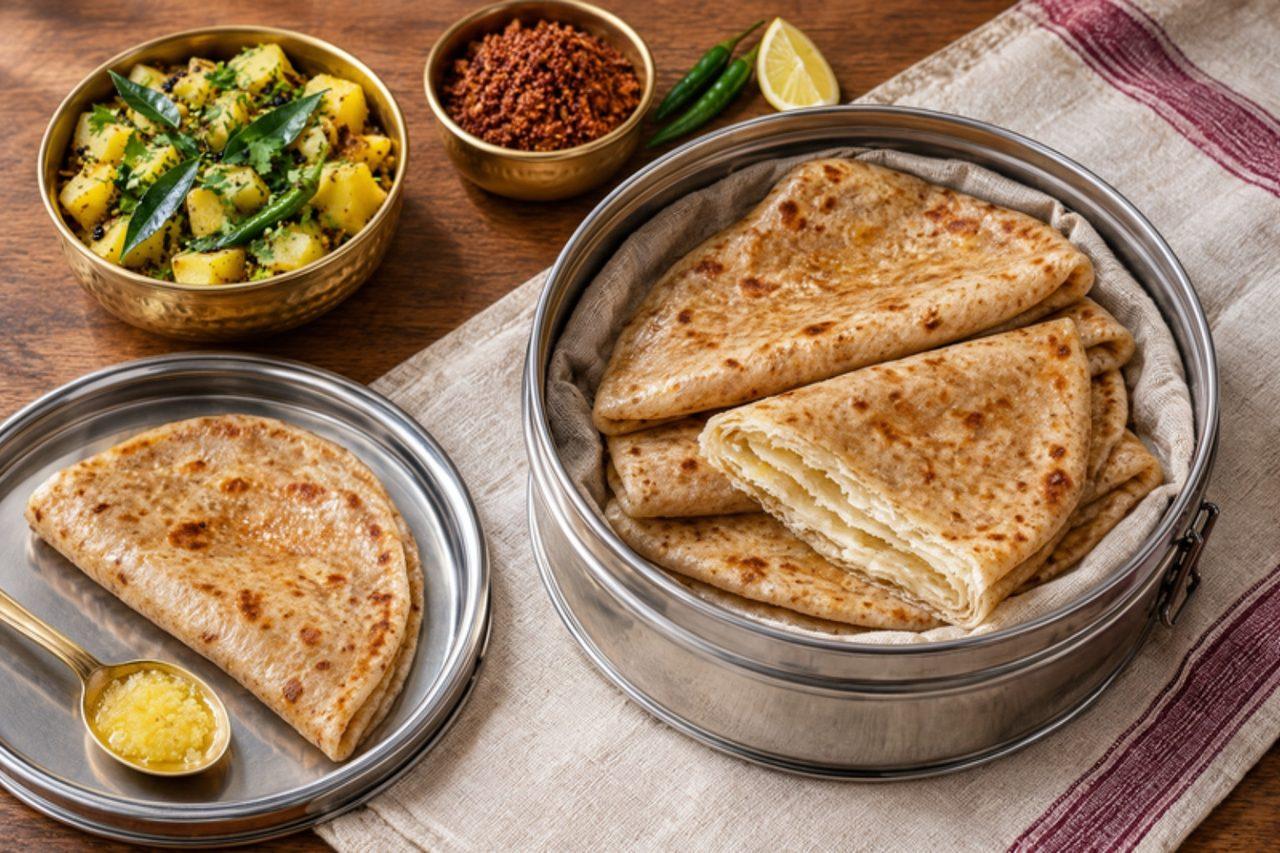
Ghadichi poliLayered chapati

In Maharashtrian homes the everyday poli is not a plain chapati but a ghadichi poli: the dough is oiled, folded into a triangle and rolled again, so it puffs into soft, separate layers that stay tender in a dabba until lunchtime. Mumbai's dabbawalas carry thousands of them every day alongside bhaji and dal. The common mistake is a stiff dough, which makes leathery polis; it should be softer than you think. Chef's tip: as soon as each poli comes off the tawa, clap it between your palms to break open the layers, then stack it in a cloth-lined box.

by KrazyBadal 0 views

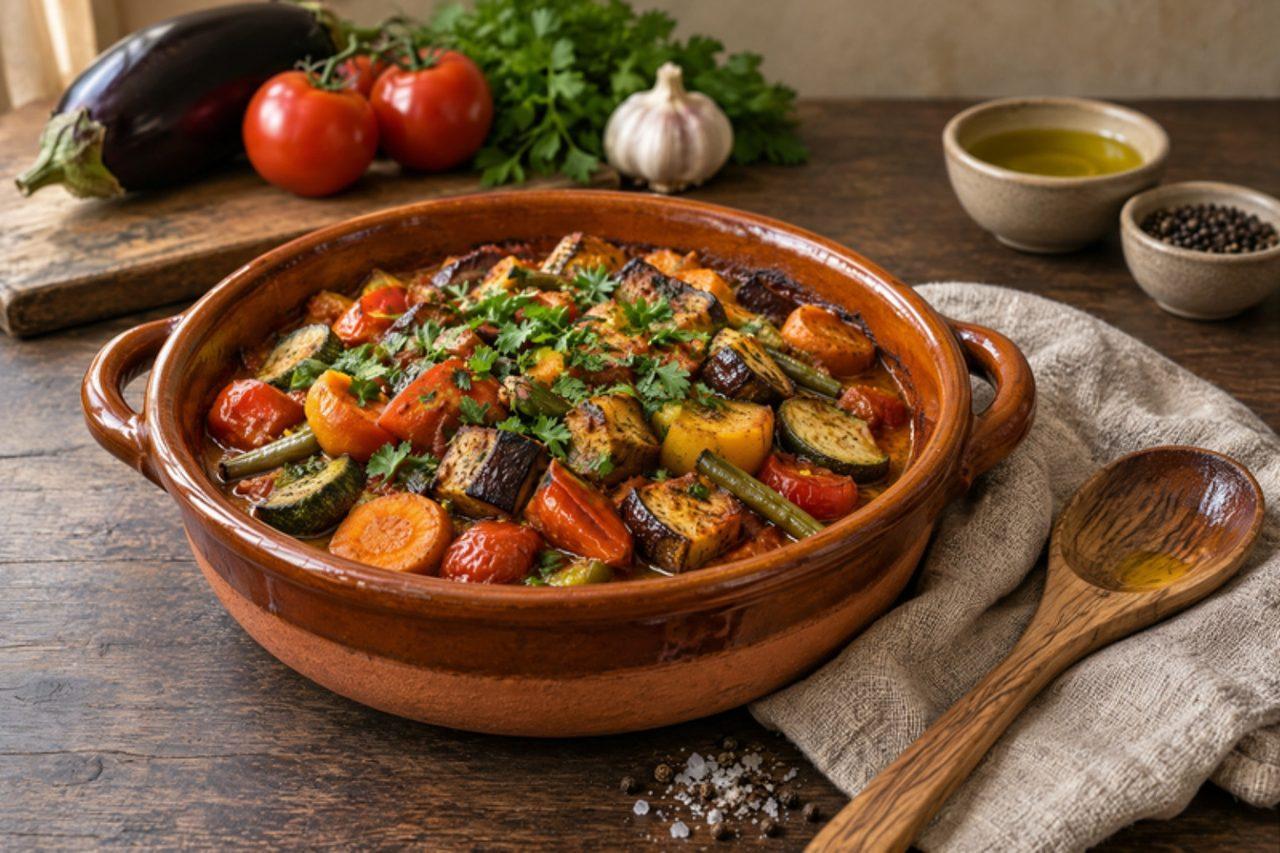
GhiveciBaked mixed vegetable stew

Ghiveci is the Romanian answer to a late-summer glut, made in August and September and often bottled for winter, and it is a mainstay on Orthodox fasting days because it contains no animal products. Aubergine, peppers, courgette, green beans, carrots and onion are layered with tomato and herbs and baked slowly until soft and sweet, with a little browned crust on top. Serve warm or cold with bread, or beside beans. Suitable as part of a balanced diet. About 190 kcal and 20 g carbohydrate per portion. The usual mistake is cutting the vegetables all the same size: harder carrots and beans need smaller pieces than courgette and aubergine so everything is tender at once. Chef's tip: bake uncovered for the last 20 minutes so the juices reduce and the top caramelises.

by KrazyBadal 0 views

Gobi matar (cauliflower and peas)

In Punjab and Uttar Pradesh, winter means cauliflower and fresh peas, and gobi matar is what fills countless school and office dabbas between November and February. It is cooked dry, so the florets brown a little at the edges, sweetened by the peas and sharpened by plenty of ginger. The mistake is cooking the cauliflower covered with water until it is soft and smells of cabbage; steam it briefly in its own moisture, then fry it uncovered. Chef's tip: cut the florets so they have one flat side; that face sits on the pan and browns while the rest steams tender.

by KrazyBadal 0 views

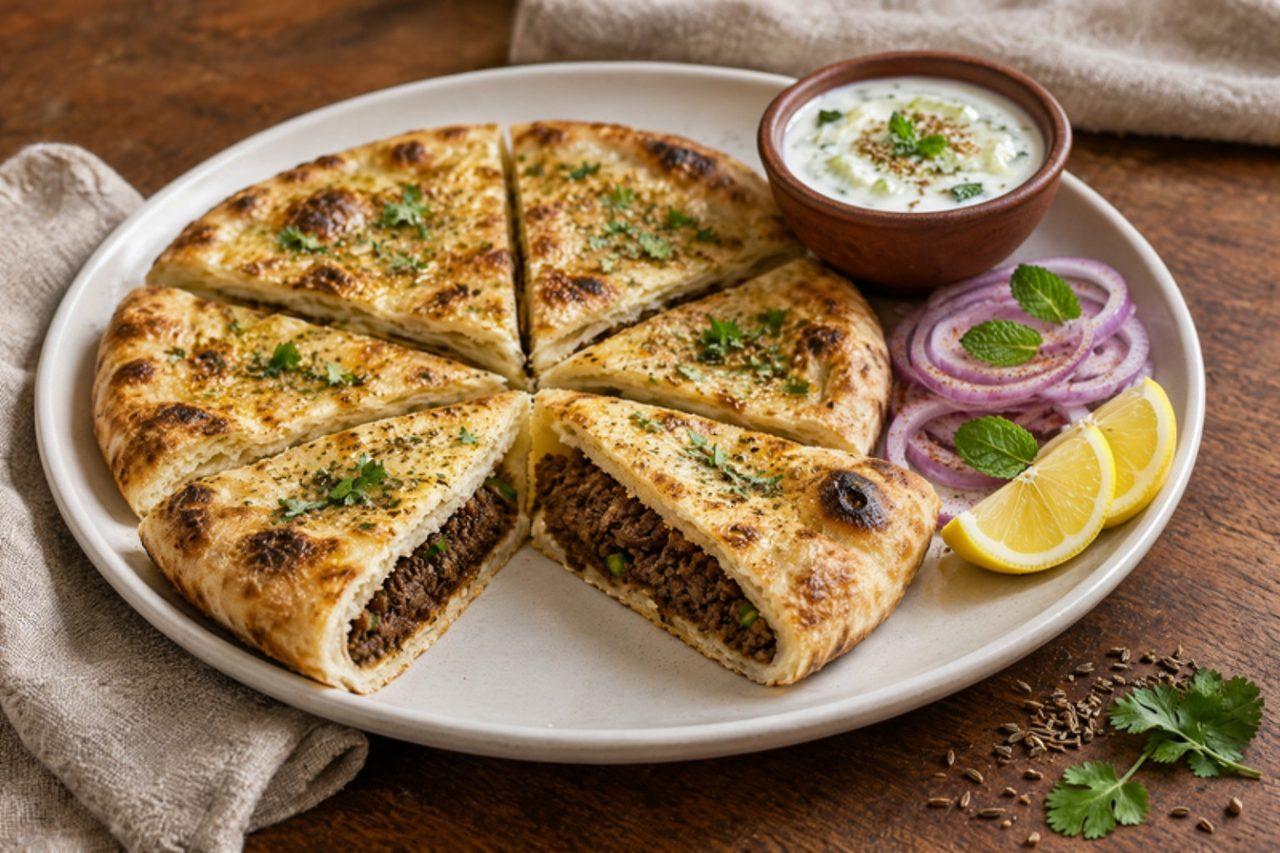
Keema naan (Lahore style)

Along Lahore's Fort Road food street, in sight of the Badshahi Mosque, tandoors work late into the night baking naan with a thin layer of spiced mince pressed inside. The bread puffs and chars in the oven and comes out glossy with butter, with juicy, peppery meat in every bite. At home a very hot oven and a preheated tray stand in for the tandoor. Contains wheat and dairy. Chef's tip: cook the mince first and let it cool fully; warm filling softens the dough and it tears when you roll it.

by KrazyBadal 0 views

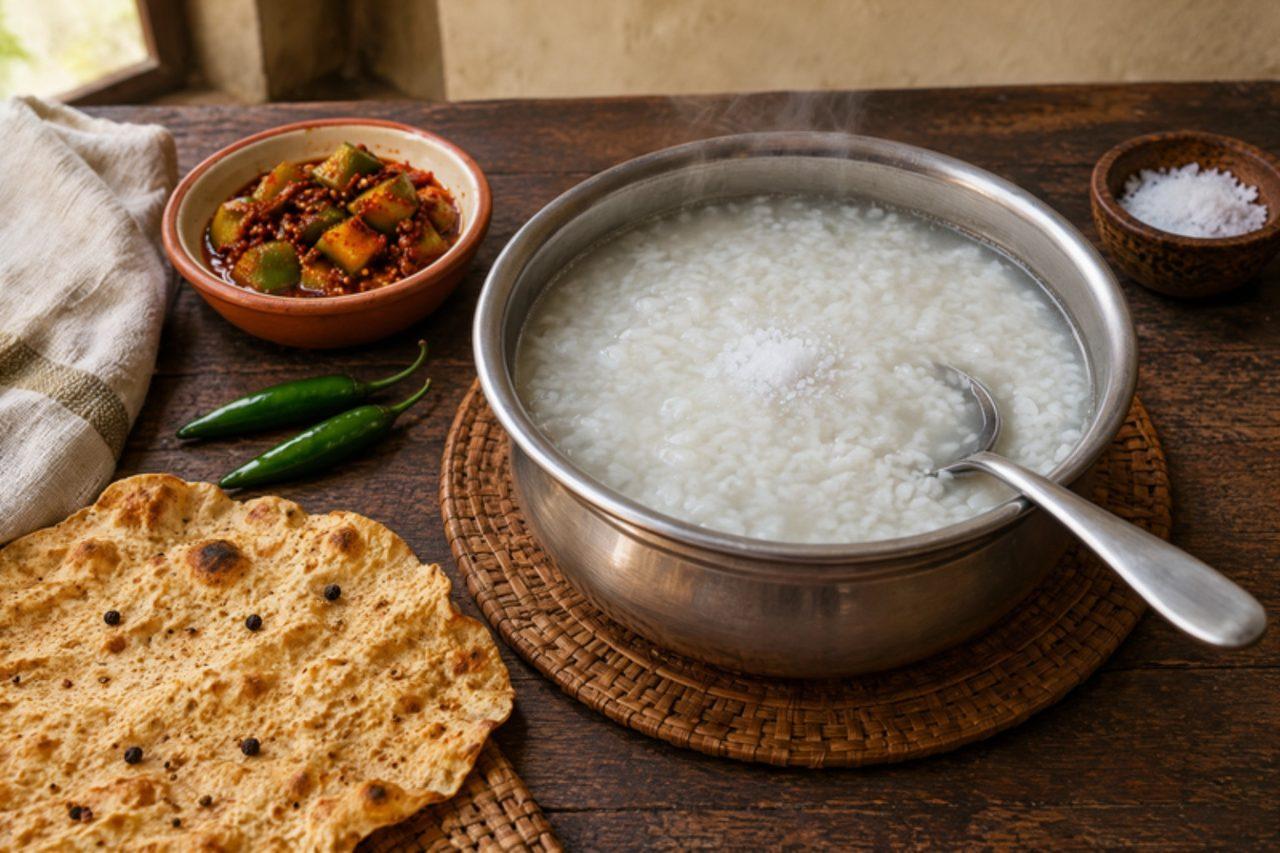
Goan pezRice porridge with pickle and papad

Pez is the plainest food in a Goan kitchen and one of the most loved: red parboiled rice simmered in plenty of water until the grains burst and the liquid turns milky. Fishermen and farmers ate it before a day's work, mothers serve it to anyone who feels unwell, and on heavy monsoon evenings it comes with a spoon of mango or lime pickle, a roasted papad and sometimes a dry fish or vegetable on the side. The mistake is cooking it in too little water so it becomes a sticky porridge; good pez has whole soft grains floating in thin, starchy broth. Chef's tip: stir in a little salt only at the end and let everyone add buttermilk or coconut milk to their own bowl.

by KrazyBadal 0 views

Ají de arvejasPeas and potatoes in chilli sauce

Ají de arvejas is a homely Bolivian stew from La Paz and Cochabamba, cooked for weekday lunch or on Fridays and in Lent, when many families eat no meat. Green peas and potatoes simmer in a golden sauce of onion, tomato and ají amarillo (yellow chilli), and cubes of fresh white cheese are stirred in at the end so they soften without melting away. It is served with plain white rice and sometimes a boiled egg. Bolivian queso fresco is often made with animal rennet; for vegetarians, use a paneer or a fresh cheese labelled vegetarian. The usual mistake is boiling the cheese, which turns it rubbery. Chef's tip: cook the ají paste with the onion until it darkens slightly, which takes the raw edge off the chilli.

by KrazyBadal 0 views

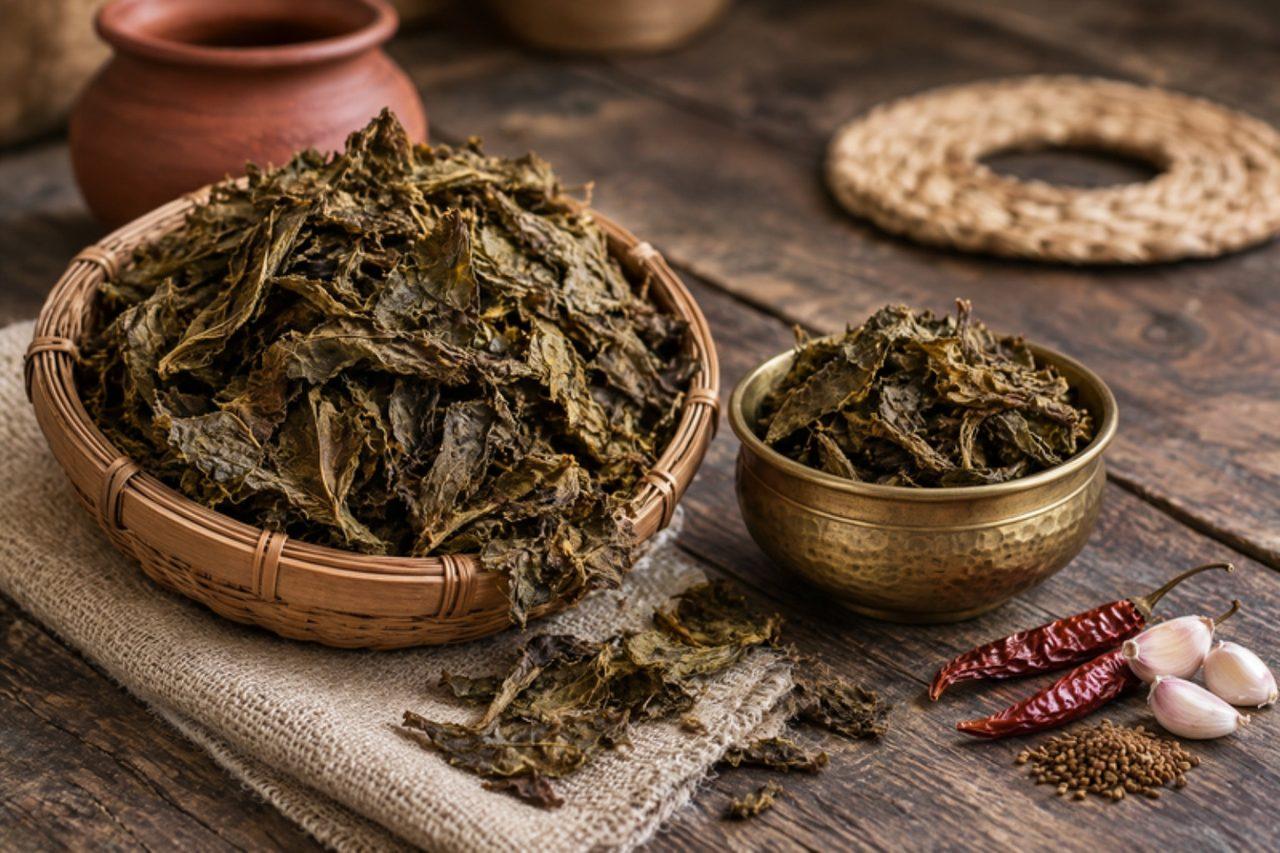
Kawal

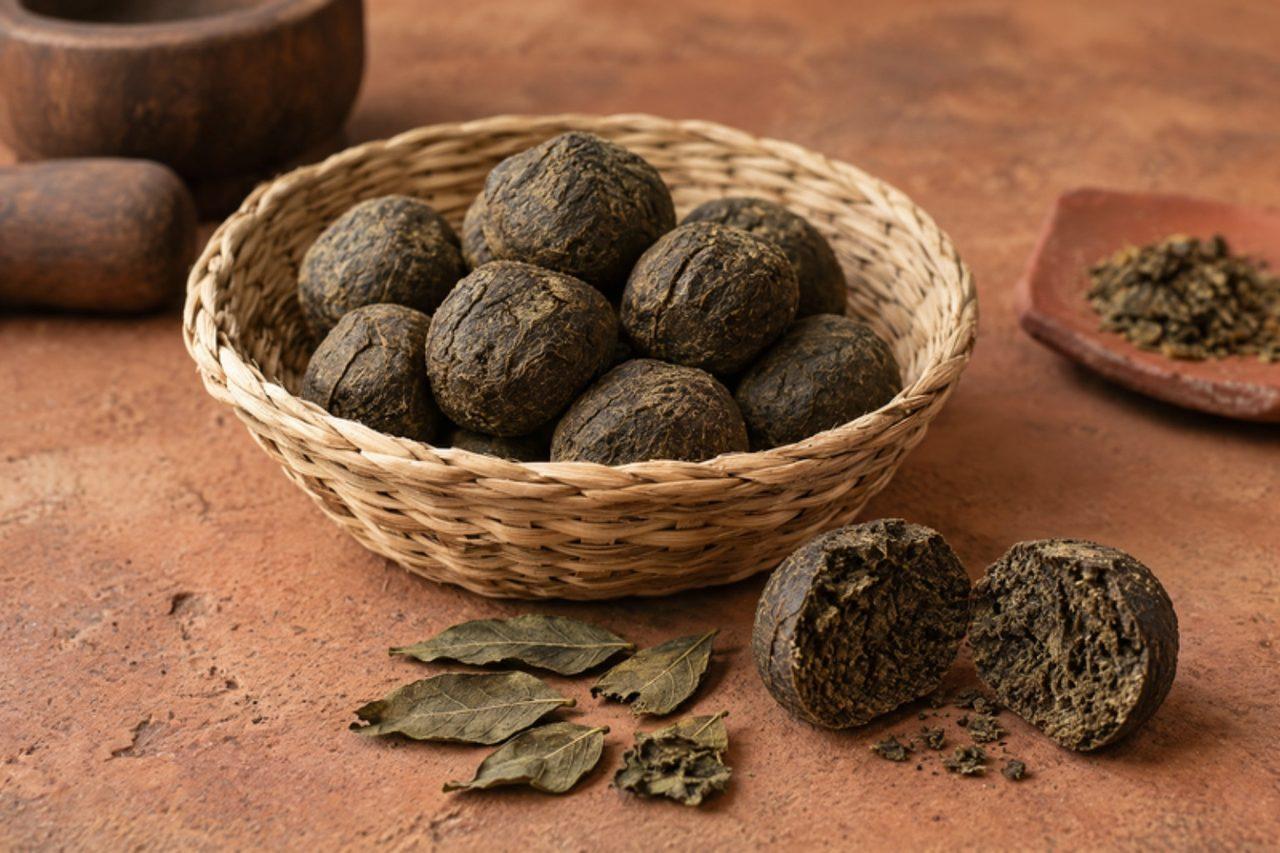
Kawal is one of the most distinctive pantry foods of western Sudan, made in Darfur and Kordofan at the height of the rains in August and September, when wild senna (Senna obtusifolia, called kawal or fedo) springs up thickly around villages. Women strip the young leaves, pound them to a dark green pulp and pack it into a clay pot sealed with sorghum leaves, then leave it in a cool, shaded spot for about two weeks, remixing it every few days. The fermented paste is rolled into small balls and dried in the sun, and these keep through the dry months. Crumbled into mullah stews with okra, onions and dried meat and eaten with kisra or aseeda, kawal gives a deep, meaty, pungent savour much like West African dawadawa; the smell straight from the pot is strong and ammonia-like but mellows completely in cooking. The usual mistake is leaving the pot somewhere warm and forgetting to remix it, so the paste rots instead of fermenting. It is ready when the paste is dark, sticky and strongly savoury but not putrid. Chef's tip: if you cannot be certain of the plant, buy dried kawal from a Sudanese grocer.

by KrazyBadal 0 views

Thabdi pendaCaramelised milk pendas

Rajkot's sweet shops are famous across Gujarat for thabdi, a crumbly, toffee-brown penda that starts as plain milk and sugar and ends, two hours later, as something close to caramel fudge. The milk is boiled down in a wide iron kadai, a spoon of curd splits it slightly to give the trademark grainy texture, and the sugar browns slowly with it until the whole mass is the colour of milky tea. The usual mistake is rushing on high heat: the milk catches and tastes burnt rather than caramelised. Chef's tip: use a wide, heavy pan and a flat wooden spatula, and keep scraping the bottom and sides every minute once the milk is half reduced.

by KrazyBadal 0 views

GodsheBroken rice and jaggery pudding

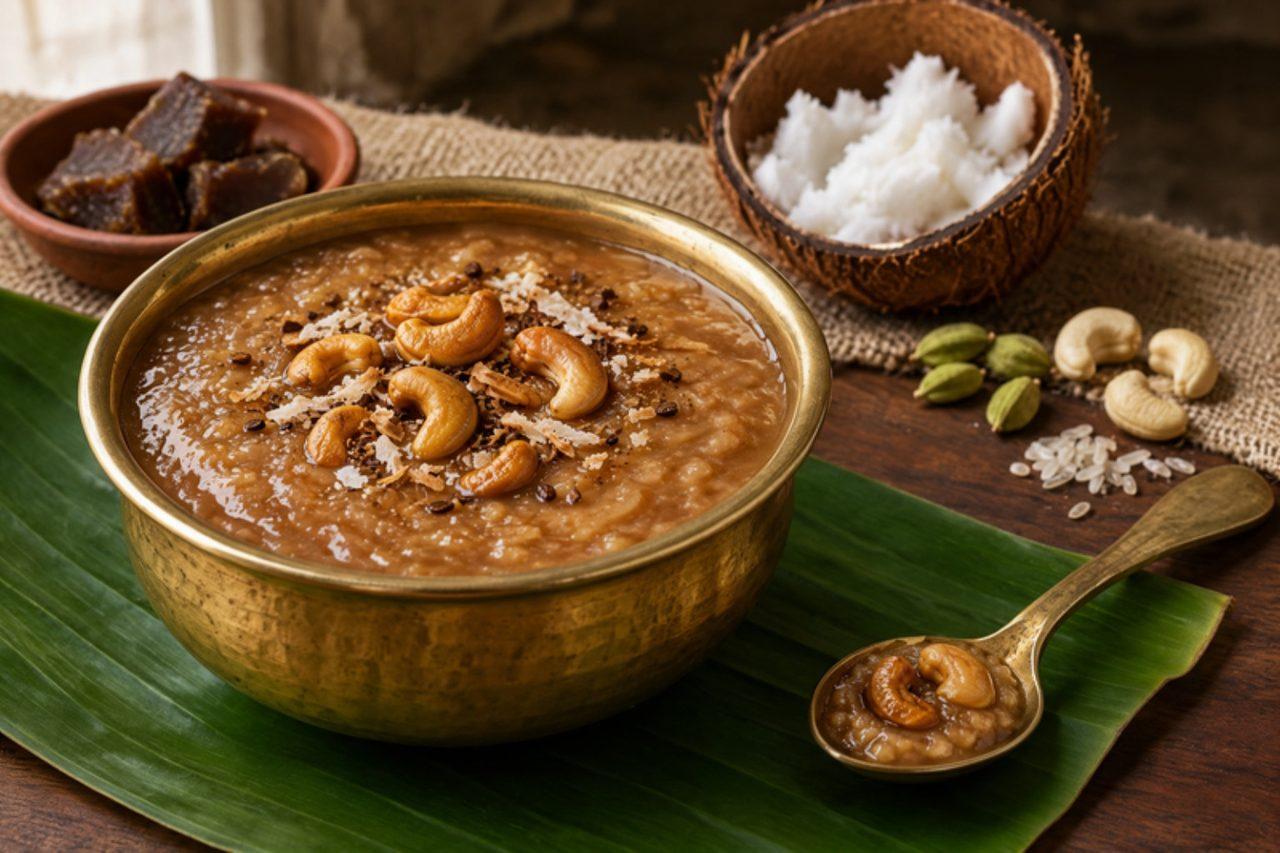
Godshe is the quiet sweet of Goan Saraswat and Gaud Saraswat kitchens, made on festival mornings, for a family puja, or simply when there is fresh coconut and good jaggery in the house. Broken rice is cooked until soft and creamy, then sweetened with dark coconut jaggery and loosened with first-press coconut milk, giving a pudding thicker than payasam and deeply caramel in flavour. Many families make the same dish with chana dal instead of rice. The usual mistake is adding jaggery while the rice is still firm, because the sugar stops the grains from softening any further. Chef's tip: a few slivers of fresh coconut and a pinch of nutmeg on top make it taste like a temple offering.

by KrazyBadal 0 views

Gol dhanaJaggery and coriander seed sweet

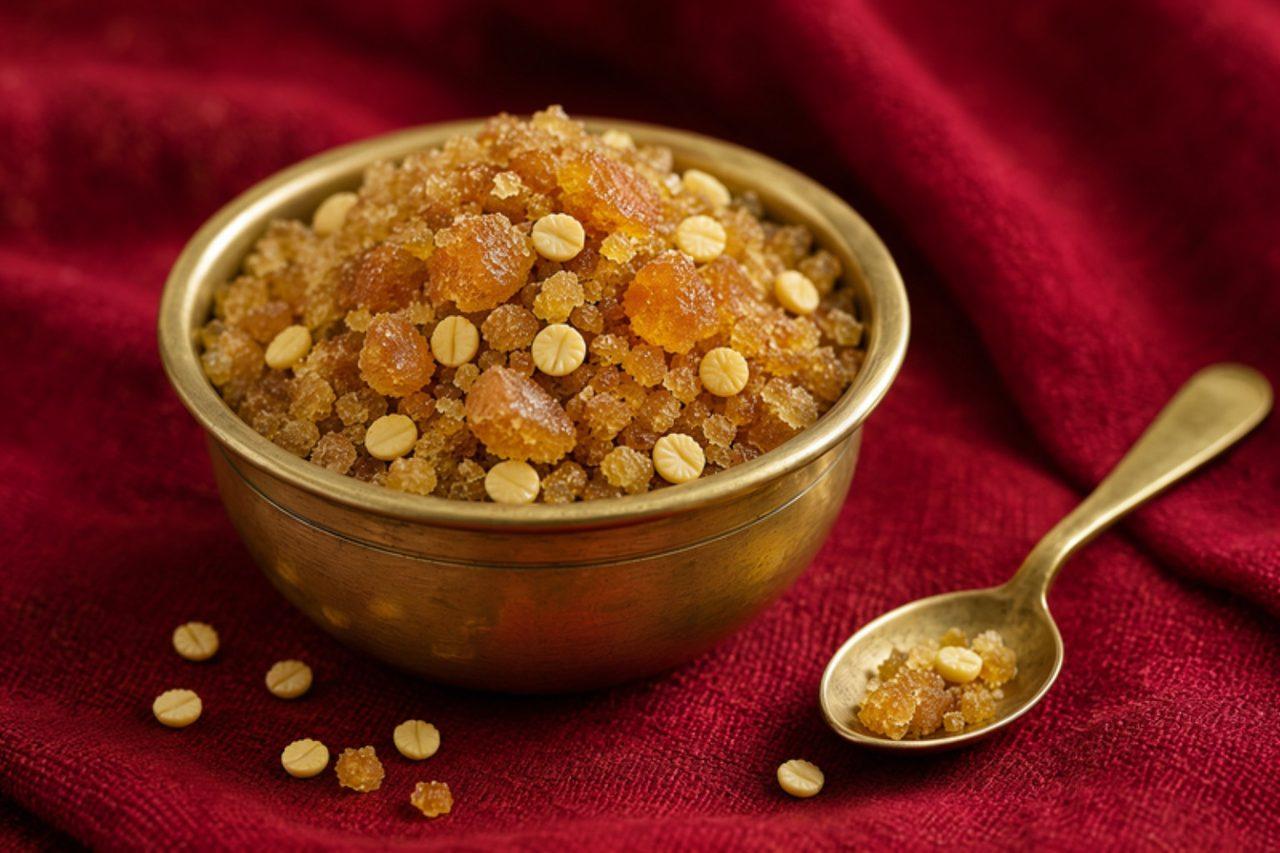
In Gujarat, when two families agree on a match, a plate of gol dhana is passed around before anything else, and the engagement itself is often simply called 'gol dhana'. The same mix appears on auspicious days, at a griha pravesh and at the start of a new venture: soft jaggery rubbed together with dhana dal, the split, lightly roasted coriander seeds sold in every Gujarati grocery. It takes five minutes and needs no cooking. The common mistake is using whole coriander seeds, which are hard and bitter; buy dhana dal, or split and toast the seeds yourself. Chef's tip: choose a soft, golden Kolhapuri-style jaggery that crumbles between your fingers, so it coats the seeds instead of staying in lumps.

by KrazyBadal 0 views

Dan hong gaoGriddle egg cakes

On Chengdu's back streets, dan hong gao vendors work a row of tiny copper pans, pouring in a sweet egg batter, adding a spoon of filling and folding each cake in half like a soft taco. Breakfast-goers order a few with brown sugar and sesame, and a few with savoury fillings like pickled mustard greens. The mistake is a lid-less pan: the cakes must be covered so the top steams through while the base turns golden. A small 10–12 cm frying pan works at home. Chef's tip: let the batter rest 10 minutes after adding the raising agent so tiny bubbles form; the cakes come out spongy rather than flat.

by KrazyBadal 0 views

Chuño

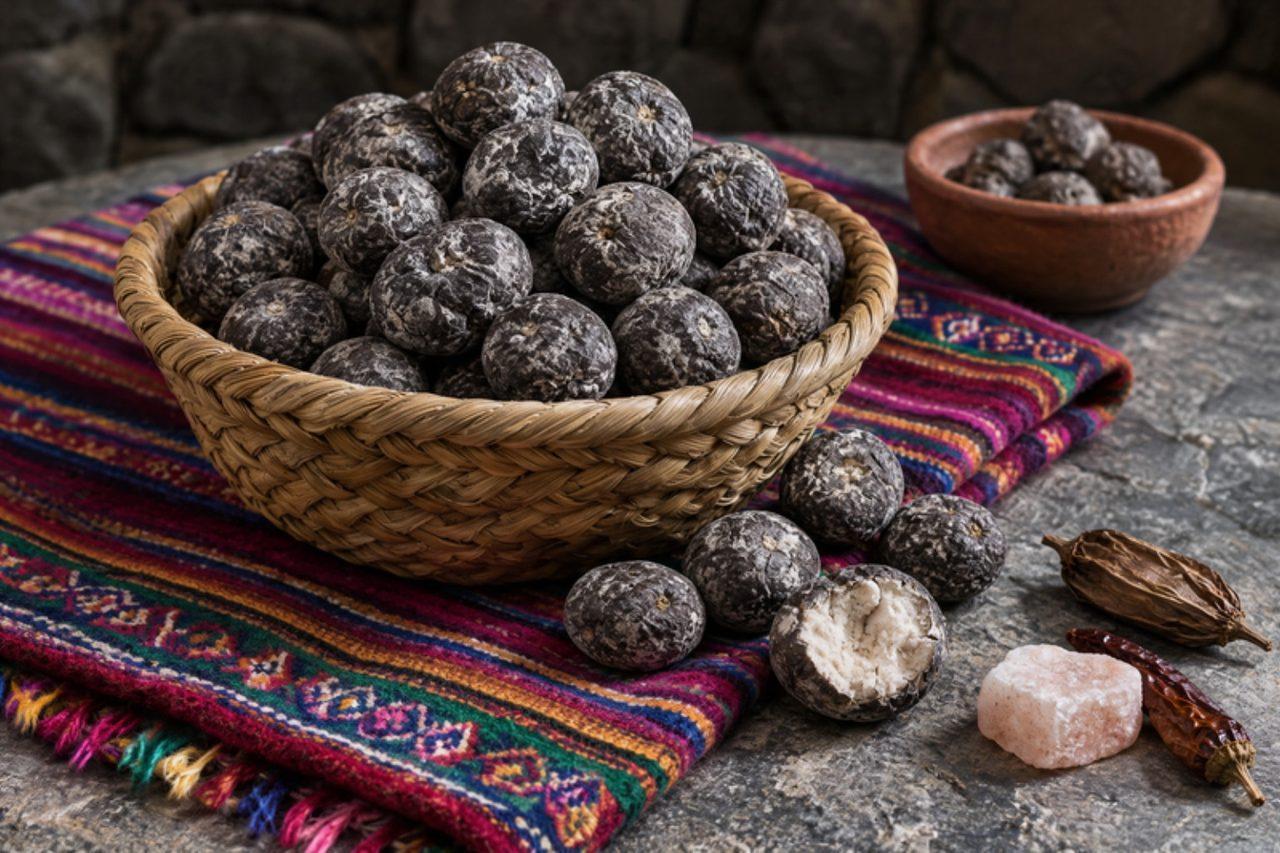
On the Altiplano around Lake Titicaca, in June and July when the nights drop to -10 °C and the days are bright and dry, Aymara and Quechua families spread small, bitter potatoes on the grass to make chuño, a technique far older than the Inca. The potatoes freeze at night and thaw in the sun for several days, then are trodden barefoot to squeeze out the water and rub off the skins, and dried for a couple of weeks more. The result is light, wrinkled, grey-black chuño negro that keeps for years; soaked in running stream water instead, the same potatoes become white tunta. Rehydrated and boiled, chuño is firm, slightly chewy and spongy, with an earthy, faintly mineral, almost fermented taste; it goes into chairo soup, into chuño phuti, or beside grilled meat with spicy llajwa. Skipping the long soak is the big mistake: it stays bitter and gritty, so soak it for at least 12 hours, changing the water. Dried chuño is ready when it is rock hard, very light and rattles in a bag. Chef's tip: without Andean frosts, a freezer and a low oven make a fair version; the method is below.

by KrazyBadal 0 views

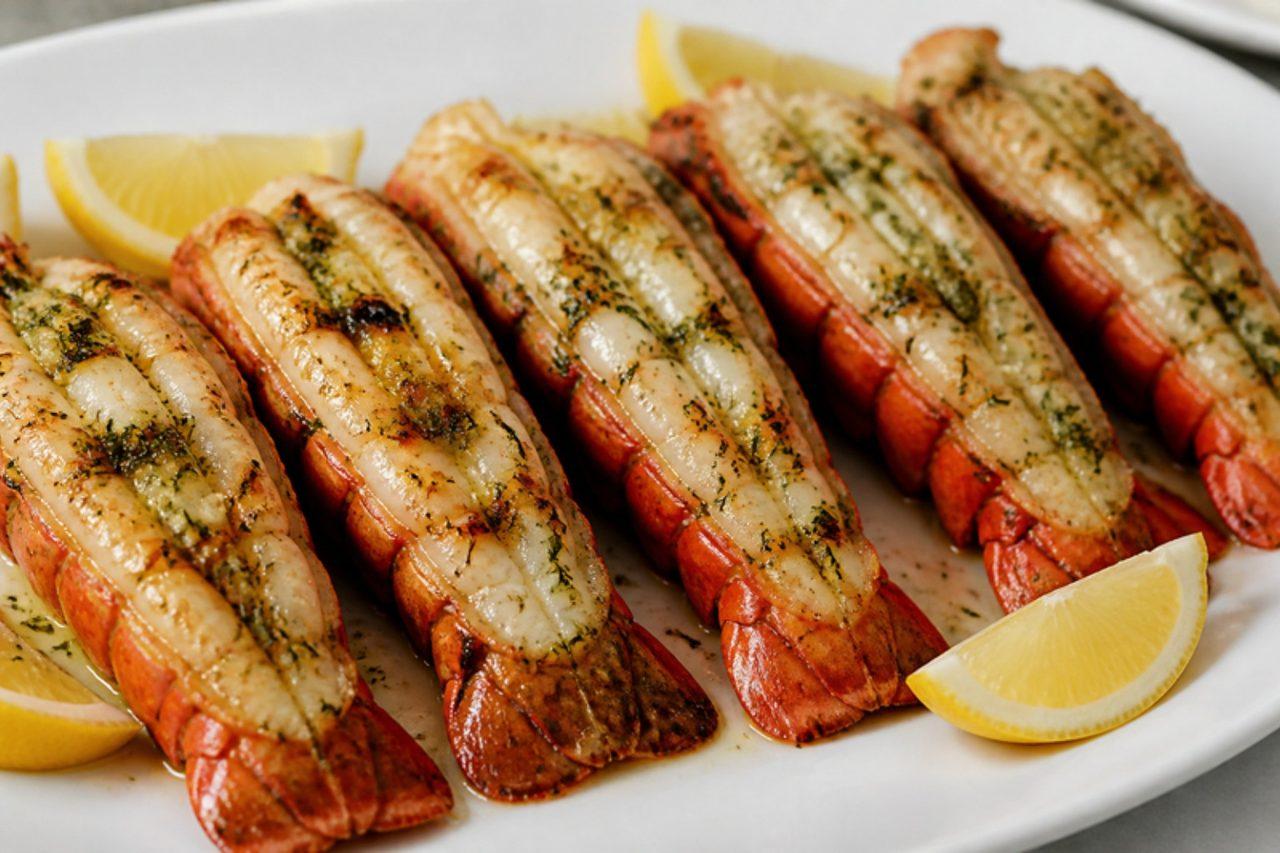
Grilled marronGrilled crayfish with garlic butter

Marron are large freshwater crayfish native to the rivers of south-western Western Australia and farmed around Margaret River and Manjimup, where restaurants serve them split and grilled with garlic butter. The tail meat is sweet, firm and delicate, finer than most lobster. Buy marron already prepared and halved by the supplier, or frozen raw halves, and cook them the same day. A common mistake is overcooking, which makes the meat stringy. Chef's tip: baste continuously so the flesh stays juicy under the grill.

by KrazyBadal 0 views

Guaguas de panSweet bread babies

Guagua means baby in Kichwa, and in late October Quito's bakeries line their windows with these swaddled bread figures, each with a sugar-iced face and blanket, made to eat with colada morada for the Day of the Dead on 2 November. The bread is soft, buttery and lightly sweet, often hiding a strip of guava paste, and children love decorating them. The common mistake is shaping thin heads and arms, which brown and dry long before the body is baked; keep the shapes plump. Chef's tip: let the shaped figures rise fully before baking, so they puff into round, friendly babies rather than cracking at the seams.

by KrazyBadal 0 views

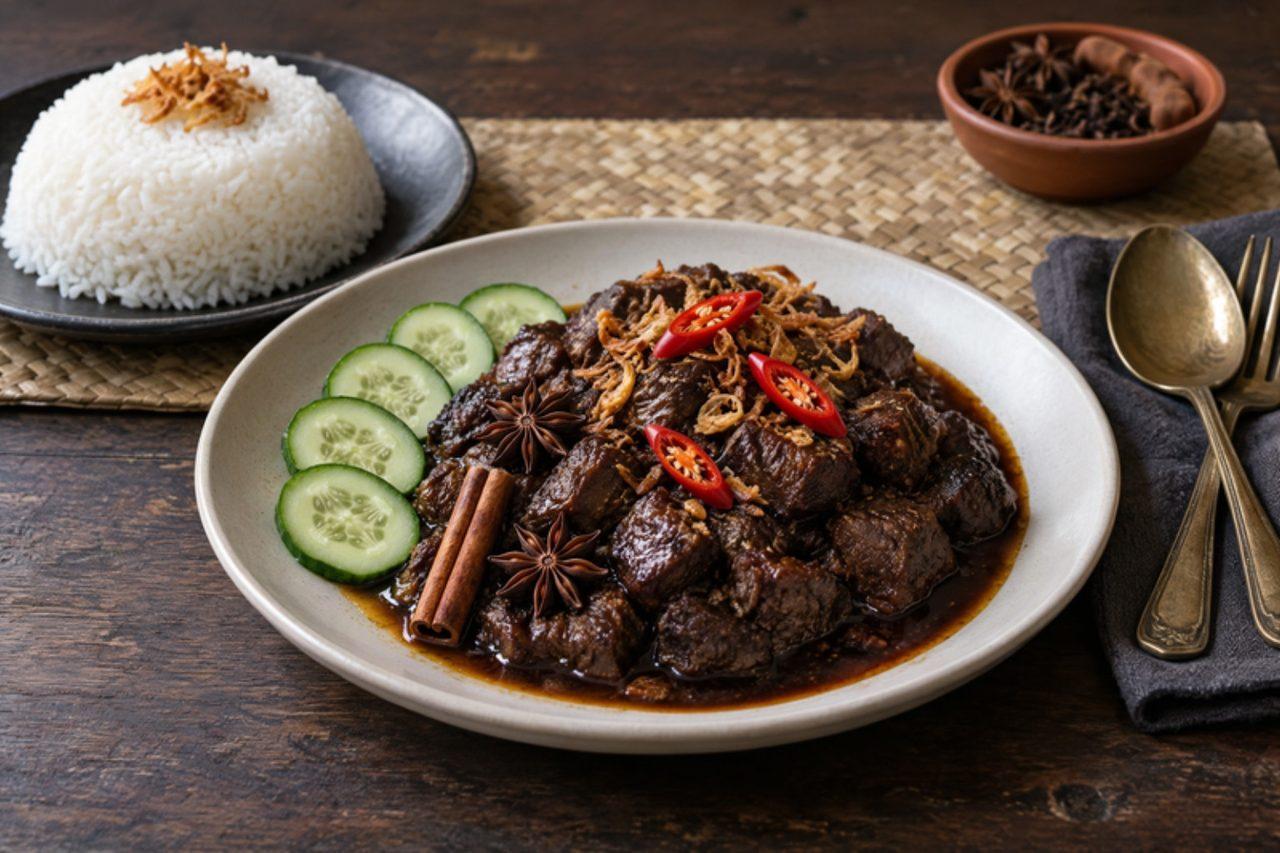
Daging masak hitamBlack braised beef

Daging masak hitam, 'black-cooked beef', is a centrepiece of Hari Raya open houses and kenduri feasts across Malaysia, and it is just as good on an ordinary weekday with rice and cucumber. Beef is braised slowly with blended shallots, garlic, ginger and dried chillies, whole spices, tamarind and both sweet and dark soy sauce until the gravy reduces to a sticky, almost black glaze. It tastes better the next day, which is why cooks make it ahead for festivals. The usual mistake is reducing too fast over a high heat: the sugar in the sweet soy scorches and turns bitter. Chef's tip: once the gravy starts to thicken, stir from the bottom every few minutes and lower the heat.

by KrazyBadal 0 views

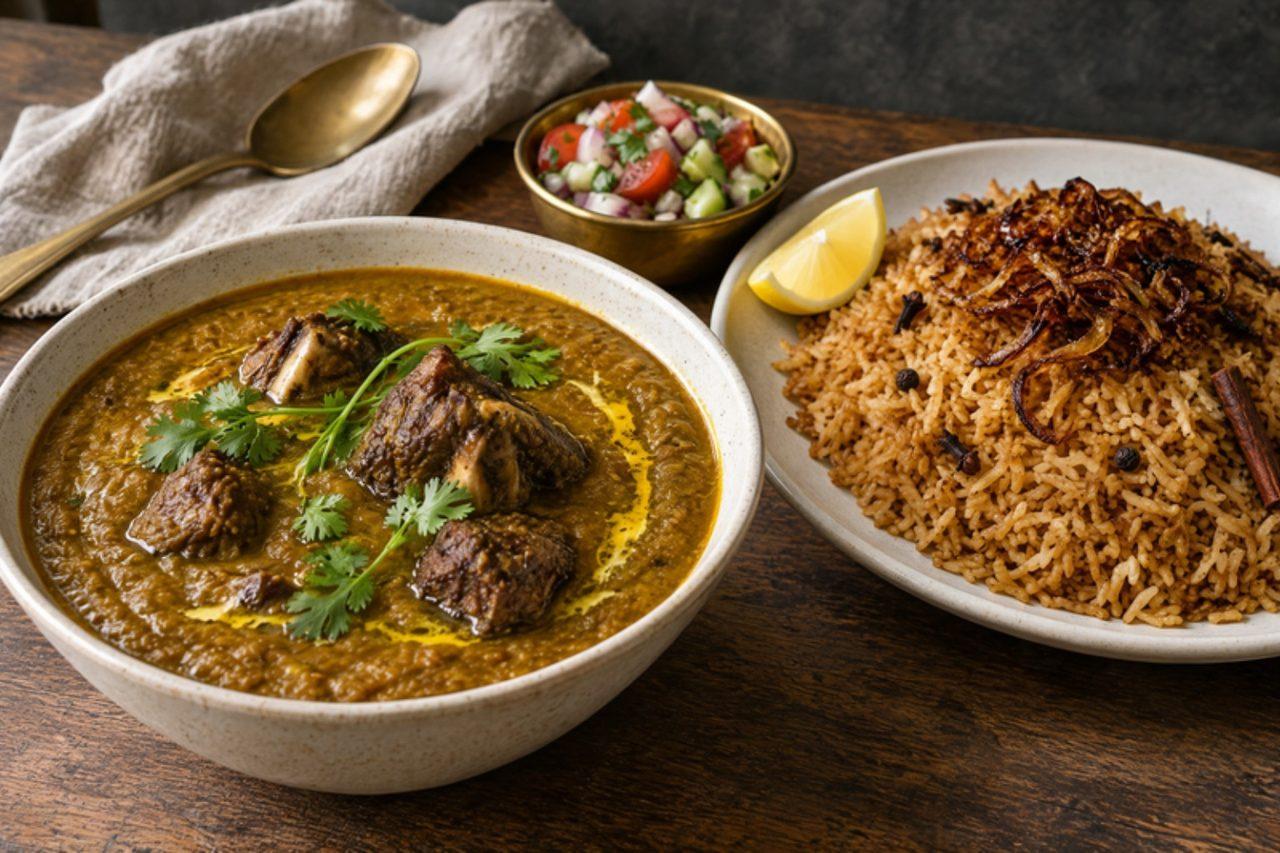
DhansakMutton and lentil curry

Dhansak is the Parsi Sunday lunch in Mumbai and the old Gujarat towns of Navsari and Surat, traditionally the first meat dish cooked when the meatless days after a death are over, and a weekend favourite the rest of the time, always with brown rice (rice browned in caramelised sugar and onion) and kachumber. Mutton is cooked together with toor, masoor, moong and chana dal, pumpkin, aubergine, tomato and fenugreek leaves, then the dal and vegetables are pureed into a thick, gently spiced sauce with dhansak masala. Veg version: leave out the mutton and cook the same dal and vegetables with vegetable stock. The usual mistake is not pureeing the dal finely; it should be smooth and velvety around the meat. Slow-cooker option: everything except the tempering on low for 8 hours, then blend. Chef's tip: fry the dhansak masala in ghee at the end and pour it over; it gives the dish its aroma.

by KrazyBadal 0 views

Sev tameta nu shaakSev and tomato curry

Sev tameta nu shaak is roadside-dhaba and home food from Kathiyawad in Saurashtra, cooked when the vegetable basket is nearly empty but there are tomatoes and a tin of sev. Ripe tomatoes simmer with garlic, red chilli and a little jaggery into a thin, sweet-sour-hot gravy, and a handful of crisp gram-flour sev goes on top at the very last moment, so it is half-crunchy, half-soft when you eat it with bajra rotla, thepla or rotli. The usual mistake is stirring the sev in too early, which turns the curry into a paste. Most sev is made from gram flour, but check the packet if you avoid gluten. Chef's tip: use thick sev (ratlami or bhavnagari), which holds its crunch far longer than nylon sev.

by KrazyBadal 0 views

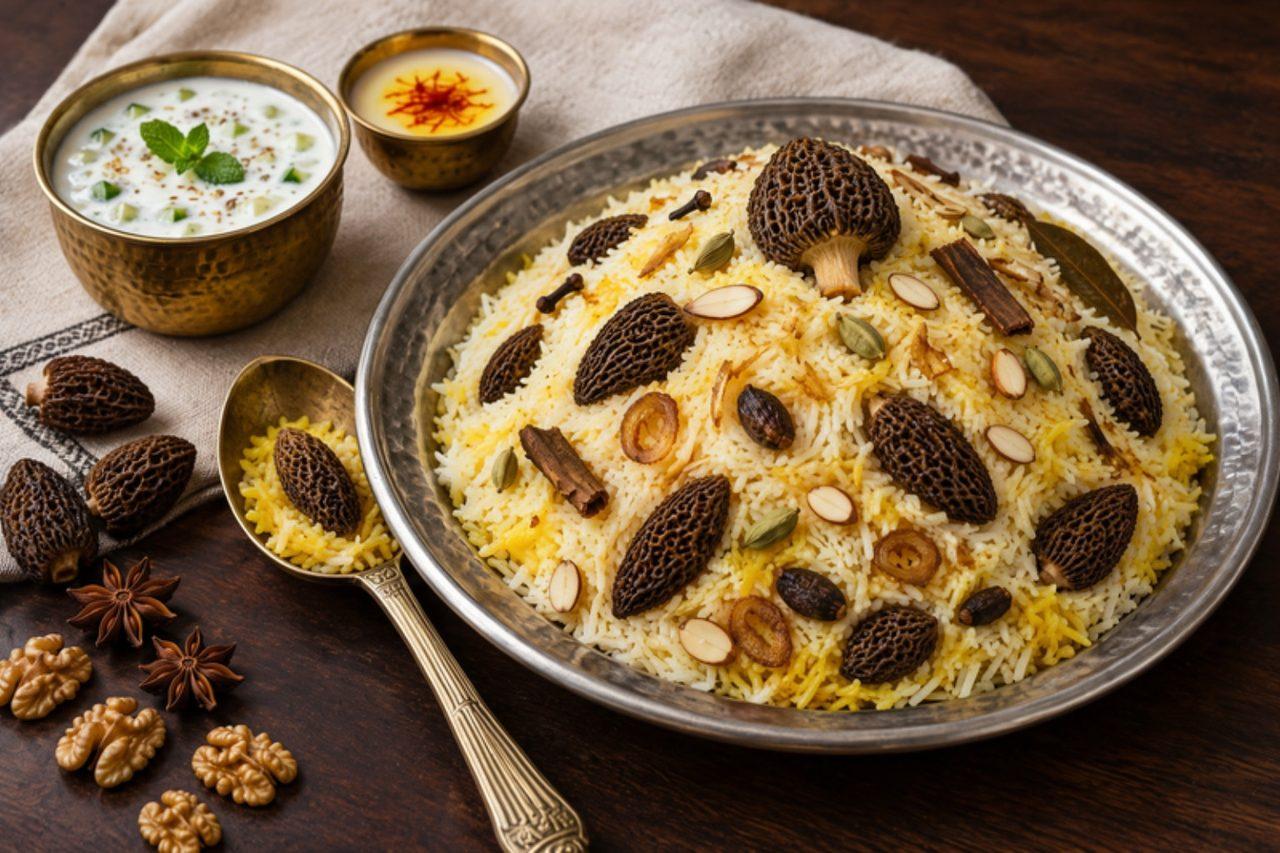
Gucchi pulaoMorel mushroom pulao

Gucchi, the honeycombed wild morels gathered in spring on the slopes of Kashmir and Himachal, are among the most prized foods in India, and a pulao of them is kept for weddings, Eid and the most honoured guests. The mushrooms are soaked and simmered in their own soaking water, which then flavours the basmati along with ghee, cardamom and fennel, so every grain tastes deeply earthy. Morels must always be cooked thoroughly; never eat them raw or barely warmed. The common mistake is pouring in the soaking water with its grit, so let it settle and leave the last spoonfuls behind. Chef's tip: slit each morel lengthwise and rinse inside; sand hides in the hollow stems.

by KrazyBadal 0 views

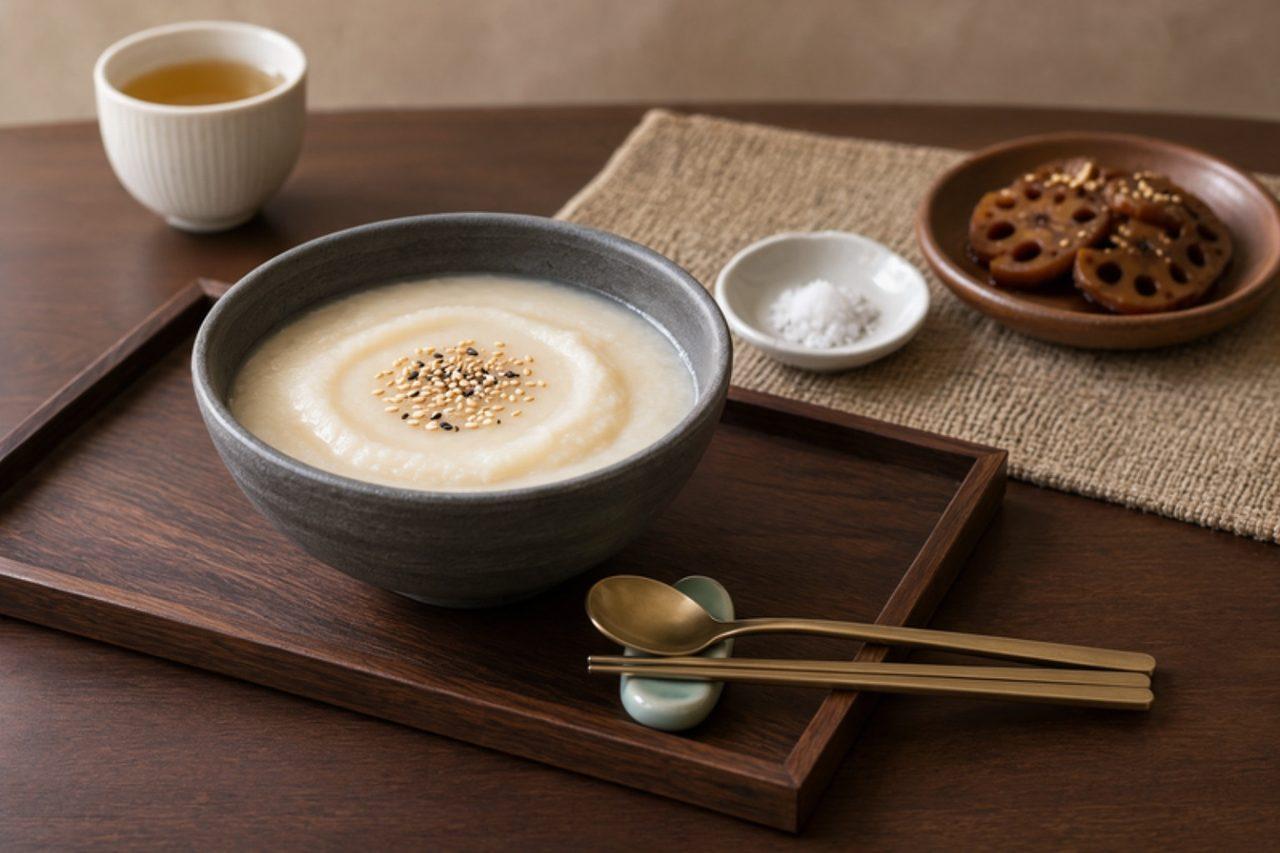
KongjukSoybean and rice porridge

Kongjuk is the porridge Korean families make when they want something filling but plain: soaked soybeans ground into a milk with rice and cooked until it is thick, pale and creamy. It is a breakfast and a summer staple in the countryside, eaten with a little salt and some kimchi or radish on the side. The mistake to avoid is under-blending the beans: gritty bean skins make the porridge grainy, so blend long and fine, or sieve it. Stir often too, because soy milk catches on the bottom quickly. Chef's tip: skim off the loose skins after soaking by rubbing the beans between your palms under water; the porridge comes out silkier and whiter.

by KrazyBadal 0 views

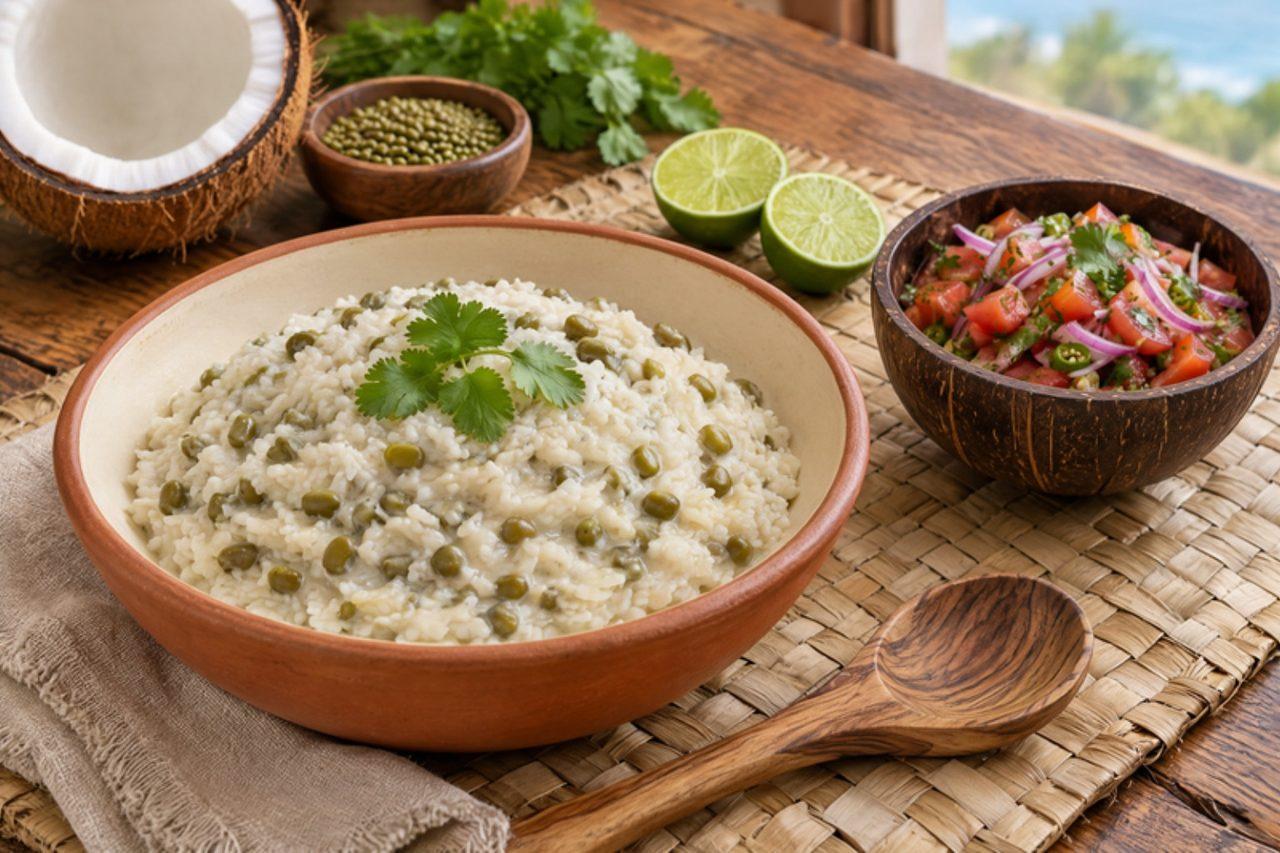
MsetoRice and green grams

Mseto, meaning 'mixture', is a staple of the Swahili coast from Mombasa to Lamu and Zanzibar, often eaten at lunch or for breaking the fast in Ramadan. Rice and green grams (whole mung beans) cook together in coconut milk with onion and a little turmeric until soft, fluffy and gently creamy. It is served beside a vegetable or bean curry, a kachumbari salad and a squeeze of lime. The usual mistake is adding the rice before the green grams are tender, so the rice turns mushy while the beans stay hard. Chef's tip: once the rice is in, cover the pot tightly and leave it on the lowest heat without lifting the lid, so the rice steams evenly.

by KrazyBadal 0 views

GundrukFermented leafy greens

After the rice harvest in October and November, hill families from Ilam to Gorkha cut the leaves of mustard greens, radish and cauliflower, leave them to wilt in the yard, then pound them into clay pots or pits to ferment. A week later the greens come out olive-brown and sour, and they are dried on bamboo mats in the bright Dashain-Tihar sun. That dried gundruk carries families through the lean winter: soaked and simmered into gundruk ko jhol with tomato and soybeans beside dal-bhat, or tossed into gundruk sadeko with onion, chilli and mustard oil to eat with chiura. The flavour is deeply sour, earthy and a little smoky, the dried leaves chewy-crisp, softening when cooked. Common mistake: packing the leaves loosely; air left in the jar lets mould grow instead of the sour lactic ferment, so press until juice rises over the greens. It is ready to dry when it smells sharply sour like good sauerkraut and the leaves have lost all their green. Chef's tip: if your greens are from a supermarket, mix mustard greens with radish tops or kale for the closest flavour, and ferment in a big jar with a weight.

by KrazyBadal 0 views

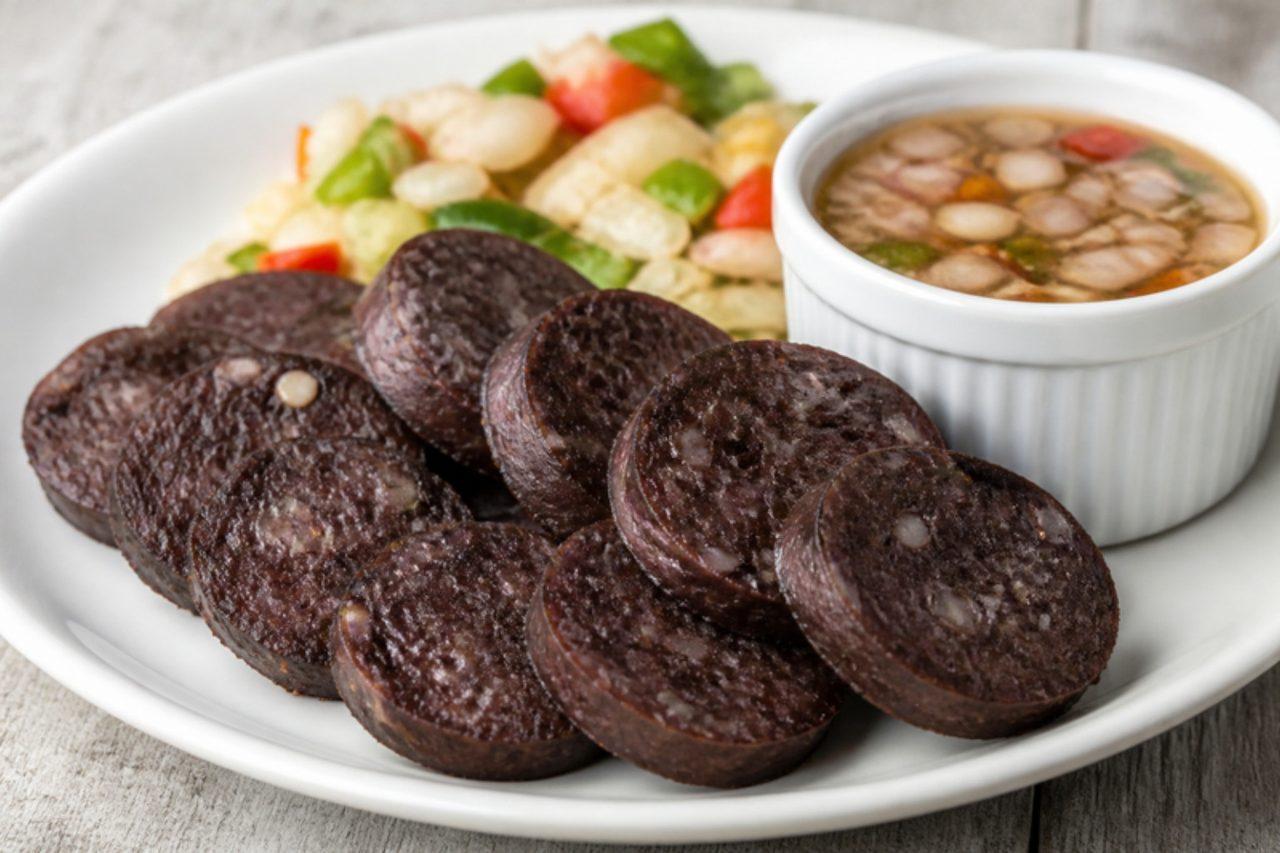
Guyanese black puddingRice blood sausage

On Saturday mornings in Georgetown and in villages along the East Bank, black pudding sellers cut thick slices from long dark coils and serve them with a sharp, peppery sour made from cucumber or mango. Guyanese black pudding is a soft sausage of rice, fresh herbs, hot pepper and blood, usually beef or pork blood, filled into casings and gently boiled. Buy the blood fresh and chilled from a licensed butcher (ask for it with an anticoagulant already added) and use it the same day, or use dried blood powder made up with water. The commonest mistake is boiling it hard, which bursts the casings. Chef's tip: keep the water barely trembling and prick any air bubbles with a pin as the sausages cook; they are done when a thermometer pushed into the middle reads 71 °C and the filling is firm and dark.

105 minGuyaneseMeatGluten freeSpicy
by KrazyBadal 0 views

Guyanese mango sourHot green mango sauce

No plate of egg balls, phulourie or fried channa leaves a Guyanese stall without a spoonful of sour poured over it. This one is made with hard green mangoes boiled down with garlic, hot pepper, a little sugar and vinegar into a thin, tangy, fiery sauce, and families from Essequibo to Corentyne keep a bottle in the fridge through mango season. People often make it too thick, like jam; sour should pour easily and cling, not sit in a blob. Chef's tip: mash the cooked mango against the side of the pan rather than blending it, so you keep little soft threads of fruit through the sauce.

by KrazyBadal 0 views

Guyanese plait breadBraided white loaf

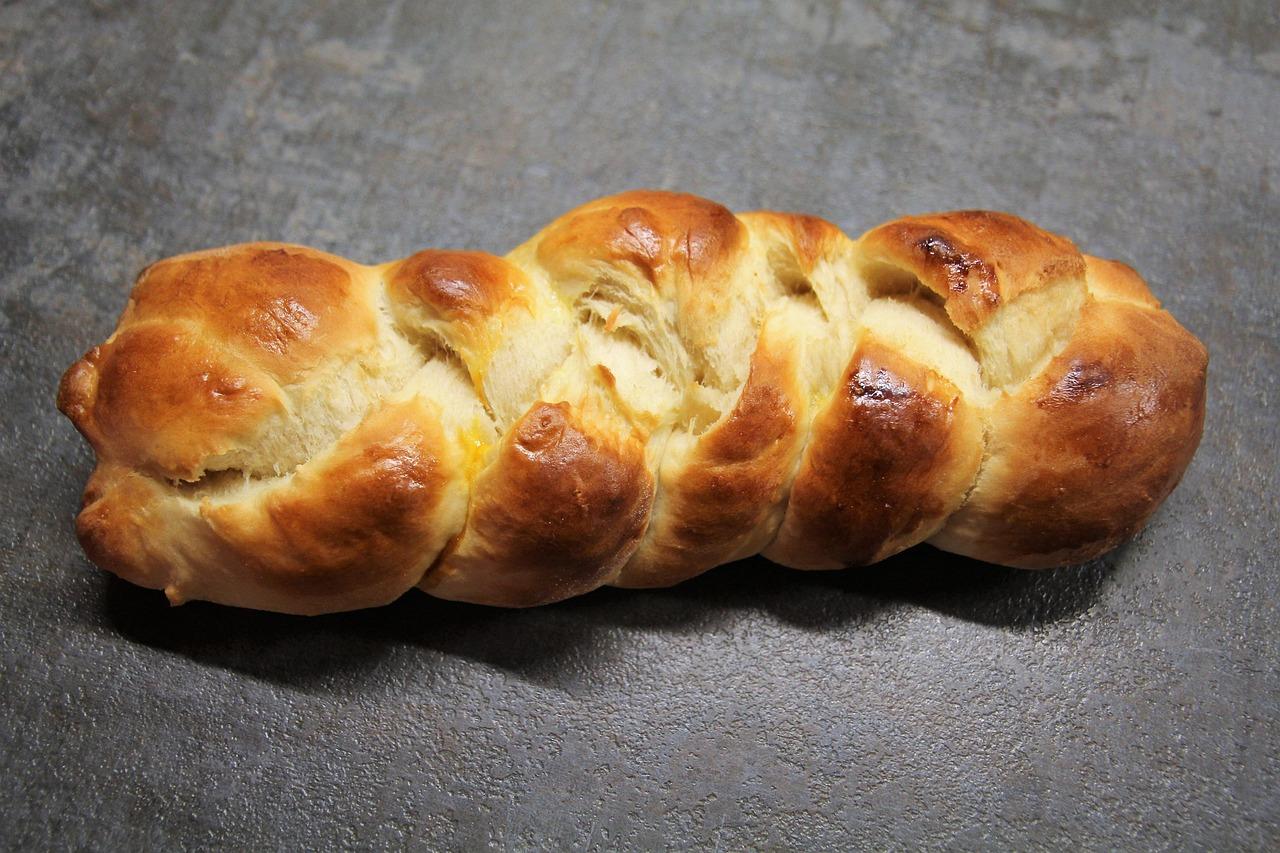
A glossy three-strand plait sits on the table in many Guyanese homes on Christmas morning and for Old Year's Night, next to garlic pork, pepperpot and black cake, and bakeries in Georgetown sell it every day for sandwiches. It is a soft, close-crumbed white bread, just a little sweet, that tears into pillowy pieces and soaks up pepperpot gravy beautifully. The common slip is adding too much flour while kneading: the dough should feel slightly tacky, or the loaf bakes up dry and dense. Chef's tip: let the shaped plait prove until a finger pressed into the side leaves a dent that springs back slowly; that is the moment to bake.

by KrazyBadal 0 views

Guyanese tennis rollsSweet lemony buns

Nobody quite agrees why these buns are named after tennis, but every Guyanese person knows the pairing: a split tennis roll with a thick slice of cheddar, eaten mid-morning or packed for a long bus ride up the East Coast Demerara. They are round, pale golden and very soft, with a gentle sweetness and a hint of lemon zest. Overbaking is the usual problem; they should come out light gold, not brown, so the crust stays tender. Chef's tip: bake the rolls close together on the tray so they rise into each other and keep soft sides, then pull them apart once cool.

by KrazyBadal 0 views

Hachis parmentier for toddlersBeef and mash bake for toddlers

Hachis parmentier, France's answer to cottage pie, is a fixture of school canteens and Wednesday family lunches from Lyon to Paris, named after Antoine Parmentier, who championed the potato. This toddler version for children from 12 months uses lean minced beef cooked soft with plenty of carrot and onion, topped with a buttery milk mash and baked until just golden, then cut into soft squares. It is cooked without stock cubes and with no added salt. It contains milk; there is no gluten, egg, nuts or soya. Chef's tip: simmer the meat with a splash of water until it's tender and saucy before topping; dry mince makes a crumbly pie that toddlers struggle with.

60 minFrenchMeatGluten free
by KrazyBadal 0 views

Halifax donairSpiced beef pita with garlic sauce

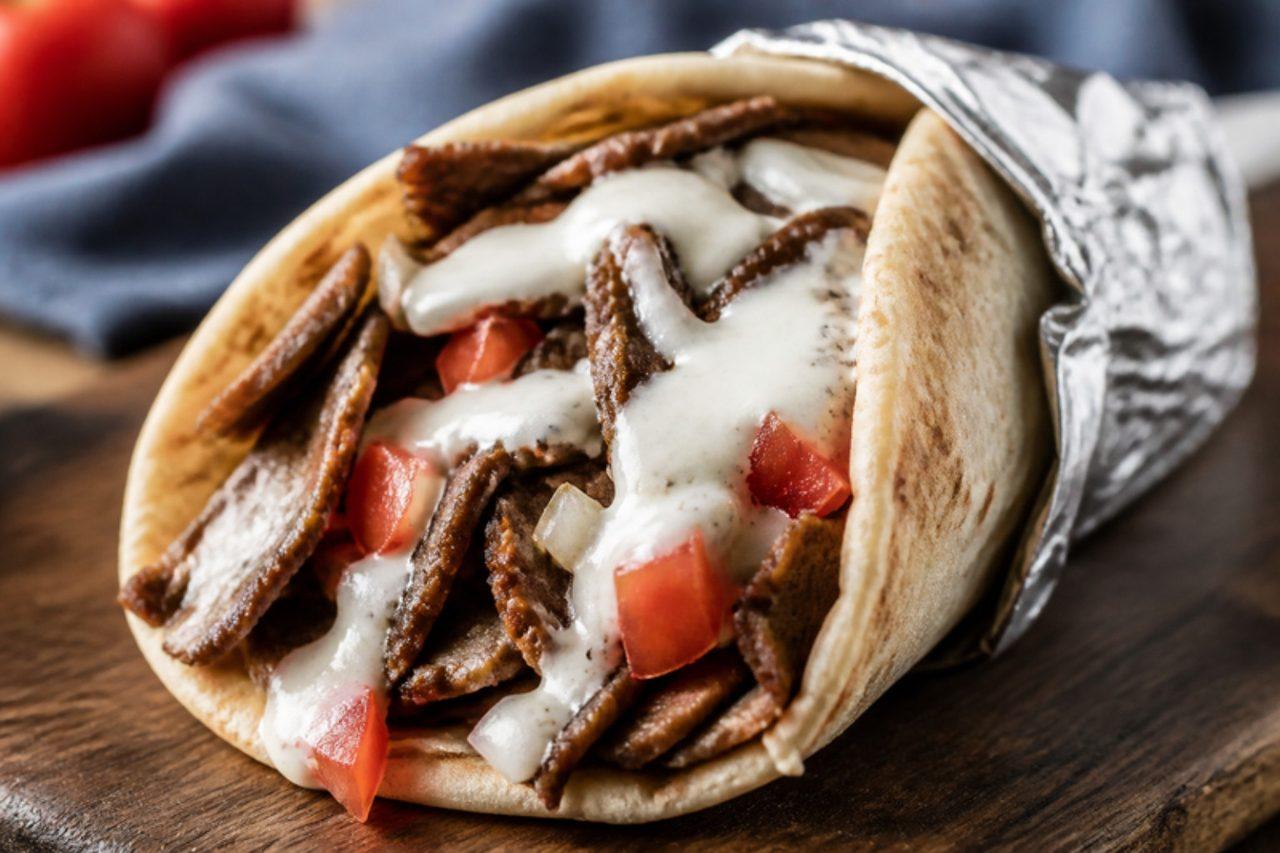
The donair is Halifax's official food, born in the 1970s when a Greek-Canadian cook adapted the gyro for local tastes, and it is still the late-night food of Spring Garden Road. A dense, spiced beef loaf is baked, sliced thin and crisped in a pan, then wrapped in a warm pita with raw onion, tomato and a sweet sauce of condensed milk, vinegar and garlic. Messy, sweet, salty and loved. A common mistake is a crumbly meat loaf; the mince must be kneaded until it is sticky and smooth. Chef's tip: chill the baked loaf before slicing so you can cut it really thin.

by KrazyBadal 0 views

HallullaFlat round bread

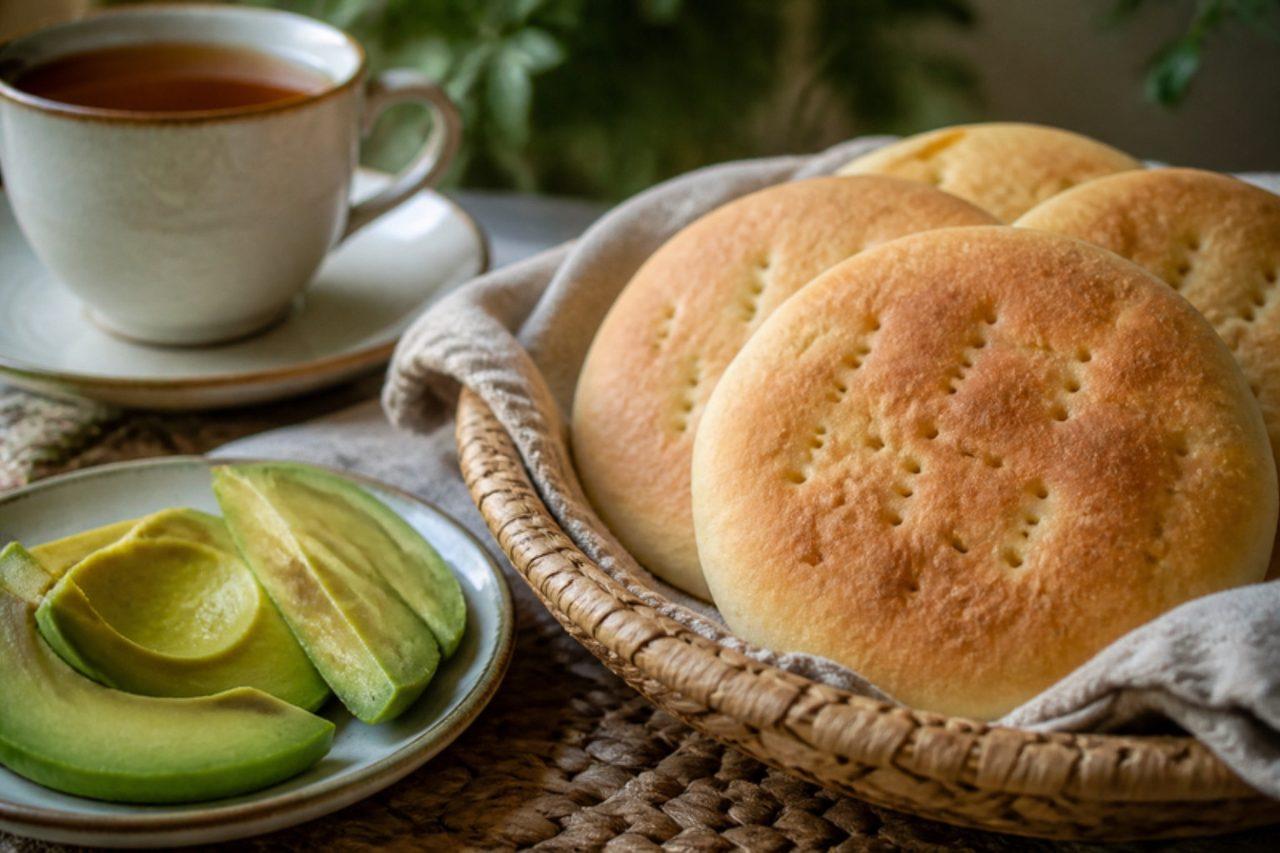
If marraqueta is Santiago's crusty roll, hallulla is its soft, flat partner: a pale round about the size of a saucer, enriched with a little fat and pricked all over, with a fine, tight crumb that is perfect split and toasted with butter or filled with cheese and avocado at once. Bakeries traditionally use lard; this vegetarian version uses vegetable shortening or butter. Many home bakers let the rounds over-prove and get puffy buns; give them a short rise only. Chef's tip: fold and roll the dough several times before cutting, as bakery rollers do, to get the fine, layered crumb.

by KrazyBadal 0 views

HariharizukeDried daikon pickle

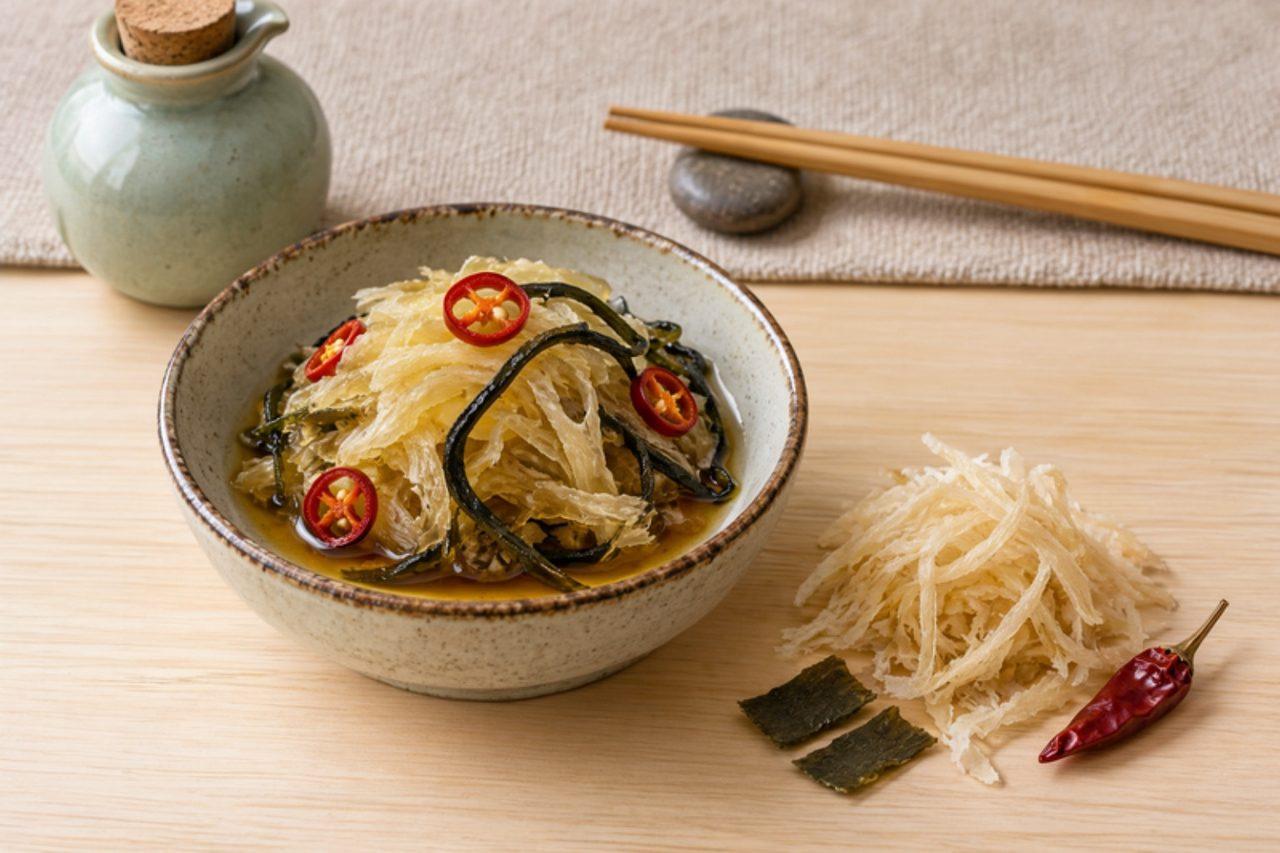
Hariharizuke takes its name from the sound it makes, 'hari-hari', as you chew. It starts with kiriboshi daikon, the radish strips dried in the cold winter sun across Miyazaki and much of rural Japan, which are rehydrated and steeped in a sharp, slightly sweet soy-vinegar with ribbons of kombu and a little chilli. It is a year-round side dish, but home cooks lean on it in late winter and early spring when fresh vegetables are fewer, packing it into bento boxes or setting it beside grilled fish and rice. The taste is sweet-sour and savoury, with a concentrated, almost caramel daikon flavour, and the texture is springy and crunchy. The common mistake is soaking the dried daikon too long: after 10–15 minutes it is pliable, and beyond that it turns soft and loses its crunch. It is ready when the strips are glossy, tan and taste seasoned right through, about an hour after mixing, and even better the next day. Look for dried daikon in Japanese or Korean shops (Korean mumallaengi is the same thing). Chef's tip: add the carrot in very fine matchsticks and a few drops of sesame oil just before serving for colour and aroma.

by KrazyBadal 0 views

Jidan guanbingFlatbread filled with egg

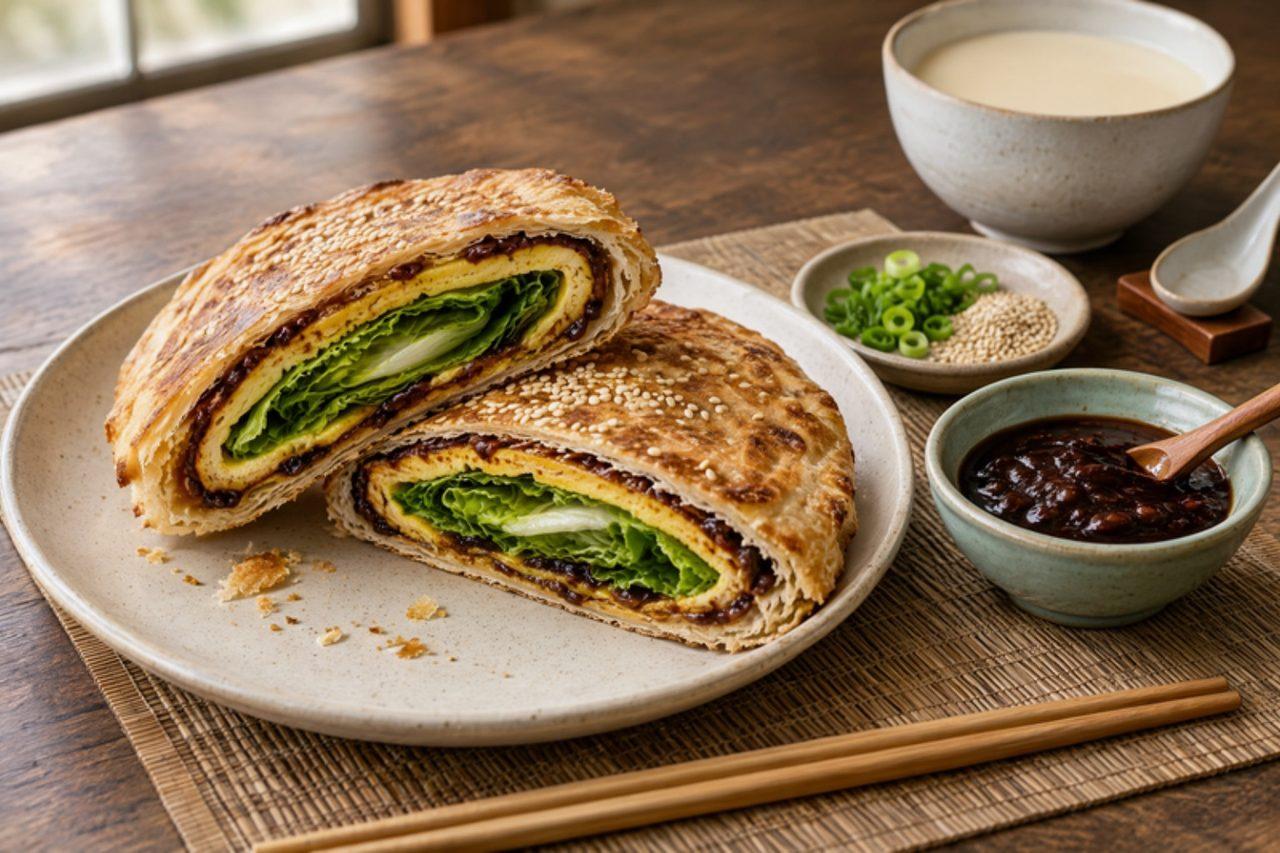
Jidan guanbing, "egg-poured pancake", started in Henan and is now on breakfast carts across China: a layered flatbread puffs up like a balloon on the griddle, the cook tears a slit, pours beaten egg inside, then wraps it around lettuce with sweet bean sauce and chilli. The mistake is rolling the dough too thick so it never puffs; roll it thin and seal the oil paste well inside so steam separates the layers. Chef's tip: press the centre gently with a spatula as soon as it starts to rise, which pushes the air into one big pocket ready for the egg.

by KrazyBadal 0 views

Showing 36 of 7,762 recipes

Show more recipes

Page 90 of 863