


Skip to content
Antikristo
Featured recipe

Antikristo

Slow-roasted lamb

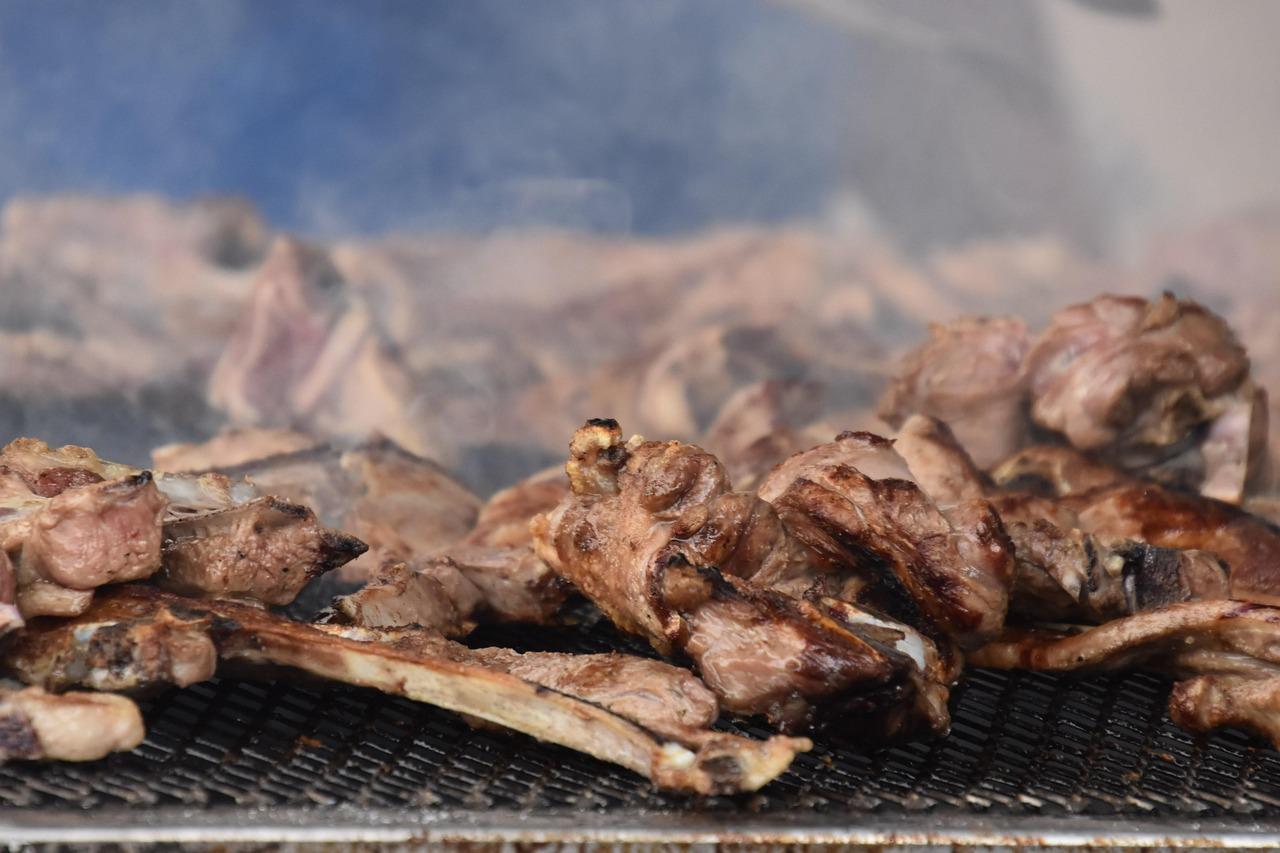
Antikristo means 'facing each other', and in the Psiloritis mountain villages above Anogeia it describes big pieces of lamb on long skewers set upright round a wood fire, turned now and then for four or five hours until the fat has dripped away and the meat is smoky and crisp. At village feasts and saint's-day fairs it is carved straight from the skewer onto paper with nothing more than salt and a squeeze of lemon. This home version roasts salted lamb shoulder and ribs slowly in the oven, then finishes them hot for crackling edges. Common mistake: adding herbs and marinades; the Cretan way is only coarse salt, so the lamb's own flavour comes through. Chef's tip: salt the meat the night before and leave it uncovered in the fridge so the surface dries and crisps.

Read more 0 views

What to eat today?

Around the world

Today's trip: Persian

A new country every day, from every cuisine on the site.

This week's collection

Kid-friendly dinners
745 recipes · a new collection every Monday

Coming up

All occasions →

Latest recipes

Tofu adoboTofu braised in vinegar and soy

Adobo is the dish Filipinos call national, cooked in some form in nearly every home from Ilocos down to Mindanao, and the meat versions are what most people know. In Catholic households, though, Holy Week and the Fridays of Lent call for a meatless table, and adobong tokwa (tofu adobo) is the answer many families reach for. Firm tofu is fried until it has a golden skin, then simmered in a reduced sauce of cane vinegar, soy sauce, a whole head of garlic, bay leaves and whole peppercorns until the sauce clings, sour and salty with a little sweetness. It tastes even better the next day and is eaten with mounds of plain rice. Chef's tip: press the tofu well and fry it properly; a dry, golden crust is what soaks up the adobo sauce instead of turning it watery.

by KrazyBadal 0 views

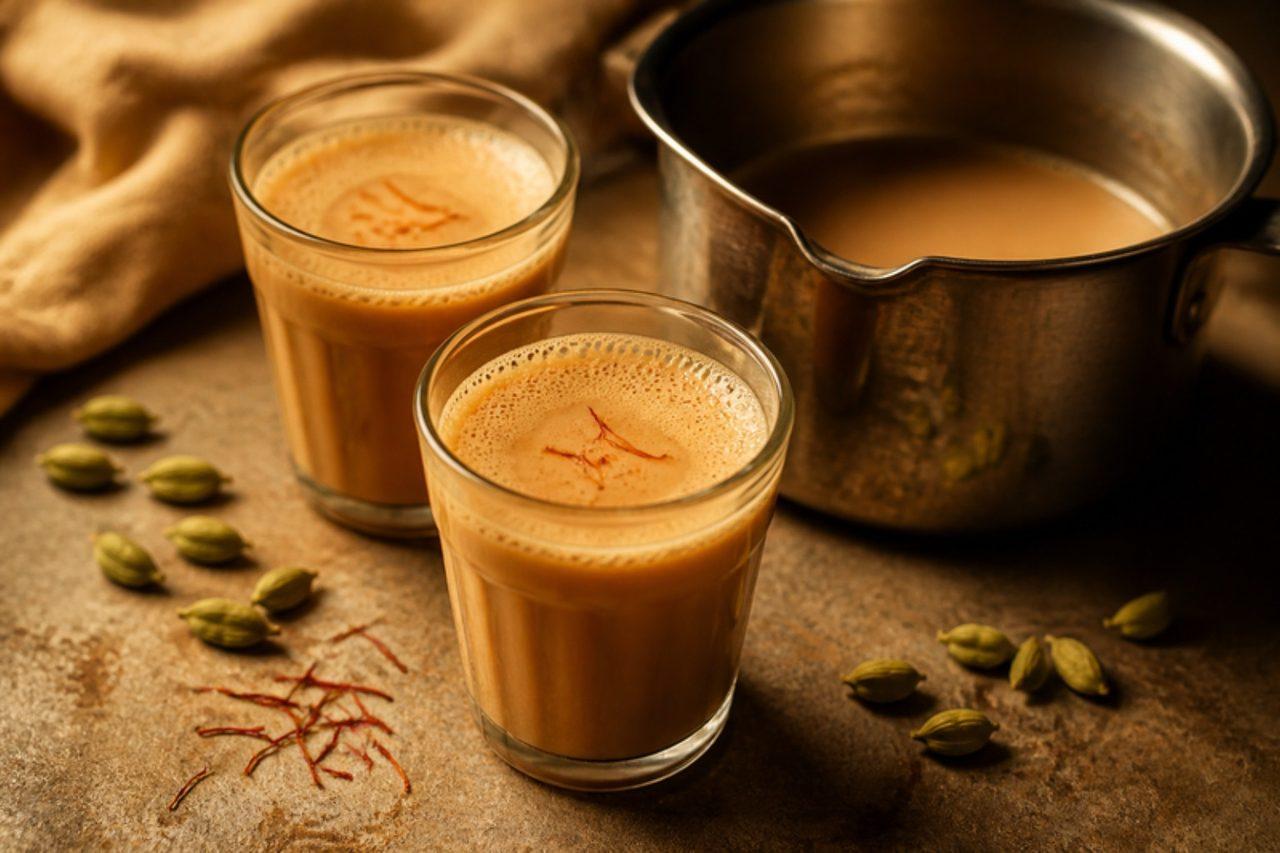
Karak chaiSpiced evaporated milk tea

Every neighbourhood in Doha, Dubai and Kuwait City has a cafeteria with a hatch on the street, where karak is handed through car windows in paper cups at all hours. Brought to the Gulf by South Asian workers and now firmly local, it is black tea boiled hard with sugar and cardamom, then simmered again with evaporated milk until it is strong, sweet and the colour of toffee; a few strands of saffron mark the Gulf version. Chef's tip: pour the tea from a height between two pans a few times; the froth and slight cooling give the silky karak texture.

by KrazyBadal 0 views

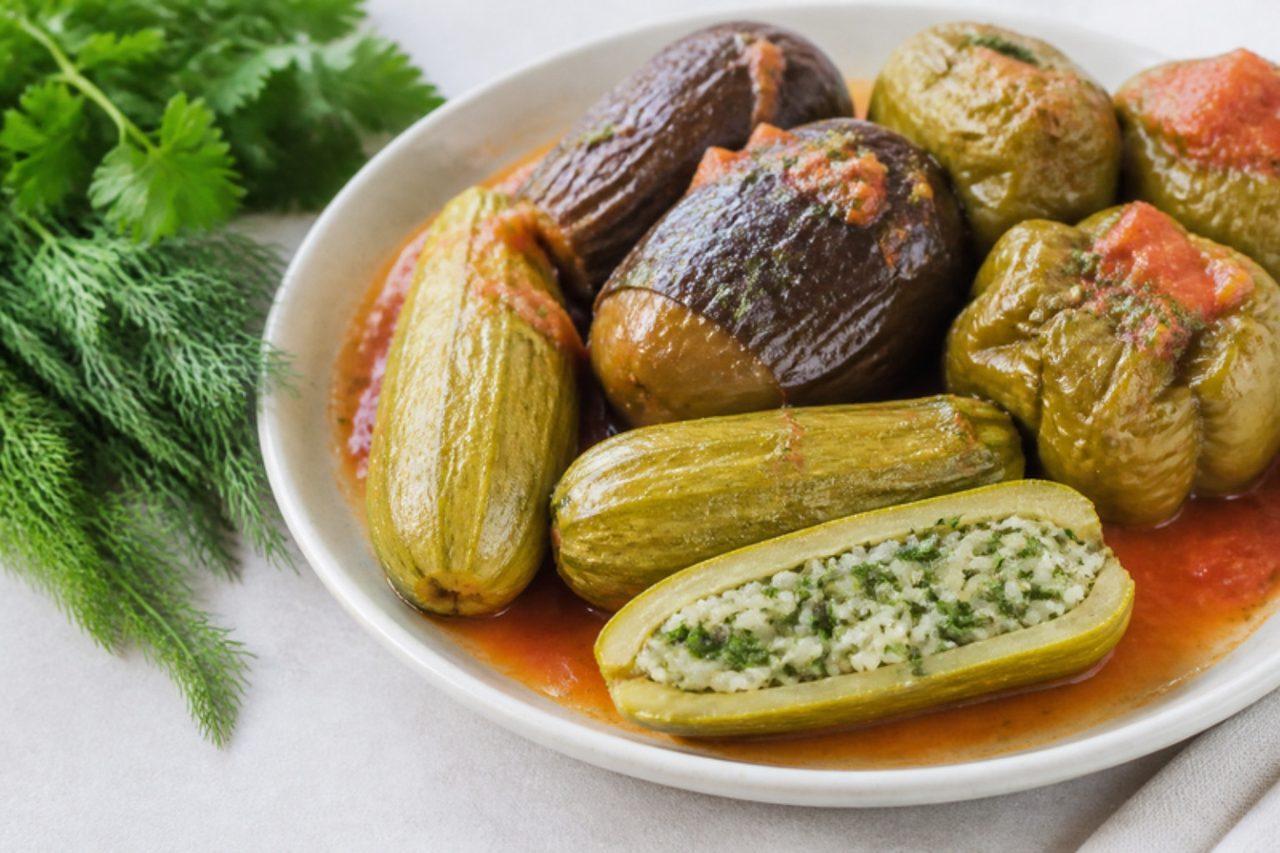
MahshiStuffed vegetables

Mahshi is the pride of the Egyptian home kitchen: a big pot of courgettes, small aubergines, peppers and tomatoes, hollowed out and stuffed with short-grain rice, tomato, onion and a fistful of dill, parsley and coriander, then packed tightly and simmered in tomato broth. It turns up for Friday family lunches and on feast days, and making it is often a shared afternoon job around the kitchen table. Some families add minced meat to the stuffing; this version is the everyday vegetable-and-rice one. Chef's tip: fill each vegetable only three-quarters full; the rice swells as it cooks, and overstuffed vegetables burst and leave hard, undercooked rice in the middle.

by KrazyBadal 0 views

ChorrillanaChips with beef, onions and eggs

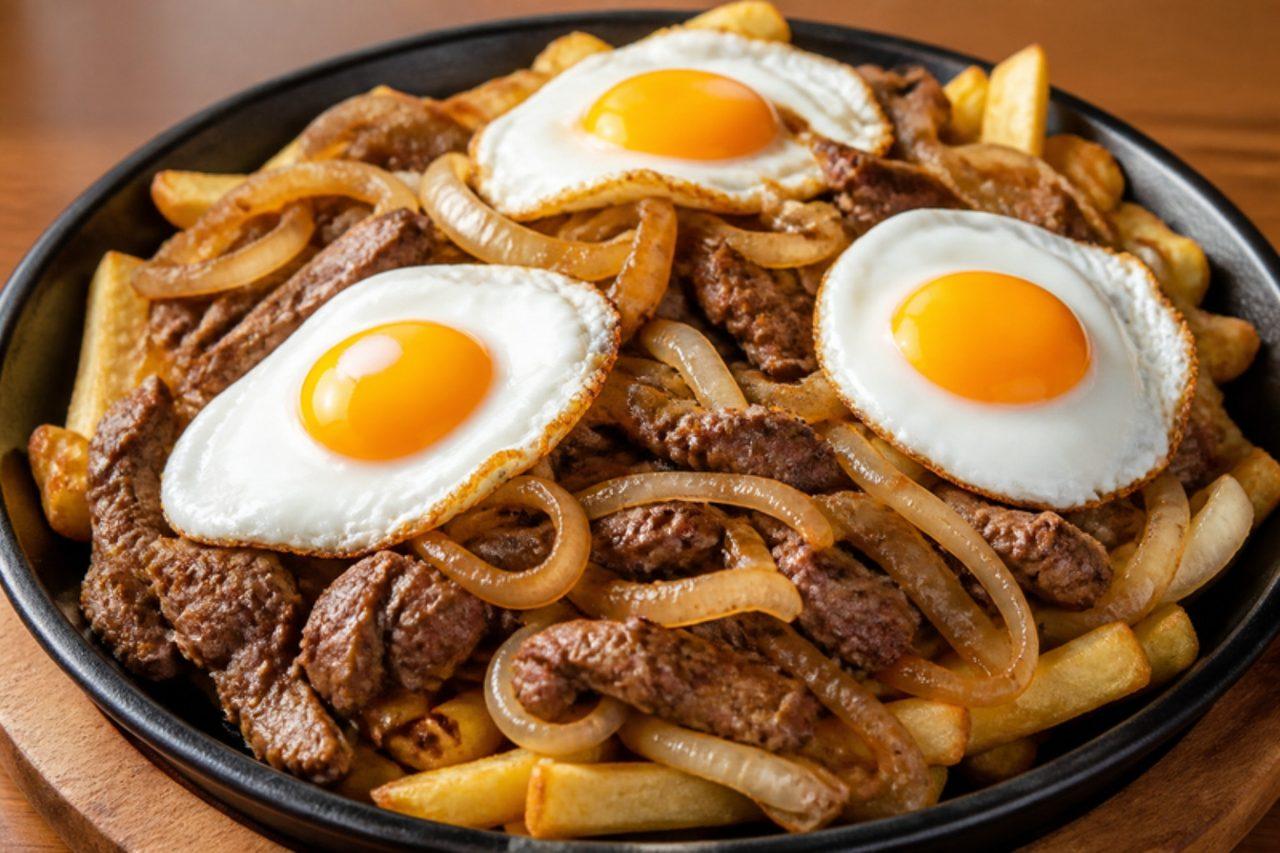
Chorrillana was made famous by the old picadas (cheap eateries) of Valparaíso's port, where it arrived on huge platters for friends to share late at night: a mound of chips covered with strips of beef, soft fried onions and scrambled or fried eggs. The mistake is cooking the onions too fast; they should be soft, sweet and golden to bring the dish together. Chef's tip: season the beef only at the end so it browns rather than steams. Some bars add a splash of wine to the onions; this version leaves it out.

by KrazyBadal 0 views

AyranSalted yogurt drink

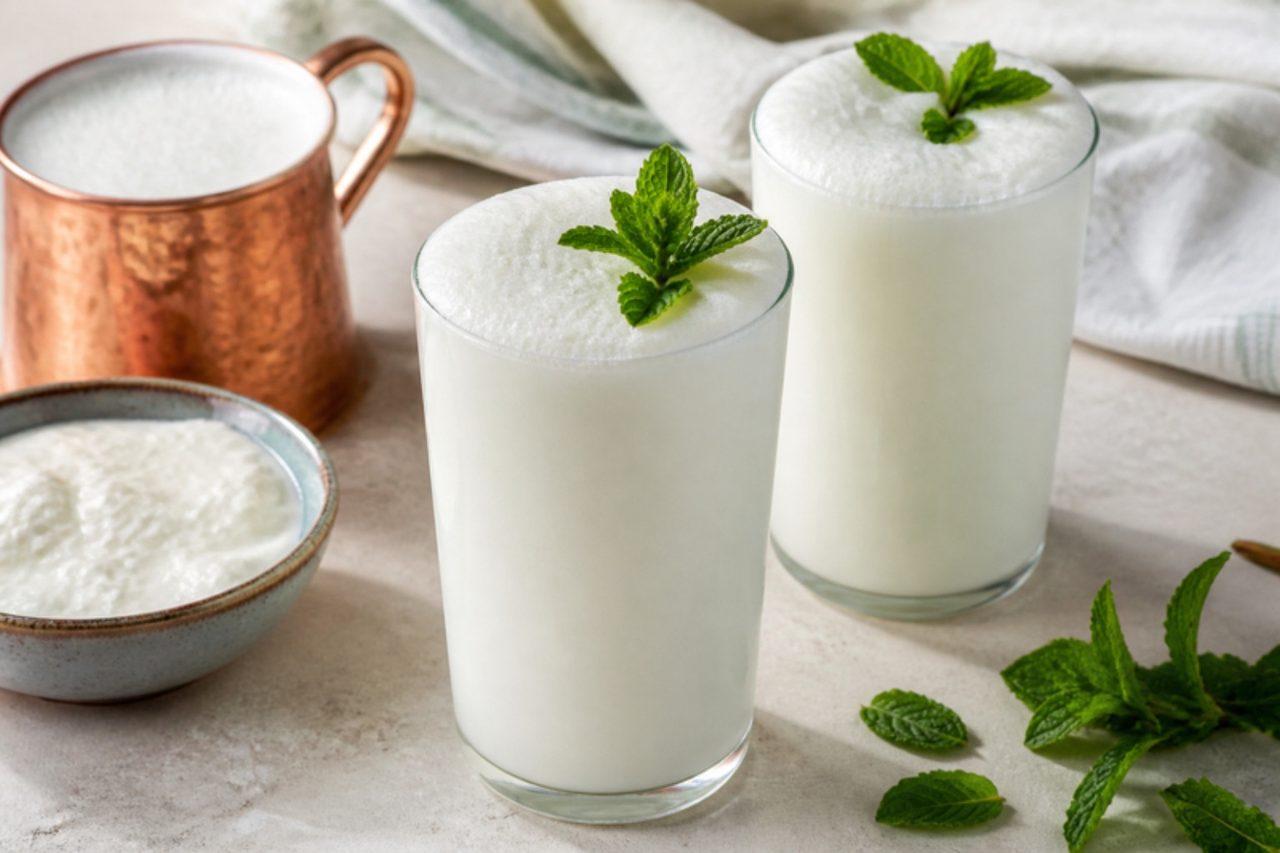
Ayran is what Turks drink with lunch: a chilled, foamy blend of yogurt, water and a pinch of salt, poured from copper jugs alongside cheese pide, börek, lentil soup and bean stews. In the Susurluk area of Balıkesir it is whisked so hard that it arrives under a thick head of foam, and roadside cafés all over Anatolia serve it in tin cups on hot summer days. It is tangy, refreshing and cooling with spicy food. Make it just before you sit down and drink it ice-cold. Chef's tip: whisk the yogurt alone with the salt until smooth before adding any water, and you'll get a silky drink with no lumps.

by KrazyBadal 0 views

StroopwafelsCaramel-filled wafers

Stroopwafels come from Gouda, the cheese town in South Holland, where bakers once made them from leftover crumbs and syrup. Today they are made fresh at Dutch markets, split while still hot and glued back together with warm caramel syrup. The Dutch way to eat one is to rest it on top of a cup of hot coffee or tea for a minute, so the steam softens the caramel. You need a thin waffle iron (a pizzelle or stroopwafel iron) to make them at home. Chef's tip: cut each waffle open the moment it comes off the iron; after 20 seconds it stiffens and shatters instead of splitting.

by KrazyBadal 0 views

Café cubanoSweet Cuban espresso

Café cubano, or cafecito, is the tiny, intensely sweet coffee poured into thimble-sized cups at every ventanita (walk-up window) in Miami and in homes across Cuba, often shared around the office at 3 o'clock. The secret is the espumita: the first few drops of coffee beaten hard with sugar into a pale caramel-coloured cream that floats on top. You need a stovetop moka pot. Chef's tip: catch only the very first, strongest drops for the foam; if you add too much coffee the sugar won't whip up.

by KrazyBadal 0 views

Kare-kareOxtail in peanut sauce

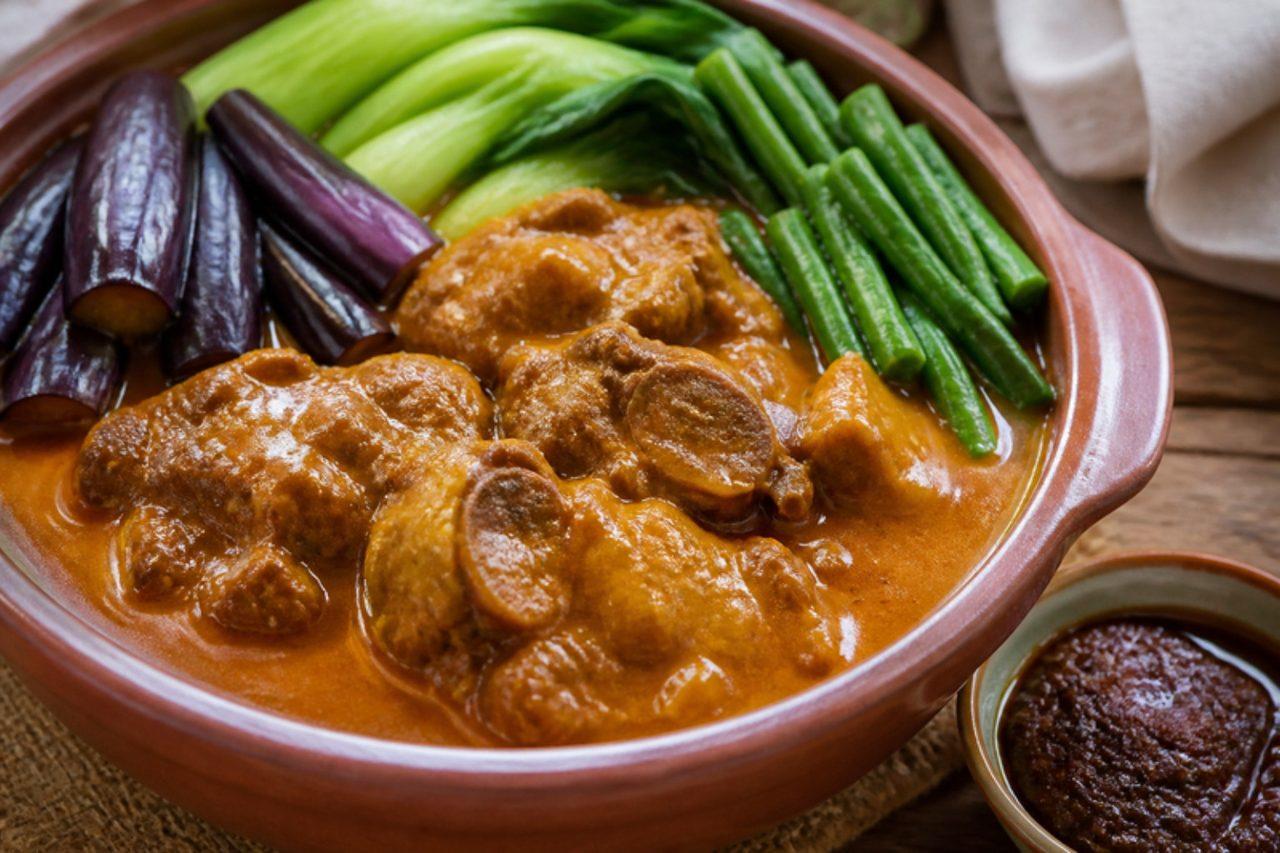
Kare-kare belongs to Pampanga, the province north of Manila that many Filipinos call the country's kitchen, and it is the stew families bring out for fiestas, birthdays and long Sunday lunches. Oxtail and beef shin are simmered until the meat falls from the bone, then finished in a thick, nutty sauce coloured orange with annatto and thickened with toasted ground rice. The sauce itself is barely salted on purpose: everyone adds a little sautéed shrimp paste (bagoong alamang) at the table, so the dish contains shellfish. Pile it over steamed rice with the aubergine, long beans and pak choi. Chef's tip: toast the rice in a dry pan until it is the colour of biscuits before grinding it; that roasted smell is what makes the sauce taste of kare-kare rather than plain peanut butter.

240 minFilipinoMeat
by KrazyBadal 0 views

Mahua ladduMahua flower balls

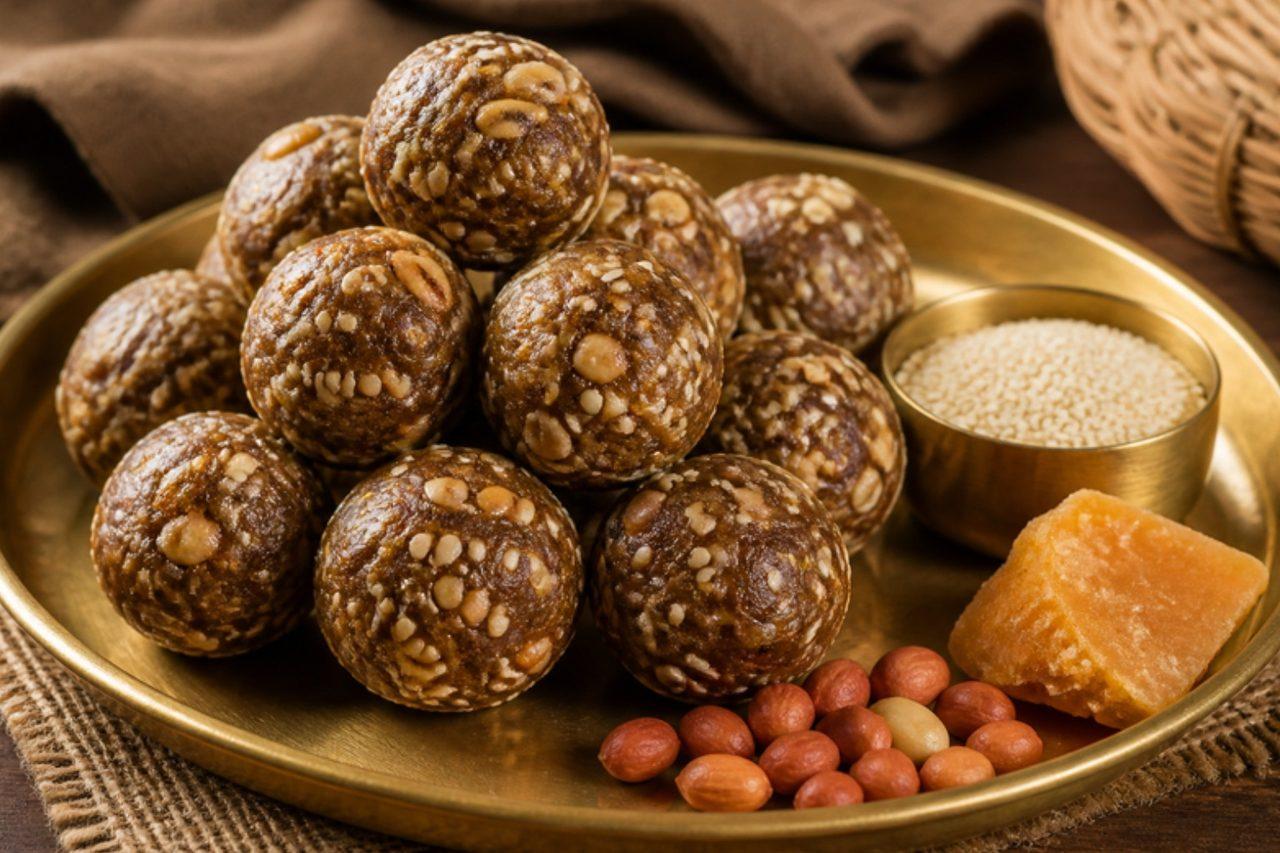
Mahua trees flower across Jharkhand in March and April, and before dawn whole families gather the fallen, creamy, honey-scented flowers from the forest floor and dry them in the sun. In Santhal, Munda and Oraon homes, the dried flowers are roasted and pounded with sesame and peanuts into laddus that need almost no added sugar, a store-cupboard sweet for the lean months and for festivals like Sarhul. They taste of raisins, caramel and toasted nuts. Chef's tip: roast the flowers until they puff slightly and smell like caramel; underroasted mahua tastes raw and slightly bitter.

by KrazyBadal 0 views

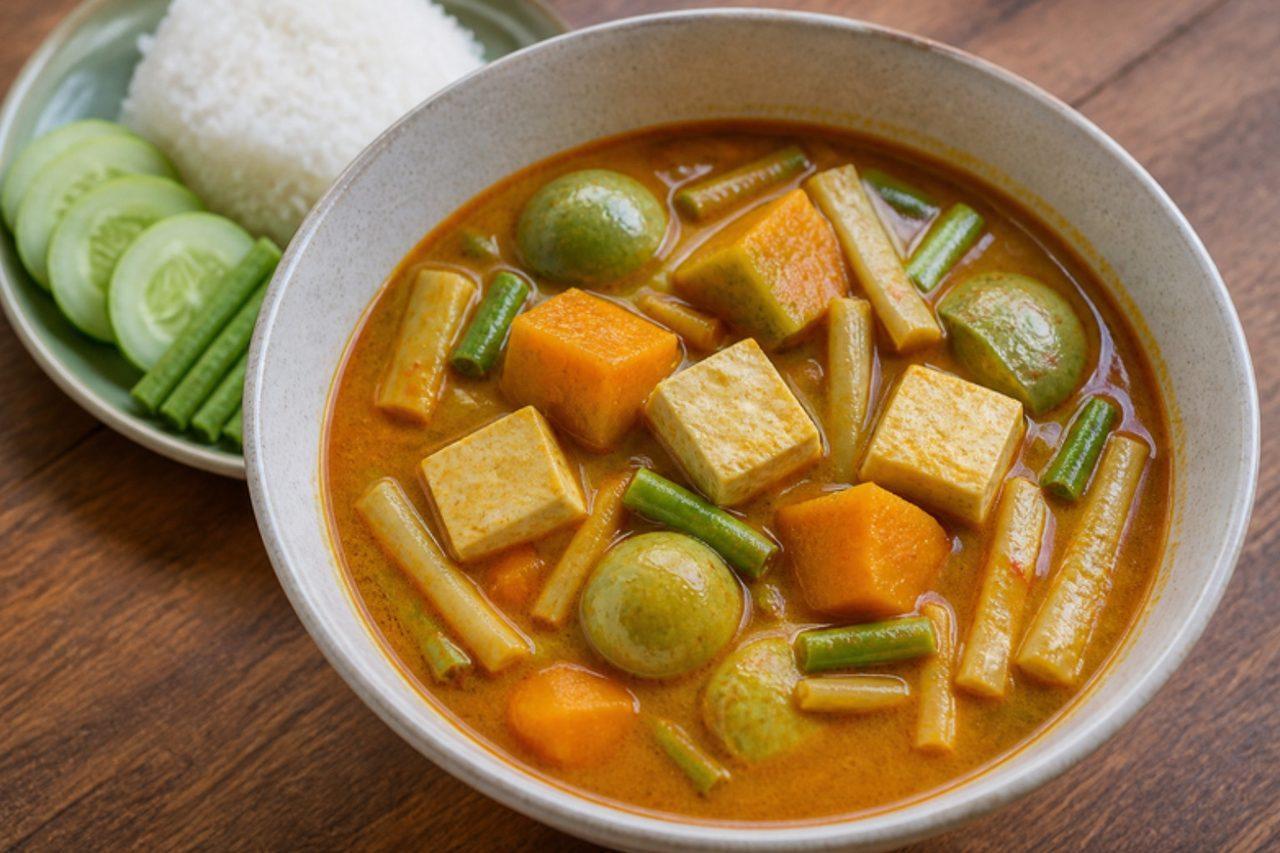
Kaeng tai pla jay (southern vegetable curry)

Kaeng tai pla is the boldest curry of southern Thailand, eaten from Surat Thani down to Hat Yai: a dark, pungent, fiercely hot broth of turmeric-heavy southern curry paste, pumpkin, bamboo shoots, aubergine and long beans, normally flavoured with fermented fish innards. During the Vegetarian Festival (thetsakan kin jay), held every autumn in Phuket and Trang, cooks make a 'jay' version with fermented soybean paste and roasted peanut, and that is the curry here. It is thinner than a coconut curry and served with rice and plenty of raw vegetables to cool the heat. Chef's tip: this curry is meant to be very hot. If you want less heat, add fewer bird's eye chillies to the paste but keep the black pepper and turmeric, which give it its character.

by KrazyBadal 0 views

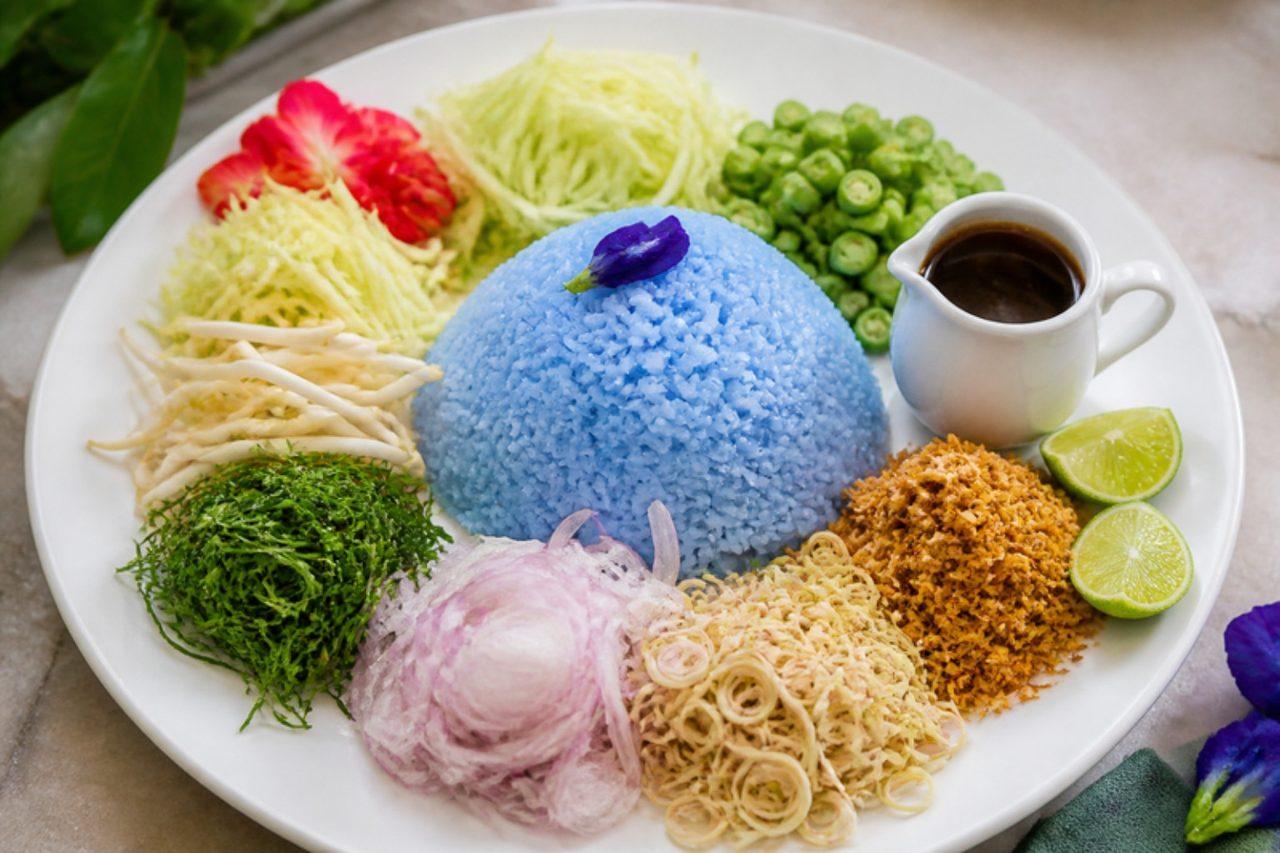
Khao yam (southern Thai rice salad)

Khao yam is breakfast in the south: in Nakhon Si Thammarat, Pattani and Songkhla, morning stalls set out trays of tightly shredded lemongrass, pomelo, long beans, bean sprouts, makrut lime leaves and toasted coconut, and you build your plate around a mound of rice, often tinted blue with butterfly pea flowers. The dressing is normally budu, a sweet fermented fish sauce from the Malay borderlands. This version makes a vegetarian 'budu' by simmering soy sauce, tamarind, palm sugar, lemongrass and shallot into a dark syrup. The result is crunchy, fragrant, sweet, salty and sour in every mouthful. Chef's tip: shred everything as finely as you can; thin slivers of lemongrass and lime leaf are pleasant, thick ones are woody.

45 minThaiSaladsVeganGluten free
by KrazyBadal 0 views

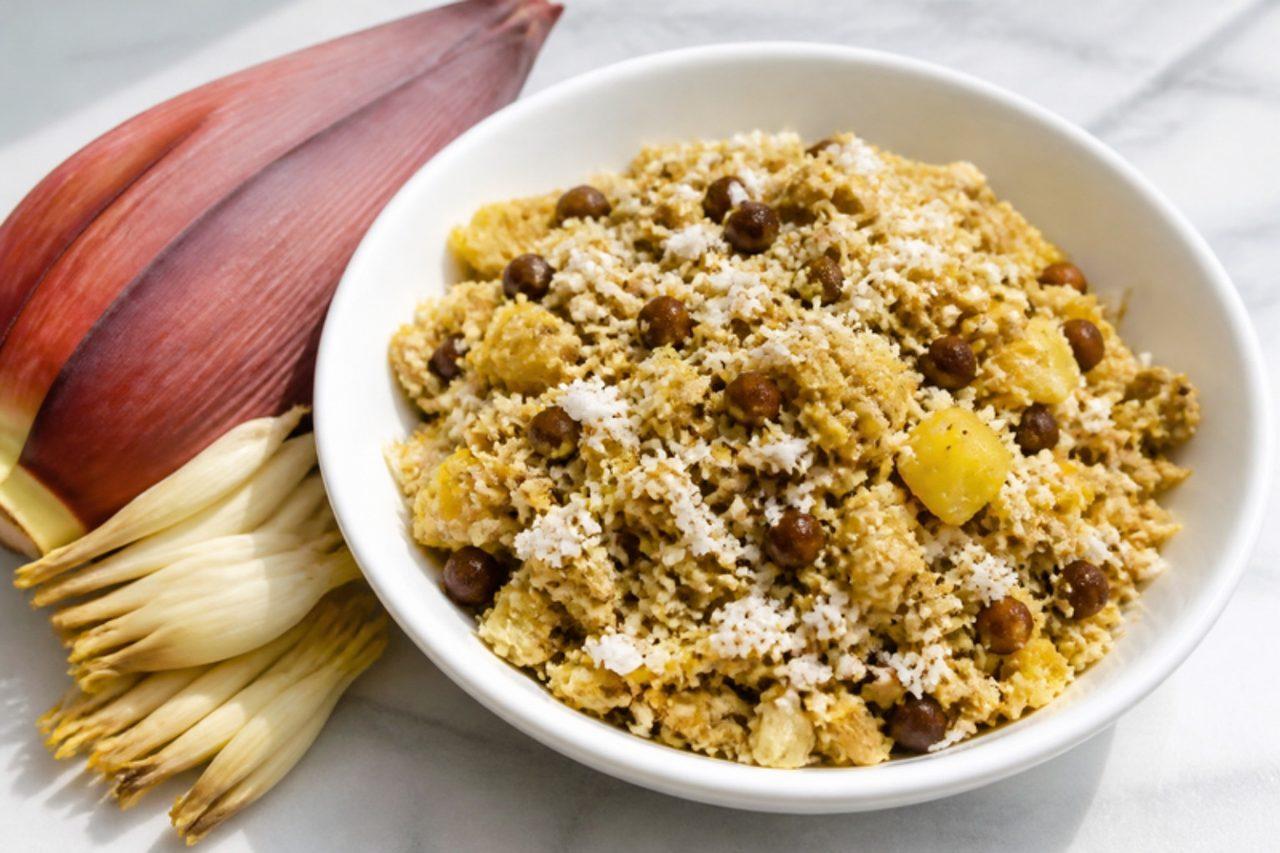
Mochar ghontoBanana flower and potato curry

Mochar ghonto is a labour of love from Bengali home kitchens: the florets of a banana flower are cleaned one by one, boiled and then cooked down with potato, grated coconut, ginger and cumin into a soft, dry, faintly sweet ghonto. It is served at weekend lunches and to guests, with rice and a little dal, and grandmothers judge a cook by it. The flavour is earthy, a little like artichoke, lifted at the end with ghee and freshly ground garam masala. Chef's tip: oil your hands before cleaning the flower, or the sticky sap stains your fingers black.

by KrazyBadal 0 views

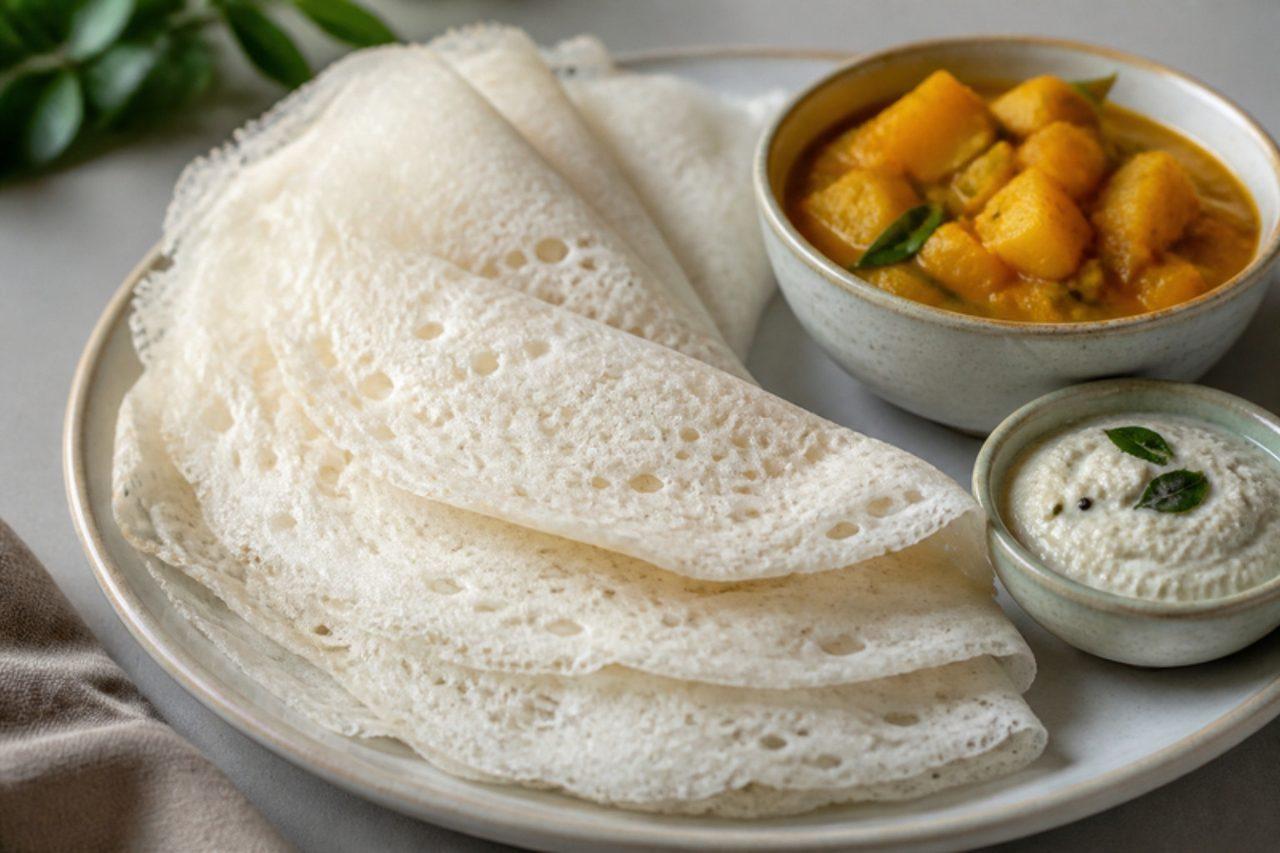
Chakuli pithaRice and urad dal pancakes

Chakuli pitha is Odisha's breakfast pancake and the first of the pithas a child learns to love; it is offered to Lord Jagannath and made at home on Sundays and for Manabasa Gurubar in the month of Margasira. Rice and a little urad dal are soaked, ground and fermented overnight, then poured onto a hot pan into a pancake that is thinner than an uttapam but softer and thicker than a dosa, with a lacy, holey top. It is eaten with aloo bhaja, ghuguni or simply with jaggery. Chef's tip: cook only on one side under a lid; the steam sets the top and keeps the holes.

by KrazyBadal 0 views

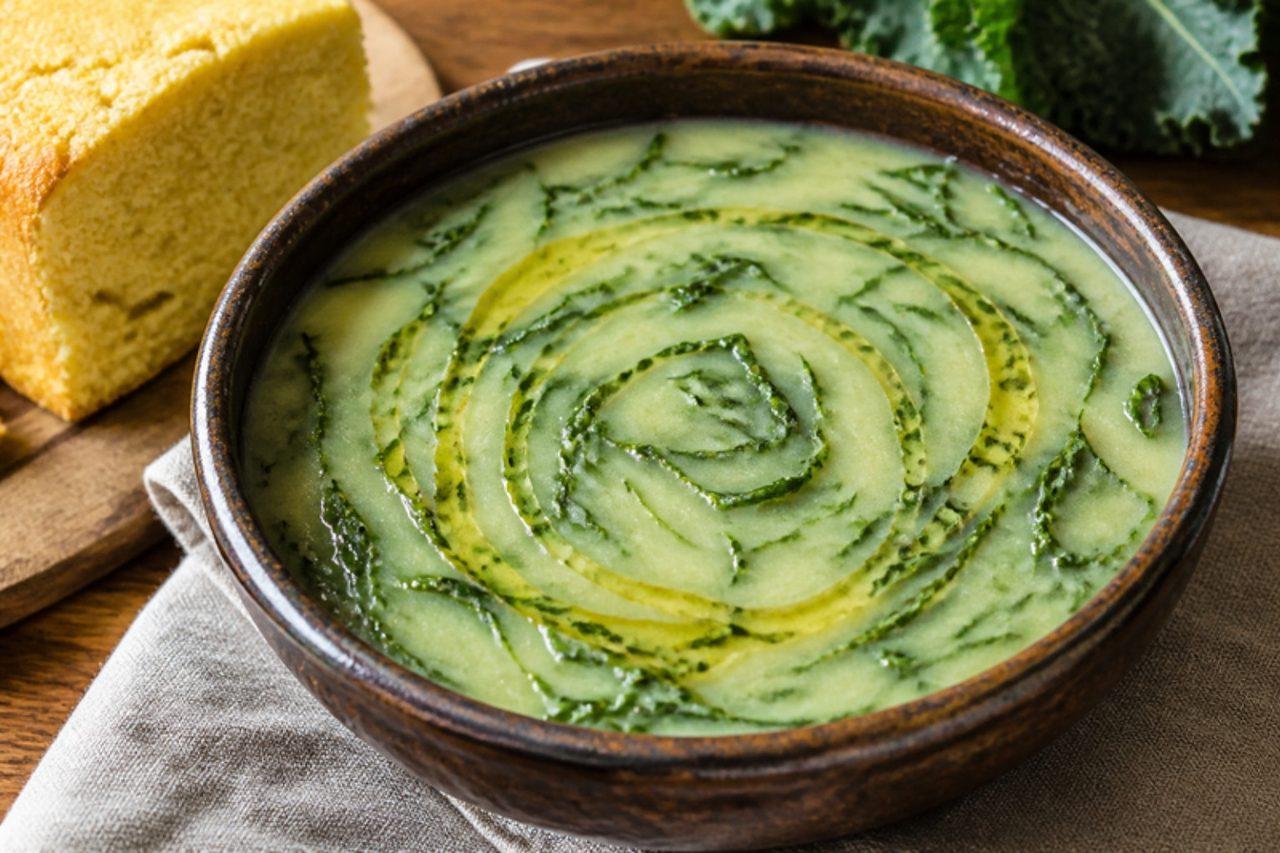
Caldo verde

Caldo verde comes from the Minho, the green, rainy corner of northern Portugal above Porto, where couve galega (a tall, flat-leaved cabbage) grows in every back garden. It is a plain purée of potato and onion with ribbons of dark green cabbage cut as fine as string, finished with a thread of raw olive oil, and it is drunk from earthenware bowls at the Santos Populares street festivals in June, at weddings at midnight and on any cold evening with a slice of broa (maize bread). In the north a coin of chouriço is usually floated on top; this version keeps the soup vegetarian and lets a little smoked paprika in the oil stand in for it. Chef's tip: shred the greens as thinly as you can, rolled up tight like a cigar, because they only cook for a few minutes and thick strips stay chewy.

by KrazyBadal 0 views

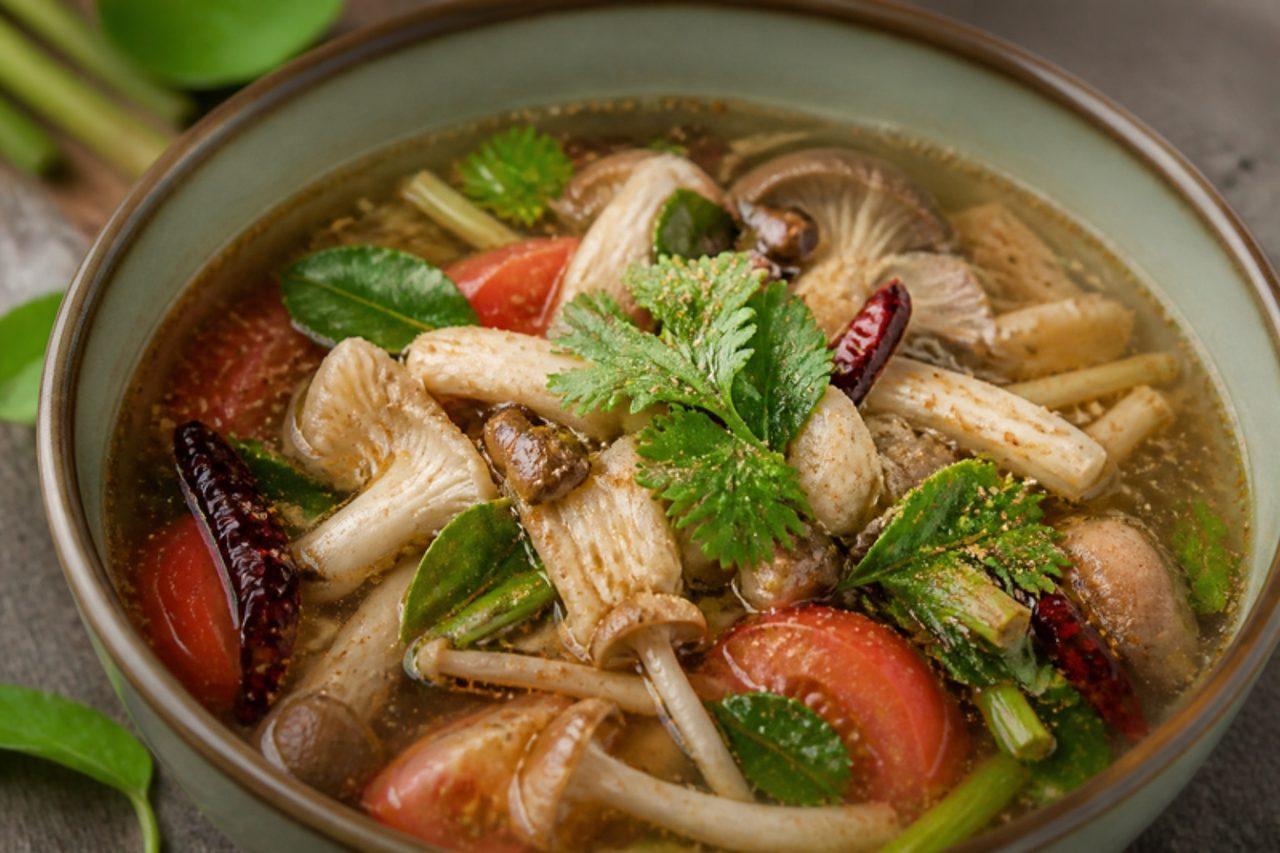
Tom saep het (Isan hot and sour mushroom soup)

'Saep' is the Isan word for delicious, and in the northeast it means hot, sour and herby all at once. Tom saep is the soup sold from big pots at Isan restaurants and roadside grill shops from Nakhon Ratchasima to Ubon, usually with pork bones or offal; mushroom versions are just as common during the rainy season, when wild mushrooms fill the markets. It has no coconut milk: the broth is clear and sharp with lemongrass, galangal, makrut lime leaves and handfuls of dried chilli, thickened slightly with roasted rice powder. Eat it with sticky rice and grilled vegetables. Chef's tip: add the lime juice off the heat; boiled lime turns bitter and loses its fresh sourness.

35 minThaiSoupsVeganGluten freeSpicy
by KrazyBadal 0 views

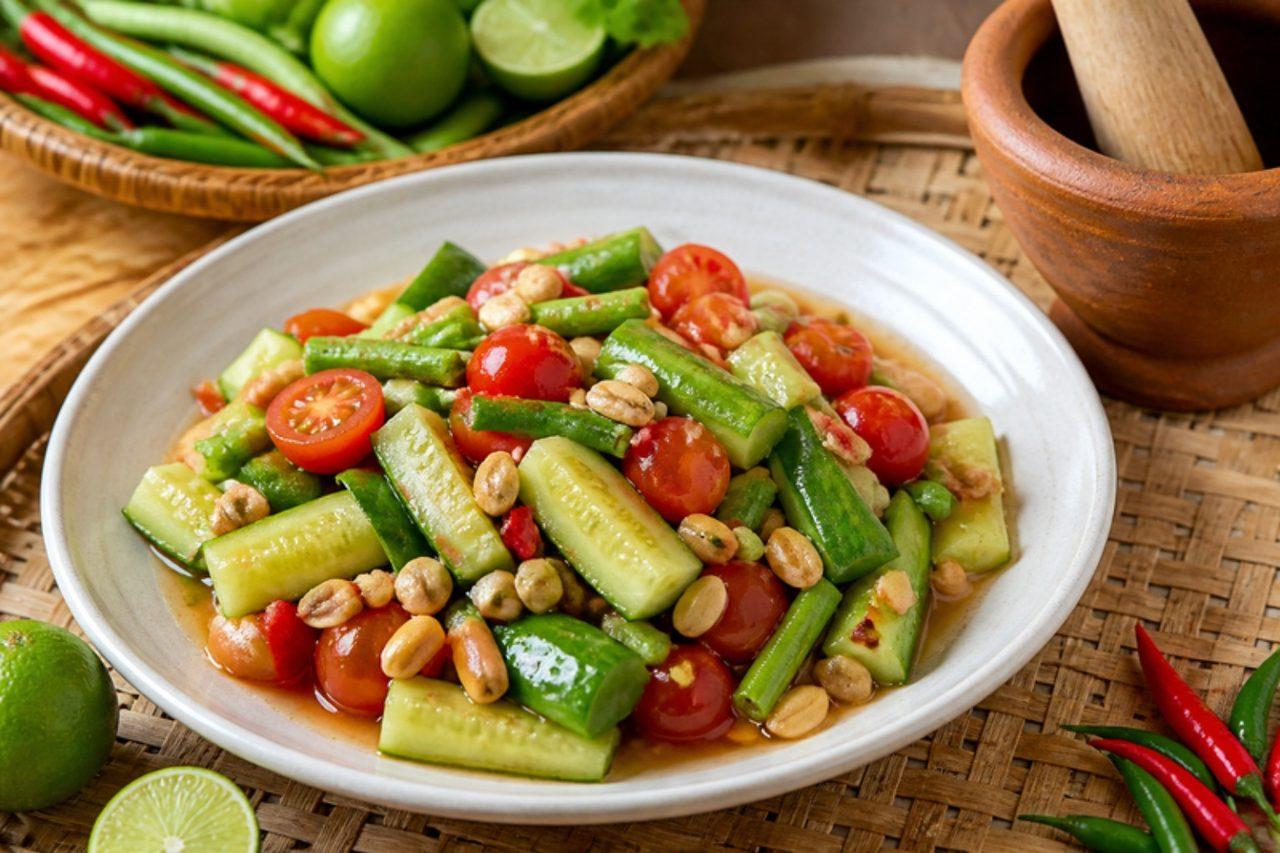
Tam taeng (Isan pounded cucumber salad)

In Khon Kaen, Udon Thani and the rest of Isan, the somtam stall always offers a cucumber version alongside the papaya one, and many locals prefer it on hot afternoons: tam taeng is juicier, cooler and crunchier. Thick batons of cucumber are bruised, not smashed, with garlic, chillies, lime and palm sugar, so they soak up the dressing but keep their snap. Sellers add fermented fish or dried shrimp; this vegan bowl leans on soy and toasted peanuts for depth instead. It is eaten with sticky rice and grilled food, picked up with your fingers. Chef's tip: use firm cucumbers with small seeds and scoop out a watery core, or the salad floods within minutes.

15 minThaiSaladsVeganGluten freeSpicy
by KrazyBadal 0 views

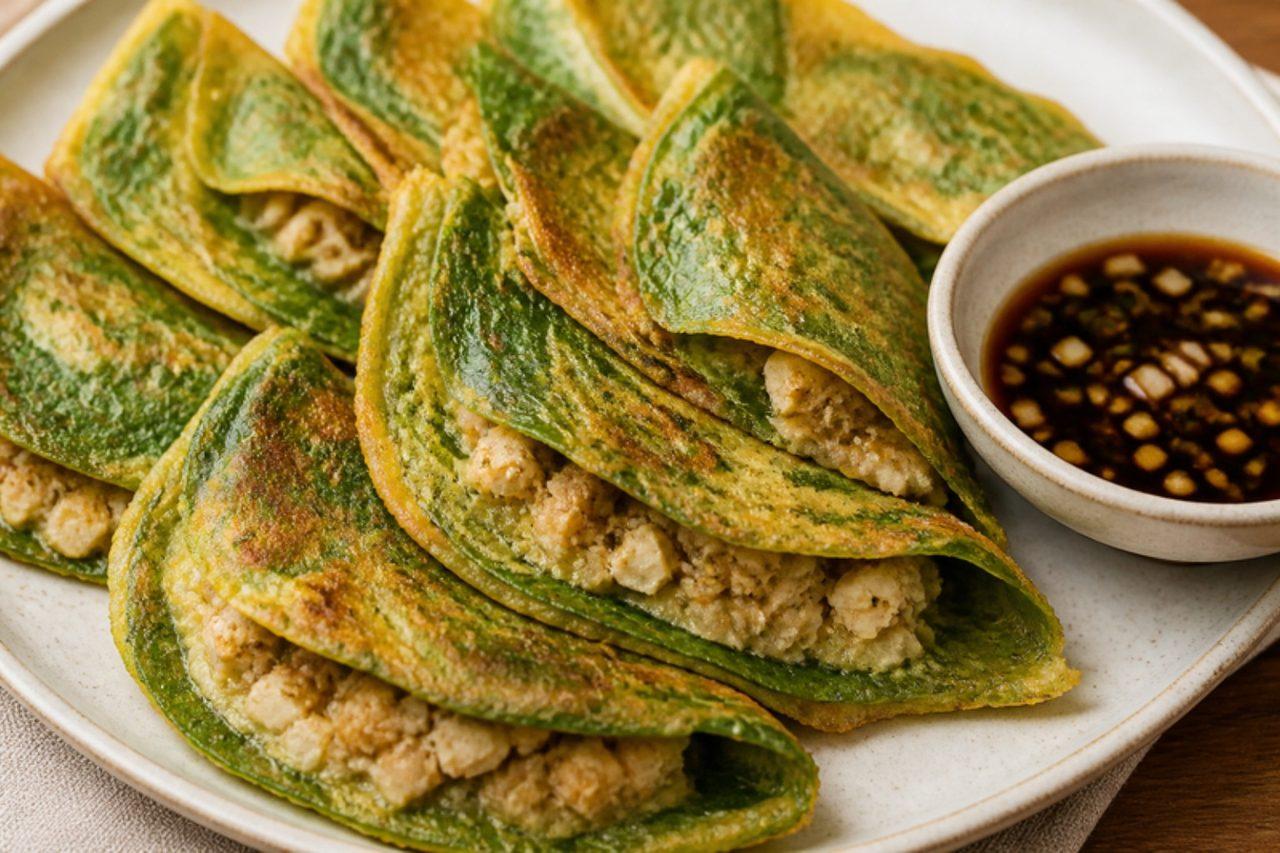
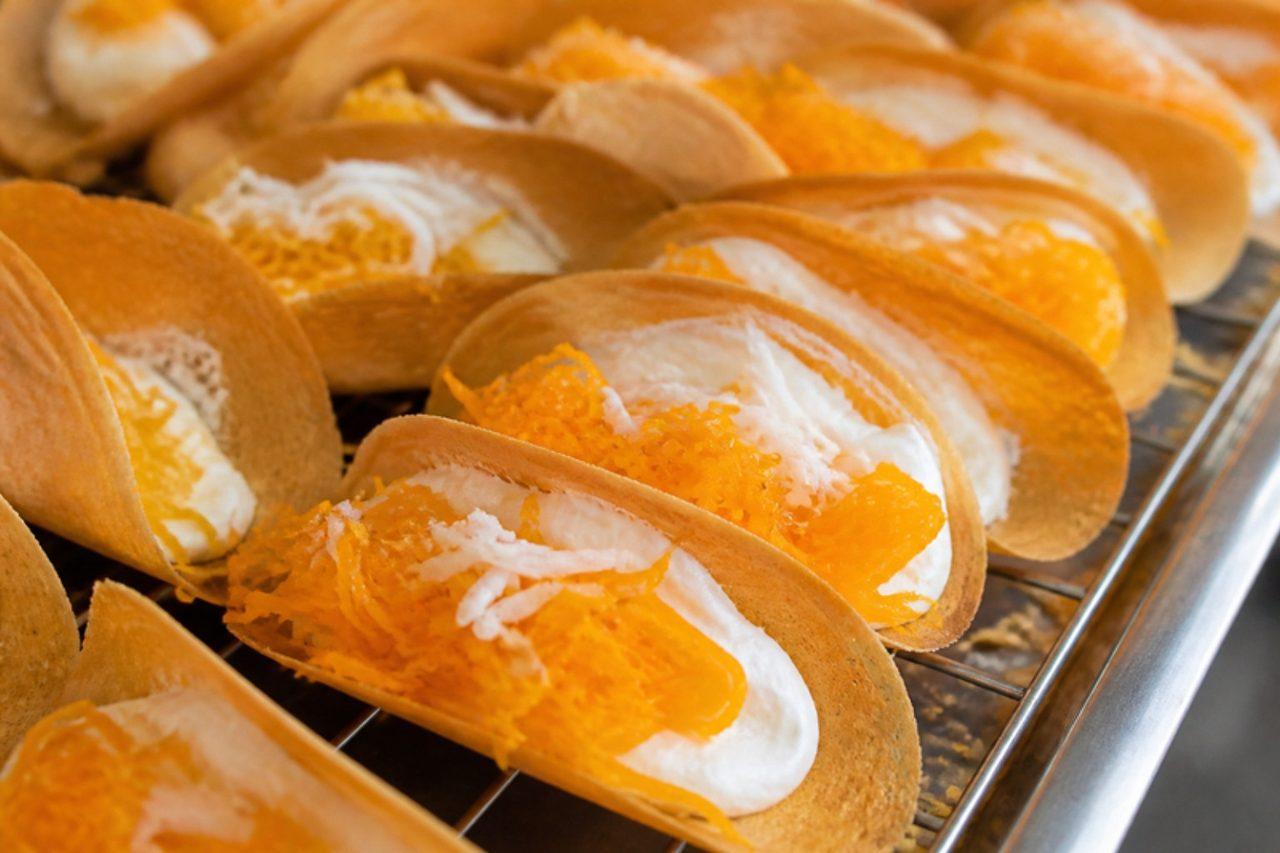
Khanom bueang (Thai crispy crêpes)

Khanom bueang are little taco-shaped crêpes made on hot round griddles at markets and outside temples all over Bangkok, especially around the old town near the Grand Palace. A vendor spreads a whisper-thin batter with the back of a spoon, swirls on a fluffy meringue cream, then tops it with shredded coconut or sweet egg yolk threads before folding it while still hot. The sweet version, made here, crackles like a wafer and melts on the tongue. A savoury one with coconut and spring onion also exists. They are eaten as an afternoon snack, a few at a time, as soon as they are made. Chef's tip: the batter must go on very thinly. Thick shells stay chewy and never crisp up.

by KrazyBadal 0 views

Kluay tod (Thai fried bananas)

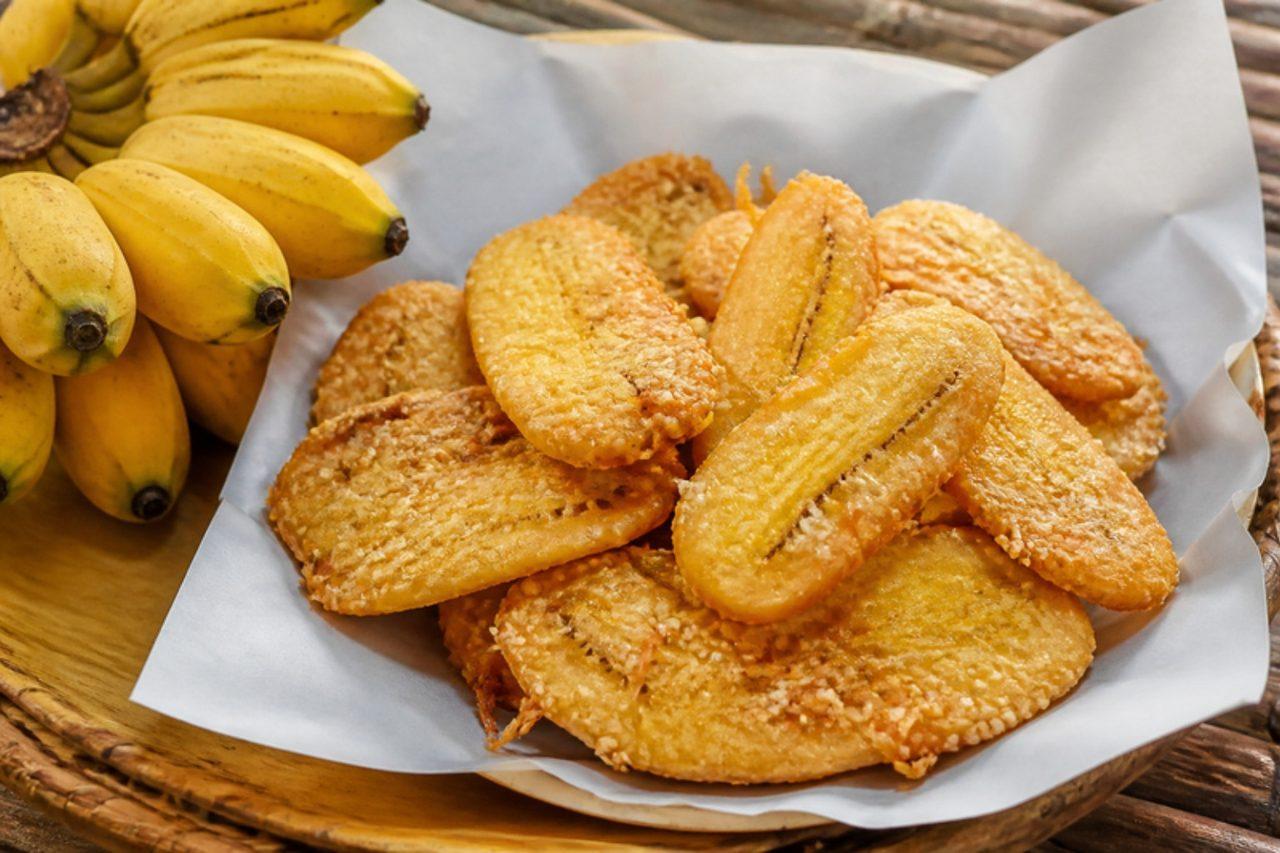
In the afternoons, Bangkok's street-corner woks switch from noodles to snacks, and kluay tod is the one you smell from down the soi: wedges of small, firm bananas in a coconut and sesame batter, fried until bronze and sold in paper bags. The batter is made with rice flour and a little lime water, so it shatters rather than turning bready, while the banana inside goes soft and jammy. Thais use kluay nam wa, a short, tart banana; firm, just-ripe ordinary bananas work too. Eat them warm, on their own or with a scoop of coconut ice cream. Chef's tip: overripe bananas fall apart and soak up oil; choose ones that are yellow with no brown spots.

by KrazyBadal 0 views

Khao tom (vegetable rice soup)

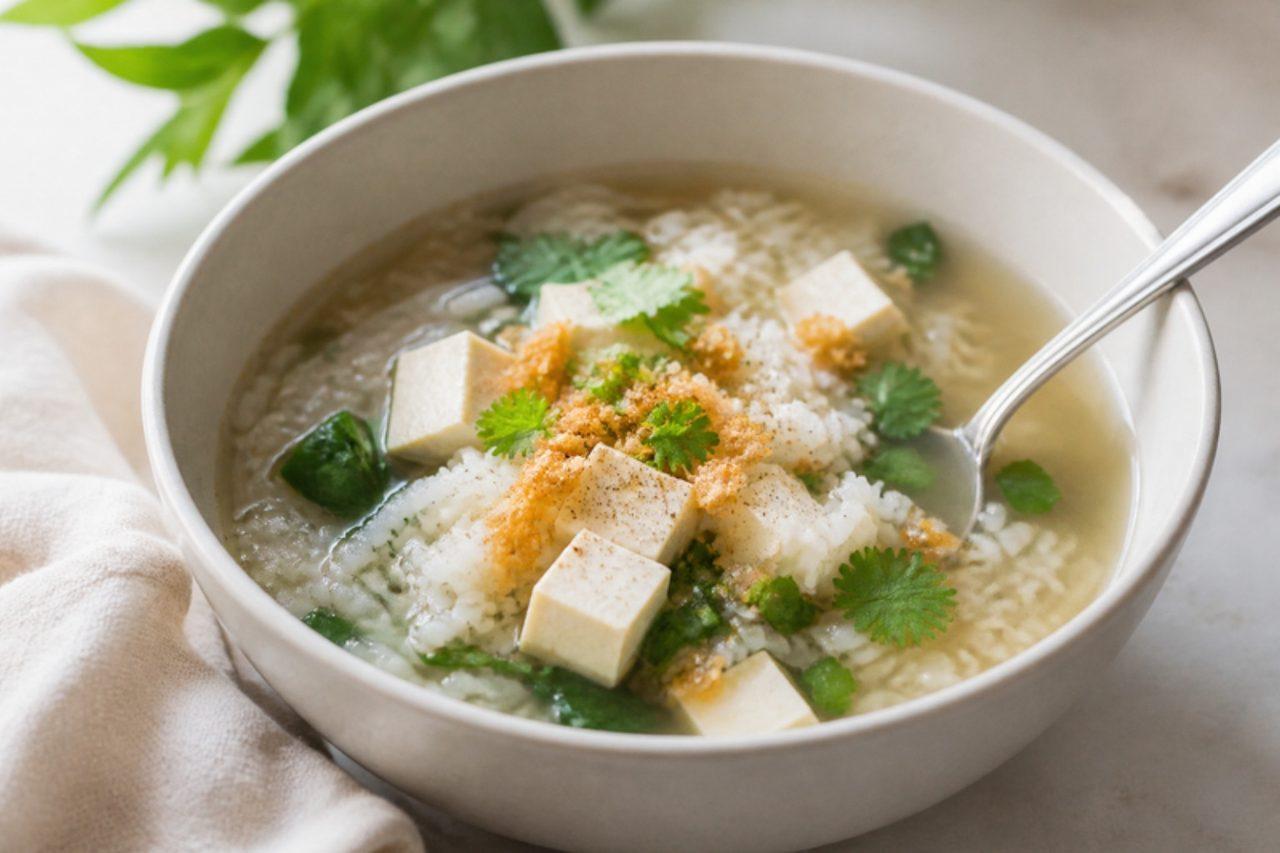
Khao tom is what Thais eat at the start of the day and, just as often, at two in the morning, when the 'khao tom kui' shops of Bangkok's Yaowarat and night-market stalls stay open for hungry people heading home. Unlike rice porridge (jok), the grains stay whole and separate in a light, clear broth, so it feels more like a soup than a congee. This vegan bowl uses a ginger and white pepper stock with soft tofu, Chinese cabbage and a spoon of golden garlic oil on top. It is gentle food, also what Thai families cook when someone is unwell. Chef's tip: use leftover cooked jasmine rice, rinsed under the tap; fresh rice turns the broth cloudy and starchy.

by KrazyBadal 0 views

MofongoMashed fried plantain

In Puerto Rico mofongo is the dish people drive out to the kioskos of Piñones and the roadside fondas of Arecibo for: green plantain fried in chunks, then pounded while hot in a wooden pilón with raw garlic and good olive oil until it holds together in a rough, crusty dome. The outside stays a little crisp, the inside is soft, starchy and fiercely garlicky. Most places pound in chicharrón (pork crackling); this garlic-oil version is the main one here, and the crackling is a note at the end for meat eaters. Serve it with a small bowl of hot caldo to spoon over, or with stewed beans or a tomato sofrito sauce. Chef's tip: warm the garlic in the olive oil only until it smells sweet, never until it browns, so the mofongo tastes of fresh garlic rather than bitter toast.

by KrazyBadal 0 views

ChallahBraided egg bread

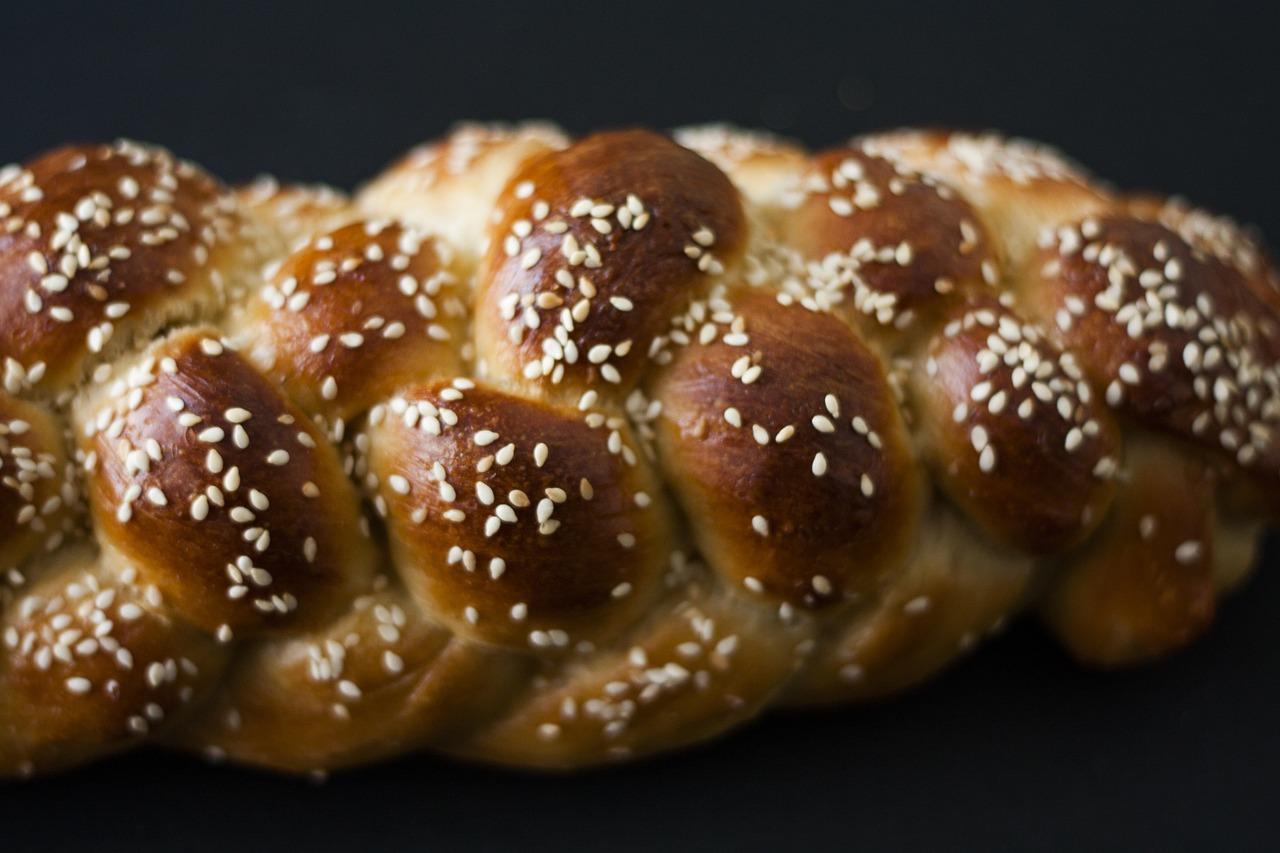
On Friday afternoons the bakeries of Jerusalem's Mahane Yehuda market and every Jewish neighbourhood from Brooklyn to Golders Green fill with plaited, shiny challah for the Shabbat table, where two loaves sit under an embroidered cloth until the blessing. The dough is enriched with eggs, oil and a little honey, so the crumb is soft, faintly sweet and pulls apart in feathery strands, and the crust bakes deep mahogany. Leftovers make wonderful French toast. Chef's tip: brush the egg glaze twice, once before rising and once just before baking, for the deep, lacquered shine.

by KrazyBadal 0 views

Yam woon sen (vegetarian glass noodle salad)

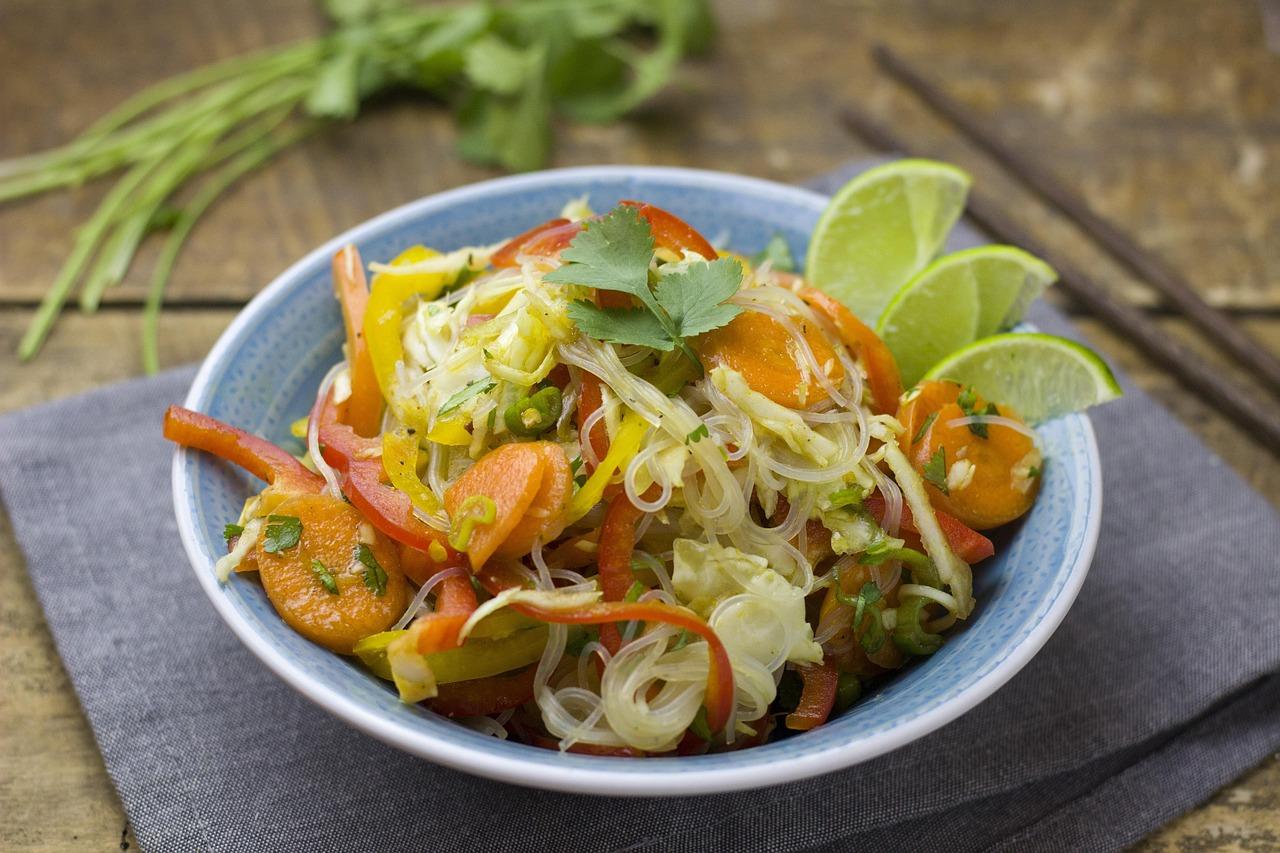
Yam woon sen is the glass-noodle salad sold from the trays of 'yam' vendors in Bangkok's evening markets and served alongside beer at Central Thai gatherings. The street version is tossed with minced pork and prawns; this vegetarian one swaps them for crumbled firm tofu and crunchy wood ear mushrooms, which give the same mix of soft and bite. The noodles are dressed while still warm so they drink up the sour, salty, sweet and hot dressing, then finished with celery leaves, coriander and peanuts. Eat it at room temperature as a light lunch or as one dish in a shared spread. Chef's tip: celery leaves are not a garnish here; Thai cooks use Chinese celery as a main herb, so be generous.

25 minThaiSaladsVeganGluten free
by KrazyBadal 0 views

Kaeng pa (jungle curry)

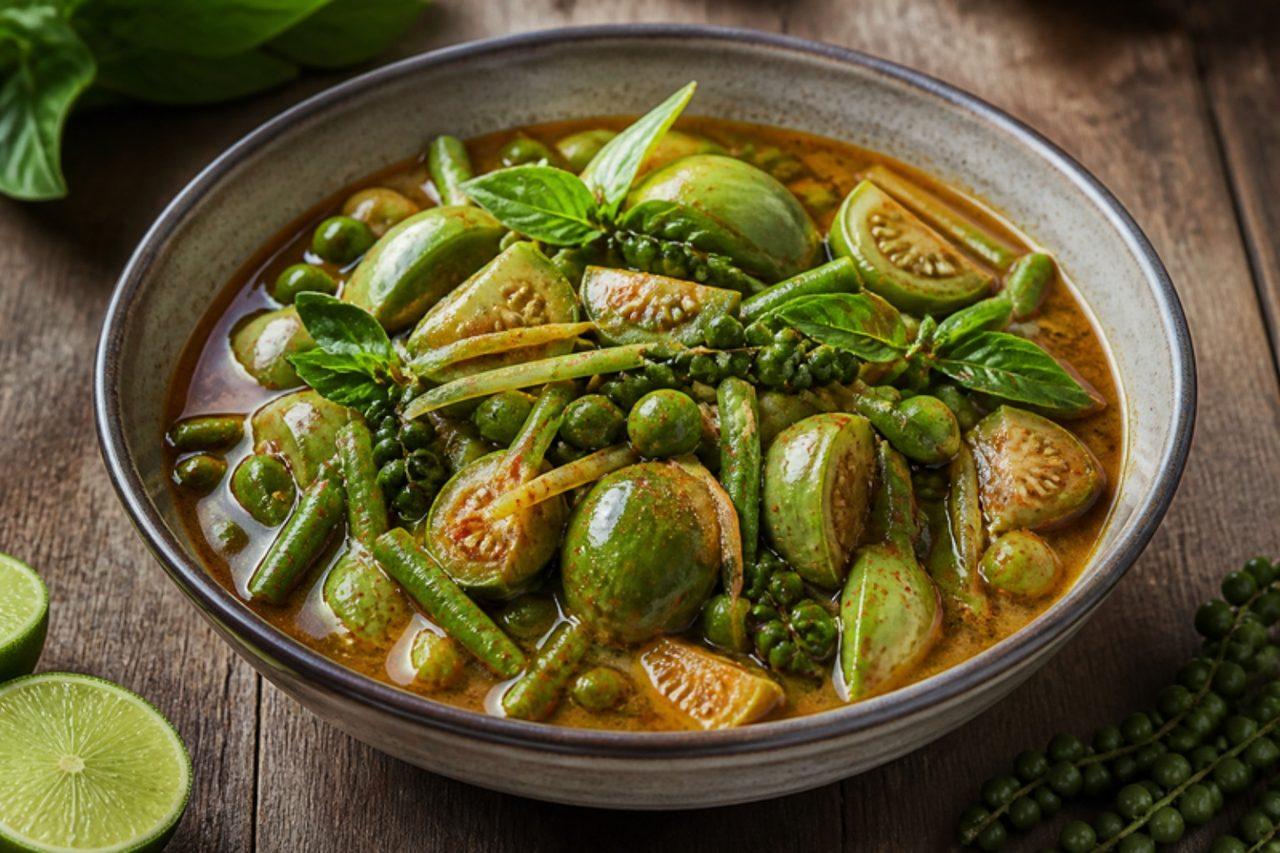
Kaeng pa means 'forest curry', and around Ayutthaya, Suphan Buri and the rice-farming plains north of Bangkok it is the curry cooked when there is no coconut to hand: a thin, fiery, herb-scented broth packed with whatever vegetables grew nearby. It turns up at roadside curry-and-rice shops in the Central region, ladled over jasmine rice at lunchtime. Without coconut milk the flavour is sharp and clean, carried by wild ginger (krachai), fresh green peppercorns and holy basil. This version uses a home-pounded red paste with no shrimp paste and seasons with soy sauce instead of fish sauce. Chef's tip: fry the paste in a little oil until it smells toasty before any water goes in; raw paste makes a curry that tastes flat and grassy.

by KrazyBadal 0 views

BaksoBeef meatball soup

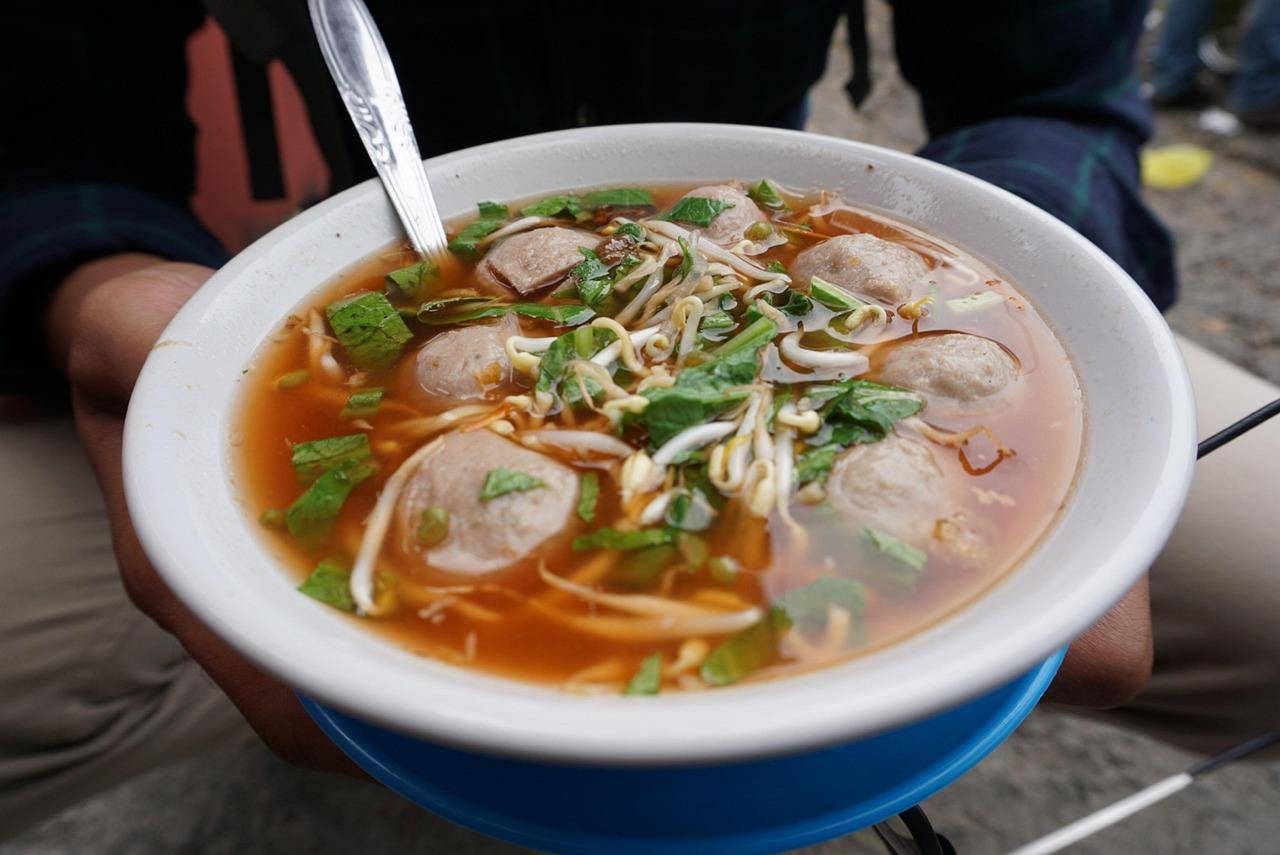
Listen for a spoon tapped against a bowl in any Indonesian neighbourhood and you will find a bakso cart, its glass case stacked with meatballs and two kinds of noodles. The meatballs are springy, almost bouncy, sitting in a clear, garlicky beef broth with yellow noodles, glass noodles and a little green veg. Everyone then builds their own bowl at the counter with sambal, sweet soy sauce, vinegar and a scattering of fried shallots; it is the go-to comfort on a wet afternoon. Chef's tip: keep the beef and everything that touches it ice-cold while you blend, because warm meat gives dense, crumbly balls instead of that famous bounce.

by KrazyBadal 0 views

Bake and sharkFried shark in fried bread

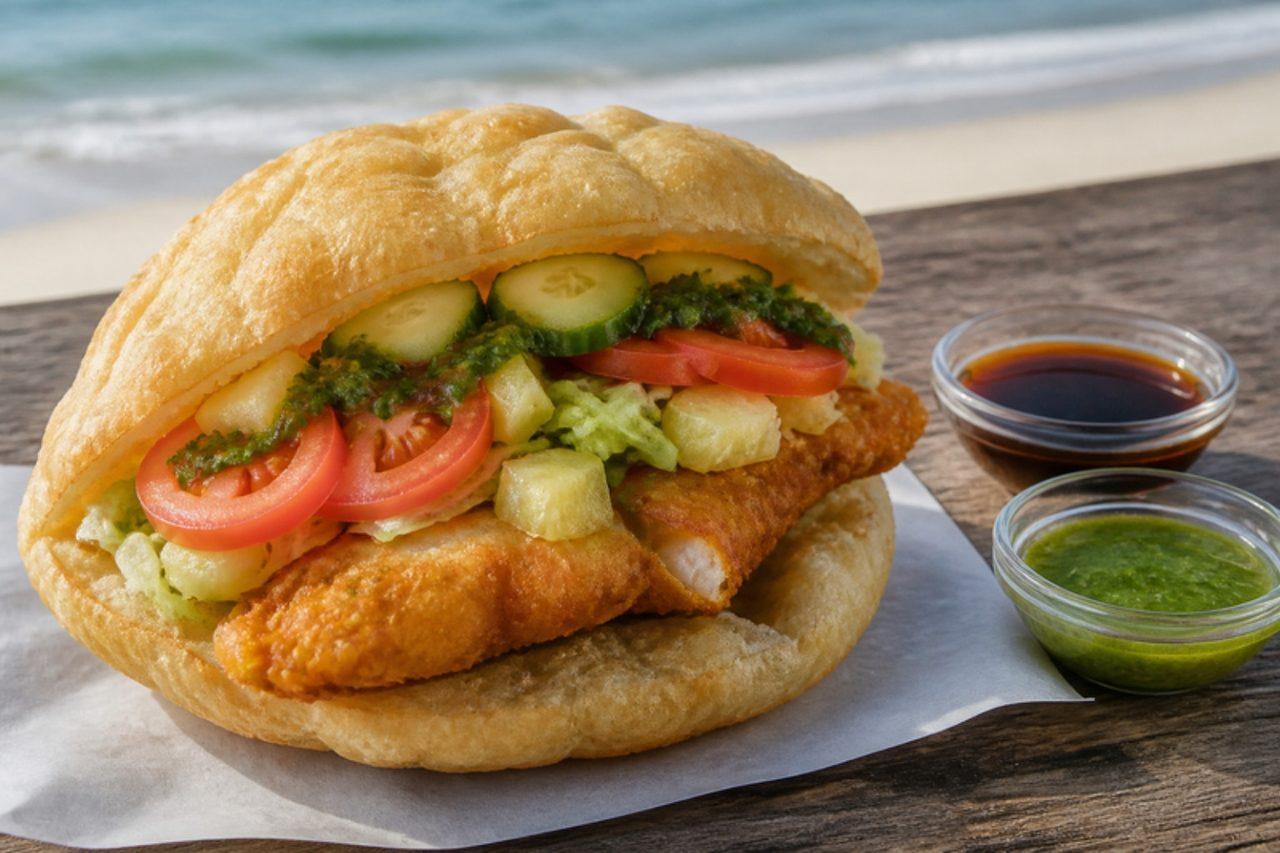
After a swim at Maracas Bay on Trinidad's north coast, the queue at the beach huts is for bake and shark: a puffy fried bread split open around a piece of seasoned, crisp-fried fish, then loaded at a toppings bar with coleslaw, cucumber, pineapple, tamarind sauce, pepper sauce and the bright green chadon beni (culantro) sauce. Shark is the tradition, but many shark species are now overfished and some build up mercury, so this recipe uses a firm, sustainably caught white fish such as hake, pollock, catfish or mahi-mahi; use shark only from a source you trust. Chef's tip: let the bake dough rest for a full 30 minutes; relaxed dough puffs up like a pillow in the hot oil instead of frying flat and tough.

by KrazyBadal 0 views

Jansson's temptationPotato, onion and sprat gratin

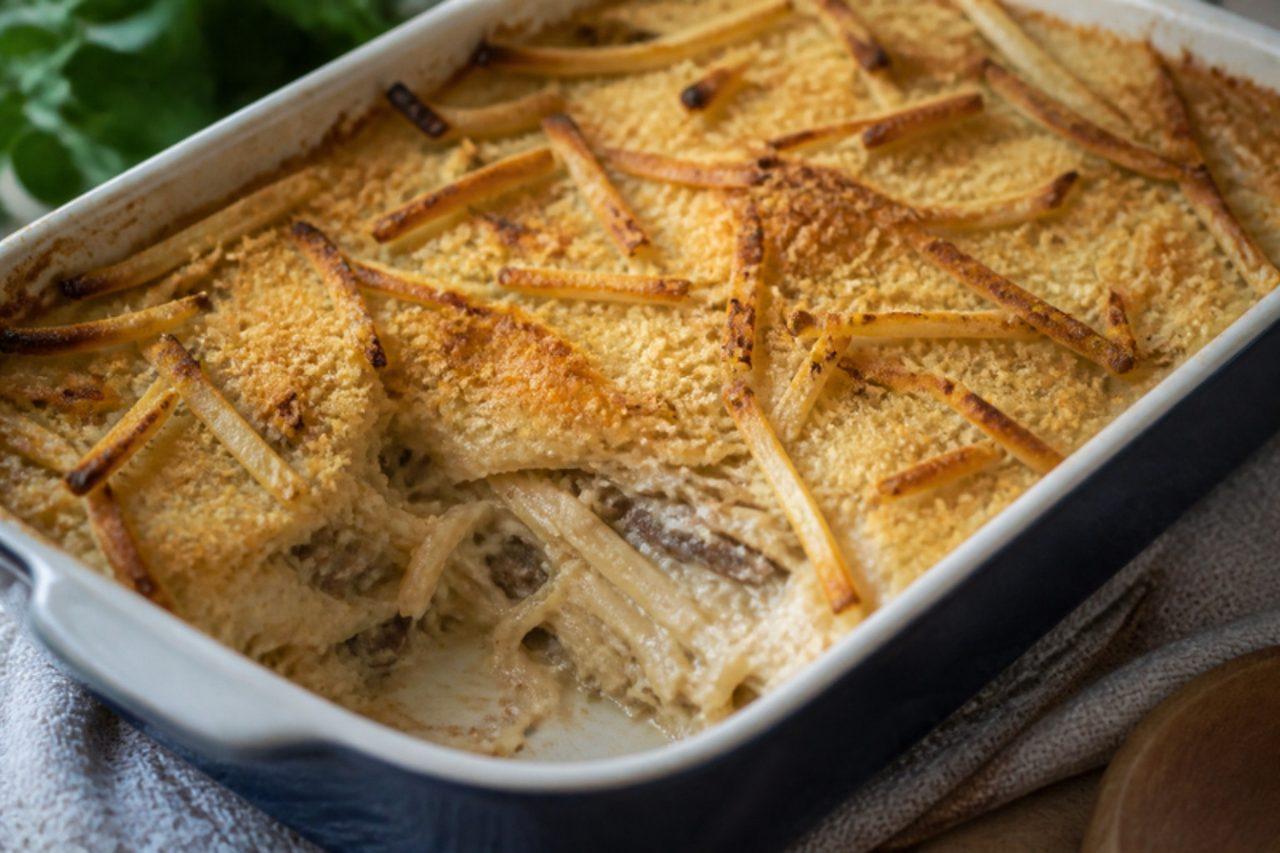
No Swedish Christmas table, from Gothenburg to Luleå, is complete without a dish of Janssons frestelse, and it often comes back at Easter and midsummer too. Matchsticks of potato and soft onion are baked in cream with Swedish-style spiced sprats (labelled ansjovis in Sweden), which melt into the sauce and season it with a salty, sweet-spiced depth rather than a fishy taste. It is rich, so a spoonful sits beside ham, meatballs and pickled herring rather than being a main course on its own. Many people go wrong by buying Mediterranean salted anchovies; they are far saltier and the gratin turns harsh, so look for the sweet-cured sprats in Scandinavian shops. Chef's tip: cut the potatoes into thin sticks rather than slices; the starch on their many edges thickens the cream as it bakes.

by KrazyBadal 0 views

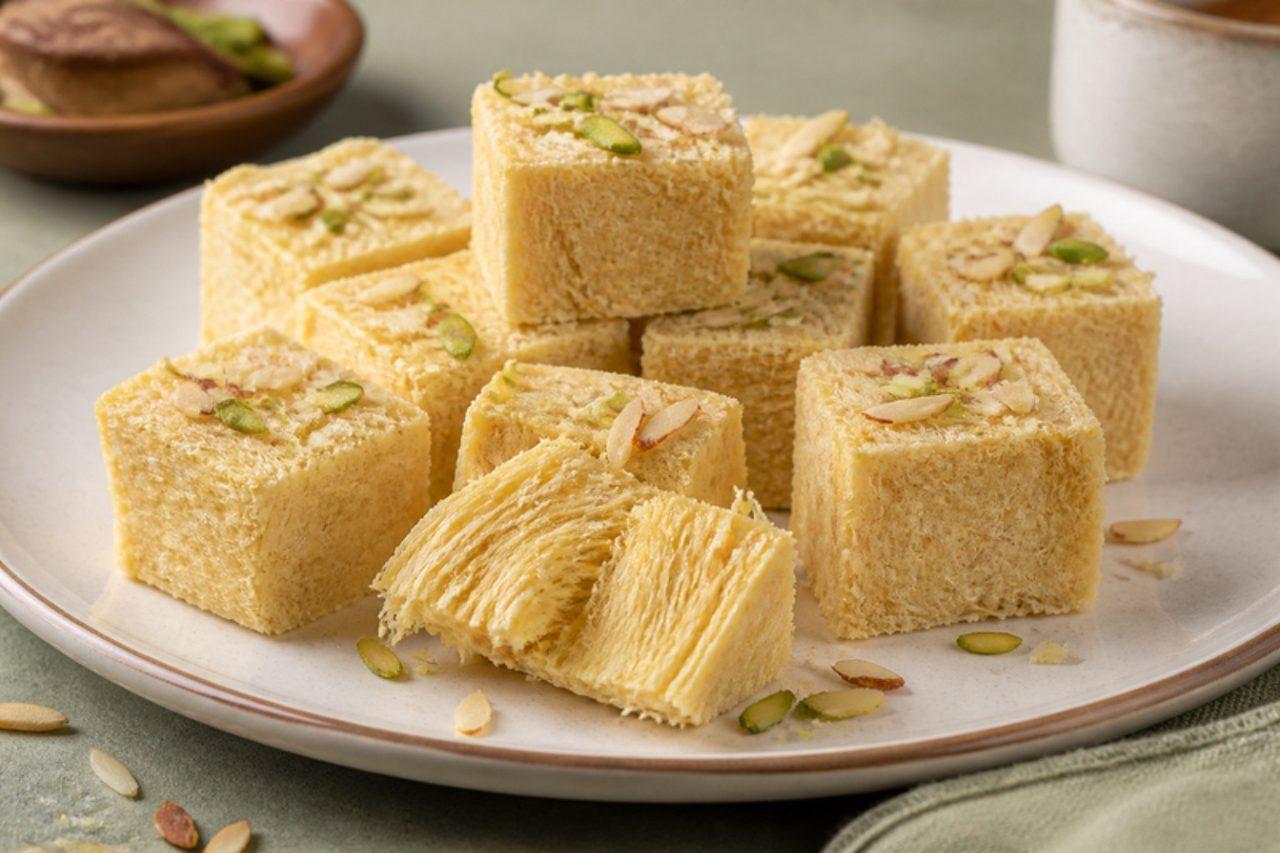
Mohan thaalGram flour fudge

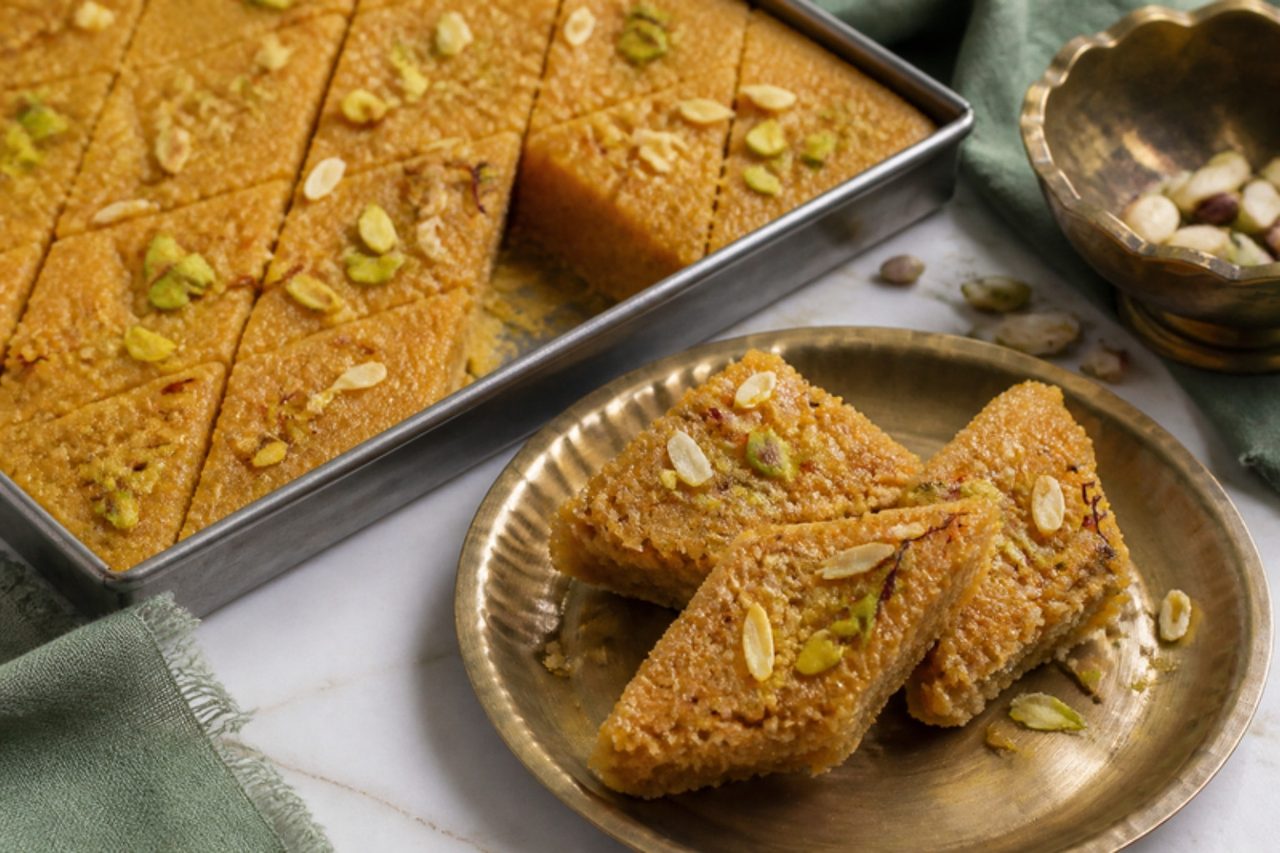
Mohan thaal, named after Krishna, is offered at temples on Janmashtami and fills sweet boxes at Diwali in both Rajasthan and Gujarat. It is coarse gram flour roasted in ghee until it turns golden and smells like roasted nuts, then set with cardamom syrup into a grainy, fudge-like slab and cut into diamonds. The texture comes from a step called dhabo: rubbing ghee and milk into the flour, then sieving it into tiny granules before roasting. The mistake most cooks make is cooking the syrup too long; the fudge sets rock-hard and crumbles when cut. Chef's tip: take the syrup off the heat at a firm one-and-a-half string stage, and stop stirring when the mixture pulls away from the pan's sides in one mass.

by KrazyBadal 0 views

Showing 27 of 10,046 recipes

Show more recipes

Page 938 of 1,117