


Skip to content
Magenbrot
Featured recipe

Magenbrot

Spiced gingerbread bites

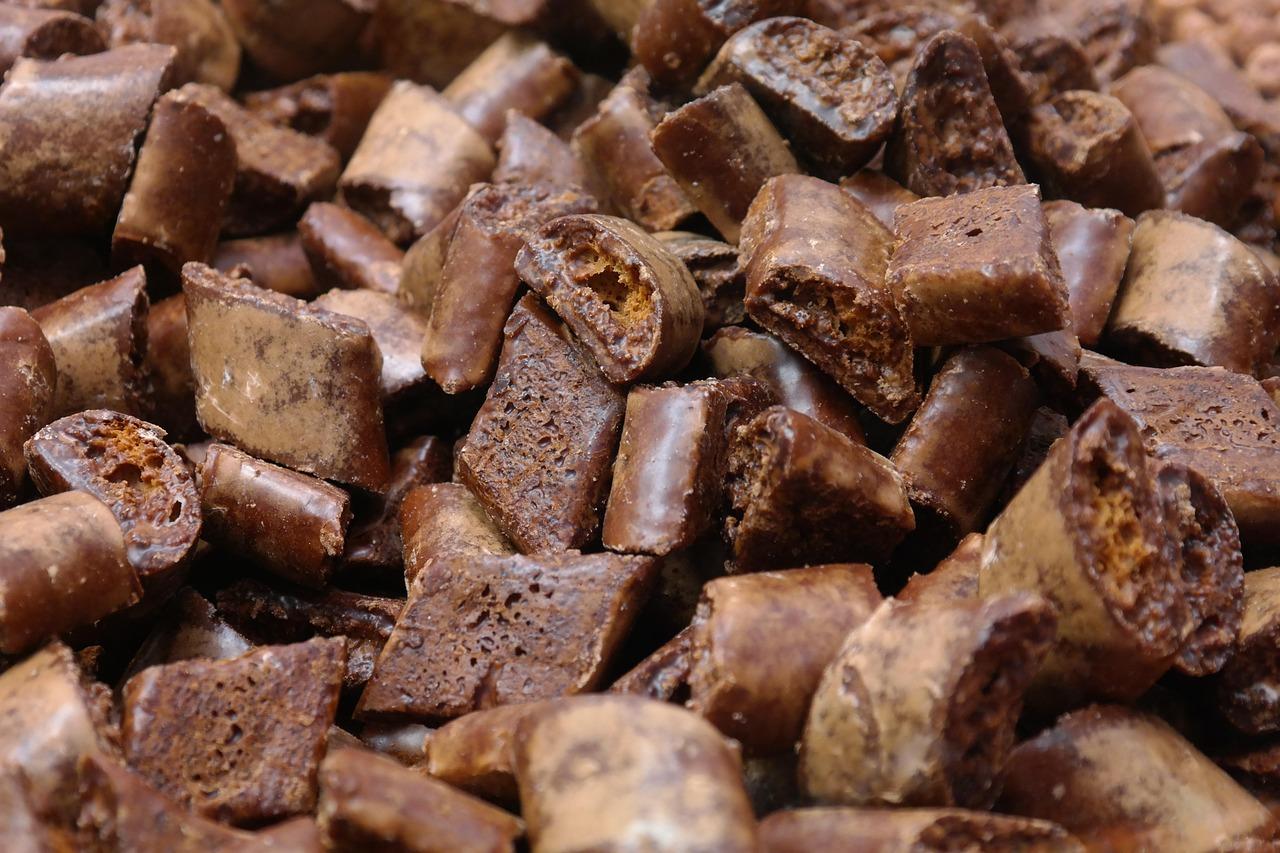
The smell of Magenbrot drifts over every Volksfest, Kirchweih and Christmas market in Bavaria, Baden and Swabia, where it is sold warm in paper cones. The name means stomach bread, because the spices were once thought to help digestion. Small diamonds of honey-spiced cake with cocoa are dipped in a shiny chocolate glaze that sets with a slight crunch. They keep for weeks in a tin, so they are made in big batches. The common mistake is overbaking, which makes the pieces hard instead of soft and chewy. Chef's tip: cut the cake while it is still warm, then glaze the pieces once they are cool so the glaze stays glossy.

Read more 0 views

What to eat today?

Around the world

Today's trip: Persian

A new country every day, from every cuisine on the site.

Persian

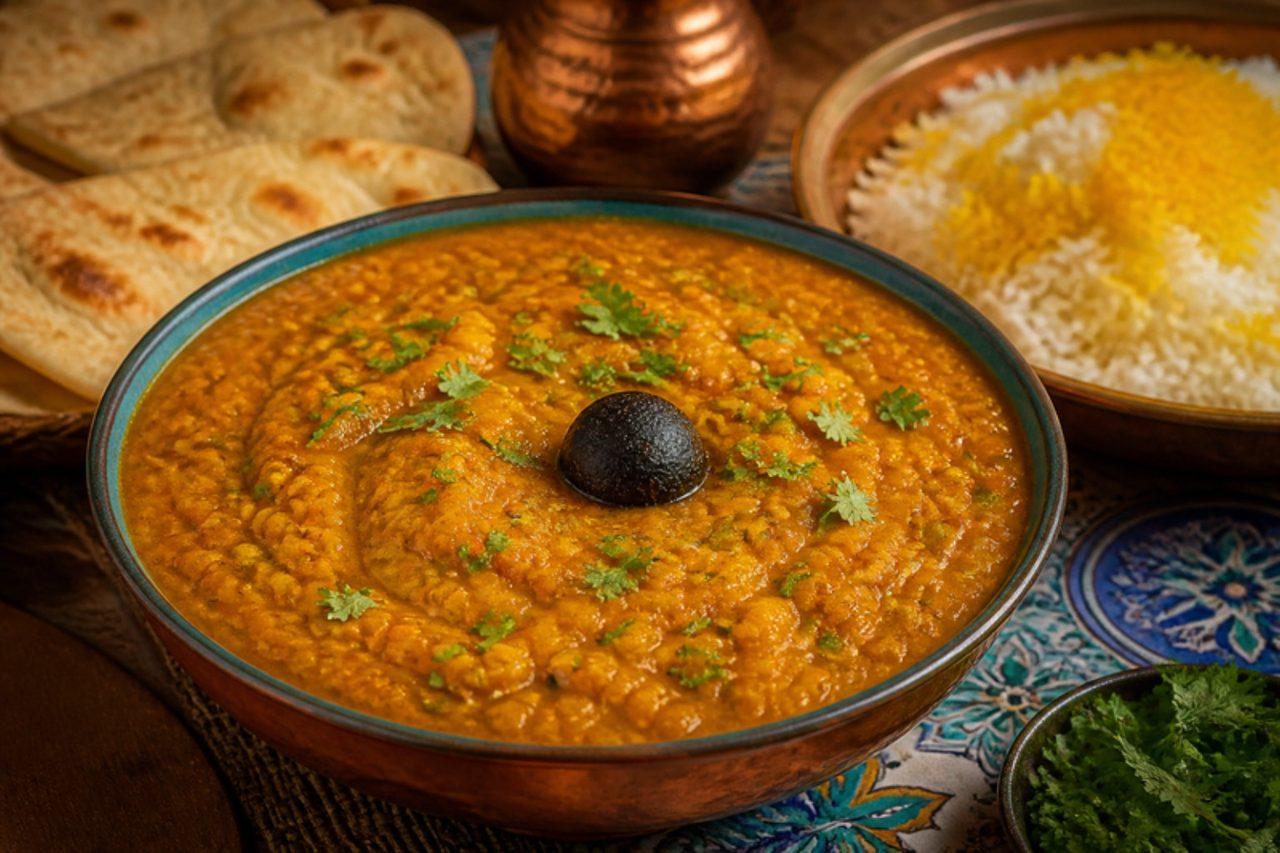
Dal adas

Red lentil curry with dried lime 50 minMore from Persian (177) →

This week's collection

Kid-friendly dinners
739 recipes · a new collection every Monday

Coming up

All occasions →

Latest recipes

Chickpea chapli kebabFlat chickpea kebabs

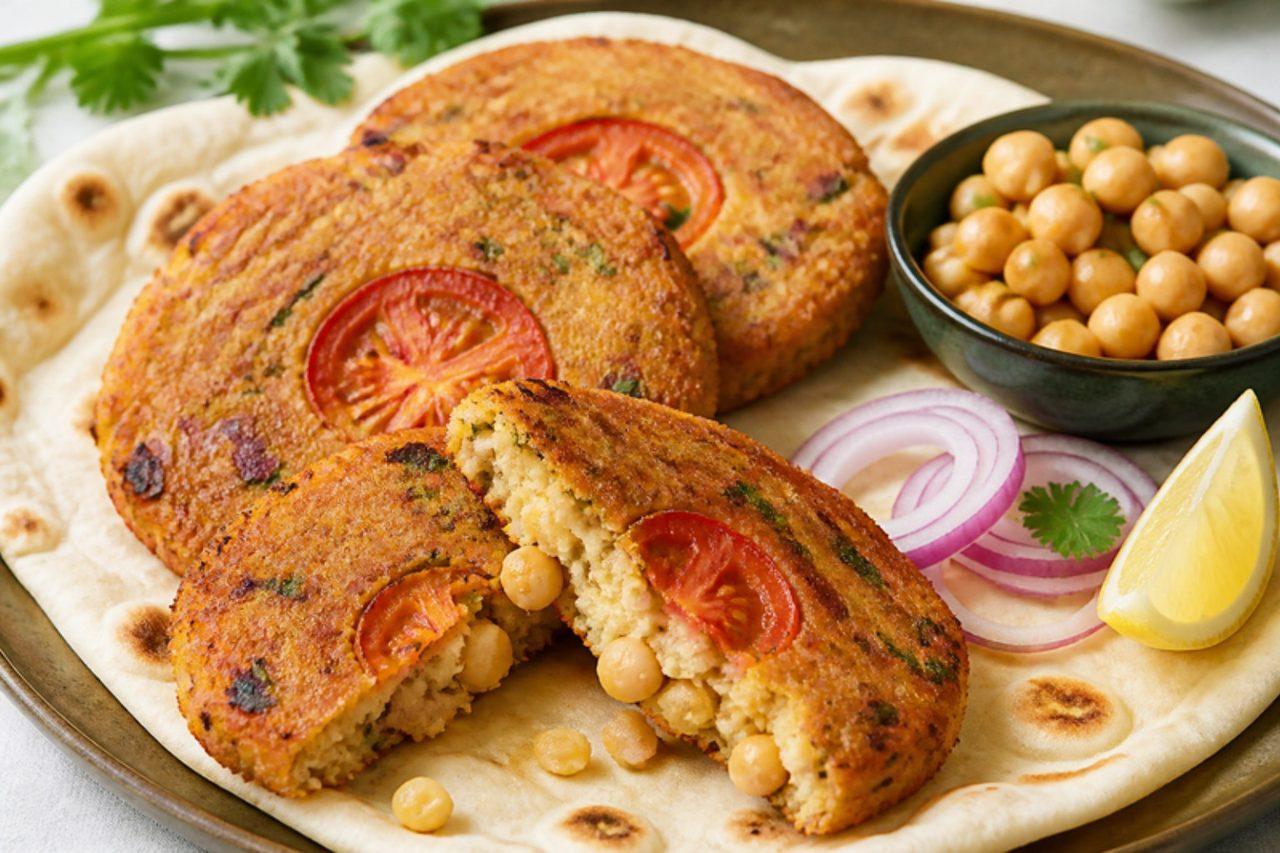
Chapli kebab comes from Peshawar, where Namak Mandi and the Qissa Khwani Bazaar are lined with cooks frying giant flat kebabs in shallow iron pans; the name comes from chaprikh, flat in Pashto. This chickpea version keeps everything that makes a chapli kebab taste right: coarsely crushed coriander seeds, dried pomegranate seeds (anardana) for sourness, chilli flakes, green chilli, onion, tomato and a little maize flour to bind it, with a slice of tomato pressed into each one so it chars in the pan. Serve them with naan, sliced onion and a sharp green chutney. The usual mistake is blitzing the chickpeas to a smooth paste in a processor; the kebab needs texture, so mash by hand and leave some pieces. Chef's tip: press them really thin, about 1 cm, and with ragged edges; the thin edges go crunchy, which is the whole point of a chapli.

by KrazyBadal 0 views

Khasta kachori with aloo sabziFlaky urad dal pastries with potato curry

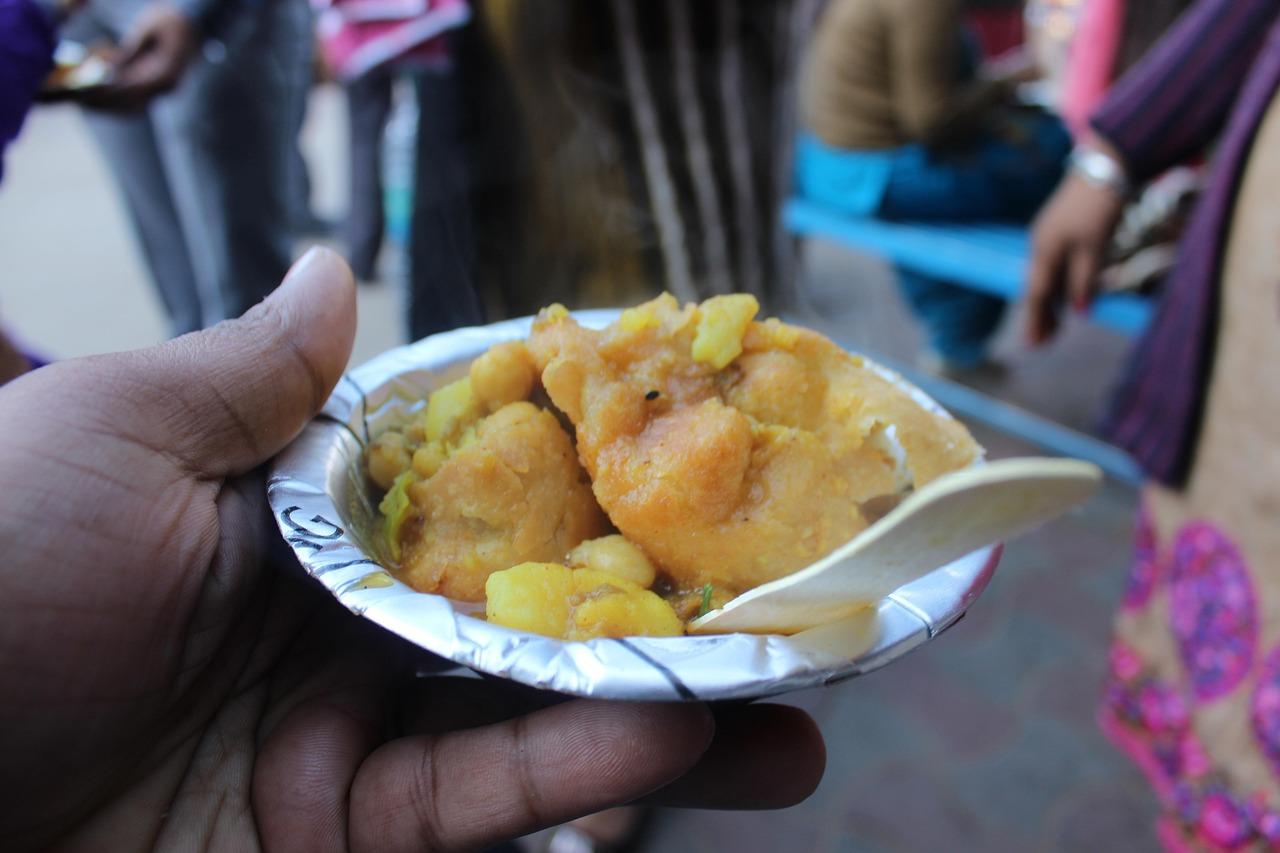
In the lanes of Old Delhi, breakfast often means a leaf plate of khasta kachori broken into a hot, thin potato curry, with a dollop of pickle and a cup of chai. The kachoris are large and flat with a peppery filling of coarsely ground urad dal, fried slowly until they blister and puff, and the aloo sabzi is fiery with chilli and sharp with tomato and dried mango. It's a weekend dish, filling enough to last until lunch. Chef's tip: break the boiled potatoes by hand rather than chopping them; the rough edges melt into the gravy and thicken it naturally.

by KrazyBadal 0 views

KhatkhatemMixed vegetable and dal stew

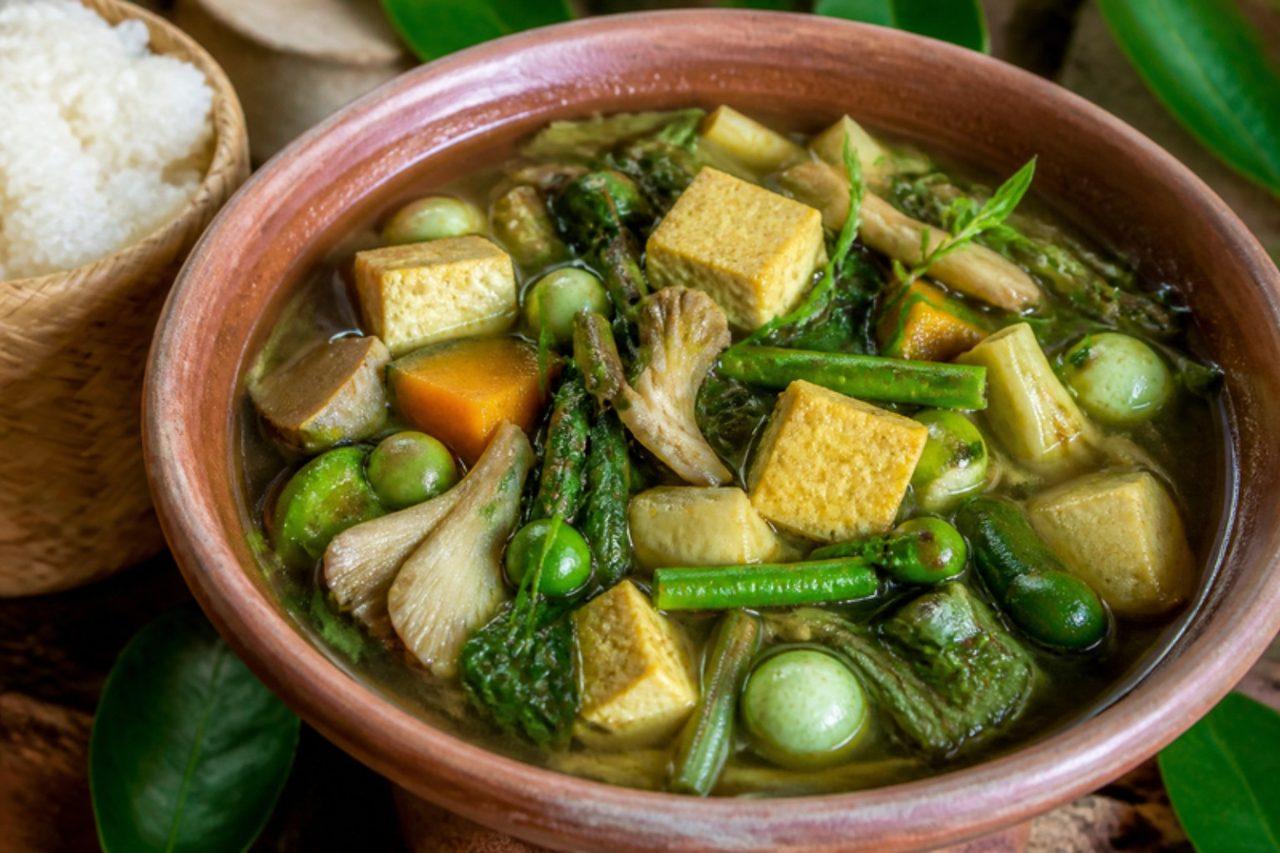
Khatkhatem is the vegetable stew Goan Hindu families cook for Ganesh Chaturthi and wedding feasts, when onion and garlic are kept out of the kitchen. It takes whatever the monsoon garden gives: pumpkin, sweet potato, raw banana, corn on the cob, drumsticks, yam and the long Goan cucumber, simmered with a little toor dal in a ground paste of coconut, red chillies and coriander seeds. The flavour comes from tirphal, a dried berry from the Western Ghats with a woody, citrusy, slightly numbing bite. Serve it with rice and a crisp papad as part of the festive spread. Chef's tip: add the vegetables in stages, hardest first; khatkhatem should have every vegetable tender but whole, not a mush.

by KrazyBadal 0 views

Chicken sajjiRoast salted chicken

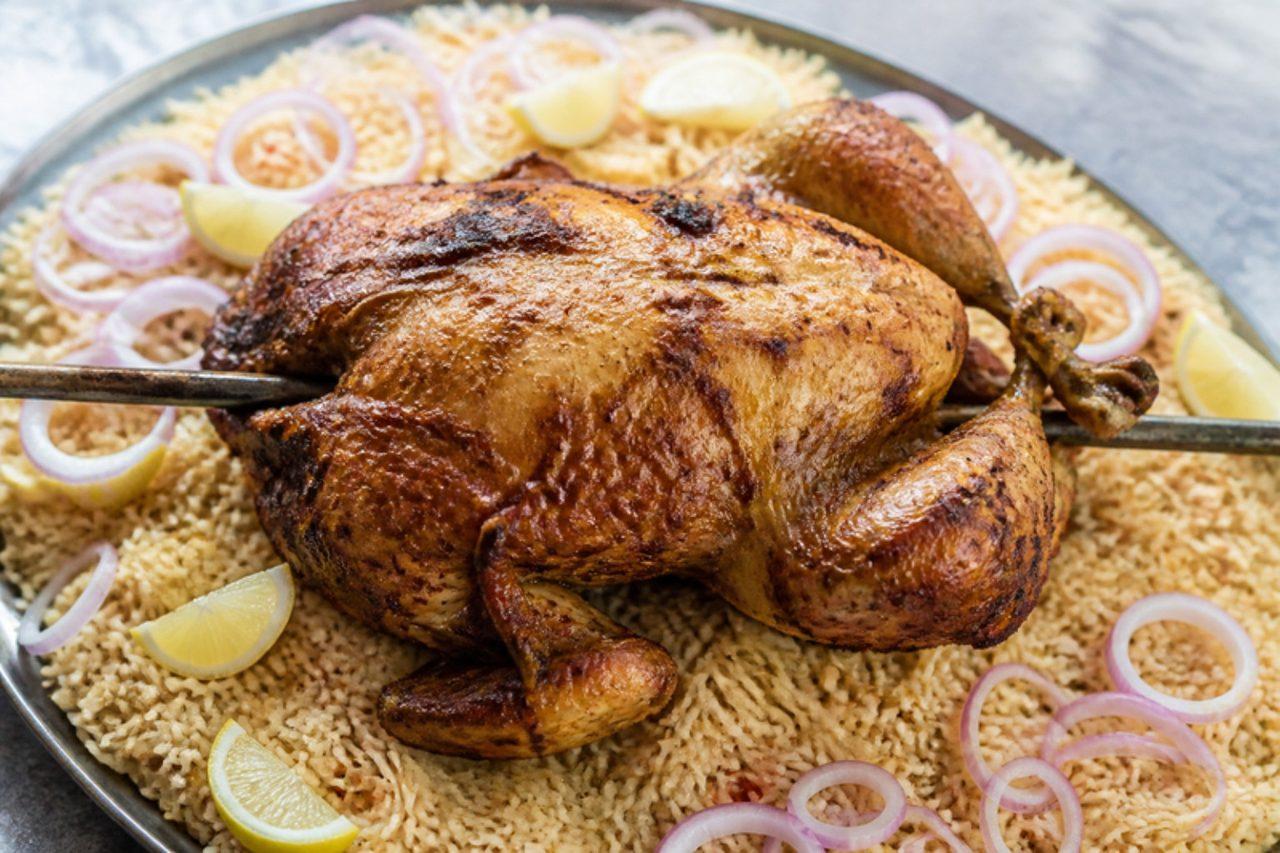
Sajji comes from Balochistan, where shepherds once roasted whole lambs on sticks around an open fire with nothing but salt. In Quetta and Karachi's Balochi restaurants it is now usually a whole chicken, lightly spiced, roasted slowly until the skin is crisp and the meat drips with juice, then served on a heap of rice or with flat kaak bread. It is a festive dish for gatherings and family Sundays. This oven version stays true to the simple style: salt, a little lemon and green papaya, and slow heat. Chef's tip: roast it low first and finish hot; slow cooking keeps the meat juicy while the final blast crisps the skin.

by KrazyBadal 0 views

Chicken nanbanFried chicken with tartar sauce

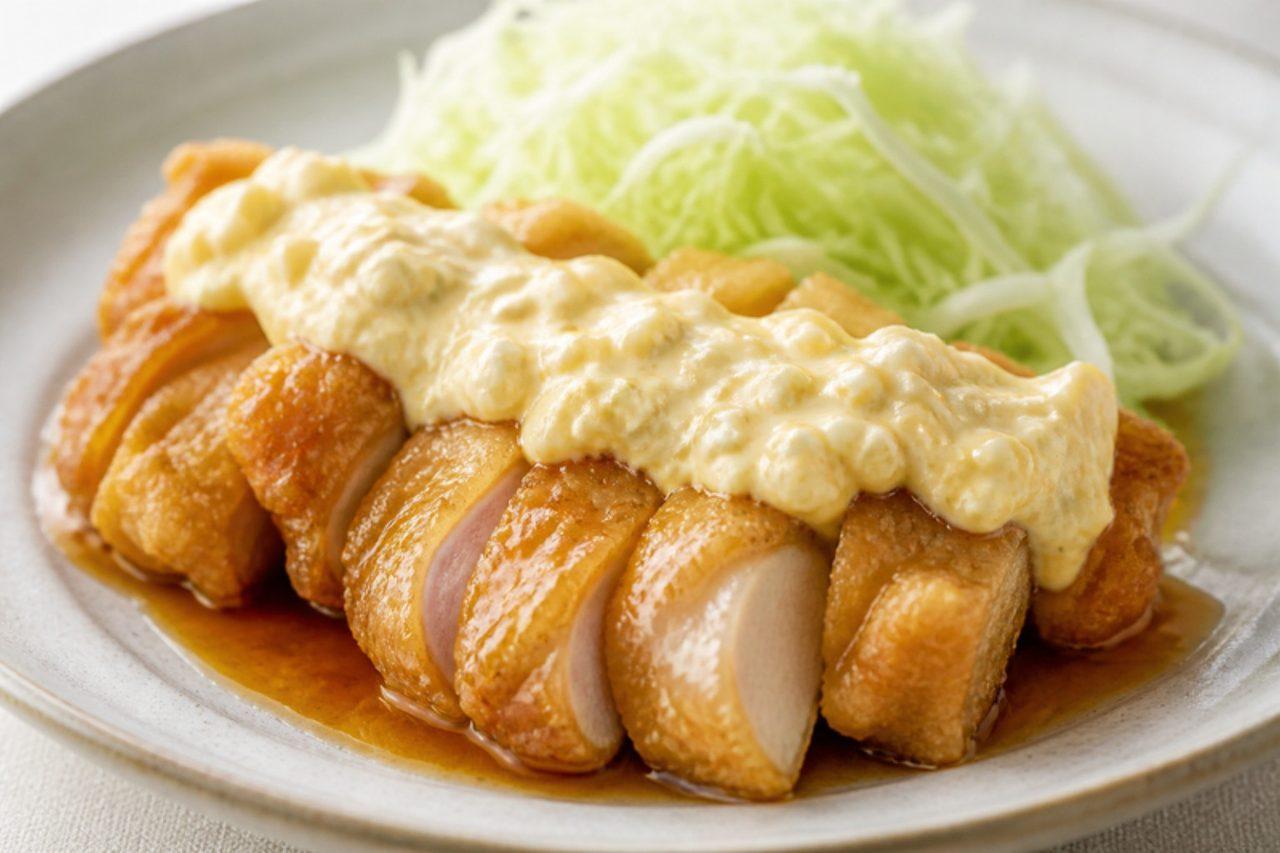
Chicken nanban comes from Miyazaki prefecture in Kyushu, where it was created in the city of Nobeoka in the mid 20th century as staff food at a Western-style restaurant. Today it is the region's best-known lunch set, served in diners all over Miyazaki with shredded cabbage, rice and miso soup. Chicken thighs are dipped in flour and beaten egg, fried golden, then briefly bathed in sweet soy vinegar and covered with a chunky egg tartar. The sharp vinegar and the rich tartar balance each other. Chef's tip: dip the hot chicken in the vinegar only for a few seconds per side; you want it seasoned, not soaked.

by KrazyBadal 0 views

Yassa pouletLemon onion chicken

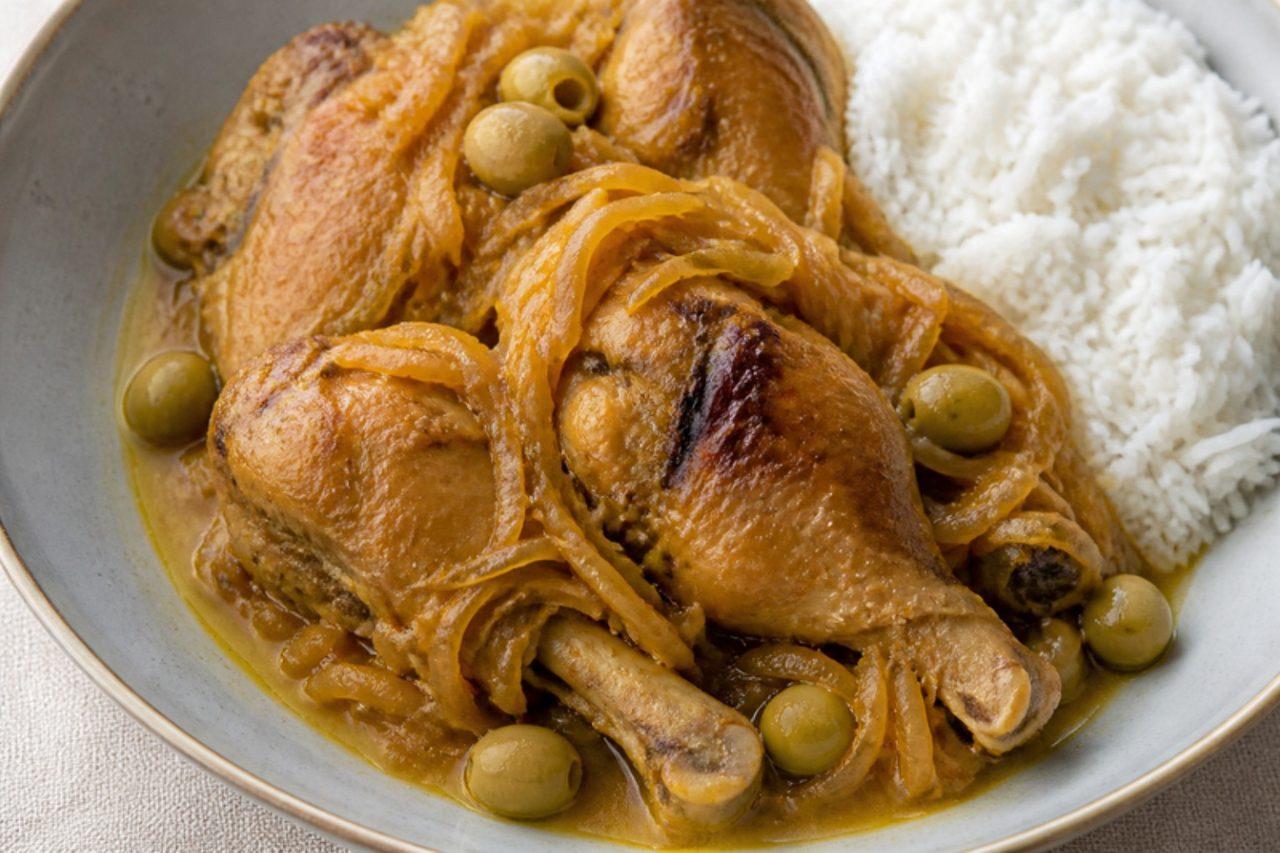
Yassa comes from Casamance, the green, rice-growing south of Senegal, and has become the dish Dakar families cook for guests and naming ceremonies. Chicken spends a night in lemon juice, mustard and a huge pile of sliced onions, is grilled or browned until charred at the edges, then braised in those same onions until they collapse into a sharp, sweet, jammy sauce. It is served over plain white rice with a green olive or two on top. A common mistake is rushing the onions; if they are still crunchy the sauce tastes raw and harsh, so give them the full half hour. Chef's tip: keep the marinade, because it becomes the sauce; just boil it well with the onions so it is safe to eat.

by KrazyBadal 0 views

ChoilaSpiced grilled chicken

Choila belongs to the Newar community of the Kathmandu Valley, where it is served at festivals like Dashain and at feasts in Bhaktapur and Patan, alongside beaten rice (chiura) and a glass of something strong. Traditionally it is water buffalo, grilled over straw so the meat tastes smoky, then tossed while warm with raw mustard oil, garlic, ginger, chilli and a sizzling fenugreek tempering. This version uses chicken thighs, with buffalo or beef as an option, and it is always fully cooked before tossing. Serve it as a starter or snack with chiura and pickled radish. Chef's tip: let the mustard-oil tempering smoke for a few seconds before pouring it over; the hot oil loses its raw bite and coats the meat with a nutty, pungent flavour.

by KrazyBadal 0 views

KhobzRound semolina bread

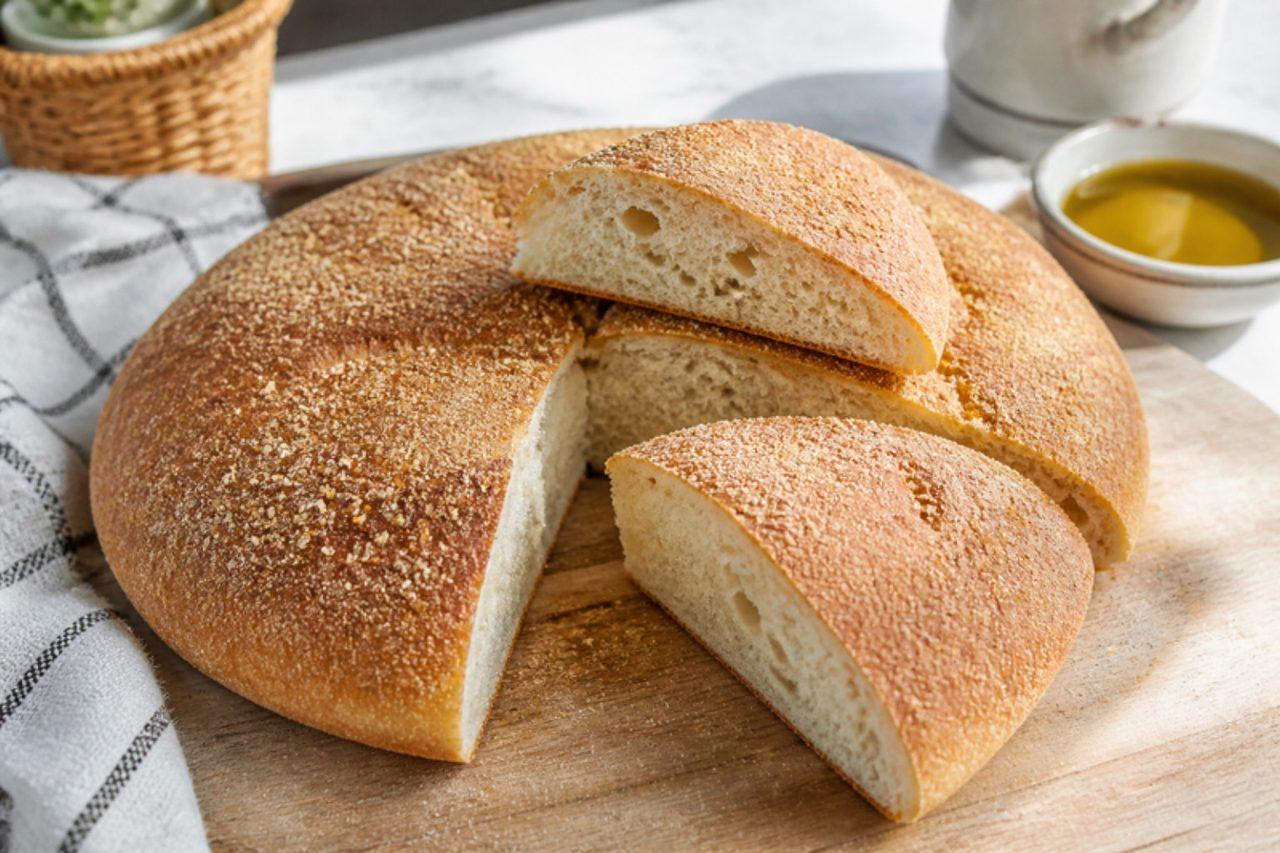
Khobz is the round, flat loaf that sits on every Moroccan table, used instead of cutlery to scoop up tagine and salads. In the older quarters of Fez and Marrakech families still shape their dough at home and carry it on wooden boards to the neighbourhood wood-fired oven, the ferran; at home it bakes perfectly on a hot tray. The semolina and wholemeal give it a slightly nutty taste and a soft, chewy crumb with a thin crust. It keeps for a day wrapped in a cloth and is wonderful toasted. Chef's tip: prick the top all over before baking so it rises evenly and stays flat instead of puffing like a pitta.

by KrazyBadal 0 views

Chicken cafrealGreen masala chicken

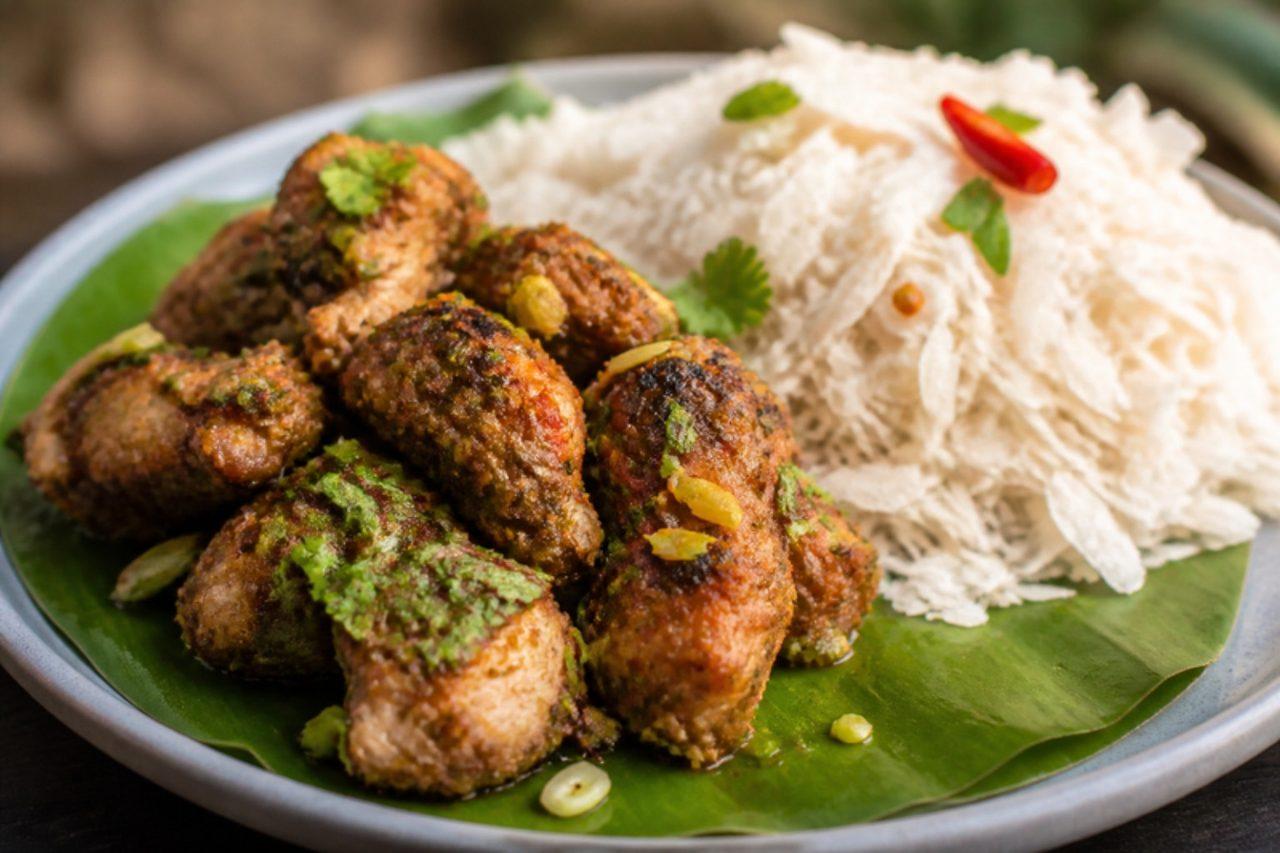
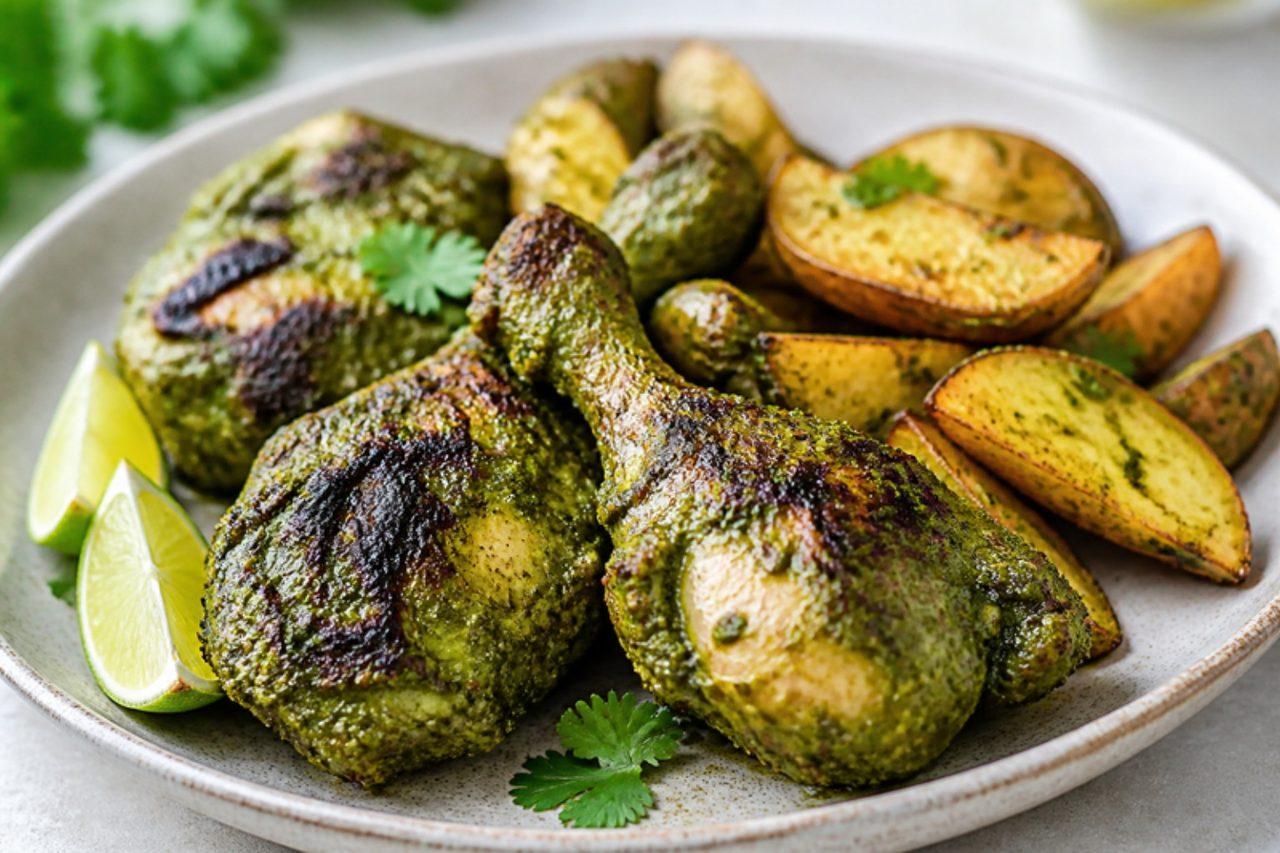
Cafreal came to Goa through Portuguese soldiers from Mozambique and became a fixture of the taverns and beach shacks around Panjim and Margao, where it is served with chips, a lime wedge and a cold drink. Chicken legs soak overnight in a vivid green paste of coriander, green chilli, garlic and warm spices, then fry slowly until the paste clings in dark, tangy patches. Chef's tip: use the coriander stems as well as the leaves; they carry most of the flavour and make the paste greener.

by KrazyBadal 0 views

Chicha venezolanaRice and milk drink

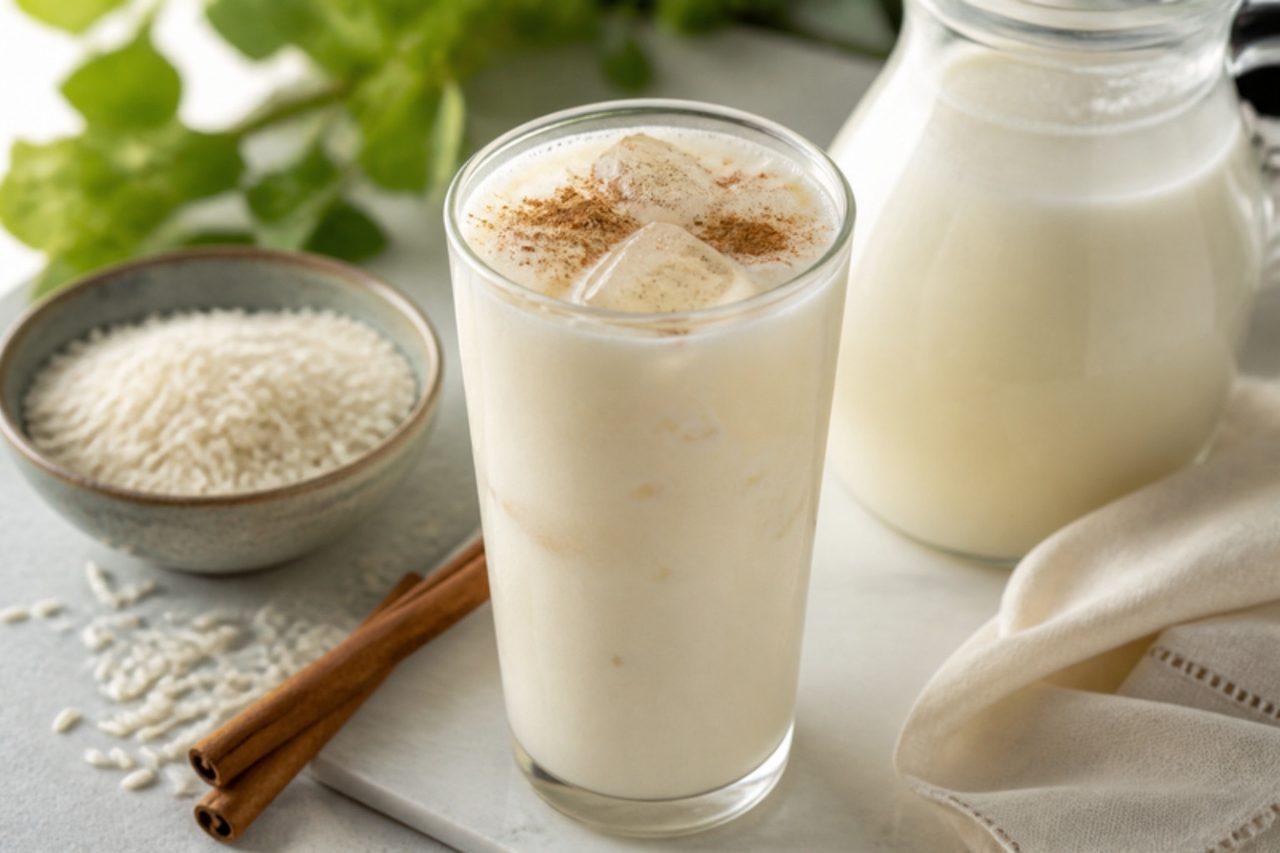
Chicha venezolana is the thick, creamy rice drink sold from pushcarts by chicheros on the streets of Caracas, poured over ice and topped with condensed milk and cinnamon. Unlike Mexican horchata, which is made from soaked raw rice, chicha is made from rice cooked until very soft, then blended with milk, condensed milk and vanilla, so it's thick and velvety, almost a drinkable rice pudding. Children love it as an afternoon treat. Chef's tip: cook the rice until it is really mushy and splitting; any firmness left makes the chicha gritty.

by KrazyBadal 0 views

ZoboHibiscus and pineapple drink

Zobo is the deep crimson drink sold ice-cold in recycled bottles at Nigerian bus parks, markets and parties, and in Ghana the same drink is called sobolo, often made punchier with extra ginger and grains of selim. Dried hibiscus calyces are boiled with pineapple peel, fresh ginger and cloves, then strained and sweetened, giving a tart, fruity, gently spicy drink. It is drunk fresh and alcohol-free, very cold, especially in the dry heat before the rains. Chef's tip: sweeten the drink once it is strained and still warm, tasting as you go; hibiscus tastes much sharper hot than when it is chilled, so leave it a touch sweeter than you think.

by KrazyBadal 0 views

Khorkhog-style lambHot stone-style lamb

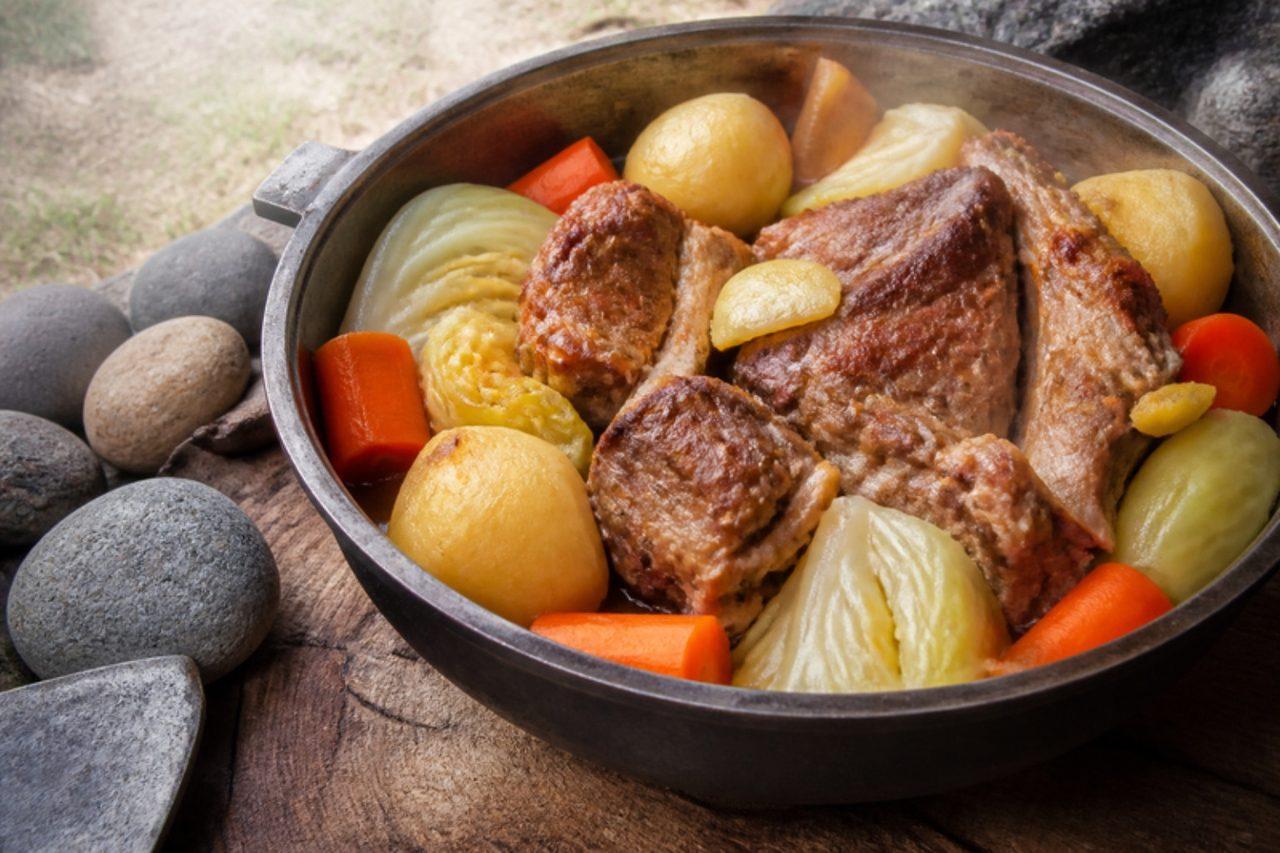
Khorkhog is the feast of the Mongolian countryside, cooked when a herding family welcomes guests: a sheep is cut into pieces and sealed into a milk churn with hot river stones, onion, carrot and potato, and the churn is set over the fire until the meat is tender and smoky. Guests pass the hot, greasy stones from hand to hand for good health. This home version cooks the lamb in a heavy sealed casserole in the oven, which gives the same tender meat and rich juices; please don't heat stones in a kitchen pot, which is dangerous. The mistake is adding water: the lamb steams in its own juice with only a little liquid. Chef's tip: use lamb on the bone, such as neck or shoulder, for the deepest flavour.

by KrazyBadal 0 views

Chicha moradaPurple corn drink

Chicha morada is Peru's favourite soft drink, served by the jug in every restaurant in Lima and drunk across the country with lunch. Andean purple corn is simmered with pineapple peel, apple, cinnamon and cloves, then sweetened and sharpened with lime to make a dark ruby drink that tastes of berries, spice and gentle tannin, a little like a spiced cranberry juice. It has no alcohol, unlike the fermented chicha de jora of the Andes. Dried purple corn (maíz morado) comes from Latin shops; purple corn powder works too. Chef's tip: add the sugar and lime only once the drink has cooled; lime added to the hot liquid turns it bitter.

by KrazyBadal 0 views

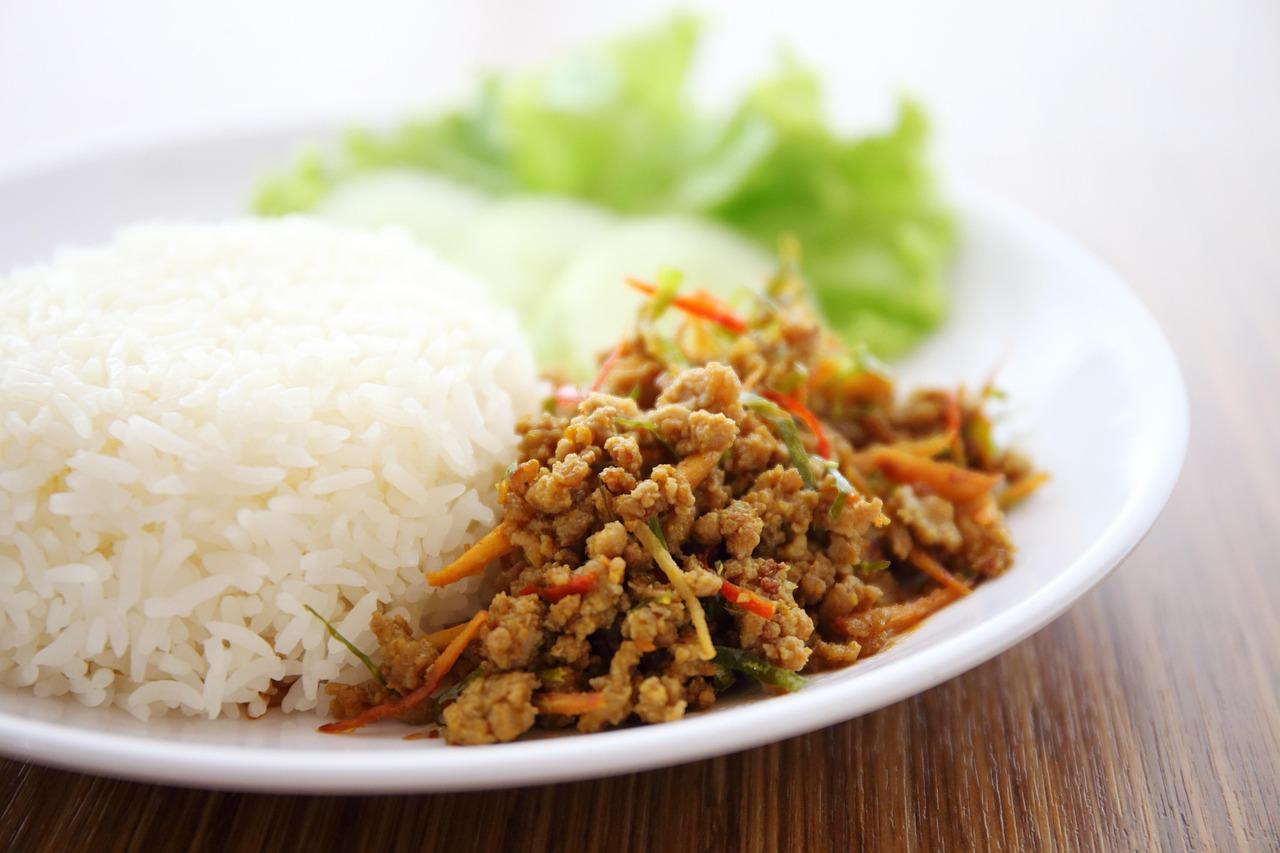
Khua klingDry-fried spicy minced pork

Ask for this at a rice-and-curry shop in Phuket or Hat Yai and it comes as a small, dark heap beside your rice, smelling of lime leaf and black pepper and hot enough to bring tears. There is no sauce at all: minced pork or beef is fried with a turmeric-heavy southern paste until every crumb is dry, separate and coated in spice. The heat is fierce, so it is always eaten with jasmine rice, sliced cucumber, raw long beans and herbs to cool the mouth. It also keeps well for a couple of days and is excellent cold in a lunchbox. Chef's tip: keep stirring and pressing the meat against the hot wok at the end; the name means 'roll and roast', and that last dry-frying is what makes it.

25 minThaiMeatGluten freeSpicy
by KrazyBadal 0 views

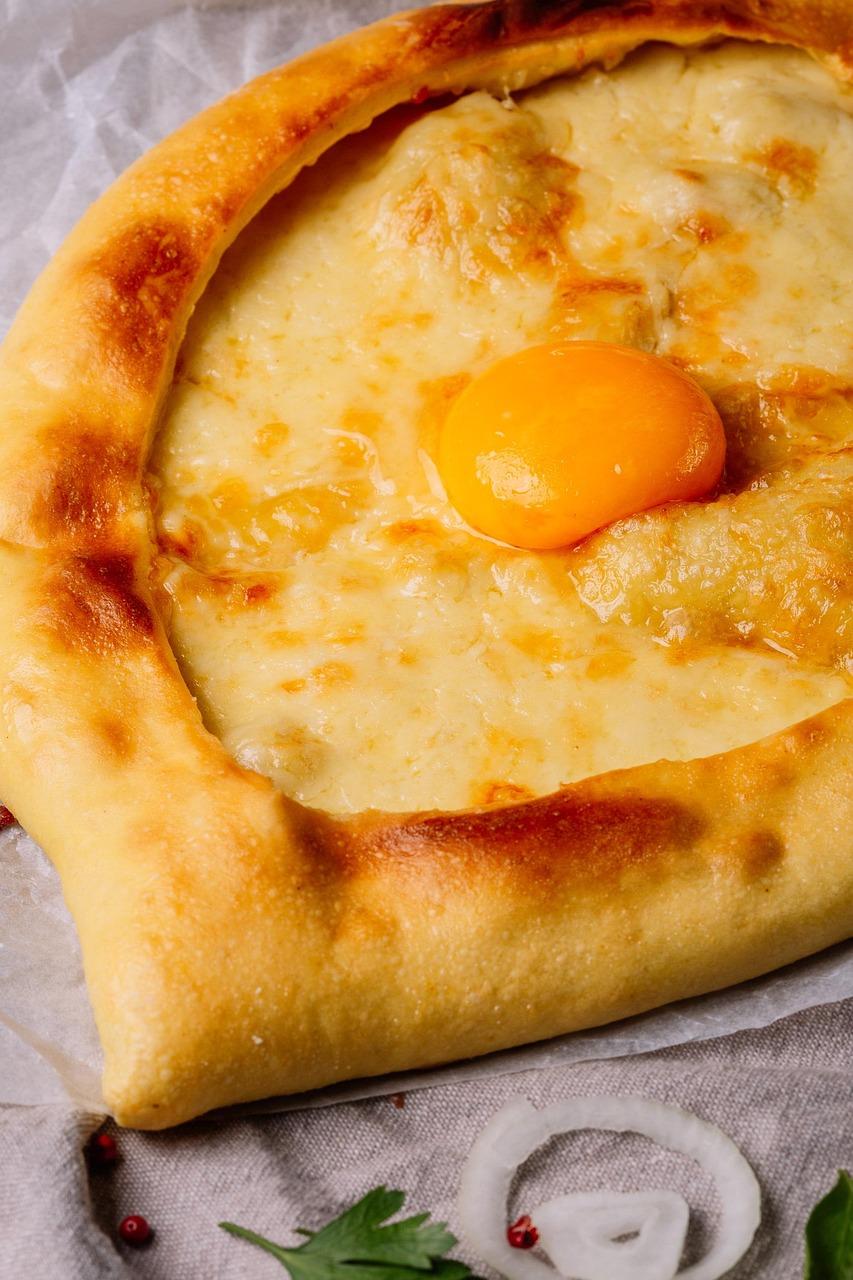
Adjaruli khachapuriCheese bread boat with egg

On the Black Sea promenade in Batumi, the capital of Adjara, this is the bread people queue for after a swim: a boat of soft yeasted dough, the middle filled with molten cheese, and an egg yolk and a slab of butter dropped in at the very end. You stir the yolk and butter through the cheese with a fork at the table, then tear off the crisp ends and dip them in. Locals say the shape is a boat and the yolk the sun over the sea. Georgian imeruli and sulguni cheeses are hard to find outside Georgia, so this uses mozzarella with feta for the salty tang. Choose cheeses labelled vegetarian (microbial rennet). The usual home mistake is putting the egg in too early, which sets it hard; the yolk should go in only for the last 2 minutes so it stays runny. Chef's tip: roll the long edges inwards tightly and pinch the tips hard, or they will unroll in the oven and the cheese will flood the tray.

by KrazyBadal 0 views

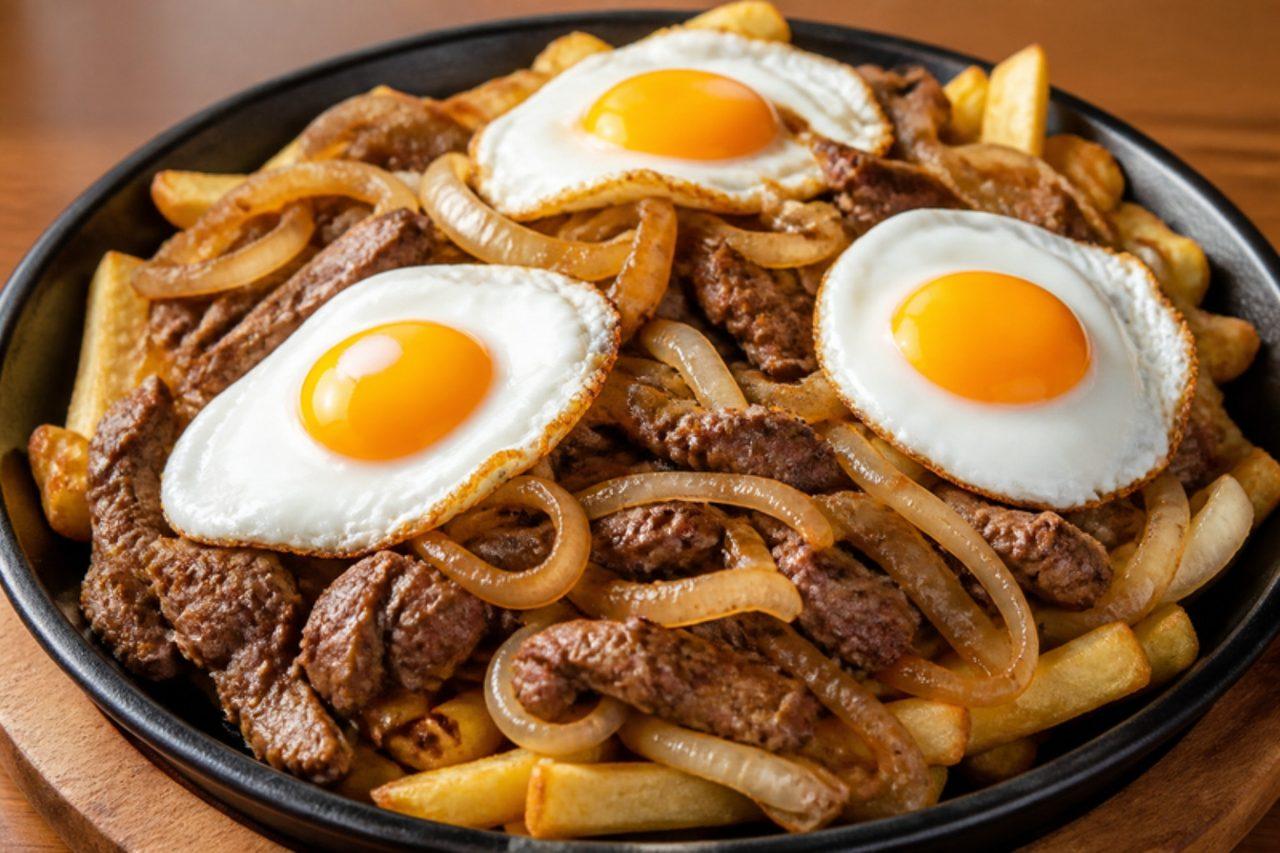
ChorrillanaChips with beef, onions and eggs

Chorrillana was made famous by the old picadas (cheap eateries) of Valparaíso's port, where it arrived on huge platters for friends to share late at night: a mound of chips covered with strips of beef, soft fried onions and scrambled or fried eggs. The mistake is cooking the onions too fast; they should be soft, sweet and golden to bring the dish together. Chef's tip: season the beef only at the end so it browns rather than steams. Some bars add a splash of wine to the onions; this version leaves it out.

by KrazyBadal 0 views

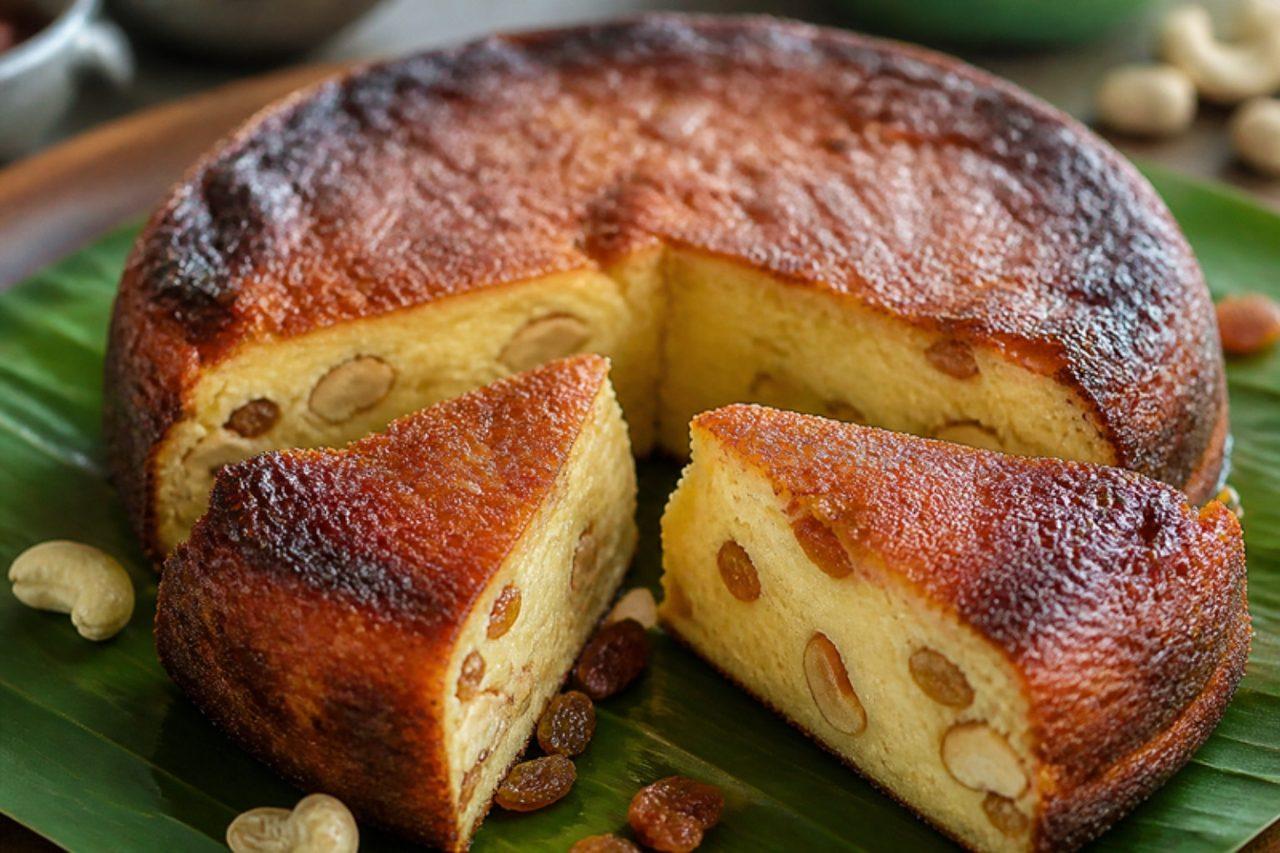
Chhena podaBaked cheese cake

Chhena poda means 'burnt cheese', and it is Odisha's most famous sweet. It was first made in Nayagarh district, where a sweet maker is said to have left chhena and sugar overnight in a cooling wood oven. Fresh chhena is kneaded with sugar, a spoon of rice flour or semolina, and cardamom, then baked slowly until the outside caramelises into a dark, sticky crust and the inside stays moist and fudgy. It is offered to Lord Jagannath and sold in slabs at every Odia sweet shop. Chef's tip: line the tin with ghee-brushed banana leaf if you can; it adds the smoky note of the original.

by KrazyBadal 0 views

KhuraBuckwheat pancakes

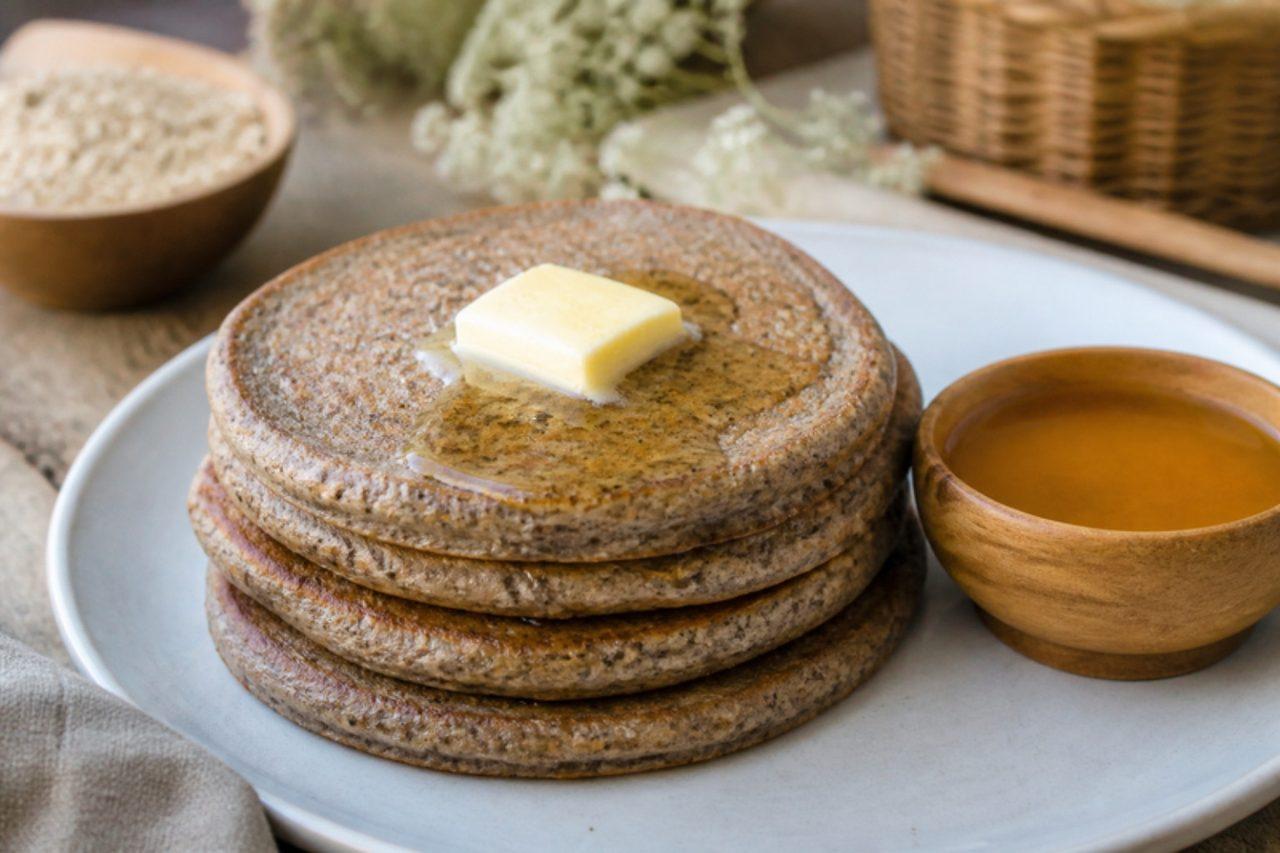
Khura are the buckwheat pancakes of the Monpa people of Tawang and West Kameng, high in Arunachal Pradesh, where buckwheat grows better than wheat. A thick, egg-enriched batter of buckwheat flour is cooked into soft, spongy pancakes for breakfast, eaten with butter tea, chilli-cheese chutney (chamin) or vegetable curry. They are earthy, slightly sour and filling on a cold morning. Chef's tip: let the batter stand for 20 minutes; buckwheat absorbs water slowly and the pancakes hold together much better.

by KrazyBadal 0 views

Chhena gajaFried cheese blocks in syrup

Chhena gaja is the sweet pilgrims carry home from Puri in boxes from the stalls along the Bada Danda, the grand road to the Jagannath temple. Fresh chhena is kneaded with semolina, cut into rectangles, fried until golden and crisp, then soaked briefly in sugar syrup so the outside turns glassy and crunchy while the inside stays soft and grainy. It travels well and keeps for days. Chef's tip: dry the fried blocks for an hour after syruping; the sugar sets into a thin crust.

by KrazyBadal 0 views

Chhattisgarhi chilaRice flour pancakes

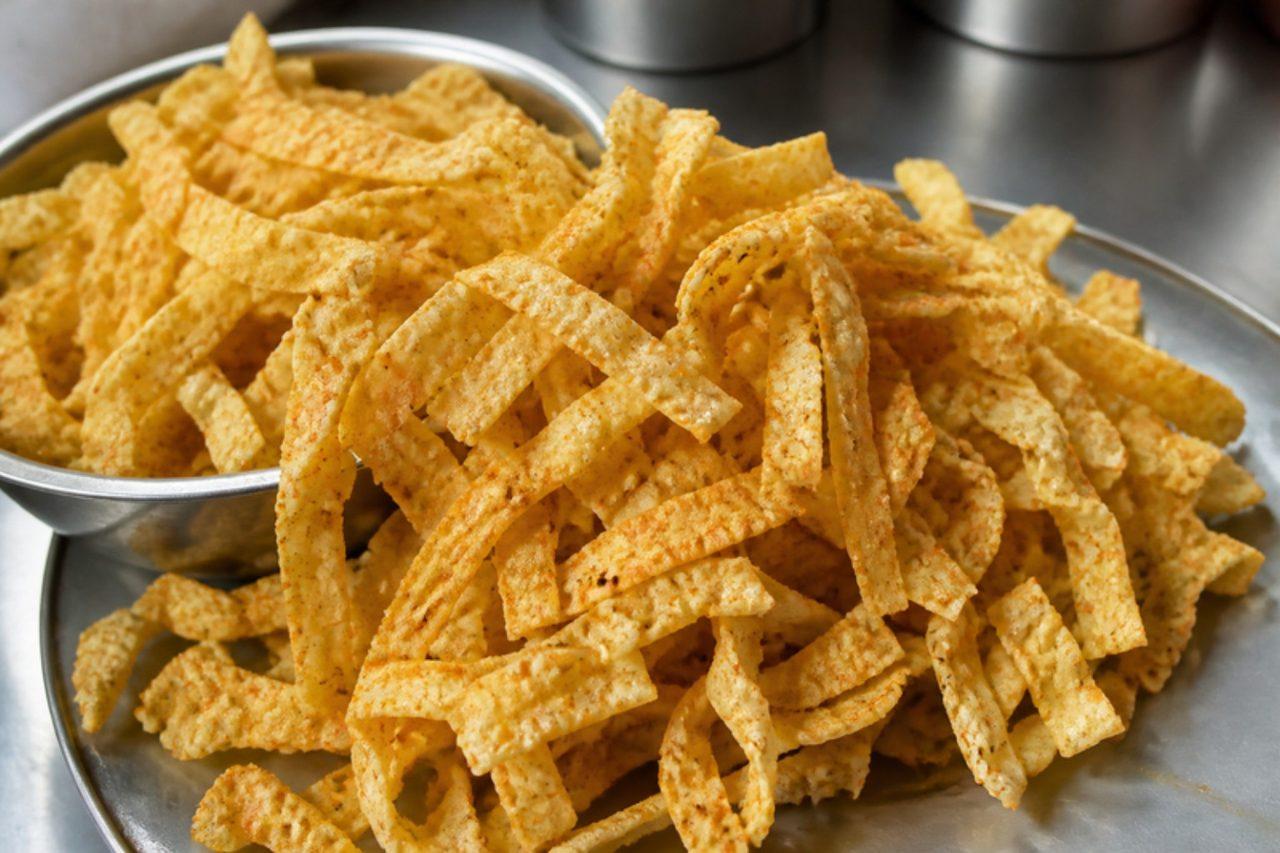
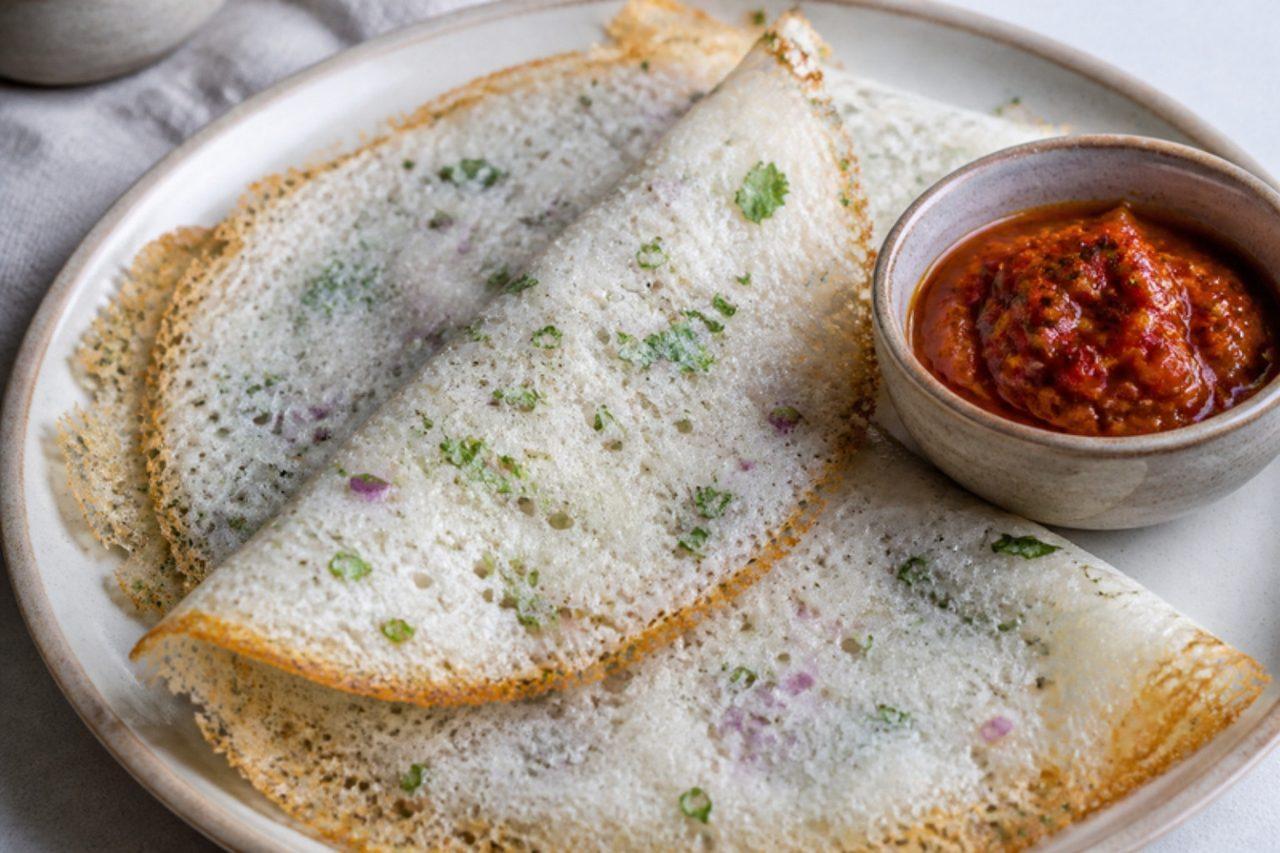
Chhattisgarh calls itself the rice bowl of India, and its everyday breakfast proves it: chila made from nothing more than rice batter, salt and a few aromatics, poured paper-thin onto a hot tawa. Village kitchens grind soaked rice on a stone; rice flour makes it quick enough for a weekday. The pancakes are soft in the middle with crisp, lacy edges and come with a rough chutney of fire-roasted tomato, garlic and green chilli. This is different from the thick gram-flour chila common elsewhere in India. Chef's tip: stir the batter before every ladle, because rice flour sinks fast and the last chilas otherwise turn thick and gummy.

by KrazyBadal 0 views

KhuushuurFried mutton pasties

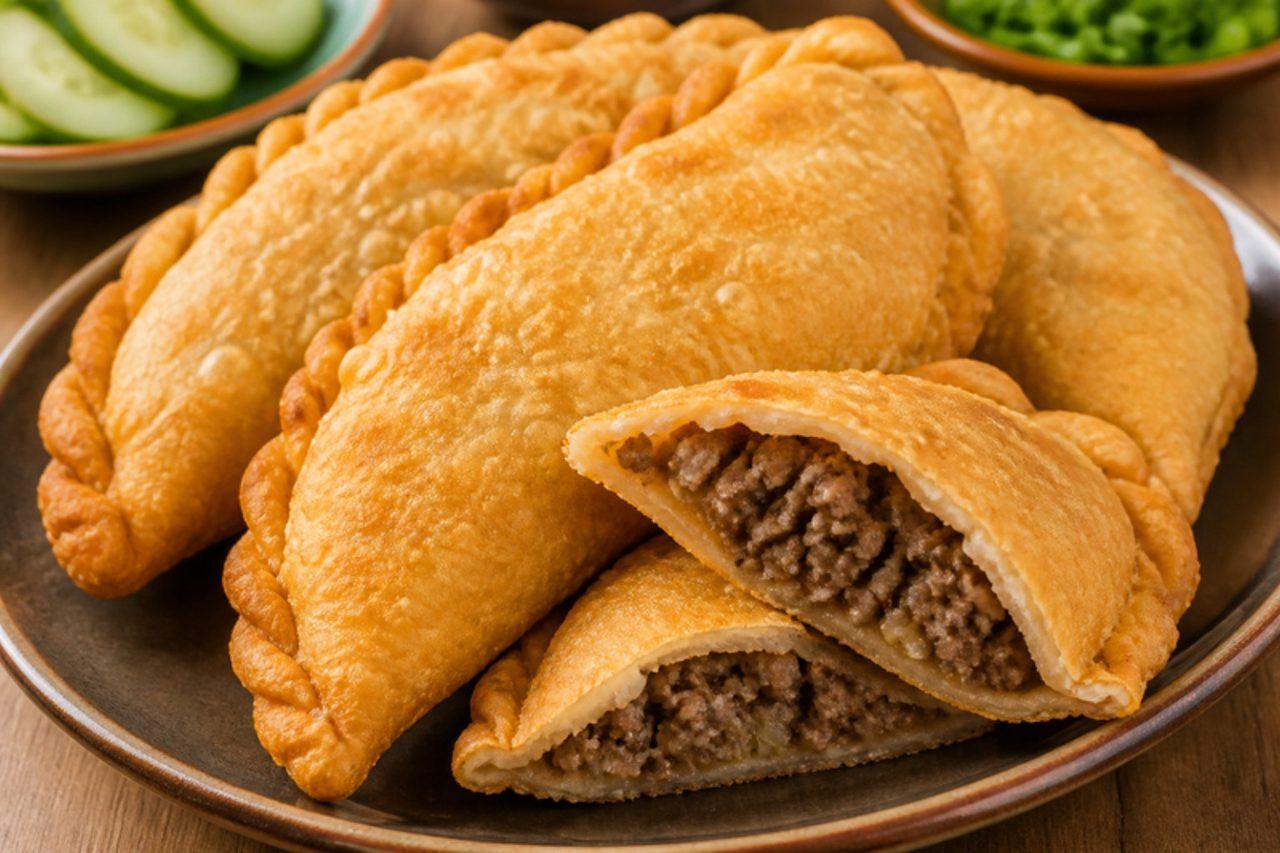
Khuushuur are the flat, crescent-shaped pasties sold hot from stalls at Naadam, the July festival of wrestling, archery and horse racing, and fried in Mongolian homes all summer: thin dough round a filling of minced mutton, onion and garlic, fried until blistered and crisp. People hold them in a napkin and bite through to the juicy filling. The mistake is rolling the dough thick; it should be thin so it crisps quickly while the meat cooks. Chef's tip: press out all the air before sealing, or the pasties balloon and burst in the oil.

by KrazyBadal 0 views

Adas poloLentil rice with dates

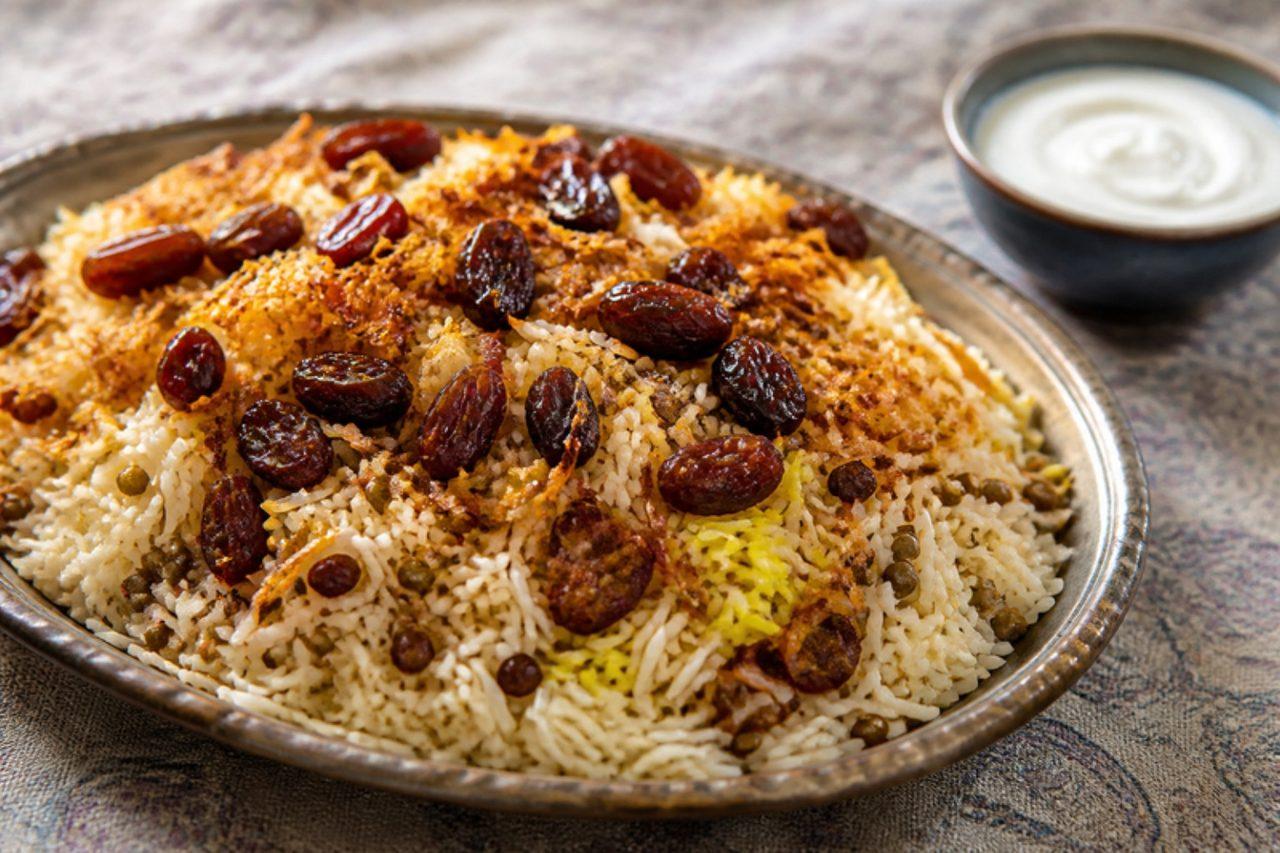
Adas polo is a homely Tehran weekday rice, also served at the Yalda winter-solstice gathering in December, when tables fill with dried fruit. Brown lentils and long-grain rice are layered and steamed together, then topped with dates and raisins warmed in butter with cinnamon, so every spoonful is savoury, earthy and lightly sweet. Unlike Levantine lentil-and-rice dishes, the rice keeps its long separate grains and gets a saffron crust underneath. Serve it with yogurt, a herb plate and salad shirazi for a complete meal. Chef's tip: cook the lentils separately until just tender but whole; they finish softening during the steam.

by KrazyBadal 0 views

ZopfPlaited butter bread

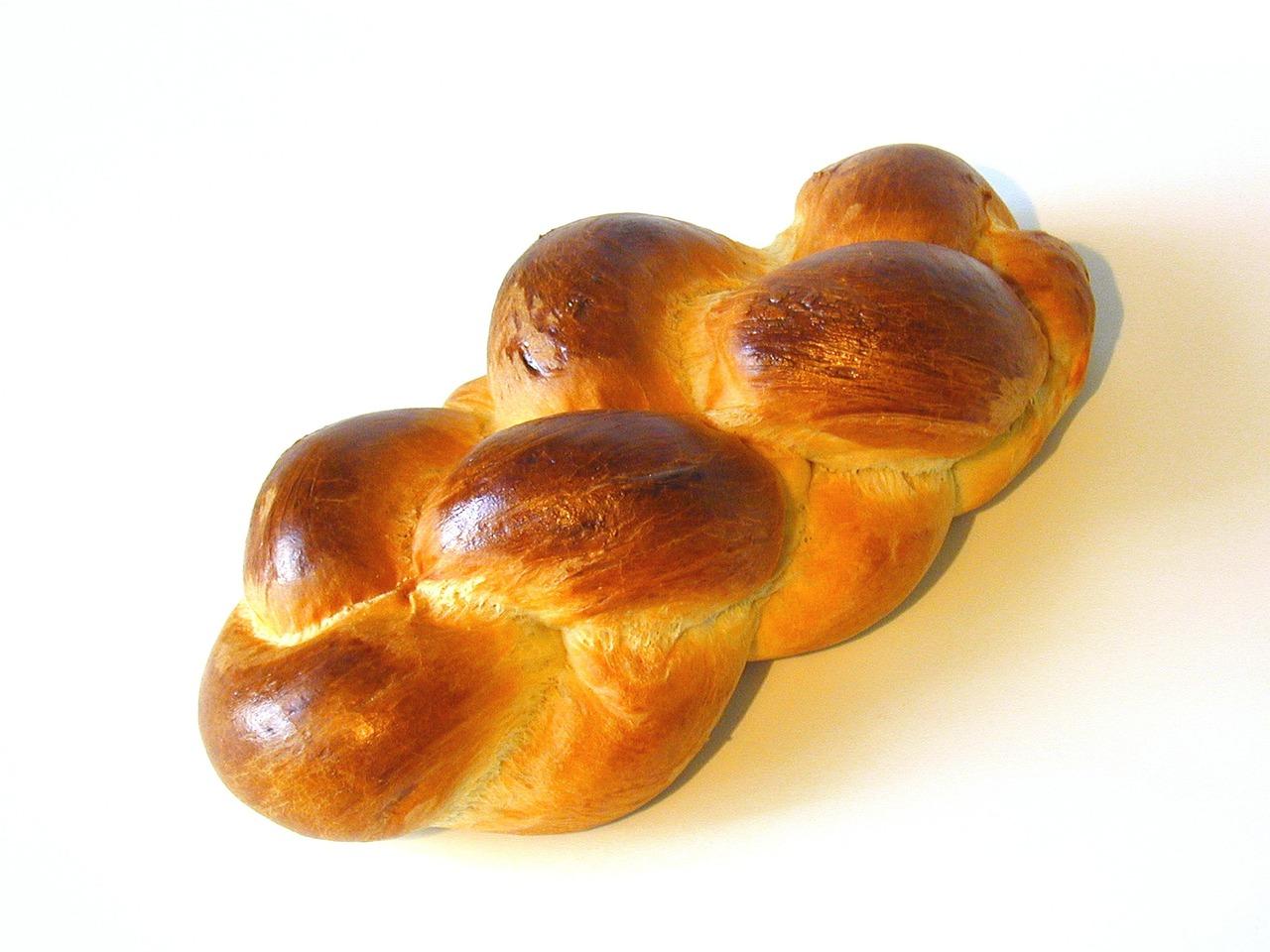
In German-speaking Switzerland the Sunday breakfast table is not complete without a Zopf (Züpfe in Bern): a shiny, plaited white loaf made with milk and plenty of butter, sliced thick and spread with more butter and jam or honey. Bakeries from Bern to St Gallen bake them on Saturday nights, and many families plait their own on Sunday morning. The crumb is soft, light and faintly sweet from the butter, not the sugar, and the egg-yolk glaze gives a deep brown, glossy crust. Leftovers make excellent French toast (Fotzelschnitte). Chef's tip: let the shaped plait rest in a cool place for 15 minutes before glazing and baking; the strands hold their shape and the pattern stays crisp.

by KrazyBadal 0 views

Chhanar dalnaFresh cheese and potato curry

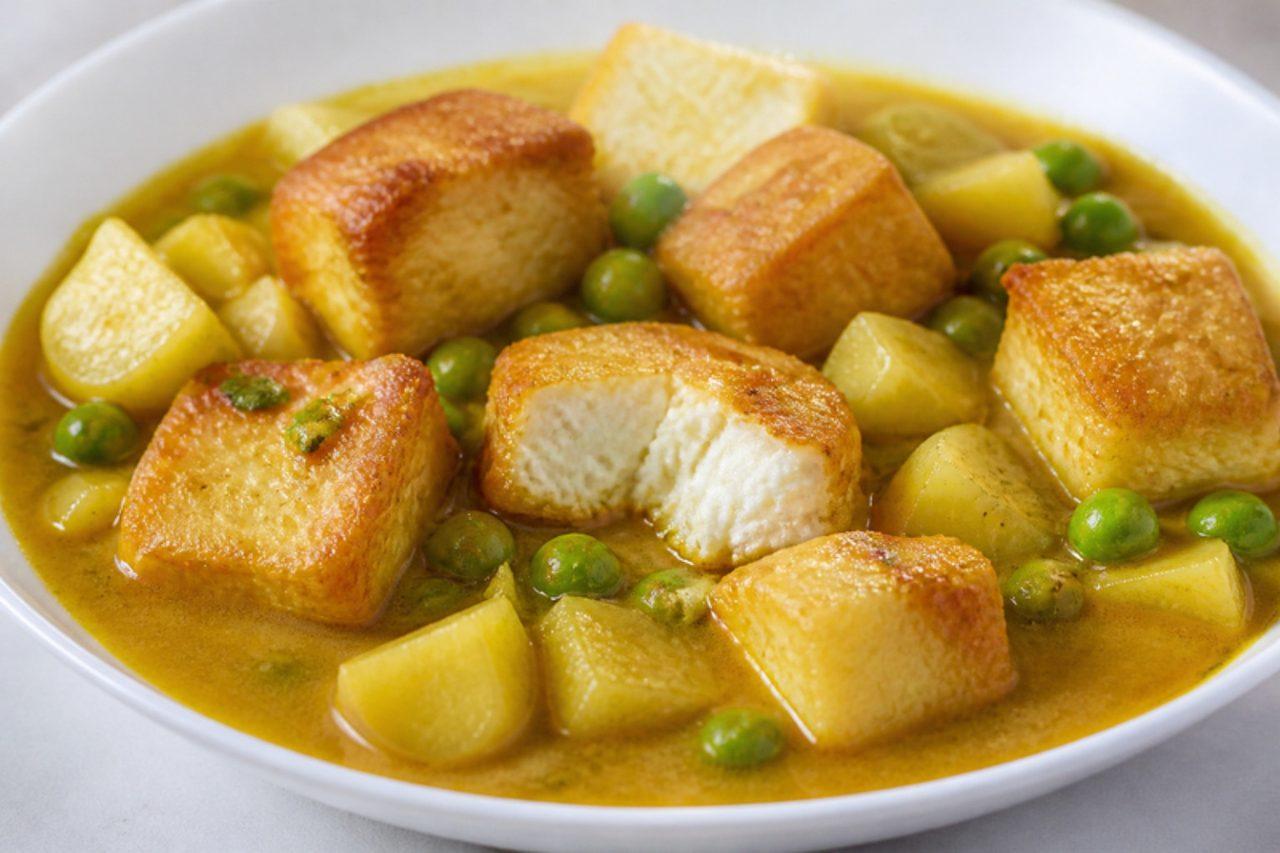
Chhanar dalna is how Bengal uses its fresh chhena, the same curd cheese that goes into rasgulla and sandesh, for a savoury lunch. Freshly split milk is kneaded with a little flour, pressed, cut into squares and fried, then simmered with potato in a thin, gingery tomato gravy scented with bay leaf and cardamom. It is lighter than a North Indian paneer curry and is a favourite on Thursdays and niramish days in Kolkata homes. Chef's tip: knead the chhena with your palm until it feels smooth and slightly greasy; that is what holds the cubes together in the gravy.

by KrazyBadal 0 views

Vegetable cheung funSteamed rice noodle rolls

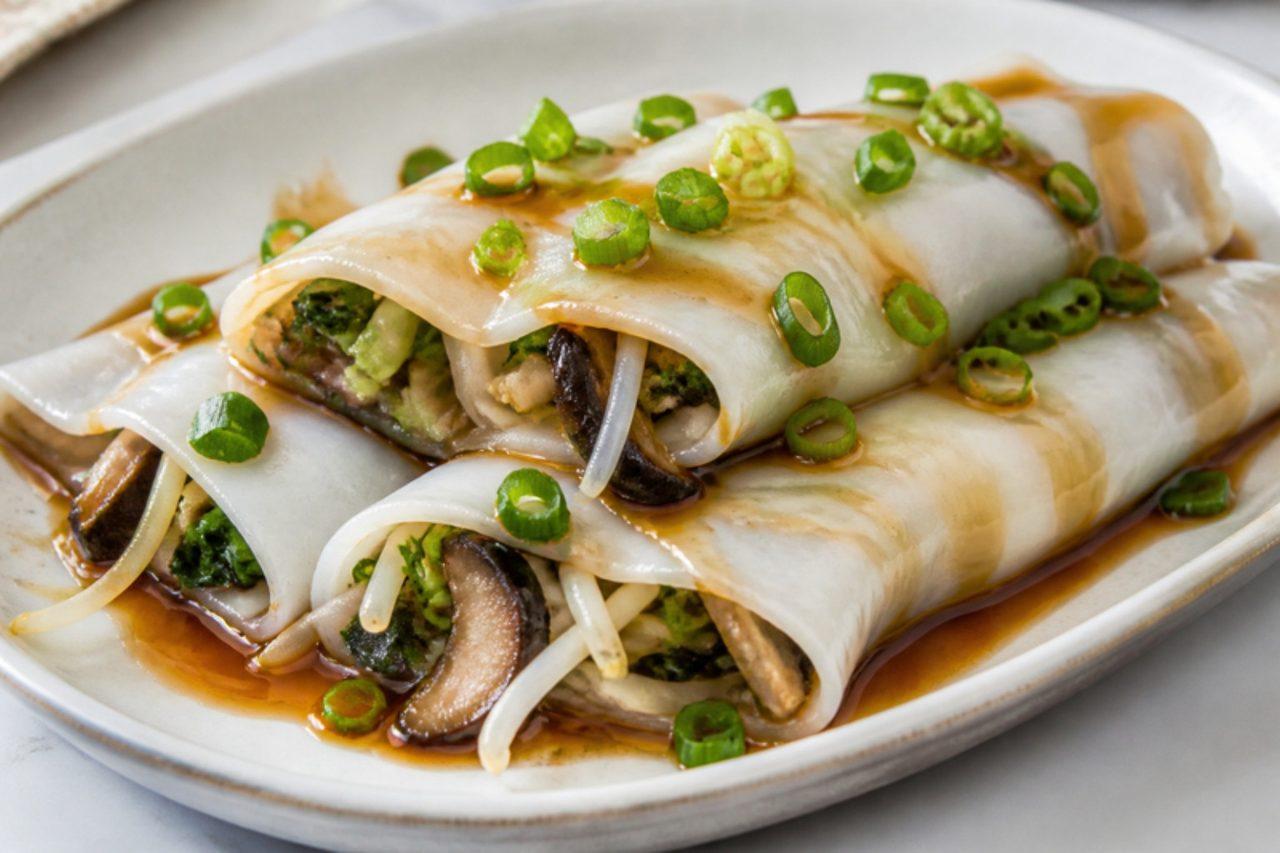
Cheung fun are the slippery rice-noodle rolls of Guangdong. In Guangzhou you see them steamed to order on cloth-lined trays at breakfast stalls, and at dim sum they arrive in a pool of sweet soy. This home version uses a flat tray in a wok, and fills the rolls with shiitake, Chinese chives and beansprouts. Chef's tip: stir the batter every time before you pour; the starch sinks in seconds, and an unstirred batter gives a thin, torn sheet.

by KrazyBadal 0 views

Chelow with tahdigSaffron rice with crispy base

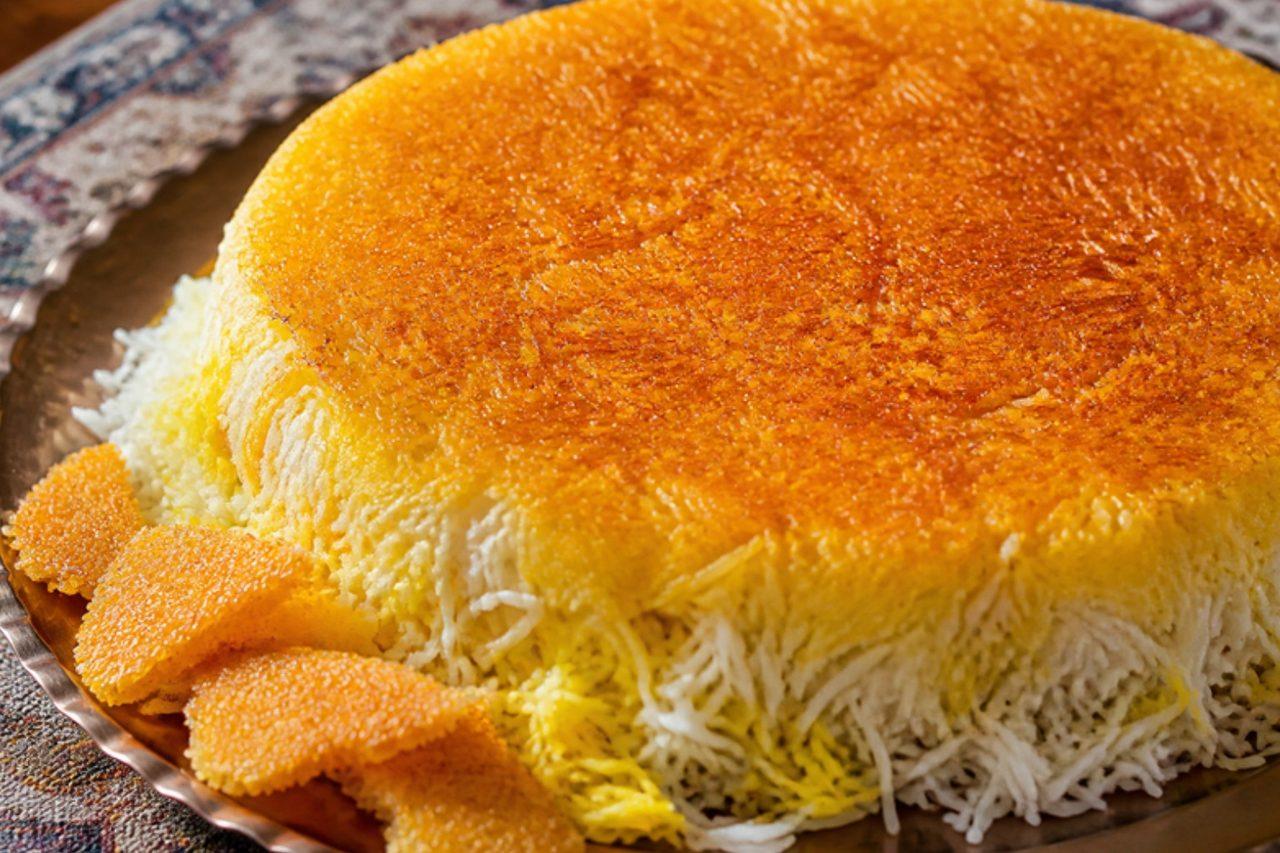
Chelow is the plain, fluffy steamed rice at the centre of almost every Iranian lunch table, and tahdig ('bottom of the pot') is the crisp golden crust that forms underneath it. In homes from Tehran to Isfahan the pot is turned out at the table and the shards of tahdig are fought over before anyone touches the stew. The method is the master one for all Persian polo dishes: long-grain rice is soaked, boiled briefly, then steamed slowly under a cloth-wrapped lid so every grain stays separate and long. This page gives a yogurt-and-saffron tahdig, with potato and flatbread versions in the steps. Serve it with ghormeh sabzi, a yogurt dip and fresh herbs. Chef's tip: turn the heat up for the first 10 minutes until you hear a steady sizzle, then right down; that early burst is what sets the crust.

by KrazyBadal 0 views

ChebakiaSesame honey flower cookies

Chebakia are the dark, sticky, flower-shaped cookies that every Moroccan family associates with Ramadan; women in Fez, Meknes and Casablanca spend a whole day in the weeks before the holy month folding hundreds of them, and they are served at iftar with harira and dates. The dough is scented with anise, cinnamon, saffron and toasted sesame, cut into rectangles, folded into a rose, fried and dropped straight into hot, perfumed honey. They are crisp, chewy and very sweet. Chef's tip: work in small batches and keep the honey hot but not boiling; hot honey soaks in properly, while cool honey just coats the outside.

by KrazyBadal 0 views

Showing 27 of 9,812 recipes

Show more recipes

Page 969 of 1,091