


Skip to content
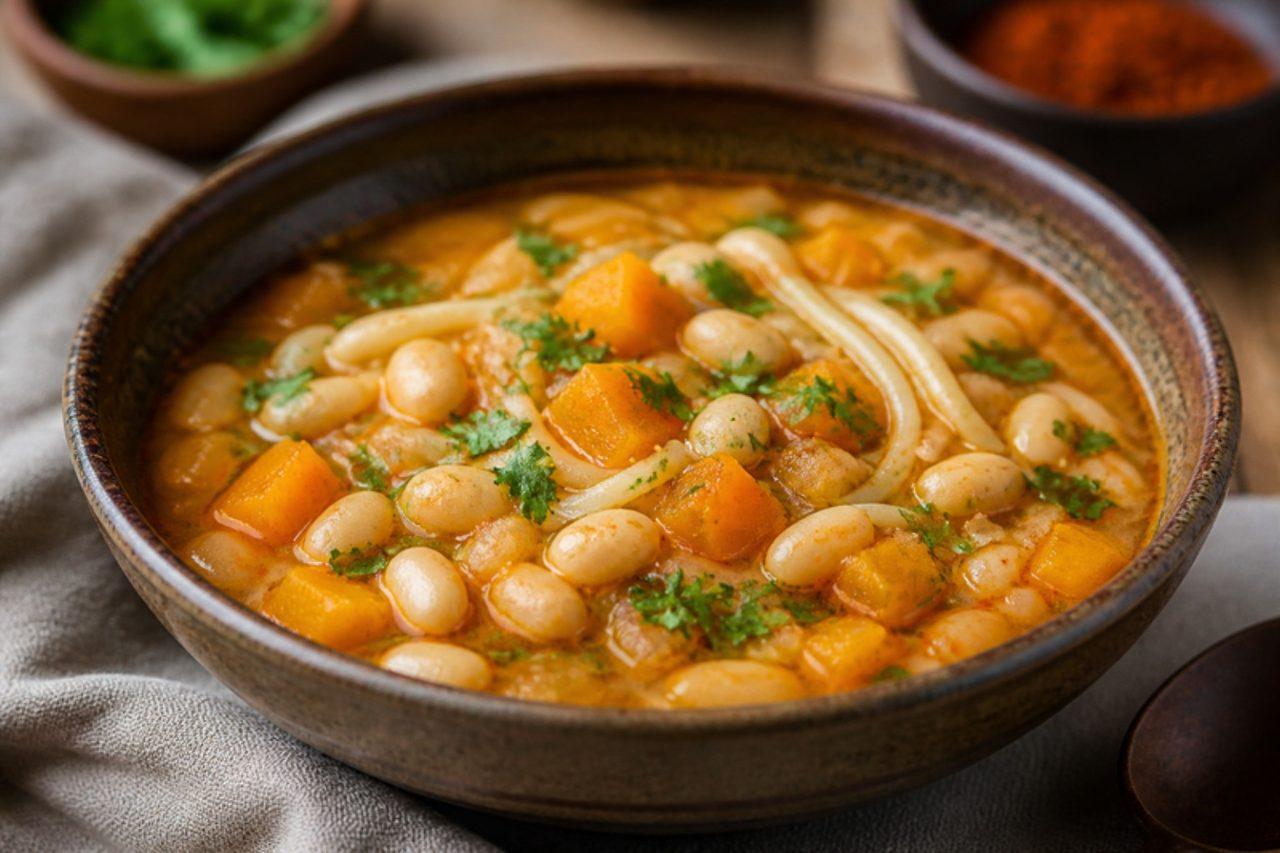
Porotos con riendas
Featured recipe

Porotos con riendas

Bean and squash stew with spaghetti

When the Andes turn white above Santiago, lunch counters in the Mercado Central and home kitchens all over the Central Valley put on a pot of porotos con riendas, dried beans stewed with squash until thick and orange, with broken spaghetti, the 'reins', stirred through at the end. It is served in deep plates with a spoonful of pebre or a tomato salad alongside. Many cooks add longaniza sausage; this version keeps it meat-free and relies on smoky paprika and slow-cooked onion. Adding the pasta too early is the common mistake: it swells, goes soft and drinks all the liquid. Chef's tip: grate a third of the squash so it melts into the beans and thickens the stew, and dice the rest so you still get chunks.

Read more 0 views

What to eat today?

Around the world

Today's trip: Persian

A new country every day, from every cuisine on the site.

This week's collection

Kid-friendly dinners
739 recipes · a new collection every Monday

Coming up

All occasions →

Latest recipes

Chana jor garamSpiced flattened chickpea snack

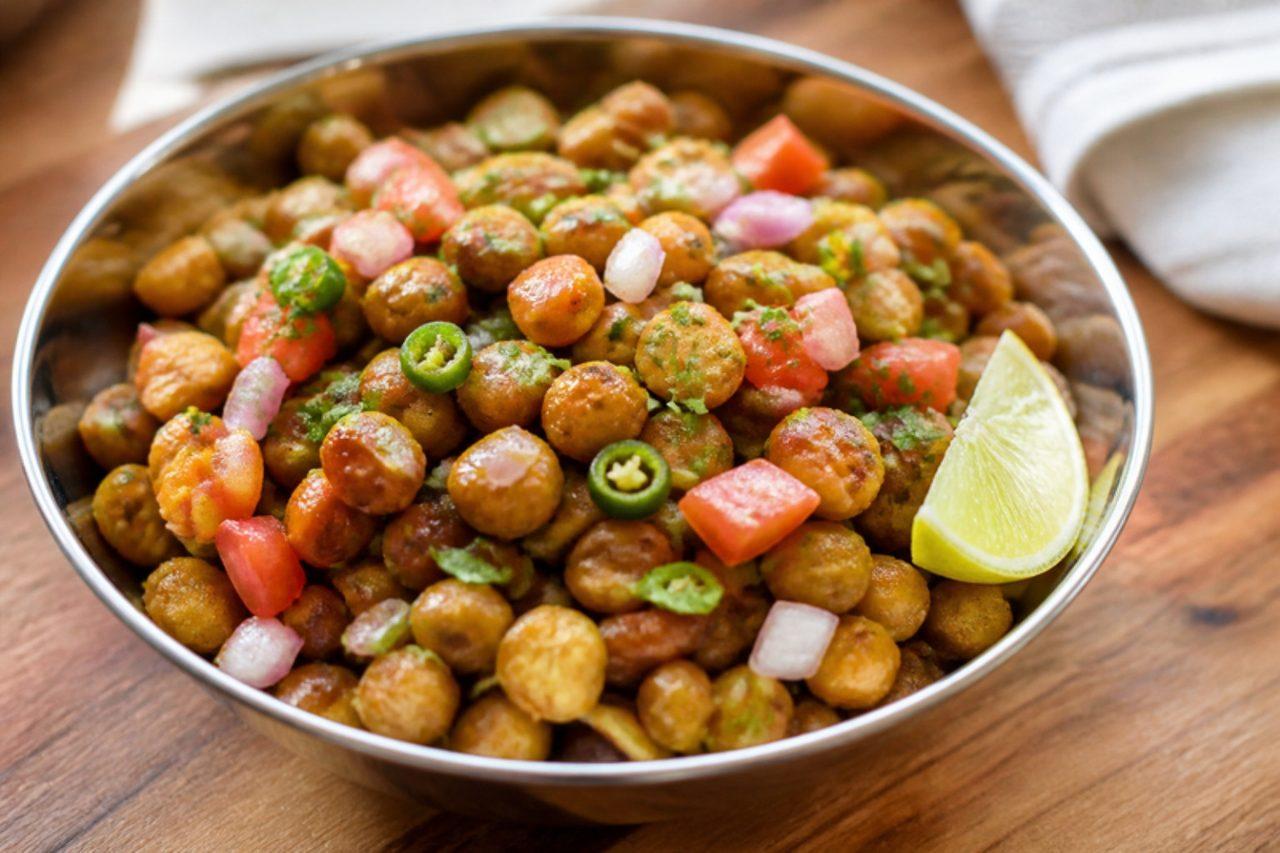
Chana jor garam is sold from a tin box slung round a vendor's neck on the Kolkata Maidan, at Babughat and along Esplanade, with a sing-song call to match its name. Chickpeas are soaked, pressed flat, and fried or roasted until crunchy, then tossed to order with raw onion, tomato, green chilli, coriander, lime and a spice mix, and handed over in a paper cone. It is lighter than jhalmuri and much crunchier. The same snack is sold on Mumbai beaches; this is the Kolkata cart version. Chef's tip: flatten the soaked chickpeas while still damp, with a rolling pin between two cloths, so they split into thin discs.

by KrazyBadal 0 views
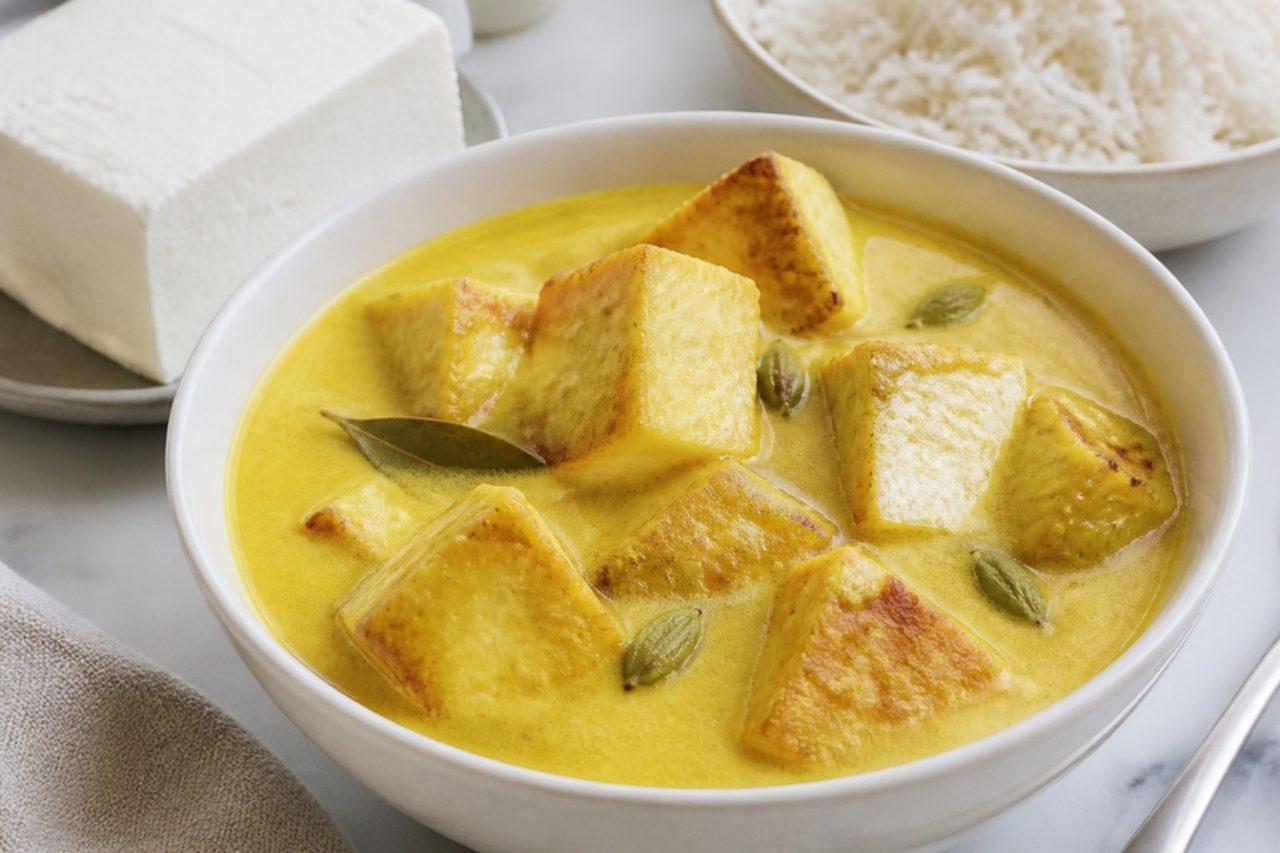
Chaman kaliyaPaneer in turmeric milk gravy

In Kashmir paneer is called chaman, and kaliya is the name for a gravy coloured bright yellow with turmeric rather than red with chilli. Kashmiri Pandit cooks fry thick slabs of paneer, rest them in warm water so they stay spongy, then simmer them in milk with fennel, dry ginger and cardamom. The result is mild, sweet-scented and soothing, a dish that sits beside the fiery ones on a wedding or festival spread and is just as welcome on a weekday with rice. Chef's tip: use a generous spoon of good turmeric; the gravy should glow a deep gold, and the milk mellows any rawness.

by KrazyBadal 0 views

TakoyakiOctopus batter balls

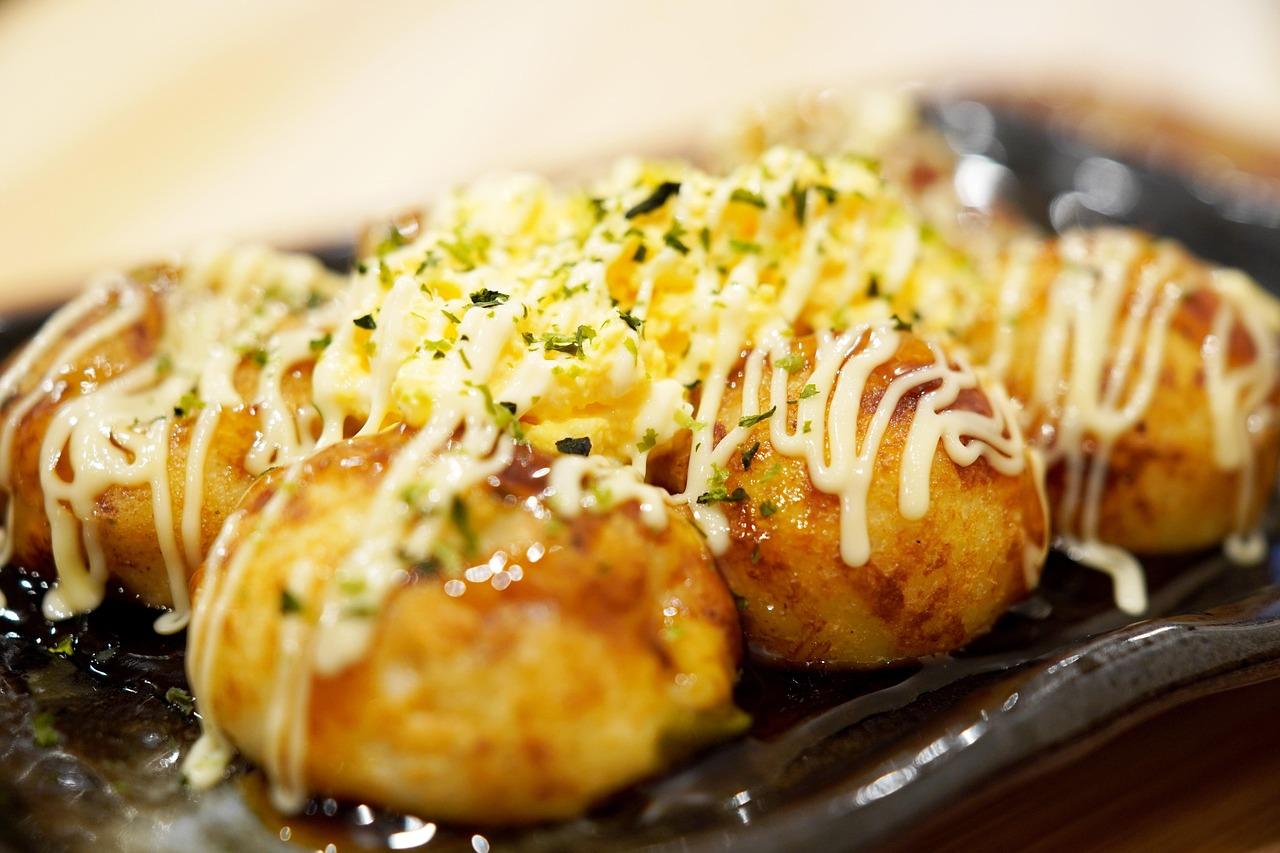
Walk through Dotonbori in Osaka on any evening and you'll see cooks flicking dozens of batter balls around a cast-iron plate with metal picks. Stalls in the city have sold them since the 1930s, and they turn up at every summer festival, eaten from a paper boat with a cocktail stick. The outside is crisp, the inside almost molten, with a chewy piece of octopus at the centre. You need a takoyaki pan, either a stovetop cast-iron one or an electric plate. Chef's tip: fill the cups right to the top and let the batter flood across the whole plate, as the overflow is what you fold in to make each ball round.

by KrazyBadal 0 views

TaktoukaRoasted pepper and tomato salad

Taktouka is the pepper partner to zaalouk, served side by side on the salad plates of Moroccan homes and cafés, especially around Casablanca and the north. Grilled green peppers are peeled and cooked down with tomato, garlic and cumin until soft and jammy, then eaten lukewarm with bread or as a side to tagines and grilled vegetables. It is cheap, quick and keeps for three days in the fridge. Chef's tip: use the thin-skinned, slightly bitter green peppers if you can find them; they give a more authentic flavour than sweet bell peppers.

by KrazyBadal 0 views

ChallahBraided egg bread

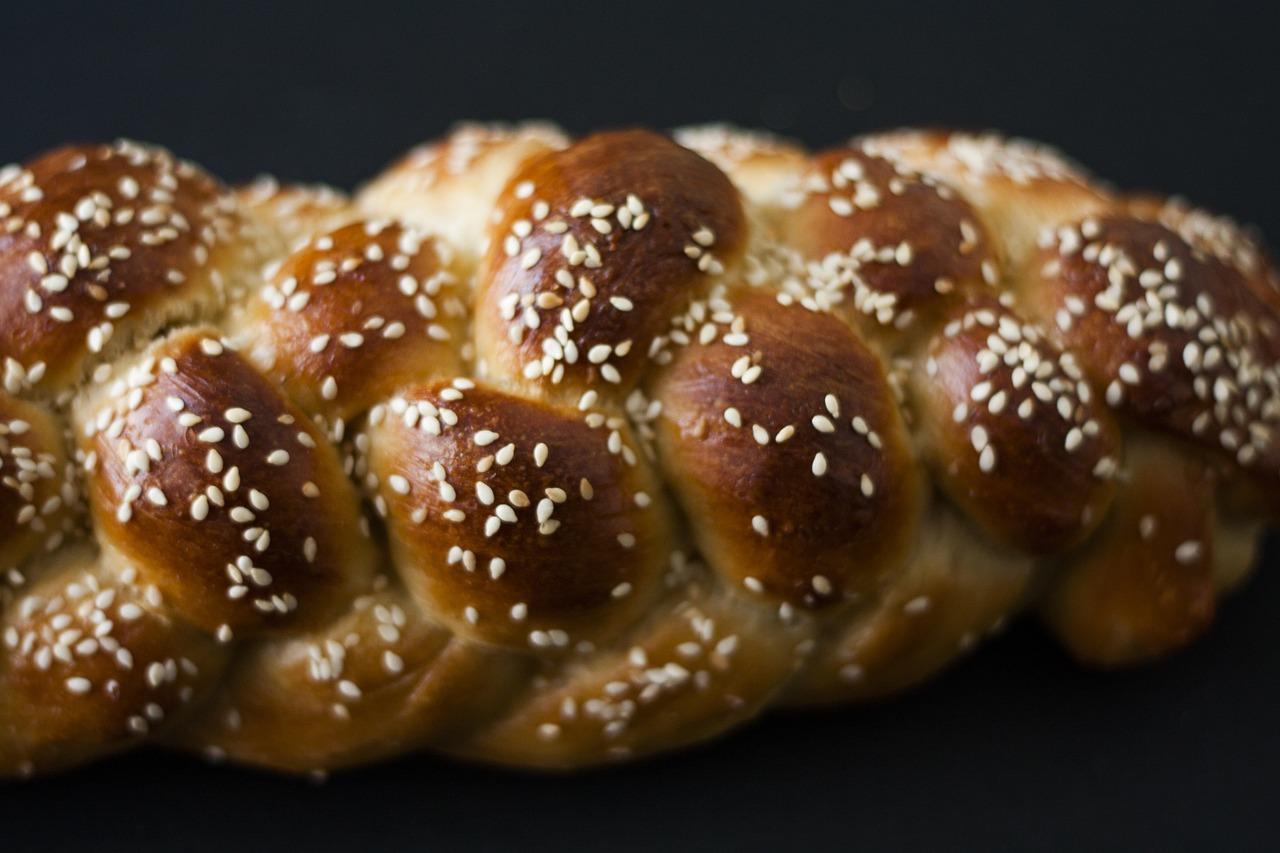
On Friday afternoons the bakeries of Jerusalem's Mahane Yehuda market and every Jewish neighbourhood from Brooklyn to Golders Green fill with plaited, shiny challah for the Shabbat table, where two loaves sit under an embroidered cloth until the blessing. The dough is enriched with eggs, oil and a little honey, so the crumb is soft, faintly sweet and pulls apart in feathery strands, and the crust bakes deep mahogany. Leftovers make wonderful French toast. Chef's tip: brush the egg glaze twice, once before rising and once just before baking, for the deep, lacquered shine.

by KrazyBadal 0 views

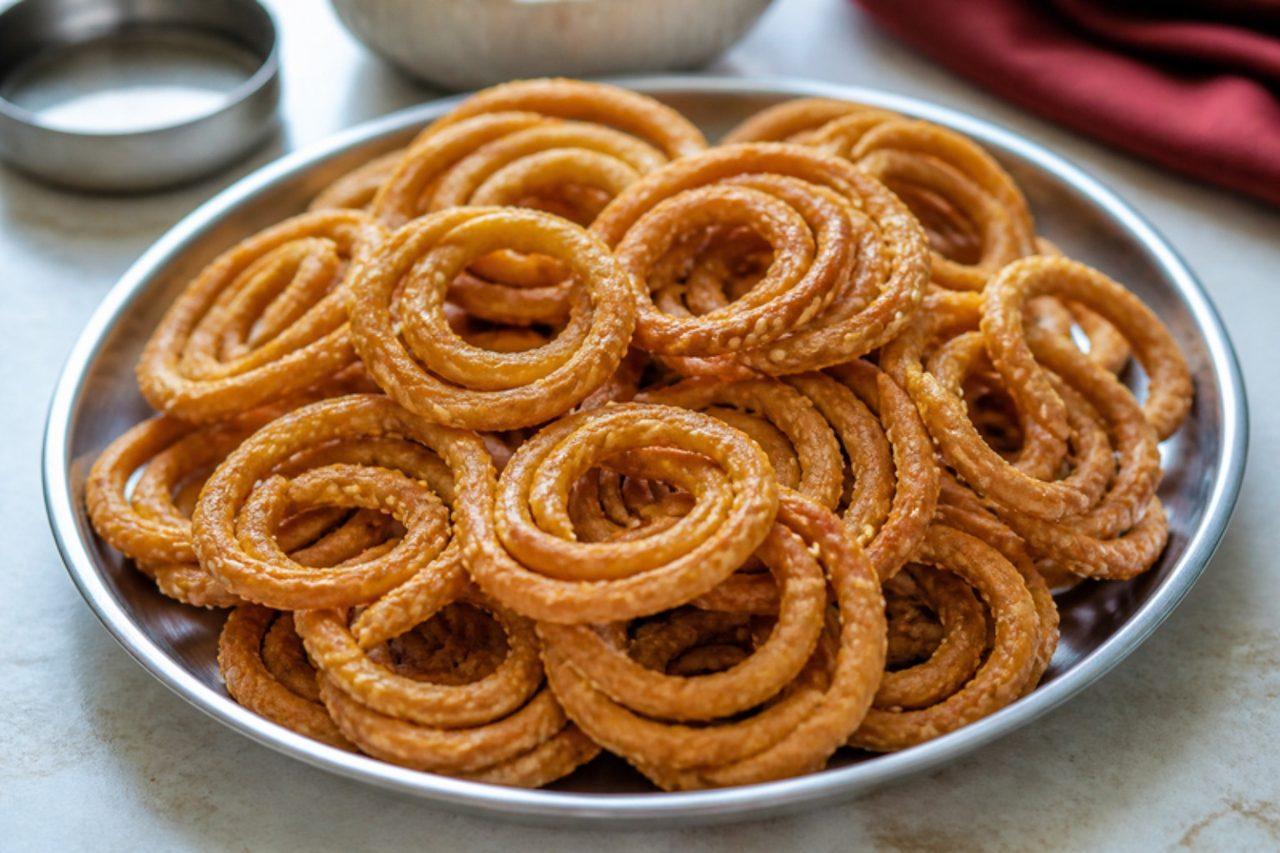
Chakuli pithaRice and urad dal pancakes

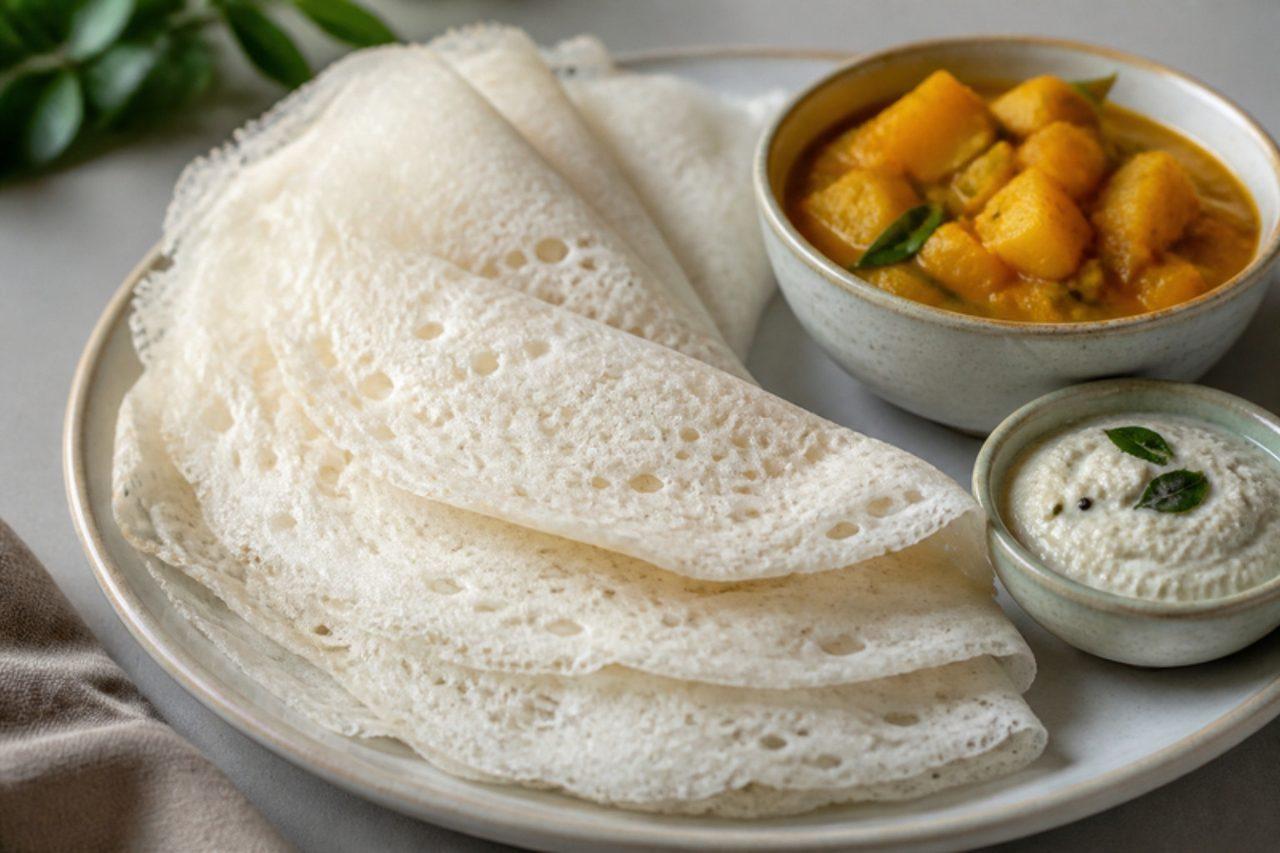
Chakuli pitha is Odisha's breakfast pancake and the first of the pithas a child learns to love; it is offered to Lord Jagannath and made at home on Sundays and for Manabasa Gurubar in the month of Margasira. Rice and a little urad dal are soaked, ground and fermented overnight, then poured onto a hot pan into a pancake that is thinner than an uttapam but softer and thicker than a dosa, with a lacy, holey top. It is eaten with aloo bhaja, ghuguni or simply with jaggery. Chef's tip: cook only on one side under a lid; the steam sets the top and keeps the holes.

by KrazyBadal 0 views

Tallarín saltadoStir-fried noodles with vegetables

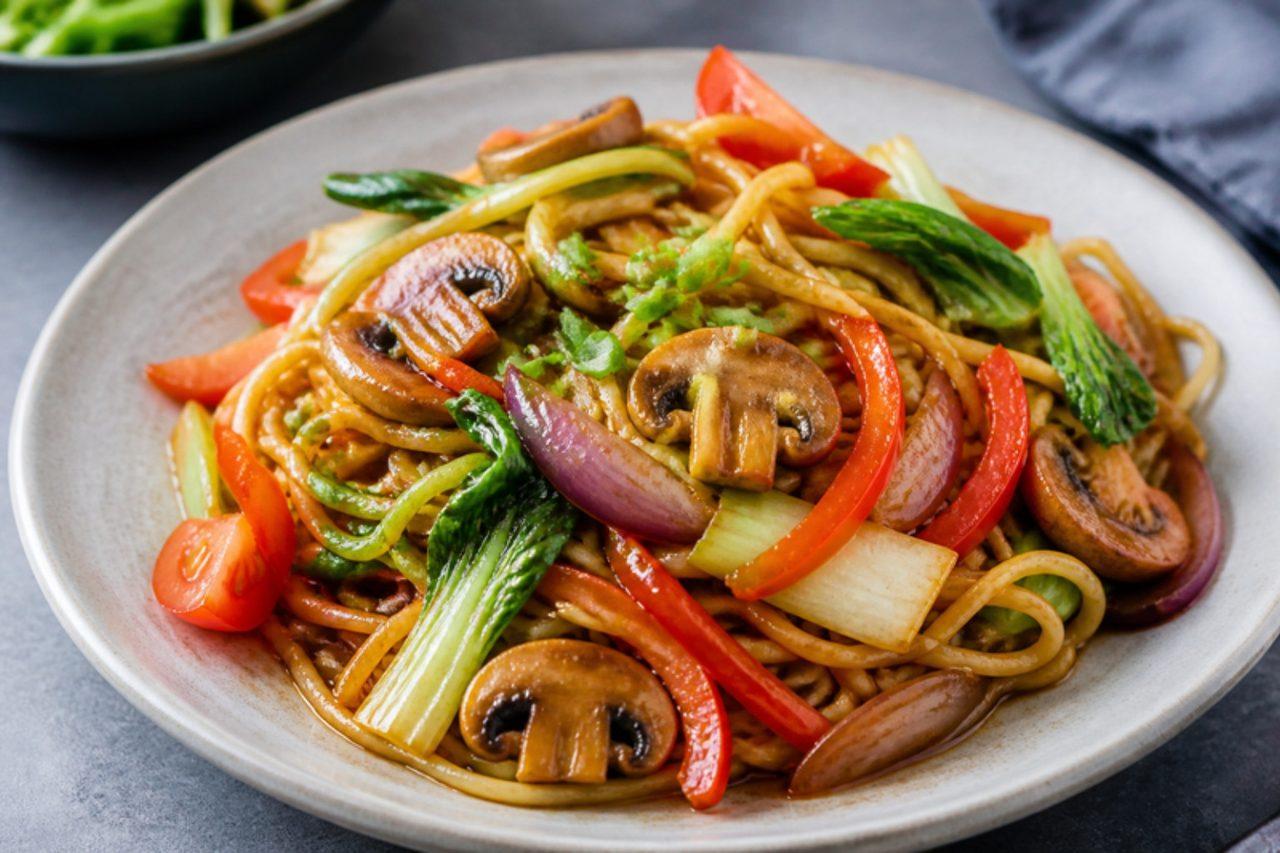
Tallarín saltado is the noodle cousin of lomo saltado, a chifa favourite from Lima where Chinese wok technique meets Peruvian ingredients. Spaghetti-style wheat noodles are tossed over a fierce heat with mushrooms, pak choi, red onion, tomato, ginger and ají amarillo, then glossed with soy sauce and a splash of vinegar. The noodles soak up the smoky, tangy sauce while the vegetables stay crisp. Peruvians use plain spaghetti from the shop on the corner, and so can you. Chef's tip: cook the noodles a minute short of the packet time and rinse them in cold water; they finish cooking in the wok and won't turn soft or clump.

by KrazyBadal 0 views

Arroz negroBlack rice with squid ink

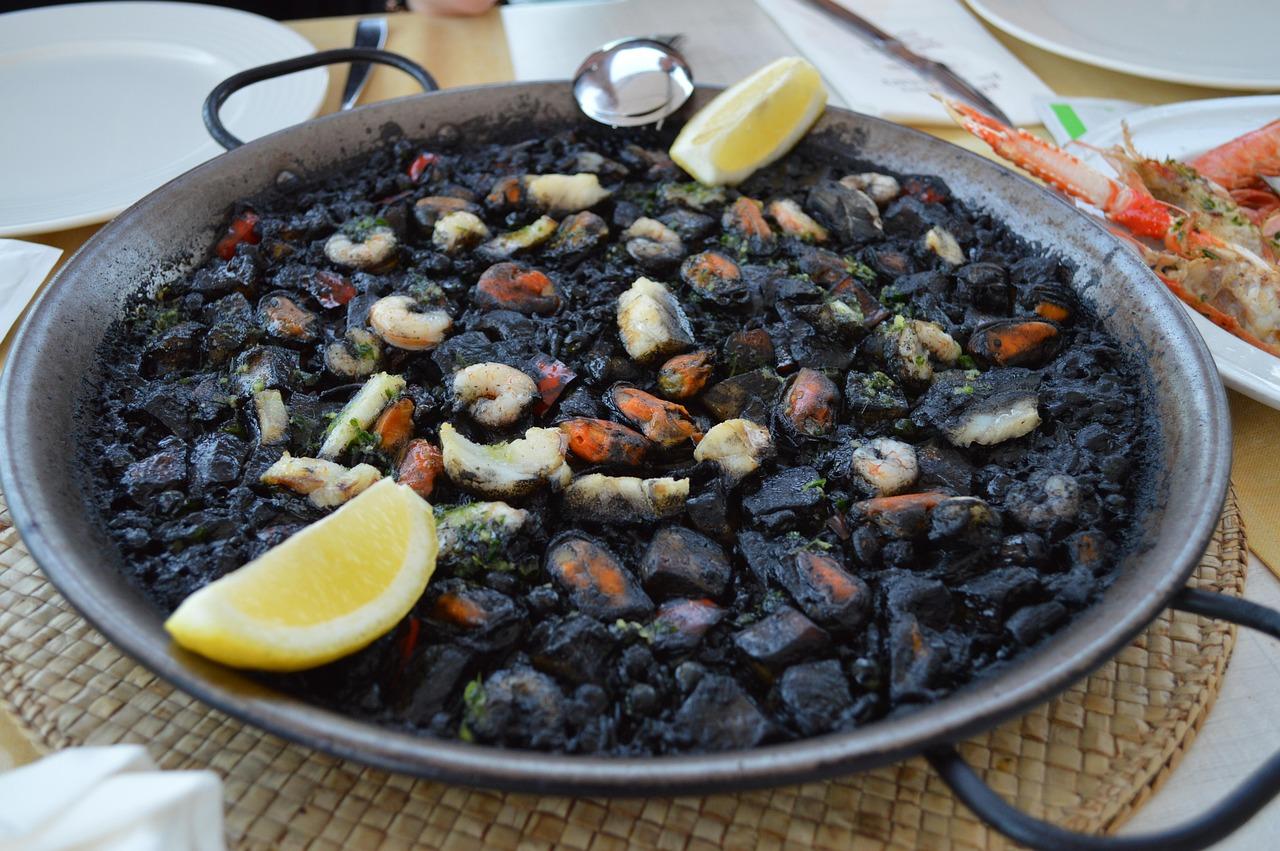
Along the coast from Valencia up to the Costa Brava, arroz negro (arròs negre in Catalan and Valencian) is a seafront restaurant favourite, ordered for the table at lunchtime and brought out in its pan. Squid and its ink turn the rice glossy black and give it a deep taste of the sea, and every forkful gets a dab of garlicky all-i-oli. This version uses the traditional egg-free all-i-oli, just garlic, oil and salt pounded together; if you'd rather make the easier egg version, use a pasteurised egg, and note that raw egg is not suitable for pregnant women, young children, older people or anyone with a weakened immune system. Chef's tip: buy squid ink in sachets or small jars from a fishmonger or Spanish deli; the ink sac inside a whole squid is far too small to colour a whole pan.

by KrazyBadal 0 views

AjapsandaliAubergine and pepper stew

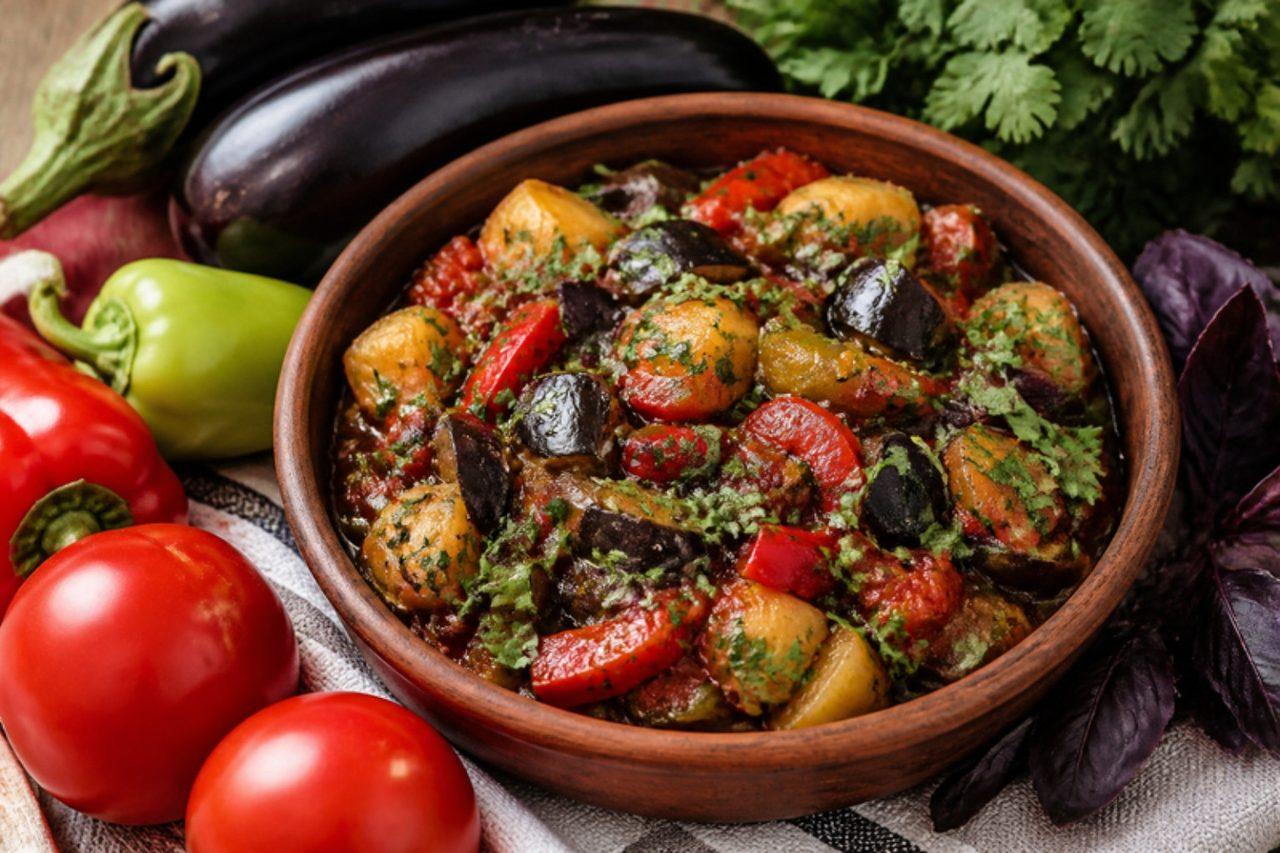
Ajapsandali is what Georgian kitchens make in late summer, when the markets of Tbilisi and the gardens of Kakheti are heaped with aubergines, peppers and tomatoes. The vegetables are fried briefly, layered in a pot and left to stew gently until soft and sweet, then finished with a whole handful of coriander, basil and garlic. It is eaten warm with bread as a main dish during Lent, or cold the next day as a side at a feast. The common mistake is stirring it too often, which breaks everything into mush; shake the pan instead and let the layers keep their shape. Chef's tip: fry the aubergine on its own first until golden; this one step gives the whole stew its deep, rounded flavour.

by KrazyBadal 0 views

Wiener SchnitzelBreaded veal cutlet

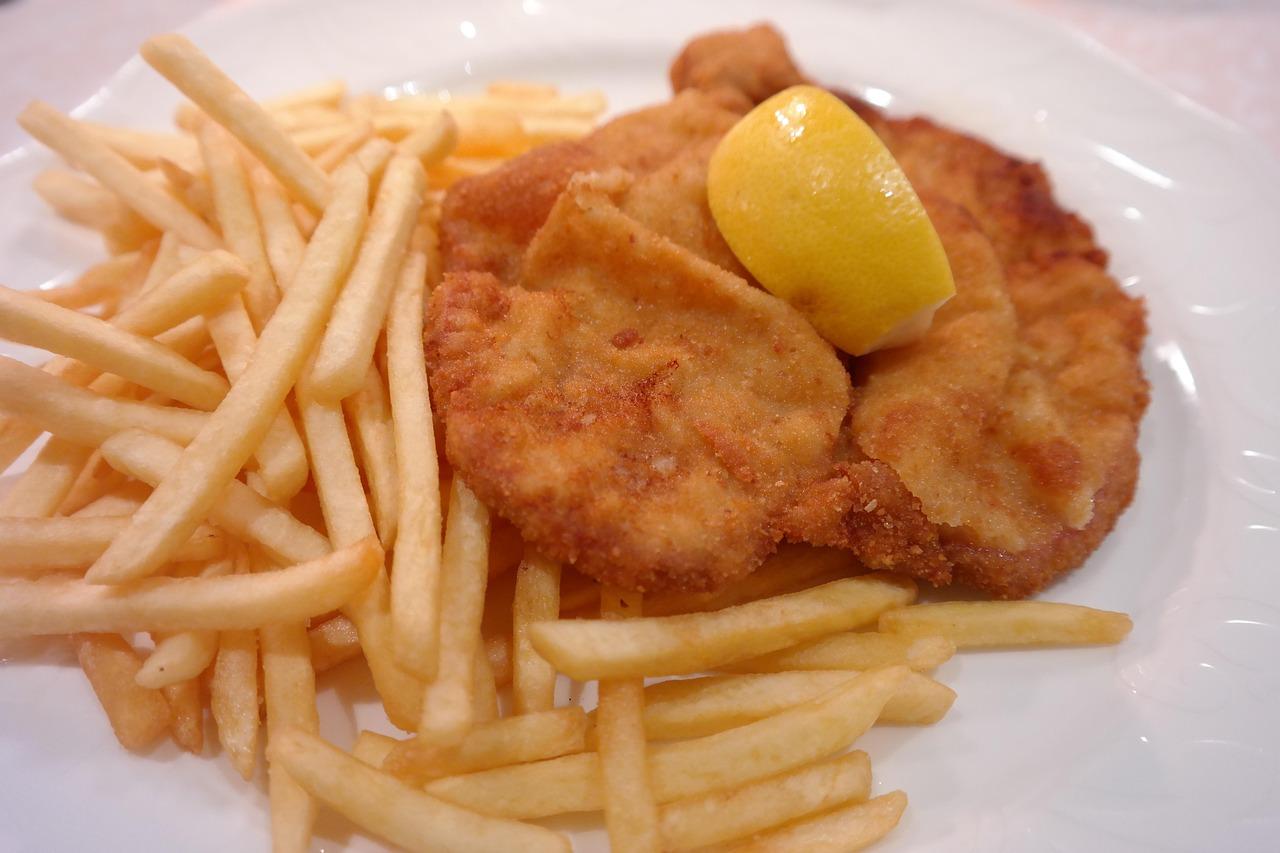
In Vienna's old Beisl taverns the Schnitzel arrives so large it hangs over the plate: a veal escalope beaten thin, coated in flour, egg and fine breadcrumbs and fried in plenty of hot fat while the pan is swirled, so the crumb lifts away from the meat in golden waves. Austrian law keeps the name 'Wiener Schnitzel' for veal; the pork version, very common in German homes, is called Schnitzel Wiener Art and is cooked exactly the same way. Serve it with a lemon wedge, lingonberry jam and potato salad. The most common mistake is pressing the crumbs firmly onto the meat, which stops the coating from puffing. Chef's tip: shake off the crumbs and lay the cutlet in only when the fat is hot enough that a crumb sizzles at once.

32 minGermanMeat
by KrazyBadal 0 views

Arroz doceRice pudding

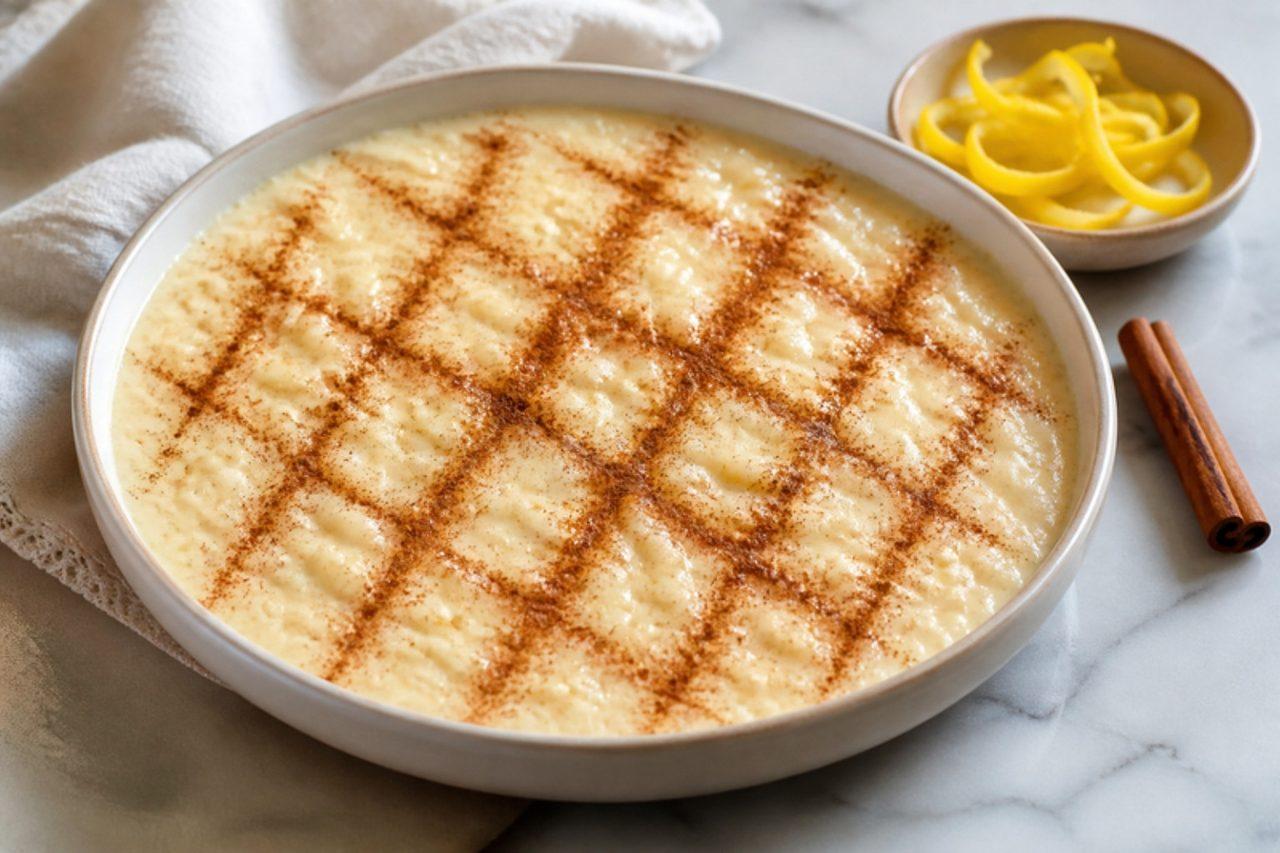
Arroz doce is set out on every Portuguese table at Christmas, at weddings and at the summer romarias (village saints' festivals) of the Minho, poured into wide, shallow platters and dusted with cinnamon in lattices, initials or little hearts. Short-grain carolino rice is first boiled in water with lemon peel and cinnamon, then simmered slowly in milk and sugar, and finally thickened off the heat with egg yolks, which turns it pale gold and custardy; that last step is what sets it apart from Spanish or Mexican rice puddings. It is eaten cold or at room temperature, by the spoonful straight from the platter. Chef's tip: cook the rice in water first until it has swollen, and only then add the milk; starting in milk scorches easily and leaves the grains firm in the middle.

by KrazyBadal 0 views

Arroz con pollo peruanoCoriander rice with chicken

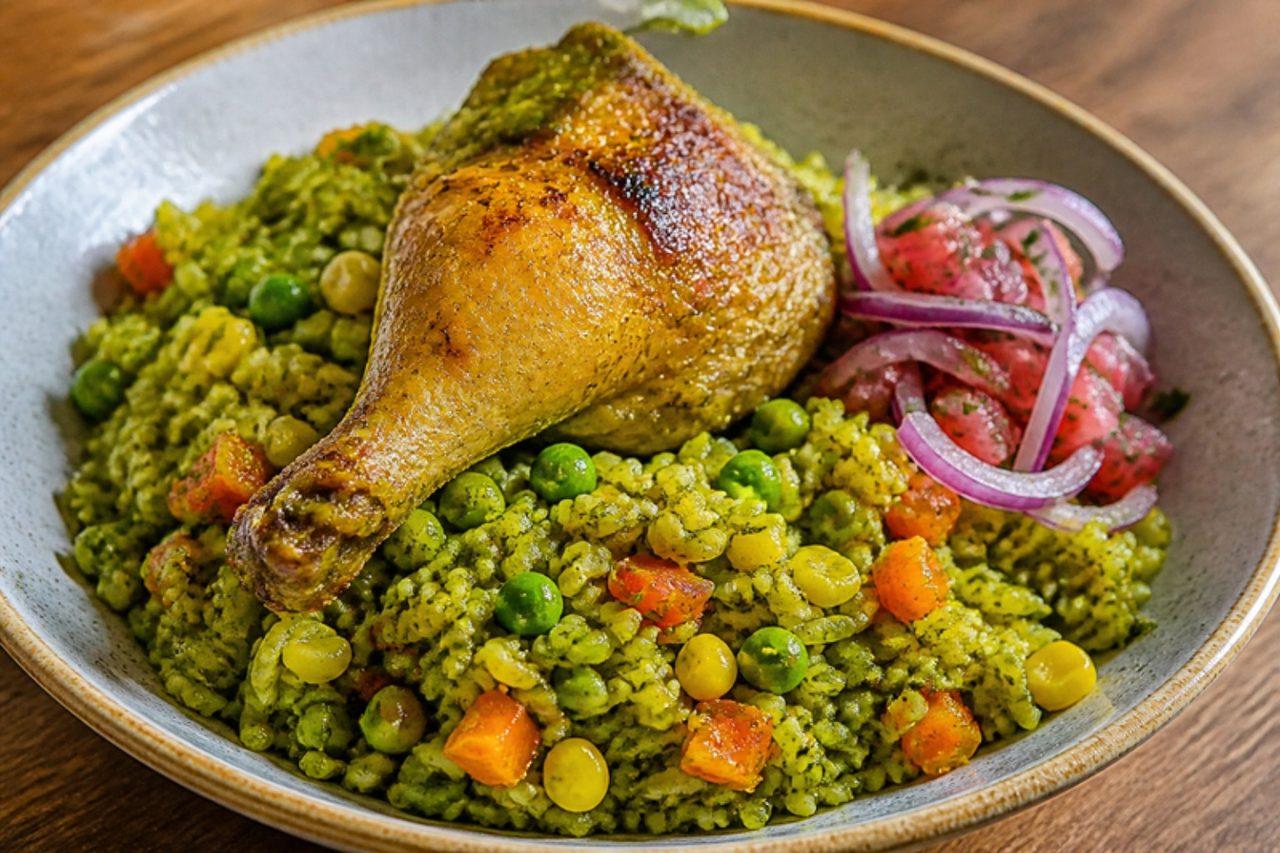
Across Spanish-speaking America arroz con pollo means yellow rice, but in Lima it comes out deep green, thanks to a big bunch of coriander blended into the cooking liquid. Mothers make it for Sunday lunch and for birthday parties, and street stalls ladle it out with salsa criolla, the sharp onion-and-lime relish that cuts through the rice. Chicken pieces are browned first, then the rice cooks in the same pot so it takes on all their flavour. Chef's tip: blend the coriander with cold stock right before it goes in, so it stays bright green rather than turning khaki.

by KrazyBadal 0 views

Chakki ki shaakWheat gluten curry

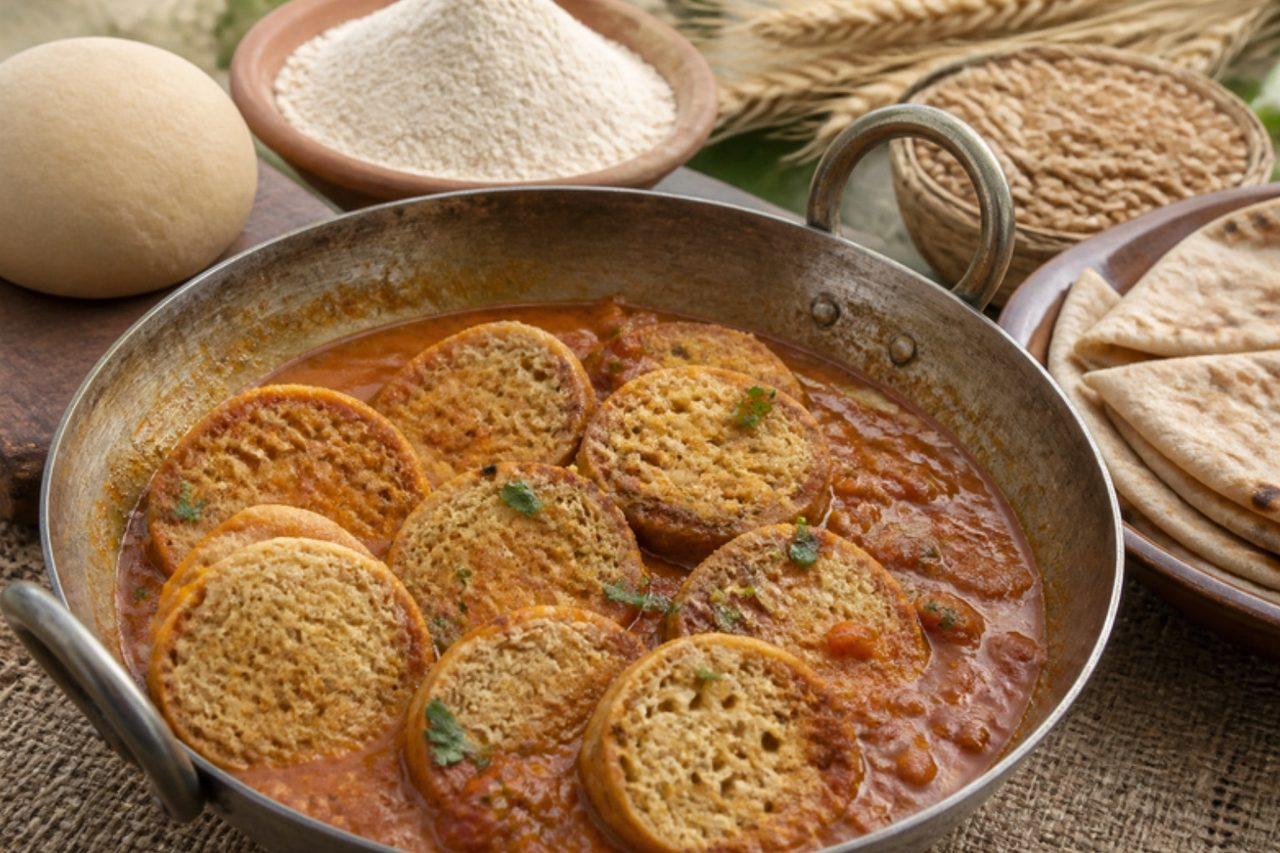
This Malwa dish from around Indore and Ujjain is a lesson in thrift: wheat dough is washed under water until only its stretchy gluten remains, then steamed into a firm block and cut into rounds that look like little grinding stones, or chakki. Fried and simmered in a spiced yogurt gravy, the pieces turn chewy and meaty, soaking up flavour like a sponge. It is a Sunday or special-occasion sabzi in Marwari and Malwi homes, eaten with hot rotis or bafla. It takes time, but most of it is hands-off resting and washing. Chef's tip: whisk the yogurt with the coriander powder and add it off the heat, then bring it back slowly, so the gravy stays smooth instead of curdling.

by KrazyBadal 0 views

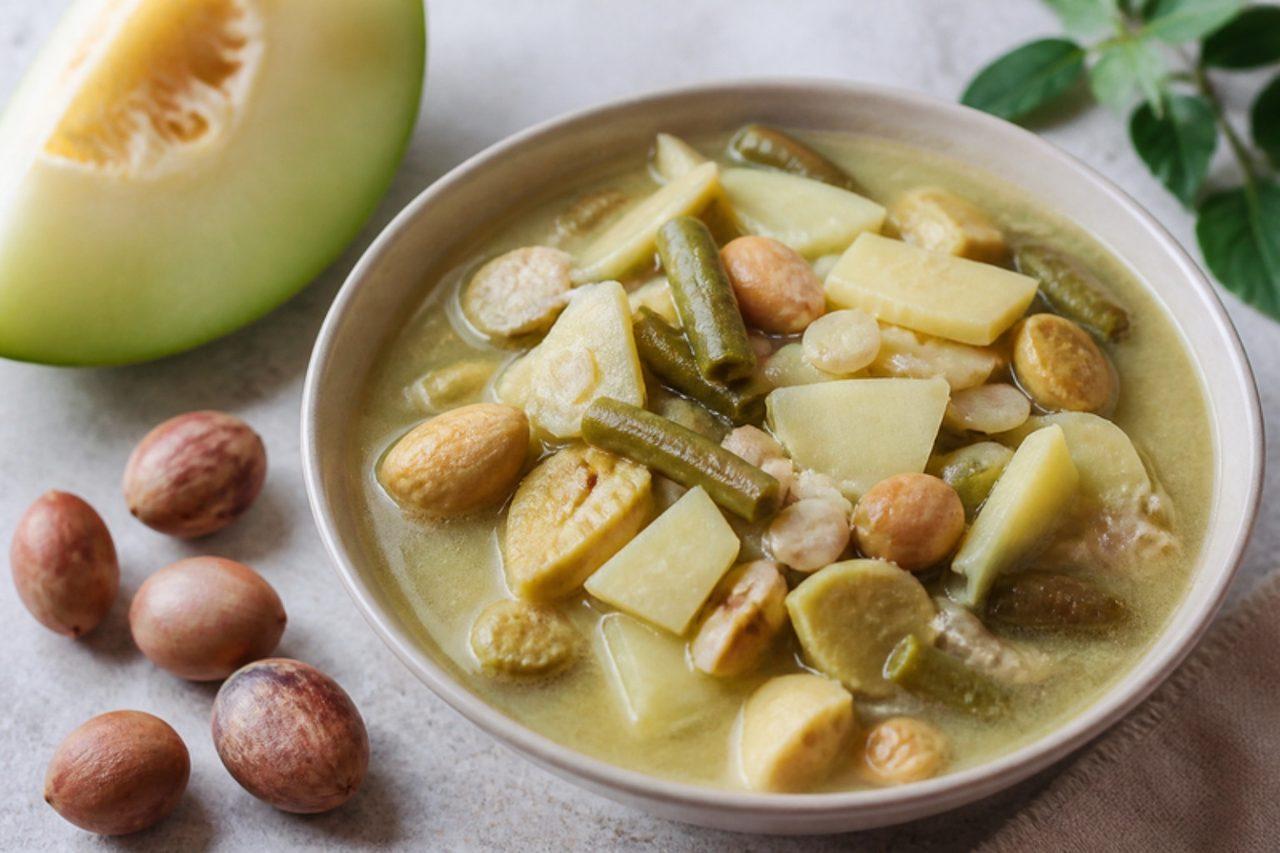
ChakhwiJackfruit seed and papaya stew

Chakhwi is a Tripuri festive stew cooked at weddings and family feasts around Agartala, where the defining ingredient is 'khar' or soda, made by filtering water through banana-plant ash. It softens vegetables and gives a smooth, gently alkaline taste. Pork chakhwi is the best known; the vegetarian version is cooked with raw papaya, jackfruit seeds, bamboo shoot and long beans, with ginger and green chilli. It is soupier than Assamese khar and has no lentils. Chef's tip: use bicarbonate of soda if you have no ash water, but only a pinch; you should be able to taste it, not feel it.

by KrazyBadal 0 views

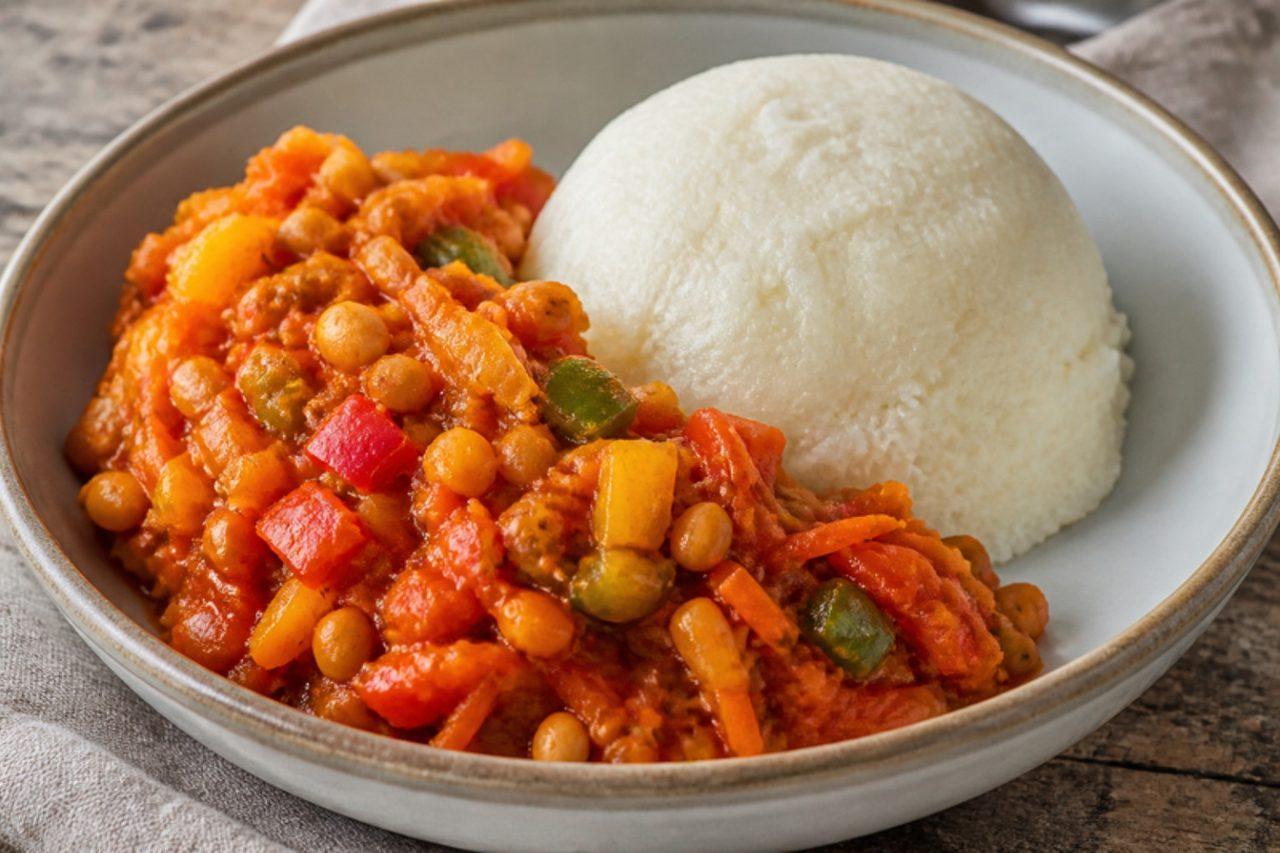
ChakalakaSpicy vegetable and bean relish

Chakalaka is said to have started in the townships and mines around Johannesburg, where workers cooked tinned beans and vegetables with chilli and curry powder over open fires. Today no South African braai (barbecue) is complete without a pot of it, and it goes on the table at Sunday lunch, at funerals and weddings, served warm or cold alongside pap. It is spicy, a little sweet from the carrots and peppers, and tangy from the tomato and beans. Chef's tip: grate the carrots rather than chopping them; they melt into the relish and give it its characteristic soft, spoonable texture.

by KrazyBadal 0 views

KootuVegetable and moong dal stew

Kootu sits halfway between a dal and a vegetable dish, and in Tamil homes it is the mild, kind side on a lunch plate next to a sharp rasam or a fiery kuzhambu. Chopped vegetables such as chow-chow, snake gourd, cabbage or pumpkin are cooked with moong dal until soft, then thickened with a paste of fresh coconut, cumin and a little green chilli. It's the dish many Tamil grandmothers give children and anyone recovering from a fever. Spoon it over rice with ghee or serve it alongside sambar and poriyal. Chef's tip: grind the coconut paste with the cumin raw, not toasted; the fresh, sweet cumin flavour is what makes kootu taste like kootu.

by KrazyBadal 0 views

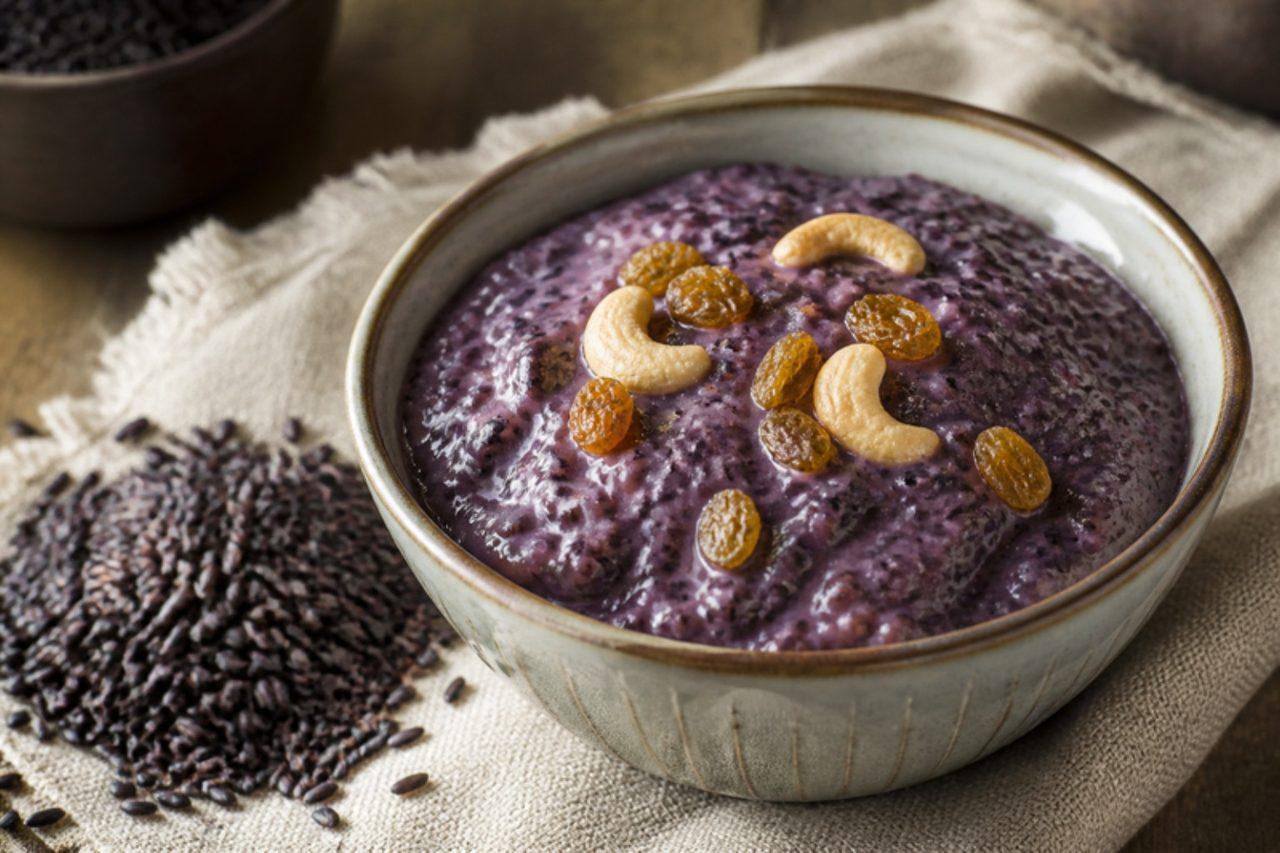
Chak-hao kheerBlack rice pudding

Chak-hao is Manipur's aromatic black rice, grown in the valley around Imphal; when cooked slowly in milk it turns a deep violet and makes chak-hao kheer, the pudding served at Meitei feasts, weddings and Ningol Chakouba, the festival when married daughters come home for a meal. The grains stay slightly chewy and nutty, and the milk takes on a lavender colour. Chef's tip: soak the rice for at least 3 hours, or overnight; black rice has a hard bran layer and won't soften in the milk otherwise.

by KrazyBadal 0 views

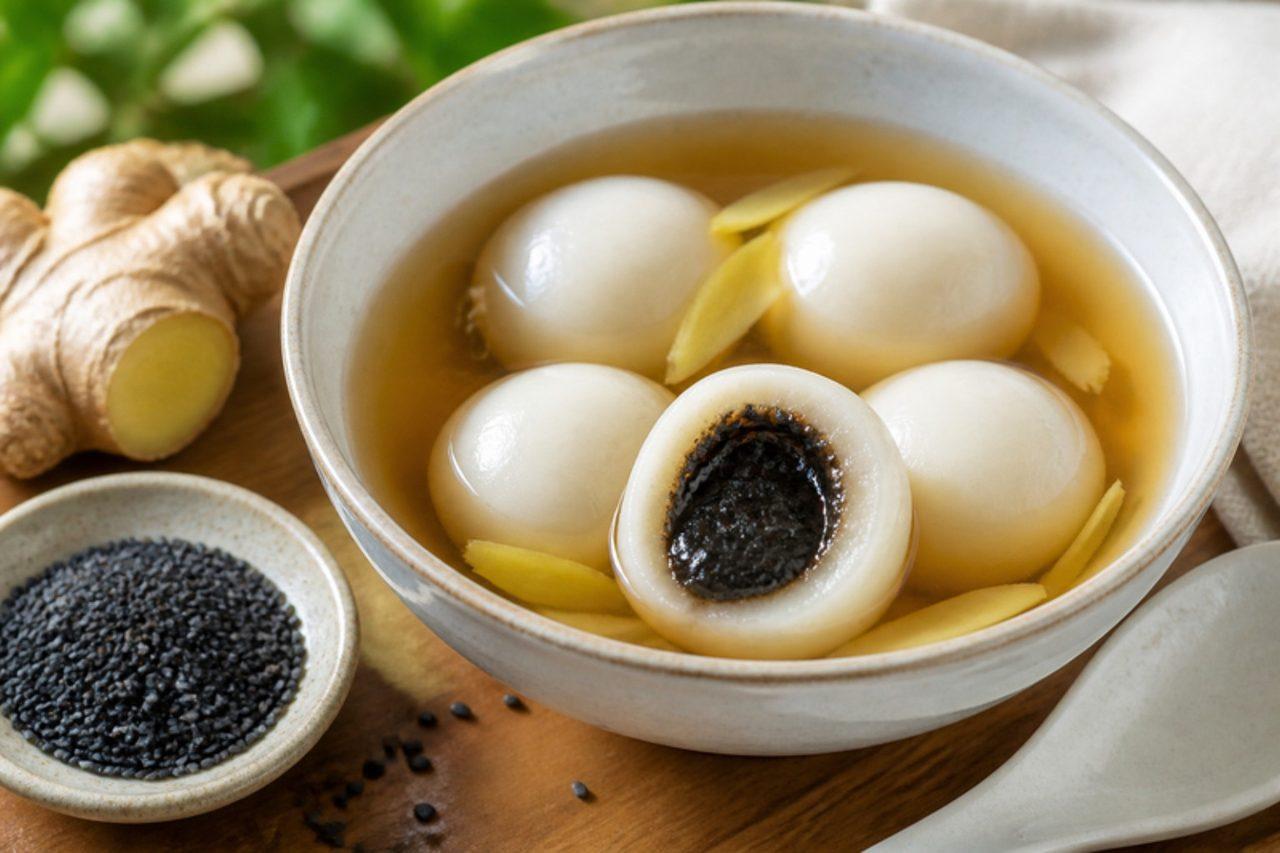
Black sesame tang yuan in ginger syrupSesame rice balls in ginger syrup

Tang yuan are eaten all over China at the Lantern Festival, on the fifteenth day of the Lunar New Year, and in the south also at the winter solstice; their roundness stands for family togetherness. The dough is glutinous rice flour, the classic filling black sesame, sugar and fat, served in a light ginger syrup. Lard is traditional in the filling; coconut oil sets just as firmly and keeps them vegan. Chef's tip: chill the filling until firm and roll it into balls before you start the dough; cold filling is far easier to wrap.

by KrazyBadal 0 views

Showing 18 of 9,812 recipes

Show more recipes

Page 969 of 1,091