


Skip to content
Soup joumou
Featured recipe

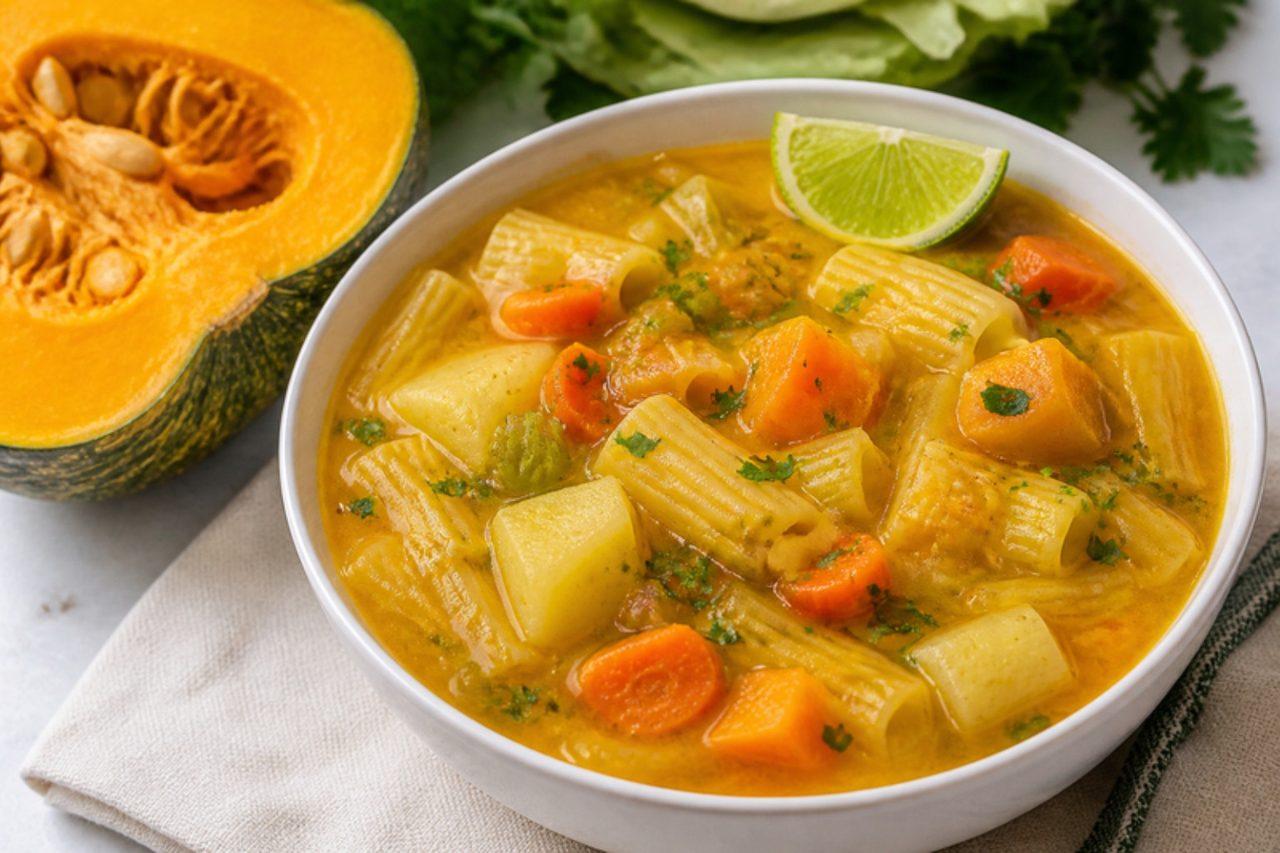
Soup joumou

Pumpkin soup

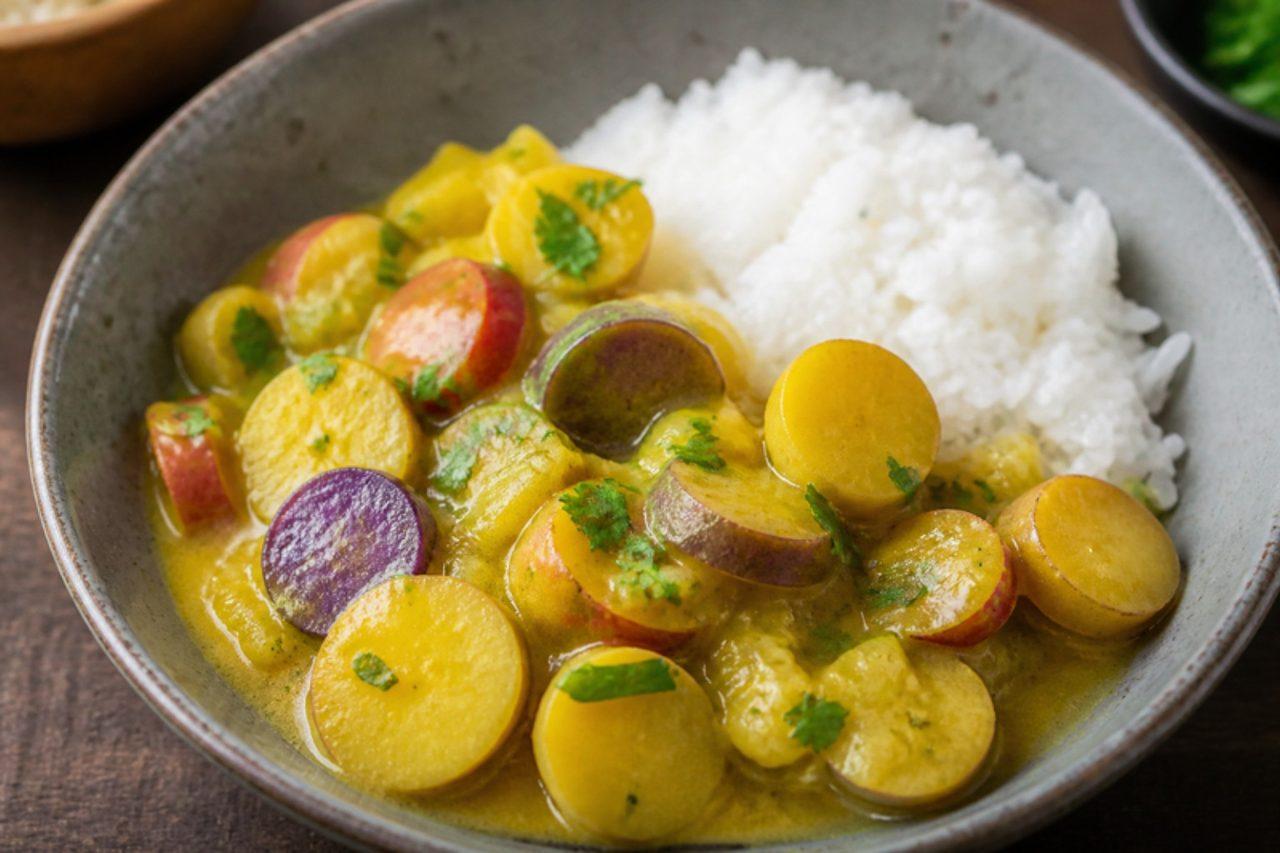
Every 1 January, Haitian families from Port-au-Prince to Brooklyn wake up to soup joumou. It marks independence from France on 1 January 1804: under French rule, enslaved Haitians cooked this pumpkin soup but were forbidden to eat it, so the free people of the new nation made it their own as a dish of freedom. In 2021 it was added to UNESCO's list of the intangible cultural heritage of humanity. The base is a velvety purée of joumou (Caribbean pumpkin) with epis, and in it simmer chunks of carrot, potato, cabbage, celery and turnip, with pasta and a squeeze of lime. It's usually made with beef; this vegetable version is full and golden, rich enough for the day. Chef's tip: roast half the pumpkin before puréeing it; the caramelised edges give the soup the depth that slow-cooked meat usually provides.

Read more 1 views

What to eat today?

Around the world

Today's trip: Persian

A new country every day, from every cuisine on the site.

Persian

Dizi

Lamb and chickpea stew 245 minMore from Persian (131) →

This week's collection

Kid-friendly dinners
537 recipes · a new collection every Monday

Latest recipes

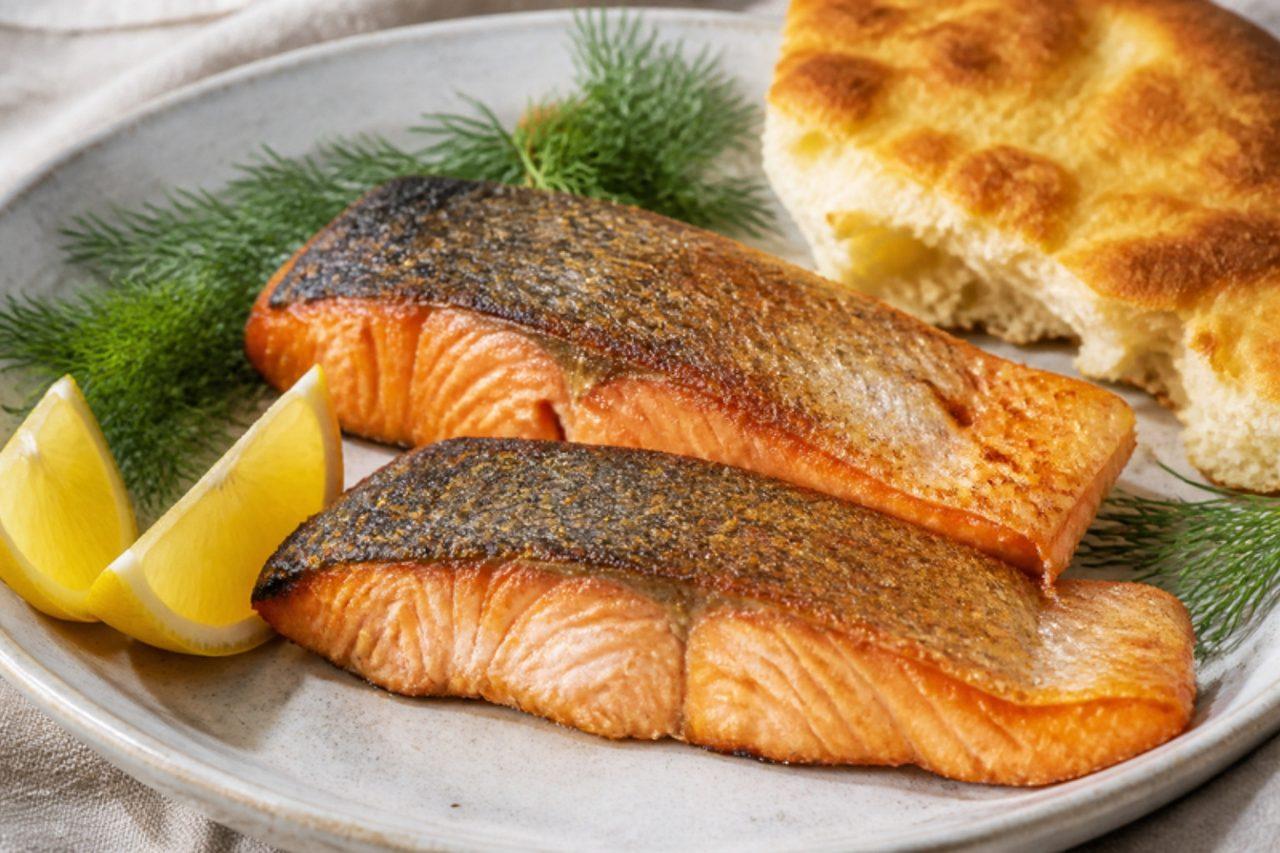
Pan-fried Arctic char

Arctic char, iqaluk in Inuktitut, is the fish of Nunavut, netted in the rivers around Cambridge Bay and Pangnirtung when it runs to the sea in summer and through the ice in spring. It tastes like a cross between salmon and trout, with rosy, delicate flesh. In Iqaluit homes it is eaten many ways; here it is simply pan-fried until the skin crackles, with lemon and a piece of warm bannock. A common mistake is moving the fillet too early; leave it until the skin releases on its own. Chef's tip: press the fillet flat with a spatula for the first 30 seconds so the skin doesn't curl.

by KrazyBadal 0 views

Mchuzi wa njegerePea and potato coconut curry

Mchuzi wa njegere, pea curry, is cooked in homes from Dar es Salaam to Tanga for an easy family lunch or supper, and it is a Friday favourite when families keep the meal meat-free. Green peas and potato chunks simmer in coconut milk with onion, tomato, turmeric and a mild curry powder until the potatoes are tender and the sauce is golden and creamy. Serve with chapati, plain rice or ugali. The usual mistake is boiling the curry hard once the coconut milk goes in, which makes it split and greasy. Chef's tip: add the peas last, as frozen peas need only 5 minutes and stay sweet and bright.

by KrazyBadal 0 views

DiziLamb and chickpea stew

Dizi, also called abgoosht, is Tehran's working lunch, served at old teahouses and bazaar canteens in individual stone pots, and cooked at home on cold Fridays. Lamb on the bone, chickpeas, white beans, potatoes, tomato and dried lime cook gently for hours. At the table you pour off the broth and soak torn sangak or lavash bread in it (tilit), then pound the meat, beans and potato into a coarse paste (goosht kubideh) to eat with herbs, raw onion and pickles. The usual mistake is adding the potatoes at the start: they collapse and cloud the broth. Slow-cooker: after the beans' hard boil, cook everything except the potatoes on low for 10 hours, adding them for the last 2. Chef's tip: pierce the dried limes so they flavour the broth without turning it bitter, and lift them out before pounding.

245 minPersianMeatGluten free
by KrazyBadal 0 views

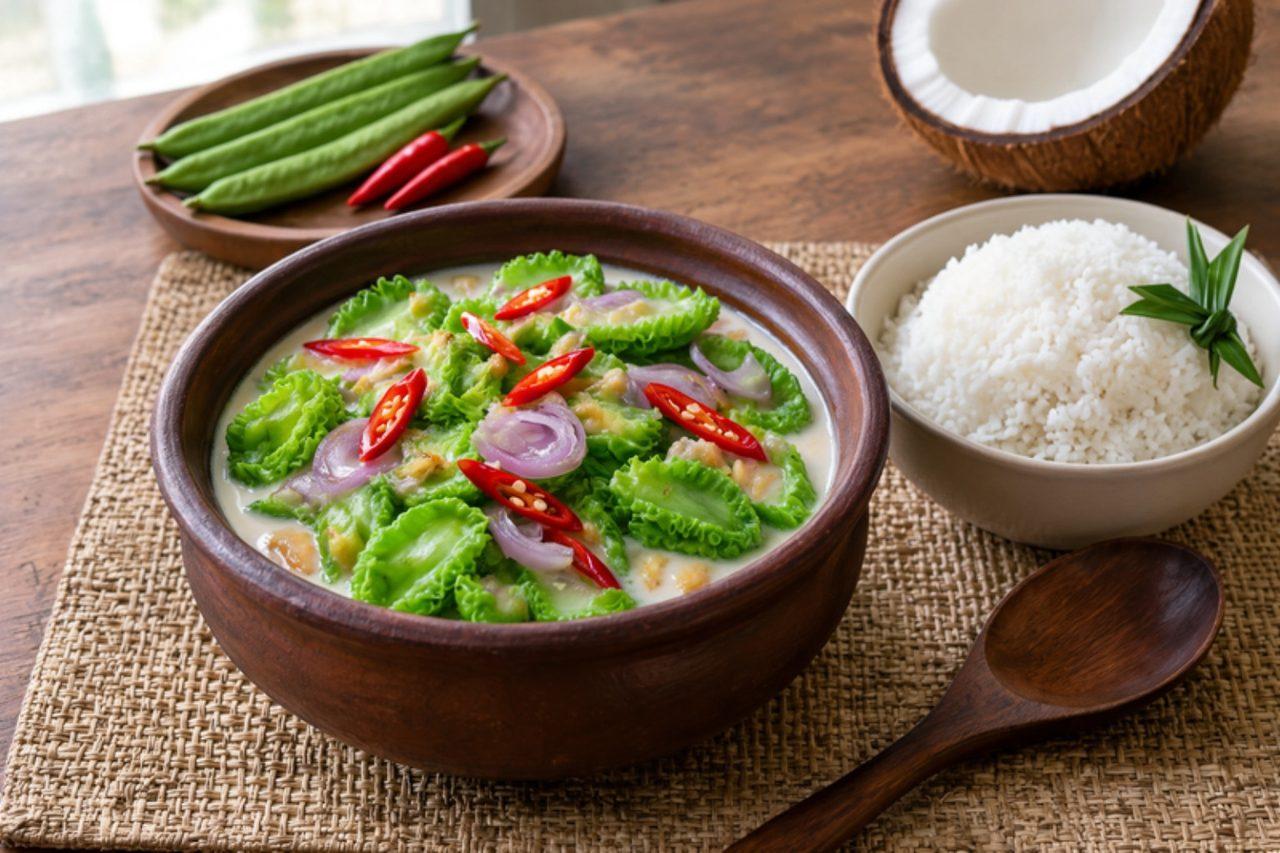
Ginataang sigarilyasWinged beans in coconut milk

Winged beans, sigarilyas, climb the backyard fences of Luzon and Visayan homes, and on rainy-season weekdays they are sliced and simmered in coconut milk for a quick ulam to go with rice. The frilly beans stay crisp-tender and soak up the garlicky, gently spicy gata. Many cooks add shrimp paste; this version keeps it vegan with a little soy sauce. The usual mistake is overcooking: winged beans lose their crunch and go dull green in minutes, so add them only when the coconut milk has reduced. Chef's tip: cut the beans on a sharp diagonal so each slice shows off the four ruffled wings.

by KrazyBadal 0 views

Shānyào ní (Chinese yam purée)

Chinese yam (shānyào, the long, hairy-skinned root sold in bundles in markets from Beijing to Guangzhou) is valued in Chinese homes as easy on the tummy, and steamed shānyào ní is one of the classic first purées offered at six months. Once steamed, the crisp, slippery flesh turns floury and pale, and pressed through a sieve it gives a smooth, slightly sweet, potato-like purée. Nothing else is added: no salt, sugar or honey for babies. It is free of the major allergens. Chef's tip: wear gloves or oil your hands before peeling; the raw sap makes skin itch, but cooking destroys it completely.

by KrazyBadal 0 views

Gohan oyaki (rice finger patties)

Oyaki means a little pan-cooked cake, and Japanese parents make gohan oyaki from leftover rice when babies around nine months start wanting to feed themselves. Mashed rice is mixed with steamed kabocha squash (or grated carrot) and a spoon of potato starch, shaped into finger-sized patties and cooked gently until lightly golden. They are soft and sweet inside, hold together in a small fist and squash easily against the gums. They are free of the major allergens: no milk, egg, gluten, nuts, soya, sesame or fish. Chef's tip: mash the rice while it is warm; cold rice will not stick together and the patties crumble.

by KrazyBadal 0 views

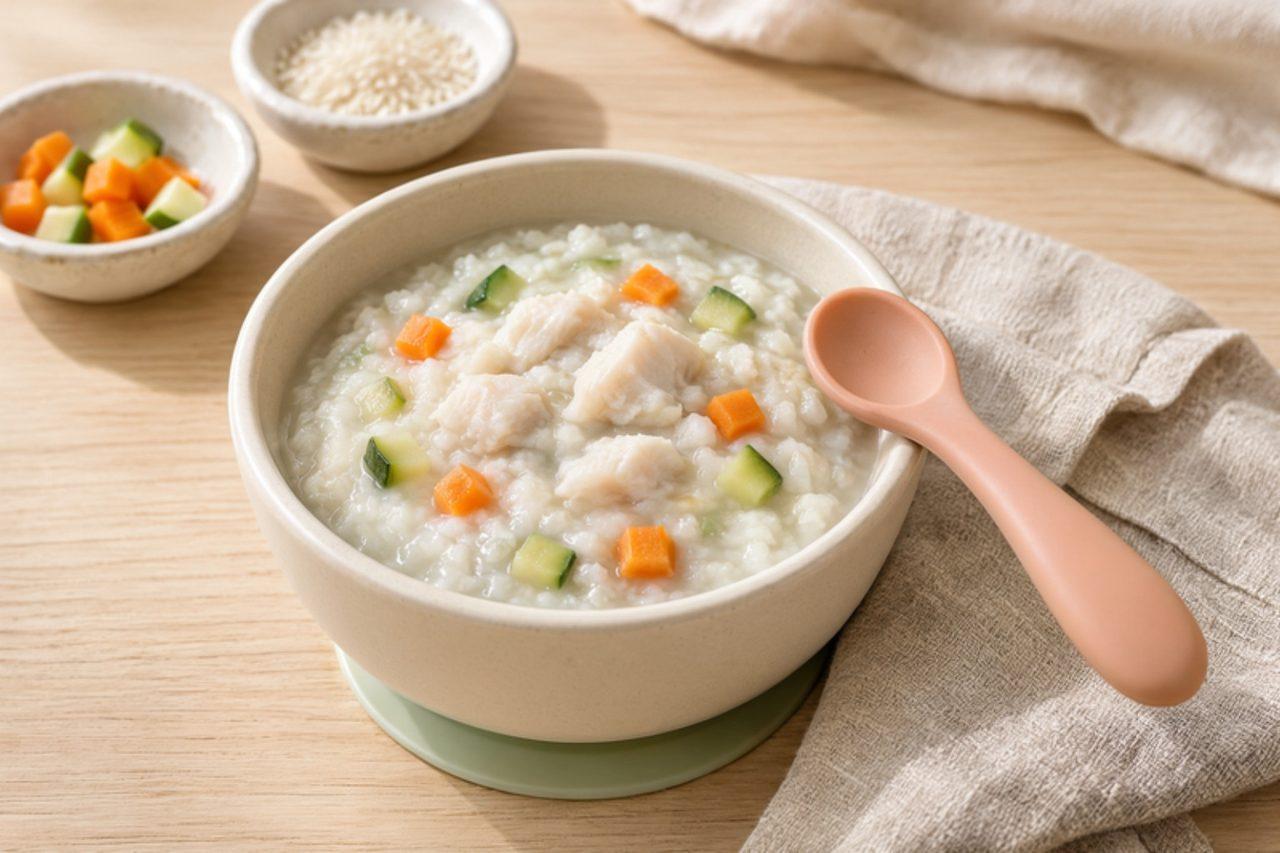
Daegu-sal juk (cod and vegetable baby porridge)

In Korea, homemade baby food (iyusik) follows clear stages, and by the late stage around nine months, Seoul parents are making juk with roughly crushed rice and small pieces of fish and vegetables. Daegu-sal juk uses mild, flaky cod with sweet courgette (aehobak) and carrot, and no soy sauce, salt or sesame oil. It is creamy, delicate and soft enough to mash between the gums. It contains fish and is free of milk, egg, gluten, nuts, soya and sesame. Chef's tip: crush the soaked rice lightly with a rolling pin or a couple of pulses in a blender; broken grains thicken the juk faster and give exactly the soft lumps this stage needs.

by KrazyBadal 0 views

Alu chi patal bhajiColocasia leaf curry

No Maharashtrian festive thali, at Ganesh Chaturthi, a wedding or a naming ceremony, feels complete without a bowl of aluchi patal bhaji: chopped colocasia leaves stewed soft with chana dal and peanuts in a thin curry that is sour with tamarind, sweet with jaggery and thickened with a spoon of gram flour. It is eaten mixed into rice or sipped from the thali. Colocasia leaves must be cooked thoroughly with an acid like tamarind; undercooked leaves make the throat itch. The usual mistake is skimping on the cooking time to save the bright green colour; the leaves should be fully soft and olive-green. Chef's tip: soak the peanuts and chana dal for at least 2 hours, so they cook in the same time as the leaves.

by KrazyBadal 0 views

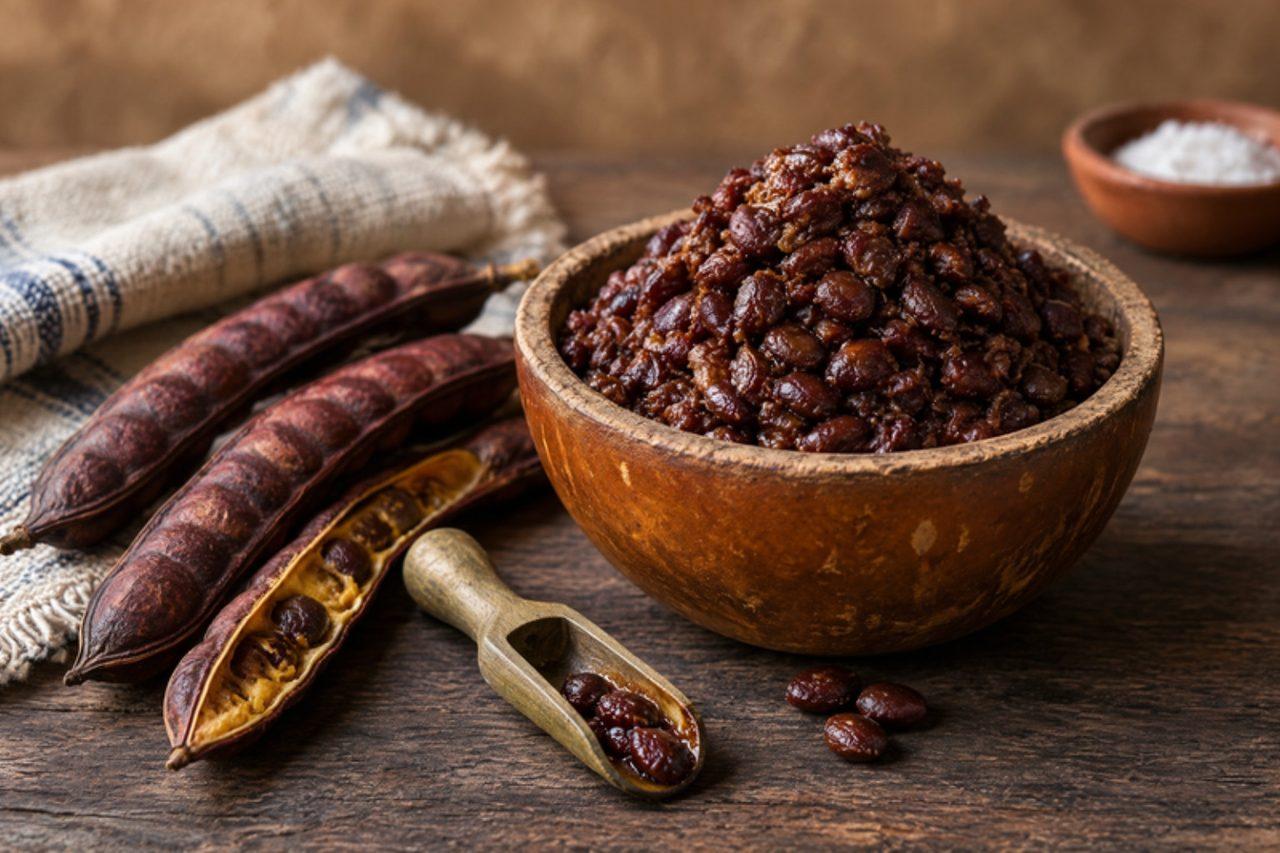
IruFermented locust beans

In Yoruba towns from Ibadan to Ogbomoso, iru is the smell of a good stew: a spoonful of the dark, fermented locust beans melted into efo riro, ofada ayamase, gbegiri and ewedu changes the whole pot. Making it is women's work passed down over generations, done in the dry season when the yellow pods of the African locust bean tree (igba) ripen. The seeds are boiled for hours, rubbed free of their black hulls, boiled again and wrapped warm in leaves for two or three days, when a sticky bacterial ferment covers them. Iru woro is left whole; iru pete is mashed. Expect a powerful ammonia-and-cheese smell, a soft, sticky texture and a deep savoury, almost meaty taste once cooked. Common mistake: fermenting too cool; below 30 °C the beans go sour and grey instead of developing the rich, sticky coat. Keep them in a warm oven with only the light on, or in a cooler box with a hot-water bottle. It is ready when the beans are dark brown, sticky and covered in fine white threads. Chef's tip: dried locust beans are sold at West African shops; fermented soybeans make a fair substitute.

by KrazyBadal 0 views

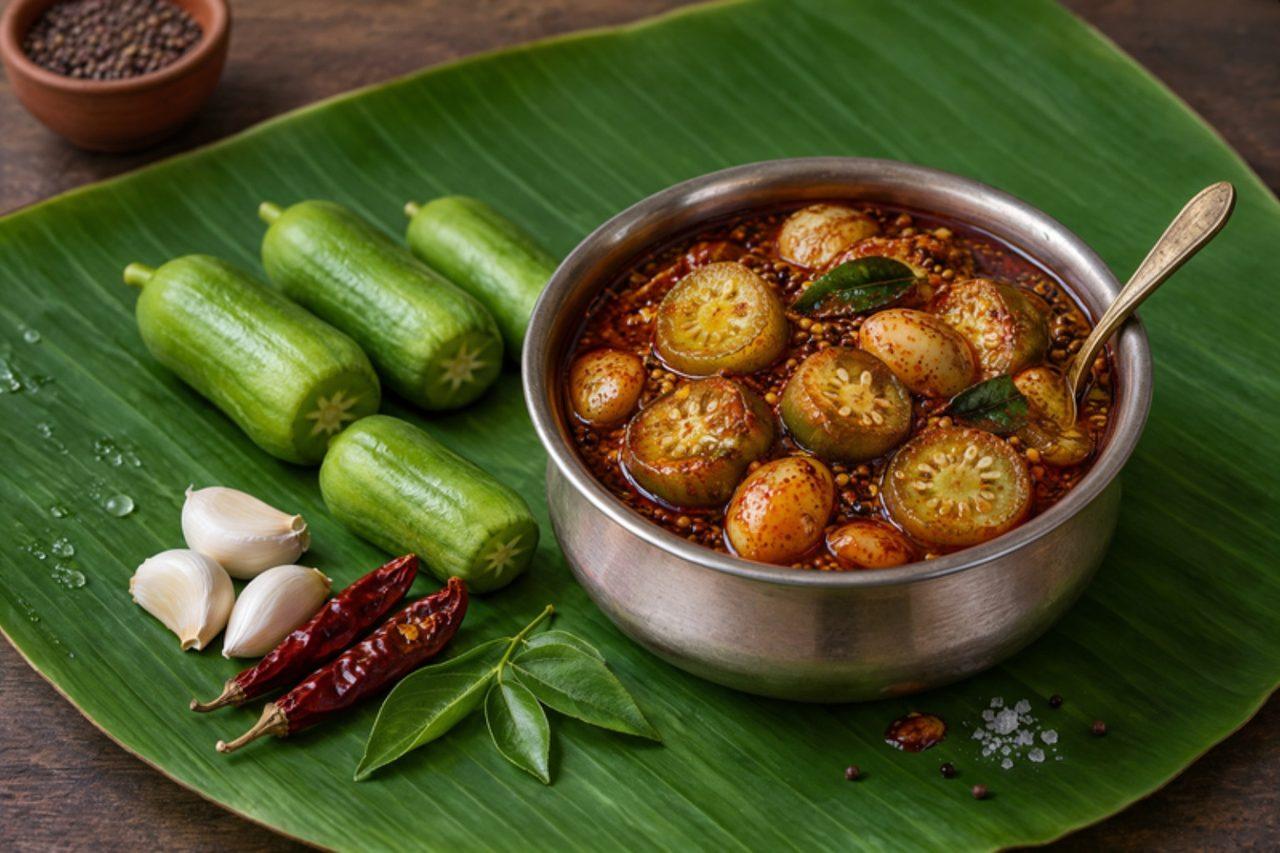
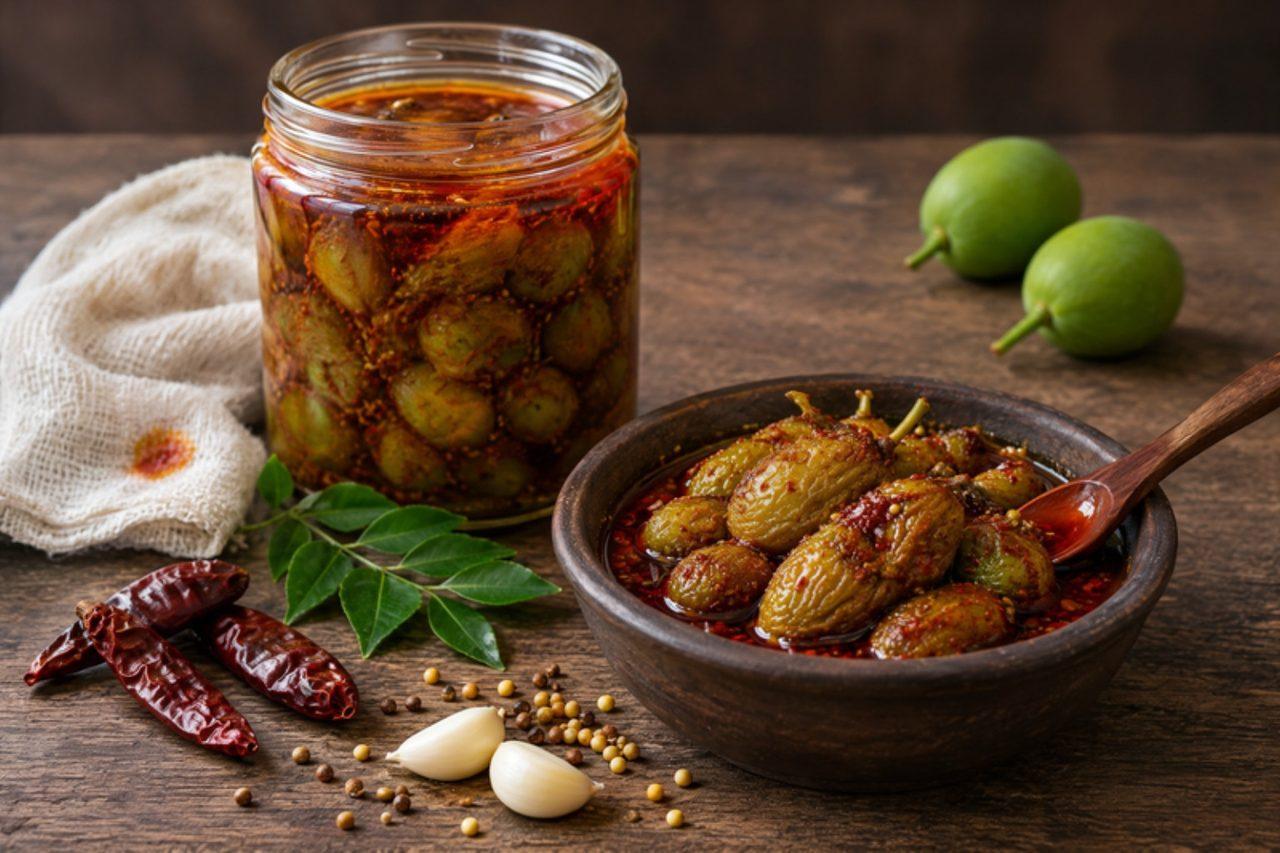
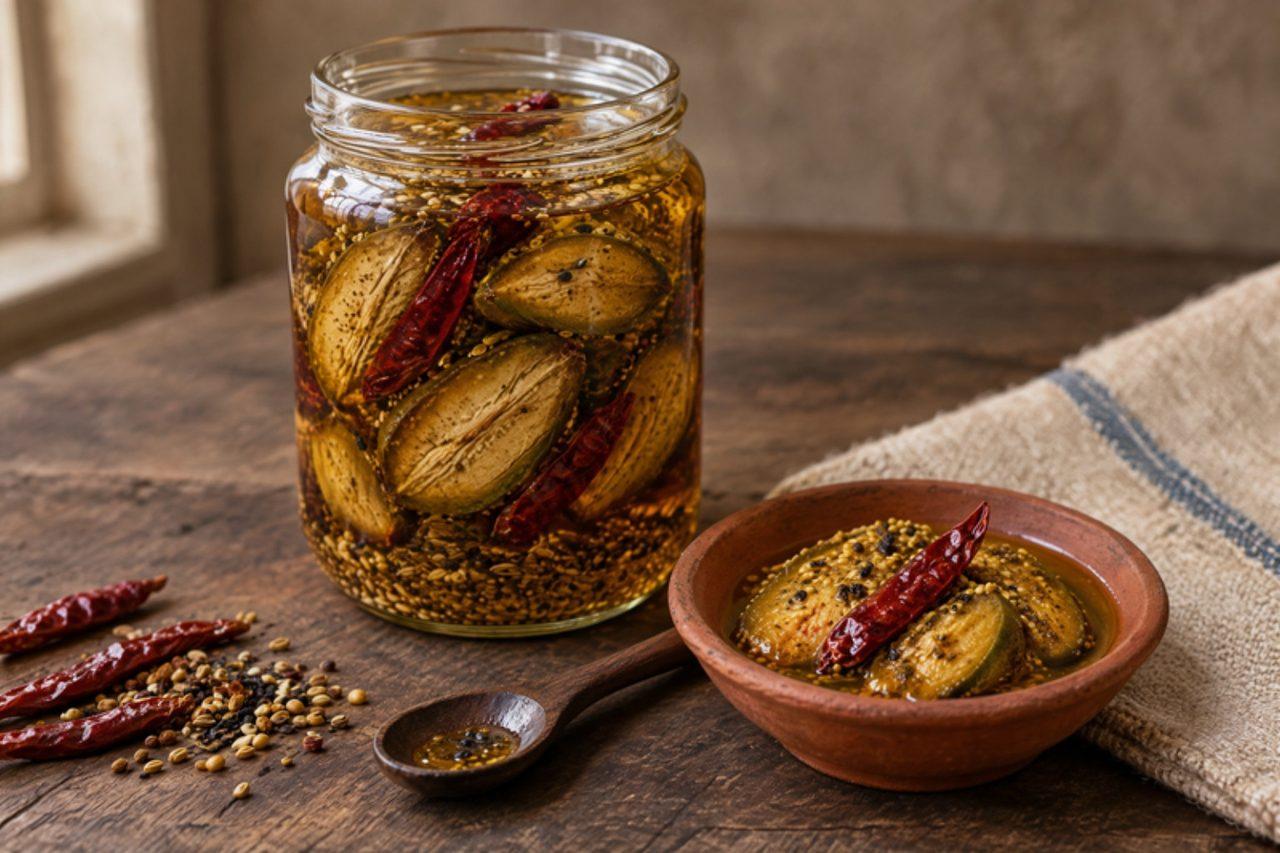
Irumban puli acharBilimbi pickle

Almost every Kerala compound has an irumban puli tree, its trunk studded with clusters of small, cucumber-shaped green fruit so sour they make your eyes water. Through the monsoon months the tree fruits non-stop, and the surplus is salted and turned into this pickle. The bilimbi pieces soften into a tangy, juicy mass in a red masala of chilli, garlic and ginger cooked in gingelly oil, with roasted fenugreek giving a gentle bitterness. Eat it with kanji and payar (rice gruel and green gram), with a simple meal of rice, thoran and moru curry, or with chapati. The common mistake is cooking the fruit for too long: bilimbi is very watery and soft, and if stewed it breaks down to mush. Salt it first to draw out the water, then just warm it through in the masala for a couple of minutes. It is ready when the masala clings to the pieces and the oil glistens on top. Very acidic, but with fresh garlic and ginger, so store it in the fridge and use within a month. Abroad, use sour, green, unripe star fruit (its close relative) or green gooseberries. Chef's tip: dry the salted pieces in the sun for an afternoon for a firmer, chewier pickle.

by KrazyBadal 0 views

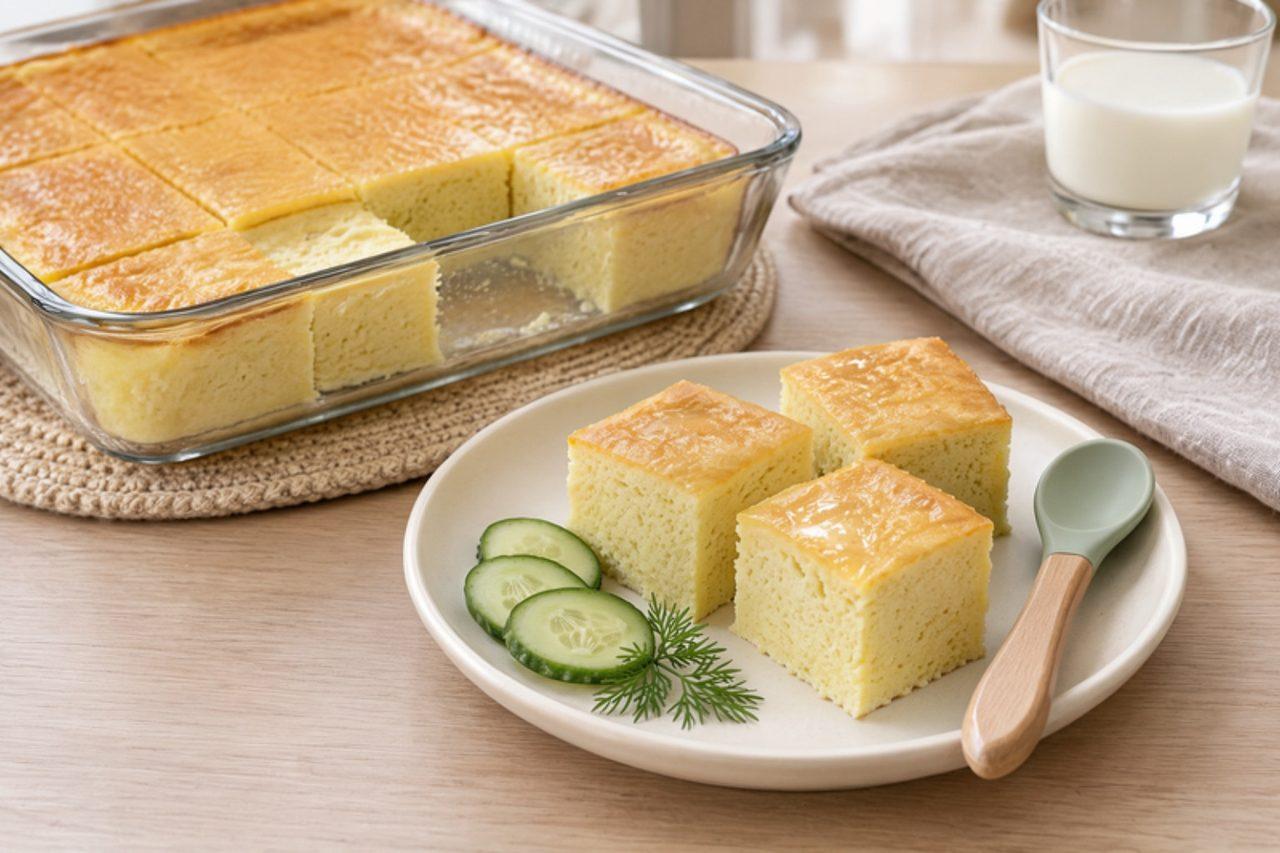
Detsadovsky omlet (kindergarten oven omelette)

Anyone who went to a detsky sad, a kindergarten, in Moscow, Kyiv or Minsk remembers this omelette: tall, pale and soft as a sponge, baked in big trays and served in squares with a slice of bread and butter. The secret is lots of milk and a deep dish, so the eggs steam-bake into a quivering, custardy block rather than a flat frittata. It makes a protein-rich breakfast or supper for toddlers from 12 months, made here without salt. It contains egg and milk; there is no gluten, nuts or soya. Chef's tip: stir the eggs and milk, don't whisk them into a foam, or the omelette rises and then collapses.

by KrazyBadal 0 views

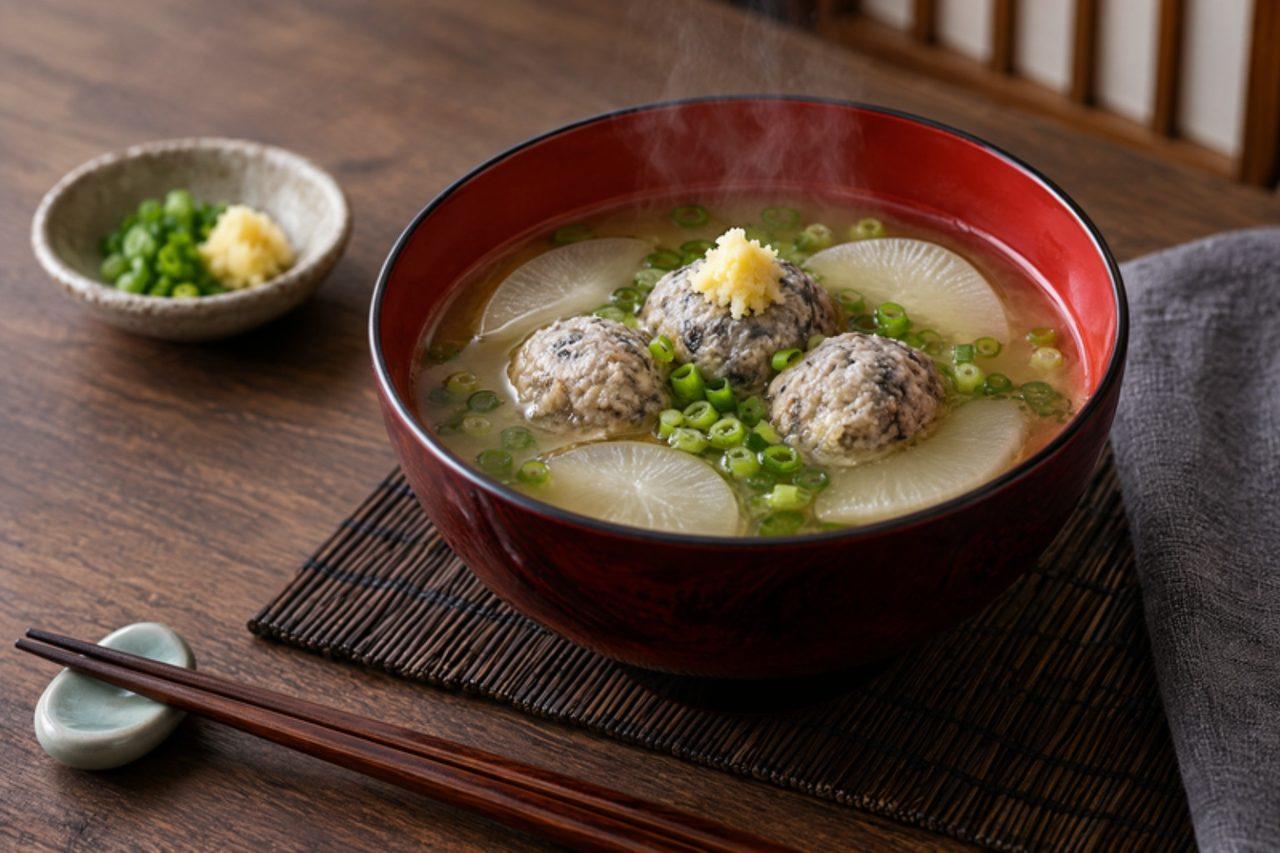
Iwashi no tsumire jiruSardine dumpling soup

Along the coasts of Chiba and Kanagawa, where sardines are landed in huge numbers in autumn, cooks chop them by hand into tsumire (fish dumplings) and drop them into a light dashi with daikon and carrot. It is an everyday supper soup, warming and very savoury, eaten with rice and pickles. Suitable as part of a balanced diet: sardines are rich in protein and omega-3 fats, and the soup is low in starch. About 220 kcal and 9 g carbohydrate per portion. The usual mistake is pureeing the sardines smooth in a processor, which makes the dumplings rubbery; chop with a knife, leaving a little texture. Chef's tip: add a teaspoon of miso and plenty of ginger to the fish paste; it seasons it and hides any strong fishiness.

by KrazyBadal 0 views

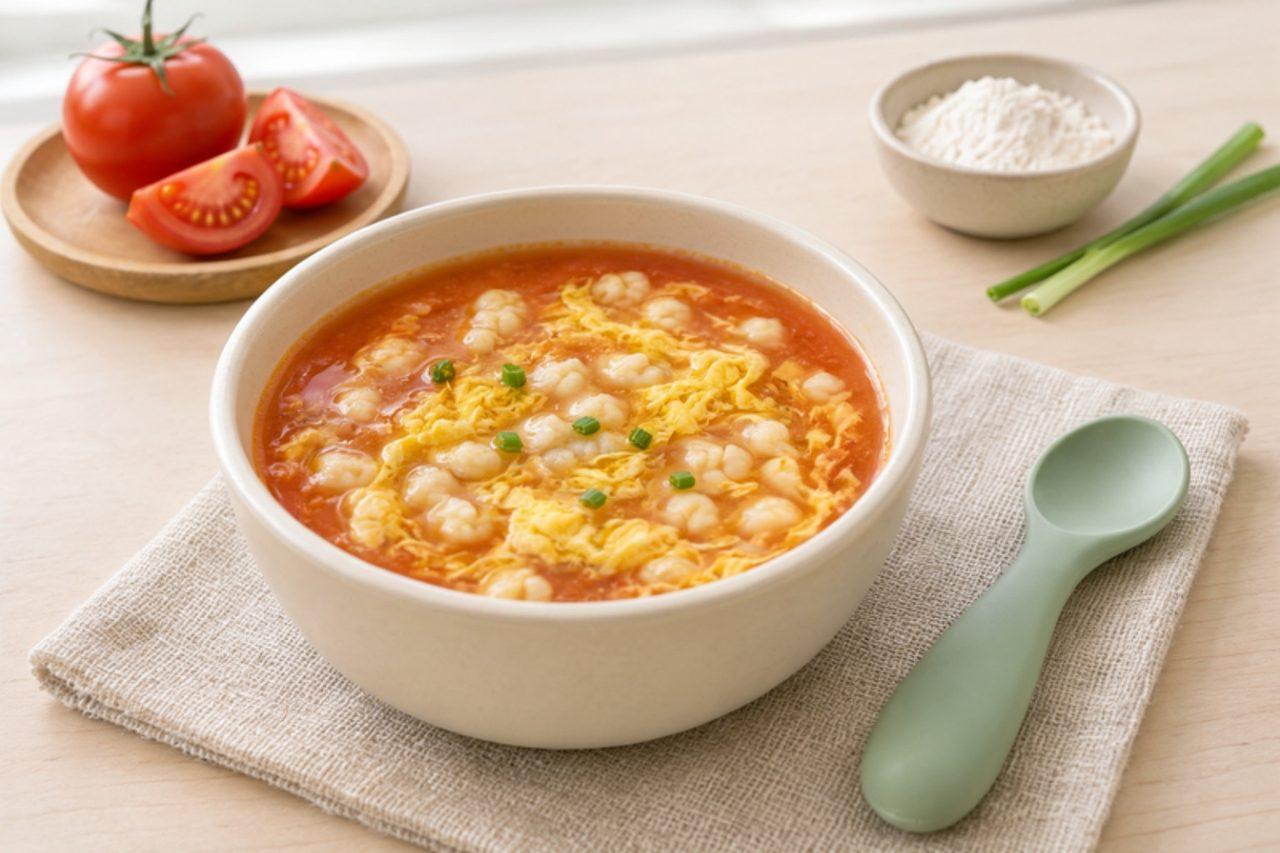
Gē da tāng (flour-knot soup with tomato and egg)

Gē da tāng is the soup of northern Chinese homes, from Beijing hutongs to the kitchens of Hebei and Shandong, made on cold evenings or when someone is under the weather. Water is dripped onto flour until it forms little knots, which are rained into a broth of soft tomatoes and finished with egg, so the bowl is part soup, part tiny dumpling. For toddlers from 12 months it is cooked without salt or soy sauce, and the egg is simmered until fully set. It contains wheat (gluten) and egg, and sesame if you add the oil; there is no milk, nuts or soya. Chef's tip: drip the water in a thin trickle while stirring with chopsticks, so you get rice-sized knots, not a paste.

by KrazyBadal 0 views

Jan Smuts tartletsApricot almond sponge tartlets

Bakers who sided with General Jan Smuts answered the hertzoggie with tartlets of their own, and old Afrikaans and English cookbooks have printed the two rivals side by side ever since. Where a hertzoggie wears a chewy coconut meringue, a Jan Smutsie hides its apricot jam under a soft, almond-scented sponge and is marked with a little pastry cross on top. The texture is all tender cake over a sharp fruity middle in a crumbly sweet crust, lovely at Sunday tea or packed in a school lunchbox. Most people overfill the cases with batter, which domes up and spills over the cross; two-thirds full is plenty. Chef's tip: roll the trimmings for the crosses thinly, or they stay doughy where they sit on the sponge.

by KrazyBadal 0 views

Grünkohl mit PinkelBraised kale with smoked sausage

In Bremen and Oldenburg, Grünkohl mit Pinkel is the dish of the winter Kohlfahrt, when groups walk out into the frosty countryside and finish at an inn for kale, smoked pork and Pinkel, a smoked sausage of pork, bacon and oats. The kale is braised for hours with onions, lard and smoked pork until dark, soft and almost creamy, then the sausages warm through on top. Serve with boiled potatoes or small caramelised ones and mustard. The usual mistake is cooking the kale briefly like a vegetable side; it needs the long braise to lose its bitterness. Chef's tip: kale is best after the first frost, which makes the leaves sweeter; frozen chopped kale is a good shortcut.

160 minGermanMeat
by KrazyBadal 0 views

Hot jam doughnuts

Hot jam doughnuts have been sold from a van at Queen Victoria Market in Melbourne since the 1950s, and the queue on a cold Saturday morning is part of the ritual. The small round yeast doughnuts are fried, injected with hot raspberry jam and rolled in sugar, then eaten straight from the paper bag; careful, the jam is scorching. A common mistake is frying at too high a heat, which browns the outside before the inside cooks. Chef's tip: let the shaped dough rise until it springs back slowly when poked, or the doughnuts will be heavy.

by KrazyBadal 0 views

RinderrouladenStuffed beef rolls

Rinderrouladen are the Sunday and holiday roast of Germany, made by grandmothers from the Rhineland to Saxony and served at Christmas with red cabbage and potato dumplings. Thin slices of beef are spread with mustard and rolled round smoked bacon (pork), onion and gherkin, then browned and braised for two hours in red wine and stock until tender, giving a deep, glossy gravy. For an alcohol-free version use extra stock with a tablespoon of red wine vinegar. The usual mistake is rolls that unravel in the pot; tie them firmly or pin with two cocktail sticks. Slow-cooker: after browning, cook on low for 7 hours, then thicken the sauce in a pan. Chef's tip: ask the butcher for topside sliced 5 mm thick and beat it a little thinner, so it rolls easily without tearing.

165 minGermanMeat
by KrazyBadal 0 views

Ash-e dooghYogurt soup with rice and chickpeas

Ash-e doogh is the summer and autumn soup of Ardabil and the Azeri north-west of Iran, cooked in big pots for family gatherings and sold in bowls in the bazaars. Rice and chickpeas are simmered in tangy yoghurt with handfuls of dill, coriander, spinach and mint, and the soup is topped with crisp fried onion and dried mint. It is creamy and sour, never heavy. The usual mistake is stopping stirring: the yoghurt splits into grains if left to boil alone, so stir in one direction without stopping until it comes to the boil. Chef's tip: beat a spoonful of rice flour into the yoghurt before heating; it stabilises it and keeps the soup silky.

by KrazyBadal 0 views

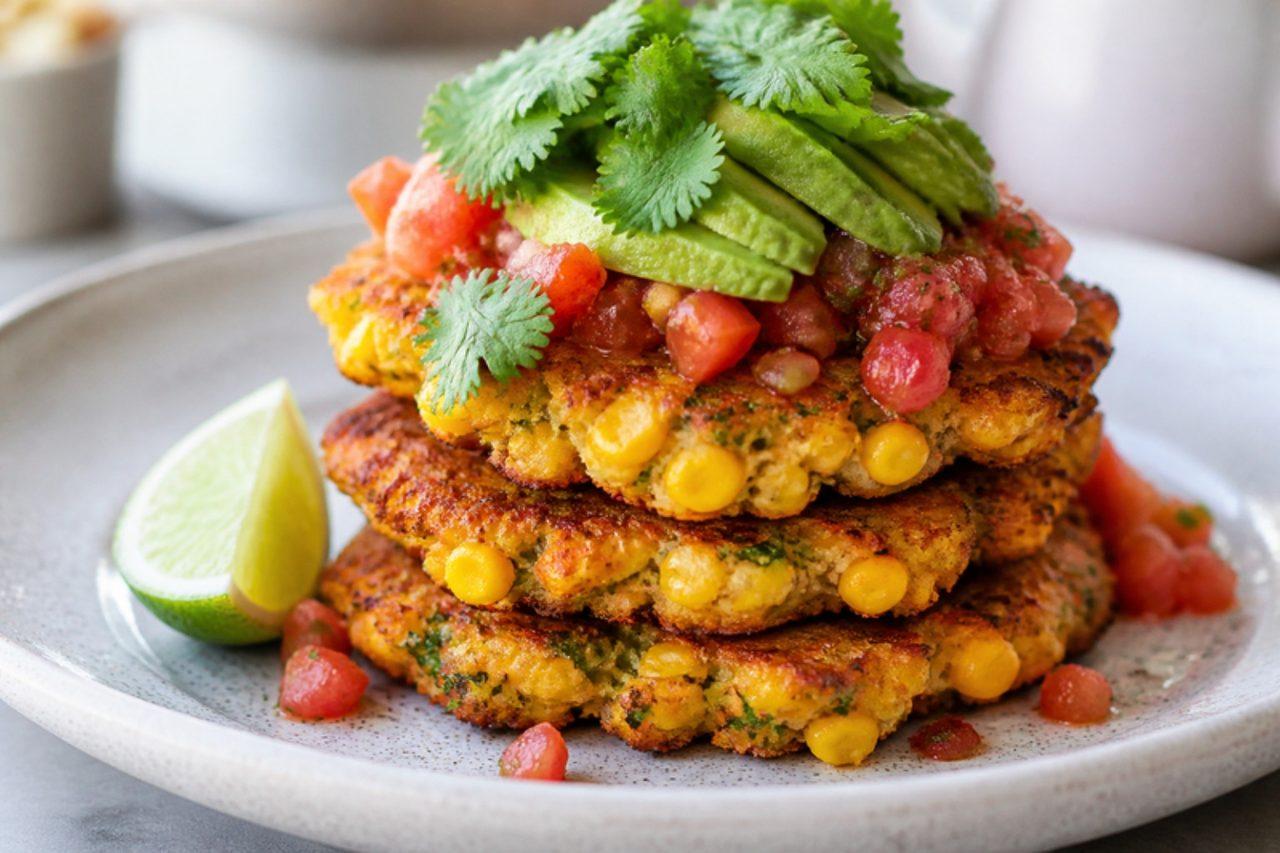
Corn fritters

Corn fritters are a Sydney café staple, the brunch that sits on every menu from Surry Hills to Manly, stacked with smashed avocado, roast tomato or relish and a handful of herbs. The batter is mostly corn, with just enough flour and egg to bind, plus spring onion, coriander and a little chilli. They are quick enough for a weekday breakfast. A common mistake is crowding the pan, which steams them instead of crisping. Chef's tip: blitz a quarter of the corn so its milky juice binds the fritters and keeps them tender.

by KrazyBadal 0 views

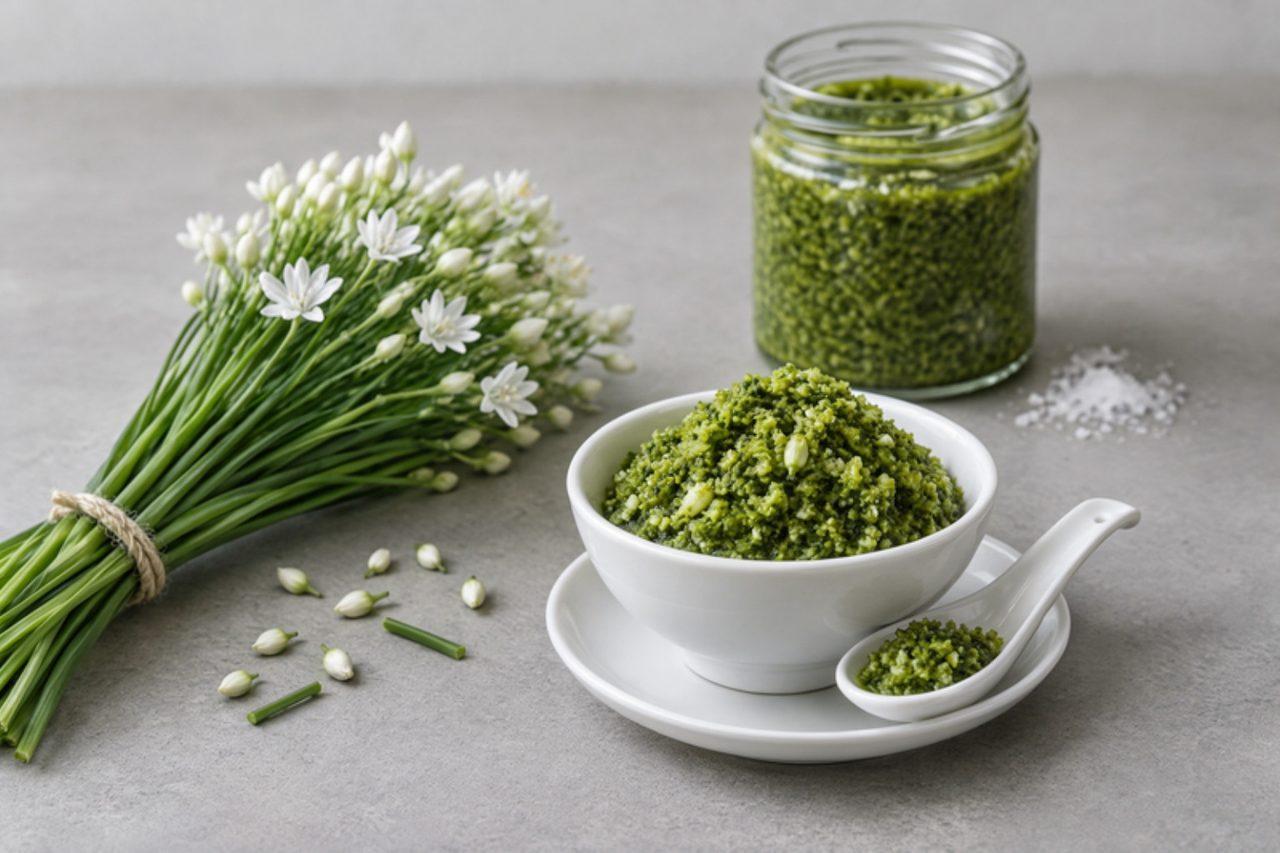
Jiu cai hua jiangGarlic chive flower sauce

In late August the garlic chives of Hebei, Beijing and Inner Mongolia send up stiff stalks topped with white flower heads, and northern households grind them with salt into jiu cai hua jiang. A few days of fermentation turn the raw, oniony paste mellow and tangy, and by the first cold evenings it is stirred into the sesame-paste dip for shuan yangrou, Beijing's copper-pot lamb hot pot, alongside fermented tofu and chilli oil. It also lifts plain noodles, steamed buns and boiled dumplings. The taste is salty, garlicky and green, with a gentle sweetness from Asian pear and warmth from ginger; the texture is a loose, coarse purée. Pick the flowers when the buds are just opening, before seed pods form, or the paste turns bitter and gritty. Common mistake: using too little salt; under 8% the paste goes slimy instead of sour, so weigh it. It is ready when small bubbles rise, the colour dulls from bright to olive green and it smells pleasantly sour rather than raw. Chef's tip: a crisp apple works if you cannot find Asian pear; use slightly less, as it is sharper.

by KrazyBadal 0 views

Candied salmon

Candied salmon, sometimes called salmon candy, comes from the First Nations smokehouses of British Columbia's coast, where strips of wild salmon are cured in salt and brown sugar, then slowly smoked and glazed until sticky, chewy and deep red. It is a snack for the trail, the fishing boat and the lunchbox. This home version cures the fish in the fridge and then cooks it low in the oven with a little smoked salt or liquid smoke, so it is fully cooked rather than cold-smoked. A common mistake is skipping the drying stage; the pellicle (a tacky skin) is what lets the glaze cling. Chef's tip: keep the oven low and steady; too hot and the fish weeps white albumen.

210 minCanadianFishGluten free
by KrazyBadal 0 views

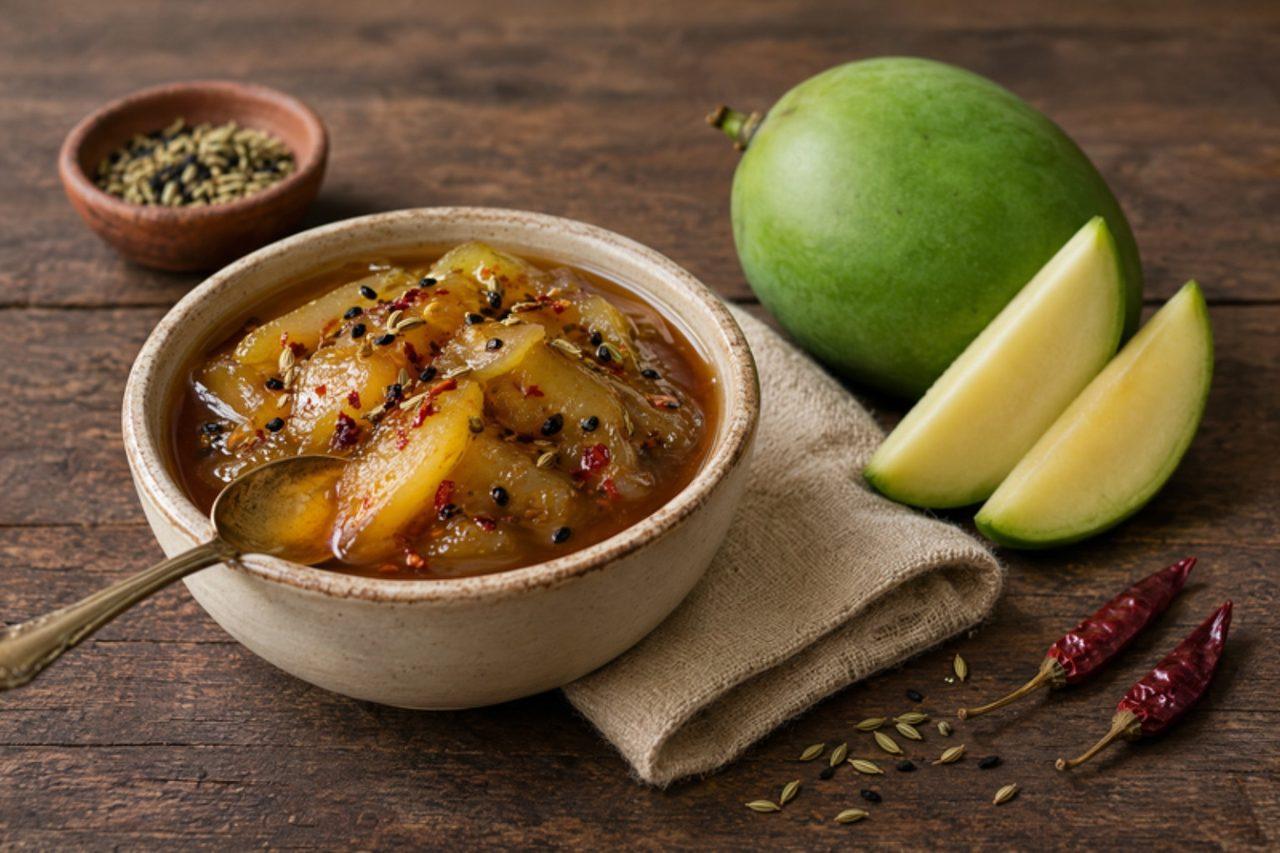
Aam ki launjiSweet and sour raw mango relish

In Rajasthan and across the Hindi belt, launji is the quick mango relish made the day the first raw mangoes come home in April, and it keeps appearing on the thali all through the scorching summer. Unlike the long-cured achaars, it is cooked in 20 minutes: mango pieces in mustard oil with saunf, kalonji, methi and cumin, then simmered with jaggery until glossy. The pieces stay soft but hold their shape in a thick, amber syrup that is sweet first, then sour, with a warm hum of chilli and a liquorice note from the fennel. Eat it with dal-baati, puri, paratha or plain khichdi; in the heat it is believed to cool the body. The common mistake is adding the jaggery too early, so it caramelises and turns bitter before the mango is tender; cook the mango first, then the jaggery. It is ready when the syrup coats the back of a spoon and the mango looks translucent at the edges. It thickens as it cools. Store in a clean jar in the fridge and eat within a week to 10 days. Chef's tip: leave a little peel on some pieces; it gives a pleasant chew and stops the mango from turning to mush.

by KrazyBadal 0 views

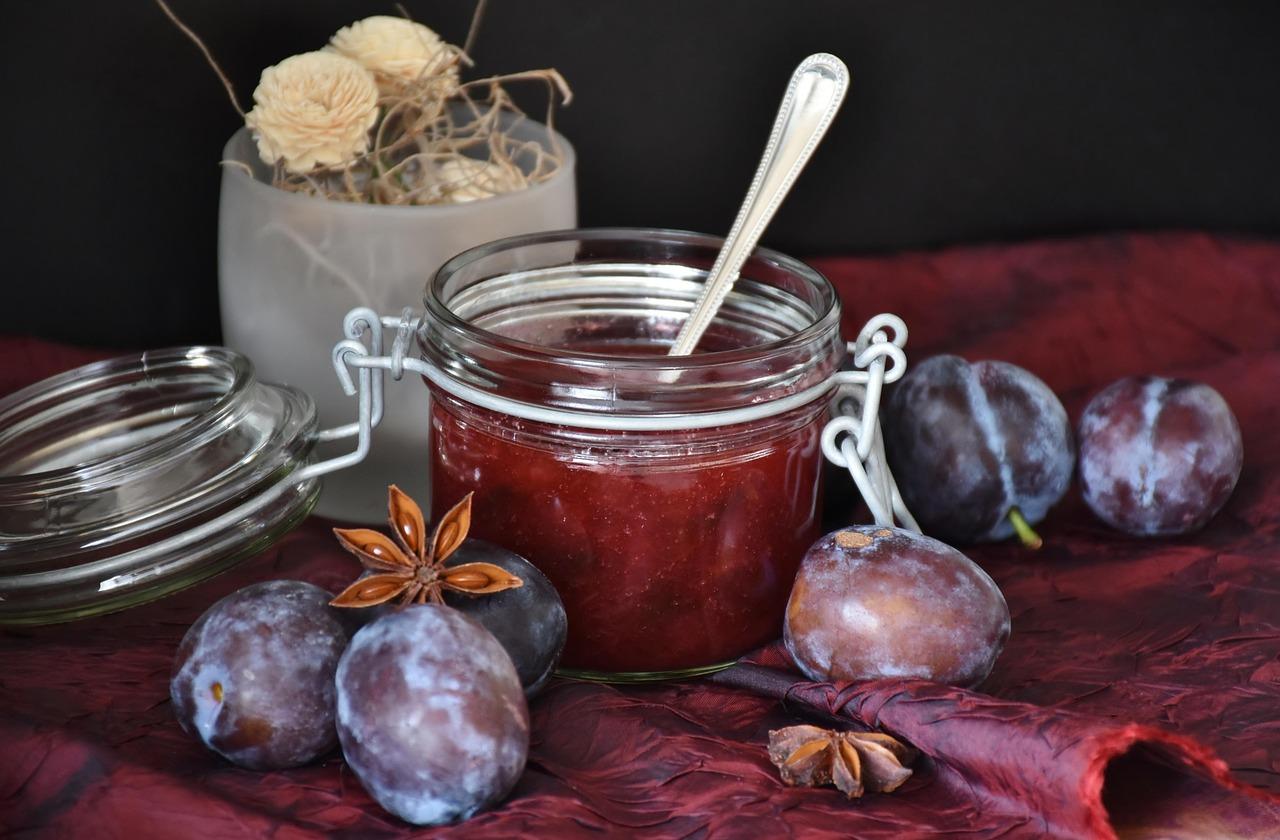
Davidson plum jam

Davidson plums grow on slender trees in the subtropical rainforests of northern New South Wales and south-east Queensland, ripening dark purple in summer. They are far too sour to eat raw but make a stunning deep-crimson jam with a sharp, tangy flavour, sold at farmers' markets around Byron Bay and the Sunshine Coast. Spread it on scones or serve with cheese. A common mistake is boiling it past the set; the plums are high in pectin and set fast. Chef's tip: if you can't find Davidson plums, use dark sour plums and add a squeeze of lemon.

by KrazyBadal 0 views

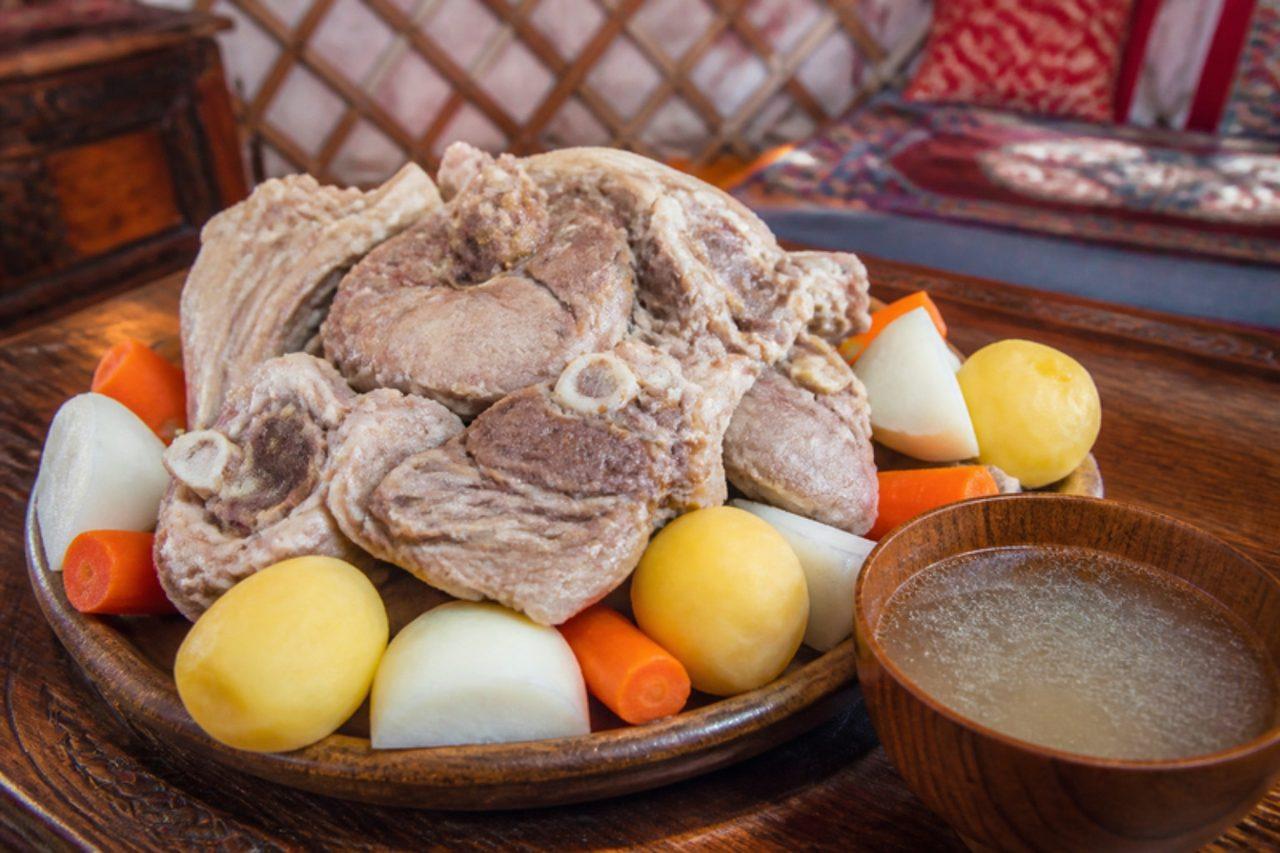
Boiled mutton

Chanasan makh is the simplest and most loved meal of the Mongolian countryside, boiled in a big pot on the ger stove in Övörkhangai or Khentii whenever guests arrive or a holiday comes round. Large bone-in pieces of mutton are simmered with nothing but salt and a little onion, then served steaming on a platter to be cut with a knife and eaten by hand, with the rich broth drunk from bowls alongside. Potato, carrot and turnip are often cooked in the same pot. A common mistake is boiling hard, which makes the meat tough and the broth cloudy; keep it at a lazy simmer and skim. Chef's tip: mutton or older lamb with some fat on it gives the deepest flavour.

by KrazyBadal 0 views

Pikelets

Pikelets are the small, thick pancakes Kiwi and Aussie kids learn to make first, cooked for afternoon tea in farmhouse kitchens from the Waikato to Tasmania and served with butter and jam, or jam and whipped cream. They are ready in 20 minutes and are best eaten warm. A common mistake is a pan that's too hot; they brown outside before the centre sets. Chef's tip: flip them when bubbles have popped on the surface and the edges look dry.

by KrazyBadal 0 views

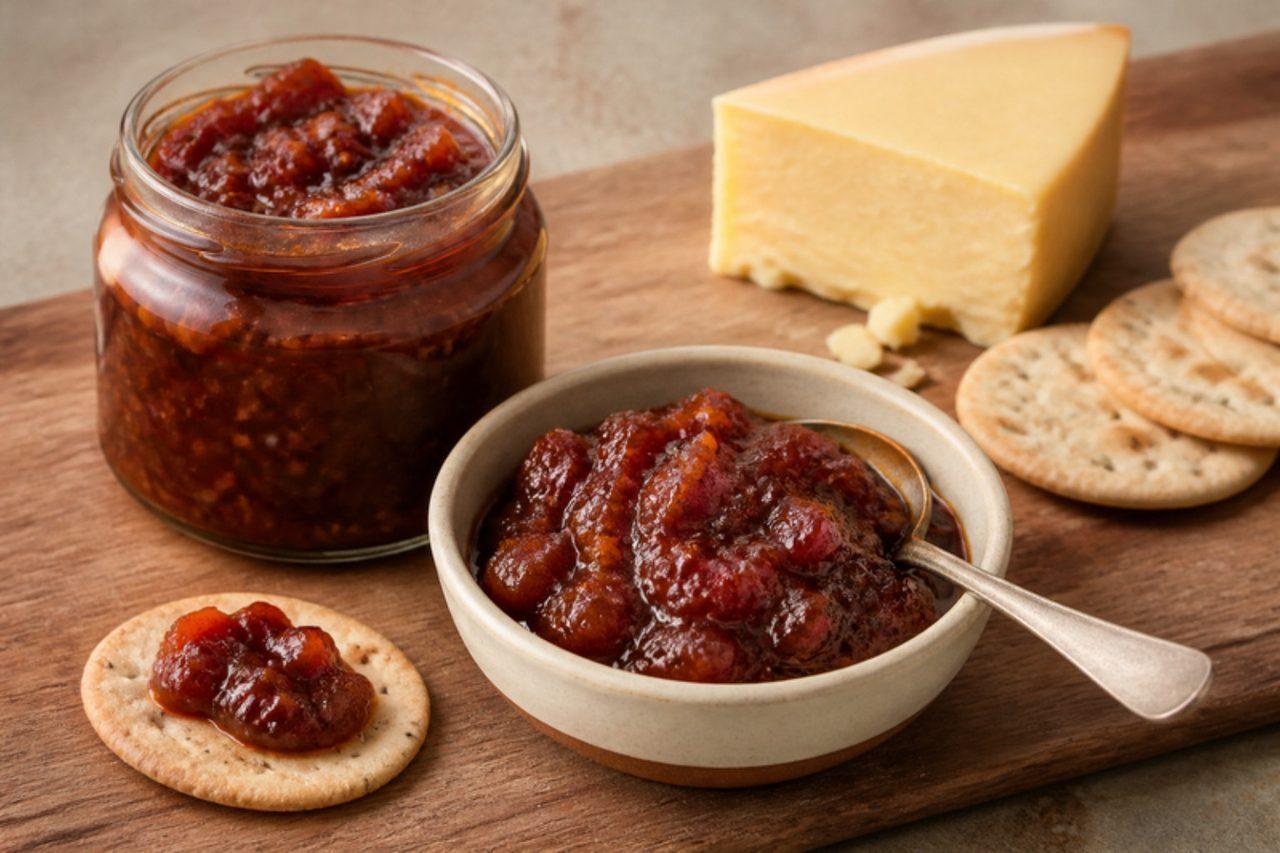
Bush tomato chutney

Bush tomato, known as akudjura or desert raisin, is the small fruit of a desert plant gathered by Aboriginal people in Central Australia and around Alice Springs; dried and ground, it tastes of caramel, tamarillo and sun-dried tomato. A spoon of it turns an ordinary tomato chutney into something rich and smoky, great with cheese, barbecues and burgers. Buy ground akudjura from a native food supplier; only the ripe dried fruit of the right species is safe to eat, so never forage it. A common mistake is adding too much; it is strong. Chef's tip: toast the ground bush tomato in the oil first to wake up its flavour.

by KrazyBadal 0 views

Ciulama de ciuperciMushrooms in white sauce

Ciulama is a white, velvety sauce stew from Moldova and Muntenia, and the mushroom version is cooked in autumn when wild mushrooms come down from the Carpathians, or any time with cultivated ones. Mushrooms are sautéed with onion, then simmered in a light roux of butter, flour and milk until thick and creamy, and finished with dill and garlic. It is served with a mound of hot mămăligă (cornmeal mash) and sometimes a spoon of sour cream. The usual mistake is adding the milk to a cold, raw roux, which leaves the sauce lumpy and floury. Chef's tip: let the mushrooms brown before the flour goes in; golden mushrooms give a much deeper flavour than pale, steamed ones.

by KrazyBadal 0 views

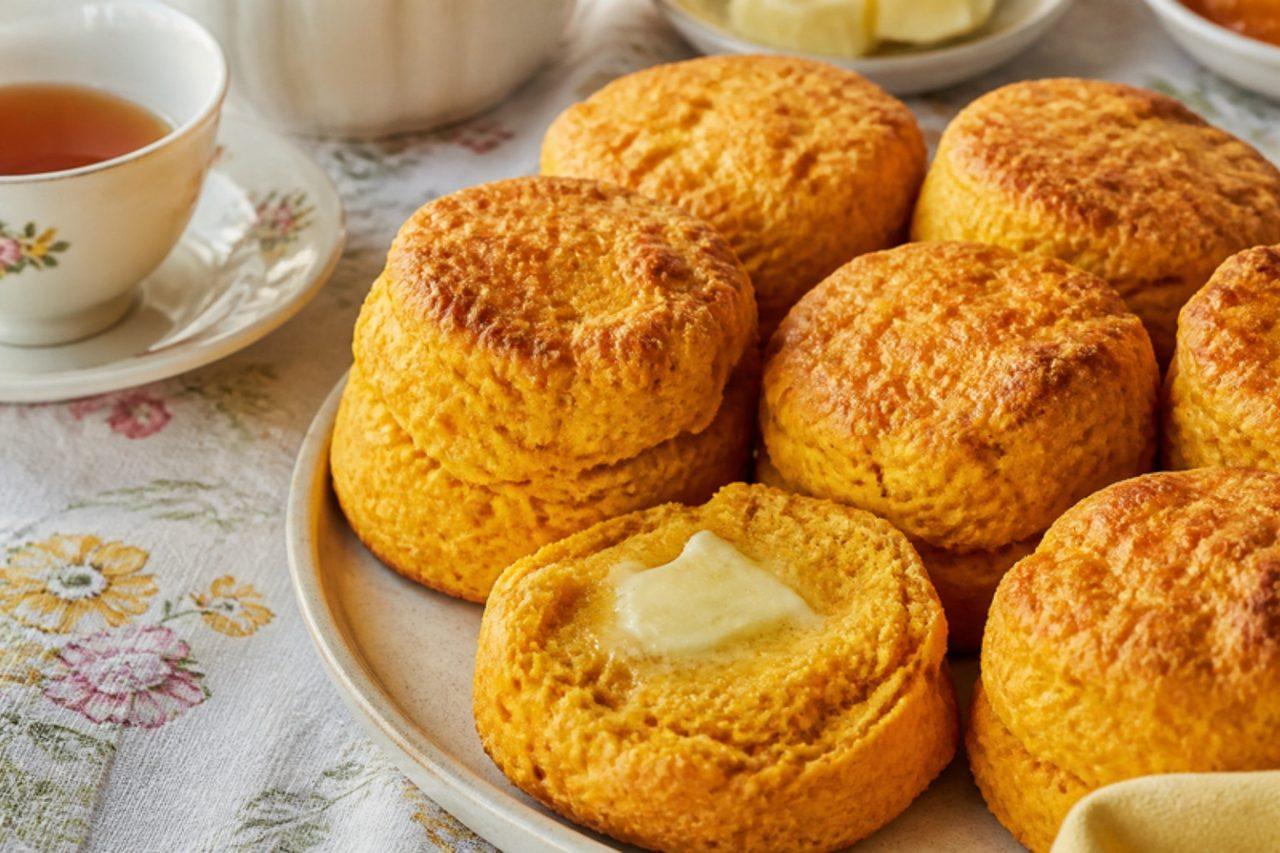
Pumpkin scones

Pumpkin scones are a Queensland country tradition, made famous by the farm-raised wife of a long-serving state premier and baked for every Country Women's Association morning tea from Toowoomba to Rockhampton. Mashed pumpkin makes them golden, soft and slightly sweet, and they are best warm from the oven with plenty of butter. A common mistake is wet pumpkin; steam or roast it and let it cool so the dough isn't sticky. Chef's tip: cut straight down without twisting the cutter, so the scones rise tall and even.

by KrazyBadal 0 views

Bò khoLemongrass beef stew

Bò kho is a southern Vietnamese breakfast: in Saigon street stalls ladle this red, gently spiced beef stew over bánh mì torn for dunking, or over rice noodles, from first light. Chunks of beef shin marinate with lemongrass, ginger, garlic, five-spice and fish sauce, are browned in annatto oil, then simmered in coconut water with star anise and cinnamon until tender, with carrots added near the end. The broth should be glossy and aromatic, not thick. The usual mistake is adding the carrots at the start, so they turn to mush; they go in for the last 25 minutes. Slow-cooker option: brown the beef, then cook everything except the carrots on low for 8 hours, adding the carrots for the last hour. Chef's tip: bruise the lemongrass stalks with the back of a knife so they release oil without falling apart.

by KrazyBadal 0 views

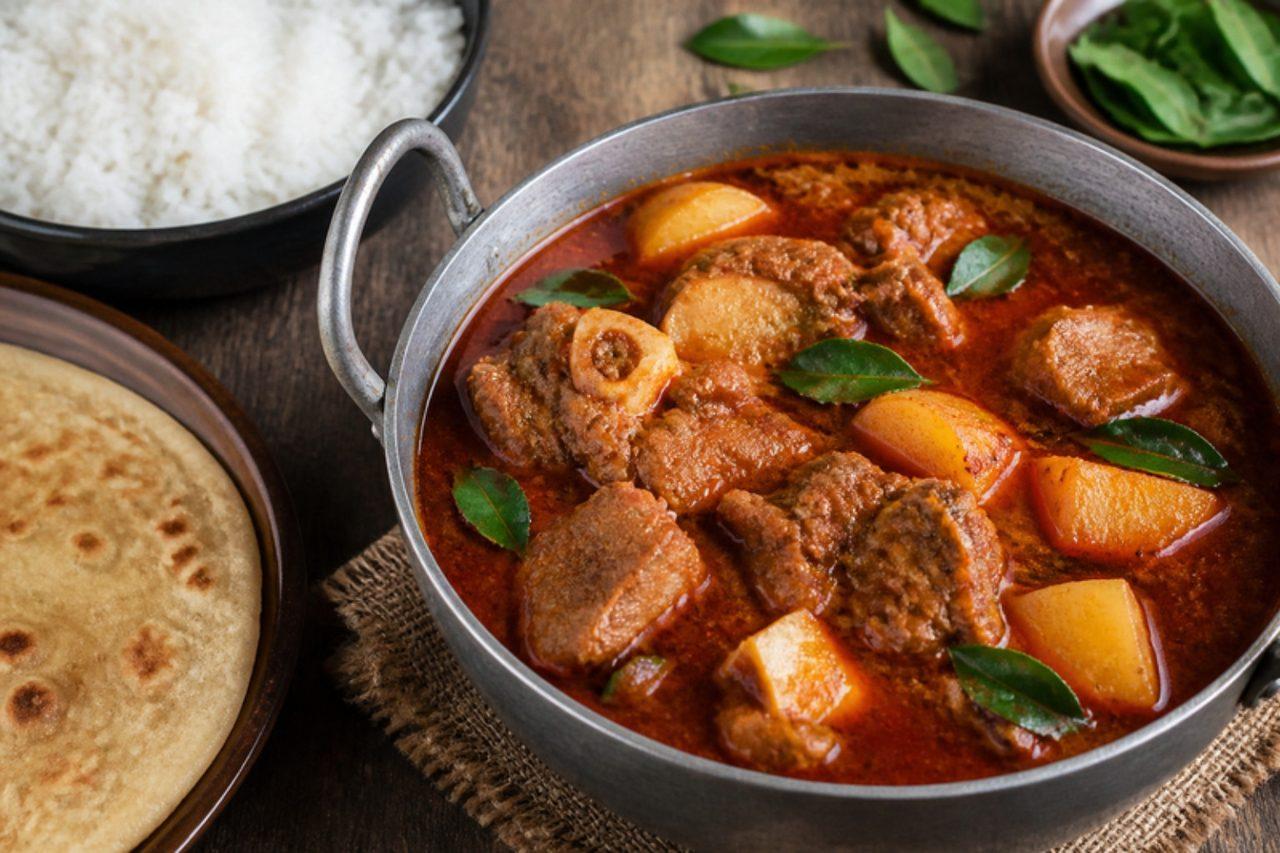
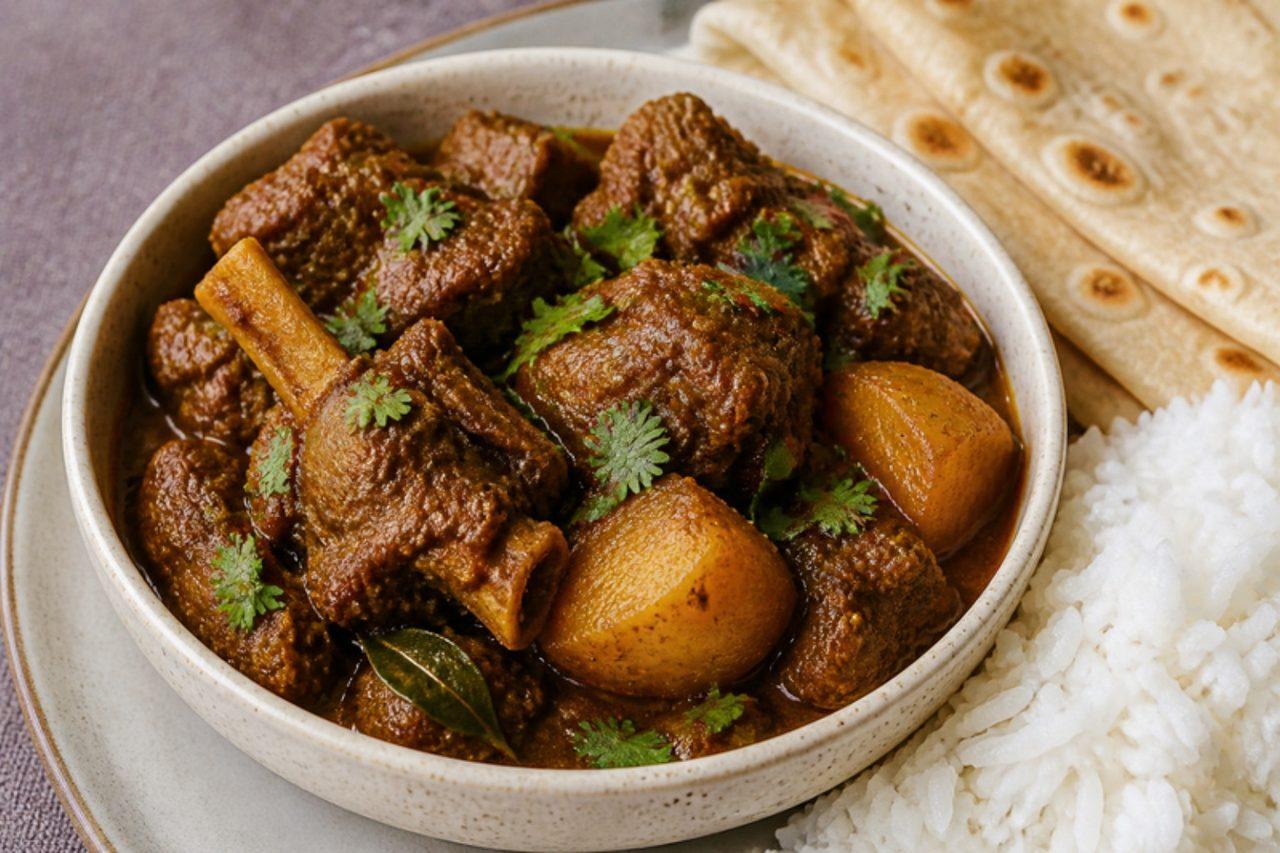
Durban mutton curry

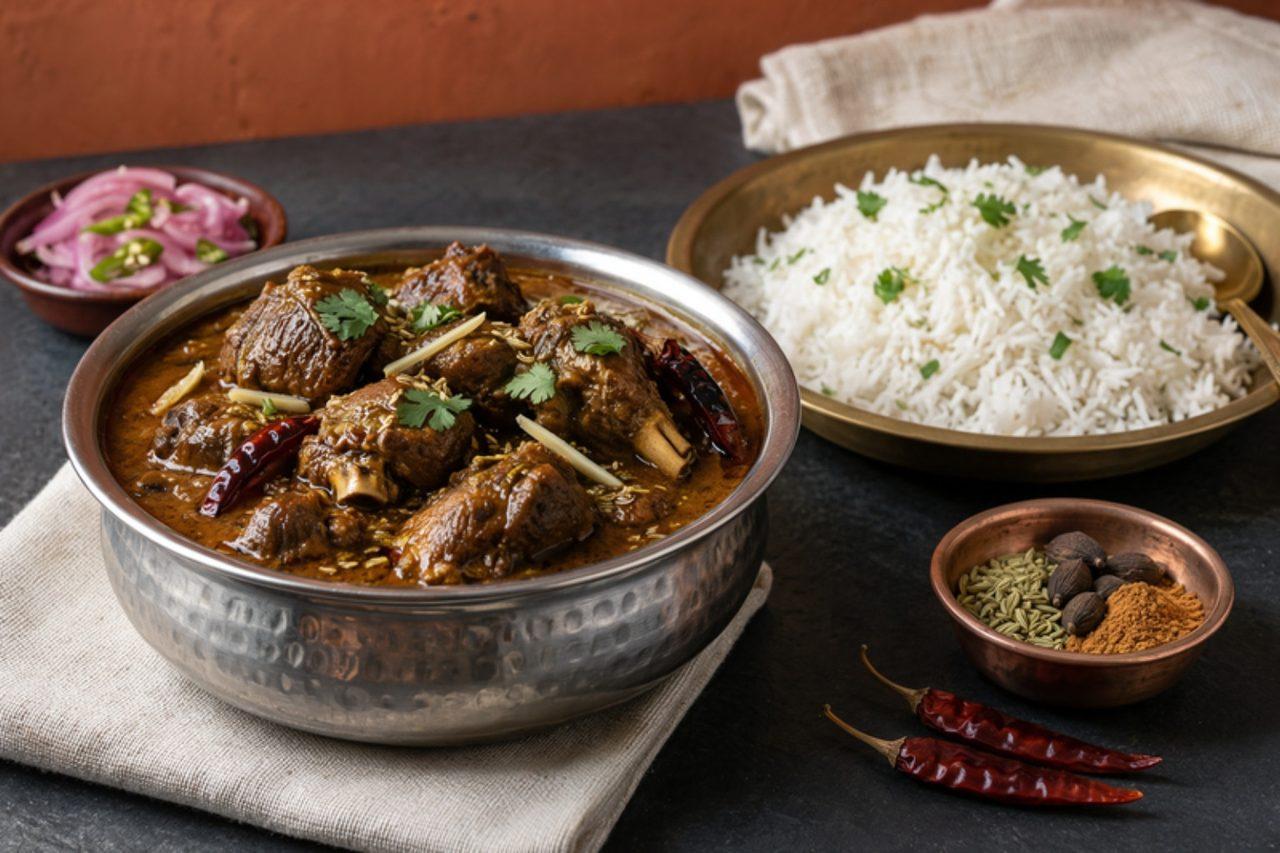
Grey Street spice shops in Durban blend their own red masalas, and this is the curry they are meant for: bone-in mutton cooked slowly until the gravy turns deep brick red and oily, with potatoes that drink up the chilli. Families in Chatsworth and Phoenix put it on the table for Sunday lunch and at weddings, with white rice or rotis, carrot-and-chilli salad and a bowl of tomato-and-onion sambal to cool things down. It is properly hot, but warm whole spices and curry leaves keep it from tasting only of chilli. Burning the masala is the commonest mistake, so add a splash of water the moment it starts to stick. Chef's tip: wait until the mutton is almost soft before adding the potatoes, or they will crumble into the gravy before the meat is ready.

by KrazyBadal 0 views

Mince and cheese pie

Mince and cheese is New Zealand's best-selling bakery pie, the go-to lunch for tradies, students and rugby crowds from Auckland to Dunedin, with a rich, peppery beef mince gravy under a thick layer of melted cheese and a flaky puff lid. It is eaten from the paper bag with tomato sauce. Cheddar is often made with animal rennet. A common mistake is filling the pastry with hot mince, which makes the base soggy; cool it fully. Chef's tip: put the cheese on top of the mince, right under the lid, so it melts into a gooey layer.

by KrazyBadal 0 views

Braaied lamb chops

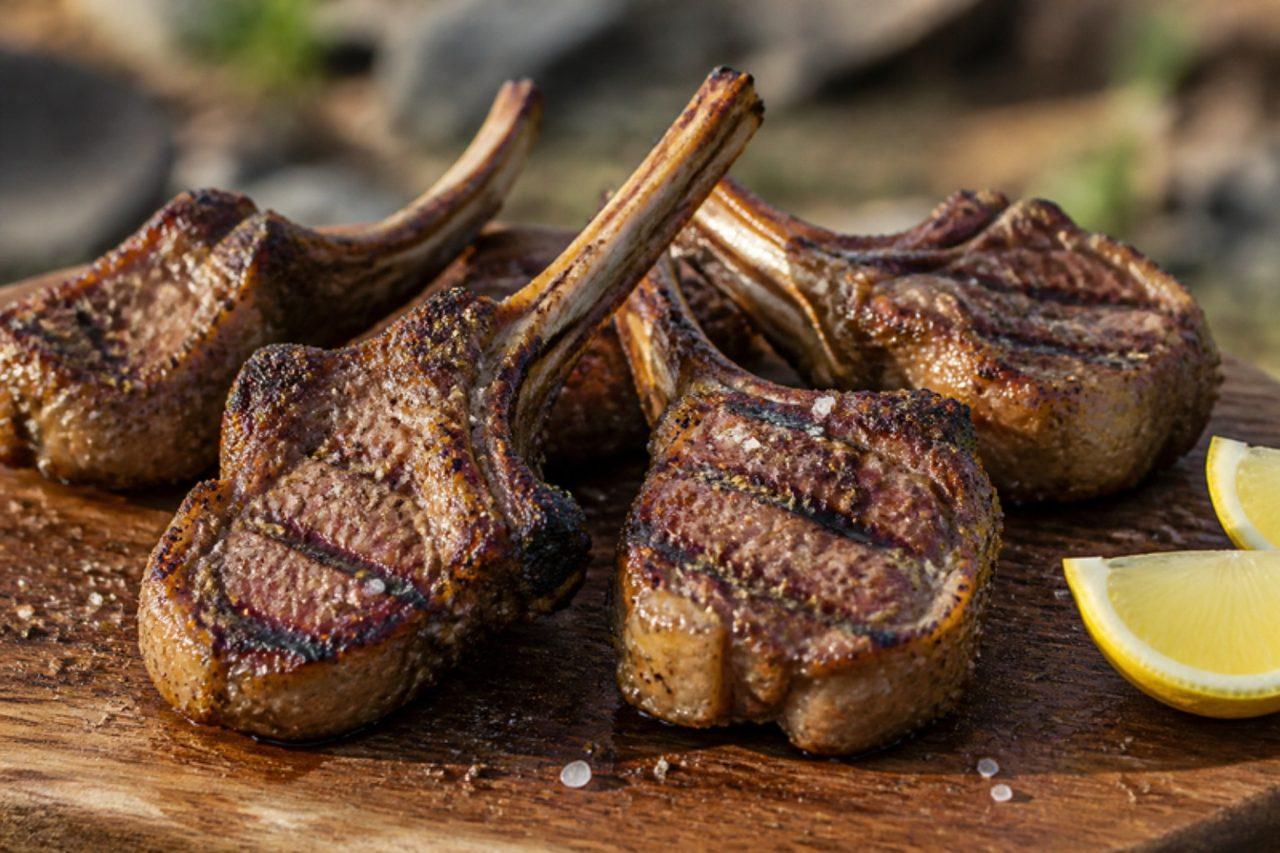
Ask a Karoo farmer for a braai rub and you will be handed the salt grinder: good lamb chops off the veld need salt, pepper and wood coals, and nothing else. On a Saturday evening in Colesberg or Cradock the chops go on last, after the boerewors, and come off with crisp, smoky fat and juicy, rosy meat. Pile them on a board with pap and tomato smoor, a potato salad and a braaibroodjie or two. Chops cut too thin, under 2 cm, dry out before the fat crisps, so ask the butcher for thick ones. Chef's tip: stand the chops upright on their fat edge for the first few minutes, held together with tongs, so the fat renders and crisps before the meat goes flat on the grid.

by KrazyBadal 0 views

Kachi haldi ki sabziFresh turmeric curry

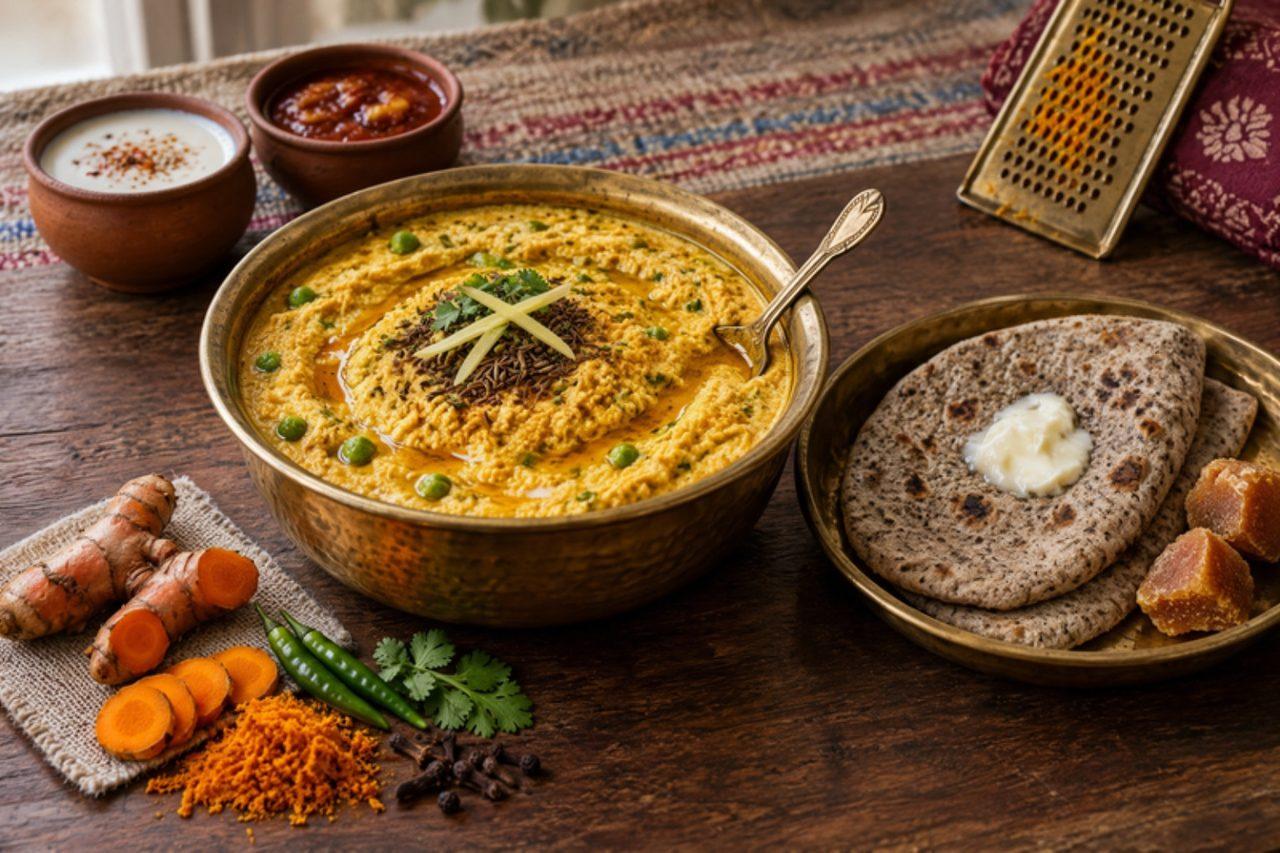
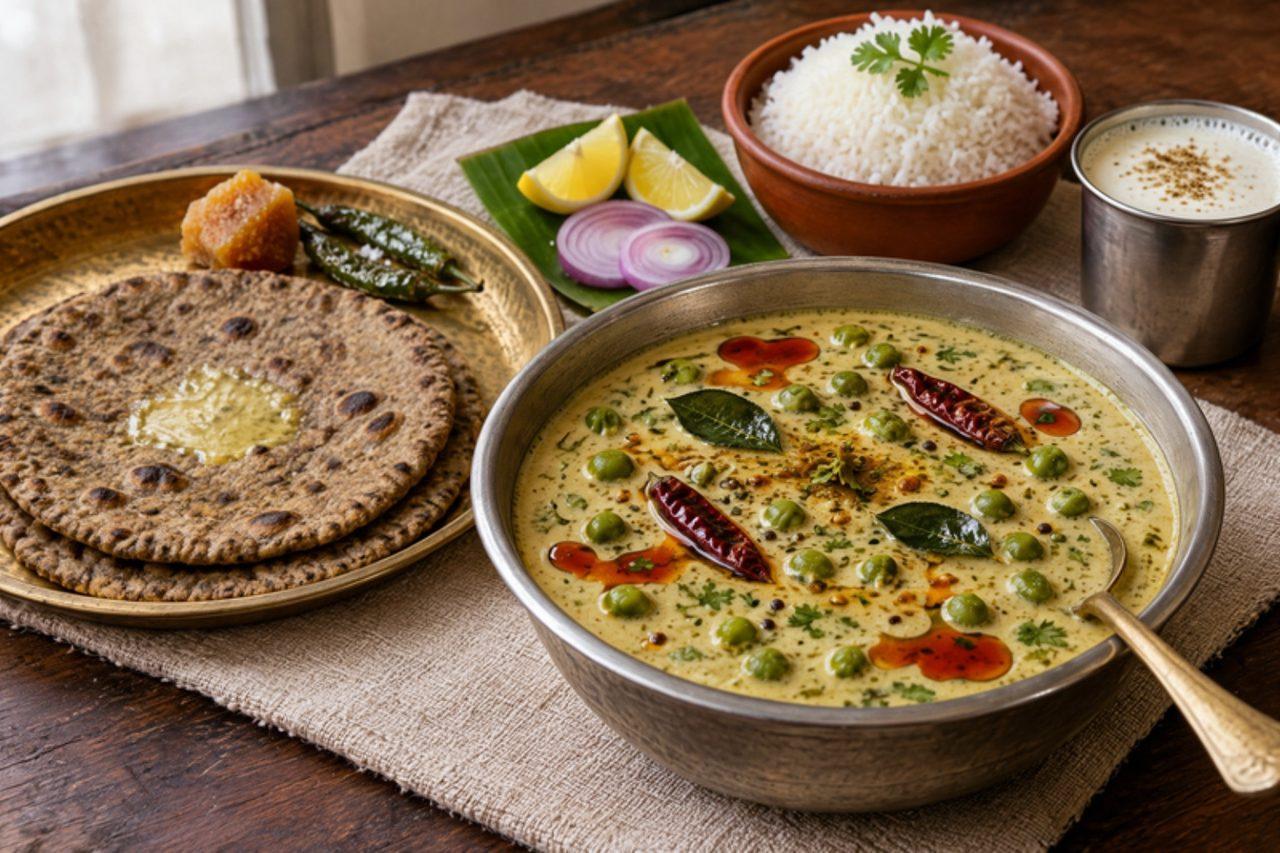
When fresh turmeric root reaches the markets of Jodhpur and Jaipur in December, Marwari families cook kachi haldi ki sabzi, a rich, warming winter dish eaten in small portions with bajra roti and a glass of buttermilk. Grated turmeric is fried slowly in plenty of ghee until it darkens and loses its raw bitterness, then simmered with onion, yoghurt, green peas and spices into a golden, earthy curry. The usual mistake is rushing the frying: it needs 15–20 minutes on a low heat, or the dish tastes harsh. Wear gloves when grating, as turmeric stains hands and boards. Chef's tip: whisk the yoghurt with the ground spices before adding it, and keep stirring until it boils, so the sauce stays silky.

by KrazyBadal 0 views

Kachnar ki sabziBauhinia bud stir-fry

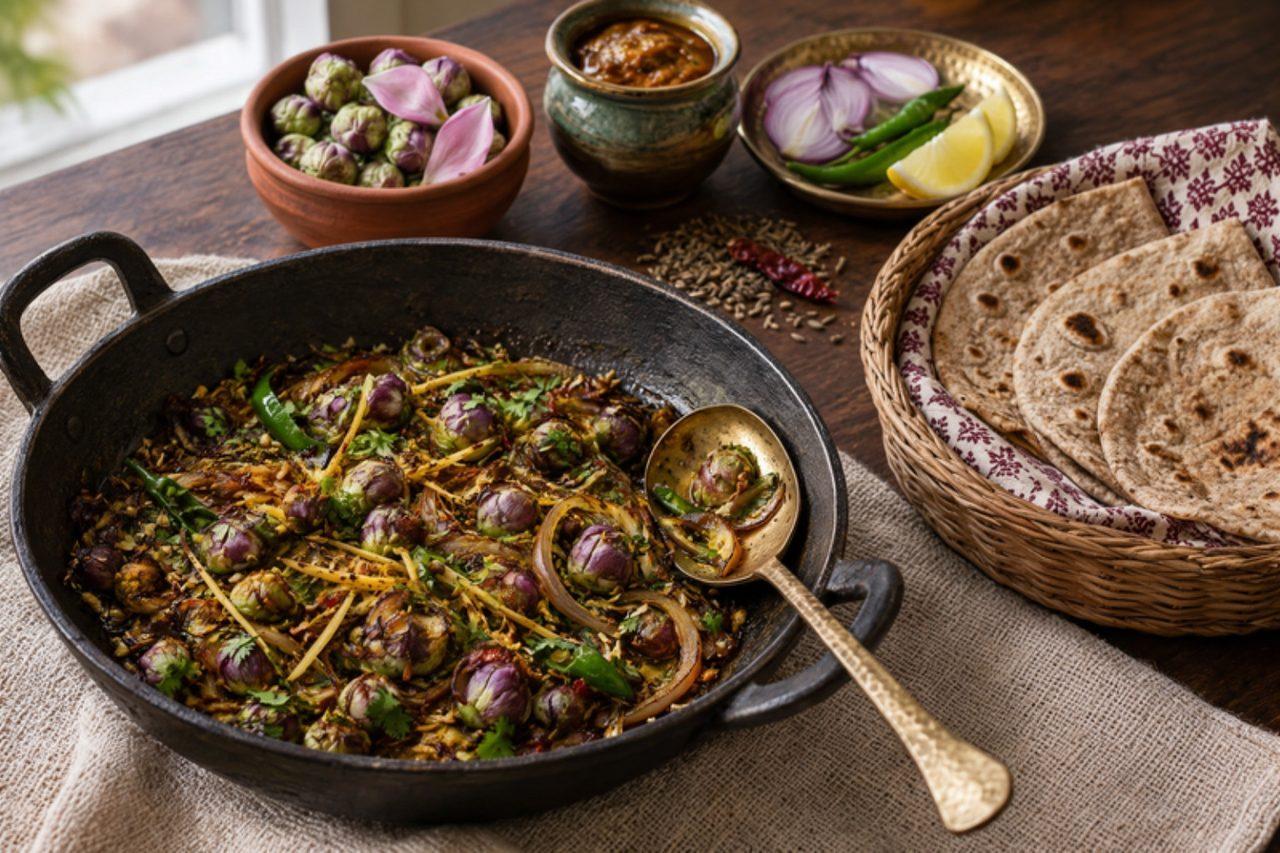
For a few weeks each March, the kachnar trees of Lahore, Rawalpindi and the Punjab plains are covered in buds, and families pick them to cook this seasonal sabzi, often eaten with fresh roti at Sunday lunch. The buds are boiled briefly, then cooked down with onion, tomato and dry spices until they turn soft with a pleasant, slightly astringent bite, a little like green beans and artichoke. Suitable as part of a balanced diet, it is fibre-rich and low in starch: about 140 kcal and 12 g carbohydrate per portion; a wholewheat or millet roti suits it. The usual mistake is skipping the blanch, which leaves the buds bitter and tough. Chef's tip: pick tight, unopened buds; open flowers turn mushy.

by KrazyBadal 0 views

Wattleseed ice cream

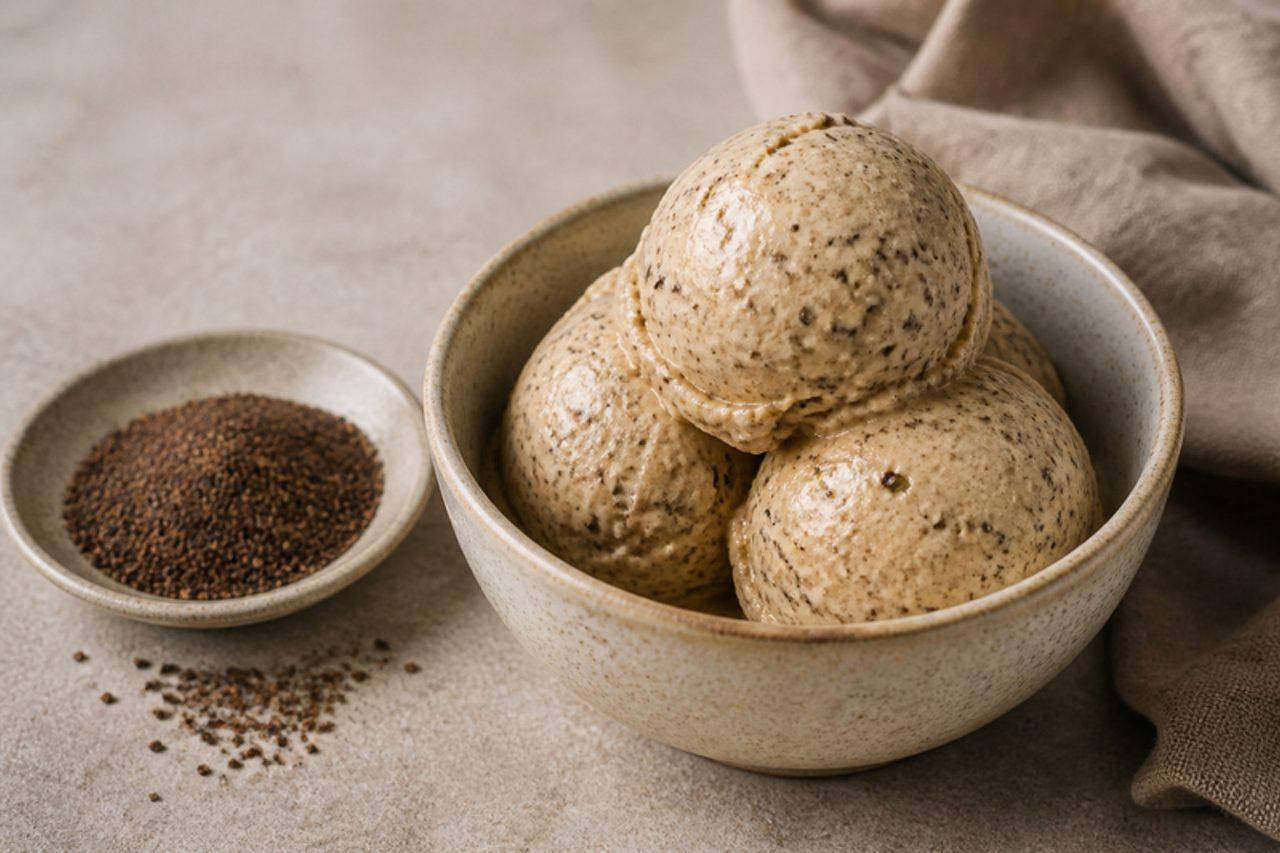
Roasted wattleseed, from a few edible acacias of the Australian inland, has been ground into flour by Aboriginal people for millennia, and today chefs in Sydney and Melbourne use it for its flavour of coffee, chocolate and hazelnut. Steeped in a rich custard and churned, it makes a lovely ice cream to serve with pavlova or a slice of passionfruit sponge. Buy roasted, ground wattleseed from a native food supplier; many acacias are not edible. A common mistake is overheating the custard so it scrambles; take it off at 82 °C. Chef's tip: steep the wattleseed in the hot milk for 20 minutes before making the custard.

by KrazyBadal 0 views

Pineapple fritters

Every Queensland fish-and-chip shop from the Gold Coast to Cairns has a tray of pineapple fritters by the fryer, rings of local pineapple in light batter, fried and dusted with cinnamon sugar. They are the dessert you order with your fish and chips on a hot evening. Fresh pineapple is best; well-drained tinned rings work too. A common mistake is wet fruit, which makes the batter slide off; pat it really dry. Chef's tip: dust the rings in a little flour before dipping so the batter clings.

by KrazyBadal 0 views

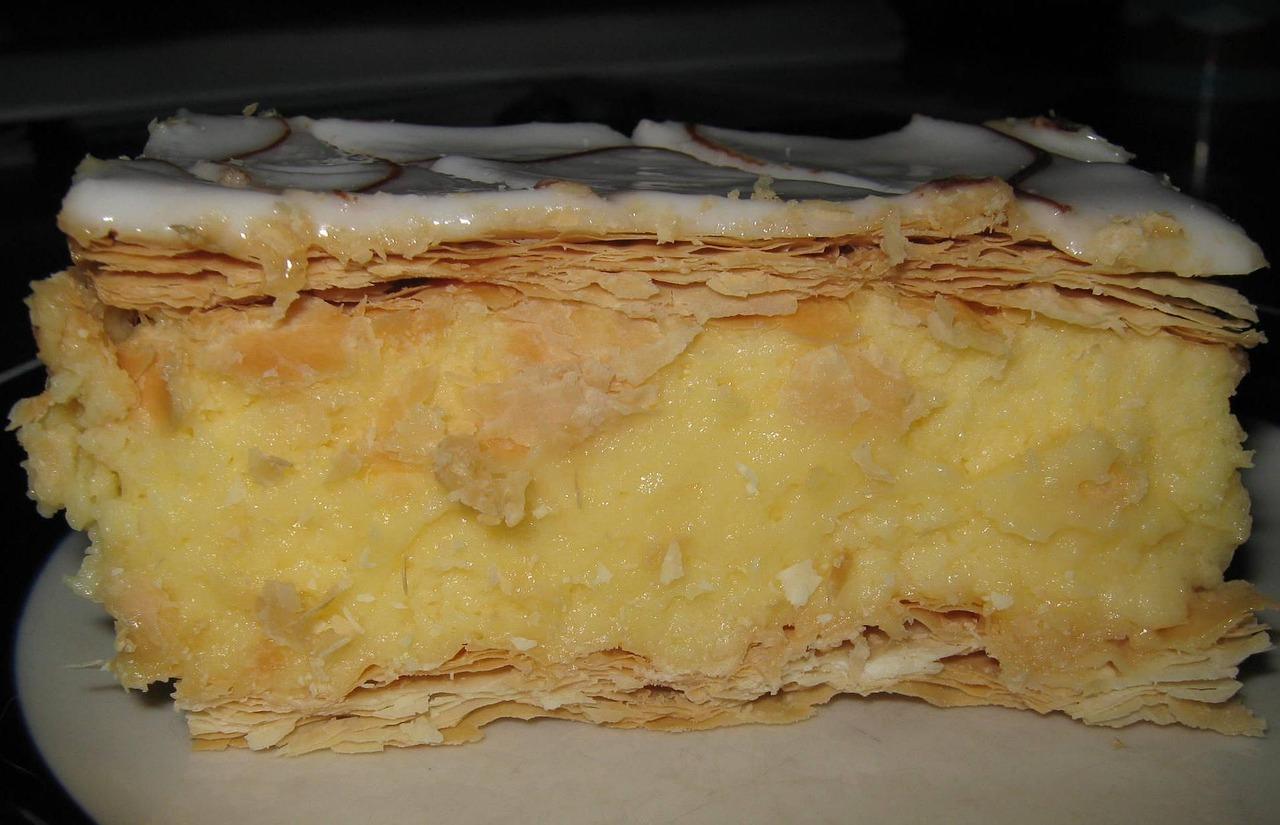
Vanilla slice

The vanilla slice, or snot block as Aussie kids call it, is the country bakery's pride; towns like Ouyen in north-west Victoria even hold a yearly competition for the best one. A thick, wobbly vanilla custard is set between two sheets of crisp puff pastry and topped with white or passionfruit icing. It needs a few hours to set but is easy. A common mistake is a soft custard that oozes when cut; it must boil for a full minute to thicken properly. Chef's tip: prick and weigh the pastry down with a tray while baking so it stays flat and thin.

by KrazyBadal 0 views

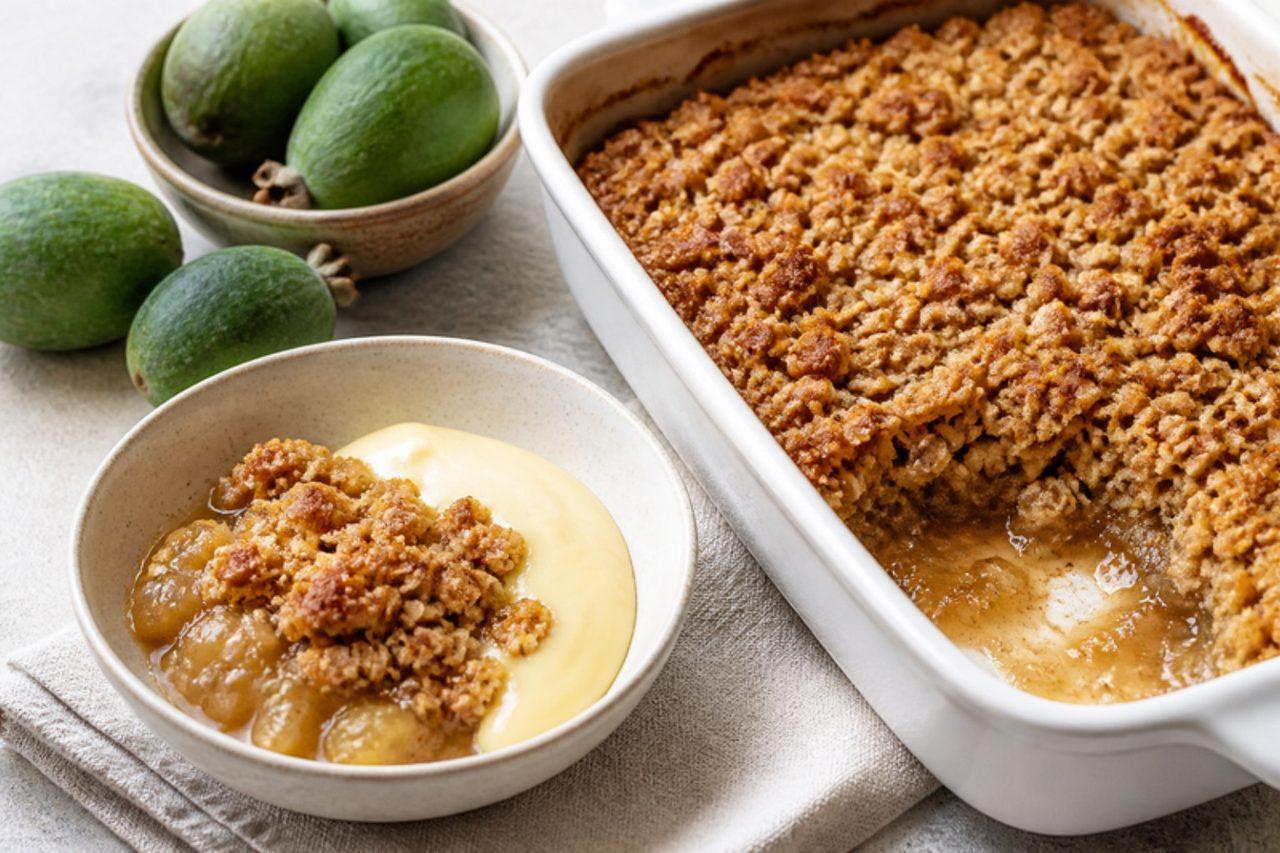
Feijoa crumble

Every autumn, from March to June, New Zealand back gardens drop more feijoas than anyone can eat, and bags of the green, perfumed fruit get passed over fences and left on office desks. Baking them into a crumble is the classic way to use them: their fragrant, pineapple-guava flavour softens under a buttery oat and brown-sugar topping. Serve with custard or vanilla ice cream. A common mistake is leaving the gritty skin on; scoop out the flesh. Chef's tip: add a couple of apples to stretch the feijoas and give the filling body.

by KrazyBadal 0 views

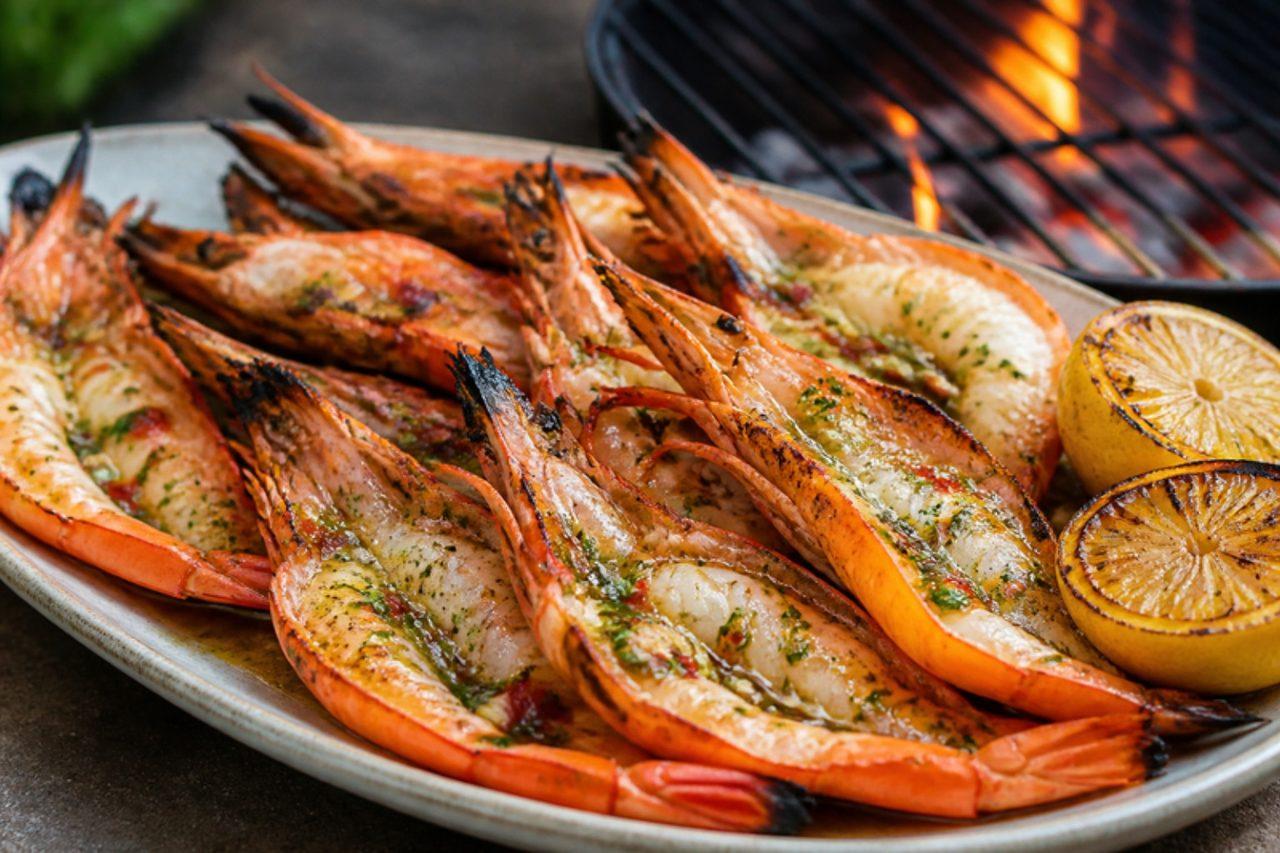
Barbecued garlic prawns

Prawns on the barbie are the true Australian Christmas and summer meal, cooked on the backyard barbecue from Perth to the Gold Coast with a cold drink in hand. Big raw king or tiger prawns are marinated in garlic, chilli, lemon and olive oil, then grilled quickly in their shells, which keeps them juicy. A common mistake is leaving them in the marinade too long; the lemon starts to cook them. Chef's tip: cut down the back of the shell and remove the vein but leave the shell on, so the marinade gets in and the prawns don't dry out.

by KrazyBadal 0 views

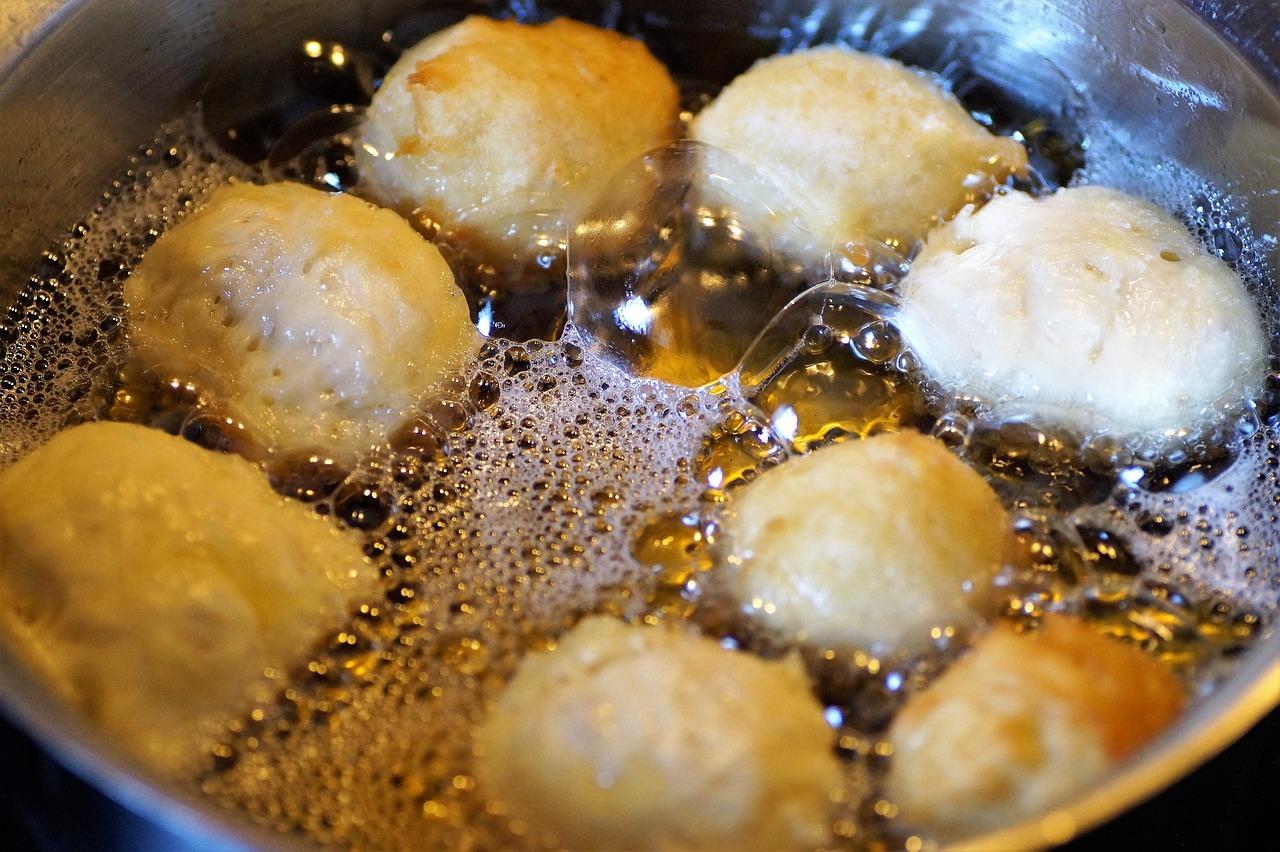
BabakauFried dough balls

Babakau are the fluffy fried dough balls sold at Fijian market stalls and village canteens at breakfast time, eaten with a mug of milky tea or hot koko before school or work in Suva and Nadi. The dough is lightly sweet and the balls puff up as they fry, golden outside and soft as a bun inside. A common mistake is oil that's too hot, which leaves raw centres; 170 °C is right. Chef's tip: wet your fingers to drop spoonfuls of dough into the oil so it slips off cleanly.

by KrazyBadal 0 views

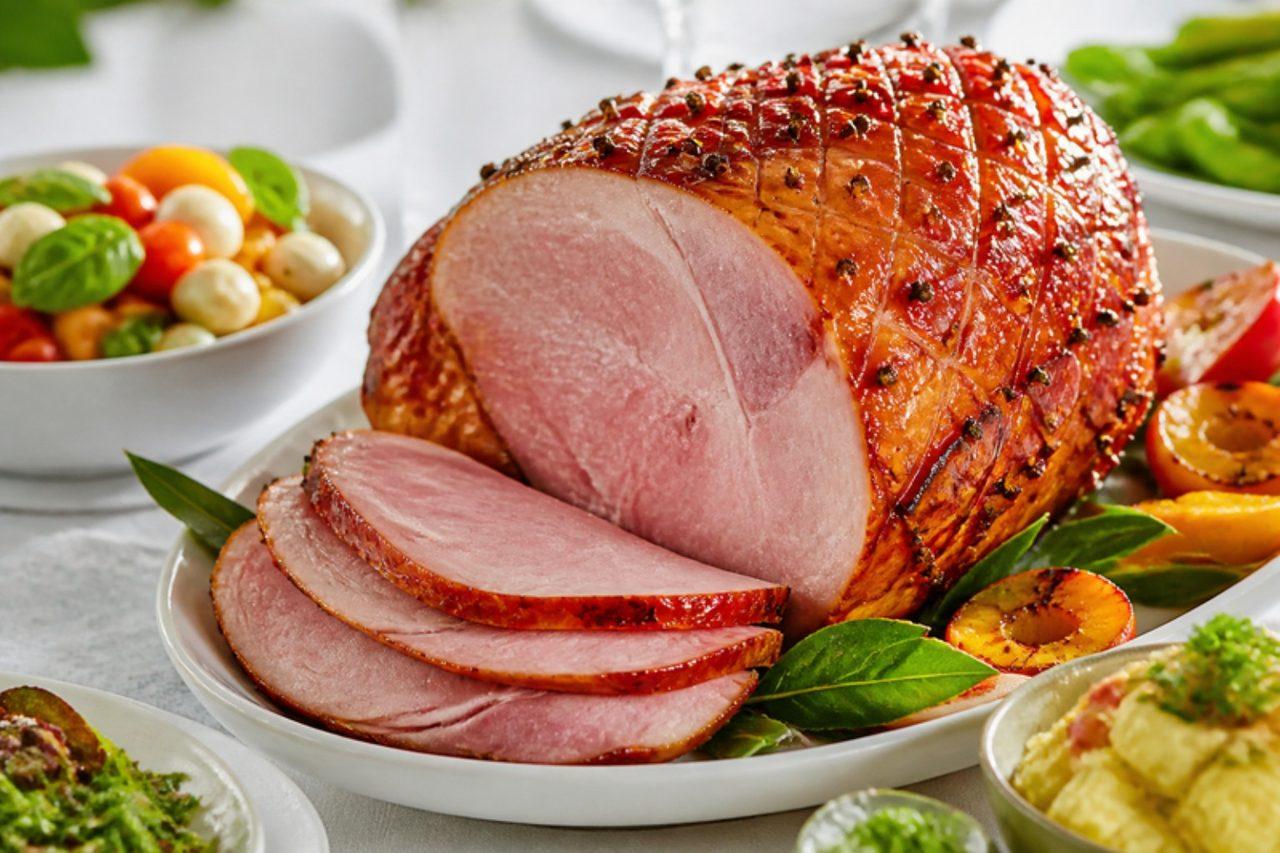
Glazed Christmas ham

A whole glazed leg ham is the centrepiece of the Australian Christmas table, served cold with salads and mustard on a hot December day and eaten in sandwiches for a week after Boxing Day. It is a cured, smoked leg of pork, already cooked, that is scored, studded with cloves and baked with a sticky orange and honey glaze. A common mistake is cutting the rind off too roughly; ease it away with your fingers so the fat stays smooth. Chef's tip: store the leftover ham in a cotton ham bag soaked in water and vinegar in the fridge to keep it moist.

by KrazyBadal 0 views

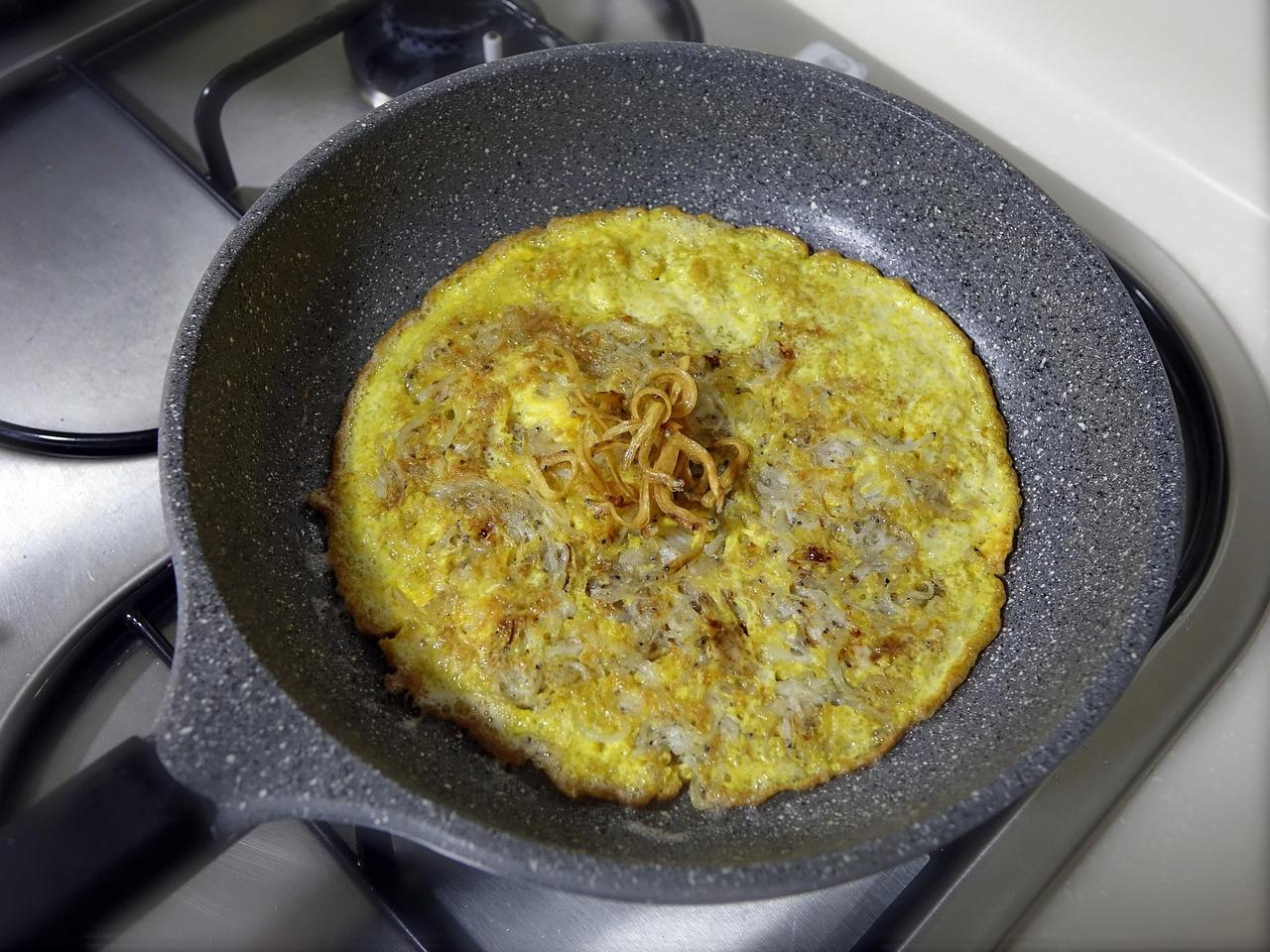
Whitebait fritters

Every spring, from September to November, the rivers of New Zealand's West Coast, around Hokitika and Haast, line with people scooping tiny translucent whitebait in nets, and the season's prize is a whitebait fritter. The fish are bound with just enough egg to hold them, fried in butter and eaten between slices of buttered white bread with a squeeze of lemon. Buy fresh or frozen whitebait from a trusted seller. A common mistake is adding flour, which hides the delicate fish; the true West Coast fritter is almost all whitebait. Chef's tip: beat the egg white separately and fold it in for a lighter fritter.

by KrazyBadal 0 views

Fiji goat curry

Goat curry is the dish of Indo-Fijian weddings, Diwali gatherings and Sunday family lunches from Lautoka to Labasa, brought by indentured labourers from India in the 1800s and shaped by Fiji's own curry powder blend. Bone-in goat is browned with onion, garlic, ginger and masala, then braised slowly with potatoes until tender, and eaten with roti or rice and dhal. A common mistake is rushing the onion and masala; they need to fry until the oil separates. Chef's tip: marinate the goat overnight in the fridge with the masala for deeper flavour.

by KrazyBadal 0 views

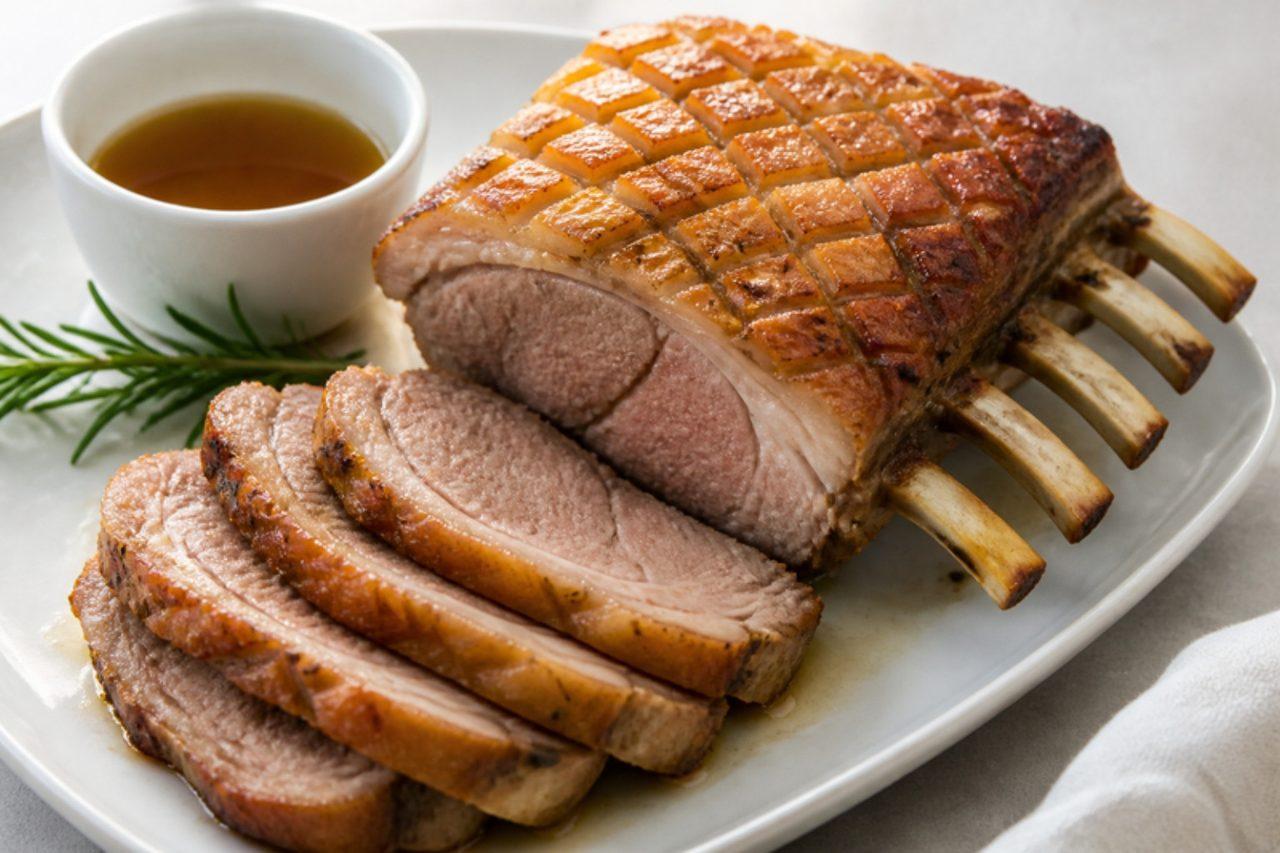
Uuts-style roast lamb saddle

Uuts, the whole back and fat tail of a sheep, is the grandest dish of Tsagaan Sar, the Mongolian Lunar New Year: boiled, then set in the centre of the table in every Ulaanbaatar and countryside home and carved for each visitor during the days of family visits. The real thing weighs many kilos and needs a huge pot, so this home version uses a bone-in saddle of lamb with its fat, simmered first and then roasted until the fat is crisp, keeping the uuts idea of a whole, impressive cut to carve at the table. A common mistake is trimming away all the fat; in Mongolia it is the most prized part. Chef's tip: score the fat in a criss-cross so it renders and crisps evenly.

by KrazyBadal 0 views

Fish in coconut milk

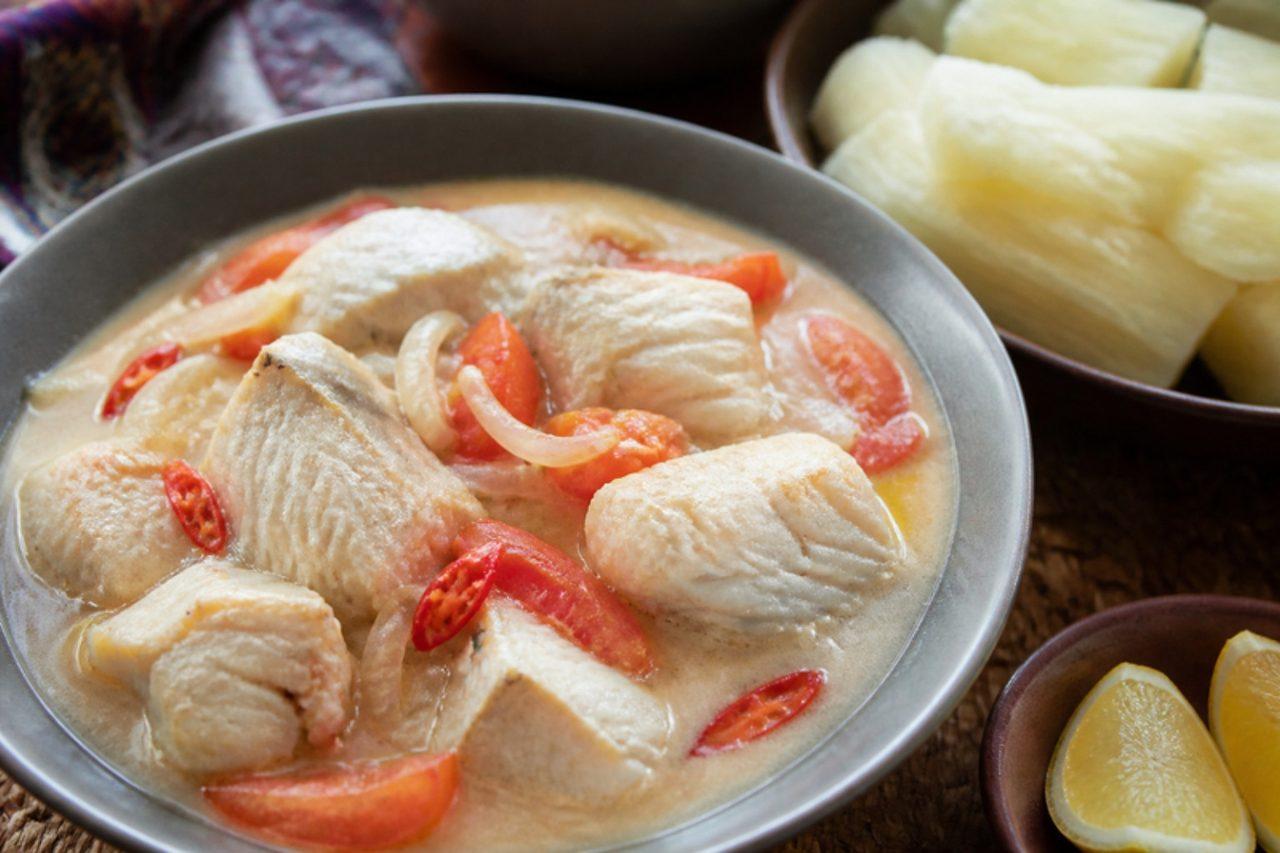
Ika vakalolo is the Sunday and everyday fish dish of iTaukei Fijian homes, from the fishing villages of the Coral Coast to the outer islands of Lau. Fresh reef fish is gently simmered in lolo, fresh coconut milk, with onion, tomato, chilli and a squeeze of lemon, then served with boiled cassava, taro or rice. It is mild, creamy and ready in half an hour. A common mistake is stirring once the fish is in, which breaks the fillets; just spoon the sauce over. Chef's tip: lemon goes in at the very end so the coconut milk doesn't split.

by KrazyBadal 0 views

Mongolian salty milk tea

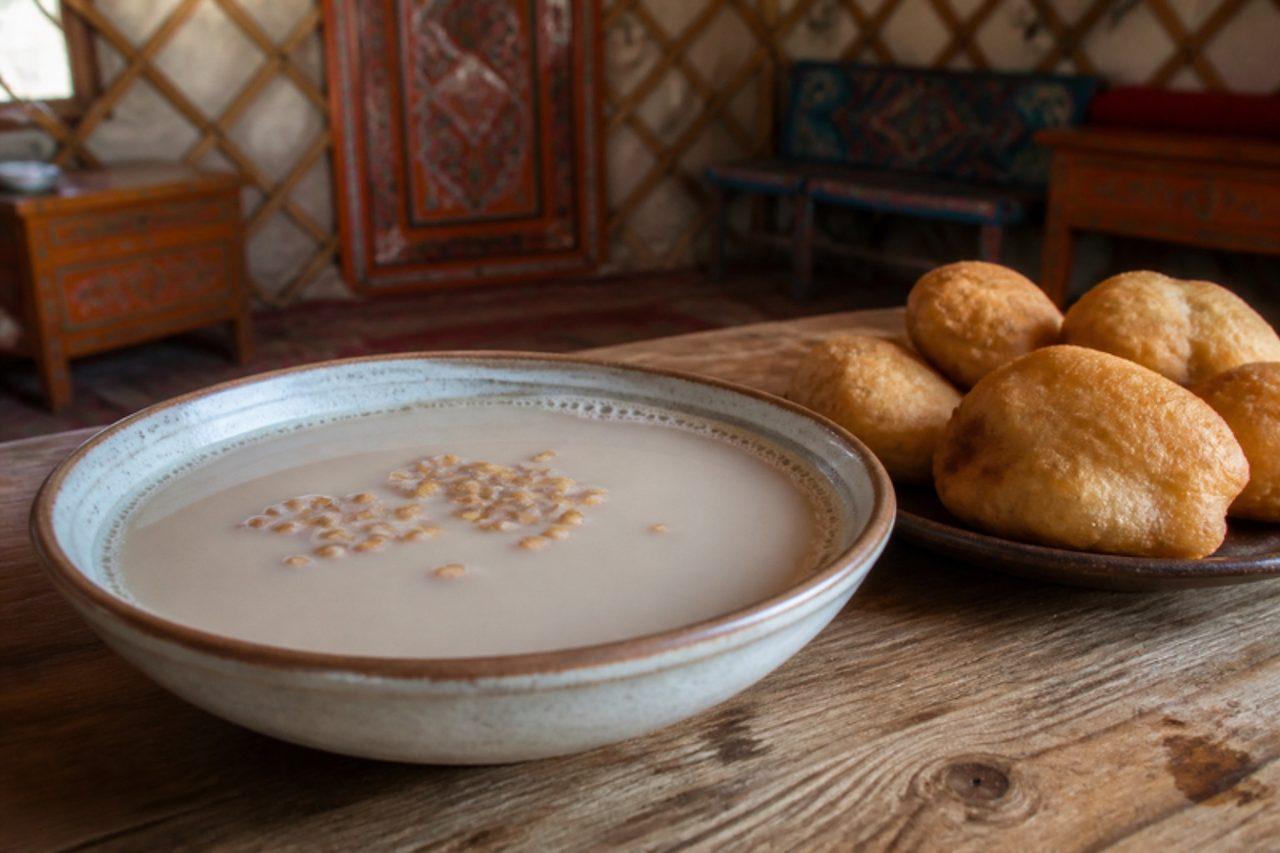
Süütei tsai is the first thing offered to anyone who steps into a ger on the Mongolian steppe, from Arkhangai to the Gobi, and families drink it all day long from wide bowls. Green brick tea is boiled in water, then milk and a pinch of salt go in, and the tea is ladled high and poured back again and again to aerate it. Some households add a knob of butter or a spoon of toasted millet for a richer, more filling bowl. It is savoury, not sweet, which surprises first-time visitors. A common mistake is using black tea leaves, which go bitter; use green brick tea or a mild green tea. Chef's tip: the ladling is not just ritual, it gives the tea a smooth, rounded taste.

by KrazyBadal 0 views

Durban prawn curry

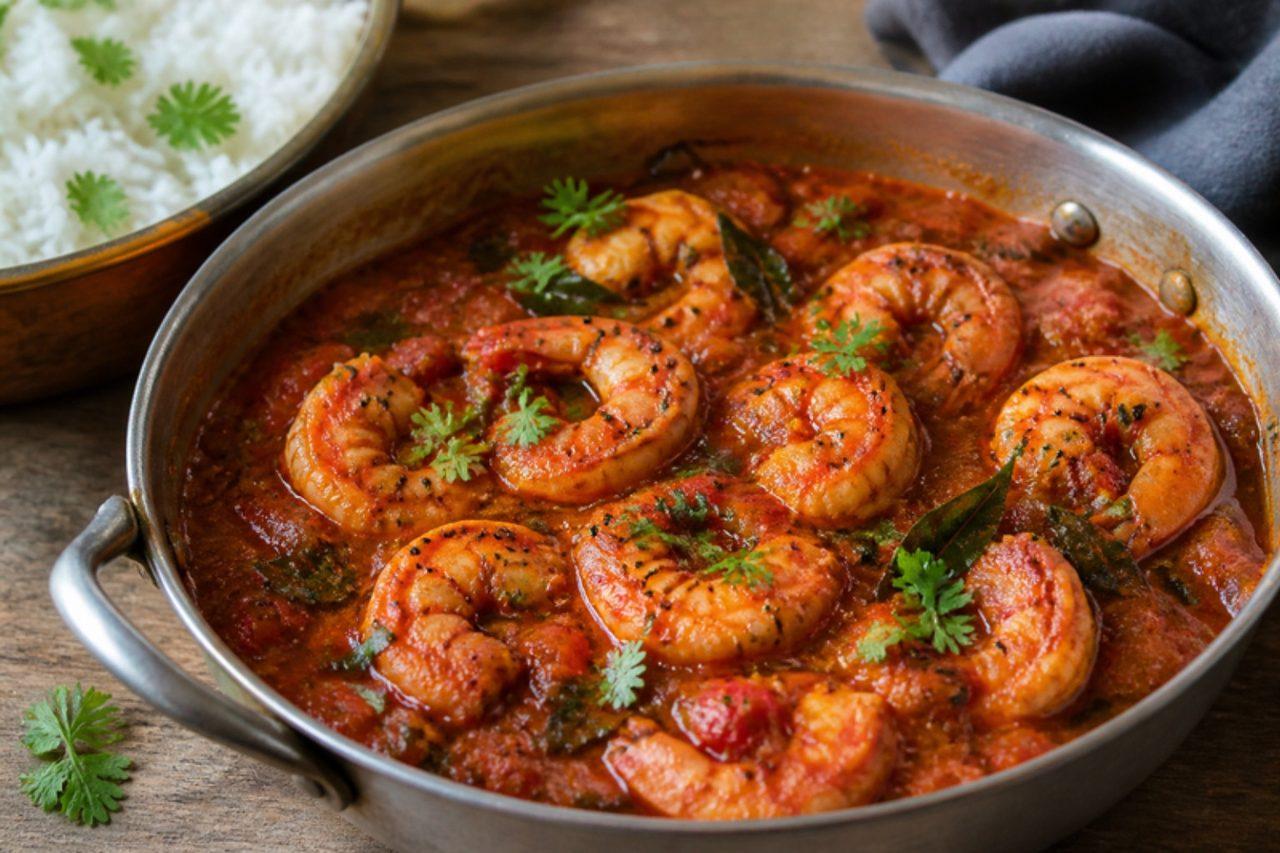
Durban's beachfront takeaways and Indian family kitchens along the North Coast make prawn curry fast: the gravy of tomato, red masala, mustard seeds and curry leaves is cooked first, and the prawns go in only for the last few minutes. The result is a tangy, fiery red sauce with sweet, juicy prawns, lighter and sharper than a slow meat curry. Serve it with white rice or soft rotis and a wedge of lemon. Overcooking is the big mistake: prawns turn rubbery within a minute or two of being done, so take the pot off as soon as they are pink and opaque all the way through. Chef's tip: thaw frozen prawns overnight in the fridge and pat them very dry, or their water thins the gravy.

by KrazyBadal 0 views

Kangri khattaTangy chickpeas

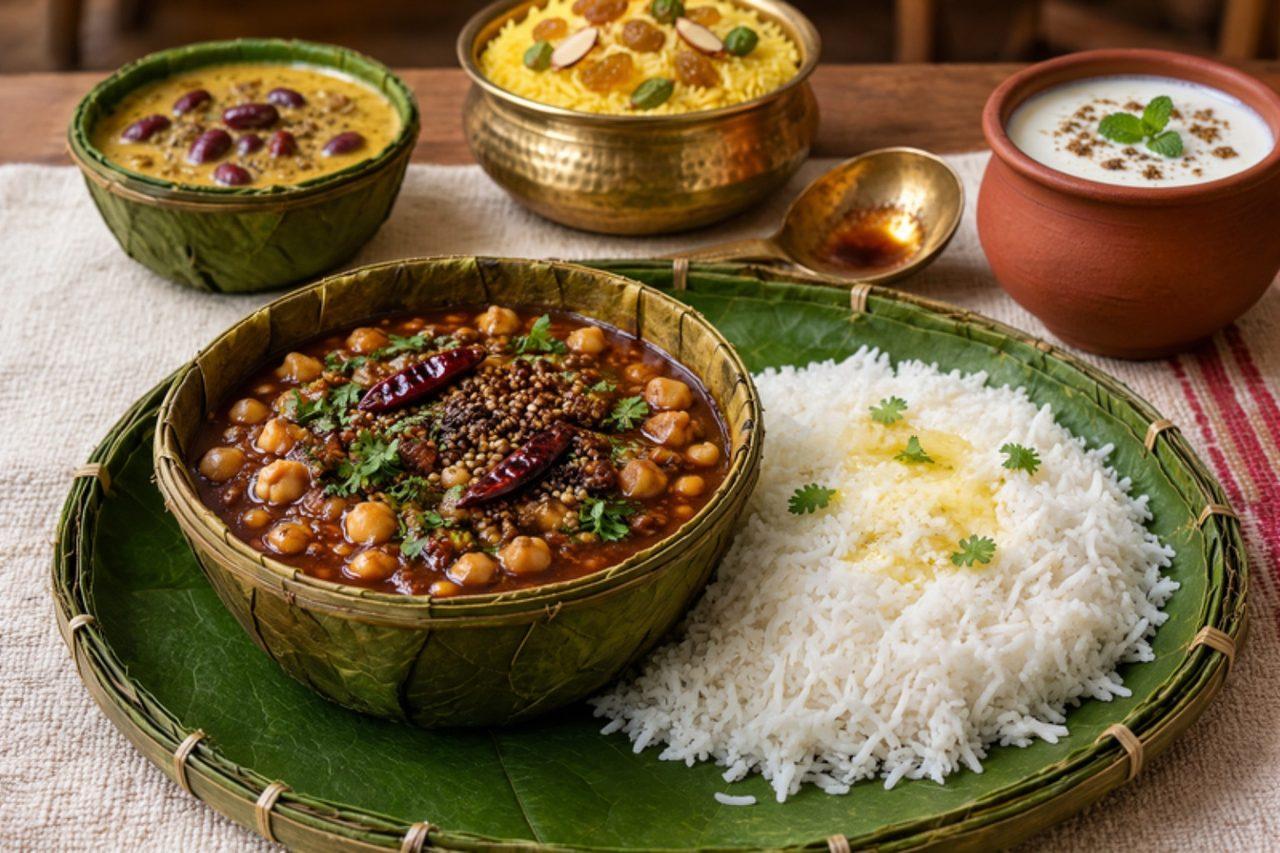
At a Kangra dham, the leaf-plate feast cooked by botis (Brahmin cooks) for weddings and village festivals, khatta comes towards the end, a dark, sweet-sour dish of chickpeas or pumpkin in a gravy soured with tamarind or dried mango and balanced with jaggery. It is served with rice and has no onion or garlic. The gravy is thin, glossy and almost black from the long-cooked tamarind. The common mistake is adding the tamarind to undercooked chickpeas; the acid stops them softening, so cook them fully first. Chef's tip: a teaspoon of rice flour or gram flour stirred into the gravy gives the dham-style gloss without making it heavy.

by KrazyBadal 0 views

Kannimanga acharBaby mango pickle

In central Kerala, around Thrissur and Kottayam, families watch the mango trees in January and February and pick the tiniest fruit, no bigger than a thumb joint, before the stone hardens. These kannimanga are salted whole in a tall ceramic bharani, left until shrivelled in their own brine, then mixed with freshly ground raw mustard, Kashmiri chilli and hing and left to mature for three or four weeks. This older, oil-free style keeps the mangoes crunchy and the brine thick, red and sinus-clearing from the raw mustard. The flavour is salty, sour and fiercely pungent; one mango and a spoon of brine is enough for a whole bowl of kanji (rice gruel) or curd rice. The common mistake is using water that has not been boiled and cooled, which brings in microbes and turns the brine slimy. It is ready when the mangoes are wrinkled but crisp and the brine tastes mellow rather than raw. Salt is high, about 20 g per 100 g of mango, and the fruit is very acidic; kept fully submerged in a dry jar it lasts a year in a cool place. Abroad, any tiny, hard green mango with a soft stone works. Chef's tip: keep a short stalk on each mango; it stops brine seeping in and softening the fruit.

by KrazyBadal 0 views

Kapeng barakoStrong Liberica coffee

In Lipa and the hill towns of Batangas, mornings start with kapeng barako boiled in a dented aluminium kaldero and poured into enamel mugs, often next to pandesal, a slab of tapang Taal or a plate of suman. Barako is Liberica, a large-beaned coffee that grows on tall trees around Mount Malarayat, and the word itself means a strong, rough-mannered man. The cup is heavy and earthy with notes of jackfruit, dark chocolate and smoke, and it is sweetened with sticky muscovado from Negros or Antique, never with white sugar. It carries plenty of caffeine, so go easy if you are sensitive and keep it away from children. The usual mistake is keeping the pot at a rolling boil once the coffee is in: the grounds stew and the drink turns sour and harsh. Bring the water to the boil, then take it off the heat before adding the coffee. The brew is ready when the crust of grounds sinks after the splash of cold water and the liquid underneath is a clear, deep mahogany. Chef's tip: grind it coarse, like raw sugar, so it settles cleanly in the pot.

by KrazyBadal 0 views

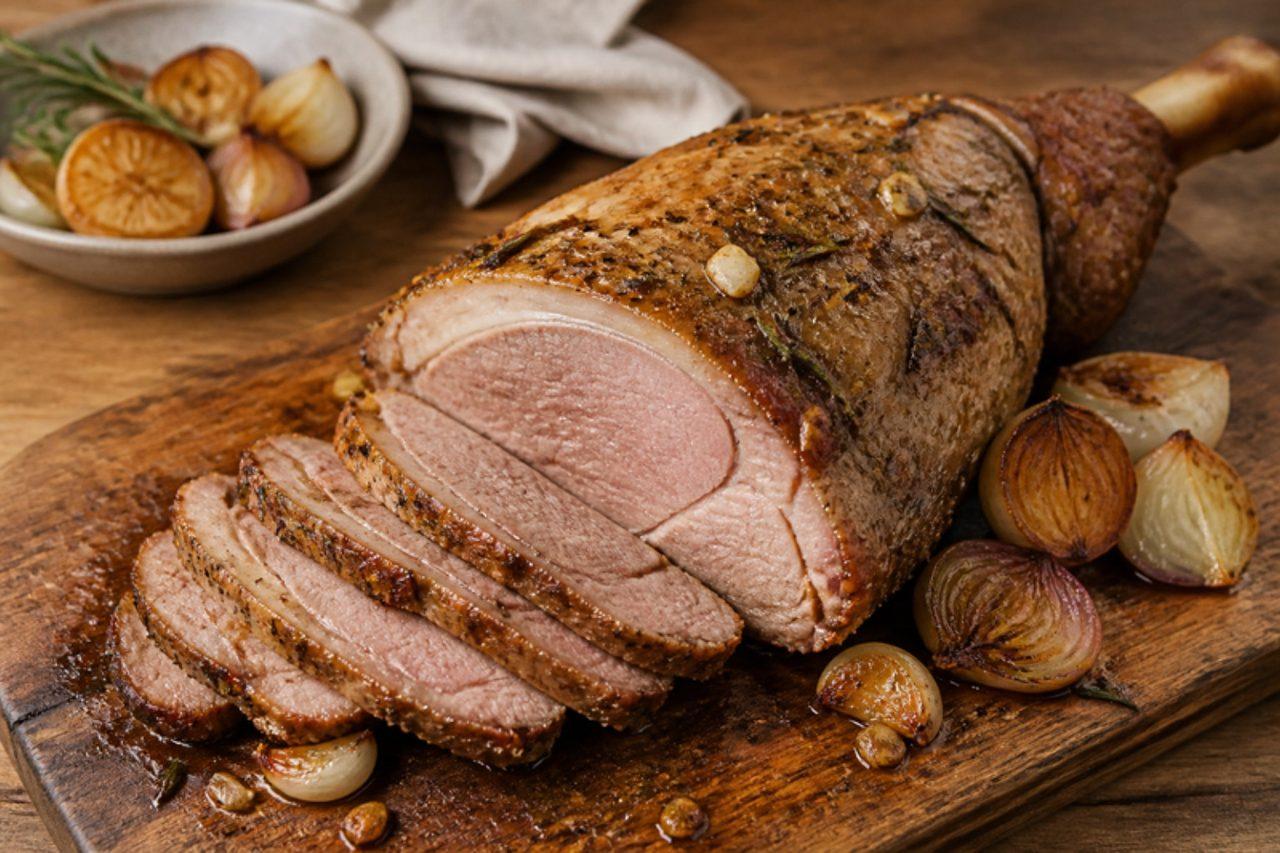
Karoo roast leg of lamb

Sheep in the Great Karoo graze on wild bossies and shrubs, and farmers around Prince Albert and Graaff-Reinet swear the meat comes out of the oven tasting faintly of the veld. That is why the seasoning stays plain: garlic slivers pushed deep into the meat, rosemary, salt and pepper, and a long, slow roast over a bed of onions that melt into the pan juices. Sunday lunch on a farm stoep means slices of rosy lamb with roast potatoes, sweet pumpkin with cinnamon, geelrys with raisins and a jug of gravy. Many cooks carve the moment the leg leaves the oven, and the juices end up on the board instead of in the meat. Chef's tip: give the leg a full 20 minutes' rest under foil; the temperature climbs a few degrees and every slice stays moist.

by KrazyBadal 0 views

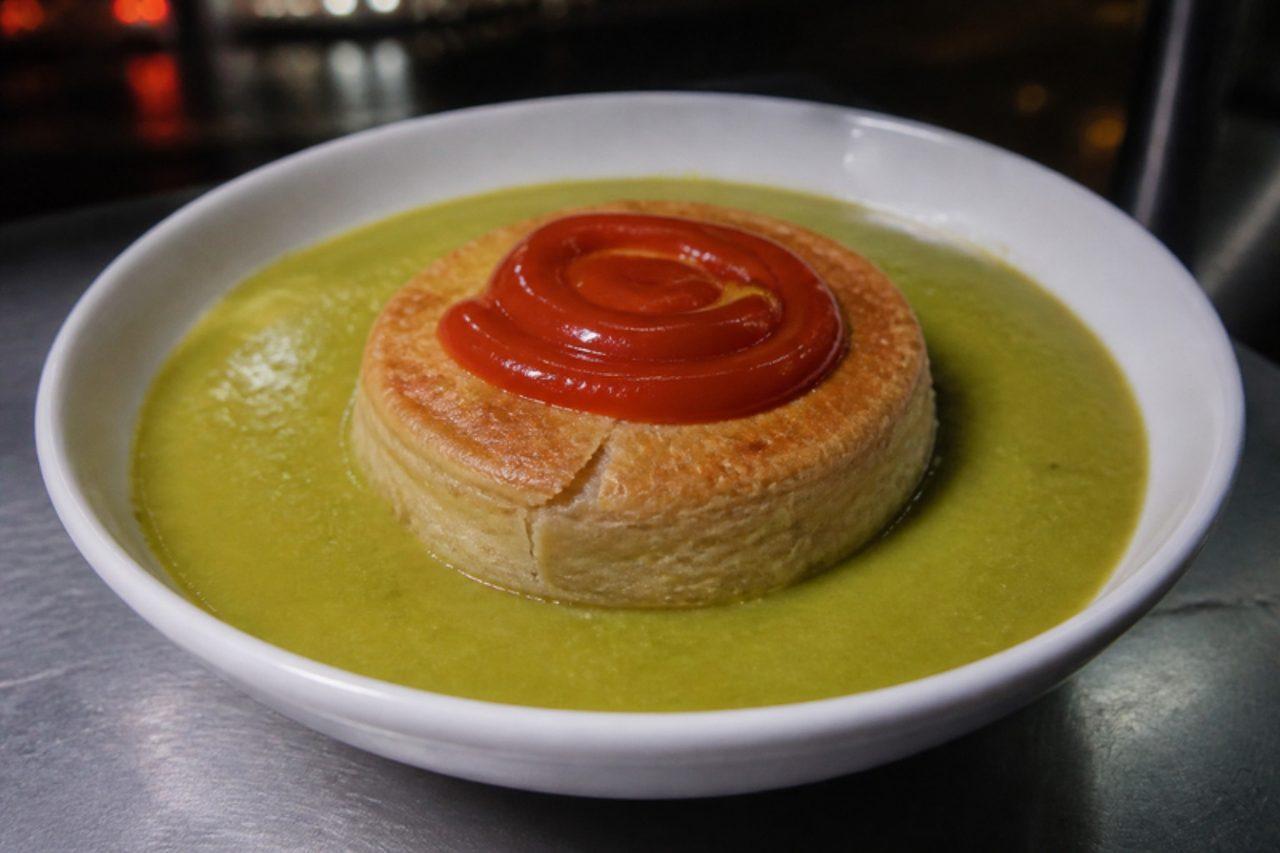
Pie floaterMeat pie in pea soup

The pie floater is Adelaide's late-night street food, sold from pie carts outside the railway station and on North Terrace since the 1870s: a beef mince pie turned upside down in a bowl of thick, green split-pea soup and topped with a swirl of tomato sauce. It sounds odd and tastes wonderful on a cold night. This recipe makes both the soup and the pies; you could use good bakery pies to save time. A common mistake is a thin soup; it should be thick enough to hold the pie up. Chef's tip: make the pea soup the day before, it thickens overnight.

by KrazyBadal 0 views

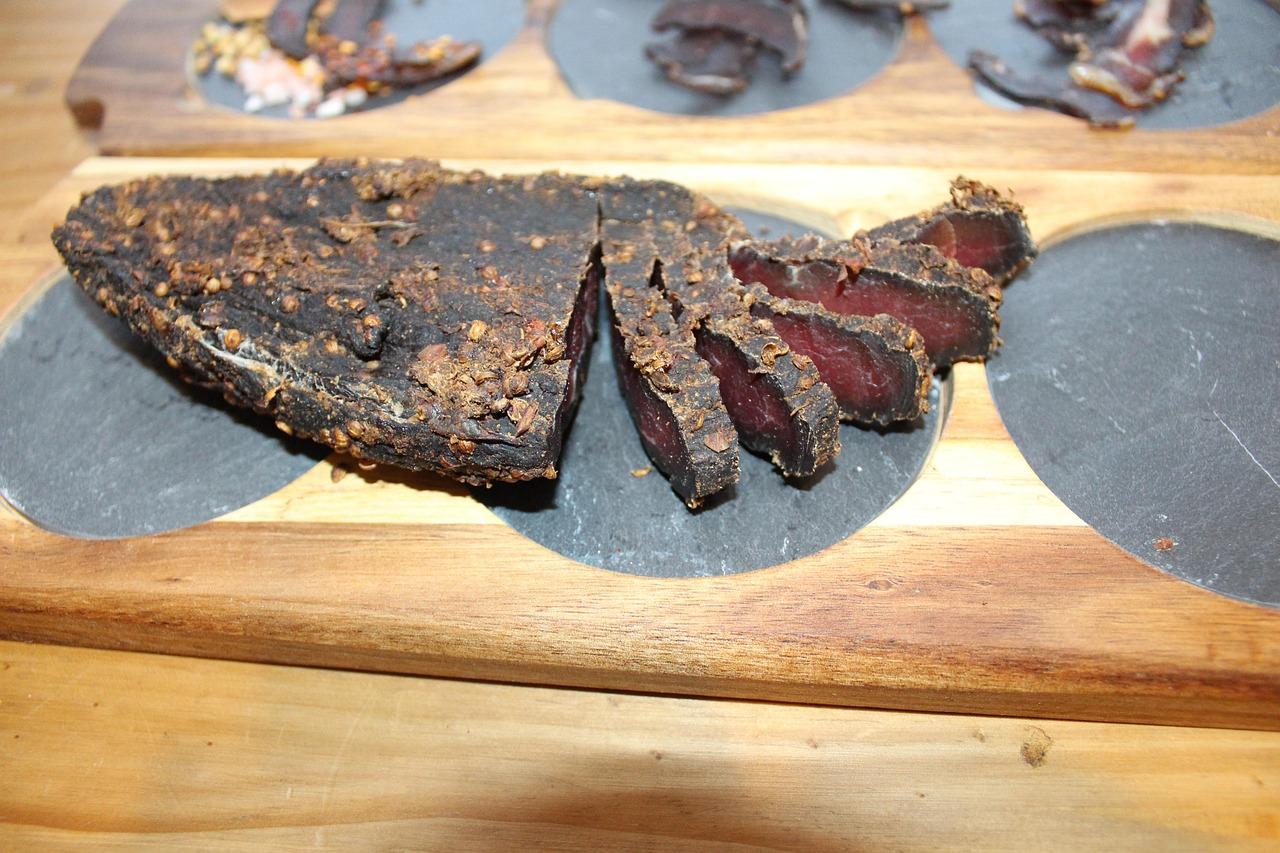
Biltong

Rugby on the television, a paper bag of biltong passed round the room: few snacks say South Africa so plainly. Thick strips of beef are cured with vinegar, toasted coriander, salt and pepper, then dried until the outside is dark and firm and the inside still a little moist, ready to be sliced thin with a sharp knife. Farmers once hung it in the cold winter wind; this home method first heats the cured strips to 71 °C in a hot oven to make them safe, then dries them low and slow in the oven or a biltong box. Even so, home-dried meat is not for pregnant women, young children or anyone with a weakened immune system. The classic mistake is cutting the strips across the grain, so they crumble when you slice them. Chef's tip: toast the coriander seeds until they smell like orange peel before crushing them; that warm, citrusy note is what makes biltong taste right.

by KrazyBadal 0 views

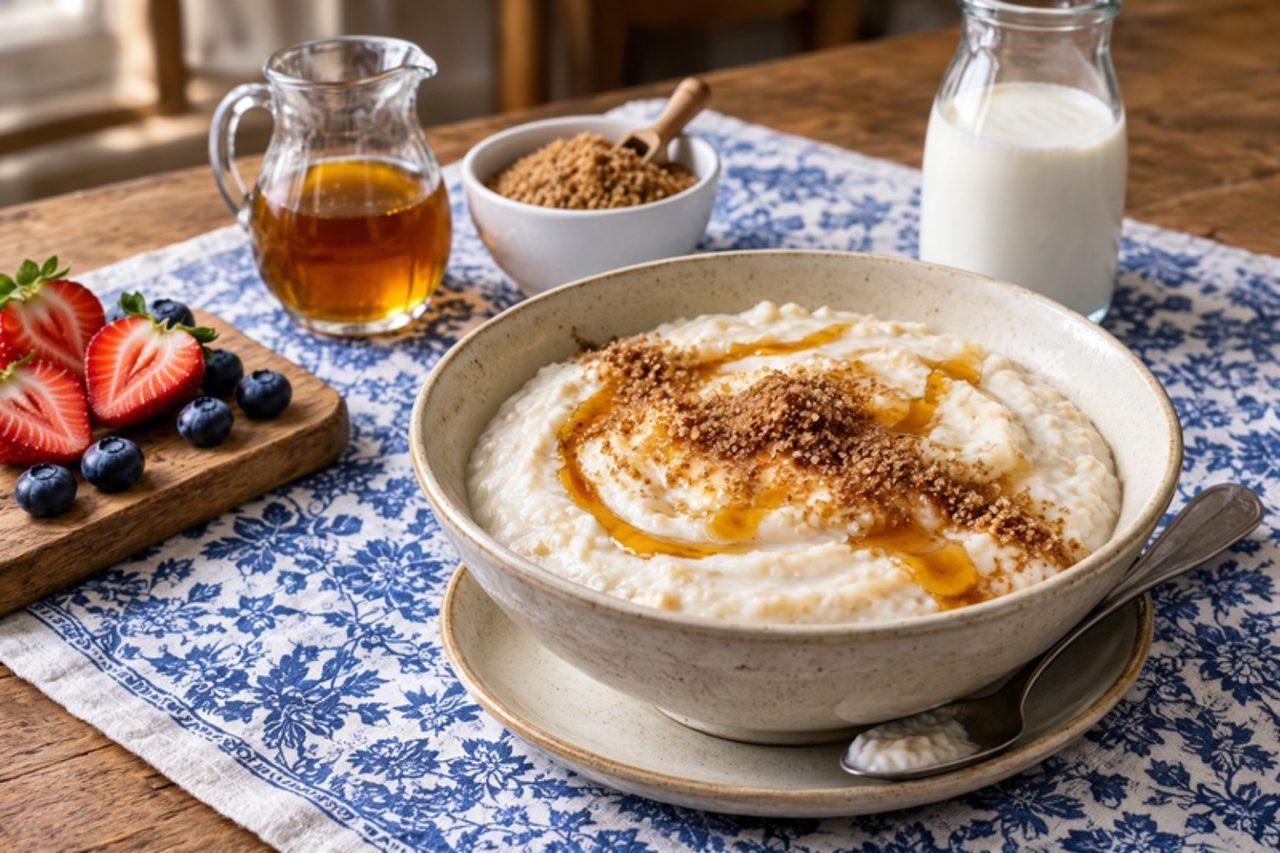
Karnemelkse papButtermilk porridge

Karnemelkse pap, made with the buttermilk left over from Dutch farm churning, was breakfast and supper in the Netherlands for centuries, and many older Dutch people still remember it on cold winter mornings. Buttermilk is thickened with flour into a smooth, tangy porridge and eaten hot with stroop (syrup) or brown sugar. The common mistake is pouring cold buttermilk on flour and boiling hard, which splits the porridge into grainy lumps; mix a smooth paste first and keep the heat gentle. Chef's tip: stir constantly with a whisk, especially at the bottom of the pan, until it bubbles once, and it stays silky.

by KrazyBadal 0 views

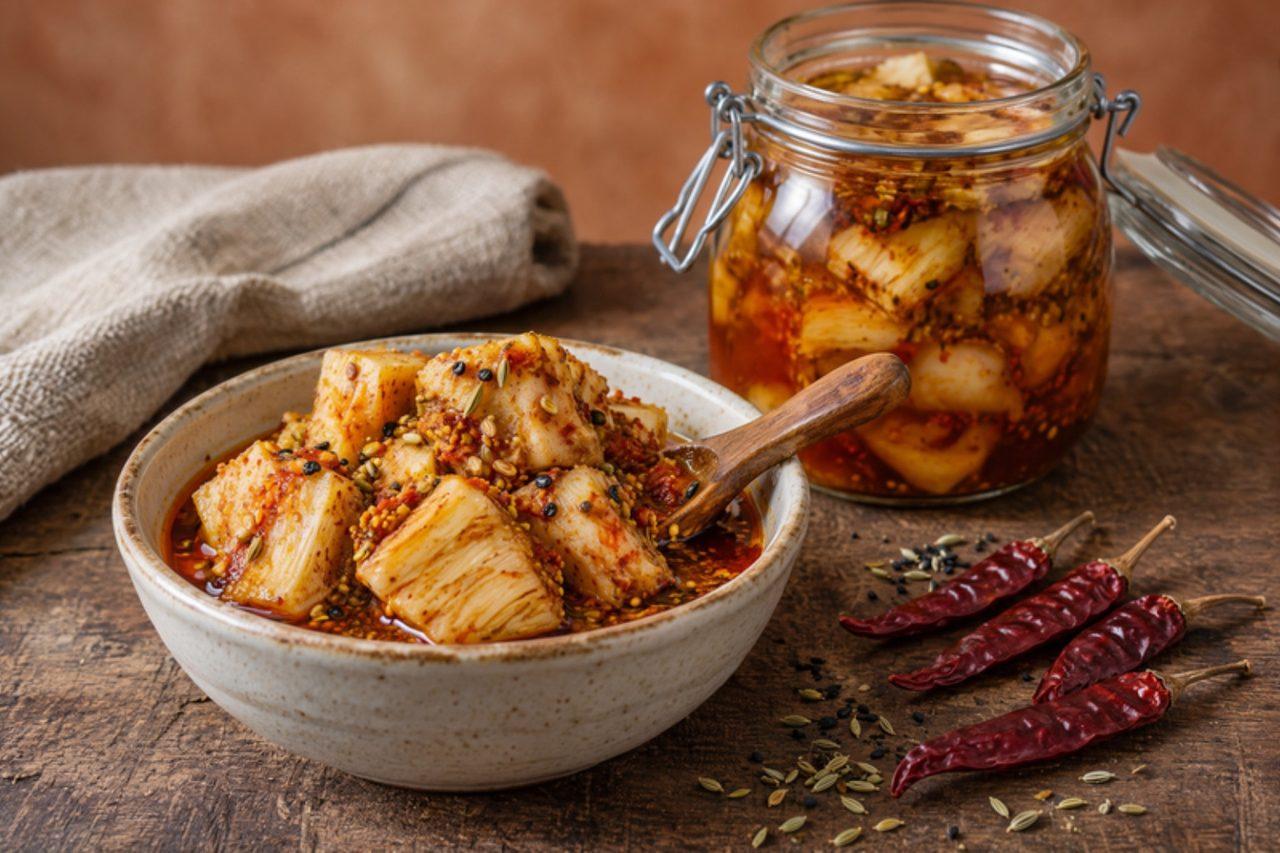
Kathal ka acharJackfruit pickle

In Lucknow, Kanpur and across Punjab, the hard green jackfruit that arrives in spring and early summer is cooked like meat in kathal ki sabzi, and the rest goes into a jar of kathal ka achar. The chunks are boiled until just tender, dried, then coated in a fierce mix of mustard oil, fennel, nigella, fenugreek and red chilli, sharpened with vinegar and dry mango powder. The texture is the surprise: firm, fibrous and almost meaty, soaking up spice like a sponge. It goes with puri-aloo at a Sunday breakfast or alongside rajma-chawal. Boiled jackfruit is a low-acid vegetable, so this version is deliberately acidified and lives in the fridge. Common mistake: boiling the jackfruit soft; it then breaks into mush in the jar. Stop when a knife meets slight resistance at the core. It is ready after 3 days, when the chunks have turned tawny all the way through and taste sour, not bland. Keep in the fridge for up to 1 month, under oil, with a dry spoon; discard if mould, fizzing, sliminess or a sour-rotten smell appear. Chef's tip: rub your knife and hands with oil before cutting raw jackfruit, or the sticky sap glues everything.

by KrazyBadal 0 views

KatmiLacy fermented pancakes

Katmi come from Thrace in southern Bulgaria, where they were once baked on a domed iron pan over the fire and served at fairs and family breakfasts. The batter is lightly fermented with yeast, so the thin pancakes come out full of holes and lacy, crisp at the edge and soft in the middle. They are folded and eaten with honey, jam or crumbled sirene. The common mistake is pouring batter into a pan that isn't hot enough, which gives pale, rubbery pancakes with no lace. Chef's tip: let the batter rest until bubbly, and pour it in a thin spiral from the centre outwards rather than swirling, for proper lacy edges.

by KrazyBadal 0 views

Aam telMango pickle in mustard oil

In Bengal the summer of kal-baishakhi storms is also the season of aam tel, mango oil. Slices of hard green mango are salted and sun-dried until leathery, then sunk in mustard oil with roasted panch phoron and chilli and left to steep for a couple of weeks. The mango turns chewy, salty and sour; the oil turns golden, sharp and fruity, and that oil is the real treasure. A spoonful goes into jhalmuri (spiced puffed rice) on every Kolkata street corner, over plain rice with a fried egg or mashed potato, or into a bowl of panta bhat in the heat. The common mistake is not drying the mango enough: if it still feels wet when pressed, it will grow mould under the oil. Dry it until the slices are shrunken, leathery and bend without releasing juice. The pickle is ready when the oil has turned golden and smells strongly of mango and spice. Because the mango is salt-cured and acidic and stays fully under the oil in a dry jar, with no garlic, it keeps up to a year in a cool cupboard; in hot, humid weather keep it in the fridge. Chef's tip: no strong sun? Dry the salted slices in the oven at 60–70 °C with the door propped open, for 5–6 hours.

by KrazyBadal 0 views

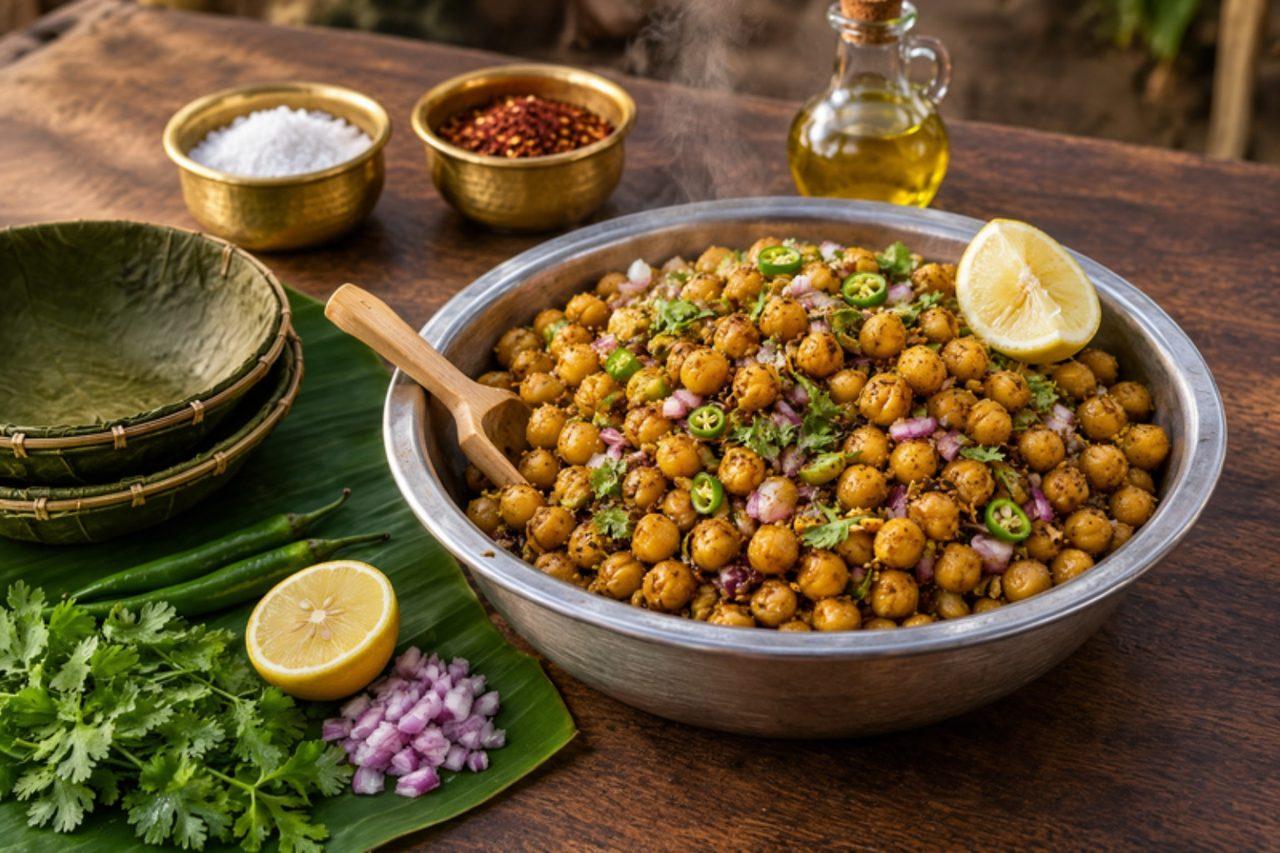
Kelli chanaSpiced chickpea snack

On Imphal evenings, kelli chana is sold from steaming pots at street stalls and outside markets: boiled chickpeas tossed while hot with raw onion, chilli, coriander and lemon, sometimes with a spoon of roasted chilli. It is a cheap, filling snack before dinner. The mistake is using under-cooked chickpeas, which stay hard; they should squash easily between finger and thumb. Chef's tip: toss the chickpeas while still hot so they soak up the lemon and salt.

by KrazyBadal 0 views

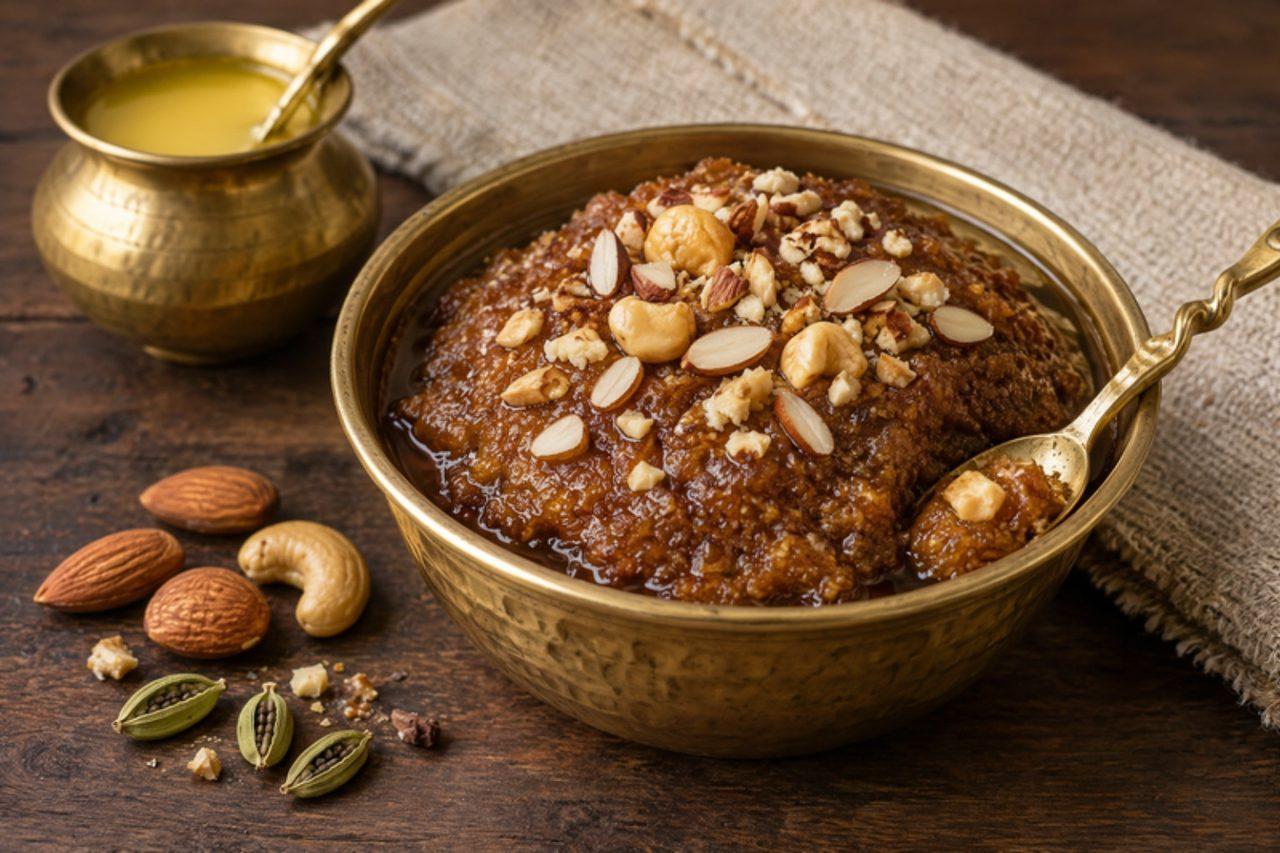
Aate ka halwaWholewheat flour halwa

Across Marwar, this simple halwa is the one cooked for temple prasad, for Satyanarayan katha and for women in the weeks after giving birth, when ghee and jaggery are thought to build strength. Wholewheat flour is roasted slowly in plenty of ghee until it turns a deep nutty brown, then cooked with hot water and sugar or jaggery until soft and glossy. The whole thing takes 30 minutes. The common mistake is rushing the roast on high heat, which leaves the flour raw-tasting inside and scorched outside. Chef's tip: roast on low heat until the colour is like milky tea and the ghee starts to separate and bubble around the flour.

by KrazyBadal 0 views

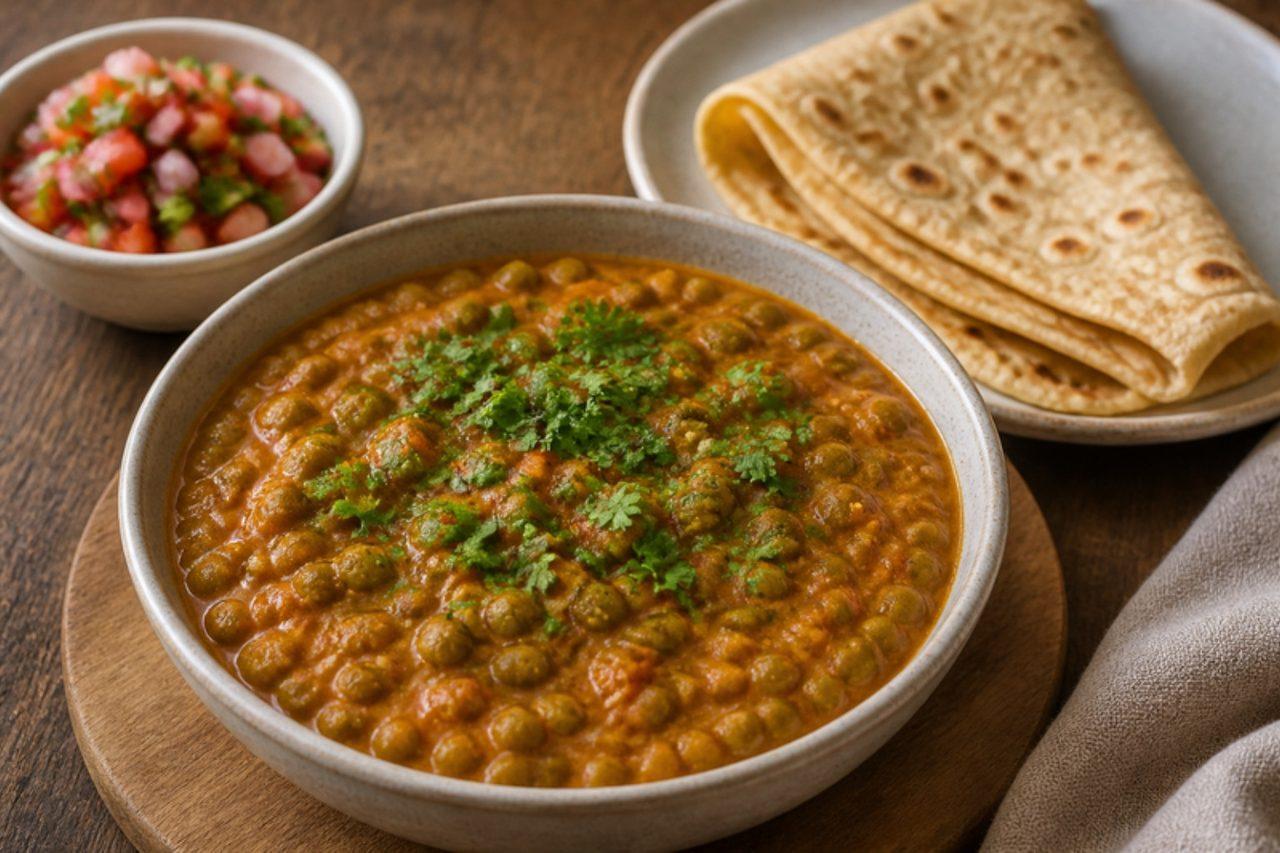
NdenguGreen gram stew

Lunchtime kibandas around Nairobi's Industrial Area ladle ndengu over rice or tear chapati into it, and office workers queue for it because it is cheap, filling and ready fast. Whole green grams (mung beans) are boiled until soft, then folded into an onion and tomato base with garlic, a little cumin and a splash of coconut milk, so the gravy is earthy, mellow and just thick enough to coat a spoon. Serve it with chapati, plain rice or ugali and a heap of kachumbari. The usual mistake is adding the tomatoes and salt before the grams are tender; acid and salt keep the skins tough, so cook the grams first. Chef's tip: mash a ladleful of the cooked grams against the pot before you add the coconut milk; it thickens the gravy without any flour.

by KrazyBadal 0 views

Smokie pasuaSausage with kachumbari

Glass-fronted carts on Nairobi corners, outside schools and matatu stages, keep a tray of smokies warm in water all day, and 'pasua' means the vendor splits one down the middle and packs it with kachumbari. Kenyan smokies are smoked sausages usually made from pork and beef, so check the pack if you avoid pork; beef-only and chicken versions are sold too. They come already cooked, and the job is to heat them through until piping hot, then pile in the cool, sharp tomato-onion salad and a squirt of chilli or tomato sauce for a snack that crunches, snaps and drips. Cutting all the way through is the common slip: the smokie falls apart and the filling spills. Chef's tip: salt the kachumbari onions for a few minutes and squeeze them before mixing, which tames their bite the way the street vendors' do.

by KrazyBadal 0 views

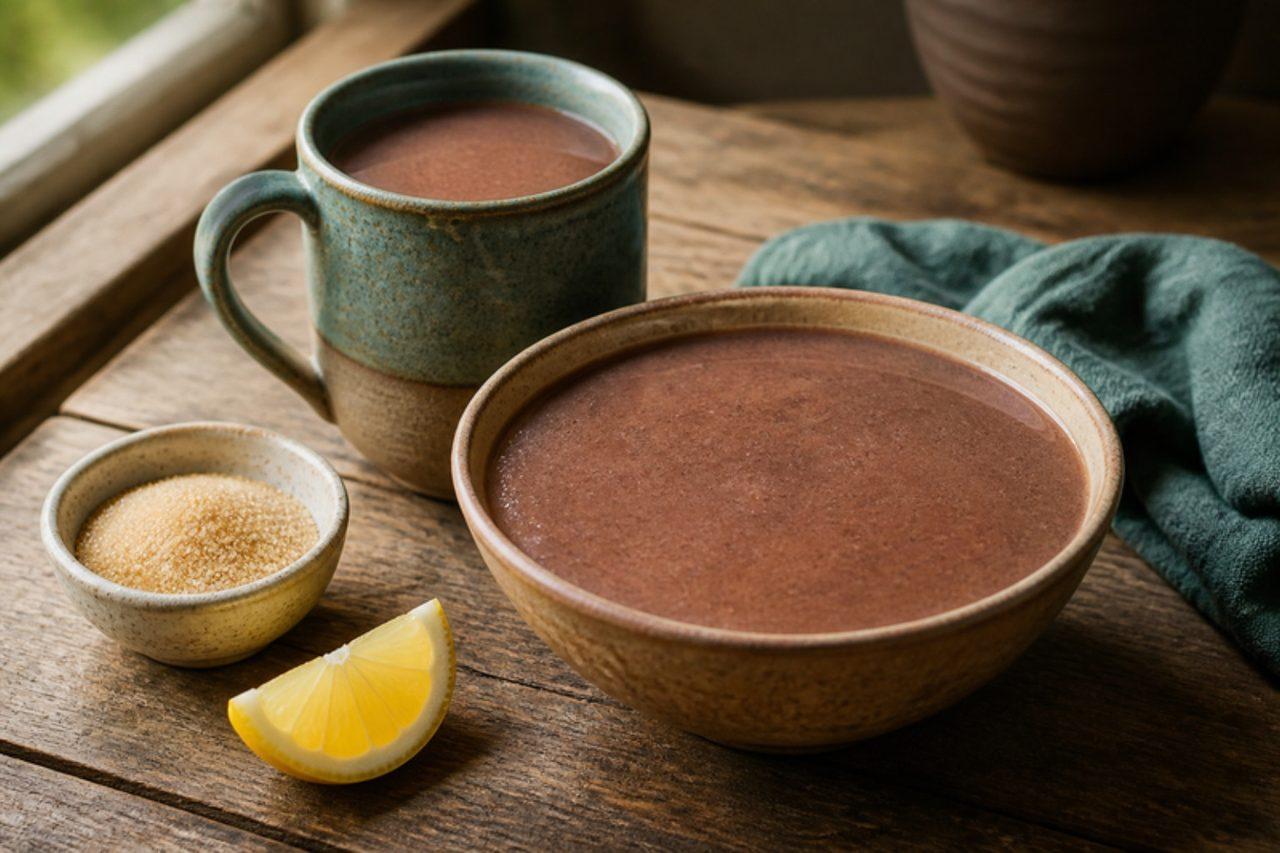
UjiFinger millet porridge

Mugs of brown uji are handed out at breakfast in Kenyan homes and schools, sold from steaming flasks at bus stages, and given to children and nursing mothers for strength. Finger millet flour (wimbi) makes a thin, drinkable porridge with a malty, slightly chocolatey taste; it is sweetened with sugar and soured with lemon, or left overnight to ferment for a deeper tang. Look for finger millet flour at African grocers or as ragi flour in Indian shops, and never tip it straight into boiling water, the mistake that gives lumps every time; always make a cold slurry first. Drink it hot in a mug, with mandazi or roasted groundnuts on the side. Chef's tip: for fermented uji, mix the slurry the night before and leave it covered on the counter; by morning it smells gently sour and needs only half the lemon.

by KrazyBadal 0 views

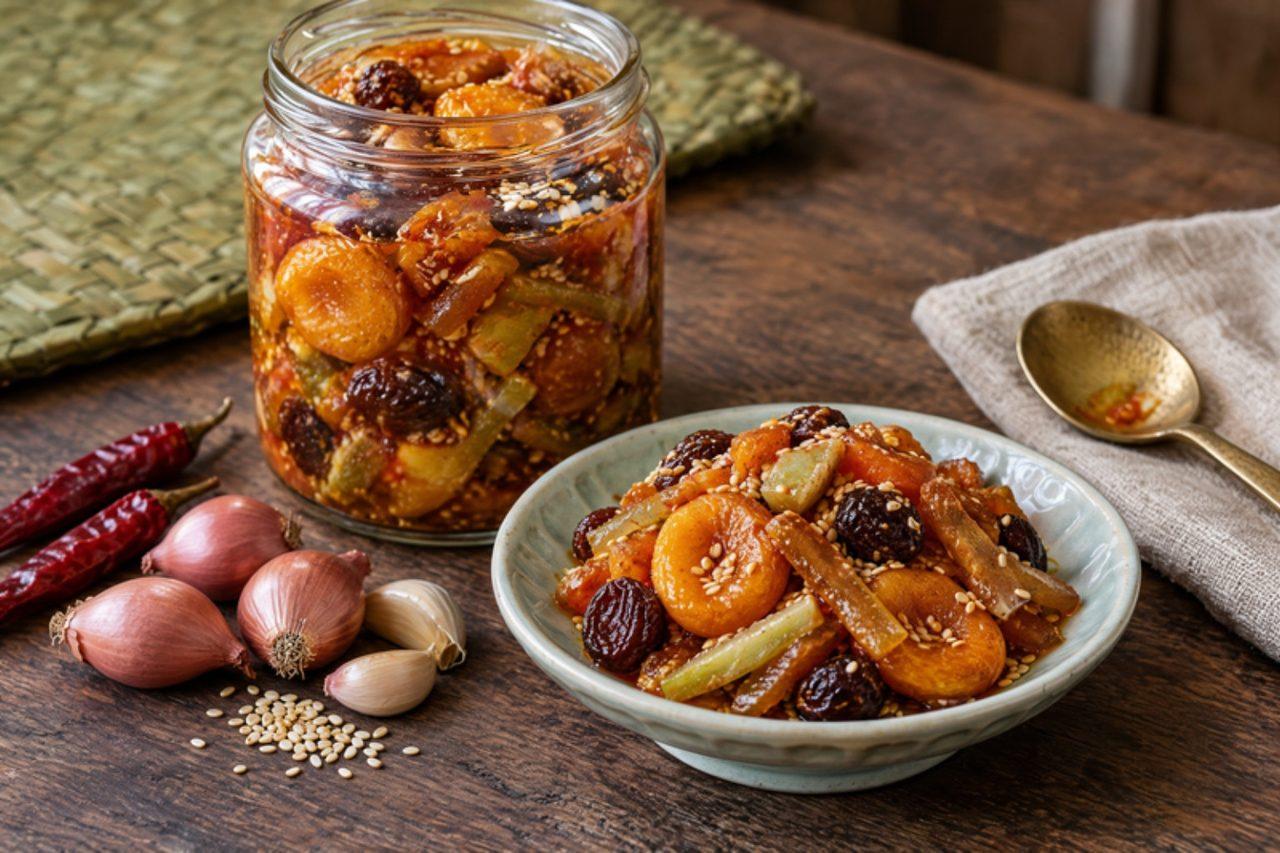
Acar buahFruit pickle

In Penang, Nyonya households start filling big glass jars with acar buah a week before Chinese New Year, so there is always a dish to set out for visitors with tea, and to eat beside nasi lemak or curry through the fifteen days. Penang is nutmeg country, and candied strips of nutmeg fruit (buah pala) from the Balik Pulau orchards go in with green papaya, dried apricots and raisins, all coated in a rempah of chillies, shallots, garlic, galangal and candlenuts fried until the oil splits, then cooked with vinegar and sugar. A shower of toasted sesame and crushed peanuts finishes it. It is sticky, jammy, sweet-hot and tangy, with crunchy papaya against chewy fruit. Many cooks add a little toasted belacan to the rempah; it is left out here to keep it vegan. Common mistake: frying the rempah too briefly, which leaves it harsh and makes the pickle spoil faster; cook it slowly until dark red and the oil separates. It tastes best after two days in the fridge. Chef's tip: squeeze the salted papaya as hard as you can, or the pickle turns watery.

by KrazyBadal 0 views

Ají de papalisaUlluco in yellow chilli

Papalisa, the glossy pink-and-yellow tuber called ulluco in Peru, has a crisp, slightly slippery bite that holds up beautifully in this ají from the La Paz highlands. The tubers are cut into fine sticks and stewed with onion, tomato and yellow chilli until tender, then served with white rice and a boiled potato. Highland cooks often add shredded dried beef; this vegan version keeps all the flavour with extra onion and cumin. Look for papalisa fresh or in jars in Latin American shops; waxy new potatoes cut the same way are a fair stand-in. The mistake most people make is skipping the soaking and rinsing, which leaves the sauce gummy. Chef's tip: cut the papalisa into matchsticks as thin as you can, so they soak up the chilli sauce like noodles.

by KrazyBadal 0 views

Khajur pakDate and nut fudge

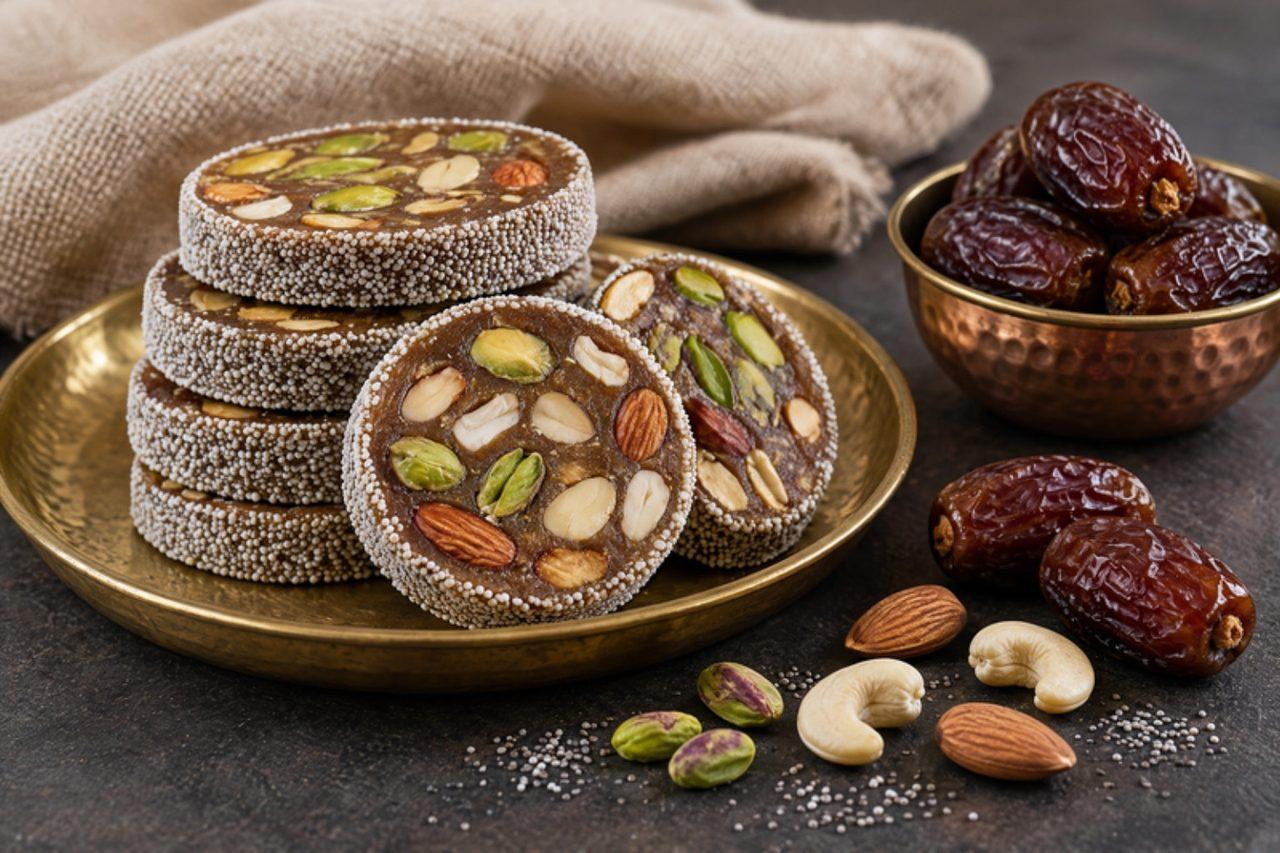
Kutch grows some of India's best dates, and in Bhuj and Anjar homes khajur pak is the sweet made for Diwali boxes and for Ekadashi and other fast days, since it needs nothing but dates, ghee, nuts and coconut. The dates melt in warm ghee into a sticky paste, the nuts give crunch, and the log is rolled in poppy seeds and sliced into neat coins. The common mistake is cooking the dates too long, which dries them out so the log cracks when you slice it. Chef's tip: for a harder winter version, swap a third of the soft dates for chopped kharek (dry dates) soaked overnight in a little milk.

by KrazyBadal 0 views

Khanom pang sangkhayaBread with pandan custard

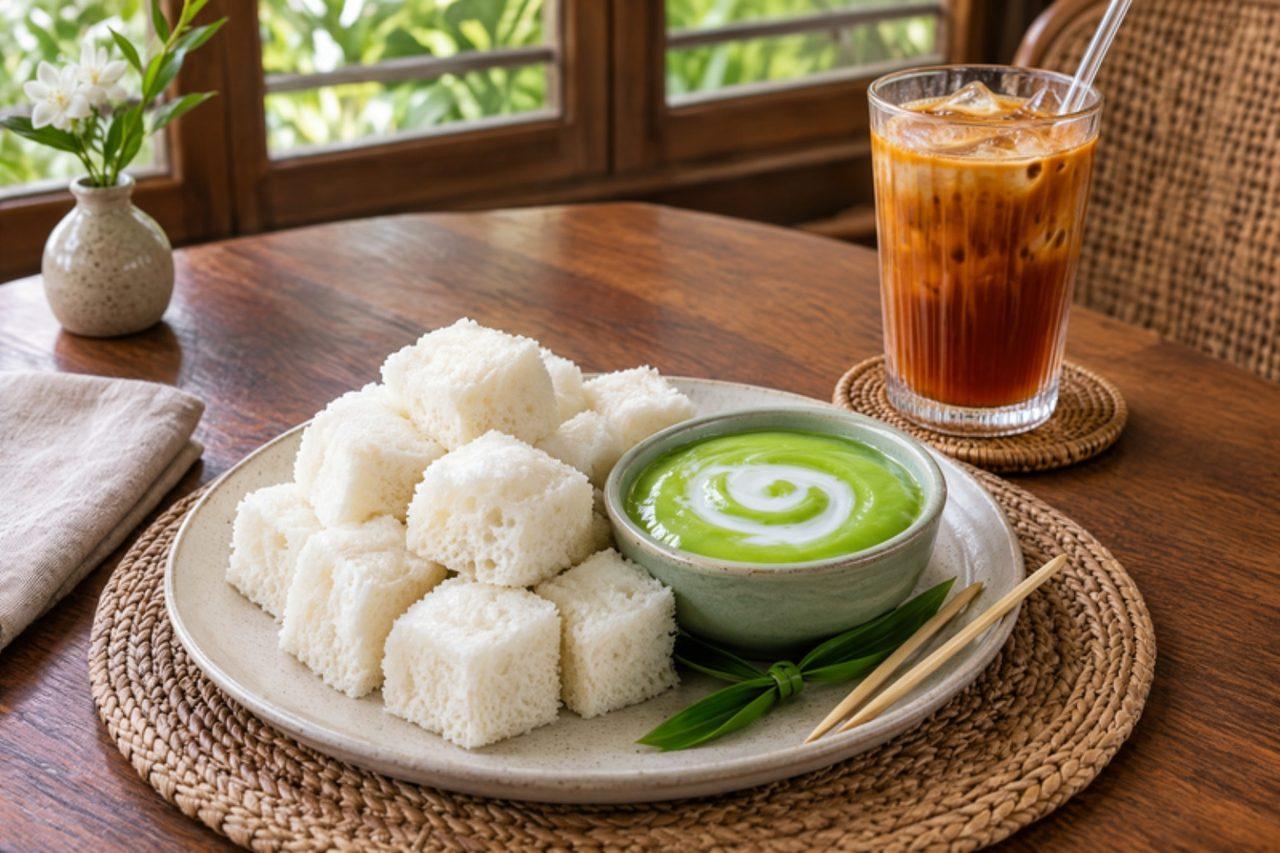
In Bangkok, from the old Chinese coffee shops of Yaowarat to night markets, khanom pang sangkhaya is soft steamed or toasted bread dunked into a bowl of bright green pandan custard made with coconut milk and egg. It is eaten in the morning with patongko dough sticks and strong iced coffee. The mistake is cooking the custard over high heat; the egg scrambles and it turns grainy, so stir it slowly over a gentle flame. Chef's tip: blitz fresh pandan leaves with a splash of water and squeeze the juice through a cloth; it gives a colour and fragrance that essence can't match.

by KrazyBadal 0 views

Khatta magGreen moong in sour yogurt

Khatta mag is weekday comfort across Gujarat, from Ahmedabad flats to Saurashtra farmhouses: whole green moong cooked soft and simmered in a tangy, kadhi-like gravy of yoghurt and gram flour with ginger, green chilli and a clove-and-cinnamon tempering. It is ladled over rice or eaten with bajra rotla, and many families cook it on Wednesdays, the day for moong. A little jaggery is optional. The usual mistake is pouring cold yoghurt into the hot pot without whisking it with gram flour first, which makes it split into curds. Slow-cooker: cook the soaked moong with 600 ml water on low for 5 hours, then stir in the yoghurt mix and cook on high for 30 minutes. Chef's tip: slightly sour, day-old yoghurt gives the best khatta flavour.

by KrazyBadal 0 views

Khatta meatMutton in sour pomegranate gravy

Khatta meat is a pride of Jammu's Dogra kitchens, cooked for family gatherings and the winter wedding season: mutton on the bone simmered slowly in mustard oil with fennel and dry ginger, then soured with ground anardana (dried pomegranate seeds) or lemon. The gravy is thin, tangy and deep red, eaten with plain rice. It has no curd or tomato; the sourness comes from the pomegranate alone. The common mistake is adding the anardana early, when it turns bitter during the long cook; stir it in for the last ten minutes. Chef's tip: grind the anardana fresh and soak it in a little hot water first, then strain, for a clean, fruity sourness without grit.

95 minIndianMeatGluten freeSpicy
by KrazyBadal 0 views

KhurchanScraped milk skin sweet

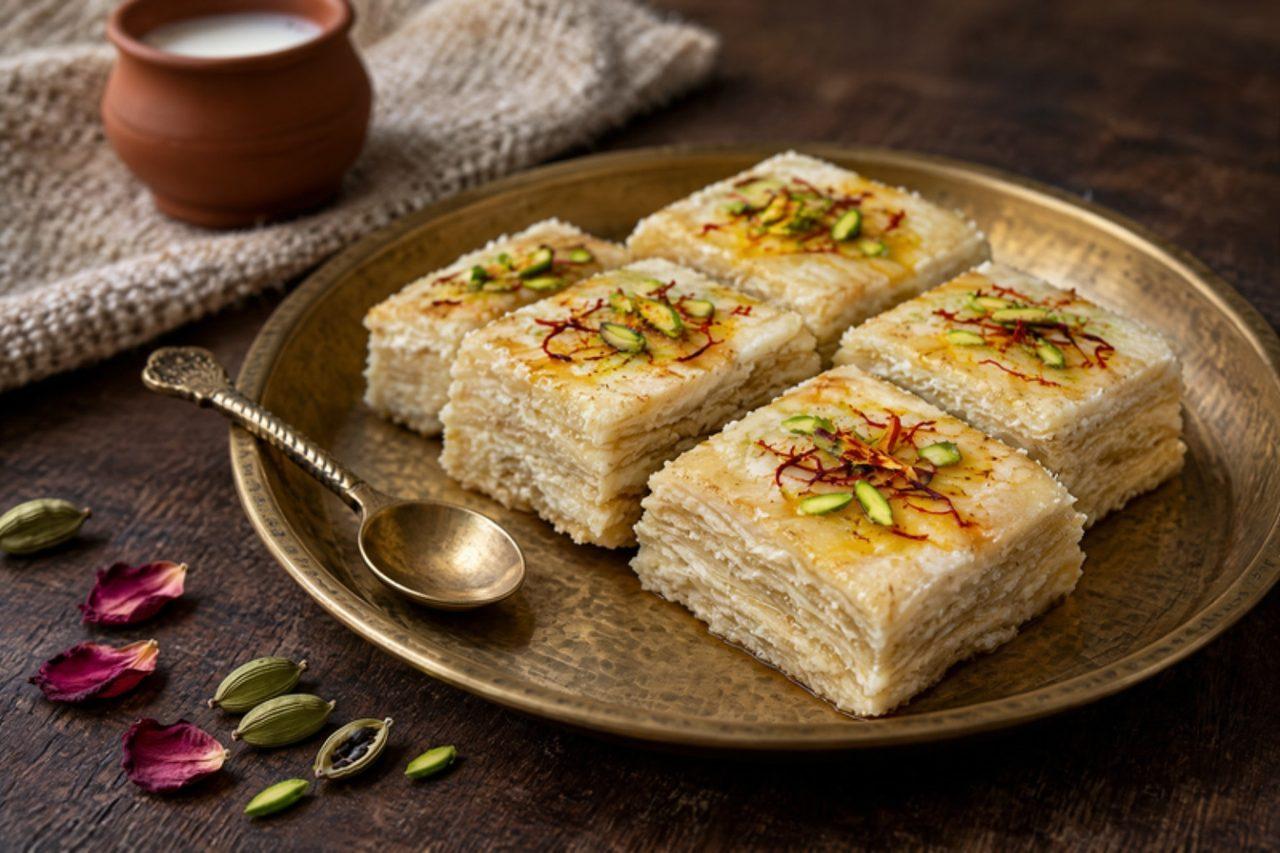
Khurchan means 'scrapings', and in Mathura and the sweet lanes of Old Delhi it is made by simmering milk in a wide iron kadhai and lifting off the skin that forms, layer after layer, then stacking the sheets with a sprinkle of sugar and cardamom. It is a winter sweet, sold in small squares, and offered at Janmashtami in Krishna's town. It takes patience, not skill. The common mistake is letting the milk boil, which breaks the skin; keep it just steaming, never bubbling. Chef's tip: fan the surface of the milk gently with a paper plate between layers; the cooler air makes the skin form faster and thicker.

by KrazyBadal 0 views

KhuriBuckwheat crepes with cheese

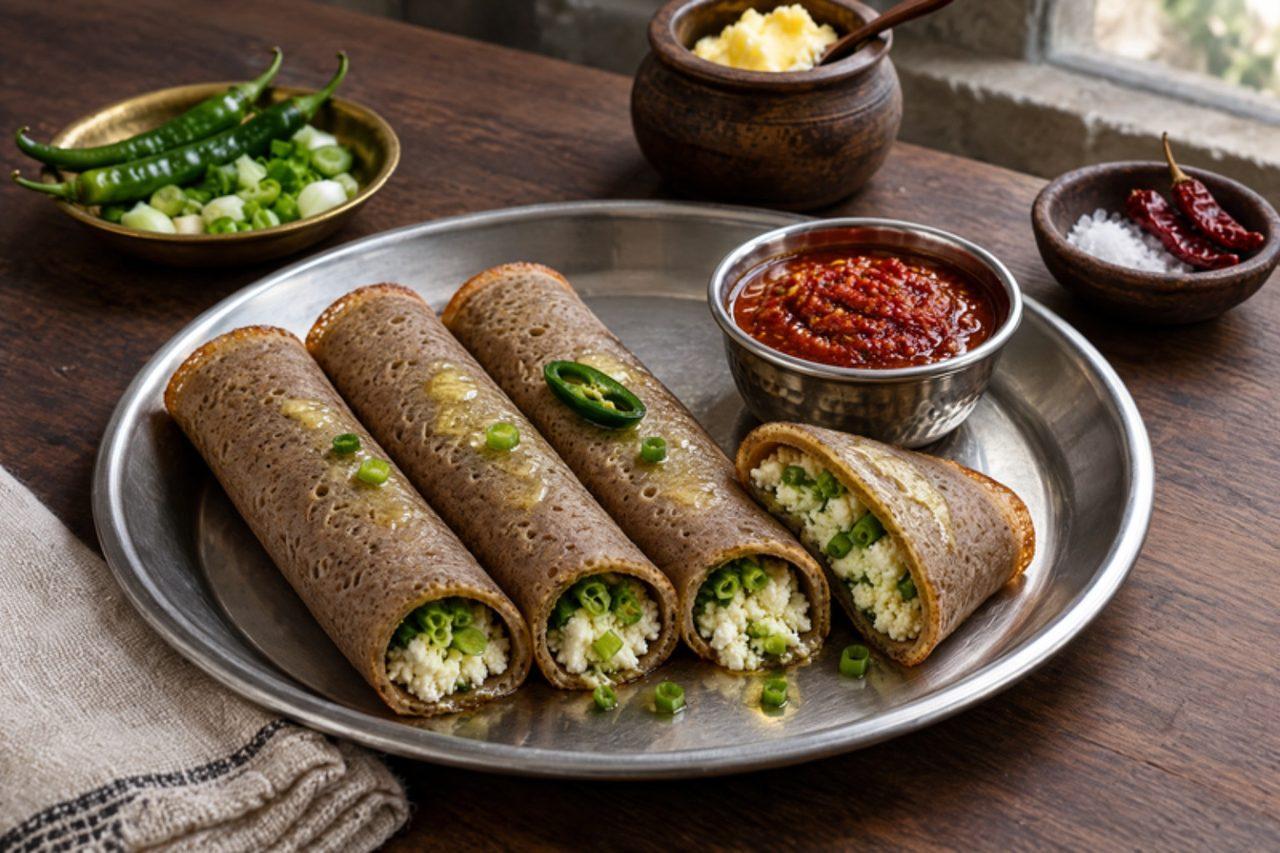
Khuri is a Sikkimese tea-time and breakfast dish from the buckwheat-growing villages of the north, where the thin grey-brown crêpes are filled with fresh cheese sharpened with chilli and spring onion, then rolled and eaten warm. It is often served with a fiery tomato achar. The batter needs to be thin enough to swirl, and the common mistake is flipping too early, before the edges lift by themselves, which tears the crêpe. Wheat flour in the batter helps it hold together, so these are not gluten free. Chef's tip: rest the batter for 20 minutes so the buckwheat hydrates and the crêpes come out supple rather than brittle.

by KrazyBadal 0 views

Acar timunPickled cucumber and carrot

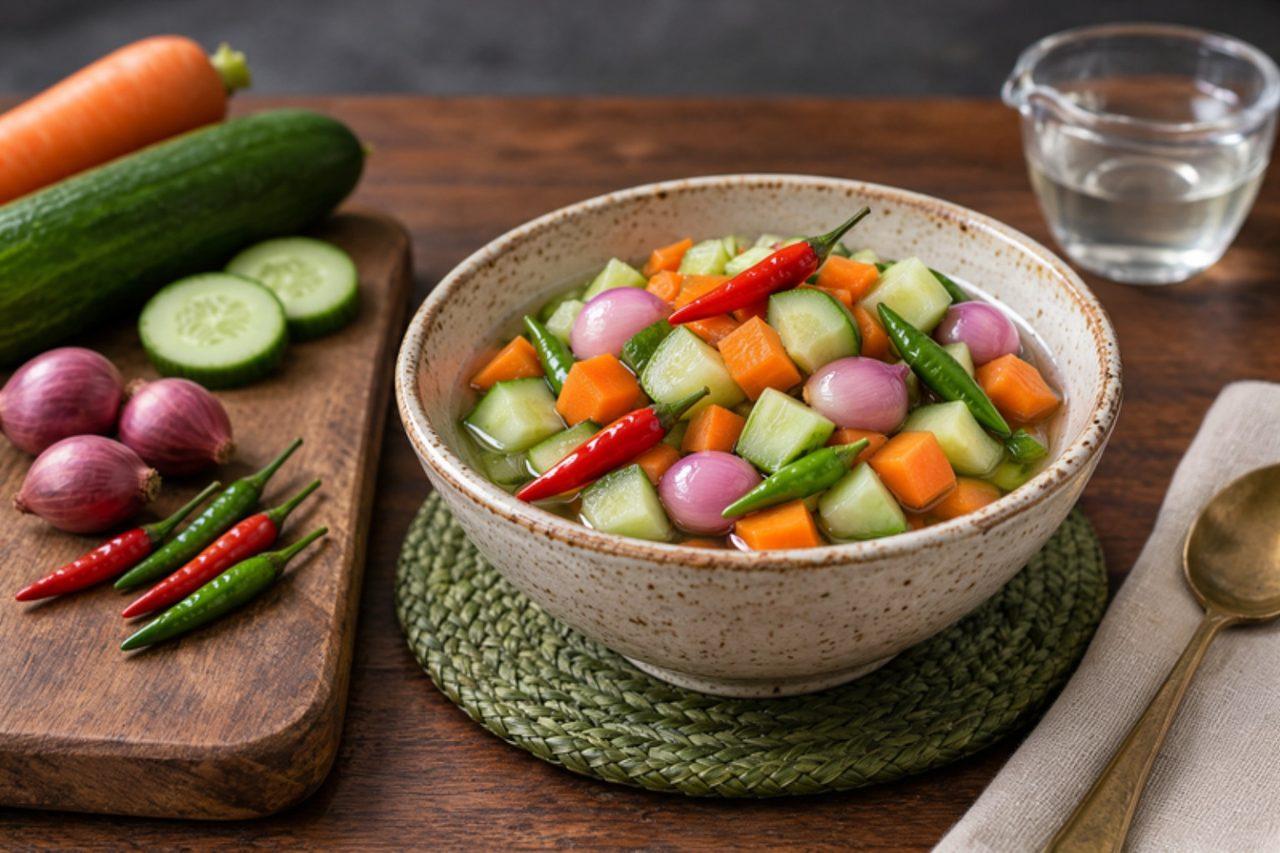
Order sate at a Madurese stall in Java, or nasi goreng from a night-time warung tenda, and a little saucer of acar timun comes with it: cubes of cucumber and carrot, whole small shallots and a few green or red bird's eye chillies in a sweet, sharp vinegar dressing. It is also spooned beside martabak telur and served at kenduri feasts and weddings. It is cold, crunchy and refreshing, sweet first, then sour, with a sudden bite when you hit a chilli, and it cuts the richness of peanut sauce and fried rice. Make it fresh: it is at its best the same day. Common mistake: pouring the dressing on warm or cutting the cucumber too thin, which turns everything limp and watery; dissolve the sugar in warm water, then let it cool before mixing. It is ready after 10–15 minutes, when the shallots have lost their raw edge and the cucumber is lightly seasoned but still snaps. Chef's tip: leave the bird's eye chillies whole so guests can choose whether to eat them; slit one or two if you want the dressing itself to carry heat.

by KrazyBadal 0 views

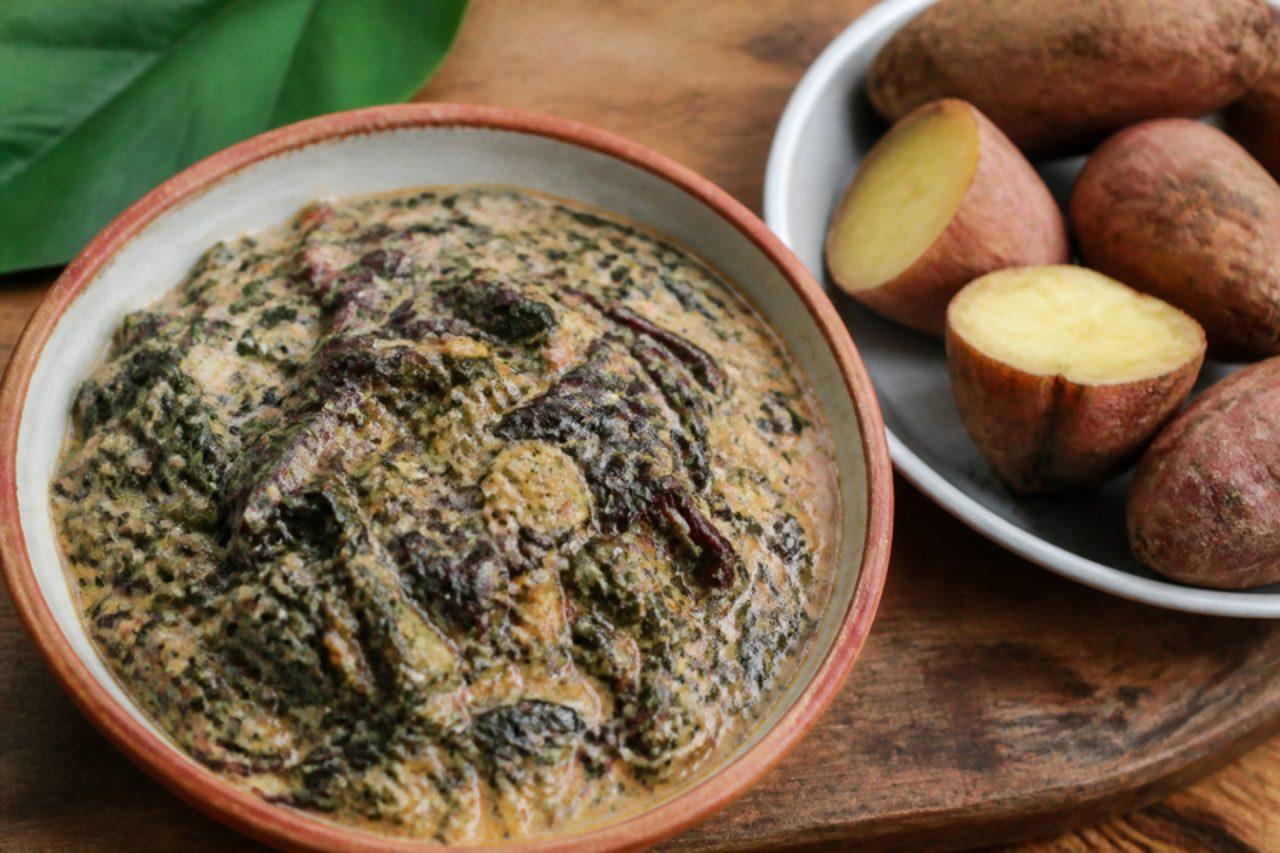
MalakwangSour greens in peanut paste

Gulu and the villages of Acholiland wait for the rains, when malakwang, the tart young leaves of the roselle hibiscus, come into the markets in big bundles. Simmered down with onion and tomato and finished with roasted peanut or sesame paste, they make a thick, dark green, sharply sour and richly nutty sauce that tastes of lemon and cream at once. It is eaten with boiled sweet potatoes, cassava or millet bread at a family meal. Look for fresh or frozen roselle leaves at African grocers, or the same leaf sold as gongura or sorrel leaves in Indian shops; spinach with lime juice is a fallback. Chef's tip: let the leaves collapse fully before the paste goes in, otherwise their sourness stays raw and harsh.

by KrazyBadal 0 views

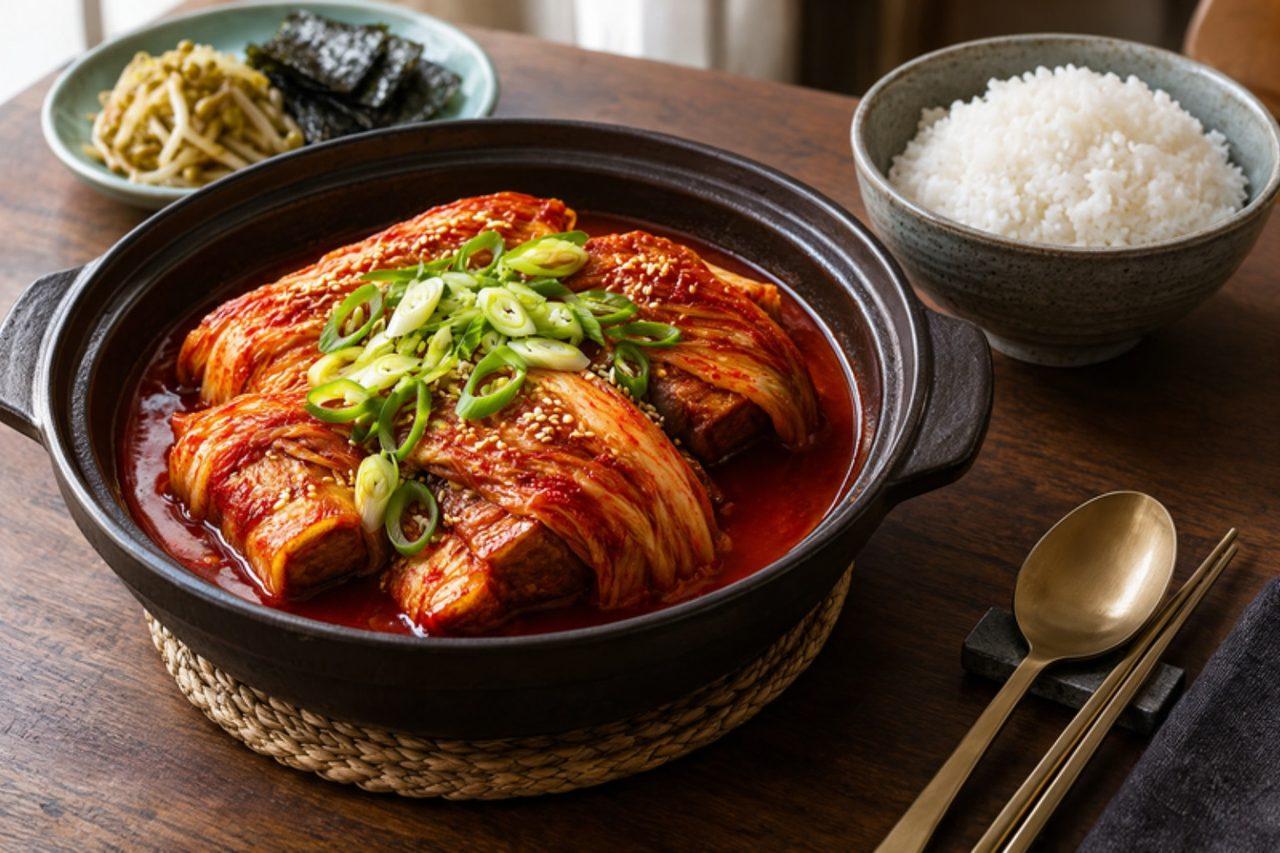
Kimchi jjimBraised kimchi with pork belly

Kimchi jjim is what Korean households make in late winter, when the big batch of kimchi from the autumn kimjang has turned deeply sour and is too strong to eat raw. Whole quarters of the old kimchi are laid over a thick piece of pork belly and braised slowly until the cabbage is silky and the pork is meltingly soft. At the table you snip the pork with scissors and wrap a piece in a kimchi leaf with rice. The usual mistake is using fresh kimchi, which gives a flat, raw-tasting stew; it needs well-fermented, sour kimchi. Chef's tip: add a splash of the kimchi brine near the end if the sauce tastes sweet rather than tangy.

90 minKoreanMeatSpicy
by KrazyBadal 0 views

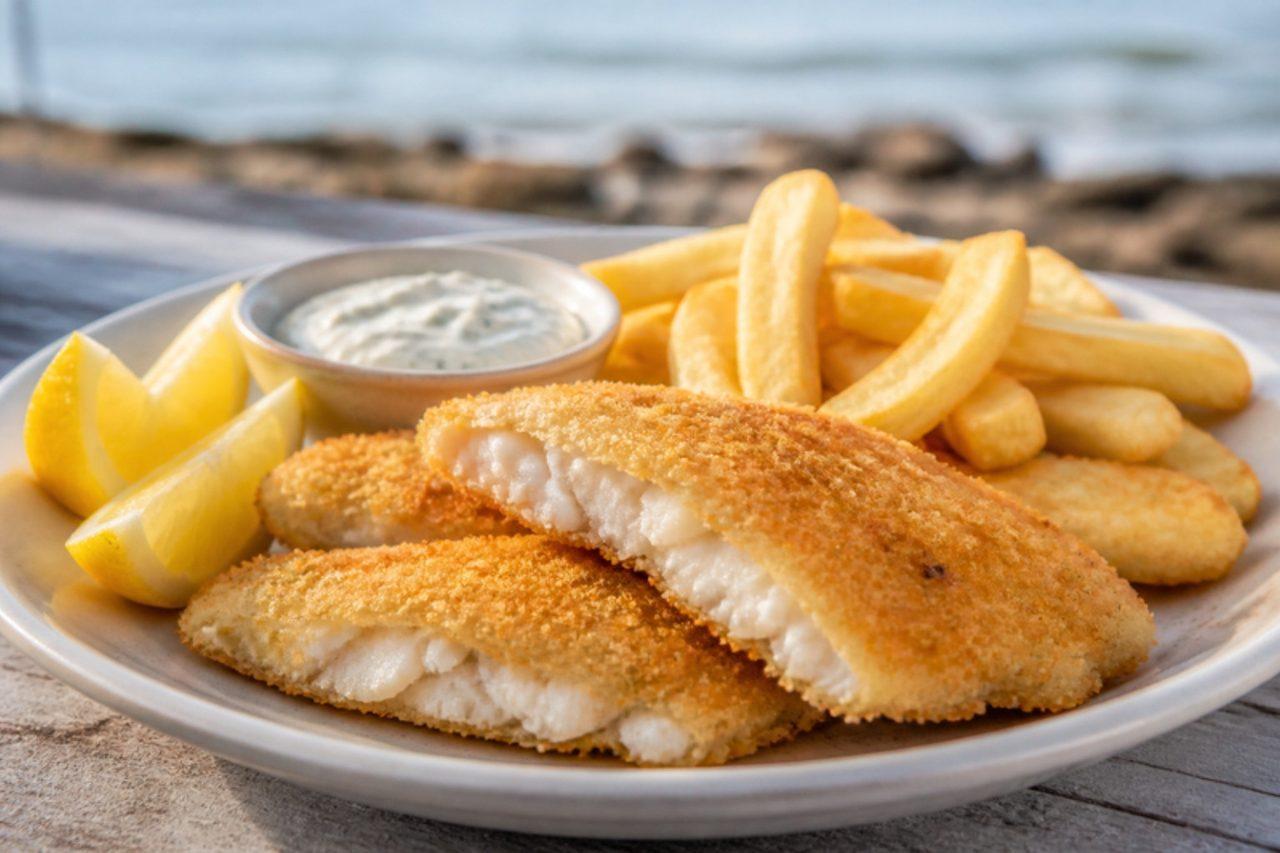
King George whitingFried whiting fillets

King George whiting is South Australia's most prized fish, caught in the shallow sea-grass bays of Spencer Gulf and Gulf St Vincent and served in Adelaide pubs and on the Glenelg foreshore with chips and lemon. The fillets are small, sweet and delicate, so they need only a light coating and a quick fry. A common mistake is a heavy batter that hides the fish; a thin crumb or flour dusting is the local way. Chef's tip: cook skin side first and flip only once, so the fragile fillets stay whole.

by KrazyBadal 0 views

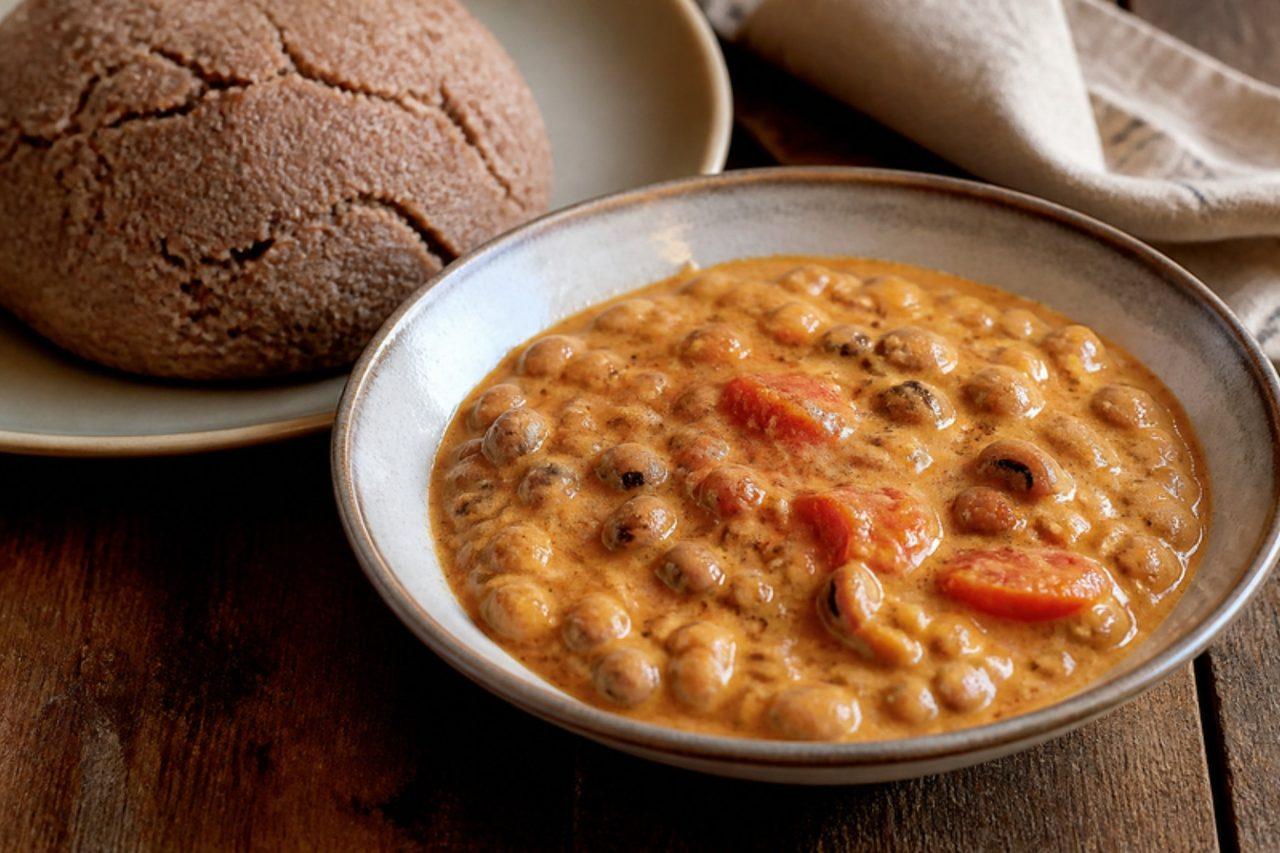
LapenaPigeon peas in sesame paste

Lapena comes out for Christmas, weddings and the days when relatives arrive in Gulu from Kampala: dried pigeon peas boiled until soft, then cooked slowly in roasted sesame paste until thick, earthy and nutty, with a faint bitterness from the sesame that balances the sweetness of the peas. Some families mash it smooth, others keep the peas whole; both are eaten with kwon millet bread, rice or boiled cassava. Dried pigeon peas are sold as toor or arhar (whole, not split) in Indian grocers. The common mistake is adding salt before the peas are tender, which keeps the skins tough. Chef's tip: if you can only find light tahini, toast it in a dry pan for a minute or two until it darkens to get closer to Acholi sesame paste.

by KrazyBadal 0 views

ManaguNightshade greens

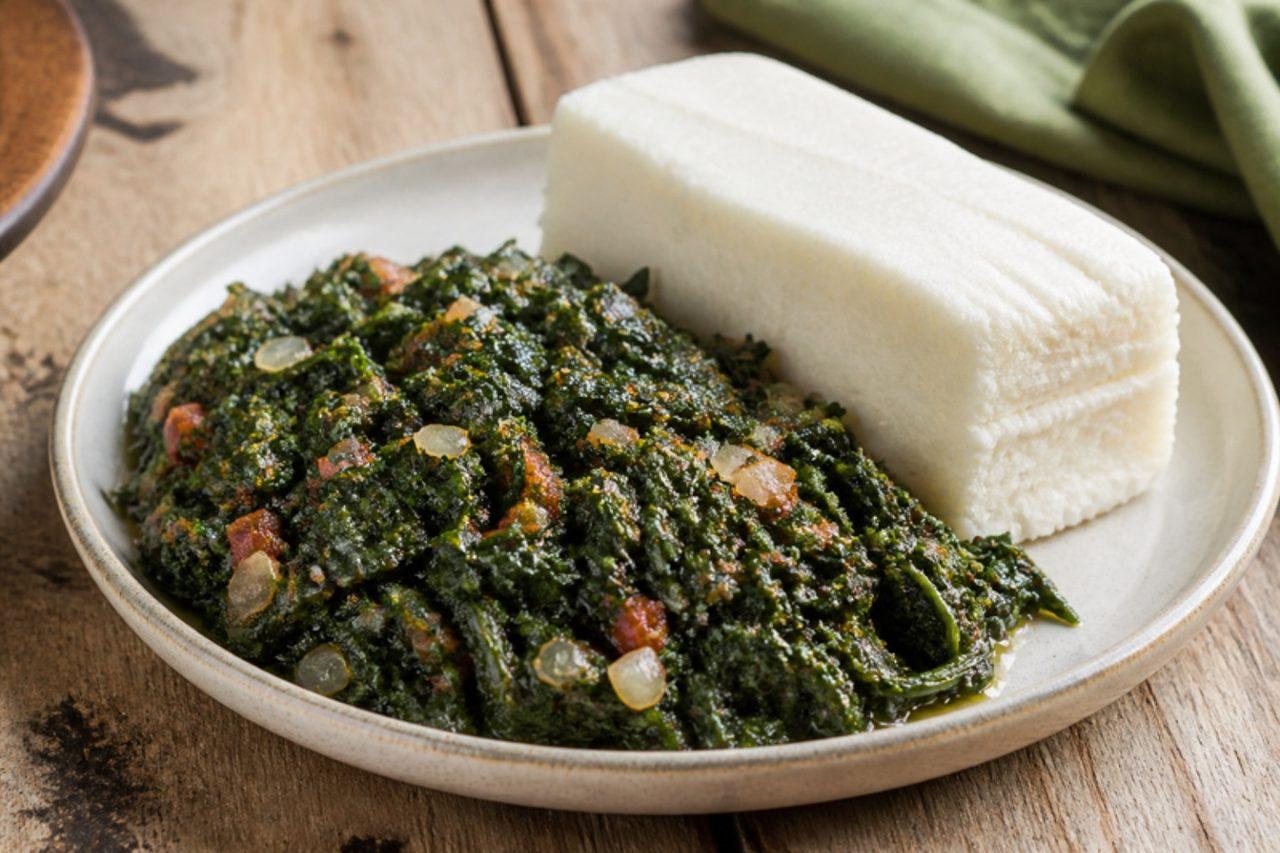
Market women in Kisii and Kakamega sell managu in thick bunches, and in the hills it is the green that goes with ugali at almost every family dinner. The leaves of cultivated African nightshade are soft and pleasantly bitter, a bit like a stronger spinach, and here they are blanched, then cooked down with onion and tomato into a soft, savoury heap. At home many families stir in a spoon of cream at the end; to keep it vegan, use coconut milk as below; buy managu fresh or frozen from African grocers and never gather wild nightshade, as some kinds are poisonous. Using the boiling water as a sauce is a common error: always drain the first boil, or the dish stays harsh. Chef's tip: squeeze the drained leaves firmly in your fist before frying so the tomato flavour soaks in instead of being watered down.

by KrazyBadal 0 views

BooCowpea leaves in peanut paste

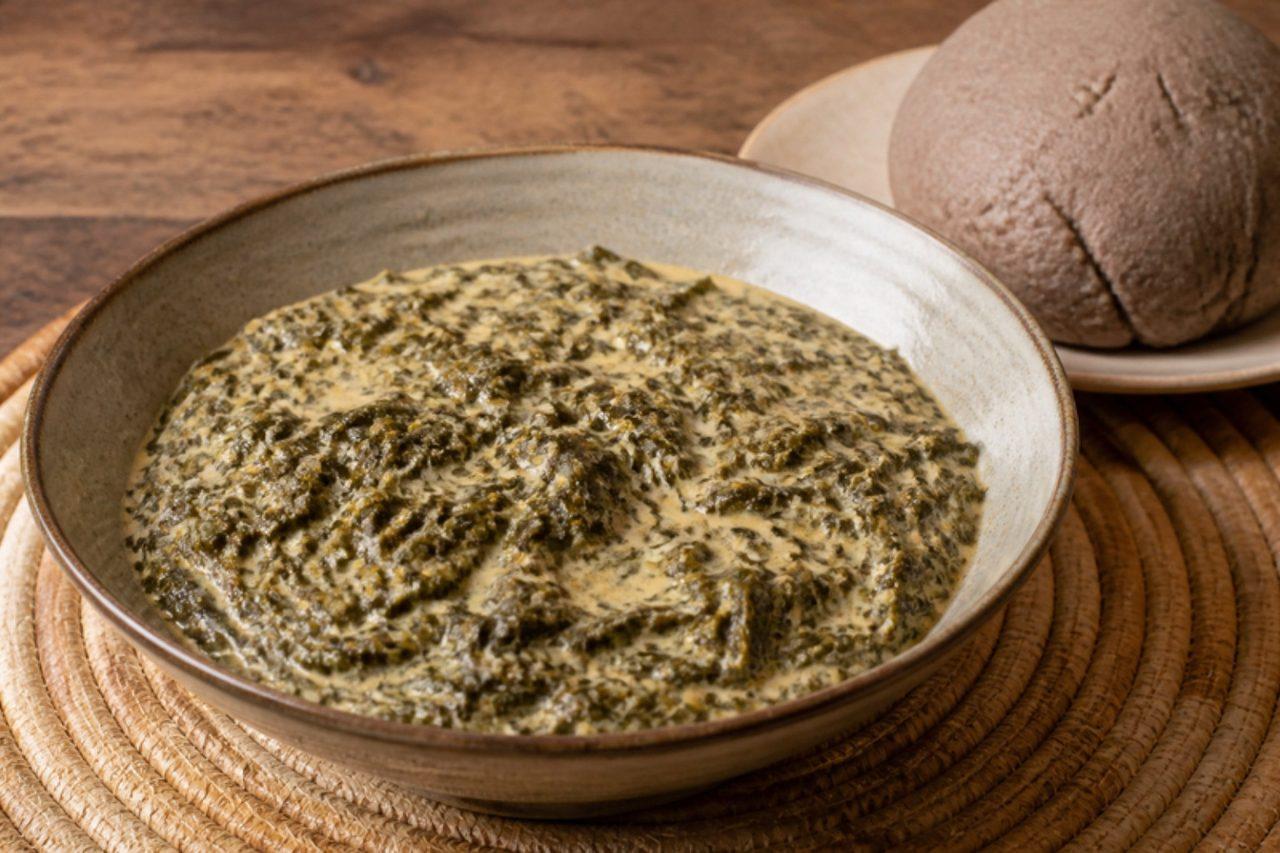
Ask someone from Lira or Kitgum what home tastes like and many will say boo, the leaves of the cowpea plant, picked young from the same fields that give the beans. Slow-cooked until they are dark and silky, then thickened with groundnut paste, they turn into a mellow, slightly bitter, deeply savoury green sauce with none of the tartness of malakwang. It is everyday food, eaten with kalo, posho or sweet potatoes. Fresh, frozen or dried cowpea leaves are sold at African grocers; kale or spring greens stand in well. Chef's tip: a pinch of bicarbonate of soda in the first boil softens tough leaves quickly and keeps their colour; any more than a pinch makes them soapy.

by KrazyBadal 0 views

KitchaUnleavened flatbread

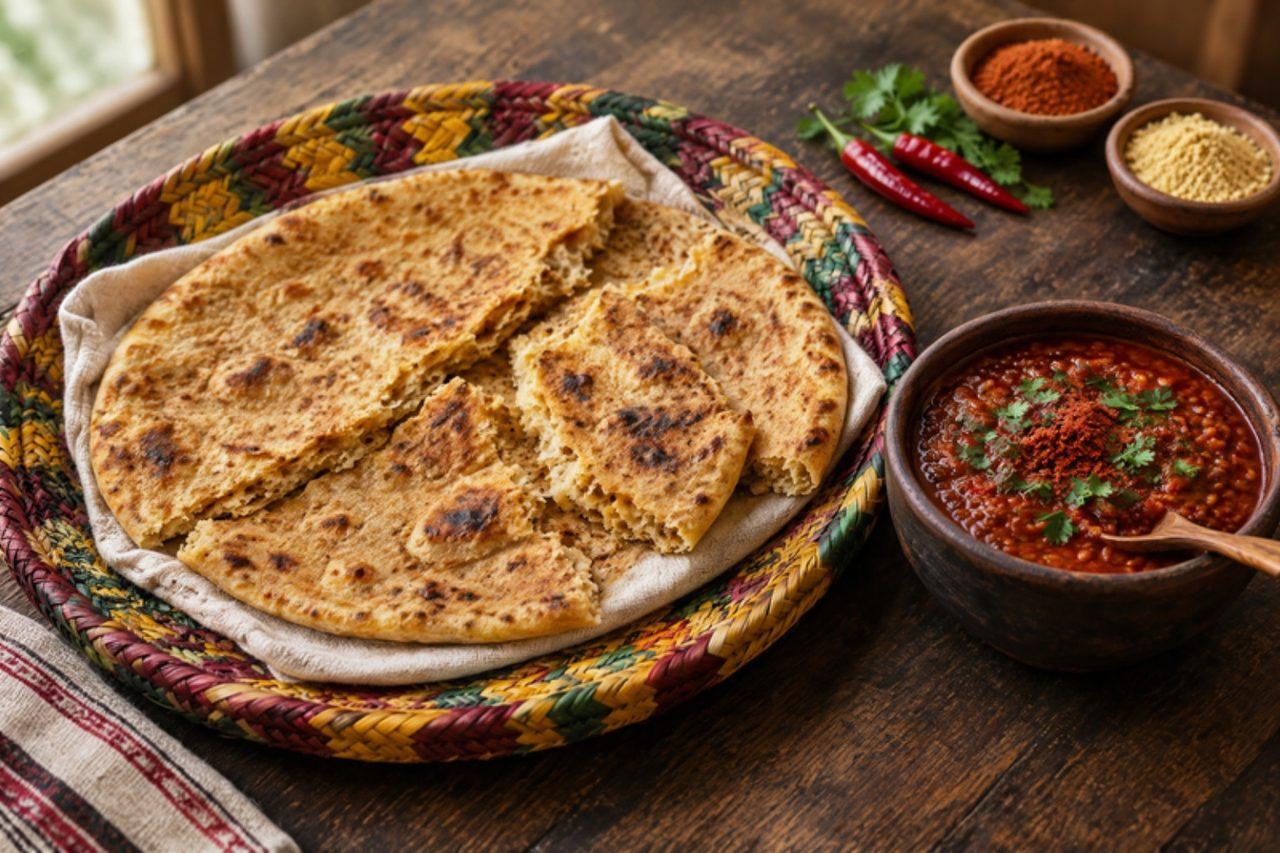
Kitcha (qita) is the everyday quick bread of the Ethiopian and Eritrean highlands, baked when there is no time to ferment injera, and eaten for breakfast with tea or coffee, or torn up as kitcha fitfit with spiced butter and berbere. The dough is just flour and water, spread thick on a hot mitad griddle and cooked on both sides until speckled and firm. Traditionally there is no salt in it at all: about 0.0 g salt per portion, so it sits well beside salty stews. The usual mistake is spreading it too thin, which gives a cracker; aim for 1 cm so the middle stays soft. Barley or teff flour can replace some of the wheat for a nuttier bread. Chef's tip: press a little hollow in the middle with your fingers before turning, and the bread cooks evenly without a raw centre.

by KrazyBadal 0 views

Ají amarillo pasteYellow chilli paste

In Lima's markets ají amarillo is sold fresh all year, and most Peruvian cooks keep a tub of this paste in the fridge the way others keep tomato purée: it is the golden base of causa limeña, ají de gallina, papa a la huancaína, chupe and the sauce for tiraditos. The chillies are seeded, de-veined and blanched in three changes of water, which tames the heat and the raw grassiness, then peeled and blended with oil into a thick, silky, saffron-orange paste. It tastes fruity and sunny, almost like apricot and passion fruit, with a rounded, medium heat. Abroad, buy whole frozen ají amarillo from Latin grocers; dried ají mirasol, soaked, gives a darker, earthier paste. Common mistake: skipping the peeling; the thin skins leave papery flecks and a bitter edge. It is ready when it is completely smooth and holds a soft peak like thick hummus. This is a low-acid paste: keep it in the fridge for a week or freeze it, never on the shelf. Chef's tip: freeze it in an ice-cube tray; one cube is about a tablespoon, just right for a pot of ají de gallina.

by KrazyBadal 0 views

Koffie verkeerdCoffee with extra milk

Order a koffie verkeerd in any Dutch café or bruin café and you get a tall glass that is mostly steamed milk with a strong shot of coffee poured in, the 'wrong' way round compared with a normal black coffee. It is the Dutch morning cup at home and at work, usually with a speculaas biscuit on the saucer. The common mistake is boiling the milk, which makes it taste cooked and kills the foam; heat it only until it steams and small bubbles form at the edge, about 65 °C. Chef's tip: froth the milk by shaking it in a jar with the lid on before warming it in the microwave, and you get café-style foam without a machine.

by KrazyBadal 0 views

Koko alaisaCocoa coconut rice

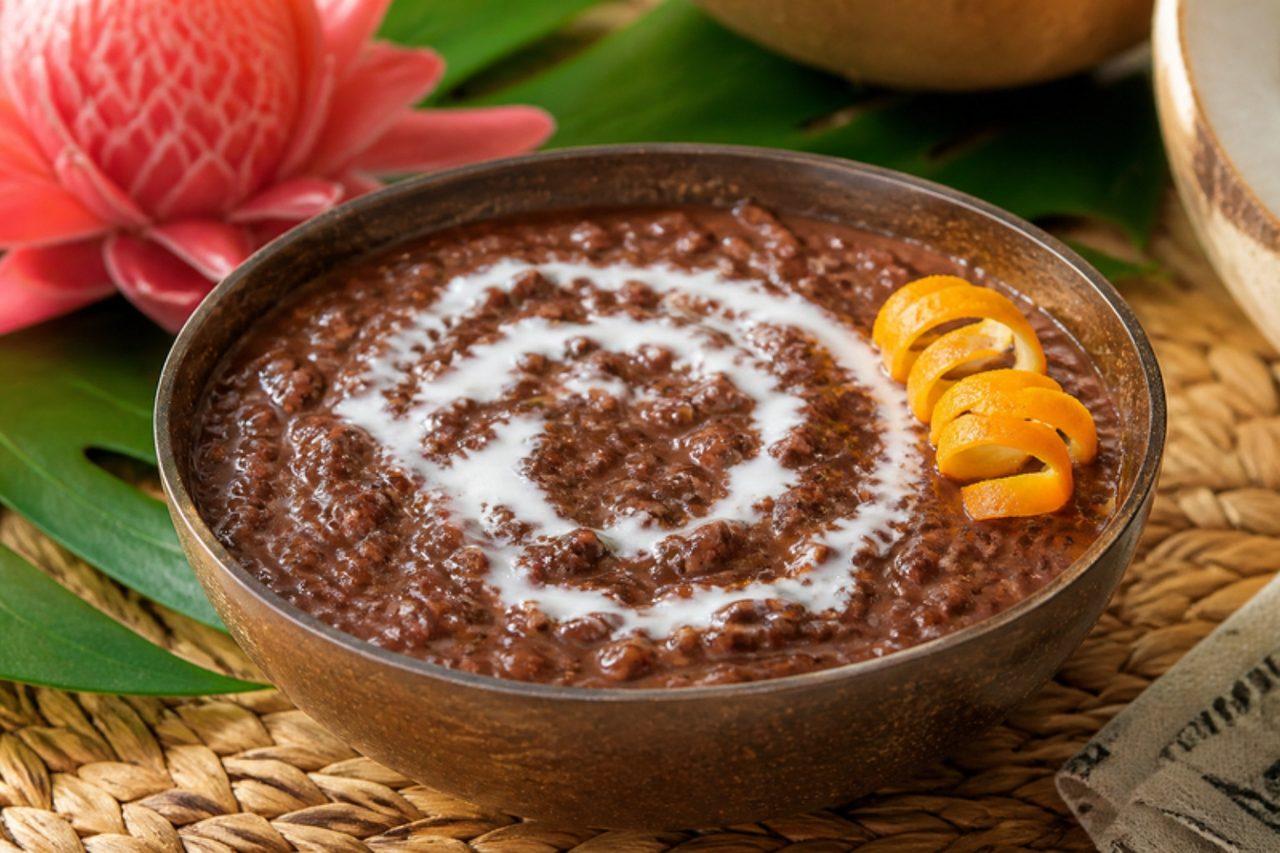
Koko alaisa is a Samoan breakfast and Sunday to'ona'i (after-church lunch) favourite, rice simmered in koko Samoa, the island's own roasted cocoa paste, with coconut cream, sugar and sometimes orange leaves for perfume. It is rich, chocolatey and comforting, like a warm chocolate rice pudding, and is often eaten alongside savoury food. If you can't find koko Samoa in a Pacific shop, use unsweetened 100% cocoa chocolate. A common mistake is letting it catch on the bottom; stir often in the last 15 minutes. Chef's tip: a strip of orange peel simmered with the rice gives the true island aroma.

by KrazyBadal 0 views

Koko SamoaHot cocoa drink

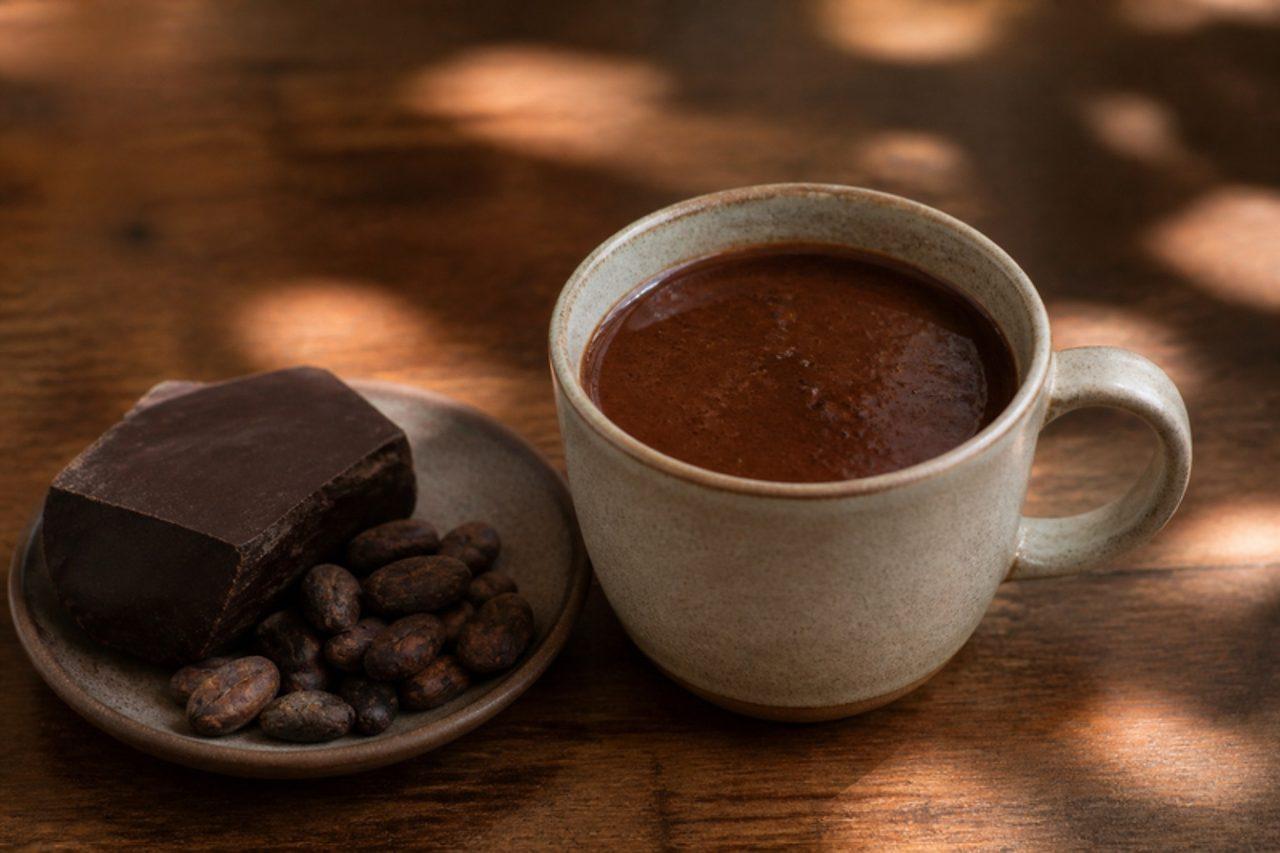
Koko Samoa is the morning drink of Samoa, made from the island's own cocoa beans, roasted over a fire, pounded into a dark paste and dried into blocks sold at Apia's Fugalei market. Dissolved in hot water and sweetened, it is earthy, slightly bitter and rich, with a little oil floating on top, and is drunk with panikeke or buttered bread. If you can't find koko Samoa, use 100% cocoa chocolate. A common mistake is expecting it to be like milky hot chocolate; it is darker and thinner. Chef's tip: simmer it for a few minutes rather than just stirring it in, which brings out the roasted flavour.

by KrazyBadal 0 views

Club kachoriSmall spiced kachoris

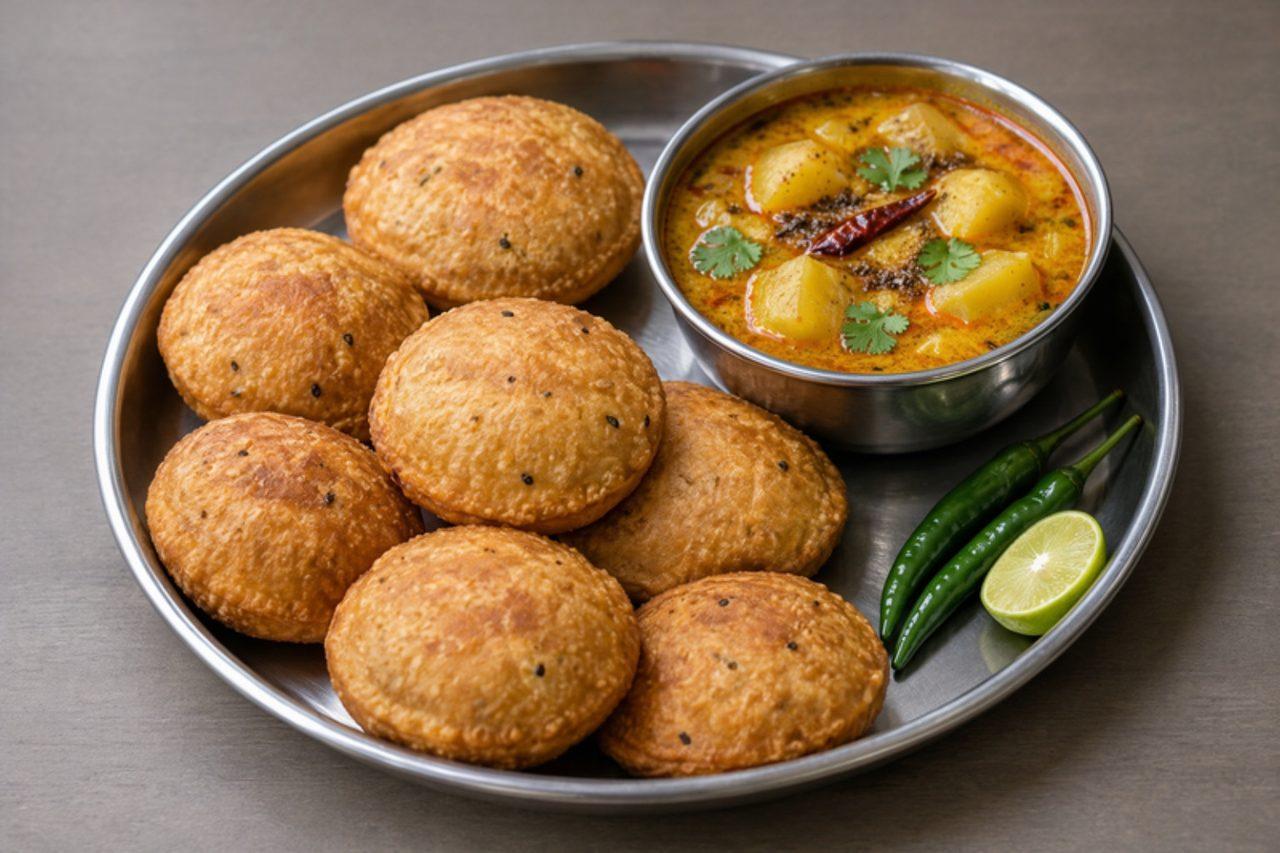
In the narrow lanes of Burrabazar and Bowbazar, sweet shops start frying club kachori before eight in the morning for traders and office-goers, who eat four or five standing up with a ladle of thin, gingery potato curry poured into a sal-leaf bowl. The kachoris are small and puffed like balloons, with a thin layer of peppery ground urad dal inside the crust. Chef's tip: soak the dal ahead (from the night before is easiest) and grind it with almost no water, so the paste is thick enough to roll without breaking through.

by KrazyBadal 0 views

Kabiraji cutletEgg-coated chicken cutlet

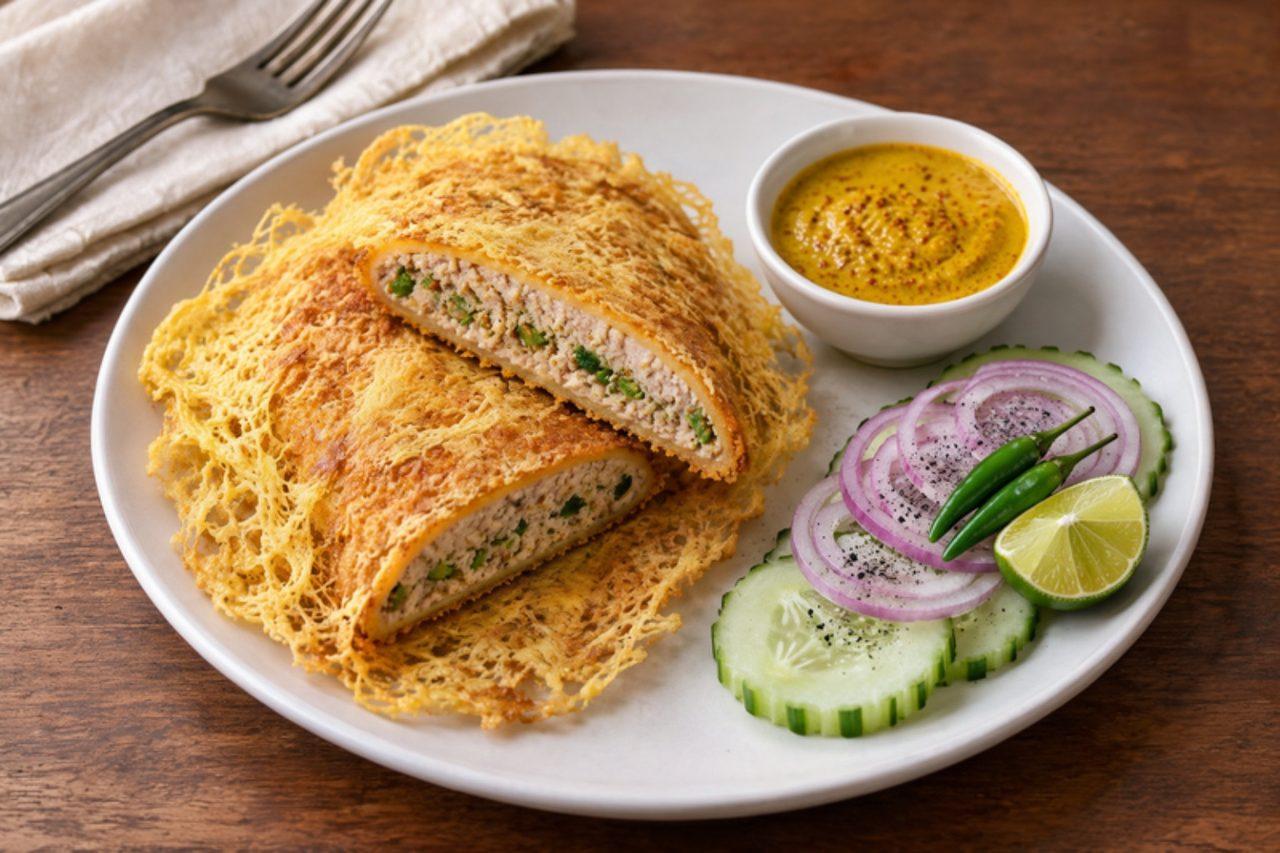
The kabiraji cutlet is a speciality of Kolkata's old cabin restaurants, places like Mitra Café in Shobhabazar and the cabins around Esplanade, where people stop for one on the way home in the early evening. A flattened, spiced chicken cutlet is crumbed and fried, then cloaked in a frizzled web of egg that is splashed into the hot oil, giving a crackly, golden coat with the look of a bird's nest. It is eaten with sharp Bengali mustard kasundi and a raw onion and cucumber salad. A fish version uses bhetki fillet. Chef's tip: whisk the egg for the lace with a little cornflour until completely smooth; any lumps fry as blobs rather than threads.

by KrazyBadal 0 views

Kombu dashi for babiesKelp broth for babies

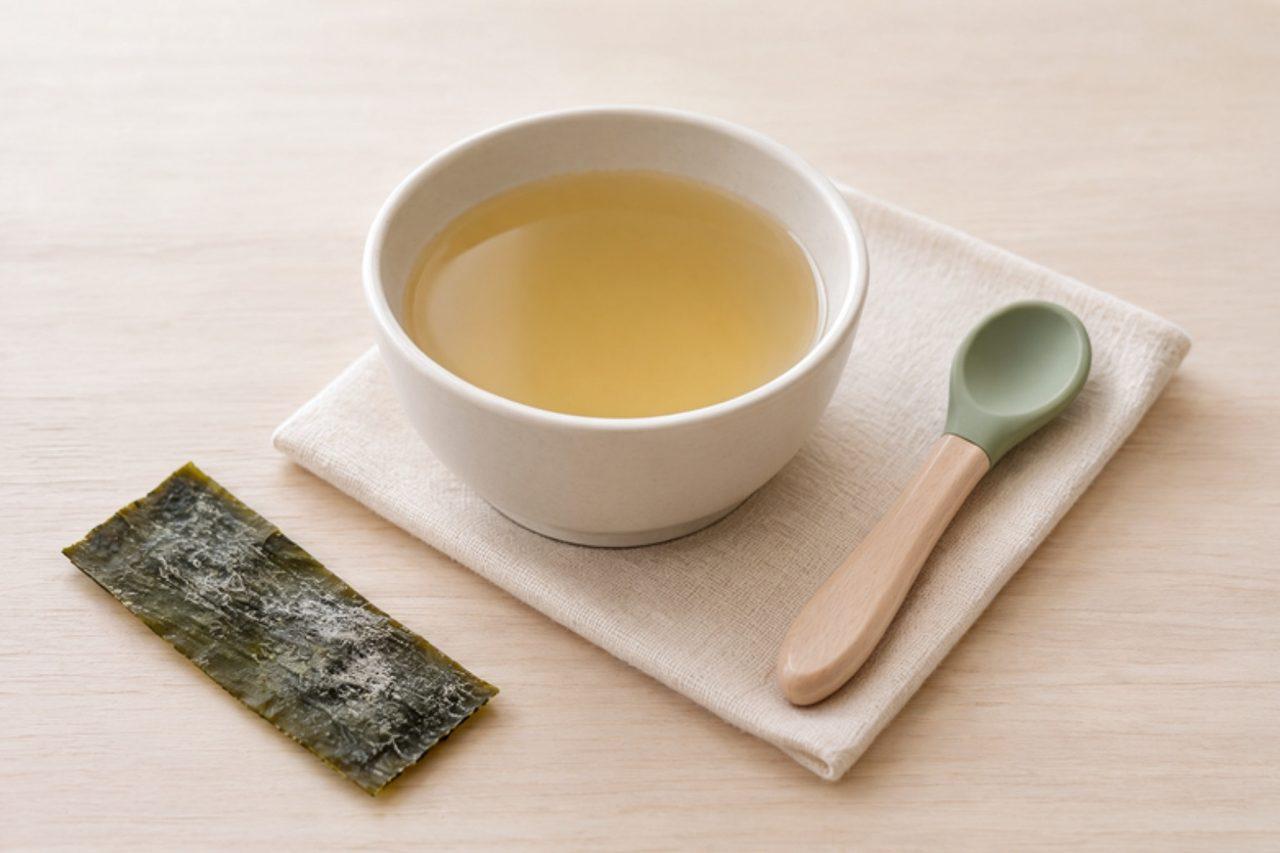
Kombu dashi is where Japanese weaning starts: the gentle, savoury water that thins jūbai-gayu (rice porridge) and vegetable purées, so babies learn umami instead of salt. Japanese parents make a jug every few days, and baby-food counters in Osaka department stores sell frozen cubes of it. Kombu is very high in iodine, so this broth is used a spoonful or two at a time to flavour a meal, a few times a week, never as a drink. Nothing else goes in: no salt, soy sauce, bonito or stock powder. It is free of the major allergens. Chef's tip: lift the kombu out just before the water simmers; boiled kombu turns slimy and gives a bitter, sea-weedy taste.

by KrazyBadal 0 views

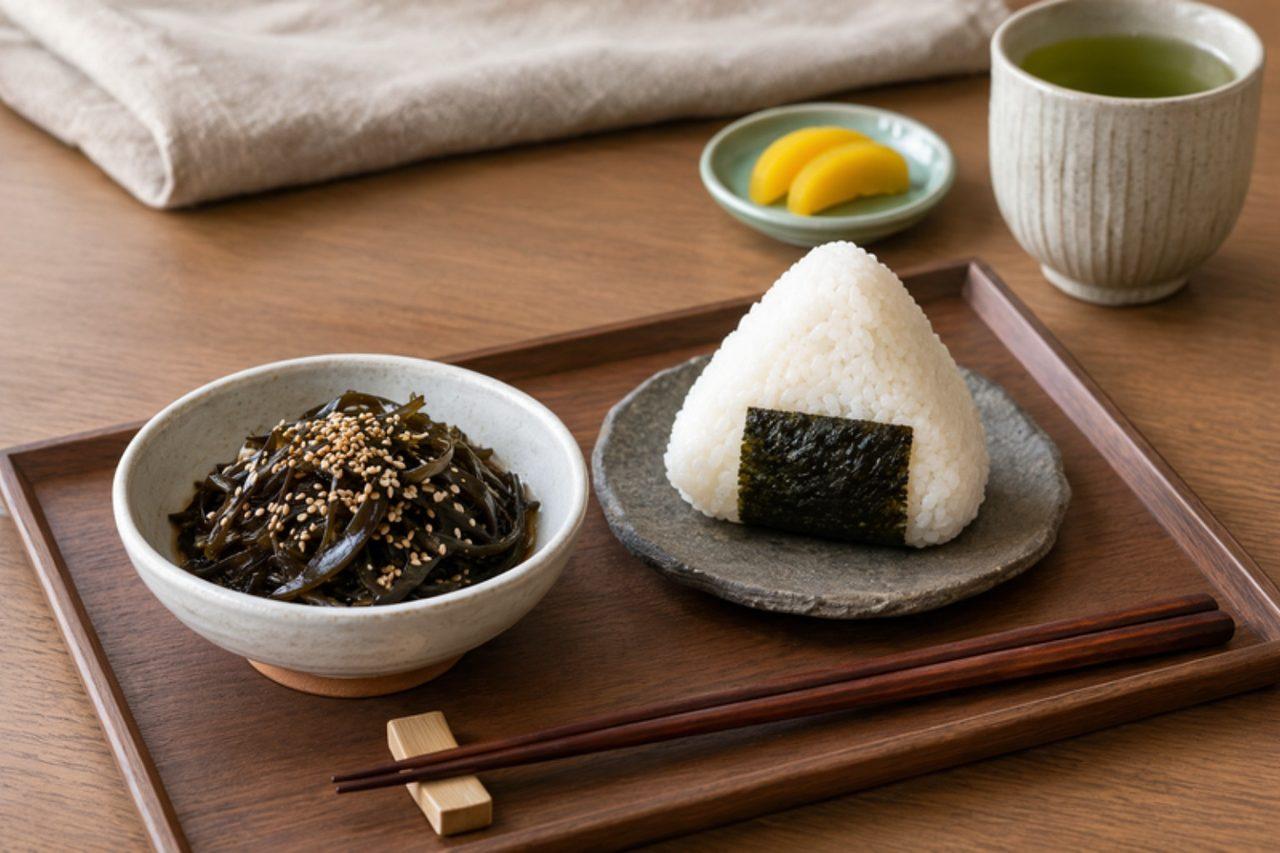
Kombu tsukudaniSoy-simmered kelp

Japanese home cooks hate waste, so the softened kelp left over from making dashi is saved in the freezer until there is enough to simmer down into tsukudani, a dark, chewy relish named after Tokyo's Tsukudajima island, where fishermen first preserved their catch in soy. A teaspoon goes into the middle of an onigiri or on top of the rice in a weekday bento, and it lasts a week in the fridge. The common mistake is boiling it hard from the start: the kelp turns slimy and the sauce scorches before the strips are tender. A splash of vinegar early on softens the kelp so it cooks evenly. Chef's tip: stop when only a spoonful of glaze clings to the pan, because the relish thickens a lot more as it cools.

by KrazyBadal 0 views

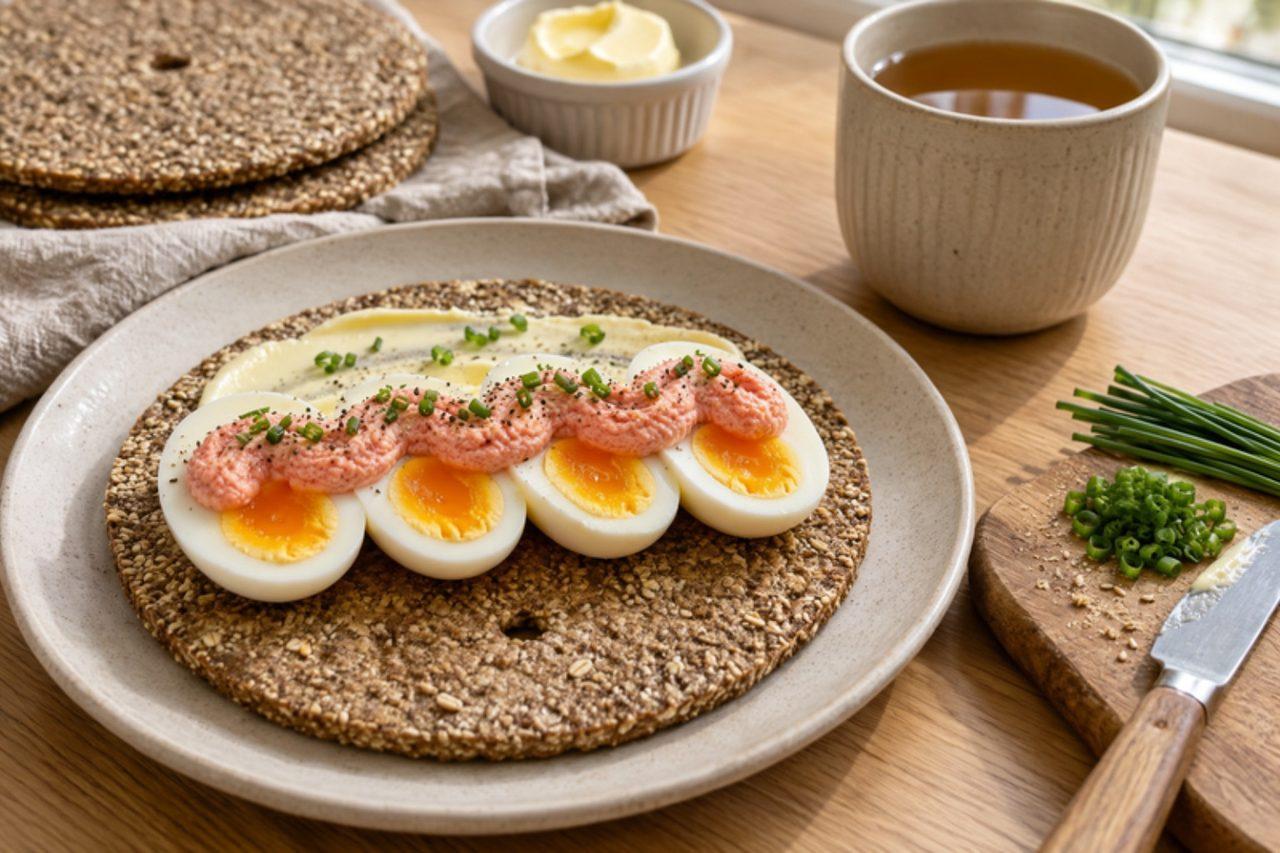
Ägg och kaviarBoiled eggs with fish roe spread

Open any fridge in Stockholm or Gothenburg and you'll find a blue tube of kaviar, a salty, smoky, slightly sweet spread of smoked cod roe, and at breakfast it goes on halved boiled eggs on crispbread or buttered bread. It's a combination Swedes love from childhood, eaten every day and at Easter. The kaviar is smoked and pasteurised, so it is safe for most people; boil the eggs fully for pregnant people and young children. The common mistake is over-boiling the eggs to a grey, chalky yolk; 8 minutes gives a set yolk that's still bright and slightly fudgy. Chef's tip: plunge the eggs into iced water straight away; they peel cleanly and the yolks stay sunny yellow.

by KrazyBadal 0 views

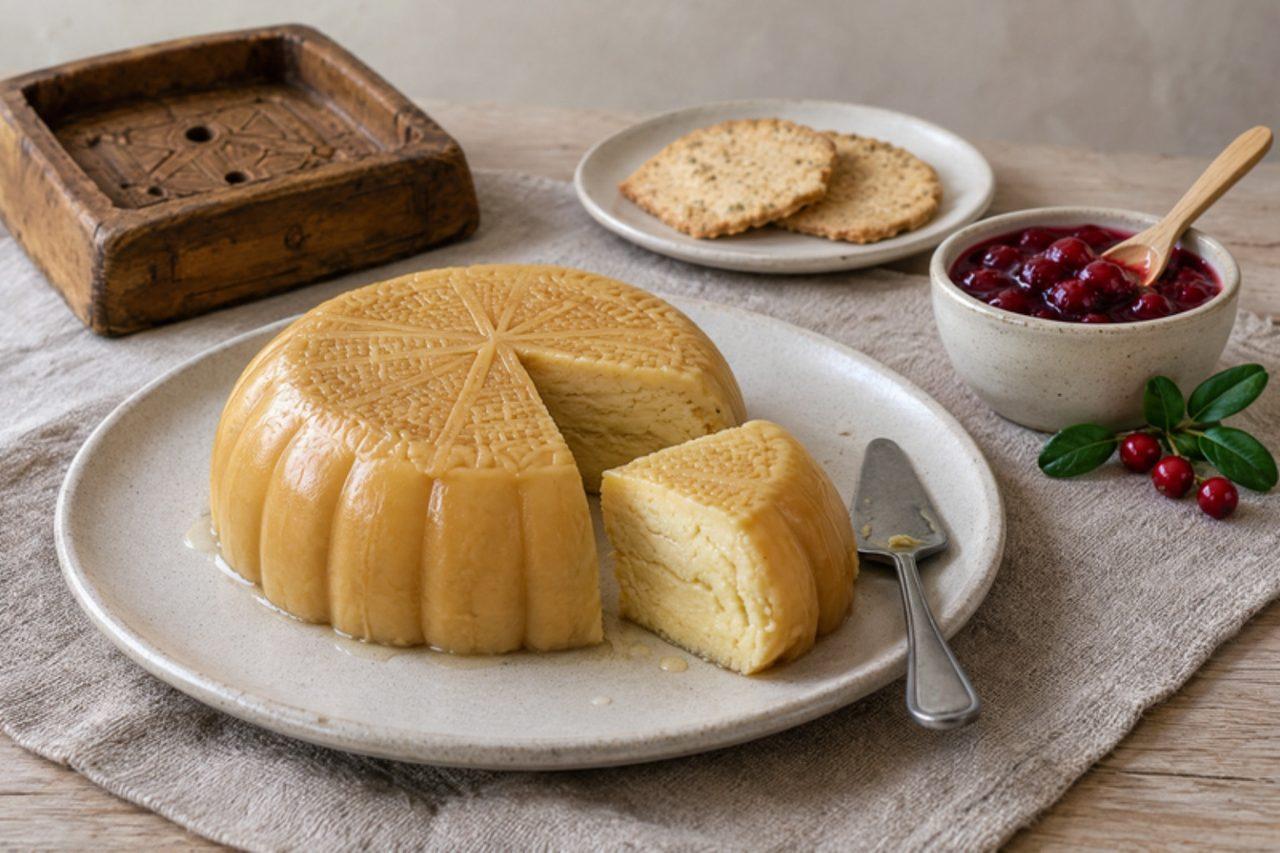
ÄggostEgg cheese

Äggost, egg cheese, belongs to the farm kitchens of Västergötland and Halland in west Sweden, where it is made for Christmas, Easter and midsummer tables and the leftovers become breakfast with cloudberry or lingonberry jam. Eggs and milk are heated until soft, sweet curds form, which are drained in a holed mould so they keep its pattern. It is creamy, mild and slightly sweet. The common mistake is rushing the heat: boiling the milk too hard makes rubbery curds, so keep it at a gentle simmer. Chef's tip: this version sets the curds with buttermilk, not rennet, so it is suitable for vegetarians; drain it overnight in the fridge for the firmest slice.

by KrazyBadal 0 views

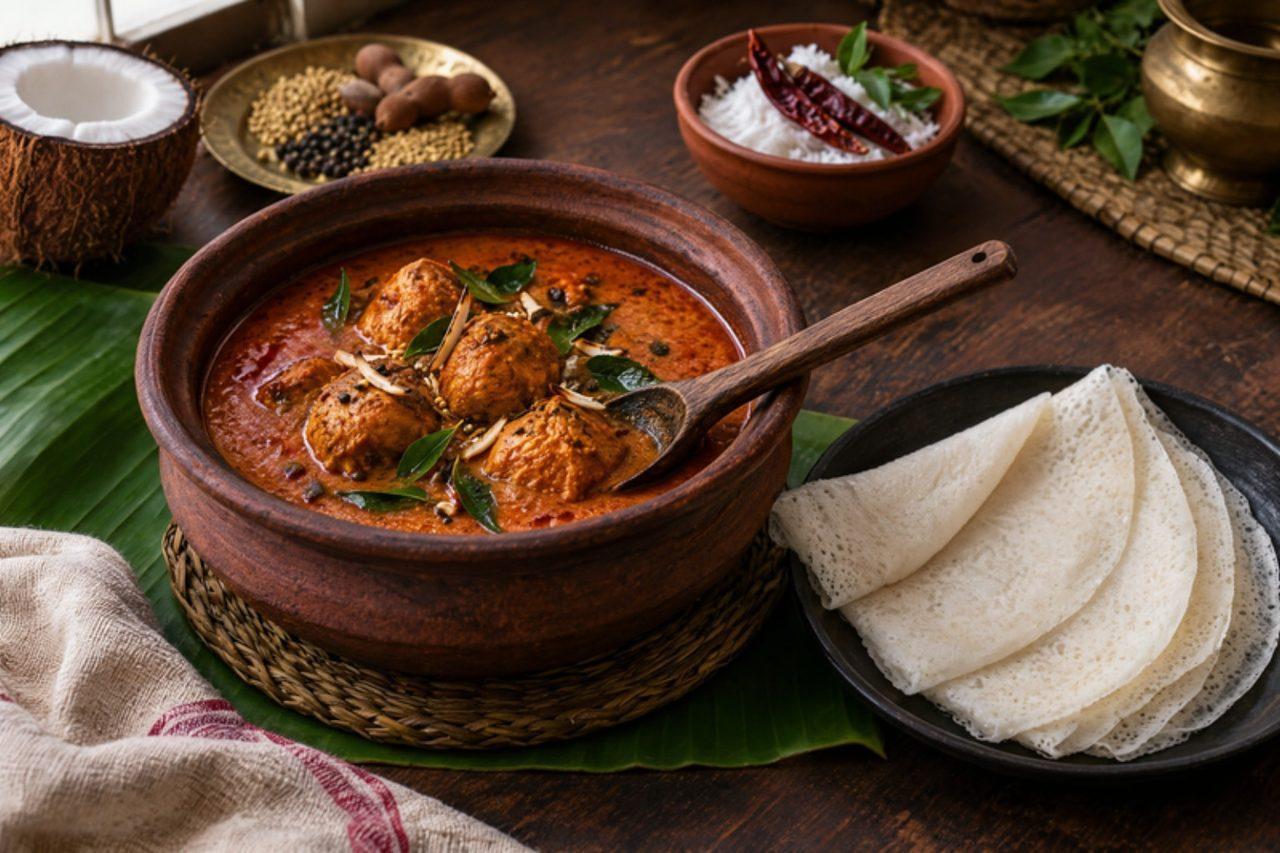
Kori gassiChicken in red chilli coconut gravy

Kori gassi is the Sunday chicken curry of Mangalore's Bunt community on the Karnataka coast, cooked for family lunches and festivals and traditionally eaten with paper-thin neer dosa. Byadgi chillies, coriander, cumin and a little fenugreek are roasted until fragrant, ground with coconut, garlic and tamarind, then simmered with chicken into a brick-red, gently sour gravy. This version uses less coconut than usual and is suitable as part of a balanced diet; serve it with brown rice, millet roti or a salad. About 360 kcal and 9 g carbohydrate per portion. The usual mistake is roasting the spices over a high heat: they scorch and turn the gravy bitter. Chef's tip: byadgi chillies give deep colour with gentle heat, so don't swap them for hot chilli powder.

by KrazyBadal 0 views

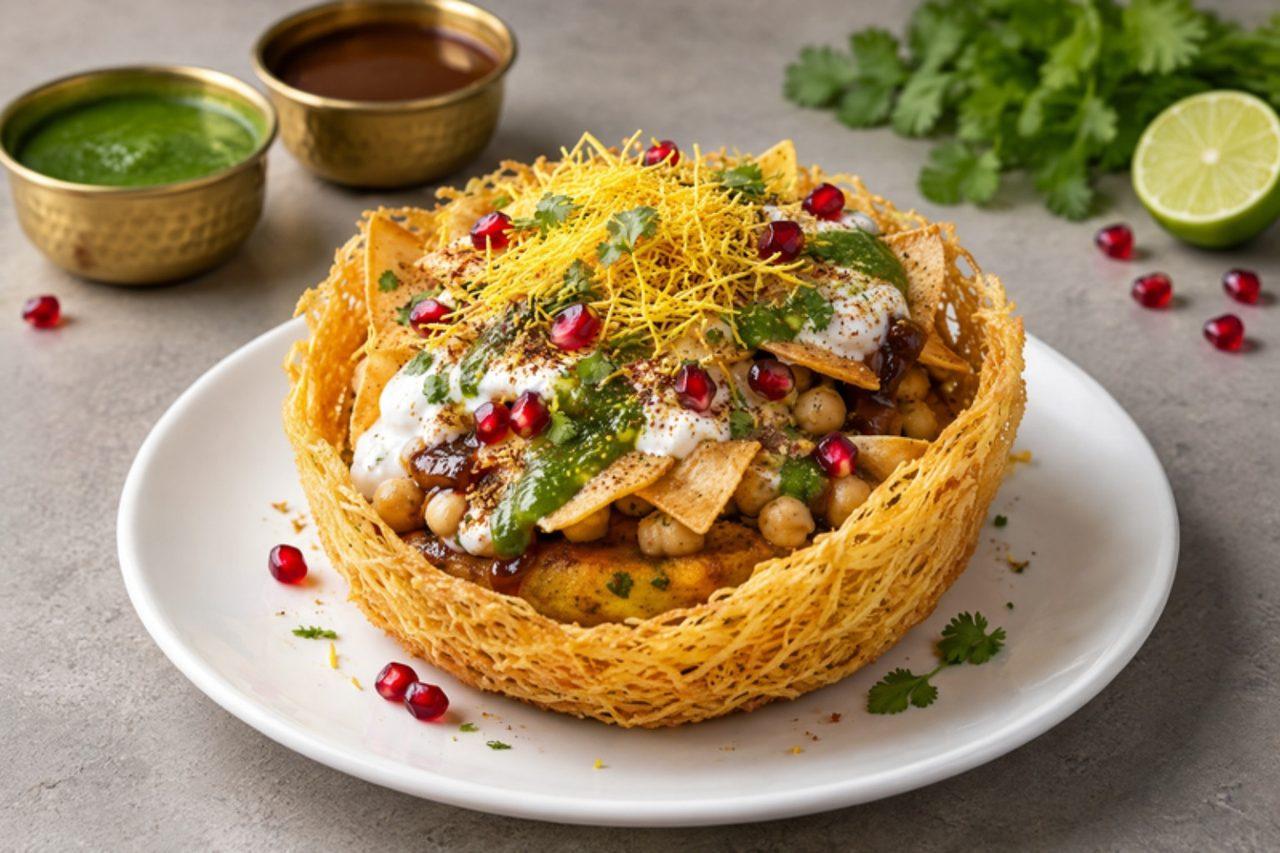
Tokri chaatPotato basket chaat

Tokri chaat was made famous by the chaat counter of Royal Café in Lucknow's Hazratganj, where families queue on winter evenings for an edible basket of crisp fried potato straws heaped with crushed aloo tikki, chickpeas, papdi, sweet yoghurt, chutneys, sev and pomegranate. It is as much a show-piece as a snack: you break the basket into the filling as you eat. You need two metal strainers or a nest-basket frier to shape the baskets. Chef's tip: rinse and dry the grated potato thoroughly; wet potato spatters and the basket falls apart.

by KrazyBadal 0 views

Showing 90 of 7,762 recipes

Page 106 of 863