Skip to content

Low-calorie recipes

Lighter recipes that are still filling and full of flavour. (773 recipes)

Pwason gwo sèlFish poached in lime broth

Fishing villages on Haiti's southern coast make pwason gwo sèl, "big-salt fish", when the catch is fresh: whole snapper rubbed with lime and coarse salt, then gently poached in a peppery broth with onion, peppers, thyme and a whole scotch bonnet. The fish stays moist and clean-tasting, and the light broth is spooned over boiled plantain or rice. The common mistake is boiling it hard, which breaks the flesh; keep it at a gentle shiver. Ask for the fish scaled and gutted. Chef's tip: slash the fish twice on each side and push epis into the cuts so the flavour reaches the bone.

by KrazyBadal 0 views

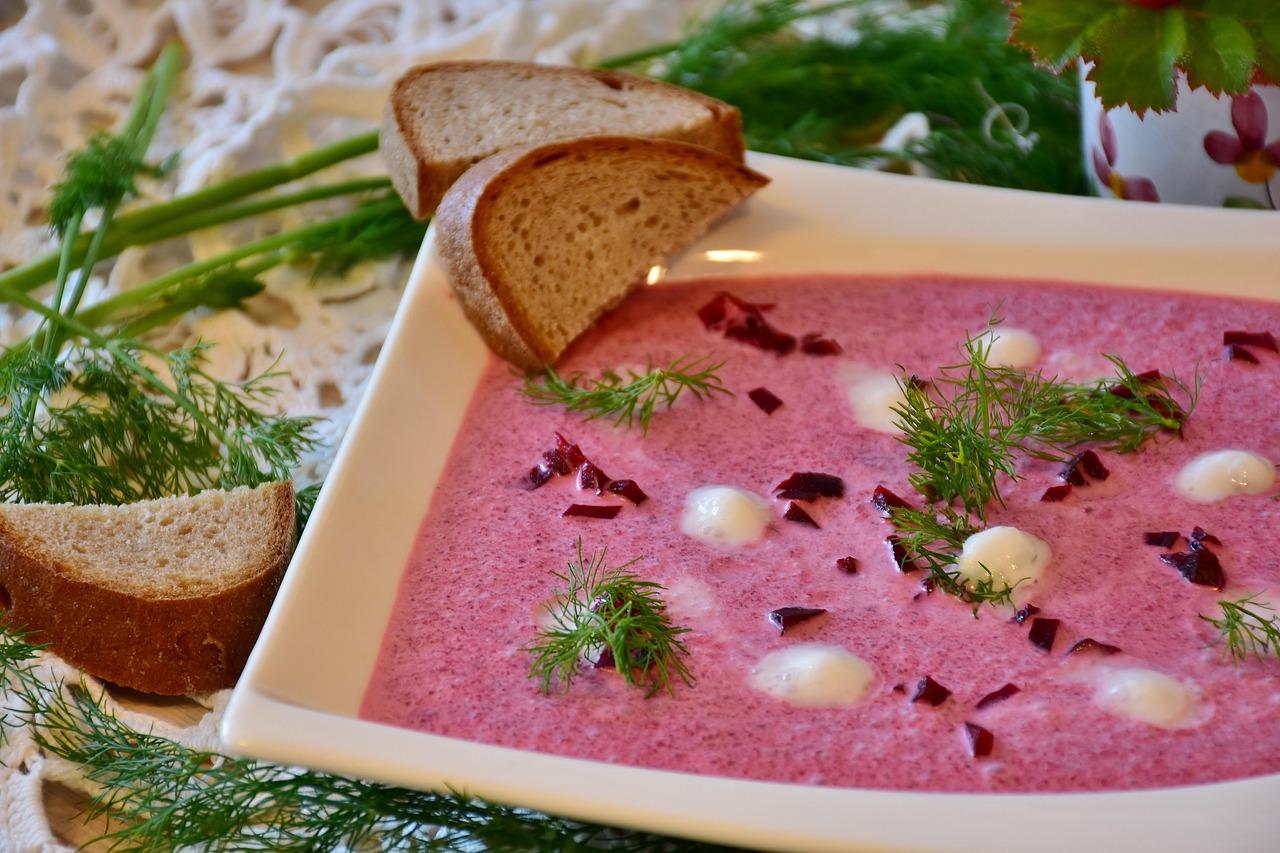
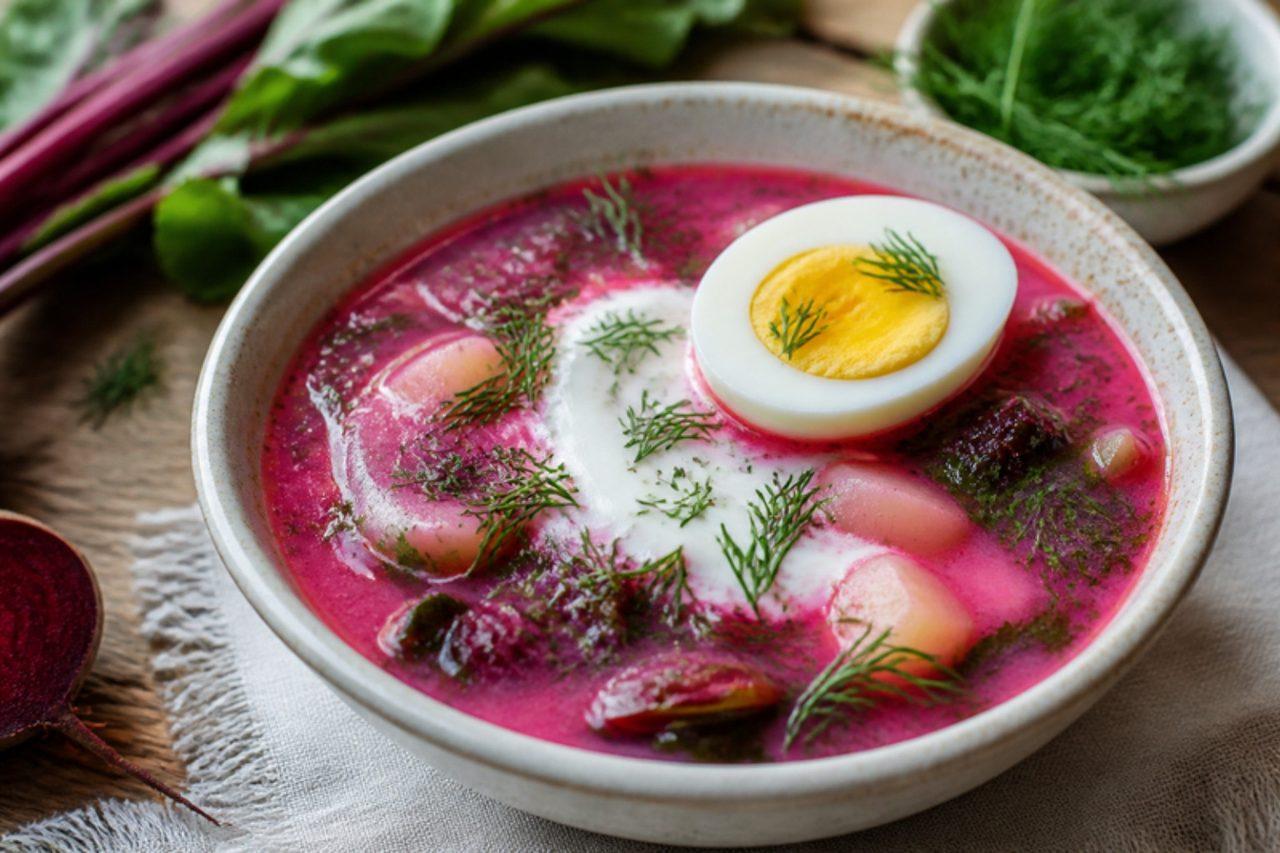
ŠaltibarščiaiCold beetroot soup

Šaltibarščiai is the shocking-pink soup of Lithuanian summers, so loved that Vilnius holds a pink soup festival every June: cooked or pickled beetroot grated into cold kefir with cucumber, dill, spring onion and boiled egg, served with a plate of hot boiled potatoes on the side. The contrast of icy soup and steaming potatoes is the point. A common mistake is using warm beetroot, which dulls the colour and warms the soup. Chef's tip: grate chilled beetroot into ice-cold kefir and let it stand for 10 minutes; the colour deepens to vivid fuchsia.

by KrazyBadal 0 views

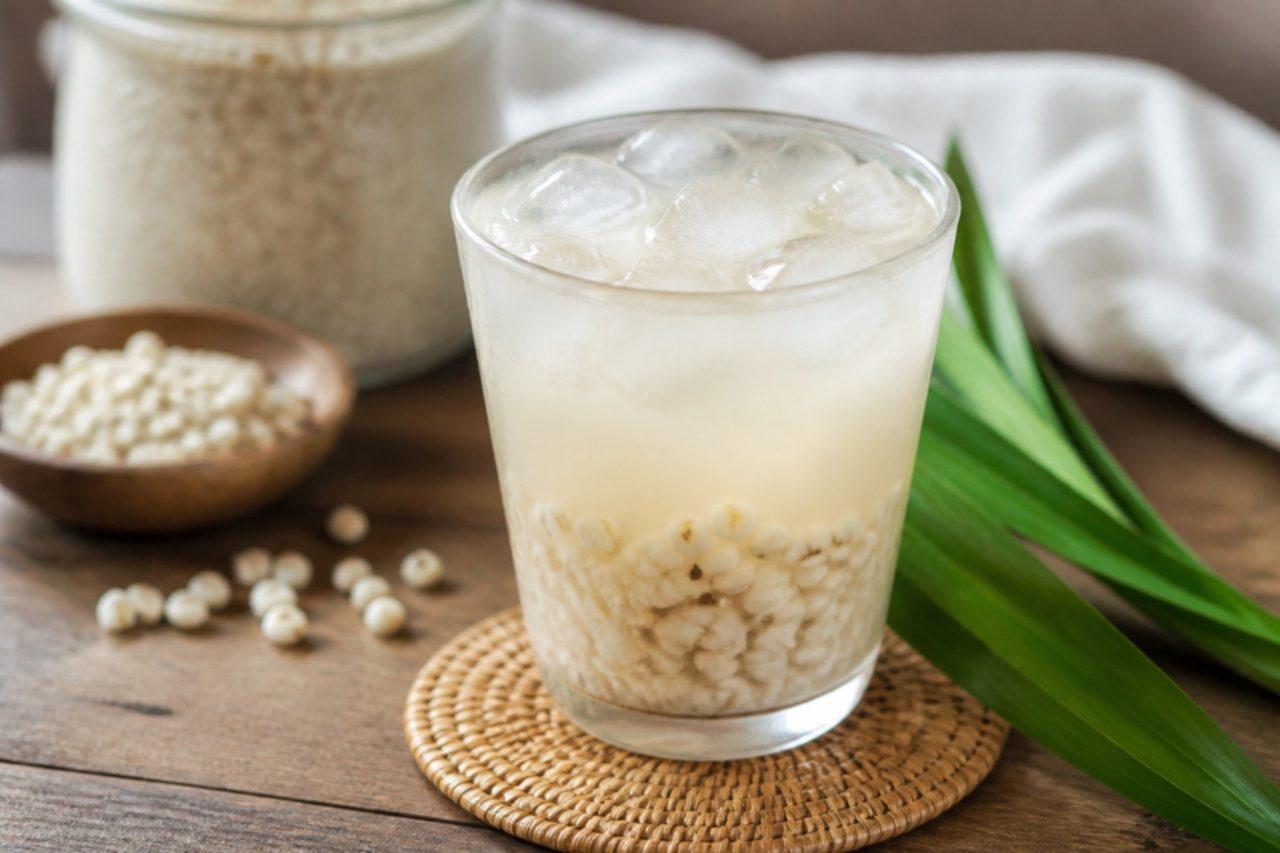
Barley water

Ask for 'barley' at any drinks stall in a Singapore kopitiam and you get a tall glass of cloudy, faintly sweet barley water, the drink older relatives swear by on the hottest afternoons because it is said to cool the body. Home cooks simmer pearl barley for an hour with knotted pandan leaves, and in Teochew and Cantonese households chunks of winter melon go in as well for a gentle, cucumber-like sweetness. The result is light and clean, ideal beside a plate of chicken rice, char kway teow or anything greasy and salty. The usual mistake is boiling it hard, which turns the liquid starchy and slimy instead of smooth and pale; keep it at a gentle simmer. Chef's tip: don't throw away the softened barley grains; spoon some into each glass, as the stalls do, or eat them warm with a little rock sugar as a light dessert.

by KrazyBadal 0 views

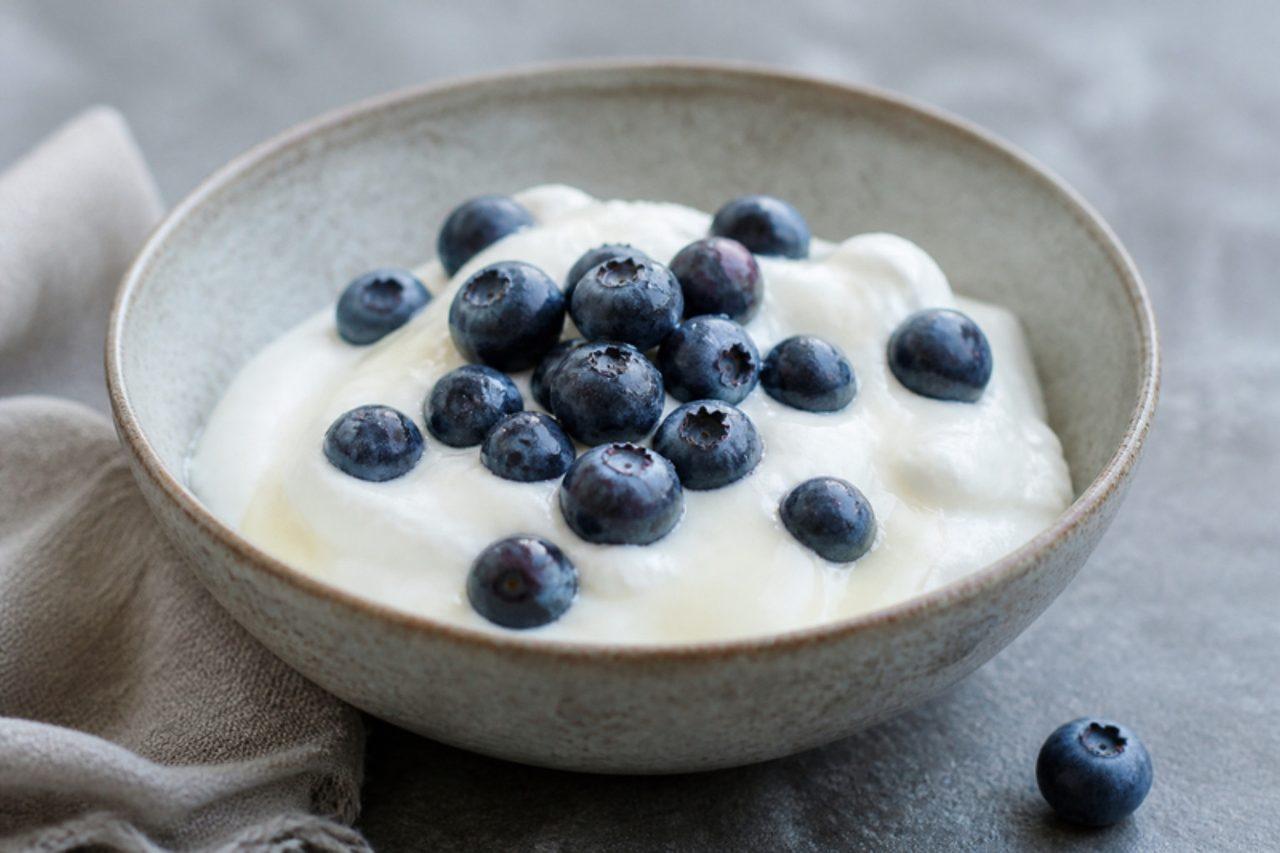
Skyr

Skyr has been made in Iceland since the Viking settlers arrived: skimmed milk soured with a spoonful of the last batch, set with a drop of rennet, then strained until very thick, high in protein and mildly sour. Icelanders eat it every day with milk or cream and berries, or whisked into a drink, and skyrkaka is a favourite cheesecake. You need a few spoonfuls of plain shop skyr with live cultures as a starter. A common mistake is skipping the long, slow set; rushed skyr is thin and grainy. Chef's tip: strain it in the fridge overnight and stir it smooth before serving. Rennet is traditionally animal; use vegetarian rennet.

by KrazyBadal 0 views

Taiwanese sweet potato congee

Tainan's late-night congee shops lay out dozens of little dishes under glass, and the bowl that goes with them is this loose, gently sweet rice porridge dotted with soft orange sweet potato. Older Taiwanese remember it as the food of lean years, when sweet potato stretched the rice; today it is comfort food at breakfast, at midnight after the markets, and whenever someone is unwell. Unlike Cantonese congee, the grains stay distinct in a cloudy, silky liquid. Many cooks cut the sweet potato too small, so it collapses into mush and turns the pot muddy; chunks of about 3 cm keep their shape. Chef's tip: serve it with something salty and crunchy, such as pickled cucumbers, peanuts or a radish omelette, because the contrast is the whole point.

by KrazyBadal 0 views

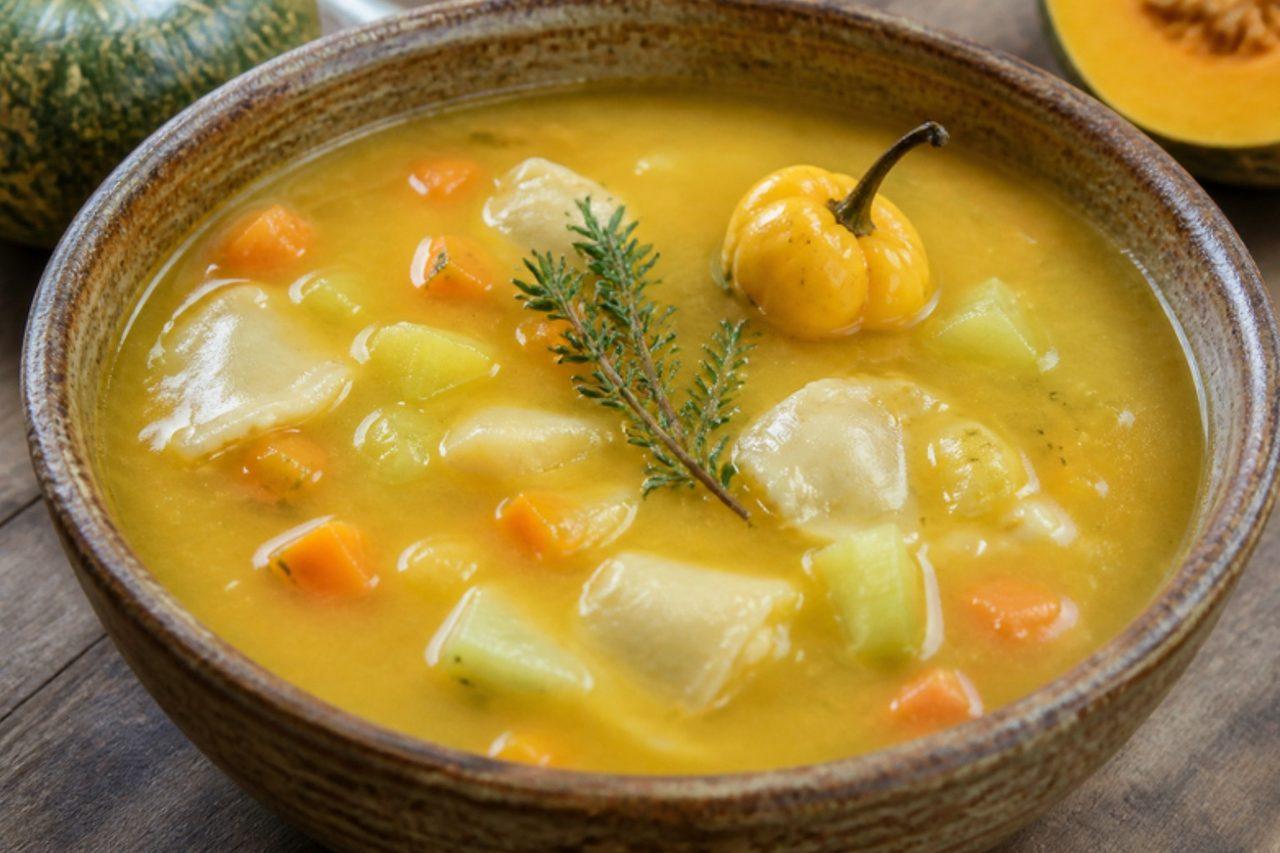
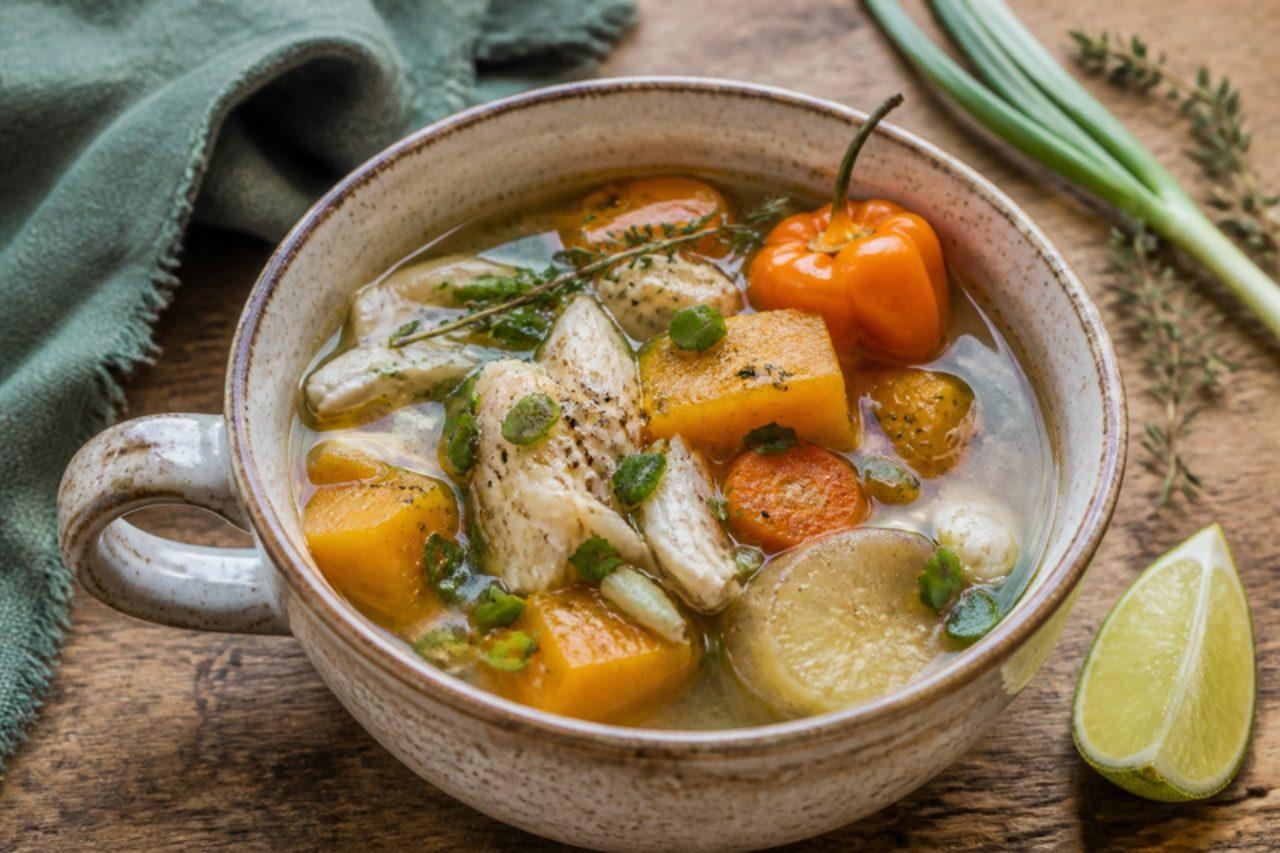
Jamaican pumpkin soup

Ital kitchens in the Blue Mountains cook pumpkin soup on cool evenings, when the mist comes down over the coffee farms and something golden and peppery is needed. This one is meat-free and dairy-free: calabaza, carrot and chocho simmer with thyme, scallion and pimento until the pumpkin breaks down into a thick, naturally sweet broth, with a few spinners for chew. People often add the scotch bonnet already cut, which can make the whole pot ferociously hot; drop it in whole and take it out when the soup tastes right. Chocho (chayote) is optional, and courgette is a fair swap. Chef's tip: leave the soup chunky rather than blending; Jamaicans like to see the pieces of pumpkin collapsing into it.

by KrazyBadal 0 views

Tinday masalaRound gourd curry

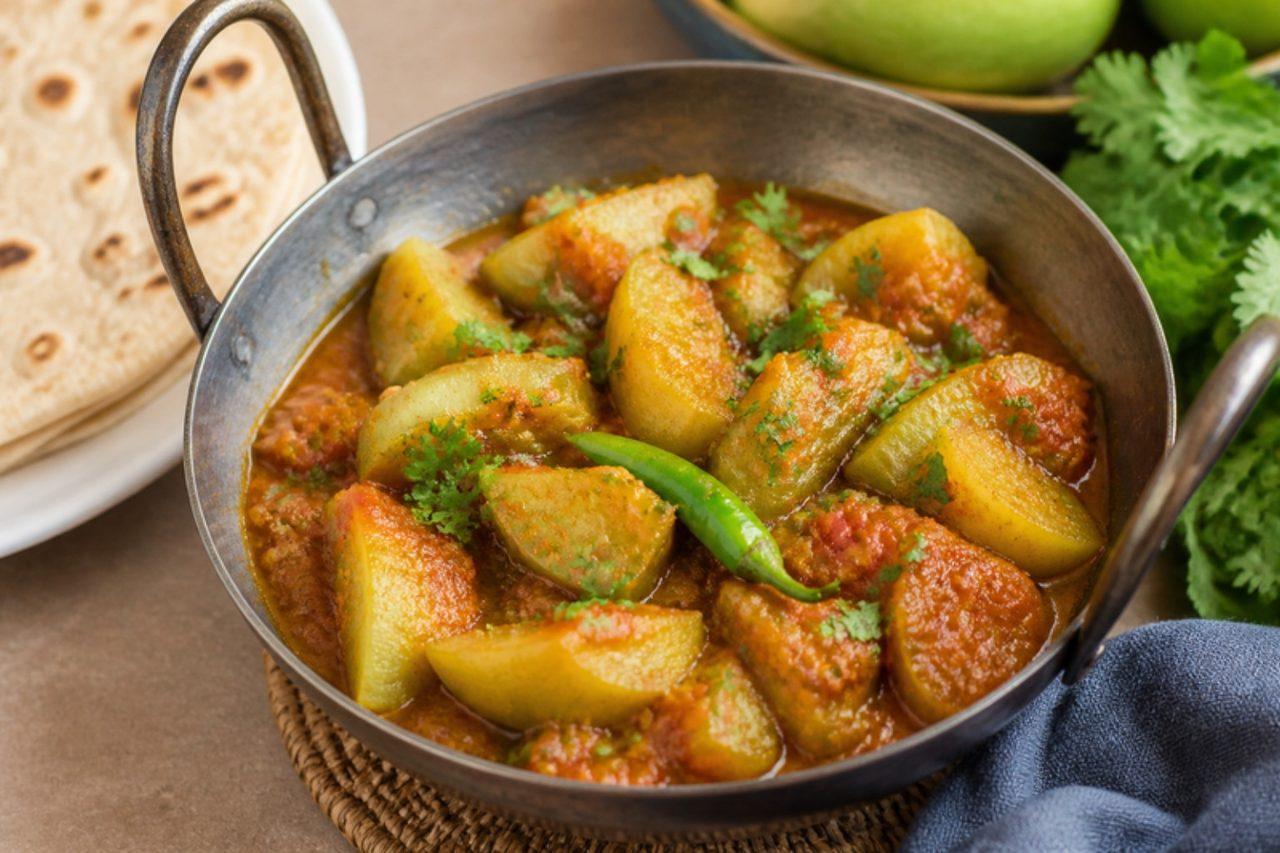
Small, pale-green tinday arrive on Punjab's sabzi carts with the summer heat, and in Lahore and Faisalabad homes they are cooked through June and July, when nobody wants a heavy pot of meat. Cooked slowly with onion, tomato and a handful of green chillies, the little gourds turn tender and almost silky, soaking up the masala like a sponge while keeping a faint freshness that is a little like courgette. Expect to see it with hot chapati, a bowl of yogurt and a plate of kachumar for a light lunch. Many cooks drown tinday in water, and they end up soggy and grey; they release plenty of their own liquid and need only a splash. Chef's tip: choose small, firm tinday with soft fuzz on the skin, since large ones have hard seeds and a woody core.

by KrazyBadal 0 views

Kancha aam makhaSpiced green mango

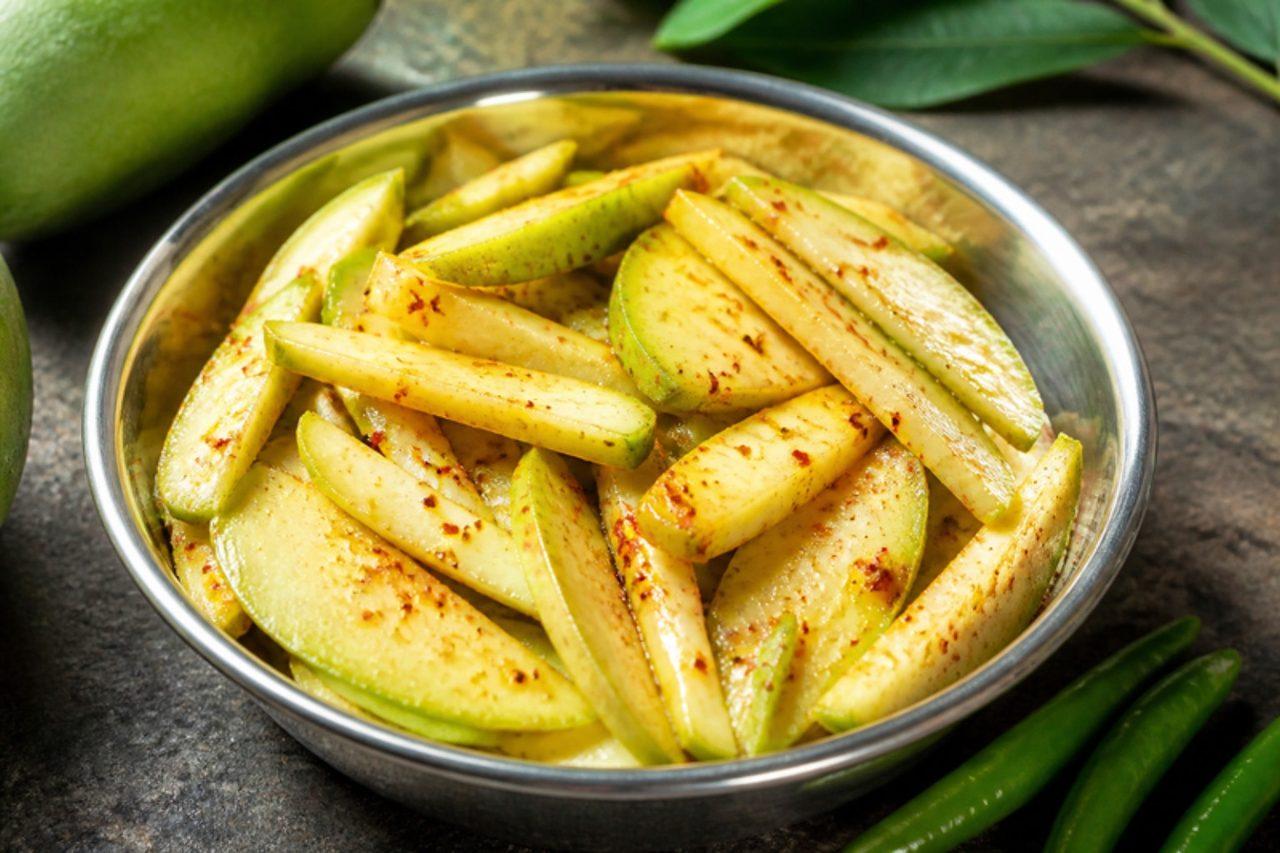
Outside every school gate in Bangladesh during the hot months, a vendor with a glass box on his cart sells green mango makha: unripe mango sliced paper-thin and squeezed by hand with salt, sugar, chilli and a splash of mustard oil, handed over in a cone of newspaper with a toothpick. Makha means mixed by hand, and the hand matters, as the squeezing bruises the mango so it softens and drinks in the seasoning. It tastes sour, sweet, salty and hot all at once, with the sharp nose-burn of raw mustard oil, and it is eaten as an afternoon snack in April and May, especially around Pohela Boishakh. Slicing the mango too thick is the error that leaves it hard and bland in the middle. Chef's tip: stir in a spoon of kasundi, Bengali mustard relish, for the version the street sellers call kasundi makha.

by KrazyBadal 0 views

Lau khosha bhajiFried bottle gourd peel

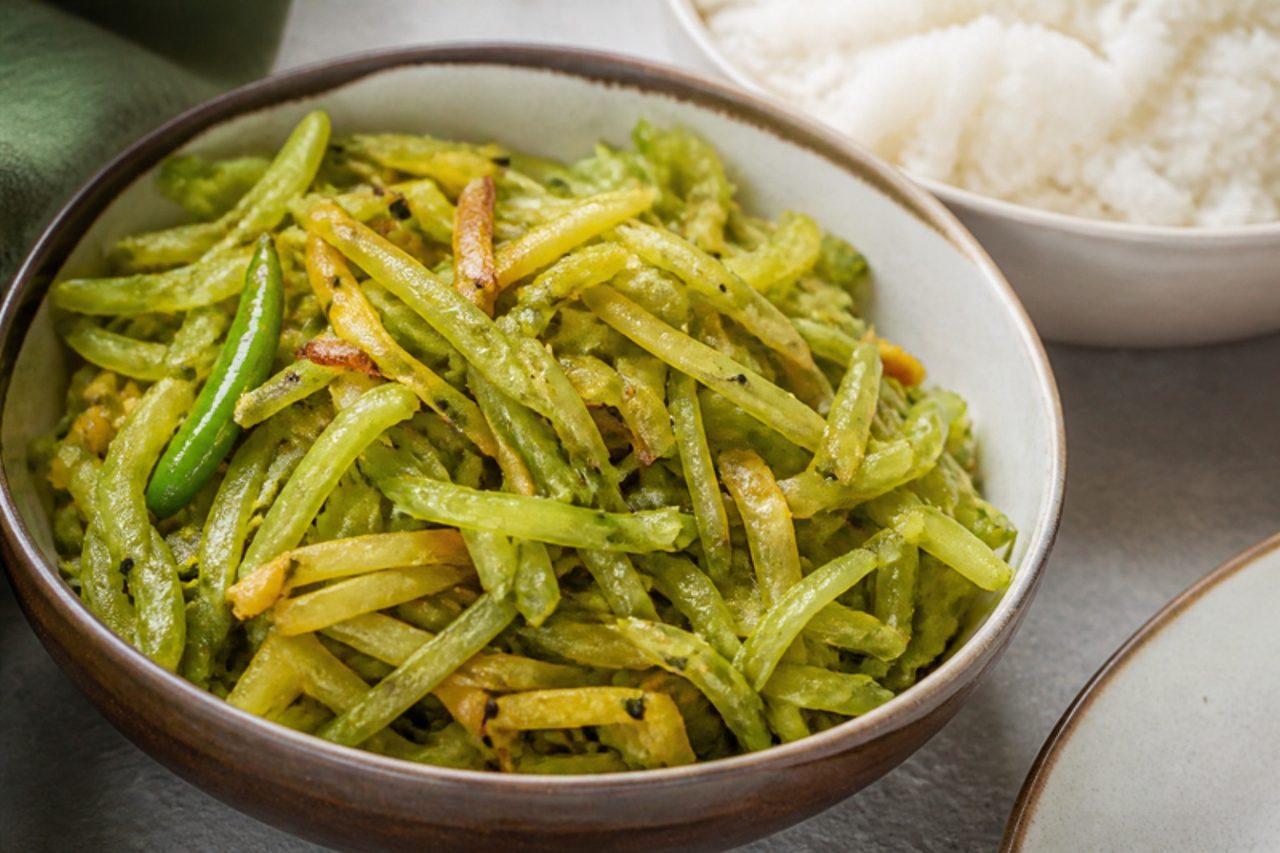
Thrifty Bangladeshi cooks never throw away the green skin of a bottle gourd: once the flesh has gone into a curry or a milky lau ghonto, the peel is cut into fine strips and fried with nigella seeds and green chilli into a small, crunchy, slightly bitter bhaji. It is a classic of home kitchens rather than restaurants, made in winter when lau is cheap and young, and eaten with rice and dal as a little extra on the side. The strips stay pleasantly crisp at the edges and soft inside, with the earthy taste of the gourd. Skin from an old, hard gourd is tough and woody, which is the usual reason this fails, so use only young, pale-green gourds with a tender peel. Chef's tip: a few matchsticks of potato fried in with the peel help it brown evenly.

by KrazyBadal 0 views

Lal shak bhajiStir-fried red amaranth

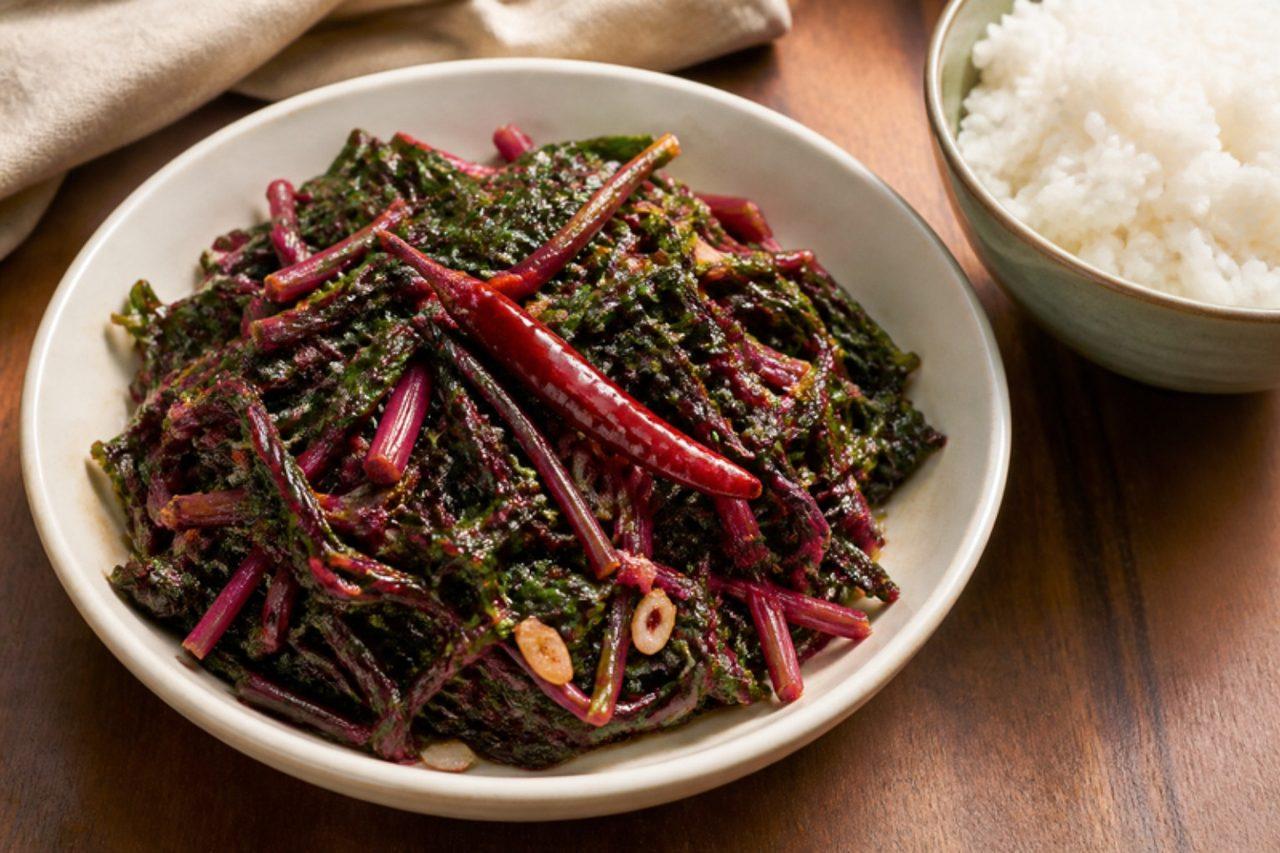
Bunches of lal shak, red amaranth with leaves streaked in crimson, are one of the cheapest and most common greens in any Bangladeshi bazar, and almost every lunch table has a bowl of it, cooked quickly with garlic and a dried chilli. The leaves wilt into a soft, slightly earthy tangle and bleed a beautiful magenta juice that turns the rice pink, which children love. It is served with plain rice and dal as the first course of a meal, before any fish or meat, the way Bengali meals traditionally start with something bitter or green. Adding water is unnecessary and the common slip; the leaves release plenty of their own and simply need to cook down uncovered. Chef's tip: wash the leaves well in several changes of water, as amaranth holds a lot of grit near the roots.

by KrazyBadal 0 views

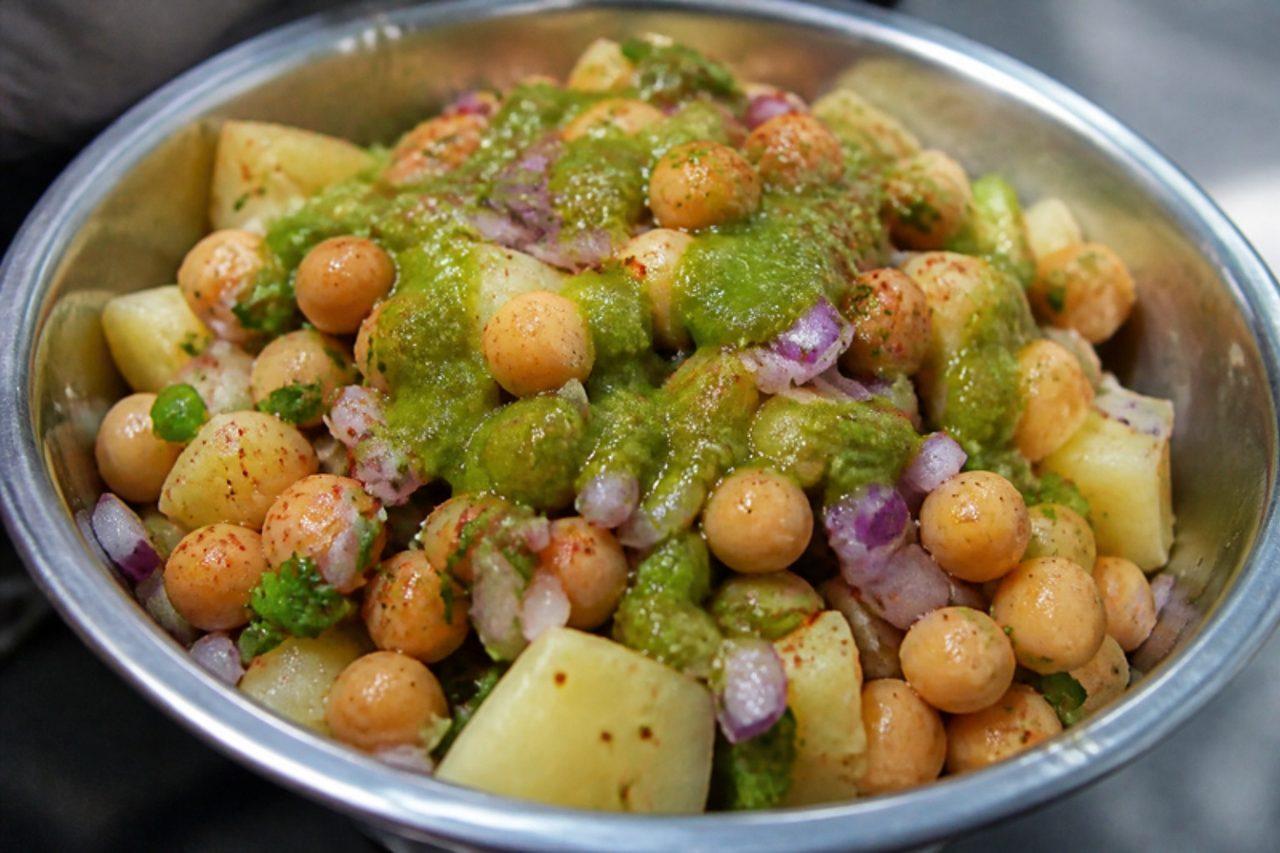
Shor nakhodChickpea and potato salad

Push a wooden cart through the lanes around Kabul's Mandawi bazaar and you will find vendors ladling shor nakhod into small bowls for schoolchildren and shoppers, a snack that is half salad, half sour little soup. Soft chickpeas and cubes of boiled potato sit in a pool of vinegar sharpened with raw onion, green chilli and a fistful of coriander, so every spoonful is salty, tart and fresh at once. It is eaten on its own with a spoon, or beside naan, and it turns up at iftar during Ramadan because it is light after a day of fasting. Most home versions disappoint because the potatoes are dressed cold and the vinegar just slides off them, so toss them while they are still warm. Chef's tip: keep a spoonful of the chickpea cooking liquid or tin water in the dressing, which gives it the slightly cloudy body of the street version.

by KrazyBadal 0 views

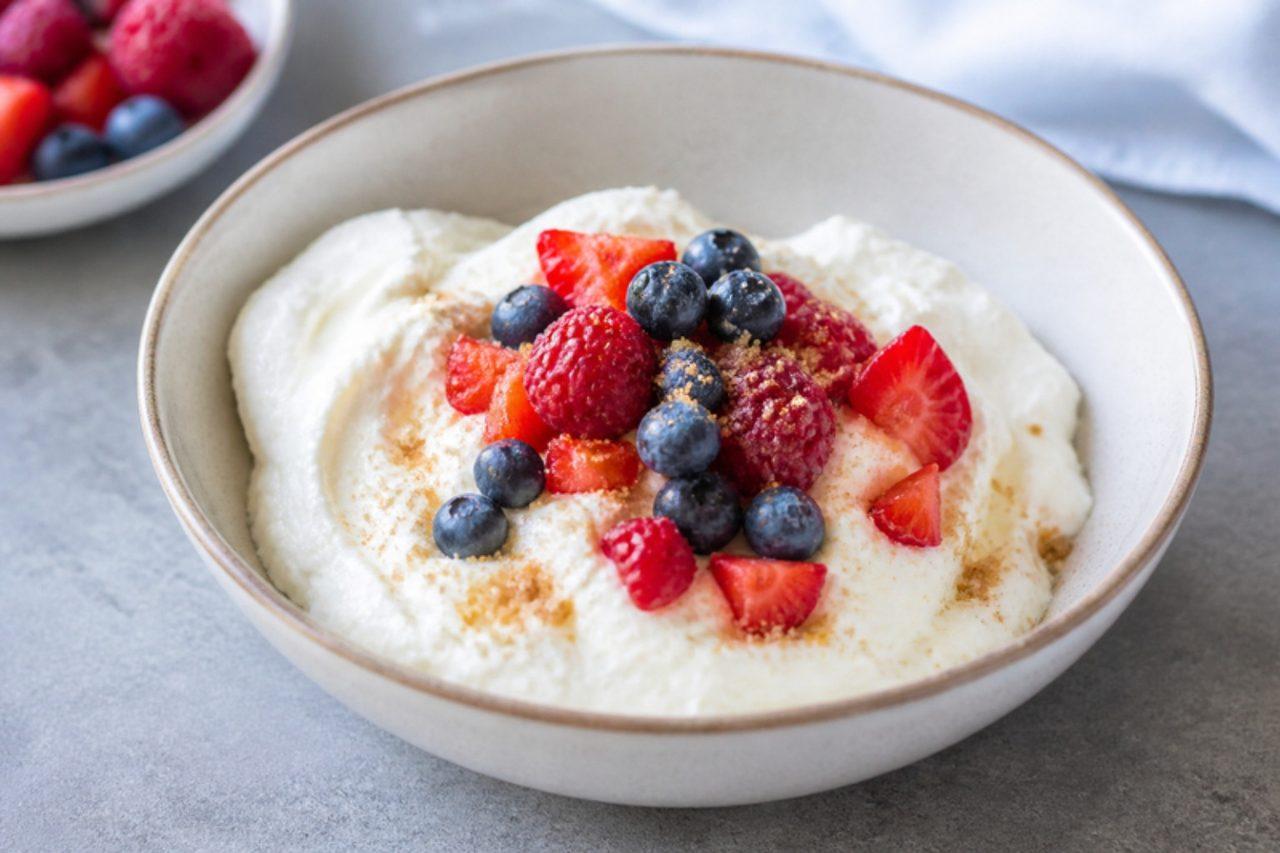
HangopHung buttermilk with fruit

Hangop means 'hang up', and that is the method: buttermilk poured into a cloth, hung up over a bowl overnight until it thickens into something like a tangy, creamy fresh cheese. It was a summer dessert on Dutch farms, eaten with rusk crumbs, brown sugar and fresh fruit, and is having a revival in Amsterdam restaurants. A common mistake is straining it at room temperature, which lets it turn too sour. Chef's tip: strain it in the fridge, and use a clean tea towel rather than cheesecloth; the finer weave keeps more of the creamy curd.

by KrazyBadal 0 views

Jamaican fish teaPeppery fish broth

Fish tea is what Jamaicans along the coast from Kingston to Old Harbour sip from a cup when they feel run down, and it is ladled out at beach fish shacks and dances to steady late-night appetites. It is a thin, peppery broth made from fish heads and bones or cheap small fish, with green banana, pumpkin, thyme and a hint of scotch bonnet, light but full of flavour. The mistake to avoid is boiling it hard for a long time, which makes it cloudy and bitter; simmer gently and strain. Chef's tip: mash a few pieces of the soft pumpkin into the broth for body without any flour.

by KrazyBadal 0 views

Atmit (warm barley gruel with spiced butter and honey)

When a baby is born in an Amhara household, visiting women bring or cook atmit for the new mother, and the same soft, sippable gruel is made for anyone recovering from illness. Roasted barley flour (or oat flour) is whisked into water and simmered until it thickens to the texture of a thin custard, then enriched with a spoon of niter kibbeh, honey and a pinch of korerima. It tastes nutty, sweet and buttery, and is drunk warm from a cup rather than eaten with a spoon. Some homes add a little milk for extra richness. A common mistake is tipping the flour straight into hot water, which makes lumps; slake it in cold water first. Chef's tip: keep it thinner than you think; atmit thickens as it cools, and it should still pour easily from the cup.

by KrazyBadal 0 views

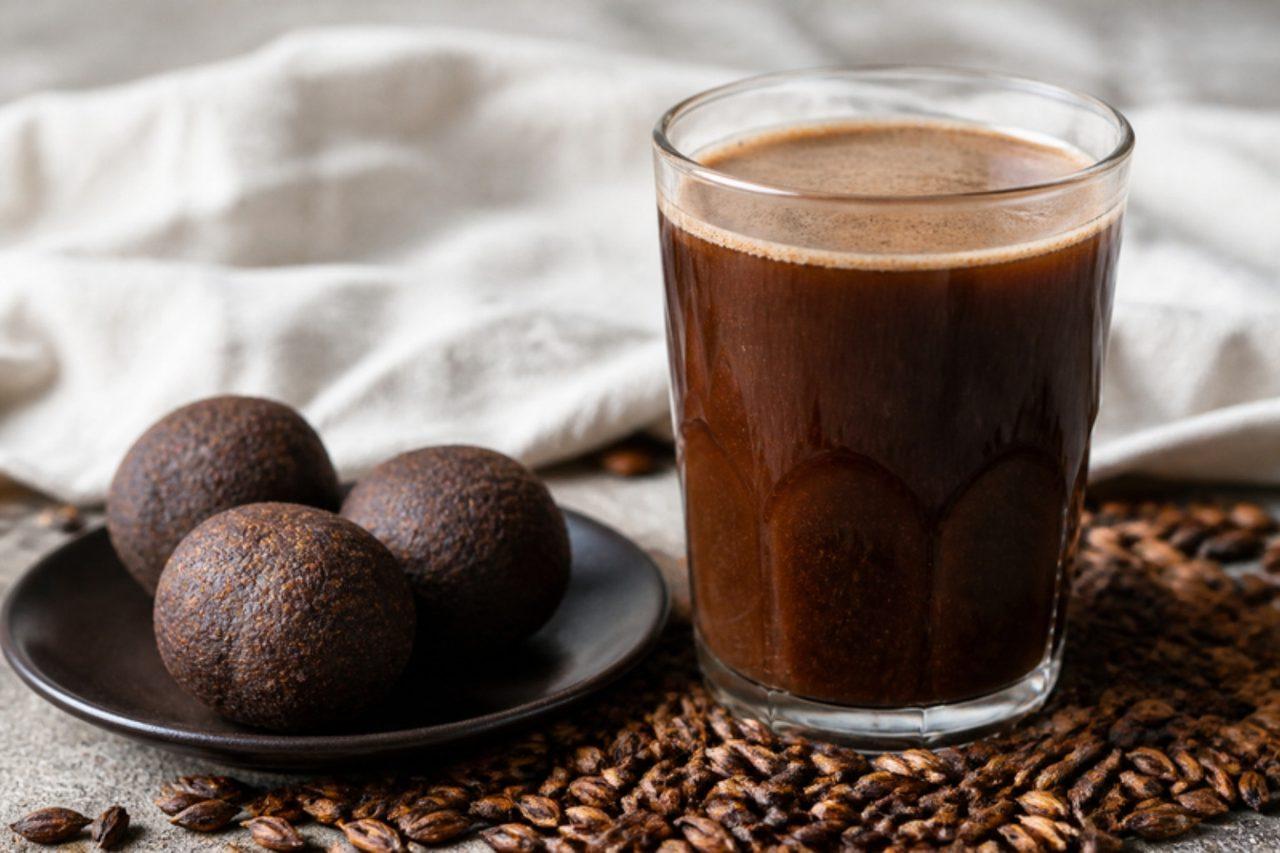
Besso (roasted barley flour drink and balls)

Farmers and travellers in Gojjam and Wollo have long carried a pouch of besso on journeys, because a handful of this roasted barley flour turns a cup of water into a filling meal. The barley is roasted until deep brown, ground fine and stored for weeks; stirred into cold water with a little sugar it makes a smooth, malty, slightly toasty drink, and kneaded with oil it becomes chewy little balls called chibto. It is eaten on fasting days, in the fields and by students before exams. Many families sweeten it with honey; sugar keeps this version vegan. The usual mistake is adding the barley flour to water all at once, which leaves dry clumps; whisk it in gradually. Chef's tip: roast the barley until it is the colour of milk chocolate and smells like toast; pale grains give a raw, floury taste, while black ones taste burnt.

by KrazyBadal 0 views

Shim bhortaFlat bean mash

From November the bamboo trellises in courtyards across rural Bangladesh hang heavy with shim, the broad, flat hyacinth beans with purple or green edges, and they end up in curries, bhajis and, best of all, a smoky green bhorta. The beans are boiled until tender, then crushed with garlic fried golden in mustard oil, crisp dried chilli and raw onion into a coarse, nutty paste. It is one of the stars of a winter bhorta spread, served with hot rice, dal and a fried egg or fish for those who eat it. Leaving the strings on is the common slip; they stay tough and fibrous in the mash, so pull them off both edges first. Chef's tip: if the beans are mature with fat seeds inside, pop the seeds out, dry-roast them for a few minutes and pound them in for extra crunch.

by KrazyBadal 0 views

Kancha aamer tok dalGreen mango lentil dal

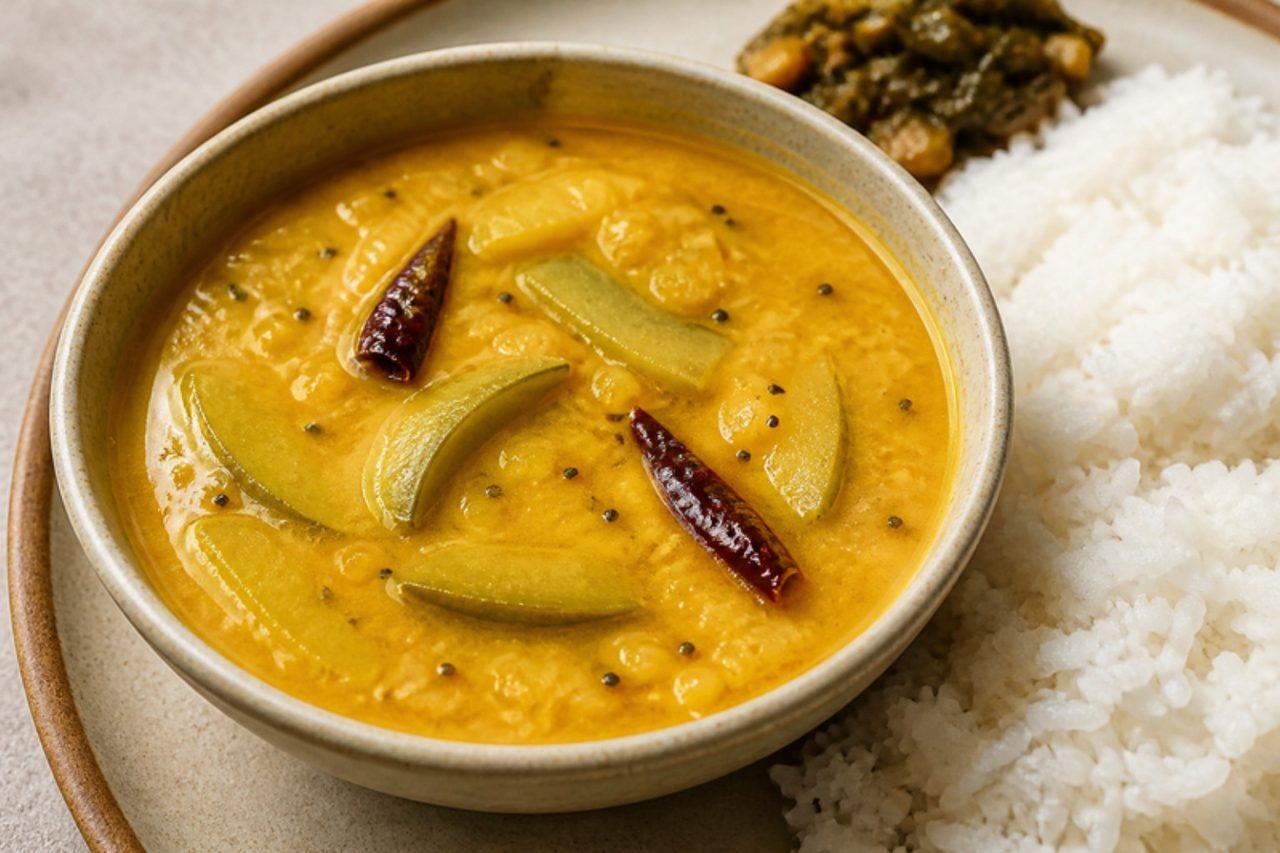
When the first hard, green mangoes fall from the trees around Rajshahi in April and May, cooks slice them into the dal pot, and the result is the most refreshing bowl of the hot season. Tok dal is deliberately thin, almost like a soup, with soft red lentils and slices of green mango that turn tender and tangy, finished with mustard seed and dried chilli crackling in mustard oil. It is eaten poured over plain rice, often as the last thing before a light fish or vegetable curry, because the sourness is meant to cool the body in the heat. Adding the mango at the start leaves it mushy and the dal overly sour, so it goes in once the lentils are soft. Chef's tip: taste the mango first; very sour fruit may need a pinch more sugar to balance it.

by KrazyBadal 0 views

MathaSalted buttermilk

Thinner than lassi and salty rather than sweet, matha is what Old Dhaka drinks after a plate of kacchi biryani or a heavy afternoon of tehari and rezala. Vendors around Nazimuddin Road and Bangshal carry it in tall clay pots, churned so long that tiny flecks of butter float on top, and pour it into glasses with a pinch of roasted cumin and black salt. It tastes tangy, cool and faintly smoky, and it cuts through rich, oily food like nothing else. People often make it with thick Greek-style yoghurt and no extra water, which gives a heavy drink that sits in the stomach; matha should be pourable and light. Chef's tip: churn with plenty of ice in the jug so the butter firms into flecks you can skim off or leave floating, as the street sellers do.

by KrazyBadal 0 views

Teochew fish soup

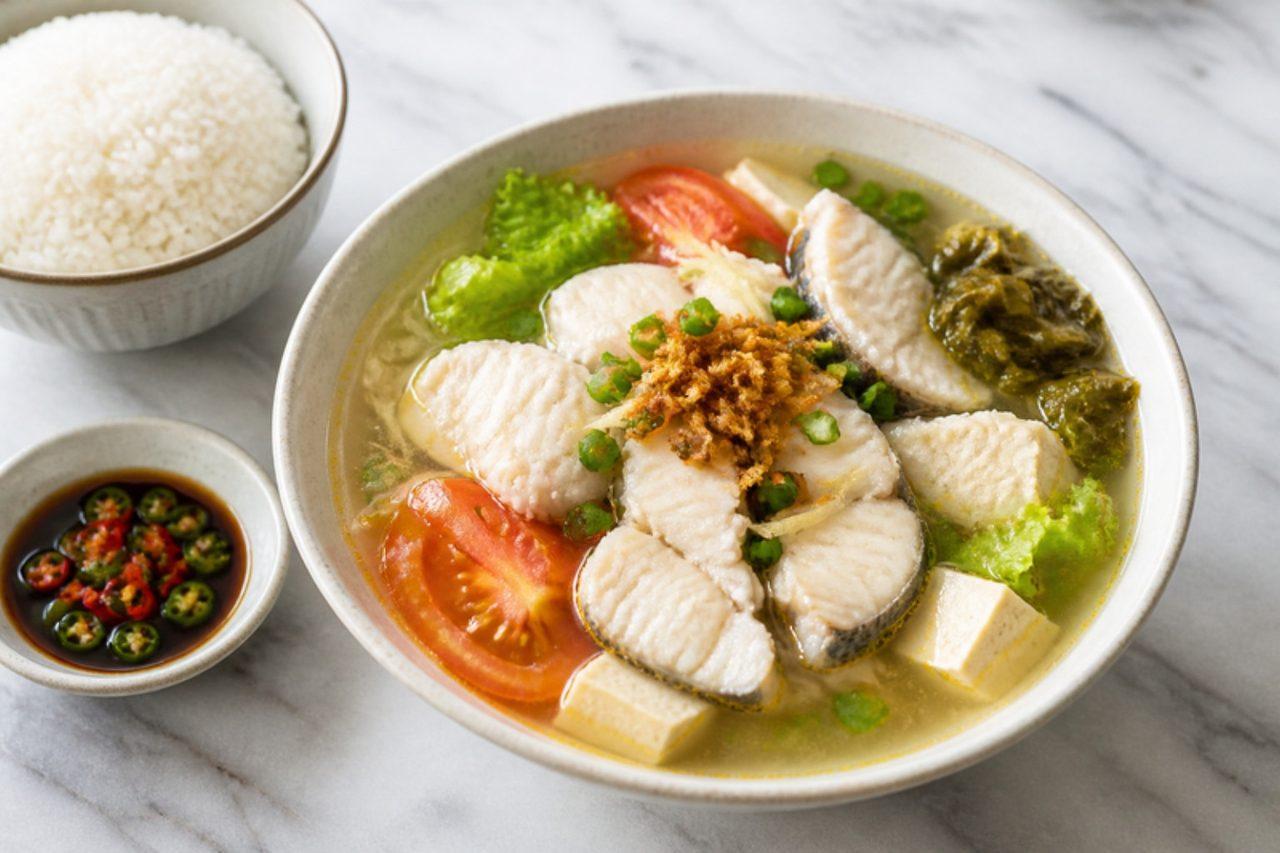
Office workers in the CBD form long lunch queues for a dish that looks almost plain: a bowl of clear, sweet broth with thick slices of batang (Spanish mackerel), wedges of tomato, silken tofu, lettuce and a little salted vegetable, served with rice or thick rice noodles. Good stalls simmer fish bones for hours, but at home a well-flavoured stock and plenty of ginger get you close in half an hour. The fish should be just set and springy, the broth light, gently tangy from tomato and savoury from fish sauce. Most home versions go wrong by boiling the slices hard, which breaks them up and turns them chalky; they need only a few minutes at a gentle simmer. Chef's tip: toss the fish slices with a pinch of salt and a teaspoon of tapioca starch before cooking, which keeps them silky and stops them falling apart.

by KrazyBadal 0 views

Burmese pennywort salad

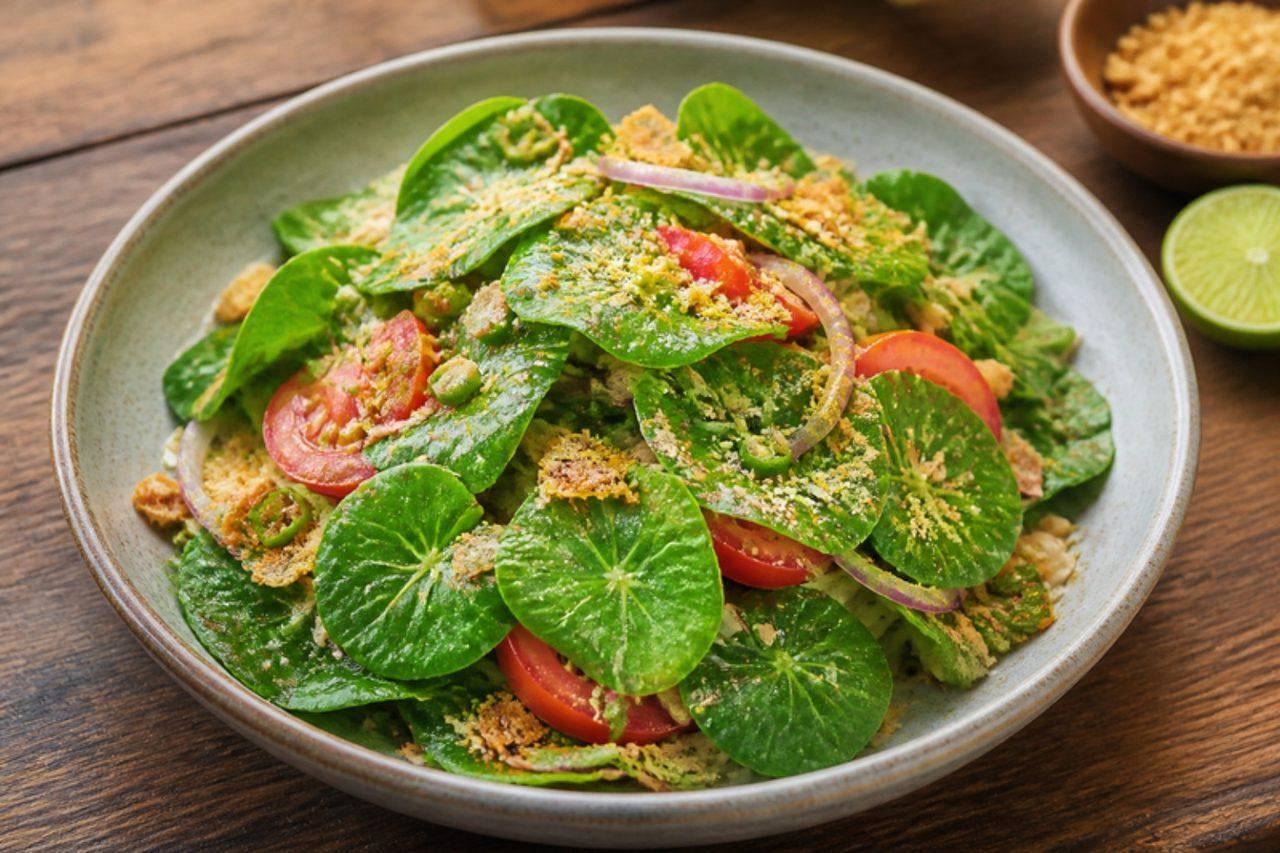
Myin khwa, 'horse's hoof', is the Burmese name for pennywort, after the shape of its round leaves, and Mandalay grandmothers swear by a plate of it to cool the body during the hot months before the monsoon. The fresh leaves are slightly bitter and grassy, a little like watercress, and they are tossed by hand with toasted chickpea flour, crushed peanuts, crunchy fried garlic and its oil, lime juice, tomato and sliced onion. The salad is served as a side to rich curries, where its clean sourness cuts through the oil. Wet leaves ruin it: the dressing slides off and turns watery, so dry them completely after washing. Chef's tip: look for pennywort sold as gotu kola at Asian and Sri Lankan grocers; young watercress makes a fair stand-in.

by KrazyBadal 0 views

Pui shak bhajiStir-fried Malabar spinach

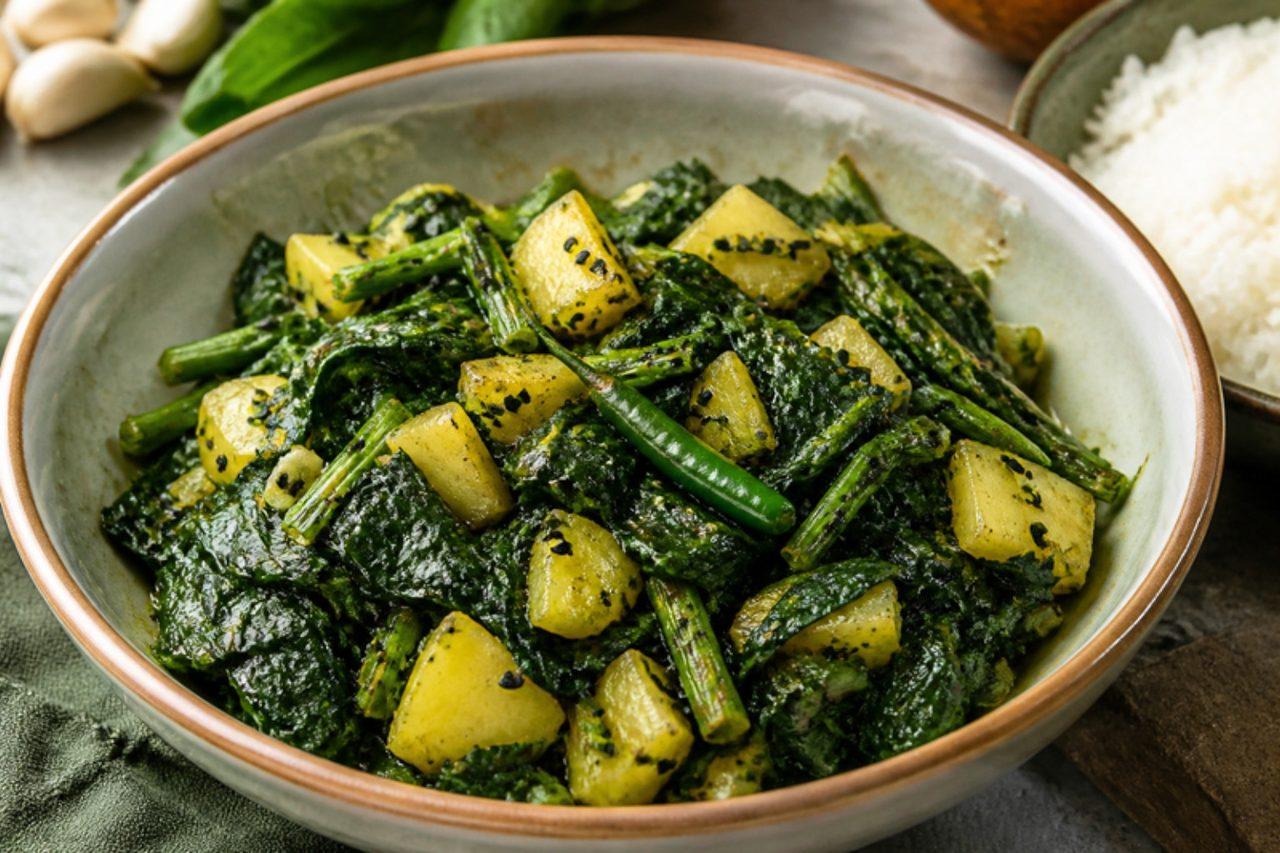
Pui shak climbs over the tin roofs and fences of village homes all through the monsoon, and its thick, glossy leaves and succulent stems cook down into a soft, slightly silky side dish that people either love or find a little slippery. In most homes it is cooked with small shrimp, or with a fish head, and with chunks of pumpkin or potato; this is the plain vegetarian version, with garlic, green chilli and a pinch of nigella, plus a few cubes of potato for body. It is eaten with hot rice and dal at lunch, especially in July and August when the vine is at its best. Covering the pan is the misstep that makes it watery and slimy; keep it open and let the moisture cook off. Chef's tip: cut the thick stems into short pieces and give them a 3-minute head start before the leaves go in.

by KrazyBadal 0 views

Samlor proherPumpkin and vegetable soup

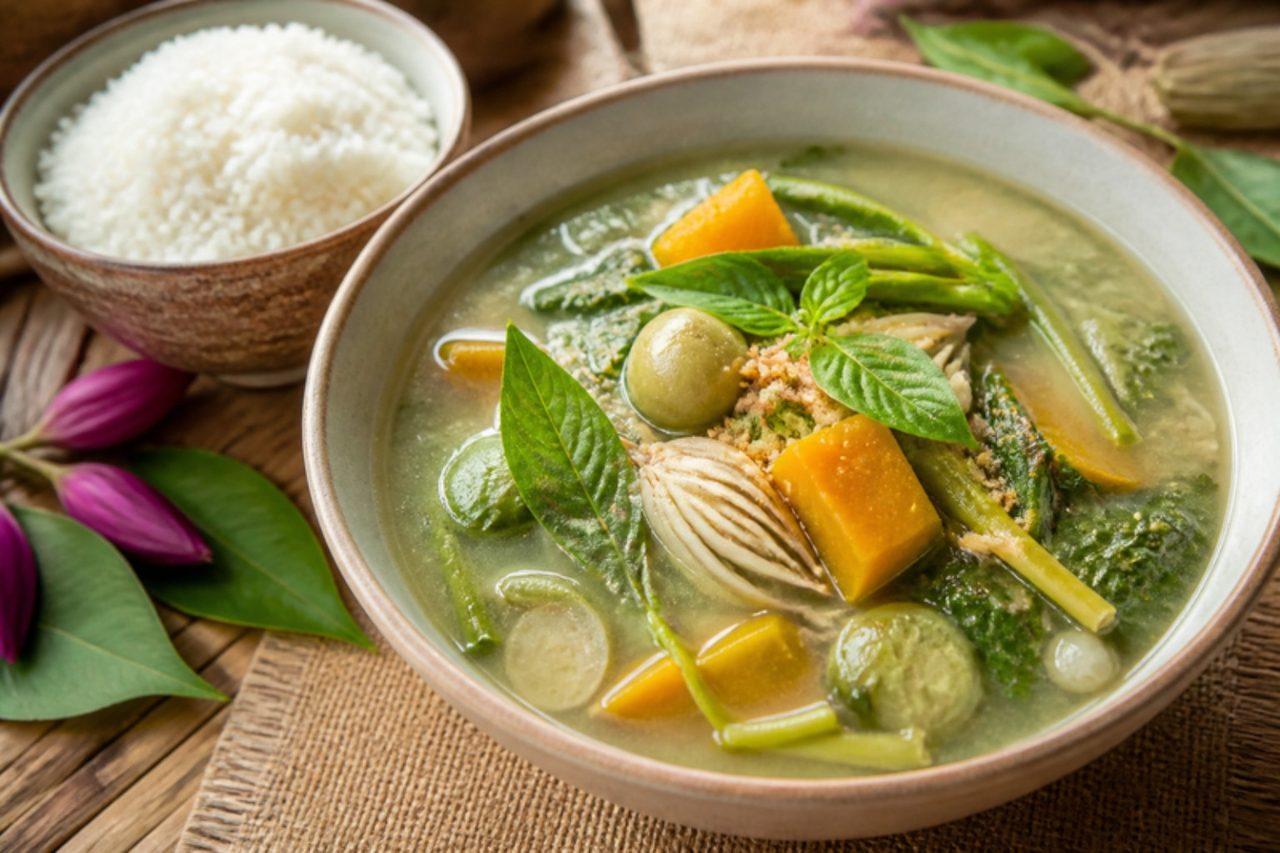
Home cooks in the villages around Siem Reap make samlor proher when the garden is full: a light, clear soup crowded with pumpkin, banana blossom, long beans, little aubergines and leafy greens, seasoned with a lemongrass kroeung and a spoonful of prahok. Toasted ground rice is stirred in near the end, giving the broth a faint body and a nutty, popcorn-like aroma. It is everyday lunch food, eaten with steamed rice and perhaps a piece of grilled fish, and it tastes savoury, sweet from the pumpkin and gently earthy. Leaving the prahok raw is the big no; it must be mashed and boiled in the broth for at least 10 minutes, so it cooks through and its sharpness rounds out. Chef's tip: slice the banana flower straight into lime-acidulated water, or it will turn black within minutes.

by KrazyBadal 0 views

Khmer green mango salad with crispy dried fish

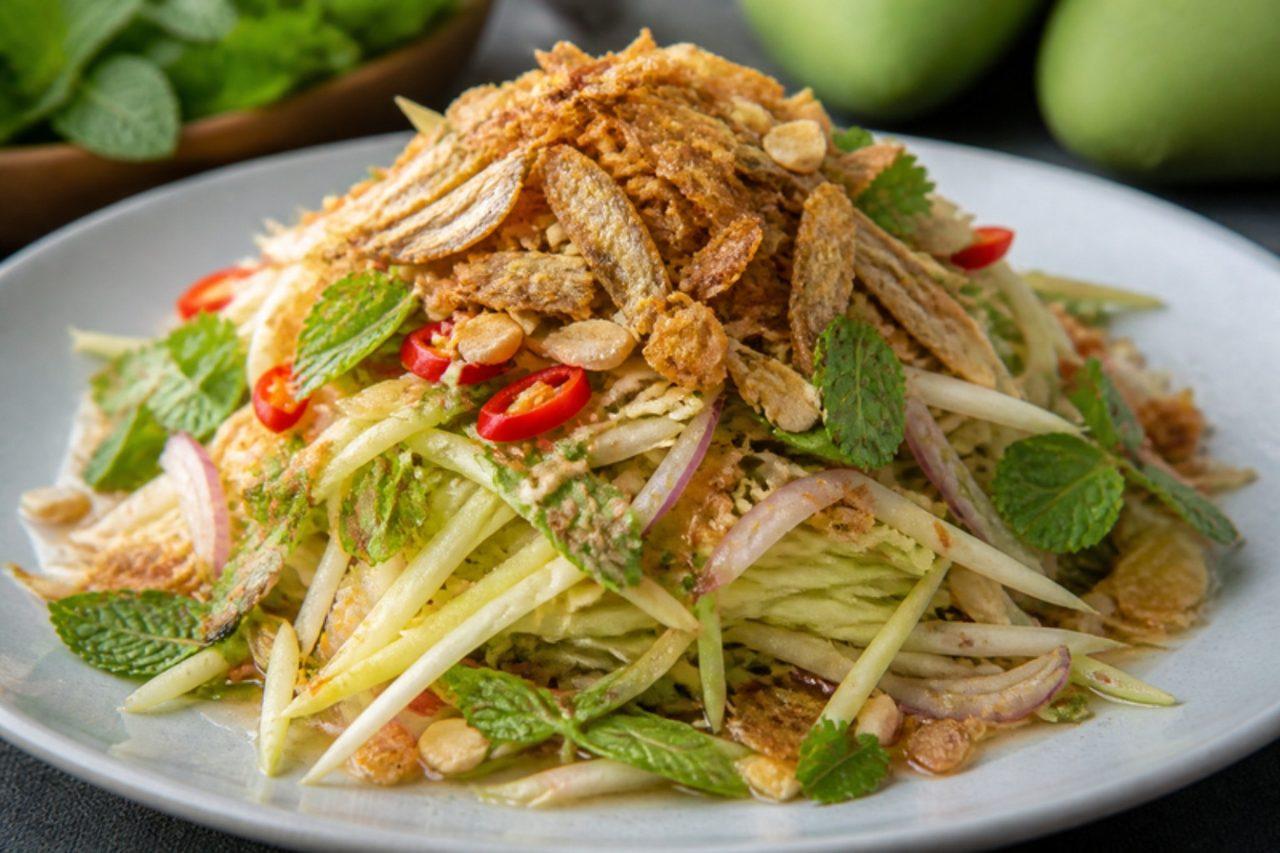
Sharp enough to make you wince and then reach for more, nhoam svay is the salad sold from glass-fronted carts around Siem Reap's Old Market and packed for weekend picnics at the West Baray reservoir. Hard green mango is cut into fine strands and tossed with shallots, mint and a dressing of lime, fish sauce and palm sugar, then topped with crunchy roasted peanuts and flakes of salty dried fish fried until crisp. It is eaten as a snack on its own or as a fresh, sour side to grilled meat and rice. Many people dress it too early, which draws water out of the mango and leaves a limp, watery salad. Chef's tip: fry the dried fish slowly until it shatters, then crumble it over at the very last moment; for a vegetarian version, leave it out and use soy sauce in place of the fish sauce.

by KrazyBadal 0 views

Miyan zogale (moringa leaves with groundnut)

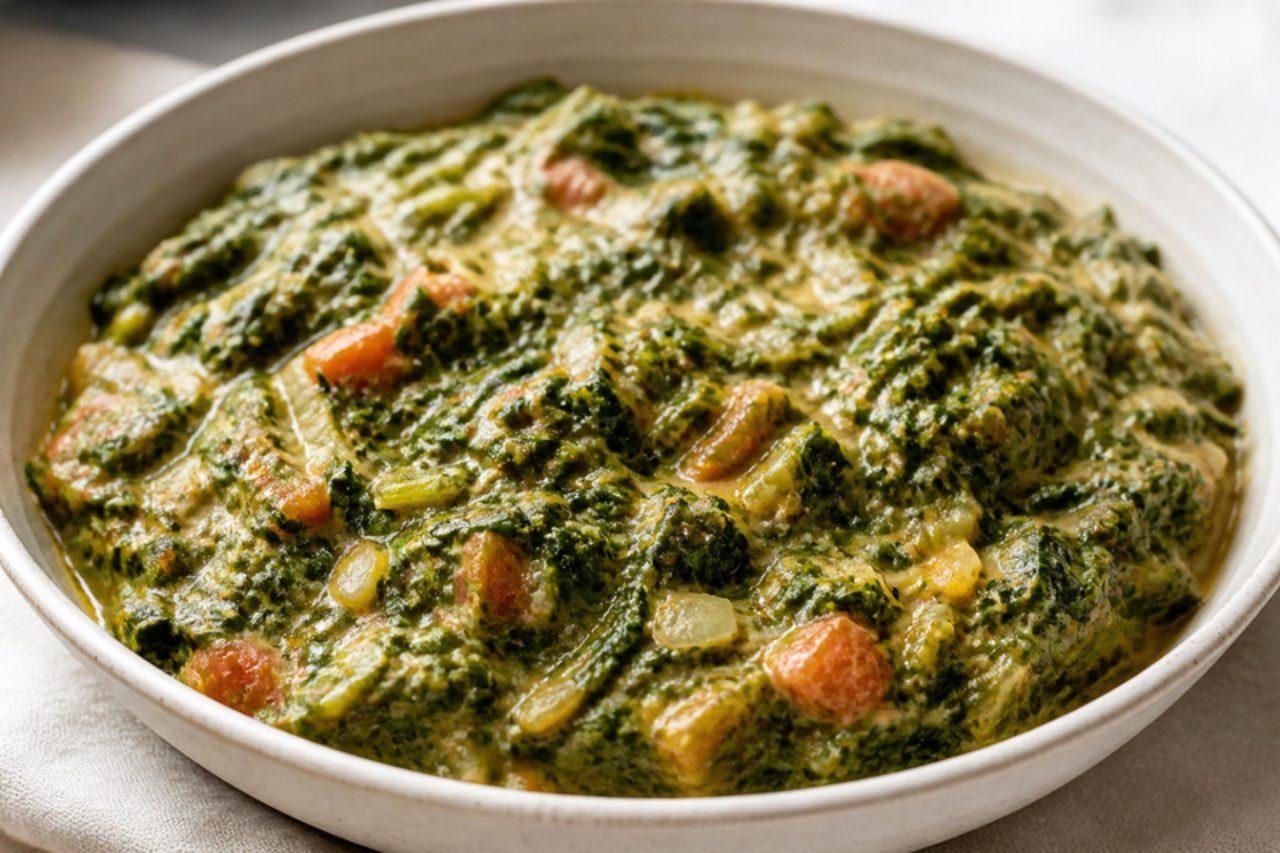
Moringa trees grow by the compound walls of many northern Nigerian homes, and their small, round leaves end up in this quick, nourishing relish. The leaves are blanched, then cooked down with onion, tomato and dawadawa and bound with groundnut paste, giving a green, slightly peppery dish with a nutty finish. Families in Kano, Katsina and Zaria eat it with tuwo, or as a light meal on its own. Because only a little groundnut goes in, it stays light. Chef's tip: strip the leaves off their stalks completely, since even thin stems stay stringy after cooking.

by KrazyBadal 0 views

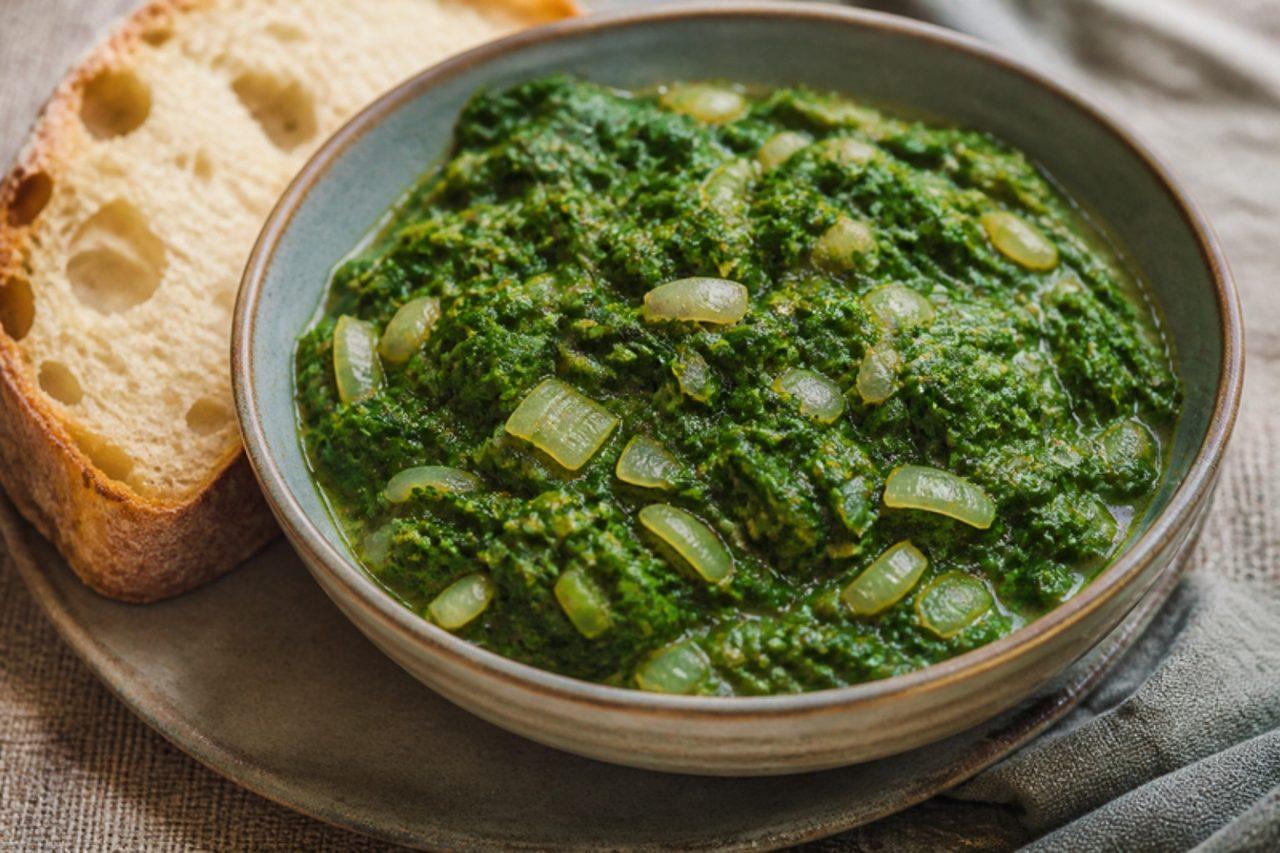
Ewedu (jute leaf soup)

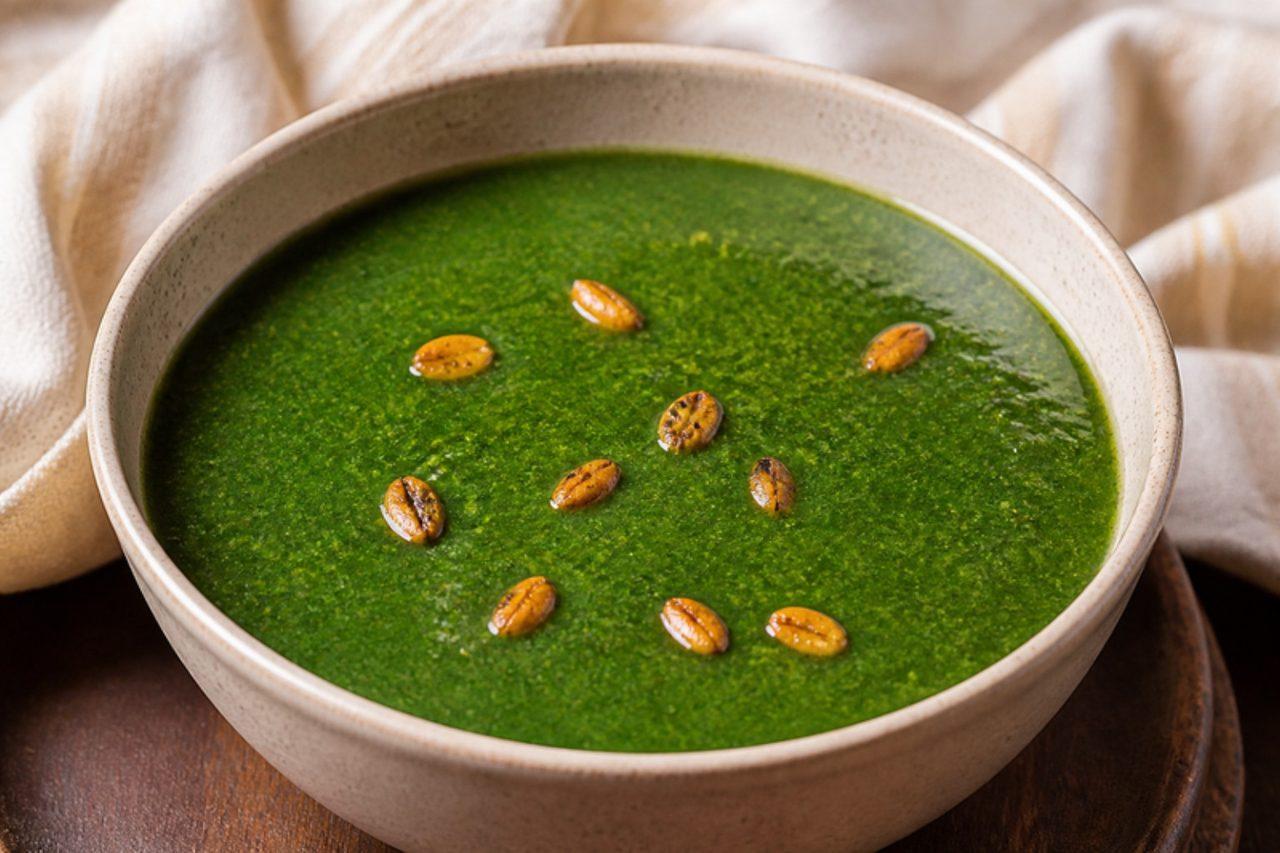
Bright green, light and famously slippery, ewedu is the soup that makes amala slide down so easily, and in Ibadan and across Oyo State it is rare to see one without the other. Only the tender jute leaves are picked from the stems, boiled for a few minutes and then beaten with a small broom until finely shredded and stretchy, with a few locust beans for a savoury, funky depth. Some cooks add crayfish; this version keeps it meat-free. It tastes fresh and grassy and is eaten with amala, gbegiri and a red pepper stew. Frozen chopped ewedu or Egyptian molokhia leaves work well outside Nigeria. Chef's tip: cook it briefly and uncovered; long boiling or a lid turns the bright green an olive drab, the most common ewedu mistake.

by KrazyBadal 0 views

Luang Prabang saladWatercress and egg salad

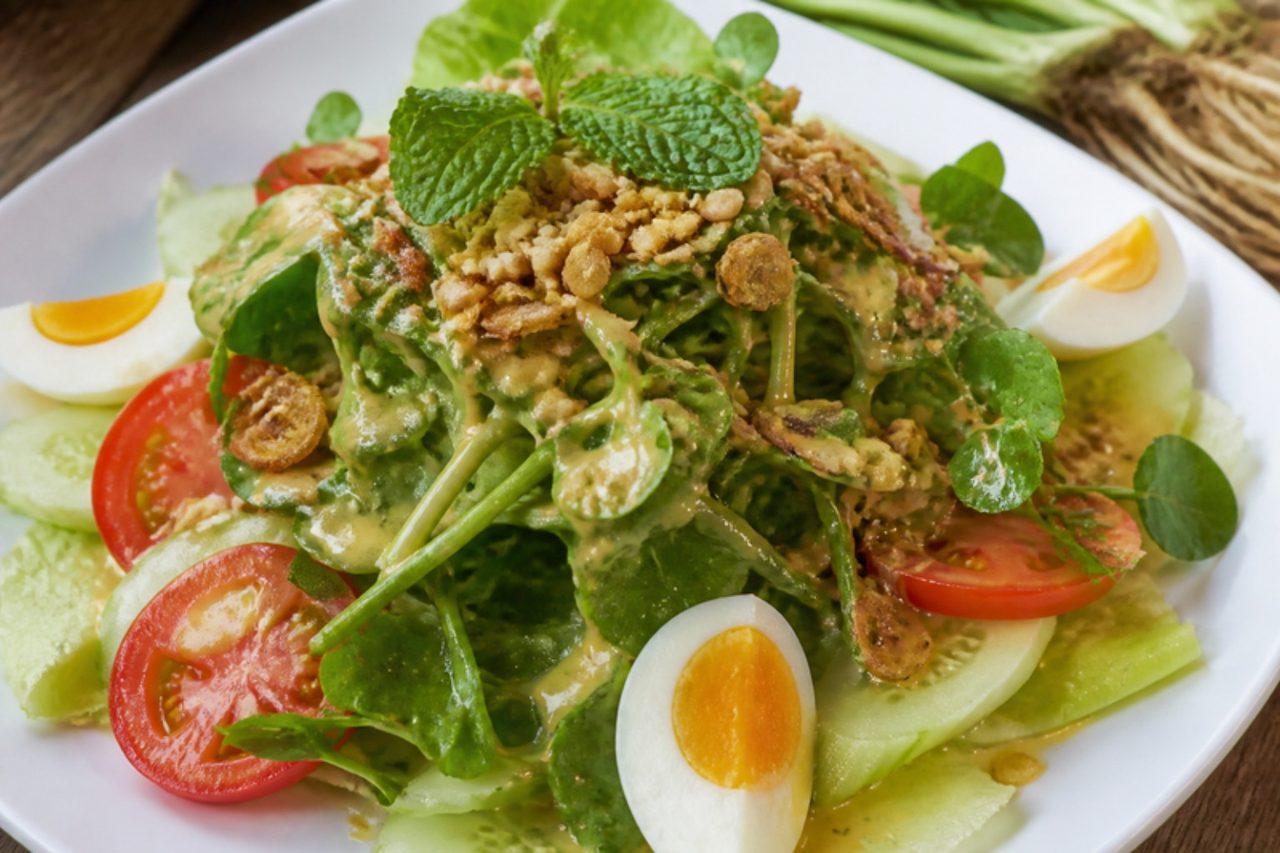
Clear spring-fed beds outside Luang Prabang grow some of the crispest watercress in Laos, and the old royal capital turned it into a salad that shows its French years: peppery cress, tomato and cucumber under a smooth dressing made from mashed hard-boiled yolks. Cafés along the Nam Khan serve it at lunch in the cool season, from November to February, often as the light plate beside grilled river fish or a bowl of sticky rice. It tastes fresh, gently sweet and garlicky, with crunch from fried garlic and peanuts on top. Restaurants sometimes add fish sauce or pork; this version is vegetarian and seasoned with salt. Dressing the cress too early is the mistake to avoid, because it wilts into a soggy heap in minutes. Chef's tip: dry the watercress properly in a salad spinner, or the dressing slides off instead of clinging.

30 minLaoSaladsGluten free
by KrazyBadal 0 views

GulpiSpiced cauliflower

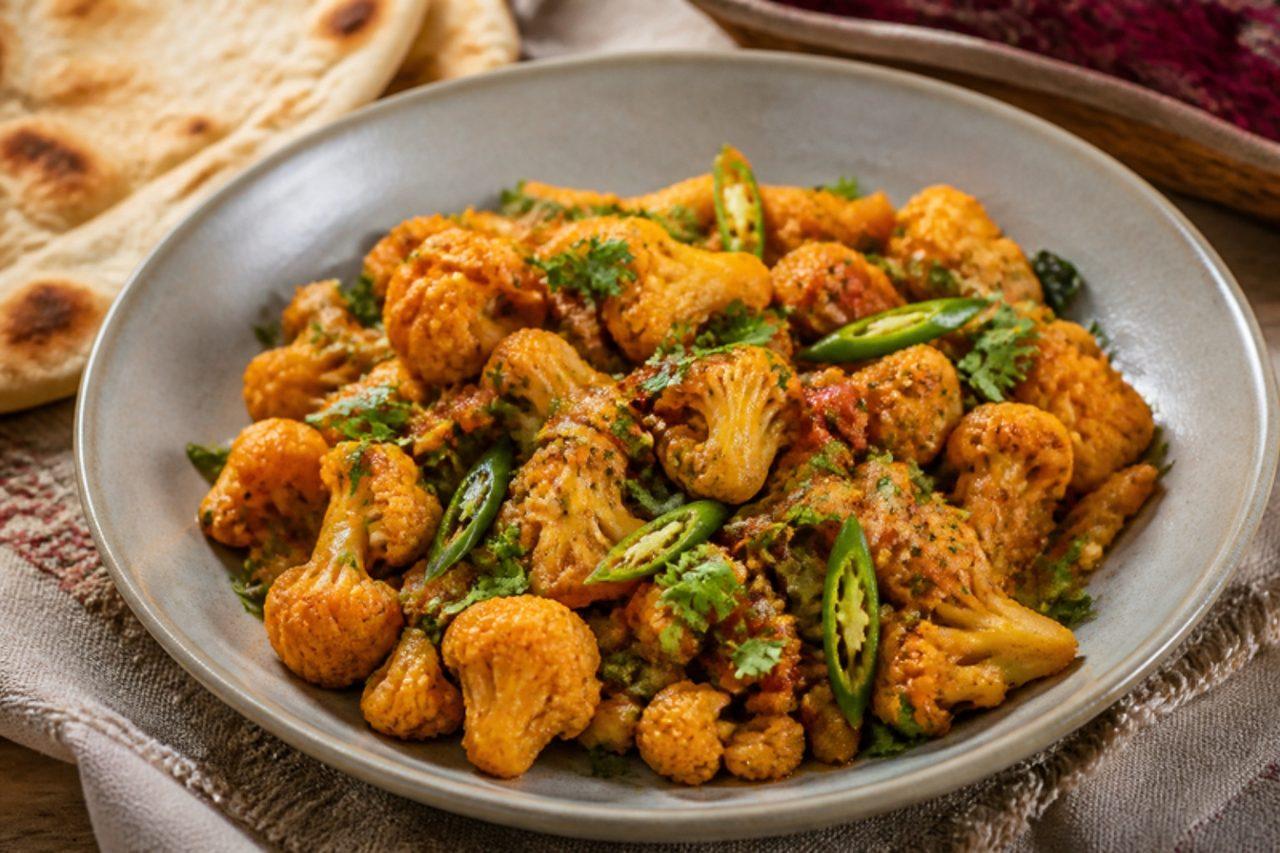
Gulpi is what an Afghan family cooks on an ordinary weeknight in Kabul or Jalalabad when cauliflower is cheap in the bazaar, and it is set on the dastarkhan, the cloth spread on the floor for meals, alongside rice or naan and a bowl of yogurt. The florets are fried until they catch a little colour, then simmered in a thick, turmeric-yellow sauce of onion, tomato, ginger and garlic until soft enough to break with the side of a spoon, with just a gentle heat from chilli. Many cooks stir in a few potatoes or peas, and some add a small piece of meat, but it is often fully vegetarian. Adding too much water is what spoils it: the cauliflower should steam in the tomato, not boil, so the sauce clings to every floret. Chef's tip: let the florets brown properly in the oil before anything else goes in, which gives the dish its nutty, slightly sweet depth.

by KrazyBadal 0 views

Lao fish soup with dill

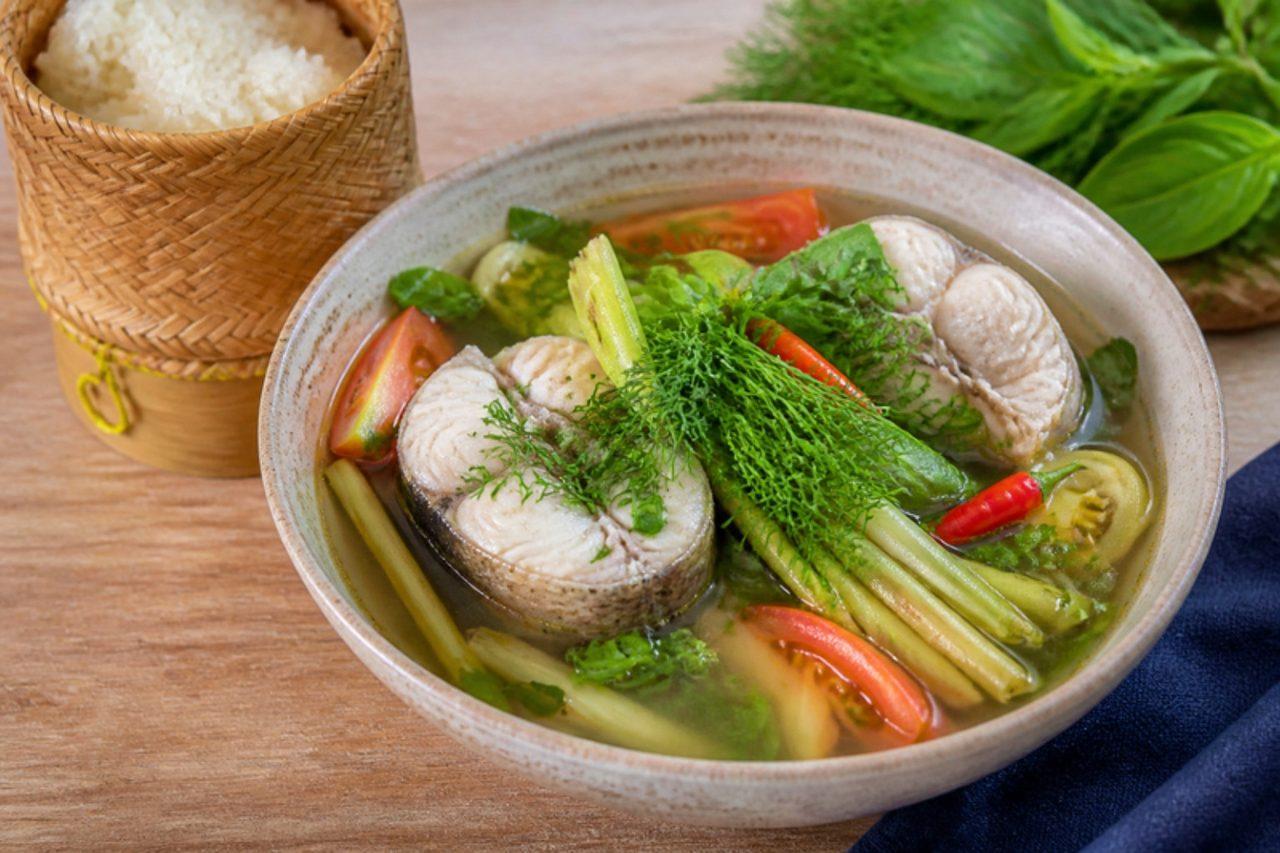
Restaurants on stilts over the Mekong at Pakse, where the Xe Don river joins it, serve tom pa at lunch in big communal bowls, and southern Lao families make it at home whenever the market has fresh river fish. Chunks of fish poach gently in a clear broth fragrant with lemongrass, galangal and lime leaf, soured with tomato and lime and finished with a generous fistful of dill, an herb Lao cooks use far more than their neighbours. The result is light, tangy and aromatic, with soft fish and a whisper of chilli heat; spoon it over sticky rice or sip it between mouthfuls of jeow. Boiling hard once the fish goes in is the mistake to watch, as the pieces break up and the broth turns cloudy. Chef's tip: add the dill only when the pot is off the heat, so it stays green and sweet.

30 minLaoSoupsGluten free
by KrazyBadal 0 views

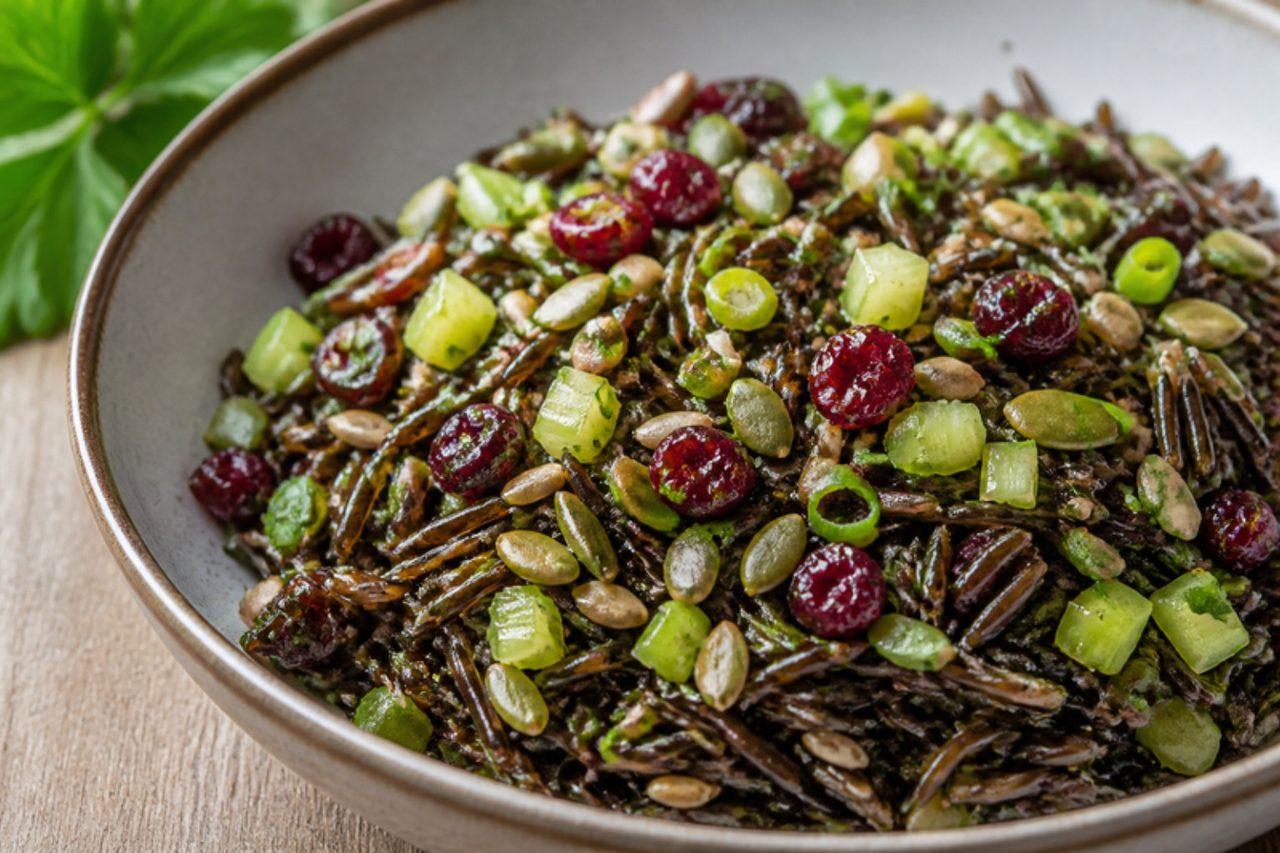
Wild rice salad

Manoomin, true wild rice, is hand-harvested by canoe by Anishinaabe families on the shallow lakes of northern Ontario and Manitoba in late summer, the grains knocked into the boat with cedar sticks. Its nutty, smoky taste is lovely cold in a salad with dried cranberries, toasted sunflower and pumpkin seeds and a light maple vinaigrette, the kind of dish brought to a feast or a summer potluck. Hand-harvested lake rice cooks faster than the black cultivated paddy rice, so check it early. A common mistake is cooking it until it splits wide open and turns mushy. Chef's tip: dress the rice while it is still warm so it drinks in the vinaigrette.

by KrazyBadal 0 views

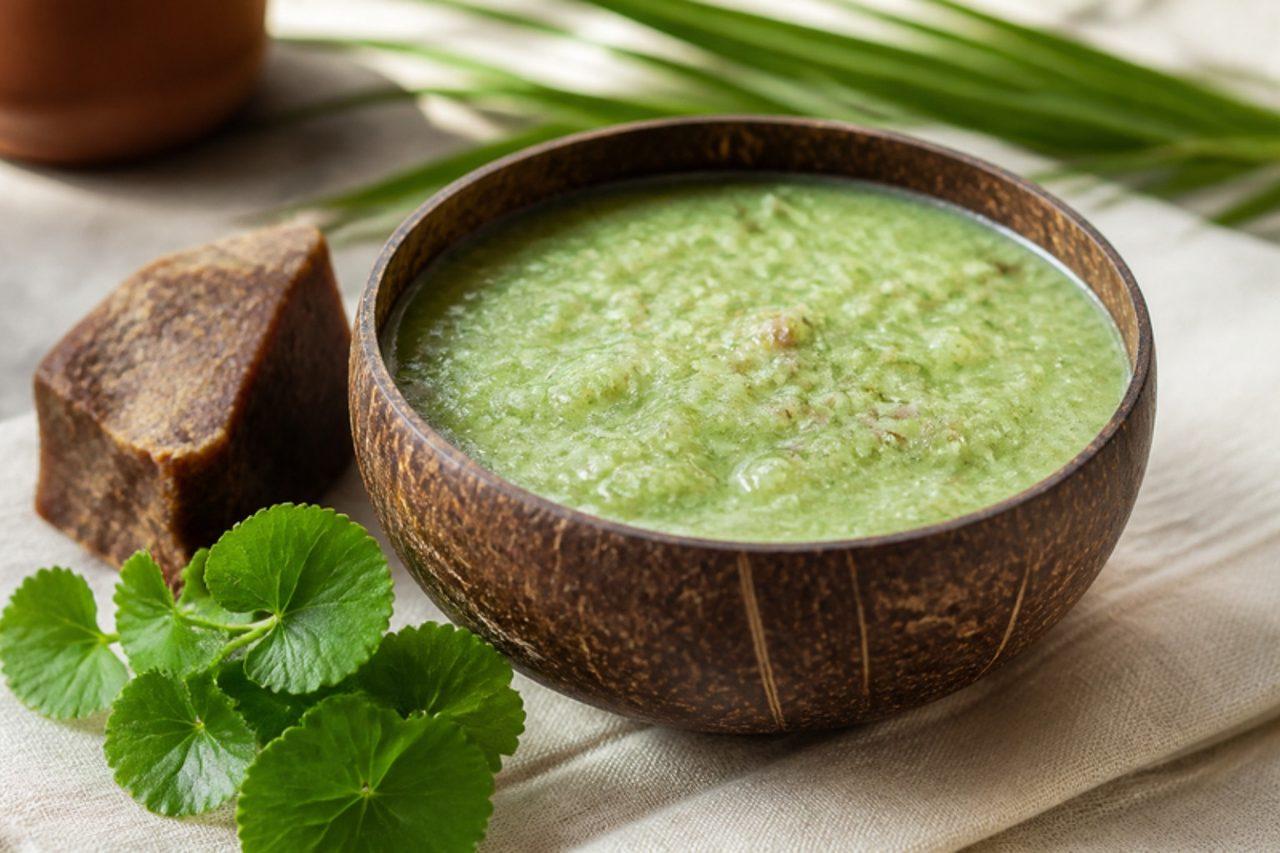
Kola kendaHerbal red rice porridge

Early in the morning, outside bus stands in Kandy and along the walking paths of Colombo's parks, vendors ladle bright green kola kenda from big pots into cups, handing each customer a lump of jaggery to bite between sips. It is a thin, savoury porridge of red rice cooked until it breaks down, enriched with coconut milk and coloured with the juice of fresh leaves, most often gotu kola, though cooks also use hathawariya, mukunuwenna or even curry leaves. The taste is grassy, slightly bitter and very restoring, and older Sri Lankans drink it as a daily tonic. The leaf juice must never boil; adding it to a bubbling pot is the mistake that turns the porridge khaki and dulls the fresh flavour. Chef's tip: blend the leaves with cold water and strain them through a fine sieve, so the kenda stays silky with no stringy bits.

by KrazyBadal 0 views

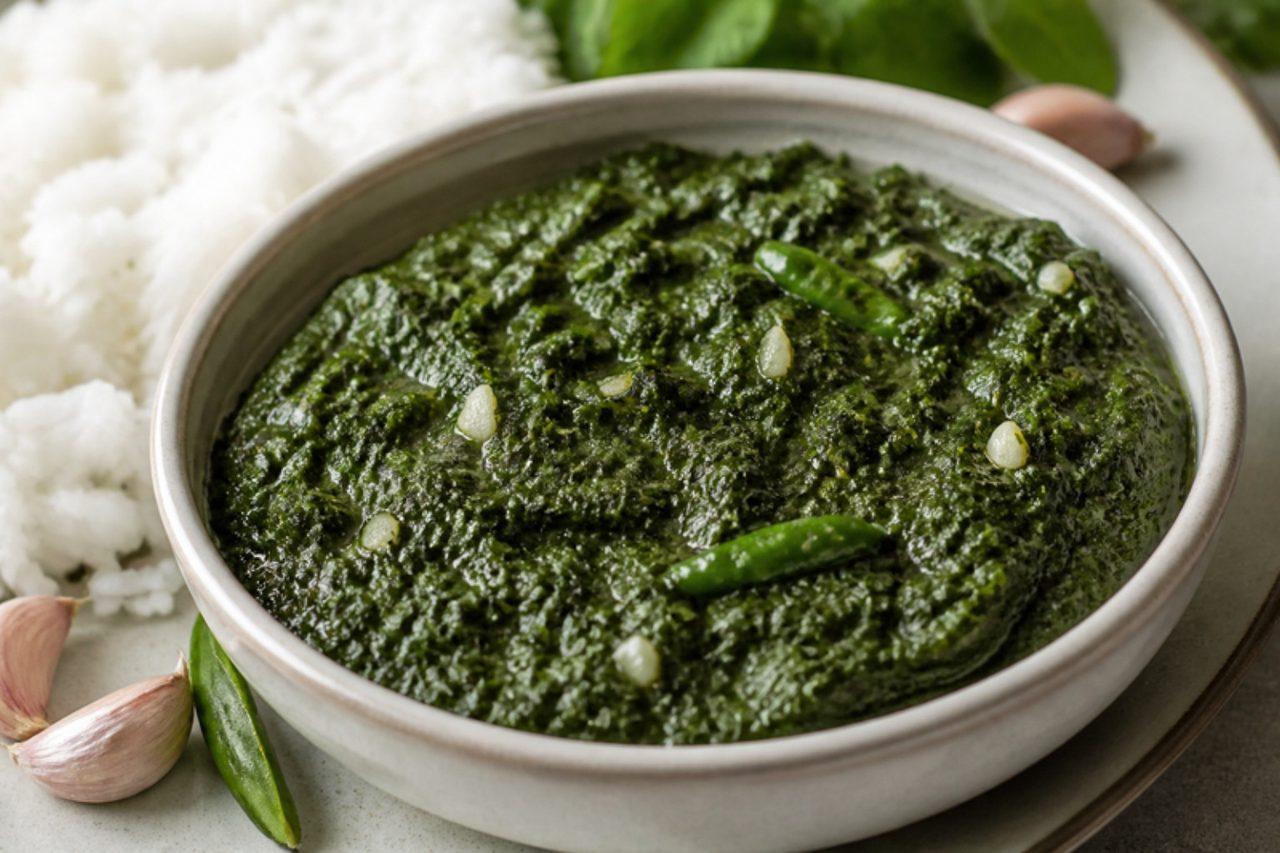
PelkaSoft cooked greens

Ask anyone from Rangpur what they miss most from home and pelka comes up quickly: a humble, almost soupy dish of jute leaves and other greens cooked with a pinch of khar, a natural alkali, until they collapse into a soft, silky green mass. Traditionally the khar is made from the ash of dried banana peel or mustard stalks; a pinch of bicarbonate of soda does the same job, keeping the colour bright and the texture smooth. Rice water, the starchy liquid poured off cooking rice, gives it body, and garlic and green chilli are the only seasoning. It is eaten in summer, mixed into hot rice as the first course of a meal. Overdoing the soda is the easy way to spoil it; too much tastes soapy, so measure only a pinch. Chef's tip: save the water from rinsing or boiling your rice that day and use it instead of plain water.

by KrazyBadal 0 views

Surówka z kiszonej kapustySauerkraut and carrot salad

Polish dinners rarely come without a surówka, a raw salad on the side, and in winter this sauerkraut version is the default in milk bars and home kitchens alike. Sour cabbage is loosened with sweet grated carrot and apple, sharpened with a little onion and dressed with fragrant oil, which gives a crunchy, tangy salad that wakes up potatoes, dumplings and rich stews. It costs very little and is full of flavour. A common mistake is not chopping the sauerkraut; long strands make it awkward to eat and don't mix with the rest. Chef's tip: use cold-pressed sunflower or rapeseed oil for its nutty flavour.

by KrazyBadal 0 views

BotwinkaYoung beetroot soup

June markets in Kraków and Tarnów are piled with bunches of baby beetroot still wearing their leaves, and those bunches go straight into botwinka. The whole plant is used: the small roots, the rosy stalks and the greens, simmered quickly so the soup stays bright pink and fresh-tasting rather than earthy. It is finished with sour cream, lots of dill and a squeeze of lemon, and often eaten with new potatoes and a halved boiled egg. A common mistake is boiling it for too long, which turns the leaves khaki and dulls the colour. Chef's tip: add the lemon juice before the cream; the acid locks in the ruby colour.

by KrazyBadal 0 views

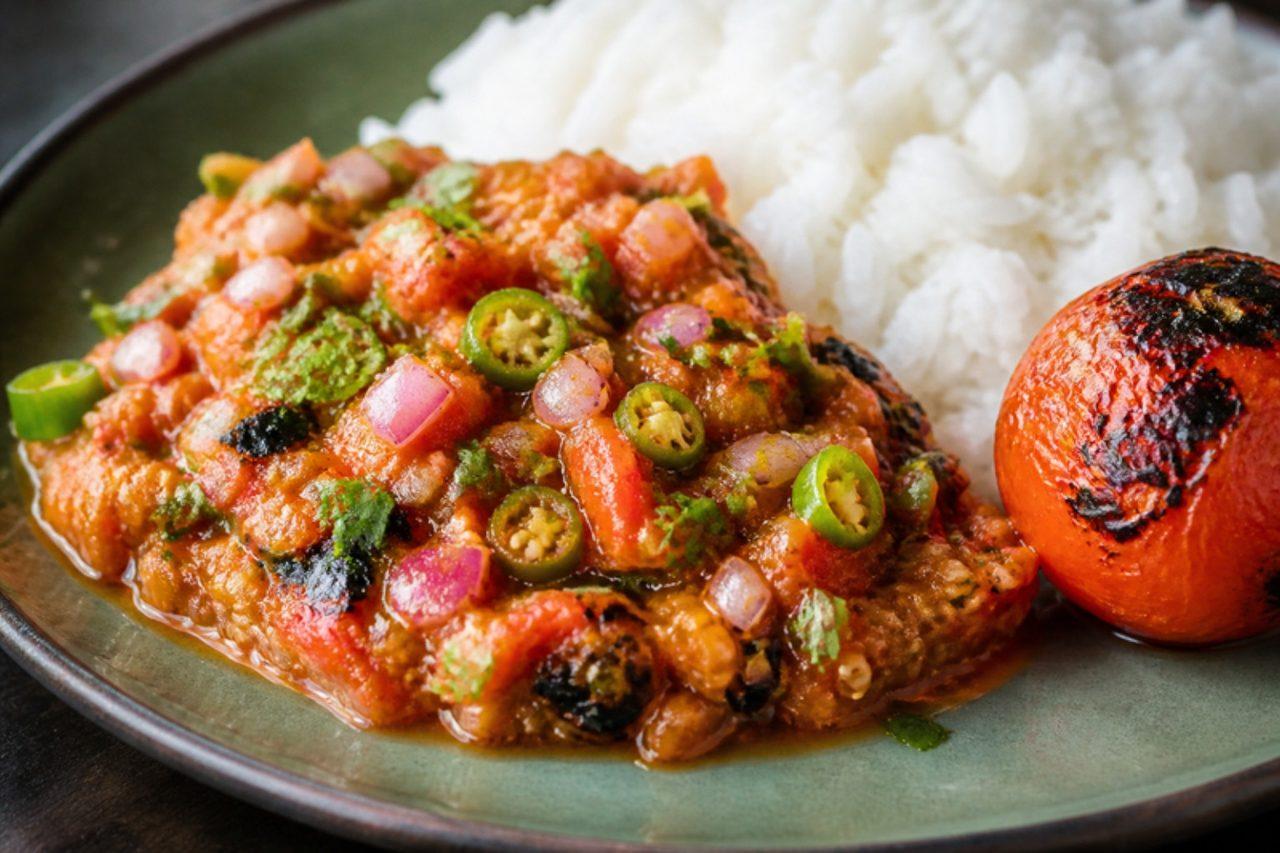
Tomato bhortaCharred tomato mash

Winter is tomato season in Bangladesh, when fat, red bilati begun, literally foreign aubergines, crowd the haats of Jessore and Bogura, and the simplest way to eat them is to blister them straight on the gas flame or in the ashes of the clay stove. The charred skins slip off and the soft, smoky flesh is crushed by hand with raw onion, green chilli, coriander and a thread of pungent mustard oil, so the bhorta is sweet, sharp and smoky at once. It goes with rice and dal, with khichuri on a rainy day, or with a plate of rice-flour ruti. Mashing it in a blender is where it goes wrong: the texture should be rough and juicy, squeezed through the fingers, never puréed. Chef's tip: char one green chilli alongside the tomatoes and crush it in for a deeper, rounder heat.

by KrazyBadal 0 views

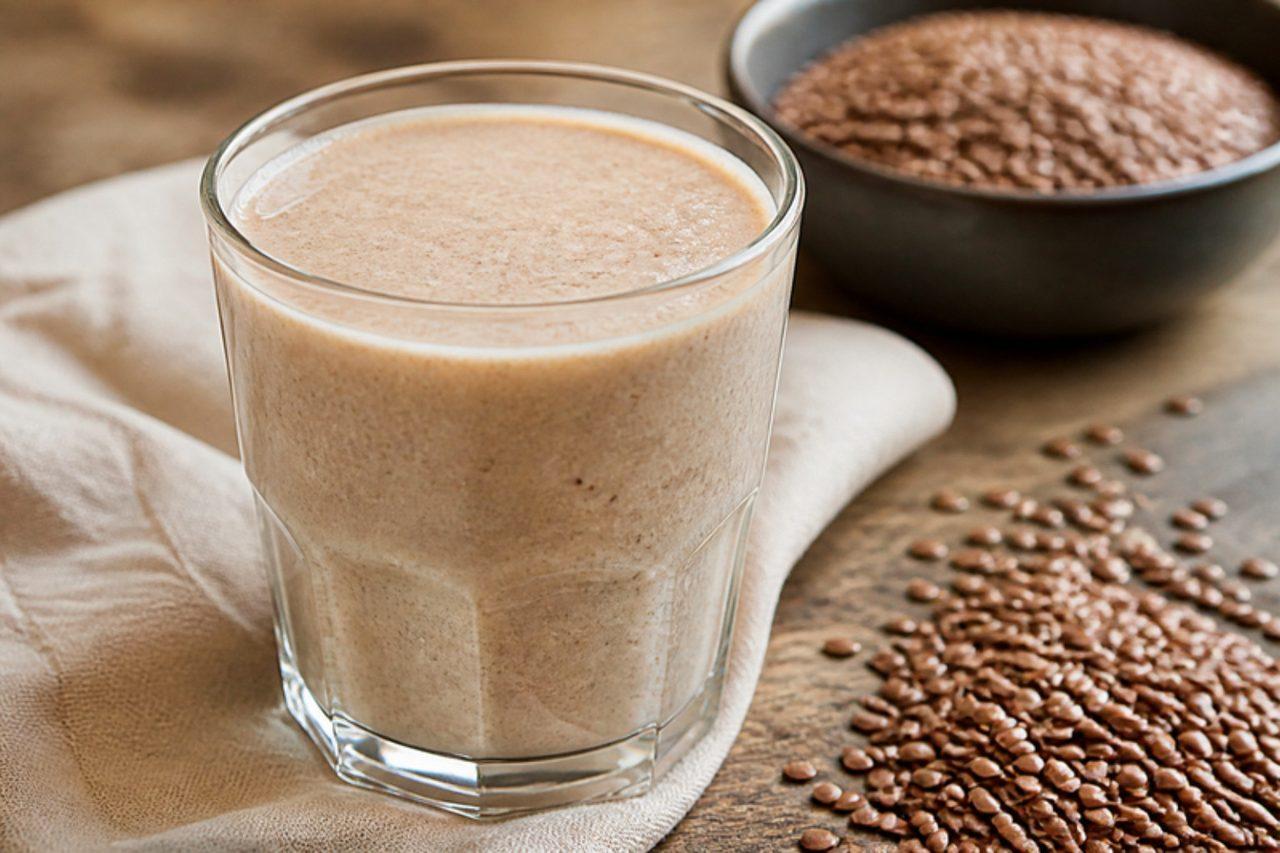
Telba (roasted flaxseed drink)

Flax grows across the highlands of Gojjam, and on Wednesdays, Fridays and through Lent its toasted seeds become telba, a creamy, nutty drink that fills you up when animal food is off the menu. The seeds are dry-roasted until they pop, ground fine, then whisked with water and strained, giving a pale brown drink with a faint toasted-sesame flavour and a slightly silky body. It is also taken as a gentle remedy for an upset stomach. Families often sweeten it with honey; sugar keeps it fully vegan. Don't roast the flaxseed too far: over-roasted seeds turn the drink bitter. Chef's tip: grind only what you need that day, because ground flax goes stale and bitter within days; whole roasted seeds keep for weeks in a jar.

by KrazyBadal 0 views

Moringa leaf stew (Konso shiferaw)

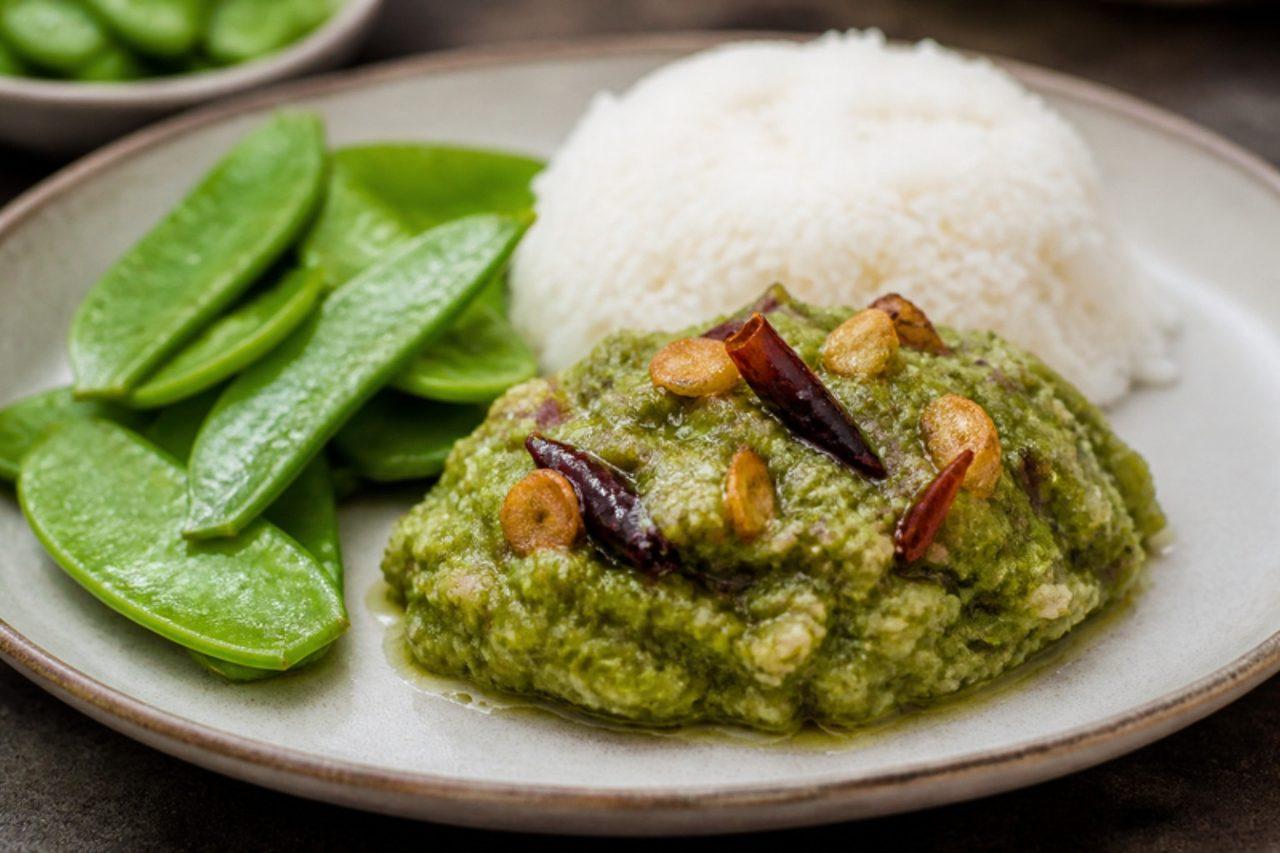
On the stone terraces of Konso, moringa trees grow beside almost every house, and their young leaves are picked daily for a simple green stew eaten with sorghum dumplings or injera. The leaves are stripped from their stems and simmered with onion, garlic, a little green chilli and oil until soft, giving a deep green, slightly peppery dish that tastes a little like spinach crossed with watercress. It is plain, nourishing and naturally vegan, so it fits any fasting day. Fresh or frozen moringa leaves are sold in many Indian and Asian grocers; if you cannot find them, use spinach with a squeeze of lemon. Leaving the stems in is the usual mistake; they stay woody, so strip the leaves off. Chef's tip: add the leaves in handfuls and stop cooking as soon as they are tender, so they keep their colour and their gentle bitterness does not deepen.

by KrazyBadal 0 views

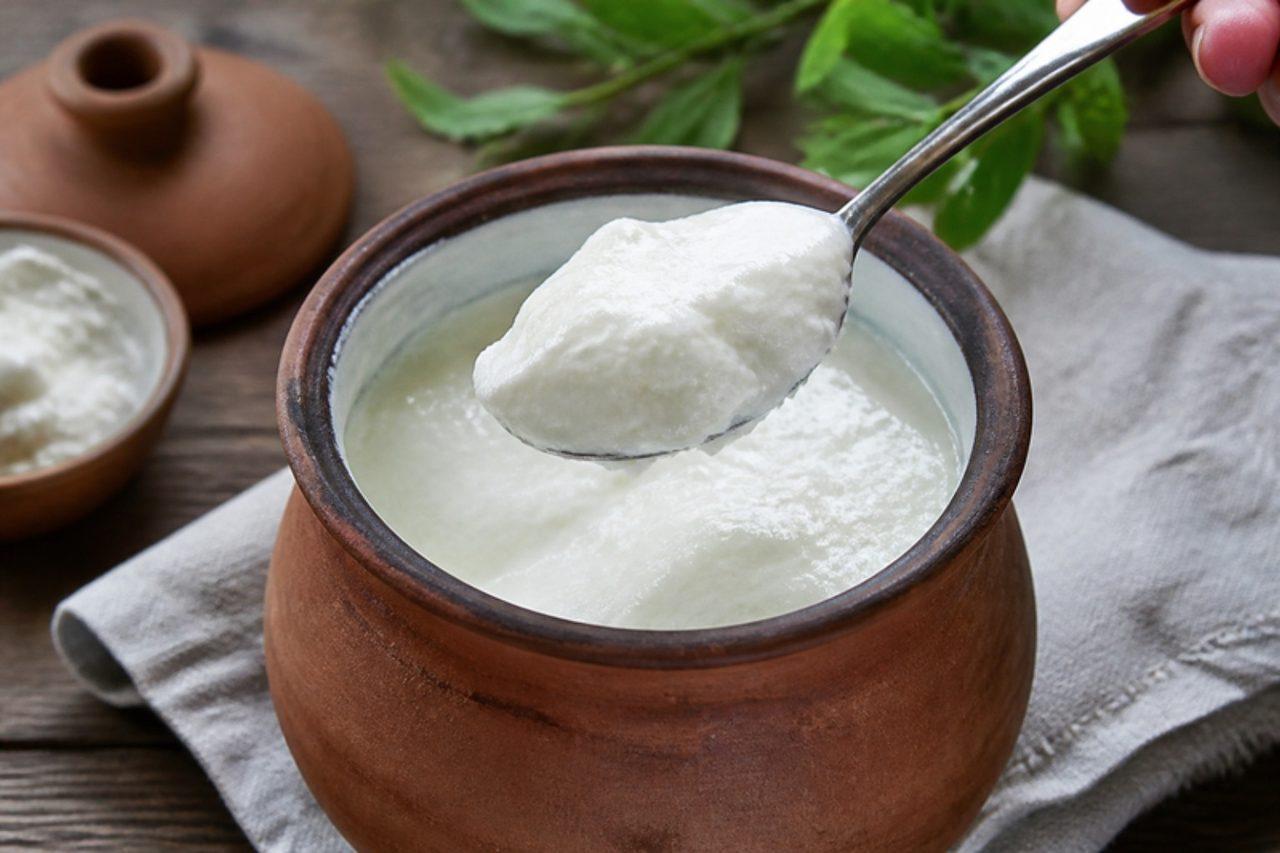
MatsoniGeorgian yogurt

In Kakheti, matsoni is set every evening in clay pots and eaten the next morning with honey, folded into soups, or stirred with water and herbs on a hot afternoon; it is thicker and sharper than most shop yogurt, with a skin of cream on top. To start, you need a spoonful of matsoni or any live plain yogurt, and after that each batch seeds the next. A common mistake is to add the starter while the milk is still hot; above about 45 °C the cultures die and the milk never sets. Chef's tip: wrap the pot in a blanket and leave it somewhere warm and still, like an oven with just the light on, so it sets evenly without separating.

by KrazyBadal 0 views

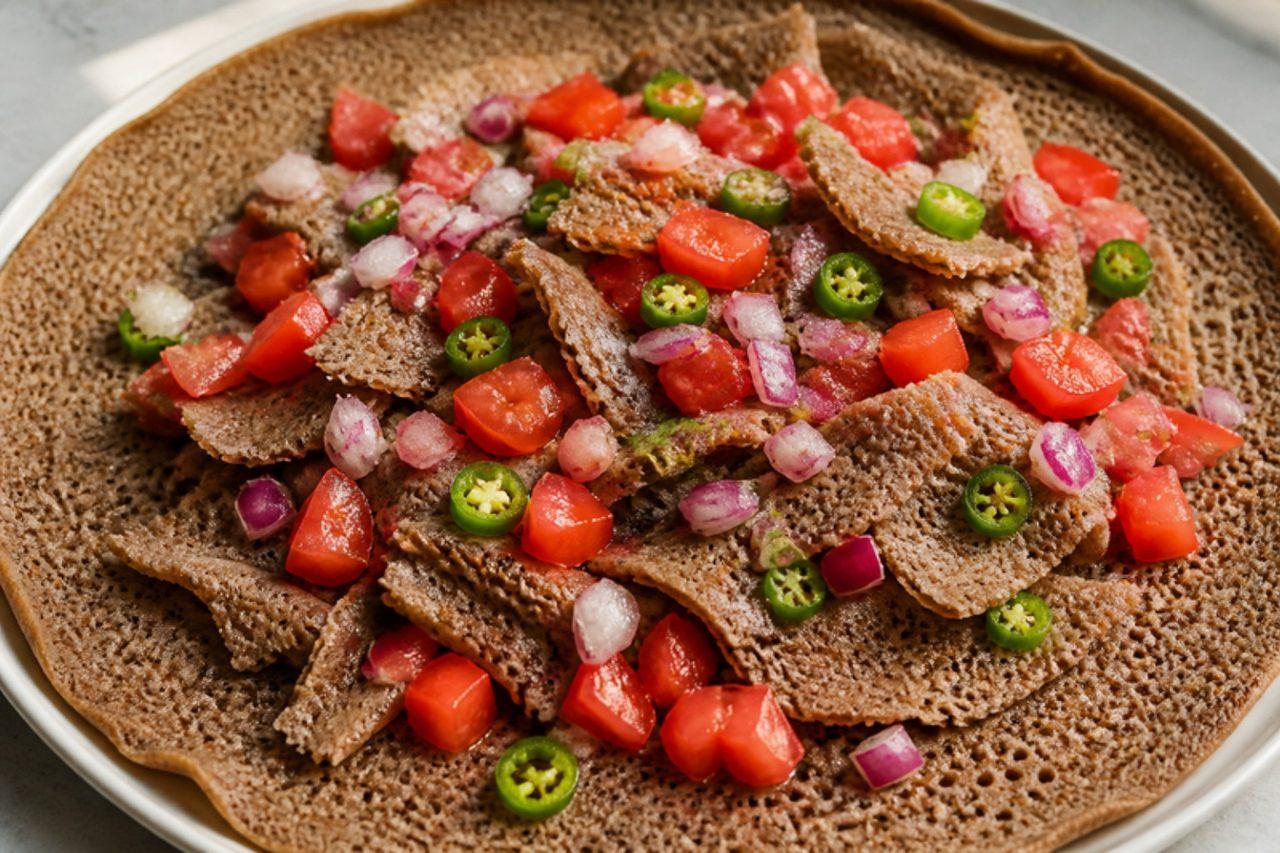
Timatim fitfit (torn injera with fresh tomato)

Leftover injera never goes to waste: torn into bite-sized pieces and tossed with juicy chopped tomato, red onion, green chilli, lemon and oil, it becomes timatim fitfit, a cool, tangy salad eaten for a light lunch on hot days and on fasting days all over the country. Unlike timatim salata, which is just the tomato salad, this version is a meal in itself: the injera drinks up the dressing and turns soft and spongy while keeping a little chew. It is usually served in a bowl and eaten with more injera or with a spoon. The common mistake is mixing it too early, which turns the bread soggy; toss it no more than ten minutes before eating. It is gluten free only if your injera is made from 100% teff. Chef's tip: use day-old injera, which is slightly drier and holds its shape better than fresh.

by KrazyBadal 0 views

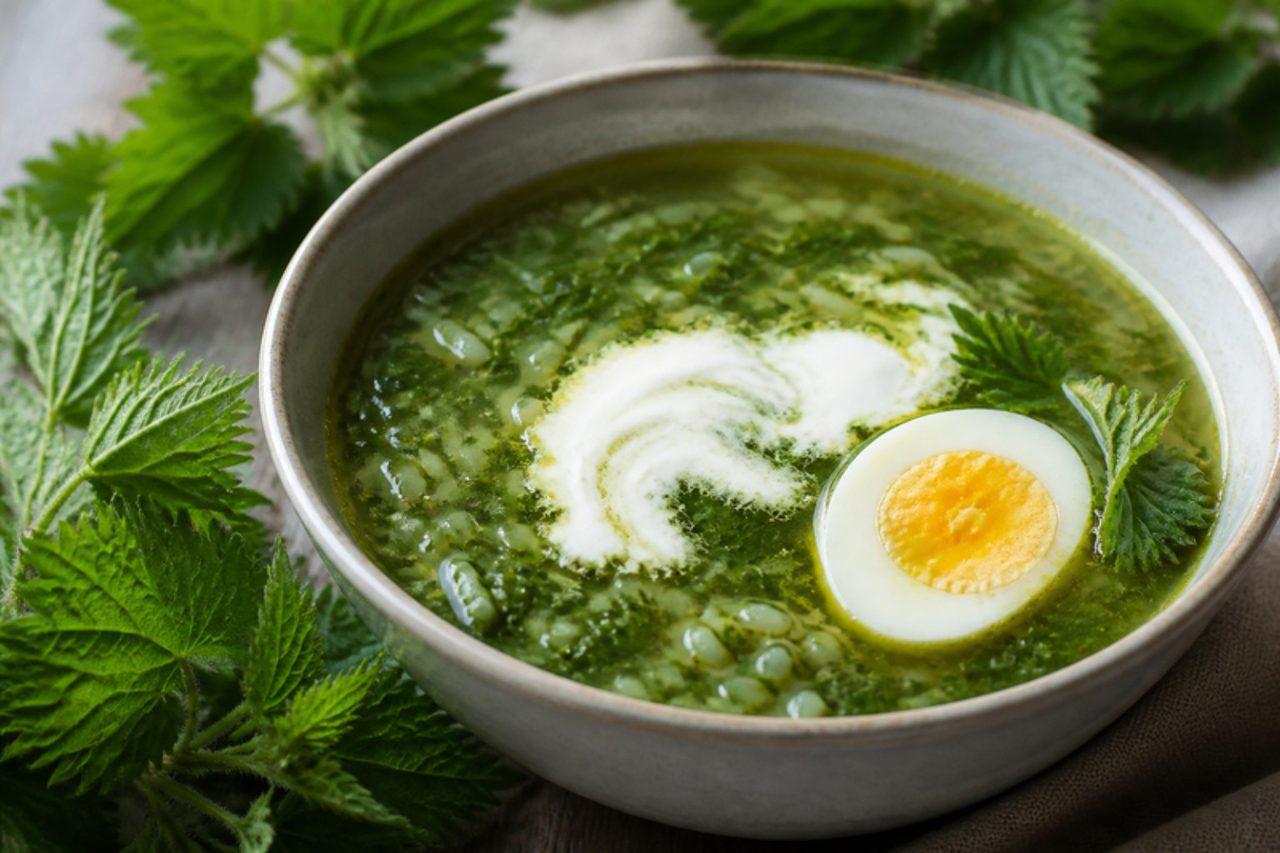
Ciorbă de urziciNettle soup

Around Iași and in the Moldavian hills, the first young nettles of March and April arrive just as the long Easter fast begins, and a green, sour ciorbă de urzici is often the first fresh vegetable dish of the year. It is a vegan post dish: nettle tops, spring onions and a little rice simmered together, then soured with borș until the broth is bright and tangy, with a grassy, spinach-like depth. Wear gloves to pick and wash the nettles and use only the young tops, the first four to six leaves; older, flowering plants turn tough and gritty. The classic error is boiling the nettles for too long, which makes them grey and stringy. Chef's tip: add a handful of chopped lovage with the borș, as it gives the soup its unmistakably Moldavian flavour.

by KrazyBadal 0 views

SufSunflower seed milk

During the long Orthodox fasts, when milk is off the menu for weeks, Ethiopian households turn sunflower seeds into suf: the seeds are pounded or blended with water and strained through a cloth into a pale, creamy drink with a gentle nutty taste. It is served cool in glasses, sometimes lightly sweetened, and the same liquid is poured over torn injera to make the fasting dish suf fitfit. It is light, filling and costs very little. Chef's tip: squeeze the pulp hard in the cloth at the end; the last, thickest drops carry most of the flavour.

by KrazyBadal 0 views

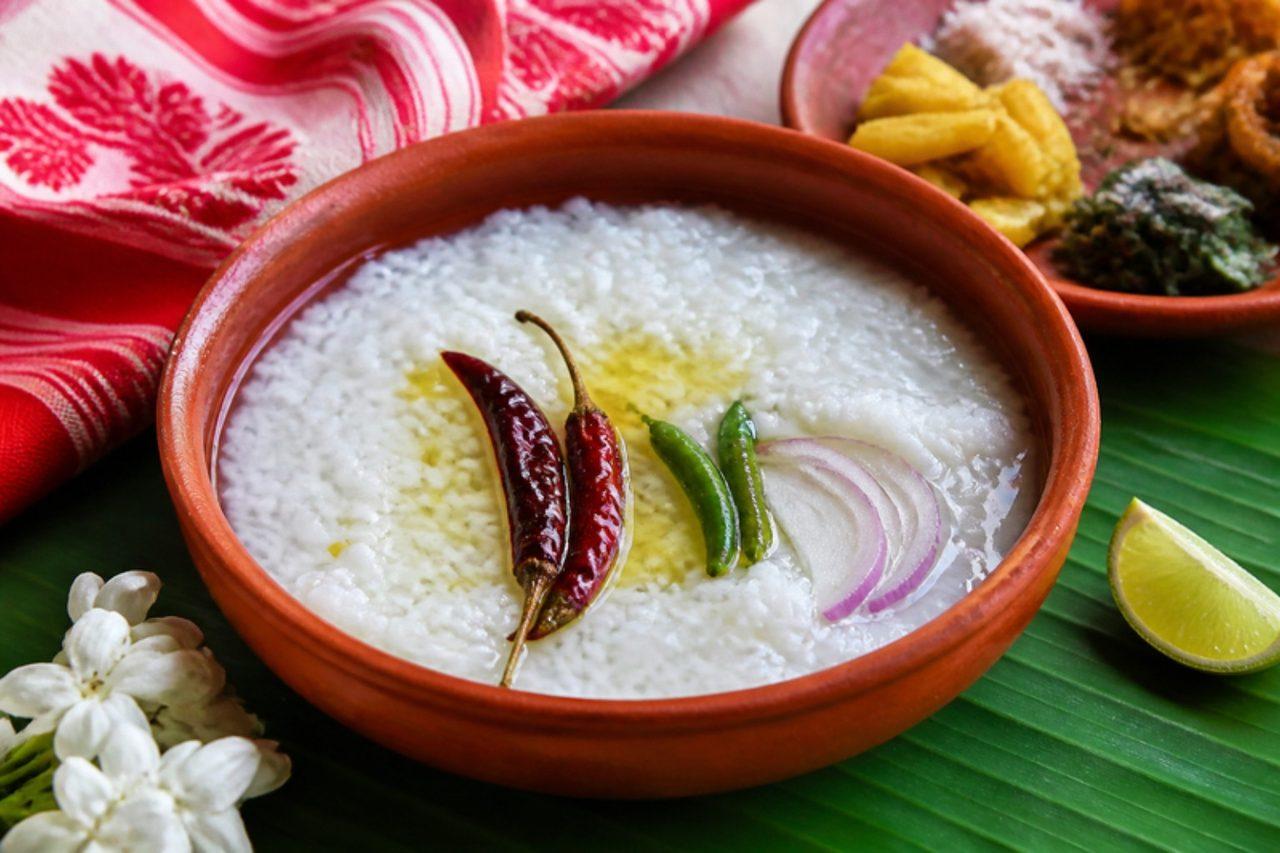
Panta bhatSoaked rice with onion and chilli

For farming families across Bangladesh, panta bhat was simply what you ate in the morning: last night's rice, left covered in water, now cool and slightly tangy, eaten with a fistful of salt, a raw green chilli and a bite of onion before going out to the fields. Today it is also the ritual breakfast of Pohela Boishakh, the Bengali New Year in mid-April, when Dhaka families gather near Ramna Batamul in red and white and eat panta from clay bowls, usually beside fried hilsa, which many households now skip, and a few bhortas. The grains are soft and cold, the soaking water is drunk too, and mustard oil and charred dried chilli give it bite. The real pitfall is food safety: cooked rice left warm on the counter overnight can grow harmful bacteria, so cool it quickly and soak it in the fridge. Chef's tip: use cold boiled water for soaking and eat it within 12 hours, while it tastes fresh and only faintly sour.

by KrazyBadal 0 views

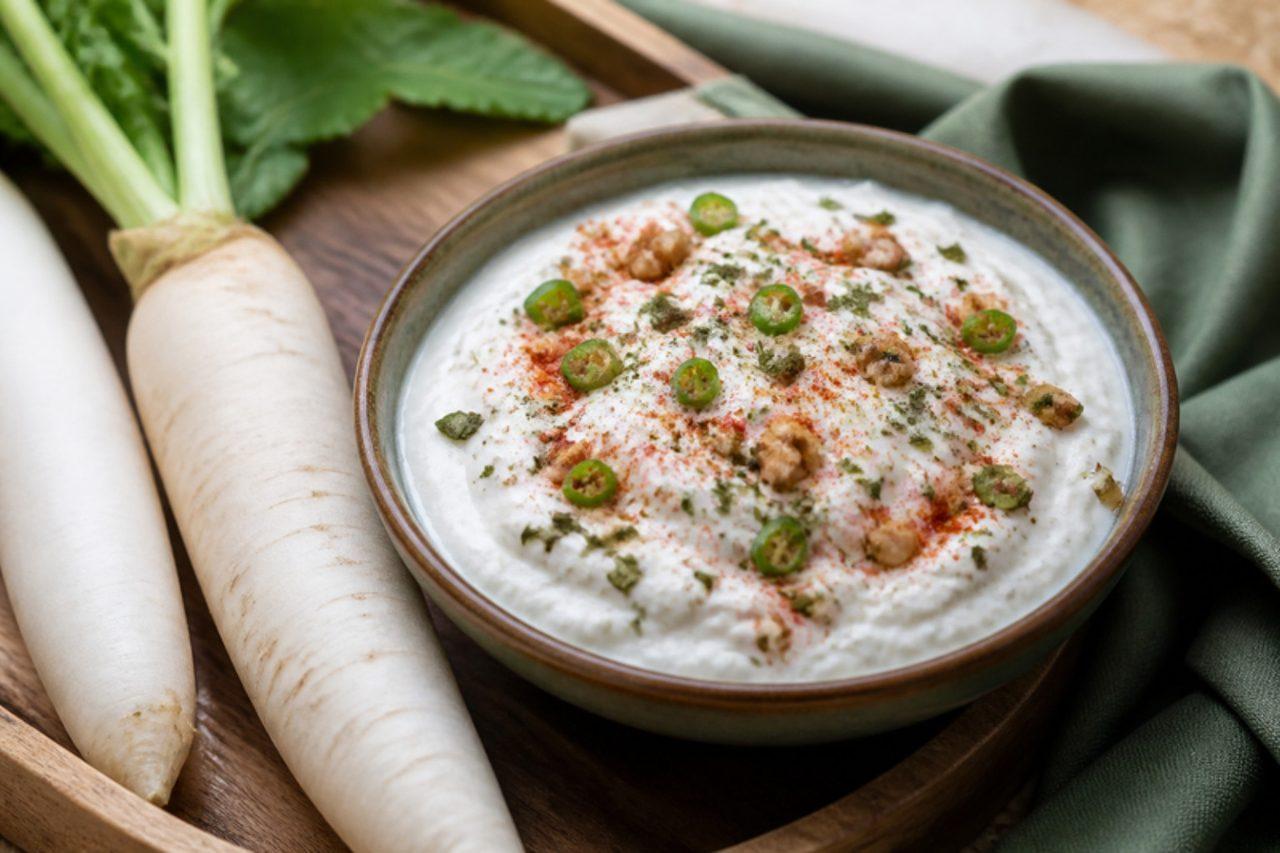
Muji chetinRadish yogurt chutney

In the cold months, when long white radishes come up from the terraced fields around Muzaffarabad, Kashmiri households grate them into muji chetin, a peppery, cooling relish that turns up at almost every winter meal. The raw radish gives crunch and a gentle heat of its own, the yogurt softens it, crushed walnuts add richness and a pinch of red chilli brings colour. It is eaten with rice and a dish of yakhni or haak, and it is just as good with plain chapati. People often forget to squeeze the grated radish, so the chutney turns thin and watery within minutes. Chef's tip: salt the grated radish for 5 minutes, then wring it in a cloth before folding it into the yogurt.

by KrazyBadal 0 views

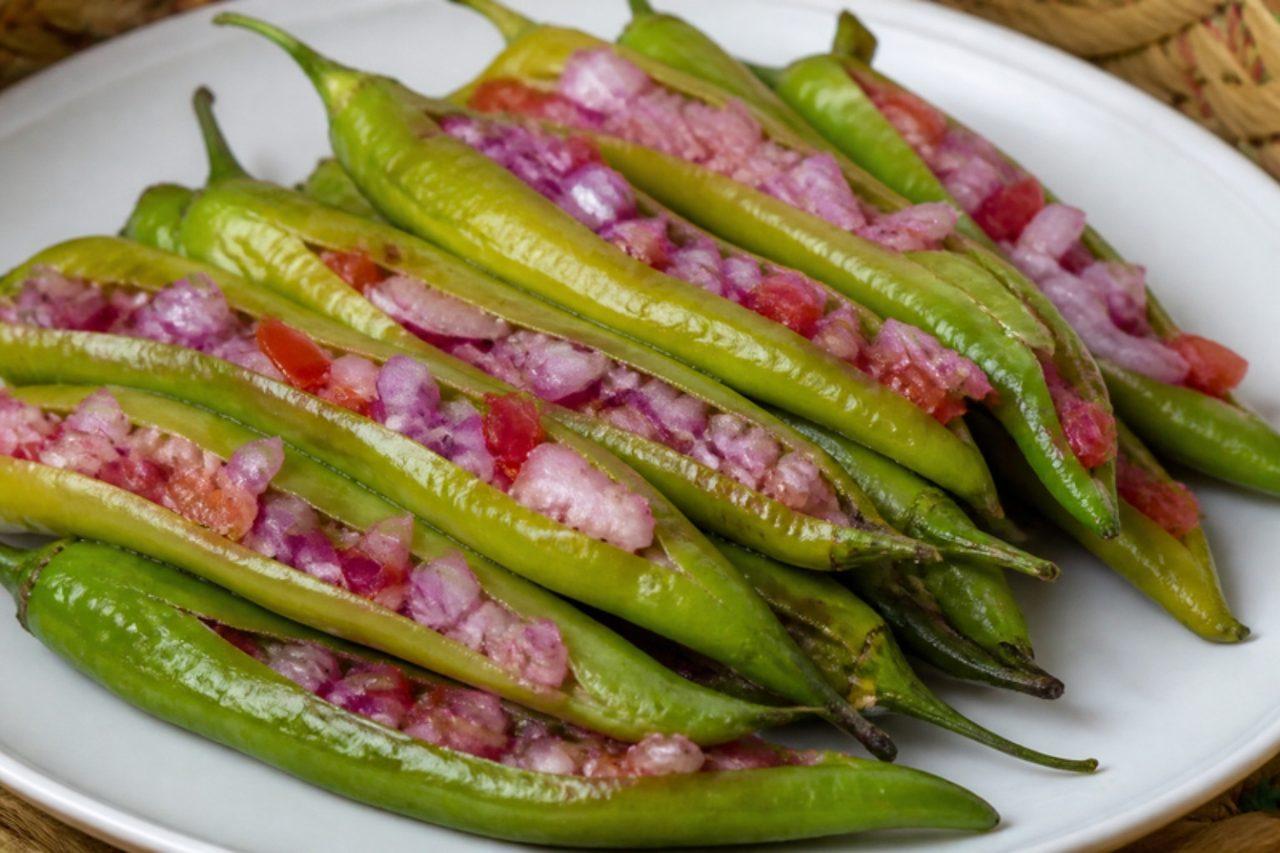
Sinig karia (stuffed green chillies)

Long, pale green karia chillies are piled high in the markets of Addis Ababa, and on fasting days cooks slit them, scrape out the seeds and fill them with a sharp little salad of onion and tomato soaked in lemon. The result is crunchy, fresh and juicy, with a mild chilli warmth, and the chillies are eaten with the fingers between mouthfuls of injera and spicy wat, or set out as a starter. Choose mild long peppers such as Anaheim, Hungarian wax or long sweet green peppers. A common mistake is leaving the white ribs in, which keeps the heat high and can make them bitter; scrape them out with a teaspoon. Chef's tip: dip the chillies in boiling water for one minute and cool them in cold water first if you want them a little softer and easier to stuff.

by KrazyBadal 0 views

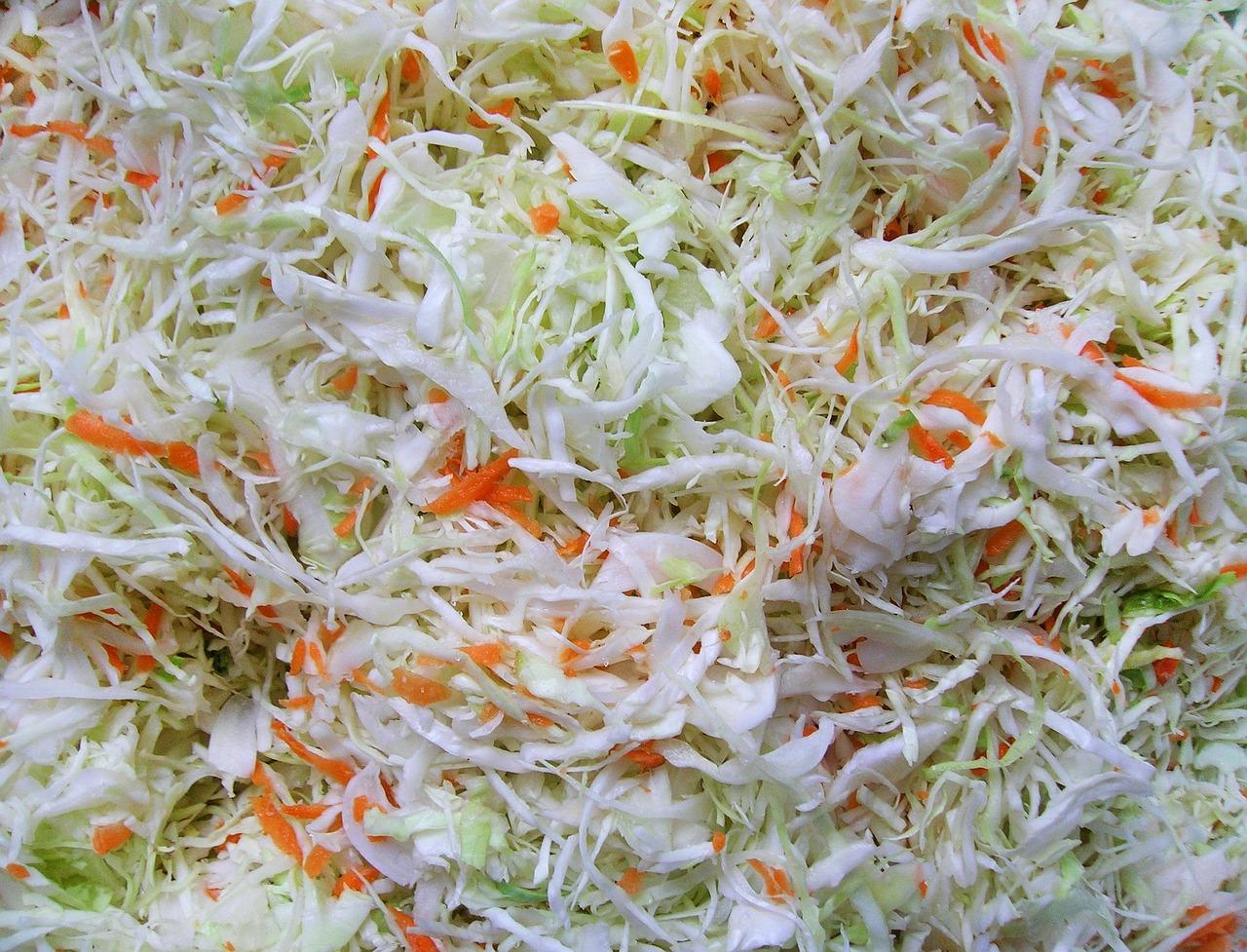
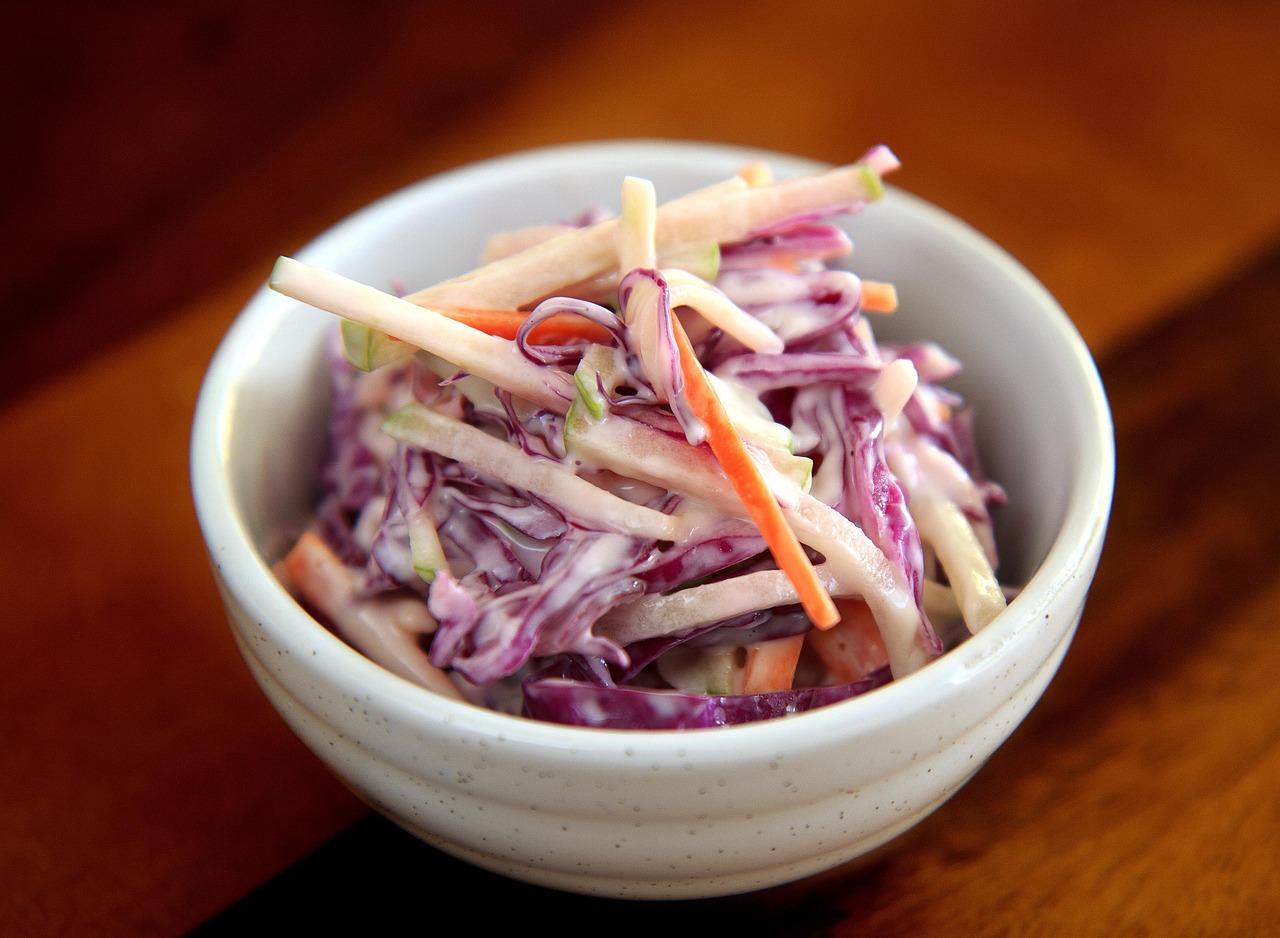
Vitamin salad

"Vitamin" salad was the bright spot on every Soviet stolovaya tray, scooped from a steel tray beside the cutlets and buckwheat, and it is still how many Russians start a light lunch. Fresh white cabbage, carrot and green apple are rubbed with salt and sugar, then dressed simply with sunflower oil and vinegar, so it tastes crisp, juicy and sweet-sour. It goes with almost anything hot and is a good way to use half a cabbage. A common mistake is skipping the squeeze: crushing the cabbage with salt for a minute or two softens it and draws out juice that becomes part of the dressing. Grate the apple last so it does not brown. Chef's tip: unrefined, toasted-seed sunflower oil gives the true canteen flavour; a splash goes a long way.

by KrazyBadal 0 views

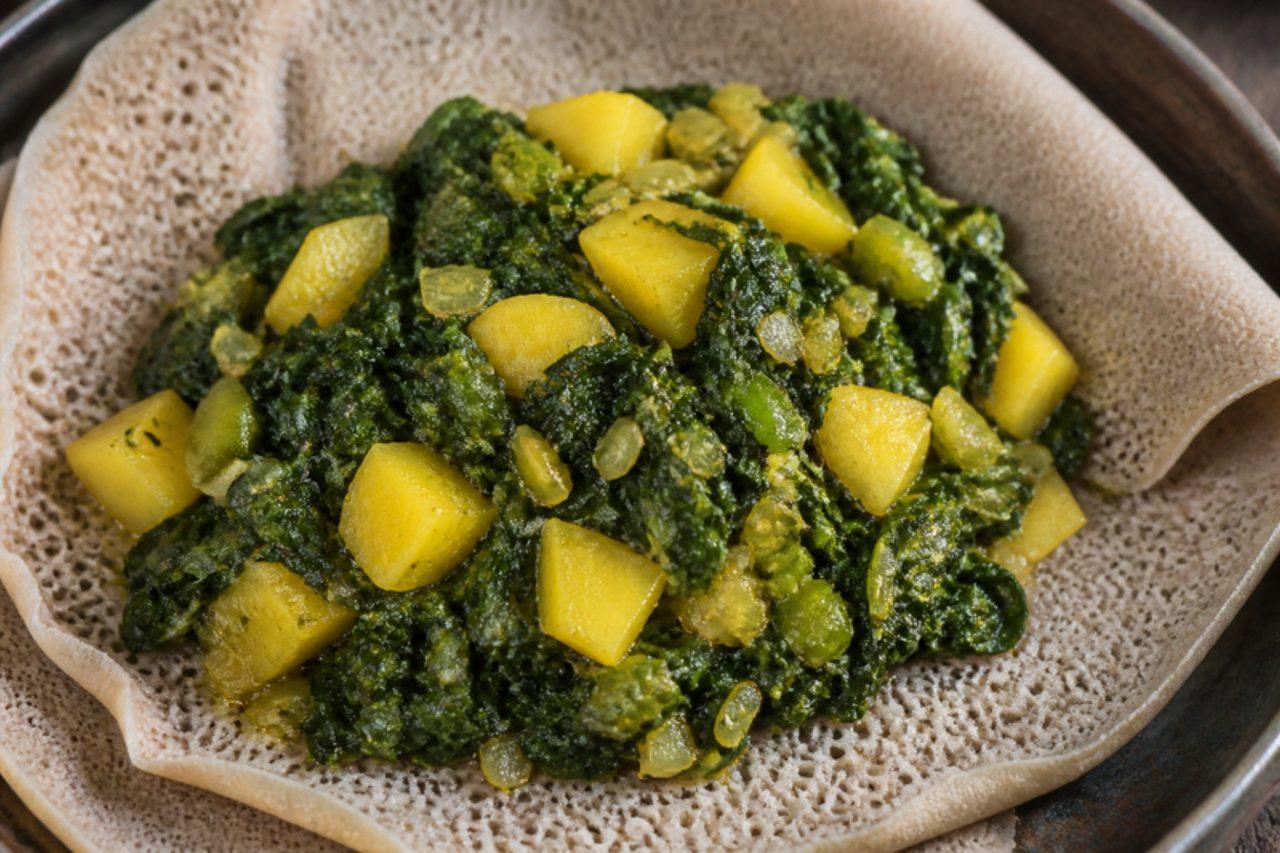
Ye-kosta wat (Swiss chard and potato)

Kosta, Swiss chard, is grown in backyard plots from Bahir Dar to Hawassa, and during the long fasts it is stewed with potatoes into this simple green dish found on almost every vegan beyaynetu. Onion, garlic and ginger soften in oil, potatoes go in first, then the chopped chard stems and leaves, all cooking down together into a soft, juicy stew that is mild, fresh and a little sweet, with a gentle heat from green chilli. Spoon it onto injera beside spicier wats, or eat it with rice. The common mistake is adding the stems and leaves at the same time; the stems need a few minutes longer. Chef's tip: a pinch of turmeric is not traditional in every home but gives the potatoes a warm golden colour against the green.

by KrazyBadal 0 views

UkhaClear river fish soup

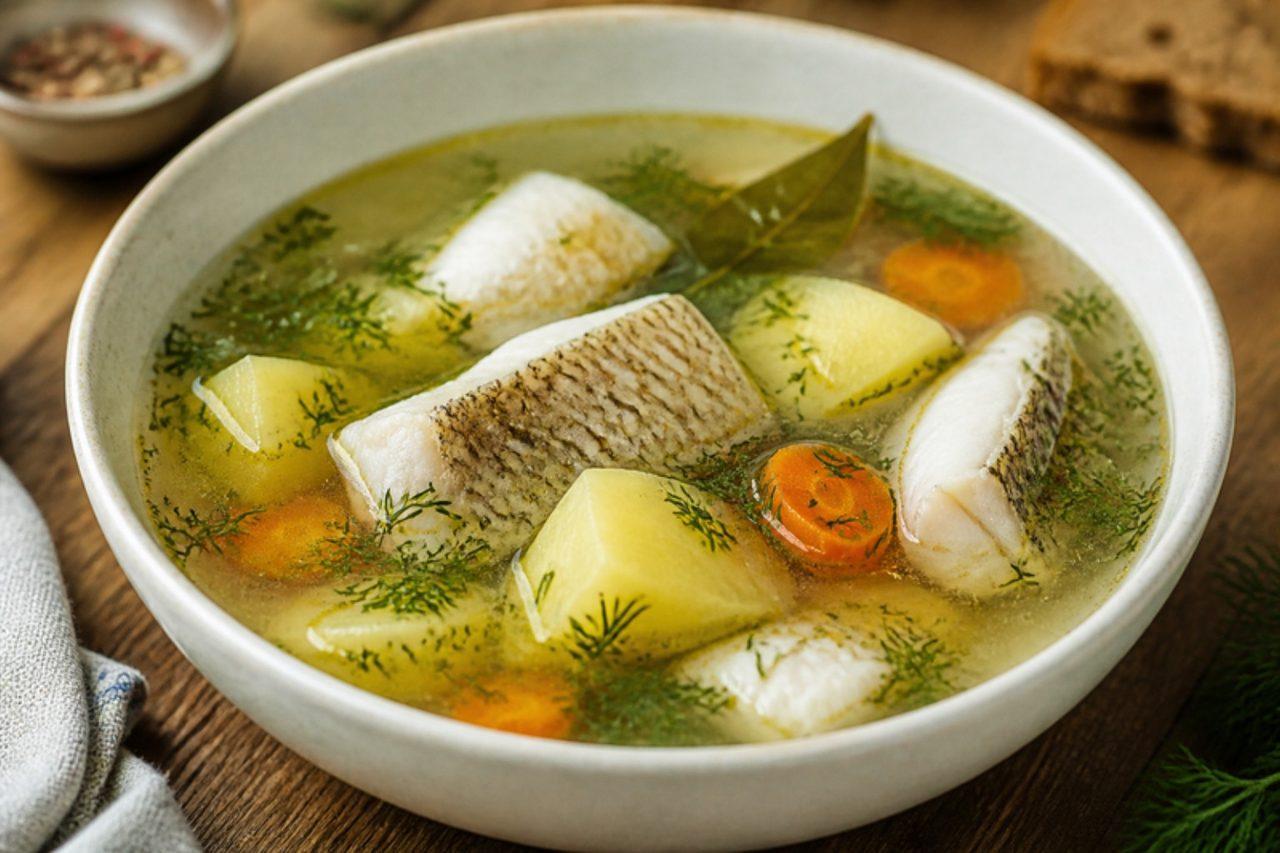
Fishermen on the Volga sandbanks make ukha in a blackened pot over driftwood with whatever is in the net, perch, pike-perch, a small pike, and it is still the soup cooked at dachas on summer evenings. The point is clarity: a light, pale-gold broth that tastes cleanly of fish, with soft potatoes, a whole onion simmered in and a fistful of dill at the end. It is served with black bread and a squeeze of lemon. A common mistake is letting the pot boil hard, which clouds the broth and breaks the fish into flakes. Chef's tip: simmer the bones and trimmings first for the stock and only then poach clean fillets in it, so you get both a rich broth and neat pieces of fish.

by KrazyBadal 0 views

Sisnu ko jholStinging nettle soup

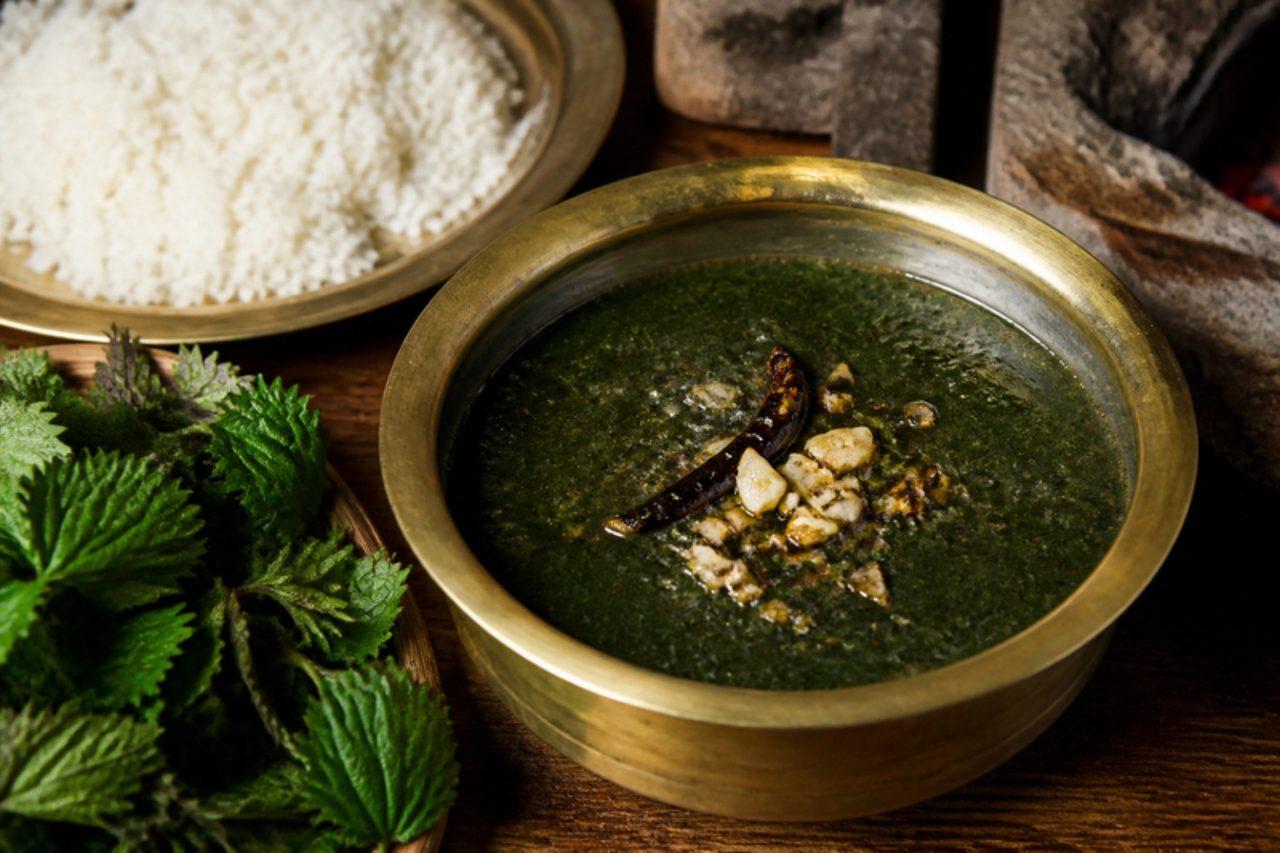
Sisnu grows wild along every terrace wall and trail in the middle hills, and before vegetables were easy to buy it was the green that kept villages going through the dry season; Rai and Magar families still pick the tender tips with tongs or with a cloth wrapped round the hand. Cooked, the sting disappears completely, leaving a deep green, silky soup that tastes somewhere between spinach and seaweed, thickened with a spoonful of cornmeal and seasoned with garlic, chilli, jimbu and timur. It is poured over rice or eaten with dhido, and many Kathmandu restaurants now serve it as a proud reminder of hill cooking. Never handle the raw leaves bare-handed; the sting lasts for hours. Chef's tip: wear rubber gloves until the nettles have been in boiling water for a minute, and pick only the top four to six leaves of each shoot.

by KrazyBadal 0 views

Iskus ko tarkariChayote and potato curry

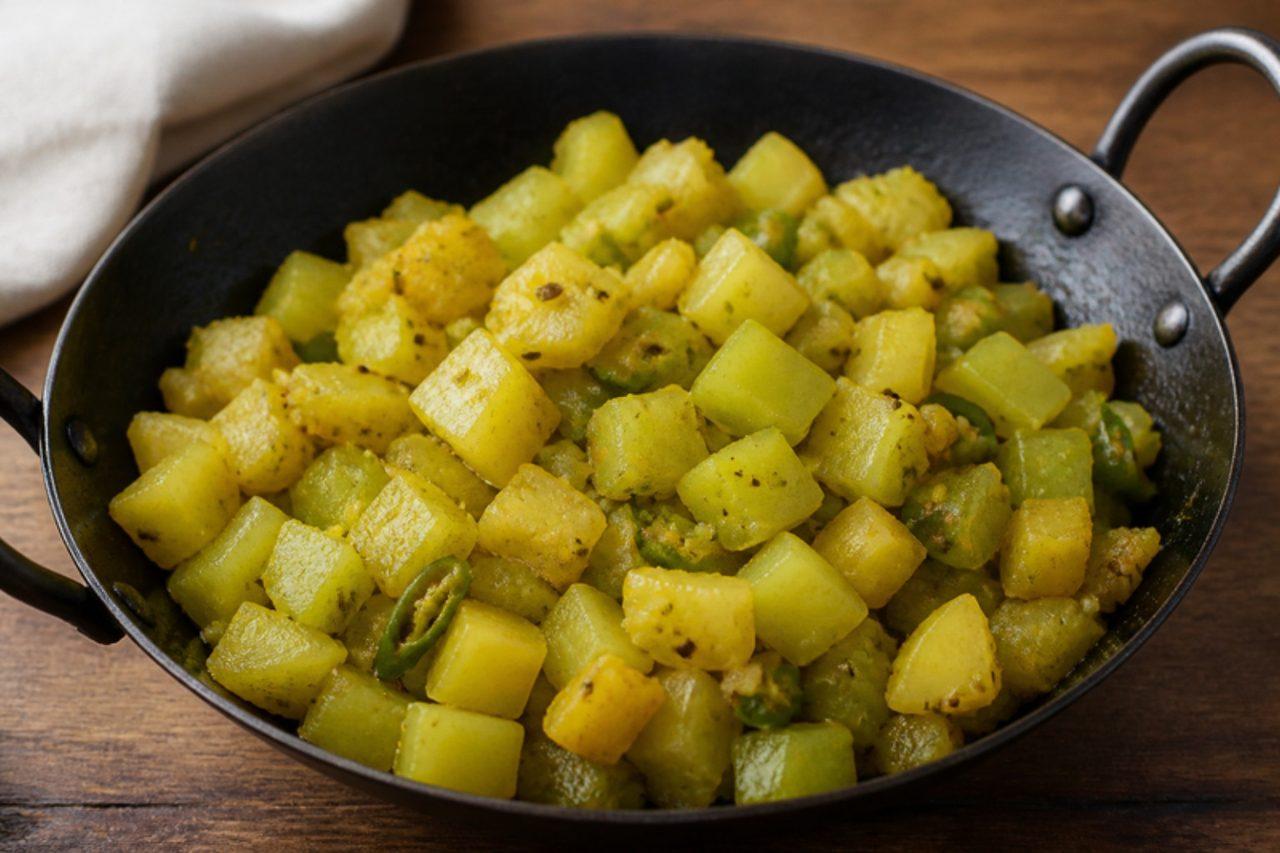
Every hillside garden in the eastern hills, from Dharan up to Bhojpur, has an iskus vine rambling over the roof or a bamboo frame, and from late summer the pale green chayotes hang down by the dozen, so this simple dry curry appears on the table almost every day. The chayote is peeled, cut into chunks with a little potato and cooked in mustard oil with fenugreek, cumin, garlic, turmeric and green chilli until tender but still holding a crisp edge, with a splash of tomato for colour. It is mild, juicy and slightly sweet, the everyday tarkari beside dal, rice and a sharp achar, and it packs well into a tiffin box. The usual mistake is adding water, which turns the chayote watery and bland, as it releases plenty of its own juice. Chef's tip: oil your hands before peeling, because raw chayote leaves a sticky, tight film on the skin.

by KrazyBadal 0 views

Key sir alicha (mild beetroot and potato)

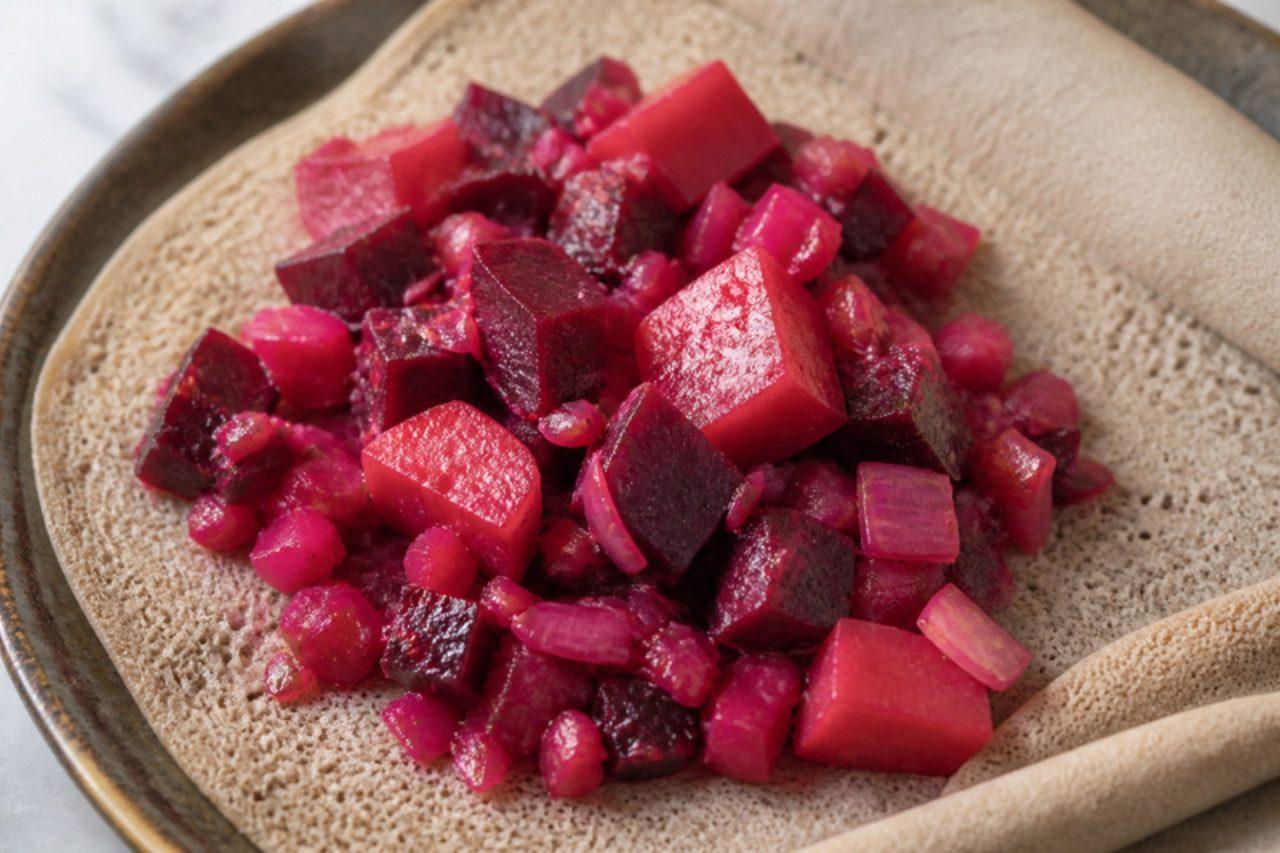
A magenta heap of key sir is the splash of colour on a beyaynetu fasting platter, served in restaurants all over Addis Ababa and at home through Lent. Being an alicha, it is mild rather than fiery: beetroot and potato cook slowly with onion, garlic, ginger and oil until tender and shiny, sweet and earthy with only a little heat from green chilli. It balances the hotter wats and cools the palate between bites of injera. A common mistake is cutting the beetroot too large, so the potato turns to mush before the beet is tender; cut the beet smaller, or give it a ten-minute head start. Chef's tip: cook it a day ahead if you can, because the flavours mellow and the potatoes take on even more colour overnight.

by KrazyBadal 0 views

Sinki ko jholFermented radish soup

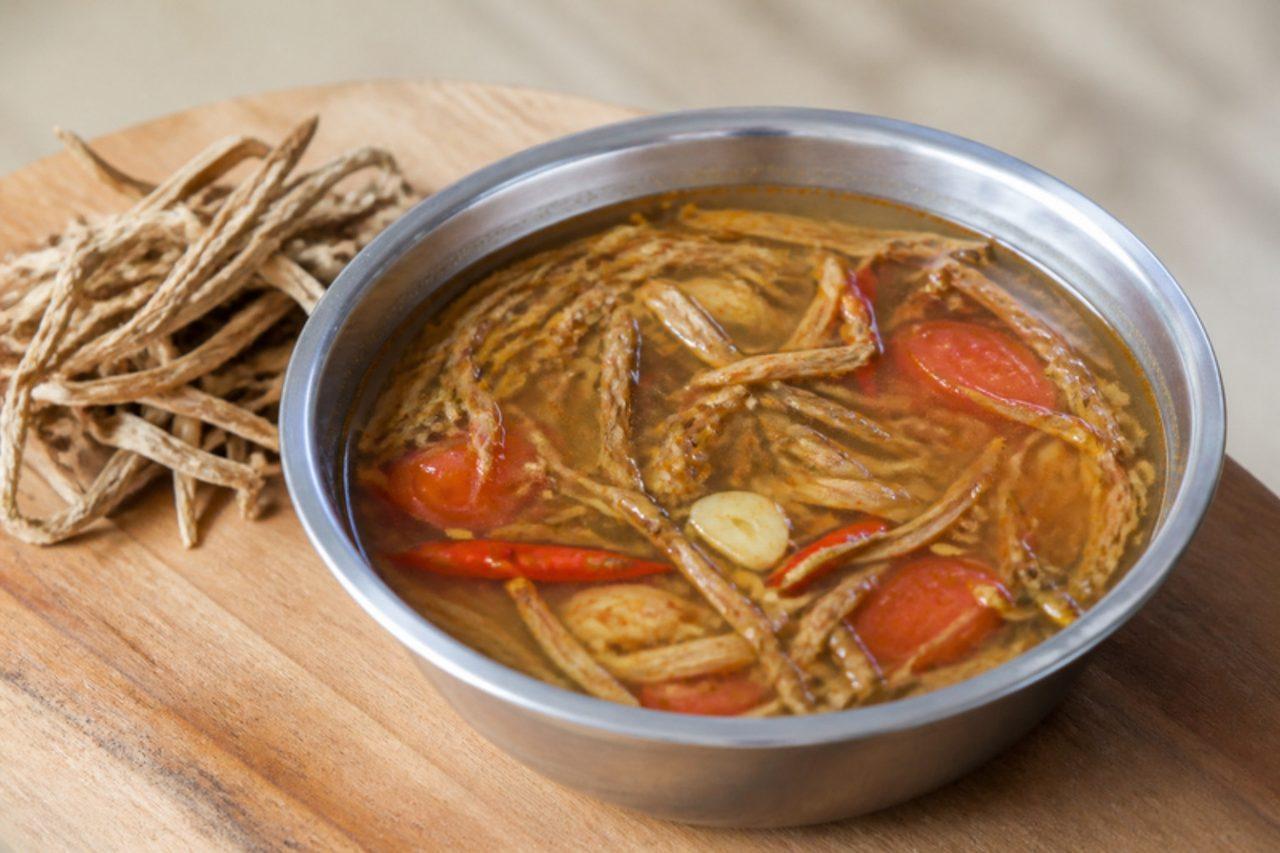
Sinki is the radish answer to gundruk: in late autumn, families in Ilam, Dhankuta and Terhathum pack chunks of radish root into pits lined with straw or into airtight jars, let them ferment for a few weeks, then cut and sun-dry the pieces into chewy, pungent strips that last all year. In winter and through the monsoon, a handful turns a pot of water, tomato, garlic and chilli into a thin, tangy, warming soup that is poured over rice or drunk from a bowl alongside dal bhat. It is light, sharp and savoury, and many people in the hills swear by it for a cold or a heavy stomach. It goes wrong if the sinki is not rinsed and soaked, so the soup tastes musty and gritty. Chef's tip: soak the strips in warm water for 10 minutes, squeeze them dry and fry them briefly in the oil before the water goes in, which mellows the funk and brings out a pleasant smokiness.

by KrazyBadal 0 views

Gebna areeshSoft fresh cheese

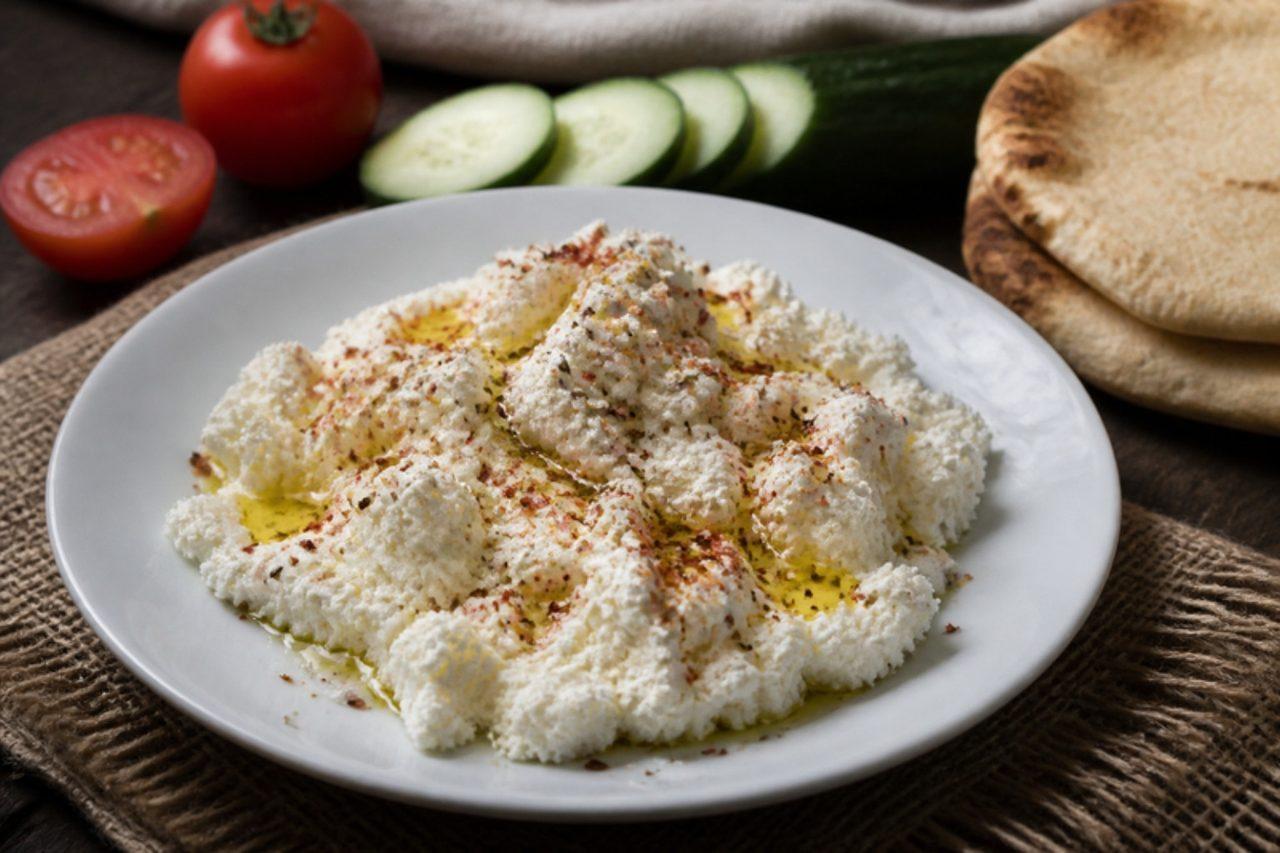
Farm families in the Delta have long made areesh from the skimmed, soured milk left after churning butter, draining the curds in reed mats until they are soft and crumbly. The cheese is pale, light and mildly tangy, with almost no fat, and is eaten at breakfast and supper with tomatoes, cucumbers, spring onions, herbs and a thread of olive oil, or crumbled into salads and pies. This home version starts with pasteurised skimmed milk and cultured buttermilk; the milk then needs 18 to 24 hours to sour at room temperature before the short cooking and draining. No rennet is used: the curd is set by souring alone, so it suits vegetarians. Don't boil the soured milk hard: rapid heat makes tough, rubbery curds instead of soft, delicate ones. Chef's tip: heat the soured milk very gently; boiling it makes the curd tough and squeaky.

by KrazyBadal 0 views

Mukunuwenna mallungShredded joyweed with coconut

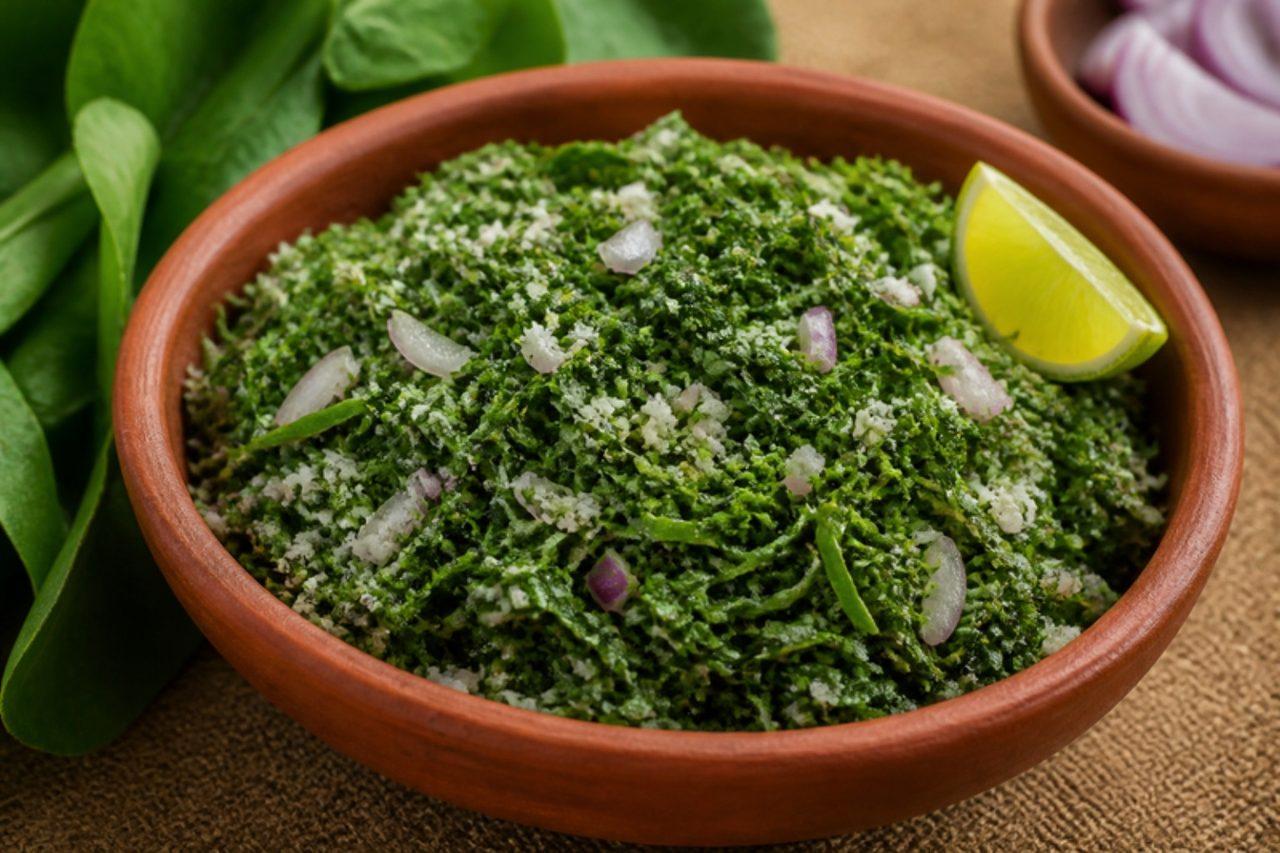
A green mallung appears on almost every rice and curry spread in the western lowlands, and mukunuwenna, a small-leaved creeping plant that grows wild along paddy bunds and in damp garden corners, is one of the most loved. Grandmothers swear by it for good eyesight, and it is sold in tight bunches at every Colombo pola, the weekly market. The leaves are cut almost to threads, then barely warmed in a dry pan with grated coconut, red onion, green chilli and turmeric, so the dish stays fresh and slightly crunchy, a cool counterpoint to the curries around it. Outside Sri Lanka, look for it frozen in Sri Lankan or Tamil shops, or use baby spinach or watercress. Overcooking is the trap: two or three minutes is enough, and longer turns the greens dull and soggy. Chef's tip: roll a handful of leaves into a tight cigar and slice it as finely as you can; the thinner the shreds, the better they hold the coconut.

by KrazyBadal 0 views

BlitvaSwiss chard and potatoes

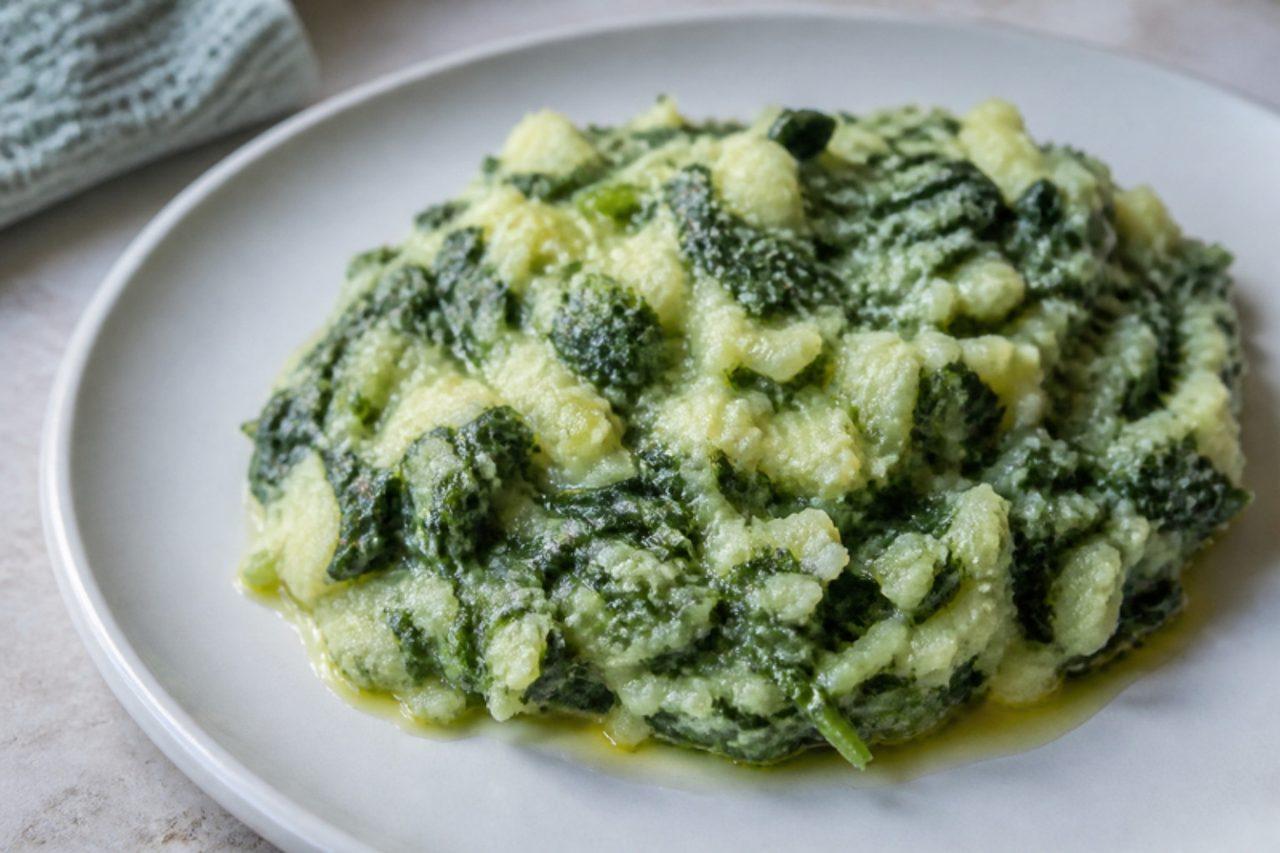
Order grilled fish in any konoba along the Dalmatian coast of Croatia, from Zadar down to Dubrovnik, and a heap of blitva usually comes with it. Swiss chard and potatoes are boiled together until soft, then crushed roughly with lots of good olive oil and a little garlic, so the potatoes turn creamy and the chard stays silky and green. It is humble, quick and very good, also with grilled vegetables, eggs or a simple bean dish. The usual slip is not draining well enough, which leaves a watery, grey mush; let everything steam dry in the colander for a minute. Chef's tip: use the best olive oil you have and add a final drizzle at the table, as Dalmatians do, so its peppery taste stays bright.

by KrazyBadal 0 views

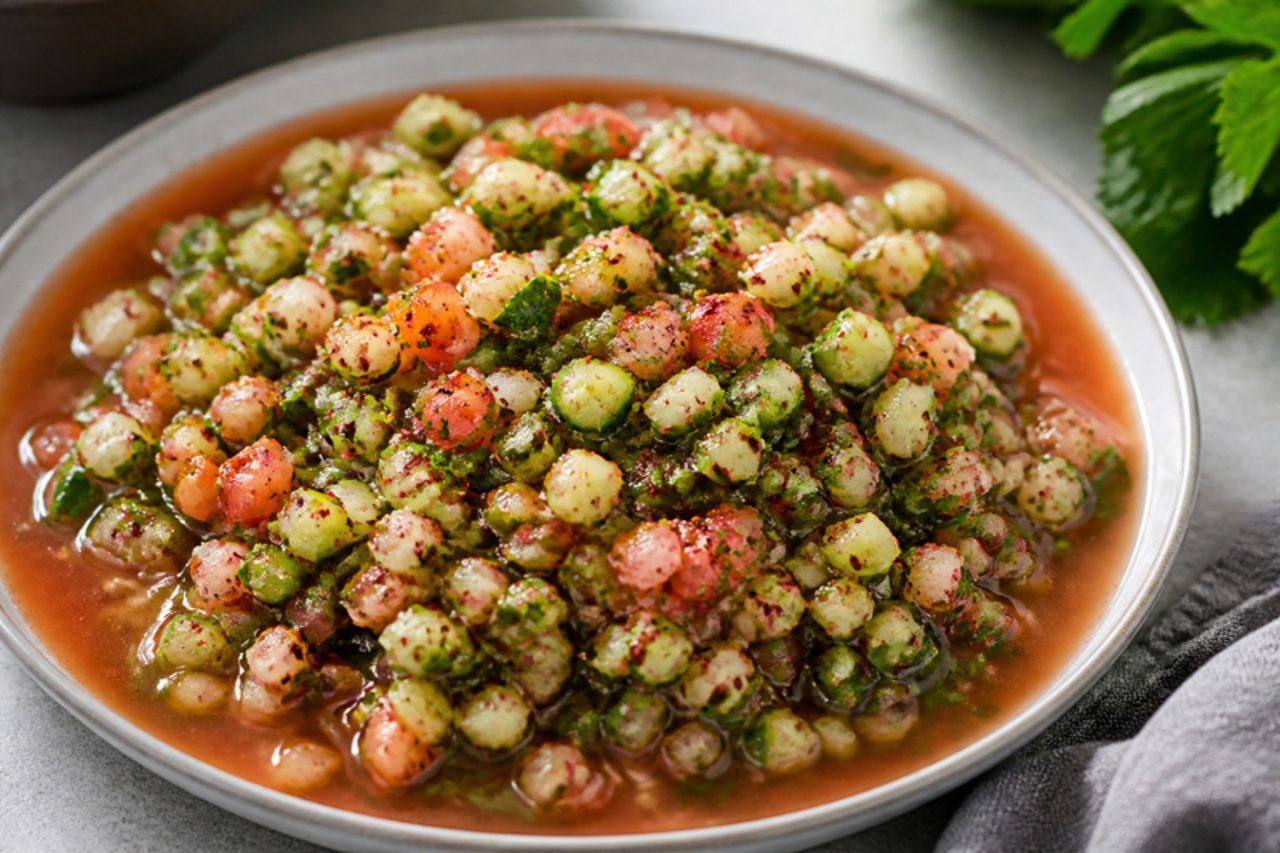
BostanaChopped tomato and cucumber salad

In Şanlıurfa a bowl of bostana goes on the table beside every summer meal of kebab, köfte or bulgur pilaf. Tomatoes, cucumbers, green peppers, onion and fistfuls of parsley and mint are chopped very small, seasoned with isot and drowned in lemon juice and a little water, so you spoon up the juices as well as the vegetables. It is meant to be cold, sour and refreshing in the city's fierce heat. Common mistake: making it hours ahead; the cucumber goes limp. Chef's tip: chill the bowl and add a couple of ice cubes just before serving, as Urfa grandmothers do.

by KrazyBadal 0 views

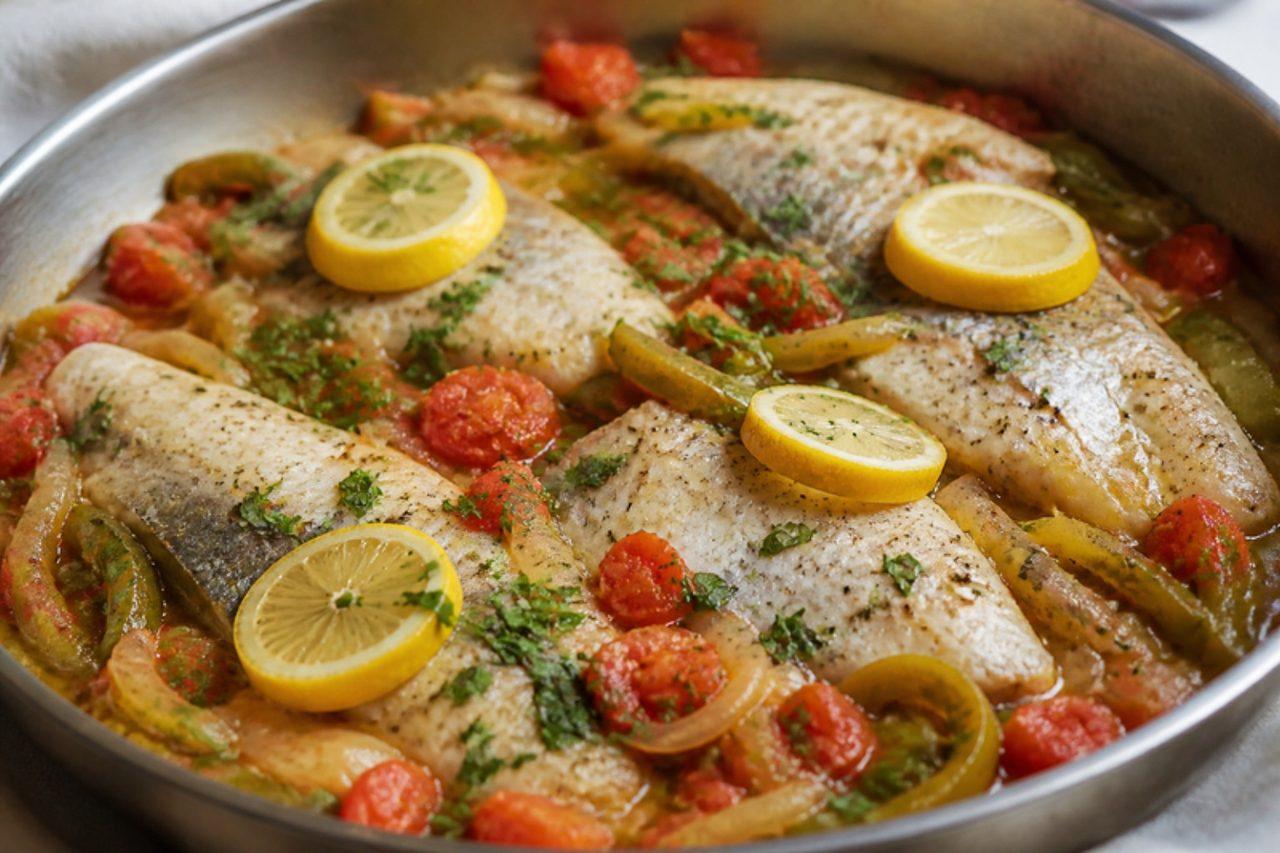
Levrek buğulamaSteamed sea bass with tomatoes

Buğulama means 'steamed', and in the fish restaurants of Urla and Foça it is how gentle white fish like sea bass are cooked when the cook wants them to taste of themselves: laid over onions, tomatoes and peppers, covered and left to steam in their own juices with a little lemon and bay. The result is soft, moist fish in a light, fragrant broth to mop up with bread. Serve with a green salad and boiled potatoes. Chef's tip: keep the heat low once the lid goes on; the fish should barely tremble, not boil.

by KrazyBadal 0 views

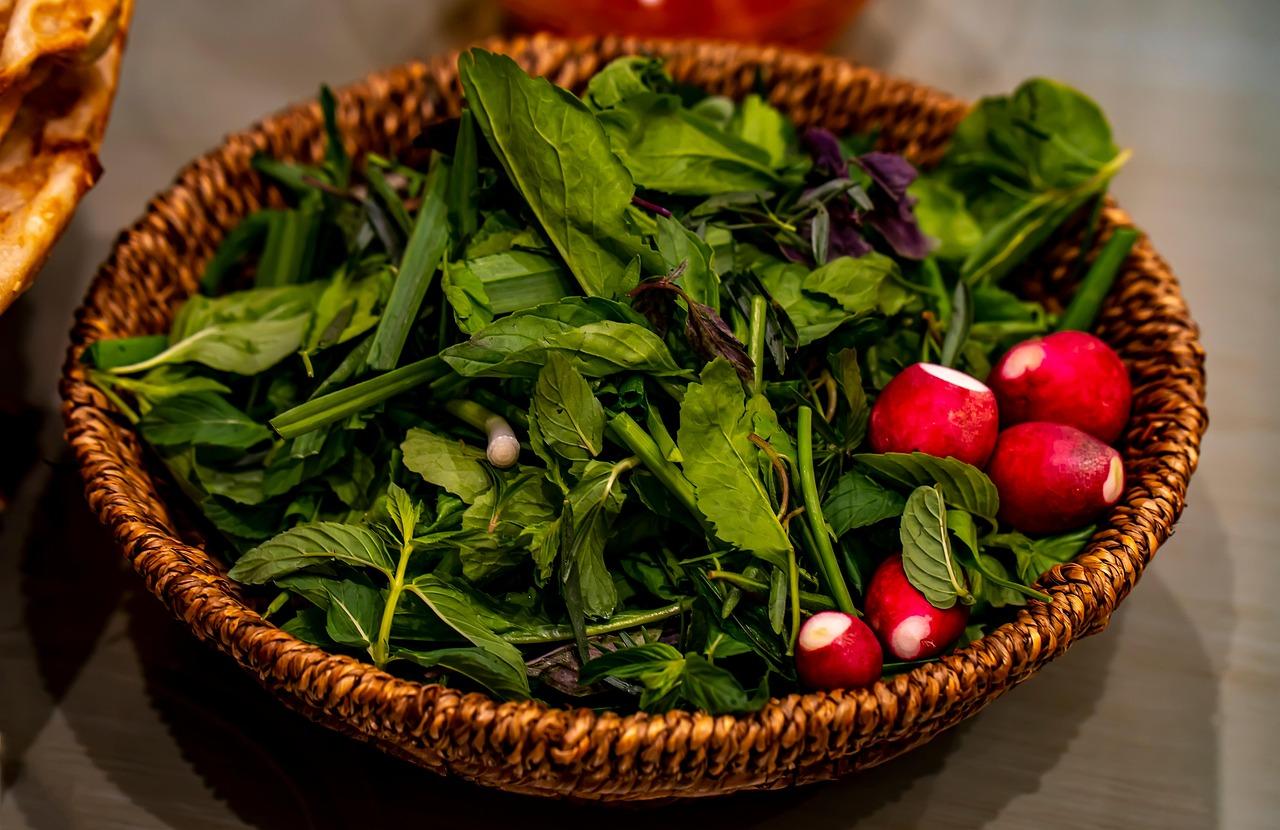
Sabzi khordanFresh herb and cheese platter

No Tehran dinner table is complete without sabzi khordan, literally 'herbs for eating': a basket or plate of whole sprigs of basil, mint, tarragon, chives and coriander with radishes, spring onions, walnuts and a block of white cheese. People tear off bread, add a little cheese and a walnut, then stuff in a few leaves, eating between mouthfuls of stew or rice. The mistake most people make is serving the herbs wet or limp; they should be crisp, dry and cold. Traditional Iranian white cheese is set with animal rennet, so choose a feta labelled vegetarian (microbial rennet) if that matters to you. Chef's tip: wash the herbs an hour ahead, spin them dry and chill them wrapped in a damp tea towel so they stay perky on the table.

by KrazyBadal 0 views

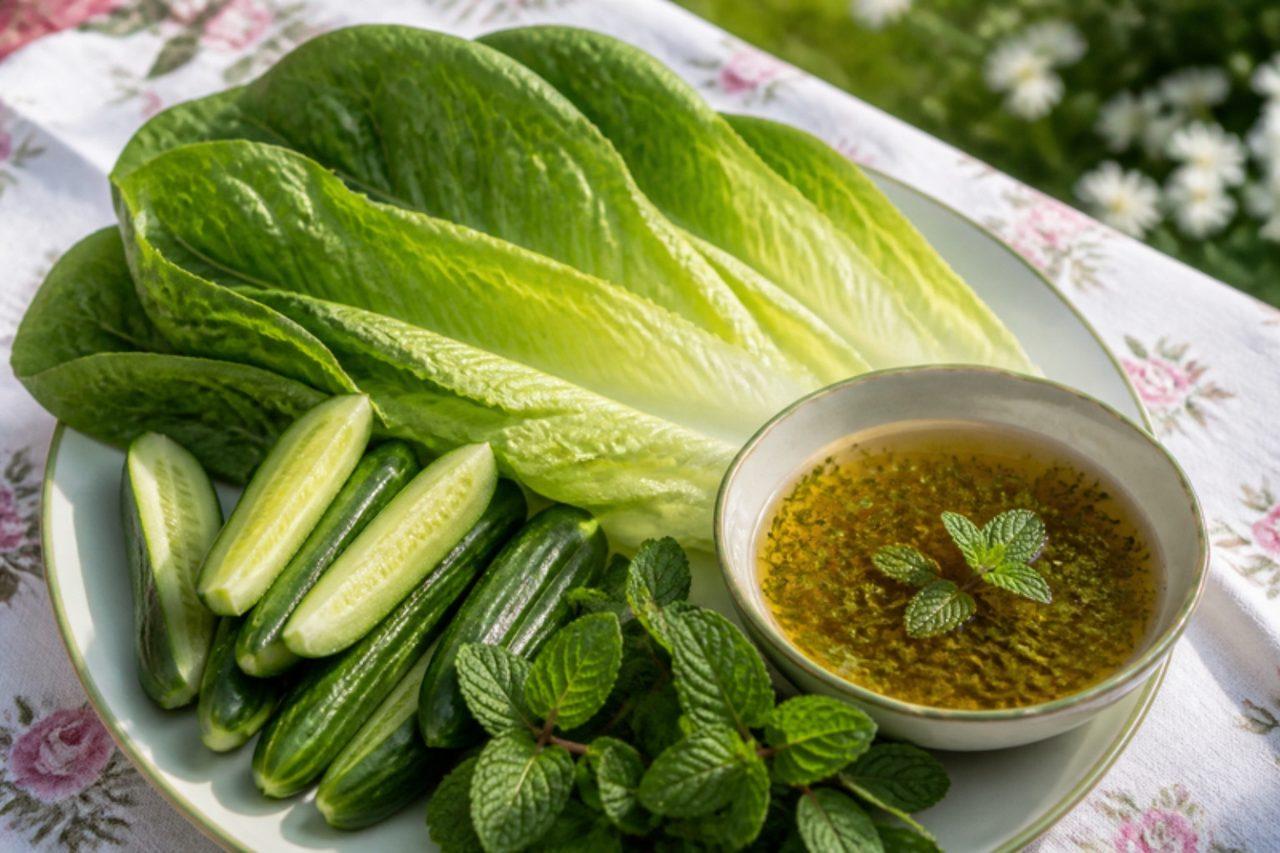
Kahu sekanjabinLettuce with mint vinegar syrup

On Sizdah Bedar, the thirteenth day of the new year, Iranian families leave the city for parks and riverbanks around Tehran and Isfahan, and the picnic cloth almost always holds a jar of sekanjabin and a head of crisp romaine. The syrup is an ancient one: sugar and vinegar simmered together and steeped with fresh mint, sweet-sour and cooling. You tear off a lettuce leaf, dip it and crunch. The usual mistake is boiling the syrup too long, which turns it into hard toffee once cold. Chef's tip: keep the lettuce in iced water until the moment you serve; the colder and crisper the leaf, the better the contrast with the syrup.

by KrazyBadal 0 views

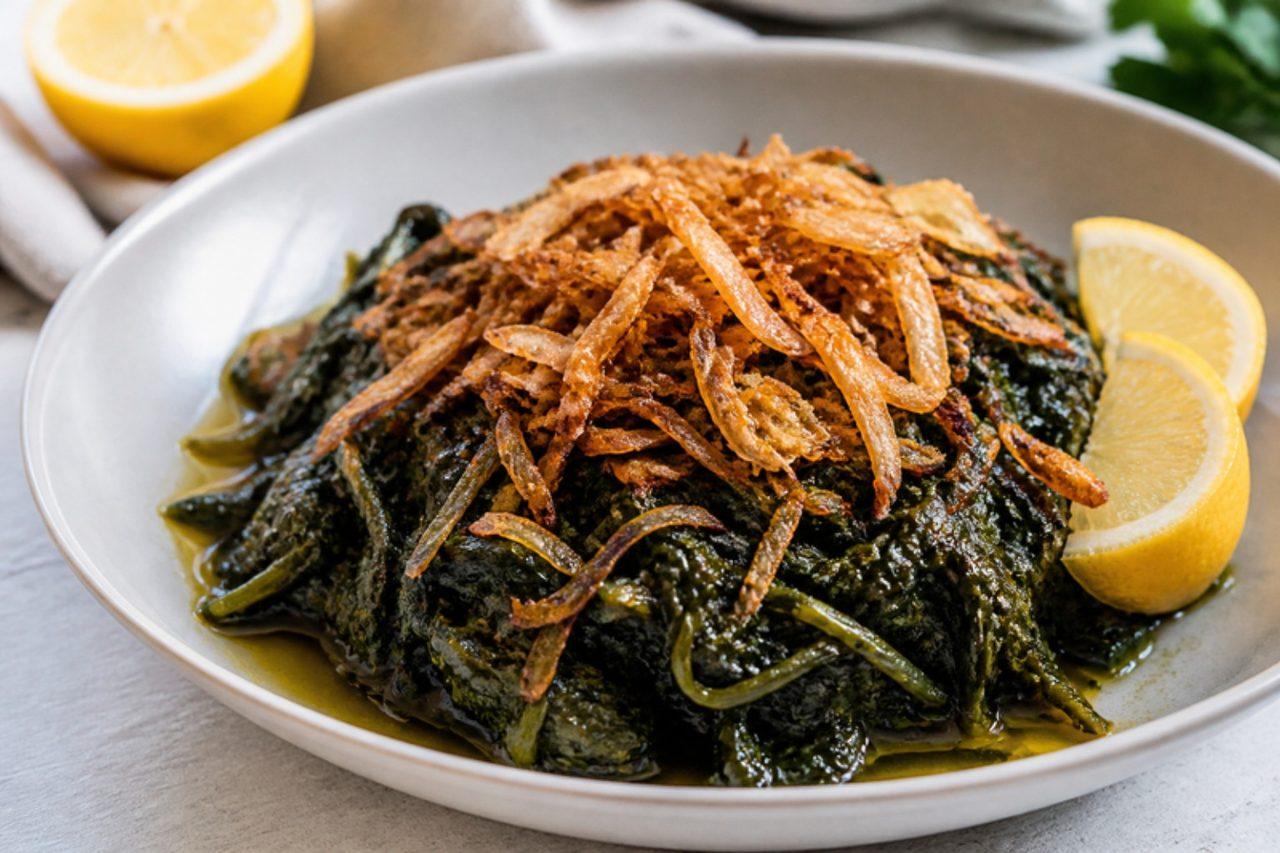
HindbehDandelion greens with fried onions

Each spring, people in the Lebanese hills go out with a knife and a bag to gather wild chicory and dandelion for hindbeh, a Lenten favourite in Christian homes and a regular on mezze tables all year. The bitter greens are blanched, squeezed and fried with garlic in olive oil, then piled with a tangle of deeply browned, crisp onions and served with lemon wedges. The bitterness, the sweetness of the onions and the sharp lemon balance each other, and it is eaten at room temperature with bread. Cultivated dandelion or curly endive from a greengrocer works well. Common mistake: not squeezing the greens dry; water stops them frying and dilutes the oil. Chef's tip: fry the onions slowly and pull them out a shade lighter than you want — they keep darkening on the paper.

by KrazyBadal 0 views

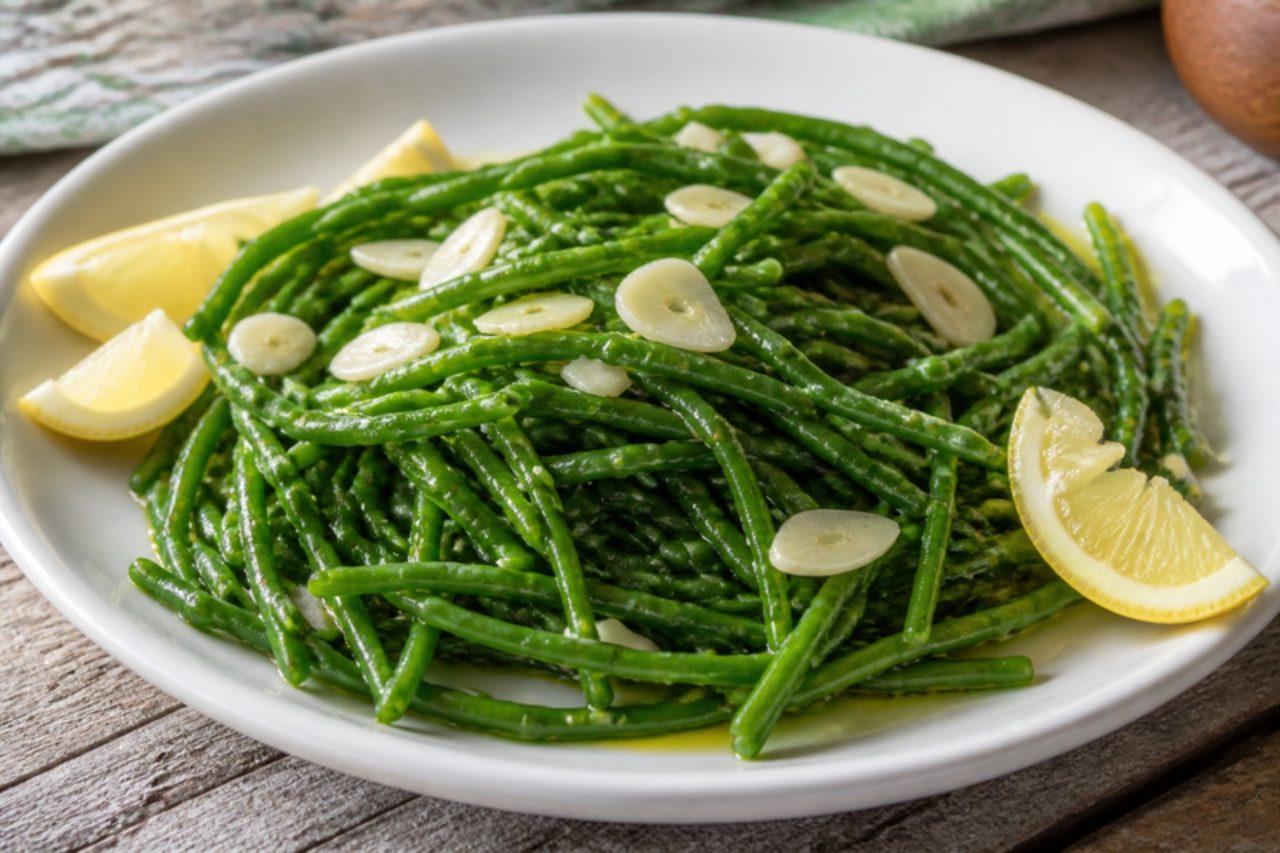
Deniz börülcesi salatasıSamphire salad with garlic and lemon

Along the Aegean coast from Ayvalık down to Bodrum, every meze tray in early summer carries a tangle of deniz börülcesi, the salty, crunchy samphire gathered from the marshes. It is blanched, pulled off its woody cores, then dressed with plenty of garlic, lemon and olive oil and served cold beside grilled fish. It tastes of the sea in the best way. Chef's tip: don't salt the cooking water or the dressing; samphire carries all the salt it needs.

by KrazyBadal 0 views

Suco de acerolaAcerola cherry juice

Backyard acerola bushes are everywhere in Pernambuco, Paraíba and the rest of the Northeast, and the small, glossy red cherries fruit several times a year. Blended with water and a little sugar, they make a vivid orange-red juice, tart and cherry-like with a slightly floral finish, famously one of the richest natural sources of vitamin C. Lanchonetes often mix it with orange juice; at home it is the drink kids are handed when they have a cold. Fresh acerolas spoil within days, so outside Brazil use frozen acerola pulp. Letting it stand is the common mistake, since the vitamin C and colour fade quickly once blended. Chef's tip: blend it just before serving, and add the sugar sparingly, about a tablespoon per two glasses, to keep it light.

by KrazyBadal 0 views

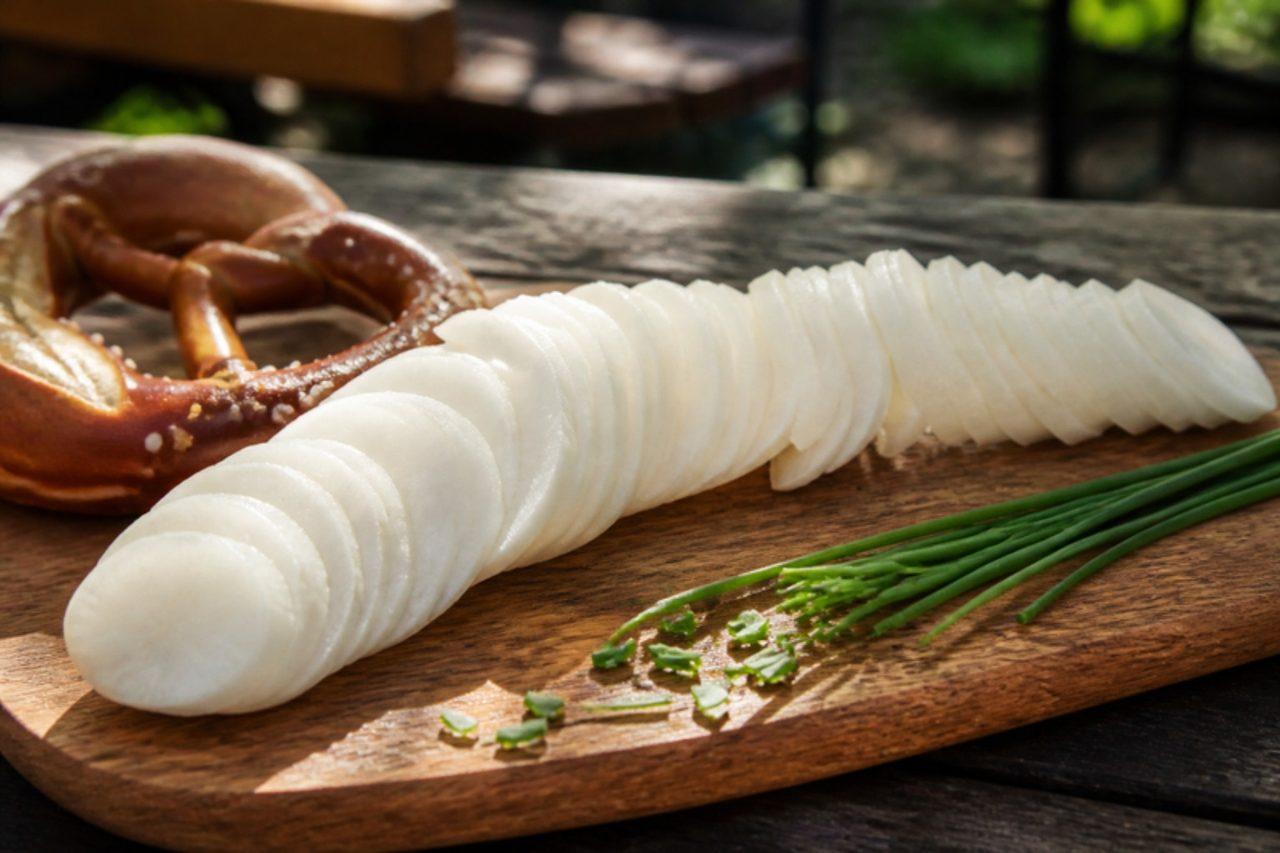
RadiSalted spiral-cut radish

In Bavaria a Radi is a single big white radish, cut into one long spiral or paper-thin slices and salted until it 'weeps', then eaten with your fingers in the beer garden between bites of pretzel. Stalls at Munich's Viktualienmarkt sell the long white roots from spring to autumn, and old regulars carry a special spiral cutter. It is crisp, peppery and cooling, the opposite of everything rich on the table. A common mistake is eating it straight away: the salt needs ten minutes to draw out the bitter juice and soften the bite. Chef's tip: pick a heavy, firm radish with a smooth skin; a light one is often woody and hollow inside.

by KrazyBadal 0 views

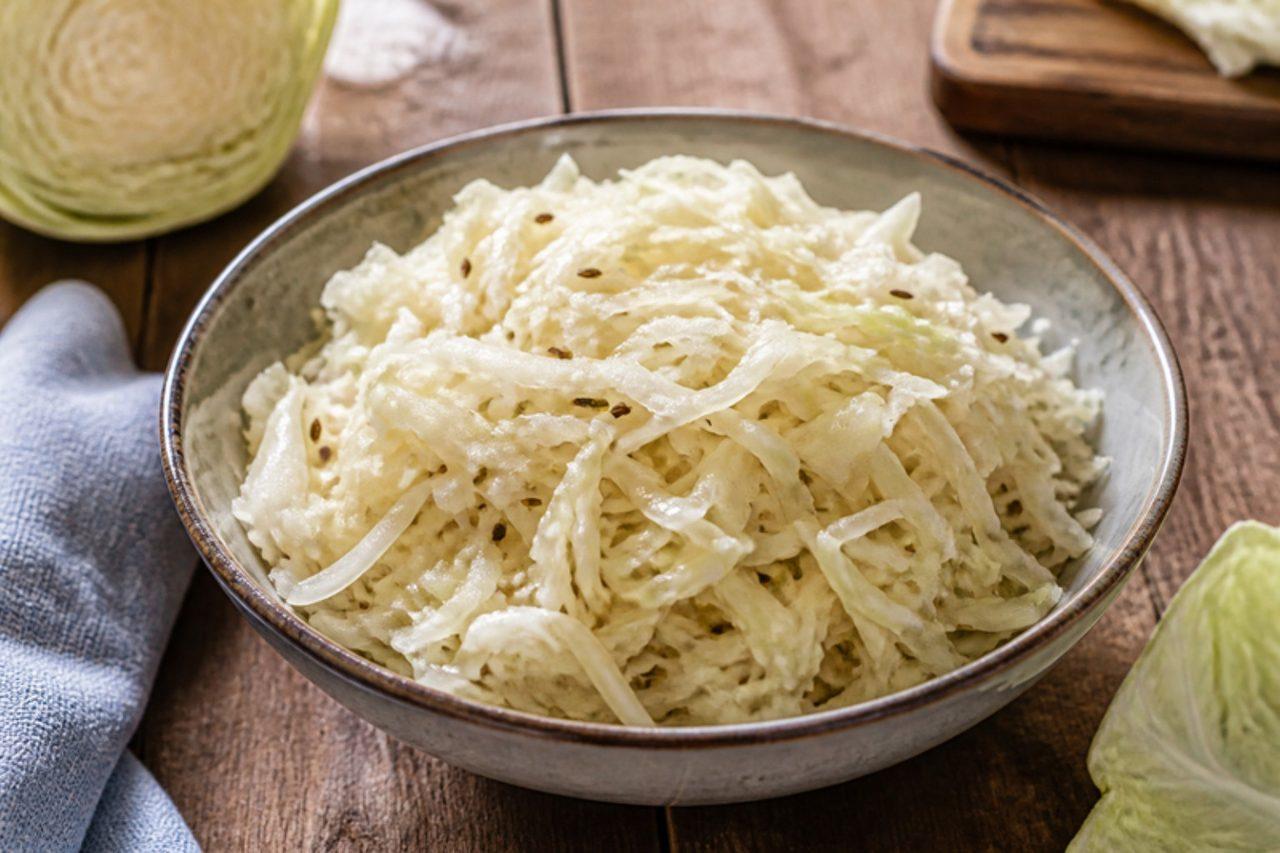
Bayerischer KrautsalatWarm-dressed cabbage salad

Every Bavarian inn serves this pale, glossy cabbage salad beside roast pork and dumplings, and it is just as good on its own at a summer barbecue. The white cabbage is shaved very finely, salted and kneaded, then dressed with hot vinegar, oil and caraway so it softens while keeping a crunch. Many cooks finish it with crisp bacon bits; this version leaves them out and is vegan. The common mistake is dressing it cold and serving it at once: it needs the warm dressing and at least half an hour to turn silky. Chef's tip: shave the cabbage as thin as paper; thick shreds never soak up the dressing properly.

by KrazyBadal 0 views

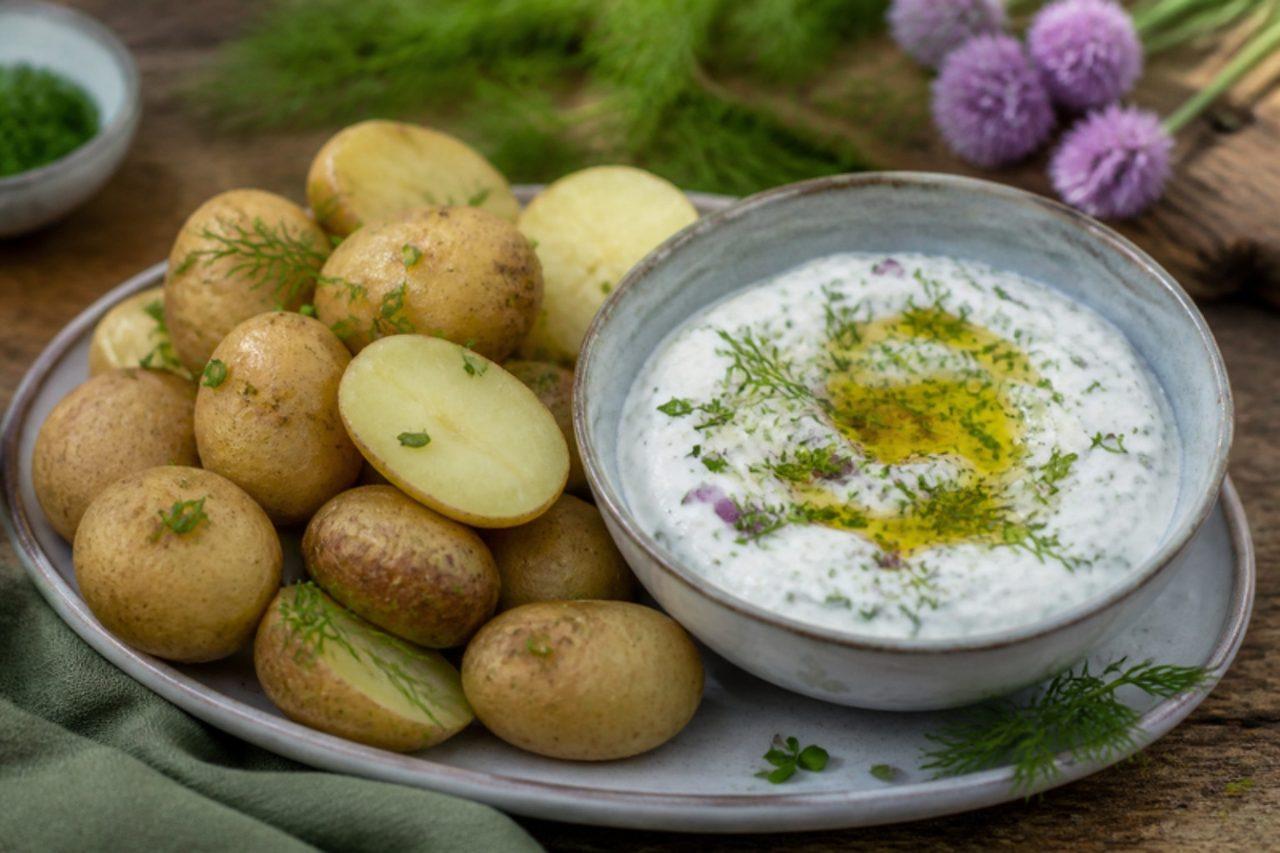
Pellkartoffeln mit Quark und LeinölJacket potatoes with herb quark

Ask anyone from the Spreewald, the river-and-forest country south-east of Berlin, for the taste of home and many will name this: small potatoes boiled in their skins, a bowl of cold herb quark and a thread of golden, nutty linseed oil poured over the top. It is a weekday supper in Brandenburg and Berlin, cheap, quick and surprisingly filling, often with a Spreewald gherkin on the side. Fresh linseed oil tastes of hay and walnuts; old oil turns bitter and fishy, so buy a small bottle and keep it in the fridge. A common mistake is peeling the potatoes before boiling; cooking them in their skins keeps them firm and flavourful. Chef's tip: beat a splash of milk or sparkling water into the quark, which makes it light and creamy instead of stodgy.

by KrazyBadal 0 views

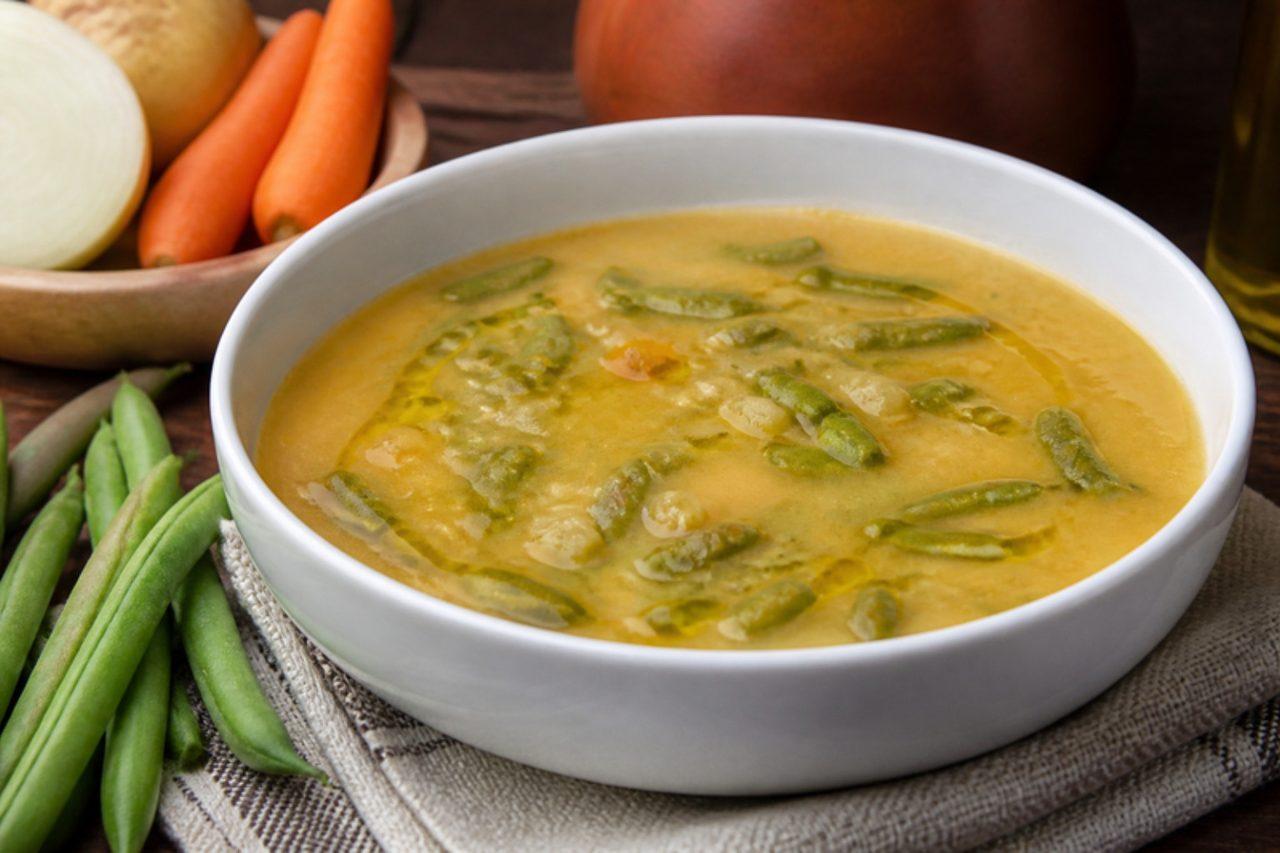
Sopa de feijão verdeGreen bean and potato soup

From June to September, Minho kitchen gardens are heavy with runner and flat beans, and this soup is what most families make with them, served as the first course of an ordinary weekday lunch. A smooth base of potato, onion and carrot is puréed, then the beans, cut into thin diagonal slivers, are simmered in it until just tender. It is thick, mild and comforting, finished with a thread of olive oil. A common mistake is adding the green beans with the potatoes; they turn grey and soft, so add them only for the last few minutes. Chef's tip: slice the beans very thinly on a slant, as Minho cooks do, so they cook evenly and every spoonful gets some.

by KrazyBadal 0 views

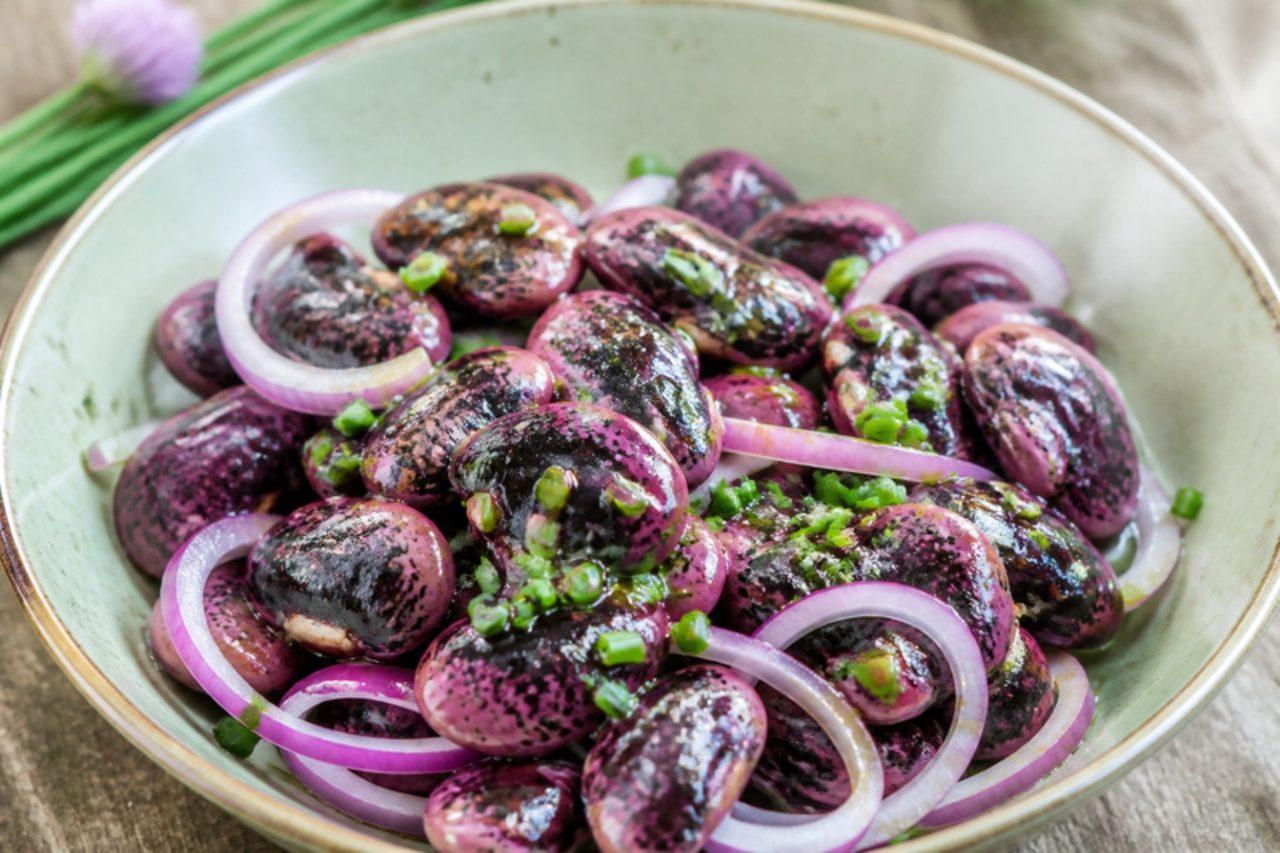
Steirischer KäferbohnensalatRunner bean pumpkin oil salad

In the hills of south-east Styria, fat purple-speckled runner beans called Käferbohnen, 'beetle beans', are dried every autumn and turned into this simple salad. It is a fixture of the Buschenschank, the farm wine taverns where you sit outdoors with a board of bread, cheese and spreads. The beans are soft and creamy, the red onion and cider vinegar sharp, and the dark green pumpkin seed oil gives a deep, toasty, nutty flavour. A common mistake is dressing cold beans straight from the fridge; dress them lukewarm so they soak up the vinegar. Chef's tip: add the pumpkin seed oil last and do not heat it; it turns bitter when warm.

by KrazyBadal 0 views

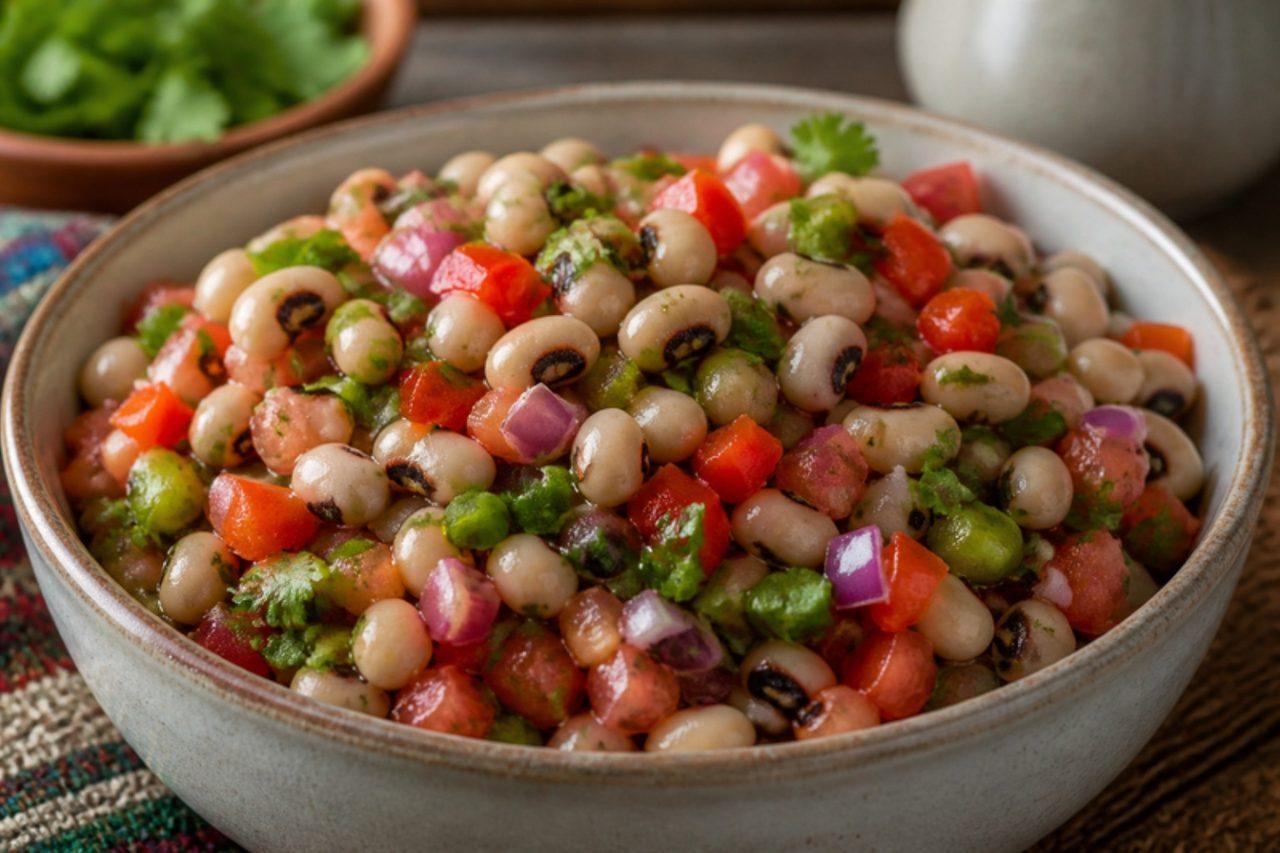
Salada de feijão-fradinhoBlack-eyed pea salad

Black-eyed peas are the bean of Bahia, ground for acarajé and abará and simmered whole for the caruru feasts of late September. Cooked until just tender and dressed while warm, they also make this bright salad that appears on Salvador's por-quilo lunch buffets and next to grilled food at weekend gatherings. Tomato, red onion, two kinds of pepper, coriander and plenty of lime give it crunch and sharpness, and the peas stay creamy inside. It goes with rice and grilled vegetables, or stands alone as a light lunch. Soak the dried peas for at least 4 hours or overnight before you start. The trap to avoid is boiling the peas hard until the skins split; they turn to mush when tossed. Chef's tip: dress the peas while they are still warm with the lime, oil and salt only, then add the raw vegetables once they are cool so everything stays crisp.

by KrazyBadal 0 views

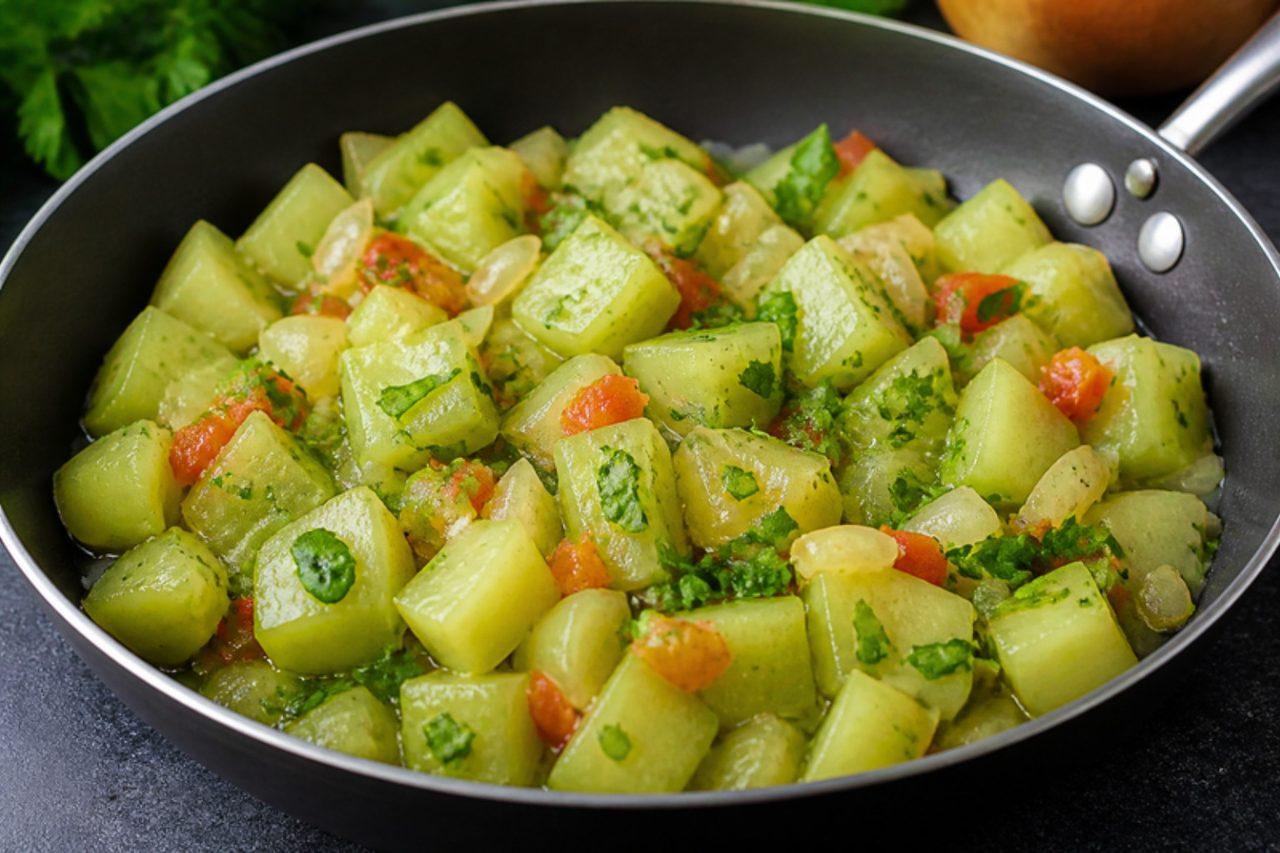
Chuchu refogadoSautéed chayote

Chayote is so cheap and common in Minas Gerais that Brazilians joke it tastes of nothing; this everyday refogado proves the point wrong. Peeled and diced, it is softened in garlic, onion and a little tomato with its own juices until it turns tender, pale green and silky, picking up all the flavour of the base. It is the side you find at every self-service lunch in Belo Horizonte, alongside rice, beans and couve, and works with grilled tofu, eggs or a bean stew. Adding water is the most common error: chuchu releases plenty of liquid, and extra water makes it bland and soupy. Chef's tip: rub a little oil on your hands, or wear gloves, before peeling; the cut fruit releases a sticky sap that leaves your skin tight and dry.

by KrazyBadal 0 views

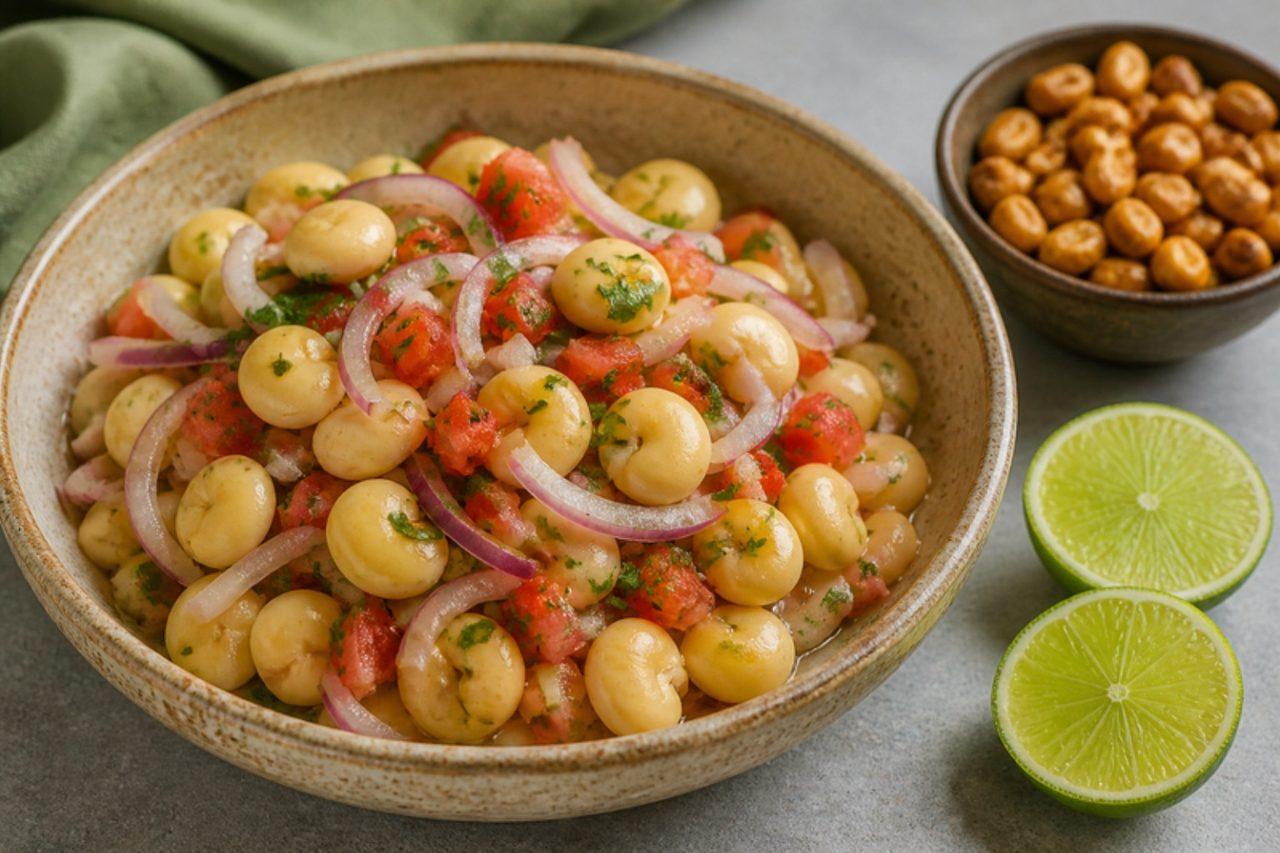
Ceviche de chochoLupin bean ceviche

Chocho, or tarwi, is the Andean lupin bean, a protein-packed legume grown high around Huaraz, Cajamarca and Puno, and street carts in the highlands sell it in plastic cups dressed like a ceviche: lime, red onion, tomato, coriander and a little ají, sometimes with toasted corn for crunch. It is fresh, sour and pleasantly firm, a vegan stand-in for fish ceviche that works as a starter or a light lunch. Food safety matters here: raw or bitter lupins contain toxic alkaloids and must never be eaten as they are. Use only ready-debittered, cooked chochos, sold in jars, vacuum packs or chilled tubs in Latin shops; if they taste bitter, rinse and soak them longer or throw them away. Lupin is also a common allergen and may affect people allergic to peanuts. The usual mistake is to drown everything in lime and leave it, which makes the onion limp; mix the dressing just before serving. Chef's tip: squeeze the limes gently by hand rather than with a press, so the juice doesn't turn bitter.

by KrazyBadal 0 views

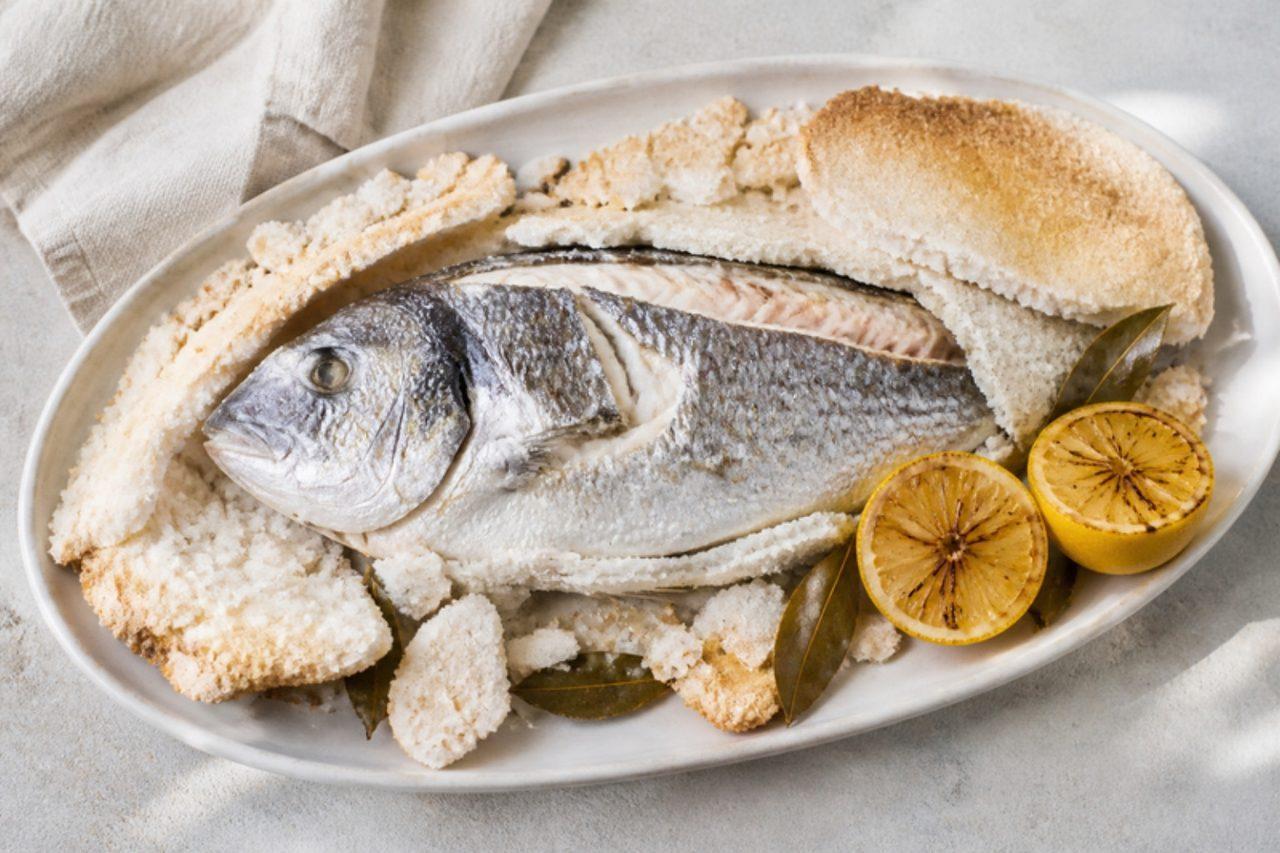
Dorada a la salSalt-baked sea bream

Around the salt flats of San Pedro del Pinatar, at the northern tip of the Mar Menor, baking fish under a crust of coarse salt is the obvious way to cook a fresh bream, and lagoon-side restaurants crack the crust open at the table for long summer lunches. The salt hardens into a shell that steams the fish in its own juices, so the flesh is moist and lightly seasoned rather than salty. Serve it with a drizzle of good olive oil, boiled potatoes or allioli. Chef's tip: leave the scales on; they stop the salt from reaching the flesh and make the skin peel away cleanly.

by KrazyBadal 0 views

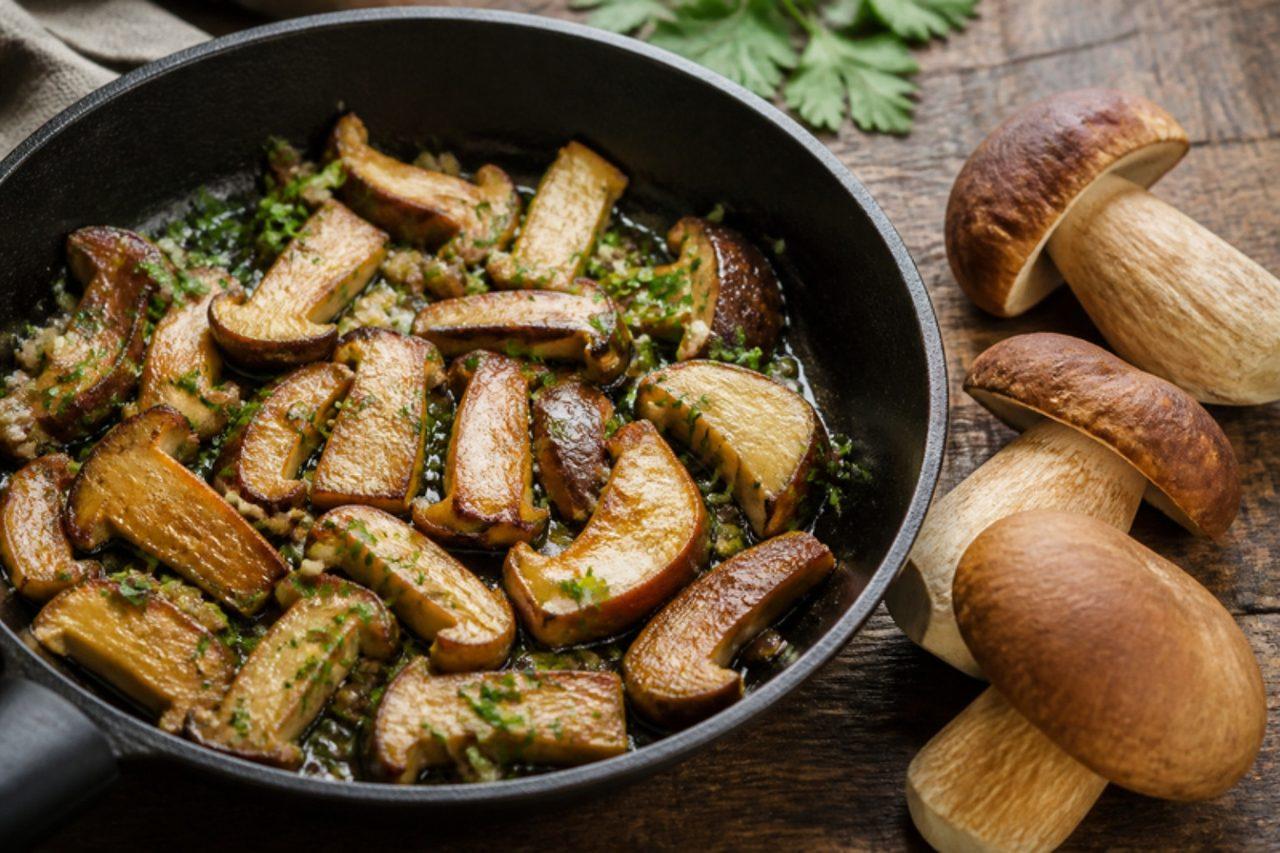
Cèpes à la bordelaisePorcini with garlic and parsley

In autumn, when cèpes push up through the pine forests of the Landes and the oak woods of the Gironde, Bordeaux families fry them the local way: thick slices browned hard in a hot pan, then tossed with shallot, garlic and plenty of parsley. They come to the table as a side for Sunday lunch, piled on toast for a starter, or beside an omelette for supper. Many cooks use duck fat; this version uses olive oil, so it is vegan. Out of season, use chestnut mushrooms with a few soaked dried porcini for flavour. Chef's tip: wipe the cèpes with a damp cloth instead of washing them; wet mushrooms steam instead of browning.

by KrazyBadal 0 views

Ayran aşıChilled yoghurt and wheat soup

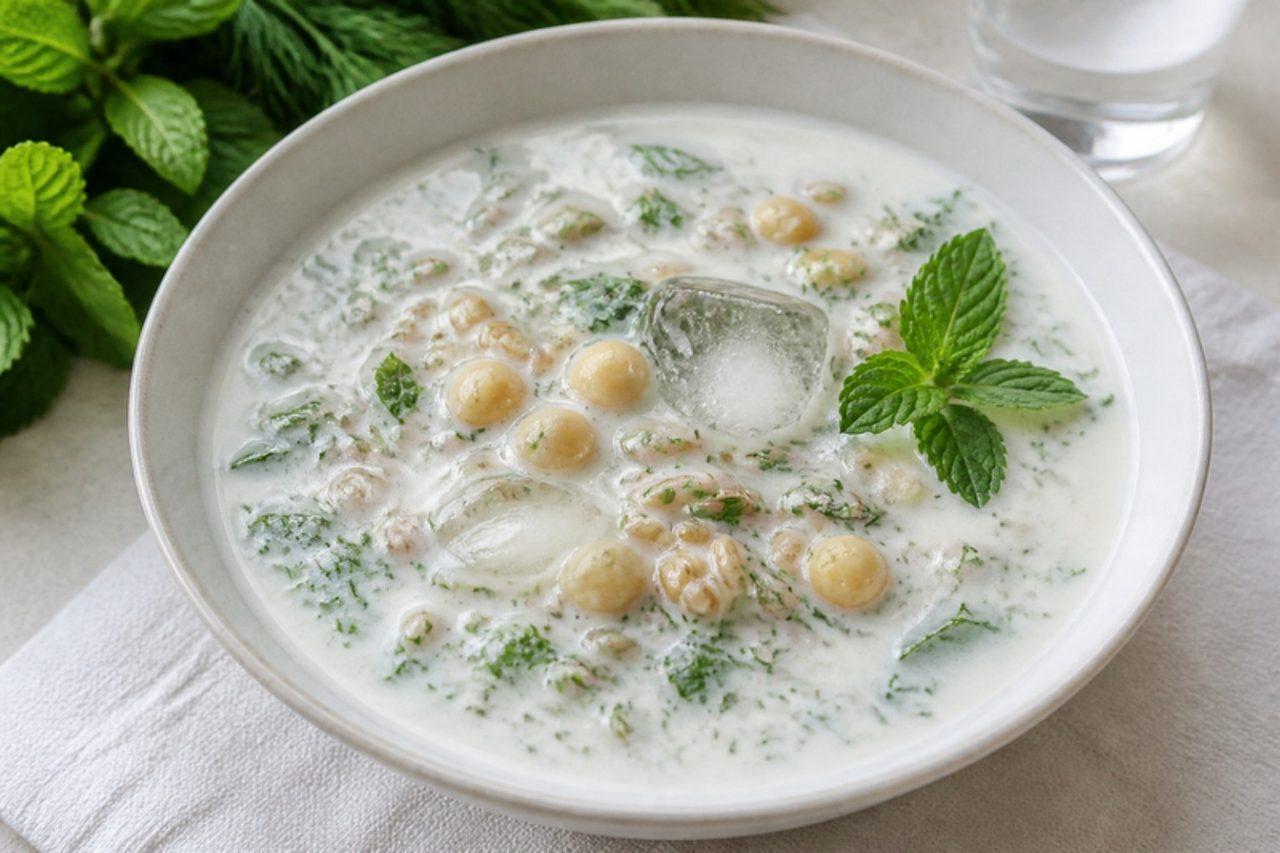
When the summer heat hits the eastern plateau around Erzurum, Erzincan and Sivas, families switch from hot soups to ayran aşı, a cold soup of thinned yoghurt with cooked whole wheat, chickpeas and handfuls of mint, dill and purslane or cucumber. It's ladled from a big bowl at lunch with flatbread, and it's as refreshing as a drink but filling as a meal. Common mistake: adding the grains while still hot, which makes the yoghurt split and turn sour-tasting; cool them completely first. Chef's tip: make it a few hours before serving and chill; the wheat soaks up the yoghurt and the herbs perfume the whole bowl.

by KrazyBadal 0 views

Karışık turşuMixed vegetable pickle

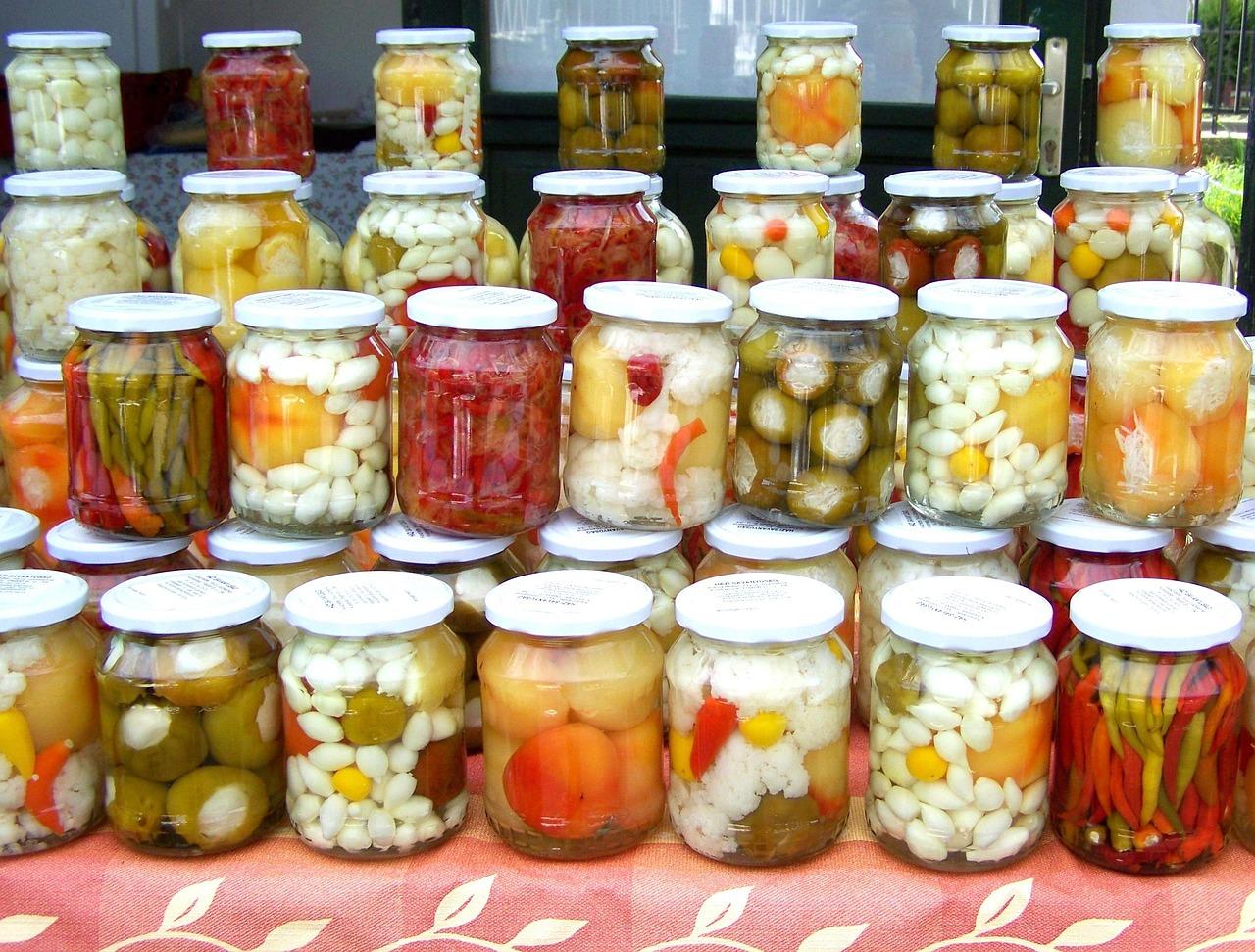
Every autumn Turkish kitchens line up jars of karışık turşu, and in Istanbul pickle shops (turşucu) sell it by the glass with its sour juice to drink. Crunchy cabbage, carrots, cucumbers, green peppers and cauliflower are packed with garlic and chickpeas in a salted, vinegar-spiked brine and left to sour for a couple of weeks. It sits beside bean stews, pilaf and kebab at almost every home meal. Common mistake: iodised table salt, which clouds the brine and softens the vegetables; use rock or pickling salt. Chef's tip: a few dried chickpeas in the jar help the fermentation get going, as Turkish grandmothers swear.

by KrazyBadal 0 views

Showing 72 of 773 recipes

Show more recipes

Page 23 of 33

More collections