Skip to content
WhatToEat.Today

Vegetarian Indian dinners

Dal, sabzi, curries and rice dishes for a meat-free Indian dinner. (880 recipes)

BabruBlack gram stuffed fried bread

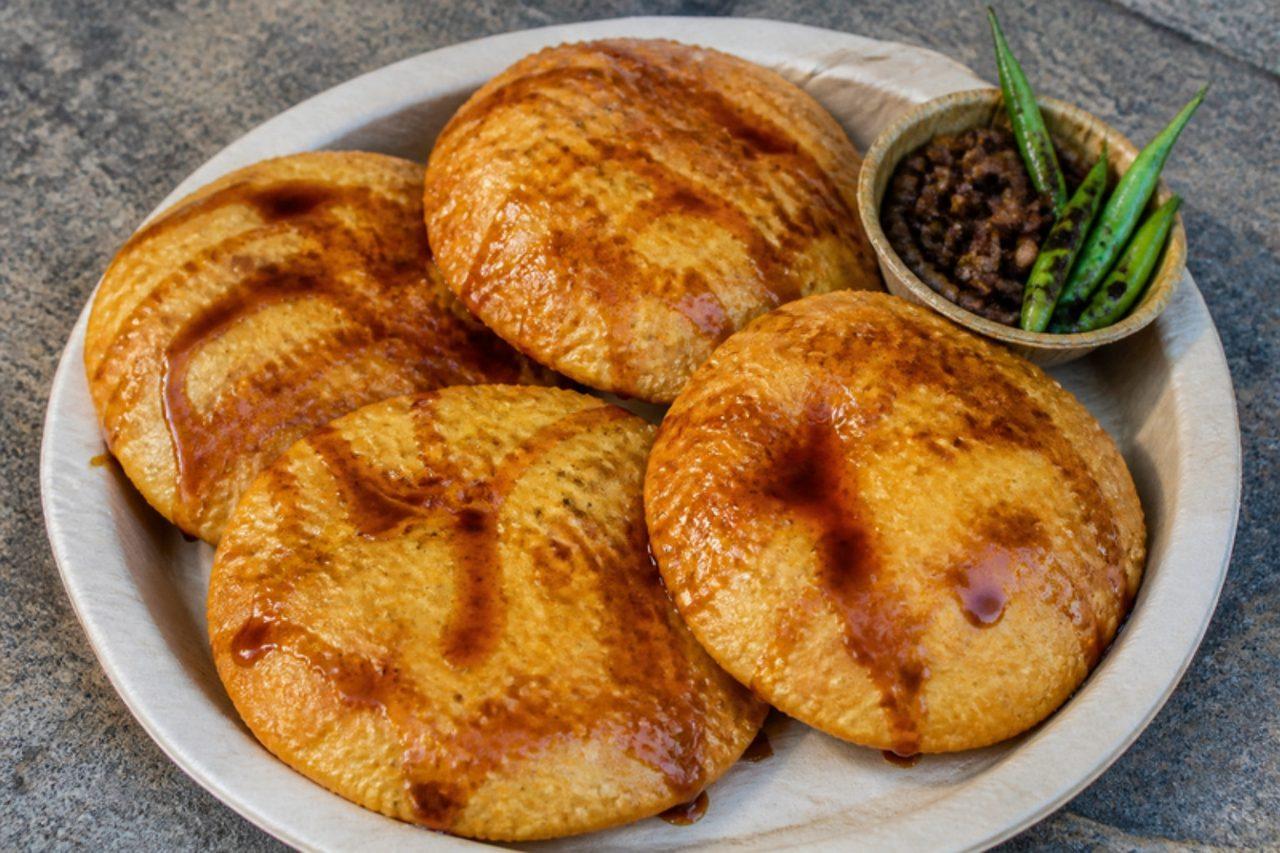
Ask anyone who grew up in Shimla about babru and they will mention a paper plate of them in the Lower Bazaar, still puffing from the oil, with a ladle of dark tamarind chutney poured over. Unlike Uttar Pradesh's flaky urad kachori, babru is made from a soft, yeasted wheat dough, so it fries up light and bready, and it is pressed flat and wide rather than shaped into a ball. The filling is whole black gram, soaked and ground with ginger and green chilli. In Himachal homes it is a tea-time and festival snack, and it travels well in a tiffin. Chef's tip: grind the dal coarse and thick, like hummus; a runny paste leaks and makes the babru greasy.

by KrazyBadal 0 views
Kachri ki chutneyWild melon and chilli chutney

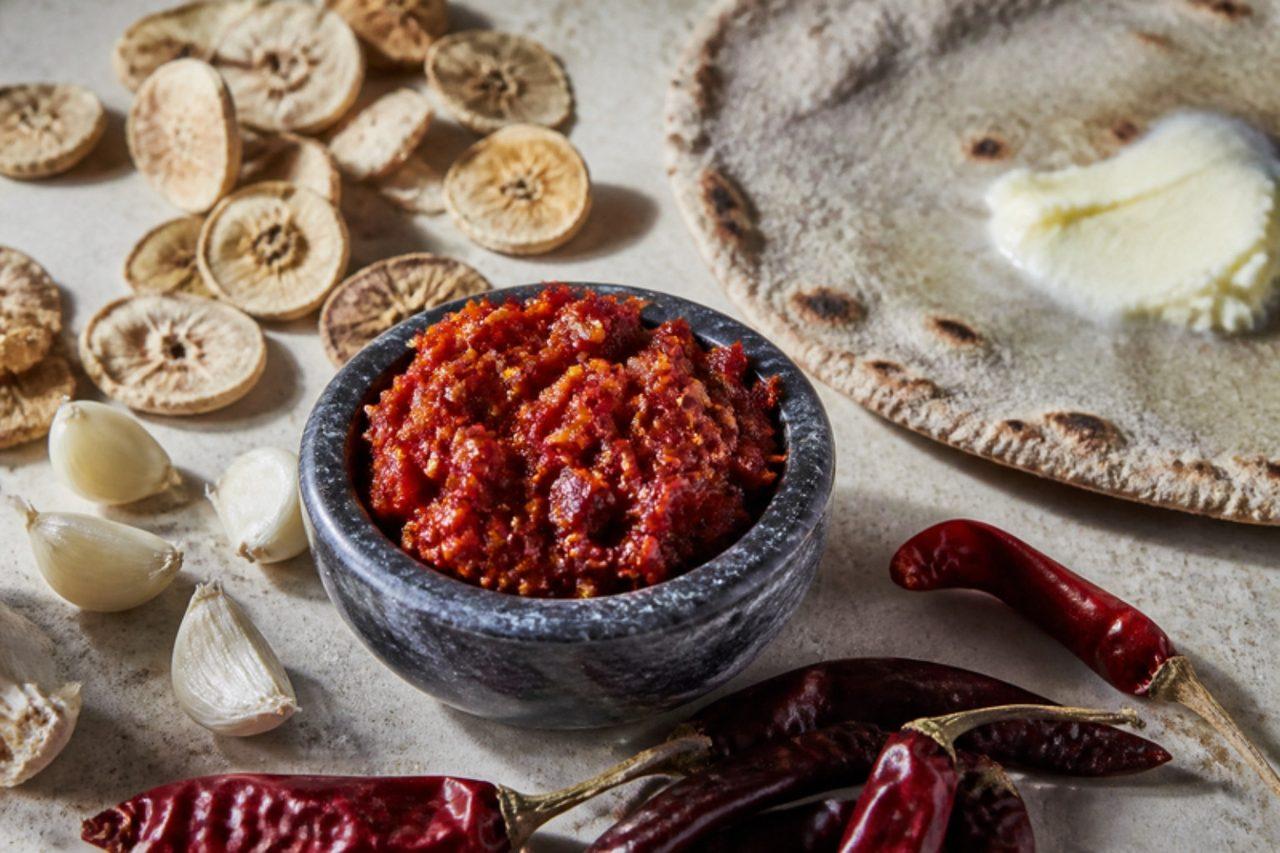
Kachri is a small wild melon that grows on its own in the sandy fields of southern Haryana and western Rajasthan. Sliced and sun-dried, it keeps for a year and has a sharp, sour taste that farmers' families grind with garlic and red chilli into this fiery chutney. A spoonful goes with bajra roti and white butter on a winter afternoon, or with dal and rice when there is nothing else in the house. Dried kachri and kachri powder are sold in Indian grocers. Chef's tip: taste a piece of dried kachri first; occasionally one batch is bitter, and that bitterness will ruin the whole jar.

by KrazyBadal 0 views
Sepu vadiLentil dumplings in spinach yogurt gravy

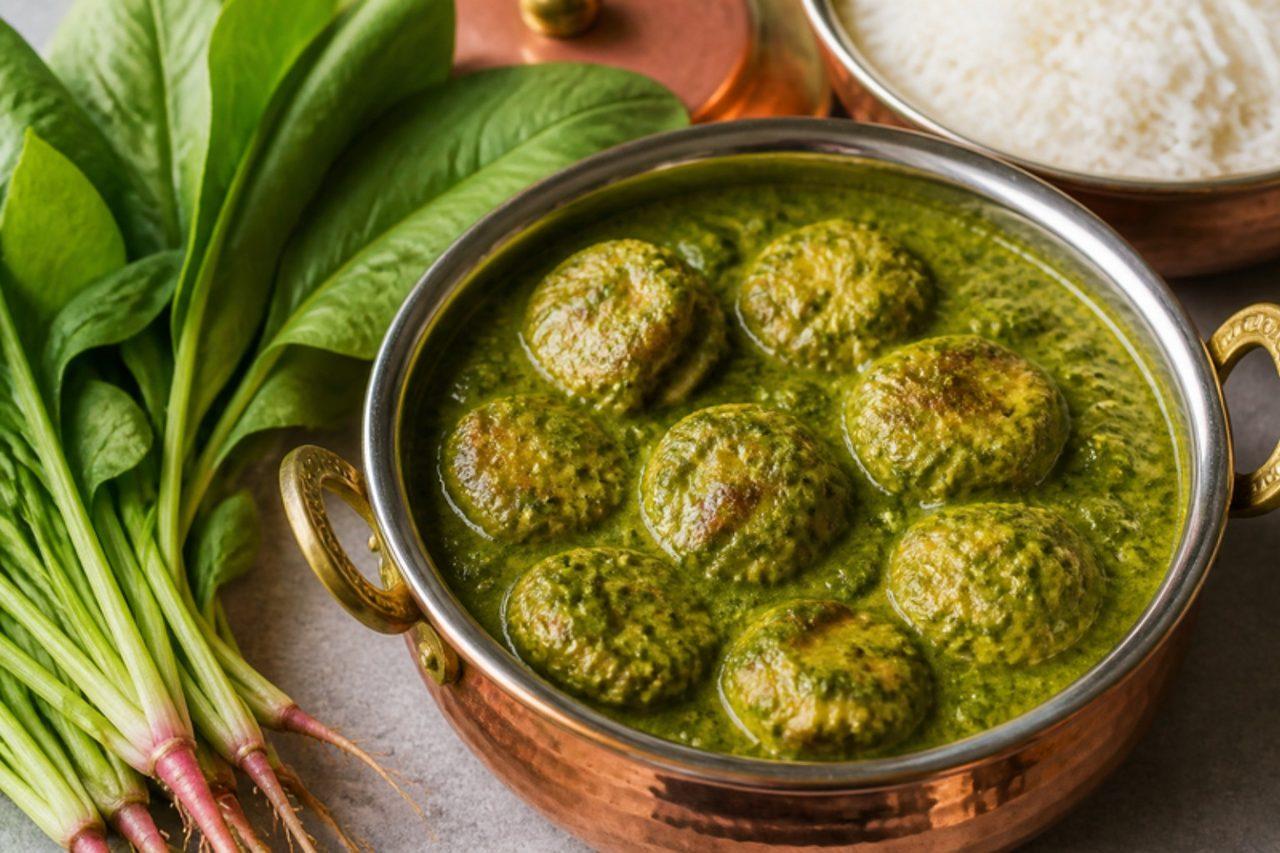
No dham in Mandi district of Himachal Pradesh is complete without sepu vadi. Light urad-dal dumplings are fried, softened in warm water and then simmered in a smooth spinach gravy tangy with yogurt, until they swell up and turn spongy. The botis who cook the feast make huge copper pots of it, served on leaf plates with rice and eaten with the fingers. At home it makes a rich weekend curry with rice or chapati. Chef's tip: beat the ground dal by hand for a few minutes before frying; the air you whip in is what makes the vadi light.

by KrazyBadal 0 views
Aloo ke gutkePotato cubes with mountain spices

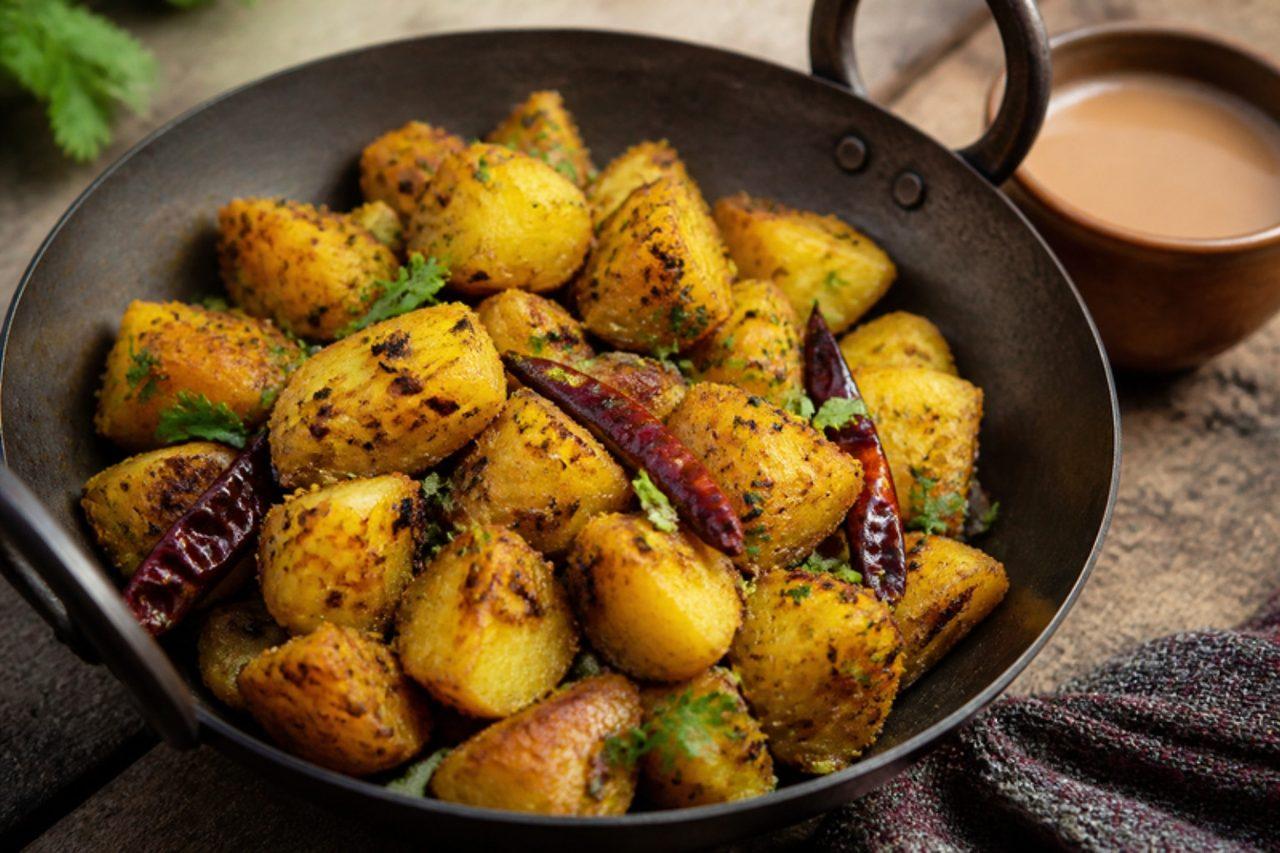
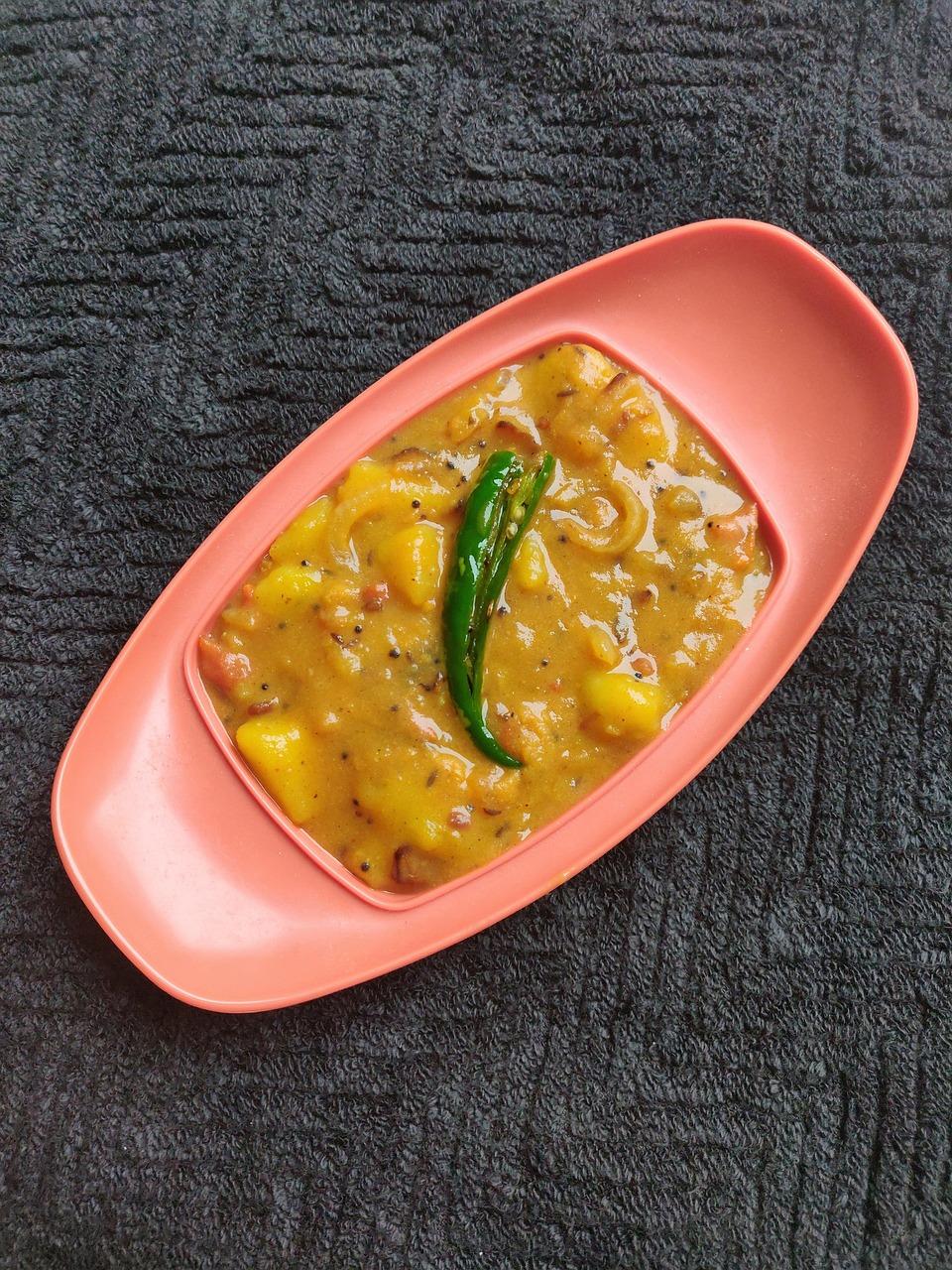
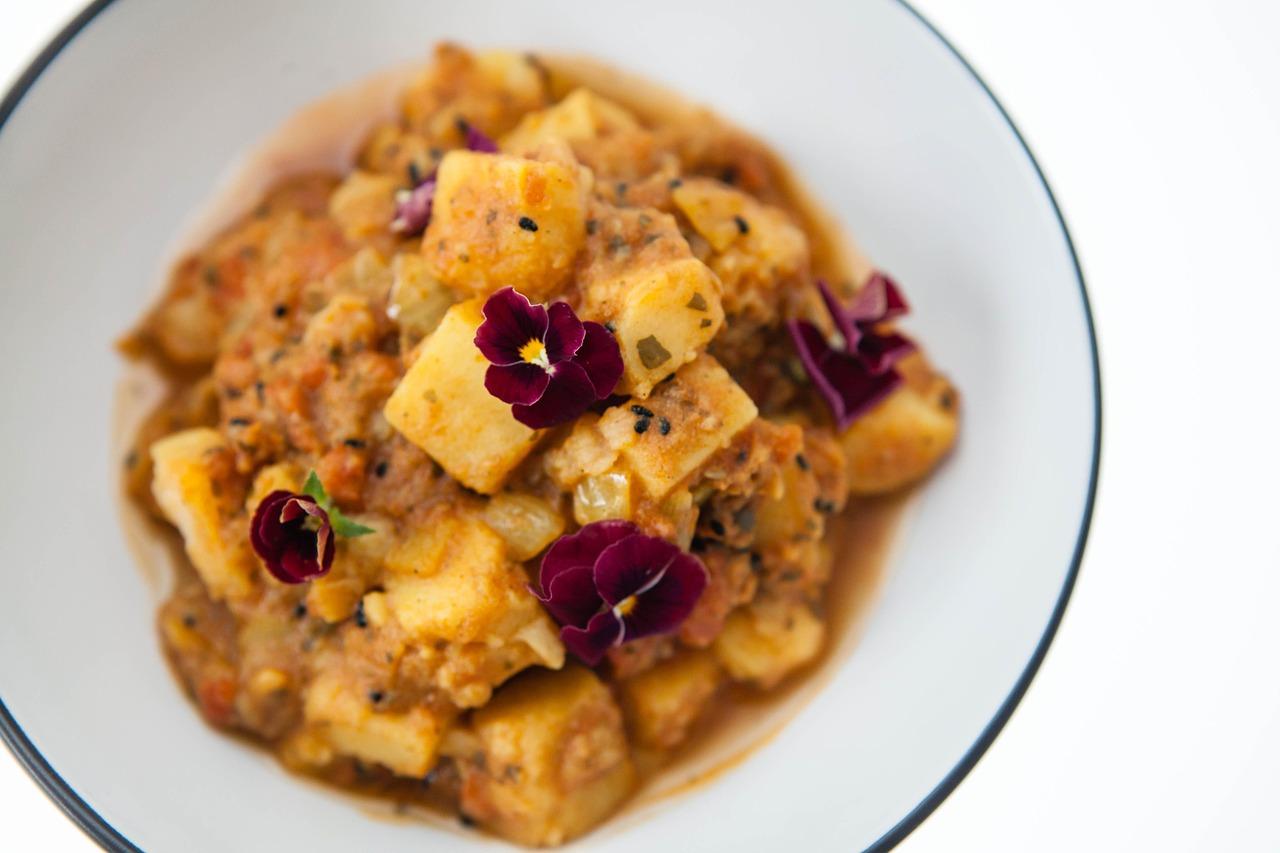
Ask anyone from Kumaon what they miss most from home and aloo ke gutke comes up quickly. Hill potatoes are boiled, cut into rough chunks and tossed in smoking mustard oil with jakhiya, a tiny wild seed that pops and crunches like mustard but tastes more like toasted cumin. It's served at tea time with a mug of chai, on festival plates next to puri, and in local dhabas with cucumber raita. Outside Uttarakhand jakhiya is hard to find, so use cumin seeds with a few black mustard seeds instead; the dish will still taste right. Chef's tip: boil the potatoes a few hours ahead, or the night before, so they firm up and fry into crisp-edged cubes instead of crumbling.

by KrazyBadal 0 views
SingodiCoconut milk fudge in leaf cones

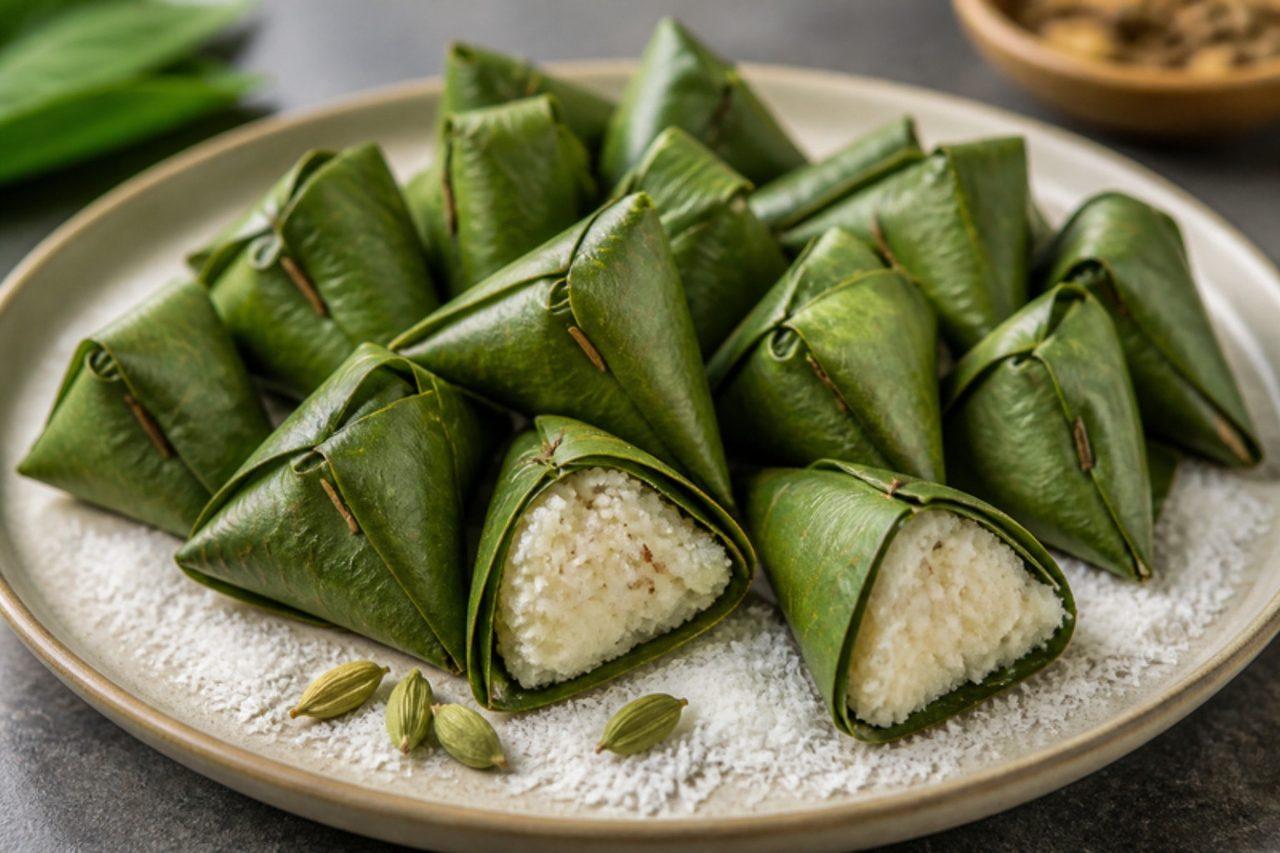
Singodi is Almora's other famous sweet, sold in the same shops as bal mithai but looking nothing like it: a soft, pale mix of khoya and coconut packed into a cone of maalu leaf and pinned shut with a twig. The leaf leaves a faint green, woody scent in the sweet, which is the whole point, and people in Kumaon unwrap them at weddings and on trips home. Maalu leaves are almost impossible to buy elsewhere, so this version uses banana leaf or fresh betel (paan) leaves; both give a gentle leafy aroma. Chef's tip: wrap the singodi while the filling is still warm and leave them in the fridge overnight, so the scent of the leaf soaks in.

by KrazyBadal 0 views
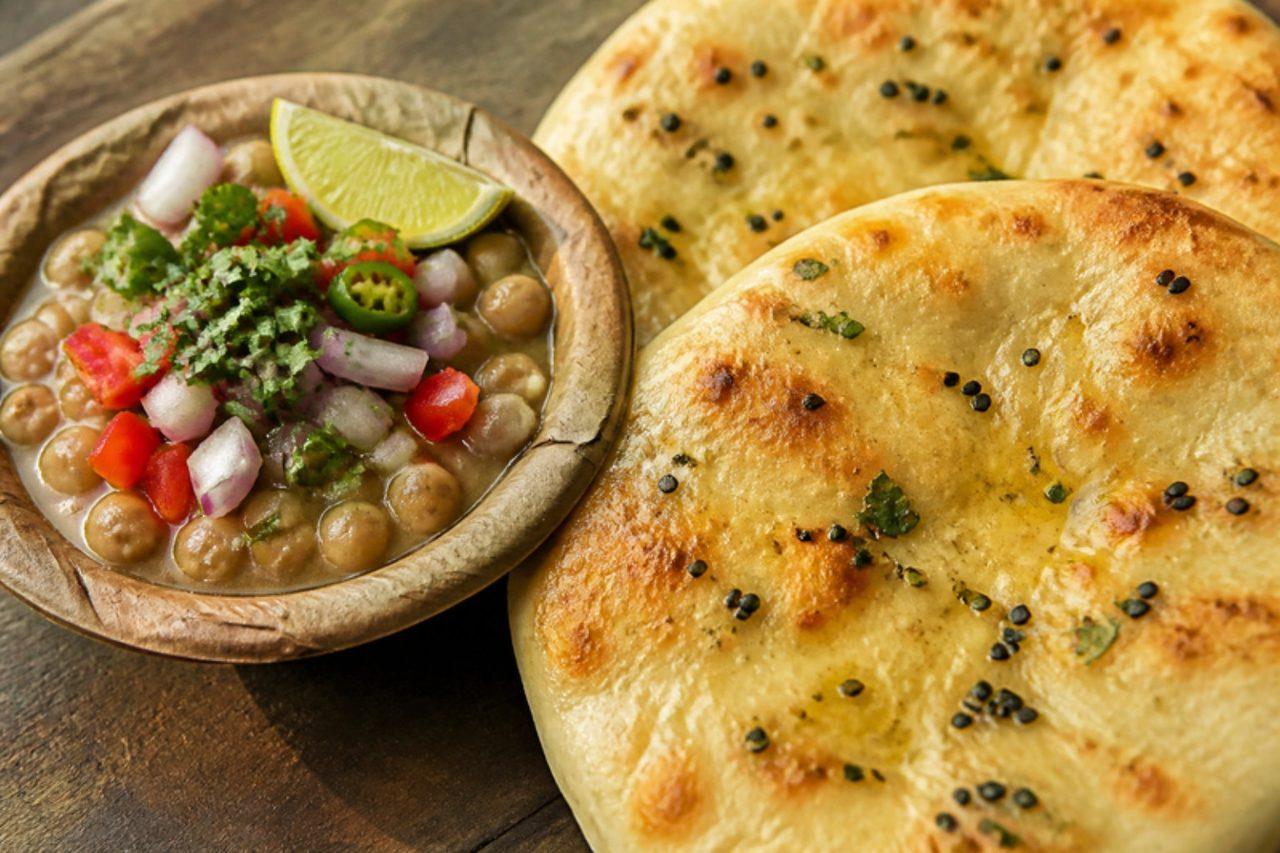
Delhi chole kulcheChickpeas with kulcha bread

Walk through any Delhi office district at lunchtime and you'll find a cart with a huge brass pot of pale white peas and a stack of soft kulchas warming on a tawa. Delhiites call it chole kulche even though it's made with dried white peas (safed matar) rather than chickpeas. The vendor scoops the peas onto a leaf plate, piles on raw onion, tomato, green chilli and ginger, squeezes lime over and dusts it with a sour, smoky masala. It's tangy, fresh and filling, and very different from the rich, stuffed Amritsari kulcha. Chef's tip: mash a ladleful of the cooked peas back into the pot; it thickens the liquid so the toppings and masala cling instead of sliding off.

by KrazyBadal 0 views

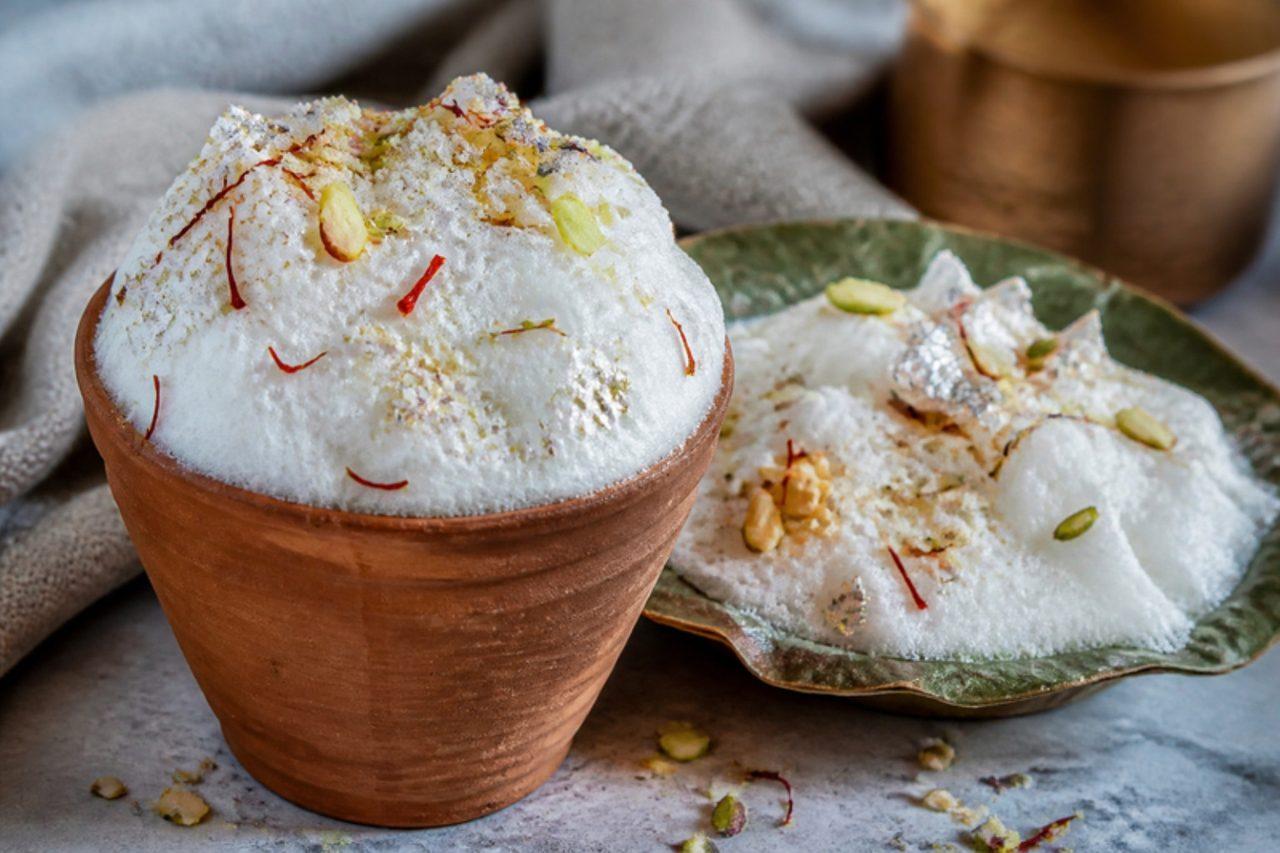
Daulat ki chaatSaffron milk foam

Daulat ki chaat appears in the lanes of Chandni Chowk only in the coldest months, from about November to February. Vendors whisk milk and cream through the night and leave it out under the winter dew, then skim off a foam so light it disappears on your tongue, topped with saffron, khoya, sugar and pistachios. It's sold before the sun gets high, because warmth destroys it. A home kitchen can't recreate a Delhi winter night, so this version uses very cold milk and cream whipped to a loose foam and layered with saffron. It comes close: airy, cool, faintly sweet. Chef's tip: chill everything, bowl and whisk included, for at least 4 hours; the colder the milk, the more stable the foam.

by KrazyBadal 0 views
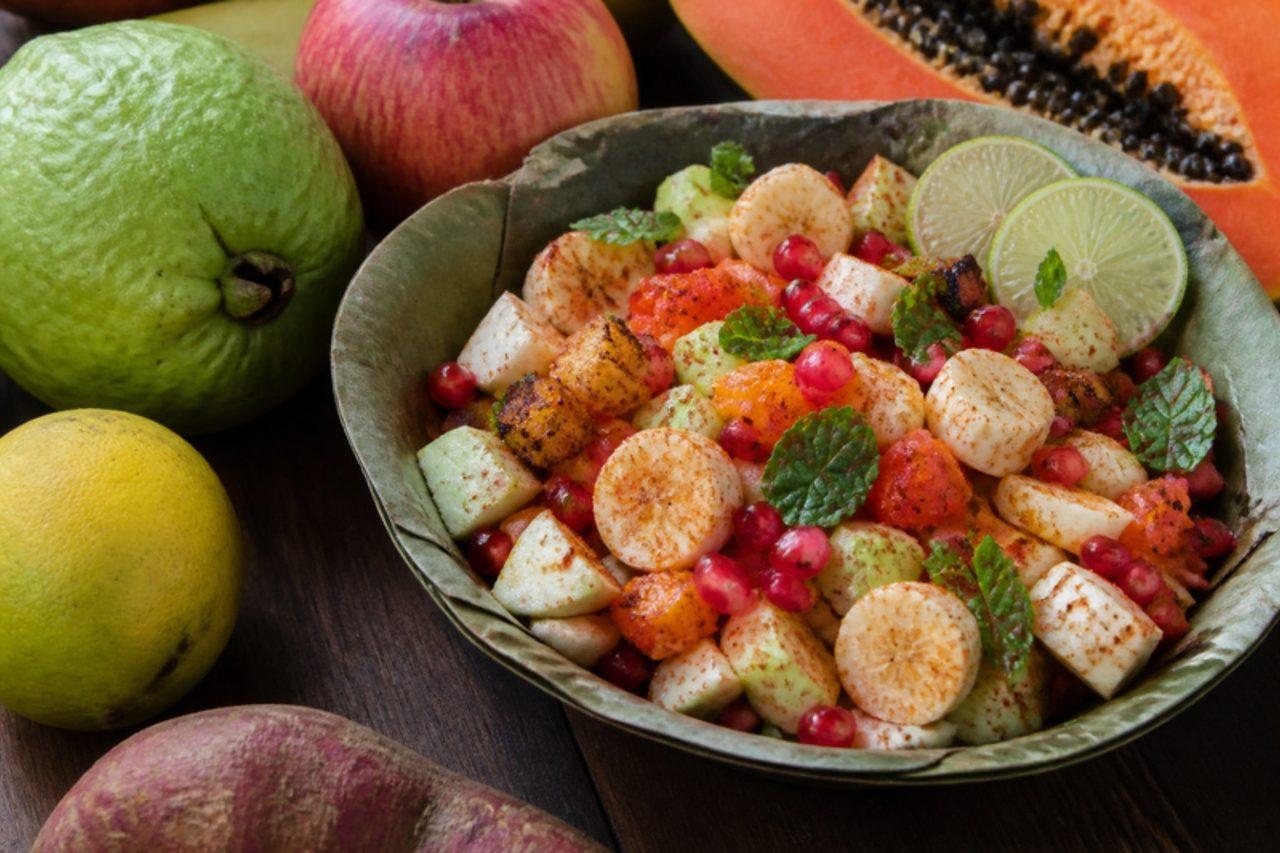
Delhi-style fruit chaatSpiced fruit chaat

Delhi's fruit chaat wallahs set up their carts in the afternoons with towers of guava, papaya, apples and bananas, plus roasted sweet potato, and chop whatever you point at into a leaf bowl. Then comes the part that makes it chaat rather than fruit salad: a big shake of tangy chaat masala, black salt and roasted cumin, a squeeze of lime, sometimes a pinch of chilli. It's a refreshing mid-afternoon snack in summer, and a regular sight on Ramzan iftar spreads too. The salt and spice make sweet fruit taste even sweeter. Chef's tip: season it just before eating; once the salt goes on, the fruit starts weeping juice and goes soft within 15 minutes.

by KrazyBadal 0 views
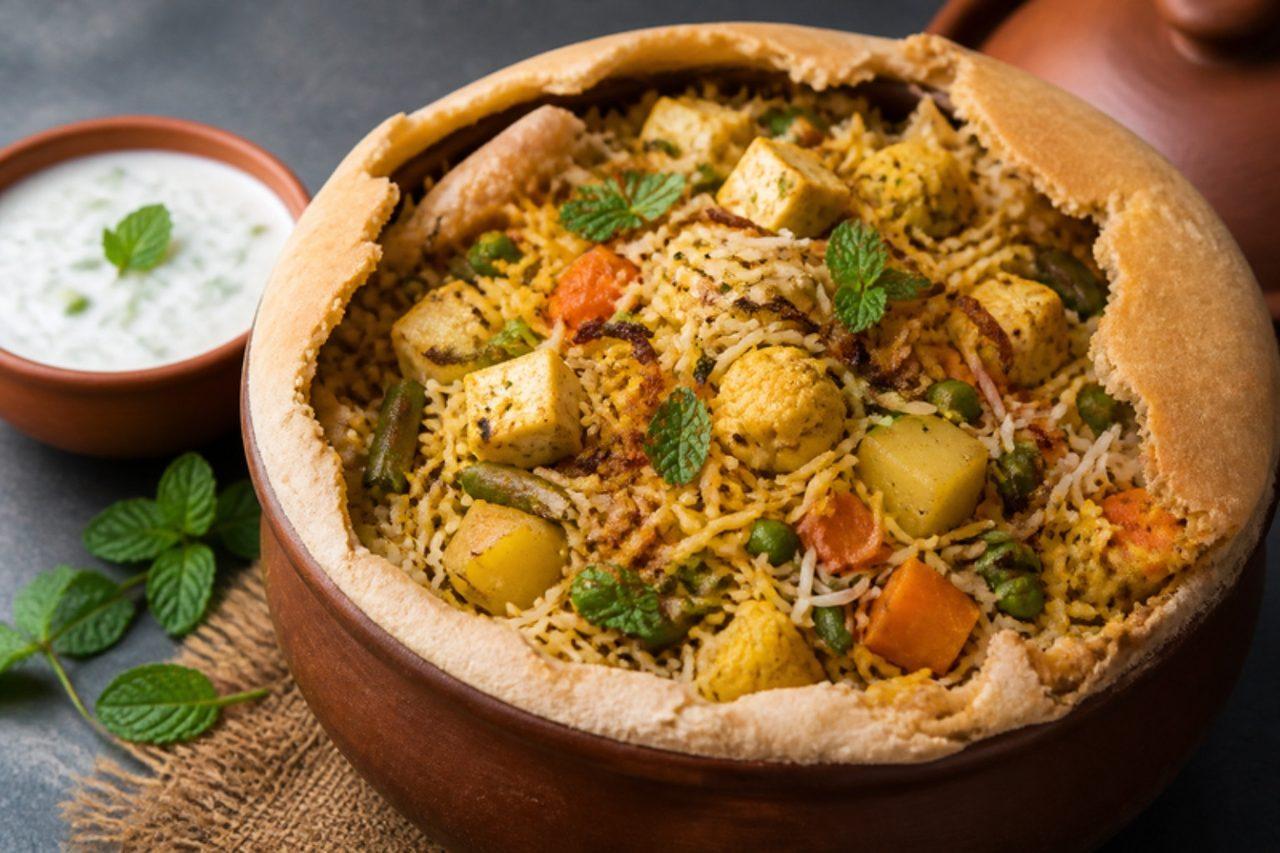
Awadhi vegetable dum biryani

Lucknow's cooks built their reputation on restraint: the Awadhi biryani is perfumed rather than fiery, with no tomato, very little chilli and whole spices that whisper instead of shout. Vegetables are cooked in spiced yogurt, layered with long-grain rice that is only three-quarters done, then sealed under a dough lid so everything finishes in its own steam, a technique the city calls dum pukht. It is the dish for Eid gatherings, wedding buffets and long Sunday lunches across Uttar Pradesh, served with a cooling raita and a sliced onion salad. The common mistake is boiling the rice fully before layering; it then turns soft and sticky under the lid instead of separating into long, distinct grains. Chef's tip: lift a grain and press it between your fingers before draining; it should break into two or three firm pieces with a white core.

by KrazyBadal 0 views
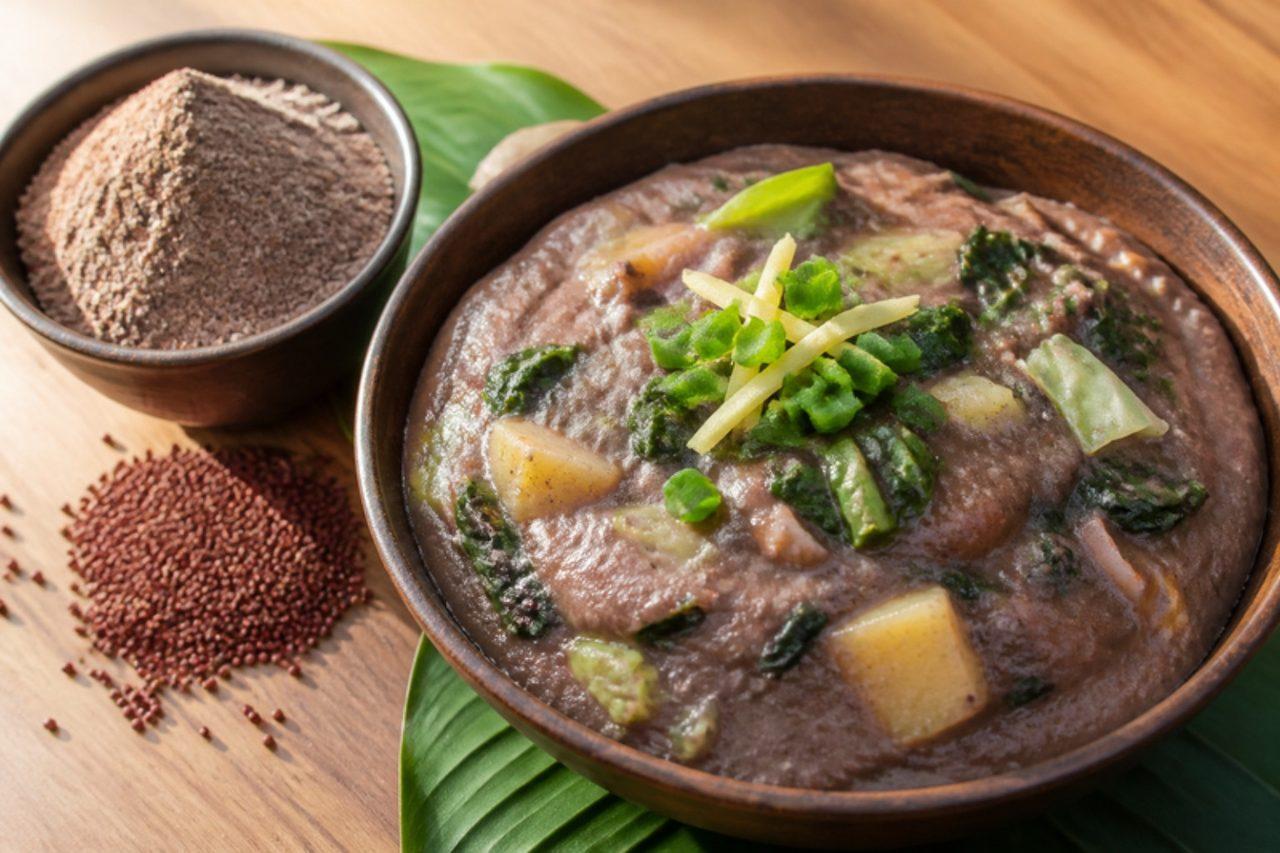
ZanMillet porridge with vegetables

Zan is the millet porridge of Arunachal Pradesh, eaten by the Monpa, Sherdukpen and other hill communities for breakfast or dinner on cold days. Finger millet (ragi) flour is stirred into boiling water with vegetables, ginger and chilli until thick and smooth, then served with a chilli chutney or butter. Some families cook it with meat; this is the vegetable version. It is warming, filling and earthy-tasting, a little like a savoury polenta. Chef's tip: sprinkle the millet flour in with one hand while whisking with the other, or it forms lumps that never cook out.

by KrazyBadal 0 views
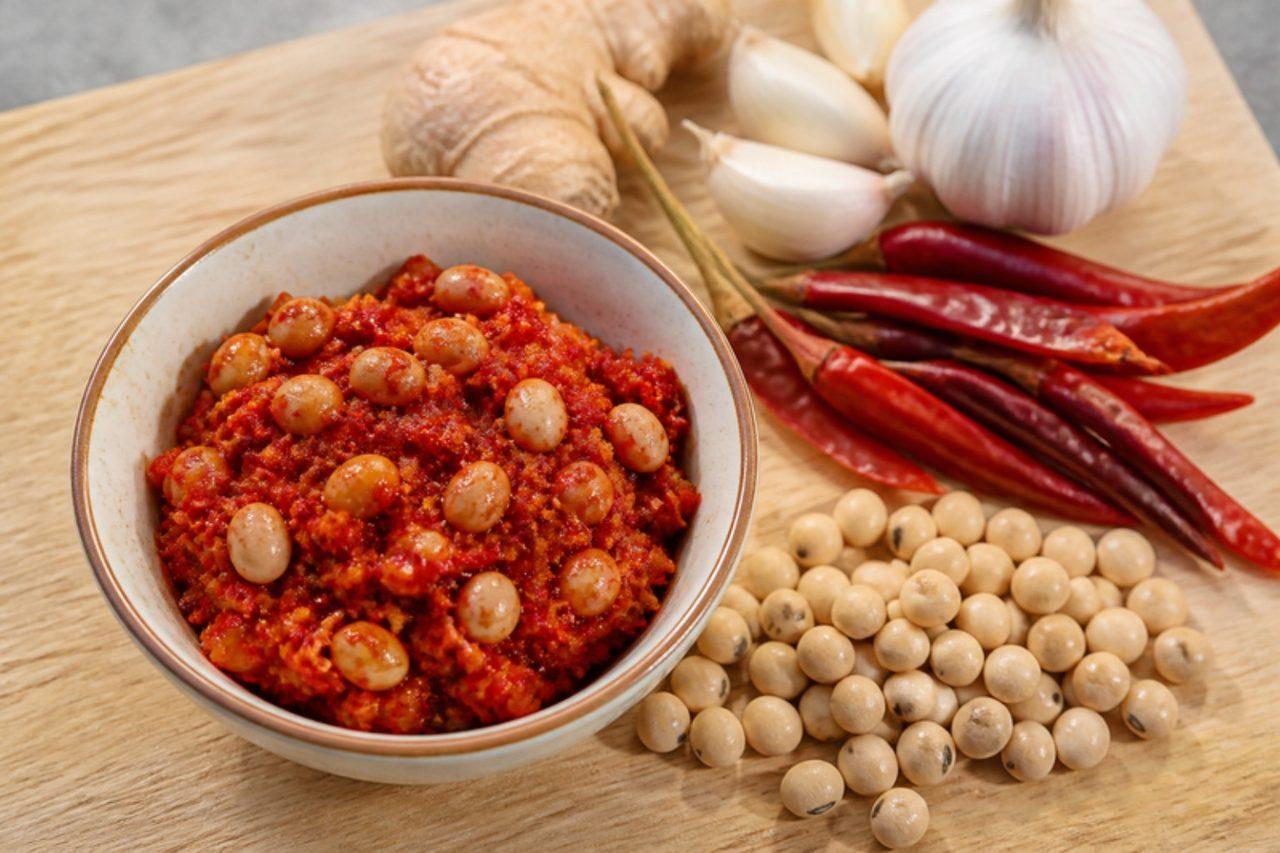
PehakFermented soybean and chilli chutney

Pehak is the Apatani chutney of the Ziro valley in Arunachal Pradesh: fermented soybean pounded with roasted chillies, ginger and salt into a thick, pungent paste. It goes with nearly every meal, a little at a time, with rice, boiled vegetables or millet. It is savoury, salty and very hot, and it keeps for weeks. Chef's tip: dry-roast the fermented soybean briefly before pounding; it mellows the sharp smell and brings out a toasty depth. Natto or Naga axone work if you can't get local soybean.

by KrazyBadal 0 views
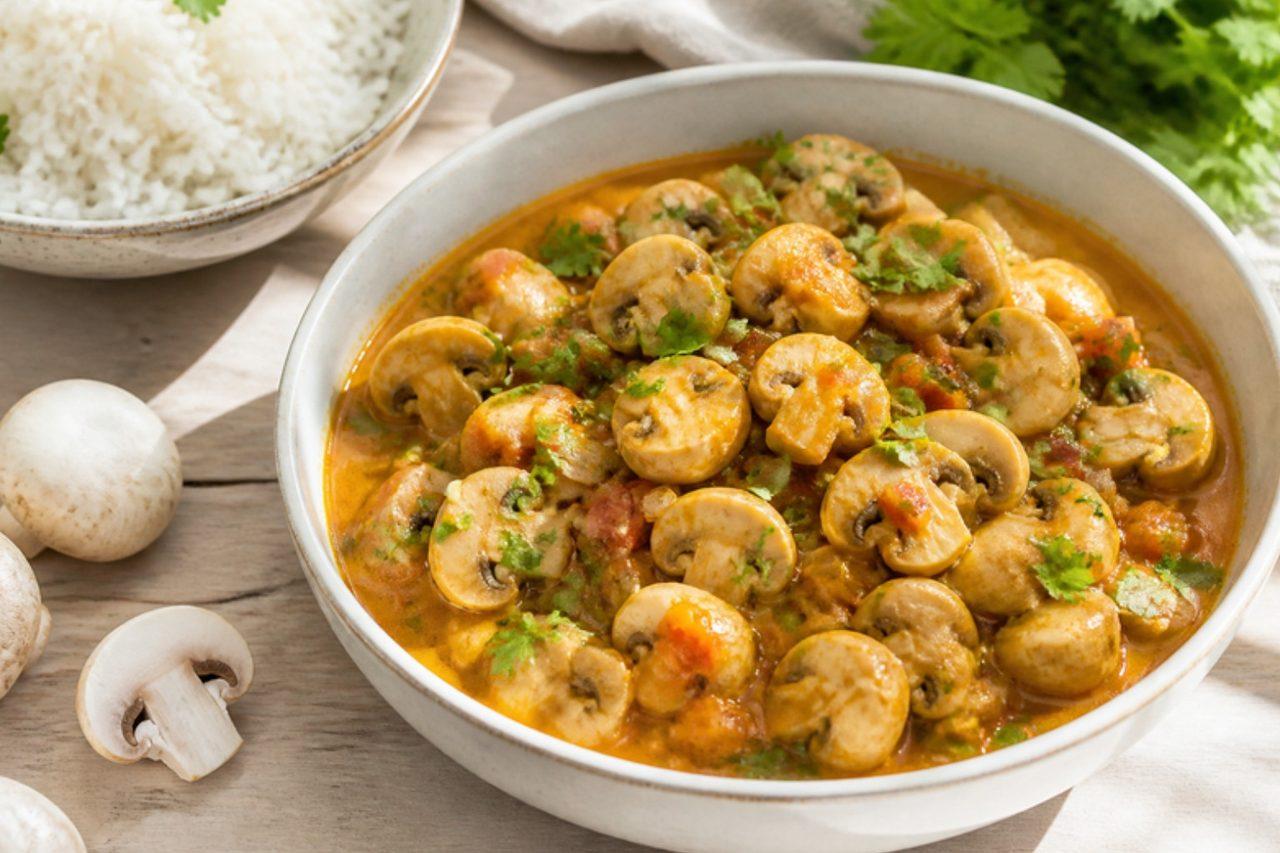
Rugra curryPuffball mushroom curry

Rugra are small, round underground mushrooms that push up under sal trees in Jharkhand's forests after the first monsoon rains. Tribal villagers dig them out and sell them by the basket in Ranchi markets for a few short weeks, and families cook them into a dark, spicy curry with onion, tomato and mustard oil. They have a firm skin and a meaty, earthy bite. Outside Jharkhand, small whole button or chestnut mushrooms make a fine version. Chef's tip: rugra come caked in soil, so soak and scrub them several times, then halve one to check the inside is white; grey or black ones are past their best.

by KrazyBadal 0 views
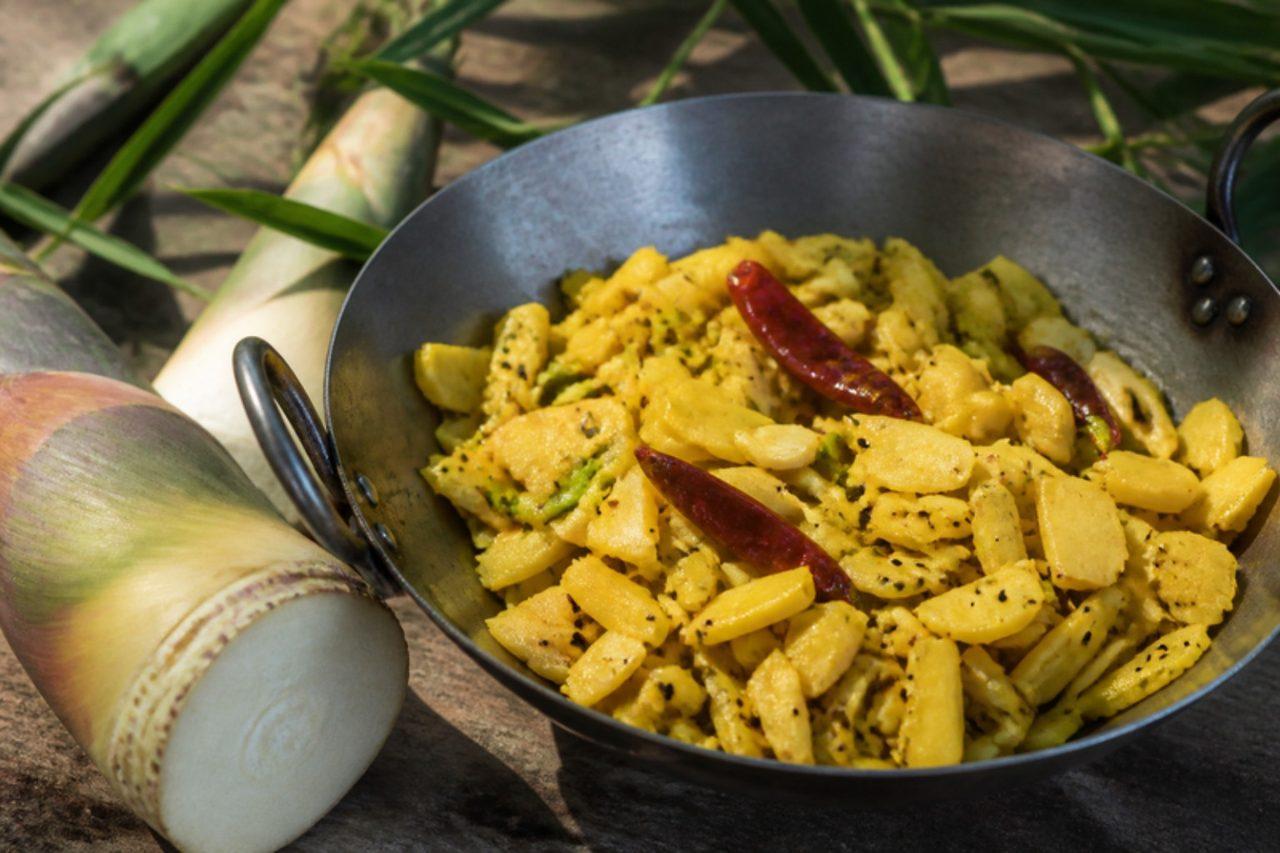
Karil (bamboo shoot curry)Bamboo shoot and potato curry

In the villages of Jharkhand's Chotanagpur plateau, the first tender bamboo shoots of the rains are called karil, and they are cooked into a simple, punchy dry curry with potato, lots of garlic and mustard oil. Some families also dry or pickle the shoots to last the year. The shoots stay crunchy and have a gentle sourness that goes beautifully with rice and dal. Tinned bamboo shoots work well and are already cooked. Chef's tip: always boil fresh shoots before using them; raw bamboo is bitter and not safe to eat.

by KrazyBadal 0 views
Chilka rotiRice and chana dal pancakes

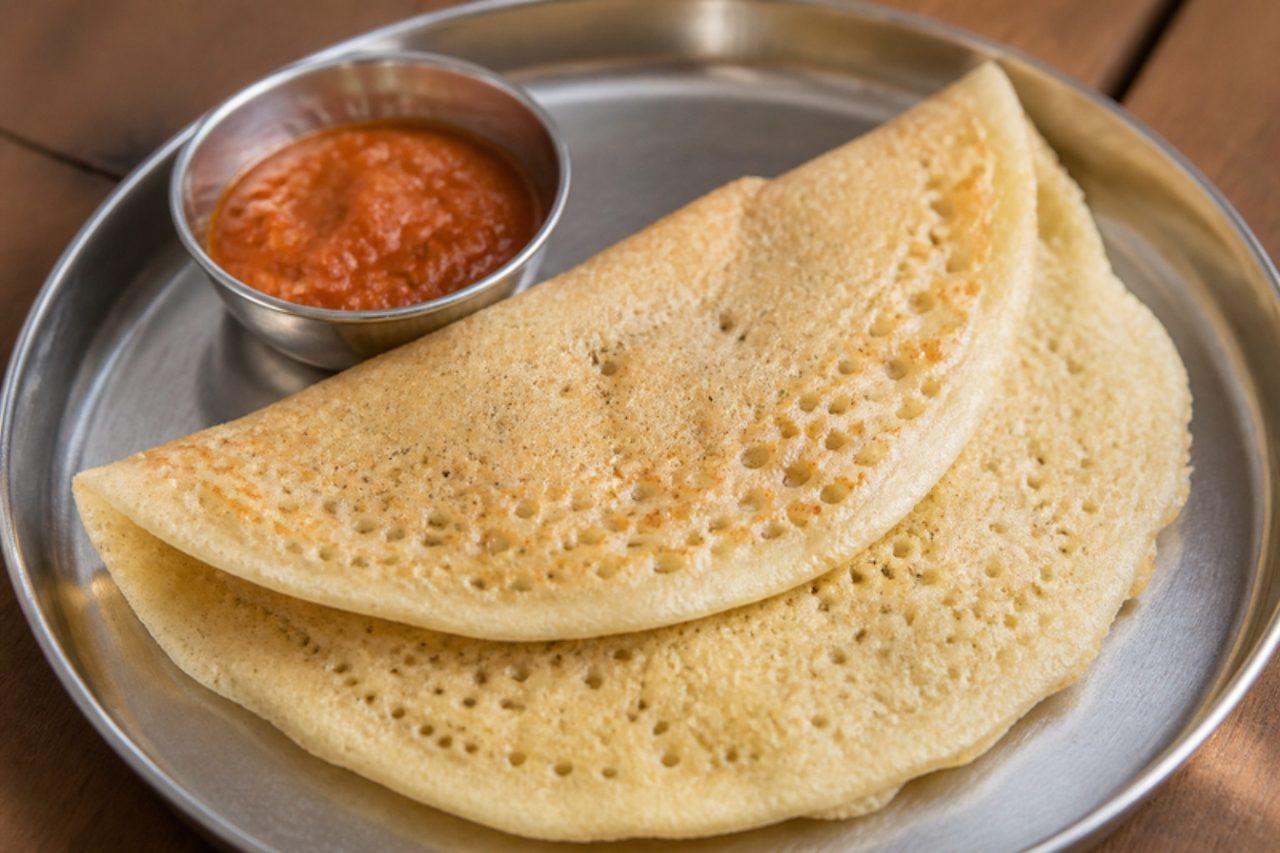
Chilka roti is an everyday breakfast and evening snack in Jharkhand's villages, and a favourite offering at Sarhul, the spring festival of the sal trees. Rice and chana dal are soaked and ground into a batter that is poured onto a hot tawa and cooked with a lid, so the roti comes out thick, soft and spongy with a lightly crisp base, much heartier than a thin rice-flour chila. It is eaten hot with a tomato or coriander chutney or with ghugni. Chef's tip: grease the tawa with a cut onion dipped in oil; it keeps the roti from sticking and adds a little flavour.

by KrazyBadal 0 views
Kurthi dalHorse gram dal

Kurthi, as horse gram is called in Jharkhand, grows on poor, dry upland soil where little else will, and it has fed the plateau's Adivasi and farming families for centuries. Cooked slowly into dal, it is dark, earthy and filling, with a slightly smoky taste, and it is eaten through the cold months with rice and a dry vegetable, as it is believed to warm the body. The tempering of garlic, dried chilli and smoking mustard oil is what makes it Jharkhandi. Chef's tip: mash a ladle of the cooked gram against the side of the pot; it thickens the dal without any flour.

by KrazyBadal 0 views
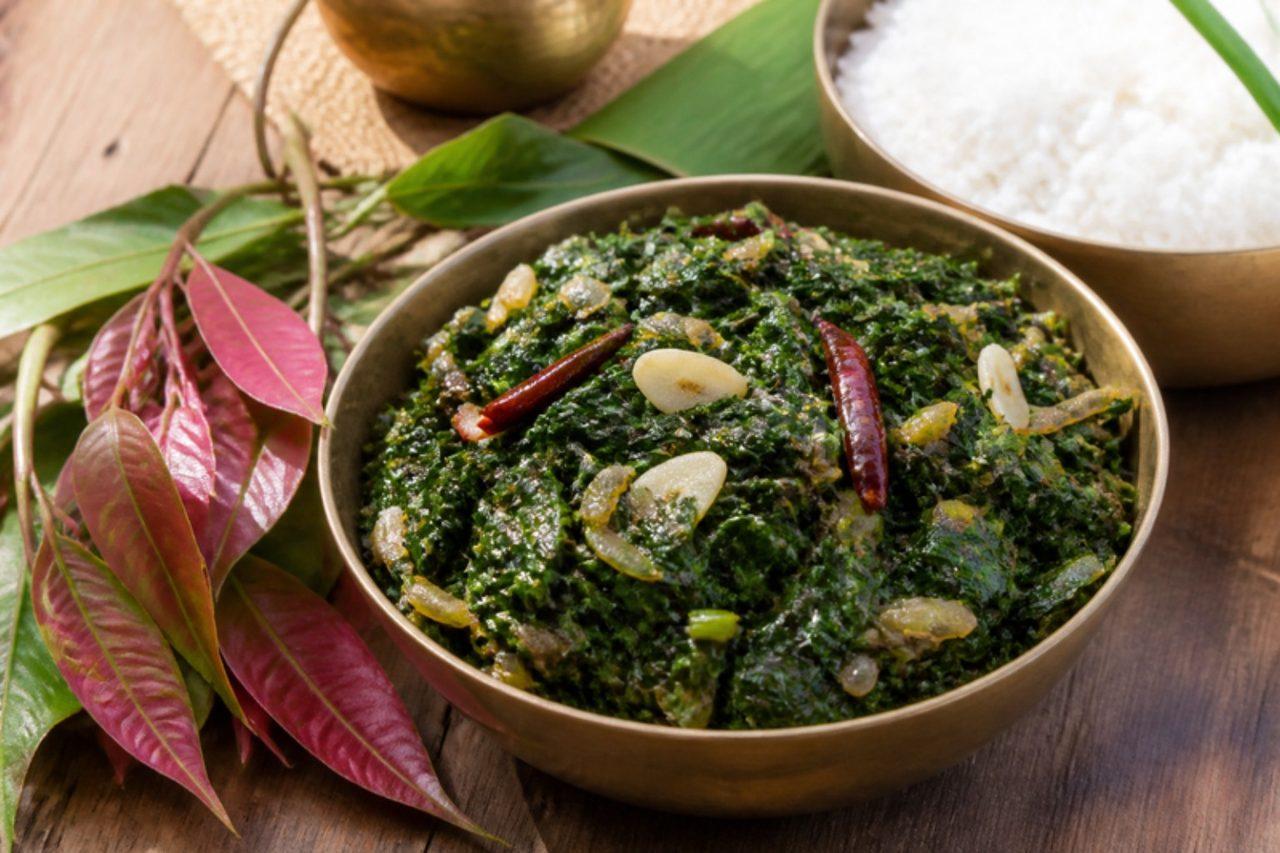
Phutkal saagStir-fried fig-tree leaves

In spring, before the rains, the phutkal tree (a wild fig) puts out tender pink-green shoots, and women across Jharkhand climb or hook them down to cook as saag. The leaves are naturally sour, so the dish needs no tomato or tamarind: they are boiled, squeezed and fried with garlic, dried chilli and mustard oil. Much of the harvest is dried in the sun and sold in Ranchi markets to cook through the year, and dried phutkal is what most people outside the state can find. Chef's tip: boil and squeeze the leaves well; this tames any bitterness and keeps the saag from turning watery.

by KrazyBadal 0 views
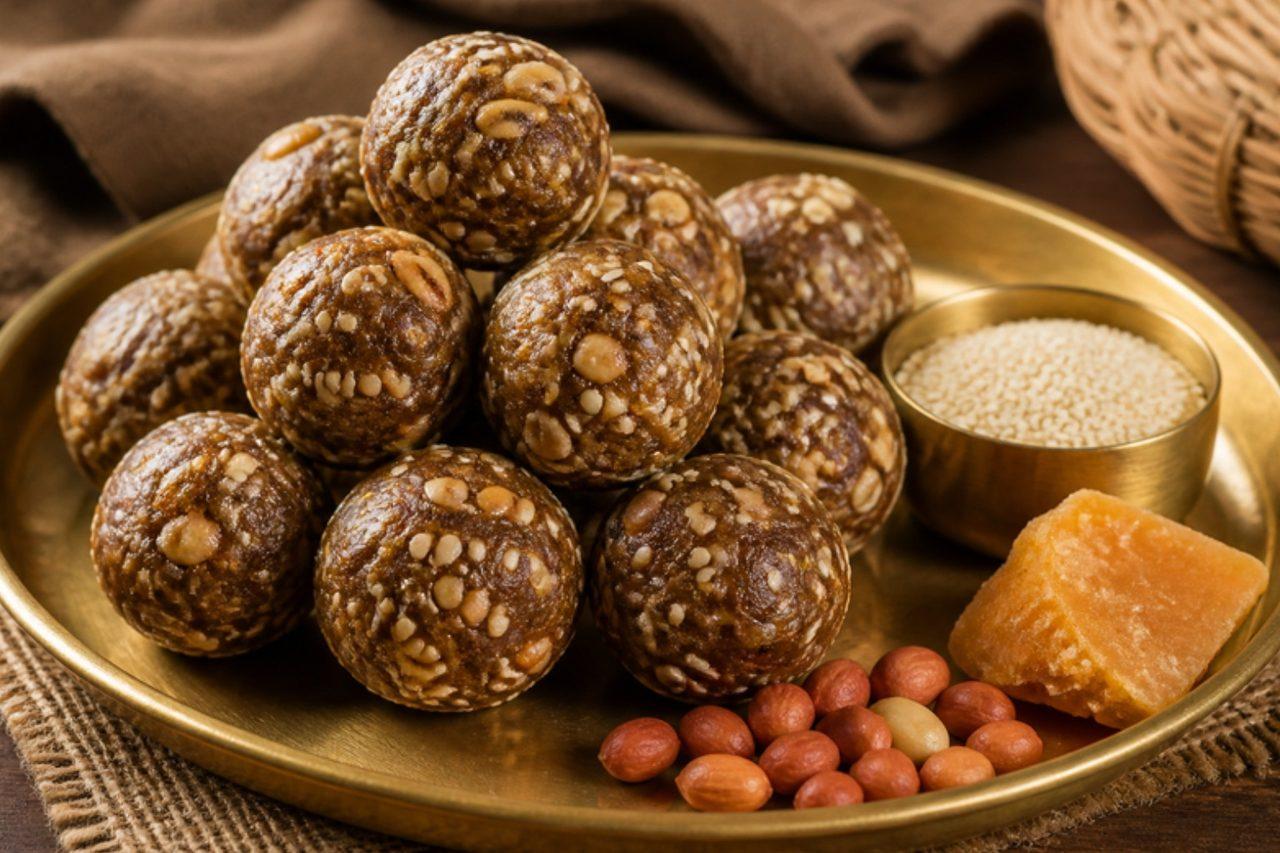
Mahua ladduMahua flower balls

Mahua trees flower across Jharkhand in March and April, and before dawn whole families gather the fallen, creamy, honey-scented flowers from the forest floor and dry them in the sun. In Santhal, Munda and Oraon homes, the dried flowers are roasted and pounded with sesame and peanuts into laddus that need almost no added sugar, a store-cupboard sweet for the lean months and for festivals like Sarhul. They taste of raisins, caramel and toasted nuts. Chef's tip: roast the flowers until they puff slightly and smell like caramel; underroasted mahua tastes raw and slightly bitter.

by KrazyBadal 0 views
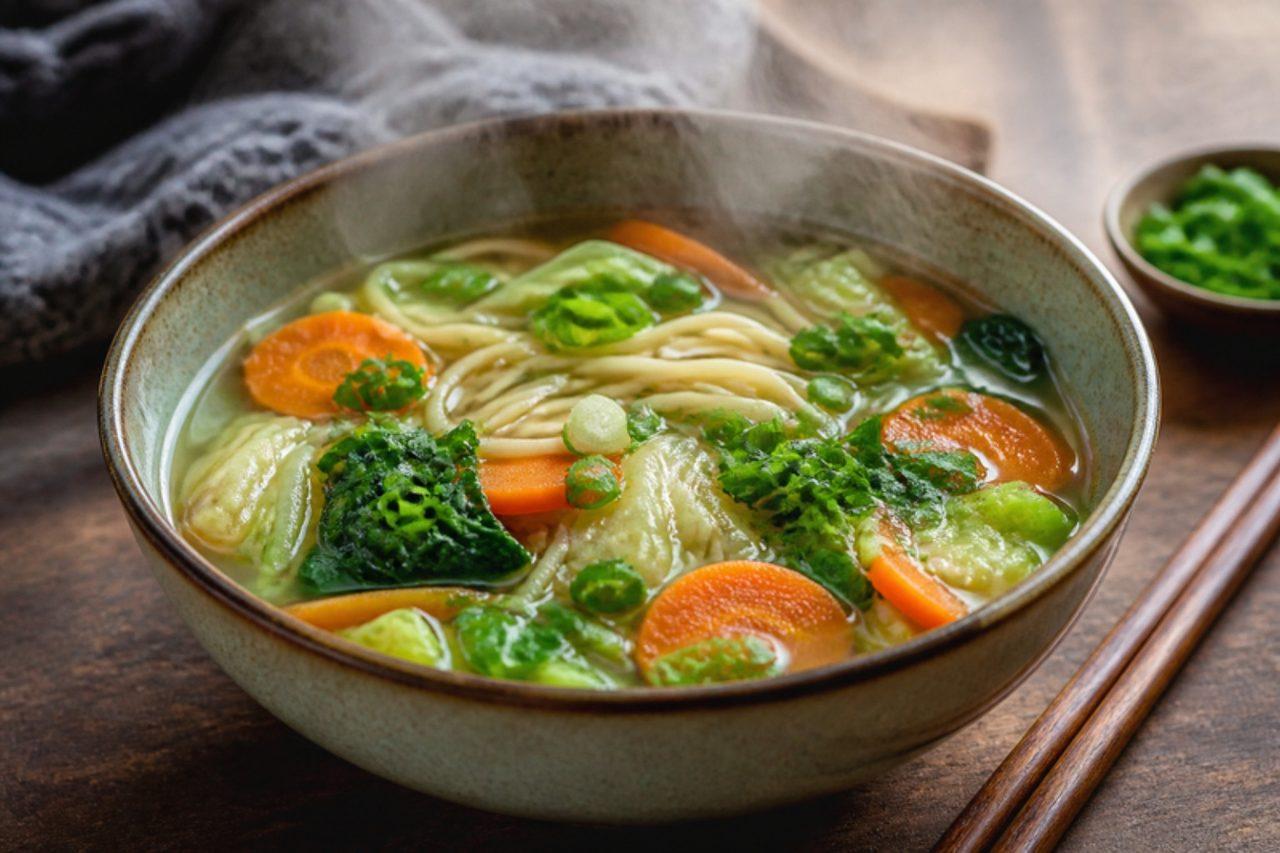
ThukpaHimalayan noodle soup

Thukpa is the warming noodle soup of the Himalayas, eaten in Sikkim, Ladakh and the Tibetan settlements of the hills on cold evenings. A gingery, garlicky broth is cooked with carrot, cabbage and tomato, then wheat noodles and spinach go straight into the pot. It's light yet filling, savoury with soy and pepper and as spicy as you like with chilli on the side. Serve in deep bowls with a squeeze of lemon. Chef's tip: cook the noodles in the soup only just before serving; left standing, they keep drinking up the broth and turn soft.

by KrazyBadal 0 views
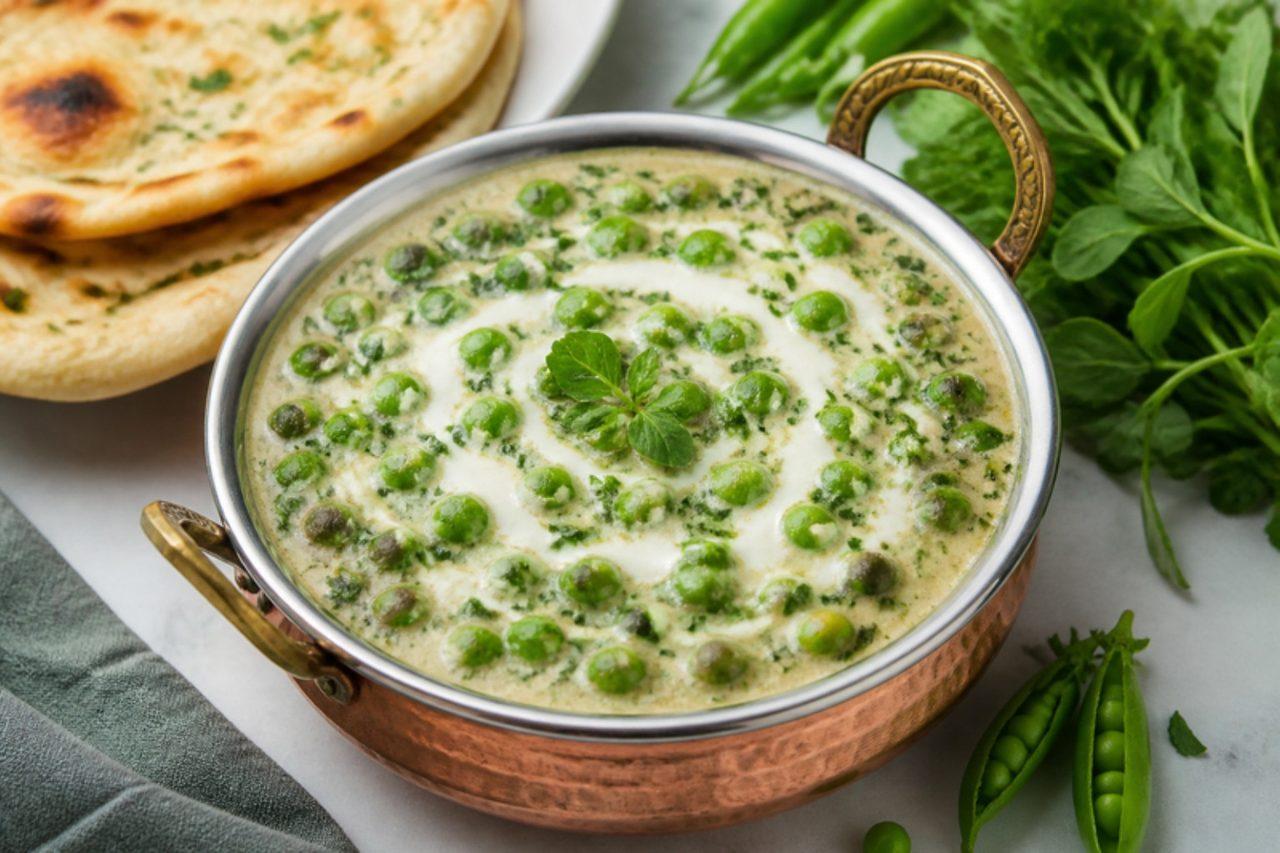
Methi matar malaiFenugreek and peas in cream gravy

Methi matar malai belongs to the Punjabi wedding buffet and the dhaba menu as much as to winter home cooking, when bunches of fresh fenugreek pile up in the markets of Ludhiana and Jalandhar. Bitter-sweet methi leaves and sweet green peas sit in a pale, silky gravy of onion, cashew and cream, mild enough for children and rich enough for a celebration. Serve it with butter naan, lachha paratha or jeera rice. Chef's tip: salt the chopped methi and squeeze it before cooking; it takes away much of the bitterness while keeping the flavour.

by KrazyBadal 0 views
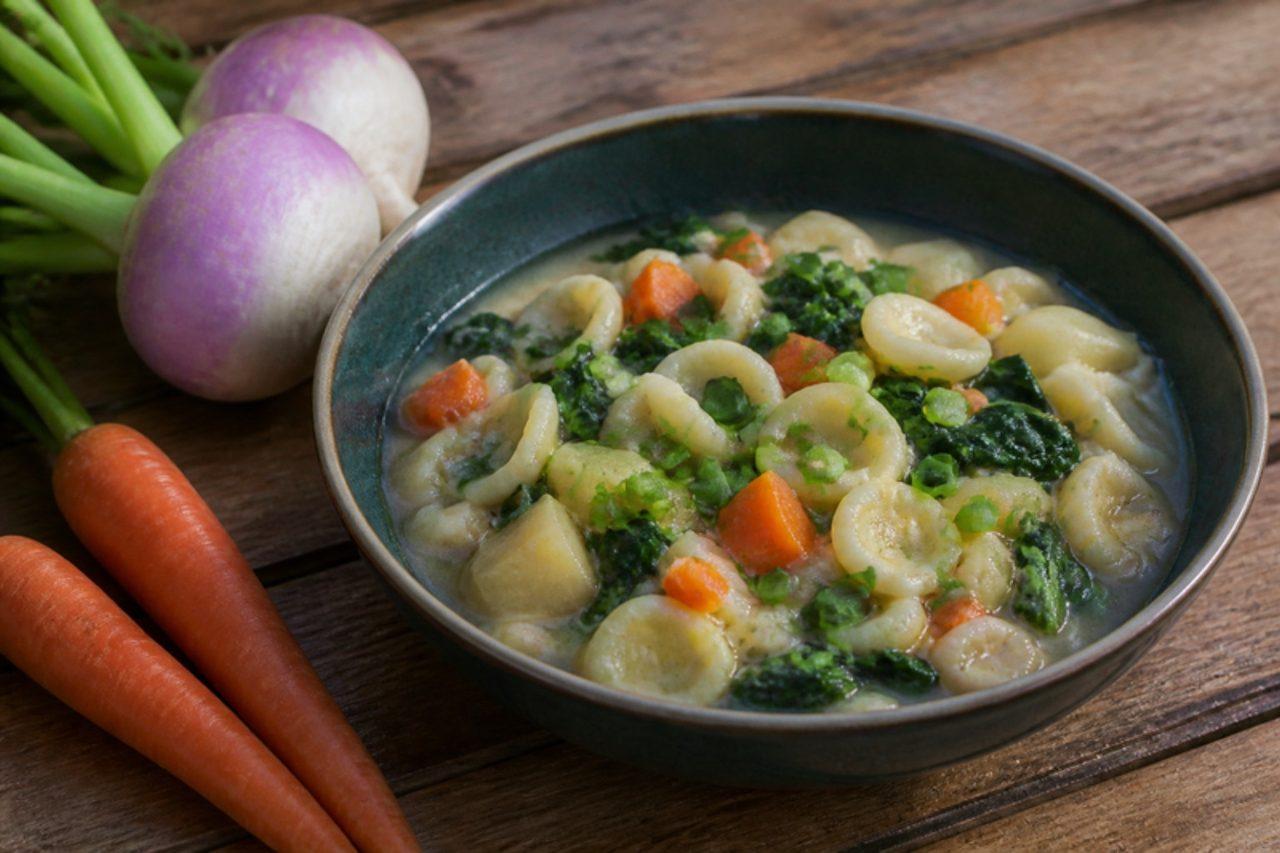
Ladakhi skyuWheat dough and root vegetable stew

Skyu is what Ladakhi families in Leh and the villages along the Indus cook when the passes close and fresh vegetables run short: a thick stew of turnip, potato and carrot with little cups of wheat dough pressed with the thumb, a bit like orecchiette. It is filling, gently peppery and made in a single pot on the kitchen stove that also heats the house. Some homes finish it with a splash of milk or a crumble of dried cheese; this version keeps it plant-based and lets the vegetables flavour the broth. Chef's tip: press each piece of dough thin enough to see the thumbprint clearly; thick pieces stay doughy in the middle.

by KrazyBadal 0 views
Mandua ki rotiFinger millet flatbread

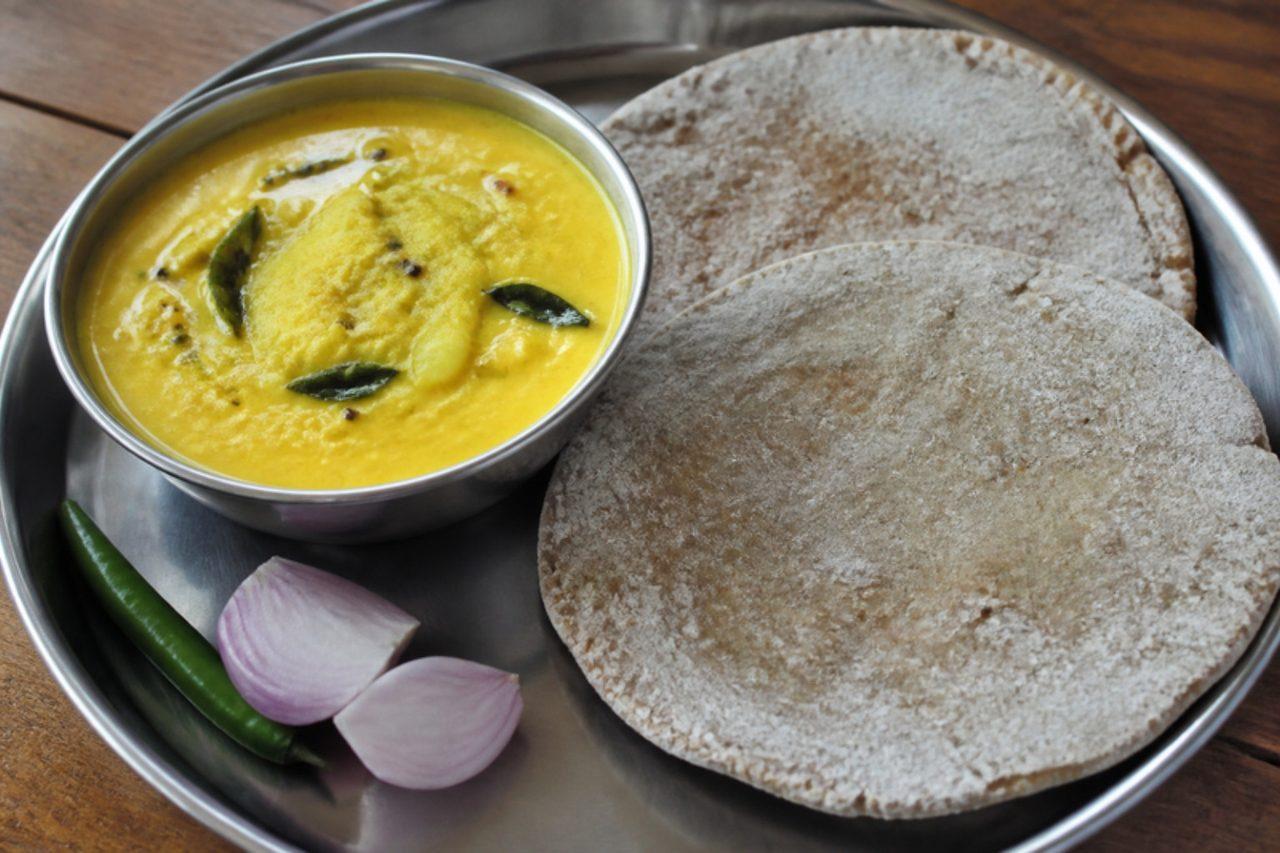
Mandua, or finger millet, is the grain that hill farmers in Uttarakhand have relied on for generations, and its roti is the staple of a pahadi winter kitchen. The rotis come out dark brown, slightly sweet and earthy, and they are eaten hot from the tawa with a spoon of ghee, kafuli or a bowl of chainsoo, sometimes with jaggery on the side. With no gluten to hold it together the dough is fragile, so cooks pat it out between wet palms rather than rolling it. Chef's tip: knead the dough in two small batches with hot water; millet dough dries and cracks quickly, so the second batch stays fresh while you cook the first.

by KrazyBadal 0 views
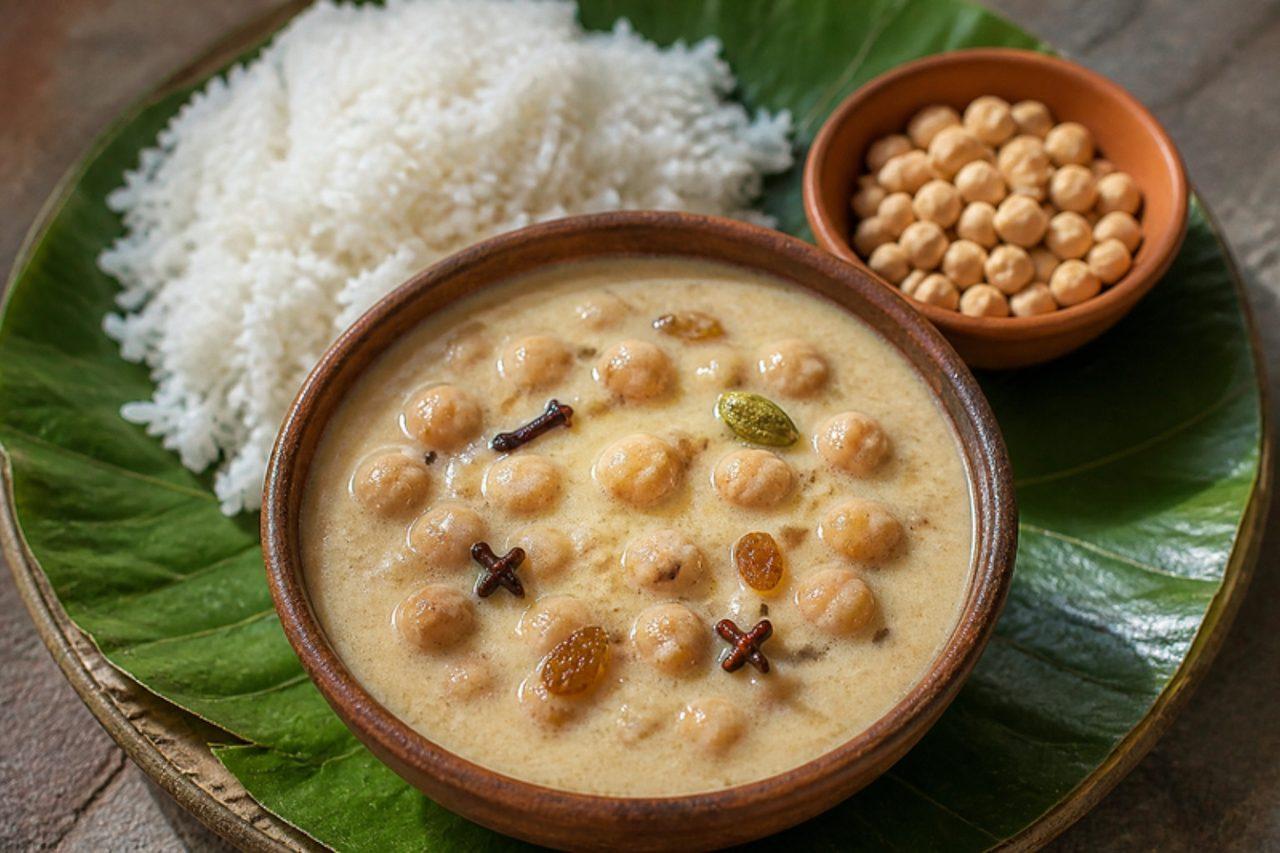
MadraChickpeas in yogurt

Madra is the pride of the Himachali dham, the communal feast cooked by hereditary cooks called botis at weddings and temple fairs in Chamba and Kangra. Chickpeas are simmered in yogurt with ghee, cloves, cardamom and cinnamon until the sauce turns thick, pale and rich, with no onion or garlic at all. It arrives on a leaf plate beside rice, rajmah and kadhi, and some families add a few raisins or cashews for a festive touch. Chef's tip: cook the chickpeas until they squash easily between two fingers before they go into the yogurt; they won't soften further once the sauce is in.
by KrazyBadal 0 views

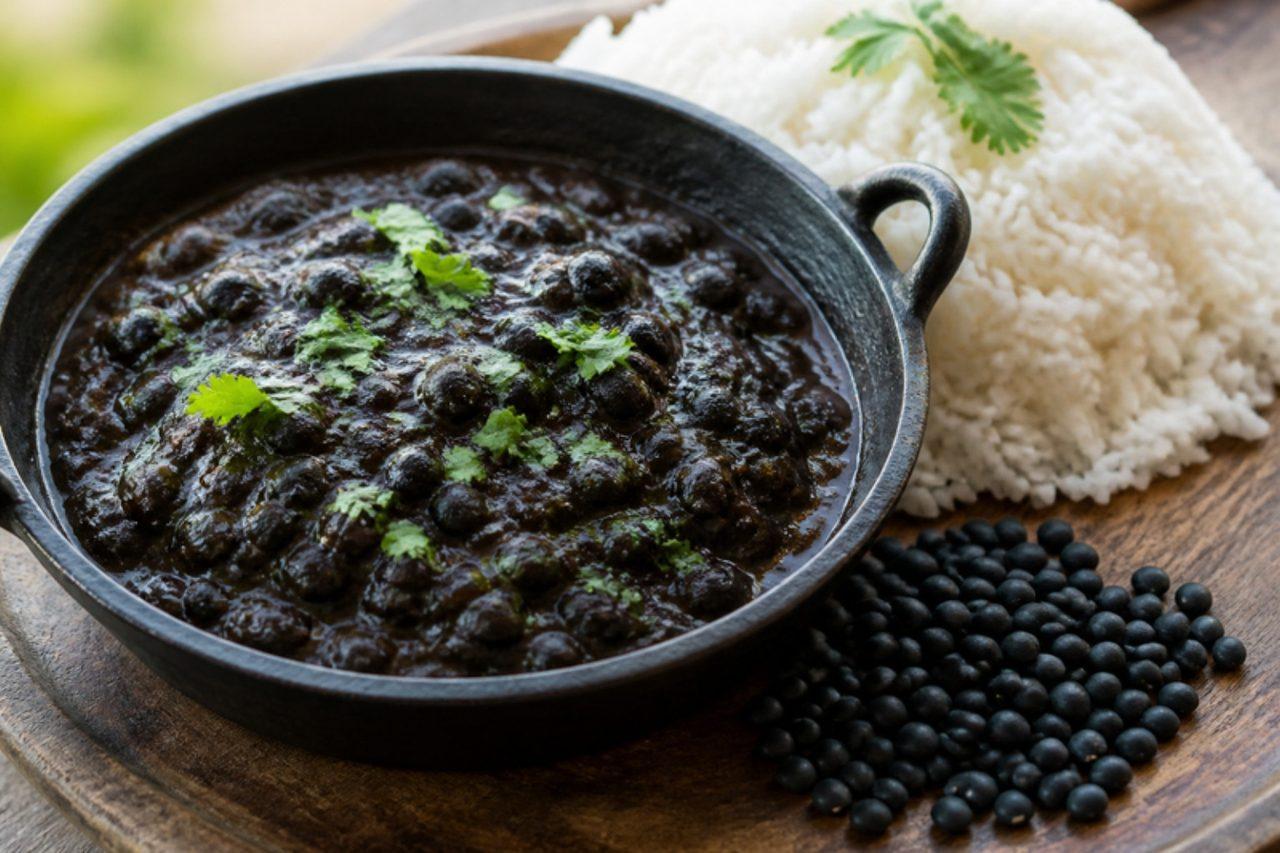
Bhatt ki churkaniBlack soybean curry

Black soybeans, called bhatt, grow on the slopes around Almora and Pithoragarh, and churkani is the everyday Kumaoni way of eating them: roasted in a dry iron pan until they crack, then simmered with garlic, ginger and a little rice flour into a thick, nearly black gravy. It's the kind of food that keeps people warm through a hill winter, eaten with steamed rice, a spoonful of ghee and a sharp radish raita. The roasting gives a nutty, almost smoky taste you won't get from boiling the beans. Chef's tip: cook it in an iron kadhai if you have one; the metal reacts with the beans and gives churkani its traditional dark colour.

by KrazyBadal 0 views
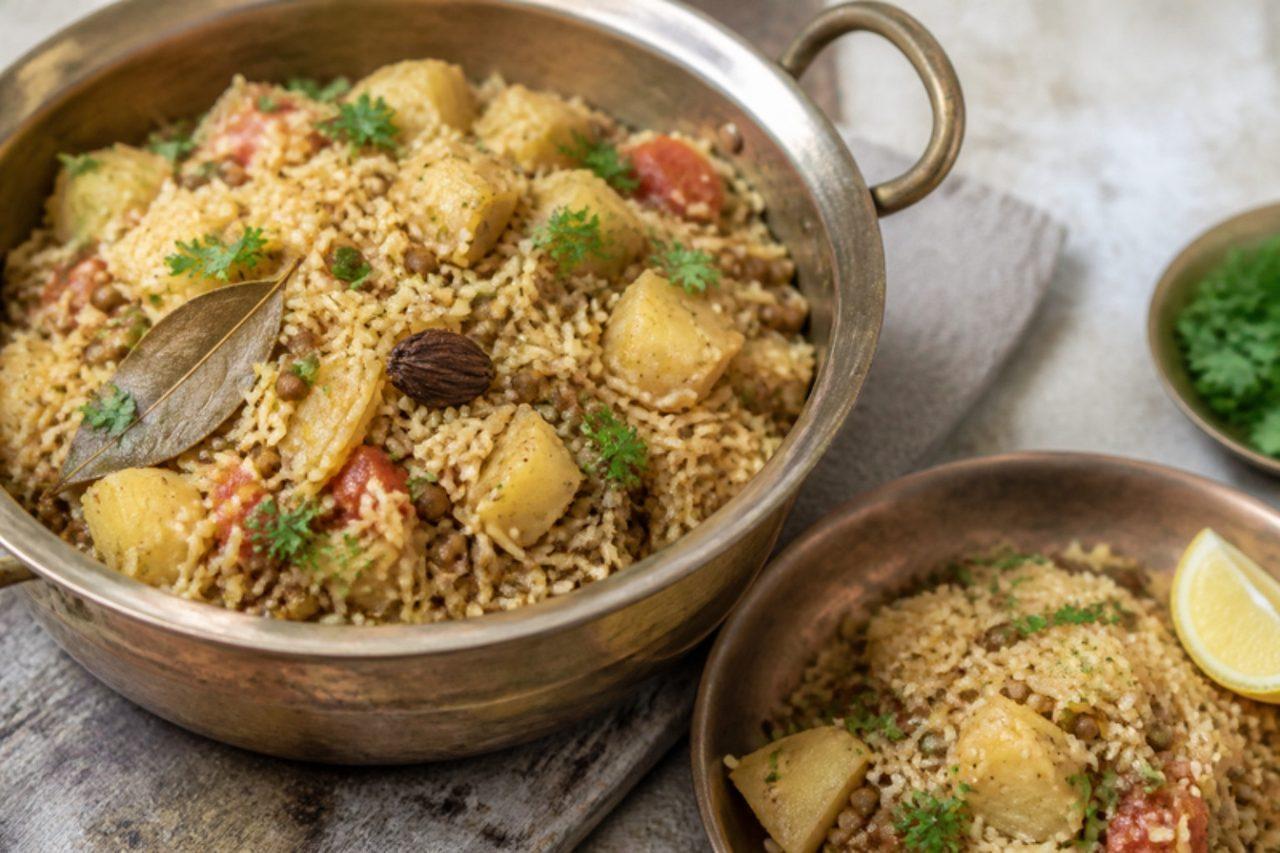
Tudkiya bhathSpiced rice with lentils and potatoes

Tudkiya bhath comes from Chamba in western Himachal Pradesh, where it is the dish cooks make when a crowd turns up: rice, whole lentils and potato cooked in one big pot with fried onions, tomato and a tangy splash of yogurt. Tudka means tempering, and the name hints at the generous mustard-oil base of whole spices that flavours every grain. It is heartier and spicier than a pulao, a little wetter than a biryani, and is usually eaten with a bowl of plain yogurt or a sour pickle. Chef's tip: fry the onions properly to a deep golden brown; they give the rice its colour and its sweetness.

by KrazyBadal 0 views
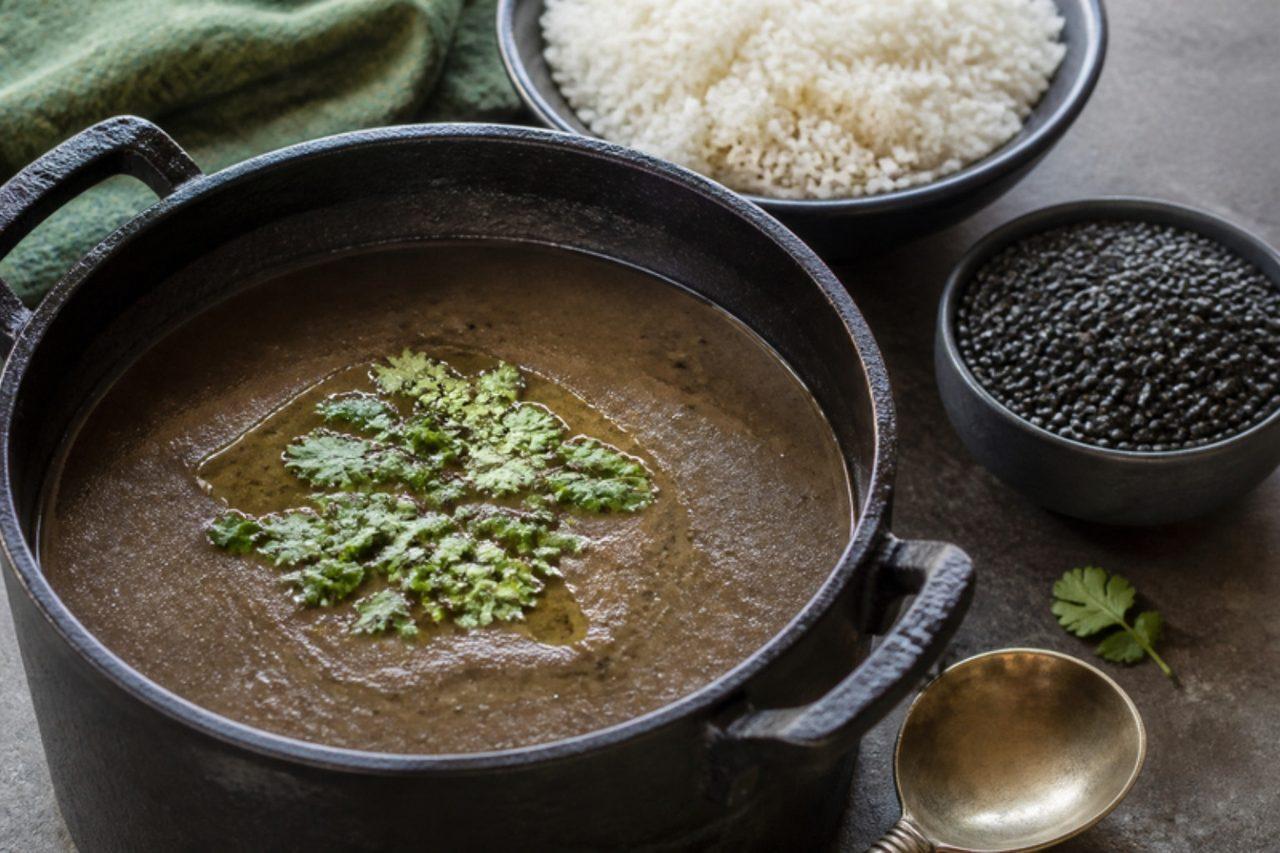
ChainsooRoasted black gram dal

Chainsoo comes from the Garhwal hills, where whole black urad is roasted in a dry pan until it smells like toasted bread, ground coarsely on a hand mill and cooked into a thick, smoky dal. It is a winter dish: heavy, warming and full of protein, eaten with plain rice or jhangora and a drizzle of ghee for anyone who isn't keeping it vegan. Village cooks make it in a lohe ki kadhai, the iron pan that turns it almost black. The texture should be grainy and spoonable, somewhere between a dal and a porridge. Chef's tip: roast the urad slowly over a medium-low heat; the moment it turns from golden to dark brown it tastes bitter, so keep stirring and pull it off early.

by KrazyBadal 0 views
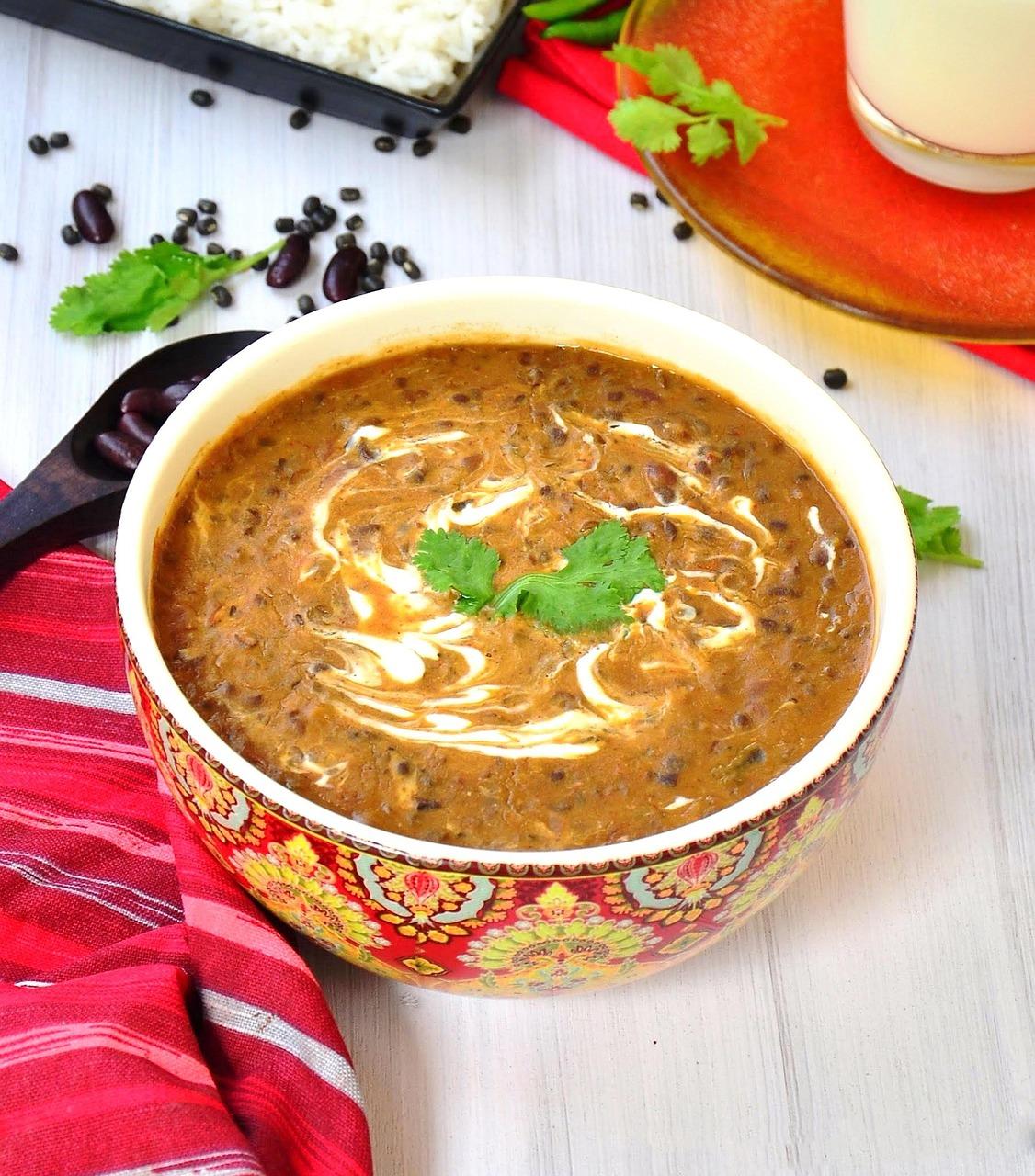
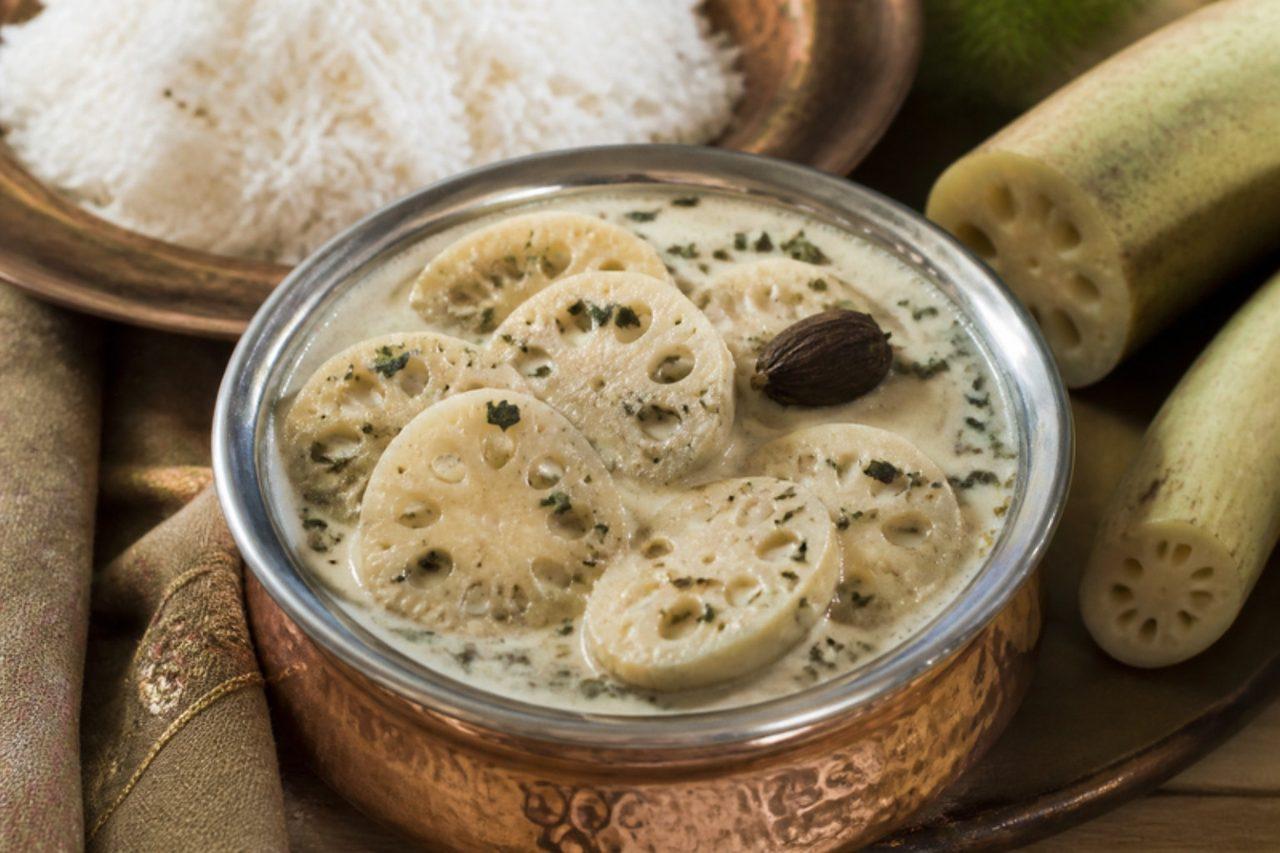
Nadru yakhniLotus stem in yogurt gravy

Lotus stem, called nadru in Kashmiri, is pulled from the shallow waters of the Dal and Anchar lakes around Srinagar, and Kashmiri Pandit families treat it as something close to a festive vegetable. Yakhni is their pale, onion-free yogurt gravy, scented with fennel, dry ginger and black cardamom instead of tomato or chilli. The lotus slices stay faintly crunchy and show their lacy holes in a creamy, ivory sauce. It turns up at Herath (Shivratri) meals and at Sunday lunches, always with a mound of plain steamed rice. Chef's tip: pick firm, pale stems with closed ends; the ends keep mud out of the hollow channels, so you rinse far less.

by KrazyBadal 0 views
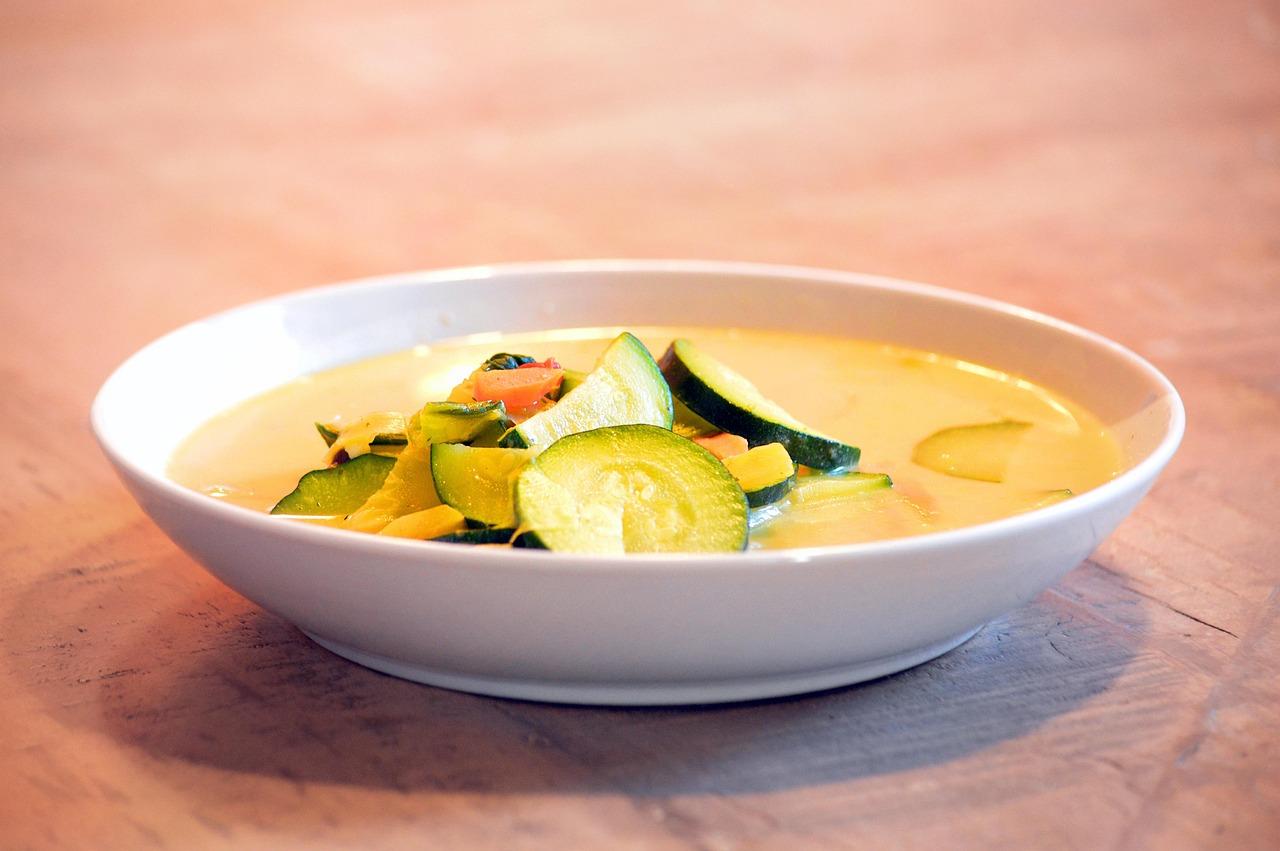
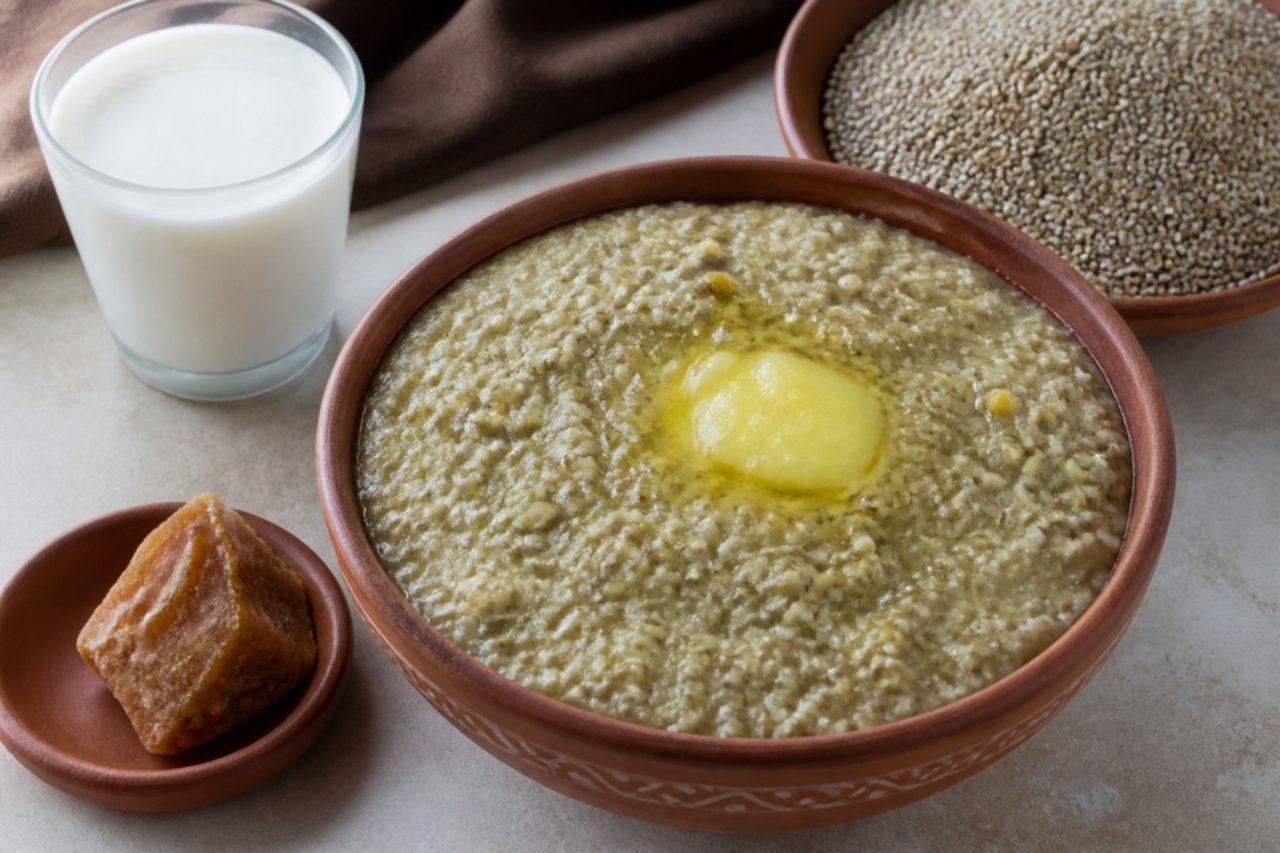
Haryanvi bajra khichdiPearl millet and moong dal porridge

In village homes across Haryana, bajra khichdi is the food of cold winter nights and the days around Makar Sankranti: cracked pearl millet and yellow moong cooked slowly until soft and porridge-like, then eaten with a big spoon of ghee and either jaggery or a glass of lassi. It is plain, nutty and very filling, and grandmothers swear it keeps you warm. The millet was traditionally pounded in a stone mortar to crack it; a quick pulse in a grinder does the same. Chef's tip: soak the bajra overnight; unsoaked millet stays hard and gritty however long you cook it.

by KrazyBadal 0 views
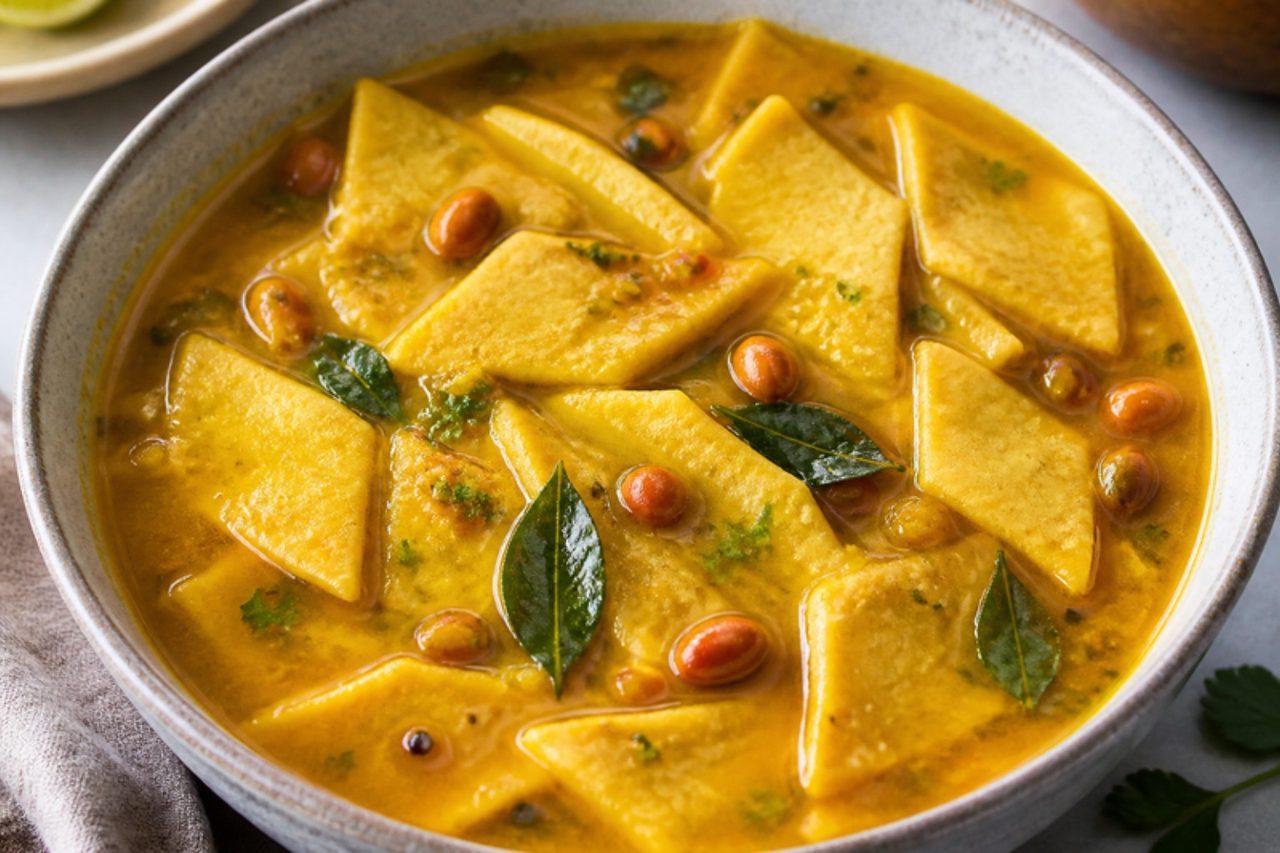
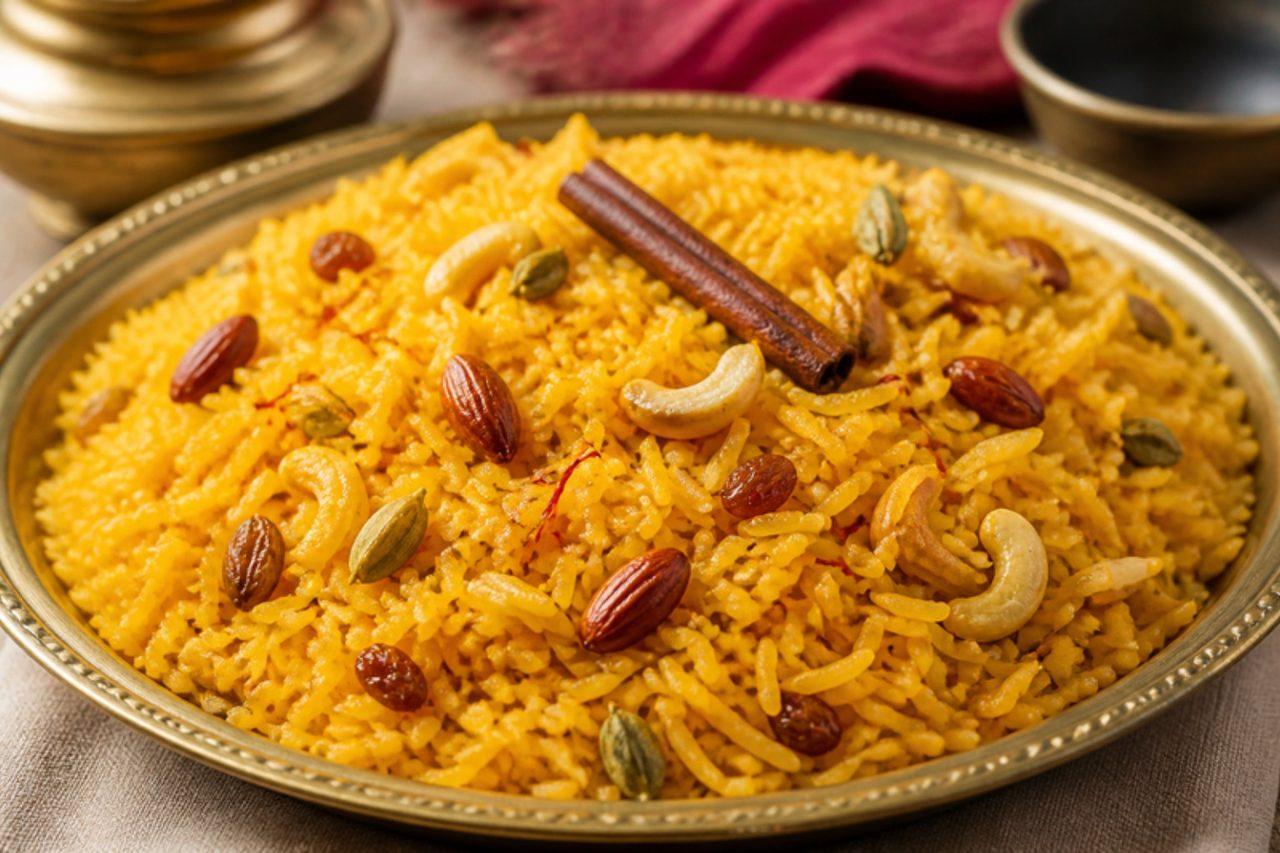
Kashmiri modur pulavSweet saffron rice with dry fruit

Modur means sweet in Kashmiri, and this ghee-rich saffron rice is served at Kashmiri weddings and on Navreh, the Pandit new year, glowing orange and studded with almonds, cashews and raisins. In the hills of Himachal Pradesh the dham feast ends with a near-identical sweet rice called mittha, so this one page covers both: Himachal cooks often add a little more raisin and a pinch of fennel, which you can do too. It is sweet but not dessert-sweet, perfumed with cinnamon and cardamom, and is eaten alongside savoury curries as well as on its own. Chef's tip: soak the saffron in warm milk for at least 15 minutes before you start; it gives the rice its colour far more evenly than strands scattered dry.

by KrazyBadal 0 views
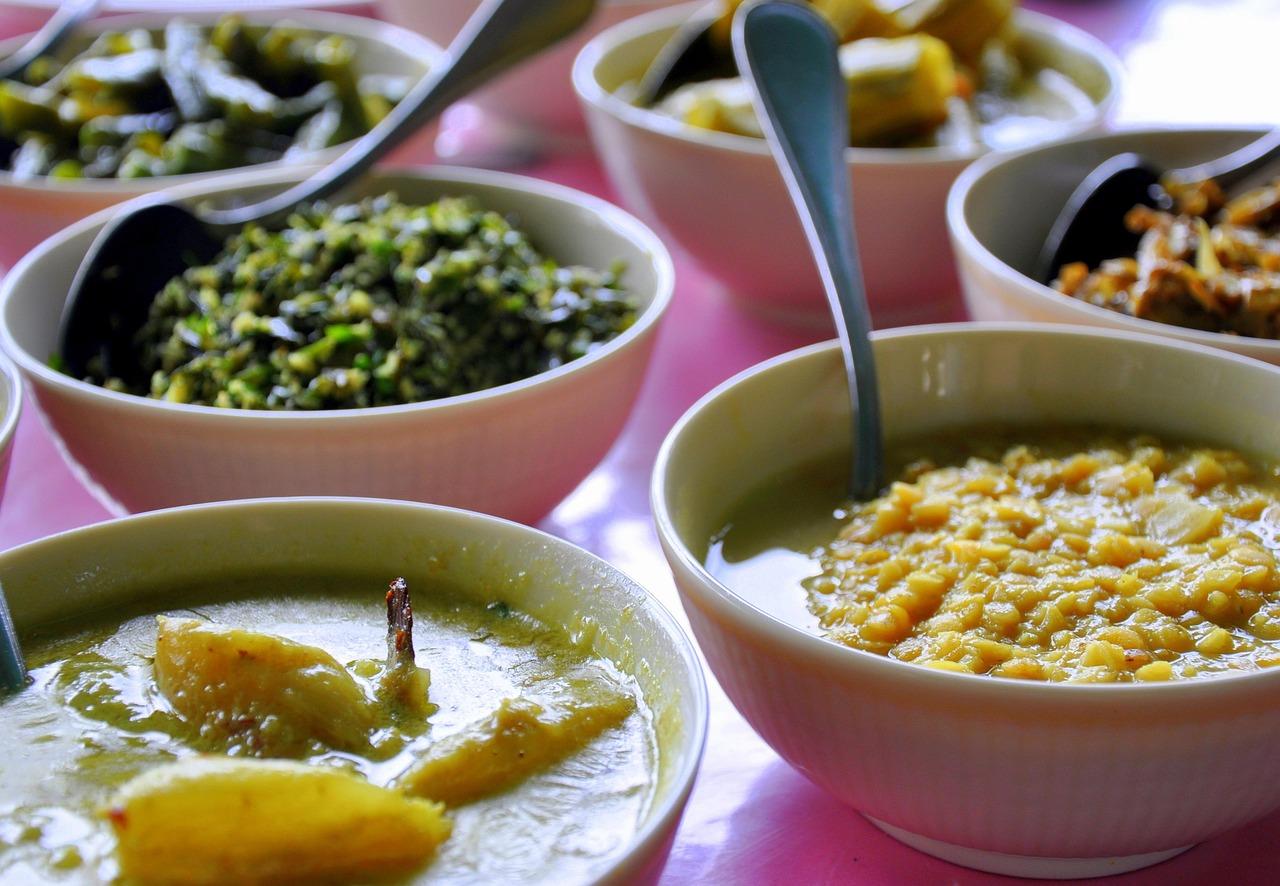
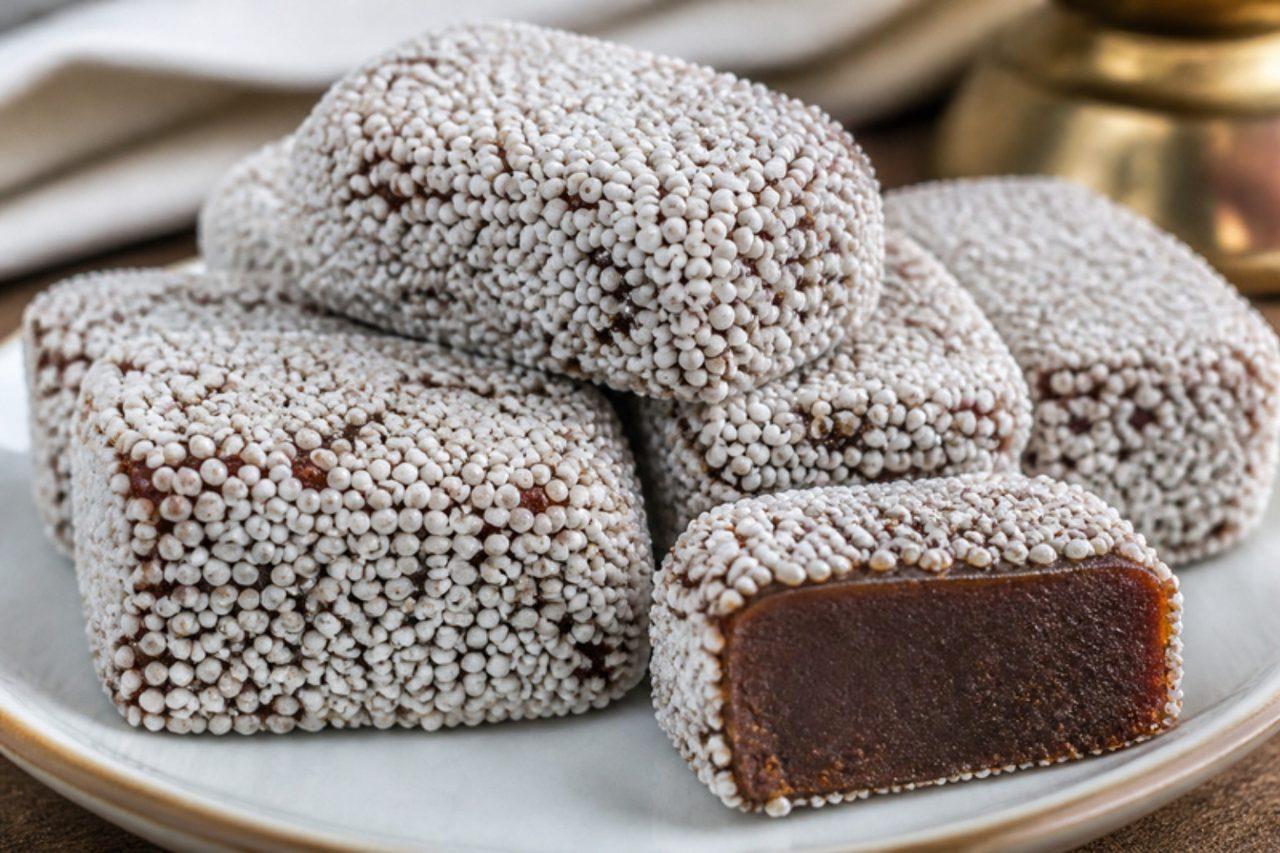
Bal mithaiChocolate-brown fudge with sugar balls

Bal mithai belongs to Almora in Kumaon, where sweet shops on the old Lala Bazaar have sold it for well over a century. Khoya is cooked slowly with sugar until it caramelises to the colour of dark chocolate, set into bars and rolled in little white sugar balls, which give a crunchy bite against the fudgy middle. Families carry boxes of it home from the hills as the town's best-known souvenir. The flavour is deep and toffee-like, with no added colour or cocoa. Chef's tip: keep the heat low and be patient; the deep brown comes from slow caramelising over half an hour, not from turning the flame up.

by KrazyBadal 0 views

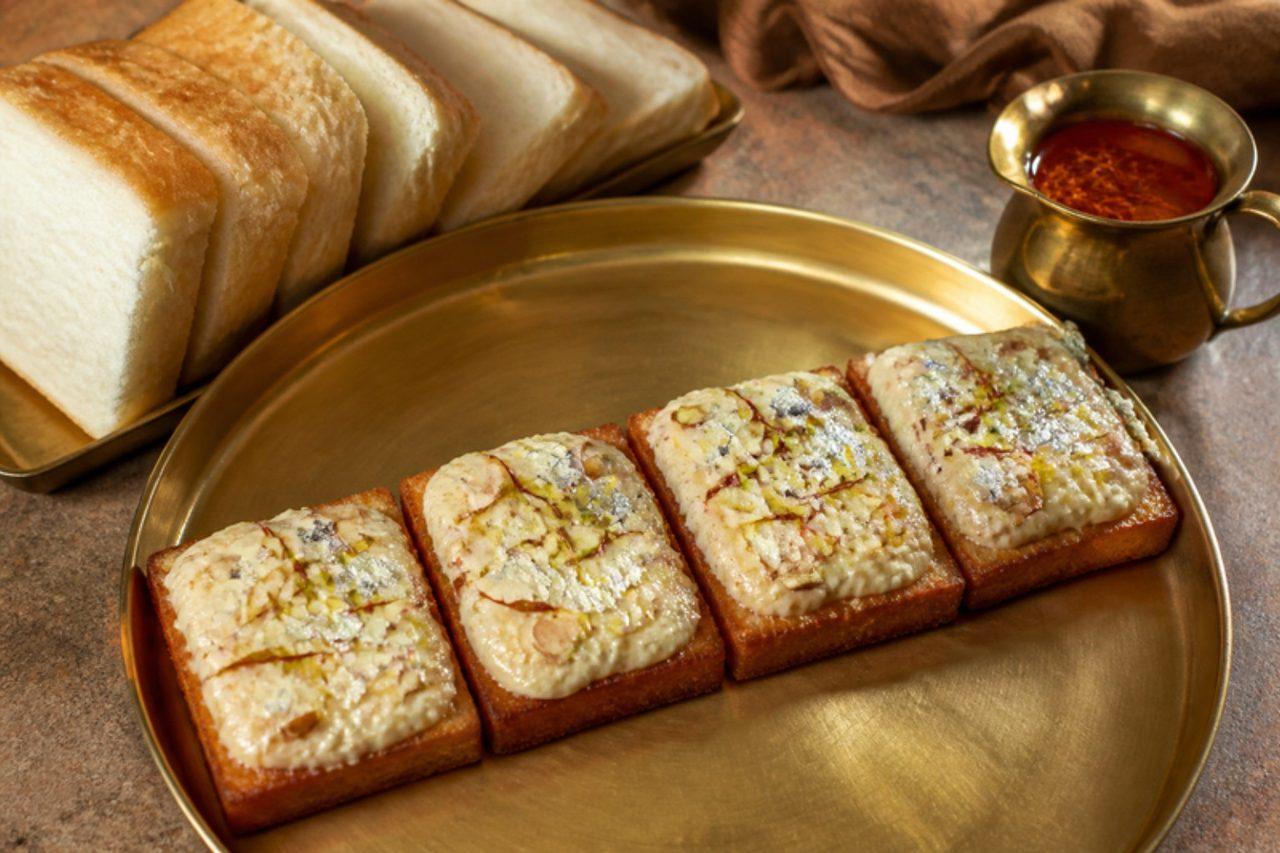
Shahi tukdaFried bread in saffron syrup

Shahi tukda, the 'royal piece', comes from the Mughal kitchens of Old Delhi, and you'll still find trays of it around Jama Masjid during Ramzan, eaten after the evening meal, and at Eid feasts. Thick slices of bread are fried in ghee until crisp and golden, dipped briefly in cardamom and saffron syrup, then covered with rabri, milk slowly reduced until thick and full of creamy flakes. The bread stays crisp at the edges and soft in the middle. It's rich, so small pieces go a long way. Chef's tip: start the rabri first and let it simmer while you fry the bread; it takes the longest and needs only an occasional stir.

by KrazyBadal 0 views
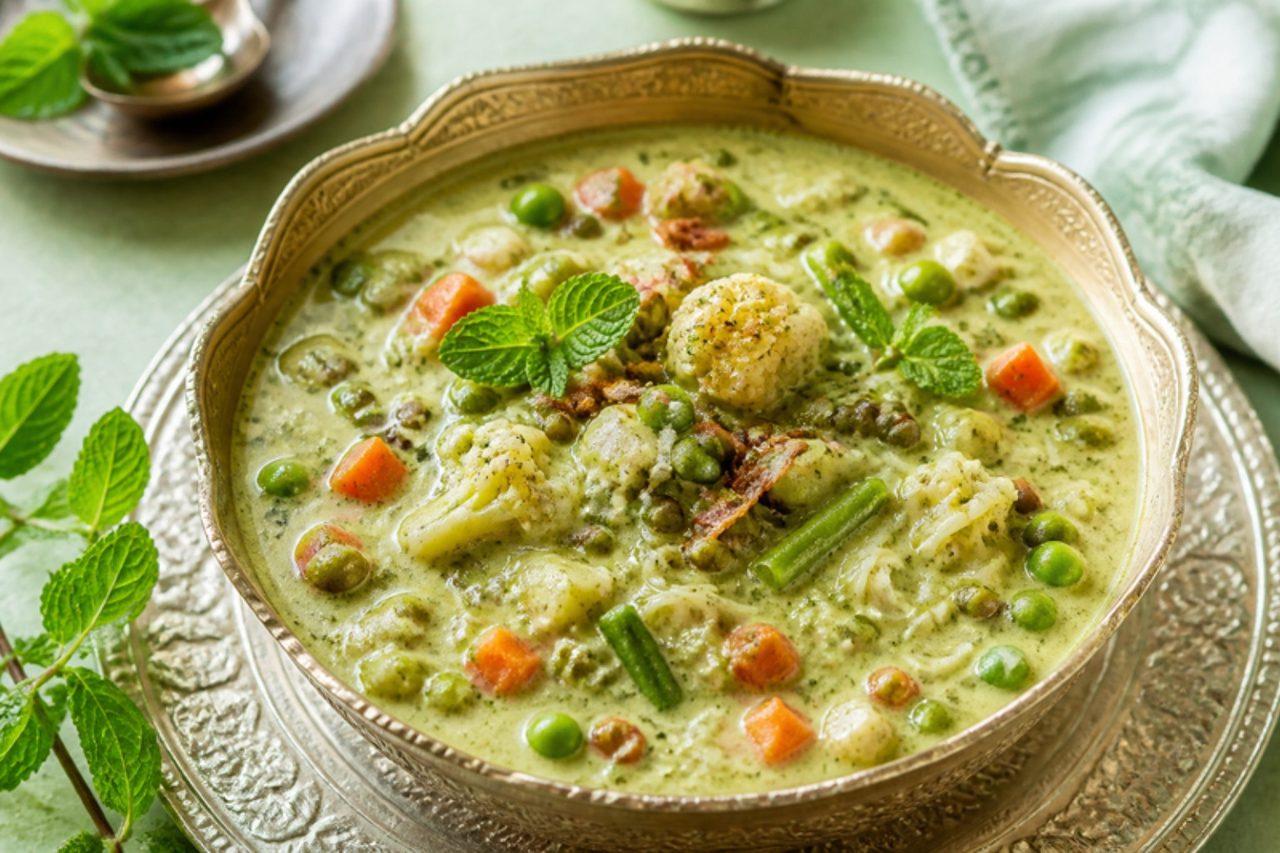
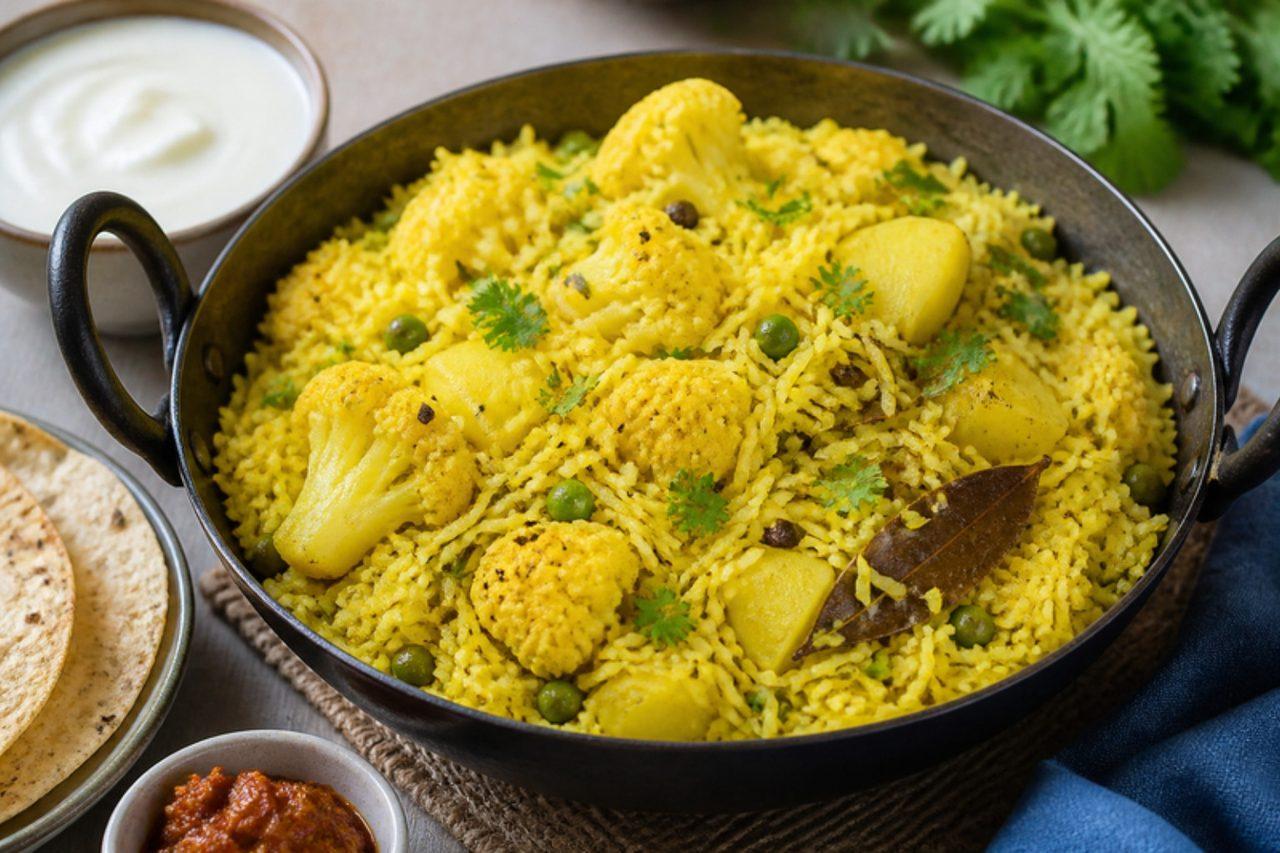
TehriYellow rice with vegetables

In many Uttar Pradesh homes, tehri is what happens on a cold evening when nobody wants to cook three dishes. Rice, potatoes, cauliflower and peas go into one pot with mustard oil, turmeric and whole spices, and come out yellow, fluffy and lightly spiced. Families in Kanpur, Allahabad and Varanasi eat it with plain yogurt, a spoon of mango pickle and roasted papad, and it is also cooked for winter picnics. It differs from pulao in its turmeric colour and the sharp warmth of smoked mustard oil. A frequent mistake is stirring after the water goes in, which breaks the grains and makes the rice gluey. Chef's tip: heat the mustard oil until it just smokes, then let it cool for a few seconds before adding spices; this mellows its bite without losing the flavour.

by KrazyBadal 0 views
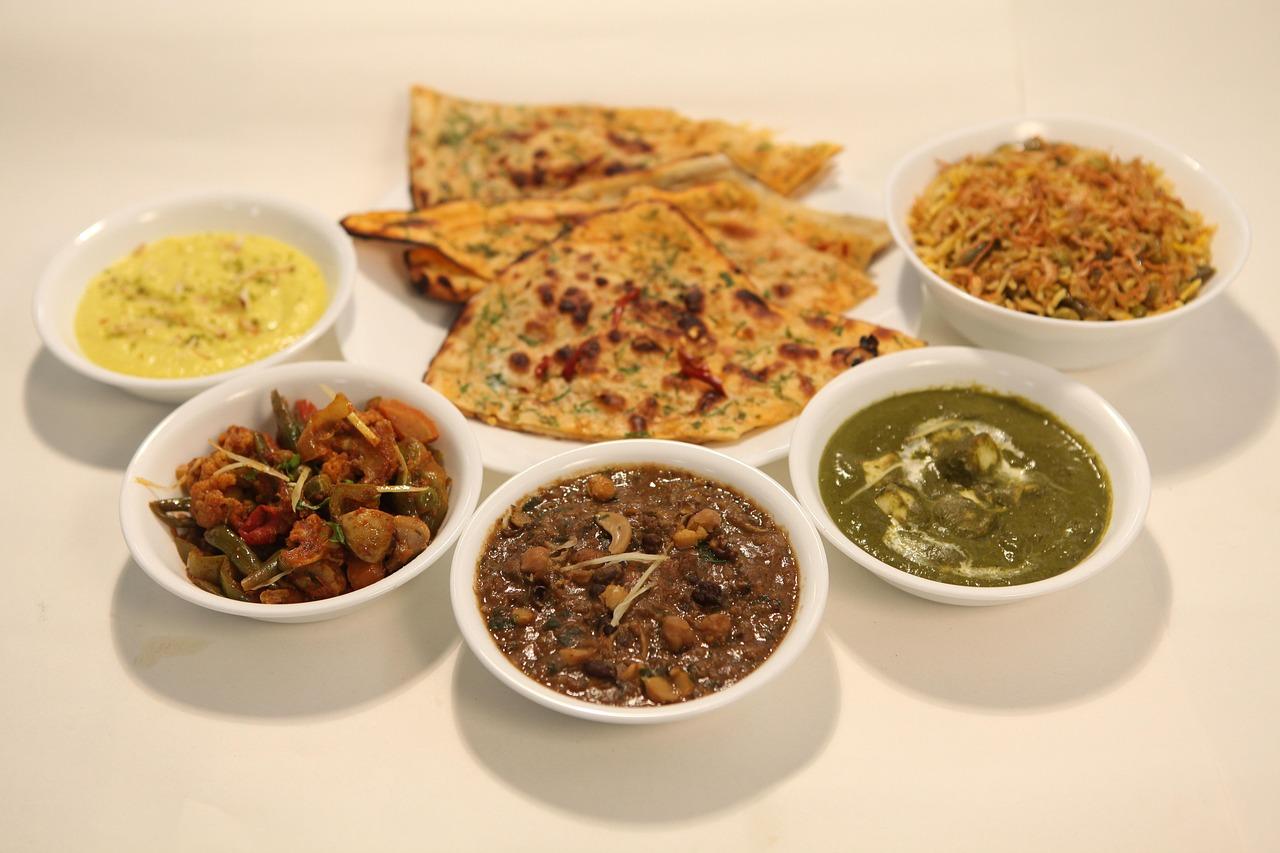
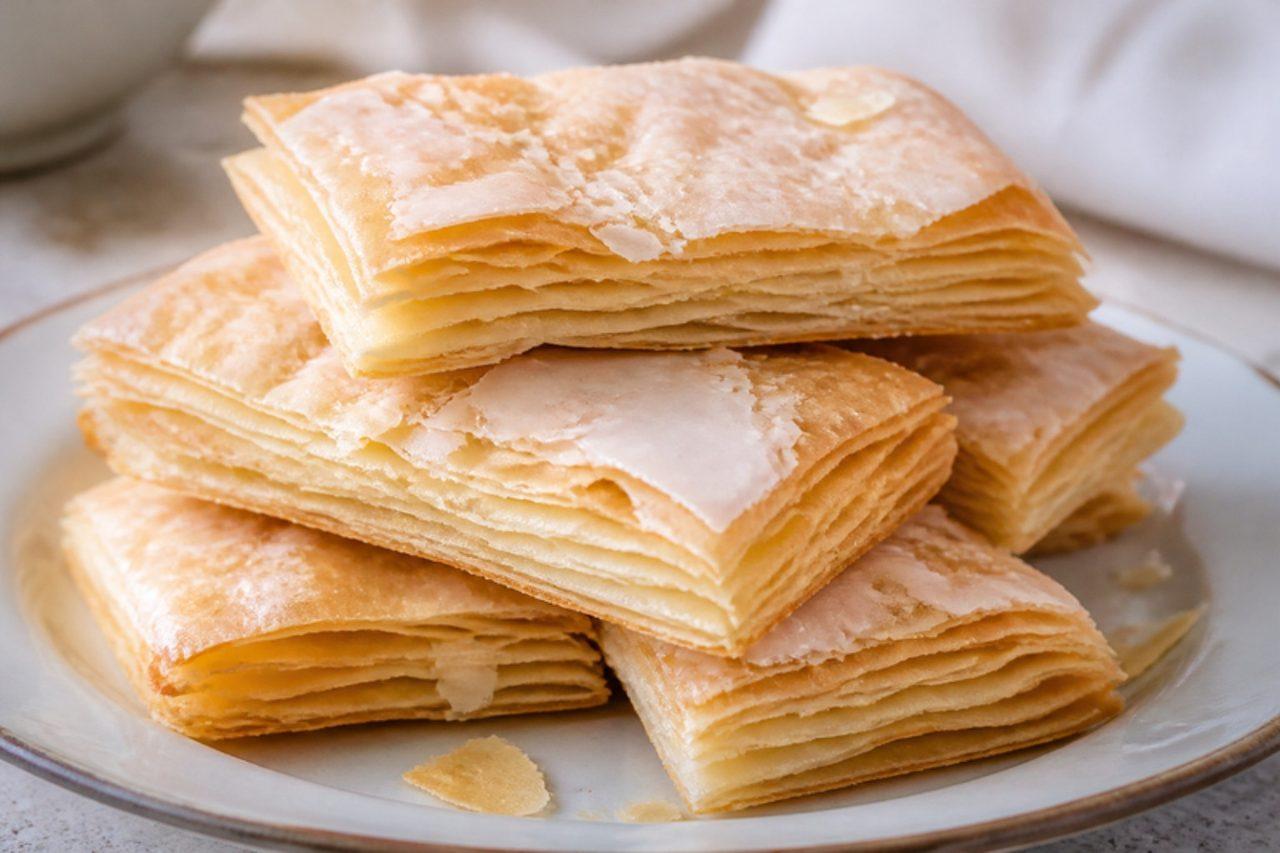
Silao khajaLayered syrup pastry

Travellers on the road from Patna to Rajgir stop at Silao, a small town near the ruins of Nalanda, for one thing: khaja, a pastry built from dozens of paper-thin layers that flake apart in the mouth and are glazed with a crackly sugar coat. Silao's halwais have made it for generations, and it is carried home in boxes as a present; it is also offered in temples and at weddings across Bihar and Odisha. It takes patience but no special equipment. Chef's tip: fry at a really low heat so the layers have time to open out like pages before the outside colours; hot oil seals them shut.

by KrazyBadal 0 views
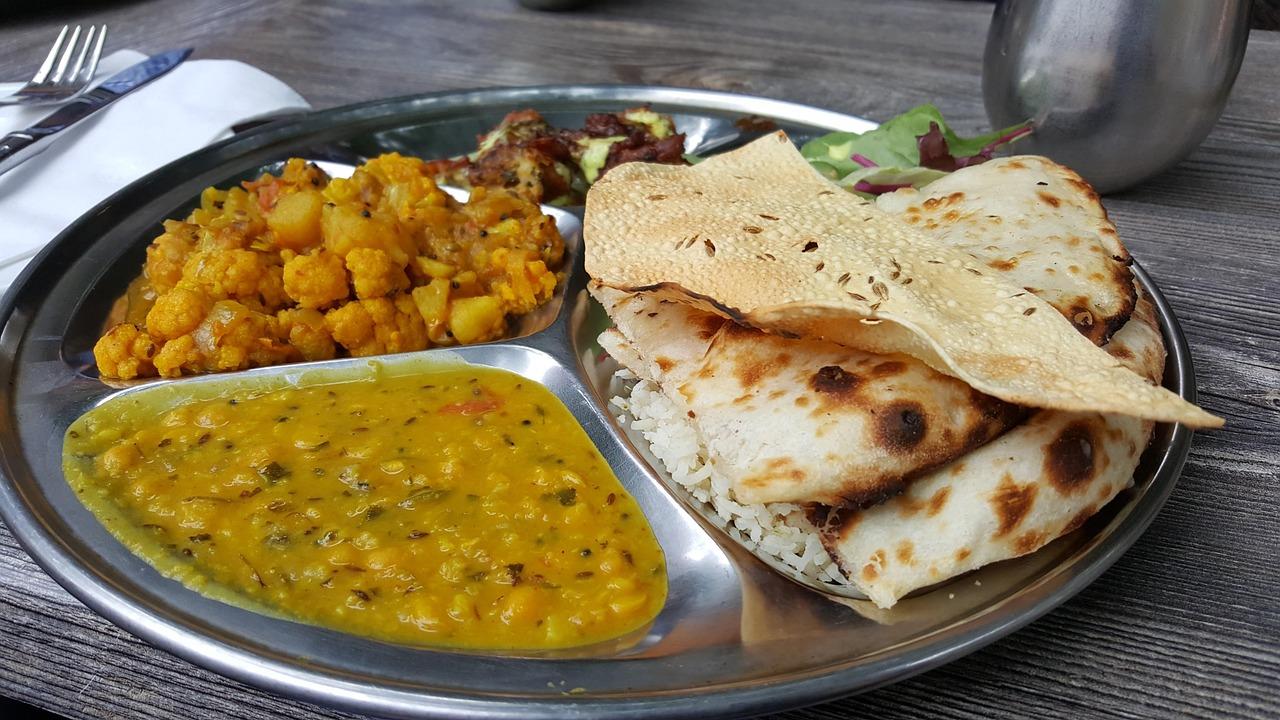
Bore baasiSoaked rice with onion

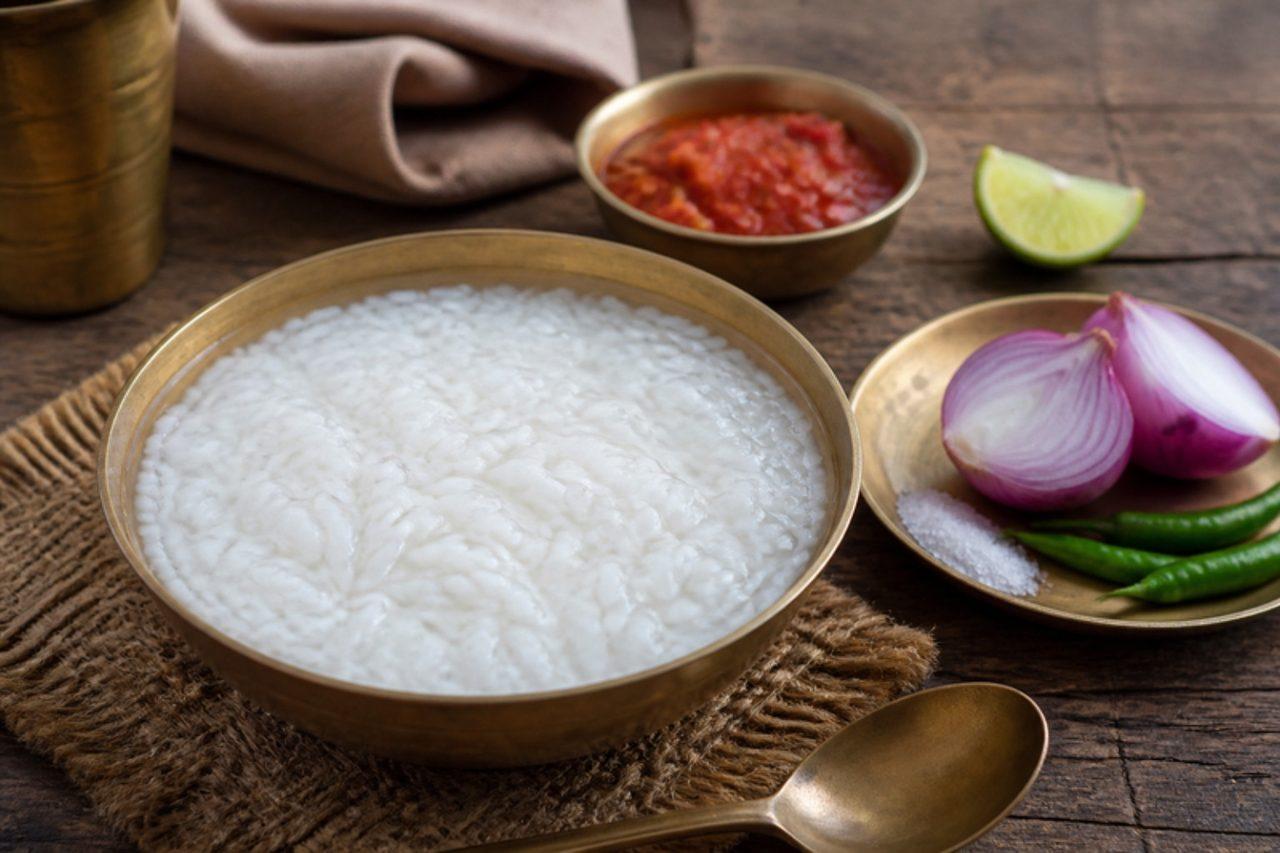
Bore baasi is the summer meal of Chhattisgarh's farmers: cooked rice soaked in water, either for a few hours (bore) or overnight (baasi), then eaten from the bowl with its slightly sour water, raw onion, green chilli and a pinch of salt. It is cooling, filling and easy on the stomach in the heat, and in recent years the state has made 1 May, Labour Day, the day to eat it as Bore Baasi Tihar. Many families add a ladle of buttermilk or curd and something fried or roasted on the side. Food safety matters with any cooked rice left standing, so this version cools the rice fast and soaks it in the fridge. Chef's tip: cool and cover the rice within an hour of cooking; rice left warm on the counter is the real risk, not the soaking.

by KrazyBadal 0 views
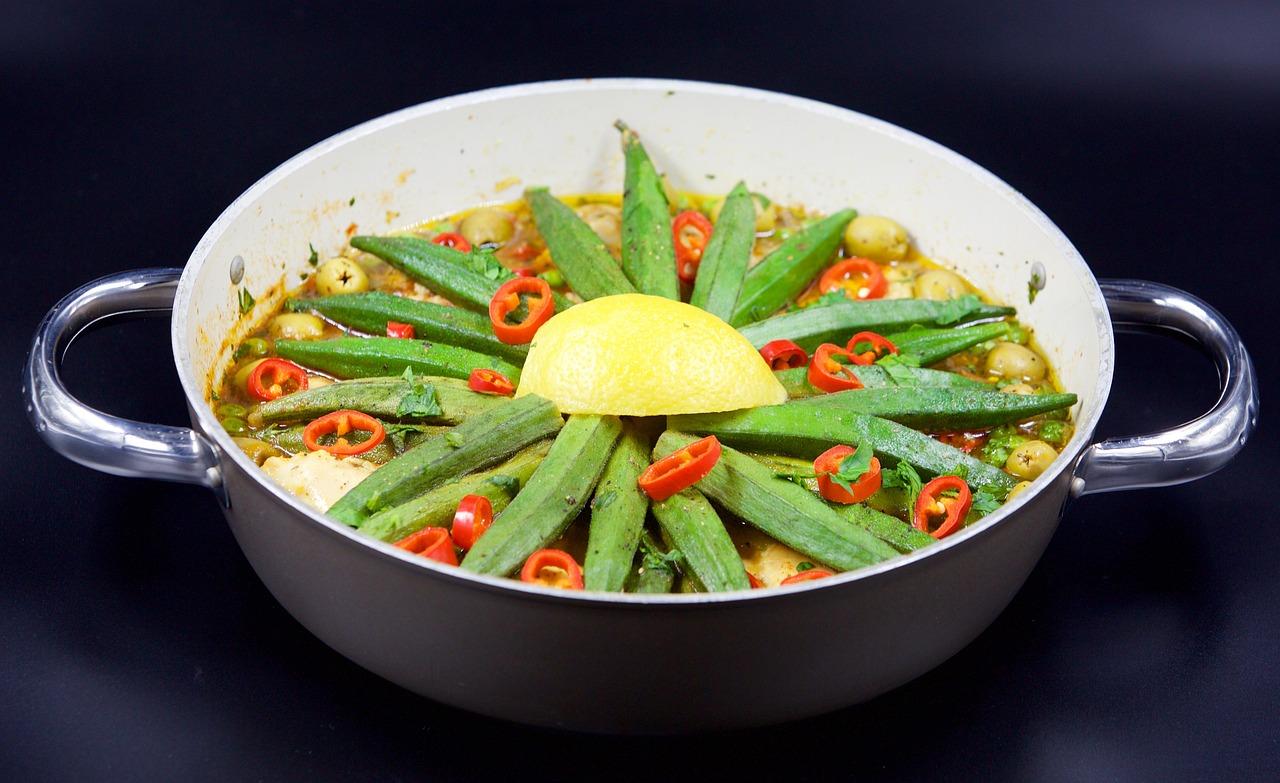
Papad ki sabziPapad curry

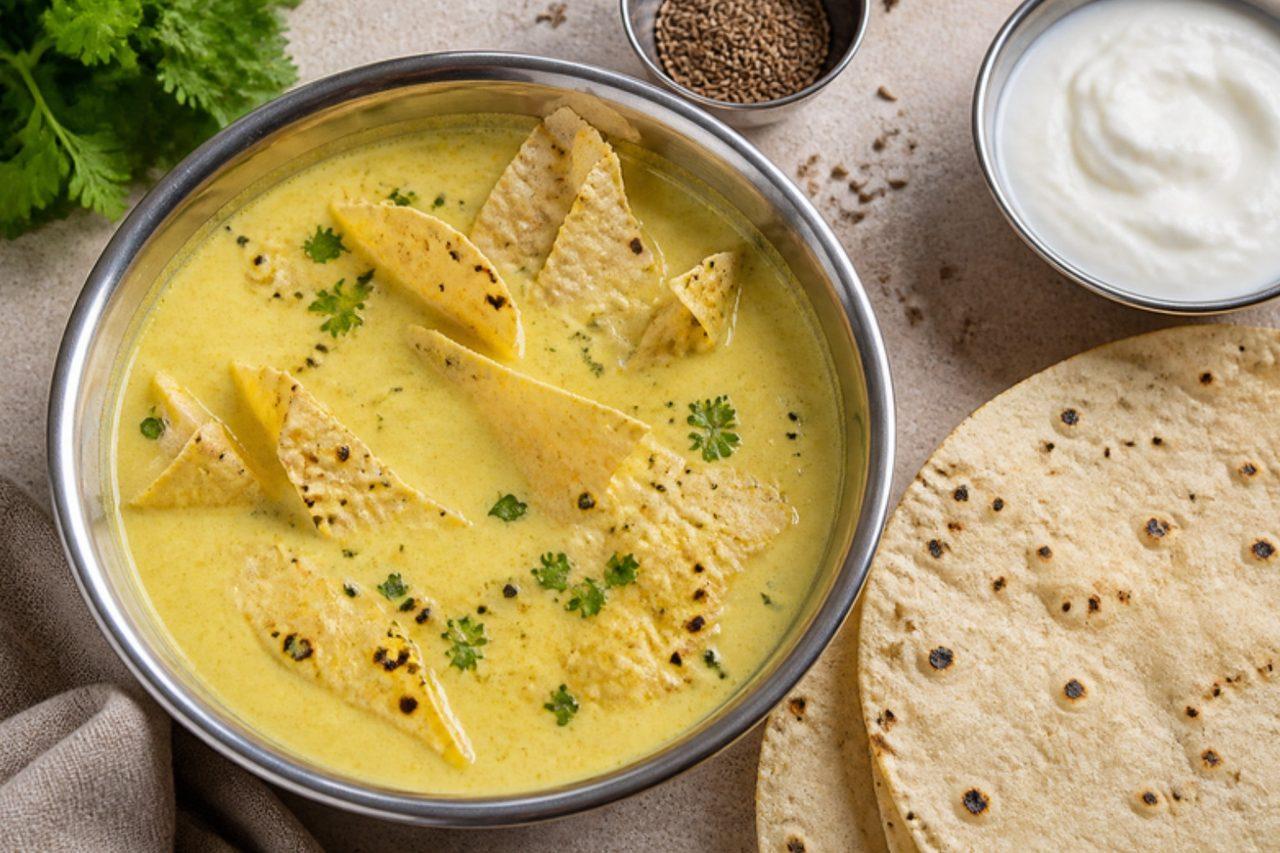
Papad ki sabzi comes from Rajasthan's dry interior, where fresh vegetables were scarce and pantries relied on sun-dried staples. Roasted papads are broken into a hot, spiced yogurt gravy at the last minute, so they soften but keep a little chew. Marwari households still make it on days when the vegetable basket is empty, eating it with bajra roti or phulka and a little ghee. Because it's ready in minutes, it's also a favourite for unexpected guests. The common mistake is adding the papads too early: they swell and turn to mush. Chef's tip: go easy on the salt, because papads are already well salted; season after tasting with the papad in.

by KrazyBadal 0 views
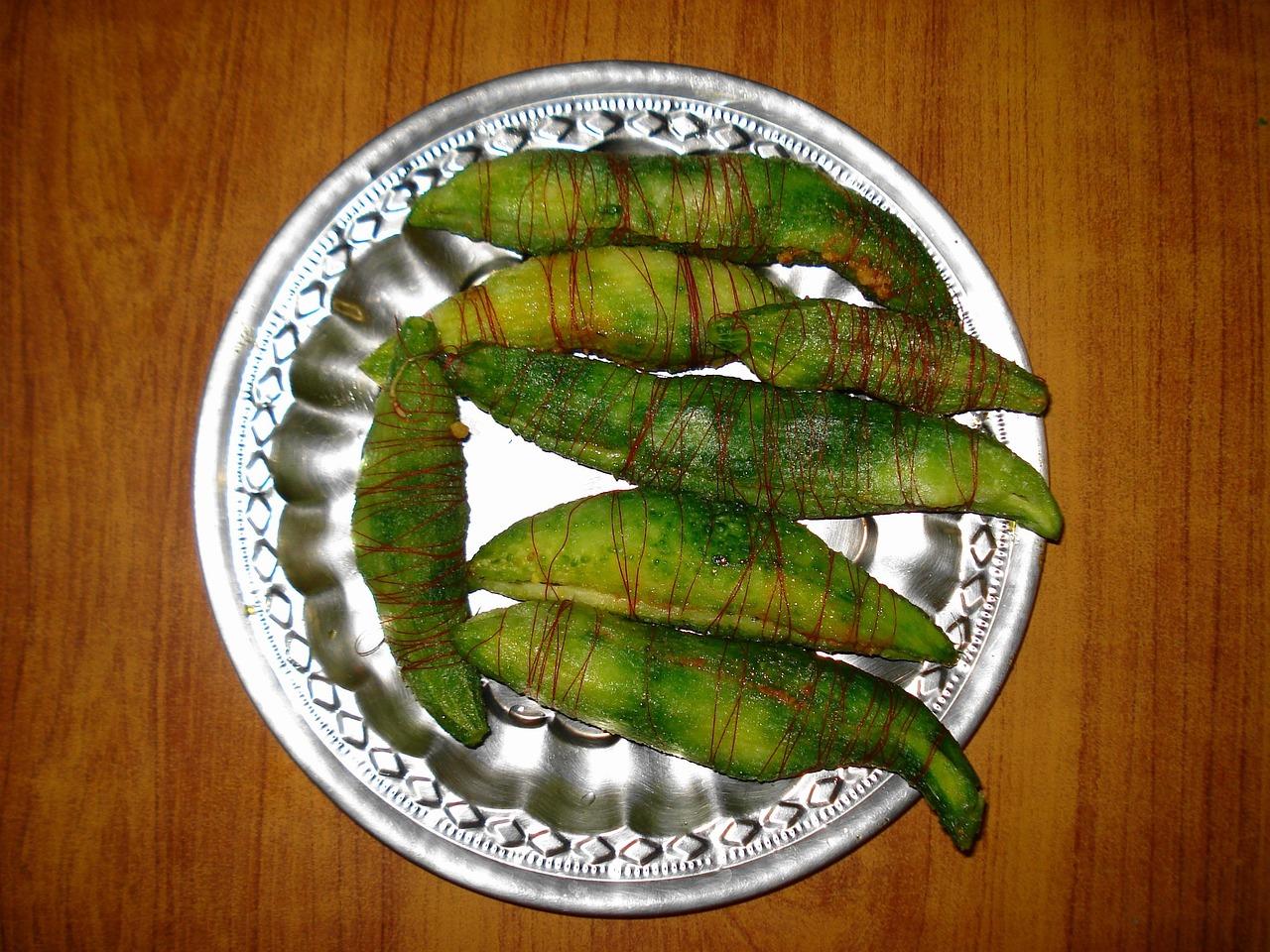
DehroriFried rice and curd dumplings

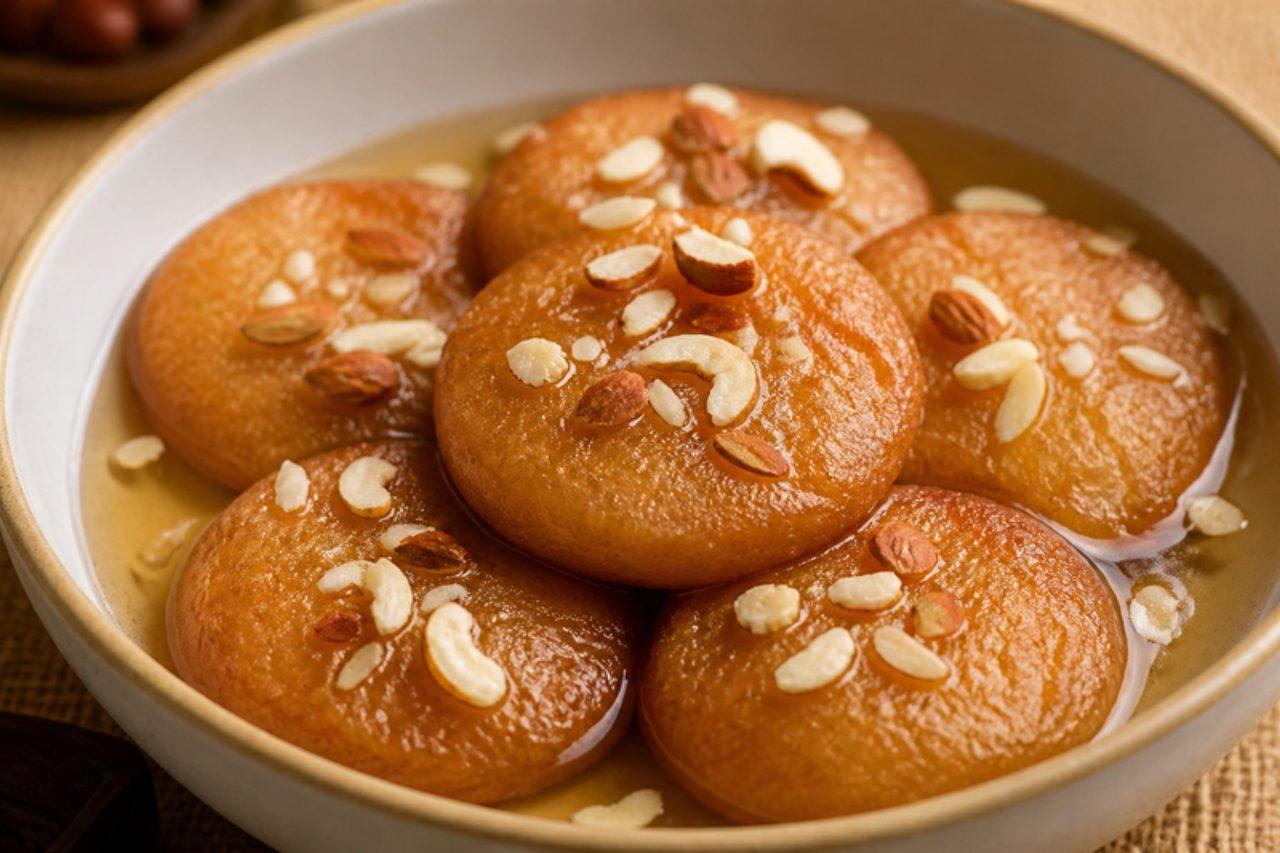
Dehrori is the sweet Chhattisgarhi families make for Diwali, Holi and weddings, and it tastes like no other syrup sweet: soaked rice is ground coarse, left to sour gently with curd, then fried in ghee and dropped into cardamom syrup. The fermentation gives it a faint tang and a light, spongy crumb under a crisp shell, a little like a rustic cousin of rasbhari or gulab jamun. Grandmothers judge the batch by how well the dumplings hold their shape in the syrup. Chef's tip: grind the rice to the texture of fine semolina, not a smooth paste; that grain is what keeps dehrori light.

by KrazyBadal 0 views
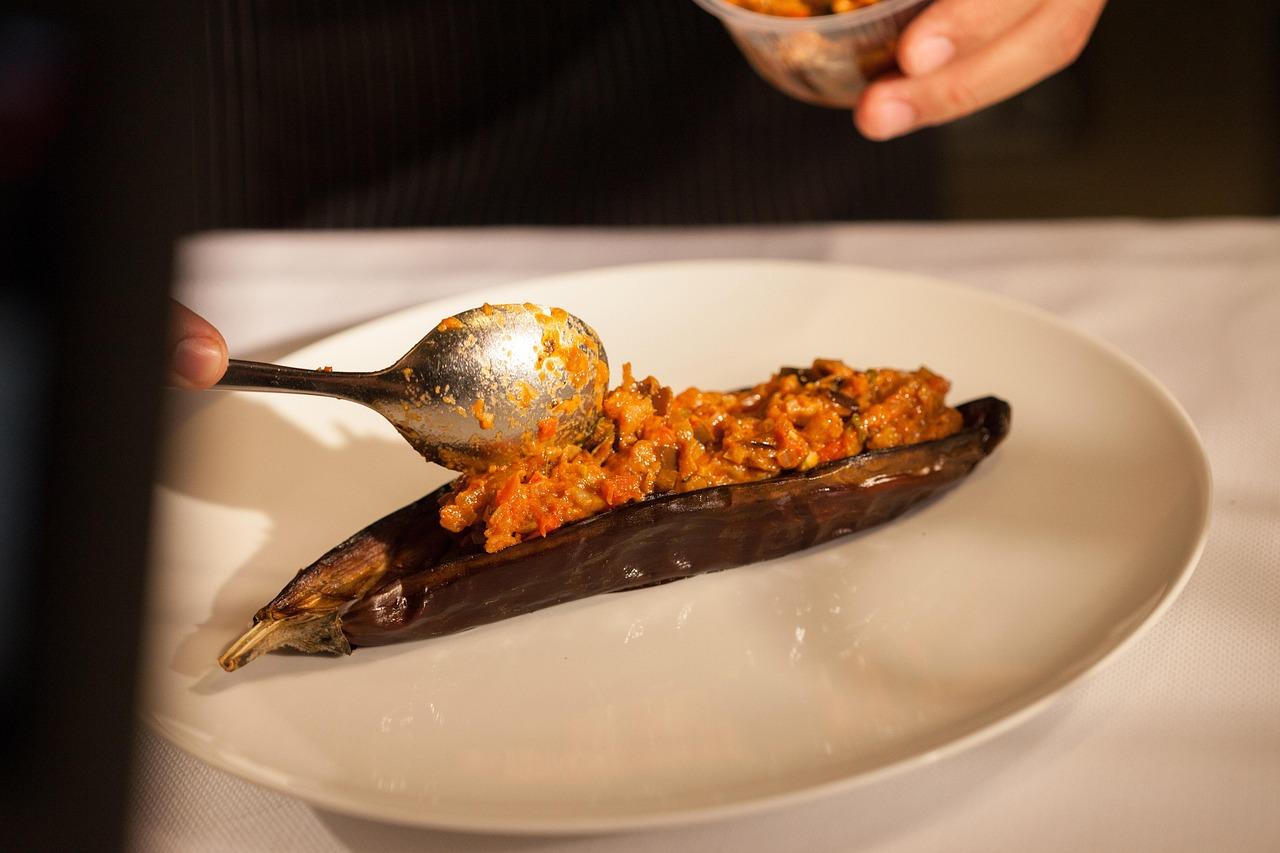
Kanpur khoya and suji ladduMilk solids and semolina laddu

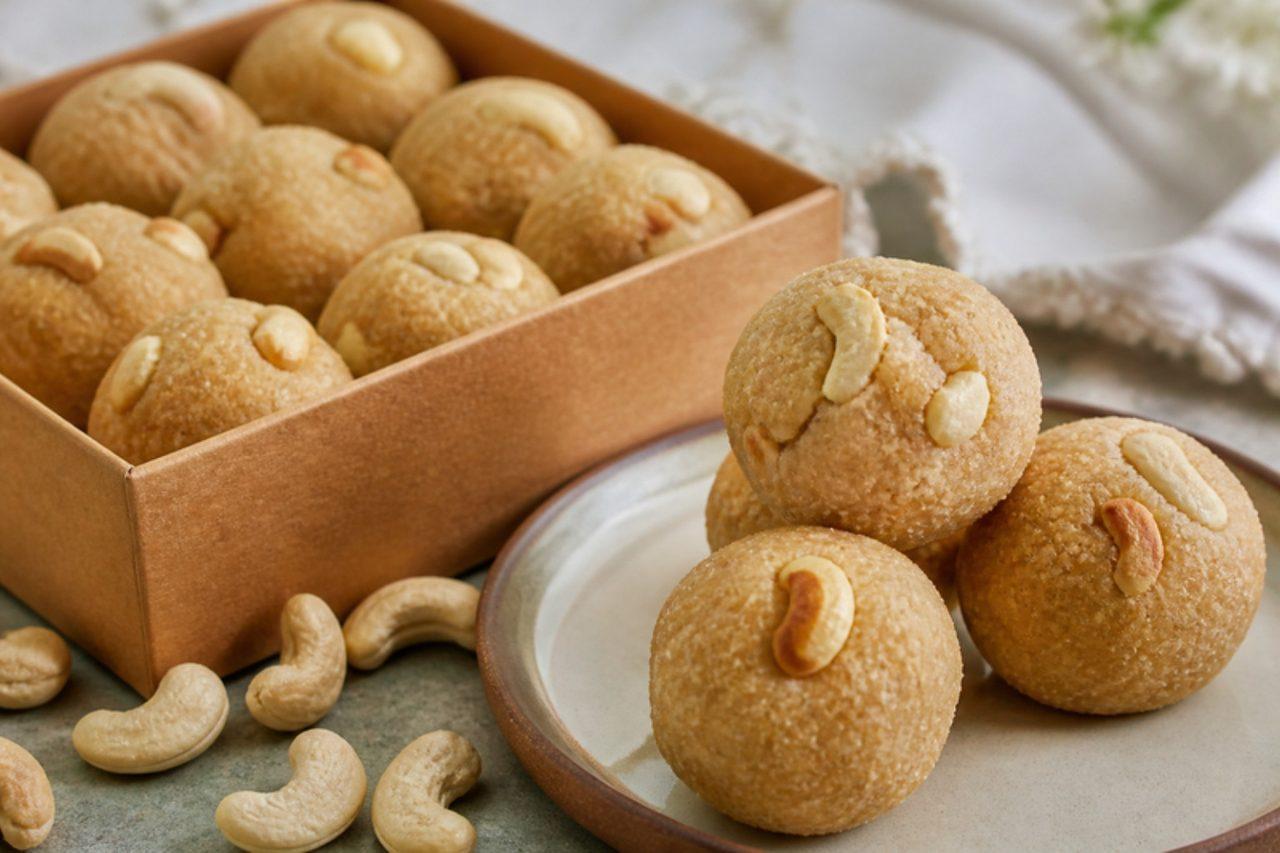
Kanpur's best-known sweet is a crumbly, rich laddu sold in brown paper boxes near the city's busy crossings and taken home as a souvenir from the city. It is made by roasting semolina slowly in ghee until it smells like warm biscuits, then mixing in browned khoya, sugar and plenty of cashews, giving a soft, melt-in-the-mouth bite with tiny pieces of crunch. Families make a batch for Diwali or Raksha Bandhan and keep it for a week. The biggest mistake is adding the sugar while the mixture is still hot; it melts and the laddus collapse into flat puddles. Chef's tip: if the mixture feels too dry to bind, sprinkle in warm milk a teaspoon at a time rather than adding more ghee.

by KrazyBadal 0 views
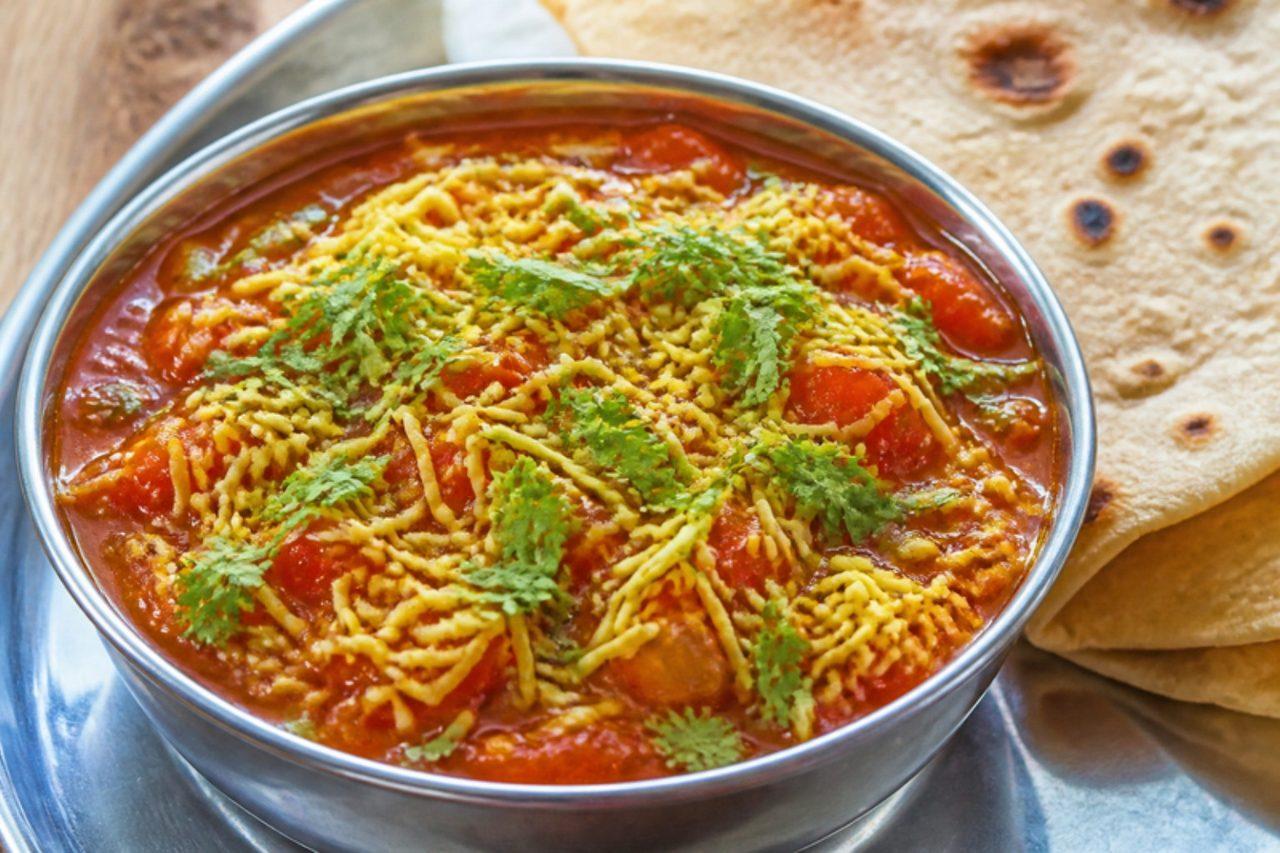
Bhutte ka halwaSweetcorn halwa

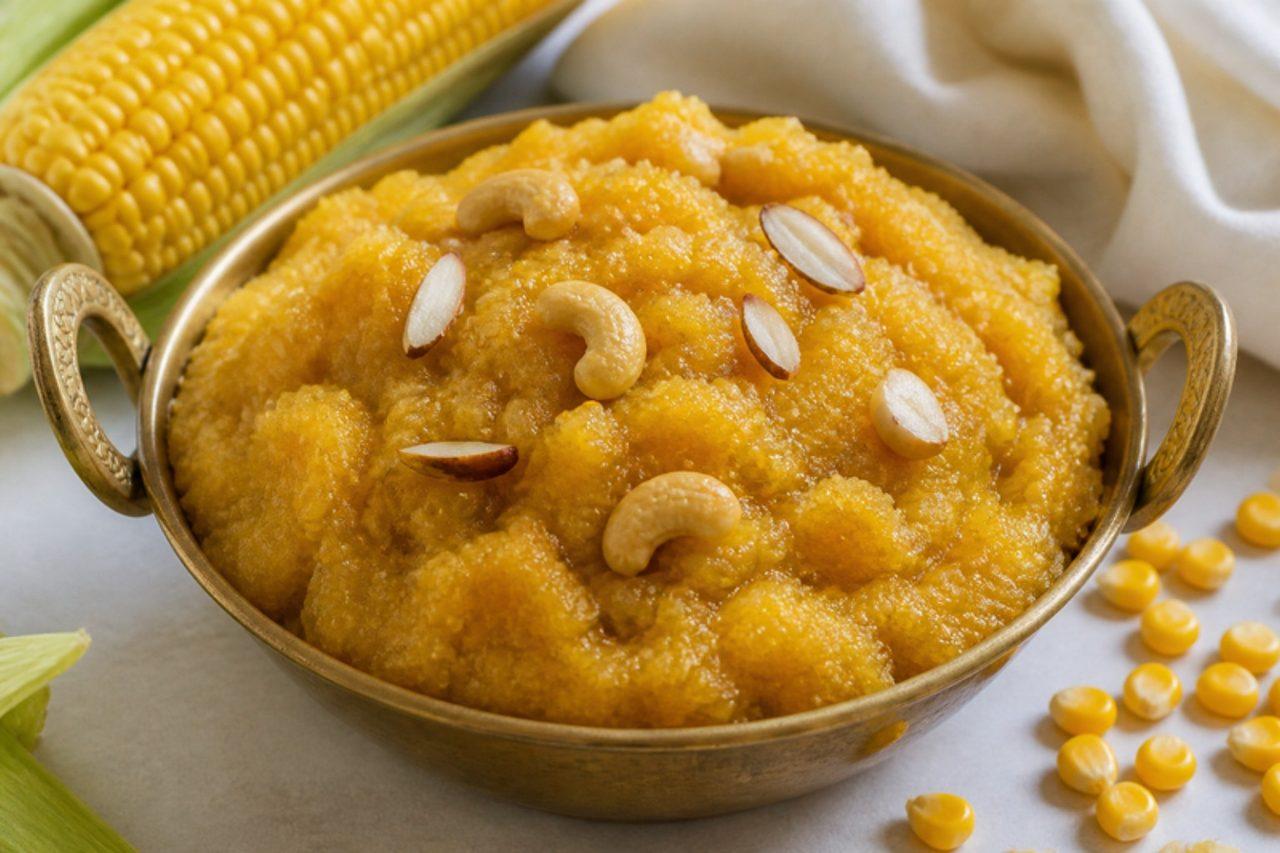
In monsoon Indore, when the fields around the city are full of tender maize, sweet shops turn the same corn into halwa: kernels ground coarsely, roasted in ghee until they smell like buttered popcorn, then cooked with milk and sugar until glossy. It is lighter and less cloying than many halwas, with a gentle bite from the corn. Families make it for guests and for small festivals, and it is just as good warm from the pan or at room temperature the next day. Chef's tip: grind the corn in short pulses to a coarse, porridgy texture; a smooth purée turns gluey and sticks.

by KrazyBadal 0 views
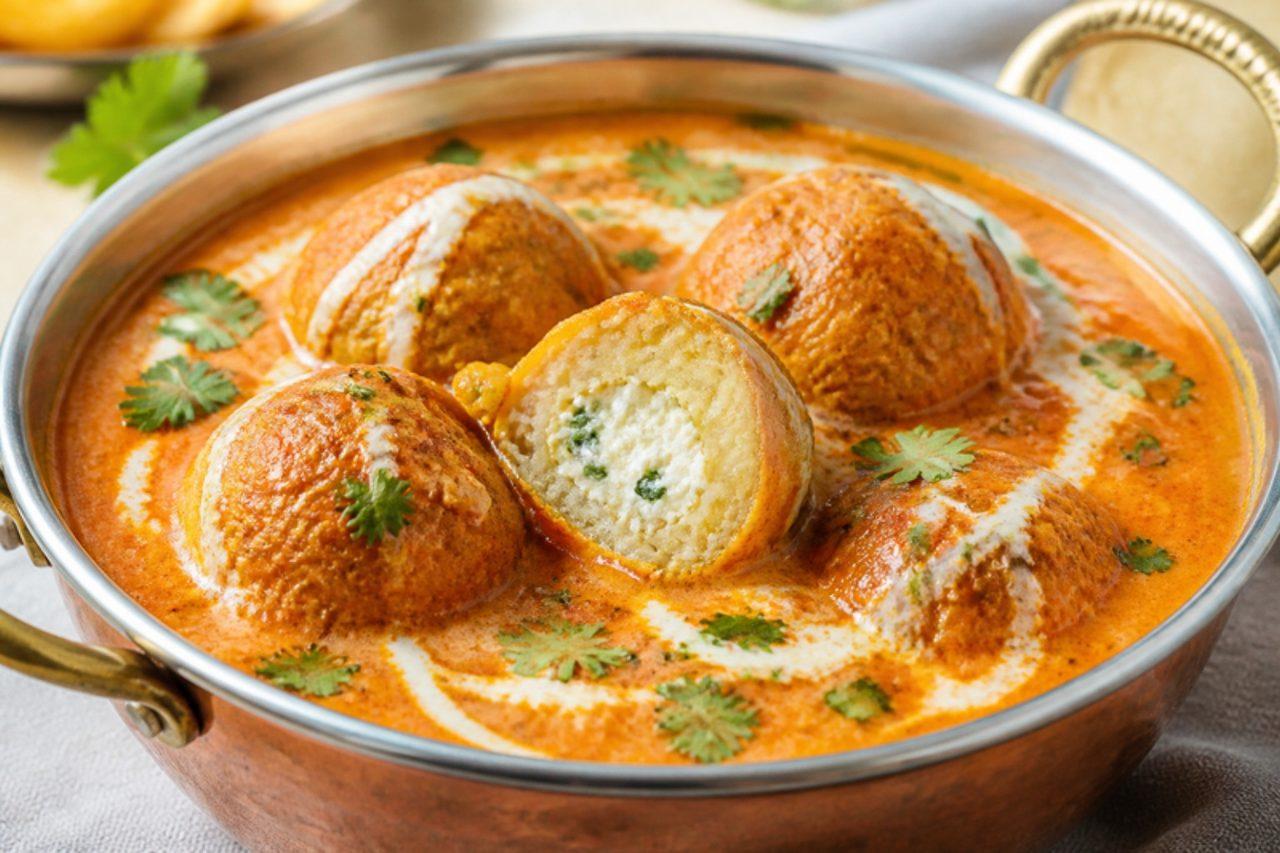
Kathal ki sabziYoung jackfruit curry

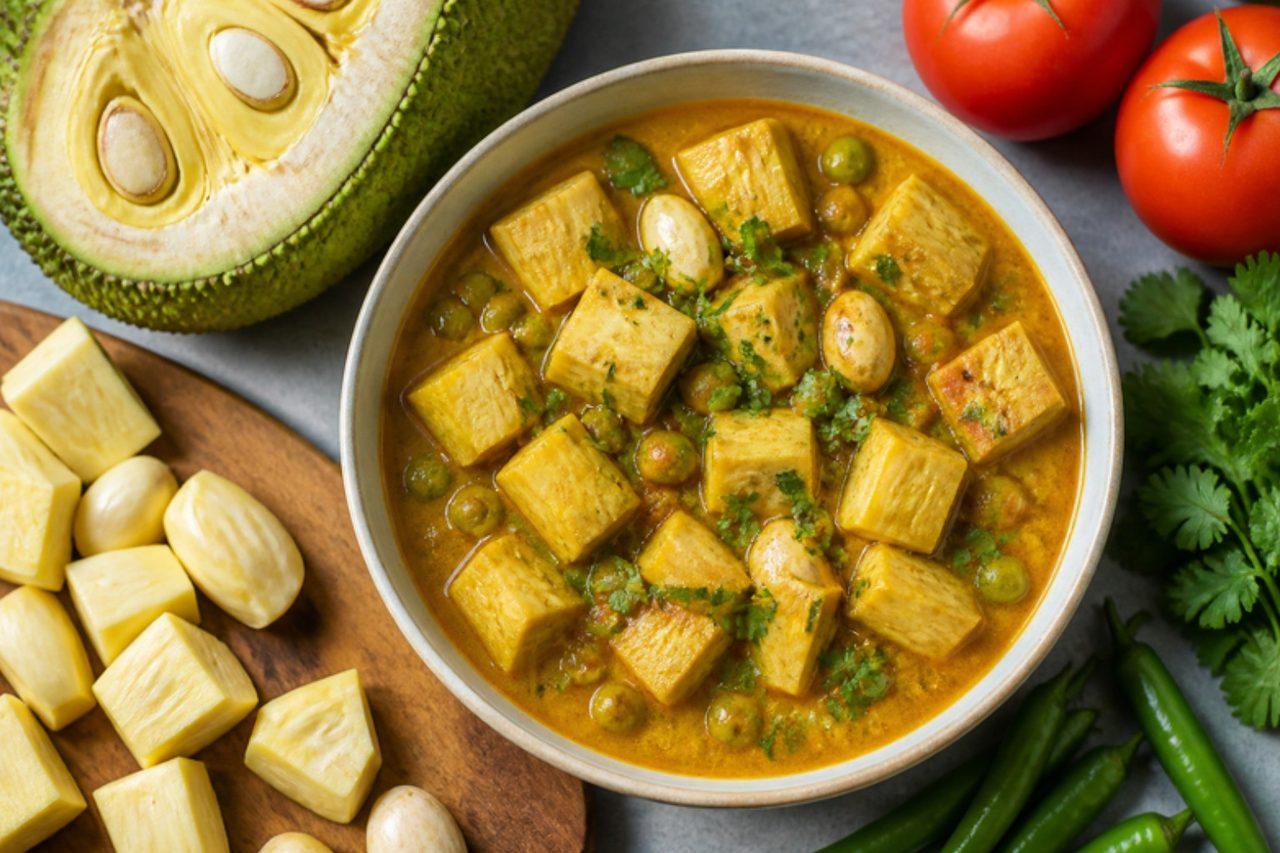
In Uttar Pradesh, people joke that kathal is the vegetarian's mutton, and the comparison makes sense once you taste it. Young, unripe jackfruit has a firm, fibrous texture that absorbs a slow-cooked onion masala and the smoky warmth of black cardamom. Lucknow and Kanpur homes cook it in summer when the green fruit is plentiful, and it is a common choice for Sunday lunches and family gatherings, served with paratha or rice. The mistake to avoid is undercooking the jackfruit before adding it to the masala; it will remain rubbery no matter how long it simmers afterward. Chef's tip: frying the boiled pieces until golden before they go into the gravy gives them a meaty crust that holds up in the sauce.

by KrazyBadal 0 views
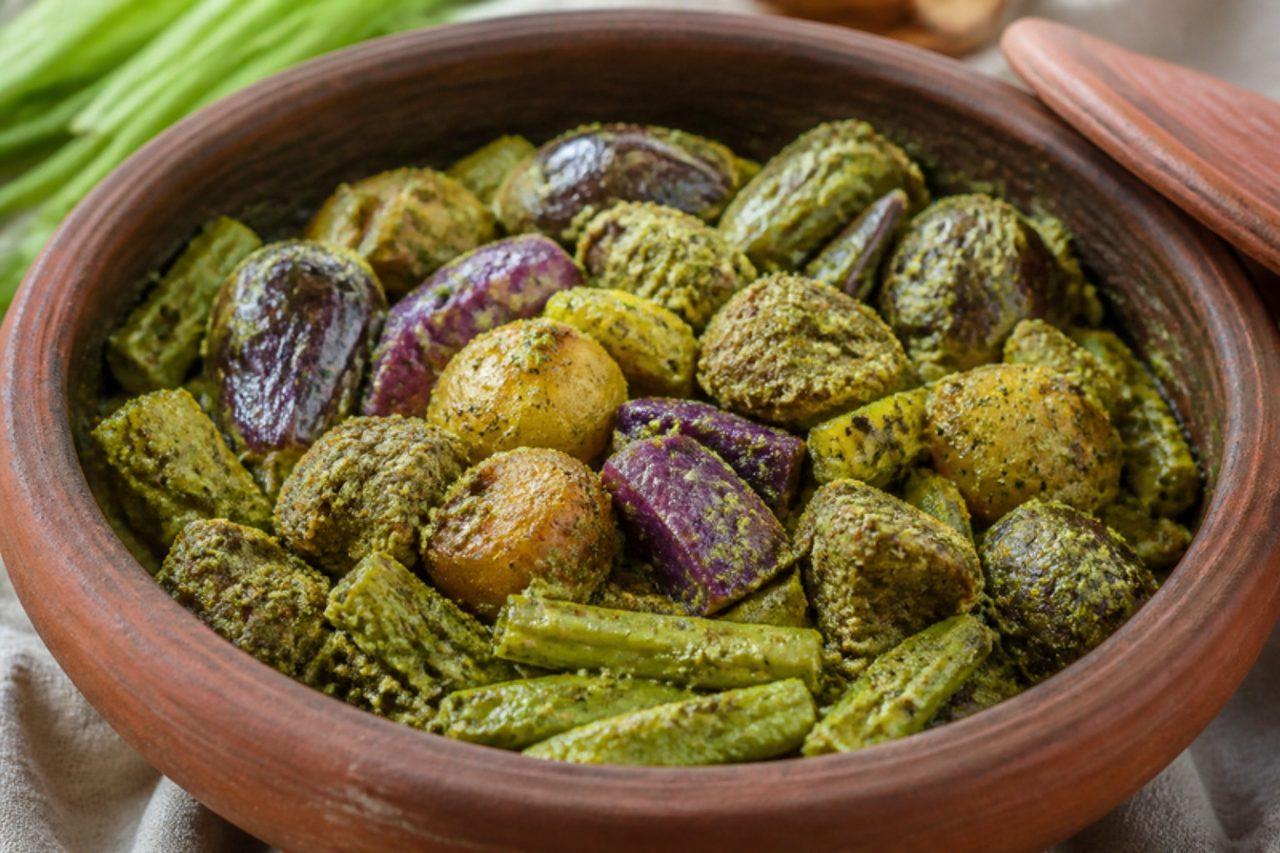
Mathura pedaMilk fudge discs

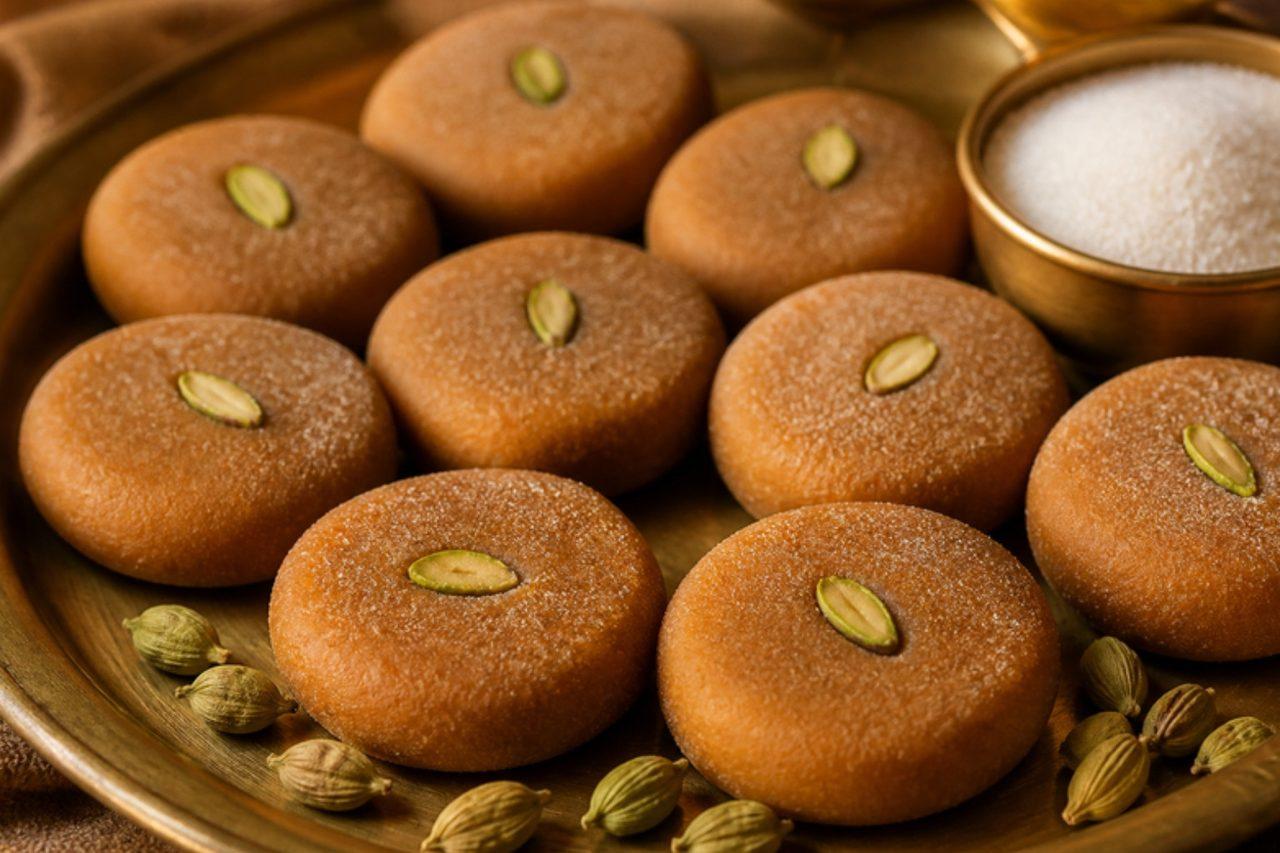
Mathura in Uttar Pradesh, Krishna's birthplace, has a peda all its own: not the pale milky kind found elsewhere, but a dusty-brown disc with a deep, toffee-like flavour from milk solids slowly roasted until they caramelise. Pilgrims buy boxes after visiting the temples, and they are made in huge batches around Janmashtami as an offering. The texture should be dense yet slightly grainy, rolled in fine boora sugar so the outside sparkles. The usual mistake is rushing the roasting over high heat, which scorches the khoya in spots and makes it bitter and greasy. Chef's tip: keep the heat low and scrape the bottom of the pan constantly; the colour should change gradually from cream to light brown, then to the shade of milky coffee.

by KrazyBadal 0 views
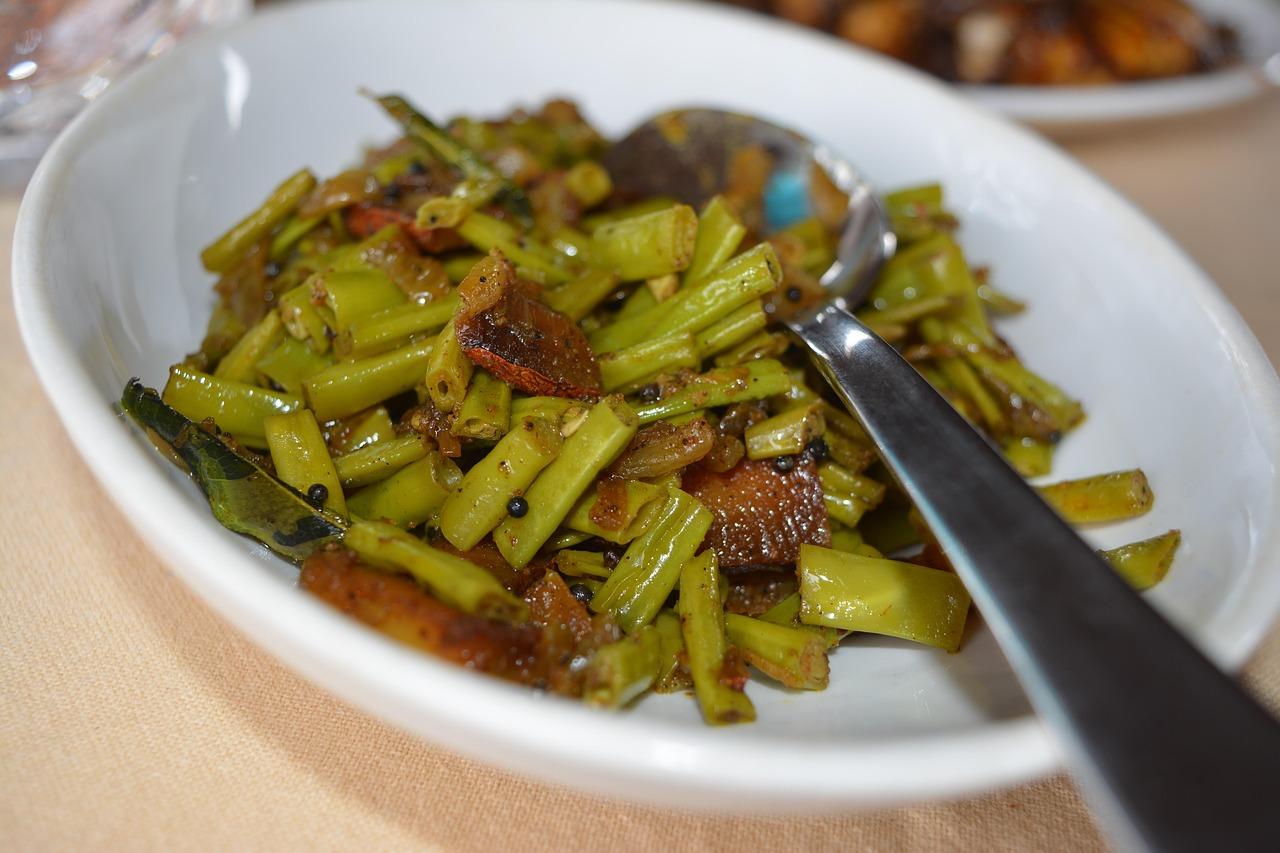
Mohan thaalGram flour fudge

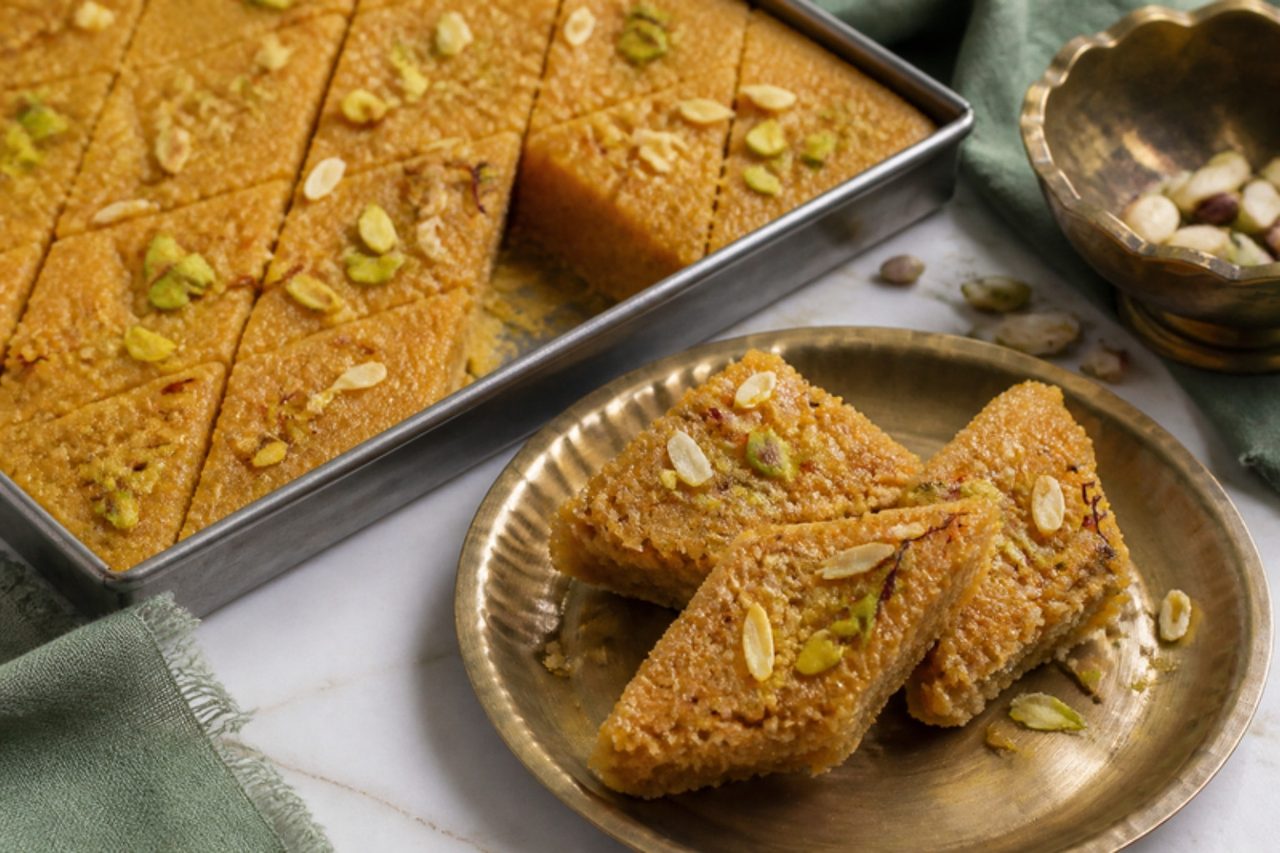
Mohan thaal, named after Krishna, is offered at temples on Janmashtami and fills sweet boxes at Diwali in both Rajasthan and Gujarat. It is coarse gram flour roasted in ghee until it turns golden and smells like roasted nuts, then set with cardamom syrup into a grainy, fudge-like slab and cut into diamonds. The texture comes from a step called dhabo: rubbing ghee and milk into the flour, then sieving it into tiny granules before roasting. The mistake most cooks make is cooking the syrup too long; the fudge sets rock-hard and crumbles when cut. Chef's tip: take the syrup off the heat at a firm one-and-a-half string stage, and stop stirring when the mixture pulls away from the pan's sides in one mass.

by KrazyBadal 0 views
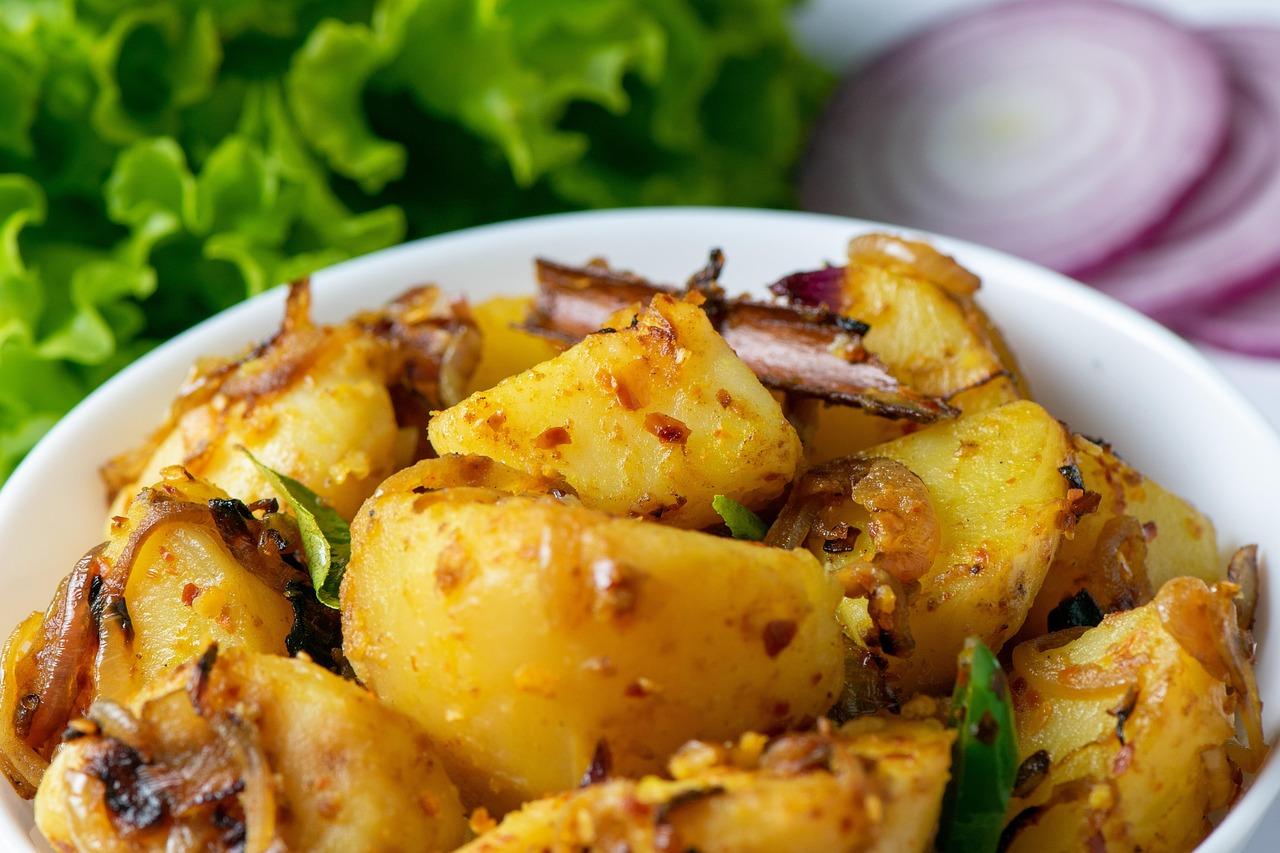
Pithla with jowar bhakriGram flour curry with sorghum flatbread

In villages across the Deccan plateau of Maharashtra, pithla bhakri is what a farmer's family eats when the pantry is low and the day is long: a pan of gram flour simmered with garlic, green chilli and onion until it sets to a soft, spoonable curry, with thick jowar bhakri patted out by hand and a raw onion on the side. It became a symbol of rural Maharashtra, served at roadside stalls near Sinhagad fort to trekkers and at political rallies alike. Zunka, the dry version, uses the same flavours but is stirred until crumbly. Serve with thecha or a wedge of lemon. Chef's tip: whisk the gram flour into cold water before it meets the pan; that one step is the whole secret to a lump-free pithla.

by KrazyBadal 0 views
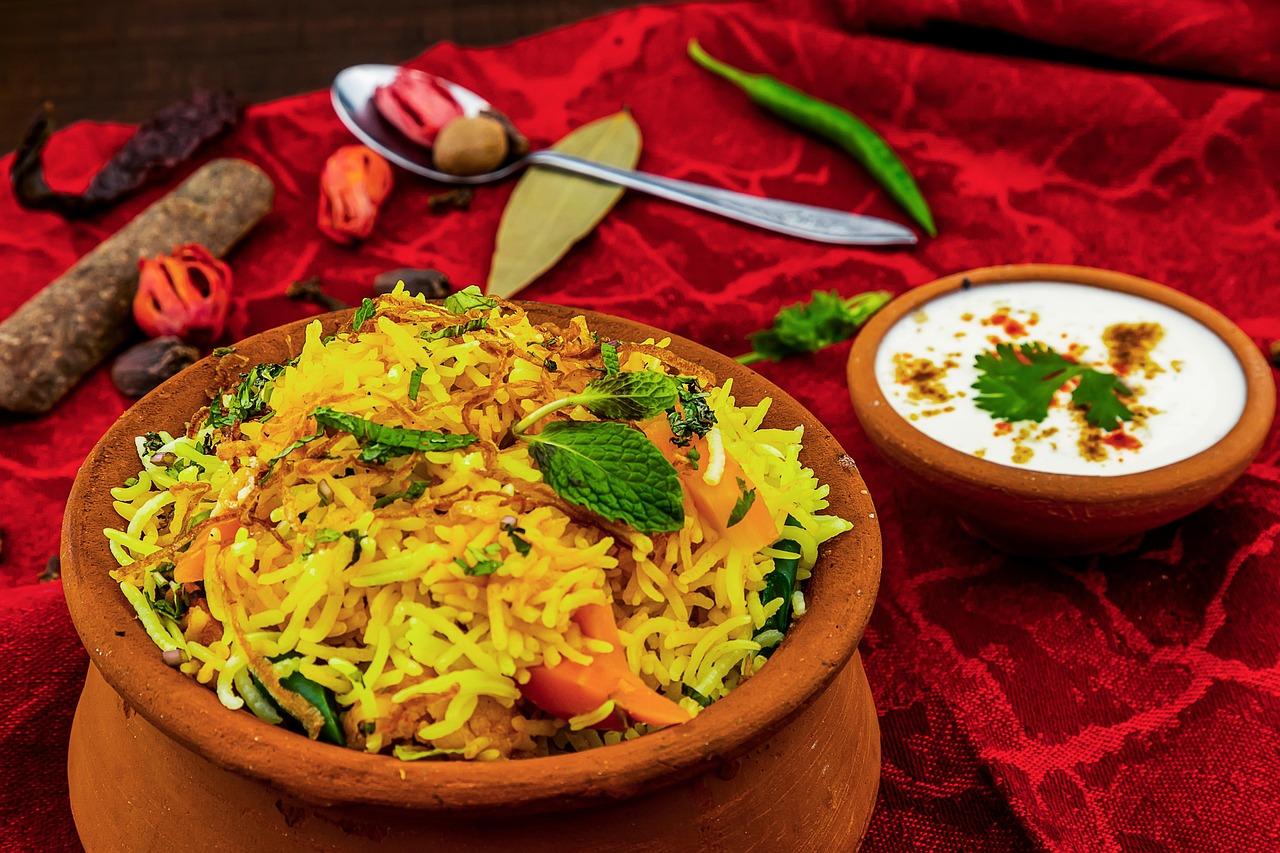
Chakki ki shaakWheat gluten curry

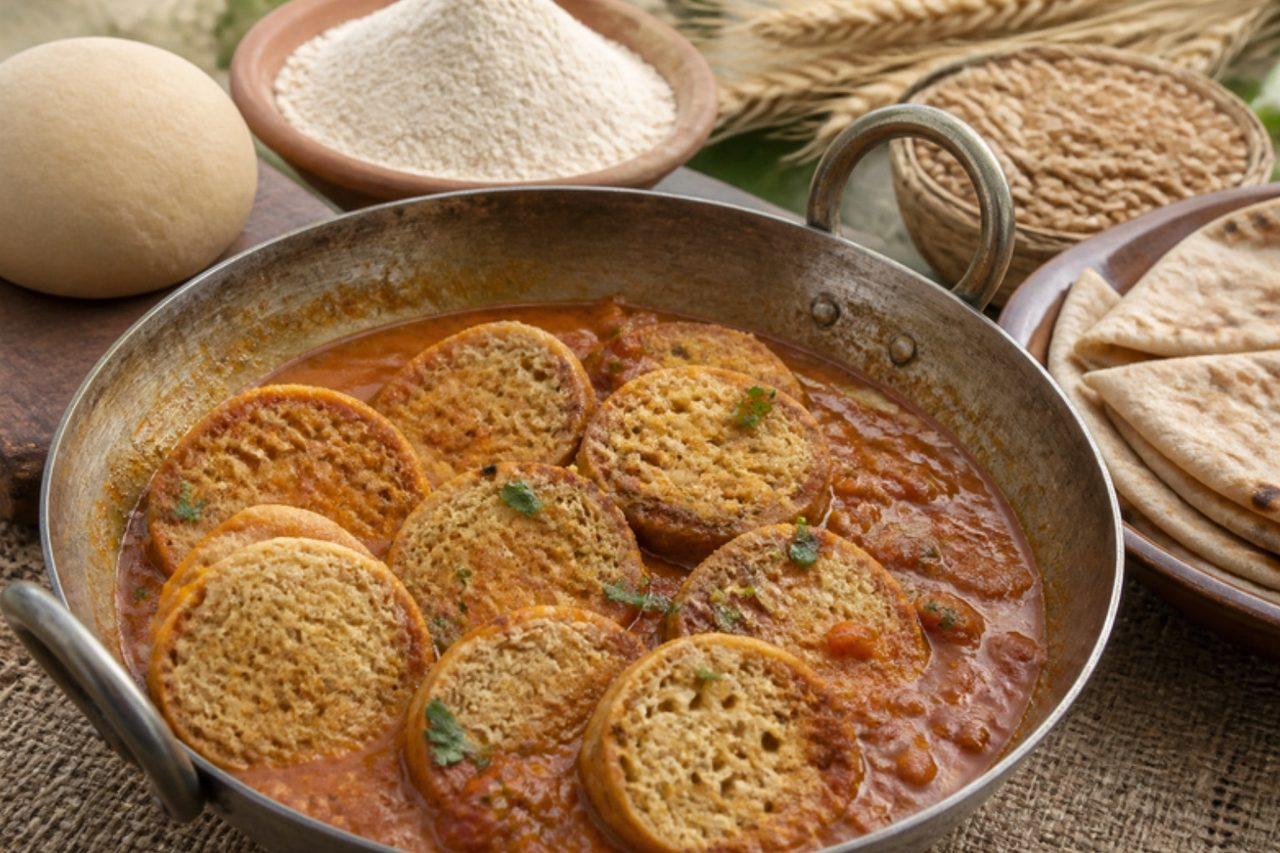
This Malwa dish from around Indore and Ujjain is a lesson in thrift: wheat dough is washed under water until only its stretchy gluten remains, then steamed into a firm block and cut into rounds that look like little grinding stones, or chakki. Fried and simmered in a spiced yogurt gravy, the pieces turn chewy and meaty, soaking up flavour like a sponge. It is a Sunday or special-occasion sabzi in Marwari and Malwi homes, eaten with hot rotis or bafla. It takes time, but most of it is hands-off resting and washing. Chef's tip: whisk the yogurt with the coriander powder and add it off the heat, then bring it back slowly, so the gravy stays smooth instead of curdling.

by KrazyBadal 0 views
Mawa jalebiMilk solid jalebi

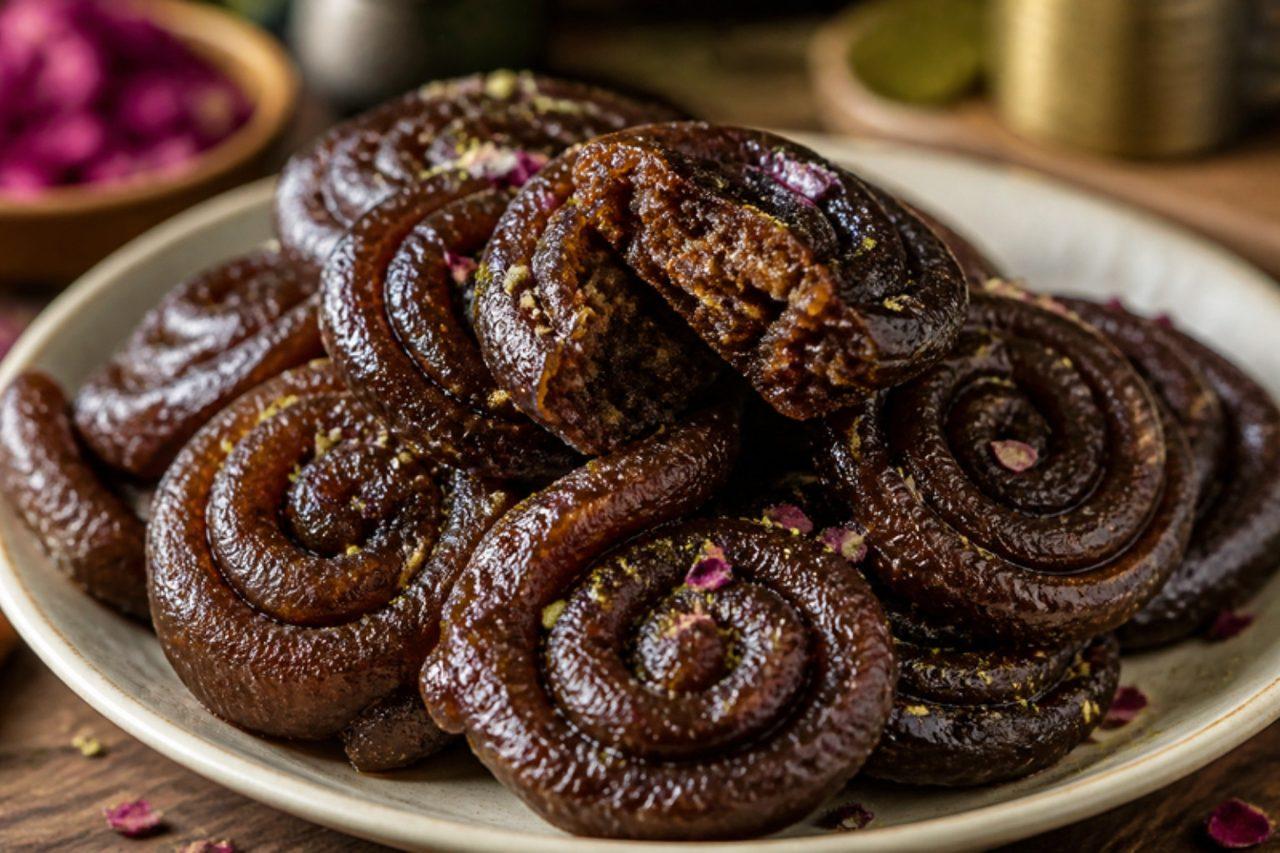
Mawa jalebi, sometimes called khoya jalebi, belongs to Jabalpur and the towns of the Mahakoshal region of Madhya Pradesh, where sweet shops sell them stacked like dark brown coils. Unlike the crisp batter jalebi piped into hot oil, these are rolled from a soft khoya dough into ropes, coiled by hand and fried slowly, so they come out tender and almost fudgy inside a thin caramelised skin. They are eaten warm on winter mornings and bought by the kilo for weddings. Chef's tip: roll the ropes no thicker than a pencil; thicker coils look generous but stay doughy at the core.

by KrazyBadal 0 views

Farari raw banana curry

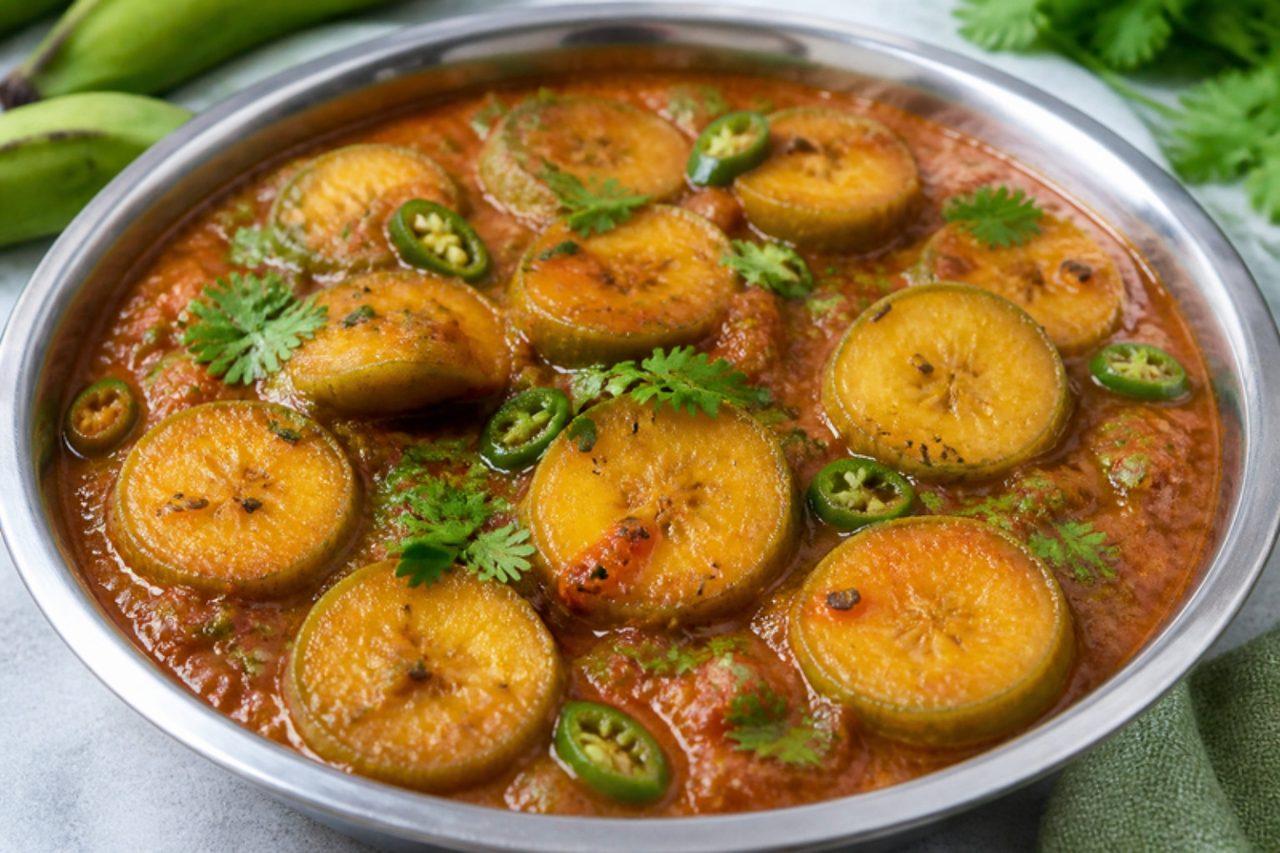
Slices of matoke (green cooking banana) cooked with cumin, chilli and ginger in a tomato sauce thickened with roasted peanuts, a simple vegan curry for fasting days. The bananas turn tender and potato-like and soak up the nutty, tangy sauce. For a farari potato curry, use yogurt instead of tomatoes and potatoes instead of the bananas.

by KrazyBadal 0 views

Baby vegetable pullao

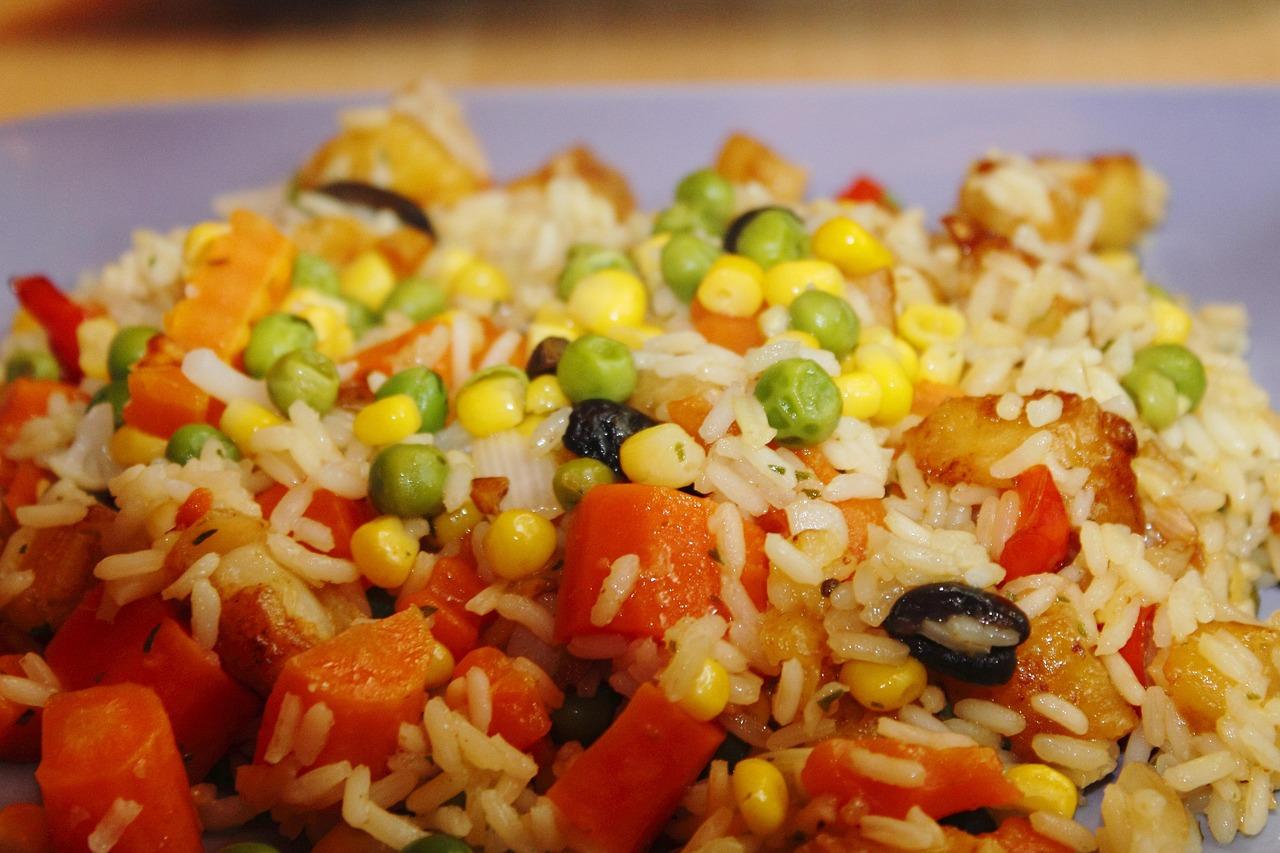
A light, low-calorie pullao from the book's Low calorie section. Basmati rice is cooked with baby carrots, baby corn and fine French beans, whole spices, garlic, ginger and green chilli, using a little semi-skimmed milk for softness and onions browned in the oven instead of deep-fried. Serve hot with the remaining baked onions and masala yogurt.

by KrazyBadal 0 views

Farari theplaSago and amaranth flatbread

Soft, spiced farari thepla made with ground soaked sago, rajagra (amaranth) and moraiyo (samo) flours and mashed potato, kneaded with yogurt and seasoned with sesame, coriander, chilli and ginger. They're rolled between sheets of plastic, as there's no gluten to hold them, and shallow fried on a griddle. Serve with yogurt or farari kofta curry. Soak the sago 6 hours ahead. Makes 15.

by KrazyBadal 0 views

Farari uttapamSamo and water-chestnut pancakes

Soft, thick uttapam for fasting days, made from a yogurt batter of samo (moraiyo), singoda (water chestnut) flour and rajagra (amaranth) flour, tempered with cumin and curry leaves and studded with cucumber, tomato, coconut and green chilli. Cooked under a lid, they're crisp at the edges and fluffy in the middle. Serve with yogurt and green chutney. Makes 6.

by KrazyBadal 0 views

Farari jambuMawa and potato dumplings in syrup

The fasting-day gulab jambu: soft balls of mawa (khoya) and mashed potato bound with cassava flour, scented with saffron and cardamom, fried slowly to a deep golden brown and soaked in cardamom syrup with pistachios and almonds. Soak them for 3–4 hours so they turn juicy all the way through. Makes 35 small jambu.

by KrazyBadal 0 views

Farari potato kadhiPotato and peanut buttermilk curry

On fasting days gram flour is off the menu, so this kadhi is thickened with mashed potato and coarsely ground peanuts instead. The buttermilk is tempered with ghee, cumin, cloves, cinnamon and curry leaves, and finished sweet-sour in the Gujarati way. Serve hot with farari samo khichdi.

by KrazyBadal 0 views

Sago & dry fruit kheer

A creamy, chilled kheer of small sago pearls simmered in milk with sugar, pistachios, almonds, cashews, cardamom and saffron, then mixed with a separate milk of apricots, figs and raisins and fresh green grapes. It's sweet, fragrant and full of texture. A party-size dessert for fasting days or festivals. Serves 15.

by KrazyBadal 0 views

Farari kofta curryPotato kofta curry

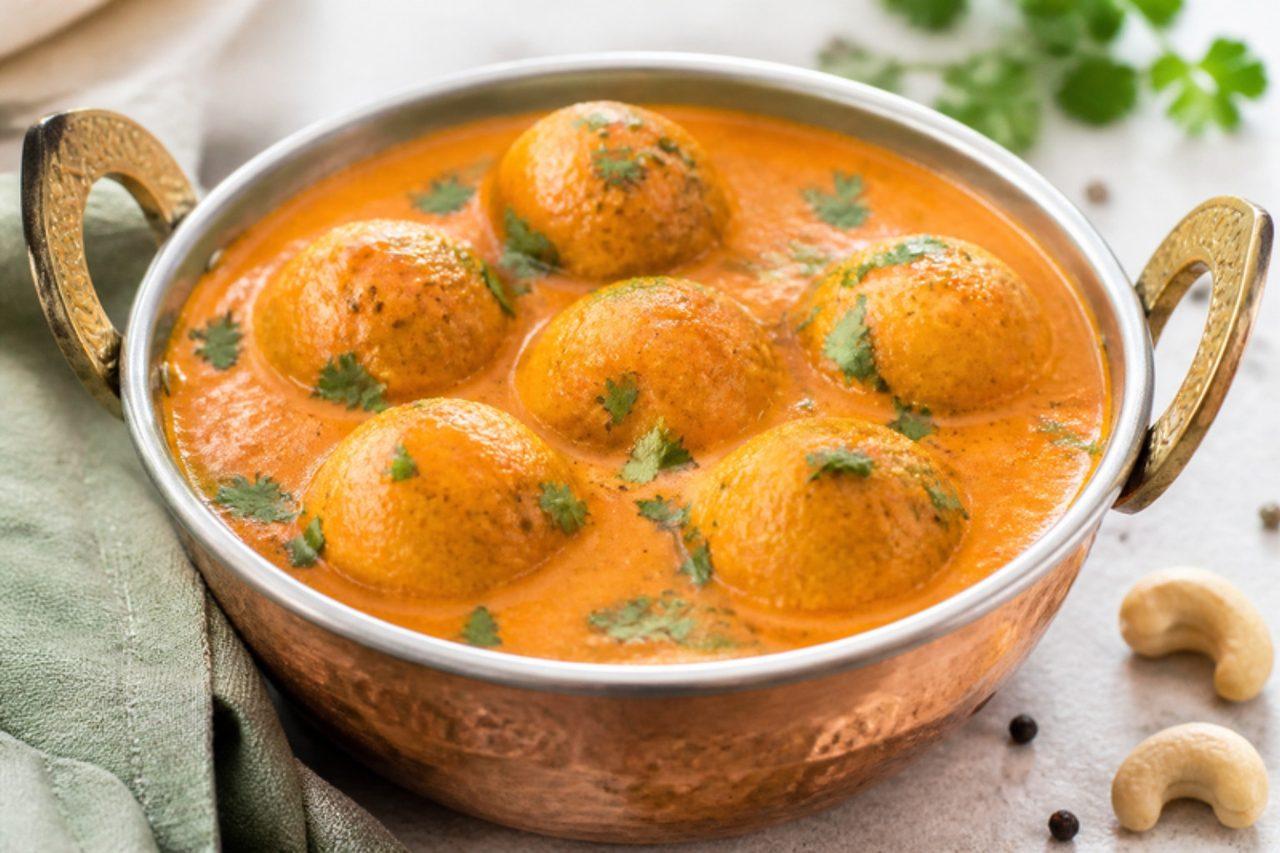
Soft spiced potato kofta rolled in rajagra (amaranth) flour, fried crisp and dropped into a rich tomato and cashew gravy flavoured with coriander seeds and black pepper. It's a festive main dish for a fasting day, with no grains, onion or garlic. Add the kofta just before serving so they stay soft but hold their shape, and serve with farari thepla.

by KrazyBadal 0 views

Bulgar wheat khichdiBulgar wheat and moong dal khichdi

A wholesome, low-calorie twist on khichdi, using bulgar wheat in place of rice. Husked green gram lentils and bulgar cook in the pressure cooker with peas, cauliflower, potato and onion, tempered with a little ghee, cumin and whole spices. Soft, comforting and filling; serve hot with banana raita or plain yogurt.

by KrazyBadal 0 views

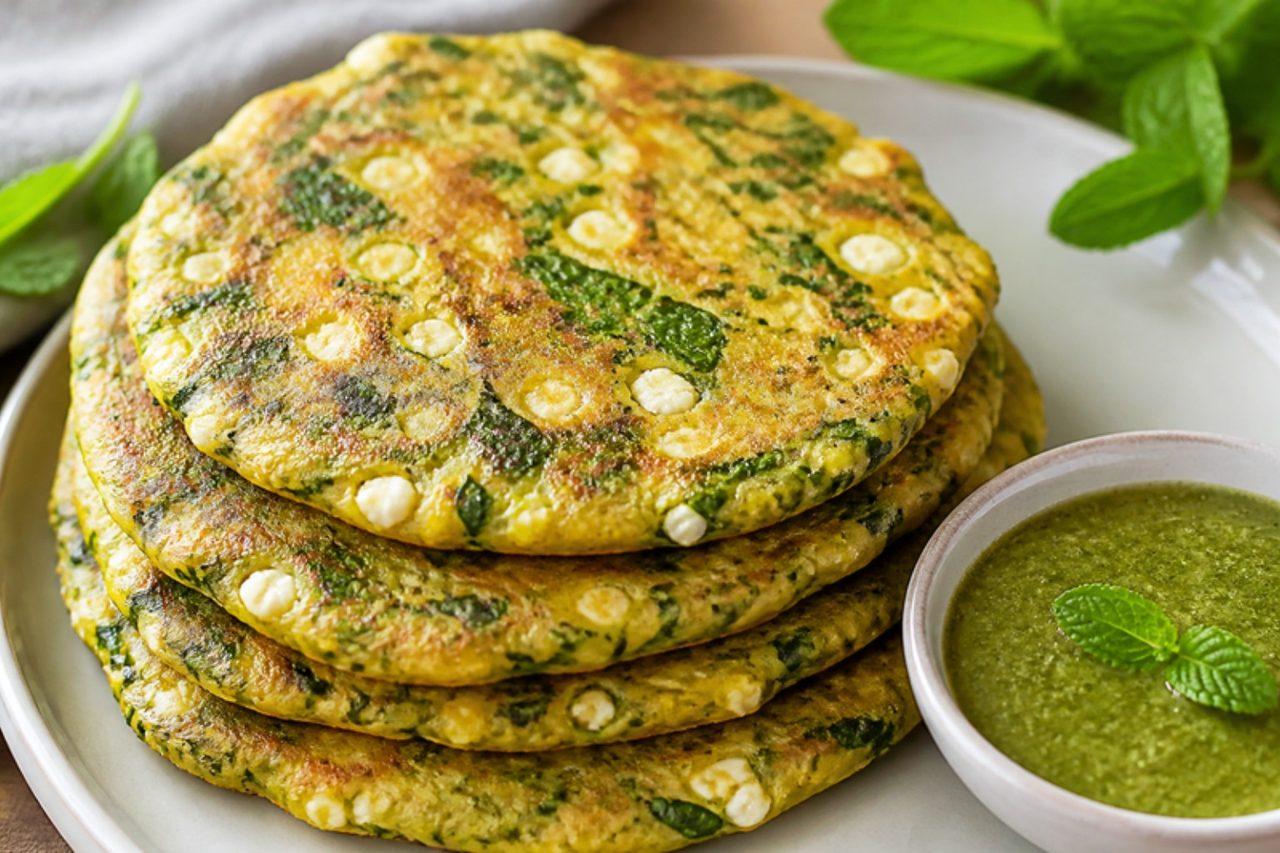
Paneer pudasPaneer, spinach and fenugreek pancakes

Pudas are thin savoury pancakes. These low-calorie ones are made from rice, maize and wheat flour mixed with crumbled paneer, spinach, fenugreek and coriander and a fresh paste of onion, chilli, mint, garlic and ginger. The moisture in the vegetables and paneer is enough to bind the dough, so no ghee, oil, yogurt or water goes into it. Cook on a griddle with just a little oil and serve with tea, or with plain yogurt and pickle.

by KrazyBadal 0 views

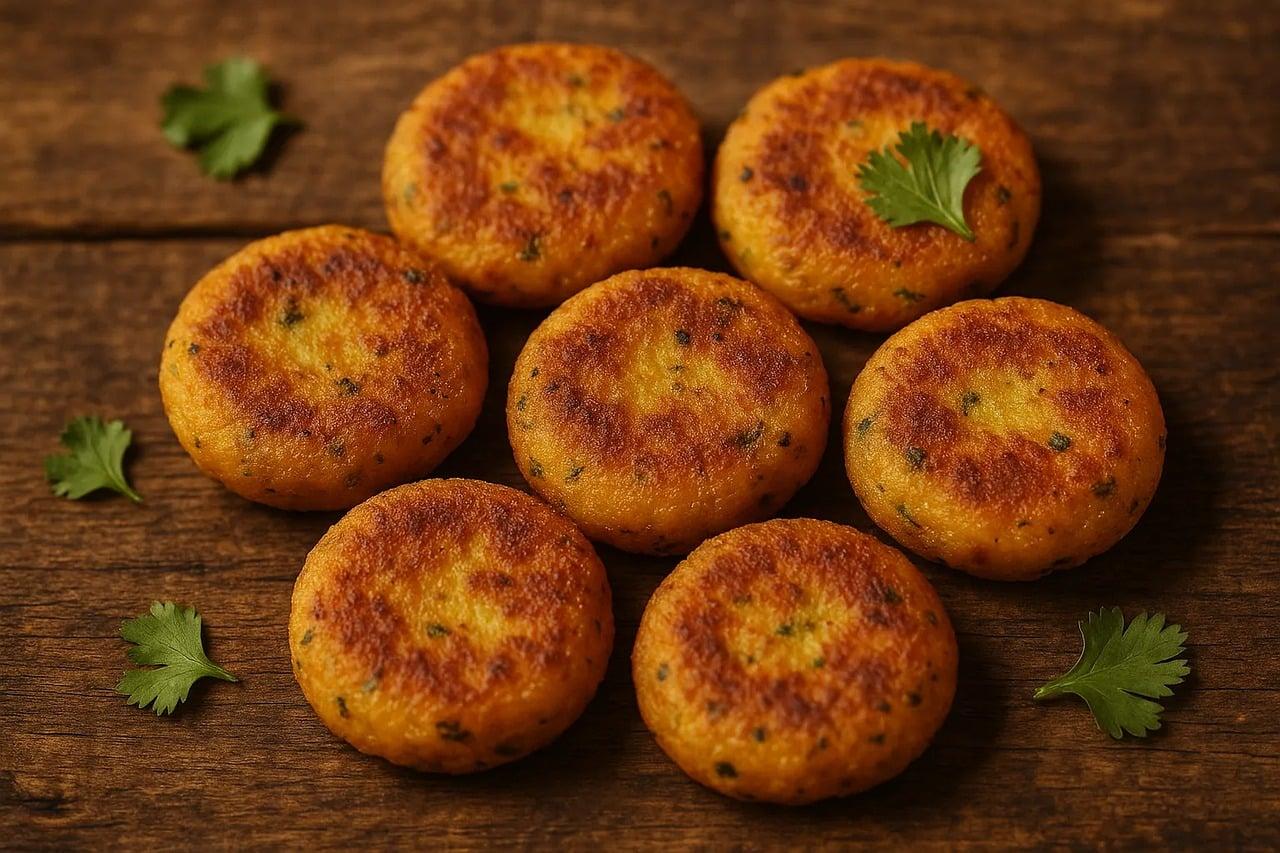
Baked cutlets in sauce

Crisp vegetable cutlets of potato, raw banana, peas, corn and capsicum, shallow fried in breadcrumbs, then baked in a tangy tomato sauce under cheese and green chilli. A good party dish: fry the cutlets ahead and bake just before serving.

by KrazyBadal 0 views

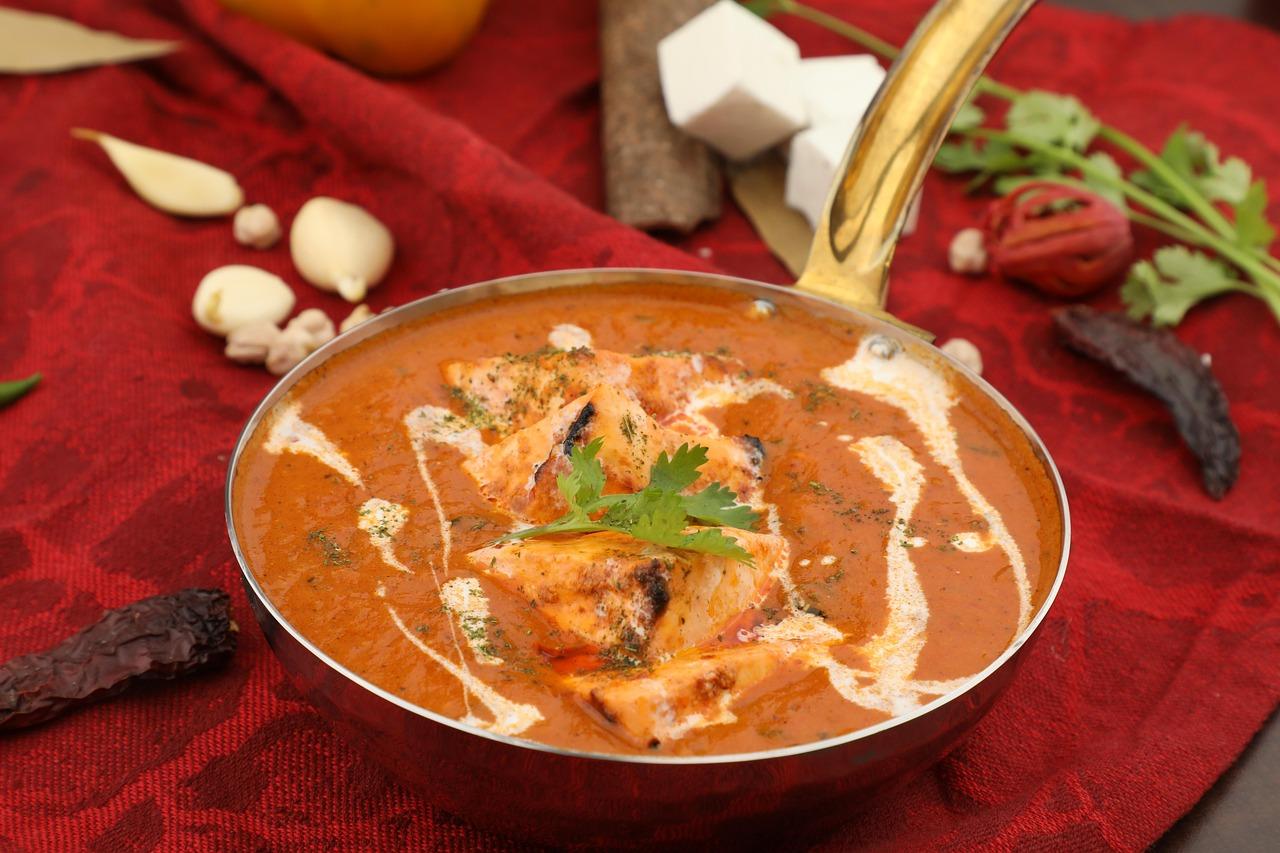
Paneer makhani

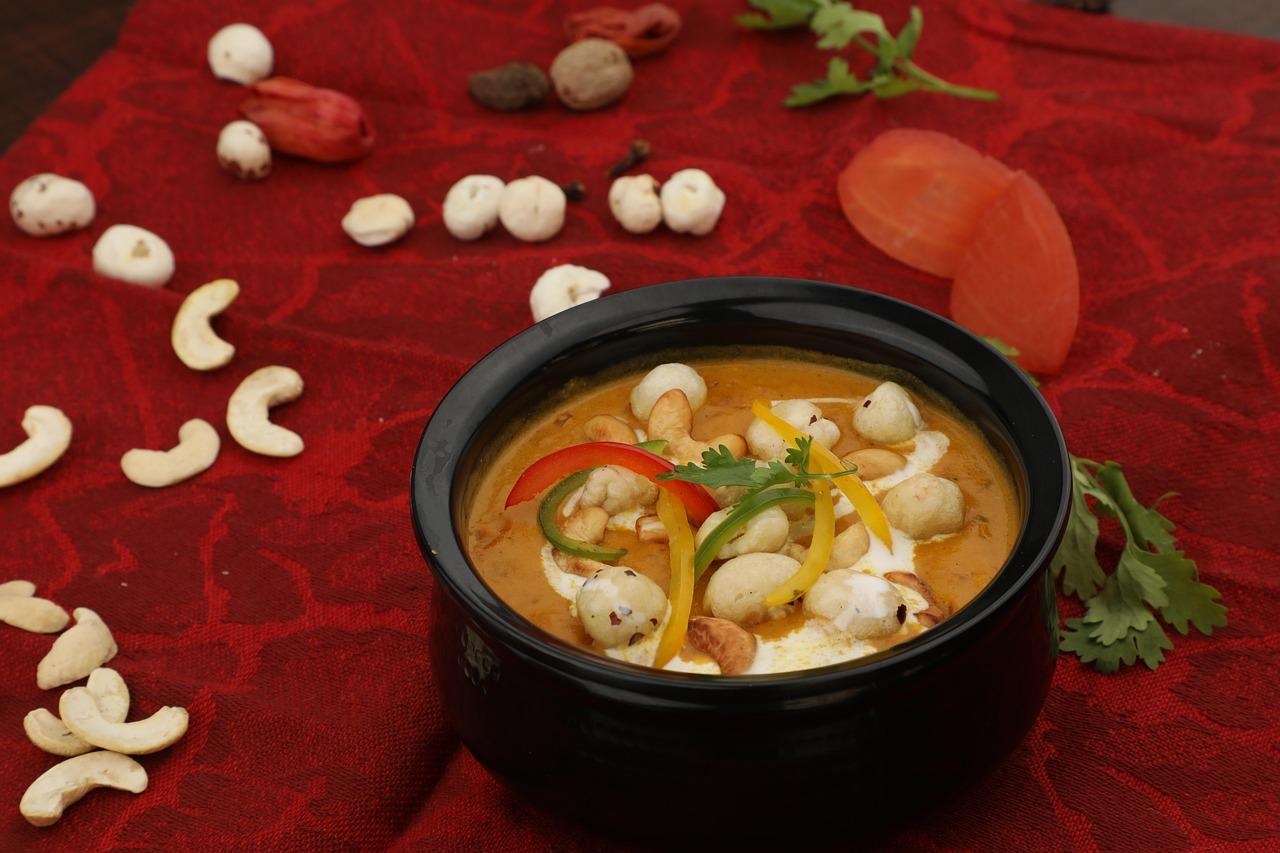
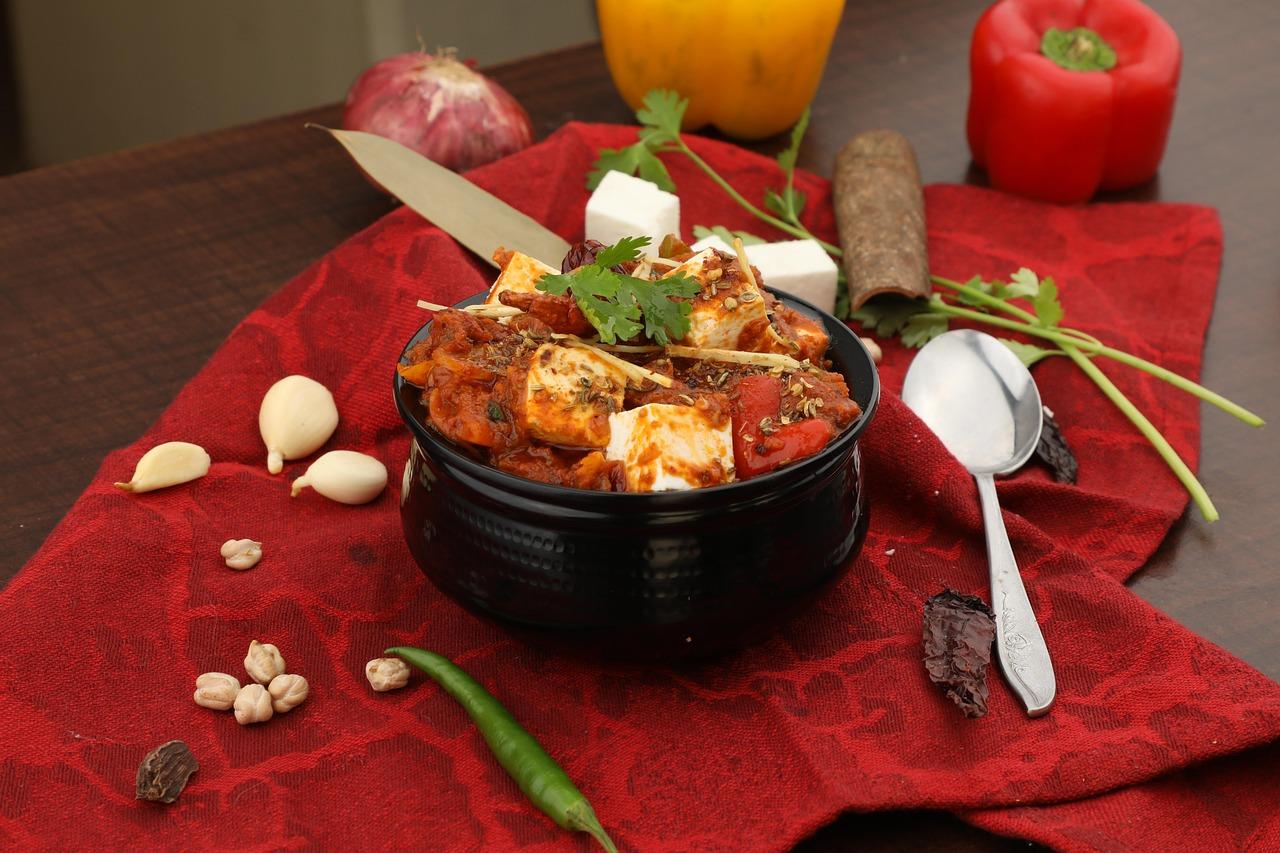
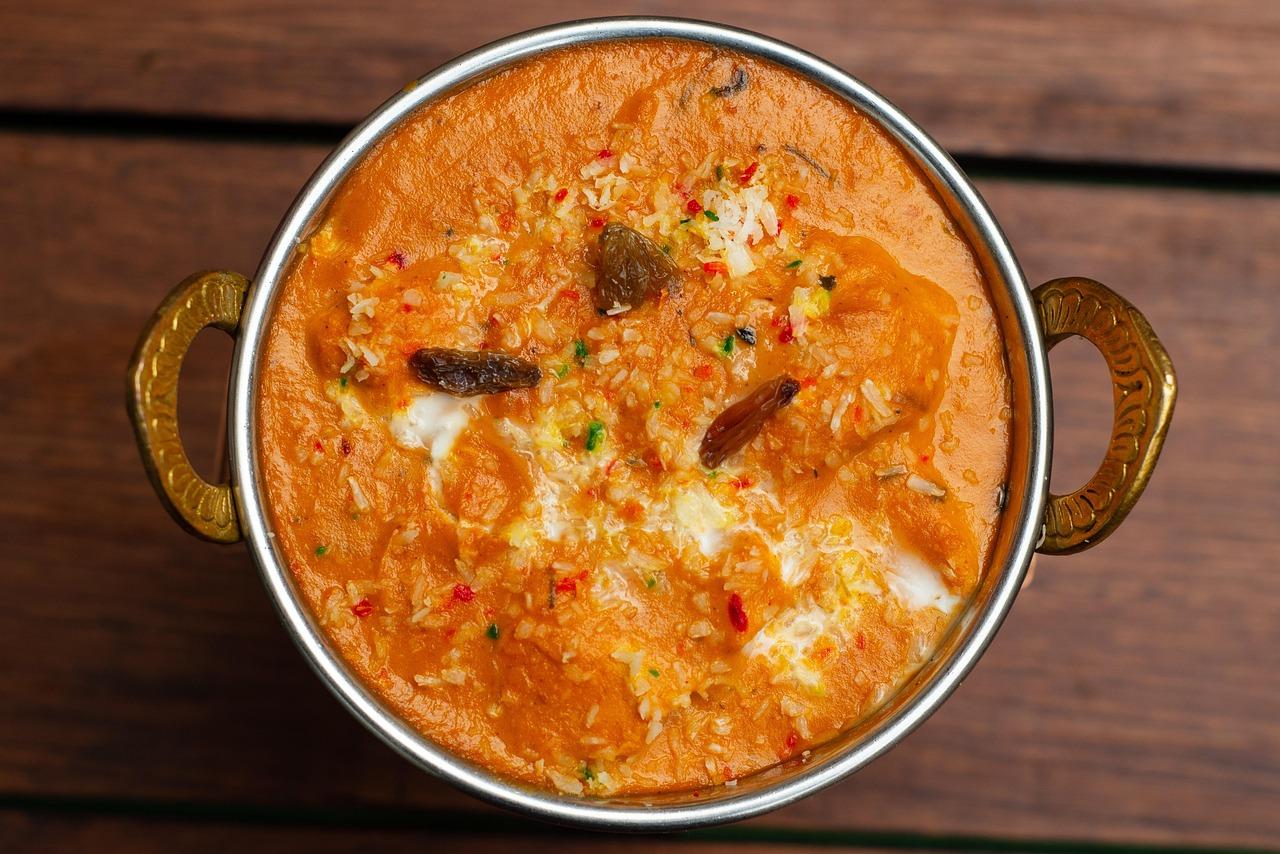
Golden paneer cubes in a smooth, gently spiced makhani gravy of tomato puree, cashew paste, milk and cream, scented with kasoori methi. It's mild, creamy and a favourite with children. Serve hot with naan.

by KrazyBadal 0 views

Punjabi rajmah

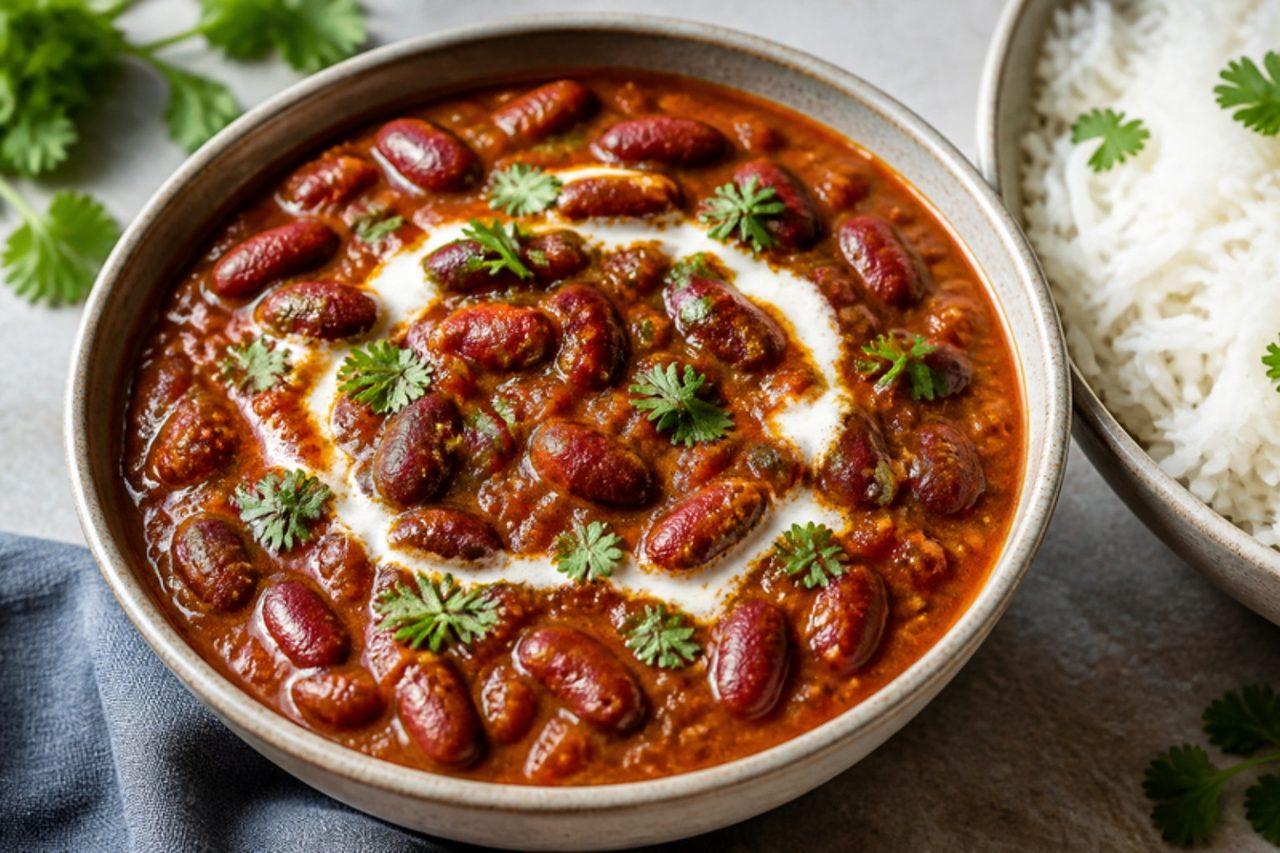
A Punjabi home favourite: red kidney beans pressure cooked until creamy, then simmered in a deep red masala of ground onion, garlic and ginger, tomatoes and yogurt, and partly mashed so the gravy turns thick and velvety. Serve hot with chapaties or boiled rice.

by KrazyBadal 0 views

Vegetable minty curry

Steamed carrots, beans, peas and potatoes in a vivid green gravy ground from fresh coriander, spinach, mint, coconut, green chillies and whole spices. It's fresh, fragrant and spicy, and big enough for a crowd. Serve hot with naan or chopadia.

by KrazyBadal 0 views

Peas & paneer kofta curry

Home-made paneer mashed with peas, carrot and potato, rolled into small koftas and fried, then dropped into a mildly spiced, creamy gravy of onion, tomato, cashew and mawa. Add the koftas only just before serving so they stay soft but whole. Serve hot with naan or paratha.

by KrazyBadal 0 views

Peas & soya mince curry

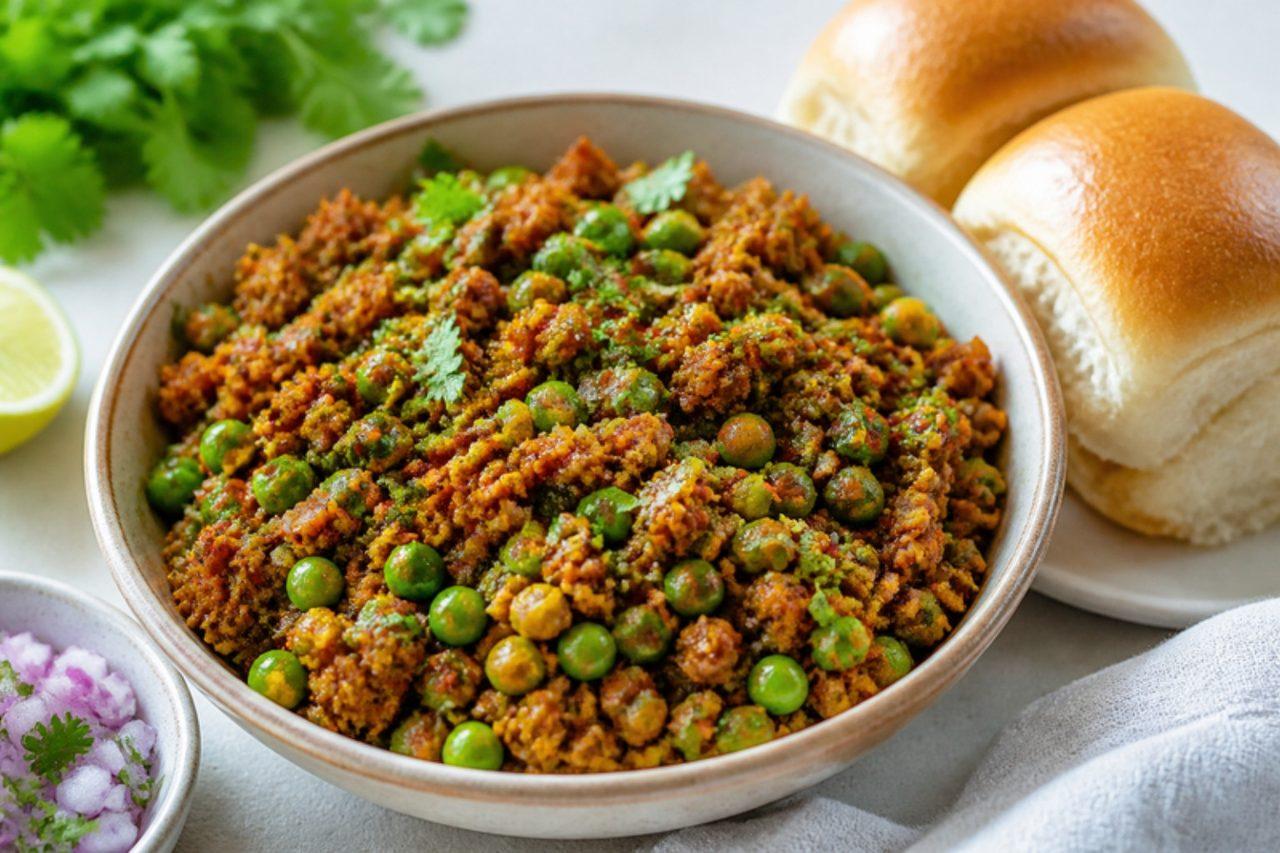
Soya granules soaked until soft and cooked like a kheema with lots of browned onion, ginger, garlic, tomato, fresh fenugreek and coriander, spiced with cinnamon and clove. It's hearty and high in protein, with a texture just like mince. Serve hot with naan or bread.

by KrazyBadal 0 views

Diwani handiMixed vegetables in yogurt cream gravy

A handi-style mixed vegetable curry: potatoes, carrots, beans, peas and long pieces of brinjal cooked in a tangy yogurt gravy with ginger, garlic and chilli, finished with cream, fresh coriander and a touch of mild curry masala. Serve hot with naan or chapaties.

by KrazyBadal 0 views

Paneer peas korma

Paneer two ways, fried cubes and coarsely grated, with green peas in a silky gravy of onion, tomato, yogurt and cream, flavoured with whole spices, poppy seeds and cashews and then blended smooth. It's rich and mildly spiced. Serve hot with naan.

by KrazyBadal 0 views

Stuffed capsicums & tomatoes

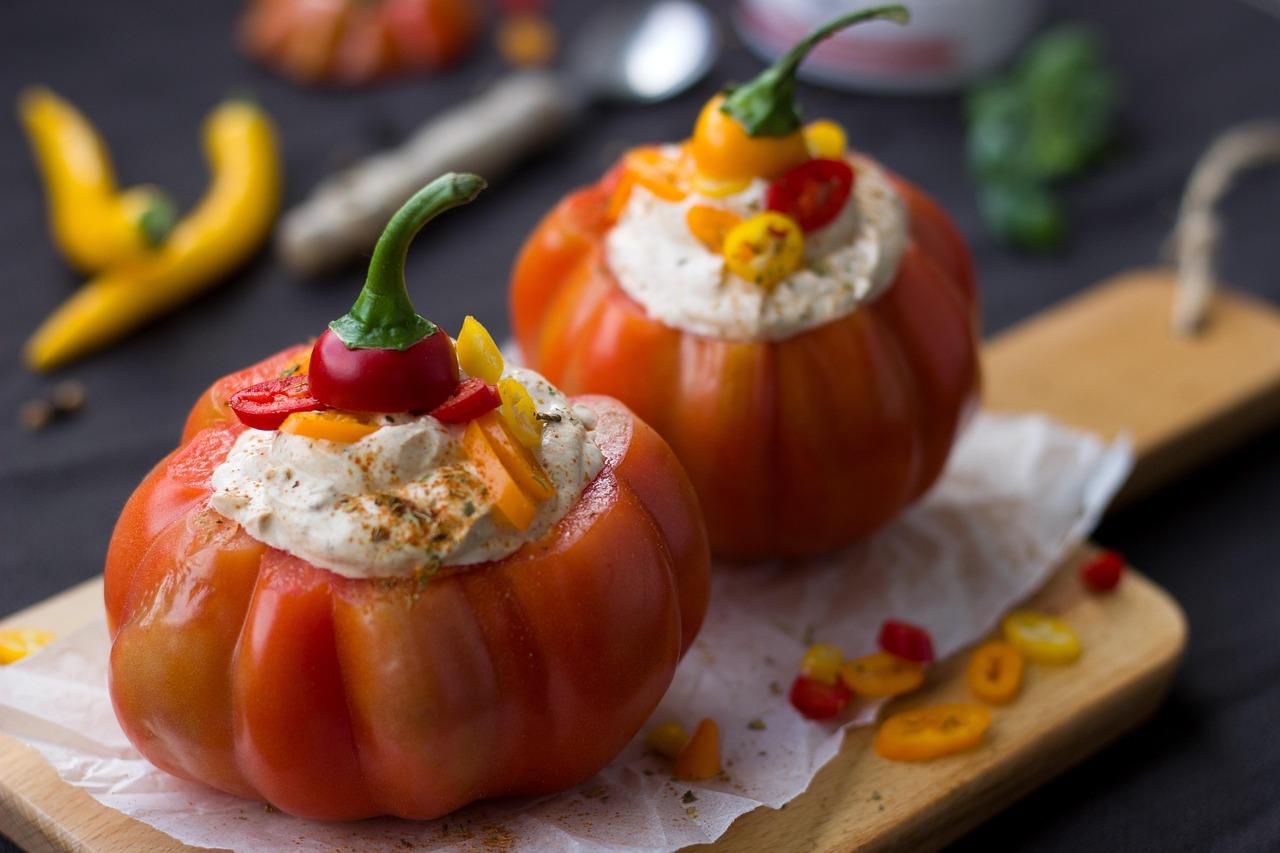
Small capsicums and firm, unripe tomatoes hollowed out and filled with a spiced mix of potato, peas, carrot, beans and paneer seasoned with roasted cumin, chaat masala and amchur, then topped with cheddar and cooked gently until tender. A lovely dish for a dinner party. Serve hot with naan or chapaties.

by KrazyBadal 0 views

Mixed vegetable jalfrezi

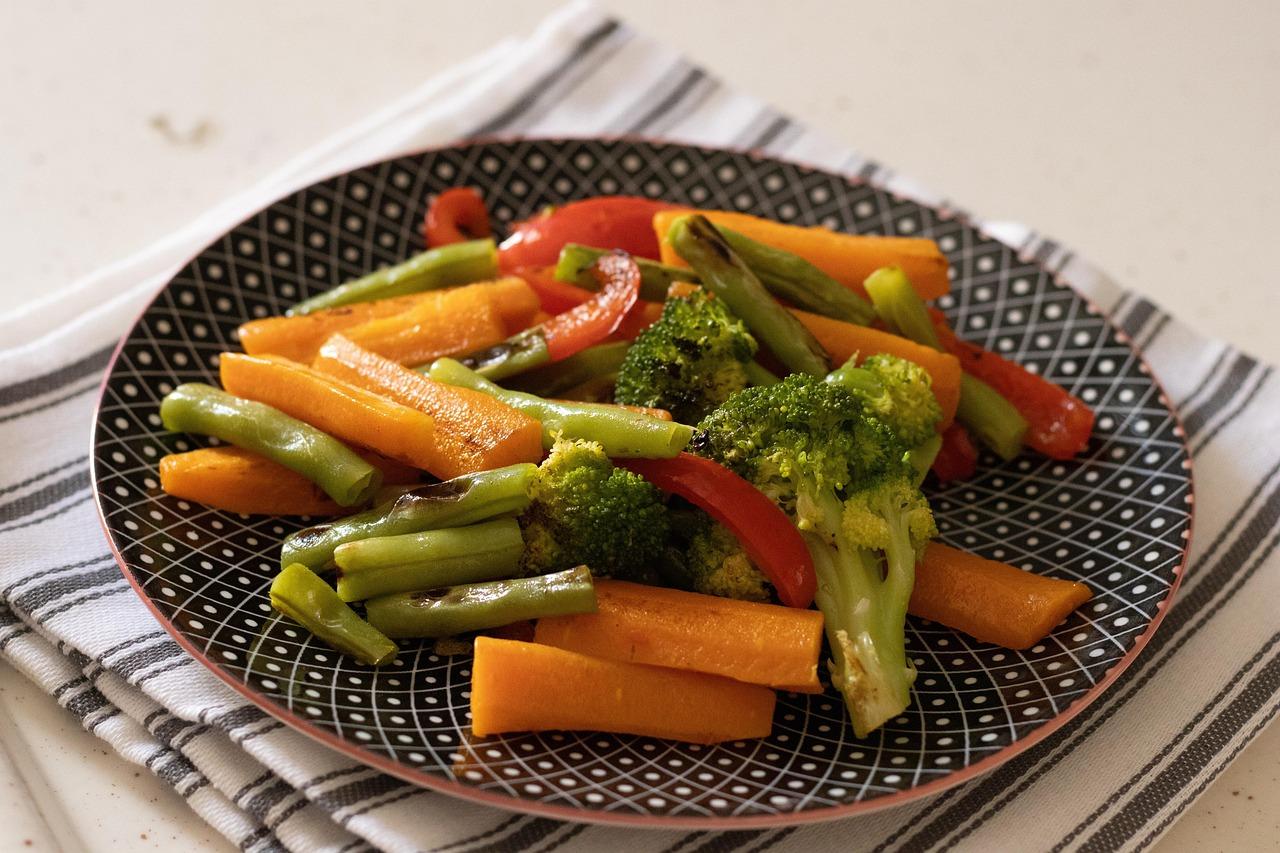
Julienned carrots, baby corn, capsicum, beans and peas, blanched so they stay tender-crisp, tossed with fried potato fingers in a quick tomato gravy with curry leaves, mustard, ginger and amchur. It's colourful, a little tangy and spicy. Serve hot with naan or parathas.

by KrazyBadal 0 views

Kashmiri dum aloo

A royal potato curry: halved potatoes are hollowed out, fried golden and filled with paneer, peas, cashews and raisins, then laid in a creamy, aromatic gravy of onion, yogurt, whole spices, tomato, cashew, nutmeg and mace. Make the gravy ahead and add the potatoes just before serving so they hold their shape. Serve hot with naan or paratha.

by KrazyBadal 0 views

Mixed vegetables in white gravy

Diced potatoes, carrots, beans and peas cooked until tender in a pale, creamy gravy of yogurt, ground cashews and fresh coconut, finished with cream and chopped cashews. It's mild, rich and comforting. Serve hot with naan. You can also make it with boiled, peeled baby potatoes instead of the mixed vegetables, or with corn kernels, peas, fenugreek and a squeeze of lemon juice.

by KrazyBadal 0 views

Kolhapuri curry

A festive mixed vegetable curry from Kolhapur: fried potatoes, beans, carrots and paneer with peas, corn and three colours of capsicum, in a thick gravy of tomato, onion, mawa, cashew and yogurt spiced with coriander seed, cardamom and dried pomegranate. Topped with fresh cream, it's rich enough for a party. Serve hot with naan or choppadia.

by KrazyBadal 0 views

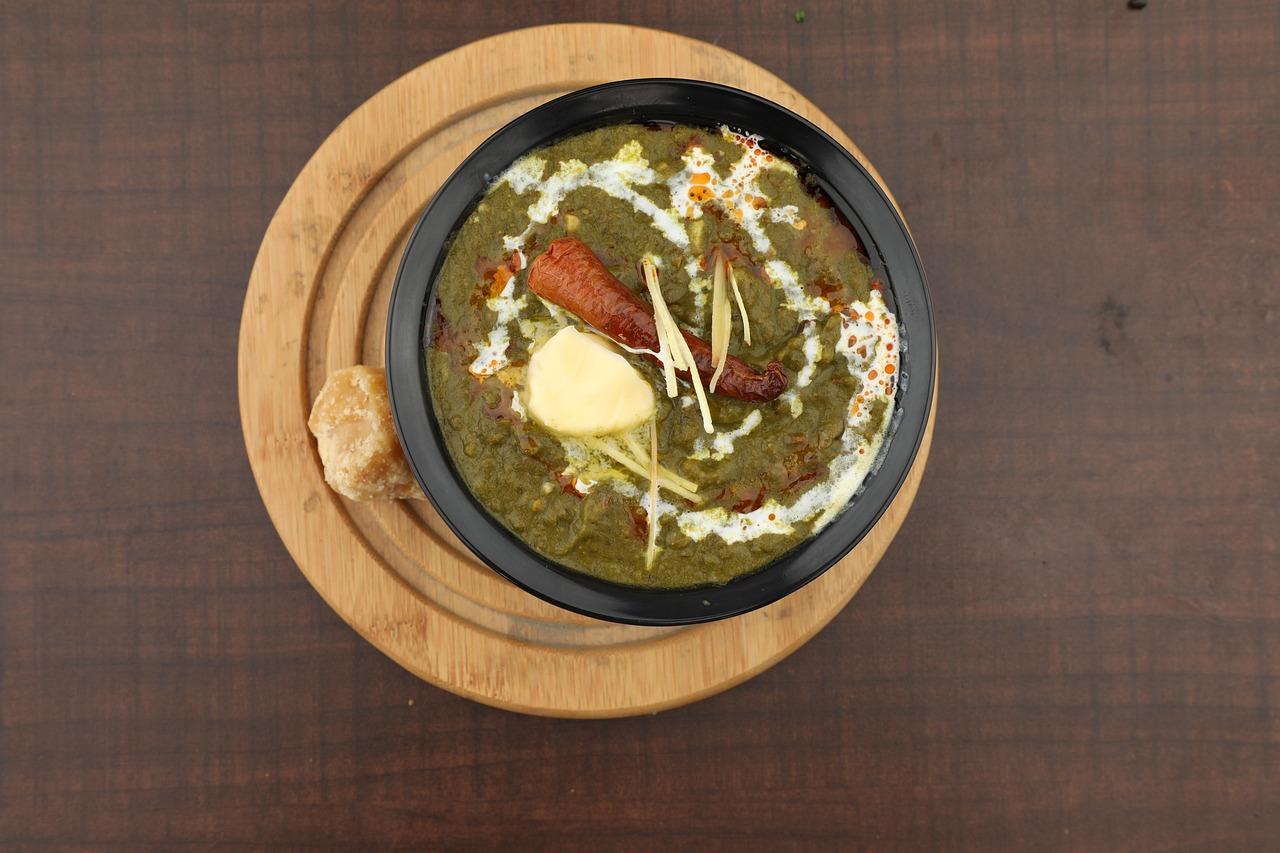
Sarson ka saag

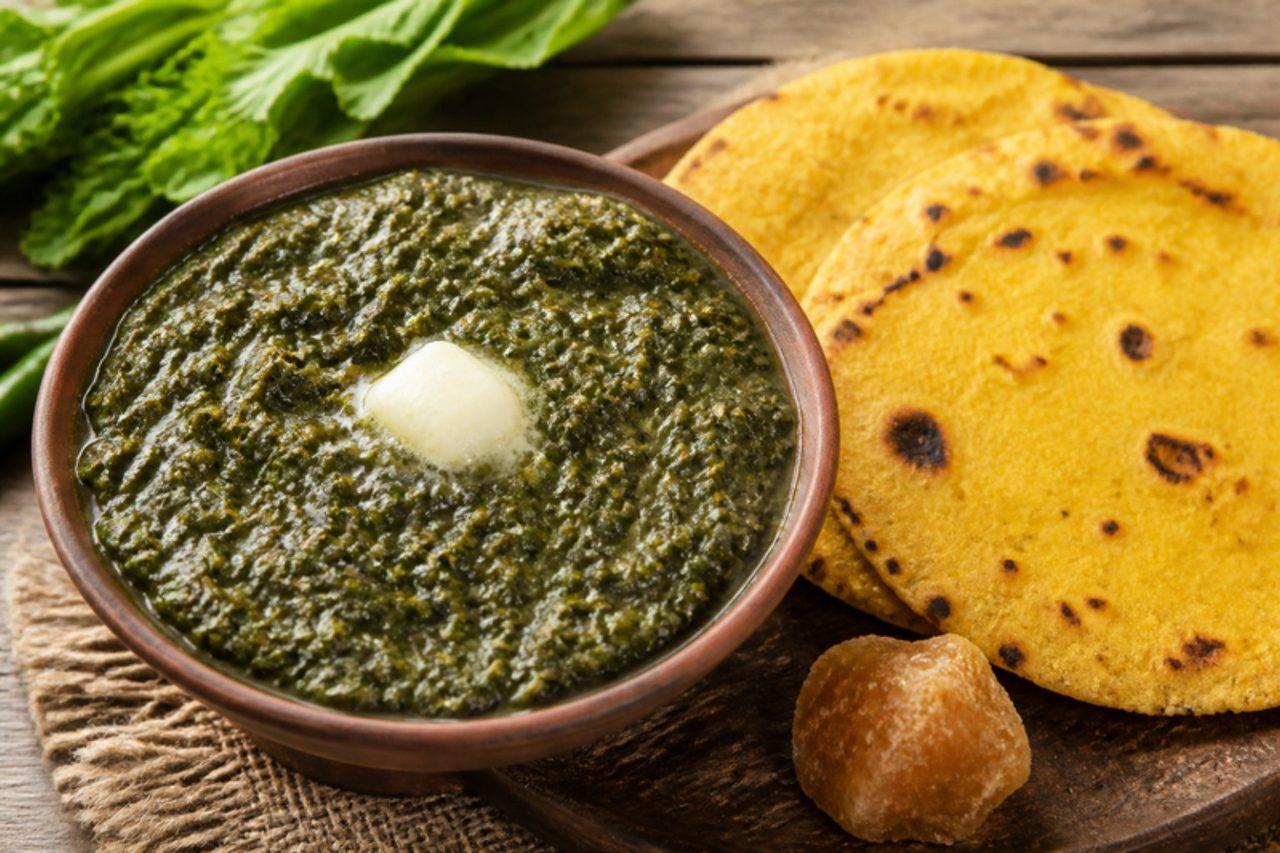
The classic Punjabi winter dish: mustard greens, spinach, fenugreek and a little cabbage pressure cooked until meltingly soft, then blended and thickened with maize flour. It's finished with onion, garlic and tomato fried in ghee and a sprinkle of Punjabi masala. Serve hot with chapati or makki ki roti.

by KrazyBadal 0 views

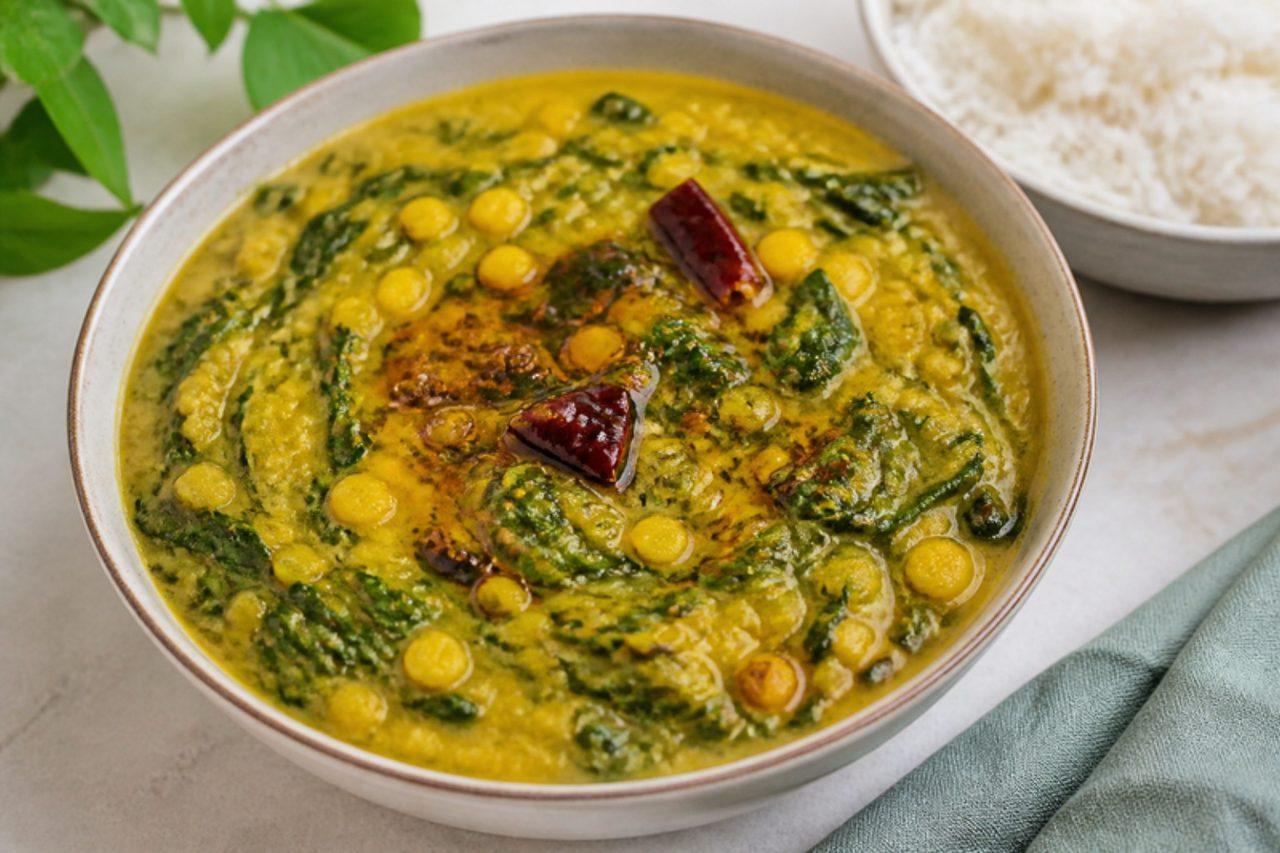
Dal palak curry

A quick pressure-cooker curry of chana dal and plenty of spinach with onion, tomato, ginger, garlic and green chilli. It's earthy, lightly spiced and full of goodness. Serve hot with chapaties or boiled rice. For a change, use green gram lentils with skin (soaked for 8 hours, then washed to remove the skins), or replace the lentils with four potatoes cut into 1 cm cubes and ½ tbsp lemon juice.

by KrazyBadal 0 views

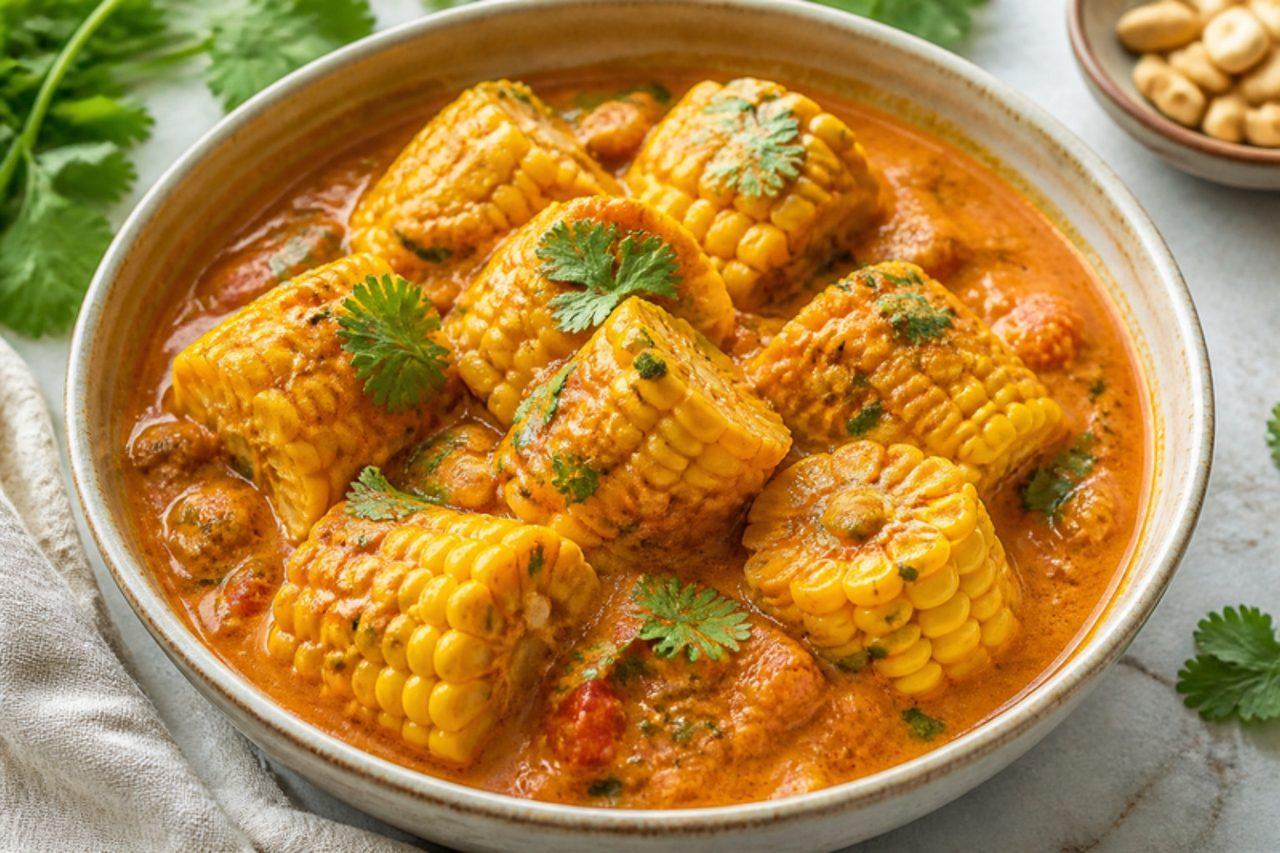
Corn cobs in coconut gravy

Chunks of fresh corn on the cob cooked in coconut milk, then simmered in a thick, nutty gravy of roasted peanuts, tomato, ginger and fresh coconut. It's mildly sweet, lightly spiced and best eaten with your hands, gnawing the kernels off the cob. Serve hot as a main curry with rotlis or rice.

by KrazyBadal 0 views

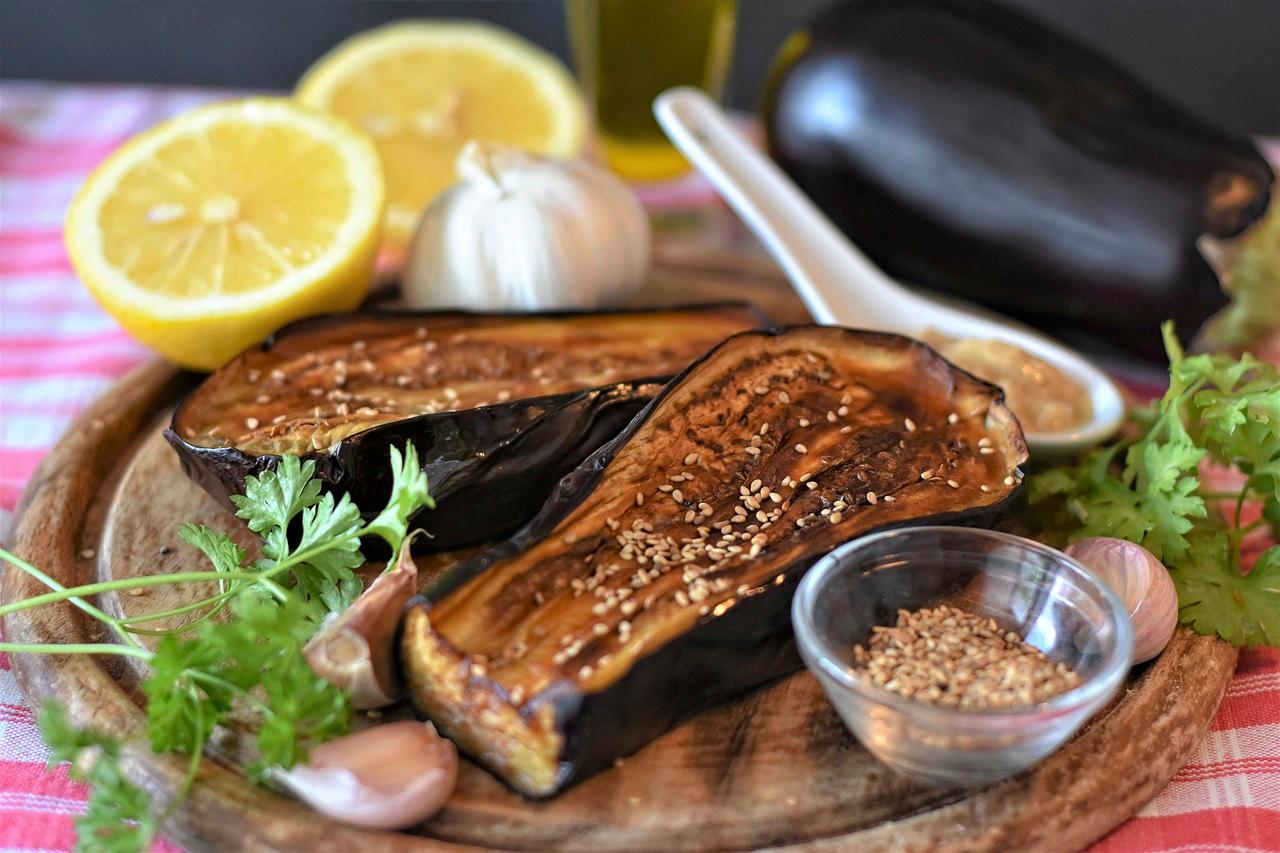
Smoky spiced aubergine

Whole aubergines charred over a flame until the skin blackens and the flesh turns soft and smoky, then chopped and tossed with onion, tomato, ginger, garlic and green chillies. A few black specks left in the flesh add to the smoky flavour. Serve hot with yogurt and millet rotla.

by KrazyBadal 0 views

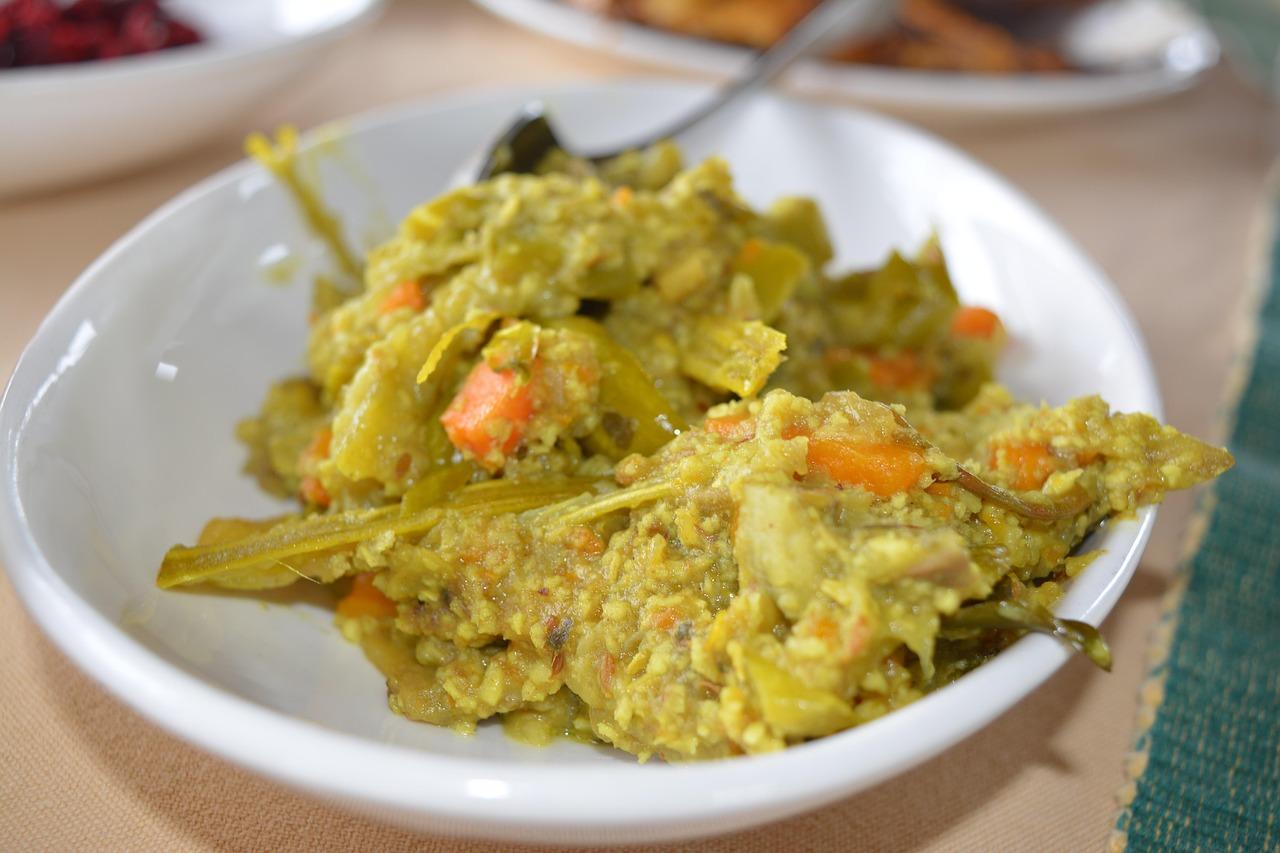
Vegetable curry in coconut cream

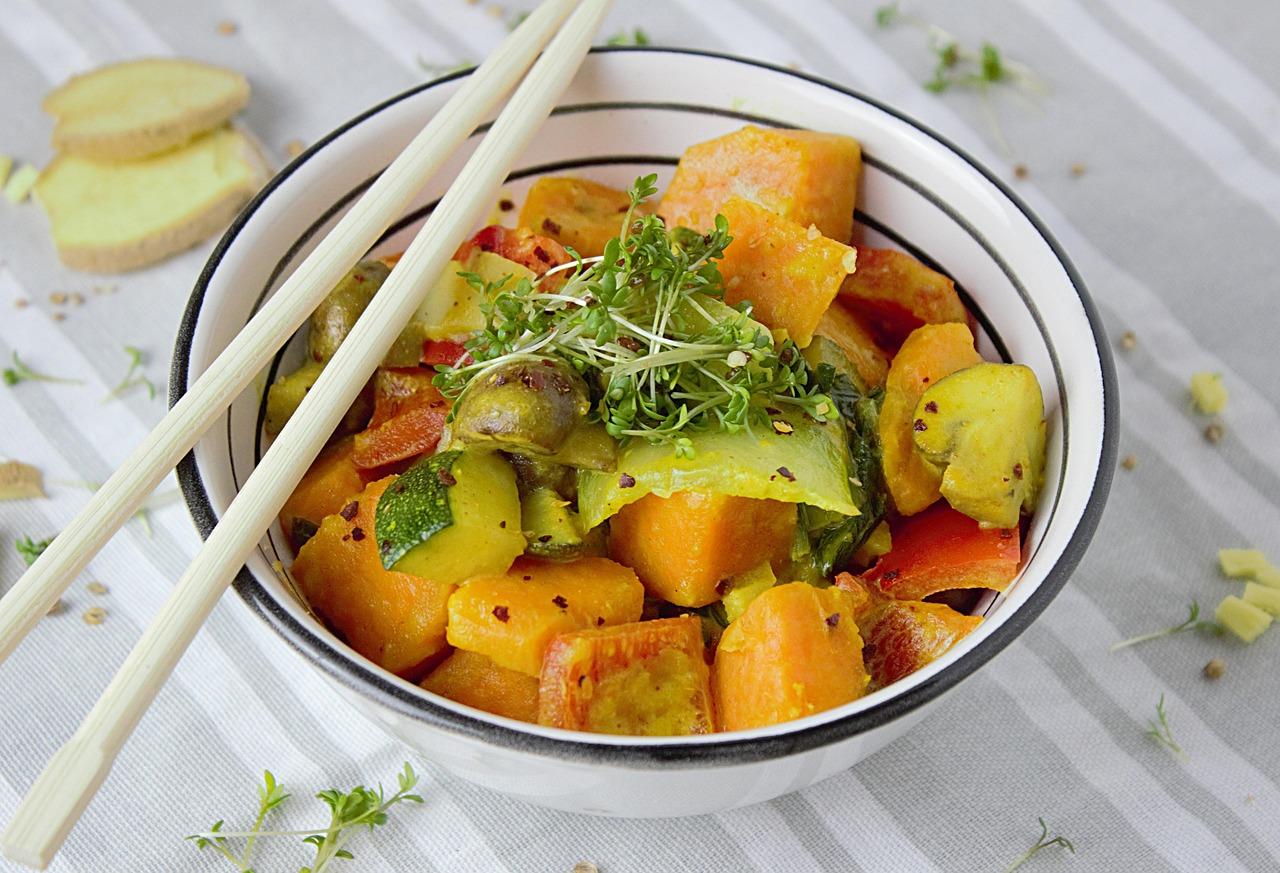
A colourful mix of baby aubergine, cauliflower, broccoli, mushrooms, beans and carrots simmered in a ground onion, coconut and whole-spice paste loosened with coconut cream and yogurt. The vegetables go in stages so each one stays tender, not soft, and roasted cashews add crunch at the end. Serve hot with naan.

by KrazyBadal 0 views

Capsicum mushroom curry

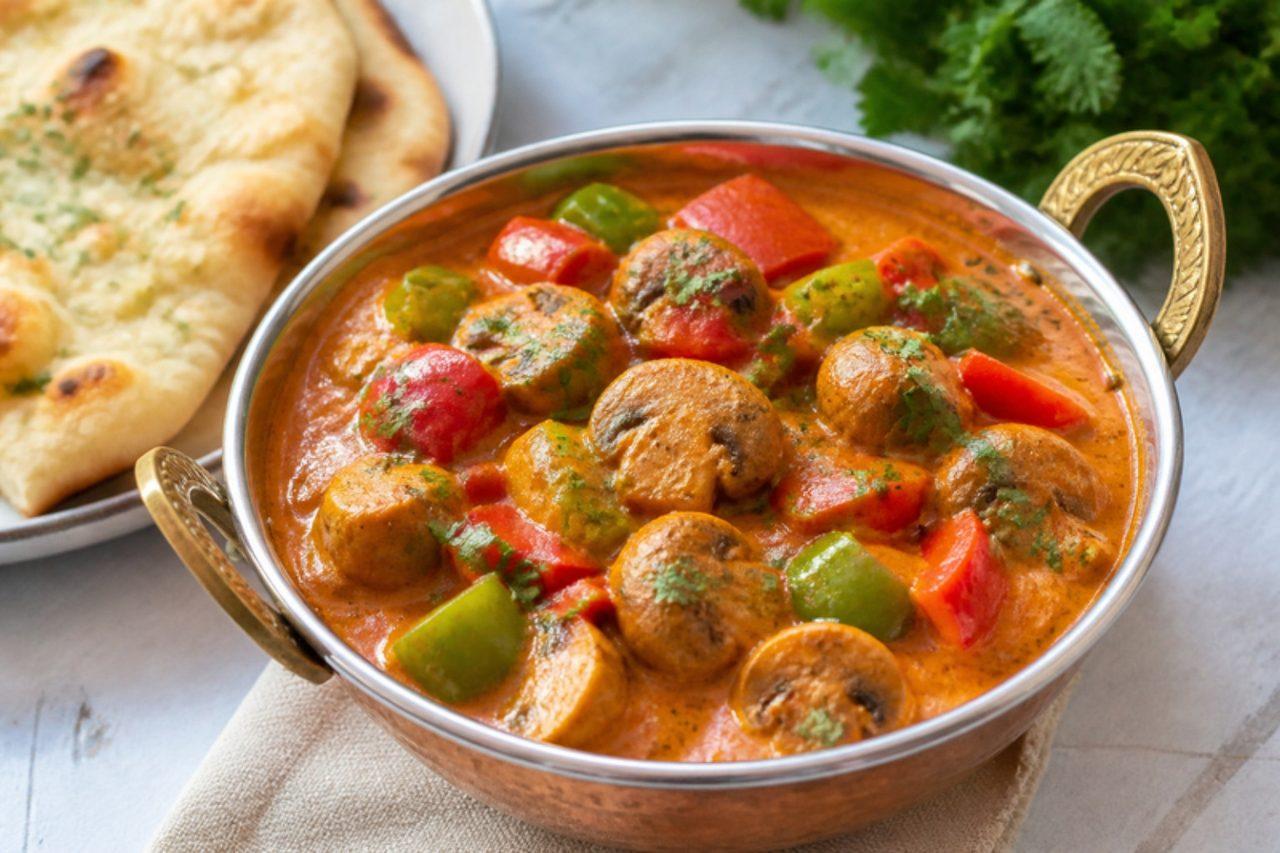
Big squares of capsicum and quartered button mushrooms, seared quickly so they keep their bite, then folded into a smooth gravy thickened with a little bengal gram dal, tomato and milk. Butter and split coriander seeds give the base a nutty, gently spiced flavour, finished with lemon. Serve hot with naan.

by KrazyBadal 0 views

Layered baked temptationLayered potato and vegetable bake

A showpiece party bake: a spiced mashed-potato base, a layer of tempered vegetables, a layer of spinach, sweetcorn and rice, then coconut chutney, all sealed under more potato and baked with sesame seeds. Serve hot with masala yogurt, tamarind and red chilli chutneys and a fresh salad.

by KrazyBadal 0 views

Corn and vegetable bake

A golden bake of blended and whole sweetcorn with potato, carrot, beans, cauliflower and spinach, tempered with curry leaves, sesame and green chilli and finished with fried cashews and raisins. A favourite for parties; serve hot.

by KrazyBadal 0 views

Corn stuffed potato bake

Par-boiled potato halves filled with a buttery mix of sweetcorn, fresh coconut, onion, chilli and cream, topped with sesame seeds and coriander and baked. Serve hot with chilli sauce as a starter or side.

by KrazyBadal 0 views

Kofta kadhiSpinach koftas in yogurt curry

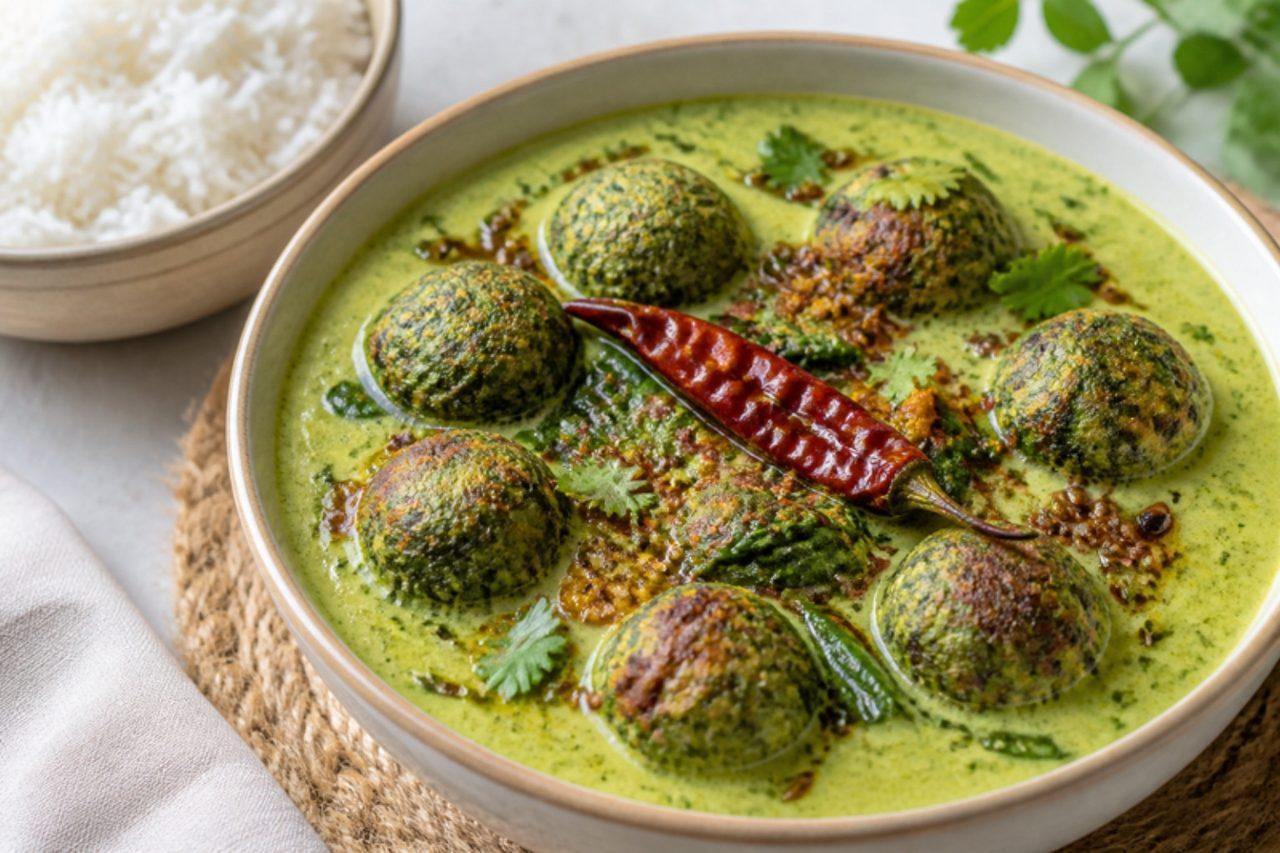
Light, crisp koftas of gram flour and chopped spinach dropped into a pale green kadhi of yogurt and spinach puree, spiced with a fresh-ground masala of cinnamon, cardamom, cloves and coriander seed. Add the koftas just before serving so they stay soft but hold together. Serve hot with any paratha or puri.

by KrazyBadal 0 views

Gujarati kadhiSweet and sour yogurt curry

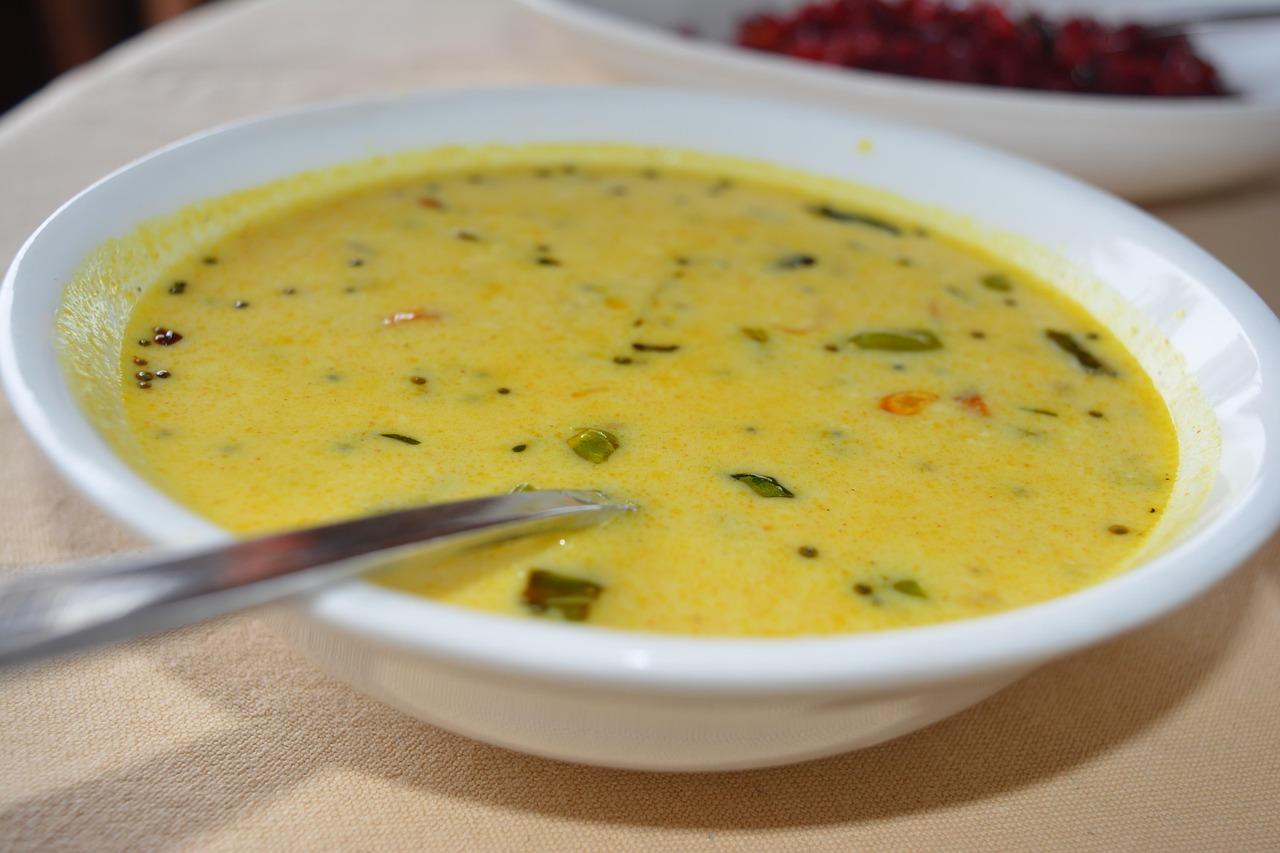
A thin, silky Gujarati kadhi of sour yogurt and gram flour, gently sweet with jaggery and fragrant with cinnamon, cloves, curry leaves and fenugreek seeds. Stir it all the time as it comes to the boil so it doesn't split. Serve with pigeon pea lentil khichdi or rice.

by KrazyBadal 0 views

Dal makhaniButtery black lentil dal

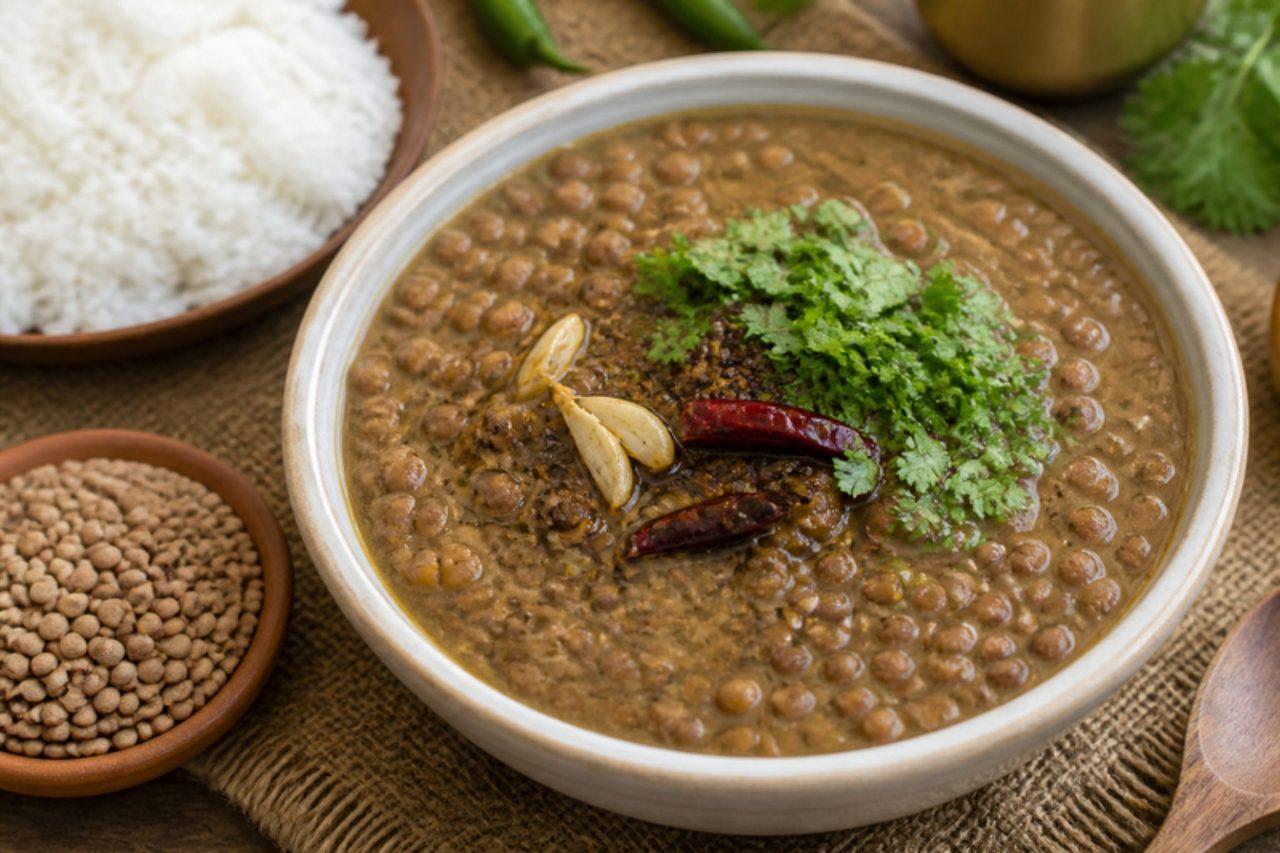
The Punjabi favourite: whole black grams and a little chana dal cooked long and slow until creamy, then simmered with tomato, kasoori methi, nutmeg and butter and finished with milk and cream. It's rich, smoky-tasting and velvety. Serve hot dal makhani with naan or tandoori chapati.

by KrazyBadal 0 views

Coconut curry

A smooth, gently spiced curry of thick and thin coconut milk with a ground paste of onion, coconut, coriander, ginger and green chilli and a tempering of cumin and curry leaves. It's mild and silky, and good with almost anything. Serve hot coconut curry with any baked vegetables or rice.

by KrazyBadal 0 views

Dal dhokriDal with spiced wheat dumplings

A one-pot Gujarati meal: sweet and sour tuvar dal with kokum and peanuts, with squares of a spiced wheat and gram flour dough simmered in it until tender. If the dal thickens as the dhokri cook, add more water. Garnish with coriander and jini sev and serve hot.

by KrazyBadal 0 views

Tuver dalSweet and sour pigeon pea dal

Everyday Gujarati dal: smooth, thin pigeon pea lentils simmered with tomato, peanuts, drumsticks, kokum and dried dates, sweet with jaggery and sharp with lemon, under a fragrant tempering of cloves, curry leaves and mustard. Vary it by changing the seasoning and tempering: for example, temper it with curry leaves, mustard and onions fried in oil, and finish it with green chillies, sambhar masala and kokum pieces. Serve hot with plain boiled rice.

by KrazyBadal 0 views

SambharLentil and vegetable stew

The South Indian classic: smooth pigeon pea dal cooked with ridge gourd and drumsticks, soured with tamarind and spiced with sambhar masala, curry leaves and mustard seeds. It's tangy, thin enough to pour and full of flavour. Serve hot sambhar with idlis, masala dhosa or uttapam.

by KrazyBadal 0 views

Nawabi curryLentil and noodle curry in mint coconut gravy

An unusual, generous one-pot curry: boiled lentils, peas, beans, carrots and a few noodles simmered in a coconut milk gravy flavoured with a fresh mint, garlic and green chilli paste and a roasted masala of fenugreek seeds, cardamom, coriander and cinnamon. A curry-leaf tempering goes on top. Serve hot with chapaties or plain boiled rice.

by KrazyBadal 0 views

Sai bhajiSpinach, fenugreek and moong dal

A comforting Sindhi dish of spinach, fresh fenugreek, potato and onion pressure cooked with yellow moong dal, coarsely blended and finished with garlic, tamarind and a cumin tempering. It's soft, green and gently tangy. Serve hot with chapaties.

by KrazyBadal 0 views

Amiri dalFour-lentil dal with vegetables

A rich, thick dal of pigeon pea, green gram, black and masoor lentils cooked until meltingly soft with potato, brinjal, spring onion, tomato and fenugreek, then simmered with a spiced coriander paste, tamarind and jaggery. It's sweet, sour and warming. Serve amiri dal with jeera fenugreek paratha.

by KrazyBadal 0 views

Stuffed okra

Short lengths of okra slit and stuffed with a spicy masala of peanuts, coconut, onion, coriander and gram flour, then cooked covered until tender and finished with tomato. The lemon juice in the filling keeps the okra from turning sticky. Serve hot with chapaties.

by KrazyBadal 0 views

Stuffed tindora curryStuffed ivy gourd curry

Tindora (ivy gourd) slit and lightly fried, then stuffed with a sweet, sour and nutty masala of peanuts, coconut, tomato and spices and cooked gently until tender. A simple everyday Gujarati shaak. Serve hot with chapaties.

by KrazyBadal 0 views

Stuffed brinjal curry

Small long brinjals slit and packed with a spiced filling of coconut, peanuts, gram flour, fenugreek and coriander, then cooked slowly in tomato with a topping of coarsely ground peas. For a stuffed potato and brinjal curry, fill small potatoes too and cook them the same way; for a stuffed banana curry, fill ripe bananas and cook them in a saucepan, without pressure or baking. Serve hot with chapaties or naan.

by KrazyBadal 0 views

Sev tomato currySweet-sour tomato curry with sev

A quick Gujarati and Kathiawadi favourite: ripe tomatoes cooked down into a sweet, sour and gently spiced curry, with fine jini sev stirred in at the very last moment so it stays slightly crunchy. Serve sev tomato curry hot with chapaties.

by KrazyBadal 0 views

Royal kofta curry

Oval potato koftas with a hidden filling of paneer, cashews and raisins sharpened with lemon and chilli, fried crisp and served in a smooth tomato and onion gravy finished with cream. Add the koftas to the hot gravy only at the last minute so they stay whole. Serve immediately with naan or parathas.

by KrazyBadal 0 views

Surti undhiyuSlow-cooked mixed winter vegetables

The great Gujarati winter feast: papdi, fresh pigeon peas, baby potatoes, suran, sweet potato, small brinjals and ripe bananas, slit and stuffed with a green masala of fresh green garlic, coriander and coconut, slow-cooked with fried fenugreek muthia. It's cooked gently under a plate of water so the vegetables steam in their own juices. This makes a big pot for 20; serve hot with chapaties or puri.

by KrazyBadal 0 views

Valore muthia curryFlat beans with fenugreek dumplings

A Gujarati favourite: tender valore (Indian flat beans) cooked in a sweet, sour and spicy tomato masala with ajwain, then mixed with crisp fried methi muthia, little dumplings of wheat and gram flour full of fresh fenugreek. The muthia soak up the gravy beautifully. Serve hot with chapaties.

by KrazyBadal 0 views

Shahi paneer stuffed potatoes

Small potatoes scooped out, deep fried and stuffed with spiced crumbled paneer, then simmered in a pale, luxurious gravy of yogurt, cashews, almonds and fresh cream. Finished with coriander, green chilli and a dusting of cinnamon, it's a true party dish. Serve hot with naan.

by KrazyBadal 0 views

Instant biryani

A quick vegetable biryani made in a pressure cooker: peas, carrots, potatoes, beans and tomatoes cooked with fresh coconut, yogurt and gentle spices, then steamed with the rice until each grain is separate. Finish it with crisp potato chips and fried vegetables. Serve with masala yogurt.

by KrazyBadal 0 views

Cheesy vegetable rice

A crowd-pleasing baked rice: fluffy grains mixed with steamed vegetables and three colours of capsicum cooked in a gingery tomato and yogurt masala, then covered with cheddar and baked until bubbling. Children love it. Serve it hot, on its own or with a salad.

by KrazyBadal 0 views

Showing 96 of 880 recipes

Show more recipes

Page 32 of 37

More collections