Skip to content

Moroccan recipes

86 Moroccan recipes to cook at home, each with photos, step-by-step instructions and cook times. The quickest, Nous-nous (half-half coffee), takes 5 minutes. Most take around 60 minutes.

Filter these by time, diet or cuisine

Matesha mesla (sweet tomato jam)

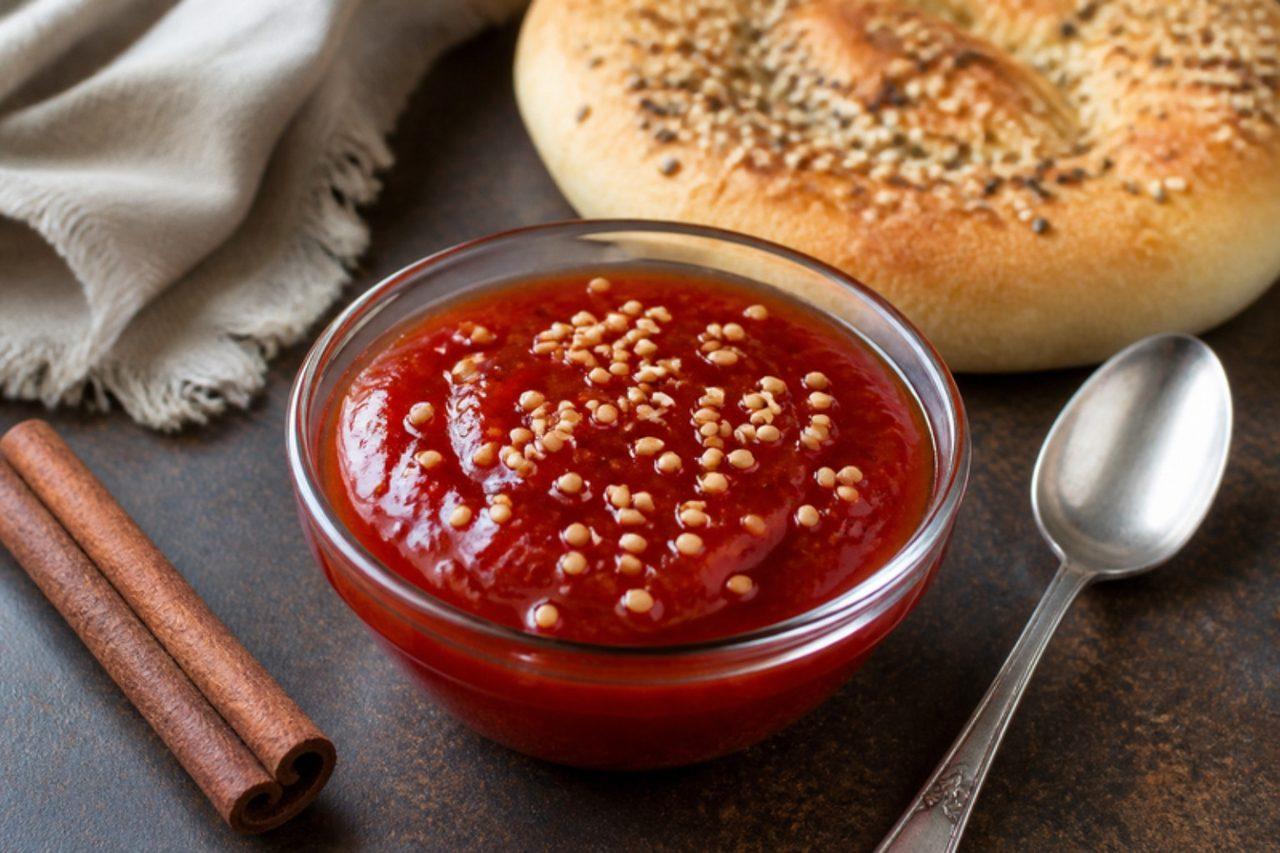
Fassi cooks reduce ripe tomatoes with honey and cinnamon until they turn into a glossy, brick-red jam that is sweet, faintly tart and perfumed with orange-flower water. It is set out among the small salads at weddings and family feasts, spooned beside a lamb or vegetable tagine, or simply scooped up with warm khobz at teatime. The texture should be thick enough to hold a ridge when you drag a spoon through it, with a scattering of toasted sesame and fried almonds on top. Kept in a clean jar in the fridge it lasts a week and only gets better. Chef's tip: grate the tomatoes on the coarse side of a box grater and throw away the skins; you get a smooth jam without the bother of blanching and peeling.

by KrazyBadal 0 views
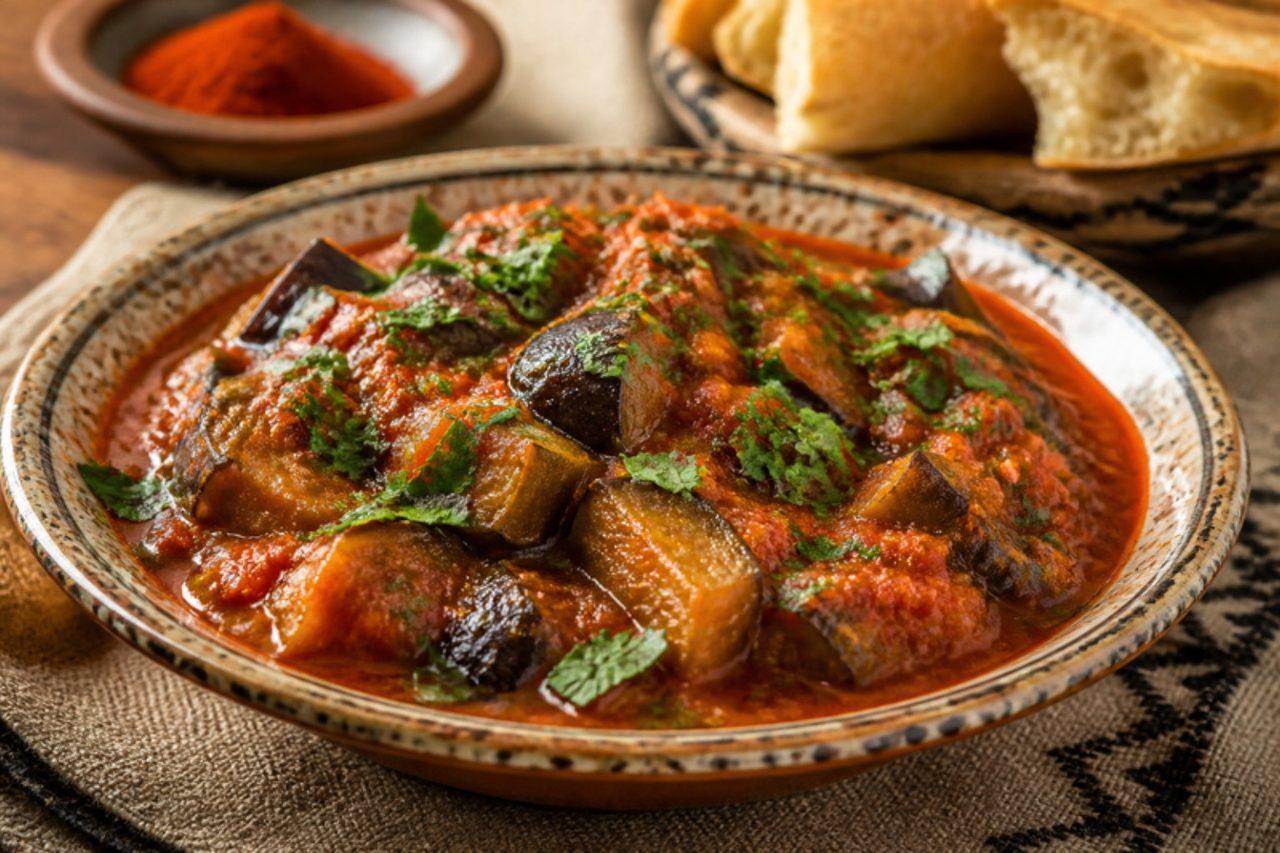
Mderbel (tangy aubergine relish)

Where zaalouk is a smoky mash, mderbel keeps its aubergine in soft, silky slices that have been fried first and then stewed down with garlic, sweet paprika, cumin and a sharp splash of vinegar. Old Fez families make it as one of the cooked salads that open a festive meal, and it keeps beautifully for a few days, so it is often made the day before. The flavour is rich from the oil, tangy, a little sweet and deeply garlicky; serve it at room temperature with bread, alongside other salads or next to grilled vegetables. The usual mistake is frying the aubergine in oil that isn't hot enough, so the slices drink it up and turn greasy. Chef's tip: salt the slices and leave them for 20 minutes, then pat them very dry; they drink far less oil and fry to a deep gold.

by KrazyBadal 0 views
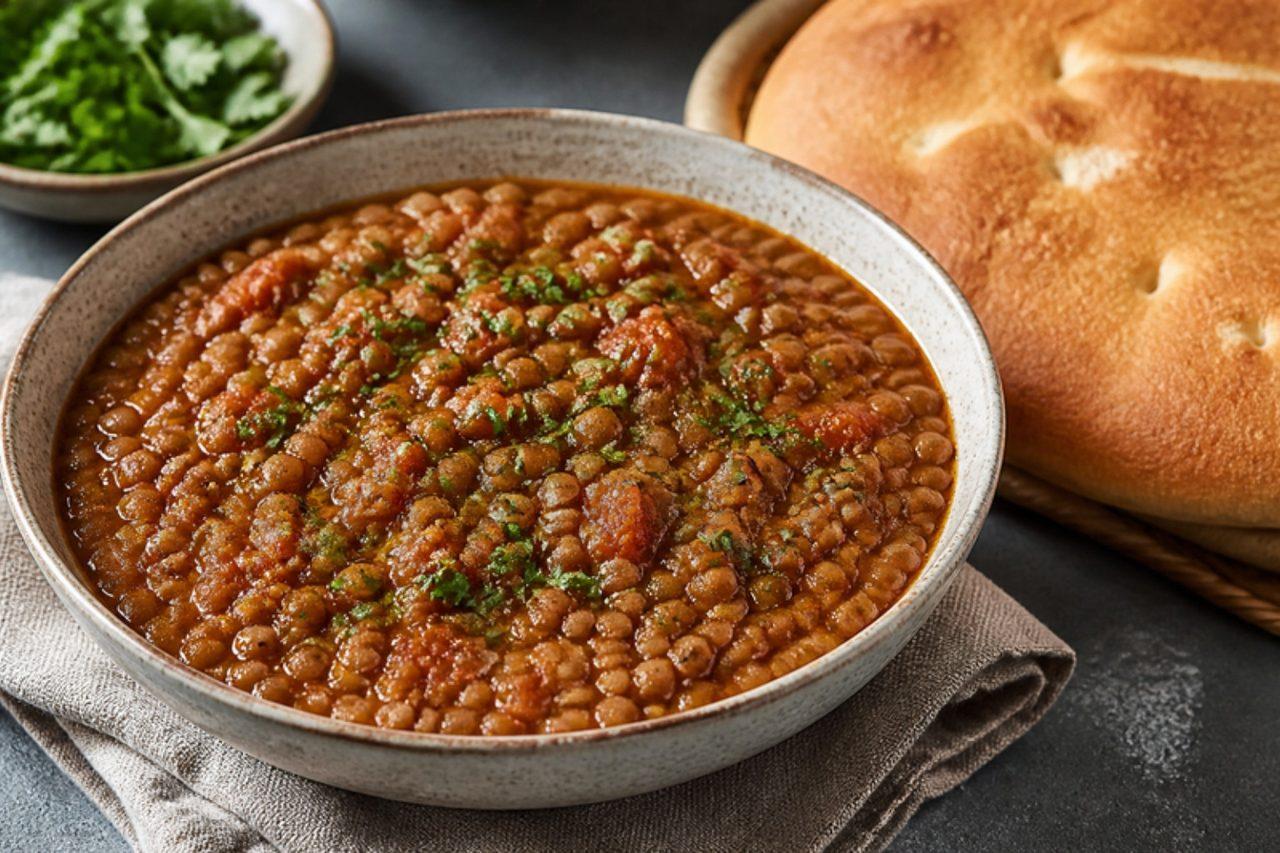
Moroccan lentils (aadess)

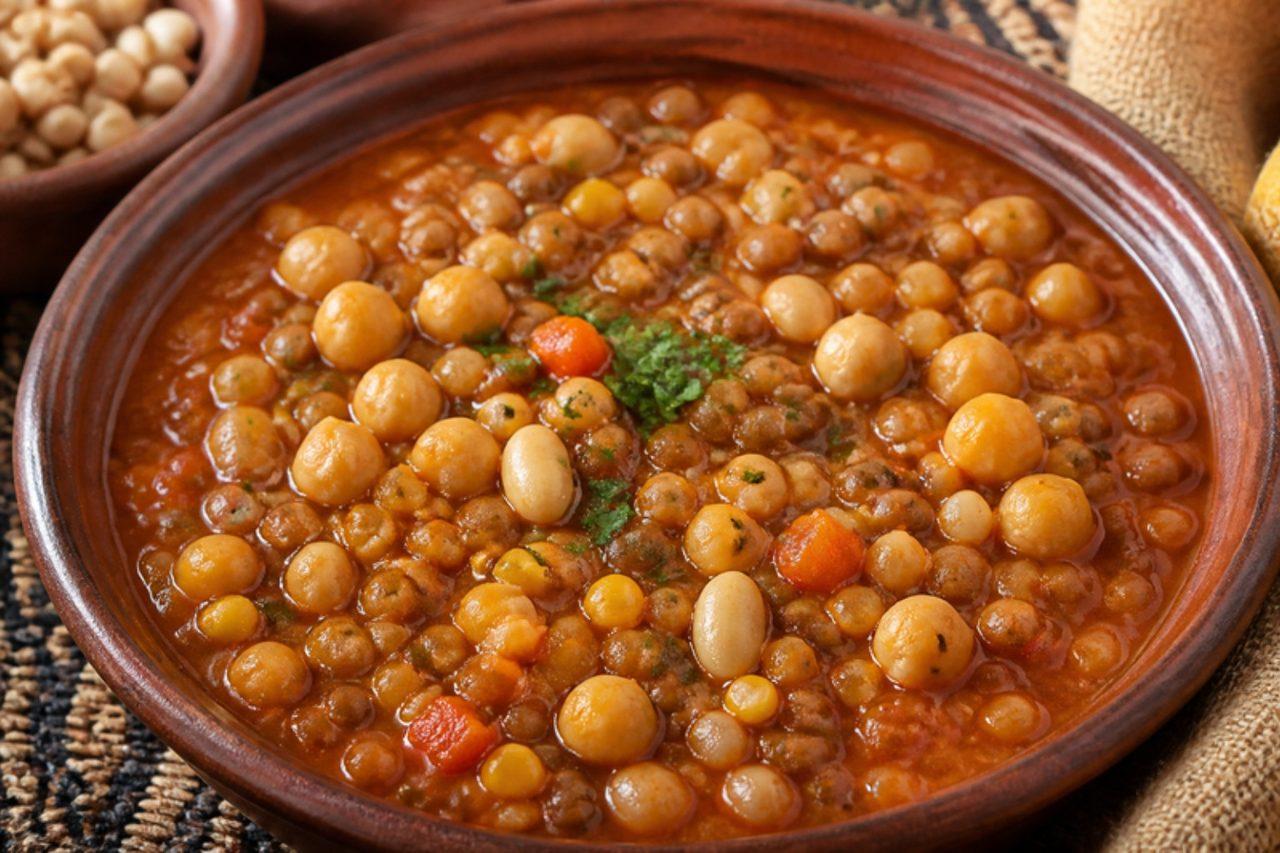
Cheap, filling and ready in under an hour, aadess turns up on home tables from Fez to Casablanca and in the clay bowls of small medina eateries that sell beans and lentils with bread to workers at lunchtime. The lentils stay whole but tender, sitting in a thick, brick-coloured sauce of grated tomato, garlic, cumin and paprika, finished with a generous slick of olive oil and fresh herbs. Scoop it up with crusty khobz; a dab of harissa or a few olives on the side is all it needs. Chef's tip: pick through the lentils on a plate before you rinse them, since small stones turn up even in good bags.

by KrazyBadal 0 views
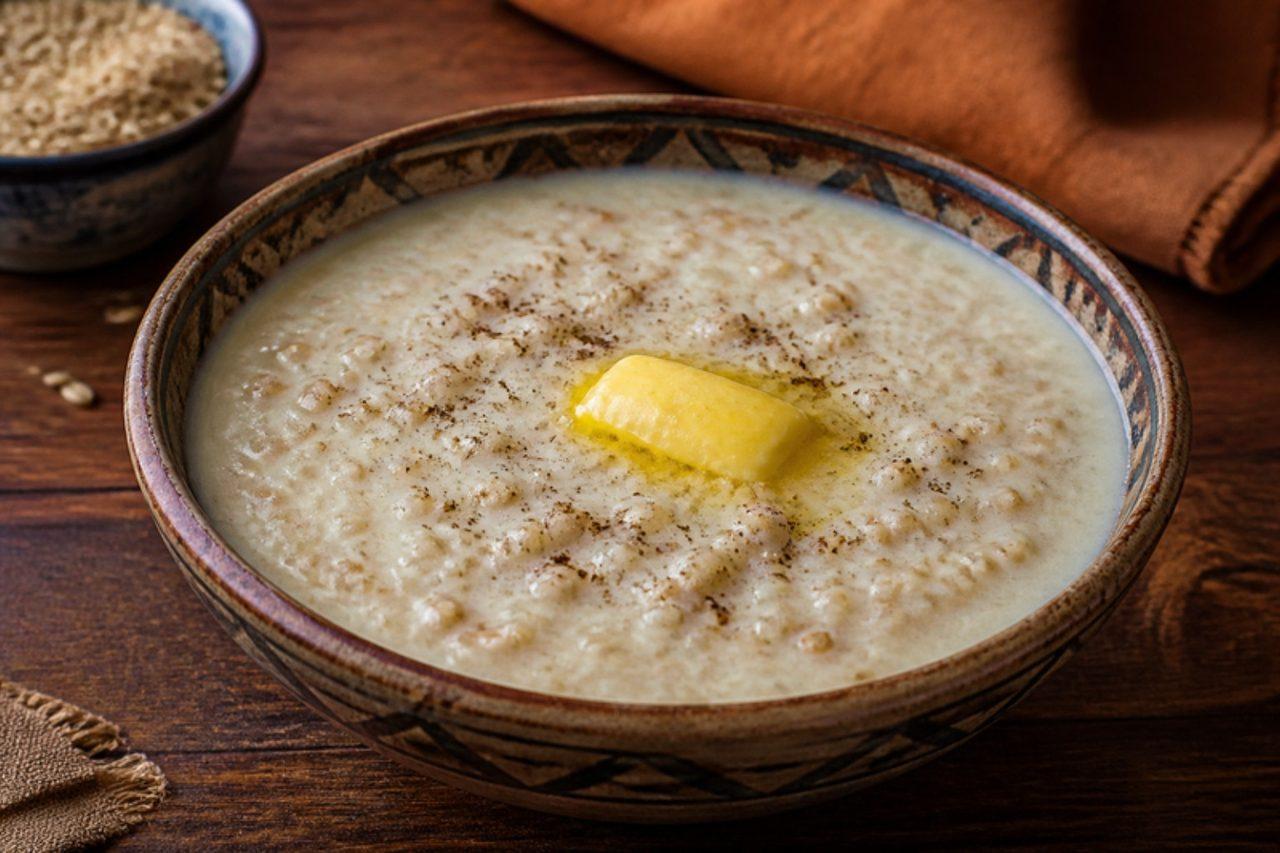
Hssoua belboula (barley soup with milk)

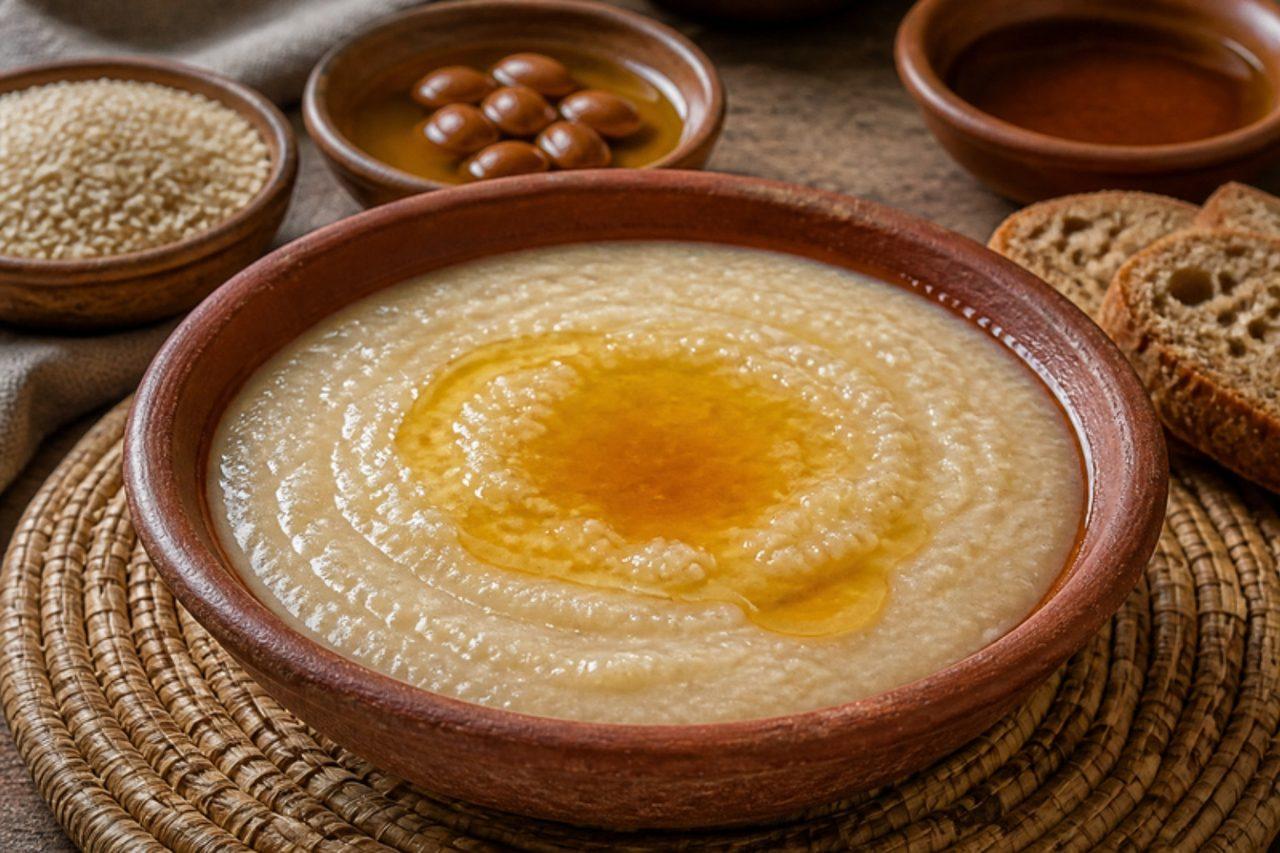
Few things are as soothing on a cold morning in Fez or Marrakech as a bowl of hssoua belboula, the pale, porridge-like soup of cracked barley cooked in water and then milk. Many families eat it for breakfast in winter or as a light supper, and it often appears on the Ramadan table too. It is mild and gently savoury, with a whisper of cumin and a knob of butter melting on top, and the barley grains stay soft but slightly chewy. Serve it piping hot with a little extra cumin to sprinkle, plus dates or bread on the side. A common slip is adding the milk too early and boiling hard, which catches on the bottom and scorches the soup. Chef's tip: rinse the barley grits in a sieve until the water runs almost clear; it washes away loose flour so the soup is creamy rather than gluey.

by KrazyBadal 0 views
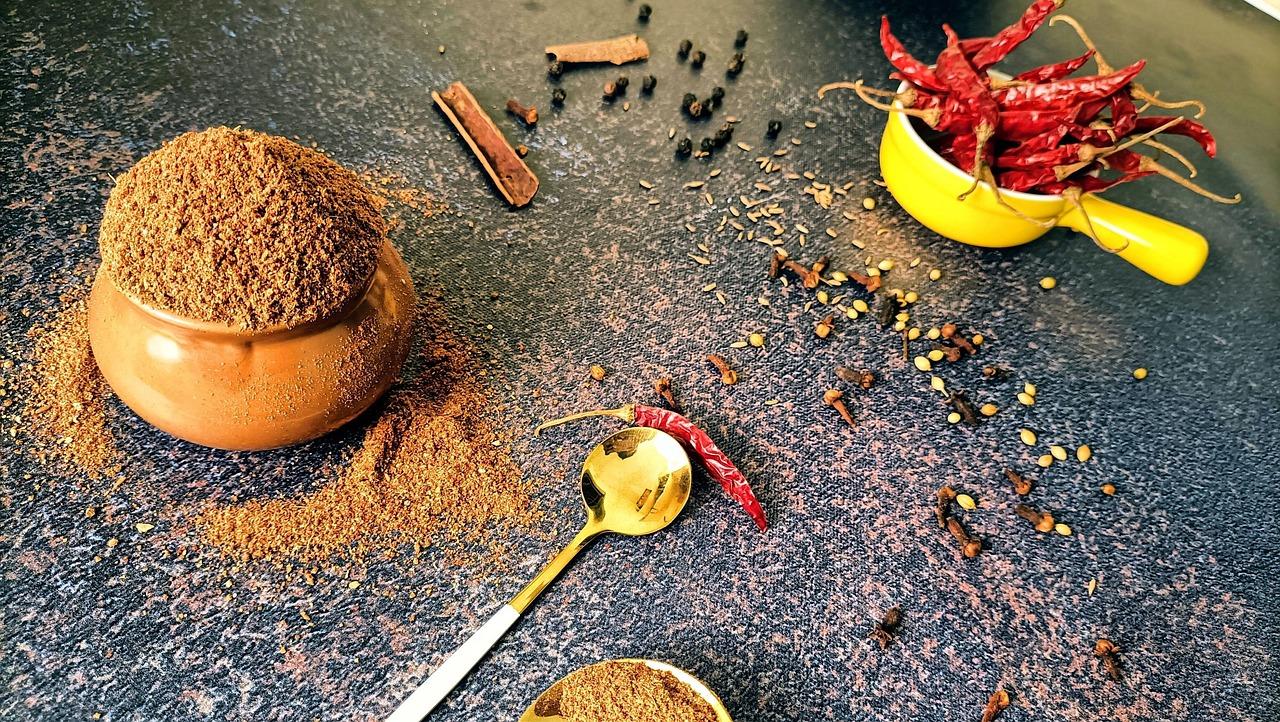
Ras el hanout

Ras el hanout means 'head of the shop', and every spice seller in the Marrakech souk will tell you theirs is the best: a warm, complex mix of a dozen or more spices that they grind to their own formula. This home version balances earthy cumin and coriander with sweet cinnamon, ginger and turmeric, the perfume of cardamom and dried rosebuds, and the heat of black pepper. Rub it on vegetables before roasting, stir a teaspoon into tagines, lentils or couscous broth, or season chickpeas and roast pumpkin with it. Toasting the whole spices first takes 5 minutes and makes a real difference. Chef's tip: make small batches and store the blend in a sealed jar away from light; it is at its best for about 3 months.

by KrazyBadal 0 views
Preserved lemons (l'hamd marked)

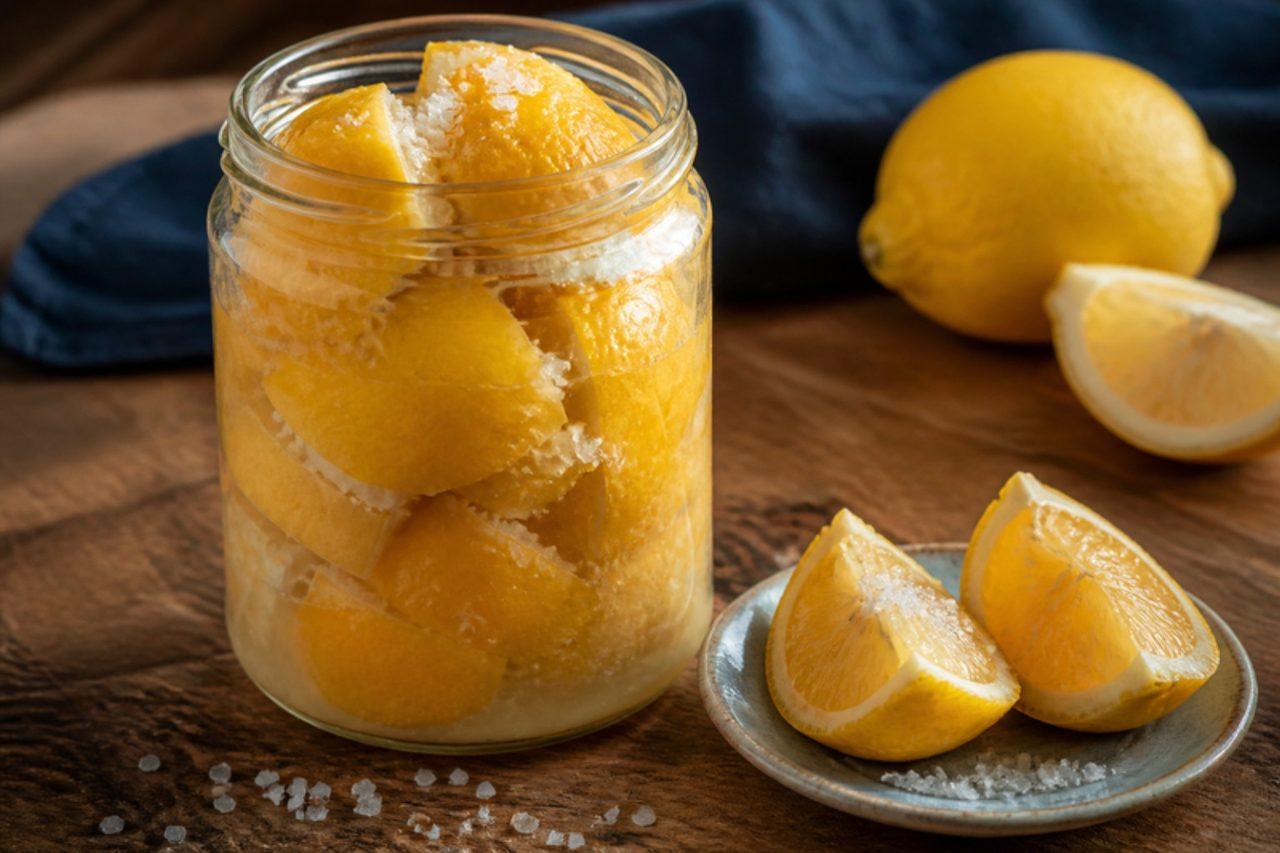
No Moroccan pantry is complete without a jar of l'hamd marked, lemons packed in salt and their own juice and left for about a month until the rind softens and takes on a mellow, floral, almost sweet flavour. The rind is what you use: finely chopped into salads, slivered over chicken with olives, added to fish tagines, chermoula and bean dishes. Fez cooks traditionally use small, thin-skinned doqq or beldi lemons, but any unwaxed lemon works. Hands-on work is only 20 minutes; the jar then needs 3–4 weeks in a cool, dark cupboard before it is ready. Chef's tip: press the lemons down hard every day for the first week; as they release juice they shrink, and you can squeeze one more lemon into the jar.

by KrazyBadal 0 views
Bakoula (warm mallow and herb salad)

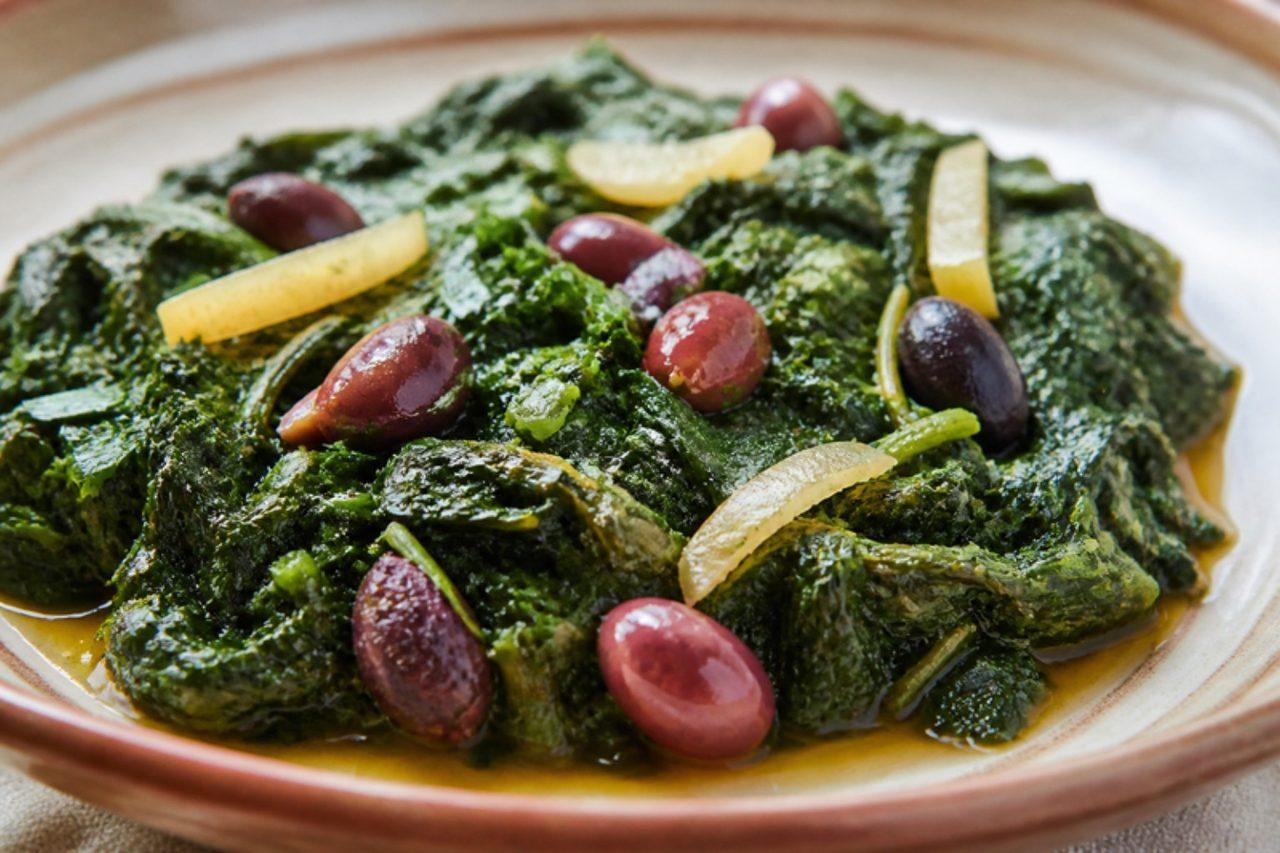
When the winter rains come, bunches of khobiza, wild mallow, are piled up at Marrakech market stalls, and households turn them into bakoula: the leaves are steamed, chopped and cooked down with garlic, parsley, coriander, paprika and cumin, then finished with violet olives and slivers of preserved lemon. The result is soft, dark green and savoury with a lemony lift, a little like a well-seasoned spinach dish with more character. It is eaten warm or at room temperature as one of the cooked salads, scooped up with bread. Outside Morocco, use spinach with a handful of chard or rocket for a bit more bite. Most people go wrong by not squeezing the steamed leaves dry, which leaves the salad watery and bland. Chef's tip: squeeze the steamed greens hard in your fists before chopping; leftover water makes bakoula sloppy and dilutes the spices.

by KrazyBadal 0 views

Moroccan marinated olives (zitoun mchermel)

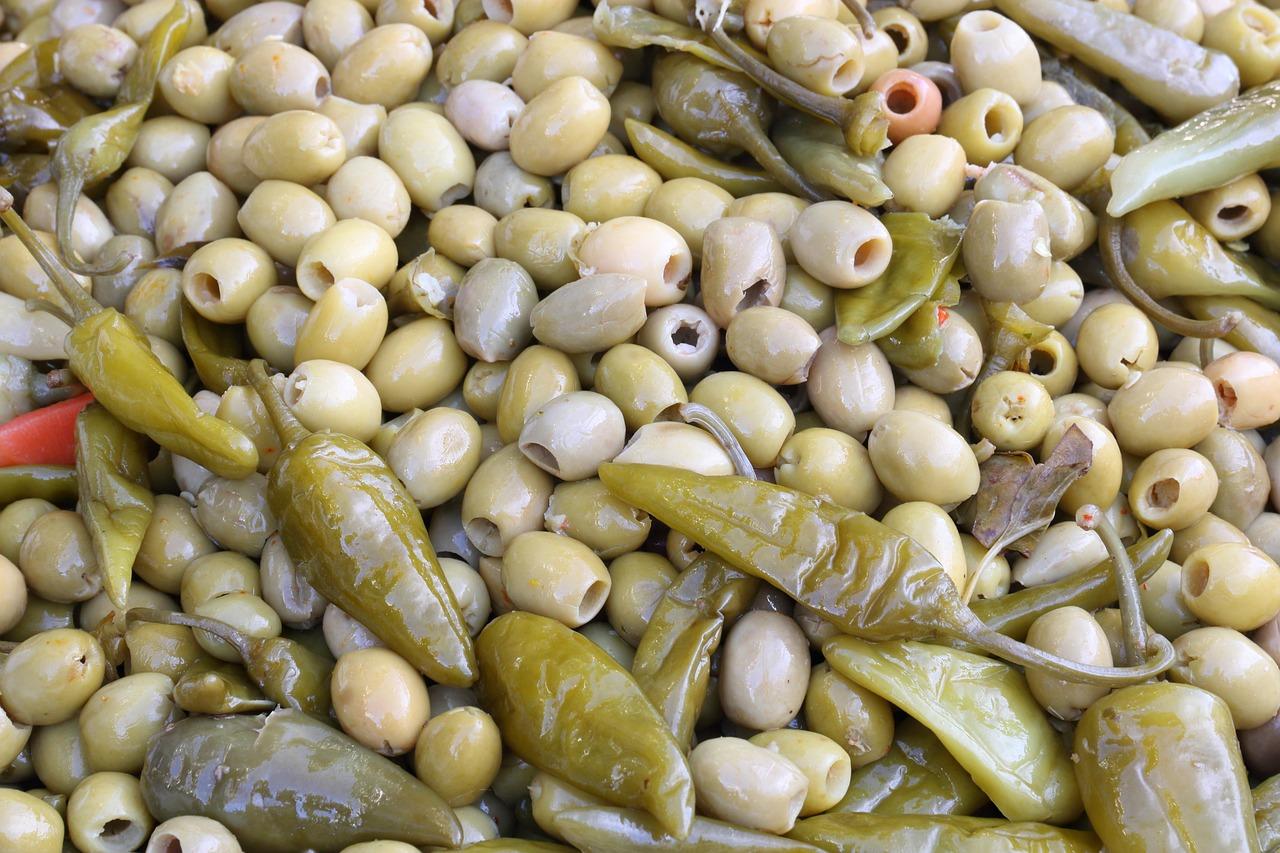
Olive sellers in the Marrakech medina build tall pyramids of green, violet and black olives, and some of the most tempting bowls are the ones already dressed with chilli paste, garlic and preserved lemon. Making zitoun mchermel at home is simple: rinse good brined olives, then toss them with harissa, cumin, paprika, lemon rind, herbs and olive oil and give them a day in the fridge to soak up the flavours. They come to the table at almost every meal, next to bread and salads, and are perfect with mint tea or as a snack before dinner. Chef's tip: lightly crack each olive with the flat of a knife or the bottom of a glass so the marinade gets inside.

by KrazyBadal 0 views
Moroccan beetroot salad

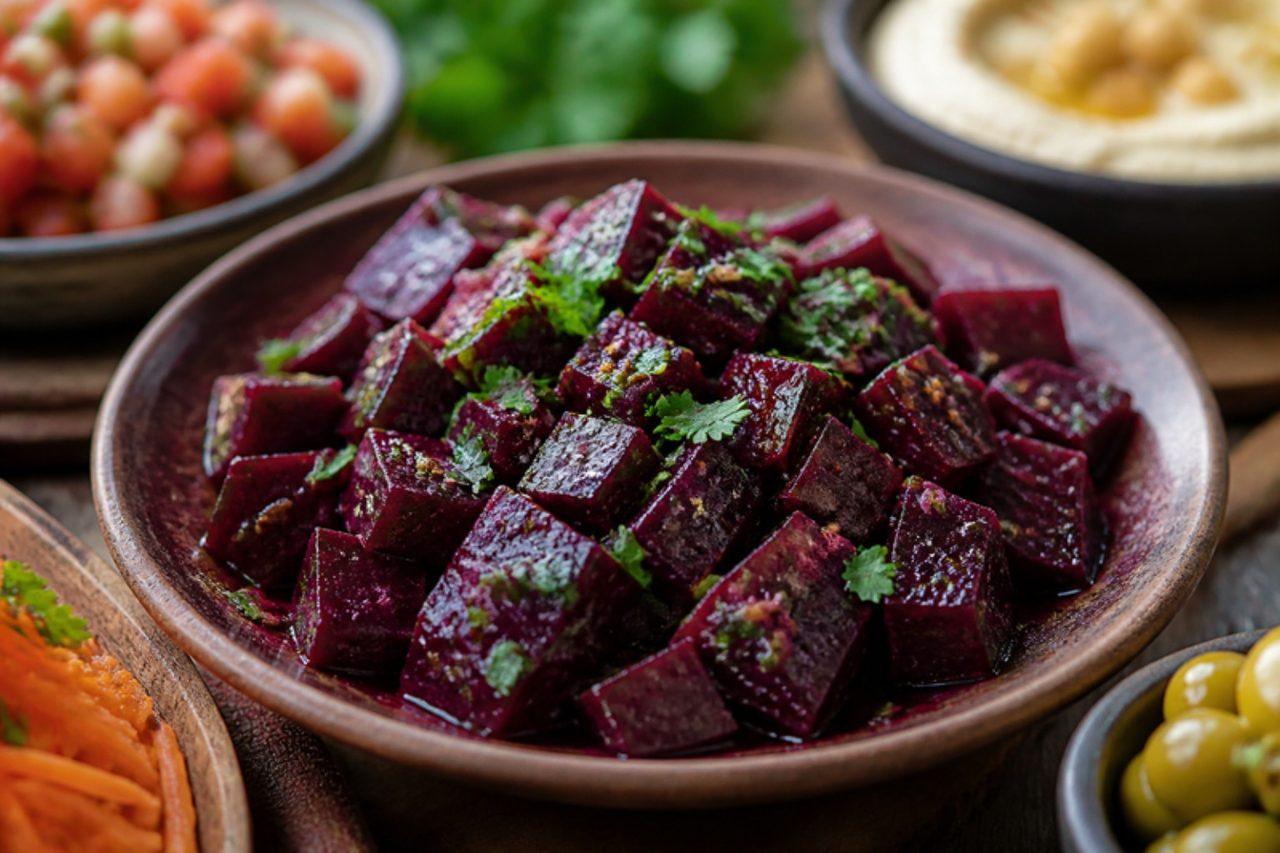
On a Rabat family table, the Friday couscous is often preceded by a spread of small cooked salads, and the jewel-red dish of beetroot cubes is always one of them. Boiled beetroot is cut into dice and dressed with cumin, a little sugar, olive oil and either vinegar for a sharp version or orange-flower water for a softer, perfumed one; some cooks use both. It is earthy, sweet and bright, and needs nothing more than parsley on top. Make it a few hours ahead so the beets soak up the dressing, and serve it cool with bread and other salads. Chef's tip: dress the beetroot while it is still slightly warm; it absorbs the dressing far better than cold beets do.

by KrazyBadal 0 views
Tagoula (barley porridge with argan oil and honey)

Tagoula is mountain food from the Souss and the Atlas: coarse barley (or maize) cooked in salted water until it is thick enough to hold a shape, then turned into a shared dish, hollowed in the centre and filled with golden argan oil, honey and sometimes a spoon of smen. Families eat it for breakfast on cold days and it is a traditional dish for Yennayer, the Amazigh New Year in January. Everyone dips spoonfuls of the soft, nutty porridge into the pool of oil and honey, so each bite is sweet, savoury and rich at once. Outside Morocco, a roasted walnut oil is the closest stand-in for culinary argan oil. Chef's tip: pour the grits into boiling water in a thin stream while beating with a wooden spoon; dumping them in at once is the usual mistake and leaves lumps.

by KrazyBadal 0 views
Jben (fresh Moroccan cheese)

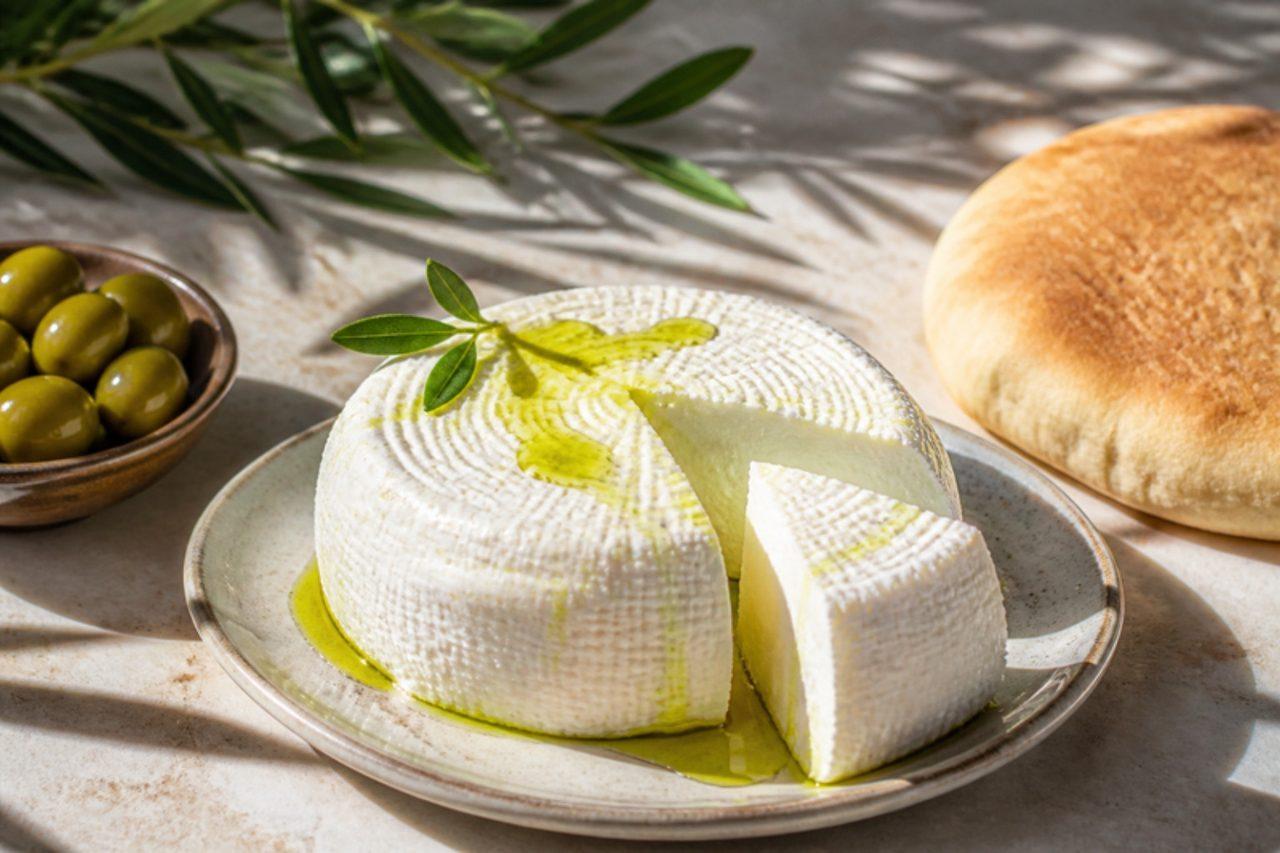
On the road into Chefchaouen, women from the Rif villages sit with rounds of jben wrapped in palm leaves, a fresh, soft, lightly salted cheese with a clean, milky tang. Breakfast in the north often means a slab of it drizzled with olive oil, sprinkled with dried thyme or za'atar, with olives, honey and warm bread. Traditionally jben is curdled with animal rennet (sometimes with thistle or fig sap), so check if you buy it; this home version uses vegetarian (microbial) rennet and pasteurised milk, and is drained in the fridge. Hands-on time is about an hour; the curd then needs 1–2 hours to set and 4–6 hours to drain. Keep it chilled and eat it within 4 days. Chef's tip: avoid UHT and ultra-pasteurised milk, which will not set into a firm curd; ordinary pasteurised whole milk works well.

by KrazyBadal 0 views
Saykouk (couscous in cold buttermilk)

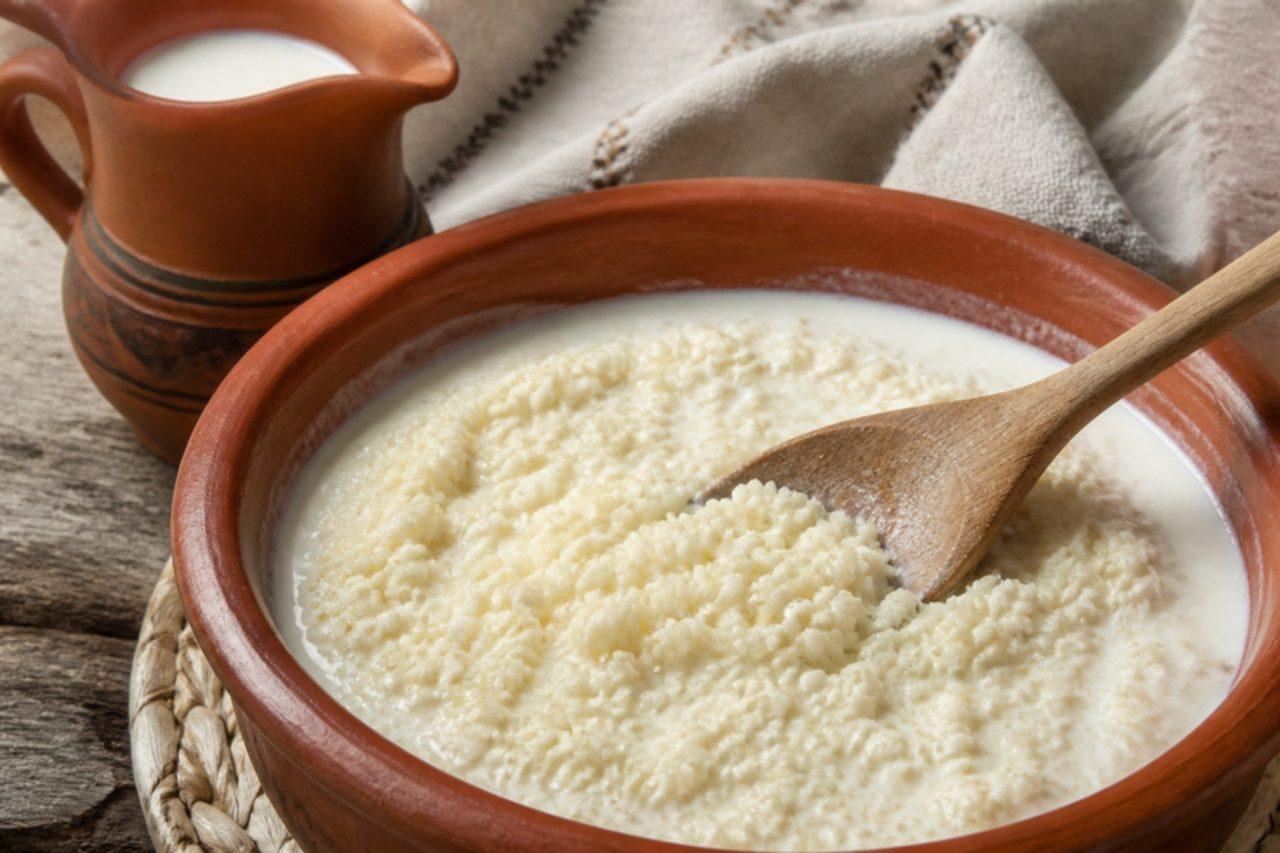
On hot evenings in the villages of the Middle and High Atlas, supper is often nothing more than saykouk: steamed couscous, usually barley, cooled and then drowned in ice-cold lben, the tangy buttermilk left after churning butter. It is eaten with spoons from a big shared bowl and is wonderfully cooling, sour and creamy, with the grains soaking up the milk as you eat. Some families sweeten it with a little sugar, others keep it salty; both are right. This quick version uses instant couscous so it is ready in about 20 minutes. Don't pour the buttermilk over warm couscous: it should be fully cool, or the buttermilk splits and the dish loses its refreshing chill. Chef's tip: let the couscous cool completely before the buttermilk goes in, or it turns the buttermilk warm and slightly grainy.

by KrazyBadal 0 views
Berber omelette

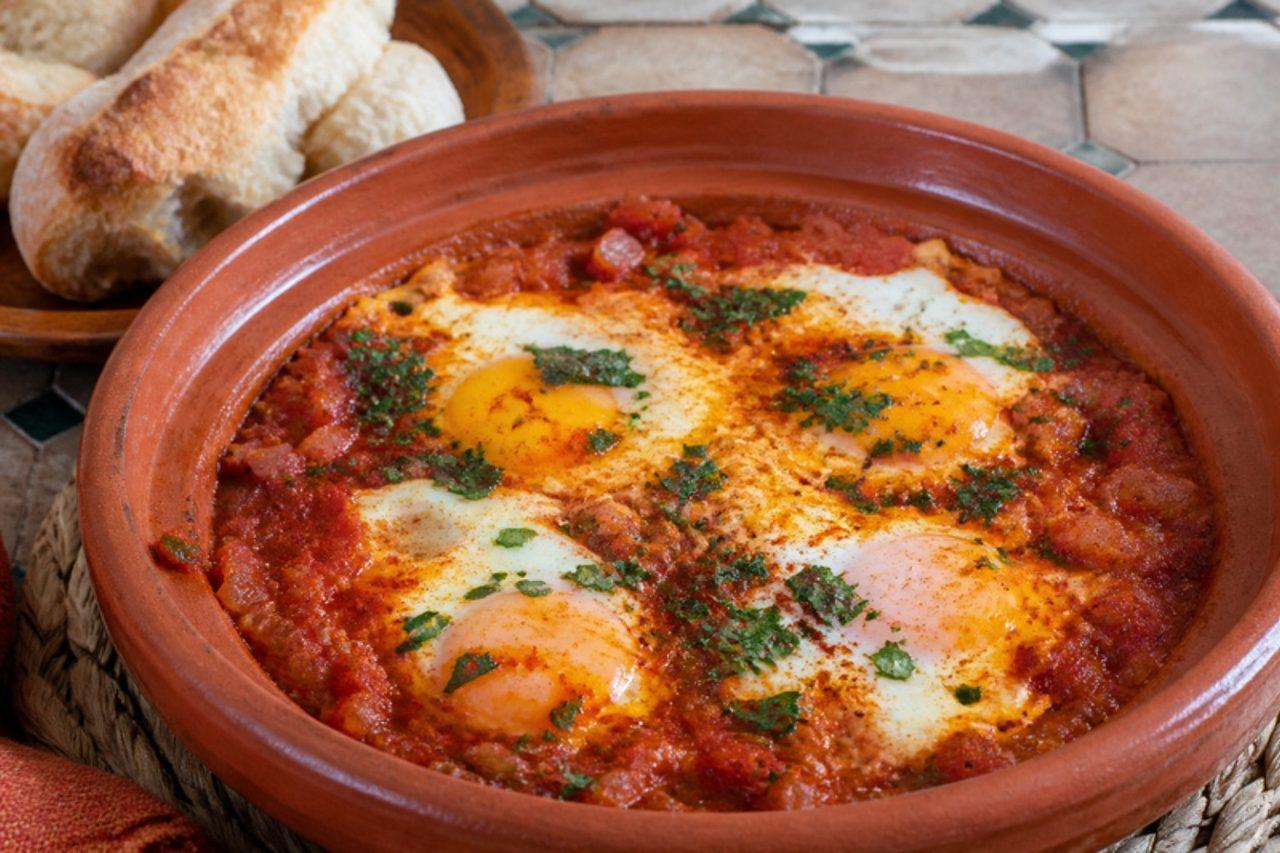
Roadside cafés on the mountain passes of the High Atlas keep small clay tagines warming over charcoal, and the one most travellers order for breakfast or a quick lunch is the Berber omelette: eggs cracked over a bubbling base of tomato, onion, cumin and paprika, then covered until they just set. It arrives sizzling with olives and herbs on top and plenty of bread to wipe the dish clean, usually with a glass of mint tea. At home you can use a small tagine on a heat diffuser or a lidded frying pan. For anyone pregnant, very young, older or with a weak immune system, cook until the yolks are firm. Chef's tip: never put a clay tagine straight onto a high flame; use a diffuser and medium-low heat, or it can crack.

by KrazyBadal 0 views
Ourkimen (Yennayer pulse and grain stew)

Ourkimen is cooked across the Souss and the Atlas for Yennayer, the Amazigh New Year on 12–13 January, when a pot of mixed dried beans, chickpeas, wheat berries and corn is simmered for hours to wish for a plentiful harvest. Many families add lamb's feet or dried meat; this is the meat-free version, made the way many cooks prepare it when meat is not on the table, and it is still deeply savoury from tomato, cumin, paprika and a good dose of olive oil. The grains turn chewy and the pulses creamy, and the stew is eaten hot from bowls with bread. Start the soaking the night before; the stew then needs about 3 1/2 hours of gentle simmering. People who have G6PD deficiency (favism) should leave out the dried broad beans and use more white beans. Chef's tip: stir from the bottom every 20 minutes in the last hour; as the stew thickens it catches easily.

by KrazyBadal 0 views
Amlou (almond, argan oil and honey spread)

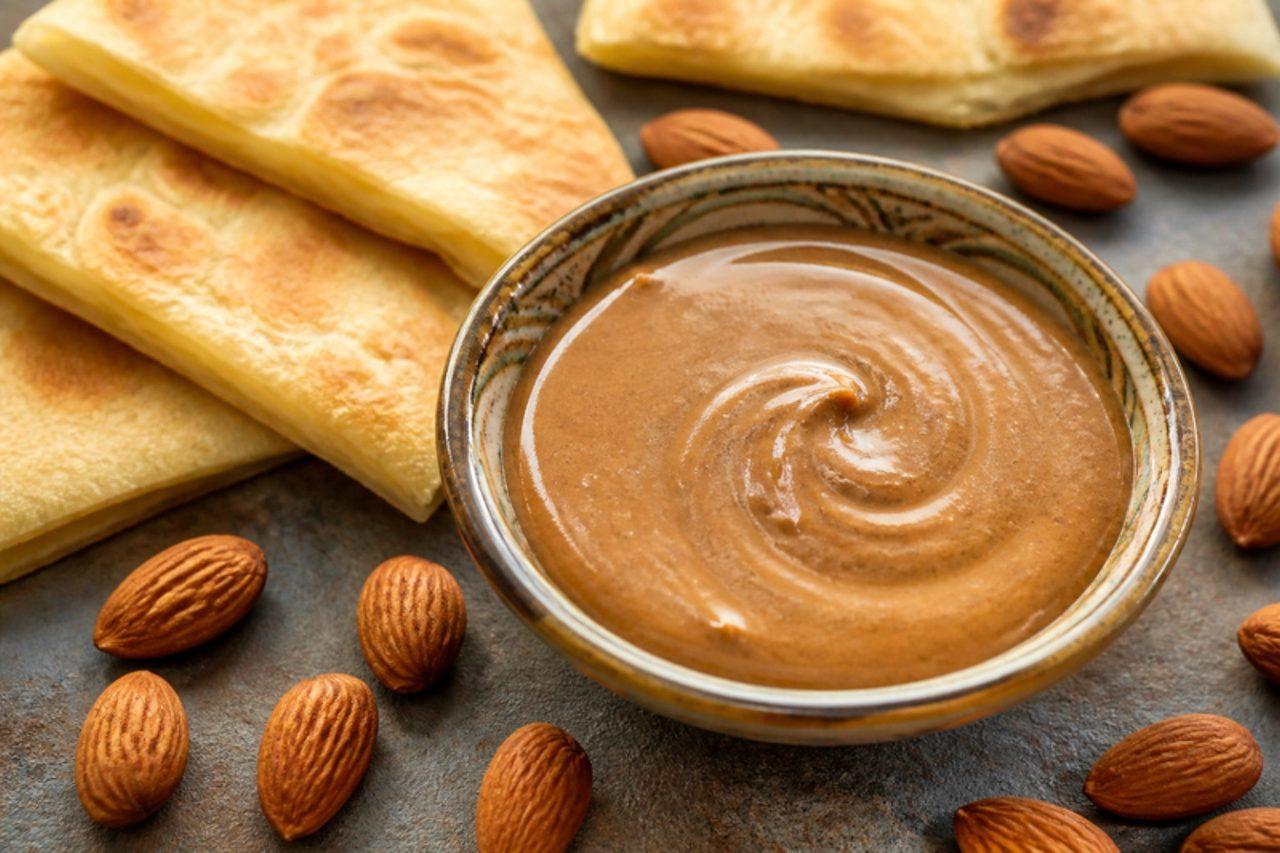
Between Essaouira and Agadir, where argan trees grow on the dry hills, breakfast is not complete without a bowl of amlou: roasted almonds ground to a paste with culinary argan oil and honey until it is pourable, nutty and sweet with a deep, toasty flavour. It is spread on warm bread, msemen or baghrir, eaten with tea, and taken by many as a quick source of energy on cold mornings. Culinary argan oil is made from roasted kernels and is not the same as cosmetic argan oil, which is unroasted; if you cannot find it, roasted walnut oil gives a similar result. Chef's tip: roast the almonds until they are golden right through to the centre; pale almonds give a flat-tasting amlou.

by KrazyBadal 0 views
Chermoula

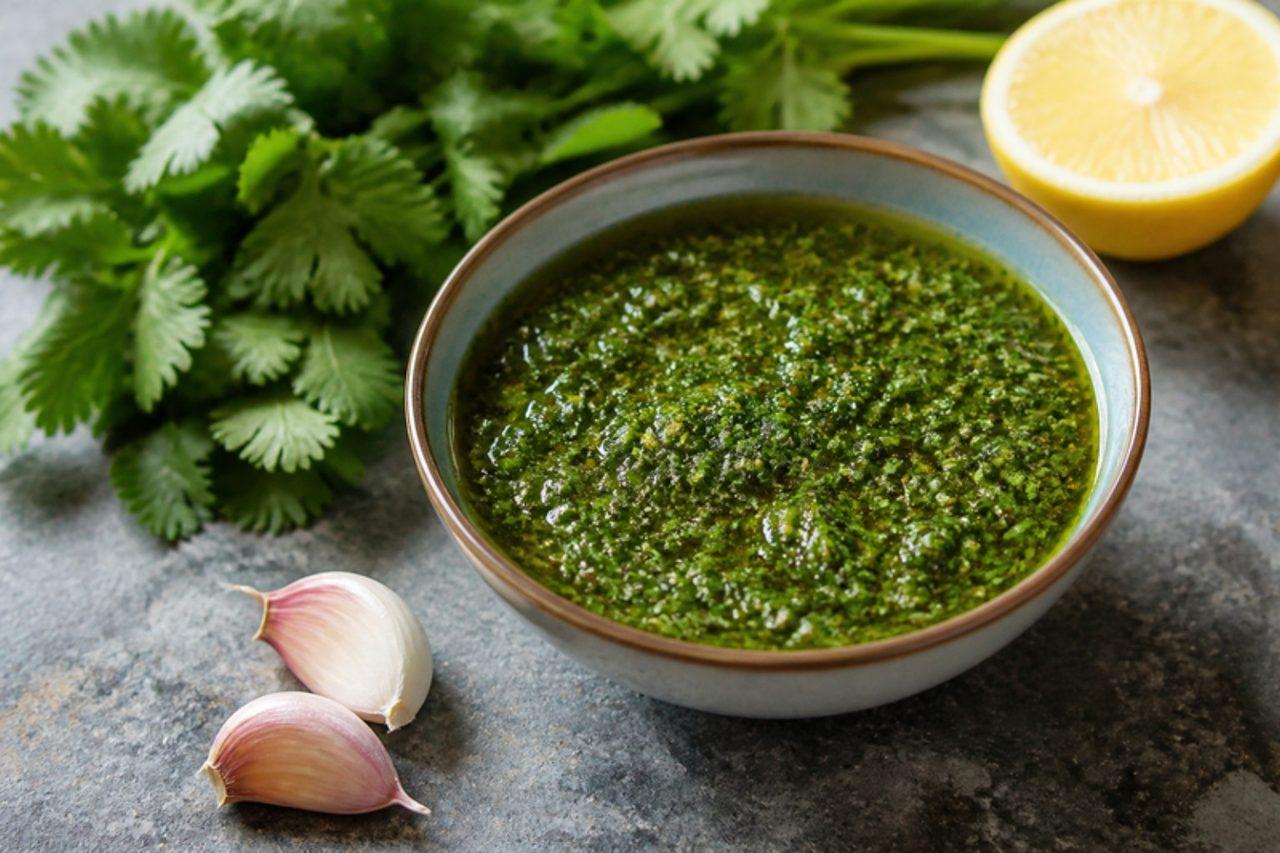
Along the Atlantic coast, in the fish stalls by Essaouira harbour and in home kitchens up and down the coast, chermoula is the green, garlicky paste that seasons almost everything from the sea: whole fish for the oven, sardines for the grill and fish tagines with potatoes and peppers. It works just as well on vegetables: toss it with potatoes, aubergine or carrots before roasting, spoon it over chickpeas, or stir it into a vegetable tagine. Bright, herby and tangy, it is warm with cumin and paprika and has a little chilli heat. When you use it on fish, marinate in the fridge, never on the counter, and for no more than 2 hours, or the lemon starts to cook the flesh and turns it mushy. Chef's tip: chop by hand or pulse only briefly; blended to a smooth purée, the herbs bruise and taste grassy.

by KrazyBadal 0 views
Rziza (coiled thread pancakes)

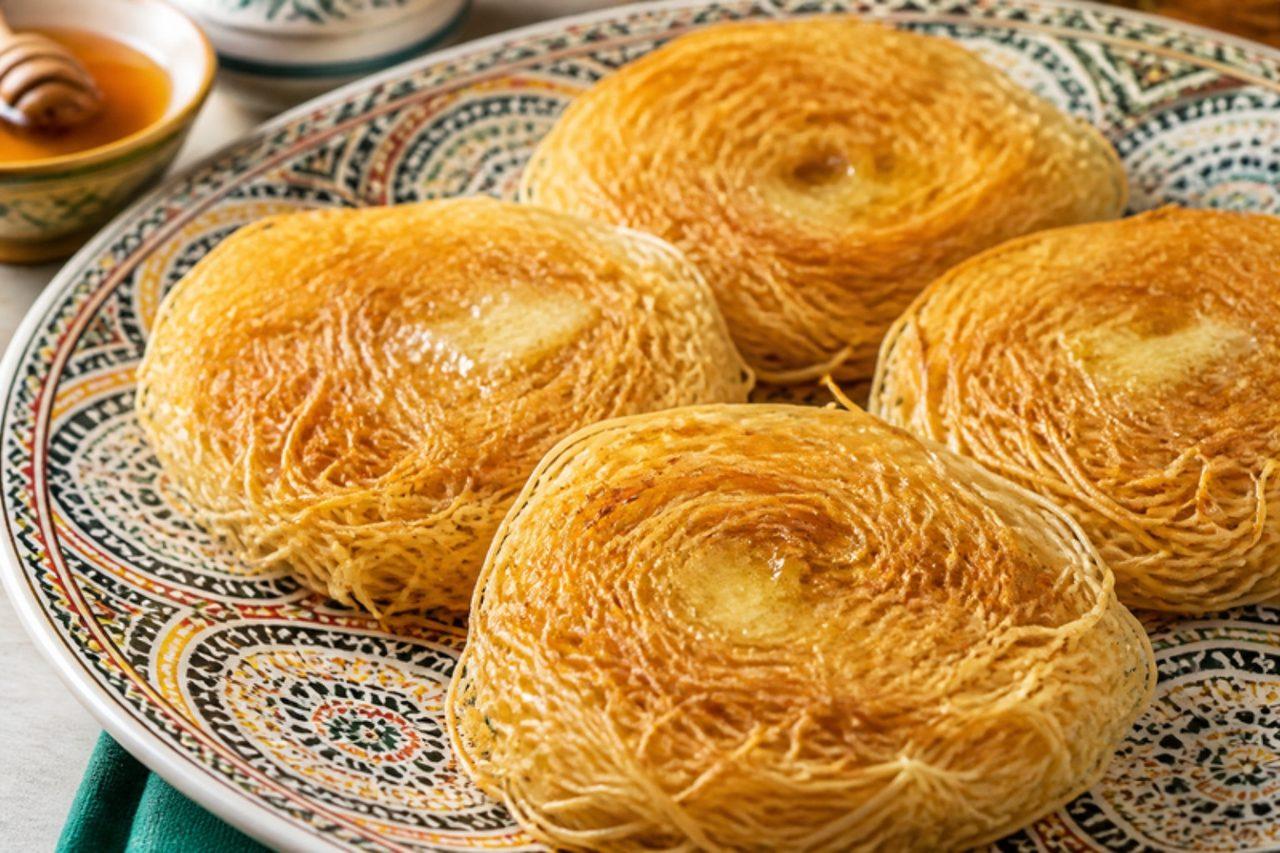
Rziza is one of the showpieces of the Ramadan table in the old imperial cities: a soft dough is stretched into a sheet, rolled up and pulled into a long, thin cord, then wound around the fingers into a skein, flattened into a nest and griddled until crisp outside and tender within. At iftar the nests are pulled apart into their fine strands and drenched in warm honey and melted butter, to eat with harira, dates and mint tea. Making it takes patience and practice; the first one or two may tear, and that is fine. Chef's tip: keep everything well oiled, your hands, the board and the dough balls; too little oil is the common mistake, and the dough then tears instead of stretching.

by KrazyBadal 0 views
Mufleta (Mimouna stacked crêpes)

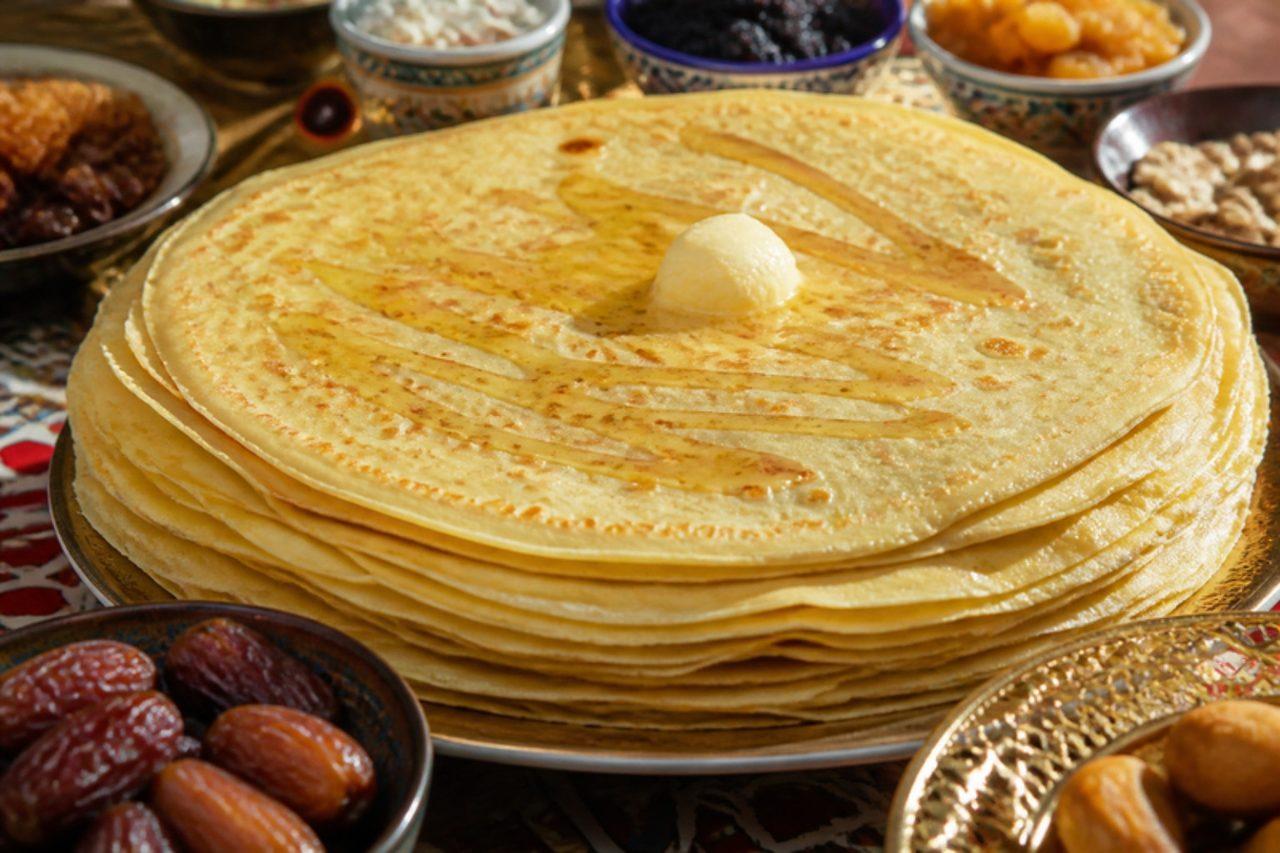
On the evening Passover ends, Moroccan Jewish families celebrate Mimouna by opening their doors to neighbours and friends, and the star of the table is mufleta: paper-thin rounds of unleavened dough stretched by hand and cooked one on top of another in a single pan, so a whole warm stack comes out at once. Each layer is peeled off, spread with butter and drizzled with honey, and rolled up to eat with mint tea, among sweets, dried fruits and flowers. They are soft, a little chewy and lightly crisp at the edges. The dough has no yeast, fitting for the night bread returns. The usual mistake is stretching the dough with too little oil on the board, so the sheets tear and stick together in the stack. Chef's tip: cook over a medium-low heat; a pan that is too hot scorches the bottom layer before the stack is built.

by KrazyBadal 0 views
Fekkas (twice-baked almond biscuits)

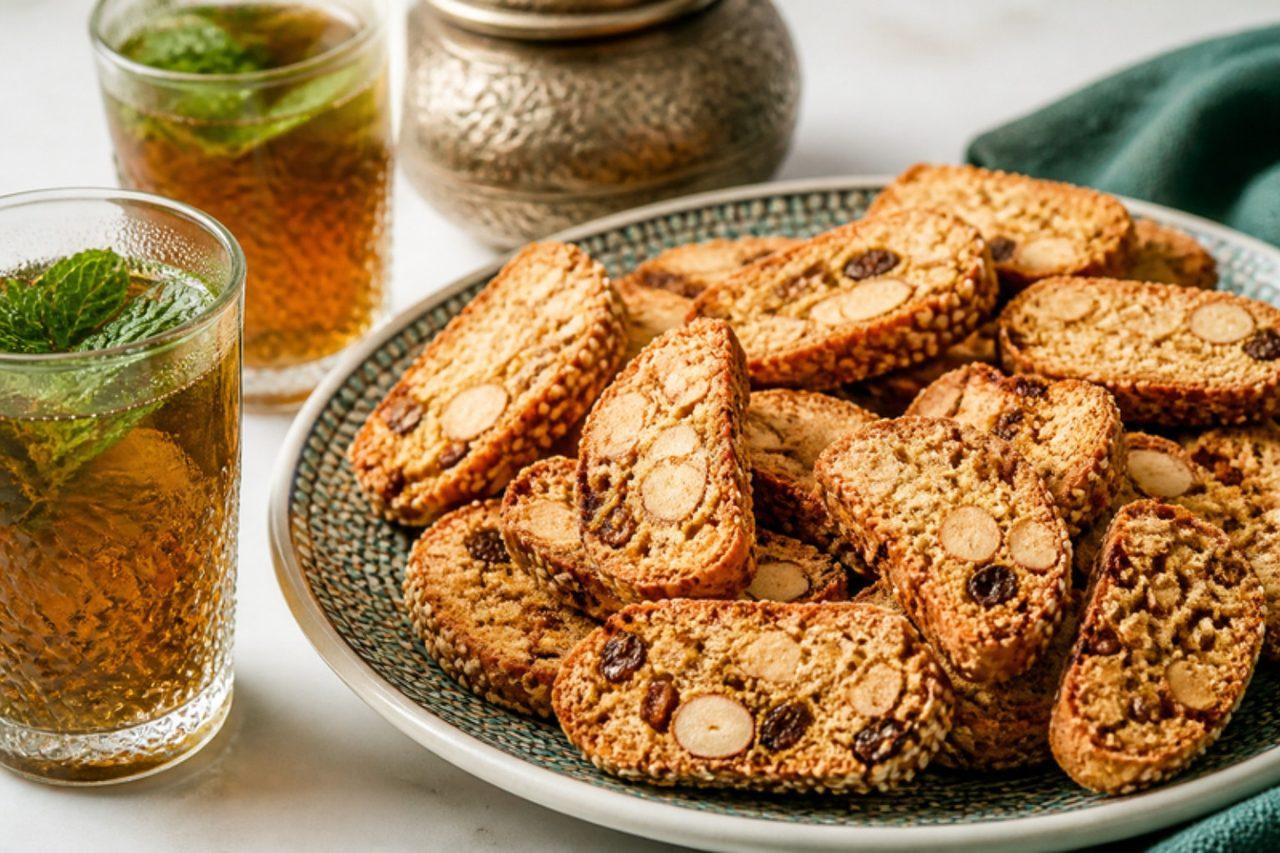
Before Eid and during Ramadan, Moroccan kitchens fill with the scent of fekkas: logs of a soft, eggy dough studded with almonds, raisins, aniseed and sesame are baked, cooled, sliced thin and baked again until dry, golden and very crunchy. They are offered to guests on trays with ghriba and other biscuits and dunked into mint tea or milky coffee, and they keep for weeks in a tin, so they are perfect to make ahead. The flavour is gently sweet, with liquorice notes from the anise and a little lemon. Avoid slicing the logs while they are still hot from the first bake; they crumble. Let them firm up first. Chef's tip: let the baked logs cool completely, ideally overnight, before slicing; warm logs crumble under the knife.

by KrazyBadal 0 views
Kaab el ghzal (gazelle horns)

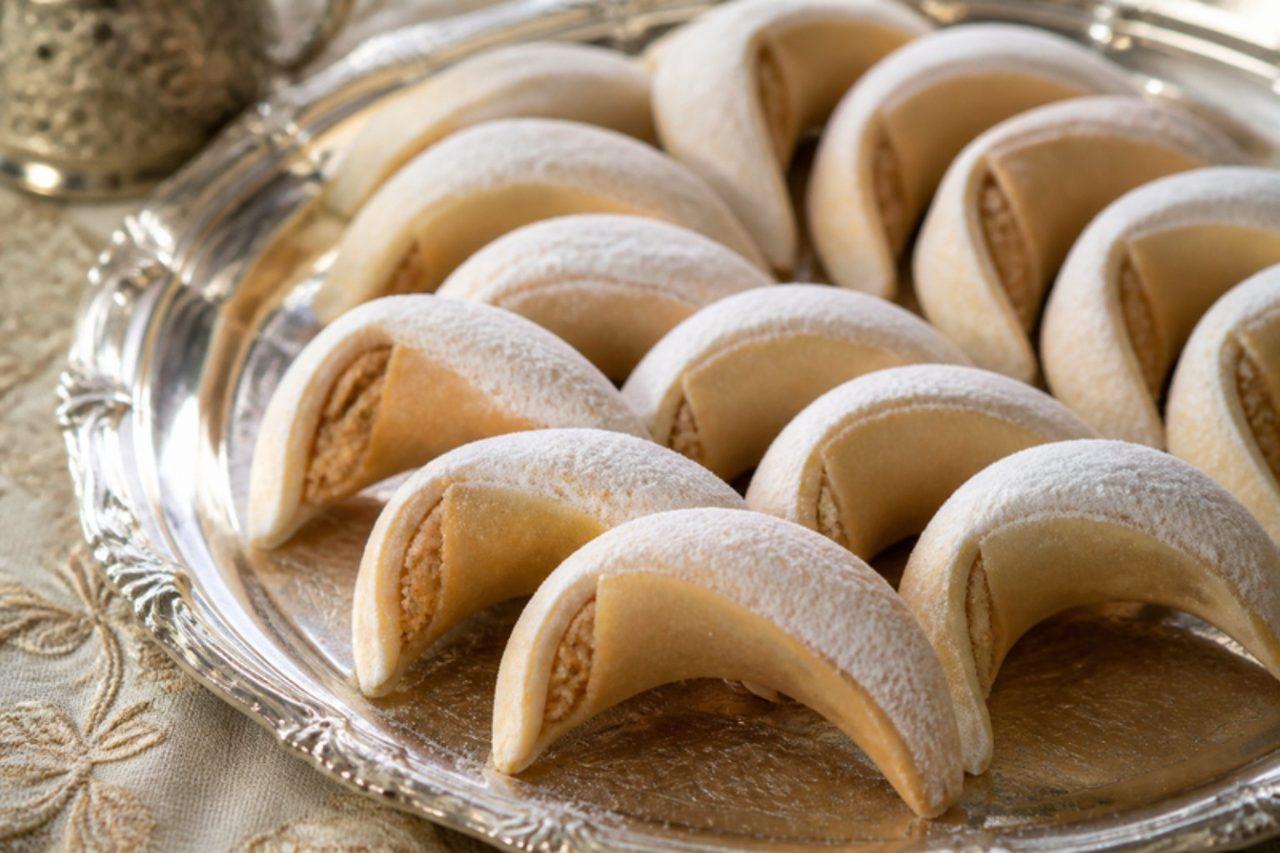
Kaab el ghzal, 'gazelle ankles' or horns, are the most elegant of Moroccan biscuits: a slim crescent of fragrant almond paste flavoured with orange-flower water, wrapped in a pastry rolled so thin it is almost transparent, then baked only until it sets and stays pale. They are made for weddings, Eid, engagements and any visit that deserves honour, and are served with mint tea. The filling is soft and marzipan-like, the pastry delicate and barely crisp. They take time, so make a full batch and freeze half. Chef's tip: bake them until just firm and barely coloured; browning is the common mistake and makes the pastry hard.

by KrazyBadal 0 views
Barley couscous with vegetables (belboula)

In the palm oases of the Draa Valley, south of the Atlas, barley grows where wheat struggles, and the couscous cooked for family meals is often belboula: cracked barley grains steamed three times until fluffy, nutty and slightly chewy. It is heaped on a big platter, crowned with vegetables from the broth bubbling beneath it, such as carrots, turnips, pumpkin, courgettes and cabbage, plus chickpeas, then moistened with ladles of the turmeric-and-ginger broth. On hot days the same couscous is eaten cold with buttermilk instead. It takes time but very little skill once you know the rhythm of steaming. Chef's tip: oil and rub the grains between your palms before each steaming so they stay separate.

by KrazyBadal 0 views
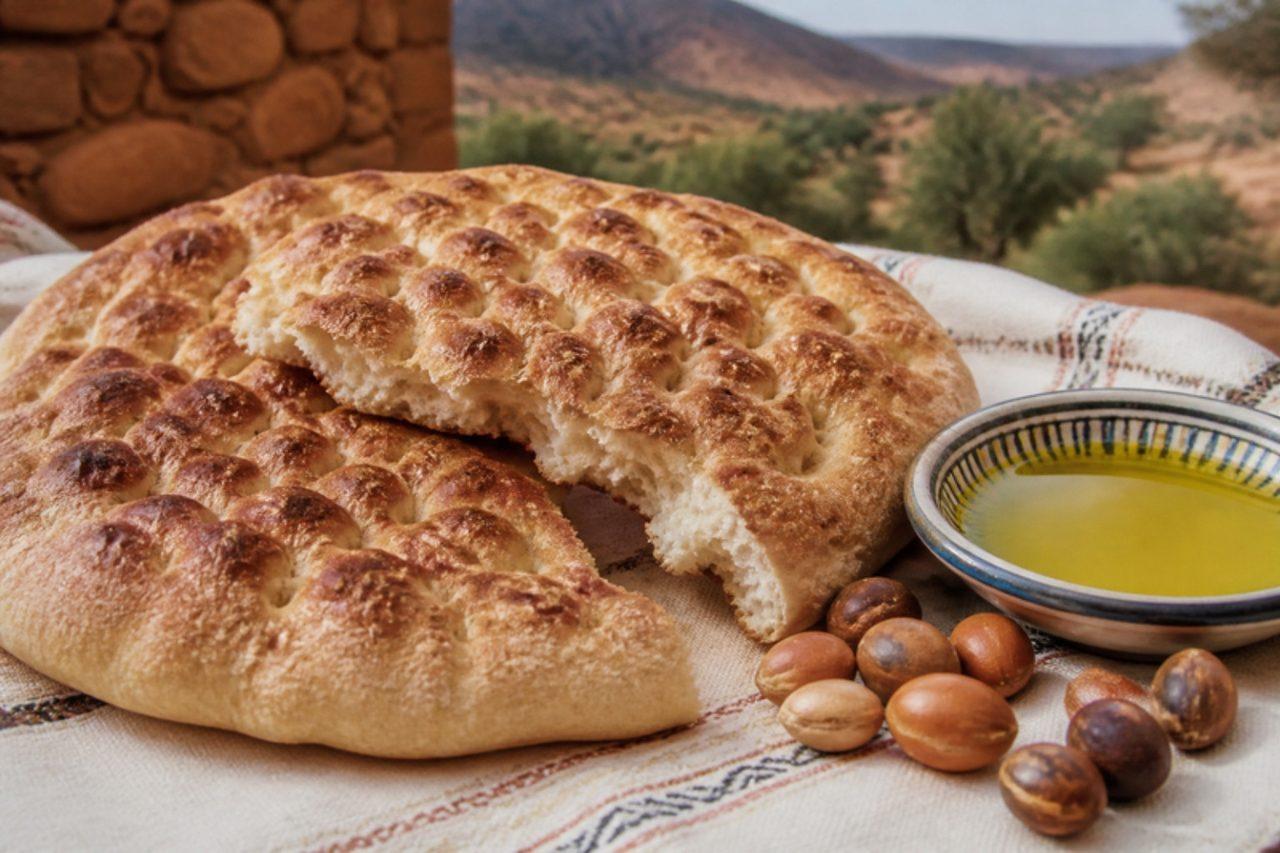
Tafarnout (pebble-baked Amazigh bread)

In the villages of the Anti-Atlas and the south, tafarnout is named after the domed clay oven it is baked in, lined with pebbles that are heated by a wood fire until the dough slapped onto them puffs and blisters within minutes. The stones leave the bottom deeply dimpled and charred in spots, while the top stays soft; it is torn and dipped into argan oil, amlou or olive oil, or eaten with tagines. You can come close at home with a tray of clean, smooth river pebbles or a baking stone in a very hot oven. Allow about 1 1/2 hours for the dough to rise. Use only smooth, dense pebbles, scrubbed and dried for an hour in a low oven first: stones with trapped water can crack in the heat. Chef's tip: let the pebbles heat for a full 40 minutes; lukewarm stones make a pale, flat loaf.

by KrazyBadal 0 views
Sfenj (Moroccan doughnut rings)

Early in the morning, in medina lanes from Fez to Casablanca, the sfenji pulls handfuls of sticky dough from a bowl, pokes a hole through each with his thumb and drops the rings into a big pan of oil, where they puff into crisp, golden, irregular doughnuts with a chewy, airy inside. Customers carry them away threaded on a strip of palm leaf, to eat hot with mint tea or coffee, plain, dusted with sugar or dipped in honey. The dough is just flour, yeast, salt and water, and deliberately very wet; that is what gives the open, holey crumb. Allow about 1 1/2 hours for it to rise. Where sfenj go wrong is a dough that is too stiff; it should be sticky and slack, or the rings come out bready instead of open and chewy. Chef's tip: keep a bowl of water beside you and wet your hands before every piece, so the sticky dough slides off your fingers instead of clinging to them.
by KrazyBadal 0 views

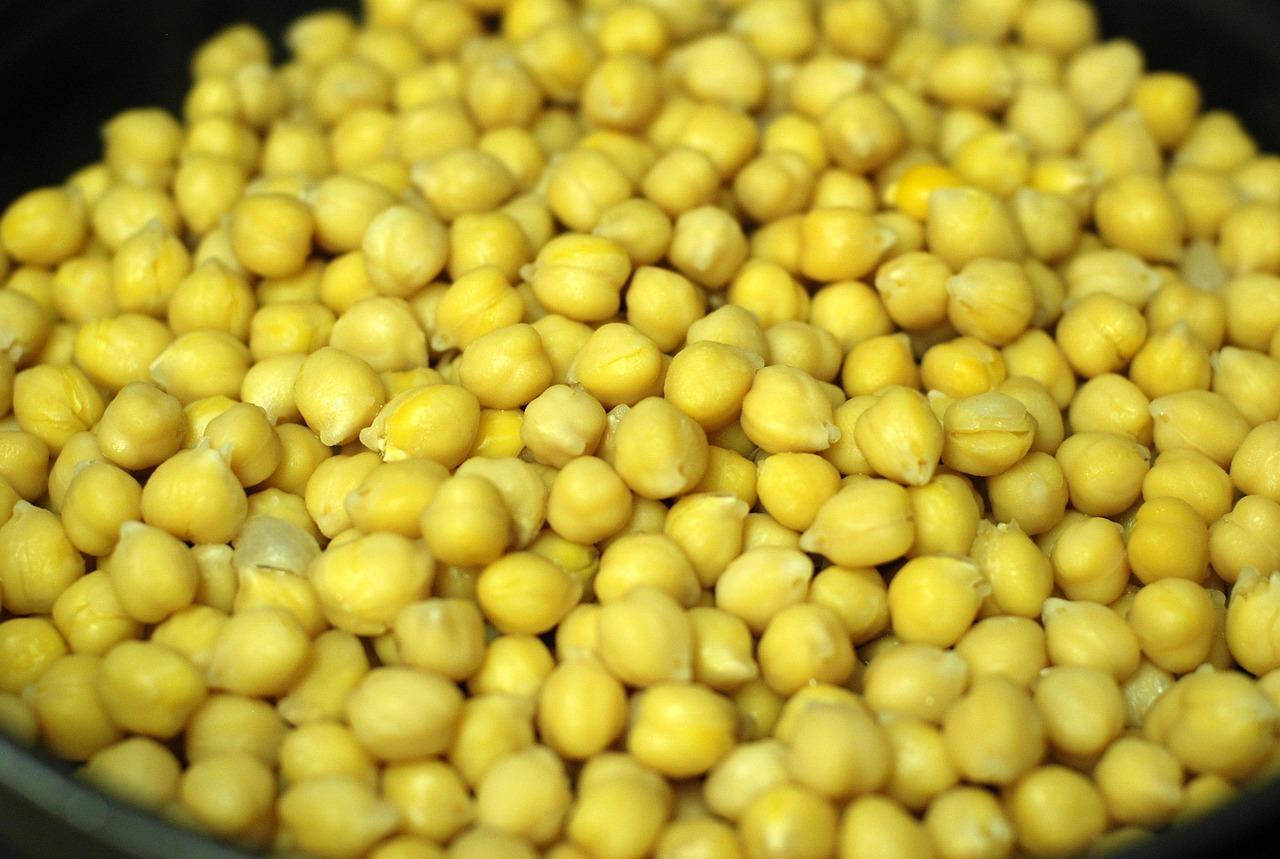
Chickpeas with cumin (hummus bel kamoun)

On chilly evenings, street carts in the medinas steam a great pot of chickpeas and scoop them, piping hot, into paper cones with a shake of cumin, salt and sometimes a little chilli. It is one of the cheapest and most comforting snacks in the country, eaten while strolling, and the chickpeas should be tender and creamy but whole, never mushy. At home they make a lovely warm nibble, a lunchbox protein or something to pick at alongside soups. Dried chickpeas give the best texture and need an overnight soak; tinned ones work in a hurry, just warmed through in salted water. Chef's tip: toss the cumin and salt onto the chickpeas the moment they come out of the water, while they are still steaming and damp, so the seasoning clings.

by KrazyBadal 0 views

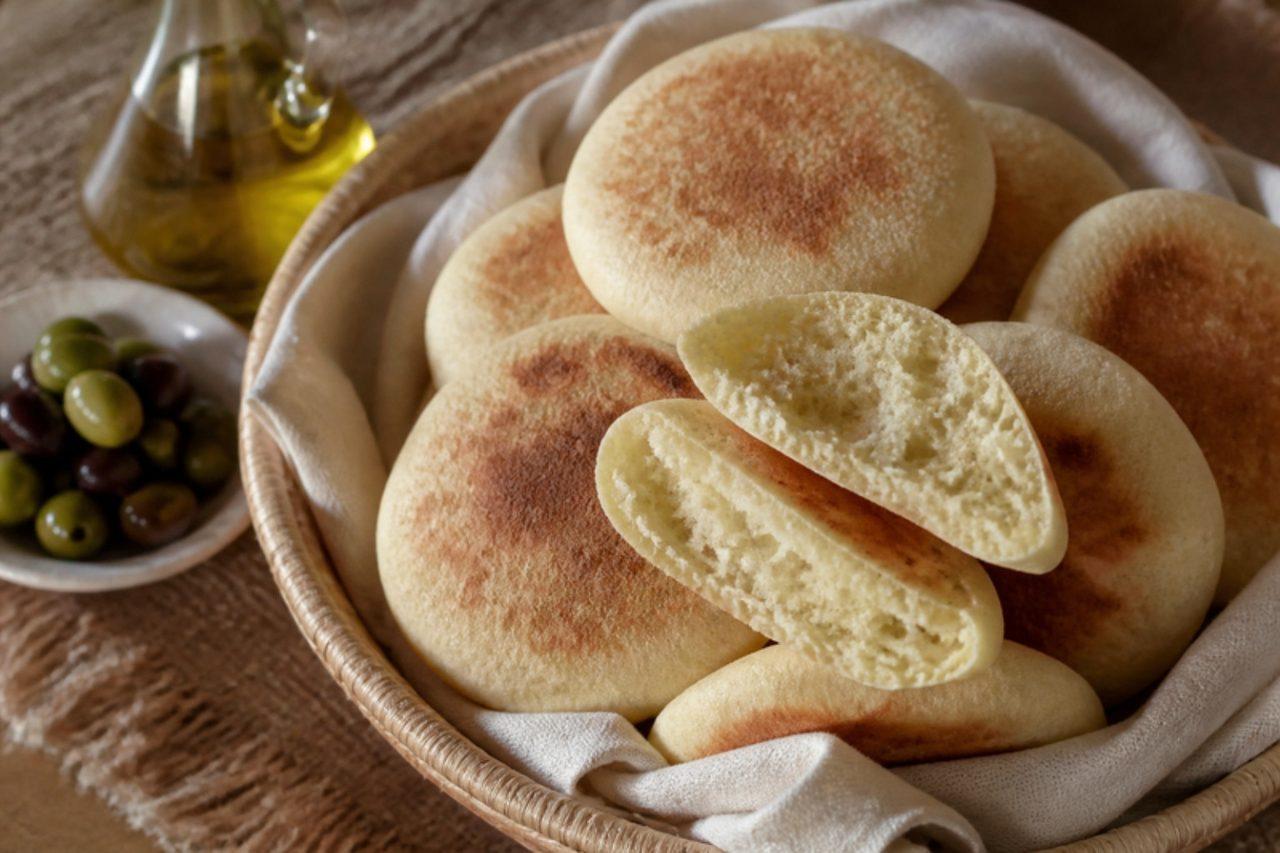
Batbout (griddled pocket breads)

Batbout, also called mkhamar, are small soft rounds of semolina and flour dough cooked on a dry griddle rather than in the oven, so they puff up like balloons and open into a pocket when split. Moroccan families make them for breakfast and teatime, and snack bars stuff them with all sorts of fillings; vegetarian favourites are zaalouk, egg and potato, soft cheese, or simply butter and honey or amlou. They are tender and slightly chewy, with a pale, freckled surface. The dough needs about an hour to rise and another short rest after shaping. A frequent slip is rolling the rounds too thin or cooking them on a fierce heat, so they scorch before they puff into pockets. Chef's tip: roll them no thinner than 5 mm and cook over a medium-low heat; thin rounds or a fierce pan scorch before they have a chance to puff.

by KrazyBadal 0 views

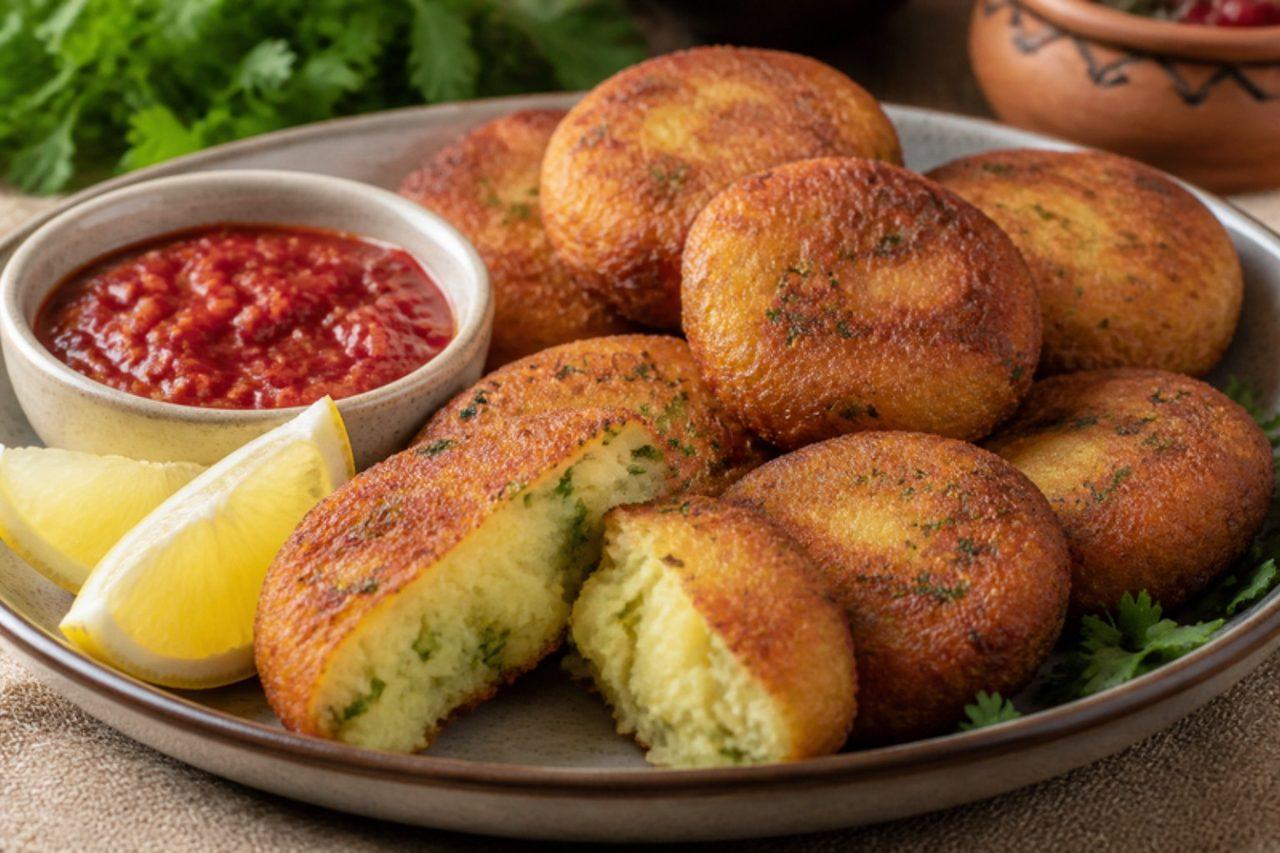
Maakouda (potato fritters)

Few street snacks are as loved in Morocco as maakouda, golden patties of mashed potato seasoned with garlic, cumin, turmeric and plenty of parsley and coriander, dipped in beaten egg and fried until crisp outside and fluffy inside. At sandwich stalls in Casablanca, Rabat and Tangier they are split into half a baguette or a round of khobz with harissa, chopped tomato and onion, and in Ramadan they appear on the iftar table beside harira. At home they make a great lunch with a salad. Chef's tip: cook the potatoes in their skins, then peel and mash them while hot and leave the mash to steam dry for 10 minutes; dry mash holds together, while wet mash, the classic mistake, falls apart in the pan.

by KrazyBadal 0 views

Moroccan barley bread (khobz chair)

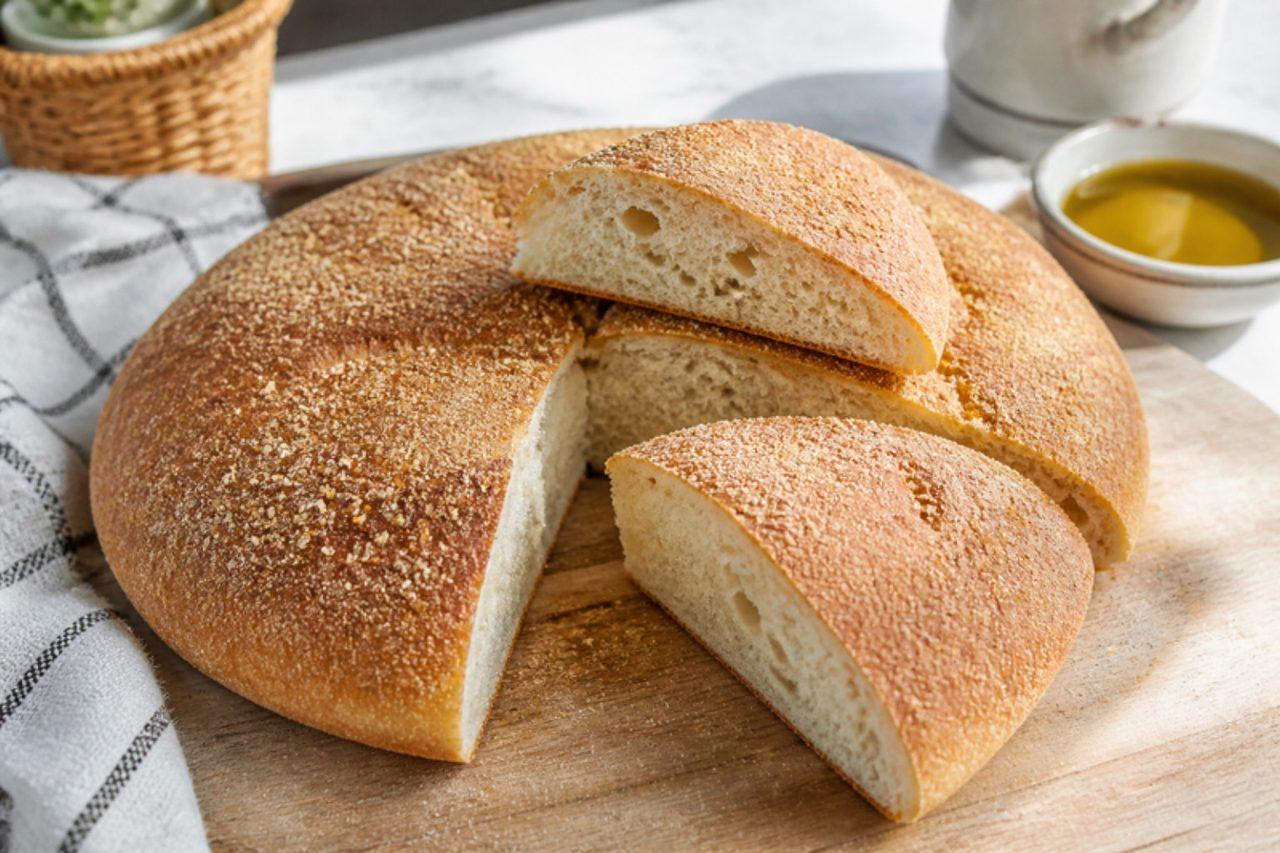
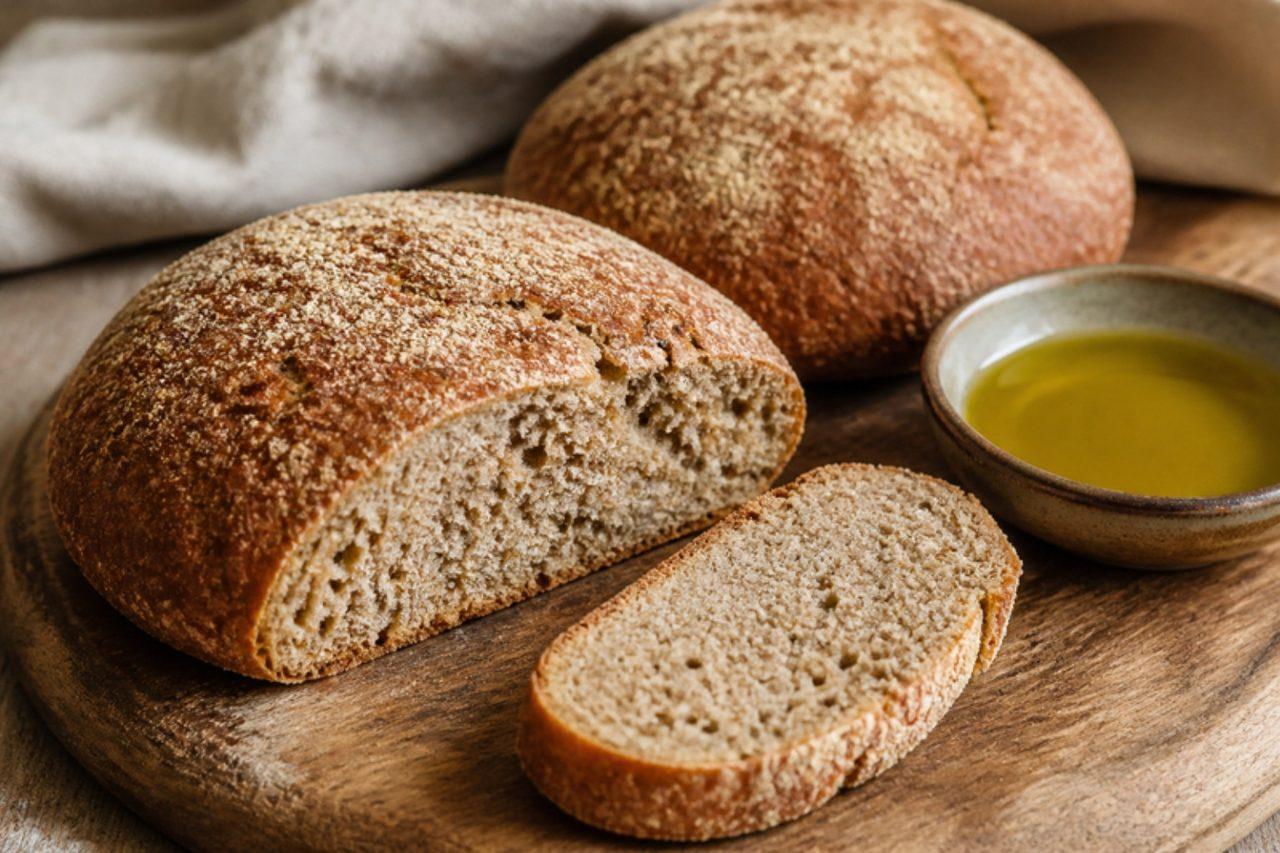
Before white flour became cheap, barley bread was everyday food in much of rural Morocco, from the Rif to the Atlas, and khobz chair is still baked at home and sold in markets by people who love its dense, slightly sweet, nutty crumb. Barley has very little gluten, so the loaves are flat-domed rather than tall, with a crust dusted in barley grits or semolina. Tear it while warm and dip it in olive oil, eat it with bissara, lentils or olives, or spread it with honey and butter at breakfast. A little white flour helps it rise; allow about 1 1/2 hours for rising. Chef's tip: do not keep adding flour to make it less sticky; barley dough is meant to feel tacky, and extra flour, the common mistake, makes a dry, crumbly loaf.

by KrazyBadal 0 views

Mhancha (almond snake pastry)

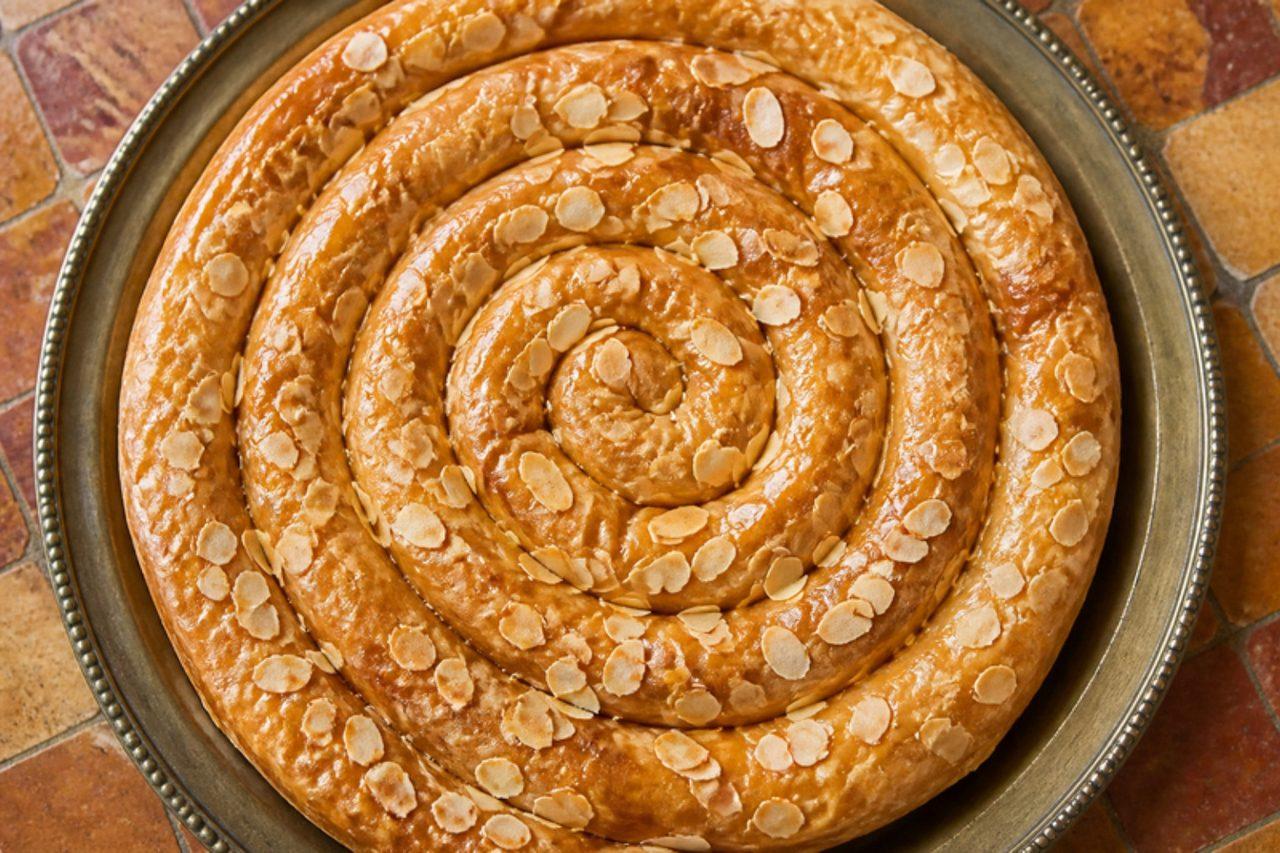
M'hancha means 'the snake', and that is exactly what this festive Fez pastry looks like: a long tube of paper-thin warqa or filo filled with orange-blossom almond paste and coiled into a spiral, then baked until golden and brushed with warm honey. It is brought out whole for guests and family celebrations and cut into wedges at the table with mint tea. The pastry shatters, the filling is soft and fragrant with cinnamon, and the honey glaze makes it shine. Filo stands in well for warqa; most shop filo is made without butter, but check the label. Most people go wrong by letting the filo dry out while they roll; keep the sheets under a damp cloth so the long rolls don't crack when coiled. Chef's tip: roll the filling loosely in the pastry and coil it gently; packed too tightly, the snake cracks as you curl it.

by KrazyBadal 0 views

Almond briouats

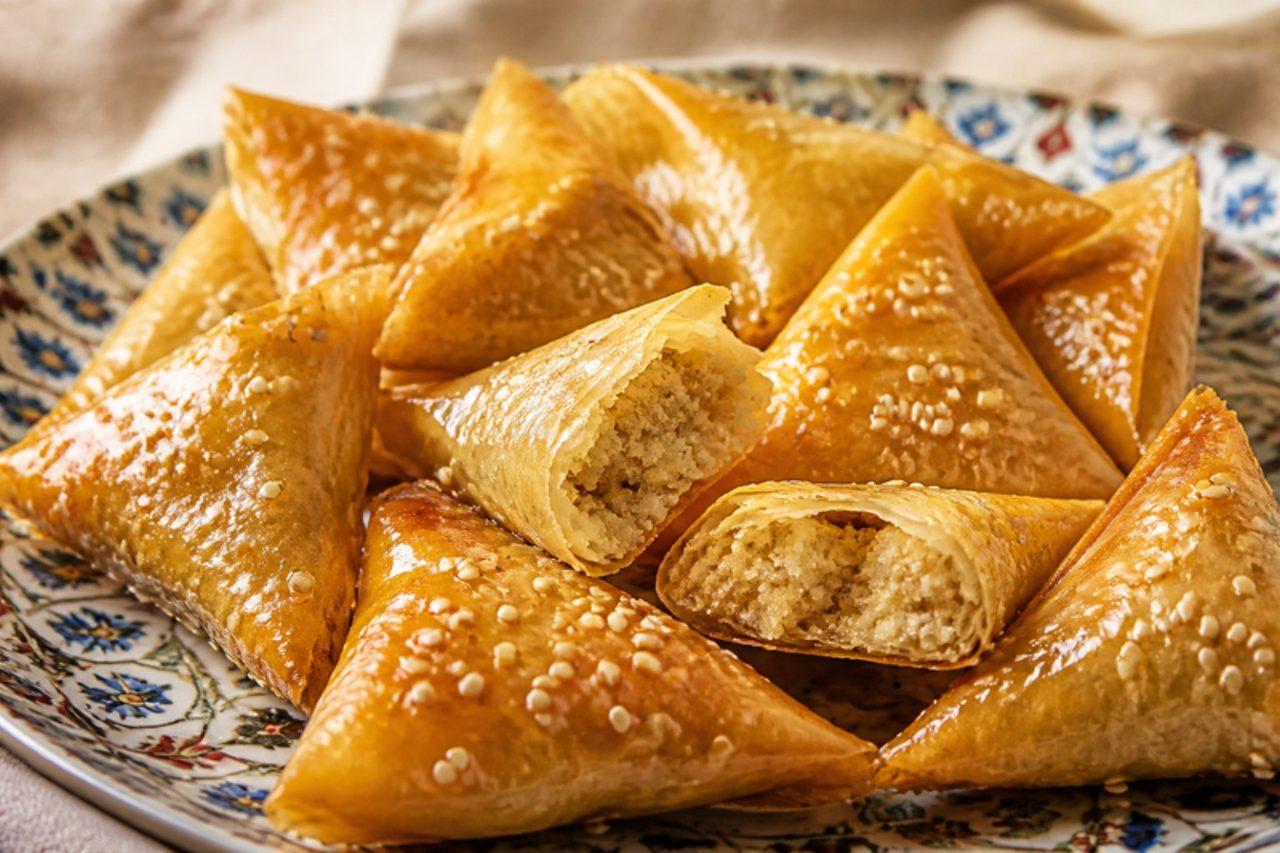
Ramadan evenings, weddings and Eid all call for a tray of sticky almond briouats: small triangles of warqa or filo wrapped around almond paste scented with orange-flower water and cinnamon, fried until golden and then plunged into warm honey. They are crisp at first bite, then soft and chewy as the honey seeps in, finished with a few sesame seeds. Served with mint tea, they sit happily next to chebakia and sellou on the iftar table. Filo works well in place of warqa. Chef's tip: dip the briouats in honey that is warm but not boiling, for about 2 minutes; leave them longer, the common mistake, and they turn soggy.

by KrazyBadal 0 views

Ktefa (milk pastilla)

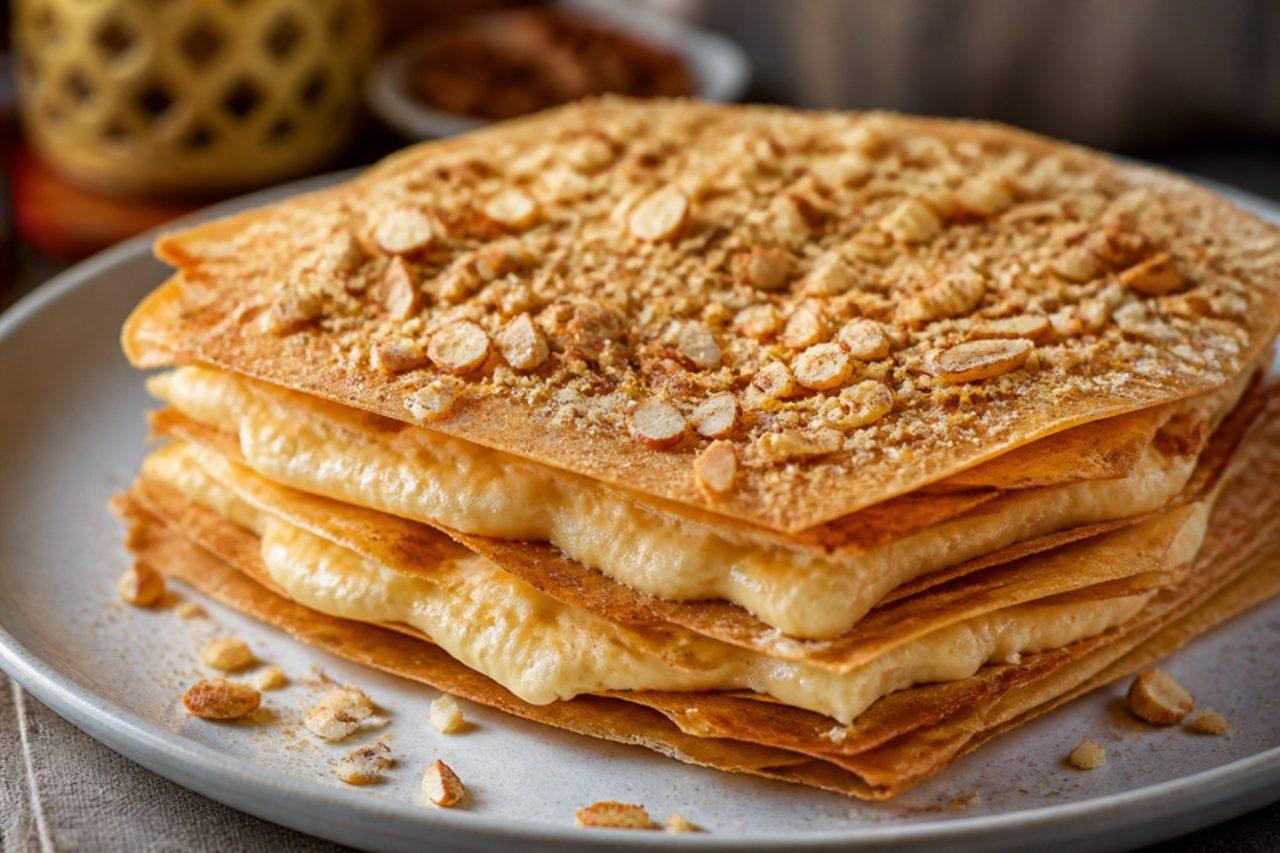
Ktefa, also known as pastilla au lait, is the grand finale of many weddings and family feasts in Fez and Rabat: shattering layers of fried warqa piled up with a light orange-blossom milk custard and a sweet, cinnamon-scented crumble of toasted almonds, assembled at the very last moment so every bite crackles. It is served in wedges or straight from the platter. Filo fried in rounds makes an easy home version, and everything can be prepared ahead except the final assembly. The custard is cooked until it bubbles, so the eggs are fully cooked. Don't assemble ktefa ahead of time: once the custard sits on the crisp layers they go soggy within minutes. Chef's tip: assemble only when you are ready to serve; if it sits for more than 15 minutes, the custard softens the crisp layers, the most common way ktefa goes wrong.

by KrazyBadal 0 views

Meskouta (Moroccan orange cake)

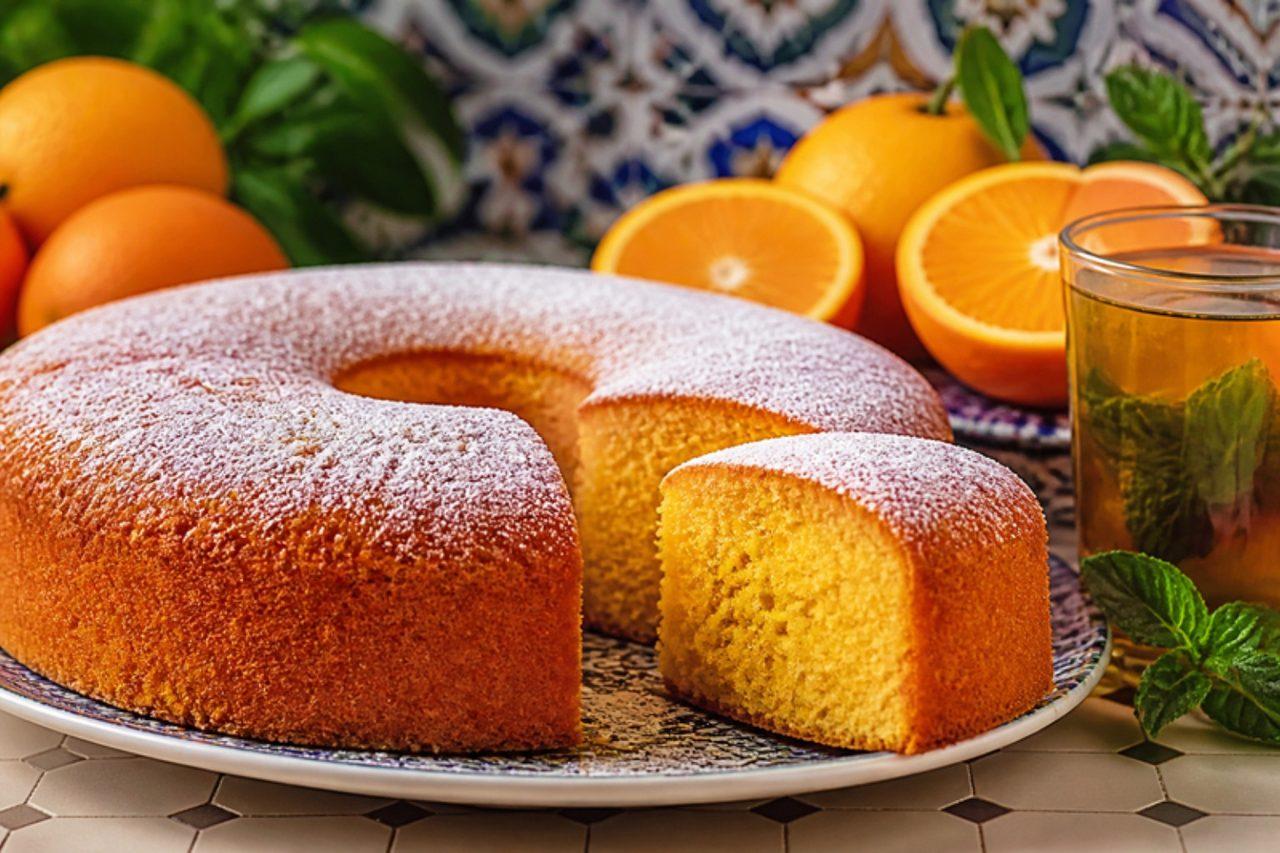
Every Moroccan home cook seems to have a meskouta recipe, the light, fluffy sponge that is baked in a ring tin and set out for afternoon tea, unexpected guests or a children's snack. This one is flavoured with fresh orange juice and zest; many families make a yogurt version instead, using the yogurt pot to measure everything, and that variation is in the steps. The crumb is airy and moist, not too sweet, and it pairs perfectly with mint tea or a glass of milk. No mixer is strictly needed, but it helps. Chef's tip: beat the eggs and sugar for a full 5 minutes until pale and tripled in volume; under-whipped eggs, the usual mistake, make a dense, flat meskouta.

by KrazyBadal 0 views

Moroccan almond milk (sharbat louz)

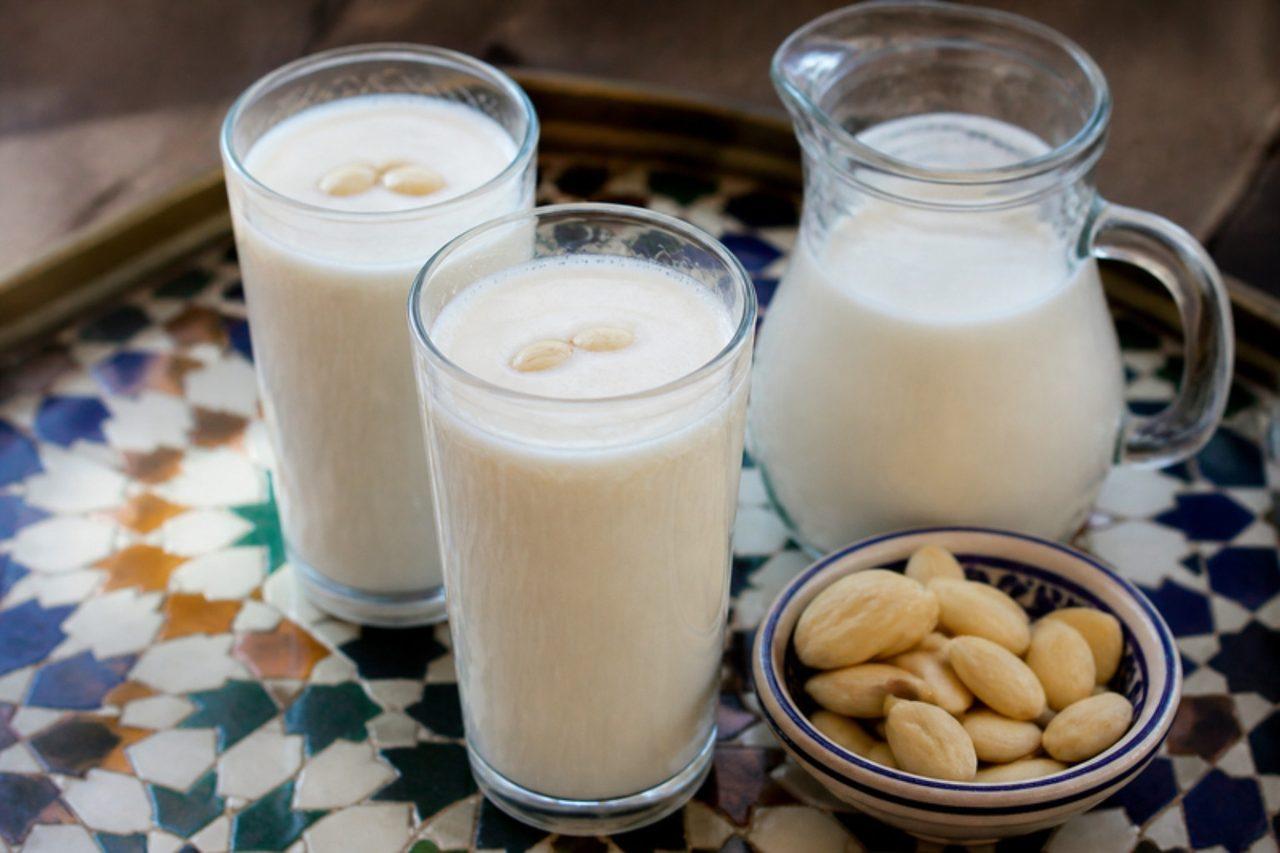
At Moroccan weddings and engagement parties, silver trays of tall glasses filled with sharbat louz are passed among the guests: chilled milk blended smooth with blanched almonds, sugar and a perfume of orange-flower water. It is also a favourite summer drink at home and is often offered to break the fast in Ramadan. The taste is creamy, delicate and nutty, a world away from carton almond milk, since it is real dairy milk enriched with almonds. Serve it very cold, on its own or with sweets. A common mistake is skipping the straining, which leaves a gritty drink instead of a smooth, silky one. Chef's tip: blend the almonds with the sugar and a little milk first, into a fine paste, before adding the rest; that way it ends up silky rather than gritty. Not for anyone with a nut allergy.

by KrazyBadal 0 views

Nous-nous (half-half coffee)

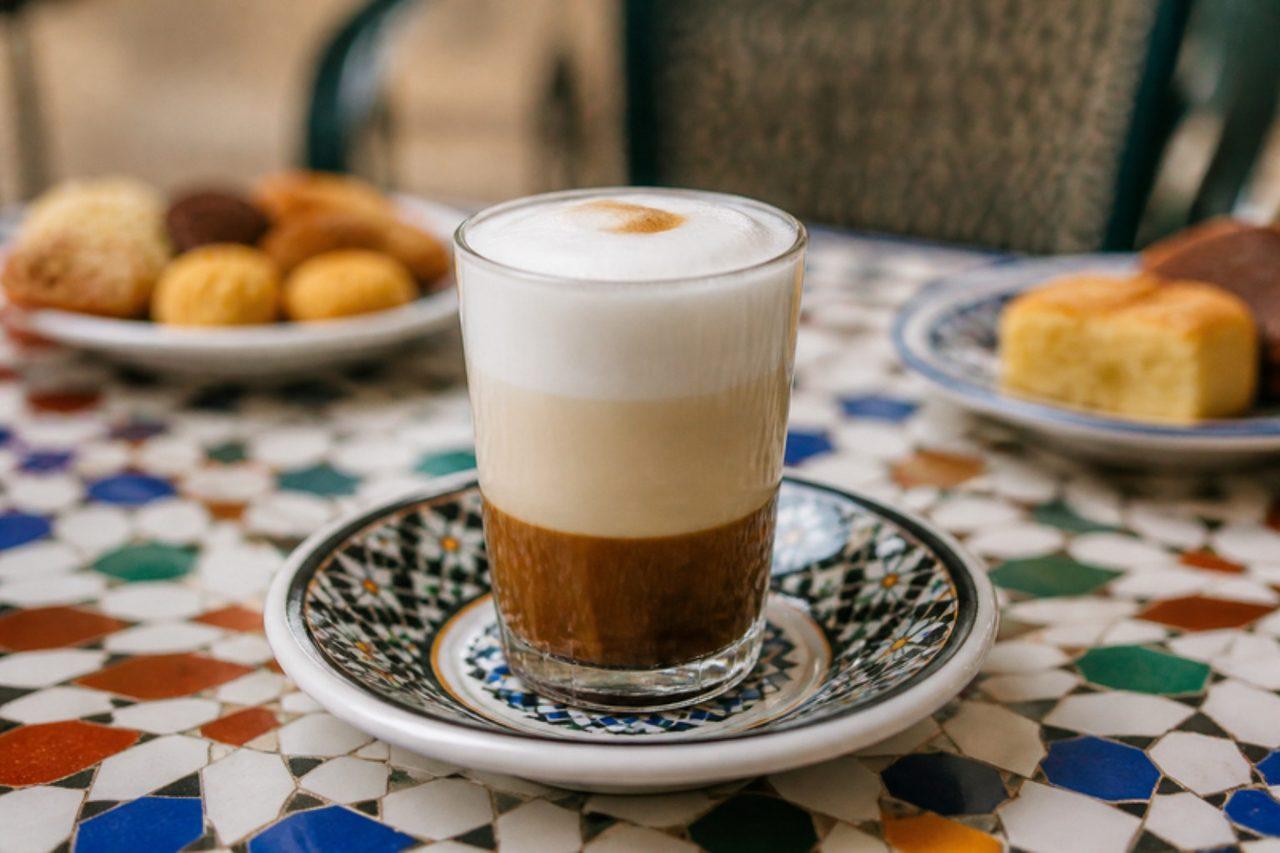
Sit down at a café terrace in Casablanca, Rabat or Marrakech and order a 'nous-nous' (from 'nus', half) and you will get a small glass of half espresso, half steamed milk, often layered so the coffee floats in a dark band over the pale milk with a cap of foam. It is the default morning and afternoon coffee for many Moroccans, sipped slowly while watching the street, usually with a sugar lump or two on the saucer. It is smaller and stronger than a latte and milkier than a macchiato. A moka pot works fine at home if you have no espresso machine. Chef's tip: heat the milk only to 60–65 °C, hot to the touch but not scalding; boiled milk loses its sweetness and the foam collapses, a common mistake.

by KrazyBadal 0 views

Moroccan spiced coffee

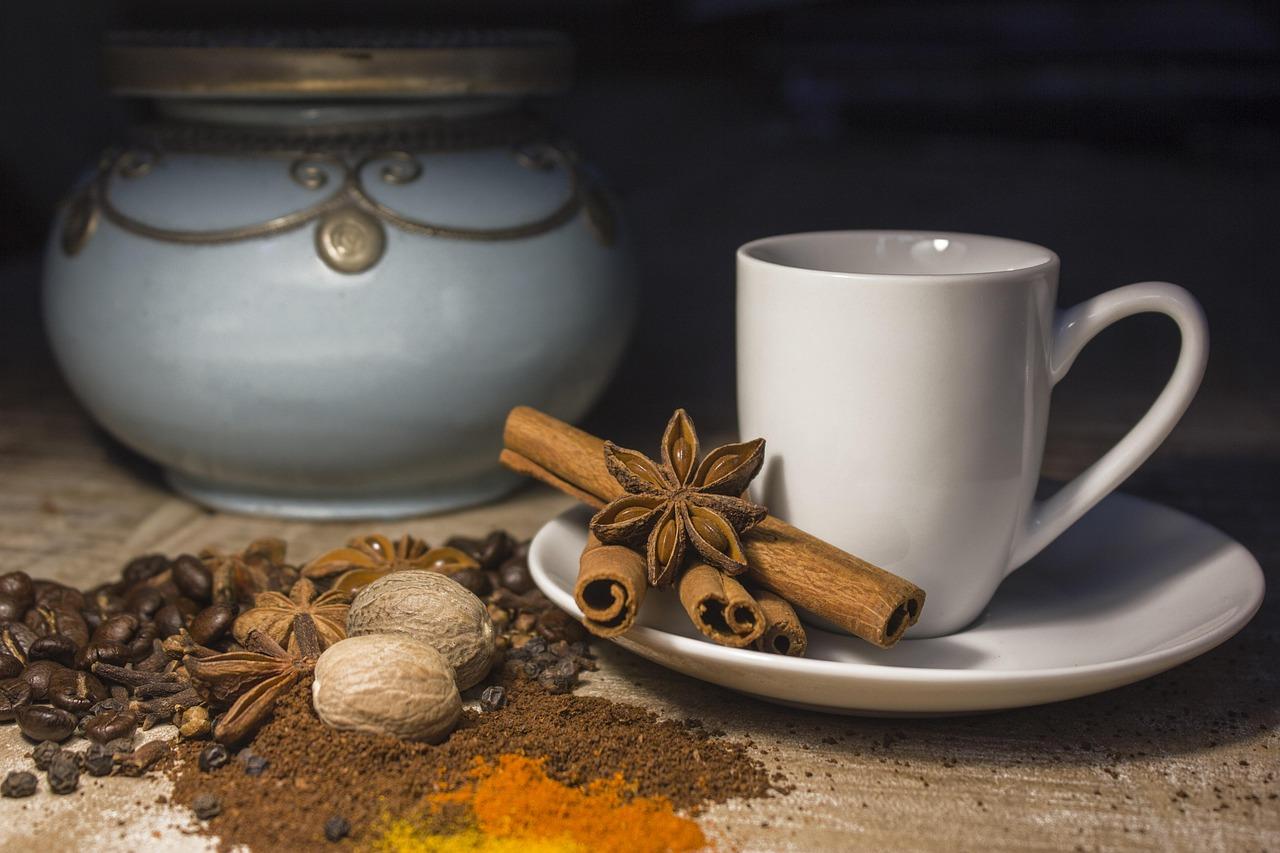
In many Moroccan homes, coffee is bought ready-mixed from the roaster with a spoonful of 'attria', a warm blend of ground spices such as cinnamon, ginger, nutmeg, cardamom, black pepper and toasted sesame, that gives it a rounded, gently peppery aroma. It is brewed in a pan or a pot and sipped black and sweet, or with a splash of milk, after lunch, with pastries for guests, or on cold mornings. The spices soften the bitterness and make the whole kitchen smell wonderful. This home version mixes the spices into ordinary ground coffee. Chef's tip: keep the coffee at a bare simmer and never let it boil hard; vigorous boiling, the usual mistake, extracts bitterness from both coffee and spices.

by KrazyBadal 0 views

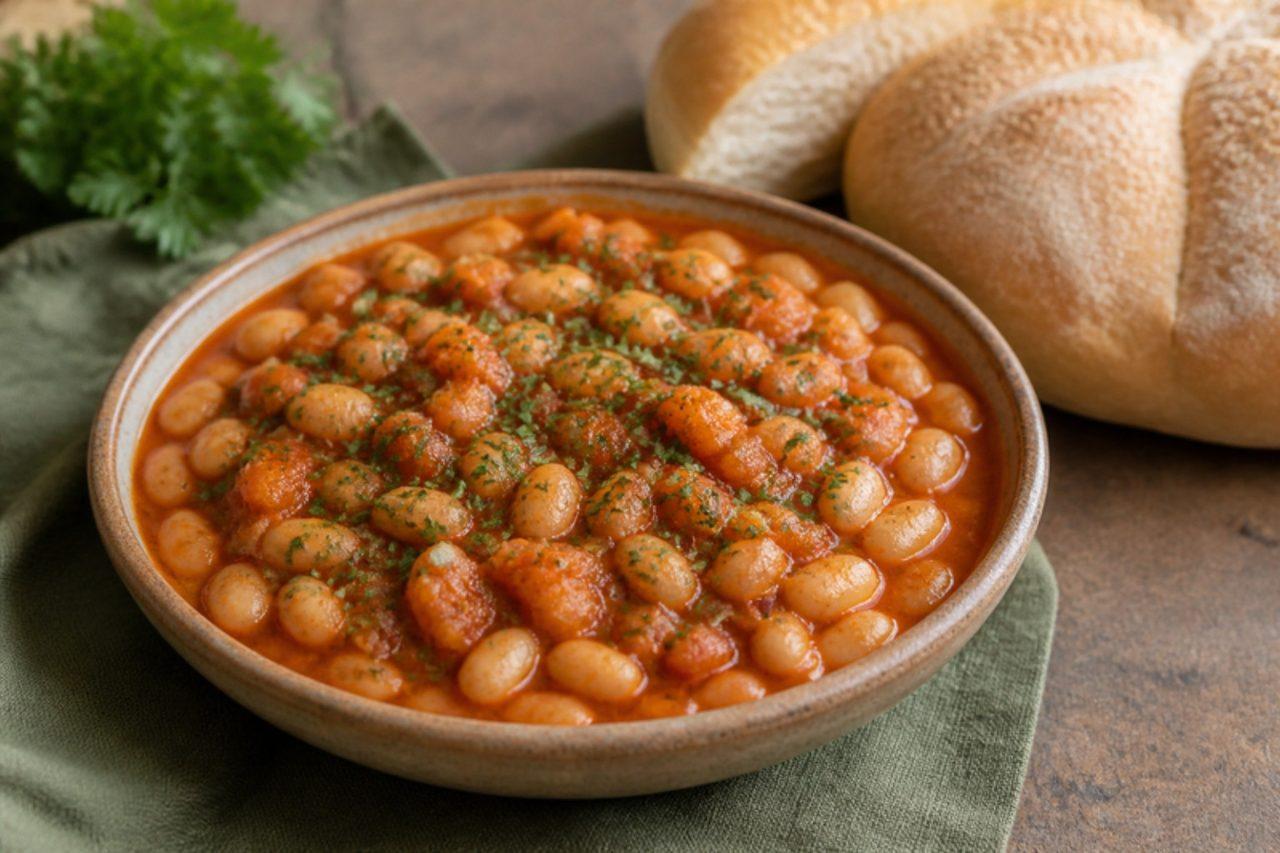
Loubia (white beans in cumin and tomato)

Ask in a Marrakech side street where to eat cheaply and you will be pointed to a stall with a vat of loubia: white beans stewed until creamy in a garlicky tomato sauce spiked with cumin, paprika and a little ginger, ladled into a bowl and eaten with bread. At home the same dish is a weekday staple, often cooked with a piece of meat, but the meat-free version here is just as satisfying and is how plenty of families make it. The sauce should be thick and orange with olive oil pooling on top. A sprinkle of cumin and a drizzle of oil at the table are customary. Avoid adding the tomato before the beans are tender; its acid keeps the skins tough however long they simmer. Chef's tip: soak the beans overnight and cook them until tender before the tomato goes in properly; acid stops beans softening, so loubia rushed with tomatoes from the start can stay chalky.

by KrazyBadal 0 views

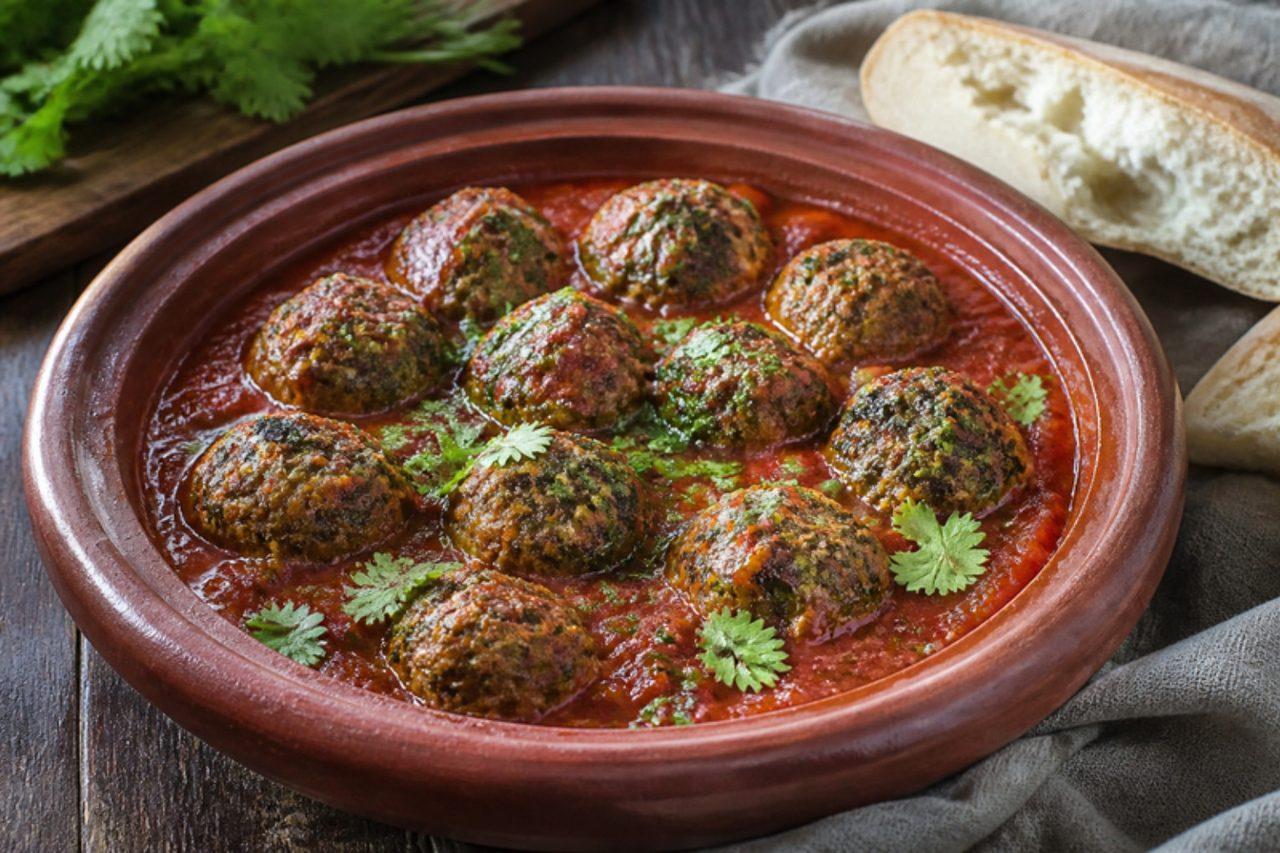
Moroccan sardine balls

Safi and Essaouira are sardine country, and cooks along that Atlantic coast have always made the most of the cheap, silvery catch by turning it into kefta. Fresh fillets are chopped with chermoula herbs and spices into tender, rich fish balls, then simmered in a peppery tomato sauce until they soak up its flavour. They taste nothing like tinned fish: soft, savoury, a little lemony. Eat them from the pan with bread, or as part of a Friday spread of salads. Chef's tip: chill the mixture for 15 minutes before rolling; oily sardines firm up in the cold and the balls hold together in the sauce.

by KrazyBadal 0 views

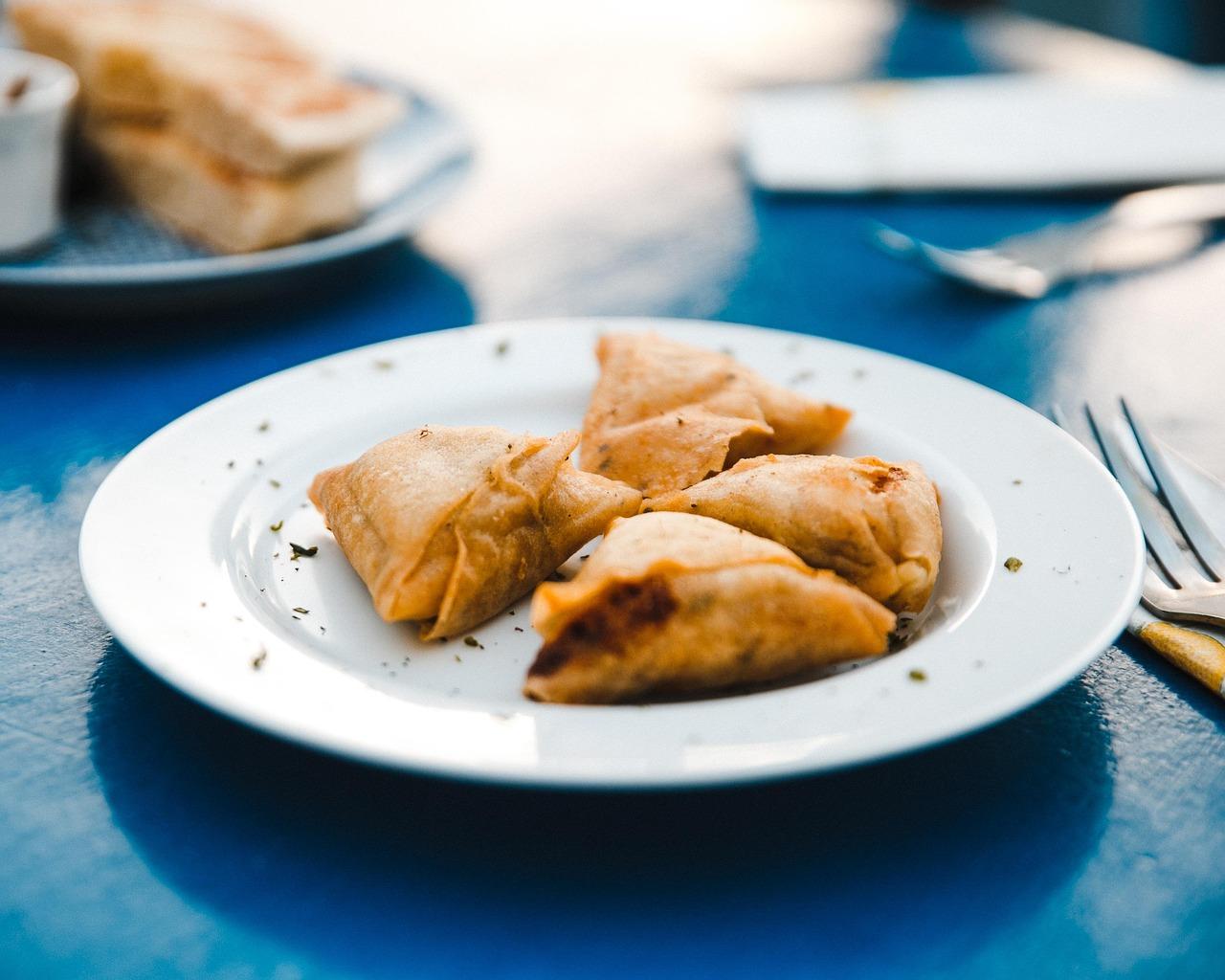
Vegetable briouatsSpiced vegetable pastry triangles

Briouats are the small, crunchy pastry triangles served at Moroccan weddings and at the iftar table during Ramadan, especially in Rabat and Fez where women make hundreds ahead and freeze them. The wrapper is warqa, a paper-thin pastry, though filo works well at home. Savoury briouats are often filled with meat or seafood; this vegetarian filling of potato, carrot, peas, spices and cheese is popular in family kitchens and loved by children. Bake or fry them and serve hot with a dipping saucer of harissa. Chef's tip: let the filling cool completely before wrapping; hot filling makes the pastry soggy and it splits in the oven.

by KrazyBadal 0 views

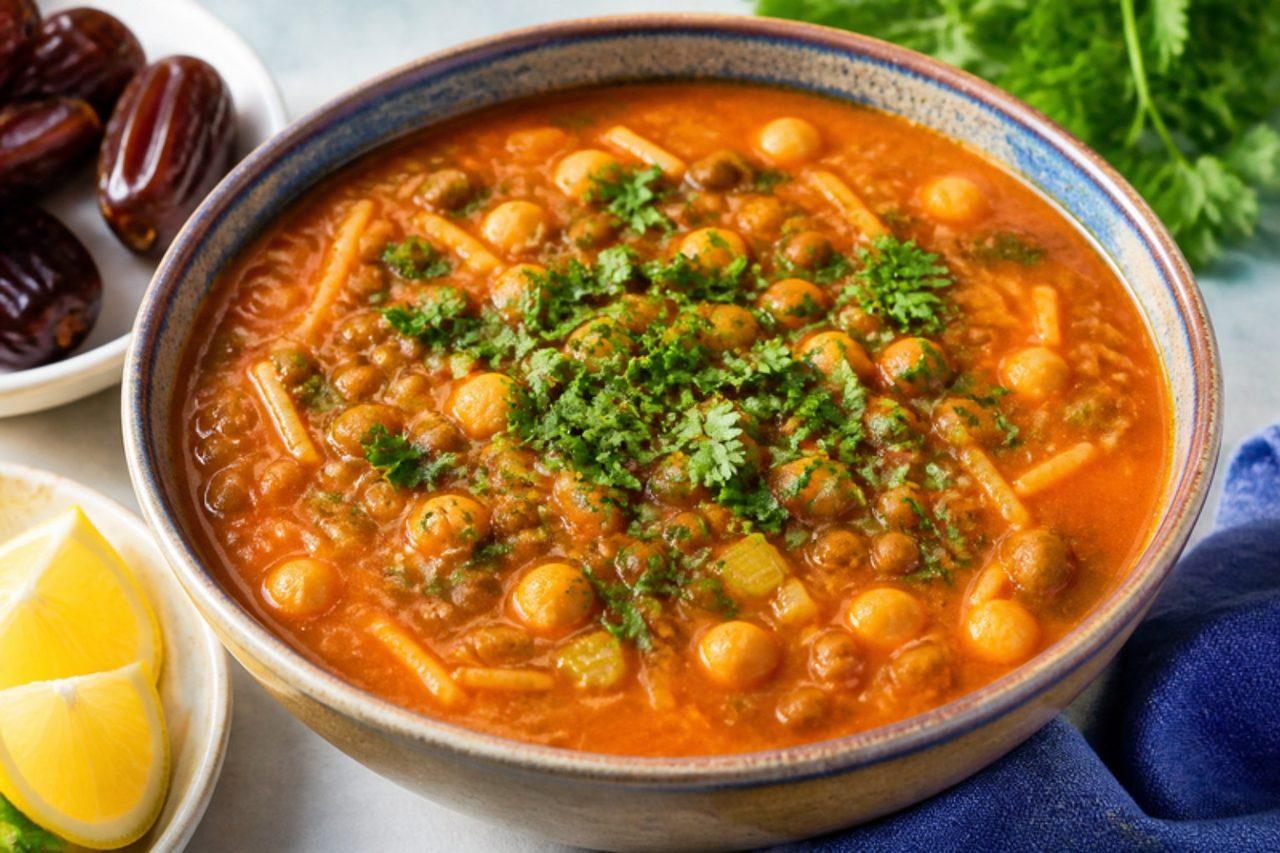
HariraTomato, lentil and chickpea soup

When the call to prayer ends the fast during Ramadan, tables from Tangier to Ouarzazate are set with a bowl of harira, dates and chebakia. This tomato soup is thick with lentils, chickpeas and a great deal of coriander, parsley and celery, and gets its silky body from a flour-and-water slurry stirred in at the end. Many families cook it with a little lamb; this meat-free version uses a well-browned onion and tomato base and olive oil instead of smen, so it is fully vegan and still deeply savoury. Chef's tip: the soup should coat a spoon like thin custard; add the flour slurry slowly while stirring and stop when it reaches that point. Variation: for the meat version, brown 250 g diced lamb with the onion at the start.

by KrazyBadal 0 views

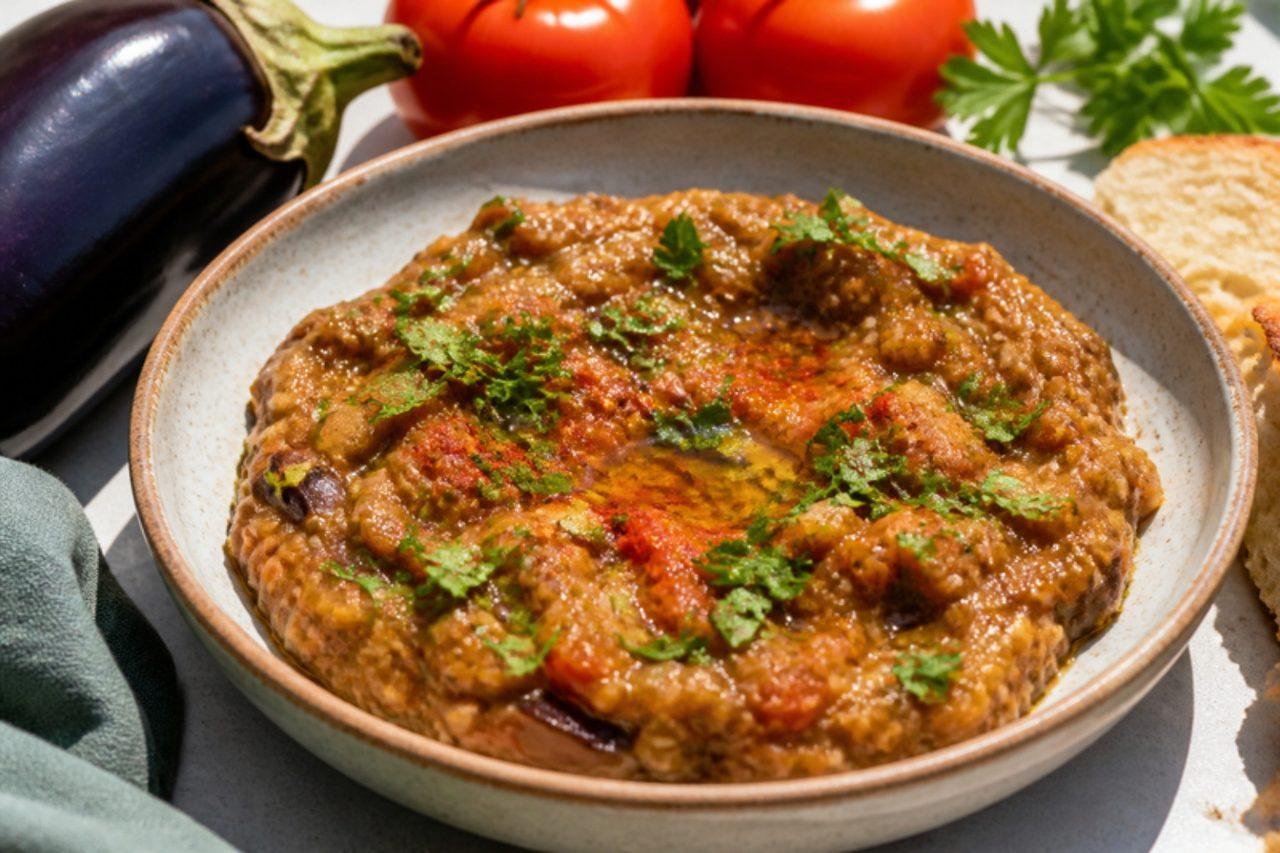
ZaaloukAubergine and tomato salad

Zaalouk is one of the cooked salads that open almost every Moroccan meal, from Fez to Essaouira, set out in small dishes with taktouka and carrot salad and scooped up with bread. Aubergine and tomato are cooked down together with garlic, cumin and paprika until they become a soft, spoonable relish, sharpened at the end with lemon and olive oil. It tastes even better the next day, so many cooks make a big batch. Chef's tip: char the aubergine over a gas flame or under the grill first if you can; the smoky skin flavour gives the best zaalouk.

by KrazyBadal 0 views

Fish tagine with chermoula

Down at the harbour in Essaouira the fishermen's catch goes straight from the blue boats to the grills and the clay pots, and tagine hout is how home cooks there turn it into a meal. Firm white fish is coated in chermoula, the fresh green paste of coriander, garlic, cumin and lemon, then laid over slices of potato, tomato and pepper that soak up all its juices. The result is light and aromatic, with tender potatoes at the bottom and fish that flakes at a touch. A tomato and cucumber salad and some bread are all it needs. Chef's tip: lay the potatoes in a single tight layer so they lift the fish off the base and nothing catches.

by KrazyBadal 0 views

Kefta tagine with eggs

Café kitchens from Tangier to Agadir keep a row of small clay tagines bubbling with this one at lunchtime, and plenty of Moroccan families make it on busy weeknights. Little cumin-and-paprika meatballs poach in a thick, garlicky tomato sauce, then eggs are cracked straight into the pan and left to set softly on top. You eat it straight from the pot, tearing bread to scoop up meat, sauce and runny yolk together. Serve with a plate of olives and a simple chopped salad. Chef's tip: roll the meatballs no bigger than a cherry tomato so they cook through in the sauce in the same time it takes to thicken.

by KrazyBadal 0 views

Almond ghribaChewy almond cookies

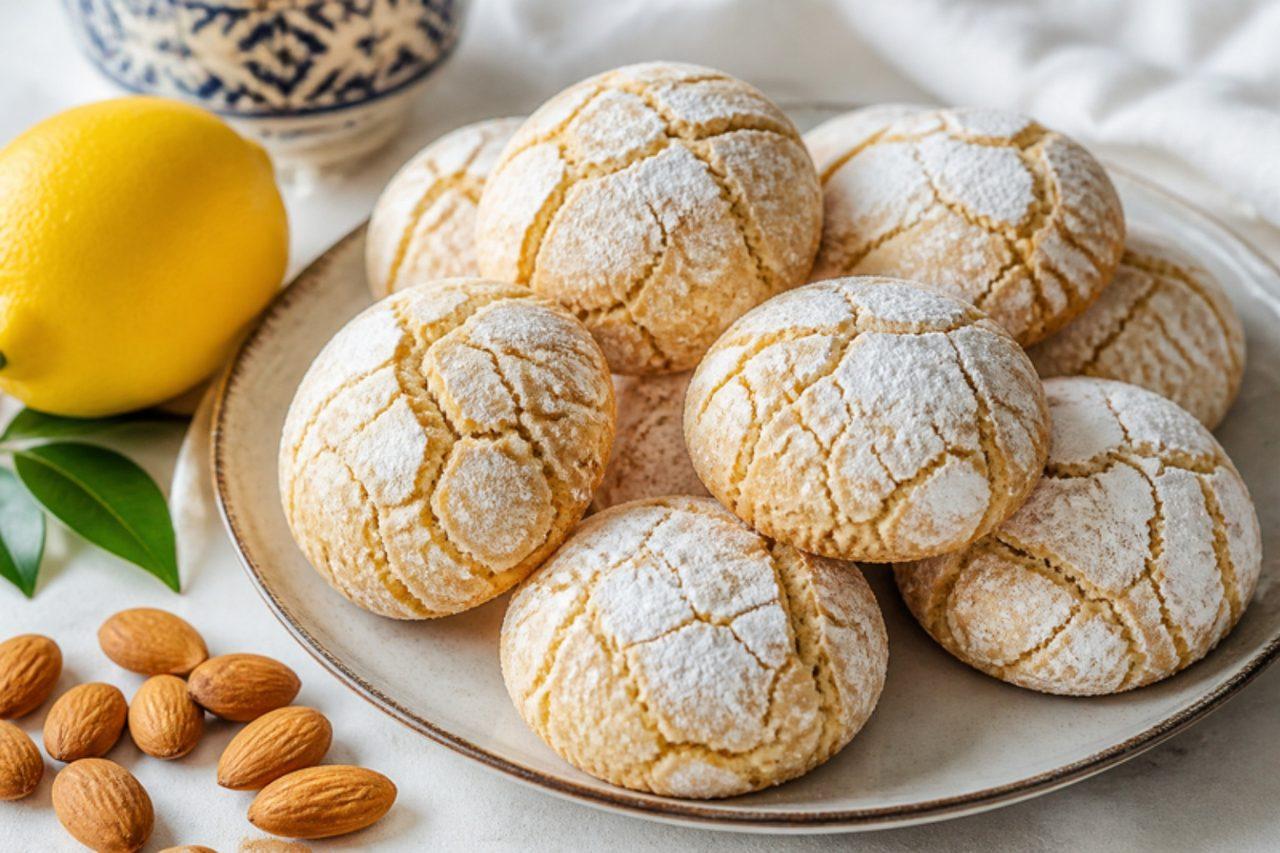
Ghriba are the crinkle-topped cookies that fill Moroccan biscuit trays for Eid, weddings and guests dropping by for tea; the almond version, ghriba bel louz, is especially loved in Fez and Tétouan. The dough is just ground almonds, sugar, egg and lemon zest, rolled in icing sugar so the top cracks into white rivers as it bakes. They are naturally gluten free, crisp at the edge and soft and chewy inside. Chef's tip: take them out when the cracks have formed but the centres still feel soft; they firm up as they cool, and overbaked ghriba turn hard.

by KrazyBadal 0 views

BaghrirThousand-hole semolina pancakes

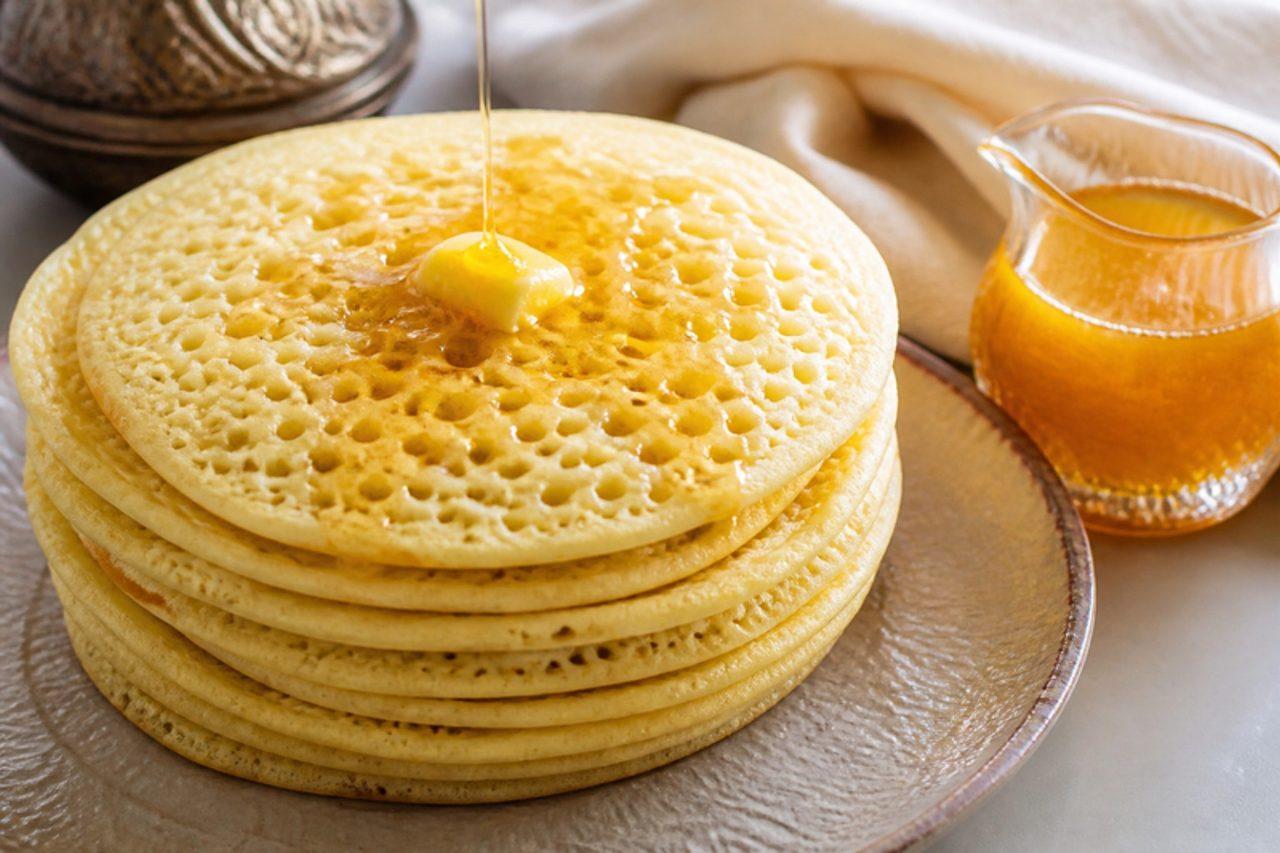
Baghrir are the spongy, lacy pancakes that Moroccan families make for breakfast on weekends and at Ramadan, when they are piled high at the iftar table. A smooth semolina batter is blended until thin, rested so the yeast and baking powder can work, then cooked on one side only: as it heats, hundreds of tiny holes open across the surface. The holes soak up the warm butter and honey poured over before serving. Chef's tip: the batter must be as thin as single cream; too thick and the holes won't break through to the top.

by KrazyBadal 0 views

BissaraSplit fava bean soup

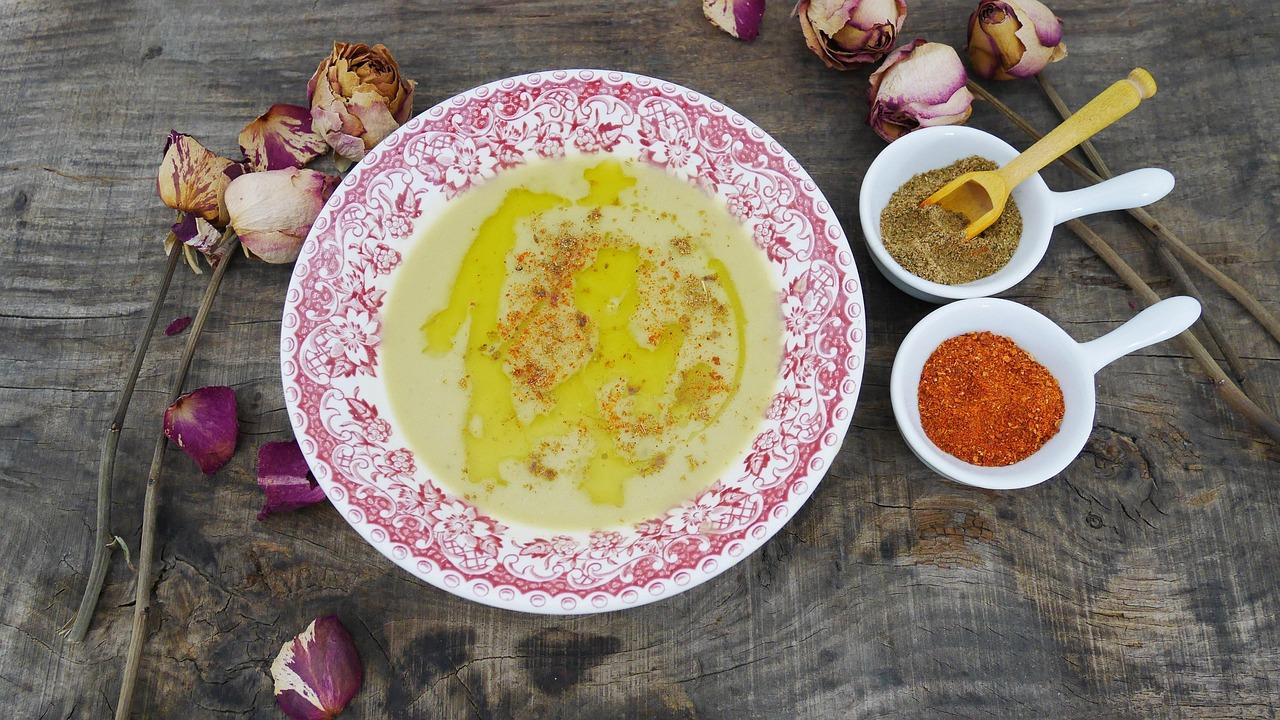
Bissara is the cold-morning soup of northern Morocco: in Tangier, Tétouan and Chefchaouen you see it ladled out from big pots at street stalls before work, and it is a favourite to break the fast in winter Ramadans. Dried split broad beans are simmered with garlic until they fall apart and blended into a thick, pale purée, then finished at the table with olive oil, cumin and paprika. Eat it piping hot with crusty bread; leftover bissara thickens into a dip you can spread on toast. Chef's tip: be generous with the final olive oil, it is not a garnish but part of the dish.

by KrazyBadal 0 views

ChebakiaSesame honey flower cookies

Chebakia are the dark, sticky, flower-shaped cookies that every Moroccan family associates with Ramadan; women in Fez, Meknes and Casablanca spend a whole day in the weeks before the holy month folding hundreds of them, and they are served at iftar with harira and dates. The dough is scented with anise, cinnamon, saffron and toasted sesame, cut into rectangles, folded into a rose, fried and dropped straight into hot, perfumed honey. They are crisp, chewy and very sweet. Chef's tip: work in small batches and keep the honey hot but not boiling; hot honey soaks in properly, while cool honey just coats the outside.

by KrazyBadal 0 views

Couscous tfayaCouscous with caramelised onions

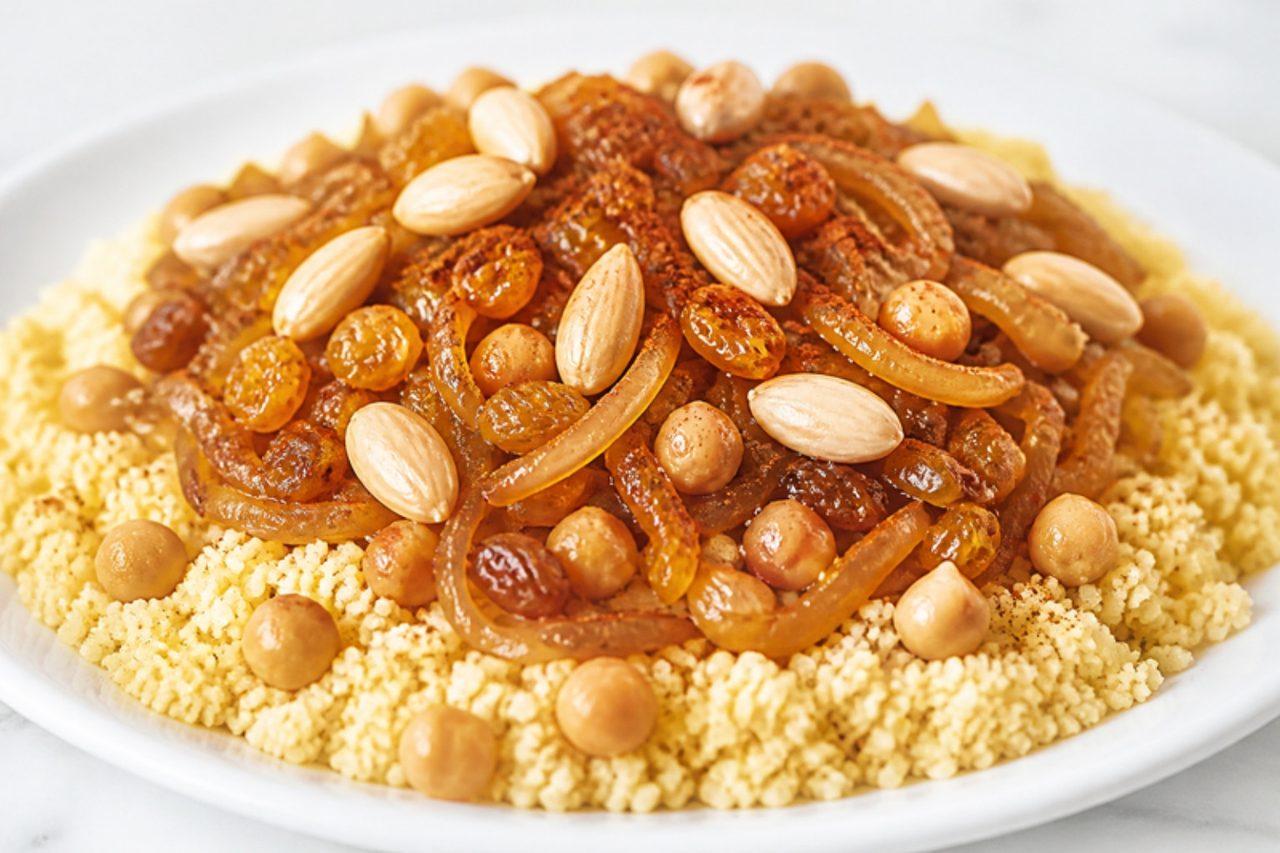
Tfaya is the sweet onion topping that turns a plain couscous into a celebration dish; in Fez and Rabat it is made for weddings, naming ceremonies and Eid, and families in Tétouan add it to Friday couscous too. Onions are cooked slowly with raisins, cinnamon, honey and a little saffron until they collapse into a sticky, mahogany jam, then piled over the couscous with chickpeas and fried almonds. Traditionally it crowns couscous with meat; here the chickpeas and almonds carry the dish, making it a sweet-savoury vegetarian main for a feast. Chef's tip: soak the raisins first, or they draw liquid from the onions and the tfaya catches before it caramelises.

by KrazyBadal 0 views

HarchaPan-fried semolina bread

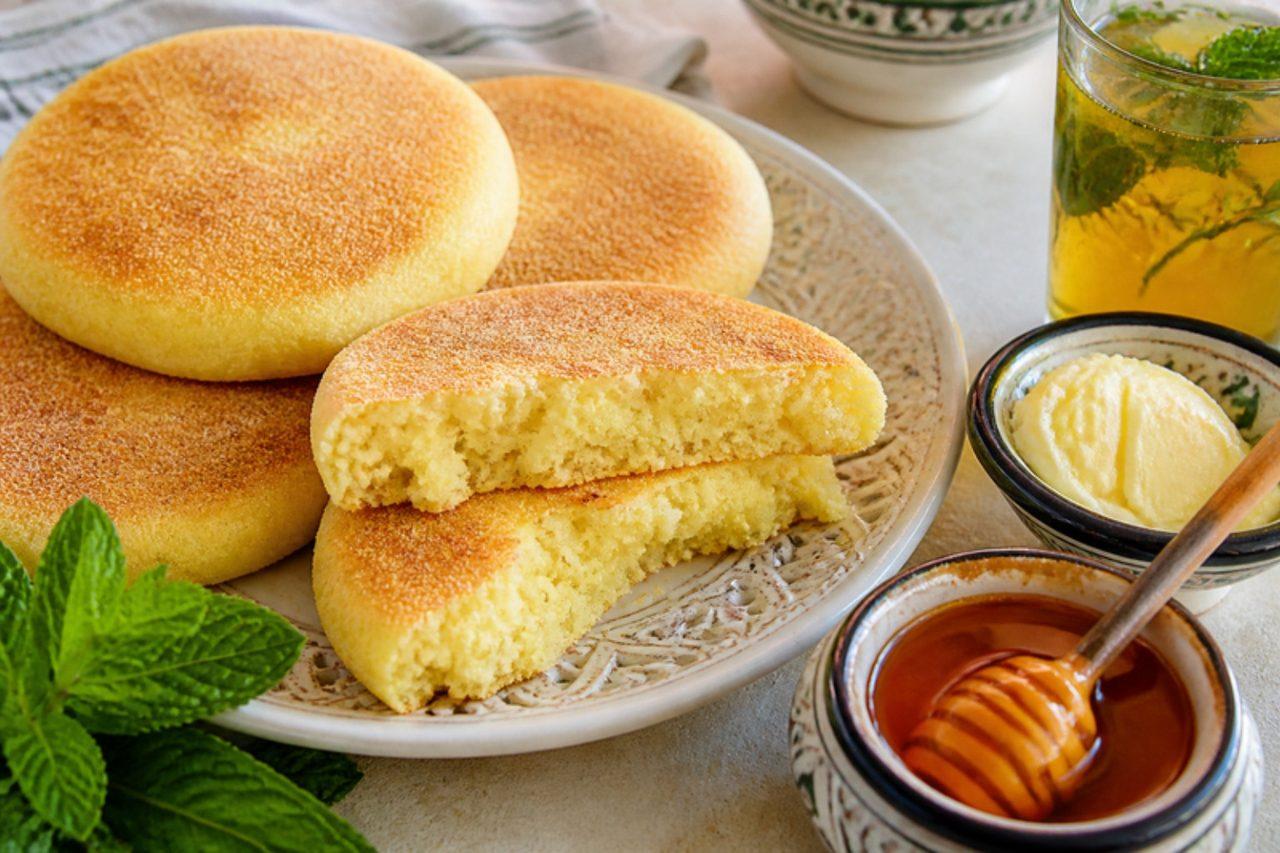
Harcha are thick little semolina breads cooked on a griddle and eaten all over Morocco at breakfast and with mid-afternoon tea, especially during Ramadan for the evening meal. The dough is closer to a crumbly batter than a bread dough, so it needs no kneading or rising; it is pressed into rounds and cooked slowly until the outside turns golden and gritty and the inside stays tender, a bit like a savoury shortbread. Split them while warm and spread with butter and honey, apricot jam or a wedge of soft cheese. Chef's tip: let the mixed dough rest for 5 minutes; the semolina drinks up the milk and becomes much easier to shape.

by KrazyBadal 0 views

KhobzRound semolina bread

Khobz is the round, flat loaf that sits on every Moroccan table, used instead of cutlery to scoop up tagine and salads. In the older quarters of Fez and Marrakech families still shape their dough at home and carry it on wooden boards to the neighbourhood wood-fired oven, the ferran; at home it bakes perfectly on a hot tray. The semolina and wholemeal give it a slightly nutty taste and a soft, chewy crumb with a thin crust. It keeps for a day wrapped in a cloth and is wonderful toasted. Chef's tip: prick the top all over before baking so it rises evenly and stays flat instead of puffing like a pitta.

by KrazyBadal 0 views

MedfounaSpiced meat stuffed bread

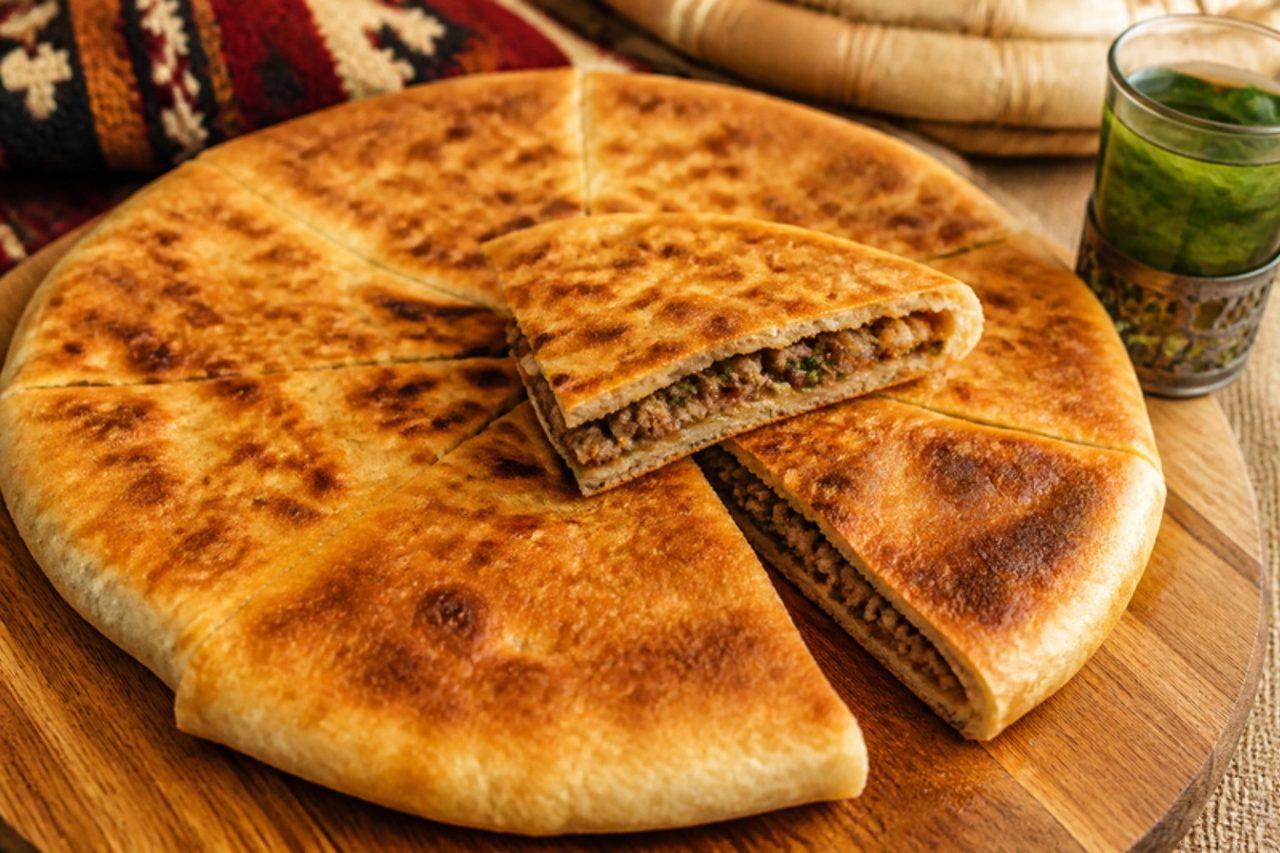
Out on the edge of the Sahara around Rissani and Merzouga, medfouna means 'buried', because the stuffed bread was traditionally baked in hot sand next to a fire. Two rounds of soft yeast dough enclose a filling of spiced beef, lots of onion, parsley and a little fat, and the whole thing bakes into a golden, crusty pie that is cut into wedges like a pizza. It is road-trip food, market-day food and the meal desert guides cook for travellers, eaten hot with mint tea. Chef's tip: squeeze the chopped onion and drain the cooked filling well; dry filling means a crisp base instead of a soggy one.

by KrazyBadal 0 views

Moroccan carrot salad (shlada khizzou)Warm spiced carrot salad

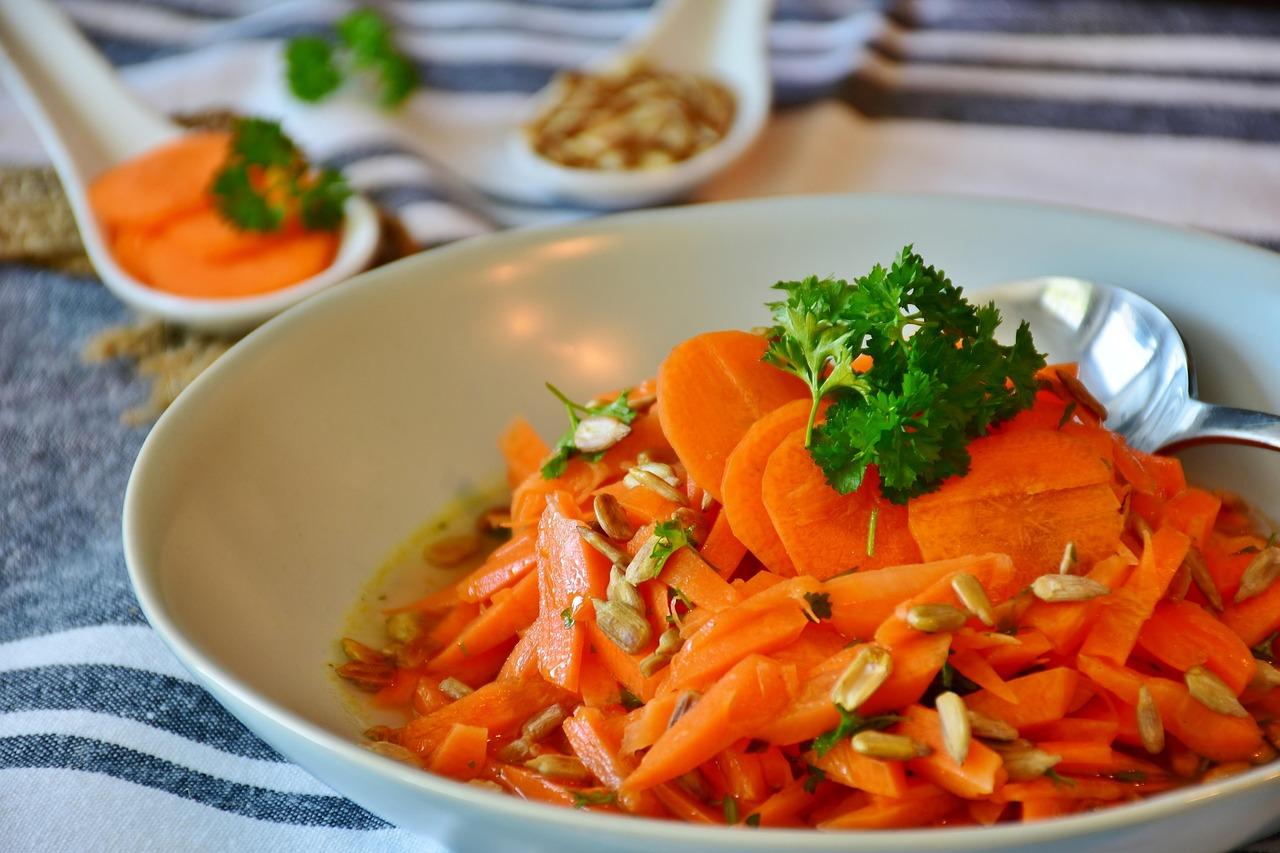
Shlada khizzou is the bright orange dish on the salad spread of every Moroccan restaurant and home lunch, from Marrakech riads to roadside grills on the way to the coast. Carrots are blanched until just tender, then dressed while warm with garlic, cumin, a little sugar and lemon, so they drink in the flavour. Some families add a few drops of orange blossom water, which makes it taste of a Moroccan garden. Serve it with tagines, couscous or simply with bread. Chef's tip: dress the carrots while they are still warm; cold carrots stay bland on the outside.

by KrazyBadal 0 views

Lamb tagine with prunes

Served at weddings, Eid gatherings and big family dinners in Fez and Marrakech, tagine lham bel barkouk is the sweet-and-savoury centrepiece Moroccans bring out for guests. Lamb shoulder braises slowly with saffron, ginger and cinnamon until it falls apart in a buttery-soft sauce, then it is crowned with glossy honeyed prunes, fried almonds and toasted sesame. Each mouthful moves from warm spice to deep fruit sweetness. Put it in the middle of the table with bread for scooping, or with couscous. Chef's tip: cook the prunes in a little of the sauce in a separate pan; poached apart, they stay whole and shiny instead of dissolving into the meat.

150 minMoroccanMeatGluten free
by KrazyBadal 0 views

Chicken tagine with preserved lemon & olives

Few dishes say Fez quite like djaj mqualli, the golden chicken that turns up at family lunches, weddings and Friday tables across the old medina. The chicken simmers slowly in its own juices with grated onion, ginger and saffron until the meat slips off the bone and the onions melt into a thick, glossy, yellow sauce. Salty-sour preserved lemon and bright green olives go in near the end, cutting through the richness. Mop it up with crusty bread, or spoon it over plain couscous for a weekday dinner. Chef's tip: grate the onion rather than chopping it; it dissolves completely and gives the sauce its body without any flour.

by KrazyBadal 0 views

Moroccan mint tea (atay)Green tea with mint

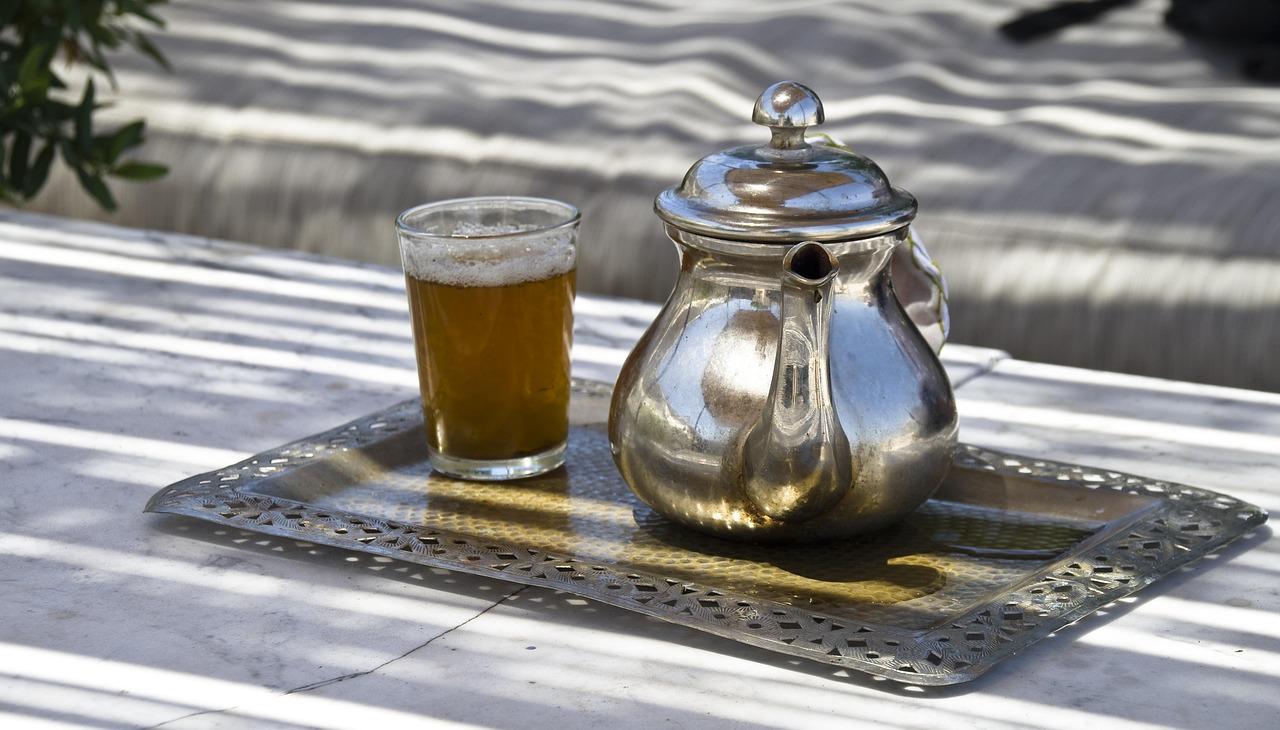
Atay is Morocco's gesture of welcome, poured for guests in homes from Tangier to the Sahara, in shops while you bargain and after every meal. Chinese gunpowder green tea is rinsed, brewed with a big bunch of fresh spearmint and sweetened in the pot, then poured from high above the glasses so it froths. The host often pours a glass and returns it to the pot several times to mix the sugar through. The result is sweet, fresh and pleasantly bitter. Chef's tip: rinse the tea leaves with a splash of boiling water and throw that water away first; it removes the dust and the harshest bitterness.

by KrazyBadal 0 views

Vegetable tagine (khodra)Steamed vegetable tagine

Across Morocco, from village kitchens in the Atlas to family tables in Marrakech, a tagine of khodra (vegetables) is the everyday midweek pot, cooked on a low flame while bread bakes and set in the middle of the table for everyone to scoop up with khobz. The vegetables are stacked like a tent over a bed of onion and tomato, so they steam in their own juices rather than boil; the sauce left at the bottom is short, golden with saffron and turmeric and sharpened with preserved lemon and green olives. Serve it straight from the pot with warm bread and a bowl of carrot or tomato salad on the side. Chef's tip: lay the hardest vegetables (carrots, potatoes) closest to the heat at the bottom and the soft courgettes on top, or the courgettes collapse before the carrots are tender.

by KrazyBadal 0 views

MsemenFlaky square pancakes

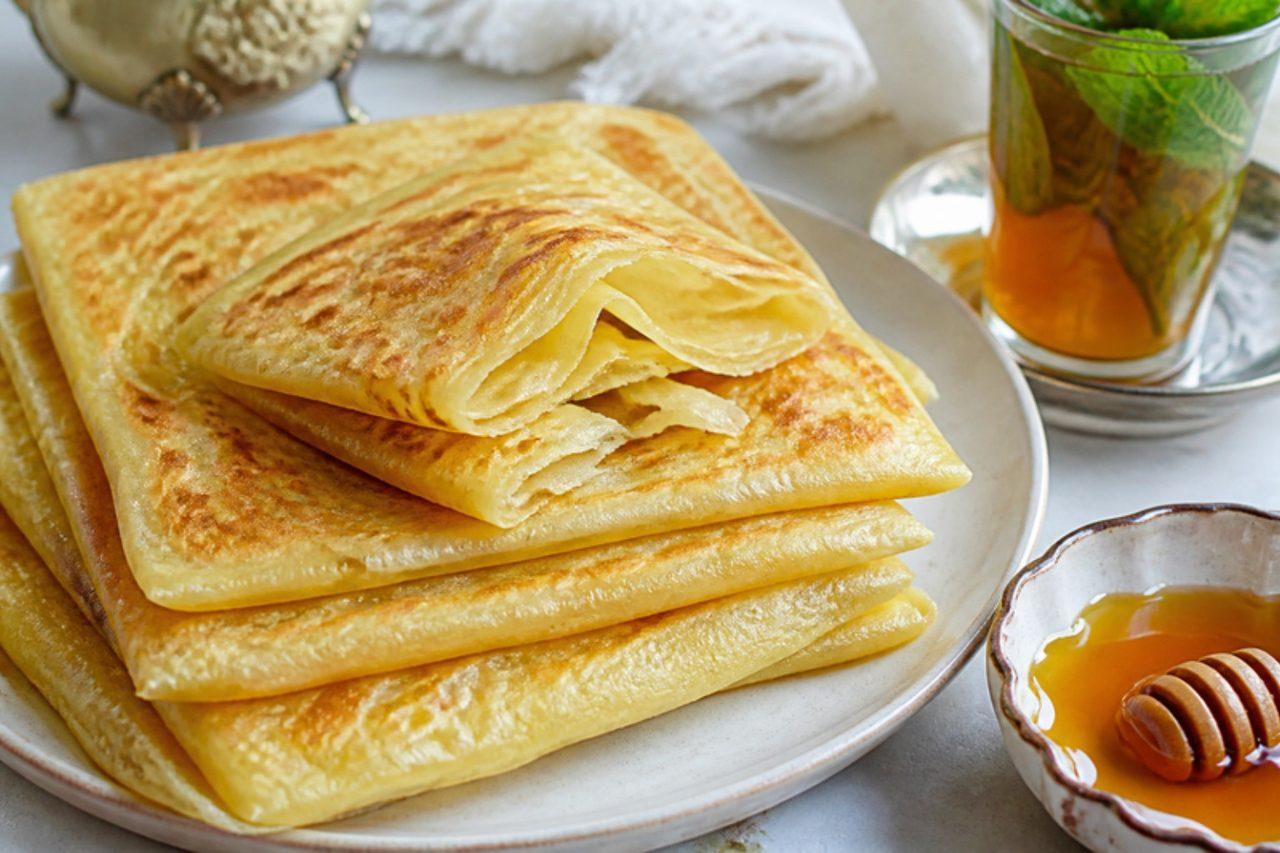
Msemen are the square, layered flatbreads sold hot from griddles in every Moroccan medina at breakfast time and again for afternoon tea, when they are drizzled with honey or dipped in olive oil. The dough is stretched paper-thin on an oiled surface, sprinkled with fine semolina, folded into a square and cooked until crisp outside and flaky in the middle. This version uses oil throughout so it is vegan; many homes use butter or smen. Chef's tip: oil your hands and work surface generously; the dough should be stretched, not rolled, and it tears if it sticks.

by KrazyBadal 0 views

Orange salad with cinnamon

After a heavy tagine or couscous, Moroccan families in the orange-growing Souss valley and around Marrakech often skip pastries and bring out a plate of sliced oranges instead, splashed with orange blossom water and dusted with cinnamon. It is the simplest dessert there is, but when the oranges are cold and juicy it tastes like a perfume of spice and flowers. Scatter over toasted almonds or chopped dates to make it more filling. Chef's tip: cut off every bit of white pith; even a thin ring of it makes the slices bitter.

by KrazyBadal 0 views

SeffaSweet steamed vermicelli

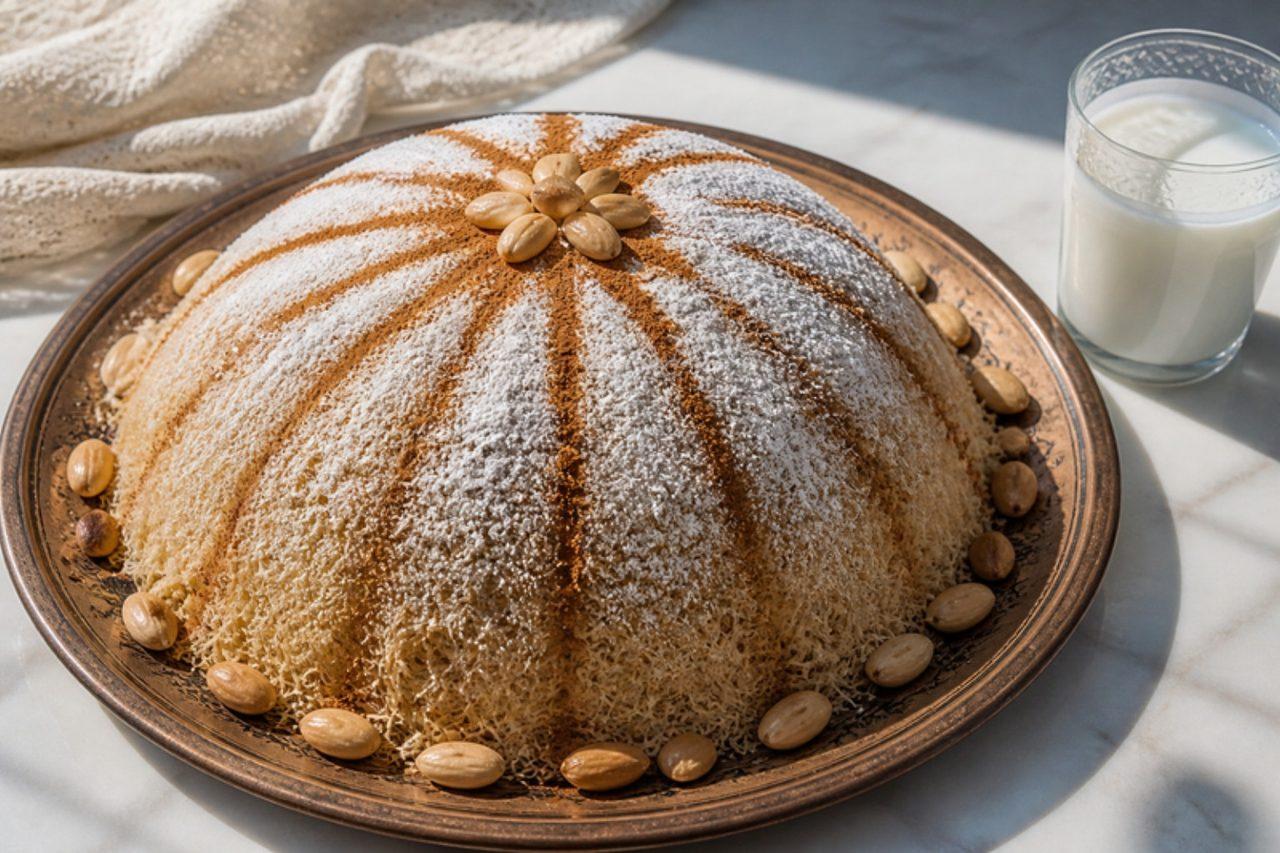
Seffa comes from the old medina of Fez, where it is carried out at the end of wedding feasts and served for breakfast after a baby's naming day: a mountain of fine steamed vermicelli tossed with butter, then decorated with lines of cinnamon, icing sugar and crushed almonds. The noodles are steamed rather than boiled, so they stay soft and separate rather than sticky. Each person eats from their side of the cone, often with a glass of cold milk. Chef's tip: steam the vermicelli in short bursts and fork it apart between each one; a single long steaming leaves it clumped.

by KrazyBadal 0 views

Chicken pastilla

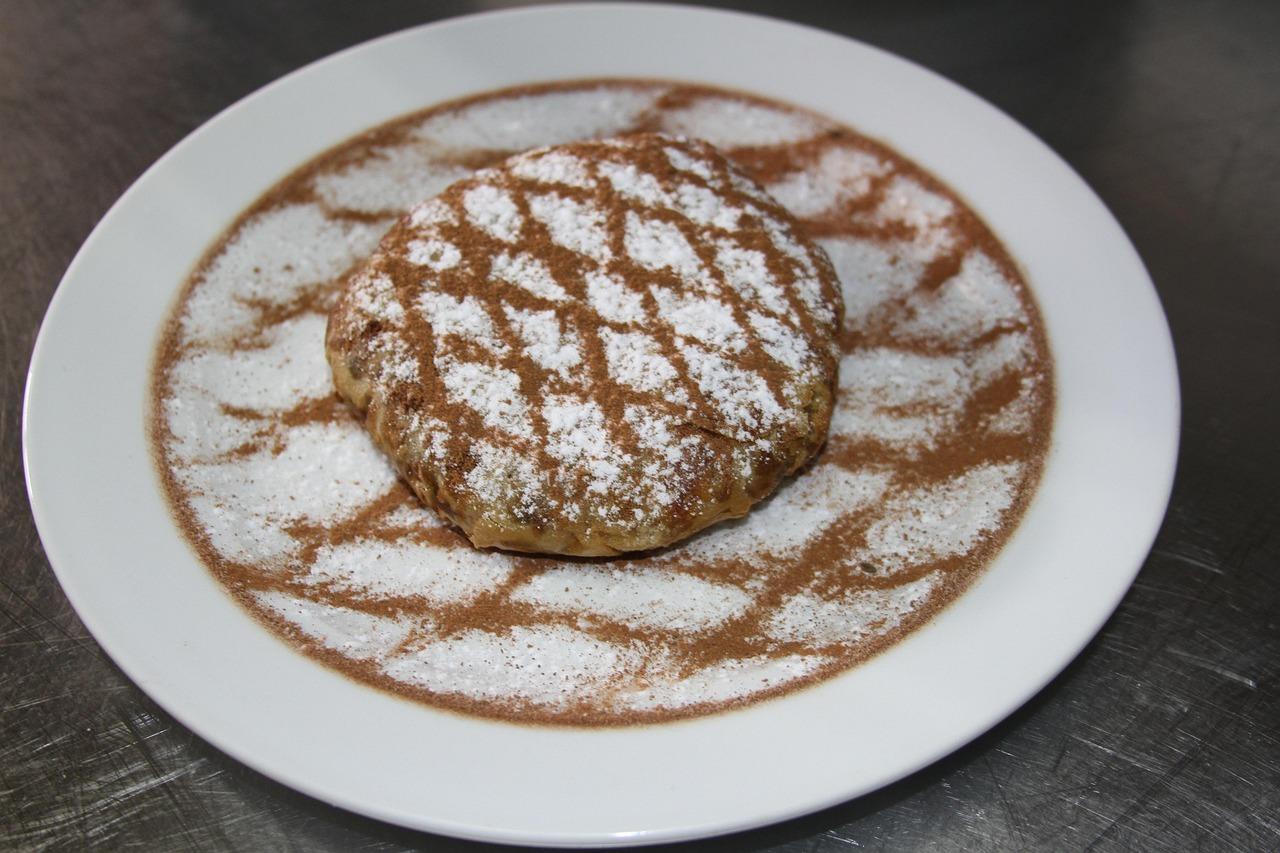
No Fassi wedding or engagement feast is complete without bastila, a showpiece pie brought out as the first course and broken open at the table. Under its crackling layers of buttered pastry sit three fillings: shredded chicken cooked with saffron, ginger and onion, soft lemony eggs set in the reduced cooking juices, and crunchy almonds ground with sugar and cinnamon. The top is dusted with icing sugar and a lattice of cinnamon, so every bite is sweet, savoury, crisp and tender at once. Serve it hot with nothing more than a green salad. Chef's tip: make the fillings a day ahead and chill them; cold fillings are easier to layer and keep the pastry crisp.

by KrazyBadal 0 views

SellouToasted flour and almond sweet

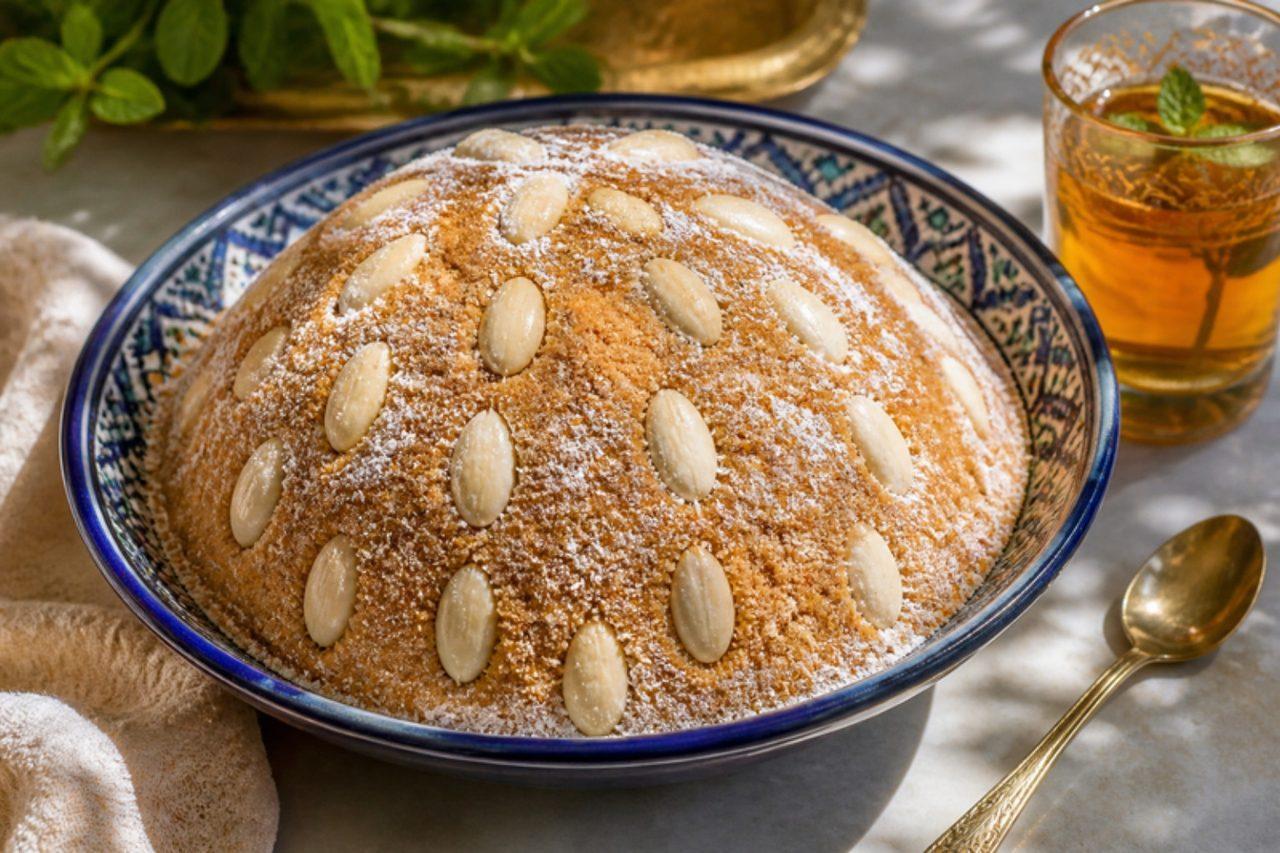
Sellou (also called sfouf or zmita) is made in big batches across Morocco for Ramadan, for new mothers and for Eid, and is served in a mound beside mint tea. Flour is toasted slowly in a dry pan until it turns the colour of sand and smells like biscuits, then mixed with ground toasted almonds and sesame, anise, cinnamon, butter and honey. The result is a crumbly, nutty, not-too-sweet sweet that you eat by the spoonful, or press into balls. It keeps for weeks. Chef's tip: toast the flour patiently over a low heat and keep it moving; scorched flour tastes bitter and the whole batch is lost.

by KrazyBadal 0 views

Seven-vegetable couscous (bidaoui)Couscous with seven vegetables

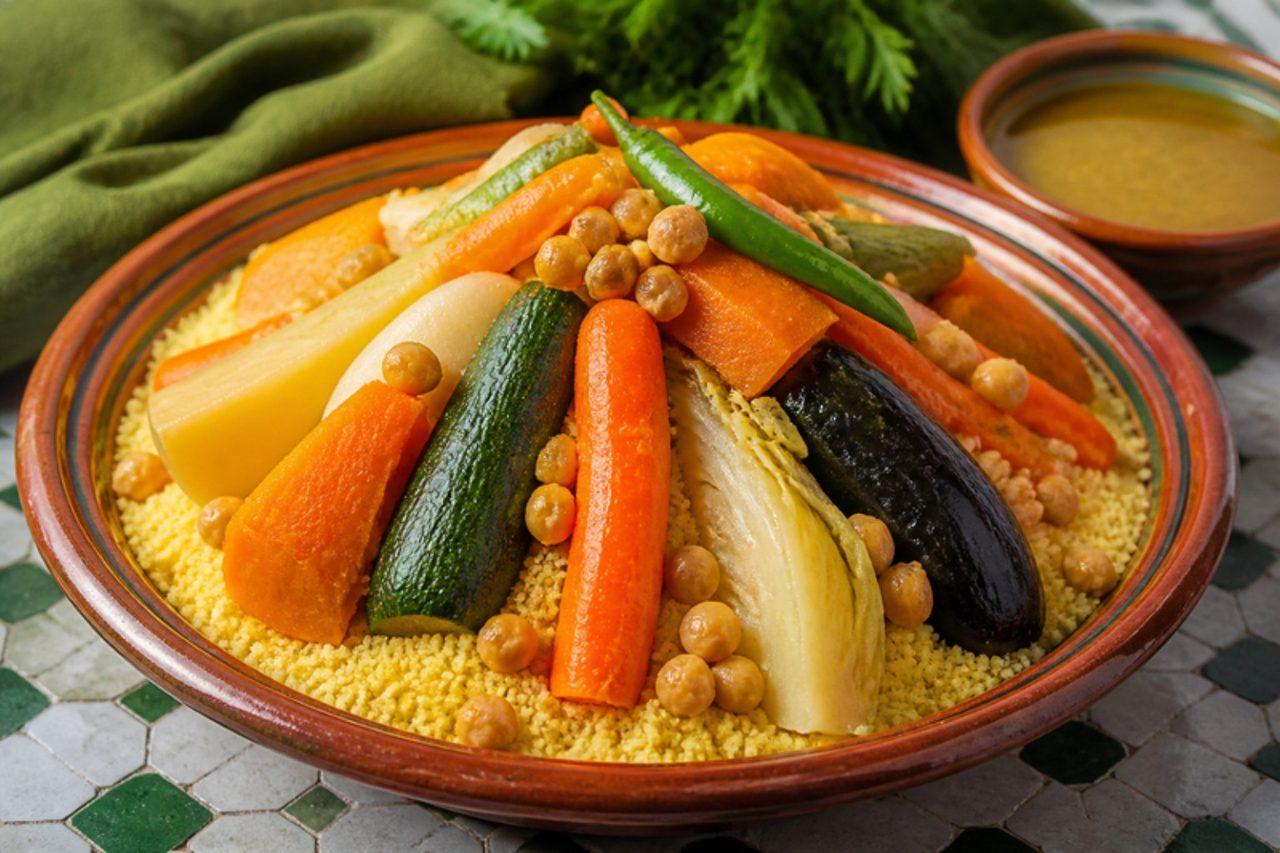
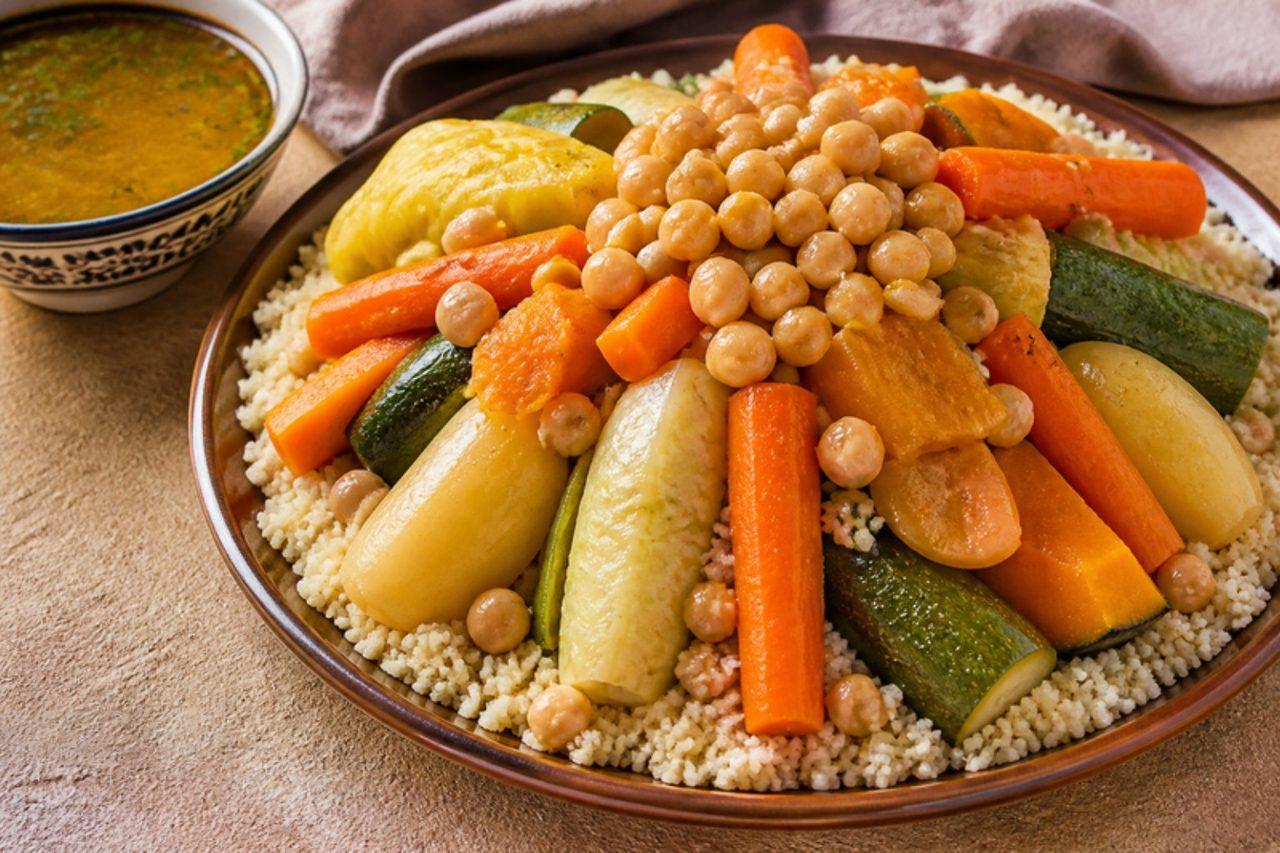
In Casablanca, Friday lunch after midday prayers means couscous bidaoui, the city's own version piled with seven vegetables, from pumpkin and turnip to cabbage and carrot. Families eat it from one great dish, each person working on their own corner of the mound, with extra broth ladled on as they go. The grains are steamed twice over the simmering broth so they swell into separate, fluffy beads that soak up the flavour without turning soggy. This vegetarian version builds the broth from onion, tomato, saffron and chickpeas, so it is rich enough without meat. Chef's tip: rub the couscous between your palms after each steaming to break up every clump; that is what makes it light.

by KrazyBadal 0 views

TaktoukaRoasted pepper and tomato salad

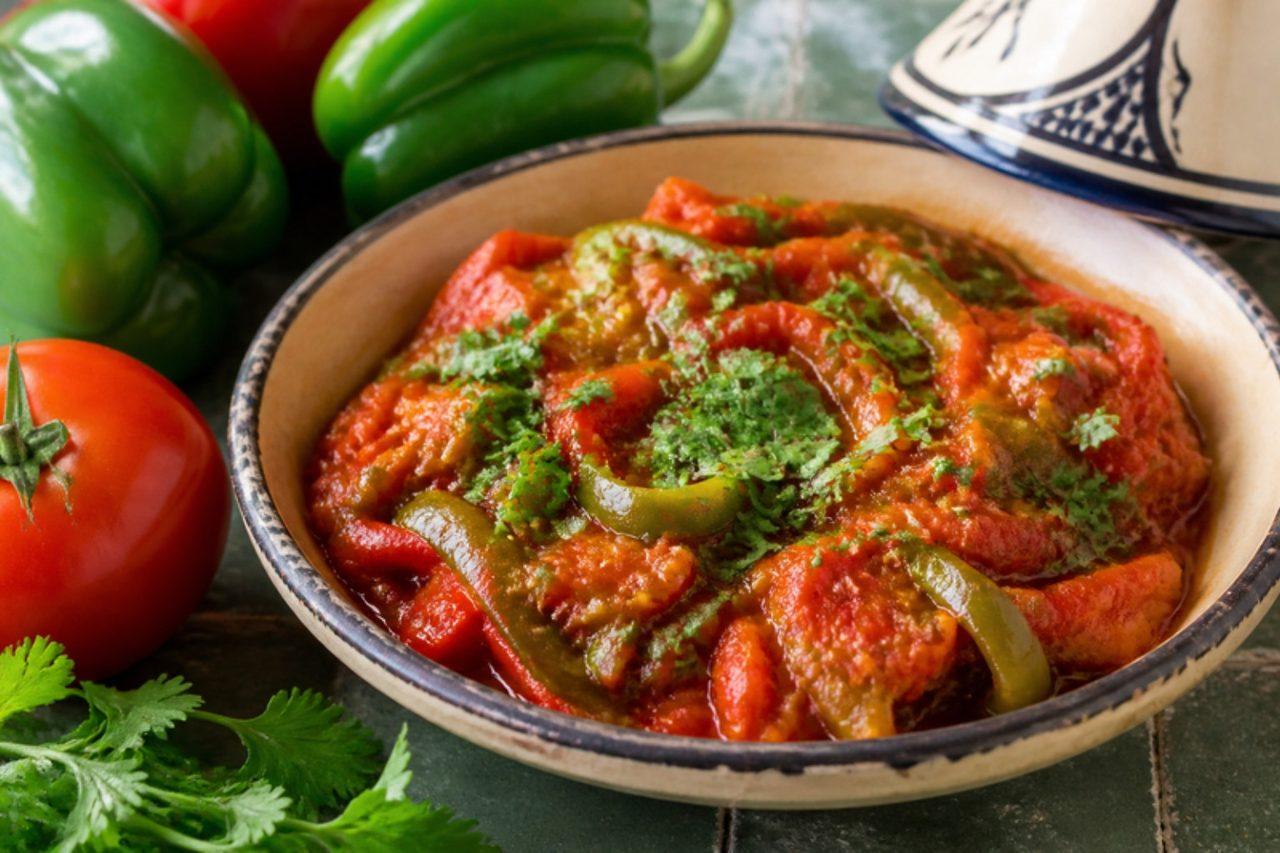
Taktouka is the pepper partner to zaalouk, served side by side on the salad plates of Moroccan homes and cafés, especially around Casablanca and the north. Grilled green peppers are peeled and cooked down with tomato, garlic and cumin until soft and jammy, then eaten lukewarm with bread or as a side to tagines and grilled vegetables. It is cheap, quick and keeps for three days in the fridge. Chef's tip: use the thin-skinned, slightly bitter green peppers if you can find them; they give a more authentic flavour than sweet bell peppers.

by KrazyBadal 0 views

Chickpea & sweet potato tagine

Sweet potato is not old Moroccan tradition, but today it is sold in every souk from Agadir to Meknes and turns up in modern home tagines alongside the classic chickpeas, dried apricots and ras el hanout. This version leans on the sweet-and-spiced style of Fez and Marrakech cooking: the sweet potato melts slightly into the sauce, the chickpeas keep their bite and a handful of apricots adds little pockets of tang. It is filling enough for a weekend lunch with couscous or bread, and it reheats beautifully the next day. Chef's tip: bloom the ras el hanout in the oil for 30 seconds before the liquid goes in; raw spice blends taste dusty, cooked ones taste round.

by KrazyBadal 0 views

Showing 62 of 86 recipes

Page 4 of 4

More Moroccan ideas

Other by country