


Skip to content
All-way potato salad
Featured recipe

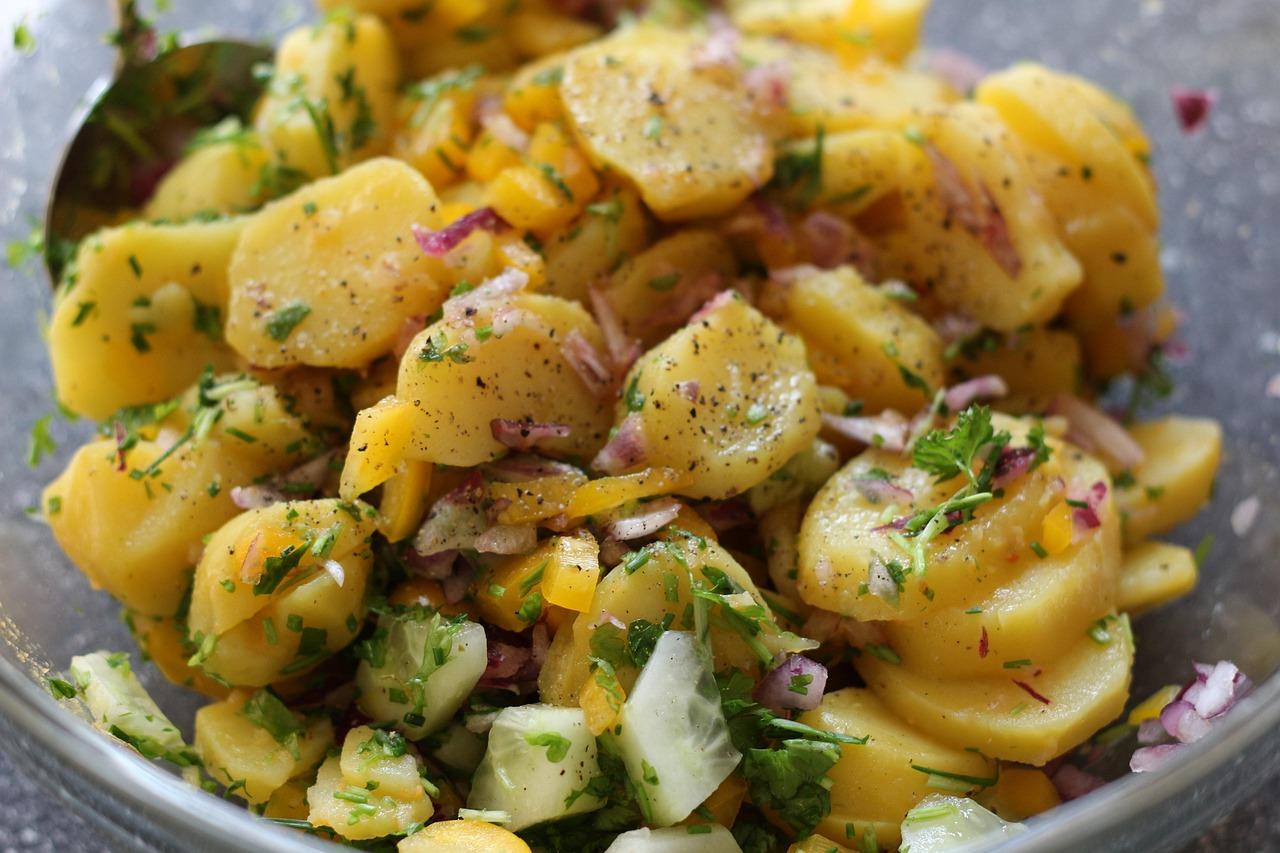
All-way potato salad

Warm new potatoes boiled in their skins and tossed in one of three dressings: creamy parsley sour cream, a tangy basil vinaigrette, or a fresh 'greeny' dressing of cottage cheese and herbs. Each dressing is enough for 500 g of potatoes, so make one, or make all three for a party. Serve the salad chilled on a bed of lettuce with a spoonful of single cream on top.

Read more 1 views

What to eat today?

Around the world

Today's trip: Paraguayan

A new country every day, from every cuisine on the site.

Paraguayan

Chipa

Cheese bread rings 50 minMore from Paraguayan (27) →

This week's collection

Kid-friendly dinners
537 recipes · a new collection every Monday

Latest recipes

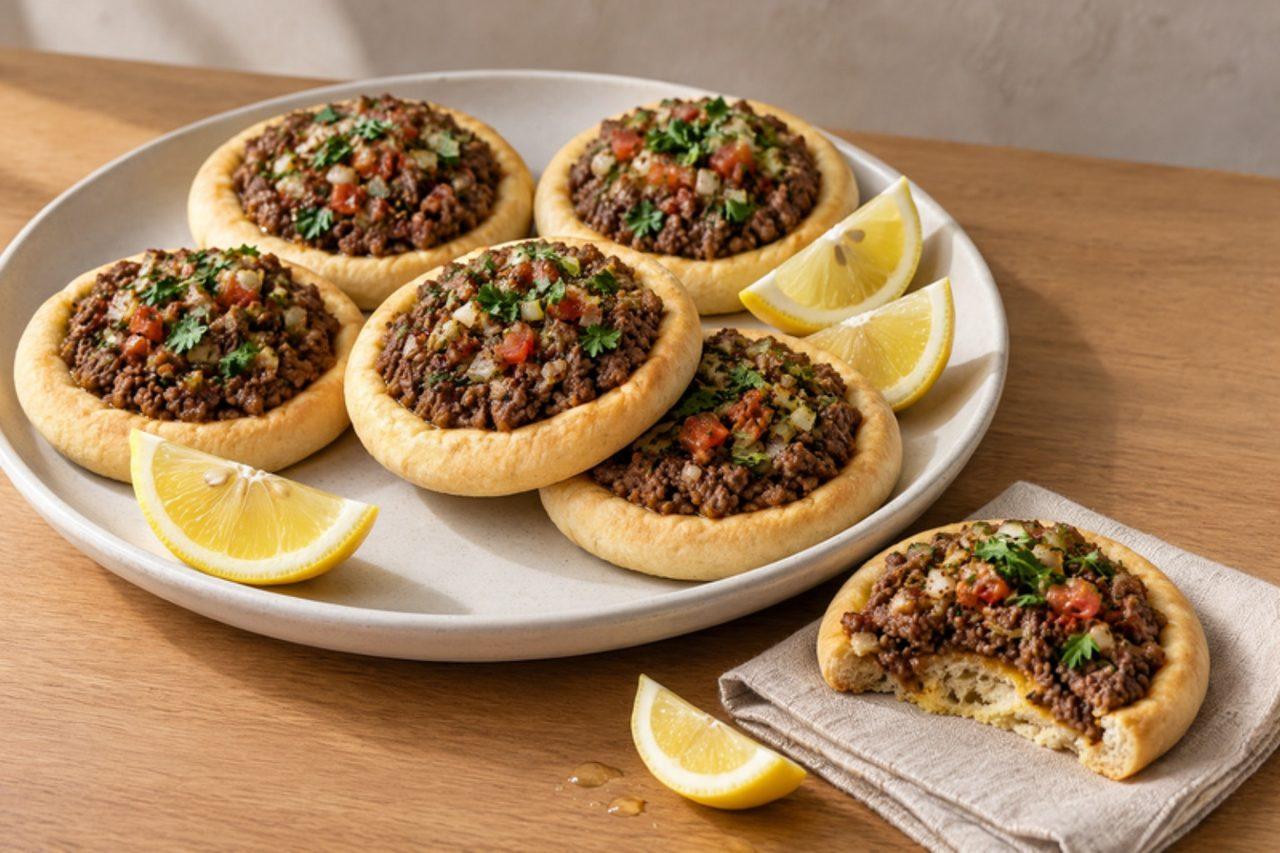
Esfiha de carne (São Paulo open beef pies)

The Syrian and Lebanese families who settled around Rua 25 de Março in central São Paulo brought sfiha with them, and the city made it its own: esfihas are now sold by the dozen from counters all over town, eaten standing up with a squeeze of lemon at lunchtime or as a cheap late snack. The dough is soft and lightly crisp at the base, and the topping of raw spiced beef, onion and tomato cooks on the pie in a hot oven. Chef's tip: squeeze the onion and tomato hard in a cloth before mixing; a wet topping makes the dough soggy.

by KrazyBadal 0 views
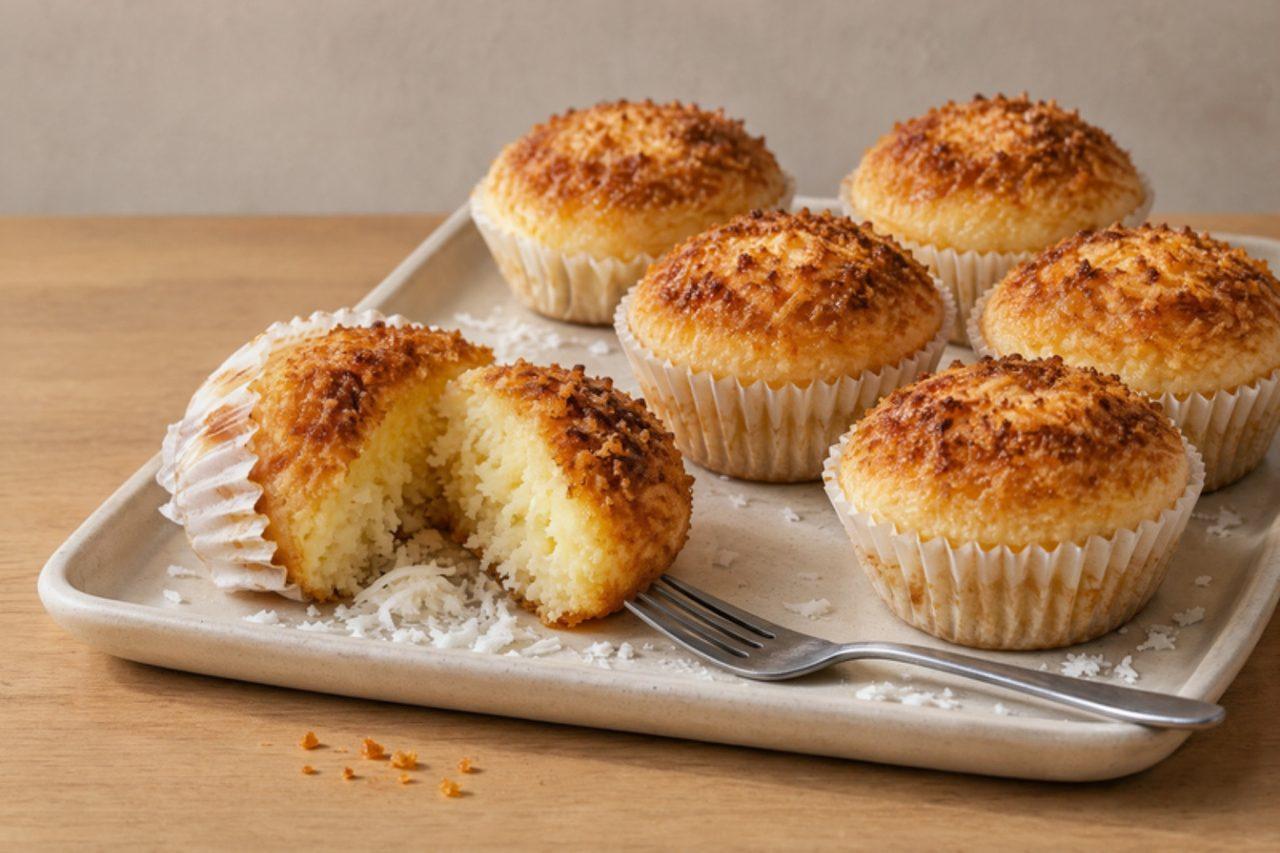
Queijadinha (Bahian coconut and cheese cakes)

In Salvador's Pelourinho and on the steps of the Largo do Pelourinho, baianas in white lace sell queijadinhas from wooden trays alongside cocadas: little paper cases of coconut and cheese that bake into a chewy, golden top over a soft, custardy layer. They are sweet with a salty edge from the cheese, perfect with a strong coffee in the afternoon. They contain egg and milk. Traditional Parmesan is made with animal rennet, so choose a hard cheese labelled vegetarian. Chef's tip: bake them until the tops are properly golden; pale queijadinhas never get their crusty top layer.

by KrazyBadal 0 views

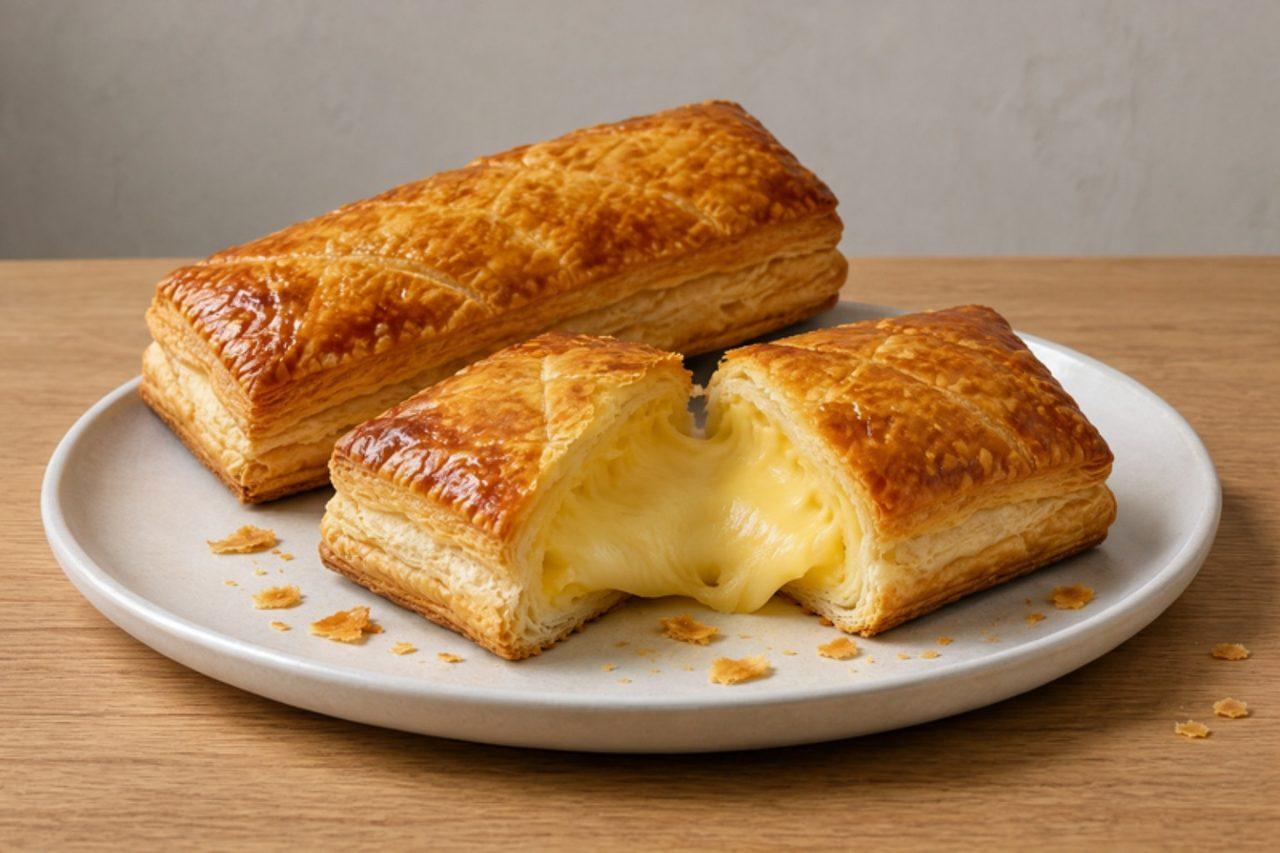
KaasbroodjeCheese puff pastry roll

The kaasbroodje is the Dutch commuter's breakfast: a rectangle of puff pastry wrapped around a log of Gouda, baked until the cheese oozes from the ends. Kiosks in Amsterdam Centraal and bakeries along the Haarlemmerstraat sell them warm all morning, and they get eaten on the platform or on the tram, scattering flakes everywhere. Use a young or medium Gouda for melt, with a little aged one for flavour. Traditional Gouda is often made with animal rennet, so choose one labelled vegetarian (made with microbial rennet) if that matters to you. Chef's tip: seal the ends well and bake with the seam underneath, so the cheese melts inside rather than running onto the tray.

by KrazyBadal 0 views

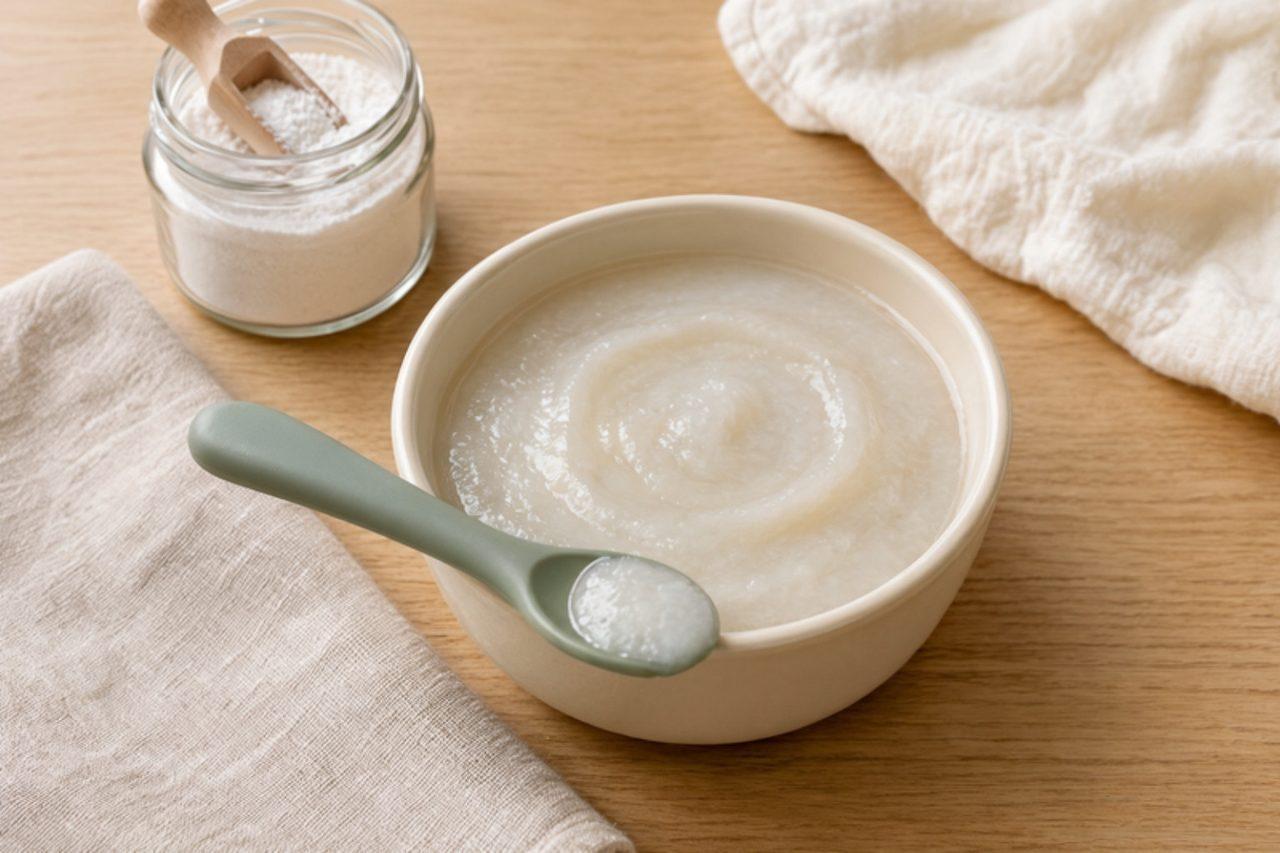
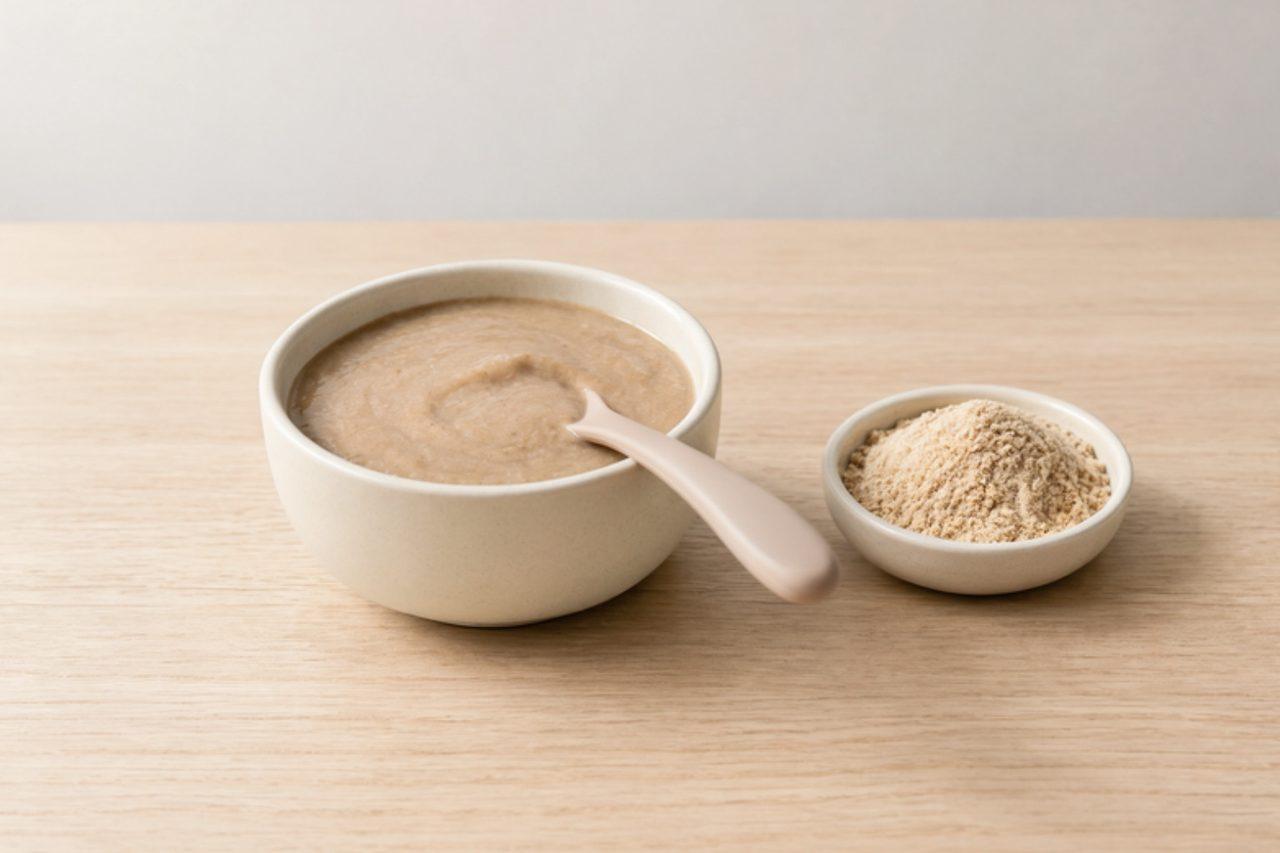
Koova kurukku (arrowroot porridge)

Koova, the arrowroot that grows in Kerala's backyards, is dug, washed, grated and dried into a snow-white powder that many families in Thrissur and Kottayam still make themselves. Stirred with water over a low flame, it turns from chalky to clear and glossy in a few minutes, and this kurukku is a classic first spoonful at six months, often given in the hot months because it is thought to be cooling. It is very mild and smooth. No salt, sugar, jaggery or honey goes in for babies. It is free of the major allergens. Chef's tip: buy pure koova or arrowroot powder, not a cornflour blend, and stop cooking the moment the whole pan turns translucent.

by KrazyBadal 0 views

Lito (sarbottam pitho porridge)

Ask a mother in Kathmandu, Pokhara or a hill village what her baby eats after the pasni rice-feeding ceremony, and the answer is often lito: porridge made from sarbottam pitho, a 'super flour' that families roast and grind themselves from two parts soybean to one part each of maize and wheat. Cooked with water it becomes a smooth, nutty, toast-coloured porridge with more protein than plain rice. For babies there is no salt, sugar, jaggery, honey or ghee needed. It contains soya and wheat (gluten). Chef's tip: roast the grains separately, each until it smells nutty and cracks between your teeth, then grind and sieve; the beans need longest.

by KrazyBadal 0 views

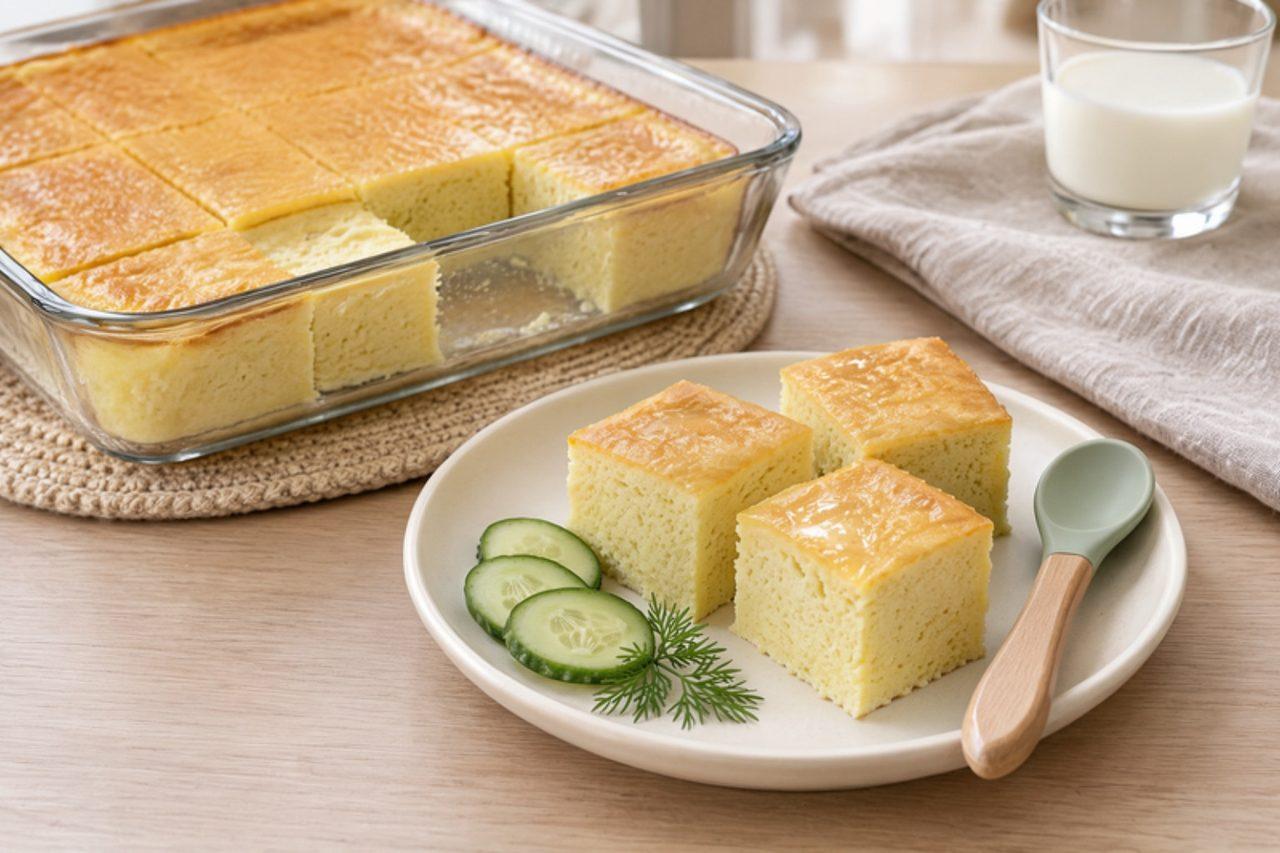
Detsadovsky omlet (kindergarten oven omelette)

Anyone who went to a detsky sad, a kindergarten, in Moscow, Kyiv or Minsk remembers this omelette: tall, pale and soft as a sponge, baked in big trays and served in squares with a slice of bread and butter. The secret is lots of milk and a deep dish, so the eggs steam-bake into a quivering, custardy block rather than a flat frittata. It makes a protein-rich breakfast or supper for toddlers from 12 months, made here without salt. It contains egg and milk; there is no gluten, nuts or soya. Chef's tip: stir the eggs and milk, don't whisk them into a foam, or the omelette rises and then collapses.

by KrazyBadal 0 views

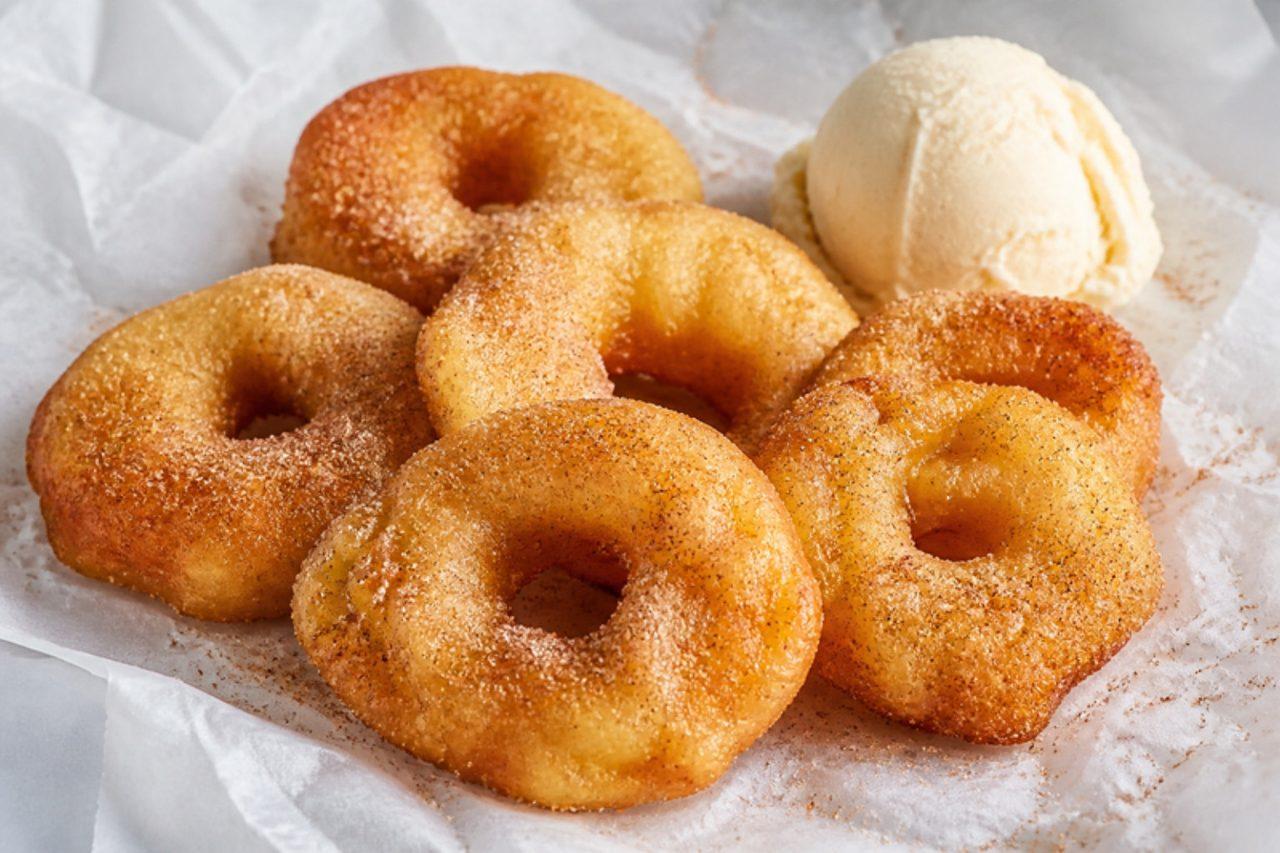
Pineapple fritters

Every Queensland fish-and-chip shop from the Gold Coast to Cairns has a tray of pineapple fritters by the fryer, rings of local pineapple in light batter, fried and dusted with cinnamon sugar. They are the dessert you order with your fish and chips on a hot evening. Fresh pineapple is best; well-drained tinned rings work too. A common mistake is wet fruit, which makes the batter slide off; pat it really dry. Chef's tip: dust the rings in a little flour before dipping so the batter clings.

by KrazyBadal 0 views

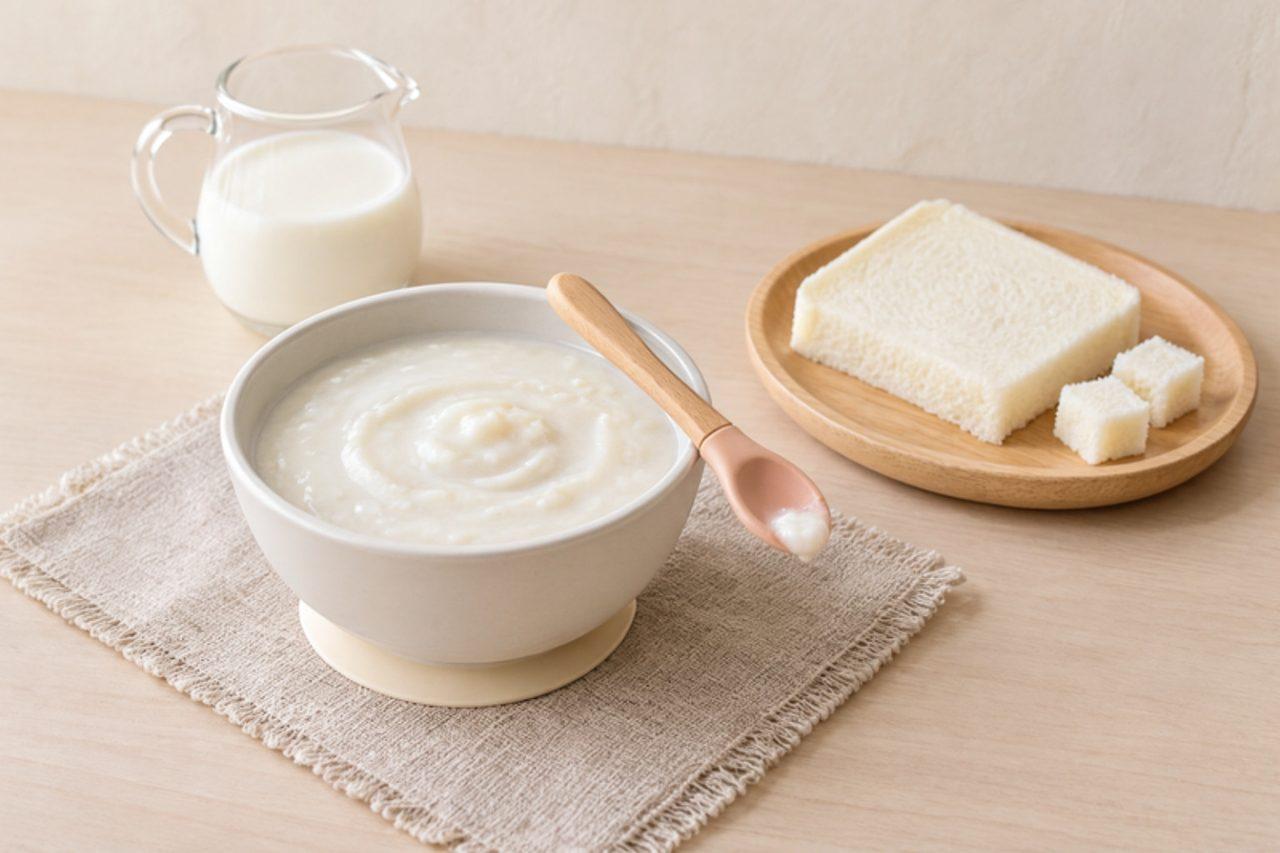
Pan-gayu (bread porridge)

Pan-gayu is a staple of the early rinyushoku (weaning) stage in Japan, the second grain after rice porridge, and it fills the 'first foods' pages of every baby magazine sold in Tokyo convenience stores. Crustless white bread is torn into a pan of water, breast milk or formula and simmered until it collapses, then mashed smooth for a soft, milky, faintly sweet porridge. Bread already contains a little salt, so this is an occasional porridge rather than an everyday one, and no extra salt, sugar or honey goes in. It contains wheat (gluten) and milk if made with milk. Chef's tip: choose the softest, plainest white sandwich loaf with the lowest salt on the label, and cut away every bit of crust.

by KrazyBadal 0 views

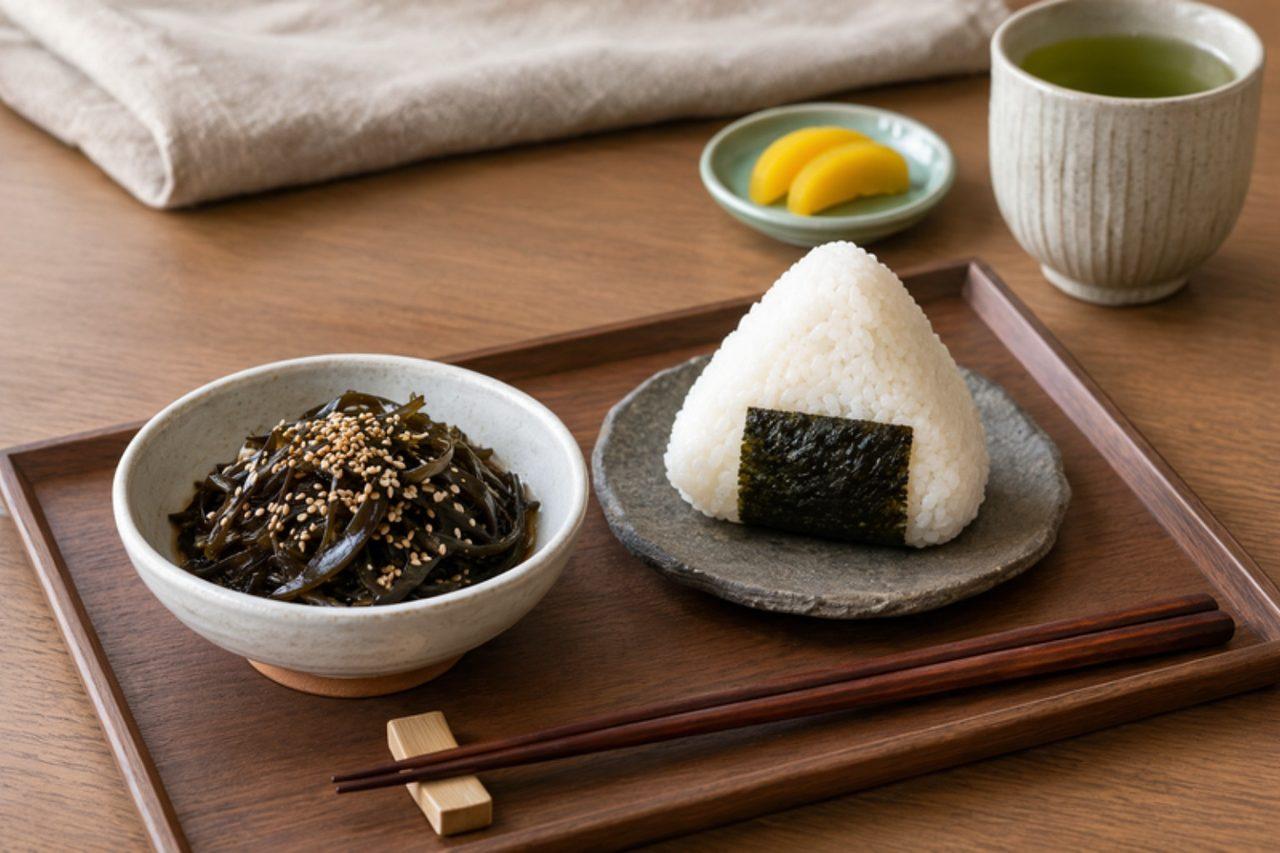
Kombu tsukudaniSoy-simmered kelp

Japanese home cooks hate waste, so the softened kelp left over from making dashi is saved in the freezer until there is enough to simmer down into tsukudani, a dark, chewy relish named after Tokyo's Tsukudajima island, where fishermen first preserved their catch in soy. A teaspoon goes into the middle of an onigiri or on top of the rice in a weekday bento, and it lasts a week in the fridge. The common mistake is boiling it hard from the start: the kelp turns slimy and the sauce scorches before the strips are tender. A splash of vinegar early on softens the kelp so it cooks evenly. Chef's tip: stop when only a spoonful of glaze clings to the pan, because the relish thickens a lot more as it cools.

by KrazyBadal 0 views

Showing 9 of 7,762 recipes

Show more recipes

Page 100 of 863