


Skip to content
Safi mashwi
Featured recipe

Safi mashwi

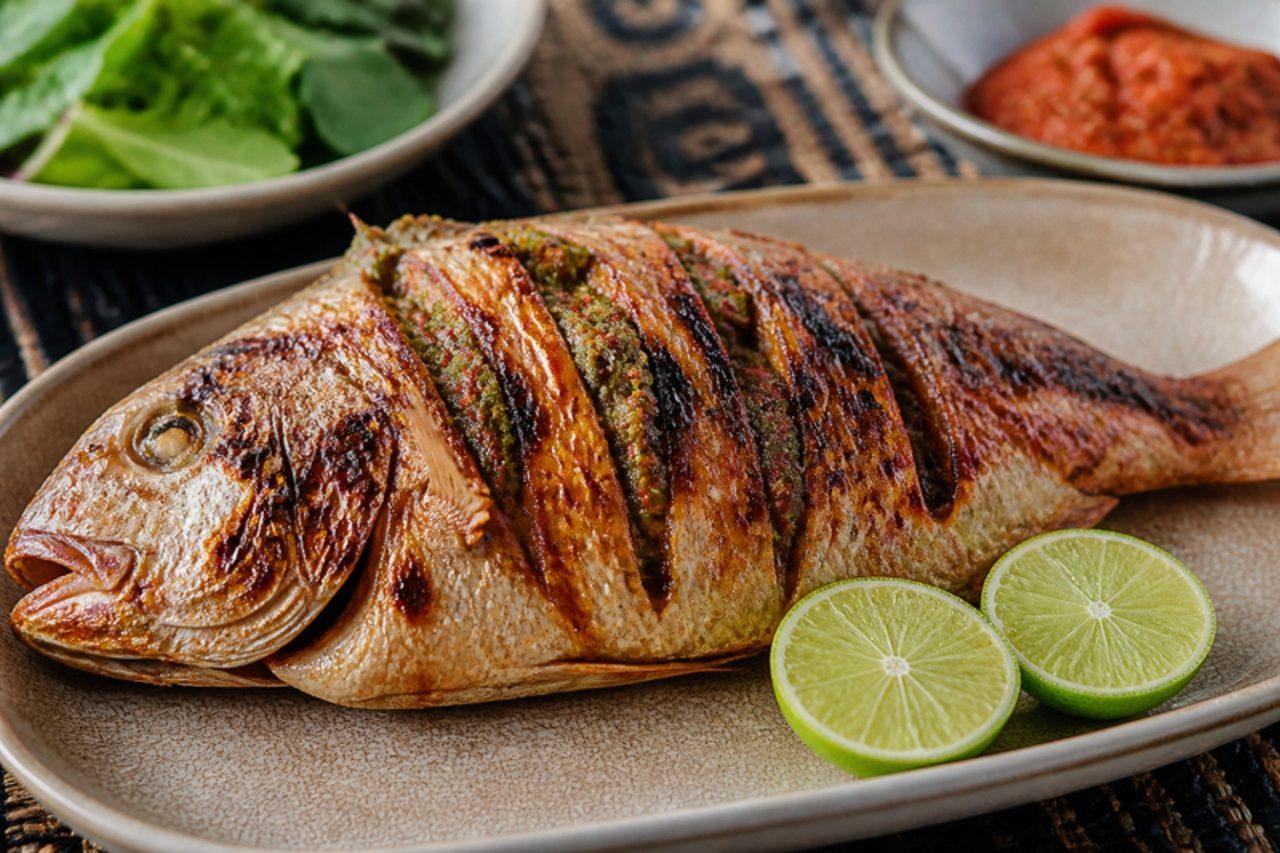
Grilled stuffed rabbitfish

Safi, the rabbitfish, is the fish Bahrainis love most, and on weekends it comes off the grills of seafront restaurants in Manama and Budaiya stuffed with a green paste of garlic, coriander and red chilli. The flesh is sweet and delicate and the skin turns crisp and smoky. It is eaten with white rice, a little daqqus and plenty of lime. The common mistake is overfilling the belly so the fish splits on the grill. Chef's tip: rabbitfish has sharp spines on its fins; ask the fishmonger to trim them, or snip them off with kitchen scissors before you start. Any small whole sea bream or bass works if safi is not available.

Read more 0 views

What to eat today?

Around the world

Today's trip: Paraguayan

A new country every day, from every cuisine on the site.

Paraguayan

Chipa

Cheese bread rings 50 minMore from Paraguayan (27) →

This week's collection

Kid-friendly dinners
537 recipes · a new collection every Monday

Latest recipes

Zhū gān ní (pork liver purée)

Zhū gān ní, a smooth purée of pork liver, is the iron food Chinese grandmothers swear by, and wet markets from Chengdu to Shanghai sell small pieces of very fresh pork liver for exactly this. The liver is soaked to draw out the blood, steamed with a slice of ginger until cooked right through, then blended and stirred into rice porridge, where it gives a mild, savoury, slightly sweet taste. Liver is very rich in vitamin A, so babies should have it only in small amounts, no more than once a week. No salt, soy sauce, sugar or honey for babies. It is free of the major allergens. Chef's tip: buy the freshest liver you can find, glossy and deep red-brown, and freeze the purée in cubes so one portion is always ready.

by KrazyBadal 0 views
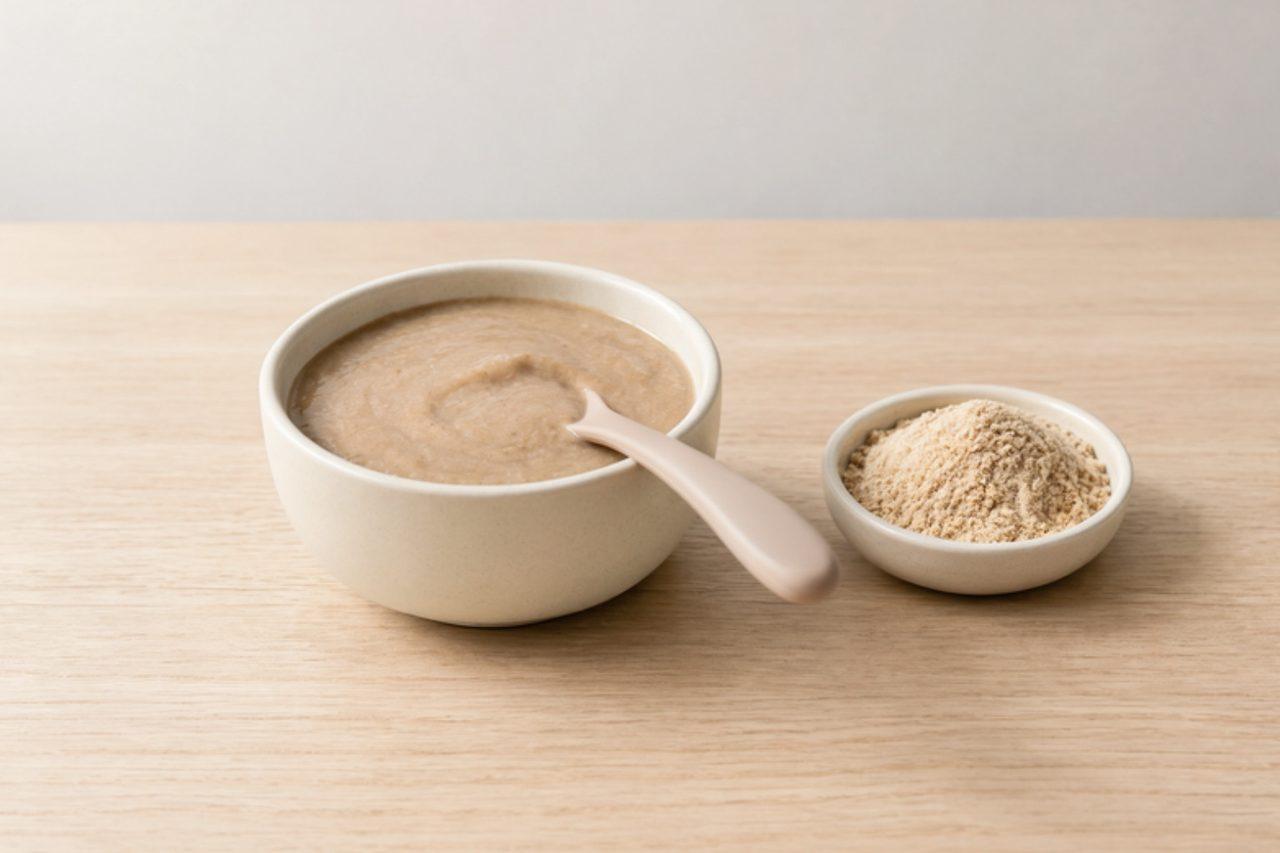

Lito (sarbottam pitho porridge)

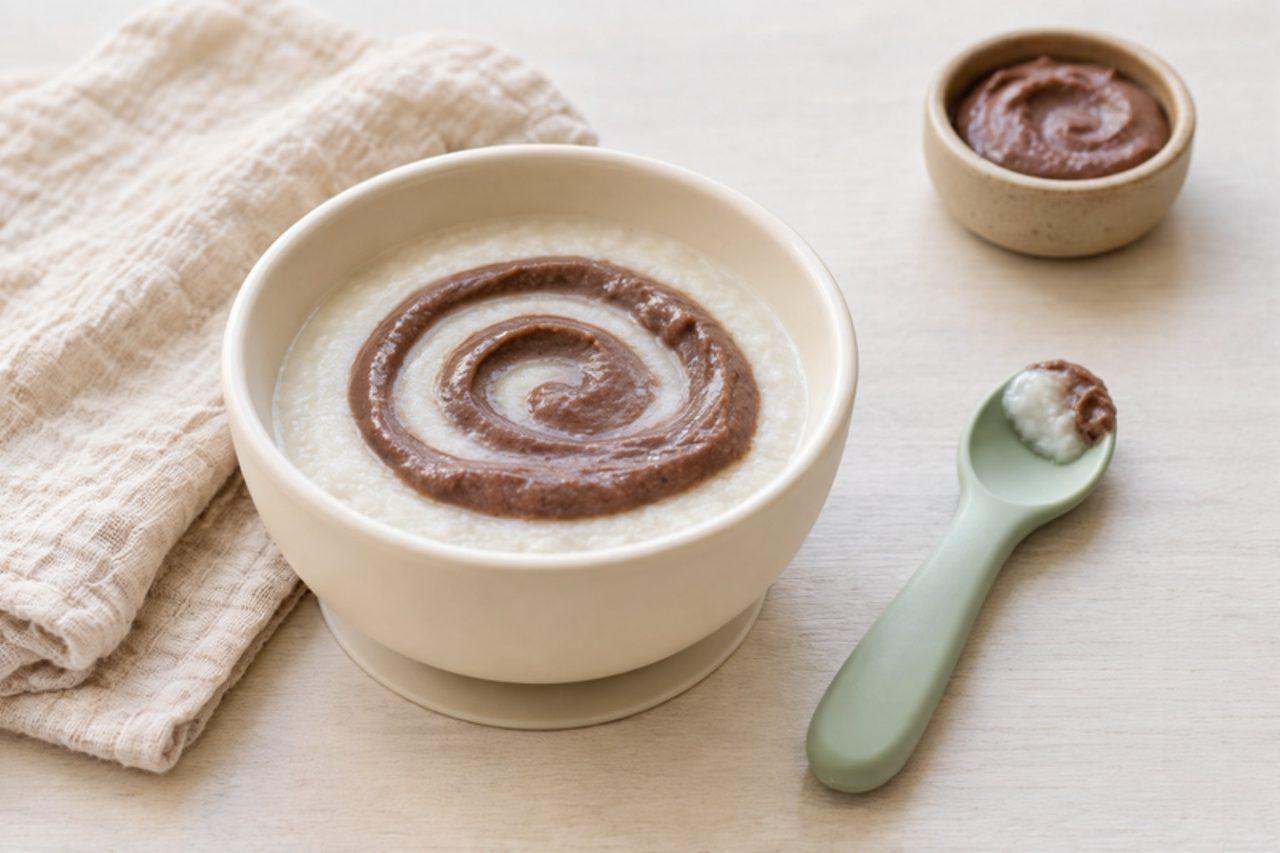
Ask a mother in Kathmandu, Pokhara or a hill village what her baby eats after the pasni rice-feeding ceremony, and the answer is often lito: porridge made from sarbottam pitho, a 'super flour' that families roast and grind themselves from two parts soybean to one part each of maize and wheat. Cooked with water it becomes a smooth, nutty, toast-coloured porridge with more protein than plain rice. For babies there is no salt, sugar, jaggery, honey or ghee needed. It contains soya and wheat (gluten). Chef's tip: roast the grains separately, each until it smells nutty and cracks between your teeth, then grind and sieve; the beans need longest.

by KrazyBadal 0 views

Jīdàn gēng for babies (steamed egg custard)

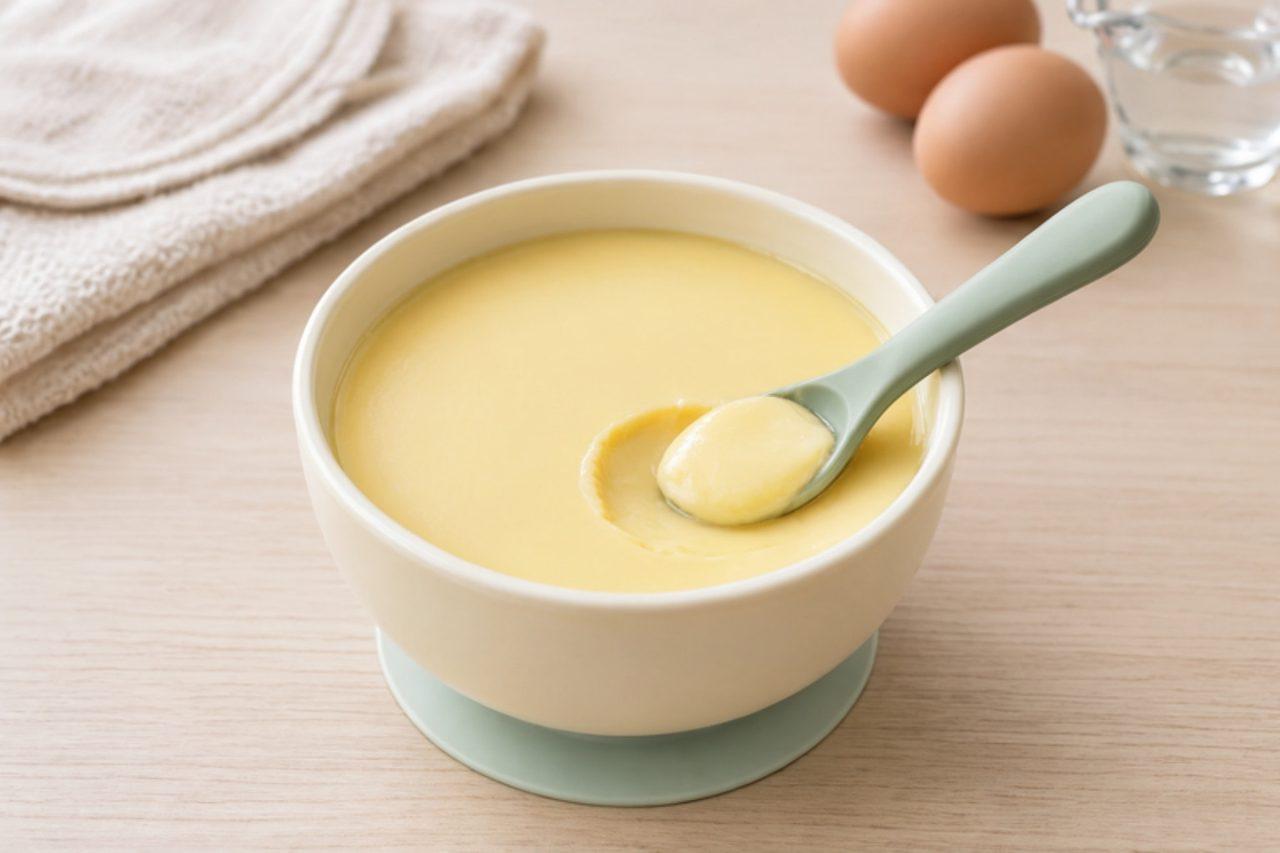
Jīdàn gēng, egg steamed with water into a quivering custard, is the dish Chinese grandparents everywhere from Shanghai to Guangzhou make for small children, and it is often the way a baby first meets whole egg at around nine months. The family version is finished with soy sauce, sesame oil and spring onion; this one is plain, so it tastes clean and gently eggy. Steamed slowly, it is smooth as silk and fully set. It contains egg and is free of milk, gluten, nuts, soya, sesame and fish. Chef's tip: cover the bowl with a plate while it steams; dripping condensation is what pockmarks the surface.

by KrazyBadal 0 views

Detsadovsky omlet (kindergarten oven omelette)

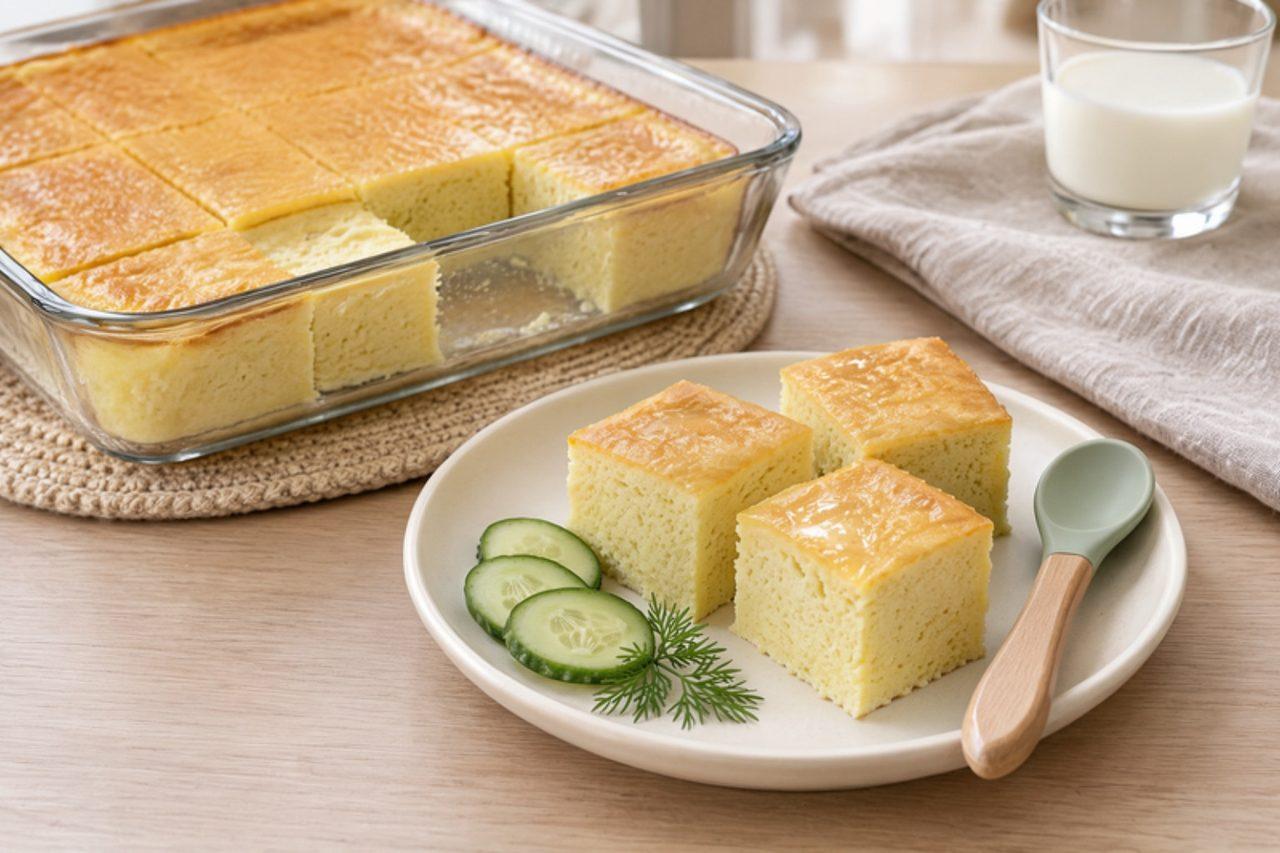
Anyone who went to a detsky sad, a kindergarten, in Moscow, Kyiv or Minsk remembers this omelette: tall, pale and soft as a sponge, baked in big trays and served in squares with a slice of bread and butter. The secret is lots of milk and a deep dish, so the eggs steam-bake into a quivering, custardy block rather than a flat frittata. It makes a protein-rich breakfast or supper for toddlers from 12 months, made here without salt. It contains egg and milk; there is no gluten, nuts or soya. Chef's tip: stir the eggs and milk, don't whisk them into a foam, or the omelette rises and then collapses.

by KrazyBadal 0 views

Kandalee ka saagStinging nettle greens

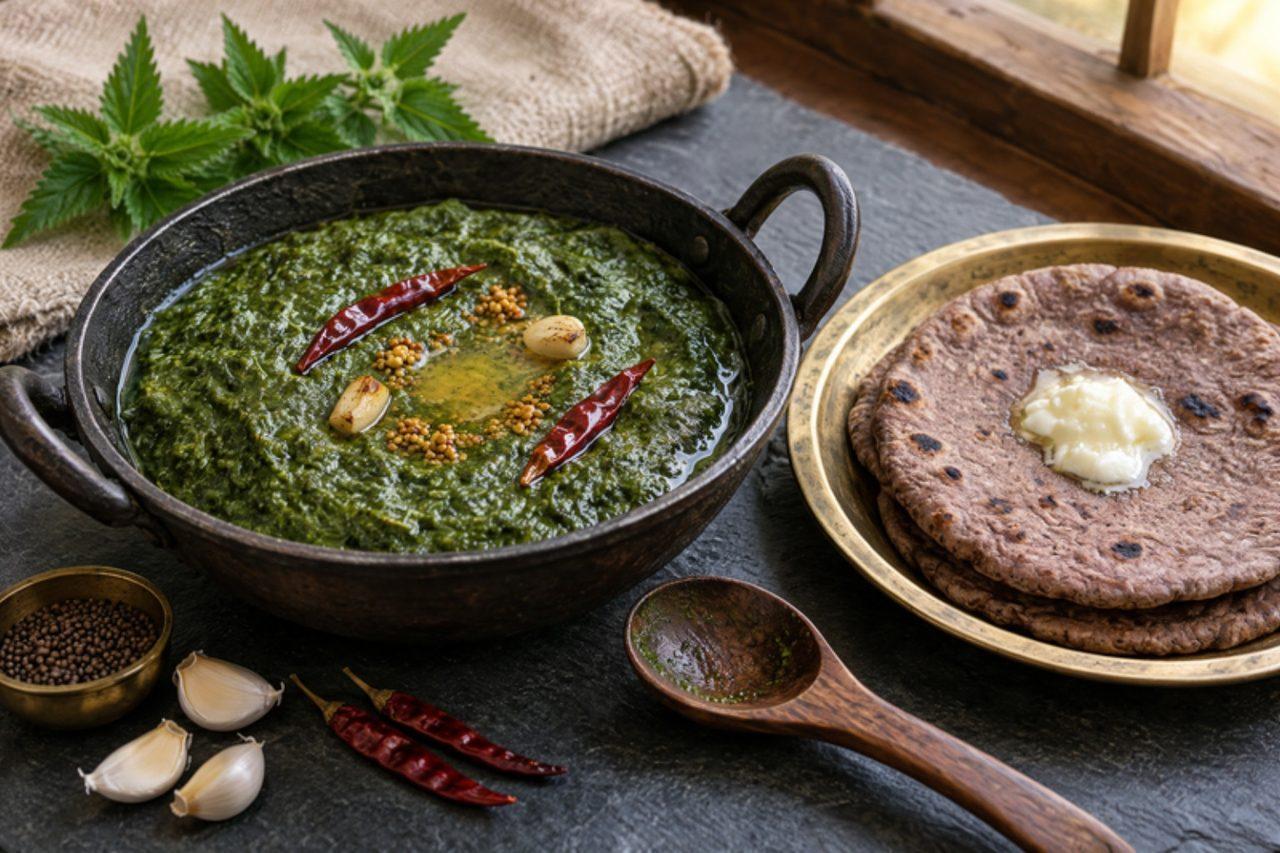
Every spring in Uttarakhand people pick the soft tips of kandalee (bichhu ghas, stinging nettle) from field edges and cook them into a deep green saag with garlic, chilli and a spoon of rice paste, eaten with mandua roti or rice. Nettles taste like a rich, mineral spinach and the sting disappears completely once they are blanched. Always wear gloves or use tongs when picking and washing them. The common mistake is skipping the blanch and going straight to the pan, which leaves stringy stems and some sting. Chef's tip: squeeze the blanched nettles well and chop fine before cooking; this is what gives the smooth, creamy texture hill cooks are proud of.

by KrazyBadal 0 views

Kangri khattaTangy chickpeas

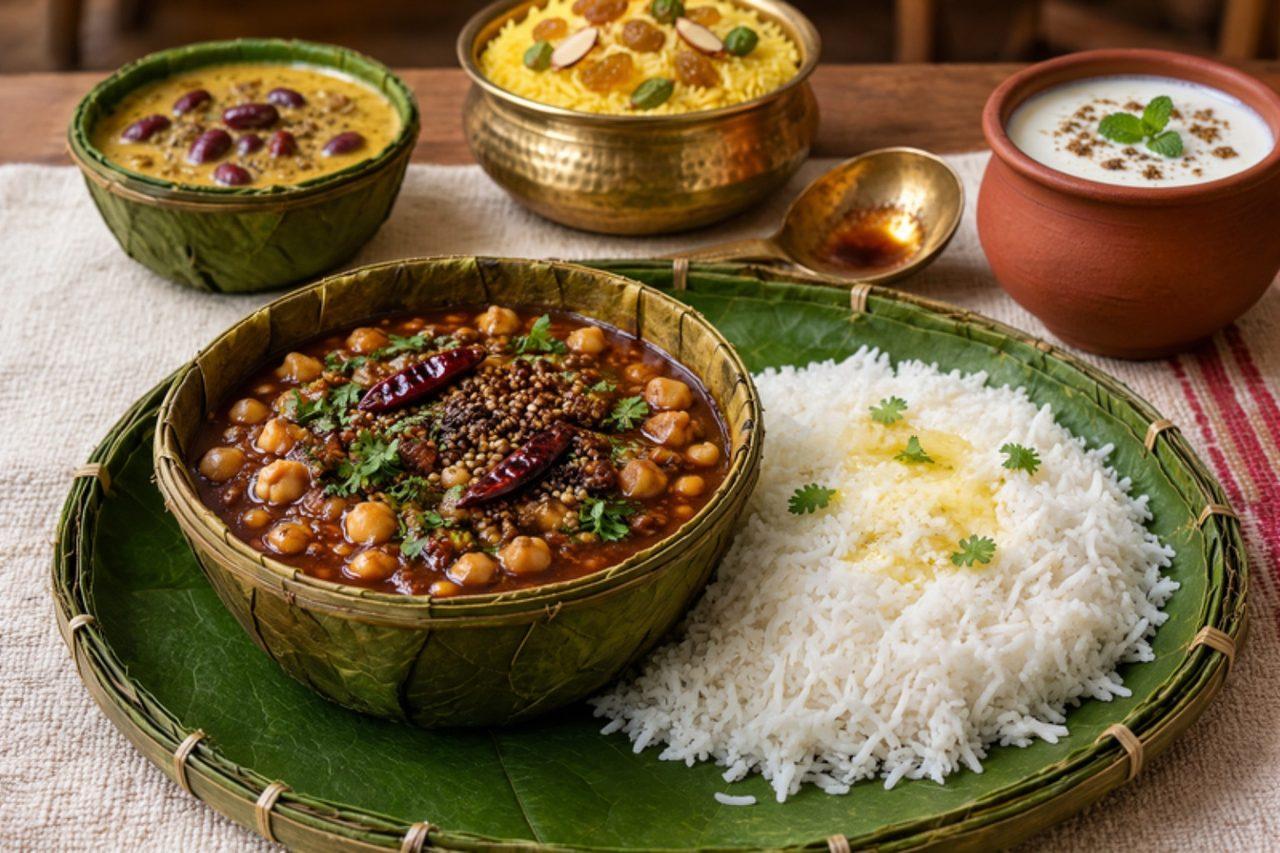
At a Kangra dham, the leaf-plate feast cooked by botis (Brahmin cooks) for weddings and village festivals, khatta comes towards the end, a dark, sweet-sour dish of chickpeas or pumpkin in a gravy soured with tamarind or dried mango and balanced with jaggery. It is served with rice and has no onion or garlic. The gravy is thin, glossy and almost black from the long-cooked tamarind. The common mistake is adding the tamarind to undercooked chickpeas; the acid stops them softening, so cook them fully first. Chef's tip: a teaspoon of rice flour or gram flour stirred into the gravy gives the dham-style gloss without making it heavy.

by KrazyBadal 0 views

Daegu-sal juk (cod and vegetable baby porridge)

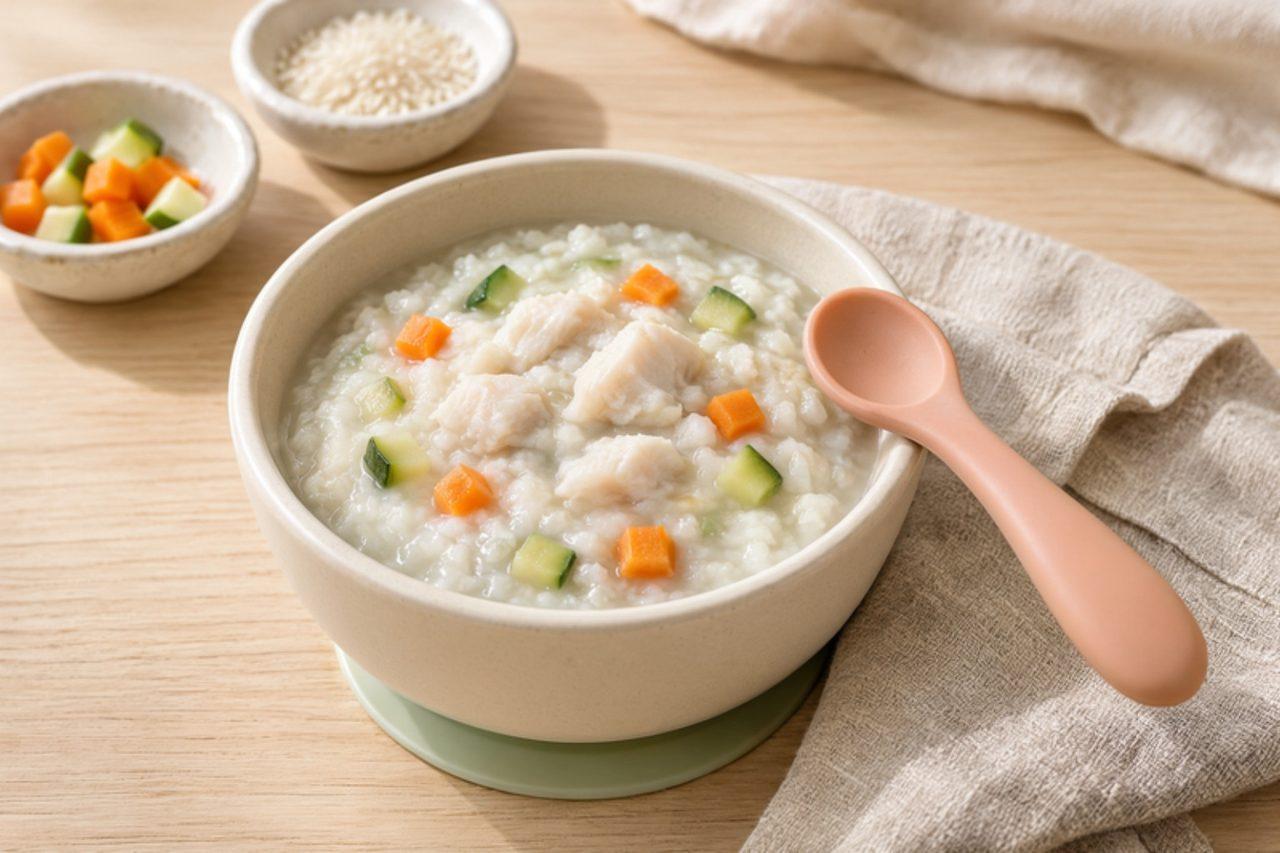
In Korea, homemade baby food (iyusik) follows clear stages, and by the late stage around nine months, Seoul parents are making juk with roughly crushed rice and small pieces of fish and vegetables. Daegu-sal juk uses mild, flaky cod with sweet courgette (aehobak) and carrot, and no soy sauce, salt or sesame oil. It is creamy, delicate and soft enough to mash between the gums. It contains fish and is free of milk, egg, gluten, nuts, soya and sesame. Chef's tip: crush the soaked rice lightly with a rolling pin or a couple of pulses in a blender; broken grains thicken the juk faster and give exactly the soft lumps this stage needs.

by KrazyBadal 0 views

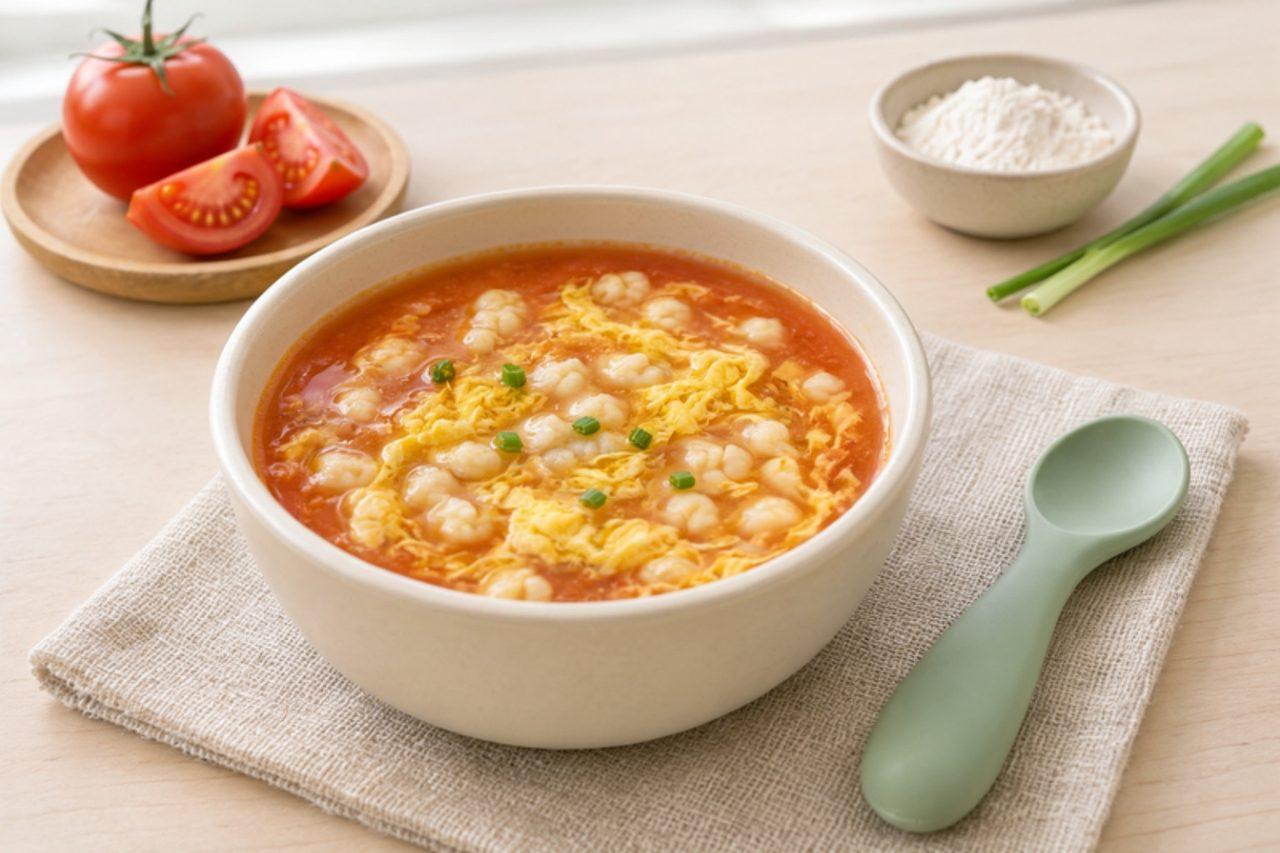
Gē da tāng (flour-knot soup with tomato and egg)

Gē da tāng is the soup of northern Chinese homes, from Beijing hutongs to the kitchens of Hebei and Shandong, made on cold evenings or when someone is under the weather. Water is dripped onto flour until it forms little knots, which are rained into a broth of soft tomatoes and finished with egg, so the bowl is part soup, part tiny dumpling. For toddlers from 12 months it is cooked without salt or soy sauce, and the egg is simmered until fully set. It contains wheat (gluten) and egg, and sesame if you add the oil; there is no milk, nuts or soya. Chef's tip: drip the water in a thin trickle while stirring with chopsticks, so you get rice-sized knots, not a paste.

by KrazyBadal 0 views

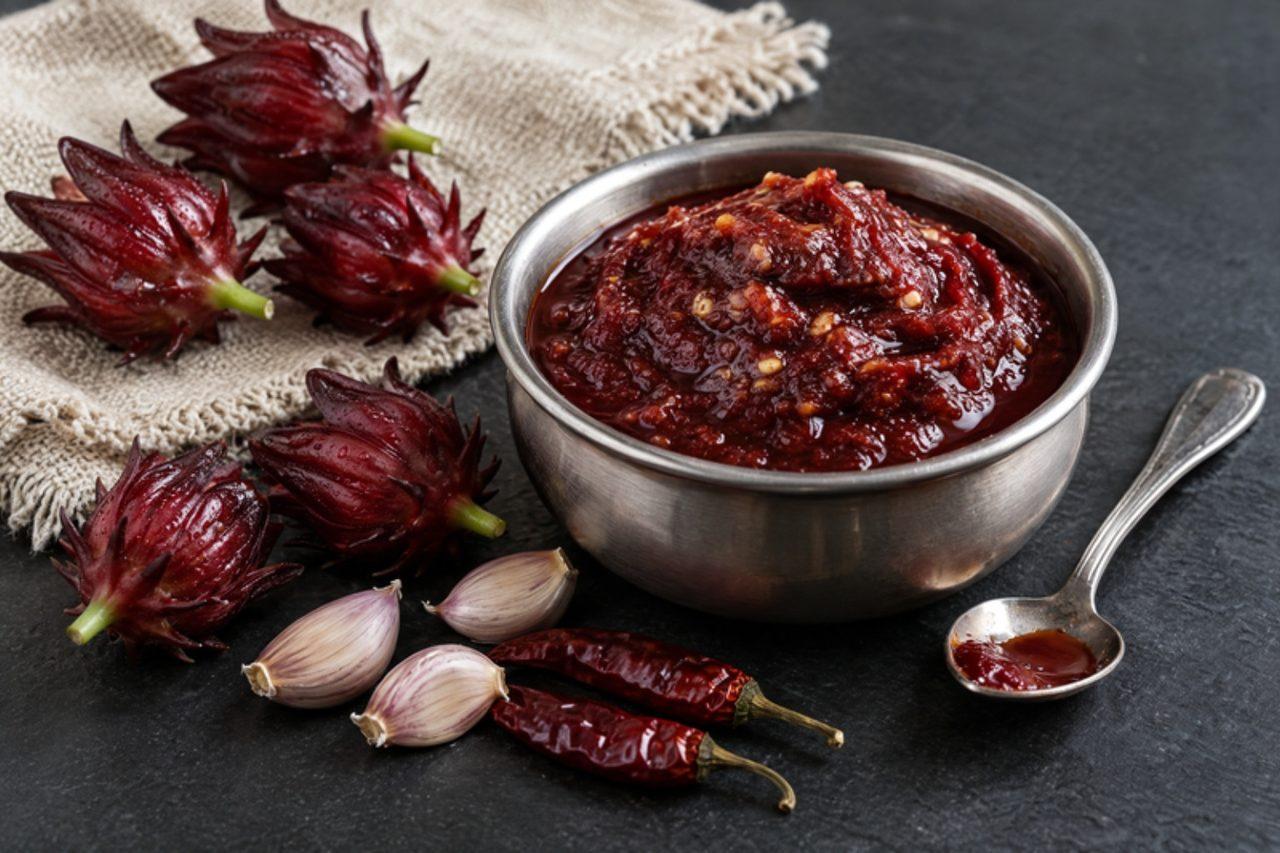
Kudrum chutneyRoselle chutney

Kudrum is roselle, the red-calyxed hibiscus that tribal households in Jharkhand grow round their homes, and in the post-monsoon months its sour fleshy calyces and leaves are cooked into this bright red chutney. It is eaten with plain rice, dhuska or pitha, and a spoonful wakes up a simple meal of dal and saag. A frequent mistake is leaving the hard green seed pod inside each calyx, which makes the chutney woody; split each one and pop the pod out. Chef's tip: dried hibiscus flowers sold for tea make a good stand-in; soak them 20 minutes in hot water first.

by KrazyBadal 0 views

Showing 9 of 7,762 recipes

Show more recipes

Page 101 of 863