


Skip to content
Kuku paka
Featured recipe

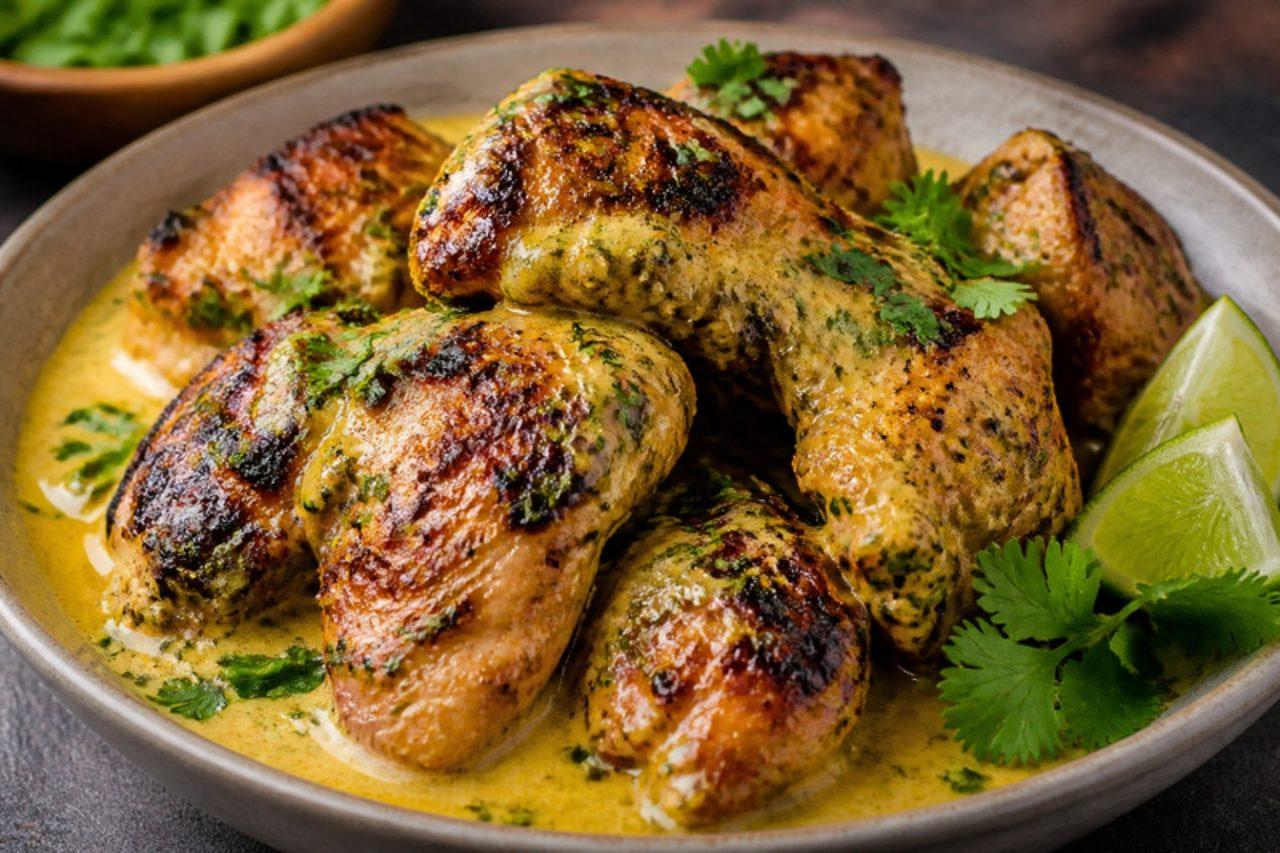
Kuku paka

Grilled chicken in coconut curry

Kuku paka is a Mombasa and Lamu speciality with Indian roots, cooked for weddings and Eid along the Kenyan coast: chicken is marinated in ginger, garlic and chilli, charred over charcoal or under a grill, then simmered in a smooth coconut sauce with turmeric and lime. The grilling gives the sauce its smoky note. The mistake is adding thick coconut milk too early and boiling it hard, so it splits; simmer gently. Chef's tip: add halved boiled potatoes or boiled eggs to the sauce, as many coast families do, to stretch it for more people.

Read more 0 views

What to eat today?

Around the world

Today's trip: Paraguayan

A new country every day, from every cuisine on the site.

Paraguayan

Chipa

Cheese bread rings 50 minMore from Paraguayan (27) →

This week's collection

Kid-friendly dinners
537 recipes · a new collection every Monday

Latest recipes

Shānyào ní (Chinese yam purée)

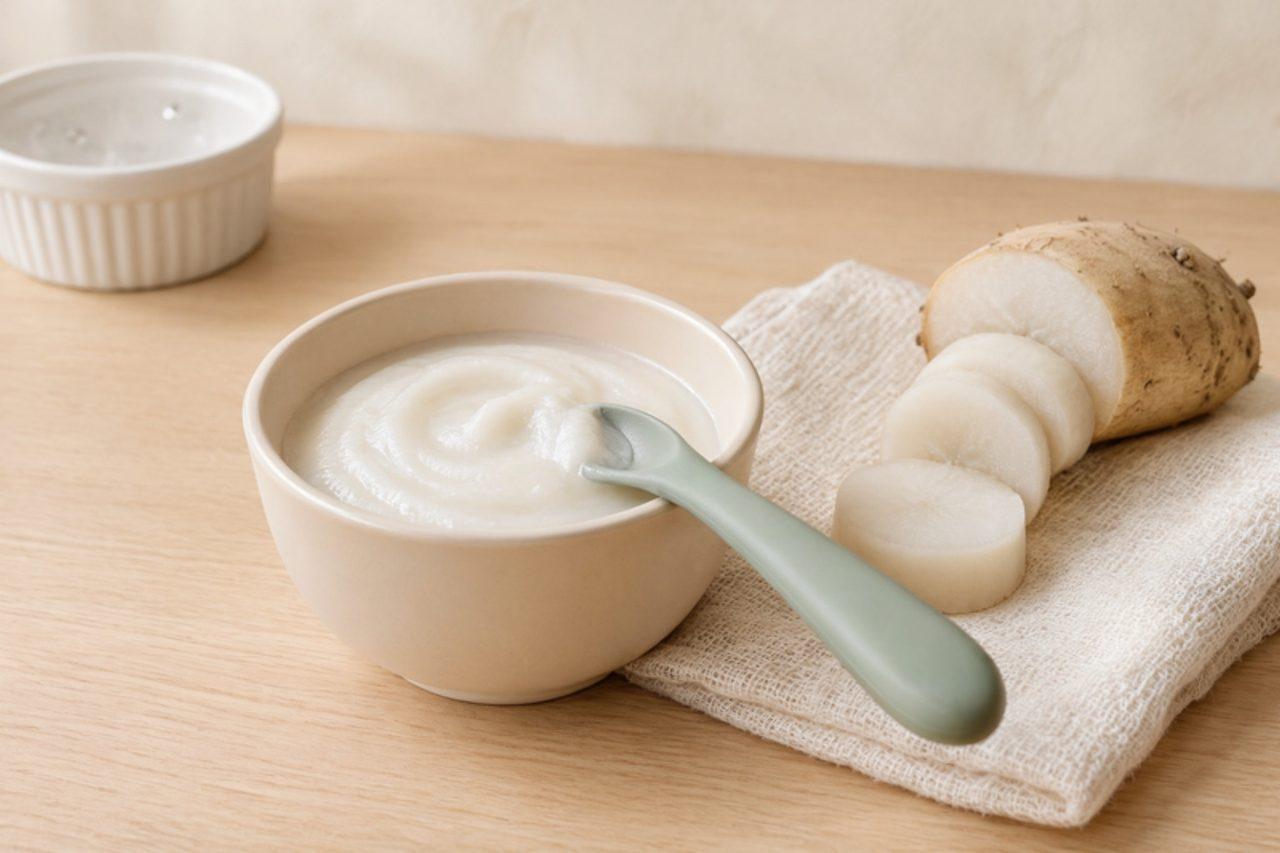
Chinese yam (shānyào, the long, hairy-skinned root sold in bundles in markets from Beijing to Guangzhou) is valued in Chinese homes as easy on the tummy, and steamed shānyào ní is one of the classic first purées offered at six months. Once steamed, the crisp, slippery flesh turns floury and pale, and pressed through a sieve it gives a smooth, slightly sweet, potato-like purée. Nothing else is added: no salt, sugar or honey for babies. It is free of the major allergens. Chef's tip: wear gloves or oil your hands before peeling; the raw sap makes skin itch, but cooking destroys it completely.

by KrazyBadal 0 views
Zhū gān ní (pork liver purée)

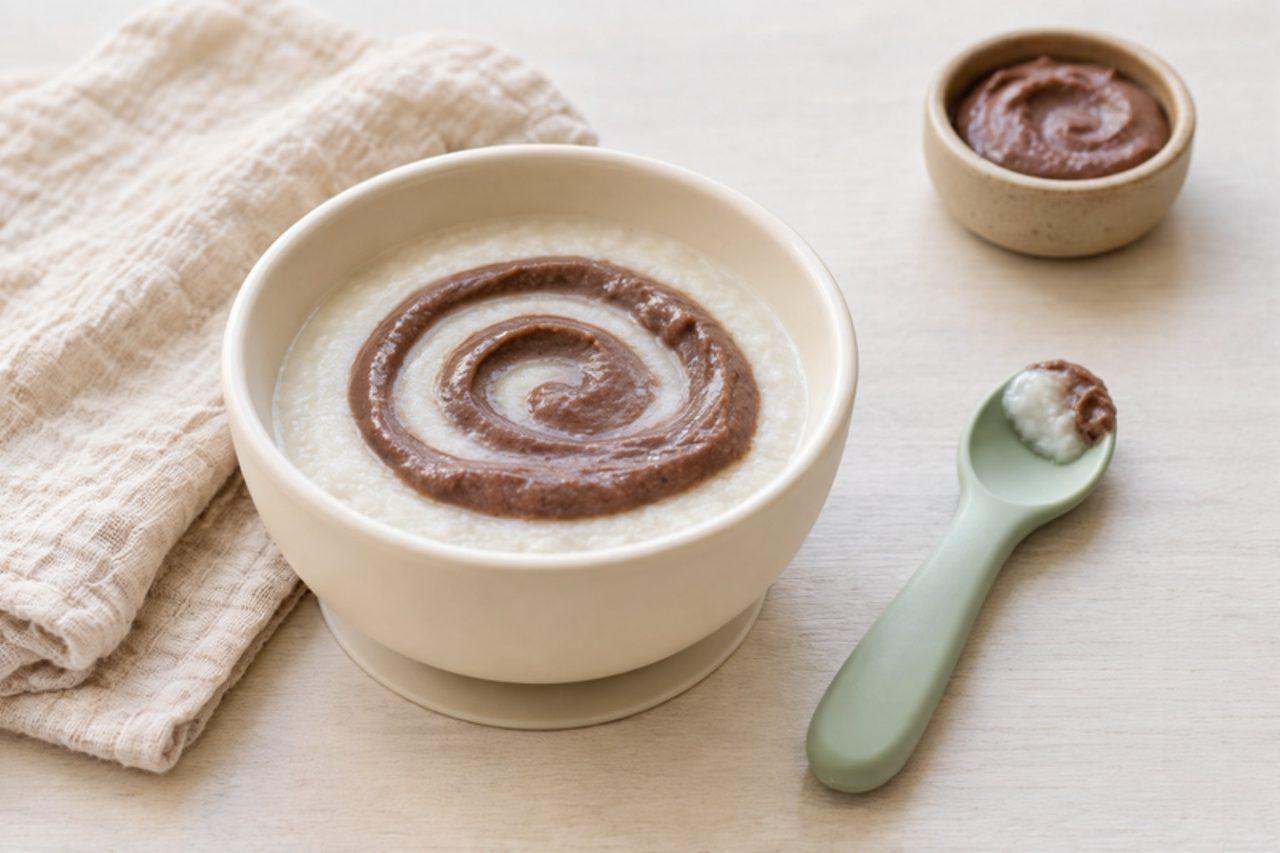
Zhū gān ní, a smooth purée of pork liver, is the iron food Chinese grandmothers swear by, and wet markets from Chengdu to Shanghai sell small pieces of very fresh pork liver for exactly this. The liver is soaked to draw out the blood, steamed with a slice of ginger until cooked right through, then blended and stirred into rice porridge, where it gives a mild, savoury, slightly sweet taste. Liver is very rich in vitamin A, so babies should have it only in small amounts, no more than once a week. No salt, soy sauce, sugar or honey for babies. It is free of the major allergens. Chef's tip: buy the freshest liver you can find, glossy and deep red-brown, and freeze the purée in cubes so one portion is always ready.

by KrazyBadal 0 views

Daegu-sal juk (cod and vegetable baby porridge)

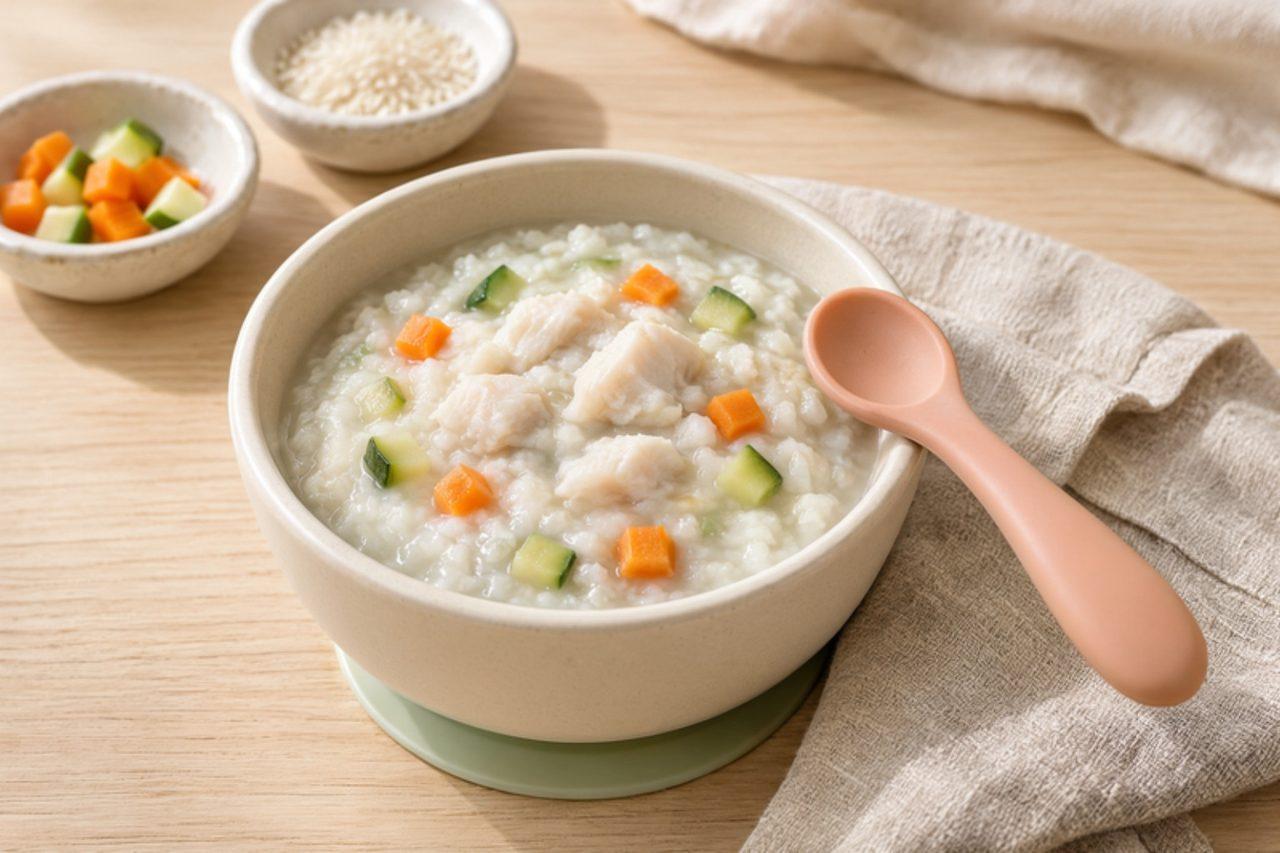
In Korea, homemade baby food (iyusik) follows clear stages, and by the late stage around nine months, Seoul parents are making juk with roughly crushed rice and small pieces of fish and vegetables. Daegu-sal juk uses mild, flaky cod with sweet courgette (aehobak) and carrot, and no soy sauce, salt or sesame oil. It is creamy, delicate and soft enough to mash between the gums. It contains fish and is free of milk, egg, gluten, nuts, soya and sesame. Chef's tip: crush the soaked rice lightly with a rolling pin or a couple of pulses in a blender; broken grains thicken the juk faster and give exactly the soft lumps this stage needs.

by KrazyBadal 0 views

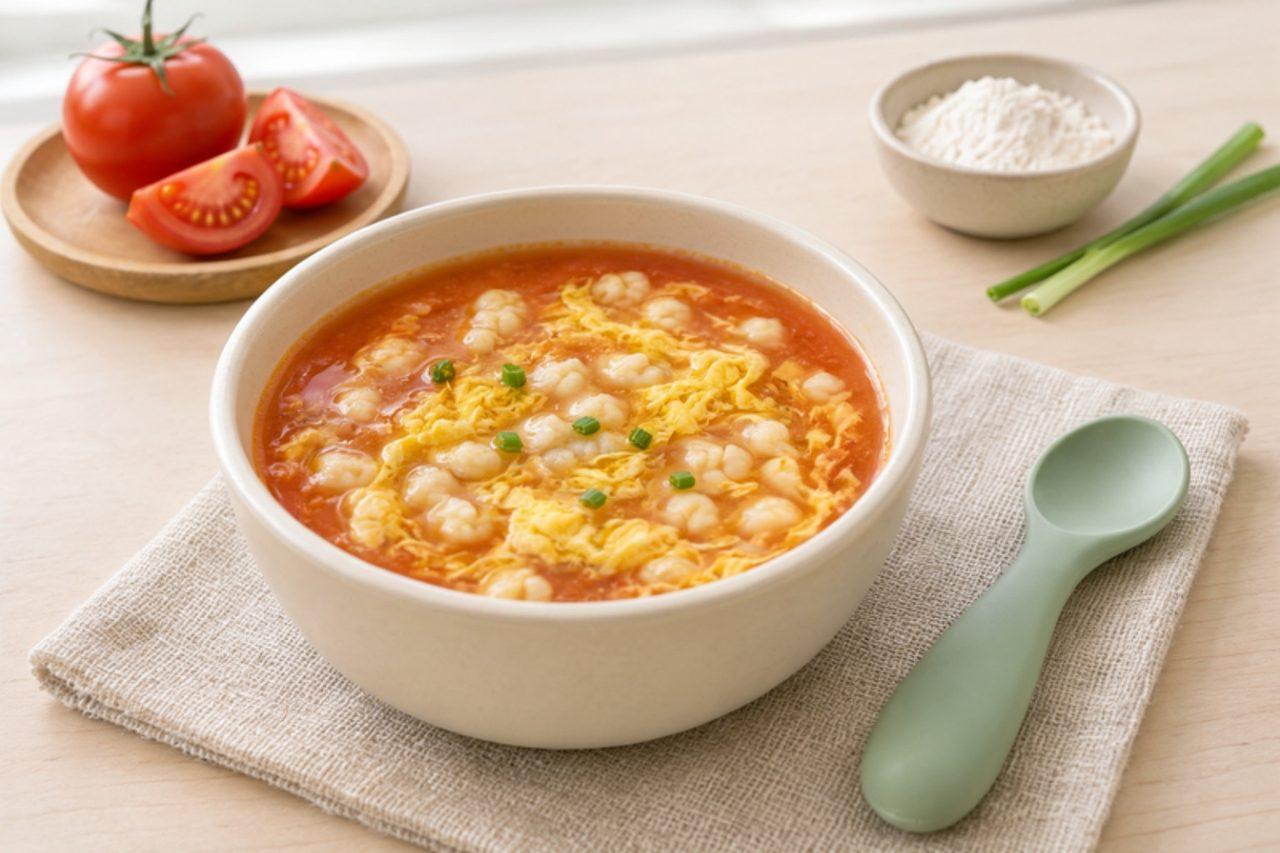
Gē da tāng (flour-knot soup with tomato and egg)

Gē da tāng is the soup of northern Chinese homes, from Beijing hutongs to the kitchens of Hebei and Shandong, made on cold evenings or when someone is under the weather. Water is dripped onto flour until it forms little knots, which are rained into a broth of soft tomatoes and finished with egg, so the bowl is part soup, part tiny dumpling. For toddlers from 12 months it is cooked without salt or soy sauce, and the egg is simmered until fully set. It contains wheat (gluten) and egg, and sesame if you add the oil; there is no milk, nuts or soya. Chef's tip: drip the water in a thin trickle while stirring with chopsticks, so you get rice-sized knots, not a paste.

by KrazyBadal 0 views

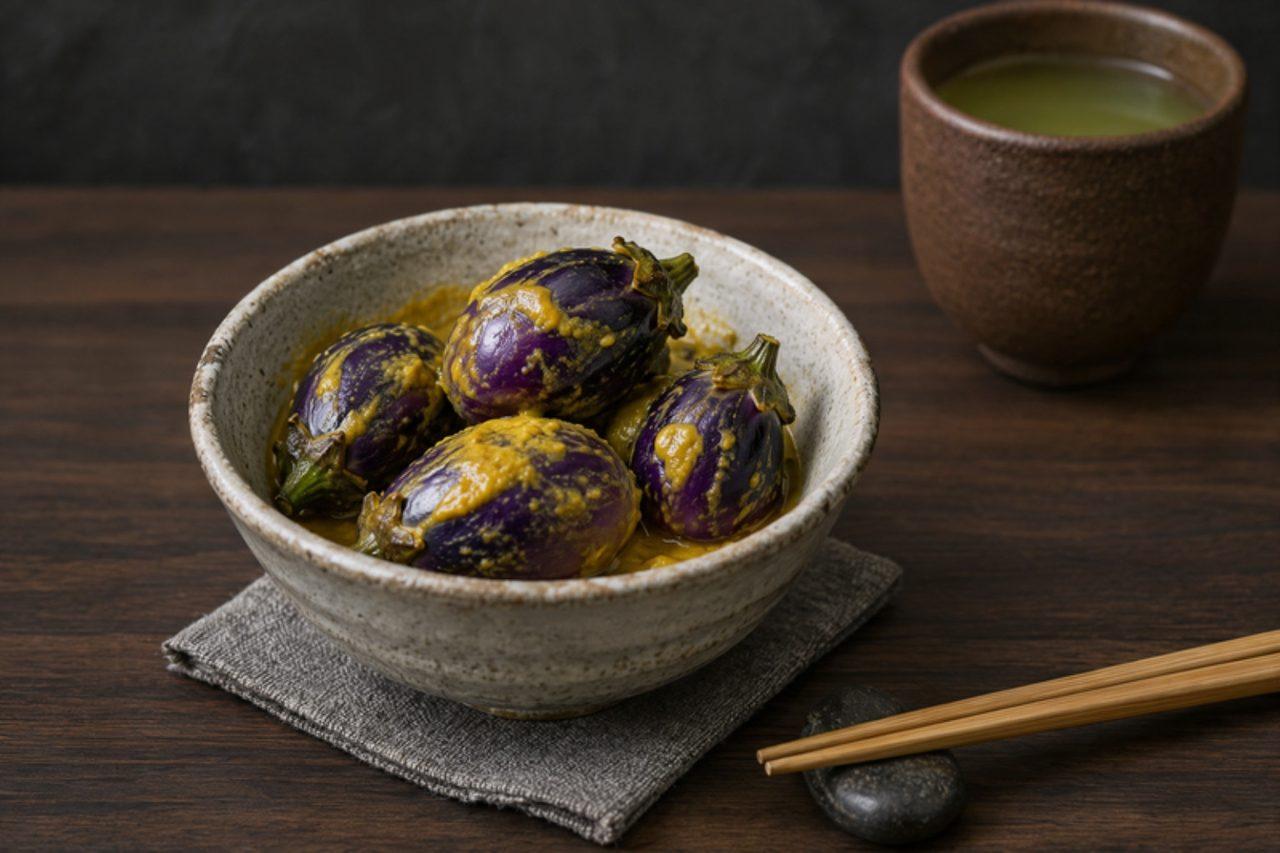
Karashi nasuMustard aubergine pickle

Every late August, Yamagata kitchens fill with the sharp smell of hot mustard as families pickle the tiny round eggplants that grow there, minden-nasu, no bigger than a walnut. Salted, pressed and then coated in a paste of Japanese mustard, sugar and soy sauce, they are eaten whole as a snack with tea, packed into bento boxes and served beside rice through autumn. The first bite is sweet and salty, then the mustard rushes up the nose, and the skins stay a glossy dark purple around a tender, juicy middle. Use the smallest eggplants you can find: Japanese or Thai baby eggplants or small Indian aubergines, around 30–40 g each. The common mistake is mixing mustard powder with hot liquid, which kills its heat; always mix it with cold water and let it rest. It is ready when the eggplants feel soft right through when squeezed, look glossy, and taste hot and sweet rather than raw. Chef's tip: a teaspoon of salt rubbed firmly over the skins before pressing keeps the colour deep purple without the alum that some traditional cooks add.

by KrazyBadal 0 views

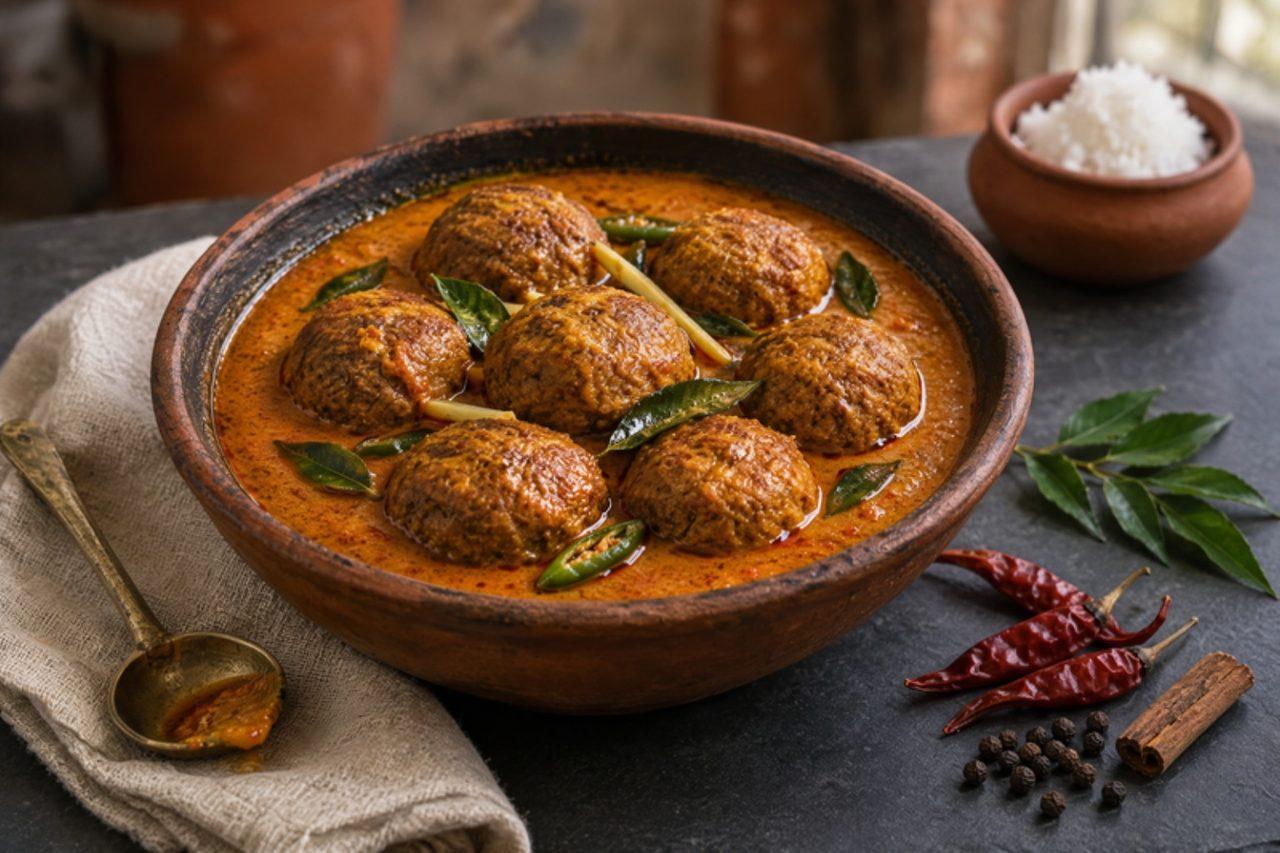
Kari boulettesSpiced meatballs in coconut curry

Kari boulettes come from Puducherry's Franco-Tamil Creole families, whose Sunday tables mix French names with Tamil spice boxes. Minced mutton or beef is mixed with onion, herbs and a little egg into small balls, then simmered in a curry of tomato, onion, poppy seed and coconut milk, often served with rice or crusty bread on feast days and at Christmas. The common mistake is stirring the balls as soon as they go into the gravy, which breaks them; let them set for five minutes, then only shake the pan. The meatballs are done when they reach 71 °C in the centre. Chef's tip: chill the shaped balls for 20 minutes before cooking so they hold their shape.

75 minIndianMeatGluten free
by KrazyBadal 0 views

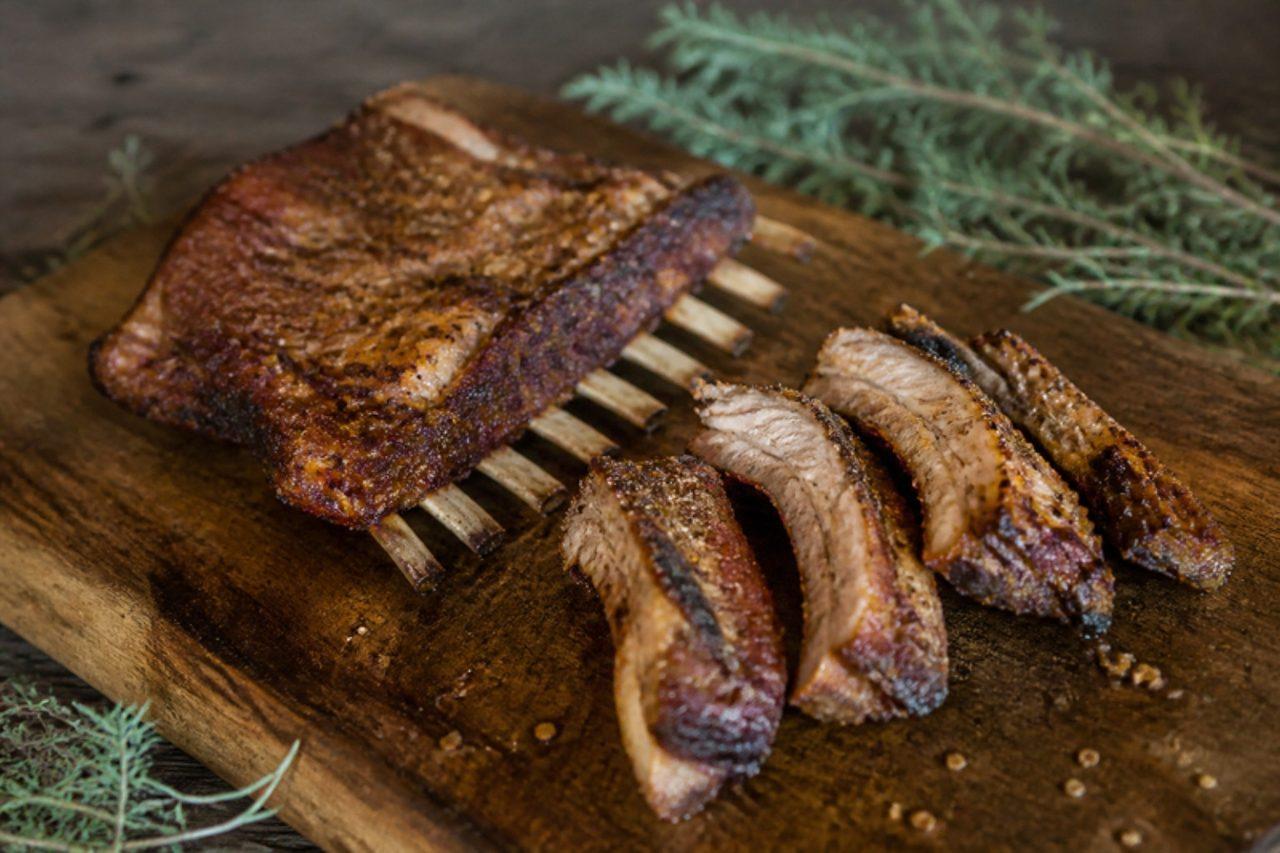
Sout ribbetjieSalt-cured grilled lamb ribs

Before fridges, Karoo farmers rubbed lamb ribs with coarse salt and coriander and hung them in the cool pantry; today the cure happens in the fridge, but the result is the same deeply savoury, almost bacon-like rib that crackles at the edges. At a farm braai near Beaufort West or Sutherland it goes on first, over low coals, because it needs an hour or more to render its fat and turn tender, and people pick at it with their fingers while everything else cooks. Serve it with stywe pap and tomato smoor, or with roosterkoek and a crisp salad. Rinsing too lightly is the usual mistake: rinse off the surface salt after curing, or the meat will be too salty to eat. Chef's tip: keep the coals low and patient; high heat sets the fat alight and blackens the outside long before the meat is soft.

by KrazyBadal 0 views

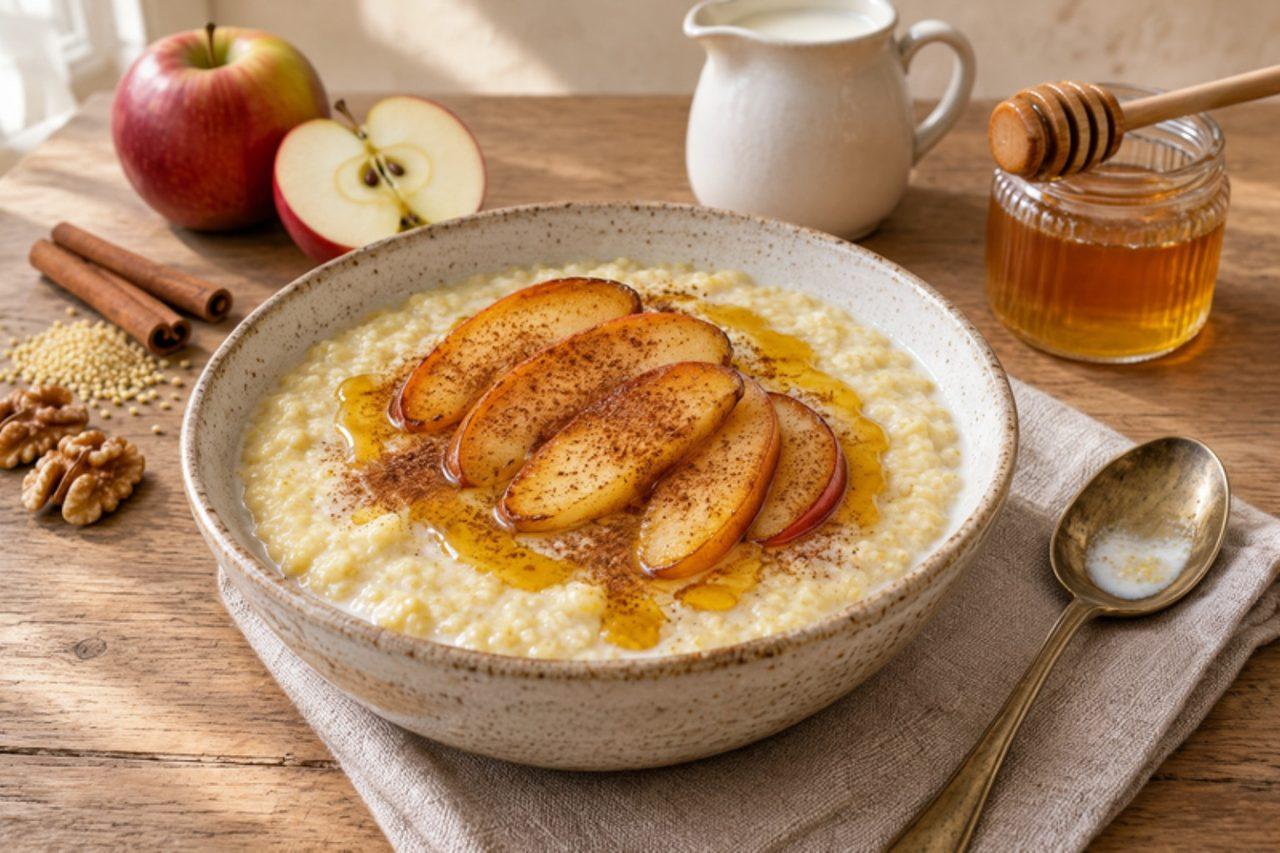
Kasza jaglana na mlekuMillet porridge with milk

Millet, jagły, has been eaten in Poland for centuries, and kasza jaglana na mleku is the warming winter breakfast many Polish children grew up on, now back in fashion as a gentle, gluten-free porridge. The grains are cooked in water first, then simmered in milk until soft and creamy, and topped with sautéed apple, cinnamon and a little honey. The mistake that puts people off millet is skipping the rinse: the grains carry a bitter coating that has to be washed off and scalded away with boiling water. Chef's tip: toast the rinsed millet in the dry pan for 2 minutes before adding water, and the porridge tastes nutty instead of grassy.

by KrazyBadal 0 views

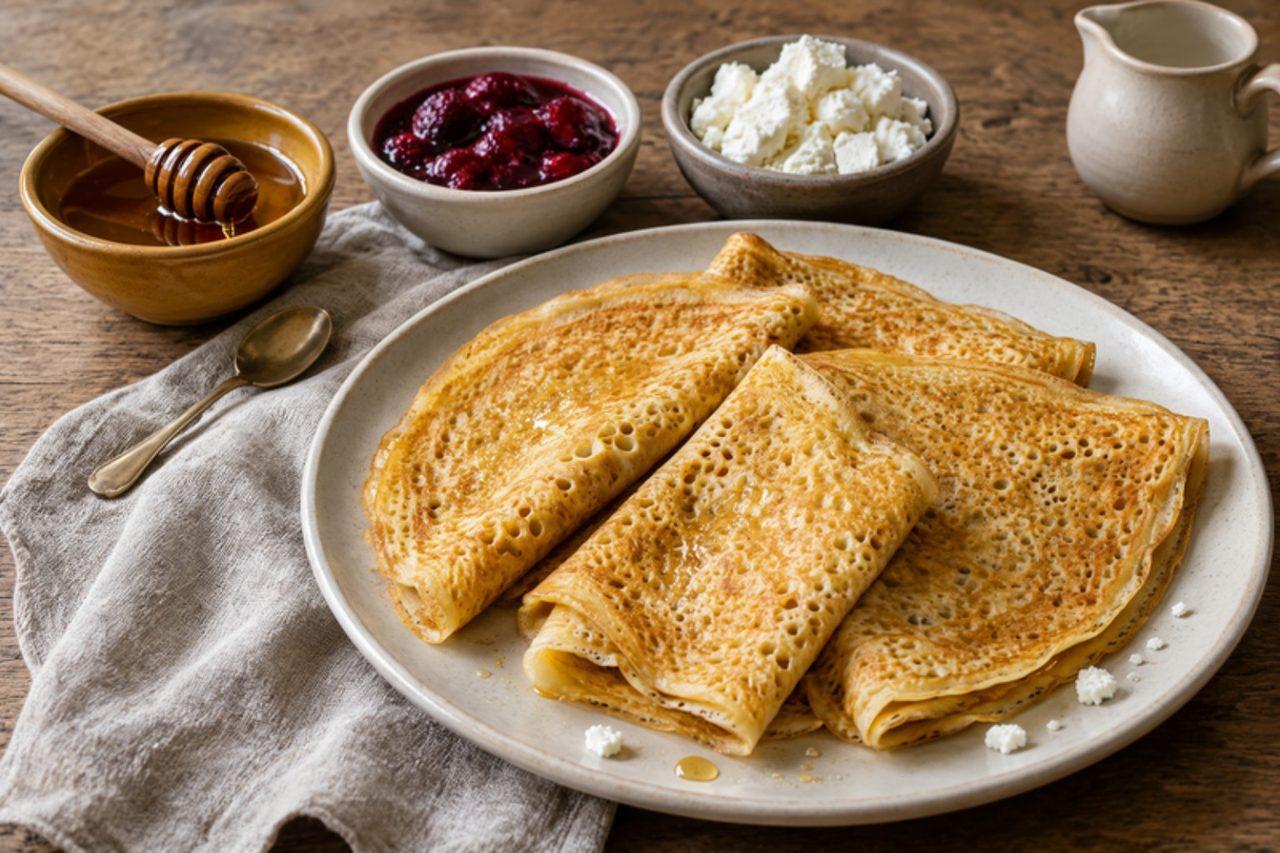
KatmiLacy fermented pancakes

Katmi come from Thrace in southern Bulgaria, where they were once baked on a domed iron pan over the fire and served at fairs and family breakfasts. The batter is lightly fermented with yeast, so the thin pancakes come out full of holes and lacy, crisp at the edge and soft in the middle. They are folded and eaten with honey, jam or crumbled sirene. The common mistake is pouring batter into a pan that isn't hot enough, which gives pale, rubbery pancakes with no lace. Chef's tip: let the batter rest until bubbly, and pour it in a thin spiral from the centre outwards rather than swirling, for proper lacy edges.

by KrazyBadal 0 views

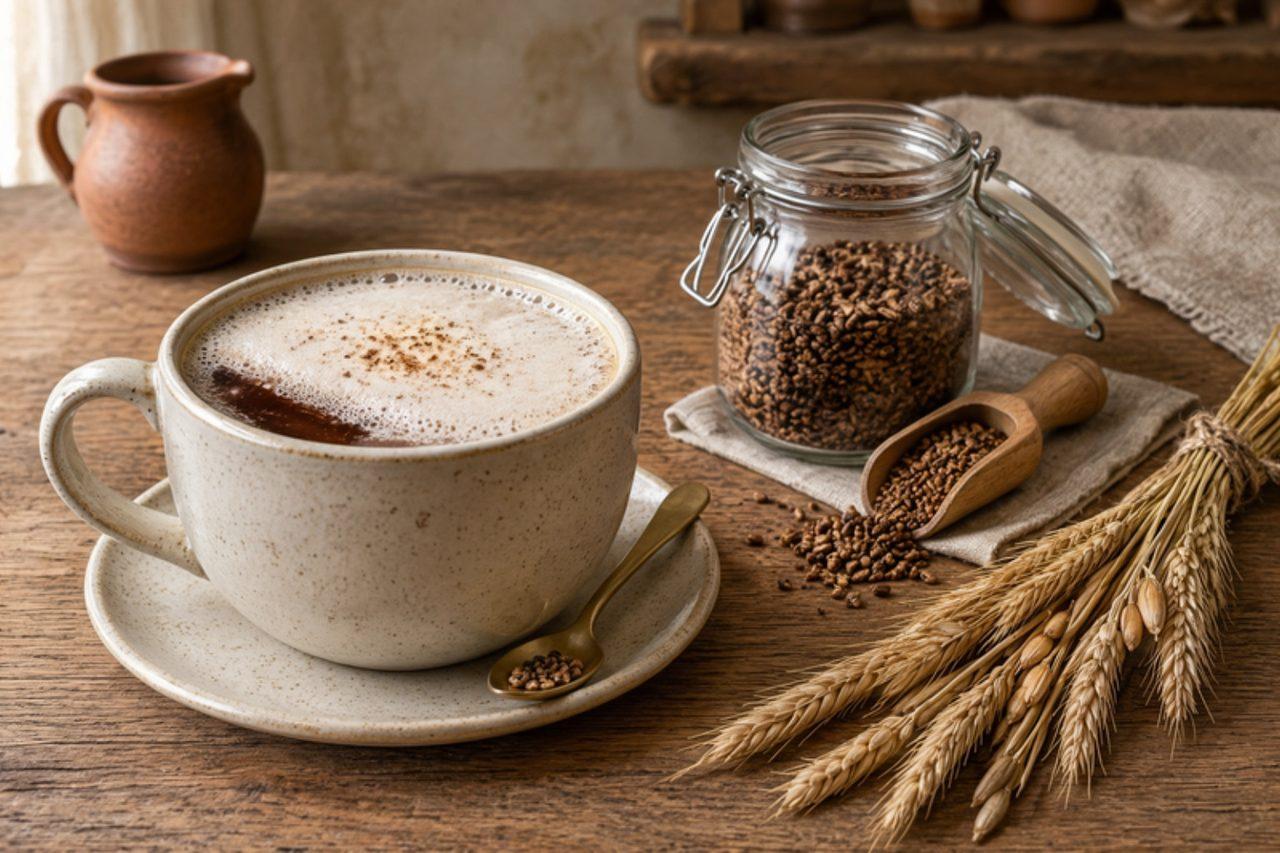
Kawa zbożowaRoasted grain coffee

In Polish kindergartens, school canteens and grandmothers' kitchens, kawa zbożowa is the breakfast "coffee" everyone can drink: a blend of roasted rye, barley, chicory and sometimes sugar beet that tastes toasty and malty with no caffeine at all. It is usually drunk milky and a little sweet alongside bread and butter. The common mistake is brewing ground grain coffee like espresso: it needs a few minutes of simmering to give up its flavour, or it tastes like weak tea. Chef's tip: let the pot stand off the heat for 2 minutes after simmering so the grounds sink, then pour gently and you won't need a filter at all.

by KrazyBadal 0 views

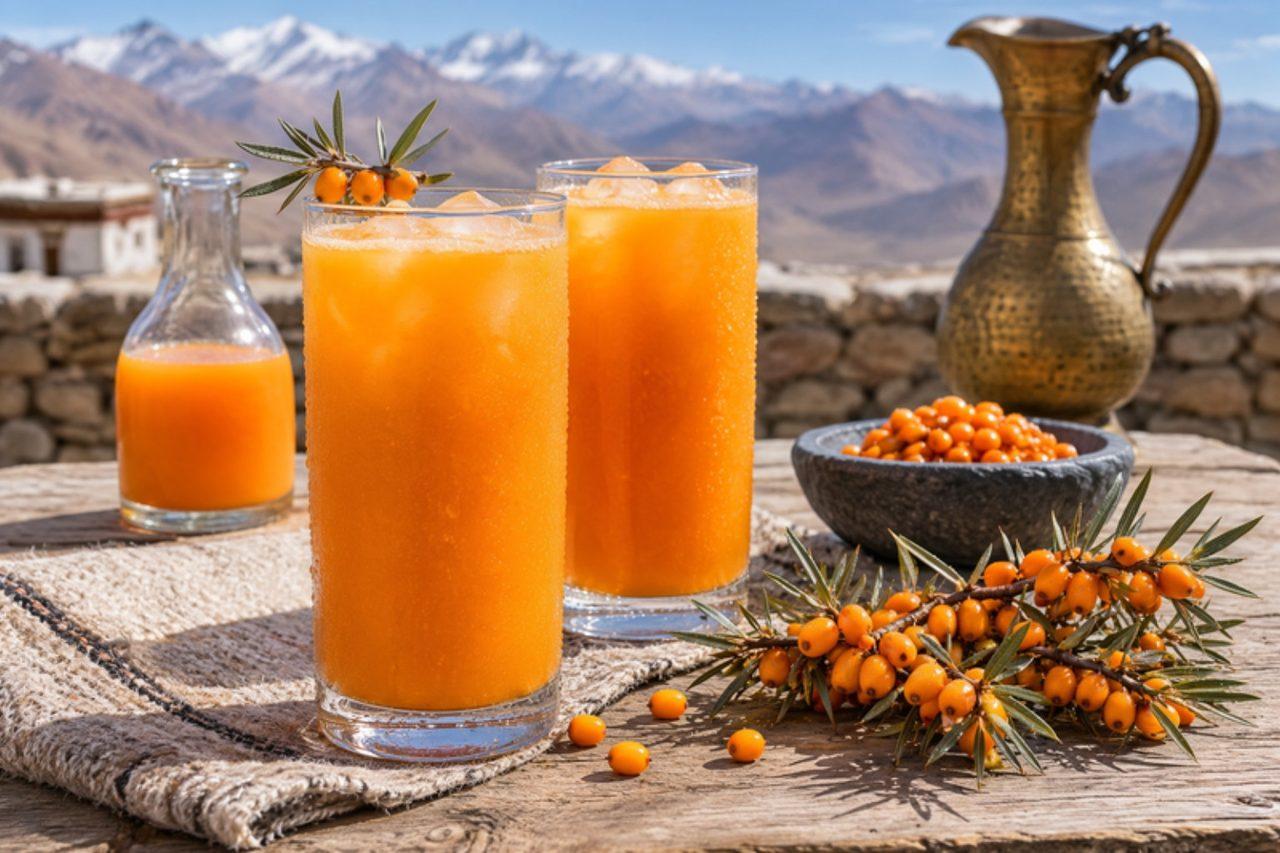
Tsestalulu (sea-buckthorn juice)

Sea buckthorn grows wild along the river beds of Ladakh, and in Leh the bright orange berries are pressed into tsestalulu, a sharp, tropical-tasting juice sold in summer cafés and made at home after the autumn harvest. It is drunk chilled, sweetened with sugar or honey and thinned with cold water. The berries are very sour and slightly oily, so the juice is always diluted. The common mistake is boiling the pulp, which dulls both the colour and the fresh taste; just blend and strain. Chef's tip: frozen sea-buckthorn berries or plain unsweetened purée from health shops work very well; strain twice through a fine sieve for a silky drink.

by KrazyBadal 0 views

Hot jam doughnuts

Hot jam doughnuts have been sold from a van at Queen Victoria Market in Melbourne since the 1950s, and the queue on a cold Saturday morning is part of the ritual. The small round yeast doughnuts are fried, injected with hot raspberry jam and rolled in sugar, then eaten straight from the paper bag; careful, the jam is scorching. A common mistake is frying at too high a heat, which browns the outside before the inside cooks. Chef's tip: let the shaped dough rise until it springs back slowly when poked, or the doughnuts will be heavy.

by KrazyBadal 0 views

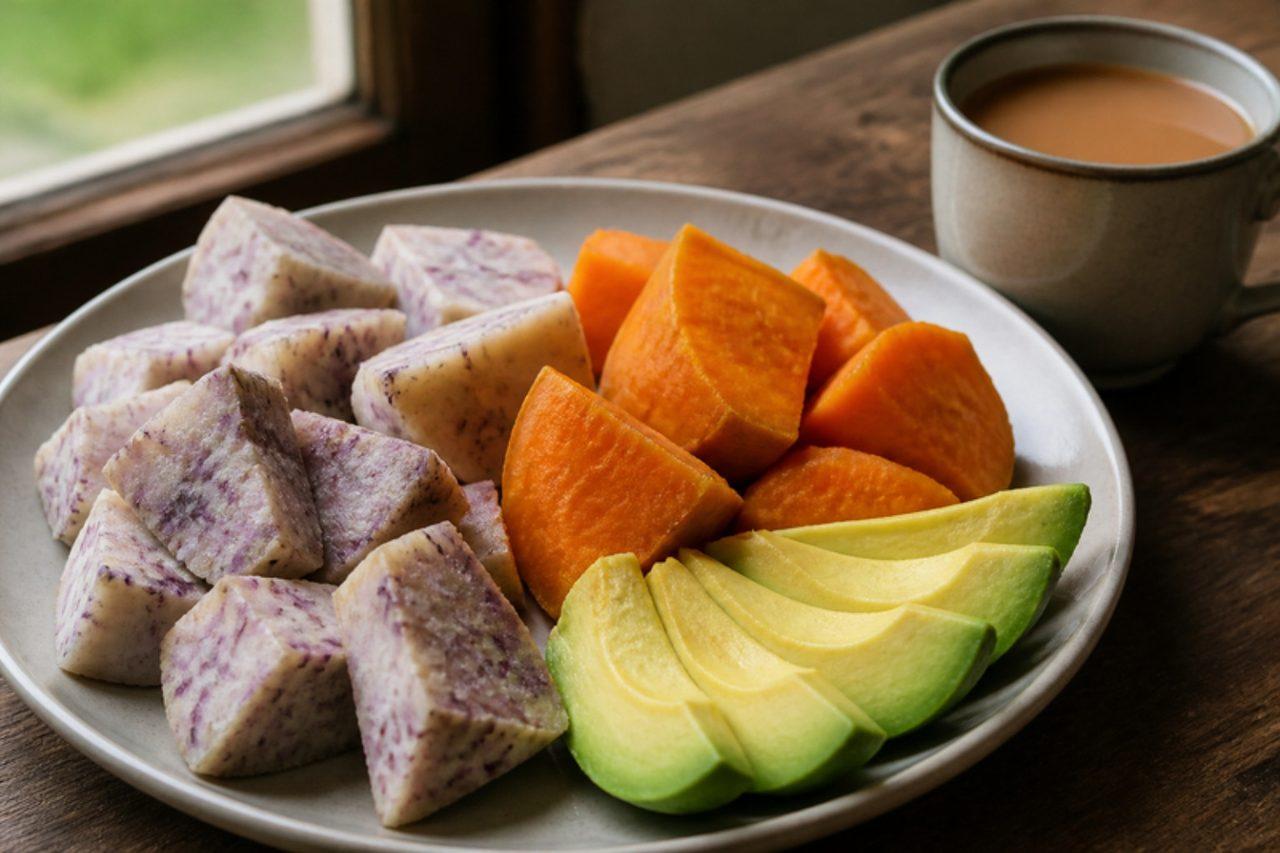
Nduma na viazi vitamuBoiled arrowroot and sweet potato

A plate of nduma and sweet potatoes with a mug of hot milky chai is the classic weekend breakfast in Kiambu and Murang'a homes, and farmers eat the same before a long day in the shamba. What Kenyans call arrowroot is taro, a starchy corm with a dense, nutty flesh that turns faintly purple and almost creamy when boiled; the sweet potatoes beside it are soft and honeyed, lovely with sliced avocado. Find taro (also called eddoes or dasheen) at African, Caribbean and Asian grocers. Raw taro irritates skin and mouth, so wear gloves to peel it and make sure it is boiled right through: undercooking is the one real mistake here and leaves an itchy, scratchy feeling in the throat. Chef's tip: cut taro and sweet potato into similar-sized pieces but add the sweet potato 10 minutes later, so both are done at once.

by KrazyBadal 0 views

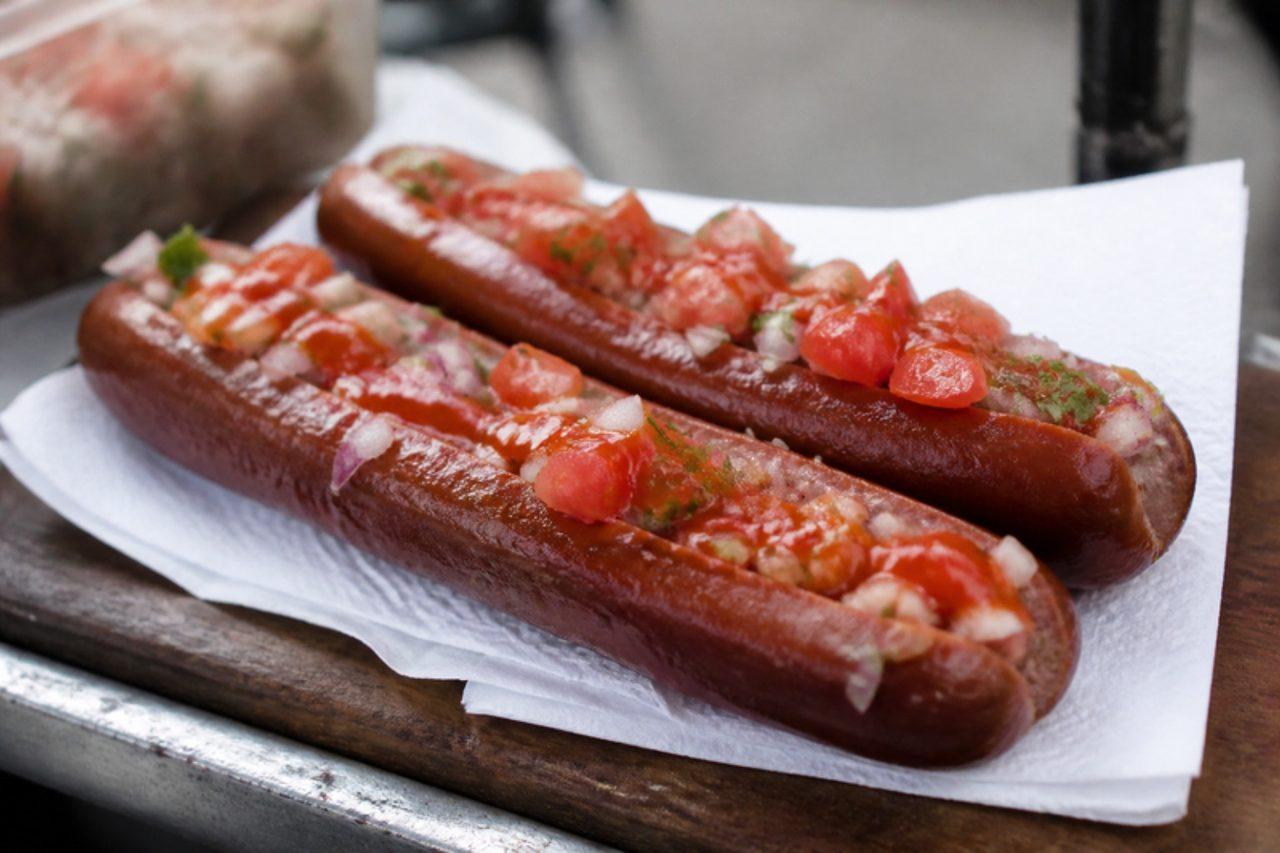
Smokie pasuaSausage with kachumbari

Glass-fronted carts on Nairobi corners, outside schools and matatu stages, keep a tray of smokies warm in water all day, and 'pasua' means the vendor splits one down the middle and packs it with kachumbari. Kenyan smokies are smoked sausages usually made from pork and beef, so check the pack if you avoid pork; beef-only and chicken versions are sold too. They come already cooked, and the job is to heat them through until piping hot, then pile in the cool, sharp tomato-onion salad and a squirt of chilli or tomato sauce for a snack that crunches, snaps and drips. Cutting all the way through is the common slip: the smokie falls apart and the filling spills. Chef's tip: salt the kachumbari onions for a few minutes and squeeze them before mixing, which tames their bite the way the street vendors' do.

by KrazyBadal 0 views

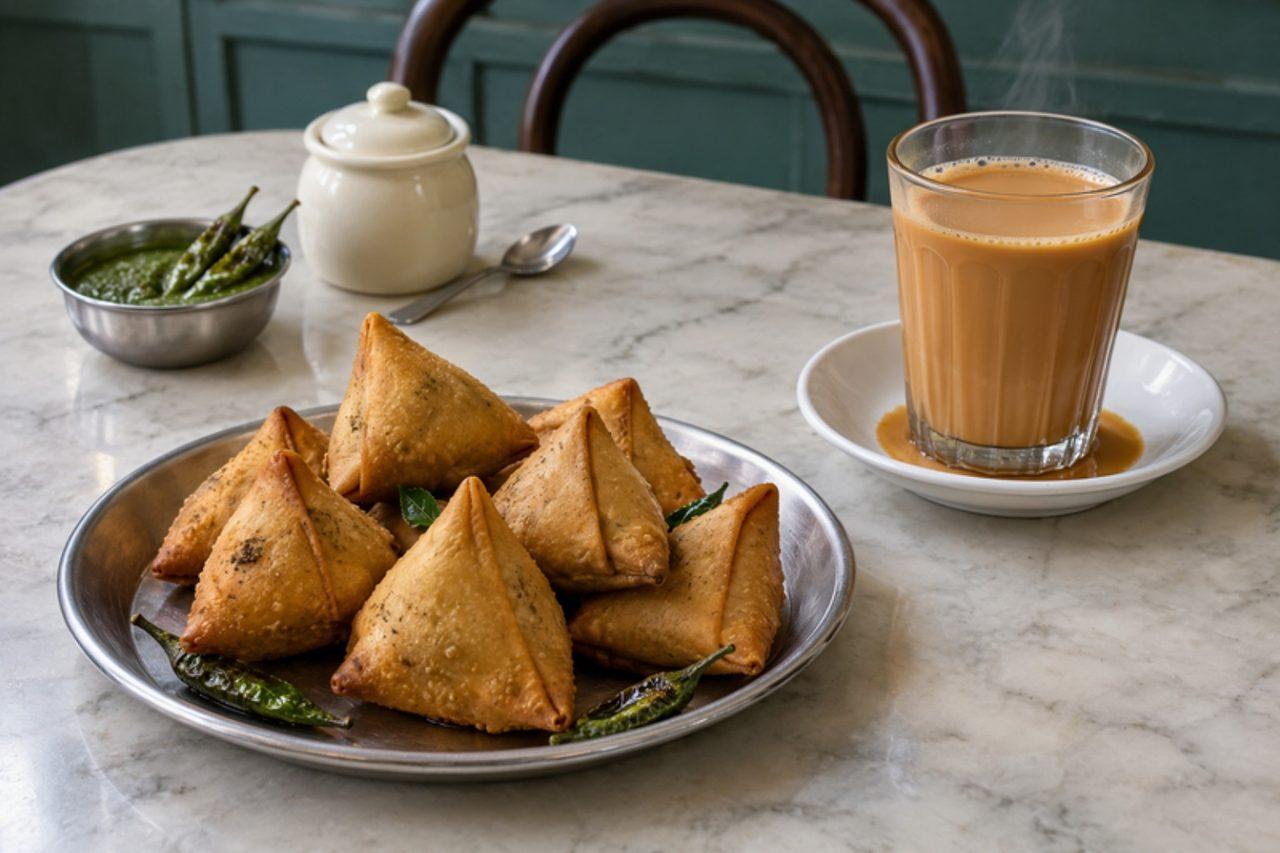
Chennai onion samosa

In Chennai's old tea shops, many started by Irani and Muslim families, a glass of strong tea comes with a plate of small onion samosas: thin, crackly pastry folded around a filling of nothing but slow-cooked onion, green chilli, curry leaves and a little poha to soak up the juices. They are sold by the dozen in the evenings and at bus stands across Tamil Nadu. The pastry is the thin, ready-rolled samosa-patti kind, so they are quick to fold. The common mistake is undercooking the onion, which leaks water and makes the samosas soggy; fry it until soft and sweet, then cool. Chef's tip: seal the folds with a thick paste of flour and water, not plain water, so they do not open in the oil.

by KrazyBadal 0 views

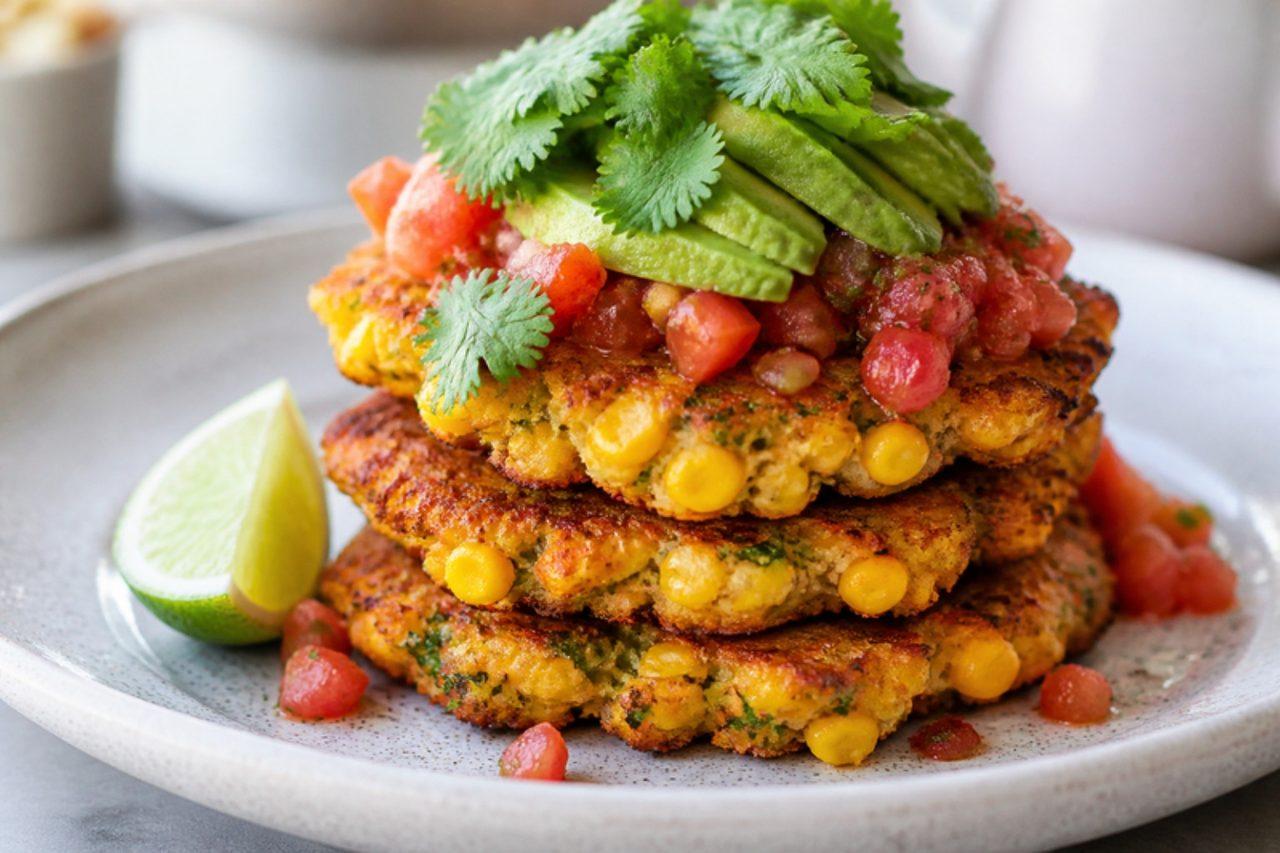
Corn fritters

Corn fritters are a Sydney café staple, the brunch that sits on every menu from Surry Hills to Manly, stacked with smashed avocado, roast tomato or relish and a handful of herbs. The batter is mostly corn, with just enough flour and egg to bind, plus spring onion, coriander and a little chilli. They are quick enough for a weekday breakfast. A common mistake is crowding the pan, which steams them instead of crisping. Chef's tip: blitz a quarter of the corn so its milky juice binds the fritters and keeps them tender.

by KrazyBadal 0 views

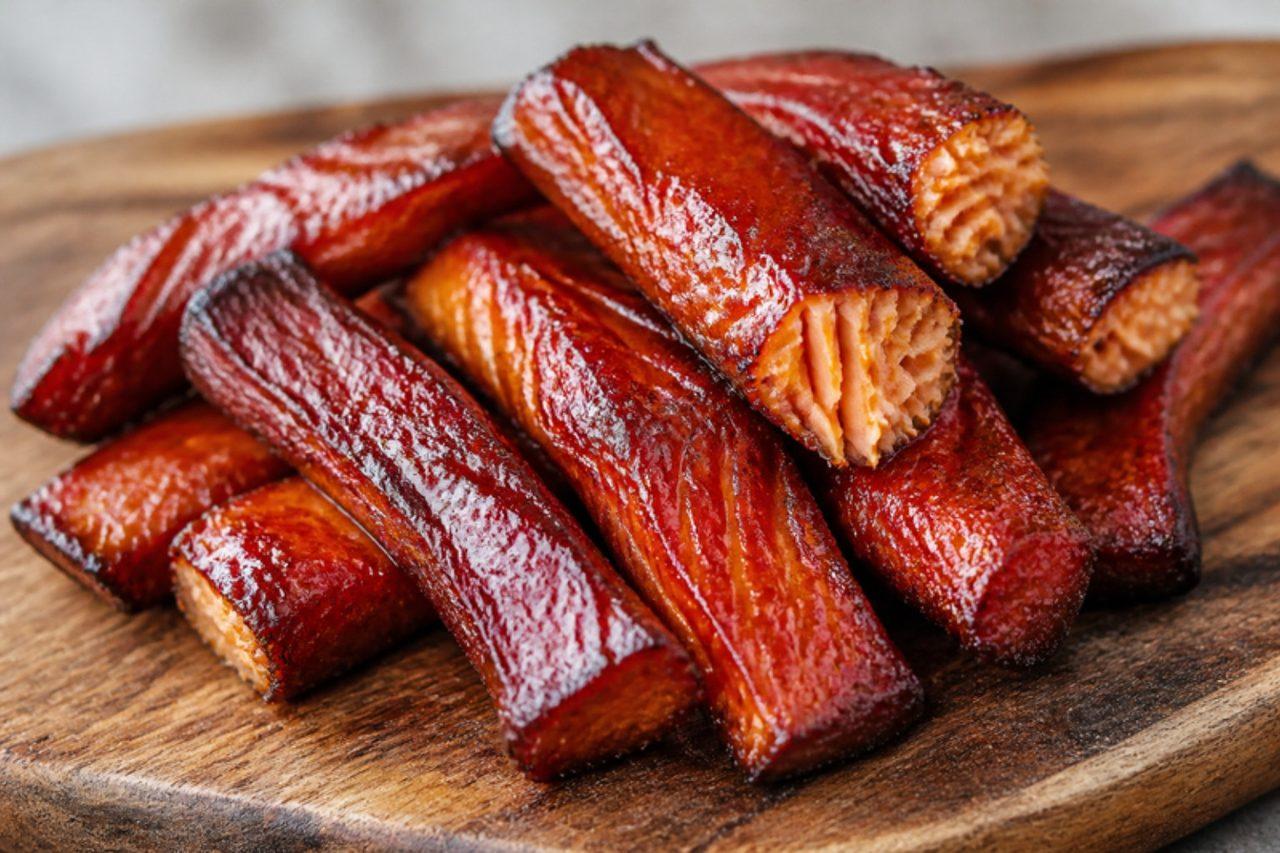
Candied salmon

Candied salmon, sometimes called salmon candy, comes from the First Nations smokehouses of British Columbia's coast, where strips of wild salmon are cured in salt and brown sugar, then slowly smoked and glazed until sticky, chewy and deep red. It is a snack for the trail, the fishing boat and the lunchbox. This home version cures the fish in the fridge and then cooks it low in the oven with a little smoked salt or liquid smoke, so it is fully cooked rather than cold-smoked. A common mistake is skipping the drying stage; the pellicle (a tacky skin) is what lets the glaze cling. Chef's tip: keep the oven low and steady; too hot and the fish weeps white albumen.

210 minCanadianFishGluten free
by KrazyBadal 0 views

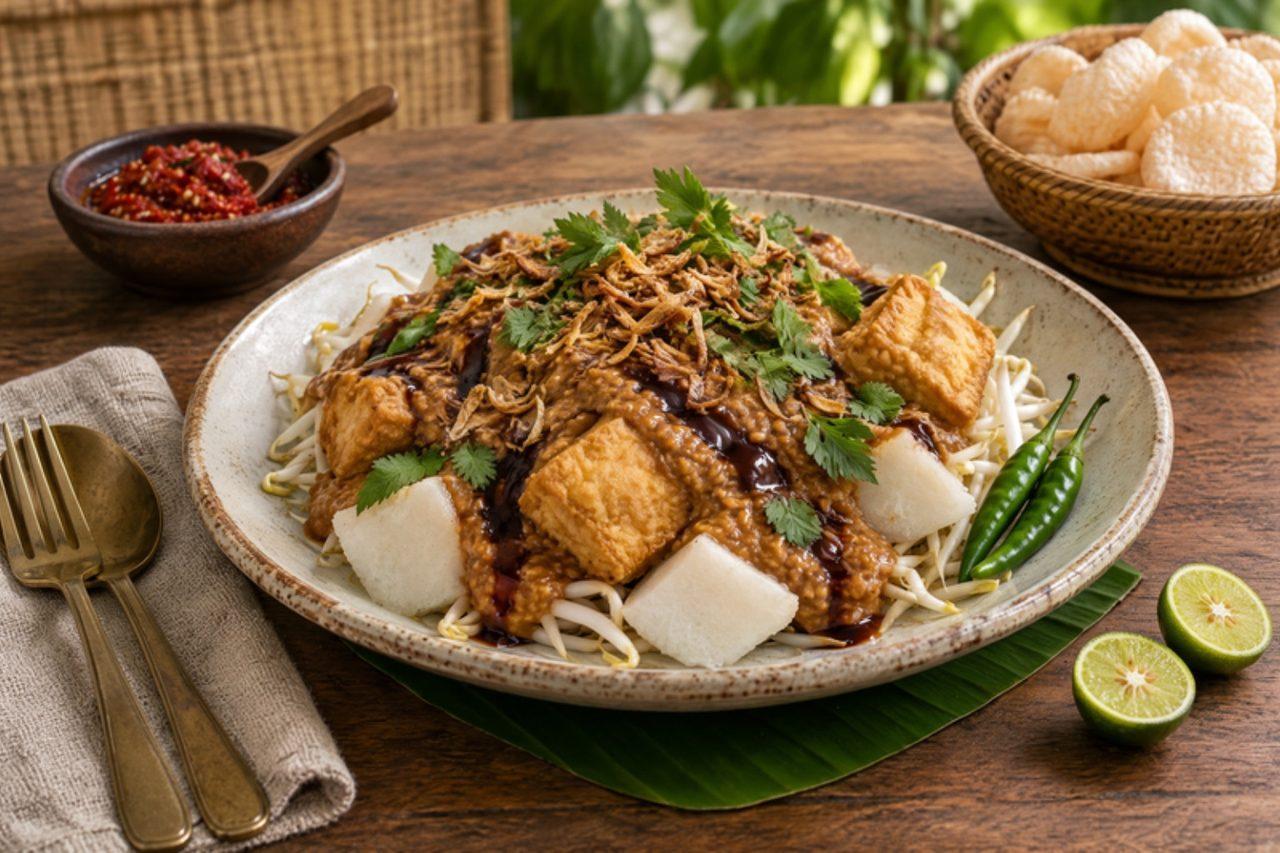
Kupat tahuRice cakes and tofu in peanut sauce

Kupat tahu is breakfast from a pushcart in Bandung and Magelang: chunks of compressed rice cake, freshly fried tofu and blanched bean sprouts, buried under a loose peanut sauce sharpened with garlic, chilli and sweet soy, then finished with crackers and fried shallots. The common mistake is grinding the peanut sauce too thick: it should pour like single cream so it soaks into the rice cake. Many prawn crackers are made with seafood, so choose plain cassava or rice crackers for a vegan plate. Chef's tip: fry the tofu just before serving; soft, hot tofu soaks up the sauce, while tofu fried ahead turns leathery.

by KrazyBadal 0 views

Showing 18 of 7,762 recipes

Show more recipes

Page 102 of 863