Skip to content
Lamb tagine with prunes
Featured recipe

Lamb tagine with prunes

Served at weddings, Eid gatherings and big family dinners in Fez and Marrakech, tagine lham bel barkouk is the sweet-and-savoury centrepiece Moroccans bring out for guests. Lamb shoulder braises slowly with saffron, ginger and cinnamon until it falls apart in a buttery-soft sauce, then it is crowned with glossy honeyed prunes, fried almonds and toasted sesame. Each mouthful moves from warm spice to deep fruit sweetness. Put it in the middle of the table with bread for scooping, or with couscous. Chef's tip: cook the prunes in a little of the sauce in a separate pan; poached apart, they stay whole and shiny instead of dissolving into the meat.

Read more 0 views

What to eat today?

Around the world

Today's trip: Paraguayan

A new country every day, from every cuisine on the site.

Paraguayan

Chipa

Cheese bread rings 50 minMore from Paraguayan (27) →

This week's collection

Kid-friendly dinners
537 recipes · a new collection every Monday

Latest recipes

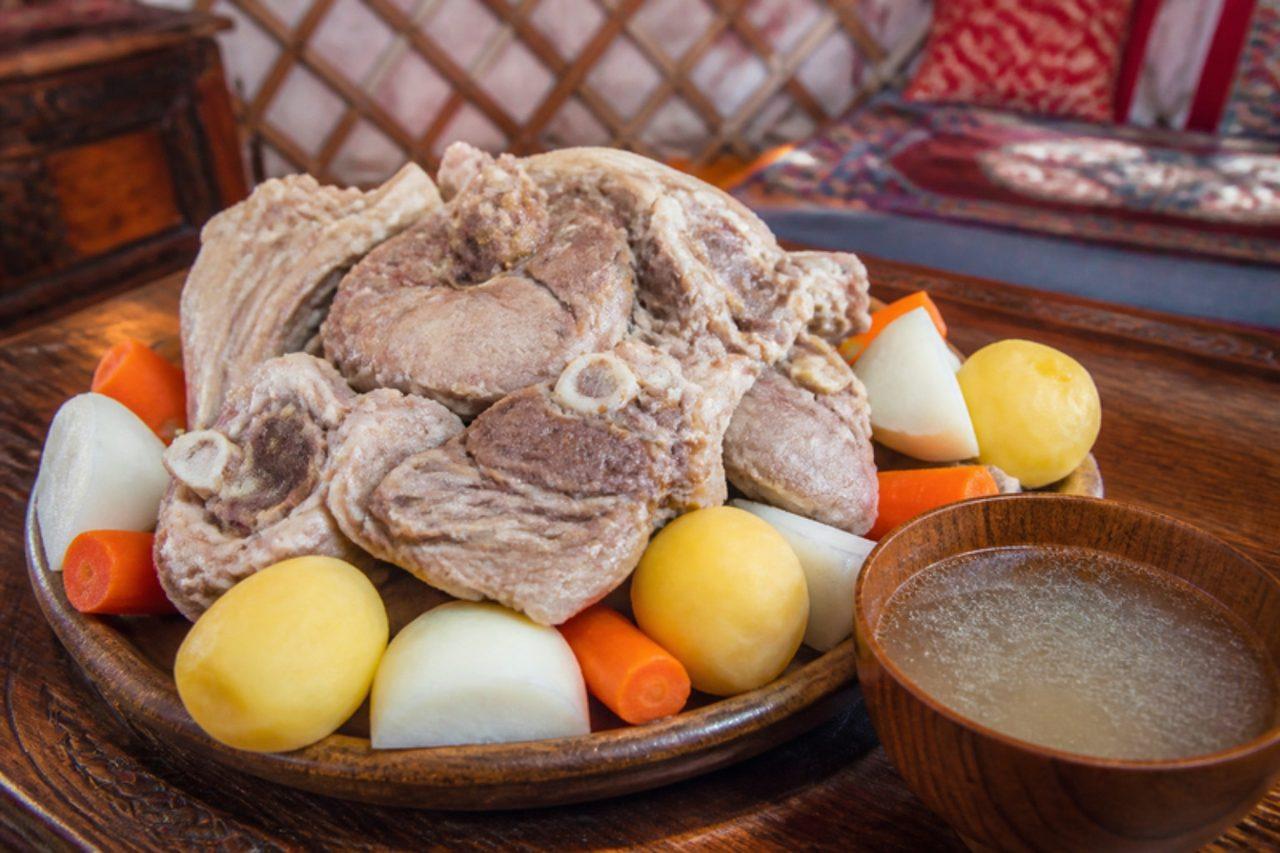
Boiled mutton

Chanasan makh is the simplest and most loved meal of the Mongolian countryside, boiled in a big pot on the ger stove in Övörkhangai or Khentii whenever guests arrive or a holiday comes round. Large bone-in pieces of mutton are simmered with nothing but salt and a little onion, then served steaming on a platter to be cut with a knife and eaten by hand, with the rich broth drunk from bowls alongside. Potato, carrot and turnip are often cooked in the same pot. A common mistake is boiling hard, which makes the meat tough and the broth cloudy; keep it at a lazy simmer and skim. Chef's tip: mutton or older lamb with some fat on it gives the deepest flavour.

by KrazyBadal 0 views

Pikelets

Pikelets are the small, thick pancakes Kiwi and Aussie kids learn to make first, cooked for afternoon tea in farmhouse kitchens from the Waikato to Tasmania and served with butter and jam, or jam and whipped cream. They are ready in 20 minutes and are best eaten warm. A common mistake is a pan that's too hot; they brown outside before the centre sets. Chef's tip: flip them when bubbles have popped on the surface and the edges look dry.

by KrazyBadal 0 views

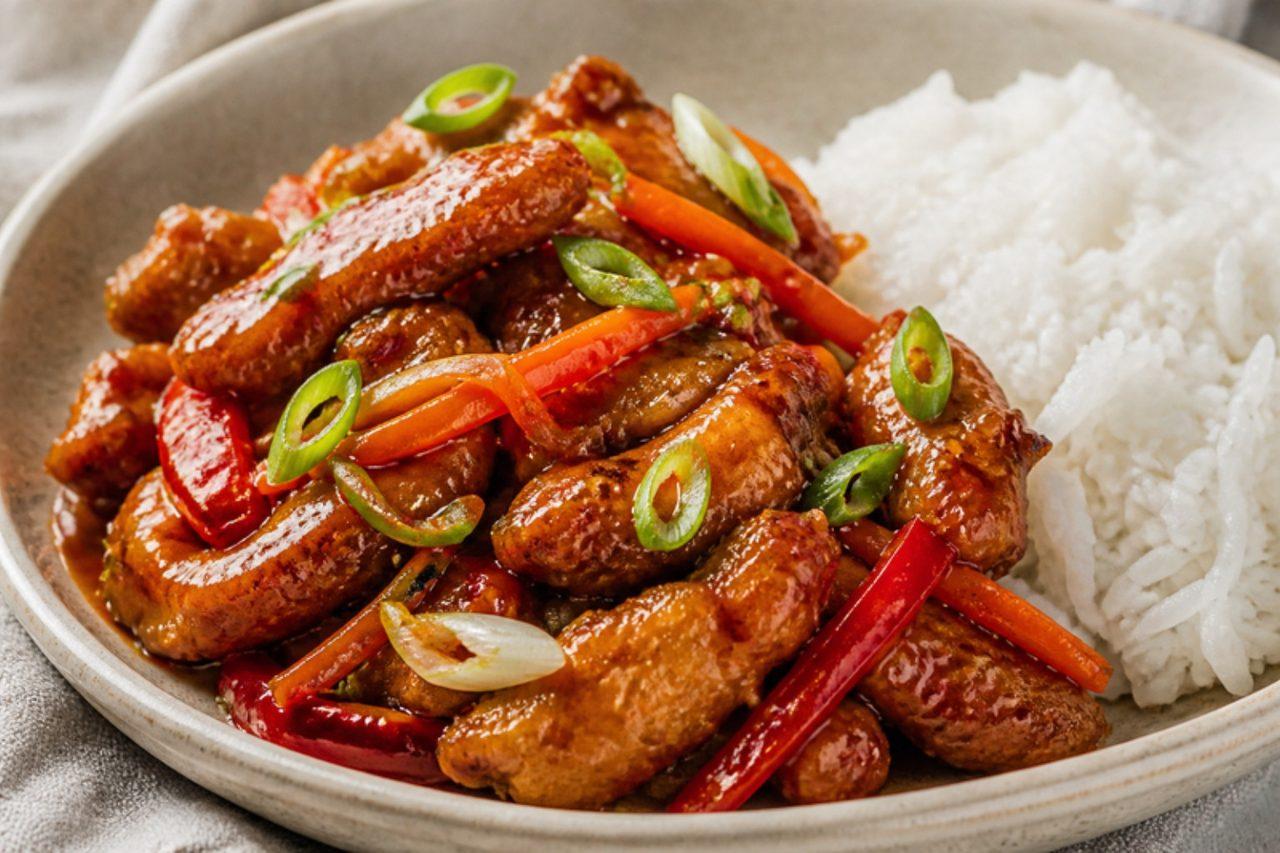
Ginger beef

Ginger beef was created in the 1970s at a Chinese restaurant in Calgary and is now on the menu of nearly every Chinese-Canadian restaurant on the Prairies. Thin strips of beef are coated in a cornflour batter and fried until shatteringly crisp, then tossed in a glossy sweet-sour sauce full of fresh ginger, garlic and chilli with strips of carrot and pepper. Serve at once with steamed rice. A common mistake is saucing the beef too early, which turns the crust soggy. Chef's tip: fry the beef twice; the second fry is what makes it crunchy.

by KrazyBadal 0 views

Magic coffee

The magic is a Melbourne café insider's order, born in the city's Fitzroy and Collingwood coffee bars: a double ristretto (the short, intense first part of the espresso shot) topped with silky steamed milk in a 160 ml cup. It is stronger and sweeter-tasting than a flat white because there's less milk and only the richest part of the shot. A common mistake is scalding the milk; above about 65 °C it loses its natural sweetness. Chef's tip: stop the shot early, at about 30 ml for a double, to get that syrupy ristretto.

by KrazyBadal 0 views

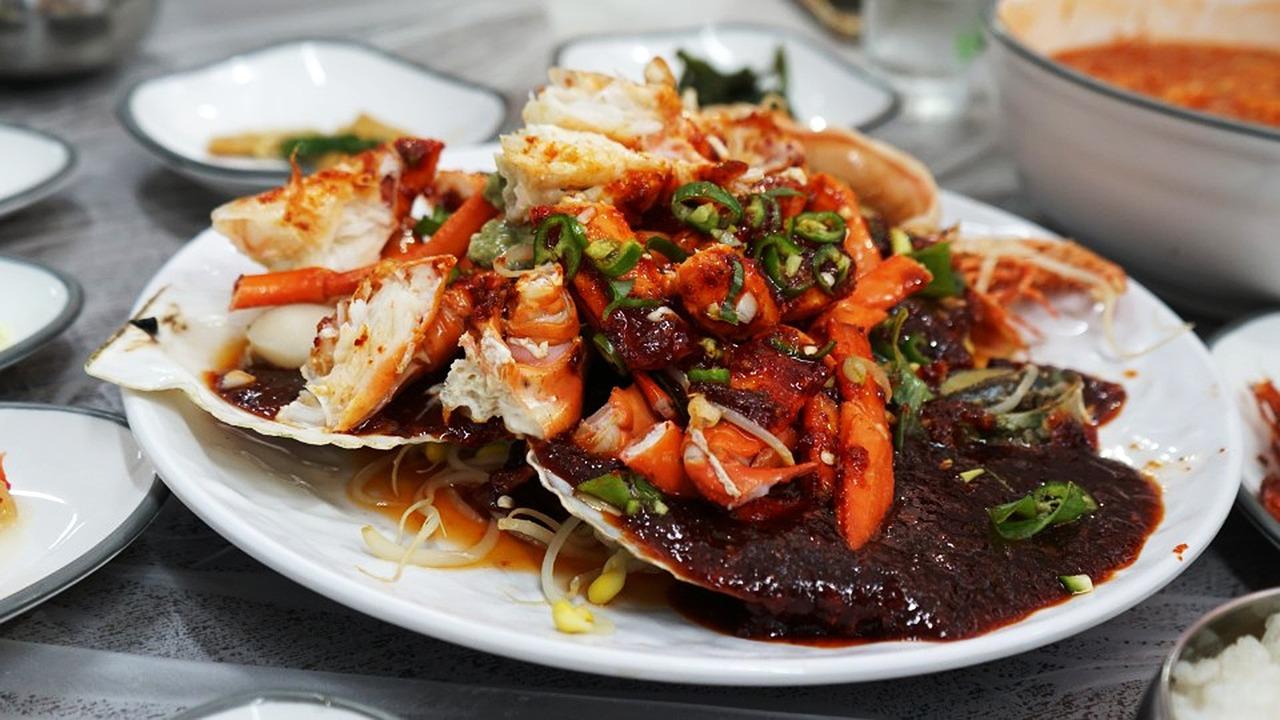
Chilli mud crab

Mud crabs are caught in the mangroves of Queensland and the Northern Territory, and in Cairns, Darwin and Brisbane the favourite way to eat them is Asian-Australian style, wok-tossed in a sticky sauce of chilli, garlic, ginger and tomato. It is messy, hands-on eating with crusty bread or rice to mop the sauce. Ask your fishmonger to clean and cut the crab into pieces for you, and cook it the same day. A common mistake is using too little sauce; the shells soak it up. Chef's tip: crack the claws with the back of a heavy knife before cooking so the sauce gets in.

by KrazyBadal 0 views

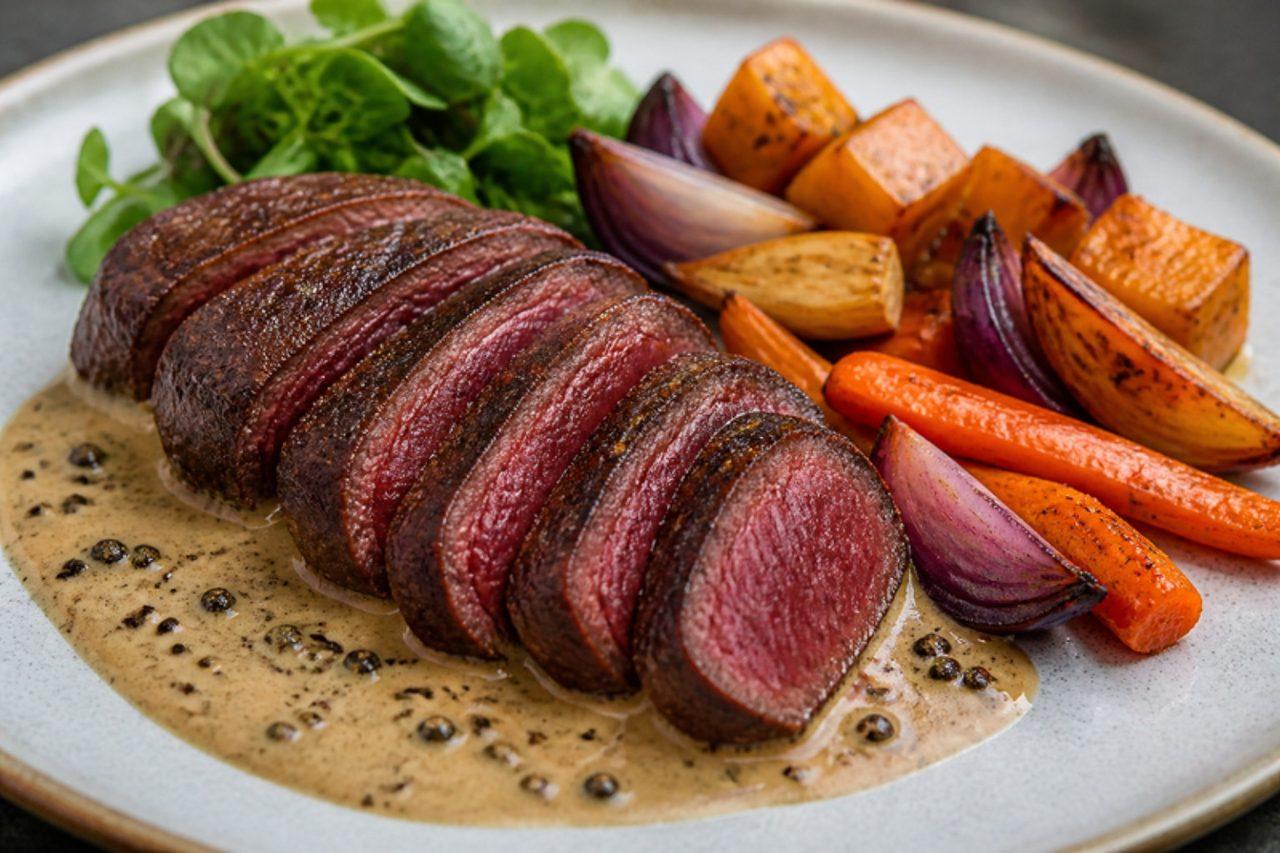
Kangaroo steak with pepperberry sauce

Kangaroo is a lean, everyday red meat in Australia, sold in supermarkets from Perth to Brisbane and loved by home cooks for its rich, slightly gamey flavour and very low fat. Here the fillets are seared hot and fast and served with a creamy sauce spiced with Tasmanian pepperberry, a native pepper with a warm, fruity heat. Because there's almost no fat, kangaroo dries out if cooked past medium. A common mistake is putting cold meat in a lukewarm pan; it stews instead of searing. Serve rare to medium-rare for best texture, but cook to at least 63 °C for pregnant women, young children and anyone with a weakened immune system. Chef's tip: rest it for as long as you cooked it.

by KrazyBadal 0 views

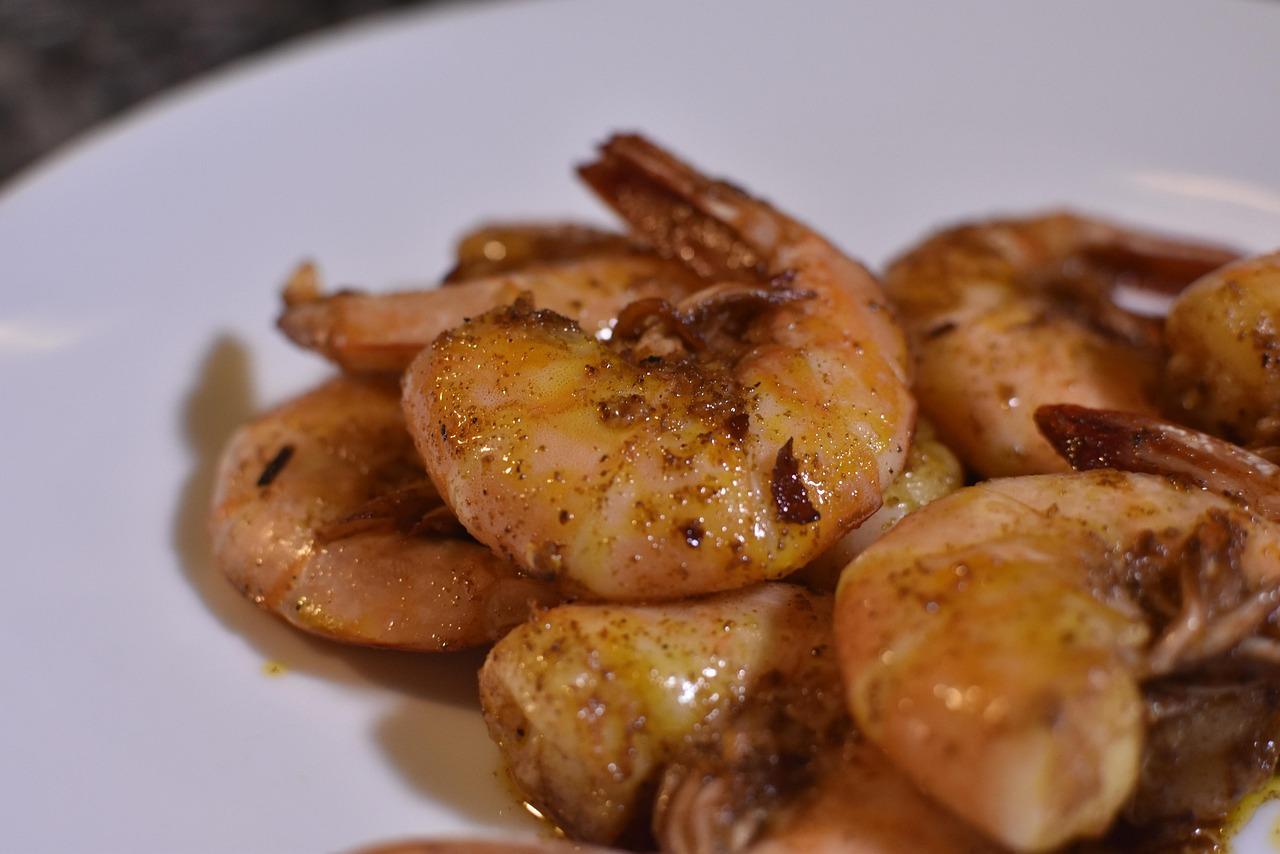
Spot prawns with garlic butter

For six weeks or so from May, Vancouver's False Creek dock fills with people buying live spot prawns straight off the boats, and the whole city cooks them simply in garlic butter. They are sweet, firm and delicate, so they need almost nothing else, just bread or rice to soak up the butter. If you buy them live, cook them on the day; remove the heads straight away, as an enzyme there turns the tail meat mushy. Throw away any prawns that smell of ammonia or have gone soft. A common mistake is overcooking; two minutes is plenty. Chef's tip: cook in batches so the pan stays hot and they sear rather than stew.

by KrazyBadal 0 views

Caribou stew

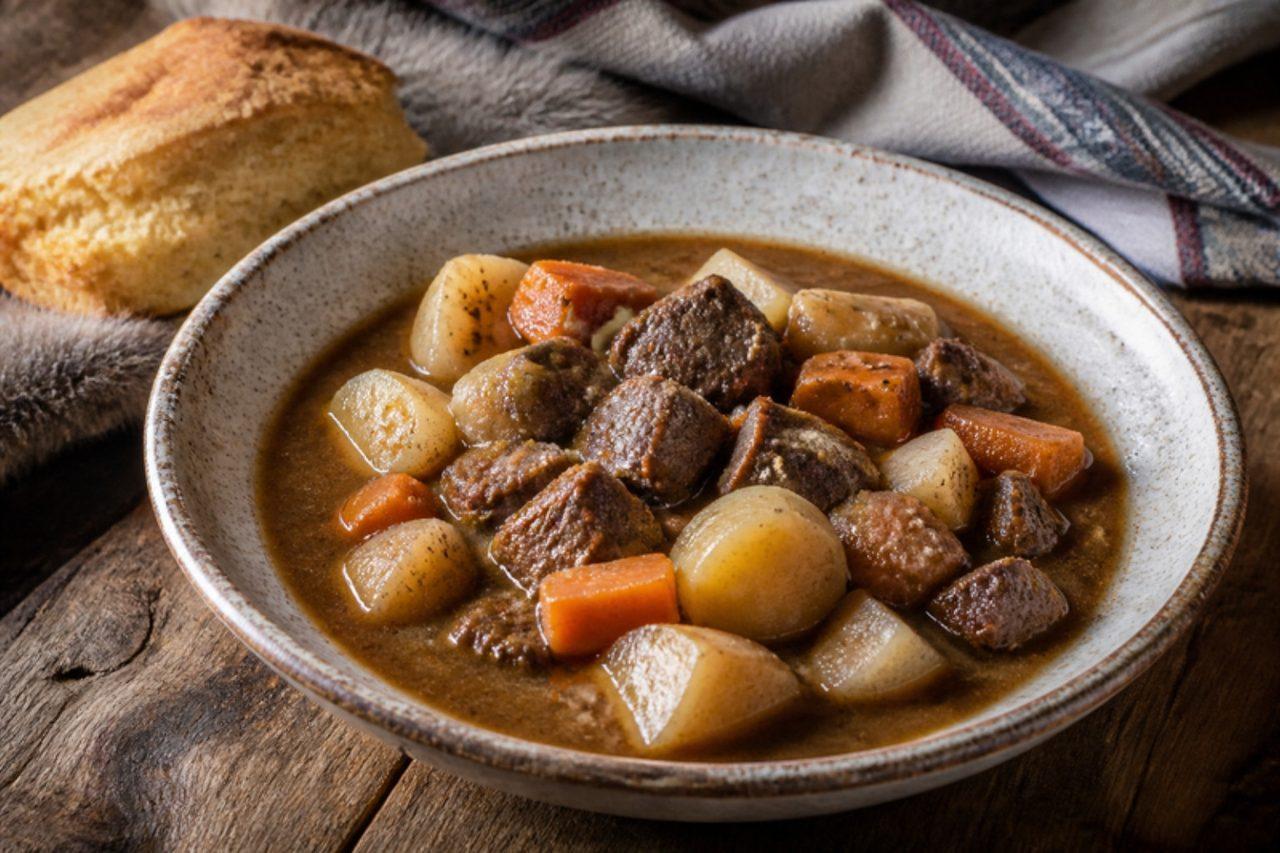
Caribou is the everyday red meat of many Dene, Inuit and northern families in the Northwest Territories, Nunavut and Labrador, and a pot of caribou stew is what simmers on the stove in Yellowknife or Inuvik through the long winter. The meat is lean and slightly sweet and gamey, and slow-braising with onion, carrot, potato and turnip makes it meltingly tender. Outside the North, farmed reindeer, venison or beef chuck work in exactly the same way. A common mistake is boiling hard, which toughens lean meat; it should barely bubble. Chef's tip: dust the meat in flour and brown it well in batches for a rich, thick gravy.

175 minCanadianMeat
by KrazyBadal 0 views

Pan-fried Arctic char

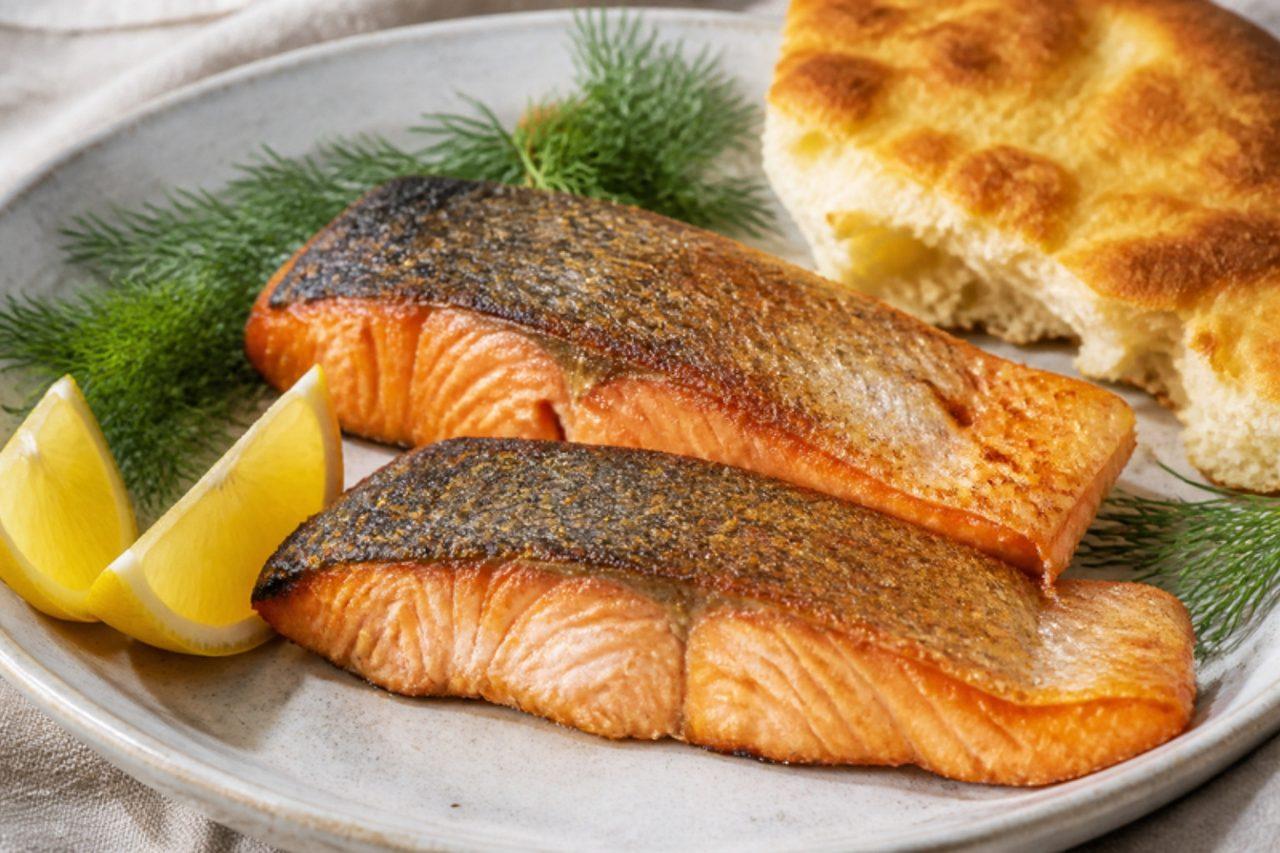
Arctic char, iqaluk in Inuktitut, is the fish of Nunavut, netted in the rivers around Cambridge Bay and Pangnirtung when it runs to the sea in summer and through the ice in spring. It tastes like a cross between salmon and trout, with rosy, delicate flesh. In Iqaluit homes it is eaten many ways; here it is simply pan-fried until the skin crackles, with lemon and a piece of warm bannock. A common mistake is moving the fillet too early; leave it until the skin releases on its own. Chef's tip: press the fillet flat with a spatula for the first 30 seconds so the skin doesn't curl.

by KrazyBadal 0 views

Kandalee ka saagStinging nettle greens

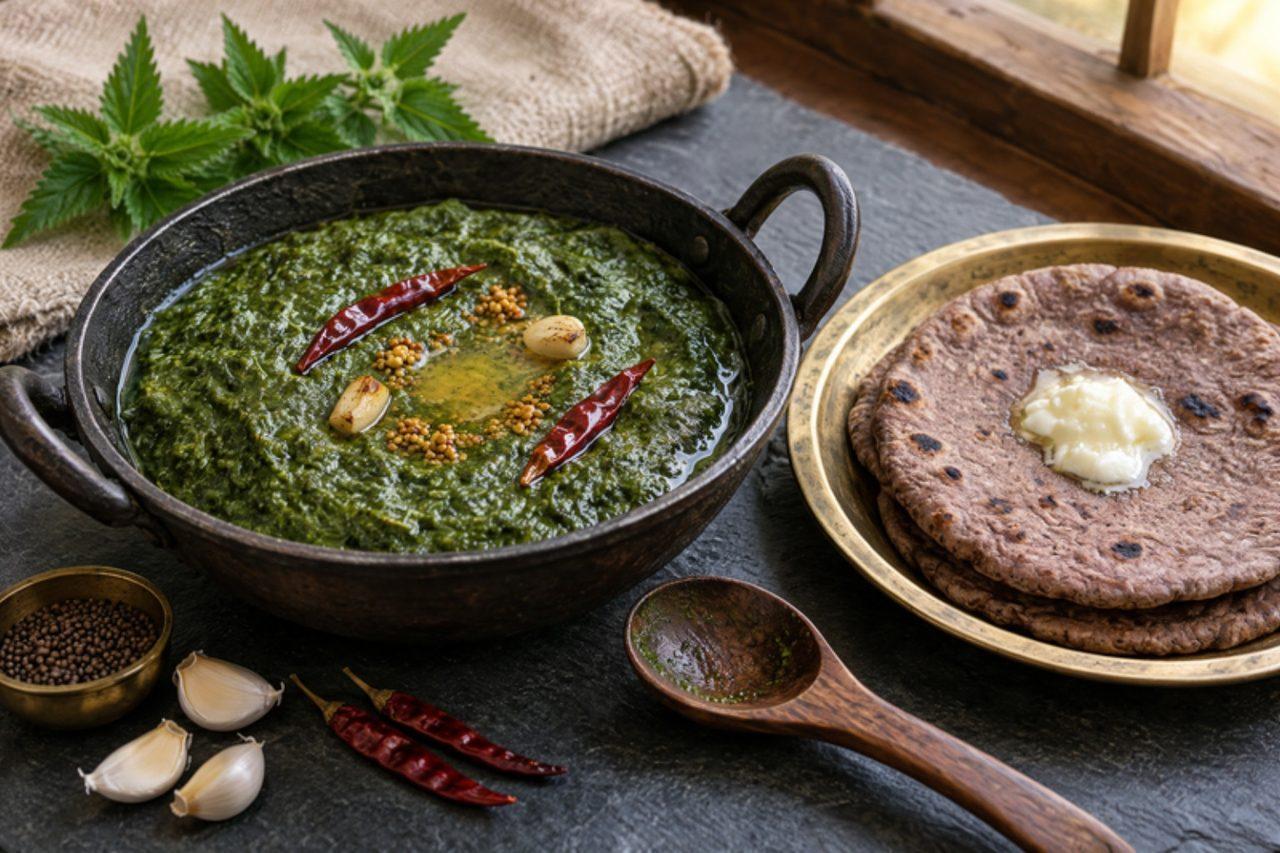
Every spring in Uttarakhand people pick the soft tips of kandalee (bichhu ghas, stinging nettle) from field edges and cook them into a deep green saag with garlic, chilli and a spoon of rice paste, eaten with mandua roti or rice. Nettles taste like a rich, mineral spinach and the sting disappears completely once they are blanched. Always wear gloves or use tongs when picking and washing them. The common mistake is skipping the blanch and going straight to the pan, which leaves stringy stems and some sting. Chef's tip: squeeze the blanched nettles well and chop fine before cooking; this is what gives the smooth, creamy texture hill cooks are proud of.

by KrazyBadal 0 views

Wattleseed ice cream

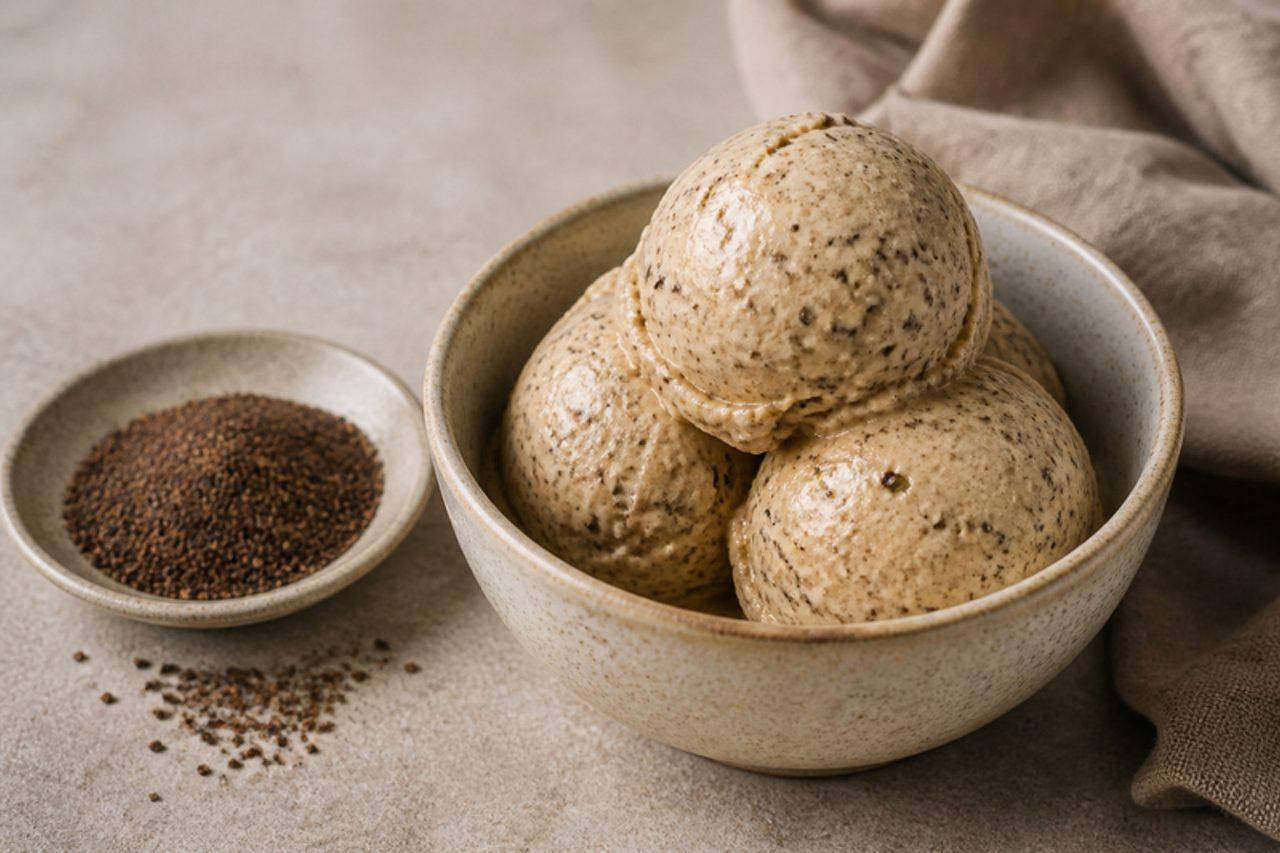
Roasted wattleseed, from a few edible acacias of the Australian inland, has been ground into flour by Aboriginal people for millennia, and today chefs in Sydney and Melbourne use it for its flavour of coffee, chocolate and hazelnut. Steeped in a rich custard and churned, it makes a lovely ice cream to serve with pavlova or a slice of passionfruit sponge. Buy roasted, ground wattleseed from a native food supplier; many acacias are not edible. A common mistake is overheating the custard so it scrambles; take it off at 82 °C. Chef's tip: steep the wattleseed in the hot milk for 20 minutes before making the custard.

by KrazyBadal 0 views

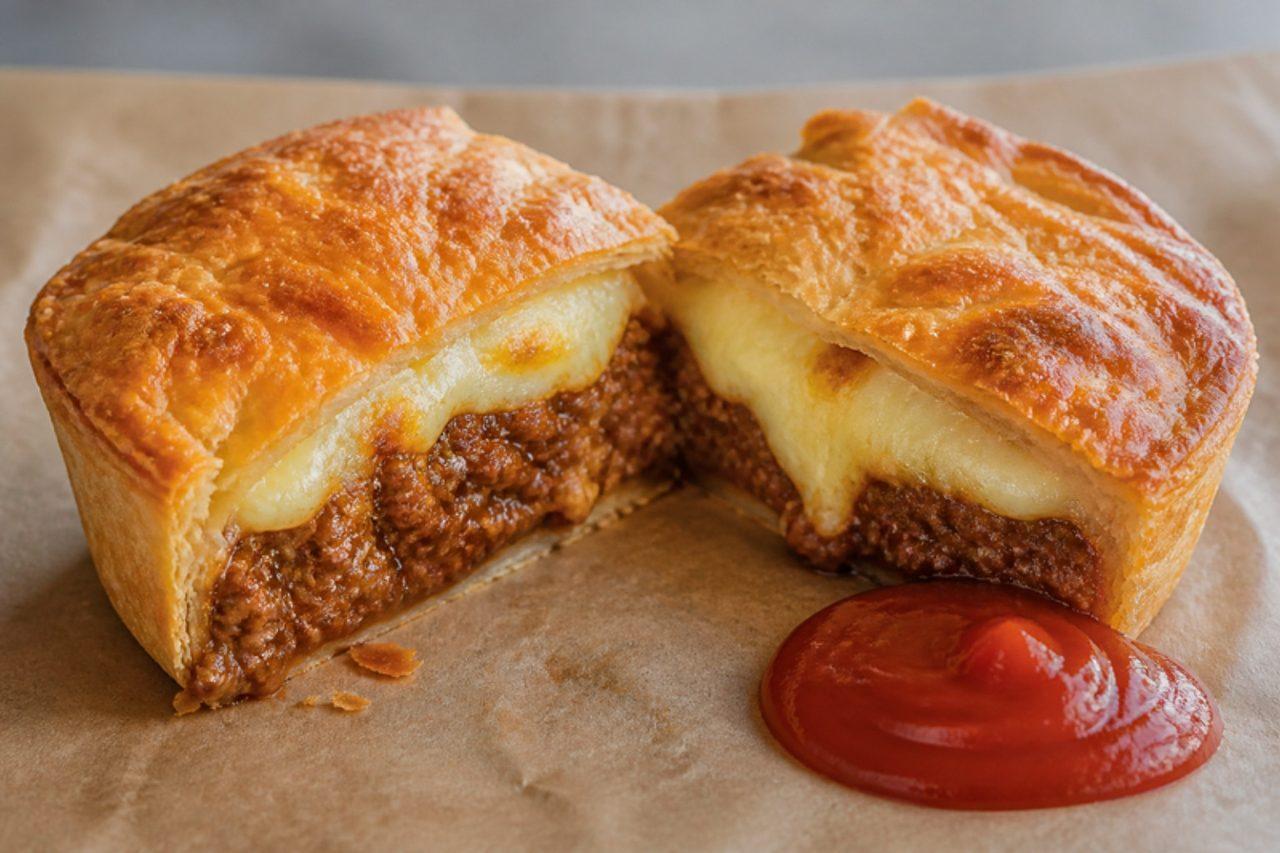
Mince and cheese pie

Mince and cheese is New Zealand's best-selling bakery pie, the go-to lunch for tradies, students and rugby crowds from Auckland to Dunedin, with a rich, peppery beef mince gravy under a thick layer of melted cheese and a flaky puff lid. It is eaten from the paper bag with tomato sauce. Cheddar is often made with animal rennet. A common mistake is filling the pastry with hot mince, which makes the base soggy; cool it fully. Chef's tip: put the cheese on top of the mince, right under the lid, so it melts into a gooey layer.

by KrazyBadal 0 views

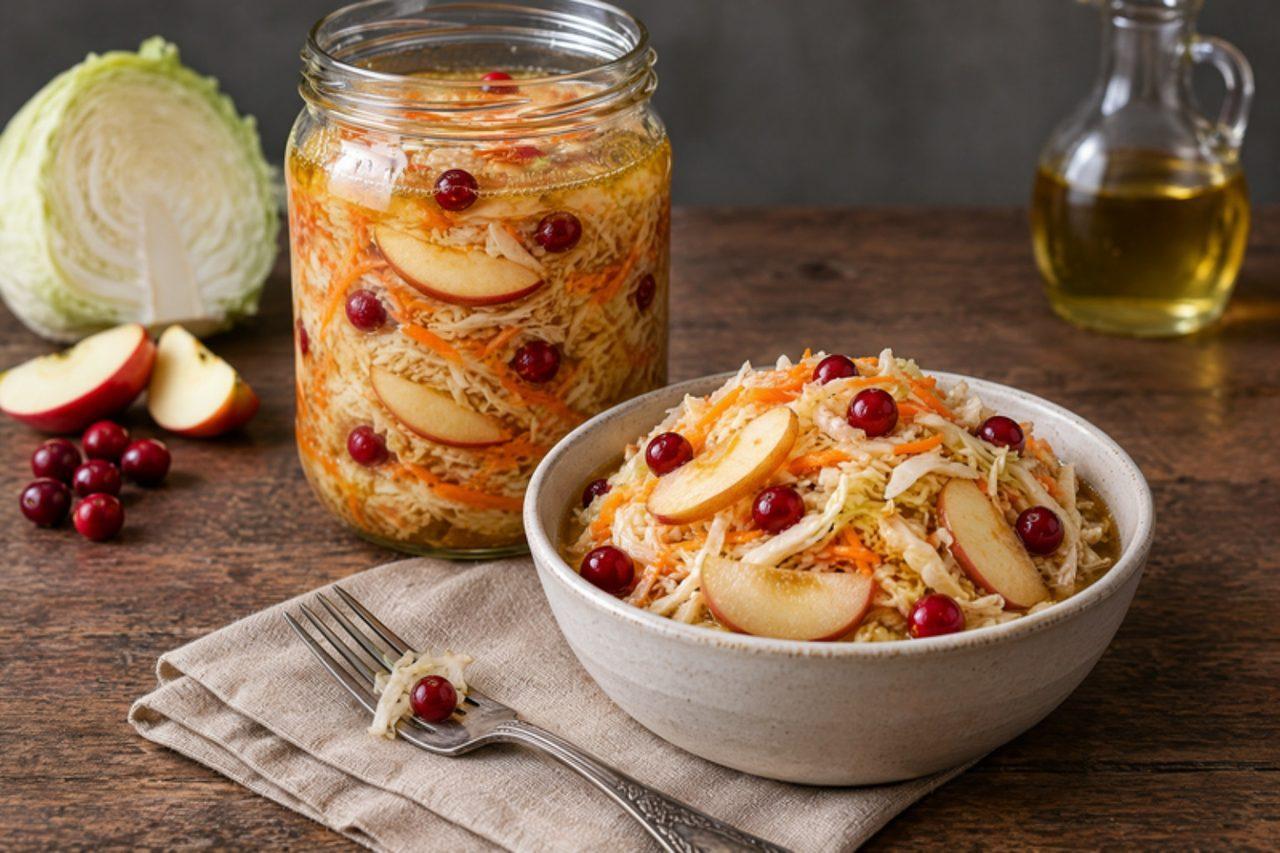
Kapusta provansalCabbage and apple salad

Kapusta provansal has nothing to do with Provence: the grand name is a Soviet-era flourish for a bright marinated cabbage salad that turns up on festive tables from Moscow to Novosibirsk, especially at New Year and through the autumn when the cabbage is crisp and sweet. Coarsely cut cabbage, grated carrot, apple wedges and red cranberries are packed into a jar under a hot marinade of water, sugar, vinegar, sunflower oil, bay and allspice. By the next day it is crunchy, juicy, sweet and sour, with tart pops of berry and a gentle spiced warmth, and it sits happily beside boiled potatoes, kotlety, salted herring or roast chicken. The commonest mistake is slicing the cabbage very finely, which goes limp under the hot marinade; cut it into rough 3 cm squares and crush it only lightly with the salt. It is ready when the cabbage has turned slightly translucent but still snaps and the carrot has coloured the brine pale orange. Chef's tip: add a few strips of red pepper and a crushed garlic clove to the jar for colour and depth.

by KrazyBadal 0 views

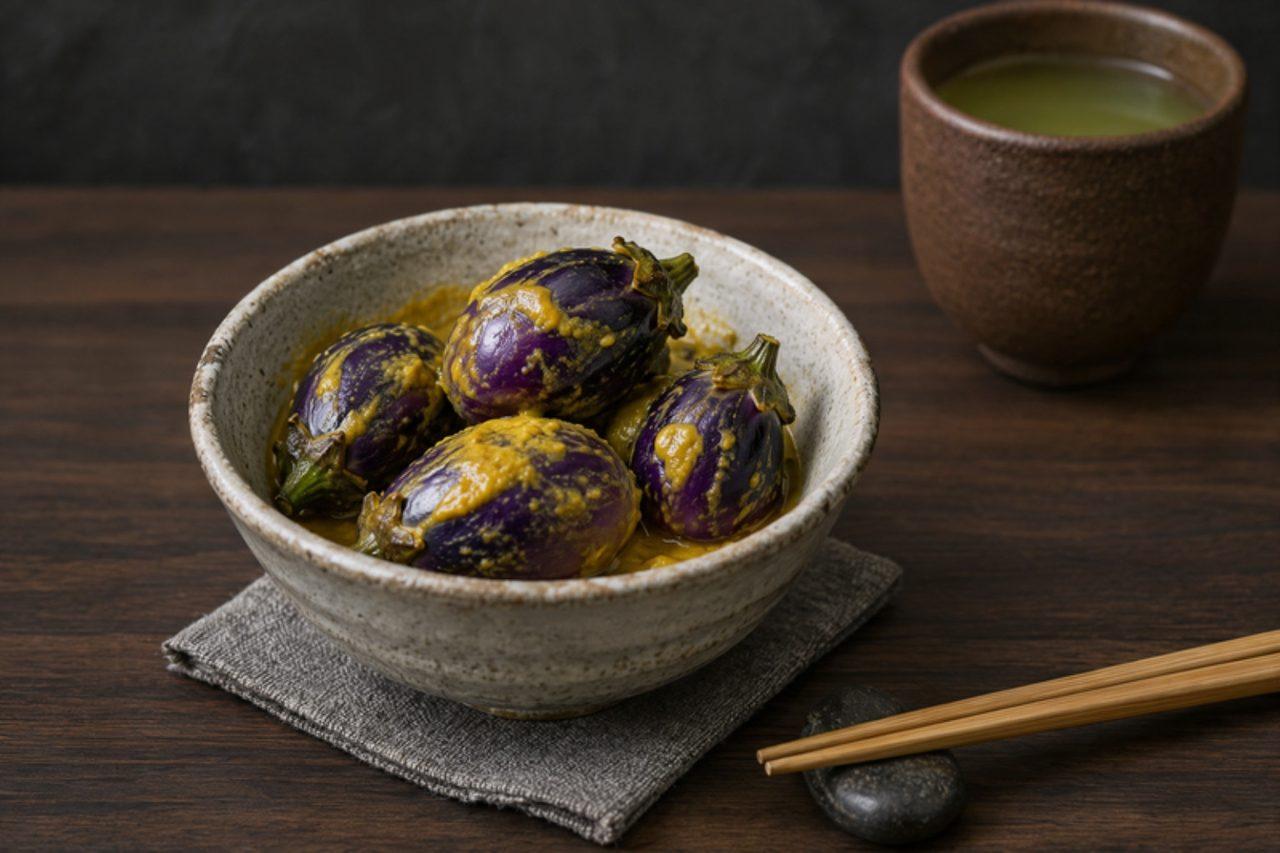
Karashi nasuMustard aubergine pickle

Every late August, Yamagata kitchens fill with the sharp smell of hot mustard as families pickle the tiny round eggplants that grow there, minden-nasu, no bigger than a walnut. Salted, pressed and then coated in a paste of Japanese mustard, sugar and soy sauce, they are eaten whole as a snack with tea, packed into bento boxes and served beside rice through autumn. The first bite is sweet and salty, then the mustard rushes up the nose, and the skins stay a glossy dark purple around a tender, juicy middle. Use the smallest eggplants you can find: Japanese or Thai baby eggplants or small Indian aubergines, around 30–40 g each. The common mistake is mixing mustard powder with hot liquid, which kills its heat; always mix it with cold water and let it rest. It is ready when the eggplants feel soft right through when squeezed, look glossy, and taste hot and sweet rather than raw. Chef's tip: a teaspoon of salt rubbed firmly over the skins before pressing keeps the colour deep purple without the alum that some traditional cooks add.

by KrazyBadal 0 views

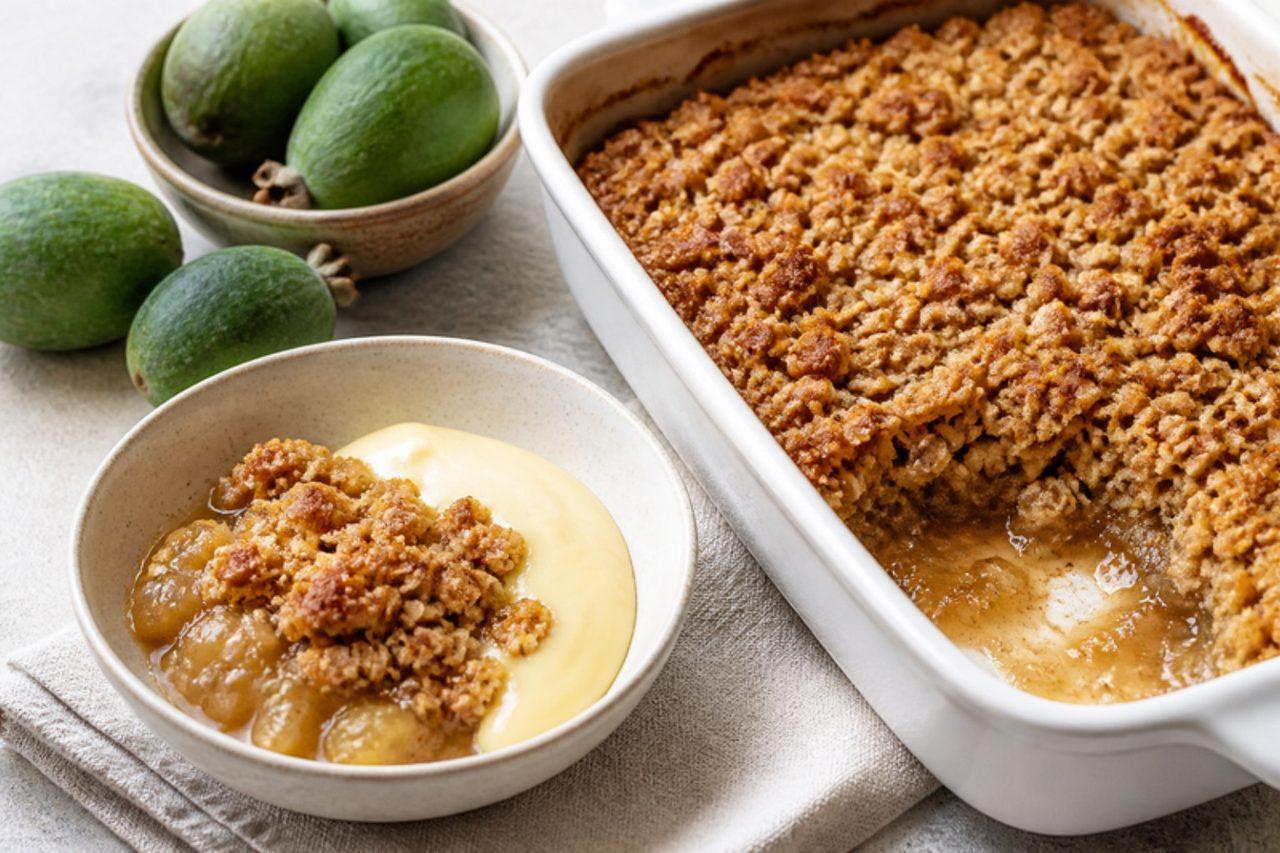
Feijoa crumble

Every autumn, from March to June, New Zealand back gardens drop more feijoas than anyone can eat, and bags of the green, perfumed fruit get passed over fences and left on office desks. Baking them into a crumble is the classic way to use them: their fragrant, pineapple-guava flavour softens under a buttery oat and brown-sugar topping. Serve with custard or vanilla ice cream. A common mistake is leaving the gritty skin on; scoop out the flesh. Chef's tip: add a couple of apples to stretch the feijoas and give the filling body.

by KrazyBadal 0 views

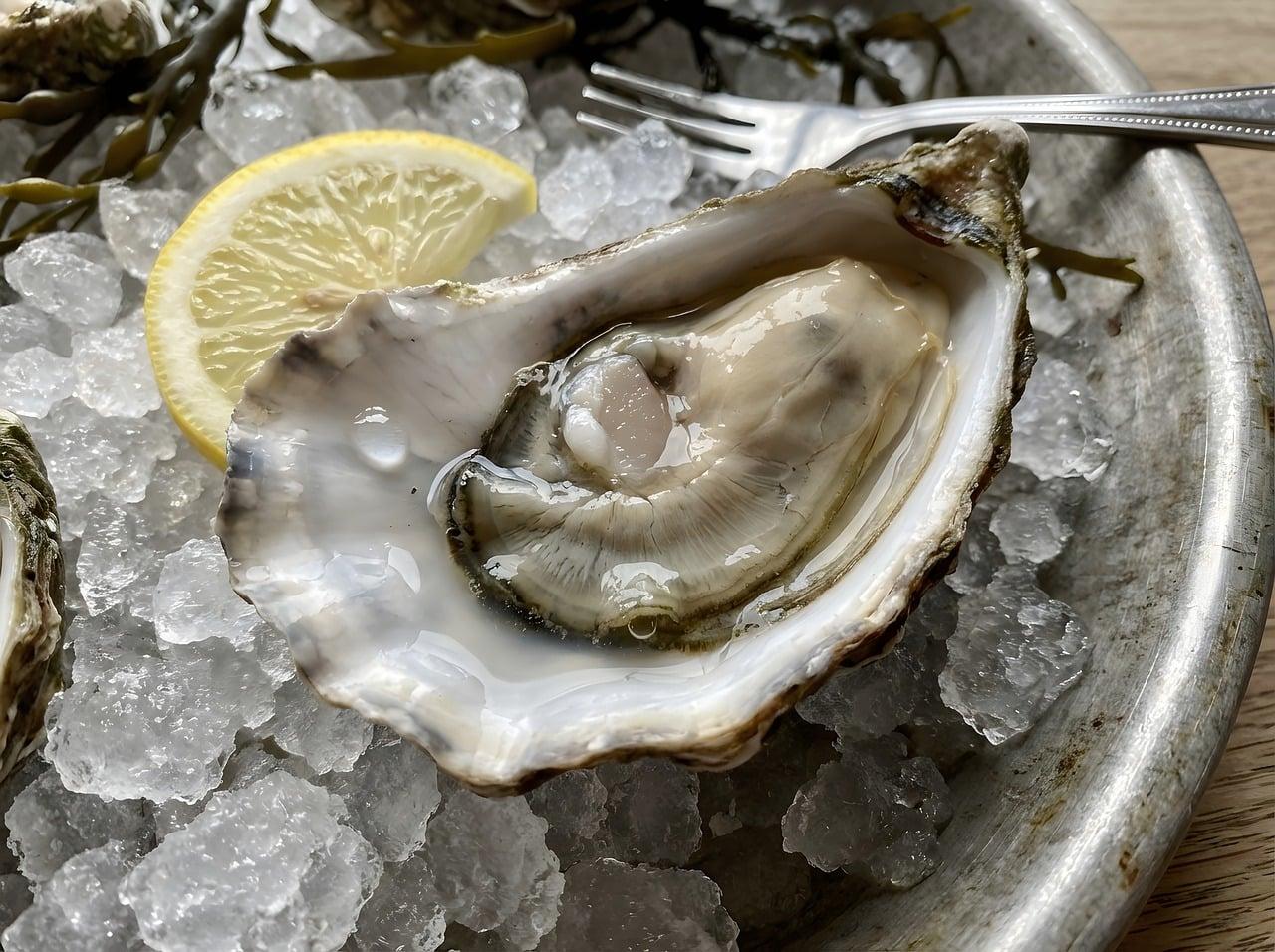
Sydney rock oysters with mignonette

Sydney rock oysters grow in the estuaries of the New South Wales coast, from the Hawkesbury River to Merimbula, and are the pride of the Sydney fish market, slurped by the dozen with a glass of something cold on summer afternoons. They are smaller and creamier than Pacific oysters, with a rich, mineral taste. A sharp shallot and vinegar mignonette is all they need. These oysters are eaten raw, so they are not for pregnant women, young children or anyone with a weakened immune system; for them, grill the oysters for 3–4 minutes until the edges curl. Buy from a trusted fishmonger and eat them the day you buy them. A common mistake is rinsing opened oysters under the tap, which washes away their flavourful juice. Chef's tip: shuck them just before serving and keep them on crushed ice.

by KrazyBadal 0 views

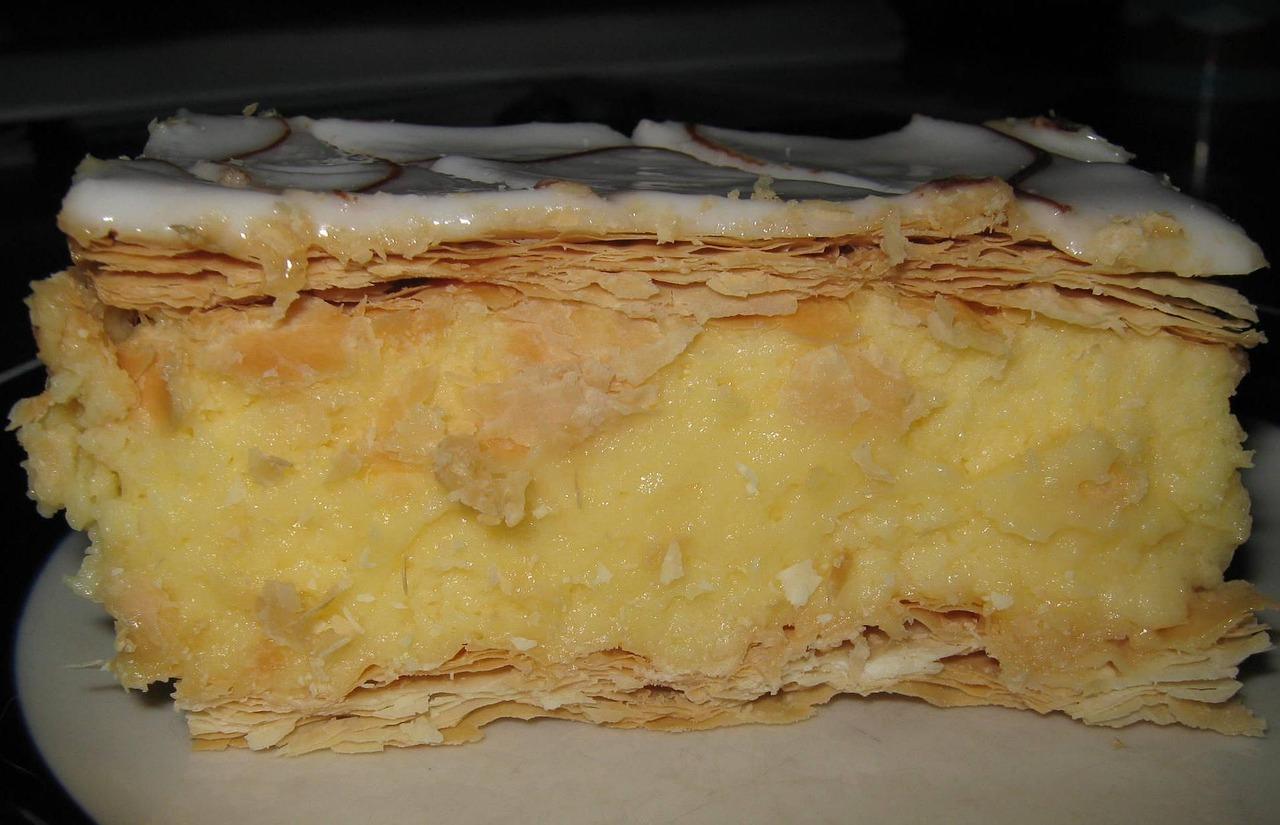
Vanilla slice

The vanilla slice, or snot block as Aussie kids call it, is the country bakery's pride; towns like Ouyen in north-west Victoria even hold a yearly competition for the best one. A thick, wobbly vanilla custard is set between two sheets of crisp puff pastry and topped with white or passionfruit icing. It needs a few hours to set but is easy. A common mistake is a soft custard that oozes when cut; it must boil for a full minute to thicken properly. Chef's tip: prick and weigh the pastry down with a tray while baking so it stays flat and thin.

by KrazyBadal 0 views

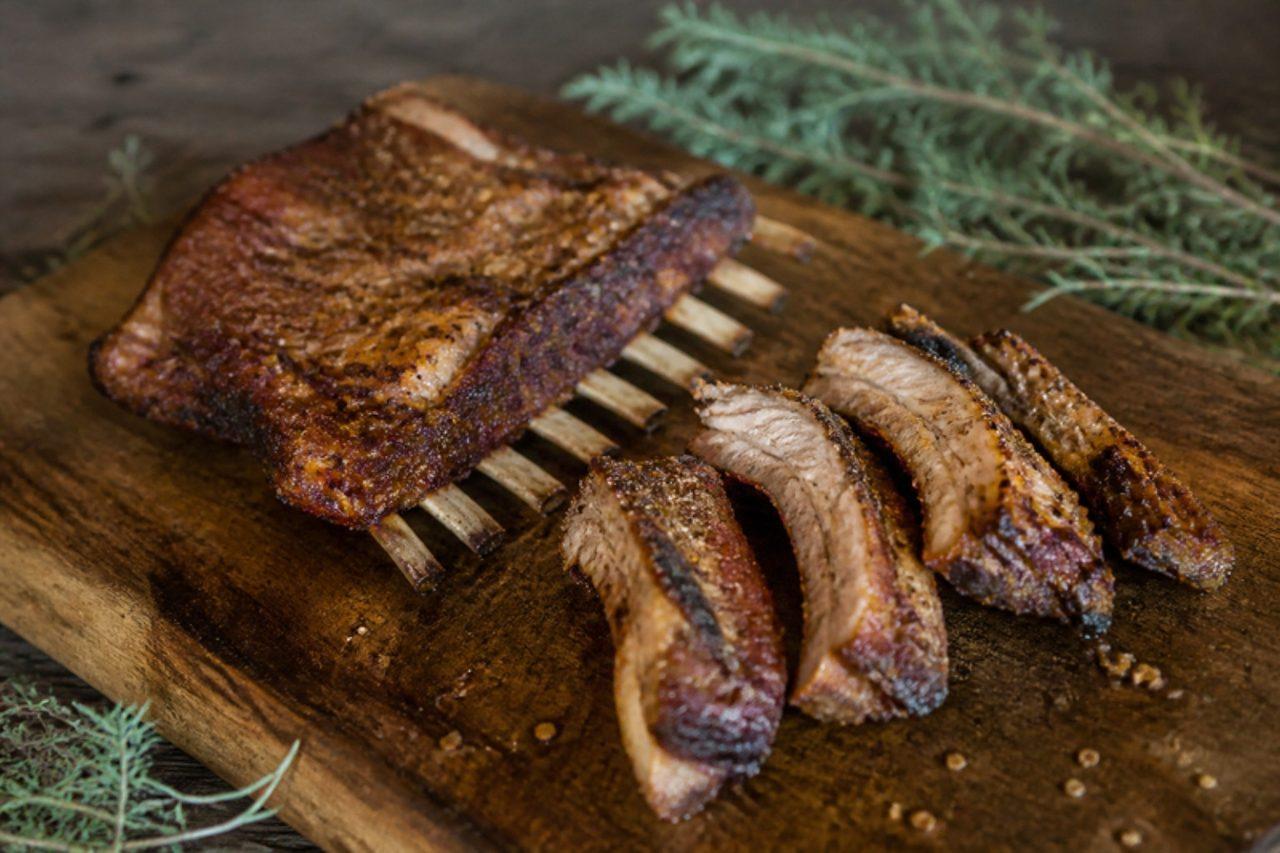
Sout ribbetjieSalt-cured grilled lamb ribs

Before fridges, Karoo farmers rubbed lamb ribs with coarse salt and coriander and hung them in the cool pantry; today the cure happens in the fridge, but the result is the same deeply savoury, almost bacon-like rib that crackles at the edges. At a farm braai near Beaufort West or Sutherland it goes on first, over low coals, because it needs an hour or more to render its fat and turn tender, and people pick at it with their fingers while everything else cooks. Serve it with stywe pap and tomato smoor, or with roosterkoek and a crisp salad. Rinsing too lightly is the usual mistake: rinse off the surface salt after curing, or the meat will be too salty to eat. Chef's tip: keep the coals low and patient; high heat sets the fat alight and blackens the outside long before the meat is soft.

by KrazyBadal 0 views

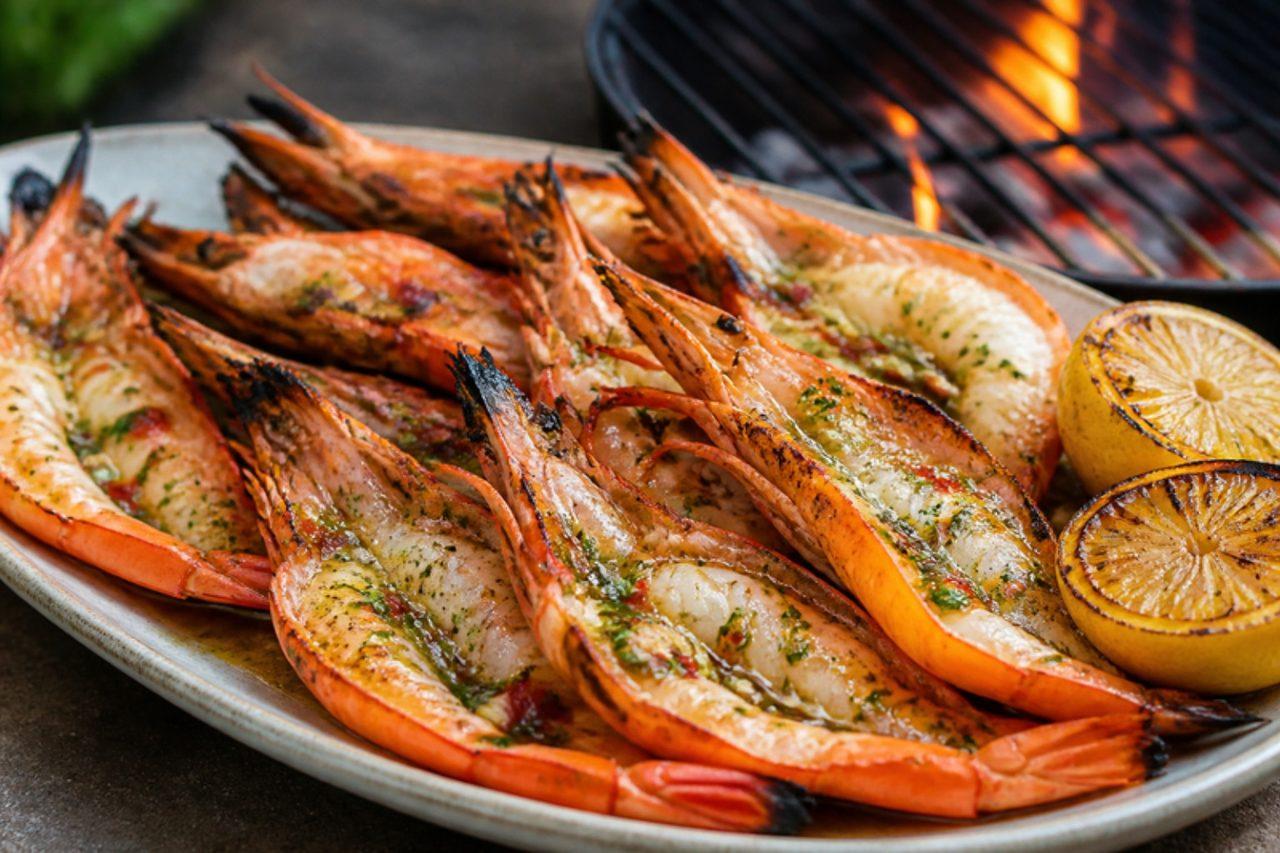
Barbecued garlic prawns

Prawns on the barbie are the true Australian Christmas and summer meal, cooked on the backyard barbecue from Perth to the Gold Coast with a cold drink in hand. Big raw king or tiger prawns are marinated in garlic, chilli, lemon and olive oil, then grilled quickly in their shells, which keeps them juicy. A common mistake is leaving them in the marinade too long; the lemon starts to cook them. Chef's tip: cut down the back of the shell and remove the vein but leave the shell on, so the marinade gets in and the prawns don't dry out.

by KrazyBadal 0 views

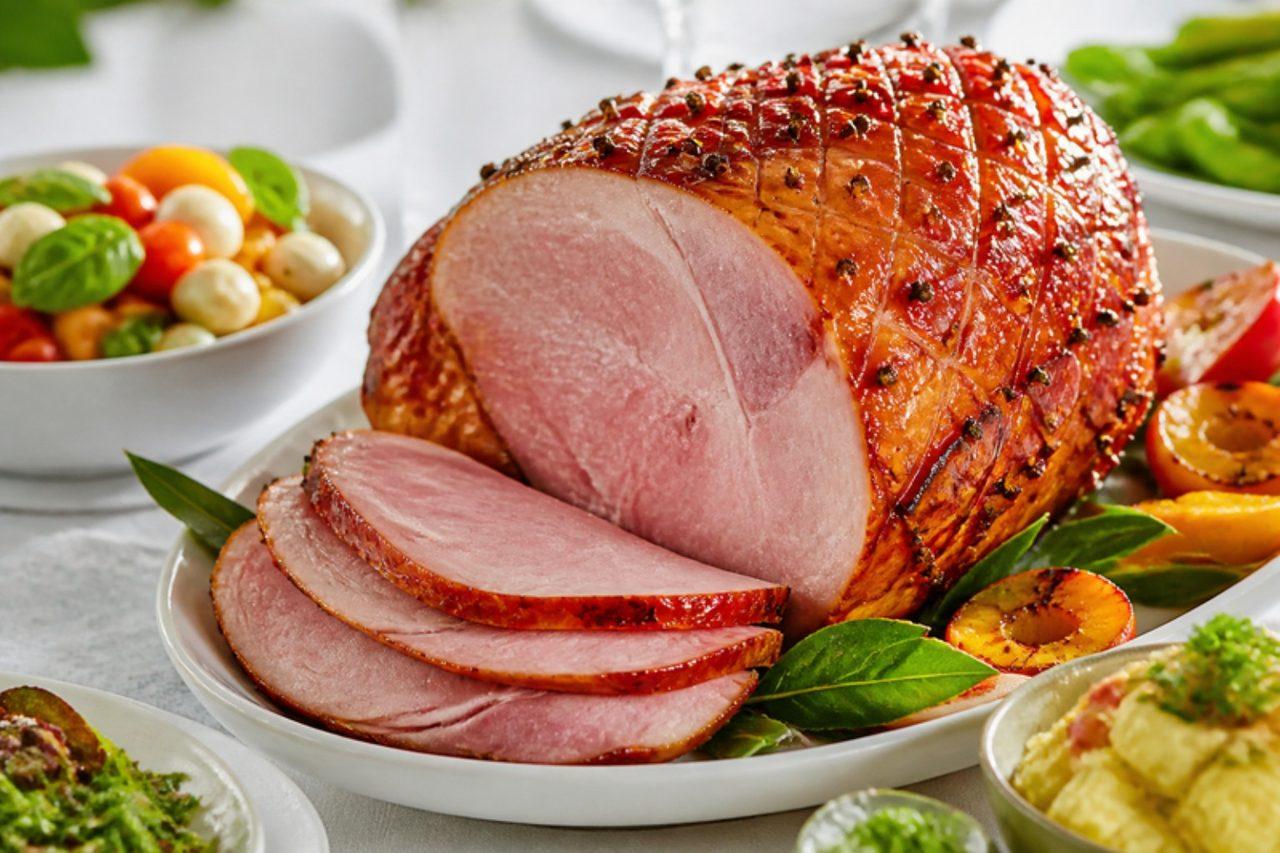
Glazed Christmas ham

A whole glazed leg ham is the centrepiece of the Australian Christmas table, served cold with salads and mustard on a hot December day and eaten in sandwiches for a week after Boxing Day. It is a cured, smoked leg of pork, already cooked, that is scored, studded with cloves and baked with a sticky orange and honey glaze. A common mistake is cutting the rind off too roughly; ease it away with your fingers so the fat stays smooth. Chef's tip: store the leftover ham in a cotton ham bag soaked in water and vinegar in the fridge to keep it moist.

by KrazyBadal 0 views

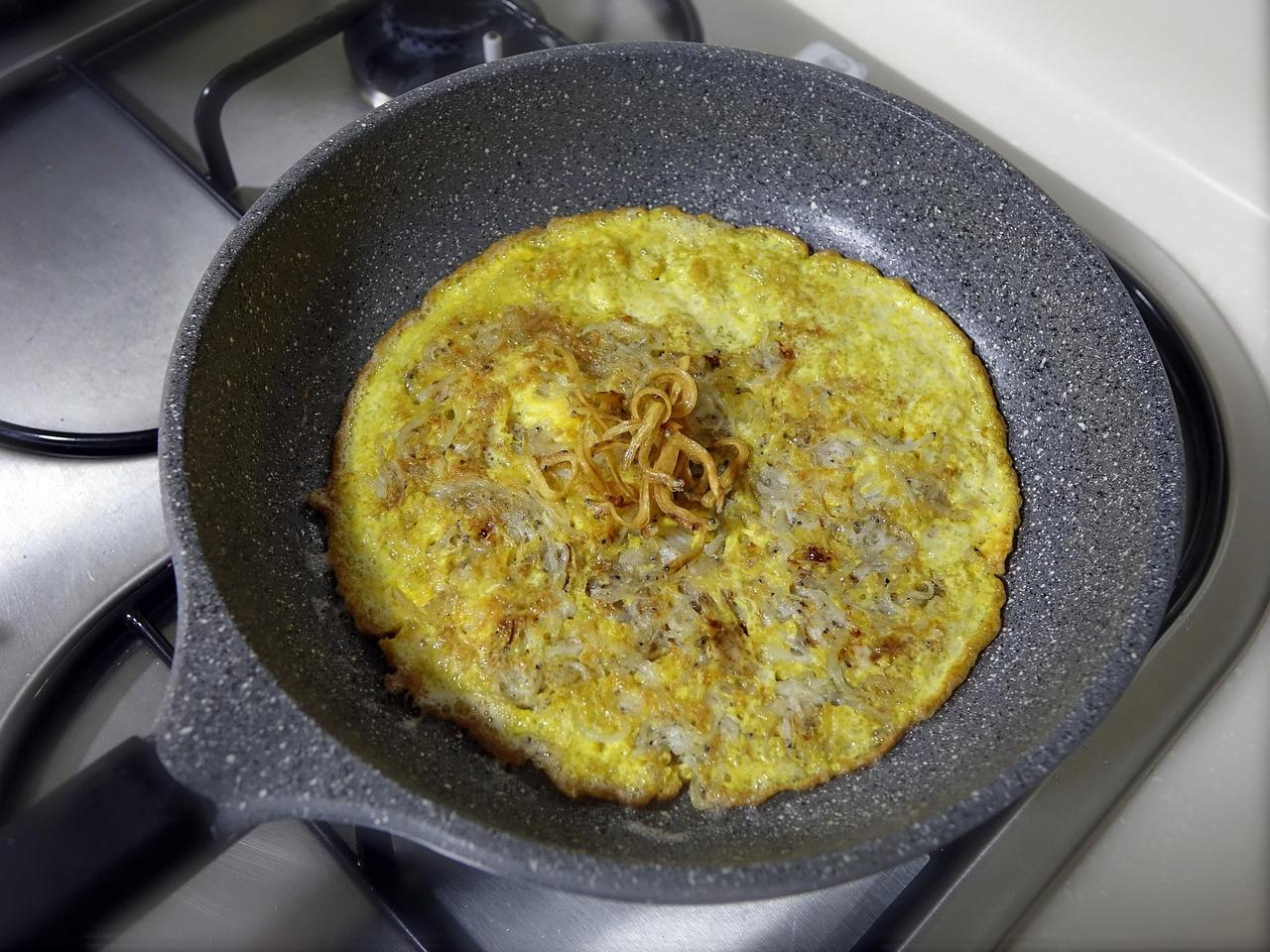
Whitebait fritters

Every spring, from September to November, the rivers of New Zealand's West Coast, around Hokitika and Haast, line with people scooping tiny translucent whitebait in nets, and the season's prize is a whitebait fritter. The fish are bound with just enough egg to hold them, fried in butter and eaten between slices of buttered white bread with a squeeze of lemon. Buy fresh or frozen whitebait from a trusted seller. A common mistake is adding flour, which hides the delicate fish; the true West Coast fritter is almost all whitebait. Chef's tip: beat the egg white separately and fold it in for a lighter fritter.

by KrazyBadal 0 views

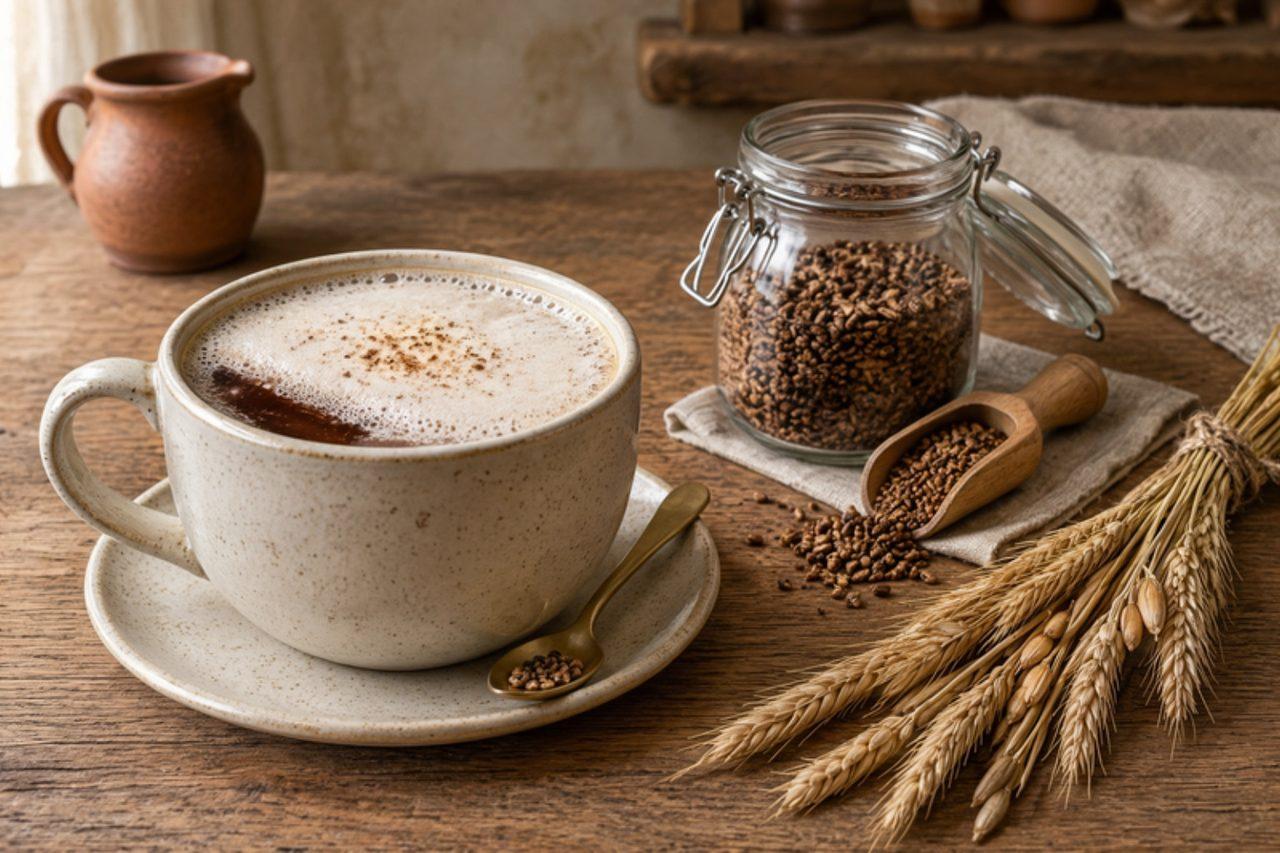
Kawa zbożowaRoasted grain coffee

In Polish kindergartens, school canteens and grandmothers' kitchens, kawa zbożowa is the breakfast "coffee" everyone can drink: a blend of roasted rye, barley, chicory and sometimes sugar beet that tastes toasty and malty with no caffeine at all. It is usually drunk milky and a little sweet alongside bread and butter. The common mistake is brewing ground grain coffee like espresso: it needs a few minutes of simmering to give up its flavour, or it tastes like weak tea. Chef's tip: let the pot stand off the heat for 2 minutes after simmering so the grounds sink, then pour gently and you won't need a filter at all.

by KrazyBadal 0 views

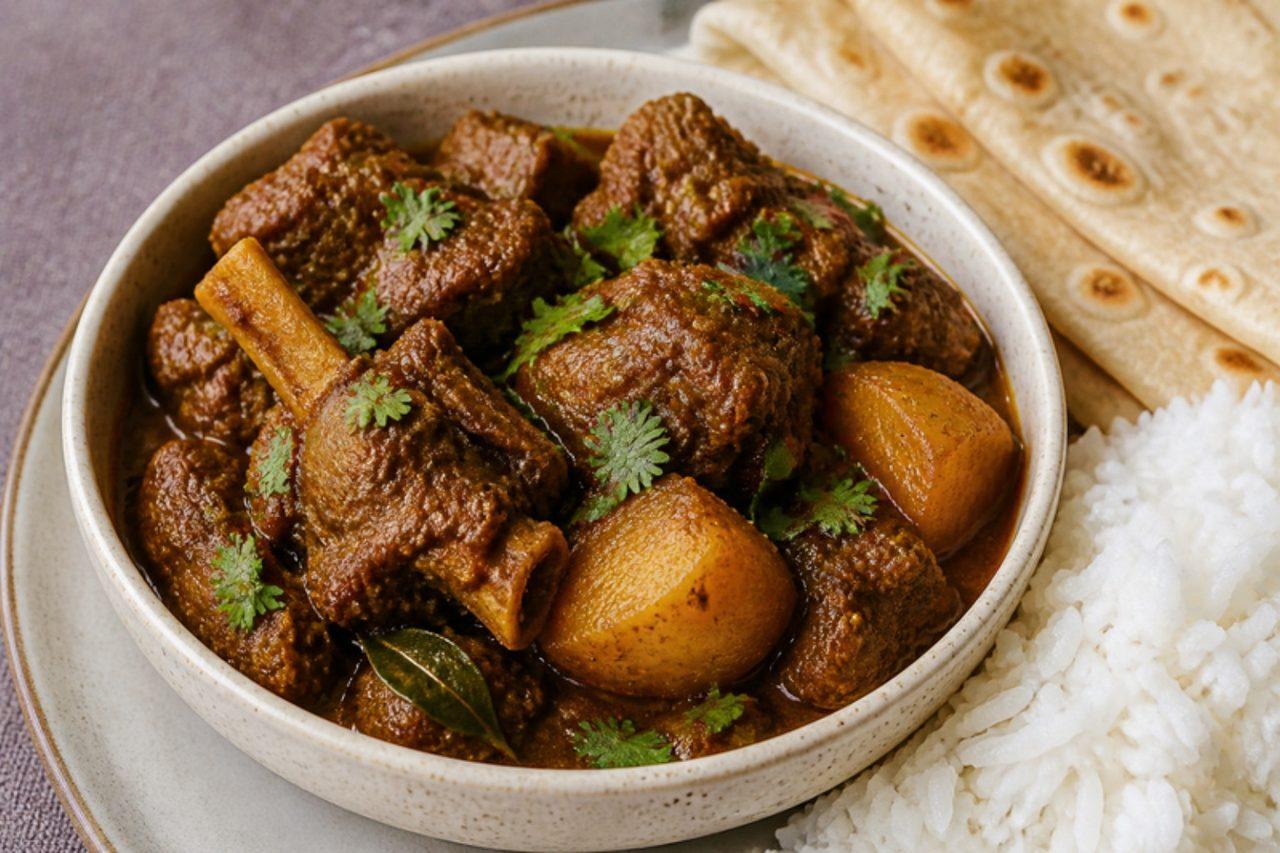
Fiji goat curry

Goat curry is the dish of Indo-Fijian weddings, Diwali gatherings and Sunday family lunches from Lautoka to Labasa, brought by indentured labourers from India in the 1800s and shaped by Fiji's own curry powder blend. Bone-in goat is browned with onion, garlic, ginger and masala, then braised slowly with potatoes until tender, and eaten with roti or rice and dhal. A common mistake is rushing the onion and masala; they need to fry until the oil separates. Chef's tip: marinate the goat overnight in the fridge with the masala for deeper flavour.

by KrazyBadal 0 views

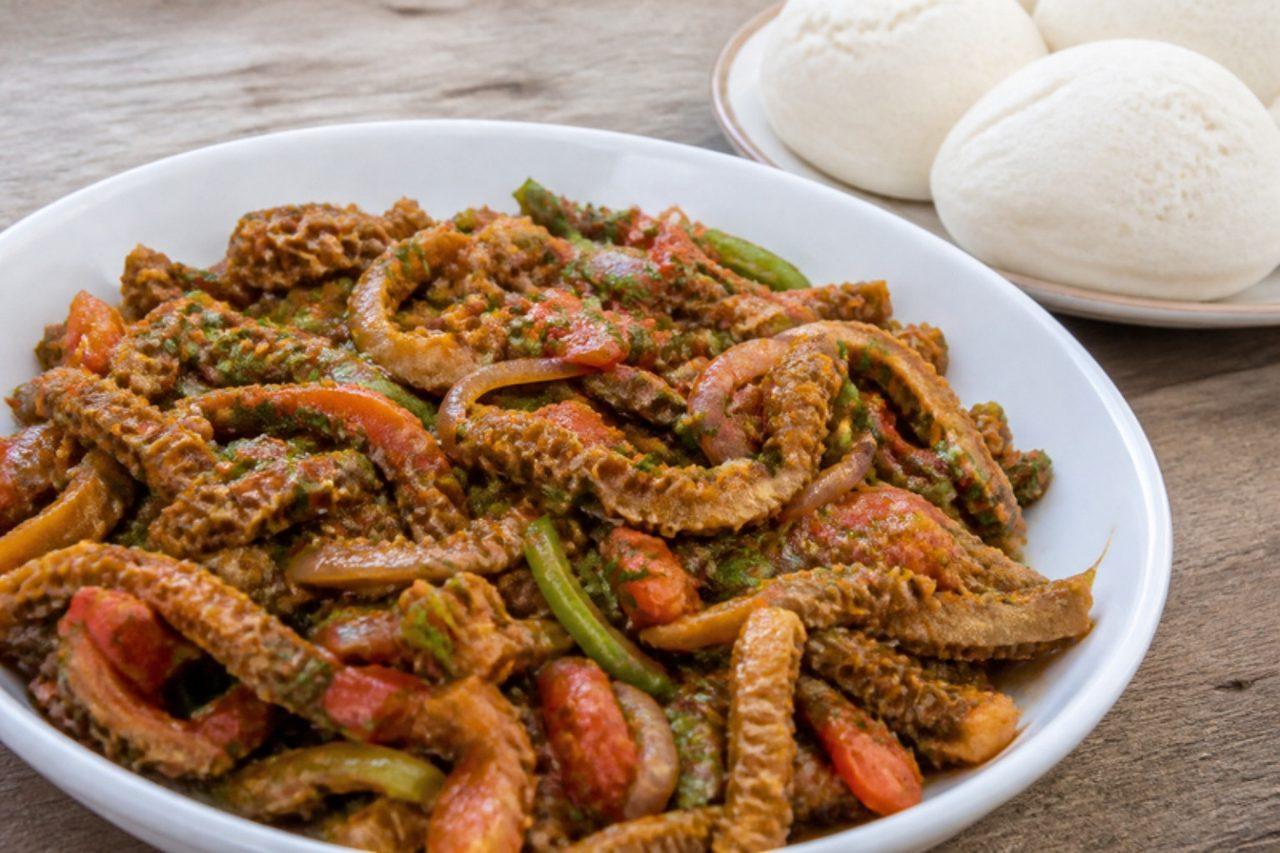
MatumboFried tripe

Nairobi's office workers and matatu crews know which roadside hoteli does the best matumbo, and they queue for it at lunchtime with a mound of ugali on the side. The tripe is boiled until it is soft but still has a gentle bounce, then cut into strips and fried hard with onion, tomato and green chilli so the edges catch and the sauce turns thick and peppery. Buy cleaned (dressed) beef tripe from a butcher: the white, honeycomb kind has already been scalded and scraped, which you should not attempt at home. Even cleaned tripe needs a thorough wash and a long simmer, and cutting it before it is tender is the usual mistake, because it then stays rubbery however long you fry it. Chef's tip: add a squeeze of lemon and a chopped onion to the boiling water; they freshen the smell in the kitchen and leave the tripe tasting clean.

by KrazyBadal 0 views

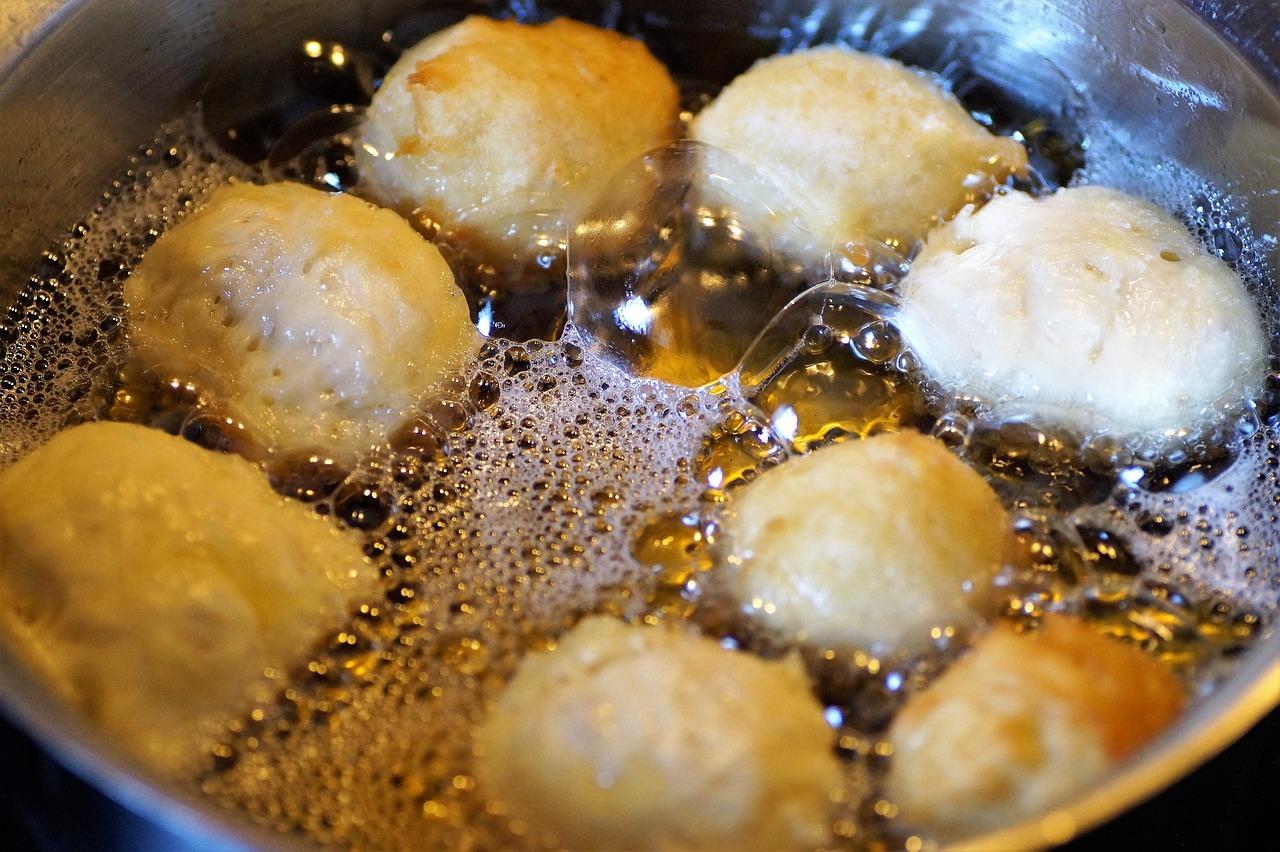
BabakauFried dough balls

Babakau are the fluffy fried dough balls sold at Fijian market stalls and village canteens at breakfast time, eaten with a mug of milky tea or hot koko before school or work in Suva and Nadi. The dough is lightly sweet and the balls puff up as they fry, golden outside and soft as a bun inside. A common mistake is oil that's too hot, which leaves raw centres; 170 °C is right. Chef's tip: wet your fingers to drop spoonfuls of dough into the oil so it slips off cleanly.

by KrazyBadal 0 views

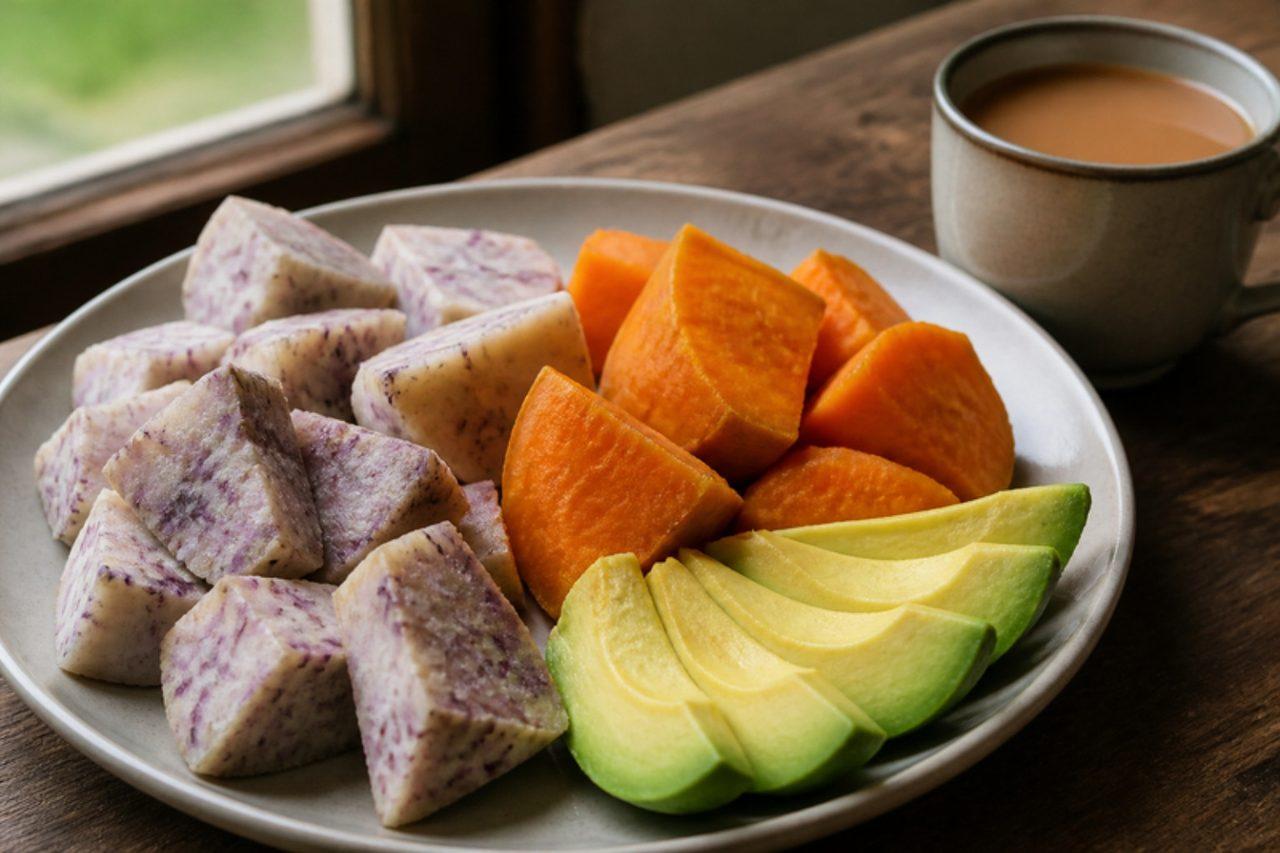
Nduma na viazi vitamuBoiled arrowroot and sweet potato

A plate of nduma and sweet potatoes with a mug of hot milky chai is the classic weekend breakfast in Kiambu and Murang'a homes, and farmers eat the same before a long day in the shamba. What Kenyans call arrowroot is taro, a starchy corm with a dense, nutty flesh that turns faintly purple and almost creamy when boiled; the sweet potatoes beside it are soft and honeyed, lovely with sliced avocado. Find taro (also called eddoes or dasheen) at African, Caribbean and Asian grocers. Raw taro irritates skin and mouth, so wear gloves to peel it and make sure it is boiled right through: undercooking is the one real mistake here and leaves an itchy, scratchy feeling in the throat. Chef's tip: cut taro and sweet potato into similar-sized pieces but add the sweet potato 10 minutes later, so both are done at once.

by KrazyBadal 0 views

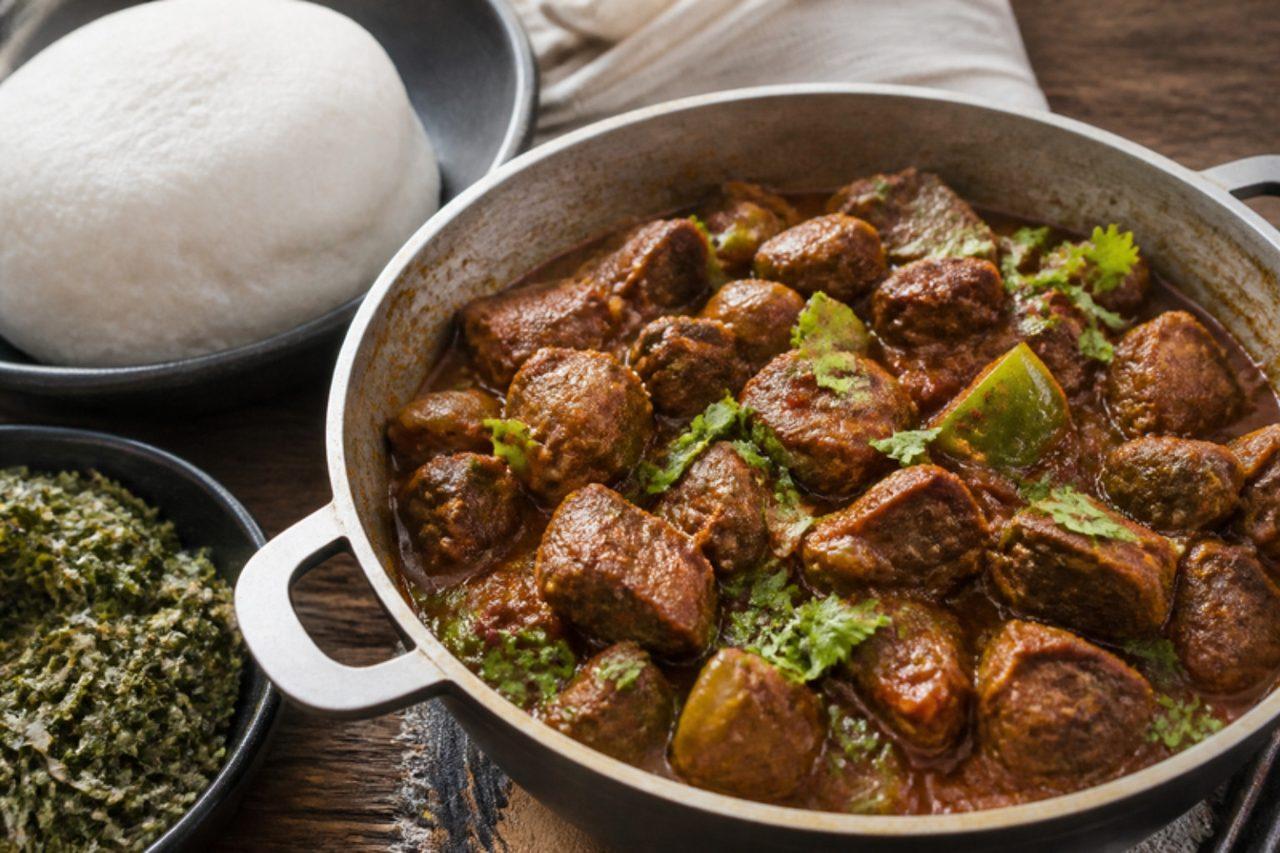
Beef wet fry

Order 'beef wet fry' at any Nairobi hoteli, from a River Road lunch counter to a Westlands nyama joint, and a sizzling dish of browned beef cubes arrives in a thick, tomato-red sauce glossy with fat. It sits halfway between a dry fry and a stew: the meat is chewy-tender and well seared, and the sauce is reduced so far it clings rather than pools. Ugali is the classic partner, with kachumbari and a tangle of sukuma wiki, though chapati or rice are just as common. The mistake most home cooks make is crowding the pan, so the beef steams grey in its own juices instead of browning. Chef's tip: give the beef a short covered simmer in a splash of water before frying; it tenderises the cheaper cuts Kenyan butchers sell and the water cooks off in time for the browning.

by KrazyBadal 0 views

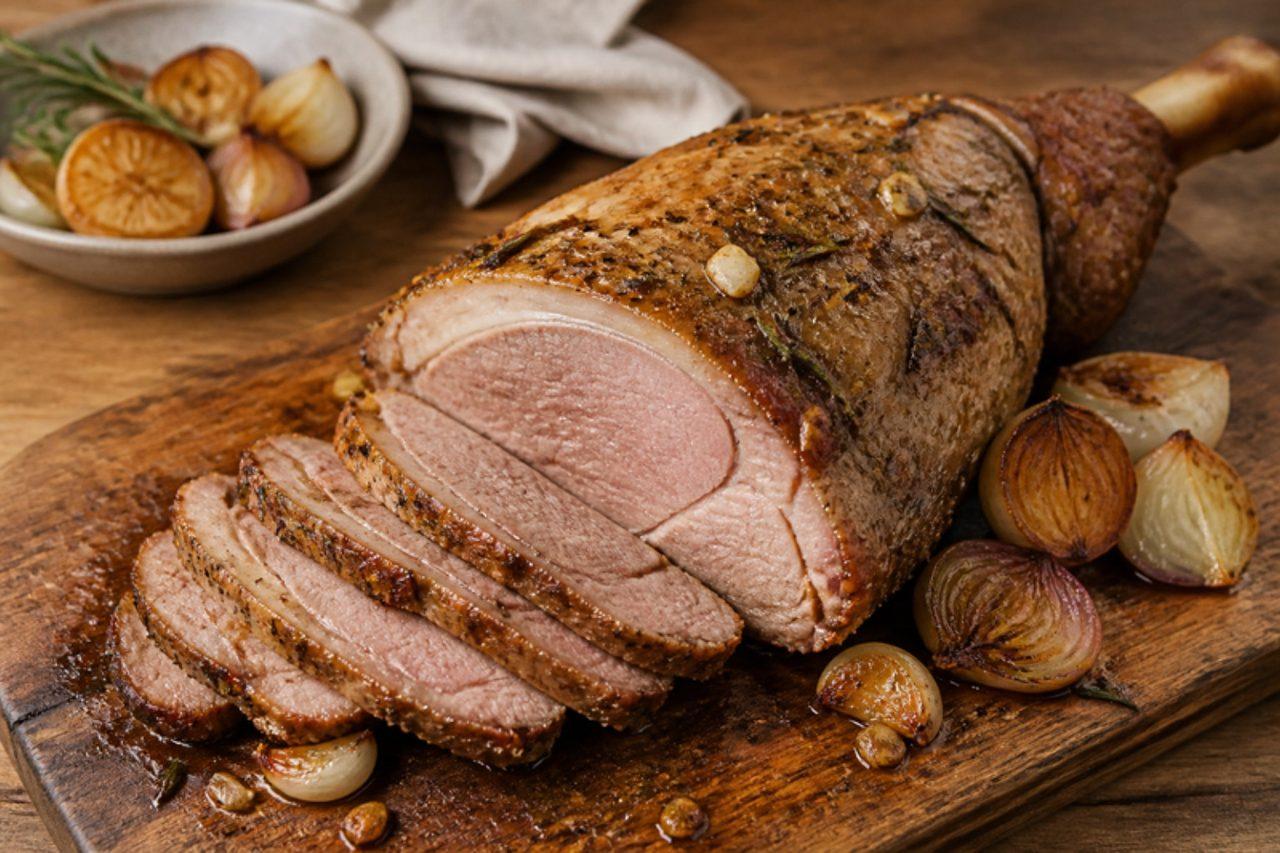
Karoo roast leg of lamb

Sheep in the Great Karoo graze on wild bossies and shrubs, and farmers around Prince Albert and Graaff-Reinet swear the meat comes out of the oven tasting faintly of the veld. That is why the seasoning stays plain: garlic slivers pushed deep into the meat, rosemary, salt and pepper, and a long, slow roast over a bed of onions that melt into the pan juices. Sunday lunch on a farm stoep means slices of rosy lamb with roast potatoes, sweet pumpkin with cinnamon, geelrys with raisins and a jug of gravy. Many cooks carve the moment the leg leaves the oven, and the juices end up on the board instead of in the meat. Chef's tip: give the leg a full 20 minutes' rest under foil; the temperature climbs a few degrees and every slice stays moist.

by KrazyBadal 0 views

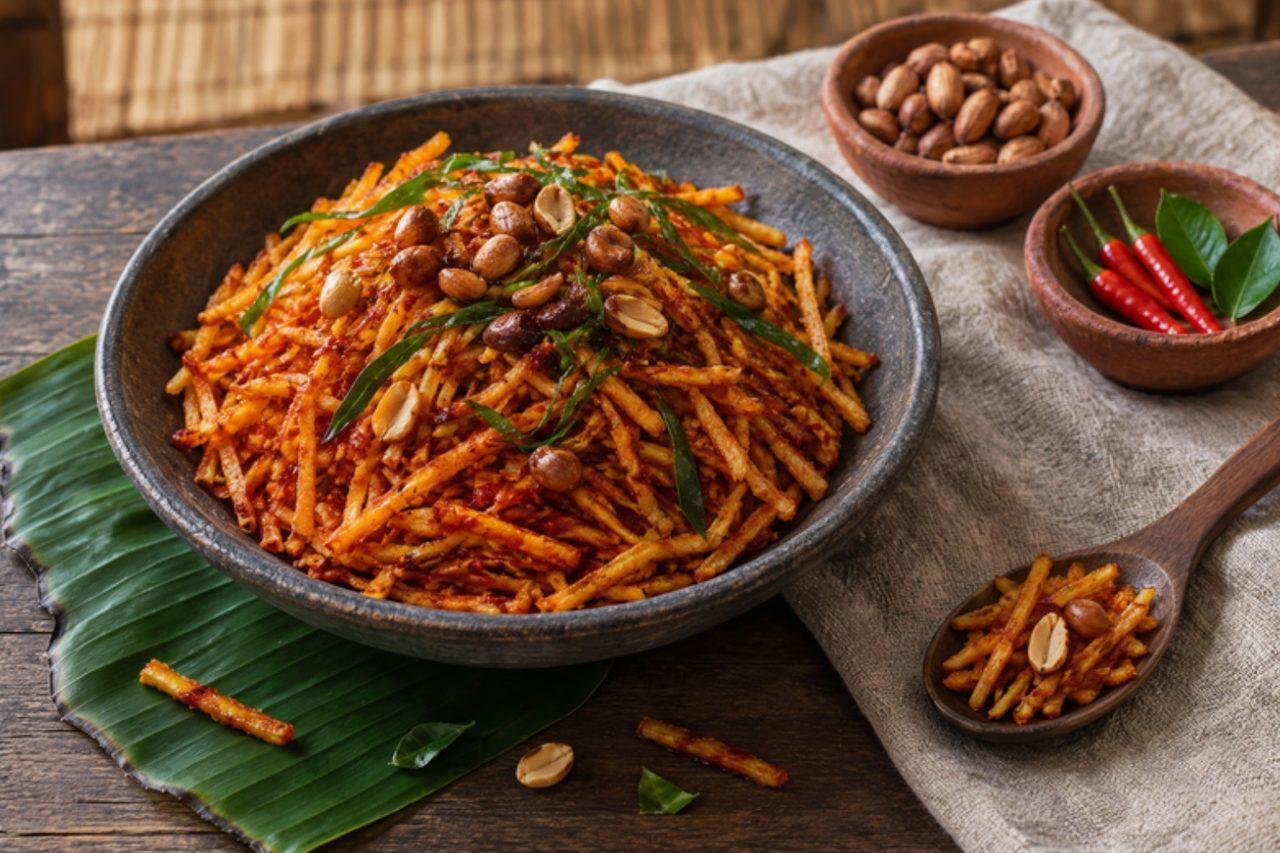
Kering kentangSweet and spicy potato matchsticks

Javanese households fry a big batch of kering kentang before Lebaran or a long journey, because these candied potato sticks stay crunchy in a jar for a week and make a plain bekal lunchbox of rice and egg feel special. They are sweet, hot and tangy all at once. The common mistake is frying wet potatoes all at once, which steams them; they must be soaked, dried thoroughly and fried in small batches until they rattle. Chef's tip: let the sugar glaze bubble until it threads from the spoon before adding the potatoes, so it coats them in a thin, glassy shell instead of making them soft.

by KrazyBadal 0 views

Kesar pendaSaffron milk pendas

In Ahmedabad, any good news, from exam results to a new home or a newborn, means a box of kesar penda passed around the office and the street. These are soft, creamy pendas of fresh mawa cooked briefly with sugar and plenty of saffron, so they stay pale gold and fudgy, quite unlike the browned pedas of Mathura or Dharwad. The common mistake is overcooking the mawa once the sugar goes in, which turns the pendas dry and cracked at the edges. Chef's tip: stop cooking as soon as a small piece rolls into a smooth ball between your palms; they firm up as they cool.

by KrazyBadal 0 views

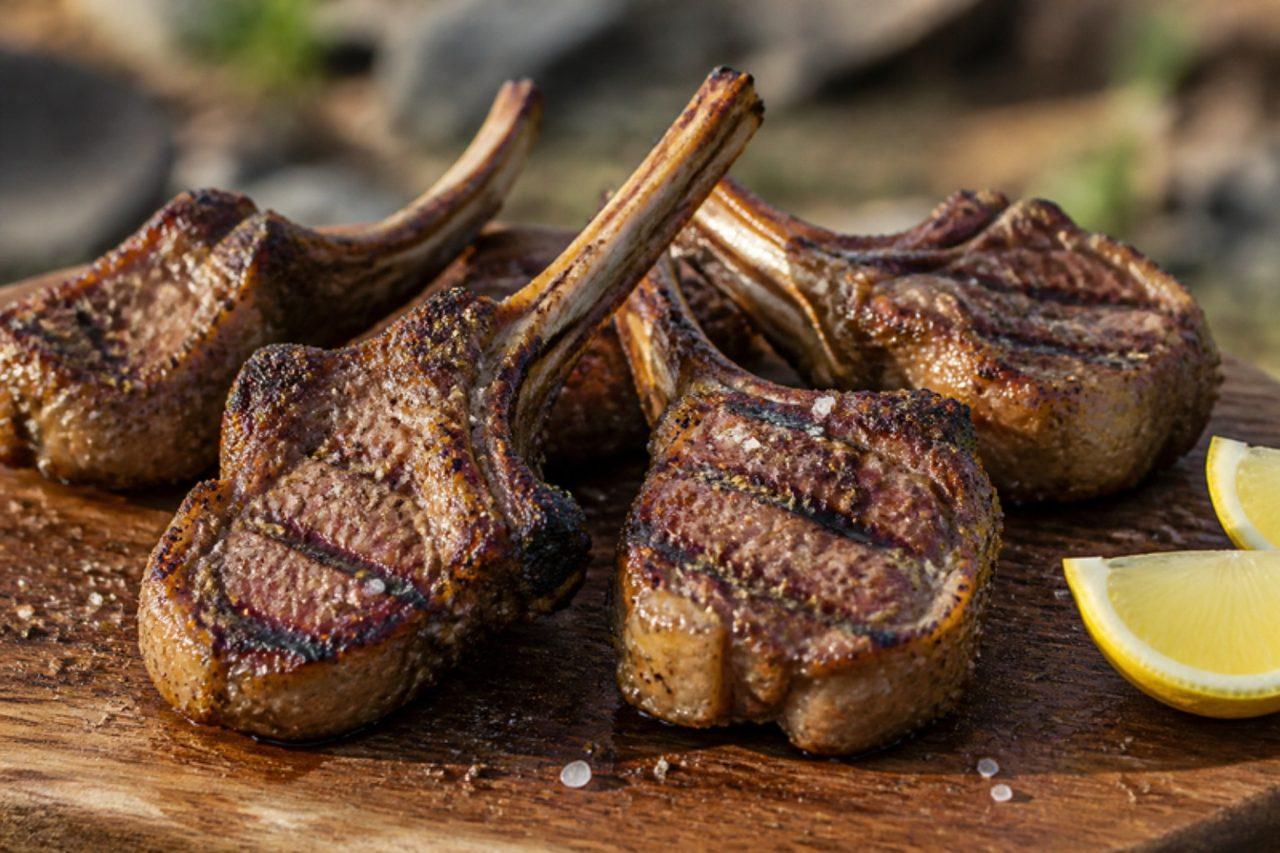
Braaied lamb chops

Ask a Karoo farmer for a braai rub and you will be handed the salt grinder: good lamb chops off the veld need salt, pepper and wood coals, and nothing else. On a Saturday evening in Colesberg or Cradock the chops go on last, after the boerewors, and come off with crisp, smoky fat and juicy, rosy meat. Pile them on a board with pap and tomato smoor, a potato salad and a braaibroodjie or two. Chops cut too thin, under 2 cm, dry out before the fat crisps, so ask the butcher for thick ones. Chef's tip: stand the chops upright on their fat edge for the first few minutes, held together with tongs, so the fat renders and crisps before the meat goes flat on the grid.

by KrazyBadal 0 views

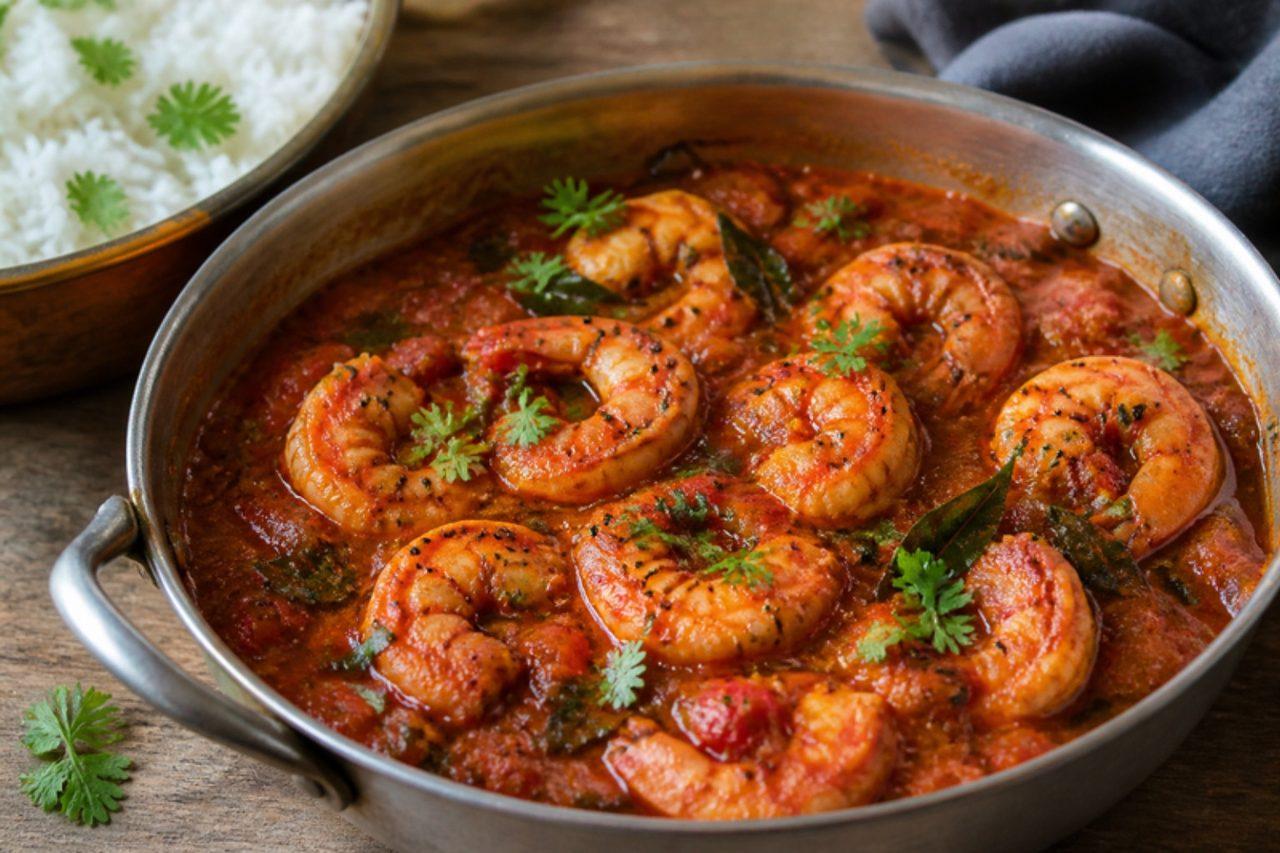
Durban prawn curry

Durban's beachfront takeaways and Indian family kitchens along the North Coast make prawn curry fast: the gravy of tomato, red masala, mustard seeds and curry leaves is cooked first, and the prawns go in only for the last few minutes. The result is a tangy, fiery red sauce with sweet, juicy prawns, lighter and sharper than a slow meat curry. Serve it with white rice or soft rotis and a wedge of lemon. Overcooking is the big mistake: prawns turn rubbery within a minute or two of being done, so take the pot off as soon as they are pink and opaque all the way through. Chef's tip: thaw frozen prawns overnight in the fridge and pat them very dry, or their water thins the gravy.

by KrazyBadal 0 views

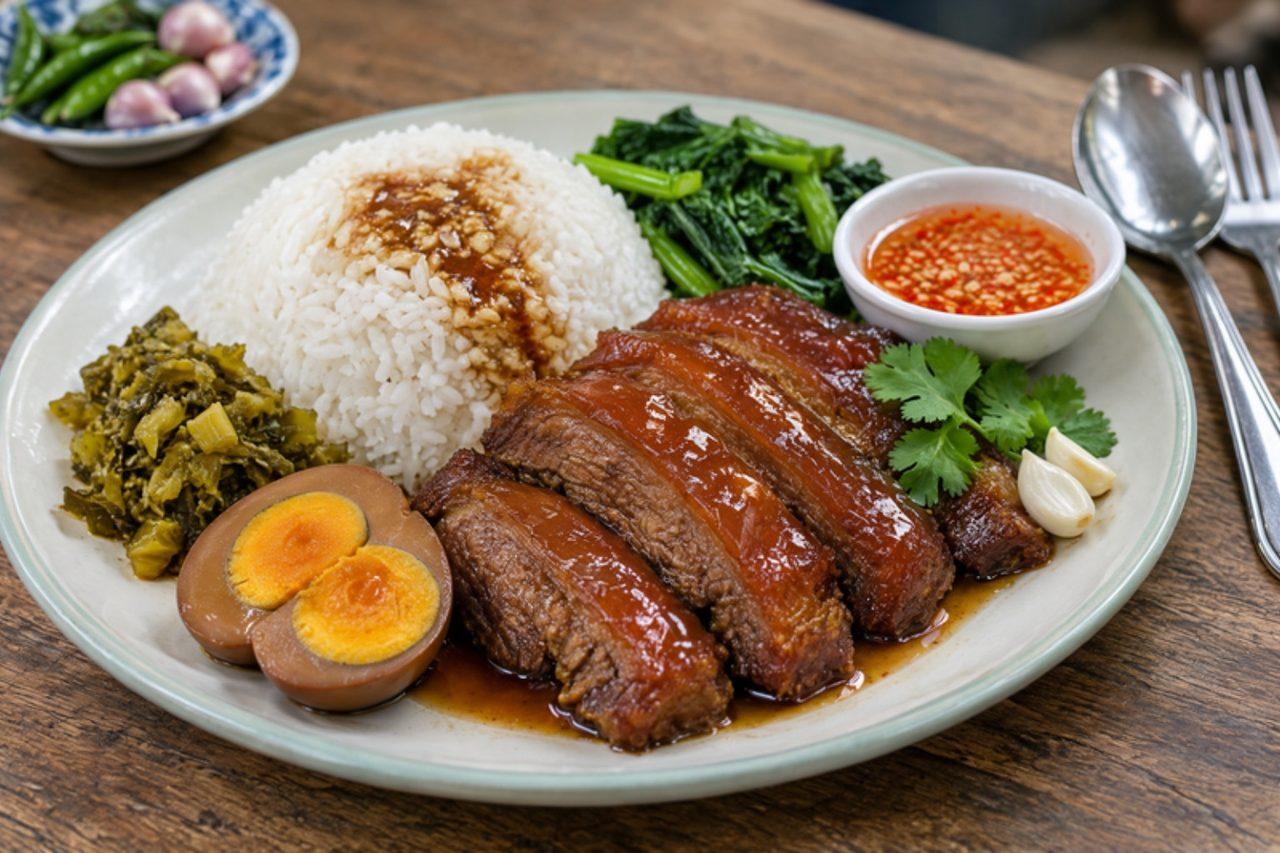
Khao kha mooBraised pork leg rice

Khao kha moo is Bangkok's great one-plate lunch, and the shophouses along Charoen Krung Road in Bang Rak have been simmering pork leg in the same dark, star-anise-scented pots for decades. Fresh pork hock is braised in soy, palm sugar and five-spice until the skin turns glossy and gelatinous and the meat falls away in tender strands. It is sliced onto jasmine rice with a soy-stained boiled egg, pickled mustard greens, blanched Chinese kale and a fierce green chilli and garlic vinegar to cut the richness. Chef's tip: keep the braise at a lazy simmer; a hard boil tears the skin and turns the meat stringy.

185 minThaiMeat
by KrazyBadal 0 views

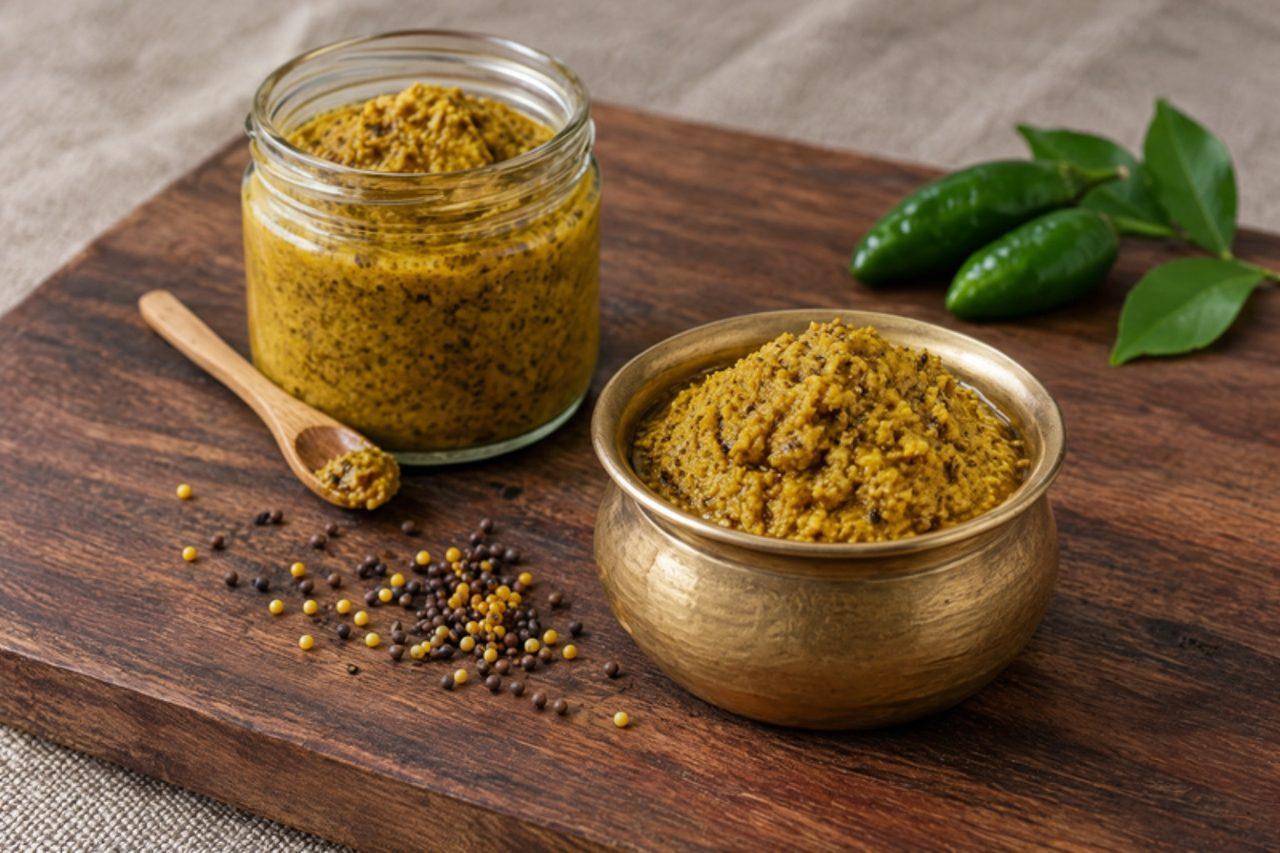
KharoliFermented mustard relish

Kharoli is an old Assamese relish from the villages of upper Assam: ground mustard seed is mixed with khar, the alkaline water filtered from burnt banana peel, packed into a jar and left to ferment until sharp and funky. A small spoon with mustard oil and green chilli is eaten with the first balls of rice, and families make it in the cooler months. The common mistake is using a damp jar or spoon, which lets mould in. Ferment at 20–28 °C for 4–6 days; it is ready when it smells sharply pungent and tangy. Throw it away if you see fuzzy mould, pink or black spots, or it smells rotten or putrid rather than sour. Chef's tip: if you have no banana-ash khar, a quarter teaspoon of bicarbonate of soda in the water gives a similar alkaline bite.

by KrazyBadal 0 views

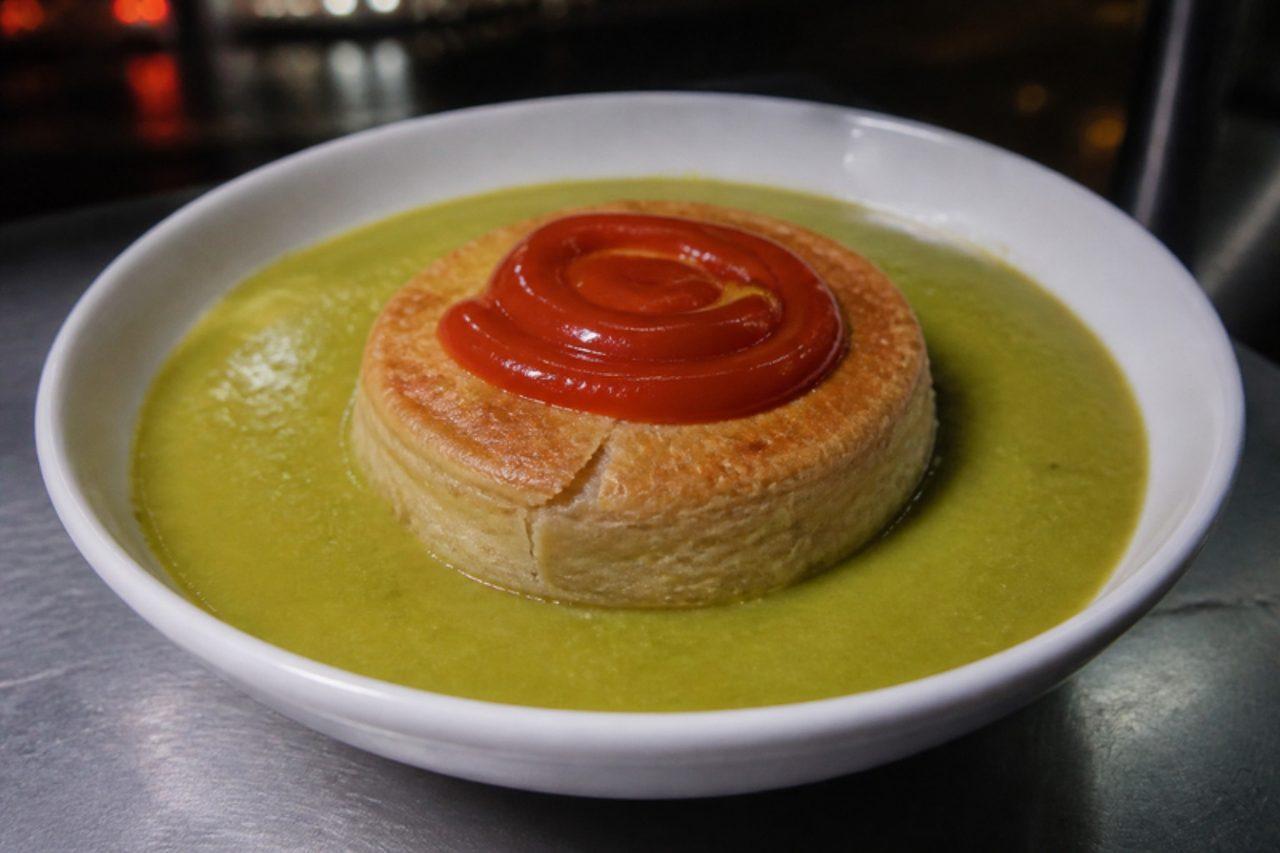
Pie floaterMeat pie in pea soup

The pie floater is Adelaide's late-night street food, sold from pie carts outside the railway station and on North Terrace since the 1870s: a beef mince pie turned upside down in a bowl of thick, green split-pea soup and topped with a swirl of tomato sauce. It sounds odd and tastes wonderful on a cold night. This recipe makes both the soup and the pies; you could use good bakery pies to save time. A common mistake is a thin soup; it should be thick enough to hold the pie up. Chef's tip: make the pea soup the day before, it thickens overnight.

by KrazyBadal 0 views

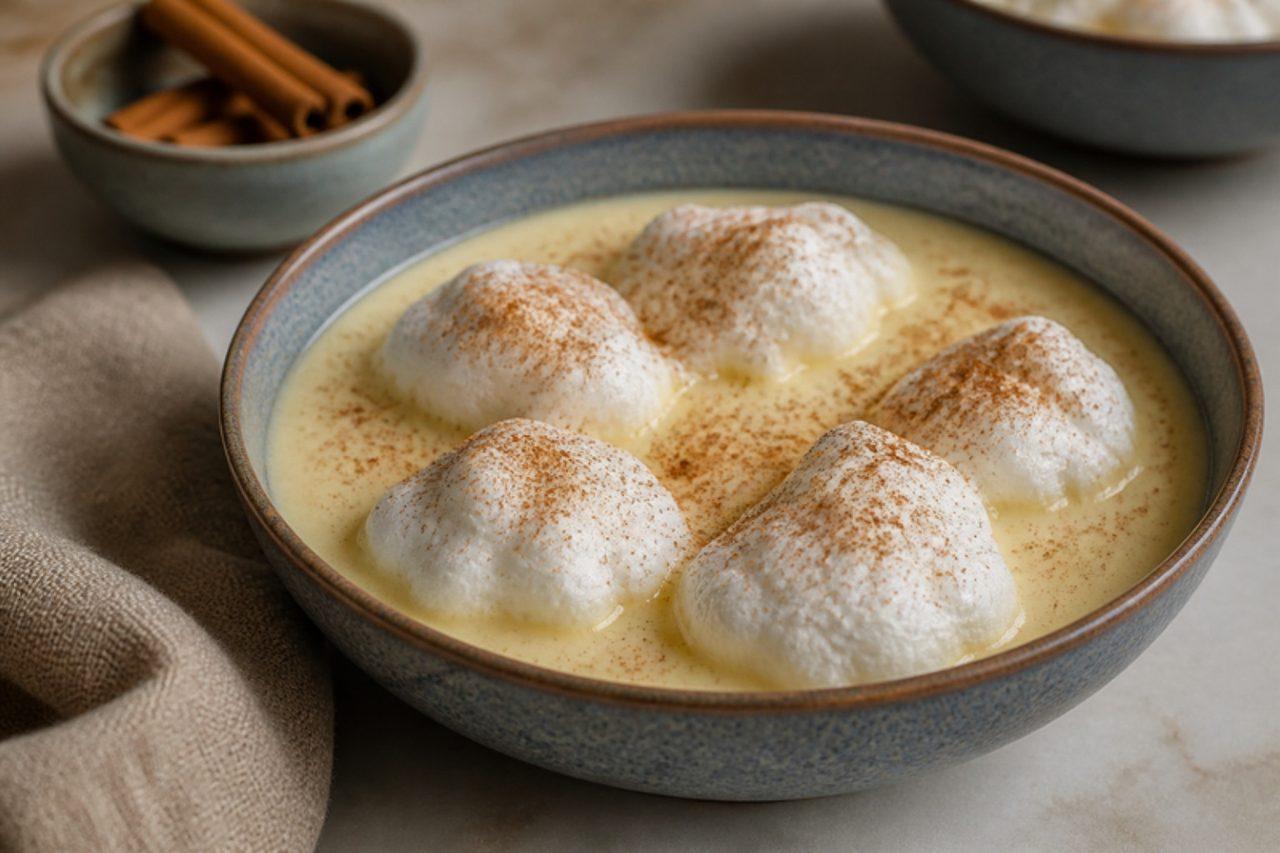
Leche nevadaCustard with meringue clouds

Leche nevada, 'snowed-on milk', is the custard Chilean grandmothers make on a Sunday with a litre of milk and a few eggs: soft spoonfuls of meringue are poached in sweet milk, then the same milk becomes a thin, vanilla-scented custard that the clouds float on. It is served cold in glass bowls, dusted with cinnamon, from Santiago to the south. The usual failure is letting the custard boil after the yolks go in, which curdles it into sweet scrambled egg. Chef's tip: poach the meringue at the barest simmer; at a rolling boil it puffs up, then collapses and goes rubbery. Because the whites are poached and the custard heated to 82 °C, the eggs are cooked through.

by KrazyBadal 0 views

Showing 36 of 7,762 recipes

Show more recipes

Page 104 of 863