


Skip to content
Lupis
Featured recipe

Lupis

Sticky rice with coconut sugar

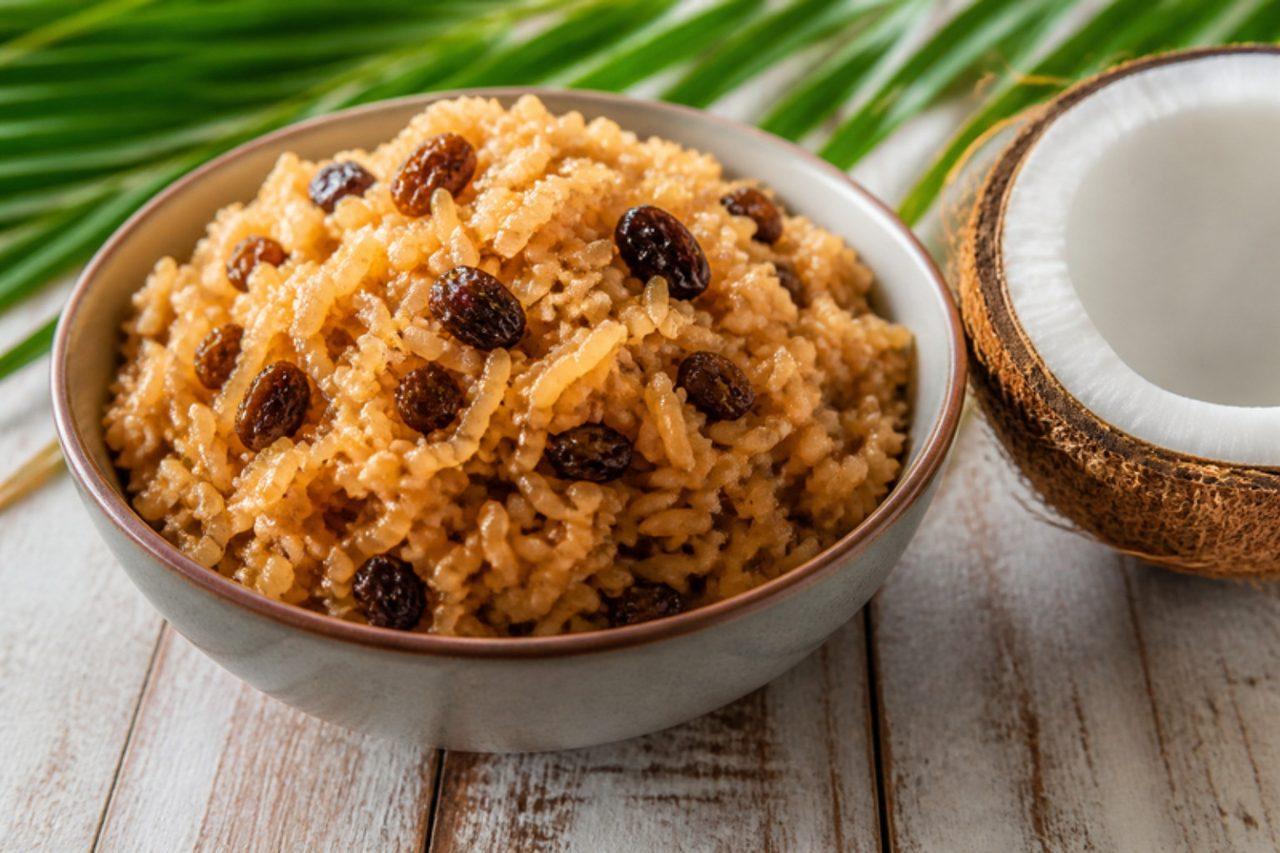
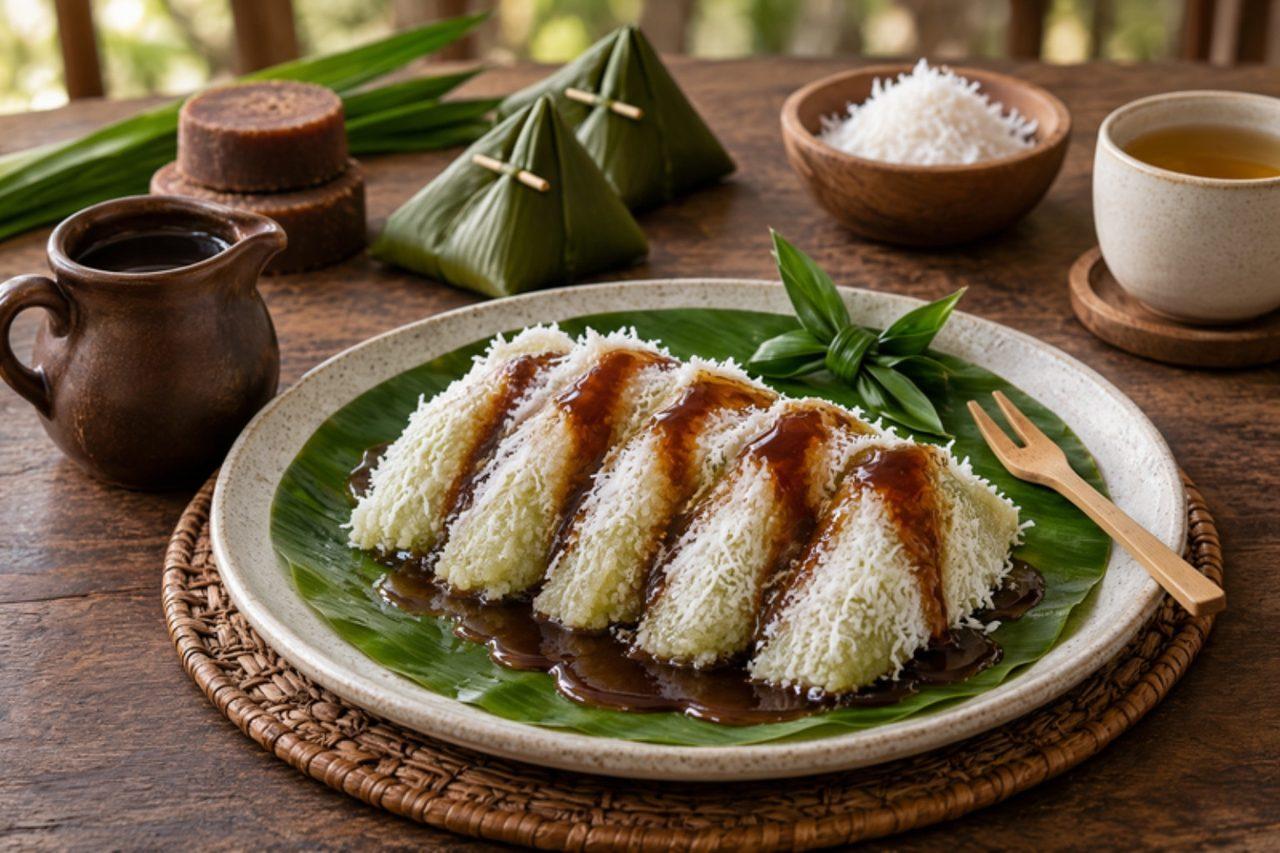
At morning markets across Central and East Java, vendors unwrap banana-leaf triangles of chewy sticky rice, roll them in fresh grated coconut and drench them in dark palm sugar syrup, all served on a square of leaf. Lupis is breakfast and snack at once, eaten with sweet tea. The common mistake is packing the leaves too full: the rice swells as it cooks, so fill each cone only two-thirds, or the parcels split and turn watery. Chef's tip: steam the grated coconut with a pinch of salt for 5 minutes before using it; it keeps longer and the salt sharpens the caramel taste of the syrup.

Read more 1 views

What to eat today?

Around the world

Today's trip: Persian

A new country every day, from every cuisine on the site.

This week's collection

Kid-friendly dinners
739 recipes · a new collection every Monday

Coming up

All occasions →

Latest recipes

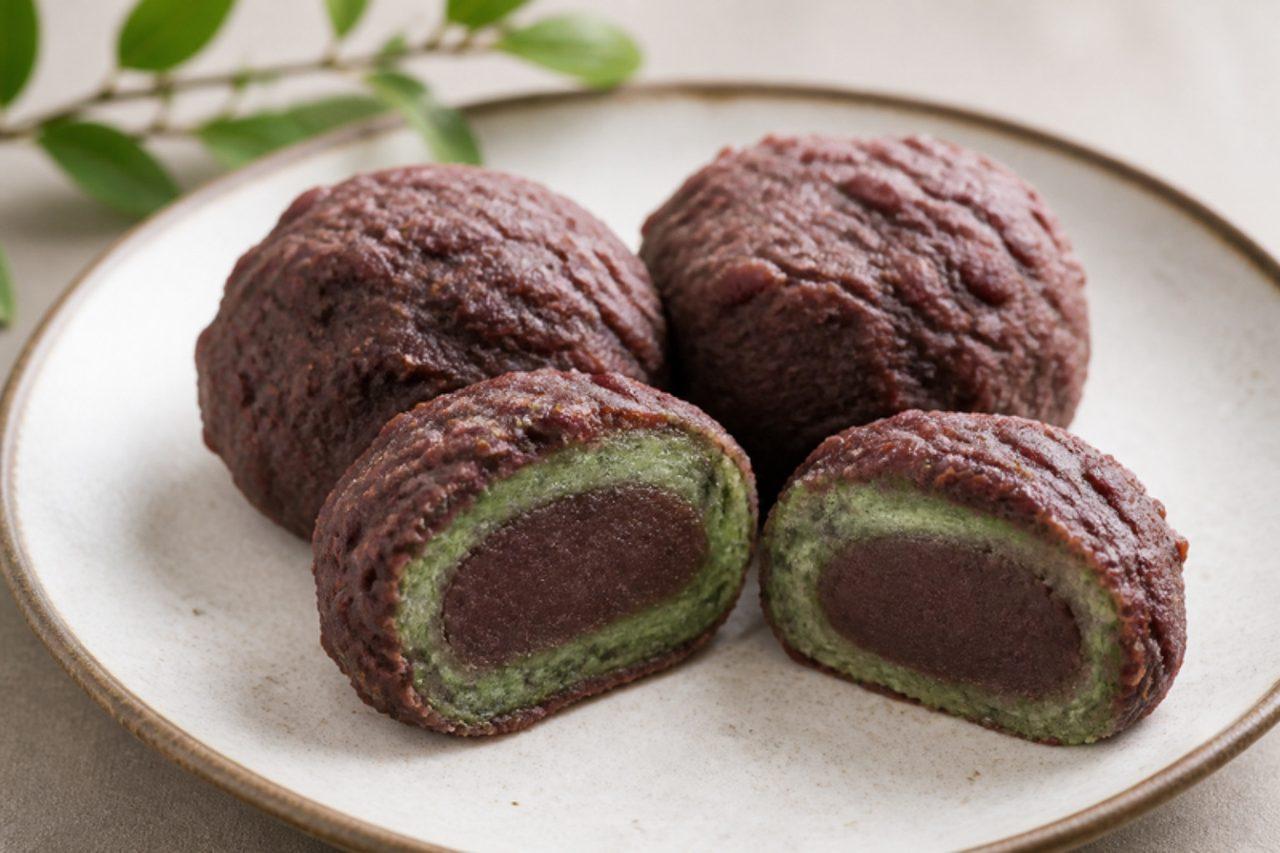
Omegi tteokMillet rice cakes with red bean

Omegi tteok (오메기떡) are Jeju's best-known rice cakes: small dark-green rounds of glutinous millet and rice dough flavoured with mugwort, filled with sweet red bean, and rolled in a coat of mashed red beans or toasted nuts. Jeju farmers grew millet on fields too stony for rice, and the dough was once fermented into omegi-sul, the island's rice wine. Now they are bought in boxes at Seogwipo's Olle market as the island's favourite gift, kept in the freezer and thawed for tea time. Chef's tip: knead the dough with boiling water while it is still hot; mugwort and millet need the heat to bind into a smooth, stretchy dough.

by KrazyBadal 0 views
ÄrtsoppaYellow pea soup

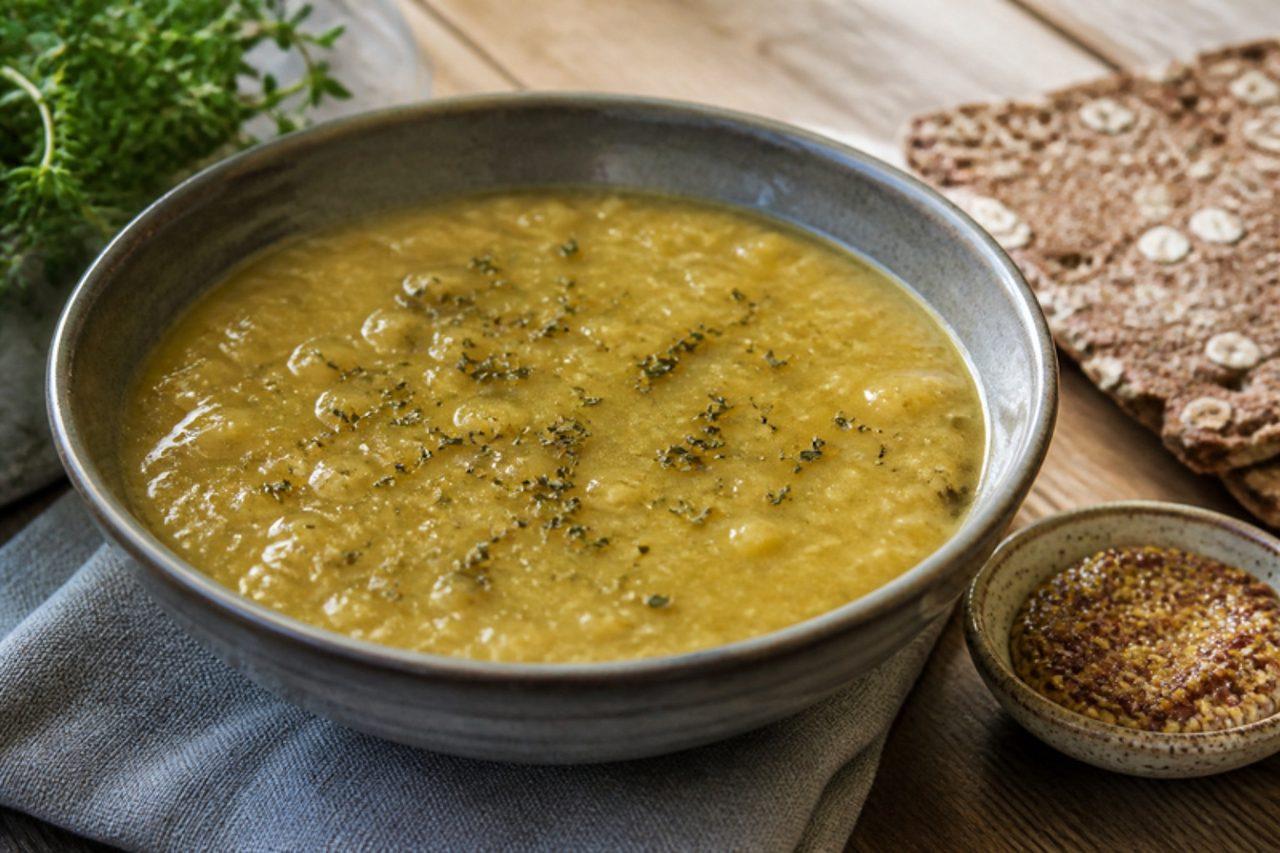
For centuries Swedes have eaten ärtsoppa on Thursday: school canteens, army messes and home kitchens all serve thick yellow pea soup, followed by thin pancakes with jam (ärtsoppa och pannkakor). The tradition is said to date from Catholic times, a filling meal before Friday's fast. The soup is usually cooked with salt pork, but the soul of it is the dried yellow peas, onion and a generous hand of thyme and marjoram, so this version is fully plant-based and seasons the broth with a little smoked paprika instead. Each bowl gets a spoonful of sharp Swedish mustard stirred in at the table. Chef's tip: soak whole yellow peas overnight and skim the foam as they come to the boil; the skins that float up can then be lifted off, giving a smoother soup.

by KrazyBadal 0 views

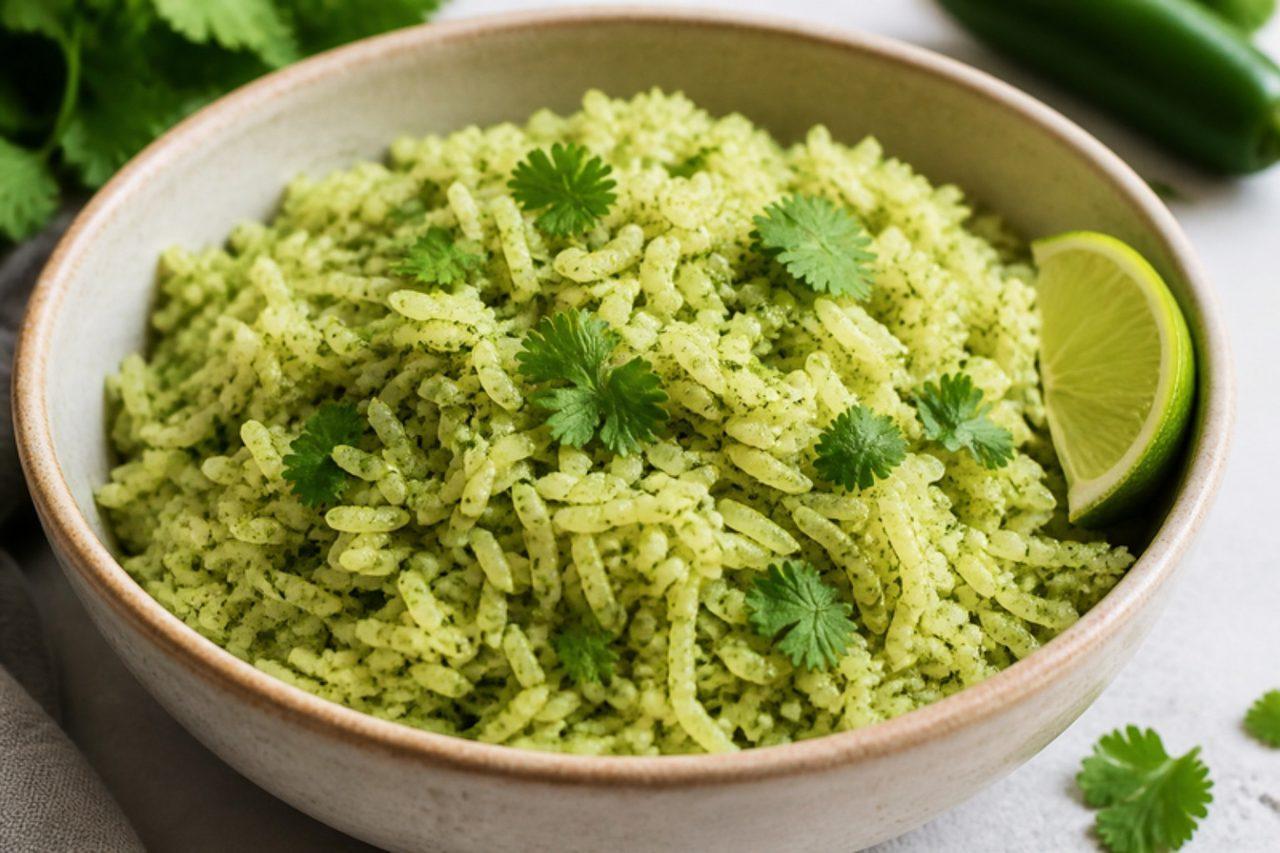
Arroz verdeGreen rice

Arroz verde is red rice's fresher sister, popular across central Mexico as a side for mole, enchiladas and beans. The rice is toasted in oil and then simmered in a vivid green purée of poblano pepper, coriander, parsley and a handful of spinach, so it comes out fluffy, herby and gently peppery, the colour of spring grass. It is vegan with vegetable stock and pairs especially well with mole rojo or roasted vegetables. Chef's tip: blend the greens with cold stock and add it straight to the rice; heated slowly or left standing the purée loses its colour, so make it right before you need it.

by KrazyBadal 0 views

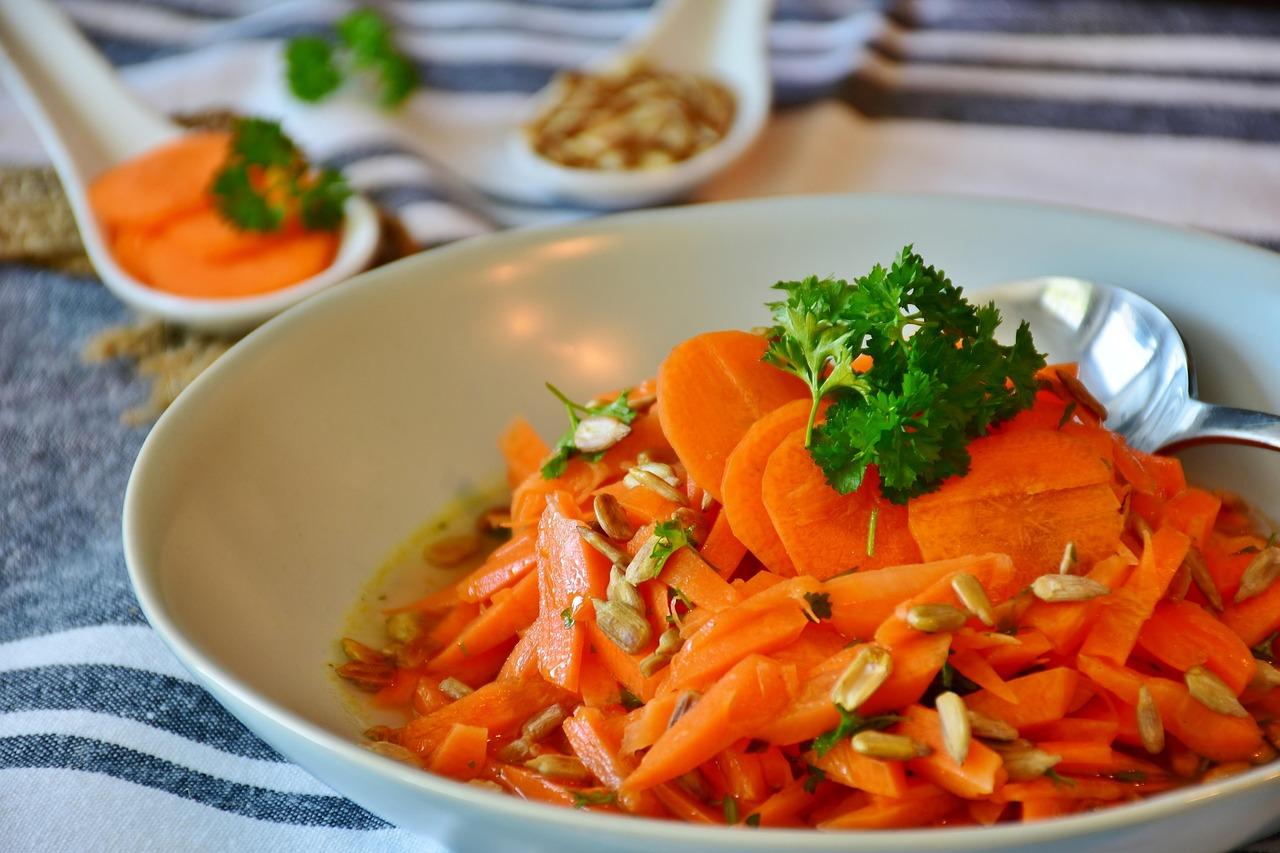
Moroccan carrot salad (shlada khizzou)Warm spiced carrot salad
Shlada khizzou is the bright orange dish on the salad spread of every Moroccan restaurant and home lunch, from Marrakech riads to roadside grills on the way to the coast. Carrots are blanched until just tender, then dressed while warm with garlic, cumin, a little sugar and lemon, so they drink in the flavour. Some families add a few drops of orange blossom water, which makes it taste of a Moroccan garden. Serve it with tagines, couscous or simply with bread. Chef's tip: dress the carrots while they are still warm; cold carrots stay bland on the outside.

by KrazyBadal 0 views

Arroz rojoMexican red rice

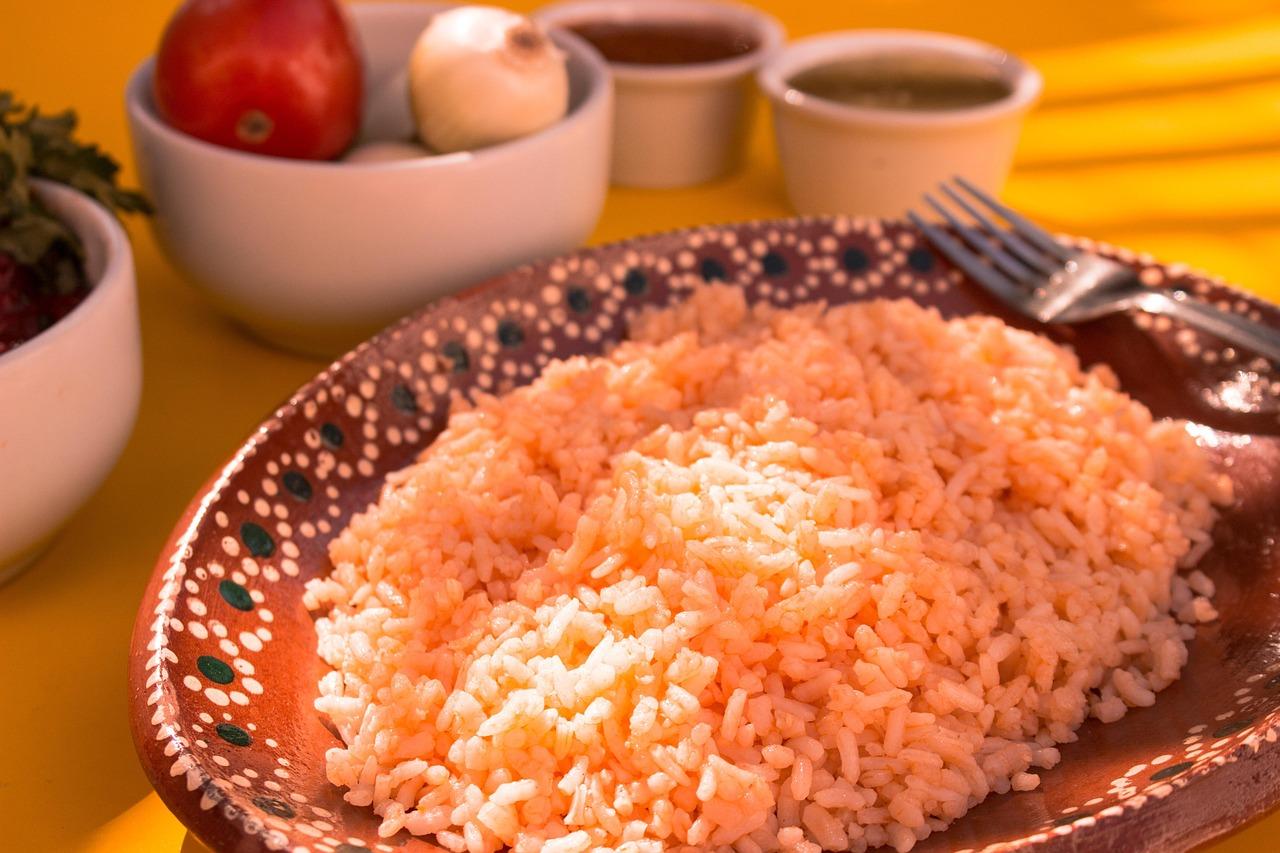
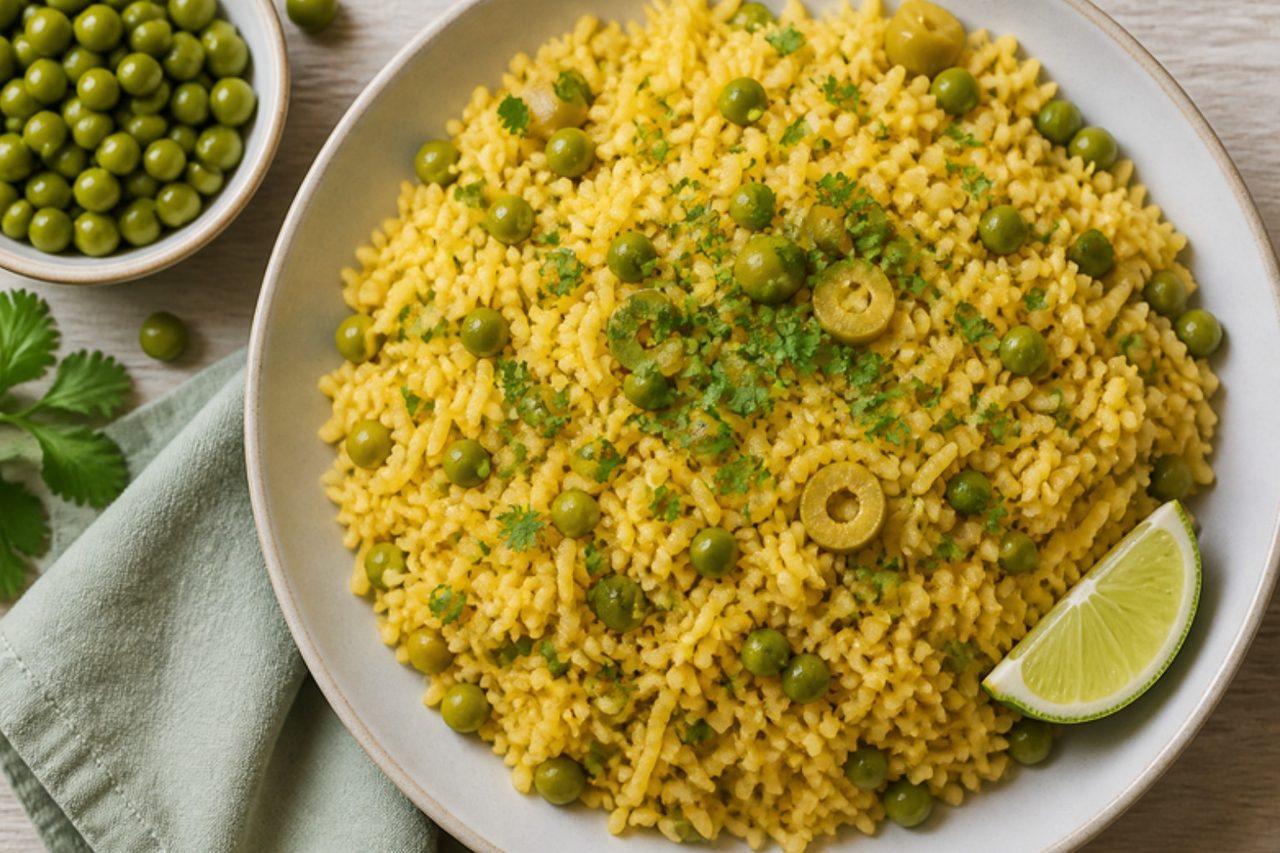
Arroz rojo (also called arroz a la mexicana) is the rice served beside almost everything in Mexico, from enchiladas to beans to a fried egg. Long-grain rice is fried in oil until golden, then simmered in a blended tomato, onion and garlic broth until every grain is separate, tender and tinted orange-red. Diced carrot and peas add colour and sweetness, and a whole chilli in the pot gives a gentle warmth without heat. Made with vegetable stock it is vegan and a favourite with children. Chef's tip: rinse the rice until the water runs clear and let it dry well before frying; wet rice won't toast and turns out sticky.

by KrazyBadal 0 views

Arroz negroBlack rice with squid ink

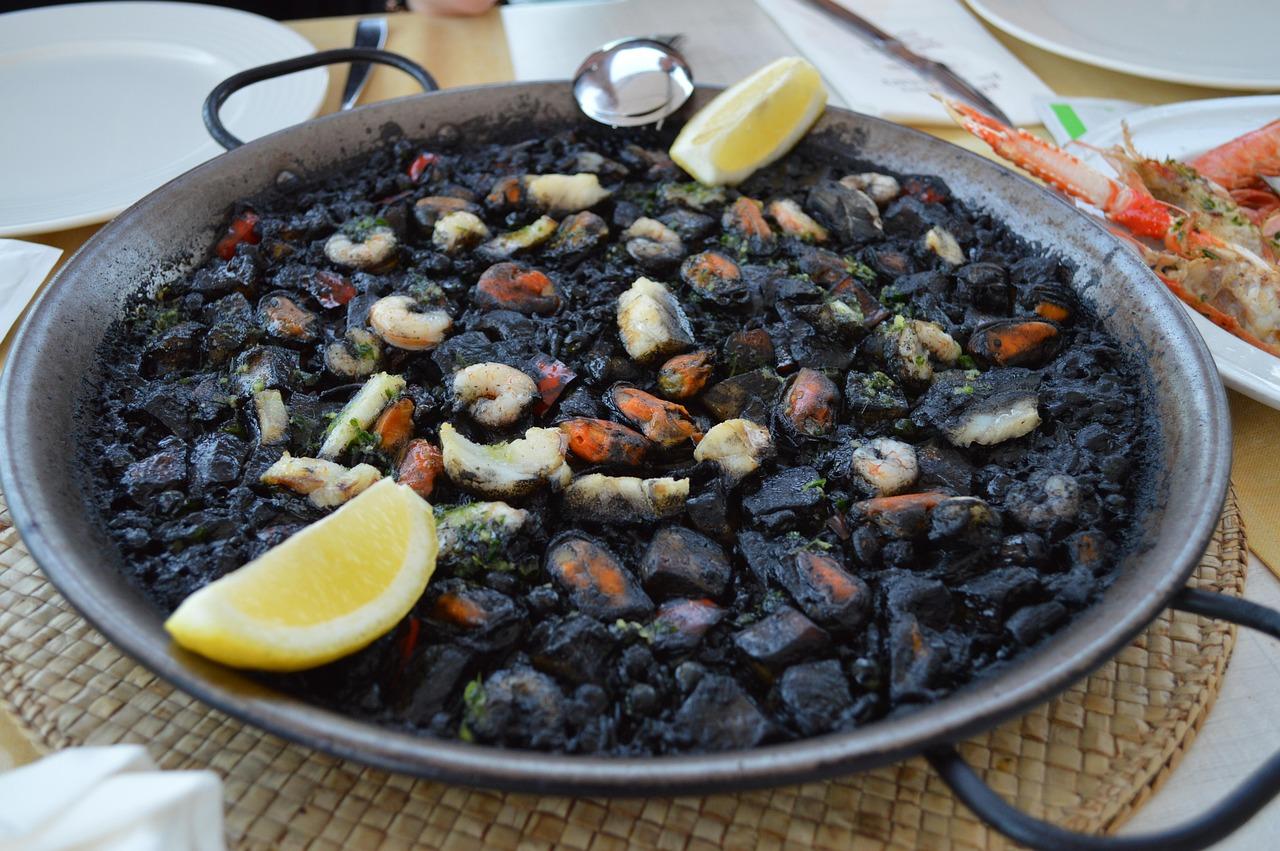
Along the coast from Valencia up to the Costa Brava, arroz negro (arròs negre in Catalan and Valencian) is a seafront restaurant favourite, ordered for the table at lunchtime and brought out in its pan. Squid and its ink turn the rice glossy black and give it a deep taste of the sea, and every forkful gets a dab of garlicky all-i-oli. This version uses the traditional egg-free all-i-oli, just garlic, oil and salt pounded together; if you'd rather make the easier egg version, use a pasteurised egg, and note that raw egg is not suitable for pregnant women, young children, older people or anyone with a weakened immune system. Chef's tip: buy squid ink in sachets or small jars from a fishmonger or Spanish deli; the ink sac inside a whole squid is far too small to colour a whole pan.

by KrazyBadal 0 views

Moroccan mint tea (atay)Green tea with mint
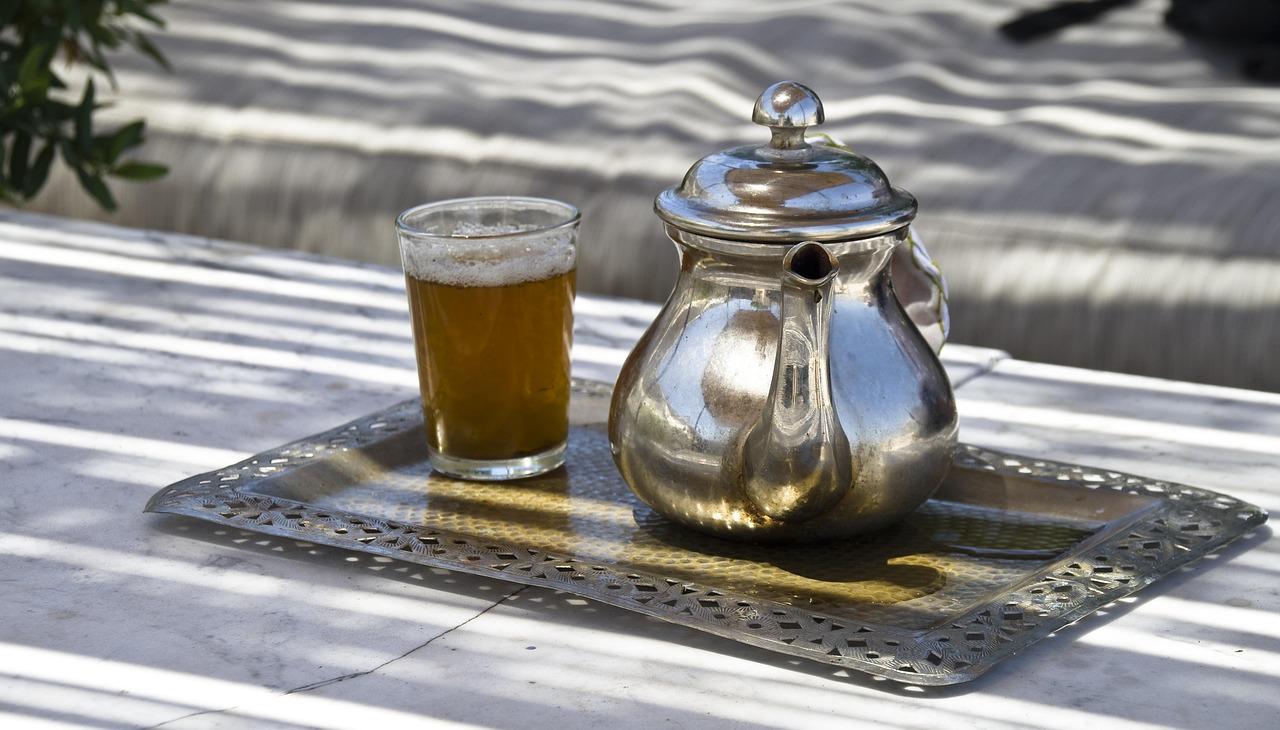
Atay is Morocco's gesture of welcome, poured for guests in homes from Tangier to the Sahara, in shops while you bargain and after every meal. Chinese gunpowder green tea is rinsed, brewed with a big bunch of fresh spearmint and sweetened in the pot, then poured from high above the glasses so it froths. The host often pours a glass and returns it to the pot several times to mix the sugar through. The result is sweet, fresh and pleasantly bitter. Chef's tip: rinse the tea leaves with a splash of boiling water and throw that water away first; it removes the dust and the harshest bitterness.

by KrazyBadal 0 views

Vegetable tagine (khodra)Steamed vegetable tagine

Across Morocco, from village kitchens in the Atlas to family tables in Marrakech, a tagine of khodra (vegetables) is the everyday midweek pot, cooked on a low flame while bread bakes and set in the middle of the table for everyone to scoop up with khobz. The vegetables are stacked like a tent over a bed of onion and tomato, so they steam in their own juices rather than boil; the sauce left at the bottom is short, golden with saffron and turmeric and sharpened with preserved lemon and green olives. Serve it straight from the pot with warm bread and a bowl of carrot or tomato salad on the side. Chef's tip: lay the hardest vegetables (carrots, potatoes) closest to the heat at the bottom and the soft courgettes on top, or the courgettes collapse before the carrots are tender.

by KrazyBadal 0 views

Arroz doceRice pudding

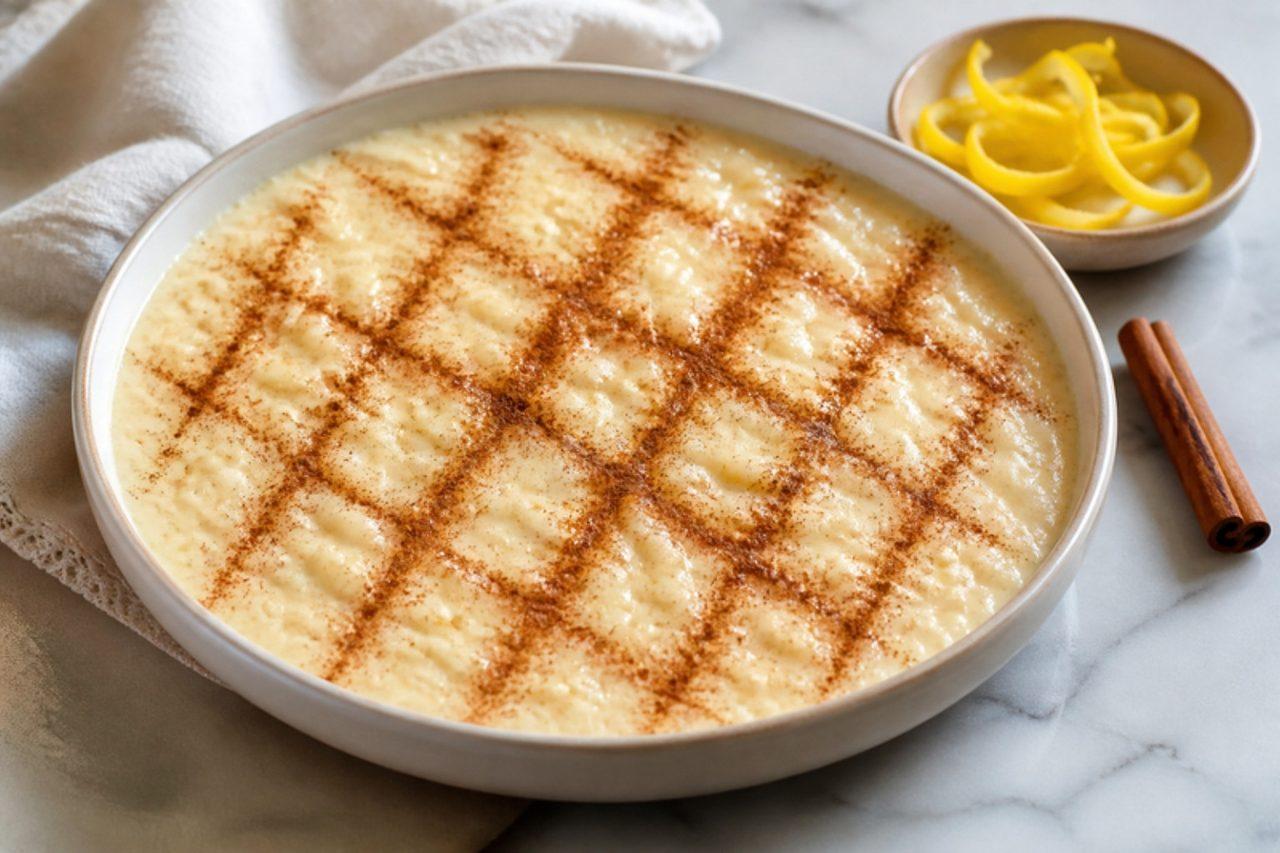
Arroz doce is set out on every Portuguese table at Christmas, at weddings and at the summer romarias (village saints' festivals) of the Minho, poured into wide, shallow platters and dusted with cinnamon in lattices, initials or little hearts. Short-grain carolino rice is first boiled in water with lemon peel and cinnamon, then simmered slowly in milk and sugar, and finally thickened off the heat with egg yolks, which turns it pale gold and custardy; that last step is what sets it apart from Spanish or Mexican rice puddings. It is eaten cold or at room temperature, by the spoonful straight from the platter. Chef's tip: cook the rice in water first until it has swollen, and only then add the milk; starting in milk scorches easily and leaves the grains firm in the middle.

by KrazyBadal 0 views

Arroz con pollo peruanoCoriander rice with chicken

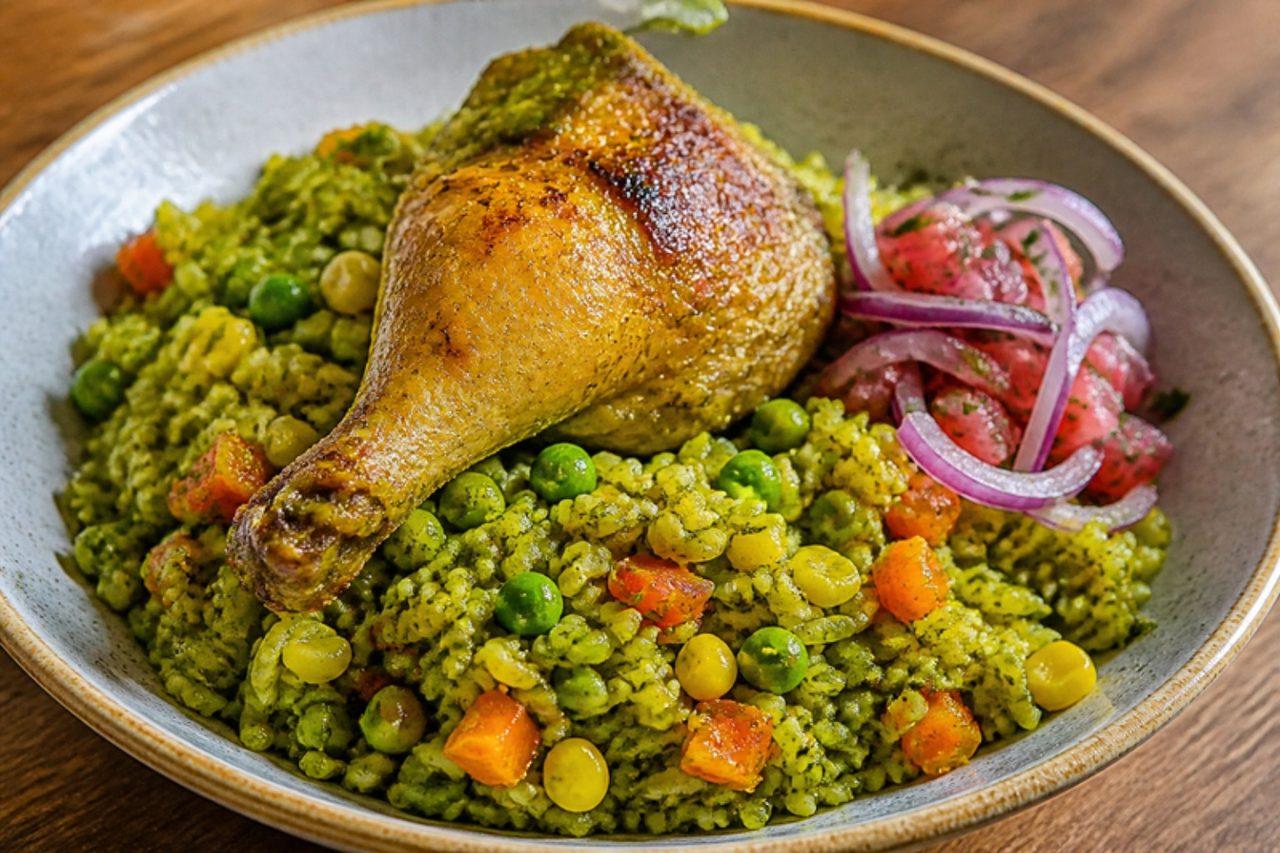
Across Spanish-speaking America arroz con pollo means yellow rice, but in Lima it comes out deep green, thanks to a big bunch of coriander blended into the cooking liquid. Mothers make it for Sunday lunch and for birthday parties, and street stalls ladle it out with salsa criolla, the sharp onion-and-lime relish that cuts through the rice. Chicken pieces are browned first, then the rice cooks in the same pot so it takes on all their flavour. Chef's tip: blend the coriander with cold stock right before it goes in, so it stays bright green rather than turning khaki.

by KrazyBadal 0 views

Morok metpaRoasted chilli and onion mash

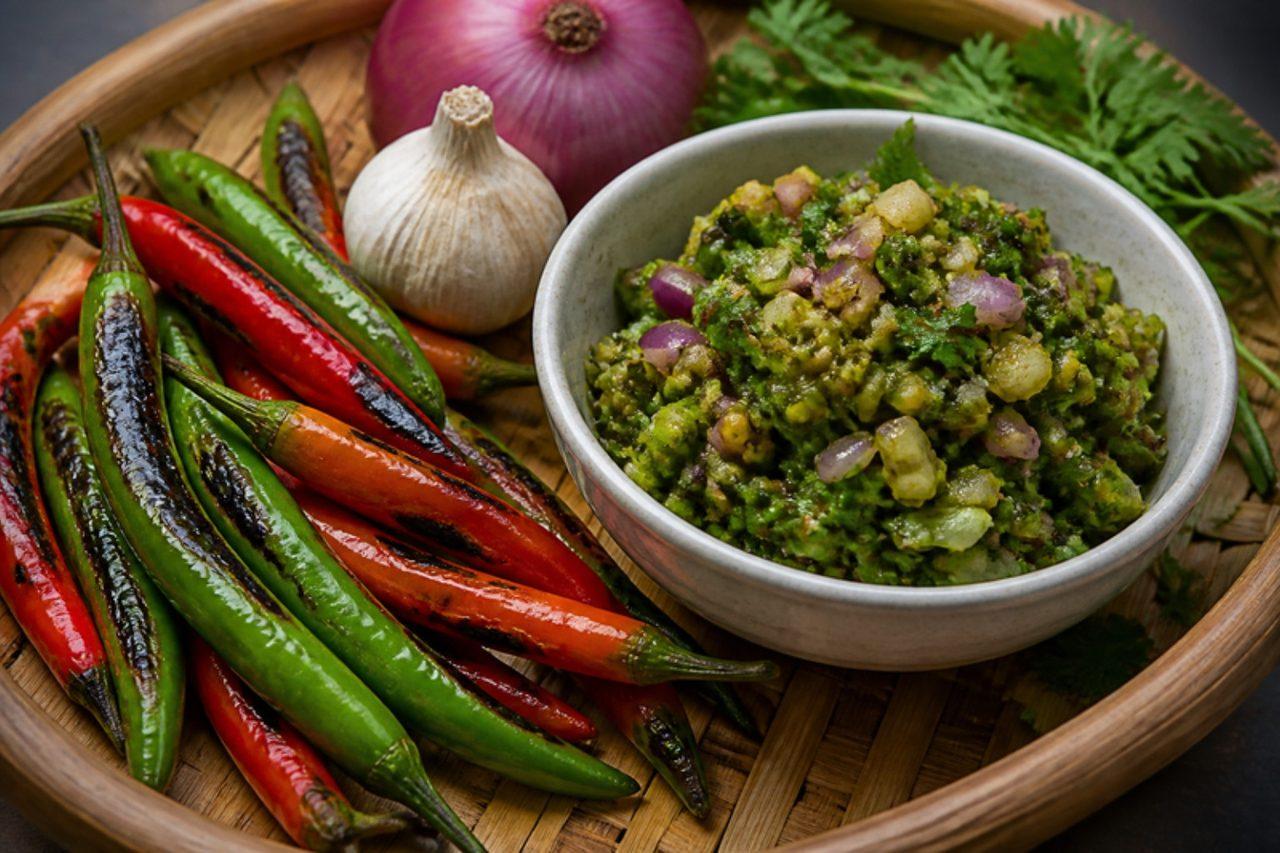
Morok metpa is the chilli relish on every Manipuri table, from Imphal homes to roadside eateries: fresh chillies roasted over the fire until blistered, then crushed with salt, raw onion and herbs. Many versions add ngari (fermented fish); the vegetarian one here gets its depth from charring the chillies and a little roasted garlic. A teaspoon of it lifts plain rice, kangshoi or boiled vegetables. Chef's tip: roast the chillies directly over a flame until the skins are black in patches; charred skin is where the flavour is.

by KrazyBadal 0 views

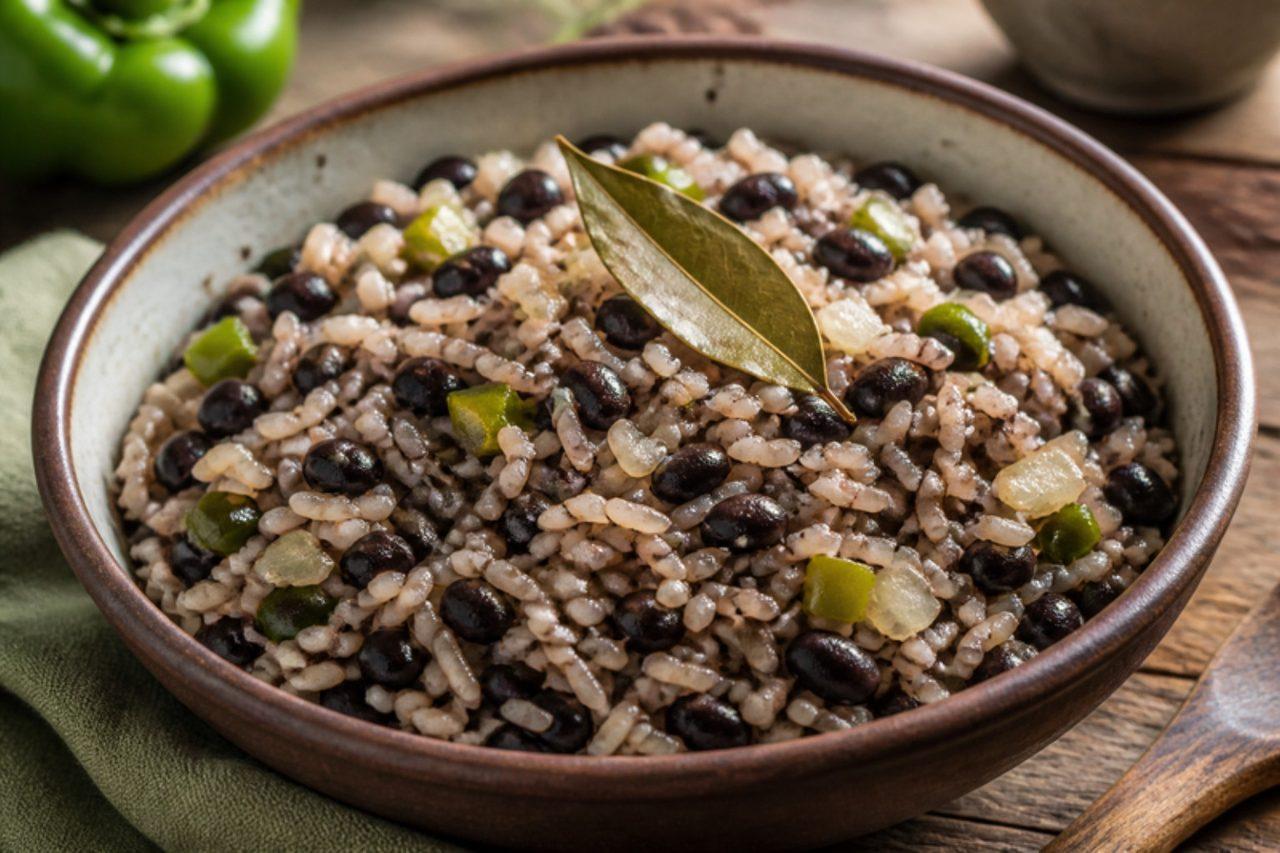
Moros y cristianosBlack beans and white rice

In Cuba, moros y cristianos is the rice that turns up beside almost every Sunday lunch and every Nochebuena (Christmas Eve) table, from Havana kitchens to family parties in Santiago. Unlike rice simply served with beans, here the grains simmer in the dark bean broth with a sofrito of onion, green pepper, garlic, cumin and oregano, so every grain comes out grey-violet, savoury and fluffy. Serve it with tostones, yuca con mojo and an avocado salad for a full Cuban plate. Chef's tip: measure the bean cooking liquid rather than guessing, because it is the liquid, not the beans, that decides whether the rice is fluffy or mushy.

by KrazyBadal 0 views

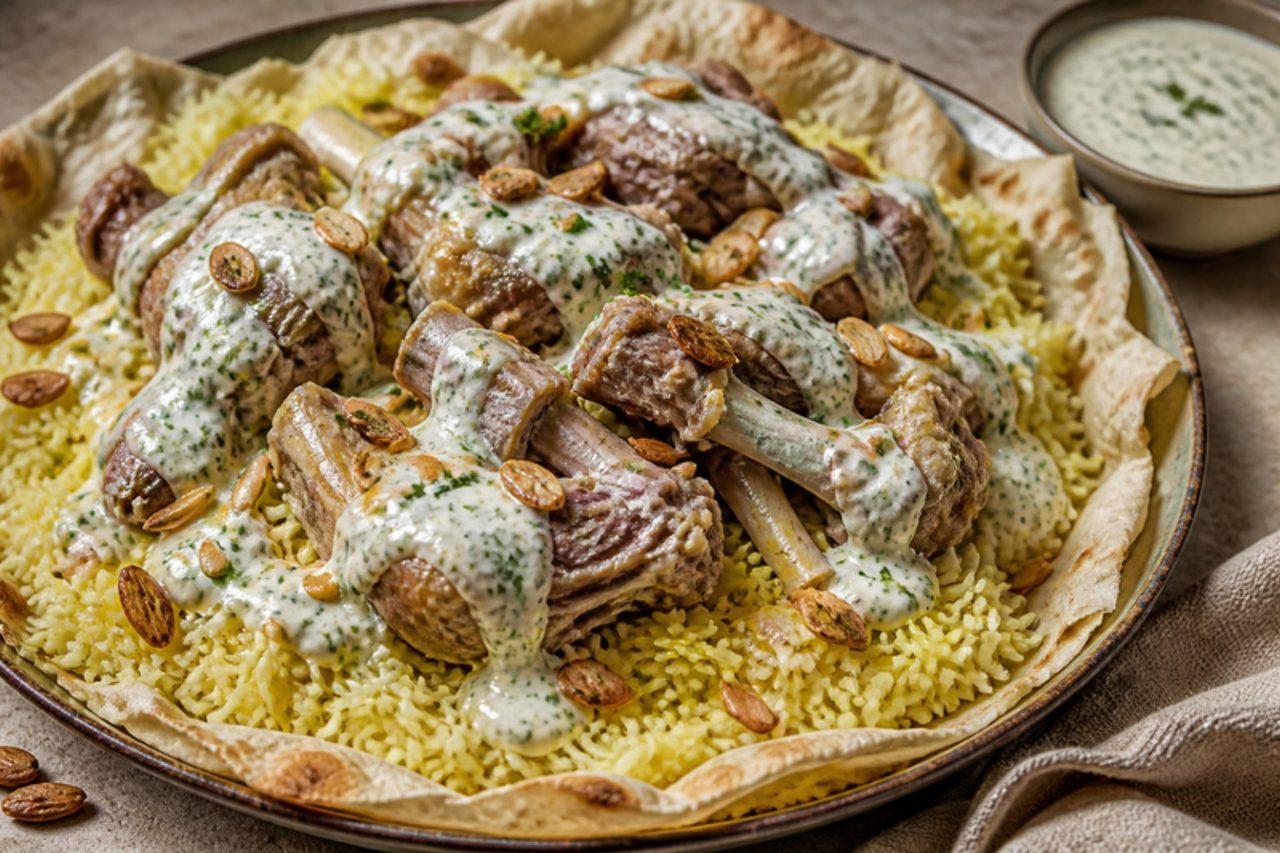
MansafLamb in yogurt sauce with rice

Mansaf is Jordan's national dish and the centrepiece of its weddings, Eid gatherings and big family days, set down on a huge round tray for everyone to eat from together. Bone-in lamb is simmered until tender in a sauce of jameed, the dried, salted goat's-milk yogurt of the Bedouin, then served on thin shrak bread and turmeric-tinted rice, scattered with almonds and pine nuts and drenched in more of the hot sauce. If you can't find jameed, a mix of thick yogurt and labneh gives a fair stand-in. Chef's tip: stir the yogurt sauce in one direction constantly as it heats, and never let it boil hard before the lamb goes in; that is what keeps it smooth.

180 minLebaneseMeat
by KrazyBadal 1 views

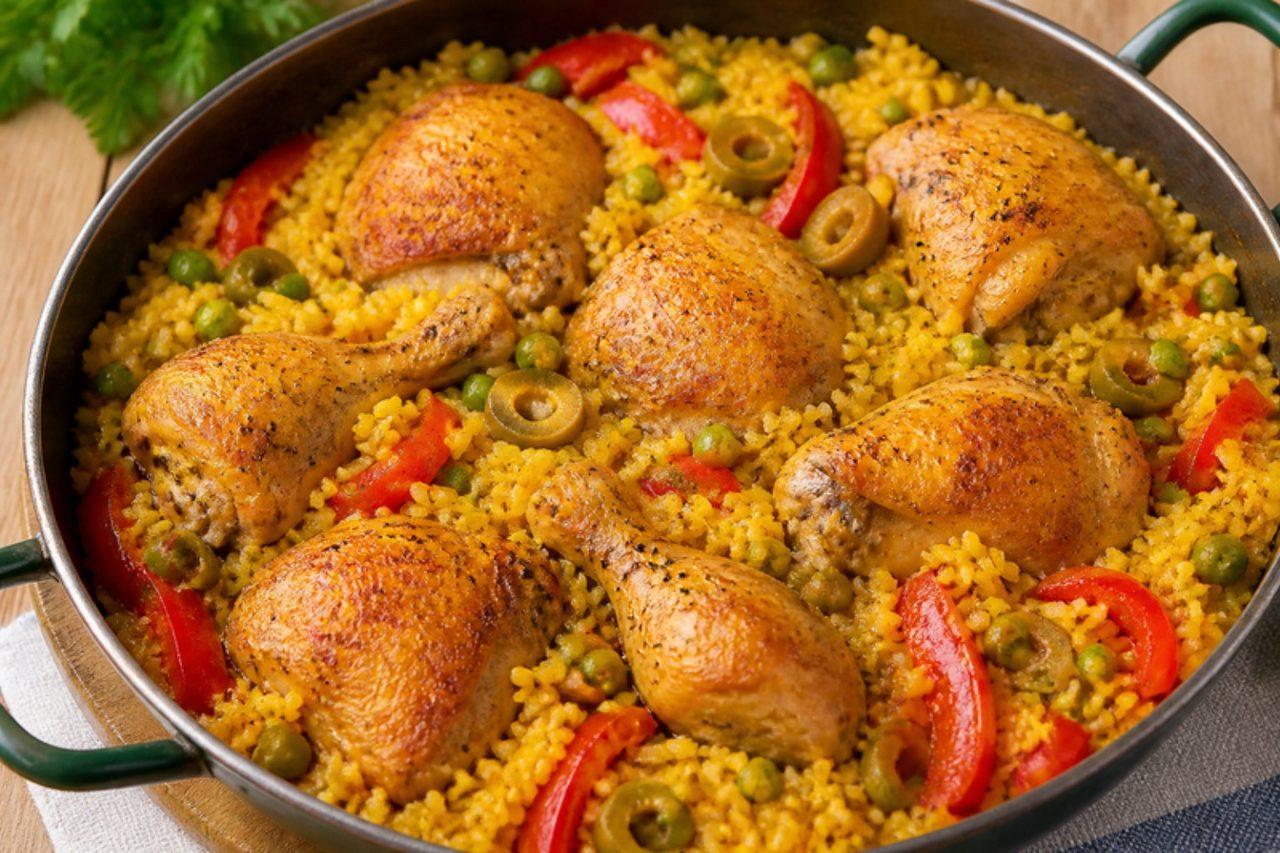
Arroz con pollo cubanoChicken and yellow rice

Cuban arroz con pollo is the one-pot Sunday lunch of the island, and every abuela in Santiago or Havana has her own way with it. Chicken pieces are browned, then the rice cooks right in the pot with sofrito, a pinch of saffron (or bijol, the annatto colouring most Cuban kitchens use) and stock until each grain is golden and moist, almost creamy. Peas and roasted red peppers go on top at the end. It is eaten with fried ripe plantain and a green salad. Many versions add a splash of beer to the pot; this one uses chicken stock only, so it is alcohol-free. The usual mistake is stirring the rice once it is covered, which breaks the grains and makes it gluey. Chef's tip: let the pot rest off the heat with the lid on for 10 minutes before serving, so the rice finishes softening in its own steam.

by KrazyBadal 0 views

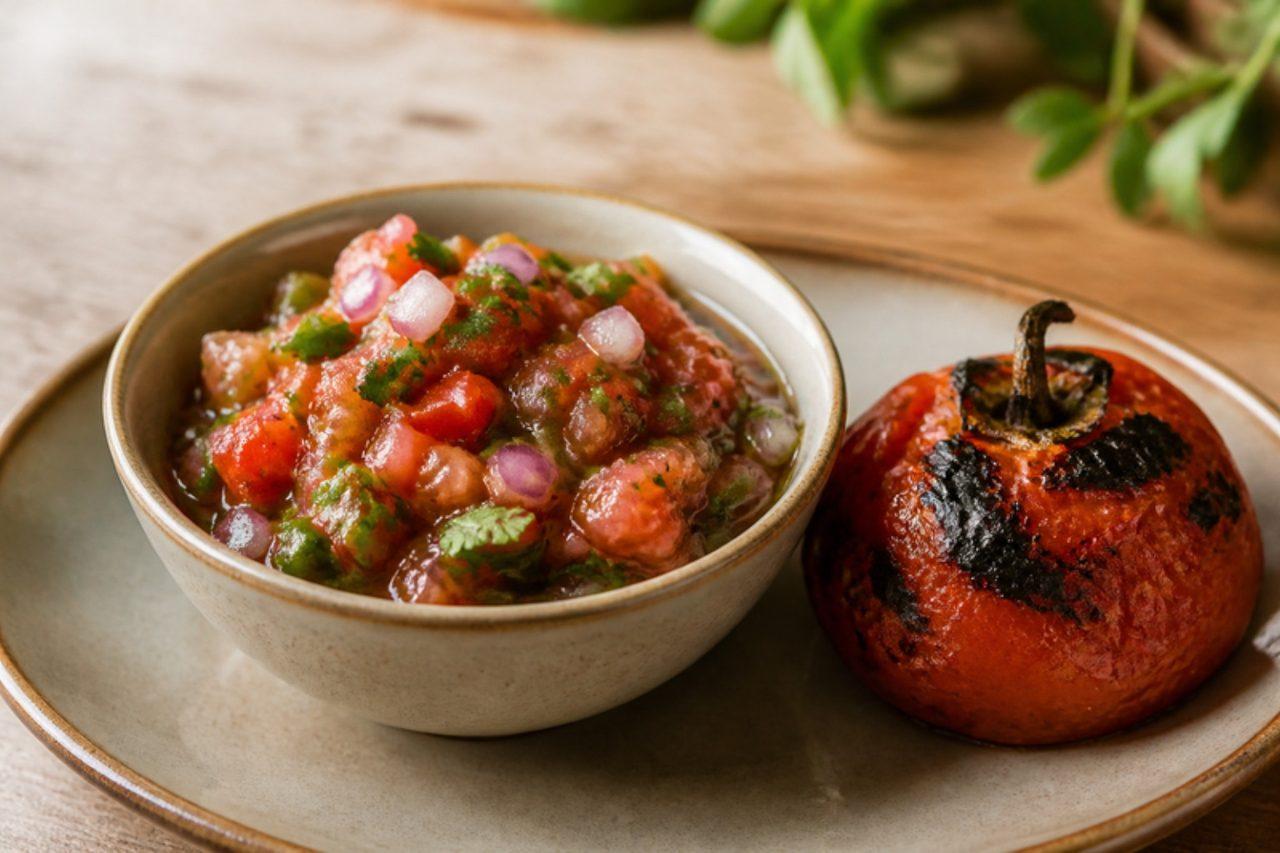
Mosdeng sermaRoasted tomato and chilli relish

Mosdeng serma is the fresh relish Tripuri families in Agartala put on the table almost every day: tomatoes and green chillies roasted until blackened, then crushed with raw onion, coriander and salt. Some versions mash in dried fish; this one doesn't, and leans on a squeeze of lime and plenty of coriander. It is lighter and more salsa-like than Naga raja mircha chutney: chunky, juicy and smoky, more vegetable than chilli. Chef's tip: crush, don't blend; a few whole bits of tomato make it.

by KrazyBadal 0 views

Arroz con lecheRice pudding

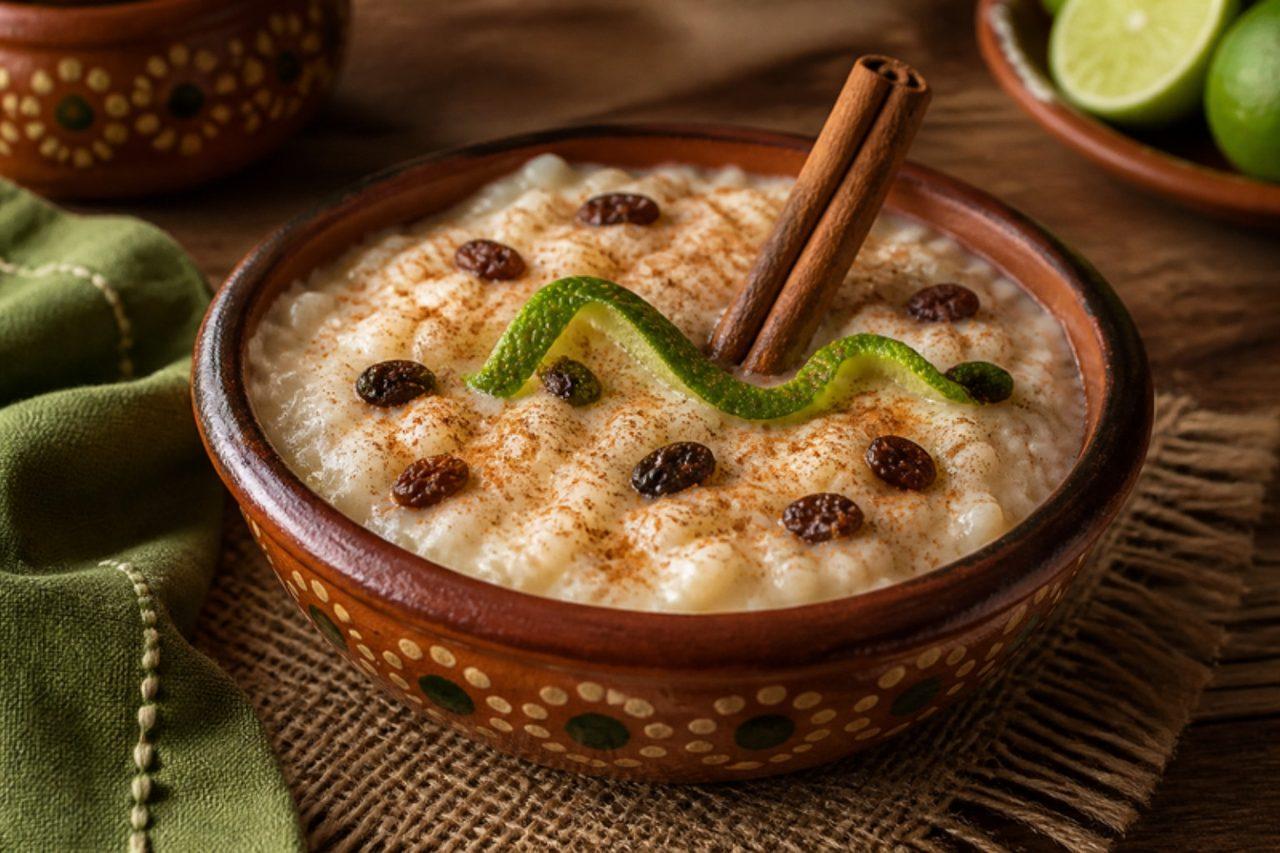
Arroz con leche is Mexico's comfort pudding, sold in little cups at markets and made in every grandmother's kitchen: rice cooked first in water with a cinnamon stick (canela) and lime peel, then slowly in milk until it turns thick and creamy. Mexicans often add sweetened condensed milk for a richer, caramel-tinged finish, and raisins for those who like them. It is eaten warm in winter and cold from the fridge in summer, dusted with ground cinnamon. Chef's tip: use soft Ceylon cinnamon (canela) if you can find it; its gentle, floral flavour is what makes it taste Mexican rather than like a spiced pudding.

by KrazyBadal 0 views

Arroz con gandulesRice with pigeon peas

No Nochebuena table from San Juan to Mayagüez is complete without a big caldero of arroz con gandules, and in December every grandmother's pot is judged on it. Medium-grain rice is cooked with pigeon peas (gandules), fresh sofrito, achiote oil, tomato sauce and a scoop of alcaparrado (olives and capers), until each grain is tender and golden-orange. Island cooks usually add pork; this version gets its depth from a generous spoon of sofrito and good stock, and loses nothing. The best part is the pegao, the crisp golden crust left on the bottom of the pot. Chef's tip: once the lid goes on, leave the rice alone; stirring breaks the grains and releases starch, and you will lose both the fluffy texture and the pegao.

by KrazyBadal 0 views

Nicaraguan arroz con cocoCoconut rice pudding

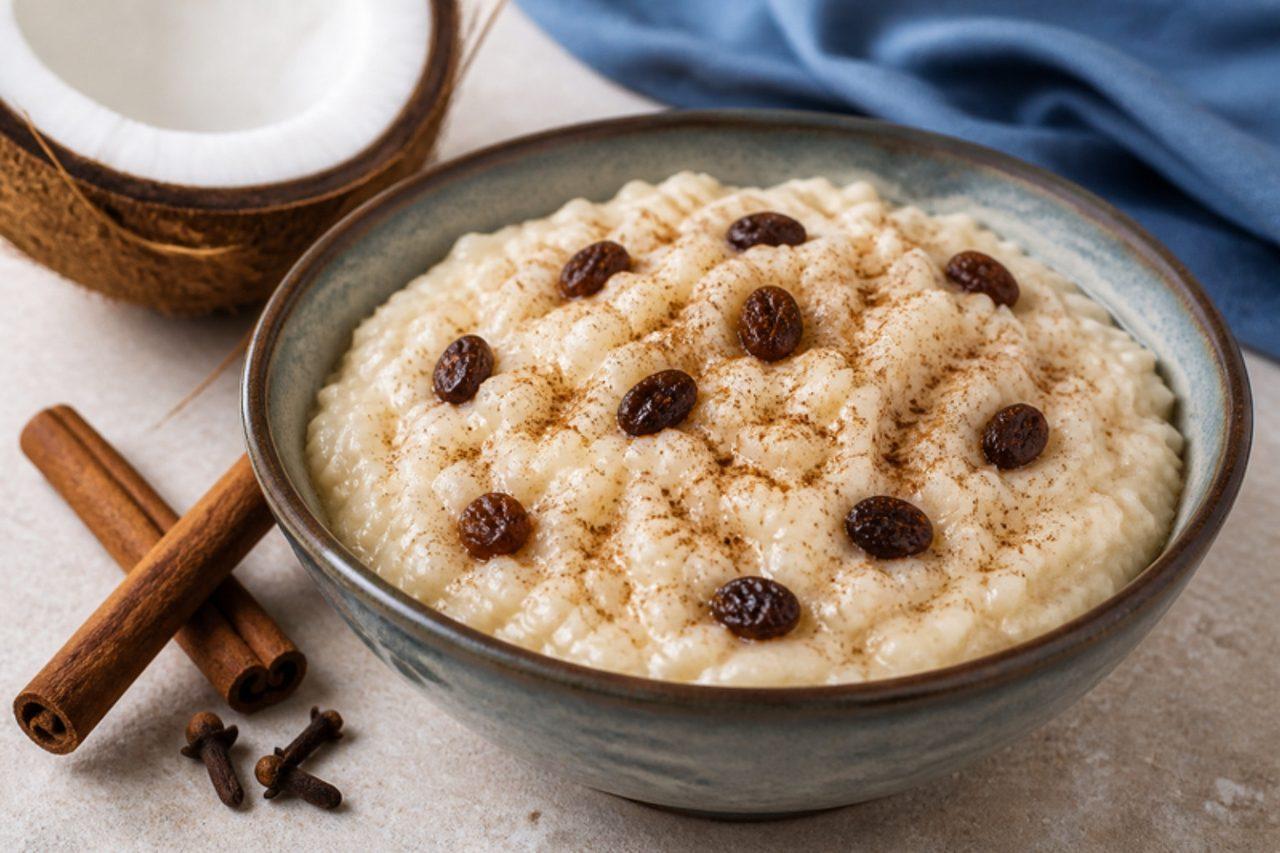
On Nicaragua's Caribbean coast, around Bluefields and the Corn Islands, coconut is in almost everything, and arroz con coco is a sweet spoon dessert rather than a side dish. Rice is simmered in fresh coconut milk with cinnamon, a clove or two and raisins until creamy and thick, then served warm or chilled, often after lunch or at Christmas. It's lighter and more fragrant than a milk rice pudding and naturally dairy free. Chef's tip: stir the coconut milk in two stages; adding it all at once at the start makes the fat split and the rice greasy.

by KrazyBadal 0 views

Mote con huesilloPeach and wheat drink

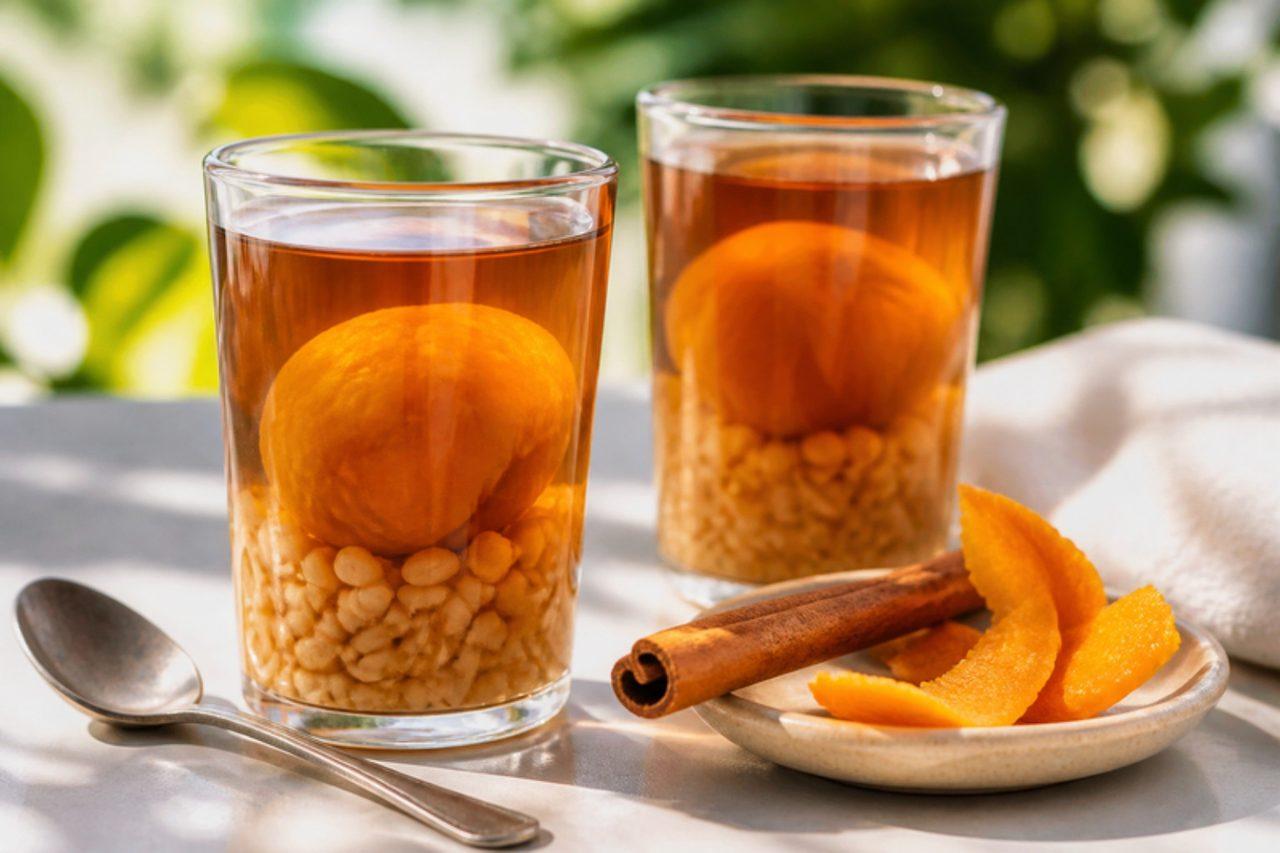
Mote con huesillo is Chile's summer refresher, sold in tall glasses from street carts on Santiago's Cerro San Cristóbal and at beaches up and down the coast. Huesillos are whole sun-dried peaches, soaked and simmered in a cinnamon caramel syrup; mote is husked wheat cooked until chewy. You drink the cold amber nectar and eat the wheat and peach with a long spoon. Chef's tip: soak the peaches overnight and cook them in their soaking water; that water carries much of the peach flavour.

by KrazyBadal 0 views

Arroz con cocoCaramelised coconut rice

Along Colombia's Caribbean coast, in Cartagena and Santa Marta, arroz con coco is the rice served with fried fish and patacones; it pairs just as well with beans, fried plantain and salad. The dark version, arroz con coco titoté, comes from cooking coconut milk down until the oil separates and the solids fry into brown, toasty flecks (titoté), then adding the rice with a little sugar and raisins. The result is nutty, sweet-savoury and light brown. Chef's tip: be patient with the titoté; it only tastes right once the bits are deep brown, but take it off the moment they turn the colour of coffee or it will be bitter.

by KrazyBadal 0 views

Arroz chaufaPeruvian fried rice

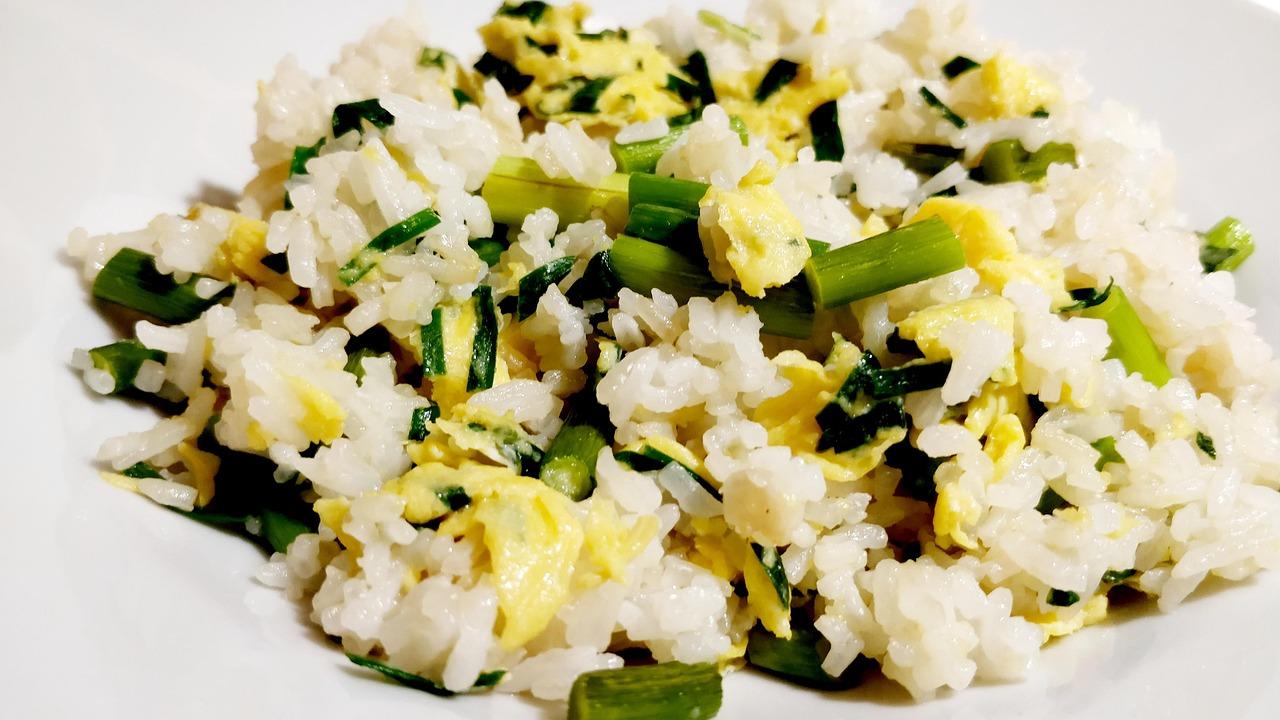
Arroz chaufa is the fried rice of Lima's chifas, the Chinese-Peruvian restaurants found on almost every street corner in Peru. It is close to Cantonese fried rice but has its own accent: plenty of spring onion and ginger, a dark soy colour, a thin omelette cut into strips and a whisper of sesame oil, all tossed in a smoking wok. This egg and vegetable version is a quick dinner on its own, or the side for a saltado. Chef's tip: use rice cooked the day before and broken up with your fingers; fresh rice is too wet and goes mushy and sticky in the wok.

by KrazyBadal 0 views

Arroz carreteiroRice with dried beef

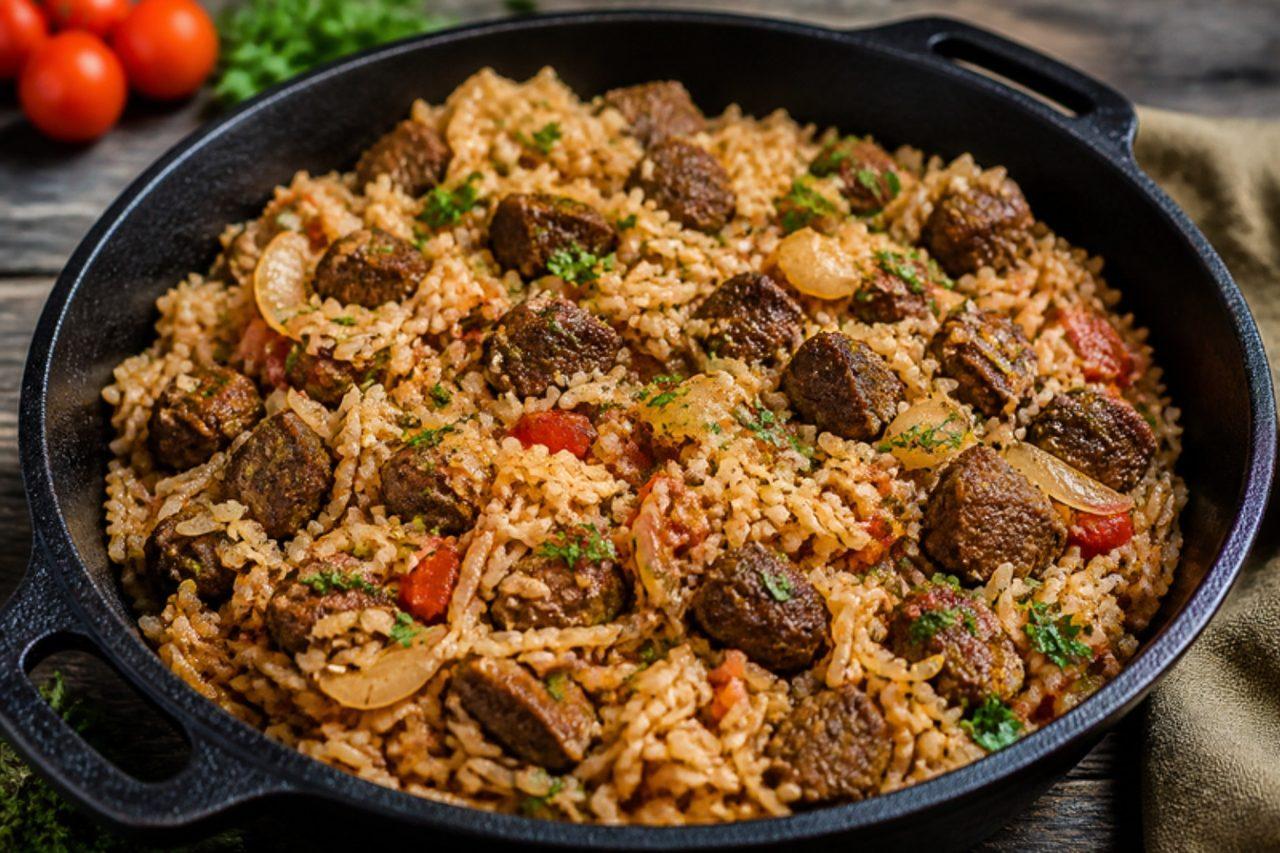
Arroz carreteiro is named after the carreteiros, the ox-cart drivers who crossed the pampas of Rio Grande do Sul with charque (dried salted beef) that kept for weeks, cooking it with rice in one iron pot at camp. In southern homes today it is often the Monday dish, made with whatever is left from Sunday's churrasco, though some cooks still use carne seca. It's quick, filling and savoury, with tomato, onion, garlic and plenty of fresh herbs. Chef's tip: dice the leftover beef small, about 1 cm, and brown it hard before the rice goes in; those crispy edges flavour the whole pot.

by KrazyBadal 0 views

MouhalabiehOrange blossom milk pudding

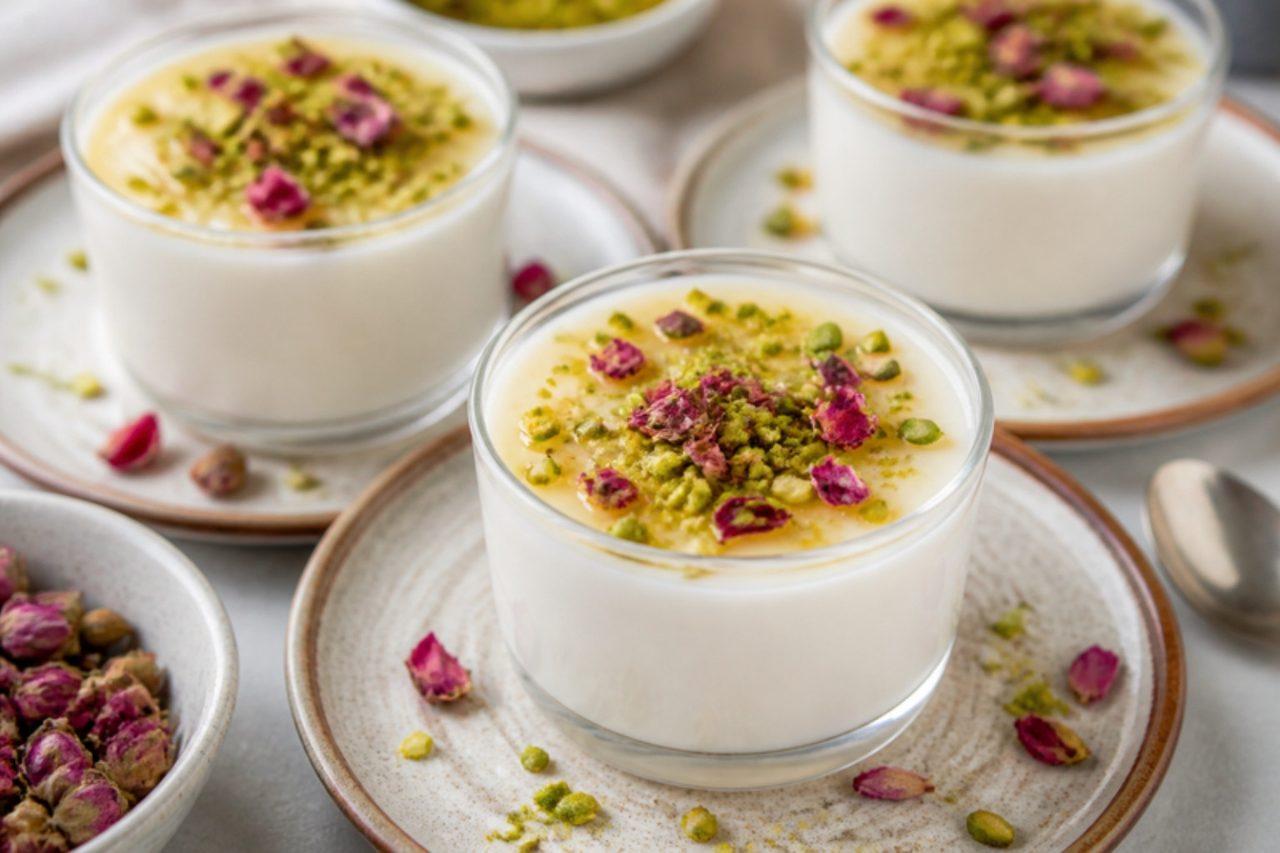
Mouhalabieh is the pudding a Lebanese grandmother makes when guests drop by unannounced: milk set softly with cornflour and a little rice flour, perfumed with orange-blossom water and topped with chopped pistachios. It appears after Ramadan iftar meals, at Christmas in Beirut and on ordinary weeknights in Damascus, always cold and wobbling in small glasses or a shallow dish. No gelatine is used; the starch alone gives a spoonable, silky set. Chef's tip: mix the cornflour into cold milk before it meets the heat; added to hot milk it forms lumps that no amount of whisking removes.

by KrazyBadal 0 views

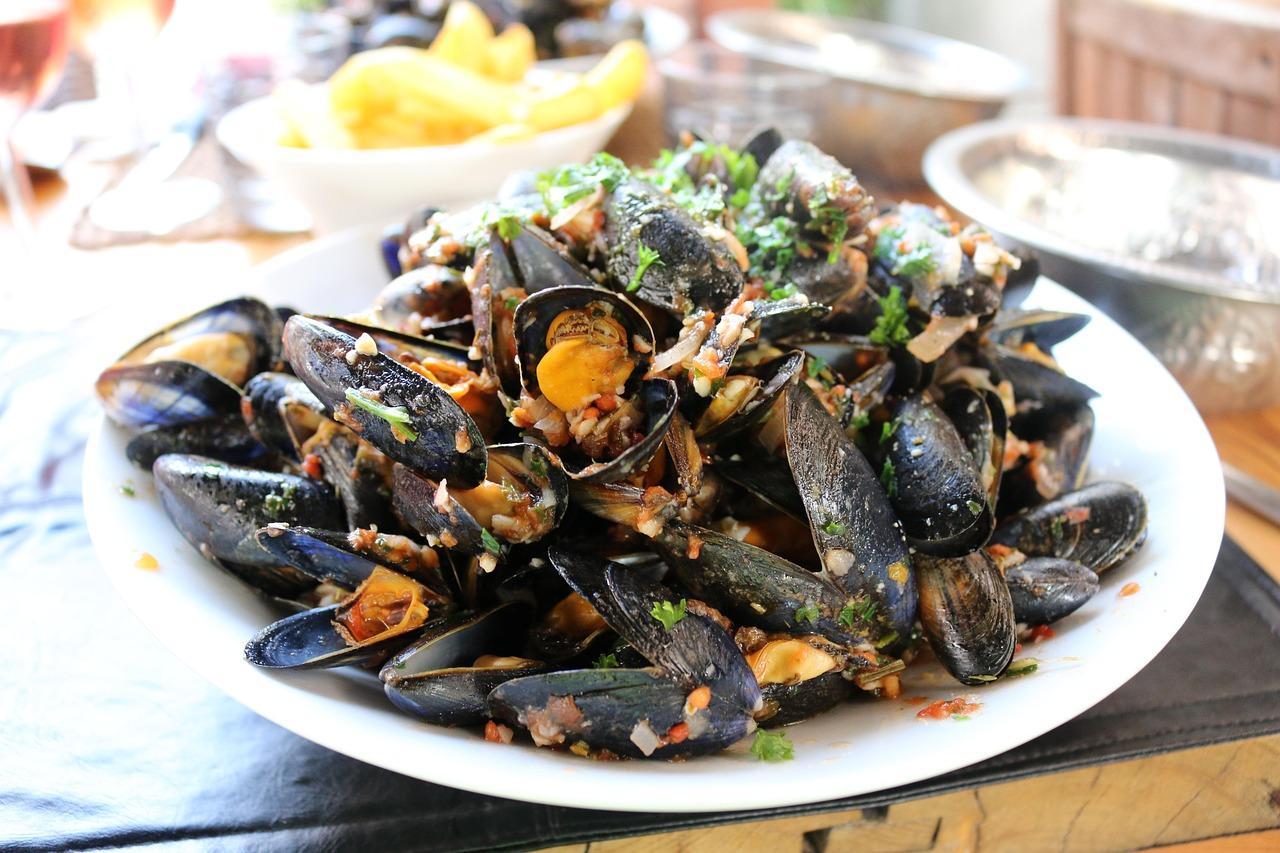
Moules marinièresMussels in white wine

Along the coast of Normandy and Brittany, from Le Mont-Saint-Michel to Saint-Malo, summer means big black pots of moules marinières and a cone of frites, eaten at a seaside table with fingers and an empty shell as tongs. Fresh mussels steam open in minutes with shallot, garlic, thyme and white wine. The wine boils only briefly, so some alcohol stays; for an alcohol-free version use 150 ml fish or vegetable stock with 1 tbsp lemon juice. Chef's tip: buy mussels the day you cook them and keep them in the fridge in an open bowl covered with a damp cloth, never in water or a sealed bag.

25 minFrenchFish
by KrazyBadal 0 views

Mousse au chocolatChocolate mousse

Mousse au chocolat is the dessert French children learn to make with their grandmothers and the one every bistro keeps in a big bowl in the fridge. The classic recipe is only dark chocolate, eggs, a little butter and sugar: the yolks make it rich, the whisked whites make it light and airy. It's made a few hours ahead and served in small glasses or scooped from a shared bowl. This version contains raw eggs, so use very fresh ones and avoid serving it to pregnant women, small babies or anyone unwell. For an egg-free version, see our eggless chocolate mousse. Chef's tip: let the melted chocolate cool until just warm before adding the yolks; adding them to hot chocolate is the common mistake and they scramble.

by KrazyBadal 0 views

Bungo juiceSweet-sour bungo fruit juice

Maji ya bungo is a favourite Zanzibar street drink made from the orange, sweet-sour pulp of the bungo fruit (Saba comorensis), soaked off the seeds, blended with sugar and water and strained. It's tangy, fruity and very refreshing. Serve well chilled.

by KrazyBadal 0 views

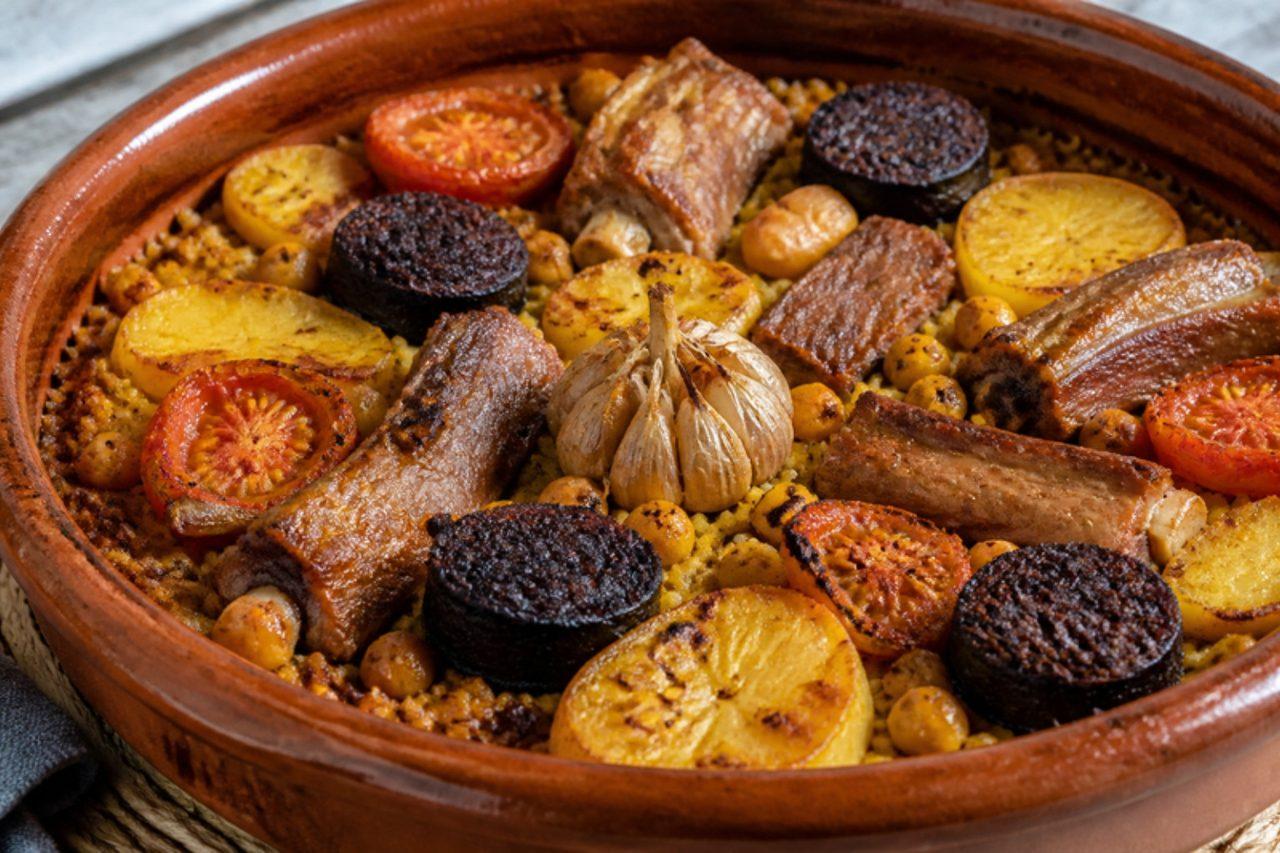
Arroz al hornoBaked rice with chickpeas and pork

Arroz al horno (arròs al forn in Valencian) is the oven rice of Valencia and Xàtiva, traditionally made the day after a big pot of cocido, using its leftover chickpeas and broth. Families once carried the clay dish to the village baker's oven; today it is baked at home in a wide, shallow earthenware cazuela. Pork ribs, morcilla (Spanish onion blood sausage), slices of potato, chickpeas and a whole head of garlic sit on top of the rice, which bakes into a dry, tender layer full of flavour. Use any ovenproof dish about 30 cm across and 5 cm deep if you don't have a cazuela. Chef's tip: have the stock at a rolling boil when you pour it in, then get the dish into the hot oven within seconds; a lukewarm start leaves the rice chalky in the middle.

by KrazyBadal 0 views

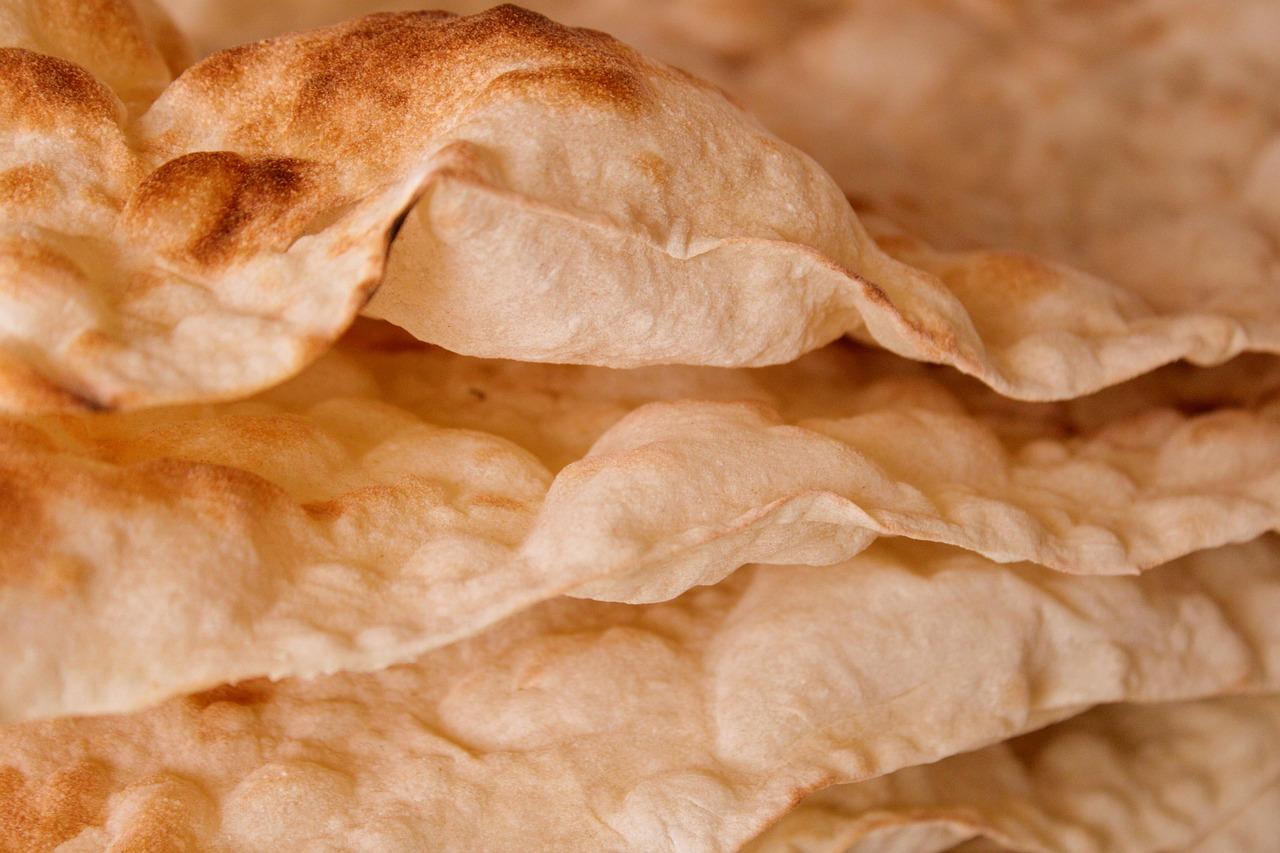
LavashThin flatbread

In Armenian villages lavash is still slapped onto the hot clay wall of a tonir by women working in pairs, one rolling and one stretching, and the craft is on UNESCO's list of intangible heritage. The sheets come out blistered and soft, then dry to a cracker that keeps for months; a sprinkle of water brings them back to life. Lavash wraps grilled vegetables and herbs, carries cheese to the mouth, lines the pot for a crusty plov and is laid on the table at every meal and wedding. This version is unleavened and cooked in a heavy frying pan, the easiest way to get close to the tonir at home. Chef's tip: roll on a lightly oiled worktop rather than a floured one; the dough clings a little, so it stretches thinner without tearing.

by KrazyBadal 0 views

Armenian harissaChicken and wheat porridge

Armenian harissa has nothing to do with the North African chilli paste. It is a thick, smooth porridge of whole wheat and chicken, cooked for hours until both break down, then beaten hard with a wooden spoon. It is tied to Musa Dagh and the village of Anjar, where it is cooked in huge cauldrons for the September feast, and many families also make it for Easter and cold winter Sundays. The taste is gentle and comforting, lifted by browned butter and cumin poured on top. Cooks often stop stirring once the wheat has softened, but the long beating at the end is what gives harissa its creamy, stretchy texture. Chef's tip: soak the wheat the night before; it halves the cooking time.

by KrazyBadal 0 views

AriseluRice flour and jaggery sweets

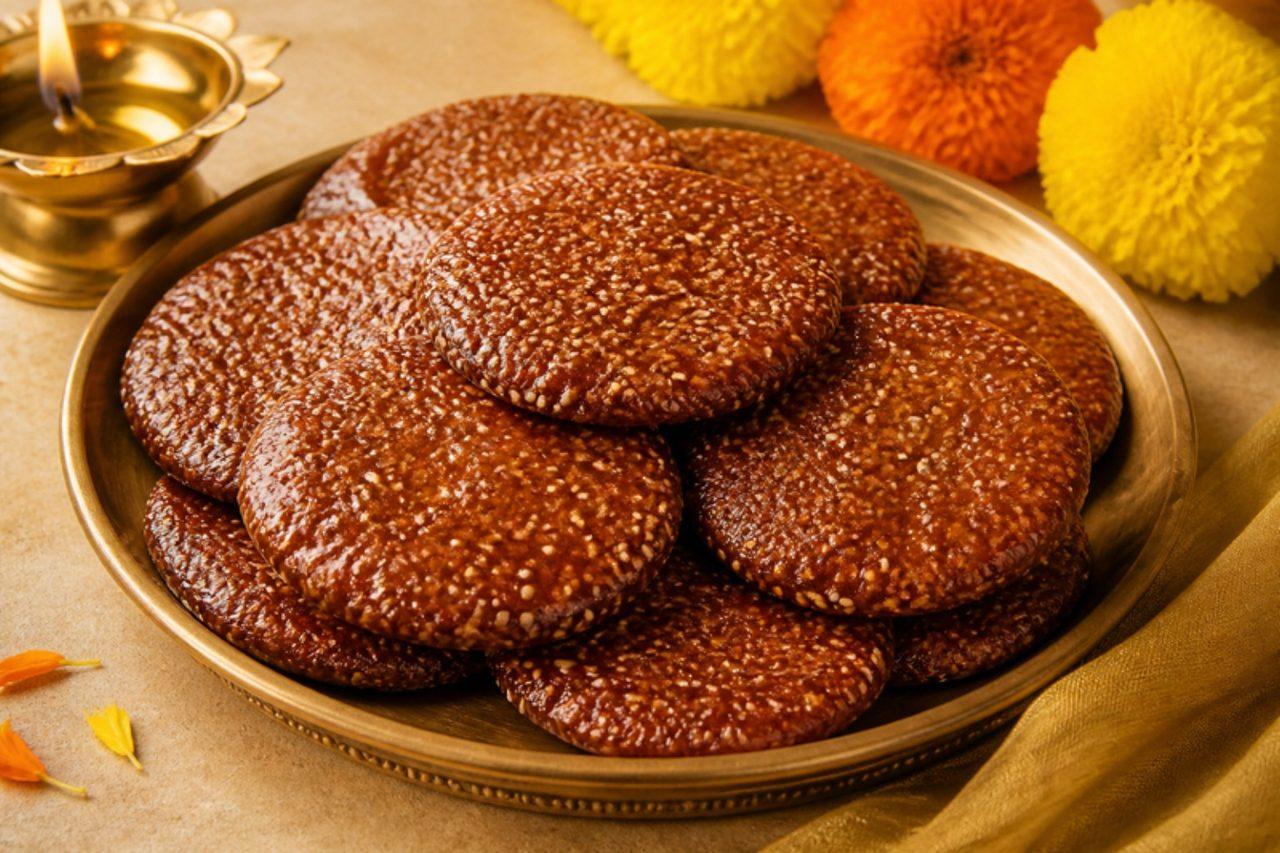
No Sankranti in coastal Andhra Pradesh is complete without ariselu. In the days before the January harvest festival, women gather to pound soaked rice into damp flour, cook it into a thick jaggery syrup, and press the dough into rounds on sesame seeds before frying. Each ariselu is chewy, dense and caramel-sweet, with a crisp sesame coat; after frying they are squeezed between two wooden spatulas to push out the excess oil. They keep for two weeks and are shared with every neighbour. Chef's tip: use home-made flour from soaked rice that is still slightly damp; dry shop flour gives hard, cracking ariselu.

by KrazyBadal 0 views

MsemenFlaky square pancakes

Msemen are the square, layered flatbreads sold hot from griddles in every Moroccan medina at breakfast time and again for afternoon tea, when they are drizzled with honey or dipped in olive oil. The dough is stretched paper-thin on an oiled surface, sprinkled with fine semolina, folded into a square and cooked until crisp outside and flaky in the middle. This version uses oil throughout so it is vegan; many homes use butter or smen. Chef's tip: oil your hands and work surface generously; the dough should be stretched, not rolled, and it tears if it sticks.

by KrazyBadal 0 views

MshikakiGrilled beef skewers

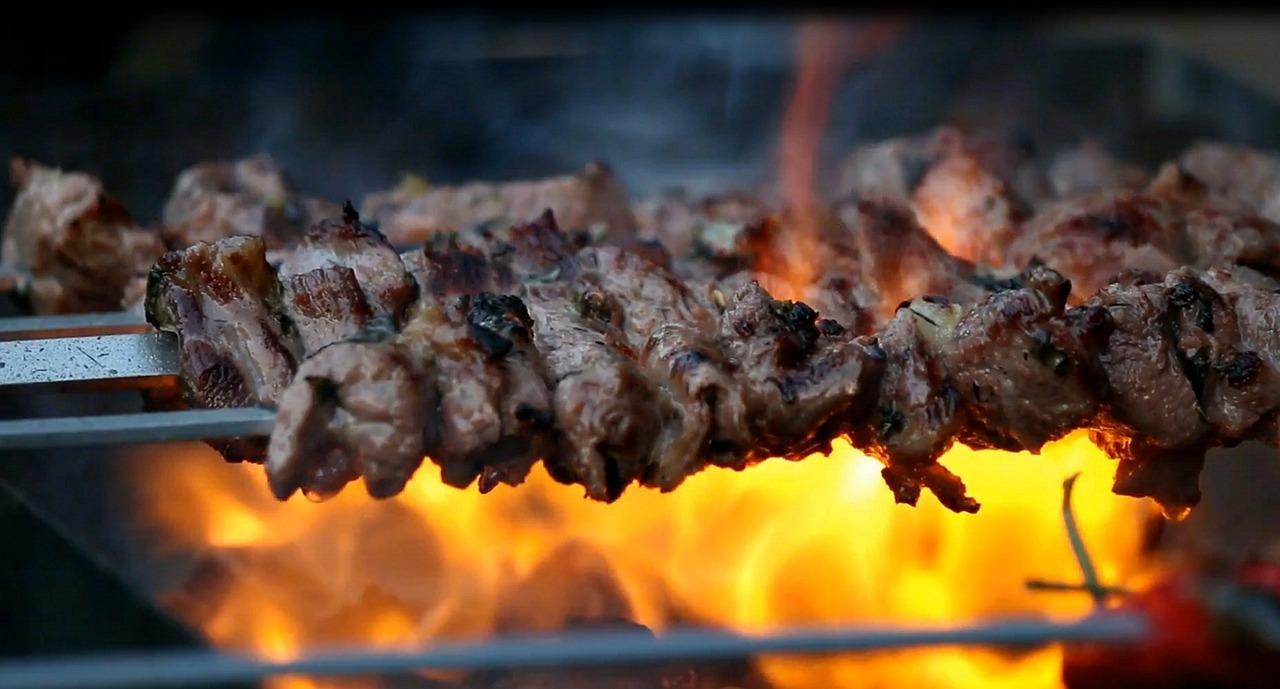
Mshikaki are the beef skewers grilled at night markets in Dar es Salaam, Zanzibar's Forodhani Gardens and every Tanzanian roadside barbecue, sold hot with chips, pili pili sauce and a wedge of lime. Small chunks of beef are marinated in lime, ginger, garlic, chilli and curry powder, which tenderises them, then grilled quickly over charcoal. The mistake is marinating with raw papaya or too much lime for too long, which turns the meat mushy; 2–6 hours is plenty. Chef's tip: soak wooden skewers in water for 30 minutes so they don't burn.

by KrazyBadal 0 views

Arepa reina pepiadaChicken and avocado arepas

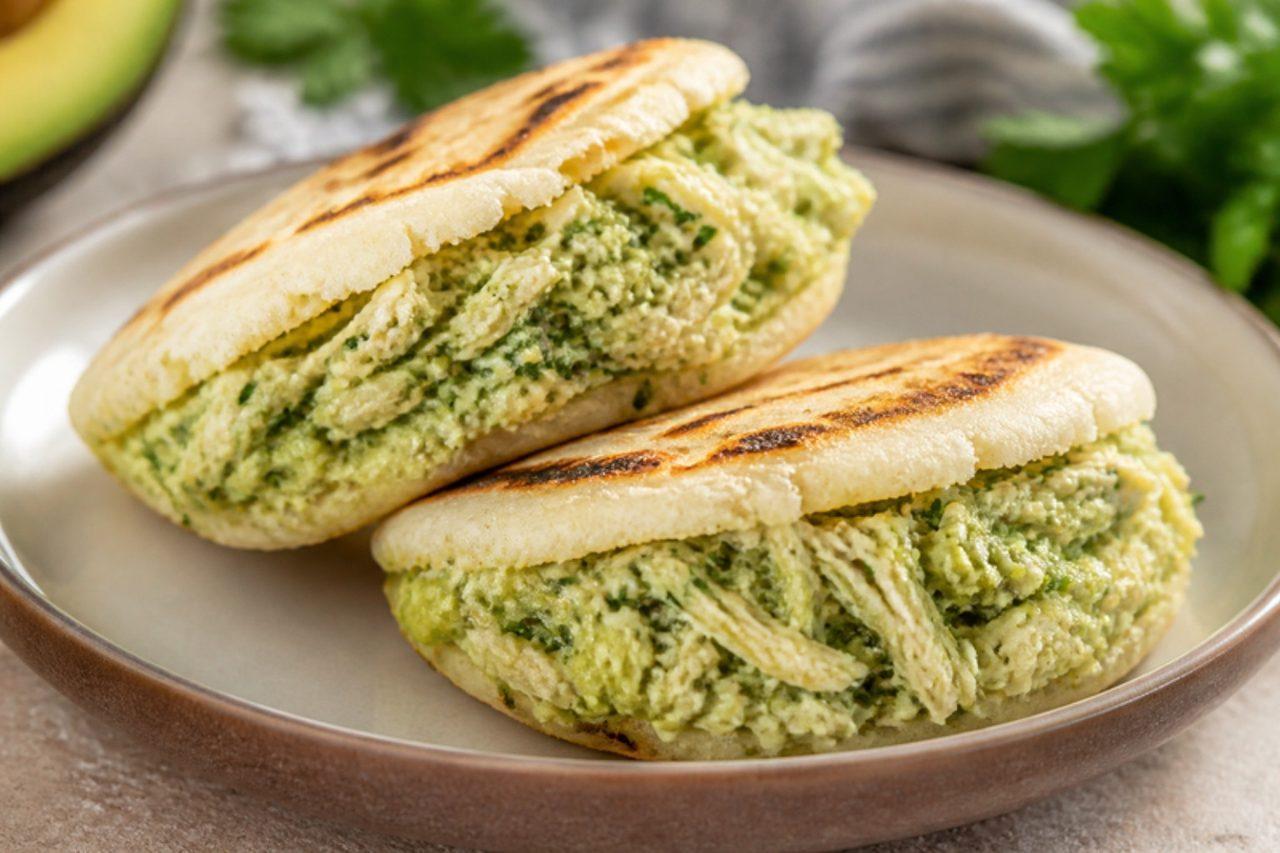
Caracas named this filling after a beauty queen: in 1955 a family running an arepera in the city made it for Susana Duijm, Venezuela's first Miss World, and called it 'the curvy queen'. Shredded chicken is mashed with ripe avocado, a little mayonnaise, lime and coriander, then stuffed into a hot, crisp-skinned arepa split down the side. Venezuelans eat it for breakfast, at lunch from areperas and late at night after a party. The usual mistake is cooking arepas over too high a heat: the outside blackens while the middle stays raw and doughy. Chef's tip: an arepa is done when it sounds hollow when you tap it; if it doesn't, give it a few more minutes in the oven.

by KrazyBadal 0 views

AmbashaSpiced celebration bread

Ambasha is the round, slightly sweet festival bread of Tigray and Amhara, baked for holidays such as Easter (Fasika) and Meskel and for welcoming guests. The dough is scented with fenugreek, cardamom and coriander seed, and before baking the top is cut with a knife into a wheel-like pattern, so it comes out of the oven looking like a decorated plate; it is brushed with niter kibbeh and berbere and served torn into pieces with coffee. Chef's tip: cut the pattern deep (about 1 cm), or it disappears as the bread rises in the oven.

by KrazyBadal 0 views

MtewemGarlic meatballs in chickpea sauce

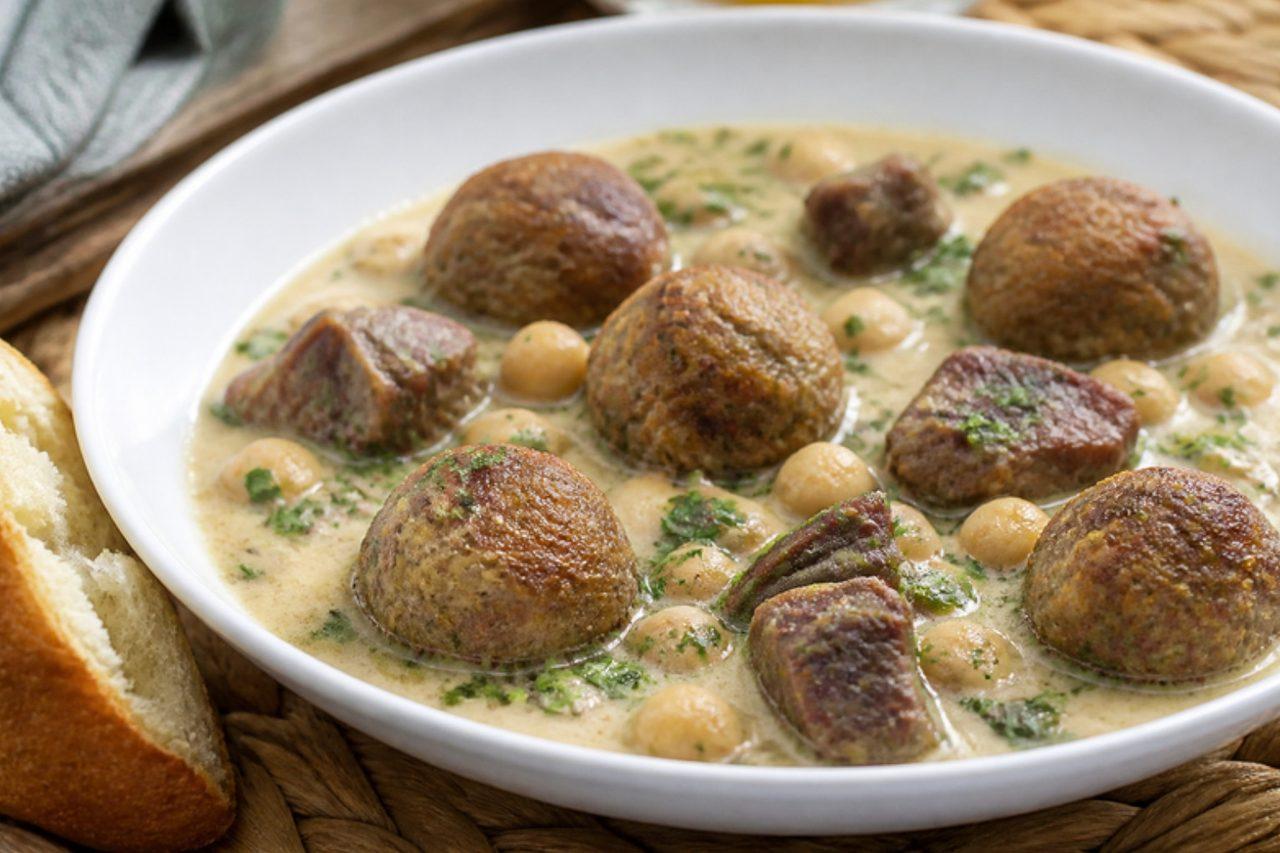
Mtewem, from the word for garlic (thoum), is an old dish of the Casbah of Algiers: chunks of lamb and garlicky beef meatballs simmered together in a peppery white sauce with chickpeas, and finished with whole cloves of garlic that turn soft and sweet. It is cooked for Ramadan and for guests, and eaten with bread. Some families add a little tomato; this is the white version. The mistake is letting the sauce boil hard after the meatballs go in, which makes them tough and break; keep it at a gentle simmer. Chef's tip: wet your hands when rolling the meatballs so they come out smooth and hold together.

105 minAlgerianMeatGluten free
by KrazyBadal 0 views

MtoriGreen banana and beef soup

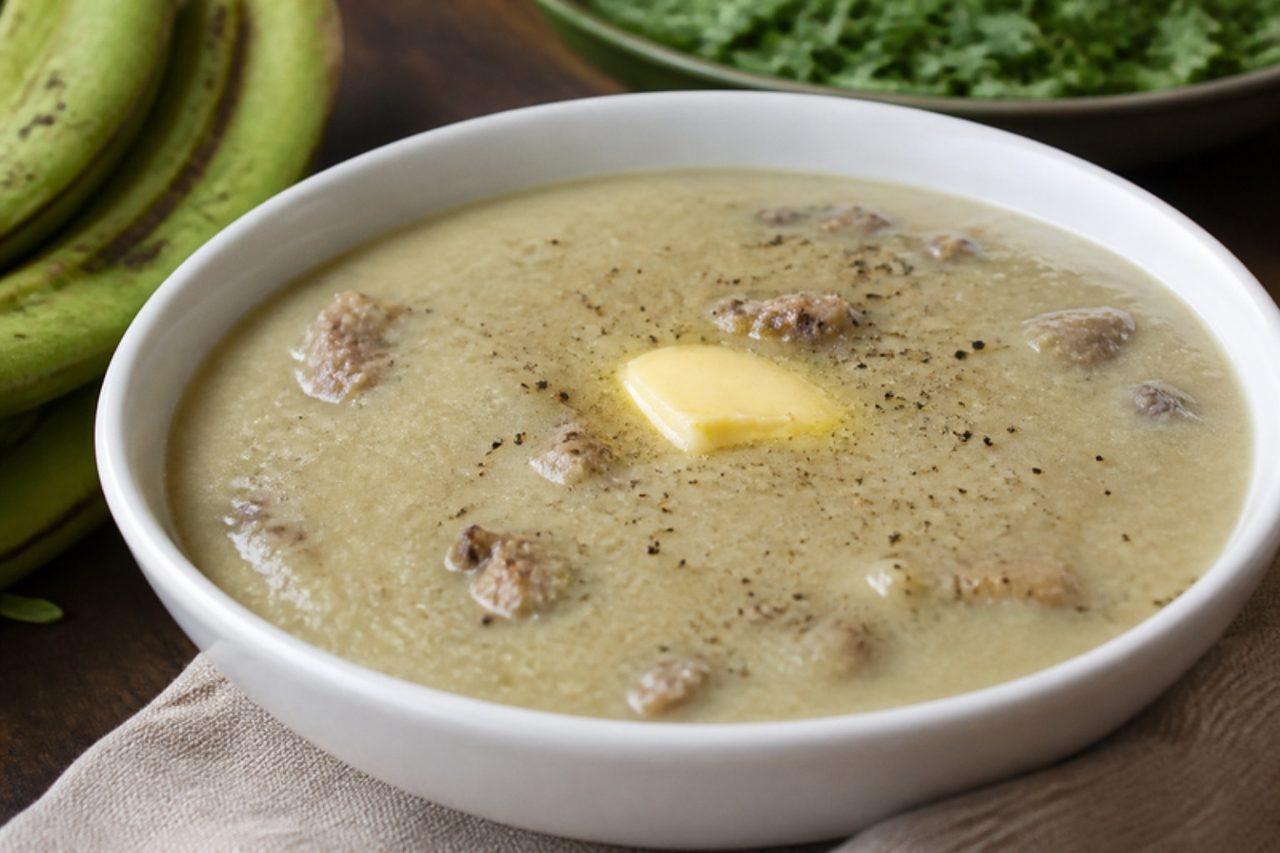
Mtori comes from the Chagga people on the slopes of Mount Kilimanjaro, where cooking bananas grow around every house; it is a thick, smooth soup of green bananas and beef, mashed until creamy and finished with butter. It is given to new mothers to build their strength and eaten on cool mornings in Moshi and Arusha. The mistake is using sweet ripe bananas, which make it sugary; you need hard green cooking bananas or green plantain. Chef's tip: rub a little oil on your hands before peeling green bananas, as the sap stains.

by KrazyBadal 0 views

Showing 36 of 10,046 recipes

Show more recipes

Page 1,019 of 1,117