


Skip to content
Qingtuan (青团, mugwort rice balls with red bean)
Featured recipe

Qingtuan (青团, mugwort rice balls with red bean)

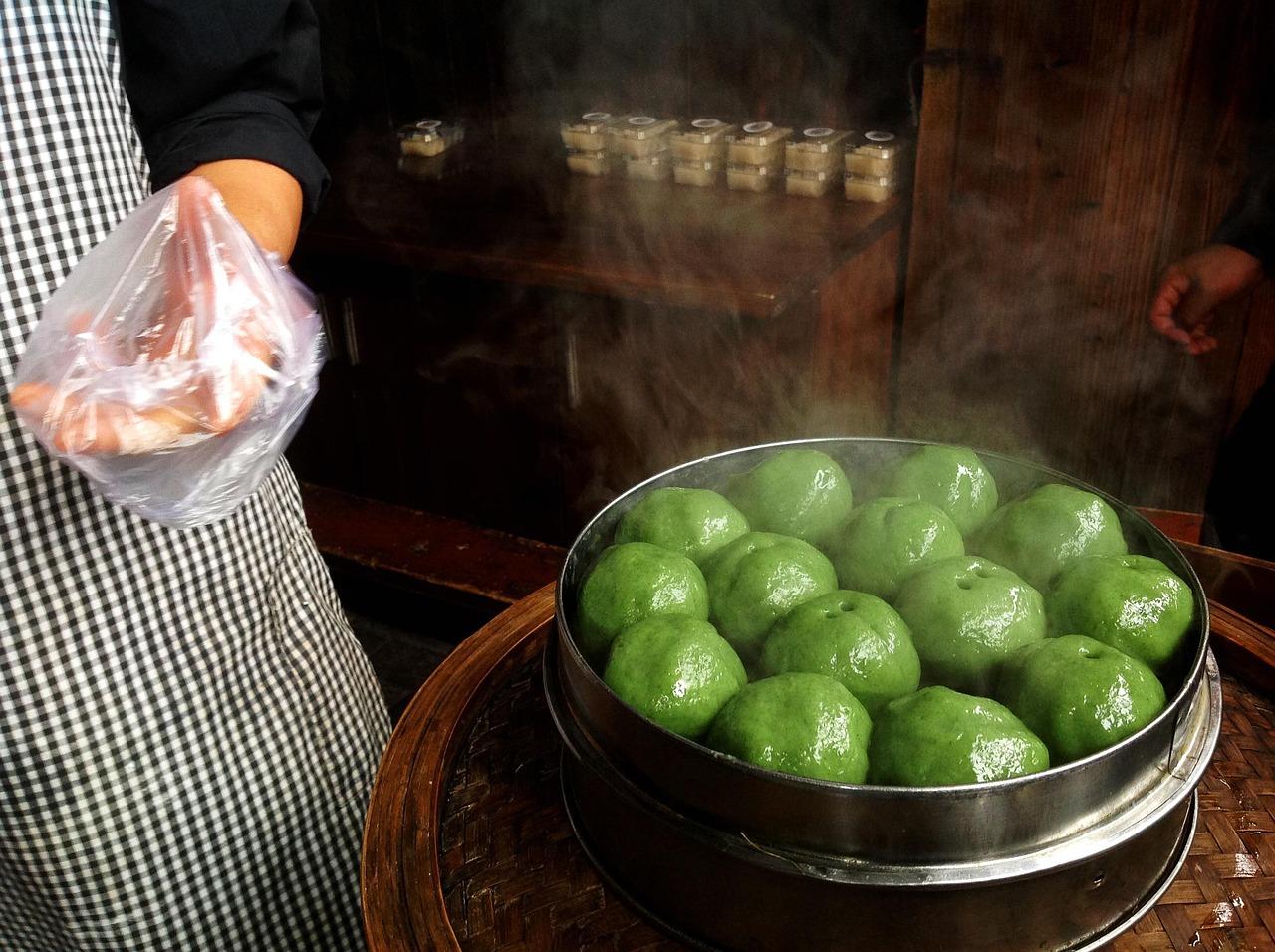
Qingtuan are the taste of spring across Jiangnan: in Shanghai, Hangzhou and the water towns like Wuzhen, steamers of them appear in March and April, and families take them on Qingming tomb-sweeping visits. The dough gets its deep green colour and grassy, slightly bitter scent from young mugwort leaves blanched and blended into glutinous rice flour. Steamed and brushed with oil, the balls are glossy, soft and stretchy, with a smooth sweet red bean centre. Eat them warm or at room temperature with green tea. Qingtuan is naturally egg-free: glutinous rice flour mixed with hot water and mugwort purée forms a pliable dough that steams firm, so no binder is needed. Buy lard-free red bean paste or make your own. Chef's tip: a pinch of soda in the blanching water keeps the mugwort bright green; the common mistake is leaving it out, which gives an olive-grey dough.

Read more 0 views

What to eat today?

Around the world

Today's trip: Persian

A new country every day, from every cuisine on the site.

This week's collection

Kid-friendly dinners
739 recipes · a new collection every Monday

Coming up

All occasions →

Latest recipes

Pholourie with tamarind chutneySplit pea fritters with tamarind chutney

Pholourie are little round fritters sold by the bag at doubles stands, school gates and parties all over Trinidad, especially through Divali and Christmas. A turmeric-yellow batter made with ground split peas and flour is dropped by the spoonful into hot oil, where it puffs into crisp-skinned, soft, spongy balls. They're always served with a sticky tamarind chutney spiked with garlic, shado beni and pepper. Unlike Indian pakoras, there are no vegetables in the batter: pholourie is all about the soft, light dough and the dip. Chef's tip: beat the batter hard for a few minutes until it's thick, smooth and falls off the spoon in a sticky blob. Well-beaten batter traps air, so the pholourie puff up round and light instead of flat and greasy.

by KrazyBadal 0 views

Trini callaloo soupDasheen leaf and okra soup

Callaloo is Trinidad and Tobago's national dish and part of the classic Sunday lunch, served beside rice, macaroni pie and stewed peas. Dasheen bush (young taro leaves) is simmered with okra, pumpkin, coconut milk, onion, garlic, chives and thyme, then beaten smooth with a wooden swizzle stick into a thick, velvety green soup. It's usually cooked with crab or salt pork; this vegetarian version leaves them out and adds a pinch of smoked paprika for depth. Spinach and Swiss chard can replace dasheen. Chef's tip: cook the dasheen leaves for at least 25–30 minutes. They must be very soft, both to swizzle silky smooth and because undercooked dasheen leaves make your throat itch.

by KrazyBadal 0 views

Tapioca crêpeCassava starch crêpe

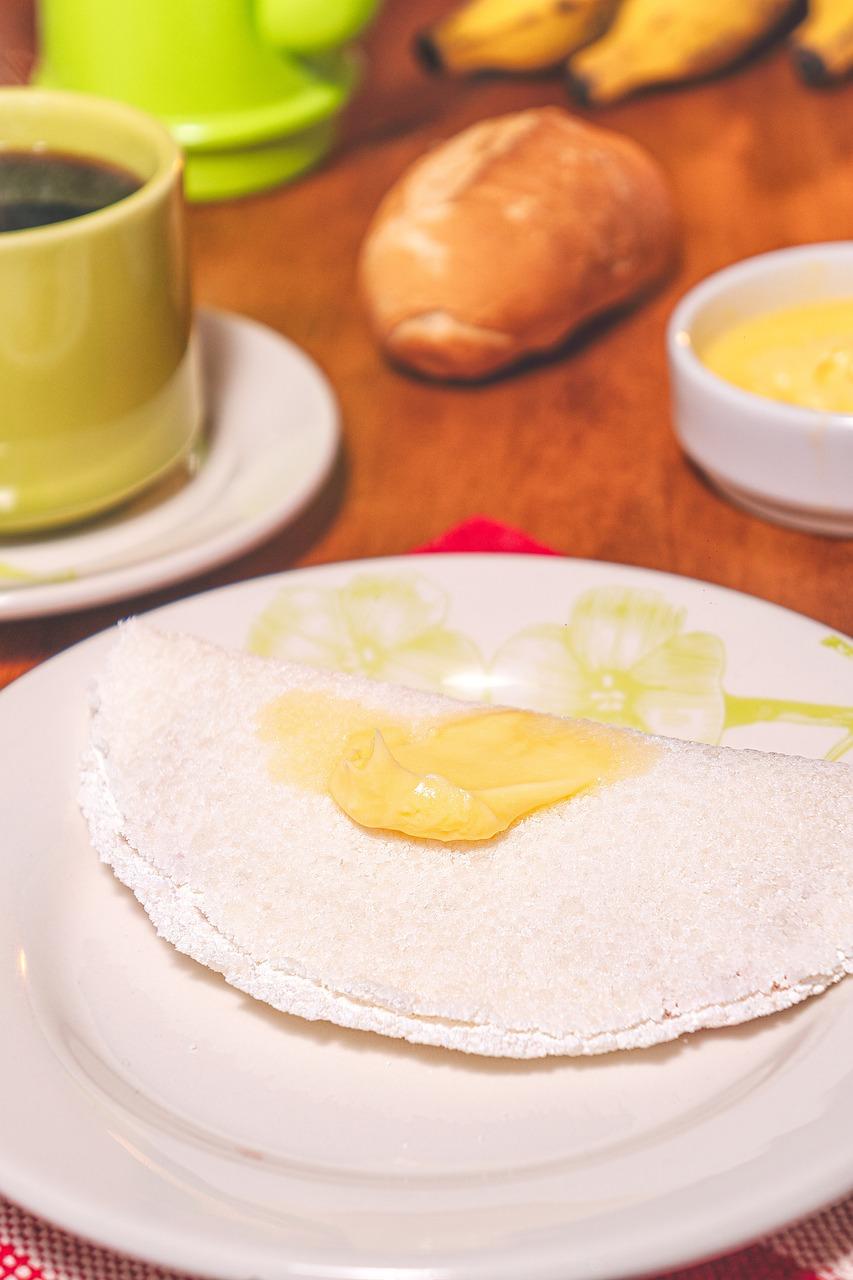
Tapioca is the Northeast's favourite breakfast, cooked on griddles at beach stalls from Recife to Fortaleza and now loved all over Brazil. Damp cassava starch (goma) is sieved into a hot dry pan, where it fuses into a thin white disc that's soft, chewy and slightly crisp. This recipe gives two classic fillings: melting cheese with butter, and coconut with condensed milk. Chef's tip: hydrate the starch until it feels like damp sand that holds when squeezed, then sieve it into the pan and never press it down. A loose, even layer is what makes the starch melt into one lacy, flexible sheet.

by KrazyBadal 0 views

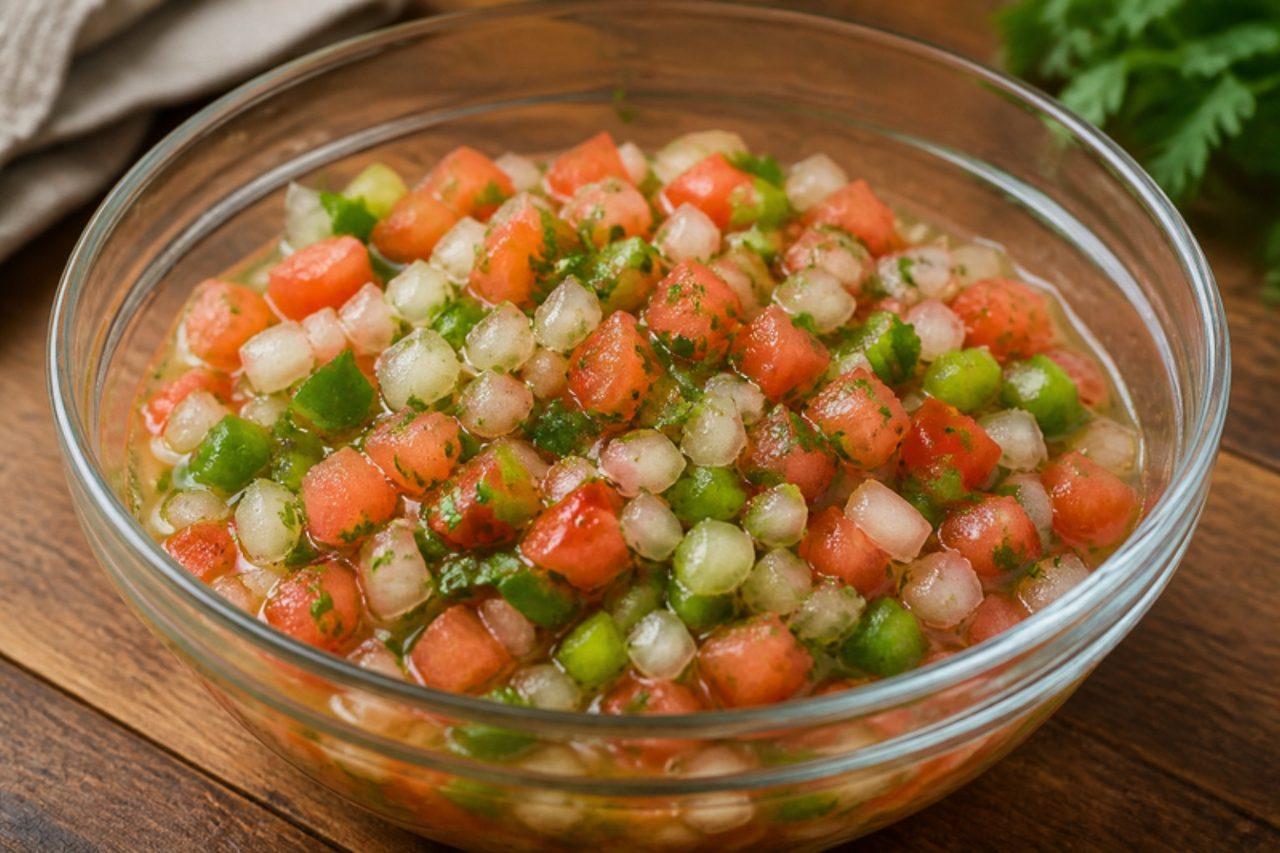
VinagreteTomato and onion salsa

Vinagrete, also called molho à campanha in the South, is the fresh, tangy salsa that goes on every Brazilian barbecue table and next to feijoada, acarajé and grilled cheese. Finely diced tomato, onion and green pepper are bathed in vinegar, olive oil and a little water, so it's halfway between a salad and a sauce. Chef's tip: soak the chopped onion in cold water for 5 minutes and drain. It takes away the harsh bite while keeping the crunch, so the salsa tastes clean and bright instead of raw.

by KrazyBadal 0 views

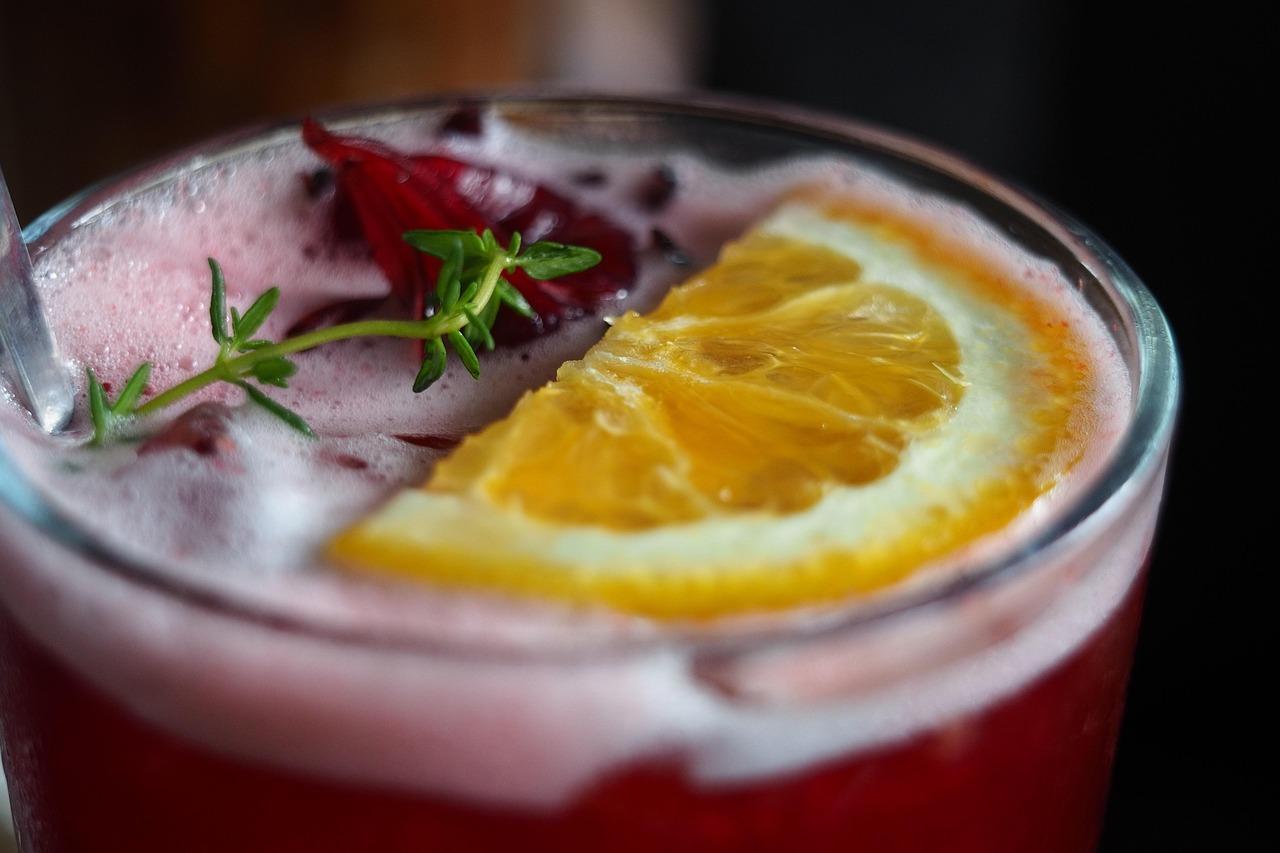
Sorrel drinkHibiscus drink

Sorrel is the drink of a Jamaican Christmas: in December the markets fill with the red flowers (the calyces of a hibiscus), and every home brews a big batch to share. They're steeped with lots of fresh ginger, pimento and cloves, then sweetened, giving a deep ruby drink that's tart, spicy and refreshing over ice. Many families add a splash of white or dark rum for the adults. Chef's tip: be generous with the ginger and let it steep overnight. A long, cool steep pulls out the colour and a fiery ginger bite without the bitterness of over-boiling.

by KrazyBadal 0 views

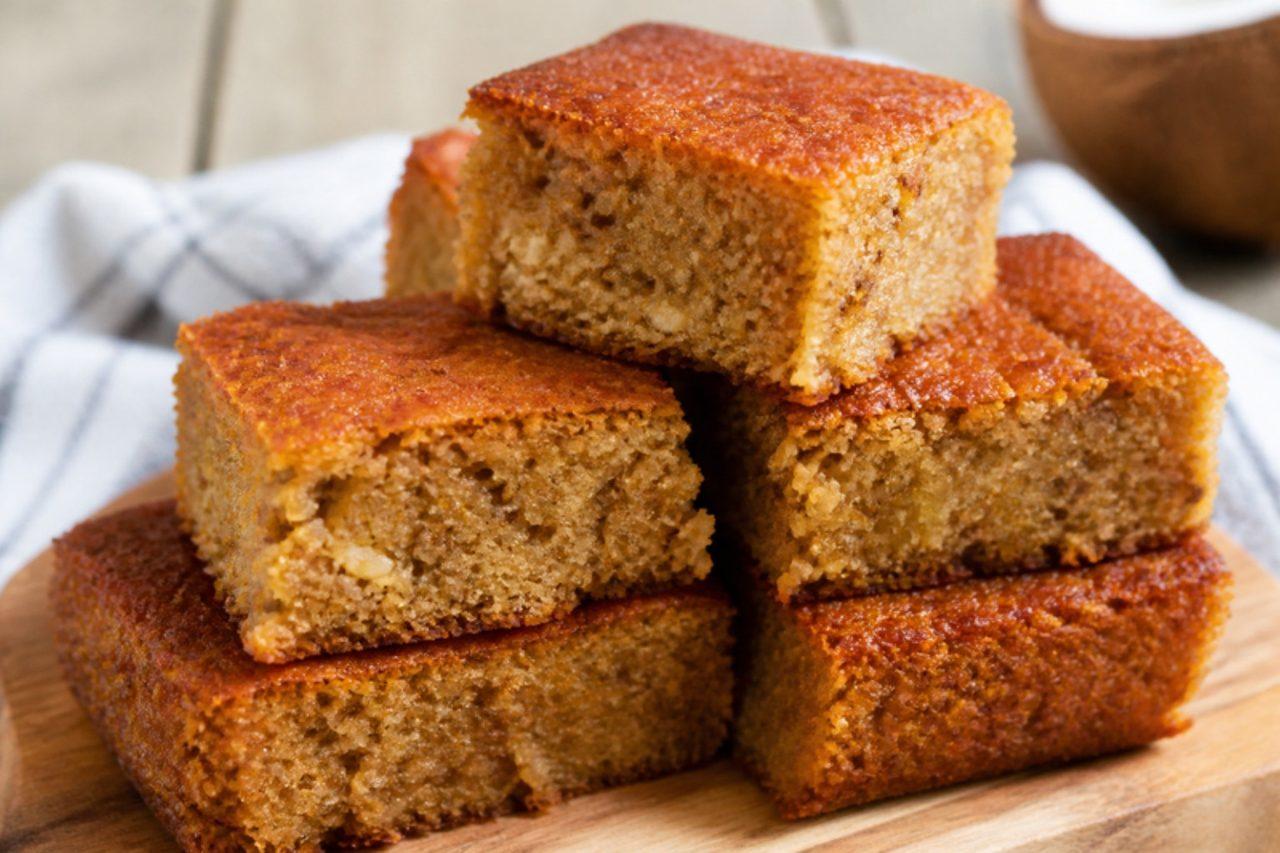
TotoCoconut cake

Toto is an old-time Jamaican country cake, the kind baked in a 'dutchie' over coals in rural St Mary and St Ann and sold in squares at bakeries and school tuck shops. It's dense and moist rather than light, packed with grated coconut, darkened with brown sugar and fragrant with nutmeg, cinnamon and vanilla. Lovely with a cup of tea, still slightly warm. Chef's tip: use fresh grated coconut if you can, or soak desiccated coconut in the warm coconut milk for 15 minutes first. Dry coconut steals moisture from the batter and leaves the cake crumbly instead of chewy.

by KrazyBadal 0 views

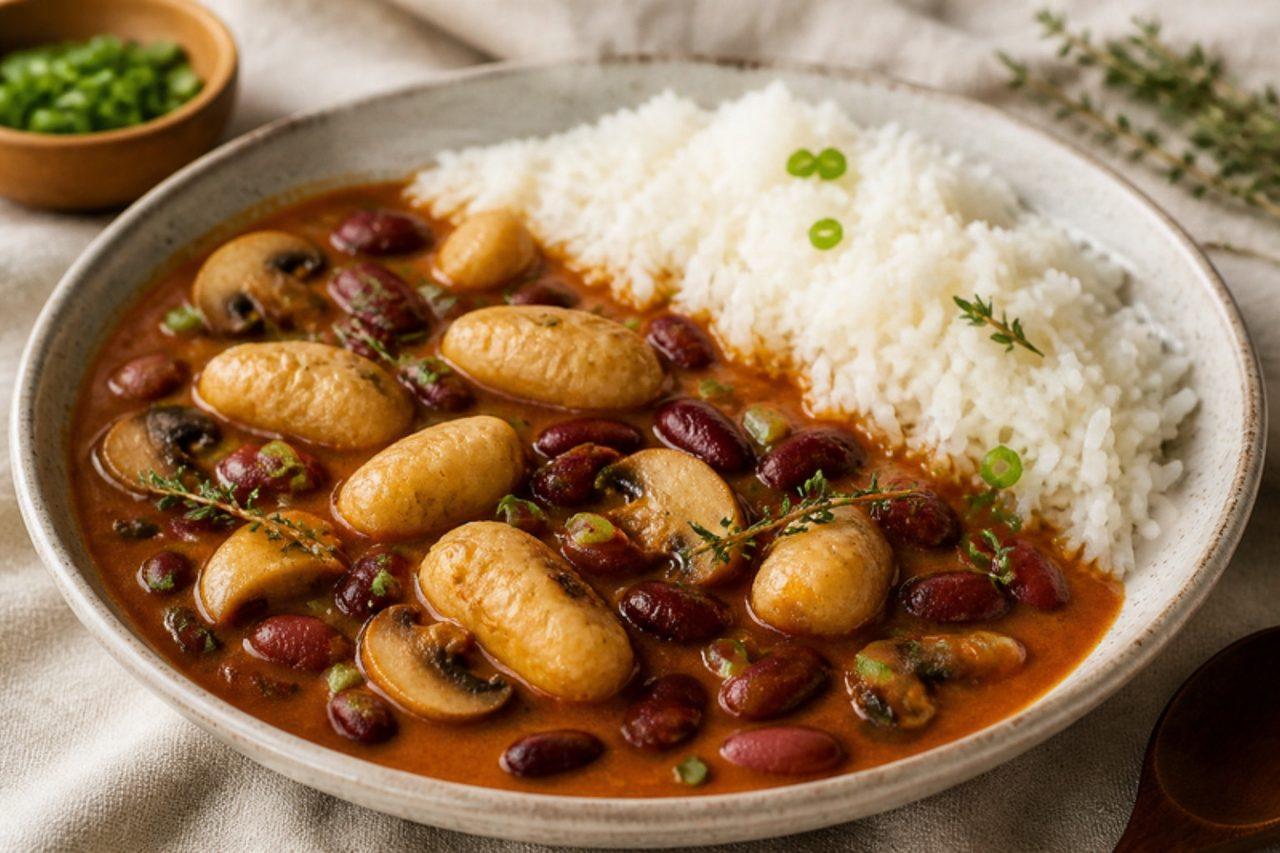
Stew peas with spinnersKidney bean stew with dumplings

Stew peas is a thick, comforting Jamaican one-pot of red kidney beans simmered in coconut milk until creamy, studded with 'spinners', small hand-rolled dumplings. It's a classic Wednesday or Saturday dinner across the island, usually cooked with pig's tail and salt beef. Here mushrooms browned hard and a little smoked paprika bring the savoury depth instead, so nothing is missing. Serve over plain white rice. Chef's tip: when the beans are soft, crush a ladleful against the side of the pot. Stew peas should be thick enough to coat the back of a spoon, and the crushed beans give that body without any flour.

by KrazyBadal 0 views

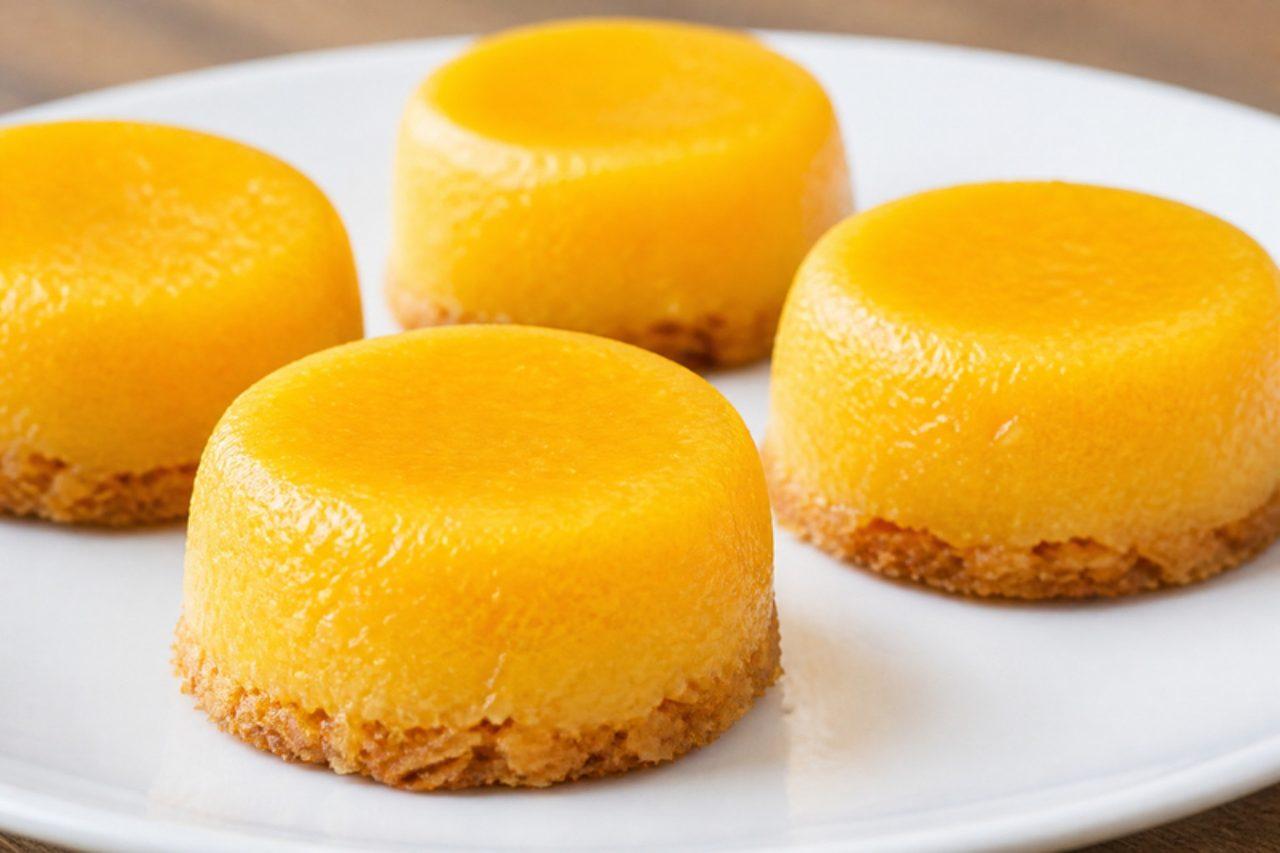
QuindimCoconut egg yolk custards

Quindim is a jewel of Bahian sweets: small, shiny, intensely yellow custards made from egg yolks, sugar and grated coconut. It goes back to Portugal's convent sweets, rich in yolks, which cooks in colonial Bahia combined with the coconut of the Brazilian coast. When baked, the coconut sinks to form a chewy base and the yolks set into a silky, translucent top that becomes the shining crown when unmoulded. Chef's tip: strain the yolks so there are no traces of white or the chalazae (the stringy bits). Egg white makes quindim pale and rubbery instead of glossy, deep gold and smooth.

by KrazyBadal 0 views

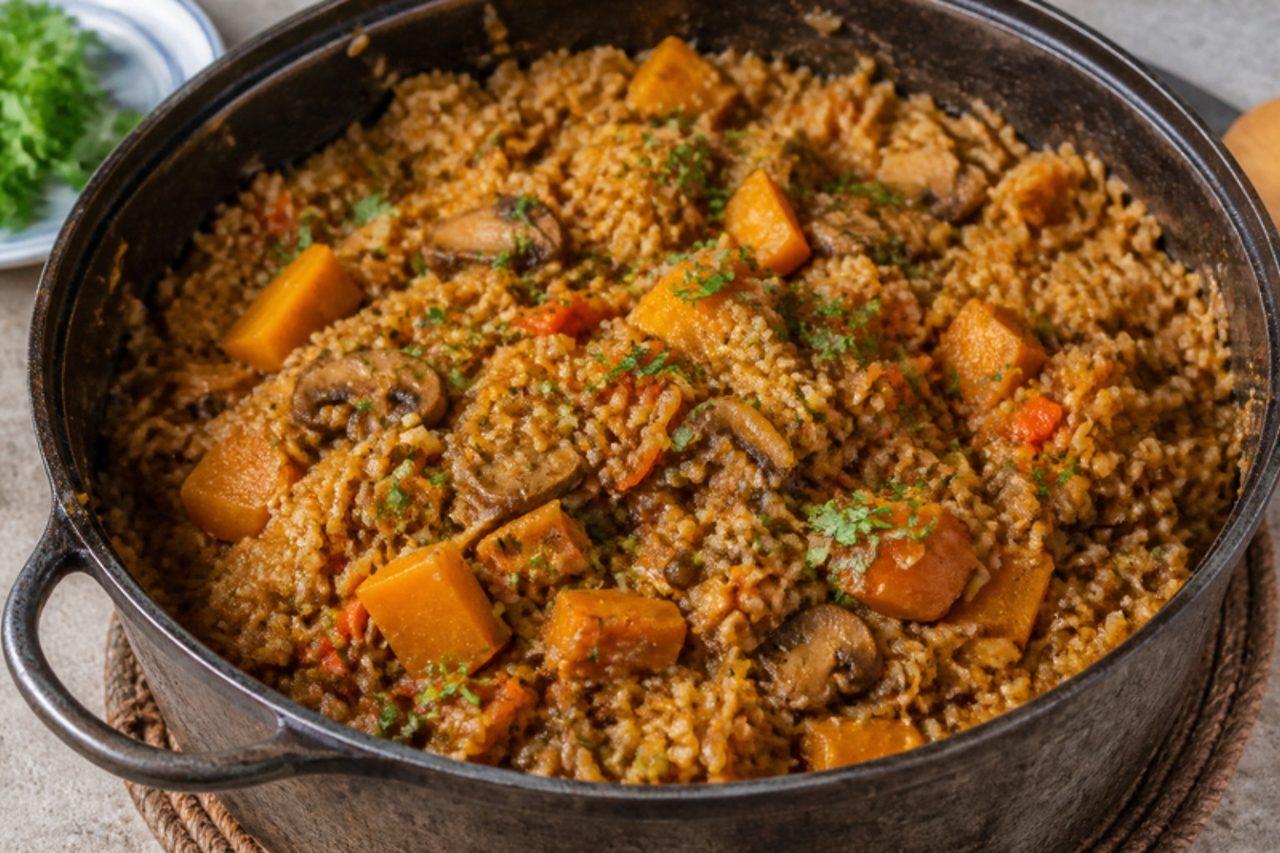
Vegetable pelauRice and pigeon pea one-pot

Pelau is the dish of the Trinidad beach lime and family gathering: rice and pigeon peas cooked in one big pot, coloured a deep brown by sugar caramelised in oil until almost burnt, then simmered with coconut milk, green seasoning and a whole hot pepper. It's usually made with chicken; here deeply browned mushrooms and chunks of pumpkin carry the savoury depth, so it's still rich, smoky-sweet and moreish. Serve with coleslaw, sliced cucumber and pepper sauce. Chef's tip: let the sugar go further than feels safe: it should melt, froth and turn the colour of dark chocolate, just starting to smoke, before anything goes in. Too pale and the pelau tastes sweet; too black and it's bitter.

by KrazyBadal 0 views

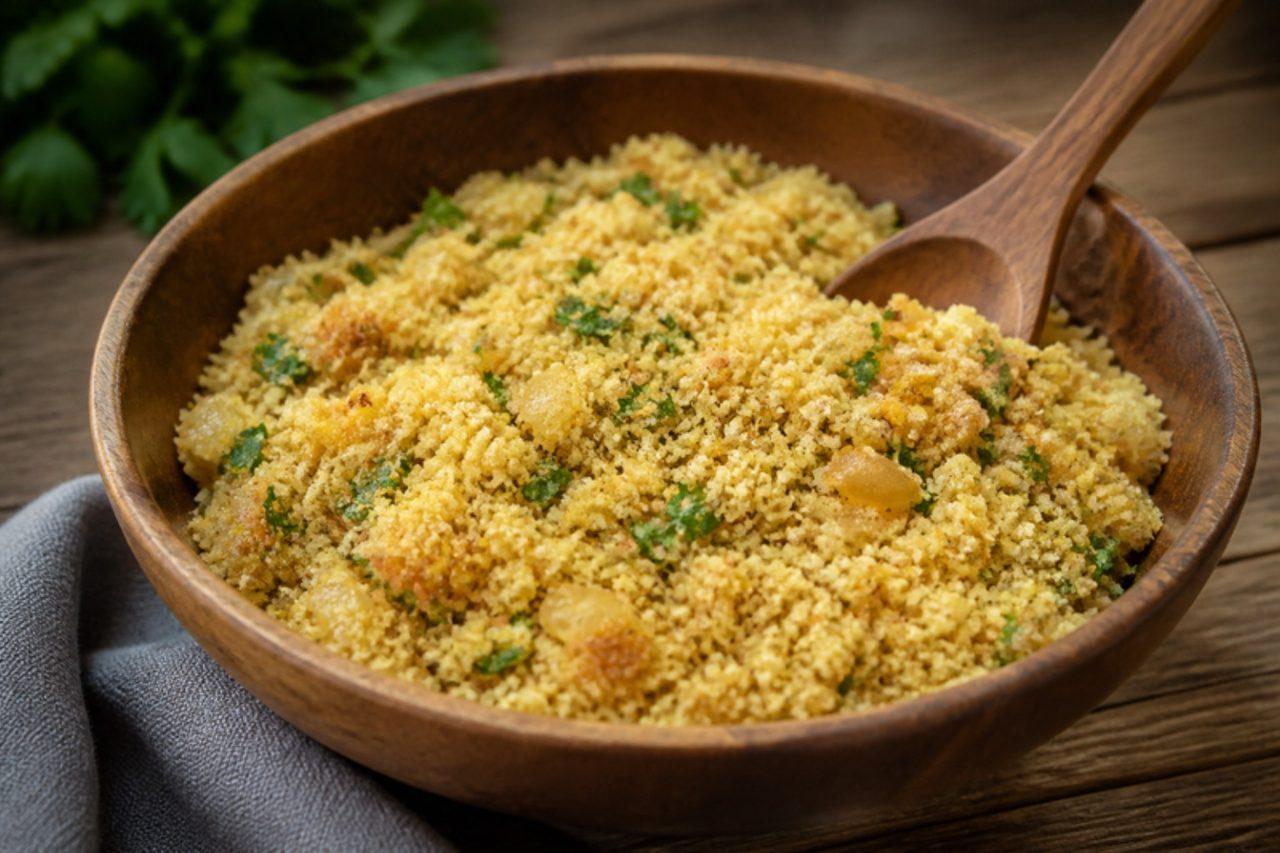
FarofaToasted manioc meal

Farofa is on the table at almost every Brazilian meal, from feijoada to Sunday barbecue: coarse manioc (cassava) meal toasted in butter or olive oil with onion and garlic until golden, sandy and nutty. Sprinkle it over beans, stews and moqueca to soak up the juices and add crunch. Bacon is common in the South-East; this butter version is the classic everyday one (use olive oil for a vegan farofa). Chef's tip: toast the manioc over a medium-low heat, stirring constantly, and go by smell and sound. It's ready when it smells like toasted hazelnuts and sounds dry and sandy against the spoon; high heat scorches it in seconds.

by KrazyBadal 0 views

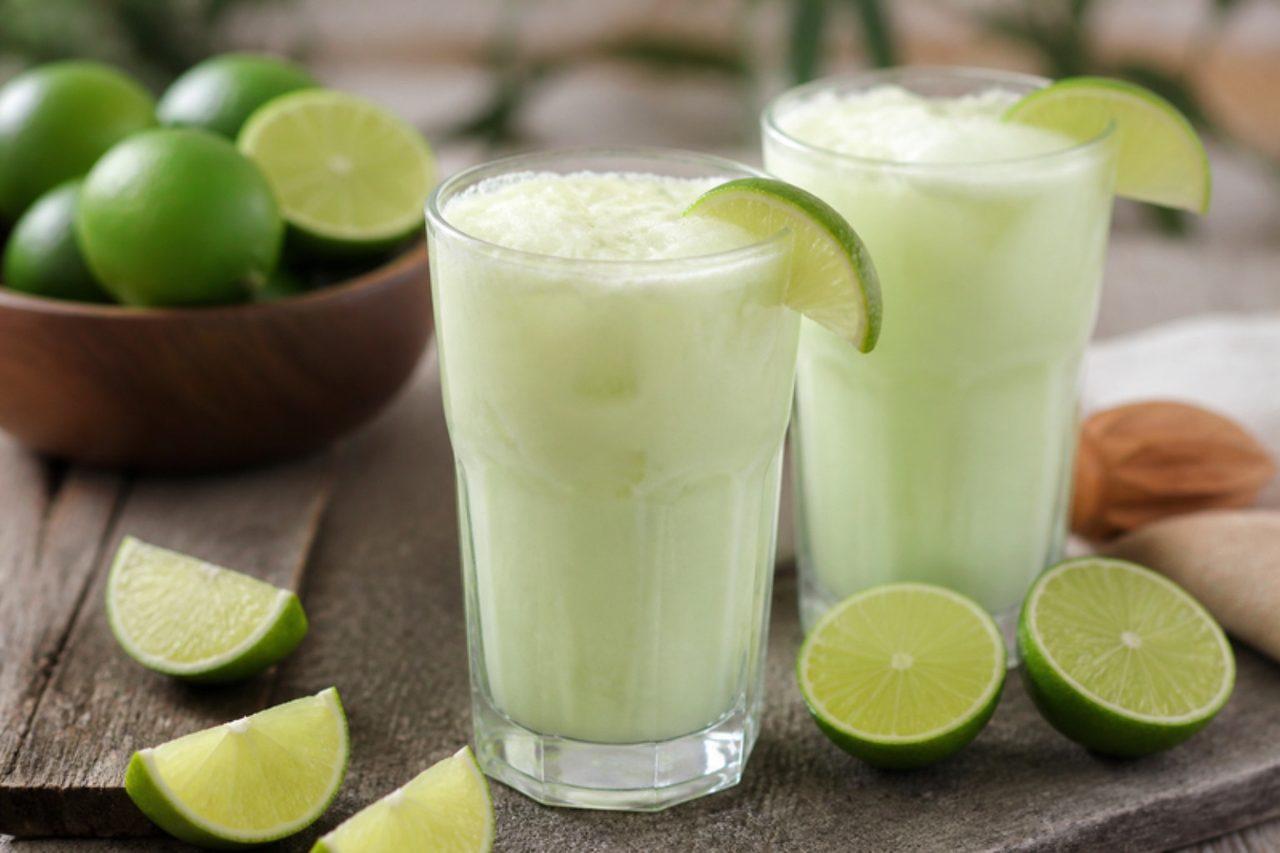
Limonada suíçaCreamy lime drink

Limonada suíça is the creamy, frothy limeade served in juice bars and lunch counters all over Brazil. Despite the name ('Swiss lemonade'), nobody knows of any Swiss link, and it's made with whole Tahiti limes, blended briefly, skin and all, then strained and sweetened with condensed milk. It's cold, zingy and pale green, perfect with a hot lunch. Chef's tip: blend for no more than 10–15 seconds. Lime peel gives the drink its wonderful perfume, but blended too long it releases bitterness from the pith; serve it straight away for the same reason.

by KrazyBadal 0 views

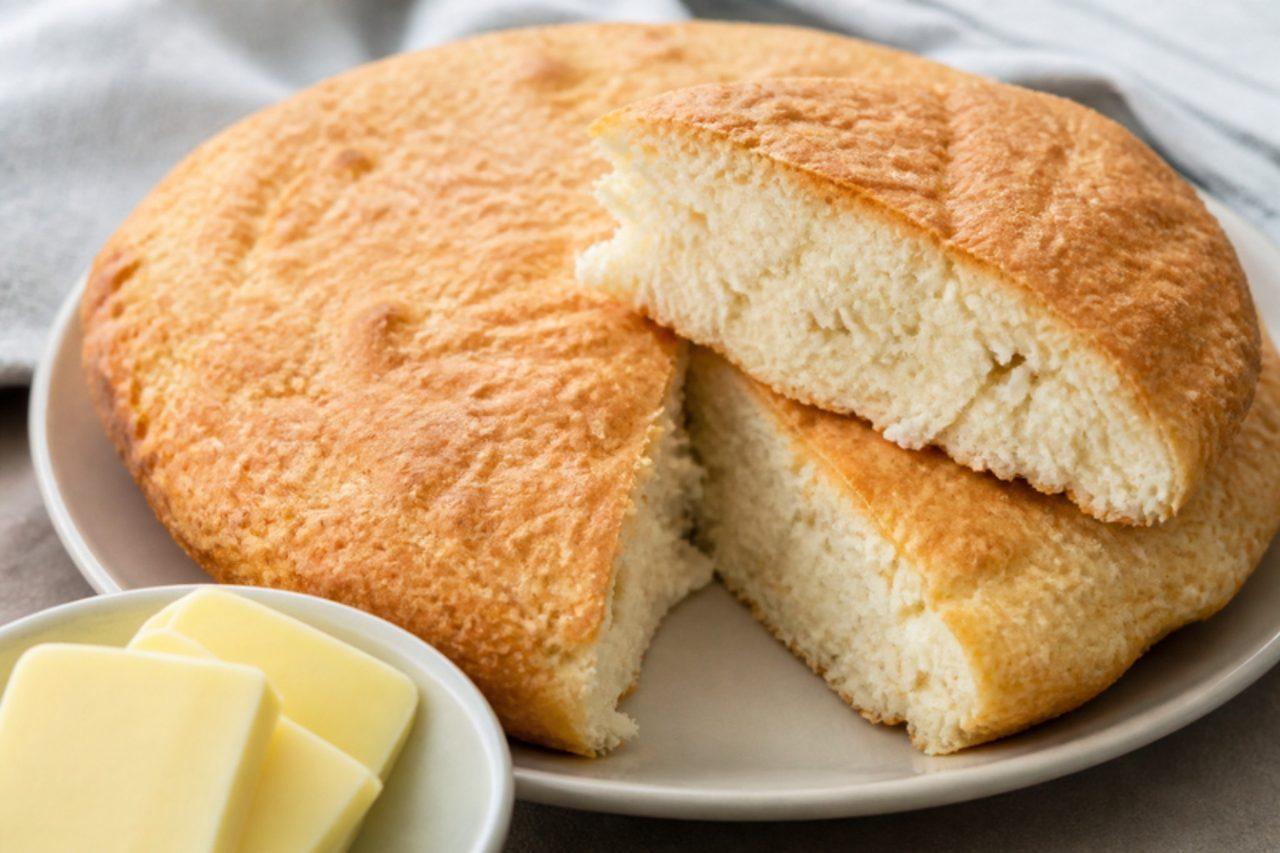
Coconut bakeCoconut bread

Coconut bake is a breakfast bread from Trinidad and especially Tobago, where it's baked on Sunday mornings in homes and village bakeries. It's a quick, unyeasted bread, rich with grated coconut and coconut milk and rubbed with butter, shaped into a round and baked until golden. It's split and buttered, and usually eaten with saltfish buljol; for a vegetarian breakfast, fill it with tomato choka, fried ripe plantain, sautéed bodi (long beans) or cheese. Chef's tip: rub the butter well into the flour and knead only briefly until the dough comes together. Overworking makes bake heavy and tight instead of soft and crumbly.

by KrazyBadal 0 views

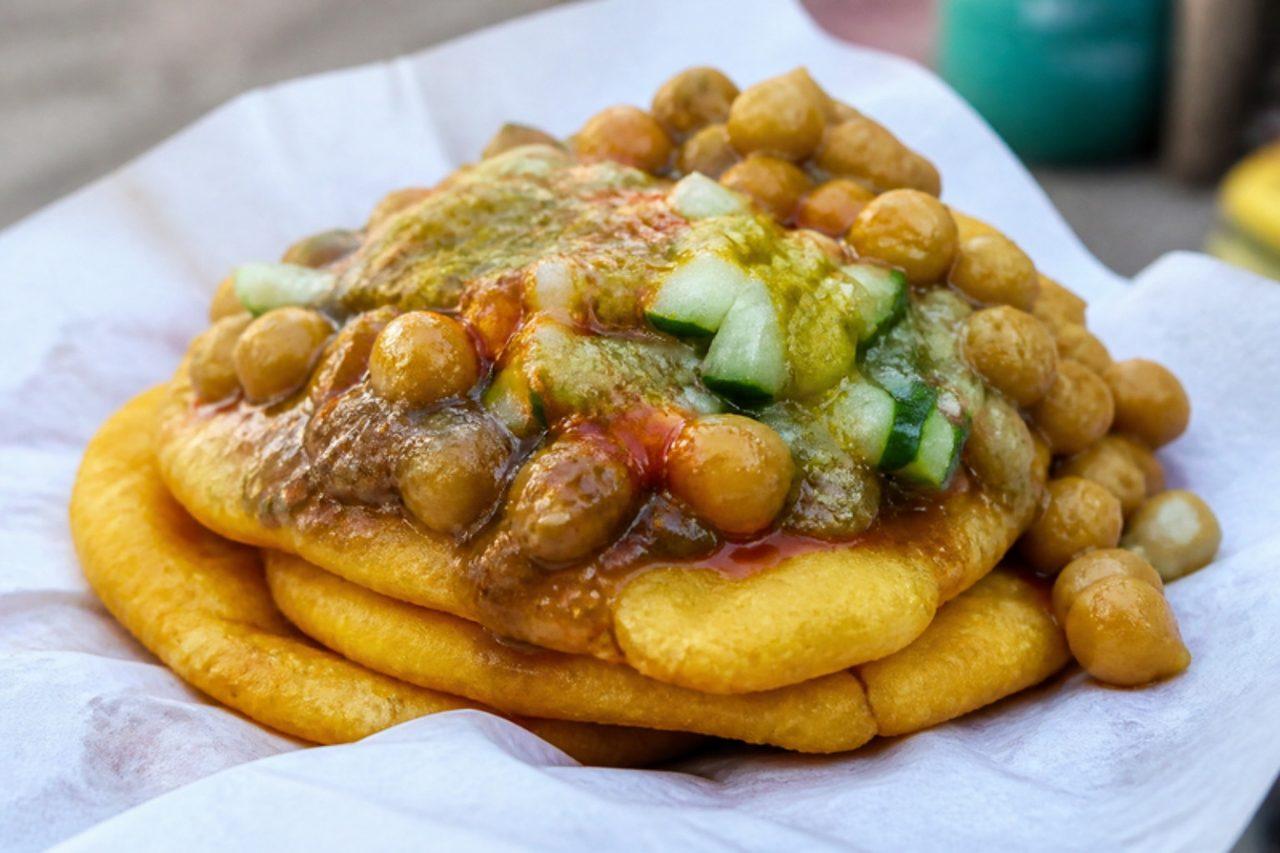
DoublesCurried chickpeas in fried bread

Doubles are Trinidad's favourite street food, sold from carts at dawn on corners from Curepe to San Fernando and said to have started in Princes Town in the 1930s. Two pieces of bara, a soft, puffy fried flatbread coloured with turmeric, are piled with soft curried chickpeas (channa), then spooned with sweet tamarind sauce, cool cucumber chutney, shado beni sauce and as much pepper sauce as you dare ('slight' or 'heavy'). They're messy, cheap and wonderful, eaten standing up from a square of paper. These are different from Indian chole bhature: the bara is light and yeasty, the channa is cooked very soft in Caribbean curry, and the toppings are sweet, sour and fiery all at once. Chef's tip: keep the bara dough very soft and wet, and handle it only with oiled hands. Stretch each ball thin over your fingers and slide it straight into the hot oil, so it puffs light and stays soft instead of turning into a crisp puri.

by KrazyBadal 0 views

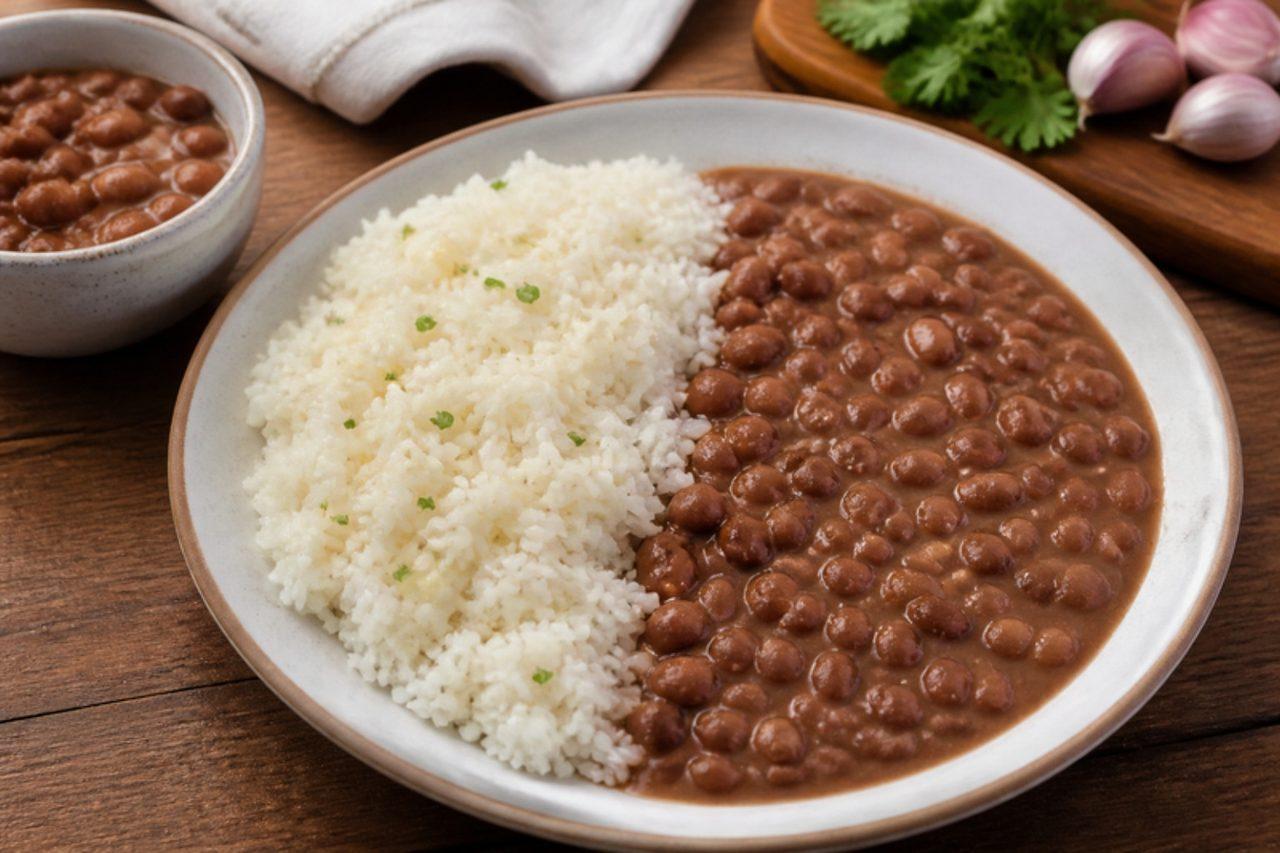
Arroz e feijãoRice and beans

Arroz e feijão is the heart of the Brazilian table, eaten at lunch nearly every day from Porto Alegre to Manaus. Each half is simple but made with care: the rice is fried with garlic before simmering so the grains stay loose (soltinho), and the beans are finished with a refogado of onion and garlic that thickens their broth. In the South and Rio black beans are the norm; elsewhere it's the beige carioca bean. Chef's tip: when the beans are tender, fry the garlic and onion, add a ladle of beans and mash them in the pan, then stir it all back into the pot. This tempero is the step that makes Brazilian beans taste like home.

by KrazyBadal 0 views

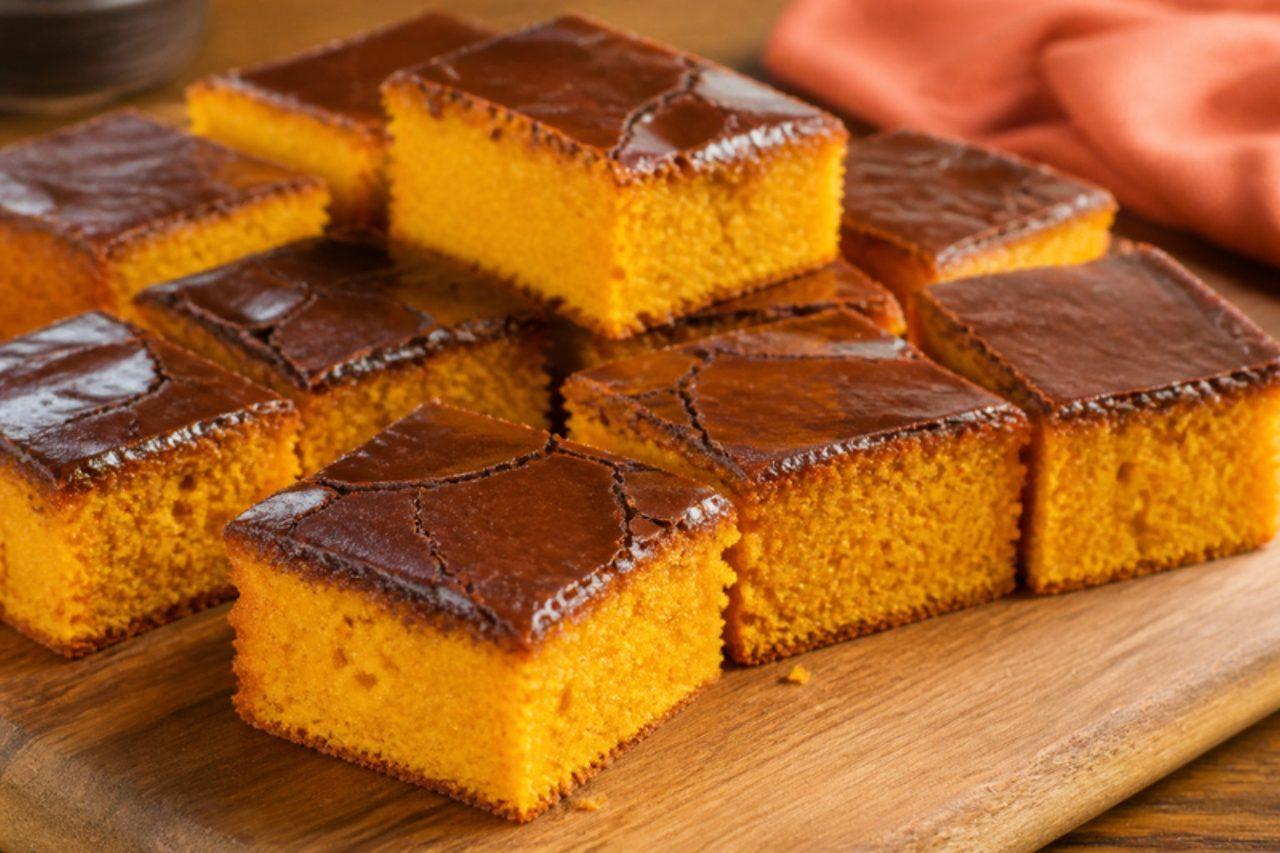
Bolo de cenoura com cobertura de chocolateCarrot cake with chocolate topping

Bolo de cenoura is the most loved homemade cake in Brazil, served with coffee at the afternoon lanche all over the country. It's nothing like the spiced, nutty carrot cake of the UK and US: raw carrots are blended smooth with eggs and oil, giving a bright orange, light and moist sponge, finished with a thick chocolate topping that sets with a thin crust. Chef's tip: blend the carrots with the eggs and oil until completely smooth, with no visible bits, and pour the chocolate topping over while the cake is still warm. The topping soaks in a little and sets with the shiny, crackly casquinha (crust) Brazilians love.

by KrazyBadal 0 views

Mushroom and cassava escondidinhoMushroom and cassava bake

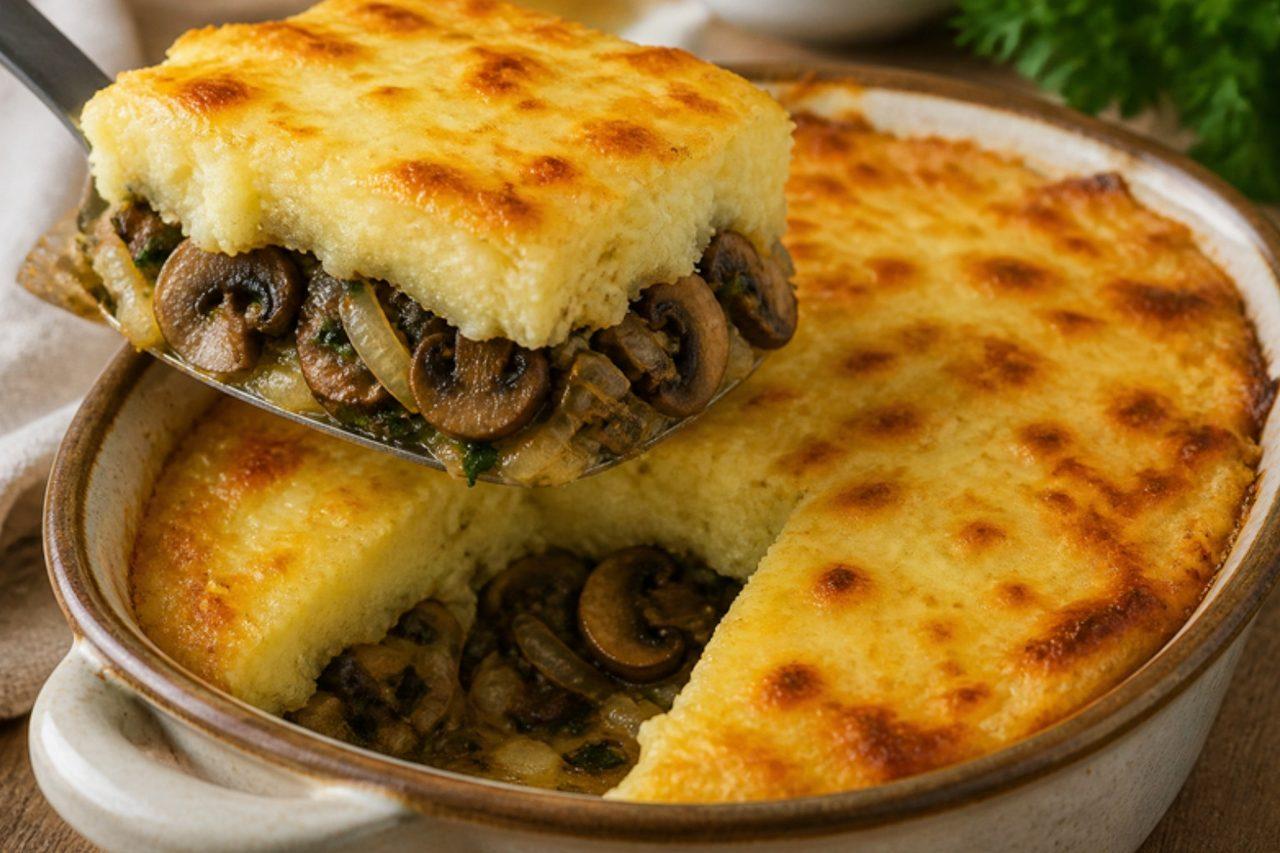
Escondidinho ('little hidden one') is a homely baked dish from the Northeast: a savoury filling hidden under a layer of creamy mashed cassava (mandioca or aipim), topped with cheese and baked until golden. The classic is made with carne de sol, the Northeast's sun-dried beef; this vegetarian escondidinho uses mushrooms browned hard with onion, tomato and smoked paprika for the same savoury depth. Serve it with a green salad or couve à mineira. Chef's tip: mash the cassava while it's piping hot and remove the woody core first. Cold cassava turns gluey, and the stringy core spoils the silky texture.

by KrazyBadal 0 views

Buss-up-shutTorn paratha roti

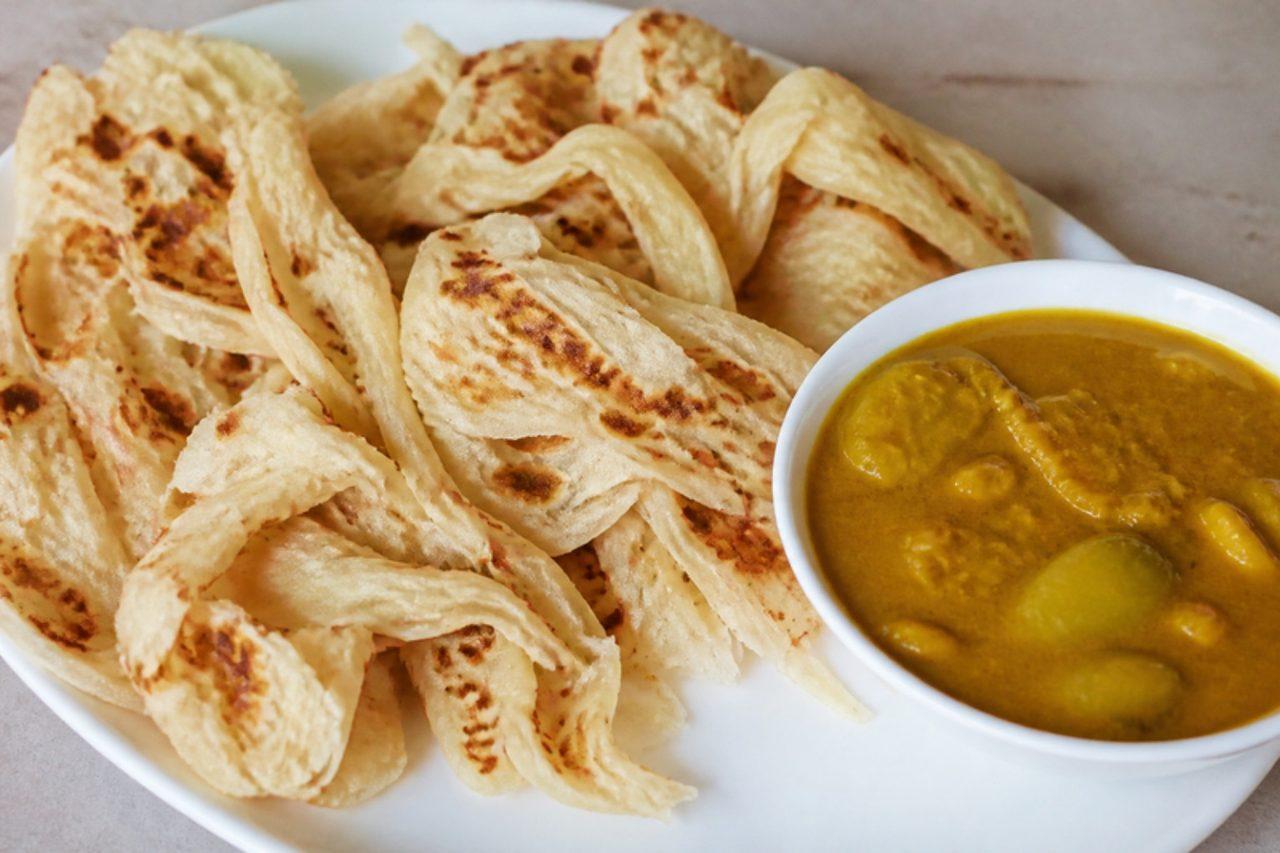
Buss-up-shut is the paratha roti of Trinidad, so called because the torn, flaky pieces look like a 'burst-up shirt'. A soft dough is spread with butter and oil, rolled into a coil to build layers, cooked on a hot tawa, then clapped and beaten with wooden paddles until it breaks into soft, buttery, flaky shreds. It's served in roti shops across Trinidad for scooping up curries, and is always at Hindu weddings and Divali feasts. Chef's tip: beat the roti while it's still scalding hot. The steam inside is what separates the layers, so the moment it leaves the tawa, clap it between your hands (in clean oven gloves) or bash it with two wooden spatulas until it shreds.

by KrazyBadal 0 views

KurmaSweet fried dough sticks

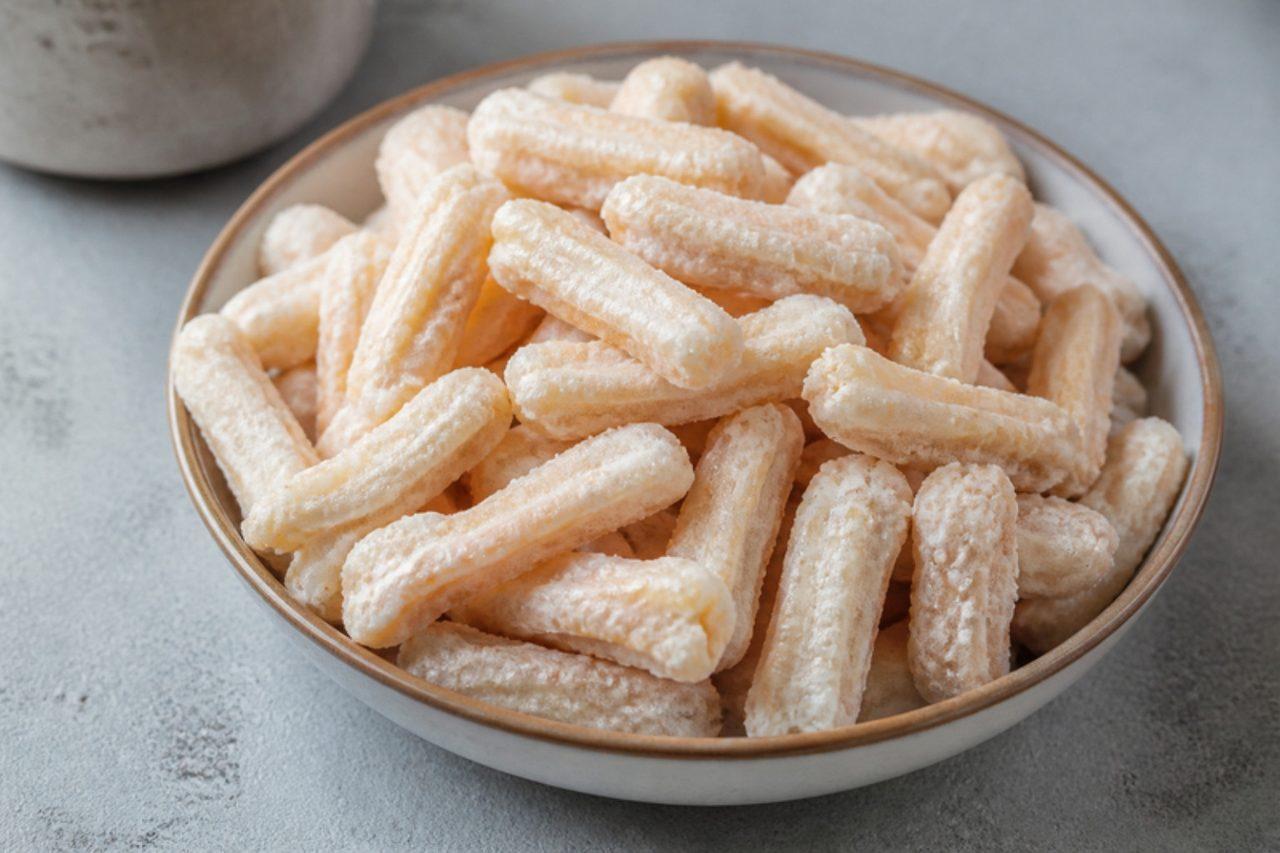
Kurma is a crunchy Indo-Trinidadian sweet made for Divali, weddings and pujas, and sold in bags at roadside parlours in Central Trinidad. A rich dough flavoured with ginger, cinnamon and nutmeg is cut into thin sticks, fried until hard and golden, then tossed in a hot ginger sugar syrup until it dries into a frosty white coating. It keeps for weeks in a tin. Chef's tip: keep stirring the kurma in the syrup off the heat until the sugar suddenly turns opaque and sandy. That moment is the whole trick; stop too early and the coating stays sticky, and the 'frost' is what makes kurma kurma.

by KrazyBadal 0 views

Showing 18 of 9,812 recipes

Show more recipes

Page 1,018 of 1,091