


Skip to content
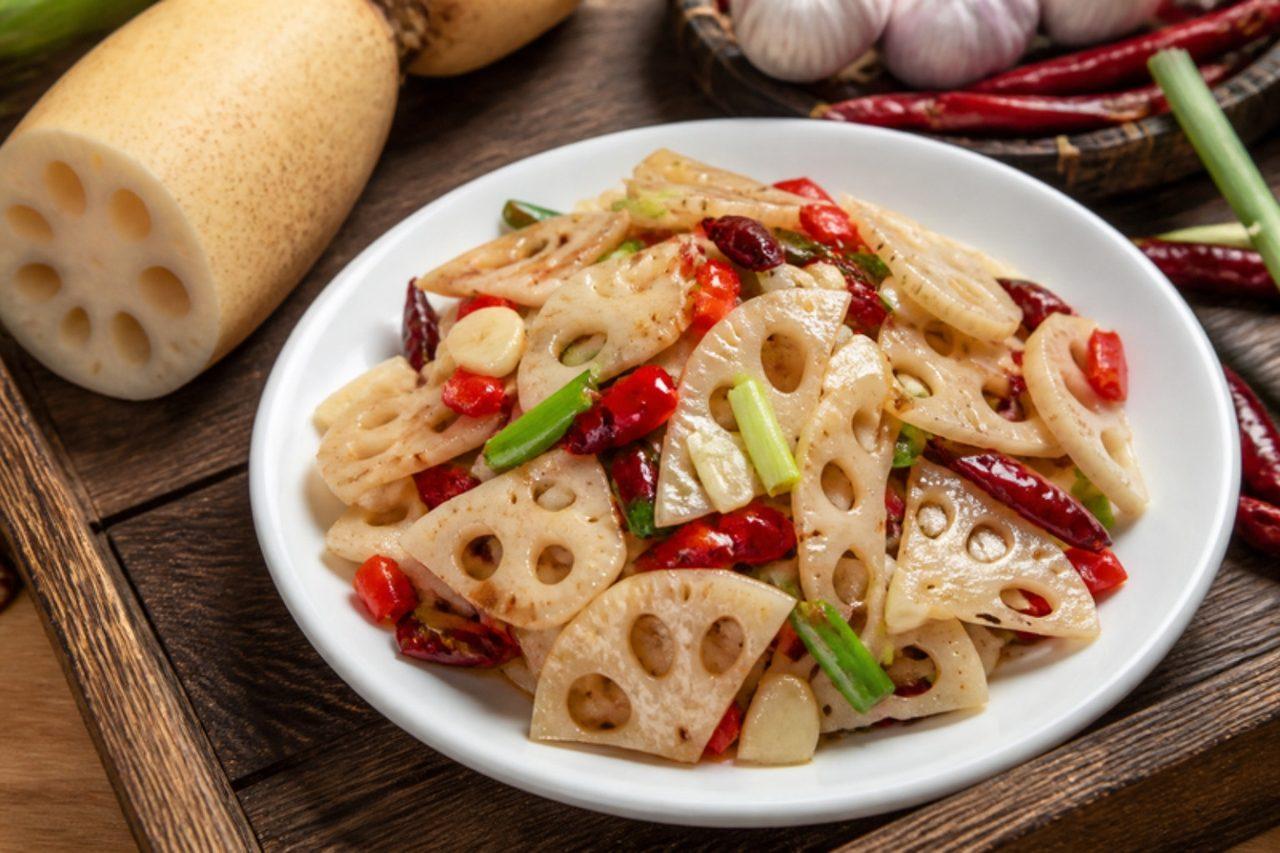
Hot and sour lotus root
Featured recipe

Hot and sour lotus root

Hubei is lotus country, its lakes around Wuhan full of the plant, and Hubei and Sichuan cooks dice the crisp root and flash-fry it with chilli and vinegar for a side dish that crunches like water chestnut. It is sour first, then hot, then garlicky, and it wakes up a table of rich braises in a Wuhan home or a Chengdu fly restaurant. Serve it hot or at room temperature with rice. The common mistake is cooking the lotus too long so it turns starchy and dull; it needs only a few minutes. Chef's tip: drop the cut pieces straight into water with a splash of vinegar, which stops them turning grey and rinses off surface starch so they stay crisp.

Read more 0 views

What to eat today?

Around the world

Today's trip: Persian

A new country every day, from every cuisine on the site.

Persian

Persian halva

Saffron rose flour halva 40 minMore from Persian (181) →

This week's collection

Kid-friendly dinners
772 recipes · a new collection every Monday

Coming up

All occasions →

Latest recipes

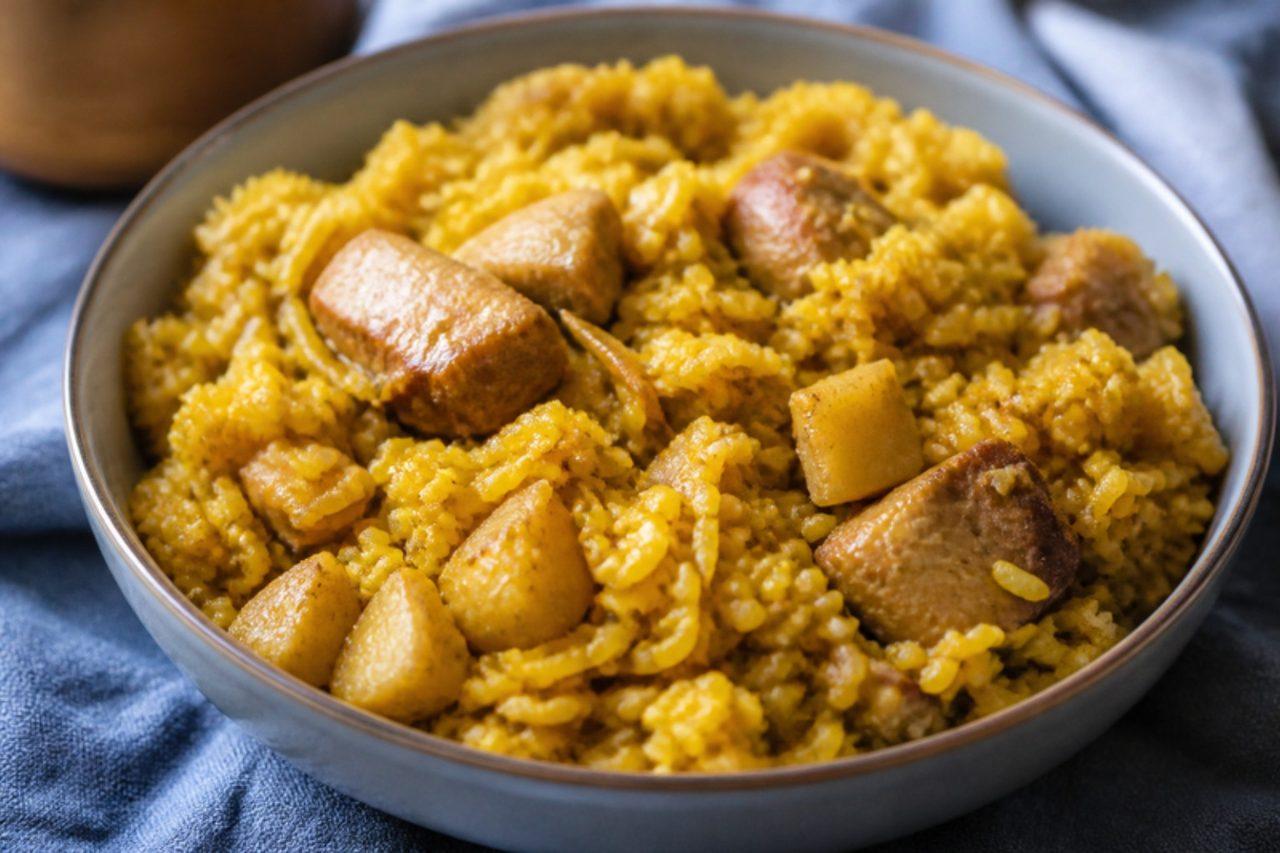
JadohTurmeric rice with pork

Walk through Police Bazaar in Shillong in the morning and you will find small jadoh stalls serving bright yellow rice cooked with pork, ginger and plenty of local Lakadong turmeric. For Khasi families it is breakfast, lunch and festival food all at once, usually eaten with a pork side such as doh khlieh and a sharp chutney. Village versions add pork blood or offal; this home version keeps to pork shoulder. Chef's tip: let the rice rest, covered, for ten minutes after cooking; the grains firm up and stop being sticky.

by KrazyBadal 0 views
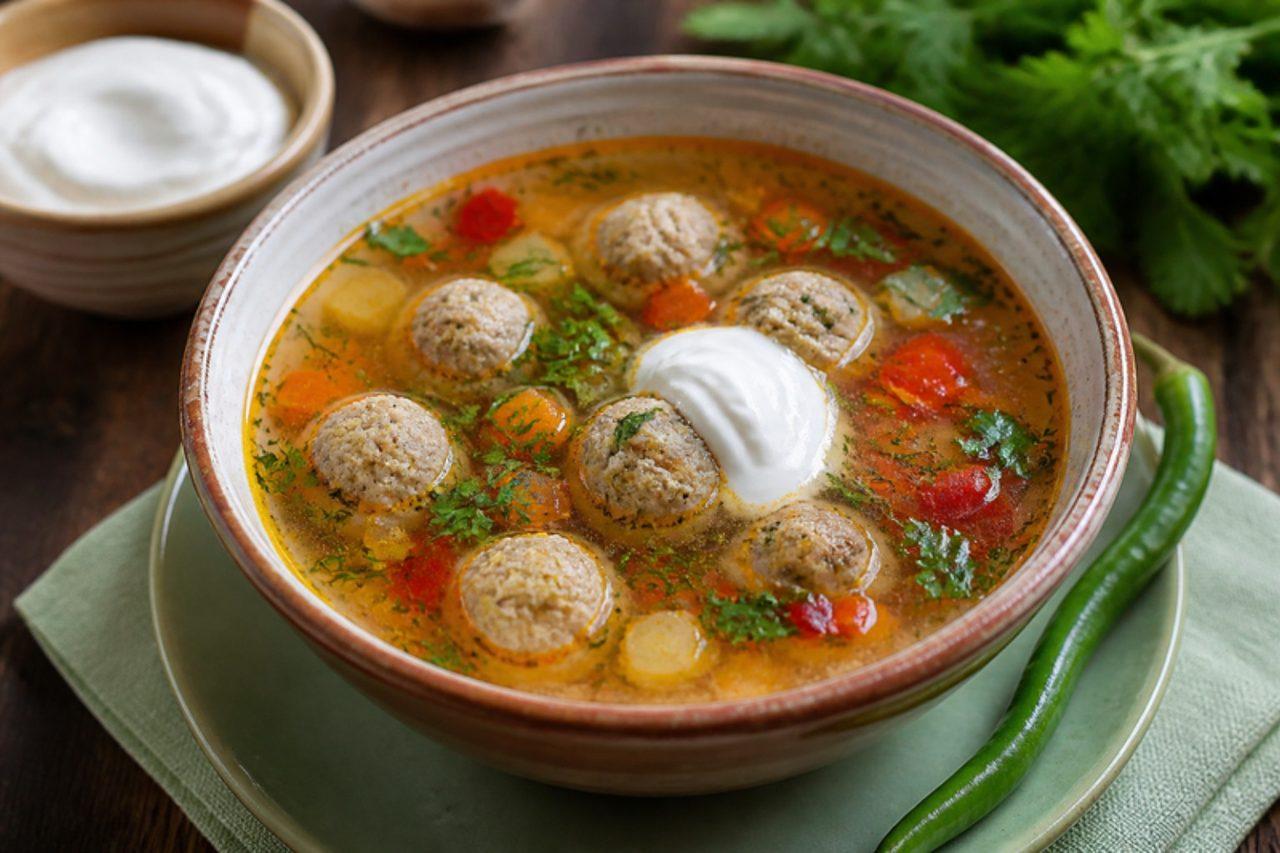

Ciorbă de perișoareSour soup with meatballs

Across Romania, from Bucharest canteens to Moldavian grandmothers' kitchens, a pot of ciorbă de perișoare turns up on the Sunday table and again on Monday, when it tastes even better. This version contains pork: soft meatballs of minced pork and rice simmer in a clear vegetable broth that is soured at the end with borș (fermented wheat-bran liquid) or lemon juice, then finished with a handful of lovage. It is eaten very hot with a spoon of sour cream and a fresh green chilli to bite between spoonfuls. A frequent slip is boiling the soup hard once the meatballs are in, which breaks them apart and clouds the broth. Chef's tip: wet your hands in cold water before rolling each meatball; the mixture will not stick and the balls stay smooth and round.

by KrazyBadal 0 views

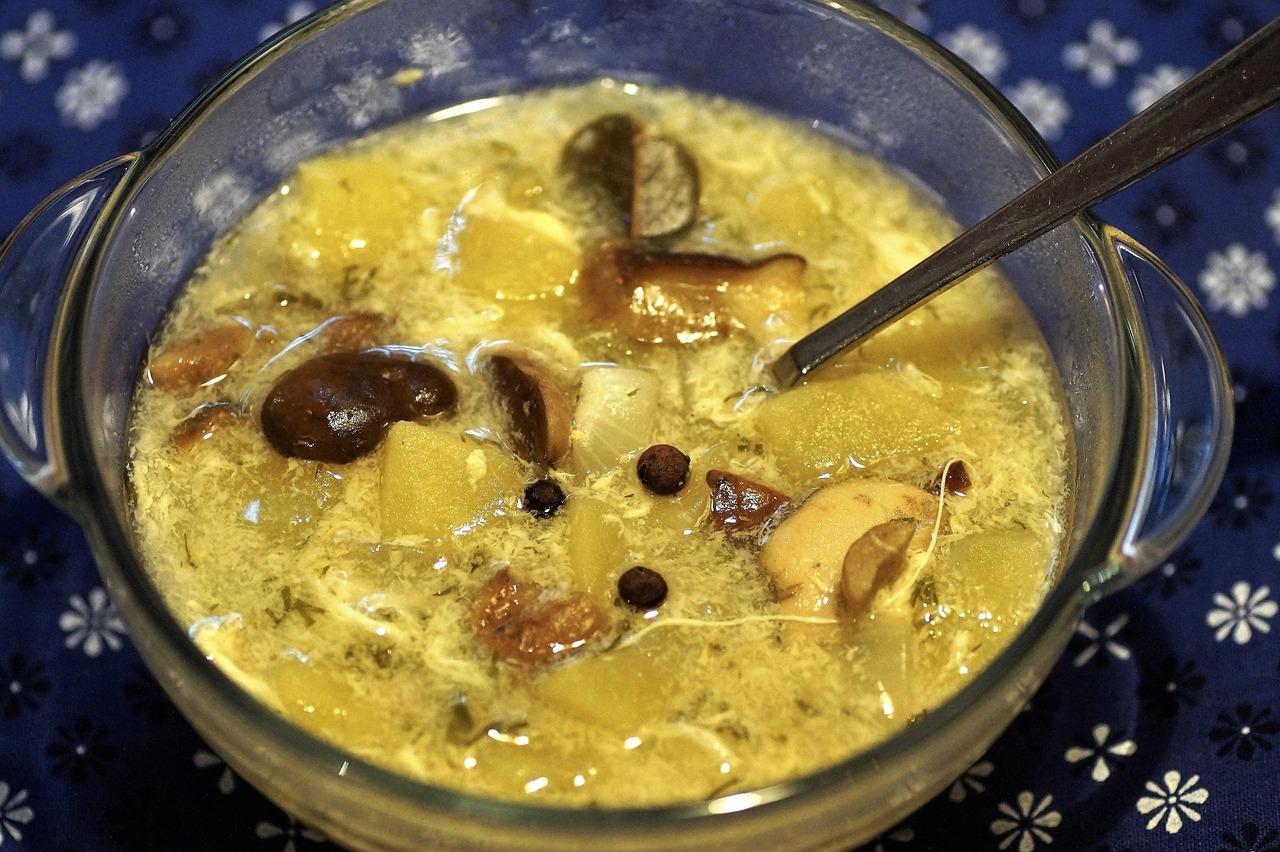
KulajdaDill and mushroom cream soup

Kulajda comes from South Bohemia, the land of carp ponds and pine forests around České Budějovice and Český Krumlov, where families come home from the woods in late summer with baskets of porcini. It is a thick, pale, gently sour soup of potatoes, mushrooms, cream and plenty of dill, finished with vinegar and served with a soft poached egg floating in each bowl. It is eaten as a filling lunch on its own with a slice of rye bread. Chef's tip: add the vinegar off the heat and taste as you go; the soup should be clearly tangy but never sharp, like a good pickle brine softened by cream.

50 minCzechSoups
by KrazyBadal 0 views

IkameshiRice-stuffed squid

At Mori, a small fishing town on the railway north of Hakodate, ikameshi has been sold as a station lunchbox since the war years, when rice was scarce and squid was plentiful. It is still one of Japan's best-known station bentos and a star of the regional food fairs that department stores hold all over the country. Small squid are stuffed with soaked glutinous rice, pinned shut and simmered in a sweet soy sauce until the rice swells into a sticky, savoury filling. Slice them into rounds to serve warm or at room temperature. Chef's tip: use small squid with bodies about 15 cm long, as larger ones need longer cooking and turn rubbery before they soften again.

by KrazyBadal 0 views

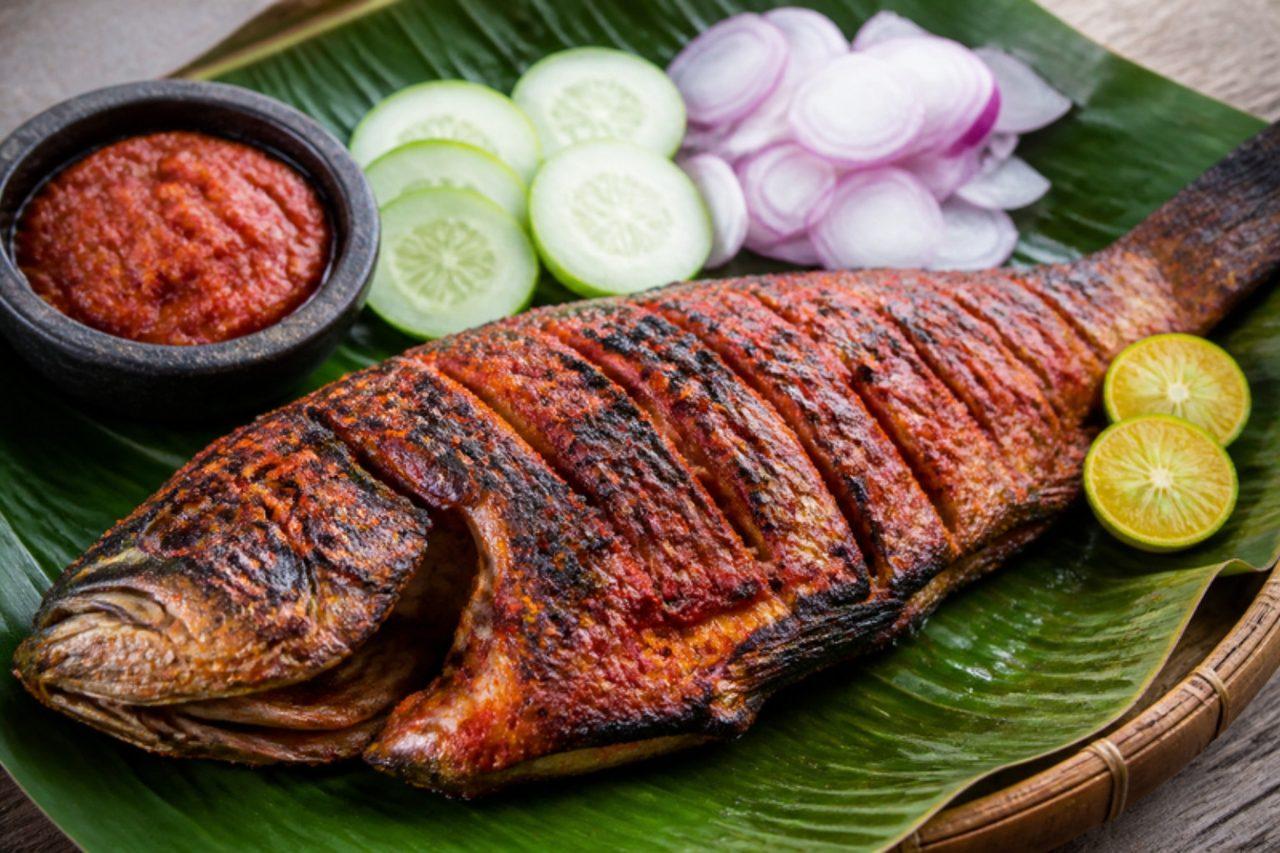
Ikan bakarGrilled fish with sambal

Night markets and seaside stalls from Port Dickson to Kuantan announce ikan bakar by smell long before you see the charcoal: whole fish or stingray wings smeared with red sambal, laid on banana leaf and grilled until the leaf blackens and the paste caramelises onto the flesh. The leaf keeps the fish moist and lends a faint tea-like smokiness, while the sambal brings shrimp-paste depth, tamarind sourness and steady heat. It is eaten with the fingers, with plain rice, cucumber and a sharp dip called air asam made from tamarind, chillies and shallots. Chef's tip: score the fish right down to the bone so the sambal seeps into the cuts and the thickest part cooks at the same pace as the tail.

by KrazyBadal 0 views

Ciorbă de legumeSoured vegetable soup

Ciorbă is the sour soup that opens a Romanian lunch, from canteens in Cluj to Sunday tables in Moldavia, and the vegetable version is cooked all through the fasting weeks before Easter and Christmas. Root vegetables, beans and peppers simmer in a light broth that is soured at the end with borș, the fermented wheat-bran liquid sold in bottles at Romanian shops, or with lemon juice. Fresh lovage (leuștean) gives its unmistakable celery-like perfume. It is eaten piping hot with bread and a fresh green chilli on the side. Chef's tip: add the borș only at the end and let it come back just to a simmer; boiling it hard dulls the sour tang.

by KrazyBadal 0 views

Ciorbă de burtăCreamy sour tripe soup

Romanians swear by ciorbă de burtă the morning after a wedding or a long night out, and in Bucharest there are restaurants that serve little else from breakfast onwards. Strips of beef tripe sit in a silky broth thickened with egg yolk and sour cream, sharpened with vinegar and served with mujdei, a raw garlic sauce, and a hot pepper on the side. It takes time, because tripe only turns tender after a long, slow simmer. The mistake most people make is boiling the soup after the yolks go in, which scrambles them into flecks. Chef's tip: buy cleaned, blanched (white, 'dressed') tripe from the butcher; it saves an hour of scrubbing and is much milder.

by KrazyBadal 0 views

Ilocos empanadaCrisp rice-flour turnovers

In Batac and Vigan, in the Ilocos region, empanada is not a baked pastry but a big, crunchy, bright-orange turnover fried to order at night markets and by the plaza. The thin rice-flour crust gets its colour from annatto, and inside goes shredded green papaya, mung bean sprouts, crumbled Vigan longganisa (a garlicky pork sausage) and a whole egg. Vendors fold it in seconds and slide it into hot oil, then hand it over with a little bowl of spiced sugarcane vinegar to pour in with every bite. It is a pork snack for evenings out. Chef's tip: roll the dough very thin on a banana leaf or baking paper; the leaf lets you flip the dough over the filling without tearing it.

by KrazyBadal 0 views

Imeruli khachapuriRound cheese-filled bread

In Imereti, the region around Kutaisi in western Georgia, this flat round cheese bread is everyday food, and it is the one most families make at home: a tender, quick dough leavened with matsoni (Georgian yogurt) and soda, wrapped around a cheese ball and cooked in a dry frying pan. It is cut into wedges like a pizza and set on the table for breakfast, for a feast, or packed for a long car journey. Georgian imeruli and sulguni cheeses are hard to find outside Georgia, so this uses mozzarella with feta for the salty tang. Choose cheeses labelled vegetarian (microbial rennet). Children love it plain, still warm. A common mistake is rolling it out with heavy pressure, which tears the thin dough so the cheese leaks and burns in the pan. Chef's tip: press it out gently with your fingertips from the centre outwards, and if a small hole appears, pinch a scrap of dough over it before it reaches the pan.

by KrazyBadal 0 views

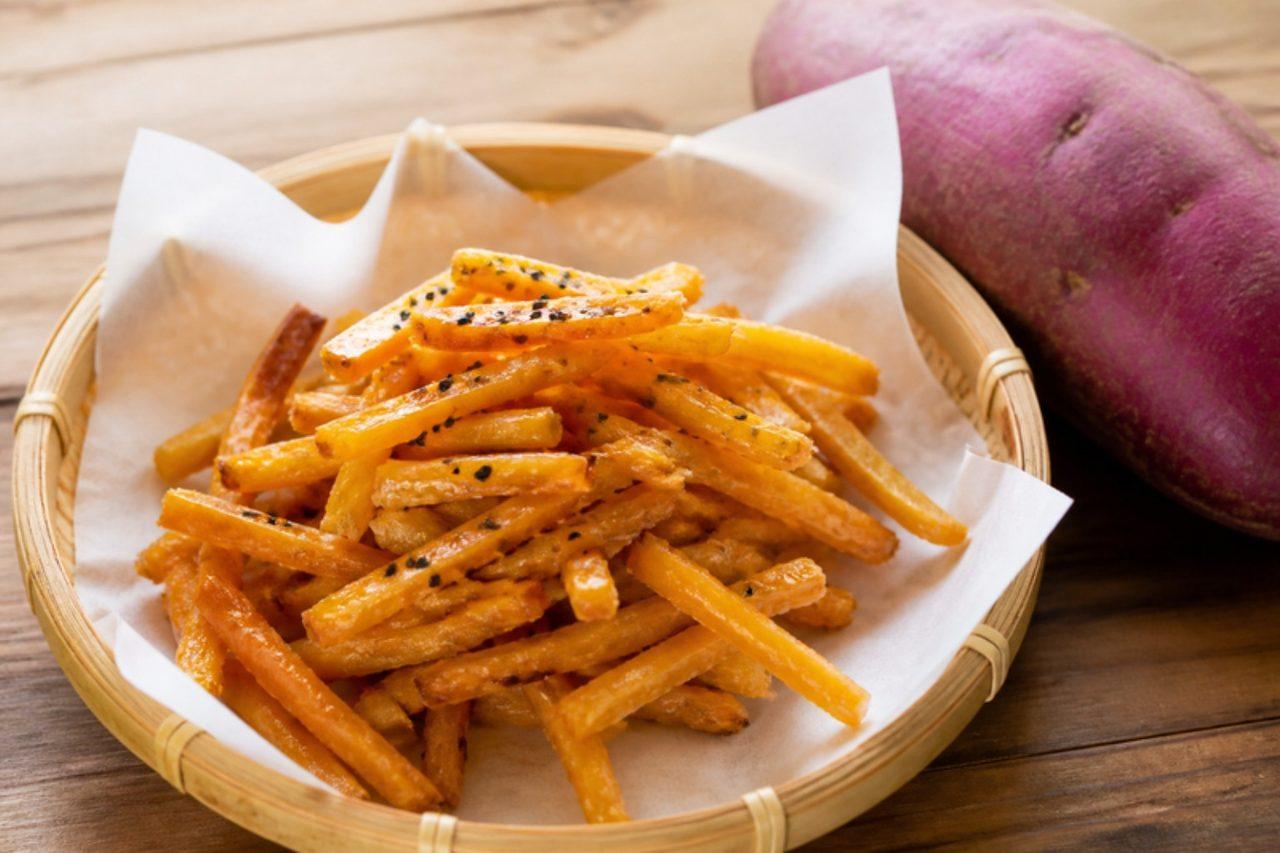
Imo kenpiCandied sweet potato sticks

Kagoshima, at Kyushu's southern tip, is Japan's sweet potato heartland. The crop is so closely tied to the region that the Japanese word for sweet potato, satsuma-imo, means 'Satsuma potato', after the old name of Kagoshima. Imo kenpi are its simplest snack: thin batons of sweet potato fried until crisp, then tossed in a syrup that sets into a glassy shell. Kids grab them from bags at the corner shop, and grandparents make them at home with the autumn harvest. They are crunchy, sweet and a little salty. Chef's tip: fry the potato twice, slowly first, then hot. That drives out the water and gives a snap that lasts for days.

by KrazyBadal 0 views

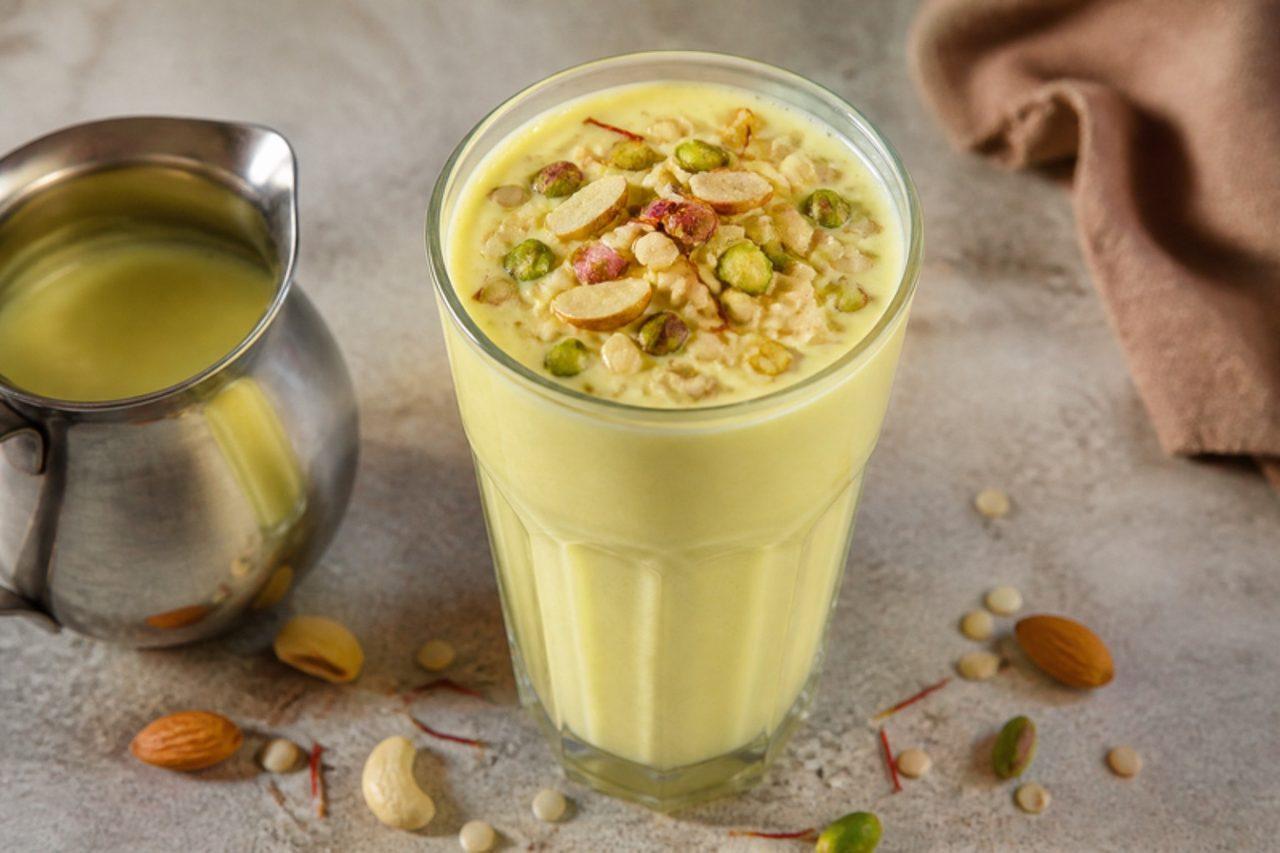
Indori shikanjiThick chilled milk drink

Anyone who orders shikanji in Indore expecting lemonade gets a surprise: here it is a spoonably thick drink of slow-reduced milk, saffron and cardamom, with a gentle tang from thick yogurt and plenty of chopped dry fruit. It is a late-night treat at Sarafa and Chhappan Dukan, poured from steel jugs into glasses after a round of savoury snacks. Think of it as somewhere between a lassi and a cold rabri. Chef's tip: the milk must be completely cold before the yogurt goes in, or the drink splits into grainy curds.

by KrazyBadal 0 views

Chushki byurekFried cheese-stuffed peppers

Chushki byurek are one of the great autumn dishes of Bulgaria: in September, when the long red peppers ripen around Plovdiv and Pazardzhik, they are roasted, peeled, filled with sirene and egg, then dipped in flour, egg and breadcrumbs and fried. The outside crunches, the pepper is silky and sweet, and the salty cheese melts inside. They are served hot as a main course with a tomato salad, or cold the next day. Chef's tip: dry the peeled peppers well before filling; a wet pepper is the usual mistake, and the batter slides off and the oil spits.

by KrazyBadal 0 views

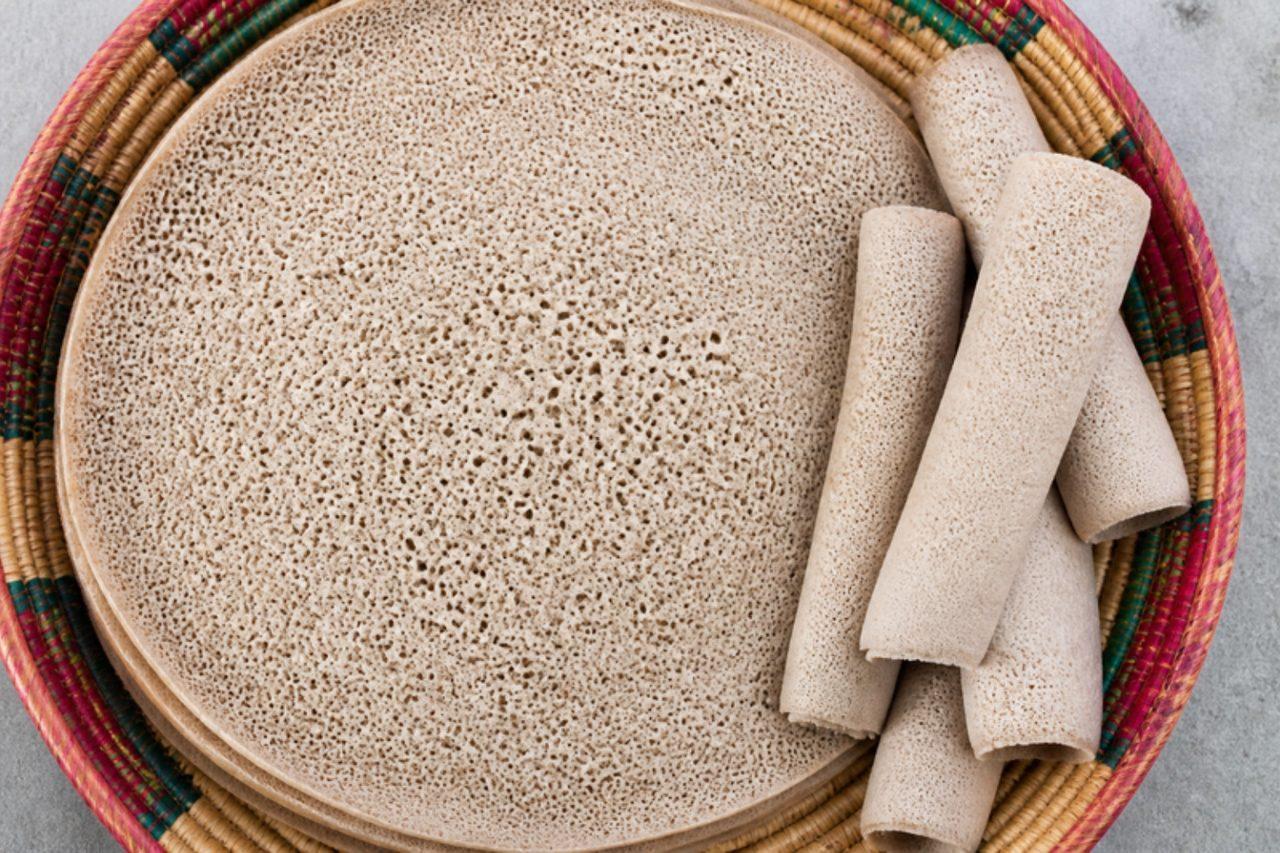
InjeraTeff flatbread

Injera is the bread, plate and spoon of the Ethiopian and Eritrean highlands: a wide, pale, sour flatbread made from teff, a tiny grain grown on the plateaus around Gondar, Gojjam and Shewa. A simple batter of teff and water is left to ferment for two or three days until it bubbles and smells pleasantly sour, then poured onto a hot griddle and steamed under a lid until its top is covered in little 'eyes'. It is eaten at every meal, with stews spooned on top and torn pieces used to pick them up. This home version uses 100% teff, so it is naturally gluten free. Chef's tip: keep the starter somewhere warm (around 24°C); in a cold kitchen it barely sours and the injera turns out flat and bland.

by KrazyBadal 0 views

Churpi ningroFiddlehead fern curry

In the monsoon, ningro (fiddlehead fern) shoots appear in the hill markets of Gangtok, Namchi and Darjeeling, curled like violin scrolls. Sikkimese homes cook them quickly with onion, tomato and green chilli, then stir in crumbled soft churpi, a fresh, tangy cheese made from yak or cow's milk, which melts into a creamy, slightly sour sauce. It is a side dish for rice and dal, and tastes green and grassy, a little like asparagus. Chef's tip: always boil ferns for a few minutes and drain before cooking; it removes bitterness. Ricotta or crumbled feta is a fair stand-in for churpi.

by KrazyBadal 0 views

AppeltaartDutch apple pie

Dutch appeltaart is a tall, generous pie baked in a springform tin, piled so high with apple chunks that a slice stands almost as tall as it is wide. A buttery, cake-like crust holds apples with cinnamon, lemon and raisins, and the top is woven into a lattice. It is what Dutch cafés serve with coffee, and what people bake for a birthday, always with a spoon of slagroom (lightly whipped cream). Amsterdam's Winkel 43 made it famous with tourists. Chef's tip: use firm, tart apples such as Goudreinet, Elstar or Bramley mixed with Jonagold; soft dessert apples collapse into purée and leave a gap under the lattice.

115 minDutchBaking
by KrazyBadal 0 views

ChurchkhelaWalnuts in grape juice coating

Churchkhela are the candle-shaped sweets you see hanging in bunches at every Georgian market, but they are made at home during rtveli, the grape harvest in Kakheti in September and October. Walnuts are threaded on a string and dipped again and again in tatara, fresh grape must thickened with flour, then hung up to dry for a week, until firm and chewy outside and tender within. They are eaten at New Year and kept for months. A common mistake is a tatara that is too thin, which slides off the nuts; it should coat the back of a spoon thickly and fall in ribbons. Chef's tip: let each coat set for 10–15 minutes before the next dip; three or four thin coats look and keep better than one thick one.

by KrazyBadal 0 views

Appam with vegetable stewRice hoppers with vegetable stew

Appam with stew is a Kerala breakfast loved across communities, and the classic Easter and Christmas morning meal for Syrian Christian families. Appams are bowl-shaped pancakes of fermented rice and coconut batter: crisp, lacy edges around a thick, spongy, slightly sweet centre. The stew (ishtu) is pale and gentle: potatoes and vegetables simmered in thin coconut milk with whole spices, ginger and green chilli, finished with thick coconut milk and curry leaves. Chef's tip: swirl the appam pan once, firmly, the moment the batter goes in, then cover; the swirl makes the lace and the lid steams the soft centre.

by KrazyBadal 0 views

Api con pastelPurple corn drink with cheese pastry

On cold mornings in La Paz, El Alto and Sucre, market stalls ladle out steaming api: a thick, spiced drink of purple corn flour with cinnamon, cloves and orange peel. It's served with a pastel, a big, thin fried empanada filled with fresh cheese and dusted with icing sugar, crackling and blistered outside. Some stalls swirl the purple api with white (corn and milk) api in the same glass. Chef's tip: whisk the corn flour into cold water before it meets anything hot, or it lumps immediately.

by KrazyBadal 0 views

Showing 18 of 10,569 recipes

Show more recipes

Page 1,025 of 1,175