


Skip to content
Sfeeha
Featured recipe

Sfeeha

Small open lamb pies

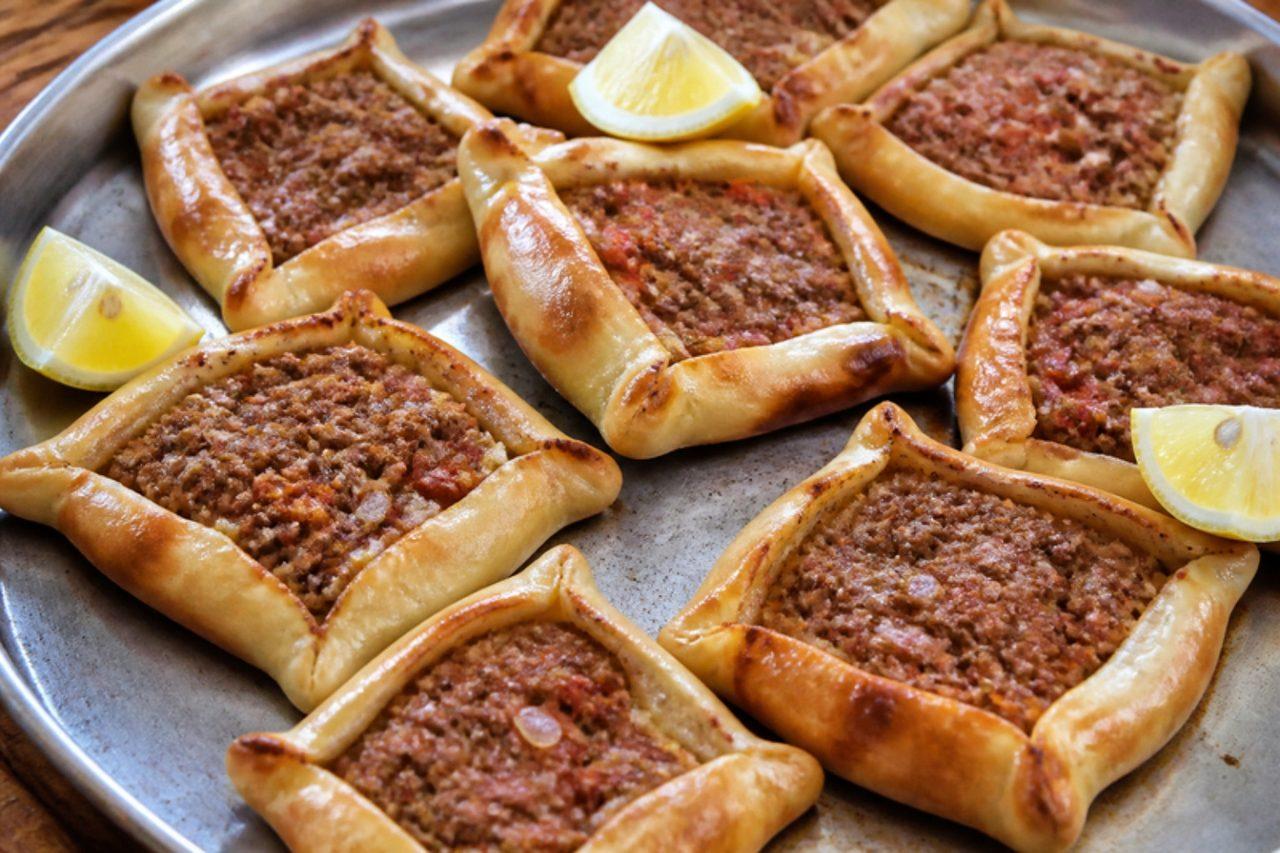
Sfeeha are the little open meat pies of Baalbek in Lebanon's Bekaa Valley, where bakers pinch them into neat squares and bake them by the hundred for weddings, Eid and Sunday mornings. The lamb filling is chopped with tomato and onion and sharpened with pomegranate molasses and a spoon of yogurt, so it stays juicy as it bakes on thin, crisp dough. Eat them warm with a bowl of yogurt or labneh and some cucumber. Chef's tip: pinch the four corners really firmly; the square shape is what traps the juices so the base stays crisp.

Read more 0 views

What to eat today?

Around the world

Today's trip: Peruvian

A new country every day, from every cuisine on the site.

Peruvian

Tacacho

Mashed roasted green plantain balls 35 minMore from Peruvian (111) →

This week's collection

Kid-friendly dinners
772 recipes · a new collection every Monday

Coming up

All occasions →

Latest recipes

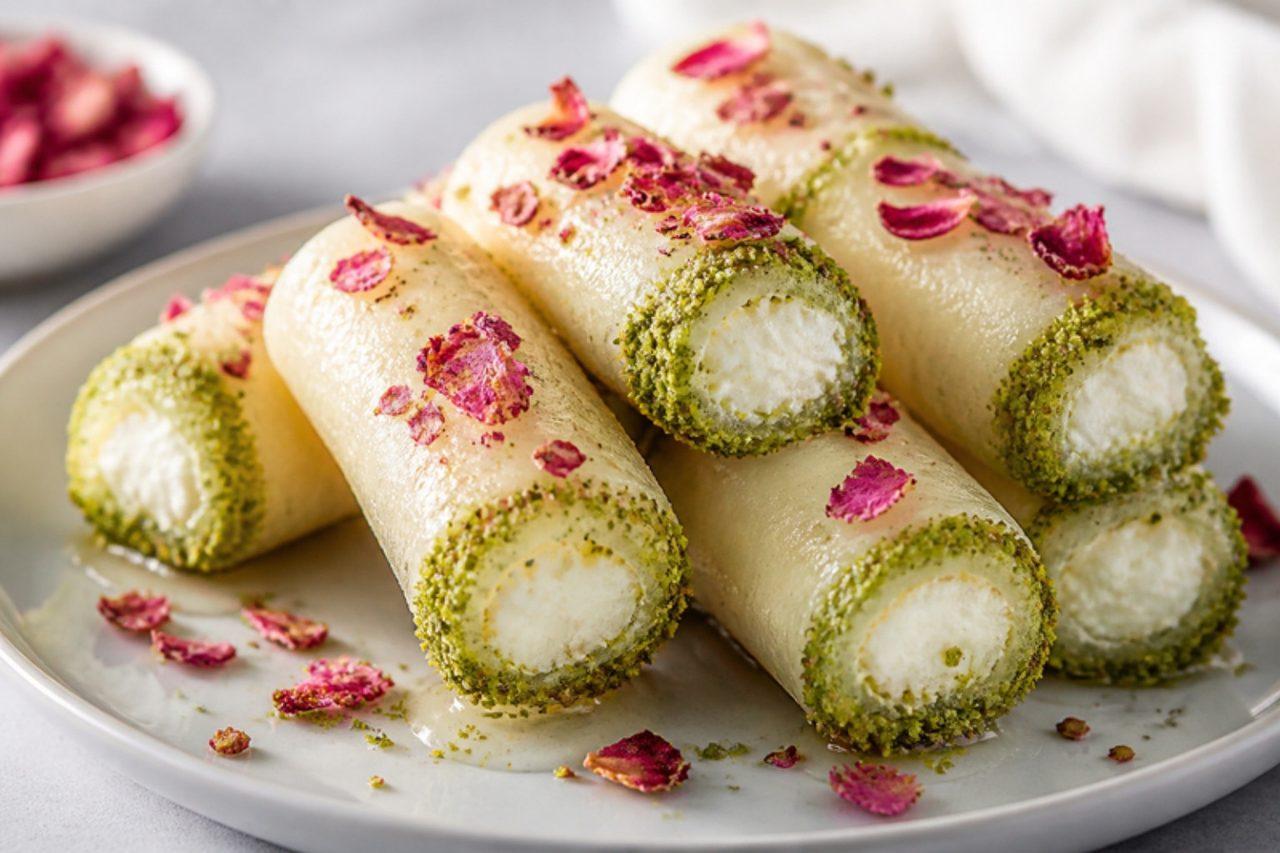
Halawet el jibnCheese and semolina rolls

Halawet el jibn, 'sweetness of cheese', is the pride of the pastry shops of Homs in Syria and Tripoli in Lebanon, where trays of the pale, stretchy rolls are sold for Eid, weddings and Sunday afternoons. A dough of melted cheese and semolina is stretched thin, wrapped around thick clotted cream (ashta), cut into rolls and soaked in rose syrup. The dough must be worked hot, which makes it the hardest dessert in this collection, but the result is soft, chewy and only lightly sweet. Use mozzarella or akkawi made with vegetarian (microbial) rennet; many supermarket mozzarellas are. Chef's tip: oil your hands and the worktop rather than flouring them; flour toughens the dough and dulls its shine.

by KrazyBadal 0 views

Mathura pedaMilk fudge discs

Mathura in Uttar Pradesh, Krishna's birthplace, has a peda all its own: not the pale milky kind found elsewhere, but a dusty-brown disc with a deep, toffee-like flavour from milk solids slowly roasted until they caramelise. Pilgrims buy boxes after visiting the temples, and they are made in huge batches around Janmashtami as an offering. The texture should be dense yet slightly grainy, rolled in fine boora sugar so the outside sparkles. The usual mistake is rushing the roasting over high heat, which scorches the khoya in spots and makes it bitter and greasy. Chef's tip: keep the heat low and scrape the bottom of the pan constantly; the colour should change gradually from cream to light brown, then to the shade of milky coffee.

by KrazyBadal 0 views

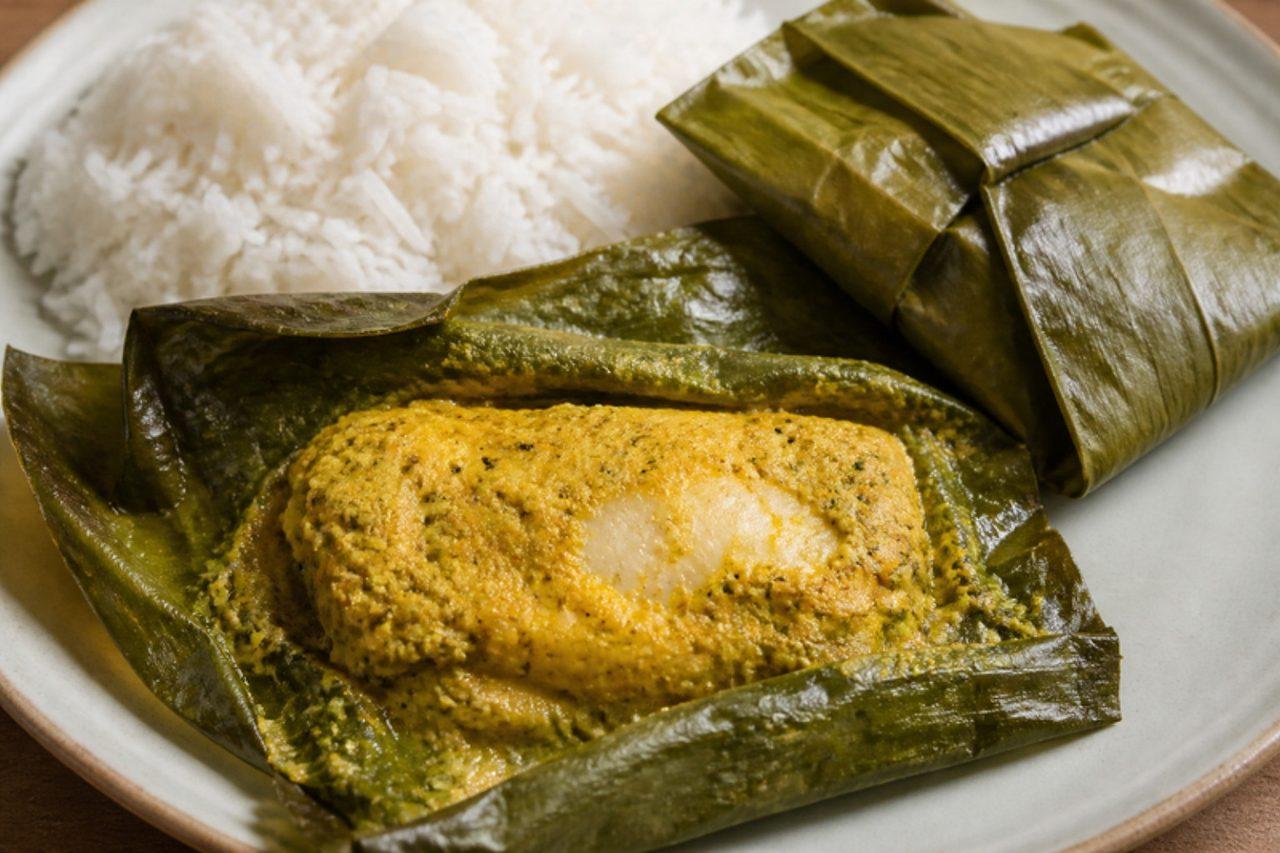
Bhetki paturiFish steamed in banana leaf

Paturi means 'wrapped in a leaf', and in Bengal the favourite fish for it is bhetki, the meaty barramundi of the Sundarbans estuaries. Fillets are coated in a sharp paste of mustard, coconut and green chilli, tied up in banana leaf and steamed or cooked on a griddle, so they come out moist and fragrant. It is a dish for celebration lunches in Kolkata and is unwrapped at the table over hot rice. Chef's tip: no banana leaves? Use baking paper inside foil; you lose a little aroma but none of the texture.

55 minIndianFishGluten free
by KrazyBadal 0 views

Hallabong adeSparkling tangerine drink

Hallabong (한라봉) is Jeju's pride: a large, sweet, easy-peel tangerine with a knob on top that is said to look like Hallasan, the island's volcano. Every café on Jeju sells hallabong ade (한라봉에이드), a tall glass of hallabong syrup topped up with sparkling water and ice, often with the fruit sliced into it. Koreans make the syrup, hallabong-cheong, by layering the sliced fruit with sugar in jars; this quick version is ready in 10 minutes. Outside Korea, use dekopon, sumo or any very sweet mandarin. Chef's tip: add a squeeze of lemon to the syrup; hallabong is so sweet that the drink tastes flat without a little extra acid.

by KrazyBadal 0 views

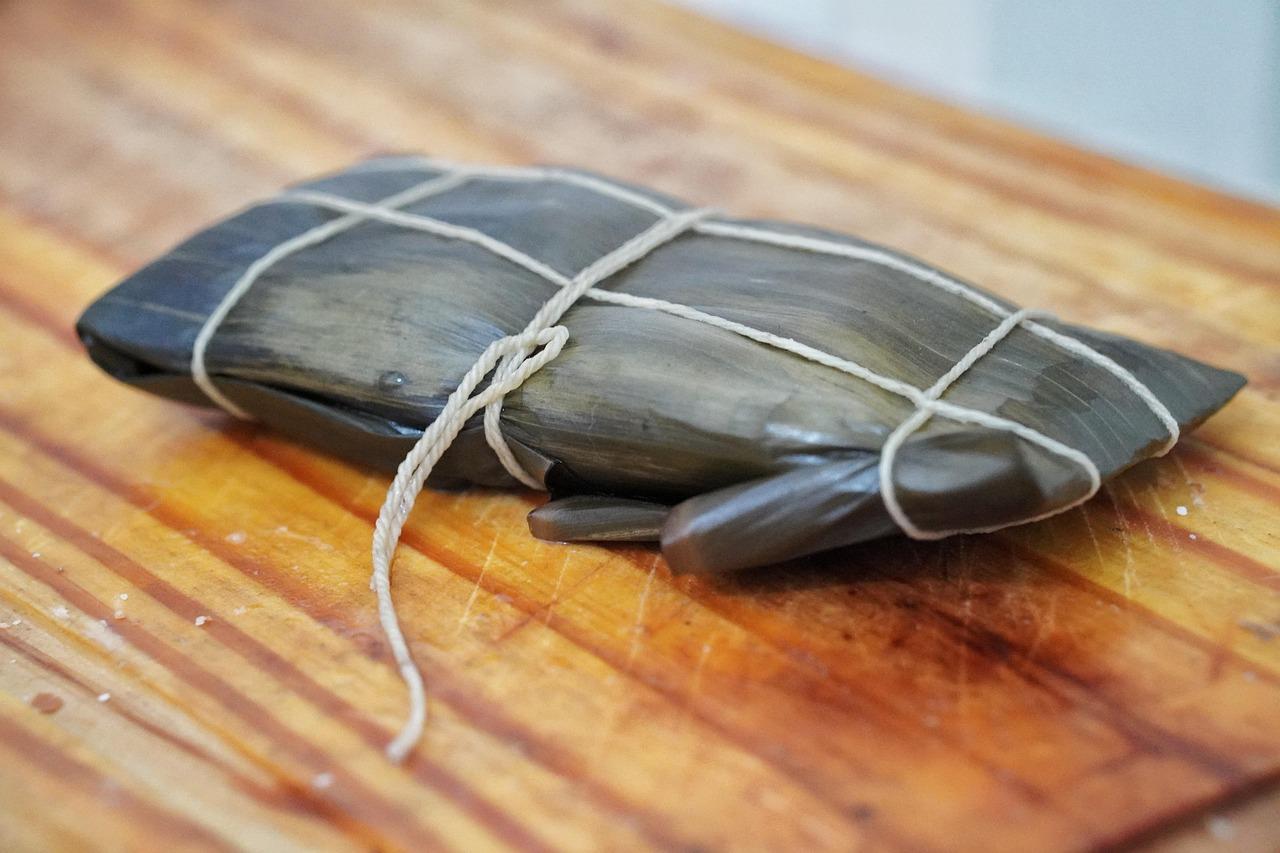
HallacasStuffed corn parcels

Hallacas are Venezuelan Christmas. In December whole families gather around a kitchen table in Caracas, Maracaibo or the Andes to make dozens at once: one person cleans banana leaves, another spreads the annatto-tinted corn dough, another adds the guiso (a stew of pork, beef and chicken) and the garnishes, and someone else ties the parcels. This is a pork dish. The guiso is traditionally finished with red wine; for an alcohol-free version use the same amount of beef stock with a tablespoon of red wine vinegar. They are eaten with pan de jamón and chicken salad from Christmas Eve to New Year. The common mistake is spreading the dough too thick, which makes heavy, stodgy parcels; it should be thin enough to almost see the leaf through it. Chef's tip: make the guiso a day ahead and chill it, so it is firm and easy to portion.

by KrazyBadal 0 views

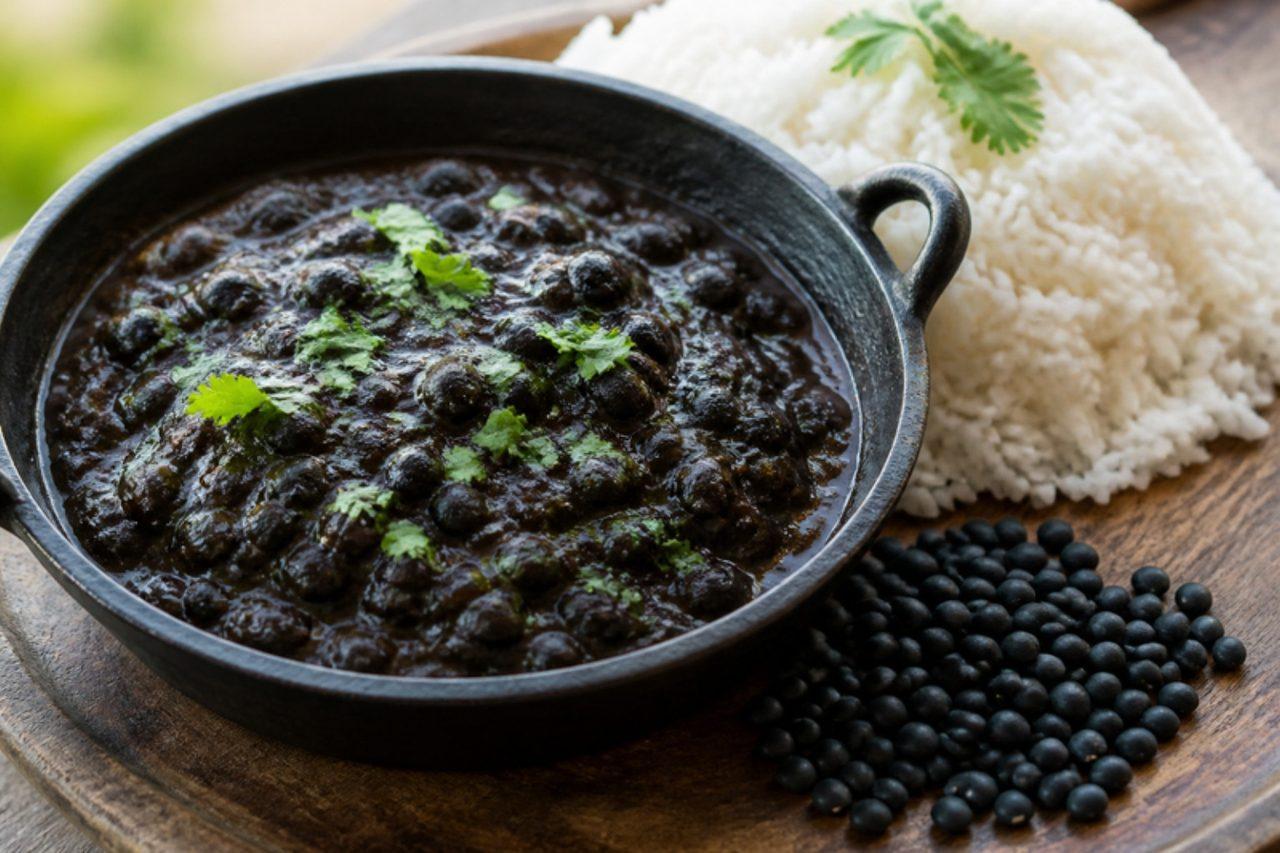
Bhatt ki churkaniBlack soybean curry

Black soybeans, called bhatt, grow on the slopes around Almora and Pithoragarh, and churkani is the everyday Kumaoni way of eating them: roasted in a dry iron pan until they crack, then simmered with garlic, ginger and a little rice flour into a thick, nearly black gravy. It's the kind of food that keeps people warm through a hill winter, eaten with steamed rice, a spoonful of ghee and a sharp radish raita. The roasting gives a nutty, almost smoky taste you won't get from boiling the beans. Chef's tip: cook it in an iron kadhai if you have one; the metal reacts with the beans and gives churkani its traditional dark colour.

by KrazyBadal 0 views

Halo-haloShaved ice dessert

Halo-halo ('mix-mix') is what the Philippines eats through the hot dry months of March to May, bought from roadside stalls and snack shops and eaten slowly with a long spoon in a tall glass. Sweetened beans and chickpeas, banana cooked in brown sugar, jackfruit, nata de coco and sugar-palm fruit go in first, then a mountain of finely shaved ice, a splash of evaporated milk and a crown of ube halaya, a slice of leche flan or a scoop of ube ice cream, with crunchy pinipig (toasted pounded rice) on top. Unlike Malaysian ais kacang, there's no syrup over the ice: the sweetness comes from the layers and the milk. You stir everything together before eating. Chef's tip: chill the glasses and the toppings first so the ice doesn't melt before you have finished building.

by KrazyBadal 0 views

Bhapa pithaSteamed rice flour cakes

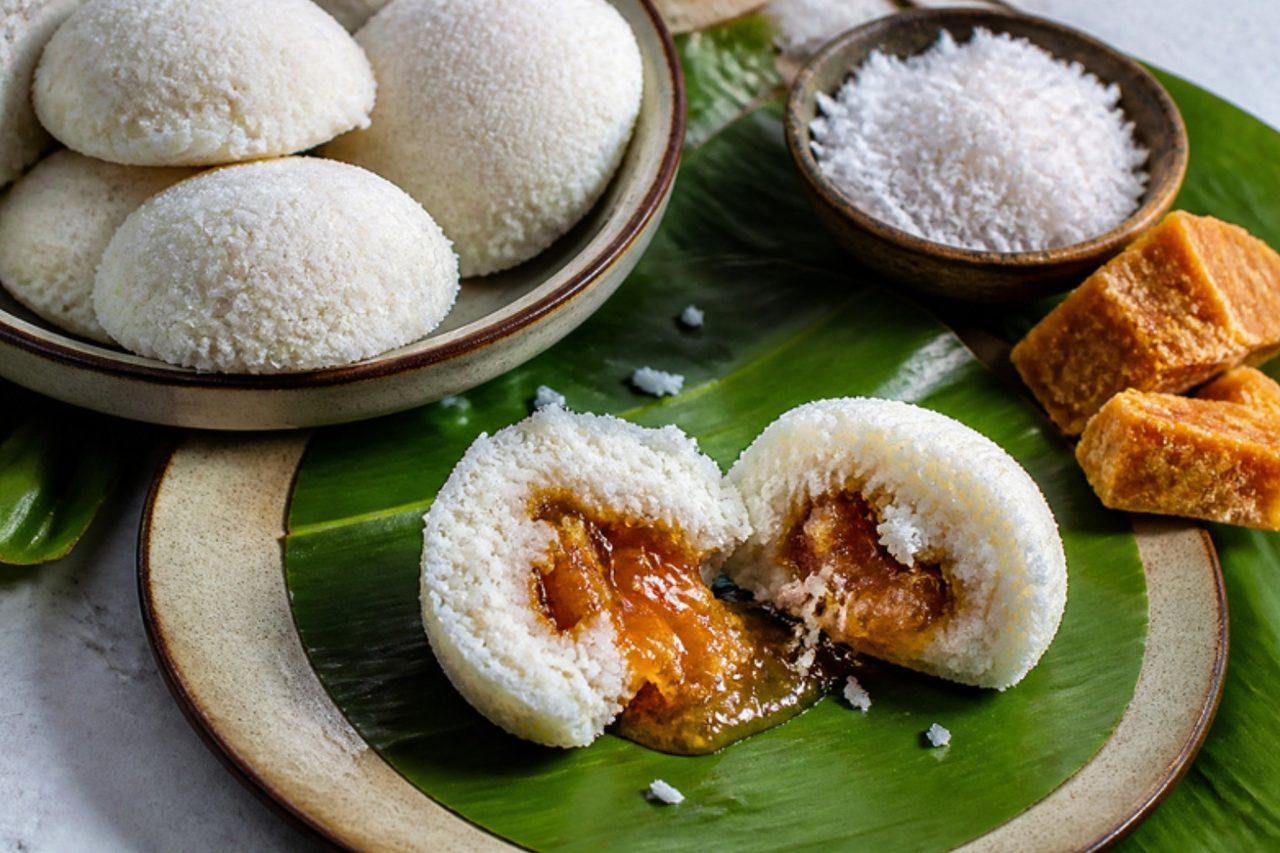
When the date palm sap starts flowing in early winter, small steaming pots appear on street corners all over Bangladesh, from Rajshahi to Dhaka's Karwan Bazar, selling bhapa pitha in the dark mornings. Damp, lightly salted rice flour is packed into a small bowl around a layer of grated coconut and khejur gur (date jaggery), wrapped in cloth and steamed over a narrow-necked pot until soft, fluffy and fragrant. Eat them warm, straight from the cloth. Chef's tip: the rice flour should feel like damp sand that just holds when squeezed; too wet and the cake turns gummy, too dry and it crumbles.

by KrazyBadal 0 views

Neenish tartsJam and cream tarts

Neenish tarts have sat in the windows of Australian country bakeries for more than a century, and they're also found across the Tasman in New Zealand. Where the name comes from is still argued over, with one story placing it in the small town of Grong Grong in New South Wales. A crisp sweet pastry case holds a thin layer of raspberry jam and a fluffy mock cream, a beaten mixture of butter, sugar and milk, and the top is iced in two halves: one white, one chocolate. Many bakery mock creams use gelatine; this one doesn't. Chef's tip: beat the mock cream for a long time, a full 8–10 minutes, until the sugar has dissolved and it is white and fluffy, not gritty.

by KrazyBadal 0 views

Neer dosaThin rice crepes

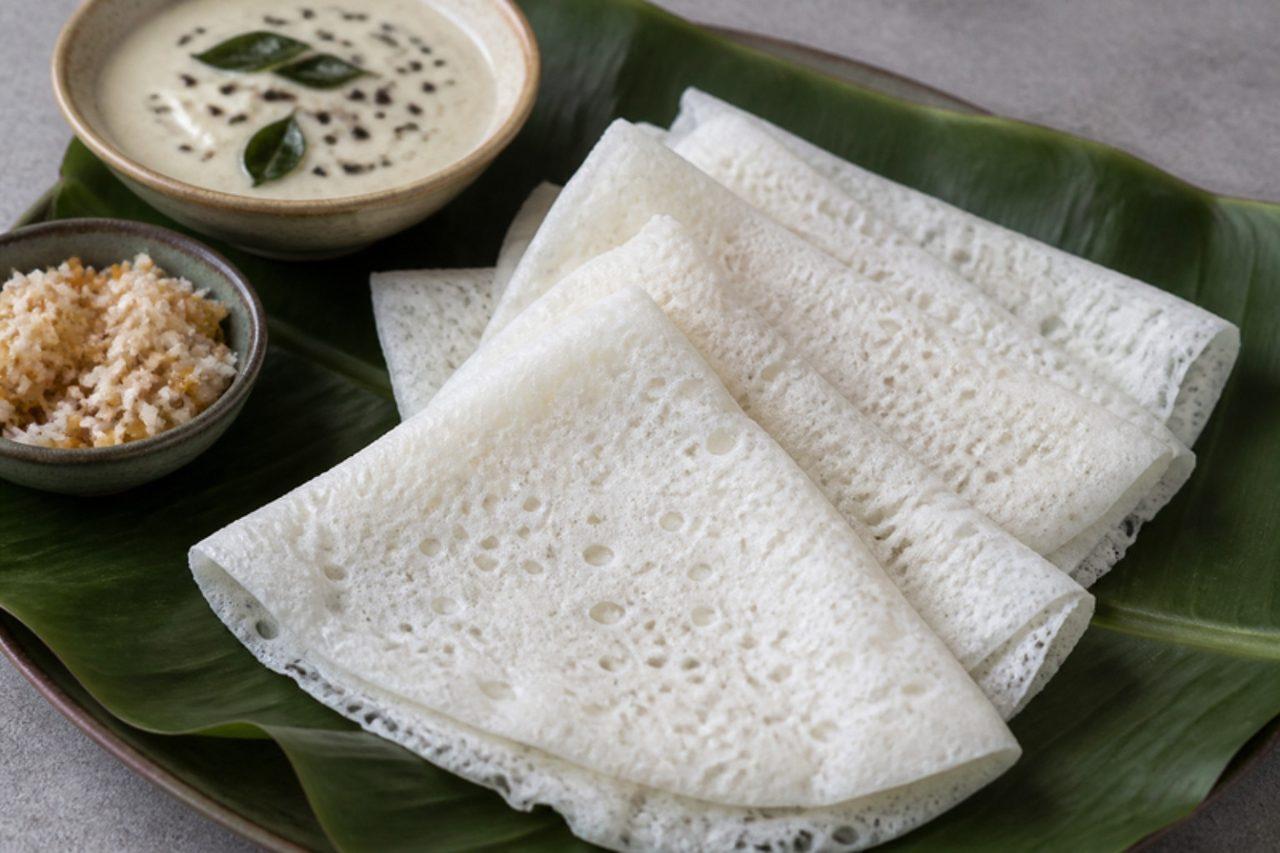
Neer means water in Tulu and Kannada, and that is the whole idea: a batter as thin as milk, poured onto a hot pan where it sets into a soft, lacy crêpe full of tiny holes. In Mangaluru and Udupi homes it is made fresh for breakfast or a Sunday lunch, folded into quarters and eaten warm with coconut chutney, a vegetable sagu, or simply with grated coconut and jaggery for children. Unlike most dosas, the batter is not fermented, so you can soak rice in the morning and eat by lunchtime. The crêpes are pale white, never browned, and should be tender enough to fold without cracking. Chef's tip: stir the batter from the bottom before every single dosa; the rice settles within a minute, and a batter poured from the top runs too thin and tears.

by KrazyBadal 0 views

HandvoSavoury rice and lentil cake

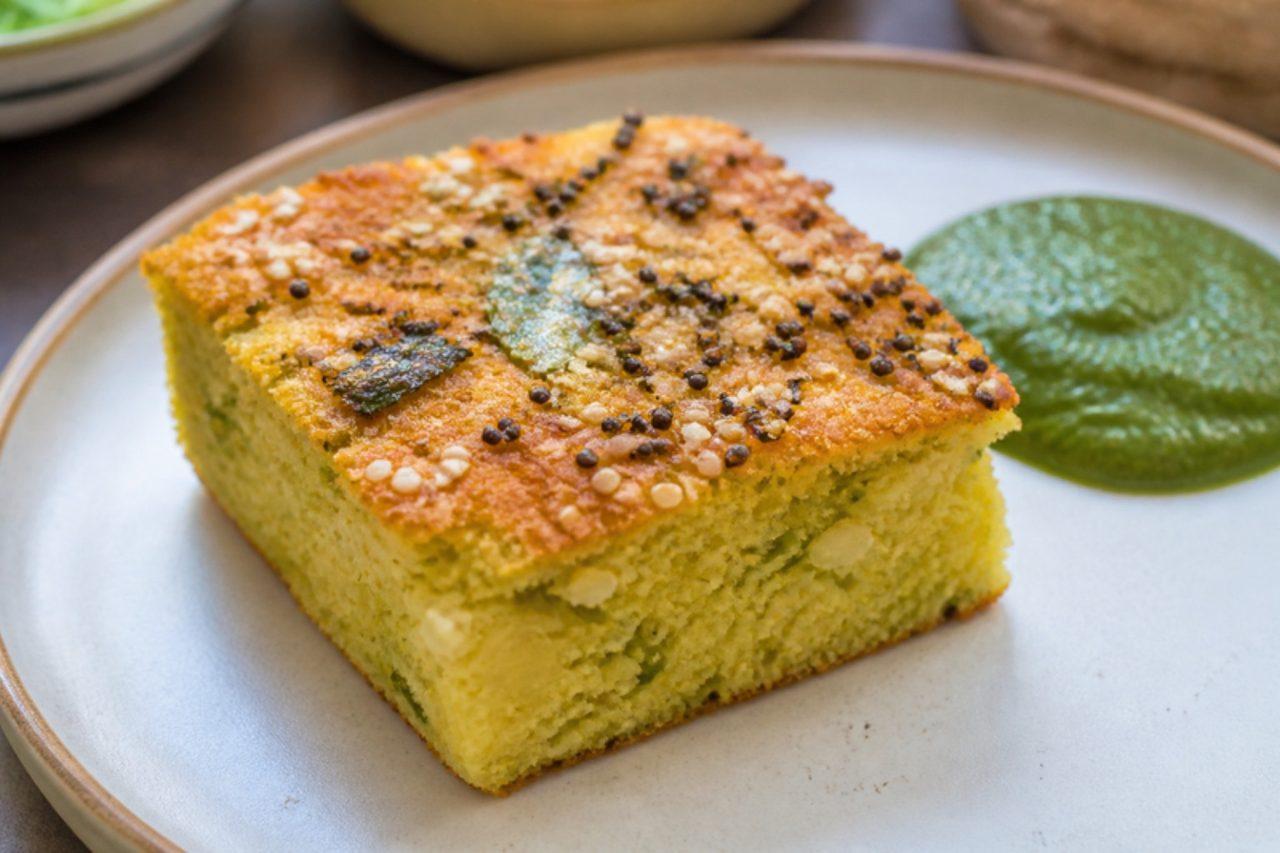
Handvo is a savoury cake from Gujarat, made from a fermented batter of rice and lentils mixed with grated bottle gourd, yogurt and spices. It's baked or cooked slowly in a heavy pan until it has a deep-brown, crackly crust of mustard seeds and sesame and a soft, moist, slightly tangy inside. Gujarati families make it for Sunday tea or a light supper, with green chutney and a cup of masala chai. Slices are also good packed for a journey. Chef's tip: don't rush the crust; cook on a low heat with a lid and let the base go deep golden before you flip, because the crunchy, almost toasted sesame crust is the best part.

by KrazyBadal 0 views

Hāngī-style roastOven-steamed roast pork and vegetables

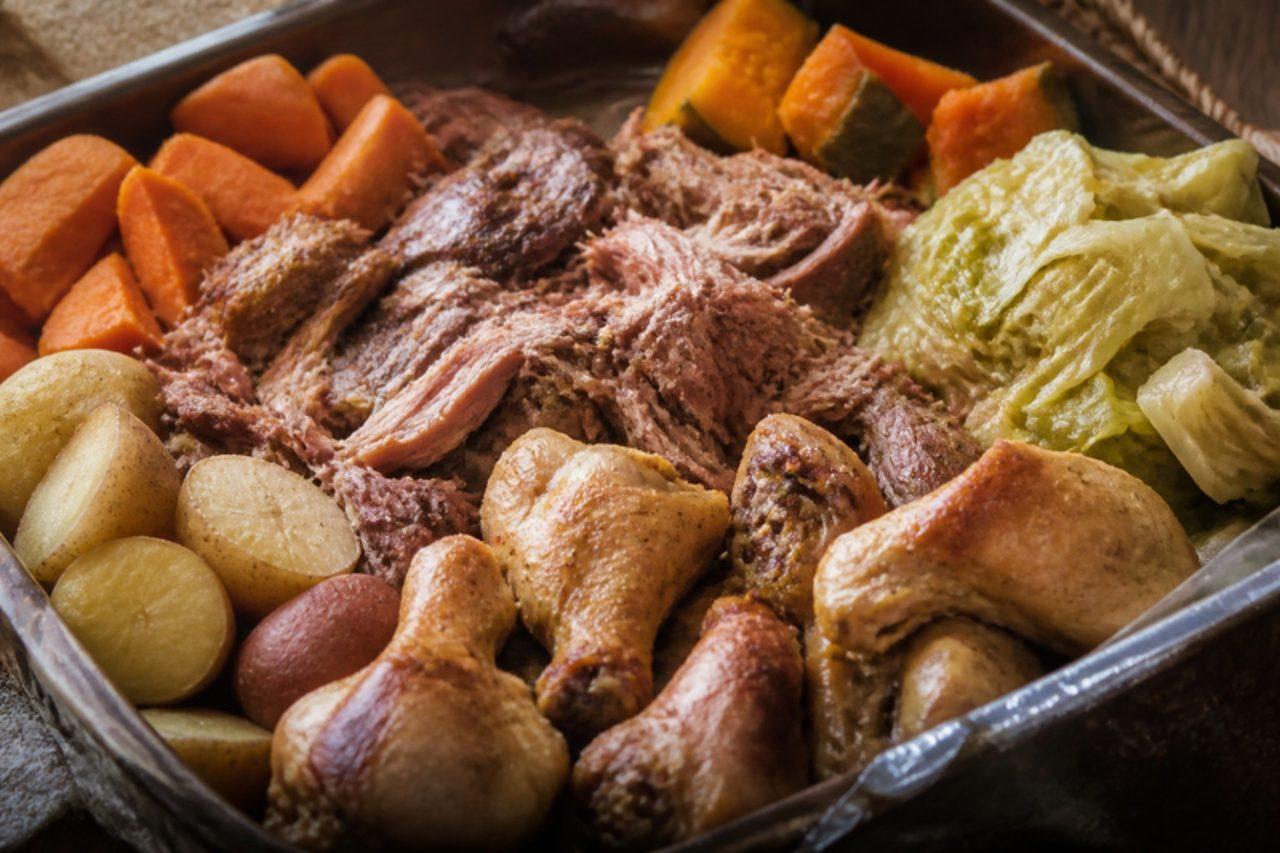
A true hāngī is cooked by Māori communities across Aotearoa New Zealand in a pit lined with stones heated in a wood fire, with baskets of meat and vegetables covered with damp cloths and earth and left for hours; it is made for tangihanga (funerals), weddings, marae gatherings and fundraisers, and the skill is passed down through whānau. An oven can't reproduce that earthy, smoky steam, and this recipe does not claim to. It borrows the idea: pork, chicken, kūmara, pumpkin and potato packed tightly, covered and steamed for hours until everything is meltingly soft. It contains pork. The mistake to avoid is loose foil; if steam escapes, the meat dries out instead of steaming. Chef's tip: sit the meat on top of the vegetables so its juices drip down and season them.

by KrazyBadal 0 views

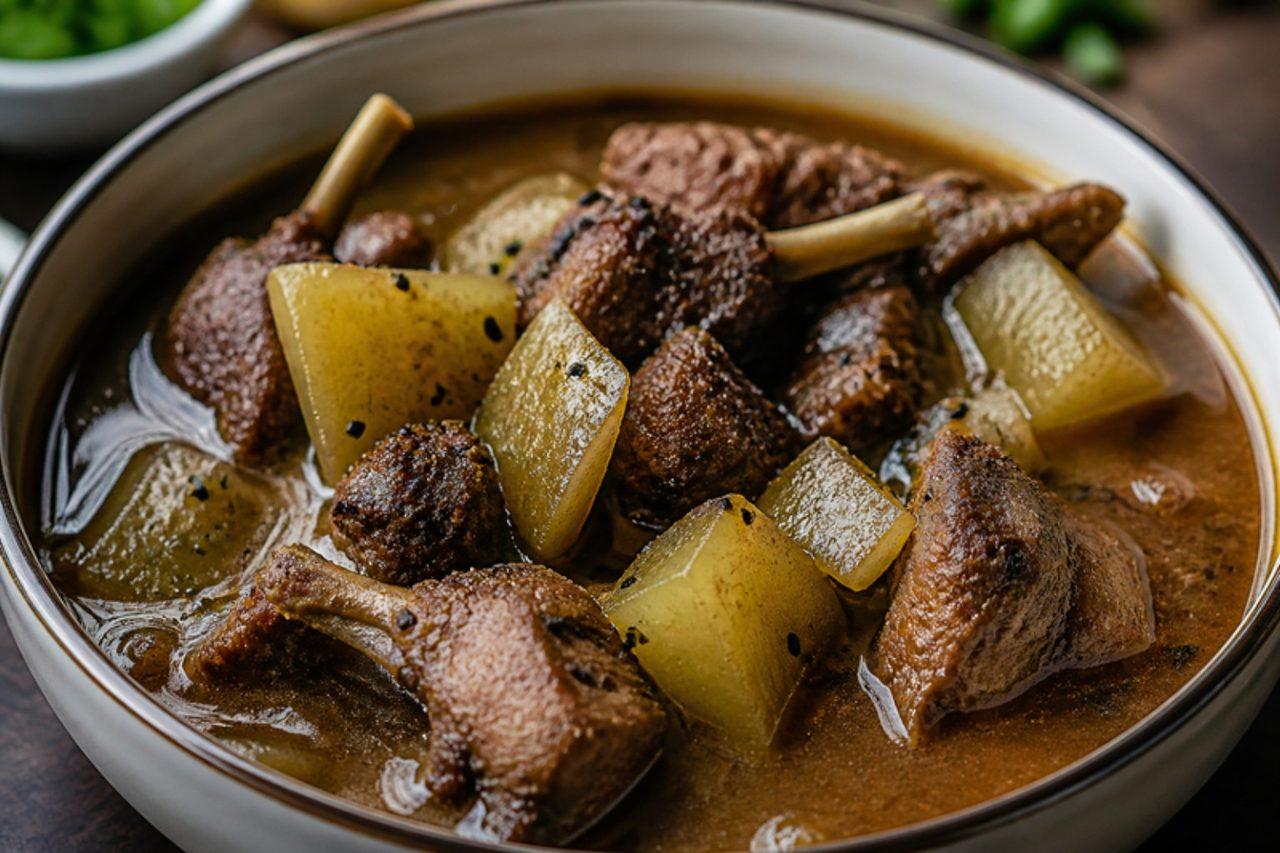
Hanhor mangxoDuck curry

When Magh Bihu brings bonfires and feasting to the villages of Assam in January, duck curry is one of the dishes families look forward to. Duck meat is simmered with ash gourd (kumura), which soaks up the rich juices, and the gravy is thickened with toasted black sesame for a deep, nutty taste. It is eaten with rice, often after the night-long community feast called uruka. Chef's tip: brown the duck skin-side down first and pour off some of the rendered fat; you need its flavour, not all of it.

120 minIndianMeatGluten free
by KrazyBadal 0 views

MaubySpiced bark drink

Mauby is one of the oldest drinks of the Eastern Caribbean, and in Barbados it's sold ice-cold from vendors in Bridgetown and made at home on hot afternoons. It's brewed from the bark of the mauby tree, simmered with cinnamon, clove, star anise, bay and orange peel, then sweetened and diluted. The first sip is surprising: bitter like strong tea or tonic, then sweet, spicy and refreshing, with a liquorice note. Bark is sold in Caribbean shops and online. Chef's tip: brew a strong concentrate and dilute it to taste; mauby lovers like it bitter, newcomers should start with more water and more sugar.

by KrazyBadal 0 views

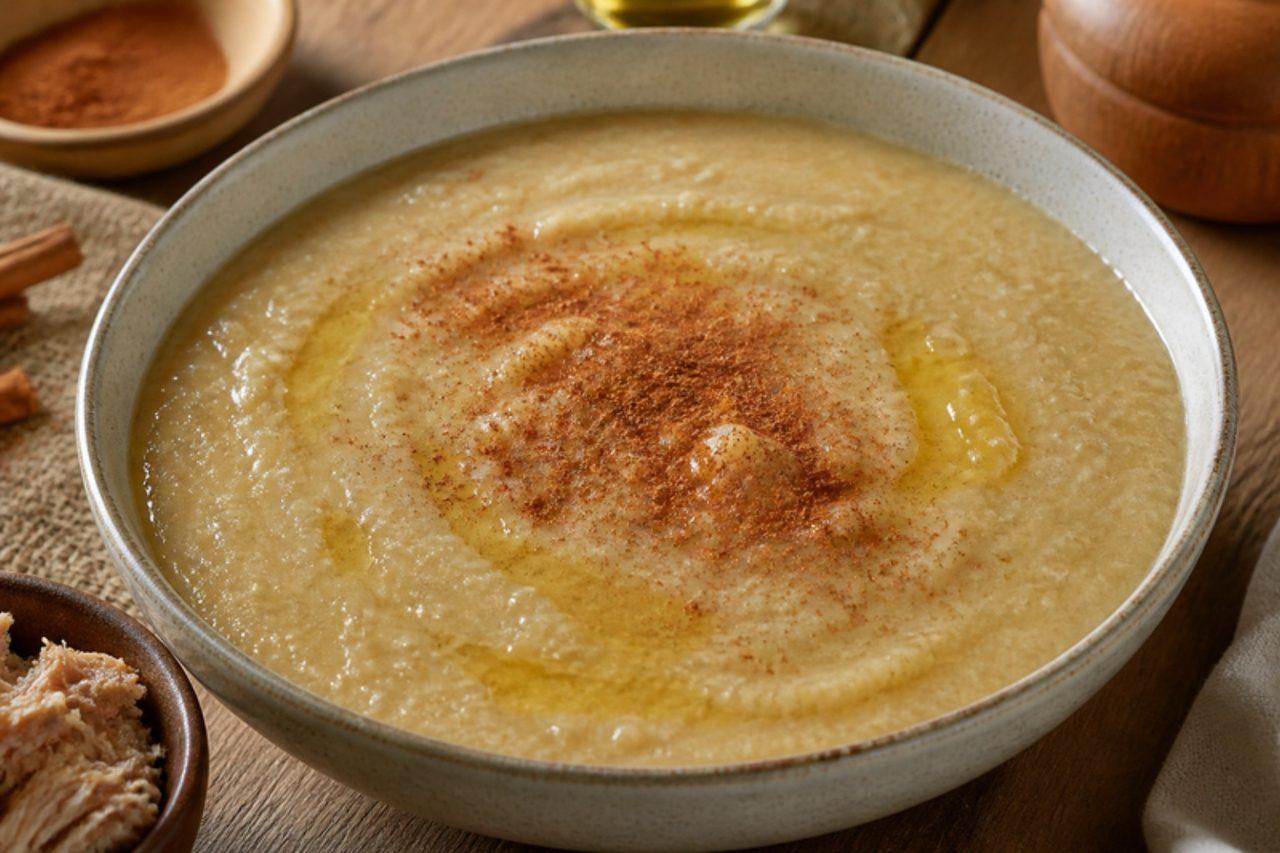
HareesWheat and chicken porridge

Harees is one of the oldest dishes of the Arabian Gulf, made in the UAE, Oman and Saudi Arabia for Ramadan iftar, Eid and weddings, when big pots are stirred for hours and shared with neighbours. Whole wheat and chicken cook slowly together until the grain bursts and the meat falls apart, then everything is beaten to a smooth, sticky porridge and finished with ghee and a little cinnamon. It is soft, mild and very comforting. Chef's tip: beat it hard with a wooden spoon (or briefly with a stick blender) at the end; that is what gives harees its elastic texture.

by KrazyBadal 0 views

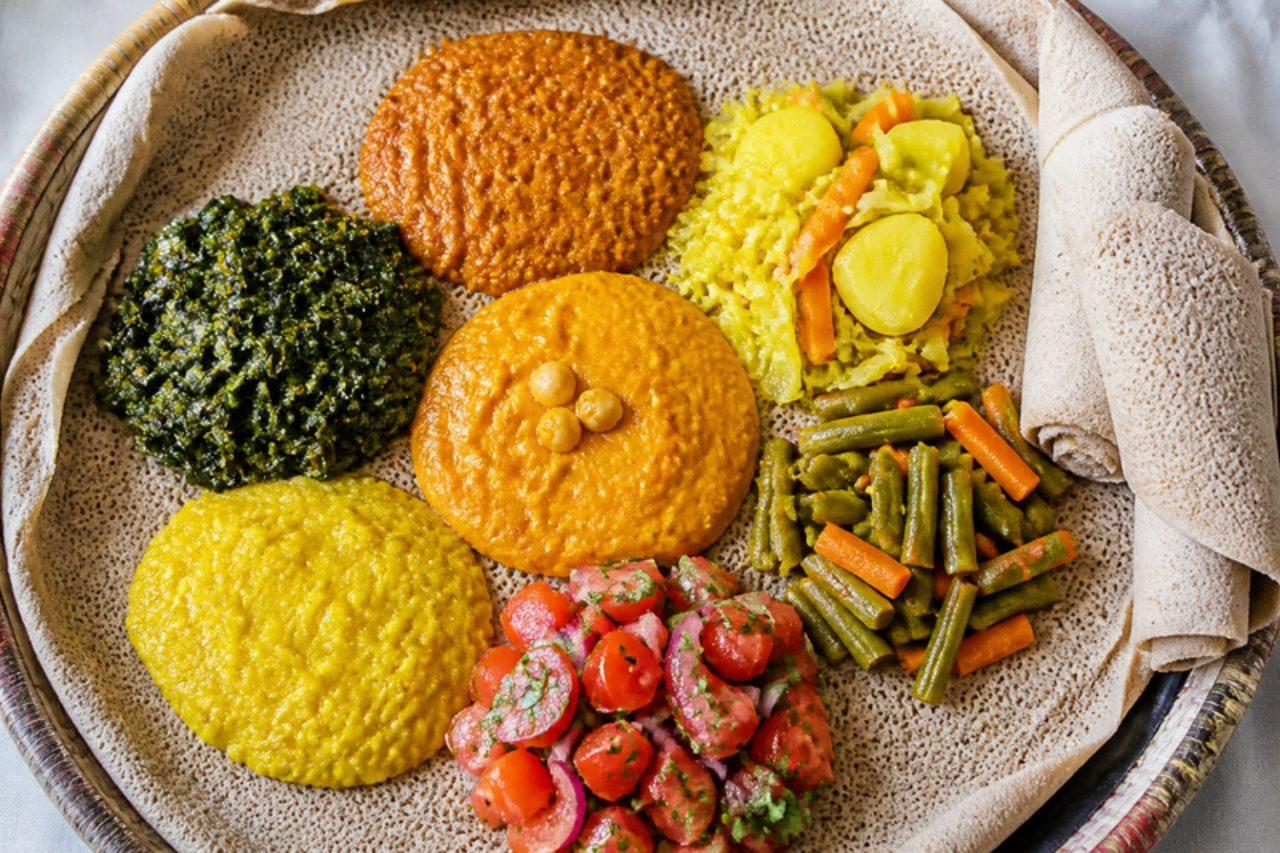
Beyaynetu (fasting platter)Fasting platter of vegan stews

Beyaynetu means 'a bit of every kind', and on Wednesdays, Fridays and through the long Lenten fast it is what most of Addis Ababa orders for lunch: a round of injera covered with small heaps of different vegan stews and salads, each a different colour and spice level, with extra rolled injera on the side. At home it is a feast for sharing, built from dishes you can make ahead. This page shows you how to plan and assemble it, and gives the red lentil misir wat that sits at its centre; for the other dishes use our Shiro wat, Kik alicha, Gomen, Tikil gomen, Fosolia and Timatim salata recipes, and of course Injera. Chef's tip: balance the platter with two spicy red dishes, two mild yellow ones and two green or fresh ones, so every mouthful can be cooled or warmed.

by KrazyBadal 0 views

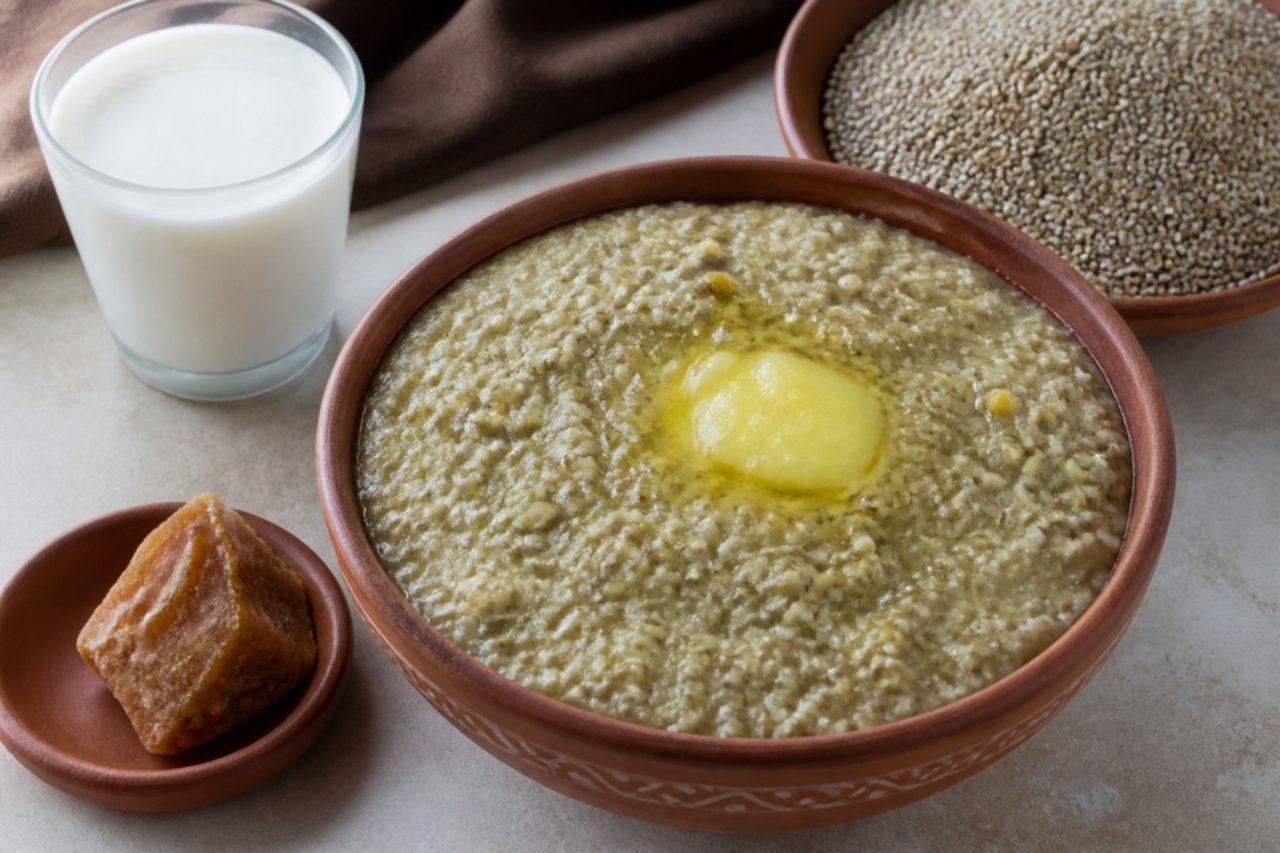
Haryanvi bajra khichdiPearl millet and moong dal porridge

In village homes across Haryana, bajra khichdi is the food of cold winter nights and the days around Makar Sankranti: cracked pearl millet and yellow moong cooked slowly until soft and porridge-like, then eaten with a big spoon of ghee and either jaggery or a glass of lassi. It is plain, nutty and very filling, and grandmothers swear it keeps you warm. The millet was traditionally pounded in a stone mortar to crack it; a quick pulse in a grinder does the same. Chef's tip: soak the bajra overnight; unsoaked millet stays hard and gritty however long you cook it.

by KrazyBadal 0 views

HaupiaCoconut pudding

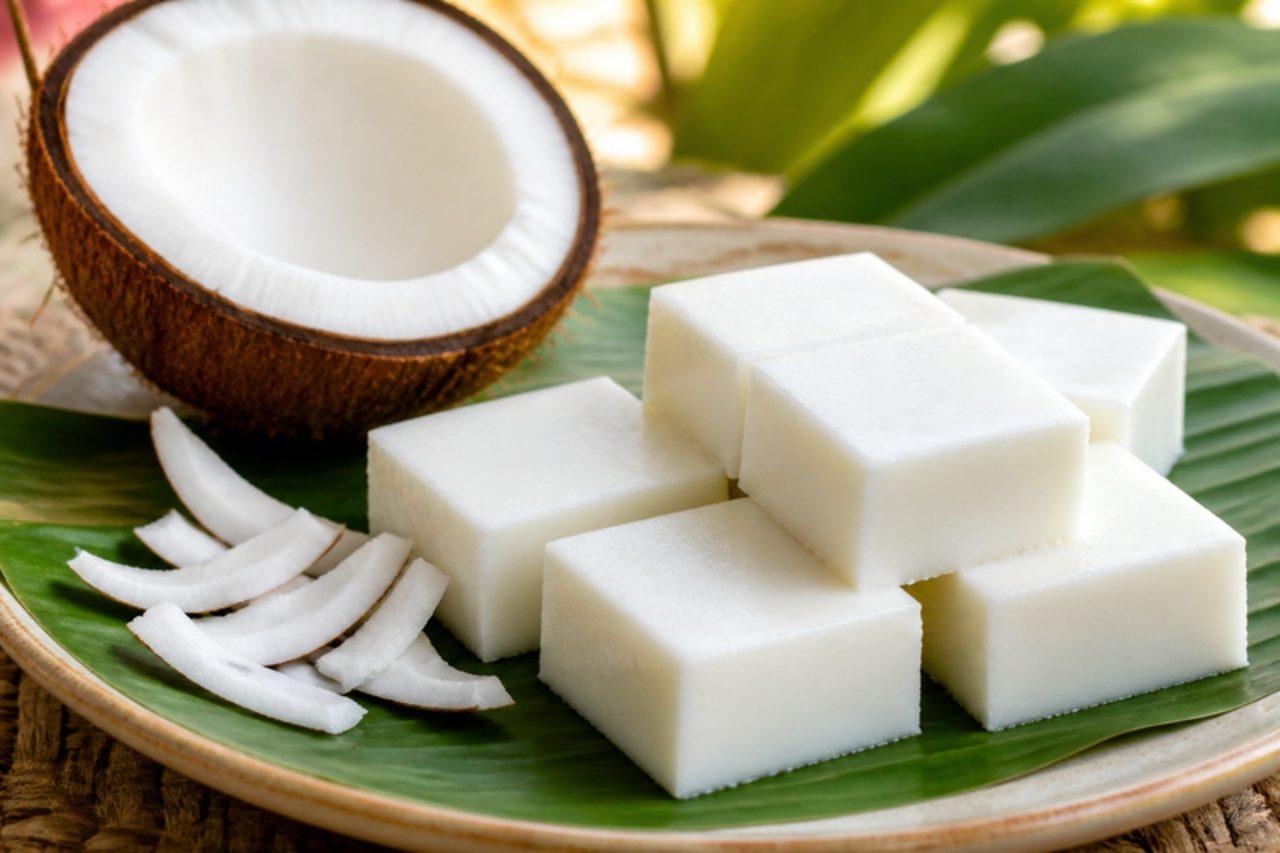
Haupia is the dessert of every Hawaiian lūʻau and family party: coconut milk thickened and set into smooth, wobbly-firm squares that you can pick up with your fingers. It was once set with arrowroot from the pia plant; today cornflour does the job. It tastes clean, cool and gently sweet, and is also layered on chocolate pies and spread on cakes in Honolulu bakeries. Chef's tip: keep whisking until it's as thick as mayonnaise and big bubbles plop slowly; underdone haupia won't set firm enough to slice.

by KrazyBadal 0 views

Showing 18 of 10,569 recipes

Show more recipes

Page 1,027 of 1,175