


Skip to content
Kouneli stifado
Featured recipe

Kouneli stifado

Rabbit stew with shallots and wine

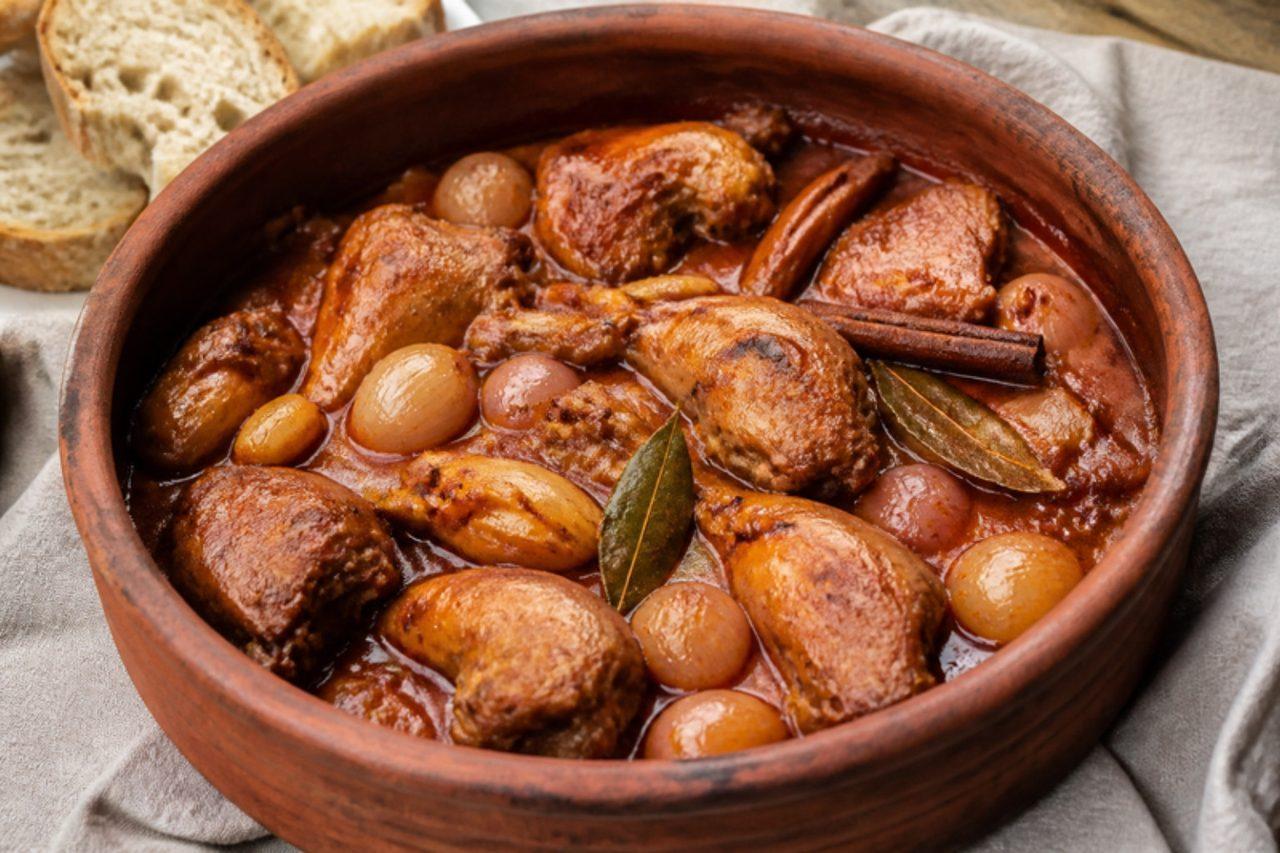
Rabbit is a favourite winter Sunday dish in Crete and across the Greek countryside, and stifado is the way most cooks prepare it: jointed rabbit simmered slowly with a mountain of small whole onions in a glossy, sweet-sour sauce of tomato, red wine and vinegar, scented with cinnamon, allspice and bay. The sauce reduces until the onions are soft and jammy, and it is served with fried potatoes or rice and bread to wipe the plate. This recipe uses red wine; for an alcohol-free version use red grape juice with an extra spoon of vinegar. Common mistake: stirring once the onions go in, which breaks them up; shake the pot instead. Chef's tip: peel the shallots more easily by soaking them in boiling water for 5 minutes first.

Read more 0 views

What to eat today?

Around the world

Today's trip: Persian

A new country every day, from every cuisine on the site.

Persian

Shir berenj

Rose water rice pudding 70 minMore from Persian (181) →

This week's collection

Kid-friendly dinners
750 recipes · a new collection every Monday

Coming up

All occasions →

Latest recipes

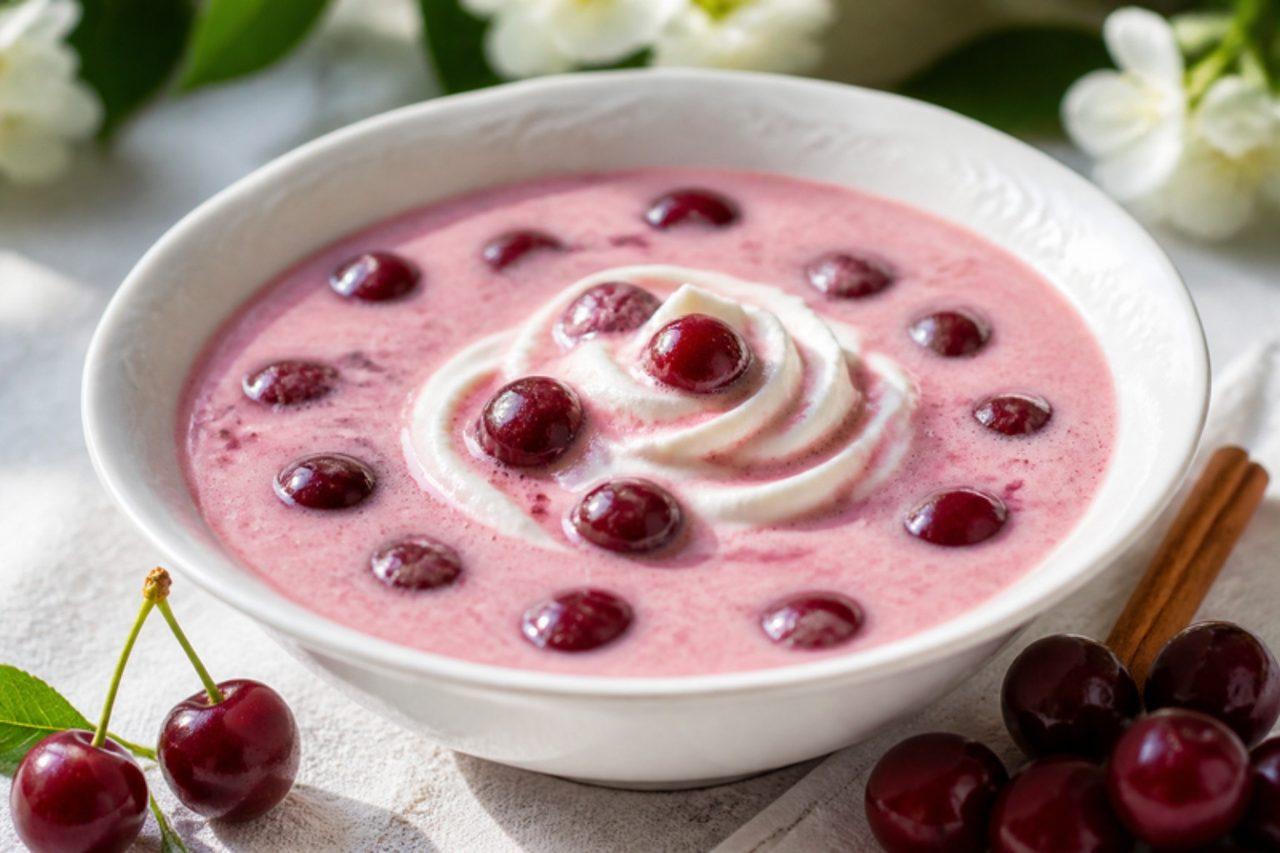
Hideg meggylevesChilled sour cherry soup

Hideg meggyleves is a chilled sour cherry soup served as a starter in Hungary at the height of summer, from family lunches in the cherry-growing villages around Pest county to the terraces of Balaton restaurants. Sour cherries simmer briefly with sugar, cinnamon and cloves, then the soup is thickened with sour cream and served icy cold, pink and gently tangy. Some cooks add a splash of red wine for grown-ups. It is eaten before the main course, not as dessert, though no one complains if you have it after. Chef's tip: chill it for at least 3 hours; the flavour rounds out and the spices soften as it cools. A common mistake is boiling it after the cream goes in, which curdles it.

by KrazyBadal 0 views

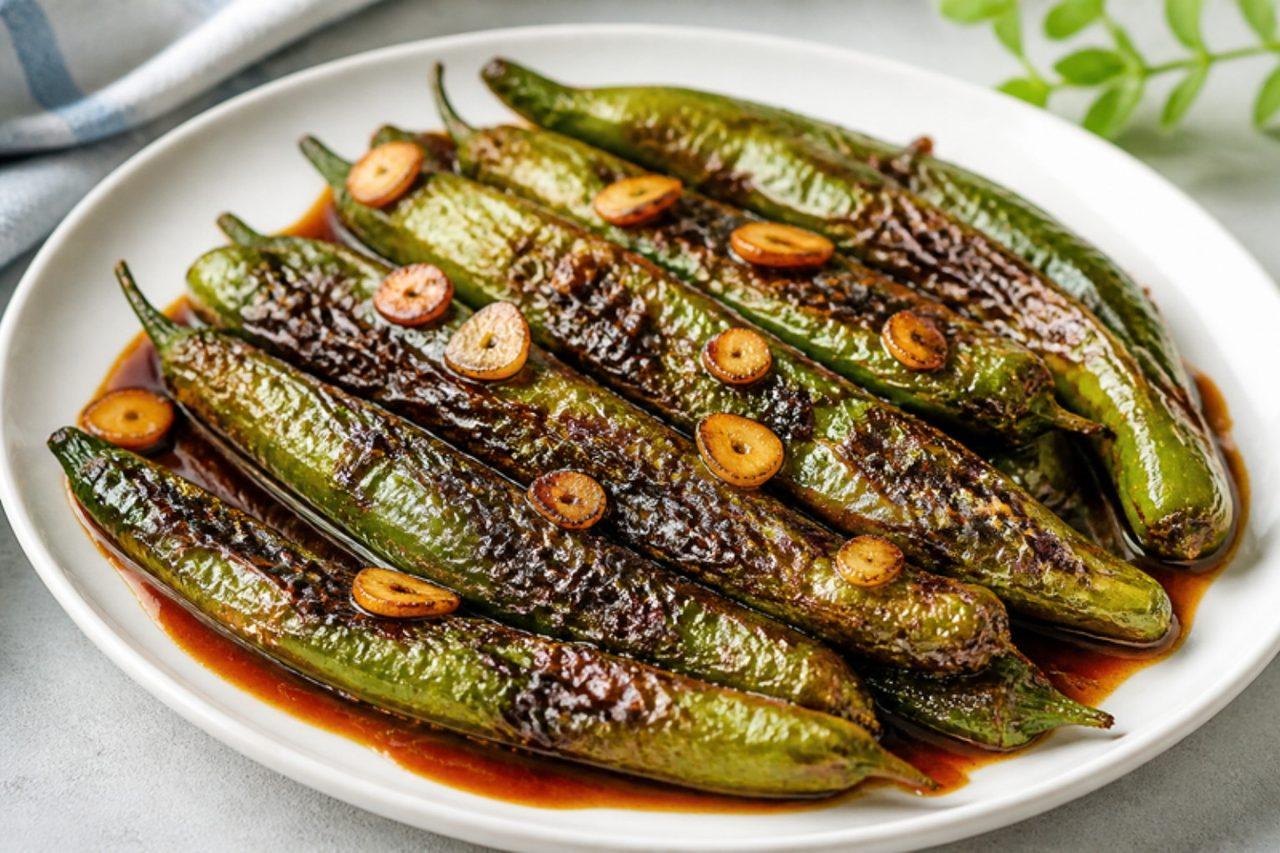
Hunan tiger-skin peppersBlistered green chillies in sweet-sour glaze

Hu pi jian jiao, 'tiger-skin peppers', is everyday home cooking in Hunan, the province famous for loving chilli even more than Sichuan does. Long green peppers are pressed into a hot, dry wok until their skins blacken in stripes like a tiger's coat, then glazed with soy, black vinegar and a touch of sugar. In Changsha it's eaten with plenty of rice, which tames the heat. Chef's tip: press the peppers flat with a spatula as they cook so the whole skin touches the iron and blisters evenly.

by KrazyBadal 0 views

Hünkar beğendiLamb on smoked aubergine purée

Hünkar beğendi is a dish from the Ottoman palace kitchens of Istanbul; its name means 'the sultan was pleased', and a well-known story links it to a royal banquet of the 1860s. Today it is a special Sunday or guest dish in Istanbul homes and old-style lokanta restaurants. Tender chunks of lamb are braised slowly with tomato and peppers, then spooned over beğendi, a silky purée of fire-charred aubergine whisked into a light cheese sauce. The smoky, creamy base against the rich stew is the whole point. Chef's tip: char the aubergines directly over a gas flame until the skins are black and collapsing; the oven alone won't give that smoky flavour.

150 minTurkishMeat
by KrazyBadal 0 views

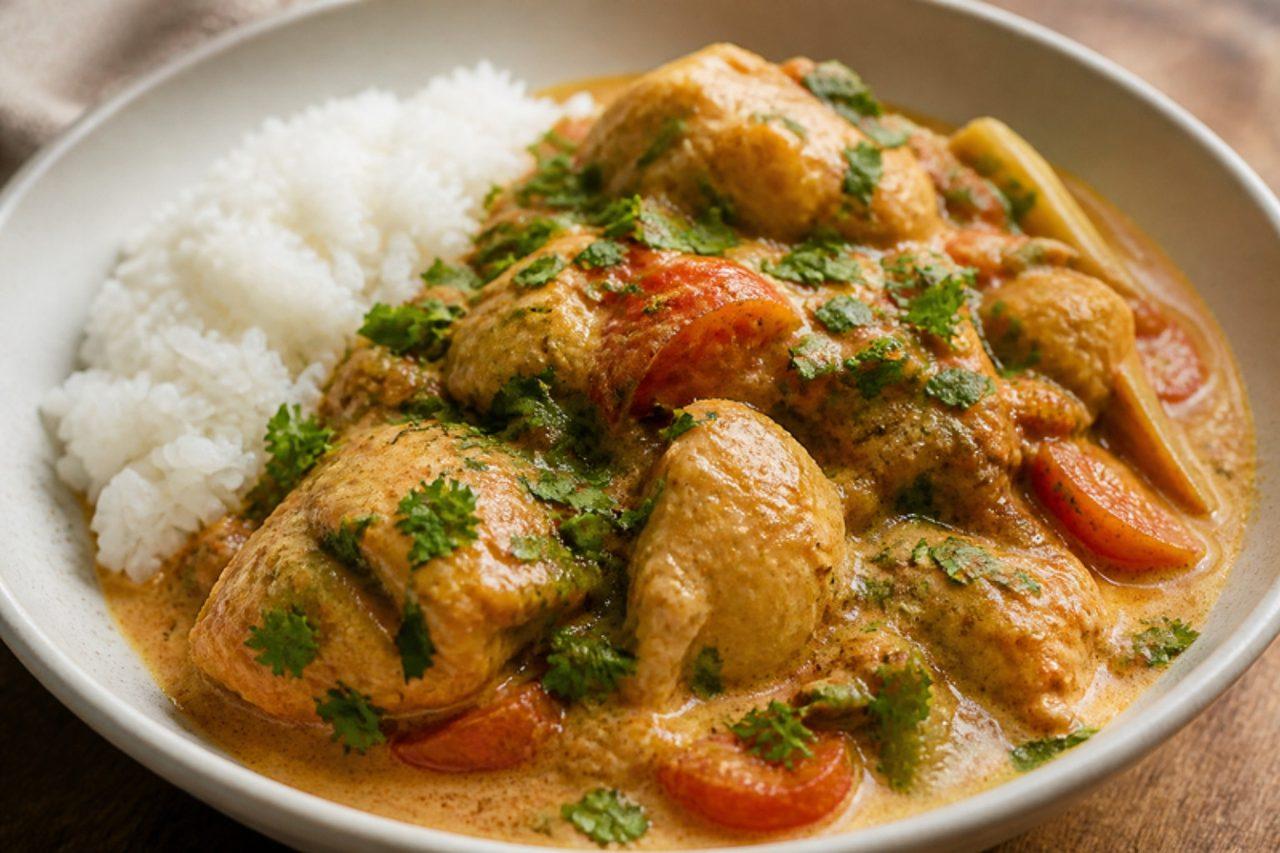
Akoho sy voanioChicken in coconut milk

Akoho sy voanio, chicken with coconut, is a dish of Madagascar's east coast around Toamasina, where coconuts are everywhere, and it has become a favourite all over the island. Chicken is browned with onion, garlic, ginger and tomato, then simmered gently in coconut milk with a pinch of curry until the sauce is creamy and mild. It is eaten with plenty of white rice and a little achard (vegetable pickle). The mistake is boiling the coconut milk hard so it splits; keep it at a gentle bubble. Chef's tip: brown the chicken well first; the coconut sauce needs that savoury depth.

by KrazyBadal 0 views

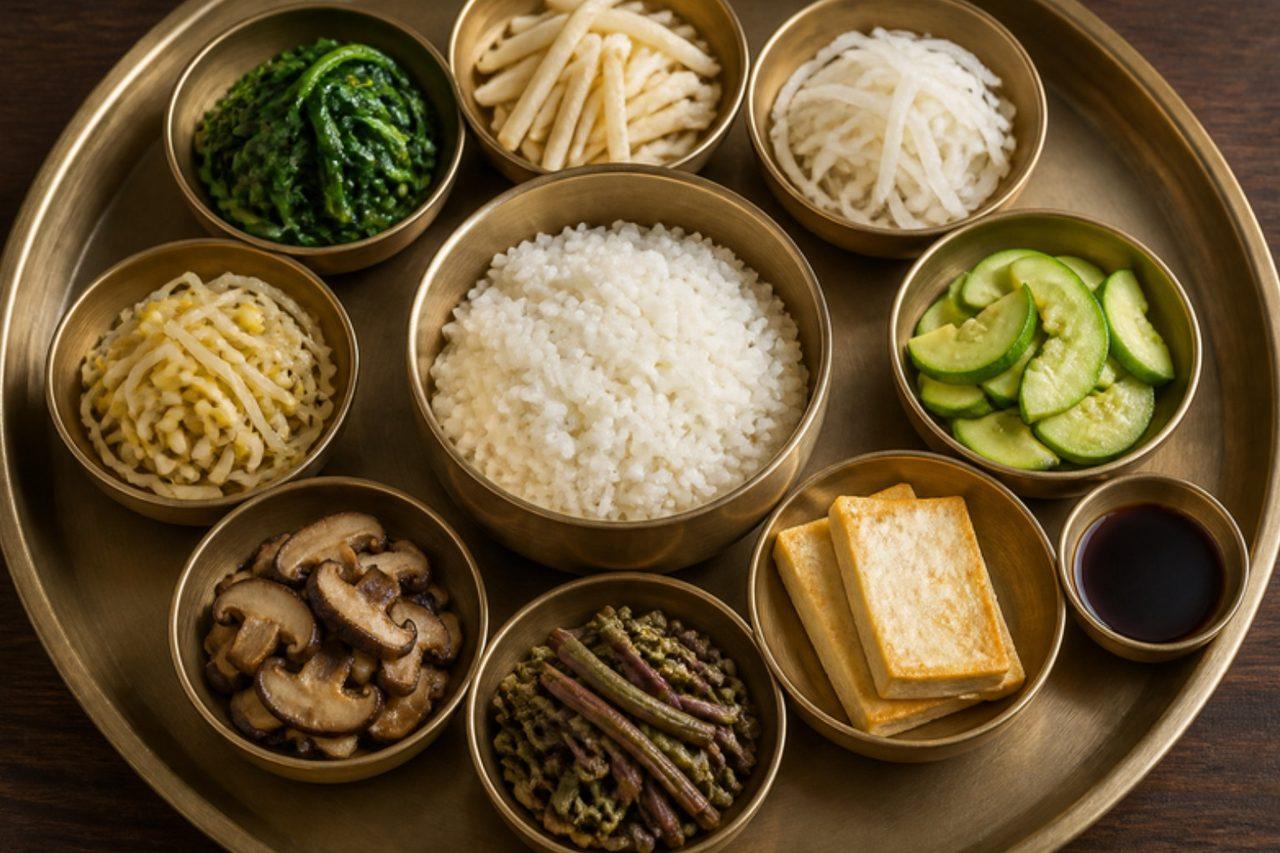
HeotjesatbapRice with seven vegetable sides

In Andong, the old Confucian town of North Gyeongsang, the scholars of the yangban class were said to want the food from jesa, the rite offered to ancestors, without waiting for a rite to come round, so they cooked the same dishes and called them heotjesatbap (헛제삿밥), 'fake rite rice'. Restaurants by Andong's dam still serve it: a bowl of rice to be mixed with brown, white and green namul and seasoned with soy sauce, never chilli, because ritual food avoids red pepper and garlic. The full table includes grilled fish and beef skewers; this vegetarian version keeps the vegetables and tofu jeon that make up most of it. Chef's tip: cook each namul separately with only salt, soy or sesame, so each keeps its own taste and colour when you mix the bowl.

by KrazyBadal 0 views

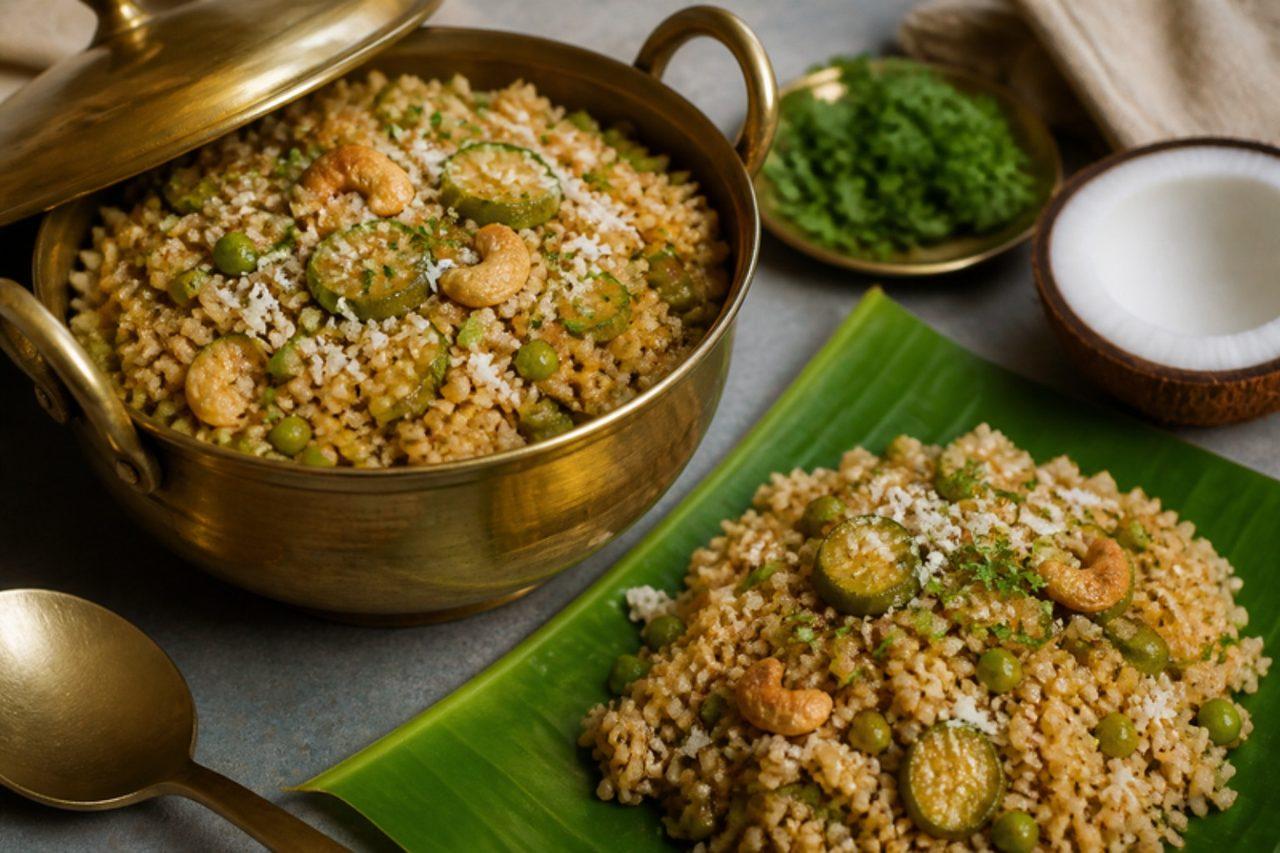
Masale bhaatSpiced rice with ivy gourd

At a traditional Maharashtrian wedding lunch in Pune, the masale bhaat arrives in a steel bucket, deep brown-gold with goda masala, studded with tondli, peas and cashews and topped with fresh coconut and coriander. Unlike a pulao it is not delicate: it's spiced, a touch sweet from jaggery, and made with short-grain ambemohor or indrayani rice that turns soft and fragrant. A squeeze of lemon, a spoon of ghee and a bowl of kadhi or mattha (spiced buttermilk) on the side make it a meal. Chef's tip: slice the ivy gourd lengthways into quarters, not rounds, so it holds its shape and stays crunchy through the steaming.

by KrazyBadal 0 views

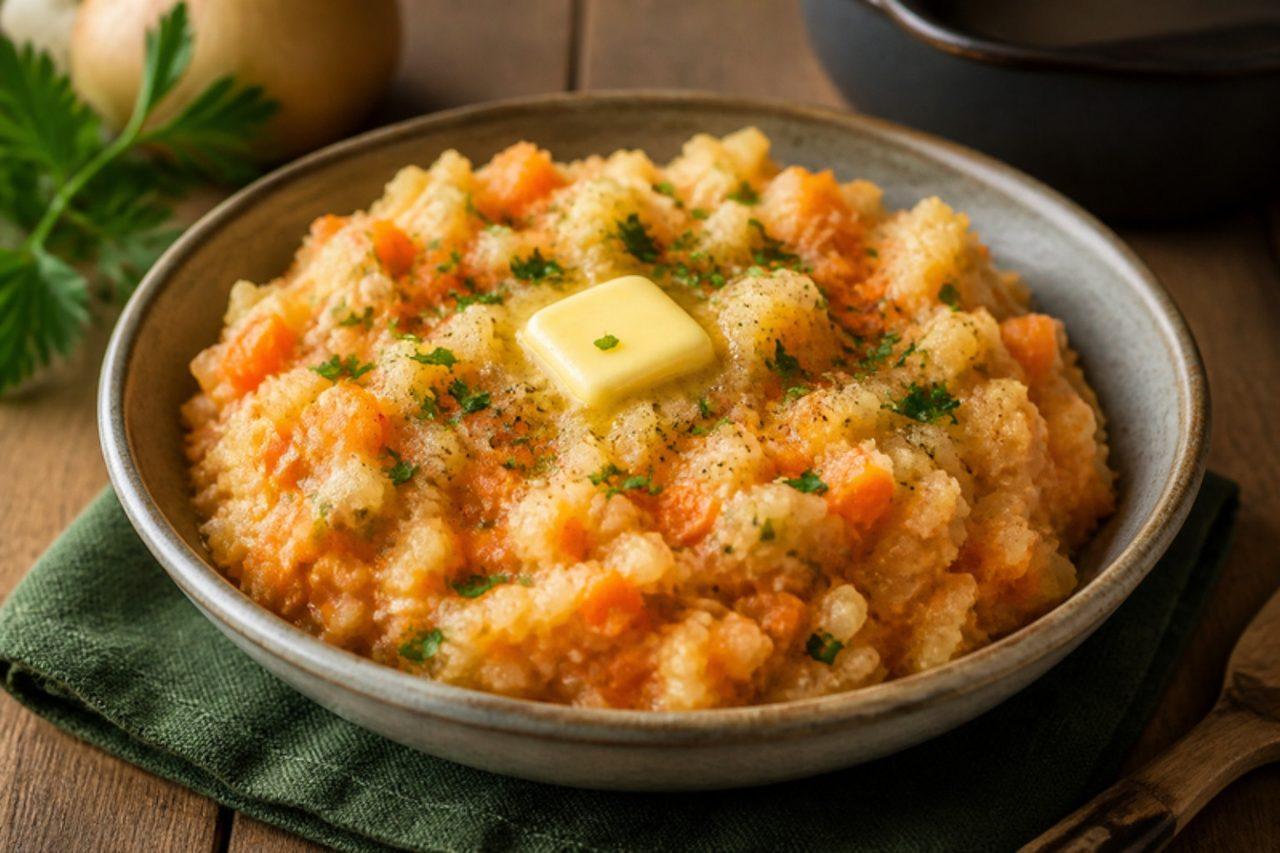
HutspotCarrot, onion and potato mash

Every year on 3 October the city of Leiden celebrates Leidens Ontzet, the end of the Spanish siege of 1574, and the whole town eats hutspot. The story goes that a hungry boy found a pot of stewed root vegetables left behind in the abandoned Spanish camp. Today it is a rough, orange mash of winter carrots, onions and potatoes boiled together in one pot, then stamped coarsely with butter. In the rest of the Netherlands it turns up all autumn and winter as a weekday supper. It is traditionally served with slow-braised beef (klapstuk); here it goes with a fried egg or a spoon of piccalilli, which suits it just as well. Chef's tip: layer the vegetables with the potatoes on top and the carrots at the bottom, in just enough water to reach the potatoes; the potatoes steam, the carrots soak up the flavour of the onions, and nothing turns watery.

by KrazyBadal 0 views

Hyderabadi Irani chaiCreamy milk tea

Irani chai came to Hyderabad with Persian migrants who opened cafés across the old city, and it is now the city's signature drink, poured at all hours in places around the Charminar, often with Osmania biscuits or a bun maska. Unlike masala chai, it has no spices: strong tea is brewed slowly in a sealed pot (dum), while full-fat milk is simmered separately with a little khoa until thick and creamy. The two are mixed only in the cup, giving a rich, mellow, slightly sweet tea. Chef's tip: seal the tea pot lid with a little dough or foil, as the cafés do, so the brew steeps without losing steam or strength.

by KrazyBadal 0 views

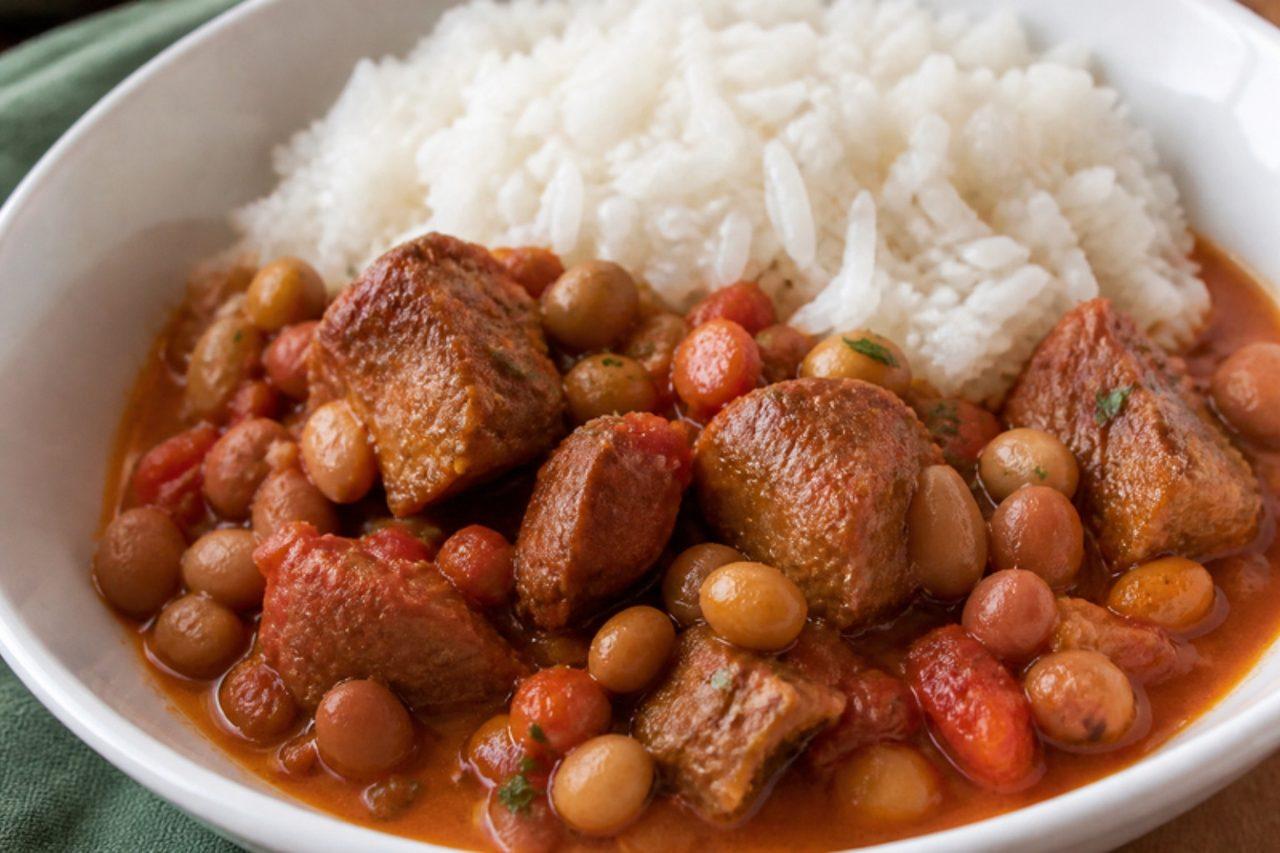
Henakisoa sy voanjoboryPork with groundnuts

Henakisoa sy voanjobory is a highland dish from the countryside around Antsirabe and Fianarantsoa, cooked for family gatherings: pork simmered for a long time with Bambara groundnuts, a hard, round pulse that turns creamy and nutty, until the meat is tender and the beans have thickened the sauce. This dish contains pork. It is eaten with rice and a fresh tomato salad. The mistake is not soaking the dried pulses, which then never soften; soak them overnight. Chef's tip: if you can't find Bambara groundnuts, black-eyed beans or borlotti give a similar result in less time.

150 minMalagasyMeatGluten free
by KrazyBadal 0 views

Hyderabadi khatti dalTangy tamarind dal

Khatti dal, 'sour dal', is the everyday dal of Hyderabad's old city, cooked in Muslim and Telugu homes alike and ladled over plain rice with a fried papad and a dry vegetable on the side. Toor dal is cooked with tomato and green chilli, mashed smooth, soured with tamarind and finished with a sizzling bagaar of garlic, dried red chillies, cumin and curry leaves. It is thinner and sharper than a north Indian dal, and on Fridays it often sits next to a biryani as the comforting partner. Chef's tip: let the garlic in the bagaar turn properly golden before pouring it over; pale garlic tastes raw and harsh in a sour dal.

by KrazyBadal 0 views

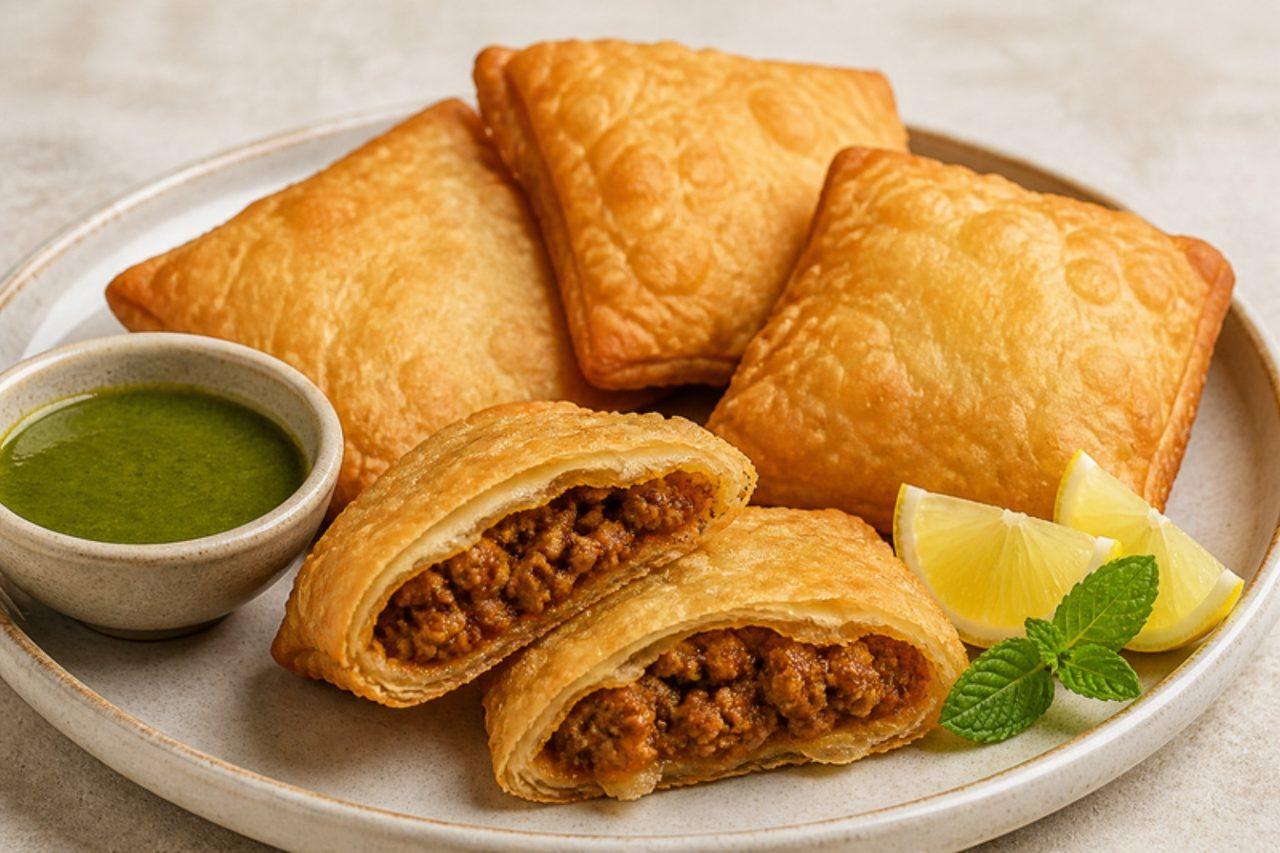
Hyderabadi lukhmiSpiced filled pastries

Lukhmi are Hyderabad's answer to the samosa: flat, square, crisp little pastries with a filling of spiced mutton keema, fork-crimped at the edges. In the Deccani homes of the old city they are a fixture of wedding dinners and the evening iftar table in Ramadan, and a plate of them often arrives with Irani chai at the city's old cafés. They can be shaped a day ahead and fried just before guests come. Chef's tip: cook the keema until completely dry and let it cool fully; a damp or warm filling makes the pastry burst in the oil.

by KrazyBadal 0 views

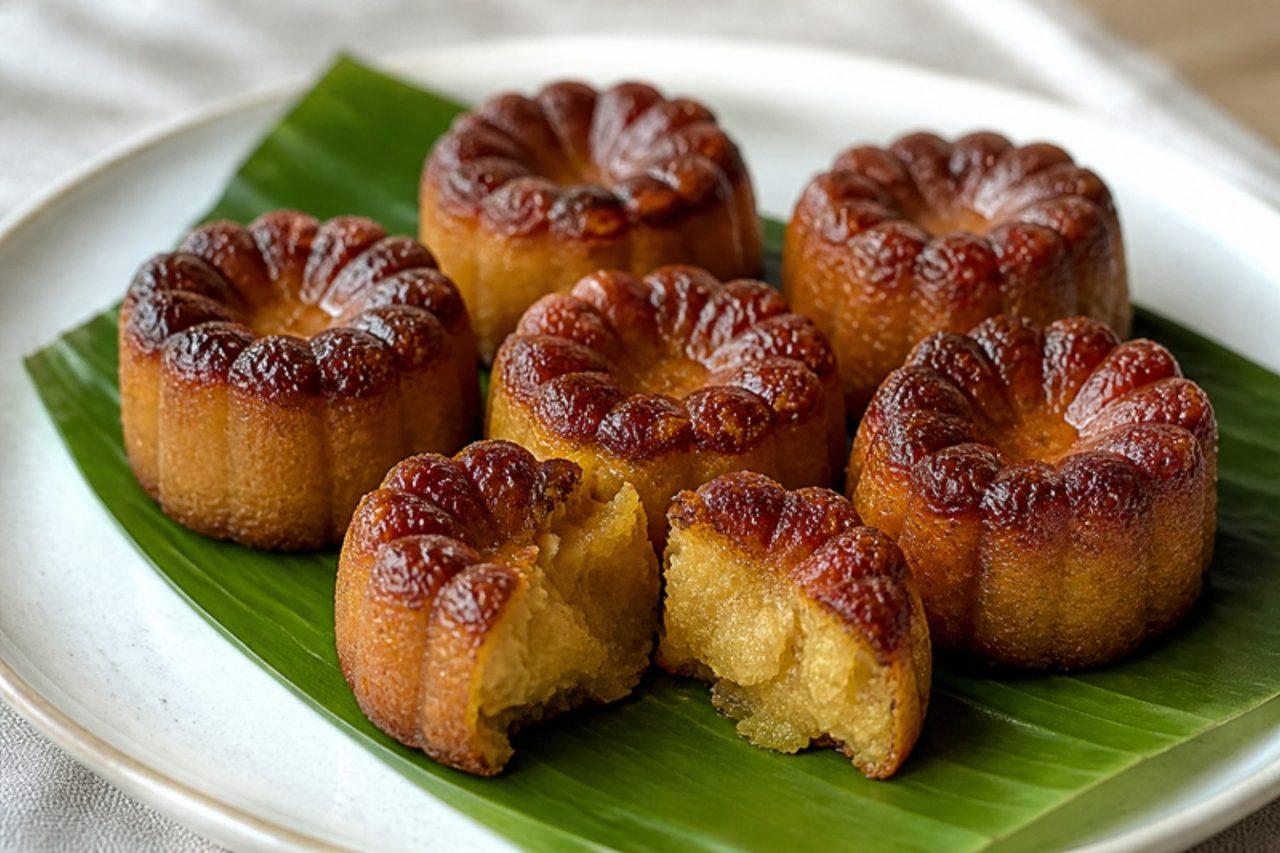
AkokCaramelised egg and coconut cakes

Akok is a Kelantanese kuih traditionally baked in small brass moulds over coals, with more coals laid on the lid, and it is a classic for breaking the fast in Kota Bharu during Ramadan. The batter is mostly eggs, coconut milk and dark gula melaka, so the little cakes come out custardy in the middle with a dark, caramelised, almost sticky crust. A mini-muffin tin in a hot oven gives a very close result. Chef's tip: heat the greased tin in the oven before filling it, which is how the base caramelises.

by KrazyBadal 0 views

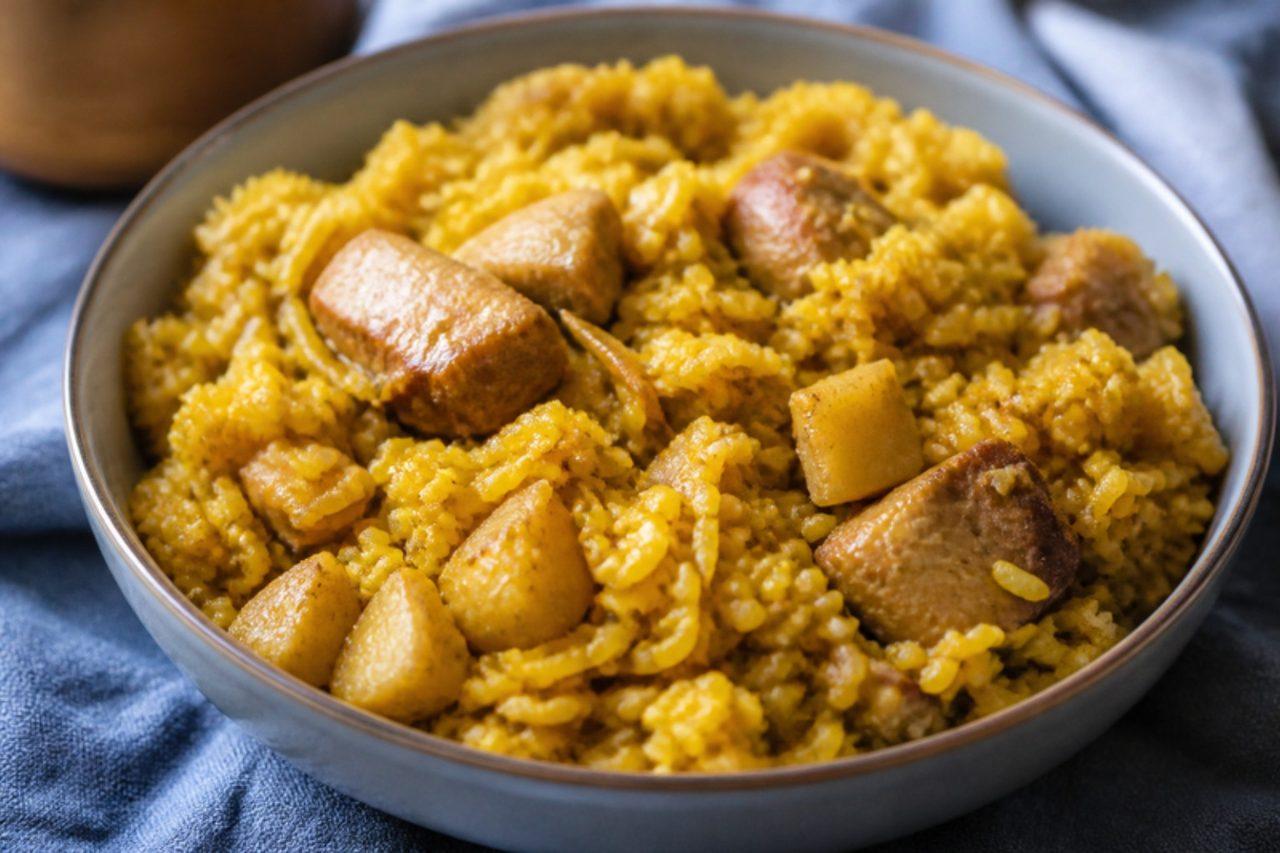
JadohTurmeric rice with pork

Walk through Police Bazaar in Shillong in the morning and you will find small jadoh stalls serving bright yellow rice cooked with pork, ginger and plenty of local Lakadong turmeric. For Khasi families it is breakfast, lunch and festival food all at once, usually eaten with a pork side such as doh khlieh and a sharp chutney. Village versions add pork blood or offal; this home version keeps to pork shoulder. Chef's tip: let the rice rest, covered, for ten minutes after cooking; the grains firm up and stop being sticky.

by KrazyBadal 0 views

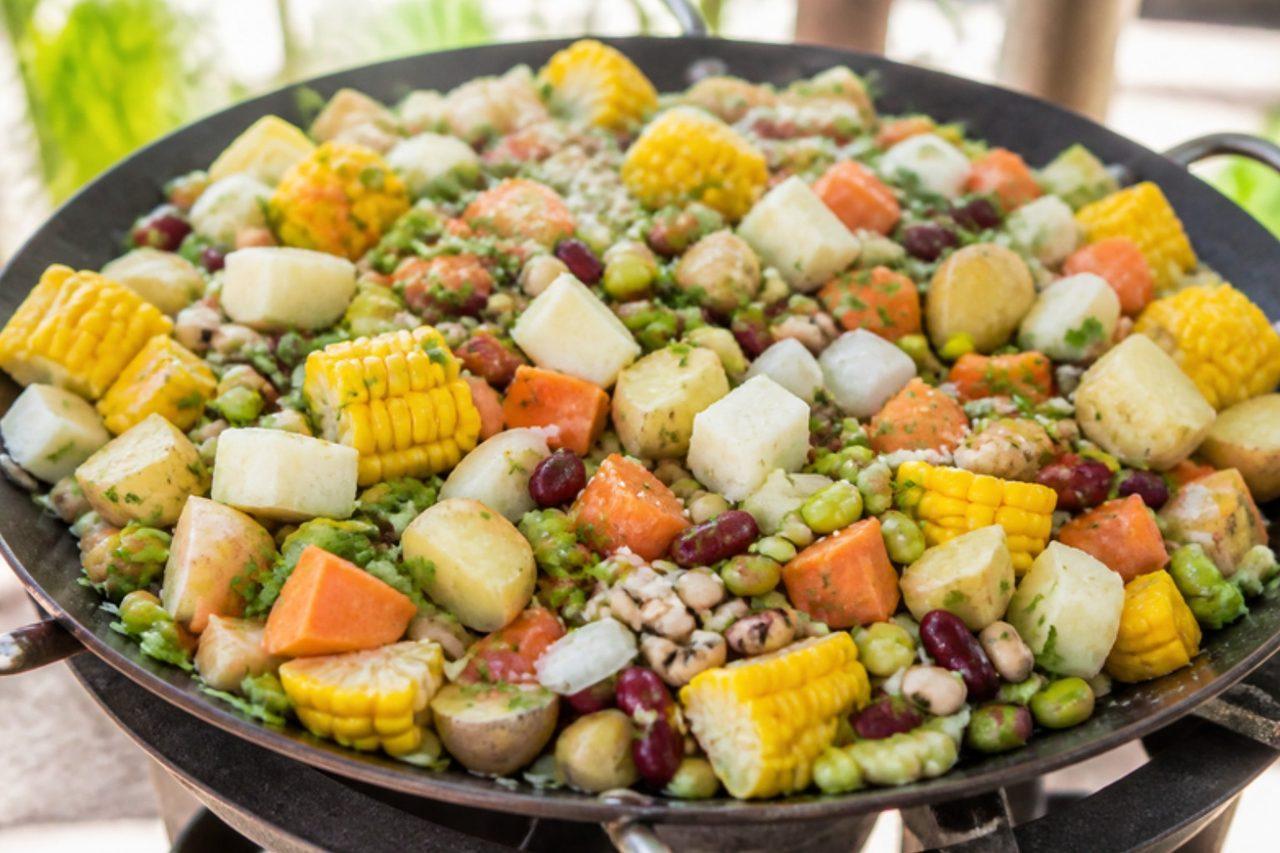
Healthy tawaMixed vegetables on the tawa

A big sizzling griddle of boiled fresh beans and vegetables (peas, pigeon peas, black-eyed beans, soya beans, kidney beans, corn, cassava, sweet potato, baby potatoes and roasted plantain) tossed with sesame seeds, onions and a green chilli, ginger and garlic paste. It's filling, colourful and feeds a crowd at a barbecue. Serve sizzling hot straight from the tawa.

by KrazyBadal 0 views

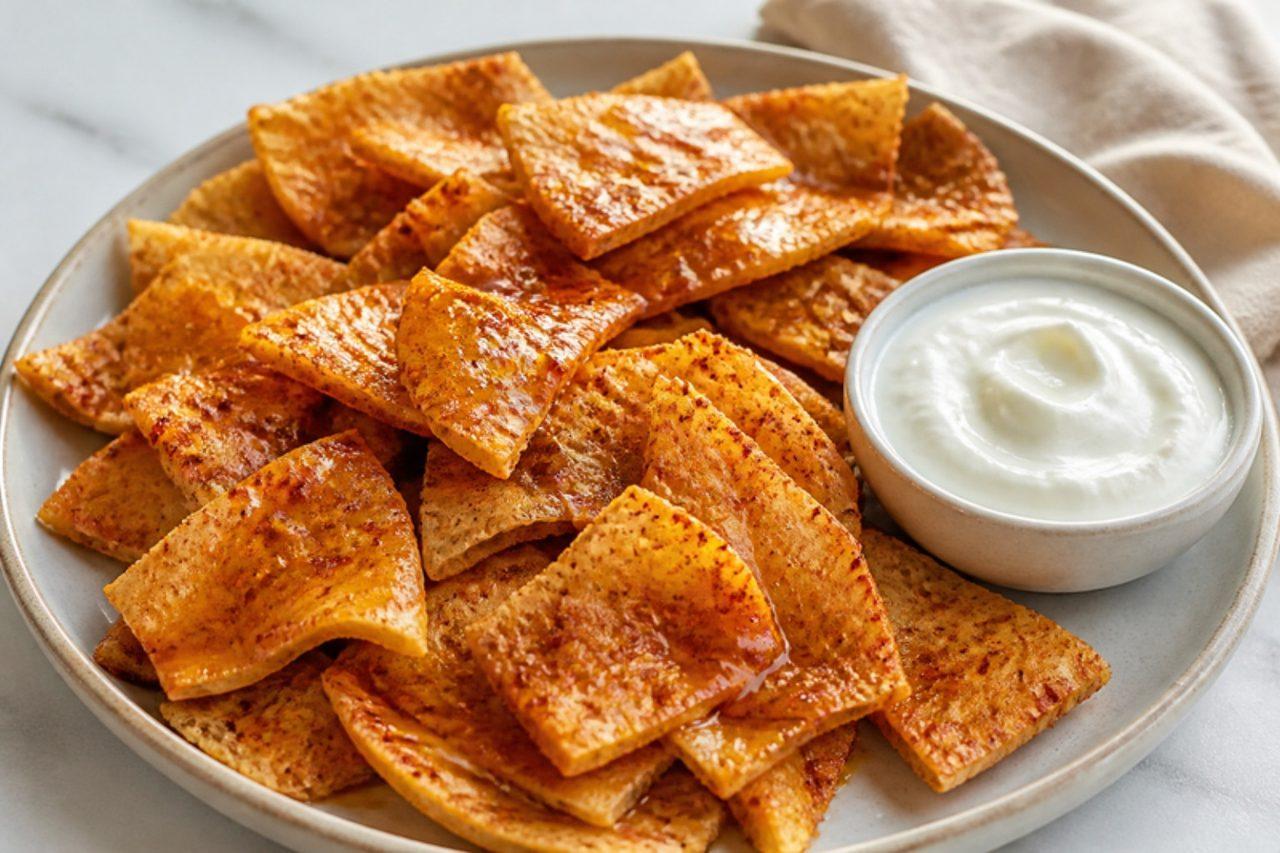
ChechebsaTorn flatbread in spiced butter

Chechebsa (also called kita firfir) is a breakfast from the Oromia and Wollo regions now loved all over Addis Ababa: a thick wheat flatbread is cooked on a griddle, torn into pieces and tossed in niter kibbeh and berbere, then eaten with honey and a dollop of ayib or yoghurt. It is rich, warming and quick. For a fasting (vegan) version, toss the bread in spiced oil instead of niter kibbeh and skip the yoghurt and honey or use date syrup. Chef's tip: tear the bread while hot with two forks; cold flatbread goes tough and won't soak up the butter.

by KrazyBadal 0 views

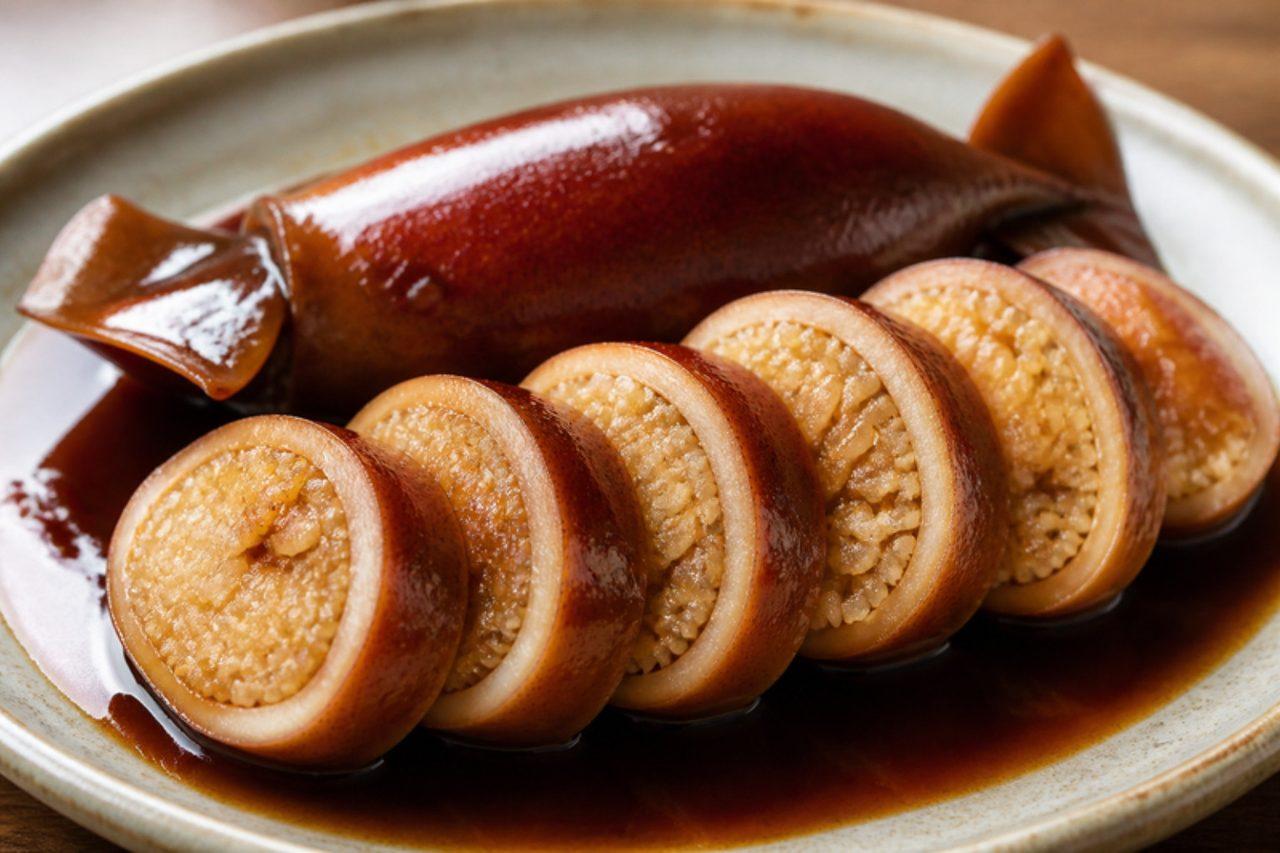
IkameshiRice-stuffed squid

At Mori, a small fishing town on the railway north of Hakodate, ikameshi has been sold as a station lunchbox since the war years, when rice was scarce and squid was plentiful. It is still one of Japan's best-known station bentos and a star of the regional food fairs that department stores hold all over the country. Small squid are stuffed with soaked glutinous rice, pinned shut and simmered in a sweet soy sauce until the rice swells into a sticky, savoury filling. Slice them into rounds to serve warm or at room temperature. Chef's tip: use small squid with bodies about 15 cm long, as larger ones need longer cooking and turn rubbery before they soften again.

by KrazyBadal 0 views

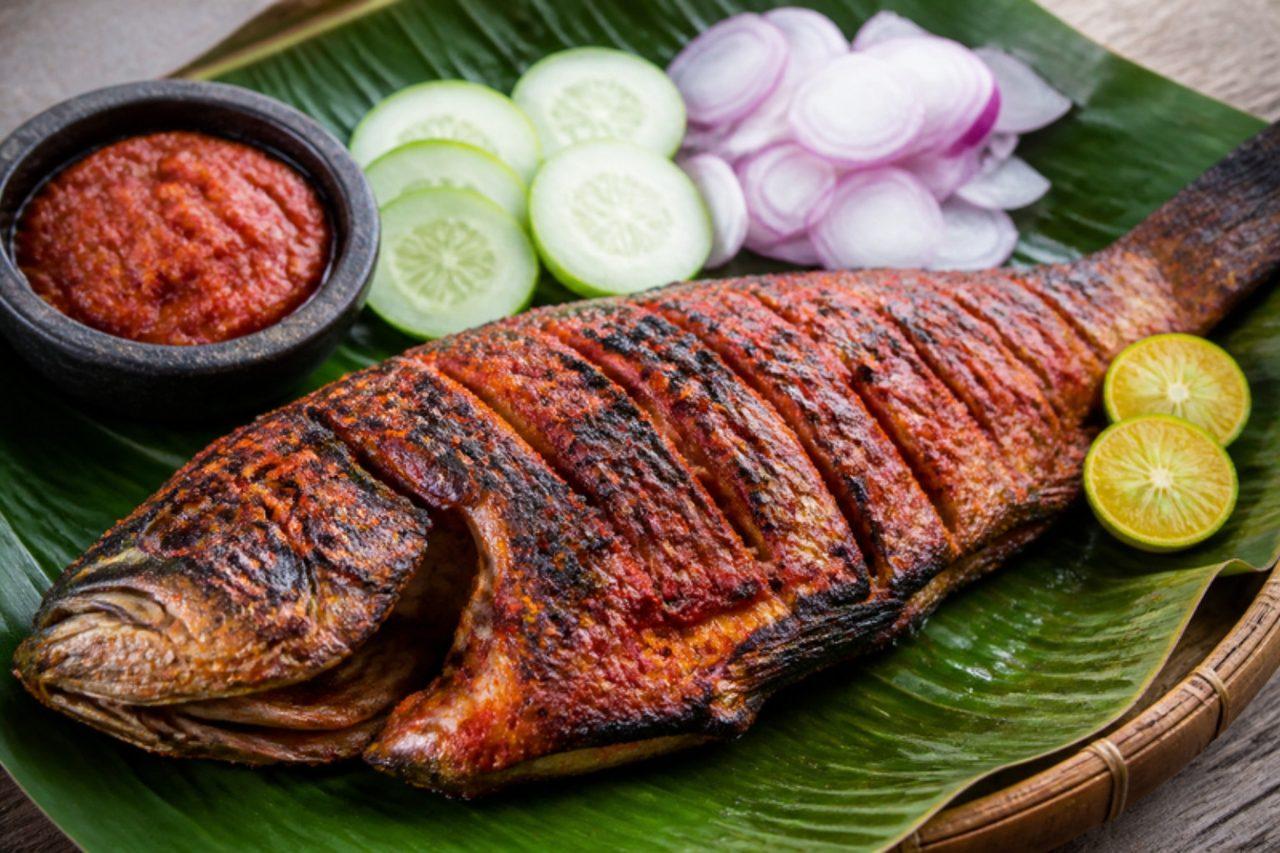
Ikan bakarGrilled fish with sambal

Night markets and seaside stalls from Port Dickson to Kuantan announce ikan bakar by smell long before you see the charcoal: whole fish or stingray wings smeared with red sambal, laid on banana leaf and grilled until the leaf blackens and the paste caramelises onto the flesh. The leaf keeps the fish moist and lends a faint tea-like smokiness, while the sambal brings shrimp-paste depth, tamarind sourness and steady heat. It is eaten with the fingers, with plain rice, cucumber and a sharp dip called air asam made from tamarind, chillies and shallots. Chef's tip: score the fish right down to the bone so the sambal seeps into the cuts and the thickest part cooks at the same pace as the tail.

by KrazyBadal 0 views

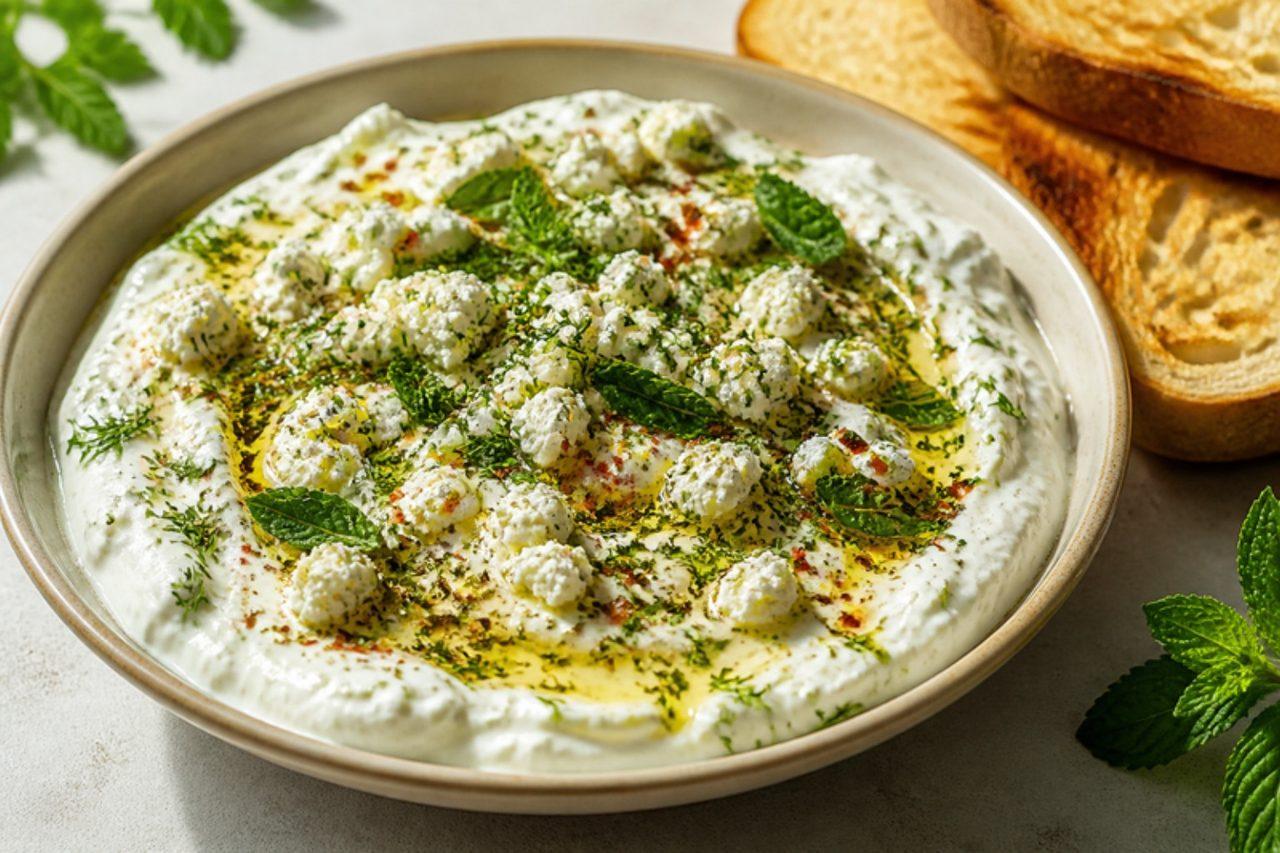
HaydariStrained yogurt and feta dip

Order meze in an Istanbul meyhane and haydari is usually among the first small plates to land: very thick strained yogurt beaten with crumbled white cheese, garlic, dill and mint, then crowned with a drizzle of oil warmed with dried mint and chilli flakes. It is eaten with bread, beside roasted vegetables or with crisp börek, and it takes minutes once you have the yogurt. The mistake to avoid is using thin pouring yogurt, which gives you a runny sauce rather than a dip that holds its shape. Chef's tip: use Greek-style strained yogurt, or hang plain yogurt in a cloth for an hour, and check the beyaz peynir or feta is made with vegetarian rennet.

by KrazyBadal 0 views

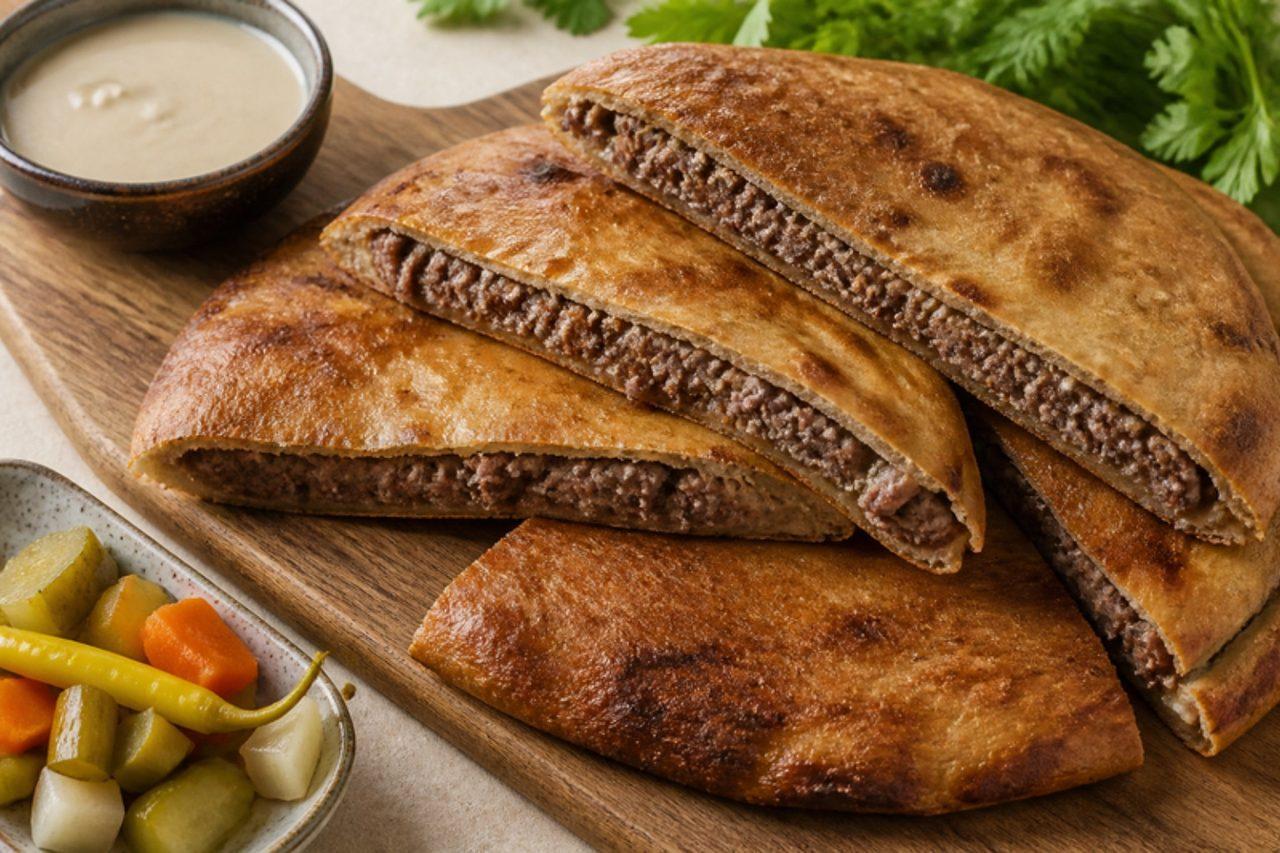
HawawshiSpiced beef stuffed bread

Walk through downtown Cairo in the evening and you will smell hawawshi before you see it: round baladi breads split open, packed with minced beef, onion, green chilli and warm spices, then baked until the bread turns crisp and the fat from the meat soaks into the crumb. Street stalls sell it wrapped in paper with pickles and tahini; at home it is a quick Friday supper. Pitta works well if you can't find baladi bread. The mistake most people make is packing in too thick a layer of meat, so the bread burns before the middle is cooked; keep it about 1 cm thick. Chef's tip: squeeze the grated onion in a sieve before mixing it in, or the filling turns wet and the bread goes soggy.

by KrazyBadal 0 views

Ilocos empanadaCrisp rice-flour turnovers

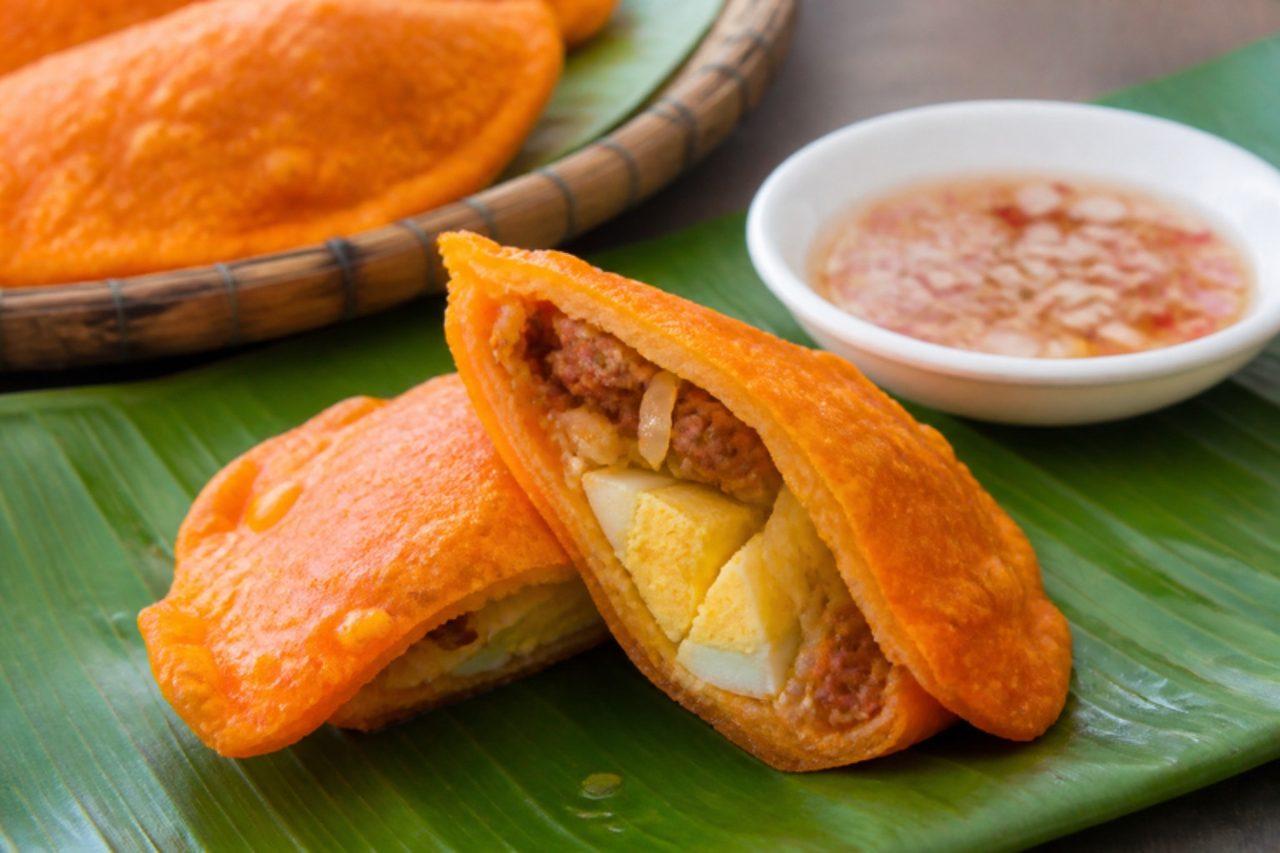
In Batac and Vigan, in the Ilocos region, empanada is not a baked pastry but a big, crunchy, bright-orange turnover fried to order at night markets and by the plaza. The thin rice-flour crust gets its colour from annatto, and inside goes shredded green papaya, mung bean sprouts, crumbled Vigan longganisa (a garlicky pork sausage) and a whole egg. Vendors fold it in seconds and slide it into hot oil, then hand it over with a little bowl of spiced sugarcane vinegar to pour in with every bite. It is a pork snack for evenings out. Chef's tip: roll the dough very thin on a banana leaf or baking paper; the leaf lets you flip the dough over the filling without tearing it.

by KrazyBadal 0 views

Imeruli khachapuriRound cheese-filled bread

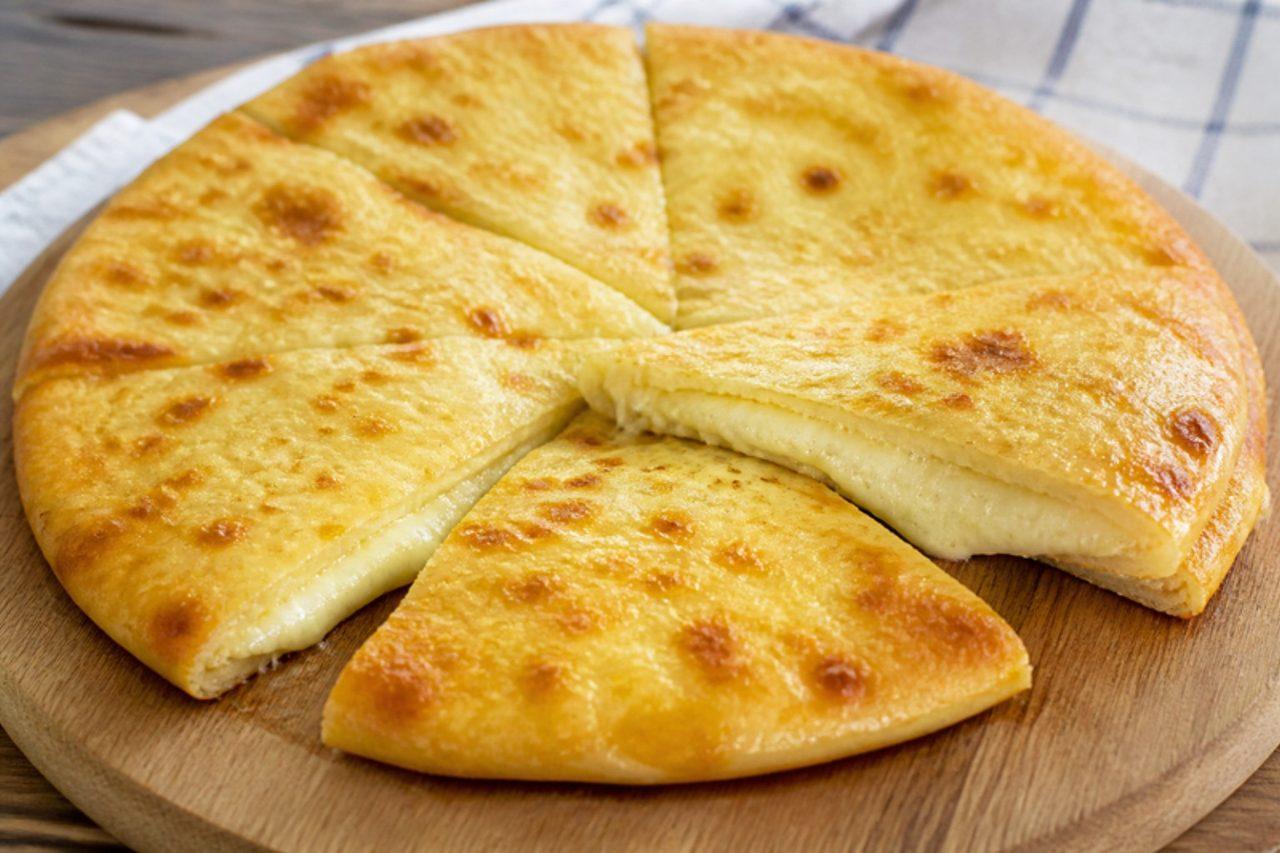
In Imereti, the region around Kutaisi in western Georgia, this flat round cheese bread is everyday food, and it is the one most families make at home: a tender, quick dough leavened with matsoni (Georgian yogurt) and soda, wrapped around a cheese ball and cooked in a dry frying pan. It is cut into wedges like a pizza and set on the table for breakfast, for a feast, or packed for a long car journey. Georgian imeruli and sulguni cheeses are hard to find outside Georgia, so this uses mozzarella with feta for the salty tang. Choose cheeses labelled vegetarian (microbial rennet). Children love it plain, still warm. A common mistake is rolling it out with heavy pressure, which tears the thin dough so the cheese leaks and burns in the pan. Chef's tip: press it out gently with your fingertips from the centre outwards, and if a small hole appears, pinch a scrap of dough over it before it reaches the pan.

by KrazyBadal 0 views

Masala dosaPotato-filled rice crêpes

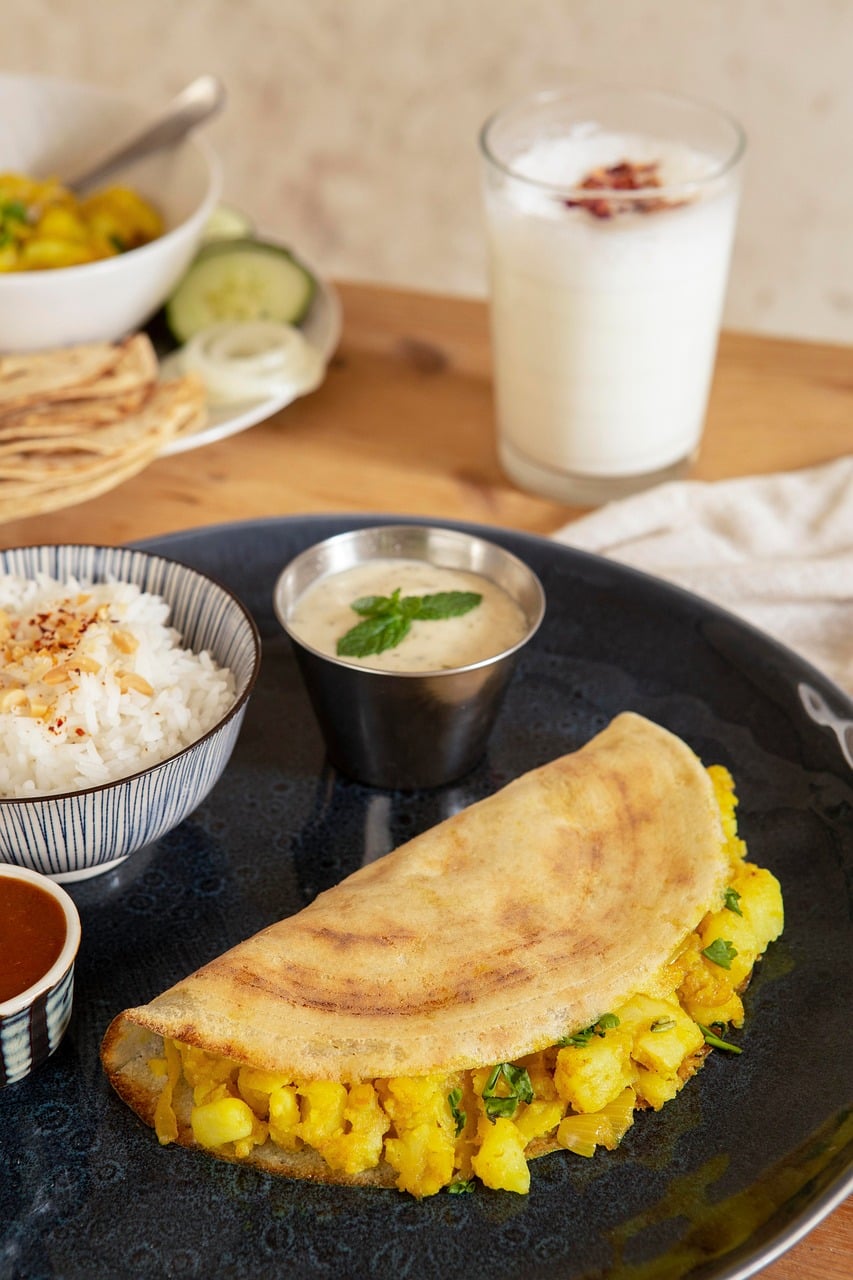
Masala dosa is the breakfast of Tamil Nadu and Karnataka: a huge, thin, golden crêpe of fermented rice and urad dal batter, crisp at the edges and soft in the middle, folded around a turmeric-yellow potato and onion filling tempered with mustard seeds and curry leaves. In Chennai and Bengaluru it's eaten at small tiffin rooms with coconut chutney and a bowl of sambar, torn by hand. The batter takes planning, soaking in the morning and fermenting overnight, but one batch makes dosas for two or three days. Chef's tip: wipe the hot griddle with a cut onion dipped in oil, then sprinkle on water; if it sizzles away in a second the pan is ready, and the batter will spread thin without sticking.

by KrazyBadal 0 views

Imo kenpiCandied sweet potato sticks

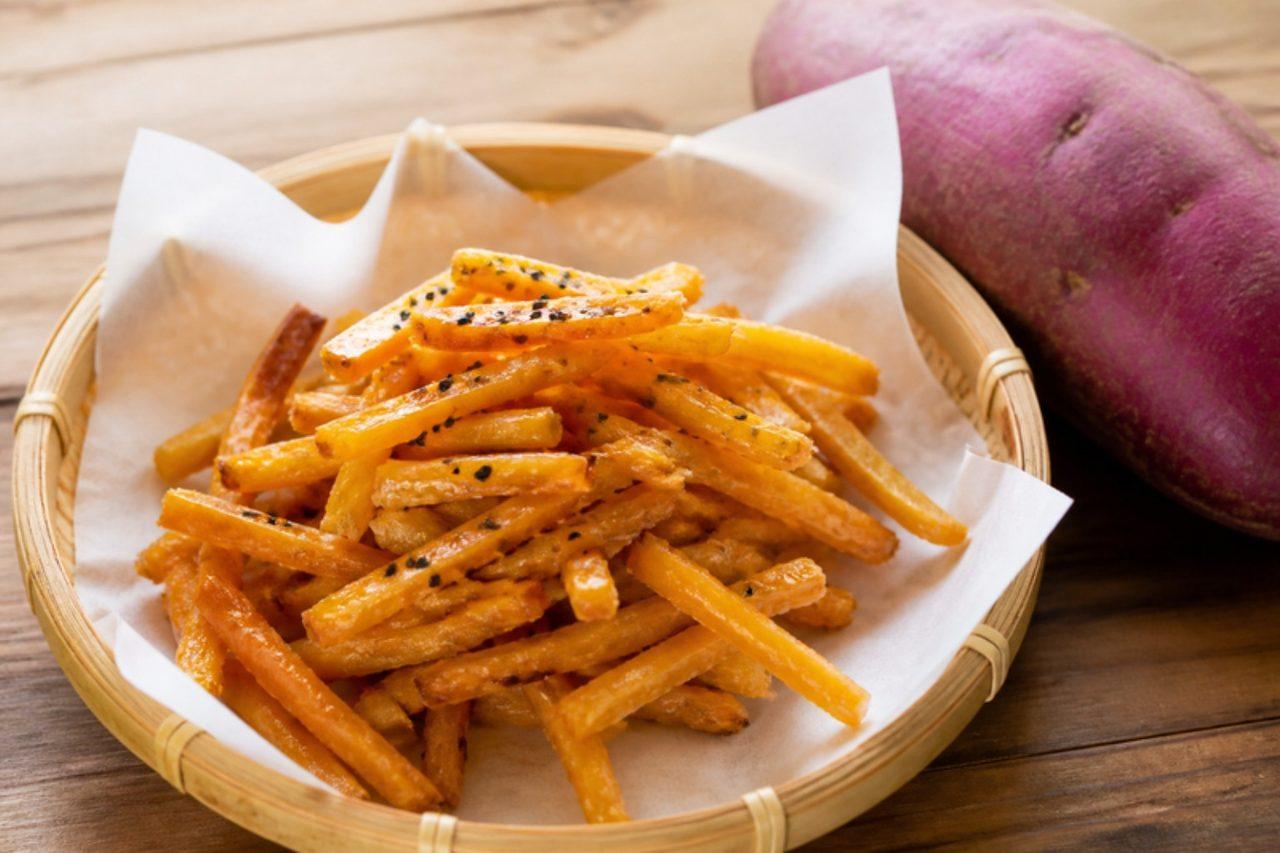
Kagoshima, at Kyushu's southern tip, is Japan's sweet potato heartland. The crop is so closely tied to the region that the Japanese word for sweet potato, satsuma-imo, means 'Satsuma potato', after the old name of Kagoshima. Imo kenpi are its simplest snack: thin batons of sweet potato fried until crisp, then tossed in a syrup that sets into a glassy shell. Kids grab them from bags at the corner shop, and grandparents make them at home with the autumn harvest. They are crunchy, sweet and a little salty. Chef's tip: fry the potato twice, slowly first, then hot. That drives out the water and gives a snap that lasts for days.

by KrazyBadal 0 views

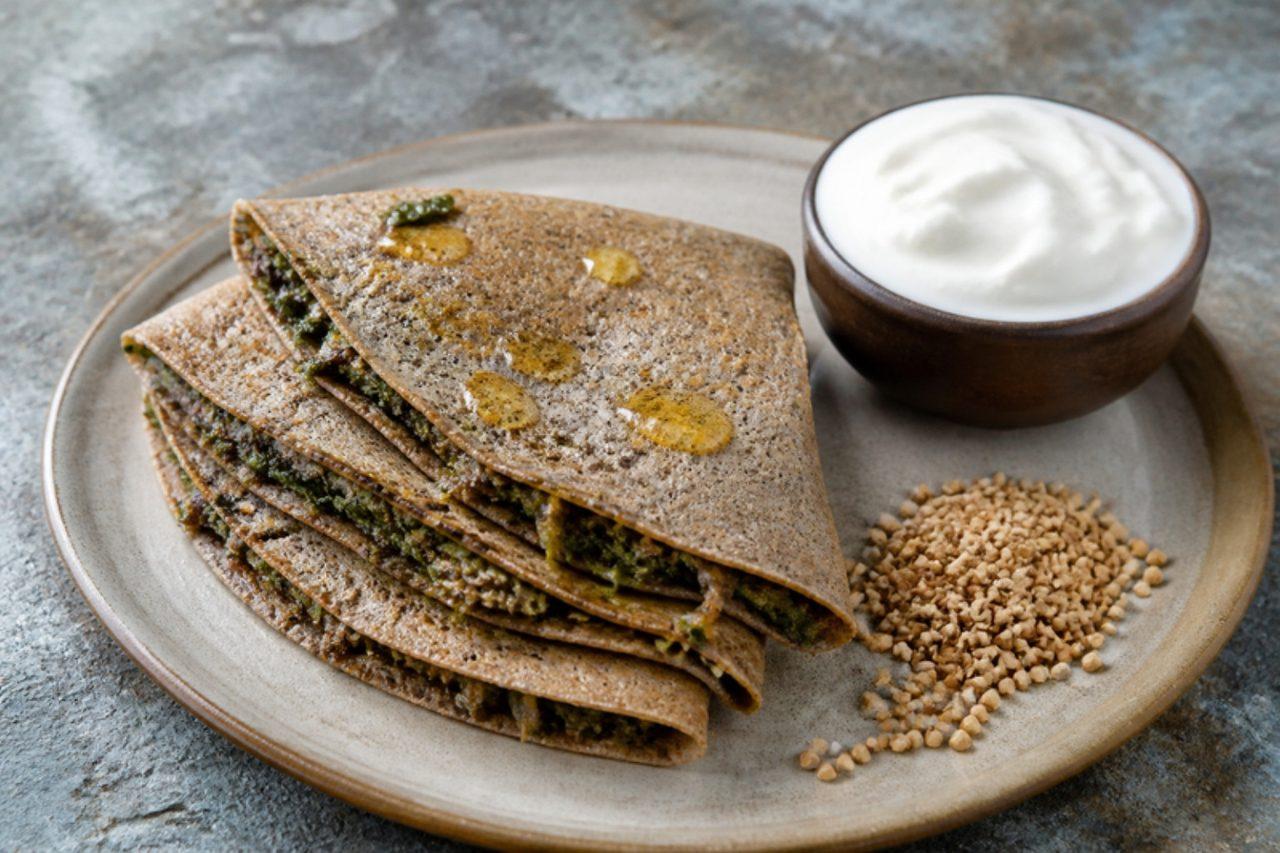
AktoriBuckwheat pancakes with greens

High in the Spiti and Lahaul valleys of Himachal Pradesh, where wheat struggles, buckwheat (kathu) grows in short summer fields and its leaves are eaten as a vegetable too. Aktori are thin buckwheat pancakes cooked with a layer of those greens inside, dotted with ghee and eaten warm with yogurt or salty butter tea. Families make them on festival mornings and through the long winter. Outside the valleys, spinach or young chard stands in well for buckwheat leaves. Chef's tip: keep the batter as thin as pouring cream; buckwheat has no gluten, so a thick batter cooks up gummy instead of tender.

by KrazyBadal 0 views

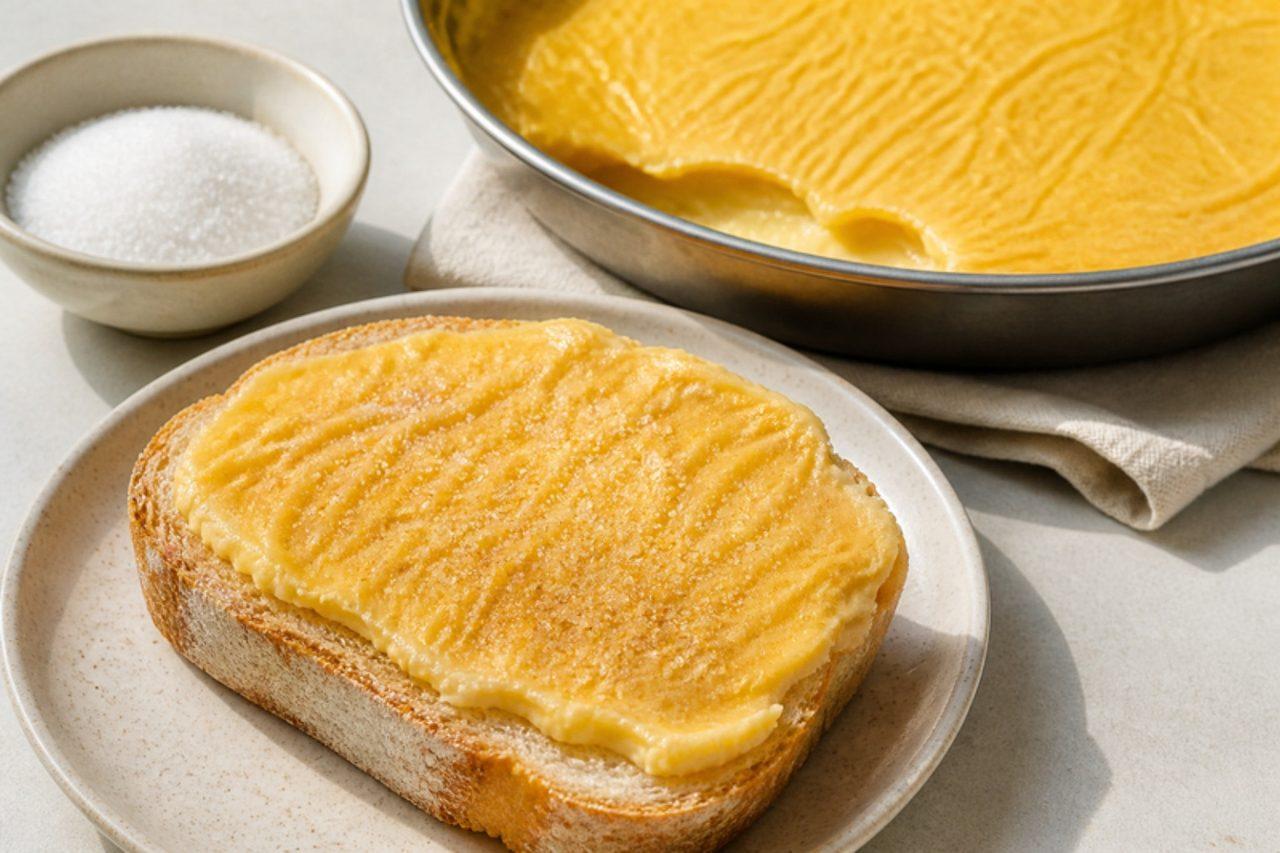
Öröm with breadClotted cream on bread

In Mongolian summer, when the herds are milked several times a day, families on the steppe gently heat fresh milk in a wide pan, ladling and pouring it back to froth it, then leave it overnight. By morning a thick, wrinkled, pale-gold skin of cream has formed: öröm. Lifted off and folded, it's spread on boortsog (fried dough) or bread with a sprinkle of sugar and eaten with milk tea. It's rich, slightly nutty and very simple. Chef's tip: use the widest, heaviest pan you own and the lowest possible heat; öröm needs a large surface and patience, not boiling.

by KrazyBadal 0 views

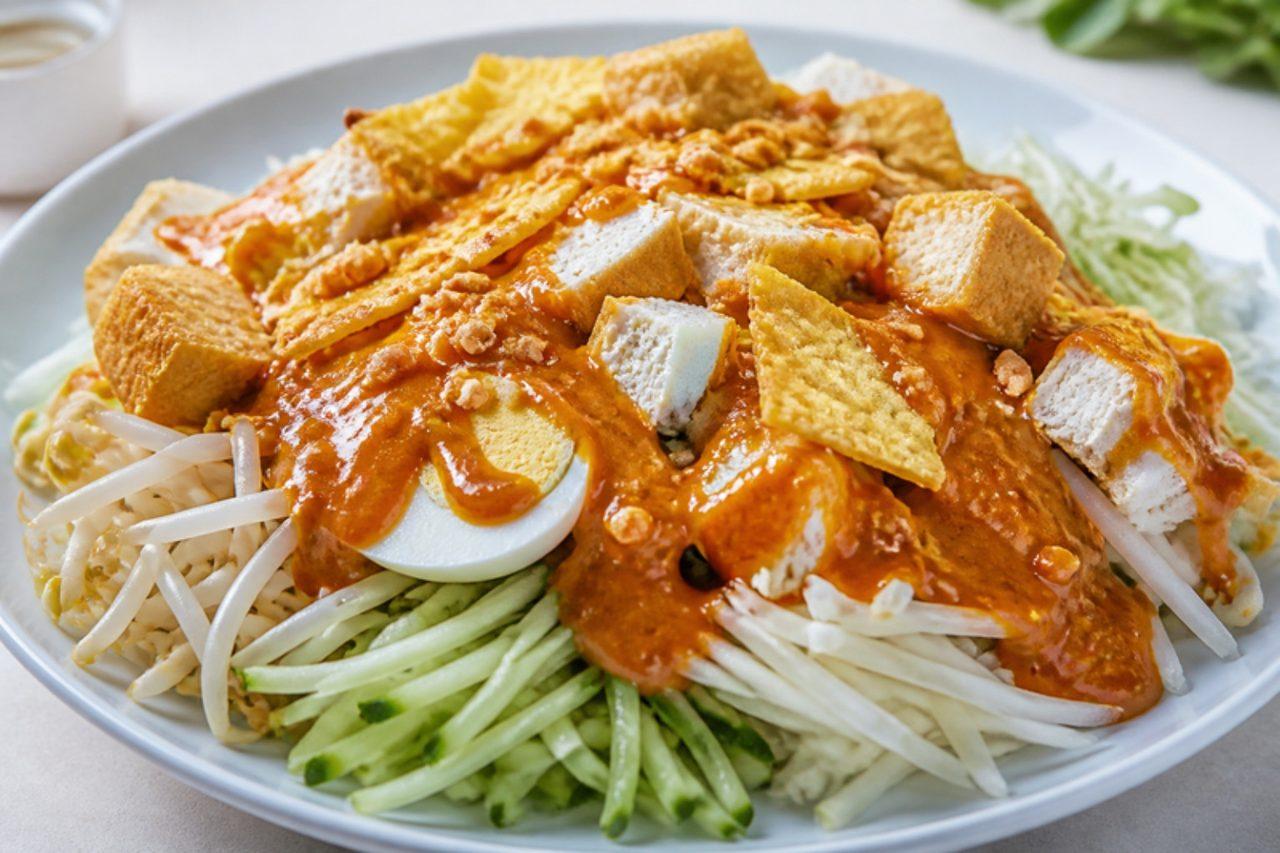
PasemburVegetable and fritter salad

Pasembur is sold from Indian-Muslim (mamak) stalls along Penang's Gurney Drive and Esplanade: shredded cucumber, jicama and bean sprouts piled with sliced fried tofu, boiled egg and crisp fritters, all buried under a thick, sweet, gently spicy sauce made from sweet potato, chilli and peanuts. You pick your fritters at the stall; prawn fritters are common, but here they are crunchy cabbage and onion ones. Chef's tip: dress it at the very last moment and eat at once, so the fritters stay crisp under the sauce.

by KrazyBadal 0 views

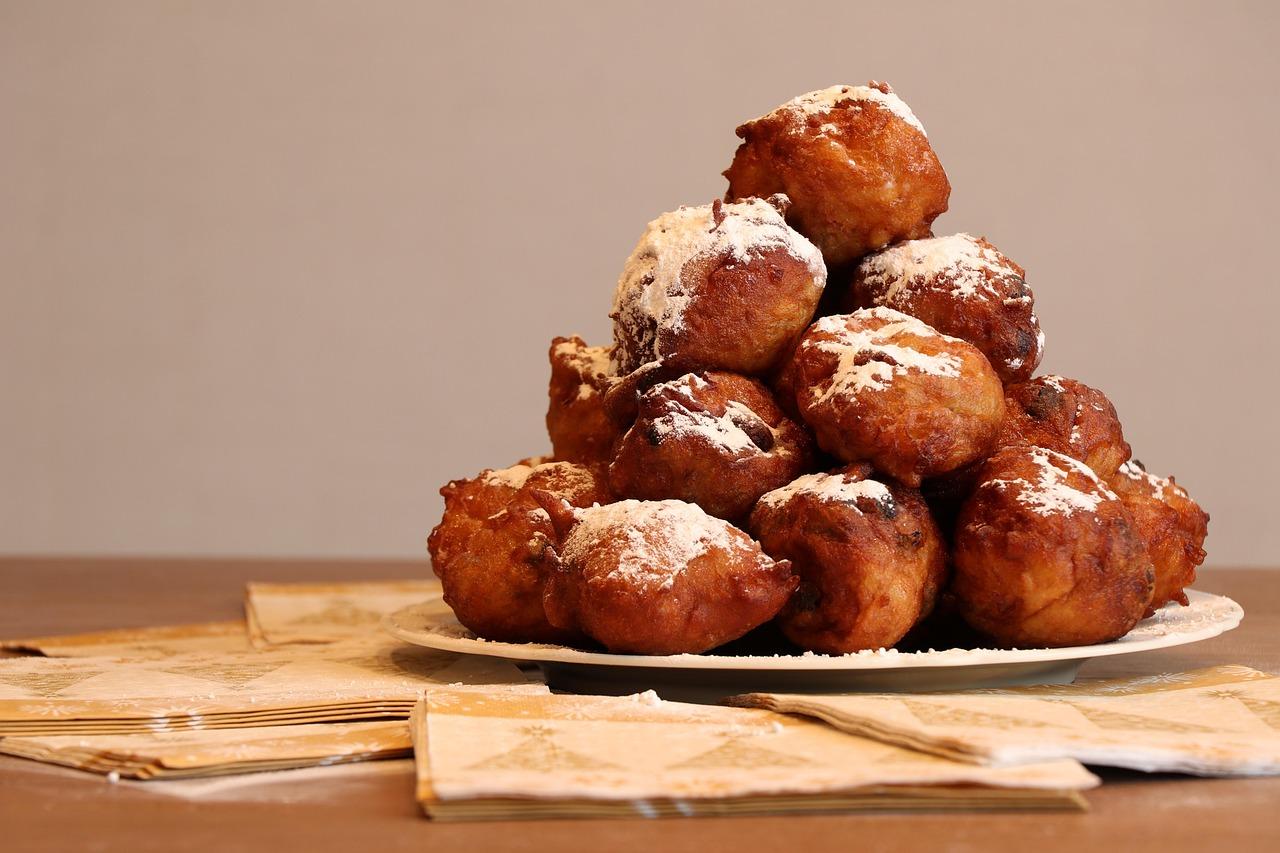
OliebollenRaisin fritters

On the last day of December the queues outside the oliebollenkraam, the caravan-like stalls that pop up in every Dutch town, stretch round the block. Oliebollen ('oil balls') are the food of Oudejaarsavond, New Year's Eve: round, yeasted fritters full of raisins, currants and apple, deep-fried and buried in icing sugar. Families fry big batches at home in the afternoon and eat them with champagne at midnight. They are best within a few hours. Chef's tip: dip your two scooping spoons in the hot oil before each ball; the sticky dough slides off cleanly and the balls come out round instead of ragged.

by KrazyBadal 0 views

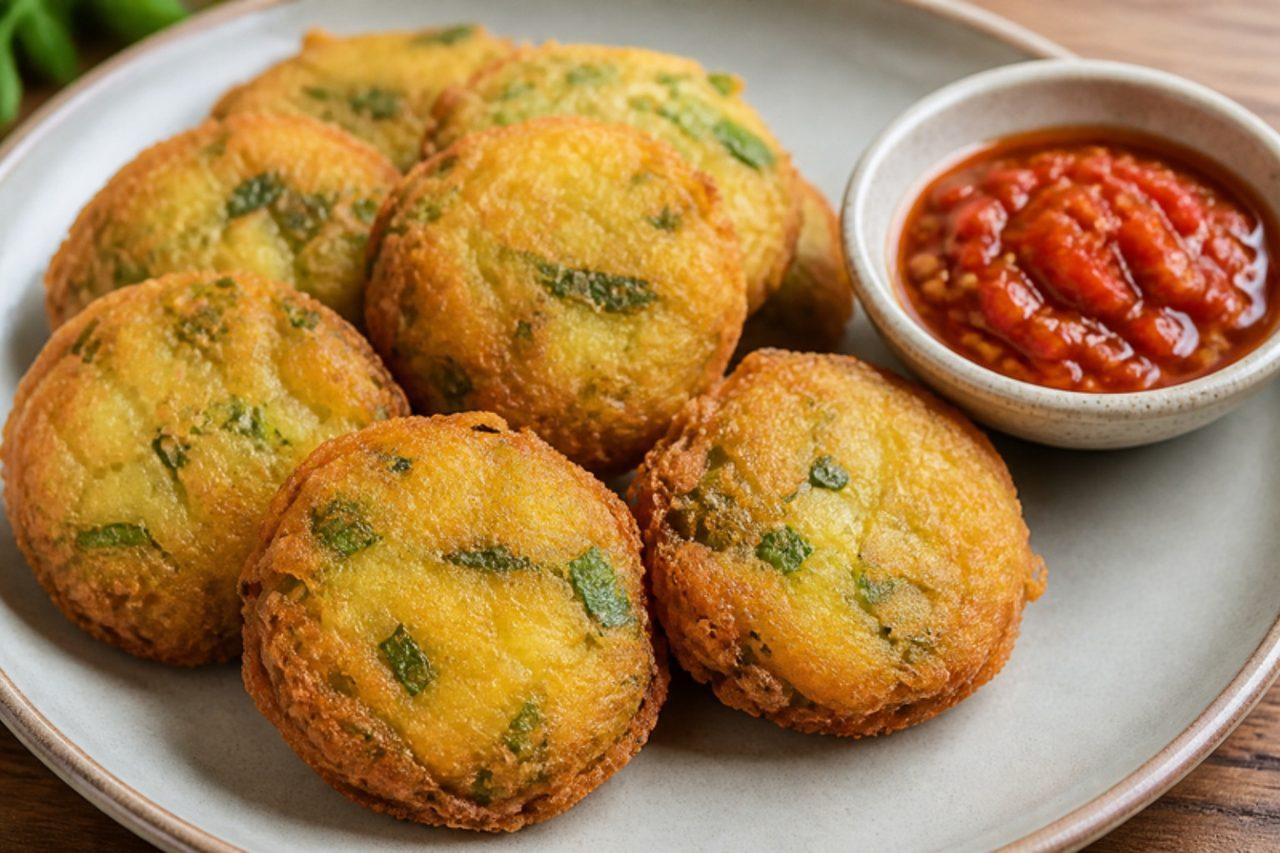
PerkedelPotato fritters

Perkedel came to Indonesia from the Dutch frikadel, but became something quite different: mashed fried potato seasoned with nutmeg, white pepper, spring onion and fried shallots, shaped into little patties and fried in a coating of egg. Families make them for soto, for nasi kuning platters and Lebaran tables, and children grab them cold from the fridge. The outside is lacy and golden, the inside soft and peppery. Chef's tip: fry the potatoes before mashing, rather than boiling them — it's the Indonesian way, and it gives drier, fluffier potato that holds its shape without flour.

by KrazyBadal 0 views

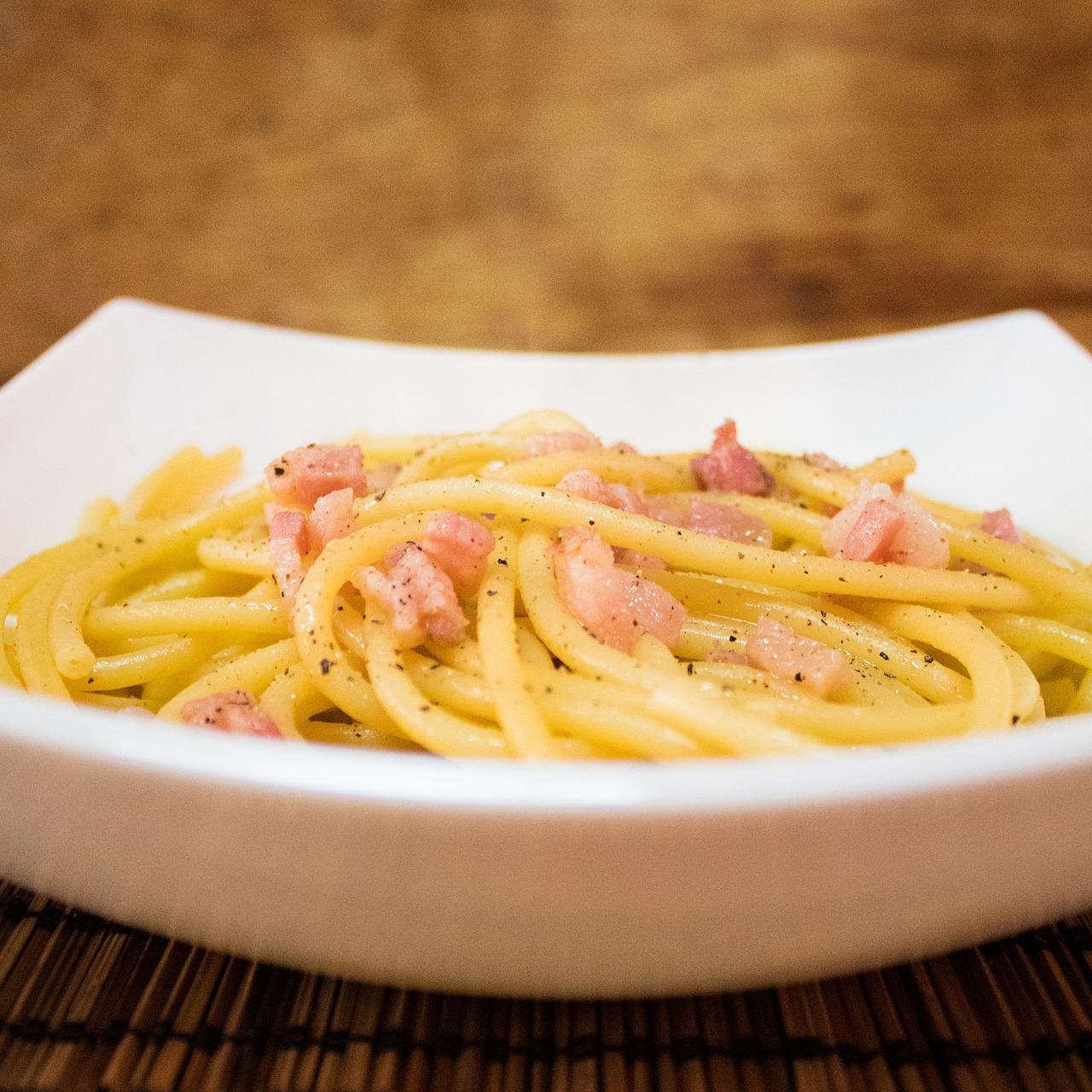
Pasta alla griciaPasta with guanciale and pecorino

Older than both carbonara and amatriciana, gricia is the white pasta of the Roman hills: no egg, no tomato, nothing but guanciale, pecorino and pepper brought together with starchy cooking water. On a Roman menu it often sits with its siblings under the heading of the four great Roman pastas, and it is many locals' quiet favourite for a weekday lunch. Short rigatoni catch the creamy, salty sauce in their ridges and tubes, and the guanciale is cooked until amber and crisp-edged so its fat flavours everything. Follow it with something light, such as sautéed chicory with garlic. Chef's tip: before you finish the pasta, mash the pecorino in a bowl with a few spoonfuls of cooled pasta water into a smooth cream; it melts into the sauce instead of seizing into strings.

by KrazyBadal 0 views

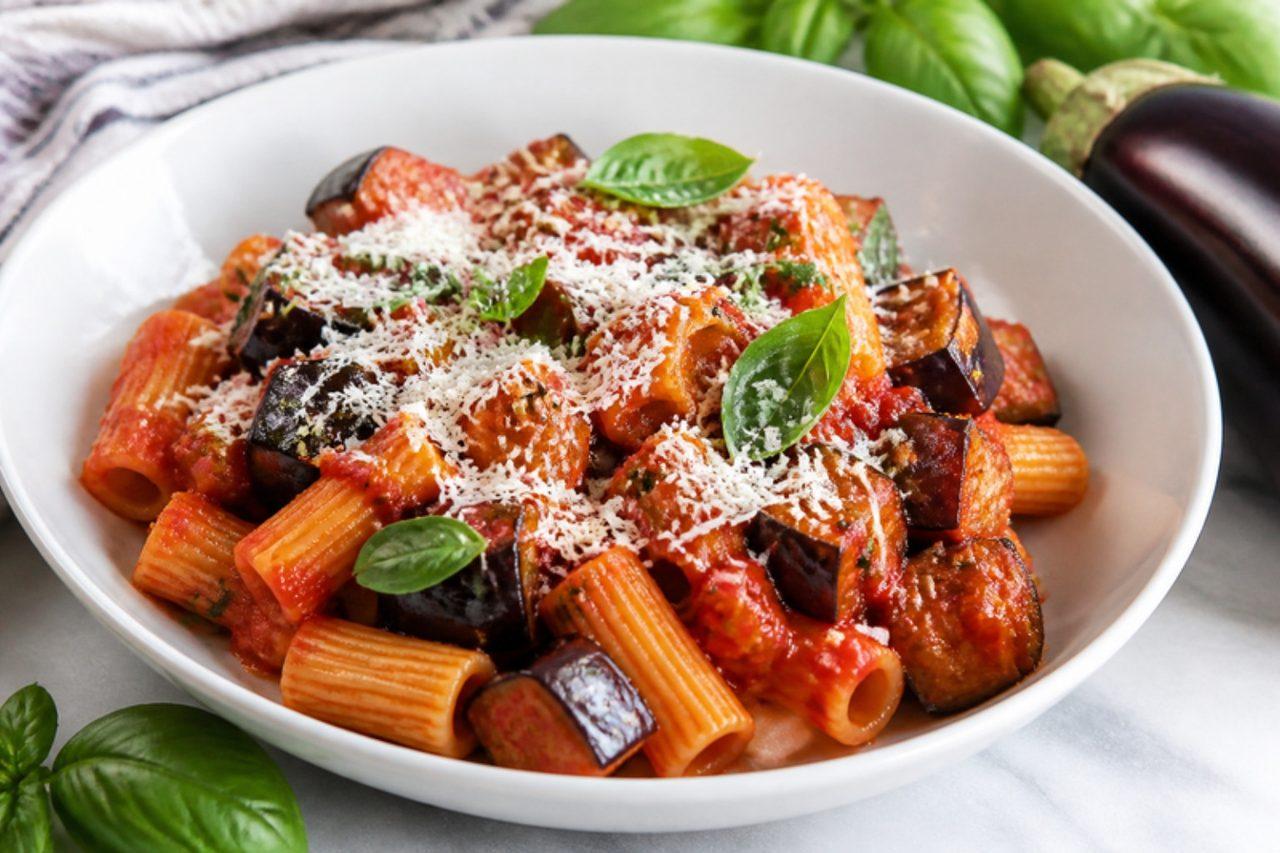
Pasta alla NormaPasta with fried aubergine and tomato

Pasta alla Norma comes from Catania, in the shadow of Mount Etna, and is named after Norma, the opera by the city's own composer Vincenzo Bellini; a local writer is said to have called the dish 'a real Norma', meaning a masterpiece. Fried aubergine, a simple garlic and basil tomato sauce and a snowfall of salty ricotta salata make one of Sicily's best summer lunches. Chef's tip: keep a few of the best fried aubergine slices aside and lay them on top at the end; the rest melt into the sauce and the top ones stay silky.

by KrazyBadal 0 views

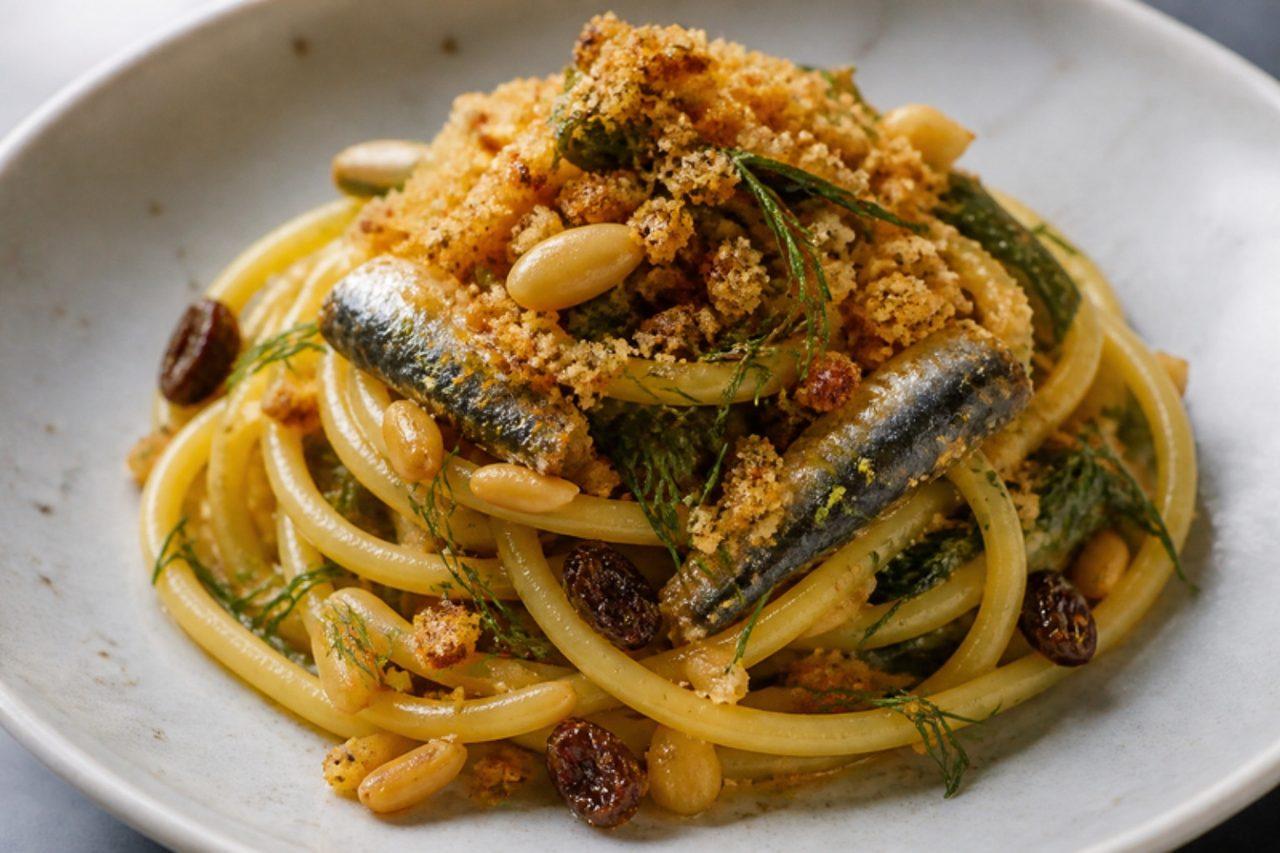
Pasta con le sardePasta with sardines and fennel

Sweet, salty and grassy all at once, Palermo's favourite pasta carries the island's history in one pan: Arab raisins, pine nuts and saffron meet fresh sardines and the wild fennel that grows on every Sicilian hillside in spring. It is cooked at home and in the city's old trattorie from March to the start of summer, and on 19 March for the feast of San Giuseppe. Instead of cheese, it is finished with olive oil toasted breadcrumbs, the crunchy 'muddica' that Sicilians call poor man's parmesan. Wild fennel is hard to find outside Italy; the fronds from two fennel bulbs plus a few fennel seeds come close. Serve it warm, or at room temperature as Palermitans often do. Chef's tip: blanch the fennel greens in the pasta pot first and cook the bucatini in that same green, aniseed-scented water, so the flavour runs right through the pasta.

by KrazyBadal 0 views

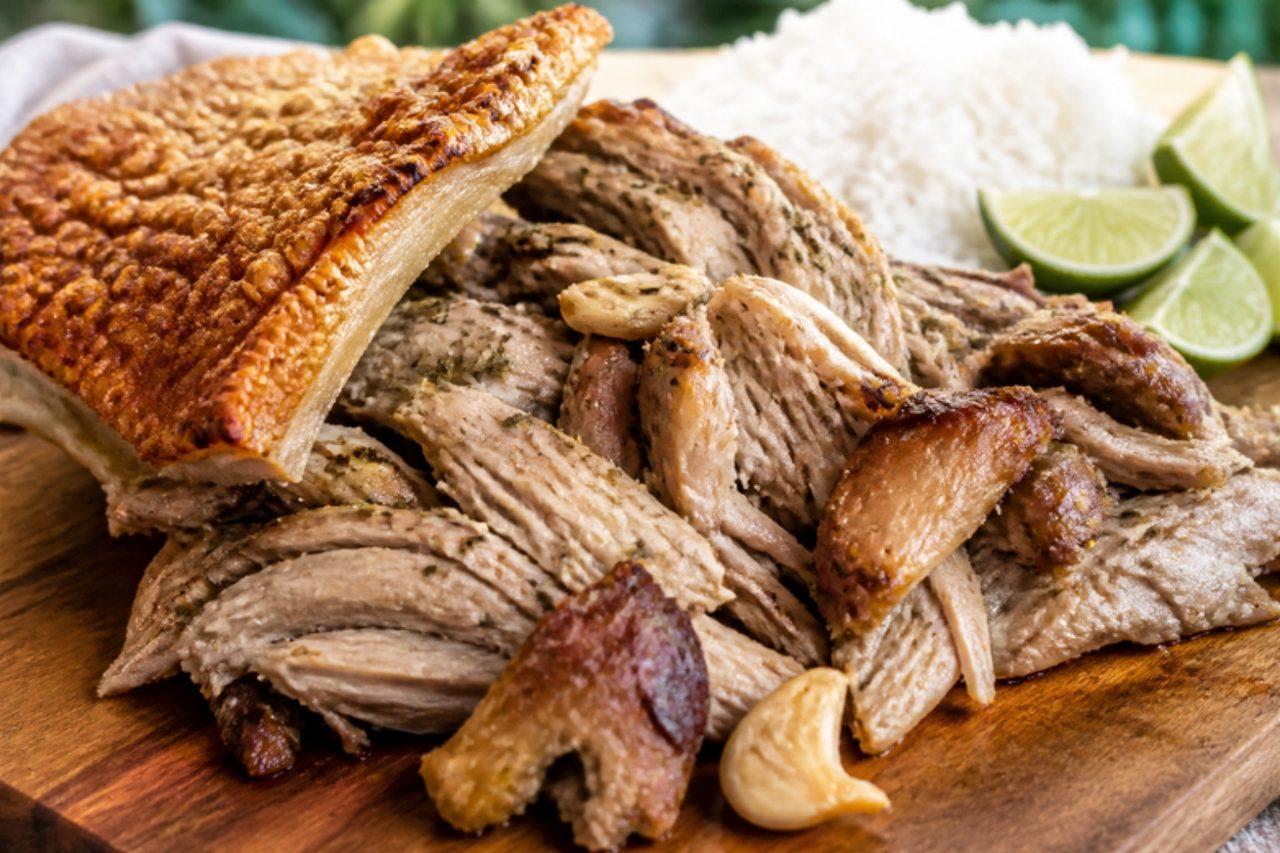
PernilRoast pork shoulder

No Puerto Rican Nochebuena (Christmas Eve) is complete without pernil, a whole pork shoulder rubbed with a pounded paste of garlic, oregano and black pepper, left in the fridge overnight and roasted low for hours until it falls apart. This is a pork dish. Families fight over the cuerito, the crackling skin on top, and the meat goes with arroz con gandules, salad and more rice the next day. The usual mistake is smearing the marinade over the skin: the garlic burns and the skin never crackles, so push the paste into slits and under the skin, and keep the skin itself dry and salted. Chef's tip: marinate for a full 24 hours if you can; the garlic and vinegar soak right into the meat.

by KrazyBadal 0 views

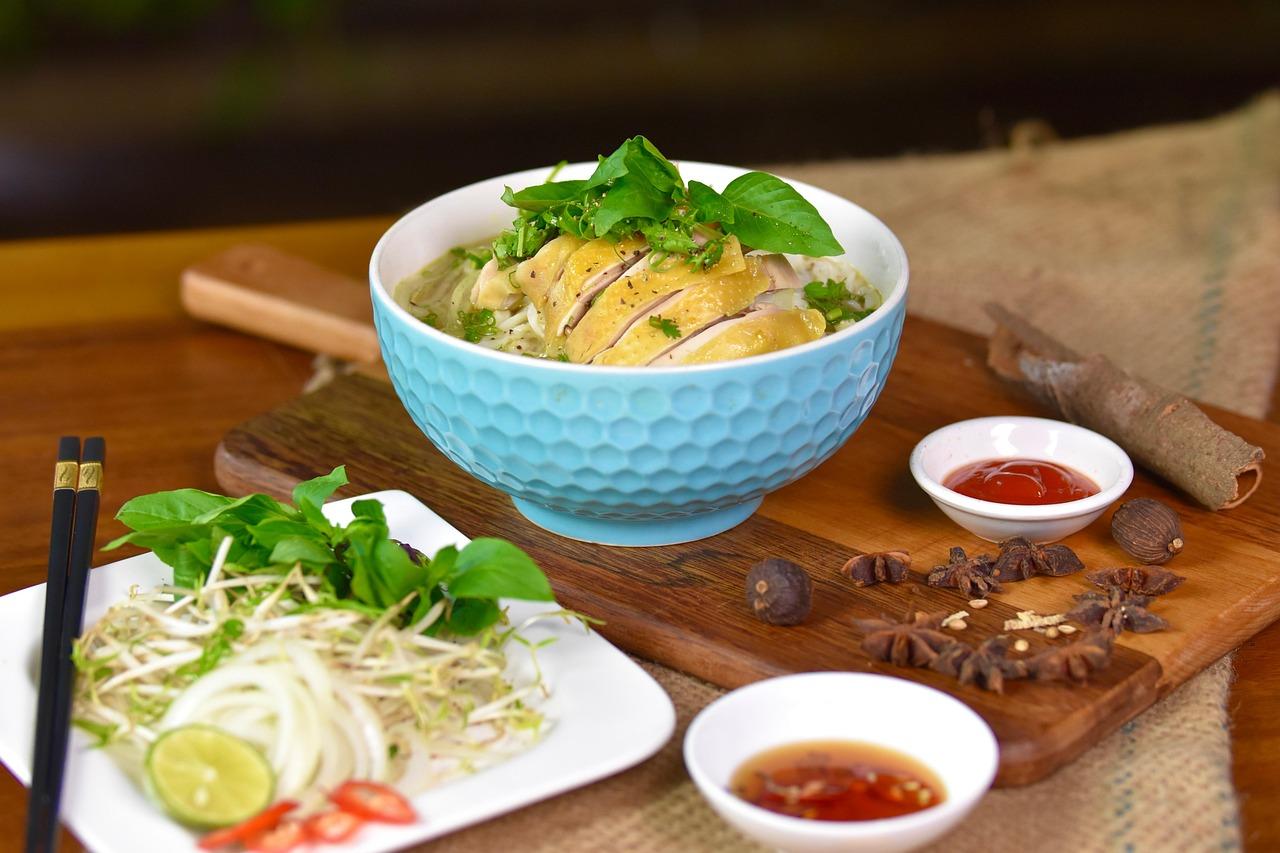
Pho gaChicken noodle soup

In Hanoi some shops sell nothing but chicken pho, and locals often choose it over beef for a gentler breakfast or a late bowl after an evening out. The broth is lighter than the beef version, made in about an hour from a whole bird with a few charred aromatics and only a hint of spice. The northern signature is a tangle of makrut lime leaf, cut as fine as thread, scattered over the hot chicken just before serving. It's a good first pho to make at home, since the timing is forgiving and the chicken poaches in the same pot. Chef's tip: plunge the cooked chicken into iced water for 5 minutes; the skin turns firm and slightly springy, the way Hanoi cooks like it.

by KrazyBadal 0 views

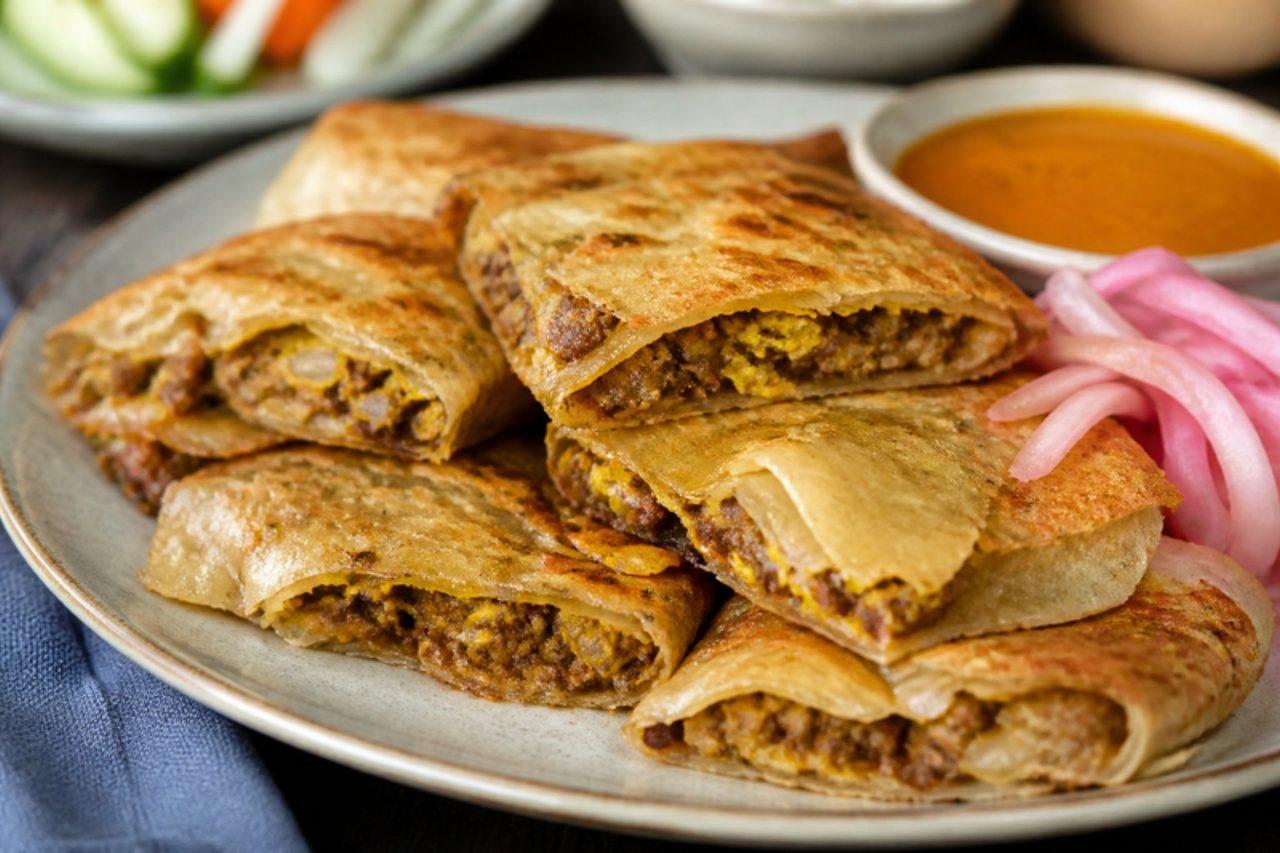
MurtabakStuffed griddled bread

Mamak shops stay open late across Malaysia, and the man at the big flat griddle swinging dough into a translucent sheet is half the show. Murtabak is that dough wrapped around a filling of curried minced meat, onion and beaten egg, folded into a fat square parcel and fried until blistered and crisp outside, soft and steamy within. Ramadan bazaars sell piles of it at dusk for breaking the fast. Cut into squares and serve with a ladle of dhal or curry gravy and pickled red onion. Chef's tip: oil your hands and the work surface generously; murtabak dough wants to be stretched, never rolled, and the oil lets it glide.

by KrazyBadal 0 views

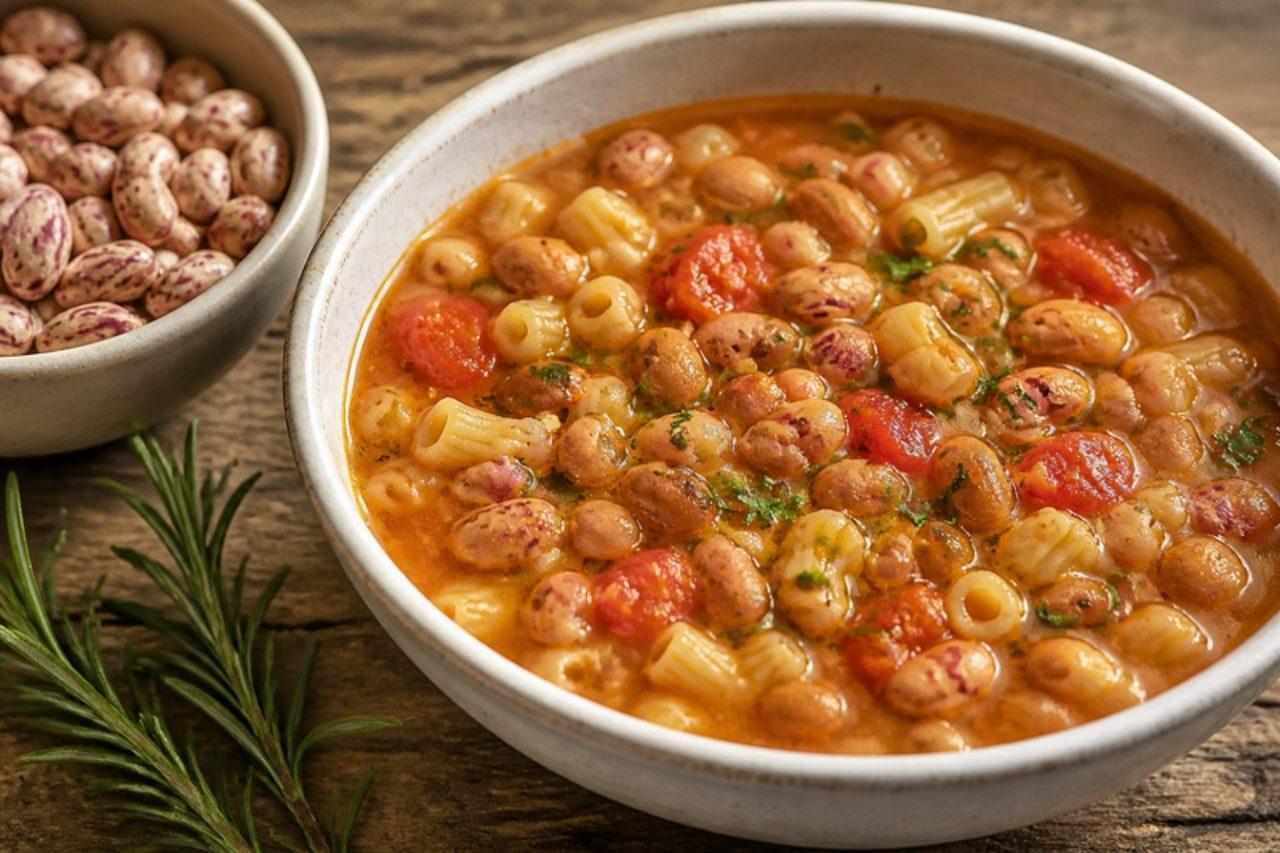
Pasta e fagioliBean and pasta soup

In Naples pasta e fagioli (pasta e fasule in dialect) is thick enough to stand a spoon in, made with cannellini or borlotti beans, a few cherry tomatoes, garlic and broken pasta cooked straight in the bean broth. It is a cheap, filling Friday-night meal in many Neapolitan homes, and the bean starch, not cream or cheese, makes it velvety; this version stays vegan. Chef's tip: blend a ladle of the beans before the pasta goes in; it thickens the soup naturally so the pasta is coated, not swimming.

by KrazyBadal 0 views

Pasta e patatePasta with potatoes

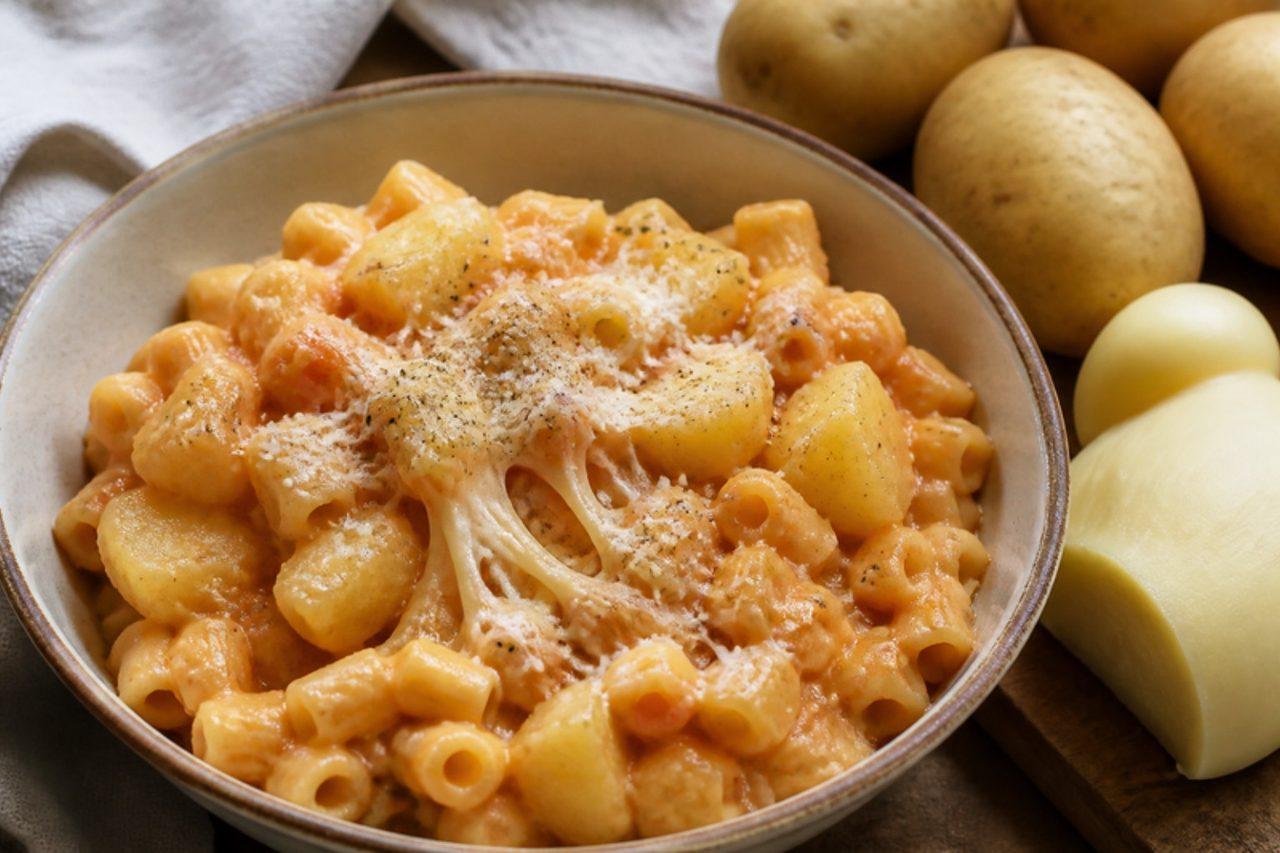
Pasta e patate is Neapolitan home cooking at its most thrifty: potatoes and mixed broken pasta (pasta mista, the odds and ends from many packets) cooked together in one pot like a risotto, until the potato breaks down and the starch makes everything creamy. Naples families eat it on weekday evenings in winter, and many stir in cubes of smoked provola at the end so it goes stringy (pasta patate e provola). Children love it. Chef's tip: cut half the potato small and half larger; the small pieces melt into the sauce while the larger ones keep their shape.

by KrazyBadal 0 views

Showing 36 of 10,268 recipes

Show more recipes

Page 1,044 of 1,141