Skip to content
Sabudana khichdi
Featured recipe

Sabudana khichdi

Sago with peanuts and potato

Sabudana khichdi is the dish that sees Maharashtra through every vrat (fast), from Navratri to Ekadashi, but it's so good that people eat it any day of the week. Soaked sago pearls are tossed in a pan with crushed roasted peanuts, cubes of potato, cumin and green chilli until each pearl turns glassy and separate, then finished with lemon and coriander. It's soft, chewy, nutty and gently hot. Fasting rules vary from family to family, so check yours; this version uses rock salt and no asafoetida, onion or garlic. Traditionally it's cooked in ghee; use ghee instead of oil if you aren't keeping it vegan. Chef's tip: soak the sago in just enough water to cover by the height of the pearls themselves, no more; too much water is the reason khichdi turns into one sticky lump.

Read more 2 views

What to eat today?

Around the world

Today's trip: Peruvian

A new country every day, from every cuisine on the site.

Peruvian

Tacacho

Mashed roasted green plantain balls 35 minMore from Peruvian (111) →

This week's collection

Kid-friendly dinners
772 recipes · a new collection every Monday

Coming up

All occasions →

Latest recipes

Cape Malay koesistersSpiced syrup doughnuts

Koesisters are Cape Town's Sunday-morning ritual: in the Bo-Kaap and on the Cape Flats, families buy or make a batch to eat with tea after the week's work is done. They are nothing like the plaited, crunchy Afrikaner koeksister. These are soft, cake-like, oval dumplings flavoured with cinnamon, cardamom, ginger, aniseed and naartjie (tangerine) zest, fried, briefly boiled in a thin syrup and rolled in desiccated coconut. Chef's tip: fry them over a moderate heat so they cook through to a fluffy centre before the outside turns dark; they should be a rich brown, not black.

by KrazyBadal 0 views

Osmania biscuitsSweet and salty butter biscuits

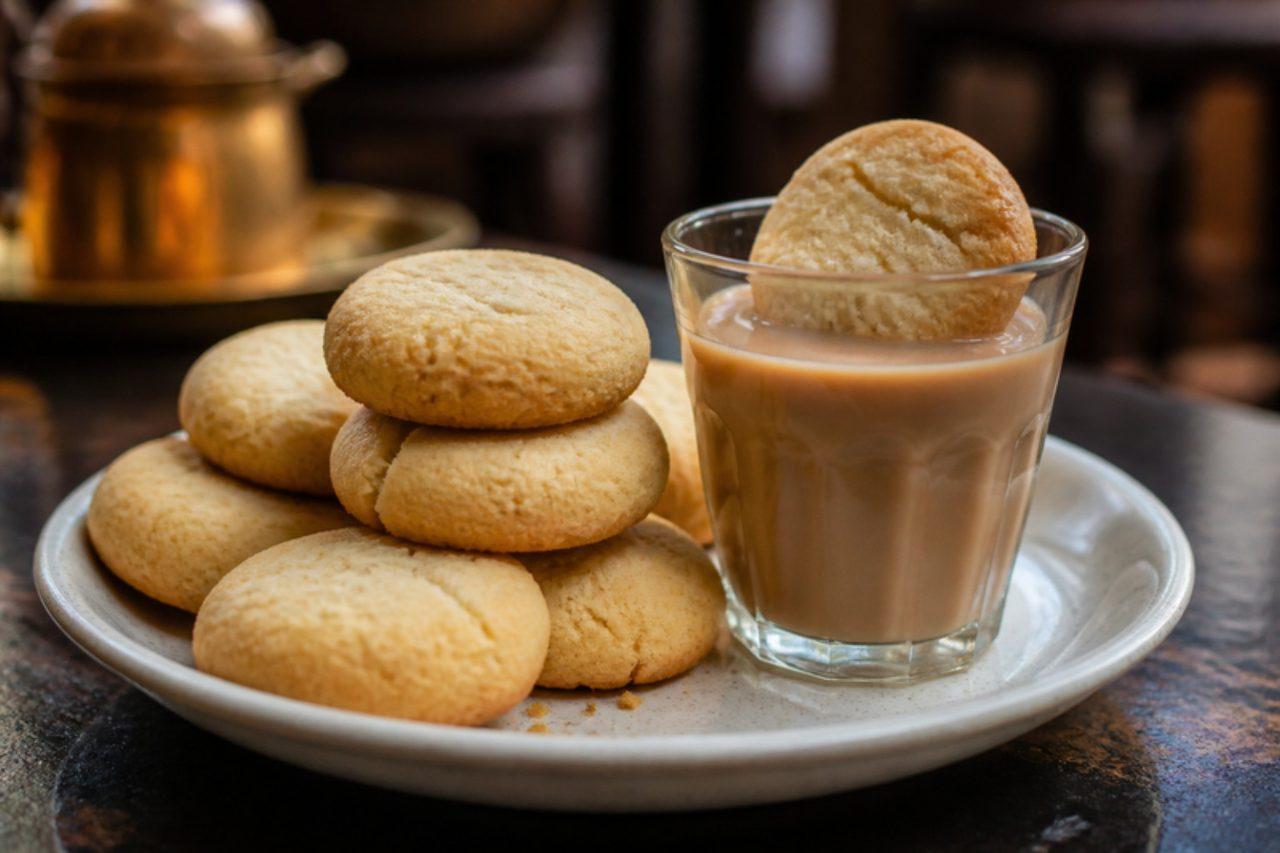
Osmania biscuits are named after the last Nizam of Hyderabad, and they have been baked in the city's Irani bakeries for generations: round, crumbly, melt-in-the-mouth butter biscuits that are gently sweet with a distinct salty edge and a hint of cardamom. In old-city cafés, men linger over a plate of them and a cup of Irani chai in the early morning or after the evening prayers, dunking each one until it is just about to collapse. Chef's tip: chill the dough before cutting and baking; it keeps the biscuits round and thick instead of spreading thin.

by KrazyBadal 0 views

AdjikaRed pepper and garlic paste

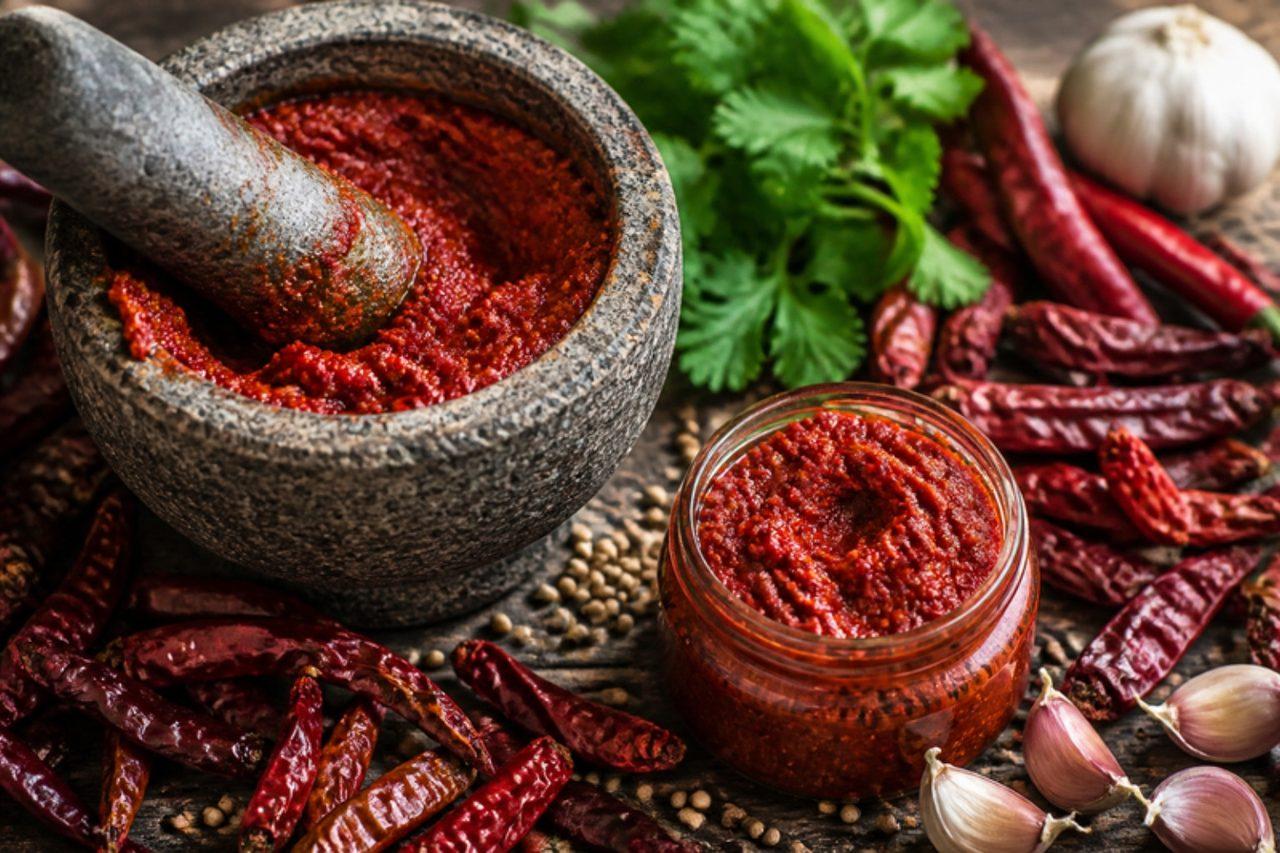
Adjika comes from Samegrelo and neighbouring Abkhazia in western Georgia, where it is a thick, fiery paste of dried red peppers, garlic and seeds, pounded in a stone mortar and stored in jars for the year. It is nothing like the tomato relishes sold as adjika in some shops: a little goes a very long way, stirred into beans, rubbed into vegetables before roasting, or spread thinly on mchadi with cheese. It needs no cooking, just patience while the peppers soak. A common mistake is skipping the soaking, which leaves the paste gritty with hard flakes of skin. Chef's tip: wear gloves while handling the peppers, and use a mix of mild and hot ones so you get colour and fruitiness, not just heat.

by KrazyBadal 0 views

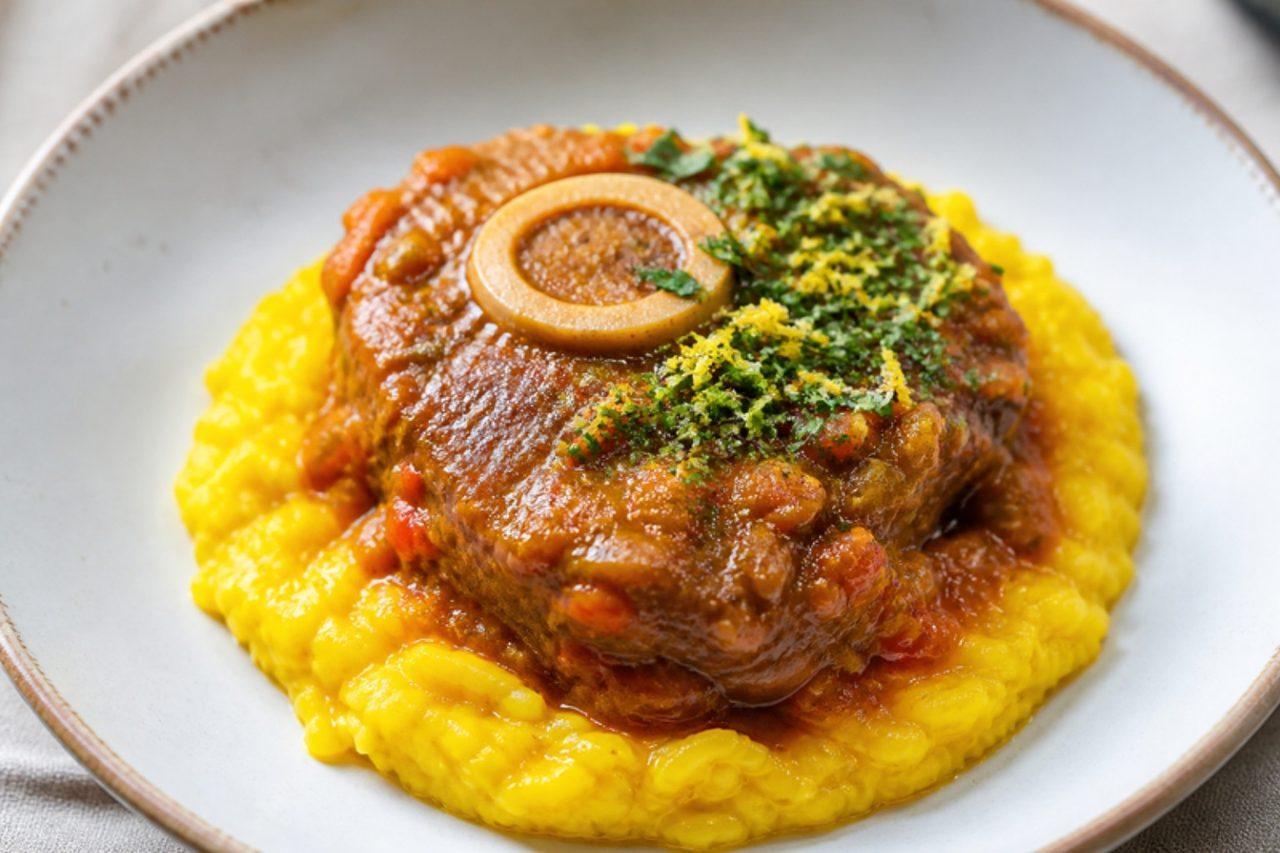
Ossobuco alla milaneseBraised veal shanks

Thick cross-cut slices of veal shank, each ringed around a hollow bone full of marrow, are browned and then braised slowly in white wine and stock until the meat is soft enough to cut with a spoon: this is Milan's great winter Sunday dish. The old Milanese way, 'in bianco', keeps tomato out, so the sauce stays golden and savoury. Just before serving it gets a shower of gremolata, a sharp mix of lemon zest, garlic and parsley that wakes up the rich braise. Serve it with risotto alla milanese, the saffron risotto that is its traditional partner (one of the few times a Milanese risotto shares the plate), or with soft polenta. Chef's tip: snip through the thin skin around each shank in three or four places before browning, so the slices stay flat in the pan instead of curling up.

150 minItalianMeatGluten free
by KrazyBadal 0 views

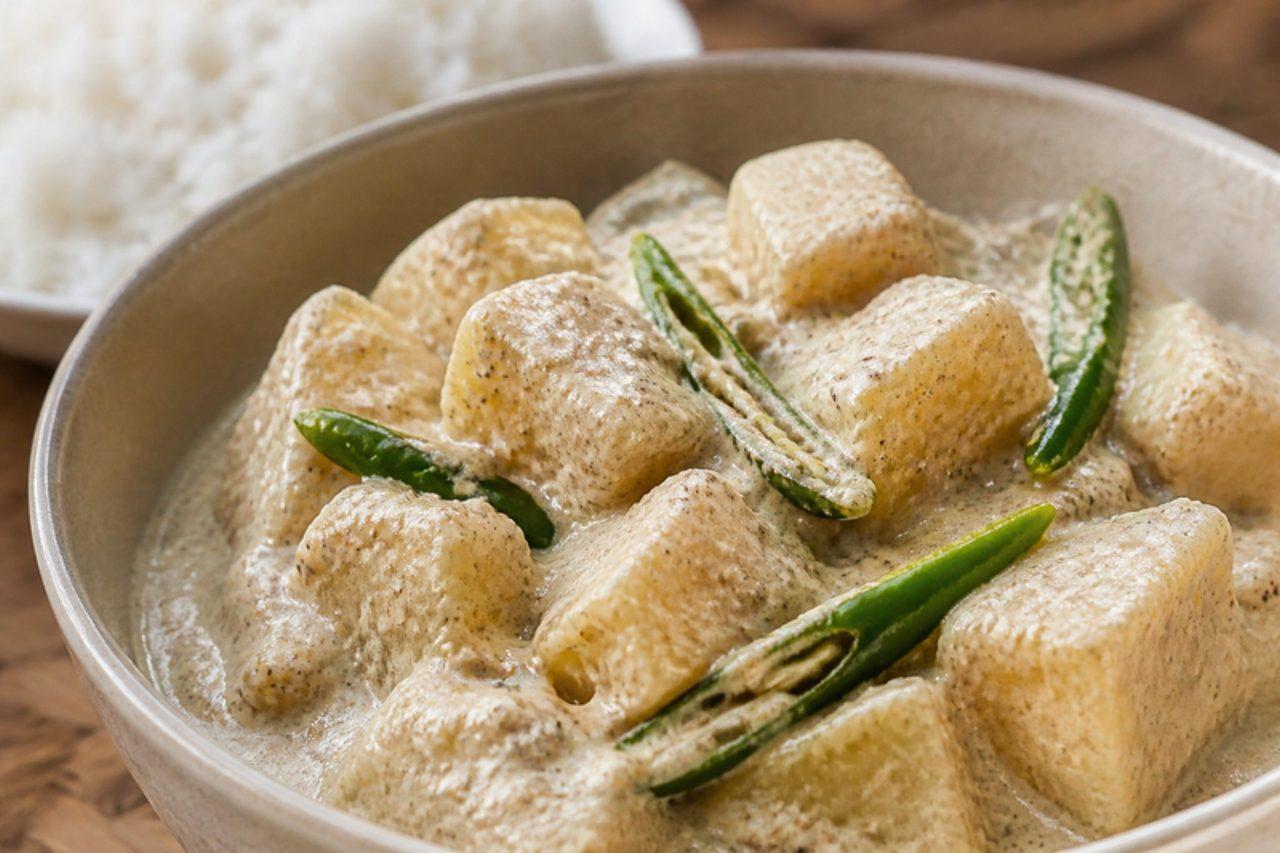
Aloo postoPotatoes in poppy seed paste

Aloo posto is one of West Bengal's best-loved everyday dishes: cubes of potato cooked gently in a thick paste of ground white poppy seeds, green chilli and mustard oil. The poppy seeds give a nutty, creamy coating without any dairy, and the nigella seeds and raw mustard oil add a sharp, fragrant edge. It's simple, mild and comforting, eaten with plain rice and dal in Kolkata homes. Chef's tip: grind the soaked poppy seeds with the green chillies and a splash of water until truly smooth; a gritty paste never turns creamy.

by KrazyBadal 0 views

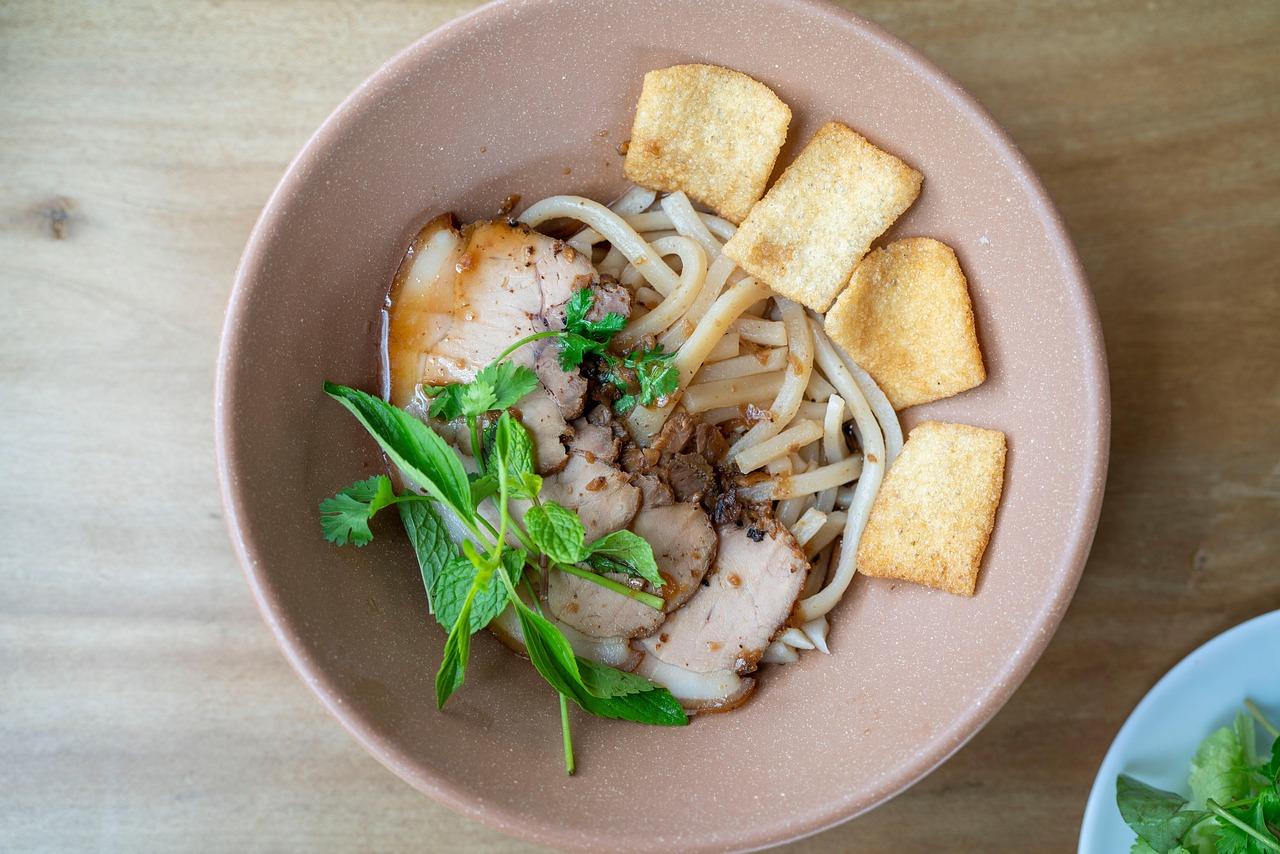
Cao lauPork and noodle bowl

You will really only find proper cao lầu in Hội An, the old trading port on Vietnam's central coast, where it's sold in small family eateries and along the riverside at lunch. The noodles are yellowish and unusually chewy, made with lye water that locals traditionally link to the town's ancient Bá Lễ well. They come almost dry, topped with slices of sweet five-spice pork, raw greens and crisp squares of fried dough, with just a spoonful of the pork juices. Because the real noodles are very hard to buy outside Hội An, this home version uses thick udon noodles, which give a similar bouncy chew; it is a substitute, not the original. Chef's tip: rinse the cooked udon in cold water, then dip briefly in hot water just before serving, so they are warm but firm.

by KrazyBadal 0 views

MekitsiFried yogurt dough puffs

Mekitsi are the Sunday morning treat of Bulgarian childhoods: in towns like Veliko Tarnovo and Gabrovo they are fried at home or bought from stalls by the dozen, puffy, uneven rounds of yogurt dough that come out of the oil crisp outside and soft and airy inside. They are eaten hot, dusted with icing sugar or spread with jam, honey or sirene, with a cup of tea or ayran. Chef's tip: stretch the dough with oiled hands rather than flour, and keep the oil at a steady medium heat; oil that's too hot is the usual mistake and leaves them dark outside and doughy in the middle.

by KrazyBadal 0 views

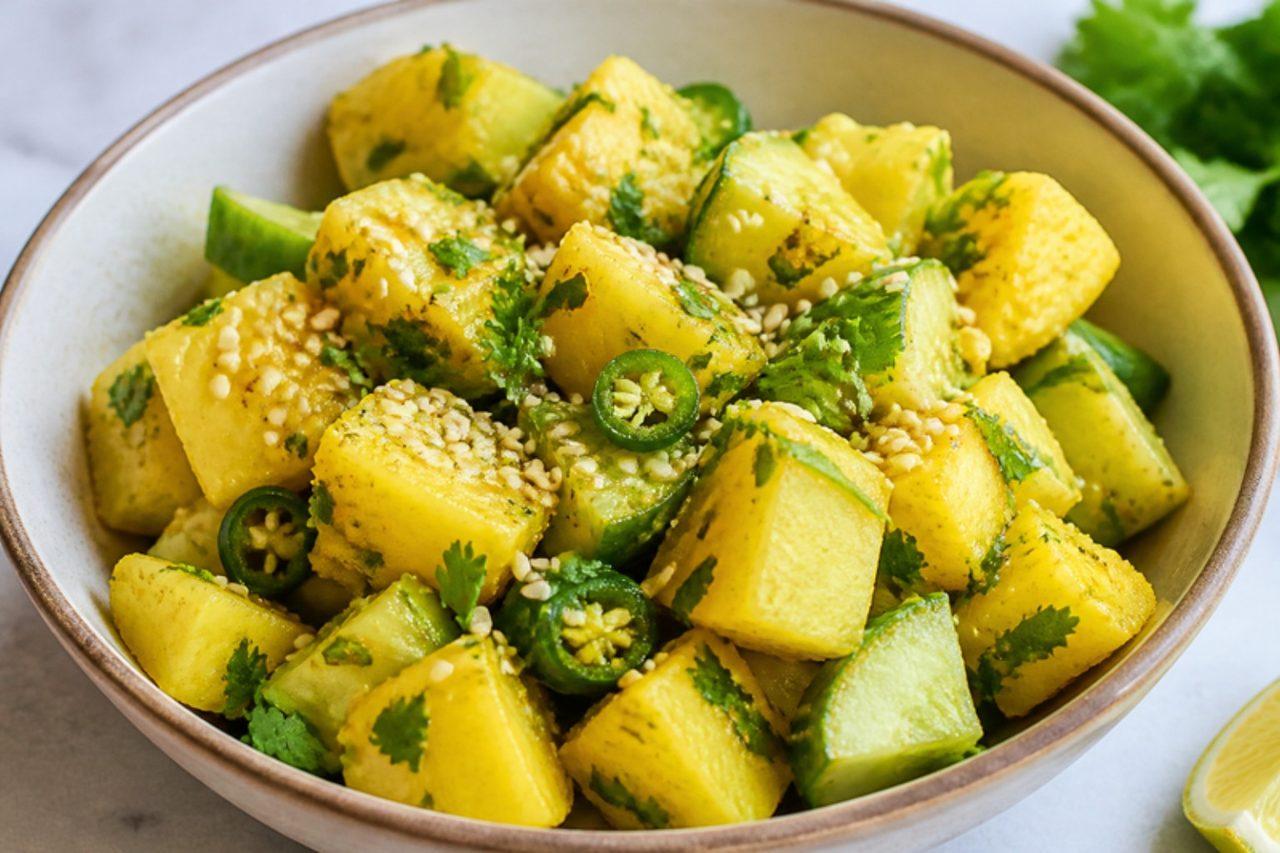
Aloo acharPotato and sesame salad

Aloo ko achar is the potato salad of Nepal, but tangy, nutty and hot rather than creamy. Boiled potatoes are tossed with ground toasted sesame, lemon juice, green chilli and timur, then finished with mustard oil in which fenugreek seeds have been fried dark. You find it everywhere: in tiffin boxes on the way to school, at picnics and on the long leaf plates of Newar feasts, alongside beaten rice and spicy beans, and it is a fixture at Dashain and Tihar gatherings when food has to sit out for hours. It keeps well, and the flavour improves after a rest. Dressing the potatoes while still hot is the usual mistake: they soak it up and turn mushy, so let them cool first. Chef's tip: toast the sesame until it just starts to pop and smells like popcorn, then grind it to a coarse sandy powder; it thickens the dressing and gives the salad its nuttiness.

by KrazyBadal 0 views

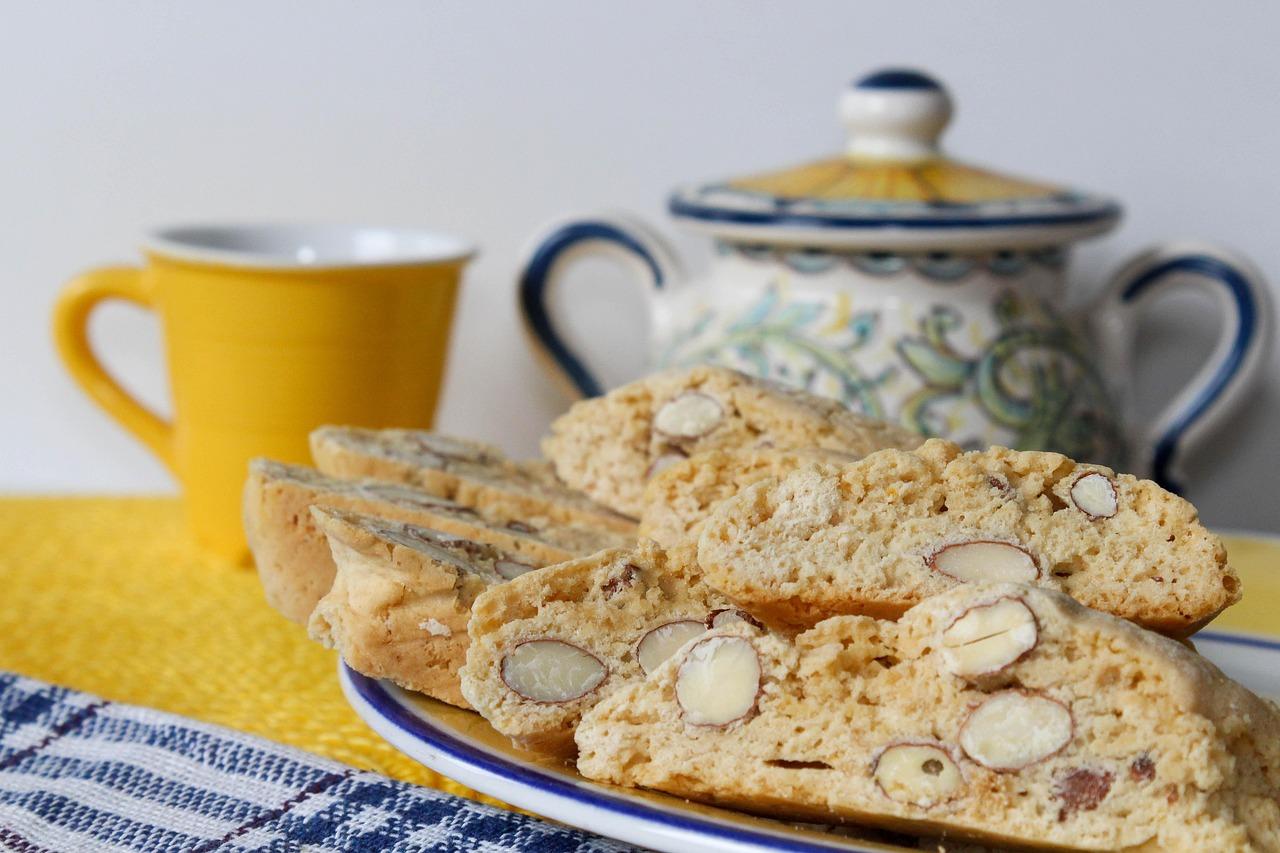
CantucciTwice-baked almond biscuits

Cantucci, also called biscotti di Prato, are the hard almond biscuits of Prato, near Florence, where bakeries have sold them since the 1800s. The dough is shaped into logs, baked, sliced on the diagonal and baked again until crisp and golden, so they keep for weeks. In Tuscany they end a meal dipped in a small glass of Vin Santo; with coffee works just as well. The traditional recipe has no butter or oil, only eggs, sugar, flour and whole almonds. Chef's tip: slice the logs while still warm with a serrated knife and a firm sawing motion; once cold, they crumble.

by KrazyBadal 0 views

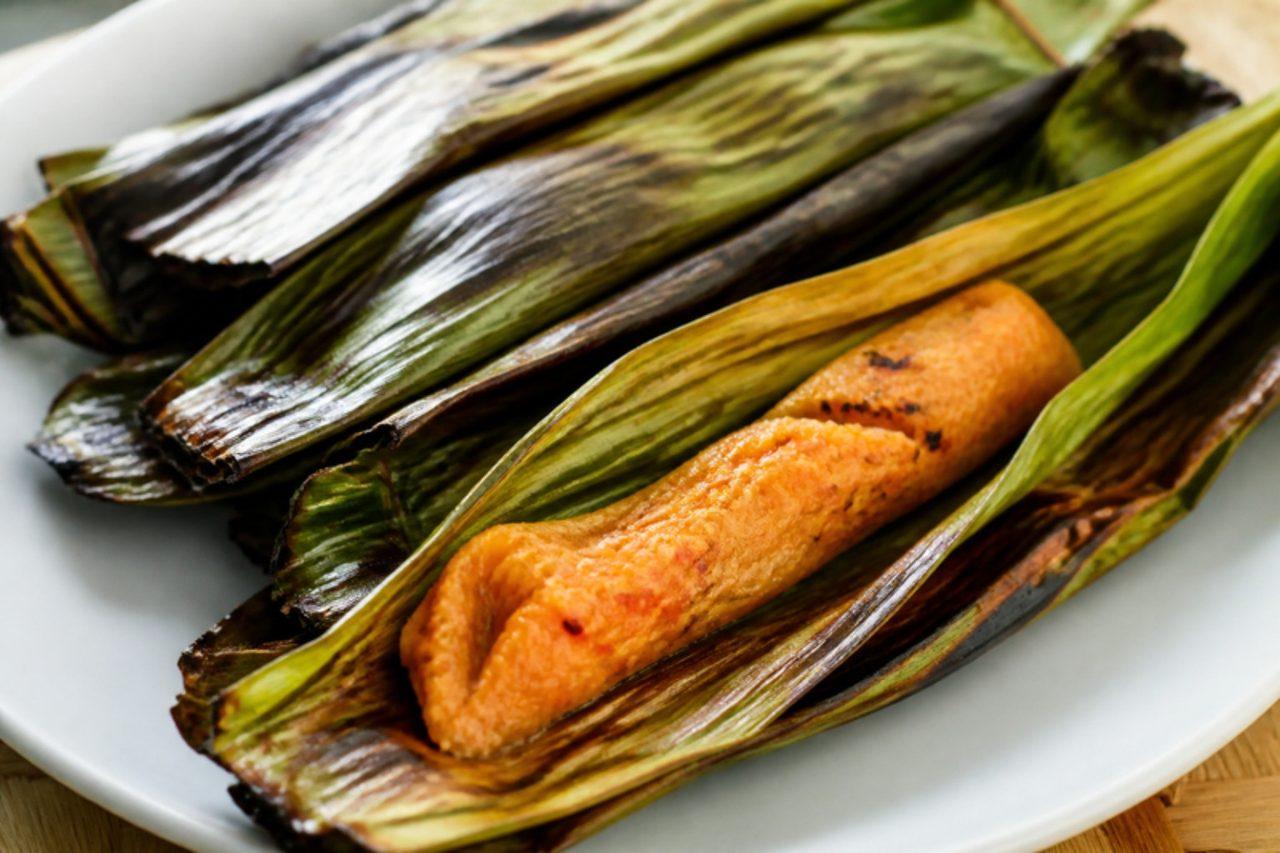
Otak-otakGrilled spiced fish mousse

Drive through Muar in Johor and you will see roadside grills stacked with slim green parcels, sold by the dozen in paper bags for the journey home. Inside each is a soft, bright-orange custard of pounded mackerel, coconut milk and egg, flavoured with a chilli-lemongrass rempah and kaffir lime leaf, which turns smoky and slightly charred at the edges from the grill. Melaka's Nyonya cooks make a fatter, steamed version, but this one is grilled in banana leaf. Eat it warm, peeled straight out of the leaf, with white bread, rice or nasi lemak. Chef's tip: chill the fish mixture for 15 minutes before wrapping; it firms up and is far easier to spoon onto the leaves.

by KrazyBadal 0 views

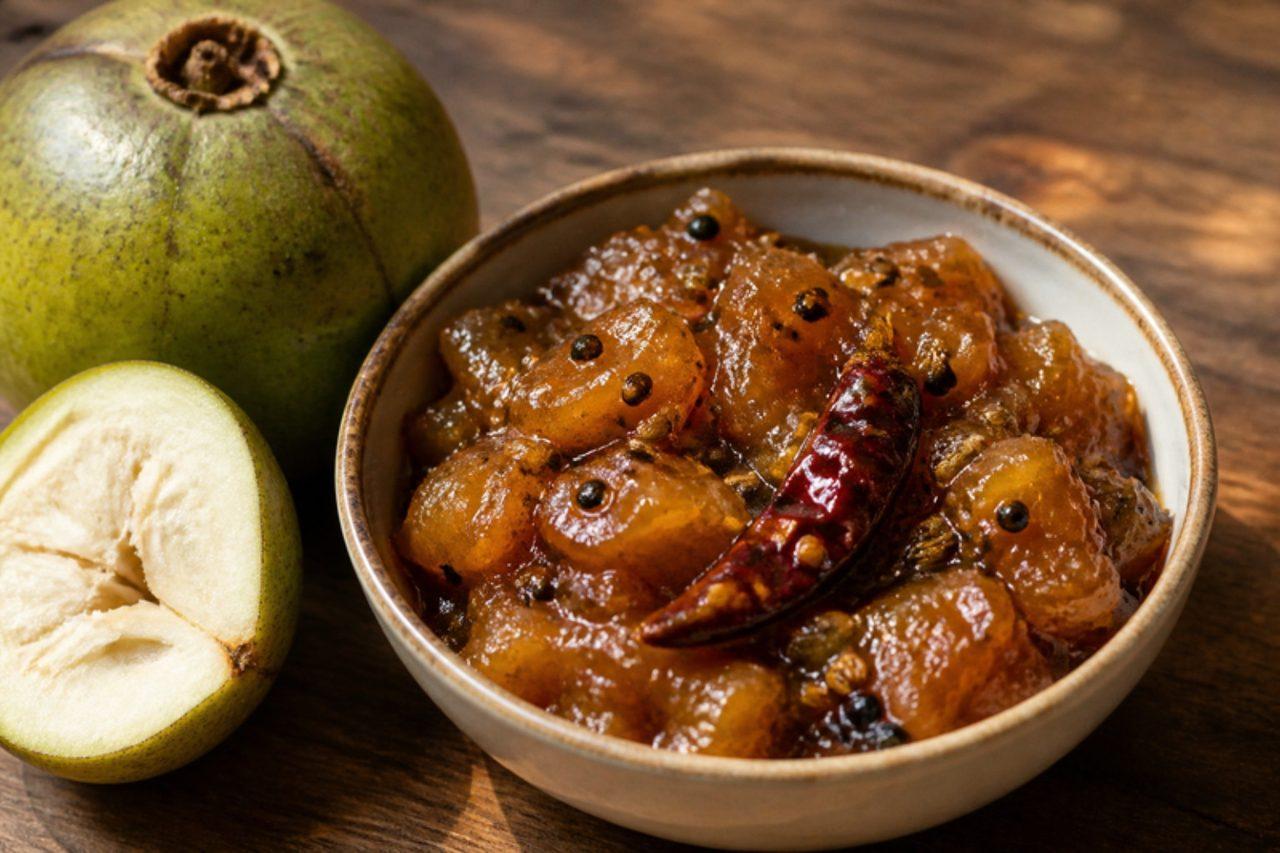
Ou khattaElephant apple chutney

Ou tenga, the elephant apple, is a hard, sour green fruit that grows across Assam and turns up in every winter market in Guwahati. Ou khatta is its sweet chutney: slices are boiled until tender, then simmered with jaggery and panch phoron until glossy, sticky and sharp-sweet. It is served in a little mound at the end of a festive Assamese lunch and at Bihu feasts, the way Bengalis end with tomato chutney. Chef's tip: outside the Northeast, use a mix of very sour green apple and a little tamarind; it gets surprisingly close.

by KrazyBadal 0 views

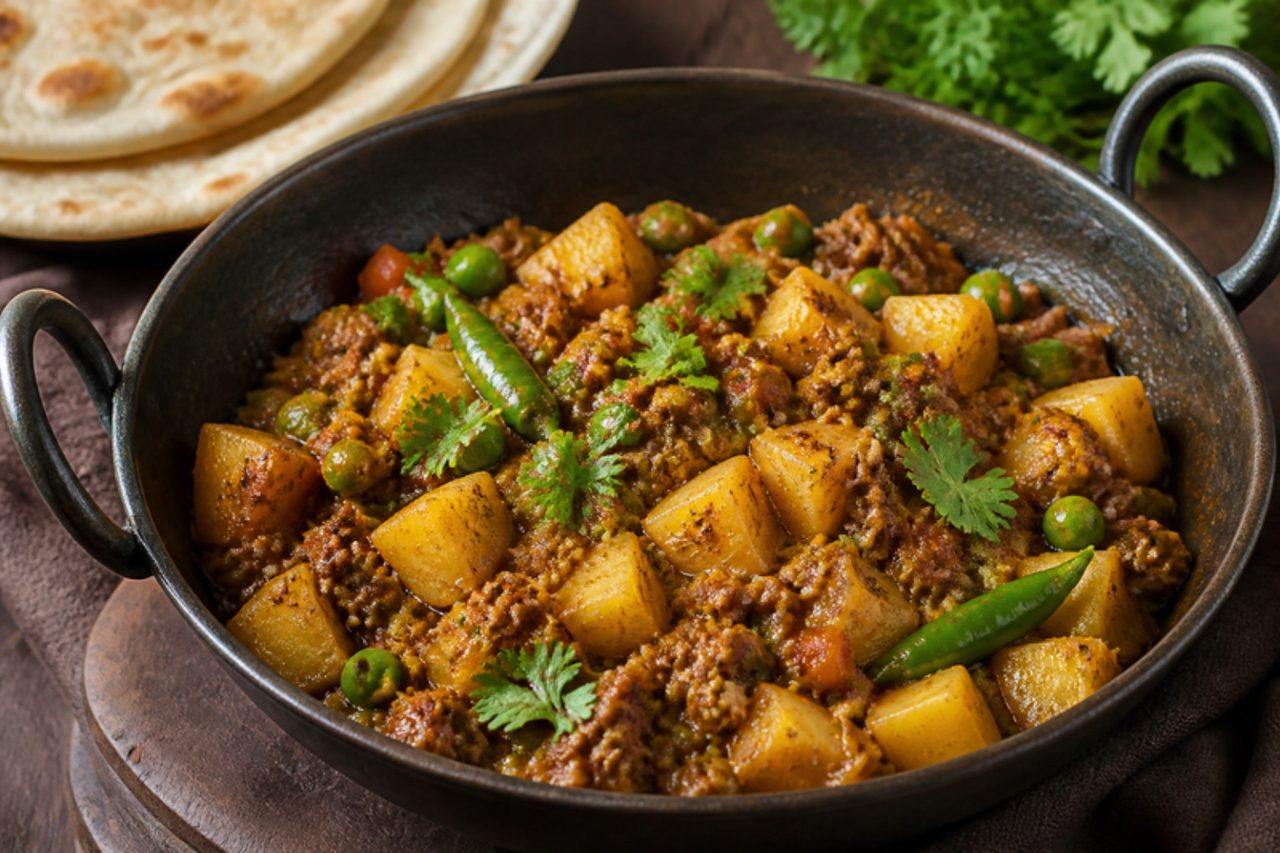
Aloo keemaMinced meat with potatoes

Aloo keema is the dinner that turns up in Pakistani homes from Karachi to Peshawar several times a month: quick, cheap, and loved by children and grandparents alike. Mince is browned with onion, tomato and whole spices, then simmered with potato cubes and peas until the potatoes soak up the masala. It is usually eaten with hot chapati or paratha, and leftovers become a filling for sandwiches and samosas the next day. Chef's tip: keep frying the mince until all the water it releases has gone and it starts to sizzle; that's where the browned, meaty flavour comes from.

by KrazyBadal 0 views

CannoliFried shells with sweet ricotta

Cannoli were once a Carnival treat in Palermo; now Sicilian pastry shops fill them all year, piping the sweet sheep's-milk ricotta cream into the crisp, bubbly shells only when you order, so they never go soft. The ends are dipped in chopped pistachios, candied orange or chocolate chips. Traditional shells are fried with lard; this version uses butter in the dough and sunflower oil to fry. You need metal cannoli tubes. Chef's tip: drain the ricotta overnight and push it through a sieve; it makes a silky cream that holds its shape instead of a runny, grainy filling.

by KrazyBadal 0 views

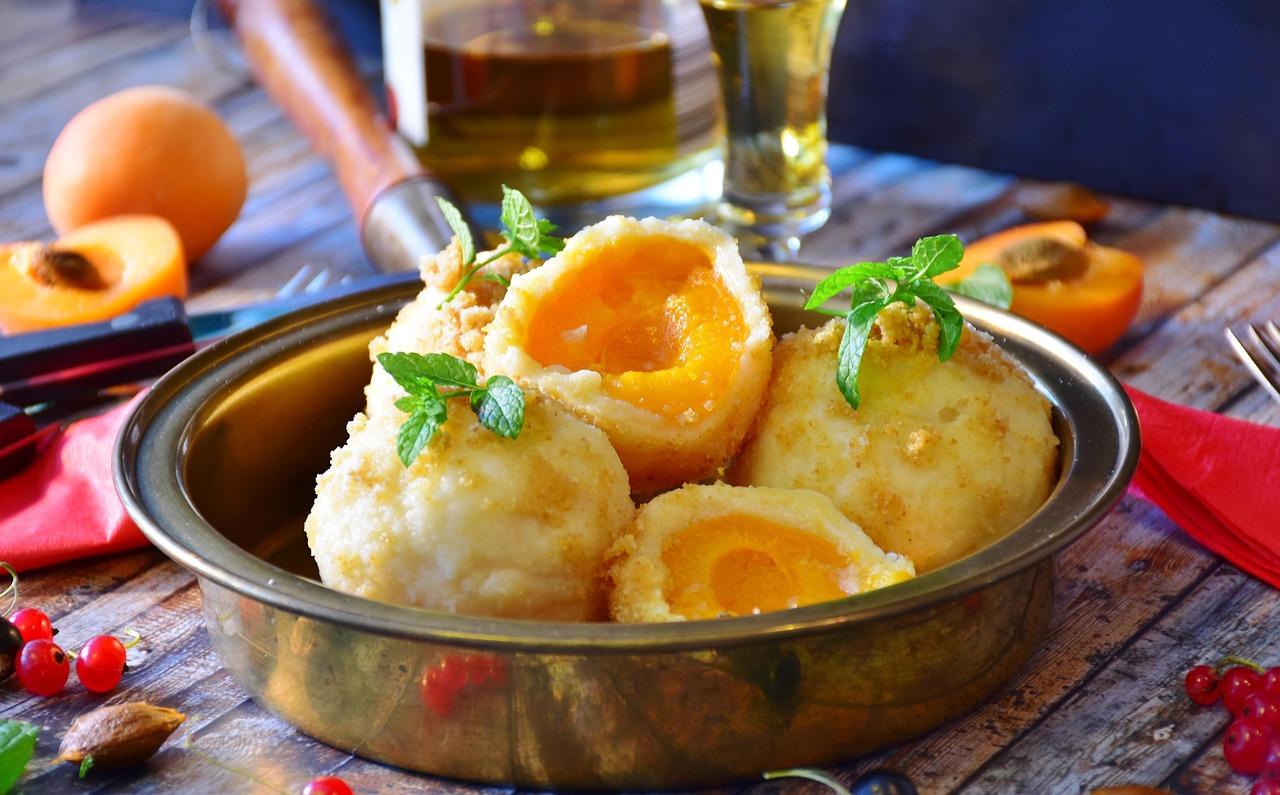
Ovocné knedlíkyFruit-filled dumplings

Ovocné knedlíky are the summer main course of Czech childhoods: in July with apricots from South Moravian orchards, in September with blue plums, eaten as lunch rather than pudding. Each soft quark dumpling hides a whole fruit that turns jammy as it simmers, and they are served the old way, rolled in melted butter and buried under grated tvaroh (quark) and icing sugar. Kids compete over who can eat the most. Chef's tip: pinch the dough completely closed with no thin patches; a single gap lets water in and the dumpling bursts in the pot.

by KrazyBadal 0 views

CanjeeroSpongy fermented pancakes

Canjeero (also called laxoox) is Somali breakfast, made fresh each morning in homes and sold in cafés from Mogadishu to Djibouti: thin, spongy pancakes from a soured batter, cooked on one side only so the top is full of tiny holes. Eaten warm, they are drizzled with sesame oil or ghee and sprinkled with sugar, then rolled up with sweet spiced tea; on weekends they come with liver or beans. They are smaller and lighter than Ethiopian injera and made mostly from wheat. Chef's tip: spread the batter in a spiral with the back of the ladle, starting in the middle; that is what makes the thin, even, lacy sheet.

by KrazyBadal 0 views

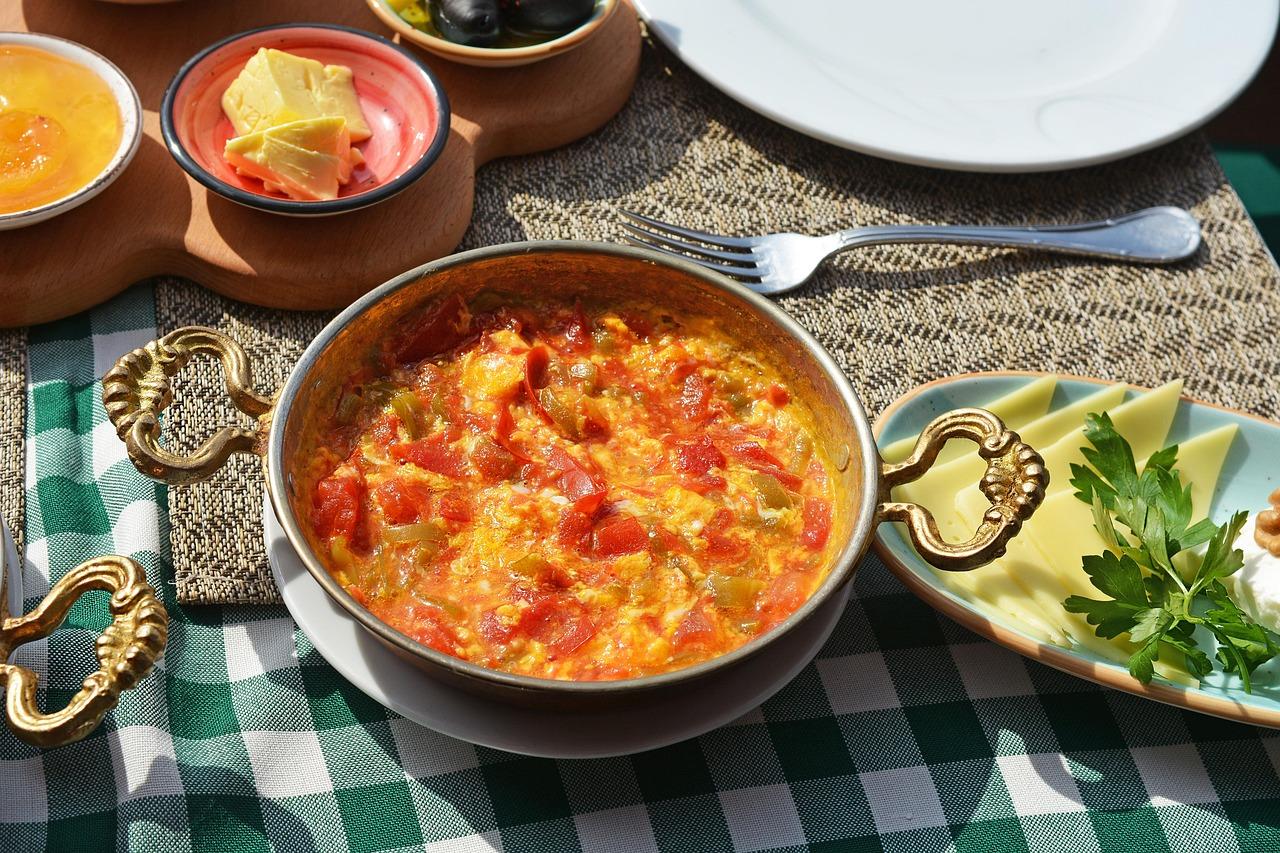
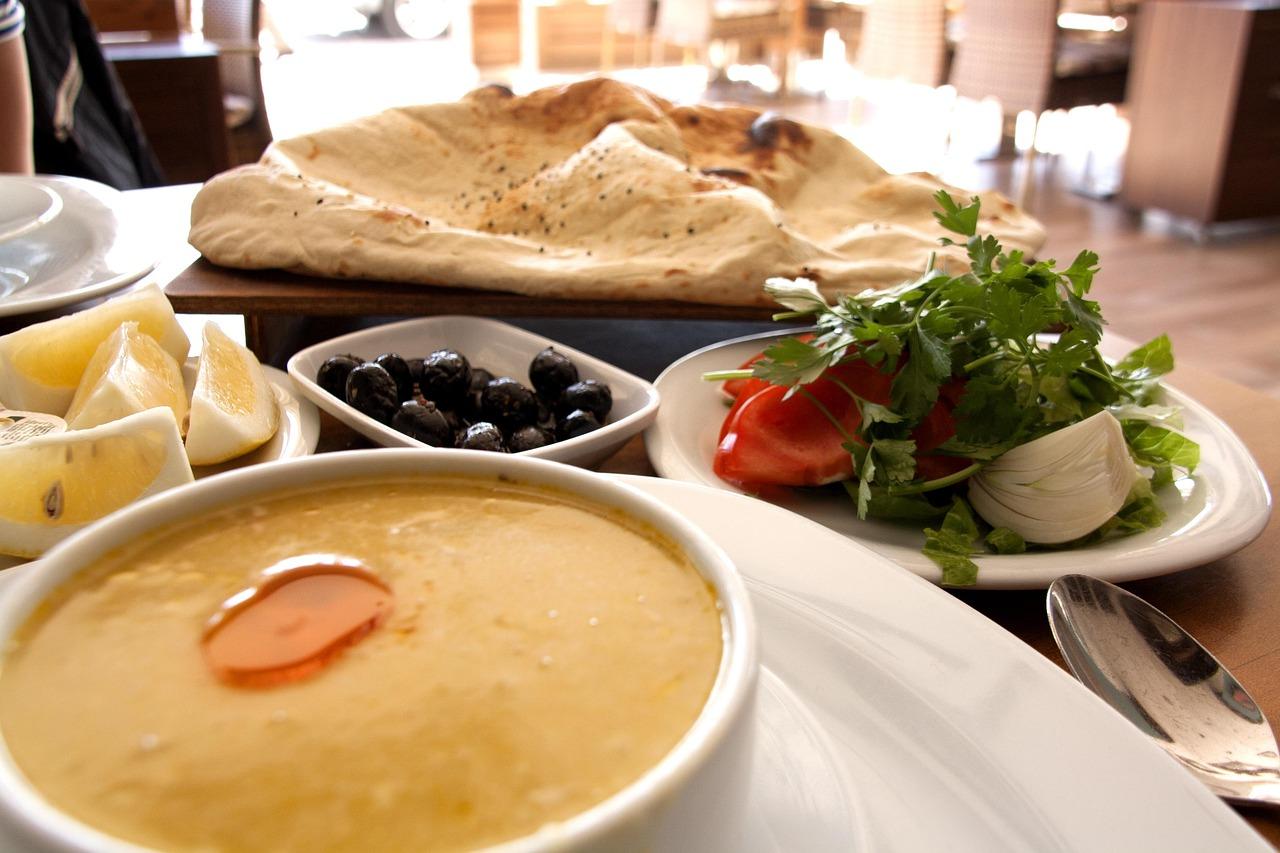
MenemenScrambled eggs with peppers and tomato

Sunday breakfast in Turkey rarely passes without a sizzling pan of menemen set in the middle of the table, crowded by olives, cheese, cucumber and glasses of tea. Mild green peppers are softened in olive oil, ripe tomatoes are cooked down to a jammy sauce, and then the eggs are broken in and gently stirred so they set into soft, juicy ribbons streaked with red. Everyone eats from the pan, tearing bread to scoop it up. Whether onion belongs in it is a national argument; here it is optional. Chef's tip: let the tomatoes bubble until almost all their liquid has gone before the eggs go in, or the menemen will be watery.

by KrazyBadal 0 views

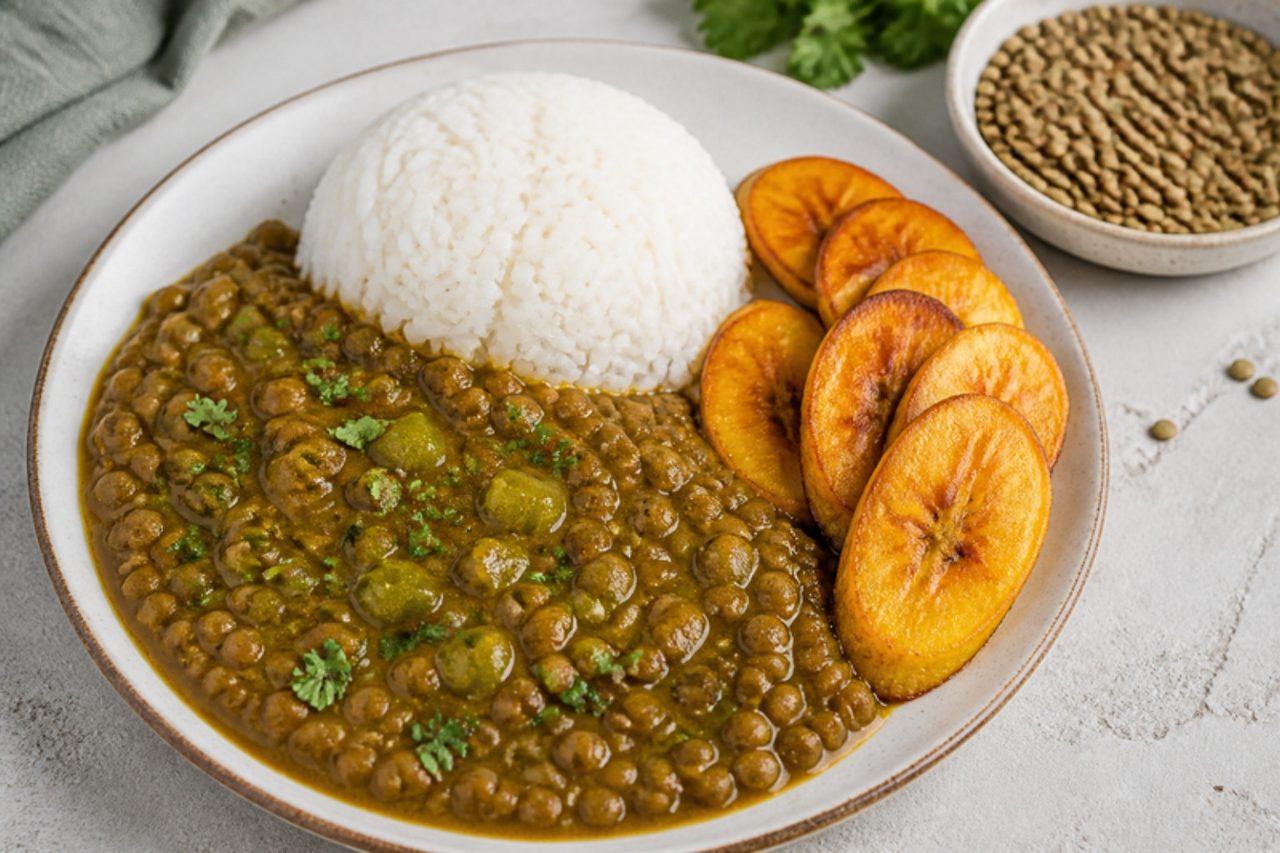
Menestra de lentejasCumin lentil stew

Menestra is the backbone of Ecuador's set lunches: in Guayaquil's almuerzo cafés, plates arrive with white rice, a ladle of thick menestra, fried plantain (patacones or maduros) and a little salad, usually beside grilled meat. On its own it makes a complete meatless meal. Lentils are cooked down with a refrito of onion, pepper, garlic, cumin and achiote until thick enough to hold a mound. Chef's tip: stir in a handful of chopped coriander right at the end; it's the fresh lift that makes menestra taste Ecuadorian.

by KrazyBadal 0 views

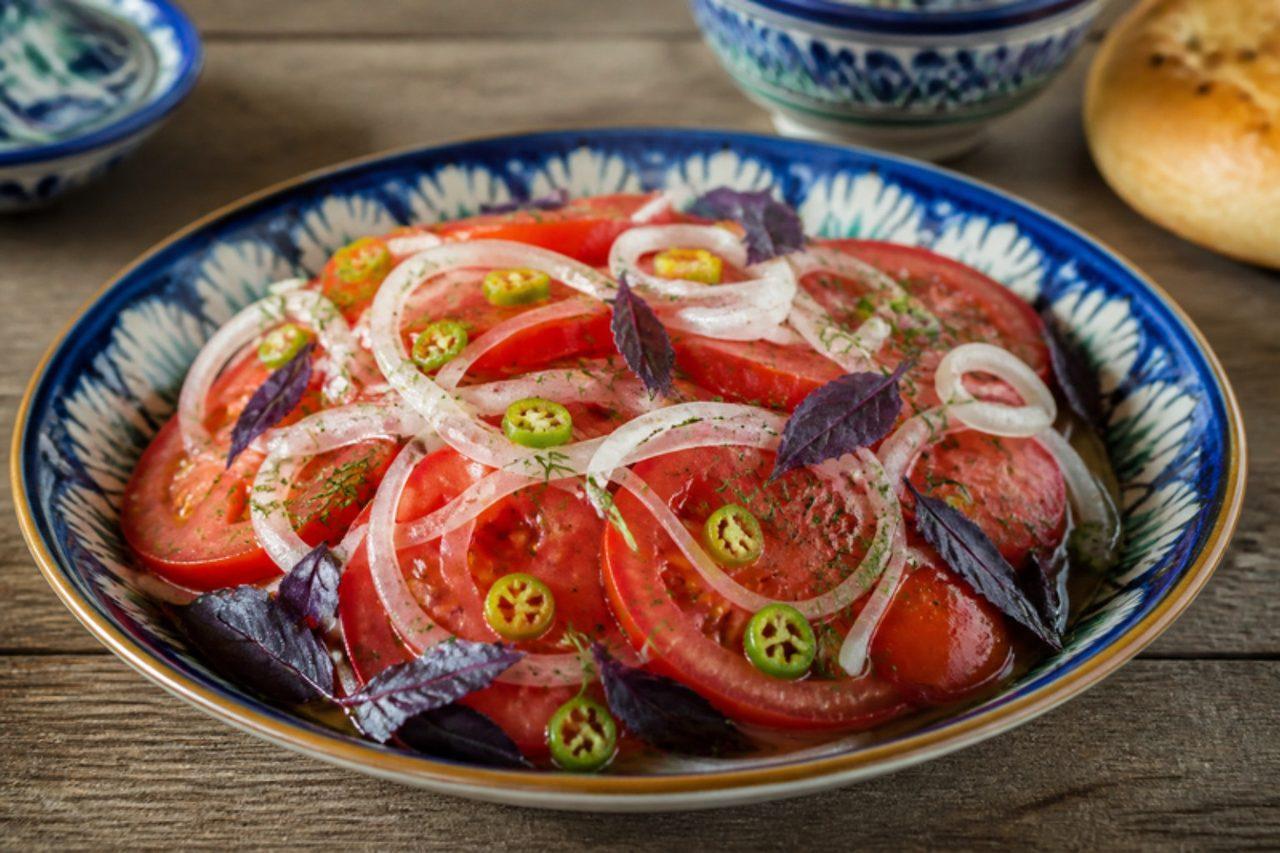
AchichukTomato and onion salad

Achichuk, which means 'sharp' in Uzbek, is the thin-sliced tomato and onion salad that sits beside every platter of plov from Bukhara to the Ferghana Valley. In summer Tashkent markets overflow with heavy, sweet tomatoes and this salad is little more than those tomatoes, rings of mild onion, a hot green chilli, salt and black pepper, with a fistful of basil (reyhan) or dill. Some families call it shakarob. It is meant to cut through the richness of rice cooked in oil, so it has no dressing beyond the juice the tomatoes give. Chef's tip: soak the onion in salted iced water for 10 minutes; it loses its harsh bite but stays crunchy, which is how Uzbek cooks get the onion so gentle.

by KrazyBadal 0 views

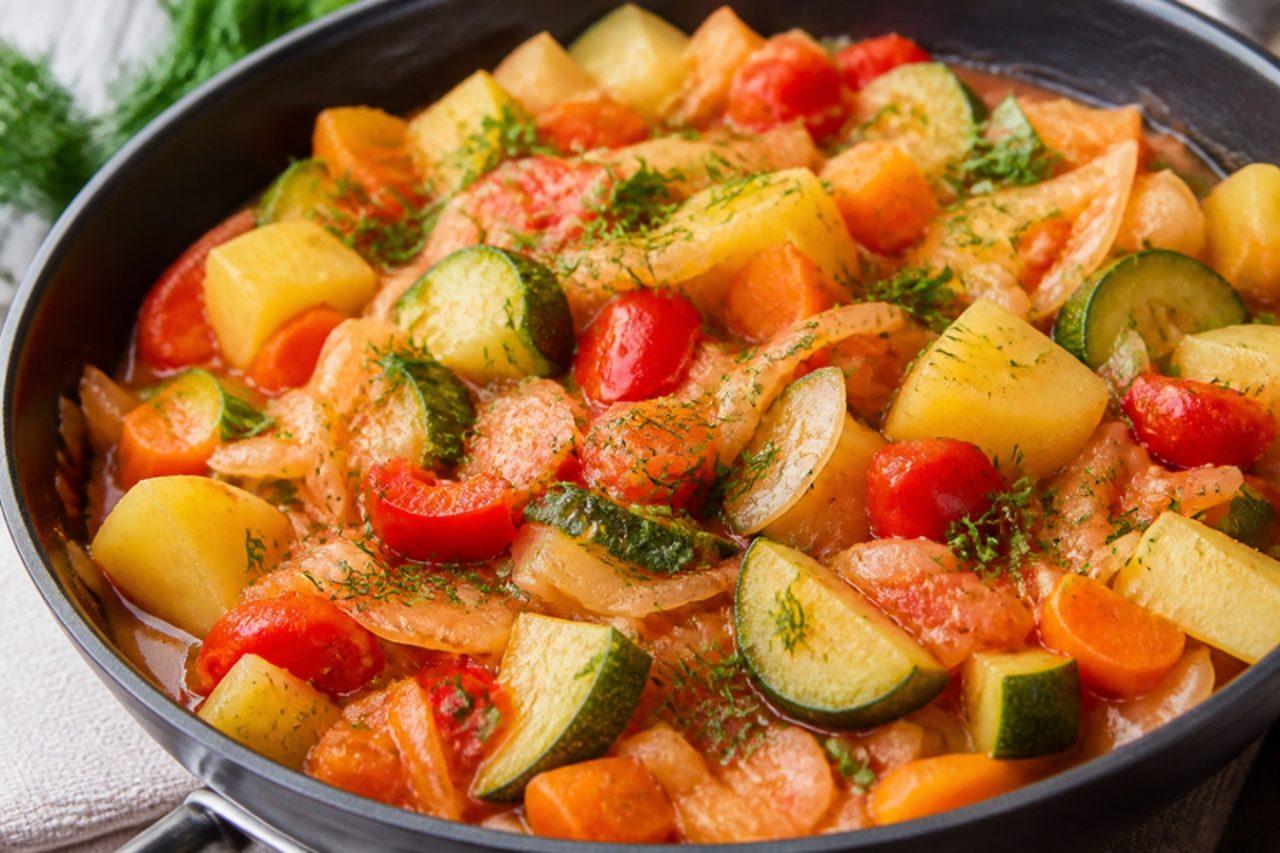
Ovoshchnoe raguSummer vegetable stew

Ovoshchnoe ragu is what happens at a Russian dacha in August, when the garden outside Moscow or Nizhny Novgorod produces more courgettes, cabbage, peppers and new potatoes than anyone can eat. Everything is fried in turn, then stewed together in one heavy pot with tomato until soft and spoonable, and eaten hot with black bread, or cold the next day. It is homelier than French ratatouille or Greek briam: cabbage and potatoes give it body, and dill and garlic go in right at the end. Chef's tip: fry each vegetable separately before stewing; dumping everything in raw gives a watery, boiled taste.

by KrazyBadal 0 views

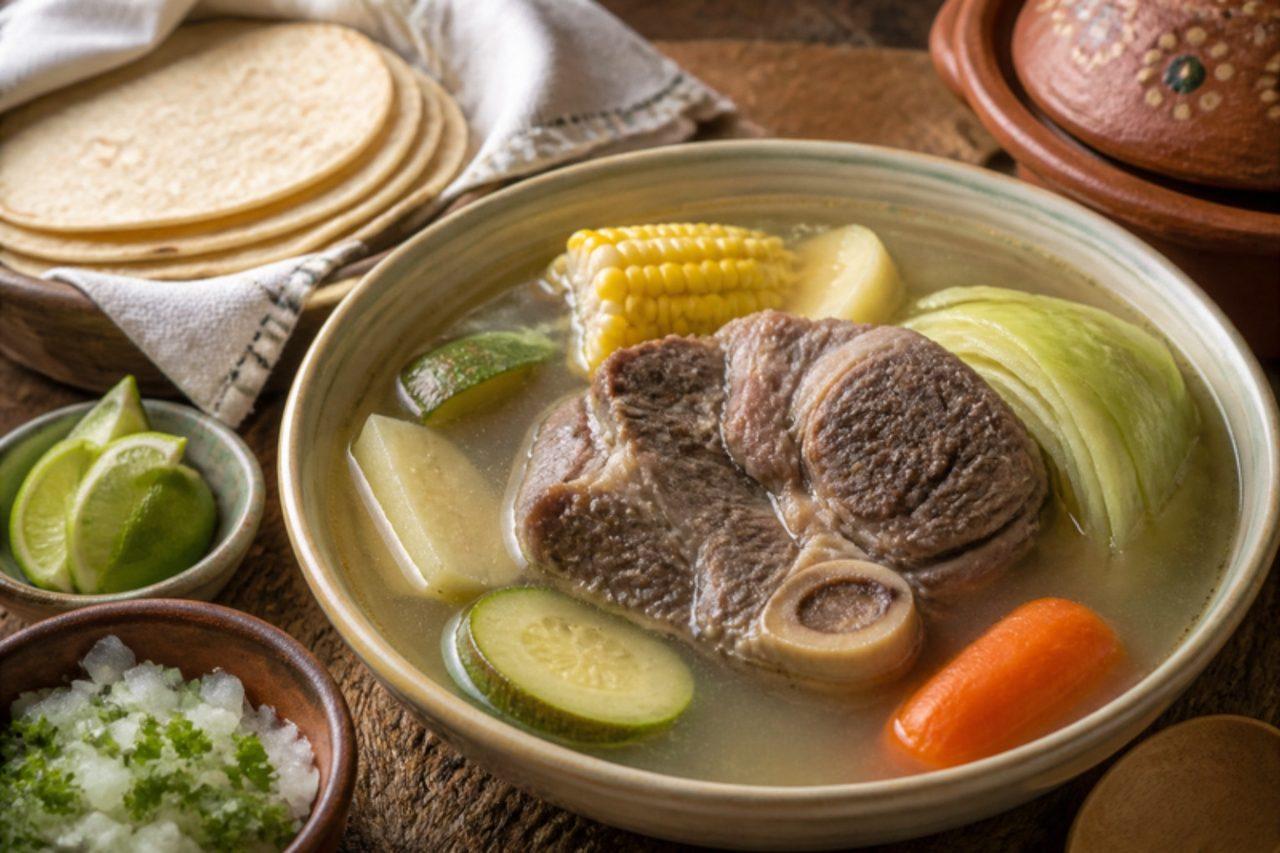
Caldo de resBeef shank soup

Ask almost any family in Mexico about Sunday lunch or a cold, rainy afternoon and caldo de res comes up: bone-in beef shank simmered for hours, then filled with big pieces of corn on the cob, carrot, potato, courgette and cabbage, so each bowl is a meal. Fondas from Monterrey to Mexico City sell it at midday with Mexican red rice, warm tortillas and a dish of chopped serrano and onion. The marrow from the shank bones enriches the clear broth. Chef's tip: add the vegetables in stages, the hard ones first, so everything is tender at the same time and nothing turns to mush.

205 minMexicanSoupsGluten free
by KrazyBadal 0 views

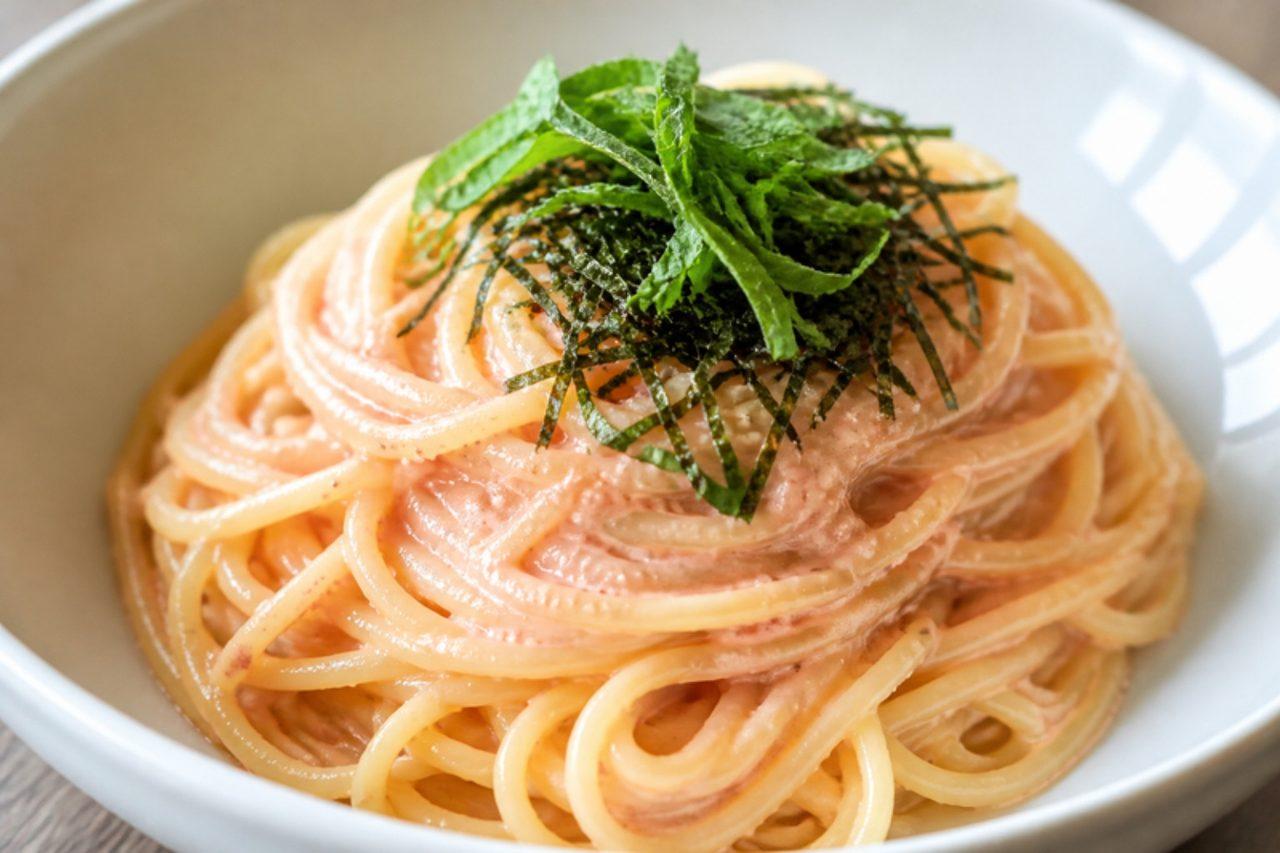
Mentaiko pastaSpaghetti with pollock roe

Mentaiko, pollock roe cured with salt and chilli, is the food gift everyone brings back from Hakata in Fukuoka, where shops near the station sell it in rows of red sacs. The pasta came from the Japanese-style spaghetti cafés of Tokyo in the 1960s and is now on menus right across Japan, Fukuoka included. The roe is not really cooked: the heat of the drained spaghetti and the melting butter turn it into a pink, salty-spicy coating. Mentaiko is a raw cured product. Use very fresh, sushi-grade fish from a trusted fishmonger; not for pregnant women, young children or anyone with a weakened immune system. For mentaiko, that means a chilled, sealed pack well within its date. Chef's tip: save a ladle of the pasta water; a spoonful loosens the roe so it clings to every strand instead of clumping.

by KrazyBadal 0 views

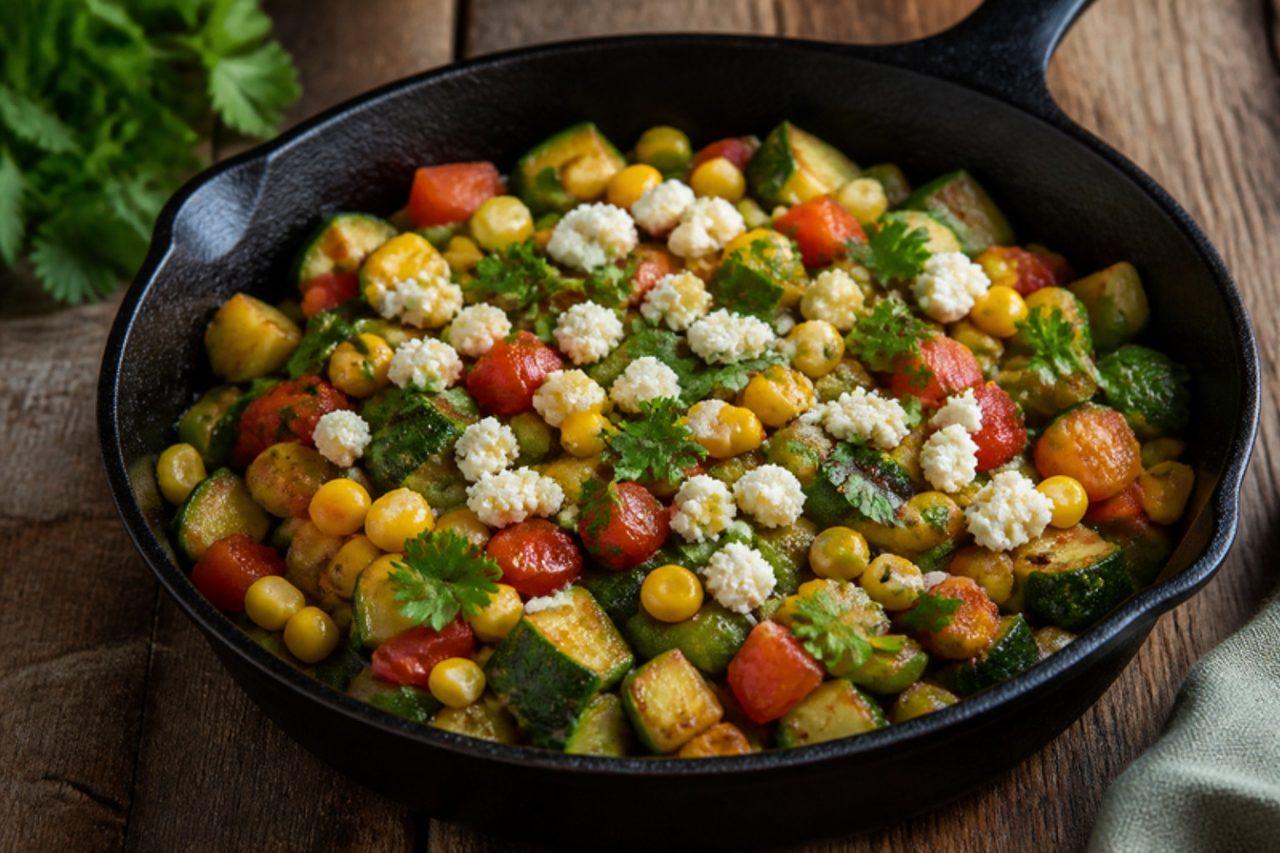
CalabacitasCourgette and corn sauté

Calabacitas a la mexicana is the everyday summer side dish of kitchens all over Mexico: young squash (calabacitas) cooked quickly with sweetcorn, tomato, onion and strips of roasted poblano until tender and juicy, finished with crumbled fresh cheese. Mexican grey squash is milder and more tender than courgette, but young courgettes work beautifully. Eat it with rice and beans, roll it into tacos, or fill quesadillas with it. Use queso fresco made with vegetarian rennet. Chef's tip: cook over a high heat and don't cover the pan for long; you want the courgette to fry and keep a bite, not steam into a puddle.

by KrazyBadal 0 views

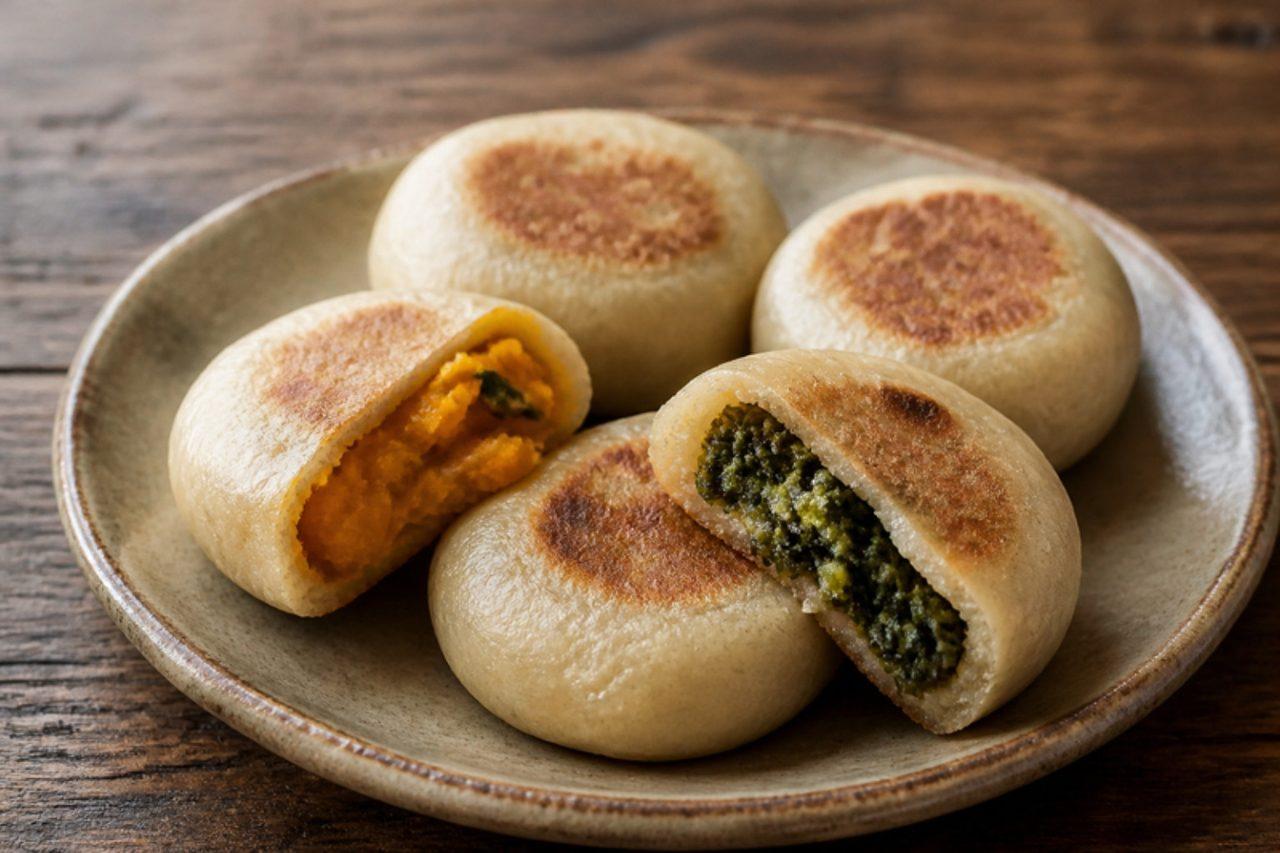
OyakiStuffed steamed dumplings

Oyaki are the everyday snack of Nagano's mountain villages, where rice was scarce and wheat and buckwheat grew better. The plump dumplings are filled with whatever the season gives: pickled nozawana greens in winter, aubergine and miso in summer, sweet squash in autumn. Old farmhouses baked them in the ashes of the irori hearth; today they are browned in a pan and steamed, so they come out crusty on both faces with a soft, chewy middle. They travel well, which made them the lunch of farmers and hikers on the trails around Zenkoji temple. Chef's tip: let the dough rest for at least 30 minutes. A relaxed dough stretches thin around the filling without tearing.

by KrazyBadal 0 views

Café cubanoSweet Cuban espresso

Café cubano, or cafecito, is the tiny, intensely sweet coffee poured into thimble-sized cups at every ventanita (walk-up window) in Miami and in homes across Cuba, often shared around the office at 3 o'clock. The secret is the espumita: the first few drops of coffee beaten hard with sugar into a pale caramel-coloured cream that floats on top. You need a stovetop moka pot. Chef's tip: catch only the very first, strongest drops for the foam; if you add too much coffee the sugar won't whip up.

by KrazyBadal 0 views

Mercimek çorbasıRed lentil soup

If one soup feeds Turkey, it is this. Mercimek çorbası is on the counter of every lokanta (tradesmen's restaurant), in factory and hospital canteens, and it is often what Turks eat for breakfast on a cold morning or to break the fast in Ramadan. Red lentils simmered with onion, carrot and potato are blended until velvety, then each bowl gets a squeeze of lemon and a swirl of butter sizzled with Aleppo pepper and dried mint. It is warming, cheap and filling. Chef's tip: rinse the lentils in several changes of water until it runs clear; it washes off the starch that makes the soup foam and taste dusty.

by KrazyBadal 0 views

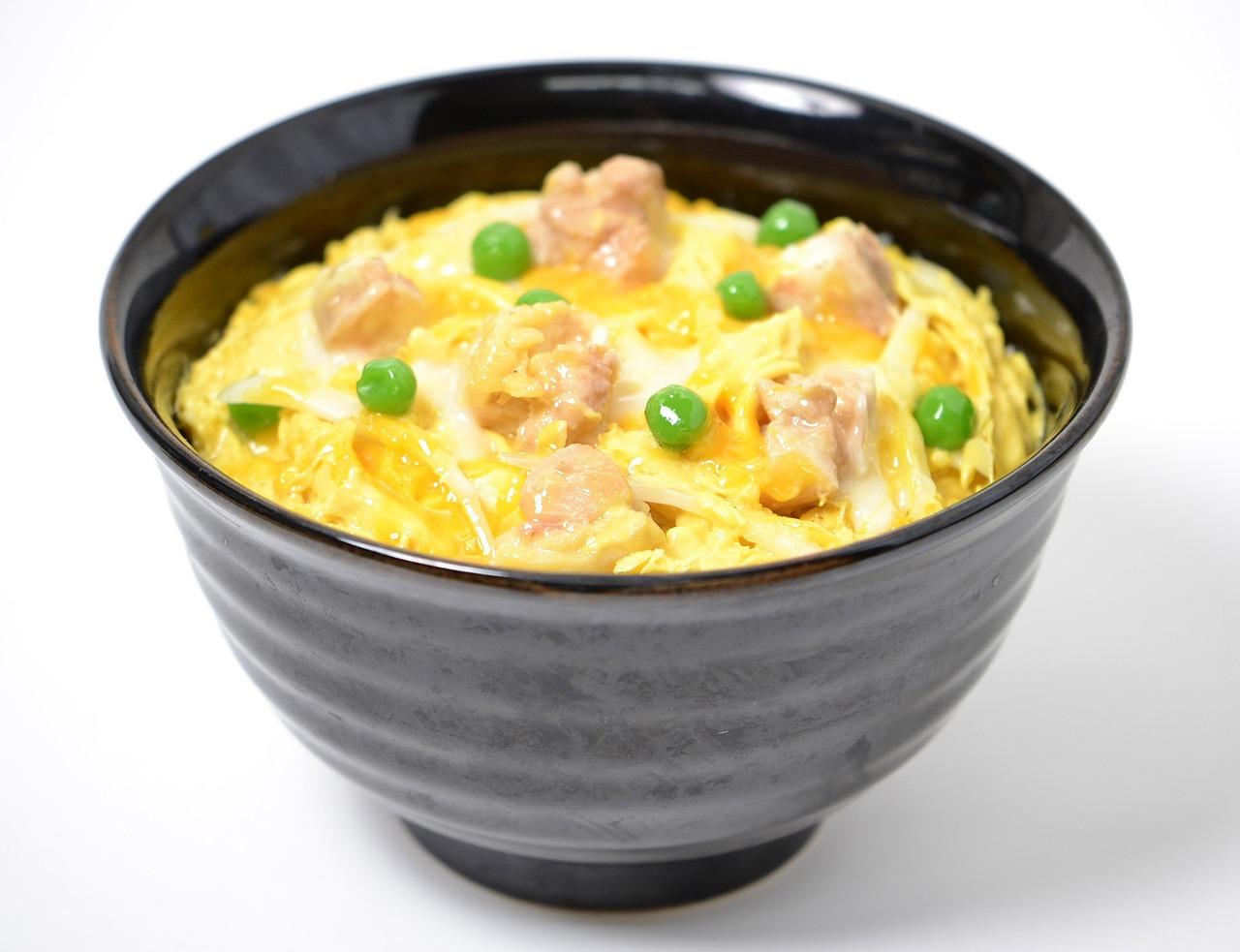
OyakodonChicken and egg rice bowl

The name means 'parent and child bowl', a gentle joke about cooking the chicken and the egg together. A Nihonbashi chicken restaurant in Tokyo says it first served the dish in the 1890s, and today it is a staple lunch in soba shops, office canteens and home kitchens all over the country. Thigh meat and sliced onion simmer briefly in sweet soy dashi, then beaten egg goes in and is taken off the heat while still soft and glossy. Everything slides onto a bowl of hot rice so the sauce seeps into the grains. Chef's tip: beat the eggs with just a few strokes of chopsticks, leaving streaks of white and yolk, as that marbled look and silky texture is what you're after.

by KrazyBadal 0 views

CachapasSweet corn pancakes with cheese

Cachapas are the roadside breakfast of Venezuela; along the highways of Aragua and Carabobo, stands called cachaperas grill them on big iron plates from early morning. They are thick, slightly lumpy pancakes made from fresh blended sweetcorn, sweet and savoury at once, folded over a slab of soft, stretchy white cheese (queso de mano) that melts with the heat. Mozzarella works well outside Venezuela. Chef's tip: keep a few whole kernels in the batter; the little bursts of corn are part of a real cachapa.

by KrazyBadal 0 views

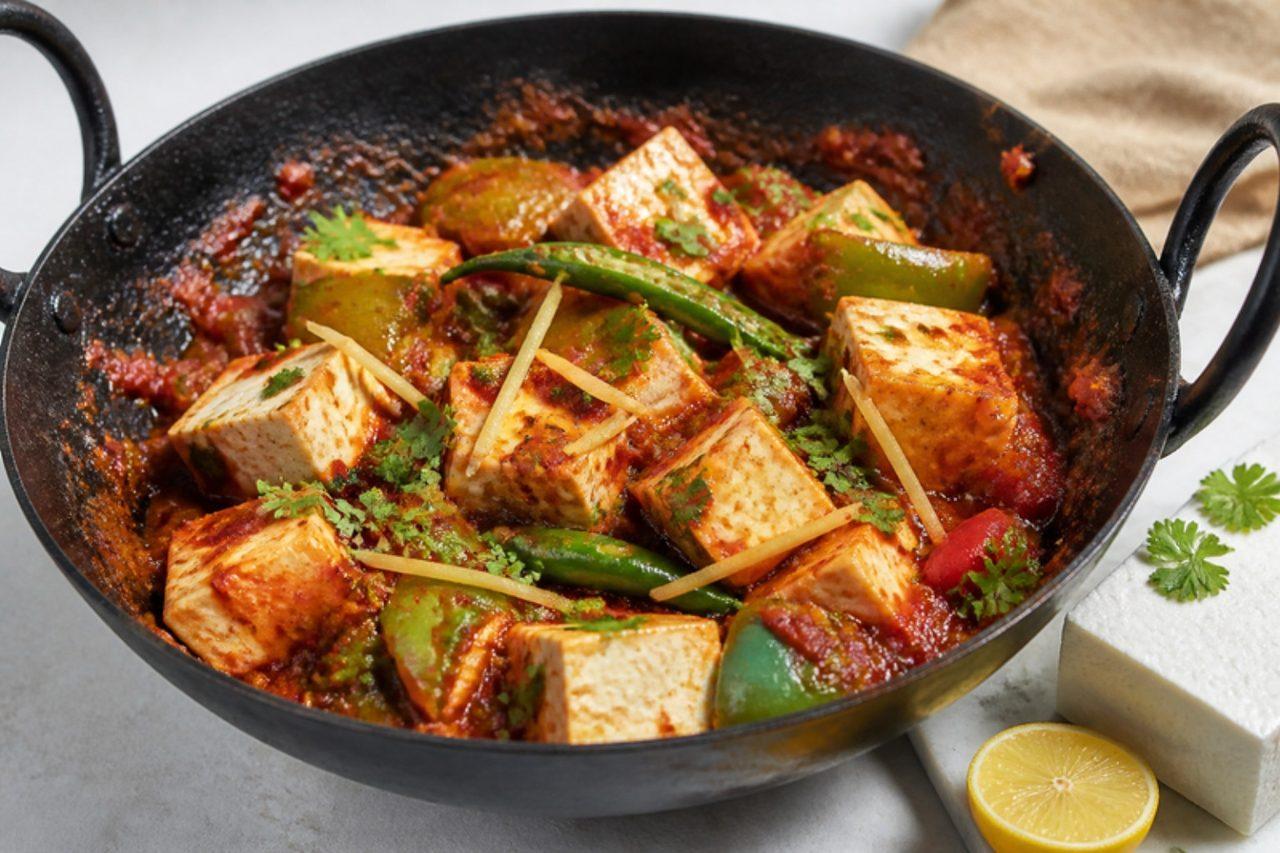
Paneer karahiPaneer in tomato and chilli gravy

Karahi is named after the heavy round-bottomed wok it is cooked and served in, and the roadside dhabas of Lahore and the Grand Trunk Road through Punjab are where it is at its loudest: a cook working three pans at once over a roaring flame, late at night, for tables of friends tearing naan. The Pakistani style is lean on spice and big on tomato, garlic, ginger, green chilli and crushed black pepper, with no onion and no cream, so the masala tastes bright and sharp rather than rich. Paneer takes the place of meat here and only needs warming through. The usual mistake is pouring in water to make more gravy; a karahi gets its sauce only from tomatoes cooked down until the oil comes back out. Chef's tip: crush the coriander seeds and black pepper yourself just before cooking; the coarse, fresh crunch is what makes it taste like a dhaba karahi.

by KrazyBadal 0 views

Cabbage thoranCabbage and coconut stir-fry

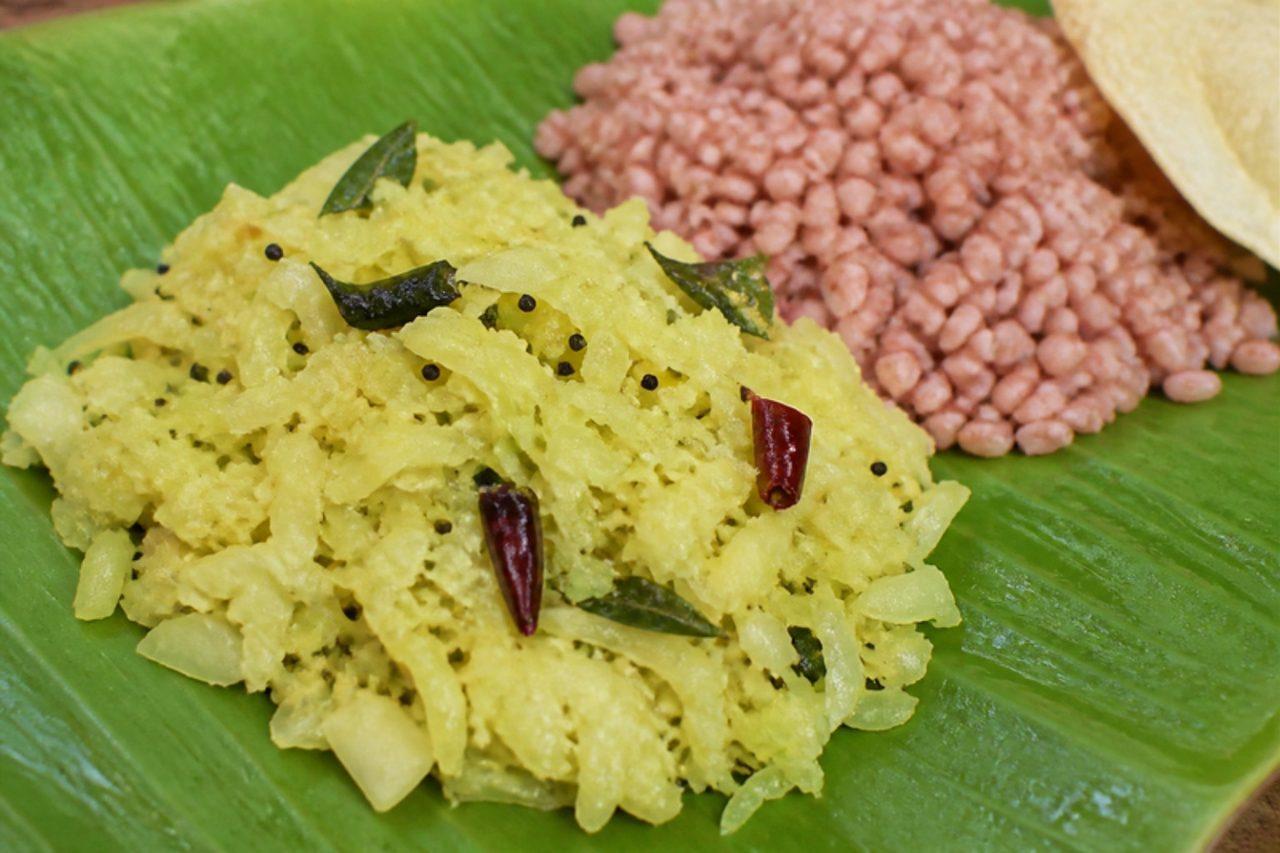
Thoran is the everyday dry vegetable of Kerala, on the lunch plate in nearly every home and in the steel tiffin boxes carried to offices from Thiruvananthapuram to Kannur. Cabbage is the classic choice: shredded fine, steamed in its own juices with mustard and curry leaves, then tossed with coconut that has been crushed (never ground smooth) with green chilli, garlic and cumin. It comes out sweet, fluffy and lightly crunchy. Serve it with rice, sambar or moru curry, or eat it with chapati. Chef's tip: shred the cabbage as finely as you can; thin shreds cook in their own steam in a few minutes and stay bright.

by KrazyBadal 0 views

Aloo ke gutkePotato cubes with mountain spices

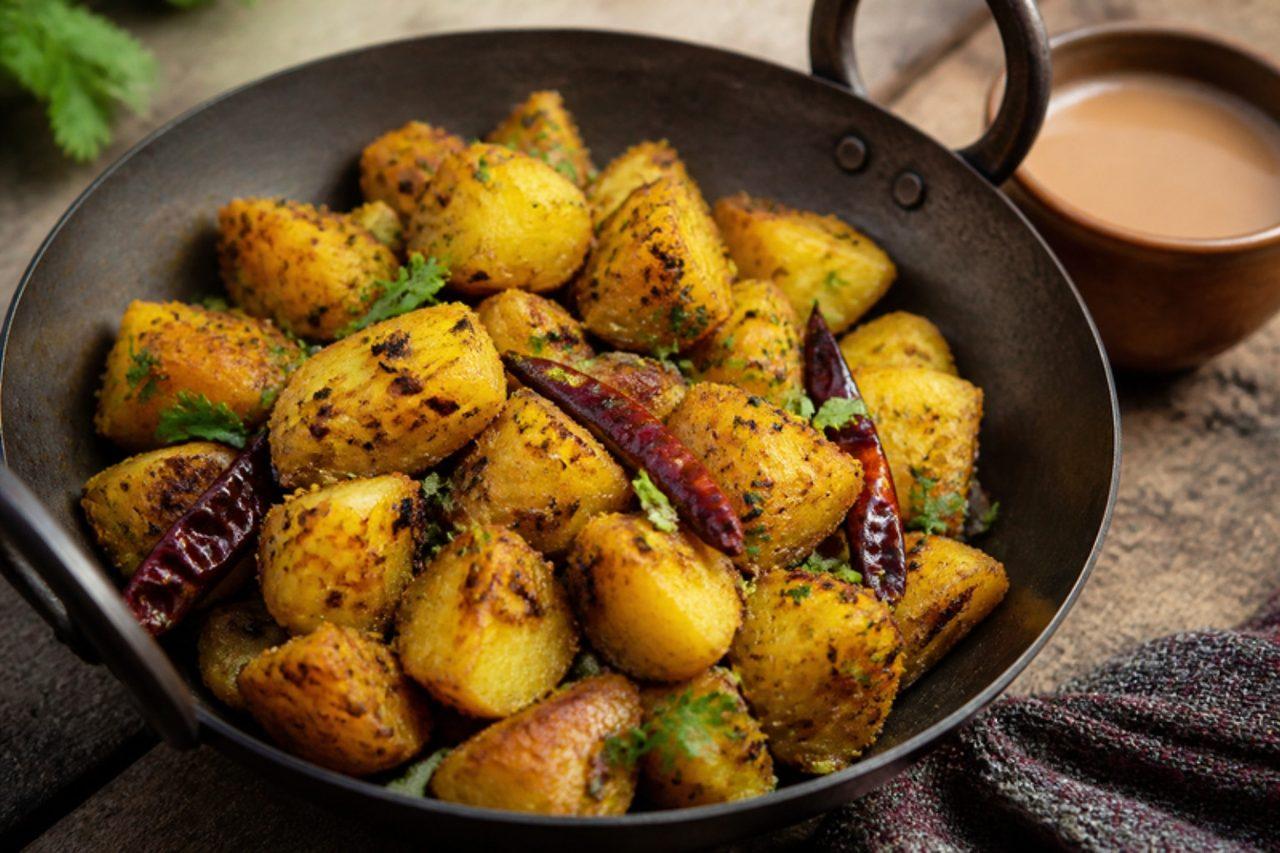
Ask anyone from Kumaon what they miss most from home and aloo ke gutke comes up quickly. Hill potatoes are boiled, cut into rough chunks and tossed in smoking mustard oil with jakhiya, a tiny wild seed that pops and crunches like mustard but tastes more like toasted cumin. It's served at tea time with a mug of chai, on festival plates next to puri, and in local dhabas with cucumber raita. Outside Uttarakhand jakhiya is hard to find, so use cumin seeds with a few black mustard seeds instead; the dish will still taste right. Chef's tip: boil the potatoes a few hours ahead, or the night before, so they firm up and fry into crisp-edged cubes instead of crumbling.

by KrazyBadal 0 views

BuuzSteamed mutton dumplings

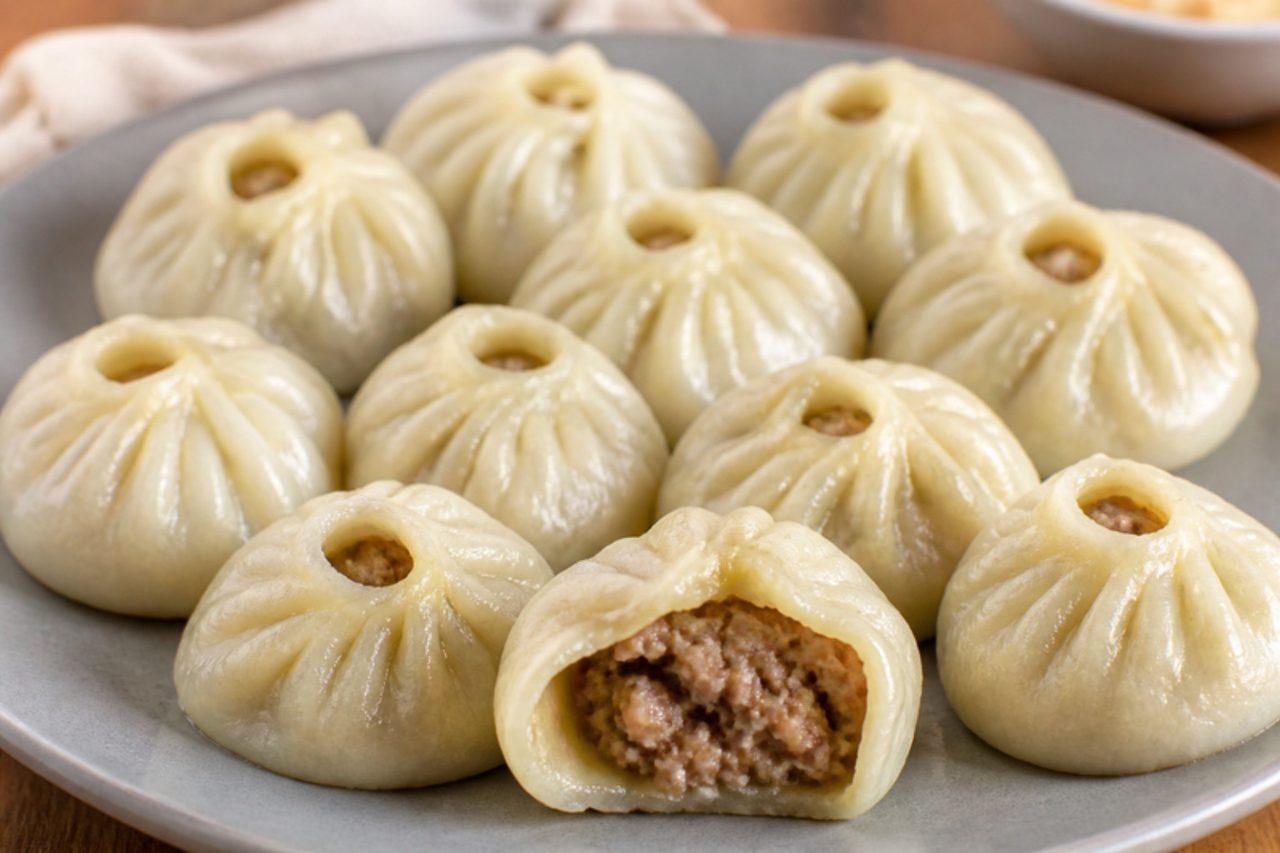
Buuz are the dumplings every Mongolian family makes in their hundreds before Tsagaan Sar, the Lunar New Year, in Ulaanbaatar flats and countryside gers alike, freezing them outside in the cold to steam for the stream of visitors. A simple dough wraps a juicy filling of chopped mutton, onion, garlic and caraway, pinched into a pleated shape with a small hole at the top, and the dumplings are eaten hot, with salty milk tea. The mistake is lean meat: buuz need some fat, or the filling is dry. Chef's tip: add a few spoons of cold water to the filling so it stays juicy when steamed.

by KrazyBadal 0 views

Buttermilk rusks (beskuit)Twice-baked buttermilk rusks

Beskuit grew out of the Voortrekker need for bread that kept on long ox-wagon journeys; today a tin of rusks sits next to the kettle in homes from the Karoo to Pretoria, and they are dunked in early-morning coffee or rooibos. A soft buttermilk dough is baked as a loaf, cut into fingers and then dried in a low oven for hours until rock hard and crunchy. Chef's tip: dry the rusks slowly at a very low heat with the oven door slightly open; they should dry out completely, not brown further.

by KrazyBadal 0 views

Mesaqa'aBaked aubergine and pepper

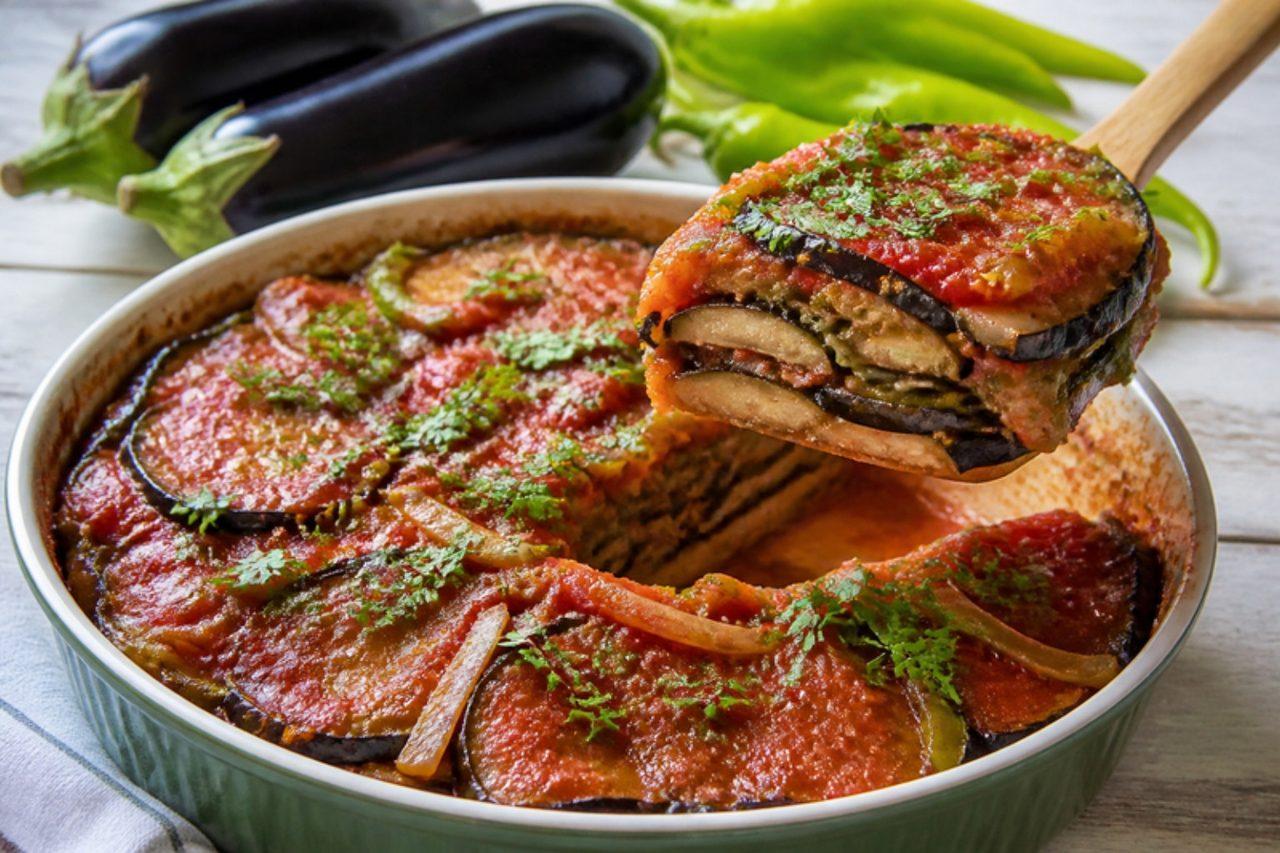
Mesaqa'a shares a name with Greek moussaka but is a different dish: there's no béchamel and no cheese, just fried aubergine slices baked in a garlicky tomato sauce with green peppers and chilli until soft and jammy. In Cairo it is a weekday family dish and a favourite during the summer heat and in the Coptic fasting seasons, when many families eat no animal products; it tastes even better the next day at room temperature, scooped up with baladi bread. Chef's tip: salt the aubergine and press it dry, then roast or shallow-fry it until truly golden; pale aubergine makes a watery, grey mesaqa'a.

by KrazyBadal 0 views

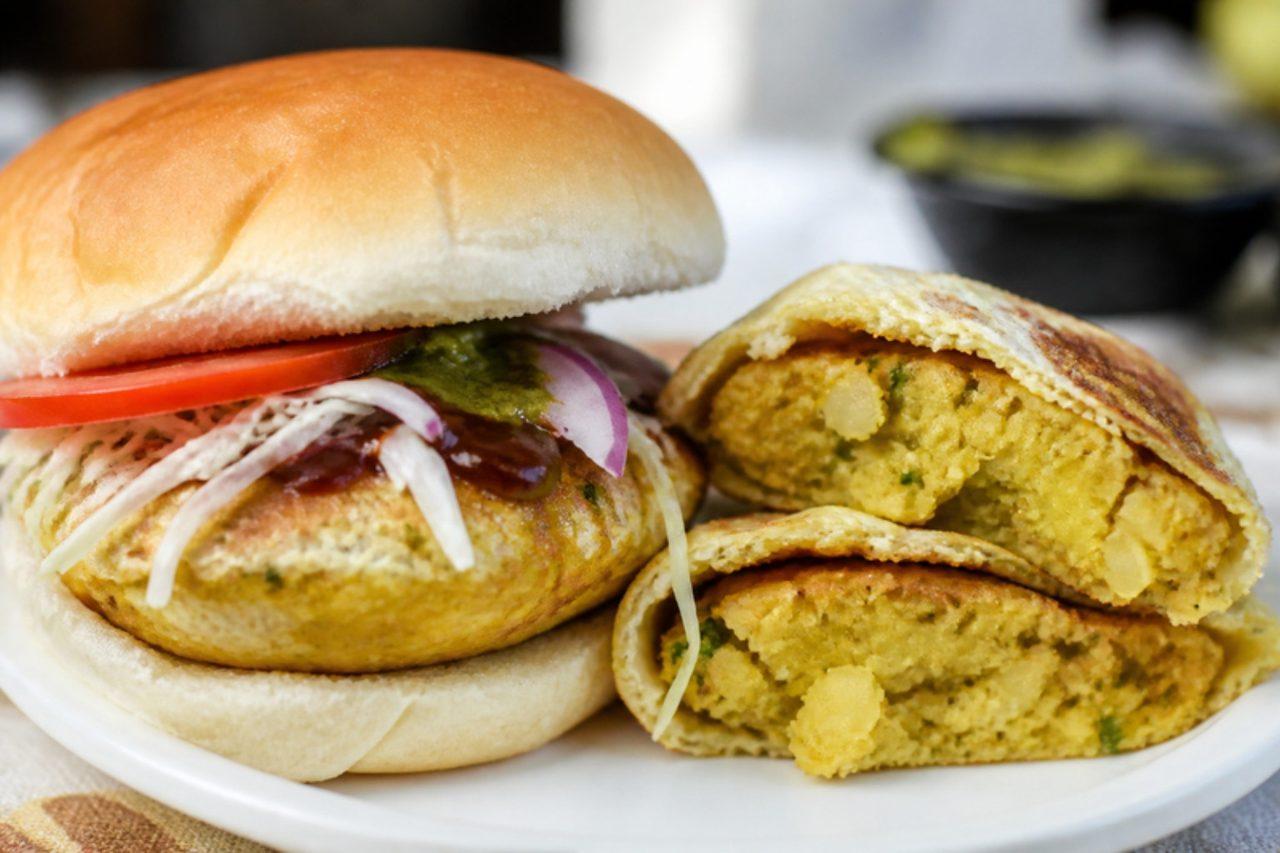
Bun kebabSpiced lentil and potato patty in a bun

Bun kebab is Karachi's own street burger, sold from carts on Burns Road and outside colleges from late afternoon into the night, each one fried to order on a huge flat tawa. The vegetarian version is the oldest: a soft patty of chana dal and potato spiced with cumin and chilli, dipped in beaten egg so it gets a lacy, golden coat, then tucked into a buttered bun with tangy tamarind chutney, green chutney, onion rings and shredded cabbage. It is messy, cheap and loved by children and grown-ups alike. Most people make the mixture too wet, and the patties fall apart in the egg; mash the dal and potato while dry and steamy, not with their cooking water. Chef's tip: toast the buns cut side down on the same tawa after the patties, so they pick up the spiced egg and butter.

by KrazyBadal 0 views

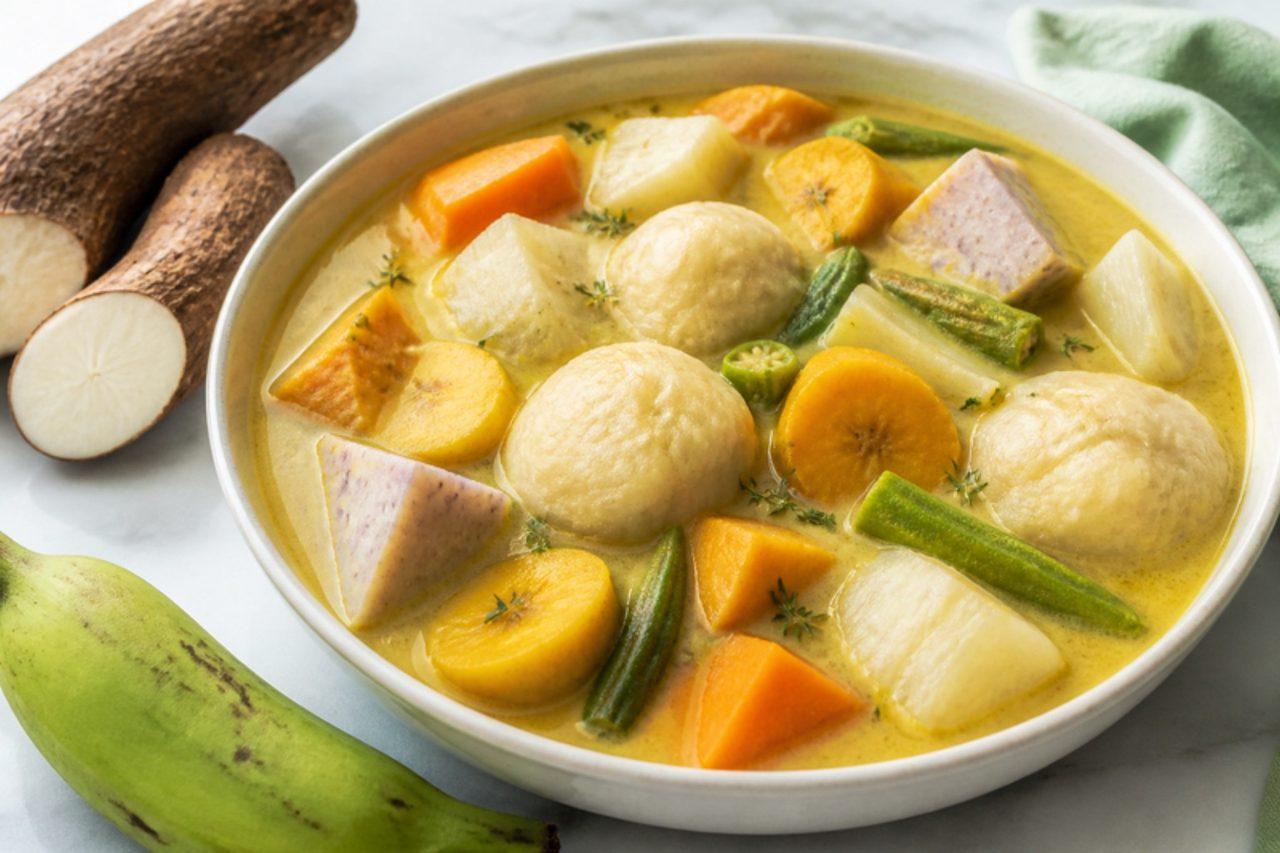
MetemgeeRoot vegetable and dumpling stew

Metemgee (also mettagee or 'mettem') is Guyanese country food from the coastal villages: ground provisions, cassava, eddoes, sweet potato, yam and plantain, layered in a pot and cooked in coconut milk until soft, with duff (dumplings) steamed on top. The broth thickens from the starch into a creamy, thyme-and-pepper gravy. It's usually served with fried salt fish; here it's all vegetables, with okra added. Chef's tip: layer the hardest vegetables at the bottom and the softest on top, then don't stir; everything ends up cooked at the same moment.

by KrazyBadal 0 views

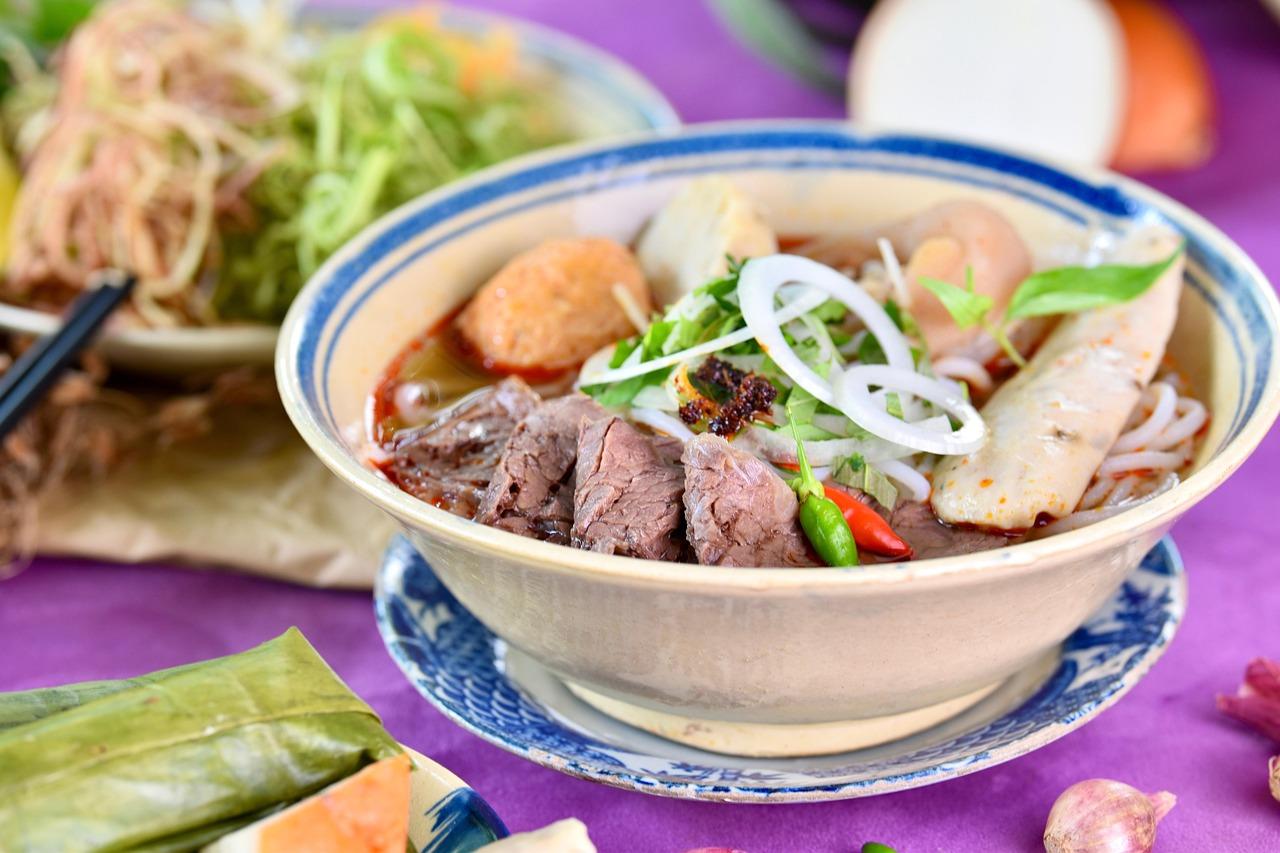
Bun bo HueSpicy beef noodle soup

Huế, once the seat of Vietnam's emperors, is known for food that is spicier and bolder than in the north or south, and this soup is the city's breakfast. Compared with pho it is louder in every way: the broth smells of lemongrass and fermented shrimp, it glows red with chilli oil, and the noodles are thick and round. Beef shank and slices of pork hock go in every bowl, often with pork roll, and it comes with a plate of mint, banana blossom and bean sprouts. Locals add pig's blood cubes too, which we leave out here. Chef's tip: bruise the lemongrass stalks hard with a rolling pin before they go in, so their oils flood the broth.

by KrazyBadal 0 views

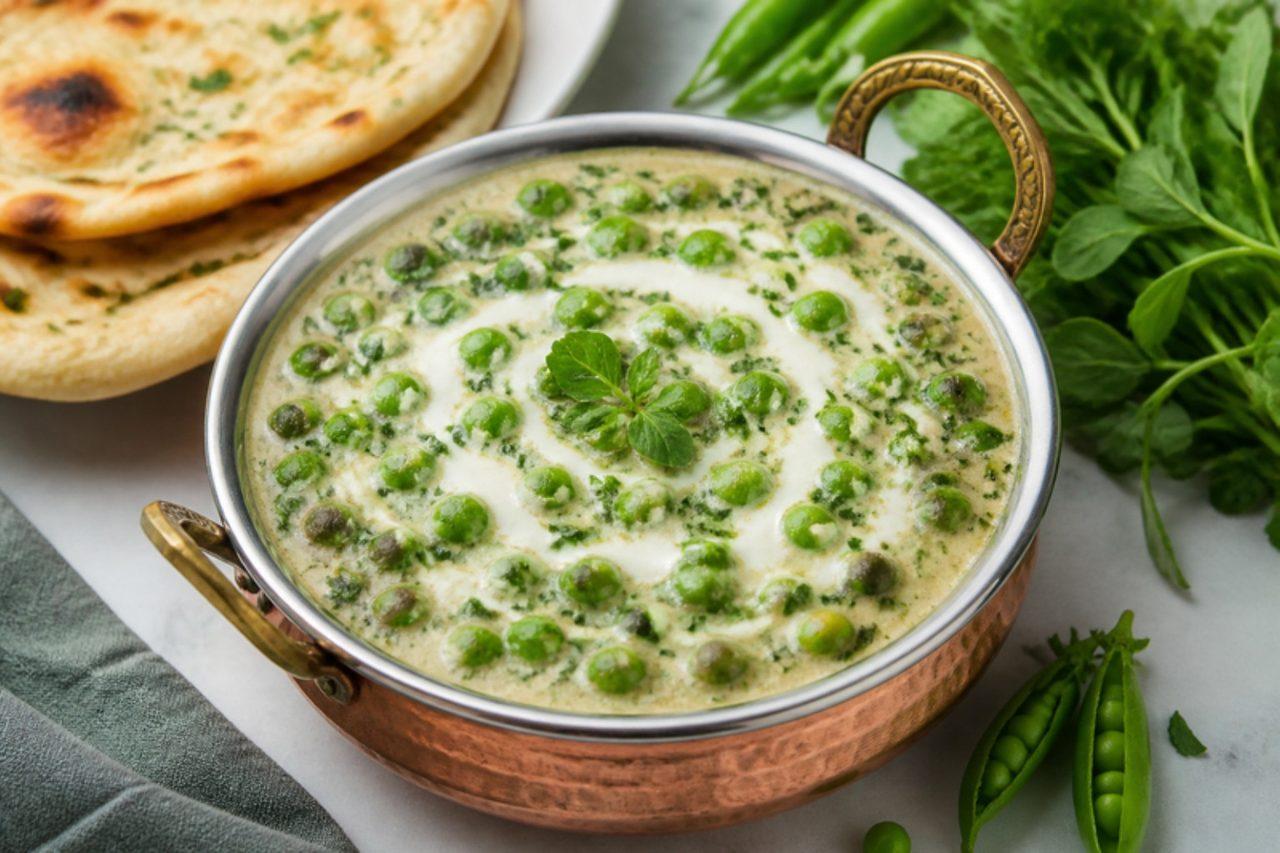
Methi matar malaiFenugreek and peas in cream gravy

Methi matar malai belongs to the Punjabi wedding buffet and the dhaba menu as much as to winter home cooking, when bunches of fresh fenugreek pile up in the markets of Ludhiana and Jalandhar. Bitter-sweet methi leaves and sweet green peas sit in a pale, silky gravy of onion, cashew and cream, mild enough for children and rich enough for a celebration. Serve it with butter naan, lachha paratha or jeera rice. Chef's tip: salt the chopped methi and squeeze it before cooking; it takes away much of the bitterness while keeping the flavour.

by KrazyBadal 0 views

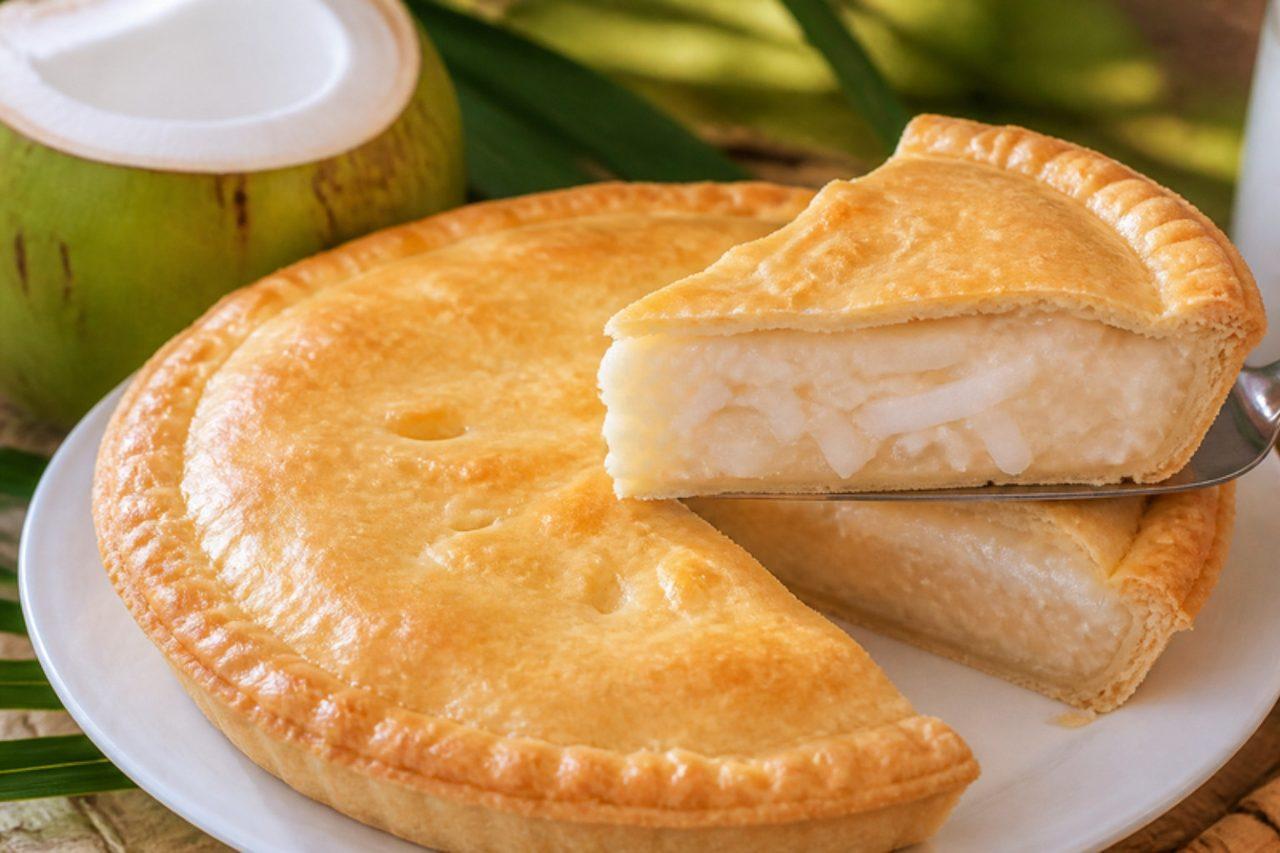
Buko pieYoung coconut pie

Drive the old highway through Los Baños and Calauan in Laguna and roadside shops sell buko pie in white boxes by the stack, warm from the oven. The filling is tender strips of young coconut set in a creamy custard made with the coconut's own water and milk, sealed in a short, buttery crust. It is a pasalubong, a gift you bring back for people at home. Chef's tip: use only the soft, spoonable flesh of young coconuts; hard mature coconut turns the filling chewy.

by KrazyBadal 0 views

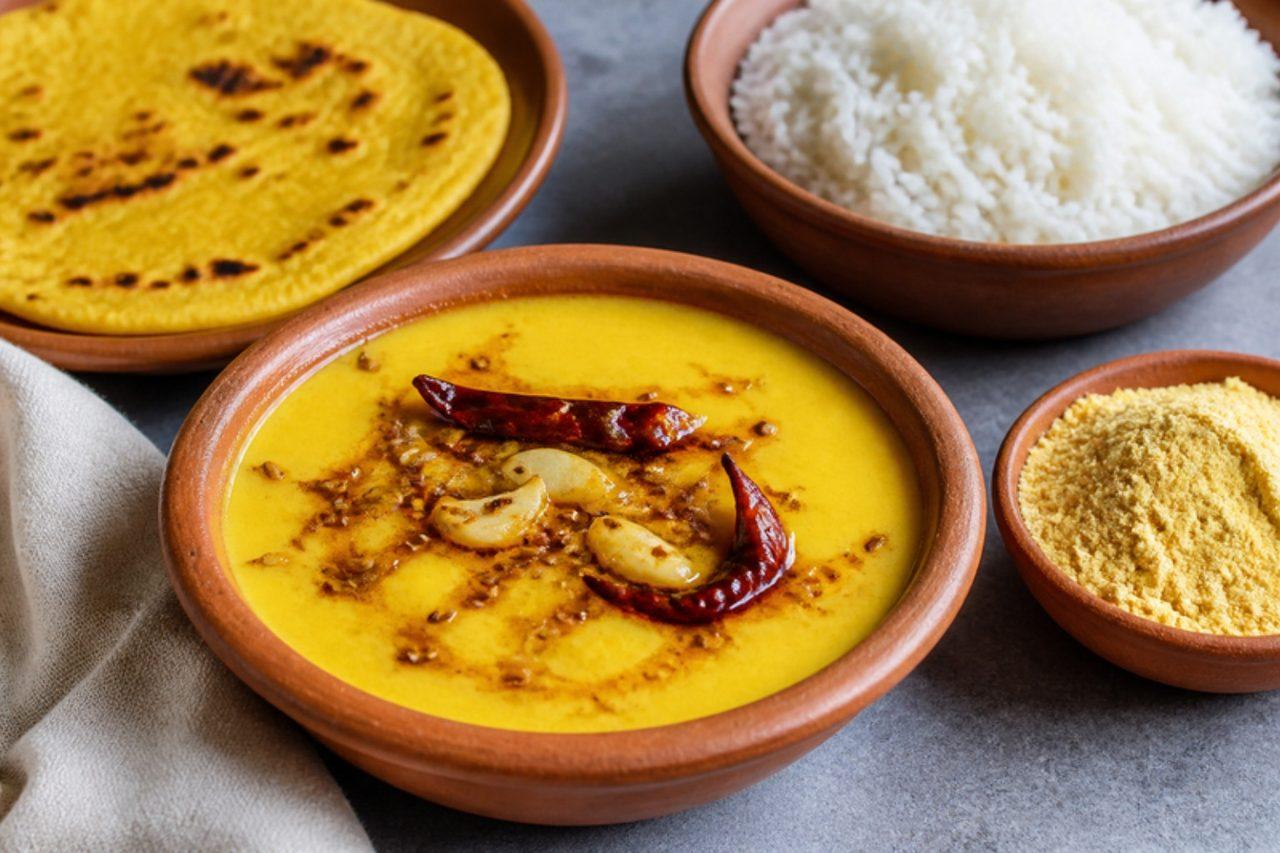
Mewari makki ki kadhiMaize flour yogurt curry

In the Mewar region around Udaipur, maize is a staple crop, and in winter it even goes into kadhi. Instead of gram flour, cooks thicken sour buttermilk with fine maize flour, which gives a golden, slightly earthy, gently sweet kadhi with no pakoras in it. It is ladled over makki ki roti or bajra roti, or eaten with plain rice and a raw onion on the side. The tadka is simple but bold: ghee, cumin, fenugreek, crushed garlic and whole red chillies. The usual mistake is not stirring until it boils—the yogurt splits into curds and whey. Chef's tip: simmer it longer than you would a besan kadhi, at least 20 minutes, until no raw corn taste remains.

by KrazyBadal 0 views

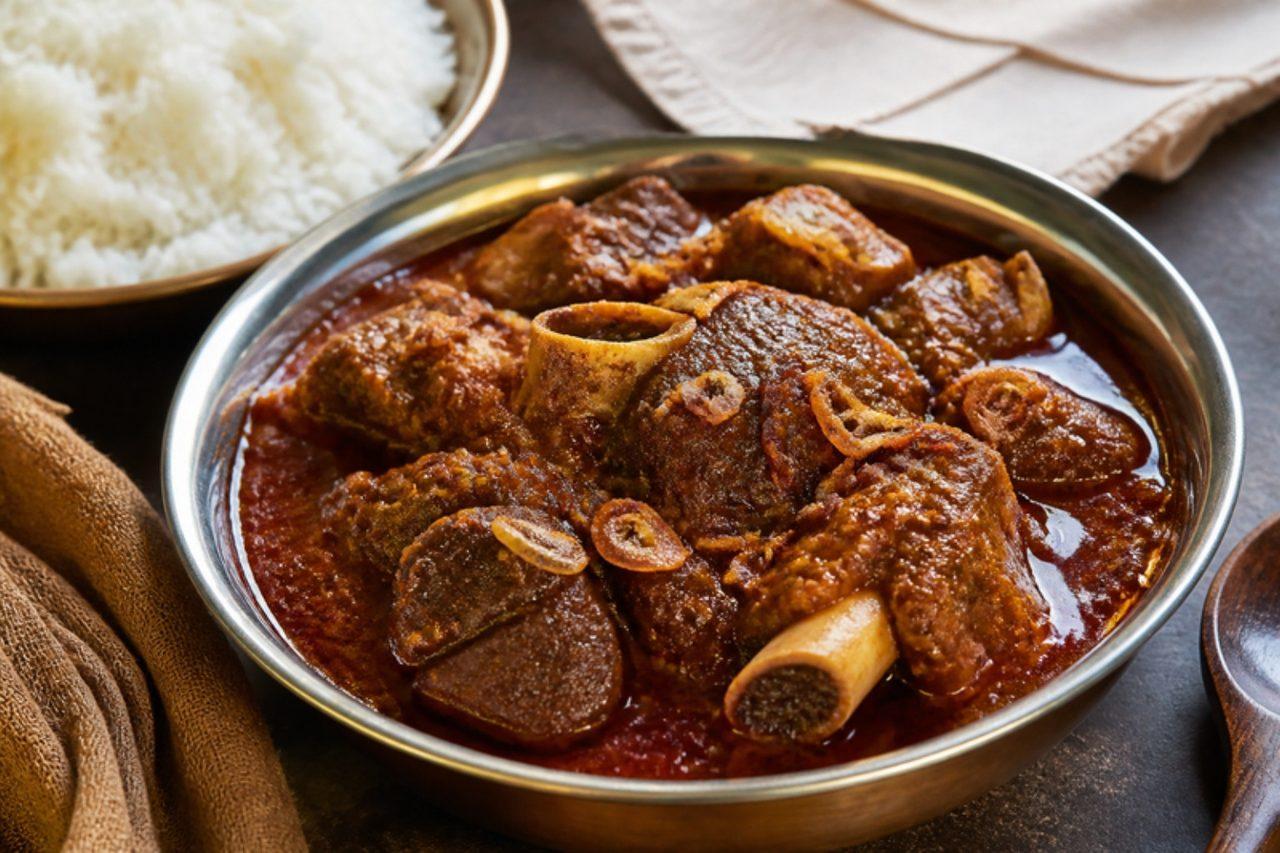
Mezbani beefSpicy feast beef curry

A mezban is the great community feast of Chittagong, held for a death anniversary, a new home or a good harvest, and the food is always the same: rice, dal and this dark, fiery beef curry cooked in giant pots by professional bawarchis. What makes it different from other Bangladeshi curries is its spice blend: mustard oil, lots of dried red chilli, and a ground mix of star anise, mace, nutmeg, cumin and white pepper that tastes warm and deep rather than hot alone. At home it is a weekend treat, eaten with rice or paratha. The common mistake is rushing the bhuna (frying) stage; the beef must fry in its spices until the oil floats free before any water goes in. Chef's tip: toast and grind the mezbani spice mix fresh on the day, because ready-ground spices lose their perfume in a curry this long.

by KrazyBadal 0 views

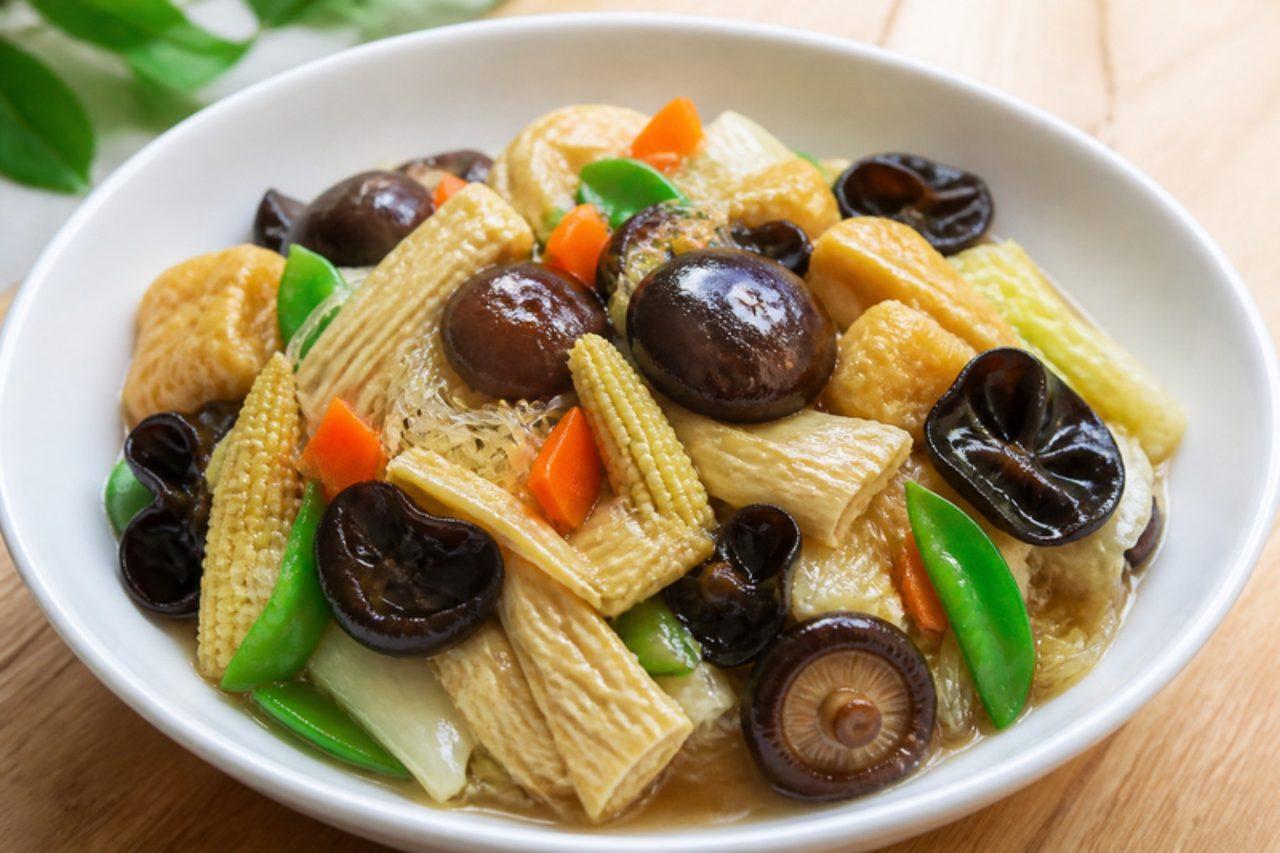
Buddha's delight (luohan zhai)Braised mushrooms, tofu and vegetables

Luohan zhai is the vegetarian dish of Chinese Buddhist temples, and many families cook it on the first day of the Lunar New Year, when eating meat is traditionally avoided. Recipes vary from house to house, but most combine dried shiitake, wood ear fungus, tofu puffs, tofu skin, napa cabbage and glass noodles, braised in one pot in a light, savoury sauce. It's light, colourful and full of different textures. Chef's tip: keep the shiitake soaking water; strained, it makes the base of the sauce and gives far more flavour than stock.

by KrazyBadal 0 views

MhadjebStuffed semolina flatbreads

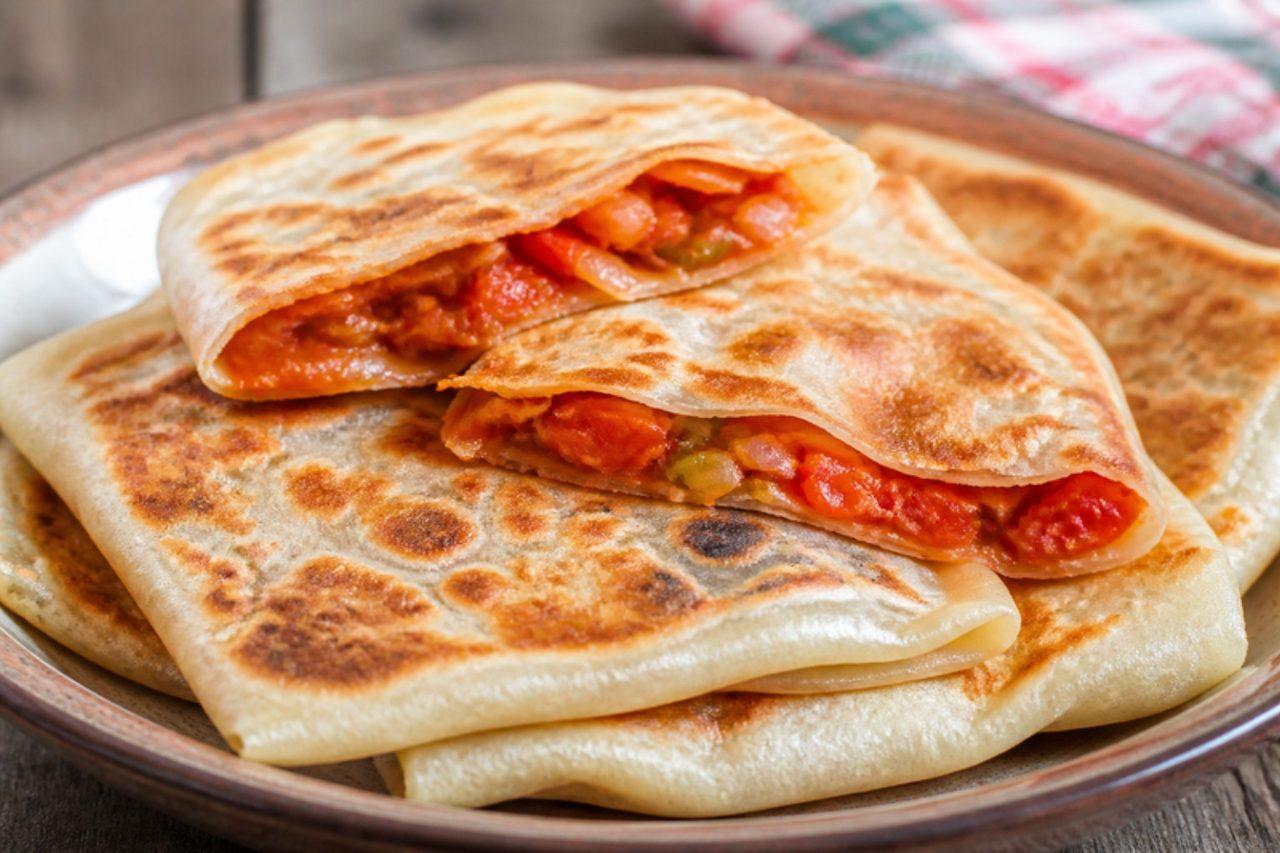
Mhadjeb (also mahjouba) are the folded flatbreads of Constantine and the east of Algeria, sold on street corners at teatime and made in every home during Ramadan. A stretchy semolina dough is pulled paper-thin with oiled hands, filled with a jammy stew of onion, tomato and pepper, folded into a square and cooked on a dry griddle until spotted brown. Chef's tip: knead the dough for the full 15 minutes; it must stretch almost transparent without tearing.

by KrazyBadal 0 views

Mi QuangTurmeric noodles with pork and prawns

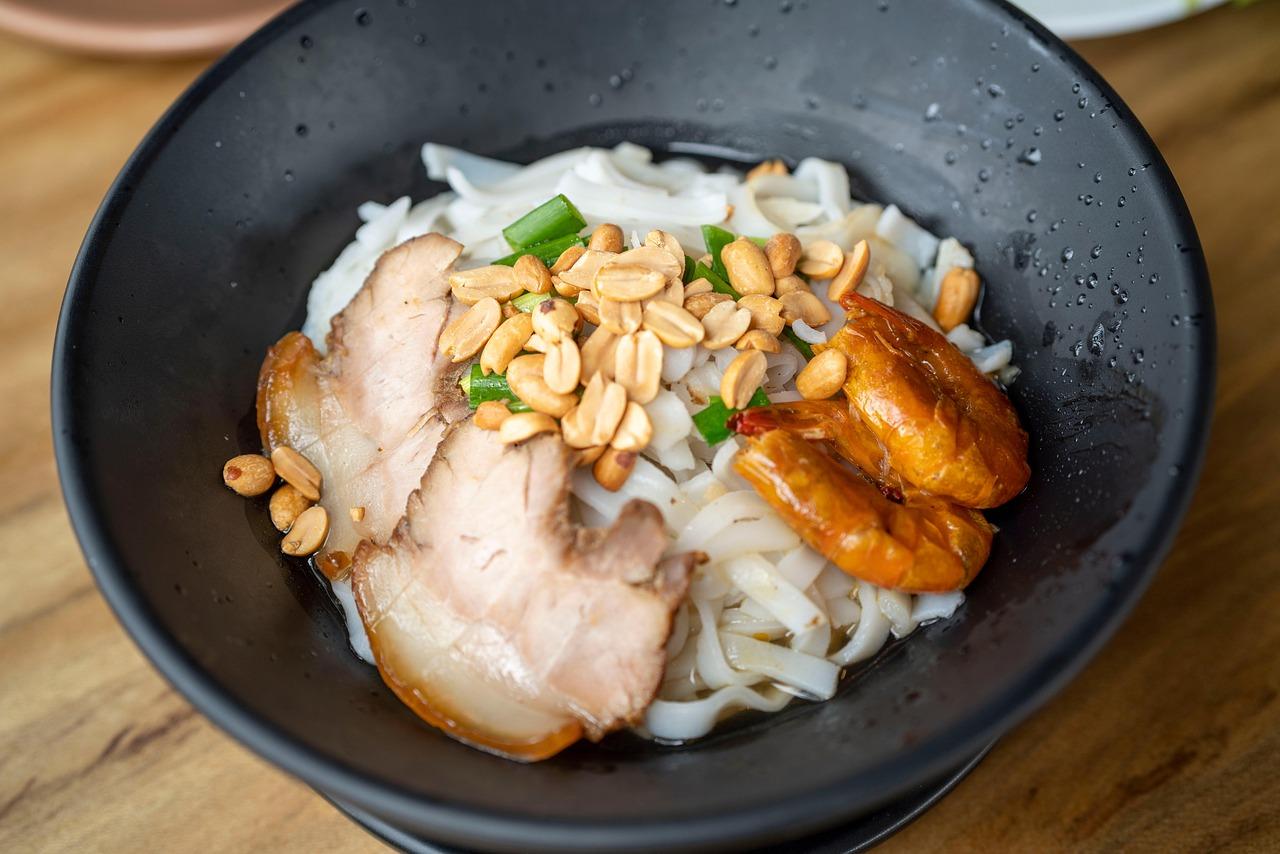
Mì Quảng comes from Quảng Nam province, around Hội An and Tam Kỳ, where it's eaten at any hour from roadside stalls and family tables. It sits halfway between soup and salad: wide yellow noodles get only a small ladle of rich, turmeric-coloured broth with braised pork and prawns, then a scatter of peanuts and herbs. A toasted sesame rice cracker is broken over the top for crunch. Every bite should be part noodle, part leaf, part cracker. Chef's tip: pour in just enough broth to come a third of the way up the noodles; any more and it becomes a soup and the crackers go soggy.

by KrazyBadal 0 views

Budbud kabogMillet in coconut milk

Budbud is the Visayan name for sticky rice rolls steamed in banana leaf, and the famous kabog version from Tanjay, Negros Oriental, uses millet instead of rice. The millet is cooked thick in coconut milk and sugar, rolled into banana leaves and steamed until it sets into a soft, slightly grainy log. In Dumaguete it is breakfast with ripe mango and a cup of tablea hot chocolate. Chef's tip: wilt the banana leaves briefly over a flame or in hot water so they fold without splitting.

by KrazyBadal 0 views

Almond ghribaChewy almond cookies

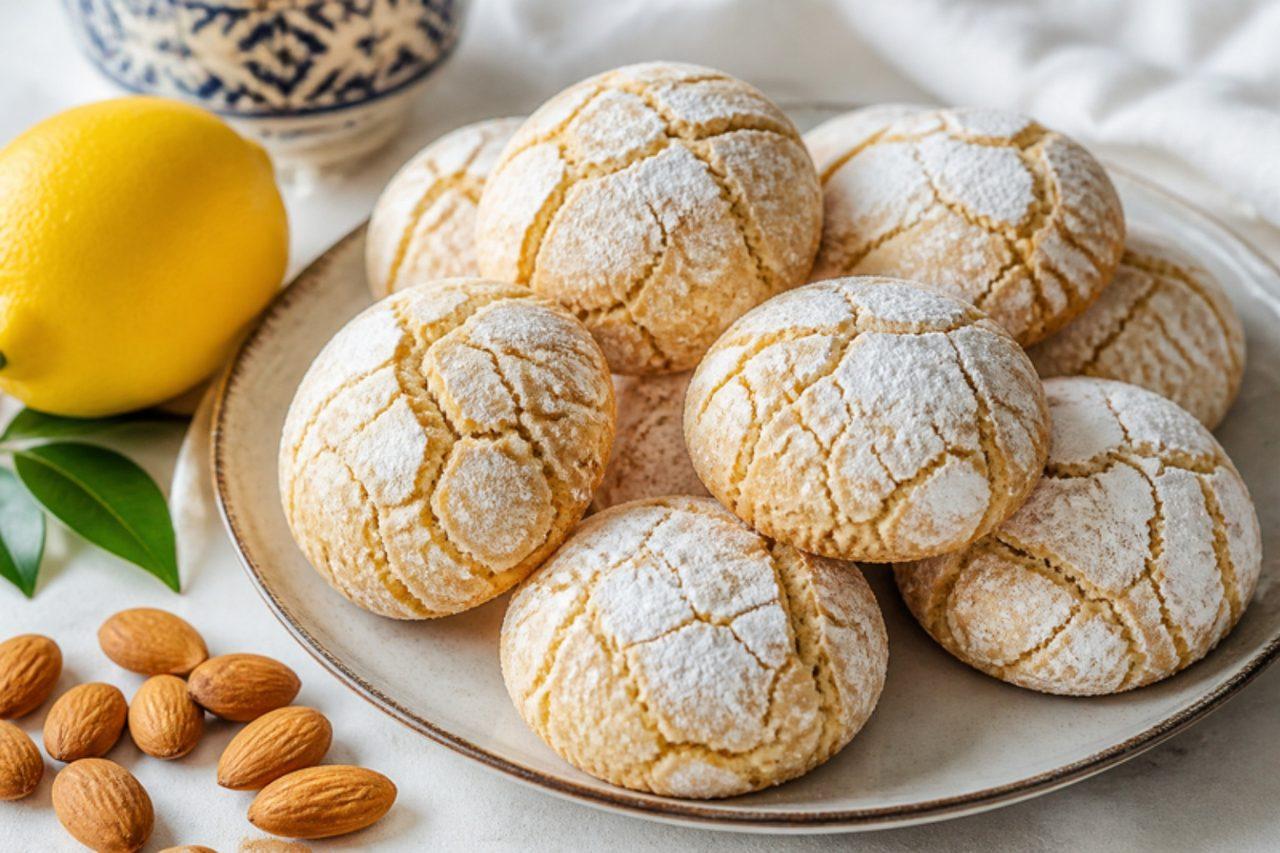
Ghriba are the crinkle-topped cookies that fill Moroccan biscuit trays for Eid, weddings and guests dropping by for tea; the almond version, ghriba bel louz, is especially loved in Fez and Tétouan. The dough is just ground almonds, sugar, egg and lemon zest, rolled in icing sugar so the top cracks into white rivers as it bakes. They are naturally gluten free, crisp at the edge and soft and chewy inside. Chef's tip: take them out when the cracks have formed but the centres still feel soft; they firm up as they cool, and overbaked ghriba turn hard.

by KrazyBadal 0 views

Showing 45 of 10,569 recipes

Show more recipes

Page 1,056 of 1,175