Skip to content
Sakarpada
Featured recipe

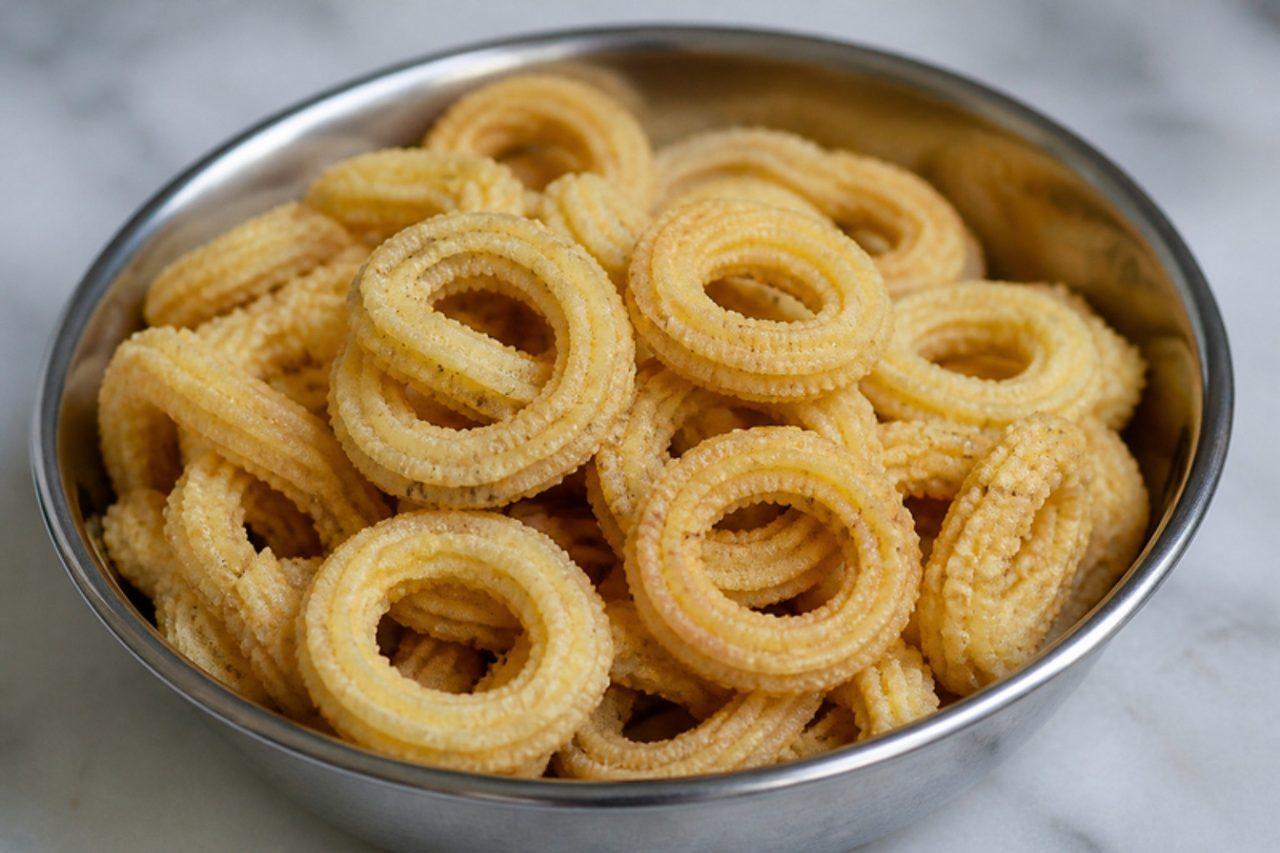
Sakarpada

Sweet fried dough diamonds

Sakarpada (shakarpara) are little sweet diamonds of a rich dough made with ghee, milk and sugar, fried until golden and crunchy. They are a Diwali favourite with tea, and the cubes go into bhusu too. They keep for weeks in an air-tight tin.

Read more 2 views

What to eat today?

Around the world

Today's trip: Persian

A new country every day, from every cuisine on the site.

Persian

Shir berenj

Rose water rice pudding 70 minMore from Persian (181) →

This week's collection

Kid-friendly dinners
772 recipes · a new collection every Monday

Coming up

All occasions →

Latest recipes

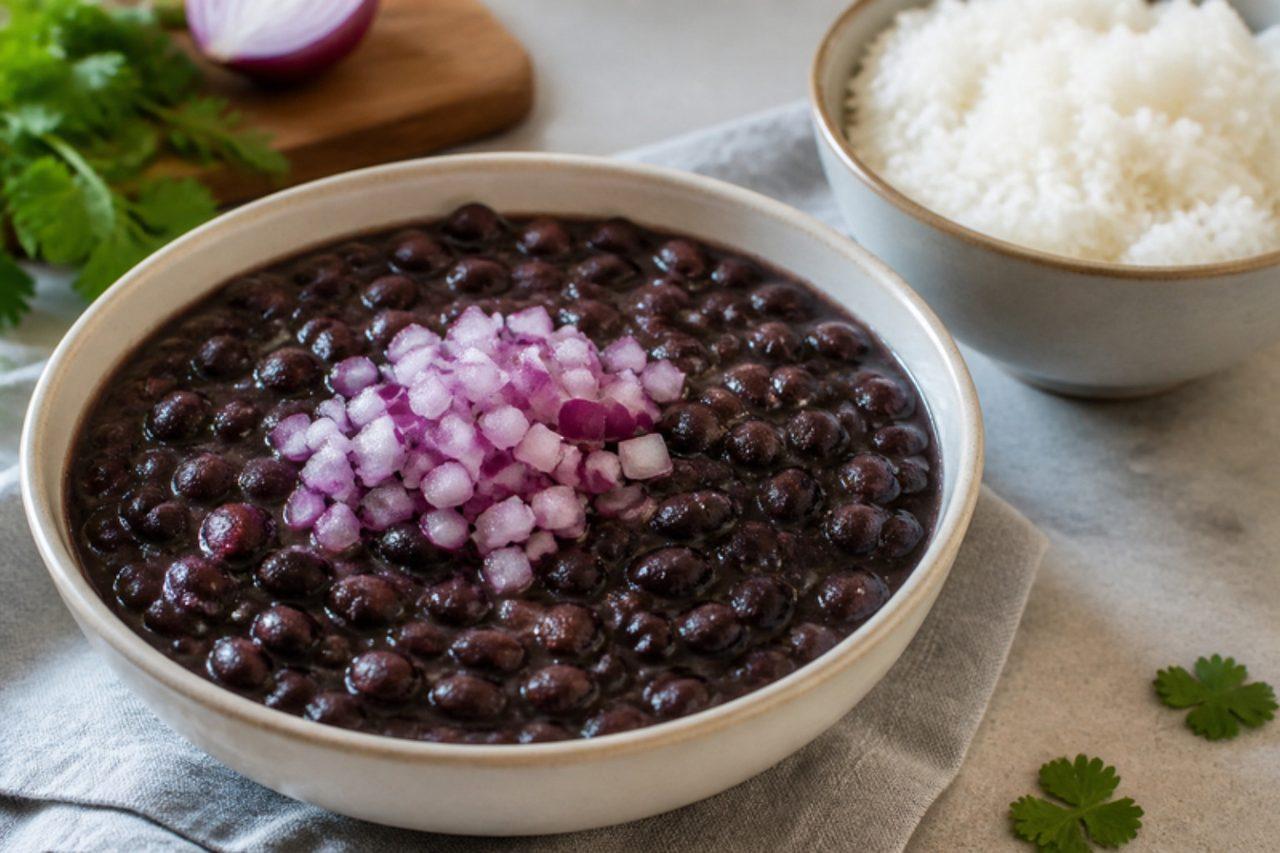
Frijoles negros cubanosBlack bean stew

A pot of frijoles negros simmers on the back of the stove in Cuban homes from Havana to Miami's Little Havana, ladled over white rice for lunch most days of the week. The beans cook until creamy, then a sofrito of onion, green pepper and plenty of garlic goes in with cumin, oregano, a pinch of sugar and a dash of vinegar, which gives the stew its gentle sweet-sour finish. Venezuelans make a very close cousin, caraotas negras, for pabellón, so this page covers both. Chef's tip: mash a ladle of beans against the side of the pot near the end; it thickens the broth naturally without any flour.

by KrazyBadal 0 views

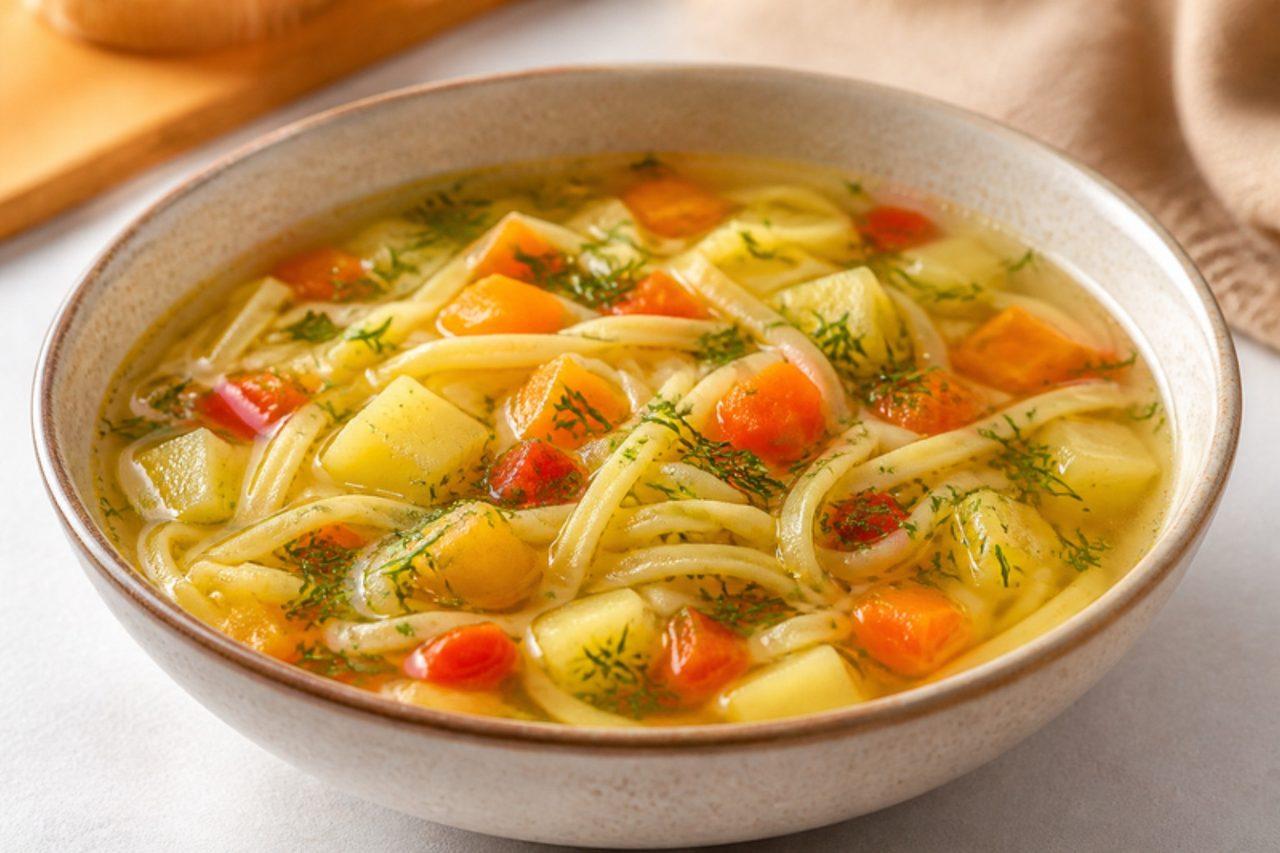
KespeEgg noodles in vegetable broth

Kespe is the plainest and most comforting of Kazakh soups: home-made egg noodles, cut thin with a knife, simmered in broth with potato, carrot and onion. The name comes from 'kesu', to cut. Grandmothers in villages around Karaganda and Pavlodar make it on winter evenings and for anyone feeling unwell, and in Kyrgyzstan the same soup goes by the same name. It is usually cooked in mutton broth; this version uses a well-browned vegetable broth. Chef's tip: dry the cut noodles for 20 minutes before cooking; they hold their shape and don't cloud the broth.

by KrazyBadal 0 views

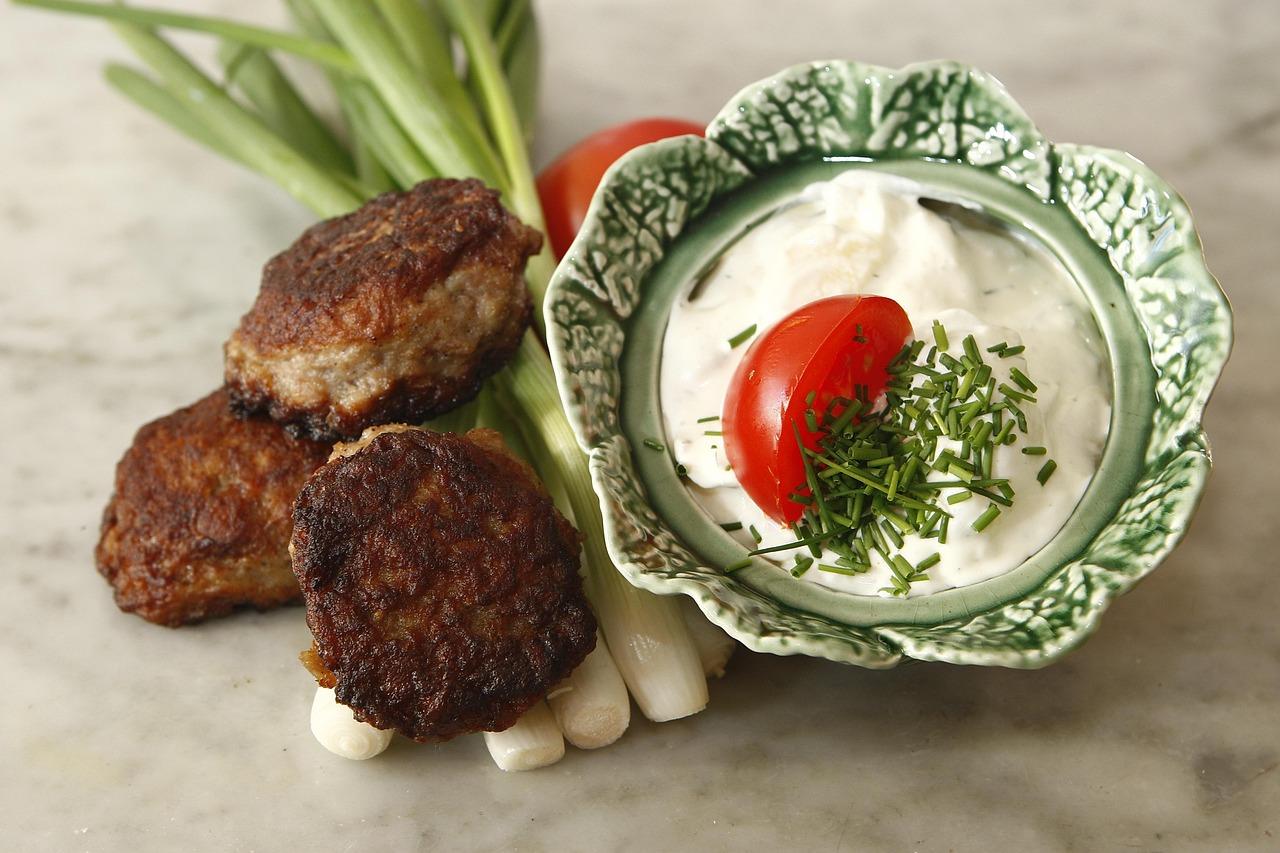
FrikadellerPork and veal patties

Frikadeller are the everyday comfort food of Denmark, fried up for Monday suppers in Copenhagen, packed cold on rye bread for lunch and served at nearly every children's birthday. The mix is mostly pork, with some veal, so this is a pork dish, loosened with milk and bound with egg and a spoonful of flour to make soft, flattened ovals with a crisp brown crust. Danes eat them hot with boiled potatoes, brown gravy and sweet-sour pickled red cabbage, or cold the next day with pickled beetroot. Where people go wrong is frying them on too high a heat; the outside burns before the middle is cooked. Chef's tip: let the mixture rest in the fridge for 30 minutes before shaping; it firms up and the patties keep a neat shape in the pan.

by KrazyBadal 0 views

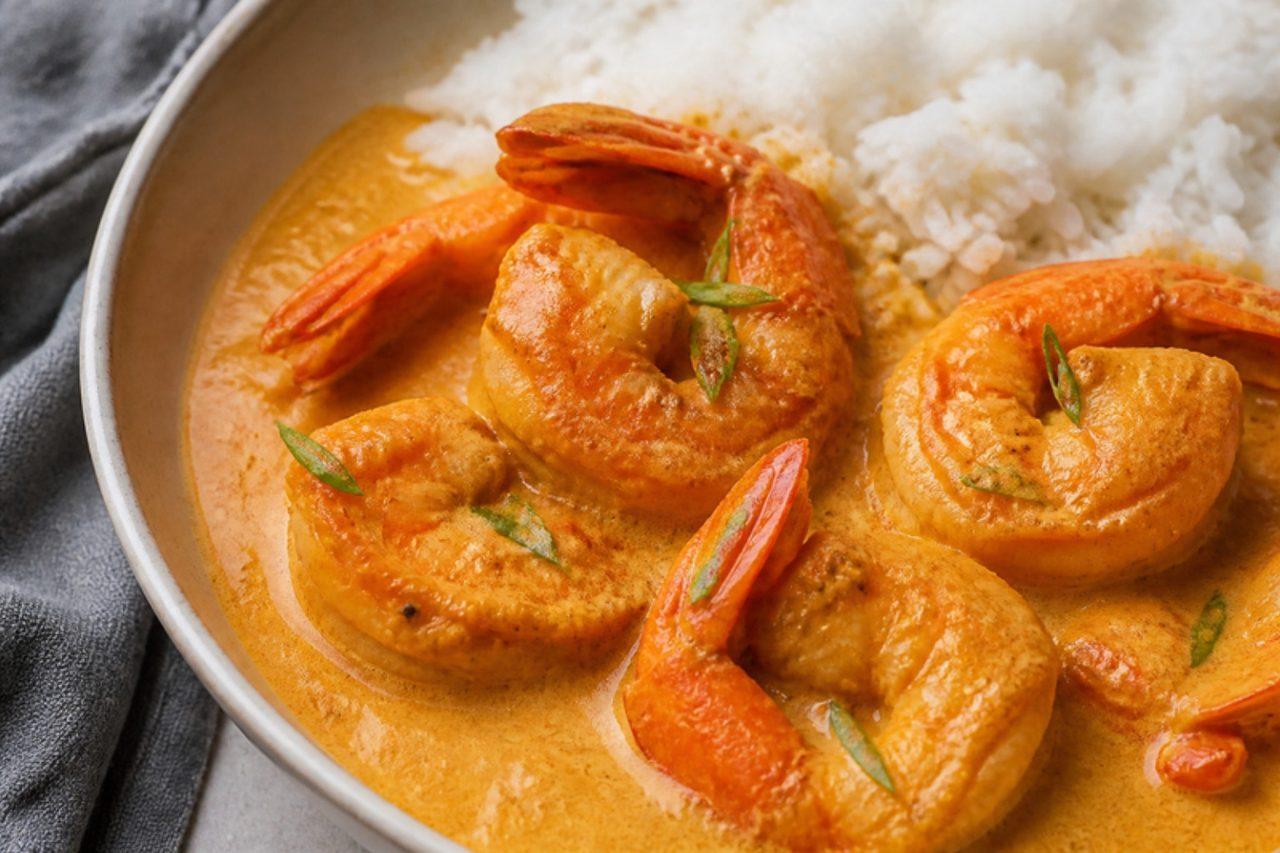
Chingri malaikariPrawns in coconut milk curry

Big prawns in a pale, silky coconut gravy are what a Bengali family cooks for guests, for a new son-in-law at Jamai Sasthi, or for a wedding lunch. The dish is gently spiced, a little sweet, and leans on the head fat of the prawns for richness, so it tastes of the sea rather than of chilli. Serve it with steamed gobindobhog or basmati rice. Chef's tip: if you can find shell-on prawns with heads, leave the heads on; squeeze them into the gravy as you eat for the full flavour.

45 minIndianFishGluten free
by KrazyBadal 0 views

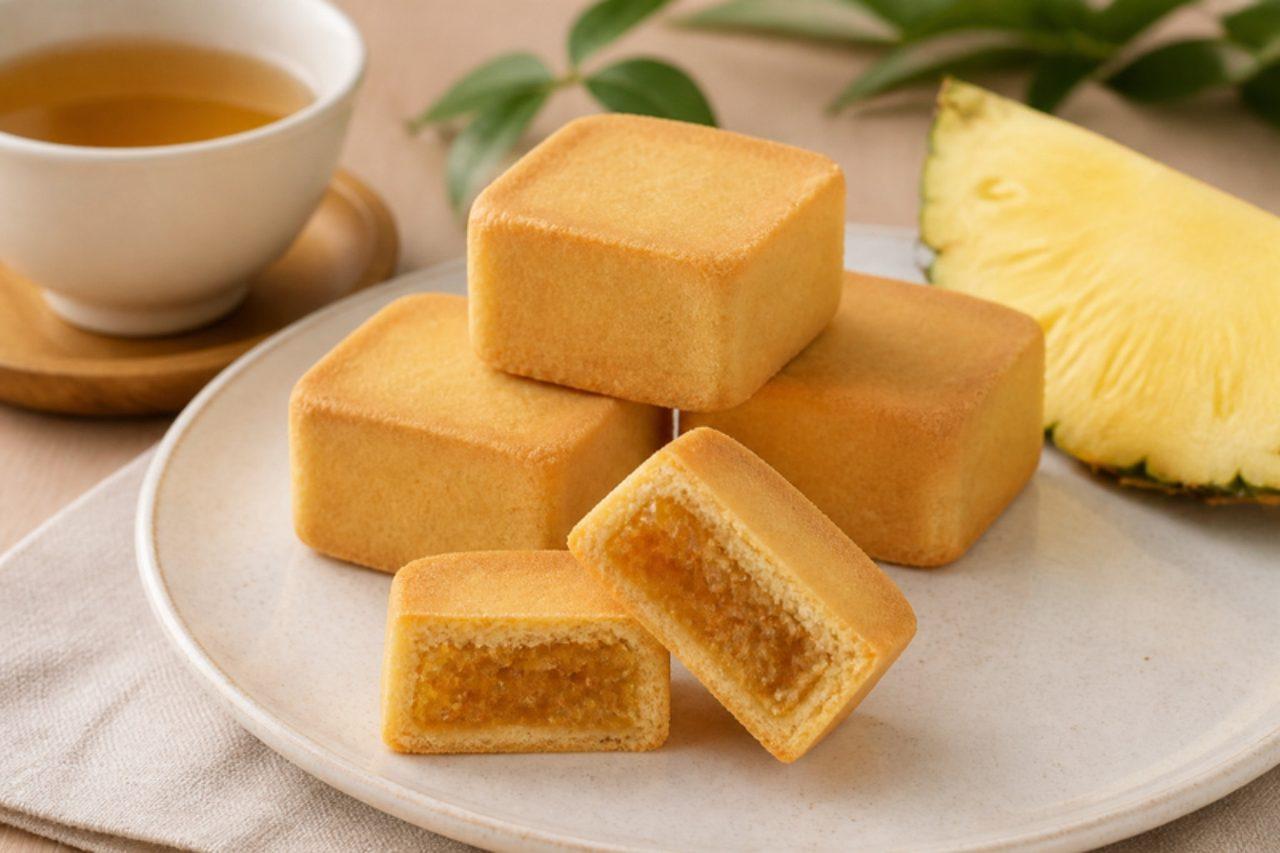
Taiwanese pineapple cakes

Feng li su are the gift-box sweet of Taiwan: little golden squares of crumbly, milky shortbread wrapped round a chewy pineapple jam. Bakeries in Taichung and Taipei pack them in tins for Lunar New Year, weddings and visiting relatives, and the name sounds like 'prosperity arriving' in Taiwanese Hokkien. Older bakeries bulk the filling with winter melon for a softer, sweeter jam; this home version uses fresh pineapple only, cooked down until thick and tangy. Chef's tip: chill the dough and the jam balls before wrapping; cold, firm pieces are far easier to seal without the jam breaking through.

by KrazyBadal 0 views

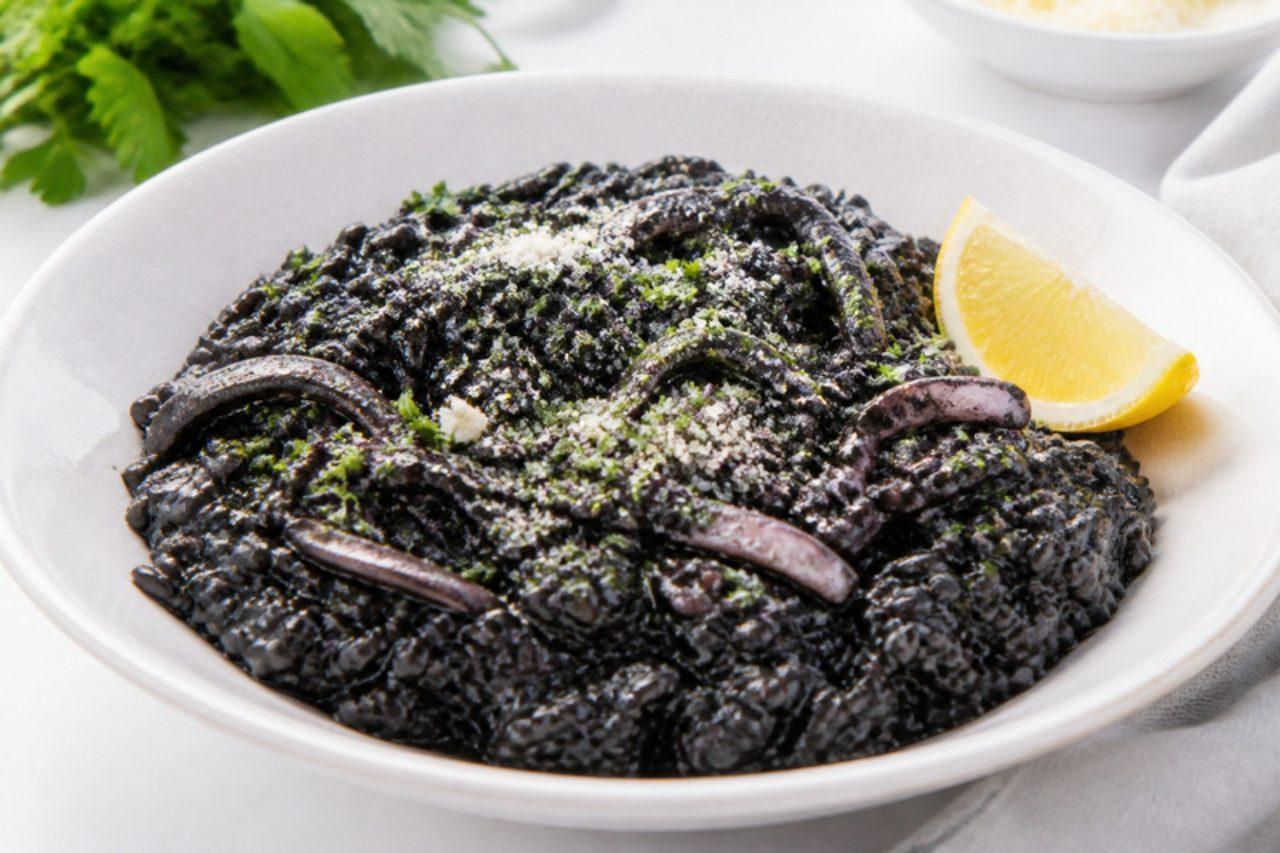
Crni rižotBlack cuttlefish risotto

Along the Dalmatian coast, from Korčula to Dubrovnik, konobas serve crni rižot as the first thing fishermen order when they come ashore, its jet-black colour startling against a white plate. Cuttlefish is cooked slowly with onion and garlic until tender, then rice goes in with fish stock and the ink sac, making a creamy, sea-sweet rice that tastes of the shore. It traditionally includes a splash of dry white wine; for an alcohol-free version, use more stock with a squeeze of lemon. The usual mistake is adding the cuttlefish late and cooking it fast, which leaves it rubbery; it needs to stew first. Chef's tip: serve with a drizzle of good olive oil and grated hard sheep's cheese if you like, and warn your guests about black teeth.

75 minBalkanFishGluten free
by KrazyBadal 0 views

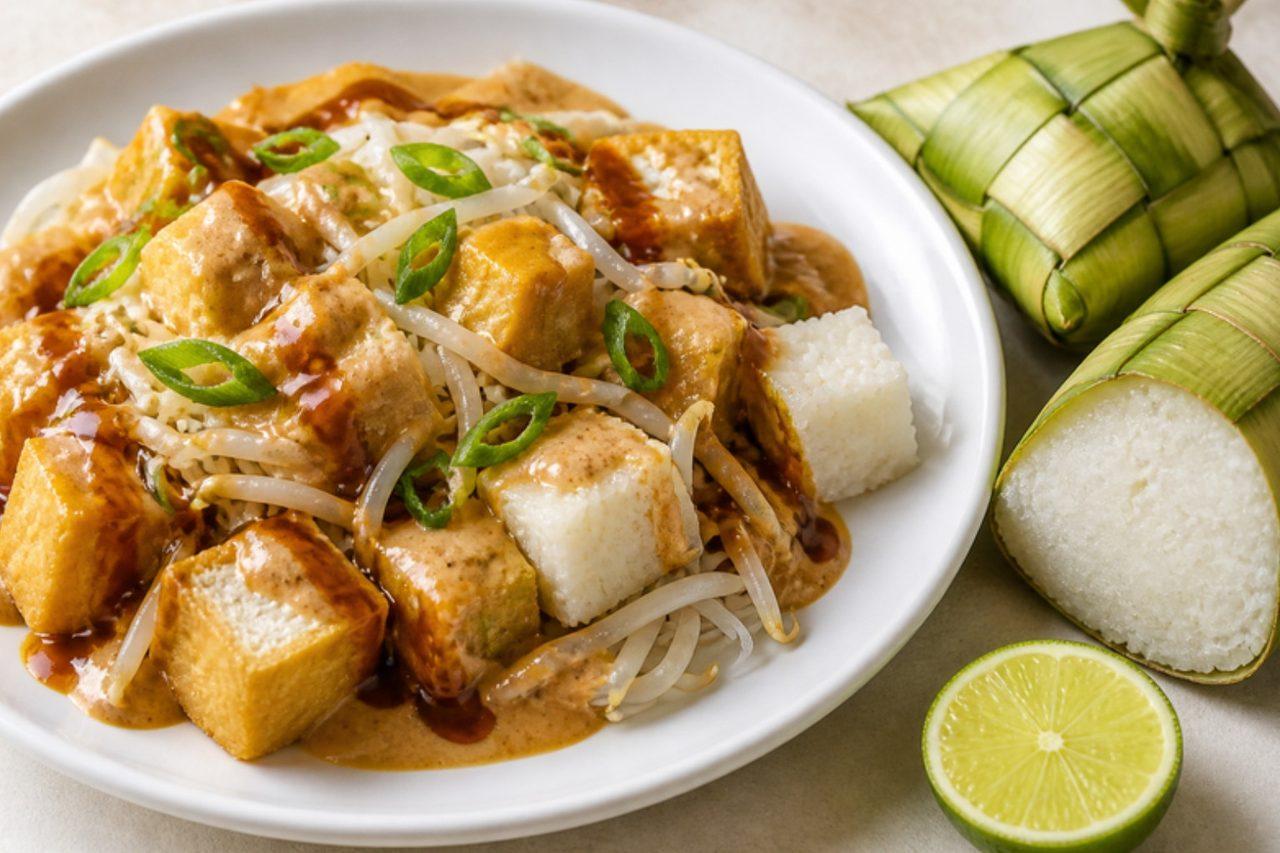
KetoprakTofu and noodles in peanut sauce

Ketoprak is a Jakarta cart dish, made to order: the seller grinds peanuts, garlic and chilli in a wide stone mortar, loosens them with water and sweet soy, then tips fried tofu, rice cake, rice vermicelli and bean sprouts on top. It is a cousin of gado-gado but simpler, with no egg-and-greens platter, and the raw-garlic sauce is the whole point. Eat it at lunch with plenty of crackers. Chef's tip: grind the garlic with the hot fried peanuts so the garlic mellows slightly; a raw paste made with cold nuts is harsh.

by KrazyBadal 0 views

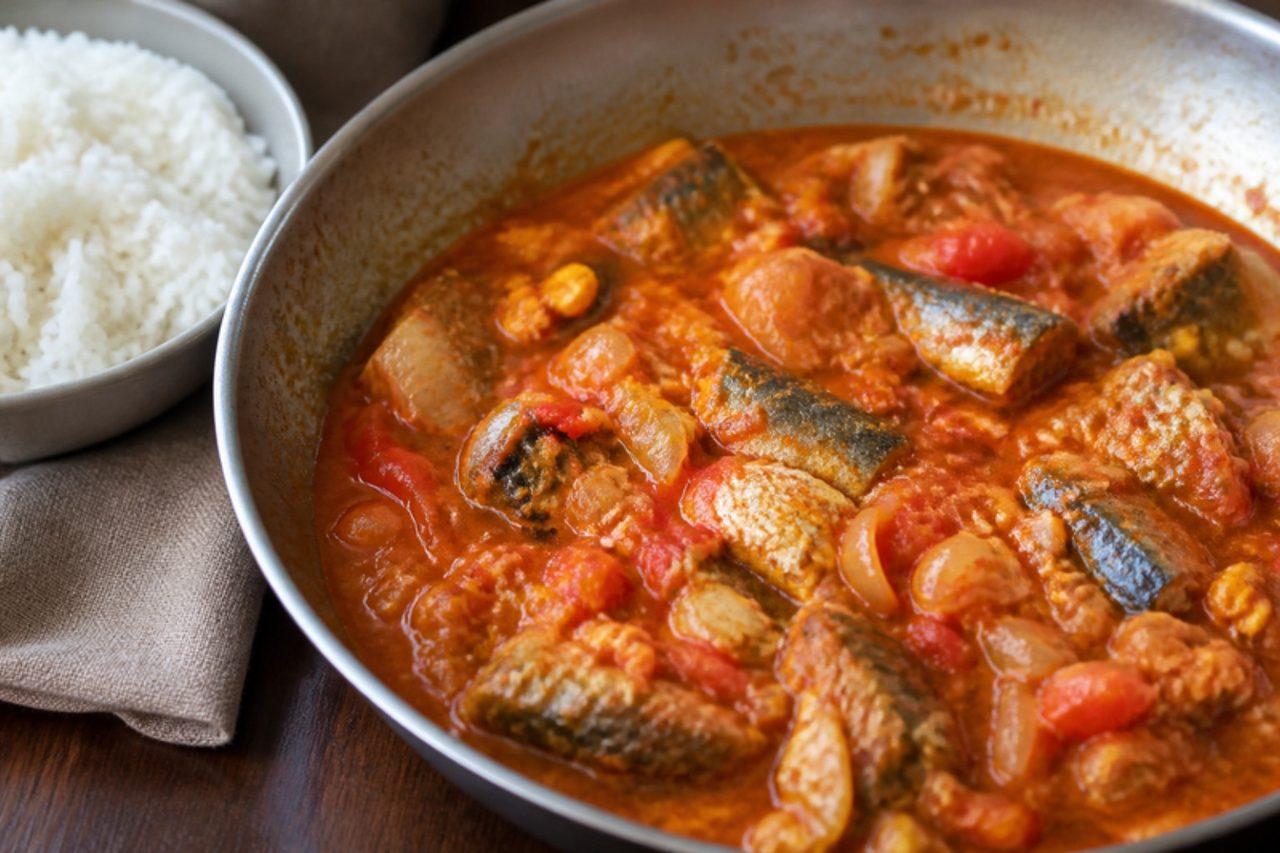
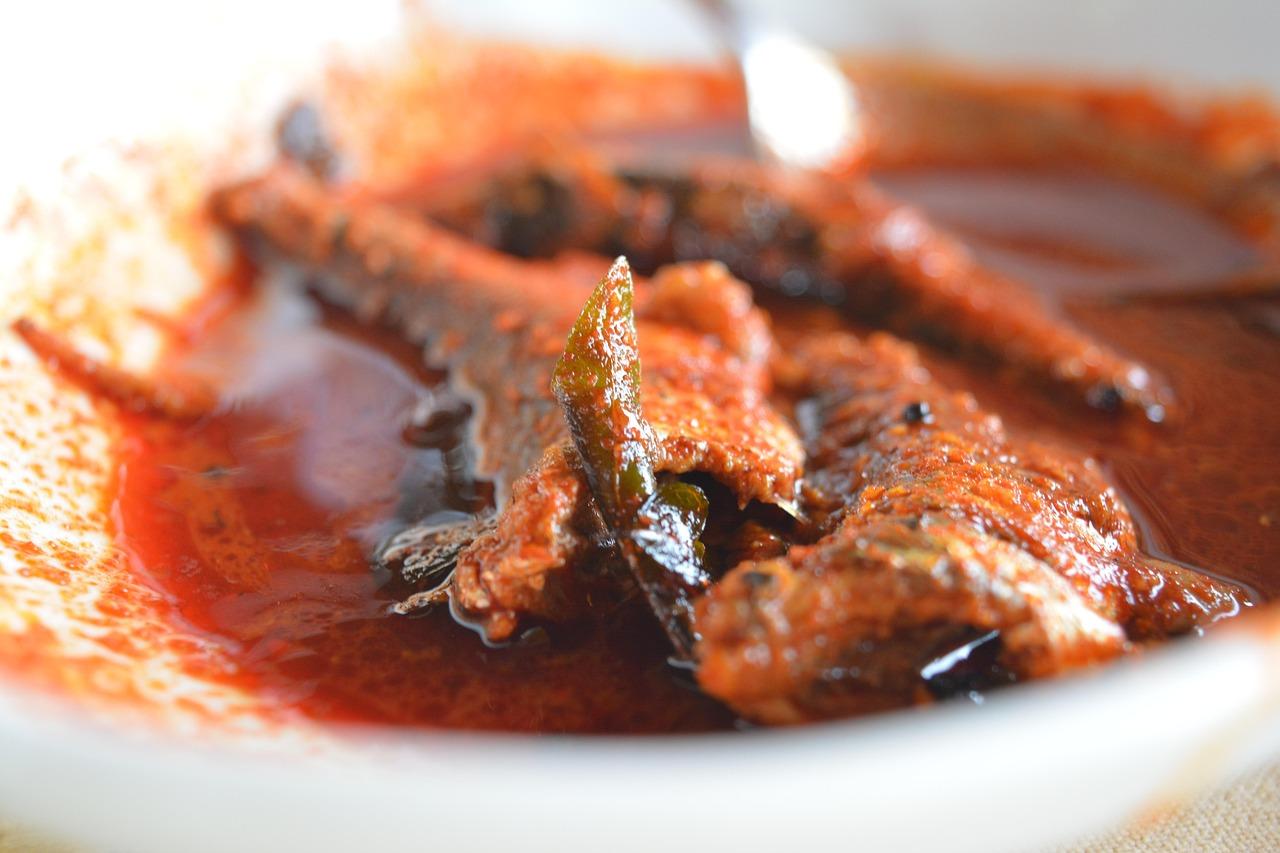
Goan fish curry (xitt codi)

Ask anyone from Salcete or Bardez what they eat for lunch and the answer is xitt codi: rice (xitt) and curry (codi), almost always fish curry. The gravy is ground from fresh coconut and Kashmiri chillies, soured with kokum and tamarind, and cooked with whatever the boats brought in, from kingfish and pomfret to mackerel. It is a weekday dish, ladled over red Goan rice with a fried fish or a pickle on the side. Chef's tip: grind the coconut masala for a full 2–3 minutes until it is completely smooth; a grainy paste gives a thin, separated curry.

50 minIndianFishGluten freeSpicy
by KrazyBadal 0 views

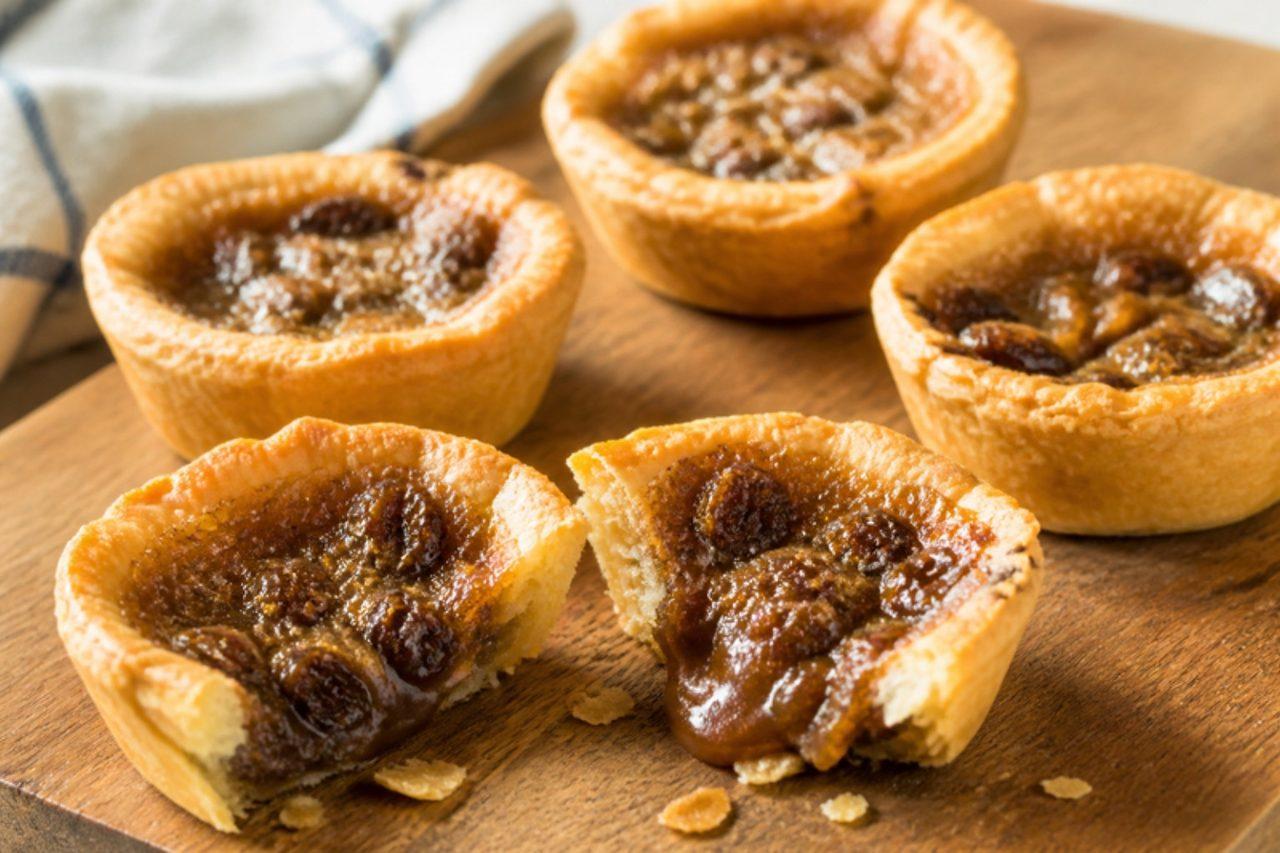
Butter tarts

Butter tarts are fiercely loved in Ontario, where towns along the 'Butter Tart Trail' near Midland and Wellington County hold contests, and where Canadians argue about whether raisins belong in them. Small, flaky pastry cups hold a filling of brown sugar, butter, egg and syrup that bakes into a gooey, caramel-like centre with a crackled top. This version adds a little maple syrup and leaves raisins optional. Chef's tip: bake only until the filling bubbles and the edges are set but the centre still jiggles; runny is the goal, but overbaked tarts turn sugary and hard.

by KrazyBadal 0 views

Key watSpicy beef stew

Ask for key wat at a restaurant in Addis Ababa and you get a bowl of tender beef drowned in a sauce so red it gives the dish its name: key means red in Amharic. It is everyday celebration food, cooked for Sunday lunch, weddings and the end of a fast, and it shares the slow-cooked onion base of doro wat but with chunks of beef and a sharper, more peppery heat. The sauce should be thick and glossy, with a layer of red oil on top. Spoon it over injera with a cooling plate of greens or lentils beside it. Chef's tip: cut the beef into small, even 2 cm cubes so it soaks up the sauce and becomes tender in under an hour and a half.

by KrazyBadal 0 views

Frites with aïoliChips with garlic mayonnaise

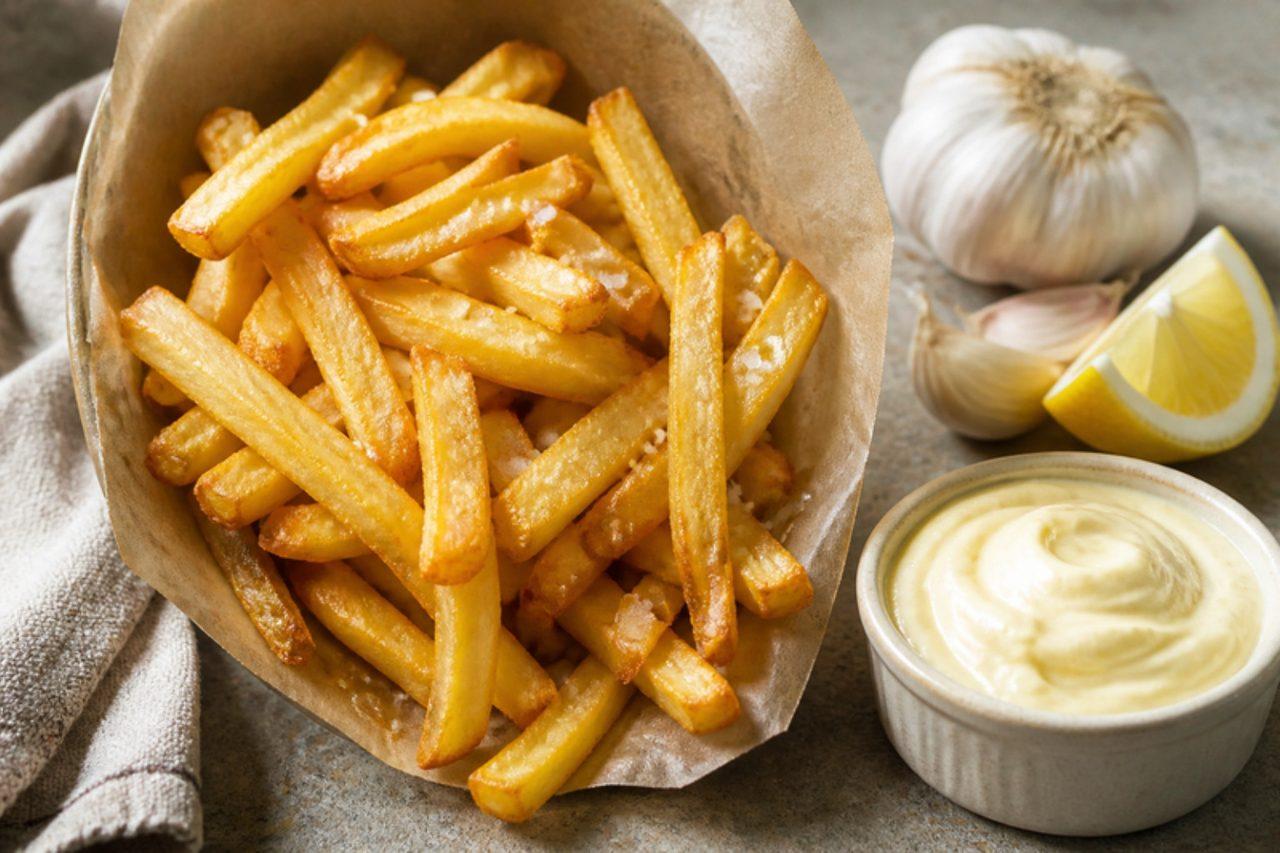
Frites are a fixture of French brasseries and street stalls, served in paper cones at markets and beside every omelette and salad in Paris cafés. The secret is frying twice: once gently to cook them through, then hot to make them crisp. In Provence, the dip would be aïoli, a thick, garlicky sauce that gave its name to the region's Friday feast. Our aïoli is made the old-fashioned egg-free way, with a little boiled potato to hold the garlic and olive oil together. Children usually prefer it with less garlic. Chef's tip: dry the cut potatoes thoroughly before frying; wet chips are the common mistake that make the oil spit and leave the chips soft.

by KrazyBadal 0 views

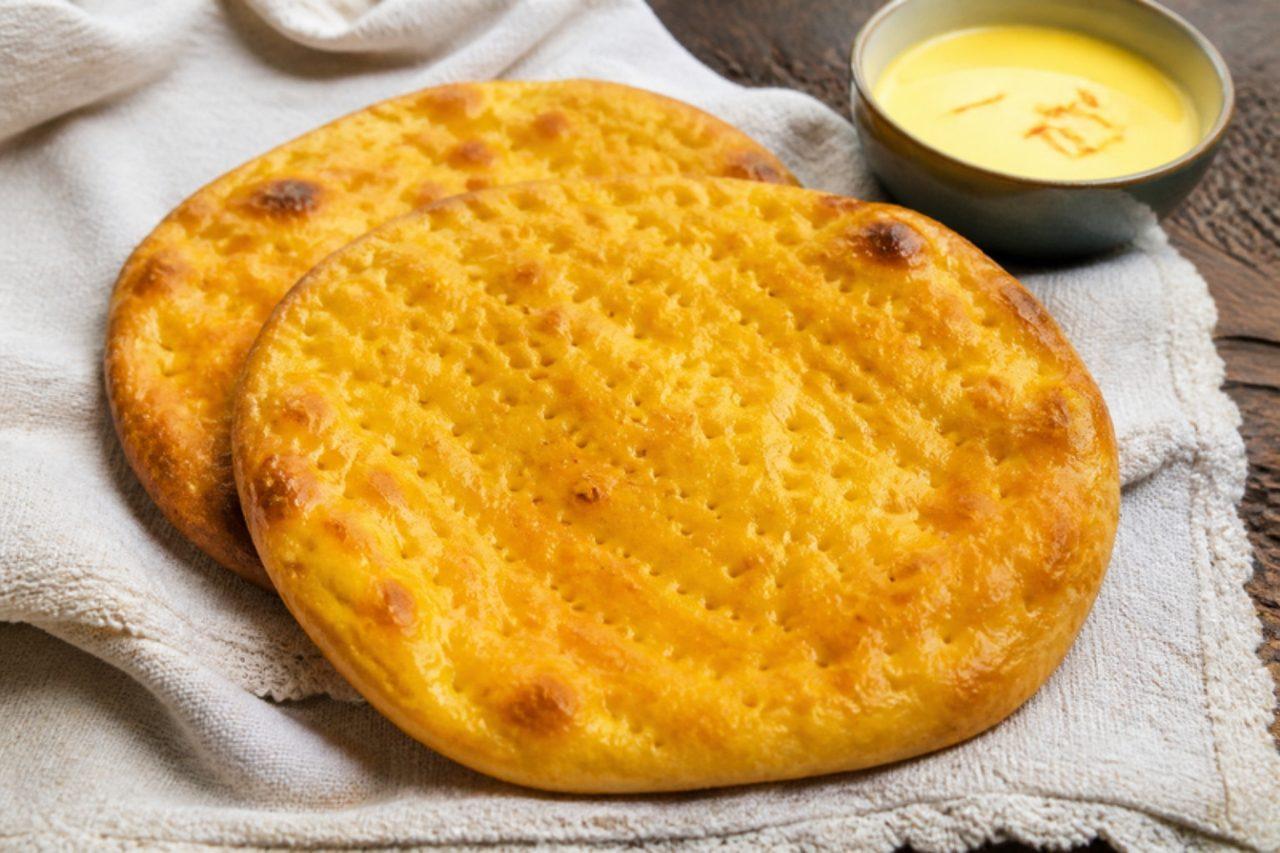
Lucknowi sheermalSaffron sweet milk flatbread

Sheermal is a soft flatbread made with milk and ghee instead of water, lightly sweet, and brushed with saffron milk so it bakes to a glossy amber colour. In Lucknow's old quarters like Chowk and Aminabad, bakers still make it in tandoors each morning, and families buy it for Eid, weddings and Ramadan iftar, eating it alongside rich kormas or simply with a cup of milky tea. It sits halfway between bread and pastry. The usual mistake is adding too much flour while kneading because the dough feels sticky; a dry dough gives a tough, crumbly sheermal. Chef's tip: oil your hands instead of flouring the surface, and let the rich dough rise until it is truly doubled.

by KrazyBadal 0 views

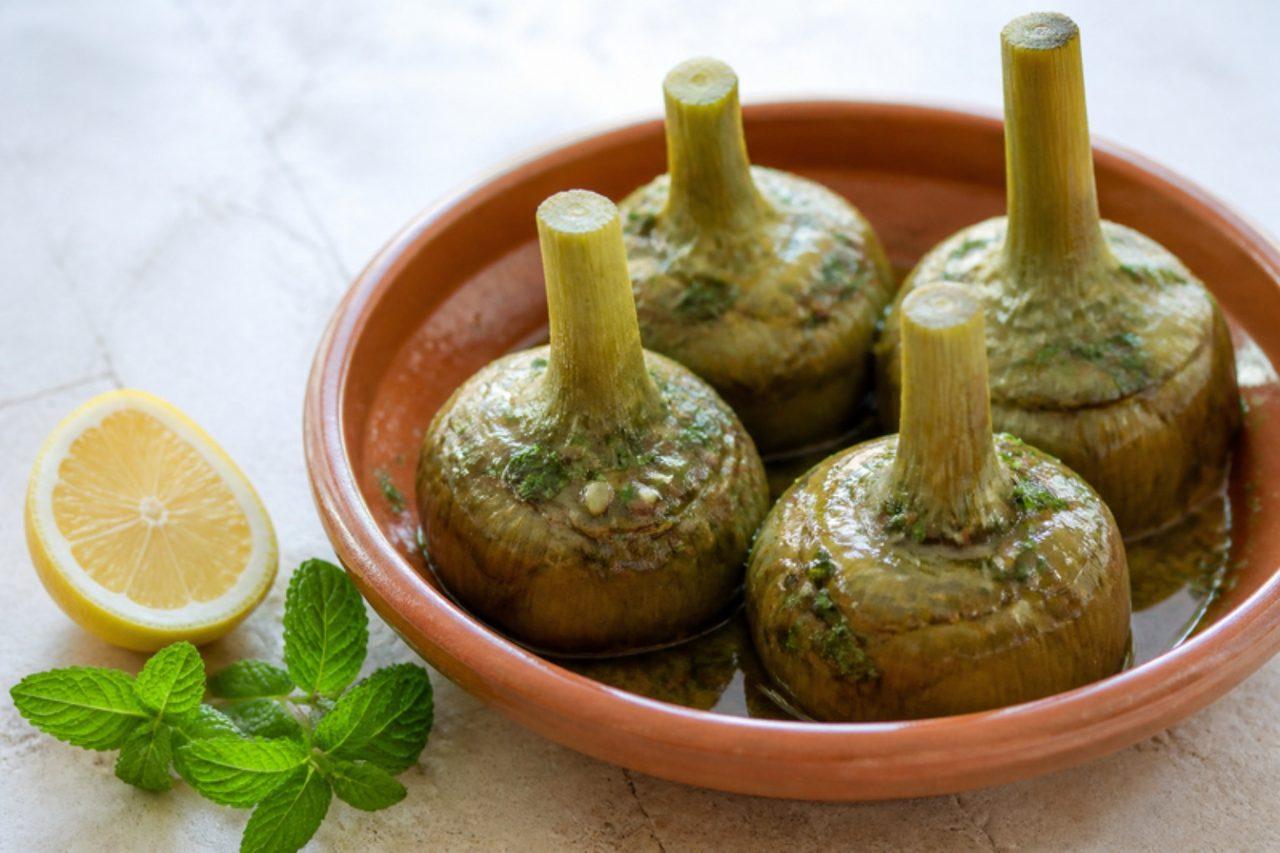
Carciofi alla romanaBraised artichokes with mint

Every spring, from February to April, Roman market stalls pile up round, thornless romanesco artichokes (cimaroli), and trattorie serve them alla romana: stuffed with wild mint, parsley and garlic and braised stem-up in oil and water until meltingly soft. They are eaten warm or at room temperature as a contorno, often next to their crisp cousins, carciofi alla giudia. Any large globe artichoke works at home. Chef's tip: braise them upside down, stems in the air and tightly packed, so the hearts sit in the liquid and the stems steam to the same tenderness.

by KrazyBadal 0 views

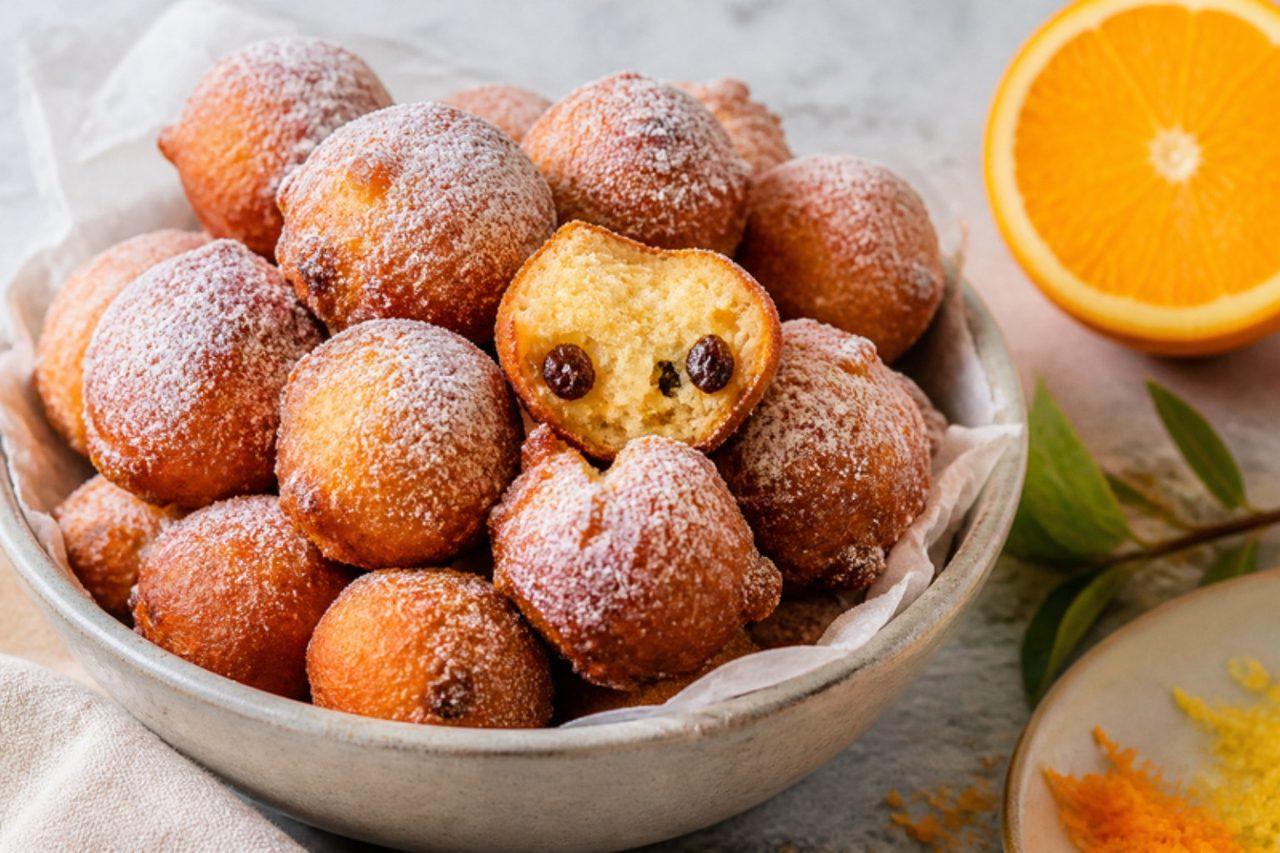
FrituleRaisin and citrus doughnut drops

On Christmas Eve, in kitchens from Split to Dubrovnik and out on the islands, bowls of fritule are fried by the dozen: small, airy doughnut drops scented with orange and lemon zest and studded with raisins, rolled in sugar while still warm. Many families add a splash of rakija or rum to the batter, but fresh orange juice works just as well and keeps them child-friendly. They are eaten all through Advent and the carnival season, often from paper cones at Christmas markets. Chef's tip: keep the oil at about 170°C; too hot and the fritule brown outside while the middle stays raw and doughy, the most common mistake.

by KrazyBadal 0 views

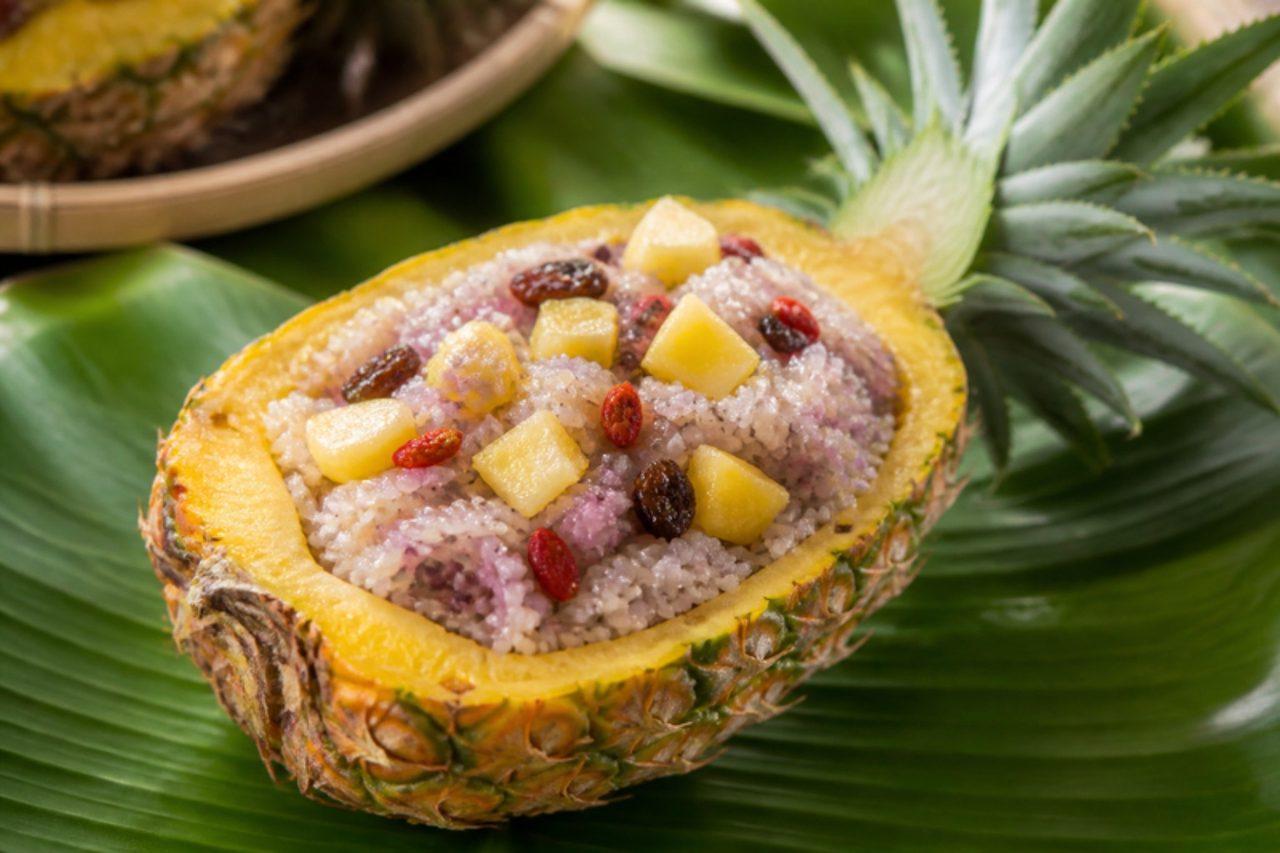
Dai pineapple sticky rice

In Xishuangbanna, the tropical south of Yunnan, the Dai people cook sticky rice inside hollowed-out pineapples, so the fruit's juice soaks in while it steams. It turns up at festivals and on every Dai restaurant table, a sweet and tangy side next to grilled and sour dishes, and children love it. Soak the rice for at least 4 hours before you start. Chef's tip: use a ripe pineapple that smells sweet at the base; an under-ripe one makes the rice sour.

by KrazyBadal 0 views

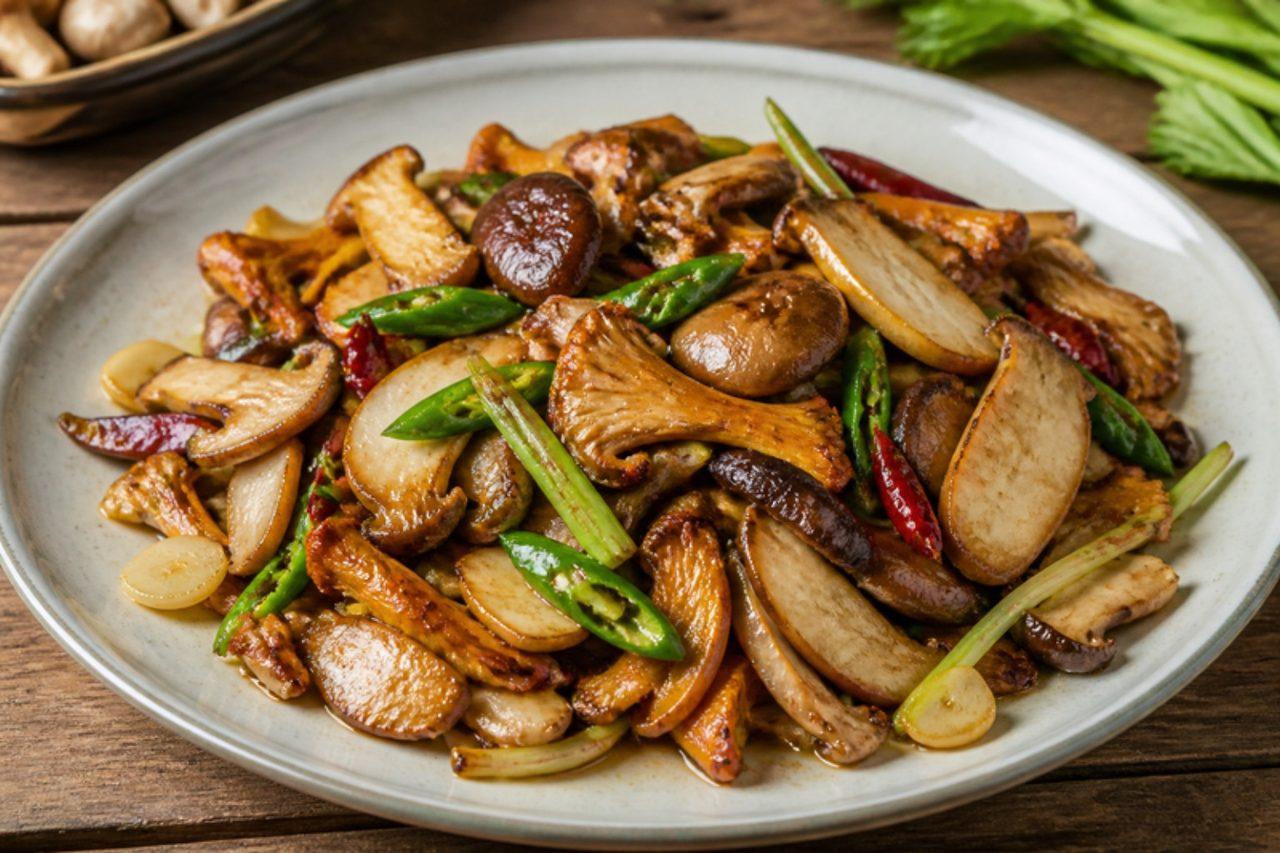
Yunnan wild mushroom stir-fry

From June to September, the markets of Kunming fill up with wild mushrooms from the mountains: porcini, chanterelles, termite mushrooms and dozens more, and restaurants fry them with a lot of garlic and chilli. Wild mushrooms there are always cooked thoroughly, and some kinds are dangerous, so at home use only shop-bought mushrooms. A mix of oyster, king oyster, shiitake and any chanterelles or porcini you can find works well. Chef's tip: cook the mushrooms in a hot, uncrowded pan so they sear; crowded mushrooms sweat and go rubbery.

by KrazyBadal 0 views

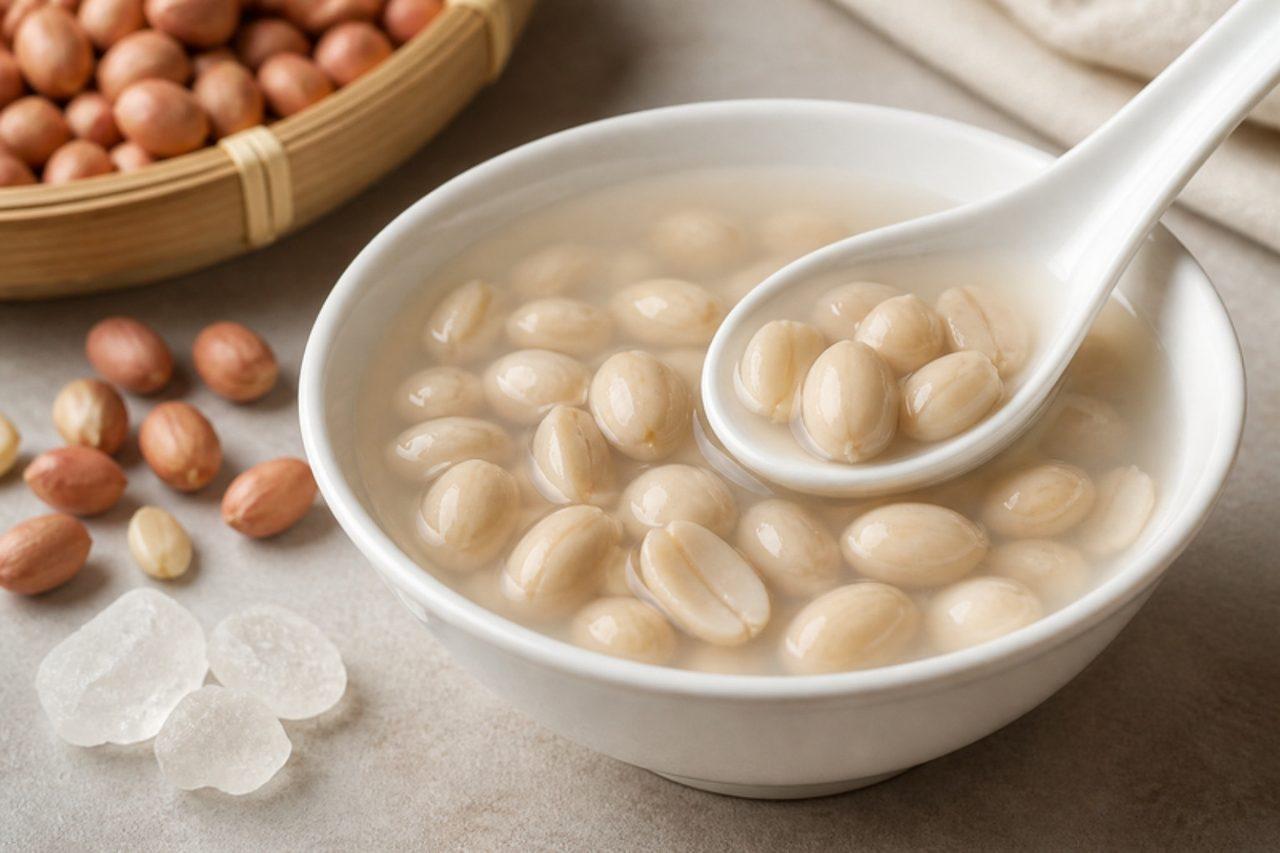
Xiamen sweet peanut soup

In Xiamen on the Fujian coast, peanut soup is breakfast, mid-morning snack and late-night treat, sold from steaming pots in the old arcades along Zhongshan Road. The peanuts are cooked so slowly that they become soft and creamy while keeping their shape, and the broth turns milky and lightly sweet. Locals often dunk a fried dough stick into it. Chef's tip: soak the peanuts, then freeze them overnight; the ice crystals break down the cell walls and the peanuts cook to that melting texture much faster.

by KrazyBadal 0 views

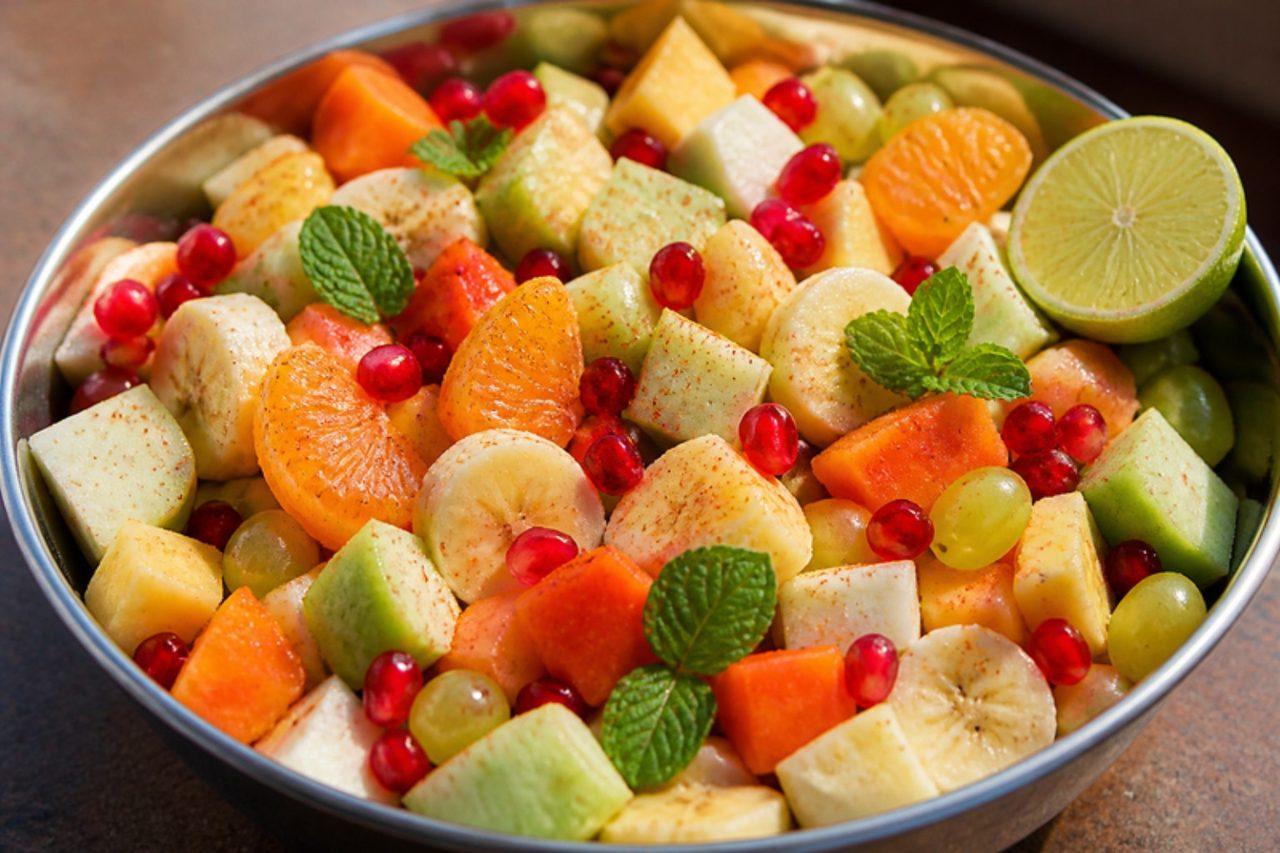
Fruit chaatSpiced fruit salad

All over India, fruit sellers with handcarts chop a plate of fruit chaat to order, and in Kolkata the evening carts near New Market and Gariahat pile guava, apple, papaya, banana, pomegranate and cucumber into a leaf bowl with chaat masala, black salt and lime. During Ramzan it appears at iftar, and in summer it is sold with a sprinkle of chilli. It is sweet, salty, sour and a little hot all at once, so it tastes nothing like a dessert fruit salad. Chef's tip: use at least one crunchy fruit (guava, apple or pear) and one soft one (banana or papaya) for contrast.

by KrazyBadal 0 views

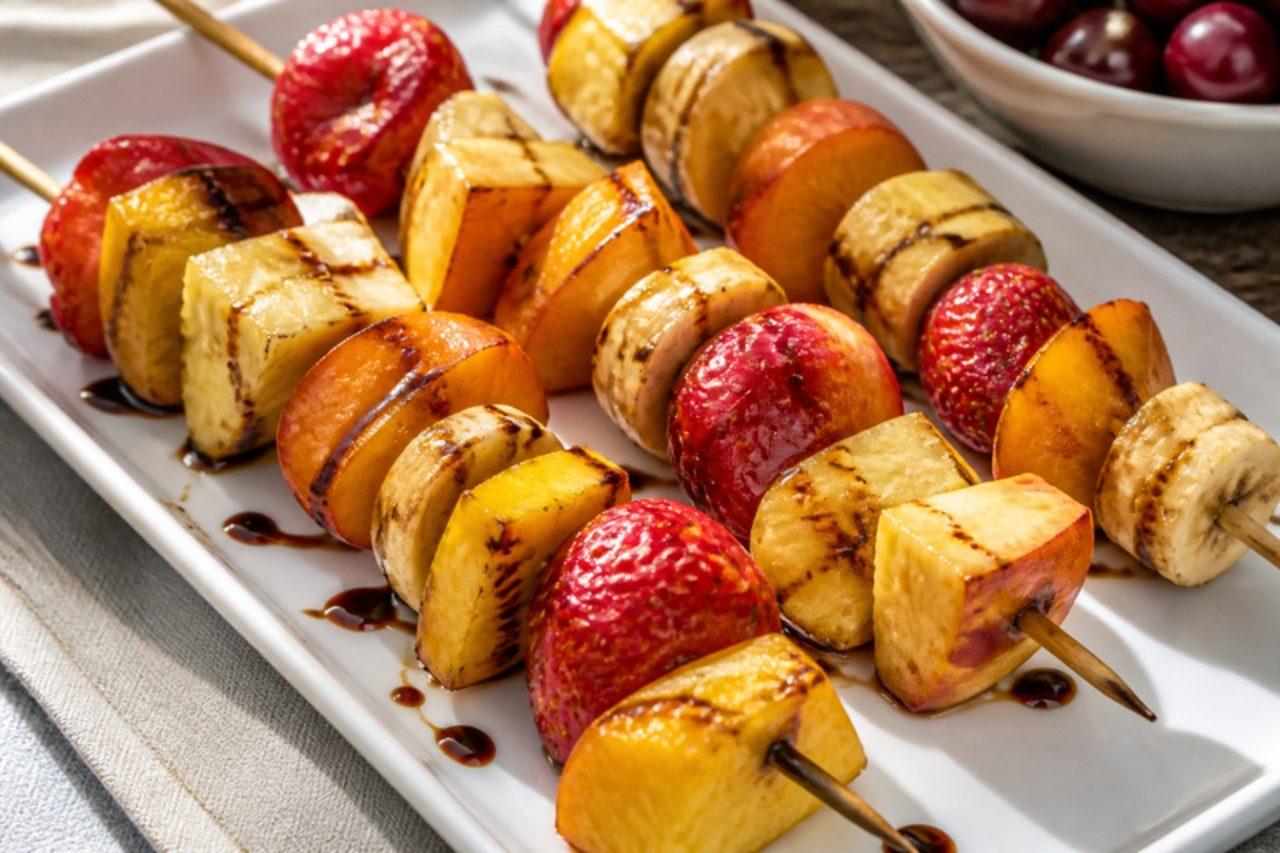
Fruity barbeque serveGrilled fruit skewers

Chunky skewers of pineapple, banana, strawberry, peach and nectarine drizzled with balsamic vinegar and dark muscovado sugar, then grilled over charcoal until the sugar caramelises. Warm, sticky and a little tangy. Serve hot as a barbecue dessert, with ice cream if you like.

23 minDessertsVeganGluten free
by KrazyBadal 0 views

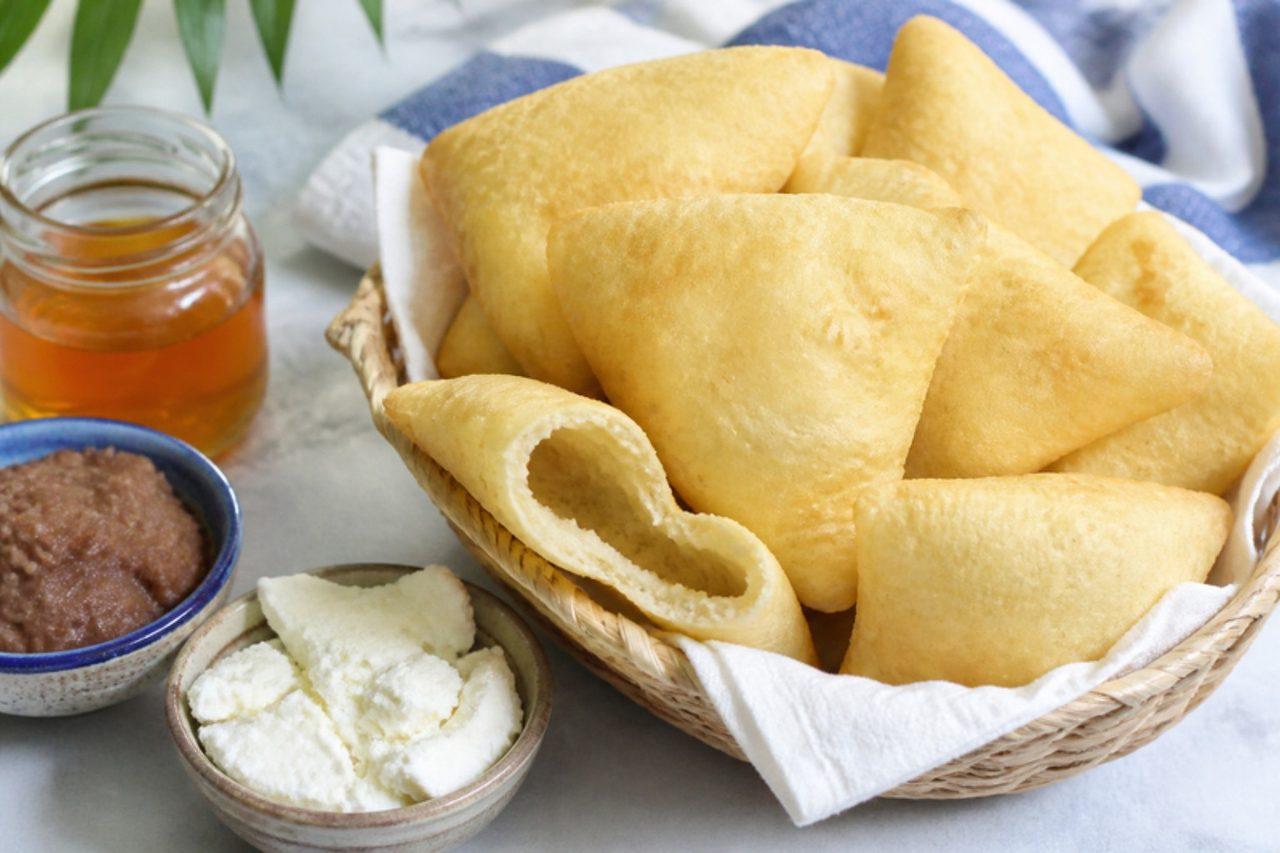
Fry jacksPuffed fried dough triangles

Fry jacks are the smell of a Belizean morning: in Belize City and the Cayes, breakfast spots fry these squares and triangles of dough until they balloon up hollow and golden. They come beside refried beans, scrambled eggs and cheese, or torn open and drizzled with honey or jam. They're lighter and puffier than a doughnut, crisp outside and chewy within. Chef's tip: roll the dough thin, about 3 mm, and slit each piece once in the middle; that's what makes them puff like a pillow.

by KrazyBadal 0 views

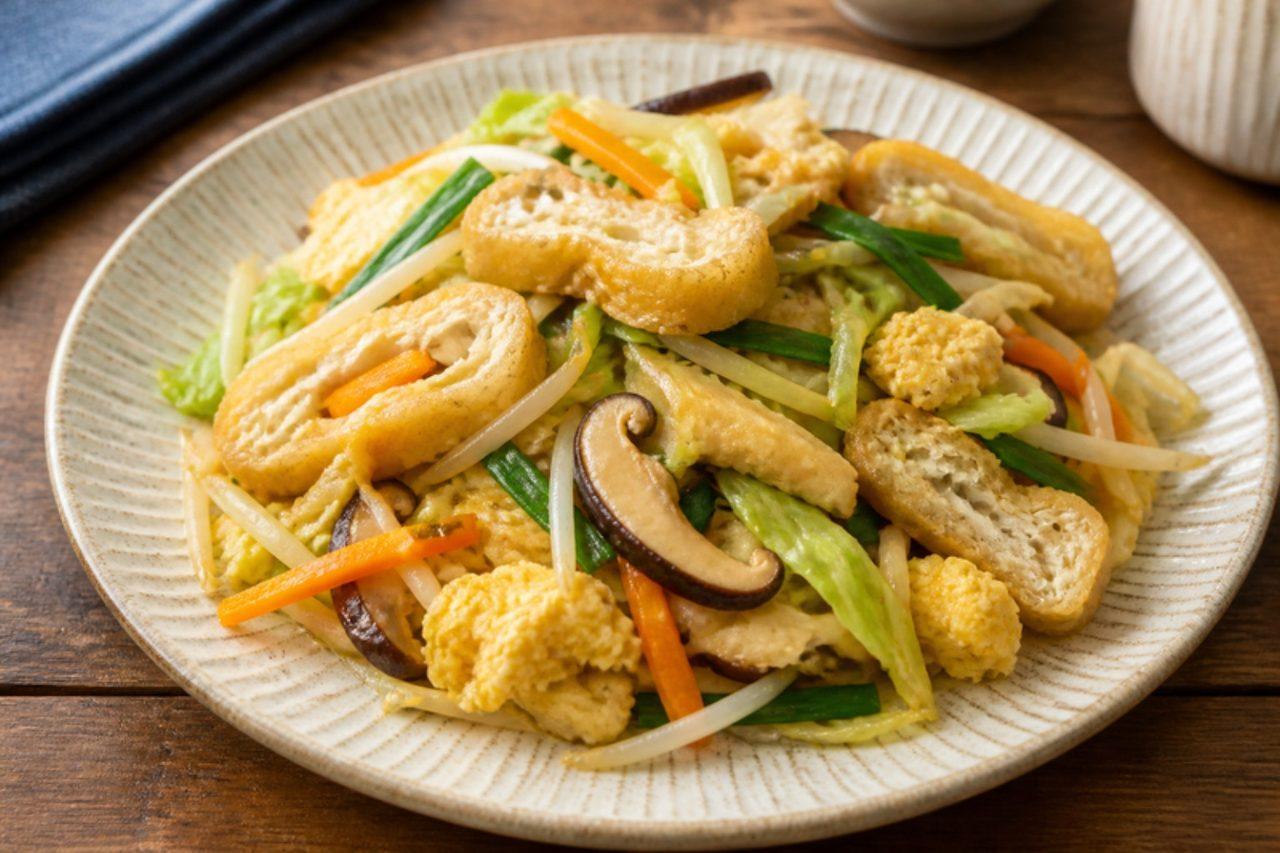
Fu champuruWheat gluten and cabbage stir-fry

Champuru means 'mixed up' in Okinawan and is the islands' everyday stir-fry. Goya champuru with bitter melon is the famous one; fu champuru, made with chewy wheat gluten, is the gentle, child-friendly version many Okinawan families cook several times a week. The fu, large dried rings called kurumabu, is soaked, squeezed and dipped in beaten egg, so as it fries it turns soft, fluffy and golden, a little like French toast. Home cooks often add luncheon meat; ours is vegetarian, with shiitake for savouriness. Serve with rice and miso soup. Chef's tip: squeeze the soaked fu hard before adding the egg. Dry fu drinks up all the egg; wet fu turns soggy.

by KrazyBadal 0 views

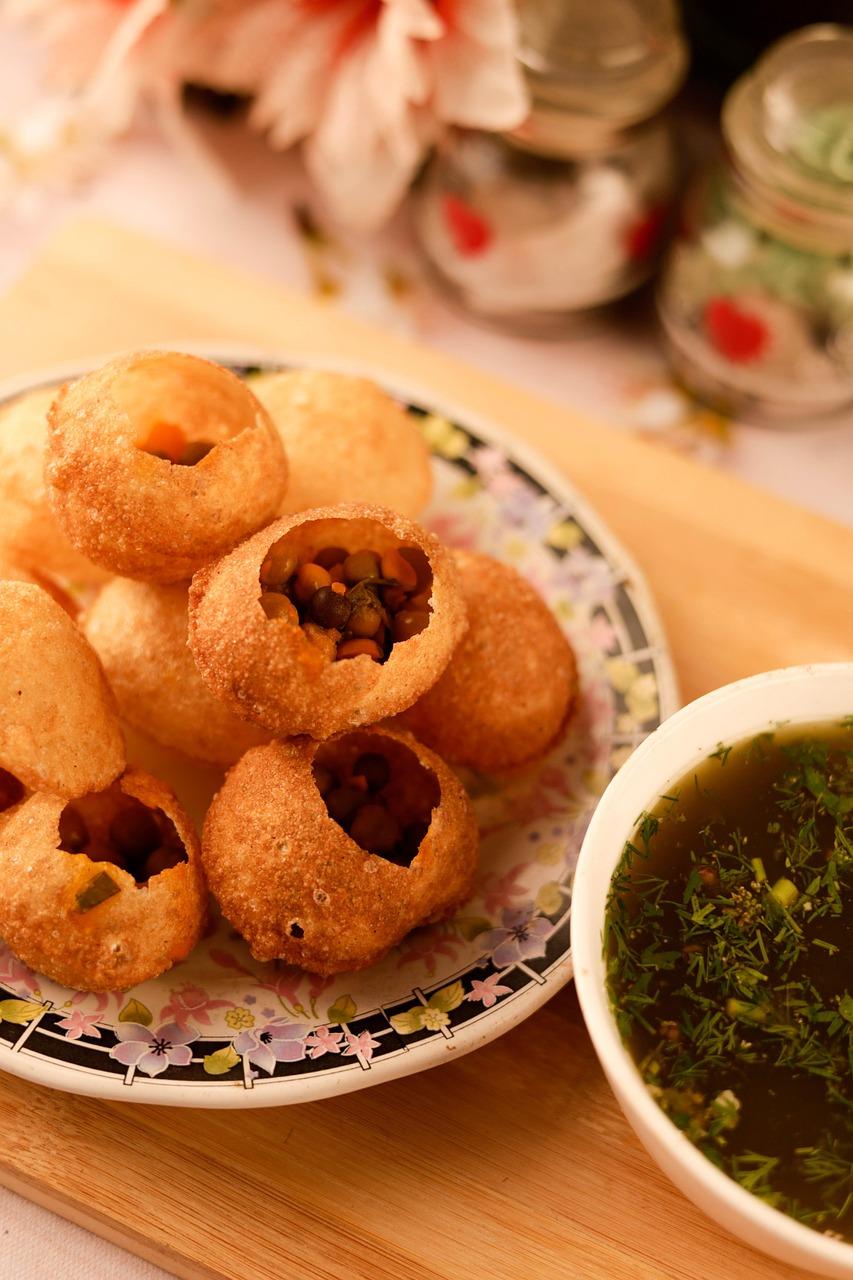
FuchkaFilled crisp shells

Fuchka is Bangladesh's answer to pani puri, but with its own character: in Dhaka the crisp shells are filled with a coarse mash of potato and yellow peas sharpened with raw onion, chilli and coriander, then dipped in or splashed with a sour tamarind water rather than a mint-heavy one. Stalls along Bailey Road and at every fair sell them by the plate of eight, often with a little extra chopped chilli for those who dare. Chef's tip: make the tamarind water ahead and chill it hard; ice-cold sour water against a crisp shell is what you're after.

by KrazyBadal 0 views

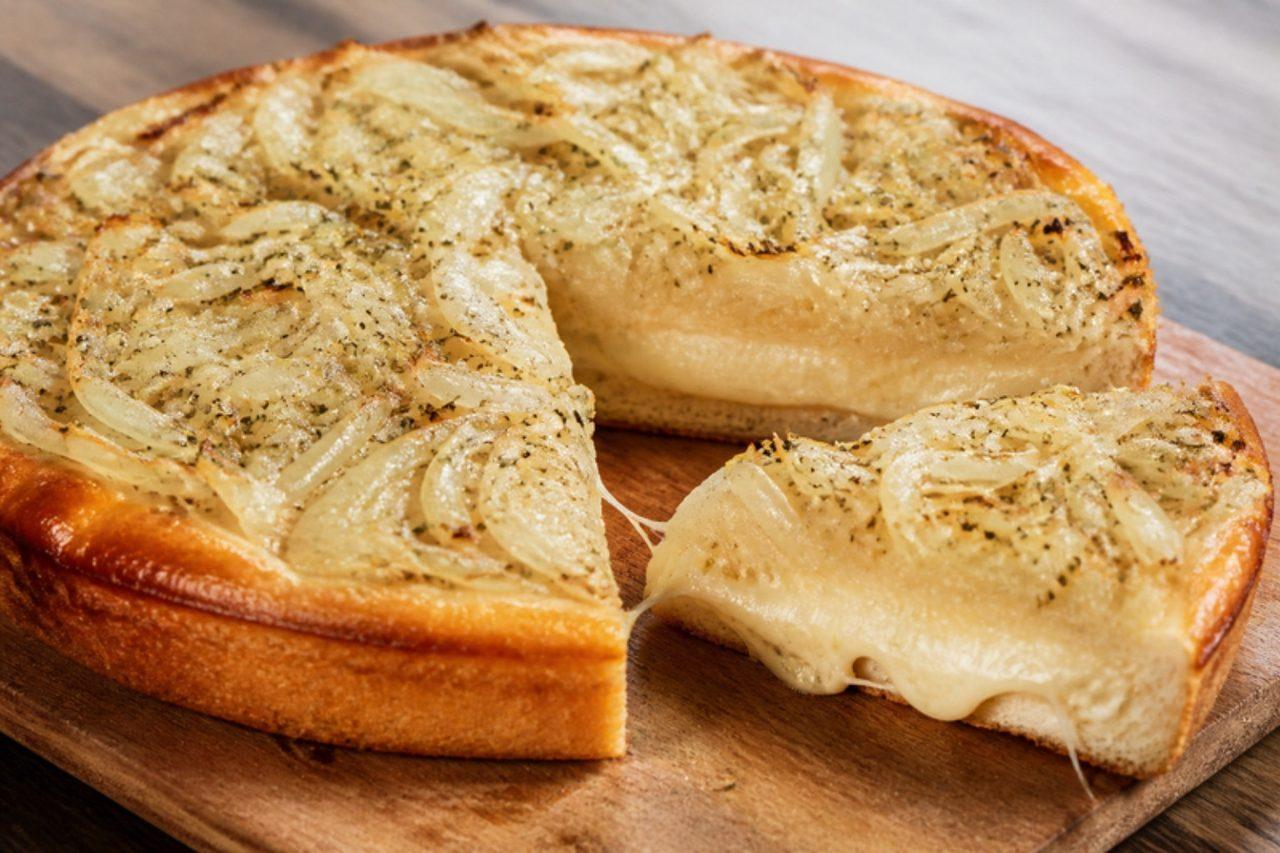
FugazzetaCheese-stuffed onion pizza

Fugazzeta is a Buenos Aires original from the pizzerias of the Corrientes and La Boca neighbourhoods, where Genoese immigrants' focaccia (fugazza) met mozzarella. A thick, soft pan dough is filled with a layer of mozzarella, sealed with a second layer of dough, then covered with a mound of thinly sliced onions and more cheese and baked until the onions are sweet and golden. It's a big, rich pizza to share. Use mozzarella made with vegetarian rennet. Chef's tip: salt the onions and squeeze them out before using; this keeps the pizza from going soggy.

by KrazyBadal 0 views

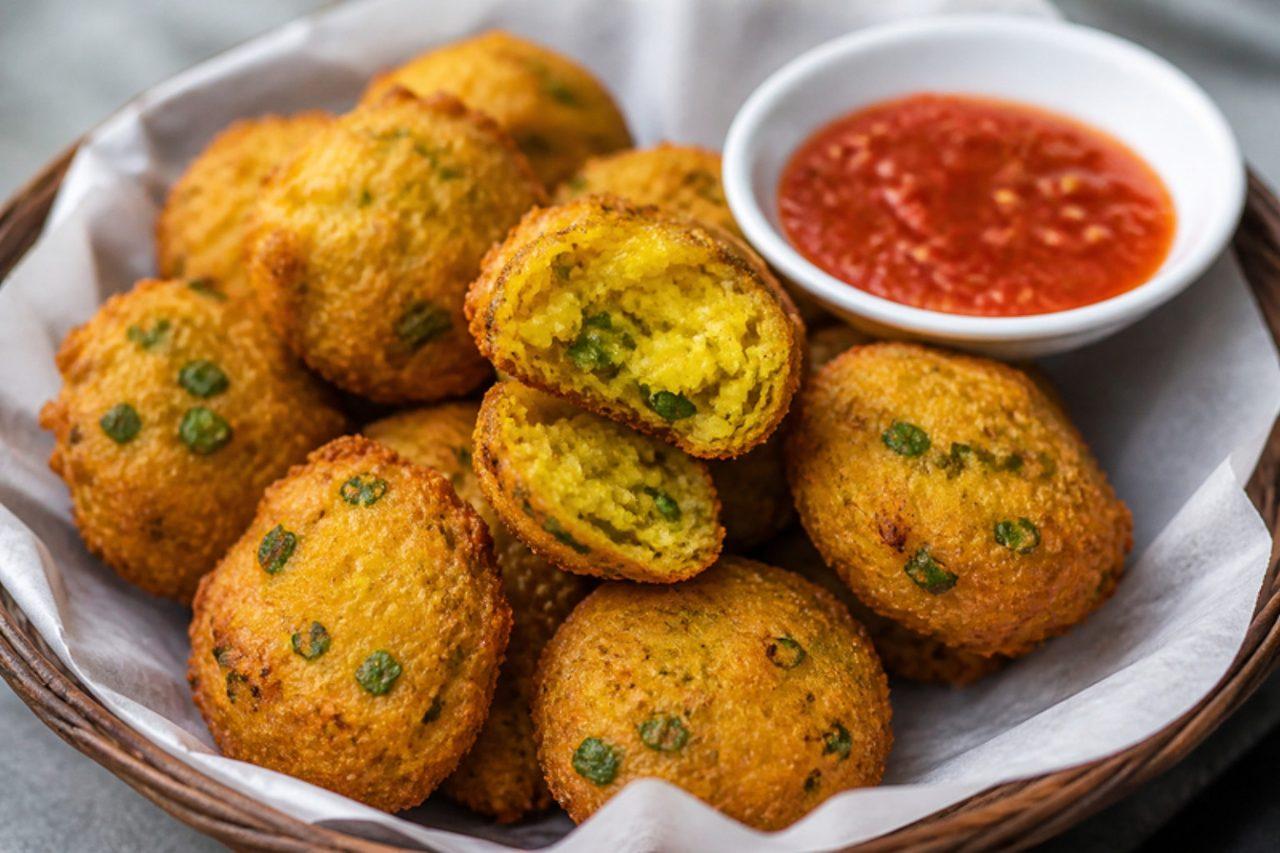
Gâteaux pimentsSplit pea chilli fritters

Gâteaux piments ('chilli cakes') are the snack of Mauritius, sold hot in paper bags at every bus station, school gate and market from Port Louis to Rose-Hill, and stuffed into buttered baguettes at breakfast. Yellow split peas are soaked, ground coarse with chilli, spring onion and coriander, and fried into small crunchy rounds. They are related to Indian vadas, brought by the island's Indian community. Chef's tip: grind the peas coarsely and without water; a smooth, wet paste makes dense, oily fritters.

by KrazyBadal 0 views

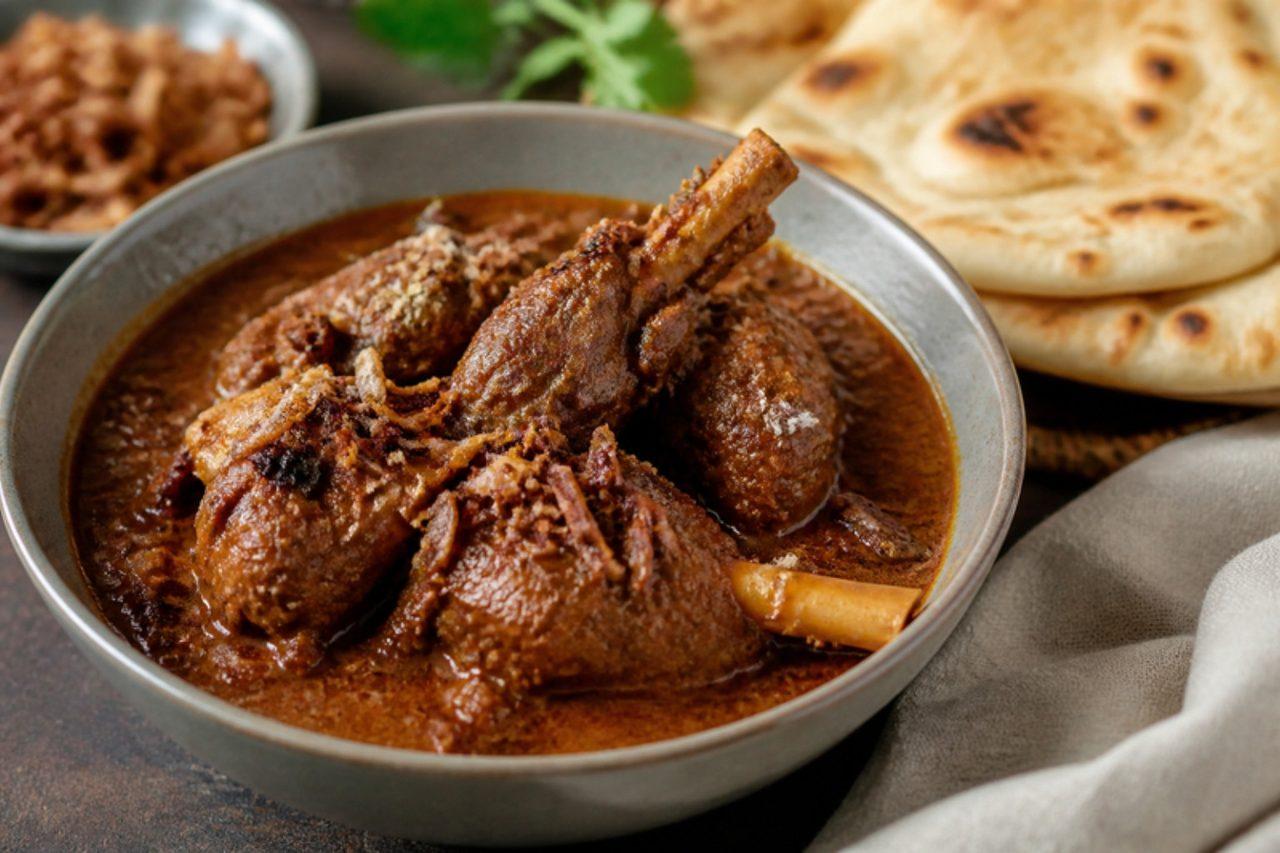
Bhopali gosht korma

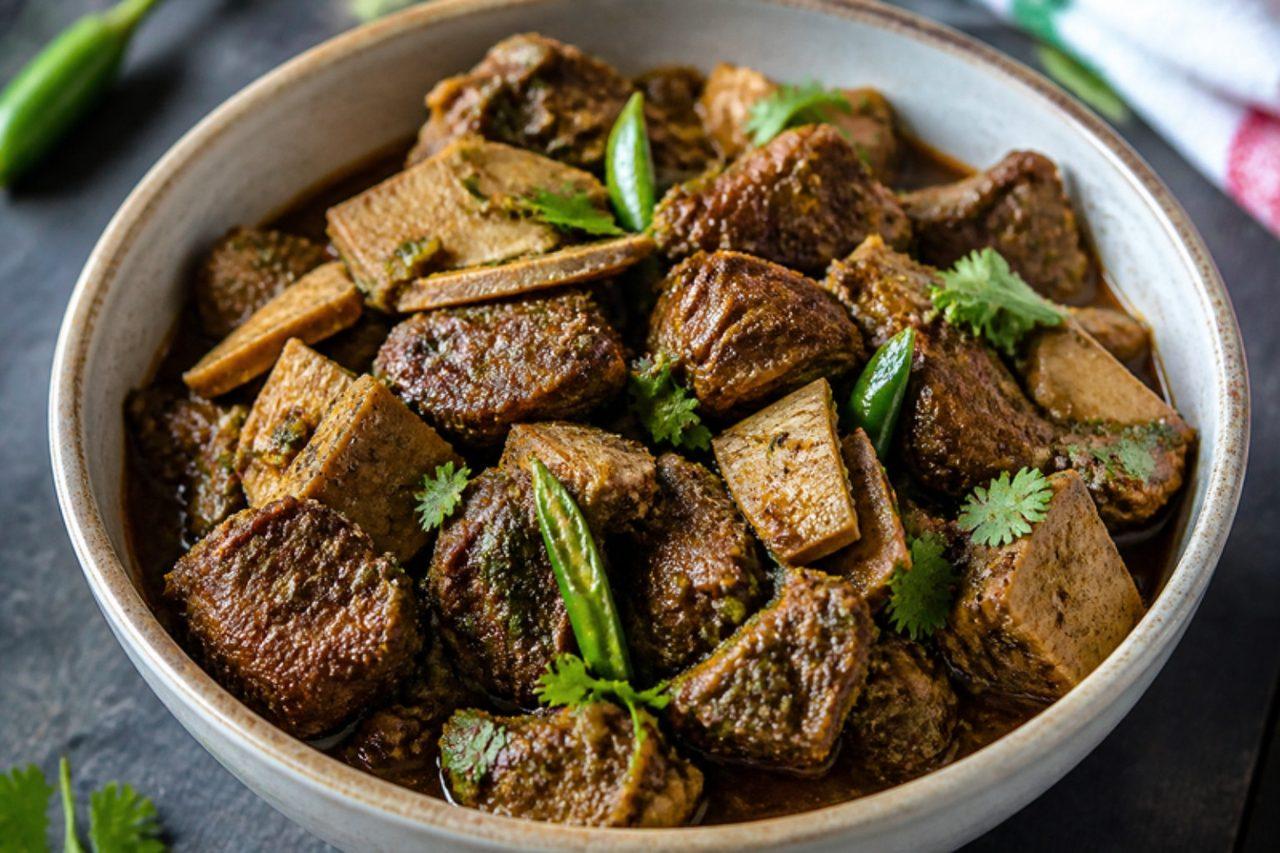
Bhopal was ruled for over a century by the Begums, and its Muslim kitchens developed their own style: earthier and more robust than the delicate cooking of Lucknow, with a liking for red chilli, roasted coriander and a thickening paste of dried coconut and poppy seeds. This mutton korma is the centrepiece of Eid lunches and nikah dinners in the old city around Chowk Bazaar, eaten with sheermal or khamiri roti. Compared with an Old Delhi chicken korma, it is darker, hotter and nuttier, and it's made with goat on the bone. Chef's tip: crush the fried onions roughly with your hands instead of blending them smooth; the little flecks of onion are part of the Bhopali texture.

140 minIndianMeatGluten freeSpicy
by KrazyBadal 0 views

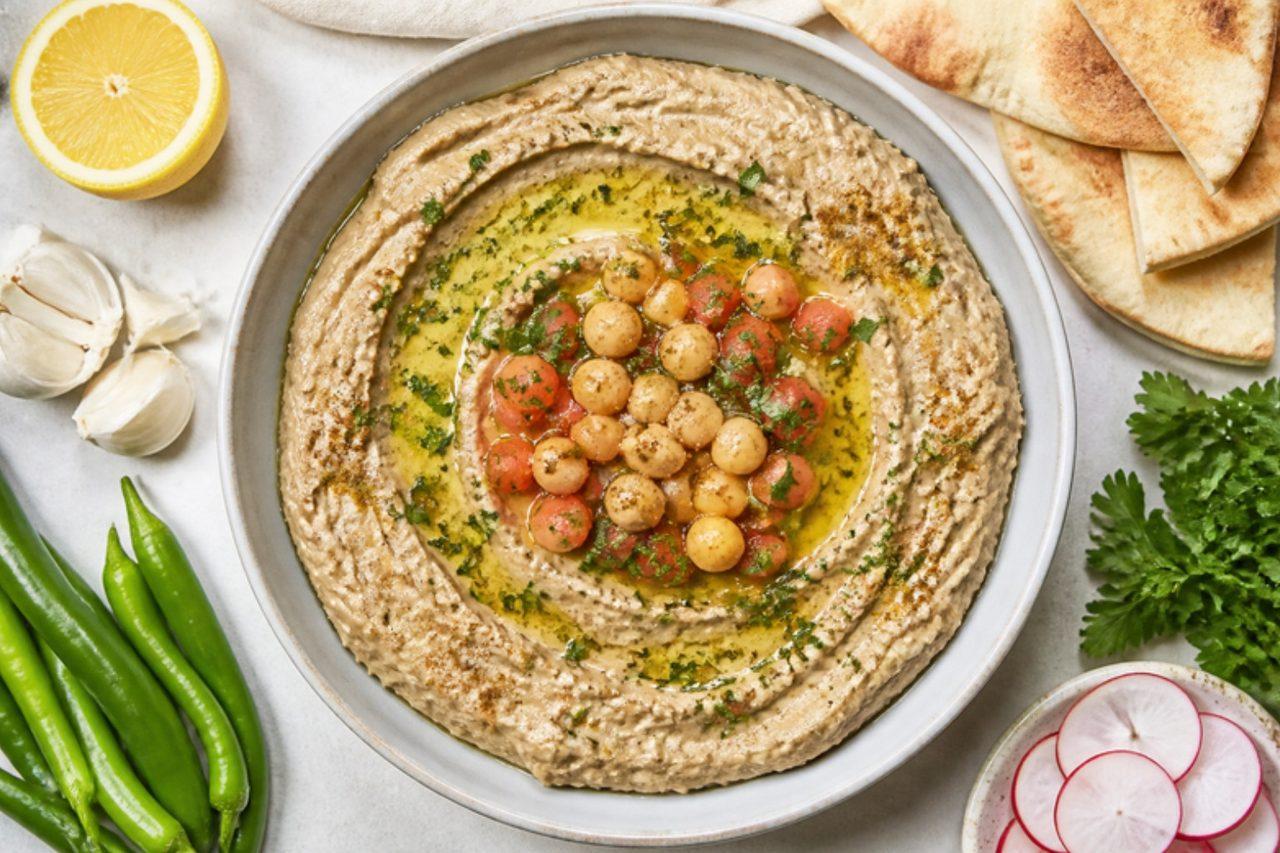
Ful medamesWarm fava beans with garlic and lemon

Ful mudammas is breakfast on both sides of the Levant: Cairo's street carts ladle it from huge copper pots at dawn, and in Beirut and Damascus small ful shops serve it on Sunday mornings to queues of families. Small brown fava beans are warmed in their liquid, partly crushed, then dressed at the table with garlic pounded with salt, plenty of lemon and cumin, a pool of olive oil and a heap of chopped tomato and parsley. Scoop it with flatbread and eat it with raw onion wedges, radishes, olives and mint. The mistake most people make is draining the beans and dressing them dry; the cooking liquid is what makes ful creamy, so keep some. Chef's tip: mash only about a third of the beans, so the dish is part silky purée and part whole bean.

by KrazyBadal 0 views

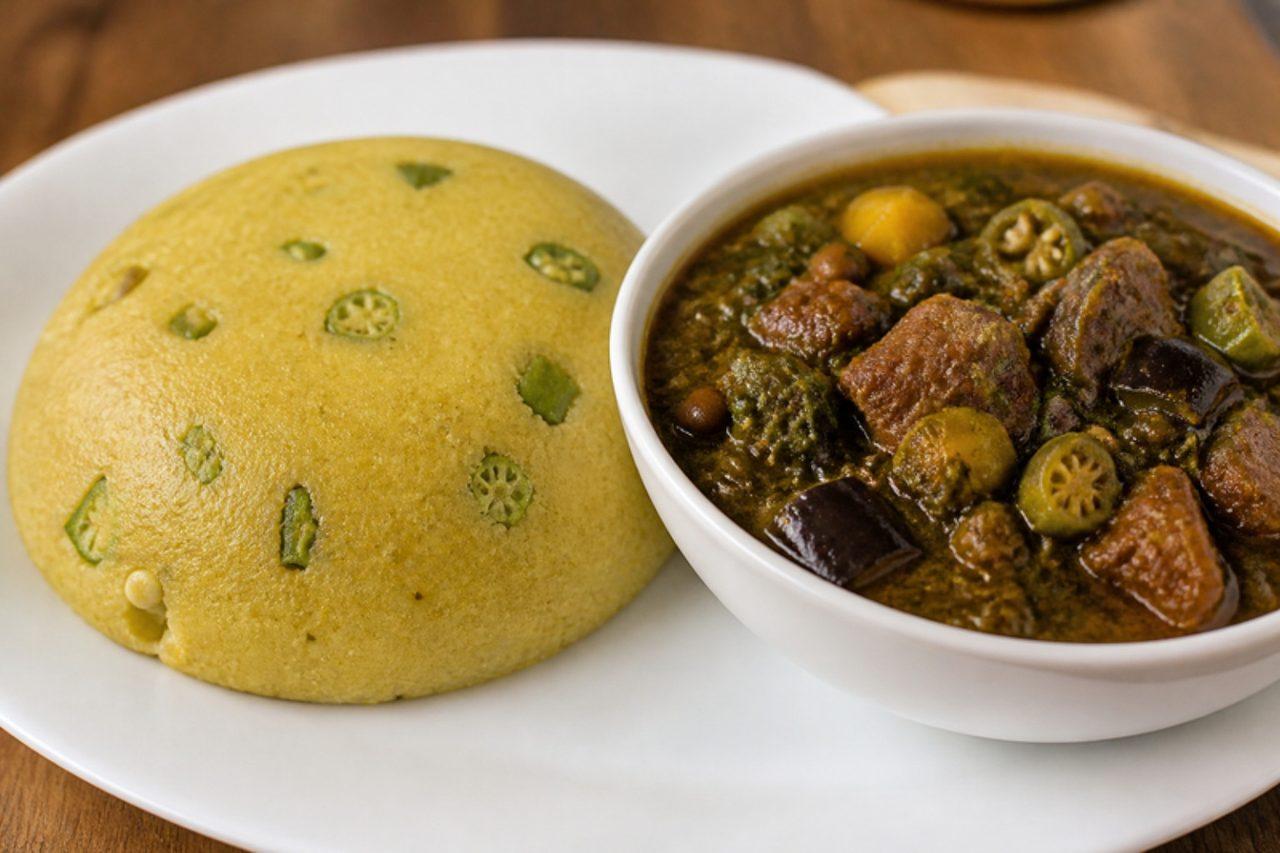
Fungee and pepperpotCornmeal and okra with beef stew

Antiguans eat fungee and pepperpot on Saturdays and on holidays like Independence Day in November, and grandmothers still turn the fungee with a flat wooden 'fungee stick'. Pepperpot is a thick stew of beef, spinach, aubergine, okra and squash cooked down until the vegetables melt together; many cooks also add salted pig tail, which is left out here. The fungee is a smooth cornmeal and okra mash, shaped into balls with a buttered bowl and served beside the stew. The mistake people make is tipping the cornmeal in all at once, which makes lumpy fungee; add it in a slow stream while stirring hard. Chef's tip: pour off half the okra water before adding the cornmeal and keep it hot; you can work it back in if the fungee gets too stiff.

by KrazyBadal 0 views

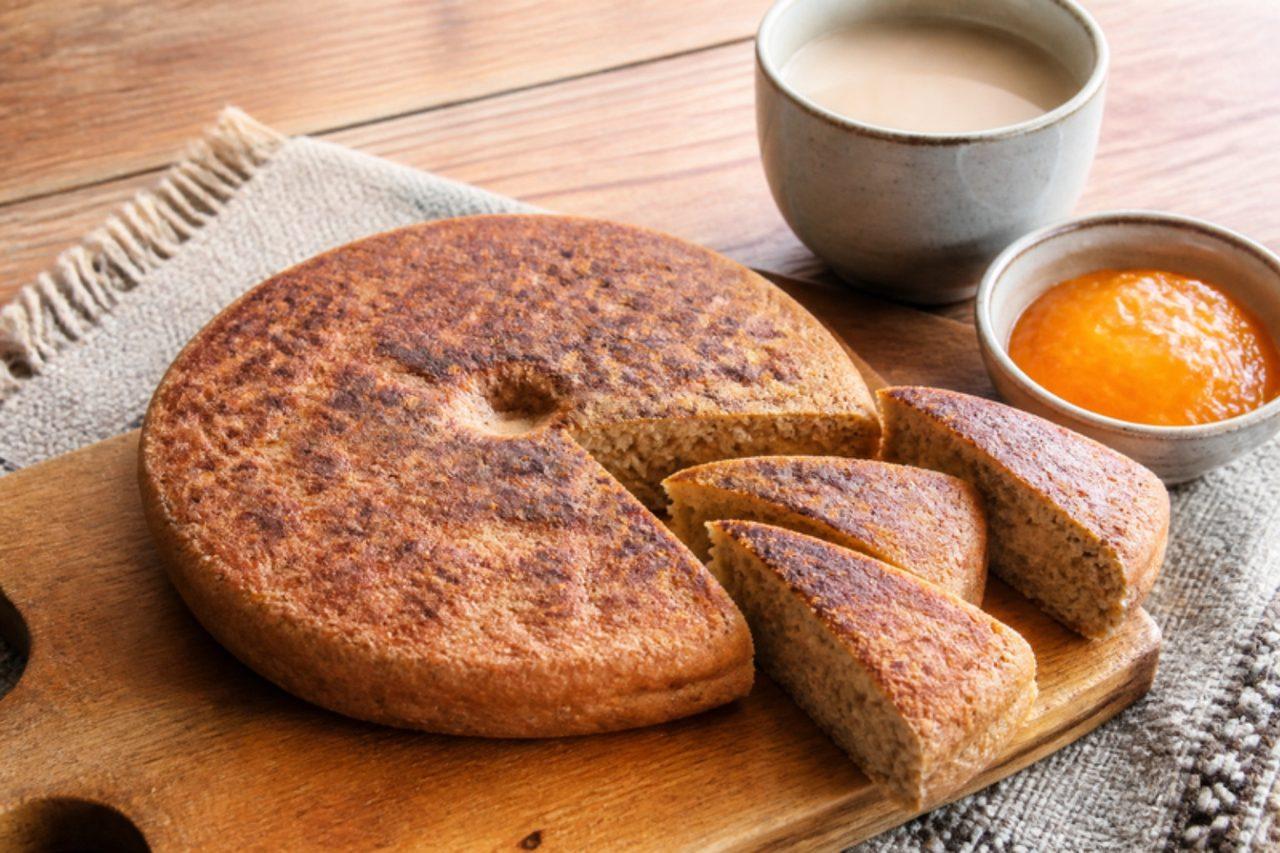
KhambirLeavened wholewheat bread

Khambir is the everyday bread of Ladakh: a thick, round wholewheat loaf with a dent pressed into the middle, browned on a griddle and finished in the heat of the kitchen stove. In homes in Leh and Kargil it appears at breakfast, torn into chunks and dipped into salty butter tea, or spread with apricot jam made from the region's dried apricots. The crust is chewy and toasty, the inside dense and slightly sour. Bakers in Leh's old town still sell it warm in the mornings. Chef's tip: let the dough rise until truly doubled; under-risen khambir is heavy and gummy in the middle.

by KrazyBadal 0 views

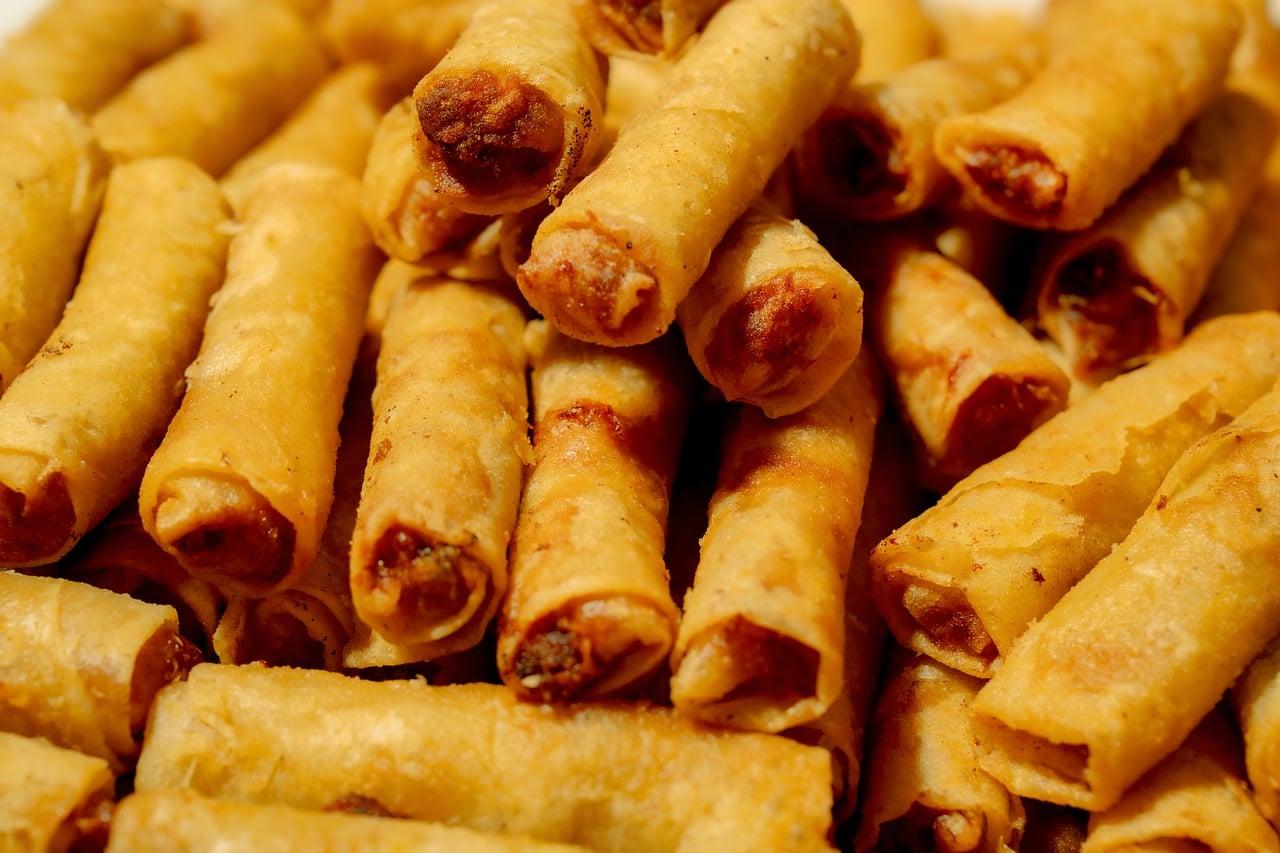
Lumpiang shanghaiPork spring rolls

No Filipino party table is complete without a platter of lumpiang shanghai, the pencil-thin pork spring rolls that disappear first at birthdays, Christmas Eve (Noche Buena) and family reunions. They came from the Chinese-Filipino cooks of Manila, and the filling is seasoned minced pork with carrot, onion and water chestnut, rolled tight in thin wrappers and fried until they crackle. Dip them in sweet chilli sauce or banana ketchup. Chef's tip: roll them no thicker than your finger; thin rolls cook through in the time the wrapper takes to turn golden.

by KrazyBadal 0 views

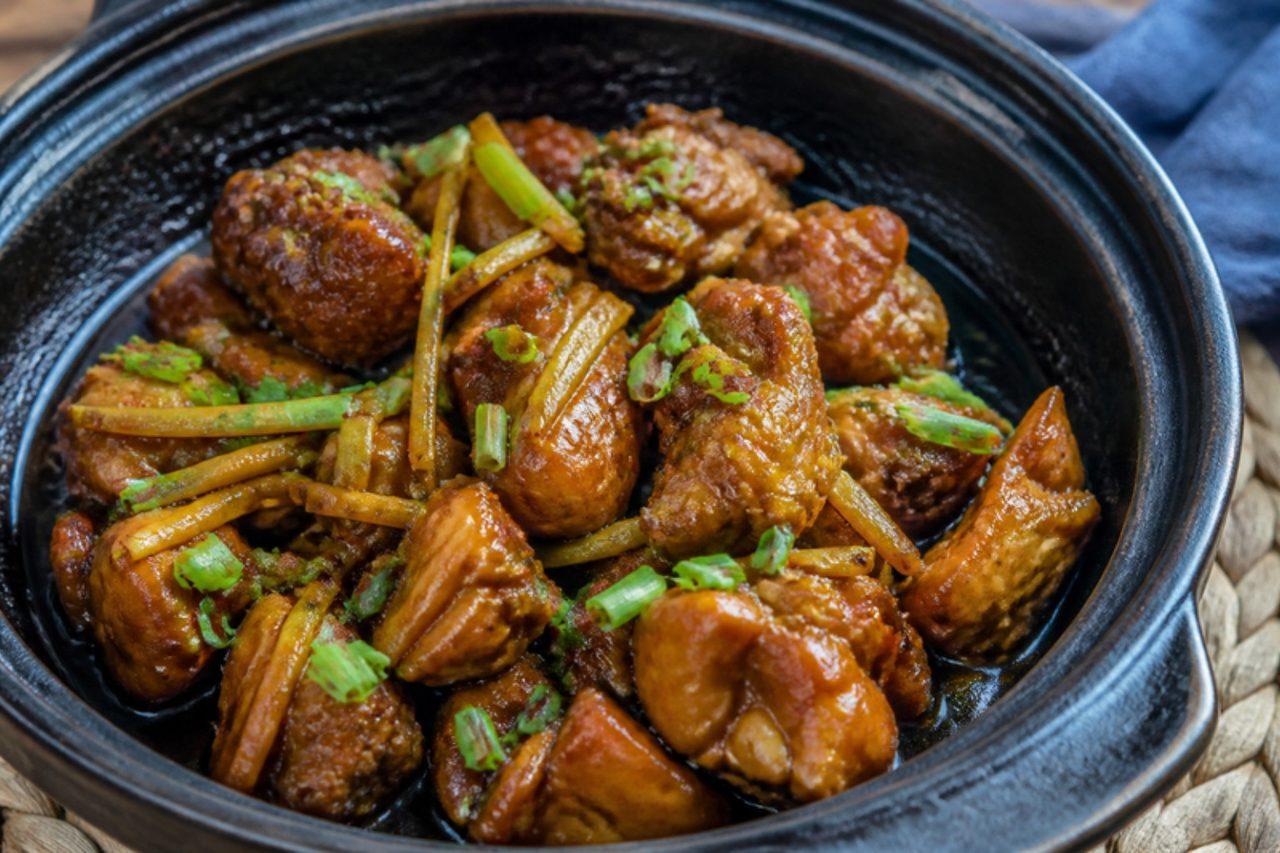
Ga kho gungGinger caramel chicken

Across Vietnam, from Hanoi apartments to Mekong Delta farmhouses, a small pot of something braised in caramel and fish sauce sits on the family table at dinner with rice, a plate of boiled greens and a clear soup. This chicken version leans on ginger, cut into fine matchsticks so it turns soft and warming in the glossy, salty-sweet sauce. It's a favourite when the weather cools, traditionally cooked in a clay pot, though any heavy pan will do. It reheats well, so it's a good one for the next day's lunch. Chef's tip: take the caramel to the colour of strong tea, deep amber, before the chicken goes in; that slight bitterness is what keeps the dish from tasting sugary.

by KrazyBadal 0 views

Kunming grilled erkuaiGrilled rice cakes

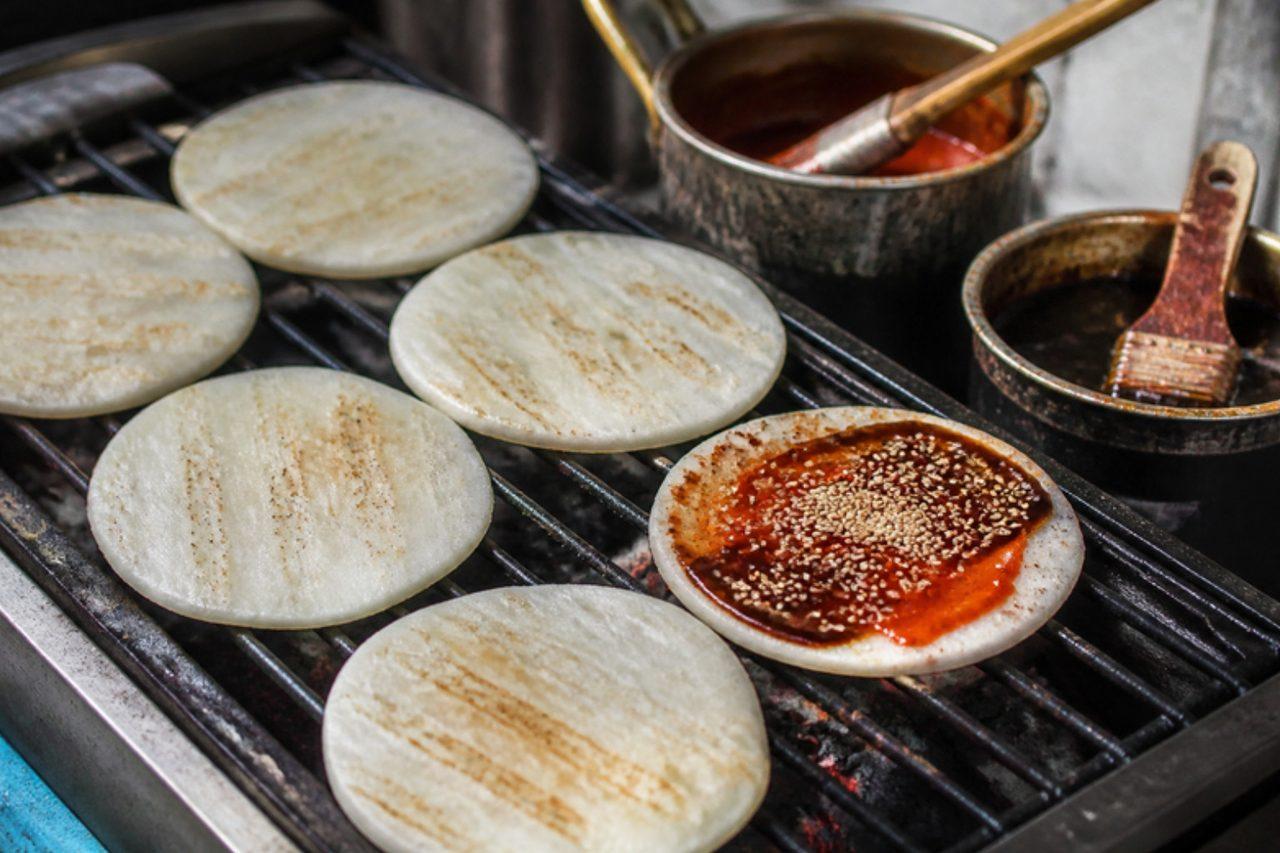
Erkuai is Yunnan's everyday rice cake, made by steaming and pounding rice into a dense, chewy dough. In Kunming and Tengchong, morning vendors grill thin rounds of it over charcoal until they blister, brush on sweet bean sauce, chilli and sesame, and fold it round fried dough or spicy potato shreds. Real erkuai is hard to find abroad, so the rounds here are made from rice flour and steamed, which comes close. Chef's tip: keep the rounds covered while you work, because the surface dries out and cracks quickly.

by KrazyBadal 0 views

Gado-gadoVegetable salad with peanut sauce

In Jakarta, gado-gado is lunch from a pushcart: the Betawi seller grinds the peanut sauce to order on a stone ulekan, then tips blanched greens, potato, tofu, tempeh and egg into it and mixes everything by hand. The name roughly means "mix-mix", and that is how it's eaten, with every vegetable coated in a sauce that's nutty, sweet from palm sugar, sour from tamarind and as hot as you ask for. It's a full meal on its own, crunchy with emping or rice crackers on top. Chef's tip: loosen the peanut sauce with warm water only at the end and stop when it coats a spoon like custard; too thin and it slides off the vegetables and pools on the plate.

by KrazyBadal 0 views

Gaeng hang layPork belly curry

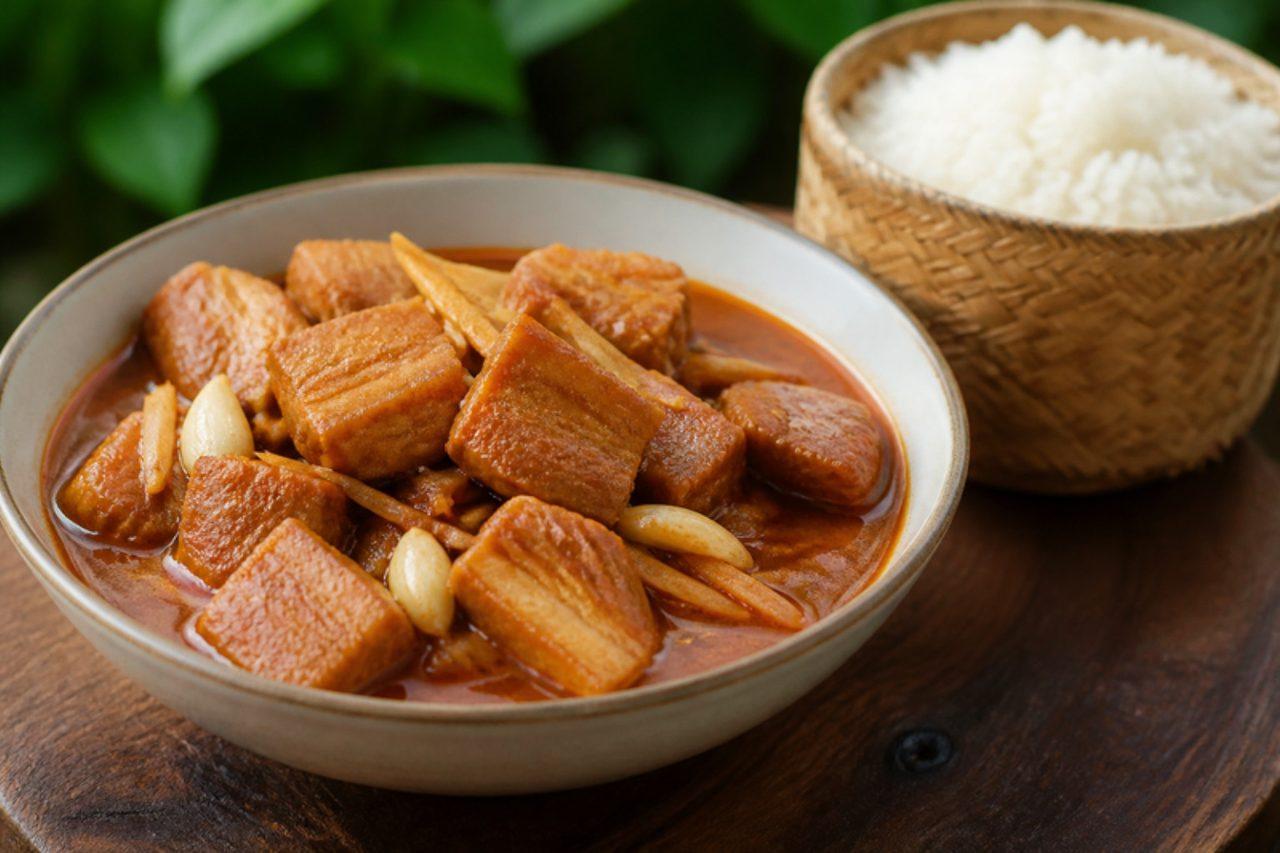
Brought to Lampang and Chiang Mai by Burmese teak traders in the 1800s, this coconut-free curry is now the dish Northern families cook for temple fairs, weddings and Songkran, often a day ahead in a big pot. Chunks of pork belly and shoulder braise slowly until they almost fall apart in a dark, glossy sauce that tastes of ginger, garlic and warm spices, sharpened with tamarind and rounded with palm sugar. It should be thick enough to cling to the meat rather than soupy. Serve it with steamed jasmine or sticky rice and a crisp cucumber salad. Chef's tip: make it the day before; overnight in the fridge the flavours settle and the fat sets on top so you can lift some off before reheating.

120 minThaiCurriesGluten free
by KrazyBadal 0 views

KhandviGram flour yogurt rolls

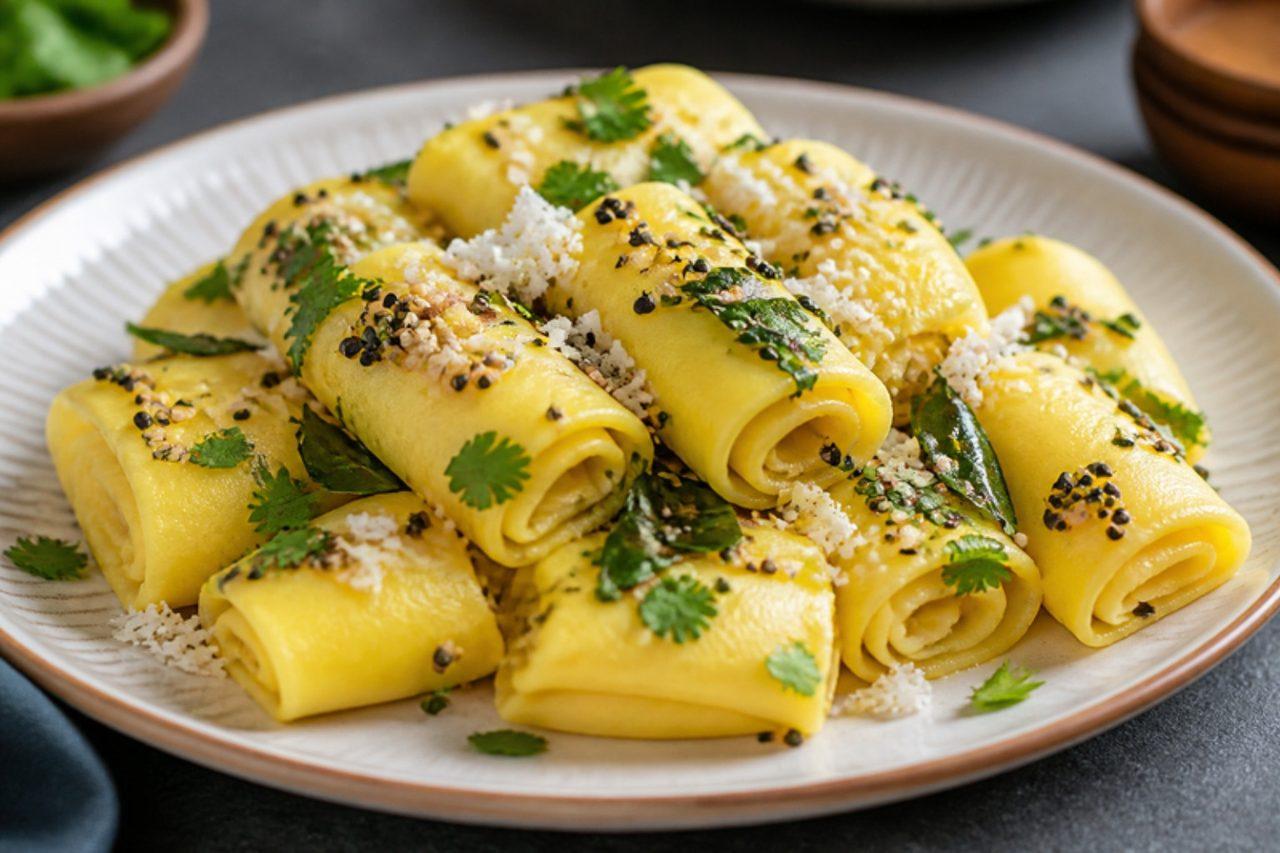
Khandvi are delicate, melt-in-the-mouth rolls from Gujarat, made by cooking gram flour with sour buttermilk until thick, spreading it paper-thin while hot and rolling it up. They're finished with a sizzling tempering of mustard seeds, sesame and curry leaves, plus fresh coconut and coriander. They're soft, tangy and gently spiced, and a favourite at Gujarati weddings and tea-time. They look tricky, but once you know when the batter is cooked, they're quick. Chef's tip: keep a plate by the stove and test the batter often; when a spoonful spread thin on the plate sets in 30 seconds and peels off in one piece, it's ready, and not a minute before.

by KrazyBadal 0 views

Gahori aru bahgajPork curry

Across upper Assam, among the Tai Ahom, Mising and many tea-garden families, pork with fermented bamboo shoot is the dish that turns any gathering into a feast. The bamboo shoot gives a sour, almost cheesy tang that cuts through the rich pork, and a little bhut jolokia (ghost pepper) brings slow heat. It is cooked with very little oil because the pork fat does the work, and is served with rice and a leafy side. Chef's tip: choose shoulder or belly with some fat on; lean loin turns dry and stringy here.

90 minIndianMeatGluten freeSpicy
by KrazyBadal 0 views

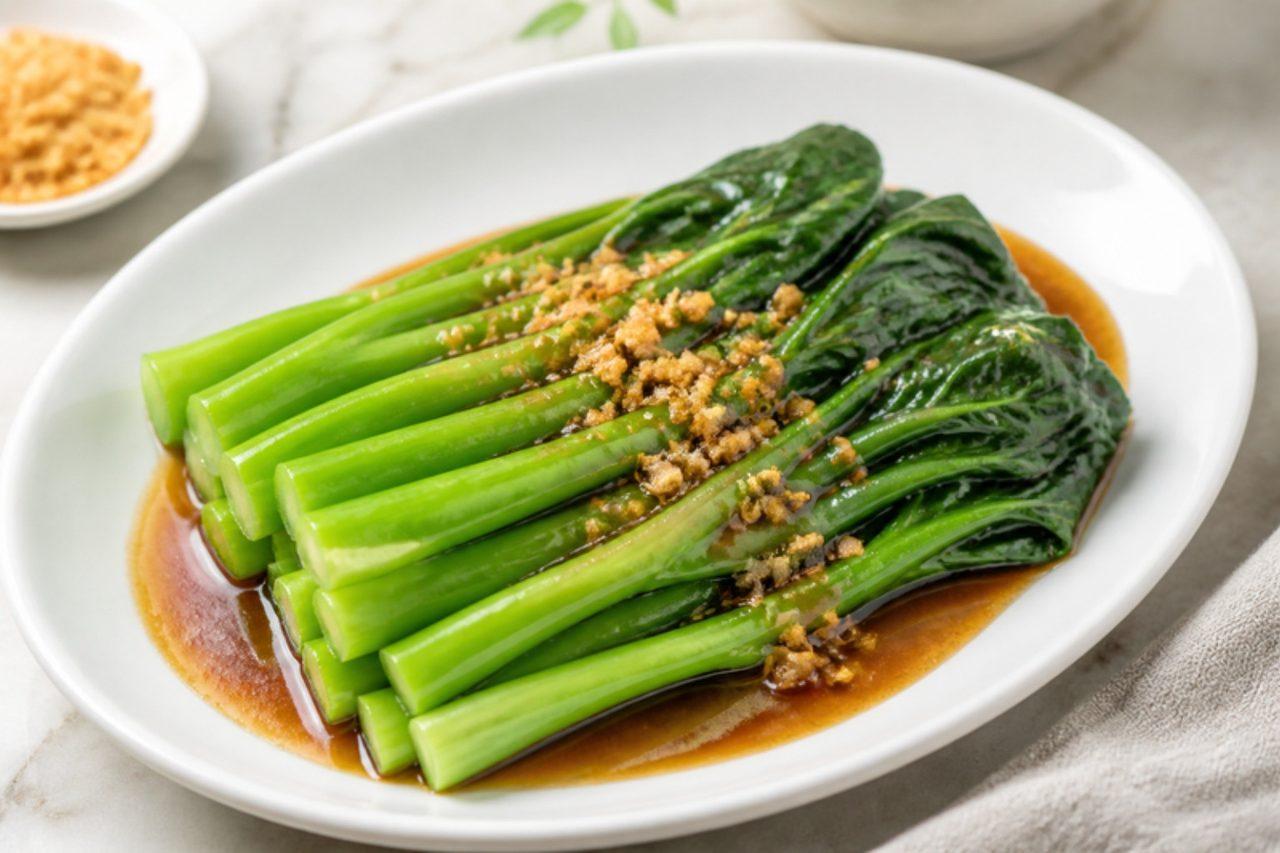
Gai lan with vegetarian oyster sauceChinese broccoli with mushroom sauce

Every Cantonese table needs a plate of greens, and gai lan (Chinese broccoli) is the favourite in Guangdong homes and Hong Kong cha chaan teng. The stems are thick, sweet and slightly bitter, the leaves soft. Restaurants blanch it and pour oyster sauce on top; here a mushroom-based vegetarian oyster sauce gives the same dark gloss and savouriness. Chef's tip: add a spoon of oil and a pinch of sugar to the blanching water; the oil keeps the greens bright and shiny, and the sugar softens the bitterness.

by KrazyBadal 0 views

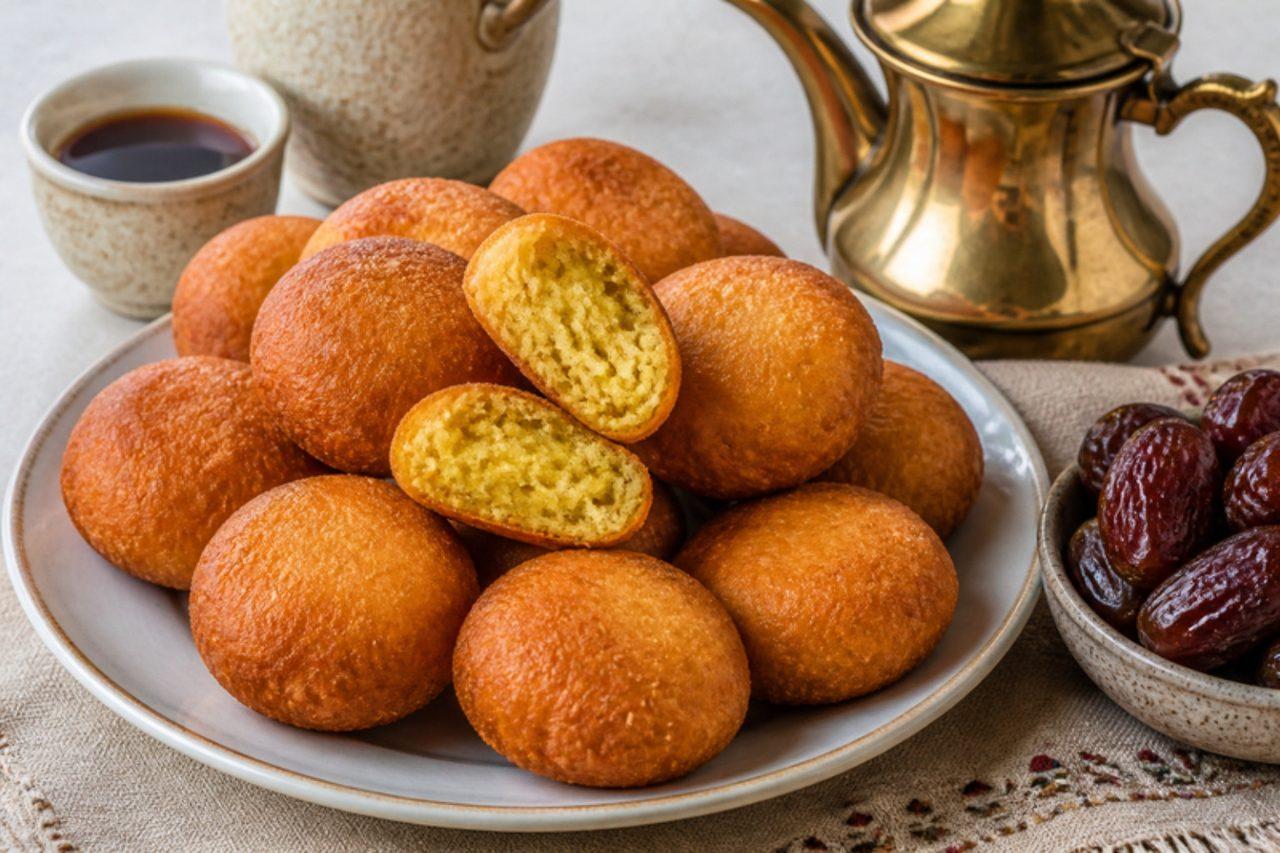
KhanfarooshSaffron rice-flour cakes

Khanfaroosh are an old Emirati sweet, made by grandmothers in Ras Al Khaimah and Fujairah and served with Arabic coffee when guests arrive, at weddings and during Eid. A rice-flour batter rich with eggs, saffron, cardamom and rose water is shallow-fried in small rounds that puff up, golden-brown with a lacy edge and a soft, spongy middle. They are less sweet than they look and best eaten warm from the pan. Chef's tip: let the batter rest for 30 minutes so the rice flour softens; unrested batter fries up gritty.

by KrazyBadal 0 views

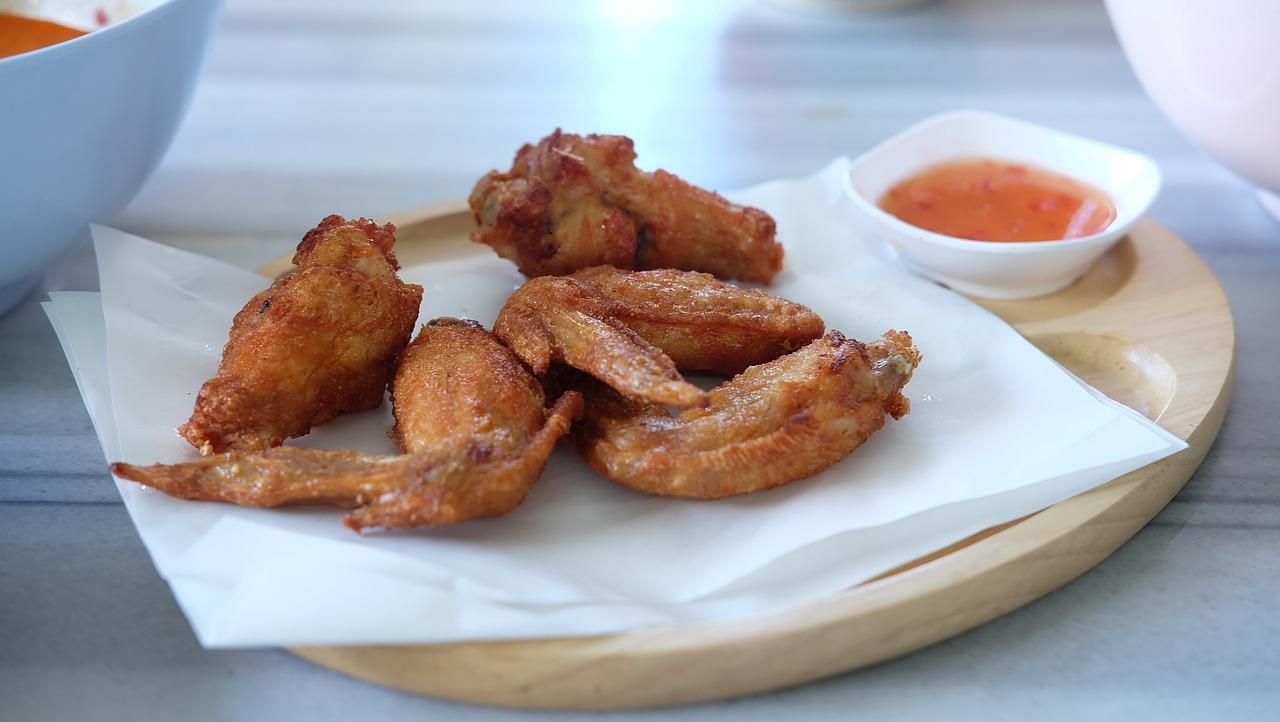
Gai tod Hat YaiSouthern fried chicken

Hat Yai, the busy trading city in Songkhla province near the Malaysian border, gave its name to Thailand's best-loved fried chicken: pieces marinated with coriander root, garlic and white pepper, fried in a thin rice-flour coat until deep bronze, then buried under a drift of crisp fried shallots. Stalls there sell it from early morning with sticky rice and sweet chilli sauce, and Bangkok vendors copy it on every soi. The skin is light and crackly rather than bready, the meat aromatic and well seasoned, and the shallots add sweetness and crunch. Children love it with the sauce on the side. Chef's tip: marinate overnight in the fridge so the coriander root and pepper reach right to the bone.

by KrazyBadal 0 views

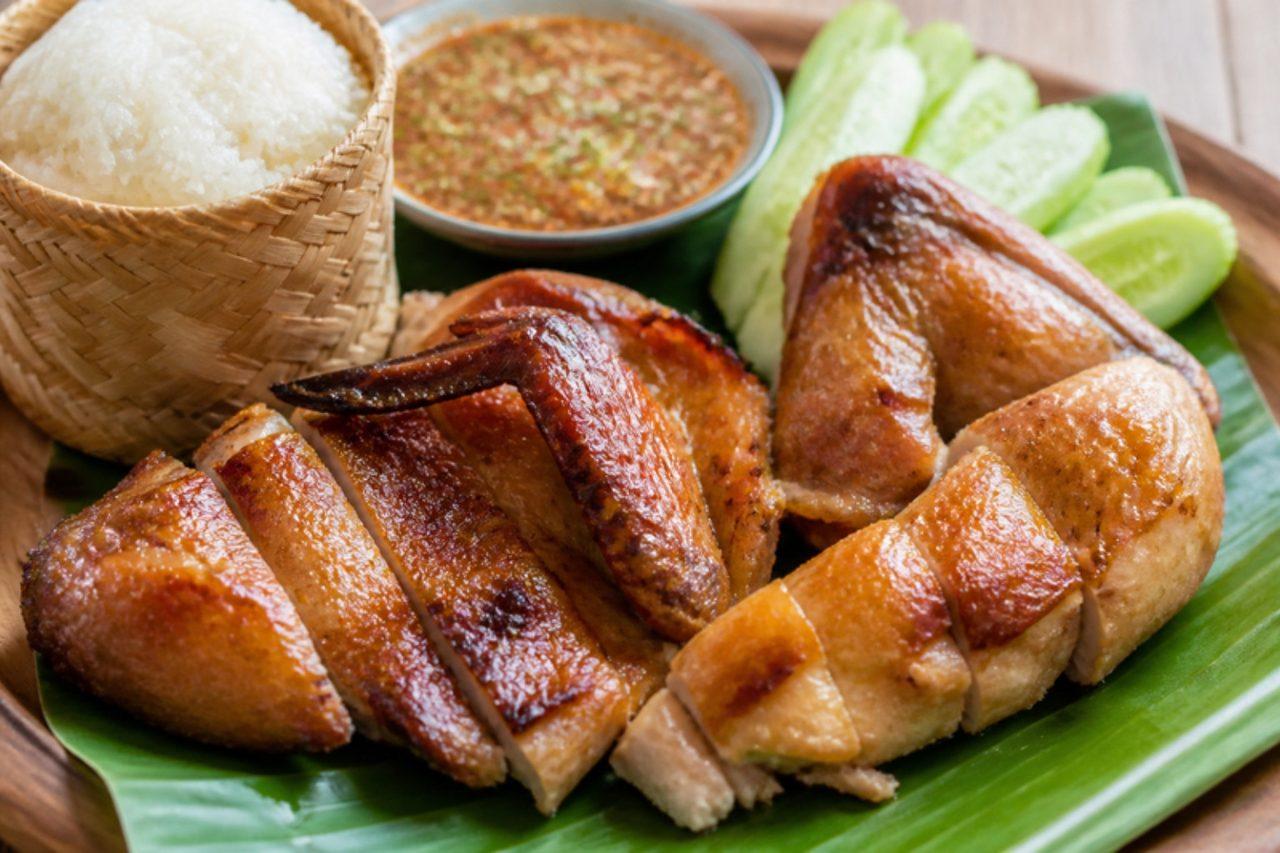
Gai yangGrilled lemongrass chicken

Bus stations and football matches across Isan have the same soundtrack: the crackle of chicken pieces clamped in split bamboo over glowing coals, and the thump of a pestle making som tam beside them. Gai yang is marinated in garlic, coriander root, white pepper and lemongrass, then grilled slowly so the skin turns lacquered and smoky while the meat stays juicy. Tear it apart with your hands and eat it with sticky rice, green papaya salad and a sour-hot jaew dipping sauce. Chef's tip: leave it in the marinade overnight in the fridge; the lemongrass and garlic need hours to get past the skin.

by KrazyBadal 0 views

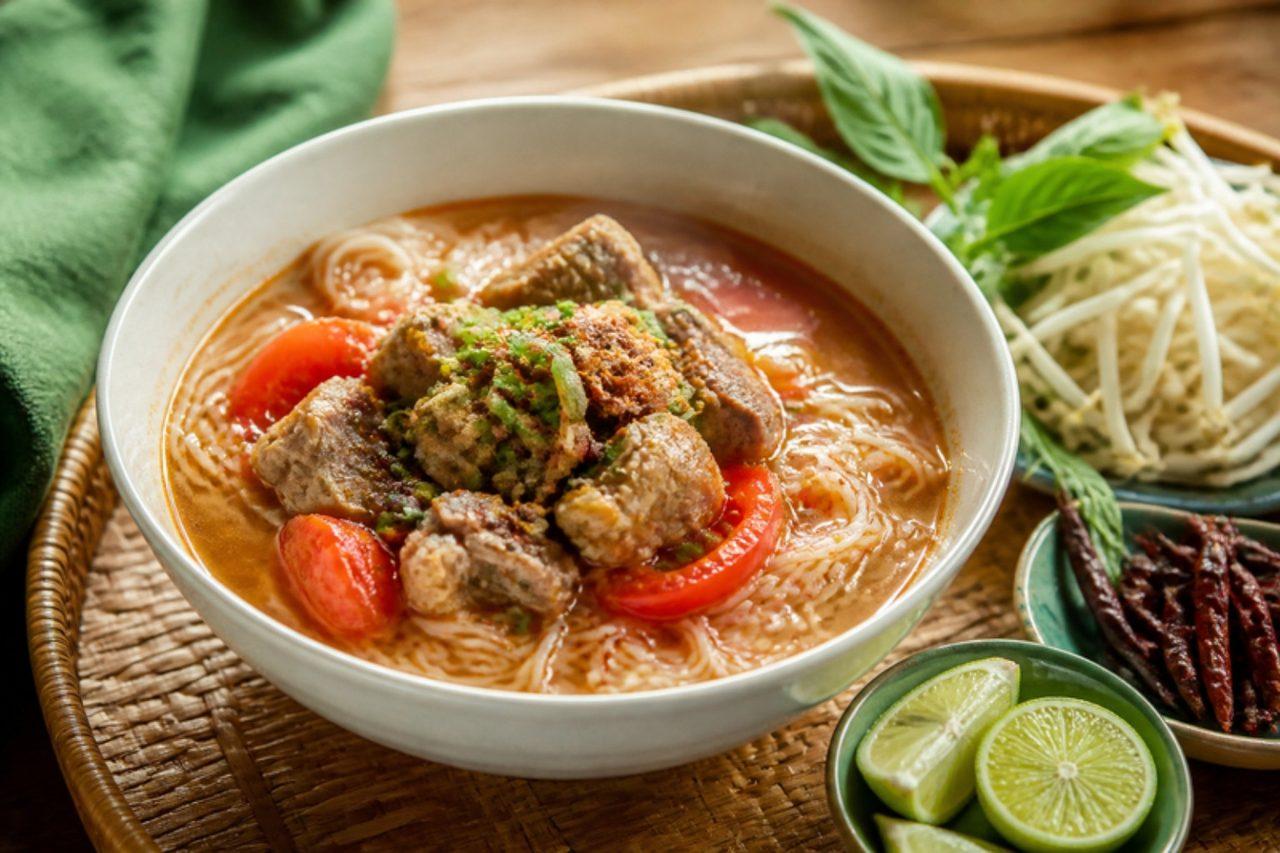
Khanom jeen nam ngiaoRice noodles in spicy pork broth

Breakfast stalls from Chiang Rai to Mae Sai ladle this tangy red broth over soft rice noodles from dawn until it sells out, usually before noon. The soup is light but full-flavoured: pork ribs give body, cherry tomatoes give a fresh sourness, and dried cotton-tree flowers (dok ngiao) add a faint floral, earthy chew. Each diner finishes their bowl at the table with bean sprouts, shredded cabbage, crispy garlic and lime. Cubes of cooked pig's blood are traditional; they are optional here and left out by default. Chef's tip: blanch the ribs and throw that first water away, so the finished broth stays clear and clean-tasting.

90 minThaiSoups
by KrazyBadal 0 views

Gua bao with braised tofu and mushroom

Gua bao are the folded, clam-shaped buns sold at night markets from Tainan to Keelung, traditionally stuffed with a slab of soy-braised pork belly and eaten as a 'tiger bites pig' snack at year-end company dinners. Here the filling is thick slices of tofu and king oyster mushroom simmered in the same sweet soy braise, then layered with sour mustard greens, a spoon of ground peanut and sugar, and fresh coriander. The soft bun, salty filling and sweet peanut crumble are what make it. Chef's tip: brush the half-moons with oil before folding and lay a strip of baking paper inside, so the buns open cleanly after steaming.

by KrazyBadal 0 views

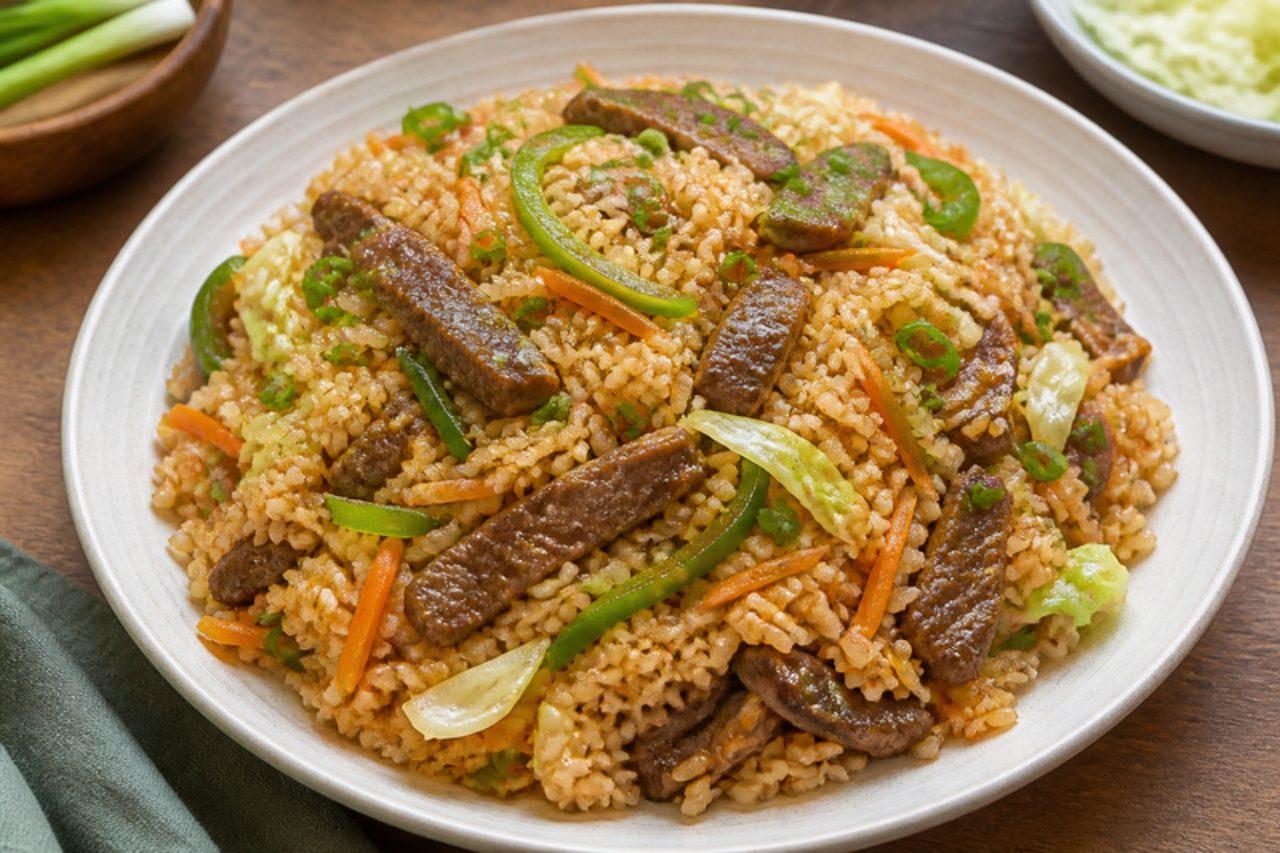
Budaatai khuurgaFried rice with beef

Budaatai khuurga is the fried rice of Ulaanbaatar's guanz, the small canteens where office workers and students eat lunch: day-old rice tossed in a hot pan with strips of beef or mutton, carrot, onion, peppers and a splash of soy. It is quick, filling and often served with a fried egg and pickled cabbage salad. The mistake is using freshly cooked warm rice, which clumps; cold, cooked rice fries into separate grains. Chef's tip: cook rice the day before and keep it covered in the fridge, which is also the safe way to store it.

by KrazyBadal 0 views

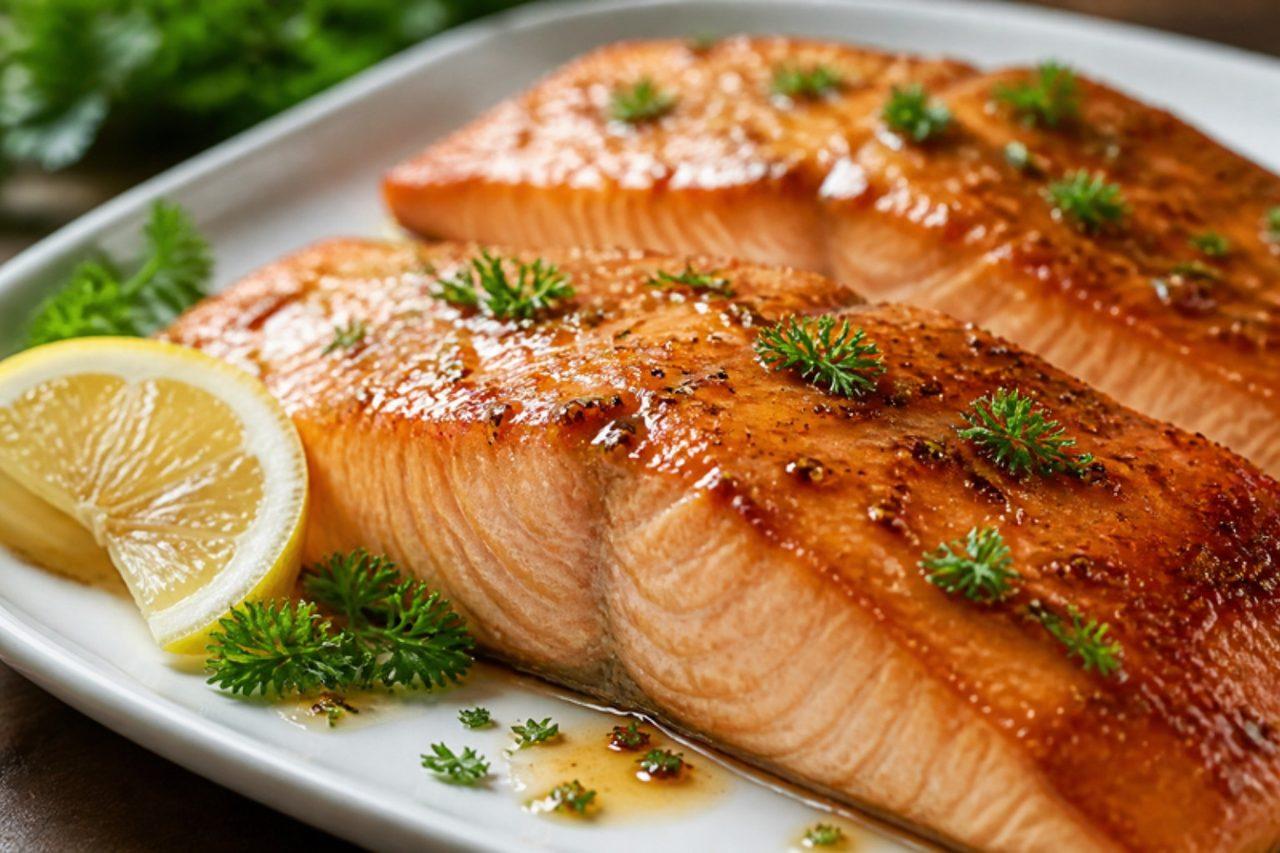
Maple-glazed salmon

On Canada's Pacific coast, from Vancouver to Haida Gwaii, wild salmon is the fish of summer and autumn, and a glaze of maple syrup from the east brings two Canadian staples together on one plate. The fillets are brushed with maple syrup, mustard, soy and garlic and roasted until just cooked, with a sticky, glossy top; serve them with rice, new potatoes or a green salad. Many British Columbians cook it on a soaked cedar plank on the barbecue for a smoky flavour. The mistake is overcooking salmon until it is dry and chalky; take it out when it just flakes. Chef's tip: line the tray with baking paper, as the maple glaze burns onto a bare tin.

by KrazyBadal 0 views

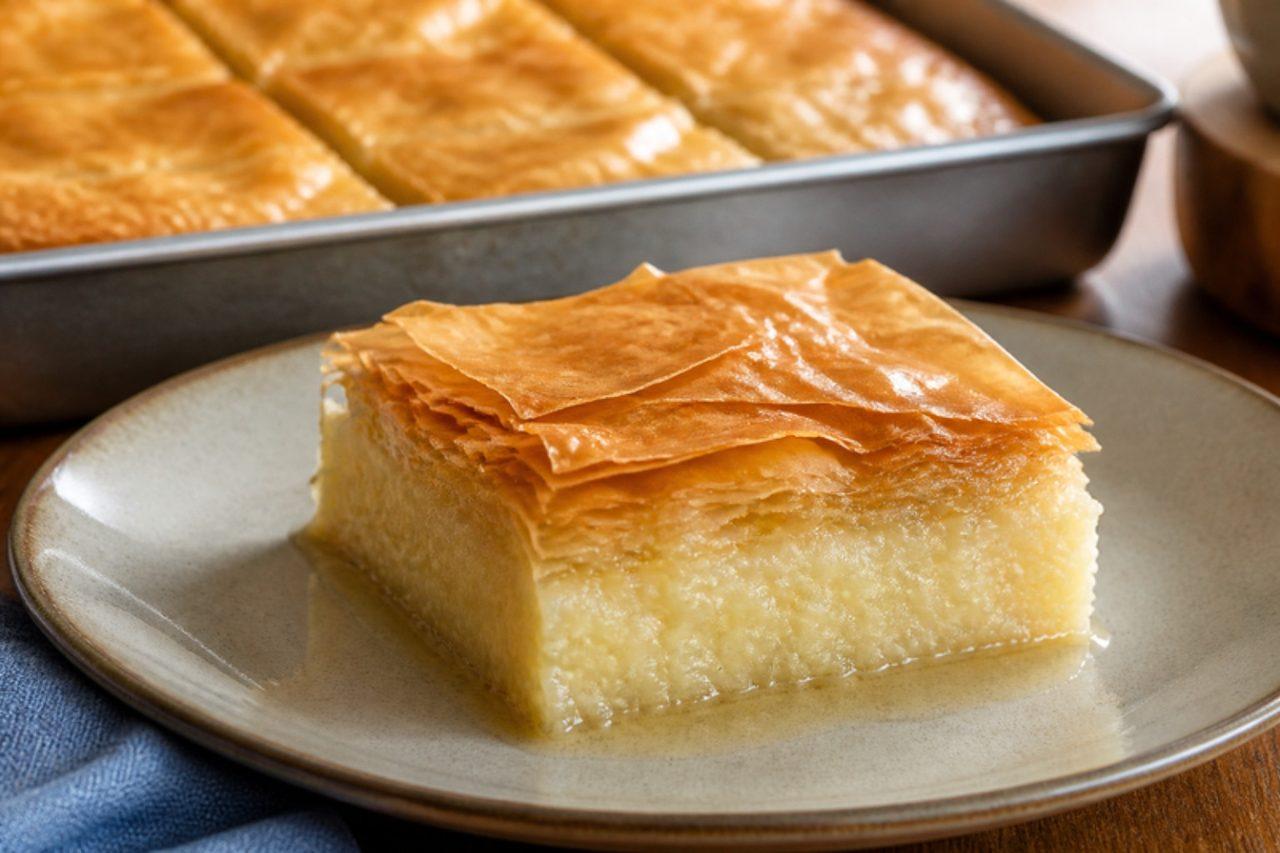
GalaktobourekoSemolina custard in fillo

Galaktoboureko is the grand dessert of Greek pastry shops: a thick layer of silky semolina custard baked between sheets of buttered fillo, then soaked with cold lemon and cinnamon syrup the moment it leaves the oven. It's bought by the tray for Sunday lunches, name days and Easter, and eaten slightly warm or at room temperature with coffee. The top shatters, the syrup pools at the edges and the custard stays creamy. It takes patience but no special skill. Chef's tip: pour cold syrup over the hot pie (or hot over cold), never hot on hot; that common mistake leaves the pastry soggy instead of crisp.

by KrazyBadal 0 views

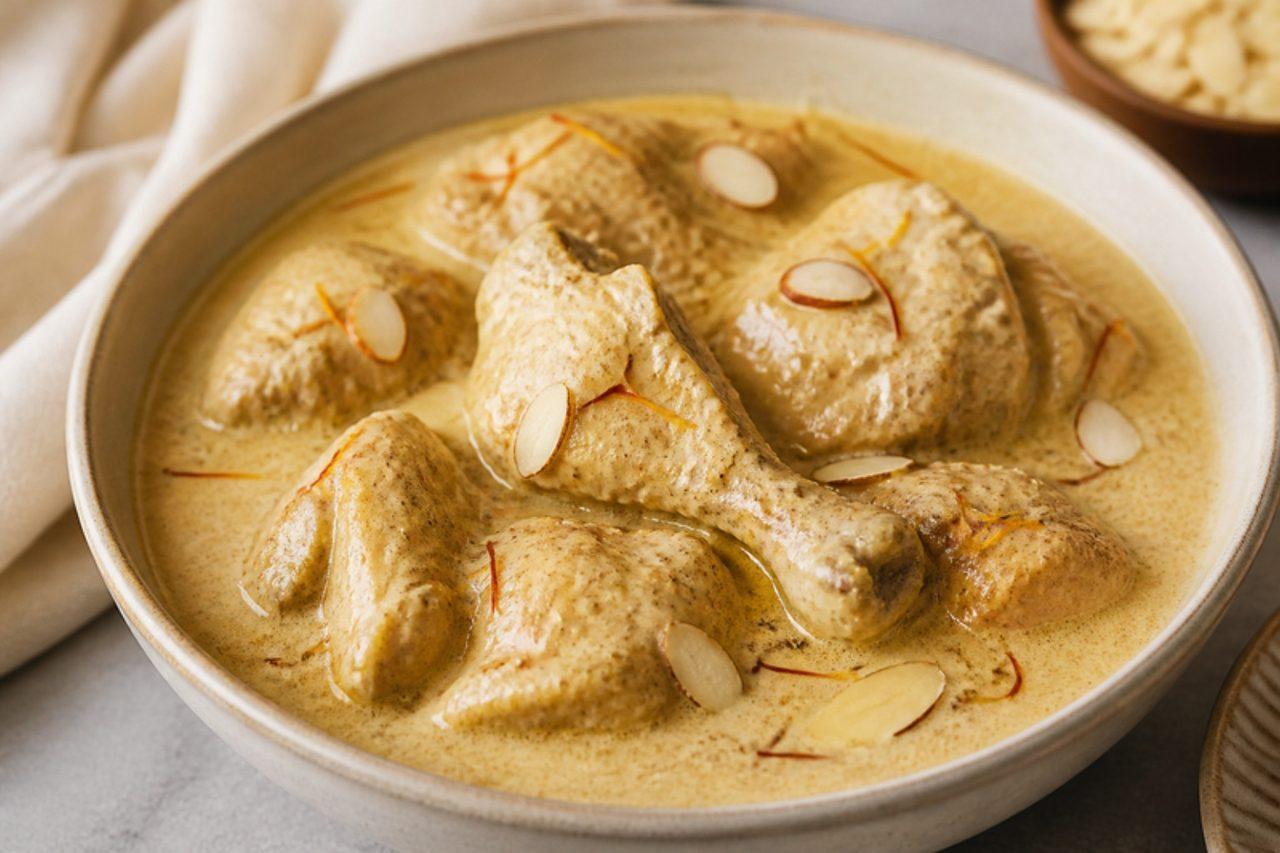
Mughlai chicken korma

In the lanes around the Jama Masjid in Old Delhi, korma is cooked in huge copper degs for Eid and wedding feasts and sold from dawn with khamiri roti and sheermal. It descends from the Mughal court kitchens, where 'korma' meant meat braised slowly in yogurt and its own juices rather than in water. This one is not the mild, pale, coconut-sweet korma of British curry houses: it is golden-brown, fragrant with cardamom and mace, enriched with almond paste and fried onions, and medium-hot. Chef's tip: fry the onions slowly to an even golden-brown and grind them with the yogurt; the browned onion paste is both the colour and the backbone of the sauce.

by KrazyBadal 0 views

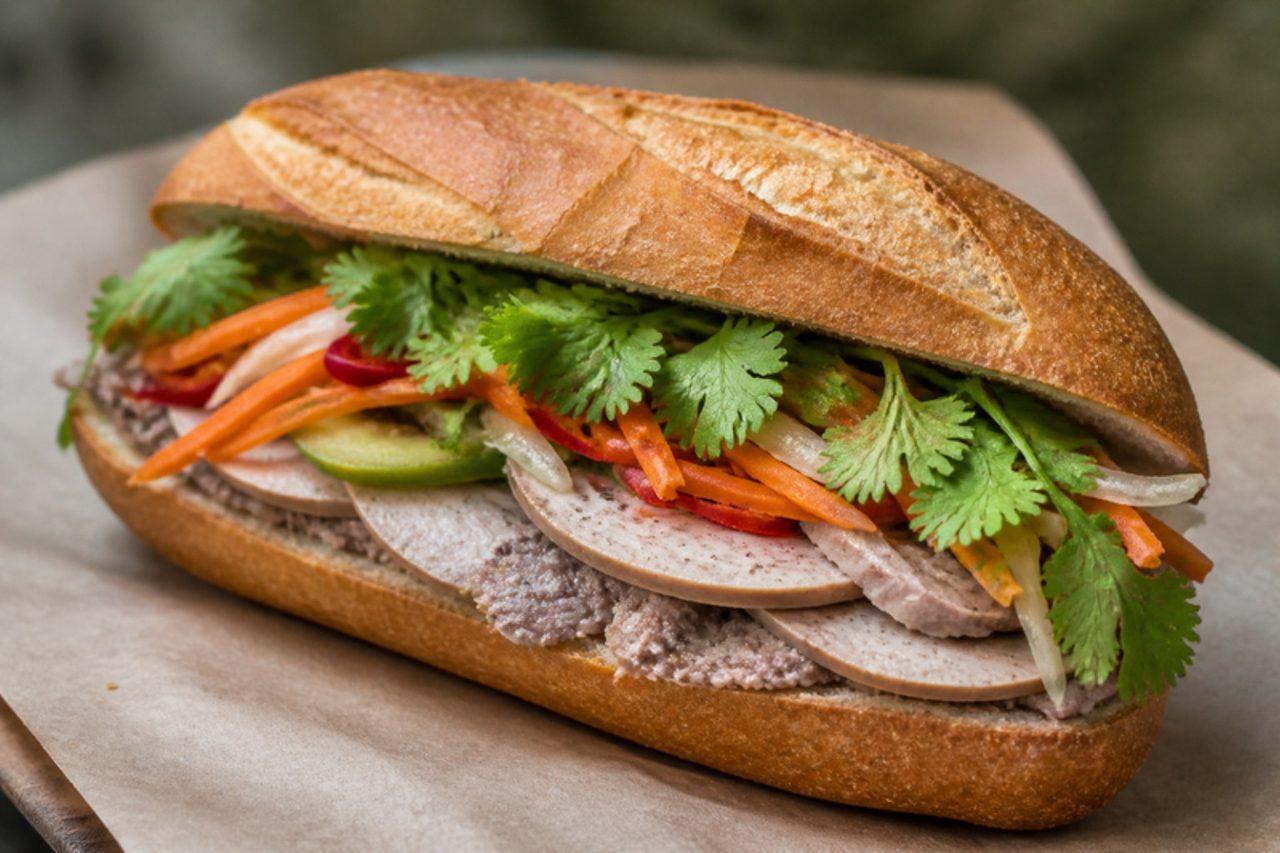
Khao jee pâtéBaguette sandwich with pâté

Khao jee pâté is the breakfast sandwich of Vientiane, sold from glass-fronted carts on street corners since the French era left Laos its love of baguettes. It is a pork sandwich: a crisp, light baguette is warmed over charcoal, spread with pork liver pâté and filled with Lao-style cold cuts (pork sausage or ham), pickled papaya or carrot, cucumber, herbs, chilli sauce and a splash of Maggi-style seasoning. Pregnant people should avoid pâté because of listeria risk. Chef's tip: warm the bread until the crust crackles; a soft baguette makes a soggy sandwich.

by KrazyBadal 0 views

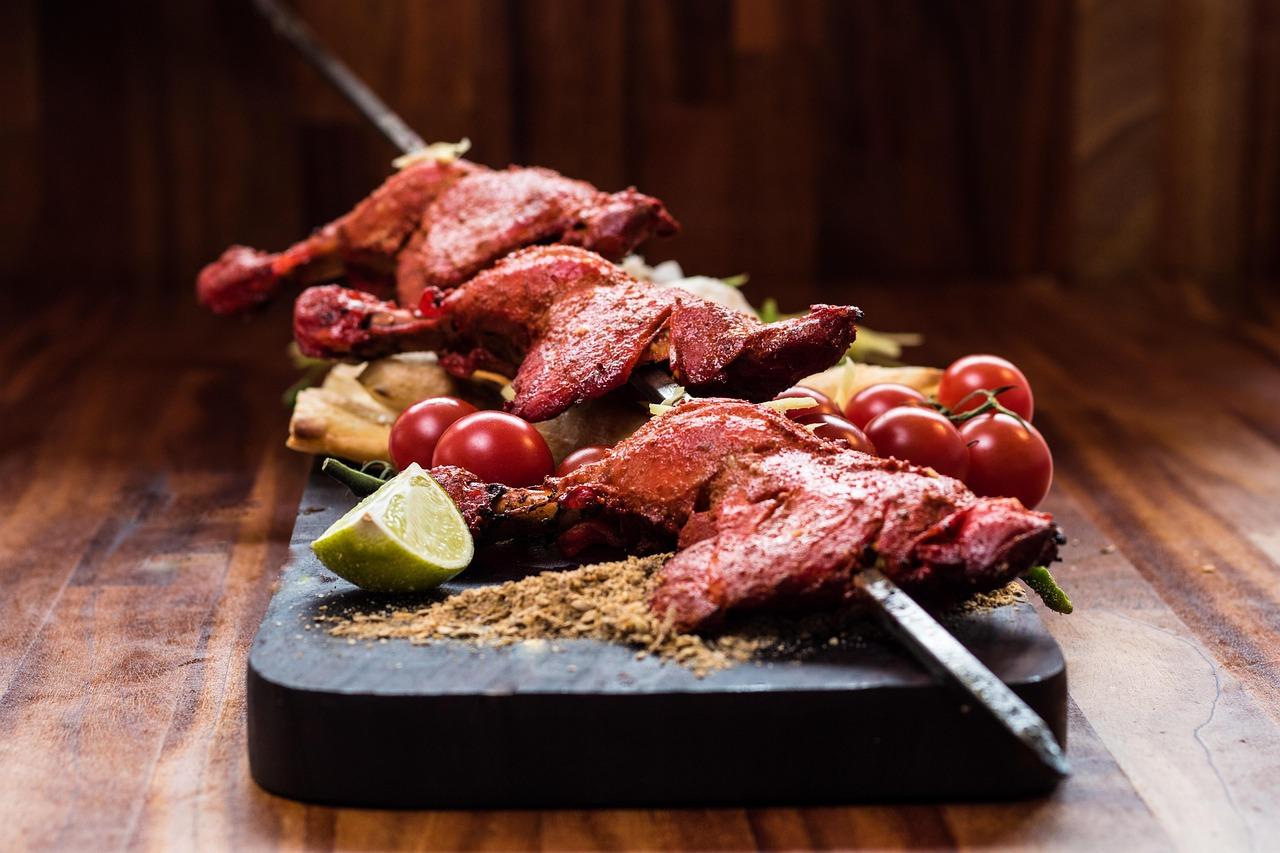
Tandoori chicken

Tandoori chicken comes from Punjab, where clay tandoor ovens fired with wood or charcoal reach well over 400 °C and roast marinated chicken in minutes. In Punjabi dhabas and wedding buffets it arrives on a sizzling plate with raw onion rings, lemon and mint chutney, and it's the starting point for butter chicken. A home oven can't match a tandoor, but a very hot oven plus a final blast under the grill gets you charred edges and juicy meat. The two-step marinade (lemon and salt first, then spiced yogurt) is the key. Chef's tip: cut deep slashes right down to the bone; the marinade gets inside and the thick legs cook through at the same time as the thinner parts.

by KrazyBadal 0 views

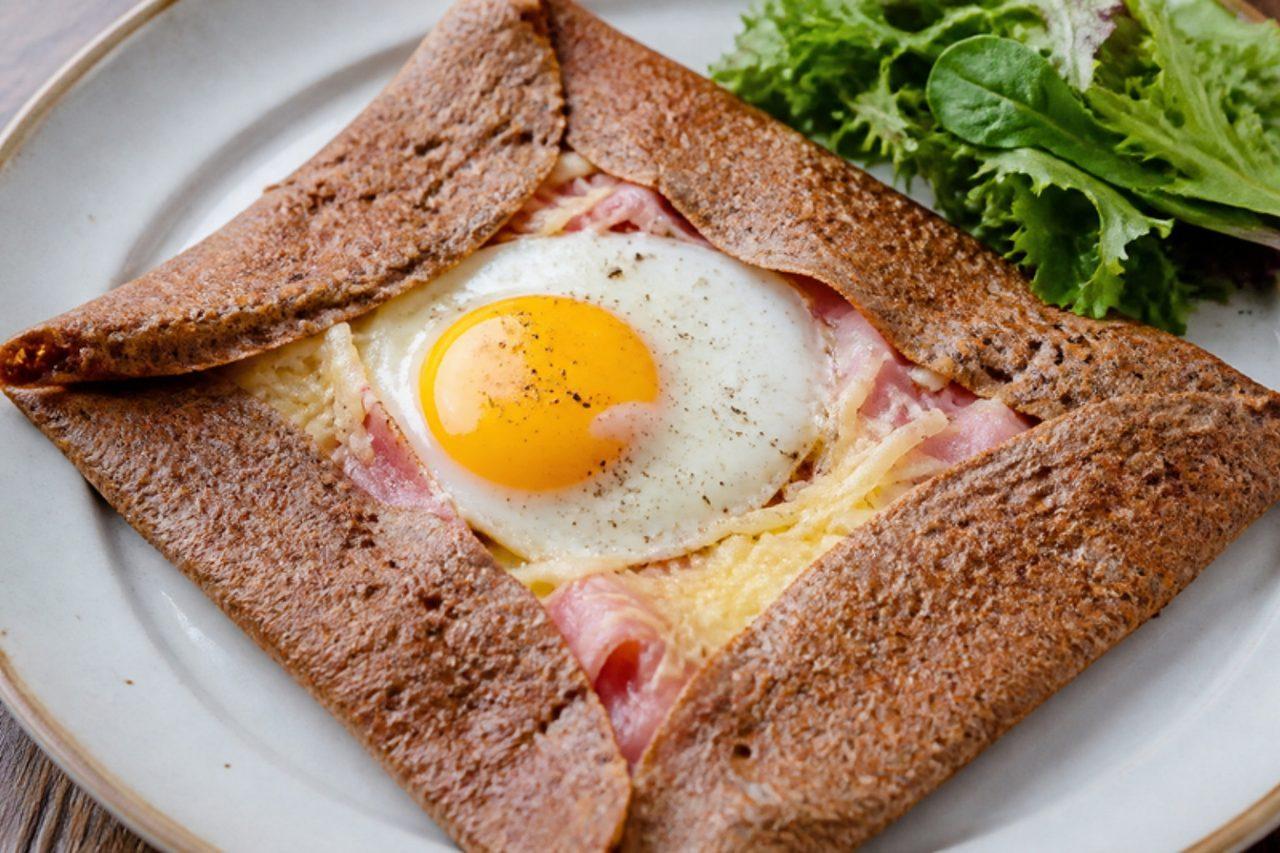
Galette complèteBuckwheat crêpe with ham and egg

In every crêperie in Brittany, from Rennes to Quimper, the first thing most people order is the complète: a lacy buckwheat galette folded square around ham, melted cheese and an egg, eaten for lunch or a casual dinner with a bowl of dry cider. Contains pork (ham). The batter is just buckwheat flour, water, salt and an egg, so the galette has no wheat; some buckwheat flour is milled alongside wheat, so check the packet if you avoid gluten. A cup of apple juice is a good alcohol-free partner. Chef's tip: rest the batter for at least 2 hours, or overnight in the fridge; it thickens and the galettes cook up thinner and crisper.

by KrazyBadal 0 views

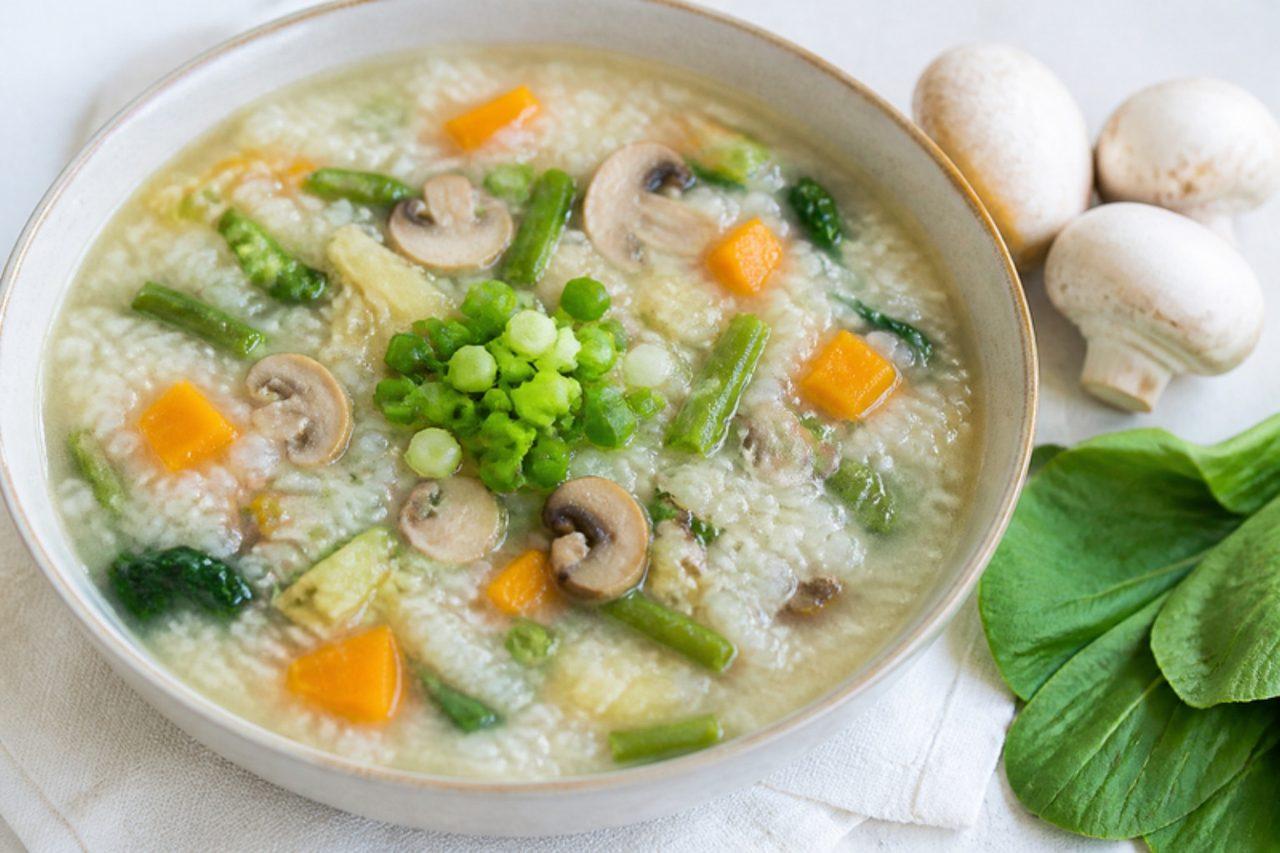
GalhoRice and vegetable porridge

Galho is Nagaland's comfort food, a soft, loose rice porridge cooked with seasonal vegetables, greens, ginger and chilli, sometimes thickened with a spoon of fermented soybean (axone). In Kohima homes it is the dish for cold evenings and for anyone unwell, and in restaurants it is often made with pork; this vegetarian version uses mushrooms and axone for savour. It sits somewhere between khichdi and congee, thick but spoonable. Chef's tip: stir only occasionally; galho should be soupy with distinct grains, not a smooth paste.

by KrazyBadal 0 views

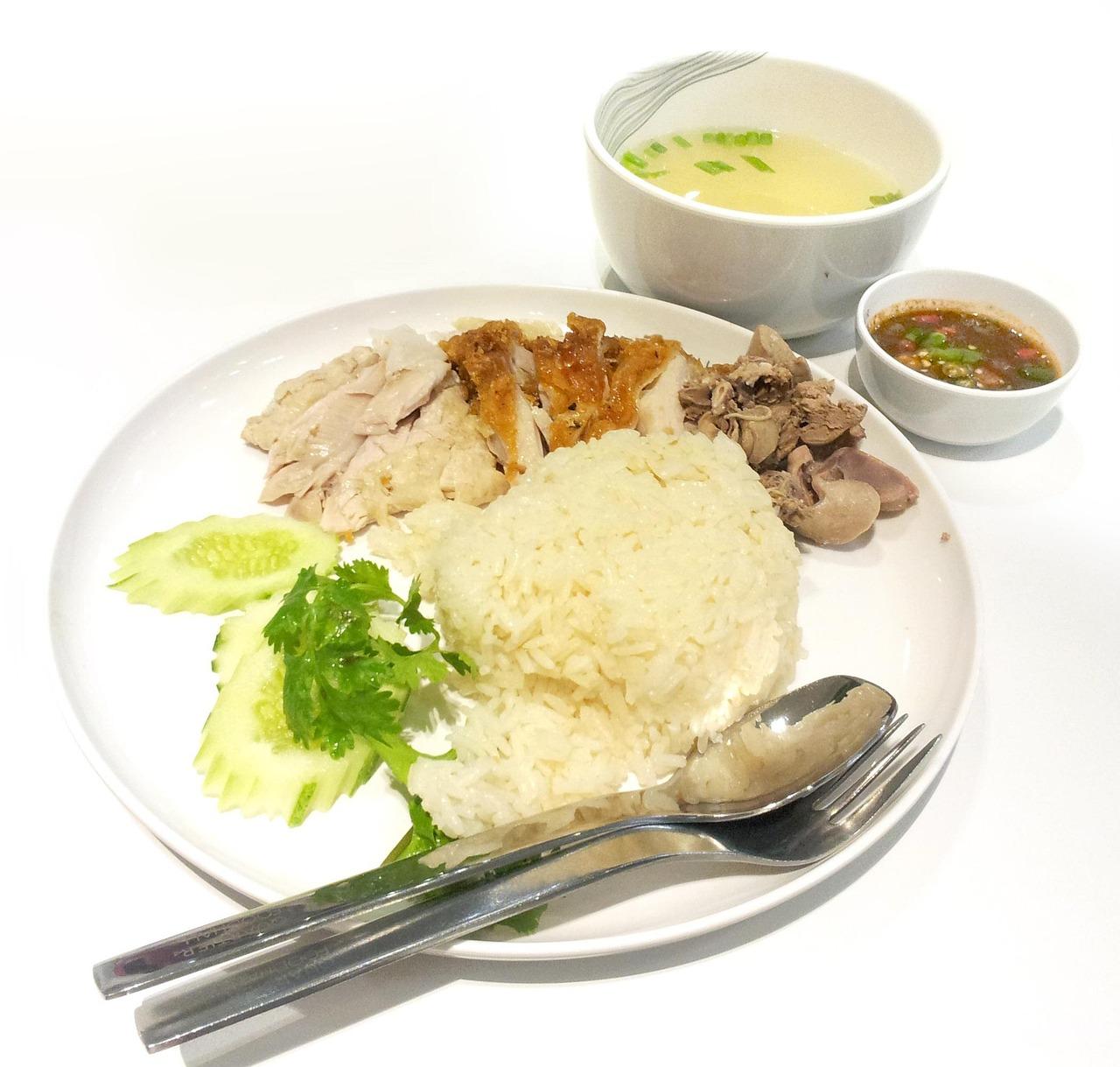
Khao man gaiChicken and ginger rice

Around Pratunam market in Bangkok, the khao man gai stalls are easy to spot: a queue, pale poached chickens hanging in a glass cabinet, and a cook slicing with a cleaver at speed. Like its Hainanese ancestor, the dish pairs silky chicken with rice cooked in the bird's fat and broth, but the Thai plate stands apart for its sauce, a punchy mix of fermented soybeans (tao jiao), ginger, garlic, chilli and vinegar, and for the little bowl of clear broth with winter melon served on the side. Bangkok eats it for breakfast, lunch or a late supper, always with cucumber slices and coriander. Chef's tip: plunge the cooked chicken into iced water for 10 minutes; the skin firms to a jelly-like snap and the meat stays juicy.

by KrazyBadal 0 views

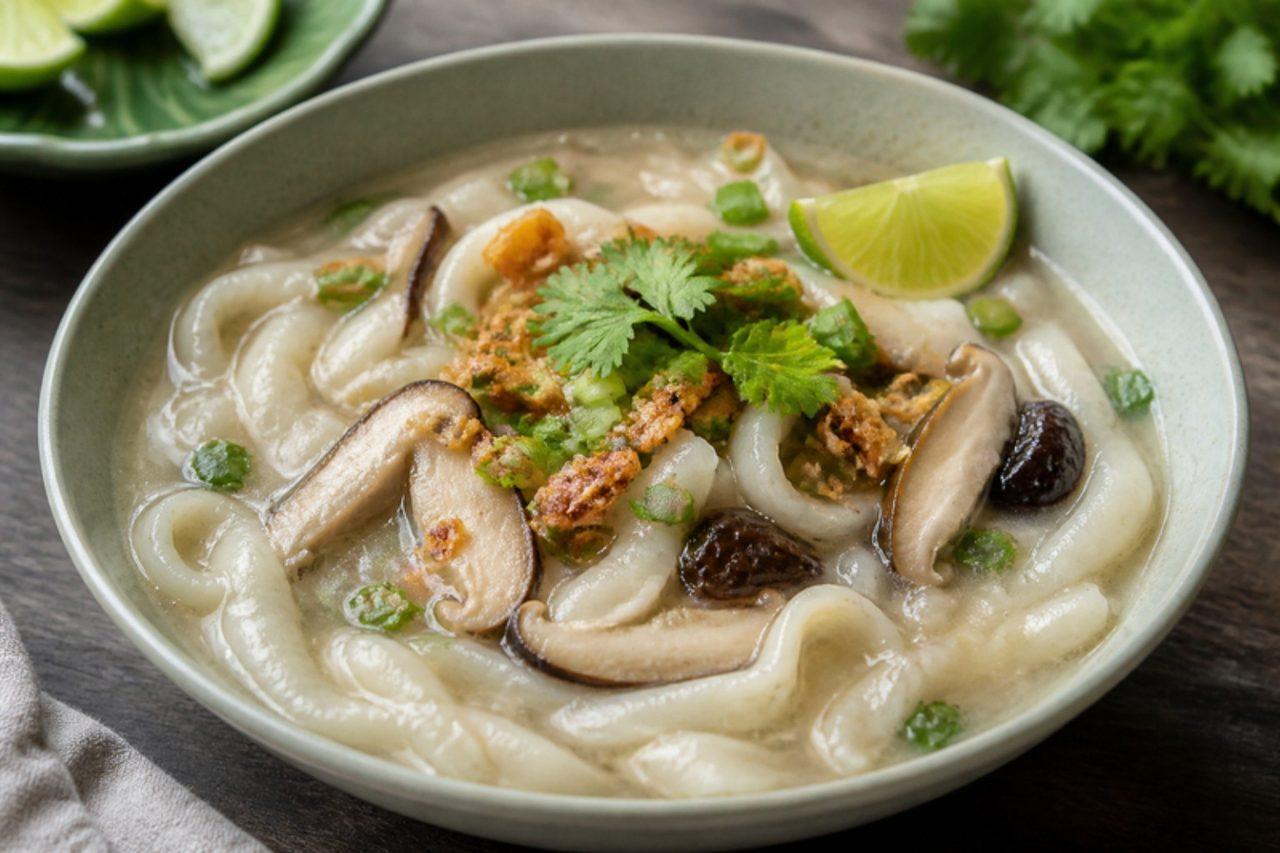
Khao piak sen with mushroom brothRice noodles in mushroom broth

Khao piak sen is the soup Laotians crave on a cool morning or when they feel unwell, and roadside shops in Vientiane and Luang Prabang sell it from dawn. The noodles are cut by hand from a soft rice and tapioca dough and cooked straight in the broth, so their starch turns the soup thick, slippery and comforting. Instead of the usual chicken stock, this version builds a deep broth from dried shiitake, charred onion and ginger, and finishes it with crisp fried garlic, spring onion and coriander. Chef's tip: dust the cut noodles well with tapioca starch and keep them apart; they stick together into a clump in seconds if left in a pile.

75 minLaoSoupsVeganGluten free
by KrazyBadal 0 views

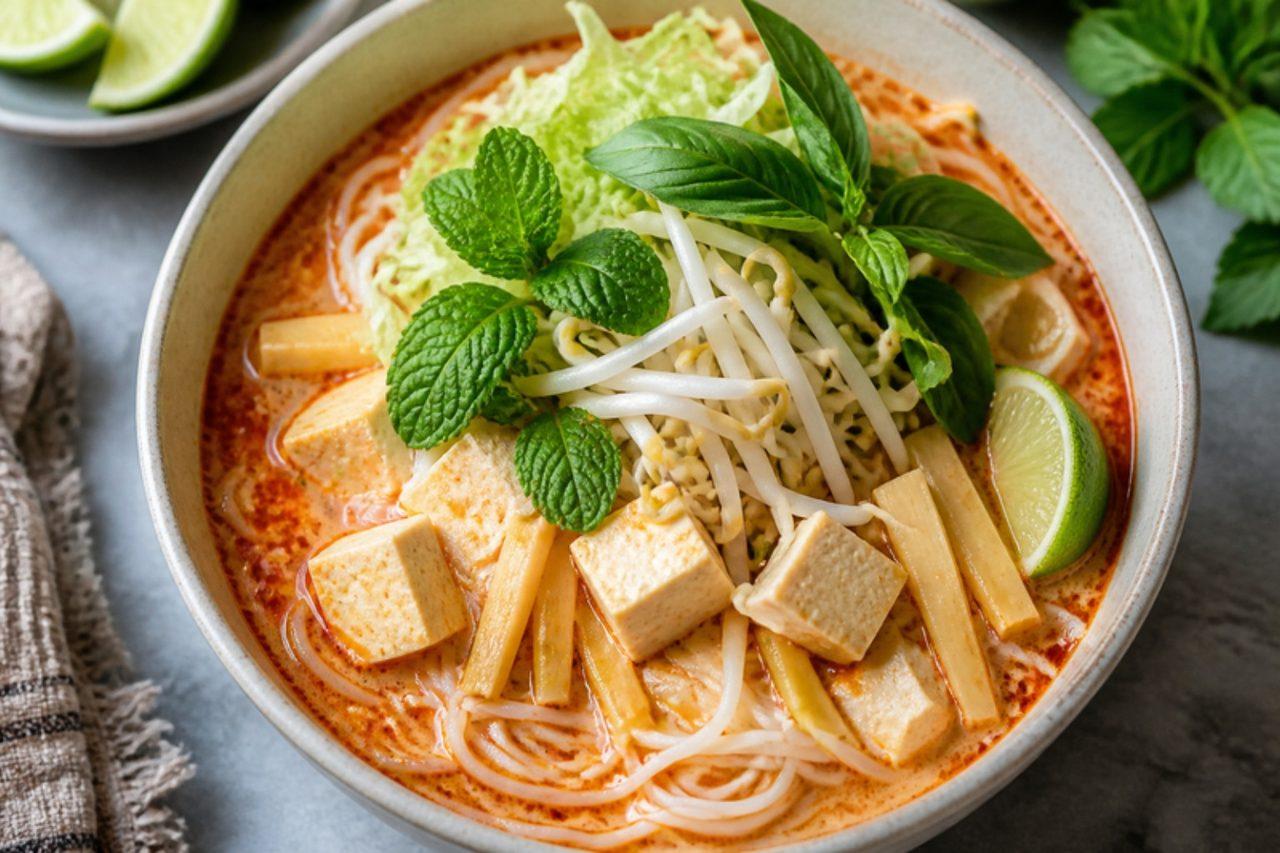
Khao poon with tofu and vegetablesCoconut curry noodle soup

Khao poon is celebration food in Laos, ladled out at weddings, baci ceremonies and big family gatherings, and sold at morning markets in Vientiane by women with huge steaming pots. Fine round rice noodles sit under a spicy, red-tinged broth of coconut milk, lemongrass and galangal, and everyone adds their own shredded cabbage, banana blossom, beansprouts, mint and lime. The usual chicken or fish is swapped for golden fried tofu and bamboo shoots. Chef's tip: fry the red chilli paste in the coconut cream until oil seeps out in red drops on the surface; that's when the colour and heat are fully released.

by KrazyBadal 0 views

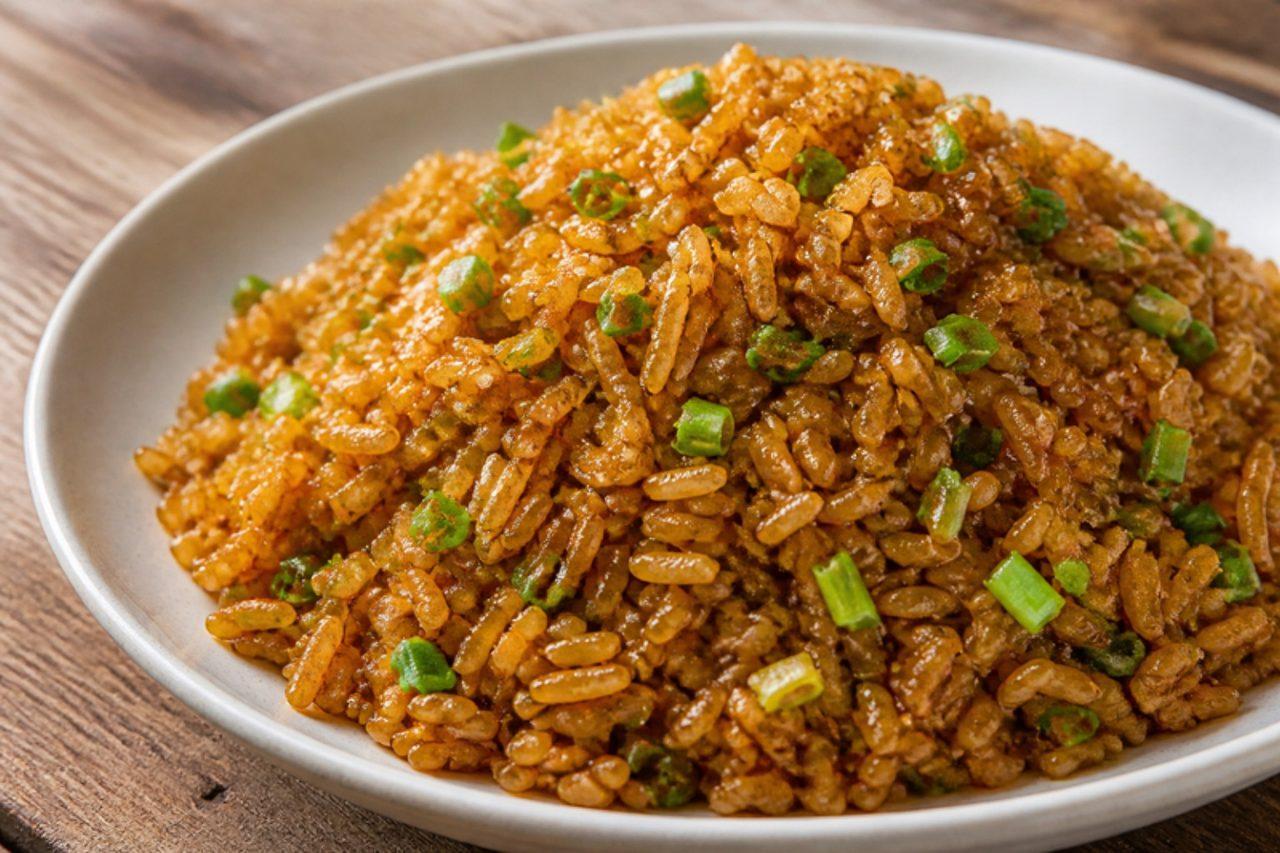
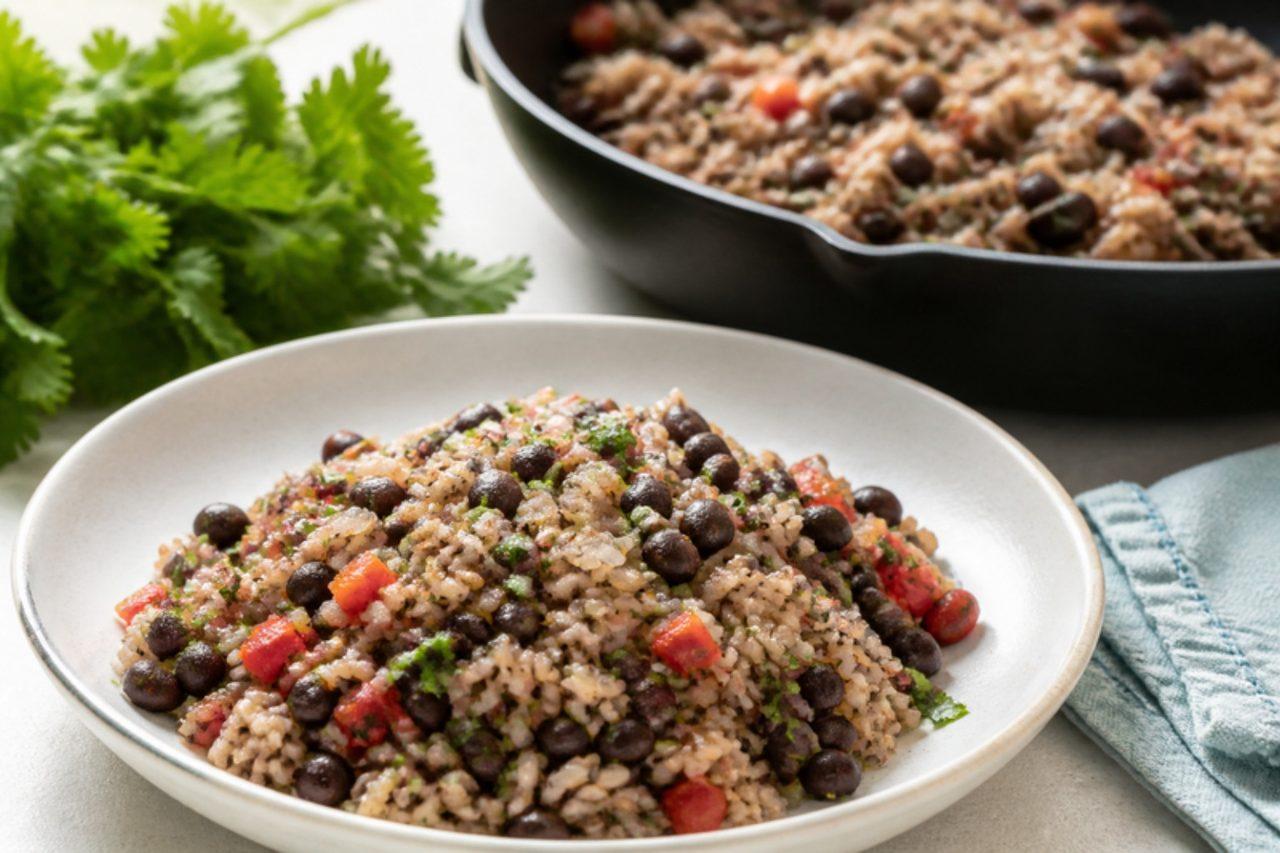
Gallo pintoRice and black beans

Gallo pinto means 'spotted rooster', for the speckled look of rice tossed with beans, and both Costa Rica and Nicaragua claim it. In Costa Rica it's black beans with plenty of coriander and a tangy brown sauce, served at breakfast with eggs, sour cream and fried plantain; in Nicaragua red beans are fried harder with onion until the rice turns rusty. This version follows the Costa Rican breakfast table and gets its tang from cumin and a little soy sauce. Chef's tip: use rice cooked the day before and keep a cup of the bean cooking liquid; that dark liquid is what colours the rice.

by KrazyBadal 0 views

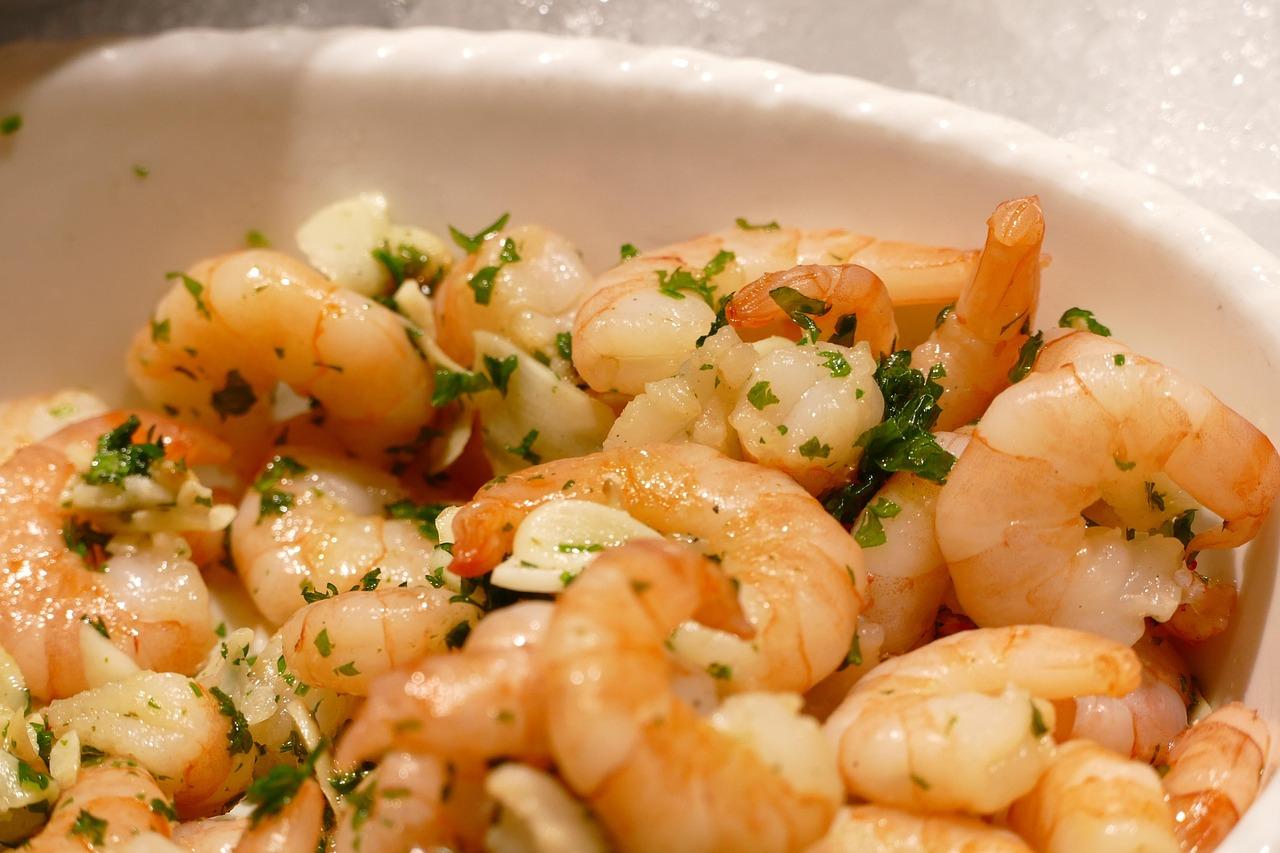
Gambas al ajilloGarlic prawns

Walk into a bar near Madrid's Plaza Mayor or Puerta del Sol and you will hear gambas al ajillo before you see them: peeled prawns still spitting in a small terracotta cazuela of olive oil, sliced garlic and dried chilli. They arrive at the table bubbling, with a basket of bread for mopping up the golden oil, which many people think is the best part. At home it takes ten minutes and works as a tapa for four or a quick supper for two. Chef's tip: pat the prawns completely dry with kitchen paper before they go in, so they sizzle in the oil instead of stewing in their own water.

by KrazyBadal 0 views

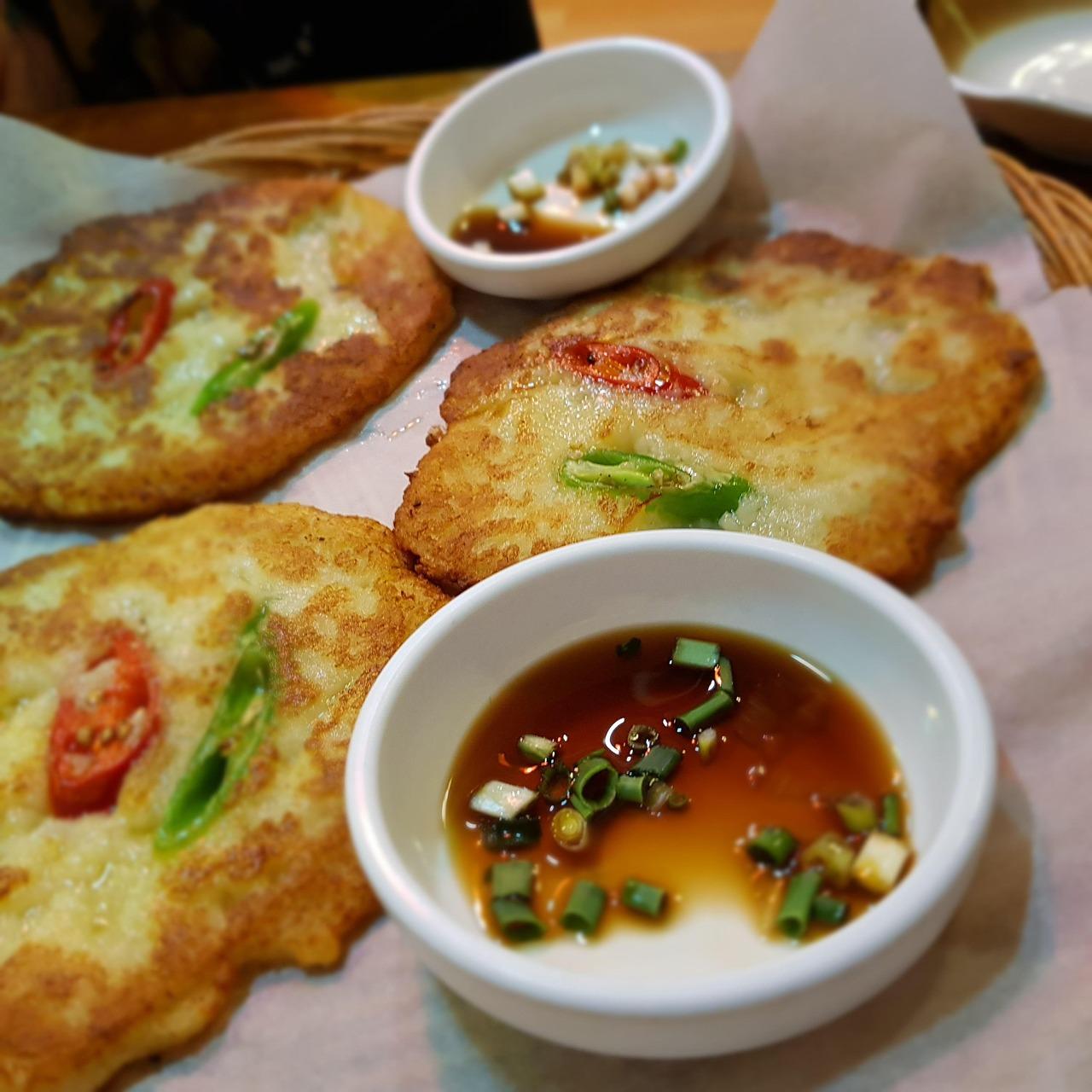
Gamja jeonPotato pancakes

On rainy afternoons in Gangwon province, roadside stalls and mountain trail restaurants fry gamja jeon (감자전): pancakes of nothing but grated potato, salt and a few slices of chilli, fried in plenty of oil until the edges turn lacy and glassy-crisp while the middle stays soft and chewy. It is a different thing from a Western rösti, made from a wet purée rather than shreds. Eat them hot with a sharp soy dipping sauce and a bowl of makgeolli or barley tea. Chef's tip: press each pancake thin with the back of a spoon as soon as it hits the pan; thick ones stay gluey inside.

by KrazyBadal 0 views

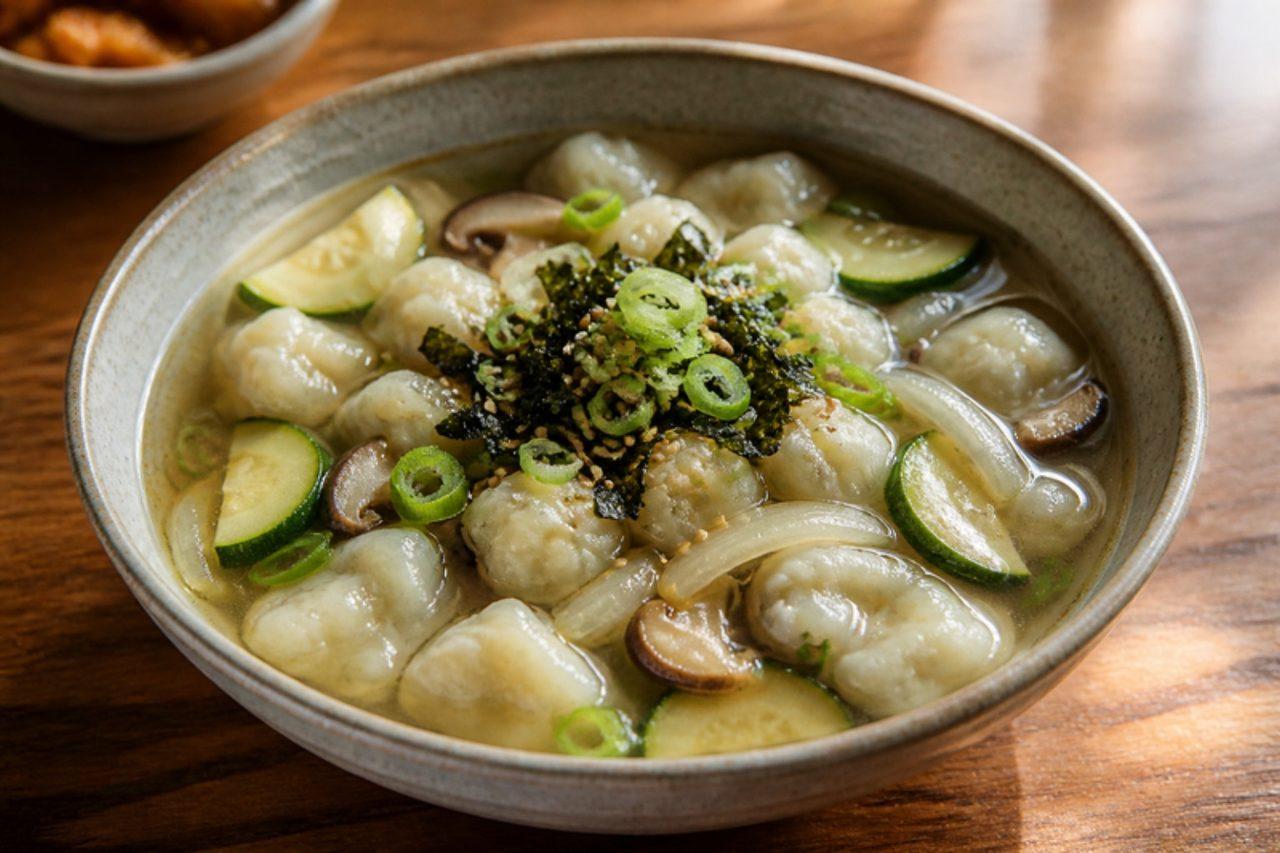
Gamja ongsimiPotato dumpling soup

Ongsimi (옹심이) means 'little bird egg' in the Gangwon dialect, and it describes the small, chewy dumplings that Gangneung cooks make from grated potato and its own starch. Gangwon's mountains grow more potatoes than rice, and ongsimi restaurants around Gangneung still serve the dumplings in plain anchovy or kelp broth with courgette, sometimes with knife-cut noodles added. This version uses kelp and shiitake, so it is vegan and gluten free if you season with tamari. The dumplings are translucent, slippery and springy, nothing like gnocchi. Chef's tip: let the potato water stand until the white starch settles at the bottom, then add every bit of that starch back to the grated potato; it is what makes the dumplings chewy.

by KrazyBadal 0 views

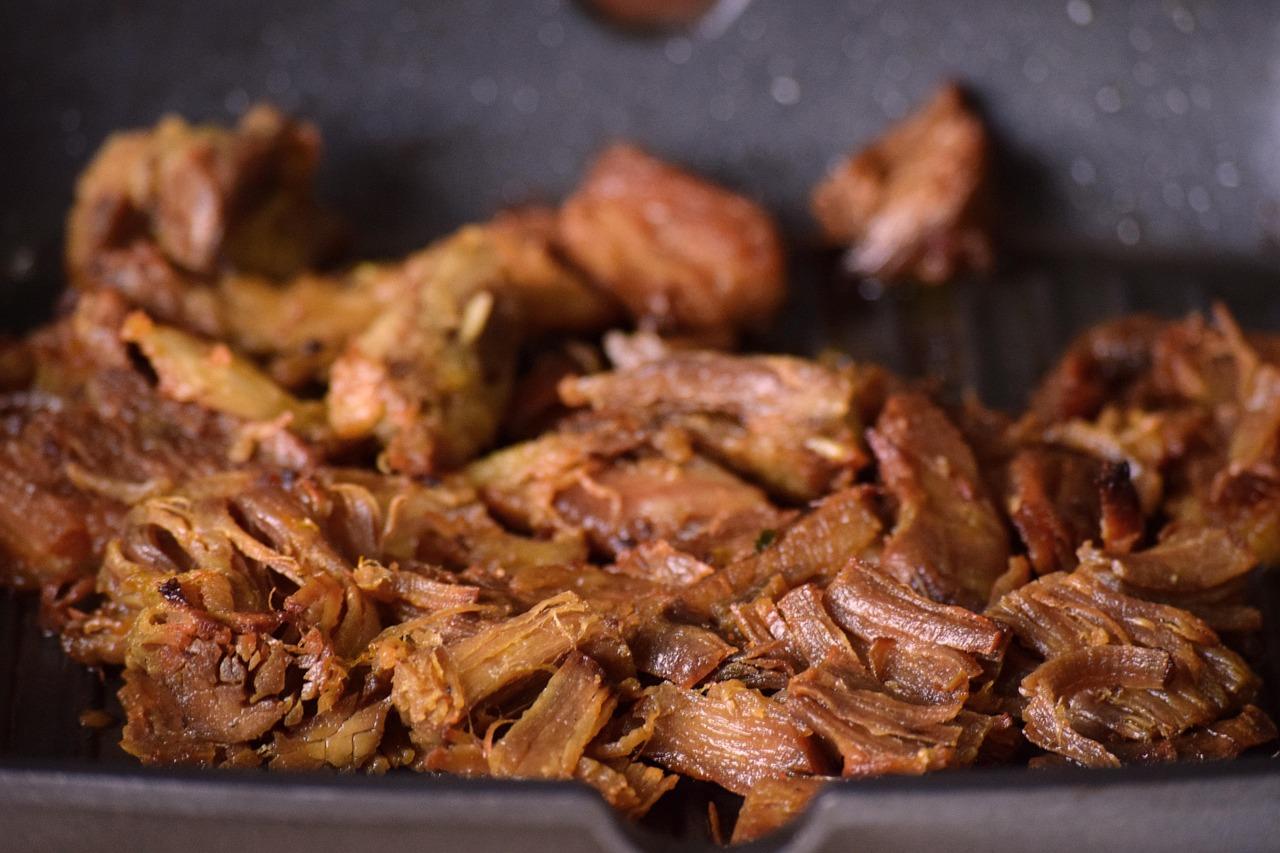
Kalua pork

Kalua pig is the heart of a Hawaiian lū'au: a whole pig wrapped in ti and banana leaves and cooked all day in an imu, an underground oven, until it falls apart, smoky and salty. This dish contains pork. Families across O'ahu and the other islands make this simpler version at home with pork shoulder, coarse sea salt and a little liquid smoke, wrapped and slow-roasted. It is served with rice, poi or cabbage, or in sliders. The mistake is using fine table salt in the same amount; it makes the pork far too salty, so use coarse sea salt. Chef's tip: stir a little of the cooking juice back into the shredded pork so it stays moist.

by KrazyBadal 0 views

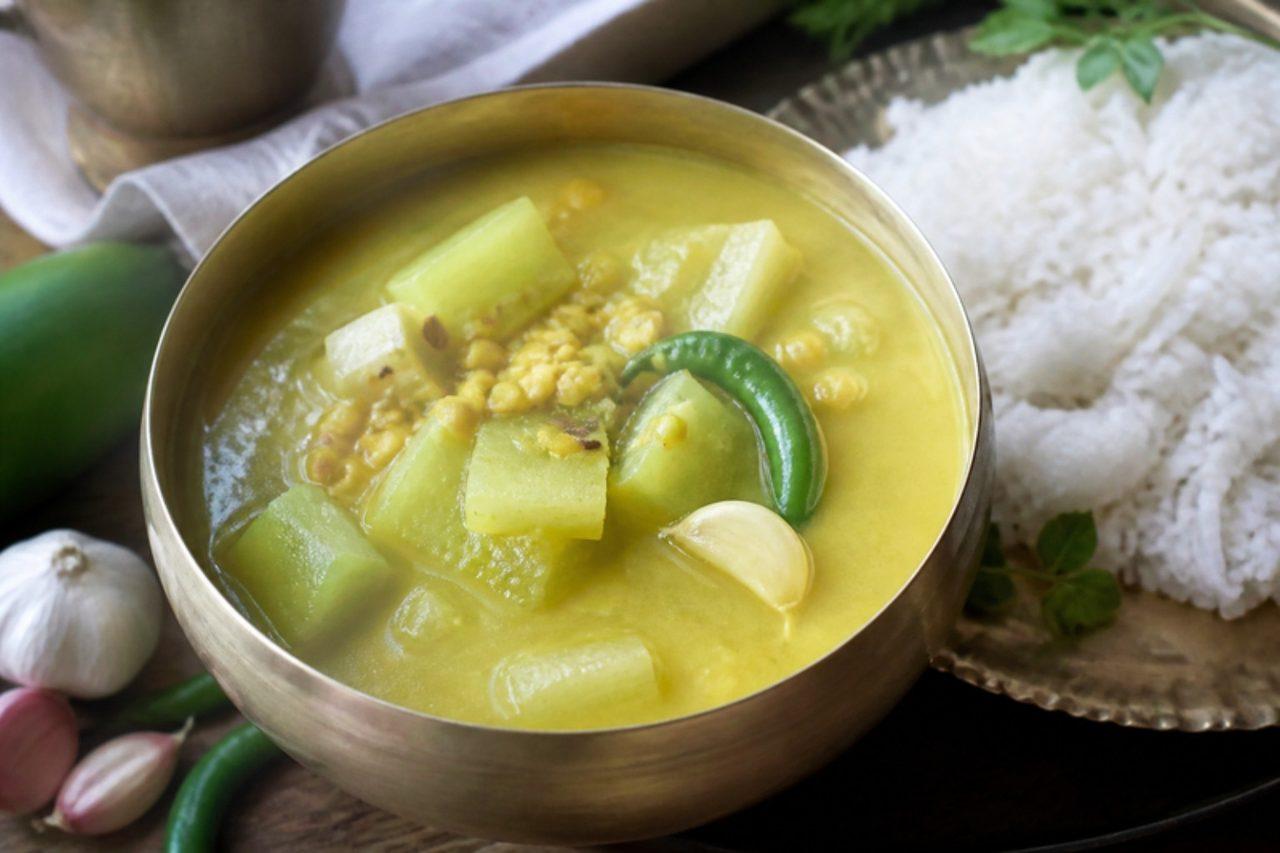
KharRaw papaya and lentil dish

Every traditional Assamese lunch begins with khar, a mouthful of it mixed into the first ball of rice to settle the stomach. The defining ingredient is khar itself, an alkaline liquid filtered from the ash of dried bhim kol (seeded banana) peels; it gives the dish its soft, slightly soapy, earthy taste. Raw papaya and a handful of lentils are cooked in it with mustard oil, garlic and green chilli until silky. At home in Guwahati or Jorhat it is made several times a week. Chef's tip: outside Assam, use a small pinch of bicarbonate of soda in place of khar; too much tastes metallic, so start with ⅛ tsp.

by KrazyBadal 0 views

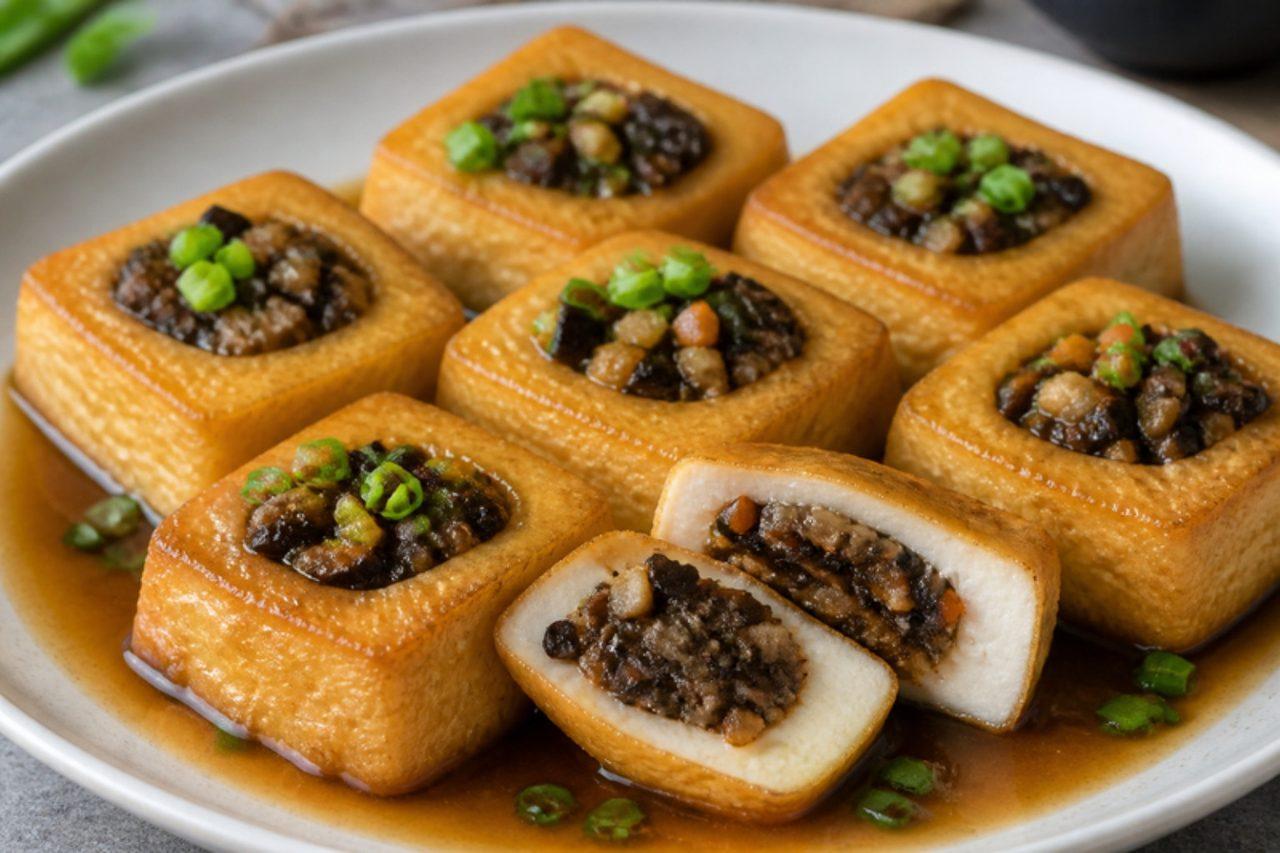
Hakka stuffed tofu with mushroom filling

In Meizhou, the heart of Hakka country in east Guangdong, tofu stuffed with a meat filling is one of the dishes everyone expects at a family meal or a New Year table. Buddhist Hakka cooks fill it with mushroom, water chestnut and tofu instead, and that vegetarian version is given here. The squares are fried stuffed side down until crisp, then braised briefly so they soak up the sauce. Serve with rice and a plate of greens. Chef's tip: dust each hollow with cornflour before filling; it works like glue and stops the filling falling out.

by KrazyBadal 0 views

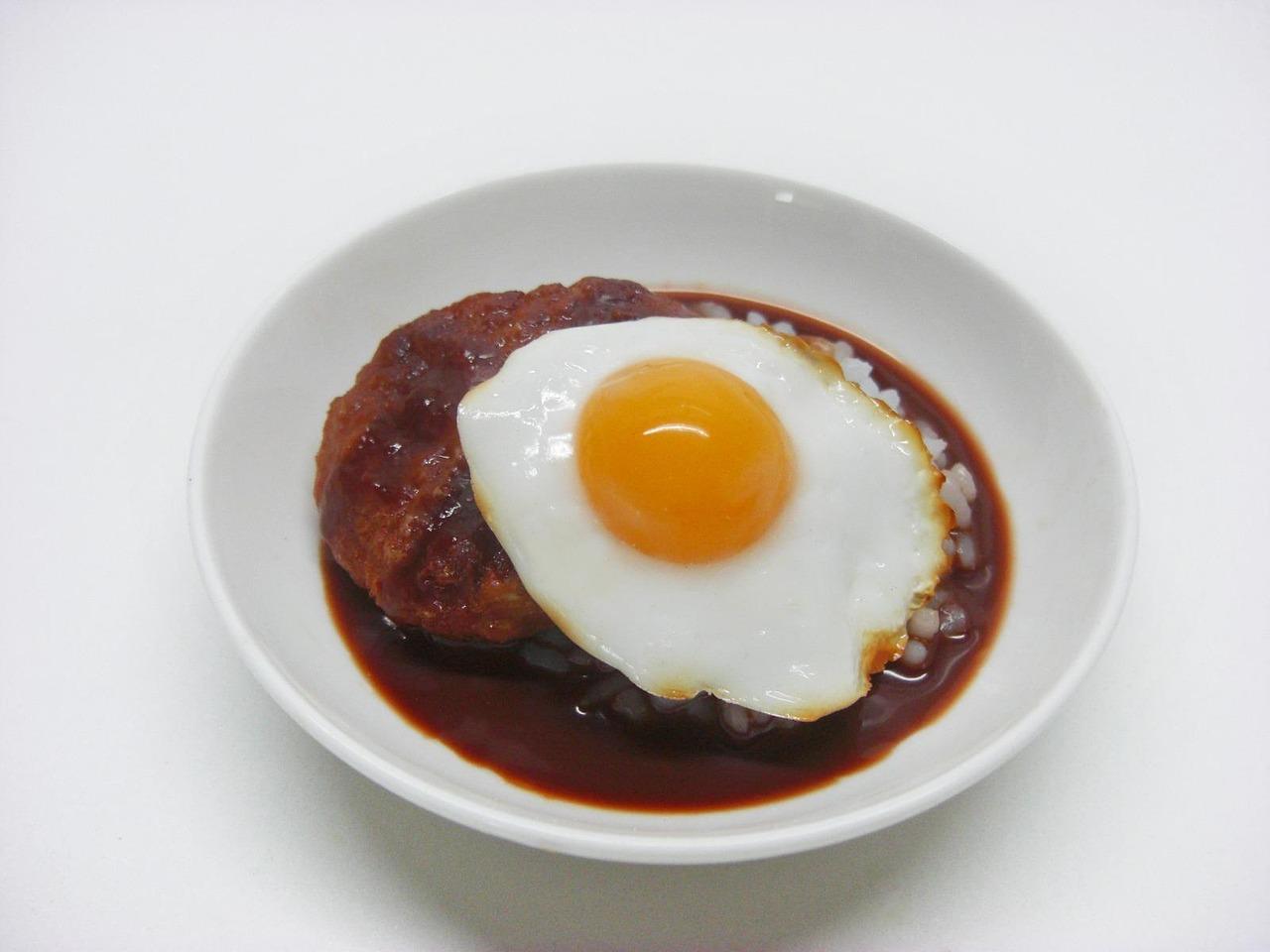
Loco moco

Loco moco was first served in 1949 at the Lincoln Grill in Hilo, on Hawai'i's Big Island, as a cheap, filling meal for teenagers, and it is still the plate-lunch classic across the islands: white rice topped with a beef burger patty, a fried egg and a generous ladle of brown gravy. People eat it for breakfast, lunch or late at night with a scoop of macaroni salad. The mistake is a thin, floury gravy; cook the flour in the beef fat until it browns before adding the stock. Chef's tip: press a dimple into the centre of each patty so it stays flat as it cooks.

by KrazyBadal 0 views

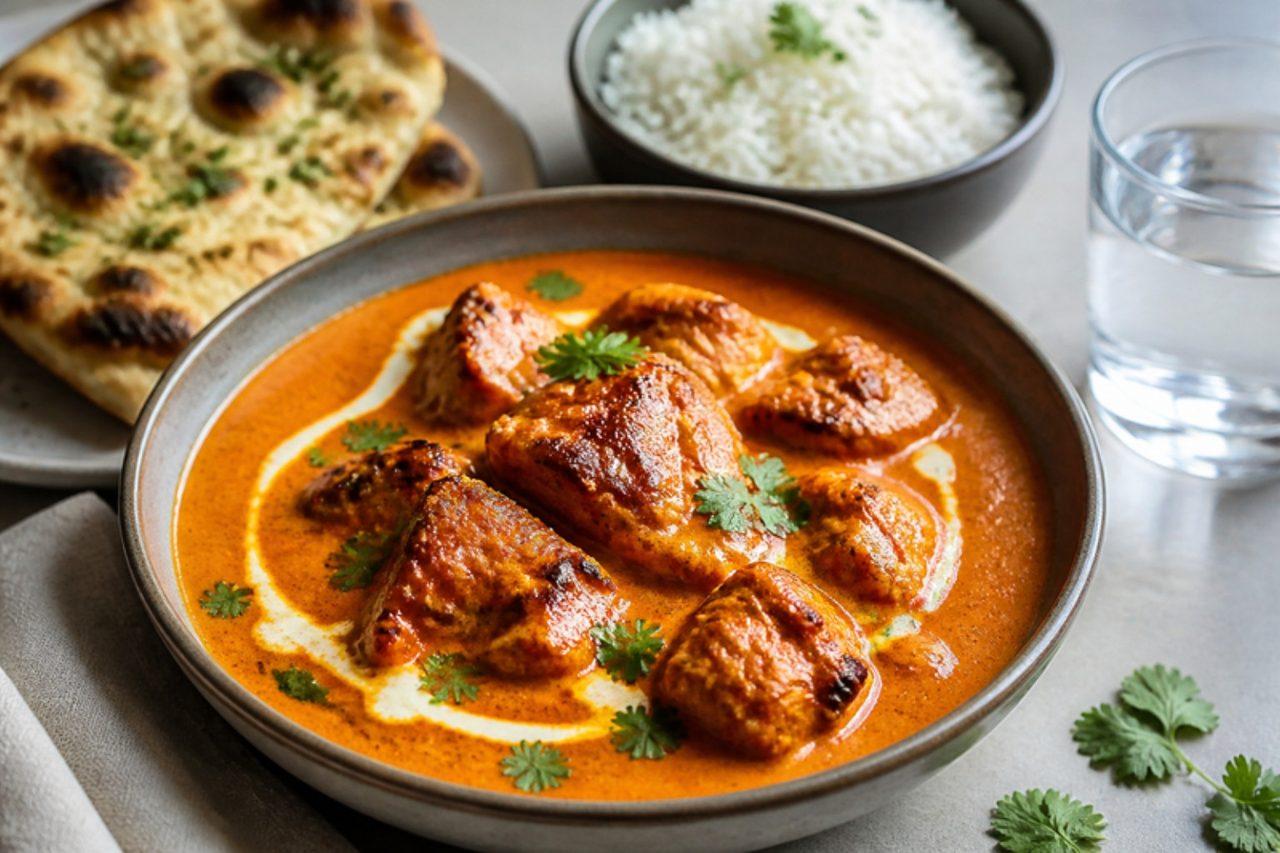
Butter chicken

Butter chicken was born in the Punjabi restaurants of Old Delhi after Partition, when cooks found a way to use up tandoori chicken by simmering it in tomatoes, butter and cream. It is not the same as chicken tikka masala: tikka masala builds its sauce on fried onions and is chunkier and spicier, while makhani gravy has no onion at all, is strained silky-smooth, and gets its gentle sweetness and smoky-savoury note from butter, cashews and dried fenugreek leaves. It is the dish families order for celebrations across Delhi and Punjab, mopped up with butter naan or eaten with jeera rice, and it's mild enough for children. Chef's tip: crush the kasuri methi between your palms right over the pot; that one step is what makes it taste like the restaurant version.

by KrazyBadal 0 views

Gansu jiangshui noodlesNoodles in tangy fermented vegetable broth

Tianshui and other towns in Gansu keep a crock of jiangshui going all summer: a pale, sour liquid made by fermenting greens in starchy noodle water. It is heated with chilli, Sichuan pepper and garlic chives and poured over hand-cut noodles, a cooling, refreshing bowl that people say beats the heat. The ferment takes 3–4 days in a warm kitchen, then keeps going for weeks if you top it up. Chef's tip: a spoonful of sauerkraut brine jump-starts the first batch, so it sours cleanly instead of growing off-flavours.

by KrazyBadal 0 views

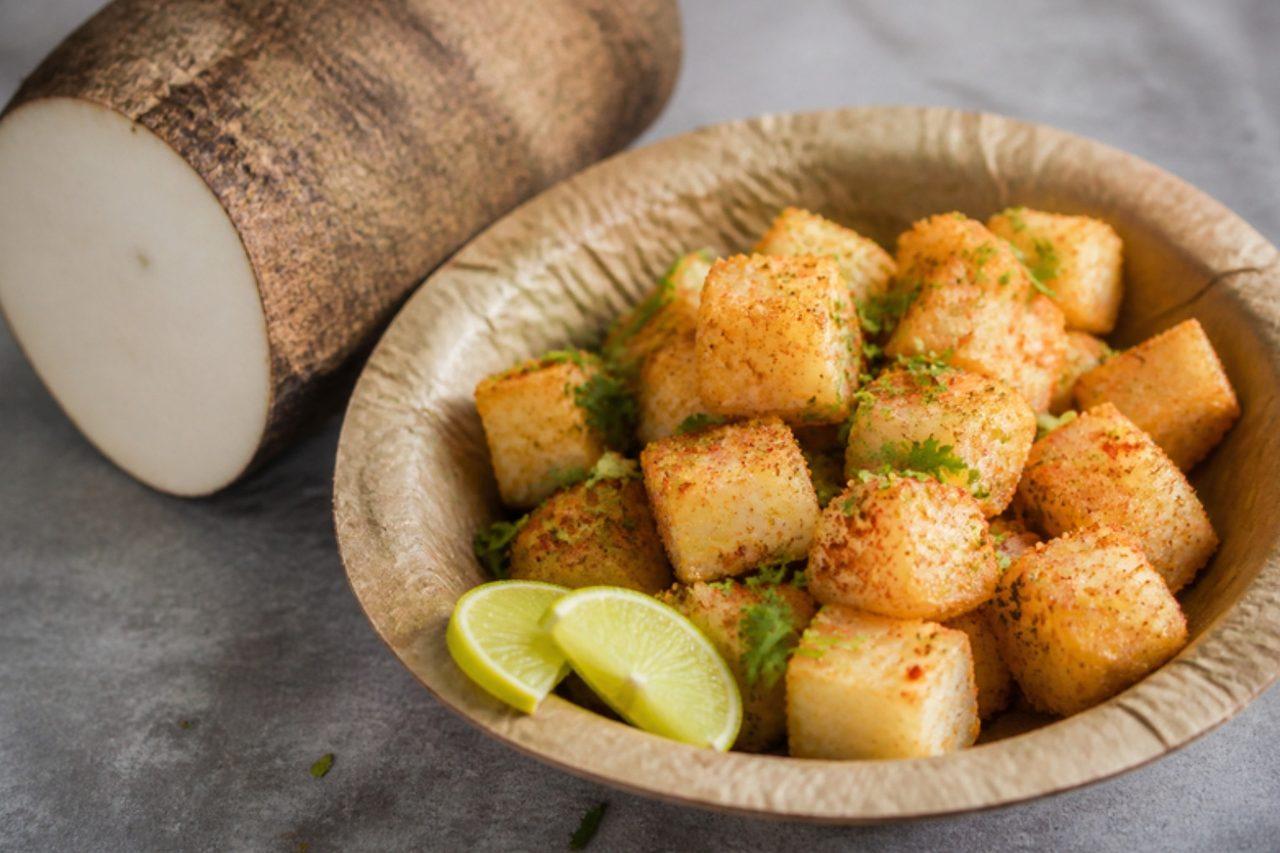
Garadu chaatFried yam chaat

When the nights turn cold in Indore, the stalls of Sarafa Bazaar pile their woks with garadu, a starchy, slightly sticky yam that only appears from November to February. It is boiled, fried until the edges crunch, then shaken with a punchy masala of roasted cumin, black salt and chilli and finished with lime. People eat it standing up from a leaf bowl, often as the savoury stop between jalebi and rabri. Garadu can be hard to find outside Madhya Pradesh; purple yam or white yam from an Asian or African grocer is the closest match, and taro (arbi) works in a pinch. Chef's tip: boil the cubes only until a knife meets slight resistance, then let them steam dry completely, because wet yam spits in the oil and never crisps.

by KrazyBadal 0 views

Showing 63 of 10,569 recipes

Show more recipes

Page 1,073 of 1,175