


Skip to content
All-way potato salad
Featured recipe

All-way potato salad

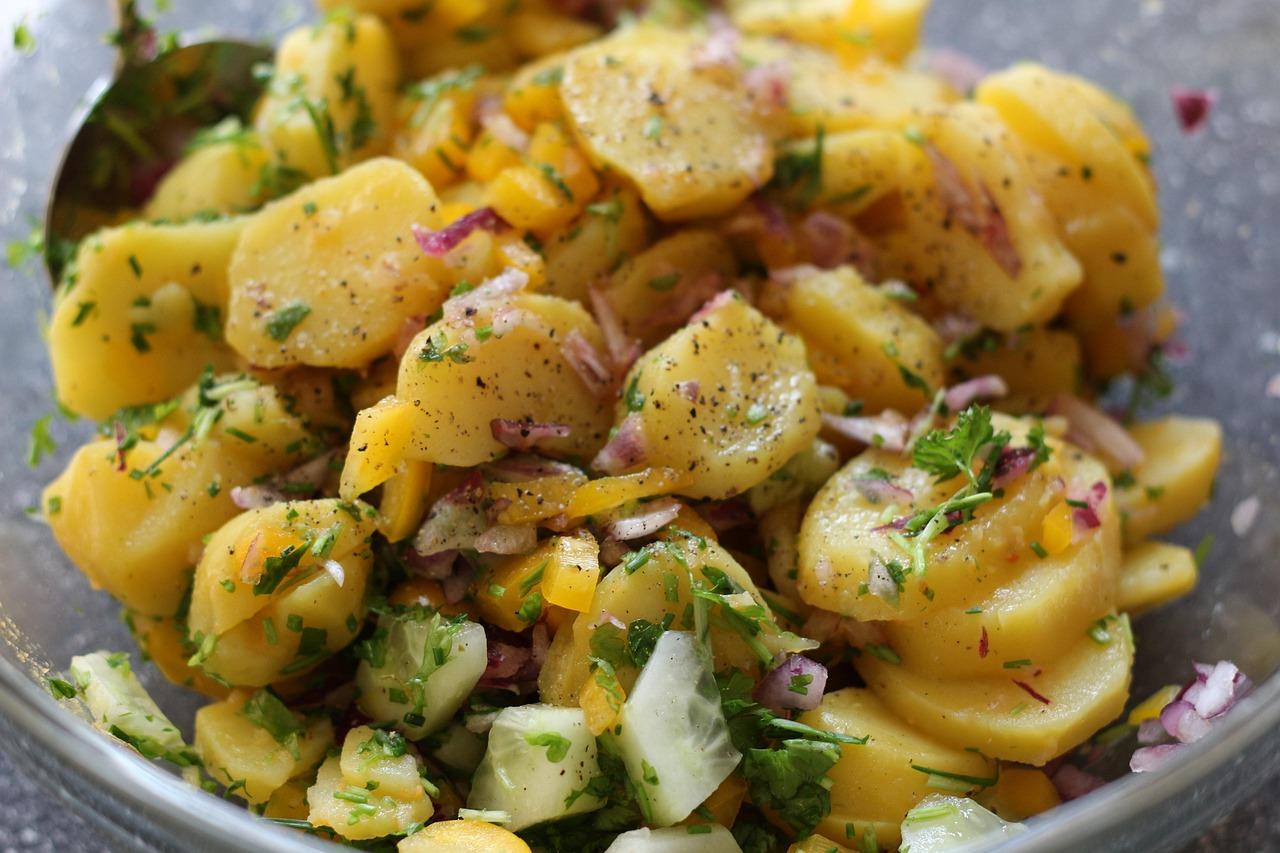
Warm new potatoes boiled in their skins and tossed in one of three dressings: creamy parsley sour cream, a tangy basil vinaigrette, or a fresh 'greeny' dressing of cottage cheese and herbs. Each dressing is enough for 500 g of potatoes, so make one, or make all three for a party. Serve the salad chilled on a bed of lettuce with a spoonful of single cream on top.

Read more 1 views

What to eat today?

Around the world

Today's trip: Persian

A new country every day, from every cuisine on the site.

Persian

Persian halva

Saffron rose flour halva 40 minMore from Persian (181) →

This week's collection

Kid-friendly dinners
772 recipes · a new collection every Monday

Coming up

All occasions →

Latest recipes

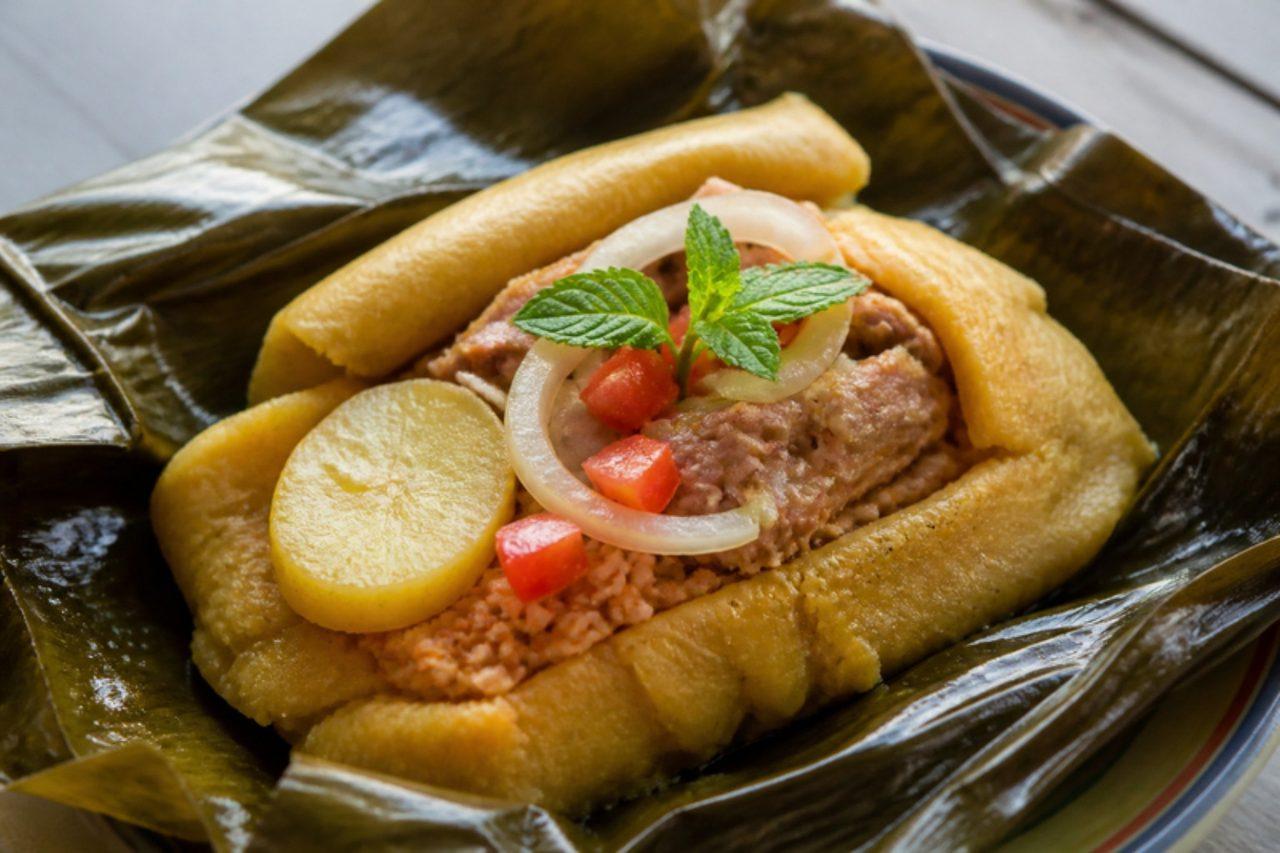
NacatamalLarge pork tamal in banana leaf

Nacatamales are the Saturday and Sunday breakfast of Nicaragua, bought from neighbours who make them on Friday nights or steamed at home for Christmas: a large, soft masa dough enriched with lard and sour orange, wrapped round marinated pork, rice, potato, tomato, onion, sweet pepper and mint, then tied in banana leaves and steamed for hours. This dish contains pork. They are eaten with bread and black coffee. The mistake is a dry masa: it should be soft and spreadable, almost like thick mashed potato, or the tamal turns hard. Chef's tip: wipe the banana leaves and pass them briefly over a flame so they become supple and don't split.

by KrazyBadal 0 views
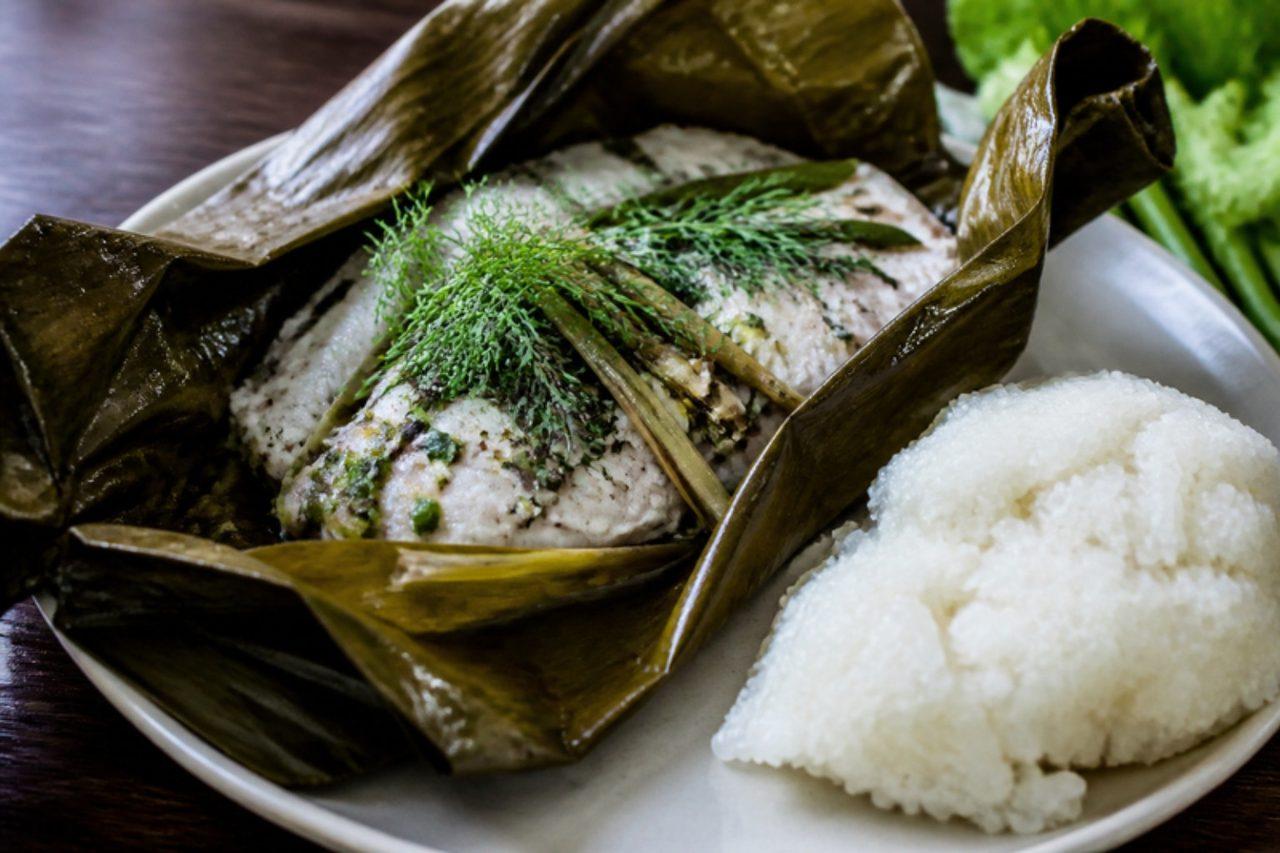

Mok paHerb fish steamed in banana leaf

Mok pa is cooked all over Laos, from Vientiane's riverside markets to village kitchens near the Mekong, where freshwater fish is the everyday protein. Chunks of white fish are mixed with a paste of lemongrass, shallot, garlic and chilli, a handful of dill and lime leaves and a spoon of sticky rice flour, then wrapped in banana leaf parcels and steamed until set and fragrant. Eat it with sticky rice and raw vegetables. Chef's tip: soften the banana leaves by passing them briefly over a flame or into hot water; they fold without cracking.

55 minLaoFishGluten free
by KrazyBadal 0 views

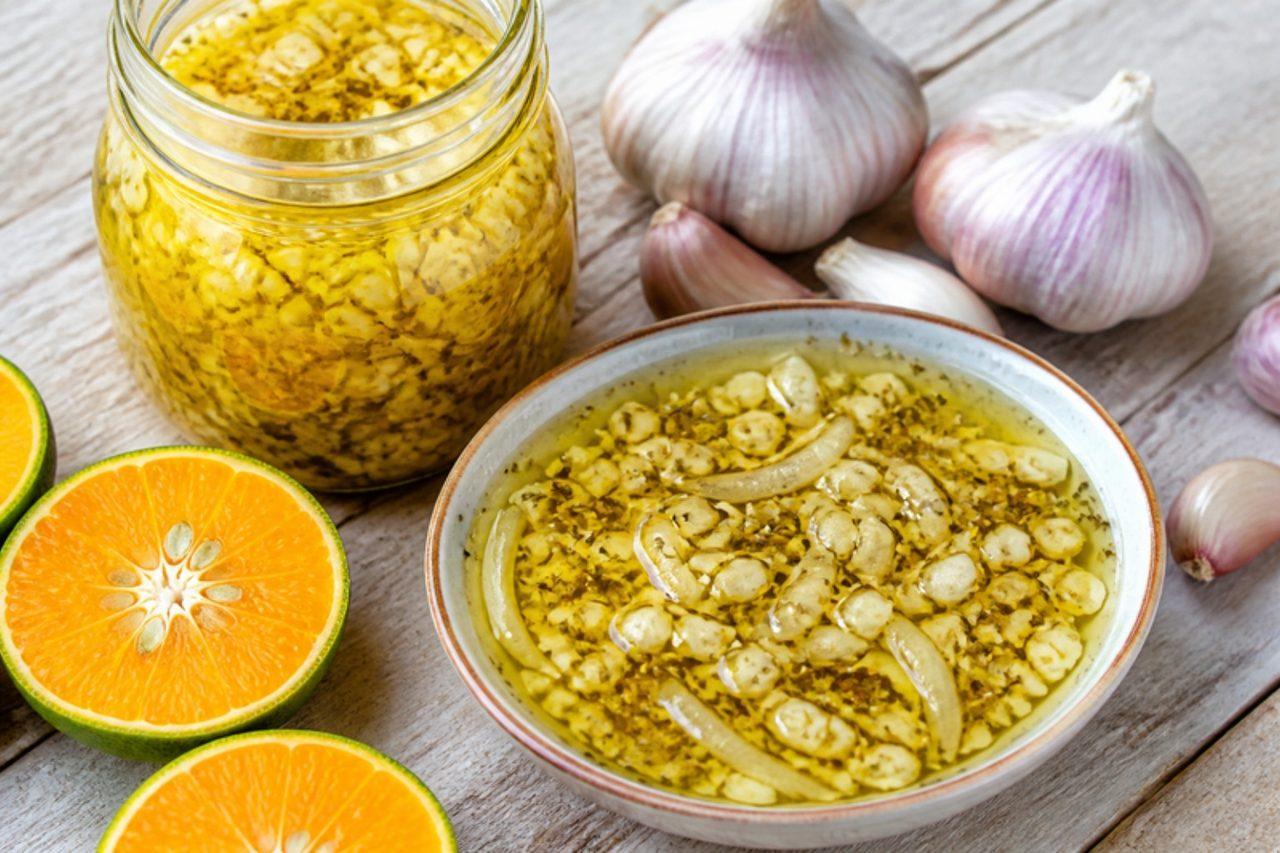
Mojo criolloSour orange and garlic sauce

Mojo criollo is the raw sauce Cuban cooks keep in a jar by the stove: sour orange juice from the naranja agria tree, pounded garlic, cumin, oregano and olive oil. On the island it marinates whatever goes on the grill and is spooned over tostones, boiled malanga and roast vegetables; vegetarians use it to marinate tofu, mushrooms or thick slices of squash. It is sharp, garlicky and bright. Chef's tip: pound the garlic to a paste with the salt rather than chopping it; the salt helps it break down so the sauce tastes round, not harsh.

by KrazyBadal 0 views

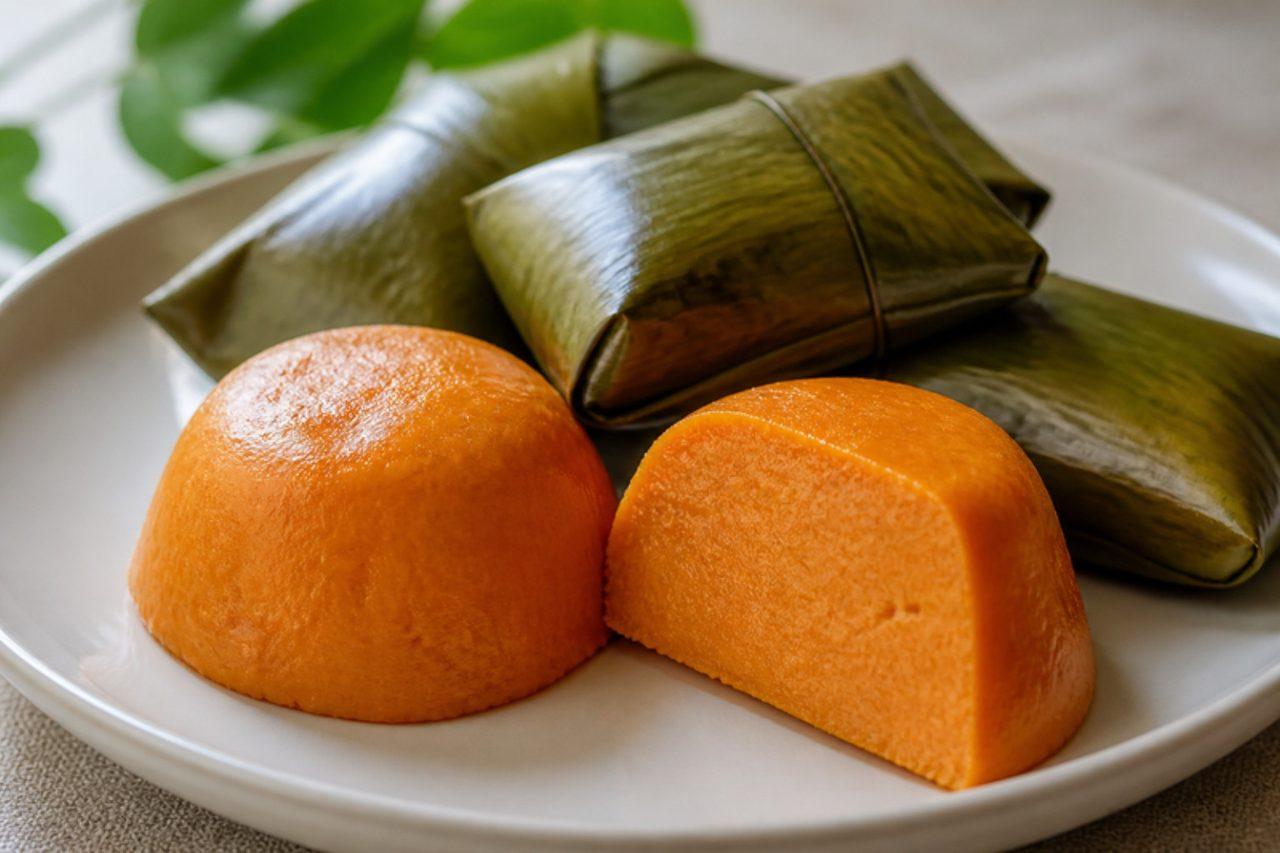
Moi moiSteamed bean pudding

Moi moi (also written moin moin) is the soft, savoury bean pudding of Yorubaland that turns up at every Lagos party beside jollof, and in lunchboxes and on Sunday breakfast plates with ogi or custard. Peeled black-eyed beans are blended with red pepper, onion and oil, then steamed until set and sliceable, like a light, spicy terrine. Traditionally it is wrapped in broad uma (thaumatococcus) leaves; ramekins or foil cups work at home. Party versions often hide boiled egg or fish inside; this one is fully plant-based. Chef's tip: the batter should drop thickly from a spoon, like a cake batter; too runny and the moi moi never firms up.

by KrazyBadal 0 views

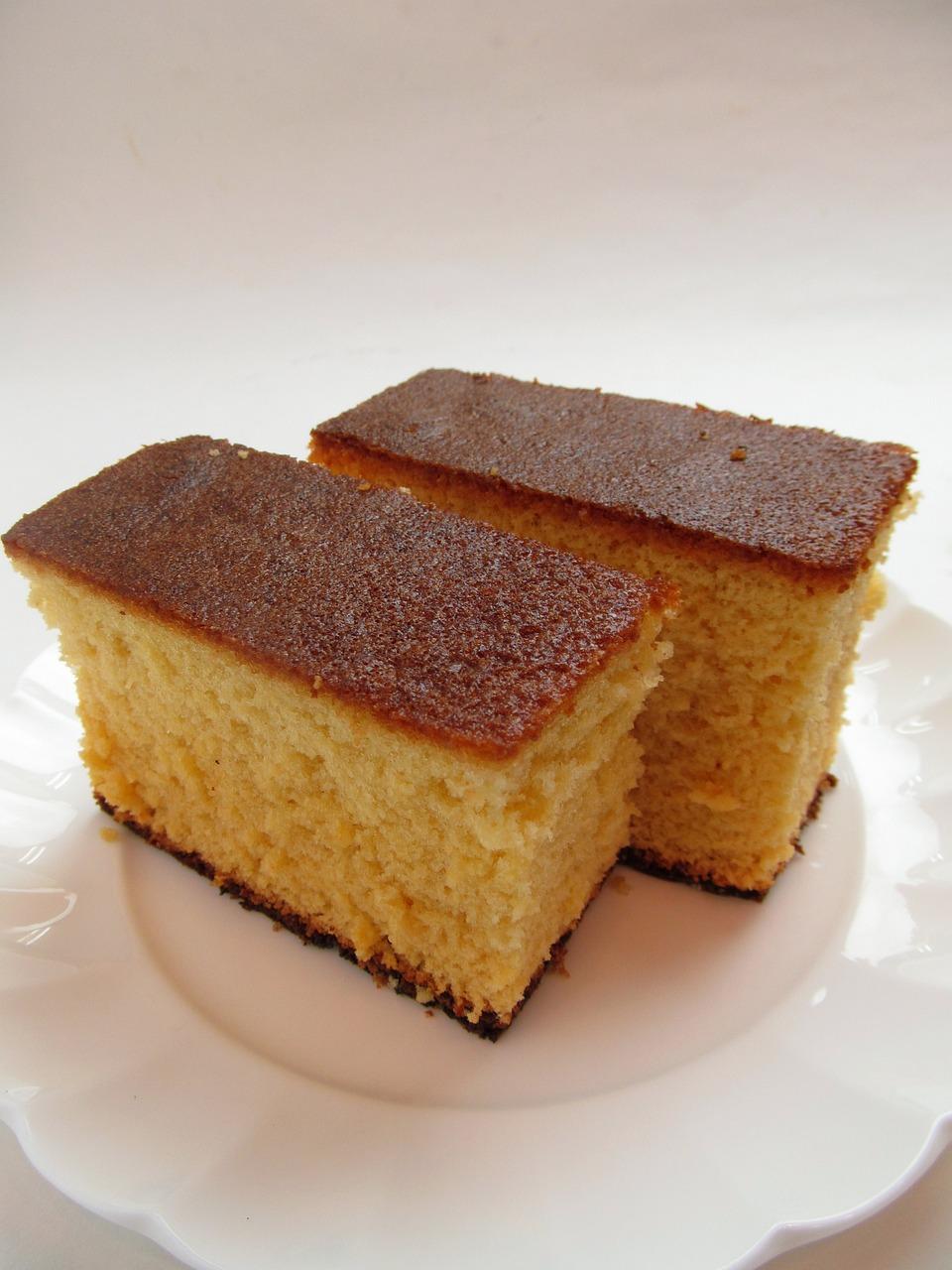
Nagasaki castellaHoney sponge cake

Castella arrived in Nagasaki with Portuguese traders in the 16th century, when the port was Japan's only window to Europe, and the name probably comes from 'pão de Castela', bread from Castile. Over 400 years Nagasaki's bakers turned it into something their own: a tall, fine-crumbed sponge made only of eggs, sugar, flour and honey, with a dark, sticky top and a layer of crunchy zarame sugar crystals at the bottom. It's still sold in long wooden boxes at old shops near the harbour and given as a formal gift. Cut it into neat slices and serve with green tea. Chef's tip: wrap the cake in cling film while still warm and rest it overnight. Its moist, springy texture develops as it rests.

by KrazyBadal 0 views

ChamponSeafood noodle soup

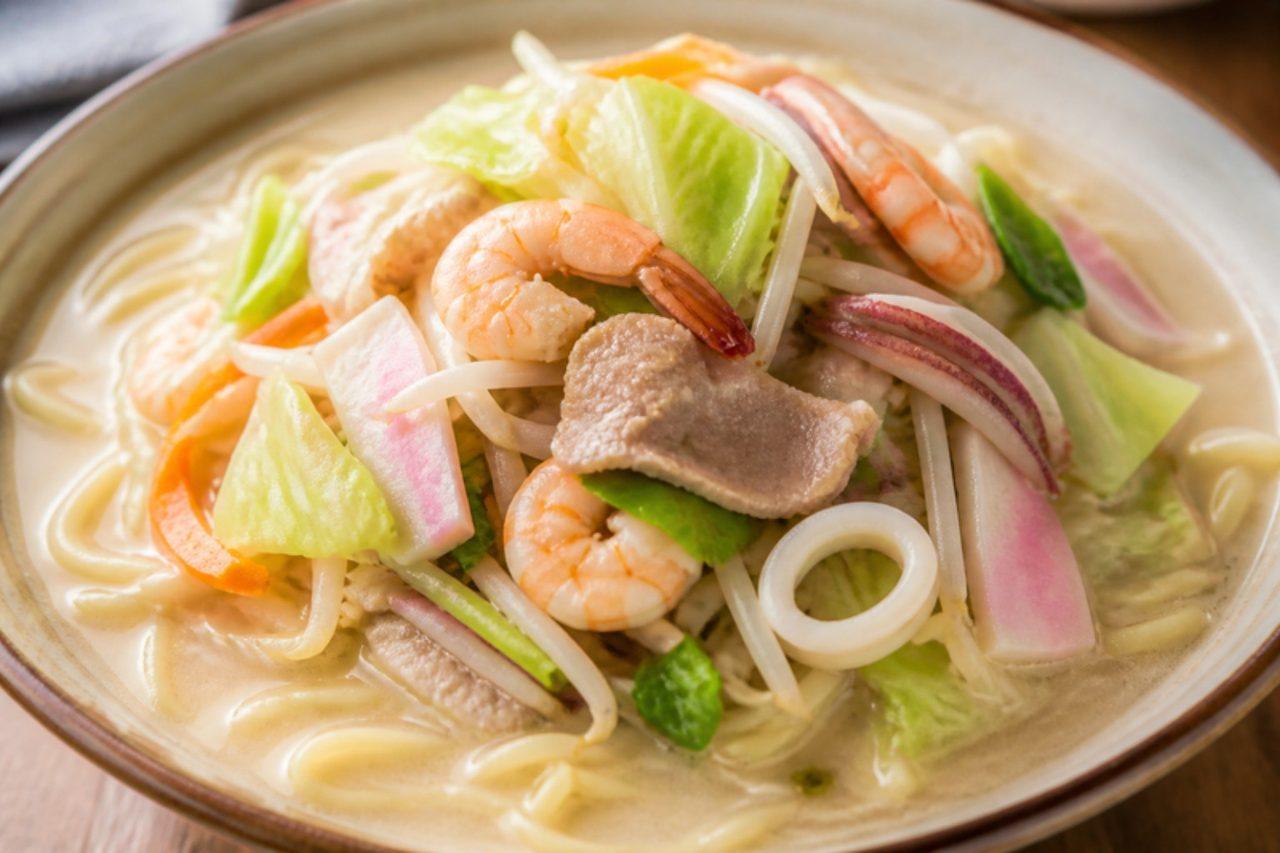
Champon belongs to Nagasaki, the port that stayed open to Chinese and Dutch traders for centuries. It was created there at the end of the 19th century by a Chinese restaurant owner who wanted a cheap, filling meal for Chinese students, and the city's Chinatown still serves it in huge bowls. Pork, squid, prawns, fishcake and a pile of cabbage are fried in one wok, then the stock goes in and the thick noodles cook right in the soup. Restaurants make the cloudy broth from long-boiled pork and chicken bones; at home a little milk gives the same mellow, creamy look. Chef's tip: fry everything over the highest heat in small batches; the slight scorch on the cabbage and pork is what flavours the soup.

by KrazyBadal 0 views

Dabo koloCrunchy spiced dough bites

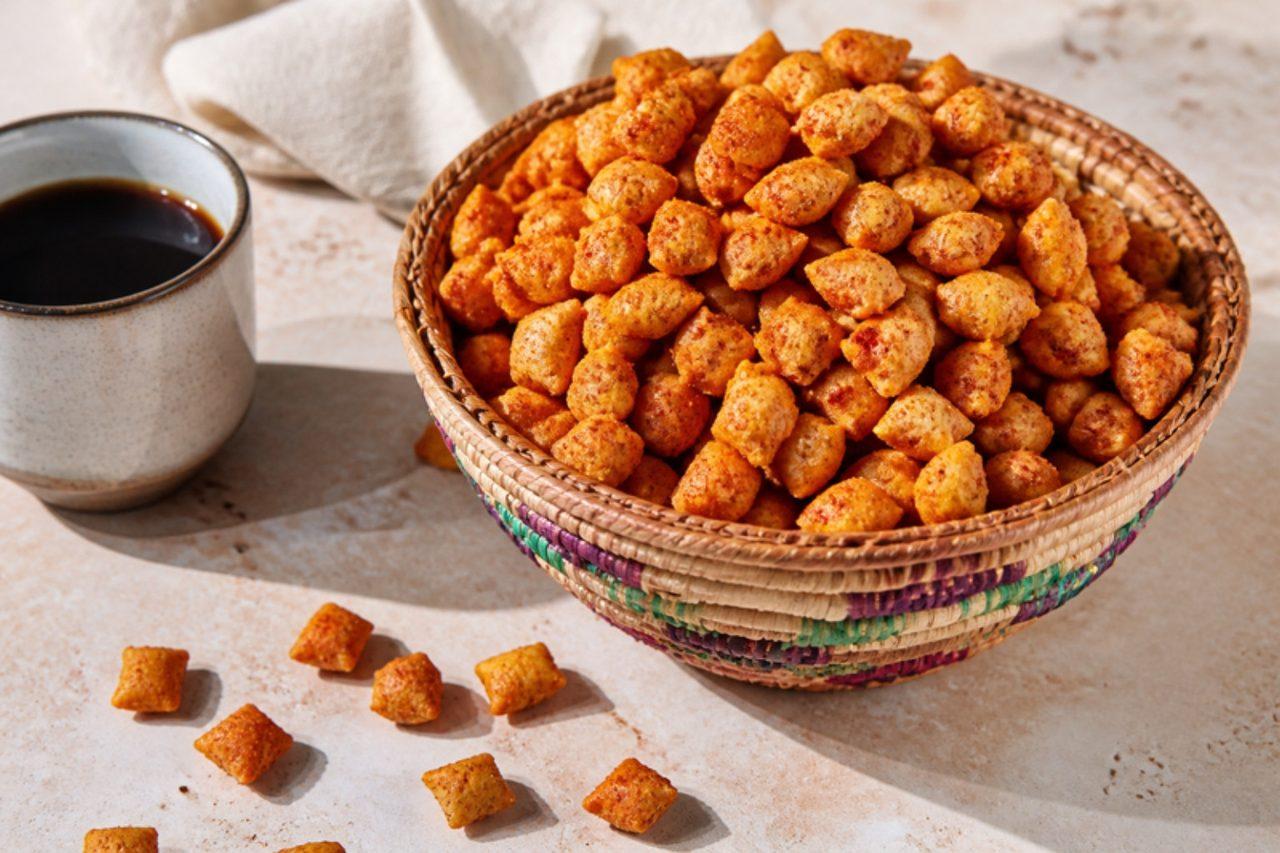
Dabo kolo are small crunchy nuggets of spiced dough, sold in paper cones in markets from Addis Ababa to Gondar and offered to guests with coffee. Families make big batches before holidays such as Enkutatash (Ethiopian New Year in September) and for long journeys, since they keep for weeks. The dough is seasoned with berbere and a little sugar, rolled into thin ropes, cut into tiny pieces and toasted until crisp. Children love them, and they can be made mild by reducing the berbere. Chef's tip: cut the pieces as small and even as you can, about the size of a chickpea, so they crunch all the way through.

by KrazyBadal 0 views

MofongoMashed fried plantain

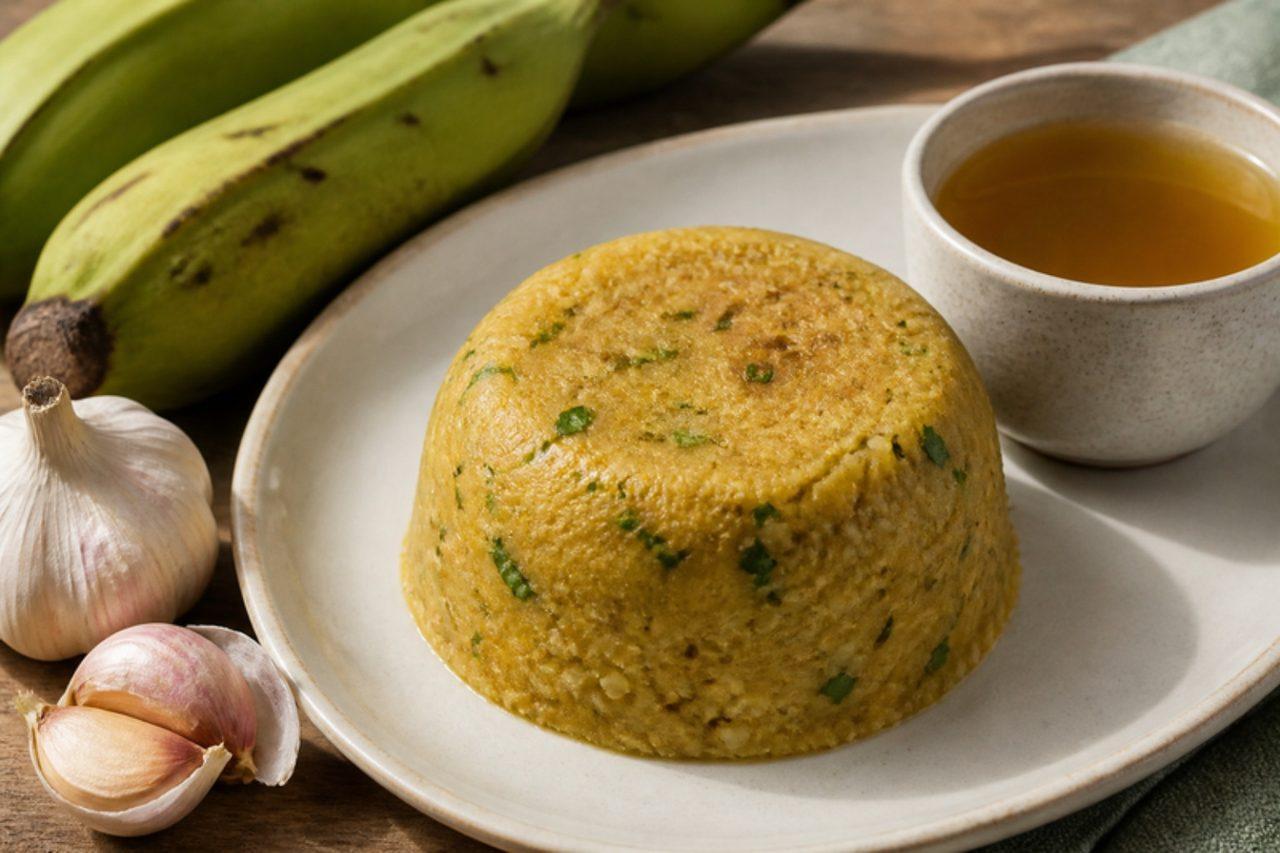
In Puerto Rico mofongo is the dish people drive out to the kioskos of Piñones and the roadside fondas of Arecibo for: green plantain fried in chunks, then pounded while hot in a wooden pilón with raw garlic and good olive oil until it holds together in a rough, crusty dome. The outside stays a little crisp, the inside is soft, starchy and fiercely garlicky. Most places pound in chicharrón (pork crackling); this garlic-oil version is the main one here, and the crackling is a note at the end for meat eaters. Serve it with a small bowl of hot caldo to spoon over, or with stewed beans or a tomato sofrito sauce. Chef's tip: warm the garlic in the olive oil only until it smells sweet, never until it browns, so the mofongo tastes of fresh garlic rather than bitter toast.

by KrazyBadal 0 views

Mochar ghontoBanana flower and potato curry

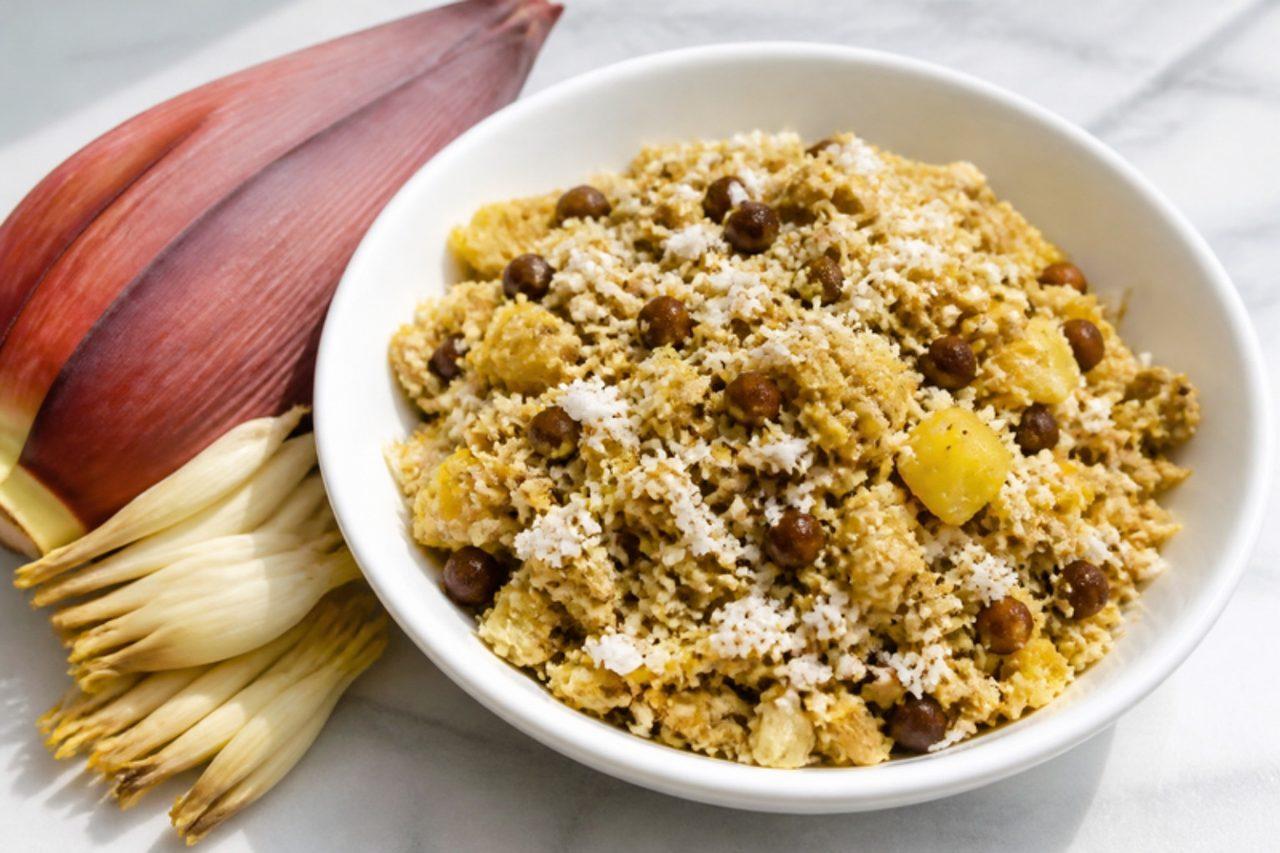
Mochar ghonto is a labour of love from Bengali home kitchens: the florets of a banana flower are cleaned one by one, boiled and then cooked down with potato, grated coconut, ginger and cumin into a soft, dry, faintly sweet ghonto. It is served at weekend lunches and to guests, with rice and a little dal, and grandmothers judge a cook by it. The flavour is earthy, a little like artichoke, lifted at the end with ghee and freshly ground garam masala. Chef's tip: oil your hands before cleaning the flower, or the sticky sap stains your fingers black.

by KrazyBadal 0 views

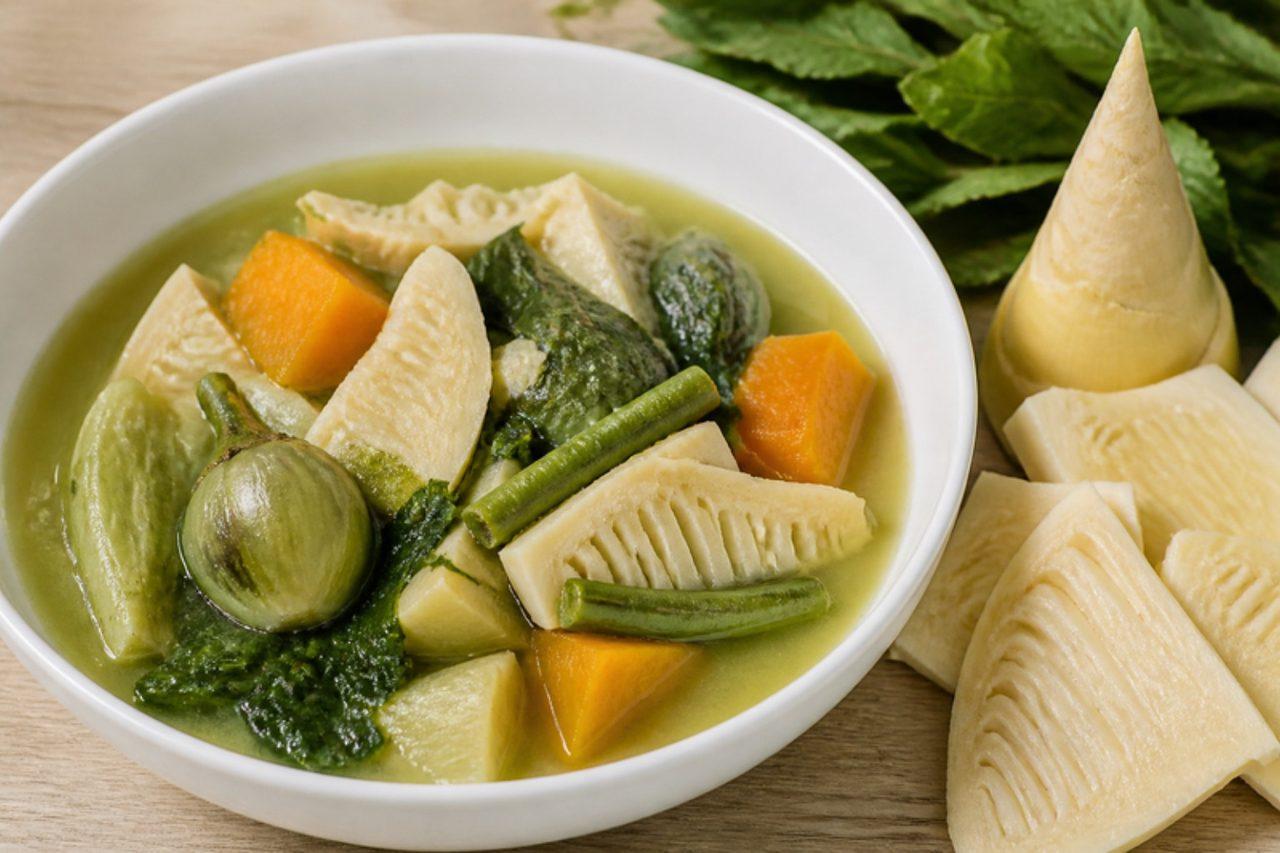
BaiVegetable and bamboo shoot stew

Bai is the everyday dish of Mizoram, cooked in Aizawl homes almost daily: a stew of greens such as mustard leaves or pumpkin leaves, bamboo shoot, pumpkin and beans, boiled in water with a pinch of soda (traditionally 'chingal', an ash-filtered alkali) that softens the greens. It has almost no oil and little spice, and often a spoonful of pork fat goes in; this vegetarian version leaves it out and adds a little more ginger. Bai is light, green and soothing, eaten with rice and a chilli dip. Chef's tip: add the soda with the greens, not before, and only a pinch; too much turns the stew slimy.

by KrazyBadal 0 views

MizeriaCucumber salad with soured cream

Mizeria is the cool, creamy cucumber salad that sits beside Sunday dinner in Polish homes from May to September, especially next to young potatoes sprinkled with dill. Thin slices of cucumber are dressed in soured cream with dill, a pinch of sugar and a little lemon or vinegar, so it is fresh, tangy and slightly sweet. Legend links the name to Queen Bona Sforza longing for Italy, but in practice it is simply summer on a plate. Chef's tip: slice the cucumbers paper-thin on a mandoline or the slicing side of a box grater; thick slices never soak up the dressing.

by KrazyBadal 0 views

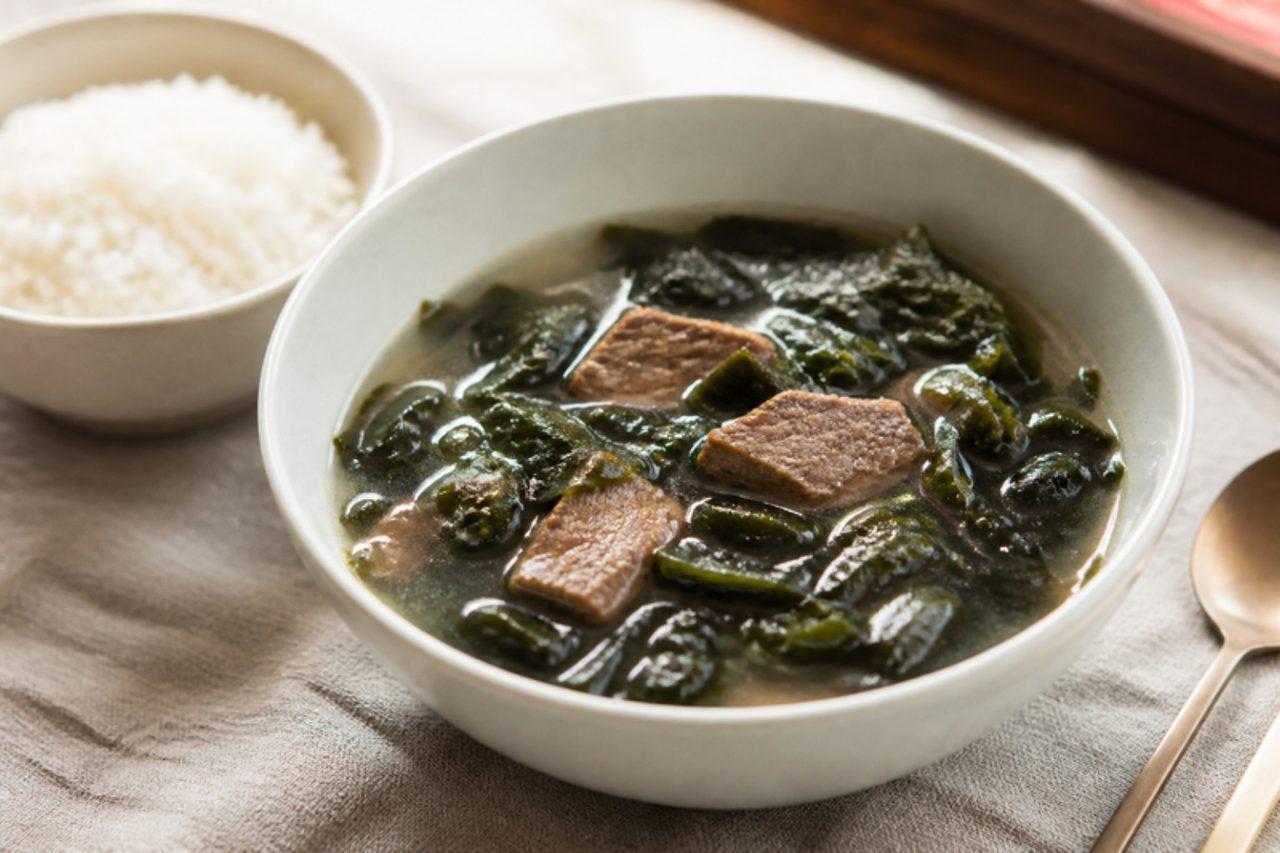
Miyeok guk with beefSeaweed soup with beef

Ask someone in Korea what they ate on their birthday morning and the answer is usually miyeok guk. The same soup is given to new mothers for weeks after a birth, as the seaweed is rich in iodine, calcium and iron. Some students avoid it on exam days, because slippery seaweed is said to make you 'slip' in the test. The broth is clear and mild, made with brisket fried in sesame oil and seasoned with soup soy sauce. Chef's tip: squeeze the soaked seaweed hard and fry it with the beef for a few minutes; it gives the broth a rounder, nutty taste.

by KrazyBadal 0 views

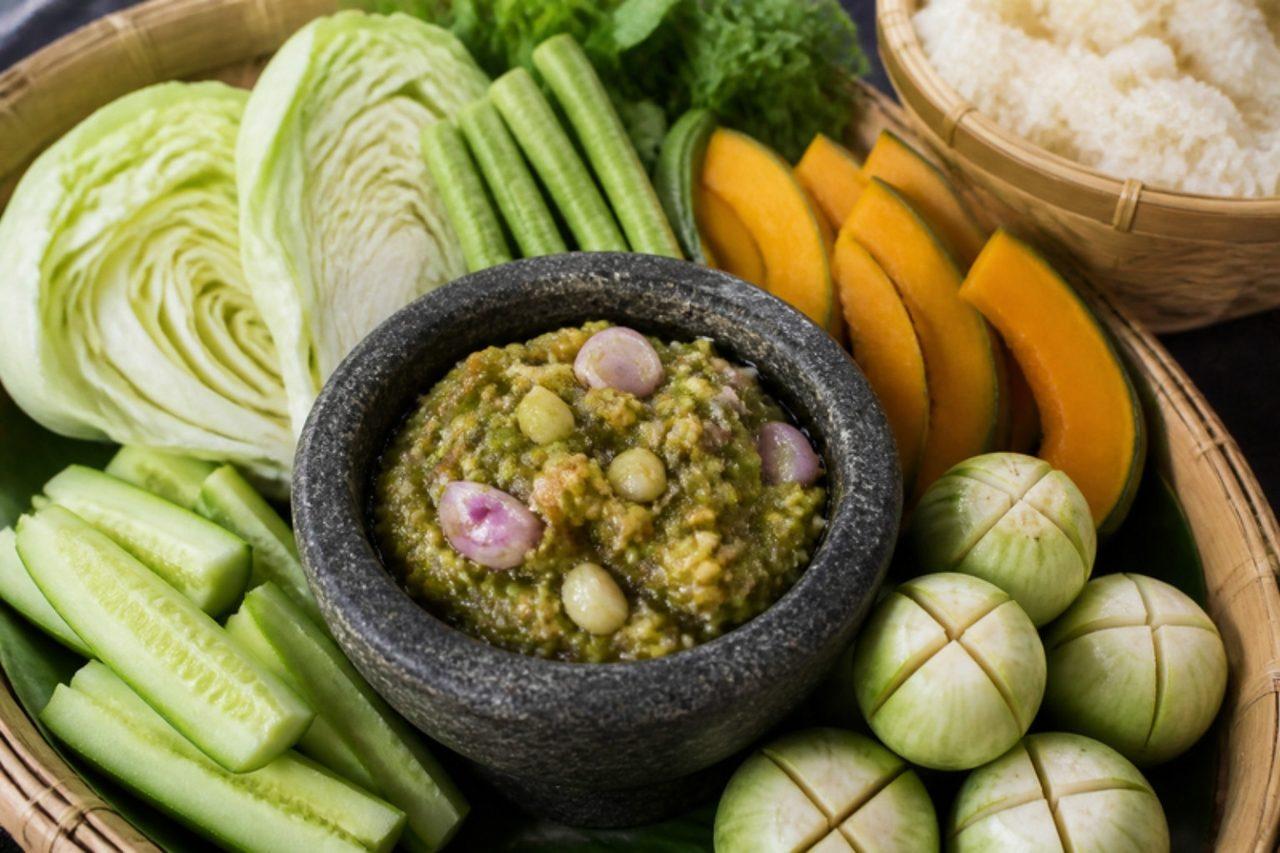
Nam prik noomRoasted green chilli dip

Nam prik noom is the relish Chiang Mai is proud of: long green chillies, shallots and garlic charred over coals until blistered and soft, then pounded into a rough, smoky, gently hot dip. At Warorot Market and the morning markets of the north it is sold by the bagful next to crunchy pork rinds and baskets of steamed vegetables, and it sits on almost every Lanna family table with sticky rice. Most versions are salted with fish sauce or pla ra; this one uses salt and a dash of soy, and the smokiness carries it just as well. Eat it with blanched cabbage, long beans, cucumber and sticky rice. Chef's tip: roast the vegetables until their skins are black in patches and they collapse when pressed; undercooked chillies taste raw and sharp.

by KrazyBadal 0 views

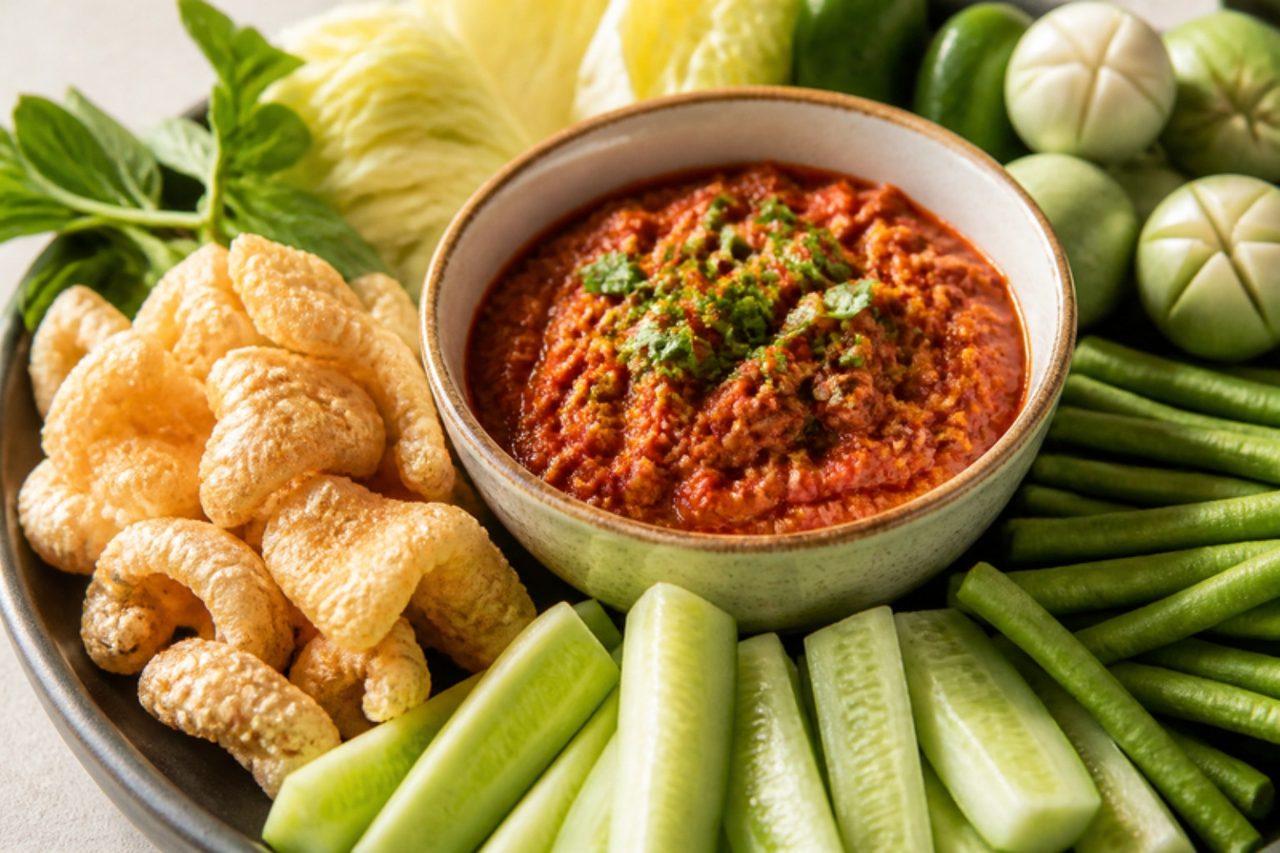
Nam prik ongTomato and pork chilli dip

Every khantoke dinner in Chiang Mai sets out a bowl of this brick-red relish beside the sticky rice baskets, and morning markets sell it by the scoop in little plastic bags. It sits somewhere between a chunky meat sauce and a dip: sweet-sour from slow-cooked cherry tomatoes, savoury from shrimp paste and pork, with a gentle chilli warmth rather than a blast. Scoop it up with cucumber, blanched long beans, cabbage wedges and crisp pork crackling, or press a ball of sticky rice into it. Chef's tip: fry the pounded paste in the oil until it darkens and smells toasty before the pork goes in; that is where the deep, roasted flavour comes from.

by KrazyBadal 0 views

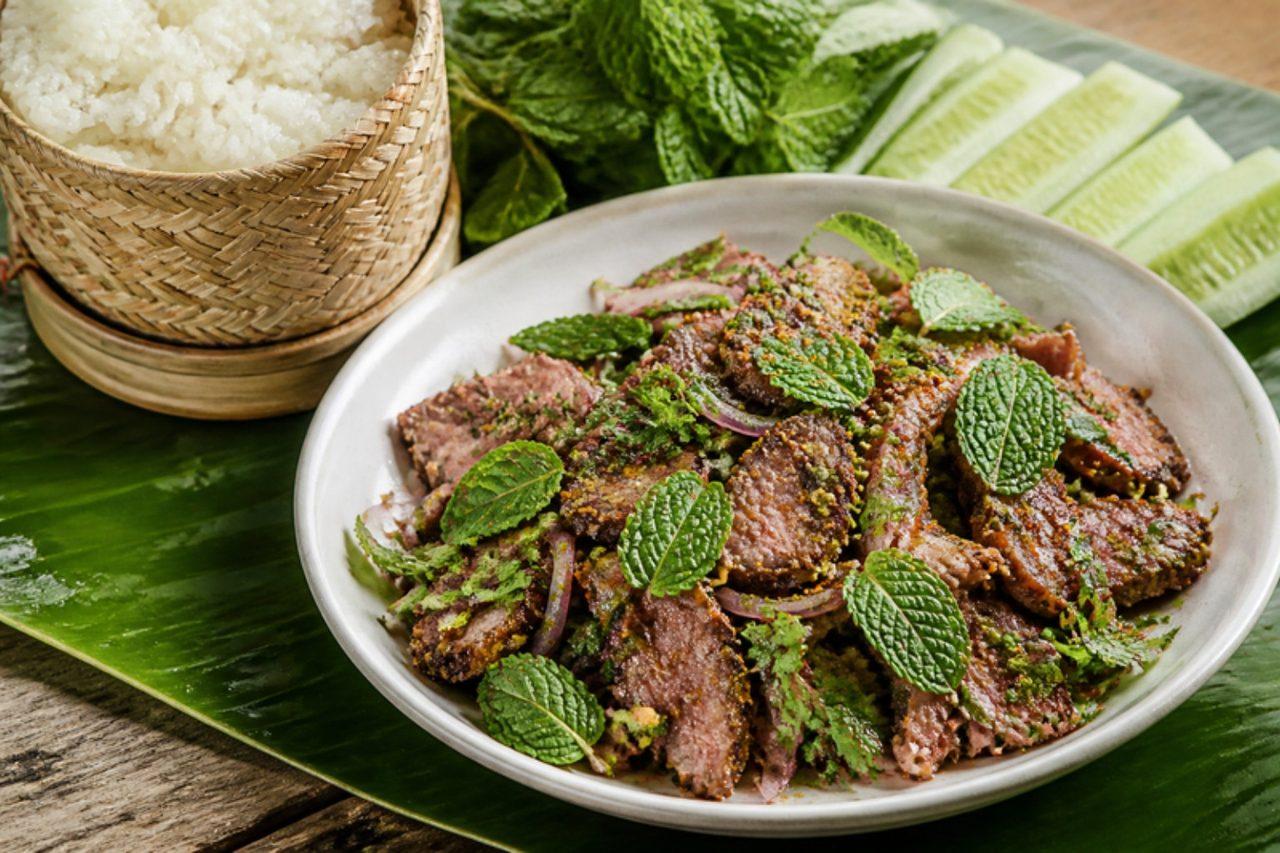
Nam tok neuaGrilled beef salad

The name means 'waterfall', after the juices that drip from the beef onto the coals, and this salad is what Isan drinking spots and family barbecues serve when there is good meat on the grill. Smoky slices of pink steak are tossed while still warm with lime, fish sauce, chilli flakes, shallots and mint, then dusted with toasted rice powder for crunch. The meat soaks up the dressing like a sponge, so every bite is juicy, sour and hot. Pile it on a plate with sticky rice, cabbage, cucumber and long beans. Chef's tip: choose a steak with some marbling, such as sirloin or rump; very lean cuts turn dry and chewy once sliced thin.

30 minThaiSaladsGluten freeSpicy
by KrazyBadal 0 views

Miso nikomi udonUdon in miso broth

In Nagoya, udon is cooked in its broth rather than boiled separately, in a small clay pot called a donabe that comes to the table still bubbling. The broth is made with Aichi's famous dark soybean miso, hatcho miso, which is aged for years and tastes deep, slightly bitter and chocolatey. Nagoya's noodles are deliberately firm, almost chewy at the centre, and locals use the pot's lid as a plate to cool each mouthful. It is a cold-weather lunch, and the egg poached on top is part of the ritual. Our version uses kombu-shiitake dashi and fried tofu instead of chicken. Chef's tip: dissolve the miso in a ladle of broth before adding it. Hatcho miso is dense and stays in lumps if it goes straight in.

by KrazyBadal 1 views

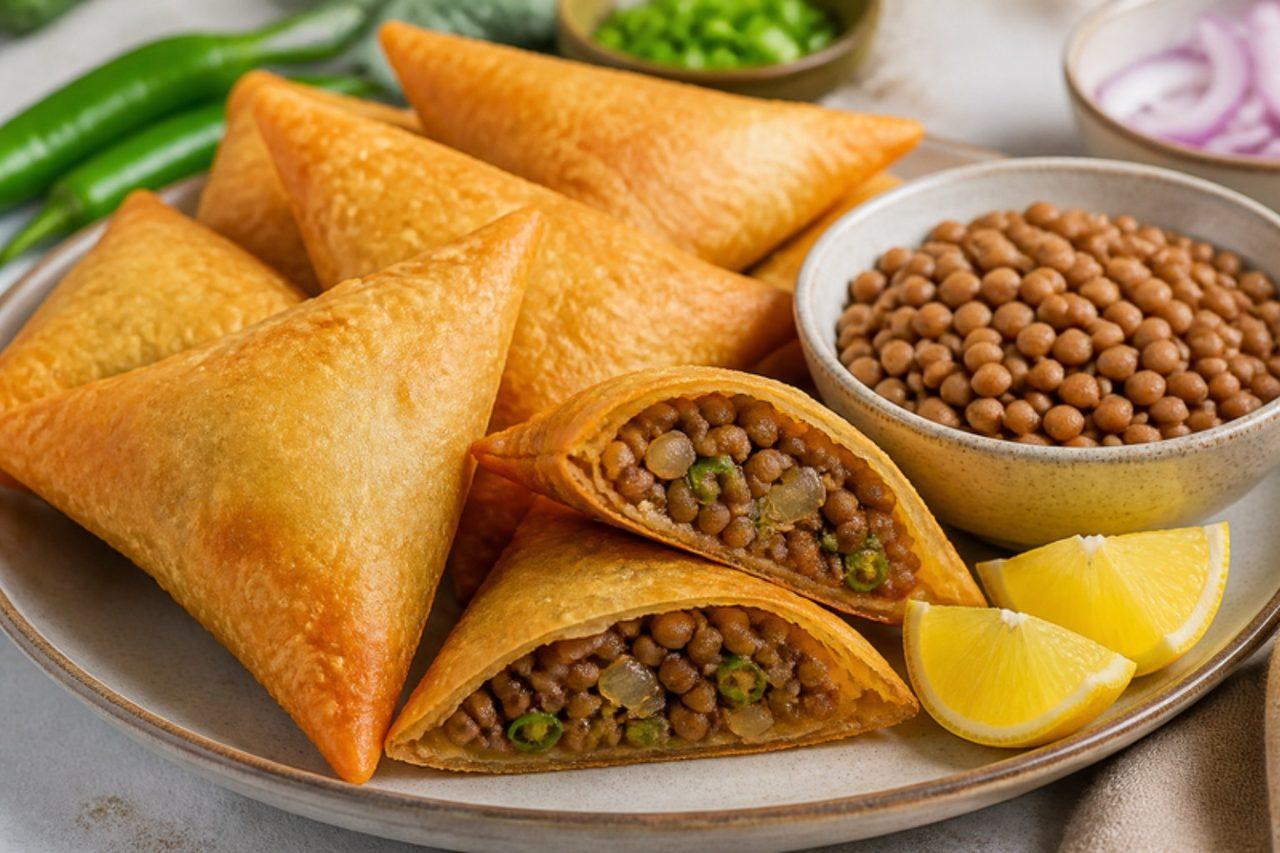
Misir sambusaLentil-filled pastry triangles

Sambusa are the crunchy triangles sold on the streets of Harar and Dire Dawa, and made at home across Ethiopia for Ramadan, Meskel and Timkat celebrations. The Ethiopian version is usually filled with brown lentils (misir), cooked dry with onion, green chilli and spices, then wrapped in thin pastry and fried until blistered and golden. Eat them hot, with a squeeze of lemon or a spicy dip. Chef's tip: cook the lentil filling until it is quite dry; a wet filling makes the pastry soggy and causes bursting in the hot oil.

by KrazyBadal 0 views

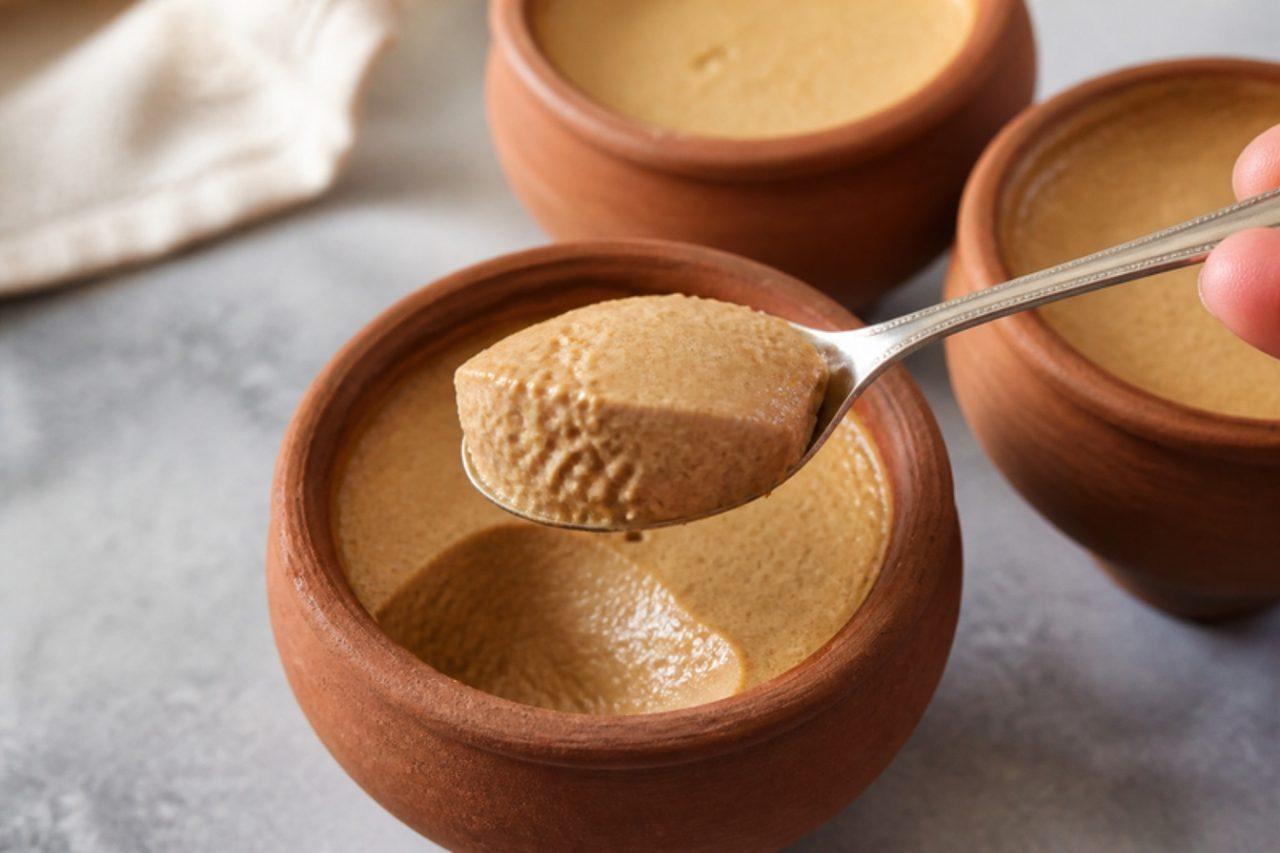
Mishti doiSweet set yogurt

Mishti doi, 'sweet yogurt', is the classic end to a Bengali meal, sold in Kolkata sweet shops in unglazed clay pots. Milk is simmered until it thickens, sweetened with sugar cooked to a deep caramel, then set overnight with a little live yogurt. The result is thick, creamy and smooth, with a toffee-like sweetness and a gentle tang. Clay pots absorb excess whey, which makes it extra thick, but small glass or ceramic bowls work too. Chef's tip: cool the milk to just warm (about 40°C, comfortable on your little finger) before adding the starter; too hot kills the culture and too cool leaves it runny.

by KrazyBadal 0 views

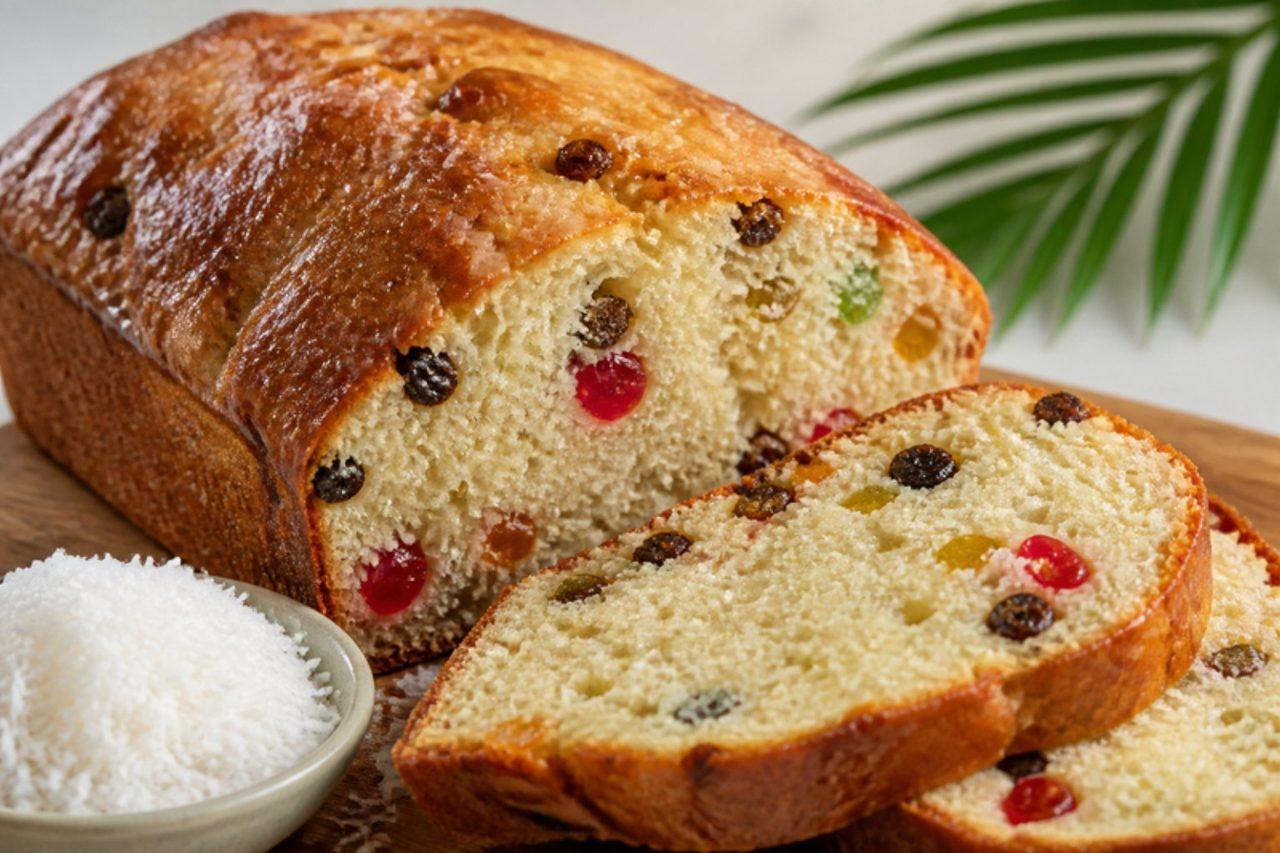
Bajan sweet breadCoconut and raisin loaf

Sweet bread is what Barbadian families bake in December, wrapped in foil and handed over at Christmas visits around the island, and it's sold year round in bakeries from Bridgetown to Speightstown. It isn't a yeast bread but a dense, moist loaf packed with freshly grated coconut, sweet with brown sugar and scented with almond essence, with raisins, mixed peel and bright red glacé cherries in every slice. The top gets brushed with sugar syrup for a sticky shine. Chef's tip: use fresh or frozen grated coconut if you can; desiccated coconut makes a drier loaf unless you soak it first in the milk for 20 minutes.

by KrazyBadal 0 views

AkokCaramelised egg and coconut cakes

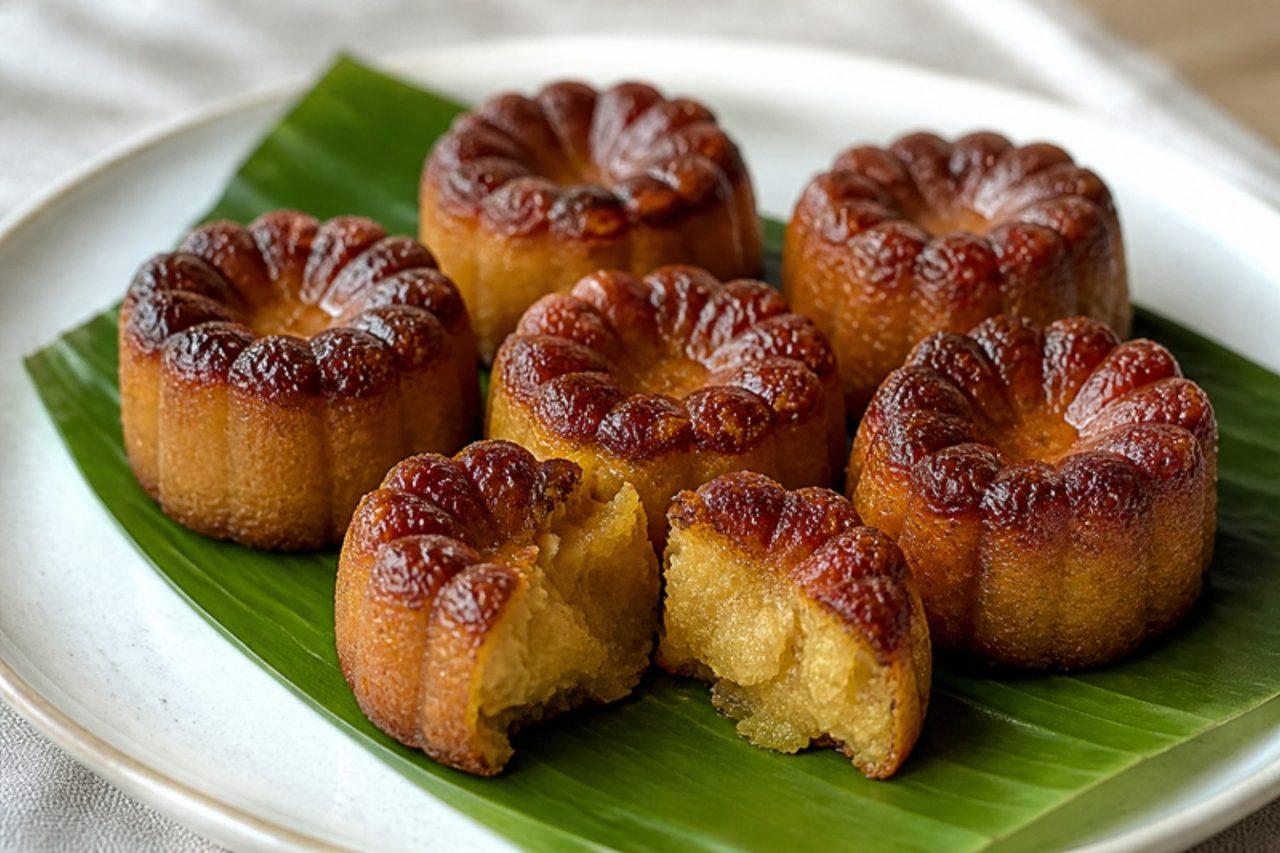
Akok is a Kelantanese kuih traditionally baked in small brass moulds over coals, with more coals laid on the lid, and it is a classic for breaking the fast in Kota Bharu during Ramadan. The batter is mostly eggs, coconut milk and dark gula melaka, so the little cakes come out custardy in the middle with a dark, caramelised, almost sticky crust. A mini-muffin tin in a hot oven gives a very close result. Chef's tip: heat the greased tin in the oven before filling it, which is how the base caramelises.

by KrazyBadal 0 views

Sakkarai pongalSweet rice and moong dal

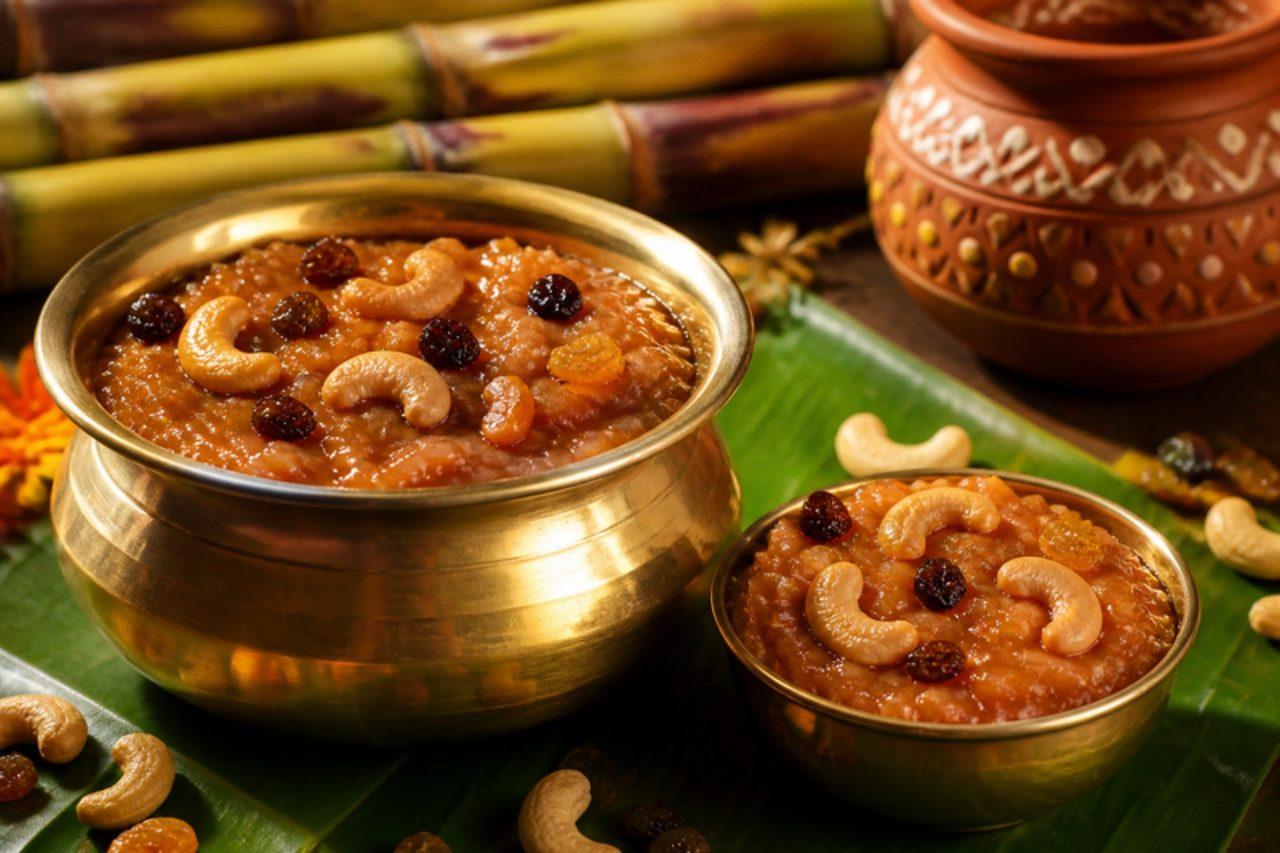
On the morning of Thai Pongal in mid-January, families across Tamil Nadu cook new-harvest rice in a clay pot in the courtyard and wait for the milk to bubble over: 'pongalo pongal!'. That pot becomes sakkarai pongal, a sticky, golden-brown sweet of rice and moong dal cooked soft, then simmered with melted jaggery and finished with lots of ghee, cardamom, edible camphor and cashews and raisins fried golden. It's also the classic prasadam at Vishnu temples. It's the sweet twin of the peppery ven pongal. Chef's tip: dry-roast the moong dal until it smells nutty before cooking; it adds a toasty depth that plain boiled dal can't give.

by KrazyBadal 0 views

Bajan seasoningHerb and pepper seasoning

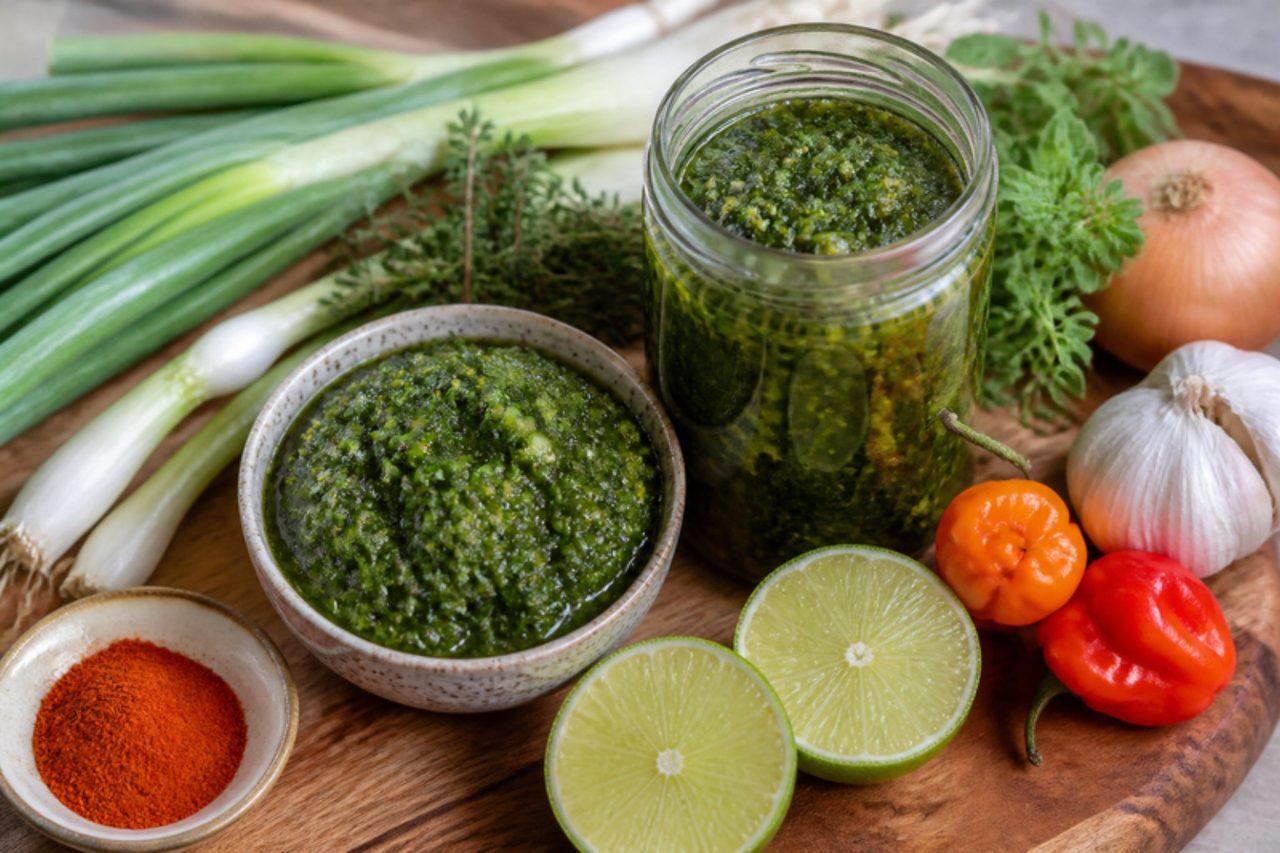
Every cook in Barbados keeps a jar of Bajan seasoning, and families in Bridgetown and St Philip guard their own blend. It's a wet, coarse paste of spring onion, onion, garlic, fresh thyme, marjoram and parsley, sharpened with lime and given a backbone of clove, paprika and scotch bonnet. Bajans press it into slits in fish and meat; here it goes into stews, onto roasted vegetables, tofu and halloumi, and into the stew for cou-cou. It smells strongly herby and peppery, and keeps for weeks. Chef's tip: marjoram is the herb that makes it Bajan; don't skip it, and use fresh if you can find it.

by KrazyBadal 0 views

Bajan pepper sauceMustard scotch bonnet hot sauce

On every table in Barbados, from rum shops in Oistins to Sunday lunch at home, there's a bottle of yellow pepper sauce. Bajan pepper sauce is unlike the red sauces of other islands: scotch bonnets are blended with onion, yellow mustard, turmeric and vinegar, which give it its colour and a tangy, mellow edge under the fierce, fruity heat. A few drops lift fish cakes, cou-cou, macaroni pie and rice. Chef's tip: let it rest for a few days before using; the mustard and vinegar soften the raw onion and the heat becomes rounder.

by KrazyBadal 0 views

Salad shiraziTomato, cucumber and onion salad

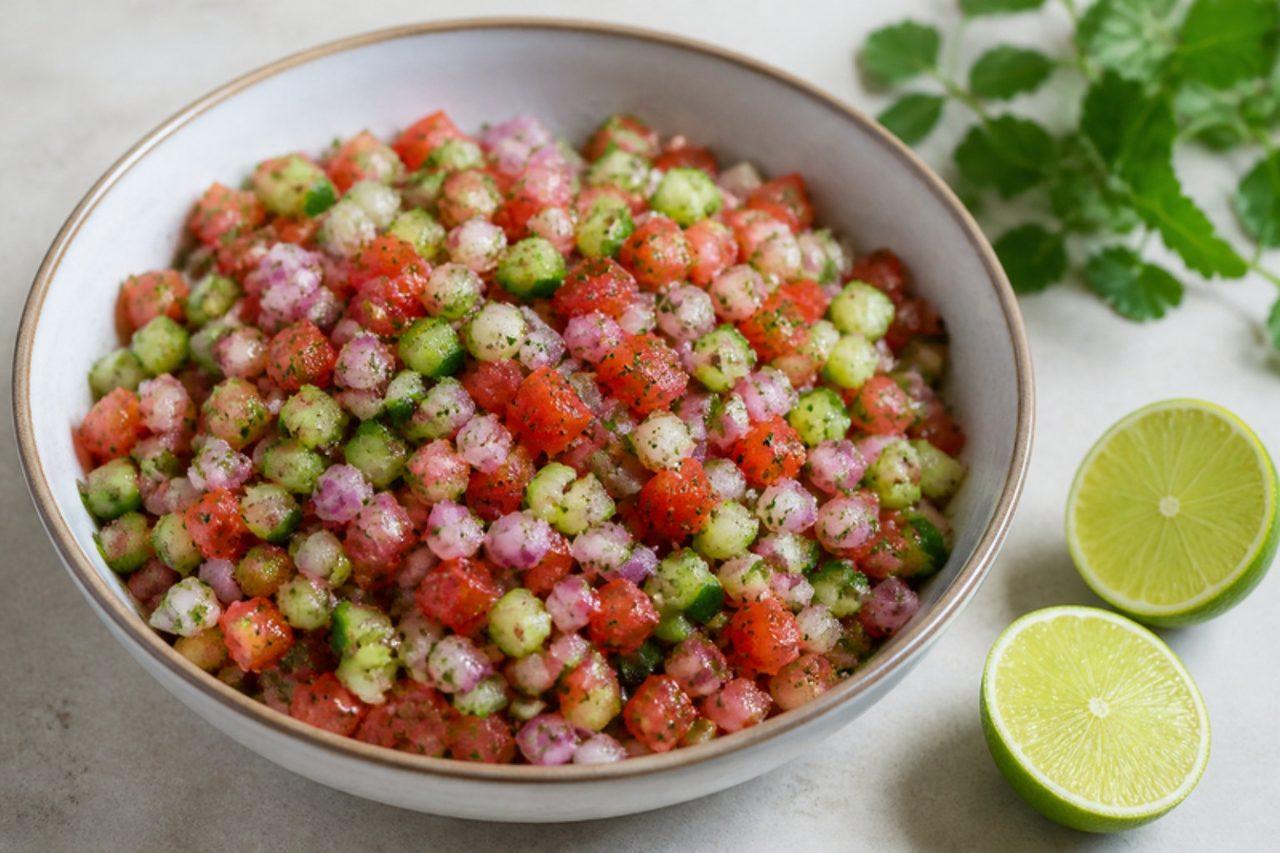
Salad shirazi is named after Shiraz, the city of gardens in Fars province, and it is the salad served with almost every Persian rice and kebab meal. Tomato, cucumber and onion are cut into tiny, even dice and dressed simply with lime juice (or sour grape verjuice, ab-ghooreh, in Shiraz itself), dried mint and a little oil. There are no peppers or herbs to muddy it: it is crunchy, sharp and cold, and is spooned onto rice as a relish. Chef's tip: dice everything as small as a pea; the tiny cubes are what make it taste like Shirazi rather than a chopped salad.

by KrazyBadal 0 views

Bajan fish cakesSalt cod fritters

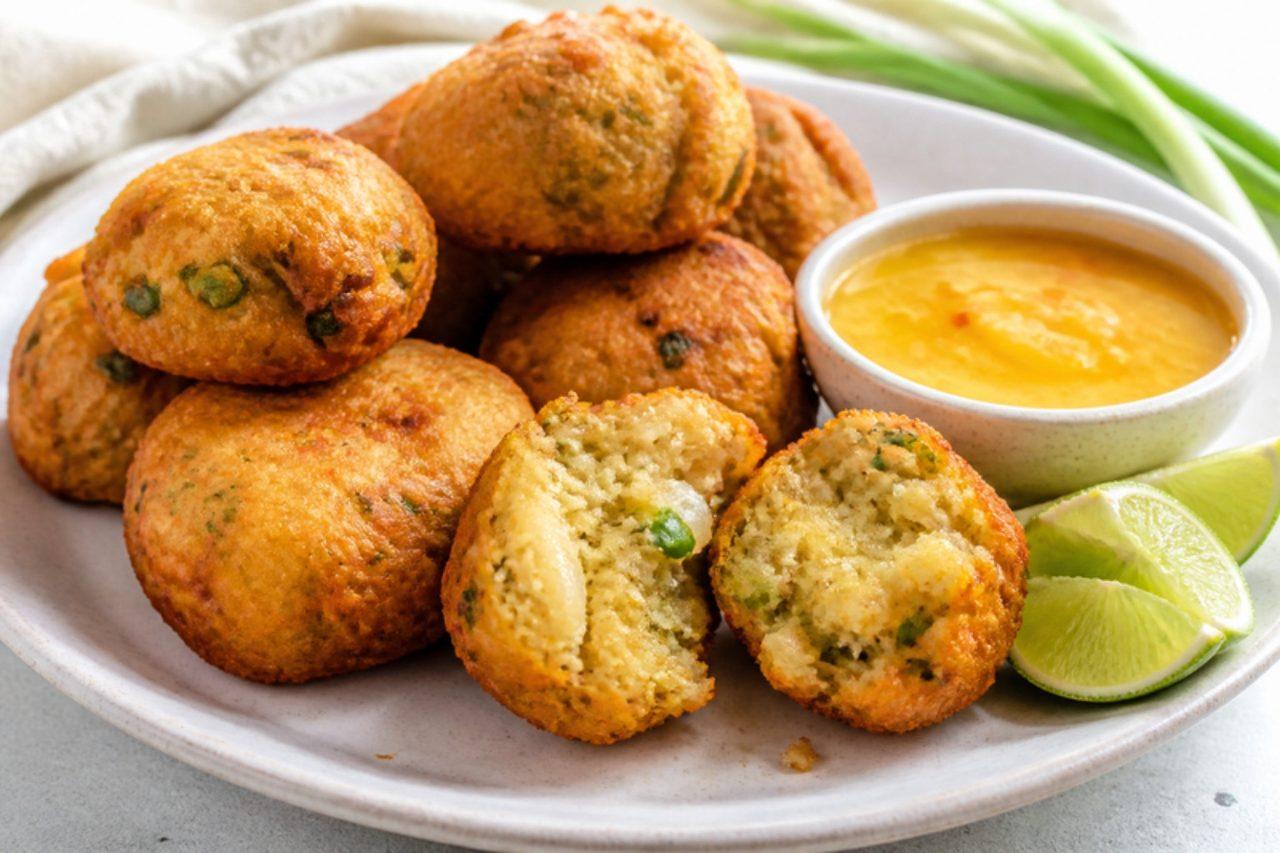
Fish cakes are on every Bajan party table and in every rum-shop snack box, and on Friday nights at Oistins Fish Fry they are tucked into a split salt bread roll as 'bread and two'. These are not potato patties but spoonfuls of light, herby batter full of flaked salt cod, spring onion, thyme and Scotch bonnet, fried until puffed and golden. Serve them hot with Bajan pepper sauce or a squeeze of lime. The mistake that gives flat, greasy fish cakes is a thin batter; it should drop from the spoon in a soft blob, not pour. Chef's tip: taste a flake of the cooked cod before mixing; if it is still salty, don't add any more salt to the batter.

by KrazyBadal 0 views

Shirin poloSweet saffron rice

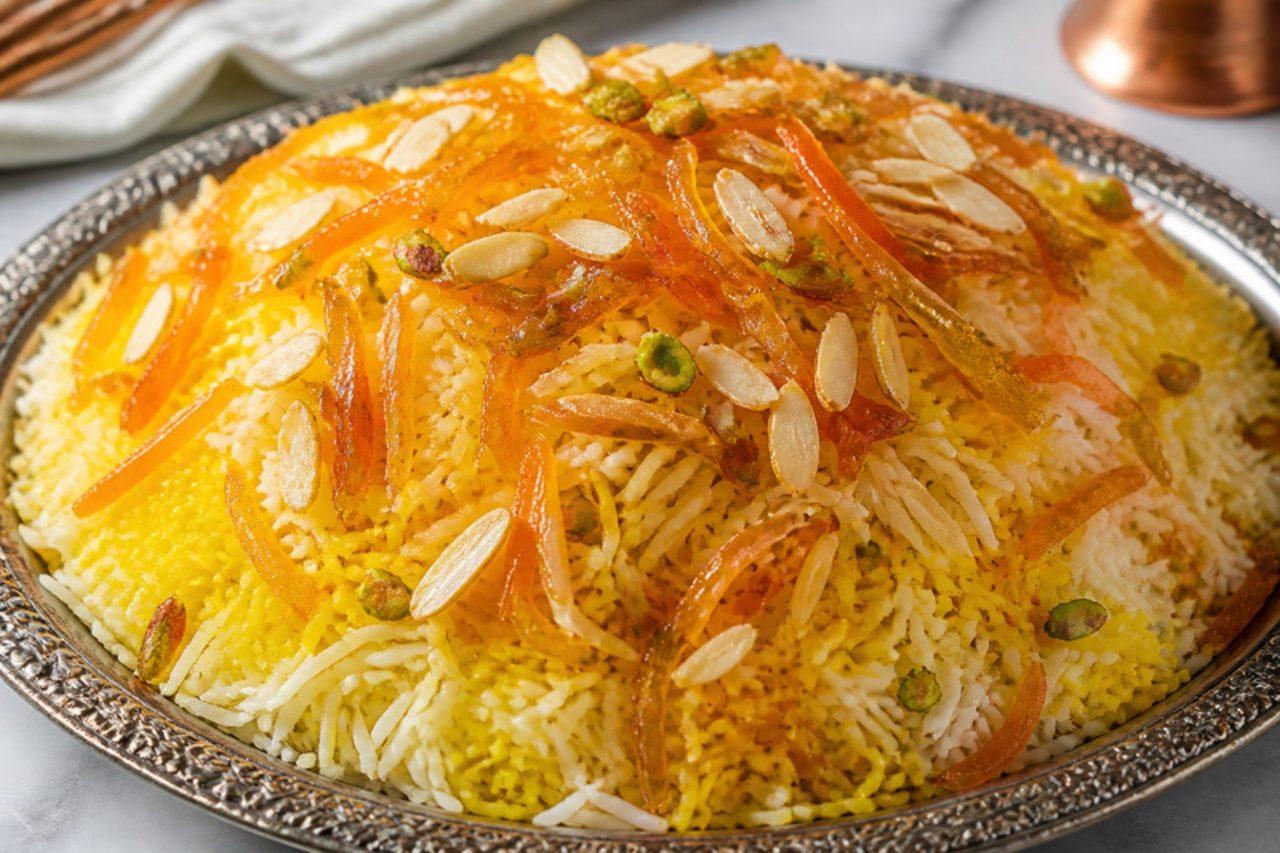
Shirin polo ('sweet rice') is the wedding rice of Iran, especially among Azerbaijani families in Tabriz, where a gleaming platter of it is carried out at the celebration feast to wish the couple a sweet life. Long grains of saffron rice are layered with candied orange peel, fine strips of carrot, slivered almonds and pistachios, all perfumed with cardamom and rosewater. It is fragrant and only gently sweet, with a citrus bitterness that keeps it from being cloying. Serve it as the centrepiece of a party with yogurt and a herb stew. Chef's tip: blanch the orange peel three times in fresh water; skip this and the whole platter tastes bitter.

by KrazyBadal 0 views

Bai sach chroukGrilled pork over rice

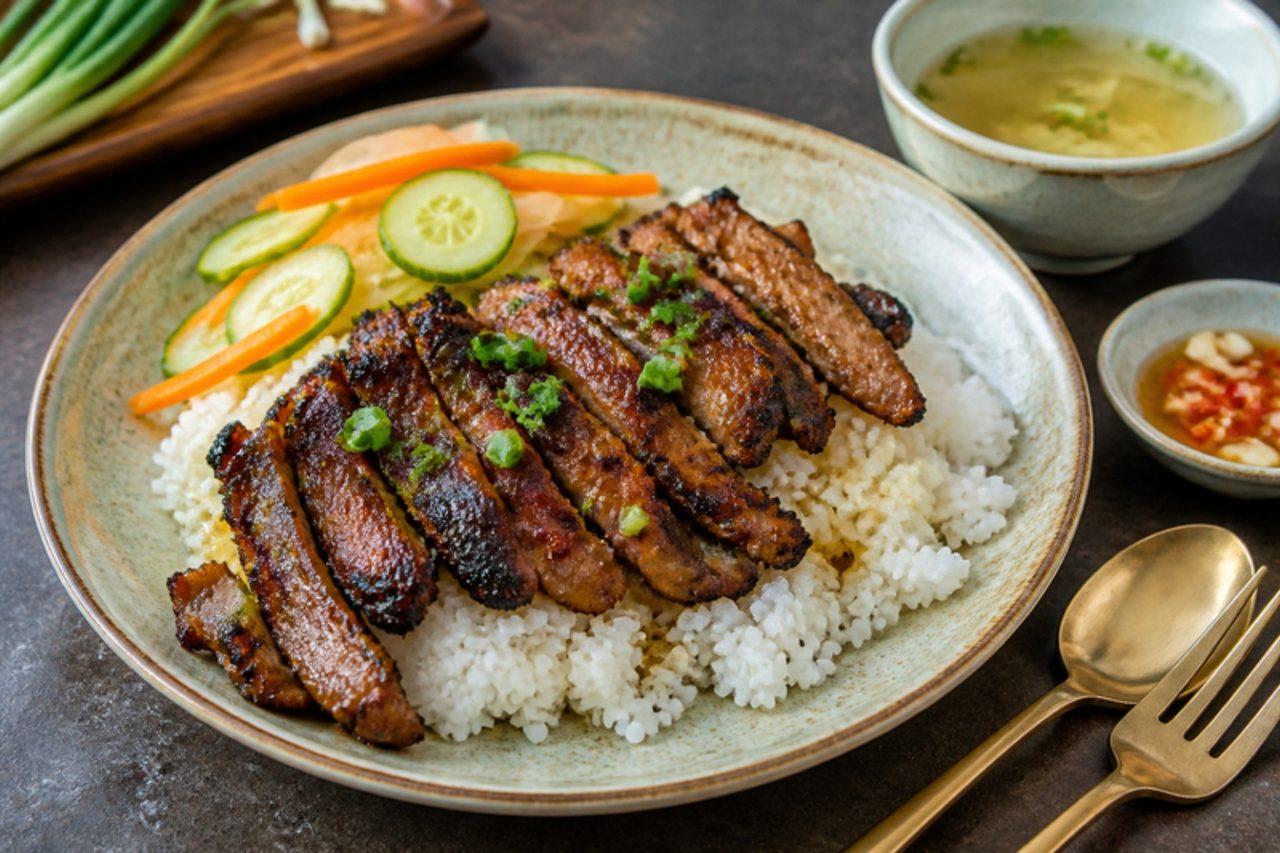
Bai sach chrouk, 'rice with pork', is the classic Cambodian street breakfast, grilled over charcoal on pavements in Phnom Penh and Siem Reap in the early morning and eaten before work and school. It is a pork dish: thin slices of pork are marinated overnight in coconut milk, garlic and palm sugar, then grilled until caramelised and smoky and served on broken rice with quick-pickled cucumber and carrot and a small bowl of clear broth. Chef's tip: slice the pork thinly, about 5 mm; it marinates faster and chars before it dries out.

by KrazyBadal 0 views

Showing 27 of 10,569 recipes

Show more recipes

Page 1,088 of 1,175