


Skip to content
Kalter Hund
Featured recipe

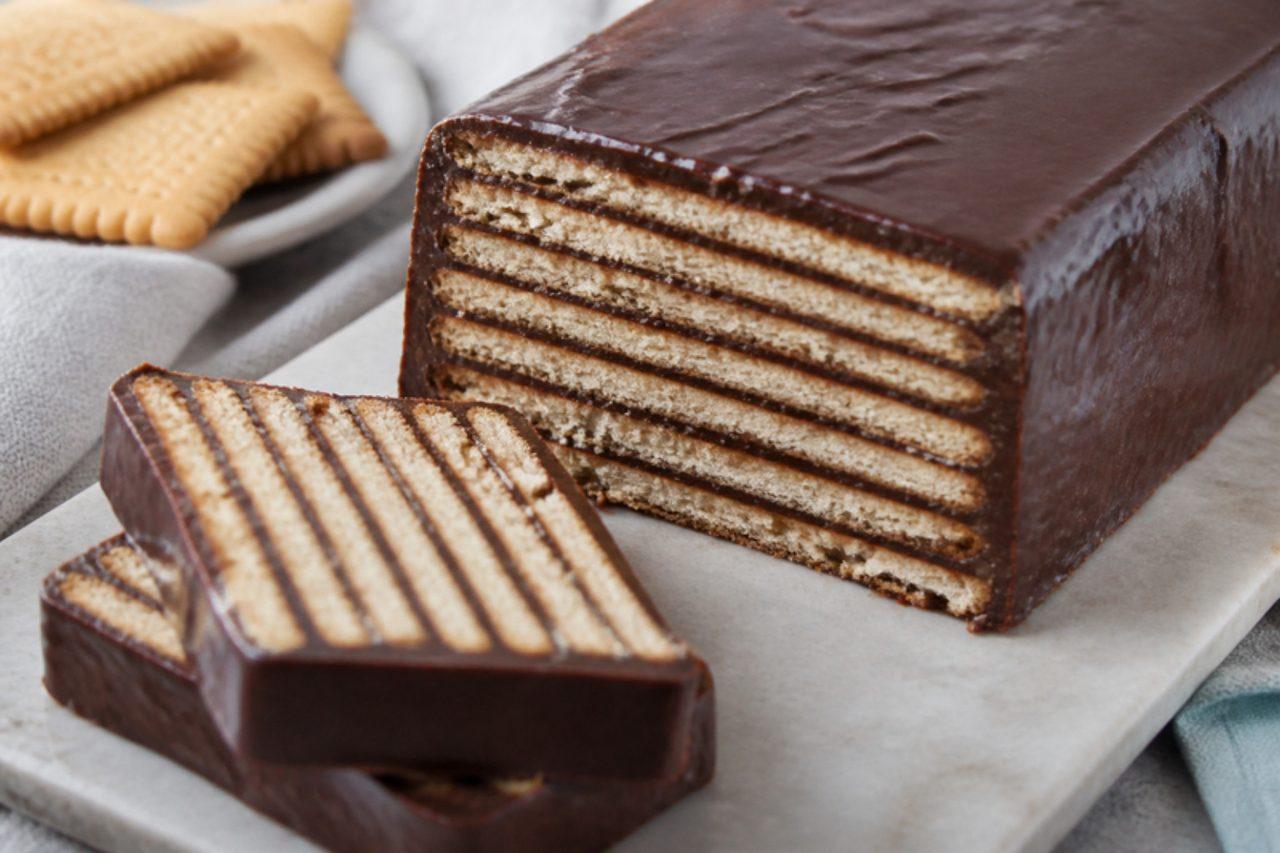
Kalter Hund

No-bake chocolate biscuit loaf

Kalter Hund, the 'cold dog', is the no-bake party cake of West German childhoods, set in a loaf tin in the fridge and sliced into stripes of crisp biscuit and dark chocolate at every 1970s birthday. Recipes from Hamburg to Bavaria differ only in the details; old ones used coconut fat and raw egg, while this version uses dark chocolate, cream and a little coconut oil, so there is nothing raw in it. A common mistake is pouring the chocolate too hot, which softens the biscuits into mush; it should be just warm. Chef's tip: line the tin with cling film overhanging the sides, then you can lift the whole loaf out and slice it with a hot knife.

Read more 0 views

What to eat today?

Around the world

Today's trip: Persian

A new country every day, from every cuisine on the site.

Persian

Ash-e shalgham

Turnip and rice soup 65 minMore from Persian (131) →

This week's collection

Kid-friendly dinners
537 recipes · a new collection every Monday

Latest recipes

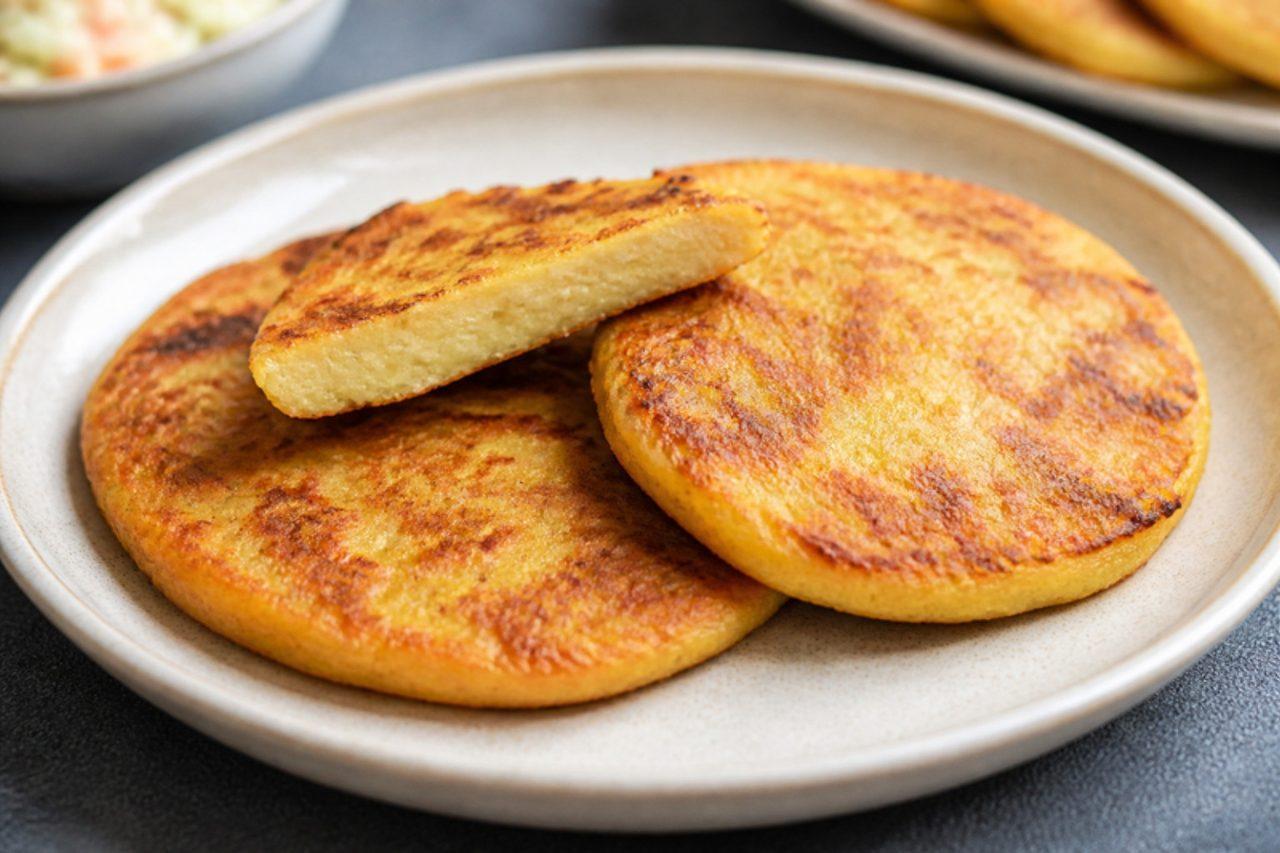
MilcaoPotato bread

On Chiloé, where potatoes have been grown for thousands of years, milcao is the bread that comes with almost everything: it is buried in the curanto pit, boiled in broth, or pan-fried until crusty and eaten with honey or sugar in the afternoon. The dough is half grated raw potato and half mashed boiled potato. Islanders often press pork crackling into it; this version is plain and vegan. Forgetting to squeeze the raw potato is the mistake that makes milcaos fall apart in the pan. Chef's tip: let the squeezed potato juice stand for 5 minutes, pour off the water and scrape the white starch from the bottom of the bowl back into the dough; it is the glue that holds milcao together.

by KrazyBadal 0 views

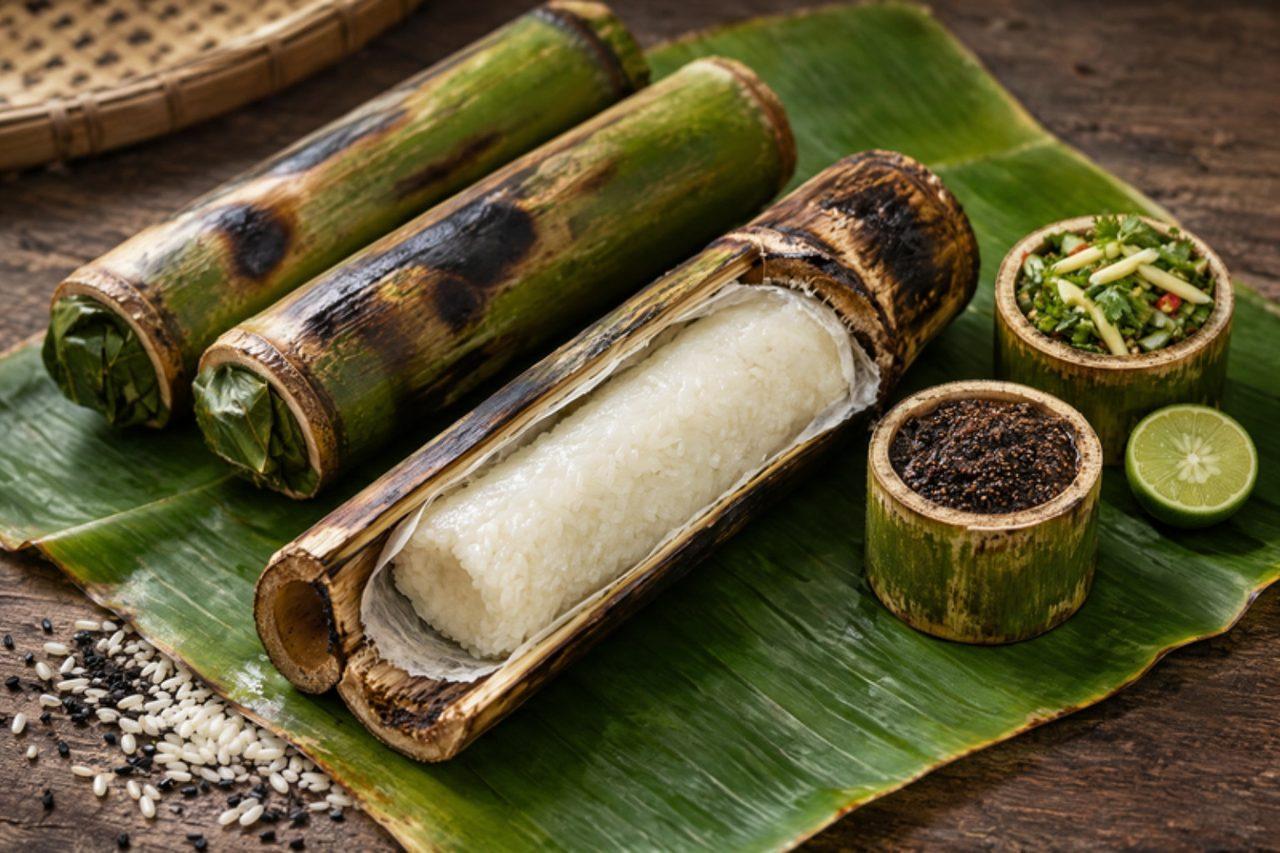
Minil songaBamboo-roasted sticky rice

The Garo of western Meghalaya make minil songa for festivals, hunting trips and family picnics, packing soaked sticky rice into lengths of green bamboo and roasting them in the embers until the rice comes out fragrant, firm and faintly smoky. At home, a hot oven or a grill gives a very good result. The mistake to avoid is sealing the bamboo too tightly: steam must escape. Chef's tip: if you have no bamboo, roll the rice in a double layer of banana leaf and foil.

by KrazyBadal 0 views

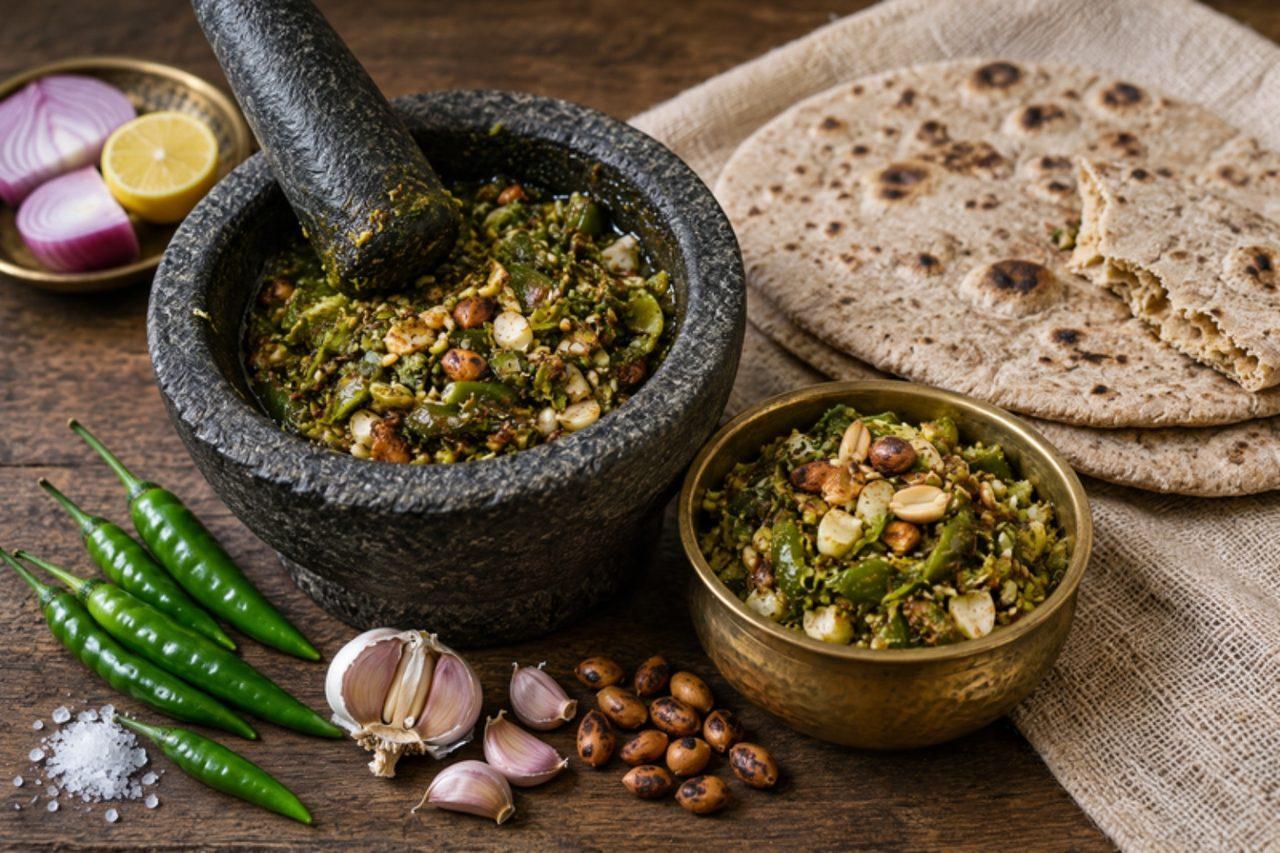
Mirchi thechaPounded chilli, garlic and peanut relish

Thecha is the fiery pounded chilli relish of rural Maharashtra, from the Desh villages around Satara and Kolhapur, eaten with jowar bhakri and a raw onion at a farmhand's lunch and now a fixture of Pune's Marathi restaurants. Green chillies and garlic are blistered in a pan, then crushed with peanuts in a stone mortar. The common mistake is blending it smooth in a mixer; thecha should be coarse and rustic, so pound it or pulse briefly. Chef's tip: wear gloves or oil your fingers when handling this many chillies, and wash the pan straight away.

by KrazyBadal 0 views

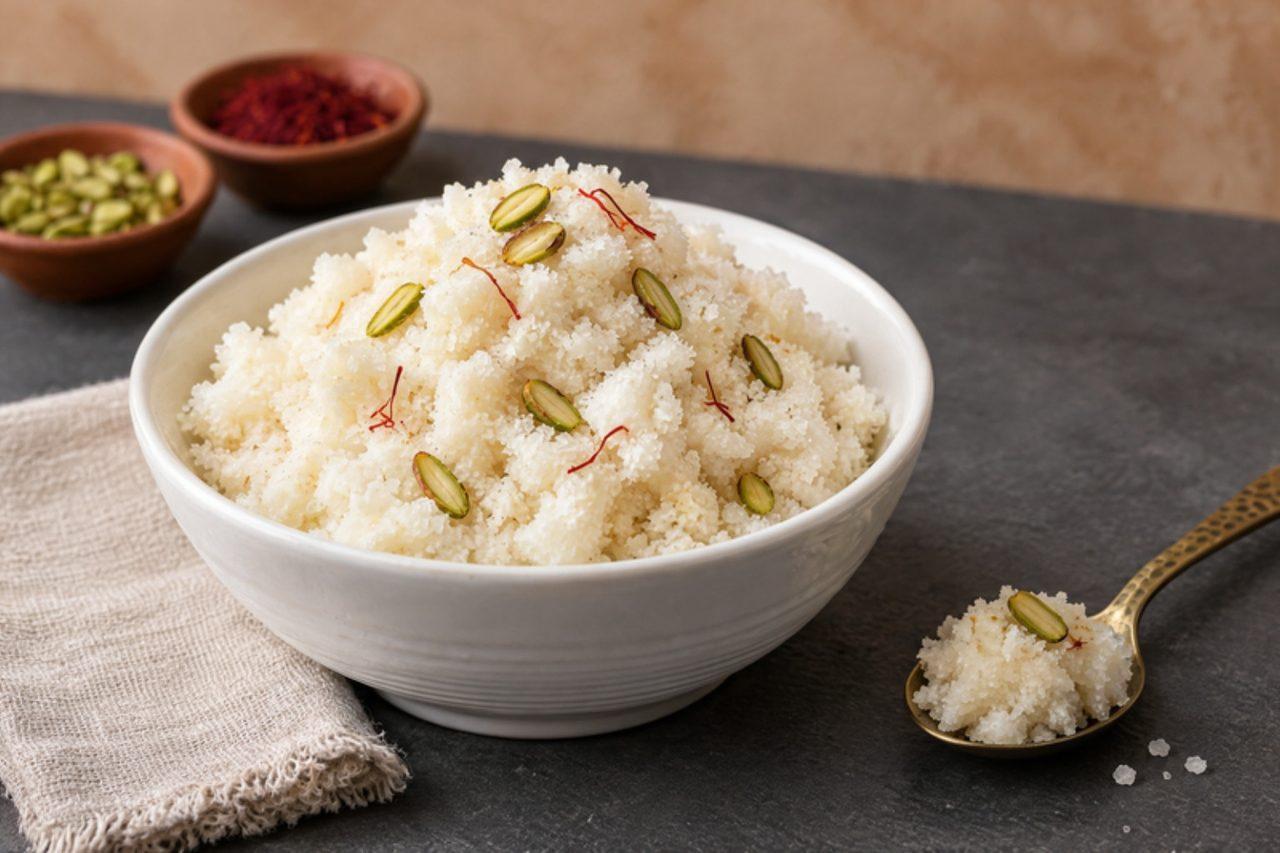
Mishri mawaSweet milk flakes

Mishri mawa is the pride of Jaipur's old sweet shops near Johari Bazaar: full-fat milk boiled down slowly with sugar and a little alum until it splits into tiny, sparkling grains, then set loosely so it breaks into soft flakes that melt on the tongue. It is bought for Diwali, weddings and when guests arrive from far away. Unlike kalakand, it is very white and only lightly set, with saffron and cardamom. The common mistake is letting the milk catch at the bottom; even a little scorching turns it beige and smoky. Chef's tip: use a wide, heavy pan and scrape the base and sides with a flat spatula every minute once the milk has halved.

by KrazyBadal 0 views

Mismas tarkariMixed vegetable curry

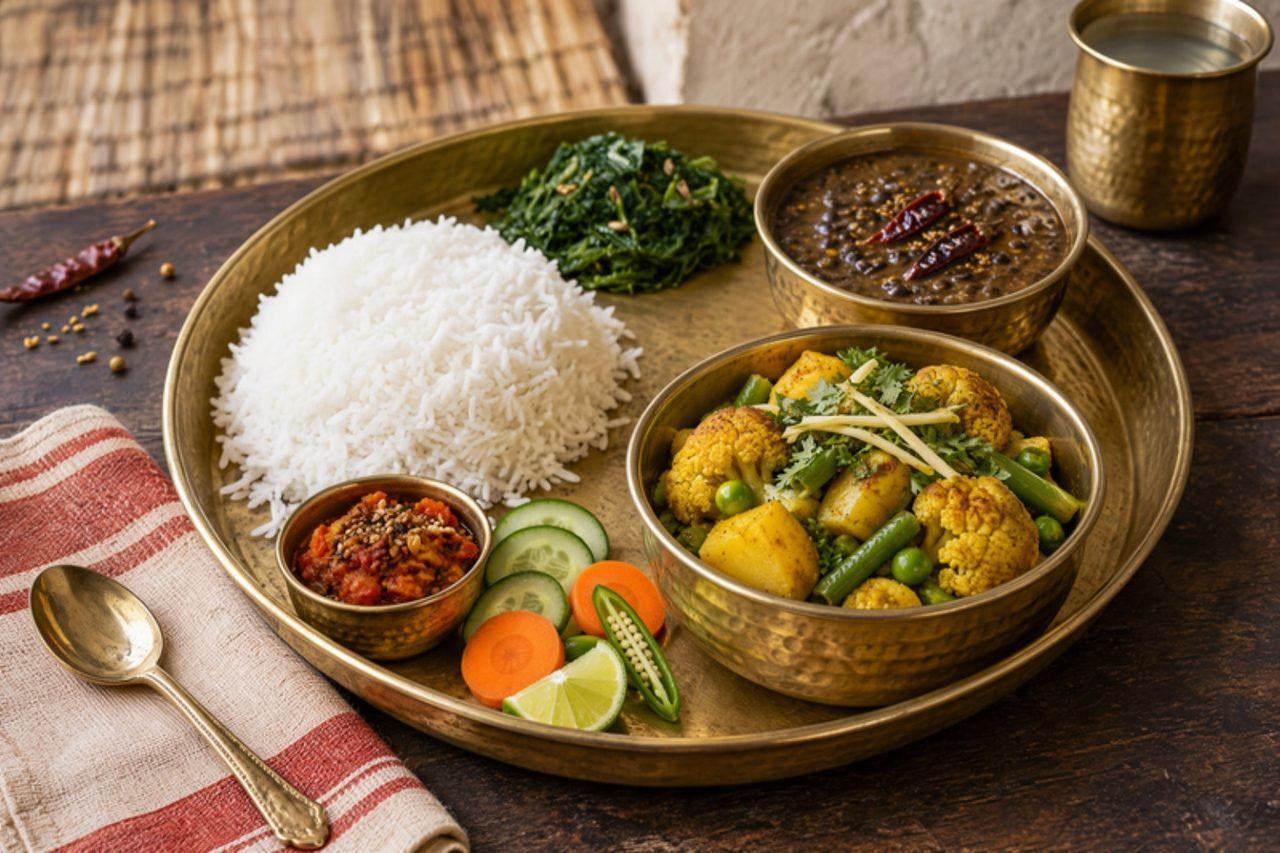
Mismas means 'mixed up', and this is the vegetable dish that fills the second bowl of almost every Nepali dal-bhat, from Terai farmhouses to Kathmandu flats. Potato, cauliflower, green beans and peas are cooked together in one pan with turmeric, cumin and a dark fenugreek-seed tempering, then softened with tomato until everything is tender but still holds its shape. The usual mistake is putting all the vegetables in at once: cauliflower and peas turn to mush before the potatoes are done, so start the potatoes first. Chef's tip: a pinch of jimbu or a few crushed timur grains in the tempering gives the authentic Himalayan aroma.

by KrazyBadal 0 views

Batida de cocoCoconut cachaça cocktail

Along the barracas of Salvador's beaches and at the June São João parties across Bahia, batida de coco comes out of the blender in jugs, poured into plastic cups and drunk while the forró plays. It is a drink for adults only that hides its strength well: creamy, cold and sweet like a coconut milkshake, with cachaça warming the finish rather than shouting. The texture should be thick but pourable, pale ivory, with a soft froth on top. The common mistake is blending the ice for too long, which leaves a thin, watery drink that separates into a fatty layer within minutes. Blend the liquids smooth first, then add the ice and pulse only a few times, until the noise from the blender goes quiet and smooth. It is ready when no lumps of ice rattle and the batida coats the side of the glass. Because it tastes so gentle, keep the cups small and drink responsibly. Chef's tip: chill the cachaça, coconut milk and tin of condensed milk overnight, and you will need less ice and get a richer, denser batida.

by KrazyBadal 0 views

Batido de lechosaPapaya and orange shake

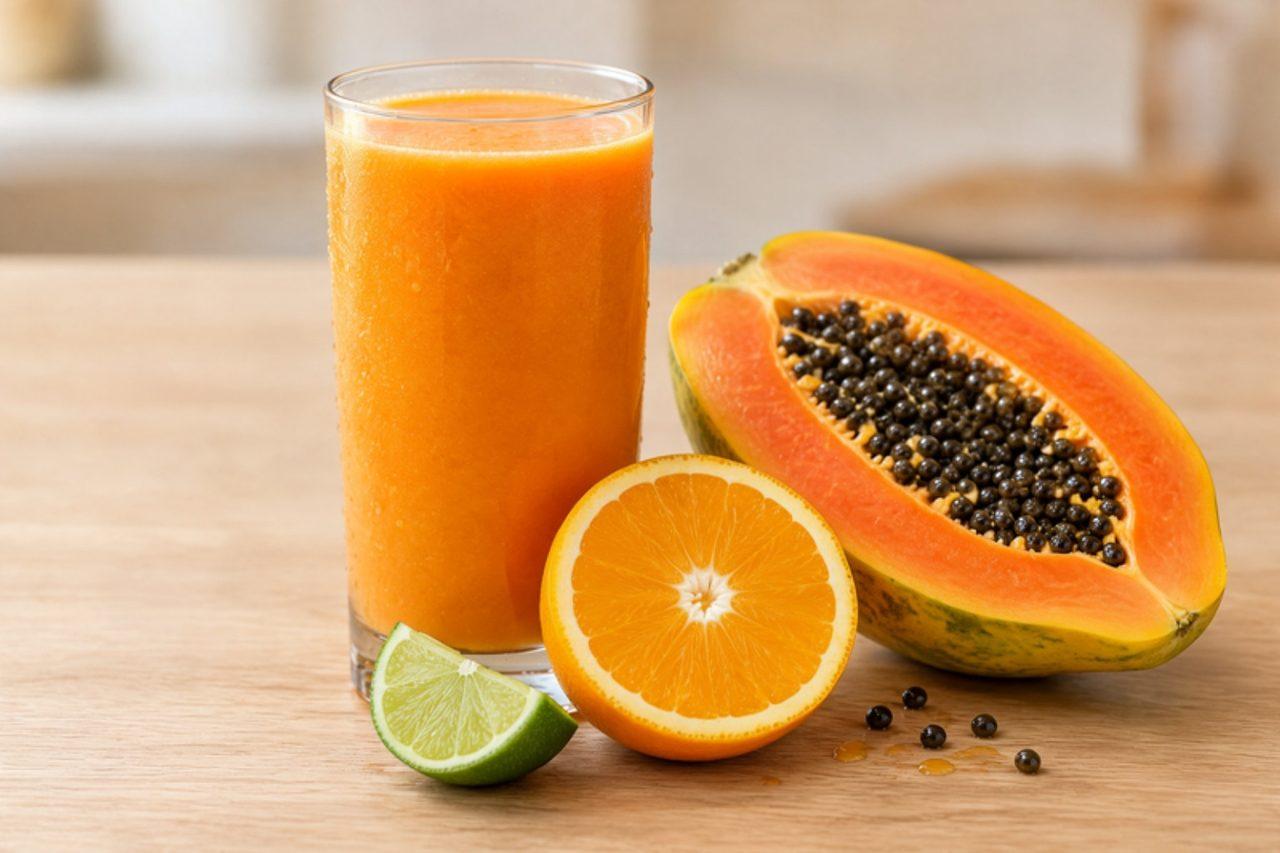
Lechosa is what Venezuelans call papaya, and on breakfast tables from Valencia to Puerto La Cruz it turns up as a batido beside arepas or empanadas, often blended with the oranges that are piled cheap in every market. It is thick, smooth and sunset-orange, tasting of honeyed papaya and bright citrus, and it fills you up until lunch. Some families blend it with milk instead of juice, which turns it into a creamy merengada. The common mistake with milk is letting it stand: papaya's natural enzyme starts to turn milk bitter within half an hour, so drink it straight away. Another mistake is scraping the seed cavity too hard; the black seeds and their slippery coating make the batido bitter and peppery. It is ready when there are no fibres left, it pours in a thick stream and the colour is an even orange. Choose papaya that is mostly yellow-orange and gives slightly under your thumb; a green-streaked one tastes flat and a little musky. Chef's tip: a few drops of lime juice cut through papaya's musky note and make it taste fresher.

by KrazyBadal 0 views

BekangFried fermented soybeans

Bekang is the Mizo name for soybeans boiled and left to ferment in leaves until sticky and strongly savoury, and fried bekang is one of the most loved sides on the Aizawl table, spooned over plain rice. To ferment your own, keep the wrapped, drained beans at 30–40 °C for 2–3 days: they are ready when coated in sticky white threads and smell of ammonia and nuts. Throw them out if you see black, green or pink mould or they smell rotten. The common mistake is frying on high heat until the beans scorch and turn bitter. Chef's tip: bought kinema, axone or natto work in place of homemade bekang.

by KrazyBadal 0 views

BelgramiChewy fresh cheese sweet

Belgrami belongs to Udwantnagar in Bihar's Bhojpur district, where sweet makers have cooked it for generations and travellers buy boxes on the way through. Fresh chhena is cooked down with sugar until it firms into a dense, slightly chewy, pale cream block with a gentle caramel note, then cut into pieces. It keeps for days, which makes it a favourite gift at weddings and Chhath. The common mistake is stopping too early: it must cook until the mass pulls into one lump and no longer sticks to the pan, or the pieces stay soft and weep. Chef's tip: use chhena from full-fat cow's milk and hang it for an hour, so it is dry enough to cook down quickly.

by KrazyBadal 0 views

Beni shogaRed pickled ginger

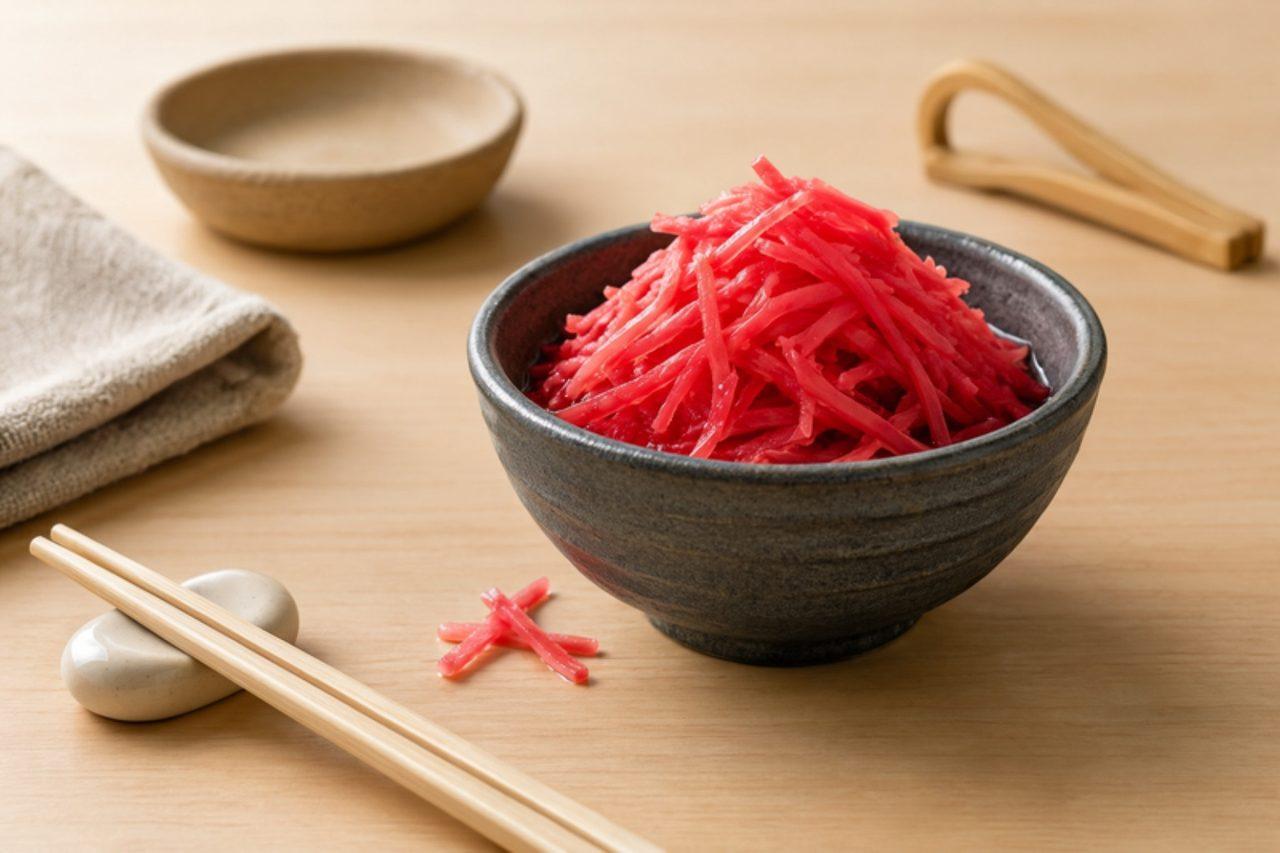
Beni shoga is the bright pink tangle you see on Osaka street food: piled beside yakisoba, scattered on okonomiyaki, folded into takoyaki batter and heaped on a bowl of gyudon at lunchtime. Kansai cooks make it in early summer, when umeboshi plums finish salting and leave behind red umezu, the salty, sour, shiso-coloured plum vinegar that both cures and dyes the ginger. The result is crunchy, sharp and salty, with a clean ginger heat and none of the sweetness of sushi gari. Young summer ginger gives the most tender threads; mature ginger works but is hotter and more fibrous, so cut it thinner. If you cannot find red umezu, use rice vinegar with salt and a slice of raw beetroot for colour (see the note). The common mistake is skipping the salting and drying: wet ginger dilutes the umezu and turns soft and dull. Squeeze it and let it dry so it drinks up the vinegar. It is ready when the threads are evenly rosy right through and taste salty-sour rather than raw. Chef's tip: save the pink vinegar left in the jar; a spoonful in potato salad or rice for onigiri is excellent.

by KrazyBadal 0 views

Besan chillaGram flour pancakes

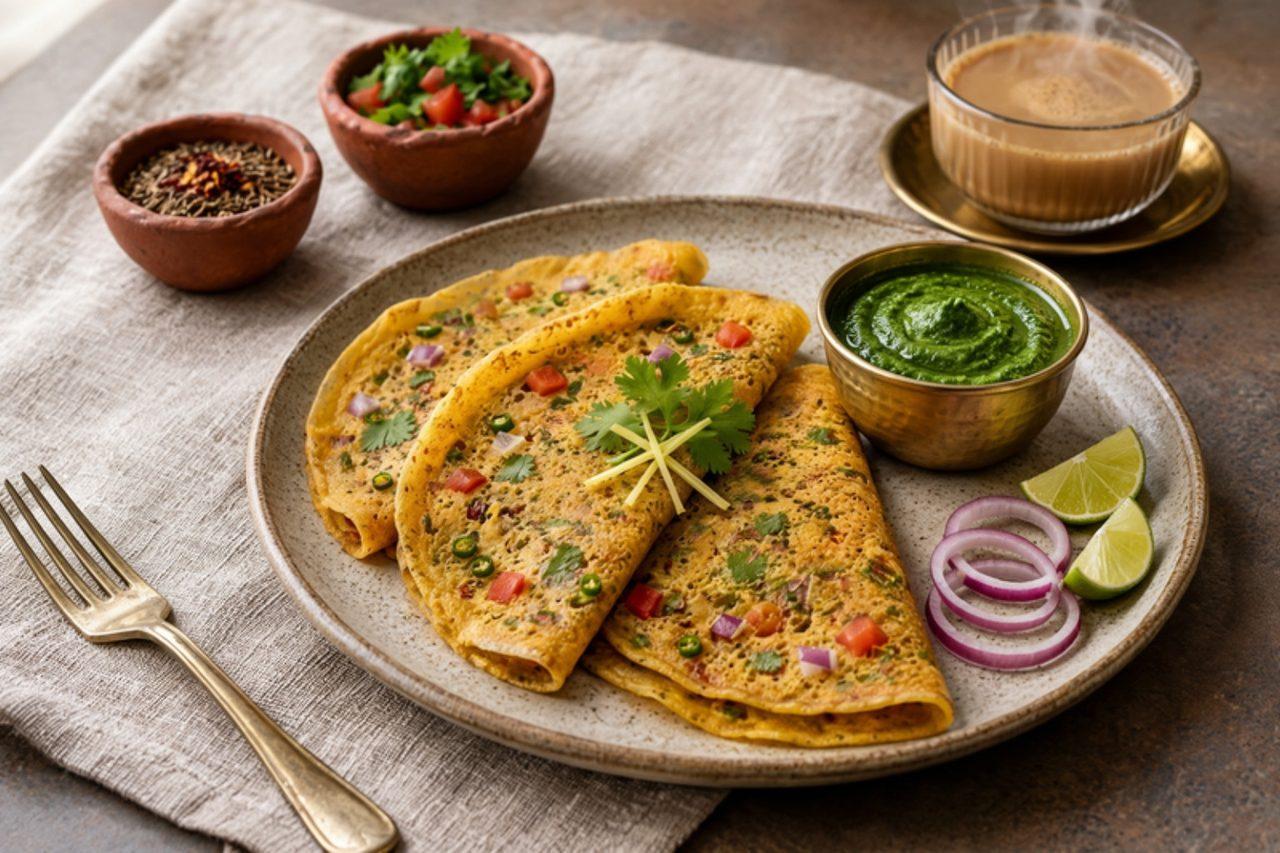
Across North India, besan chilla is the answer when the tiffin needs packing in fifteen minutes: a pourable gram flour batter studded with onion, tomato, chilli and coriander, cooked thin on a tawa, then rolled up with chutney or ketchup. It is naturally egg-free and filling. The common mistake is a thick batter, which gives a heavy, raw-tasting pancake; it should flow like single cream. Chef's tip: spread the batter with the back of a ladle in quick circles from the centre outward, and cover the pan for the first minute so the top steams set.

by KrazyBadal 0 views

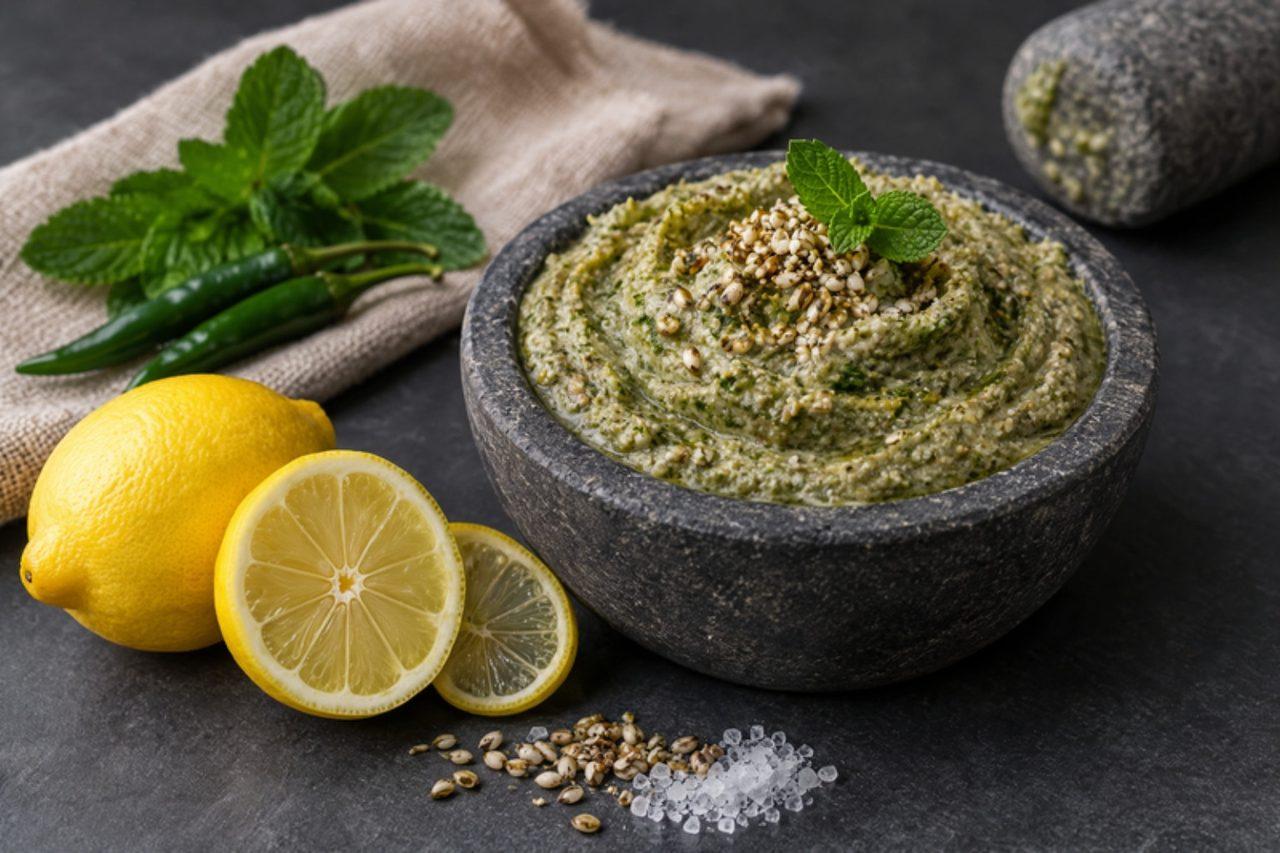
Bhang ki chutneyRoasted hemp seed chutney

In Kumaon every kitchen keeps a jar of hemp seeds, and this tangy chutney is ground fresh to go with rotis, aloo ke gutke and festive pakodas all through the year. It uses hulled, food-grade hemp seeds sold for cooking, which are not psychoactive at all; they simply taste like a cross between sesame and toasted pine nuts. The seeds are dry-roasted, ground with mint, chilli and the juice of the big hill lemon, and loosened with a little water. The usual mistake is roasting the seeds too dark, which turns the chutney bitter and grey. Chef's tip: grind in a mortar or with short pulses and stop while it still has some texture; a perfectly smooth paste loses the pleasant crunch.

by KrazyBadal 0 views

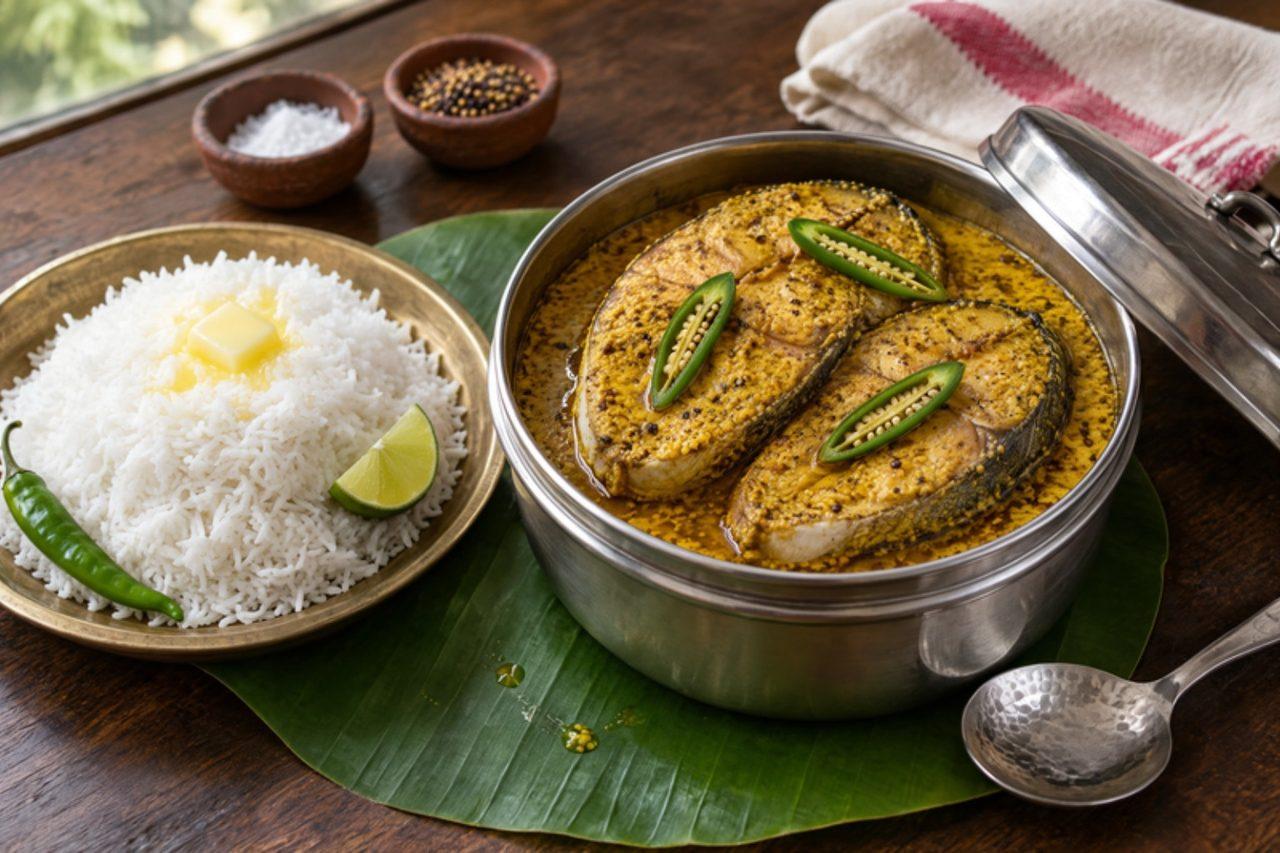
Bhapa ilishSteamed hilsa in mustard

When the monsoon brings hilsa up the Padma and Hooghly rivers, Kolkata households cook bhapa ilish, the fish steamed in a pungent paste of mustard seeds, green chilli and mustard oil in a closed tiffin box. It is the star of Jamai Sasthi and of any rainy-season Sunday, served with plain rice. The fish is rich and tender, with a nose-tingling mustard heat. Suitable as part of a balanced diet: high in protein and omega-3 fats, with no starch in the dish itself. About 340 kcal and 4 g carbohydrate per portion; keep the rice portion modest. The usual mistake is grinding the mustard seeds too long or with warm water, which turns the paste bitter; grind briefly with cold water, a pinch of salt and a green chilli. Hilsa is bony, so eat slowly and warn guests. Chef's tip: drizzle raw mustard oil over the top just before closing the box; it gives the true Bengali aroma.

40 minIndianFishGluten free
by KrazyBadal 0 views

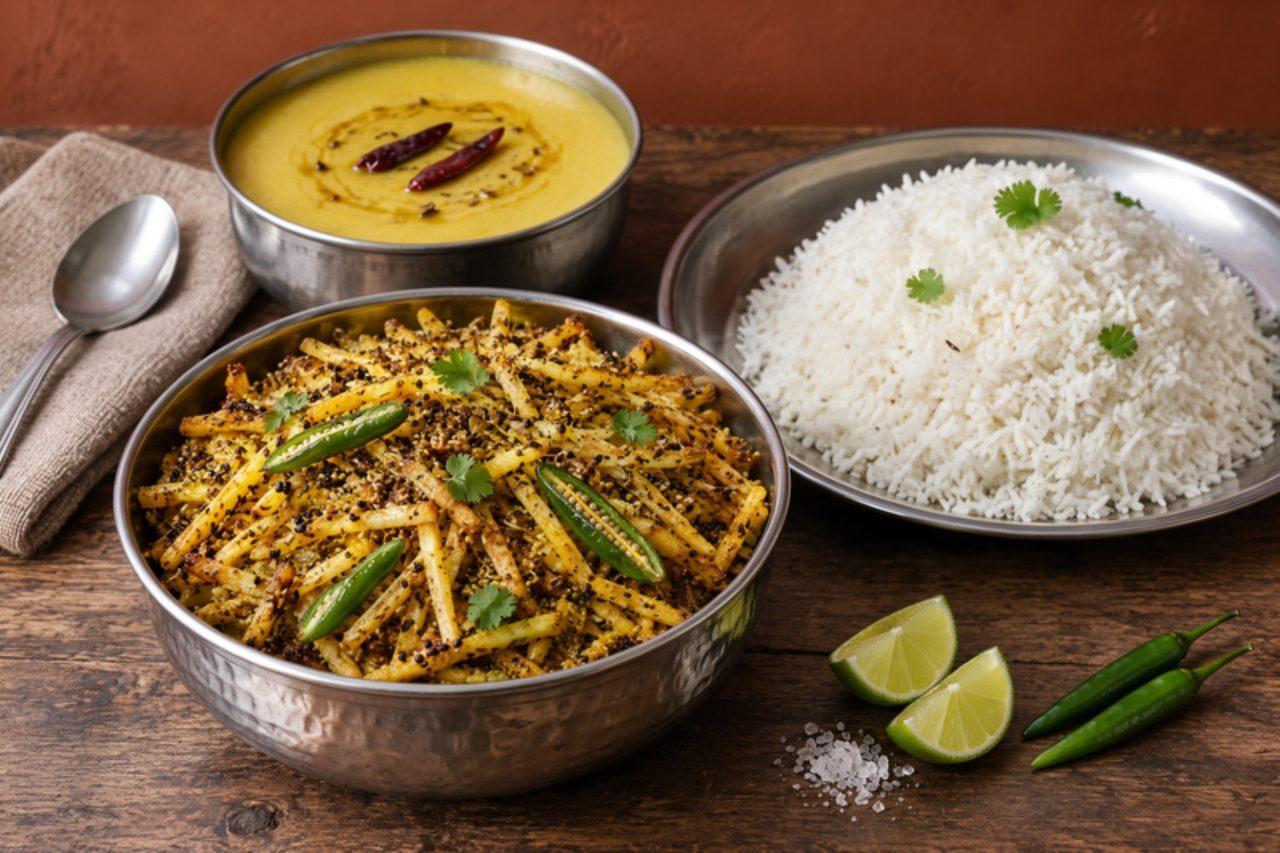
Bihari aloo bhujiaFried potato sticks

In Bihar, aloo bhujia is not the packaged snack but the everyday matchstick-potato fry that sits beside dal, bhaat and chokha on the lunch plate, cooked in mustard oil with panch phoron and a slit green chilli. Patna households make it most days of the week because it takes twenty minutes and pleases everyone. The common slip is crowding the pan and stirring too much, which turns the sticks to mash; give them room and toss gently. Chef's tip: soak the cut potatoes in cold water for 10 minutes and dry them well; washing off surface starch keeps the sticks separate and lightly crisp.

by KrazyBadal 0 views

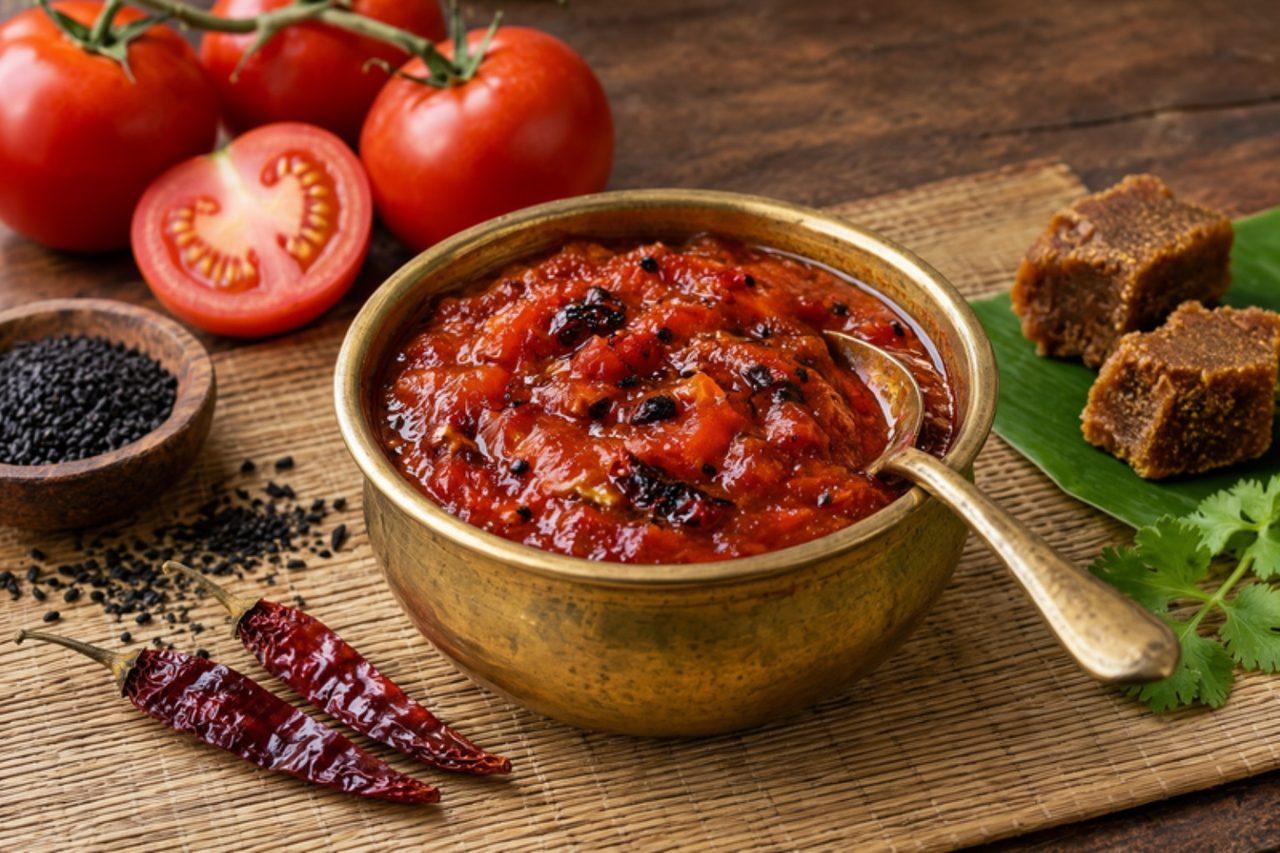
Bilahi chutneySweet-sour tomato chutney

Bilahi is the Assamese word for tomato, and this glossy red chutney, sweet with jaggery and warmed with nigella and dried chilli, closes a festive Assamese meal, especially at weddings and on Bihu, as the sweet-sour last course before curd and sweets. Everyday cooks in Jorhat and Guwahati make a quick batch in winter when tomatoes are cheap. The mistake to avoid is adding the jaggery too early, which scorches before the tomatoes have broken down. Chef's tip: a few dates or raisins added with the jaggery give the chutney a deeper, jammy sweetness.

by KrazyBadal 0 views

Bir pletokSpiced ginger drink

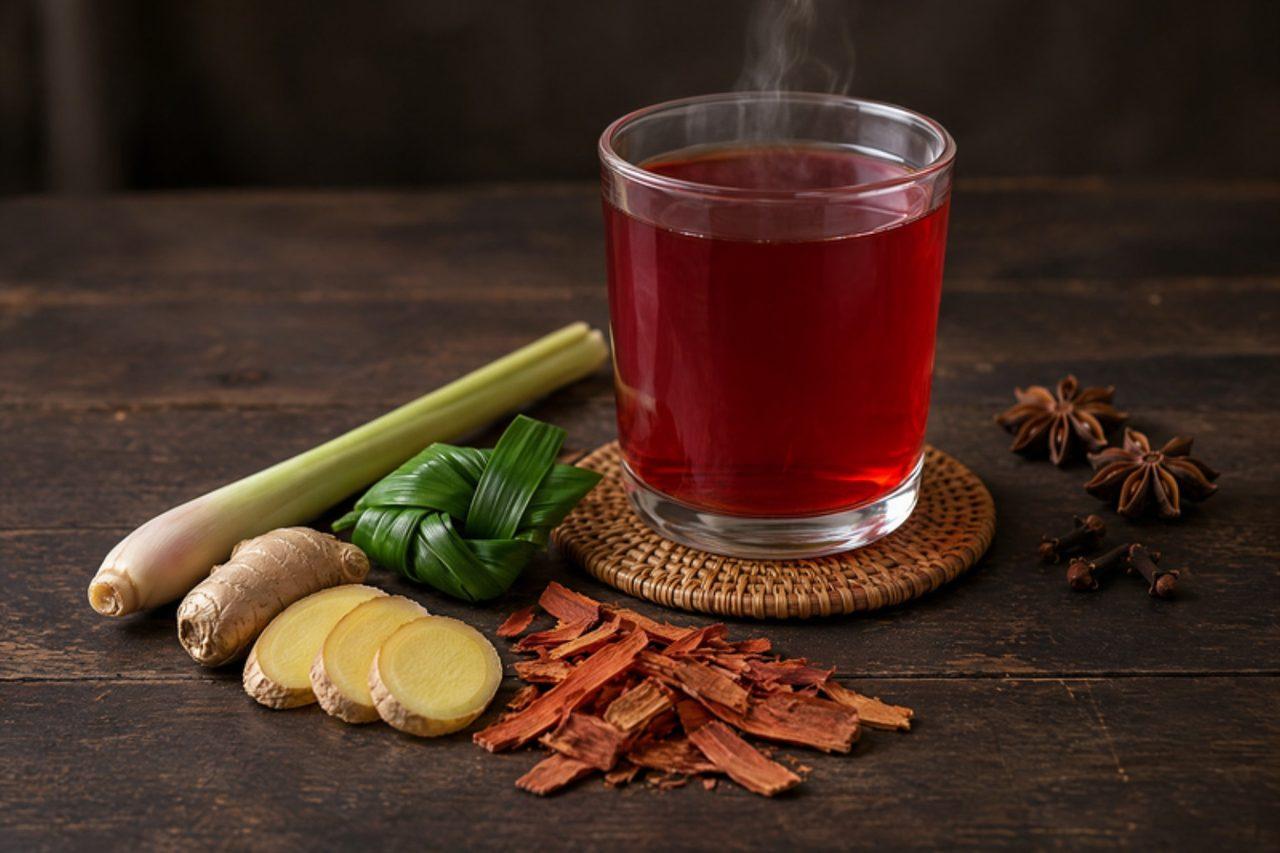
Bir pletok was the Betawi answer, in old Batavia, to the beer and wine drunk by the Dutch: a red, warming spice drink with no alcohol at all, served at weddings, at Lebaran open houses and in the evenings at Jakarta's Setu Babakan cultural village. 'Pletok' is said to be the popping sound it made when shaken in a bamboo tube to raise a foam. Ginger, lemongrass, pandan, cloves, cinnamon and cardamom are simmered with chips of secang (sappanwood), which turns the liquid deep ruby. It tastes hot and peppery from the ginger, perfumed from the pandan, sweet and lightly woody, and is drunk warm or with ice. The common mistake is skimping on ginger or slicing it thin and boiling briefly; you need plenty, bruised, and a slow simmer to draw out the heat. It is ready when the liquid is a clear ruby red and the ginger burn catches at the back of your throat. Secang chips are in Indonesian shops; dried hibiscus flowers give a similar red, slightly sourer. Keeps 5 days in the fridge. Chef's tip: shake each serving hard in a closed jar before pouring to get the foamy head.

by KrazyBadal 0 views

BlåbärssoppaBilberry soup

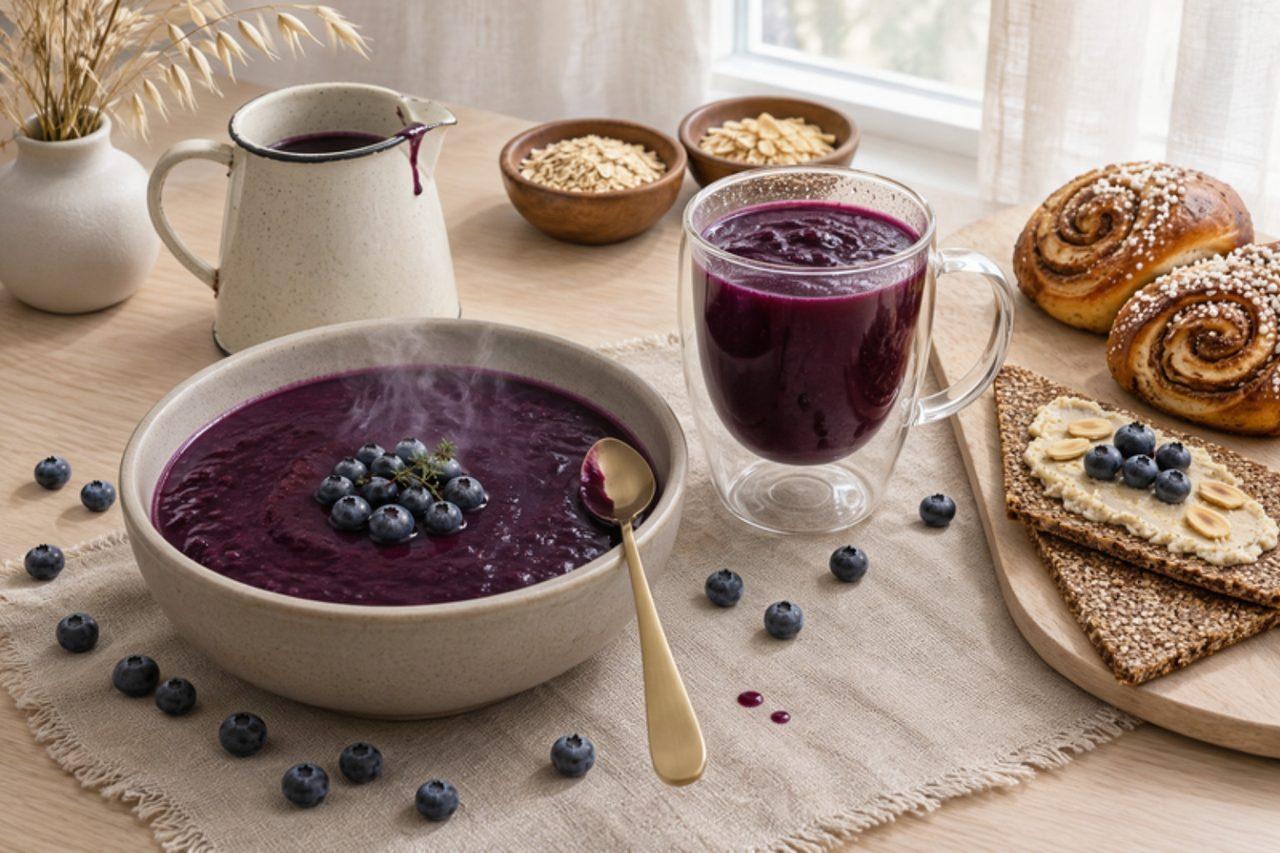
Swedes have drunk blåbärssoppa for generations, warm on a winter morning and cold from a cup after the Vasaloppet ski race, where skiers are handed it at every station. It is a thin, deep purple soup of bilberries or blueberries, sweetened and thickened just enough with potato starch to coat the tongue. The common mistake is boiling the soup after adding the starch: it turns stringy and then thins out again, so take it off the heat as soon as it thickens. Chef's tip: wild bilberries give a far deeper colour and flavour than cultivated blueberries, and frozen ones work perfectly.

by KrazyBadal 0 views

Bohar bhajiFlower bud curry

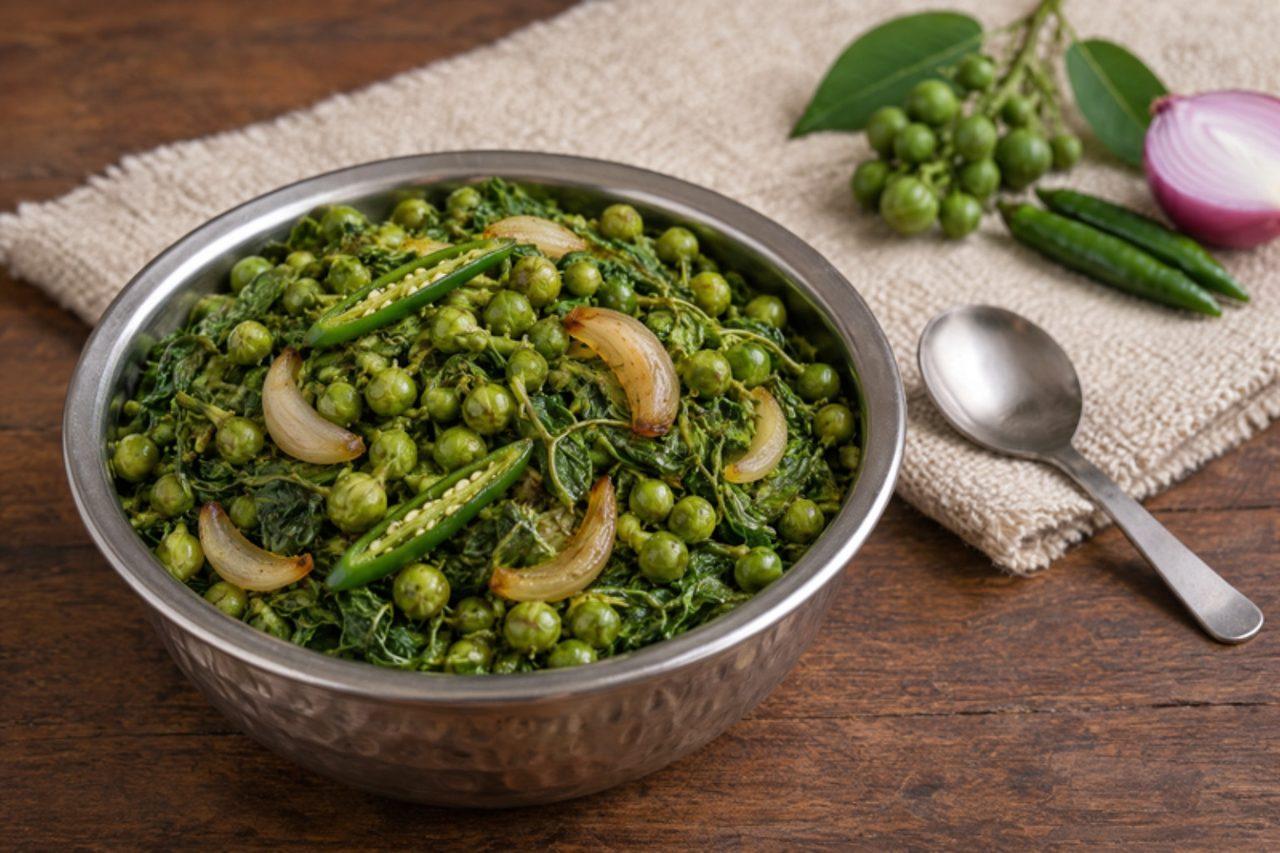
For a few weeks each spring, Raipur's markets sell small heaps of bohar, the young buds of the lasoda (Cordia) tree, and they are one of the most prized and pricey vegetables in Chhattisgarh. Cooked with onion, chilli and a spoon of curd, they have a pleasant, slightly sticky bite and an earthy taste, and families eat them with rice and dal for as long as the season lasts. People often skip the boiling step; without it the buds stay gummy and slightly bitter. Chef's tip: if you cannot find bohar, the same masala works with tender lasoda (gunda) fruit from Indian grocers, which is the same tree.

by KrazyBadal 0 views

Boller i karry for toddlersMeatballs in mild curry for toddlers

Boller i karry, meatballs in curry, is one of Denmark's best-loved dinners, voted a national favourite and cooked on weeknights from Copenhagen's Nørrebro to farmhouses in Jutland. The meatballs are pork, poached gently rather than fried, and the sauce is mild and creamy, made from the poaching liquid with apple and leek and just a pinch of curry powder. For toddlers from 12 months there is no stock cube and very little salt, and the meatballs are cut small. It contains wheat (gluten), milk and egg; there are no nuts or soya. Chef's tip: keep the poaching water at a bare shiver; boiling makes the meatballs tough and crumbly.

by KrazyBadal 0 views

Frozen Christmas pudding

In the heat of an Australian December, many families swap the steamed pudding for a frozen one, ice cream packed with fruit, nuts and chocolate and set in a pudding basin so it still looks the part on the Christmas table in Brisbane or Perth. It is made days ahead and turned out just before serving. A common mistake is letting the ice cream melt too much while mixing, which makes it icy when refrozen; soften it only until stirrable. Chef's tip: soak the fruit in orange juice the night before so it stays soft when frozen.

by KrazyBadal 0 views

Passionfruit sponge

The passionfruit sponge is the star of the Australian country show cake table and every Sunday afternoon tea, made from the vines that cover back fences from Sydney to the Sunshine Coast. Two airy, fatless sponges are filled with whipped cream and topped with a tangy passionfruit icing. A common mistake is knocking the air out when folding in the flour; use a light hand and a big metal spoon. Chef's tip: beat the eggs and sugar for a full 8–10 minutes until thick enough to hold a trail.

by KrazyBadal 0 views

SerobeChopped tripe and offal

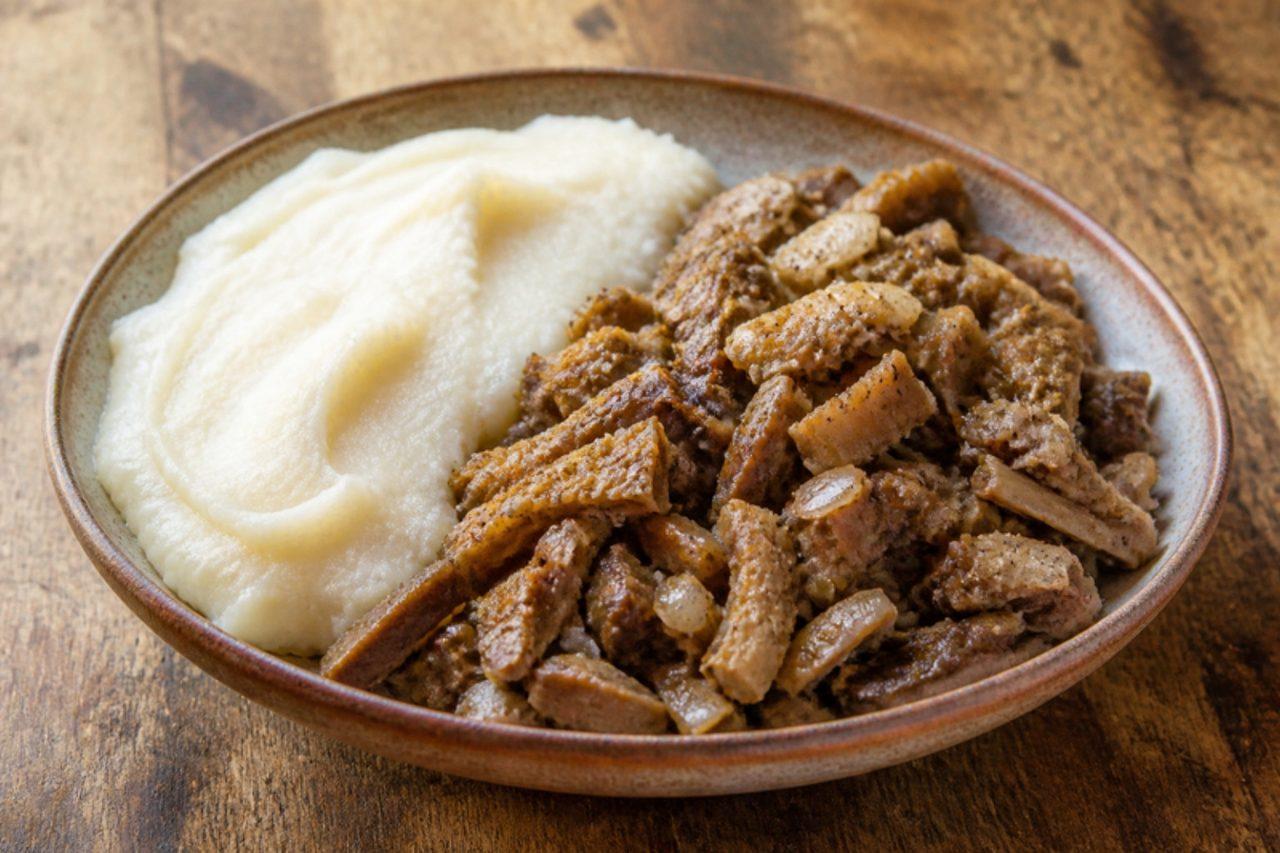
At a Tswana wedding or a funeral gathering, the men tending the three-legged pots will make serobe from the insides of the slaughtered goat or ox while the seswaa cooks alongside, and it is served first to the elders. Tripe, heart and liver are boiled until tender, chopped very fine and seasoned simply with salt, onion and a little of the rich broth, so it comes out soft, chewy in places and deeply savoury. Eat it with bogobe, pap or samp and a spoonful of morogo. Buy dressed (cleaned and scalded) tripe from a butcher, and cook everything right through. Chef's tip: chopping it fine by hand is the whole point; a food processor turns it into paste, so take your time with a heavy knife.

by KrazyBadal 0 views

LaphingCold starch sheet noodles

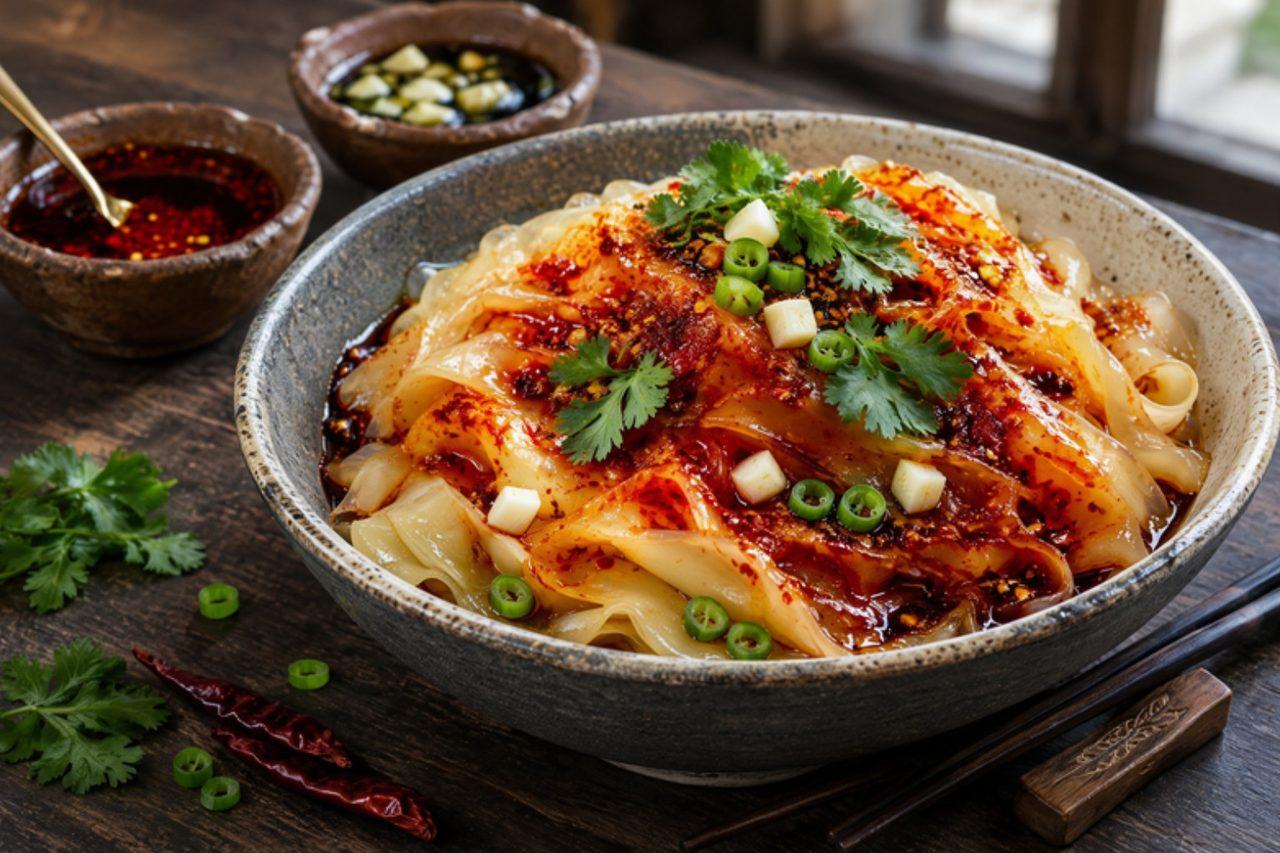
Laphing came to Kathmandu with Tibetan families, and the alleys around the great stupa at Boudha are full of tiny stalls selling it every afternoon, to monks, students and office workers alike. Flour dough is washed in water to separate the starch from the gluten; the starch is steamed into thin, jelly-like sheets and the gluten into a spongy filling, then everything is rolled up and drowned in fiery chilli oil, garlic water, soy sauce and vinegar. It is cold, slippery, chewy and very hot. Contains wheat (gluten) and soya. Chef's tip: steam each sheet no thicker than 3 mm; thick layers set rubbery instead of silky.

by KrazyBadal 0 views

Karuveppilai sadam (curry leaf rice)

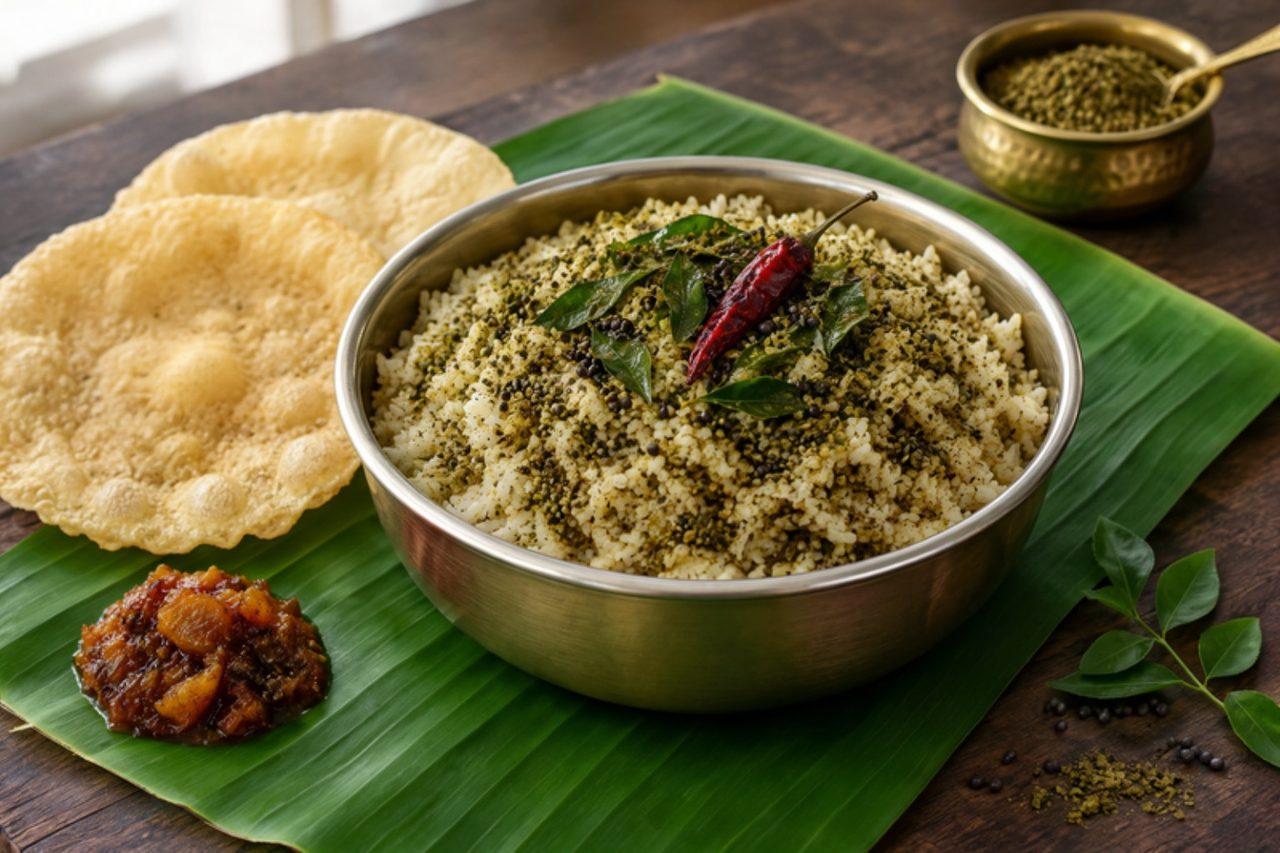
Around Madurai and Tiruchirappalli this dark, peppery rice comes out when there is a big handful of curry leaves and very little else in the kitchen, and it keeps so well that it goes into lunch boxes and onto long bus journeys. The leaves are roasted until crisp with chana and urad dal, black pepper, cumin and red chilli, then ground into a fragrant podi. The common mistake is roasting wet leaves: they steam instead of crisp, and the powder clumps. Dry them well on a towel first. Chef's tip: grind a double batch of the podi and store it airtight; it keeps for two weeks and makes lunch in five minutes.

by KrazyBadal 0 views

Bouillon d'awaraAwara palm fruit stew

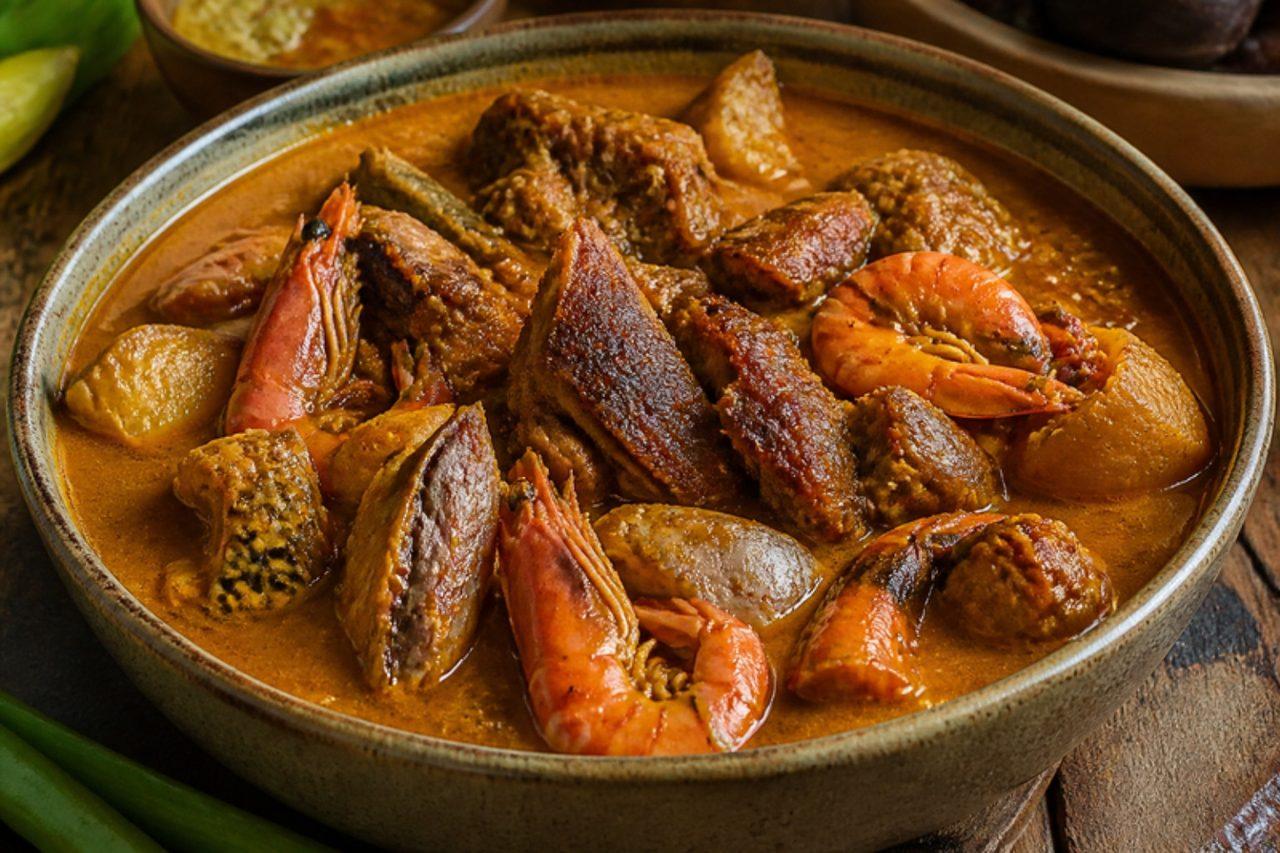
Families in Cayenne, Kourou and Mana start bouillon d'awara days before Easter Monday, when it is eaten together and shared with neighbours; local lore says whoever eats it will come back to Guiana. The base is a thick orange paste of awara palm fruit, cooked very slowly with smoked chicken, salted pork, smoked fish, crab or prawns and a mass of vegetables until everything melds. Awara paste is sold frozen or in jars in Guianese and Antillean shops; if you can't find it, use a mix of palm-fruit concentrate (sold for West African banga soup) and puréed pumpkin, which gives a similar richness though not the same flavour. Salted meats must soak in the fridge overnight. The usual mistake is letting the thick stew catch on the bottom, so stir often. Chef's tip: the stew tastes even better on the second day, reheated until piping hot.

360 minGuyaneseMeatGluten free
by KrazyBadal 0 views

BulanglangMixed vegetable stew

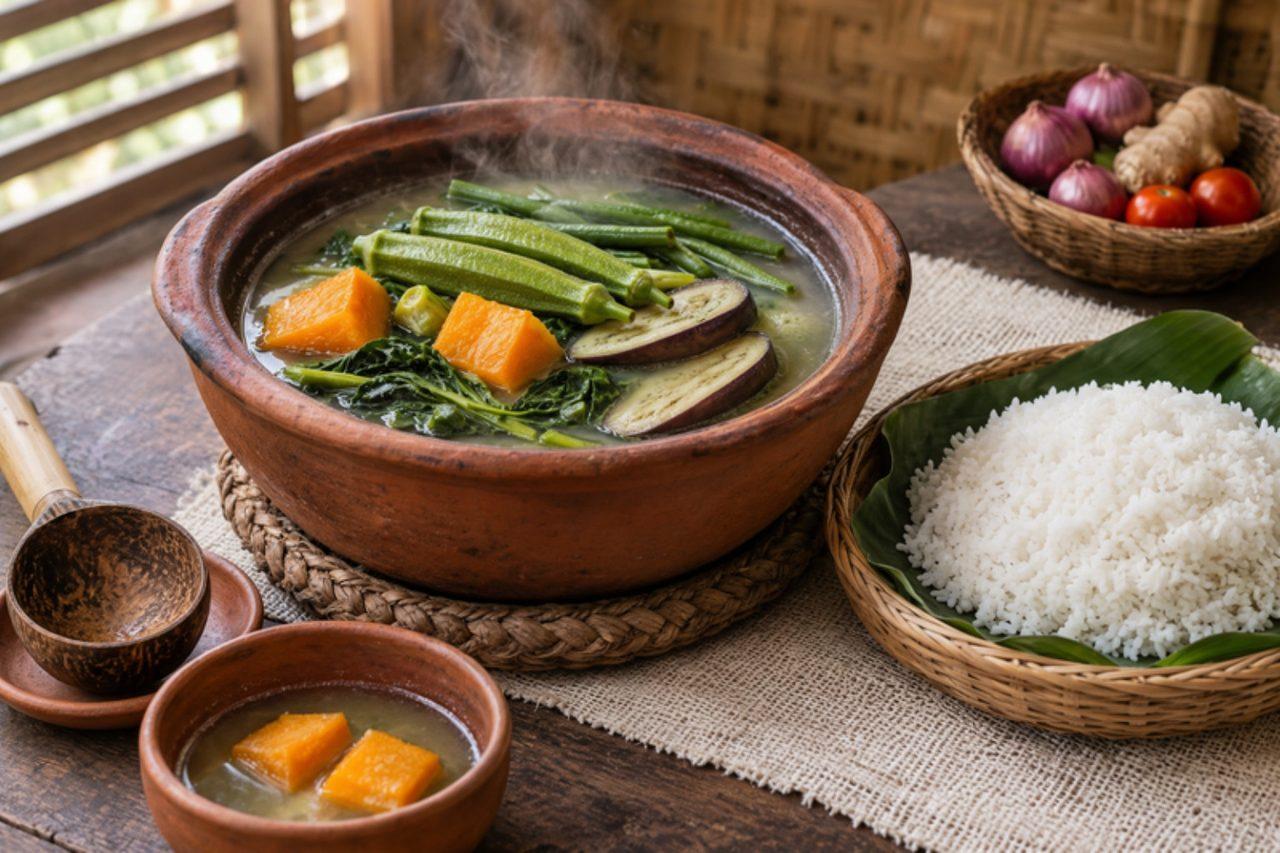
Bulanglang is the plain, light vegetable soup of Batangas and the Tagalog provinces, made in farmhouses at lunchtime from whatever is in the garden: squash, okra, string beans, eggplant and a handful of malunggay or sweet potato leaves. Instead of stock it uses hugas bigas, the cloudy water from washing rice, which gives the broth a soft, milky body. It is often eaten with grilled fish and a dip of bagoong; this version stays vegan and is served with a soy-and-calamansi dip. The usual mistake is boiling everything together from the start, which leaves mushy squash and raw-tasting okra; add the vegetables in order of firmness. Chef's tip: save the second rice wash, not the first, for the cleanest, creamiest broth.

by KrazyBadal 0 views

Mofo menakelyRice flour doughnuts

Ring-shaped and no wider than a teacup, mofo menakely are fried in wide pans of oil at dawn on the street corners of Antananarivo and Antsirabe, then sold by the bagful to people heading for the bus. Rice flour gives them a crisp, slightly sandy shell and a chewy, faintly sour crumb from the slow rise, and they are only lightly sweet, which is why the Highlands dunk them in sugary coffee. Wheat flour helps the dough hold its shape; a few cooks go all rice and shape with wet hands. Expect the batter-like dough to feel too soft at first: adding more flour to make it handleable is a mistake that leaves them dense. Chef's tip: shape each ring straight into the hot oil from a wet palm, poking the hole with a wet finger, rather than trying to roll the dough on a board.

by KrazyBadal 0 views

Showing 27 of 7,762 recipes

Show more recipes

Page 116 of 863