Skip to content
Yudofu
Featured recipe

Yudofu

Simmered tofu hot pot

Yudofu is the simplest dish in Kyoto and one of the most loved. The city's soft water makes fine tofu, and the restaurants around Nanzen-ji temple in the Higashiyama hills have served it to pilgrims for centuries as part of Buddhist vegetarian cooking. A block of tofu is warmed in an earthenware pot over a sheet of kombu and lifted out with a little slotted ladle, then dipped in citrusy soy with spring onion and ginger. It's a winter dish, best eaten slowly at the table on a cold evening. Chef's tip: never let the water boil. The tofu is ready when it trembles and starts to rise; boiling makes it spongy and full of holes.

Read more 0 views

What to eat today?

Around the world

Today's trip: Paraguayan

A new country every day, from every cuisine on the site.

Paraguayan

Cocido quemado

Burnt sugar mate drink 14 minMore from Paraguayan (27) →

This week's collection

Kid-friendly dinners
537 recipes · a new collection every Monday

Latest recipes

Sop konroBeef rib soup

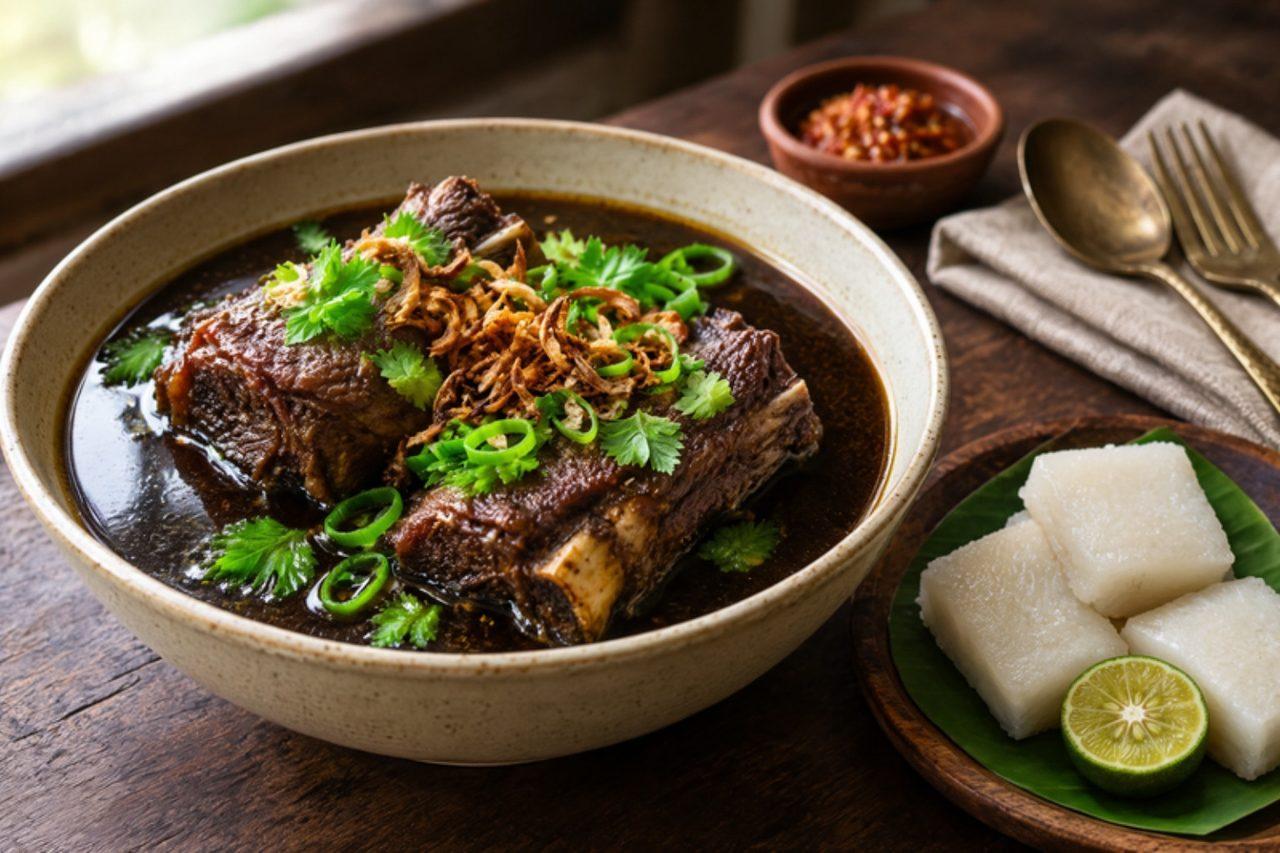
Sop konro is the pride of Makassar in South Sulawesi, where warung near the harbour serve big bowls of beef ribs in an almost black broth from lunchtime into the night, often with burasa (rice cooked in coconut milk) or plain rice. The colour and earthy, chocolatey depth come from keluak (kluwek) nuts, simmered with a paste of shallots, garlic, ginger, galangal, toasted coriander seed and candlenut until the rib meat slides off the bone. The usual mistake is using raw keluak: the nuts are only safe after long fermentation, so buy them ready-prepared from an Indonesian shop, and discard any that smell sour or are dry inside. A pressure cooker gets the ribs tender in 50 minutes. Chef's tip: toast the coriander seeds until they crackle before grinding; they carry the whole soup.

by KrazyBadal 0 views

MsetoRice and green grams

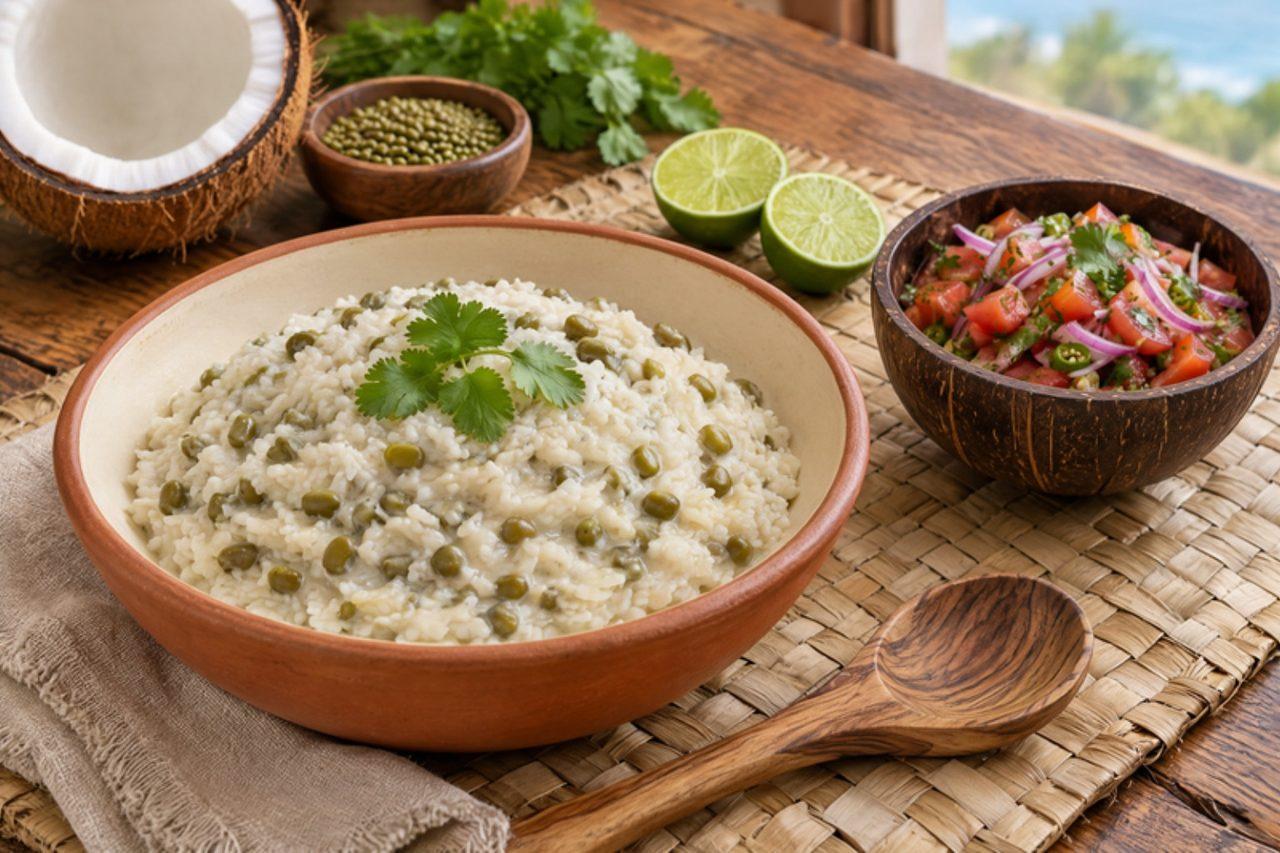
Mseto, meaning 'mixture', is a staple of the Swahili coast from Mombasa to Lamu and Zanzibar, often eaten at lunch or for breaking the fast in Ramadan. Rice and green grams (whole mung beans) cook together in coconut milk with onion and a little turmeric until soft, fluffy and gently creamy. It is served beside a vegetable or bean curry, a kachumbari salad and a squeeze of lime. The usual mistake is adding the rice before the green grams are tender, so the rice turns mushy while the beans stay hard. Chef's tip: once the rice is in, cover the pot tightly and leave it on the lowest heat without lifting the lid, so the rice steams evenly.

by KrazyBadal 0 views

Coconut icePink and white coconut fudge

Coconut ice is the pink and white sweet that fills Australian school fete stalls, Christmas hampers and CWA cake tables, a no-cook fudge of desiccated coconut, condensed milk and icing sugar. It is soft, chewy and very sweet, so cut small squares. A common mistake is a mixture that's too wet to hold; add more coconut until it's firm enough to press. Chef's tip: press the white layer first, then the pink, and chill before cutting for sharp stripes.

by KrazyBadal 0 views

Cowheel soup

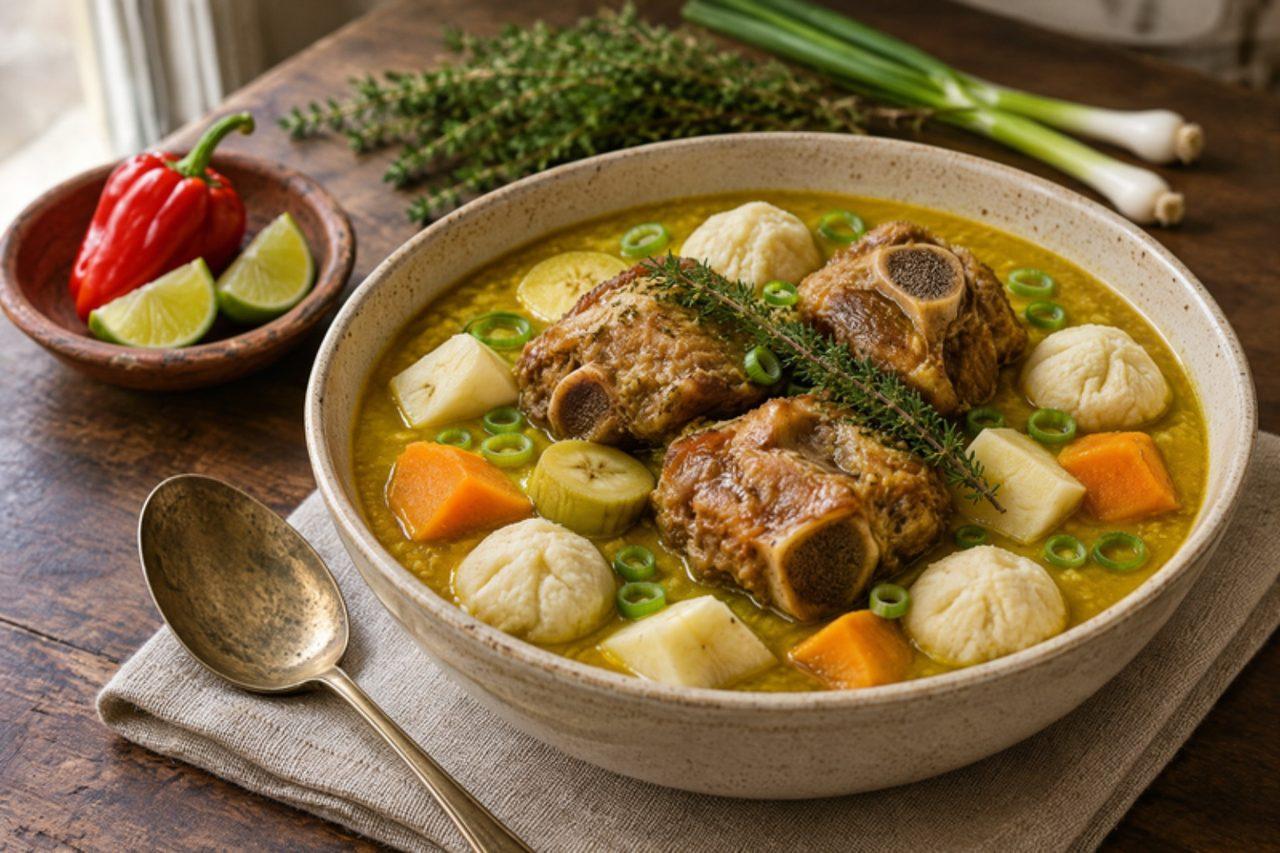
In Trinidad and Tobago, cowheel soup is Saturday soup: the big pot people make at home or buy from roadside soup vendors after a fete, believed to set you right again. Cow heel is simmered for hours until gelatinous, then yellow split peas, pumpkin and 'provisions' such as dasheen, cassava, eddoes and green bananas go in, with green seasoning, a whole scotch bonnet for perfume and soft flour dumplings dropped in at the end. The broth turns thick and silky from the collagen and split peas. The usual mistake is bursting the scotch bonnet, which makes the pot fiercely hot; leave it whole and lift it out. A pressure cooker gets the cow heel tender in 50 minutes. Chef's tip: buy cow heel already cut and scraped by the butcher, then scrub it with lime before cooking.

by KrazyBadal 0 views

NakatiBitter eggplant leaves with tomato

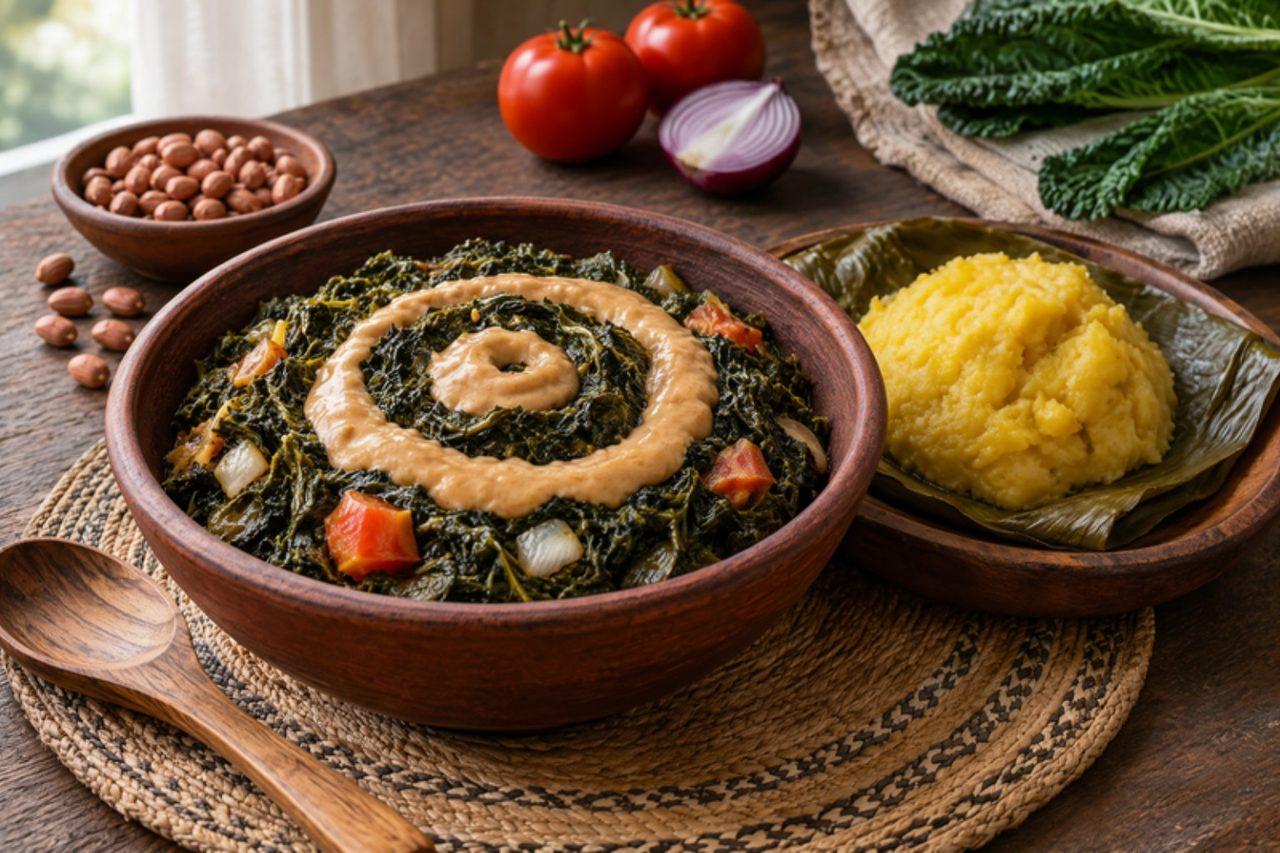
Nakati are the leaves of the African eggplant, and in Kampala and the Buganda countryside they are cooked as an everyday green beside matooke, posho or rice. The leaves are simmered down with onion and tomato until soft, then often enriched with a spoonful of groundnut paste that softens their pleasant bitterness and makes a creamy sauce. Look for nakati at African grocers; young spinach with a handful of kale is a good stand-in. The usual mistake is adding the groundnut paste too early, which lets it catch and burn. Chef's tip: loosen the groundnut paste with a little hot water before stirring it in, so it melts smoothly into the greens.

by KrazyBadal 0 views

Chanko nabeChicken meatball hot pot

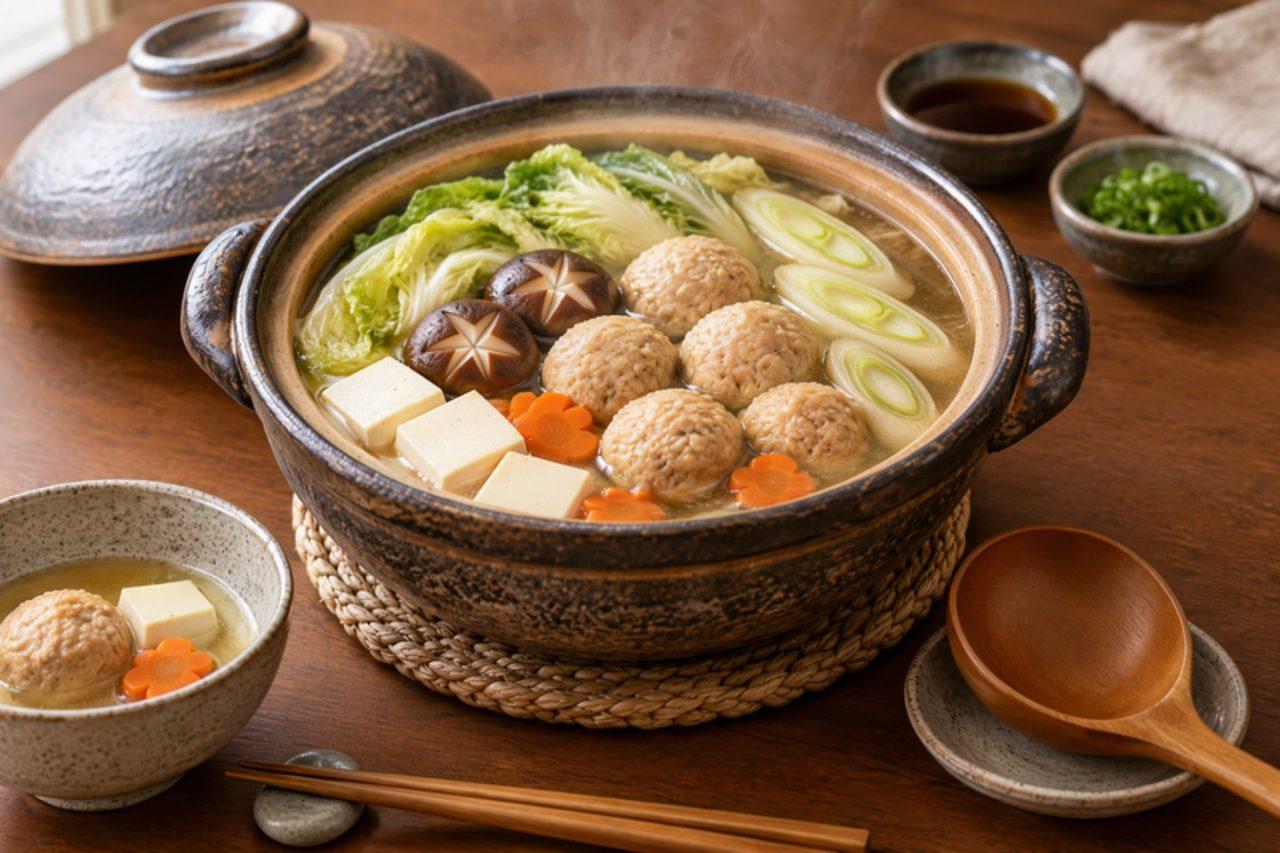
Chanko nabe is the daily meal of the sumo stables around Ryōgoku in east Tokyo, where young wrestlers cook a huge pot after morning practice and the senior ranks eat first. At home it is a winter supper cooked on a tabletop burner or on the hob: a clear chicken and kombu dashi seasoned lightly with soy, then loaded with ginger-scented chicken meatballs, tofu, napa cabbage, leek, carrot and mushrooms. Everything cooks in the one pot, and the last of the broth is often finished with udon or rice. The usual mistake is boiling the pot hard once the meatballs go in, which turns the broth cloudy and the tofu ragged; keep it at a lazy simmer. Chef's tip: shape the meatballs with two wet spoons and drop them in before the vegetables, so they flavour the broth while the cabbage softens.

by KrazyBadal 0 views

KiburuBanana and bean mash

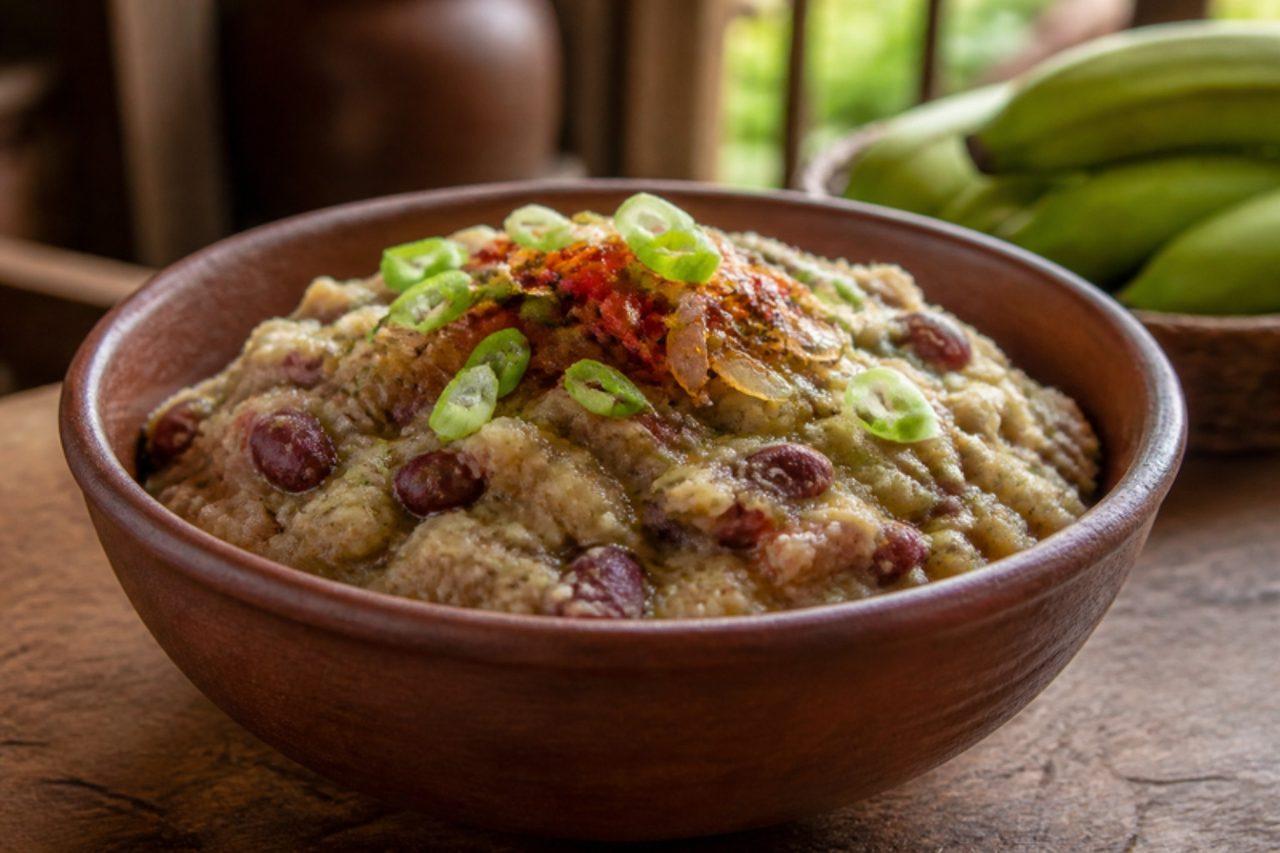
Chagga farms around Moshi and Marangu grow bananas and beans side by side under the coffee bushes, and kiburu brings them together in one pot: green cooking bananas simmered with red beans and onion, then mashed into a thick, rustic, pinkish mound. It is filling everyday food, mild, starchy and savoury, with whole beans still showing through, and it is eaten with a spoonful of tomato-onion relish, a bowl of greens or a mug of sweet milky chai on the side. Red kidney beans must be boiled hard for at least 10 minutes before simmering, because undercooked kidney beans can make you ill. Chef's tip: rub a little oil on your hands before peeling green bananas; the sticky sap stains skin and knives.

by KrazyBadal 0 views

Ndizi na maharageGreen bananas and red beans

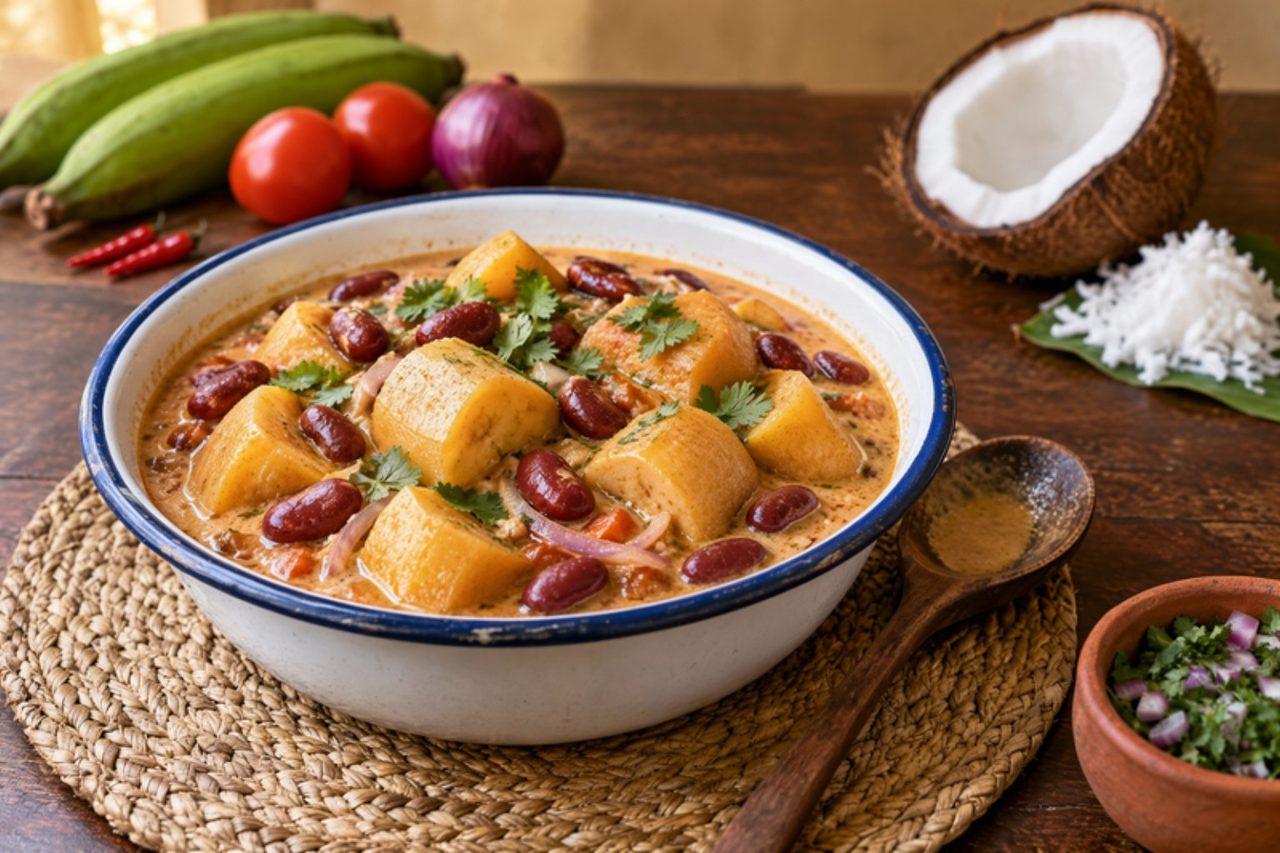
Across Tanzania, from Dar es Salaam to the banana farms around Kilimanjaro, ndizi na maharage is a filling weekday lunch: green cooking bananas and red beans simmered in one pot with tomato, onion and coconut milk until the bananas are soft and the sauce creamy. It needs nothing more than a few slices of avocado or a fresh kachumbari salad on the side. The usual mistake is cooking dried red kidney beans gently from the start: they must boil hard for 10 minutes first to be safe. Peel green bananas with oiled hands, as the sap stains and sticks. Chef's tip: add the bananas only once the beans are tender, then let them simmer until they just break at the edges and thicken the sauce.

by KrazyBadal 0 views

Piri-piri saucePiri-piri chilli sauce

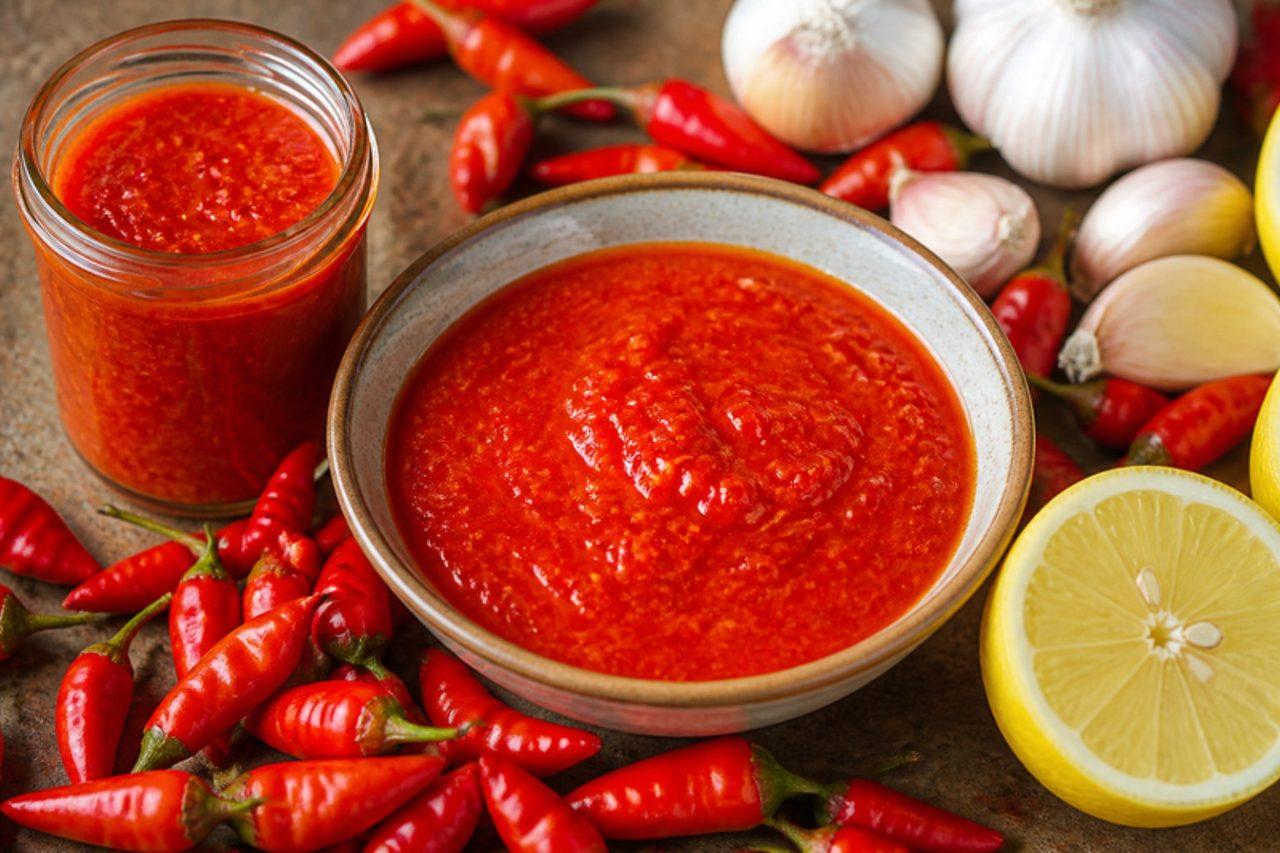
Every barraca on the Costa do Sol in Maputo keeps a bottle of this on the table, and nobody eats grilled prawns, chicken or a bread roll stuffed with chips without a shake of it. Fresh red bird's-eye chillies are blended with raw garlic, lemon juice and oil into a loose, orange-red sauce that is sharp, bright and very hot, with a slow burn that builds after the first bite. A short simmer softens the raw garlic edge and helps it keep in the fridge for two weeks. Spoon it onto grills, seafood, beans, eggs or rice, or loosen it with more oil and use it as a baste. Wear gloves when you trim the chillies and keep your face away from the blender when you open it, because the fumes sting. Chef's tip: leave the seeds in for true Mozambican heat, but pull the green stalks off, as they turn the sauce bitter.

by KrazyBadal 0 views

Showing 9 of 7,762 recipes

Show more recipes

Page 119 of 863