


Skip to content
Sel roti
Featured recipe

Sel roti

Sweet rice flour rings

When Tihar, the five-day festival of lights, arrives in late autumn, kitchens all over Nepal fill with the smell of sel roti: big, thin rings of sweetened rice batter fried in hot oil until crisp and russet outside and soft and slightly chewy inside. They are stacked high to offer to the gods, to sisters during Bhai Tika and to every guest, and they are also made at Dashain and for weddings, travelling well and keeping for days. Rice is soaked overnight and ground with sugar into a thick, pourable batter, then poured by hand in one confident circle into the oil. Many families add ghee to the batter, which makes the rings richer but means they are vegetarian rather than vegan; this version uses oil. The common mistake is oil that is not hot enough, so the batter drinks fat and turns greasy. Chef's tip: let the batter rest for an hour after grinding; it thickens and ferments slightly, and the rings puff and hold their shape better.

Read more 0 views

What to eat today?

Around the world

Today's trip: Persian

A new country every day, from every cuisine on the site.

Persian

Dizi

Lamb and chickpea stew 245 minMore from Persian (131) →

This week's collection

Kid-friendly dinners
537 recipes · a new collection every Monday

Latest recipes

BozaFermented millet drink

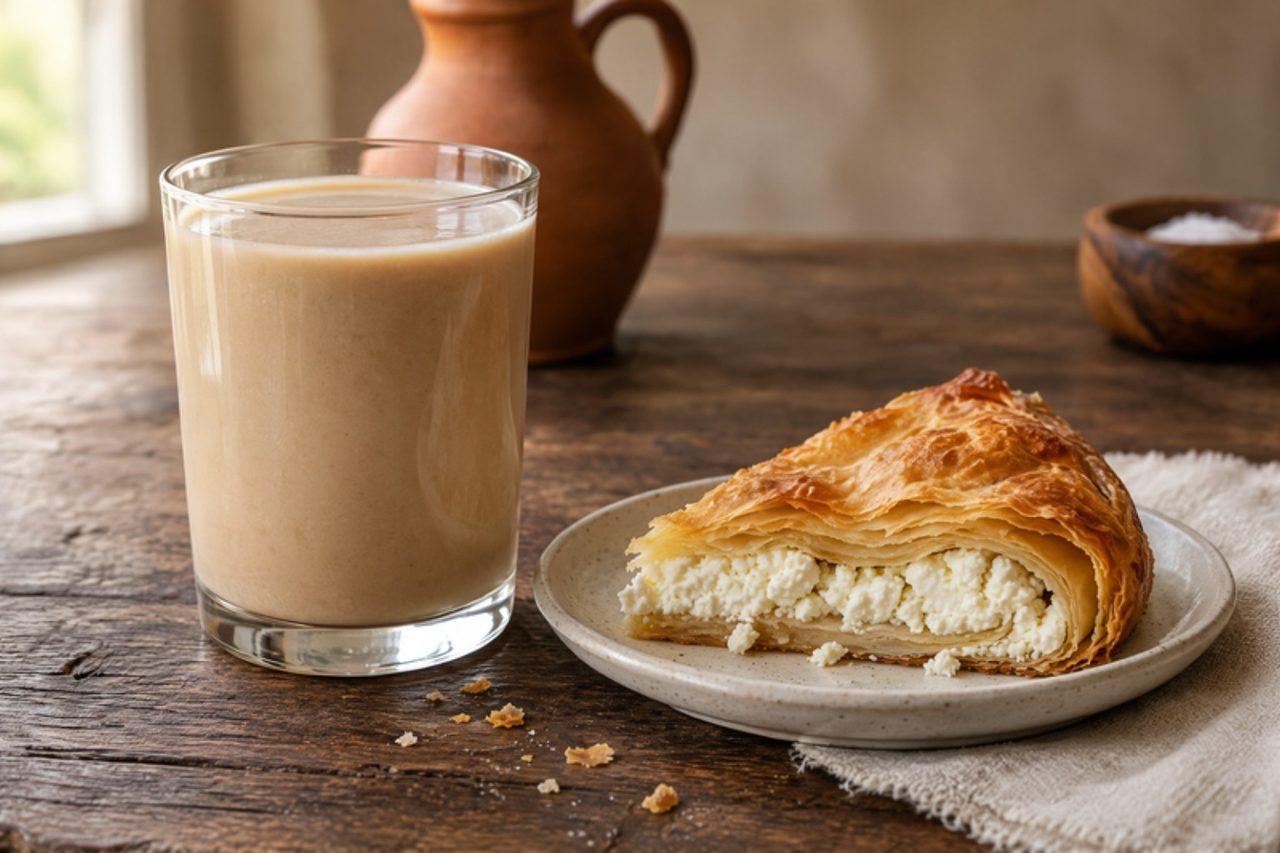
In Bulgaria boza is a breakfast habit: a plastic bottle of it from the corner pastry shop and a slice of hot, flaky banitsa, bought on the way to work or school, especially from autumn through to spring. Towns such as Radomir, Plovdiv and Sofia argue over whose is best. It is the colour of milky coffee, thick enough to coat the glass, sweet up front with a sour, bready finish and a faint prickle. Like every fermented grain drink it makes a trace of alcohol, well under 1% when drunk young. The base is millet flour, toasted for flavour, cooked into a thin porridge, then fermented for about a day before being strained and sweetened. The common mistake is adding the yeast while the porridge is still hot, which kills it and leaves you with sweet gruel; wait until it feels only just warm on your wrist. It is ready when the surface is covered in small bubbles, it smells like fresh bread with a sour edge and tastes pleasantly tangy. Chef's tip: keep back a glass of each batch in the fridge and use it instead of yeast next time; boza made from an old starter is rounder and more sour.

by KrazyBadal 0 views

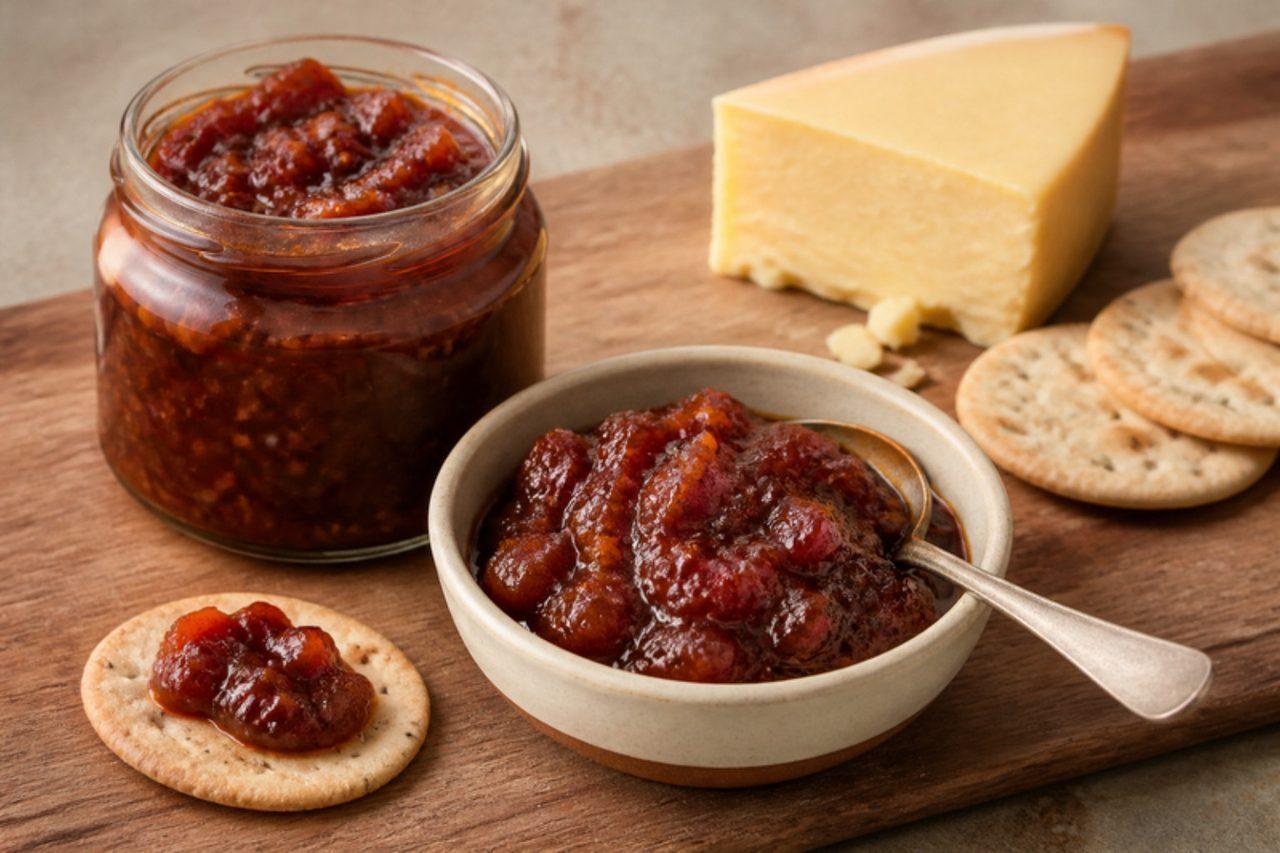
Bush tomato chutney

Bush tomato, known as akudjura or desert raisin, is the small fruit of a desert plant gathered by Aboriginal people in Central Australia and around Alice Springs; dried and ground, it tastes of caramel, tamarillo and sun-dried tomato. A spoon of it turns an ordinary tomato chutney into something rich and smoky, great with cheese, barbecues and burgers. Buy ground akudjura from a native food supplier; only the ripe dried fruit of the right species is safe to eat, so never forage it. A common mistake is adding too much; it is strong. Chef's tip: toast the ground bush tomato in the oil first to wake up its flavour.

by KrazyBadal 0 views

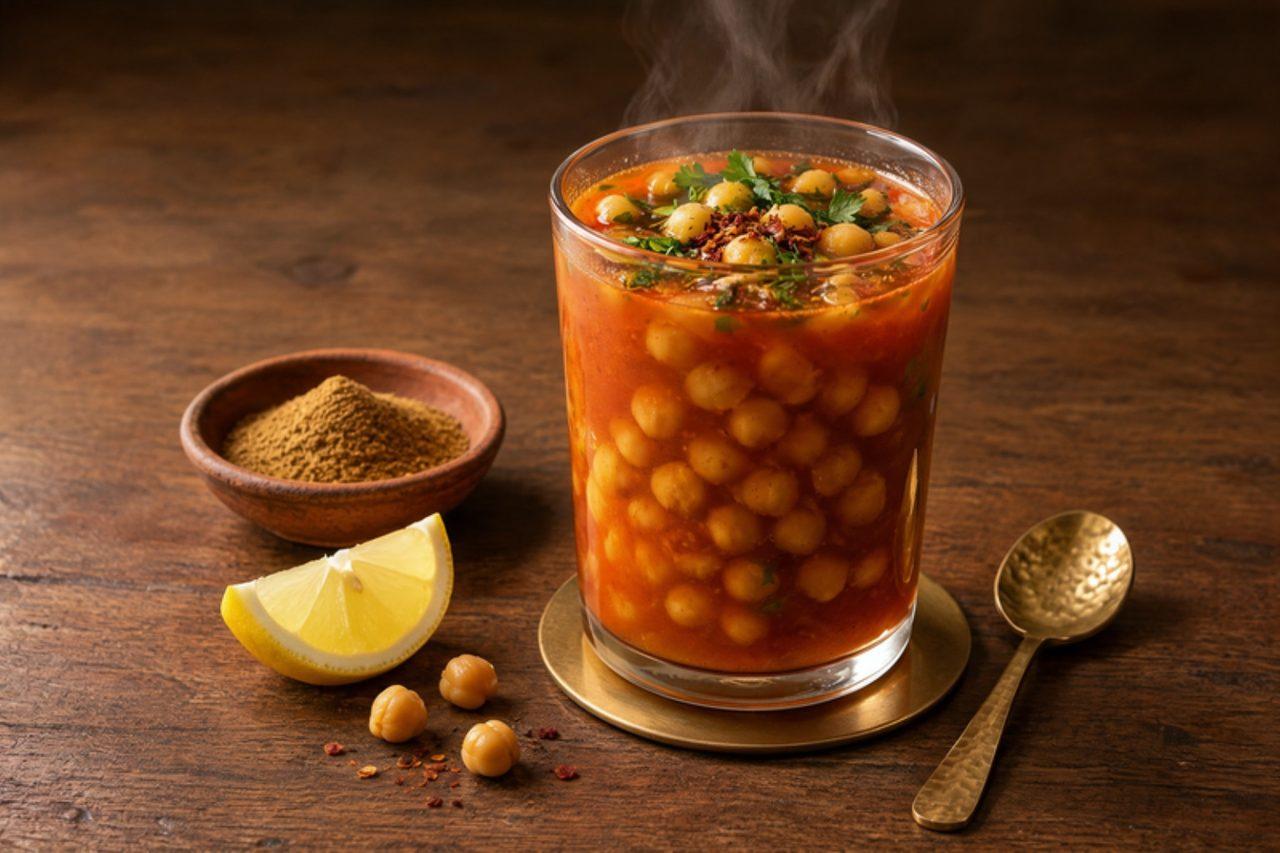
Hummus el shamHot chickpeas with tahini

When the cold winds of January blow through Cairo and Alexandria, carts with steaming copper pots appear on street corners, outside universities and along the Corniche. The vendor ladles hummus el sham — Levantine chickpeas — into glasses: soft chickpeas in their own cooking broth, seasoned with lemon, cumin, salt and a fiery spoon of shatta, sometimes with tomato and chopped onion. It is drunk and eaten with a spoon, a warming, peppery, sour-salty cup that is very different from the dip. The common mistake is using undercooked chickpeas or draining away the cooking water: the broth is the drink, and it should be cloudy and slightly thick from chickpeas that are soft enough to crush between your fingers. A pinch of bicarbonate of soda in the pot helps them soften, as Cairo vendors do. It is ready when the broth tastes deeply of chickpeas and lemon, the cumin is fragrant and the chilli leaves a warm burn. Adjust the heat for children. Canned chickpeas with their liquid work in a pinch: simmer them for 10 minutes with fresh water. Chef's tip: squeeze the lemon into each cup at the end; boiled lemon turns bitter.

by KrazyBadal 0 views

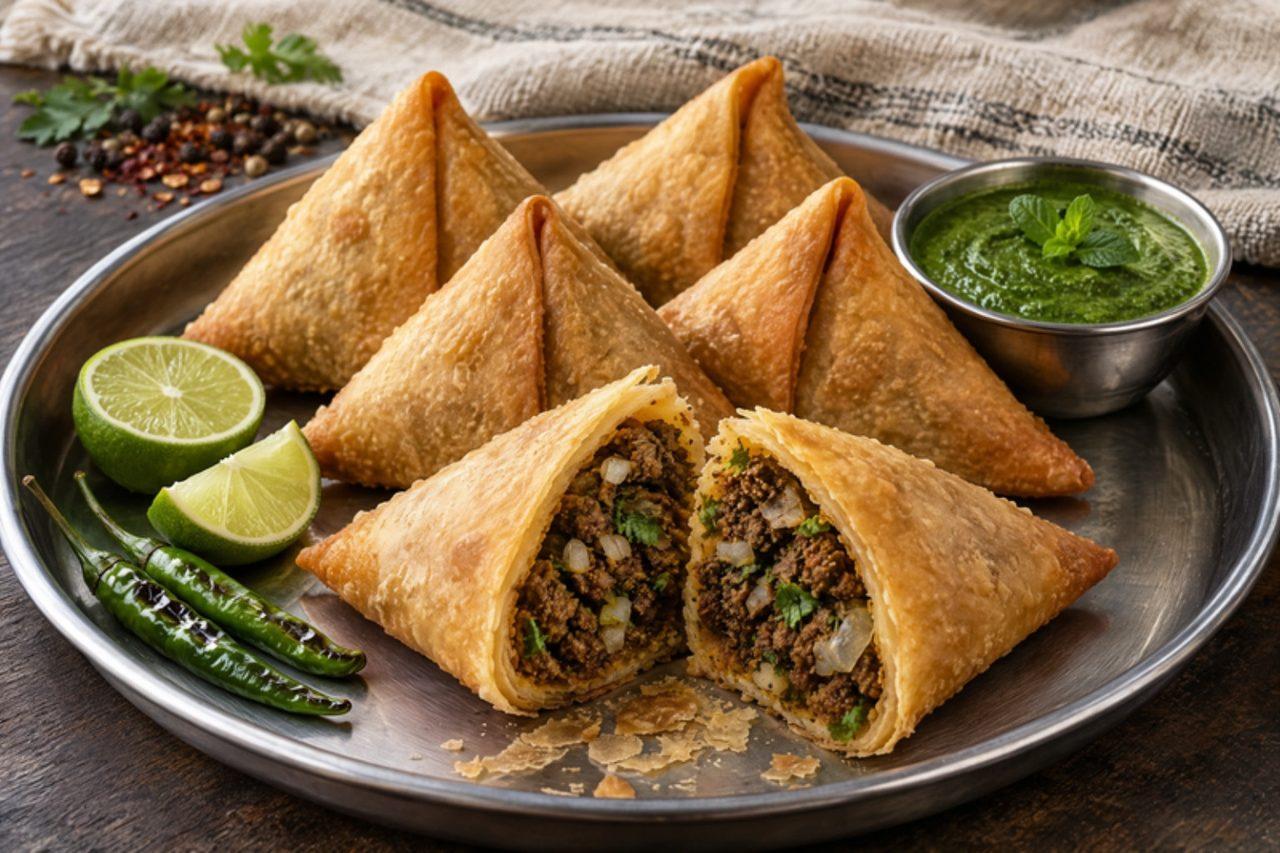
Hyderabadi keema samosaMinced mutton samosas

Through Ramadan, the streets around Charminar fill with iftar stalls, and the small, papery keema samosas are among the first things to sell out before the sunset call to prayer. The filling is minced mutton cooked dry with onion, ginger-garlic, green chilli, mint and garam masala, folded into thin strips of samosa pastry and fried until they shatter. Families make them in batches and freeze them for the whole month. The common mistake is a wet filling, which makes the pastry soggy and can burst; cook the mince until every bit of liquid has gone. Chef's tip: cook the mince fully to at least 71 °C before filling, because the quick fry only crisps the pastry; it will not cook raw meat through.

by KrazyBadal 0 views

Beijing douzhiFermented mung bean drink

Douzhi is the most famous acquired taste in Beijing: a hot, grey-green, sour drink made from the liquid left when mung beans are ground for starch, then fermented. Old Beijingers sip it at breakfast with crisp jiaoquan rings and shredded salted mustard pickles, and visitors either love it or never try it twice. At home you make a small batch by blending mung beans, settling out the starch and fermenting the cloudy water for a day. The mistake is letting it boil hard: it separates into watery and thick layers, so keep it at a gentle bubble. It must smell cleanly sour like yogurt; throw it away if it smells rotten, has mould, or turns pink or slimy. Chef's tip: stir it continuously as it heats and add a splash of the thinner liquid at the end, which keeps the classic smooth, slightly thick texture.

1440 minChineseDrinksVeganGluten free
by KrazyBadal 0 views

Pikelets

Pikelets are the small, thick pancakes Kiwi and Aussie kids learn to make first, cooked for afternoon tea in farmhouse kitchens from the Waikato to Tasmania and served with butter and jam, or jam and whipped cream. They are ready in 20 minutes and are best eaten warm. A common mistake is a pan that's too hot; they brown outside before the centre sets. Chef's tip: flip them when bubbles have popped on the surface and the edges look dry.

by KrazyBadal 0 views

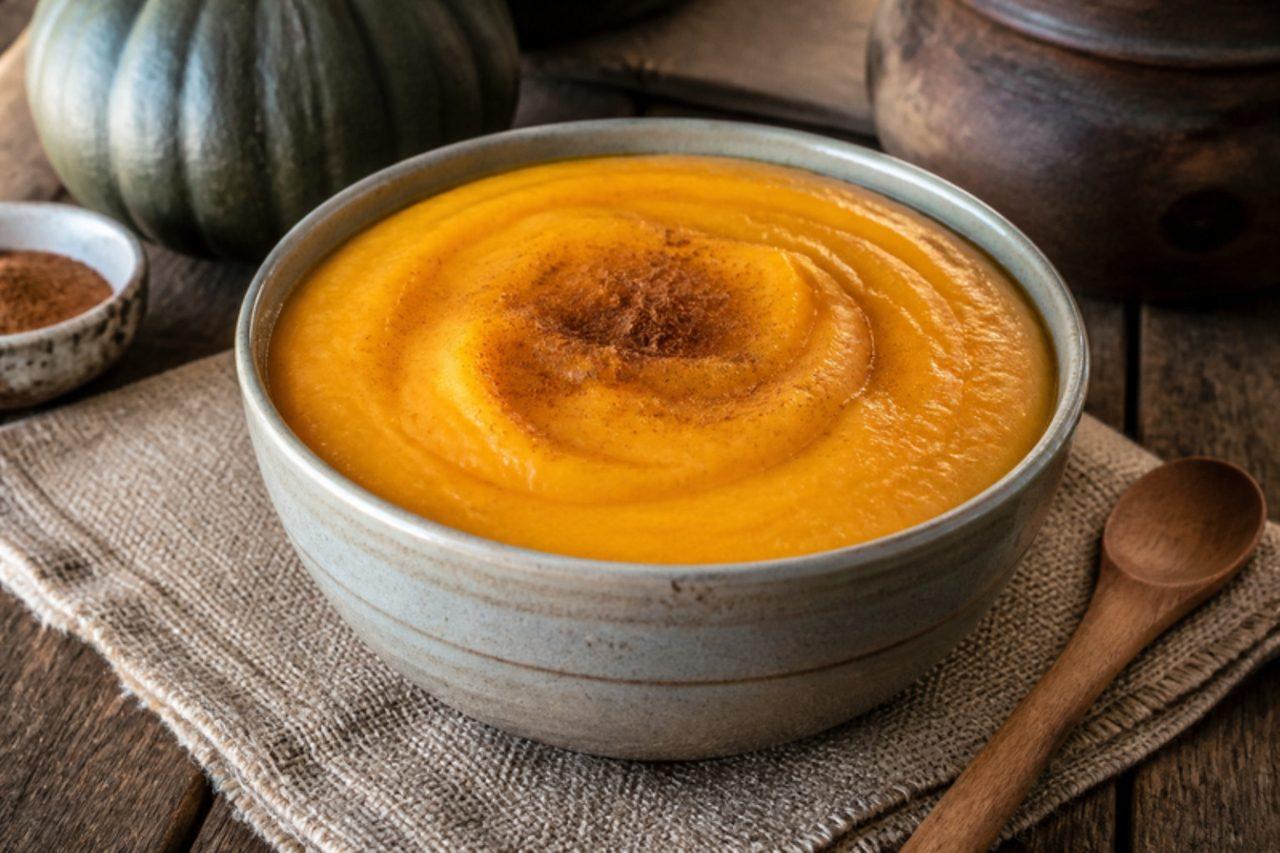
IsijingiPumpkin and maize porridge

When the big grey-skinned pumpkins come in at the end of summer, Xhosa grandmothers around Butterworth and Ngcobo stew them down and stir in maize meal to make isijingi, a bright orange porridge that children love and adults secretly do too. It is soft and spoonable, gently sweet from the pumpkin and a little sugar, with the faint corn flavour of the meal underneath. Serve it as a side to beans or a vegetable stew, or eat a bowlful on its own for supper on a cold evening. Watery pumpkin is the classic mistake, so cook the pumpkin until most of its liquid has evaporated before the meal goes in. Chef's tip: use a dense, deep orange pumpkin or butternut, not a watery jack-o'-lantern type, for the sweetest flavour.

by KrazyBadal 0 views

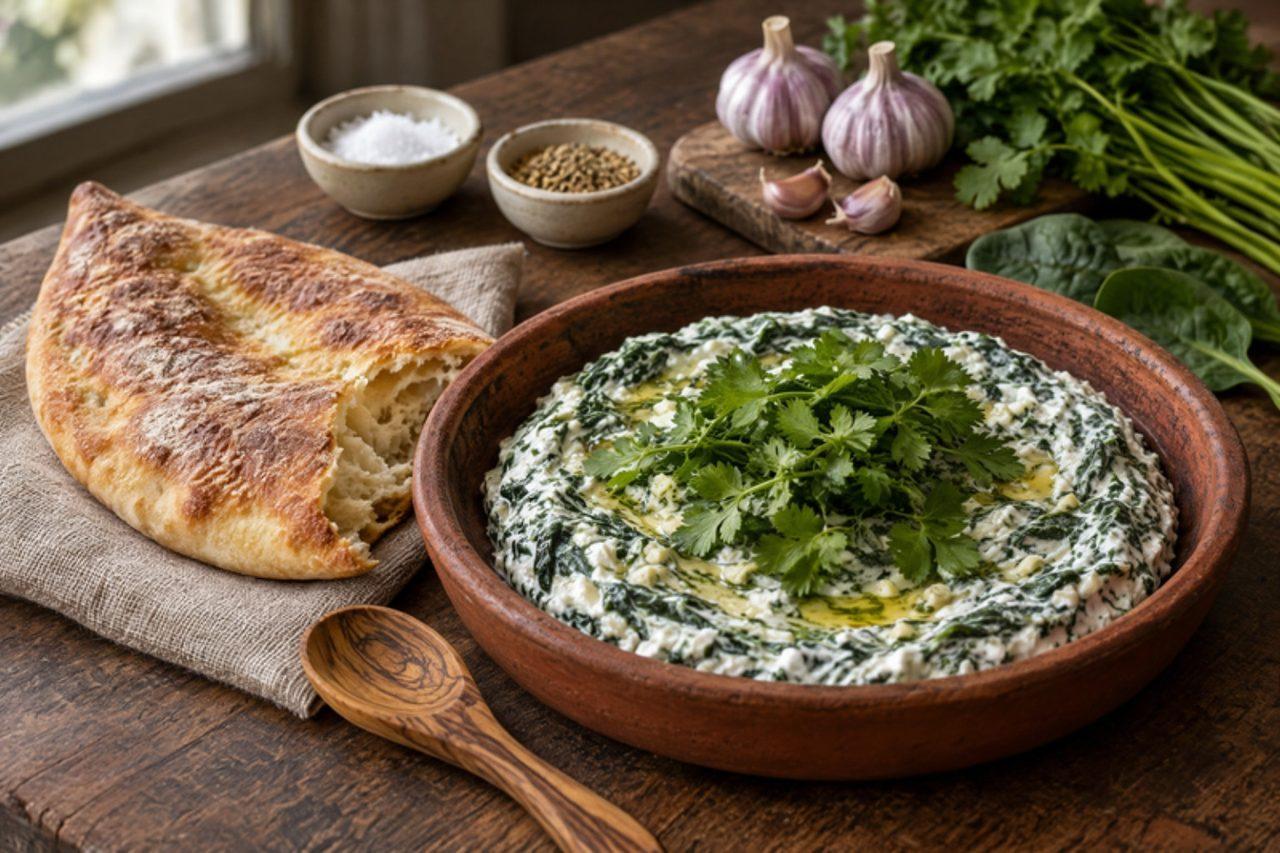
Ispanakhi matsvnitSpinach with yogurt

In Georgian homes from Tbilisi to Kakheti, ispanakhi matsvnit is one of the quick dishes on a supra table and a weekday side all spring, when spinach is young and sweet. The spinach is wilted, squeezed and chopped, then folded into thick matsoni (Georgian set yoghurt) with crushed garlic, coriander and a little blue fenugreek, and served cool with bread, beans or grilled vegetables. Suitable as part of a balanced diet. About 110 kcal and 8 g carbohydrate per portion. The usual mistake is not squeezing the spinach hard enough, so water seeps into the yoghurt and makes it thin. Chef's tip: crush the garlic with a pinch of salt to a smooth paste so it spreads evenly through the yoghurt rather than hitting you in raw lumps.

by KrazyBadal 0 views

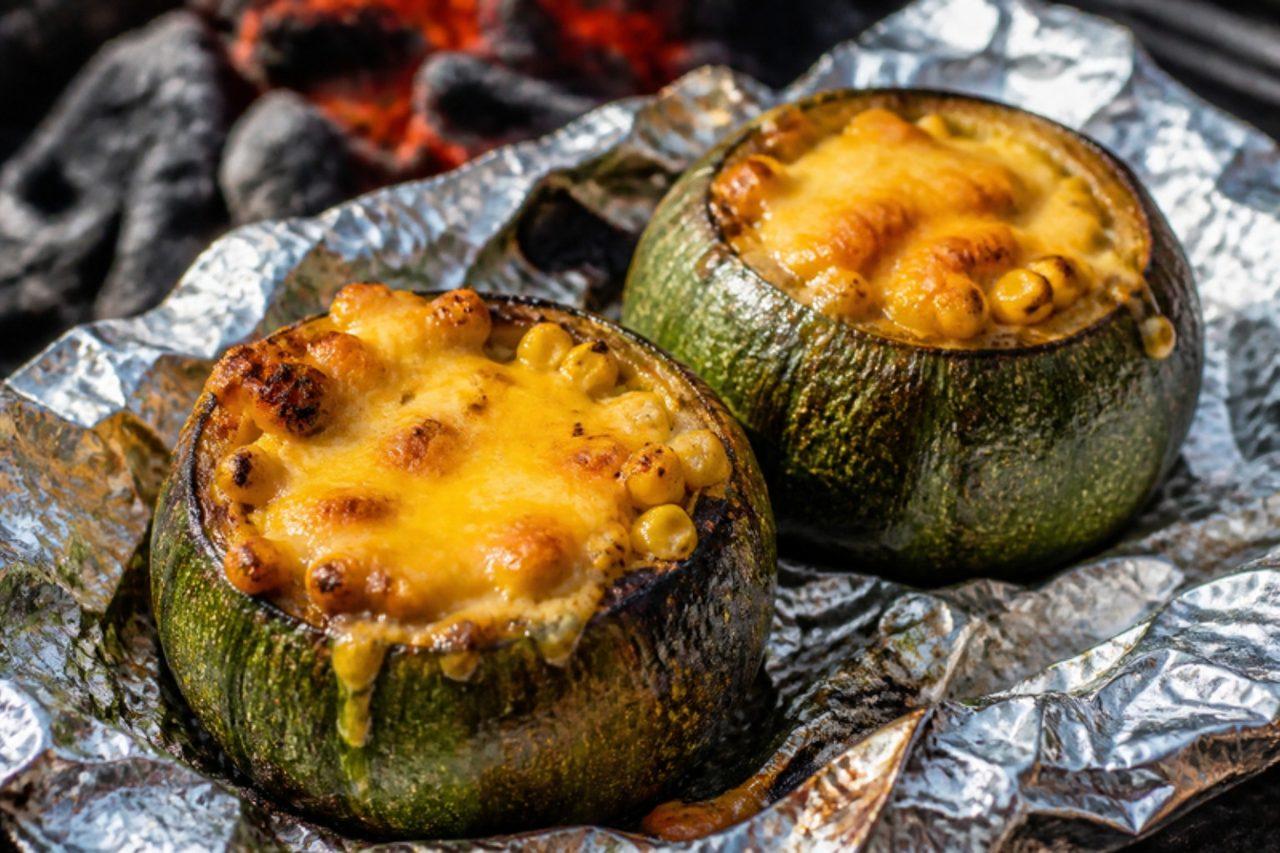
Braaied gem squashGem squash with sweetcorn and cheese

Small, round and dark green, gem squash is the vegetable South African children grow up scooping from the shell with a teaspoon, and at a weekend braai it goes into the coals wrapped in foil alongside the potatoes. The halves steam in their own juice until the orange flesh is tender and sweet, with a pool of melted butter, golden corn and cheese in the hollow. Serve them as a side for anything from the grid, or make a plate of them with pap tert and a tomato salad for a meat-free braai. Indoors, an oven gives the same result. Putting them straight onto flaming wood is the mistake: they char outside and stay hard inside, so wait for grey, glowing coals. Choose a vegetarian cheddar, since many are made with animal rennet. Chef's tip: trim a thin slice off the round base of each half so it sits flat and holds its filling.

by KrazyBadal 0 views

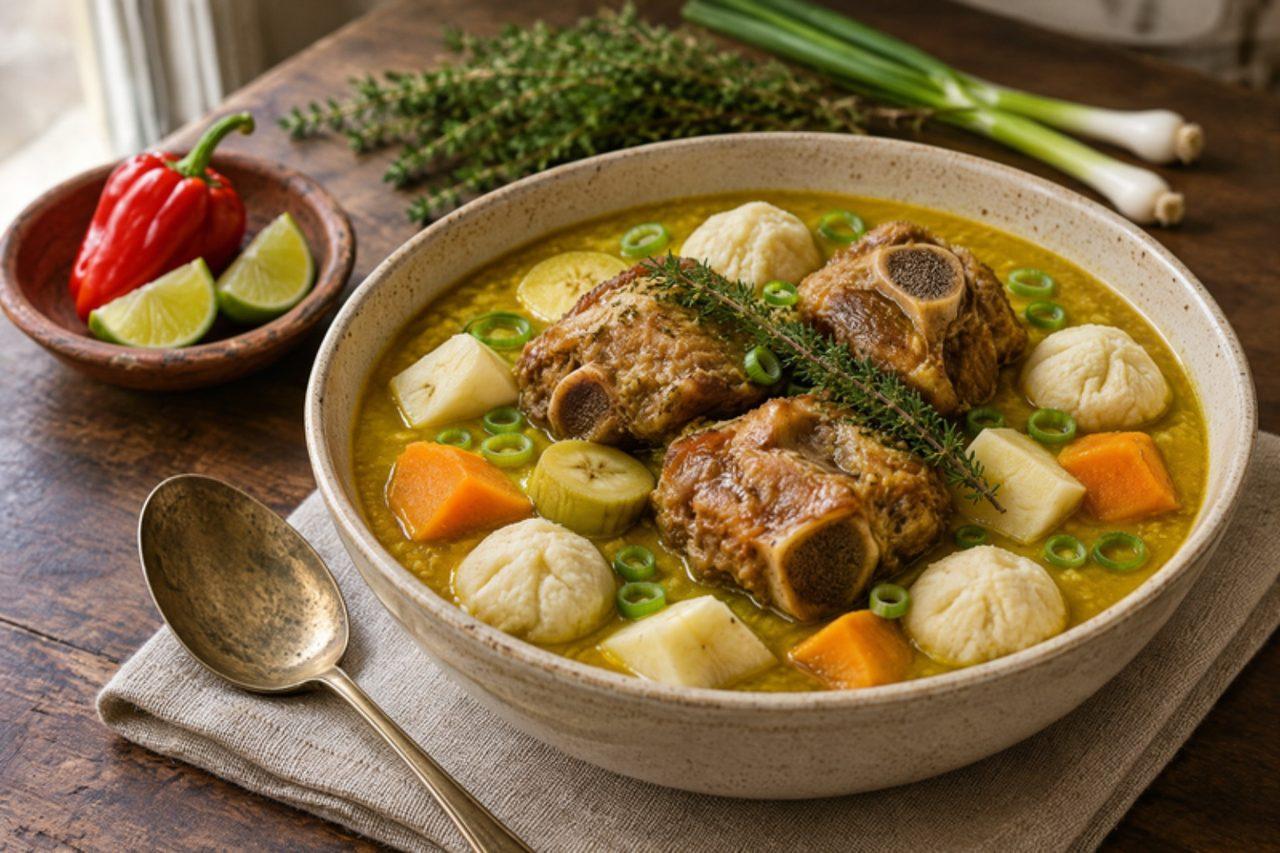
Cowheel soup

In Trinidad and Tobago, cowheel soup is Saturday soup: the big pot people make at home or buy from roadside soup vendors after a fete, believed to set you right again. Cow heel is simmered for hours until gelatinous, then yellow split peas, pumpkin and 'provisions' such as dasheen, cassava, eddoes and green bananas go in, with green seasoning, a whole scotch bonnet for perfume and soft flour dumplings dropped in at the end. The broth turns thick and silky from the collagen and split peas. The usual mistake is bursting the scotch bonnet, which makes the pot fiercely hot; leave it whole and lift it out. A pressure cooker gets the cow heel tender in 50 minutes. Chef's tip: buy cow heel already cut and scraped by the butcher, then scrub it with lime before cooking.

by KrazyBadal 0 views

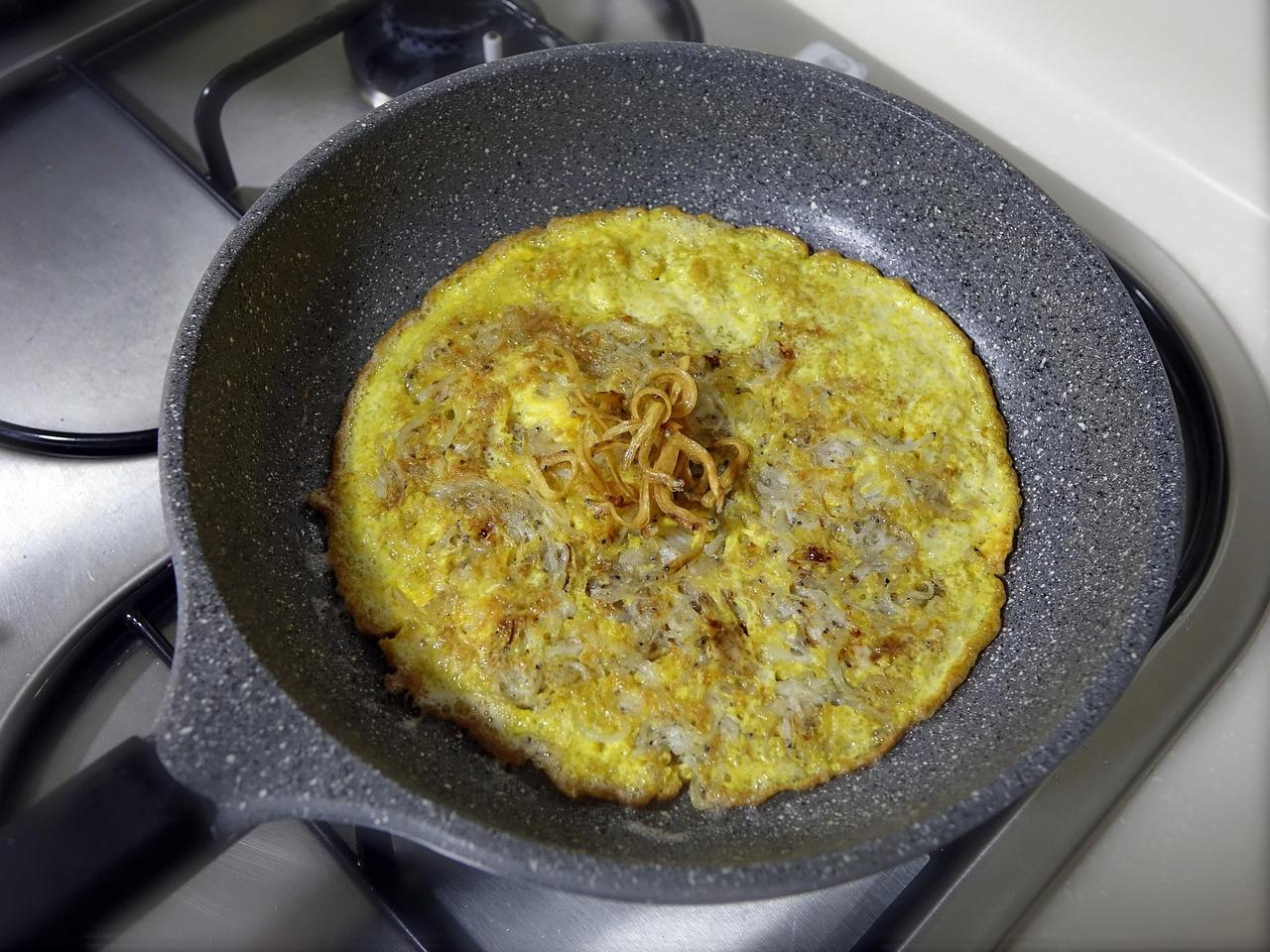
Whitebait fritters

Every spring, from September to November, the rivers of New Zealand's West Coast, around Hokitika and Haast, line with people scooping tiny translucent whitebait in nets, and the season's prize is a whitebait fritter. The fish are bound with just enough egg to hold them, fried in butter and eaten between slices of buttered white bread with a squeeze of lemon. Buy fresh or frozen whitebait from a trusted seller. A common mistake is adding flour, which hides the delicate fish; the true West Coast fritter is almost all whitebait. Chef's tip: beat the egg white separately and fold it in for a lighter fritter.

by KrazyBadal 0 views

Agua de tuna (prickly pear drink)

Late summer is tuna season across the central highlands, from Hidalgo and the Estado de México down to Puebla's Teotihuacán valley, and that is when the big vitroleros in markets and taquerías turn shocking pink. Agua de tuna is just the cactus fruit blended with water, lime and a little sugar, strained, and poured over ice with lunch. Red tunas give a vivid colour and a taste between watermelon and pear; green ones make a paler, more herbal drink. It should be light and thirst-quenching, never syrupy. The commonest mistake is blending too long: the hard seeds crack and the agua turns gritty and slightly bitter. Pulse briefly, just enough to free the pulp, then strain well. It is ready when the liquid runs smooth through the sieve and tastes clearly of fruit with only a lift of lime. Handle unpeeled tunas with tongs or gloves: even 'cleaned' ones keep tiny glochids. Chef's tip: chill the peeled fruit before blending; cold pulp keeps its colour bright and needs less ice to dilute it.

by KrazyBadal 0 views

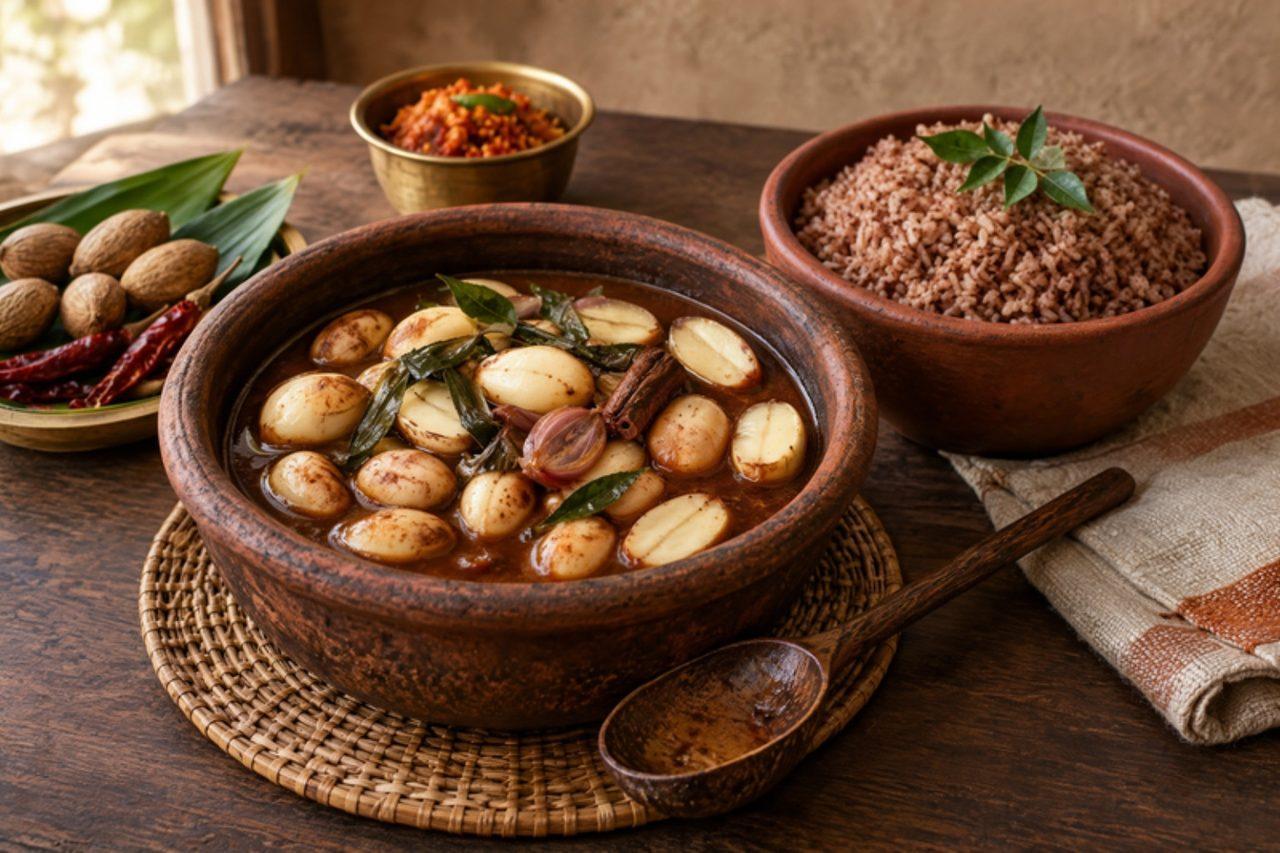
Kos ata curryJackfruit seed curry

During the jackfruit season, roughly April to July, Sri Lankan households save every seed, and kos ata curry is how they become a hearty weekday dish served with rice and greens. The seeds are boiled tender, peeled of their papery skin, then simmered in a dark roasted curry powder and coconut milk gravy until they taste like chestnuts in a spicy sauce. Serve with red rice and a sambol. The usual mistake is undercooking the seeds; they must be boiled until a fork goes in easily, or they stay hard and are hard to digest. A pressure cooker saves time: boil the seeds for 10 minutes on high. Chef's tip: crack each seed lightly with the flat of a knife before simmering so it soaks up the gravy.

by KrazyBadal 0 views

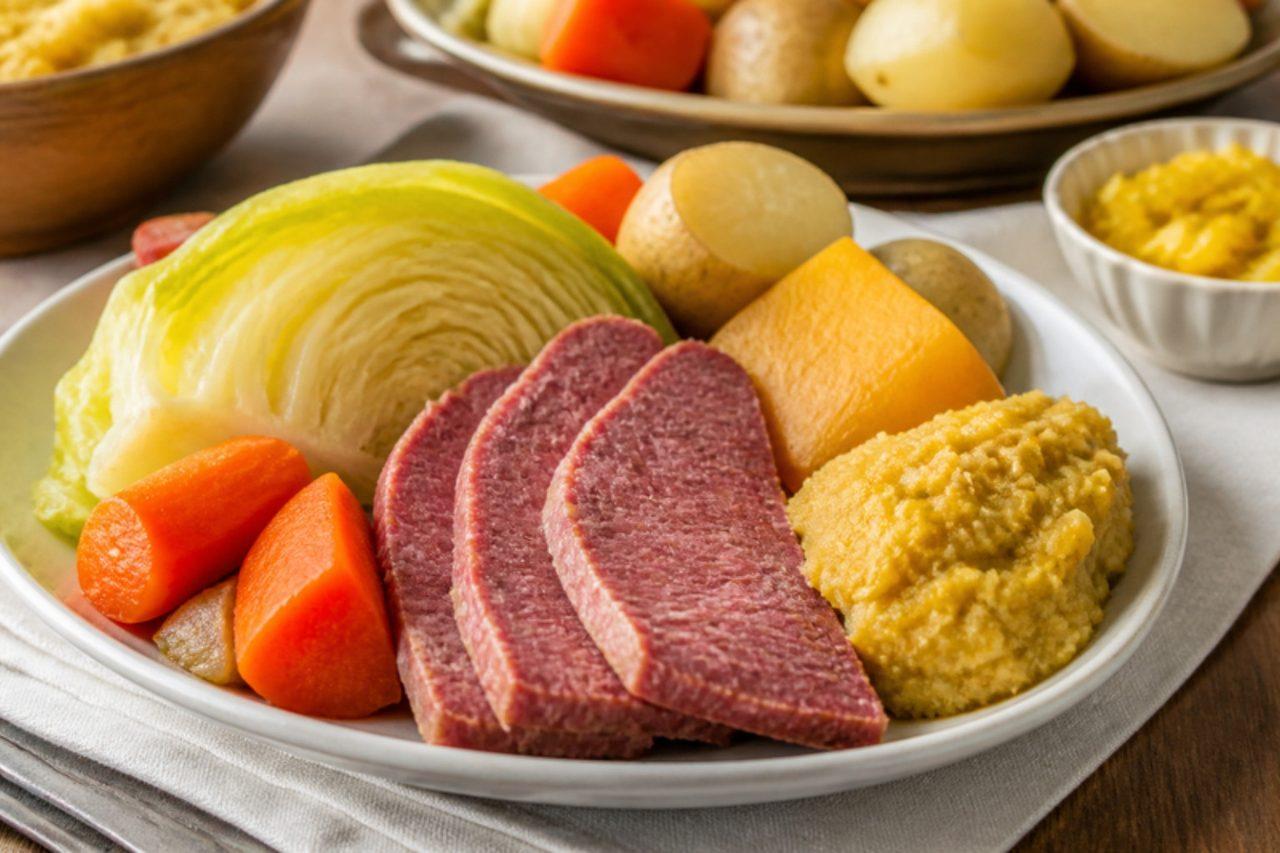
Jiggs dinnerBoiled salt beef and vegetables

Jiggs dinner is the Sunday dinner of Newfoundland, cooked in one big pot after church in St John's and every outport around the coast. Salt beef, soaked overnight, simmers with turnip, carrot, potato and cabbage, while yellow split peas cook in a cloth bag in the same pot to make pease pudding. It is served with mustard pickles and often with figgy duff. A common mistake is skipping the overnight soak, which leaves the beef far too salty. Chef's tip: add the vegetables in stages, cabbage last, so each is just tender at the end.

210 minCanadianMeatGluten free
by KrazyBadal 0 views

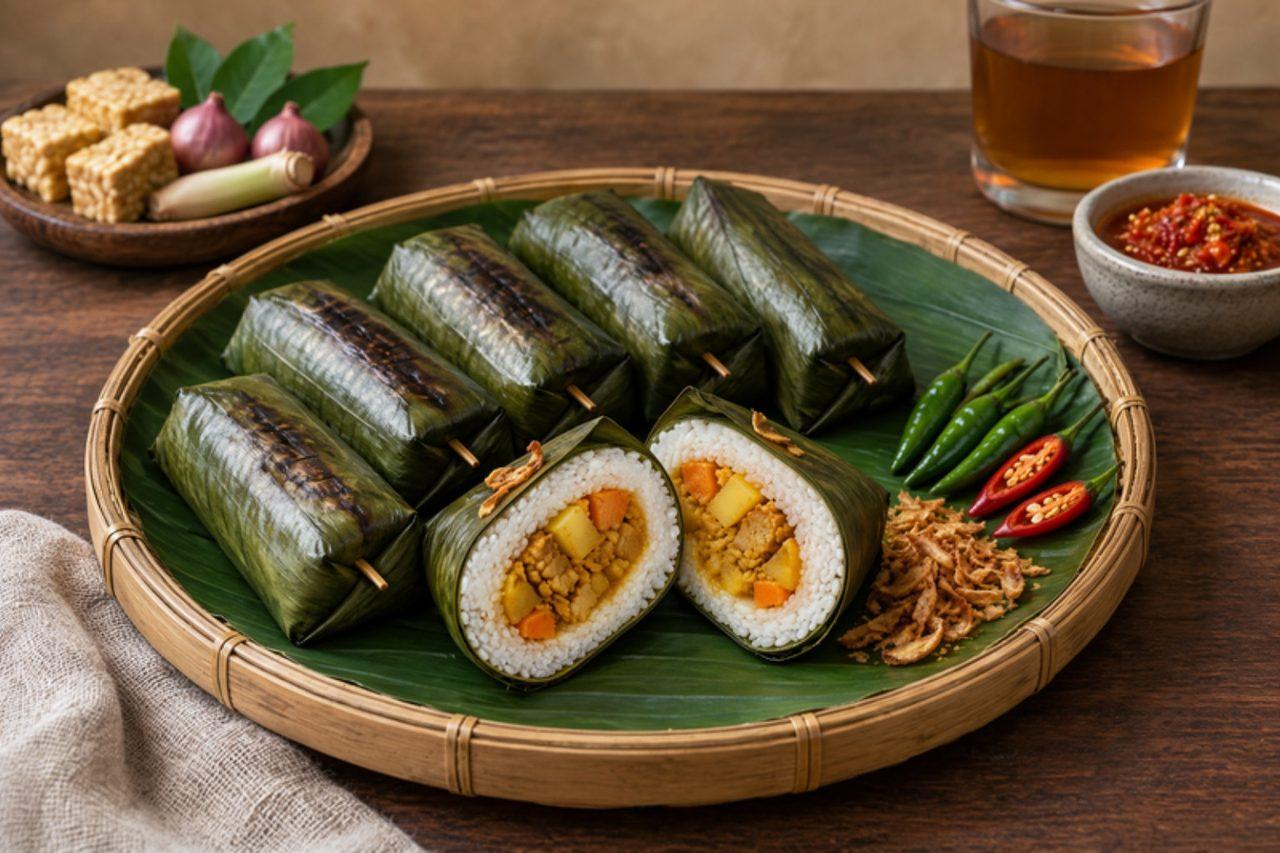
Arem-aremFilled rice rolls in banana leaf

Arem-arem are what Central Javanese cooks pack for meetings, trains and bekal lunchboxes: logs of coconut-scented rice wrapped round a spiced filling, rolled in banana leaf and steamed until firm, so they can be eaten in the hand, cold or warm. Chicken fillings are common in the city; this one uses tempeh, potato and carrot. The common mistake is cooking the rice fully before rolling, which makes the logs mushy; it should be only half-cooked, so it finishes in the leaf. Chef's tip: soften the banana leaves over a flame or in hot water first, or they will split as you roll.

by KrazyBadal 0 views

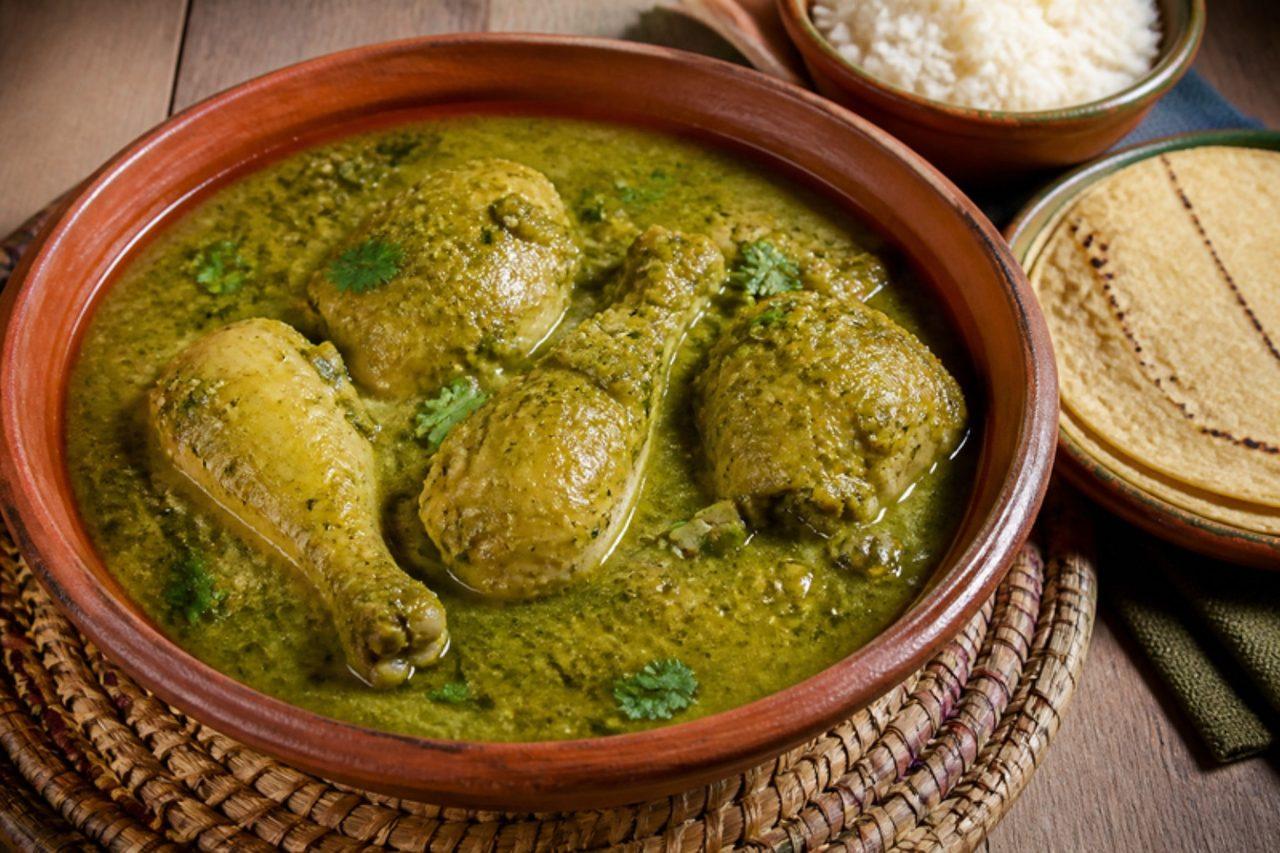
JocónChicken in green tomatillo sauce

Up in Huehuetenango and the Cuchumatanes highlands, jocón is a Sunday and fiesta dish: chicken pieces poached and then finished in a bright green sauce of tomatillos, coriander, spring onion and green pepper, thickened with toasted pumpkin and sesame seeds and a soaked corn tortilla. It tastes tangy, herby and nutty, and is eaten with white rice and a stack of warm tortillas. The common mistake is boiling the sauce hard after blending, which dulls the colour and splits the seeds; keep it at a gentle bubble. Chef's tip: toast the pumpkin seeds until they pop and smell nutty but stay green; dark seeds turn the sauce muddy and bitter.

by KrazyBadal 0 views

PothichoruRice meal in banana leaf

Before steel tiffin carriers, Kerala's schoolchildren and office workers carried pothichoru, a parcel of hot rice, a dry vegetable thoran, coconut chammanthi and a dab of pickle, folded inside a banana leaf that had been passed over a flame. By lunchtime the leaf's aroma has seeped into the rice; the whole parcel is still sold on trains and at festivals. Fried egg or fish fry are often tucked in; this is the vegetarian version. The common mistake is wrapping the leaf without wilting it first, so it cracks and leaks. Chef's tip: pack the rice warm, not steaming, and eat within four hours, or cool everything and keep the parcel cold until lunch.

by KrazyBadal 0 views

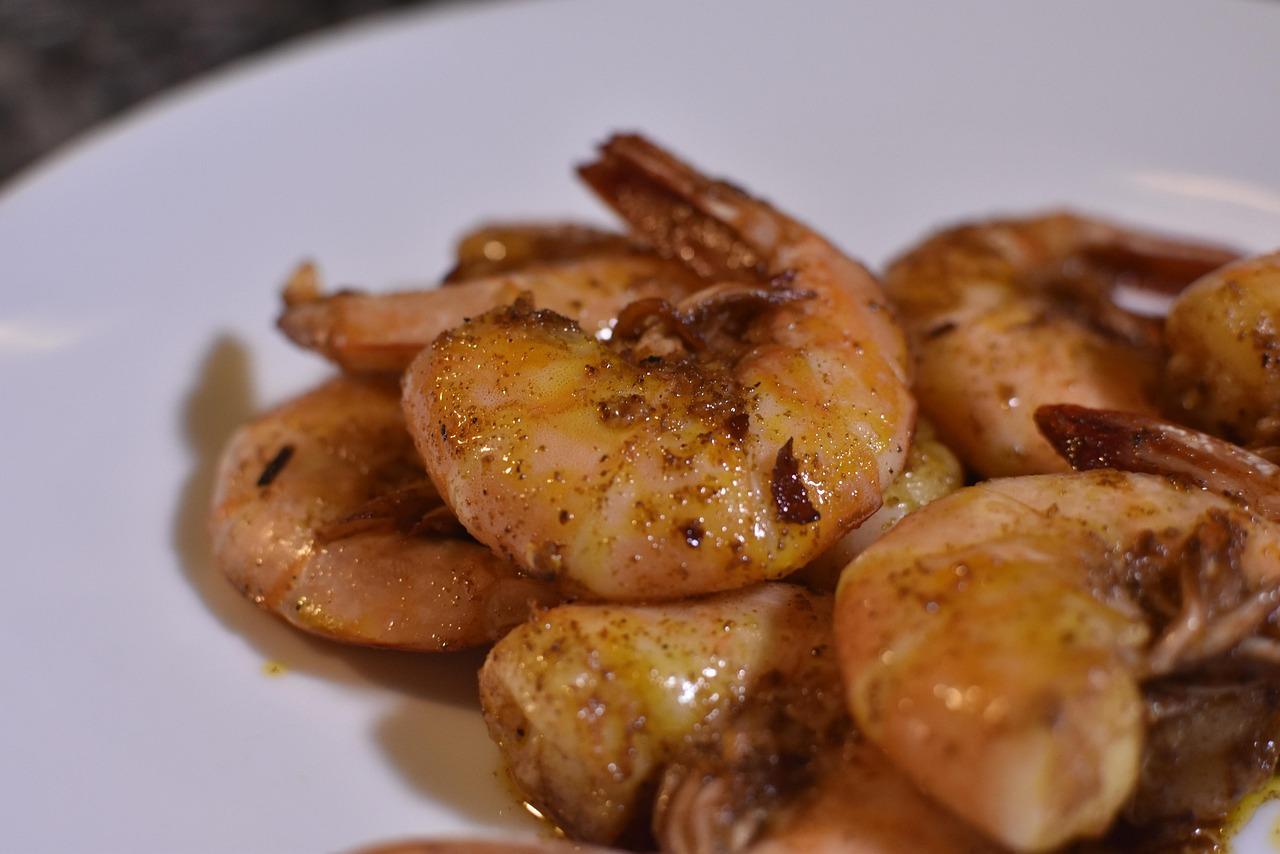
Spot prawns with garlic butter

For six weeks or so from May, Vancouver's False Creek dock fills with people buying live spot prawns straight off the boats, and the whole city cooks them simply in garlic butter. They are sweet, firm and delicate, so they need almost nothing else, just bread or rice to soak up the butter. If you buy them live, cook them on the day; remove the heads straight away, as an enzyme there turns the tail meat mushy. Throw away any prawns that smell of ammonia or have gone soft. A common mistake is overcooking; two minutes is plenty. Chef's tip: cook in batches so the pan stays hot and they sear rather than stew.

by KrazyBadal 0 views

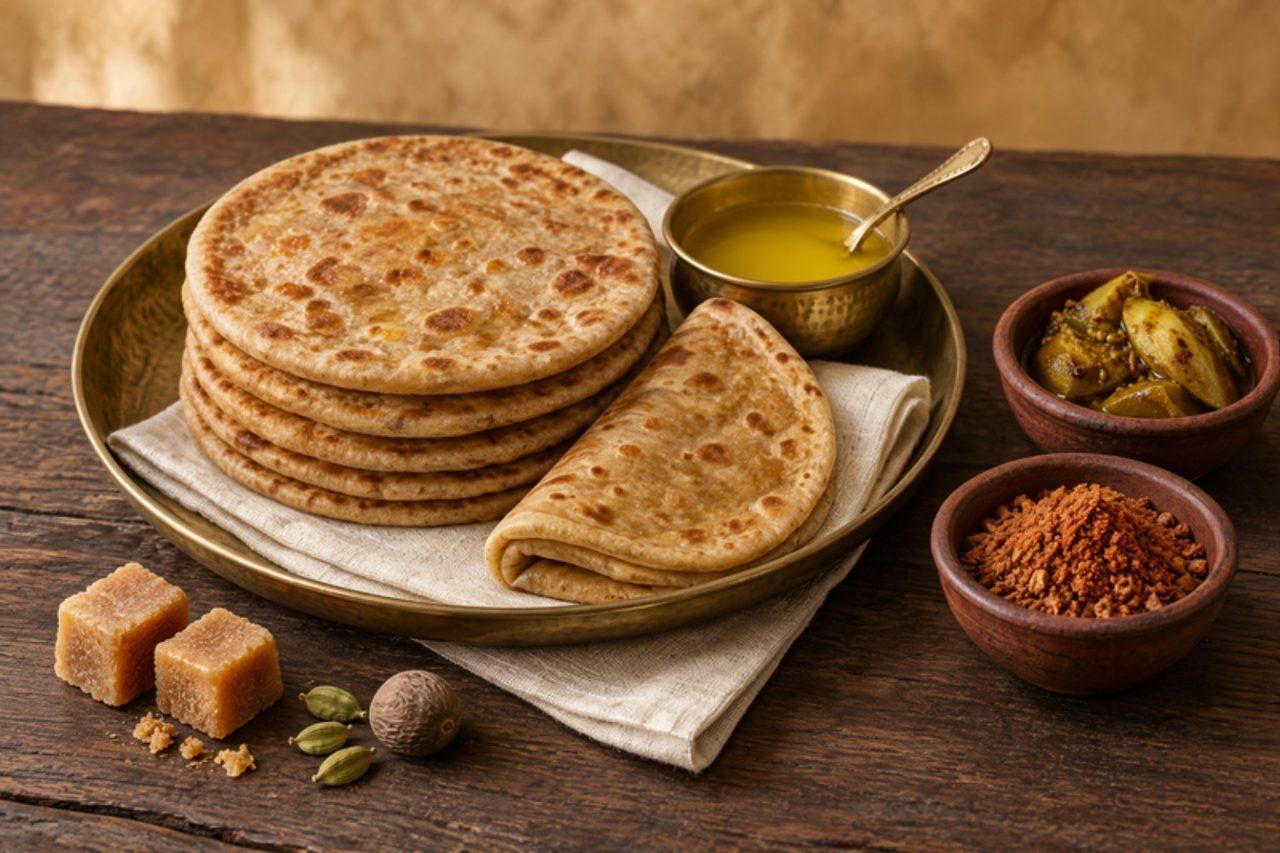
DashmiMilk and jaggery flatbread

Dashmi is the bread Maharashtrian mothers make for pilgrimages, school trips and the first days of a long journey: wholewheat dough kneaded with warm milk instead of water and sweetened with jaggery, cooked on a tawa until soft and spotted. Milk and ghee keep it tender for two or three days without a fridge in cool weather, and children eat it plain or with pickle. The common mistake is rolling it too thin and cooking it on a fierce tawa, which makes it crisp like a khakhra; it should stay soft and pliable. Chef's tip: stack the dashmis in a cloth as they come off the tawa, so the trapped steam softens them further.

by KrazyBadal 0 views

Louise sliceJam and coconut meringue slice

Louise slice, or Louise cake, is a New Zealand tea-time classic found on church cake stalls and in grandma's tins from Invercargill to Whangārei. A buttery shortcake base is spread with raspberry jam and topped with a chewy coconut meringue that bakes to pale gold. It is light and pretty, and very easy. A common mistake is baking the meringue too hot, which browns it before it sets inside. Chef's tip: spread the meringue right to the edges so the jam doesn't bubble through.

by KrazyBadal 0 views

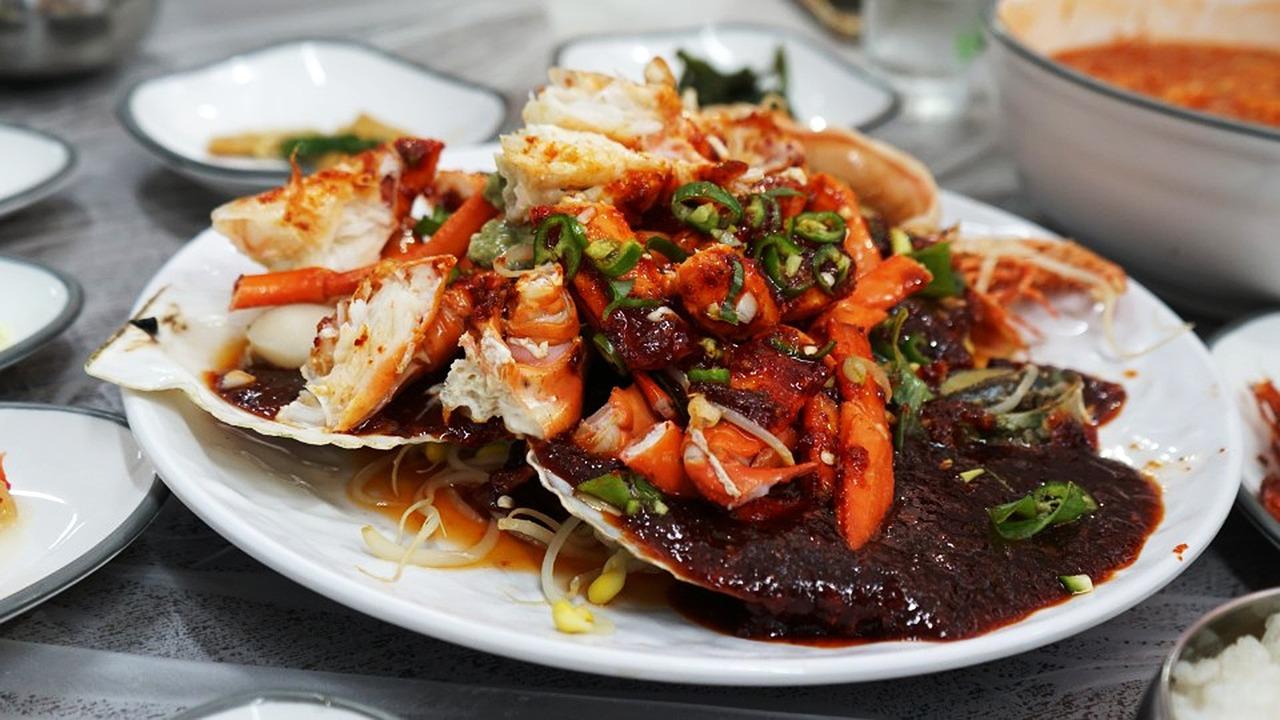
Chilli mud crab

Mud crabs are caught in the mangroves of Queensland and the Northern Territory, and in Cairns, Darwin and Brisbane the favourite way to eat them is Asian-Australian style, wok-tossed in a sticky sauce of chilli, garlic, ginger and tomato. It is messy, hands-on eating with crusty bread or rice to mop the sauce. Ask your fishmonger to clean and cut the crab into pieces for you, and cook it the same day. A common mistake is using too little sauce; the shells soak it up. Chef's tip: crack the claws with the back of a heavy knife before cooking so the sauce gets in.

by KrazyBadal 0 views

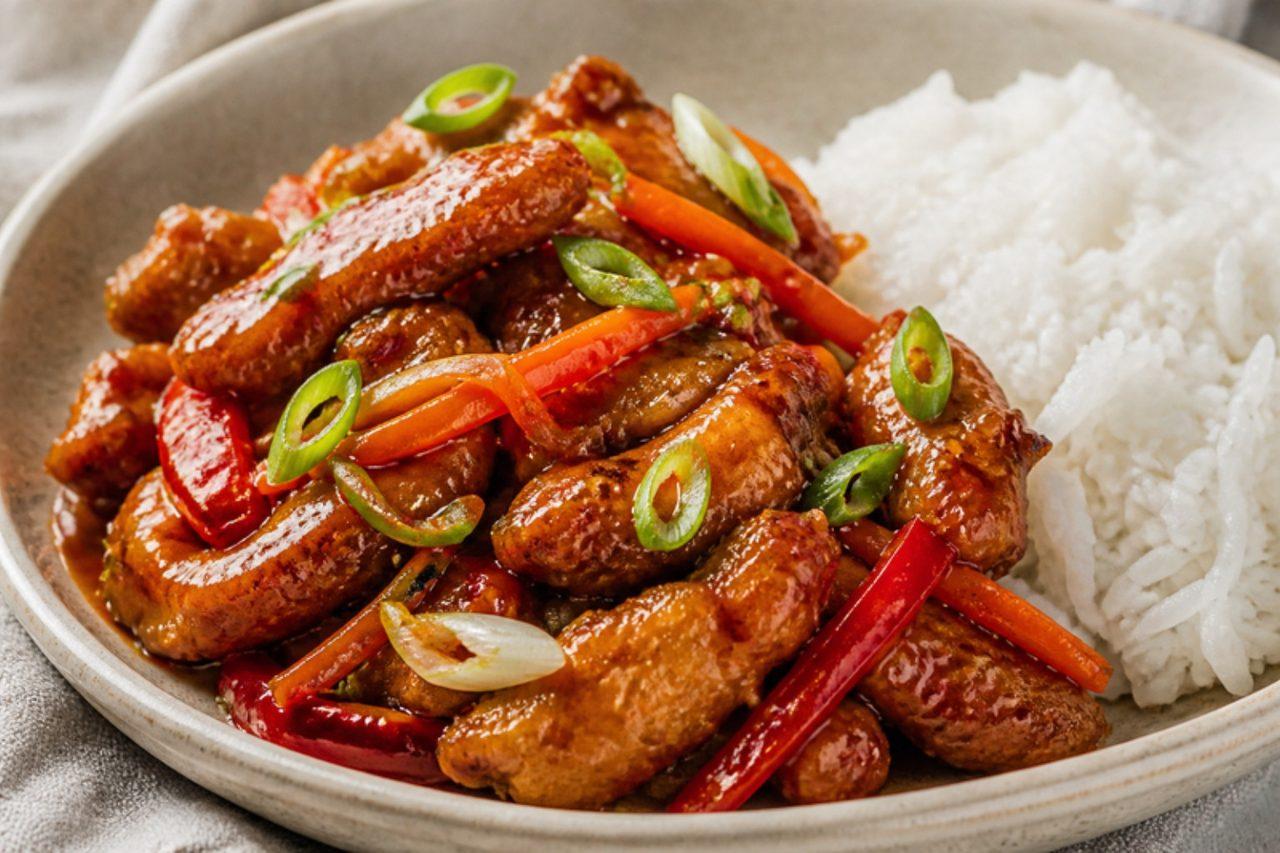
Ginger beef

Ginger beef was created in the 1970s at a Chinese restaurant in Calgary and is now on the menu of nearly every Chinese-Canadian restaurant on the Prairies. Thin strips of beef are coated in a cornflour batter and fried until shatteringly crisp, then tossed in a glossy sweet-sour sauce full of fresh ginger, garlic and chilli with strips of carrot and pepper. Serve at once with steamed rice. A common mistake is saucing the beef too early, which turns the crust soggy. Chef's tip: fry the beef twice; the second fry is what makes it crunchy.

by KrazyBadal 0 views

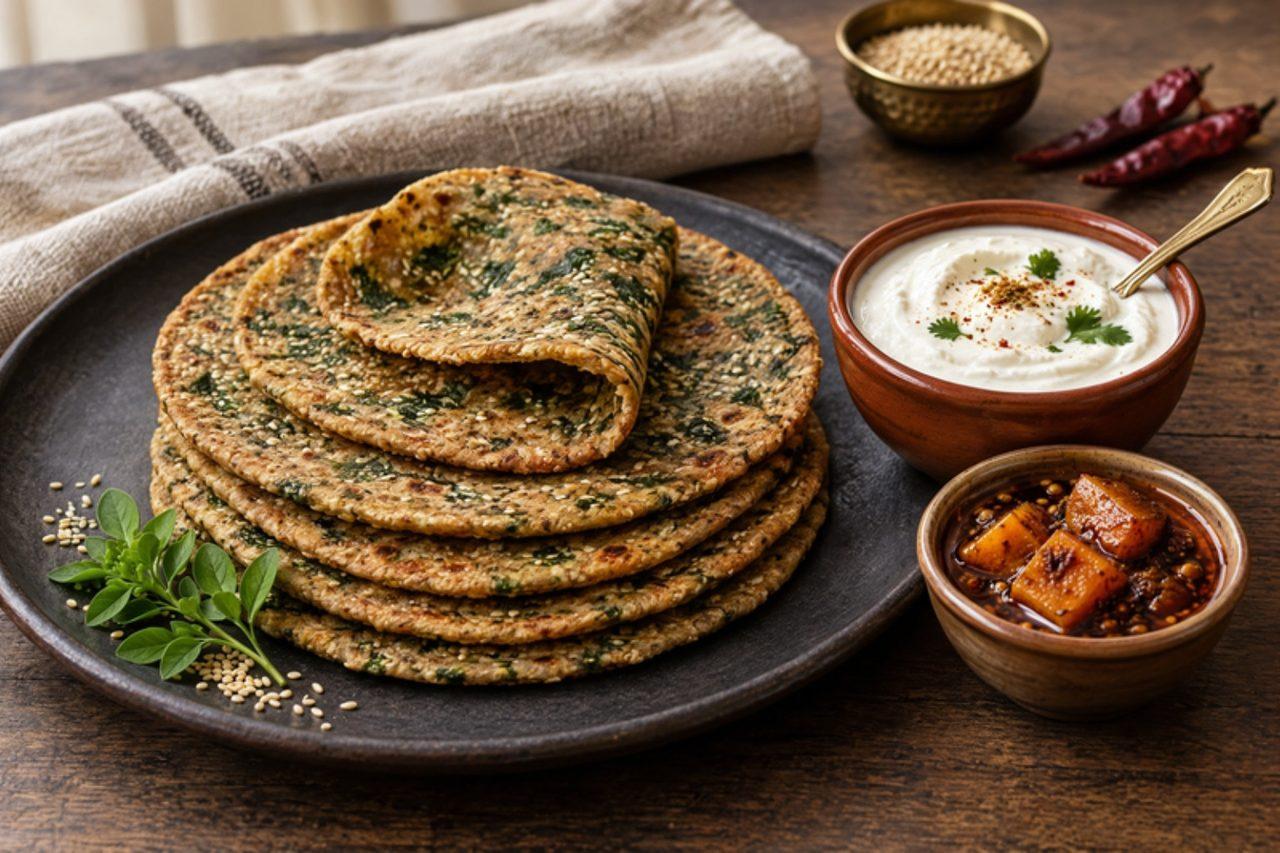
DhebraPearl millet flatbreads

Gujarati families pack a stack of dhebra for every train journey, picnic and tiffin box, because the yogurt and oil in the dough keep these spicy millet and fenugreek flatbreads soft for two or three days. They are thicker than a thepla and earthy from the bajra, and they are eaten with pickle, chhundo or a cup of tea. The common mistake is adding too much water at once: the yogurt and fenugreek release moisture as you knead, and a slack dough sticks and tears. Chef's tip: pat them out on a damp cloth or between two sheets of plastic rather than rolling, the way Gujarati kitchens do, so the delicate millet dough does not crack.

by KrazyBadal 0 views

KaasbroodjeCheese puff pastry roll

The kaasbroodje is the Dutch commuter's breakfast: a rectangle of puff pastry wrapped around a log of Gouda, baked until the cheese oozes from the ends. Kiosks in Amsterdam Centraal and bakeries along the Haarlemmerstraat sell them warm all morning, and they get eaten on the platform or on the tram, scattering flakes everywhere. Use a young or medium Gouda for melt, with a little aged one for flavour. Traditional Gouda is often made with animal rennet, so choose one labelled vegetarian (made with microbial rennet) if that matters to you. Chef's tip: seal the ends well and bake with the seam underneath, so the cheese melts inside rather than running onto the tray.

by KrazyBadal 0 views

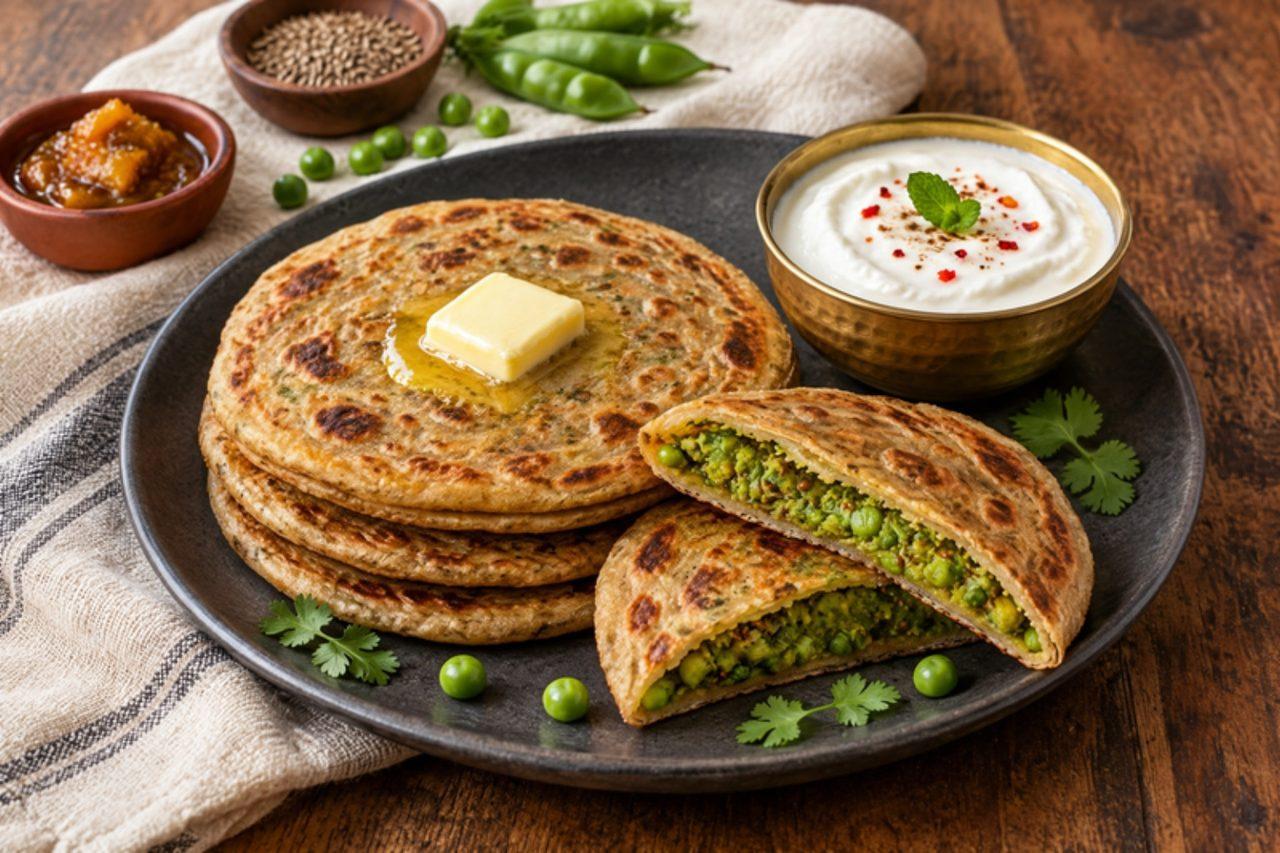
Matar paratha (green pea paratha)

In Delhi and Punjab, matar paratha is the winter tiffin made when the first sweet peas arrive: the peas are boiled, mashed coarse and spiced with ginger, green chilli, cumin and amchur, then sealed inside wholewheat dough and roasted on the tawa with a little ghee. Rolled up in foil with a spoon of pickle, they are still soft at lunch. The mistake is a wet filling, which bursts through the dough; cook the mashed peas in a pan until dry and cool them before stuffing. Chef's tip: make the filling slightly saltier than tastes right, because the dough around it is unsalted and mutes it.

by KrazyBadal 0 views

Magic coffee

The magic is a Melbourne café insider's order, born in the city's Fitzroy and Collingwood coffee bars: a double ristretto (the short, intense first part of the espresso shot) topped with silky steamed milk in a 160 ml cup. It is stronger and sweeter-tasting than a flat white because there's less milk and only the richest part of the shot. A common mistake is scalding the milk; above about 65 °C it loses its natural sweetness. Chef's tip: stop the shot early, at about 30 ml for a double, to get that syrupy ristretto.

by KrazyBadal 0 views

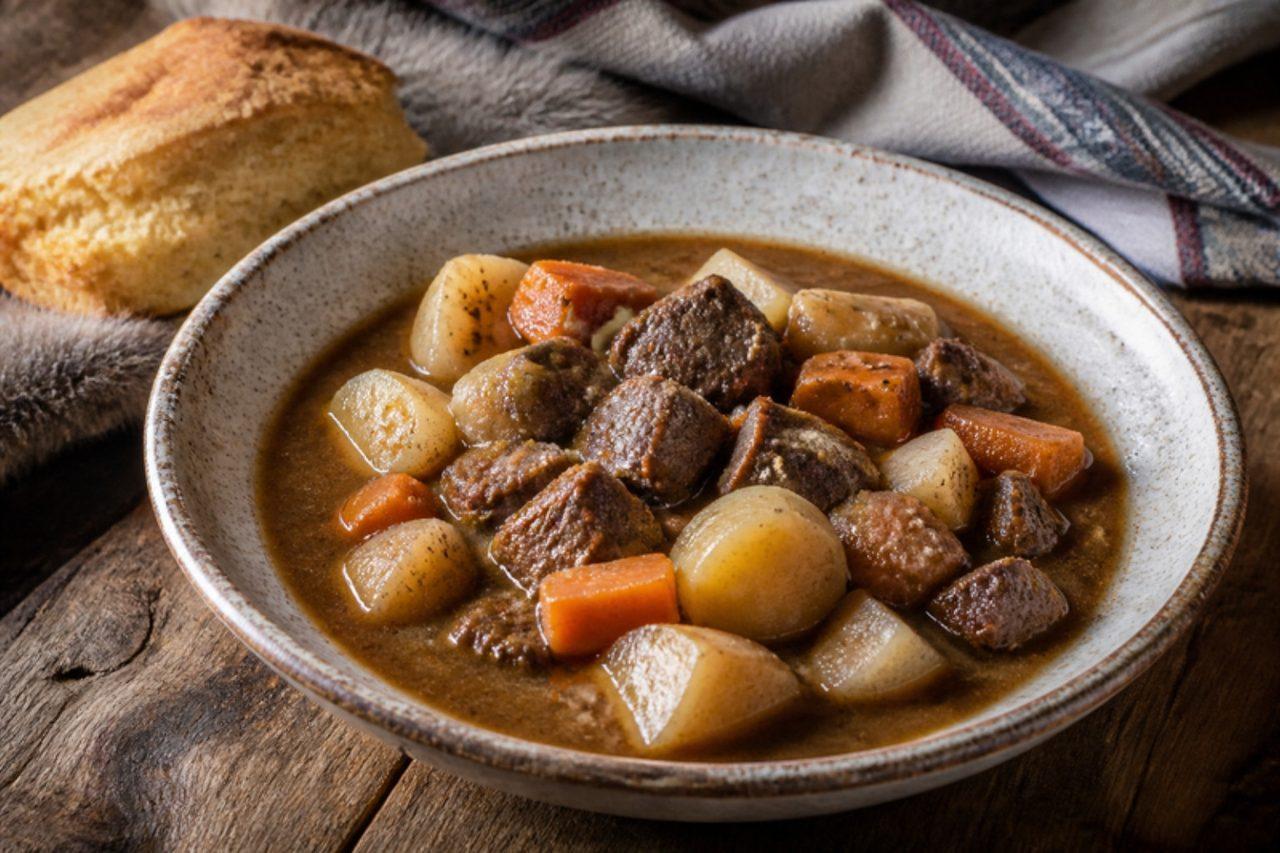
Caribou stew

Caribou is the everyday red meat of many Dene, Inuit and northern families in the Northwest Territories, Nunavut and Labrador, and a pot of caribou stew is what simmers on the stove in Yellowknife or Inuvik through the long winter. The meat is lean and slightly sweet and gamey, and slow-braising with onion, carrot, potato and turnip makes it meltingly tender. Outside the North, farmed reindeer, venison or beef chuck work in exactly the same way. A common mistake is boiling hard, which toughens lean meat; it should barely bubble. Chef's tip: dust the meat in flour and brown it well in batches for a rich, thick gravy.

175 minCanadianMeat
by KrazyBadal 0 views

Barbecued garlic prawns

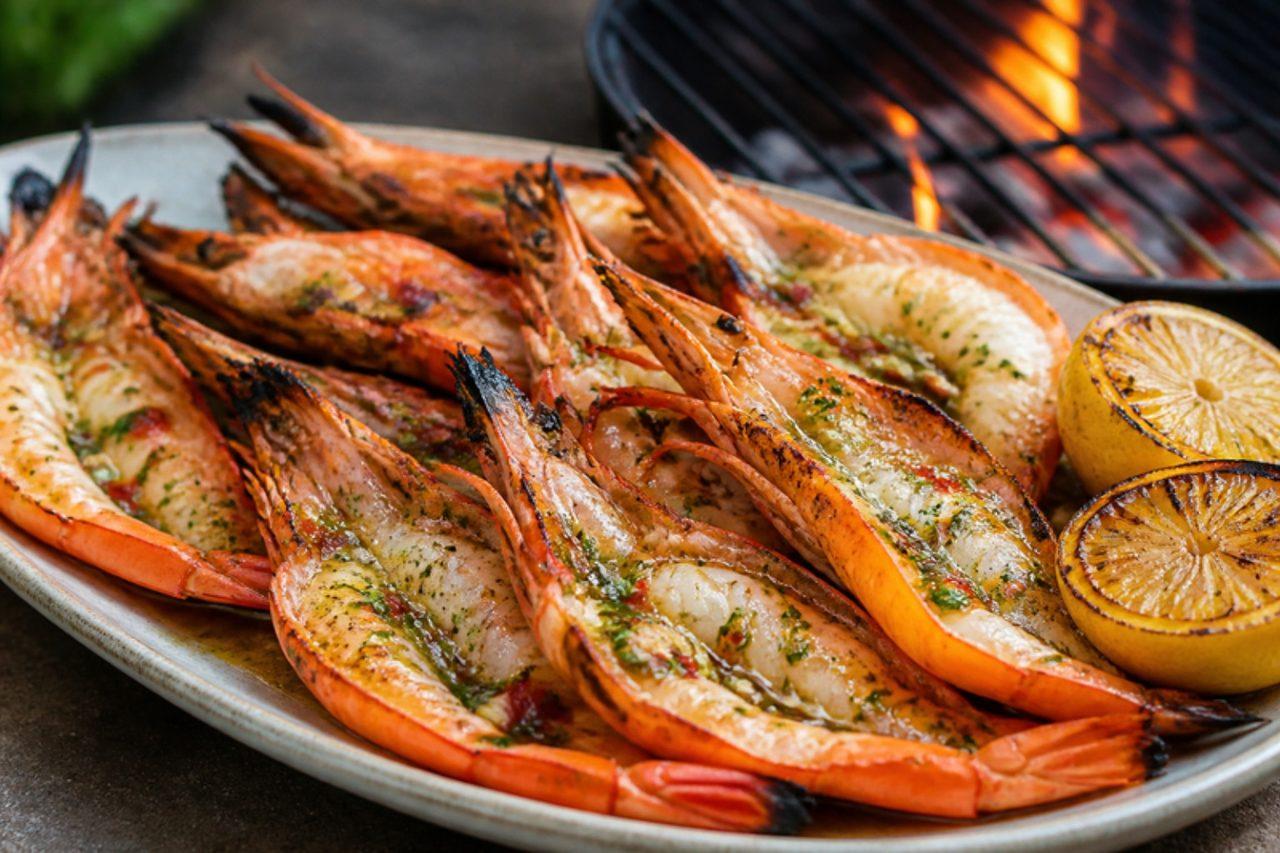
Prawns on the barbie are the true Australian Christmas and summer meal, cooked on the backyard barbecue from Perth to the Gold Coast with a cold drink in hand. Big raw king or tiger prawns are marinated in garlic, chilli, lemon and olive oil, then grilled quickly in their shells, which keeps them juicy. A common mistake is leaving them in the marinade too long; the lemon starts to cook them. Chef's tip: cut down the back of the shell and remove the vein but leave the shell on, so the marinade gets in and the prawns don't dry out.

by KrazyBadal 0 views

Lemon sevai (lemon rice noodles)

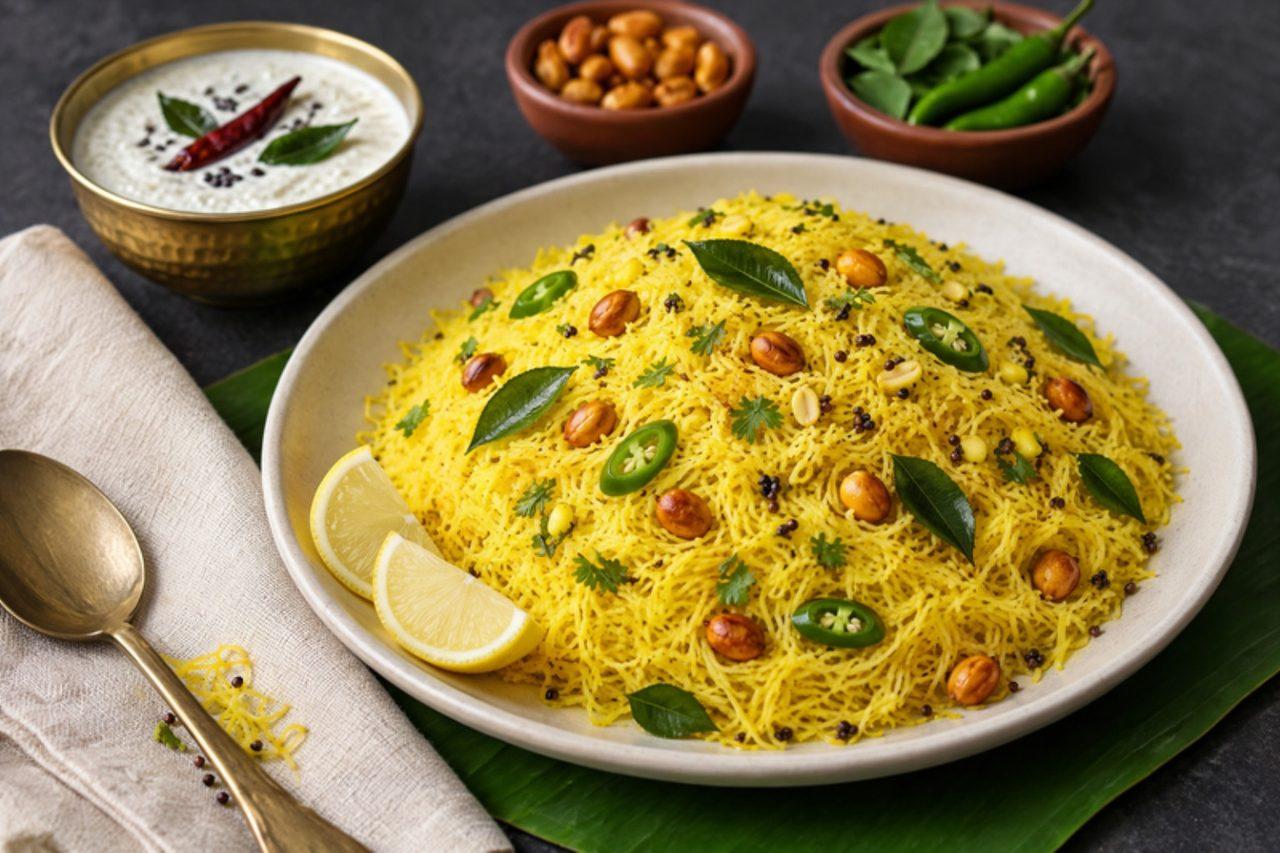
Sevai is pressed rice-flour vermicelli, and in Tamil Nadu and the Mysuru region the lemon version is a lighter alternative to lemon rice for a school lunch box. Today most homes use dried rice sevai, softened in hot water and steamed, then tossed with a turmeric tempering of mustard, dal, peanuts and green chilli and plenty of lemon. The common mistake is soaking the dry sevai too long, so it breaks into short mushy bits; it should be just pliable before it goes into the steamer. Chef's tip: toss with a fork, not a spoon, and lift rather than stir so the strands stay long.

by KrazyBadal 0 views

Pineapple fritters

Every Queensland fish-and-chip shop from the Gold Coast to Cairns has a tray of pineapple fritters by the fryer, rings of local pineapple in light batter, fried and dusted with cinnamon sugar. They are the dessert you order with your fish and chips on a hot evening. Fresh pineapple is best; well-drained tinned rings work too. A common mistake is wet fruit, which makes the batter slide off; pat it really dry. Chef's tip: dust the rings in a little flour before dipping so the batter clings.

by KrazyBadal 0 views

Tudou si bing (shredded potato pancakes)

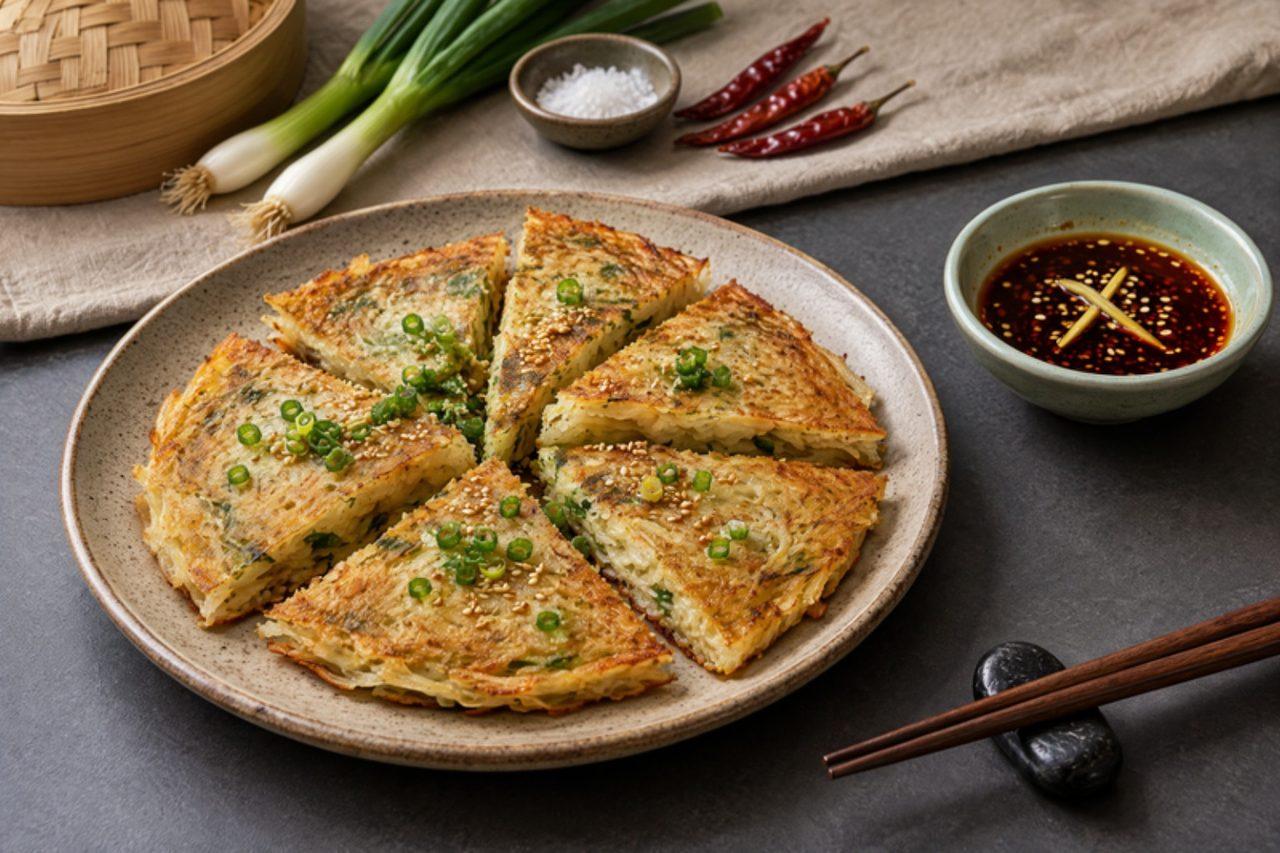
In Shandong, Hebei and the northeast, these thin, lacy potato pancakes are a cheap street breakfast and a favourite filler for children's lunch boxes, crisp at the edges and soft in the middle. The potato is cut into very fine matchsticks, seasoned with spring onion, salt and a little white pepper, and bound with just enough flour to hold. The mistake is rinsing away all the starch and squeezing too hard: the shreds then won't stick together. Rinse once, drain, and squeeze lightly. Chef's tip: press the pancake thin with the back of a spatula as soon as it hits the pan; thin pancakes crisp right through and stay crisp longer in a box.

by KrazyBadal 0 views

KajganaScrambled eggs with peppers

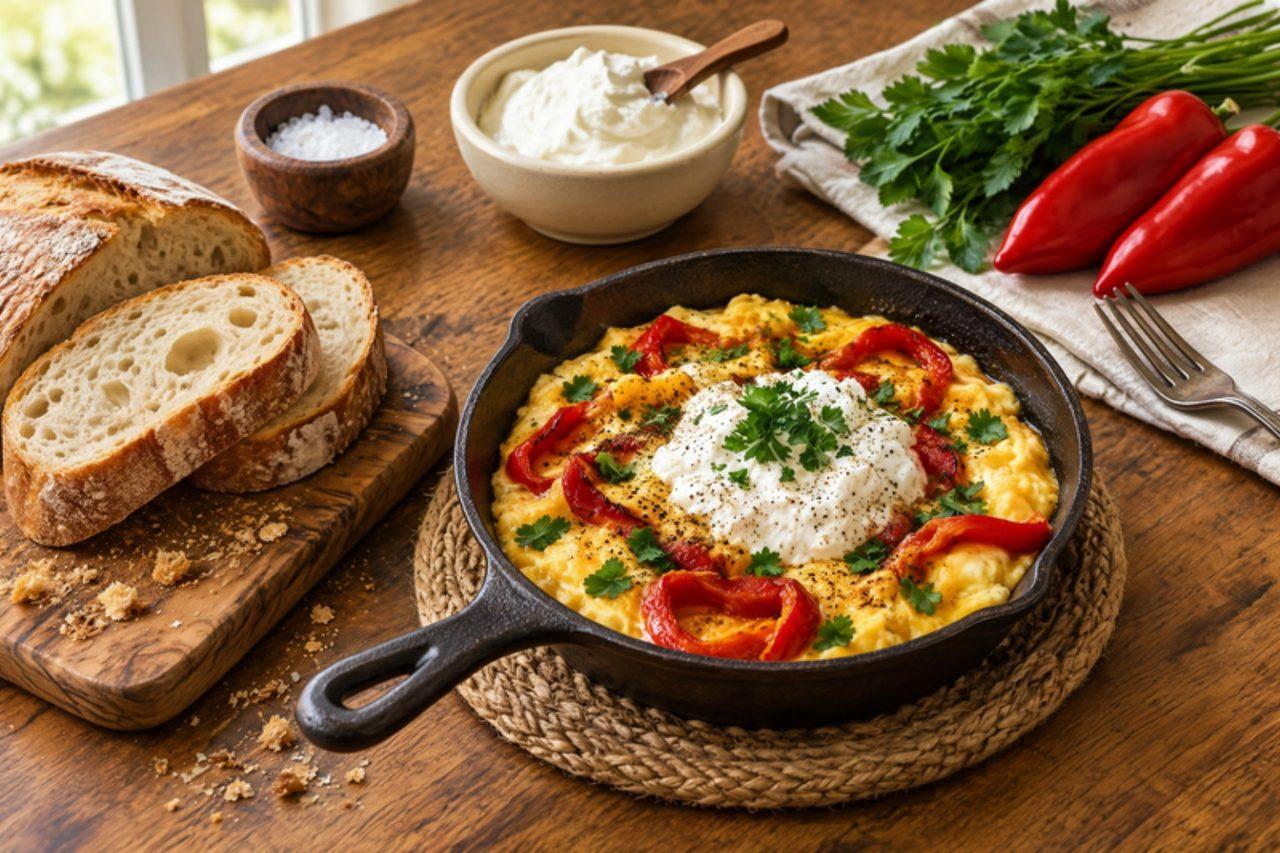
Kajgana is the everyday breakfast of Serbia and Montenegro, cooked in every home and kafana: eggs scrambled softly in a little fat, often with sweet peppers or onion, and finished with a spoon of kajmak, the rich clotted cream of the Balkans, or crumbled white cheese. It is eaten straight from the pan with warm bread. The mistake is high heat: the eggs seize into dry, rubbery lumps; a medium-low flame and constant gentle stirring give soft, creamy curds. Chef's tip: take the pan off the heat while the eggs still look slightly underdone, because they keep cooking in the hot pan for another minute.

by KrazyBadal 0 views

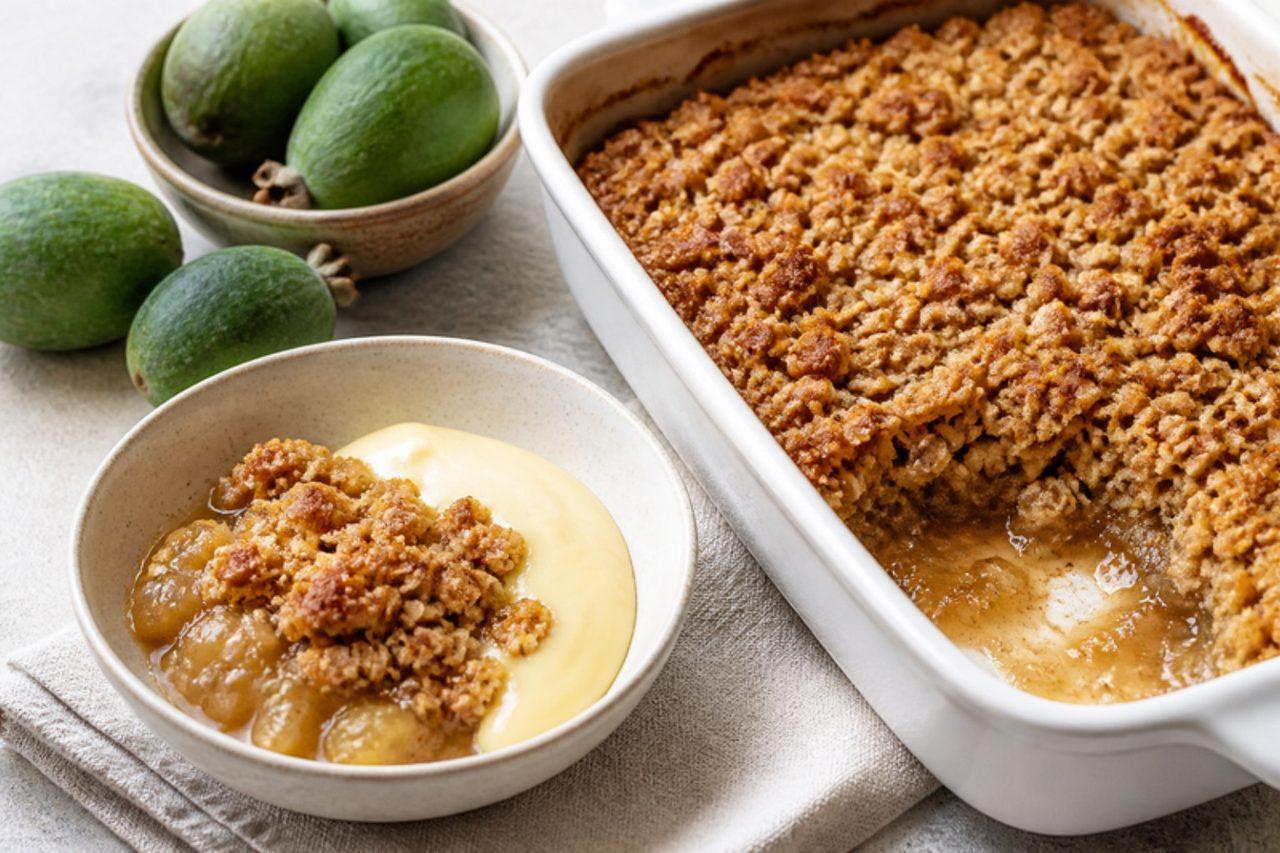
Feijoa crumble

Every autumn, from March to June, New Zealand back gardens drop more feijoas than anyone can eat, and bags of the green, perfumed fruit get passed over fences and left on office desks. Baking them into a crumble is the classic way to use them: their fragrant, pineapple-guava flavour softens under a buttery oat and brown-sugar topping. Serve with custard or vanilla ice cream. A common mistake is leaving the gritty skin on; scoop out the flesh. Chef's tip: add a couple of apples to stretch the feijoas and give the filling body.

by KrazyBadal 0 views

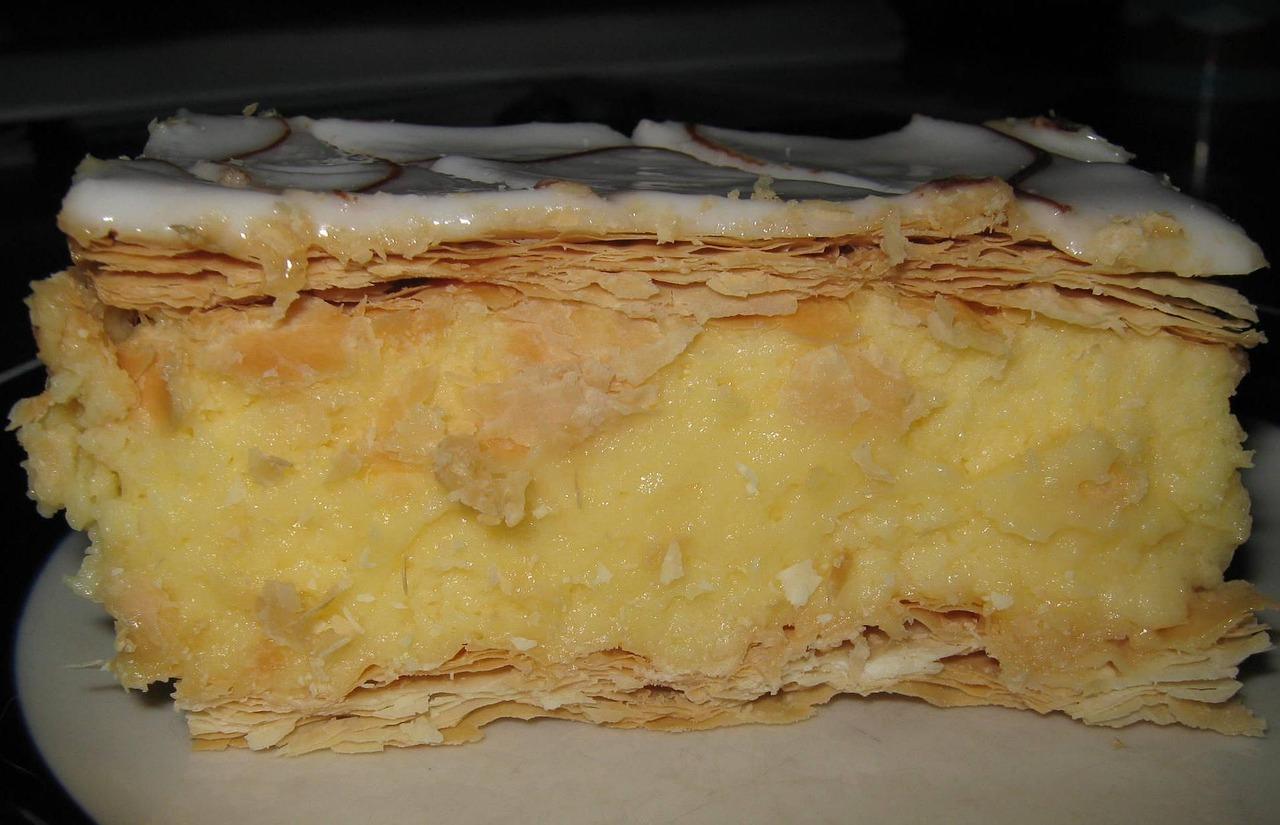
Vanilla slice

The vanilla slice, or snot block as Aussie kids call it, is the country bakery's pride; towns like Ouyen in north-west Victoria even hold a yearly competition for the best one. A thick, wobbly vanilla custard is set between two sheets of crisp puff pastry and topped with white or passionfruit icing. It needs a few hours to set but is easy. A common mistake is a soft custard that oozes when cut; it must boil for a full minute to thicken properly. Chef's tip: prick and weigh the pastry down with a tray while baking so it stays flat and thin.

by KrazyBadal 0 views

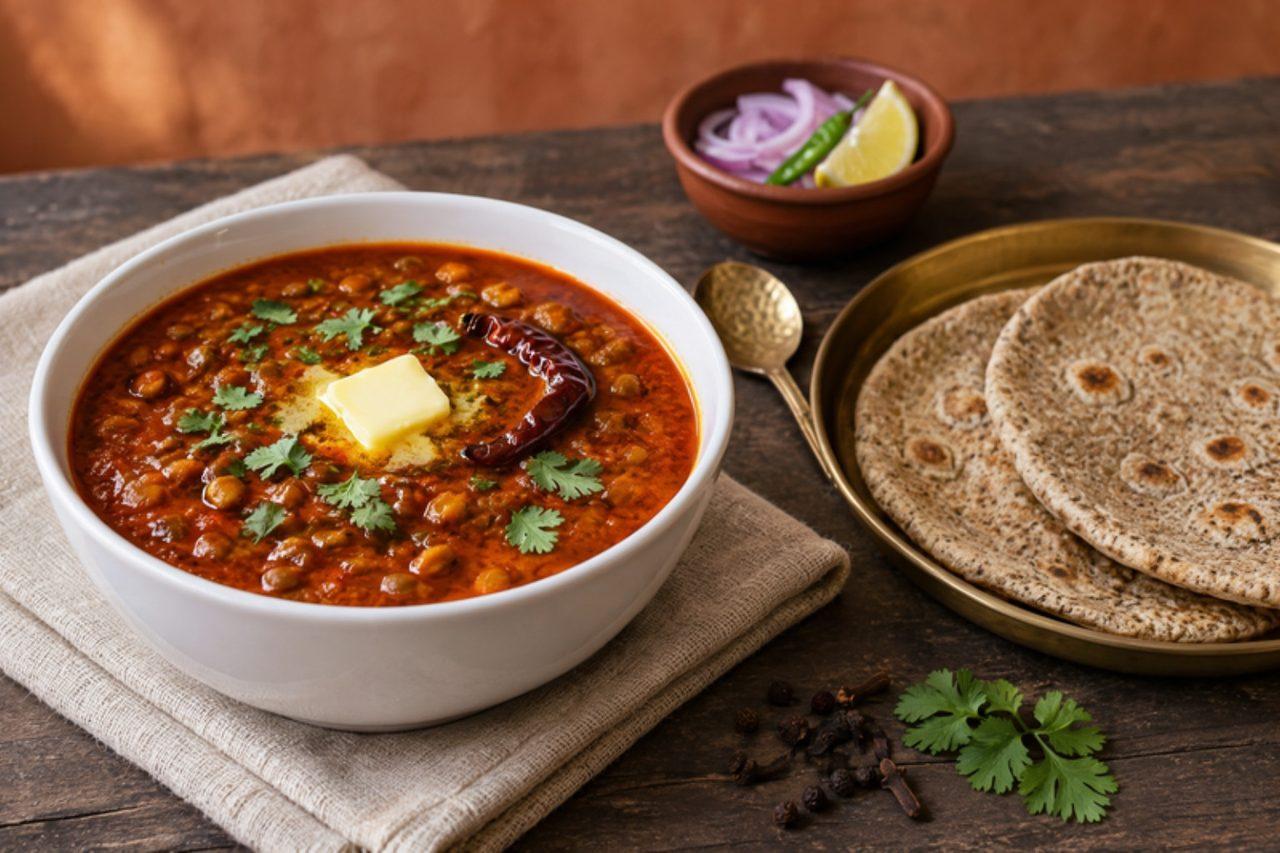
Akkha masoorWhole brown lentil curry

Akkha masoor is the dish that made the dhabas on the Kolhapur–Pune highway famous: whole brown lentils cooked into a rich, fiery onion, tomato and Kolhapuri-masala gravy, finished with a big knob of butter and eaten with jowar bhakri, tandoori roti or jeera rice. At home it is a weeknight dinner and a favourite on cold evenings. The lentils keep their shape while the roasted dry coconut and red chilli give a deep, nutty heat. The usual mistake is undercooking the onions; they must turn deep brown before the tomatoes go in, or the gravy tastes thin. Slow-cooker: cook everything except the butter on low for 6 hours, then stir the butter in at the end. Chef's tip: toast the dry coconut until it is the colour of a biscuit; it is the secret of the dhaba flavour.

by KrazyBadal 0 views

MursikSmoky fermented milk

When Kenyan marathon runners land back in Eldoret, relatives greet them with a gourd of mursik, the soured milk of Kalenjin homesteads across the Rift Valley highlands. Traditionally, milk sits for several days in a sotet, a long calabash whose inside has been scraped with a smouldering stick of senetwet (the tree often called the cromwell tree) so a lining of fine charcoal coats it; that charcoal gives mursik its smoky taste, grey flecks and long keeping. At home we skip raw milk and a wild ferment: pasteurised milk is soured with a live cultured buttermilk, and a jar smoked inside with untreated hardwood, or a pinch of food-grade activated charcoal, brings the flavour. Thick, sharp and smoky, it is drunk with ugali, sweet potatoes or after a long run, and the usual mistake is fermenting it somewhere too hot, where it splits into whey and tastes yeasty. Chef's tip: shake the jar hard before pouring, as herders shake the gourd, to make it smooth and drinkable.

by KrazyBadal 0 views

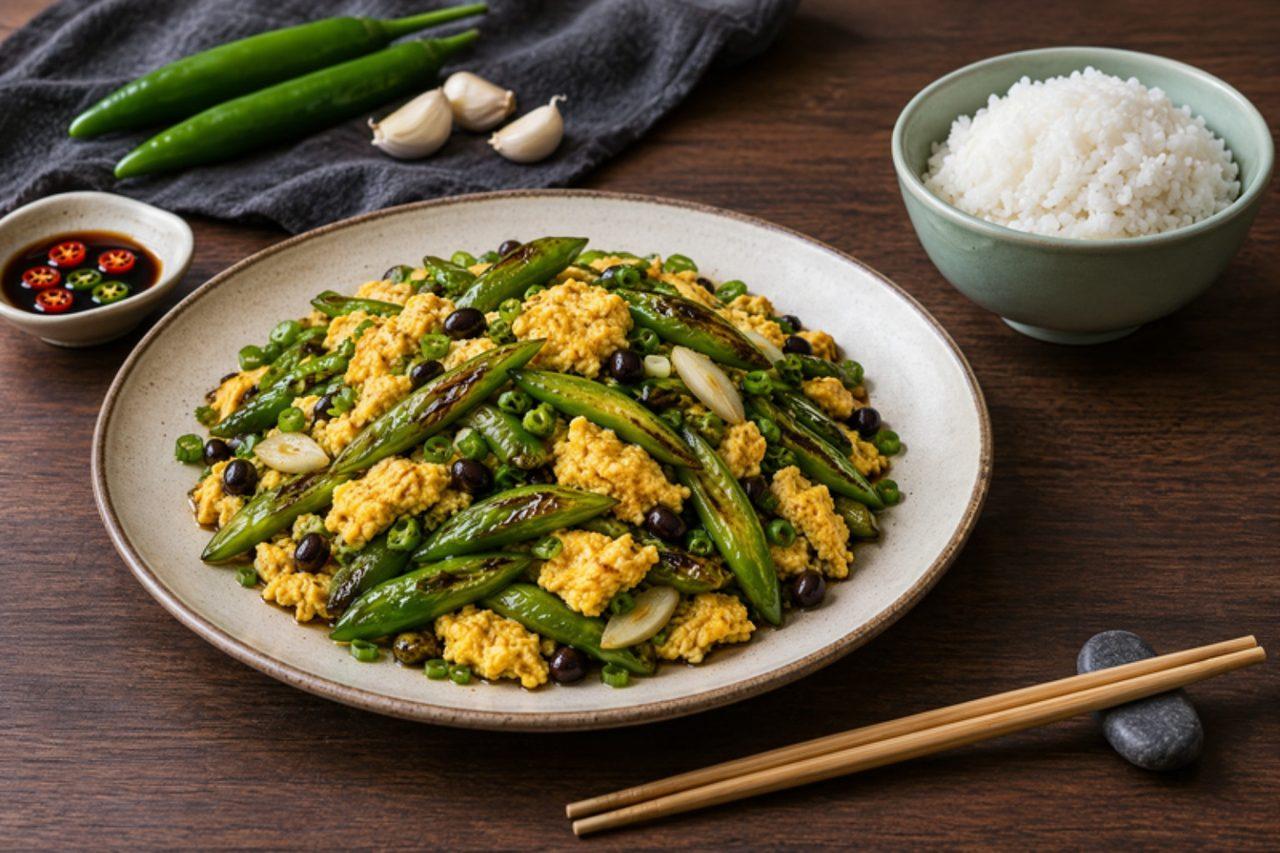
Lajiao chao jidan (green chilli and egg)

Hunan home cooks in Changsha make this in ten minutes when there is nothing but eggs and long green chillies in the kitchen, and it is a standard dish at lunchbox shops: the chillies are dry-fried until blistered and smoky, then tossed with big soft curds of egg and a splash of soy. It is hot, so choose mild long chillies or green peppers if you prefer. The mistake is cooking the eggs with the chillies from the start, which makes them tough and grey; scramble them separately and combine at the end. Chef's tip: press the chillies against the hot dry wok with a spatula until they wrinkle and char in spots before any oil goes in. Contains egg and soya.

by KrazyBadal 0 views

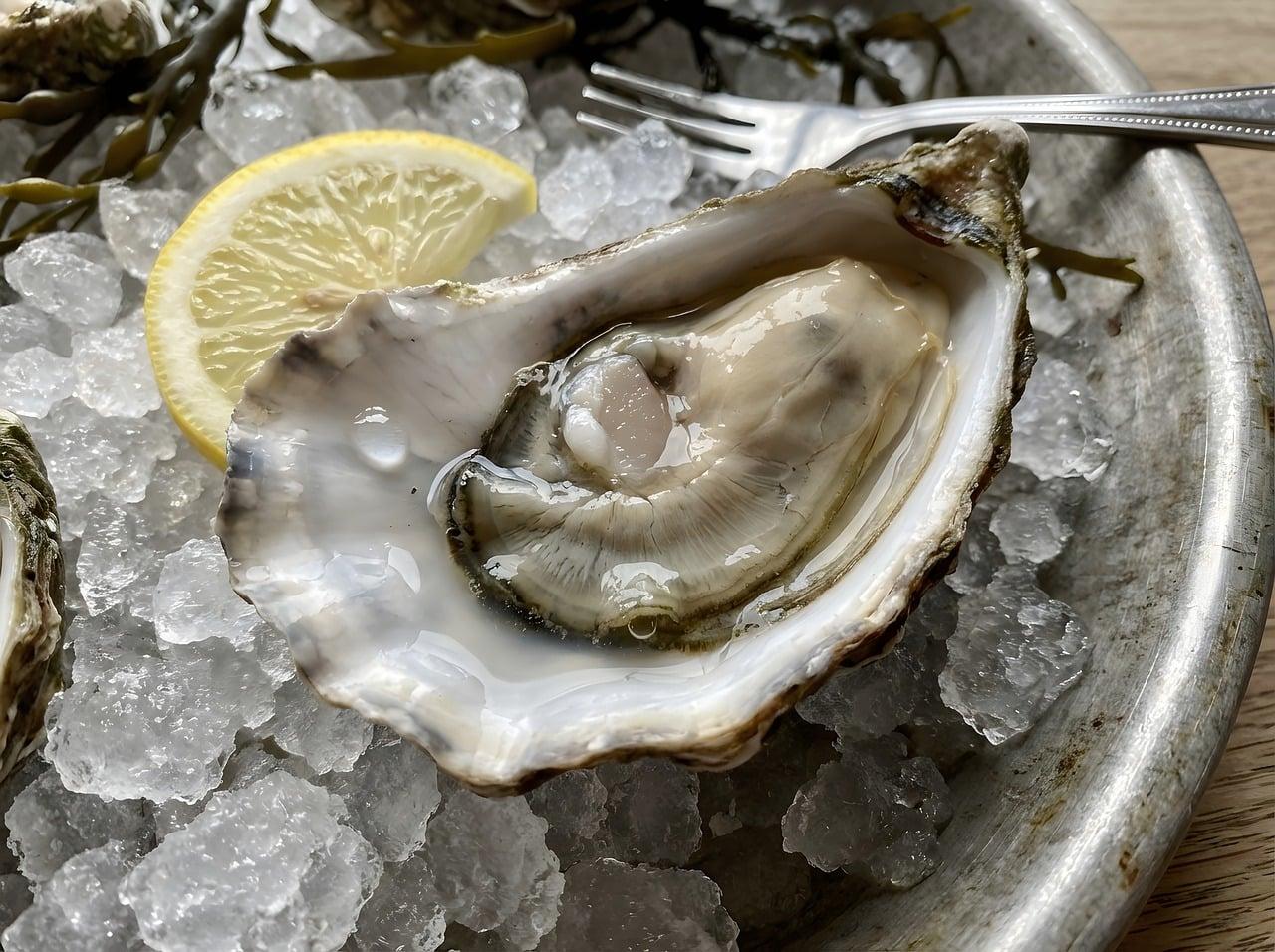
Sydney rock oysters with mignonette

Sydney rock oysters grow in the estuaries of the New South Wales coast, from the Hawkesbury River to Merimbula, and are the pride of the Sydney fish market, slurped by the dozen with a glass of something cold on summer afternoons. They are smaller and creamier than Pacific oysters, with a rich, mineral taste. A sharp shallot and vinegar mignonette is all they need. These oysters are eaten raw, so they are not for pregnant women, young children or anyone with a weakened immune system; for them, grill the oysters for 3–4 minutes until the edges curl. Buy from a trusted fishmonger and eat them the day you buy them. A common mistake is rinsing opened oysters under the tap, which washes away their flavourful juice. Chef's tip: shuck them just before serving and keep them on crushed ice.

by KrazyBadal 0 views

Su shi jin (mixed vegetable stir-fry)

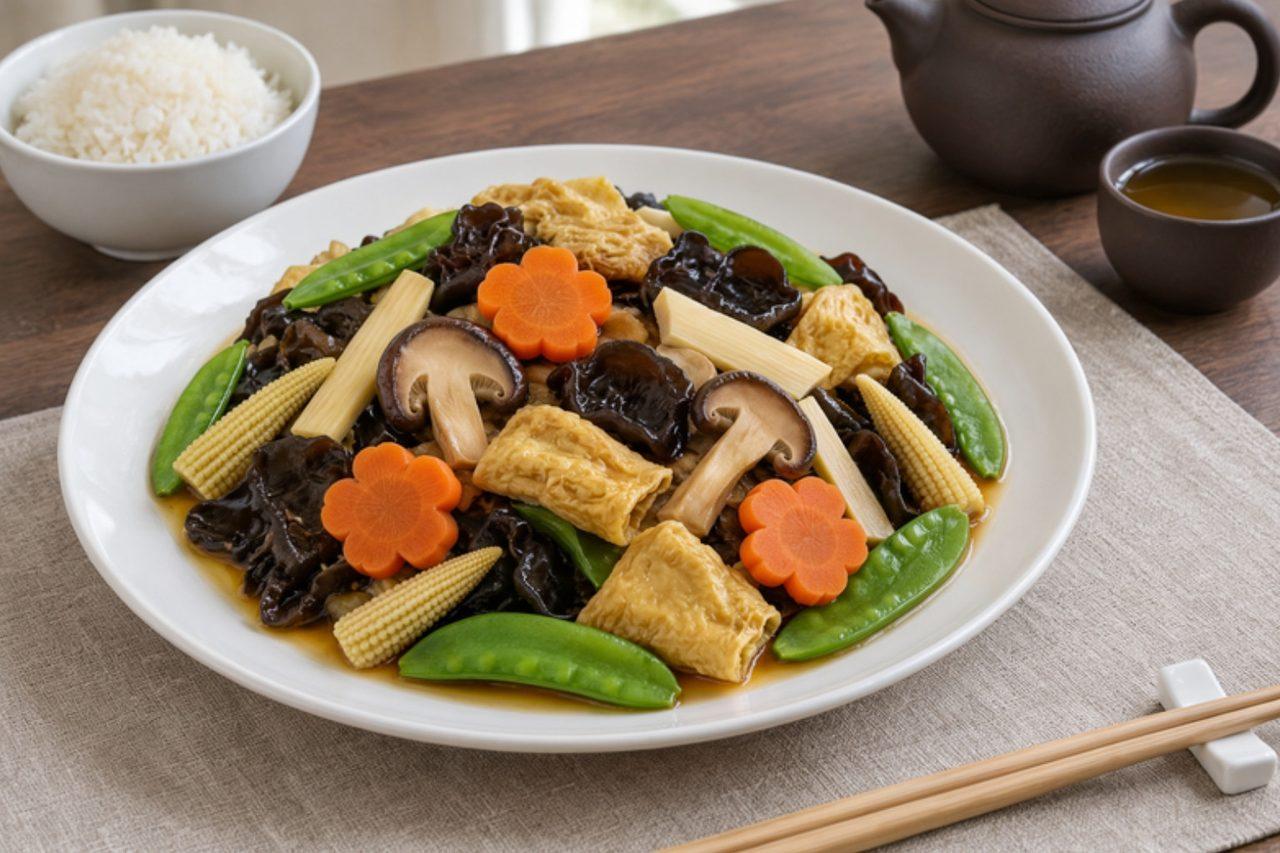
Su shi jin means "vegetarian assortment", and it comes from the Buddhist kitchens of eastern China; today it is a staple of office lunchbox shops in Shanghai and Hangzhou. Crunchy wood ear mushrooms, strips of tofu skin, chewy wheat gluten (kao fu or mian jin), carrot, snow peas and bamboo shoot are stir-fried quickly and glossed with a light soy and ginger sauce. The mistake is adding everything at once, so the firm vegetables are raw and the snow peas overcooked; cook in order of hardness. Chef's tip: soak dried wood ear in cold water rather than hot; it plumps up crunchier.

by KrazyBadal 0 views

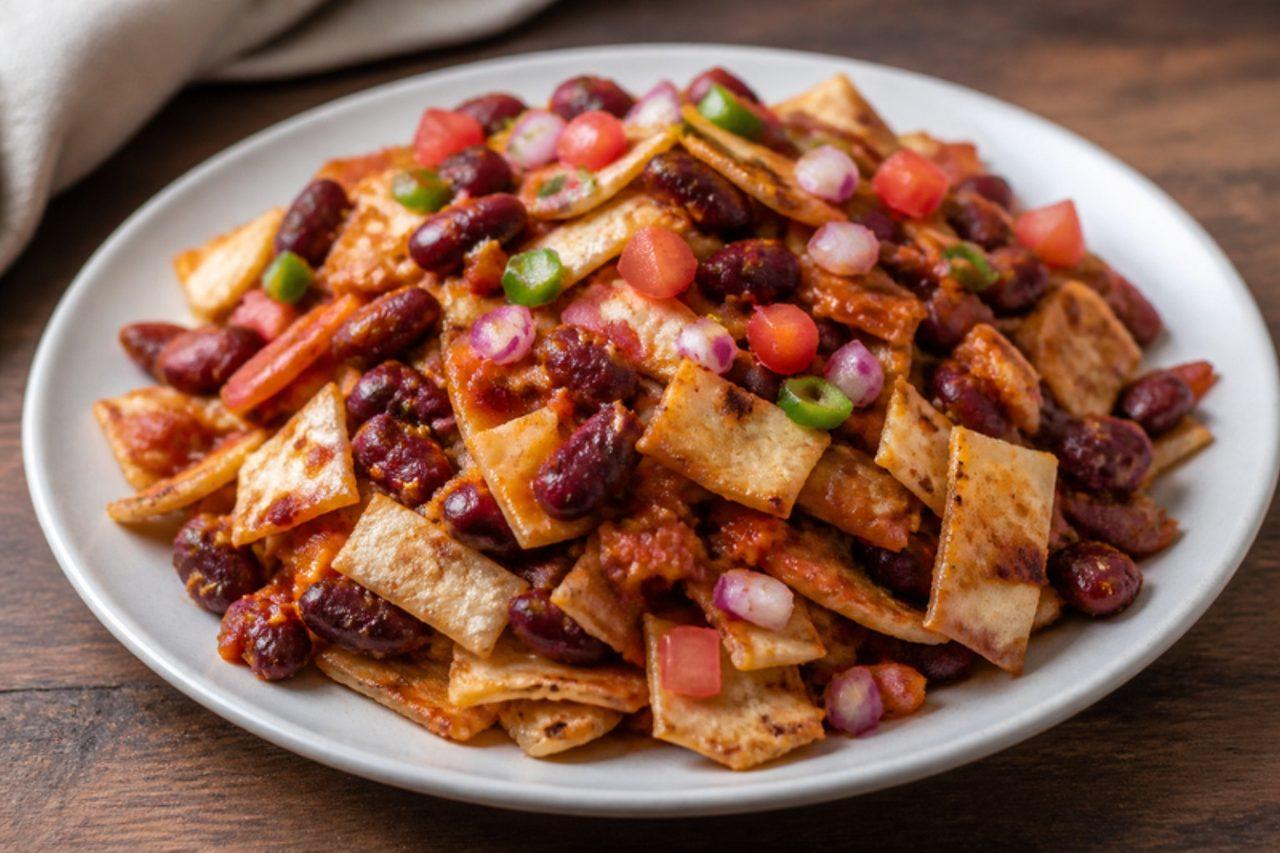
KikomandoChopped chapati with bean stew

Kampala students named this after a commando film hero, the joke being that it gives you the strength to survive on almost no money, and roadside chapati makers from Makerere to Wandegeya still sell it all evening. Hot chapatis are chopped into strips and folded through a quick, peppery bean stew, so the bread soaks up the sauce yet keeps a little chew. Raw onion, tomato and green chilli on top make it fresh and crunchy. The mistake is drowning it: the beans should be thick enough to cling, not soup. Ready-made chapatis work well, but check they are made with oil if you want it vegan. Chef's tip: warm the chapatis in a dry pan until they puff and blister before chopping; cold ones turn rubbery in the sauce.

by KrazyBadal 0 views

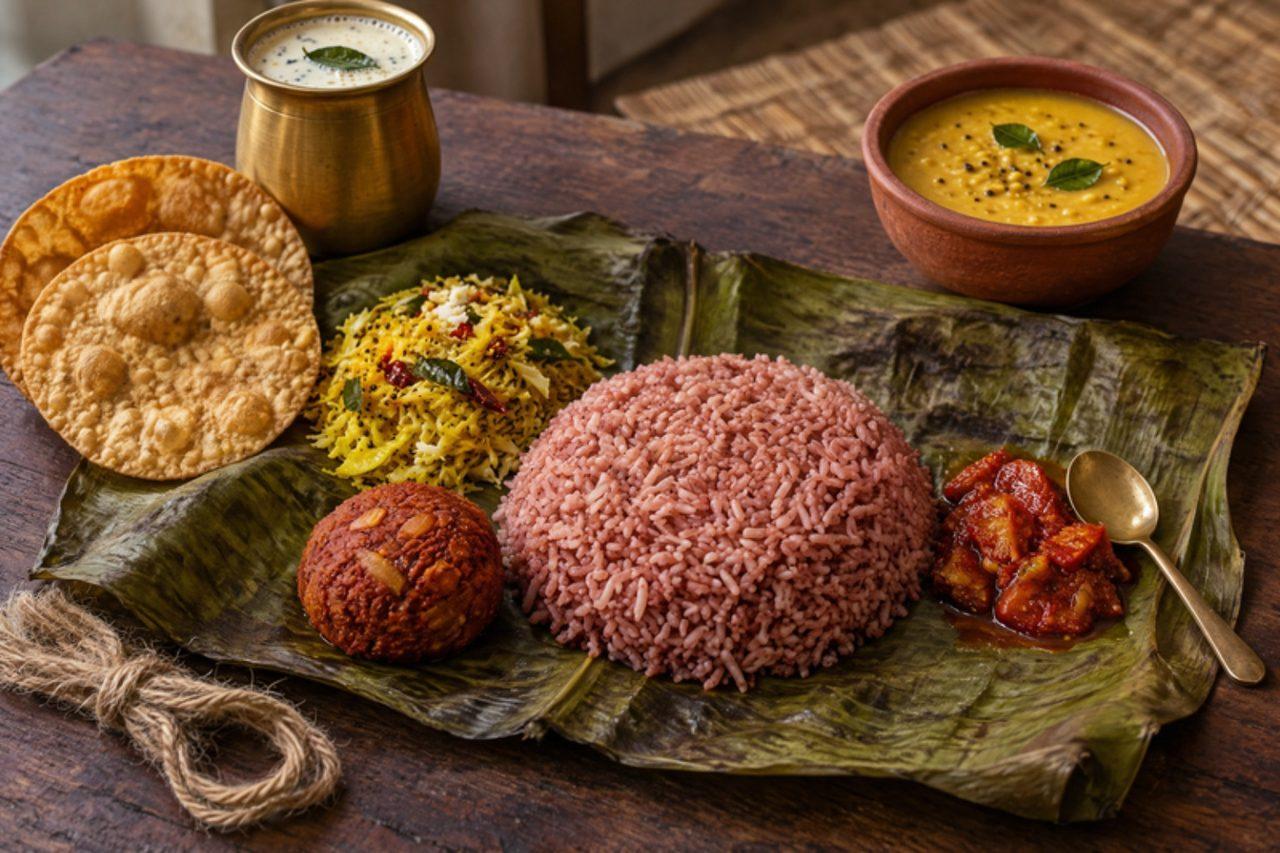
Sri Lankan rice and curry lunch packet

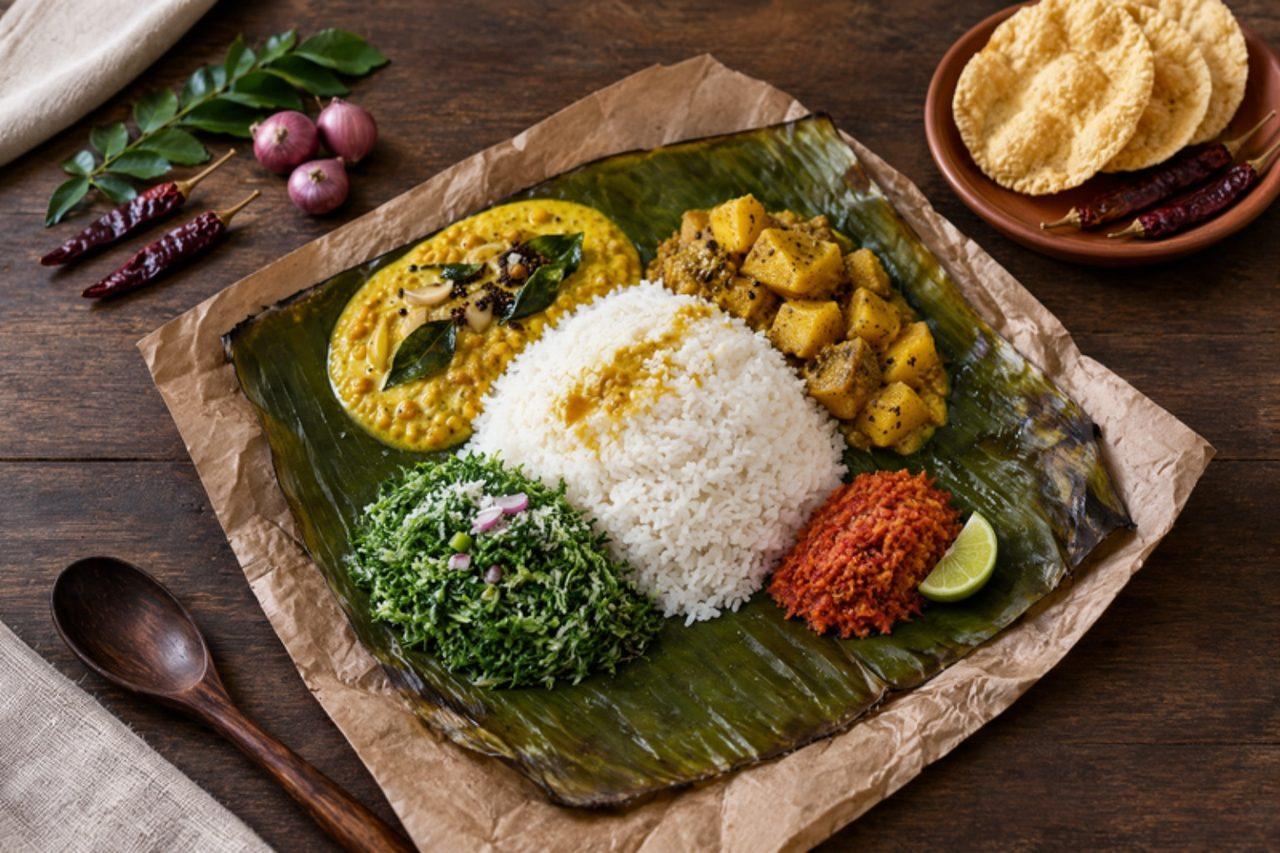
Across Colombo at midday, office workers unfold a lunch packet: rice wrapped in a banana leaf or waxed paper with a little of everything around it. This vegan version is the one the rice-and-curry shops call "veg packet": coconut-milk parippu (red lentil dhal), a dry potato curry, a crisp mallung of chopped greens and fiery pol sambol. Chicken or fish curry is often added, but the vegetables alone make a full meal. The mistake is packing the dhal runny, which soaks the whole parcel; cook it thick enough to hold on a spoon. Chef's tip: wilt the banana leaf over a flame for a few seconds so it folds without splitting and gives the rice its scent.

by KrazyBadal 0 views

BabakauFried dough balls

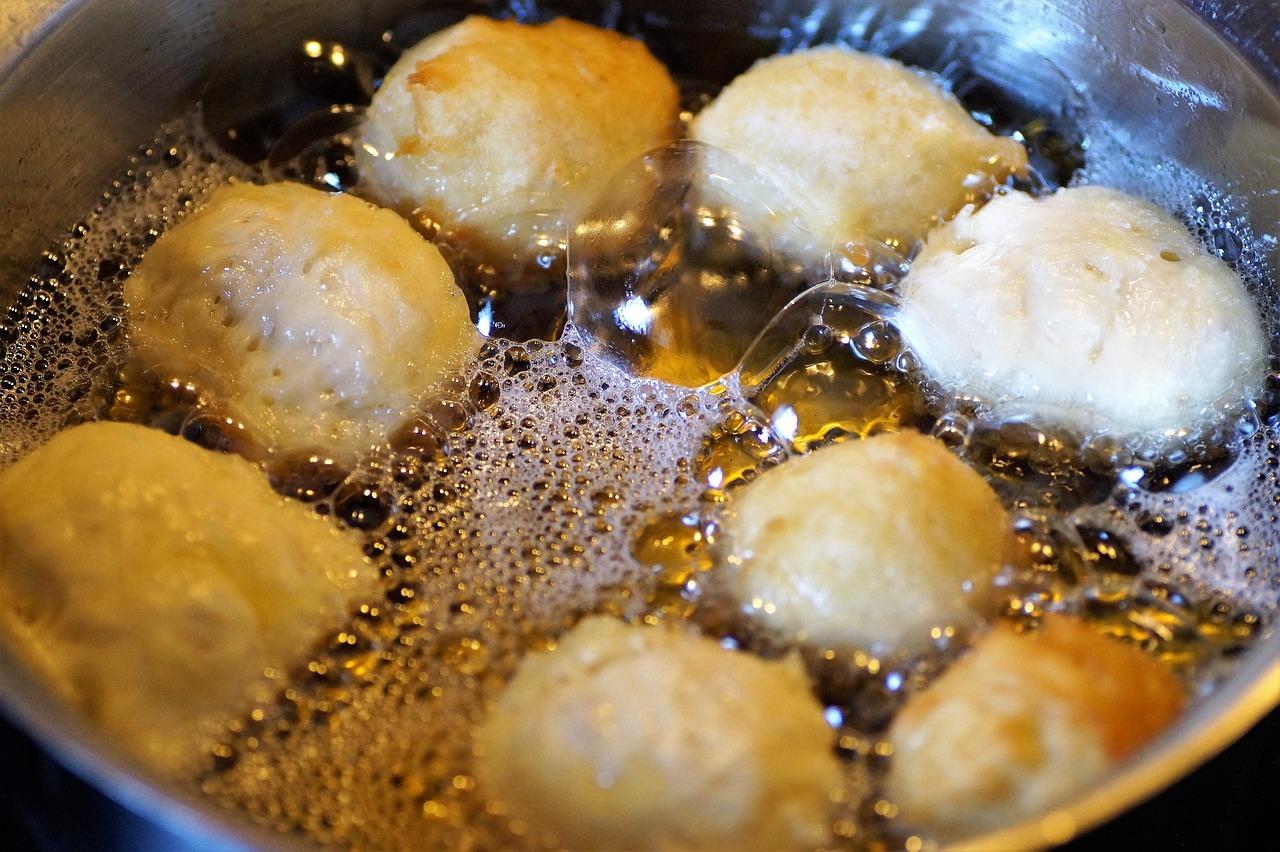
Babakau are the fluffy fried dough balls sold at Fijian market stalls and village canteens at breakfast time, eaten with a mug of milky tea or hot koko before school or work in Suva and Nadi. The dough is lightly sweet and the balls puff up as they fry, golden outside and soft as a bun inside. A common mistake is oil that's too hot, which leaves raw centres; 170 °C is right. Chef's tip: wet your fingers to drop spoonfuls of dough into the oil so it slips off cleanly.

by KrazyBadal 0 views

Cheese pimiento sandwich

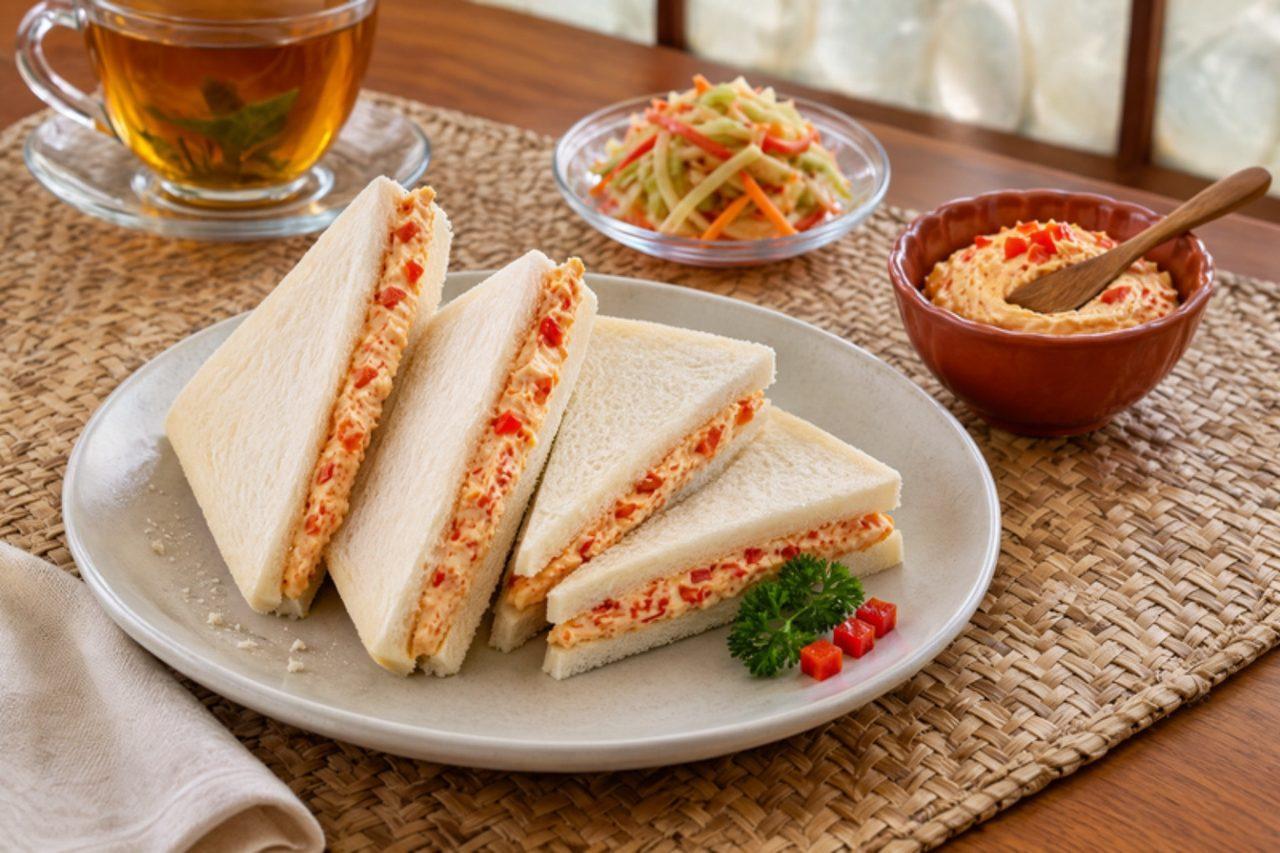
Cheese pimiento is the orange spread every Filipino child knows from school baon, birthday party trays and afternoon merienda in Manila: grated cheese mashed with mayonnaise, chopped pimiento and a little sugar, spread thick on soft white bread with the crusts cut off. The mistake is grating the cheese too coarsely, which gives a lumpy spread that tears the soft bread; grate it finely and let it soften for a few minutes in the mayonnaise. Many processed and cheddar cheeses are made with animal rennet, so choose one labelled vegetarian. Chef's tip: a spoon of evaporated milk makes the spread silkier and easier to spread on soft bread. Contains milk, egg (mayonnaise) and gluten.

by KrazyBadal 0 views

Kapusta provansalCabbage and apple salad

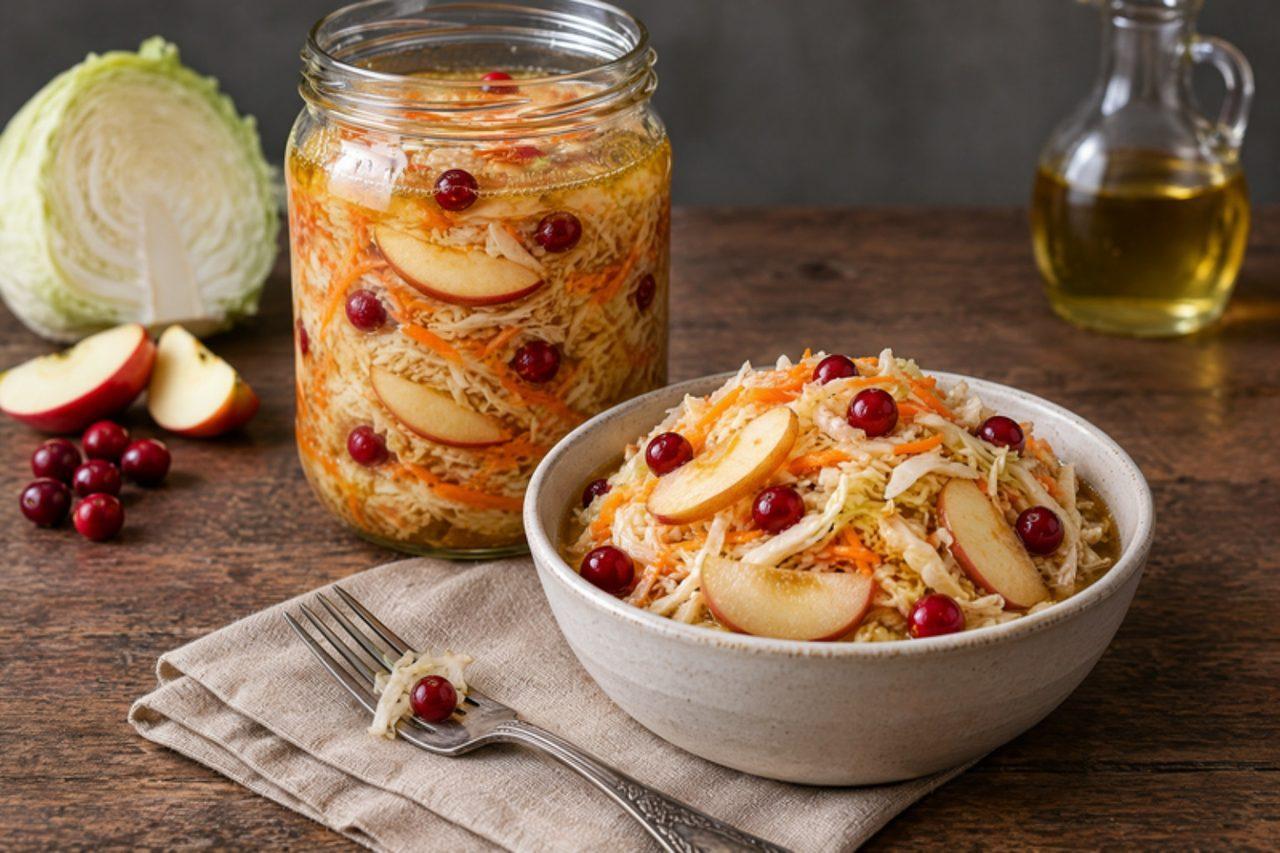
Kapusta provansal has nothing to do with Provence: the grand name is a Soviet-era flourish for a bright marinated cabbage salad that turns up on festive tables from Moscow to Novosibirsk, especially at New Year and through the autumn when the cabbage is crisp and sweet. Coarsely cut cabbage, grated carrot, apple wedges and red cranberries are packed into a jar under a hot marinade of water, sugar, vinegar, sunflower oil, bay and allspice. By the next day it is crunchy, juicy, sweet and sour, with tart pops of berry and a gentle spiced warmth, and it sits happily beside boiled potatoes, kotlety, salted herring or roast chicken. The commonest mistake is slicing the cabbage very finely, which goes limp under the hot marinade; cut it into rough 3 cm squares and crush it only lightly with the salt. It is ready when the cabbage has turned slightly translucent but still snaps and the carrot has coloured the brine pale orange. Chef's tip: add a few strips of red pepper and a crushed garlic clove to the jar for colour and depth.

by KrazyBadal 0 views

RullepølseRolled spiced pork belly

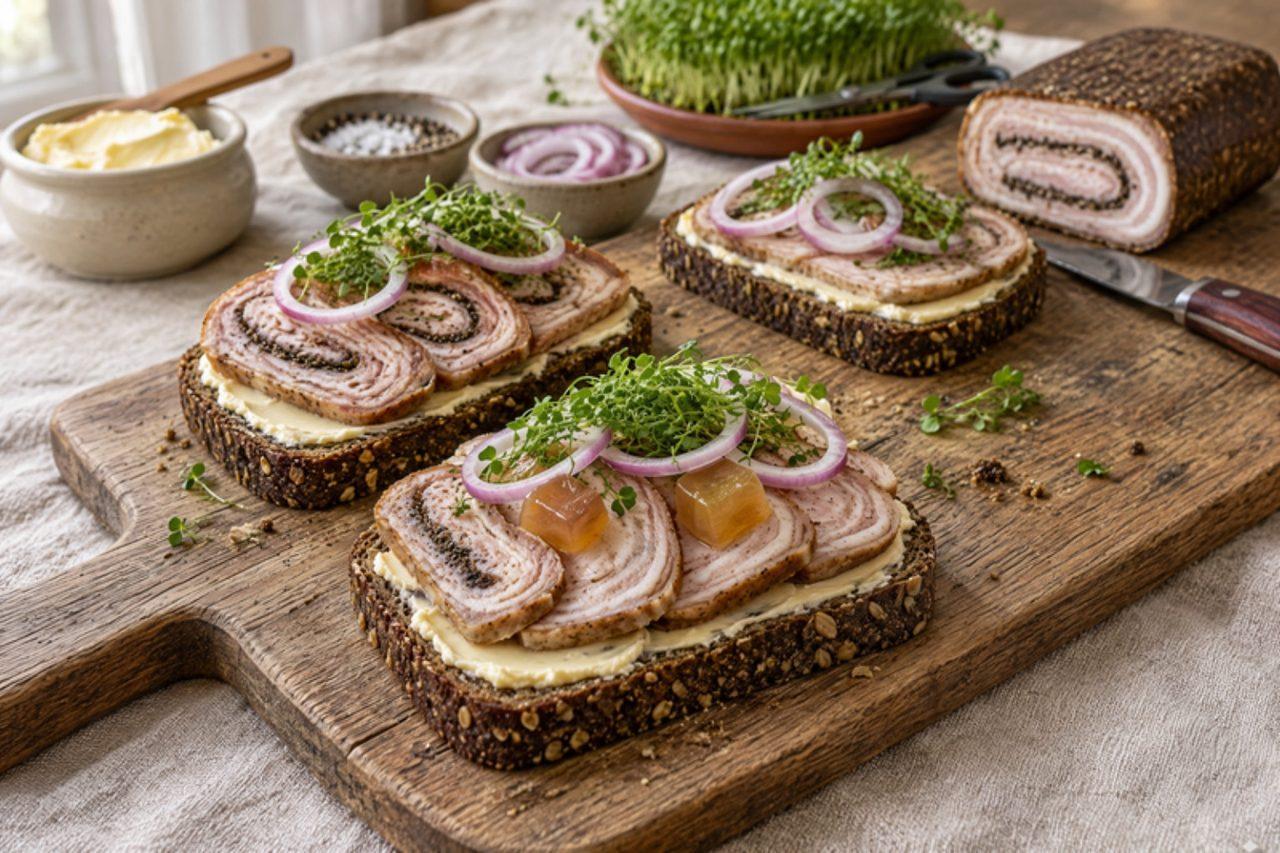
Rullepølse is the classic Danish pålæg (sandwich topping): pork belly spread with onion, herbs and allspice, rolled tightly, cured overnight, simmered and then pressed into a neat block that slices paper-thin. On rugbrød with raw onion rings, cress and a cube of meat jelly, it is the pride of a Copenhagen madpakke and the Christmas lunch table. The common mistake is skipping the press: unpressed, the roll stays loose and crumbles when sliced. As the roll has seasoned surfaces inside it, cook it like mince to 71 °C in the centre. Chef's tip: wrap the roll in a clean cloth before tying, so it keeps a perfect round shape while it simmers.

by KrazyBadal 0 views

Showing 45 of 7,762 recipes

Show more recipes

Page 139 of 863