


Skip to content
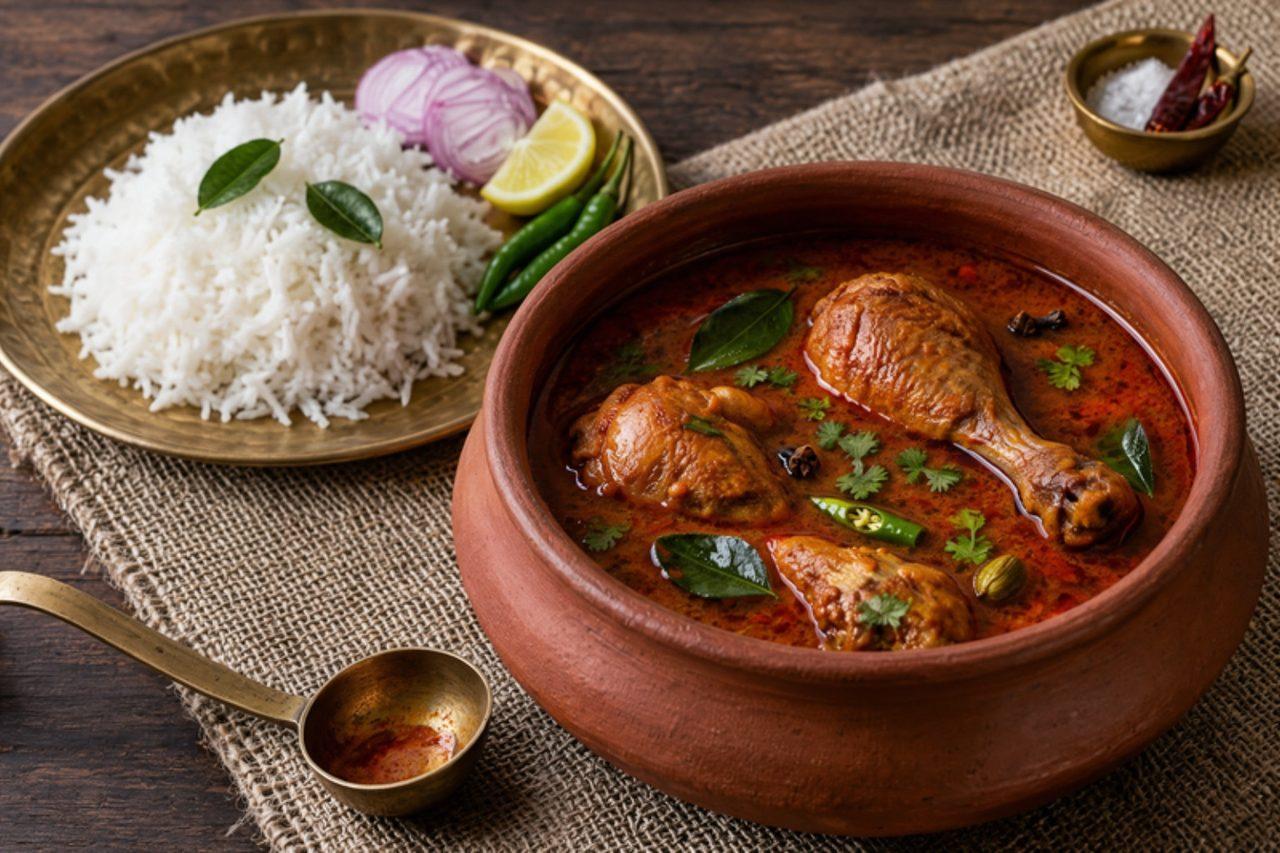
Natu kodi pulusu
Featured recipe

Natu kodi pulusu

Country chicken curry

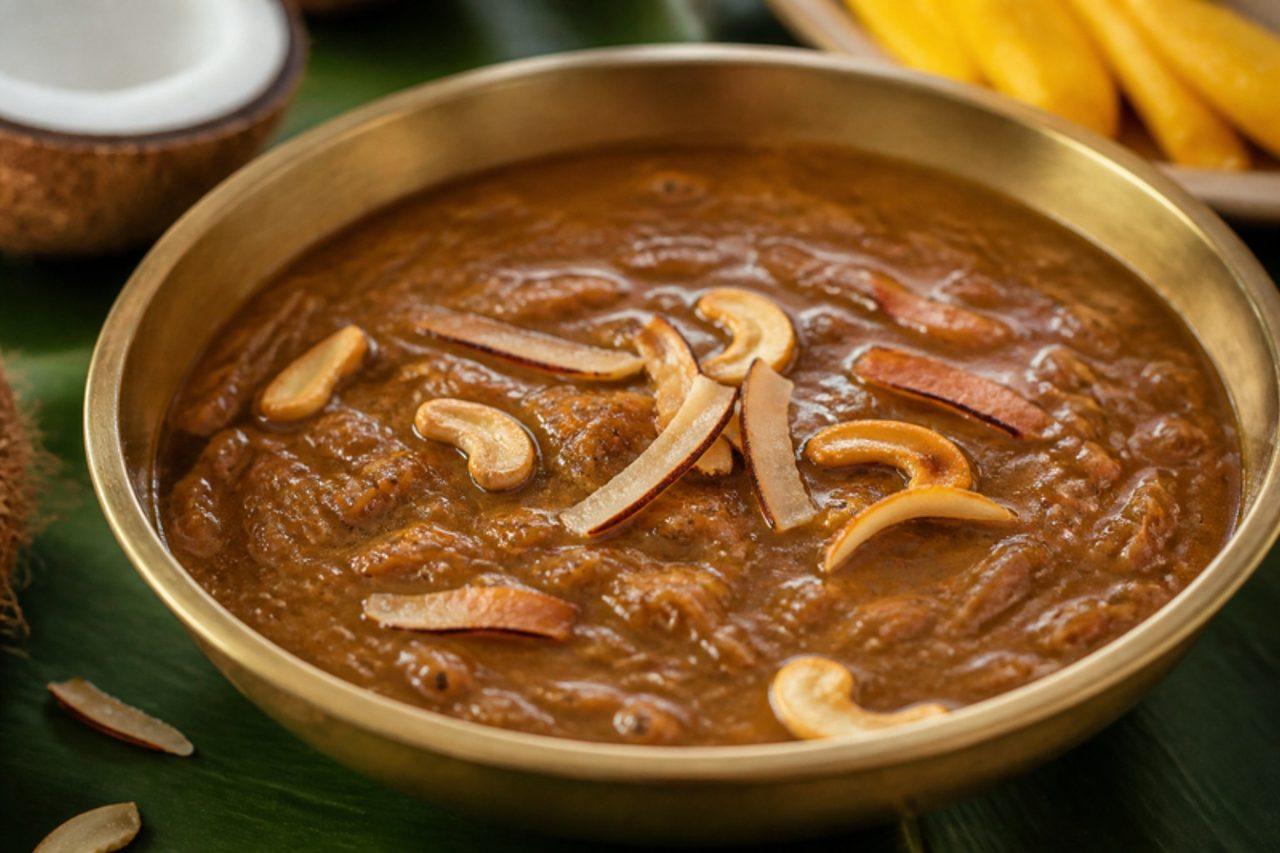
Natu kodi means country chicken, the lean, free-ranging birds of Telangana's villages, and their pulusu is a Sunday and festival curry: fiery with chilli, soured with tamarind and thickened with a paste of roasted coconut, poppy seed and whole spices. It is mopped up with rice or jonna rotte. The mistake most cooks make is giving a country bird the timing of a broiler; desi chicken needs 40–50 minutes of slow simmering to turn tender, while ordinary chicken is done in about 20. Food safety: marinate in the fridge and cook until the thickest piece reaches 74 °C. Chef's tip: add the tamarind only once the chicken is tender, as acid slows the softening of tough meat.

Read more 0 views

What to eat today?

Around the world

Today's trip: Persian

A new country every day, from every cuisine on the site.

Persian

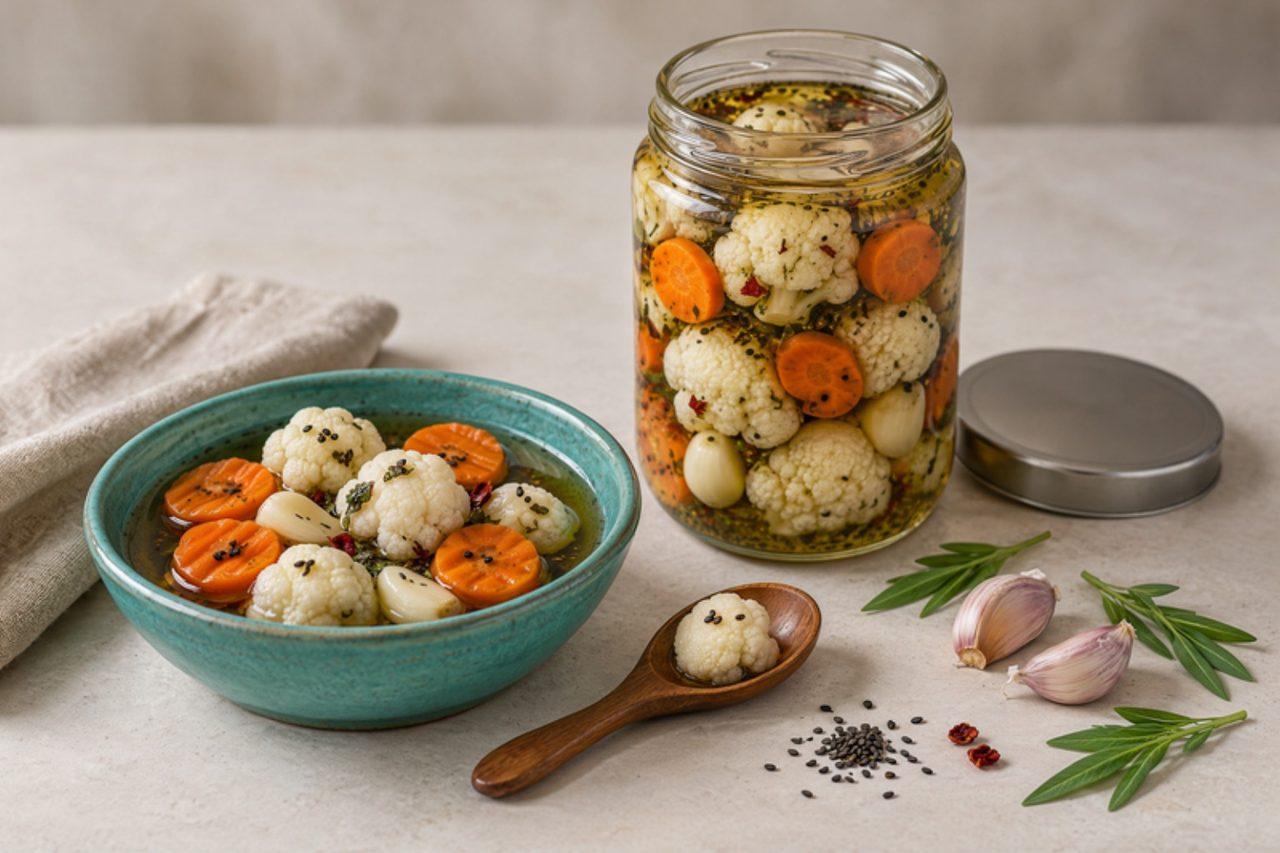
Torshi gol kalam

Cauliflower and carrot pickle 35 minMore from Persian (131) →

This week's collection

Kid-friendly dinners
541 recipes · a new collection every Monday

Latest recipes

Variyali sharbat (fennel cooler)

On May afternoons in Ahmedabad and Surat, when the loo wind blows and nobody wants a hot drink, Gujarati homes keep a bottle of variyali sharbat concentrate in the fridge. Fennel seeds are soaked, ground with rock sugar, strained and mixed with lemon and a little black pepper, then diluted with iced water for guests, after lunch, or to break a fast, since nothing in it is off-limits on upvas days if you use rock salt. It is pale green and cloudy, with a sweet aniseed taste, a sharp lemon finish and a faint peppery tingle. The common mistake is grinding dry fennel straight away: it stays gritty and the flavour is harsh. Soak the seeds for at least two hours so they swell and grind into a smooth paste. It is ready when the strained concentrate is silky, smells clearly of fennel and tastes very sweet, as it will be diluted three or four times. The concentrate keeps 5 days in the fridge in a clean bottle. Chef's tip: add a few mint leaves or a pinch of cardamom when grinding for a more rounded cooler.

by KrazyBadal 0 views

Kefir

Kefir is the sour, lightly fizzy fermented milk that families across Russia, Georgia and the North Caucasus drink plain from a glass at breakfast, as an evening snack or alongside a meal, and also use in pancakes and cold soups. It is made by leaving milk with kefir grains, a living culture of yeasts and bacteria, at room temperature for a day until it thickens. Nothing is added: no salt and no sugar. About 0.25 g salt per 250 ml glass, all from the milk itself. Always use pasteurised milk. The usual mistake is leaving it too long, until it separates into curds and whey; check after 18 hours and stop when it is just thick and pourable. Chef's tip: a second ferment of 6 hours in the fridge in a closed bottle makes it smoother and a little fizzier.

1445 minRussianDrinksGluten free
by KrazyBadal 0 views

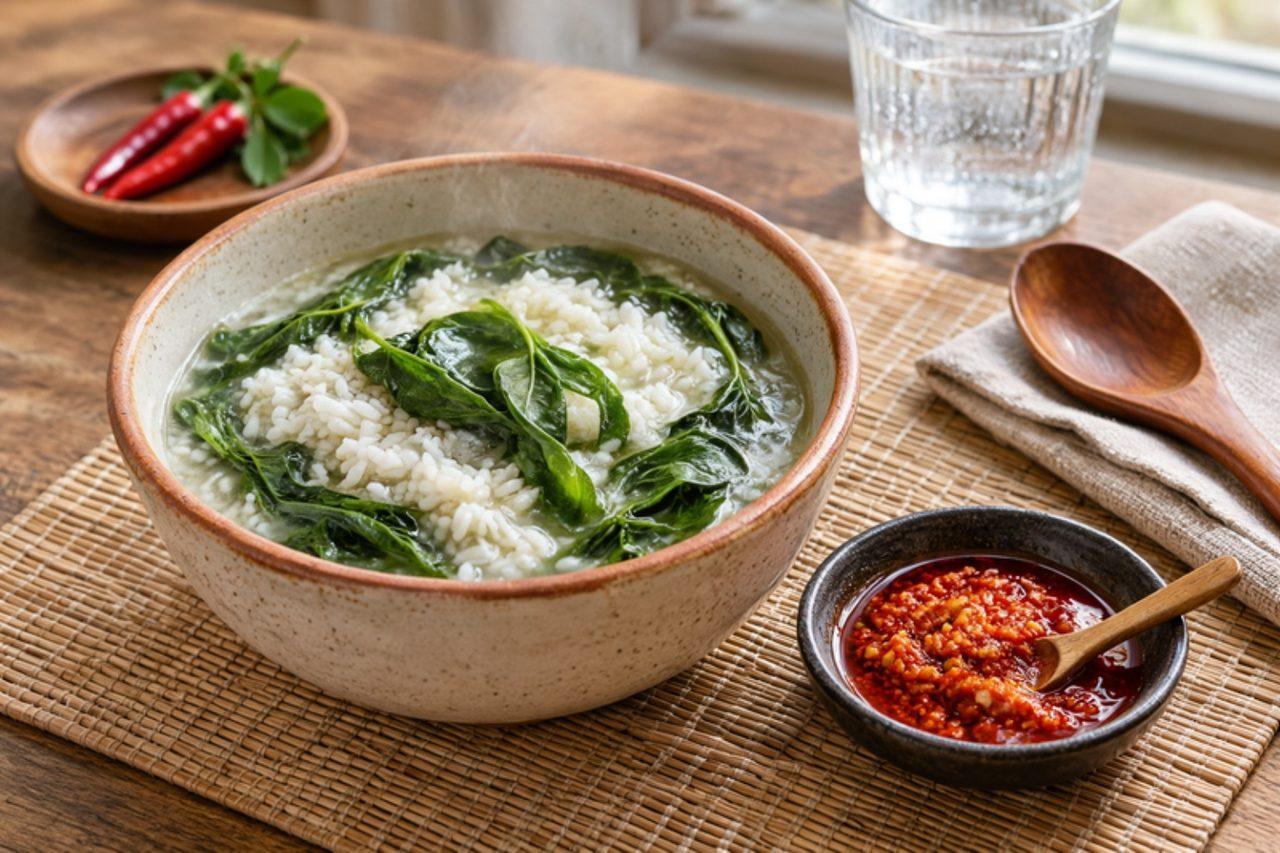
Vary sosoaRice soup with greens

In Antananarivo and across the highlands, the day starts with a bowl of vary sosoa: rice cooked with plenty of water until the grains are soft and loose in their milky cooking liquid, wetter than plain rice but not as smooth as congee. Stalls serve it with kitoza (dried meat), eggs or a spoon of fiery sakay; this vegan version tops it with garlicky greens and homemade sakay chilli paste. The common mistake is stirring it like risotto, which makes it gluey; stir only now and then. Chef's tip: make the sakay the day before; the ginger and chilli mellow overnight in the oil.

by KrazyBadal 0 views

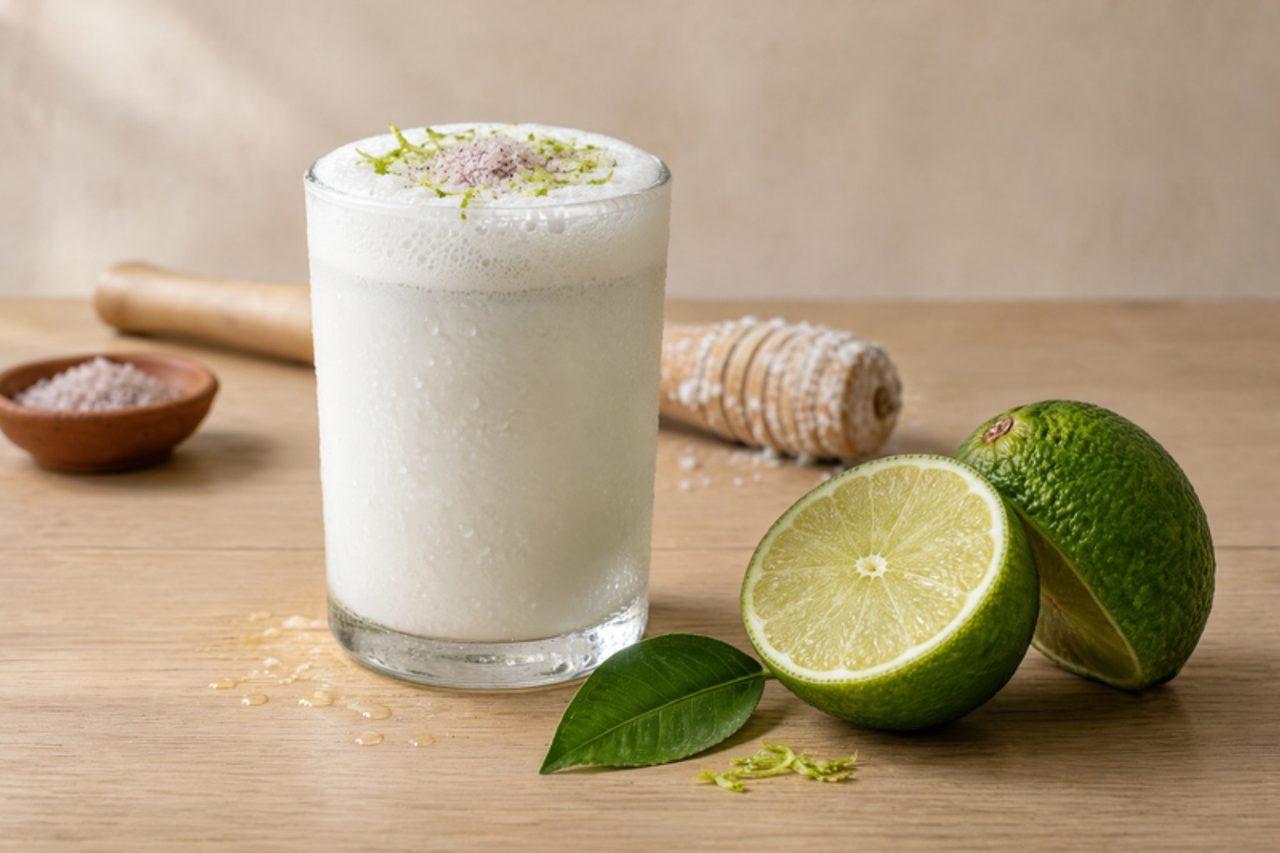
Gondhoraj gholLime-scented yogurt drink

In Kolkata the gondhoraj lime arrives with the monsoon heat, a knobbly green fruit whose peel smells of flowers and pine more than of sour citrus. Bengali households use it to lift dal and fish, but in the sticky months from Boishakh into Srabon it goes into ghol: dahi churned with cold water until frothy, sweetened lightly and scented with the zest, a squeeze of juice and a torn leaf. Cafés along Gariahat and old sweet shops serve it in clay bhaar cups after lunch, and it is just as good mid-afternoon with a plate of muri. It drinks thin, cool and silky, with a soft tang and a perfume that hits the nose before the first sip. The usual mistake is grating too deep or leaving the zest to sit for an hour: the white pith and the oils turn bitter. Take only the green outer layer, add it just before serving, and stop when the ghol smells floral rather than sharp. It is ready when the top is covered in fine foam and a spoon comes out lightly coated. Chef's tip: for the salted version, swap the sugar for black salt and a pinch of roasted cumin, as many Kolkata homes do on the hottest days.

by KrazyBadal 0 views

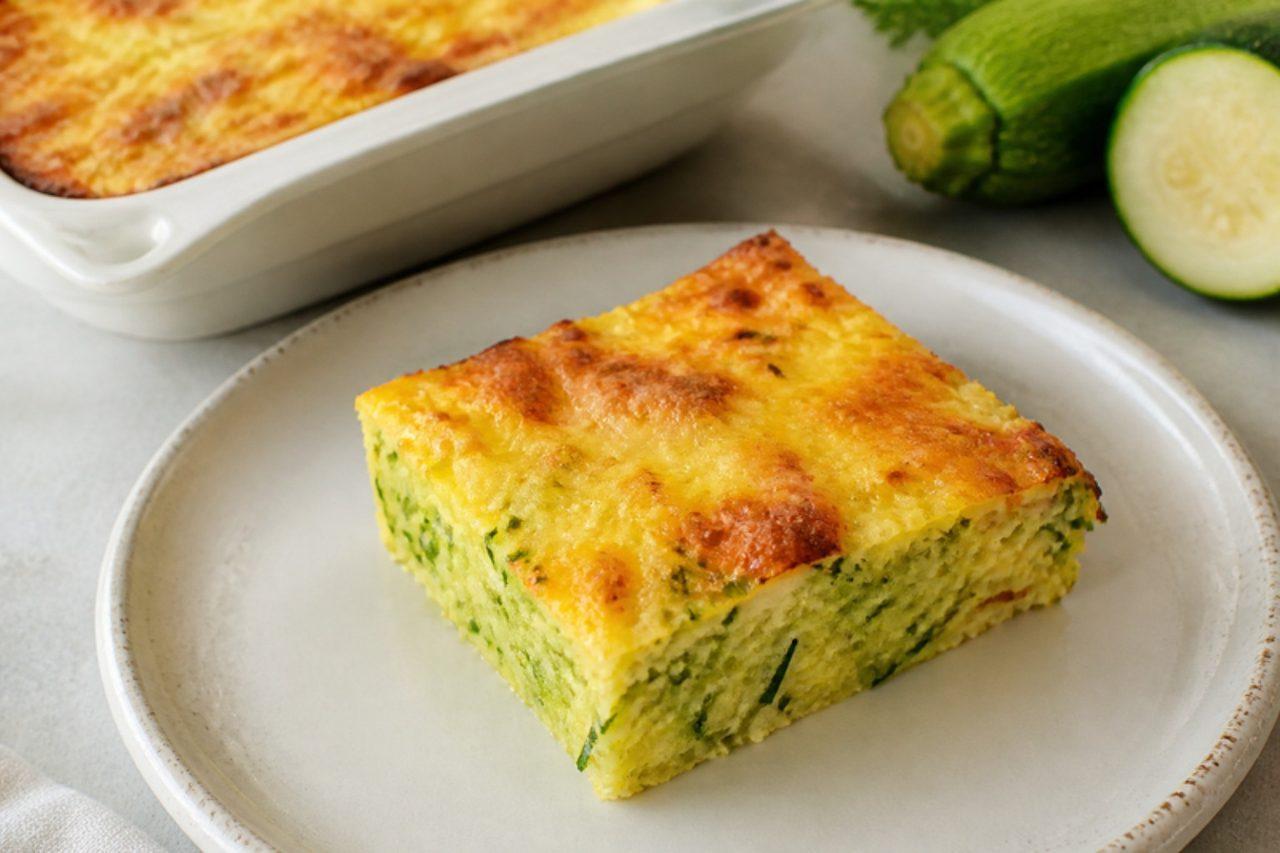
Budín de zapallo italianoBaked courgette pudding

In late summer, when courgettes (zapallo italiano) pile up in Santiago's ferias, home cooks turn them into budín: a soft, savoury bake bound with eggs, milk and cheese, served in squares with rice or a tomato salad for a light weekday lunch. Chileans use mild queso chanco or gouda, which is usually made with animal rennet; choose a cheese marked vegetarian if that matters to you. The big mistake is skipping the draining step: courgettes are mostly water, and a budín made with wet courgette weeps in the dish. Chef's tip: salt the grated courgette, leave it 15 minutes and squeeze it hard in a clean tea towel until it stops dripping.

by KrazyBadal 0 views

Grilled marronGrilled crayfish with garlic butter

Marron are large freshwater crayfish native to the rivers of south-western Western Australia and farmed around Margaret River and Manjimup, where restaurants serve them split and grilled with garlic butter. The tail meat is sweet, firm and delicate, finer than most lobster. Buy marron already prepared and halved by the supplier, or frozen raw halves, and cook them the same day. A common mistake is overcooking, which makes the meat stringy. Chef's tip: baste continuously so the flesh stays juicy under the grill.

by KrazyBadal 0 views

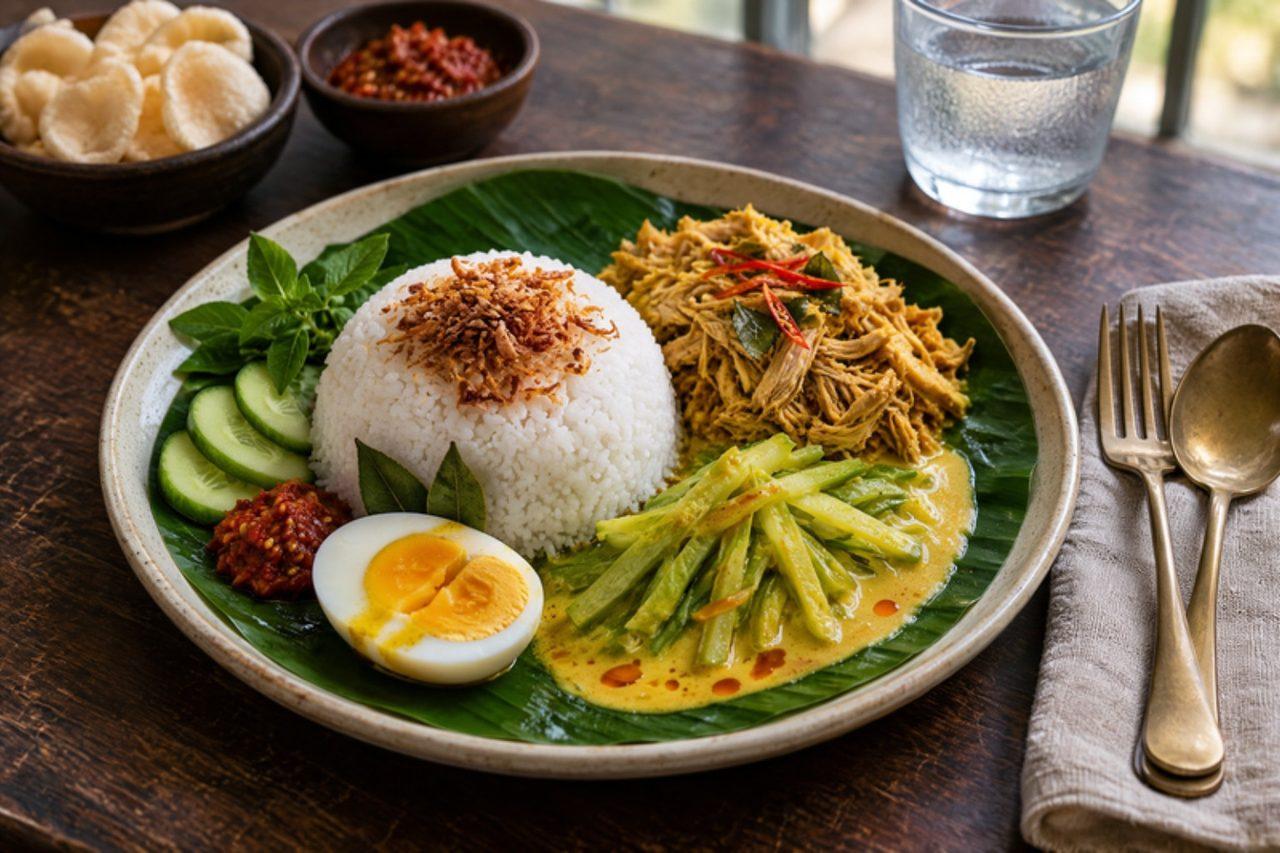
Nasi liwet SoloCoconut rice with shredded chicken

In Solo (Surakarta), Central Java, nasi liwet sellers set out at dawn with baskets of rice cooked in coconut milk and fragrant salam leaves, served on a banana leaf with shredded chicken, a mild chayote stew in coconut gravy (sayur labu siam) and a hard-boiled egg, all topped with a spoon of thick coconut cream called areh. It is a soft, gentle, savoury breakfast. The usual mistake is boiling the coconut rice too fast, which scorches the bottom before the grains are soft. Chef's tip: once the liquid is absorbed, finish the rice on the lowest heat with a clean tea towel under the lid so it steams fluffy, not wet.

by KrazyBadal 0 views

GuasacacaAvocado and herb sauce

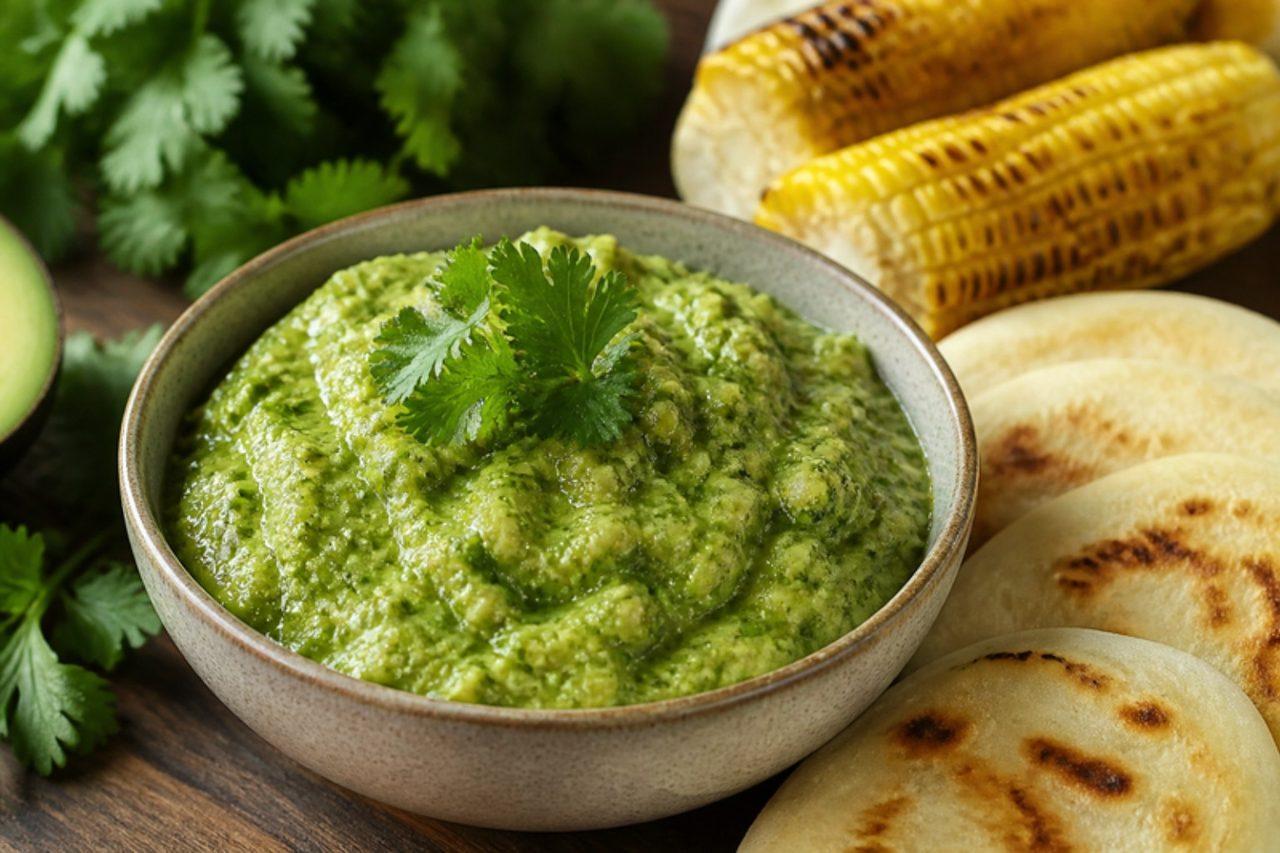
Every parrilla in Caracas puts a bowl of guasacaca on the table: avocado crushed with green pepper, onion, garlic, coriander and parsley, sharpened with vinegar until it is looser and tangier than guacamole. It goes on grilled meat and chorizo, but just as happily on arepas, empanadas, boiled yuca and grilled vegetables. The common mistake is blending it to a smooth mousse; it should keep a little texture. Chef's tip: make it no more than an hour ahead and press cling film onto the surface, so it stays bright green.

by KrazyBadal 0 views

Bún đậu mắm tômNoodles, tofu and shrimp paste

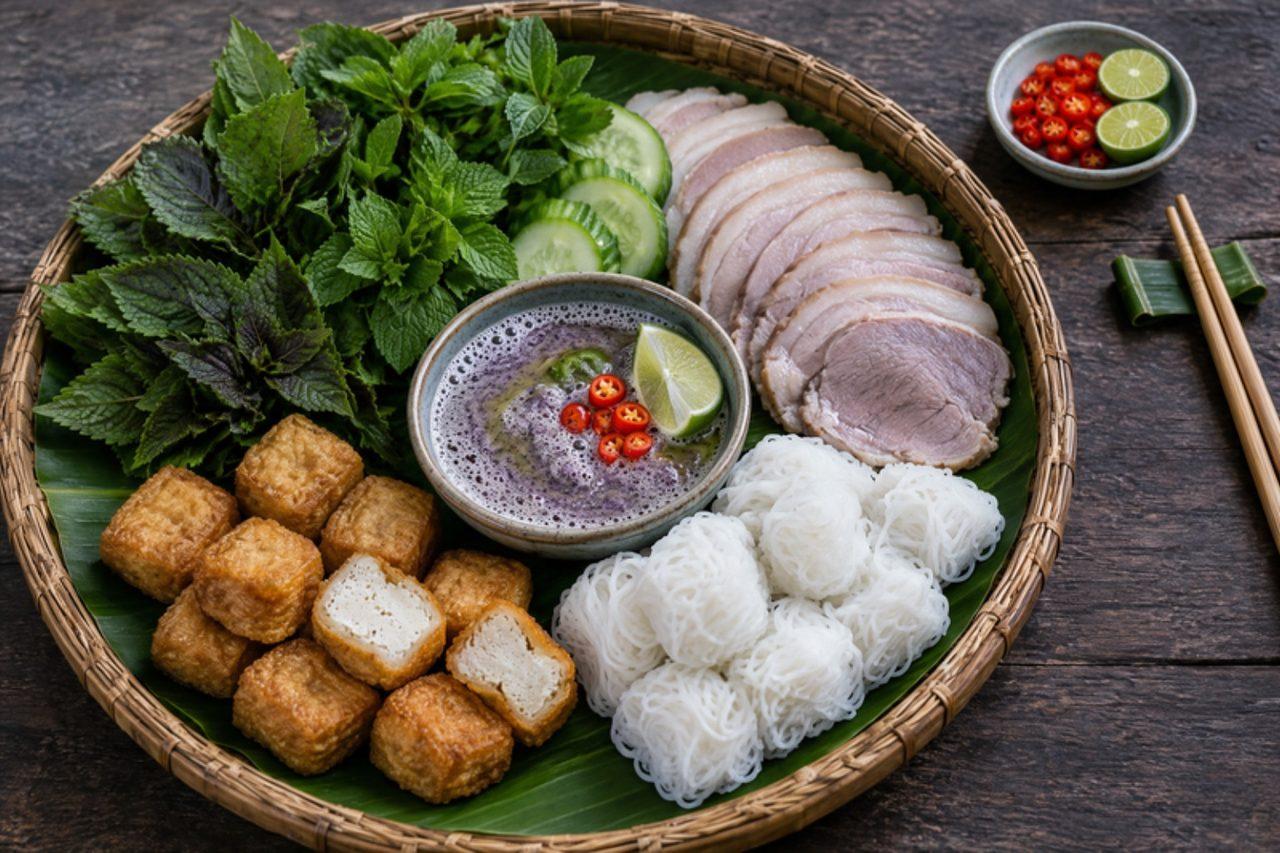
Bún đậu mắm tôm is served on round bamboo trays in the narrow alleys of Hanoi's Old Quarter, where groups of friends squat on low stools at lunch to share squares of pressed rice noodles, cubes of tofu fried until puffy, slices of boiled pork leg or belly and bundles of perilla and Vietnamese balm. Everything is dipped into mắm tôm, pungent fermented shrimp paste whisked with lime, sugar and a splash of hot oil until it foams. It is loud, salty and moreish. Chef's tip: whisk the shrimp paste hard for a full minute; it turns pale and fluffy and its harshness mellows.

by KrazyBadal 0 views

MsetoRice and green grams

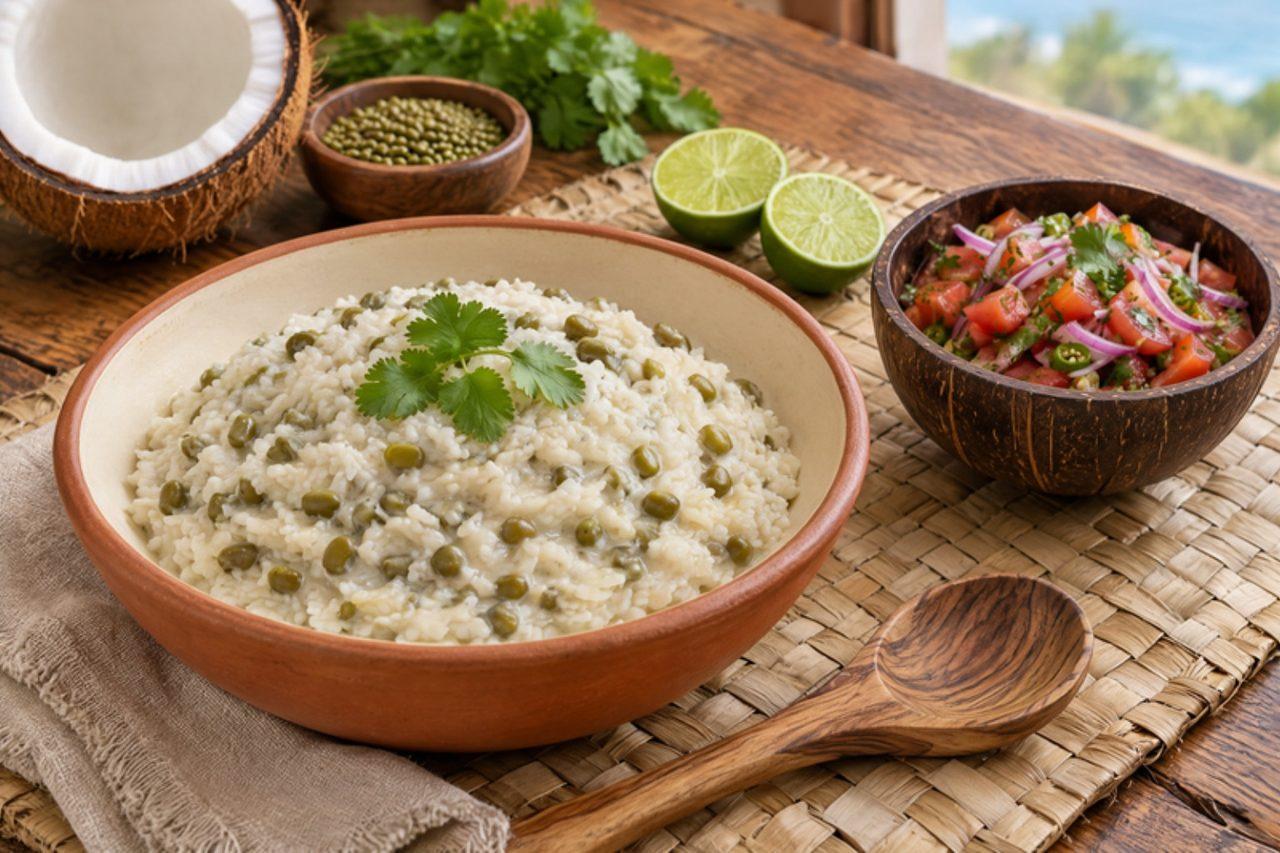
Mseto, meaning 'mixture', is a staple of the Swahili coast from Mombasa to Lamu and Zanzibar, often eaten at lunch or for breaking the fast in Ramadan. Rice and green grams (whole mung beans) cook together in coconut milk with onion and a little turmeric until soft, fluffy and gently creamy. It is served beside a vegetable or bean curry, a kachumbari salad and a squeeze of lime. The usual mistake is adding the rice before the green grams are tender, so the rice turns mushy while the beans stay hard. Chef's tip: once the rice is in, cover the pot tightly and leave it on the lowest heat without lifting the lid, so the rice steams evenly.

by KrazyBadal 0 views

Pain maisonCrusty bread rolls

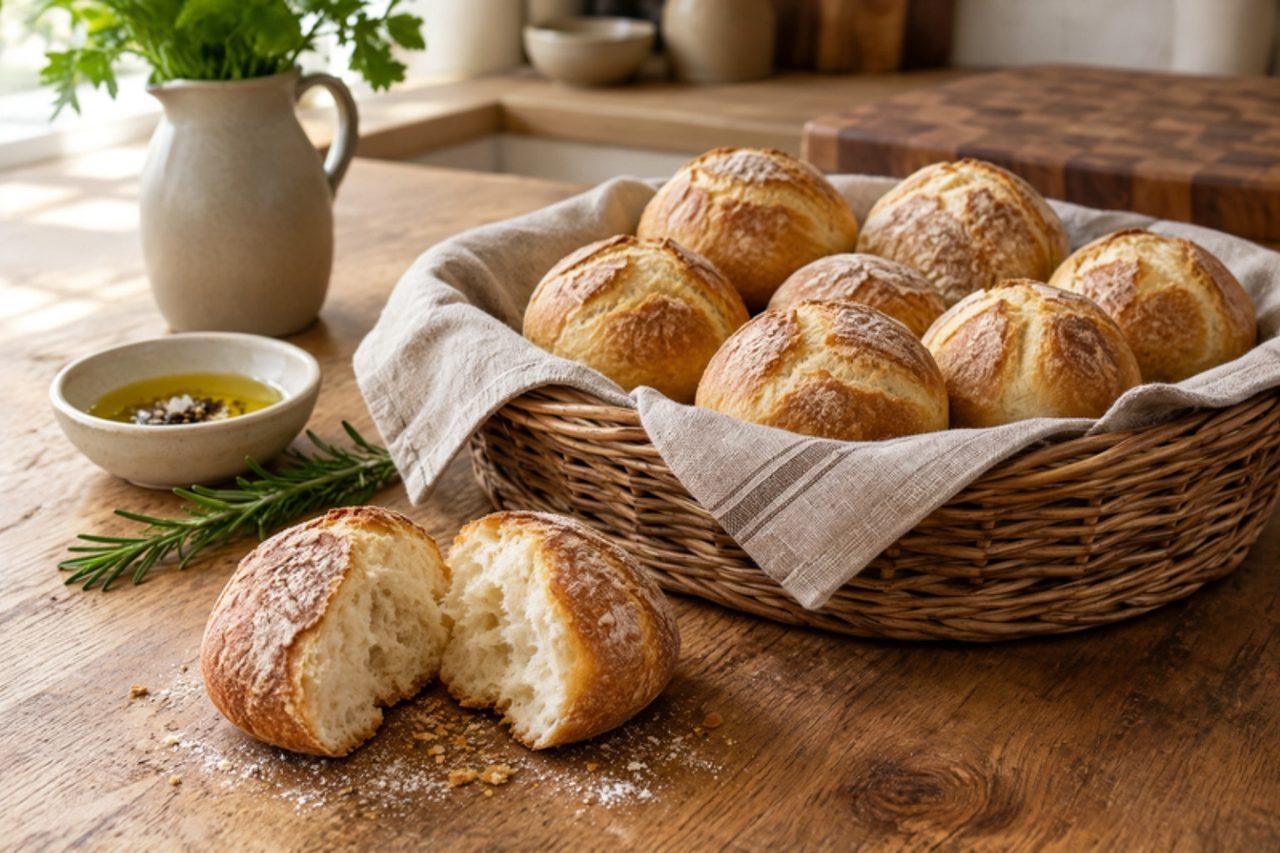
Every morning in Port Louis, Mahébourg and Rose-Hill, the boulangerie or a man on a bicycle delivers bags of pain maison: small, round white rolls with a thin, crackly crust and soft middle, split and filled with butter and cheese, with chilli-spiked gâteaux piments, or with leftover curry. They're a simple lean dough baked very hot. The common mistake is under-baking because they look golden early; give them the full time so the crust stays crisp after cooling. Chef's tip: spray the oven walls with water as the rolls go in; the burst of steam makes the shiny, cracked crust.

by KrazyBadal 0 views

HumbaBraised pork belly

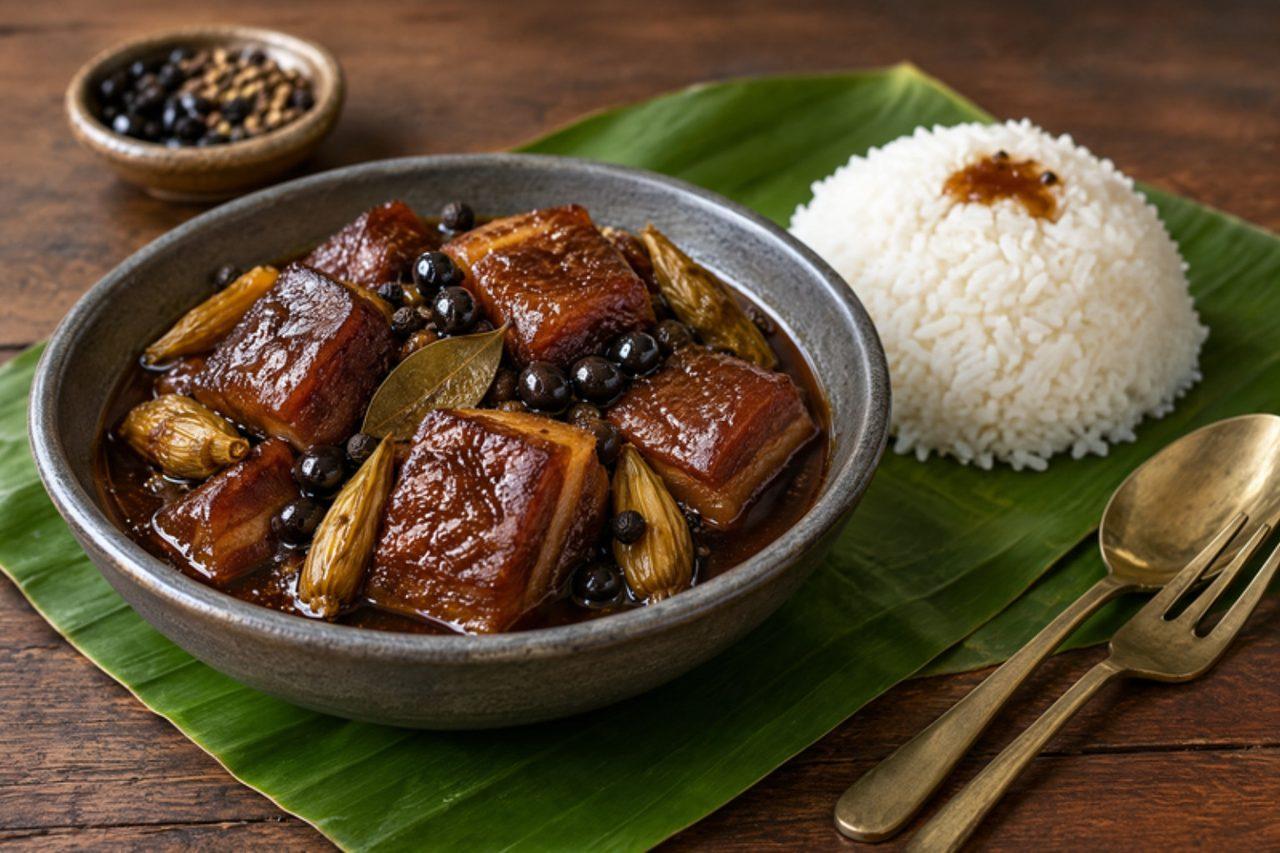
Humba is the sweet, dark braise of the Visayas, cooked in Cebu and Bohol homes for fiestas, birthdays and Sunday lunch. Pork belly simmers in soy sauce, cane vinegar and brown sugar with garlic, bay and peppercorns until the fat turns meltingly soft and the sauce becomes sticky; salted black beans (tausi) and dried lily buds, sold as dried banana blossoms, give it its Visayan character. Eat it with plenty of steamed rice. The usual mistake is stirring as soon as the vinegar goes in: let it boil uncovered for a few minutes first so its raw sharpness cooks off. Pressure-cooker: cook for 35 minutes at high pressure, then reduce the sauce uncovered. Chef's tip: humba tastes even better the next day, when the pork has soaked up the sauce.

130 minFilipinoMeat
by KrazyBadal 0 views

Bún mọcVermicelli with pork balls

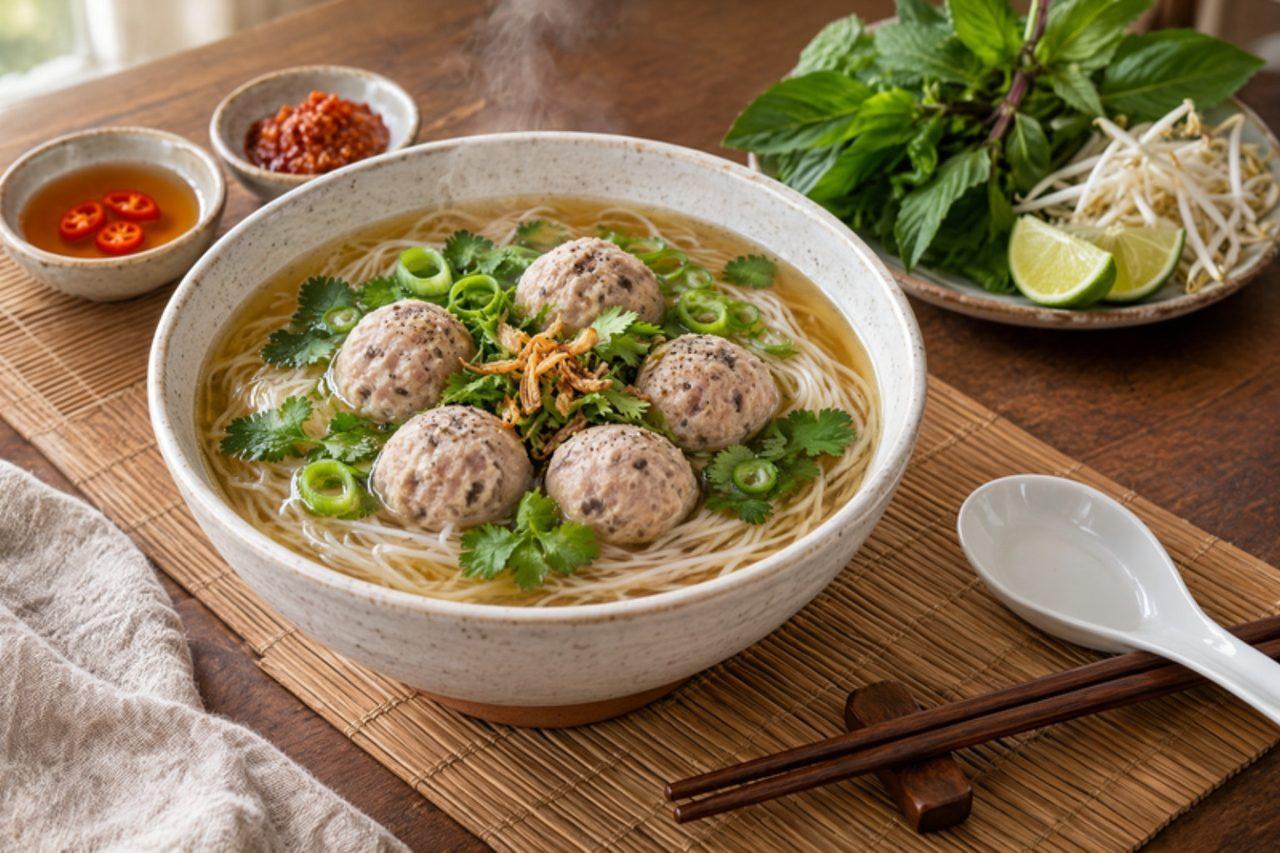
Bún mọc is a Hanoi breakfast from the old Mọc village, now swallowed by the city: a clear, gently sweet pork broth poured over soft rice vermicelli, with bouncy balls of pounded pork and wood ear mushroom, slices of pork and a fistful of herbs. Locals eat it early at low plastic stools before work. The common mistake is mixing the pork paste with a spoon; it needs a hard beating so the balls turn springy instead of crumbly. Chef's tip: wet your hands and slap the paste against the bowl twenty times, and chill it for 15 minutes before shaping.

by KrazyBadal 0 views

Teh talua (egg tea)

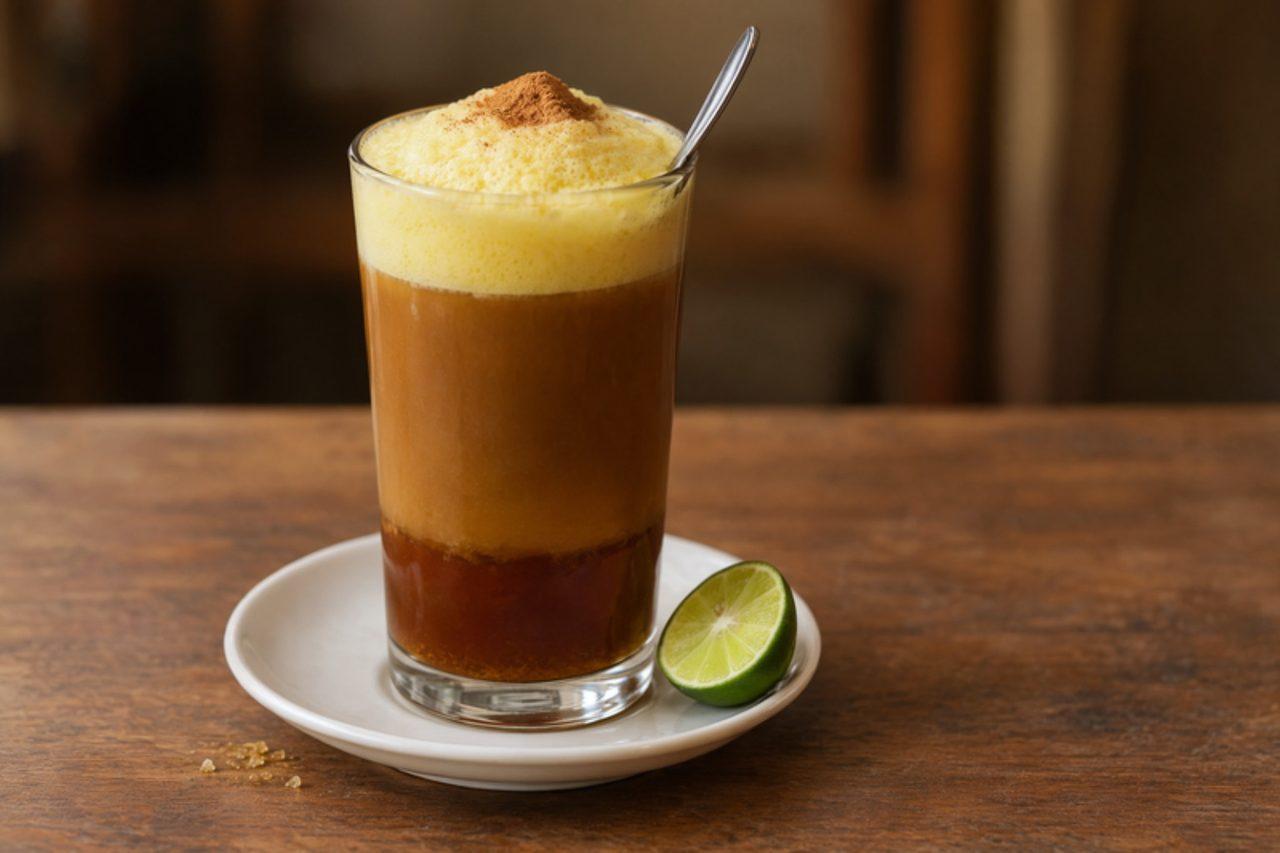
In the lapau coffee shops of Bukittinggi, Payakumbuh and Padang, the sound of a spoon or a small whisk clattering against a glass means someone has ordered teh talua. A raw egg yolk, traditionally from a free-range kampung hen or a duck, is whisked with sugar until thick and almost white, strong hot tea is poured on from a height, and a wedge of lime goes on the side. Minangkabau men drink it in the late afternoon or evening as a pick-me-up after work in the fields. It comes out with a creamy, caramel-coloured body under a deep layer of foam, rich like a light custard, with the lime cutting any eggy edge. The common mistake is whisking too little: the yolk stays yellow, the tea curdles it in strings and it smells of egg. Beat until the yolk has doubled in volume and falls in a thick ribbon. Use pasteurised eggs for anyone pregnant, babies and small children, older people or anyone unwell, as the yolk is only lightly warmed. Some lapau add condensed milk; this one is dairy-free. It contains caffeine. Chef's tip: pour the tea in a thin stream from high up while still stirring, to build the tallest foam.

by KrazyBadal 0 views

Gundar pakEdible gum and wheat fudge

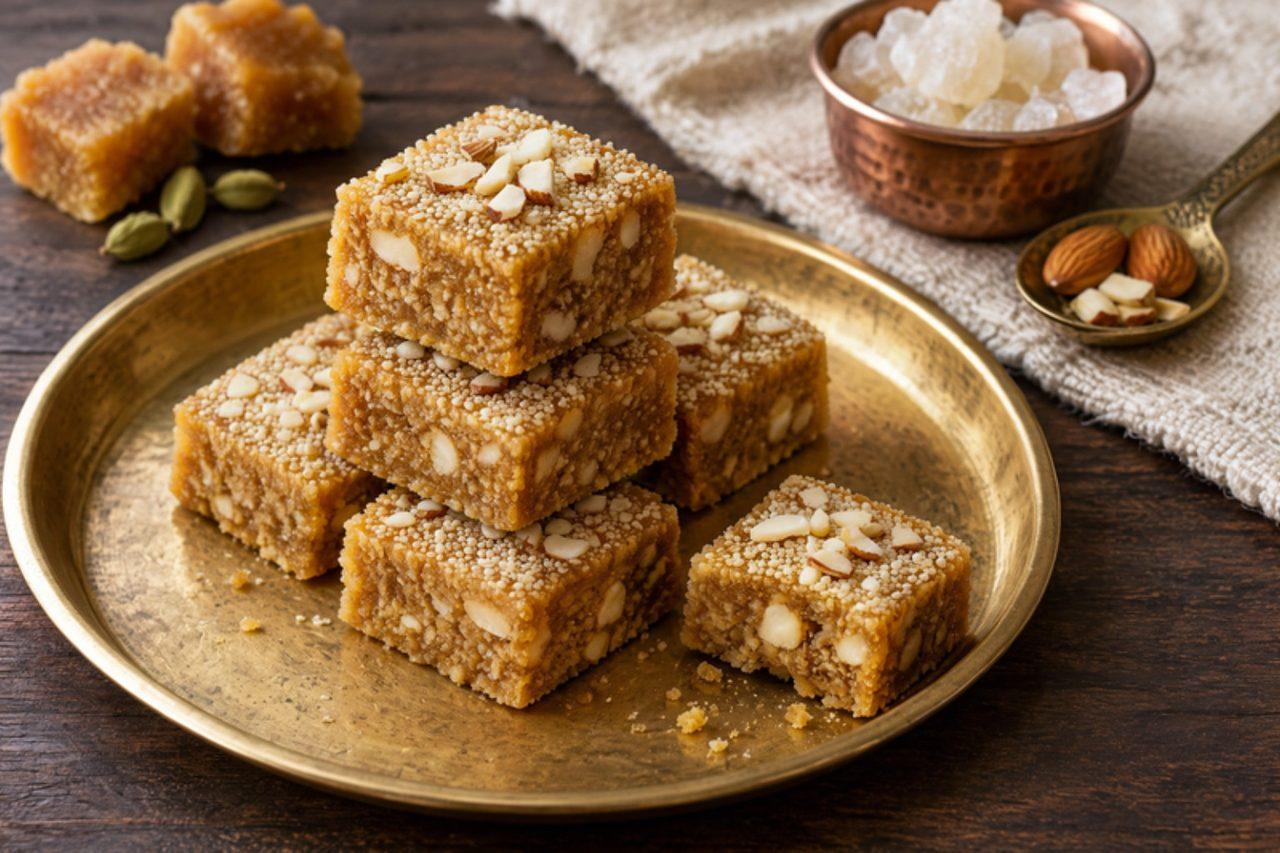
When the first cold mornings reach Rajkot and Junagadh, Kathiawadi kitchens fry a big batch of gundar, the edible acacia gum, in ghee and set it into this dense, crunchy pak, eaten one square a day with tea through December and January. Here the gum is the star: it puffs into crisp white popcorn-like pieces that give the fudge its crackle, while wheat flour, jaggery, dry ginger and coconut hold it together. The common mistake is frying the gum in ghee that is too cool, so it stays hard and glassy and sticks to your teeth; it must puff fully within seconds. Chef's tip: crush the puffed gum only lightly with a rolling pin so you still bite into small crunchy nuggets.

by KrazyBadal 0 views

GundrukFermented leafy greens

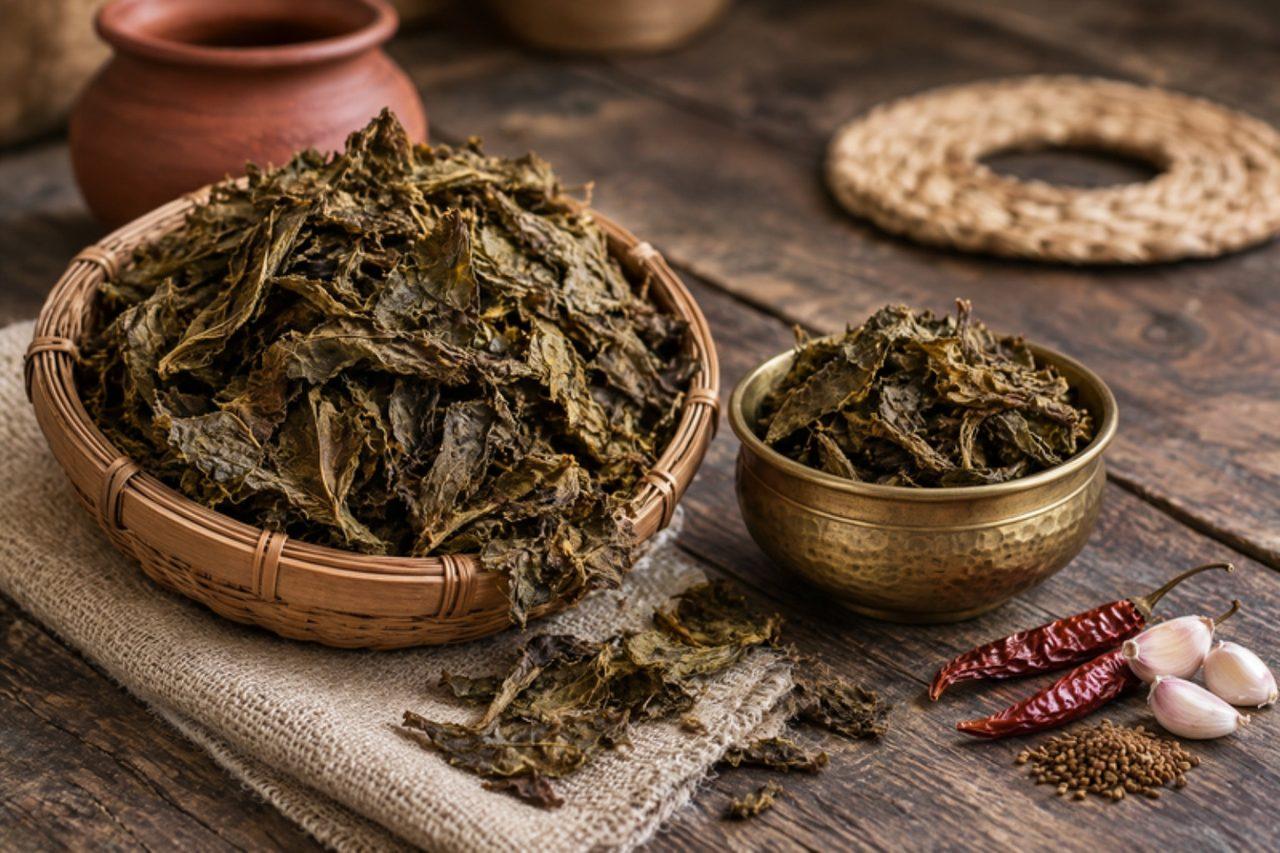
After the rice harvest in October and November, hill families from Ilam to Gorkha cut the leaves of mustard greens, radish and cauliflower, leave them to wilt in the yard, then pound them into clay pots or pits to ferment. A week later the greens come out olive-brown and sour, and they are dried on bamboo mats in the bright Dashain-Tihar sun. That dried gundruk carries families through the lean winter: soaked and simmered into gundruk ko jhol with tomato and soybeans beside dal-bhat, or tossed into gundruk sadeko with onion, chilli and mustard oil to eat with chiura. The flavour is deeply sour, earthy and a little smoky, the dried leaves chewy-crisp, softening when cooked. Common mistake: packing the leaves loosely; air left in the jar lets mould grow instead of the sour lactic ferment, so press until juice rises over the greens. It is ready to dry when it smells sharply sour like good sauerkraut and the leaves have lost all their green. Chef's tip: if your greens are from a supermarket, mix mustard greens with radish tops or kale for the closest flavour, and ferment in a big jar with a weight.

by KrazyBadal 0 views

Cà phê cốt dừa (coconut coffee)

Hanoi takes its coffee seriously, and in the last fifteen years coconut coffee has become one of the city's signatures, sold from Old Quarter cafés, lakeside balconies around Hoàn Kiếm and tiny stools on the pavement. It is a hot-weather drink, at its best on a sticky afternoon between May and September, eaten half with a spoon. Strong Vietnamese robusta drips slowly through an aluminium phin, then is poured over a pale slush of thick coconut cream, sweetened condensed milk and crushed ice, so you get bitter, dark coffee against something rich and cold that tastes like coconut ice cream. The common mistake is blending the slush too long or with too much ice, which leaves it thin and watery, and pouring the coffee in boiling hot so the slush collapses. Blend just until it looks like soft snow, and let the coffee cool for a minute or two. It is ready when the slush holds a spoon upright and the coffee sits in a dark layer on top. Robusta is high in caffeine and this is a strong drink, so it is not for children and one glass is plenty. Chef's tip: chill the coconut cream overnight; cold, thick cream gives a fluffier slush.

by KrazyBadal 0 views

Kue apePandan pancakes with crisp edges

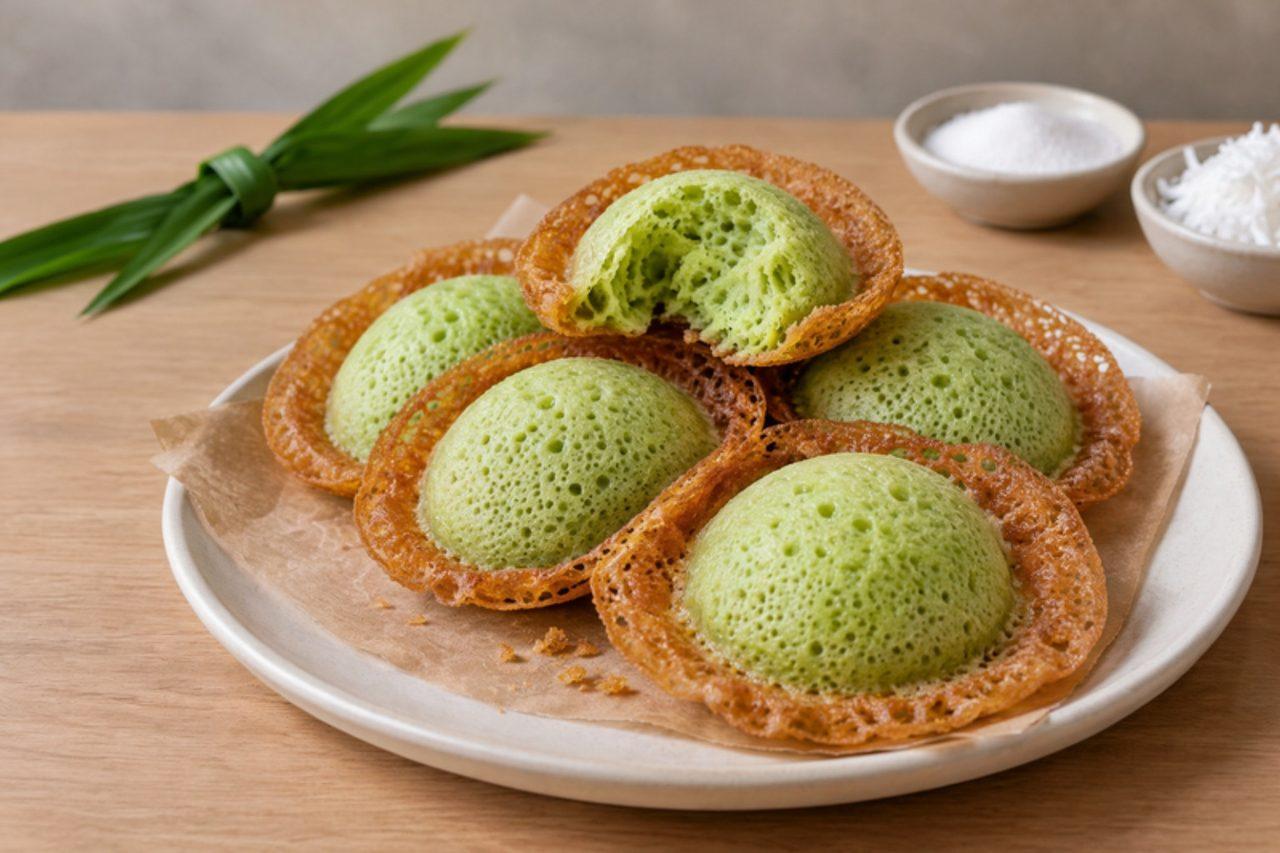
Kue ape (also called kue tetek for its shape) is a Betawi snack sold from pushcarts outside schools and along the lanes of Kebon Kacang in the late afternoon, when children come out hungry. The vendor swirls pandan batter around a small domed pan so the edges fry paper-thin and lacy while the centre puffs into a soft, slightly chewy bump. They are sweet, fragrant and best eaten within minutes. A small non-stick pan or a Chinese wok-shaped crêpe pan works at home. The batter contains wheat and egg. Chef's tip: the swirl must happen the second the batter hits the pan; hesitate and the edge sets thick instead of lacy.

by KrazyBadal 0 views

Guyanese plait breadBraided white loaf

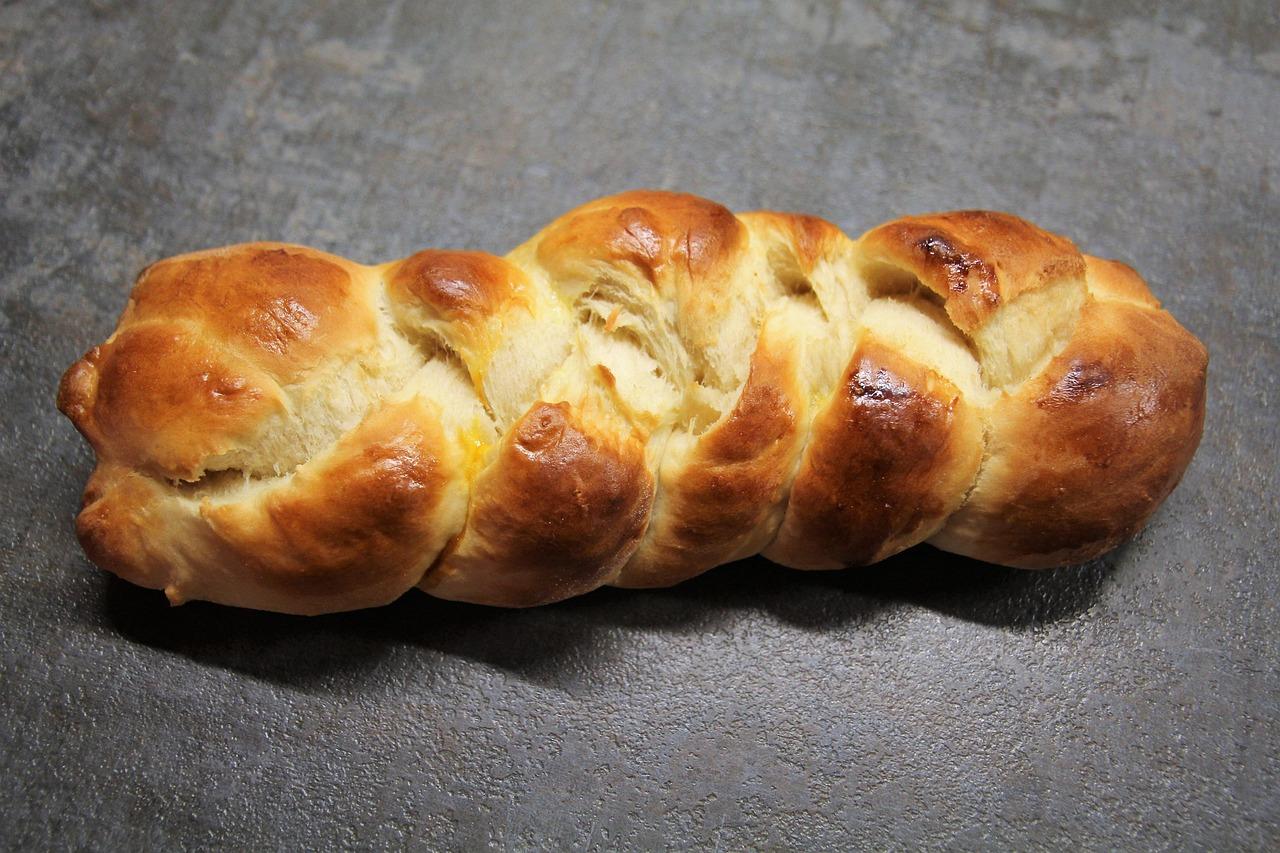
A glossy three-strand plait sits on the table in many Guyanese homes on Christmas morning and for Old Year's Night, next to garlic pork, pepperpot and black cake, and bakeries in Georgetown sell it every day for sandwiches. It is a soft, close-crumbed white bread, just a little sweet, that tears into pillowy pieces and soaks up pepperpot gravy beautifully. The common slip is adding too much flour while kneading: the dough should feel slightly tacky, or the loaf bakes up dry and dense. Chef's tip: let the shaped plait prove until a finger pressed into the side leaves a dent that springs back slowly; that is the moment to bake.

by KrazyBadal 0 views

Guyanese salaraRed coconut roll

Walk into any bakery in Georgetown or along the Berbice coast and the salara is easy to spot: a soft, slightly sweet loaf rolled around a bright red filling of grated coconut, sugar and spice, cut so every slice shows a spiral. It is tea-time and lunch-box food, eaten with a cup of cocoa tea or a cold drink after school. The coconut is coloured with red food colouring, which is part of the look but can be left out. The usual mistake is a wet filling: if the coconut is soggy, the roll splits and the spiral gapes open as it bakes. Chef's tip: squeeze fresh grated coconut lightly in a cloth before mixing it, and roll the dough tight like a Swiss roll, pinching the seam well.

by KrazyBadal 0 views

Haejang-gukCabbage and bean sprout soup

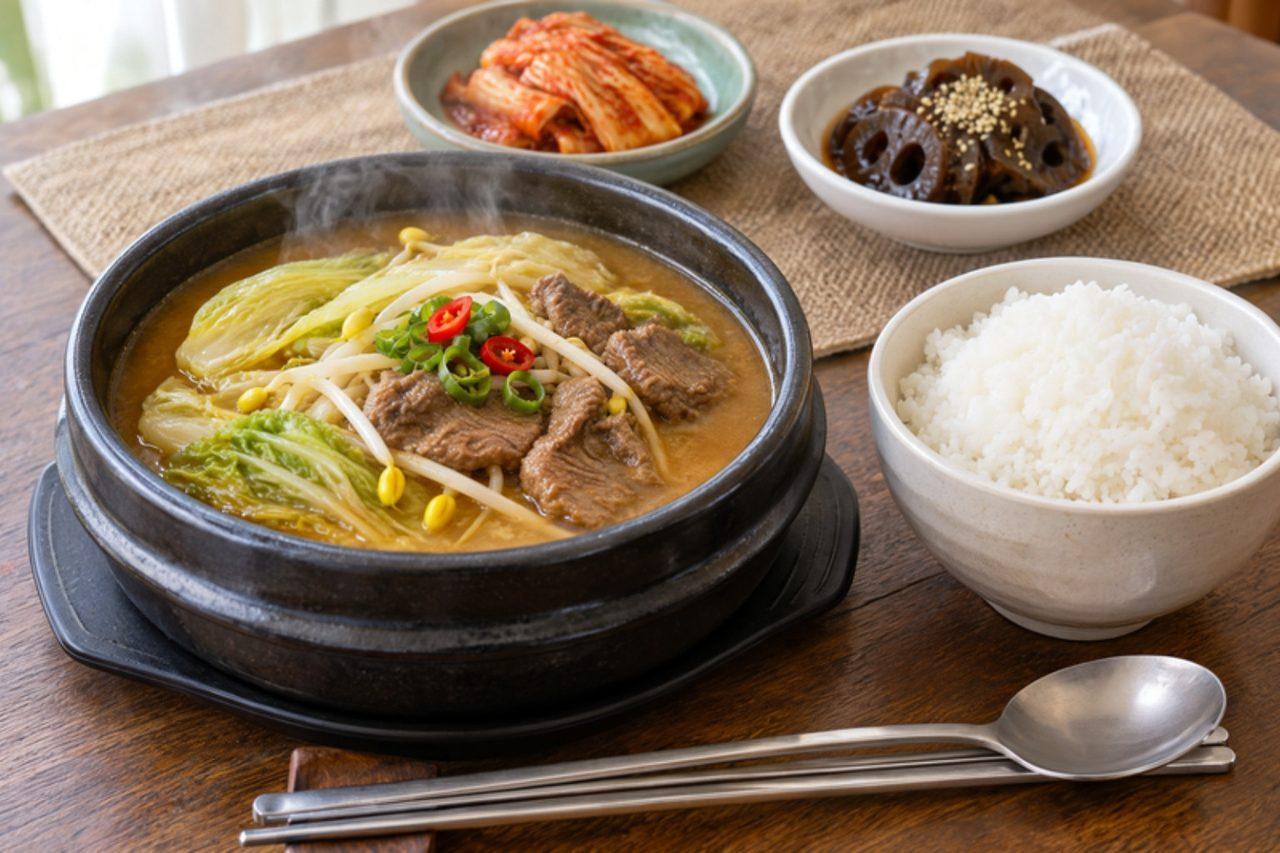
Haejang-guk means "soup to chase a hangover", and in Seoul and every Korean city the 24-hour haejang-guk houses fill at dawn with office workers and night-shift drivers. This version is the everyday ugeoji style: outer napa cabbage leaves and bean sprouts simmered with doenjang and chilli in a beef bone broth, with tender beef shin, eaten with a bowl of rice. The common mistake is skipping the soak and first boil of the bones, which leaves the broth murky and metallic. Chef's tip: squeeze the blanched cabbage leaves and rub them with the doenjang and chilli before they go into the pot, so the seasoning clings to every leaf.

120 minKoreanSoupsSpicy
by KrazyBadal 0 views

Ssanghwa-cha (herbal tonic tea)

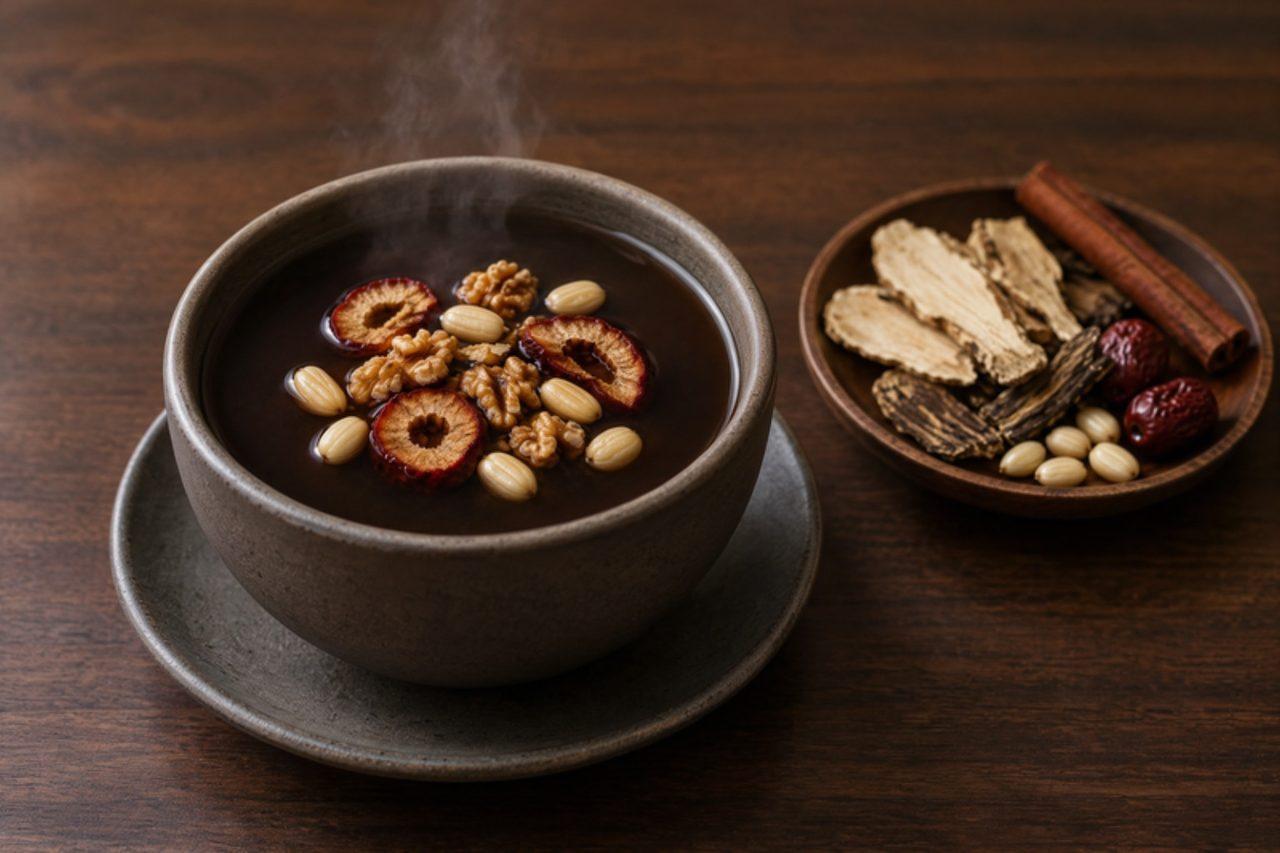
Ssanghwa-cha is the strongest thing on the menu of an old Korean dabang. From the 1960s these smoky tea rooms served it in thick ceramic cups, dark as coffee, with pine nuts, slivered jujube and walnut floating on top; in winter some still slide a raw egg yolk in, which this recipe leaves out. The brew comes from Korean herbal tradition, where ssanghwa-tang is drunk to warm up and recover from tiredness after hard work or a cold. It tastes earthy and bitter at first, then sweet from licorice and jujube, with warmth from cinnamon and ginger and a celery-like perfume from angelica. Herbal shops sell the roots in pre-measured packs. The common mistake is boiling it hard: the liquid reduces too fast and turns harsh. Keep a gentle simmer with the lid ajar for two hours. It is ready when it is very dark brown, reduced to about a third and smells of cinnamon and roots. Because it contains licorice and angelica, skip it if you are pregnant or breastfeeding, have high blood pressure, or take blood thinners or other medicines unless your doctor agrees. Chef's tip: a second, lighter brew from the same roots is good with honey.

135 minKoreanDrinksVeganGluten free
by KrazyBadal 0 views

Sop konroBeef rib soup

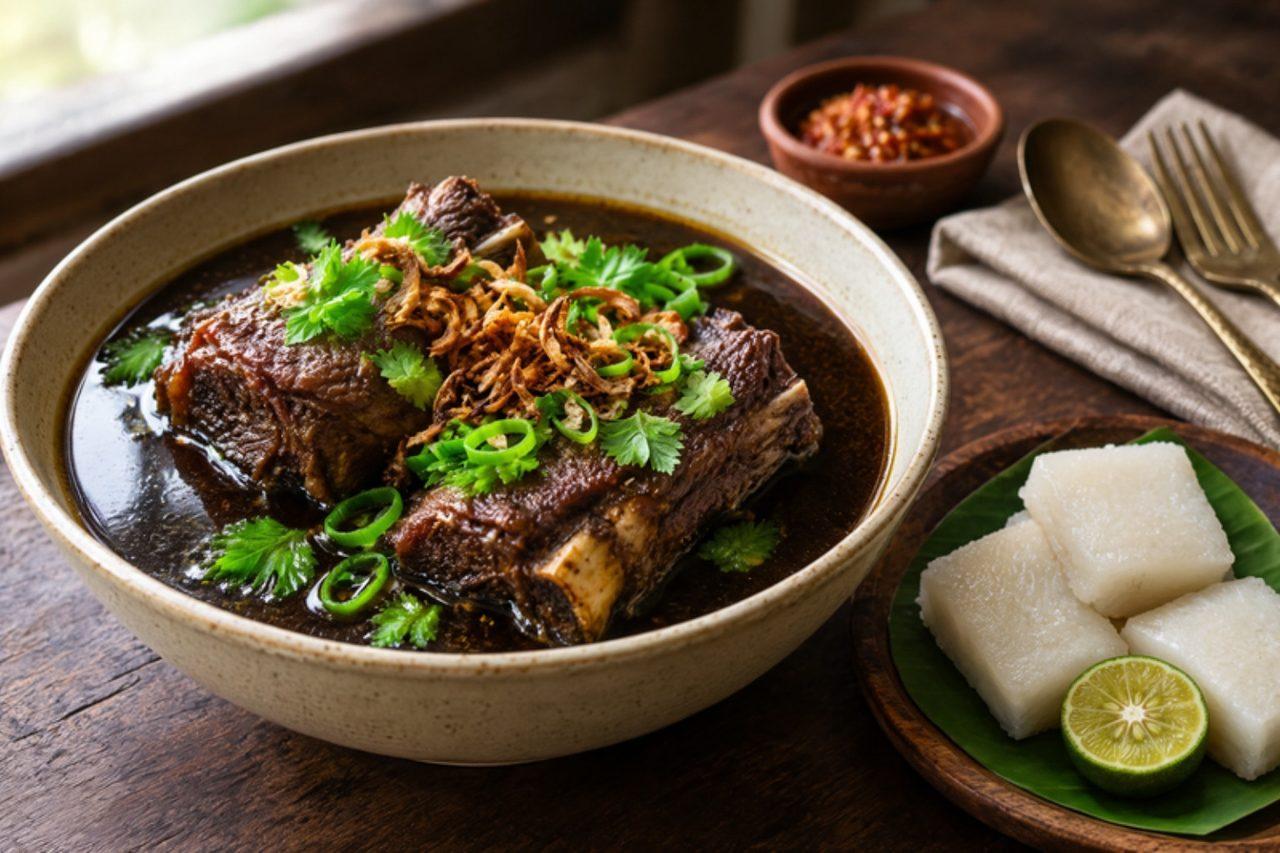
Sop konro is the pride of Makassar in South Sulawesi, where warung near the harbour serve big bowls of beef ribs in an almost black broth from lunchtime into the night, often with burasa (rice cooked in coconut milk) or plain rice. The colour and earthy, chocolatey depth come from keluak (kluwek) nuts, simmered with a paste of shallots, garlic, ginger, galangal, toasted coriander seed and candlenut until the rib meat slides off the bone. The usual mistake is using raw keluak: the nuts are only safe after long fermentation, so buy them ready-prepared from an Indonesian shop, and discard any that smell sour or are dry inside. A pressure cooker gets the ribs tender in 50 minutes. Chef's tip: toast the coriander seeds until they crackle before grinding; they carry the whole soup.

by KrazyBadal 0 views

Halal snack packChips with lamb, cheese and sauces

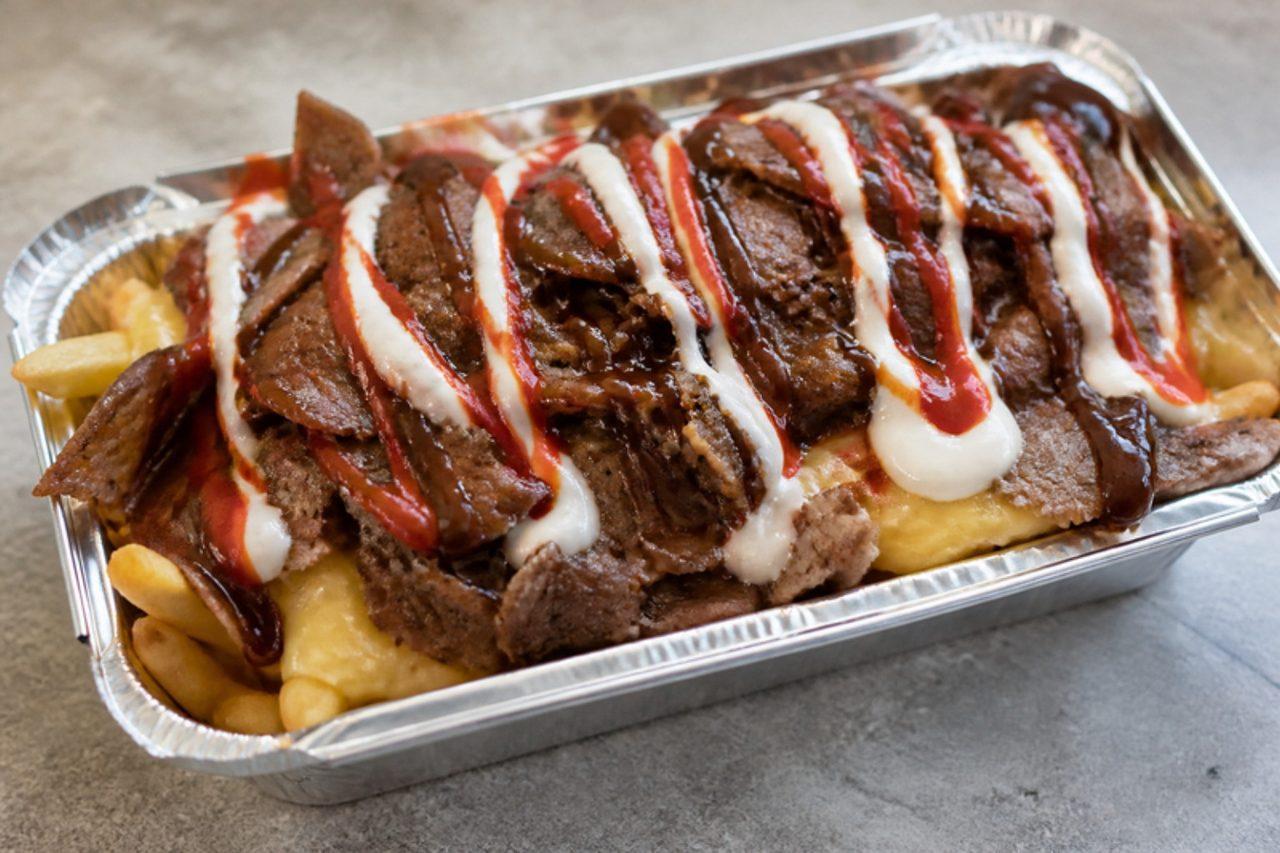
The halal snack pack, or HSP, was born in the kebab shops of western Sydney suburbs like Auburn and Lakemba and became a late-night legend across Australia: a foil tray of hot chips covered in melted cheese and shaved doner meat, drowned in garlic sauce, chilli sauce and barbecue sauce. This home version uses quickly marinated lamb steaks, grilled and sliced thin, and halal meat if you follow it. A common mistake is soggy chips; make them crisp and get the toppings on just before eating. Chef's tip: the three sauces go on in stripes, garlic first, so every bite gets some of each.

by KrazyBadal 0 views

Bissy tea (kola nut tea)

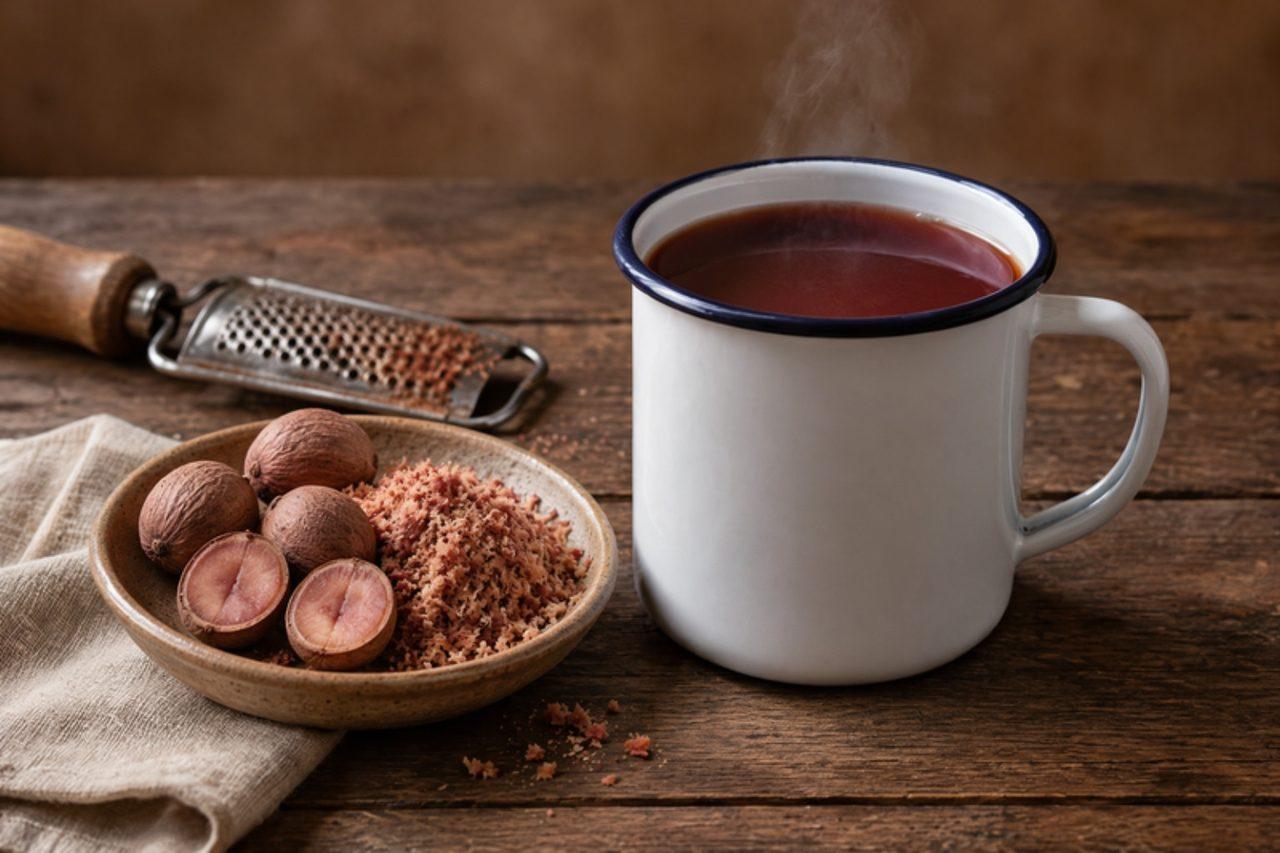
Kola trees came to Jamaica with enslaved West Africans, and the nut, called bissy on the island, has stayed in country medicine ever since. Older people in St Mary, St Elizabeth and the hills of Clarendon still keep a dried bissy in the kitchen and grate some into boiling water when the stomach is upset or after eating something that disagreed with them,. Parched in a dry pan first, the grated nut gives a reddish-brown tea that smells faintly of cocoa and tastes bitter and astringent, softened by plenty of sugar. The common mistake is boiling raw, ungrated nut and expecting much flavour: whole pieces give little. Grate it finely, parch it until it darkens and smells like toasted cocoa, then boil. It is ready when the tea is a deep reddish-brown and coats the tongue with bitterness. Kola nut is very high in caffeine, as strong as a big mug of coffee or more, so drink one cup, not late in the day, and keep it away from children, pregnant people and anyone sensitive to caffeine or with heart trouble. Chef's tip: strain it through a fine cloth; the grated nut leaves a gritty sediment that a sieve lets through.

by KrazyBadal 0 views

Bollito mistoMixed boiled meats

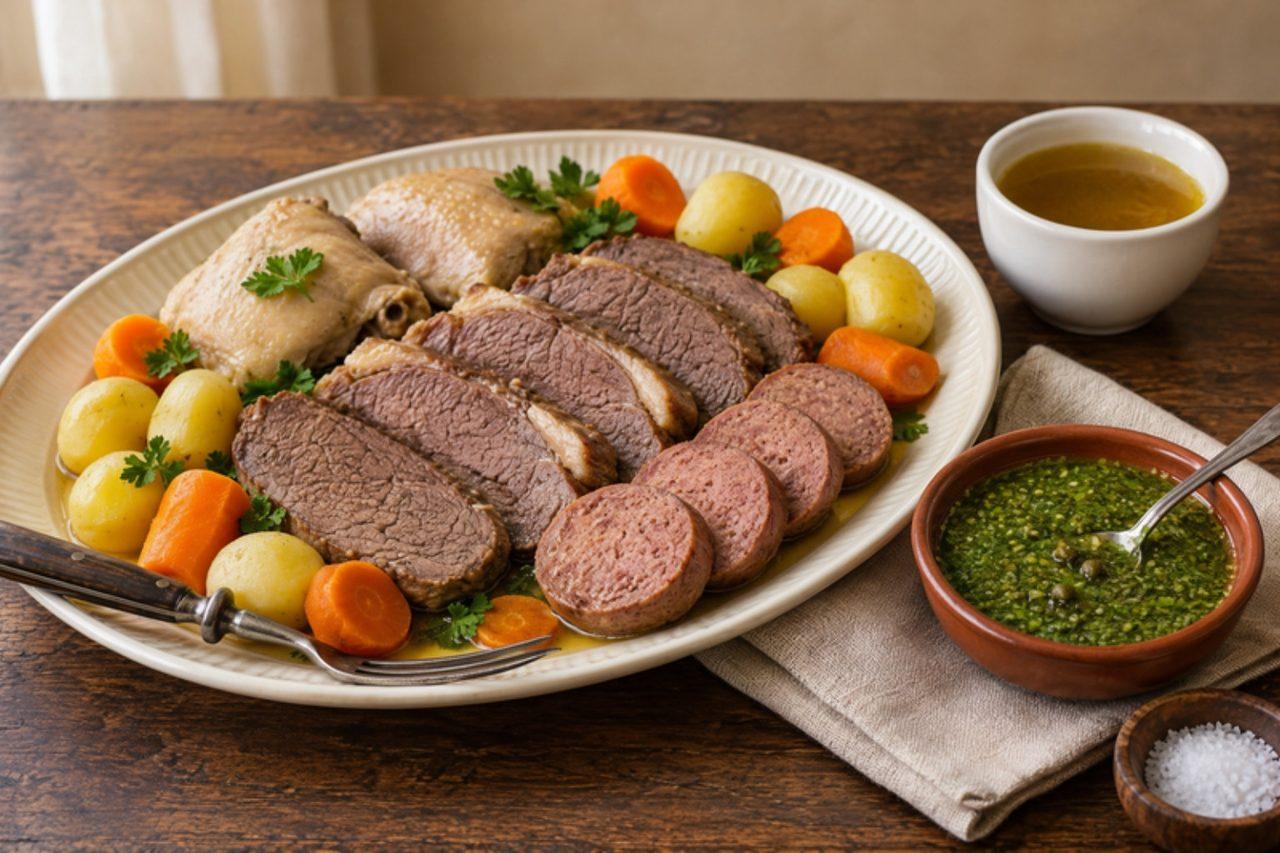
In Piedmont, bollito misto is the great winter feast, served from November to carnival in Turin trattorias and on family tables when there are many to feed. Several cuts of beef, a chicken and a cotechino (a soft, rich pork sausage) poach gently in one big pot until tender, then come to the table sliced on a warm platter with a sharp parsley and caper salsa verde; the broth is saved for soup or risotto the next day. The usual mistake is letting the pot boil hard: the meat turns stringy and the broth cloudy, so keep it at a bare shiver. Serve with boiled potatoes or mostarda if you like. Chef's tip: put the beef into water that is already boiling so its juices stay in the meat, and use cold water only if the broth matters more to you than the meat.

240 minItalianMeatGluten free
by KrazyBadal 0 views

Harusame saladGlass noodle salad

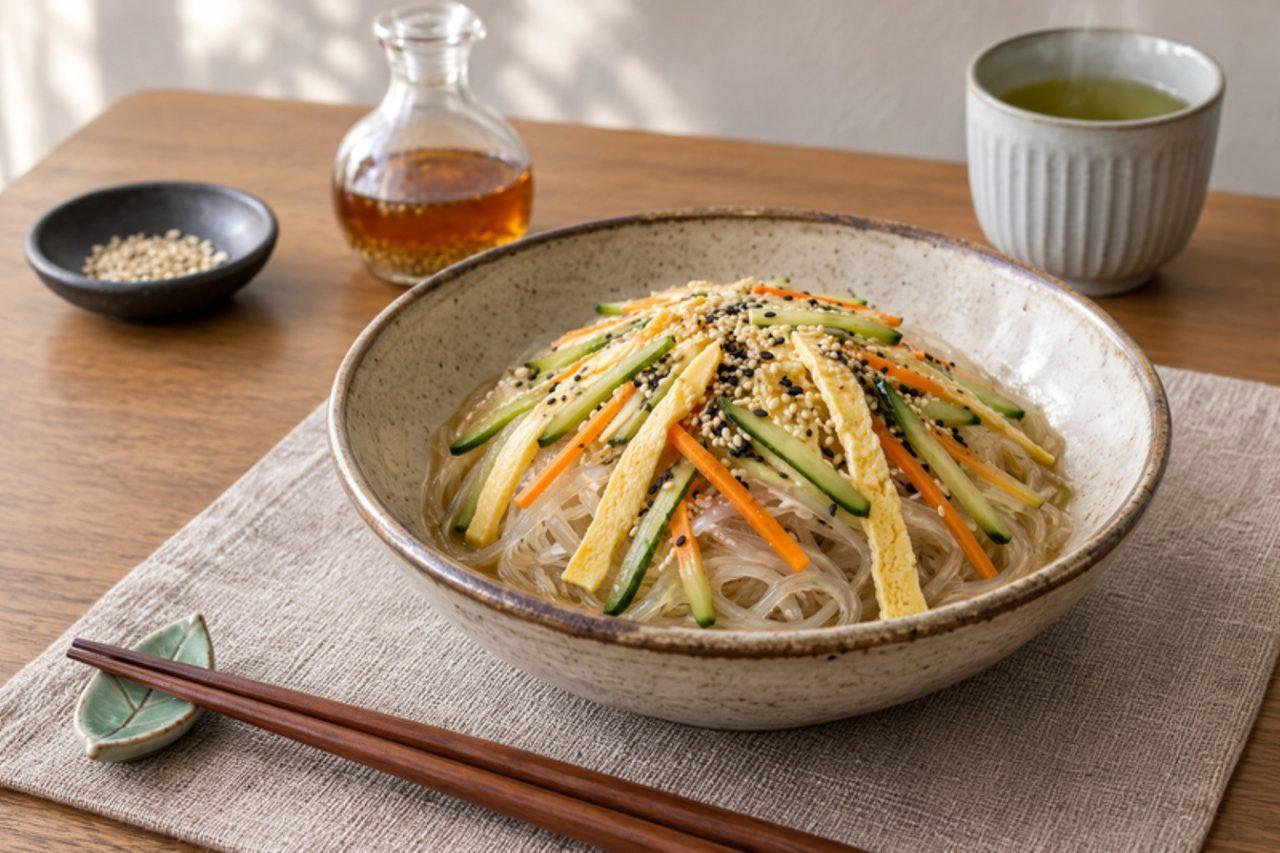
Harusame, "spring rain" noodles, are fine glass noodles made from mung bean or potato starch, and this tangy salad of them with cucumber, carrot and ribbons of thin omelette is a supermarket deli favourite and a regular bento side across Japan. Ham is usually added; this version keeps it vegetarian. The common mistake is leaving the noodles long, which makes the salad impossible to eat from a bento with chopsticks; cut them with scissors after cooking. Chef's tip: dress the noodles while they are still slightly warm, because they drink up the dressing then and stay flavourful cold.

by KrazyBadal 0 views

KuloloTaro and coconut pudding

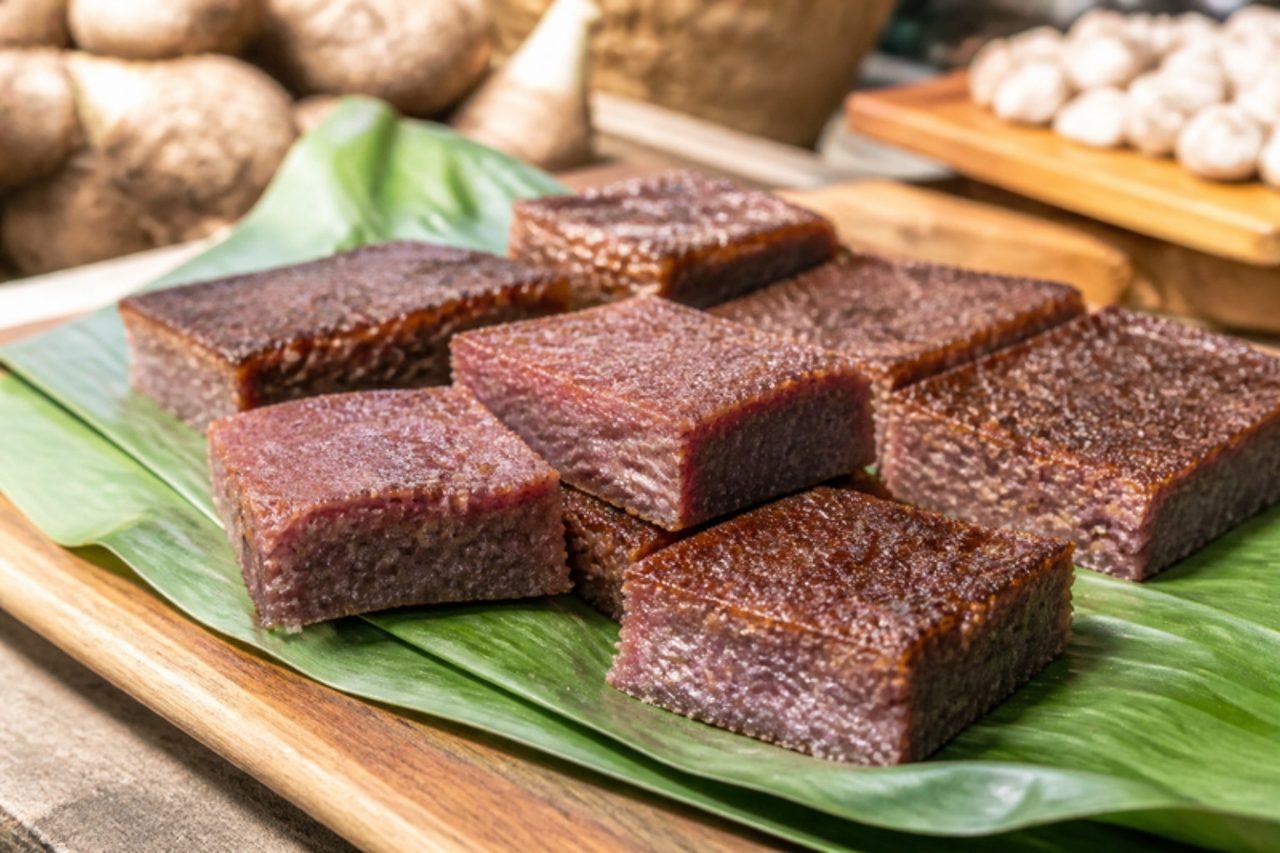
Kulolo is one of the oldest Hawaiian sweets, a dense, fudgy pudding of grated taro and coconut that was once wrapped in ti leaves and baked for hours in an imu (earth oven) for lū'au feasts. On the windward side of O'ahu and in Hilo it is still sold in slabs at farmers' markets. Taro must always be fully cooked; raw taro contains crystals that badly irritate the mouth and throat, so peel it with gloves and bake the full time. A common mistake is cutting it hot; it firms as it cools. Chef's tip: bake it long and low until deep brown and sticky at the edges, where the caramel flavour is.

by KrazyBadal 0 views

Cà tím om đậuBraised aubergine and tofu

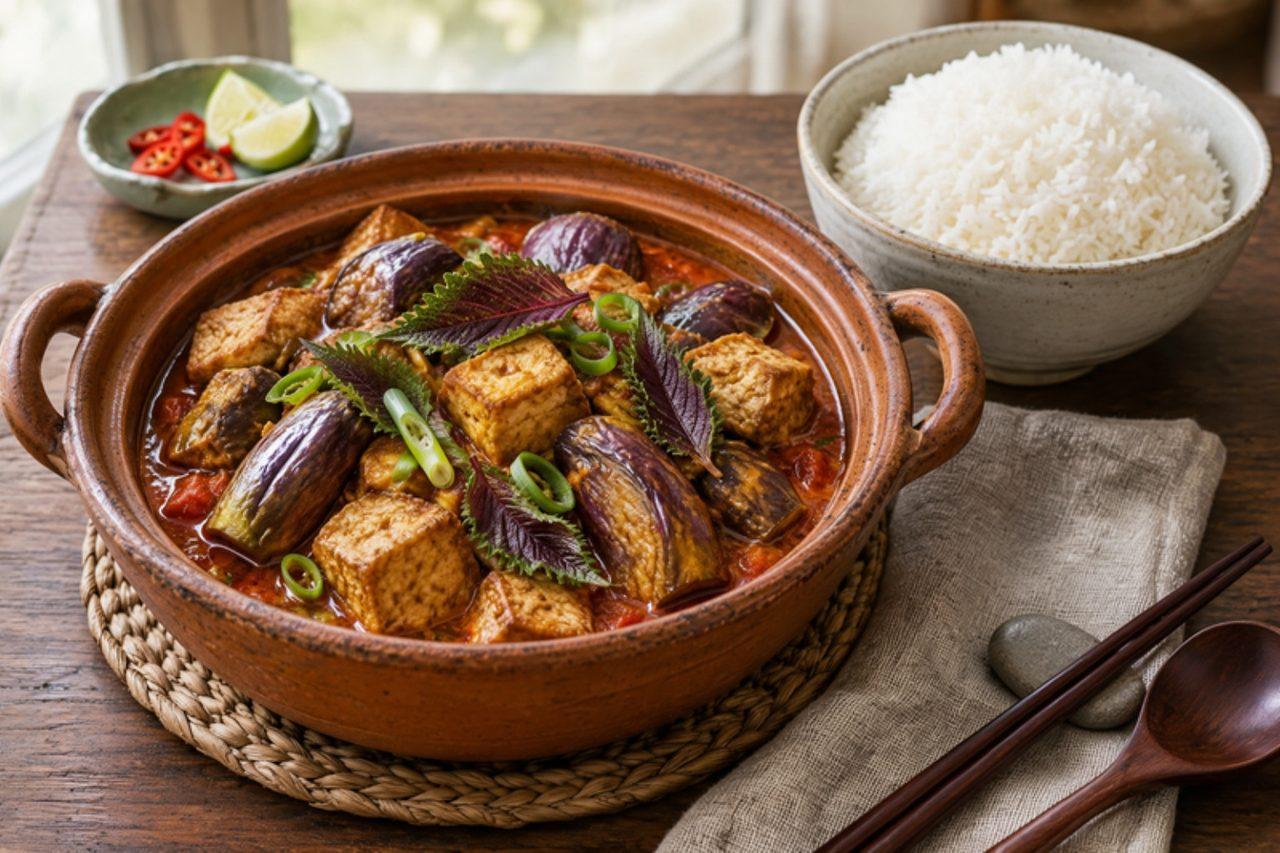
In Hanoi, cà tím om đậu is a humble lunch dish of the old quarter rice shops and home kitchens, especially in the cooler months, and it is traditionally braised with pork and a spoon of fermented shrimp paste. This vegan version keeps the soft, smoky aubergine, golden tofu and sweet-sour tomato sauce, and swaps the shrimp paste for soy sauce, while purple perilla (tía tô) adds its unmistakable minty-anise lift. Serve it with plain rice and a bowl of clear vegetable soup. The usual mistake is crowding the tofu in the pan so it steams instead of frying, leaving it pale and soft. Chef's tip: soak the cut aubergine in lightly salted water with a dash of vinegar for 10 minutes, which stops it browning and keeps it from soaking up too much oil.

by KrazyBadal 0 views

Kaeng khilekCassia leaf curry

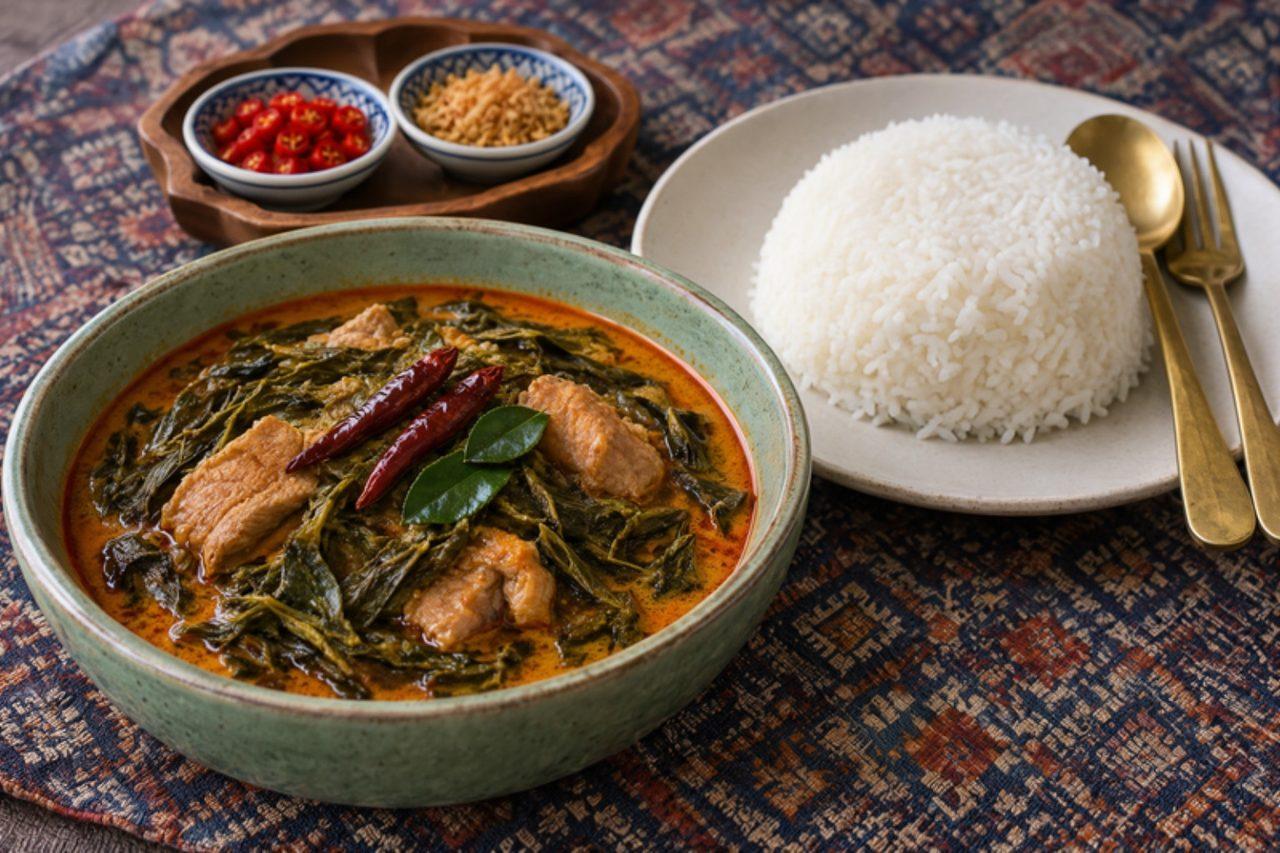
Kaeng khilek is an old-fashioned country curry from central Thailand, cooked when the cassia (khilek) trees put out tender shoots after the rains and sold ready-boiled in bags at markets around Ratchaburi and Suphan Buri. The leaves are boiled and drained several times until their bitterness softens, then simmered with pork belly in coconut milk with red curry paste, leaving a dark green, pleasantly bitter, rich curry eaten with jasmine rice and salted egg. This recipe contains pork. The usual mistake is skipping the repeated boiling: cassia leaves must be boiled and drained at least three times, or they are harshly bitter and can upset the stomach. Frozen pre-boiled khilek from Thai shops saves work. Chef's tip: squeeze the boiled leaves firmly in a cloth so they soak up coconut milk instead of water.

by KrazyBadal 0 views

Herbata z sokiem malinowymTea with raspberry syrup

In Polish homes a bottle of sok malinowy, the raspberry syrup made each July from garden or forest raspberries, waits in the pantry for winter. When someone comes in from the frost, or lies in bed with a cold, it goes into a glass of hot black tea, sometimes with a slice of lemon; grandmothers insist it makes you sweat the chill out, and the drink is traditionally given at the first sign of a sniffle. It also appears simply after a winter walk or with a slice of cake. The tea turns ruby, tastes of summer berries with a light tannic edge, and is sweet enough without sugar. The usual mistake is pouring syrup into boiling tea straight from the kettle: the fresh raspberry aroma cooks off and only sweetness is left. Let the tea cool for a minute or two first. It is ready when the tea is deep amber, the syrup has fully swirled through and it smells clearly of raspberries. No homemade syrup? Use a good shop-bought raspberry syrup, or make the quick one in the optional steps. Chef's tip: brew the tea weaker than usual, about two minutes, so the fruit stays in front.

by KrazyBadal 0 views

HertzoggiesApricot jam coconut meringue tartlets

Church bazaars and tea tables from the Free State to the Karoo would hardly be complete without a tin of hertzoggies, the little tartlets said to be named after Prime Minister J.B.M. Hertzog, who was supposedly very fond of them. Each one is a short, buttery pastry cup with a teaspoon of apricot jam hidden under a domed coconut meringue that bakes crisp and pale gold on top and stays chewy inside. They are best with a cup of rooibos or strong filter coffee, and they keep well in a tin for several days. Overfilling with jam is the common mistake: it bubbles up through the meringue and glues the tartlets into the tin. Chef's tip: whisk the whites until the sugar has completely dissolved before folding in the coconut, or the meringue will weep syrup as it cools.

by KrazyBadal 0 views

Beijing douzhiFermented mung bean drink

Douzhi is the most famous acquired taste in Beijing: a hot, grey-green, sour drink made from the liquid left when mung beans are ground for starch, then fermented. Old Beijingers sip it at breakfast with crisp jiaoquan rings and shredded salted mustard pickles, and visitors either love it or never try it twice. At home you make a small batch by blending mung beans, settling out the starch and fermenting the cloudy water for a day. The mistake is letting it boil hard: it separates into watery and thick layers, so keep it at a gentle bubble. It must smell cleanly sour like yogurt; throw it away if it smells rotten, has mould, or turns pink or slimy. Chef's tip: stir it continuously as it heats and add a splash of the thinner liquid at the end, which keeps the classic smooth, slightly thick texture.

1440 minChineseDrinksVeganGluten free
by KrazyBadal 0 views

Poule au potStuffed hen with vegetables

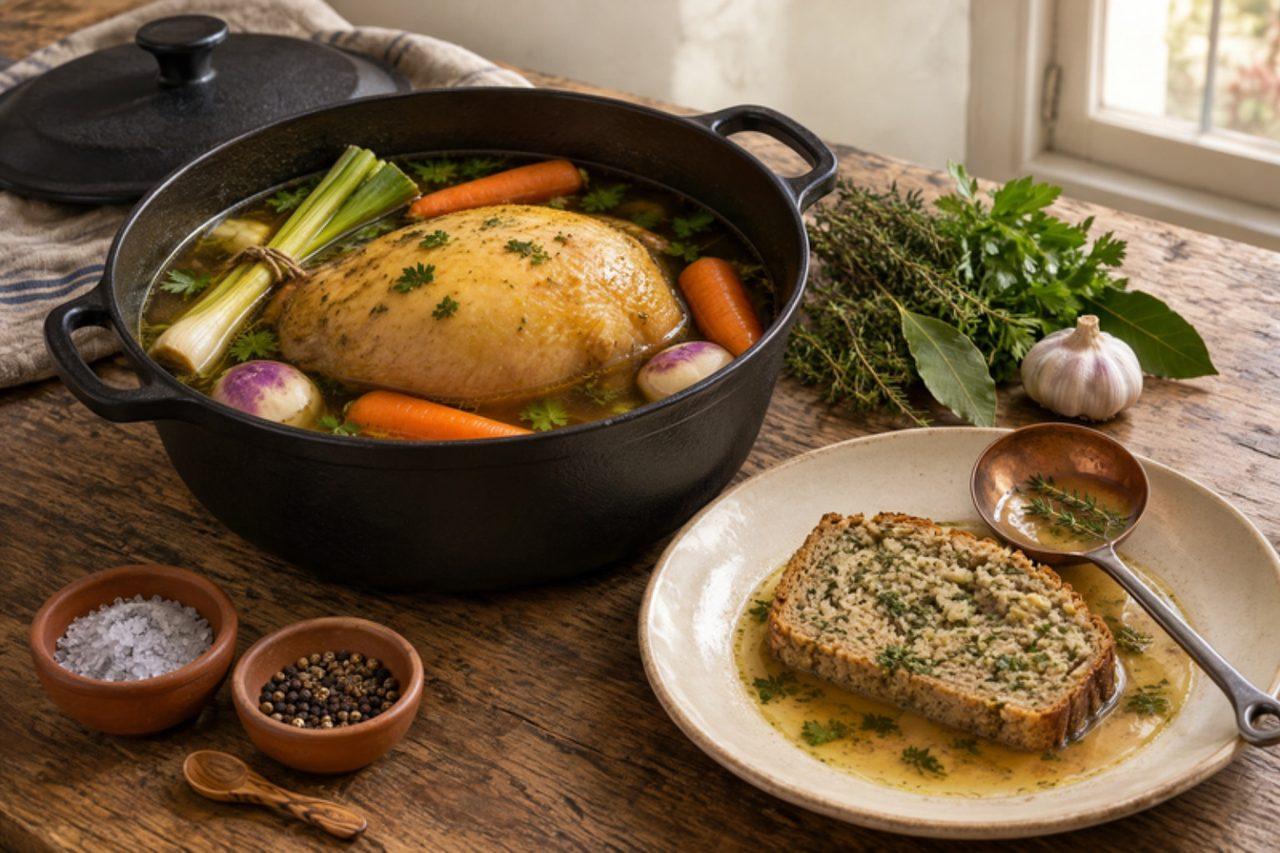
Poule au pot is the Sunday dish of Béarn in south-west France, linked for centuries with King Henri IV's wish that every peasant family should have a chicken in the pot on Sundays. A hen is filled with a stuffing of bread, Bayonne ham (a cured pork ham), chicken livers, garlic and parsley, then poached slowly with leeks, carrots and turnips. The golden broth is served first as a soup, followed by the sliced bird, stuffing and vegetables with a little coarse salt and mustard or a sauce gribiche. The usual mistake is stuffing the bird too tightly: the stuffing swells and can burst the skin, and a dense centre takes longer to cook through. Chef's tip: sew the neck and tail openings shut, or close them with cocktail sticks, so no stuffing leaks into the broth.

by KrazyBadal 0 views

Hinger kochuriUrad dal stuffed puffed bread

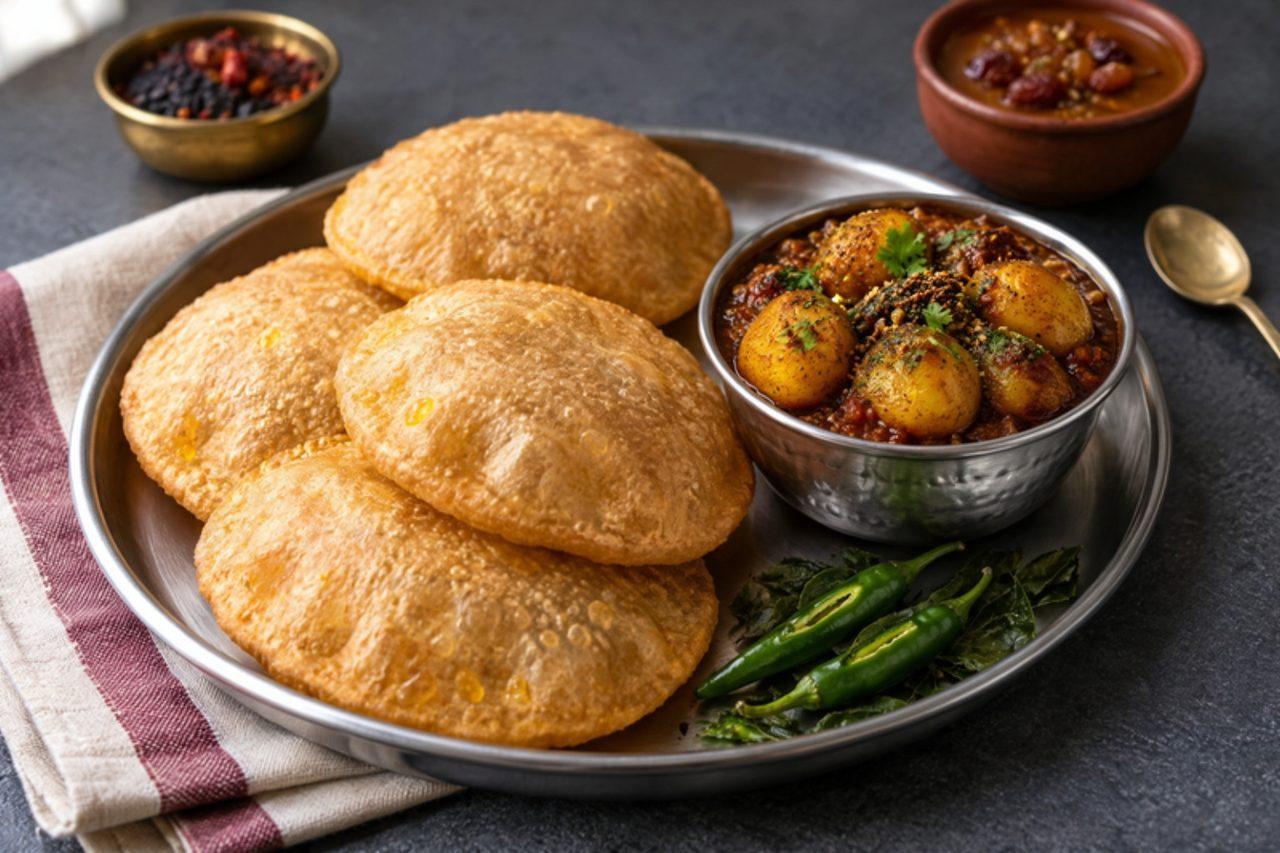
In Kolkata's sweetshops, Sunday breakfast often means hinger kochuri: soft, white-flour puris stuffed with a smear of urad dal paste perfumed strongly with hing, fried puffy and served with aloo dum or a sweet-sour pumpkin chhokka. They are smaller and softer than North Indian kachoris, closer to a stuffed luchi. The hing must be generous; it is the point of the dish. The common mistake is a wet filling, which steams the dough from inside and stops it puffing; cook the dal paste until it leaves the pan dry. Chef's tip: roll gently from the centre outwards so the thin filling layer stays even and the kochuri puffs all over.

by KrazyBadal 0 views

HinkejvuTaro and mustard leaf stew

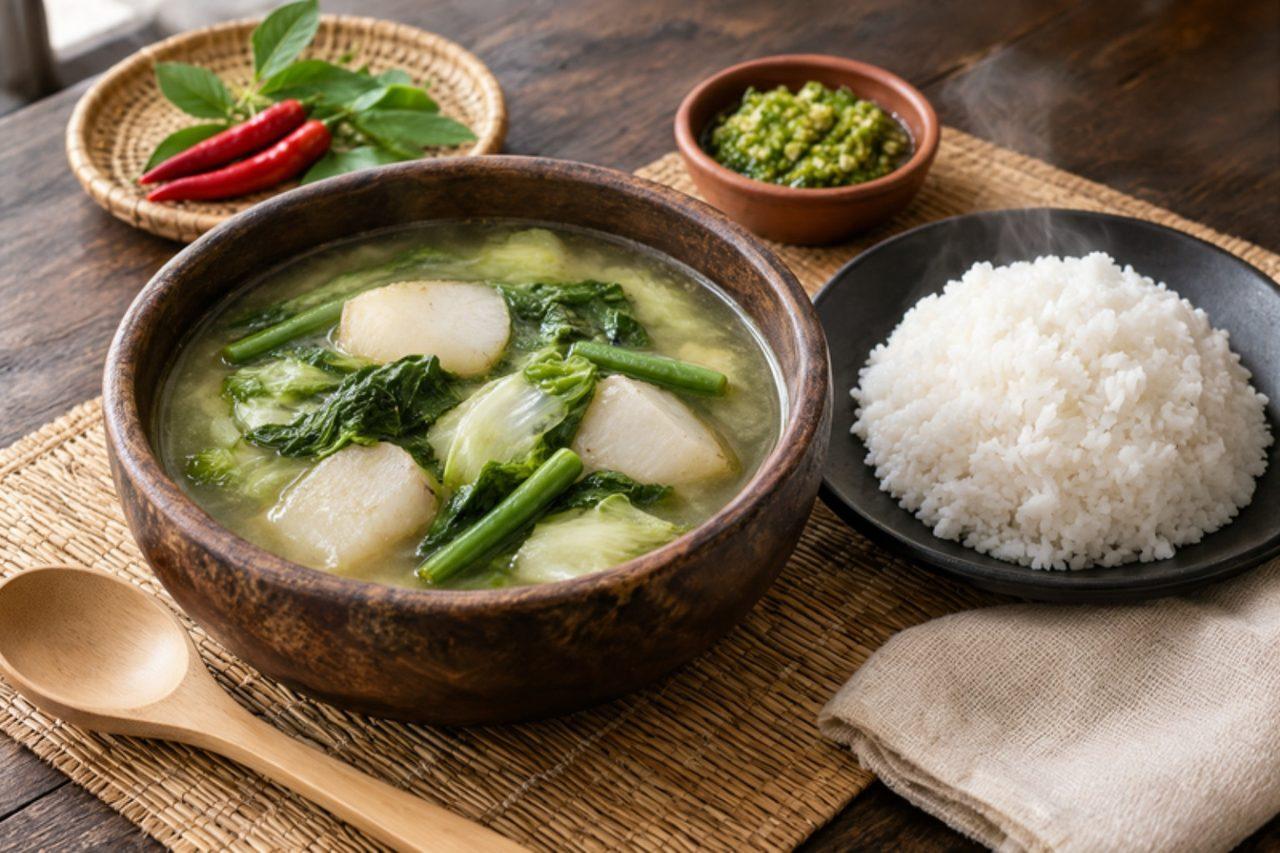
Hinkejvu is a light Sumi Naga everyday dish from Nagaland's Zunheboto district, where colocasia, cabbage, mustard leaves and beans are simmered together with only ginger, chilli and salt. It is eaten with plain rice and a smoky chutney, often after a heavier meat dish the day before. The common mistake is adding oil or spices, which hides the clean vegetable flavour; Naga home cooking relies on the produce. Chef's tip: cook the colocasia until it starts to break and thicken the broth slightly.

by KrazyBadal 0 views

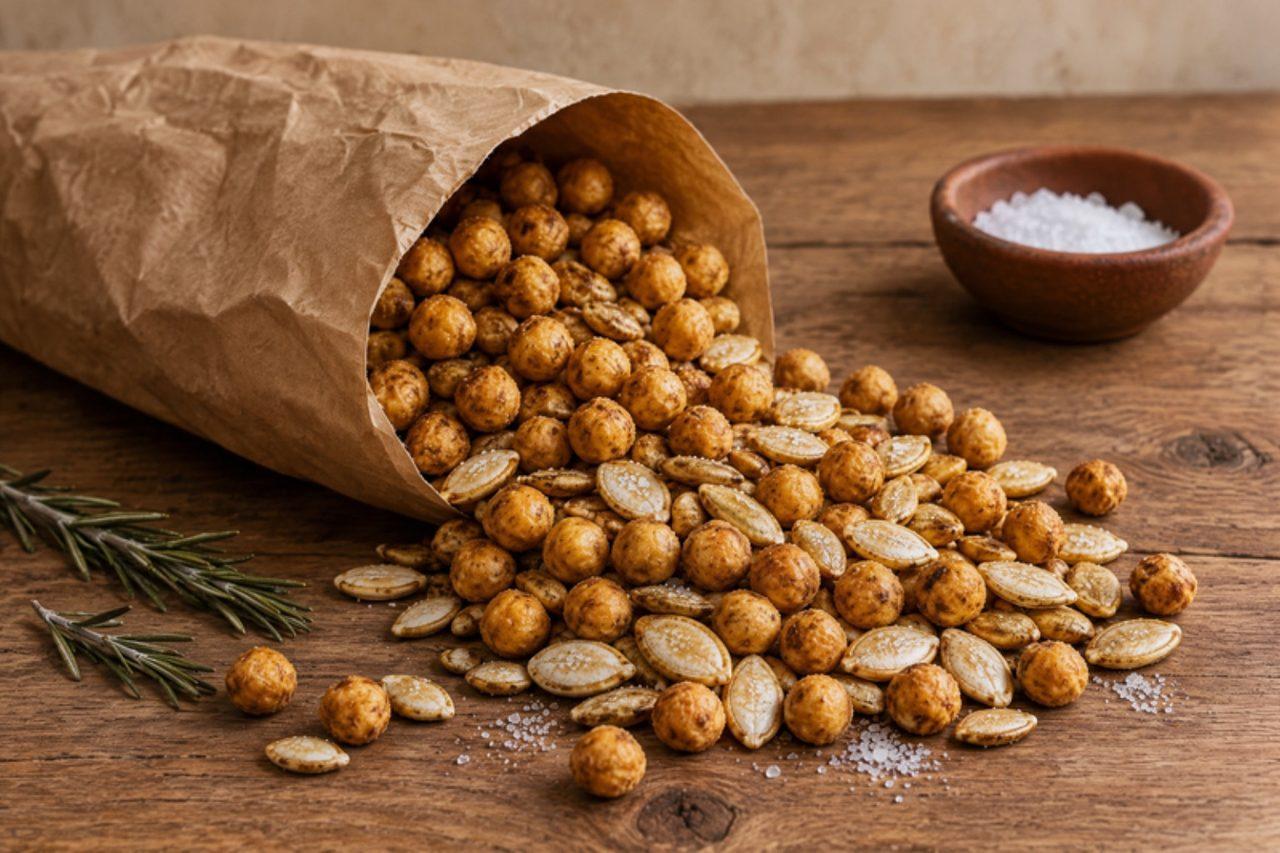
Calia e simenzaRoasted chickpeas and pumpkin seeds

Calia (toasted chickpeas) and simenza (salted pumpkin seeds) are sold together in twisted paper bags by the old caliari of Palermo, at the Festino of Santa Rosalia in July, along the Foro Italico seafront and outside the Teatro Massimo after a show. You crack the seeds with your teeth and chase them with the crunchy, nutty chickpeas, a habit that can last a whole evening. This home version roasts soaked dried chickpeas and salted seeds in the oven. Chef's tip: dry the soaked chickpeas really well; any surface water steams them instead of making them crunchy.

by KrazyBadal 0 views

Hmarcha rawtRoasted green chilli relish

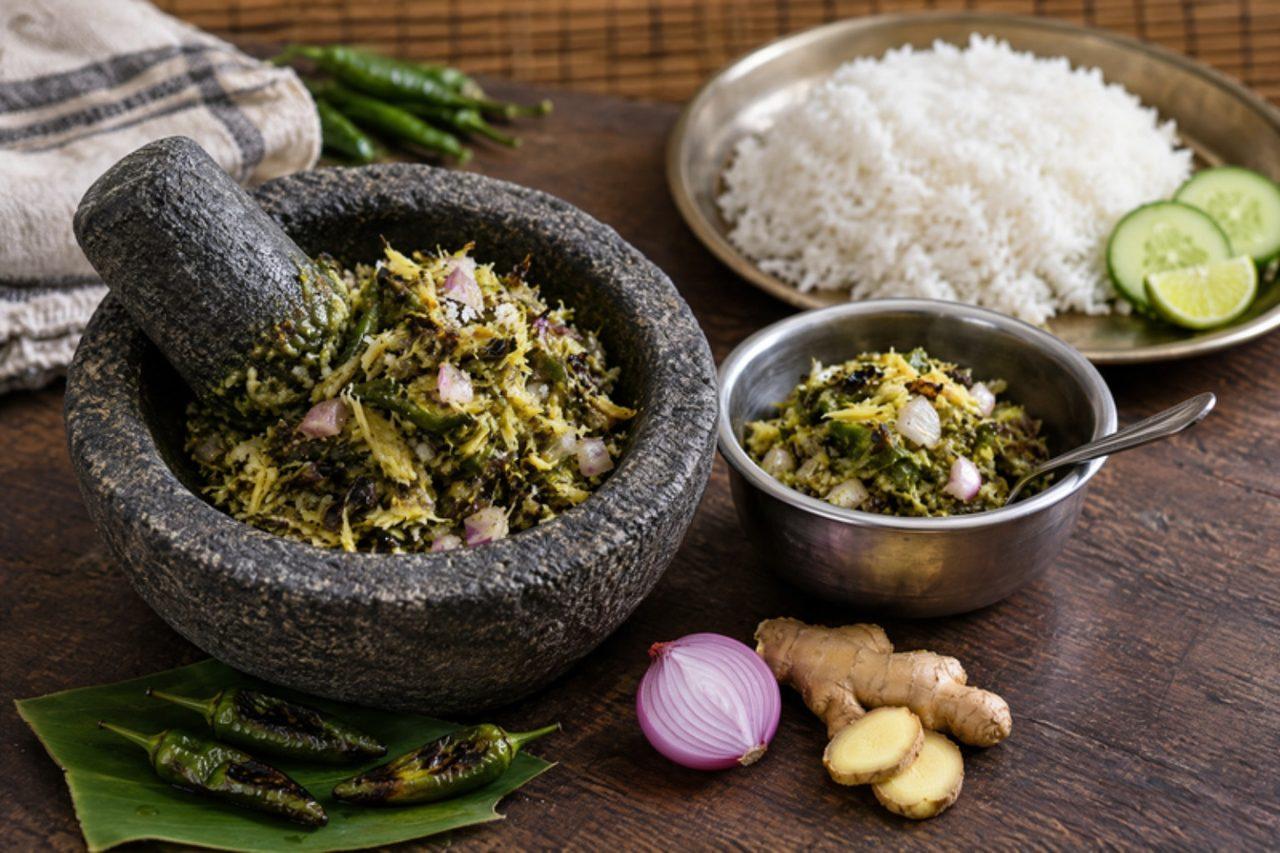
No Mizo table in Aizawl is complete without a small bowl of hmarcha rawt, the sharp relish that goes with plain rice, boiled vegetables and bai at almost every meal. Green chillies are charred over a flame or on a dry pan, then pounded with raw onion, ginger and salt. The mistake is to blend it smooth; it should be coarse and juicy, with bits of charred skin. Chef's tip: roast the chillies until blistered all over, not black, or the relish turns bitter.

by KrazyBadal 0 views

HojichaRoasted green tea

Hojicha was born in Kyoto in the 1920s, when tea merchants started roasting the coarse late-season bancha leaves and stems over charcoal to sell what would not keep. Today the smell of tea roasting in a shop doorway is part of walking down Teramachi or past the Nishiki market. Roasting drives off much of the caffeine and all the grassy bitterness, so hojicha is the pot that comes out after an evening meal, with rice crackers, or for children and older relatives who avoid stronger tea. The cup is reddish brown, smells of caramel and roasted nuts, and tastes soft and slightly sweet with almost no astringency. Unlike sencha, it likes really hot water and a very short steep. The common mistake is treating it like black tea and leaving the leaves in for several minutes, which makes it flat and woody; 30 seconds is enough for the first pour, and the leaves give a good second pot. It is ready when the liquor is clear russet and the steam smells of toasted sugar. Chef's tip: if your packet has lost its perfume, warm the leaves in a dry pan for 30 seconds until they smoke very faintly before brewing.

by KrazyBadal 0 views

Homemade doenjangFermented soybean paste

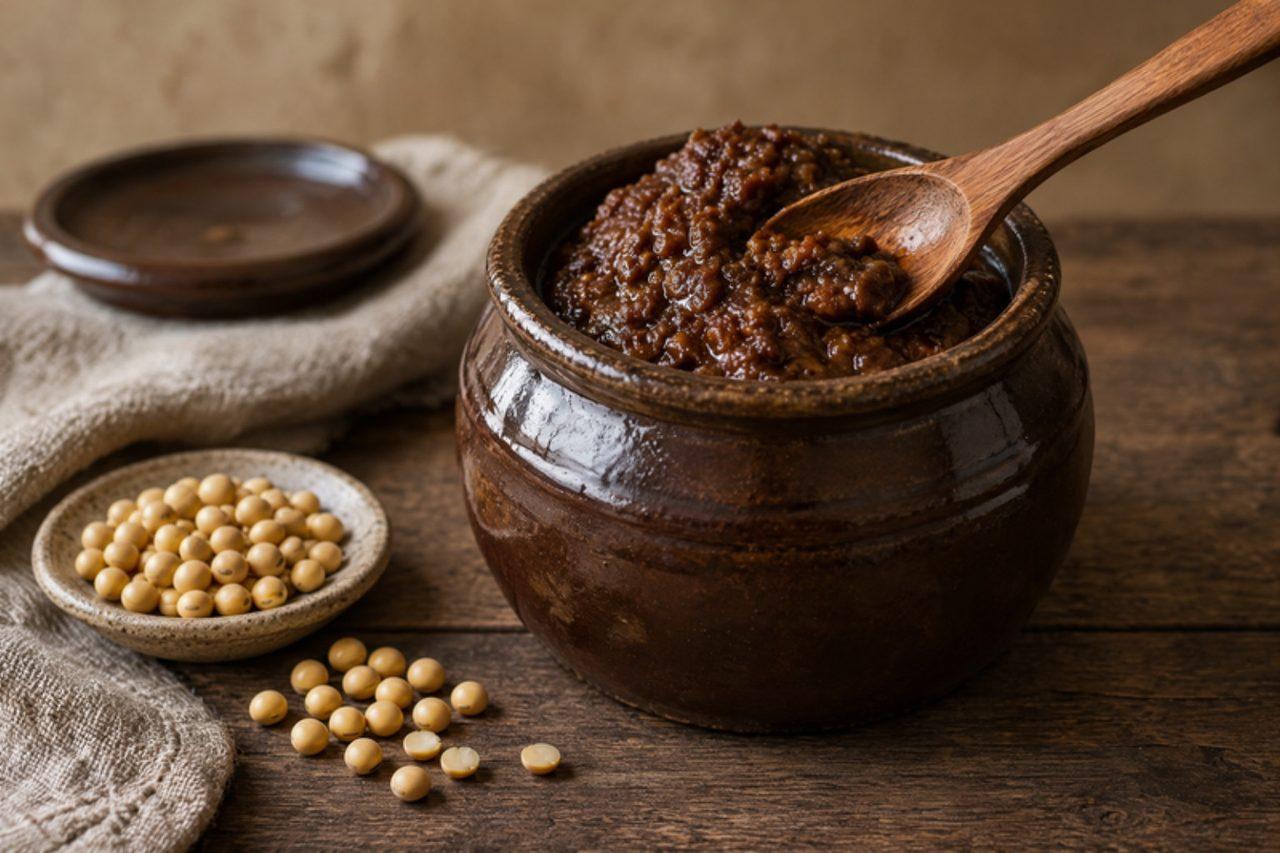
Doenjang starts in late autumn, after the soybean harvest, when Korean households used to boil beans in a cauldron, pound them into bricks and hang the meju from the rafters on straw ropes to grow a white, sweet-smelling bloom over the winter. In early spring, on a clear dry day, the bricks are dropped into salt brine in an onggi jar with dried chillies, jujubes and a red-hot piece of charcoal. Some six to eight weeks later the dark liquid is drawn off and boiled into soup soy sauce (guk-ganjang), and the softened bricks are mashed into doenjang, which ripens through the summer. It is chunkier, saltier and funkier than miso, with a nutty, almost smoky depth: the backbone of doenjang-jjigae, ssamjang and spinach namul. Common mistake: making the brick too thick or drying it in a warm, still room, so the centre rots before it dries; keep it about 6 cm thick and hang it where air moves. The paste is ready when it is mid-brown, smells of toasted nuts and soy, and tastes salty-sweet rather than sharp. Chef's tip: you can buy dried meju blocks from Korean grocers and start at the brining step.

300 minKoreanBasicsVeganGluten free
by KrazyBadal 0 views

Trà sen (lotus tea)

Every June and July, before sunrise, boats slip between the pink lotus on Hanoi's West Lake to gather flowers for trà sen. The finest lotus tea is made by stripping the tiny white rice-like anthers from hundreds of blooms and layering them with green tea, a labour that makes it one of Vietnam's most expensive gifts, kept for Tết. Families do a simpler version at home: a spoon of Thái Nguyên green tea is tucked into the heart of a fresh flower in the evening, the petals closed and tied, and by morning the leaves have taken on a sweet, creamy, slightly vanilla-like perfume. It is brewed in a small clay pot and drunk in tiny cups in the early morning. The common mistake is brewing with boiling water, which flattens the lotus scent and makes the green tea bitter. Rinse the leaves quickly and brew at 80–85 °C. It is ready when the cup is pale gold and the steam smells of flowers before tea. No fresh lotus? Buy ready-made lotus-scented tea from Vietnamese shops and start at the brewing step. Chef's tip: pick a bud that is just about to open; a fully open bloom has already lost its scent.

by KrazyBadal 0 views

Chai nabat (saffron rock candy tea)

Pilgrims leaving Mashhad carry home boxes of saffron nabat, crystals of rock candy grown on a string and tinted gold with Khorasani saffron. Across Iran a glass of chai nabat is what you are handed when you feel unwell, after a shock, after an exam, or late at night when the evening meal sits heavy; it is traditionally drunk to settle the stomach and warm you up. The tea is brewed strong in a teapot that sits on top of the kettle, then poured clear and amber into small glasses, and the nabat stick is stirred until it softens the tea with a gentle, honeyed sweetness and a faint saffron aroma. Black tea has a moderate amount of caffeine, so give children a weaker glass. A common mistake is boiling the leaves or letting them steep on direct heat, which turns the tea bitter and murky; Persian tea is "dam" — brewed gently on steam. It is ready when the leaves have sunk, the tea is clear and reddish-amber and it smells of bergamot or cardamom. Chef's tip: hold the glass up to the light; if you can't see through it, top it up with hot water, as Iranians do.

by KrazyBadal 0 views

LampreadoCassava starch cheese fritters

Paraguayan grandmothers fry lampreado on Sunday evenings to eat with a mug of cocido, the toasted yerba mate drink: small pan-fried cakes of cassava starch, egg, milk and grated cheese with a little onion, crisp at the edges and stretchy inside. Some families also make it with leftover meat, but this version is all cheese. Queso Paraguay is set with animal rennet; a vegetarian Parmesan-style cheese plus mozzarella works well. The trap is a batter that is too thick, which gives heavy, gluey cakes. Chef's tip: the batter should drop slowly off a spoon like thick pancake batter; add milk a spoonful at a time until it does.

by KrazyBadal 0 views

BulaloBeef shank and marrow soup

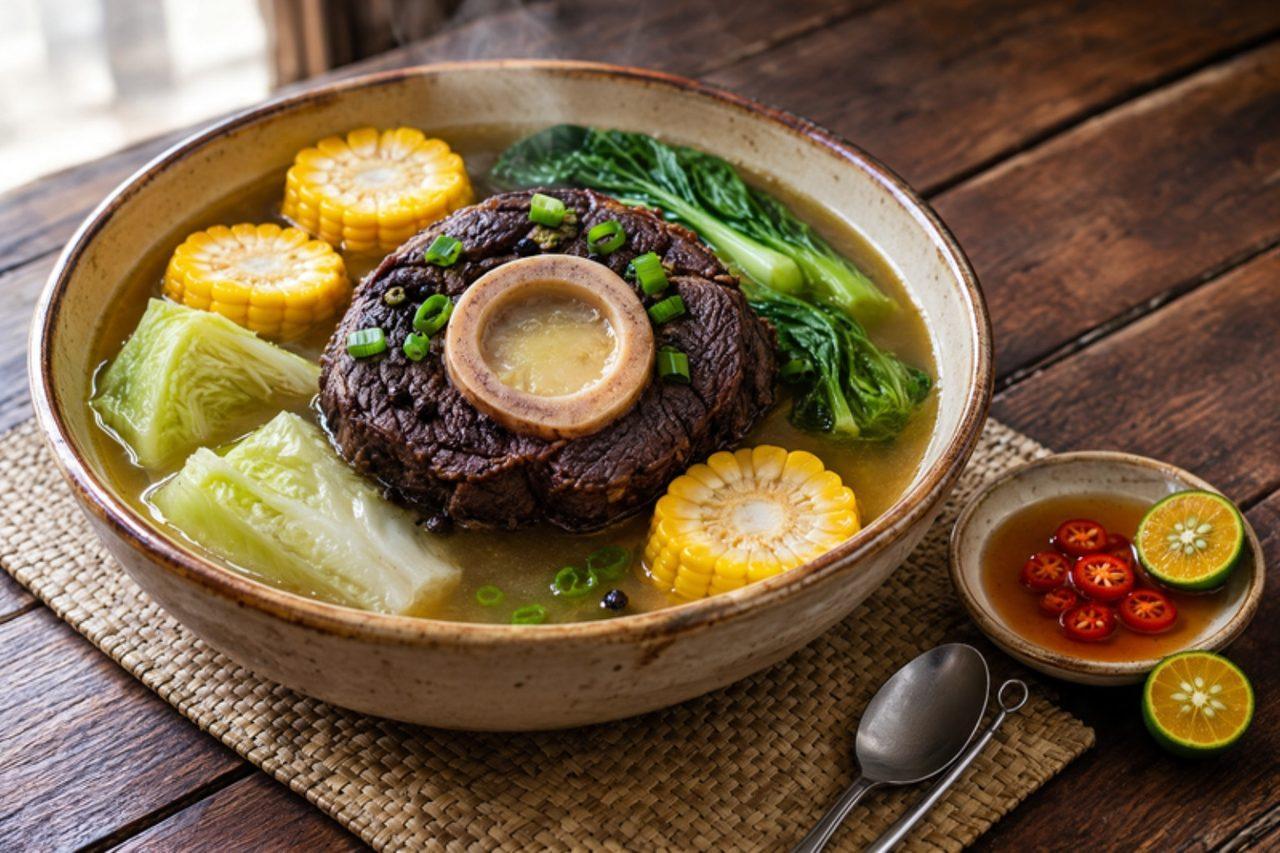
Bulalo is the pride of Batangas, south of Manila, served at roadside eateries on the way to Tagaytay where the cool upland air makes a steaming bowl the thing to order. Beef shank on the bone simmers for hours until the meat falls away and the marrow turns soft and wobbly, giving a clear, beefy broth seasoned just with fish sauce, onion and peppercorns. Corn on the cob, cabbage and pechay go in at the end. Spoon the marrow onto rice and dip the meat in fish sauce with calamansi and chilli. The usual mistake is skipping the first blanch: the broth turns grey and murky. Slow-cooker: after blanching, cook on low for 10 hours, adding the vegetables for the last 30 minutes on high. Chef's tip: keep the pot at a lazy simmer, never a boil, for the clearest broth.

by KrazyBadal 0 views

LatiyaSponge cake with custard

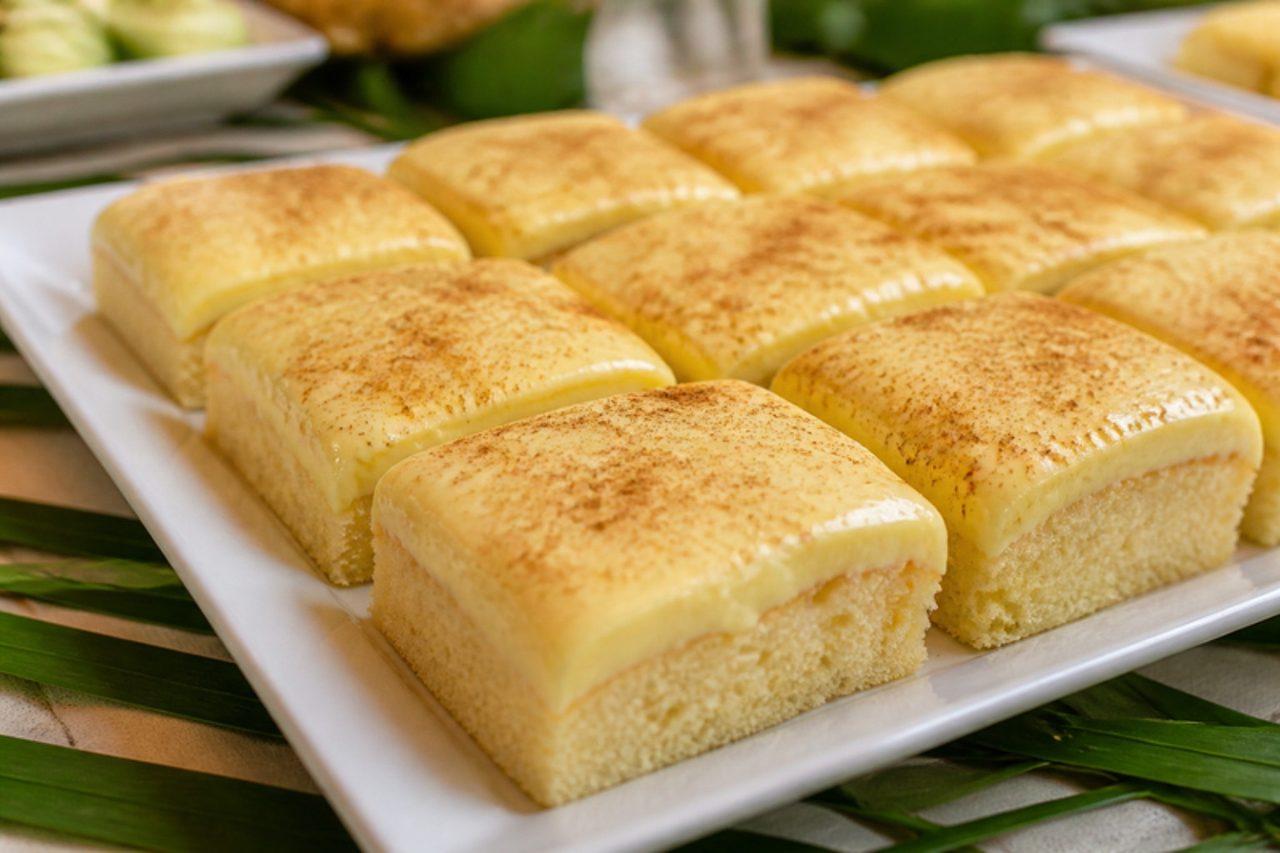
Latiya is the Chamorro custard cake found at every Guam fiesta and wedding, a legacy of Spanish rule: a light sponge in a tray is covered with a thick, silky vanilla custard and dusted with cinnamon, then chilled and cut into squares. It is cool, creamy and perfect after a hot-weather feast. A common mistake is pouring hot custard straight onto a hot sponge, which turns it soggy; cool the cake first. Chef's tip: lay cling film directly on the custard as it cools so no skin forms.

by KrazyBadal 0 views

MchemshoBeef and vegetable pot

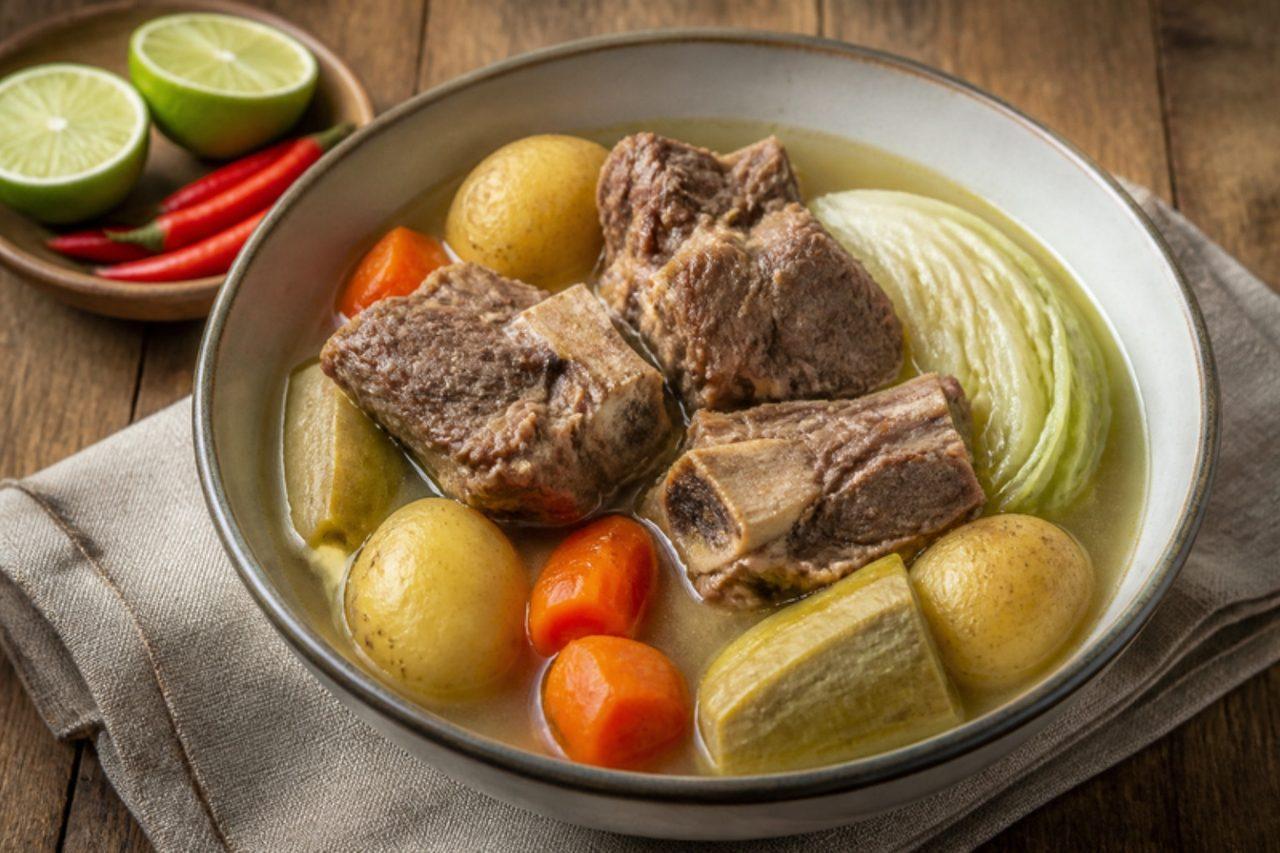
The name just means 'boiled', but Dar es Salaam families treat mchemsho as comfort food, made on a cool rainy evening or for anyone feeling under the weather. Beef on the bone simmers with garlic and ginger into a clear, savoury broth, and whole potatoes, carrots, green bananas and wedges of cabbage go in late so each stays distinct. It arrives in wide bowls, everything in big pieces, with lime and fresh chilli on the table to sharpen it to your taste; some cooks make it with chicken instead. Adding all the vegetables at once is the common error, leaving the cabbage grey and the potatoes in pieces. Chef's tip: blanch and rinse the beef first, then start again in fresh water, for a broth that stays clear.

by KrazyBadal 0 views

Hsi htaminTurmeric sticky rice with sesame

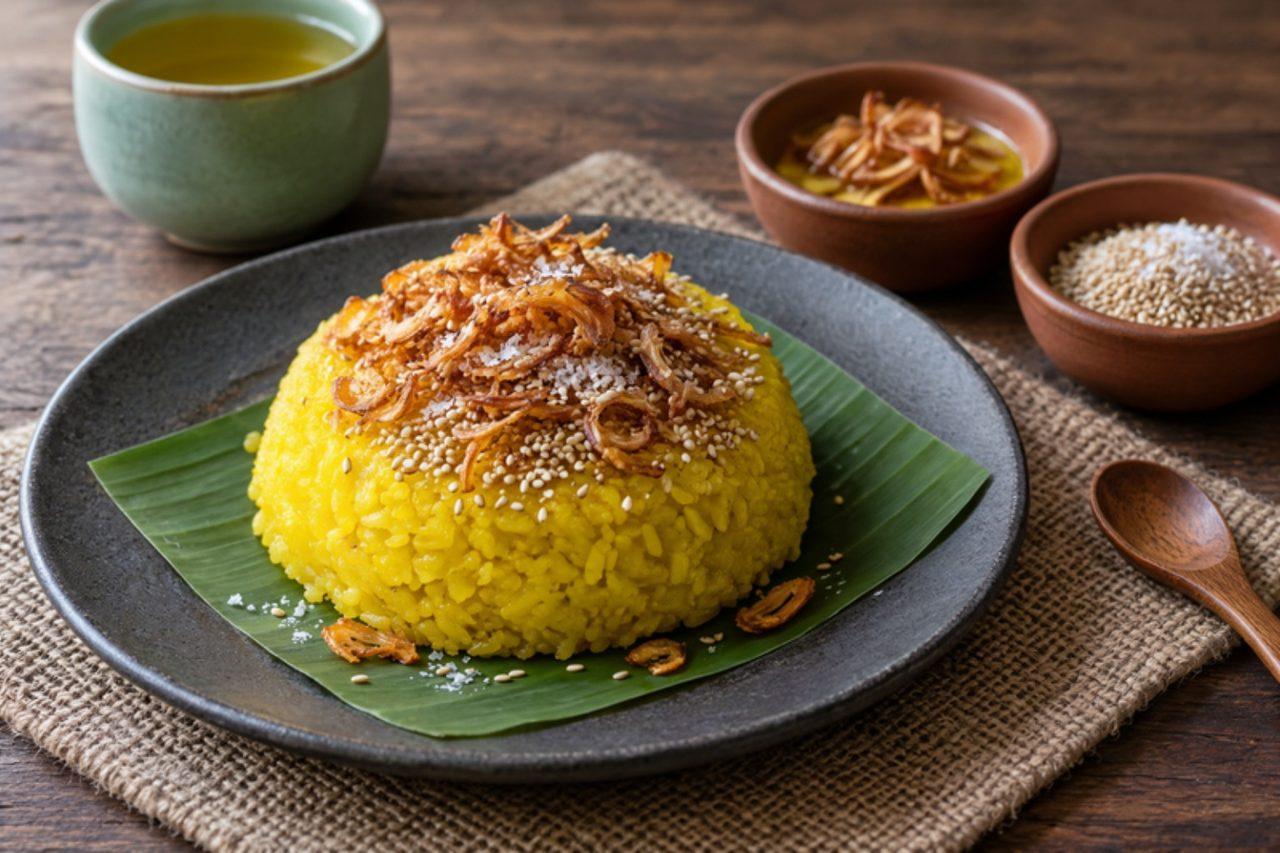
Hsi htamin, "oil rice", is a breakfast sold wrapped in banana leaf by morning vendors in Yangon and Mandalay: glutinous rice steamed golden with turmeric and oil, then topped with toasted sesame mixed with salt and a heap of crisp fried shallots. It is often paired with boiled yellow peas. The mistake is under-soaking the rice; it needs at least 4 hours, or overnight, to steam evenly. Chef's tip: fry the shallots first and use their fragrant oil in the rice; that oil is the soul of the dish.

by KrazyBadal 0 views

Huevos chimbosEgg yolk sponges in syrup

In Maracaibo, huevos chimbos turn up at baptisms, weddings and the Christmas table: little sponges made only of beaten egg yolks, baked, then soaked in a cinnamon and clove syrup until they are glossy, tender and very sweet. Some families add a splash of rum to the syrup; this version leaves it out. The common mistake is under-beating the yolks, which gives dense, rubbery balls. Chef's tip: beat for a full 10 minutes until the yolks are pale, thick and tripled in volume, and save the whites for meringue.

by KrazyBadal 0 views

Dulceață de nuci verziCandied green walnuts

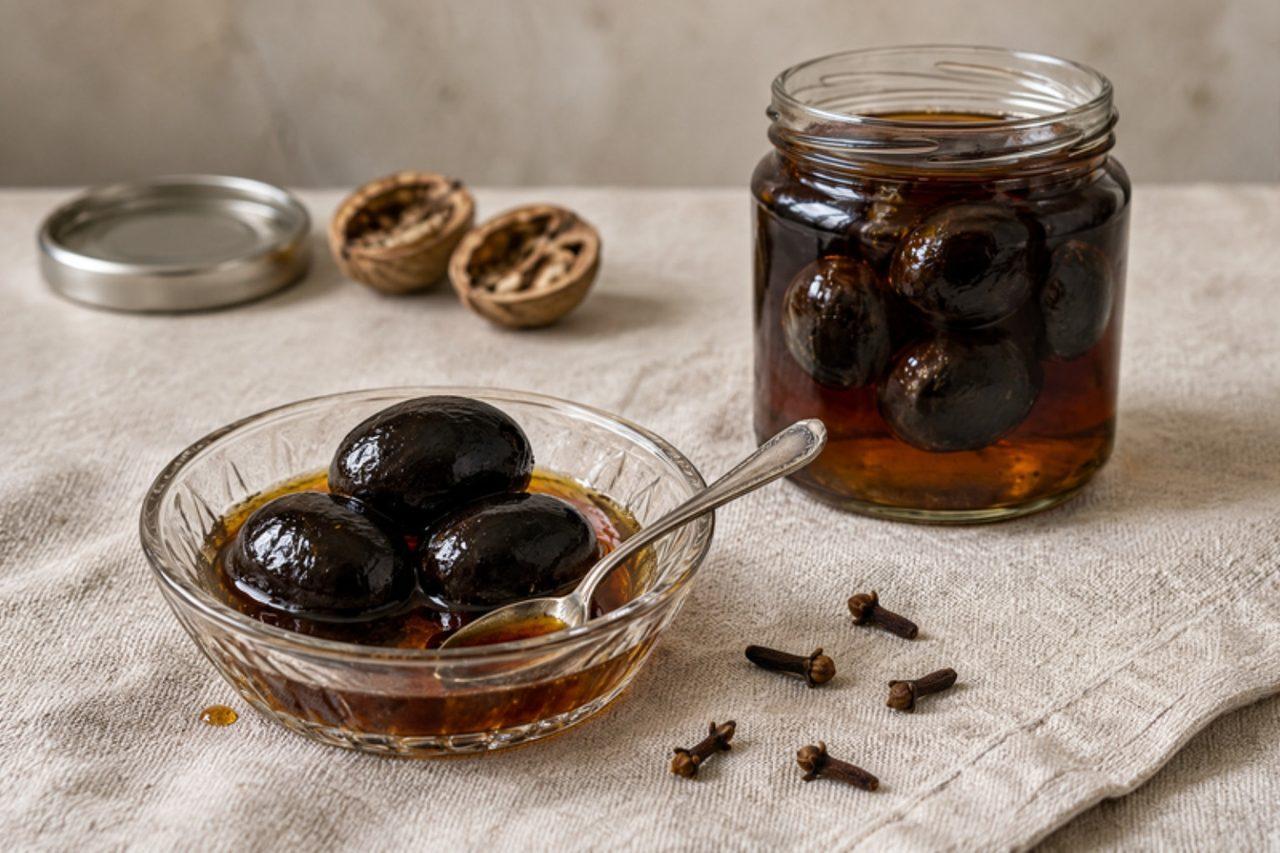
Around Sânziene in late June, families in Moldavia and Transylvania climb the walnut trees to gather nuts that are still green and soft, before the shell has begun to form. A week of patient work follows: peeling, pricking and soaking in water changed morning and evening until the harsh bitterness leaches out, then slow simmering in a syrup scented with cloves and lemon until the nuts turn glossy black. The finished dulceață is offered the old way, one walnut on a small glass saucer with a teaspoon and a glass of cold water for a visitor, or with coffee on a winter afternoon. Each nut is tender all the way through with a faint crunch at the heart, tasting of caramel, cloves and something resinous and bittersweet. The decisive mistake is picking too late: if a darning needle no longer slides easily through the centre, the shell is hardening and the nuts will stay woody whatever you do. The syrup is done when a drop holds its shape on a cold plate. Chef's tip: wear gloves for every stage, as green walnut juice stains skin brown-black for days.

by KrazyBadal 0 views

HyldeblomstsaftElderflower cordial

In Denmark the elder hedges flower from late May to the end of June, and picking the creamy umbels on a dry, sunny morning is one of the first rituals of summer. The flowers steep for a few days with sliced lemon, sugar syrup and citric acid, then are strained into bottles of hyldeblomstsaft, a non-alcoholic cordial that is diluted with cold still or sparkling water and poured at garden lunches, children's birthday parties and around the bonfire on Sankt Hans aften, 23 June. It tastes floral and honeyed, a little like muscat grapes, with a fresh lemony edge that keeps it from cloying. The mistake most people make is picking flowers that are already browning, damp or growing by a busy road; they give a musty, catty smell. Choose freshly opened heads that smell sweet, and shake out the insects instead of washing them, which rinses away the pollen and the flavour. The cordial is ready when it tastes clearly of elderflower and the lemon slices have softened. Chef's tip: snip the florets off with scissors right under the flowers, as green stalk makes it bitter.

by KrazyBadal 0 views

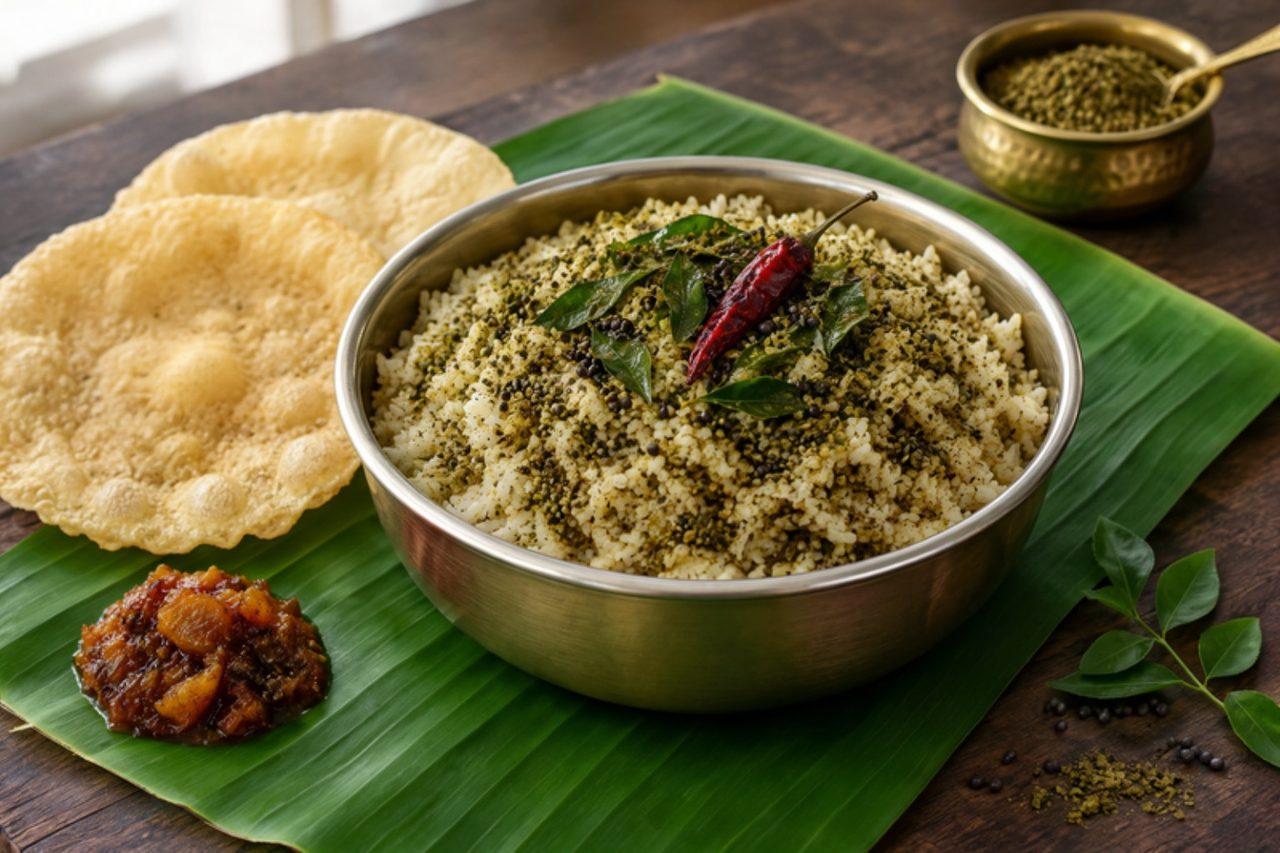
Karuveppilai sadam (curry leaf rice)

Around Madurai and Tiruchirappalli this dark, peppery rice comes out when there is a big handful of curry leaves and very little else in the kitchen, and it keeps so well that it goes into lunch boxes and onto long bus journeys. The leaves are roasted until crisp with chana and urad dal, black pepper, cumin and red chilli, then ground into a fragrant podi. The common mistake is roasting wet leaves: they steam instead of crisp, and the powder clumps. Dry them well on a towel first. Chef's tip: grind a double batch of the podi and store it airtight; it keeps for two weeks and makes lunch in five minutes.

by KrazyBadal 0 views

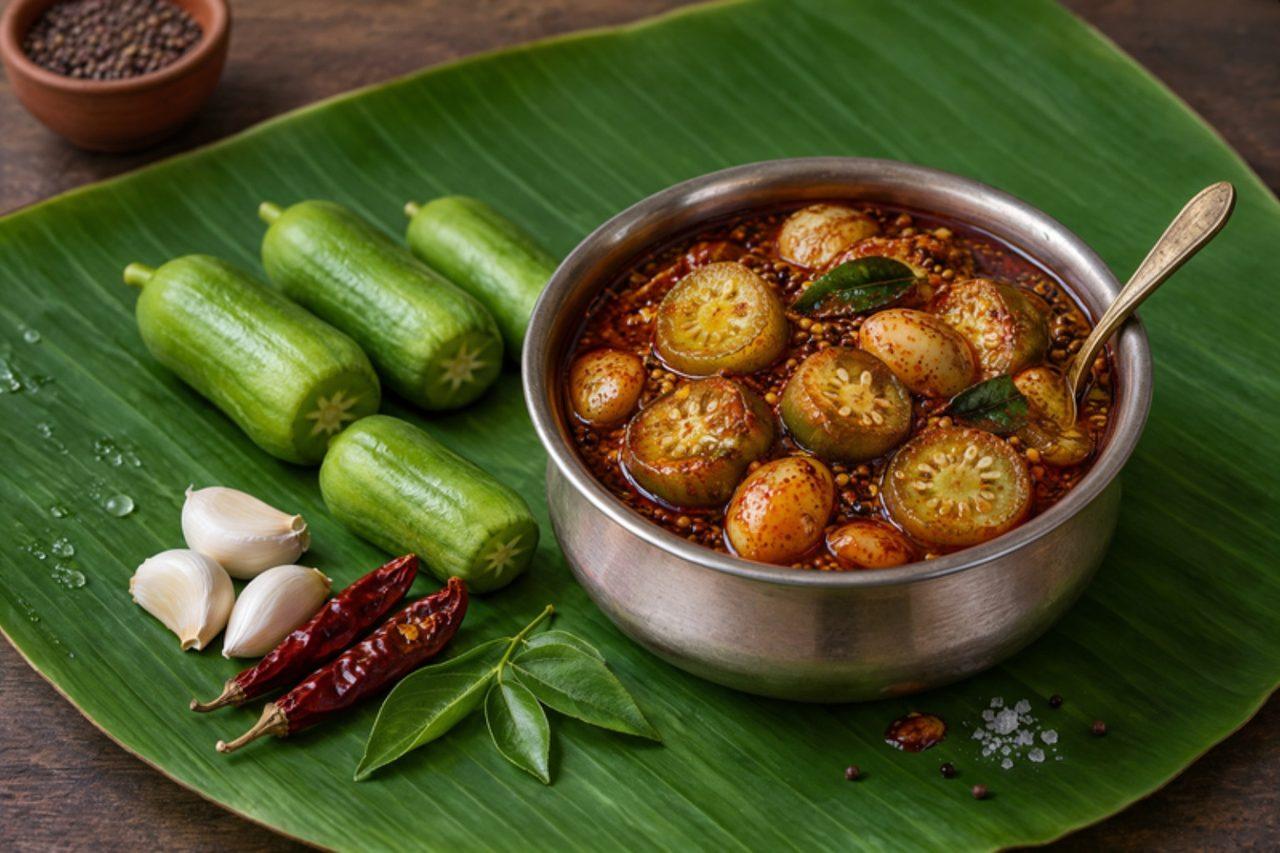
Irumban puli acharBilimbi pickle

Almost every Kerala compound has an irumban puli tree, its trunk studded with clusters of small, cucumber-shaped green fruit so sour they make your eyes water. Through the monsoon months the tree fruits non-stop, and the surplus is salted and turned into this pickle. The bilimbi pieces soften into a tangy, juicy mass in a red masala of chilli, garlic and ginger cooked in gingelly oil, with roasted fenugreek giving a gentle bitterness. Eat it with kanji and payar (rice gruel and green gram), with a simple meal of rice, thoran and moru curry, or with chapati. The common mistake is cooking the fruit for too long: bilimbi is very watery and soft, and if stewed it breaks down to mush. Salt it first to draw out the water, then just warm it through in the masala for a couple of minutes. It is ready when the masala clings to the pieces and the oil glistens on top. Very acidic, but with fresh garlic and ginger, so store it in the fridge and use within a month. Abroad, use sour, green, unripe star fruit (its close relative) or green gooseberries. Chef's tip: dry the salted pieces in the sun for an afternoon for a firmer, chewier pickle.

by KrazyBadal 0 views

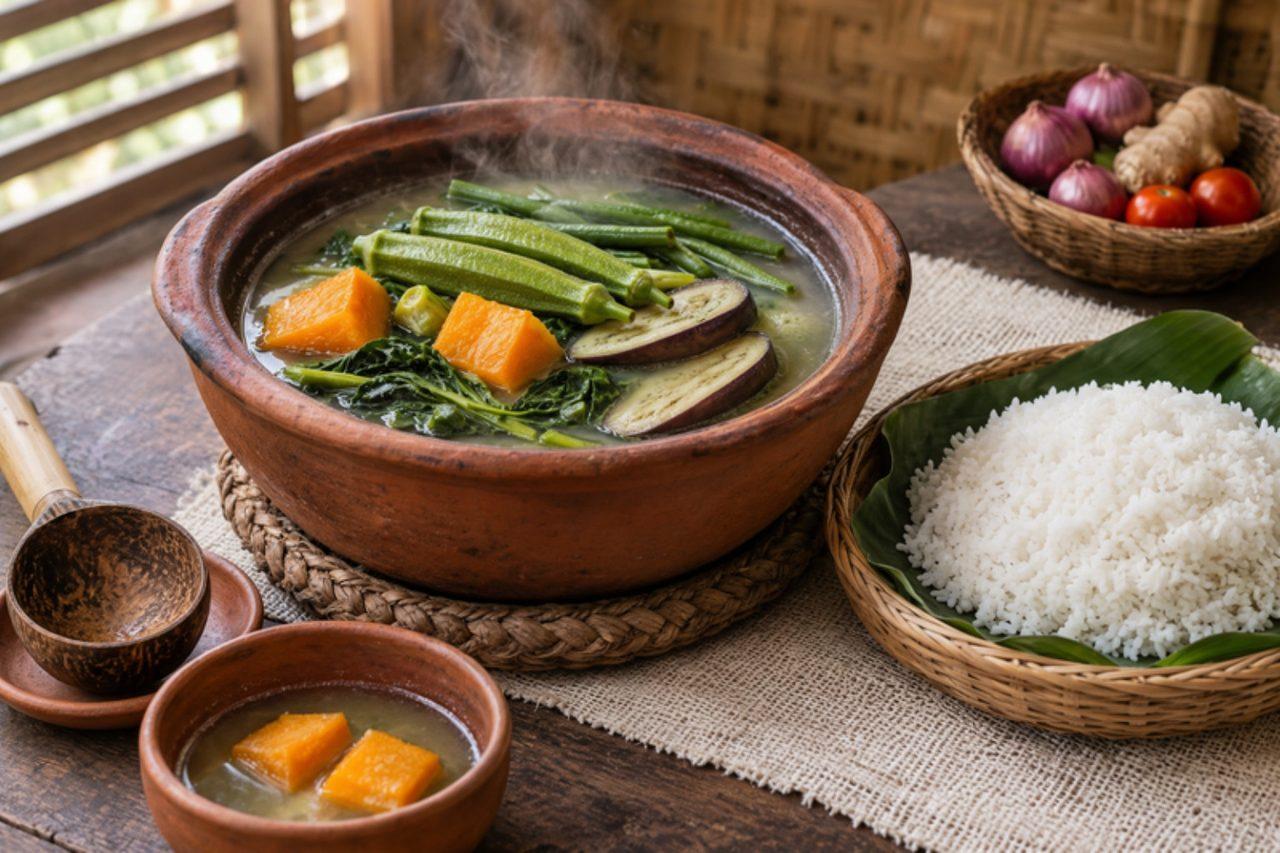
BulanglangMixed vegetable stew

Bulanglang is the plain, light vegetable soup of Batangas and the Tagalog provinces, made in farmhouses at lunchtime from whatever is in the garden: squash, okra, string beans, eggplant and a handful of malunggay or sweet potato leaves. Instead of stock it uses hugas bigas, the cloudy water from washing rice, which gives the broth a soft, milky body. It is often eaten with grilled fish and a dip of bagoong; this version stays vegan and is served with a soy-and-calamansi dip. The usual mistake is boiling everything together from the start, which leaves mushy squash and raw-tasting okra; add the vegetables in order of firmness. Chef's tip: save the second rice wash, not the first, for the cleanest, creamiest broth.

by KrazyBadal 0 views

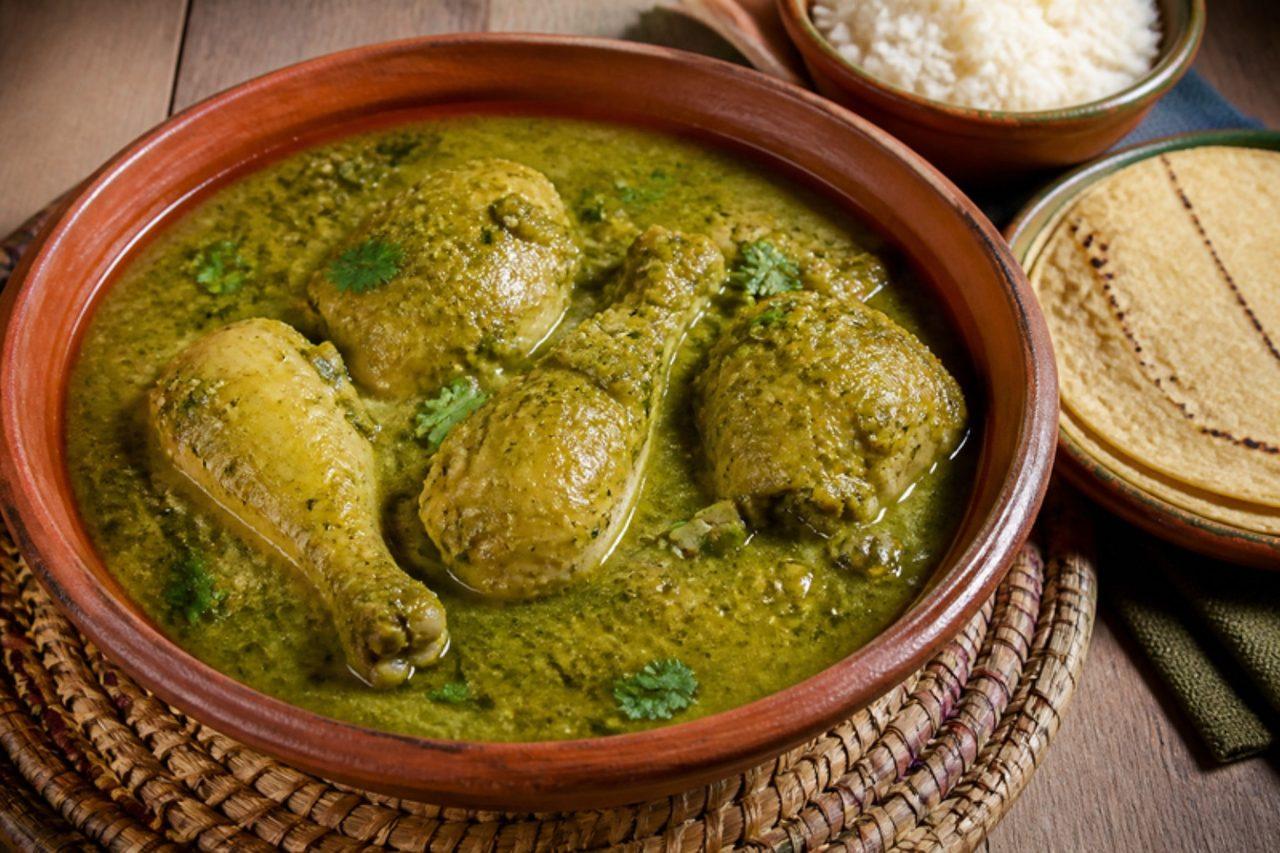
JocónChicken in green tomatillo sauce

Up in Huehuetenango and the Cuchumatanes highlands, jocón is a Sunday and fiesta dish: chicken pieces poached and then finished in a bright green sauce of tomatillos, coriander, spring onion and green pepper, thickened with toasted pumpkin and sesame seeds and a soaked corn tortilla. It tastes tangy, herby and nutty, and is eaten with white rice and a stack of warm tortillas. The common mistake is boiling the sauce hard after blending, which dulls the colour and splits the seeds; keep it at a gentle bubble. Chef's tip: toast the pumpkin seeds until they pop and smell nutty but stay green; dark seeds turn the sauce muddy and bitter.

by KrazyBadal 0 views

Showing 54 of 7,888 recipes

Show more recipes

Page 140 of 877