


Skip to content
Sichuan dry-fried green beans
Featured recipe

Sichuan dry-fried green beans

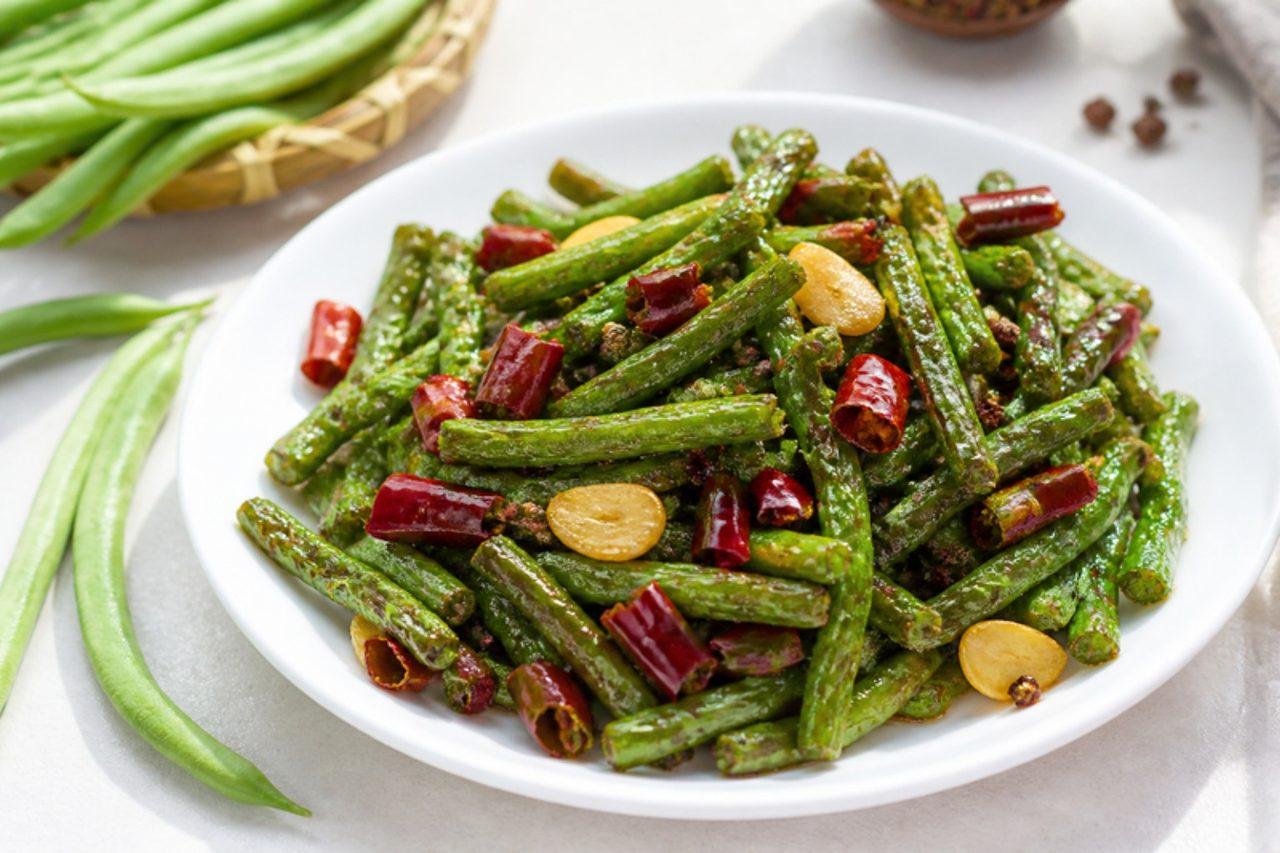
Gan bian si ji dou, 'dry-fried four-season beans', is a fixture of Sichuan restaurant menus and home tables alike. The beans are fried until their skins wrinkle and blister, then tossed in a hot, dry wok with chilli, Sichuan pepper and salty preserved mustard greens (ya cai) from Yibin. Nothing is saucy: every bean is coated and slightly chewy. Restaurants usually add pork; this vegetarian version leans on the ya cai for depth. Chef's tip: dry the beans completely after washing, or they will spit and steam instead of blistering.

Read more 0 views

What to eat today?

Around the world

Today's trip: Persian

A new country every day, from every cuisine on the site.

Persian

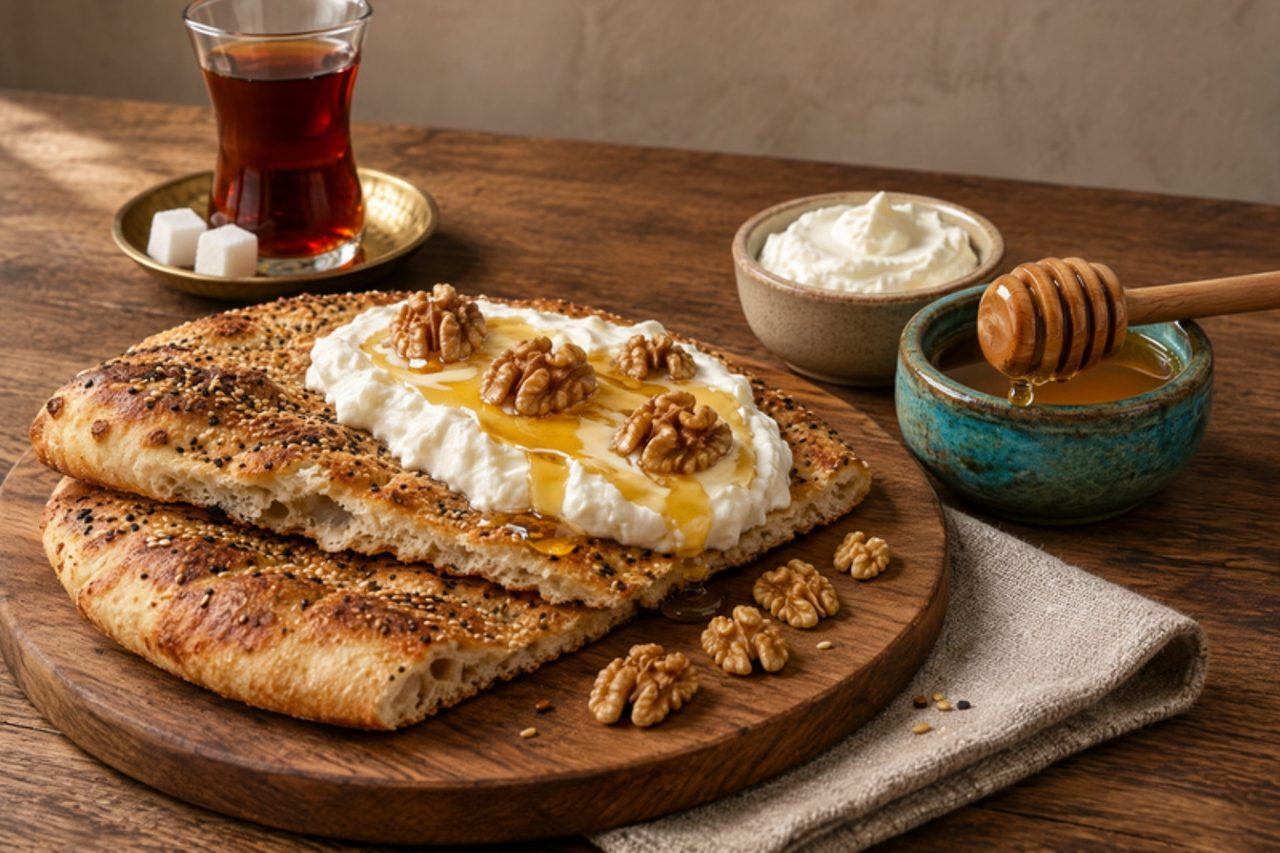
Asal-o-khameh

Clotted cream and honey on flatbread 8 minMore from Persian (131) →

This week's collection

Kid-friendly dinners
541 recipes · a new collection every Monday

Latest recipes

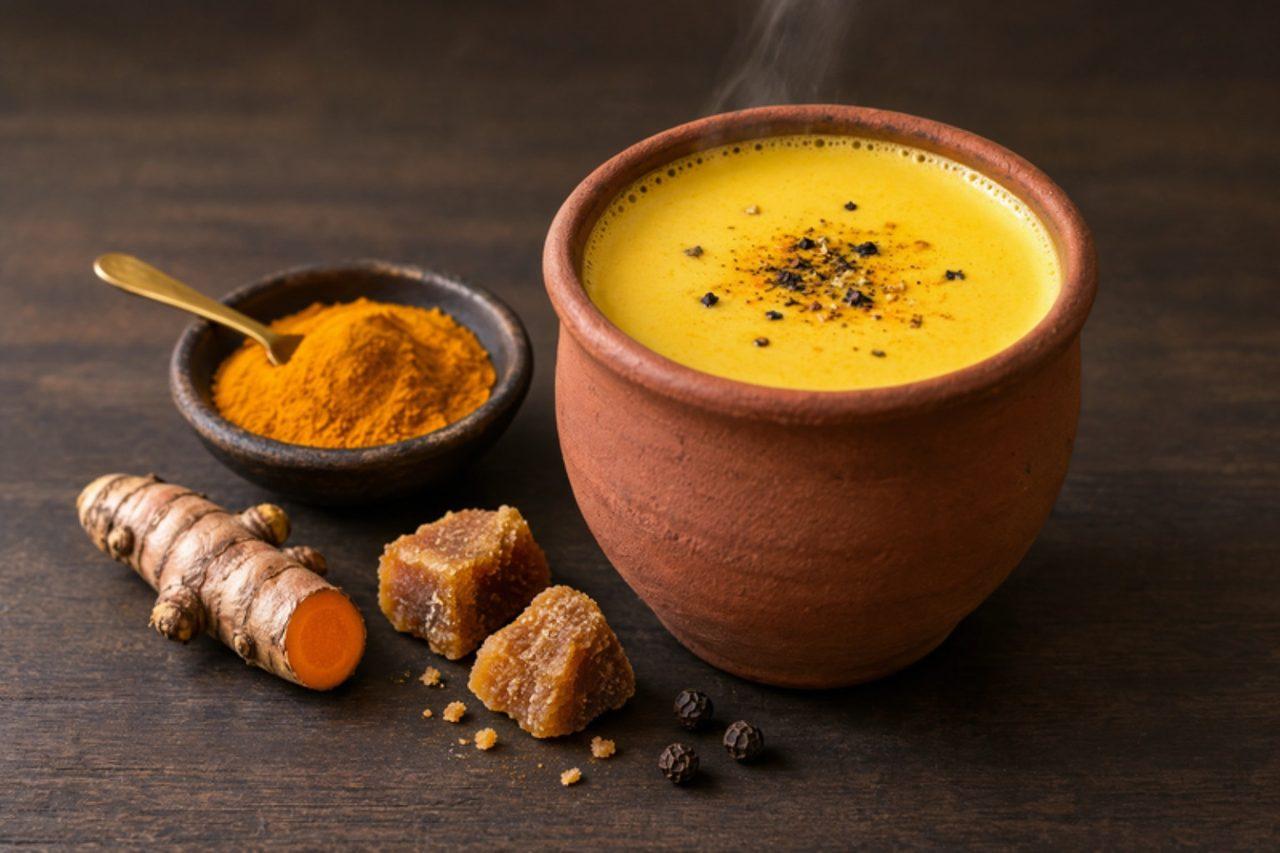
Haldi doodh (turmeric milk)

In homes from Punjab to Kerala, a mother or grandmother hands round haldi doodh on cold winter nights, after a fall in the playground or whenever someone starts sniffling; it is drunk at bedtime, steaming, in a steel tumbler. Milk is simmered with turmeric, a few grinds of black pepper and sometimes ginger or cinnamon, then sweetened with jaggery. It is golden, warming and gently earthy, with a soft peppery heat and a slightly grainy feel if the turmeric is fresh-ground. It is traditionally drunk for colds and aches, as a comfort rather than a cure. The common mistake is adding raw turmeric powder to hot milk at the end: it tastes chalky and bitter. Simmer it in the milk for a few minutes so the raw edge cooks out. It is ready when the milk turns an even deep yellow, smells mellow and has a thin skin forming on top. Add jaggery off the heat, as it can curdle boiling milk. Turmeric stains, so use a steel pan. Chef's tip: a teaspoon of ghee stirred in at the end makes it rounder and is how many families make it.

by KrazyBadal 0 views

Kuzuyu (hot kudzu drink)

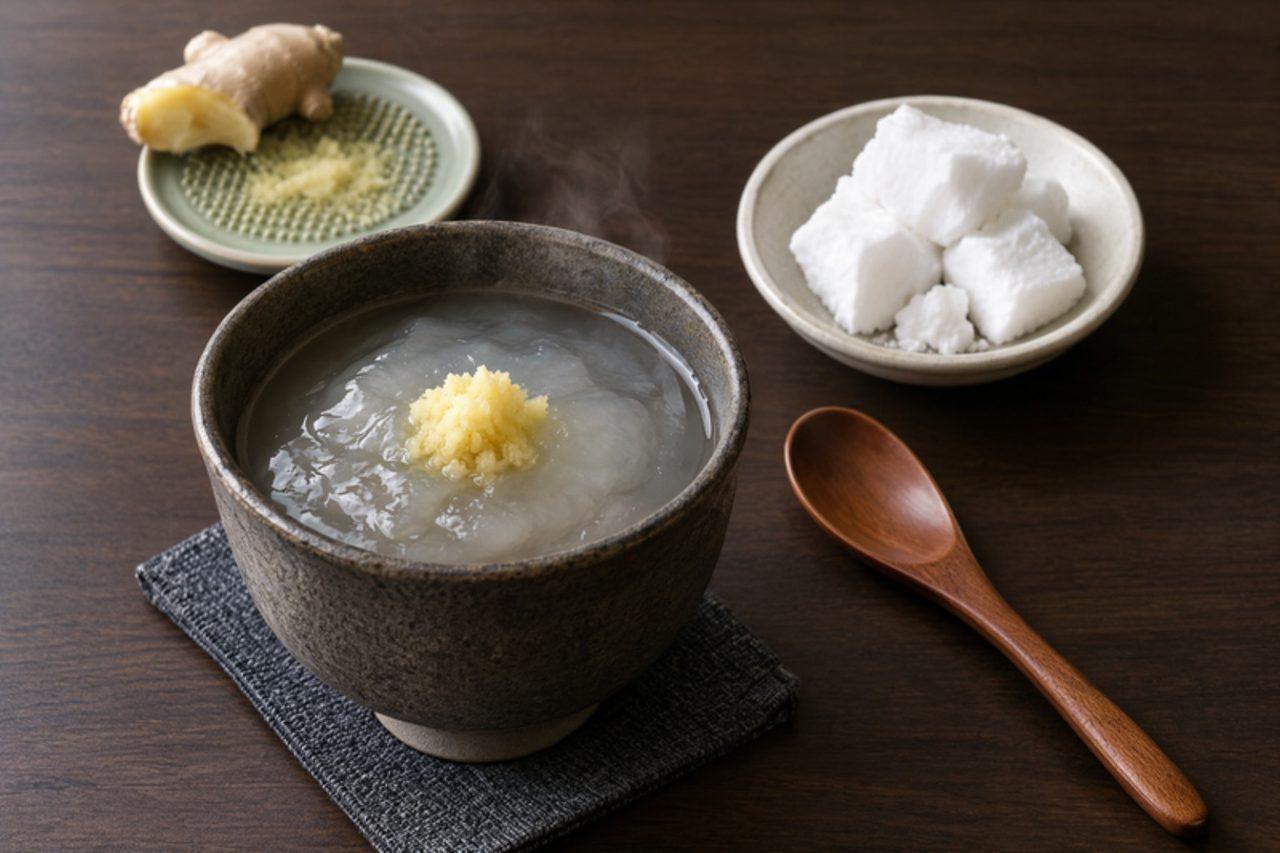
Kuzuyu is what Japanese mothers make when someone has a chill or an upset stomach, and what many people sip on a frosty winter evening, especially in Nara, whose Yoshino mountains have produced the finest hon-kuzu starch for centuries. Kudzu root starch is stirred into water with a little sugar and cooked until the milky liquid suddenly turns clear, glossy and gently thick, somewhere between a hot drink and a soft pudding you drink from the cup. Grated ginger warms it; some families add a spoon of matcha or a squeeze of yuzu. It tastes clean, mildly sweet and comforting, and it is traditionally given to people recovering from colds. The mistake almost everyone makes once is sprinkling kudzu into hot water, where it forms rubbery lumps at once. Always crush it and dissolve it completely in cold water first, then heat it while stirring without stopping. It is ready when there are no white streaks left, the drink is translucent and it coats the back of a spoon. Chef's tip: real hon-kuzu comes in chalky lumps; crush them with the back of a spoon in the cold water and they dissolve in seconds.

by KrazyBadal 0 views

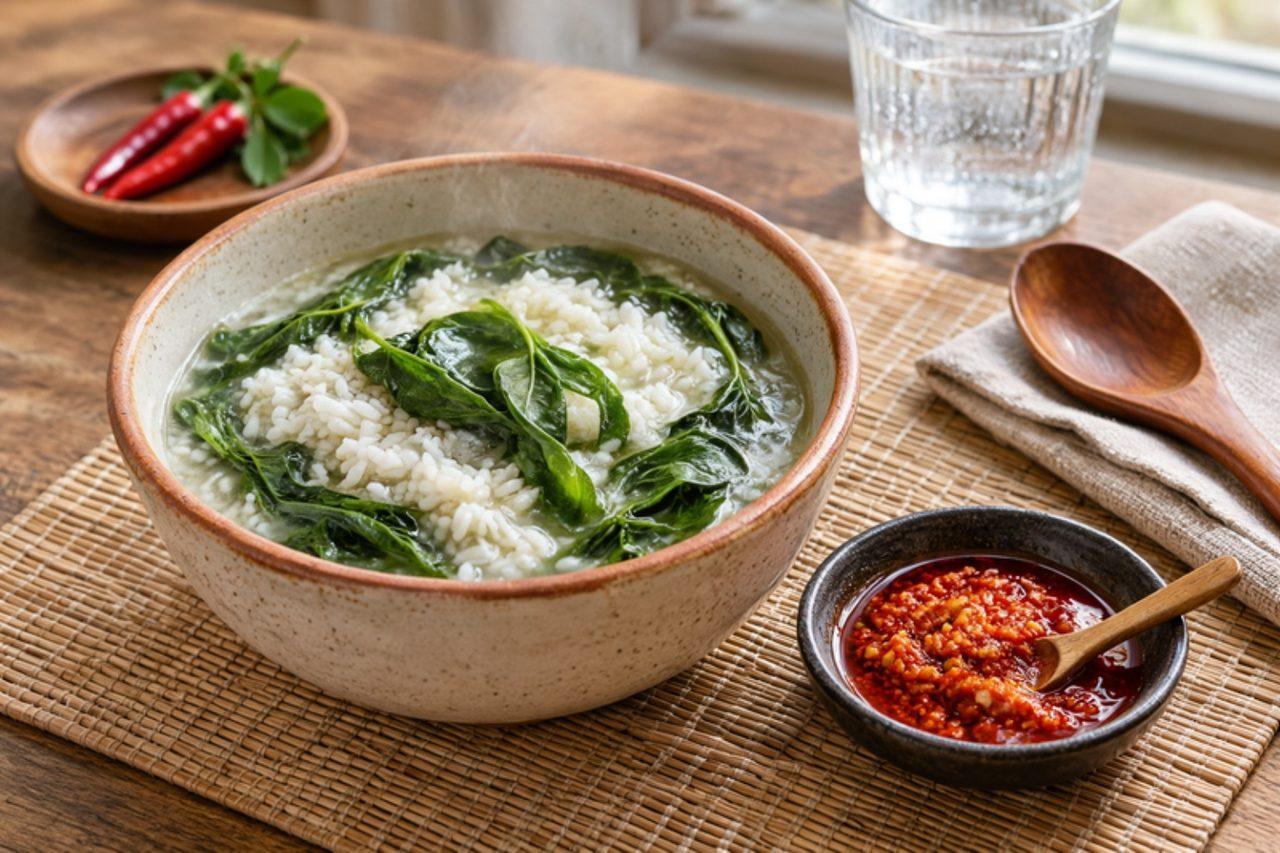
Vary sosoaRice soup with greens

In Antananarivo and across the highlands, the day starts with a bowl of vary sosoa: rice cooked with plenty of water until the grains are soft and loose in their milky cooking liquid, wetter than plain rice but not as smooth as congee. Stalls serve it with kitoza (dried meat), eggs or a spoon of fiery sakay; this vegan version tops it with garlicky greens and homemade sakay chilli paste. The common mistake is stirring it like risotto, which makes it gluey; stir only now and then. Chef's tip: make the sakay the day before; the ginger and chilli mellow overnight in the oil.

by KrazyBadal 0 views

Guihua jiangOsmanthus syrup

When the osmanthus trees around West Lake in Hangzhou and along the Li River in Guilin bloom in late September and October, the whole town smells of apricots, and families shake the tiny gold flowers onto sheets to preserve them. Guihua jiang, sweet osmanthus sauce, is the result: a loose, amber syrup thick with petals that is drizzled over glutinous rice cakes, sweet lotus-root stuffed with sticky rice, tangyuan in fermented-rice soup and plain congee through the Mid-Autumn Festival and all winter. It tastes floral, honeyed and faintly fruity, with a clean sugar sweetness and a soft, slippery petal texture. The flowers are salted briefly first, which takes away their green bitterness and helps them keep their colour. Common mistake: boiling the petals hard in the syrup, which turns them brown and flattens the perfume; add them only once the syrup is ready and let them barely bubble. It is ready when the syrup coats a spoon and the petals are evenly suspended rather than floating. Chef's tip: dried food-grade osmanthus from a Chinese grocer works well out of season; soak it for 10 minutes and use a third of the weight of fresh.

by KrazyBadal 0 views

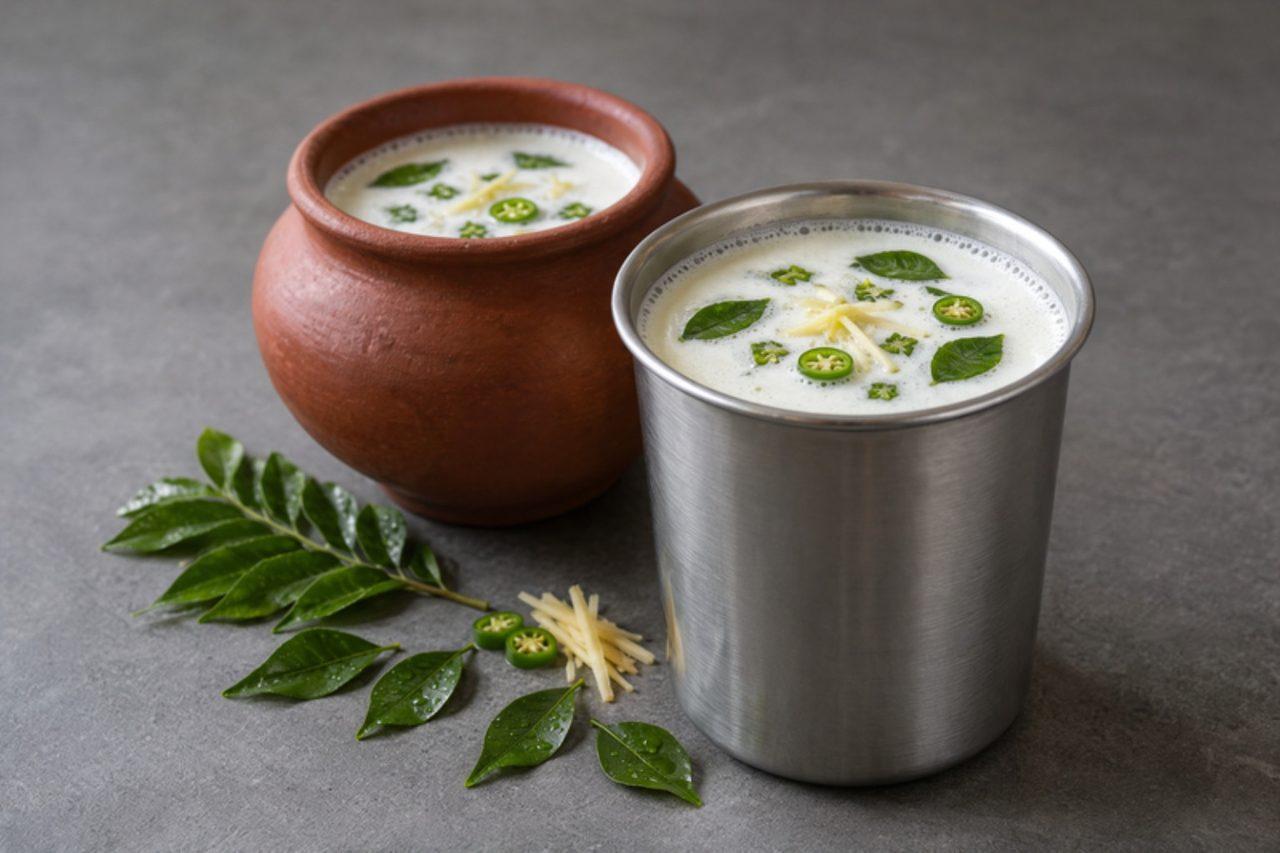
Neer mor (spiced buttermilk)

From April to June, when Chennai and Madurai bake at forty degrees, temples, shops and political parties set up 'thaneer pandhal' sheds by the roadside, offering free neer mor to every passer-by from great clay pots. At home it comes after a rice meal of sambar and rasam, or in the middle of the afternoon. The curd is churned and thinned with water until barely white, then seasoned with green chilli, ginger, curry leaves, coriander and a pinch of asafoetida, sometimes finished with a tempering of mustard seeds. It should be very thin, salty, tangy and herby, with a little chilli heat and a lingering savoury scent. The common mistake is using too little water: it then drinks like a heavy lassi rather than a thirst-quencher. Aim for about one part curd to four parts water. It is ready when the buttermilk is smooth, cold and pale green-flecked, and smells of curry leaf. It keeps a day in the fridge. Chef's tip: crush the ginger, chilli and curry leaves rather than chopping them; bruising releases far more flavour into the thin liquid.

by KrazyBadal 0 views

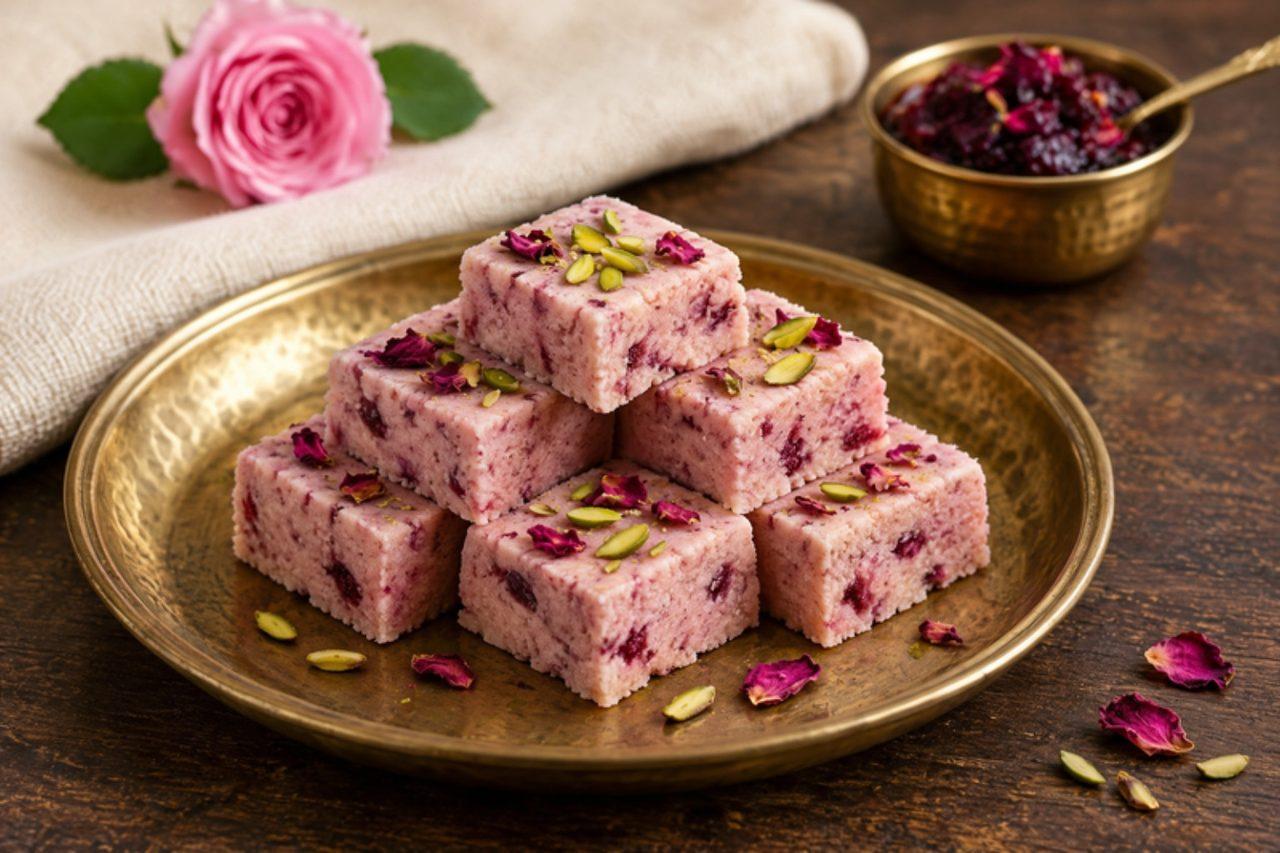
Gulab pakRose milk fudge

The sweet shops of Bhuj and Mandvi in Kutch sell gulab pak in pale pink slabs that smell of summer roses, and it is a favourite to carry home after a trip to the Rann or a family wedding. Mawa is cooked down with sugar and gulkand, the sun-cured rose-petal preserve, so the fudge is soft and grainy with little chewy flecks of petal through it. The mistake to watch for is adding the gulkand too early: cooked for long, it darkens and turns the fudge brown and toffee-like. Chef's tip: a few drops of rose water stirred in right at the end lift the perfume without making it taste soapy.

by KrazyBadal 0 views

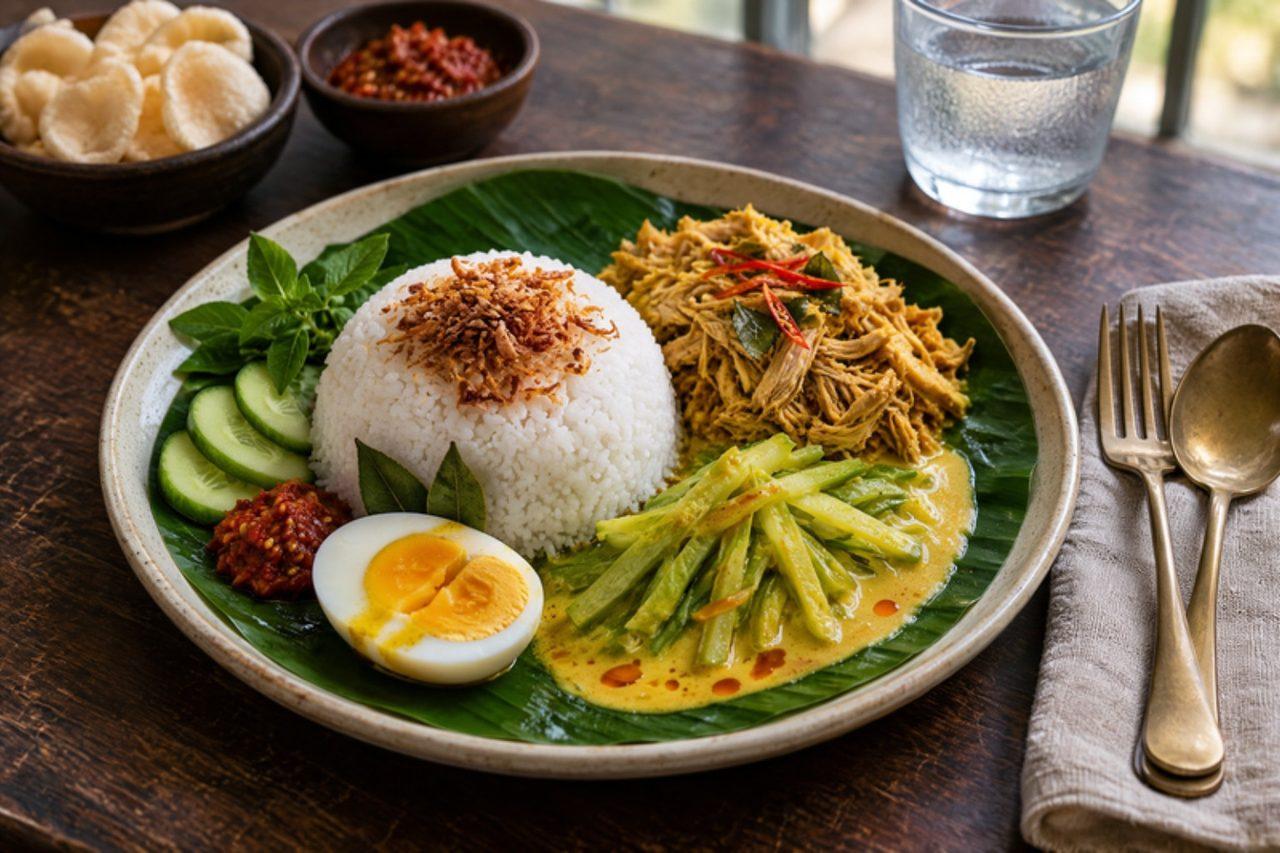
Nasi liwet SoloCoconut rice with shredded chicken

In Solo (Surakarta), Central Java, nasi liwet sellers set out at dawn with baskets of rice cooked in coconut milk and fragrant salam leaves, served on a banana leaf with shredded chicken, a mild chayote stew in coconut gravy (sayur labu siam) and a hard-boiled egg, all topped with a spoon of thick coconut cream called areh. It is a soft, gentle, savoury breakfast. The usual mistake is boiling the coconut rice too fast, which scorches the bottom before the grains are soft. Chef's tip: once the liquid is absorbed, finish the rice on the lowest heat with a clean tea towel under the lid so it steams fluffy, not wet.

by KrazyBadal 0 views

GundrukFermented leafy greens

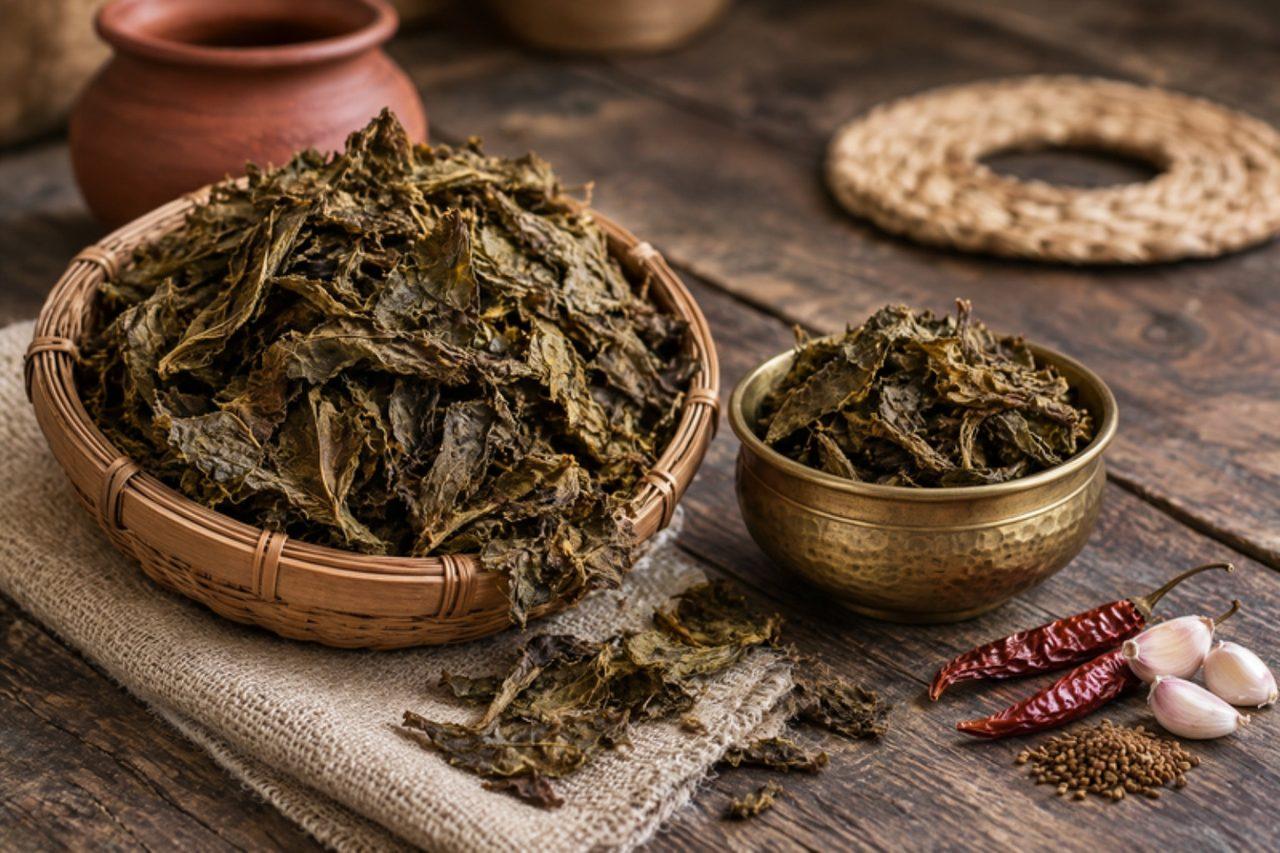
After the rice harvest in October and November, hill families from Ilam to Gorkha cut the leaves of mustard greens, radish and cauliflower, leave them to wilt in the yard, then pound them into clay pots or pits to ferment. A week later the greens come out olive-brown and sour, and they are dried on bamboo mats in the bright Dashain-Tihar sun. That dried gundruk carries families through the lean winter: soaked and simmered into gundruk ko jhol with tomato and soybeans beside dal-bhat, or tossed into gundruk sadeko with onion, chilli and mustard oil to eat with chiura. The flavour is deeply sour, earthy and a little smoky, the dried leaves chewy-crisp, softening when cooked. Common mistake: packing the leaves loosely; air left in the jar lets mould grow instead of the sour lactic ferment, so press until juice rises over the greens. It is ready to dry when it smells sharply sour like good sauerkraut and the leaves have lost all their green. Chef's tip: if your greens are from a supermarket, mix mustard greens with radish tops or kale for the closest flavour, and ferment in a big jar with a weight.

by KrazyBadal 0 views

ChapeaRed beans with plantain and sausage

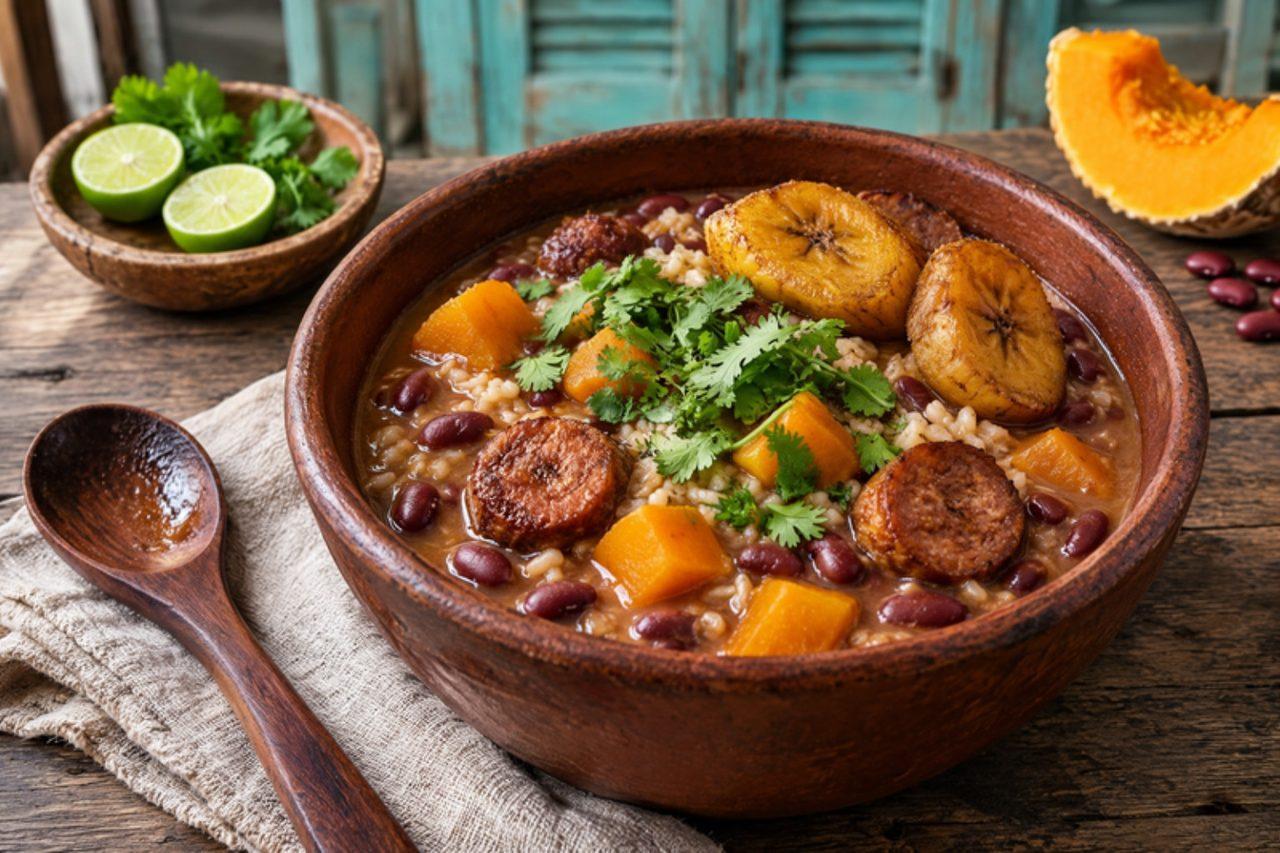
Chapea comes from the countryside of the Cibao and the south of the Dominican Republic, where it is cooked for big Sunday lunches and family gatherings: red beans stewed with auyama squash and ripe plantain, smoky pork longaniza or salami, then rice cooked right in the bean broth until it is soft and creamy, somewhere between a moro and a stew. The sweet plantain melts into the pot and gives the rice a gentle sweetness. Dried red kidney beans must be soaked and then boiled hard for 10 minutes before the gentle simmer, to destroy a natural toxin; tinned beans are already safe. The usual mistake is adding the rice to too little liquid, which leaves it hard; it should be swimming at first. Chef's tip: fry the sofrito until it smells sweet and the oil turns red before the beans go in, as that is where chapea gets its depth.

by KrazyBadal 0 views

Ají de fideosNoodles in red chilli with beef

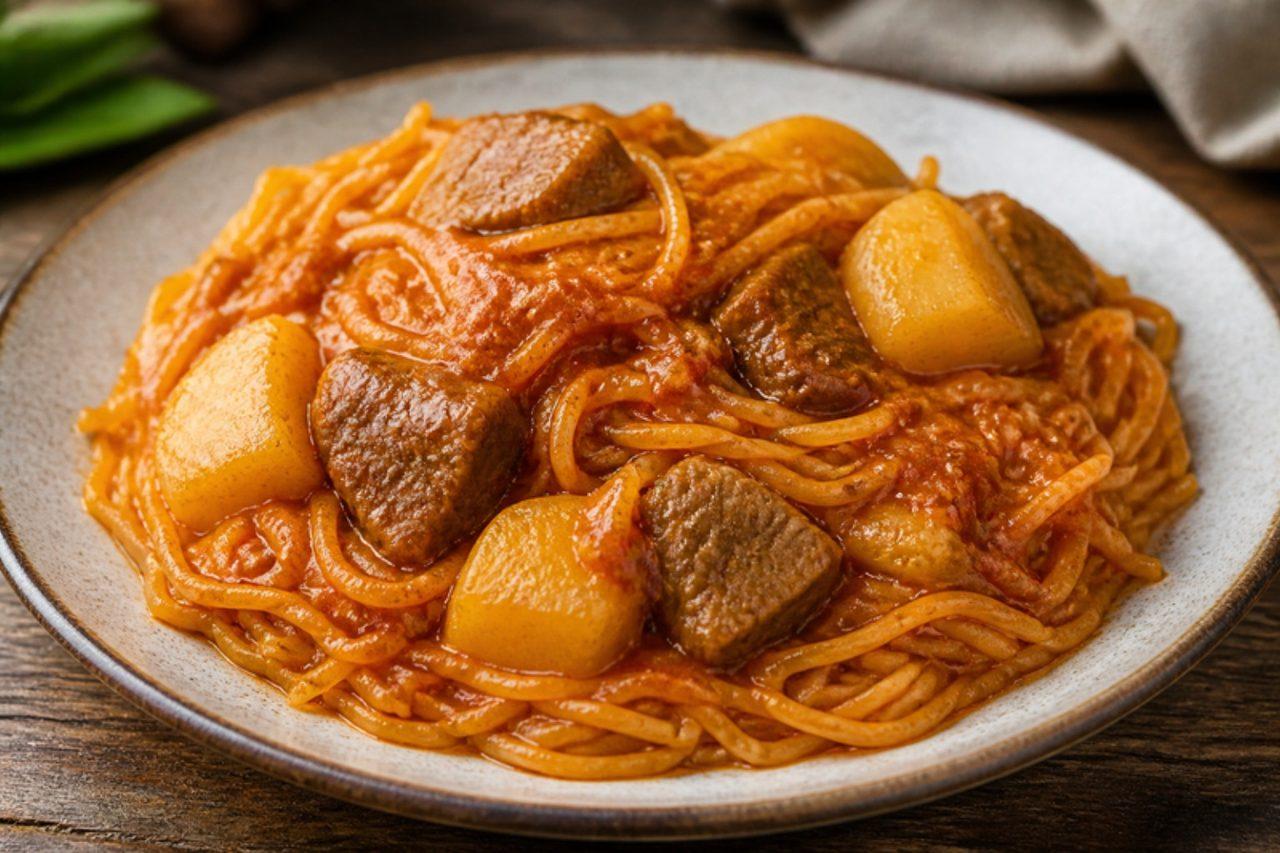
Ají de fideos fills the market comedores of La Paz at lunchtime: spaghetti snapped into short pieces and simmered in a brick-red sauce of dried chilli, onion and tomato with chunks of beef and potato, all eaten with a spoon. It is warming, a little smoky and properly hot, perfect at 3,600 metres. The trap is adding the pasta too early, which leaves it bloated and the sauce gluey. Chef's tip: toast the broken spaghetti in a little oil until golden before it goes into the pot; it keeps its shape and adds a nutty flavour.

by KrazyBadal 0 views

Pain maisonCrusty bread rolls

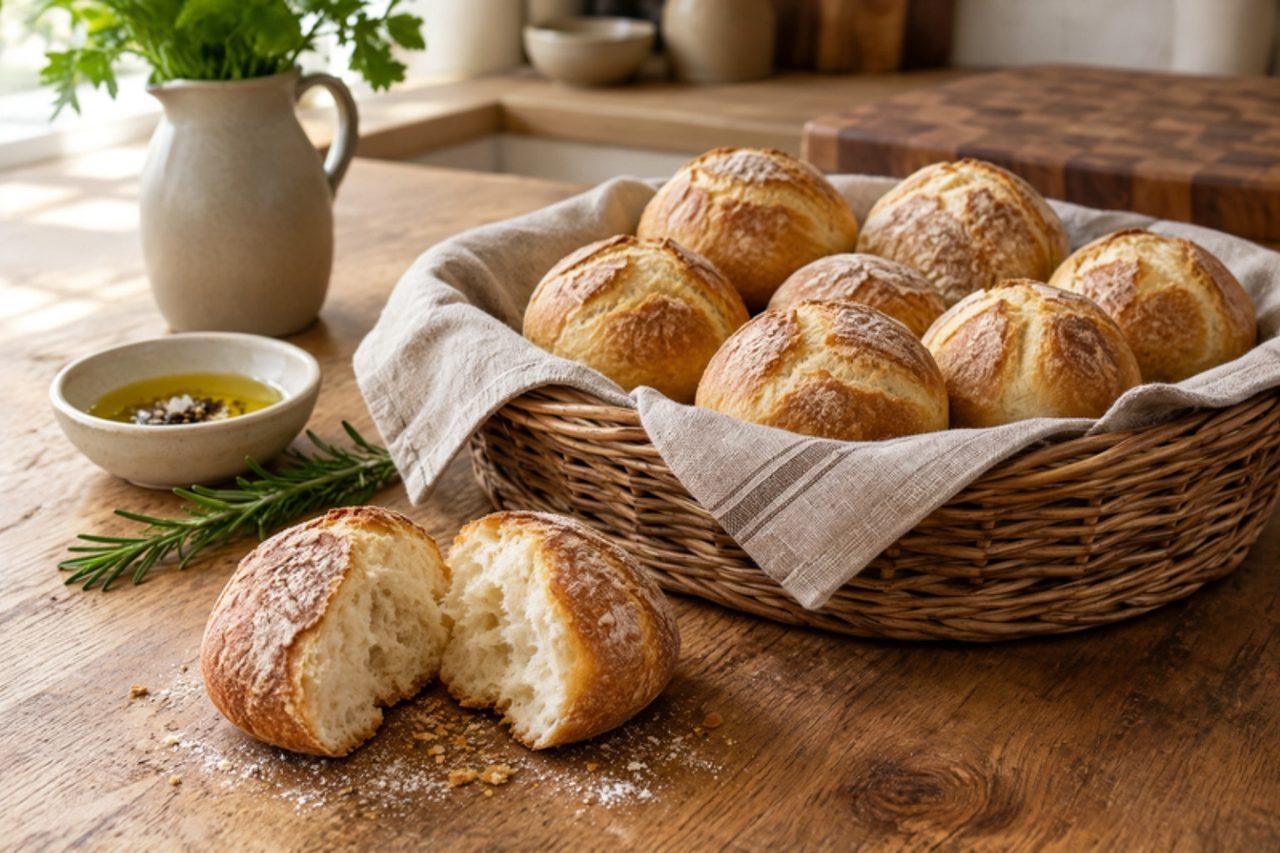
Every morning in Port Louis, Mahébourg and Rose-Hill, the boulangerie or a man on a bicycle delivers bags of pain maison: small, round white rolls with a thin, crackly crust and soft middle, split and filled with butter and cheese, with chilli-spiked gâteaux piments, or with leftover curry. They're a simple lean dough baked very hot. The common mistake is under-baking because they look golden early; give them the full time so the crust stays crisp after cooling. Chef's tip: spray the oven walls with water as the rolls go in; the burst of steam makes the shiny, cracked crust.

by KrazyBadal 0 views

Mandi'o chyryryFried cassava with onion and egg

Mandi'o chyryry means 'fried cassava' in Guaraní, and it is what rural Paraguayan families make from yesterday's boiled mandi'o: chunks crushed and fried in a big pan with onion until crisp in places, then scrambled with eggs. It comes out for breakfast with cocido or for a quick supper, and costs next to nothing. Use sweet cassava, the kind sold in supermarkets. The mistake is stirring constantly, which turns it to mush; let the cassava sit and brown. Chef's tip: the best chyryry starts with cold, day-old boiled cassava, which fries crisper than freshly boiled.

by KrazyBadal 0 views

Suan rong xilanhuaGarlic broccoli

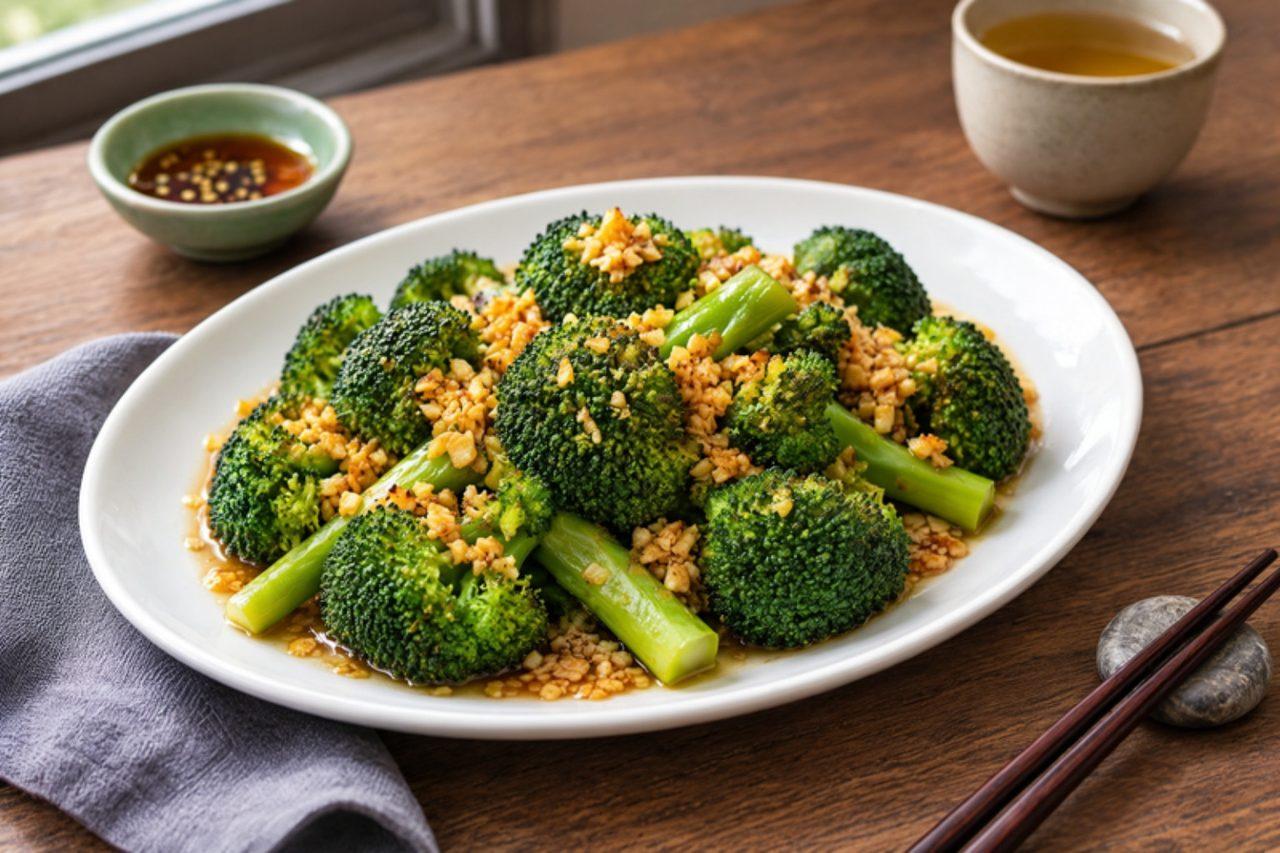
Garlic broccoli is on the menu of almost every Chinese home kitchen and family restaurant, from Guangzhou to Shanghai, as the quick green dish at a weekday dinner. The florets are blanched just until bright, then tossed in a hot wok with a big spoon of minced garlic and a splash of water, so they stay crisp, glossy and full of garlic flavour. Serve with tofu, fish or eggs and a modest portion of rice. It is suitable as part of a balanced diet. About 90 kcal and 8 g carbohydrate per portion. The usual mistake is adding the garlic to very hot oil before the broccoli, where it burns and turns bitter. Chef's tip: add a few drops of oil to the blanching water; it keeps the broccoli shiny and green.

by KrazyBadal 0 views

Kafae boran (old-style Thai coffee)

Before espresso bars reached Bangkok, coffee in Thailand meant kafae boran from Hainanese-Chinese shophouses and market carts: a dark robusta roast mixed with toasted grains, poured through a long cotton sock called a tung tom and stirred into thick sweetened condensed milk. Uncles still order it hot at 6 am with patongko dough sticks, and in the afternoon heat the same brew is poured over crushed ice and topped with evaporated milk as oliang or kafae yen. The taste is strong, roasty and slightly smoky, sweet and creamy, with a faint caramel-cereal edge from the grains; the iced version is silky and cold. The common mistake is brewing it like filter coffee with too little grounds: once milk and ice go in, it tastes thin. Use plenty, steep it in the sock and pour it through twice. The brew is ready when it is opaque, nearly black and leaves a brown film on a white spoon. It is high in caffeine, so not one for children or late evenings. Chef's tip: rinse the cloth sock in hot water only, never soap, and keep it in a jar of clean water in the fridge between uses so the coffee oils season it.

10 minThaiDrinksGluten free
by KrazyBadal 0 views

Hachis parmentier for toddlersBeef and mash bake for toddlers

Hachis parmentier, France's answer to cottage pie, is a fixture of school canteens and Wednesday family lunches from Lyon to Paris, named after Antoine Parmentier, who championed the potato. This toddler version for children from 12 months uses lean minced beef cooked soft with plenty of carrot and onion, topped with a buttery milk mash and baked until just golden, then cut into soft squares. It is cooked without stock cubes and with no added salt. It contains milk; there is no gluten, egg, nuts or soya. Chef's tip: simmer the meat with a splash of water until it's tender and saucy before topping; dry mince makes a crumbly pie that toddlers struggle with.

60 minFrenchMeatGluten free
by KrazyBadal 0 views

Haejang-gukCabbage and bean sprout soup

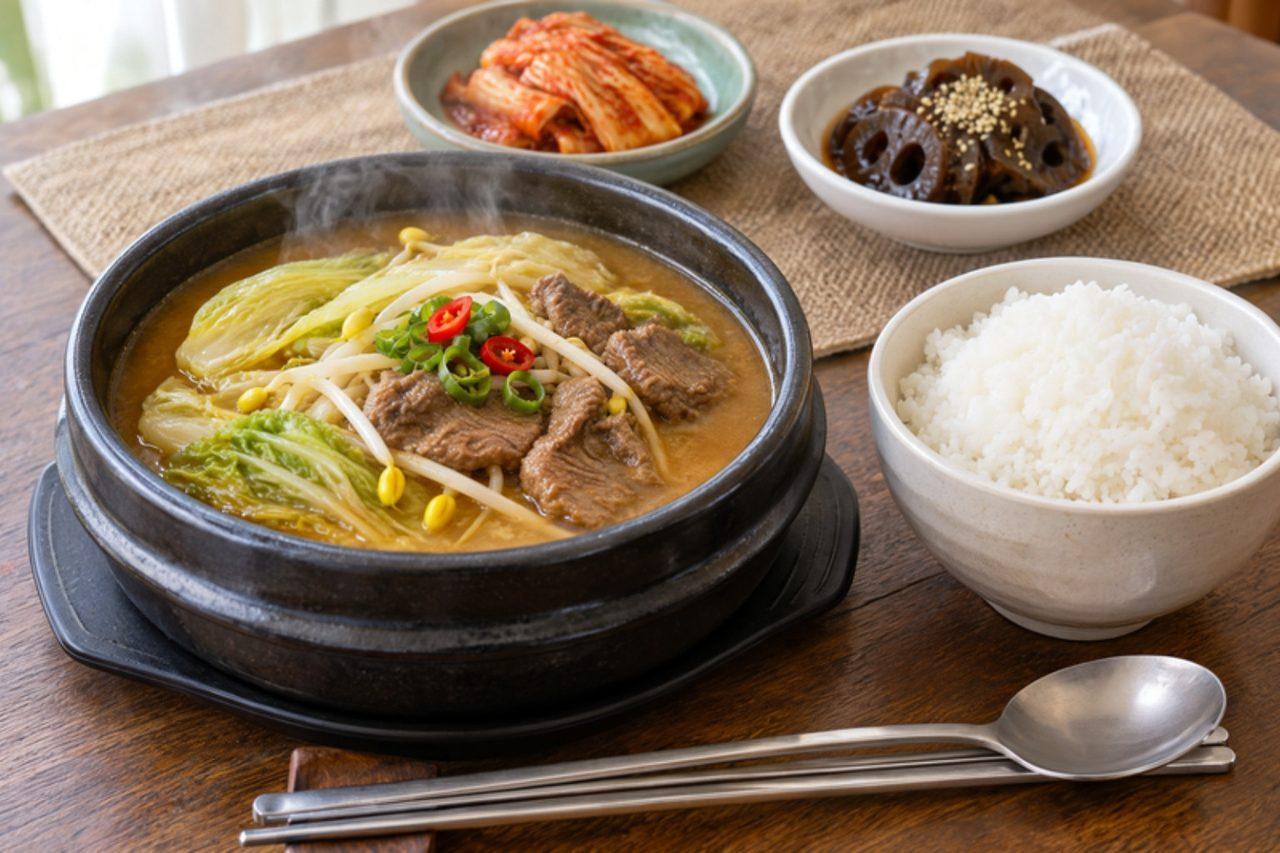
Haejang-guk means "soup to chase a hangover", and in Seoul and every Korean city the 24-hour haejang-guk houses fill at dawn with office workers and night-shift drivers. This version is the everyday ugeoji style: outer napa cabbage leaves and bean sprouts simmered with doenjang and chilli in a beef bone broth, with tender beef shin, eaten with a bowl of rice. The common mistake is skipping the soak and first boil of the bones, which leaves the broth murky and metallic. Chef's tip: squeeze the blanched cabbage leaves and rub them with the doenjang and chilli before they go into the pot, so the seasoning clings to every leaf.

120 minKoreanSoupsSpicy
by KrazyBadal 0 views

Nước sấu (sấu fruit drink)

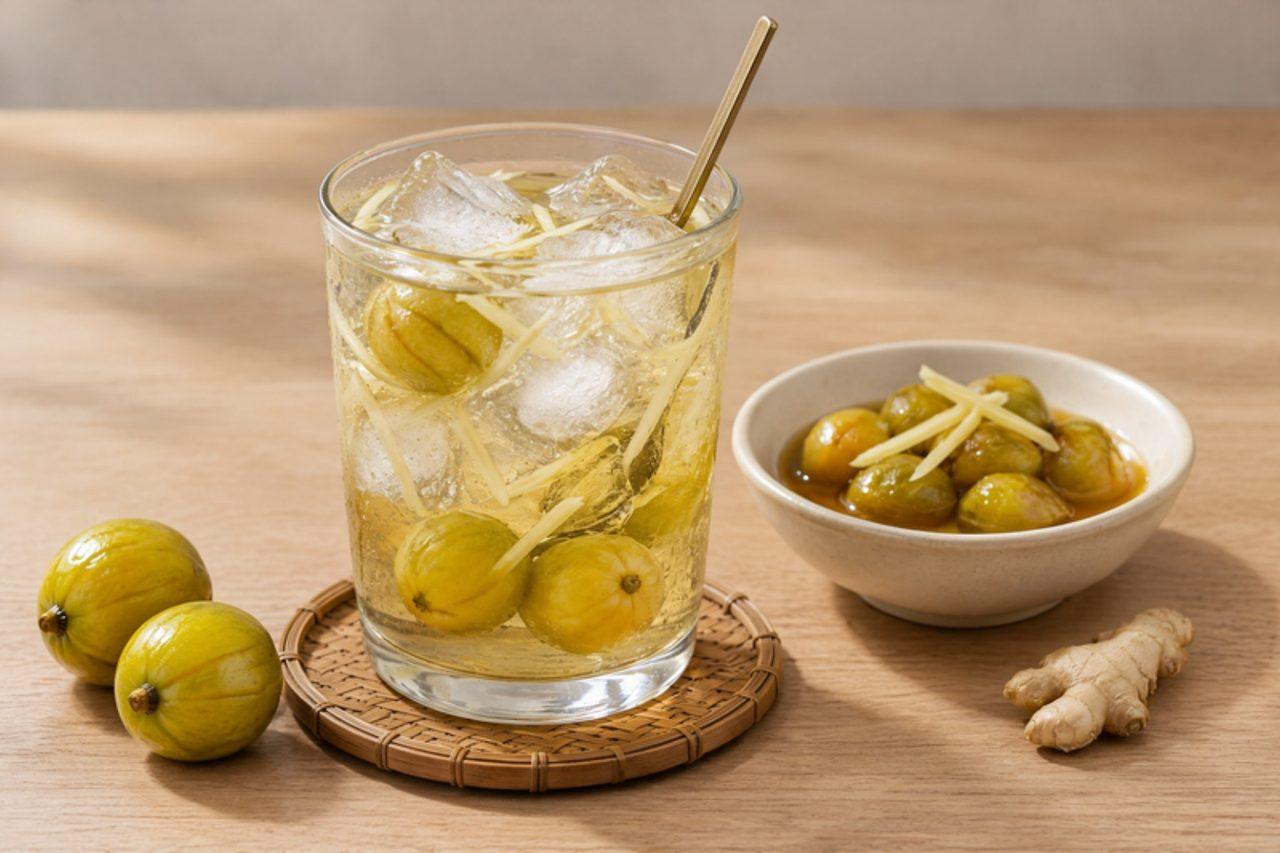
When Hanoi's tamarind-like sấu trees drop their small green fruit in May and June, street vendors start selling glasses of nước sấu: a few candied fruits, a ladle of ginger syrup, cold water and crushed ice. Families make big jars to last until the season ends in August. It is sipped with a spoon so you can bite into the crunchy-soft fruit at the bottom. It tastes sour and sweet at once, with a clean ginger warmth and a flavour a little like green mango and plum. Traditional cooks soak the peeled fruit in limewater to keep it crisp; a salt soak works well at home. The common mistake is skipping the blanch and slow syrup: raw fruit stays acrid and the syrup clouds. Blanch the fruit briefly, then cook it gently in sugar until it turns translucent yellow-green and the syrup is clear and glossy. Store it in a sterilised jar in the fridge for up to 2 months with a clean spoon; discard if it fizzes, smells fermented or shows mould. Fresh sấu is rare abroad; look for frozen sấu in Vietnamese shops, or use firm green ambarella. Chef's tip: slash each fruit a few times so the syrup soaks all the way in.

by KrazyBadal 0 views

BulaloBeef shank and marrow soup

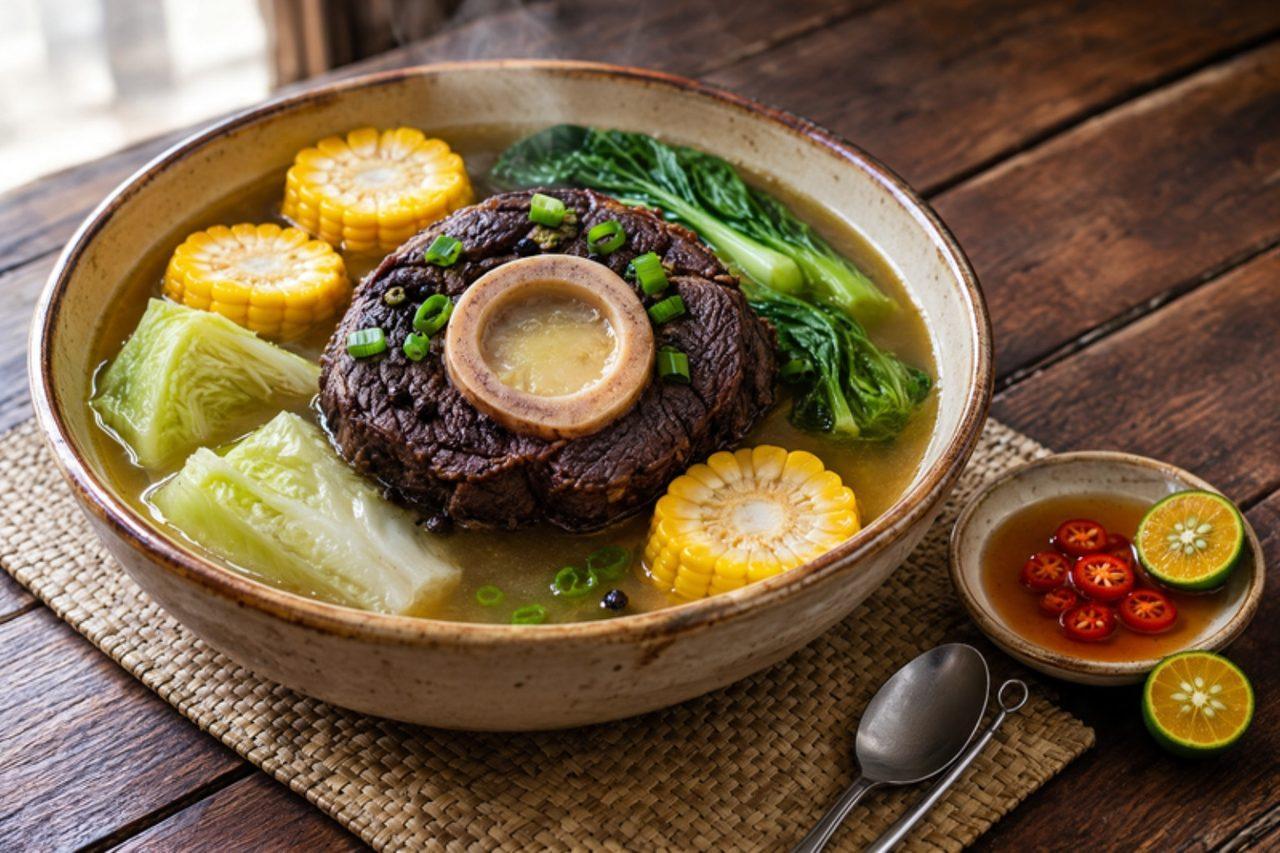
Bulalo is the pride of Batangas, south of Manila, served at roadside eateries on the way to Tagaytay where the cool upland air makes a steaming bowl the thing to order. Beef shank on the bone simmers for hours until the meat falls away and the marrow turns soft and wobbly, giving a clear, beefy broth seasoned just with fish sauce, onion and peppercorns. Corn on the cob, cabbage and pechay go in at the end. Spoon the marrow onto rice and dip the meat in fish sauce with calamansi and chilli. The usual mistake is skipping the first blanch: the broth turns grey and murky. Slow-cooker: after blanching, cook on low for 10 hours, adding the vegetables for the last 30 minutes on high. Chef's tip: keep the pot at a lazy simmer, never a boil, for the clearest broth.

by KrazyBadal 0 views

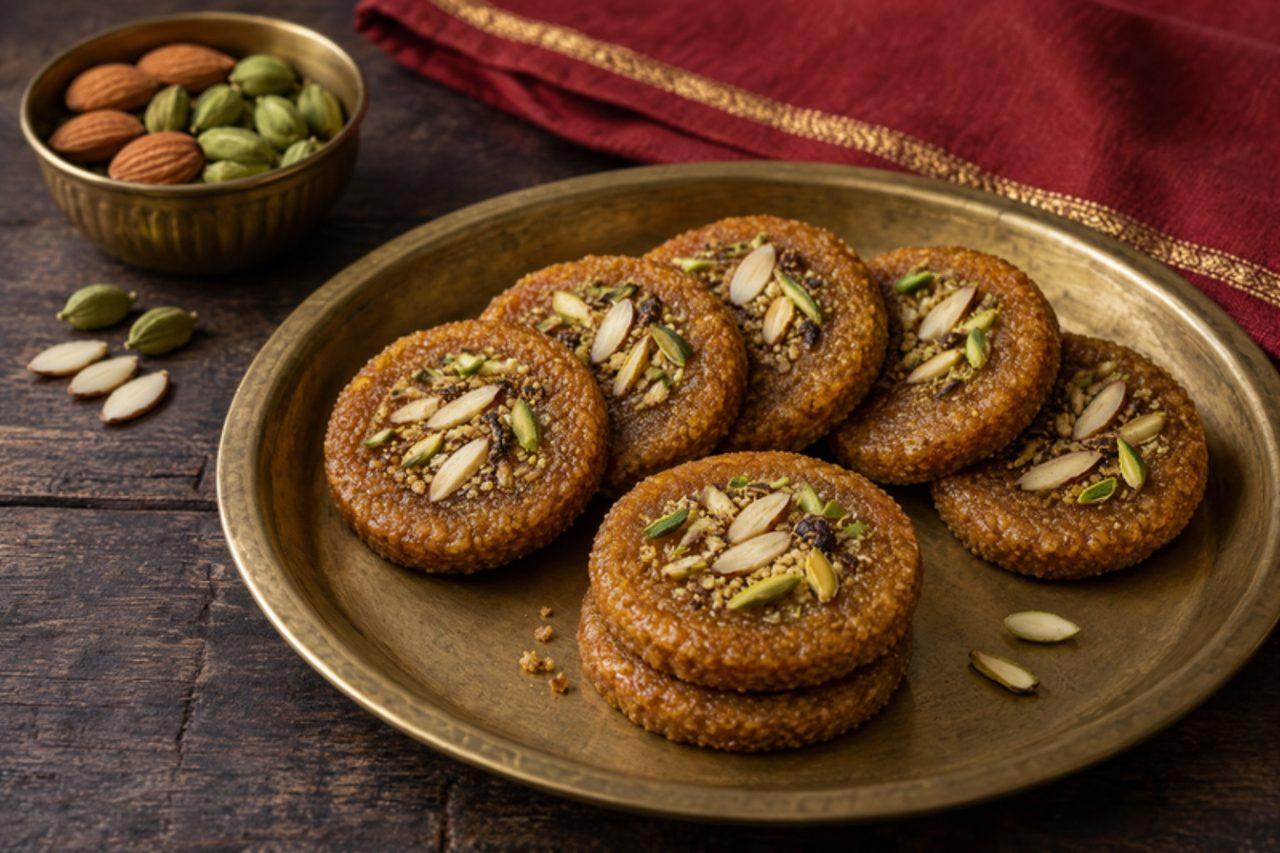
HalvasanMilk and cracked wheat sweet

Khambhat, the old port town at the head of the Gulf, is where halvasan comes from, and its sweet shops still sell the chewy, nutmeg-heavy rounds wrapped in paper to visitors from Ahmedabad and Vadodara. Milk is split so it turns grainy, then cooked down with soaked cracked wheat, ghee, sugar and a little puffed edible gum until it is dark gold and chewy, rather like a cross between a halwa and a barfi. The mistake to avoid is undercooking: if it is taken off while still soft and sticky, the rounds never set and turn greasy. Chef's tip: keep cooking until the mass rolls around the pan as one lump and a drop pressed between two fingers feels tacky but not wet.

by KrazyBadal 0 views

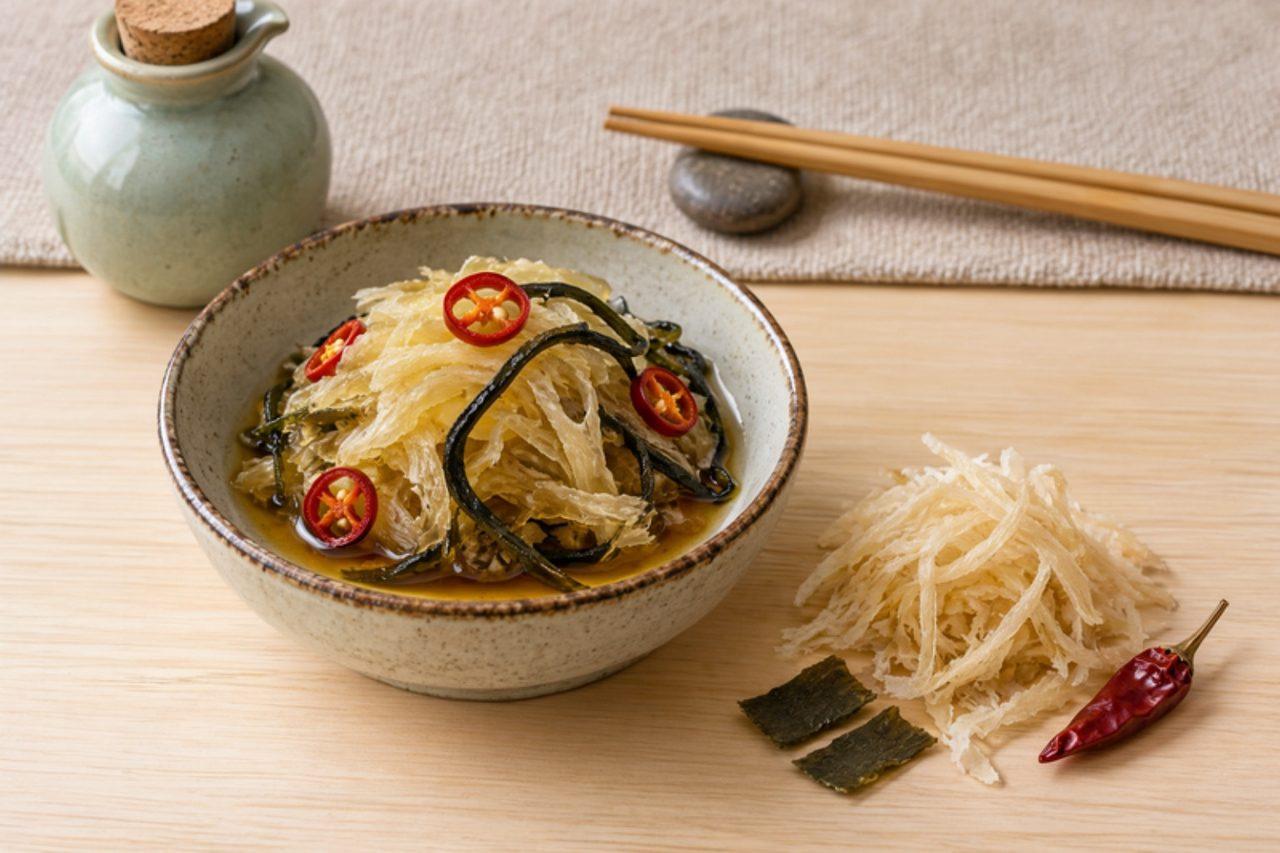
HariharizukeDried daikon pickle

Hariharizuke takes its name from the sound it makes, 'hari-hari', as you chew. It starts with kiriboshi daikon, the radish strips dried in the cold winter sun across Miyazaki and much of rural Japan, which are rehydrated and steeped in a sharp, slightly sweet soy-vinegar with ribbons of kombu and a little chilli. It is a year-round side dish, but home cooks lean on it in late winter and early spring when fresh vegetables are fewer, packing it into bento boxes or setting it beside grilled fish and rice. The taste is sweet-sour and savoury, with a concentrated, almost caramel daikon flavour, and the texture is springy and crunchy. The common mistake is soaking the dried daikon too long: after 10–15 minutes it is pliable, and beyond that it turns soft and loses its crunch. It is ready when the strips are glossy, tan and taste seasoned right through, about an hour after mixing, and even better the next day. Look for dried daikon in Japanese or Korean shops (Korean mumallaengi is the same thing). Chef's tip: add the carrot in very fine matchsticks and a few drops of sesame oil just before serving for colour and aroma.

by KrazyBadal 0 views

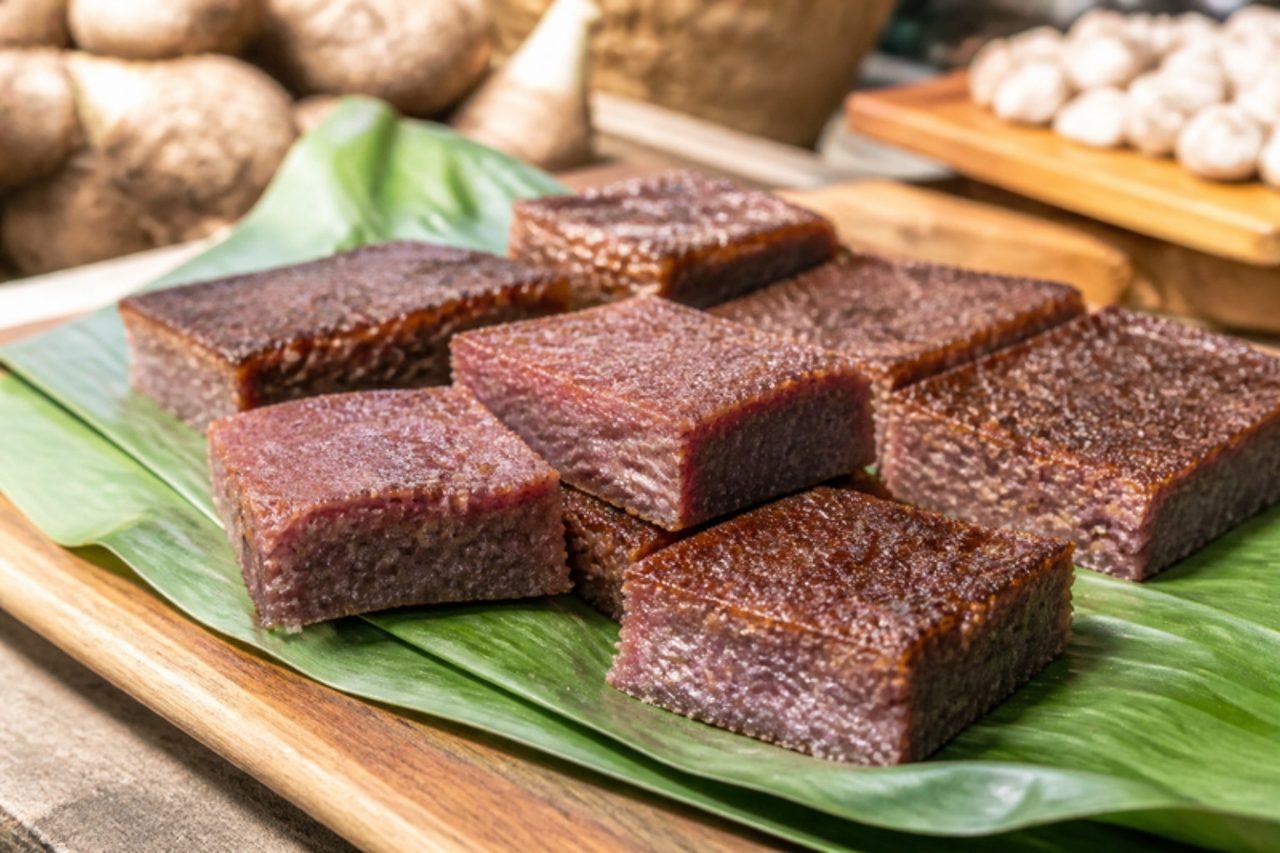
KuloloTaro and coconut pudding

Kulolo is one of the oldest Hawaiian sweets, a dense, fudgy pudding of grated taro and coconut that was once wrapped in ti leaves and baked for hours in an imu (earth oven) for lū'au feasts. On the windward side of O'ahu and in Hilo it is still sold in slabs at farmers' markets. Taro must always be fully cooked; raw taro contains crystals that badly irritate the mouth and throat, so peel it with gloves and bake the full time. A common mistake is cutting it hot; it firms as it cools. Chef's tip: bake it long and low until deep brown and sticky at the edges, where the caramel flavour is.

by KrazyBadal 0 views

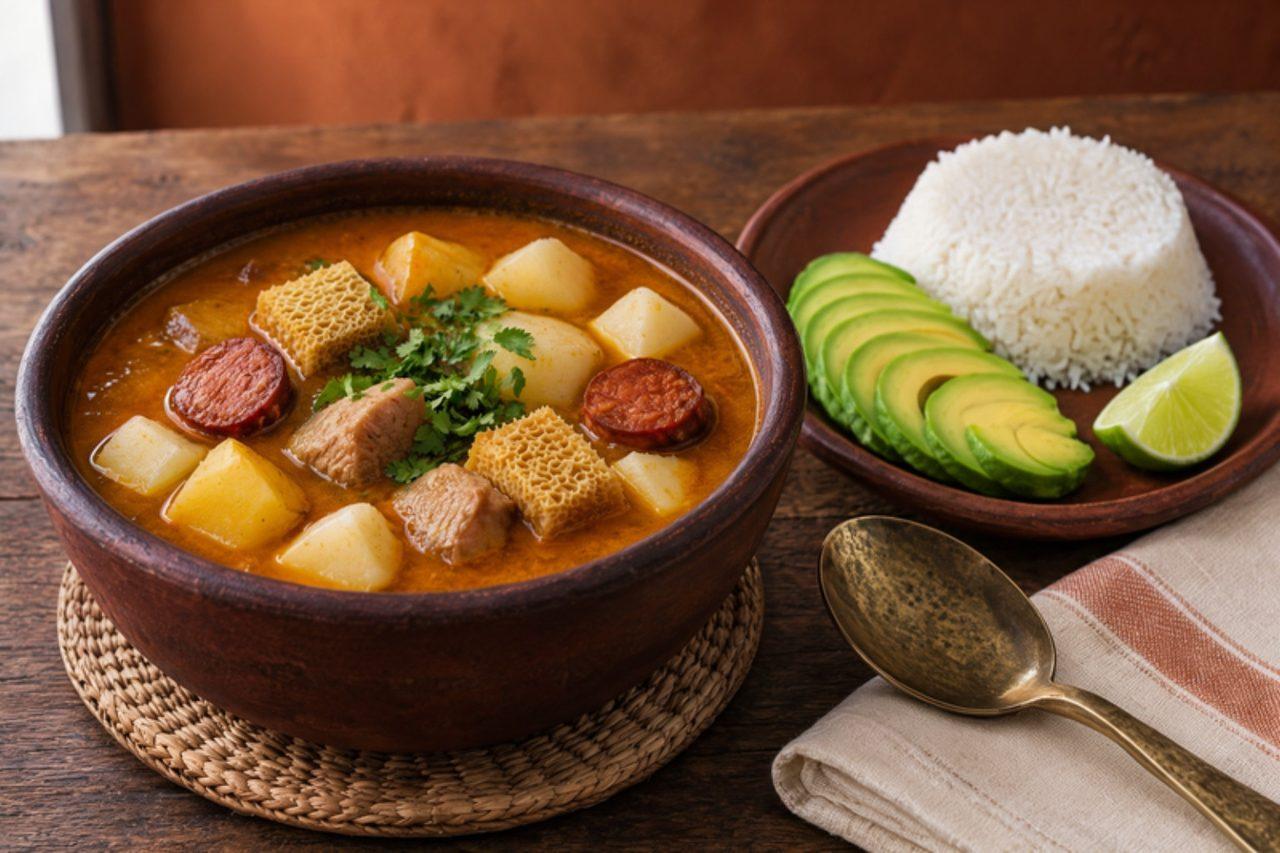
MondongoTripe soup

In Antioquia, around Medellín, mondongo is the hearty soup families cook at the weekend and that restaurants serve at lunch with rice, avocado, ripe banana and a squeeze of lime. Cleaned beef tripe simmers slowly with pork shoulder and chorizo (both pork), then potatoes, annatto, cumin and plenty of cilantro thicken and colour the broth. The usual mistake is skimping on cleaning the tripe: rinse and blanch it well or the soup will taste strong. Pressure-cooker: cook the tripe for 40 minutes at high pressure instead of 2 hours. Chef's tip: use some small yellow potatoes (papa criolla) along with the floury ones, as they melt and thicken the broth naturally.

by KrazyBadal 0 views

HumbaBraised pork belly

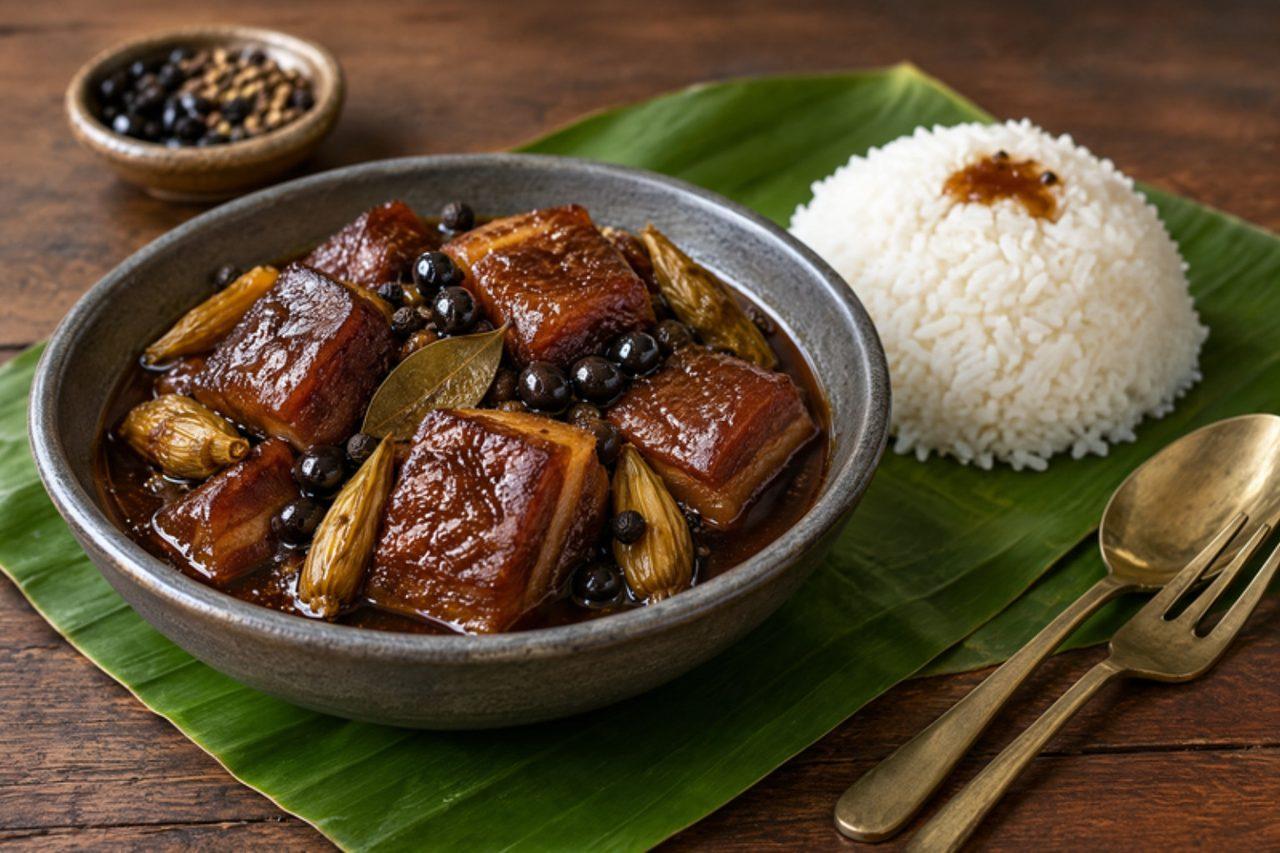
Humba is the sweet, dark braise of the Visayas, cooked in Cebu and Bohol homes for fiestas, birthdays and Sunday lunch. Pork belly simmers in soy sauce, cane vinegar and brown sugar with garlic, bay and peppercorns until the fat turns meltingly soft and the sauce becomes sticky; salted black beans (tausi) and dried lily buds, sold as dried banana blossoms, give it its Visayan character. Eat it with plenty of steamed rice. The usual mistake is stirring as soon as the vinegar goes in: let it boil uncovered for a few minutes first so its raw sharpness cooks off. Pressure-cooker: cook for 35 minutes at high pressure, then reduce the sauce uncovered. Chef's tip: humba tastes even better the next day, when the pork has soaked up the sauce.

130 minFilipinoMeat
by KrazyBadal 0 views

HemenexHam and eggs

Hemenex, the Czech spelling of "ham and eggs", has been a breakfast in Prague cafés and pub kitchens since the First Republic and is still a weekend favourite at home: slices of cooked pork ham warmed in butter, eggs cracked right over them and fried until the whites set, then everything slid out together and eaten with bread and pickled gherkin. The common mistake is frying the ham until crisp; it should just warm and brown a little at the edges. Cook the yolks fully set for pregnant people, young children, older or vulnerable people. Serve with rye bread, or gluten-free bread if needed. Chef's tip: lay the ham in overlapping slices so it forms a "plate" under the eggs and the whites can't stick to the pan.

by KrazyBadal 0 views

Salade de pois chichesChickpea salad

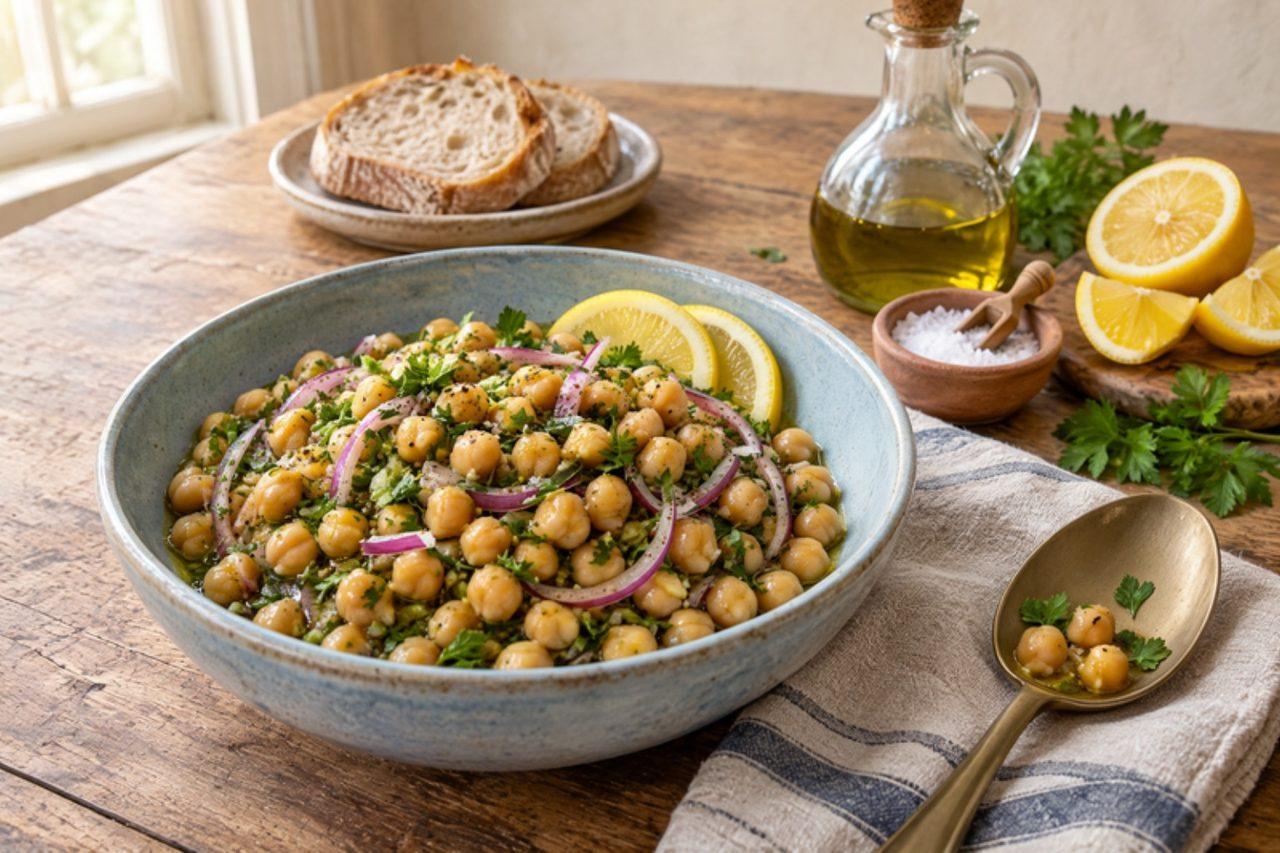
In Nice and around the old port of Marseille, chickpeas are the grain of the poor and the stuff of socca, and on hot summer days families toss them into this simple salad to eat at lunch or carry to the beach. Creamy chickpeas, sharp red onion, parsley and lemon are bound with fruity olive oil, with a few black olives and cumin in some homes. It works as a starter, a side to grilled fish or a light main. Suitable as part of a balanced diet, it is high in fibre and plant protein: about 270 kcal and 26 g carbohydrate per portion. The usual mistake is dressing cold, straight-from-the-tin chickpeas; warm them for a minute first so they drink up the dressing. Chef's tip: soak the sliced red onion in the lemon juice for 10 minutes to soften its bite.

by KrazyBadal 0 views

UmleqwaSlow-stewed chicken

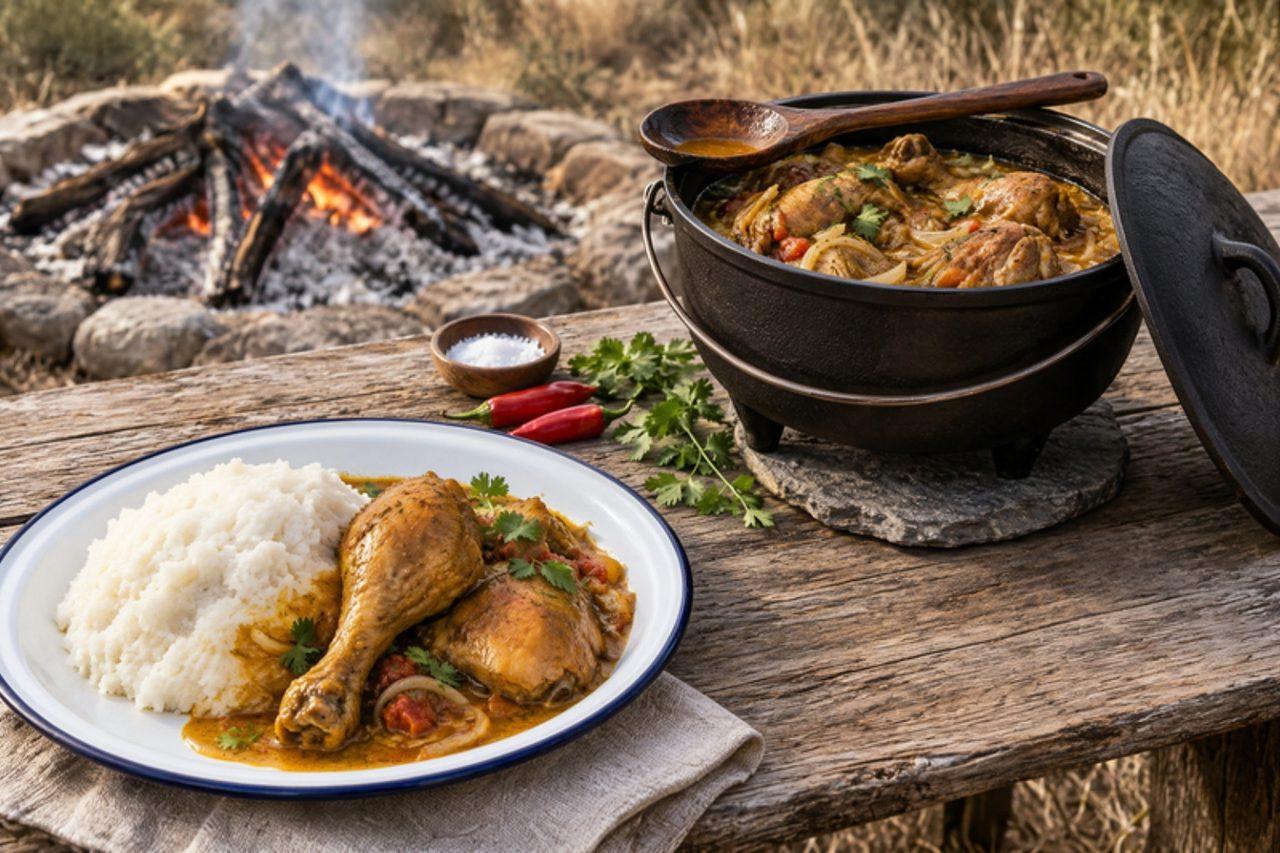
Umleqwa is the free-range village chicken of the Eastern Cape and KwaZulu-Natal, cooked for family gatherings, homecomings and Sunday lunch. These birds run free and have firm, flavourful meat that needs long, slow simmering, so the pot bubbles for an hour or two with onion, tomato, garlic, ginger and curry powder until the meat is tender and the gravy rich. It is eaten with pap, dumplings (ujeqe) or rice. The usual mistake is cooking a supermarket chicken for as long; it will fall to shreds, so cook it for about 45 minutes instead. Chef's tip: brown the chicken skin well before adding liquid, because the rendered fat carries the flavour of the gravy.

by KrazyBadal 0 views

Higos con quesoFigs in syrup with cheese

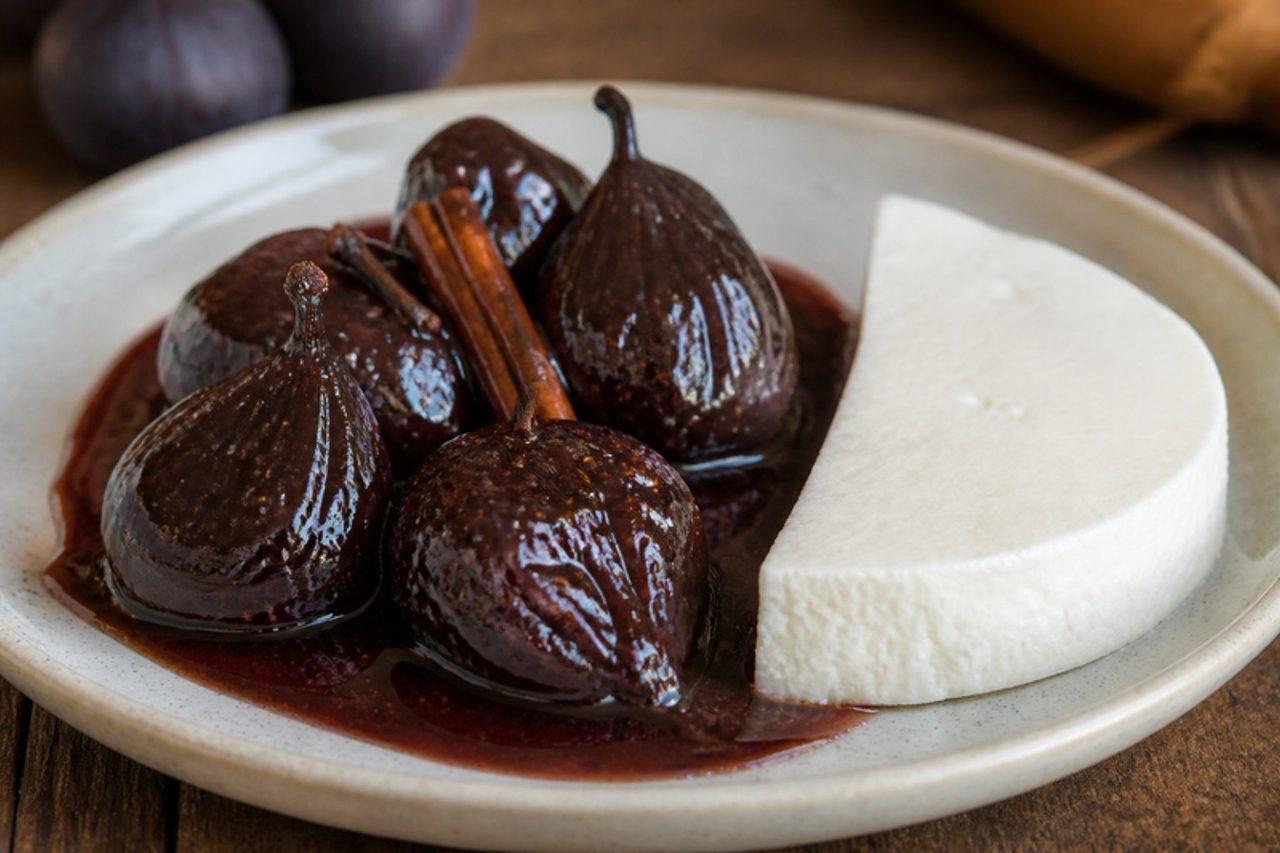
Across the Ecuadorian highlands, from Ambato to Loja, families make a big pot of figs in dark panela syrup around Christmas and for Sunday lunch, then serve the glossy, near-black fruit with a cool slice of salty fresh cheese. The figs turn tender and jammy, the syrup tastes of cinnamon and cloves, and the cheese cuts the sweetness. Use firm, slightly underripe green figs: ripe ones collapse. The usual mistake is rushing the syrup on a high boil, which leaves it thin and the figs pale instead of deep and shiny. Traditional queso fresco is often set with animal rennet; choose a cheese labelled vegetarian if that matters to you. Chef's tip: make them a day ahead; the figs soak up the syrup overnight and taste even better.

by KrazyBadal 0 views

HilachasShredded beef in tomato sauce

The name means 'threads', and that is how the beef should look: pulled into fine strands and simmered with potato and carrot in a brick-red sauce of tomato, tomatillo and dried guajillo chilli. Hilachas is everyday food in Guatemala City, served at lunch counters with white rice and tortillas, and it is a thrifty way to stretch a piece of flank. Rushing the first simmer is the classic mistake: if the beef doesn't fall apart easily, it shreds into chewy chunks instead of threads. Chef's tip: shred the meat along the grain with two forks while it is still warm; cold beef tears unevenly.

by KrazyBadal 0 views

Lagmi (fresh palm sap)

In the oases of the Tunisian south, in Gabès, Tozeur, Nefta, Kebili and on Djerba, palm climbers cut a small wound at the crown of an ageing date palm and hang a clay pot under it overnight. By sunrise it holds lagmi: cloudy, ivory-white sap, cool and sweet, with notes of coconut water and fresh dates. It is sold in recycled bottles at the roadside and drunk the same morning, because the wild yeasts in it begin to ferment almost at once. By afternoon it is fizzy and sour, and by the next day it has become an alcoholic palm wine, also called lagmi, which is a different drink altogether. The common mistake is buying more than you can drink by lunchtime or leaving it in the sun: keep it on ice from the moment you get it. Fresh lagmi is ready to drink when it is sweet, smells clean and milky, and only a few tiny bubbles rise; once it tastes sour or prickles on the tongue, it has started to turn. It is raw and unpasteurised, so pregnant people, babies, older people and anyone unwell should skip it. Outside the oases, fresh coconut water is the closest stand-in. Chef's tip: chill the glasses too; lagmi is at its best ice-cold.

by KrazyBadal 0 views

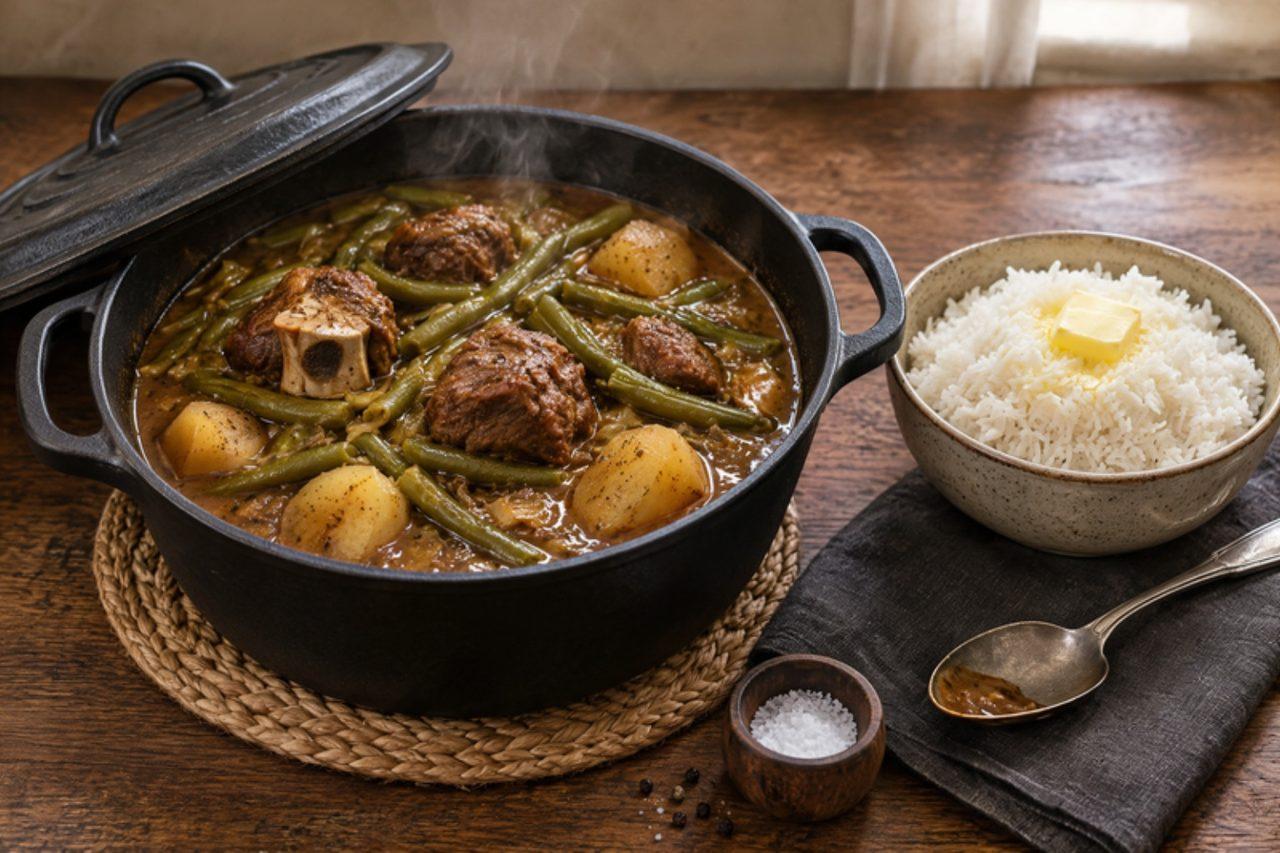
GroenboontjiebredieLamb and green bean stew

Groenboontjiebredie is one of the old bredies of the Western Cape, the slow stews Cape families have cooked for generations, usually for Sunday lunch with white rice and a sweet beetroot salad. Lamb on the bone is browned with onions, then simmered for hours with sliced green beans and potatoes until the beans soften completely and the potatoes break down to thicken the sauce. The usual mistake is treating the beans like a crisp vegetable: here they should be soft and olive green. Slow-cooker: after browning, cook on low for 8 hours. Chef's tip: grate a little nutmeg in at the end; it is the classic Cape seasoning for a green bean bredie.

by KrazyBadal 0 views

HjortronsyltCloudberry jam

Cloudberries grow one berry to a stem on the bogs of Norrbotten, Lapland and northern Finland, and families guard their picking spots for generations. They ripen for barely two weeks in late July and August, turning from hard red to soft, honey-gold, and almost all of the harvest goes into hjortronsylt. It is a treasure kept for special days: warmed over vanilla ice cream, spooned onto Swedish waffles on Våffeldagen, served with warm leipäjuusto, Finland's squeaky baked cheese, and set out with cream on the Christmas table. The jam is loose and bright, tasting of apricot, sour apple and honey, with crunchy seeds. Unlike most jams it is cooked very briefly, so the delicate flavour survives. Common mistake: boiling it like strawberry jam; long cooking turns cloudberries brown and dull, so stop after a few minutes. It is ready when the sugar has dissolved and the berries look glossy and just collapsed. Chef's tip: frozen cloudberries from Nordic shops work perfectly; for a smoother jam, press half the berries through a sieve to remove seeds, as many Finnish cooks do.

by KrazyBadal 0 views

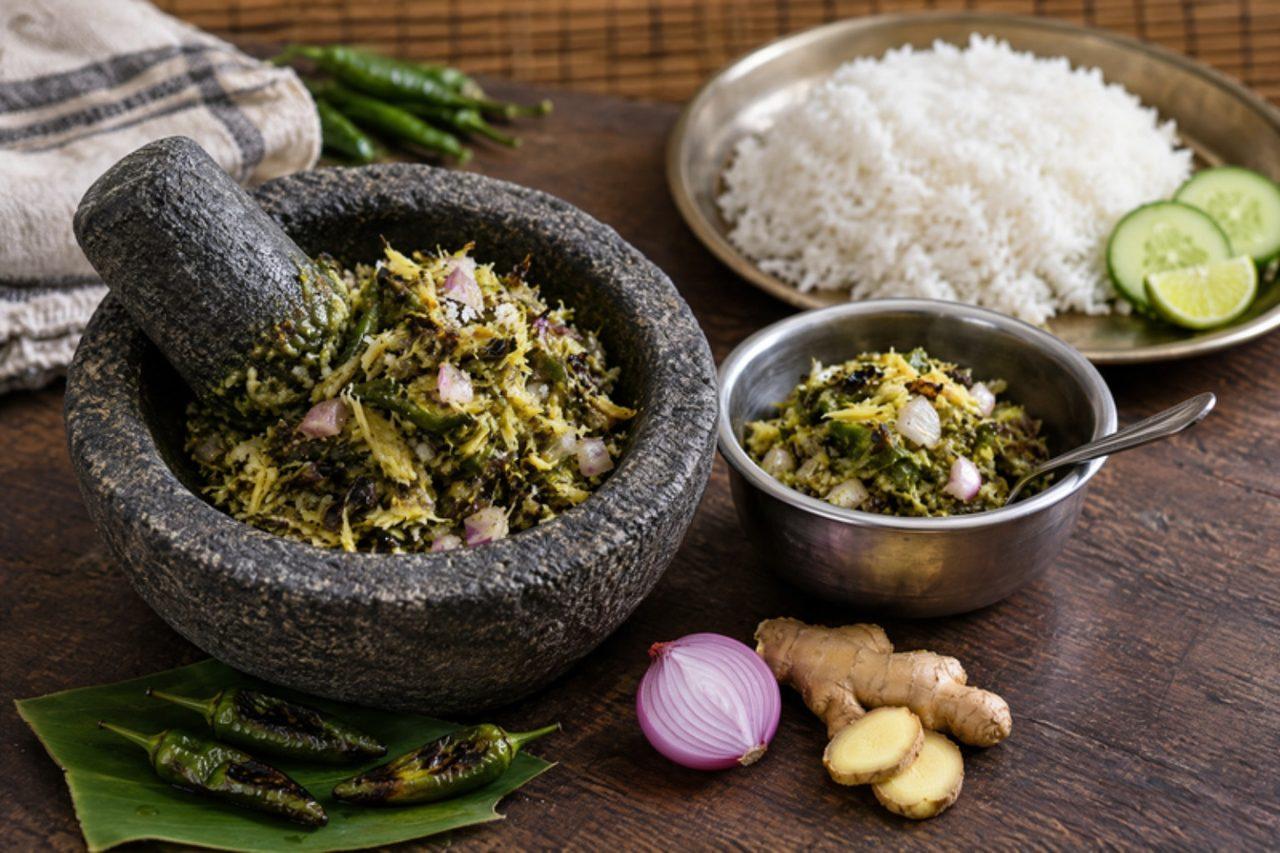
Hmarcha rawtRoasted green chilli relish

No Mizo table in Aizawl is complete without a small bowl of hmarcha rawt, the sharp relish that goes with plain rice, boiled vegetables and bai at almost every meal. Green chillies are charred over a flame or on a dry pan, then pounded with raw onion, ginger and salt. The mistake is to blend it smooth; it should be coarse and juicy, with bits of charred skin. Chef's tip: roast the chillies until blistered all over, not black, or the relish turns bitter.

by KrazyBadal 0 views

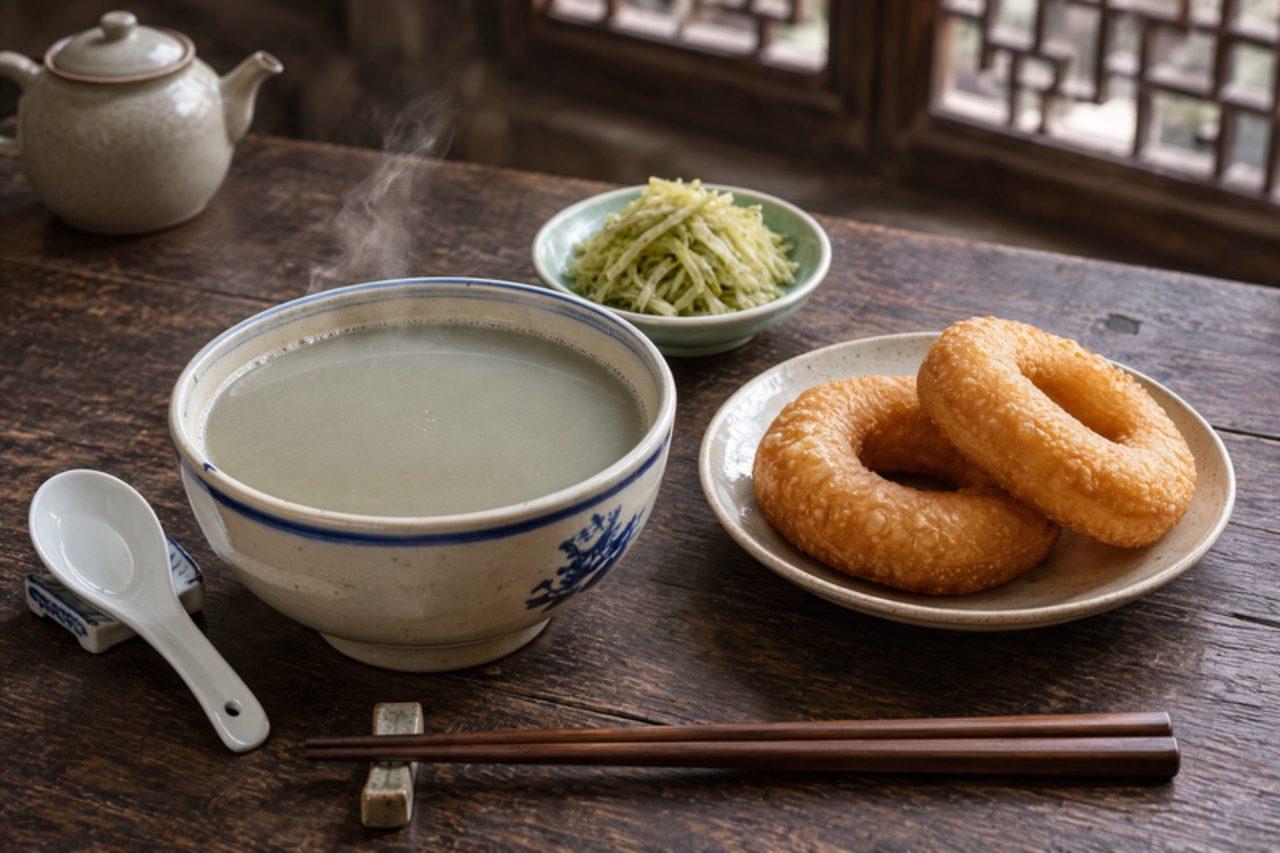
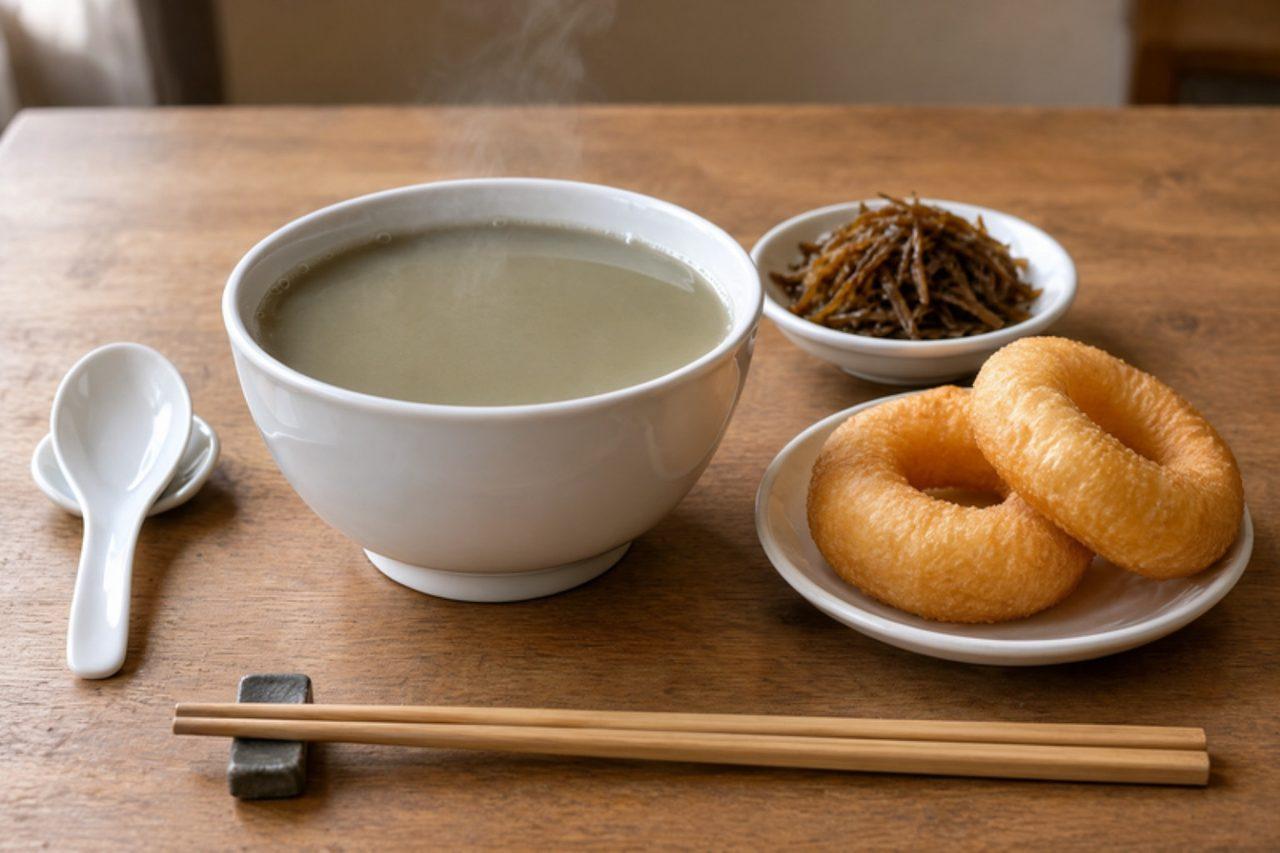
Beijing douzhiFermented mung bean drink

Douzhi is the most famous acquired taste in Beijing: a hot, grey-green, sour drink made from the liquid left when mung beans are ground for starch, then fermented. Old Beijingers sip it at breakfast with crisp jiaoquan rings and shredded salted mustard pickles, and visitors either love it or never try it twice. At home you make a small batch by blending mung beans, settling out the starch and fermenting the cloudy water for a day. The mistake is letting it boil hard: it separates into watery and thick layers, so keep it at a gentle bubble. It must smell cleanly sour like yogurt; throw it away if it smells rotten, has mould, or turns pink or slimy. Chef's tip: stir it continuously as it heats and add a splash of the thinner liquid at the end, which keeps the classic smooth, slightly thick texture.

1440 minChineseDrinksVeganGluten free
by KrazyBadal 0 views

Guiso de fideosBeef and pasta stew

Guiso de fideos is the winter weeknight stew of Argentina, cooked in Buenos Aires flats and on estancias alike, and as loved by children as by grandparents. Beef, potatoes and vegetables simmer in a light tomato and sweet-paprika broth, then short pasta cooks straight in the pot and thickens it into something between a soup and a stew. Serve it in deep plates with crusty bread and grated cheese for those who want it. The usual mistake is adding the pasta too early, so it swells and turns mushy; it goes in only for the last 10–12 minutes. Chef's tip: cut the beef into small cubes, about 2 cm, so it is tender in under an hour.

by KrazyBadal 0 views

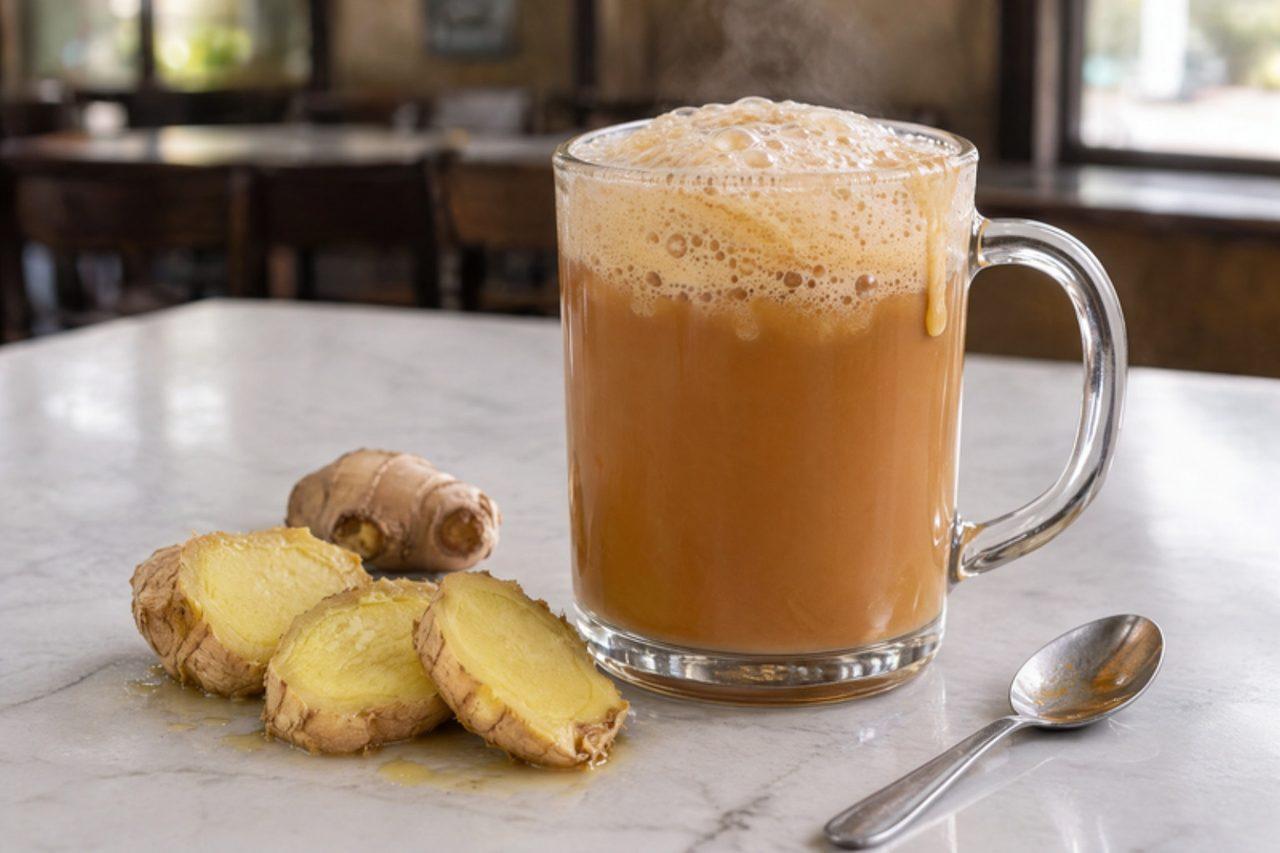
Teh halia (ginger milk tea)

Sit down at any mamak stall in Kuala Lumpur, Penang or Johor Bahru, from breakfast roti canai to the after-football supper at 1 a.m., and someone at the table will order teh halia. It is teh tarik's spicier cousin: dust-fine black tea is boiled with plenty of crushed ginger, mixed with condensed and evaporated milk, then 'pulled' between two mugs from arm's length until a thick froth forms. The result is sweet, creamy and malty, with a ginger heat that catches your throat, most loved on wet monsoon evenings. The common mistake is adding ginger to tea at the end; it then tastes raw and thin. Boil the ginger in the water first for several minutes so the heat goes into the liquid. It is ready when the tea is the colour of milky caramel and a dense froth a few centimetres high sits on top. This contains caffeine, so it is not for children. Chef's tip: practise pulling with water over the sink first, then start low and raise the mug slowly as you pour.

by KrazyBadal 0 views

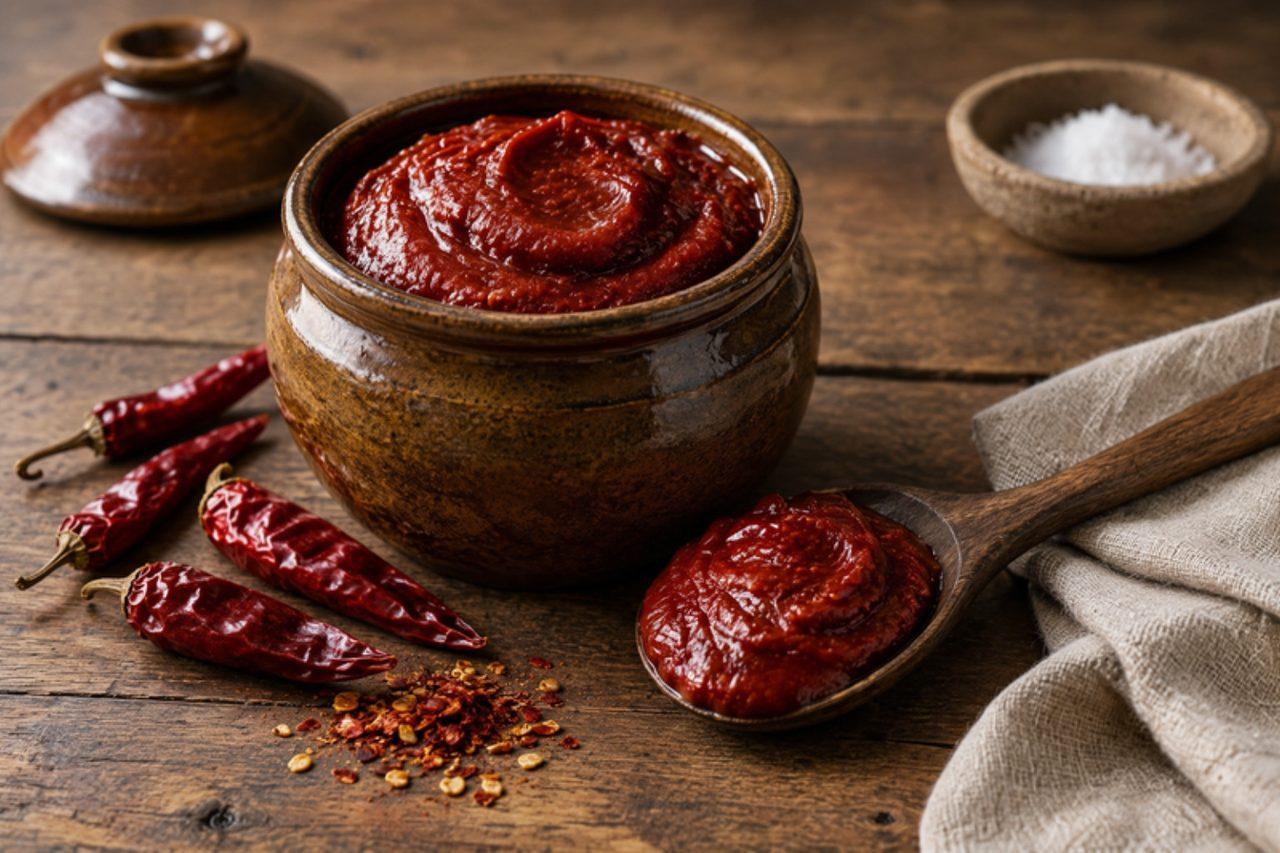
Homemade gochujangChilli bean paste

Sunchang, a small county in North Jeolla, is so tied to gochujang that it holds a jang festival every October, but the paste itself is traditionally made in the cold weeks of late winter, when there are no flies and it can ferment slowly in glazed onggi jars on the sunny jangdokdae terrace. Glutinous rice flour is broken down by barley malt into a sweet, runny porridge, boiled down, then beaten with fine chilli powder, fermented soybean (meju) powder, rice syrup and salt. Young, it is bright, sweet and fiery; after two or three months it darkens to brick red and gains a round, savoury depth, thick enough to hold a ridge on the spoon. It goes into bibimbap, tteokbokki, ssamjang, stews and marinades all year. Common mistake: adding the chilli and salt while the porridge is still hot, which dulls the colour and can make the paste turn sour; wait until it is lukewarm. It is ready when it is glossy, deep red, and smells sweet and earthy with no sharp, boozy note. Chef's tip: hold the malt and rice at 55–60 °C on a rice cooker's keep-warm setting; any hotter and the malt enzymes stop working, so the porridge never thins.

210 minKoreanBasicsVeganSpicy
by KrazyBadal 0 views

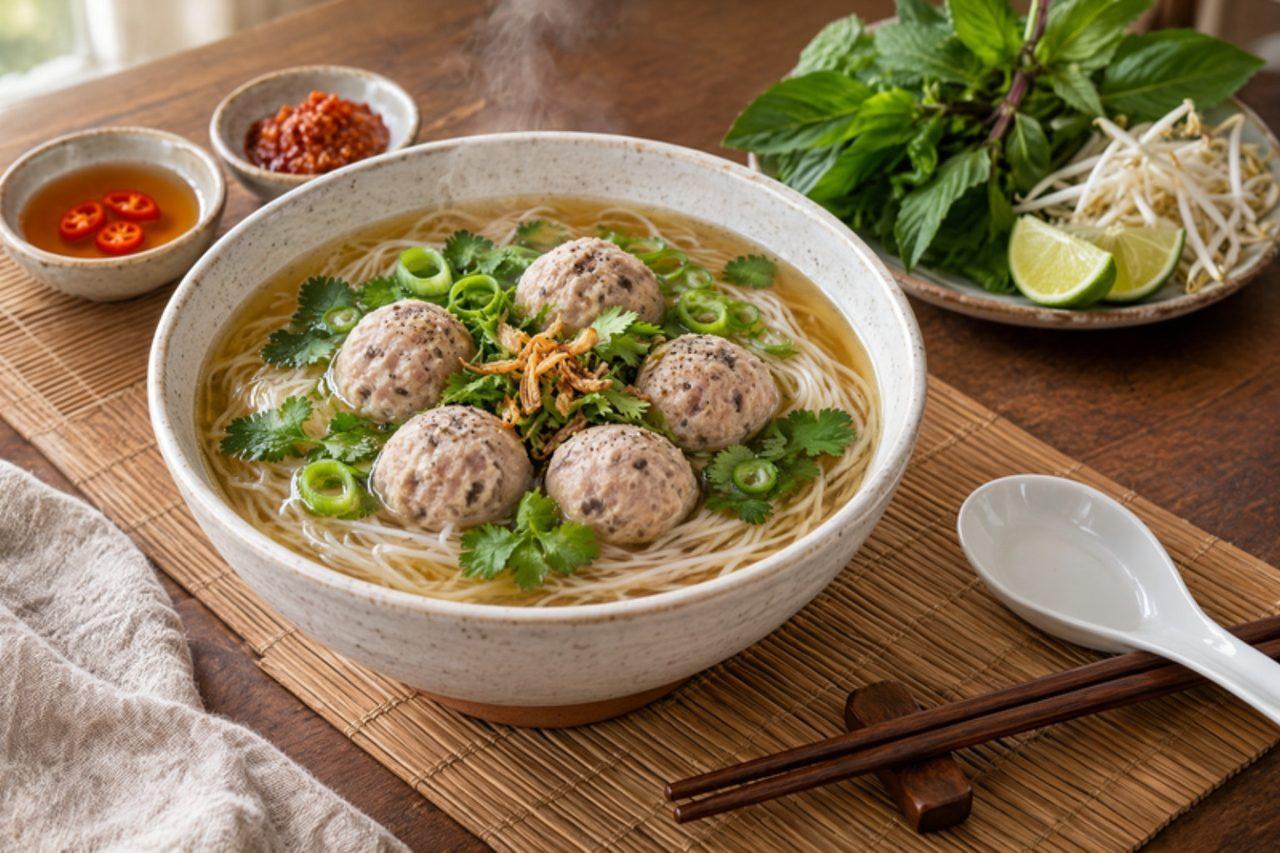
Bún mọcVermicelli with pork balls

Bún mọc is a Hanoi breakfast from the old Mọc village, now swallowed by the city: a clear, gently sweet pork broth poured over soft rice vermicelli, with bouncy balls of pounded pork and wood ear mushroom, slices of pork and a fistful of herbs. Locals eat it early at low plastic stools before work. The common mistake is mixing the pork paste with a spoon; it needs a hard beating so the balls turn springy instead of crumbly. Chef's tip: wet your hands and slap the paste against the bowl twenty times, and chill it for 15 minutes before shaping.

by KrazyBadal 0 views

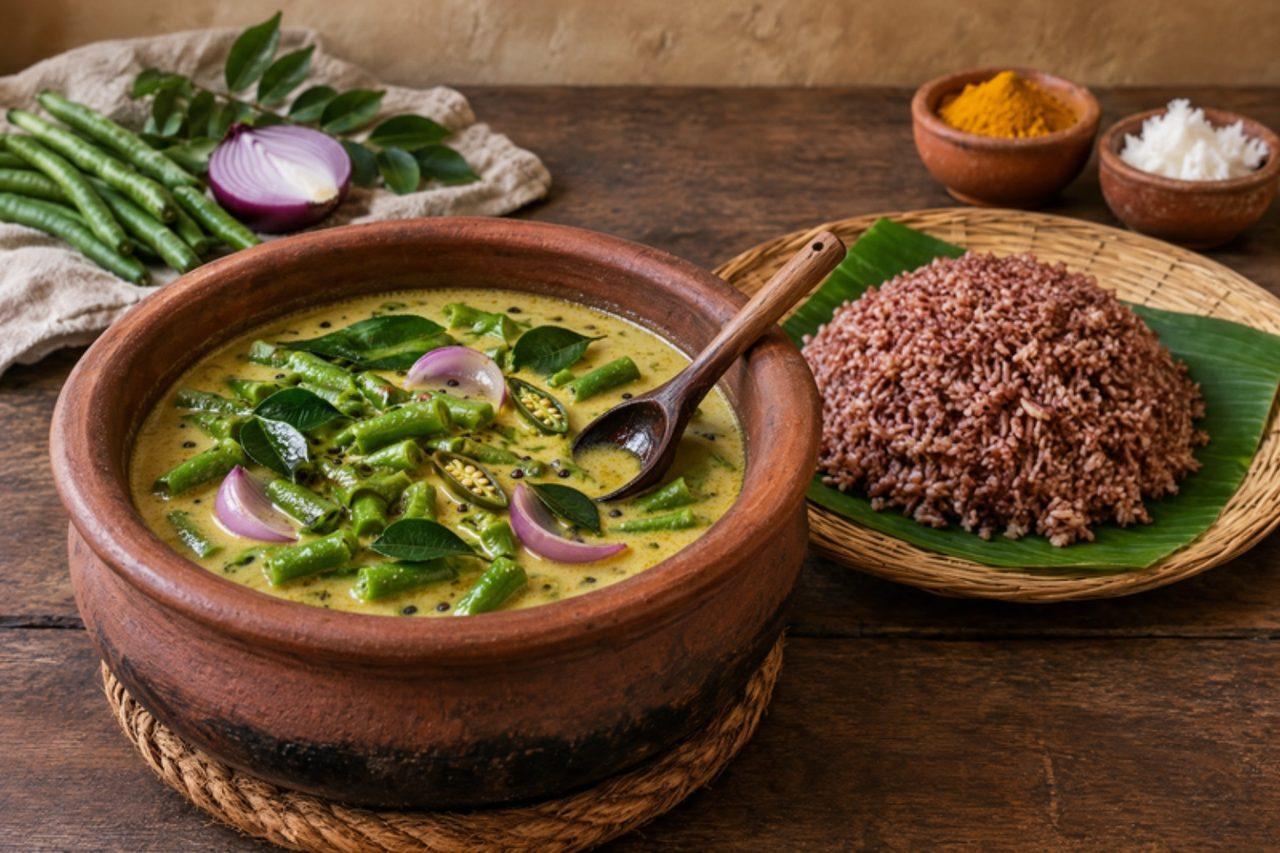
Bonchi curryGreen bean coconut curry

Bonchi curry is one of the small vegetable curries that fill a Sri Lankan rice-and-curry lunch, cooked daily in Colombo kitchens and village homes in the hill country, where green beans grow in terraces near Nuwara Eliya. The beans are simmered in thin coconut milk with turmeric, curry leaves, pandan and green chilli until just tender, then enriched with a splash of thick milk so the sauce is mild, creamy and pale yellow. Suitable as part of a balanced diet, it is a high-fibre vegetable dish: about 150 kcal and 9 g carbohydrate per portion; serve it with red rice for slower-releasing carbohydrate. The usual mistake is boiling the thick coconut milk, which curdles it; add it at the end and only heat through. Chef's tip: cut the beans on a long diagonal so they soak up more of the sauce.

by KrazyBadal 0 views

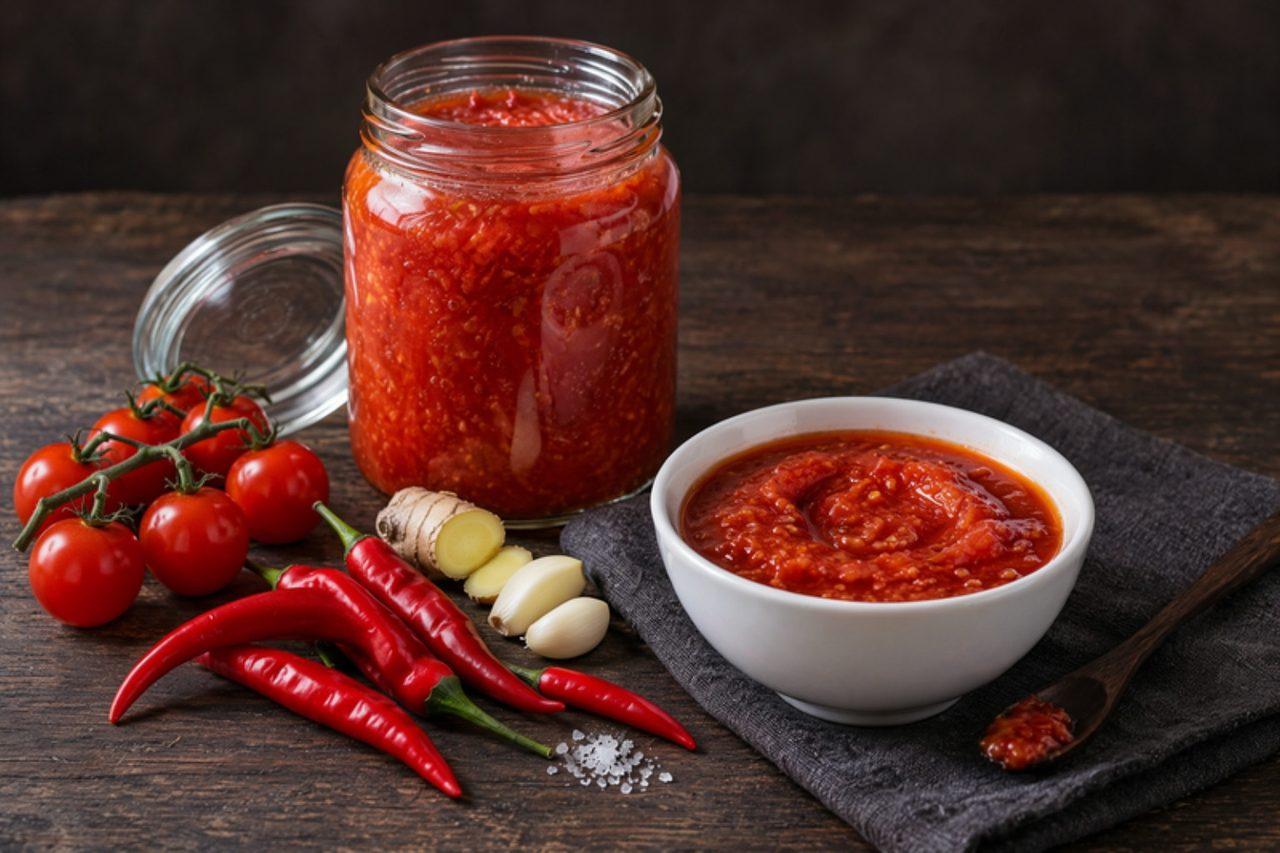
Hong suan tangFermented tomato sour soup base

In the Miao and Dong villages of Qiandongnan, south-east Guizhou, small wild 'hairy' tomatoes and red chillies ripen together in late summer, and every household fills tall jars with them to ferment into hong suan tang, the red sour base of the region's famous sour-soup fish and sour-soup beef hot pots. The fermented paste is bright scarlet, sharply sour, fruity and fiery, with a funk from the ferment that ordinary tomato never has. People say three days without sour and you walk unsteadily, and it goes into soups year round. Outside Guizhou, use cherry tomatoes, which have a similar high acidity. Common mistake: fermenting with too little salt or with wet produce, which goes mushy and off; dry everything first and weigh the salt. Normal signs: bubbles, a sour, wine-like fruity smell and liquid rising. Bad signs: fuzzy coloured mould, pink or black patches, or a rotten smell; discard. It is ready after 2–3 weeks, when it tastes clearly sour and the raw tomato taste has gone. Then keep it in the fridge for 3 months or freeze it. Chef's tip: fry a few spoonfuls in oil with ginger before adding stock; it turns a deeper red and smells richer.

by KrazyBadal 0 views

Horchata de morroMorro seed and rice drink

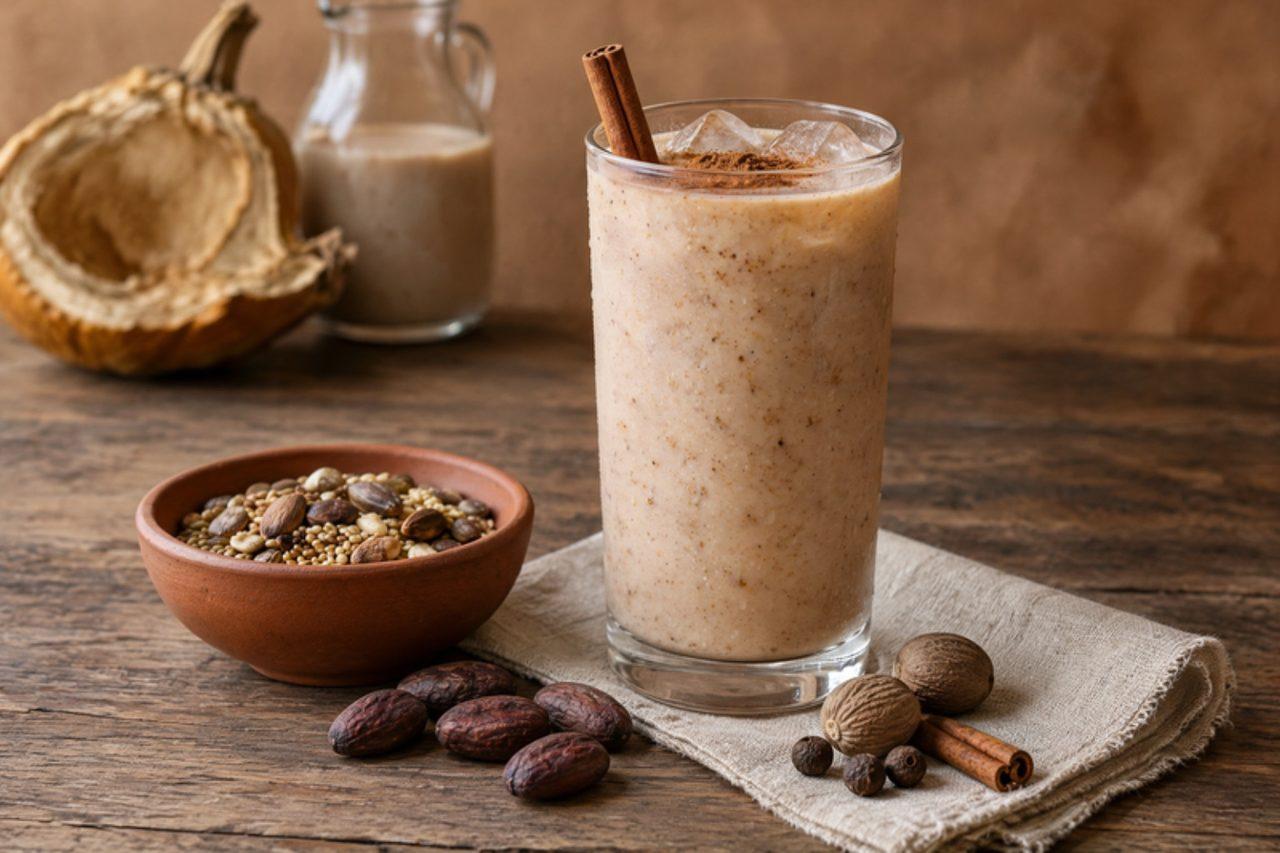
In El Salvador horchata means horchata de morro, made with the seeds of the morro or jícaro tree, whose round gourds also become cups and bowls. It is poured from big glass jars at pupuserías every evening, sold in plastic bags with a straw outside schools, and drunk at home with Sunday lunch. Markets in San Salvador and Santa Ana sell a ready-ground mix, but toasting your own is easy: rice, morro seeds, sesame, pumpkin seeds and cacao, with cinnamon and allspice. The drink is light brown, cool and creamy, with a nutty, toasted taste, a hint of chocolate and warm spice; quite different from the white Mexican rice horchata. The common mistake is skipping the soak and blending the powder straight with water; it stays gritty and tastes thin. Let it soak at least 30 minutes, or overnight in the fridge. It is ready when it is smooth, beige-brown, coats the glass faintly and smells of toasted seeds and cinnamon. Outside Central America, look for semilla de morro or horchata mix in Latin shops; if you cannot find it, use extra pumpkin seeds and sesame. Chef's tip: toast each seed separately, because they brown at different speeds.

by KrazyBadal 0 views

Teh talua (egg tea)

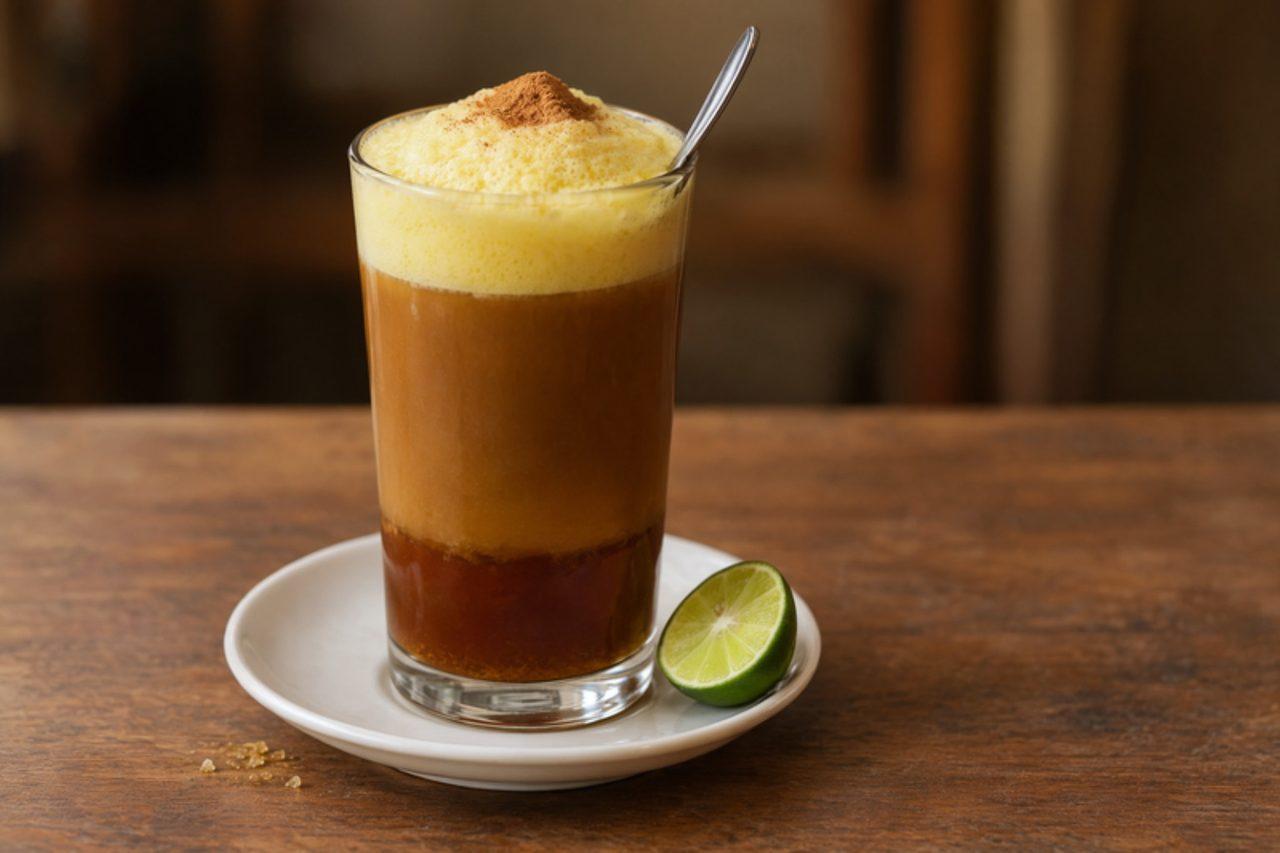
In the lapau coffee shops of Bukittinggi, Payakumbuh and Padang, the sound of a spoon or a small whisk clattering against a glass means someone has ordered teh talua. A raw egg yolk, traditionally from a free-range kampung hen or a duck, is whisked with sugar until thick and almost white, strong hot tea is poured on from a height, and a wedge of lime goes on the side. Minangkabau men drink it in the late afternoon or evening as a pick-me-up after work in the fields. It comes out with a creamy, caramel-coloured body under a deep layer of foam, rich like a light custard, with the lime cutting any eggy edge. The common mistake is whisking too little: the yolk stays yellow, the tea curdles it in strings and it smells of egg. Beat until the yolk has doubled in volume and falls in a thick ribbon. Use pasteurised eggs for anyone pregnant, babies and small children, older people or anyone unwell, as the yolk is only lightly warmed. Some lapau add condensed milk; this one is dairy-free. It contains caffeine. Chef's tip: pour the tea in a thin stream from high up while still stirring, to build the tallest foam.

by KrazyBadal 0 views

Douzhi (fermented mung bean drink)

Douzhi is the breakfast that divides Beijing. It is the sour liquid left over when mung beans are ground and their starch settles out to make noodles and jelly; left to ferment for a day or two, the grey-green whey turns tangy, a little cheesy and sulphurous. Old Beijingers drink it piping hot at dawn in hutong shops around Qianmen and Huguosi, with a dish of finely shredded salty pickle dressed in chilli oil and crisp fried dough rings (jiaoquan) from the bakery. First-timers often say it smells like stale socks; regulars say it tastes like home. The texture is thin and slightly creamy, the flavour sour, a little bitter and savoury. The common mistake is boiling the soured starch hard: it separates into grey water and sludge. Bring it up slowly, stirring, and take it off as soon as it froths. The ferment makes only a trace of alcohol, well under 1%. Ferment at 20–25 °C; normal signs are fine bubbles, a sour, yogurt-like smell and a grey colour. Discard it if you see fuzzy mould, pink or black patches, a slimy texture or a putrid smell. Chef's tip: save 100 ml of a good batch to start the next one, as Beijing workshops do.

by KrazyBadal 0 views

Kaffeost (coffee with cheese)

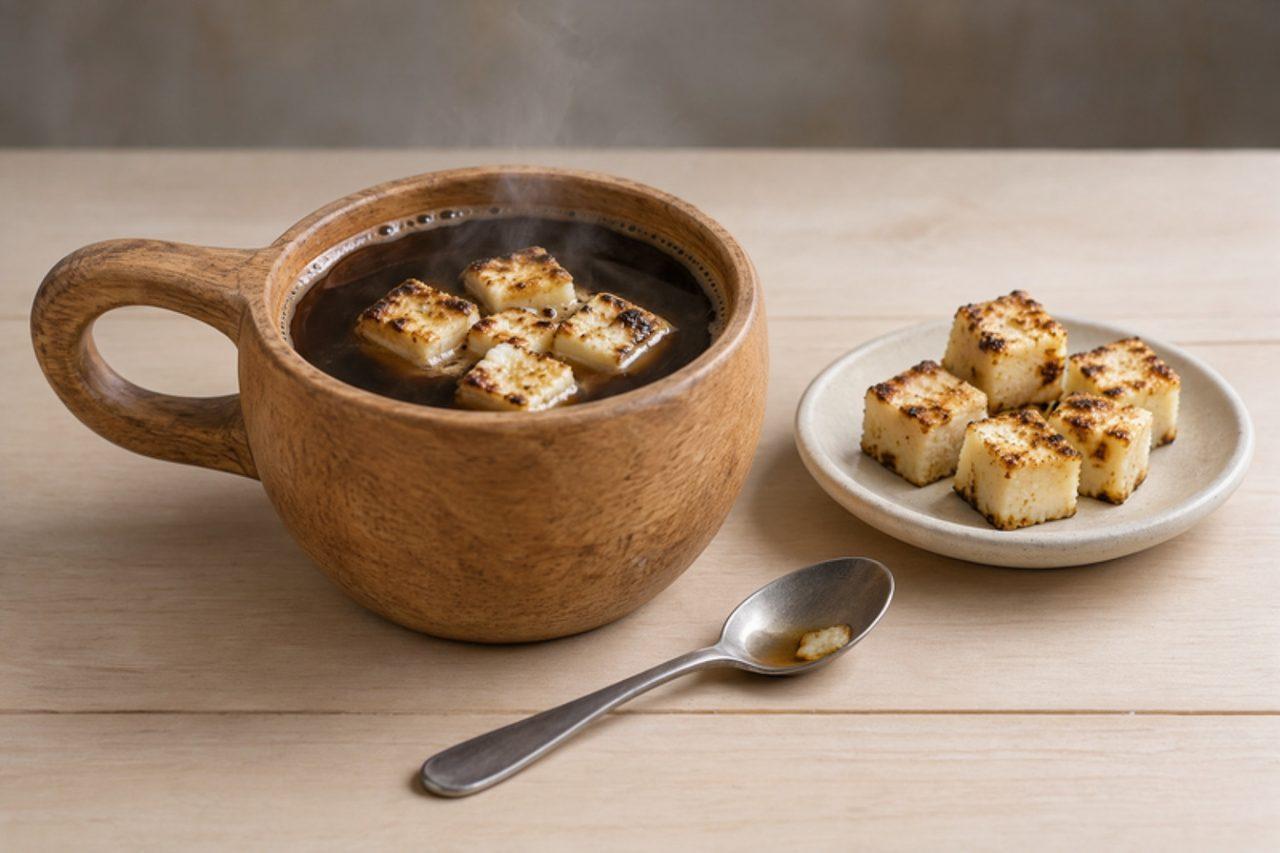
In the far north, across Swedish Norrbotten and Finnish Lapland, coffee comes with cheese in the cup. Leipäjuusto, a mild, squeaky cheese baked or grilled until spotted brown (called kaffeost or 'bread cheese'), is cut into cubes and put in a cup, often a carved wooden kuksa, then hot black coffee is poured over. Sámi reindeer herders and Tornedalen farmers have made it this way for generations; it is a fireside or mid-morning drink on a cold day, and in some families a little sugar or a slice of dried reindeer meat goes in as well. The cheese warms through, softens slightly and soaks up the coffee, so you drink the coffee and then spoon out the warm, chewy, milky cubes. The common mistake is using a soft or melting cheese: it collapses into strings. Use proper leipäjuusto or halloumi, which keep their shape. It is ready when the cubes are hot to the centre, about 2 minutes, and slightly puffed. Strong coffee means real caffeine here, so it is an adult drink. Leipäjuusto is sold in Nordic shops; halloumi is the nearest substitute. Chef's tip: warm the cheese on a dry pan first for extra browned flavour.

by KrazyBadal 0 views

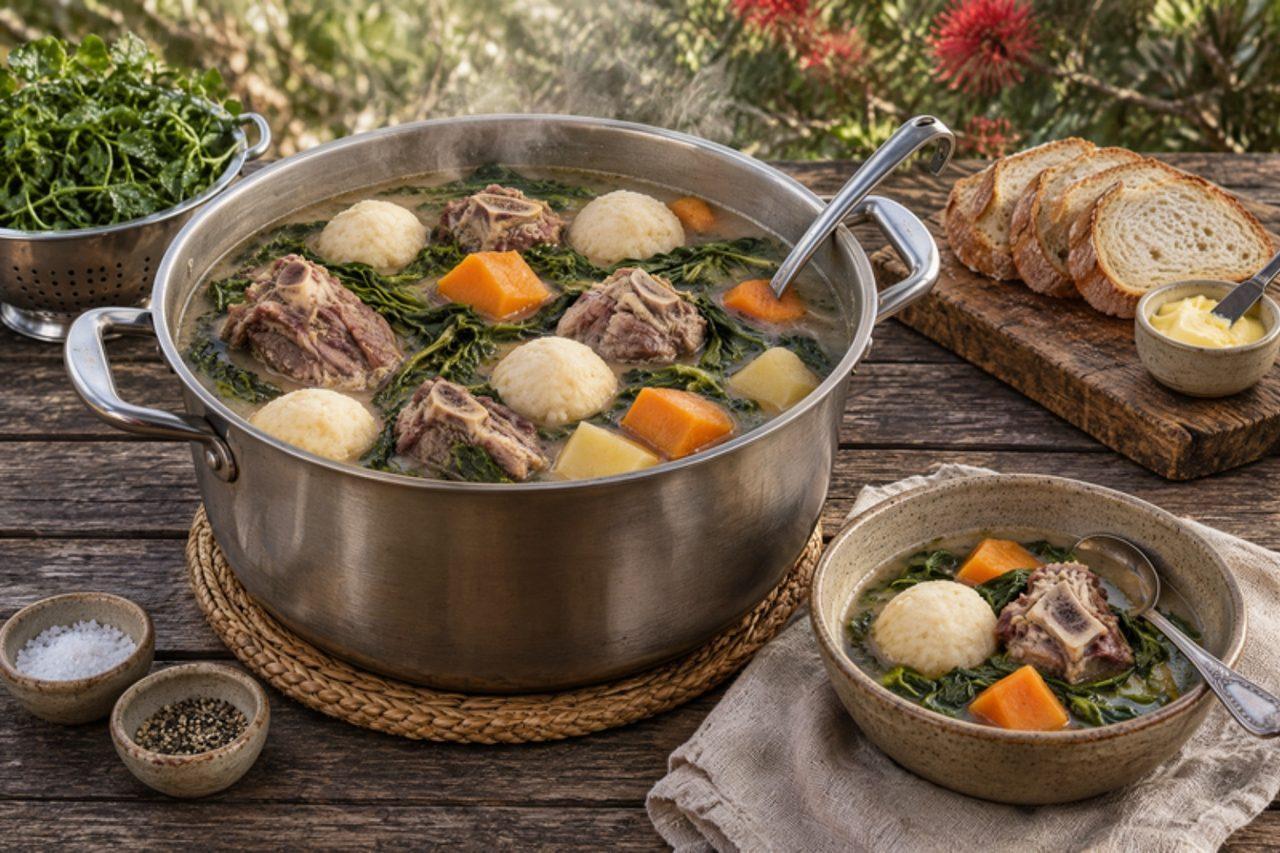
Boil-upPork bones with greens and kumara

Boil-up is the great Māori one-pot of Aotearoa New Zealand, cooked on marae for hui, at whānau gatherings and on cold weeknights everywhere from Northland to the King Country. Pork bones and brisket are boiled for hours until the meat falls away, then potatoes, kūmara and handfuls of watercress or wild pūhā go in, and fluffy flour doughboys steam on top. The broth is drunk alongside, with buttered bread. The usual mistake is letting the doughboys sit in boiling liquid uncovered, which makes them heavy; once in, clamp the lid on and don't peek for 15 minutes. Chef's tip: skim the pot well during the first half hour and the broth stays clear and sweet rather than greasy.

by KrazyBadal 0 views

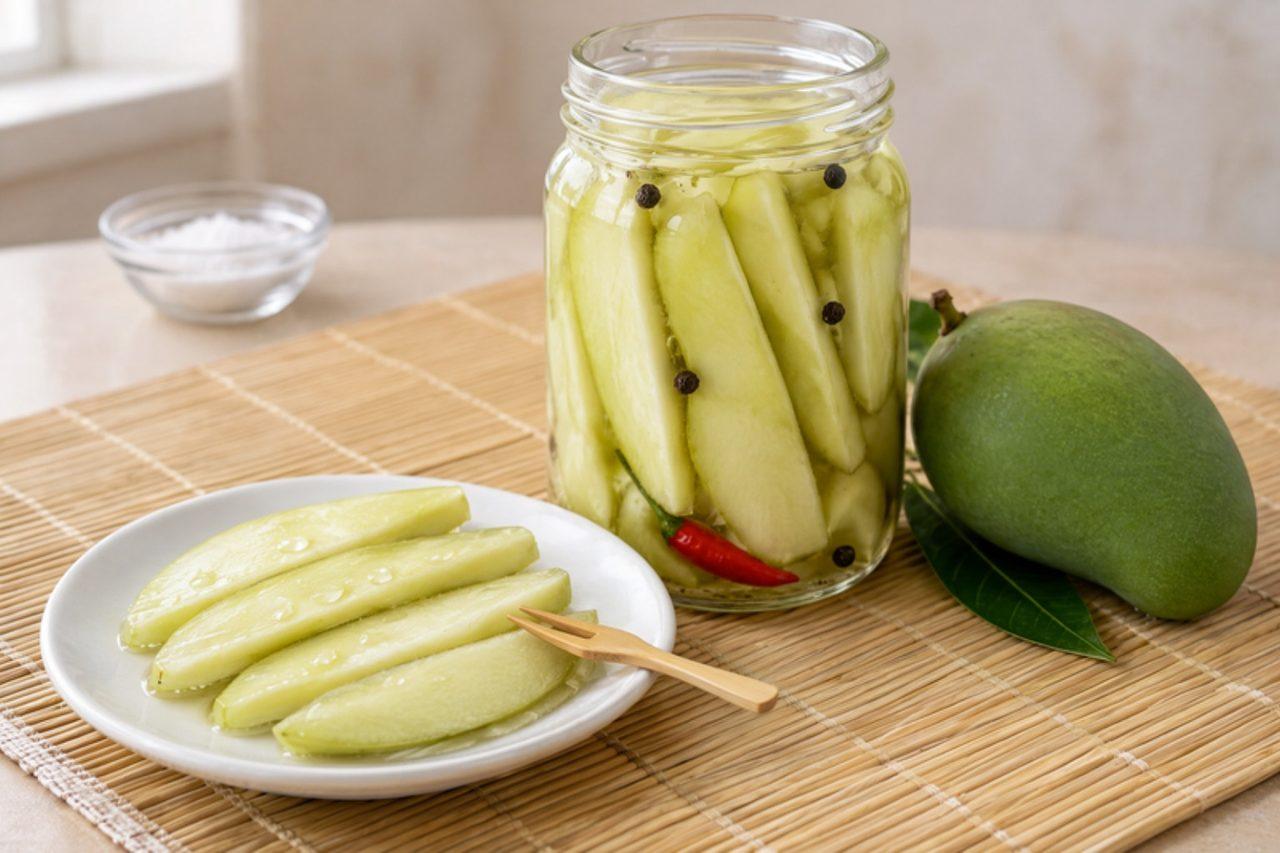
Burong manggaPickled green mango

From Pampanga to Pangasinan, the hot months of March to May bring piles of hard green carabao mangoes to every palengke, and many households slice them into a jar of burong mangga. A week in a sweet salt brine turns the mango from mouth-puckering to bright and juicy: still crunchy, sour at the core, salty-sweet on the outside. It is eaten on the side of inihaw na isda and pritong tilapia, with rice and fried pork at lunch, or as an afternoon merienda straight from the jar, and the brine is sometimes sipped too. Common mistake: using mangoes that have started to ripen; a yellow blush makes the slices go soft and slimy, so choose rock-hard, deep-green fruit. Because the brine has no vinegar it keeps only in the fridge. It is ready when the slices have turned from opaque white to a translucent yellow-green and taste evenly seasoned right through. Chef's tip: let the boiled brine cool completely before pouring, and add a few slices of fresh chilli if you like heat. Outside Asia, use firm green Thai or Indian mangoes from an Asian grocer.

by KrazyBadal 0 views

HyldeblomstsaftElderflower cordial

In Denmark the elder hedges flower from late May to the end of June, and picking the creamy umbels on a dry, sunny morning is one of the first rituals of summer. The flowers steep for a few days with sliced lemon, sugar syrup and citric acid, then are strained into bottles of hyldeblomstsaft, a non-alcoholic cordial that is diluted with cold still or sparkling water and poured at garden lunches, children's birthday parties and around the bonfire on Sankt Hans aften, 23 June. It tastes floral and honeyed, a little like muscat grapes, with a fresh lemony edge that keeps it from cloying. The mistake most people make is picking flowers that are already browning, damp or growing by a busy road; they give a musty, catty smell. Choose freshly opened heads that smell sweet, and shake out the insects instead of washing them, which rinses away the pollen and the flavour. The cordial is ready when it tastes clearly of elderflower and the lemon slices have softened. Chef's tip: snip the florets off with scissors right under the flowers, as green stalk makes it bitter.

by KrazyBadal 0 views

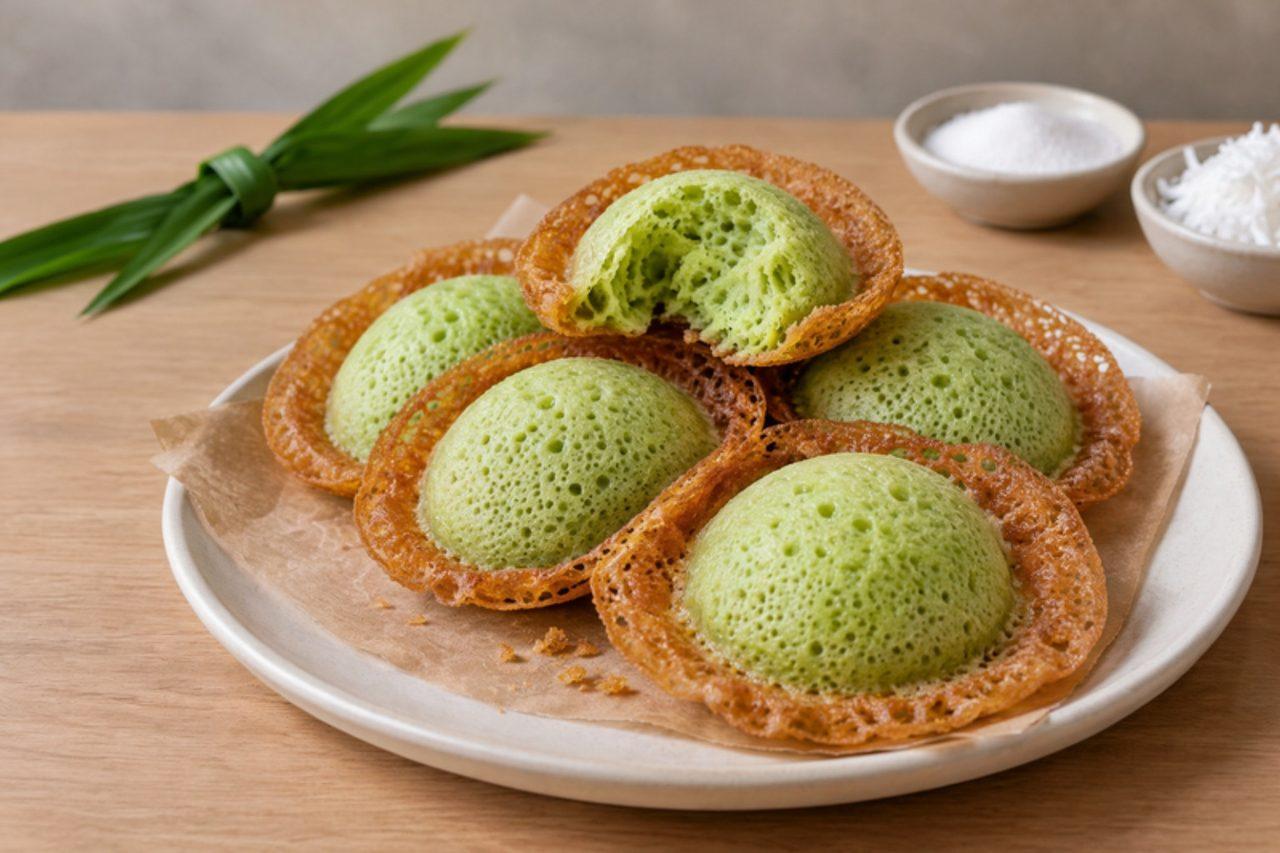
Kue apePandan pancakes with crisp edges

Kue ape (also called kue tetek for its shape) is a Betawi snack sold from pushcarts outside schools and along the lanes of Kebon Kacang in the late afternoon, when children come out hungry. The vendor swirls pandan batter around a small domed pan so the edges fry paper-thin and lacy while the centre puffs into a soft, slightly chewy bump. They are sweet, fragrant and best eaten within minutes. A small non-stick pan or a Chinese wok-shaped crêpe pan works at home. The batter contains wheat and egg. Chef's tip: the swirl must happen the second the batter hits the pan; hesitate and the edge sets thick instead of lacy.

by KrazyBadal 0 views

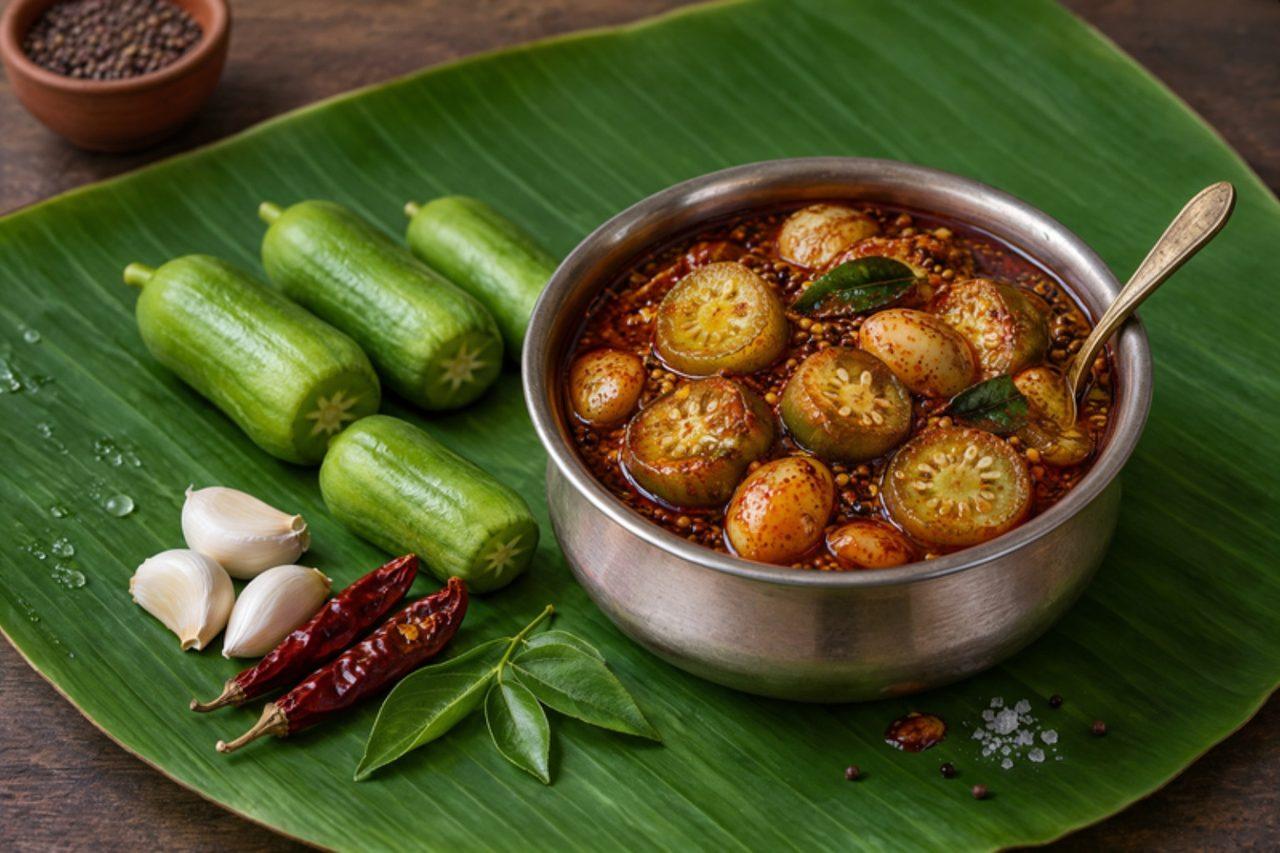
Irumban puli acharBilimbi pickle

Almost every Kerala compound has an irumban puli tree, its trunk studded with clusters of small, cucumber-shaped green fruit so sour they make your eyes water. Through the monsoon months the tree fruits non-stop, and the surplus is salted and turned into this pickle. The bilimbi pieces soften into a tangy, juicy mass in a red masala of chilli, garlic and ginger cooked in gingelly oil, with roasted fenugreek giving a gentle bitterness. Eat it with kanji and payar (rice gruel and green gram), with a simple meal of rice, thoran and moru curry, or with chapati. The common mistake is cooking the fruit for too long: bilimbi is very watery and soft, and if stewed it breaks down to mush. Salt it first to draw out the water, then just warm it through in the masala for a couple of minutes. It is ready when the masala clings to the pieces and the oil glistens on top. Very acidic, but with fresh garlic and ginger, so store it in the fridge and use within a month. Abroad, use sour, green, unripe star fruit (its close relative) or green gooseberries. Chef's tip: dry the salted pieces in the sun for an afternoon for a firmer, chewier pickle.

by KrazyBadal 0 views

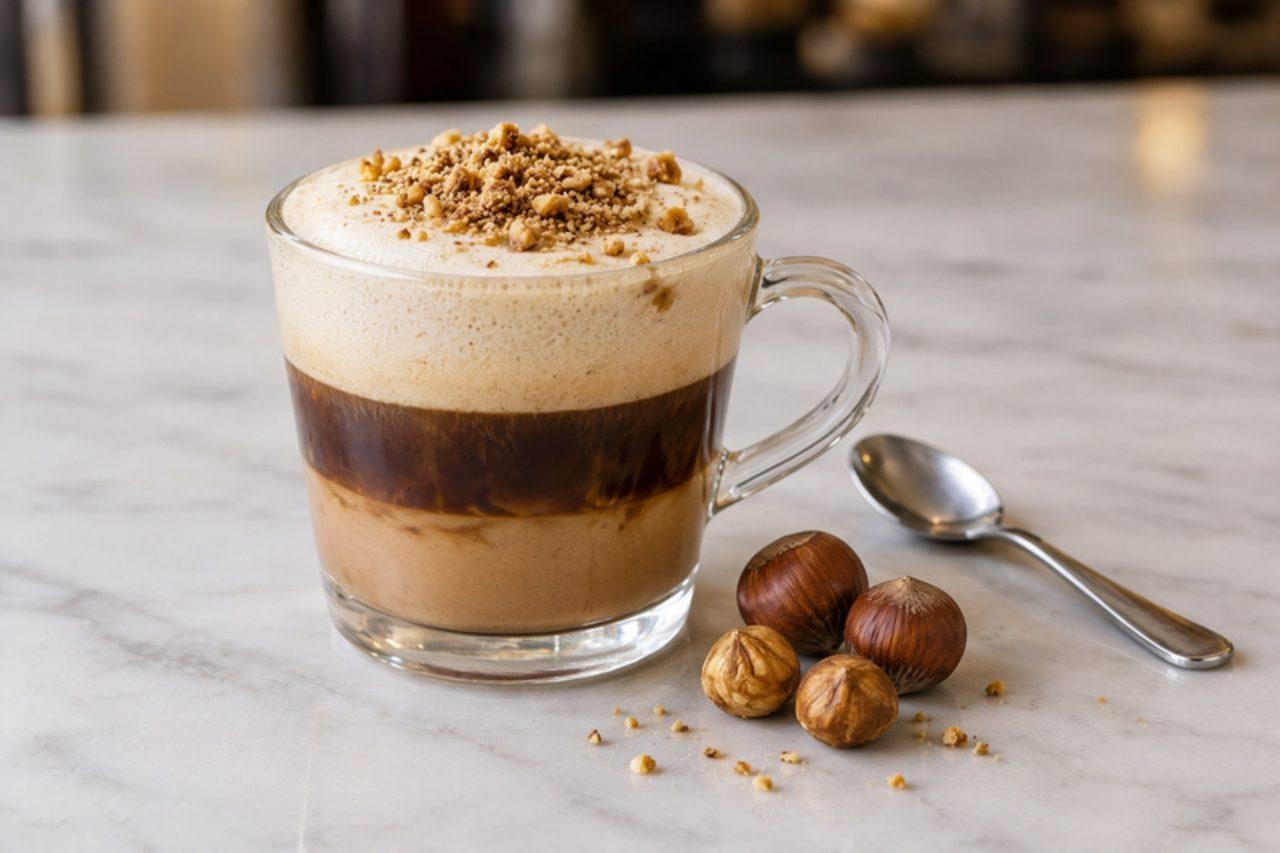
Caffè alla nocciolaEspresso with hazelnut cream

Naples takes its espresso seriously, and its bars along Via Toledo and the Lungomare also serve this richer cousin: a small glass cup smeared with hazelnut cream, a hot ristretto poured in, and a cap of cremina, the pale foam Neapolitans make by beating the first drops of coffee with sugar. It is drunk standing at the counter at mid-morning or after lunch as a little treat, and in summer the same flavours come as a cold crema al caffè. It tastes of roasted hazelnut and dark coffee, sweet and nutty, with a soft, airy foam that melts into the cup. The common mistake is whisking the cremina with too much coffee: it stays liquid and never turns pale. Use just a teaspoon of the first, thick drops and beat hard. It is ready when the foam is light beige, thick and falls from the spoon in ribbons. Espresso means a fair amount of caffeine, so keep this one for grown-ups. Chef's tip: warm the glass under hot water first and swirl the hazelnut cream up the sides; the hot coffee melts it into stripes as it goes in.

by KrazyBadal 0 views

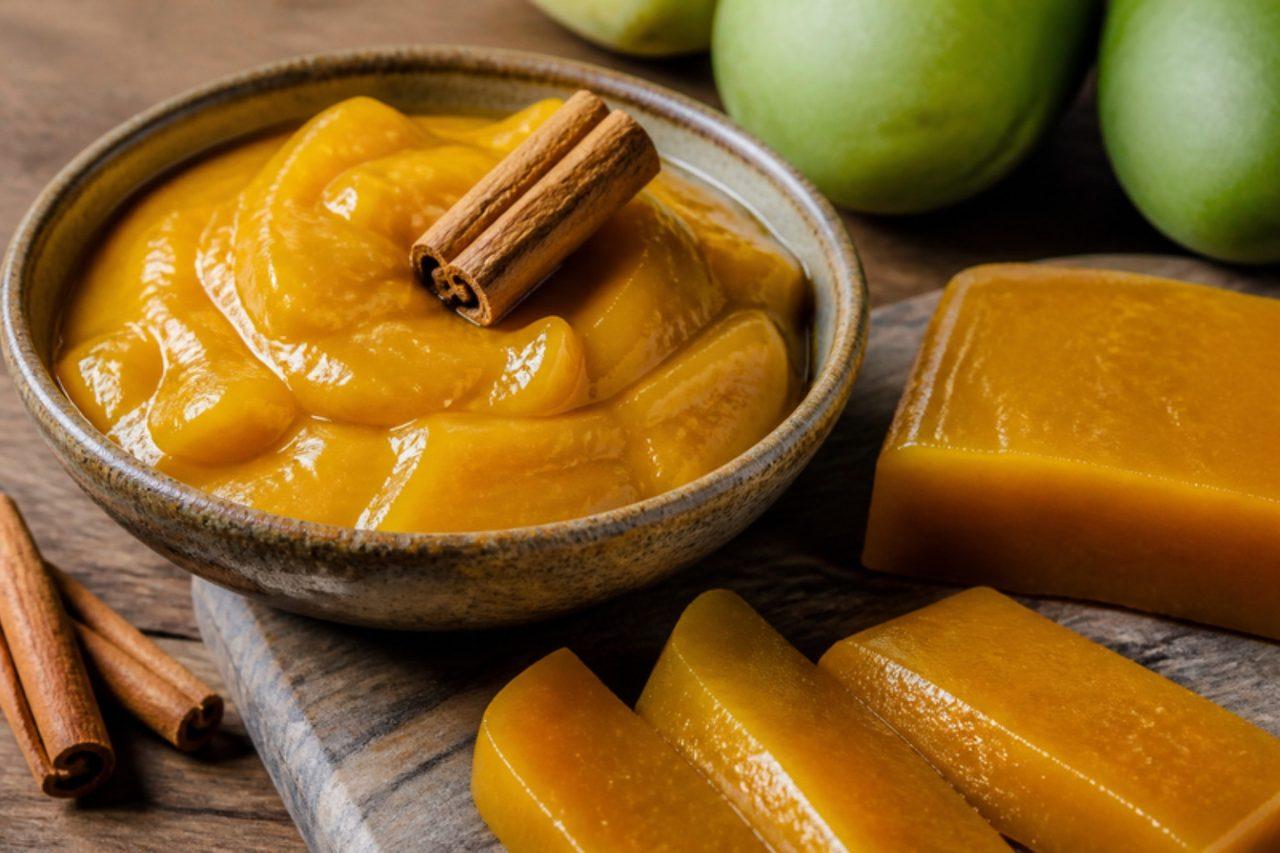
Jalea de mangoGreen mango paste

When the mango trees of Oriente are heavy in Lent, families in Sucre and Anzoátegui cook the hard green fruit with sugar and spice into jalea de mango, a thick tart-sweet paste set in a dish and cut into squares. It's eaten during Holy Week, often on a piece of crisp cassava bread. The mistake to avoid is skipping the sieve, which leaves stringy fibres. Chef's tip: use a long wooden spoon and keep your arm covered: the thick paste spits as it bubbles.

by KrazyBadal 0 views

Karuveppilai sadam (curry leaf rice)

Around Madurai and Tiruchirappalli this dark, peppery rice comes out when there is a big handful of curry leaves and very little else in the kitchen, and it keeps so well that it goes into lunch boxes and onto long bus journeys. The leaves are roasted until crisp with chana and urad dal, black pepper, cumin and red chilli, then ground into a fragrant podi. The common mistake is roasting wet leaves: they steam instead of crisp, and the powder clumps. Dry them well on a towel first. Chef's tip: grind a double batch of the podi and store it airtight; it keeps for two weeks and makes lunch in five minutes.

by KrazyBadal 0 views

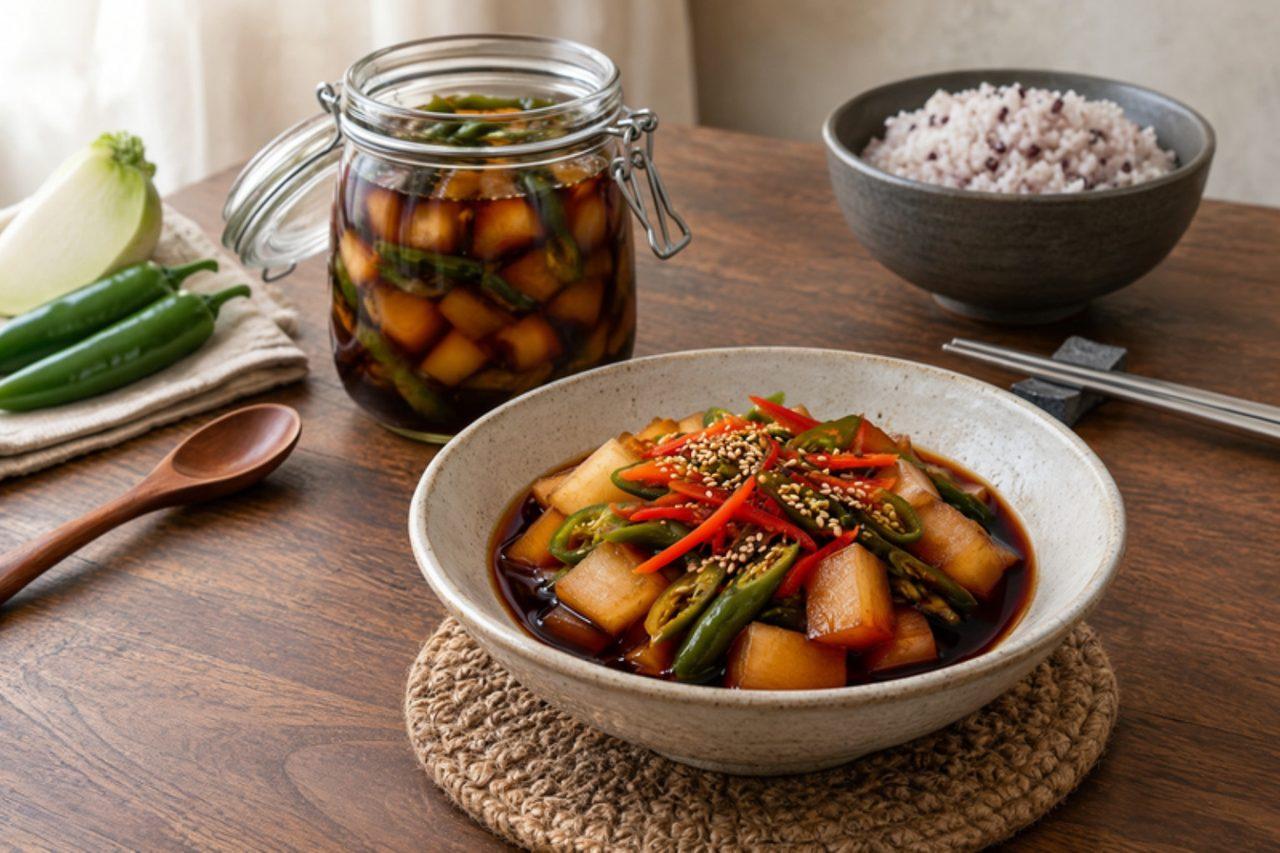
Radish and chilli jangajjiSoy-pickled radish and chilli

Jangajji are Korea's long-keeping soy pickles, made with whatever the season gives: perilla leaves, garlic, chillies, radish. They go in a dosirak lunchbox because they never weep or spoil the rice, and a few slices wake up any meal. This version pickles crisp Korean radish with green chillies, with perilla leaves if you can find them. The common mistake is pouring cold brine over the vegetables, which leaves them limp and short-lived. Chef's tip: after three days, pour the brine off, boil it again and pour it back hot, and the pickles stay crunchy for a month.

by KrazyBadal 0 views

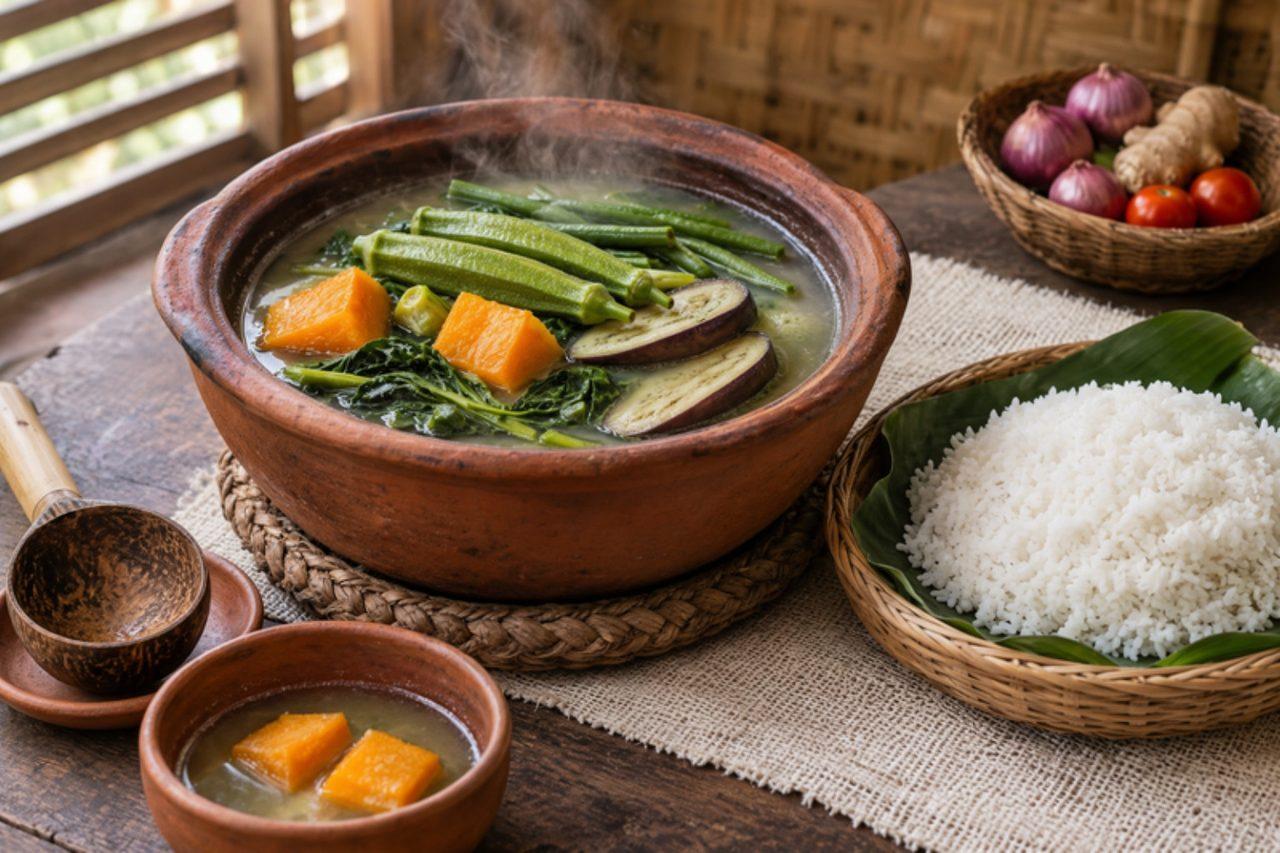
BulanglangMixed vegetable stew

Bulanglang is the plain, light vegetable soup of Batangas and the Tagalog provinces, made in farmhouses at lunchtime from whatever is in the garden: squash, okra, string beans, eggplant and a handful of malunggay or sweet potato leaves. Instead of stock it uses hugas bigas, the cloudy water from washing rice, which gives the broth a soft, milky body. It is often eaten with grilled fish and a dip of bagoong; this version stays vegan and is served with a soy-and-calamansi dip. The usual mistake is boiling everything together from the start, which leaves mushy squash and raw-tasting okra; add the vegetables in order of firmness. Chef's tip: save the second rice wash, not the first, for the cleanest, creamiest broth.

by KrazyBadal 0 views

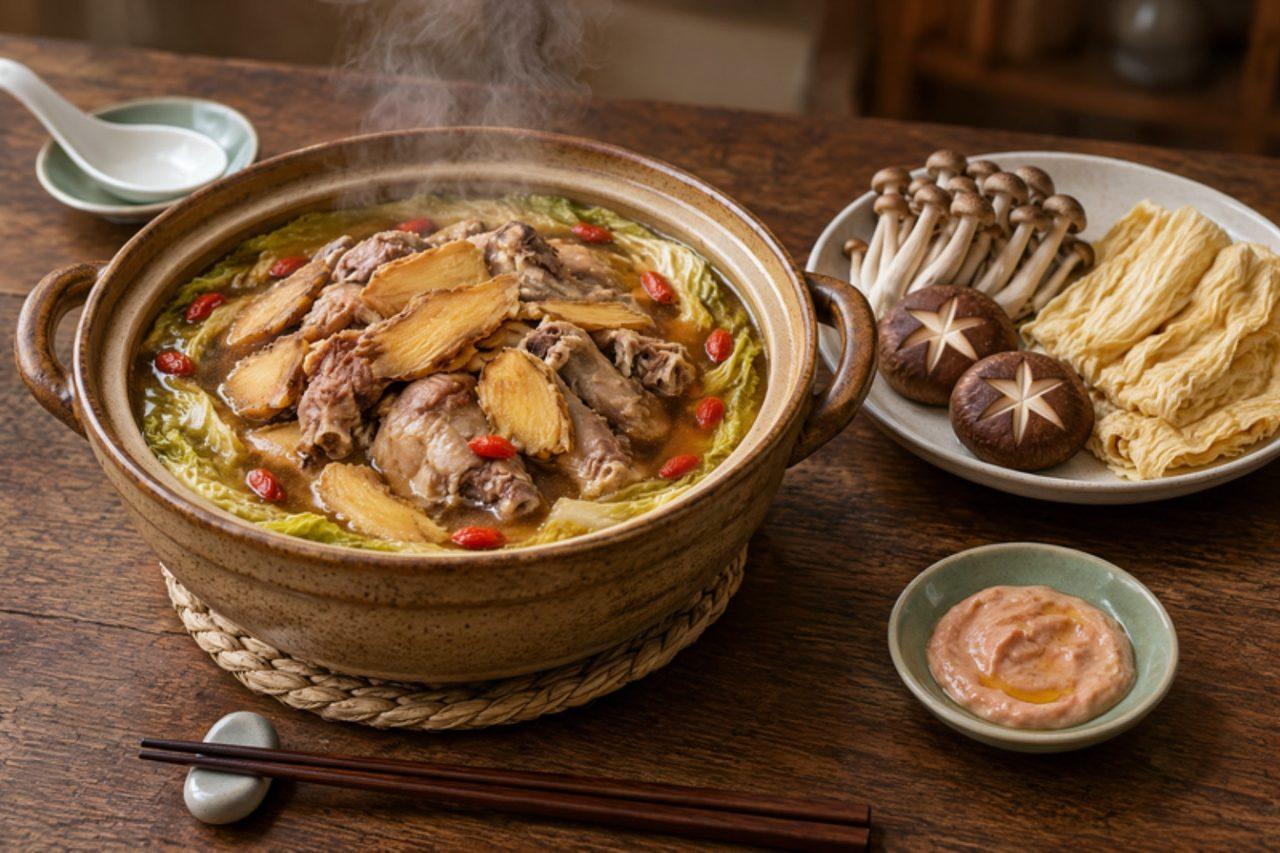
Jiang mu yaGinger duck hot pot

Jiang mu ya is Taiwan's winter warmer, sold from steaming restaurants and night-market stalls from the first cold snap until spring, where diners add cabbage, mushrooms and noodles to the pot at the table. Thick slices of old ginger are fried slowly in black sesame oil until shrivelled and golden, then duck is browned in the same oil and simmered for over an hour in rice wine and water with jujubes and goji. The broth is rich, warming and gingery. It cooks with a lot of rice wine; for an alcohol-free version use chicken stock with an extra 50 g ginger. The usual mistake is frying the ginger over a high heat: sesame oil turns bitter, so keep it low and patient. Chef's tip: use old, fibrous ginger with thick skin, not young ginger, for the proper heat.

by KrazyBadal 0 views

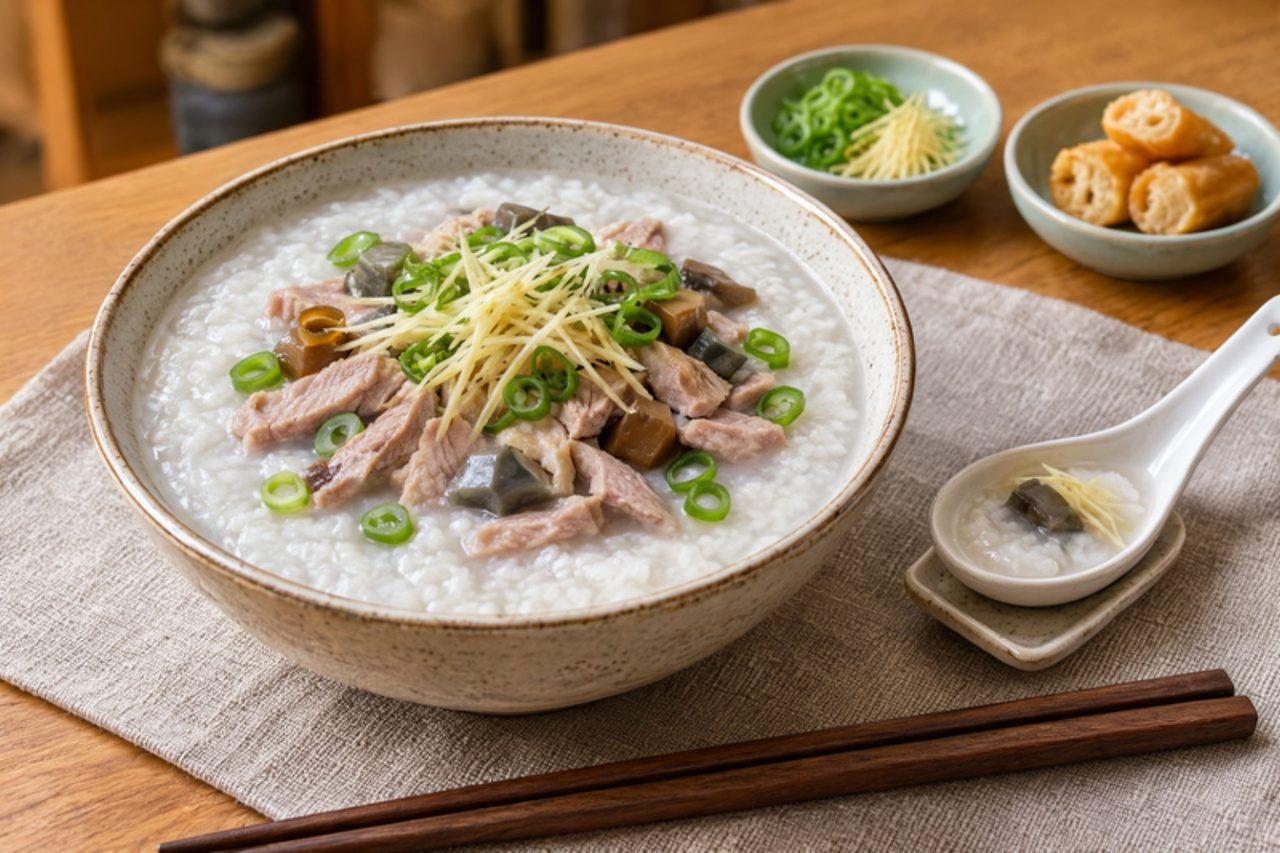
Century egg and pork congee

Across Guangdong and in Hong Kong's congee houses, this is the morning order everyone knows: a silky congee with nuggets of salted lean pork and dark, jelly-like century egg, finished with ginger and spring onion and eaten with a crisp youtiao on the side. The pork is salted the night before, which firms it and seasons it to the middle. The usual mistake is adding the pork at the end in big lumps; it should simmer long enough to turn tender and reach 71 °C. Chef's tip: mash one of the century eggs into the congee as it cooks and save the other for the top, so the whole pot carries its rich, savoury flavour.

by KrazyBadal 0 views

Louise sliceJam and coconut meringue slice

Louise slice, or Louise cake, is a New Zealand tea-time classic found on church cake stalls and in grandma's tins from Invercargill to Whangārei. A buttery shortcake base is spread with raspberry jam and topped with a chewy coconut meringue that bakes to pale gold. It is light and pretty, and very easy. A common mistake is baking the meringue too hot, which browns it before it sets inside. Chef's tip: spread the meringue right to the edges so the jam doesn't bubble through.

by KrazyBadal 0 views

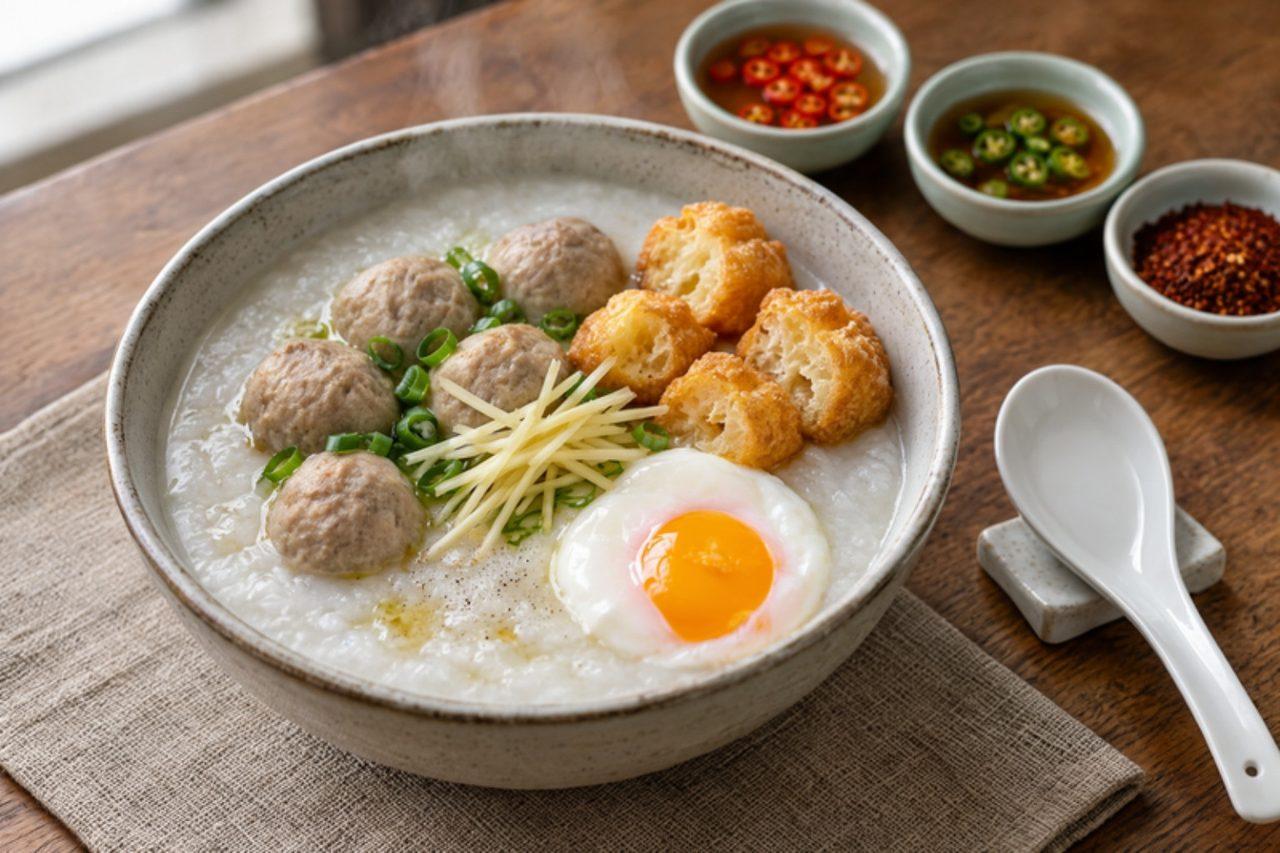
Jok mooRice porridge with pork balls

In Bangkok, jok is breakfast at a roadside stall or the market at 6 am: broken jasmine rice cooked until almost smooth, with tender pork balls, an egg cracked in at the last moment, and heaps of ginger, spring onion and crisp patongko or fried dough. Seasoning sits on the table, so everyone adds soy, white pepper and chilli vinegar to taste. For a meat-free bowl, swap the pork balls for shiitake mushrooms and cubes of silken tofu, and use soy instead of fish sauce. The common mistake is a thin, watery jok; keep simmering until it holds a soft ribbon. Chef's tip: whisk the cooked rice hard for a minute at the end; it breaks the last grains and makes the porridge creamy.

by KrazyBadal 0 views

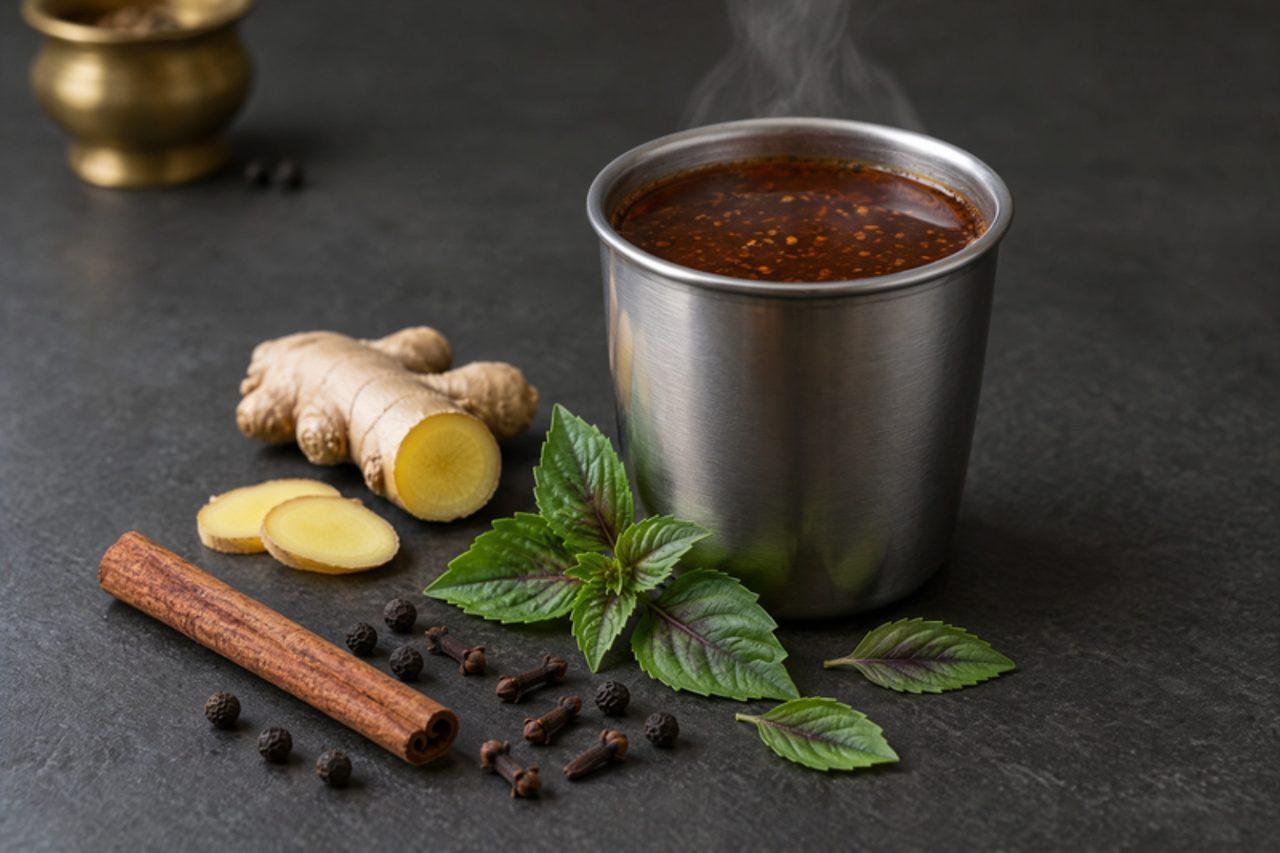
Kadha (spiced herbal decoction)

When the fog settles over Delhi, Lucknow and the plains of Uttar Pradesh in December, or whenever the monsoon brings coughs round the house, someone puts a pan of kadha on the stove. Tulsi leaves, ginger, black pepper, cinnamon, cloves and sometimes a little ajwain are boiled hard until the water reduces by half, then sweetened with jaggery and sipped in small cups, morning or night. It is not a gentle tea: it is hot, peppery, clove-numbing and earthy, with a dark amber colour and a sweet edge. It is traditionally drunk for coughs and colds; it does not replace medical care, and anyone who is pregnant, on medication or giving it to small children should keep it mild and check with a doctor. The common mistake is simmering it gently like tea: kadha needs a steady boil so the spices give up their strength and the liquid reduces. It is ready when the volume has halved and the brew is deep amber and pungent. Chef's tip: crush the pepper and cloves just before they go in; whole spices hardly flavour the water in this short time.

by KrazyBadal 0 views

Khai kataPan eggs with pork and sausage

Khai kata, "pan eggs", came to Thailand through the Vietnamese communities of Isan, and in Udon Thani and Nong Khai, and now in Bangkok cafés too, it arrives sizzling in its own little metal pan with toppings of pork mince and sweet Chinese sausage, plus a crusty roll and a strong coffee. The eggs are cooked just until the whites set. The common mistake is cracking the eggs onto raw mince; cook the pork through first, then add the eggs. Chef's tip: heat the pan before the eggs go in, so the whites set at the edges with lacy, crisp frills.

by KrazyBadal 0 views

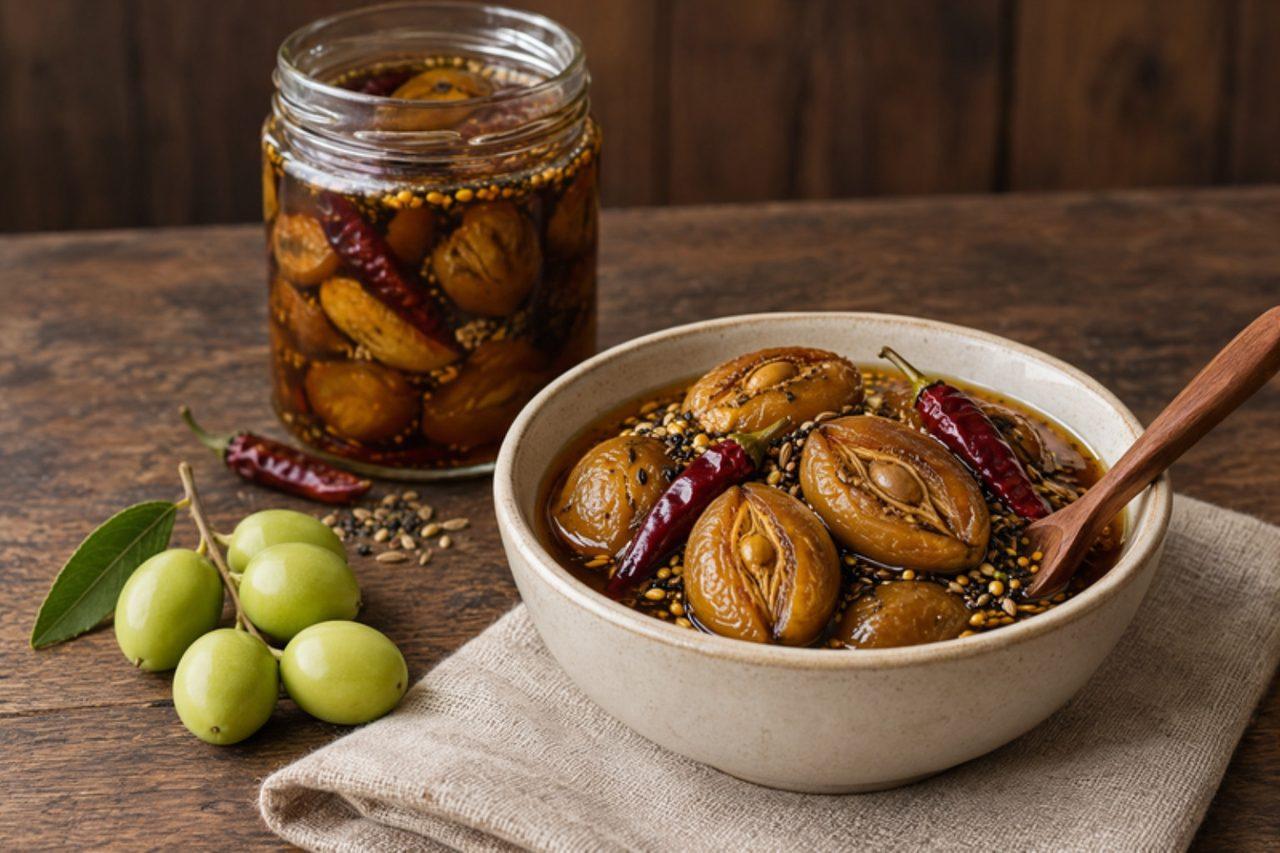
Jolpai acharIndian olive pickle

Jolpai, the small, hard, sour Indian olive, appears in Bengal and Bangladesh markets from October to December, and no winter afternoon is complete without a jar of jolpai achar warming in the sun. It is no relation to the Mediterranean olive: it is tart and astringent, almost like a green plum. The olives are boiled, lightly crushed so the flesh splits from the stone, then cooked in mustard oil with panch phoron, dried chilli and plenty of jaggery. The pickle is sticky, sweet-sour and slightly tannic, with soft flesh to nibble off the stones. Eat it with khichuri on a cold evening, with dal-bhaat, or straight from the jar as a snack. The common mistake is under-boiling: the olives must be soft enough to press flat, or the syrup cannot get in and they stay bitter. It is done when the syrup is thick and shiny and clings to the olives. Very sweet and acidic, it keeps a month in a cool cupboard in winter and 3 months in the fridge. Abroad, look for frozen jolpai in Bangladeshi grocers; firm, sour green plums are the closest substitute. Chef's tip: keep a few olives whole and only scored; they give a nicer bite.

by KrazyBadal 0 views

SosatiesCurried lamb and apricot skewers

Bo-Kaap kitchens gave the braai one of its sweetest-sour treats: cubes of lamb soaked overnight in a cooked curry marinade of fried onion, apricot jam, vinegar and lemon leaves, then threaded with plump dried apricots and onion and grilled over coals. Every butchery in the Cape now sells them ready-marinated, yet homemade ones taste brighter and less sugary. Expect tender, slightly charred meat, sticky-sweet apricots and a warm curry tang that begs for yellow rice, a green salad or simply a soft roll. Pouring the marinade over the lamb while it is still warm is a common slip; it starts to cook the surface and the meat turns grainy. Chef's tip: boil the leftover marinade for a few minutes and brush it on in the last minutes of grilling for a glossy glaze.

by KrazyBadal 0 views

Jugo de macaWarm maca drink

Before dawn at markets in Huancayo, Cusco and Lima, juice ladies ladle hot jugo de maca from big pots for workers on their way in: maca root, a turnip relative grown above 4,000 metres in the Junín highlands, simmered with milk, cinnamon and cloves and sweetened with honey or sugar. It tastes malty and toasty, a bit like butterscotch. The common mistake is stirring the powder straight into hot milk, which leaves gritty lumps; whisk it into a little cold milk first. Maca is not usually advised in pregnancy, so ask your doctor first if you are pregnant. Chef's tip: use gelatinised (cooked) maca powder if you can find it; it dissolves smoothly and is gentler on the stomach.

by KrazyBadal 0 views

Satay beef instant noodles

In Hong Kong's cha chaan teng diners, the morning set often means a bowl of instant noodles in clear broth topped with tender beef in a sweet, peanutty satay sauce, eaten with a buttered bun and a cup of milk tea. Restaurants use a jarred Chinese satay paste; this quick home sauce gets close with peanut butter and curry powder. The usual mistake is putting cold beef in a crowded pan, which makes it stew grey; fry it hot and fast in one layer. Chef's tip: a pinch of bicarbonate of soda in the marinade makes the beef silky and tender, the cha chaan teng way.

by KrazyBadal 0 views

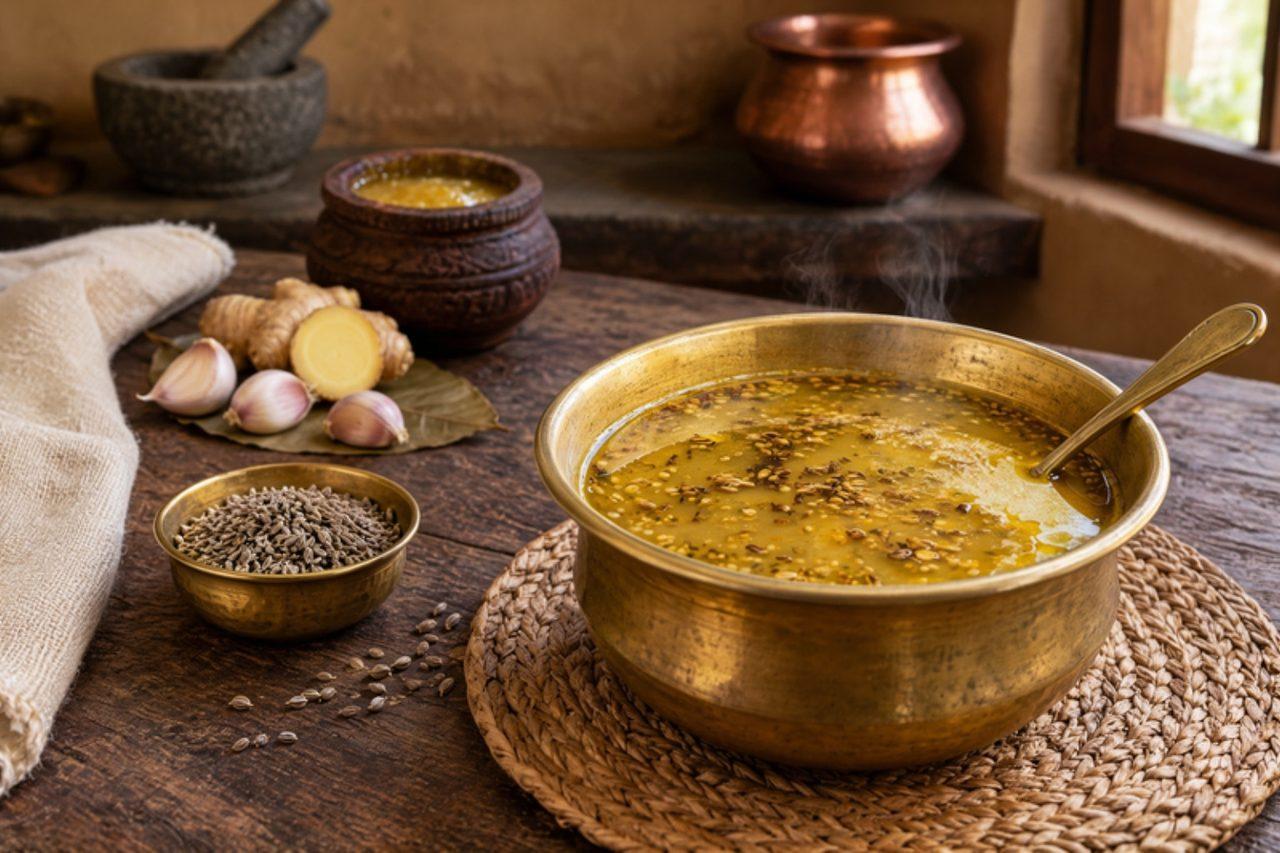
Jwano ko jholCarom seed broth

Jwano ko jhol is the soup Nepali families make for a mother in the weeks after a birth, and for anyone in the house who has a cold during the Kathmandu winter. Carom seeds are fried in ghee with a spoon of flour until nutty, then whisked with water, garlic and ginger into a thin, peppery, slightly thyme-like broth that is sipped hot from a bowl or poured over rice. The usual mistake is burning the jwano: it turns bitter in seconds, so take it off the heat as soon as it darkens a shade. Chef's tip: whisk the water in a little at a time, as with gravy, so the flour never forms lumps.

by KrazyBadal 0 views

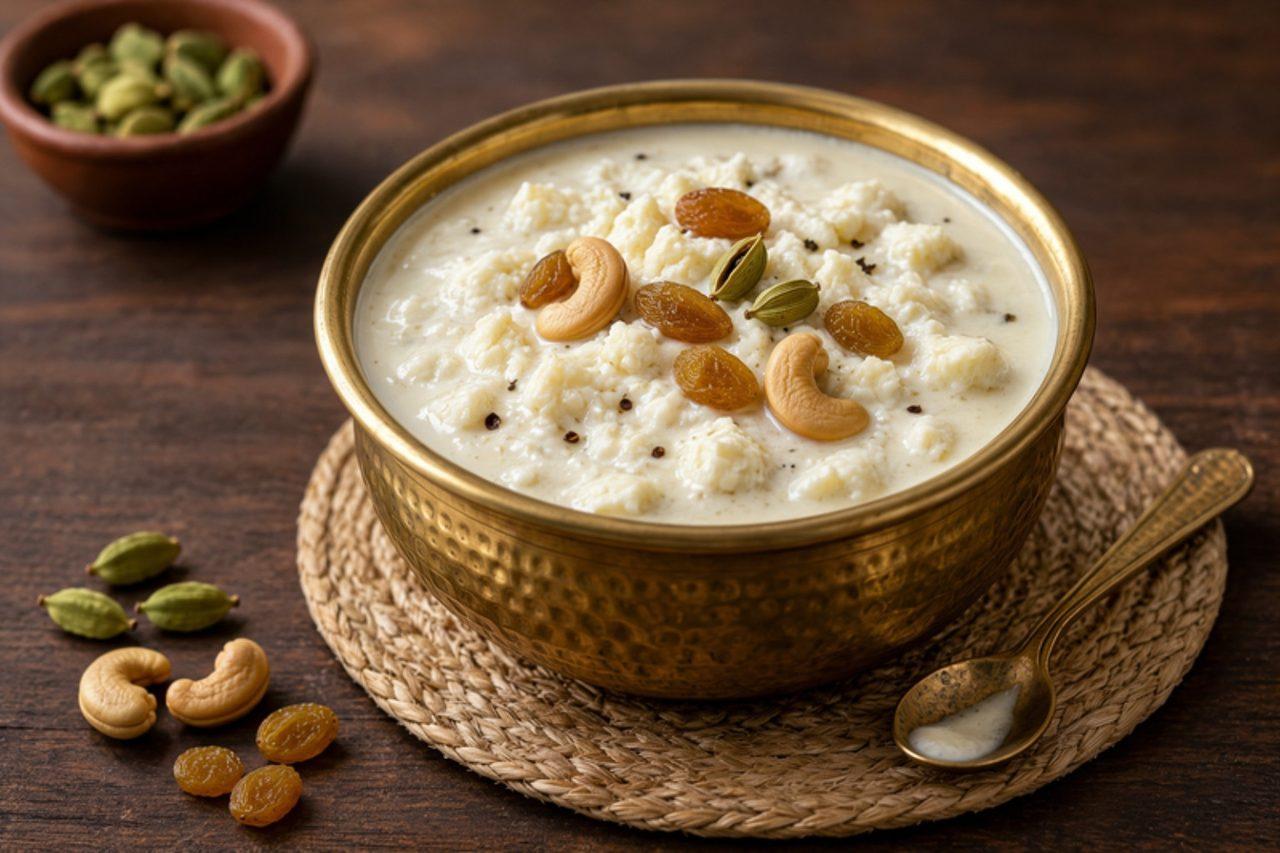
Chhena kheeriFresh cheese in sweet milk

Chhena kheeri is one of the dishes of the Jagannath temple's chhappan bhog in Puri, and Odia households make it for festivals, birthdays and the evening Rath Yatra meal. Soft, freshly made chhena is crumbled into milk that has been simmered down until creamy and sweet, then scented with cardamom and a little camphor in temple style, or simply nutmeg at home. The common mistake is adding the chhena too early and boiling it hard, which makes it rubbery; it should go in at the end and simmer only briefly. Chef's tip: crumble the chhena by hand into pieces the size of rice grains, so every spoonful has some.

by KrazyBadal 0 views

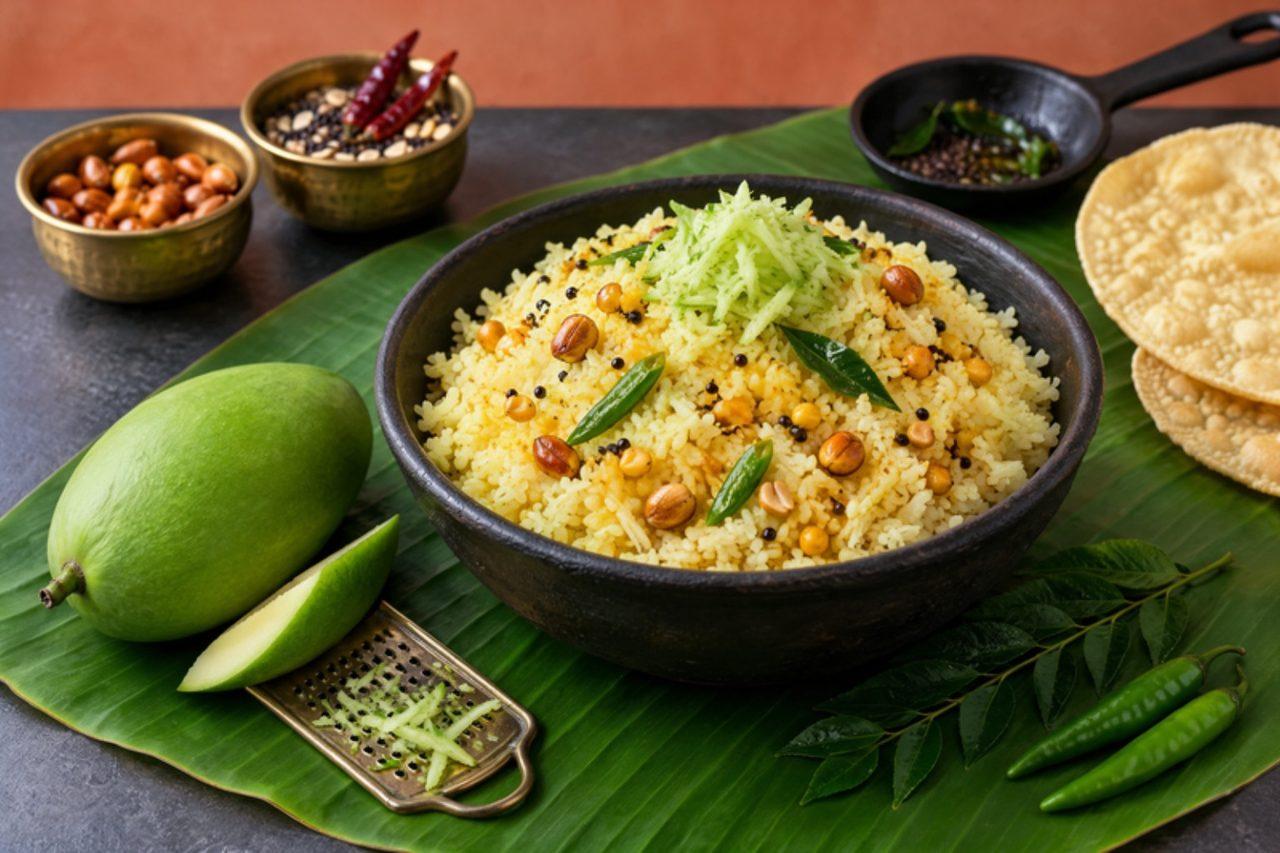
Mangai sadam (raw mango rice)

When hard green mangoes pile up at the markets of Tamil Nadu in April and May, school lunch boxes fill with mangai sadam, sour and fresh like lemon rice but with a fruitier bite. Grated raw mango is cooked only briefly in a mustard, chana dal and curry leaf tempering so it softens but keeps its tang. The mistake is overcooking the mango into mush, which makes the rice sticky; two or three minutes is enough. Chef's tip: taste the mango first. A very sour one needs a pinch of sugar, and a half-ripe one needs a squeeze of lemon at the end.

by KrazyBadal 0 views

Shepu bhaji (dill and moong dal)

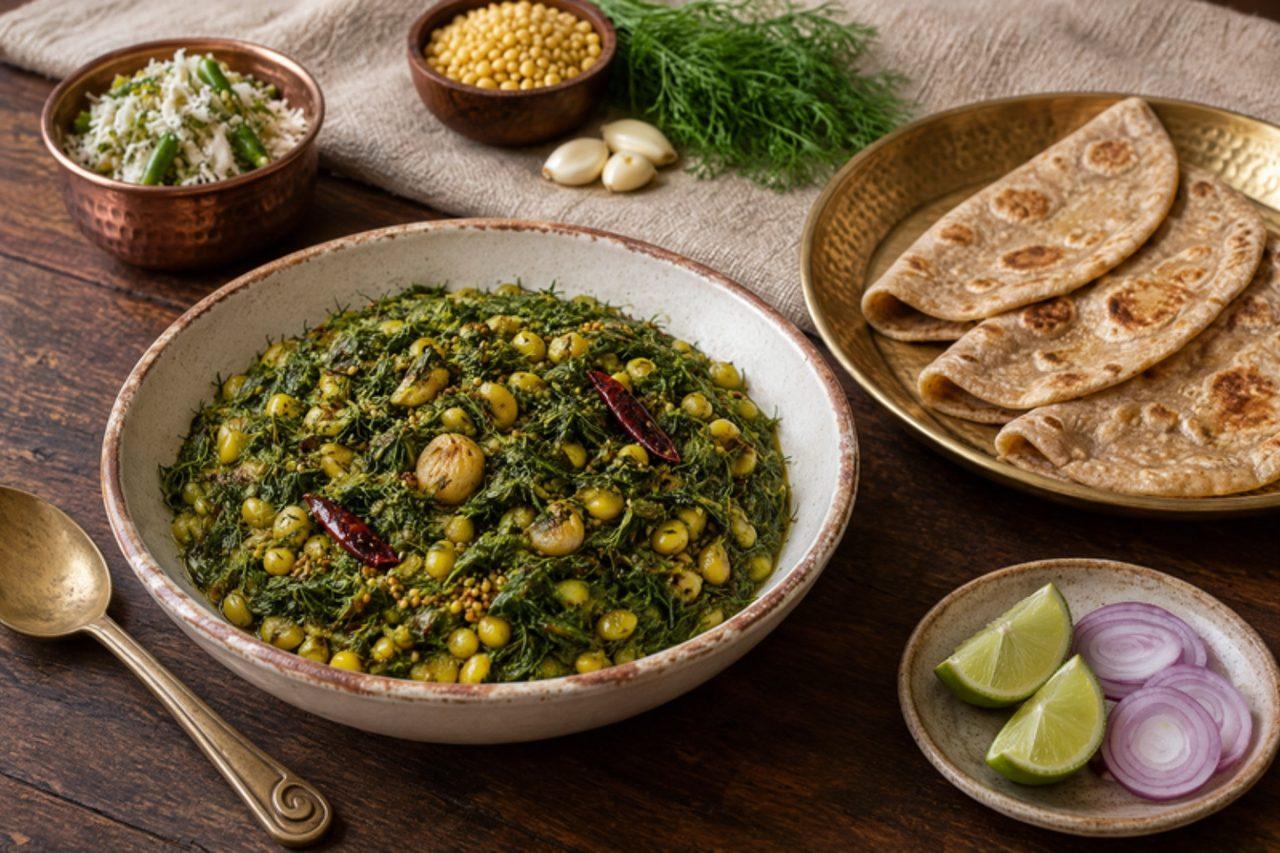
In Pune and the villages of western Maharashtra, bunches of shepu (dill) come to market in winter, and this dry bhaji of dill and soaked yellow moong dal is packed with bhakri or chapati in the lunch dabba. The dill wilts down to a soft, aromatic tangle, and the moong dal gives it body and a little protein. The mistake is adding water: the leaves release plenty of their own, and extra liquid makes the bhaji stew and lose its fresh, sharp smell. Chef's tip: soak the moong dal for at least 30 minutes beforehand, so it cooks through in the dill's own steam without turning mushy.

by KrazyBadal 0 views

Kachi haldi ki sabziFresh turmeric curry

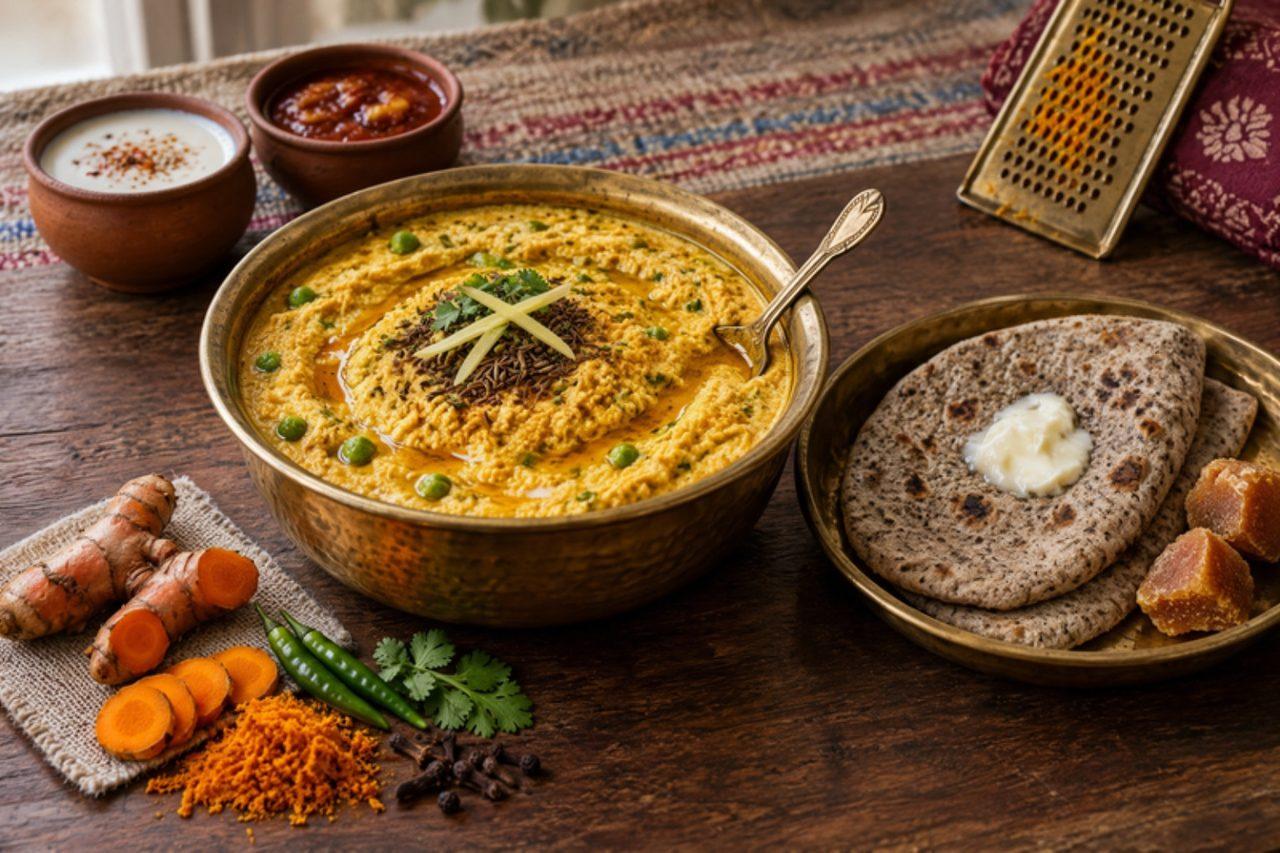
When fresh turmeric root reaches the markets of Jodhpur and Jaipur in December, Marwari families cook kachi haldi ki sabzi, a rich, warming winter dish eaten in small portions with bajra roti and a glass of buttermilk. Grated turmeric is fried slowly in plenty of ghee until it darkens and loses its raw bitterness, then simmered with onion, yoghurt, green peas and spices into a golden, earthy curry. The usual mistake is rushing the frying: it needs 15–20 minutes on a low heat, or the dish tastes harsh. Wear gloves when grating, as turmeric stains hands and boards. Chef's tip: whisk the yoghurt with the ground spices before adding it, and keep stirring until it boils, so the sauce stays silky.

by KrazyBadal 0 views

Egg kejriwalChilli cheese toast with egg

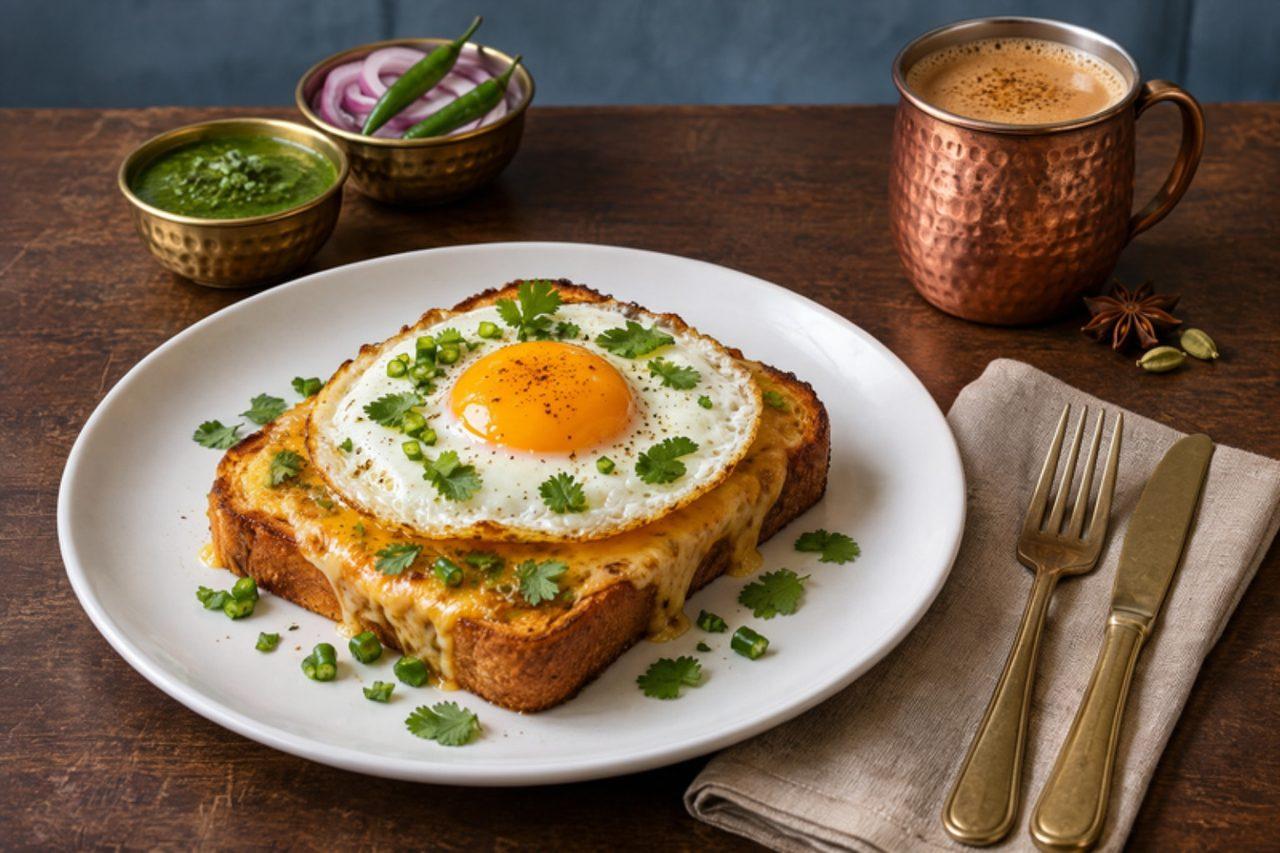
Egg kejriwal was born at the Willingdon Club in Mumbai, where a member from a vegetarian family ordered his eggs on cheese toast away from home, and the name stuck to the dish. Today it is a weekend breakfast in Mumbai cafés: toast spread with green chilli and mustard, smothered in melted cheese and crowned with a fried egg. The mistake is laying the egg on cheese that has not melted; grill the cheese first until bubbling. Cheddar is often made with animal rennet, so choose a vegetarian cheddar if needed. The yolk is traditionally runny; cook it until set for anyone pregnant, young children, older people or anyone with a weakened immune system. Chef's tip: mix the chopped chilli into the softened butter rather than scattering it, so the heat spreads evenly.

by KrazyBadal 0 views

Lal mathachi bhaji (red amaranth stir-fry)

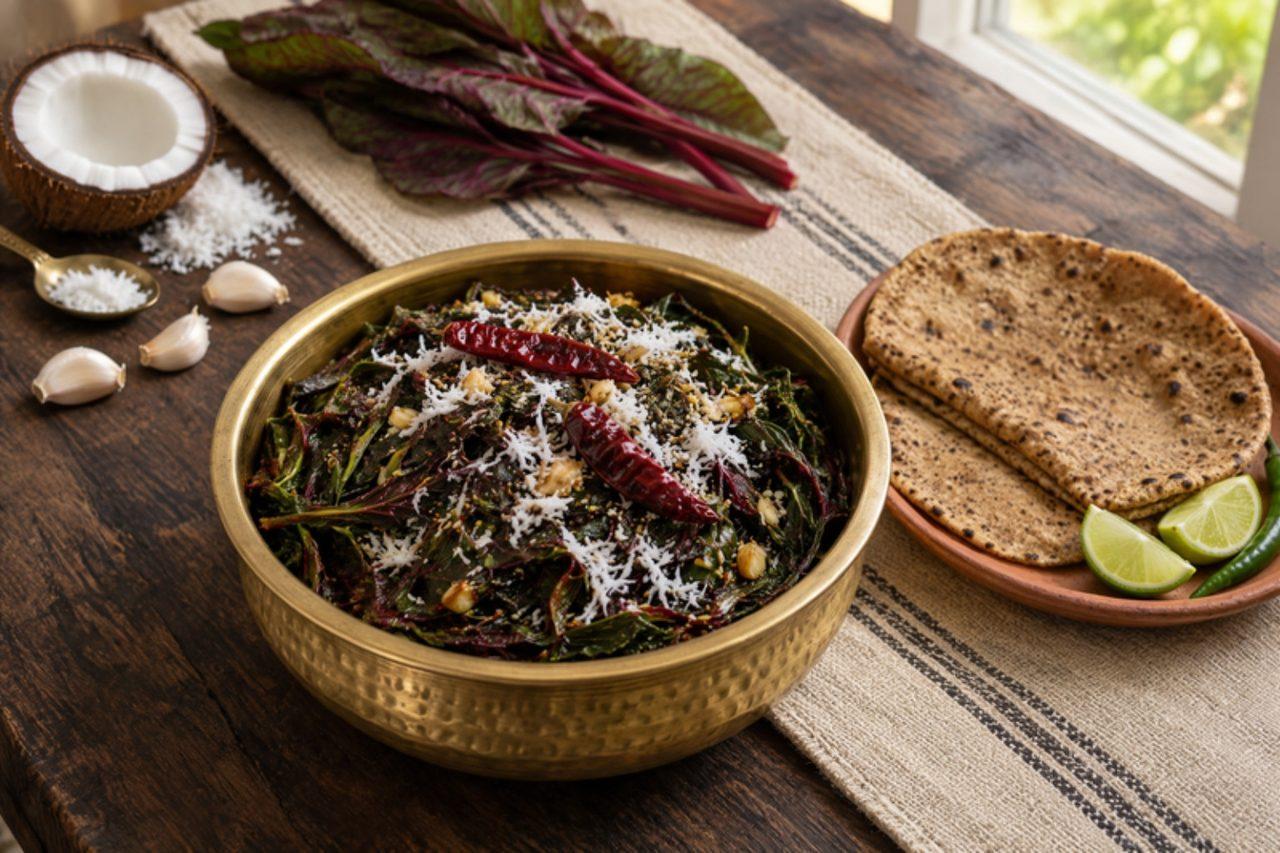
In Mumbai and the Konkan, bunches of red math (amaranth) with their magenta stems come in during the monsoon, and this quick garlicky bhaji turns the dabba's chapatis pink at the edges. It is cooked fast in a hot pan so the leaves stay bright, then finished with a little fresh coconut, the coastal touch that sets it apart from the Bengali way with the same leaf. The mistake is cooking it covered for a long time, which turns it grey and watery. Chef's tip: chop the tender stems finely and cook them for a minute before the leaves go in, so everything is done at the same moment.

by KrazyBadal 0 views

ÆggemadEgg and tomato rye sandwich

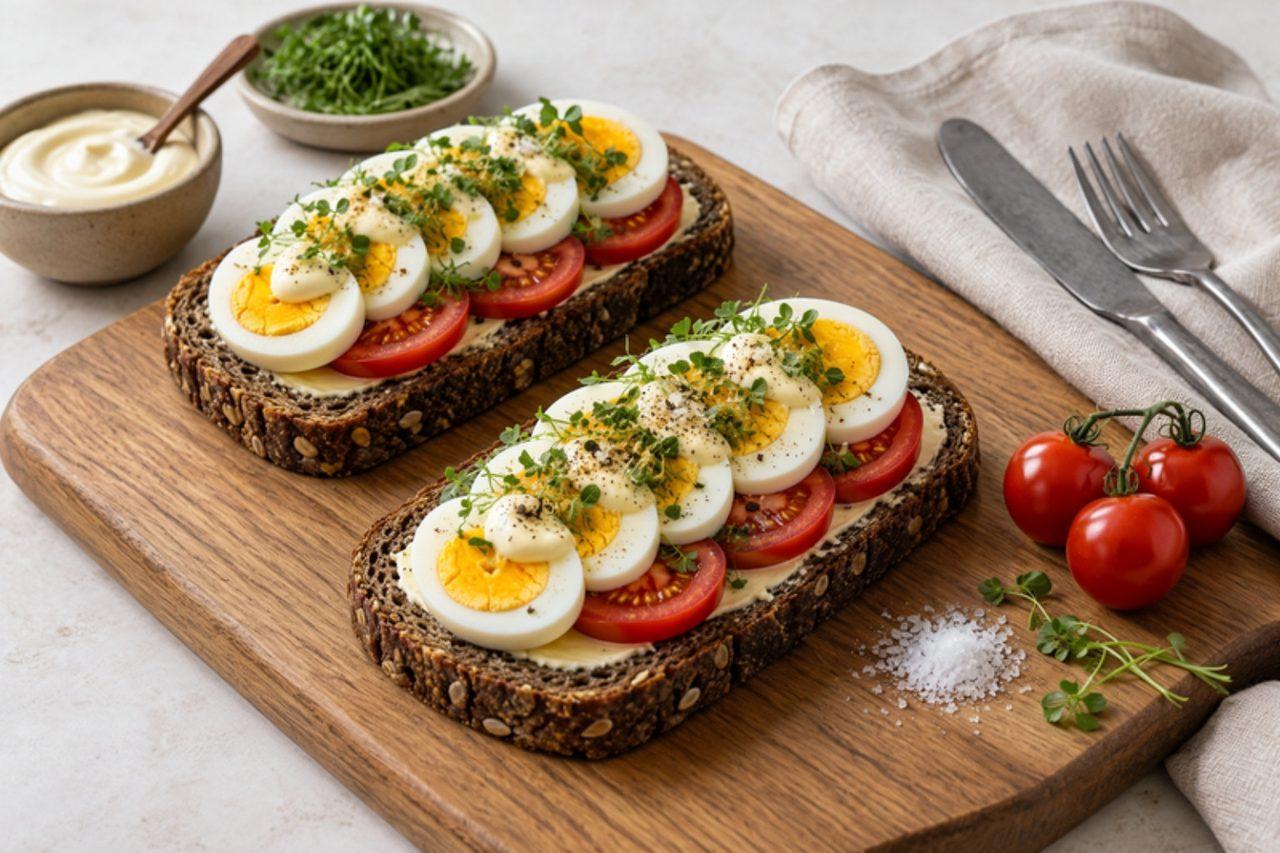
The Danish madpakke (packed lunch) is a stack of rugbrød slices, each with its own pålæg, and æggemad is the one that shows up in every family's box: dense rye, a smear of butter or mayonnaise, rounds of hard-boiled egg and tomato, and a tuft of cress. In the box, the slices are separated by baking paper so the toppings don't smudge. The common mistake is undercooking the eggs, so the yolk smears and the slices fall apart; for lunchboxes, the yolk must be fully set. Chef's tip: slice the egg with an egg slicer or a wet knife once it is completely cold, and the rounds stay neat.

by KrazyBadal 0 views

KabalagalaBanana and cassava pancakes

Street sellers in Kampala pile these small, dense golden rounds into plastic tubs and sell them warm by the handful, and a whole lively neighbourhood of the city shares their name. Over-ripe sweet bananas are mashed into cassava flour, scented with cardamom and a pinch of chilli, then fried until crisp outside and soft and chewy within, a little like a doughnut that forgot to rise. Children eat them after school, adults dunk them in milky spiced tea at breakfast. The usual mistake is adding too much flour: the dough should be soft and just stop sticking to your hands, or the pancakes turn heavy and dry. Chef's tip: use bananas with black-speckled skins; the riper they are, the less sugar you need and the better they brown.

by KrazyBadal 0 views

Showing 72 of 7,888 recipes

Show more recipes

Page 142 of 877