


Skip to content
Şalgam
Featured recipe

Şalgam

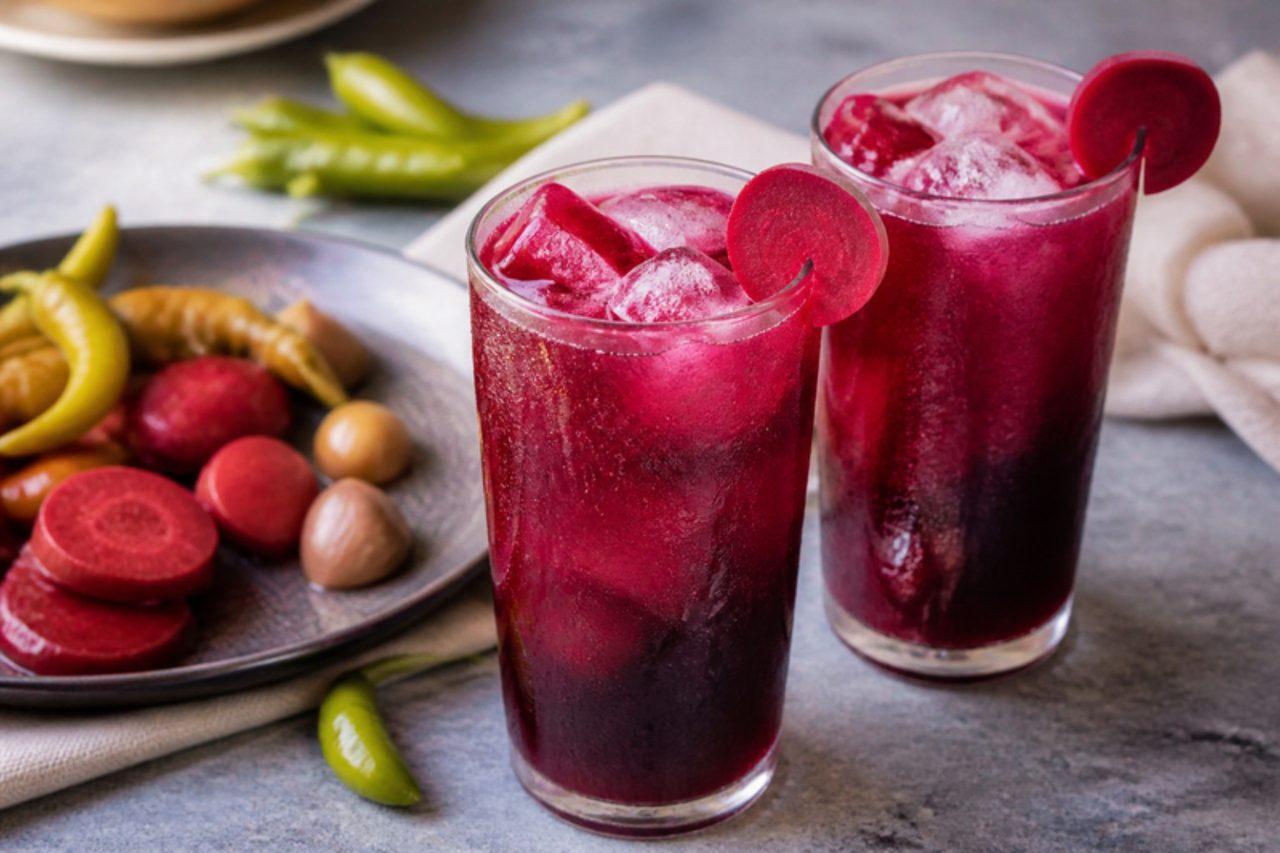
Fermented purple carrot drink

Order an Adana kebab in its home city and a tall glass of şalgam arrives with it, deep purple, salty, sour and often fiery. It is made by fermenting black carrots with a little bulgur and salt for a week or more, and the sharpness clears the palate between bites of lamb and grilled onion. Street carts in Adana sell it by the glass in summer. This home version skips the separate bulgur-sour-dough stage the big producers use. Use non-iodised salt: iodised salt can stall the ferment. Chef's tip: taste from day 5; when it is sour enough to make you blink, strain and chill it, because it keeps fermenting at room temperature.

Read more 1 views

What to eat today?

Around the world

Today's trip: Persian

A new country every day, from every cuisine on the site.

Persian

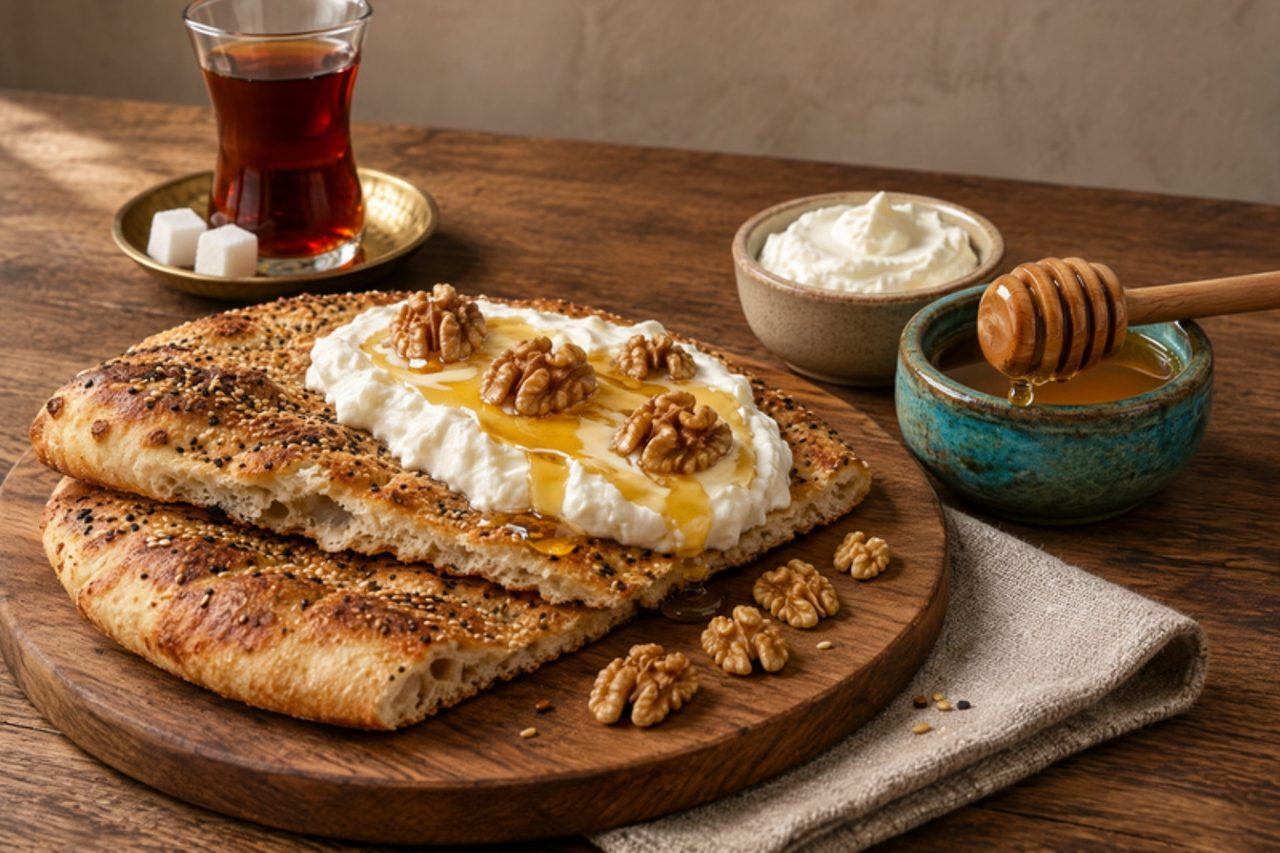
Asal-o-khameh

Clotted cream and honey on flatbread 8 minMore from Persian (131) →

This week's collection

Kid-friendly dinners
586 recipes · a new collection every Monday

Coming up

All occasions →

Latest recipes

Crudités

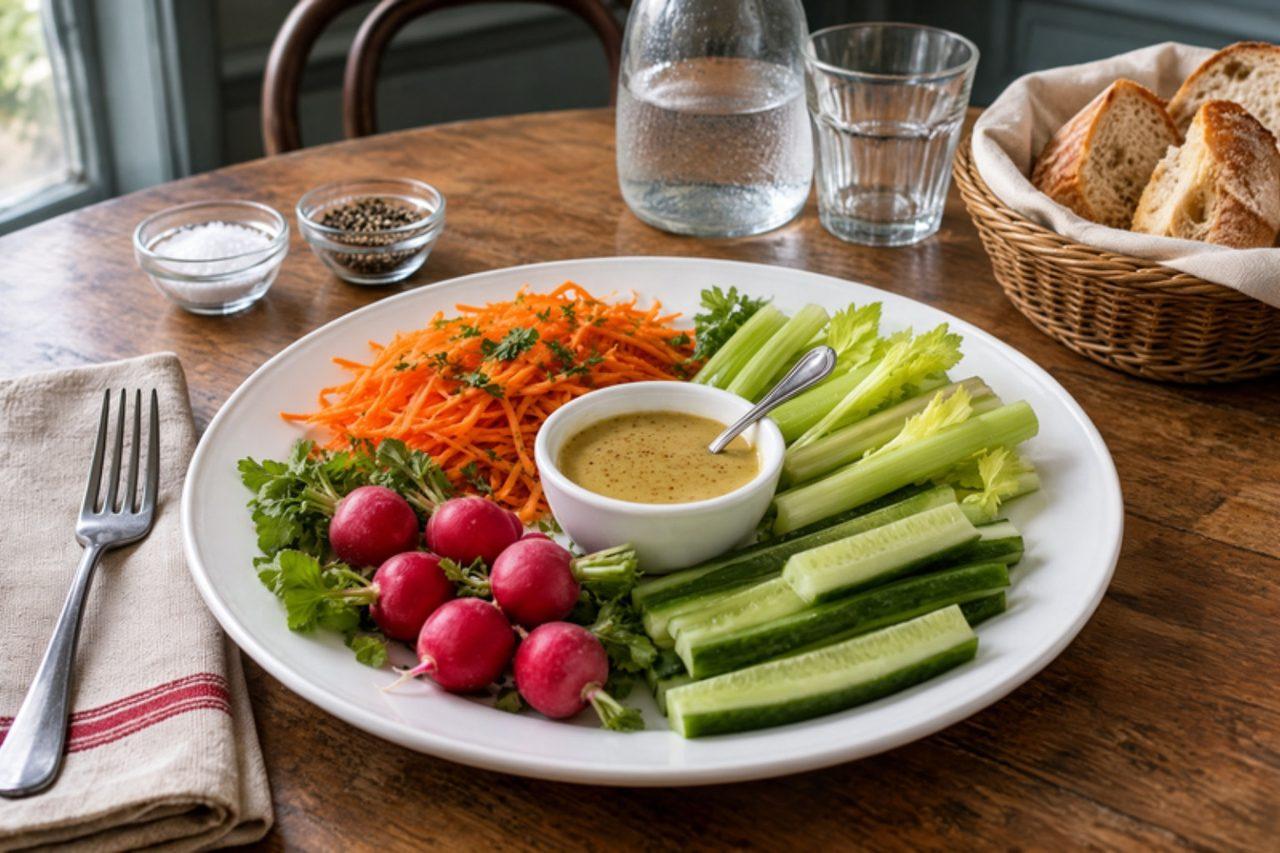
Crudités are how a French family lunch, a Paris bistro menu or a school canteen meal often begins: a plate of raw vegetables, each prepared on its own: grated carrot with lemon, crunchy radishes, cucumber slices and celery, dressed with a sharp mustardy vinaigrette. Crisp, cold vegetables taste so lively that very little salt is needed; with the small amount of mustard in the dressing this plate has about 0.3 g salt per portion. The usual mistake is dressing everything together in advance, which turns it watery and limp; dress each vegetable just before serving. Chef's tip: grate the carrots on the fine side of the grater and toss them with lemon first; they soften slightly and taste sweeter, the way French grandmothers make carottes râpées.

by KrazyBadal 0 views

Menchi katsuCrumbed meat patties

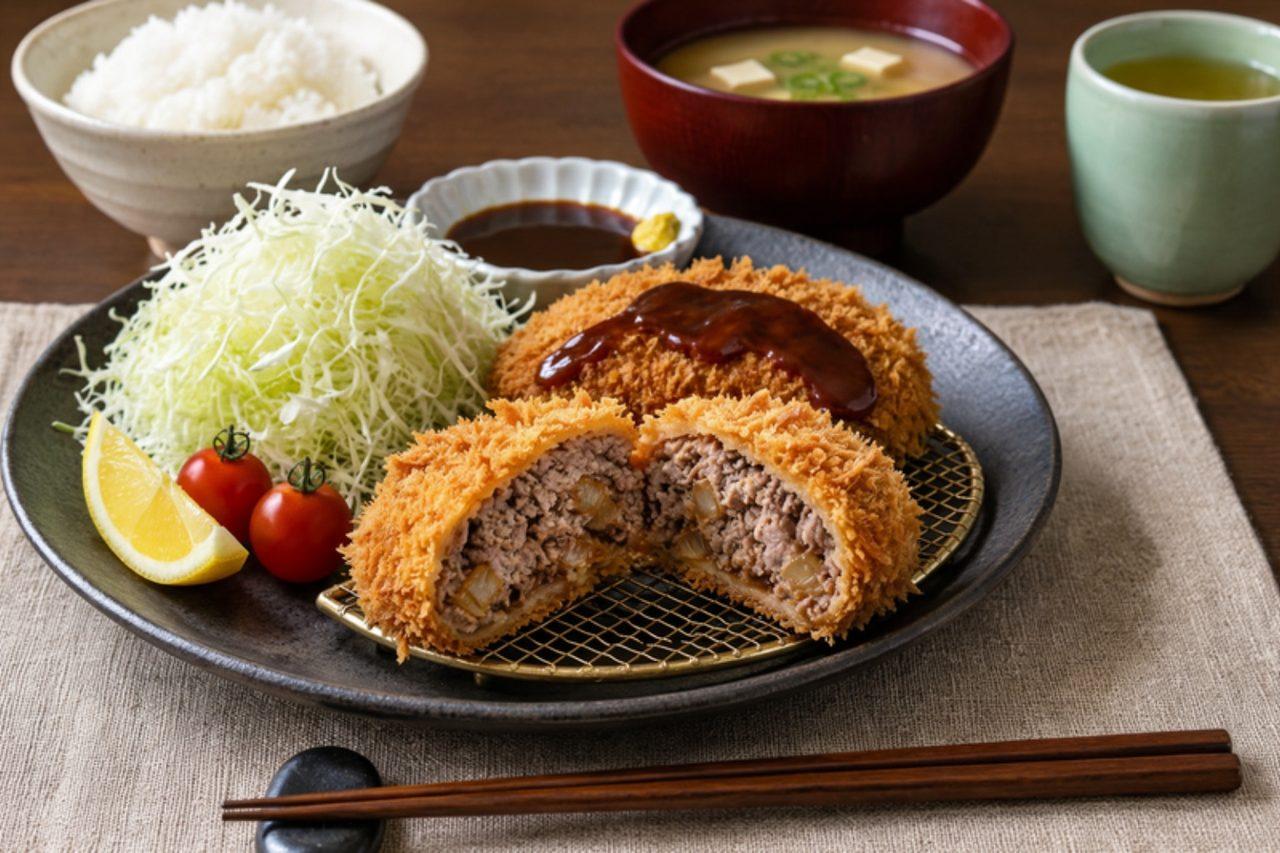
Menchi katsu, a juicy mince patty of beef and pork in a crisp panko coat, is sold hot at Tokyo butchers' shops like the famous ones in Kichijoji and packed cold in bento across Japan, with shredded cabbage and a drizzle of tonkatsu sauce. Sweet fried onion makes the inside tender. The common mistake is frying in oil that is too hot, so the crumb burns before the pork and beef in the middle are cooked. Chef's tip: chill the shaped patties for 20 minutes before crumbing so they keep their shape and stay juicy.

by KrazyBadal 0 views

TsukuneChicken meatball skewers

Tsukune are the minced chicken patties of yakitori bars all over Japan, and squashed into small ovals they are one of the most loved bento fillers, eaten cold at school or the office. Ginger and spring onion keep them fresh, and a glossy soy tare makes them sticky and sweet. The tare uses mirin, a sweet rice wine; most of its alcohol cooks off as it bubbles, and for an alcohol-free glaze use 1 tbsp sugar and 2 tbsp water instead. The common mistake is a loose mix that falls apart in the pan; knead it until sticky. Chef's tip: add a spoon of grated tofu or potato starch to the mince, which keeps the patties juicy even the next day.

by KrazyBadal 0 views

Coconut icePink and white coconut fudge

Coconut ice is the pink and white sweet that fills Australian school fete stalls, Christmas hampers and CWA cake tables, a no-cook fudge of desiccated coconut, condensed milk and icing sugar. It is soft, chewy and very sweet, so cut small squares. A common mistake is a mixture that's too wet to hold; add more coconut until it's firm enough to press. Chef's tip: press the white layer first, then the pink, and chill before cutting for sharp stripes.

by KrazyBadal 0 views

Passionfruit sponge

The passionfruit sponge is the star of the Australian country show cake table and every Sunday afternoon tea, made from the vines that cover back fences from Sydney to the Sunshine Coast. Two airy, fatless sponges are filled with whipped cream and topped with a tangy passionfruit icing. A common mistake is knocking the air out when folding in the flour; use a light hand and a big metal spoon. Chef's tip: beat the eggs and sugar for a full 8–10 minutes until thick enough to hold a trail.

by KrazyBadal 0 views

Ipoh white coffee

Ipoh's old town kopitiams, with their marble tables and morning crowds queueing for kai si hor fun and egg tarts, gave Malaysia its 'white coffee'. The name comes not from milk but from the roast: beans are roasted with palm-oil margarine, lighter than the dark, sugar-roasted kopi of the rest of the country, then brewed and served with condensed milk. It is smoother and less bitter than ordinary kopi, nutty and buttery, pale caramel in the cup, drunk hot at breakfast or iced in the afternoon heat. At home, buy ground Ipoh-style white coffee from an Asian grocer; you cannot easily reproduce the margarine roast in a kitchen. The common mistake is brewing it like espresso: forced extraction makes it bitter and kills the soft, toasty flavour. Steep it in a cloth sock or a coffee filter with water just off the boil. It is ready when the brew is reddish-brown and clear, not inky. This is a strong coffee with real caffeine, not for children. Chef's tip: warm the cups with hot water first; white coffee cools fast and loses its aroma.

by KrazyBadal 0 views

Torta de chile rellenoStuffed poblano sandwich

At Mexico City's torta stands and school gates, the chile relleno torta is the meat-free favourite: a whole poblano, roasted, peeled, stuffed with melting cheese, dipped in fluffy egg batter and fried, then pressed into a bolillo spread with refried beans and salsa. People buy them warm mid-morning or wrap them in foil for lunch. The common mistake is frying a wet chile: the batter slides off, so pat it dry and dust it with flour first. Oaxaca cheese and Monterey Jack are often made with animal rennet, so choose a vegetarian melting cheese, and check the refried beans are made without lard. Chef's tip: beat the egg whites to stiff peaks before folding in the yolks; that airy capeado is what makes it puff and stay crisp.

by KrazyBadal 0 views

Tarta de zapallitosCourgette and cheese tart

In Buenos Aires every rotisería sells tartas by the slice, and at home a tarta de zapallitos is baked on Sunday evening so that a wedge can go into the vianda (packed lunch) for school and work all week. Zapallitos are round green courgettes; ordinary courgettes work just as well. The common mistake is adding the courgette raw, which floods the pastry; sauté it until the liquid has cooked away. Argentine queso rallado and many hard cheeses are made with animal rennet, so use a vegetarian hard cheese. Chef's tip: bake the tart on a preheated baking tray so the base crisps before the filling soaks in.

by KrazyBadal 0 views

Bibim dangmyeonSpicy glass noodles

At the crossing of Gukje Market and BIFF Square, near Nampo-dong, women sit behind low tables mixing bibim dangmyeon to order for shoppers perched on plastic stools. Chewy sweet-potato noodles are piled with seasoned spinach, carrot, yellow pickled radish and strips of Busan fish cake, then drenched in a sweet, tangy chilli sauce that you mix with chopsticks. It is a quick, cheap bowl, eaten year round, cold in summer. Chef's tip: rinse the noodles in cold water straight after cooking; it stops them clumping and keeps them bouncy.

by KrazyBadal 0 views

Curried egg sandwich

A school canteen and church-fete favourite across Australia, the curried egg sandwich is soft white or wholemeal bread filled with hard-boiled egg mashed with mayonnaise and a little mild curry powder, often with lettuce or cress. It goes into lunch boxes cut into fingers. The common mistake is mashing the eggs while warm, which turns the mayonnaise oily and the filling runny; let them cool completely. Chef's tip: warm the curry powder in a dry pan for 20 seconds first, and the raw, dusty taste turns sweet and toasty.

by KrazyBadal 0 views

Aussie salad sandwich

The salad sandwich is the backbone of the Australian lunchbox and the school tuckshop order: soft bread built up with tinned beetroot, grated carrot, tasty cheese, tomato and crisp lettuce, cut into triangles and wrapped in paper. Beetroot is what makes it unmistakably Aussie. The common mistake is laying wet beetroot and tomato straight on bare bread, so by lunchtime it is pink and soggy. Many Cheddar-style "tasty" cheeses use animal rennet; choose one labelled vegetarian. Chef's tip: butter both slices to the edge and put the cheese and lettuce next to the bread, with the wet fillings sealed in the middle.

by KrazyBadal 0 views

Cowheel soup

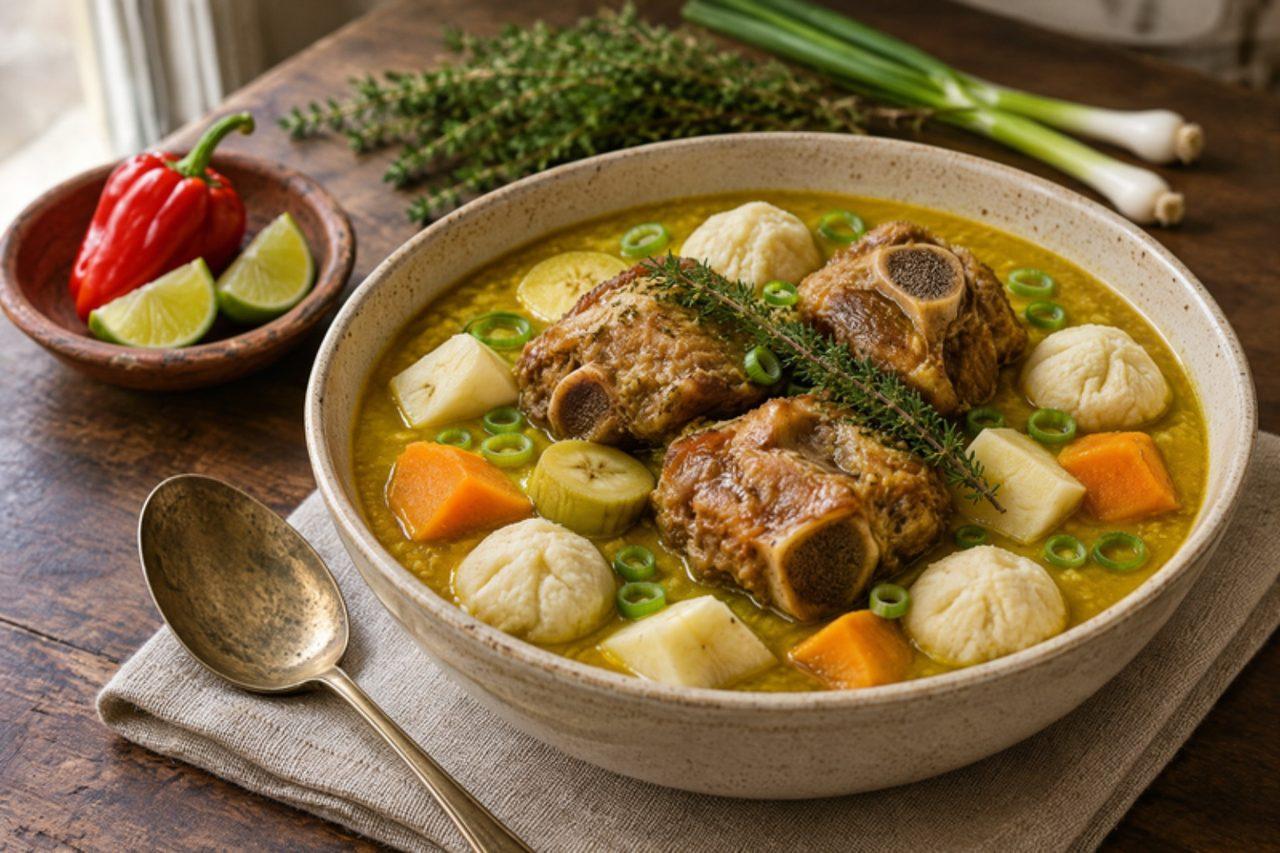
In Trinidad and Tobago, cowheel soup is Saturday soup: the big pot people make at home or buy from roadside soup vendors after a fete, believed to set you right again. Cow heel is simmered for hours until gelatinous, then yellow split peas, pumpkin and 'provisions' such as dasheen, cassava, eddoes and green bananas go in, with green seasoning, a whole scotch bonnet for perfume and soft flour dumplings dropped in at the end. The broth turns thick and silky from the collagen and split peas. The usual mistake is bursting the scotch bonnet, which makes the pot fiercely hot; leave it whole and lift it out. A pressure cooker gets the cow heel tender in 50 minutes. Chef's tip: buy cow heel already cut and scraped by the butcher, then scrub it with lime before cooking.

by KrazyBadal 0 views

Limau asam boi (lime with sour plum)

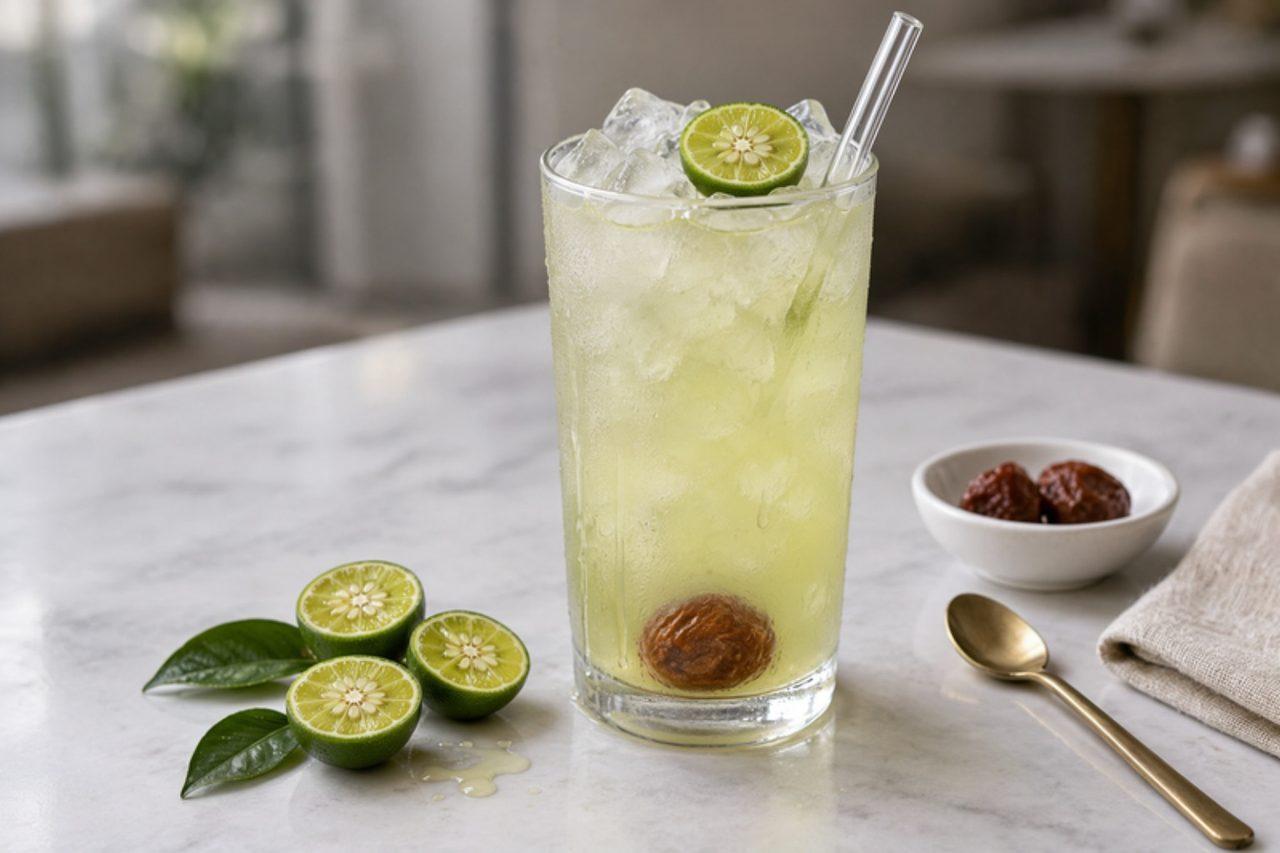
Order 'limau ais asam boi' at a kopitiam in Penang or a hawker centre in Kuala Lumpur at the hottest part of the afternoon and it arrives in a tall, sweating glass: freshly squeezed calamansi or small green limes, a little syrup, ice and one wrinkled, salted dried plum. The plum slowly leaches salt and fruity sourness into the drink, so every sip changes, starting bright and sweet and ending salty and tangy; you squash the plum with your straw halfway through for a stronger hit. It goes with char kway teow, nasi lemak or anything fried. The usual mistake is using bottled lime juice, which tastes flat and bitter against the plum. Squeeze fresh limes, and add the syrup gradually because asam boi is already salty-sweet. It is ready when the glass is frosted and the plum has started to plump up. Asam boi is sold in jars in Chinese and Southeast Asian groceries; Japanese umeboshi is saltier but works if you halve the amount. Chef's tip: make the lime-syrup base ahead and keep it cold, then pour over fresh ice only when you serve.

by KrazyBadal 0 views

Pâté en croûtePork and veal pie in pastry

Lyon's charcuteries display pâté en croûte like jewellery: a tall loaf of crisp, golden pastry wrapped around a coarse terrine of pork and veal. A slice wrapped in paper is a picnic and lunchbox luxury, and the whole loaf is a Sunday project eaten over several days. The common mistake is undercooking it for fear of drying it out: as it is made with minced pork, the centre must reach 71 °C, so use a probe thermometer. The classic farce has a splash of cognac; it's optional here, and apple juice or extra stock is the alcohol-free swap. Chef's tip: chill the filled, unbaked loaf for 30 minutes before baking so the pastry keeps its shape and pattern.

150 minFrenchMeat
by KrazyBadal 0 views

FarrottoFarro cooked like risotto

In the hills of the Garfagnana and around Spoleto, where farro has been grown since Roman times, cooks make farrotto in autumn and winter as a heartier cousin of risotto. Semi-pearled farro is toasted in olive oil with onion and celery, then cooked slowly with hot vegetable stock, ladle by ladle, until the grains are tender but still bouncy and wrapped in a light, creamy sauce. Finish with pecorino and serve as a main with a green salad. The usual mistake is stirring as constantly as for risotto; farro releases less starch, so stir every few minutes and beat in the cheese at the end for creaminess. Chef's tip: toast the dry grains until they smell like popcorn before adding any liquid; it deepens the nutty flavour.

by KrazyBadal 0 views

Jambon-beurreHam and butter baguette

France sells millions of jambon-beurre every working day: half a crusty baguette, split, spread with good salted butter and filled with thin slices of jambon de Paris, the delicate cooked pork ham. Parisians eat it at the office, on a park bench or on the train. The common mistake is a stingy smear of hard butter; the butter is a filling, not a glue, so spread it soft and generous. Some add cornichons, which purists call a different sandwich. Chef's tip: fold each slice of ham loosely in half rather than laying it flat, so the sandwich is airy and every bite has ham.

by KrazyBadal 0 views

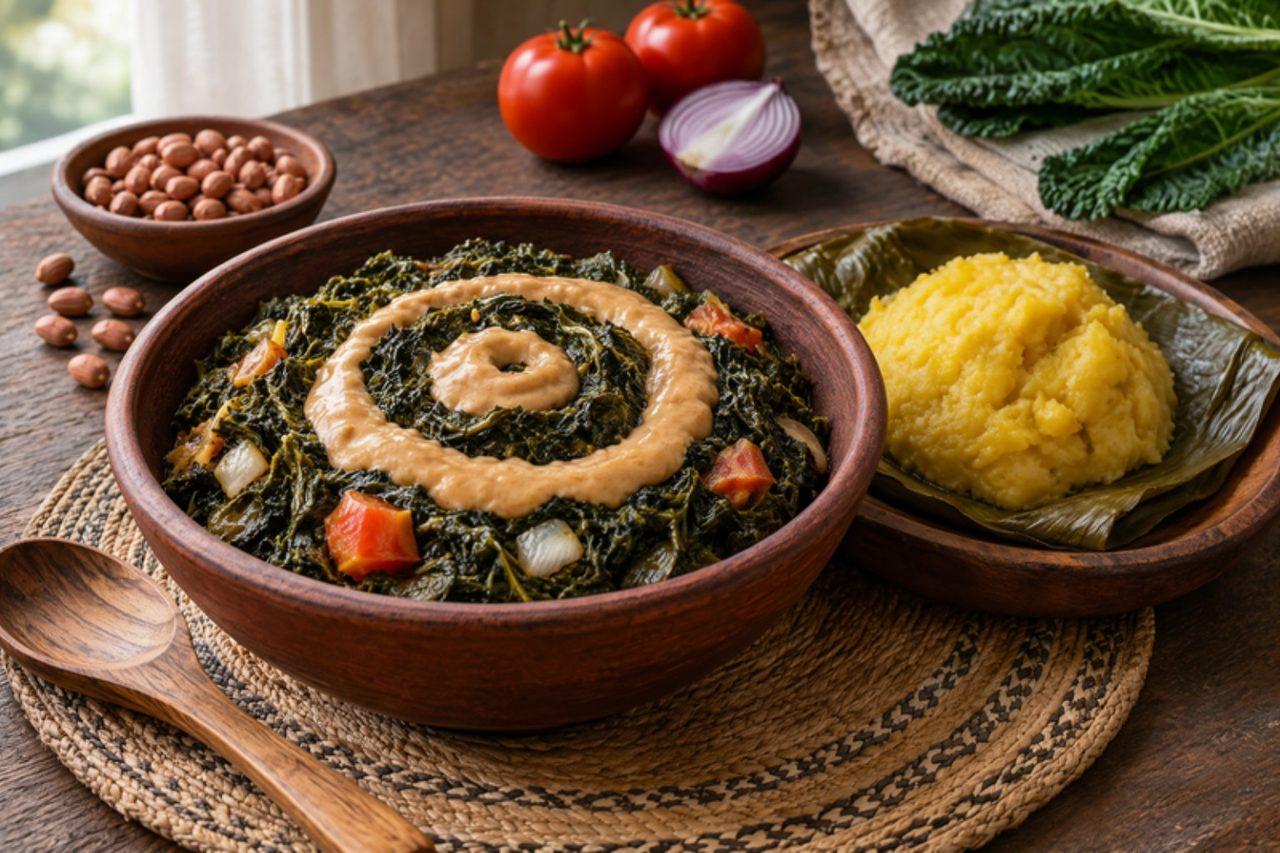
NakatiBitter eggplant leaves with tomato

Nakati are the leaves of the African eggplant, and in Kampala and the Buganda countryside they are cooked as an everyday green beside matooke, posho or rice. The leaves are simmered down with onion and tomato until soft, then often enriched with a spoonful of groundnut paste that softens their pleasant bitterness and makes a creamy sauce. Look for nakati at African grocers; young spinach with a handful of kale is a good stand-in. The usual mistake is adding the groundnut paste too early, which lets it catch and burn. Chef's tip: loosen the groundnut paste with a little hot water before stirring it in, so it melts smoothly into the greens.

by KrazyBadal 0 views

DakgangjeongSticky glazed fried chicken

Dakgangjeong is the boxed fried chicken of Sokcho's Jungang market on Korea's east coast, carried home by the tub and packed into lunchboxes the next day, because the double-fried pieces in their sticky glaze stay crunchy even when cold. The common mistake is frying only once; the second fry drives out moisture so the crust holds up to the sauce. Chef's tip: coat with potato starch rather than flour, and let the coated chicken sit for 5 minutes so the starch hydrates into a craggy crust.

by KrazyBadal 0 views

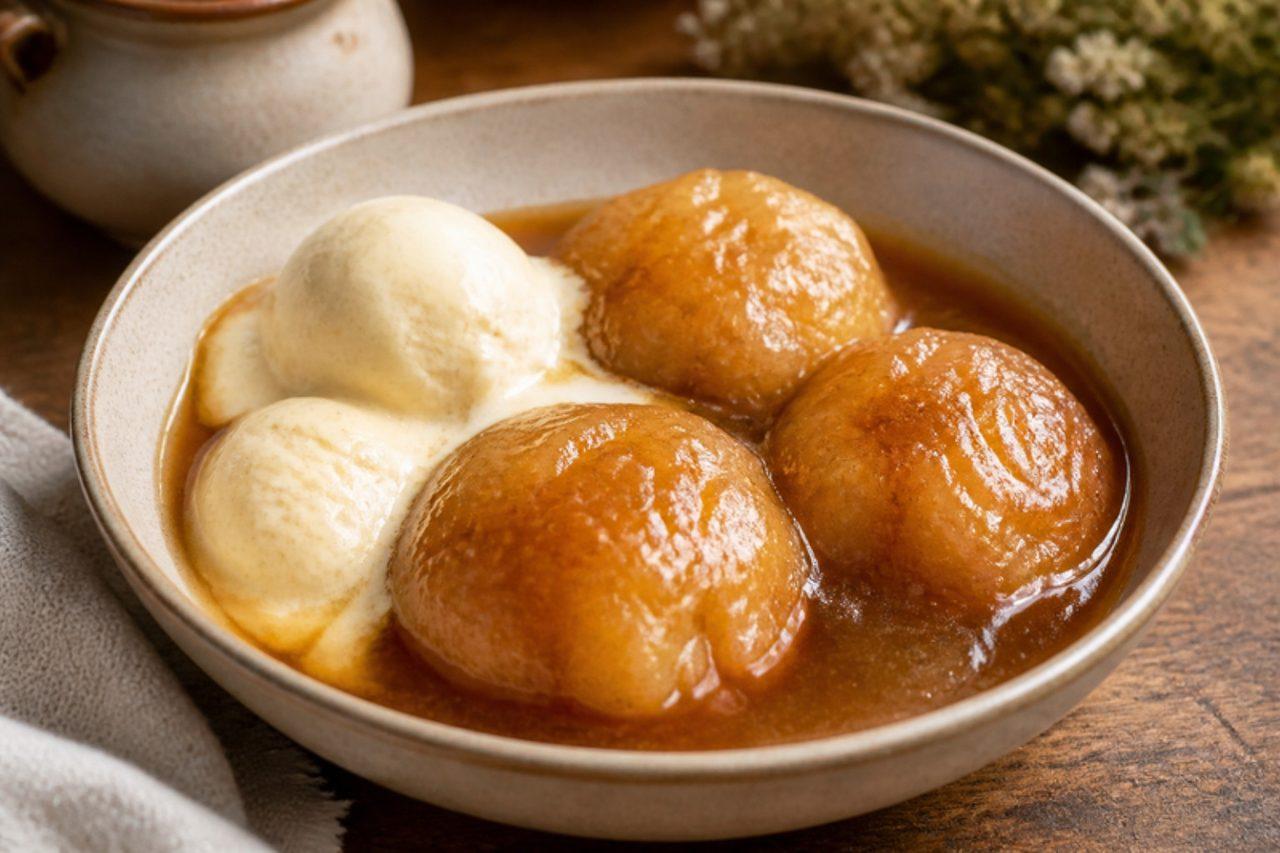
Golden syrup dumplings

Golden syrup dumplings are a winter pudding from Australian country kitchens, made during the Depression and still cooked by grandmothers in the Riverina and the Victorian high country when the nights turn cold. Soft scone-dough balls simmer in a sauce of golden syrup, butter and brown sugar until they swell and turn sticky. Serve with vanilla ice cream or custard. A common mistake is a pan that's too small; the dumplings double in size and need space. Chef's tip: keep the lid on and resist peeking, so the tops steam light and fluffy.

by KrazyBadal 0 views

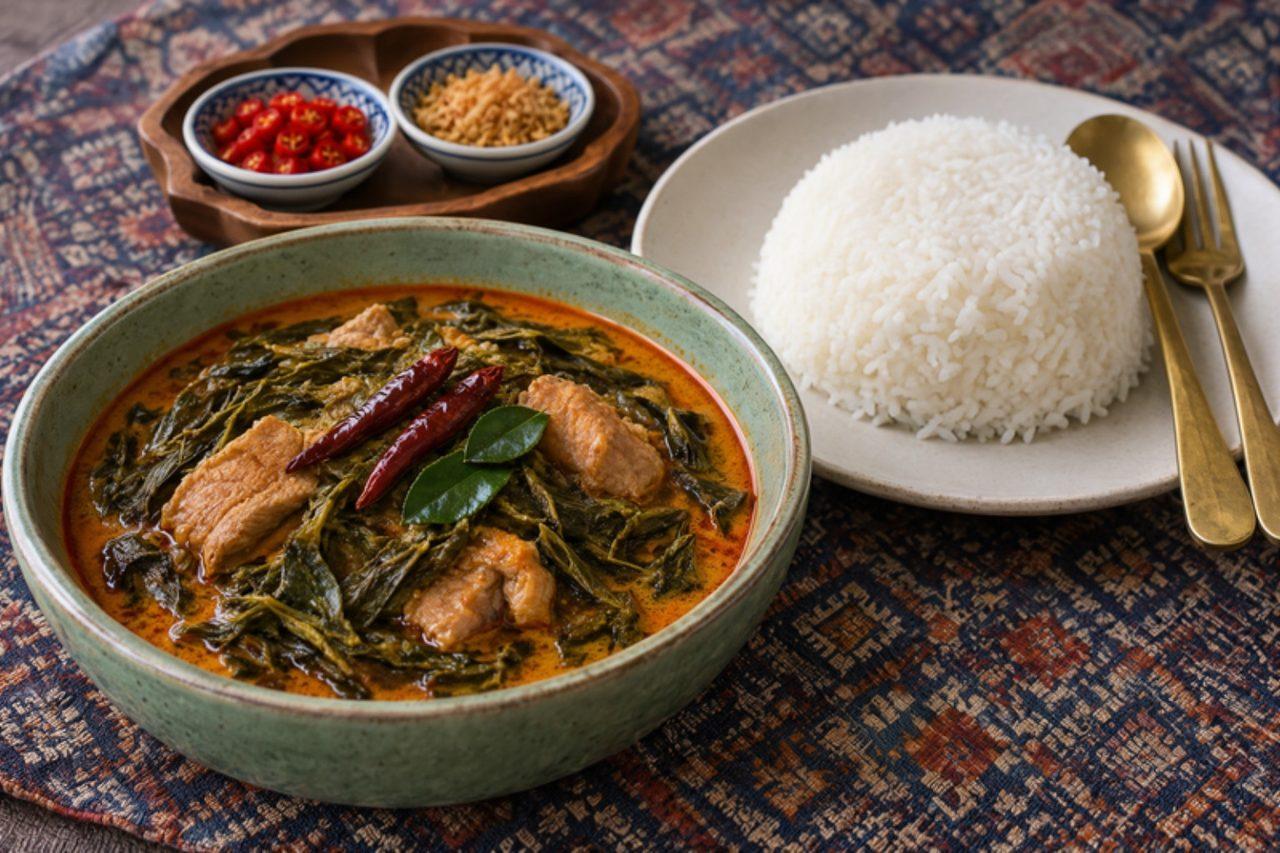
Kaeng khilekCassia leaf curry

Kaeng khilek is an old-fashioned country curry from central Thailand, cooked when the cassia (khilek) trees put out tender shoots after the rains and sold ready-boiled in bags at markets around Ratchaburi and Suphan Buri. The leaves are boiled and drained several times until their bitterness softens, then simmered with pork belly in coconut milk with red curry paste, leaving a dark green, pleasantly bitter, rich curry eaten with jasmine rice and salted egg. This recipe contains pork. The usual mistake is skipping the repeated boiling: cassia leaves must be boiled and drained at least three times, or they are harshly bitter and can upset the stomach. Frozen pre-boiled khilek from Thai shops saves work. Chef's tip: squeeze the boiled leaves firmly in a cloth so they soak up coconut milk instead of water.

by KrazyBadal 0 views

Bokkeum kimchiStir-fried kimchi with pork belly

When a jar of kimchi turns very sour in Korean homes, it gets stir-fried with a little sugar and sesame oil, and often with pork belly, into bokkeum kimchi, a deep, mellow side dish that keeps for days and is a favourite in school and office dosirak. For a vegan version, use kimchi made without fish sauce or salted shrimp and leave out the pork. The usual mistake is using fresh, crisp kimchi, which tastes harsh when fried; it needs to be properly sour. Chef's tip: fry the kimchi until the edges just begin to catch and caramelise, which is where the flavour is.

by KrazyBadal 0 views

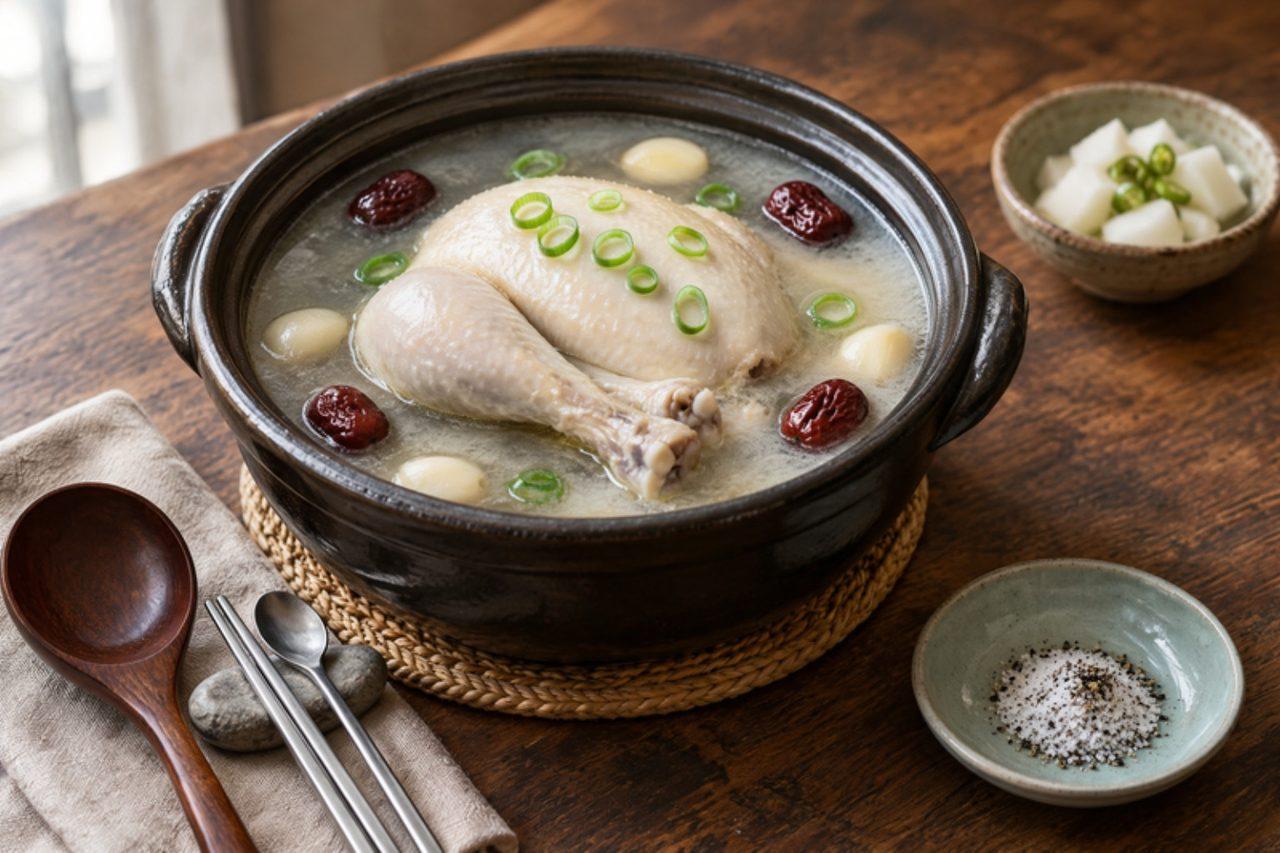
DakbaeksukPoached whole chicken

Dakbaeksuk is a whole chicken simmered plain in a big pot, a dish Koreans eat on the boknal 'dog days' of midsummer and at valley restaurants in the mountains, where families sit on platforms by the stream. Unlike samgyetang it is not stuffed; the bird simmers with a fistful of garlic, a few jujubes and dried roots such as astragalus until it falls apart, and you eat the meat with salt and pepper and drink the milky broth. Suitable as part of a balanced diet: high in protein, with no flour or added sugar. About 420 kcal and 8 g carbohydrate per portion; restaurants finish with rice porridge in the broth, so keep that portion small or use brown rice. The usual mistake is boiling it fiercely, which makes the meat stringy; it should simmer gently. Chef's tip: skim the fat off the broth before serving; it tastes cleaner and lighter.

by KrazyBadal 0 views

Louise sliceJam and coconut meringue slice

Louise slice, or Louise cake, is a New Zealand tea-time classic found on church cake stalls and in grandma's tins from Invercargill to Whangārei. A buttery shortcake base is spread with raspberry jam and topped with a chewy coconut meringue that bakes to pale gold. It is light and pretty, and very easy. A common mistake is baking the meringue too hot, which browns it before it sets inside. Chef's tip: spread the meringue right to the edges so the jam doesn't bubble through.

by KrazyBadal 0 views

Frozen Christmas pudding

In the heat of an Australian December, many families swap the steamed pudding for a frozen one, ice cream packed with fruit, nuts and chocolate and set in a pudding basin so it still looks the part on the Christmas table in Brisbane or Perth. It is made days ahead and turned out just before serving. A common mistake is letting the ice cream melt too much while mixing, which makes it icy when refrozen; soften it only until stirrable. Chef's tip: soak the fruit in orange juice the night before so it stays soft when frozen.

by KrazyBadal 0 views

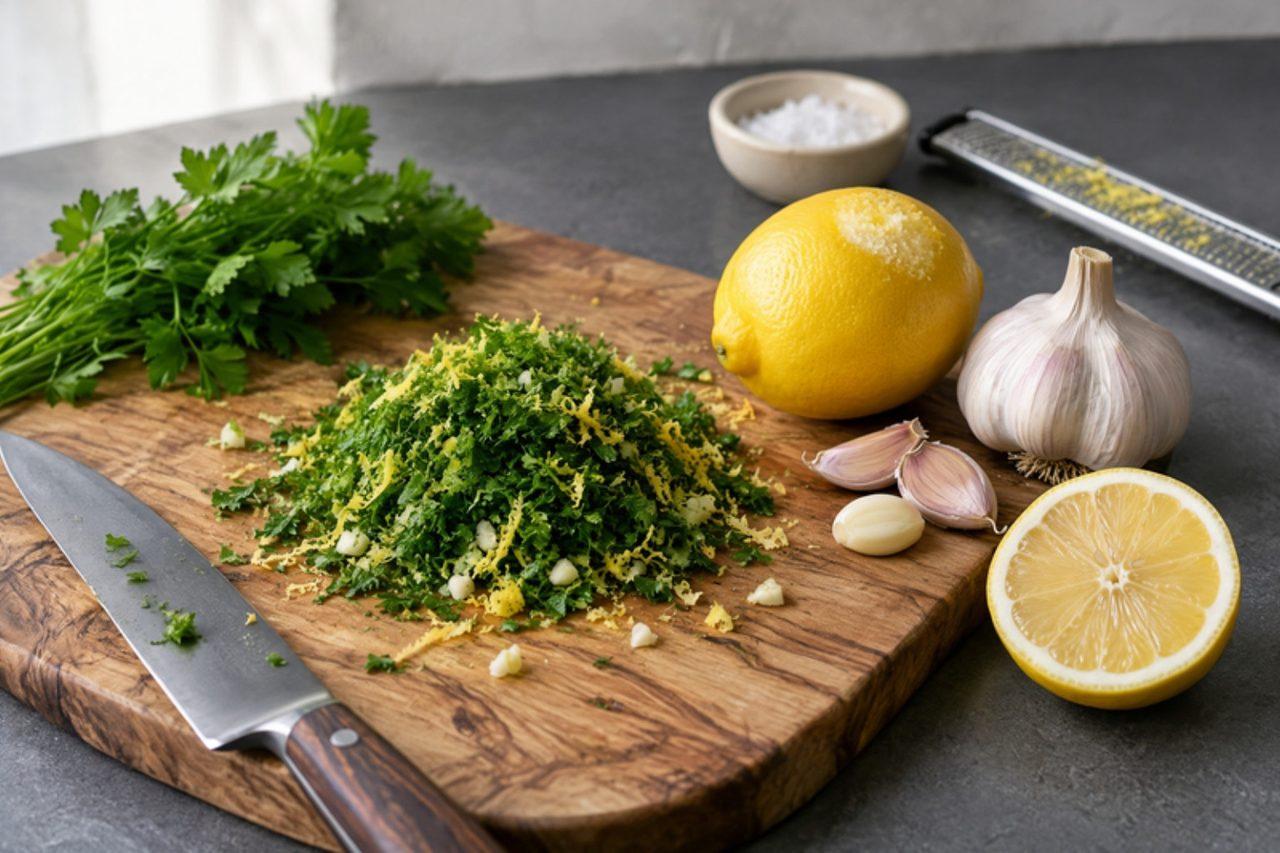
Gremolata

Gremolata is the Milanese finishing touch spooned over ossobuco on Sunday tables across Lombardy, and it brightens any slow-cooked stew, roast vegetables, beans or grilled fish. Flat-leaf parsley, lemon zest and raw garlic are chopped together so finely that they become a fragrant green confetti; the fresh, sharp flavour wakes up a dish so much that you need far less salt. About 0.0 g salt per portion. The usual mistake is grating the white pith with the zest, which makes it bitter; take only the yellow skin. Make it no more than an hour ahead, as the garlic gets harsh and the parsley darkens. Chef's tip: chop the garlic first with a few parsley leaves, so the juice soaks into the herbs instead of sticking to the knife.

by KrazyBadal 0 views

Neer mor (spiced buttermilk)

From April to June, when Chennai and Madurai bake at forty degrees, temples, shops and political parties set up 'thaneer pandhal' sheds by the roadside, offering free neer mor to every passer-by from great clay pots. At home it comes after a rice meal of sambar and rasam, or in the middle of the afternoon. The curd is churned and thinned with water until barely white, then seasoned with green chilli, ginger, curry leaves, coriander and a pinch of asafoetida, sometimes finished with a tempering of mustard seeds. It should be very thin, salty, tangy and herby, with a little chilli heat and a lingering savoury scent. The common mistake is using too little water: it then drinks like a heavy lassi rather than a thirst-quencher. Aim for about one part curd to four parts water. It is ready when the buttermilk is smooth, cold and pale green-flecked, and smells of curry leaf. It keeps a day in the fridge. Chef's tip: crush the ginger, chilli and curry leaves rather than chopping them; bruising releases far more flavour into the thin liquid.

by KrazyBadal 0 views

Mugicha (roasted barley tea)

From the rainy season in June until the cicadas fall quiet in September, almost every Japanese household keeps a tall jug of mugicha in the fridge. It is poured for children coming in from summer club practice, for grandparents after an afternoon nap, and alongside cold sōmen at lunch, because it carries no caffeine and can be drunk all day. Whole barley grains roasted until deep brown give a cup that tastes of toast, a little of coffee and a little of popcorn, with a clean, dry finish and no sweetness at all. Supermarkets sell it in tea bags, but loose roasted grains simmered in a pan make a rounder, darker brew. The usual mistake is leaving the grains in the jug or letting the hot tea sit out on the counter for hours: it turns bitter and, being a grain infusion, it sours quickly in summer heat. Strain it, cool it fast in a sink of cold water, and drink it within two days. It is ready when the liquid is a clear amber-brown and smells like freshly toasted bread. Chef's tip: dry-toast the grains for two minutes before brewing to wake up a bag that has been open a while.

by KrazyBadal 0 views

Showing 27 of 8,545 recipes

Show more recipes

Page 141 of 950