


Skip to content
Espárragos de Navarra con vinagreta
Featured recipe

Espárragos de Navarra con vinagreta

White asparagus with vinaigrette

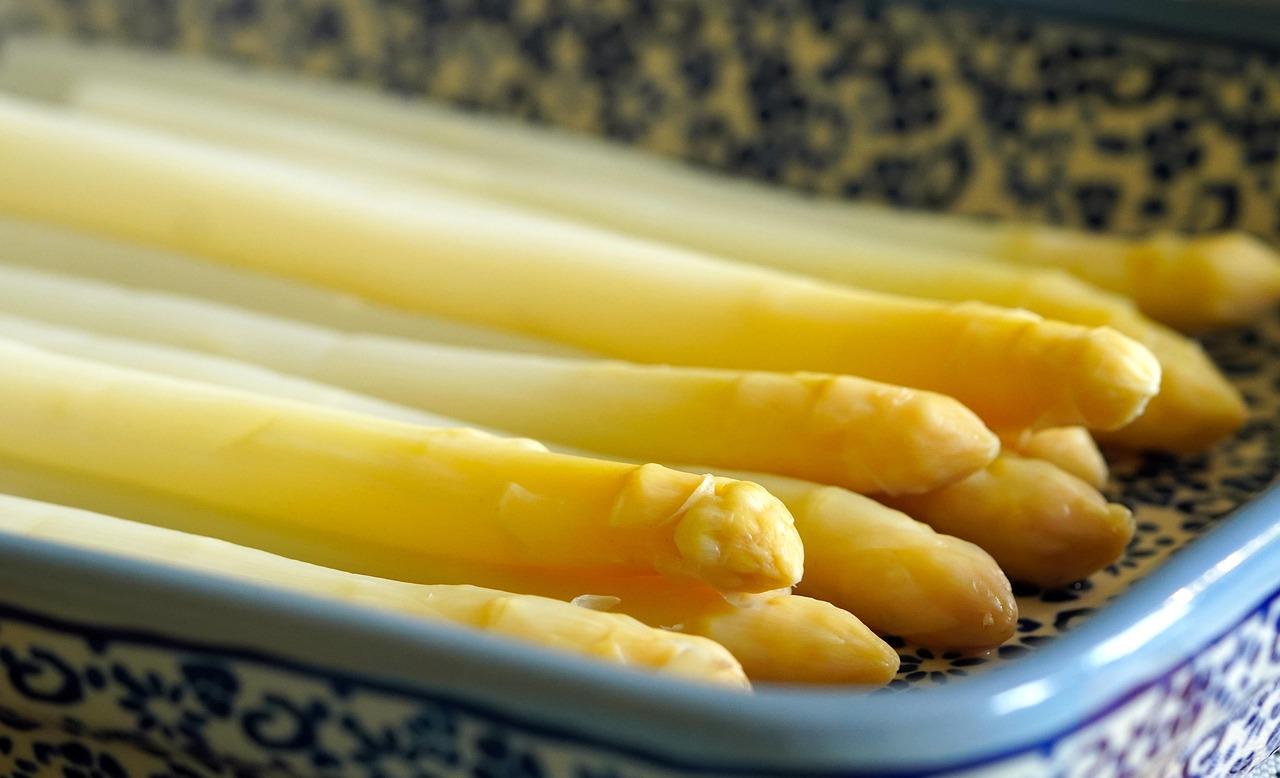
White asparagus grows under mounded earth in the sandy fields along the Ebro and its tributaries, and the Espárrago de Navarra label covers the spears picked there from April to June. In spring, restaurants from Pamplona to Tudela serve them freshly boiled, still warm or just cool, as a starter on their own or with a sharp vinaigrette full of finely diced peppers and egg. The rest of the year the jarred ones are a pantry staple. Chef's tip: add a teaspoon of sugar to the cooking water; it softens the faint bitterness of the stems.

Read more 0 views

What to eat today?

Around the world

Today's trip: Persian

A new country every day, from every cuisine on the site.

Persian

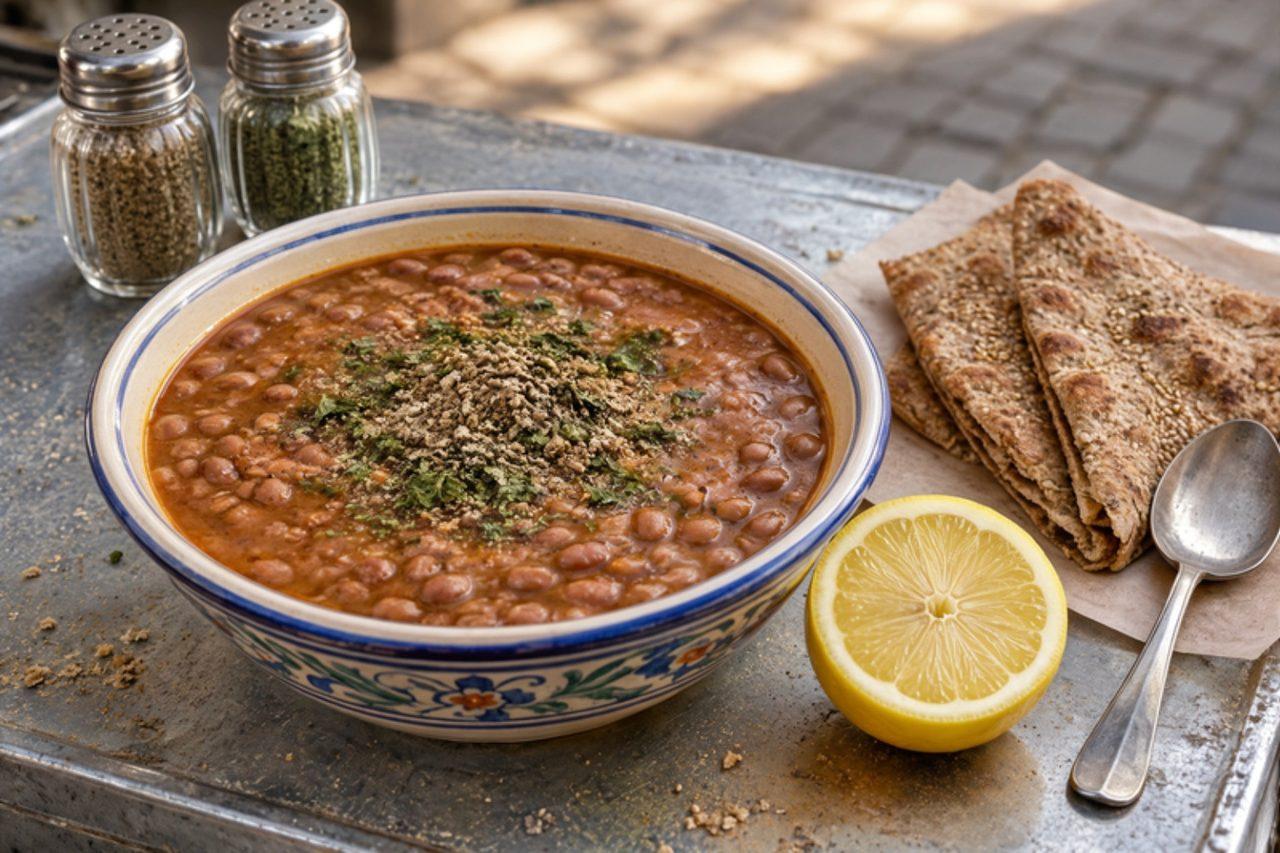
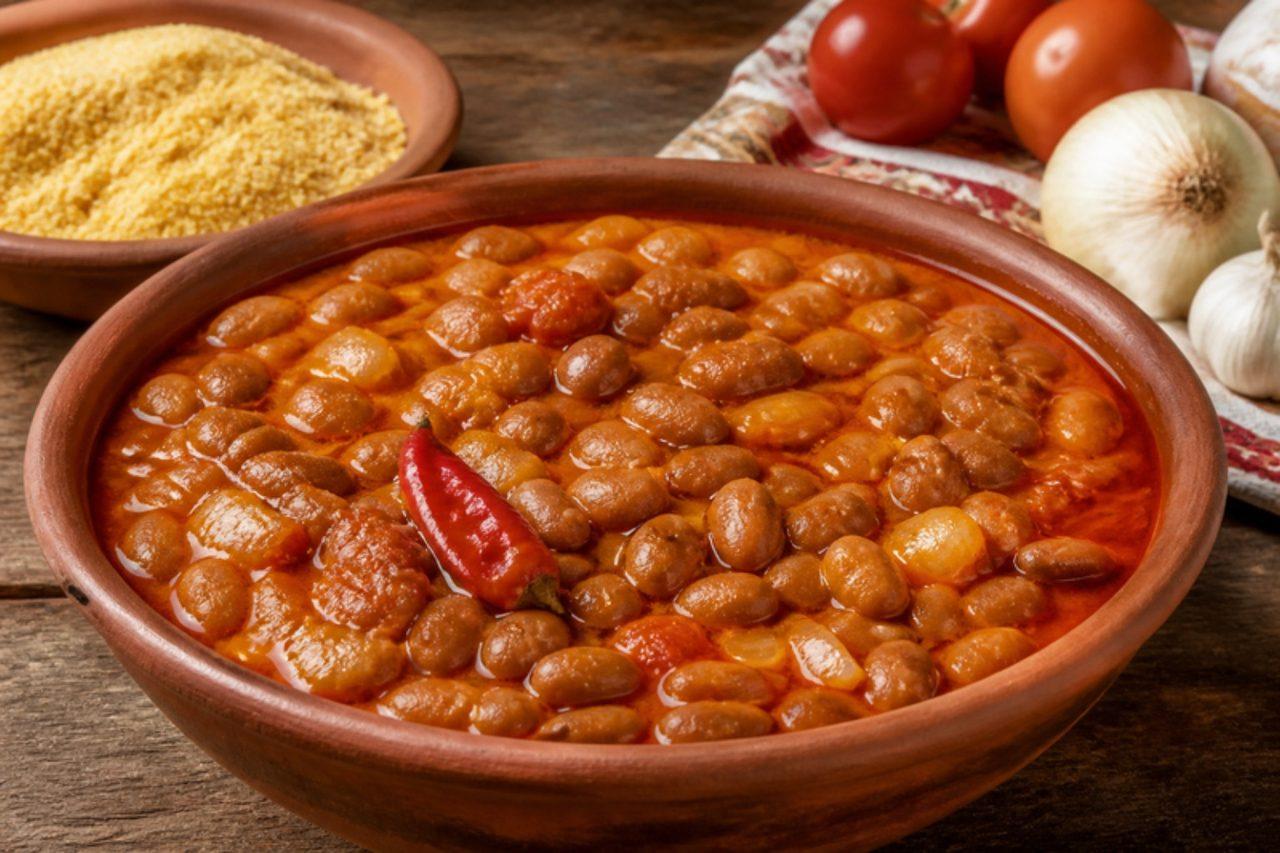
Lubia pokhte

Spiced pinto beans 120 minMore from Persian (131) →

This week's collection

Kid-friendly dinners
537 recipes · a new collection every Monday

Latest recipes

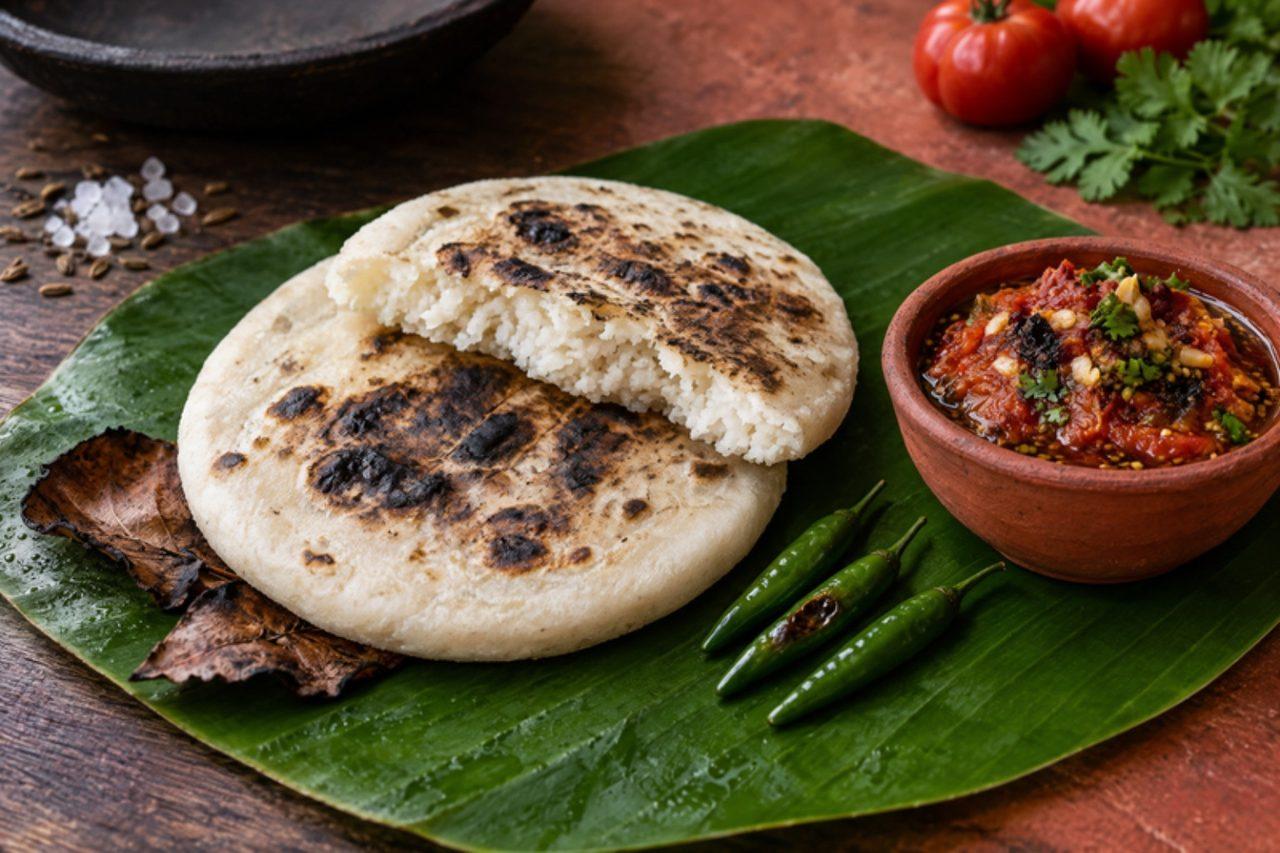
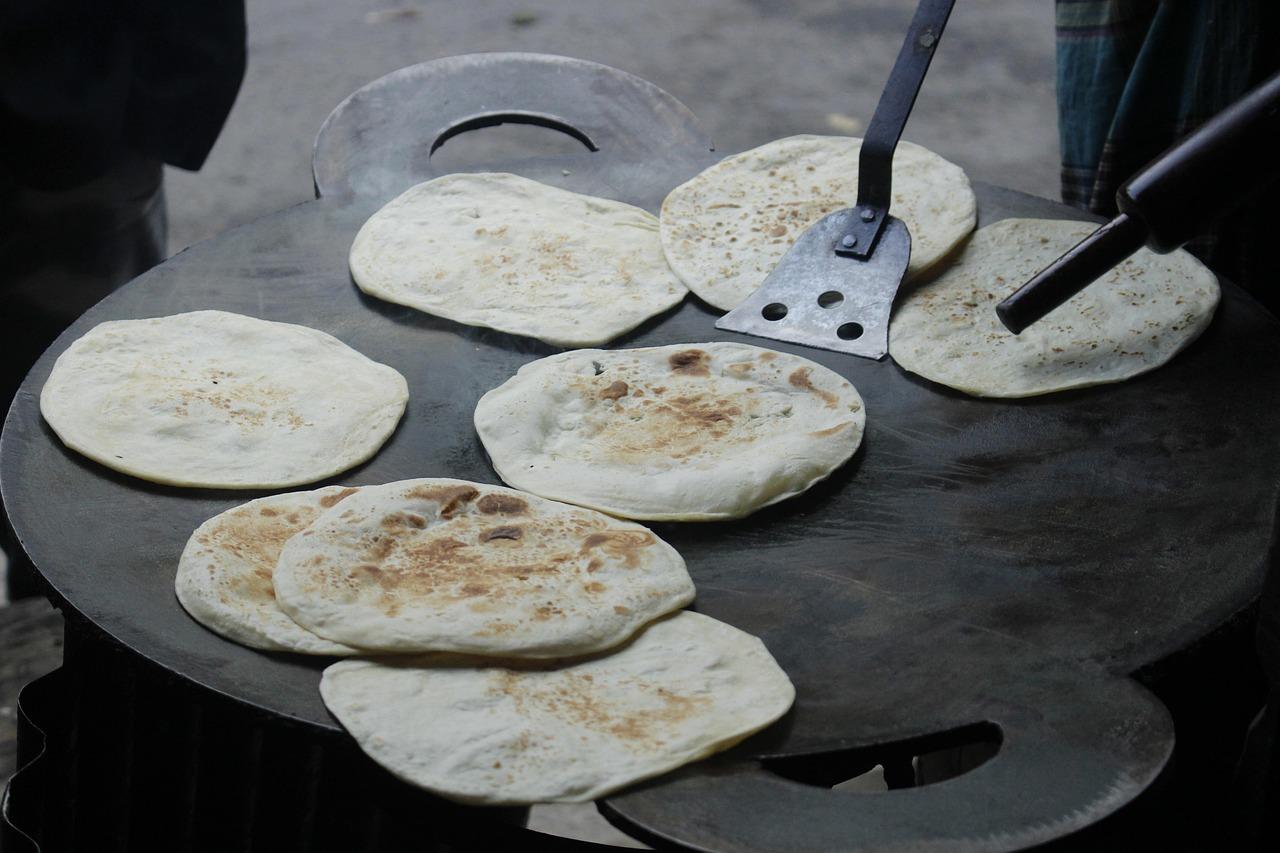
Angakar rotiThick rice flour roti

Angakar roti takes its name from angaar, the glowing coals of a village chulha in Chhattisgarh, where a thick round of rice dough is sandwiched between palash or banana leaves and buried in the embers until smoky and crusted. Farmers carry it to the fields with chutney and a green chilli, and it is still a winter breakfast across Bilaspur and Raipur. At home a heavy tawa and a lid do the job. The common slip is making the dough too wet; it should be soft but hold a fingerprint, or the roti stays gummy in the middle. Chef's tip: mix in a spoon of leftover cooked rice for a softer crumb, just as Chhattisgarhi grandmothers do.

by KrazyBadal 0 views
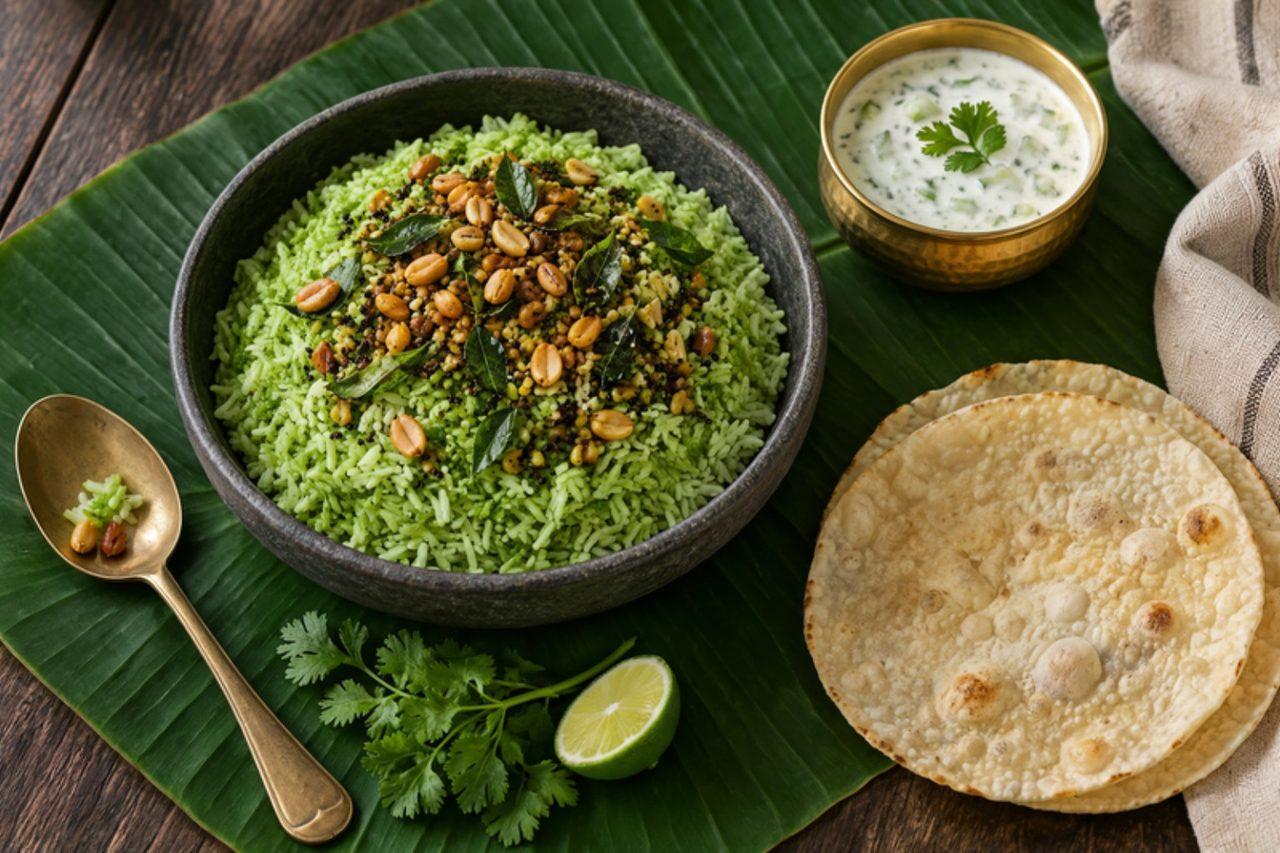
Kothamalli sadam (coriander rice)

Chennai mothers turn a big bunch of coriander into this bright green rice when they want a lunch box that looks fresh and smells of the market. The leaves and stems are ground with green chilli, coconut, ginger and a little tamarind, then fried in oil until the raw grassy smell goes and the paste turns a deeper green. The mistake is adding the paste and the rice together: the paste stays raw and the rice goes dull and sour. Cook the paste first until it leaves the sides of the pan. Chef's tip: keep the coriander stems; they carry more flavour than the leaves and grind into a smoother paste.

by KrazyBadal 0 views

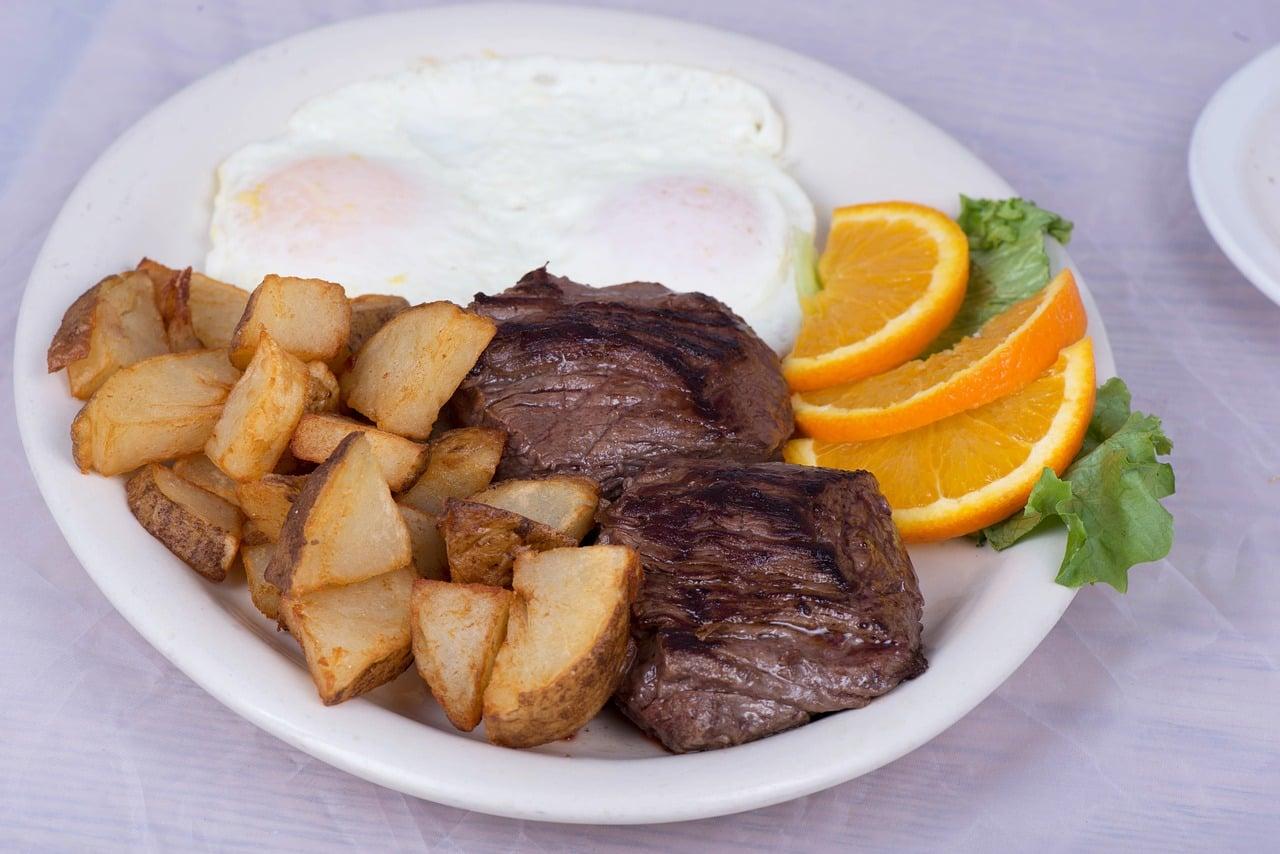
Lomo a lo pobreSteak with chips, onions and eggs

Lomo a lo pobre, 'poor man's steak', is a joke in its name: it is the most generous plate in any Santiago fuente de soda, a thick beef steak buried under a pile of chips, soft fried onions and two fried eggs. It is weekend lunch food, and truck drivers' food on the Panamericana. Getting the timing right is the trick; cooks who fry the onions fast end up with burnt, bitter strips. Start the onions first and give them a full 25 minutes on a low heat. Chef's tip: double-fry the chips, first at 160 °C and then at 190 °C, so they stay crisp under the eggs. For anyone pregnant, very young or vulnerable, fry the eggs until the yolks are firm.

by KrazyBadal 0 views

RosinbollerCardamom raisin buns

In Norway, rosinboller are what a parent bakes on Sunday so the week's lunch boxes have something sweet, and what fills the tables at every school dugnad and bake sale. The dough is enriched with milk and butter and scented with freshly ground cardamom, and the buns are pulled apart soft and golden. The common mistake is using hot milk: anything above blood heat kills the yeast and the buns stay flat. Chef's tip: crush the cardamom seeds yourself just before mixing; the pre-ground powder loses most of its perfume.

by KrazyBadal 0 views

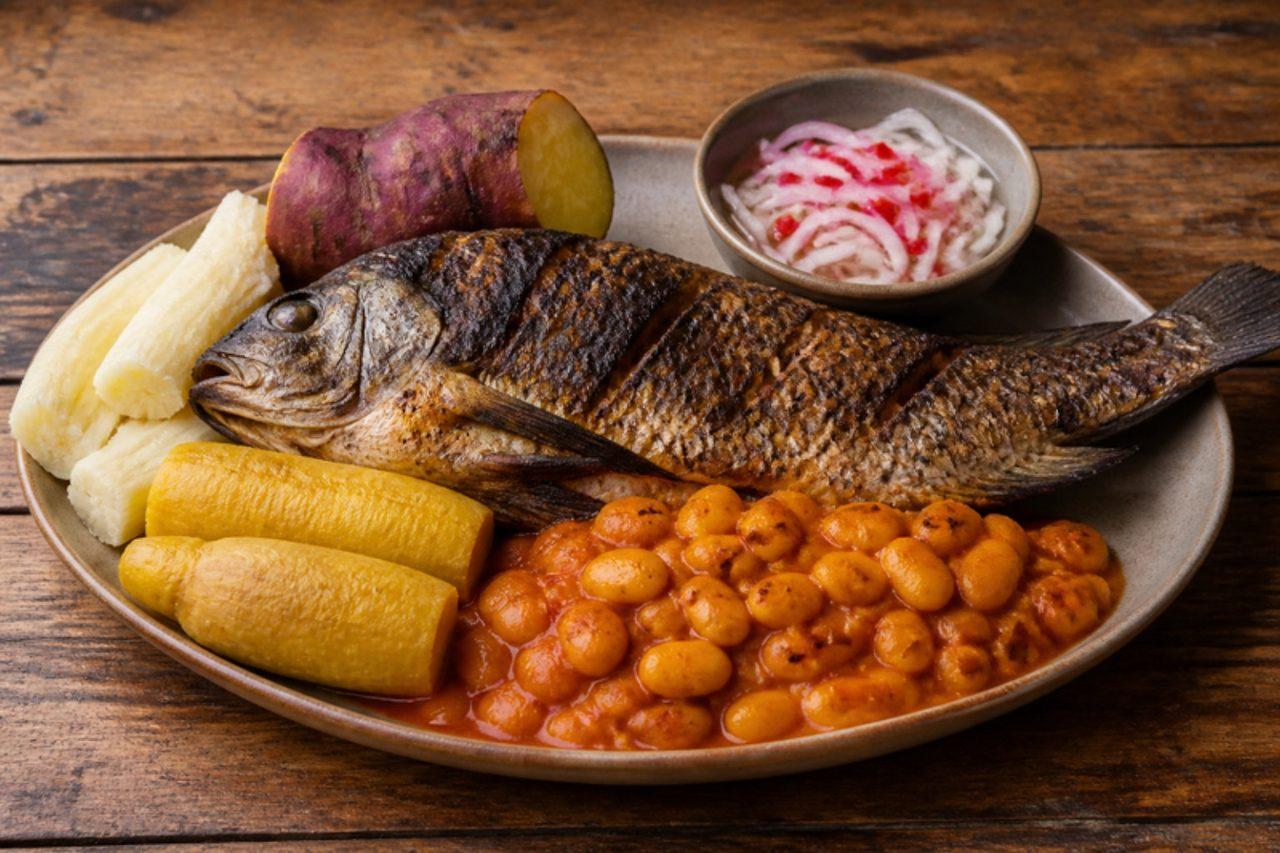
MufeteGrilled fish with beans and plantain

On the Ilha de Luanda and at the beach restaurants of Mussulo, mufete is the weekend feast: a whole grilled cacusso (tilapia) laid across a platter heaped with beans in palm oil, boiled plantain, sweet potato and cassava, with a sharp sauce of raw onion, vinegar and oil spooned over everything. The fish is smoky and juicy, the roots soft and sweet, and the onion sauce cuts through the richness of the beans. It is eaten slowly, with cold drinks and plenty of conversation. Ask the fishmonger to gut and scale the fish. Cassava must always be peeled, cored and boiled until fully soft, never eaten raw. Chef's tip: oil the grill bars and the fish well and don't try to turn it until the skin releases on its own, or it will tear.

by KrazyBadal 0 views

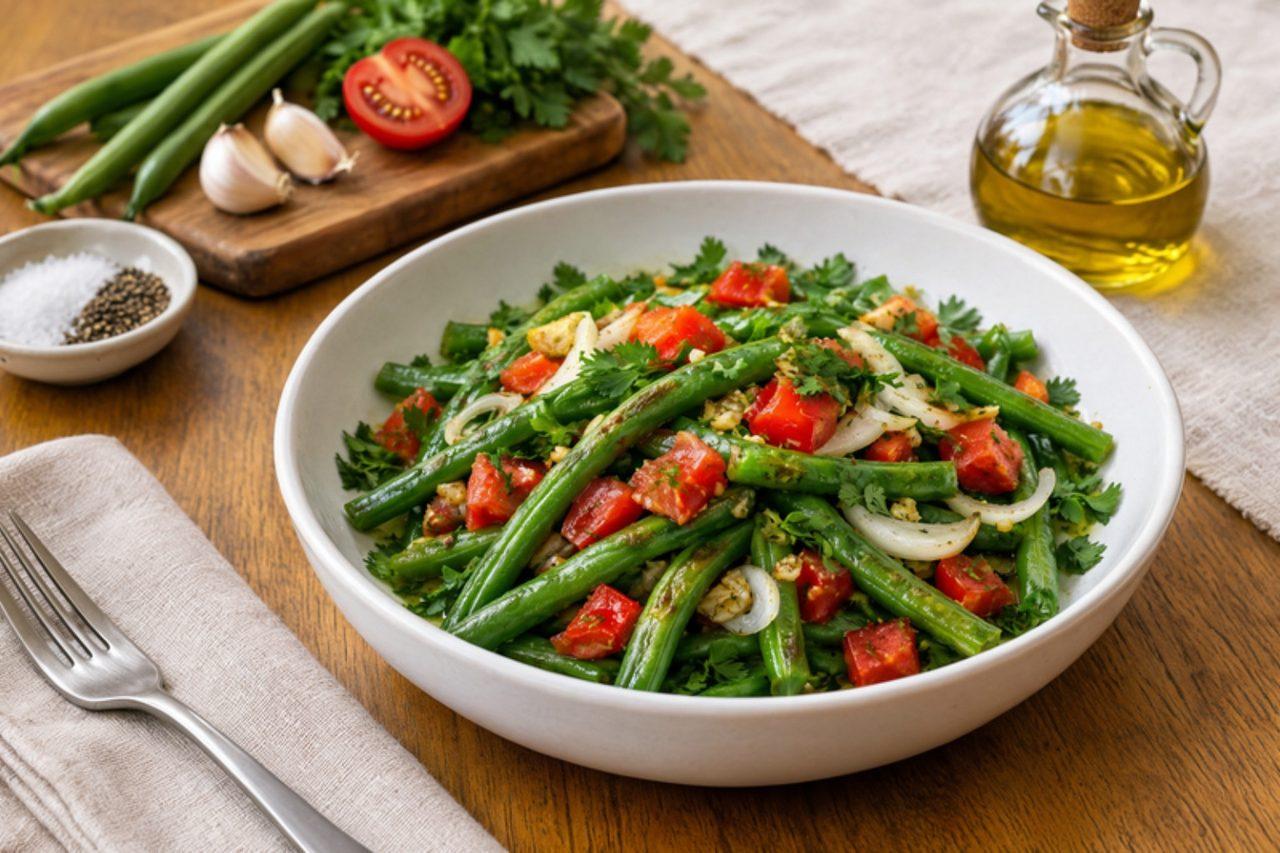
Vagem refogadaSauteed green beans

In São Paulo and Rio, the marmita (lunch tin) that workers carry from home almost always has arroz, feijão, a protein and a simple legume refogado, and green beans cooked with garlic, onion and tomato are one of the most common. Refogar means to sauté gently in oil before the vegetables cook in their own steam. The common mistake is boiling the beans until army-green and floppy; they should stay bright and keep a little snap. Chef's tip: blanch for just 3 minutes, then finish in the pan, so they still taste fresh when reheated at work.

by KrazyBadal 0 views

Feijão de óleo de palmaPalm oil beans

No Saturday table in Luanda feels complete without a pot of these beans next to the funge, and the deep orange colour of the dende oil tells you they are ready. Soft, creamy beans are simmered with onion, garlic, tomato and a generous pour of red palm oil until the broth thickens and every bean is coated, earthy, faintly smoky and rich. Serve them with funge de bombó (cassava) or funge de milho, with fried plantain, or with rice and greens. Buy unrefined red palm oil from an African grocer, ideally certified sustainable; it is not the same as the pale refined kind. Chef's tip: hold back the salt and tomato until the beans are truly soft, because both firm up the skins and are the usual reason a bean pot never gets creamy.

by KrazyBadal 0 views

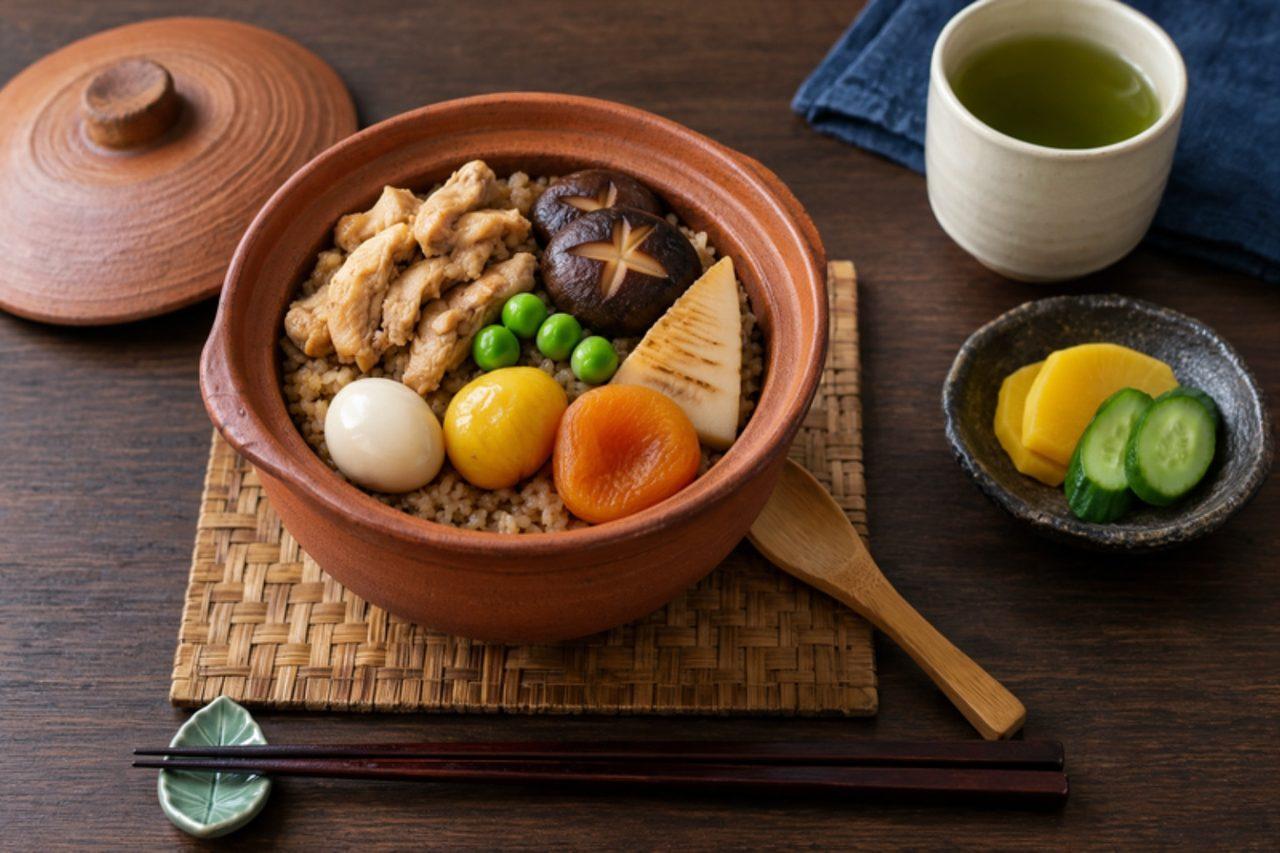
Tōge no kamameshiChicken and mushroom pot rice

At Yokokawa Station in Gunma, at the foot of the Usui Pass, travellers have bought tōge no kamameshi since 1958: a little clay pot of rice cooked in soy-seasoned dashi and crowded with chicken, shiitake, bamboo shoot, burdock, a sweet chestnut, a dried apricot and a quail egg. It tastes just as good at room temperature on a train. The seasoning includes mirin, a sweet rice wine that bubbles away as it cooks; for alcohol-free, use 1 tbsp sugar instead. The common mistake is lifting the lid while the rice cooks, which lets the steam out and leaves the grains hard. Chef's tip: simmer the chicken and mushrooms first and use that liquid to cook the rice, so every grain tastes of them.

by KrazyBadal 0 views

Atol de plátanoWarm plantain and milk drink

In Guatemalan markets, steaming pots of atol are sold from early morning: thick, sweet, drinkable porridges made from corn, rice, oats or, in this case, very ripe plantain blended with milk and cinnamon. Atol de plátano is creamy and fruity, a filling breakfast in a mug. The common mistake is boiling it hard after the milk goes in, which catches and burns on the bottom; keep it at a gentle bubble and stir. Chef's tip: simmer the plantain with the cinnamon in water first, then blend; this cooks the starch fully and gives a silky drink without any raw-banana taste.

by KrazyBadal 0 views

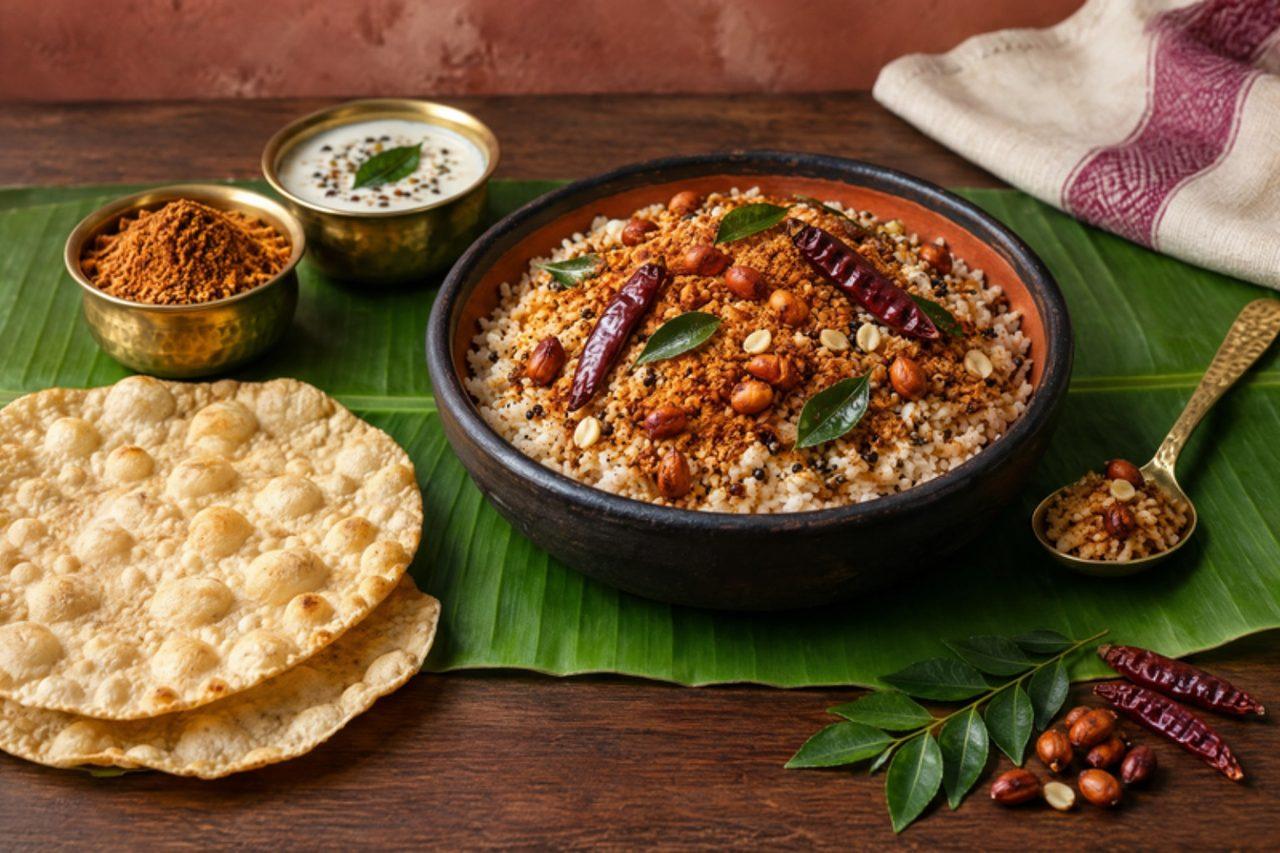
Verkadalai sadam (peanut rice)

Peanut rice is the filling variety rice that Tamil and Kannada parents send when the school day ends with games: roasted peanuts, dry coconut, sesame and red chillies are ground into a coarse powder and tossed through rice in a curry leaf tempering. It tastes a little like a savoury peanut brittle, and it stays good at room temperature for hours. The mistake is grinding the peanuts too long; they turn into peanut butter and the rice clumps. Pulse in short bursts and stop while it is still sandy. Chef's tip: keep a few whole roasted peanuts aside and add them at the end for crunch.

by KrazyBadal 0 views

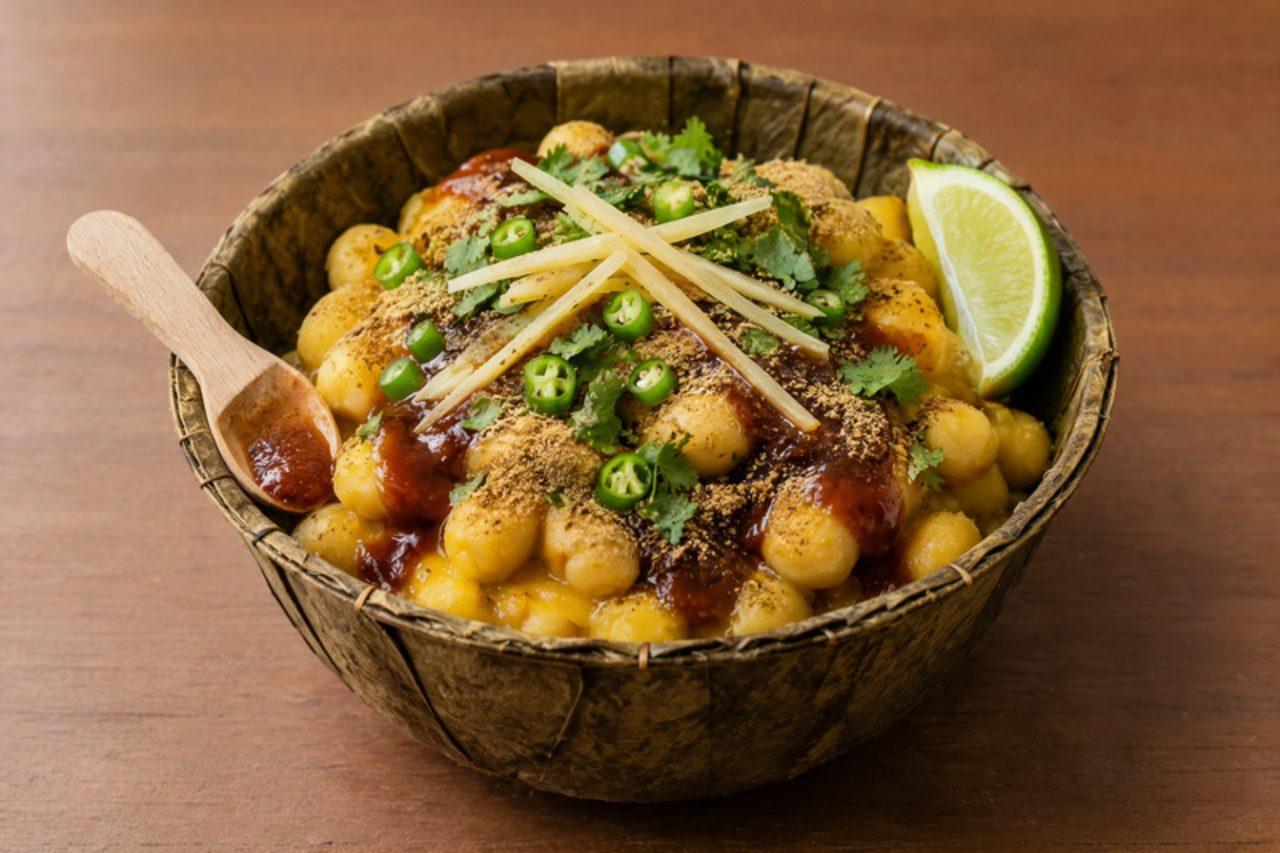
Lucknowi matar chaatWhite pea chaat

In Aminabad and around the Chowk in old Lucknow, matar chaat is ladled hot out of huge brass handis that sit on embers all evening, especially through the cold months. Dried white peas are cooked until they collapse into a creamy, soupy mass, then each leaf bowl is topped with shredded ginger, green chilli, raw onion, lime, roasted spices and a trickle of sweet tamarind chutney. It is warming, sour and gently hot. Chef's tip: cook the peas until a good number break down; that creamy liquid is what makes it Lucknowi.

by KrazyBadal 0 views

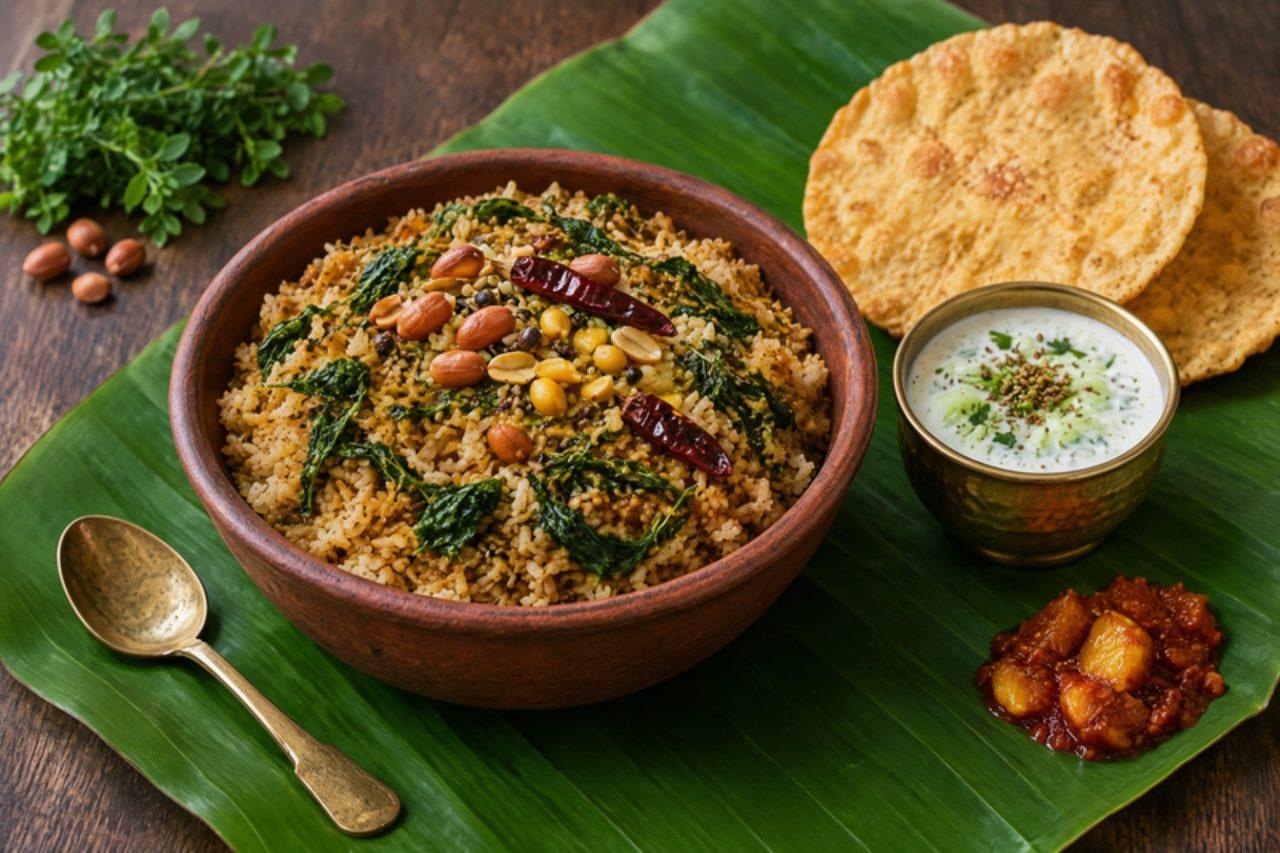
Menthya soppu bath (fenugreek leaf rice)

In Bengaluru and Mysuru, a "bath" is a one-pan rice dish seasoned with its own roasted spice powder, and menthya soppu bath is the winter version, made when bunches of fresh fenugreek are cheap. Unlike Tamil variety rices, the rice is cooked right in the masala with the leaves, tamarind and a touch of jaggery, so it comes out soft, tangy and gently bitter. The common mistake is using too much methi stalk, which makes the rice harshly bitter; strip the leaves and use only the softest stems. Chef's tip: a teaspoon of jaggery and a squeeze of tamarind balance the bitterness better than extra salt.

by KrazyBadal 0 views

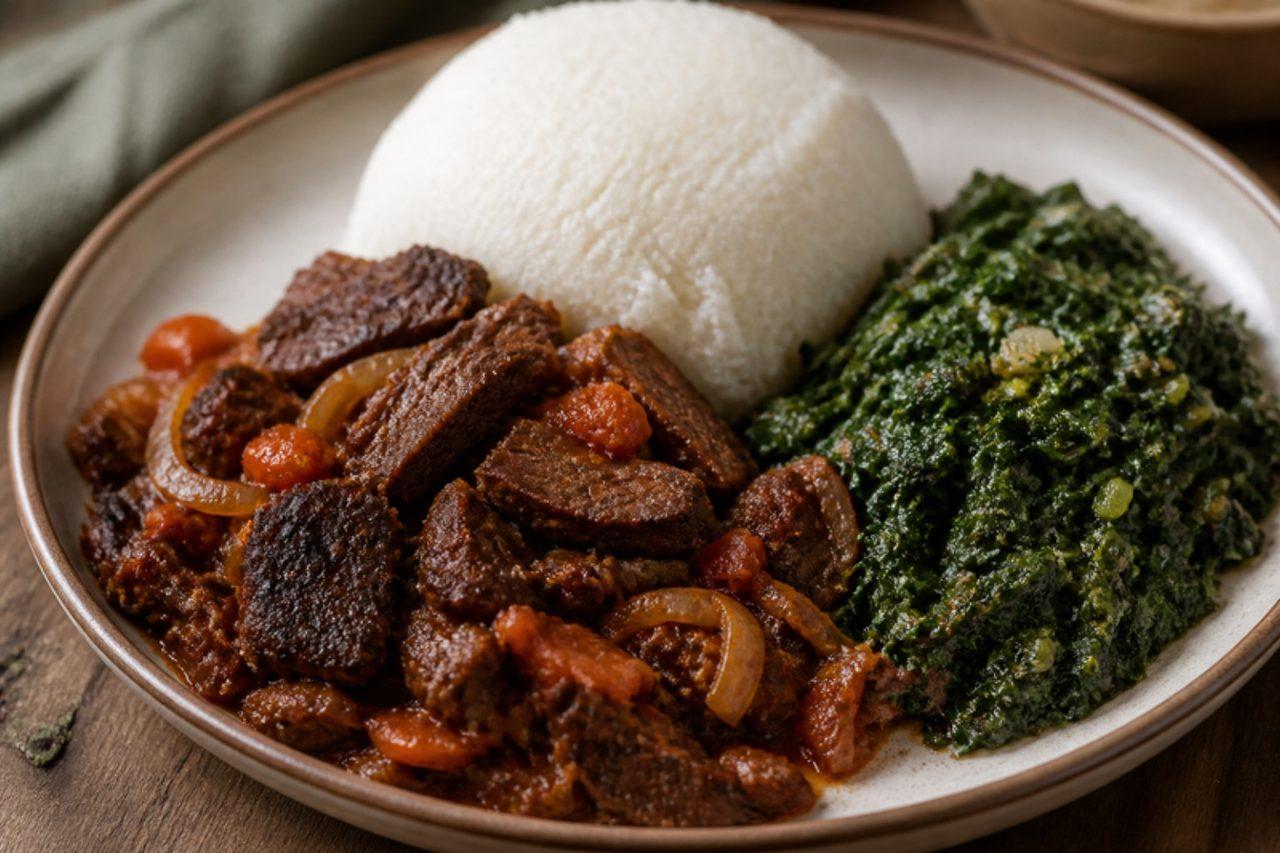
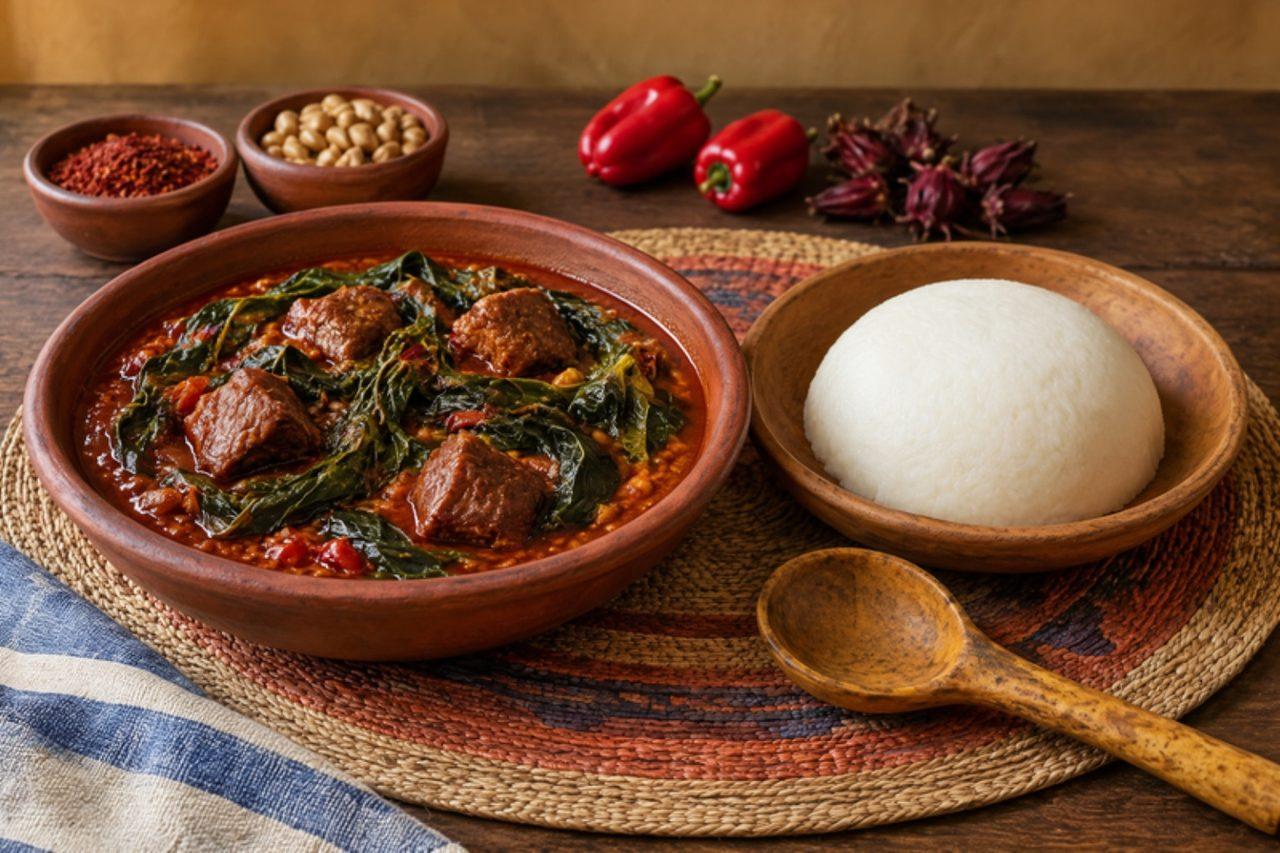
AliyaDried beef stew

Luo households around Kisumu, Siaya and Homa Bay once dried strips of beef in the sun and over the cooking fire so meat from a slaughter or a big ceremony would keep for weeks, and aliya is still cooked for funerals, gatherings and nostalgic Sunday lunches. Rehydrated and stewed, the strips become dense, chewy and intensely beefy with a faint smokiness, in a thick tomato gravy with soft greens folded through; serve it with kuon (ugali) and a bowl of sour milk if you like. Sun-drying raw meat is not safe at home, so this version first heats the strips to 71 °C in the oven and then dries them slowly, or you can start from bought dried beef. The dried strips are not for pregnant women, young children or anyone with a weakened immune system unless they are fully stewed as here. Chef's tip: simmer the strips until soft before frying, the step people skip, or the aliya stays leathery.

by KrazyBadal 0 views

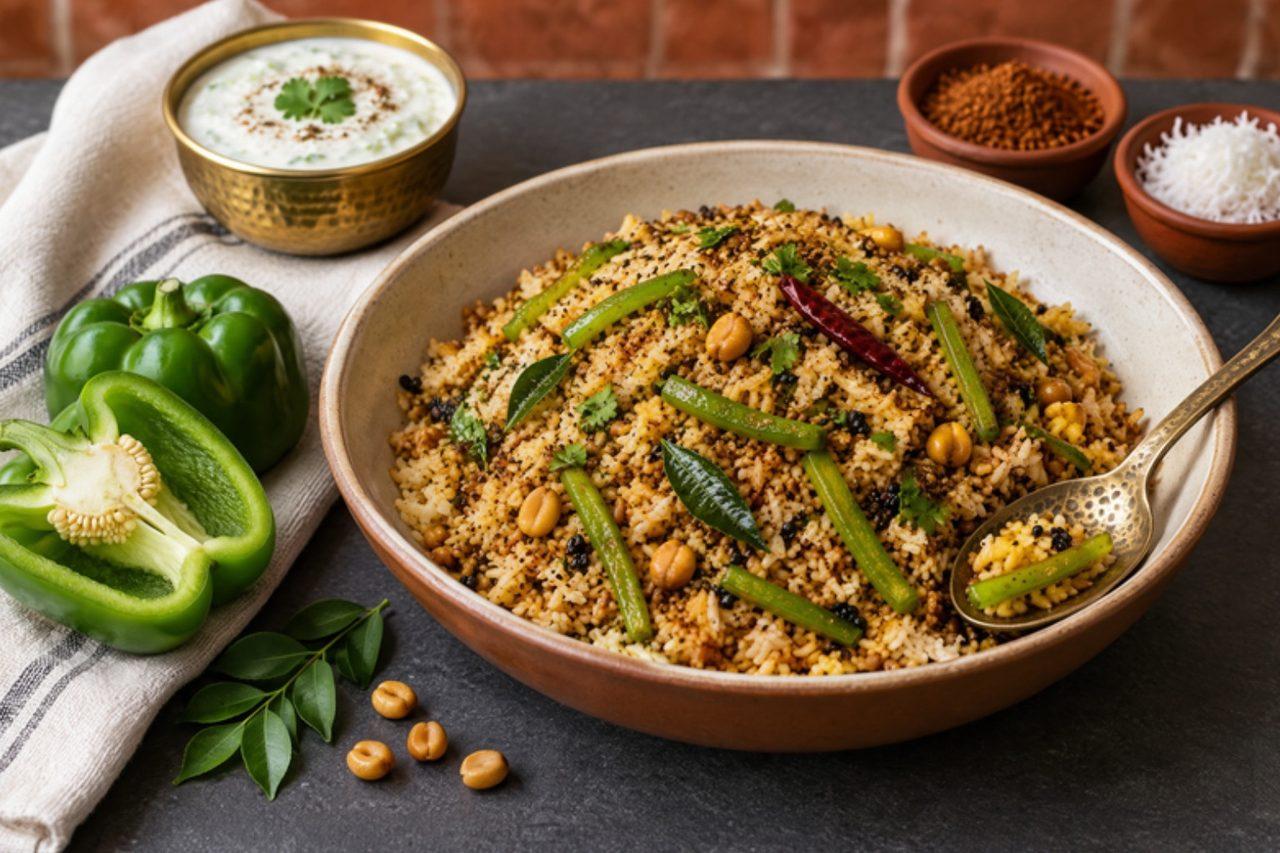
Capsicum rice (capsicum bath)

Every Bengaluru darshini has its own capsicum bath, and at home it is a favourite for office lunch boxes because the peppers stay crunchy until noon. Green peppers are sautéed just until glossy, then tossed with rice and a freshly roasted powder of coriander seeds, chana dal, dry coconut and red chillies. The mistake is cooking the peppers until soft; they release water and the rice turns soggy, so keep them bright and crisp. Chef's tip: add the powder to the hot oil off the heat for a few seconds before the rice goes in; it blooms the spices without burning the coconut.

by KrazyBadal 0 views

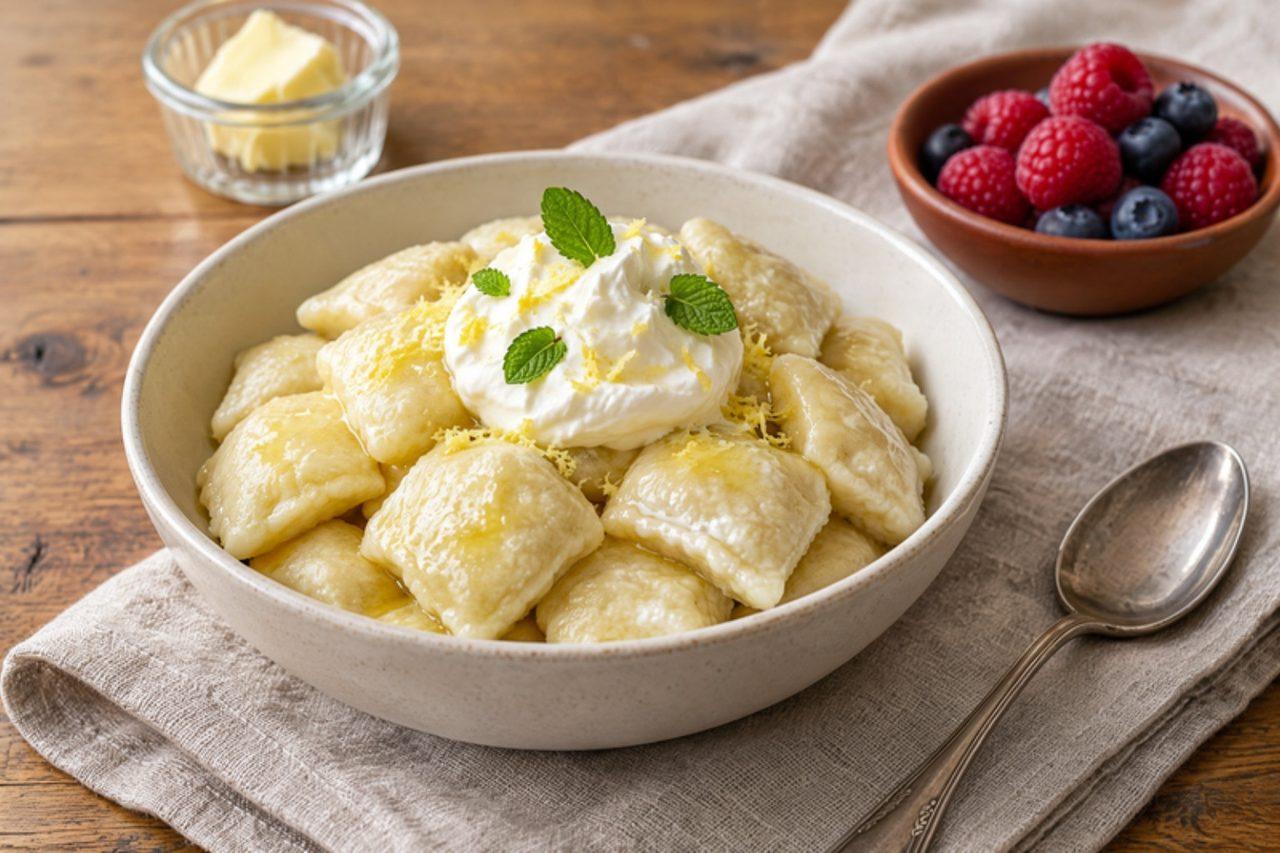
Lynyvi varenykyLazy curd dumplings

Lynyvi varenyky, 'lazy dumplings', are the Ukrainian weekday breakfast for families who love varenyky but have no time to fill them: the curd cheese goes into the dough itself, which is rolled into a log, sliced and boiled for a few minutes. They come out soft, tender and lightly sweet, finished with melted butter and a spoon of sour cream, sometimes with jam. The mistake is adding too much flour to make the dough easier to handle, which makes the dumplings heavy; the dough should stay soft and a little sticky. Chef's tip: dust your hands and board rather than the dough, and boil one test dumpling first; if it falls apart, add just one more tablespoon of flour.

by KrazyBadal 0 views

Brazo de reinaSponge roll with dulce de leche

The 'queen's arm' sits in the glass cabinet of every Chilean bakery: a light sponge rolled around a thick layer of manjar (Chilean dulce de leche) and dusted with icing sugar. At home it is the cake for a birthday tea or an unexpected visitor, because it bakes in 10 minutes. The common mistake is overbaking: a dry sponge cracks as you roll it. Take it out the moment it springs back. Chef's tip: roll the sponge up in a sugared tea towel while it is still hot and let it cool that way; it remembers the shape and won't crack when you fill it.

by KrazyBadal 0 views

AppelflapApple puff pastry

An appelflap is the snack Amsterdammers pick up at the bakery counter or the Albert Cuyp market on a grey afternoon: a triangle of flaky puff pastry, packed with soft cinnamon apple and plump raisins, its top crackling with sugar. You eat it from a paper bag on a bench by the canal, or with a coffee at about four o'clock, and the filling is always hotter than you expect. Chef's tip: cook the apple filling first and let it cool completely; warm filling melts the butter in the pastry and you lose the layers.

by KrazyBadal 0 views

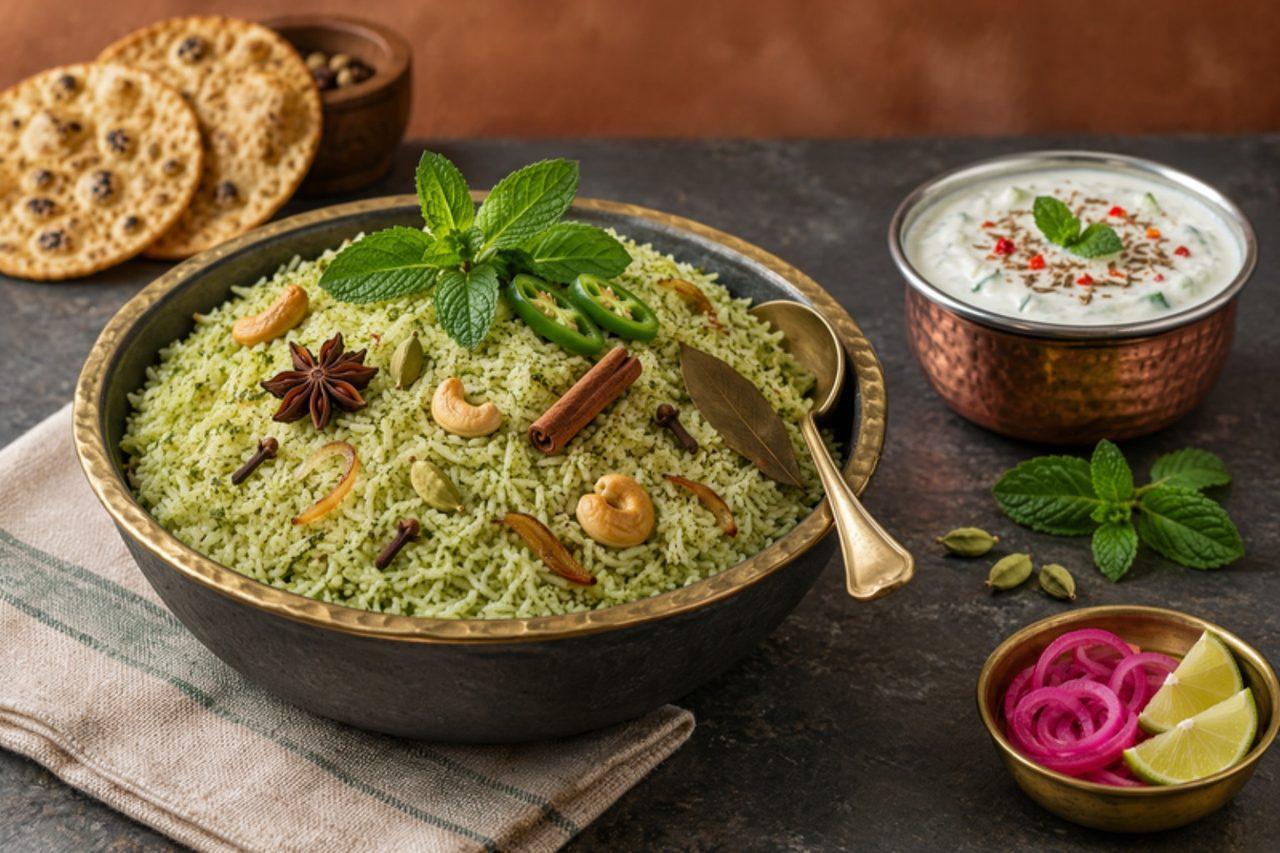
Pudina pulao (mint pulao)

Mint pulao turns up in tiffins from Hyderabad to Delhi in summer, when mint grows like a weed on balconies, and it is a lunch box that still smells fresh at one o'clock. Basmati is fried with whole spices and onion, then cooked in water coloured with a paste of mint, coriander, green chilli and ginger. The mistake is boiling the mint paste for a long time before the rice goes in, which turns it khaki and bitter; add it, stir for a minute, and get the rice in. Chef's tip: a squeeze of lime in the cooking water keeps the green colour brighter.

by KrazyBadal 0 views

AppelstroopApple syrup

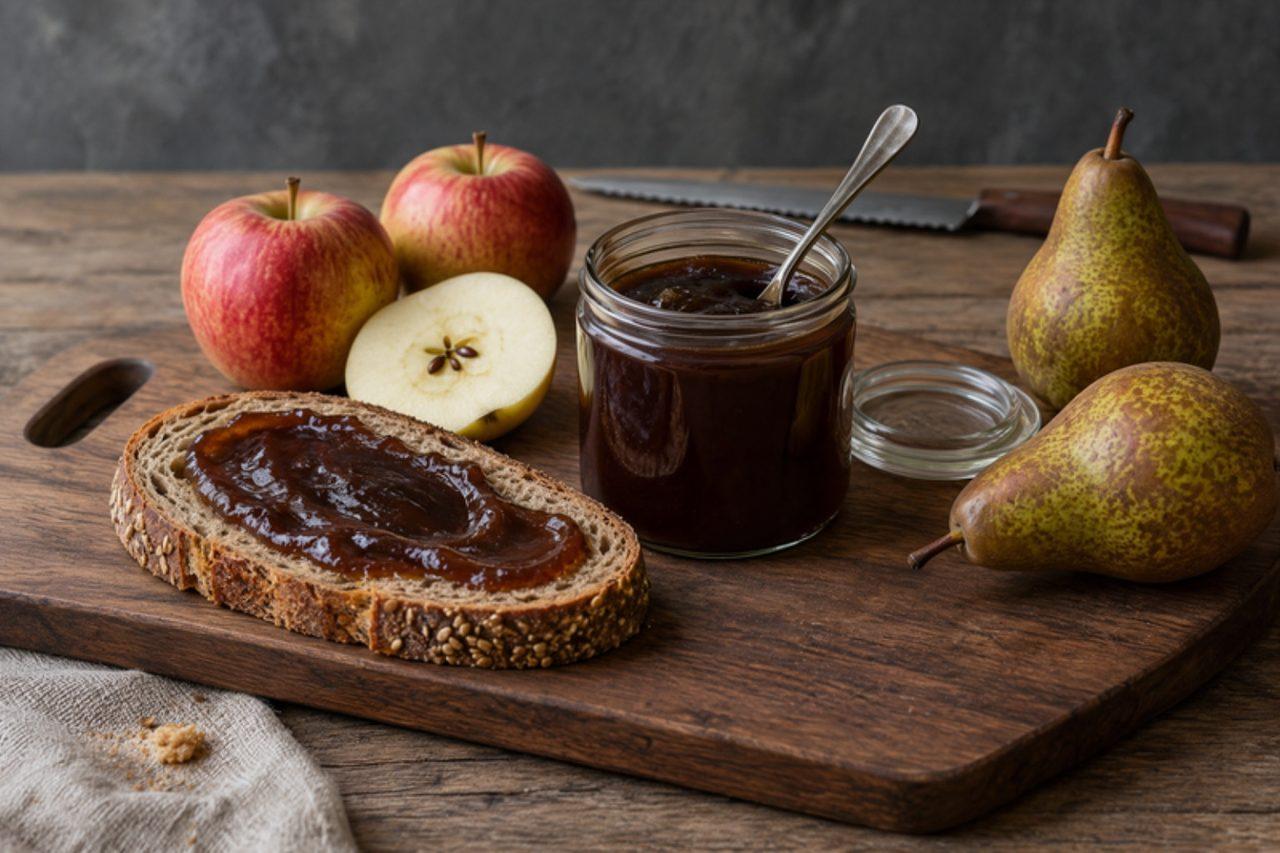
In Dutch and Belgian Limburg, appelstroop is spread on brown bread at breakfast, often under a slice of Gouda, and it goes into the Limburg sour stew zoervleis. It is nothing but apples (with a few pears) cooked to a pulp, pressed and boiled down for hours into a glossy, almost black syrup that tastes sweet, sharp and faintly of caramel. The common mistake is stopping too early: until it coats a cold plate and holds a line, it is apple juice, not stroop. Chef's tip: in the last half hour stir constantly and lower the heat, because the thick syrup catches and burns in seconds.

260 minDutchBasicsVeganGluten free
by KrazyBadal 0 views

Vegetable pulao

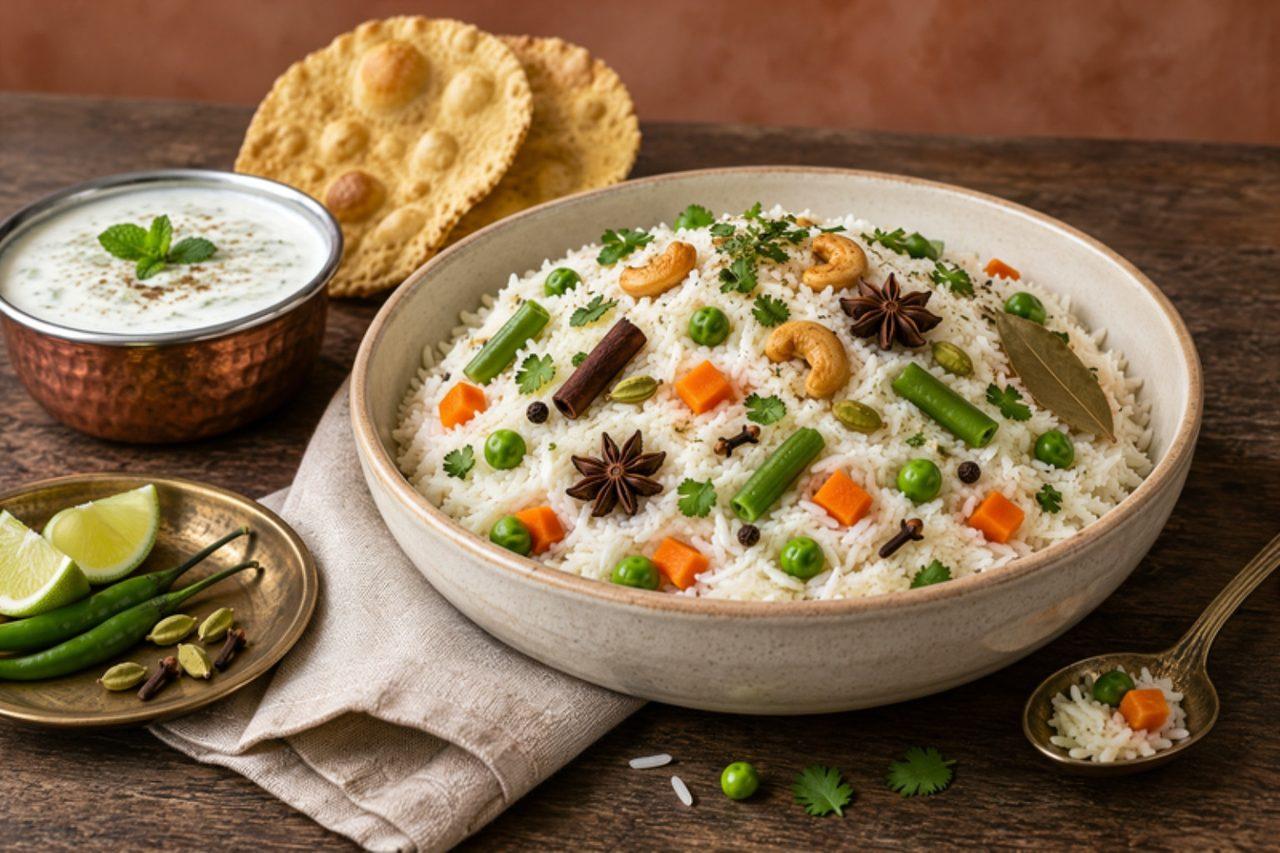
This is the plain, comforting pulao that gets packed for small children all over India, from Kolkata to Bengaluru: no chilli heat, just whole spices, a little fried onion and plenty of carrot, beans and peas. It is just as good warm or at room temperature, with a pot of raita or a few potato wedges alongside. The mistake is stirring the rice once the water goes in, which breaks the grains and makes it gluey; cover the pan and leave it alone. Chef's tip: cut the vegetables the size of a pea, so a child's spoon gets rice and vegetables in every bite.

by KrazyBadal 0 views

Arepa andina de trigoPuffy wheat flour arepas

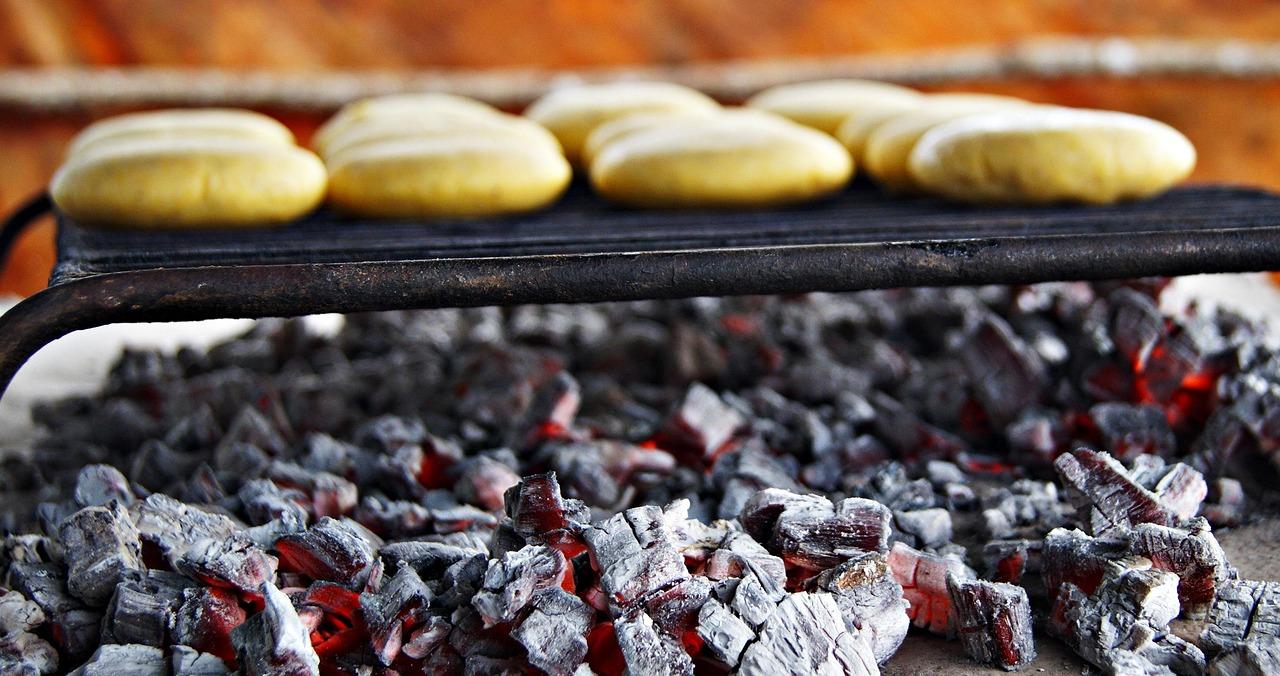
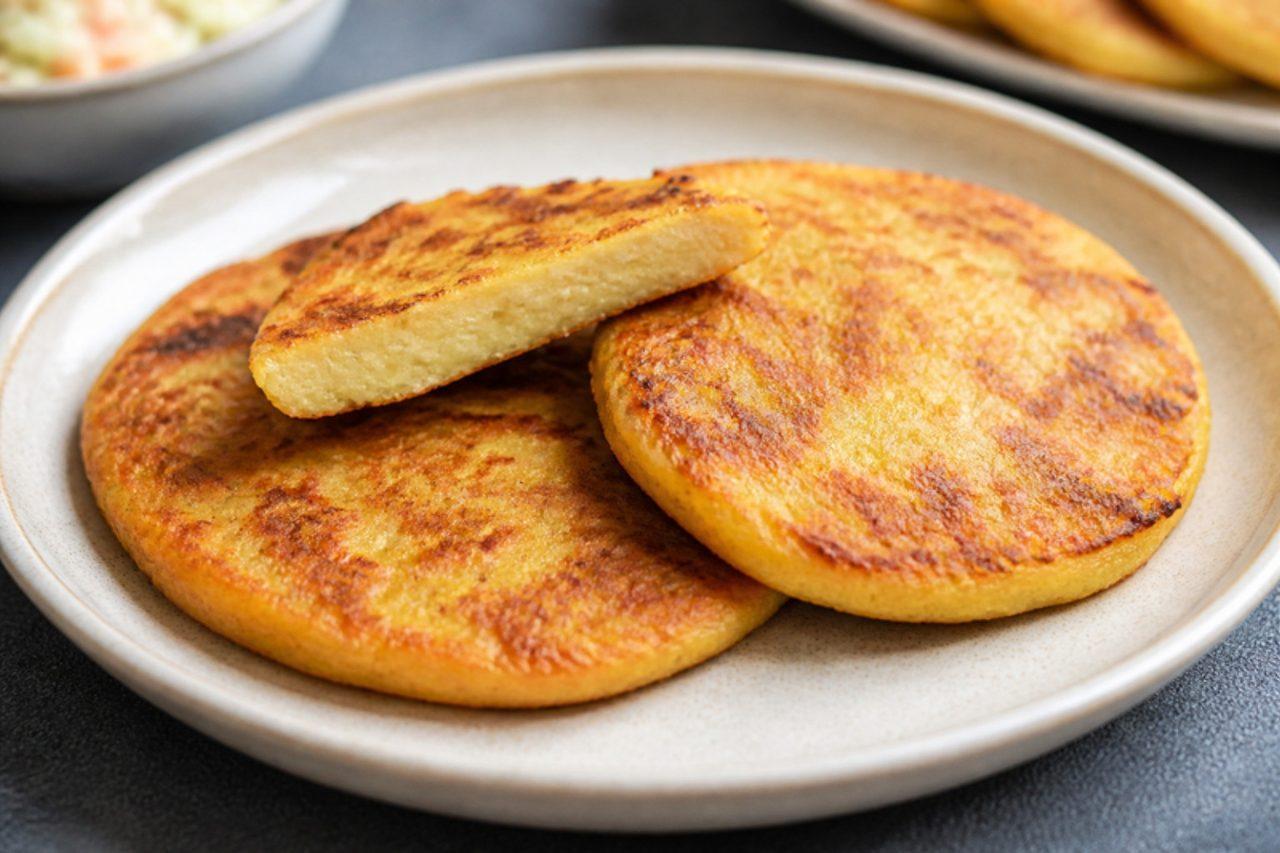
Up in Mérida and Táchira, where wheat grows on the terraced slopes, breakfast arepas are made from flour rather than corn: thick, lightly sweet griddle cakes that puff as they cook and split open like a scone. Andean families eat them hot with butter, a slab of smoked or fresh white cheese and a mug of milky coffee, often beside a bowl of pisca. Most commercial white cheeses are made with animal rennet, so look for one labelled vegetarian if that matters to you. The usual mistake is a griddle that is too hot, which scorches the outside before the thick centre has cooked through. Chef's tip: knead only until smooth and rest the dough for 15 minutes; overworked dough gives tough, flat arepas.

by KrazyBadal 0 views

Urulaikizhangu roast (Tamil potato roast)

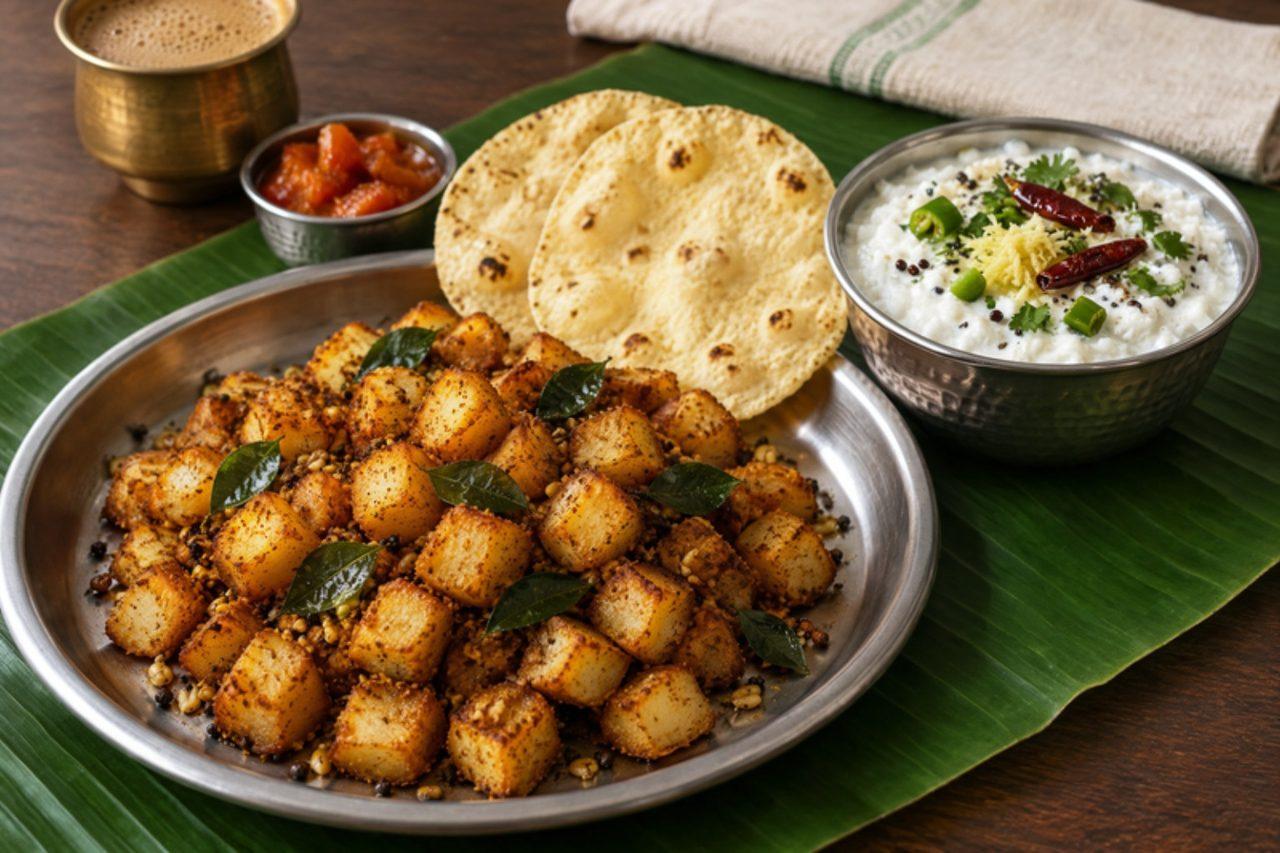
In Tamil lunch boxes, curd rice almost always comes with this: small cubes of boiled potato roasted slowly in a cast-iron pan with sambar powder, chilli and curry leaves until they are dark, crusty and chewy at the edges. It is a dry side, so it does not leak into the rice, and it tastes as good cold as hot. The mistake is stirring all the time; the potatoes need to sit undisturbed against the hot pan for a few minutes at a time to build the crust. Chef's tip: a teaspoon of rice flour scattered over in the last few minutes makes the coating even crisper.

by KrazyBadal 0 views

Arepa peladaHand-peeled corn arepas

Before bagged flour reached every shop, arepas in Lara and across the Llanos began with whole dried corn boiled with a spoon of food-grade lime until its skins slipped off; 'pelada' means peeled. The dough has a deeper, slightly smoky corn taste and a coarser crumb than flour arepas, and on cattle ranches it is still eaten at breakfast with butter or avocado. Handle the lime (calcium hydroxide) with care: keep it off your skin and away from children. The common mistake is rinsing too lightly, which leaves the dough yellow, soapy and bitter. Chef's tip: grind the corn twice and add water a spoonful at a time; a dough that is too wet slumps on the griddle.

by KrazyBadal 0 views

Dousha bao (red bean buns)

All over China, from Beijing breakfast stalls to Shanghai school bags, dousha bao are the sweet buns people grab in the morning and tuck into a lunch box for later: fluffy white yeasted dough wrapped around smooth red bean paste and steamed until springy. They freeze beautifully, so families make a big batch on Sunday. The mistake is opening the steamer lid as soon as the timer goes; the sudden cold makes the buns wrinkle and collapse. Turn off the heat and wait five minutes before lifting the lid. Chef's tip: chill the bean paste and roll it into balls before wrapping; a firm filling is much easier to seal neatly.

by KrazyBadal 0 views

Arepitas dulcesSweet fried corn cakes

In Lara and the Andean states of Trujillo and Mérida, breakfast often comes with a basket of arepitas dulces: small, puffy fried arepas made with corn and wheat flour, sweetened with papelón (unrefined cane sugar) and scented with anise seed. They are crisp outside, soft and cakey inside, and are split and filled with salty white cheese or eaten with coffee. The common mistake is frying them in oil that is too hot, so they brown before the middle cooks; keep the oil at about 170 °C. If you fill them with cheese, note that some white cheese is made with animal rennet, so choose a vegetarian one. Chef's tip: dissolve the papelón in the warm water first, so the sugar is spread evenly and doesn't form dark burnt spots in the oil.

by KrazyBadal 0 views

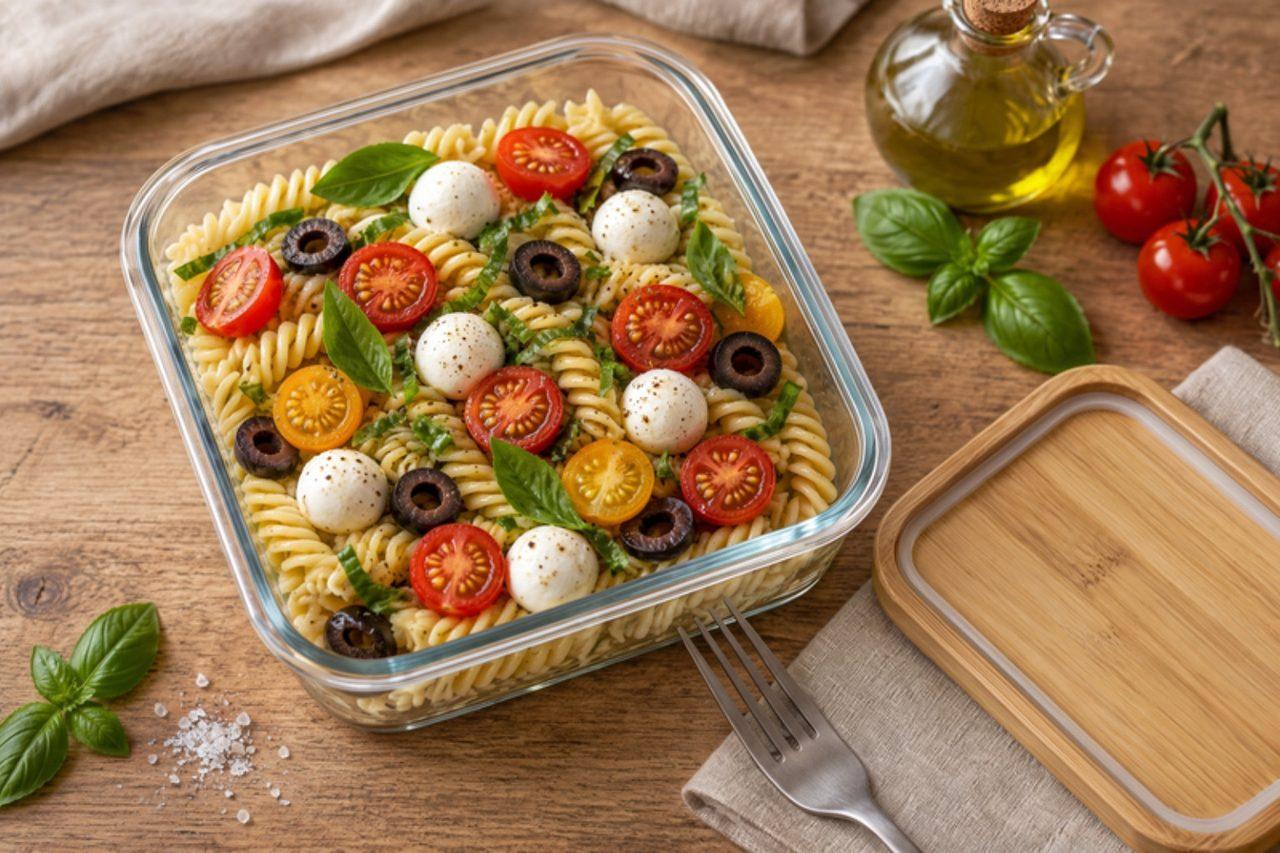
Insalata di pastaCold pasta salad

When Milan's offices empty onto park benches in July, the schiscetta (the Milanese word for a packed lunch tin) usually holds pasta fredda: short pasta dressed with olive oil, sweet cherry tomatoes, little mozzarella balls, black olives and torn basil. It is made the night before and tastes best at cool room temperature, never fridge-cold. The common mistake is rinsing the cooked pasta under the tap until it is icy and then dressing it: the starch closes up, the oil slides off and the salad tastes flat. Many mozzarellas are made with animal rennet, so look for one labelled vegetarian, or use cubes of a vegetarian cheese. Pack it with an ice pack and take it out of the bag 20 minutes before eating. Chef's tip: toss the drained, still-warm pasta with half the oil and the salted tomatoes straight away so it drinks up their juice.

by KrazyBadal 0 views

Arrollado huasoRolled spiced pork belly

Arrollado huaso, the 'countryman's roll', is the pork belly roll of the Central Valley: a flat piece of pork belly spread with ají paste, garlic and cumin, rolled tight, tied and wrapped, then simmered for hours and sliced cold. It is the star of September fondas and Christmas tables, sliced thin with hot bread, pebre and boiled potatoes. The mistake that spoils it is a loose roll, which unwinds and cooks unevenly; tie it every 3 cm. Chef's tip: cool it overnight in its cooking liquid with a weight on top; it sets firm and slices into neat spirals. The pork must reach 71 °C in the centre, as the rolled-in surface is now inside.

190 minChileanMeatGluten free
by KrazyBadal 0 views

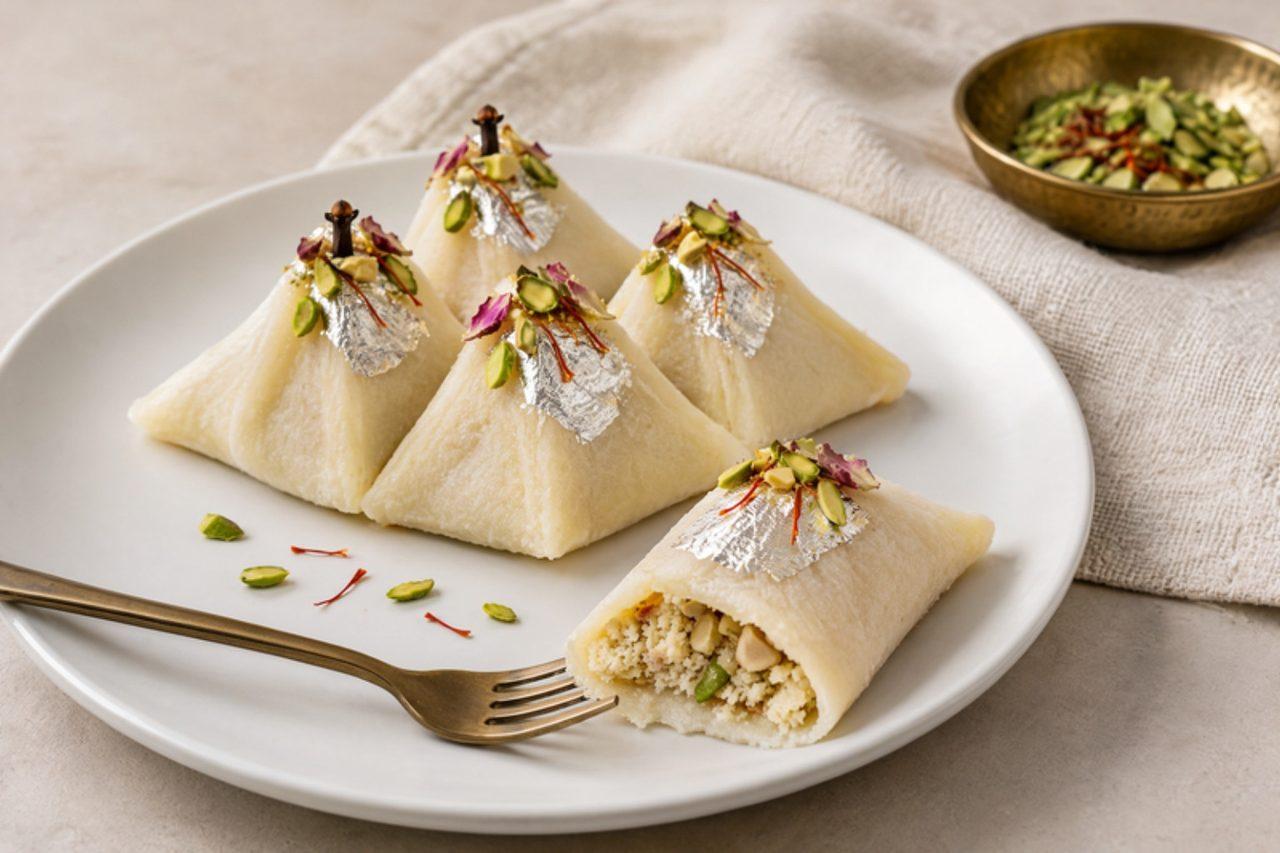
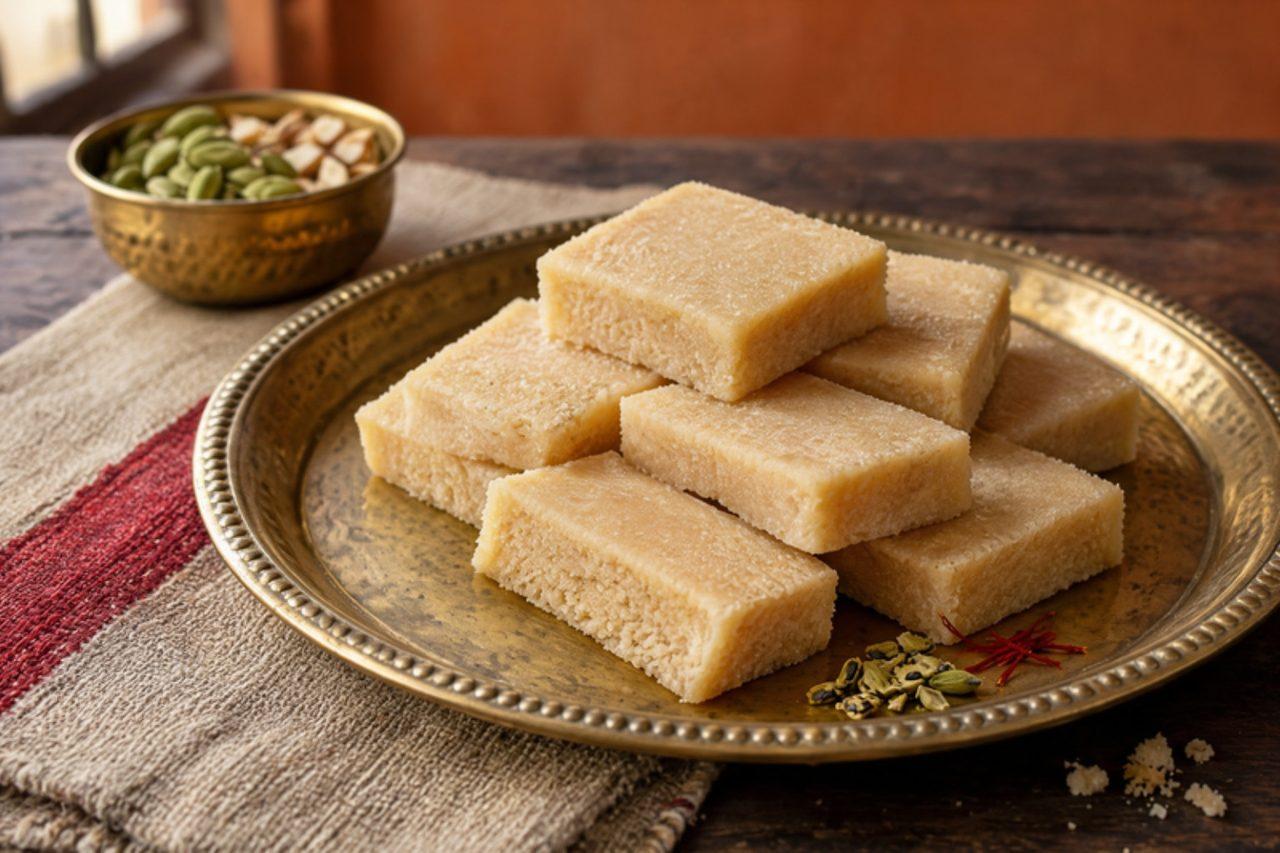
BelgramiChewy fresh cheese sweet

Belgrami belongs to Udwantnagar in Bihar's Bhojpur district, where sweet makers have cooked it for generations and travellers buy boxes on the way through. Fresh chhena is cooked down with sugar until it firms into a dense, slightly chewy, pale cream block with a gentle caramel note, then cut into pieces. It keeps for days, which makes it a favourite gift at weddings and Chhath. The common mistake is stopping too early: it must cook until the mass pulls into one lump and no longer sticks to the pan, or the pieces stay soft and weep. Chef's tip: use chhena from full-fat cow's milk and hang it for an hour, so it is dry enough to cook down quickly.

by KrazyBadal 0 views

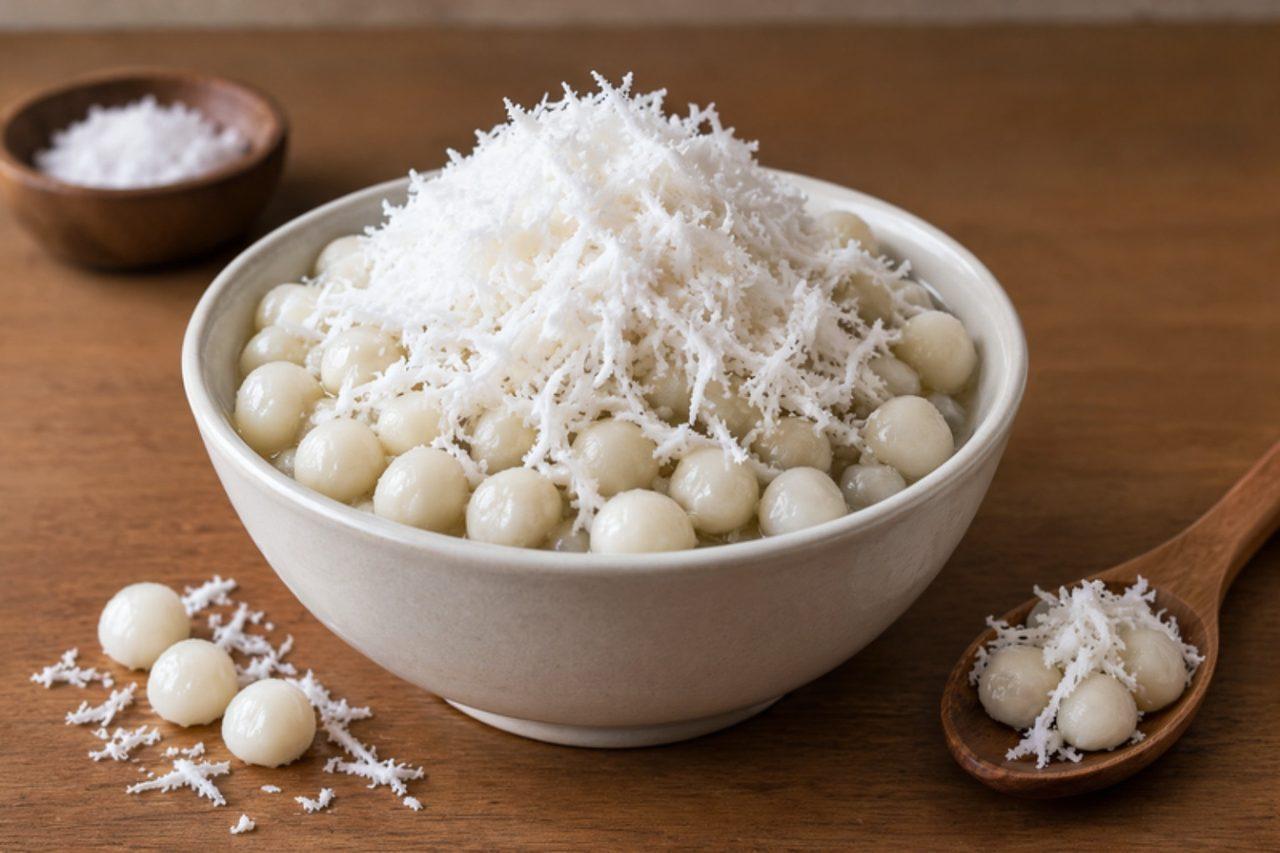
BinatogBoiled hominy with coconut

Binatog is an afternoon snack sold from bicycle carts that ring their way through the side streets of Manila, especially around Tondo and Sampaloc, the vendor scooping steaming white corn from a big tin can into small cups. The kernels are plump, chewy and nutty, piled with snowy grated coconut and finished with salt or sugar to taste, so everyone gets it the way they like. It is simple, filling and naturally vegan. Dried white hominy (pozole corn) has already been treated with lime, which gives the chewy, popped kernels; if you can only find canned hominy, rinse it and warm it for 10 minutes instead. Chef's tip: keep the kernels at a gentle simmer; a hard boil splits them before they become tender.

by KrazyBadal 0 views

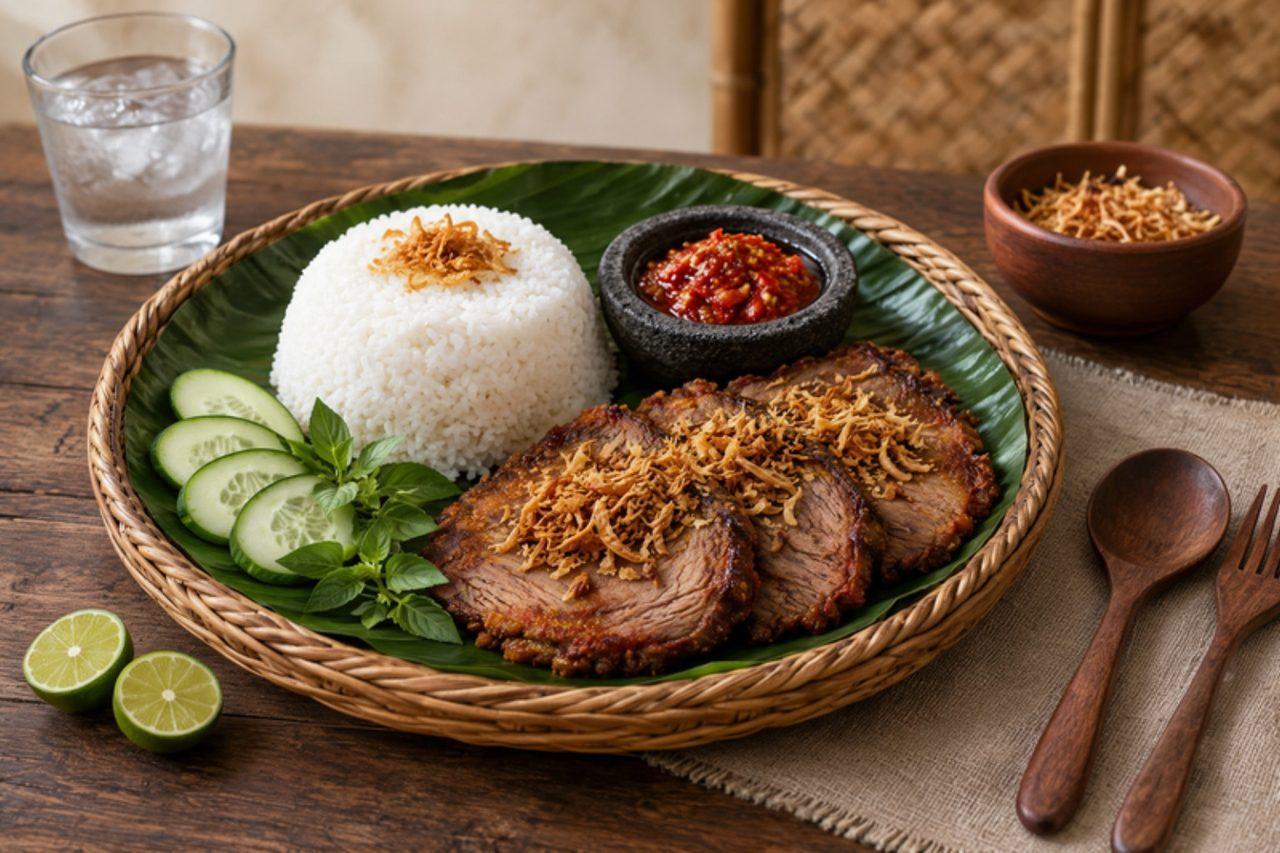
Empal gepukSweet spiced fried beef

Empal gepuk is a Sundanese speciality from Bandung in West Java: beef simmered in coconut water and spices with palm sugar until the liquid is gone, pounded (gepuk) to loosen the fibres, then fried until the edges are crisp and sweet. Because it is dry and keeps for days, it is a classic in Indonesian bekal lunchboxes with rice, sambal and raw vegetables. The common mistake is cutting the beef with the grain, which makes it stringy; slice it across the grain before pounding. Chef's tip: pound gently with a pestle just until the slices fan out, then fry quickly; too long in the oil and they turn hard.

by KrazyBadal 0 views

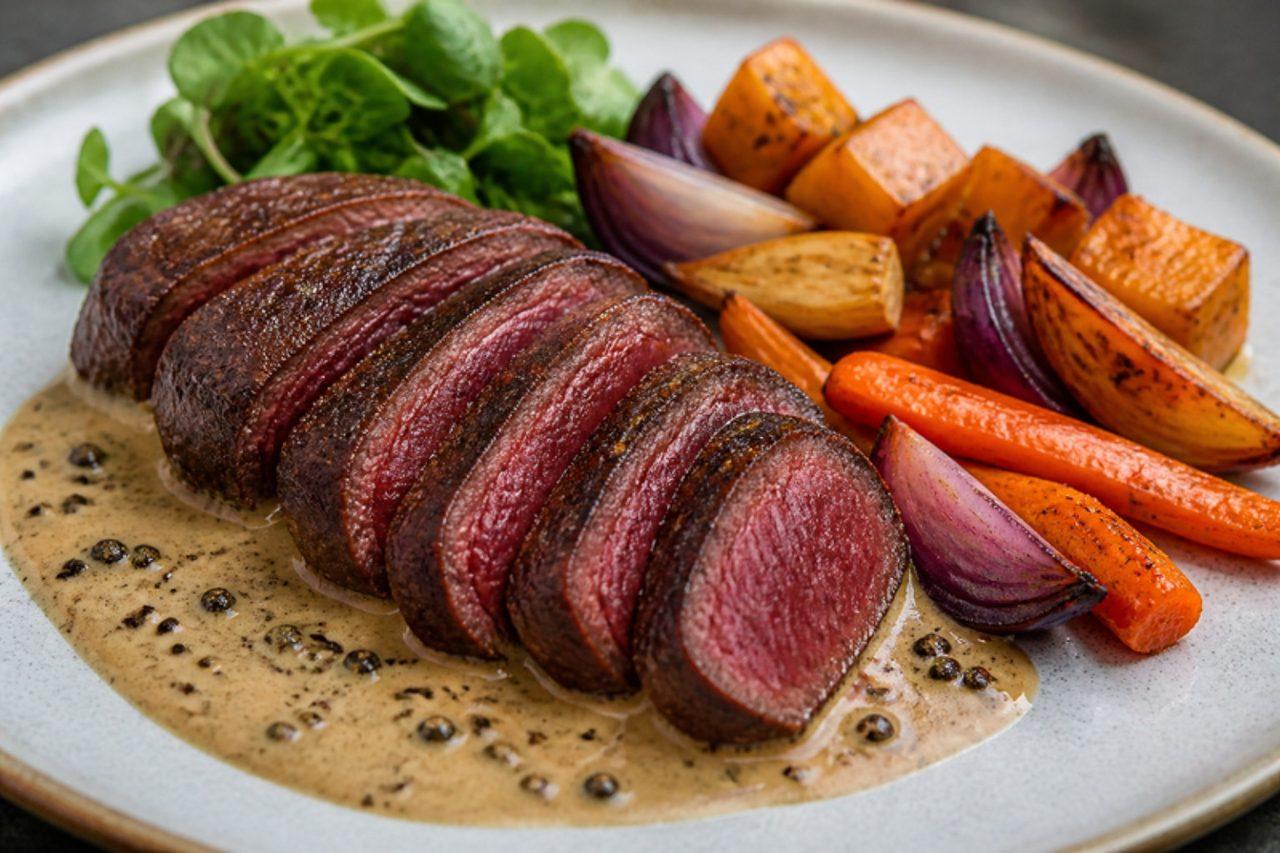
Kangaroo steak with pepperberry sauce

Kangaroo is a lean, everyday red meat in Australia, sold in supermarkets from Perth to Brisbane and loved by home cooks for its rich, slightly gamey flavour and very low fat. Here the fillets are seared hot and fast and served with a creamy sauce spiced with Tasmanian pepperberry, a native pepper with a warm, fruity heat. Because there's almost no fat, kangaroo dries out if cooked past medium. A common mistake is putting cold meat in a lukewarm pan; it stews instead of searing. Serve rare to medium-rare for best texture, but cook to at least 63 °C for pregnant women, young children and anyone with a weakened immune system. Chef's tip: rest it for as long as you cooked it.

by KrazyBadal 0 views

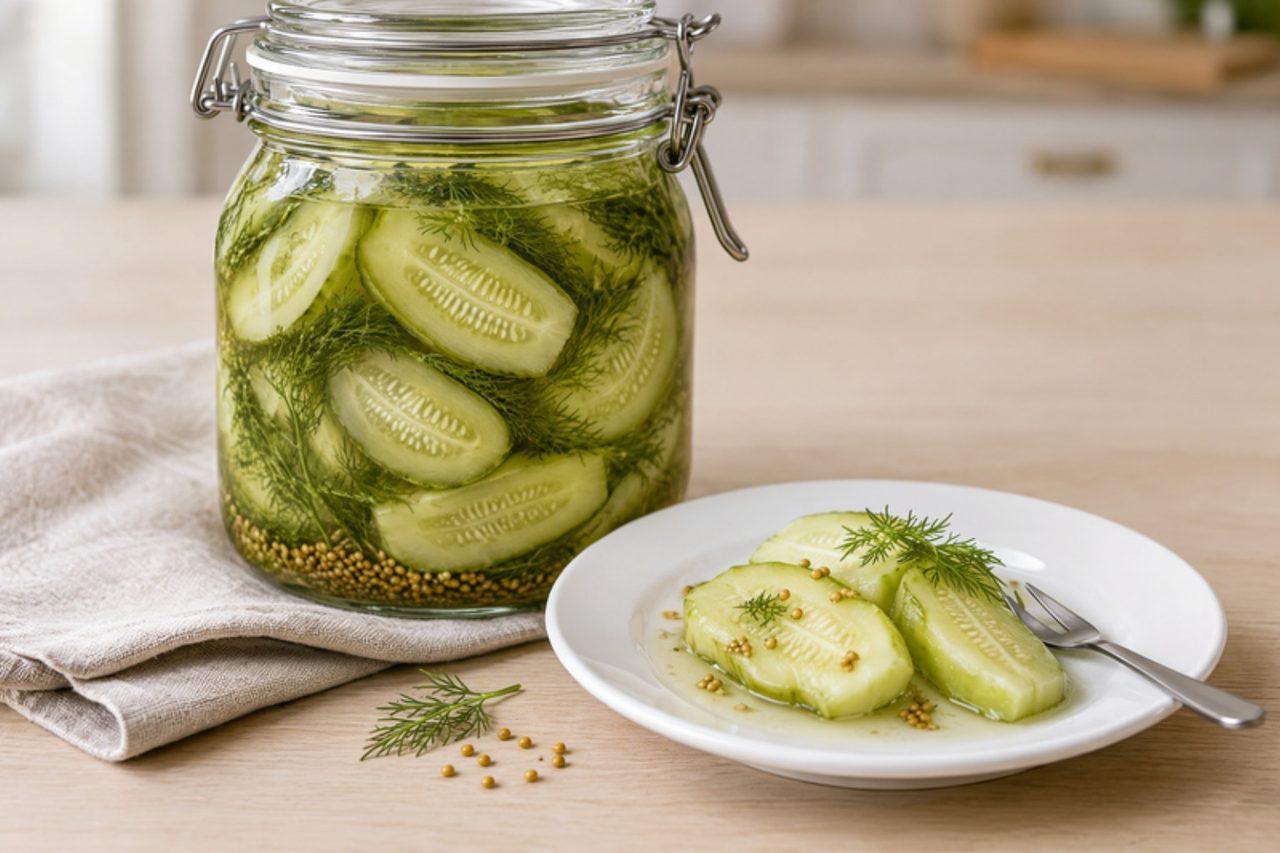
AsierSweet dill pickled cucumbers

Late August in Danish allotments means the asie, a fat yellow-green cucumber left on the vine until its skin turns thick and its seeds big, and the smell of hot vinegar in every kitchen. The cucumbers are peeled, seeded and salted overnight, then sealed in jars with a sweet vinegar lage, dill crowns and mustard seeds. Asier are a fixture of the Danish table all winter: beside frikadeller, flæskesteg and roast duck at Christmas, sliced onto smørrebrød with liver pâté, and with boiled potatoes and brown gravy on any Tuesday. The pickle is crisp yet tender, sweet first and then sharply sour, with dill and mustard on the finish. Common mistake: skipping the overnight salting, which leaves watery, flabby asier that dilute the vinegar. The salt draws the water out so the cucumber stays firm. They are ready after two weeks, when the flesh has turned translucent and sweet-sour right through. Chef's tip: no asier? Use large, overgrown ridge or field cucumbers; ordinary salad cucumbers are too watery.

by KrazyBadal 0 views

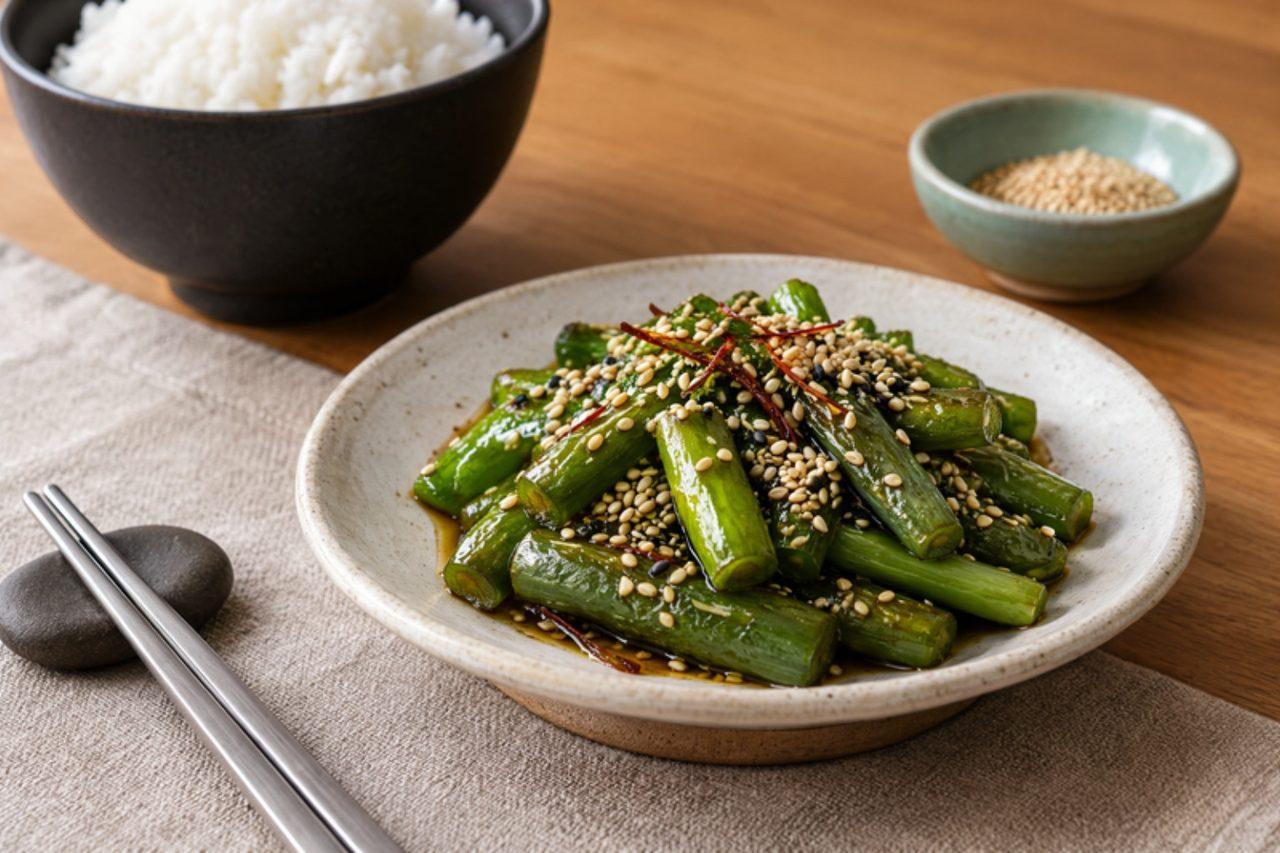
Maneuljjong bokkeumGarlic scape stir-fry

In late spring Korean markets sell thick bundles of garlic scapes, the curly green shoots of the garlic plant, and they become maneuljjong bokkeum, a sweet-salty, glossy banchan that keeps for days and is a dependable dosirak side. The scapes taste of mild garlic and stay pleasantly snappy. The common mistake is glazing them too early, before they are tender, so the syrup burns and the scapes stay woody. Chef's tip: fry the scapes in oil first until they turn bright green and slightly blistered, then add the sauce and toss for only a minute.

by KrazyBadal 0 views

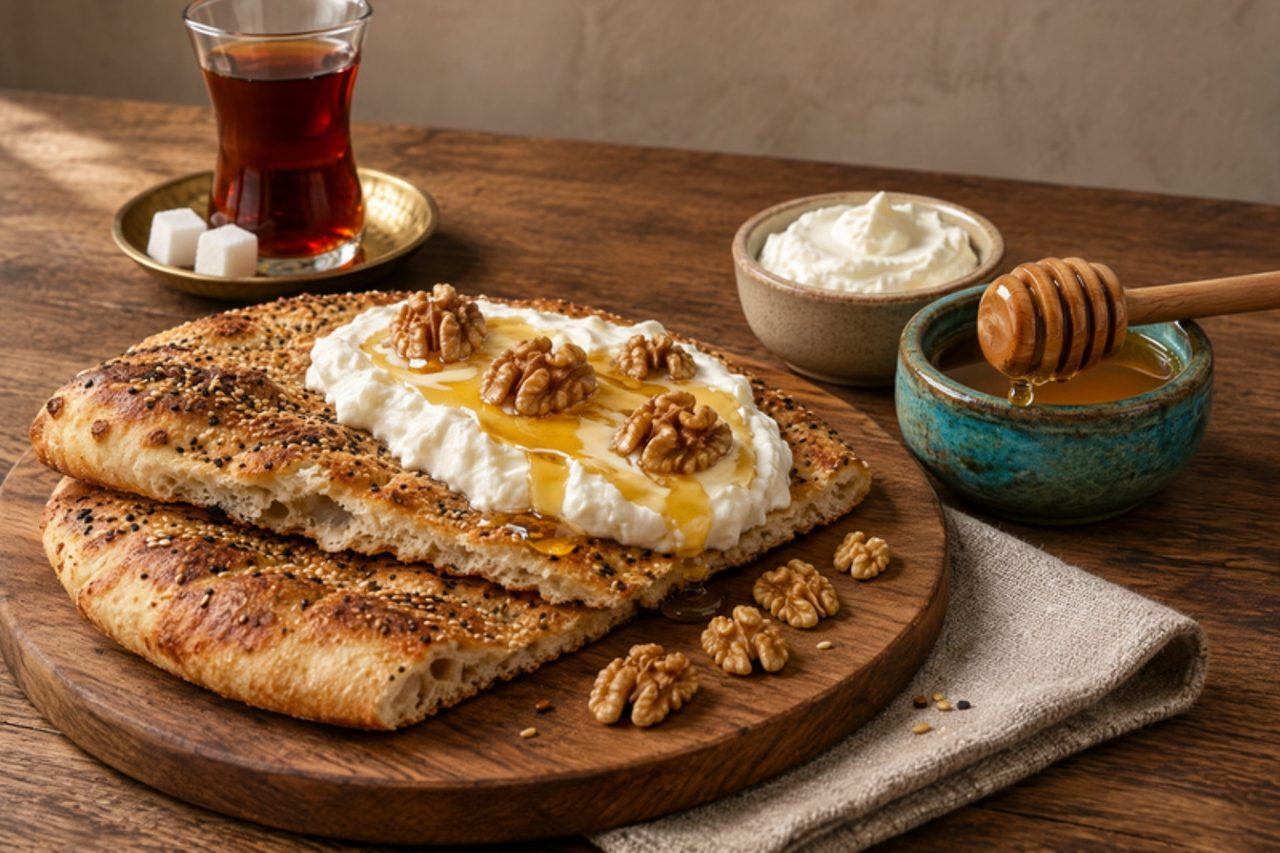
Asal-o-khamehClotted cream and honey on flatbread

On Friday mornings in Tehran and Isfahan, families queue at the bakery for hot barbari or sangak, then come home to a treat: thick clotted cream, called khameh or sarshir, drizzled with honey and scooped up with the warm bread, alongside glasses of black tea. The mistake is serving it with cold bread; the warmth is what softens the cream into the honey. Honey is not suitable for babies under one. Chef's tip: let the cream sit out for 10 minutes and spread it first, then drizzle the honey in a thin stream so you get sweet ribbons rather than a puddle.

by KrazyBadal 0 views

Ash-e shalghamTurnip and rice soup

In Tehran and Mashhad homes, ash-e shalgham is the pot put on the stove when someone in the family catches a cold in the first frosts of winter. Turnips and rice are simmered together until the turnips melt and the rice thickens the soup, which ends up soft, sweet and peppery, with a fried-onion and turmeric base. Many families add a little lamb; this one is vegan. The usual mistake is using big, old turnips, which taste bitter and woody; choose small, heavy ones. Chef's tip: grate half the turnips and dice the rest, so the soup is creamy yet still has pieces to bite.

by KrazyBadal 0 views

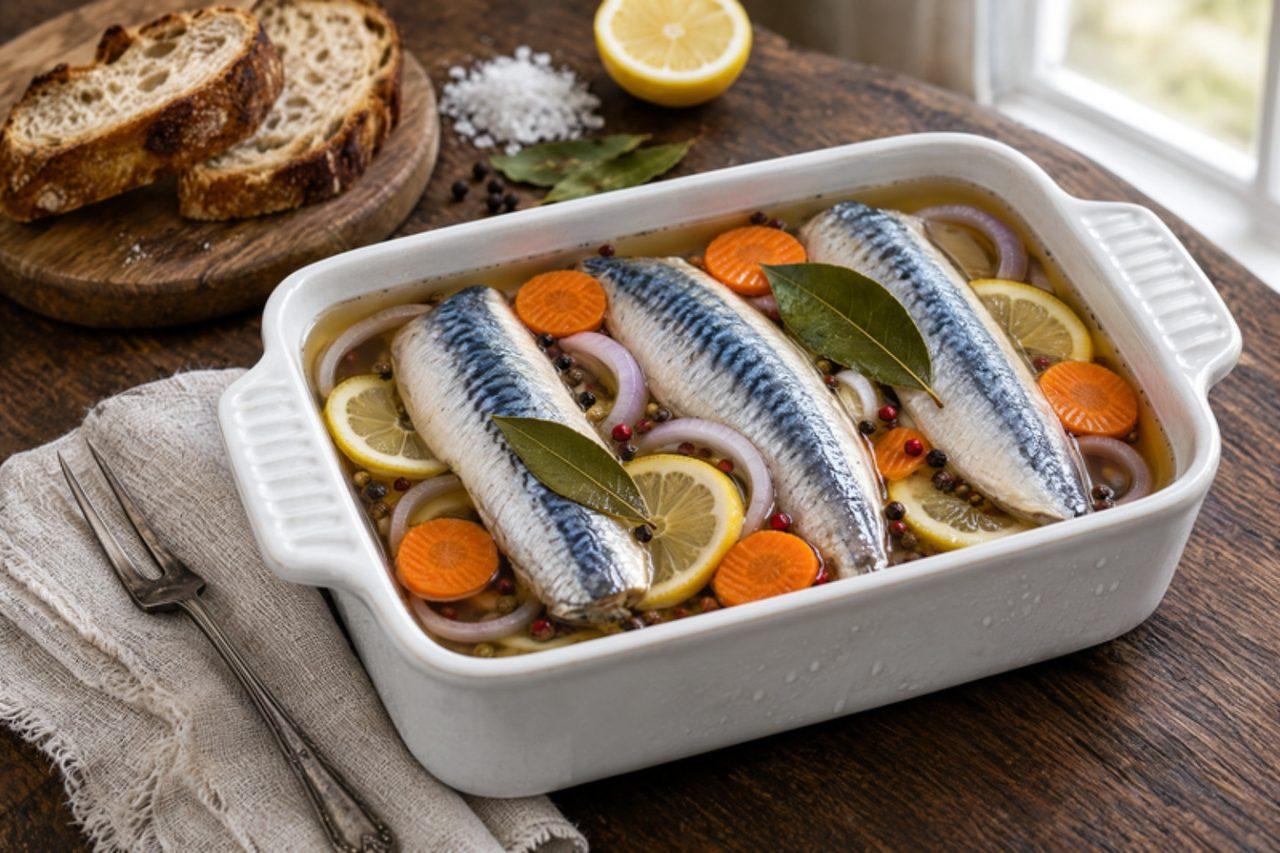
Maquereaux au vin blancMackerel in white wine

In Brittany and Normandy, mackerel in white wine is a summer starter and picnic dish, made when the boats come in heavy with silver fish in June and July; cafés serve it cold with bread and butter. Fillets are laid in a dish and a hot marinade of white wine, vinegar, carrot, onion, coriander seed and bay is poured over to cook them gently, then they chill for a day. Oily fish, high in protein and suitable as part of a balanced diet; serve with a green salad or a few boiled new potatoes. About 300 kcal and 4 g carbohydrate per portion. It cooks with wine, which boils for 5 minutes; for an alcohol-free version use vegetable stock and add 2 extra tablespoons of vinegar. The usual mistake is using fish that is not very fresh: the eyes should be bright and the flesh firm. Chef's tip: check the thickest fillet after the hot marinade; if it is not opaque, simmer the dish on the hob for 2 minutes.

30 minFrenchFishGluten free
by KrazyBadal 0 views

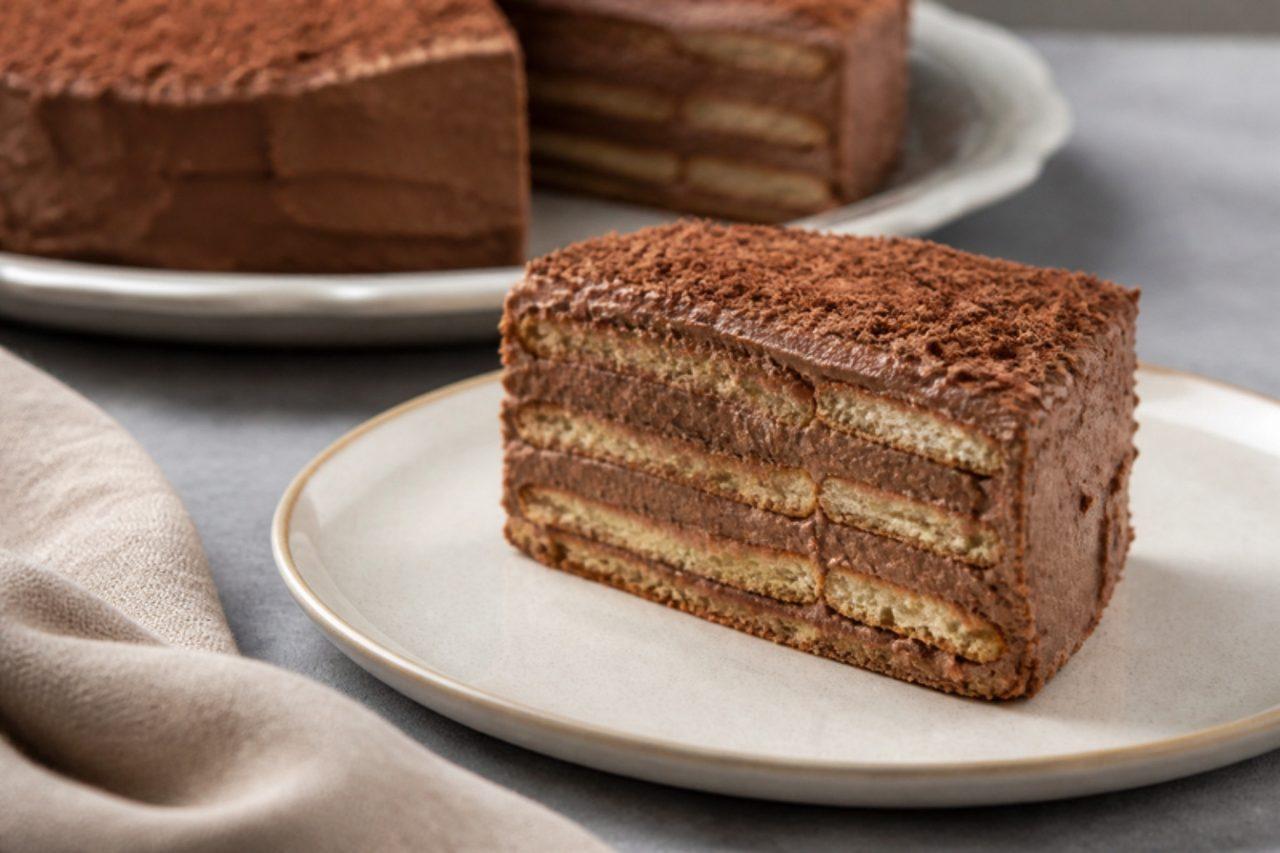
Marquesa de chocolateNo-bake chocolate icebox cake

In Caracas homes the marquesa is the cake you make for a birthday when nobody wants to switch on the oven: plain tea biscuits dipped in vanilla milk and stacked with a rich chocolate cream, then chilled until it slices like a torte. Older recipes fold in raw egg yolks; this one uses whipped cream instead, so it is safe for everyone. The usual mistake is soaking the biscuits too long, so the cake slumps. Chef's tip: dip each biscuit for one second, then let the cream do the softening overnight.

by KrazyBadal 0 views

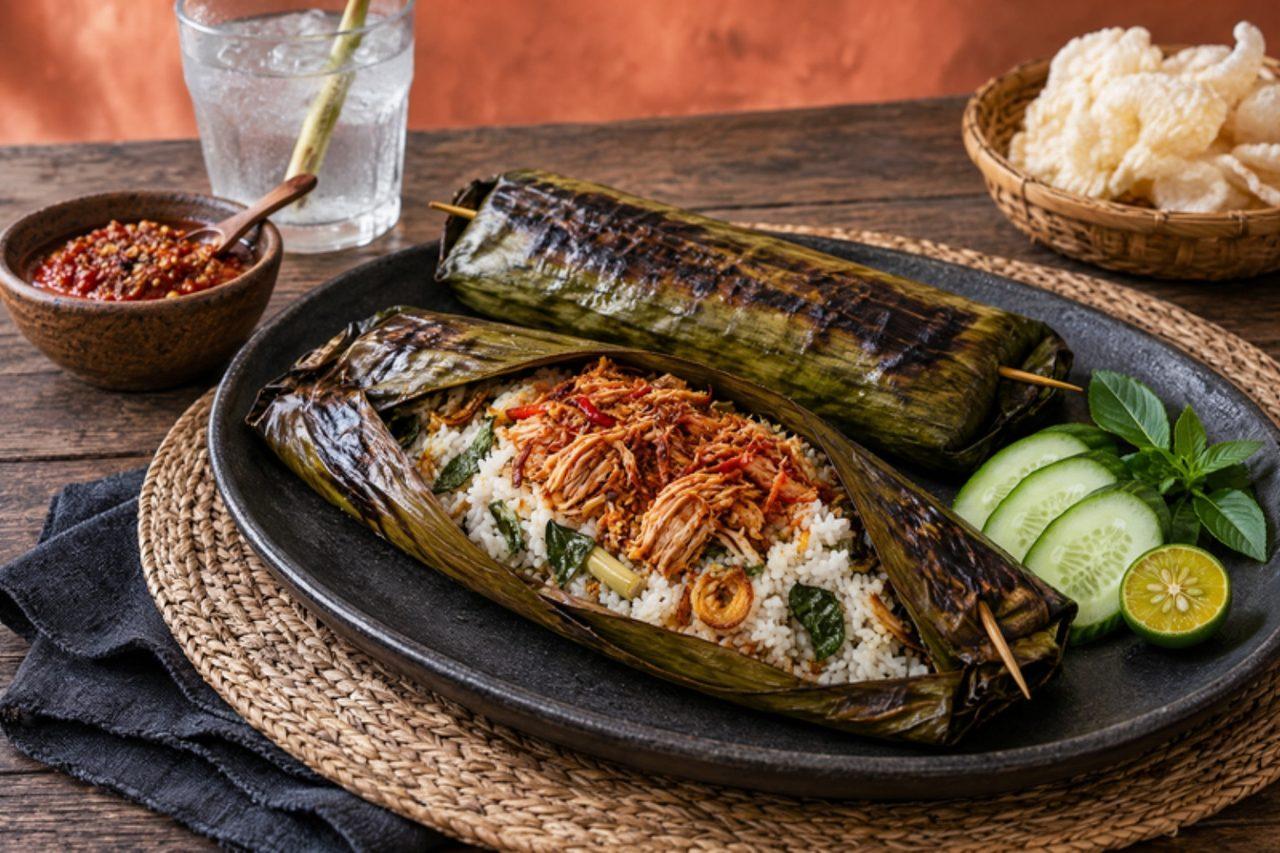
Nasi bakarGrilled banana-leaf rice with chicken

In Jakarta, nasi bakar parcels are sold from warung grills at lunchtime and in office canteens: rice cooked with coconut milk, lemongrass and salam leaves, filled with spicy shredded chicken (ayam suwir) and lemon basil, wrapped in banana leaf and grilled until the leaf chars and the rice crisps at the edges. Small dried anchovies (teri) are the other classic filling. The common mistake is wrapping the parcels loosely, so they fall open on the grill; fold them tight and pin with toothpicks. Chef's tip: grill until the leaf is blackened in patches; the smoke perfumes the rice inside.

by KrazyBadal 0 views

Martín FierroCheese with quince paste

Ask for dessert in a Montevideo bodegón or a country parador and you may be offered a Martín Fierro: a thick slice of fresh, mild cheese laid with an equal slice of dense quince or sweet-potato paste, named after the gaucho of the epic poem. It's salty against sweet, soft against firm, and takes two minutes to assemble. Uruguayan fresh cheese is usually made with animal rennet, so choose one with vegetarian rennet if that matters to you. The mistake is serving it fridge-cold, which dulls both flavours. Chef's tip: cut the cheese and paste to exactly the same thickness, about 1 cm, so every bite has both.

by KrazyBadal 0 views

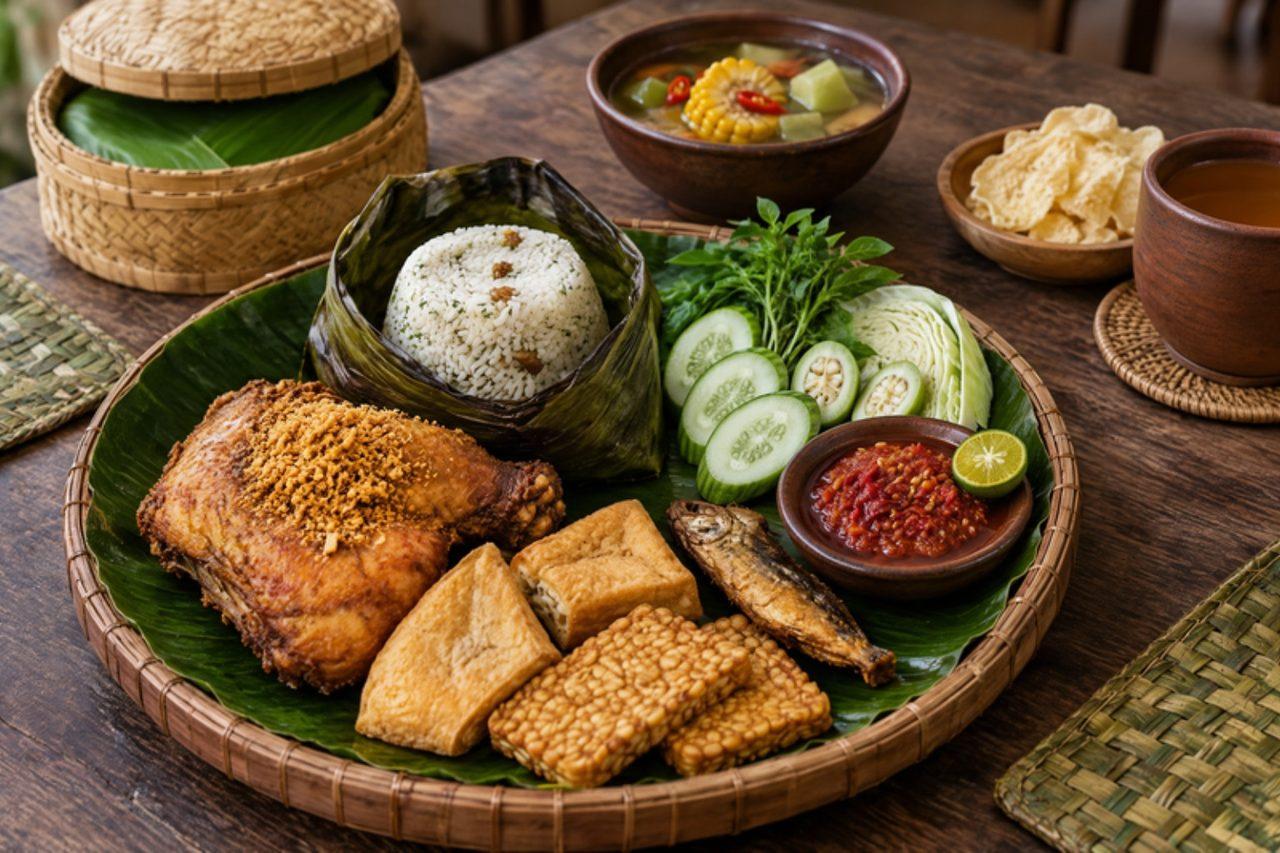
Nasi timbelRice with fried chicken and tofu

Nasi timbel is the packed lunch of West Java: rice pressed tight into a banana leaf, which keeps it warm and fragrant until noon, served with turmeric fried chicken, fried tofu and tempeh, crisp salted fish, raw vegetables (lalapan) and a fiery sambal terasi. Sundanese restaurants in Bandung and Jakarta serve it as a lunch platter. The usual mistake is frying the chicken straight from raw, which browns the outside long before the bone is cooked; simmer it in the spice paste first. Chef's tip: roll the rice in the leaf while it is very hot and wrap it tightly, then let it rest for 10 minutes so it sets firm.

by KrazyBadal 0 views

Atol shucoSour black corn drink

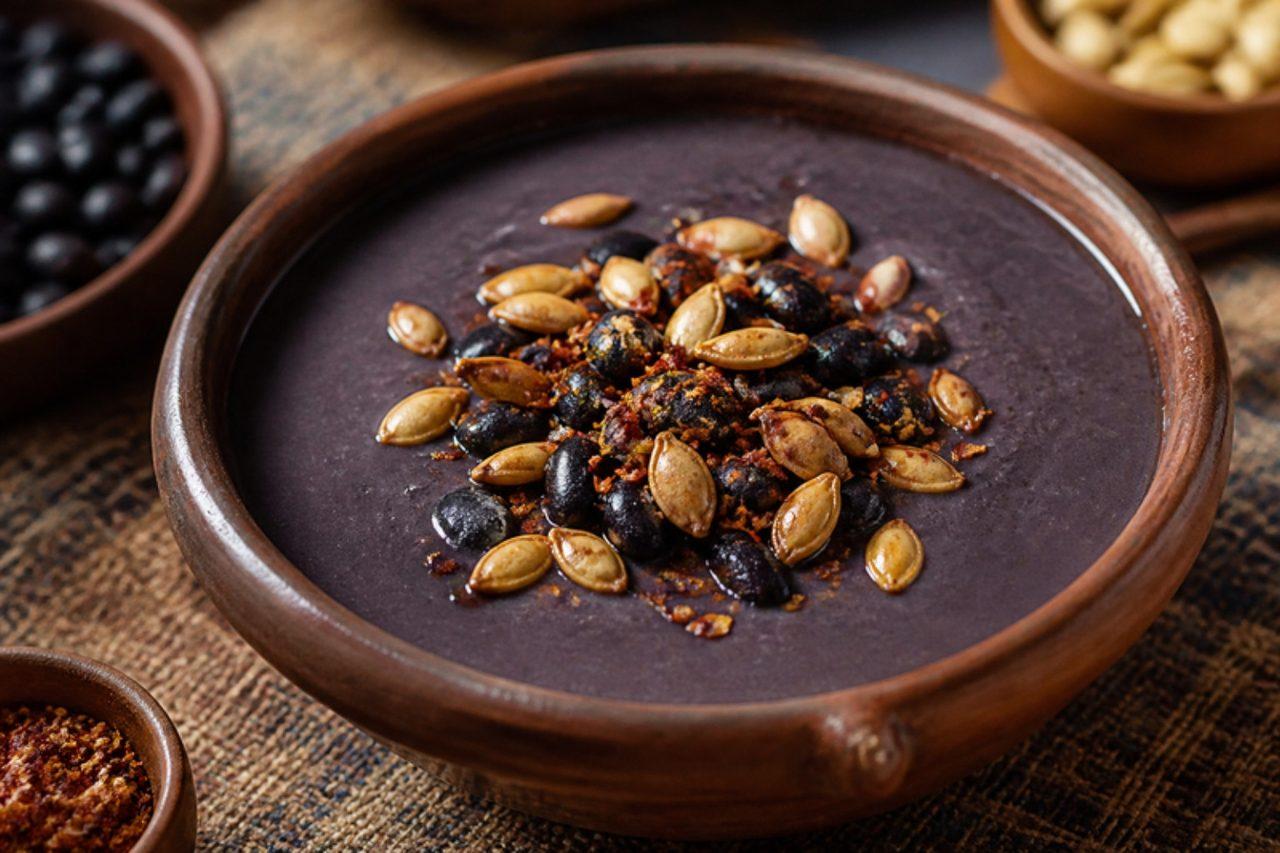
In San Salvador's Plaza Libertad and outside churches on cool mornings, atol shuco is ladled from steaming clay pots into gourd bowls. Shuco means 'dirty', for its dusky purple-grey colour: it is made from fermented black corn, so it tastes slightly sour and earthy, topped with ground toasted pumpkin seeds, a few whole black beans and a pinch of chilli salt. It is savoury and filling rather than sweet. The usual mistake is leaving the masa to ferment too long in a hot kitchen; check it after a day and use it as soon as it smells pleasantly tangy. Throw it away if you see mould or it smells unpleasant. Chef's tip: if you can't wait for fermentation, a squeeze of lime at the end gives a similar tang.

by KrazyBadal 0 views

Finger bunsIced coconut finger buns

Finger buns are the classic Australian school canteen and tuckshop bun, sold in every suburban bakery and supermarket from Perth to Brisbane: soft, slightly sweet long rolls, sometimes with sultanas, topped with bright pink icing and a scatter of desiccated coconut. Kids eat them split and buttered. A common mistake is icing them warm, which makes it run off; let them cool completely. Chef's tip: brush them with a sugar glaze straight from the oven for a soft, shiny crust under the icing.

by KrazyBadal 0 views

Rum ballsChocolate rum balls

Rum balls are the grown-ups' Christmas sweet in Australia, rolled by the trayful in December and handed round at end-of-year parties from Sydney to Perth. They are made from chocolate cake crumbs or crushed biscuits, condensed milk, cocoa and dark rum, rolled in coconut. They contain alcohol and are for adults only; for children or anyone avoiding alcohol, use rum essence and a splash of orange juice instead. A common mistake is a mix that's too wet; chill it before rolling. Chef's tip: make them a day ahead so the flavours mellow.

by KrazyBadal 0 views

Ayote en mielSquash in spiced syrup

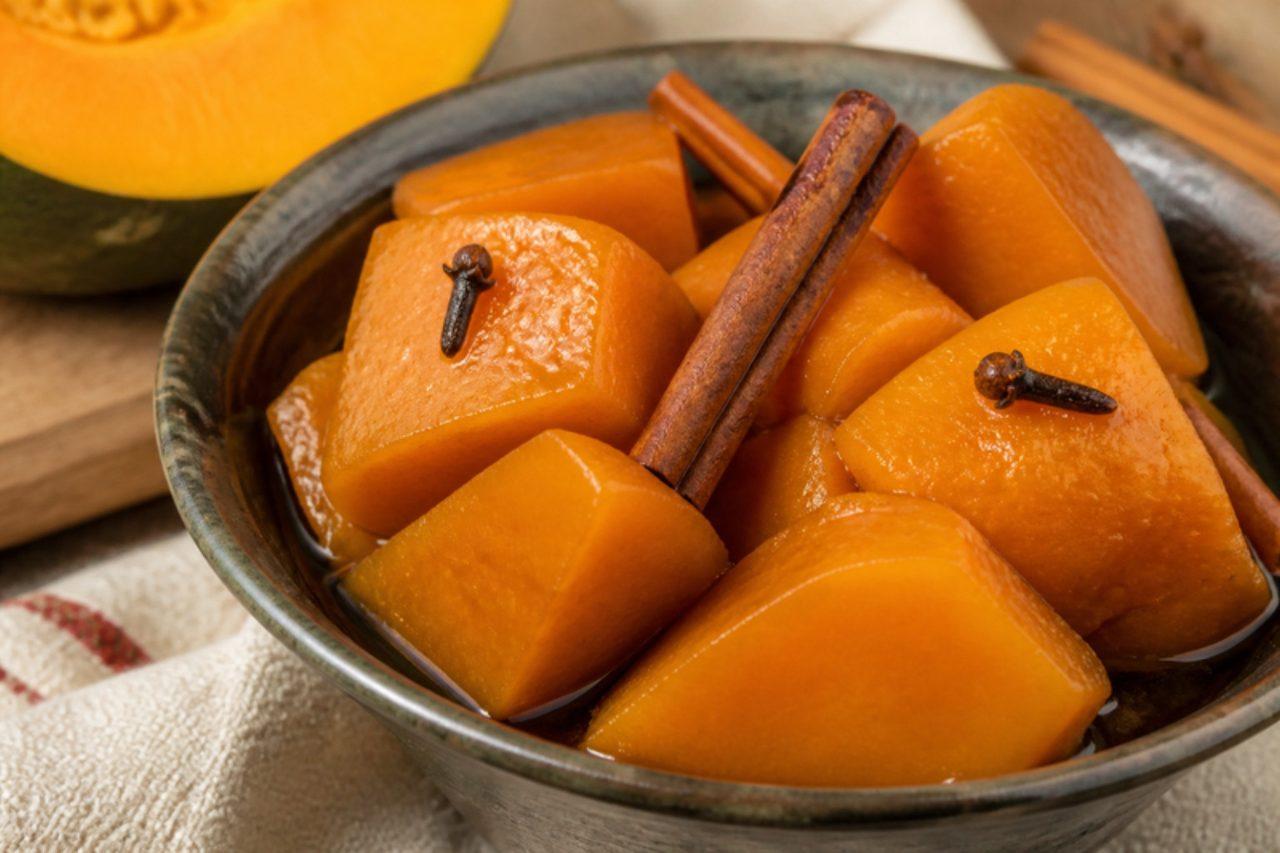
Nicaraguan grandmothers set a pot of ayote en miel on the stove on Holy Wednesday, so there is something sweet to share with neighbours right through Easter week, often alongside sweet green mango and coconut. Chunks of squash simmer in dark panela syrup with cinnamon, cloves and allspice until they are glossy and tender and the syrup tastes of caramel and spice. Stirring is the common mistake: a spoon breaks the soft squash into mush, so shake the pot instead. Chef's tip: leave the skin on the squash; it holds each piece together and turns soft enough to eat.

by KrazyBadal 0 views

AyampacoLeaf-steamed chicken and palm heart

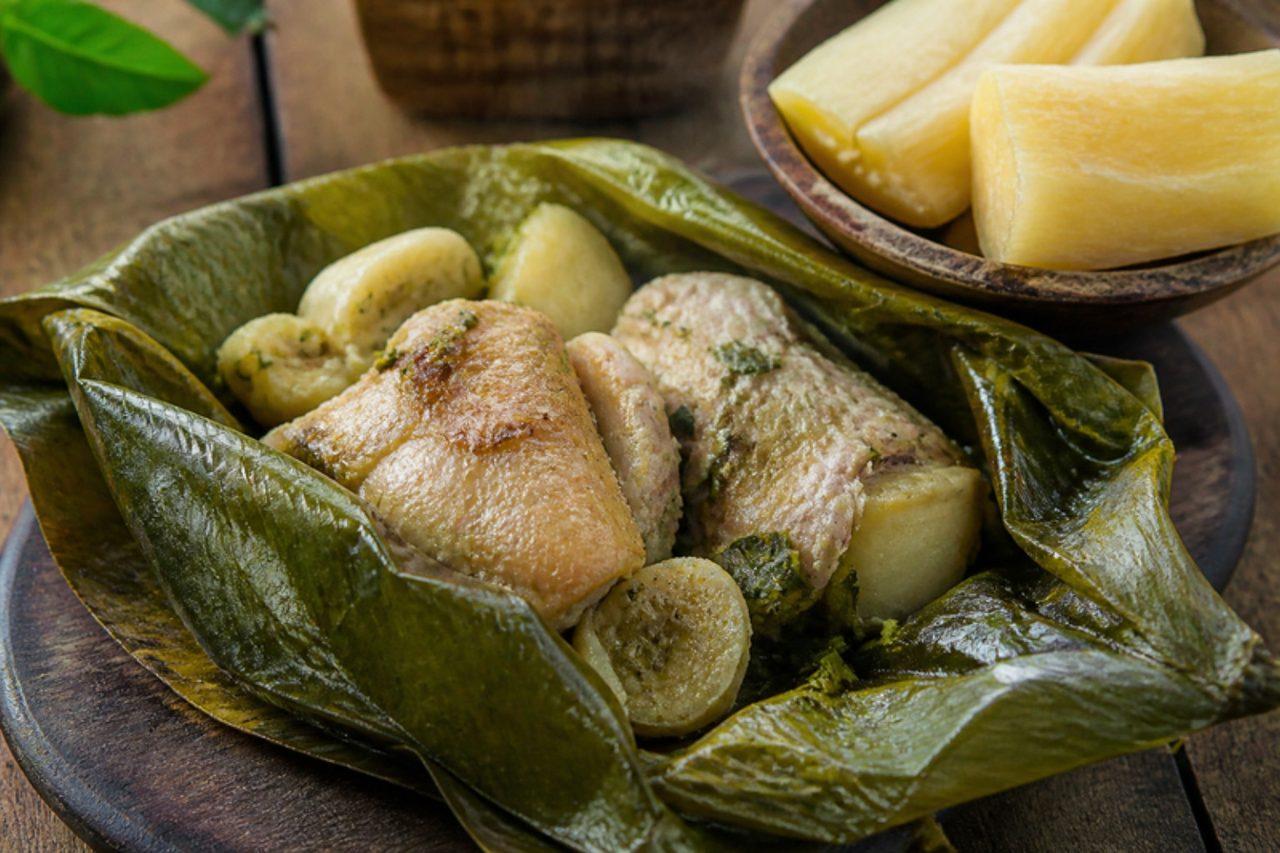
From Macas and the Shuar communities of Morona Santiago comes ayampaco: chicken with palm heart, garlic, culantro and spring onion wrapped in bijao leaves and cooked over the fire, so everything steams together into a fragrant, juicy bundle. It is a celebration dish at festivals and family gatherings, served with boiled cassava and a sharp chilli sauce. Banana leaves stand in for bijao at home. The usual mistake is packing the parcels too full, so the middle stays undercooked; keep them flat and check the chicken reaches 74 °C. Chef's tip: let the chicken marinate in the fridge for at least 30 minutes so the garlic and herbs flavour it right through.

by KrazyBadal 0 views

MaślankaChilled buttermilk

Maślanka, the tangy liquid left after churning butter, is sold in cartons all over Poland and drunk ice-cold with breakfast, with boiled new potatoes in summer, or blended with fruit for children. On its own it is thin, sour and refreshing; with strawberries and a spoon of sugar it becomes a light pink breakfast smoothie. The mistake is buying "buttermilk" that is really thickened yoghurt drink with added flavourings; look for plain cultured buttermilk with nothing else on the label. Chef's tip: chill the glasses as well as the buttermilk, and blend for no more than 20 seconds so it stays light and doesn't separate.

by KrazyBadal 0 views

MatbuchaCooked tomato and pepper relish

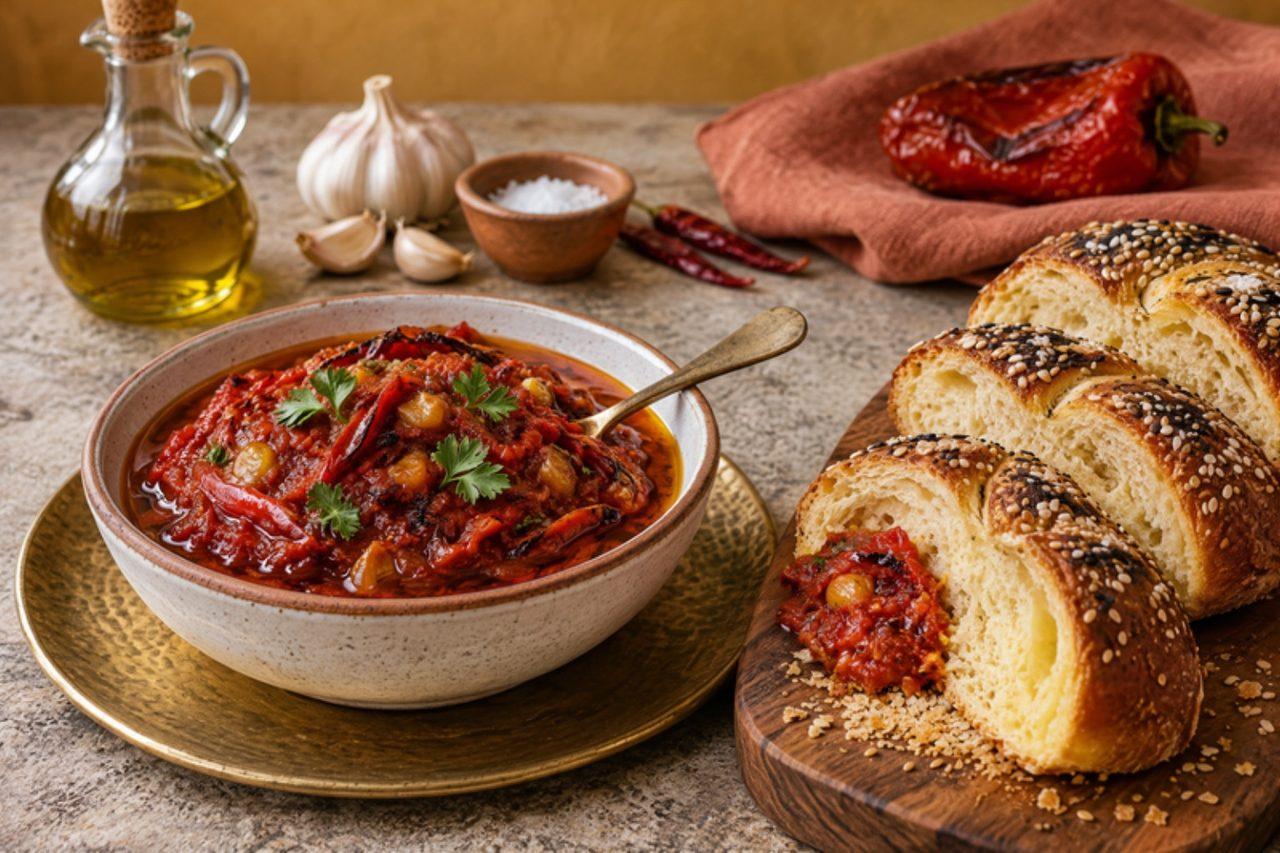
Matbucha came to Israel with Moroccan Jewish families, and it is on almost every Friday-night and Shabbat table among the salads served with challah, as well as in Jerusalem breakfast spreads. Ripe tomatoes and roasted peppers cook down slowly with garlic, chilli and olive oil for over an hour, until thick, sweet, jammy and spicy. Eat it as a dip, beside eggs or grilled fish, or spooned over beans. Suitable as part of a balanced diet. About 90 kcal and 8 g carbohydrate per portion. The pinch of sugar is optional, and a sweetener works too. The usual mistake is rushing it on high heat: it catches and tastes scorched instead of sweet. Chef's tip: stir more often in the last 20 minutes, when the sauce turns glossy and starts to spit; that's when it's nearly done.

by KrazyBadal 0 views

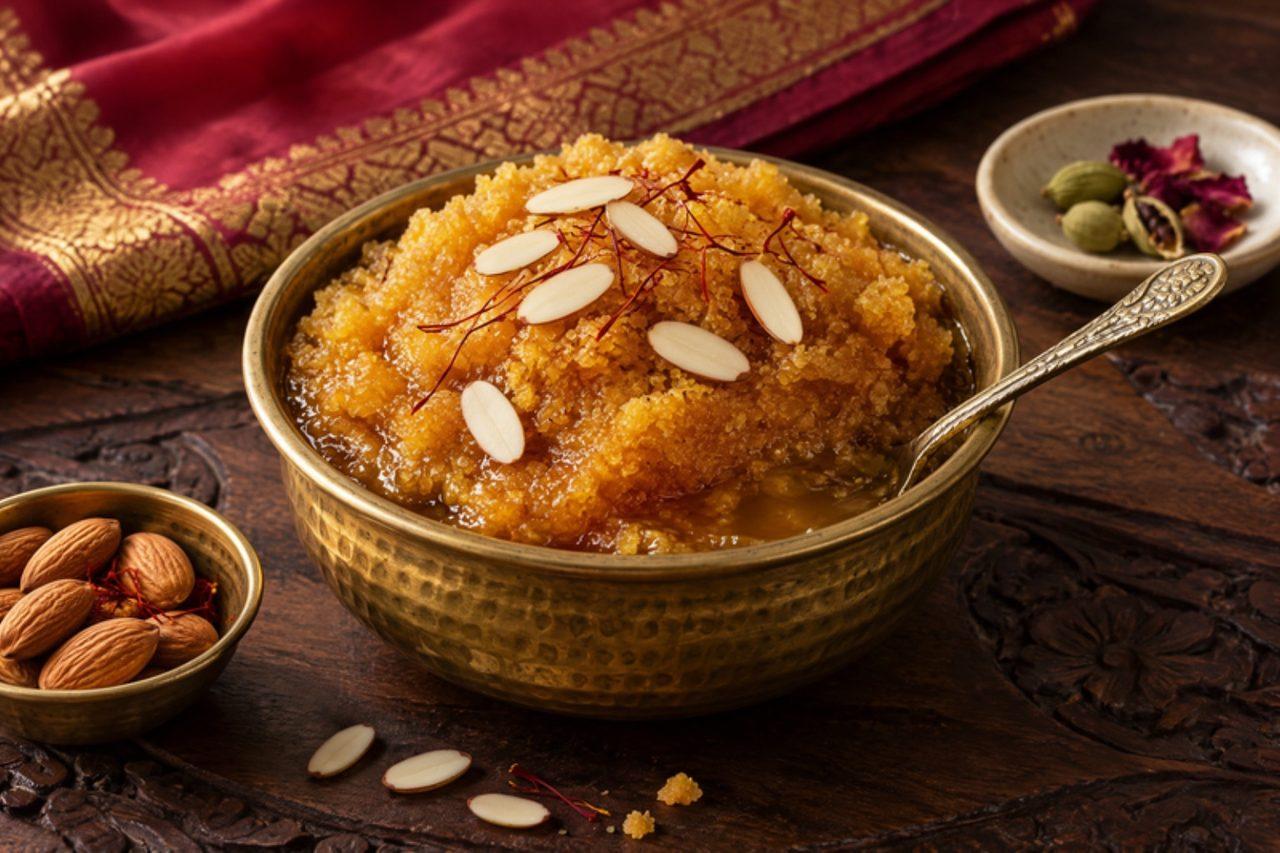
Badam ka halwaAlmond halwa

In Jaipur, badam ka halwa came out of the royal kitchens and now appears at winter weddings and on cold nights when someone wants a real treat. Soaked, peeled almonds are ground to a coarse paste and cooked slowly in ghee with milk, sugar and saffron until the halwa turns golden, glossy and leaves the sides of the pan. It is very rich, so a small bowl is enough. The common mistake is grinding the almonds too fine, which gives a pasty halwa instead of a soft, grainy one. Chef's tip: stop grinding when the almonds look like wet semolina and add the milk only during grinding, never water.

by KrazyBadal 0 views

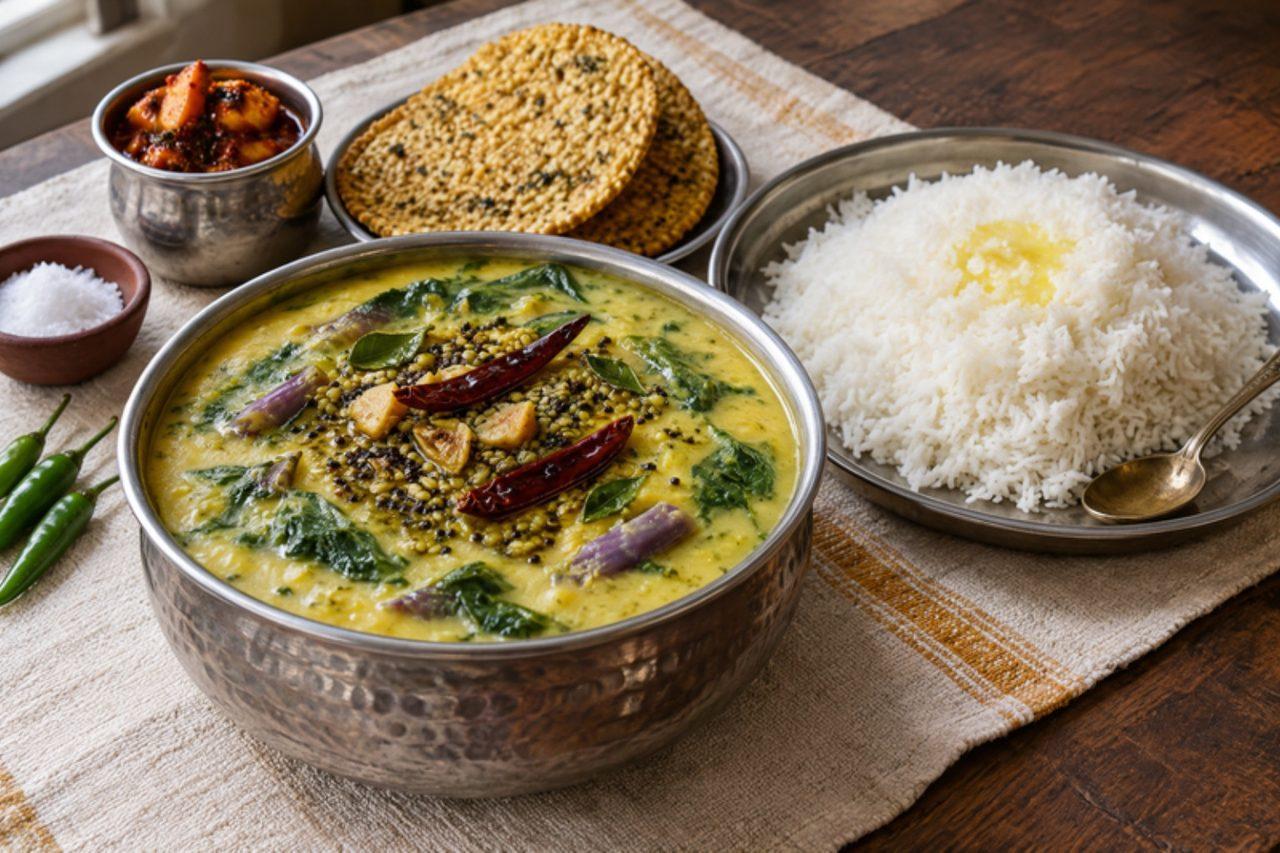
Bachali kura pappuDal with Malabar spinach

Bachali, or Malabar spinach, climbs over back walls all across Telangana and Andhra, and its thick, glossy leaves go into this everyday pappu that turns up at lunch several times a month with rice, ghee and a pickle. The leaves give the dal a silky body and a faint lemony note. People often overcook it until the greens turn khaki; add them after the dal is soft and cook just long enough to wilt. Chef's tip: use the tender stems too, chopped small; they add a pleasant crunch.

by KrazyBadal 0 views

Roti sardinSardine-filled bread rolls

Roti sardin is a Malaysian school-bag and teatime favourite: tinned sardines in tomato sauce mashed with onion, chilli and lime, rolled inside flattened white bread and pan-fried until golden. Mothers across Malaysia make them for bekal and they are sold at Ramadan bazaars. The common mistake is leaving the sardine filling wet, which soaks through the bread; cook it down until it is thick. Chef's tip: seal the rolls with a little beaten egg, then fry seam side down first so they hold together.

by KrazyBadal 0 views

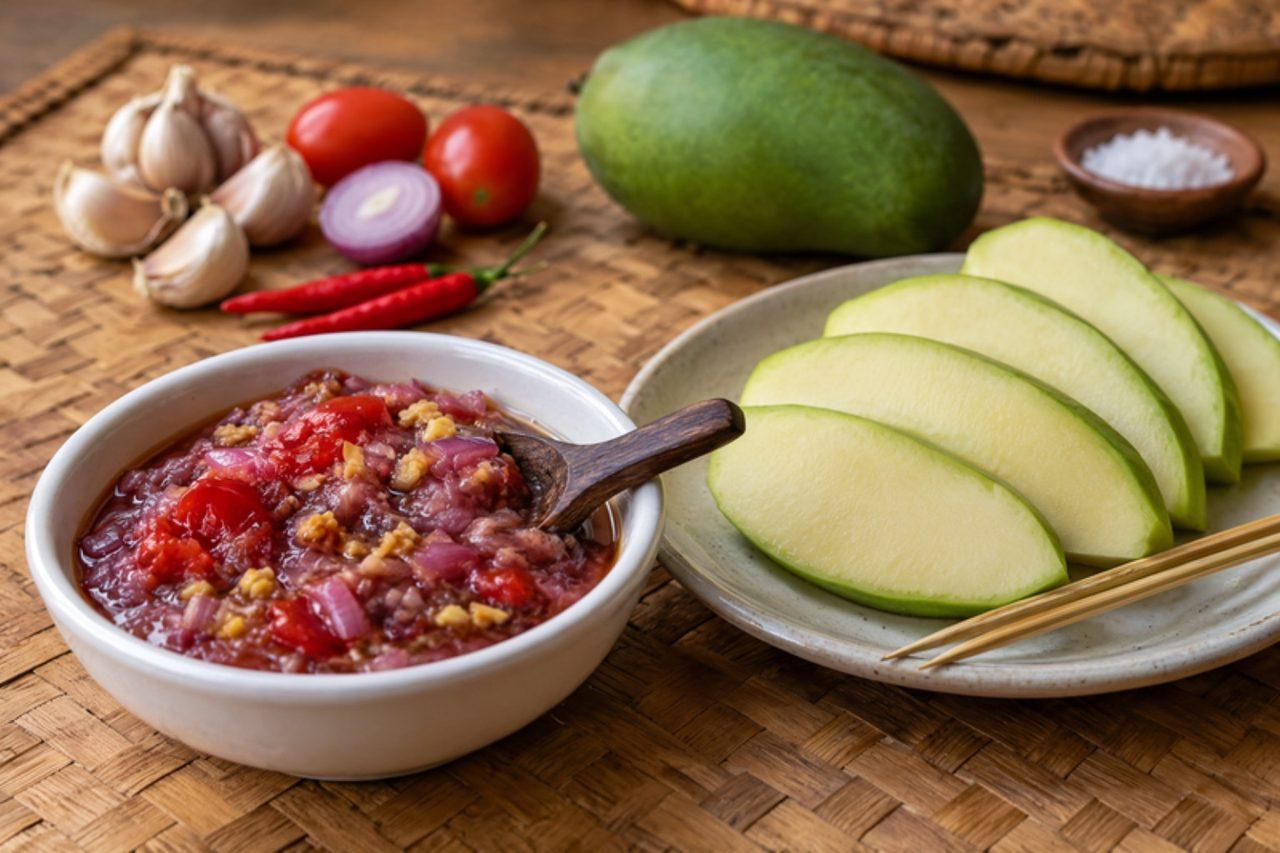
Bagoong alamangFried krill paste

Across Luzon, a jar of ginisang bagoong sits in nearly every kitchen. In the hot months from March to May, when green mangoes are sour and crisp, it becomes the classic merienda: thin slices of unripe mango dragged through sweet, salty, garlicky shrimp paste, often shared on a porch in the afternoon. It is also the essential partner to kare-kare and the base of binagoongang baboy. Raw salted alamang (tiny krill or shrimp) is sold pink and wet; frying it with garlic, onion and tomato, then sugar and cane vinegar, turns it deep reddish brown, thick, glossy and rounded, with the briny punch still there. The raw paste is a raw-cured seafood, so this recipe always cooks it right through; pregnant people, babies, older people and anyone with weak immunity should only eat bagoong that has been fully sautéed and kept cold. Common mistake: high heat after the sugar goes in, which scorches it and turns the bagoong bitter. Keep it at a medium-low simmer. It is ready when the oil separates and shines on top and it smells toasty rather than fishy. Chef's tip: a few slivers of crisp pork belly fried first make it richer.

by KrazyBadal 0 views

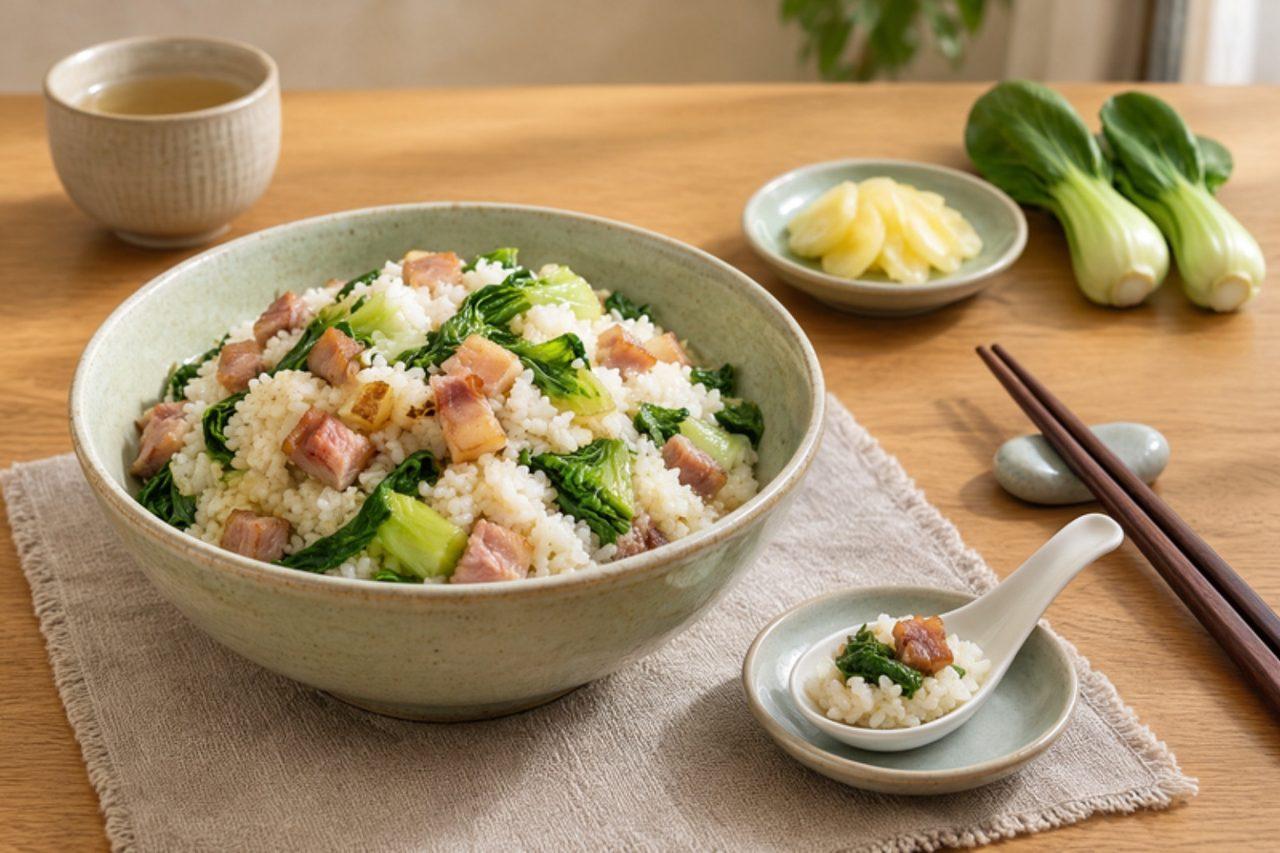
Shanghai cai fanRice with bok choy and pork

Cai fan, "vegetable rice", is what Shanghai grandmothers cook on cold winter days and what office workers buy steaming from the canteen: rice cooked in one pot with Shanghai bok choy and diced salted pork, enriched with a spoon of lard so every grain glistens. It goes into an insulated lunch tin piping hot. The common mistake is adding the greens with the raw rice, which turns them khaki and mushy; fry the stems first and stir the leaves in at the end. For a vegetarian version, use oil instead of lard, leave out the pork and add diced shiitake. Chef's tip: let the pot sit undisturbed on the lowest heat for the last 5 minutes to form a thin golden crust, guoba, at the bottom.

by KrazyBadal 0 views

Glaçon râpéShaved ice with syrups

On a hot Sunday at Flic en Flac or Mon Choisy, families queue at the glaçon râpé man, who shaves a block of ice into a cup, then pours over bright red and green syrups and, if you ask, a thick ribbon of sweetened condensed milk. The ice should be fluffy and dry like fresh snow, so the syrup sinks in and streaks the colours together, and the condensed milk turns the bottom of the cup into a sweet, milky slush. A home blender makes a fine version if the ice is very cold; the common mistake is using ice straight from a bag that has half-thawed, which turns to watery slush. Chef's tip: put the cups and the blender jug in the freezer for 20 minutes first, then pulse in short bursts rather than running the motor.

by KrazyBadal 0 views

TitiyasCoconut milk flatbread

Titiyas are the soft, slightly sweet flatbreads of Guam and the Marianas, cooked on a griddle and eaten warm at breakfast, with fiesta food or rolled round a piece of grilled meat. Flour titiyas are made with coconut milk, which keeps them tender and gives a faint coconut taste; there is also a corn version (titiyas mai'es). A common mistake is rolling them too thick; 5 mm cooks through without burning. Chef's tip: cook on a dry, medium-hot pan and wrap each one in a towel as it comes off so they stay soft.

by KrazyBadal 0 views

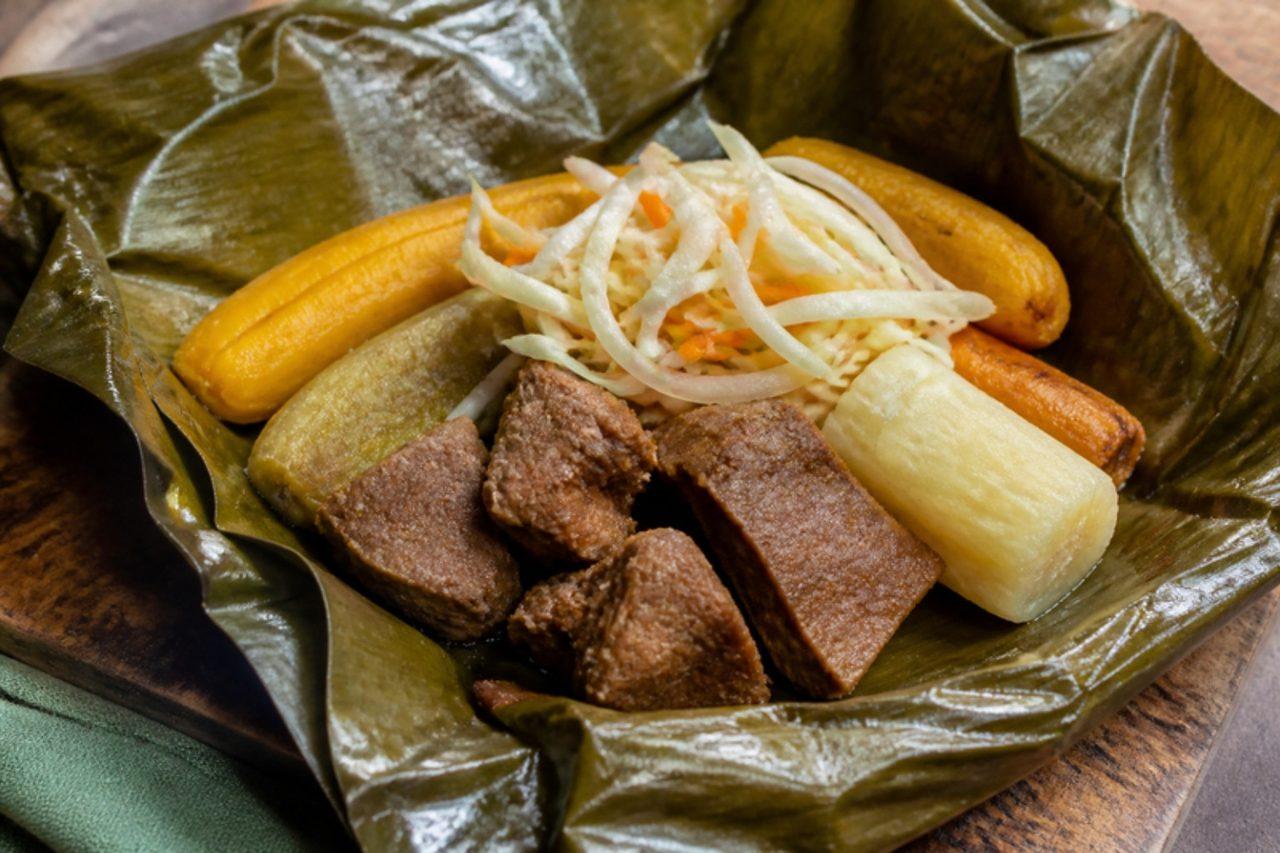
BahoSteamed beef, plantain and cassava

Baho, also spelled vaho, is the dish Nicaraguan families plan a Sunday around, especially in Granada and Managua: beef marinated overnight in sour orange and garlic, then steamed for hours in a big pot lined with banana leaves on a bed of green plantain, ripe plantain and cassava. Everything comes out tender and fragrant with the leaves, and it is served with a crunchy, vinegary cabbage salad to cut through the richness. Marinate the beef in the fridge, never at room temperature. The mistake that ruins it is letting the pot boil dry, which scorches the leaves and the plantain at the bottom; top up the water every hour. Chef's tip: keep a few banana leaves back to tuck over the top, so the steam stays trapped inside the parcel.

by KrazyBadal 0 views

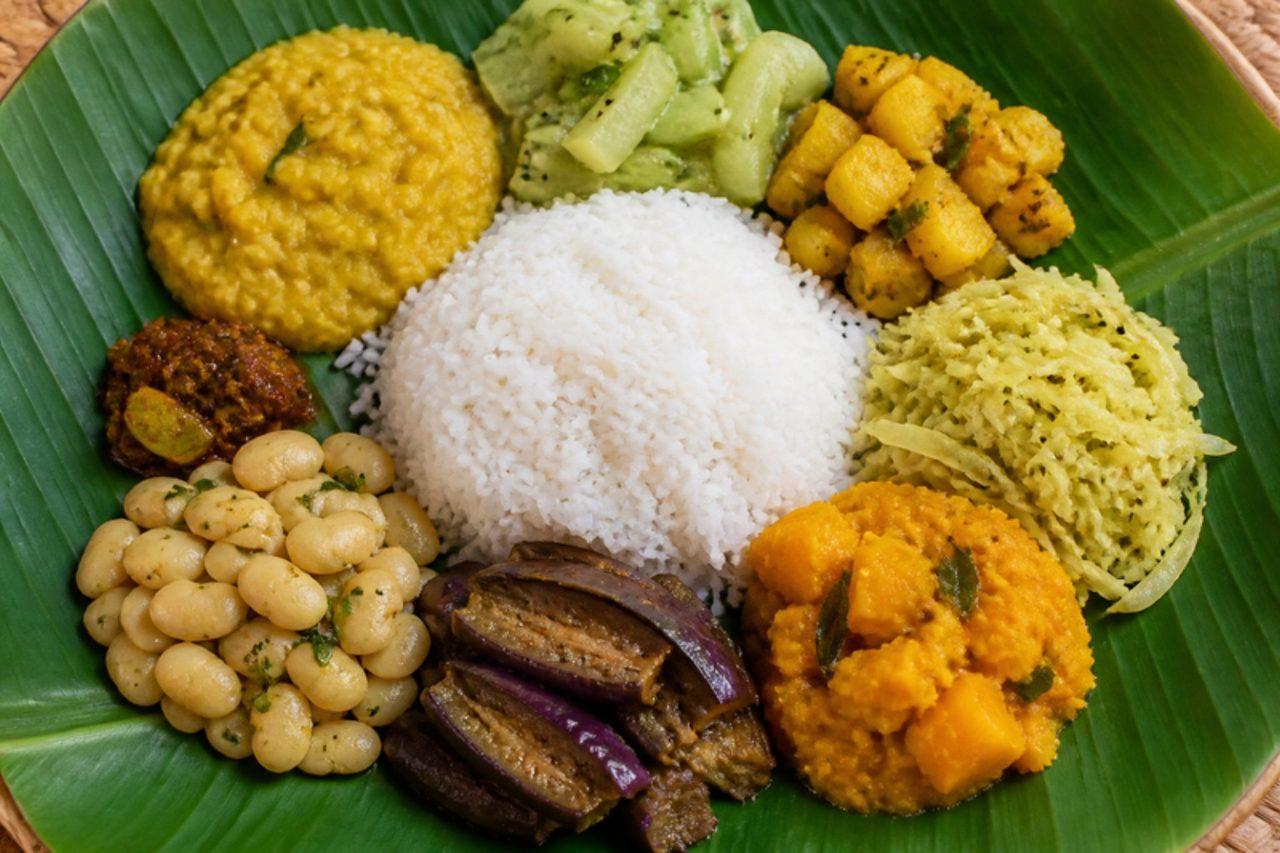
Sept cariSeven vegetable curries

Weddings, Cavadee and the days after a Tamil or Hindu prayer end with guests sitting in rows while volunteers walk past with buckets, spooning rice and seven little curries onto each banana leaf. There is no meat, egg or fish: soft yellow dholl, sweet crushed pumpkin, glossy tamarind aubergine, chayote, green banana with mustard seeds, butter beans in tomato and a curry of cabbage and potato, each with its own texture so the leaf never tastes the same twice. At home it looks daunting, but the trick is a shared base of onion, garlic and ginger prepared once and a cooking order that lets the sturdy curries wait while the delicate ones go last. The usual mistake is to tip curry powder into the pan and add the vegetables straight away, which leaves a dusty, raw taste; fry it with a splash of water until the oil runs red-brown first. Eat it with your right hand if you like, and finish with a spoon of pickle or chatini on the side. Chef's tip: everything except the pumpkin and green banana reheats beautifully, so cook the dholl, beans and cabbage the evening before and the feast day becomes a two-hour job.

by KrazyBadal 0 views

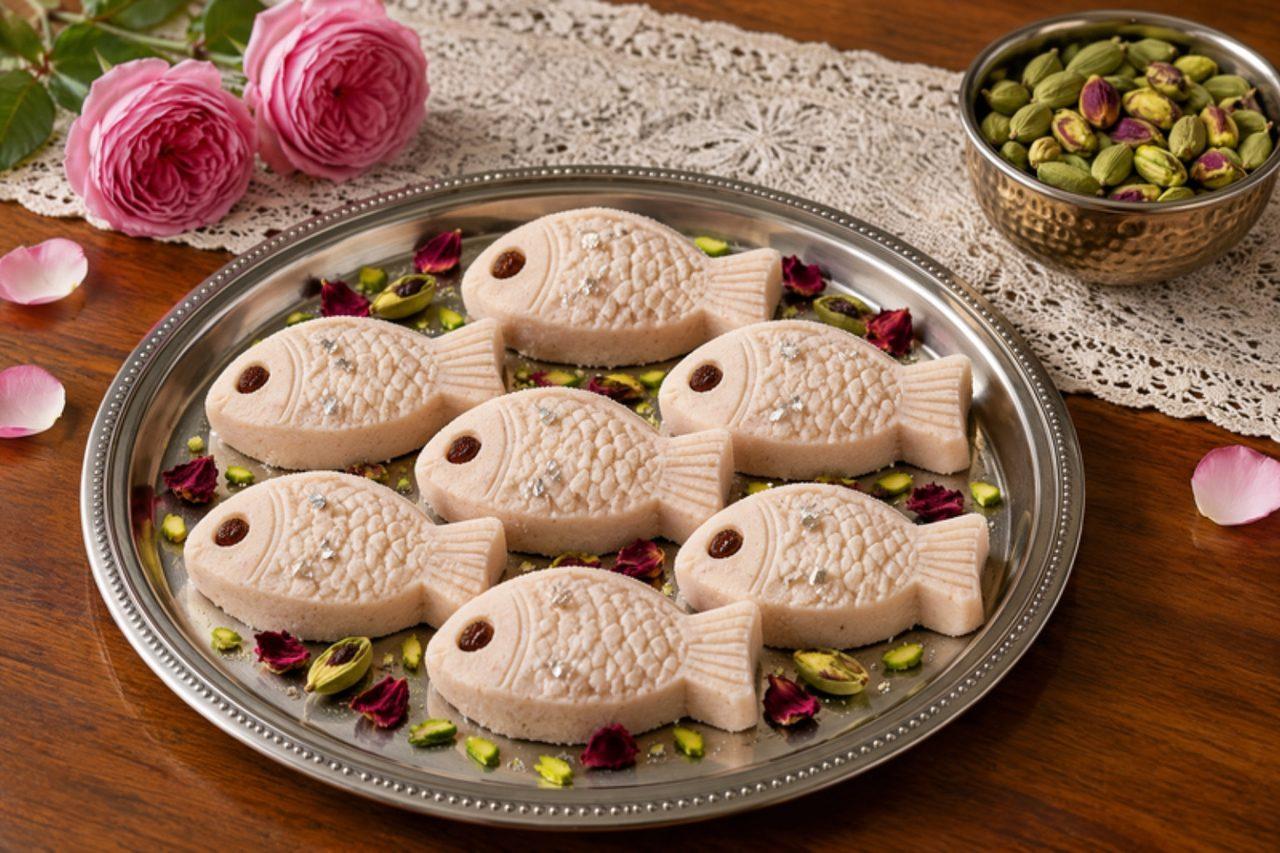
Mava ni boiFish-shaped milk sweets

At Parsi weddings and navjotes in Surat, Navsari and Mumbai, the boi, a fish, is a symbol of good luck, and a tray of small pink mawa fish travels with the sagan gifts. There is no fish in them at all: they are a simple sweet of fresh mawa cooked with sugar, tinted the palest pink and pressed into carved fish moulds, with a raisin or a silver ball for the eye. The common mistake is cooking the mawa too long, so it turns crumbly and cracks in the mould instead of taking a clean imprint. Chef's tip: lightly grease the mould with ghee and dust it with a pinch of icing sugar so each fish slips out with sharp scales and fins.

by KrazyBadal 0 views

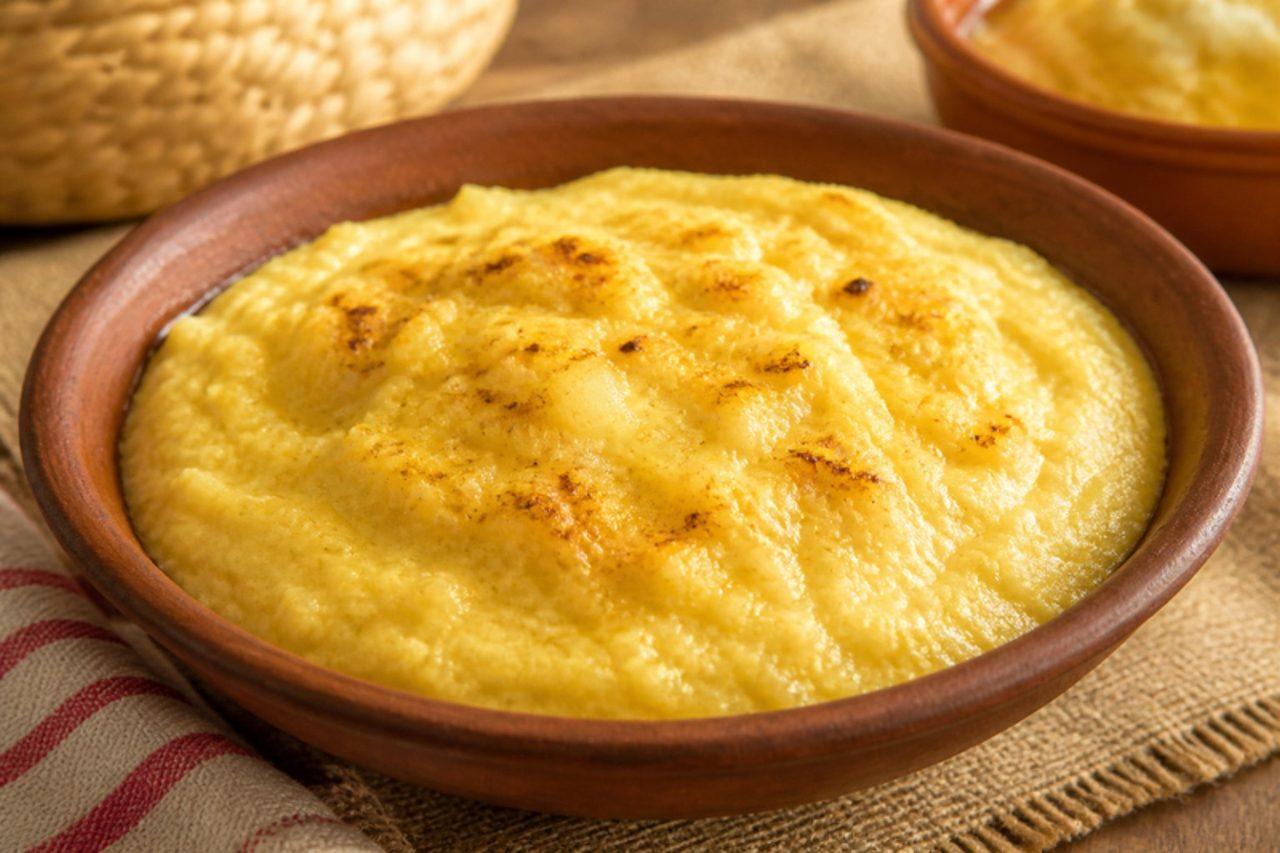
MbaipyCheesy polenta

Mbaipy (say 'mbai-PU') is Guaraní country cooking at its plainest: coarse corn flour stirred into milk and onion fried in oil until it thickens into a soft, spoonable porridge, finished with cubes of fresh cheese that melt into strings. In the Paraguayan countryside it is a cheap winter supper; cooks often stir in shredded chicken to make mbaipy so'o, but this is the meat-free version eaten on fasting days and in plenty of homes. Queso Paraguay is made with animal rennet, so use a vegetarian mozzarella or fresh cheese if you need to. The usual mistake is tipping the corn flour in all at once, which makes lumps that never cook out. Chef's tip: let it sit, covered, off the heat for five minutes before serving; it firms up slightly and the corn swells fully.

by KrazyBadal 0 views

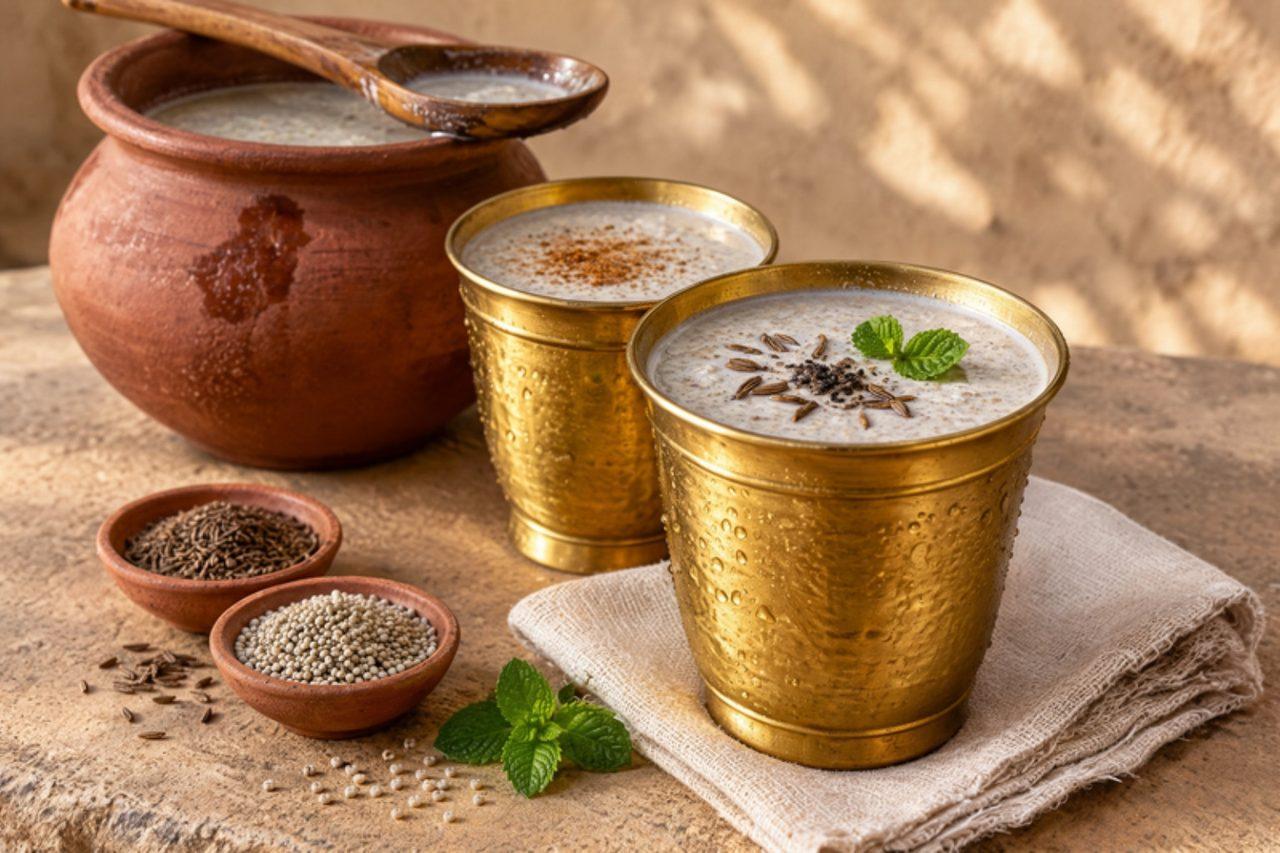
Bajre ki raabdiFermented pearl millet buttermilk porridge

In the villages of Haryana and the Rajasthan border, raabdi is drunk at midday in May and June to keep cool in the fields. Pearl-millet flour is stirred into buttermilk and left to ferment for a few hours, then cooked slowly until thick, cooled in a clay pot and thinned with more buttermilk and salt. It tastes tangy and earthy, a little like a savoury porridge you can drink. Ferment at warm room temperature (25–32 °C) for 4–6 hours: it should smell pleasantly sour with a few bubbles. Throw it away if you see pink, black or furry mould or it smells rotten or of nail varnish. The common mistake is cooking on high heat, which scorches the millet and leaves raw lumps. Chef's tip: keep the cooked raabdi in the fridge and drink it within 2 days, thinning each glass to taste.

by KrazyBadal 0 views

Masuri tey (rosehip tea)

Each October, Armenian families walk the hillsides around Dilijan, Tavush and Syunik picking the bright red hips of wild dog roses, then string or spread them to dry on balconies. Through the long winter they go into masuri tey, often made in a big pot in the evening and kept warm in a thermos for the next day, and it is the drink grandmothers press on anyone with a cold, alongside a spoon of homemade jam. It is fruity and tart, like hibiscus crossed with apple, with a gentle tea-like body, and a spoon of honey rounds it out. The common mistake is not straining it well enough: crushed rosehips are lined with tiny irritating hairs that scratch the throat. Strain through a fine sieve lined with a cloth or coffee filter. It is ready when the tea is deep orange-red and clearly sour, and the hips have swollen and softened. Simmer gently rather than boiling hard for long. Honey keeps this out of the vegan list; use sugar if you prefer. Not suitable as a sweetened drink for babies under one year because of the honey. Chef's tip: steep it overnight in a thermos after simmering; the flavour doubles.

by KrazyBadal 0 views

MerengadaStrawberry milk shake

Ask for a batido in Venezuela and you get fruit blended with water; ask for a merengada and it comes with milk, frothy and pale. The name is said to come from the old habit of beating in a little egg white like a meringue, which few cooks do now. Every panadería and fuente de soda from Maracaibo to Barcelona has a row of fruits on the counter, and strawberry from the Andes of Mérida, banana and guava are the favourites, ordered with a cachito or a pastelito at breakfast or as an after-school treat. A good merengada is cold, light and foamy, tasting clearly of fruit, not just of sweet milk. The common mistake is too little ice and too much milk, which gives a thin, warm drink with no froth. Blend the fruit with part of the milk first until perfectly smooth, then add the ice and the rest of the milk and blend hard. It is ready when a thick layer of pink foam sits on top and no fruit pieces are left. Banana or guava (strain the guava for seeds) work the same way. Chef's tip: frozen strawberries make it frostier; cut the ice by half if you use them.

by KrazyBadal 0 views

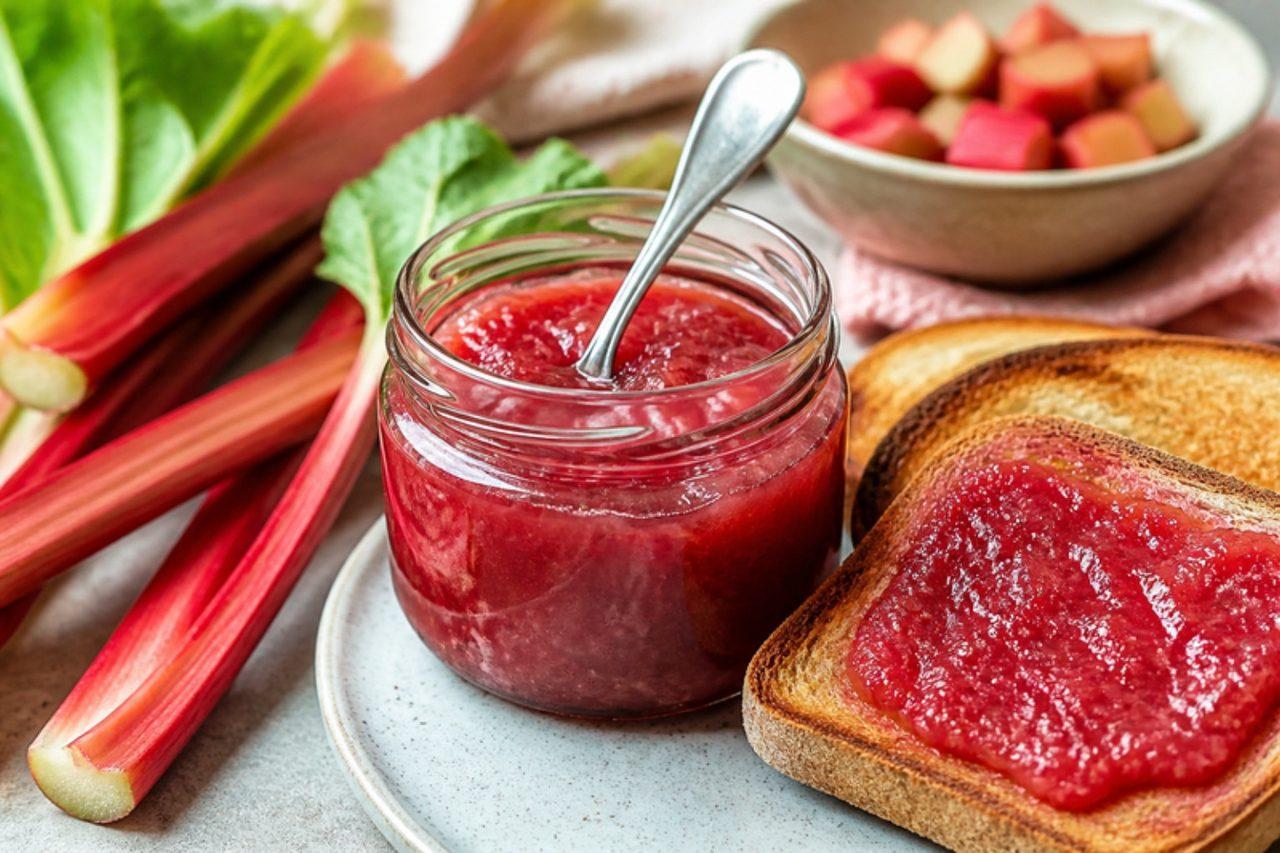
Mermelada de ruibarboRhubarb jam

Rhubarb thrives in the cold, wet gardens of Aysén, around Coyhaique and Puerto Aysén, where it was planted by settler families and now grows almost wild beside the houses. Every summer the stalks go into big pots of jam, spread on warm sopaipillas or homemade bread at once (teatime) and given to visitors in jars. Use only the stalks: rhubarb leaves are poisonous and must be thrown away. The mistake most people make is boiling the jam too long, which turns it dull brown and stiff. Chef's tip: leave the chopped rhubarb in the sugar overnight; it releases its juice, so the jam cooks faster and keeps a pink colour and soft pieces.

by KrazyBadal 0 views

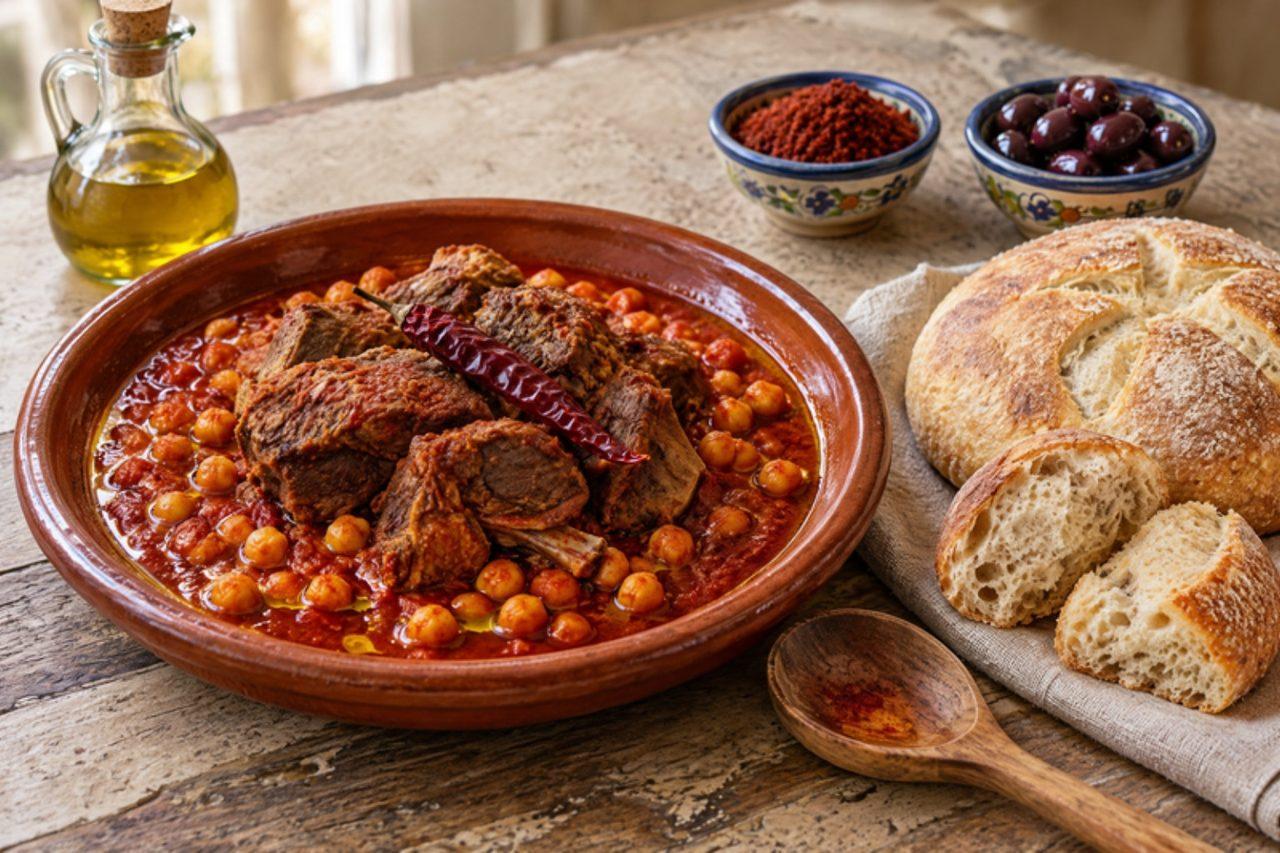
MermezLamb and chickpeas in harissa sauce

Mermez is a Tunis home dish closely tied to Ramadan, when a pot simmers through the afternoon to break the fast at sunset, often after a bowl of chorba. Lamb on the bone is stewed with chickpeas in a bright red sauce of tomato paste, harissa, garlic and Tunisian tabil spice (coriander and caraway), and the broth is mopped up with crusty khobz tabouna. The usual mistake is adding the harissa at the start and letting it scorch with the meat; fry it briefly with the tomato paste over a gentler heat instead. Slow-cooker option: after step 4, cook on low for 7 hours. Chef's tip: mermez tastes even better the day after, when the chickpeas have drunk in the spiced sauce.

100 minTunisianMeatGluten freeSpicy
by KrazyBadal 0 views

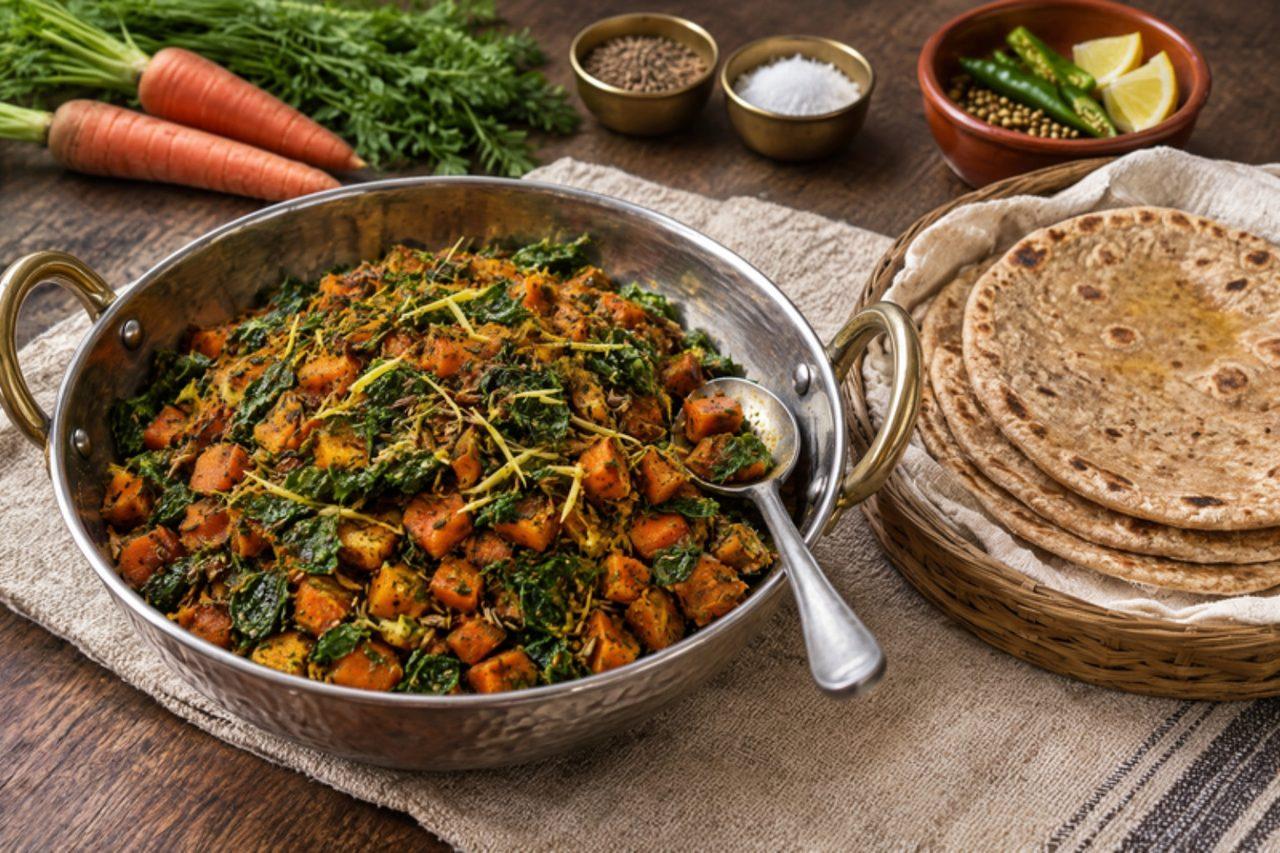
Methi gajarCarrots with fenugreek leaves

When the long red Delhi carrots and bunches of fresh methi fill the winter markets of Haryana and Punjab, this quick dry sabzi turns up beside every plate of rotis and dal. The slight bitterness of the fenugreek leaves and the sweetness of the carrots balance each other, helped along by a pinch of sugar and a squeeze of lemon. It takes about 25 minutes. The common mistake is adding the methi too early, which makes it bitter and dark. Chef's tip: rub the chopped methi with a little salt and squeeze it after 10 minutes; this tames the bitterness without losing the fragrance.

by KrazyBadal 0 views

Metkut bhaatRice with lentil powder and ghee

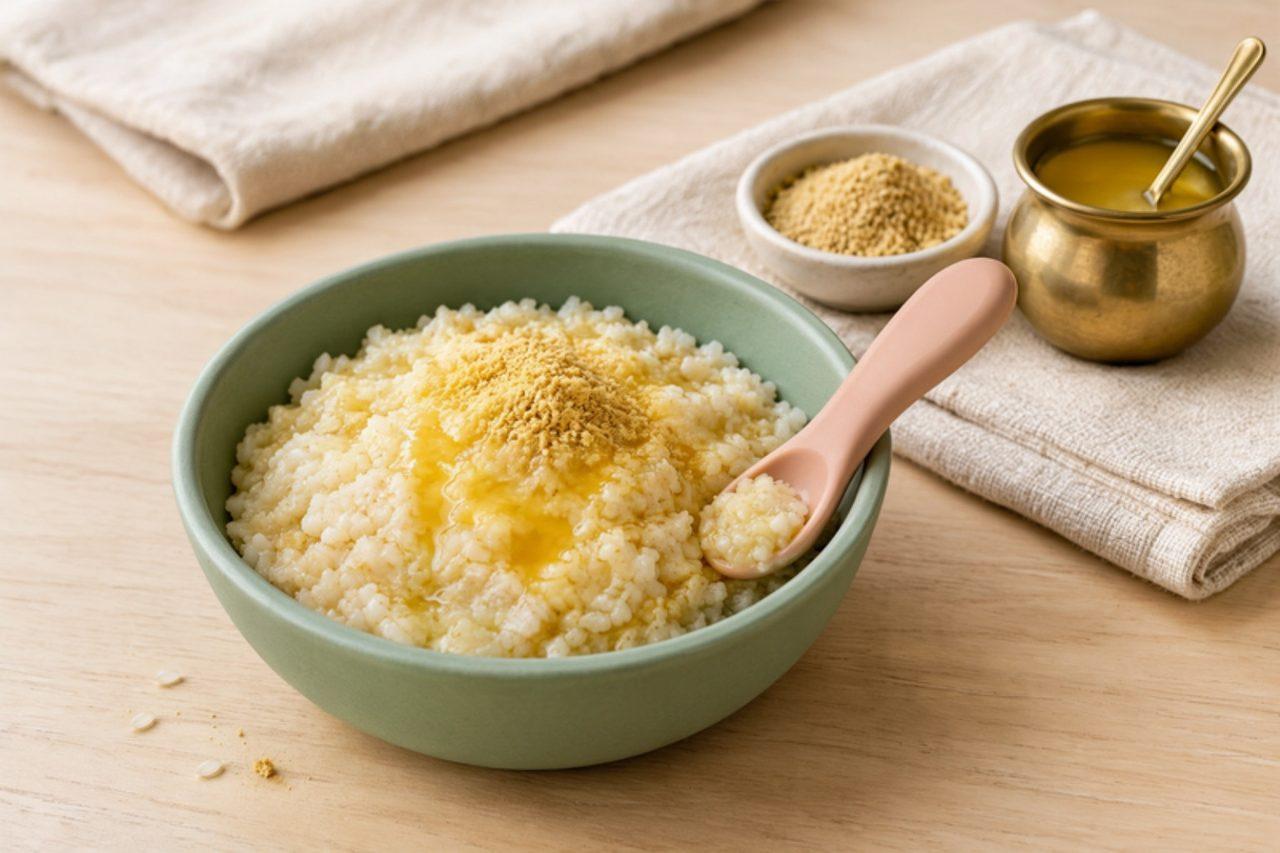
Ask anyone who grew up in Pune or Mumbai's Dadar about their first proper meal and many will say metkut bhaat: soft hot rice, a spoon of melted ghee and a sprinkle of metkut, a roasted powder of chana dal, urad dal and rice with turmeric and cumin. It is the bowl grandmothers make on lazy evenings and for toddlers from 12 months, nutty, savoury and gentle without any chilli. Shop metkut usually contains salt and asafoetida (which often has wheat), so this recipe roasts a small salt-free batch at home. It contains milk (ghee); the home-made powder has no gluten, egg, nuts or soya. Chef's tip: roast the dals slowly until they smell like popcorn; pale dal gives a raw, floury powder.

by KrazyBadal 0 views

Milagu kuzhambuBlack pepper tamarind gravy

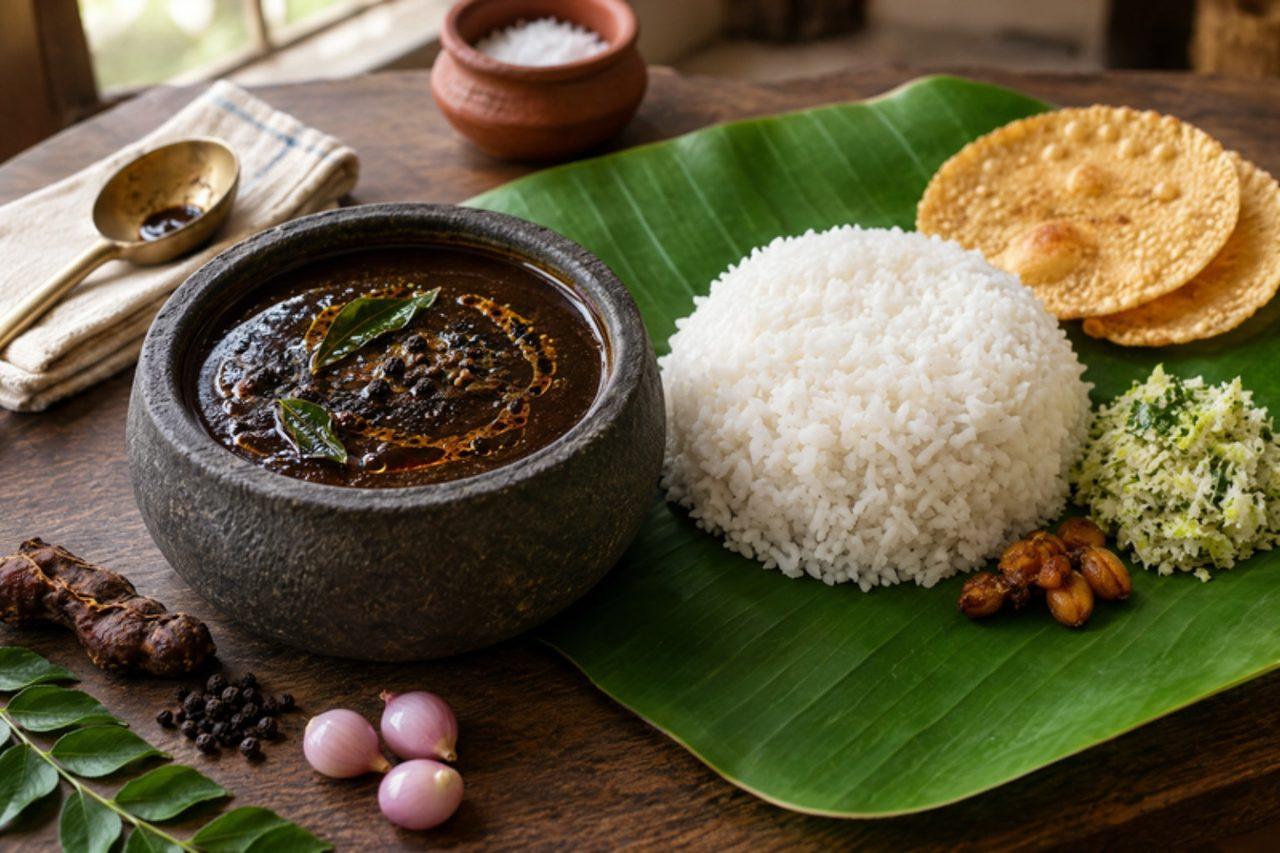
Milagu kuzhambu is the Tamil Brahmin travel curry: a dark, peppery tamarind gravy cooked down in sesame oil until thick, packed in a steel tin for train journeys and pilgrimages because it keeps for days without spoiling. At home it is mixed into hot rice with a spoon of ghee, on rainy days or when someone has a cold, and eaten with a plain poriyal or appalam. A little goes a long way: it is sharp, hot and slightly sweet. The usual mistake is pulling it off the heat too soon; it must reduce until the oil floats on top, or it tastes raw and won't keep. Store it covered in the fridge for up to 5 days and always use a dry spoon. Chef's tip: roast the pepper and lentils on a low heat until you smell them, not until they darken, because burnt pepper turns the whole pot bitter.

by KrazyBadal 0 views

MilcaoPotato bread

On Chiloé, where potatoes have been grown for thousands of years, milcao is the bread that comes with almost everything: it is buried in the curanto pit, boiled in broth, or pan-fried until crusty and eaten with honey or sugar in the afternoon. The dough is half grated raw potato and half mashed boiled potato. Islanders often press pork crackling into it; this version is plain and vegan. Forgetting to squeeze the raw potato is the mistake that makes milcaos fall apart in the pan. Chef's tip: let the squeezed potato juice stand for 5 minutes, pour off the water and scrape the white starch from the bottom of the bowl back into the dough; it is the glue that holds milcao together.

by KrazyBadal 0 views

Bandar ladduGram flour and jaggery balls

Bandar laddu is named after Bandar, the old name of Machilipatnam on the Andhra coast, and it is the sweet families carry home after a trip there, offer at Sankranti and give at weddings. Gram-flour pearls are fried, then pounded with jaggery syrup and ghee until the mixture turns dense, smooth and fudgy, unlike the grainy besan laddu of the north. The common mistake is not cooking the jaggery syrup far enough: it needs to reach the soft-ball stage, or the laddus slump and turn sticky. Chef's tip: pound the mix while it is still warm, in batches, in a heavy mortar or food processor, until it clumps when pressed.

by KrazyBadal 0 views

Mirchi thechaPounded chilli, garlic and peanut relish

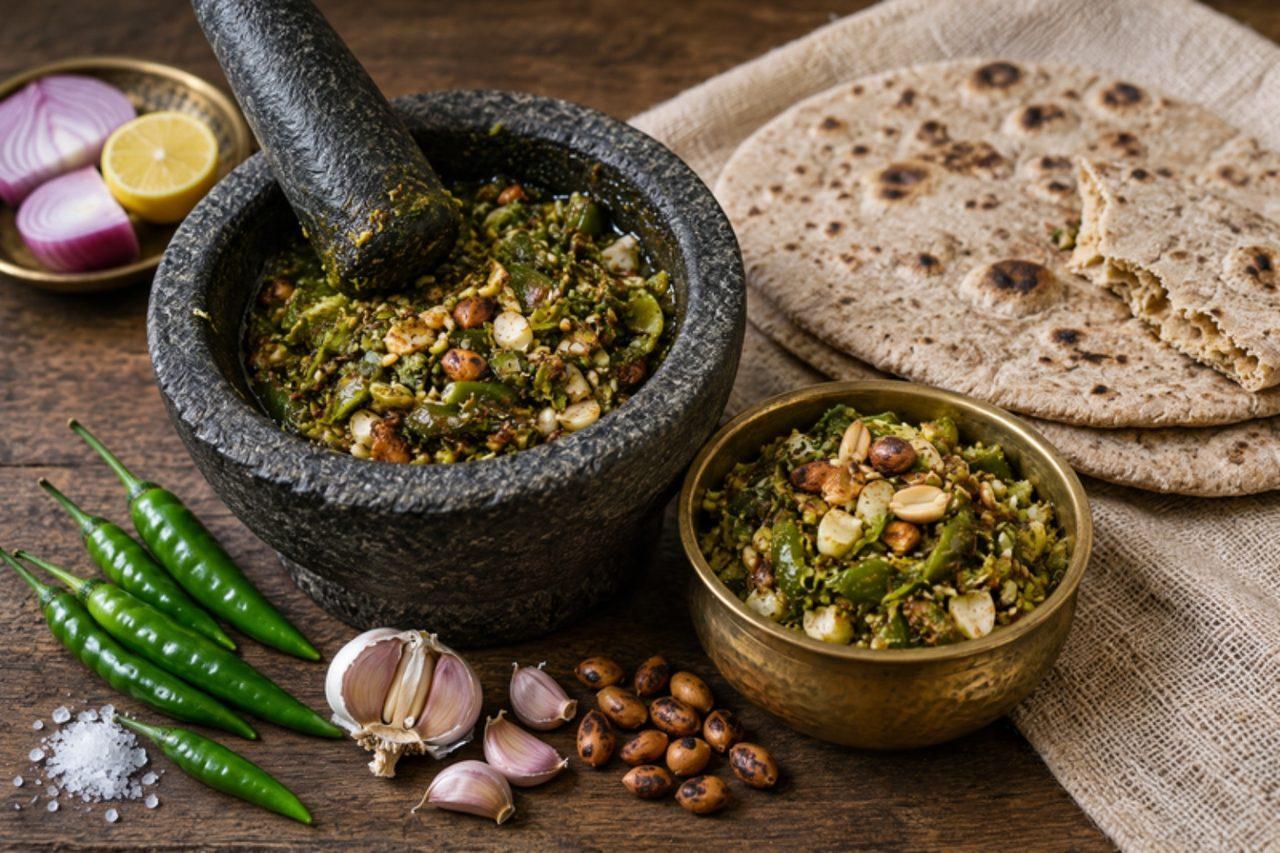
Thecha is the fiery pounded chilli relish of rural Maharashtra, from the Desh villages around Satara and Kolhapur, eaten with jowar bhakri and a raw onion at a farmhand's lunch and now a fixture of Pune's Marathi restaurants. Green chillies and garlic are blistered in a pan, then crushed with peanuts in a stone mortar. The common mistake is blending it smooth in a mixer; thecha should be coarse and rustic, so pound it or pulse briefly. Chef's tip: wear gloves or oil your fingers when handling this many chillies, and wash the pan straight away.

by KrazyBadal 0 views

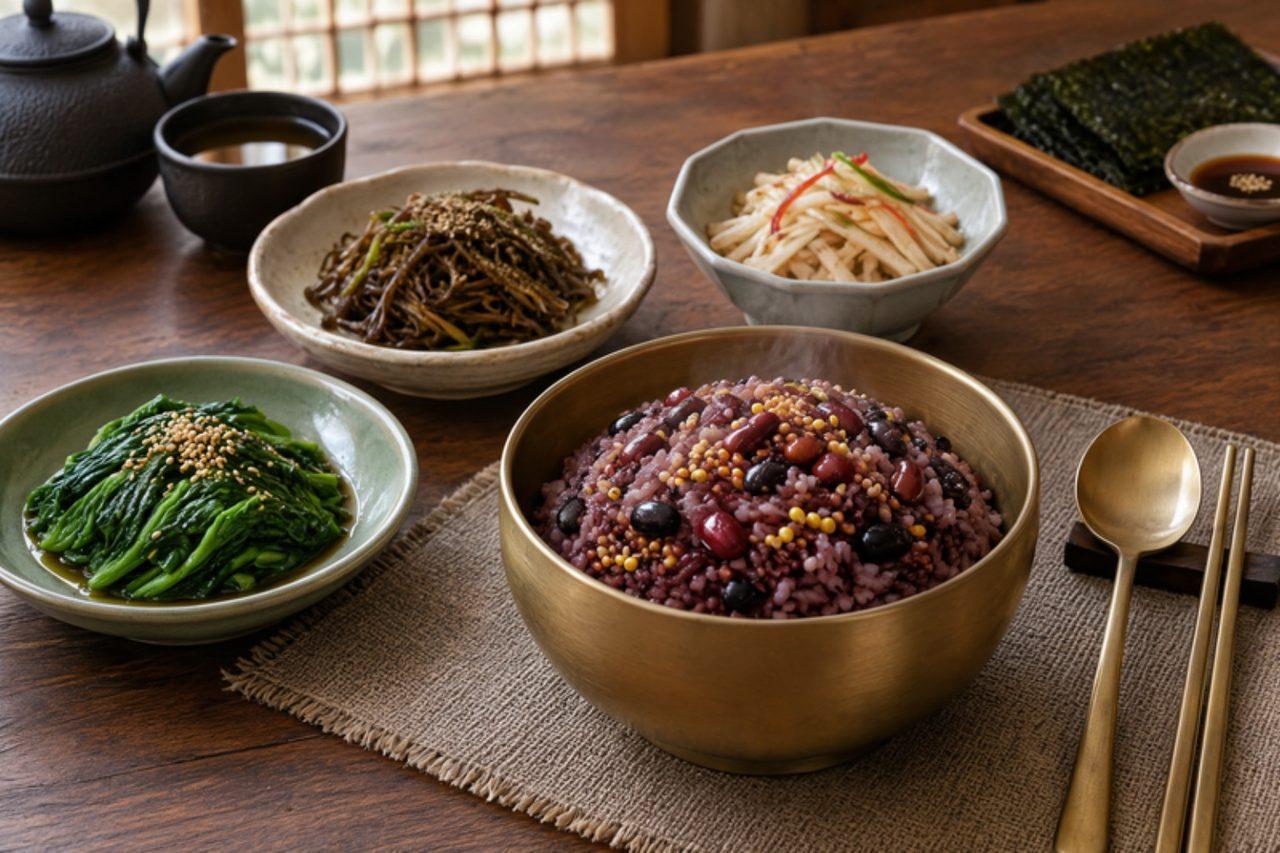
OgokbapFive-grain rice

Ogokbap is cooked across Korea for Jeongwol Daeboreum, the first full moon of the lunar year, when families share five-grain rice with nine kinds of dried namul and crack nuts to wish for good health. Sticky rice, millet, sorghum, black soybeans and adzuki beans cook together into a chewy, purple-tinged rice with a nutty, gently sweet flavour. It is good any time of year beside soup and banchan. The usual mistake is putting the adzuki beans in raw with the rice: they stay hard while the rice turns soft, so parboil them first. Chef's tip: keep a little of the adzuki cooking water for the rice, as it gives ogokbap its lovely rosy colour.

by KrazyBadal 0 views

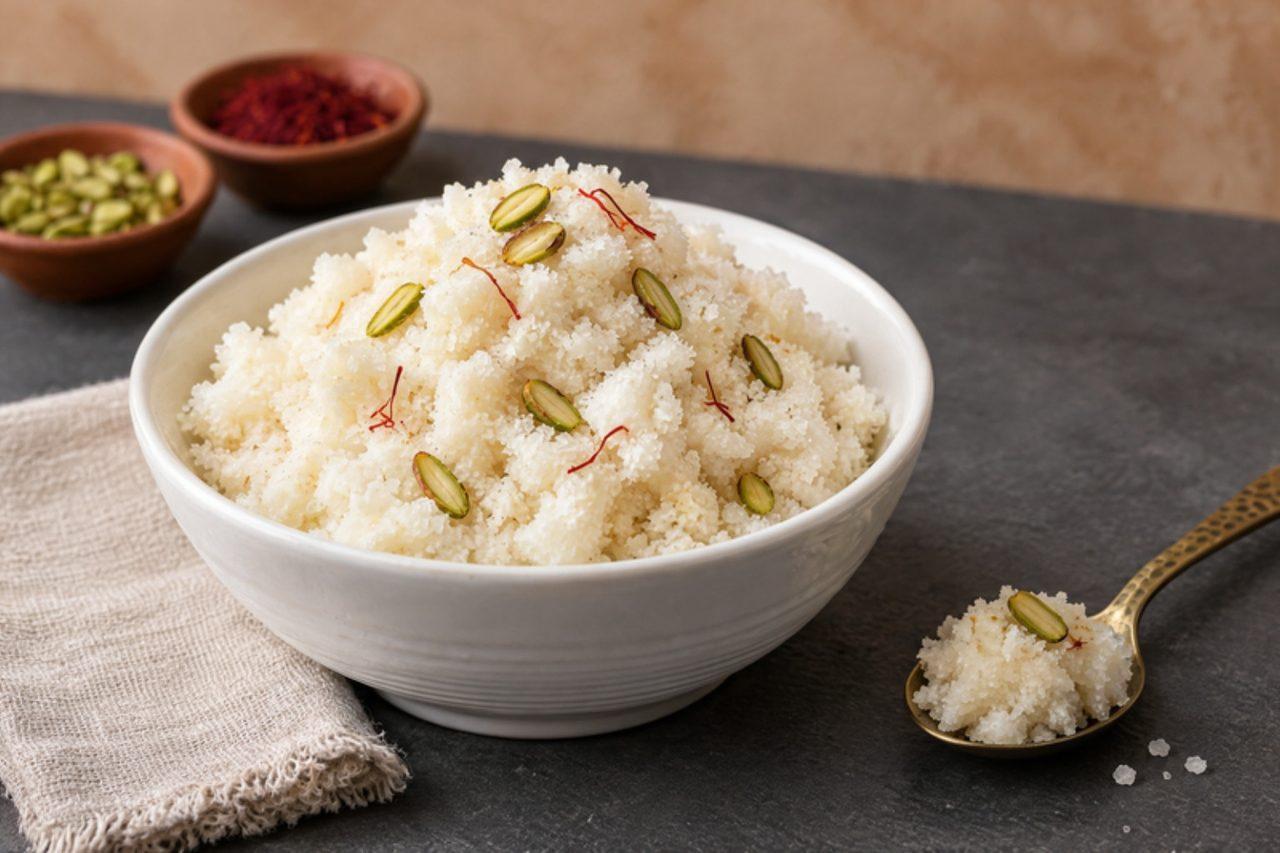
Mishri mawaSweet milk flakes

Mishri mawa is the pride of Jaipur's old sweet shops near Johari Bazaar: full-fat milk boiled down slowly with sugar and a little alum until it splits into tiny, sparkling grains, then set loosely so it breaks into soft flakes that melt on the tongue. It is bought for Diwali, weddings and when guests arrive from far away. Unlike kalakand, it is very white and only lightly set, with saffron and cardamom. The common mistake is letting the milk catch at the bottom; even a little scorching turns it beige and smoky. Chef's tip: use a wide, heavy pan and scrape the base and sides with a flat spatula every minute once the milk has halved.

by KrazyBadal 0 views

Miyan yakuwaRoselle leaf stew

Miyan yakuwa is a home stew of Kano, Kaduna and the Hausa north of Nigeria, cooked through the rainy season when the sour young leaves of the roselle plant fill the markets. Beef simmers with ginger and garlic, then a pepper and tomato base fried in groundnut oil goes in with ground roasted peanuts and plenty of the tangy greens. It is eaten with tuwo shinkafa (soft rice swallow) or tuwo masara. The usual mistake is adding the leaves too early: they turn khaki and lose their sharpness, so they go in only for the last few minutes. If you cannot find roselle leaves, use spinach with the juice of a lemon. Chef's tip: toast the peanuts before grinding for a deeper, nuttier stew.

by KrazyBadal 0 views

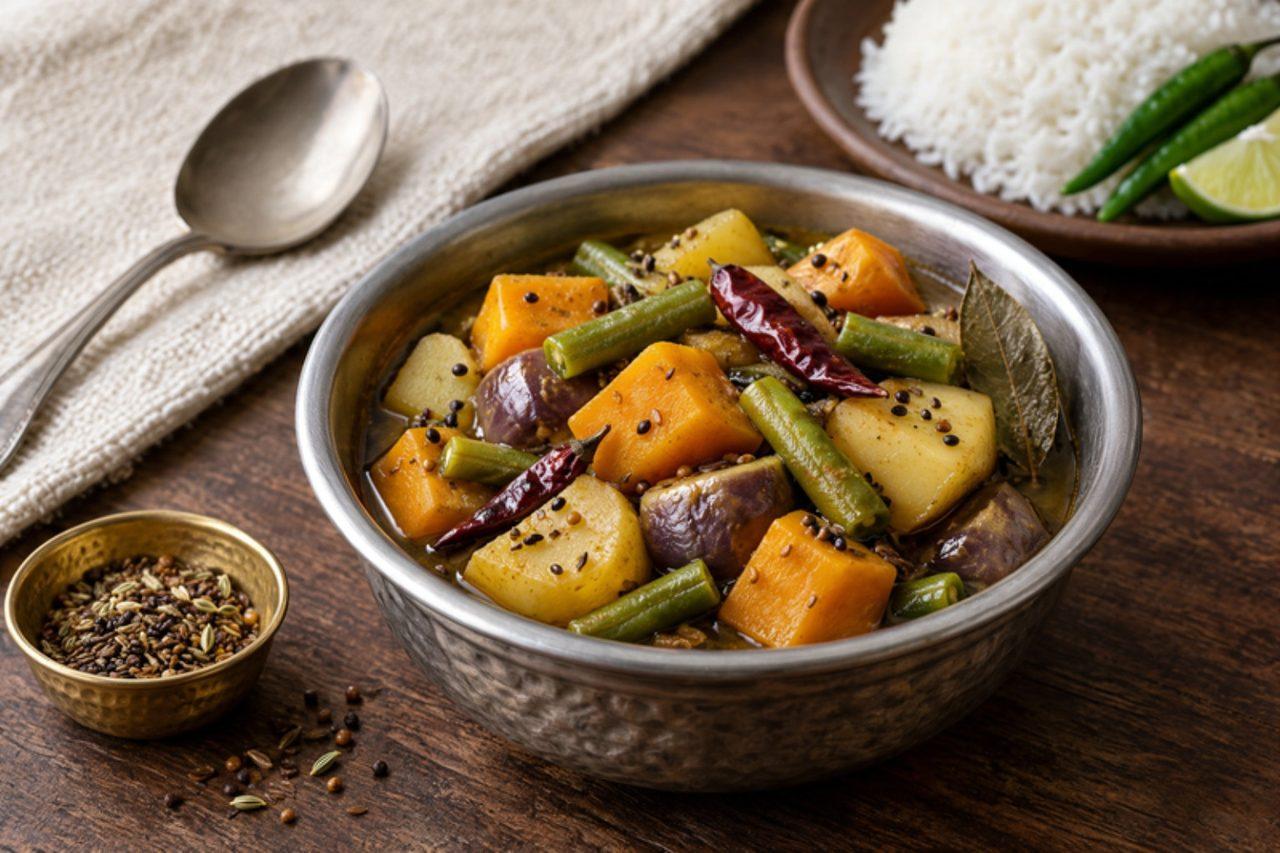
Mizo panch phoran tarkariMixed vegetables with five spices

Mizo cooking uses very little oil and few spices, and this Aizawl tarkari of pumpkin, potato, brinjal and beans is a good example: a few seeds of panch phoron bloom in a spoonful of oil, the vegetables steam in their own juices and dinner is ready. It is eaten on weekdays with rice, dal and a sharp chilli relish. The common mistake is stirring too often, which mashes the pumpkin; turn it gently only once or twice. Chef's tip: cut everything about the same size so it cooks evenly.

by KrazyBadal 0 views

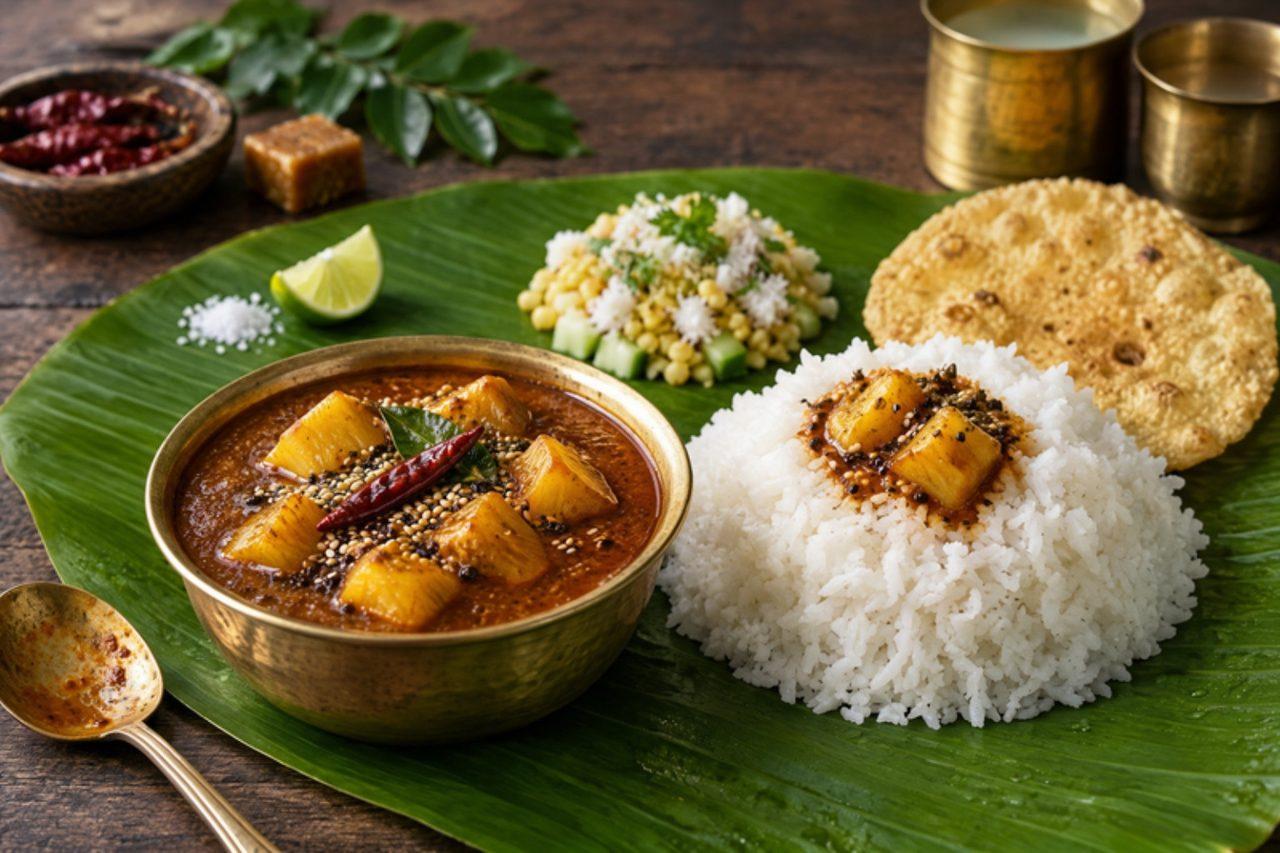
Pineapple gojjuSweet and sour pineapple gravy

Pineapple gojju turns up on banana leaves at Kannada weddings, housewarmings and Ugadi feasts, where its bright sweet-sour-hot taste cuts through the rice, saaru and payasa. Ripe pineapple is simmered with tamarind and jaggery, then thickened with a roasted paste of sesame, coconut, chilli and lentils until glossy. It is eaten in small spoonfuls with rice or chapati, or as a relish on the side. The usual mistake is adding the jaggery too early and boiling it hard, which makes it sticky and dull; let the pineapple soften first. It keeps for 4 days in the fridge. Chef's tip: toast the sesame seeds separately and add them last, so they stay nutty and you can hear them crackle.

by KrazyBadal 0 views

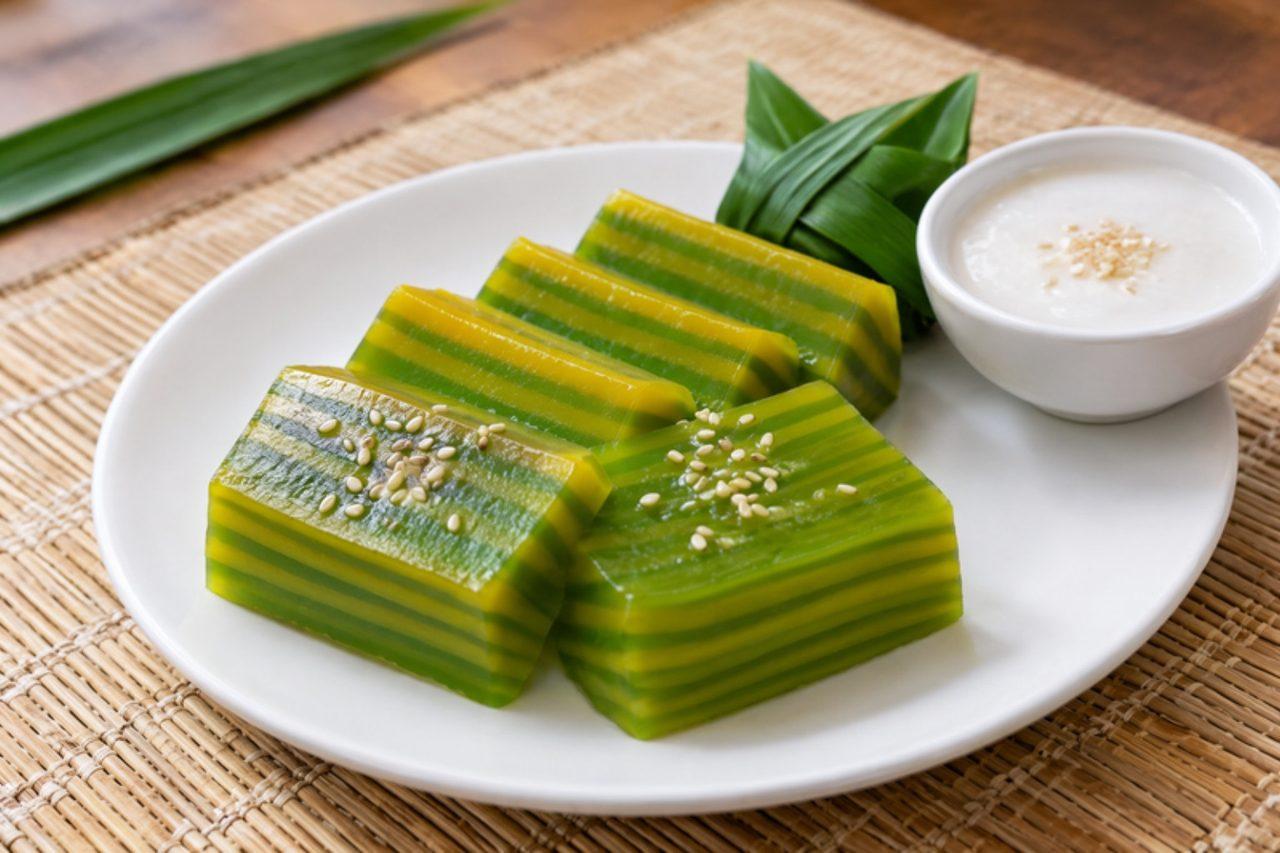
Bánh da lợnSteamed layer cake

Bánh da lợn is piled up in glistening slabs at the dessert stalls of Bến Thành Market and on the trays of Saigon's afternoon sweet sellers. Thin layers of tapioca and coconut batter are steamed one at a time, alternating fragrant pandan green with nutty mung bean yellow, so every slice shows neat stripes and has a soft, bouncy, slightly springy bite. People peel the layers off one by one, especially children. Chef's tip: let each layer set until it turns translucent before pouring the next, or the colours run into each other.

by KrazyBadal 0 views

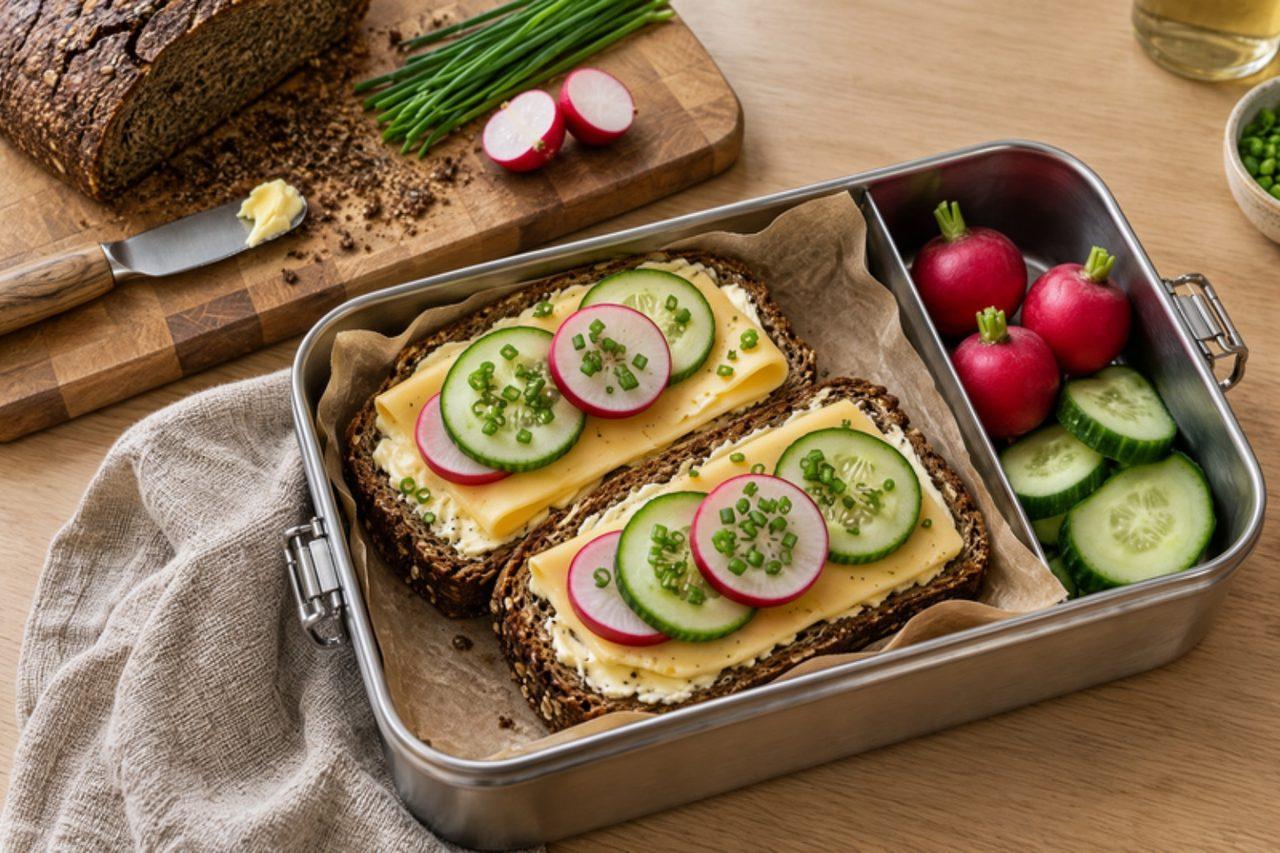
ButterbrotRye bread with cheese and vegetables

Every German schoolchild knows the Pausenbrot: two slices of rye or mixed-grain bread spread with good butter, closed around a slice of cheese, wrapped in paper and eaten in the mid-morning break, with a few cucumber or apple slices on the side. Adults take the same Butterbrot to work. The common mistake is spreading cold, hard butter, which tears the bread and leaves bare patches that let any wet filling soak in. Many Gouda-style cheeses use animal rennet, so choose one marked vegetarian. Chef's tip: butter right to the crust on both slices; the butter is a waterproof layer that keeps the bread fresh until lunchtime.

by KrazyBadal 0 views

MotohoFermented sorghum porridge

Highland mornings in Lesotho can be bitterly cold, and a mug or bowl of warm motoho, thin enough to sip and pleasantly tangy, is how many Basotho families in Maseru and the mountain villages start the day. Sorghum meal is mixed with warm water and a spoonful of starter from the last batch, left overnight by the stove to sour, then cooked into a smooth, pourable porridge with a yoghurt-like tang and a nutty, toasty flavour. Some sweeten it with sugar; others drink it plain with bread. If you have no starter, make one two days ahead with sorghum and water, as below. Chef's tip: keep the ferment warm but not hot; a pot left right on the stove gets too sour and too thin, so a spot nearby is perfect.

by KrazyBadal 0 views

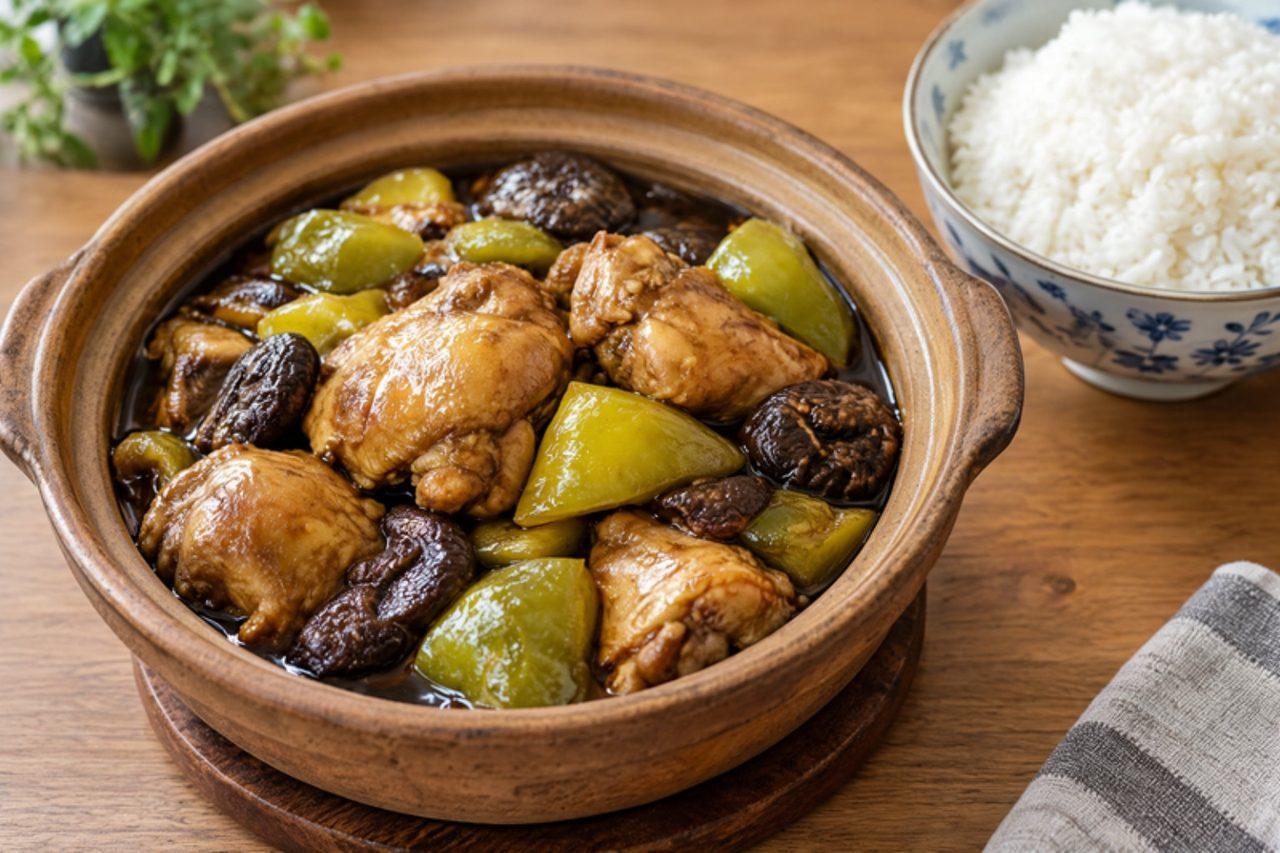
Huangmen jimifanBraised chicken rice

Huangmen jimifan began in Jinan, in Shandong, and spread to thousands of little clay-pot shops across China where office workers queue at noon for a bubbling pot of chicken braised dark and glossy with shiitake, ginger and green pepper, eaten over plain rice. It reheats perfectly in a work microwave. The common mistake is using breast, which goes dry and stringy in the braise; bone-in thigh stays juicy. Chef's tip: caramelise the rock sugar in the oil before the chicken goes in, which gives the sauce its amber colour without extra dark soy.

by KrazyBadal 0 views

BatagorFried fish dumplings with peanut sauce

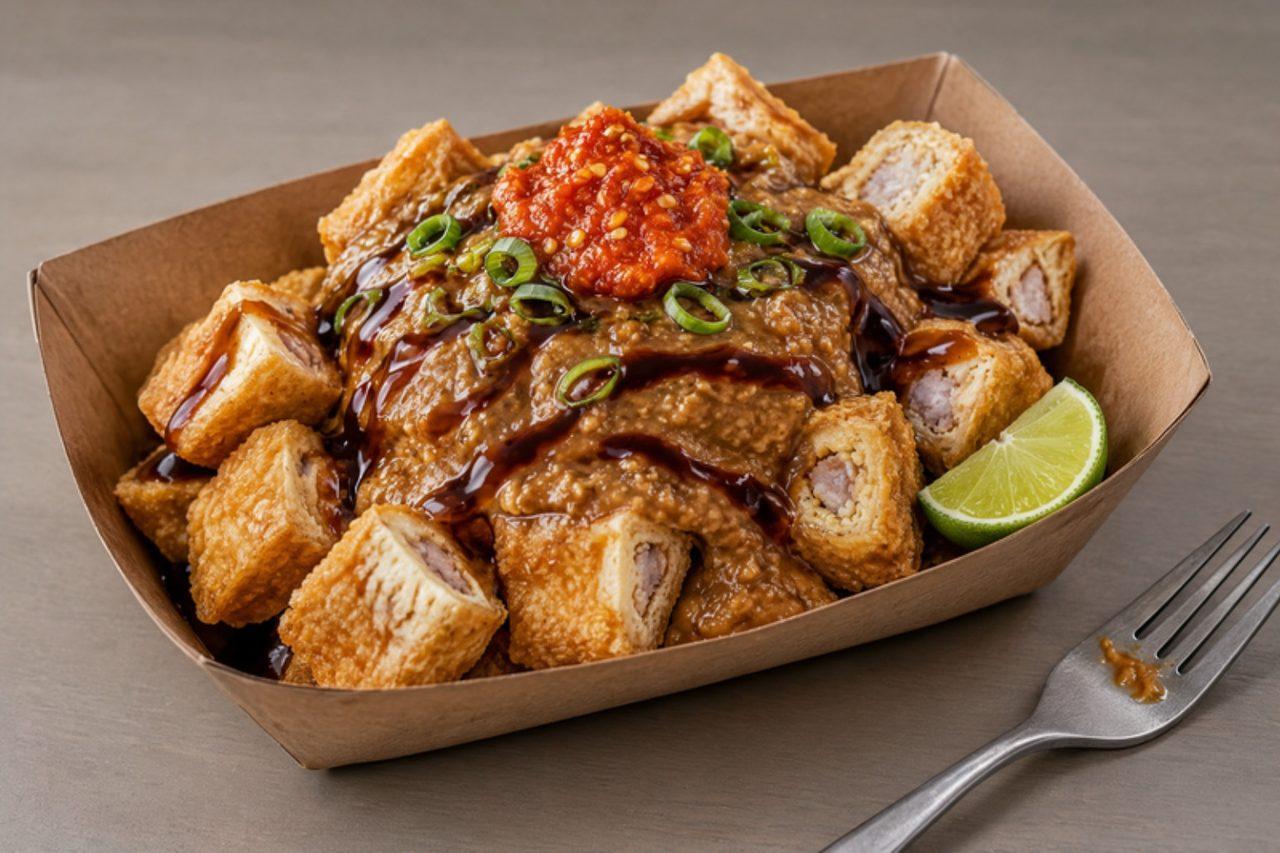
Batagor, short for bakso tahu goreng (fried fish-ball tofu), is the crunchy cousin of siomay and a favourite after-school snack sold from glass-sided carts outside Jakarta's schools and along Jalan Pecenongan's evening food strip. Tofu squares and wonton skins are stuffed with a mackerel and tapioca paste and deep-fried until golden and crackly, then snipped up and covered in a spicy peanut sauce, kecap manis and lime. The contrast of crisp skin and soft, bouncy fish is the whole point. Contains fish, peanuts, soy, egg and wheat. Chef's tip: fry the tofu side with the fish paste facing down first; it seals the filling so it doesn't puff away from the tofu.

by KrazyBadal 0 views

Khao kai jiaoThai omelette over rice

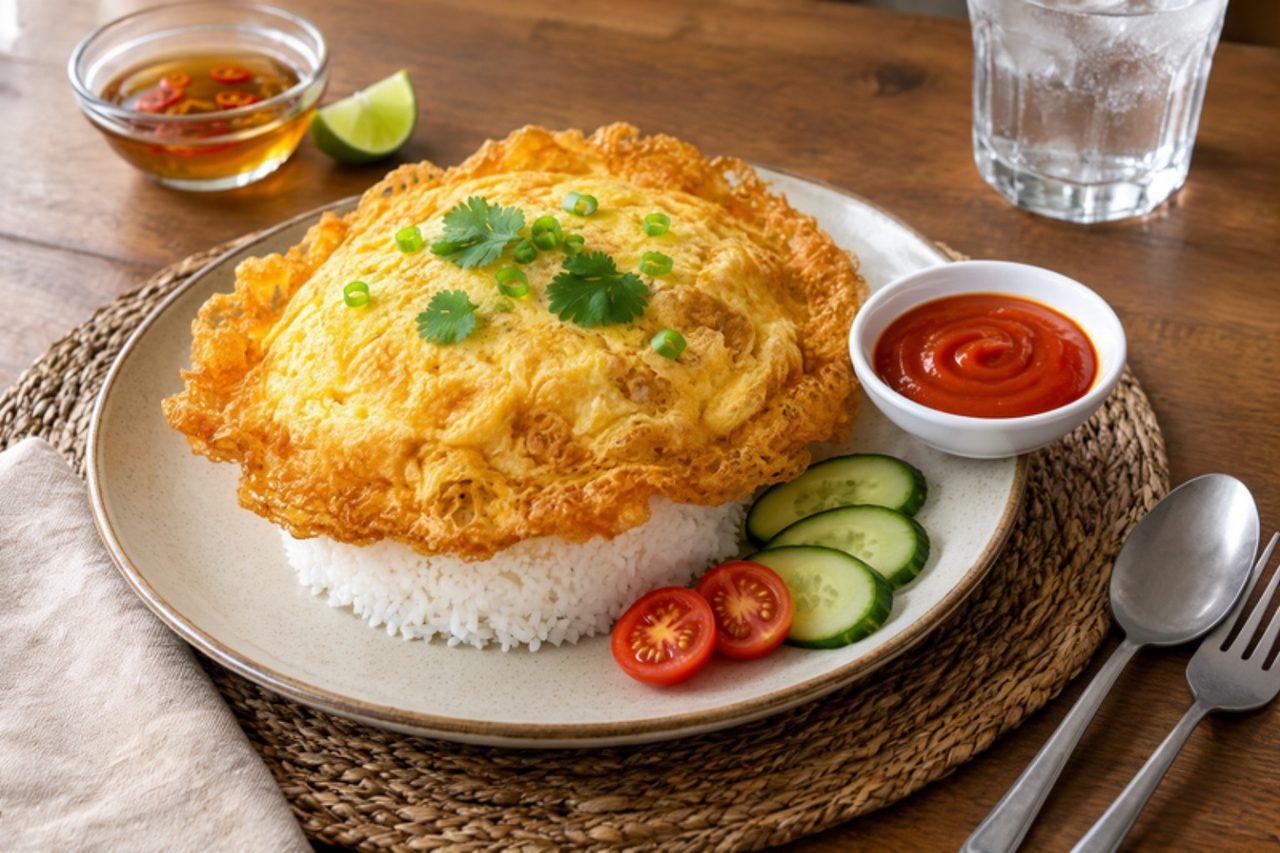
When there is no time for anything else, Bangkok office workers, students and taxi drivers eat khao khai jiao: eggs beaten with fish sauce and poured into very hot oil so they puff into a lacy, golden, crisp-edged omelette, slid onto a mound of jasmine rice with a squirt of chilli sauce. It is also the omelette mothers put in school lunch boxes. The common mistake is oil that is not hot enough, so the egg sits flat and greasy instead of ballooning up. For a vegetarian version, season with light soy sauce instead of fish sauce. Chef's tip: beat in a squeeze of lime and a spoon of water until very frothy; the air and steam make it puff dramatically.

by KrazyBadal 0 views

Sopa de quesoCheese and corn soup

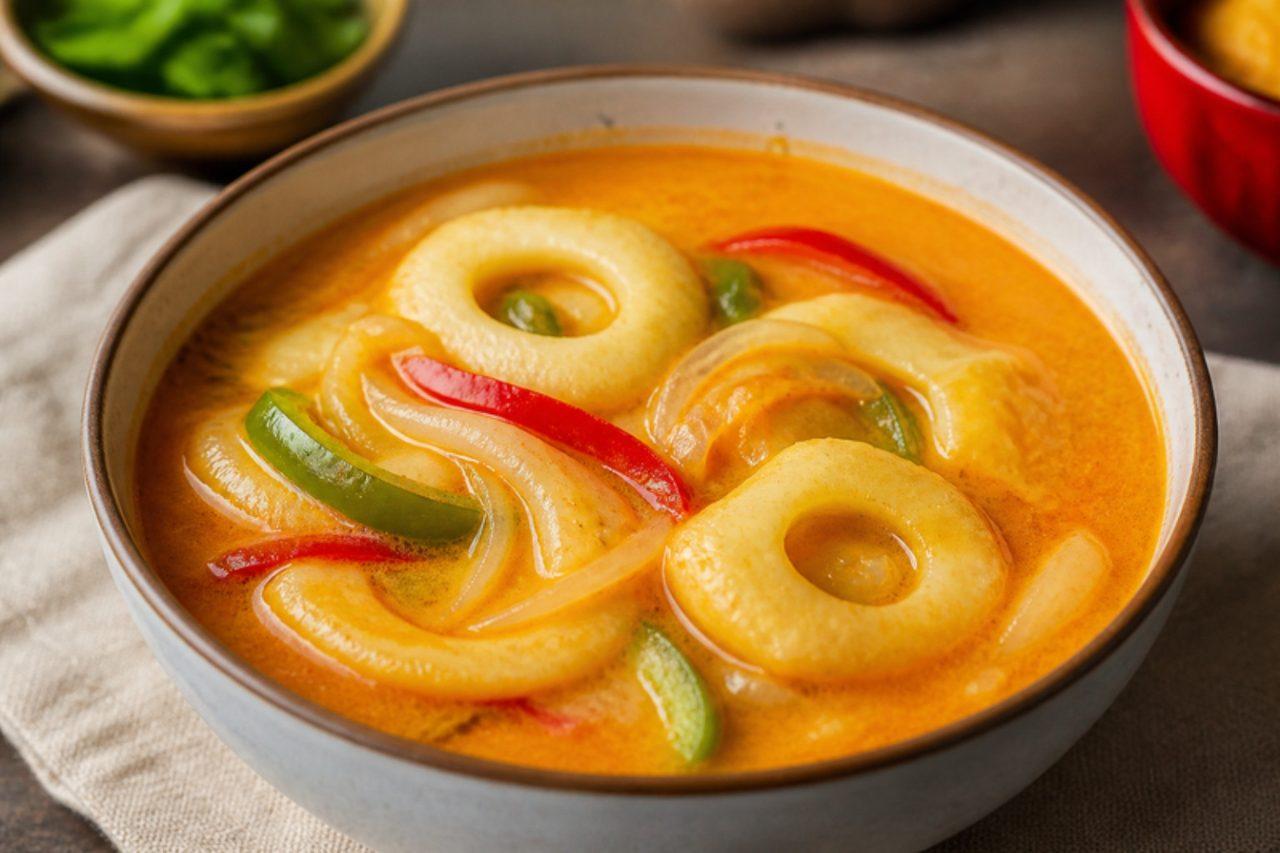
In Nicaragua, the Thursday and Friday of Holy Week mean sopa de queso, a meatless soup of small rings made from corn dough and salty cheese, fried and floated in a tomato and sweet-pepper broth enriched with milk. Unlike Honduran capirotadas, Nicaraguan cooks shape the dough into little rings (rosquillas) and thicken the broth with a spoonful of masa, so it is silky and pale orange. Nicaraguan queso seco and cuajada are traditionally made with animal rennet; a vegetarian feta or vegetarian hard cheese works well. The usual mistake is boiling the soup after the milk goes in, which makes it curdle. Chef's tip: a few mint leaves stirred in at the end are how many Masaya families finish it.

by KrazyBadal 0 views

Showing 81 of 7,762 recipes

Show more recipes

Page 148 of 863