


Skip to content
Seffa
Featured recipe

Seffa

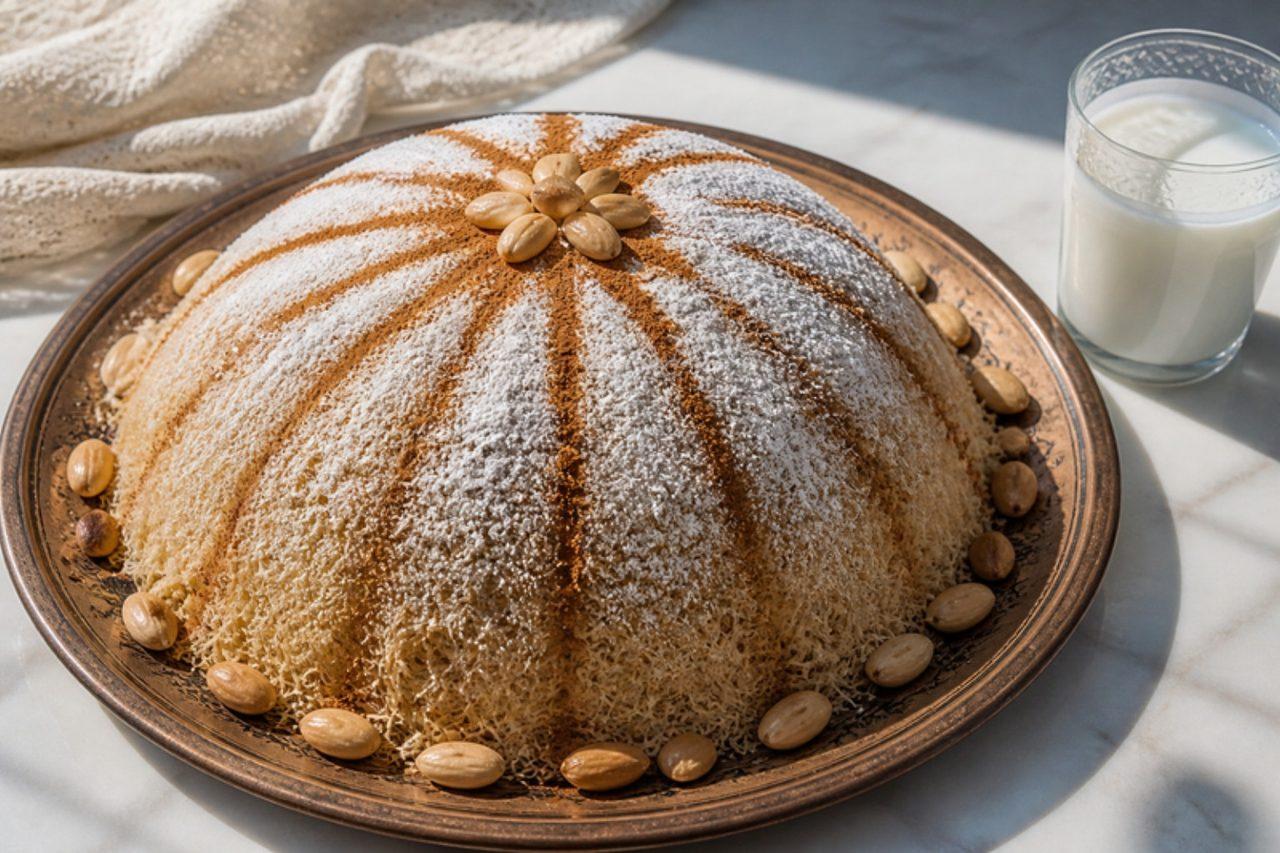
Sweet steamed vermicelli

Seffa comes from the old medina of Fez, where it is carried out at the end of wedding feasts and served for breakfast after a baby's naming day: a mountain of fine steamed vermicelli tossed with butter, then decorated with lines of cinnamon, icing sugar and crushed almonds. The noodles are steamed rather than boiled, so they stay soft and separate rather than sticky. Each person eats from their side of the cone, often with a glass of cold milk. Chef's tip: steam the vermicelli in short bursts and fork it apart between each one; a single long steaming leaves it clumped.

Read more 0 views

What to eat today?

Around the world

Today's trip: Paraguayan

A new country every day, from every cuisine on the site.

Paraguayan

Kosereva

Candied bitter orange peel 180 minMore from Paraguayan (27) →

This week's collection

Kid-friendly dinners
537 recipes · a new collection every Monday

Latest recipes

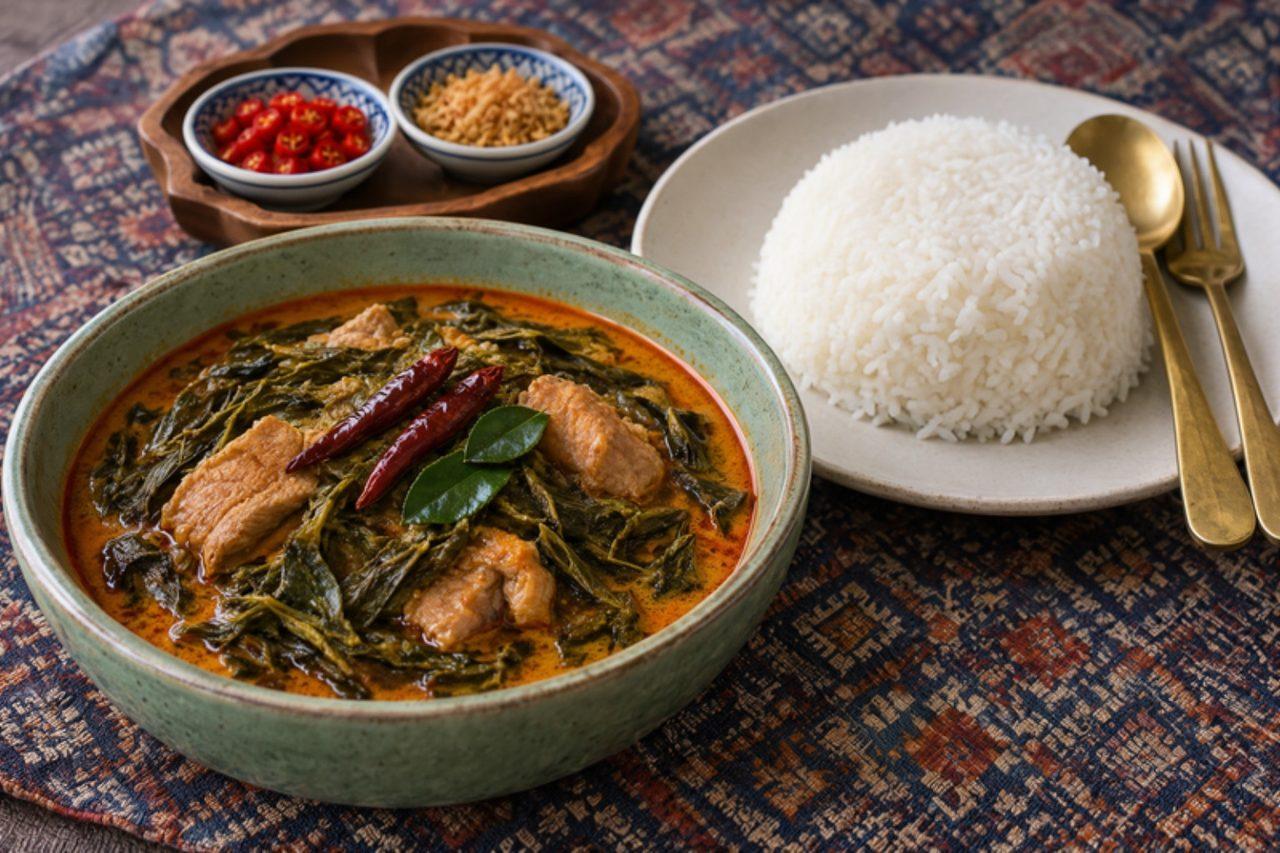
Kaeng khilekCassia leaf curry

Kaeng khilek is an old-fashioned country curry from central Thailand, cooked when the cassia (khilek) trees put out tender shoots after the rains and sold ready-boiled in bags at markets around Ratchaburi and Suphan Buri. The leaves are boiled and drained several times until their bitterness softens, then simmered with pork belly in coconut milk with red curry paste, leaving a dark green, pleasantly bitter, rich curry eaten with jasmine rice and salted egg. This recipe contains pork. The usual mistake is skipping the repeated boiling: cassia leaves must be boiled and drained at least three times, or they are harshly bitter and can upset the stomach. Frozen pre-boiled khilek from Thai shops saves work. Chef's tip: squeeze the boiled leaves firmly in a cloth so they soak up coconut milk instead of water.

by KrazyBadal 0 views

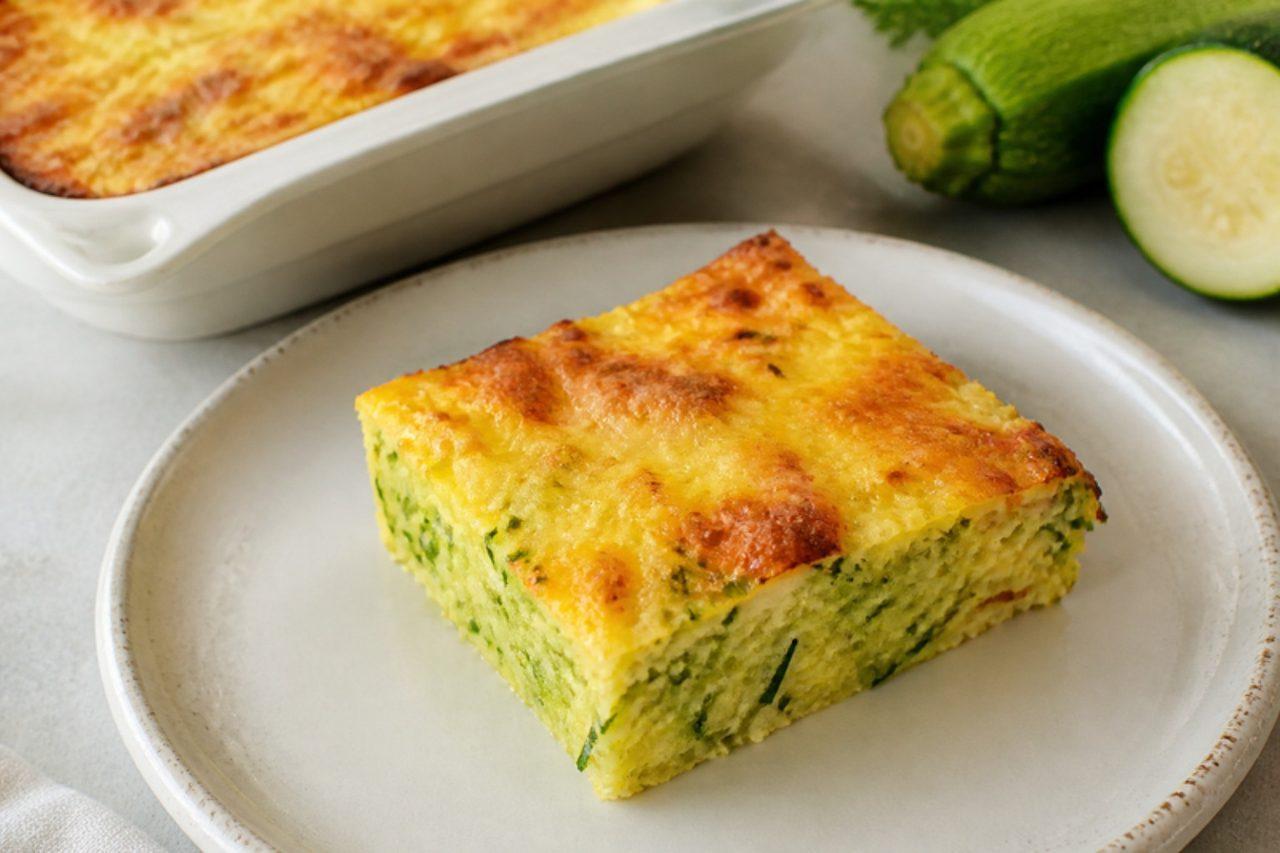
Tarta de zapallitosCourgette and cheese tart

In Buenos Aires every rotisería sells tartas by the slice, and at home a tarta de zapallitos is baked on Sunday evening so that a wedge can go into the vianda (packed lunch) for school and work all week. Zapallitos are round green courgettes; ordinary courgettes work just as well. The common mistake is adding the courgette raw, which floods the pastry; sauté it until the liquid has cooked away. Argentine queso rallado and many hard cheeses are made with animal rennet, so use a vegetarian hard cheese. Chef's tip: bake the tart on a preheated baking tray so the base crisps before the filling soaks in.

by KrazyBadal 0 views

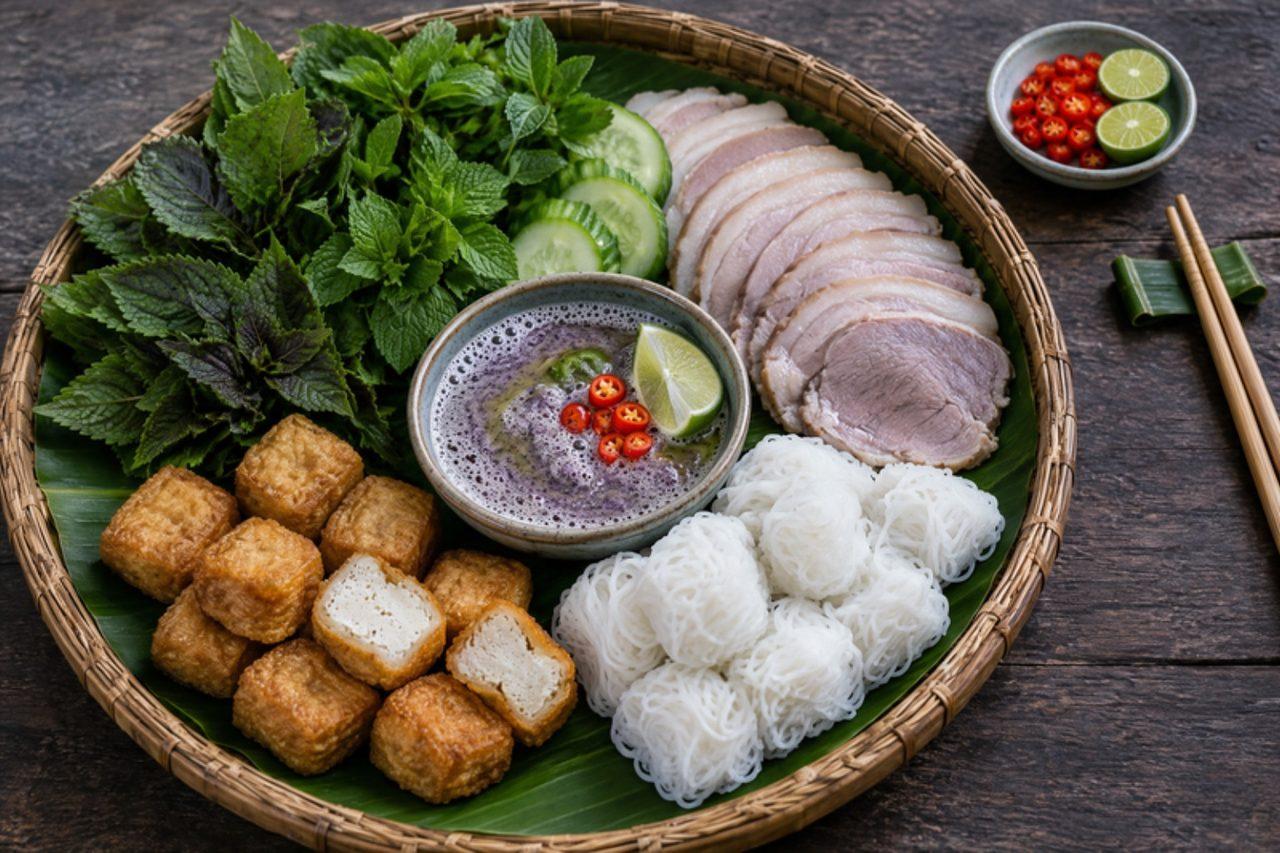
Bún đậu mắm tômNoodles, tofu and shrimp paste

Bún đậu mắm tôm is served on round bamboo trays in the narrow alleys of Hanoi's Old Quarter, where groups of friends squat on low stools at lunch to share squares of pressed rice noodles, cubes of tofu fried until puffy, slices of boiled pork leg or belly and bundles of perilla and Vietnamese balm. Everything is dipped into mắm tôm, pungent fermented shrimp paste whisked with lime, sugar and a splash of hot oil until it foams. It is loud, salty and moreish. Chef's tip: whisk the shrimp paste hard for a full minute; it turns pale and fluffy and its harshness mellows.

by KrazyBadal 0 views

Torta de chile rellenoStuffed poblano sandwich

At Mexico City's torta stands and school gates, the chile relleno torta is the meat-free favourite: a whole poblano, roasted, peeled, stuffed with melting cheese, dipped in fluffy egg batter and fried, then pressed into a bolillo spread with refried beans and salsa. People buy them warm mid-morning or wrap them in foil for lunch. The common mistake is frying a wet chile: the batter slides off, so pat it dry and dust it with flour first. Oaxaca cheese and Monterey Jack are often made with animal rennet, so choose a vegetarian melting cheese, and check the refried beans are made without lard. Chef's tip: beat the egg whites to stiff peaks before folding in the yolks; that airy capeado is what makes it puff and stay crisp.

by KrazyBadal 0 views

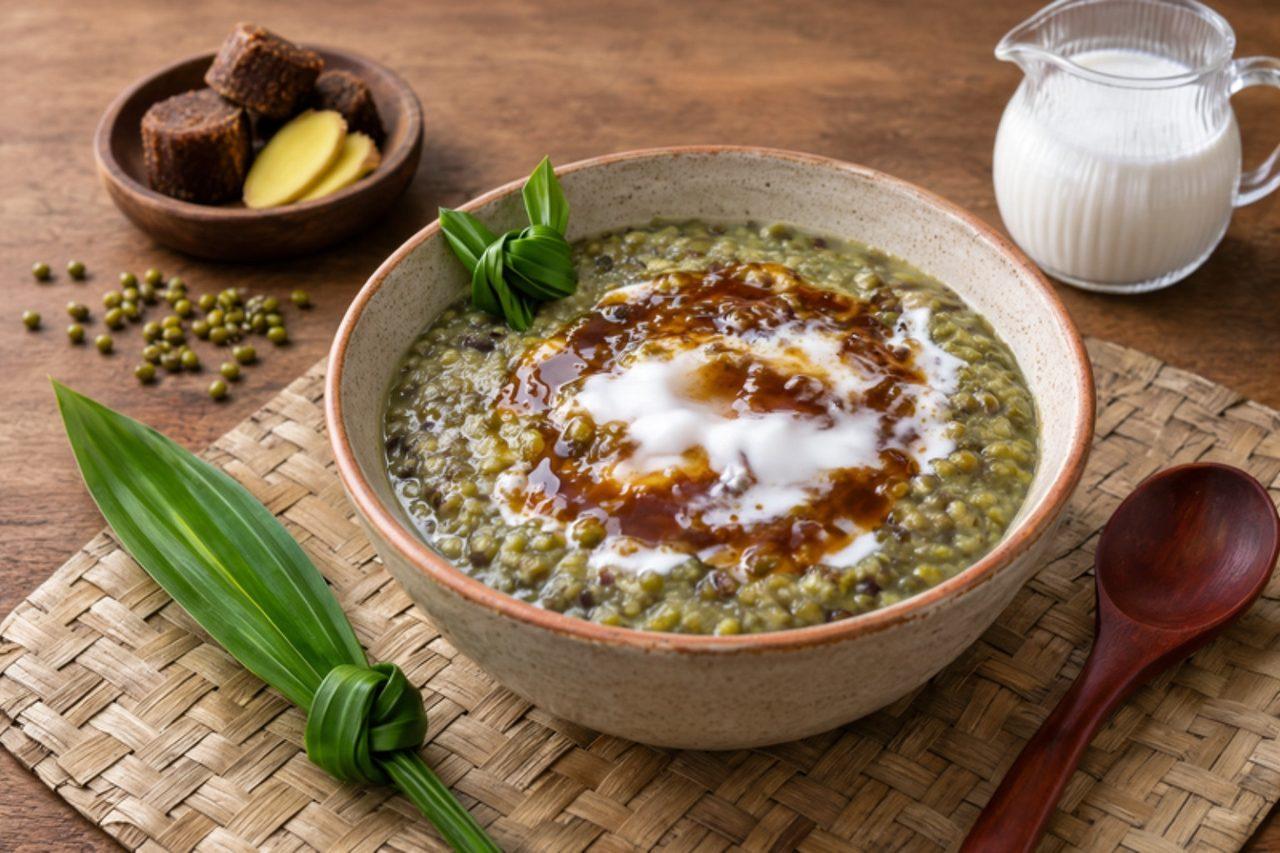
Bubur kacang hijauSweet mung bean porridge

In Java, the bubur kacang ijo seller pushes a cart through the neighbourhood from early morning, ladling warm mung bean porridge sweetened with palm sugar and topped with thick coconut milk. Many people eat it with a slice of white bread dunked in, and late-night stalls in Jakarta sell it alongside instant noodles. The common mistake is adding the sugar too early, which keeps the beans firm; cook them soft first. Chef's tip: cook the coconut milk separately with a pinch of salt and a pandan leaf and pour it on top, so the bowl has a sweet layer and a slightly salty, creamy one.

by KrazyBadal 0 views

TsukuneChicken meatball skewers

Tsukune are the minced chicken patties of yakitori bars all over Japan, and squashed into small ovals they are one of the most loved bento fillers, eaten cold at school or the office. Ginger and spring onion keep them fresh, and a glossy soy tare makes them sticky and sweet. The tare uses mirin, a sweet rice wine; most of its alcohol cooks off as it bubbles, and for an alcohol-free glaze use 1 tbsp sugar and 2 tbsp water instead. The common mistake is a loose mix that falls apart in the pan; knead it until sticky. Chef's tip: add a spoon of grated tofu or potato starch to the mince, which keeps the patties juicy even the next day.

by KrazyBadal 0 views

Budín de zapallo italianoBaked courgette pudding

In late summer, when courgettes (zapallo italiano) pile up in Santiago's ferias, home cooks turn them into budín: a soft, savoury bake bound with eggs, milk and cheese, served in squares with rice or a tomato salad for a light weekday lunch. Chileans use mild queso chanco or gouda, which is usually made with animal rennet; choose a cheese marked vegetarian if that matters to you. The big mistake is skipping the draining step: courgettes are mostly water, and a budín made with wet courgette weeps in the dish. Chef's tip: salt the grated courgette, leave it 15 minutes and squeeze it hard in a clean tea towel until it stops dripping.

by KrazyBadal 0 views

Menchi katsuCrumbed meat patties

Menchi katsu, a juicy mince patty of beef and pork in a crisp panko coat, is sold hot at Tokyo butchers' shops like the famous ones in Kichijoji and packed cold in bento across Japan, with shredded cabbage and a drizzle of tonkatsu sauce. Sweet fried onion makes the inside tender. The common mistake is frying in oil that is too hot, so the crumb burns before the pork and beef in the middle are cooked. Chef's tip: chill the shaped patties for 20 minutes before crumbing so they keep their shape and stay juicy.

by KrazyBadal 0 views

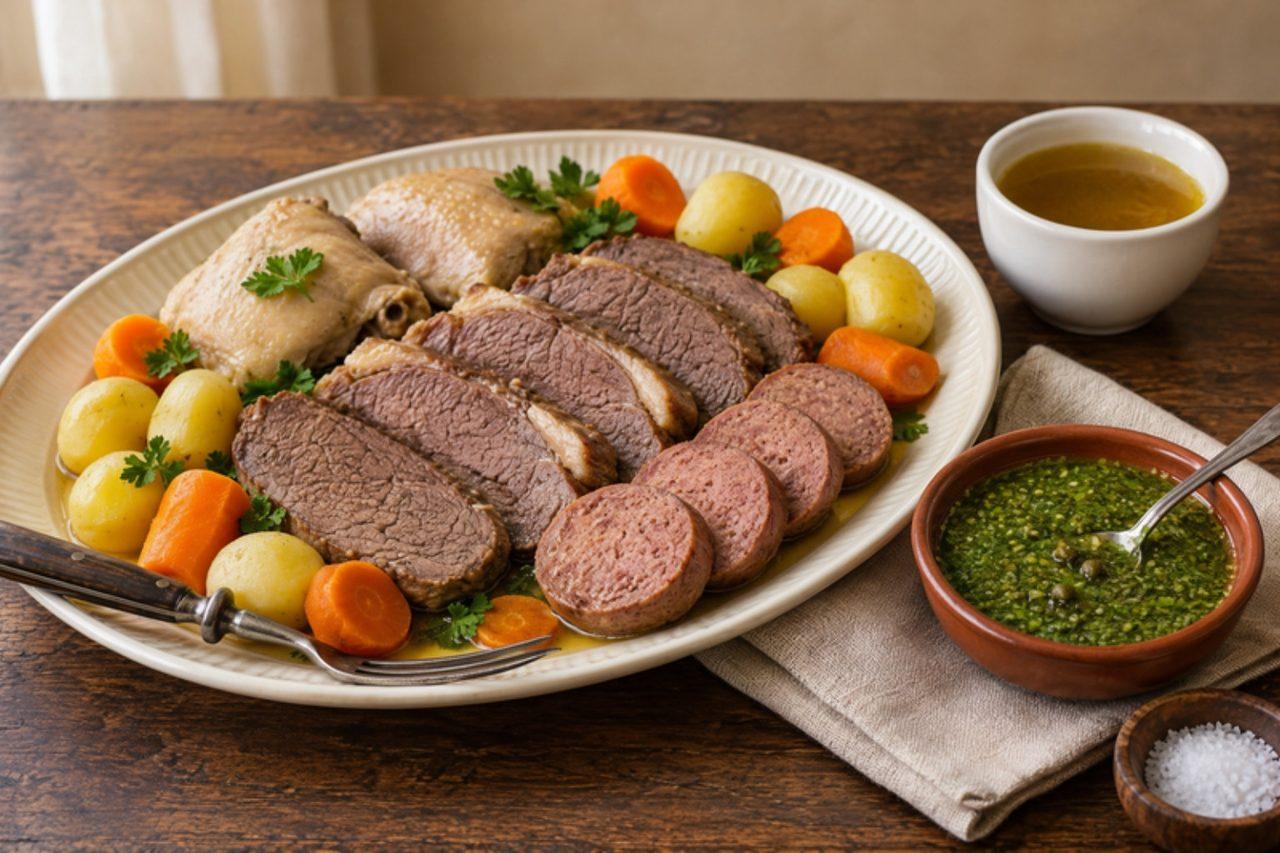
Bollito mistoMixed boiled meats

In Piedmont, bollito misto is the great winter feast, served from November to carnival in Turin trattorias and on family tables when there are many to feed. Several cuts of beef, a chicken and a cotechino (a soft, rich pork sausage) poach gently in one big pot until tender, then come to the table sliced on a warm platter with a sharp parsley and caper salsa verde; the broth is saved for soup or risotto the next day. The usual mistake is letting the pot boil hard: the meat turns stringy and the broth cloudy, so keep it at a bare shiver. Serve with boiled potatoes or mostarda if you like. Chef's tip: put the beef into water that is already boiling so its juices stay in the meat, and use cold water only if the broth matters more to you than the meat.

240 minItalianMeatGluten free
by KrazyBadal 0 views

CuchuflíFilled wafer tubes

Cuchuflí are the thin, crisp wafer tubes filled with manjar that vendors sell from baskets on Chilean beaches and outside football stadiums, and that children beg for at the Fiestas Patrias fondas. At home you can bake the wafers yourself and roll them round a wooden spoon handle. The usual mistake is waiting too long to roll them: the wafers set within seconds and crack. Bake only three at a time. Chef's tip: fill them with a piping bag just before serving, or the manjar softens the wafer; dip the ends in melted chocolate if you like.

by KrazyBadal 0 views

Bún mắmFermented fish noodle soup

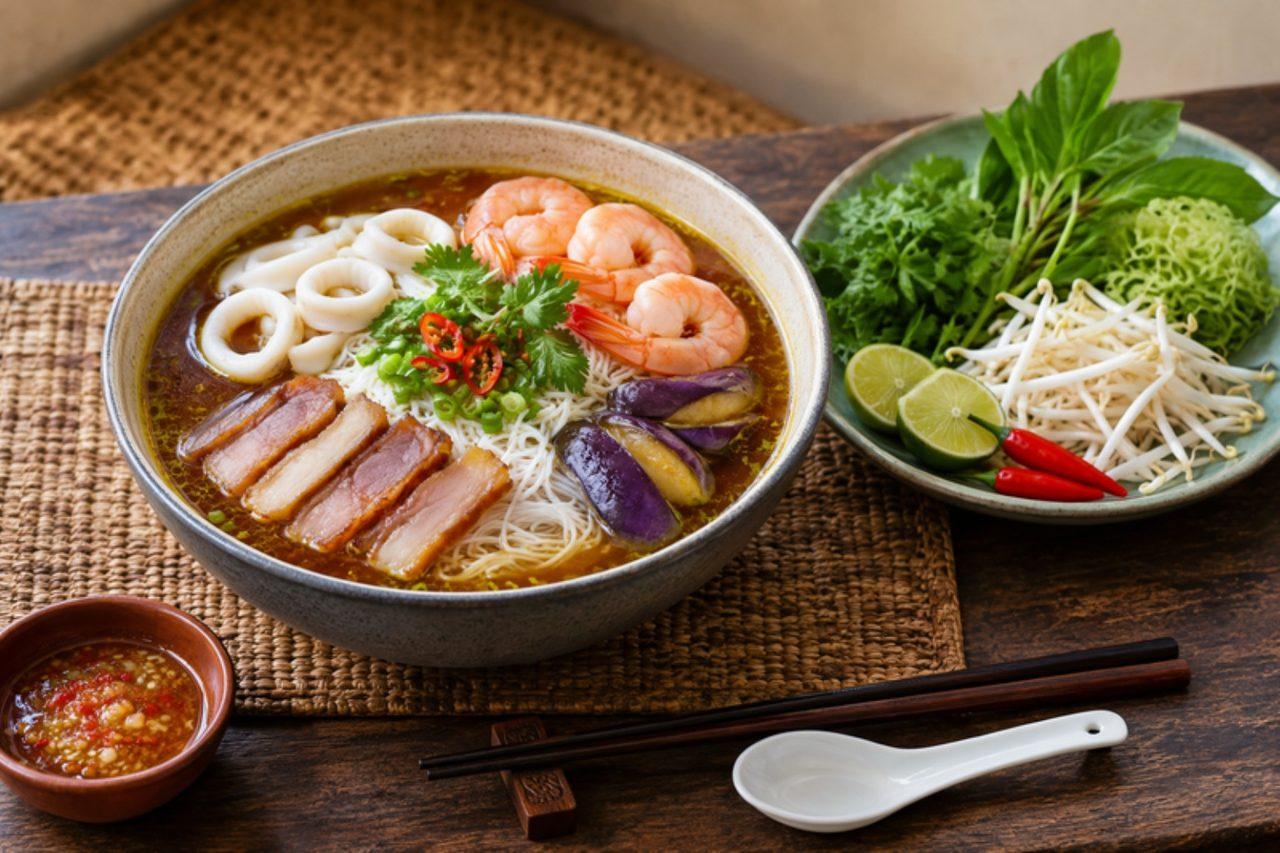
Vạn Kiếp Street in Saigon's Bình Thạnh district is lined with stalls serving bún mắm, a noodle soup that came up the river from the Mekong Delta. The broth is built on mắm cá linh or mắm cá sặc, small river fish fermented with salt, simmered until the bones dissolve and strained into a dark, savoury, lemongrass-scented stock. It is loaded with prawns, squid, white fish, slices of boiled pork belly and soft aubergine, and eaten with a mountain of herbs and bean sprouts. Look for jars of mắm at Vietnamese grocers. Chef's tip: strain the fermented fish through a fine sieve, pressing hard; tiny bones make the broth gritty.

by KrazyBadal 0 views

Melting momentsLemon buttercream sandwich biscuits

Melting moments are the soft, crumbly biscuits found in Australian and New Zealand bakery jars and grandmother's tins, two rounds made with custard powder and icing sugar sandwiched with a lemon butter icing. The custard powder gives them their yellow colour and tender, short texture that melts in the mouth, hence the name. A common mistake is overbaking; they should be pale, not golden. Chef's tip: press each ball with a floured fork for the classic stripes.

by KrazyBadal 0 views

Bún thangVermicelli with chicken and egg

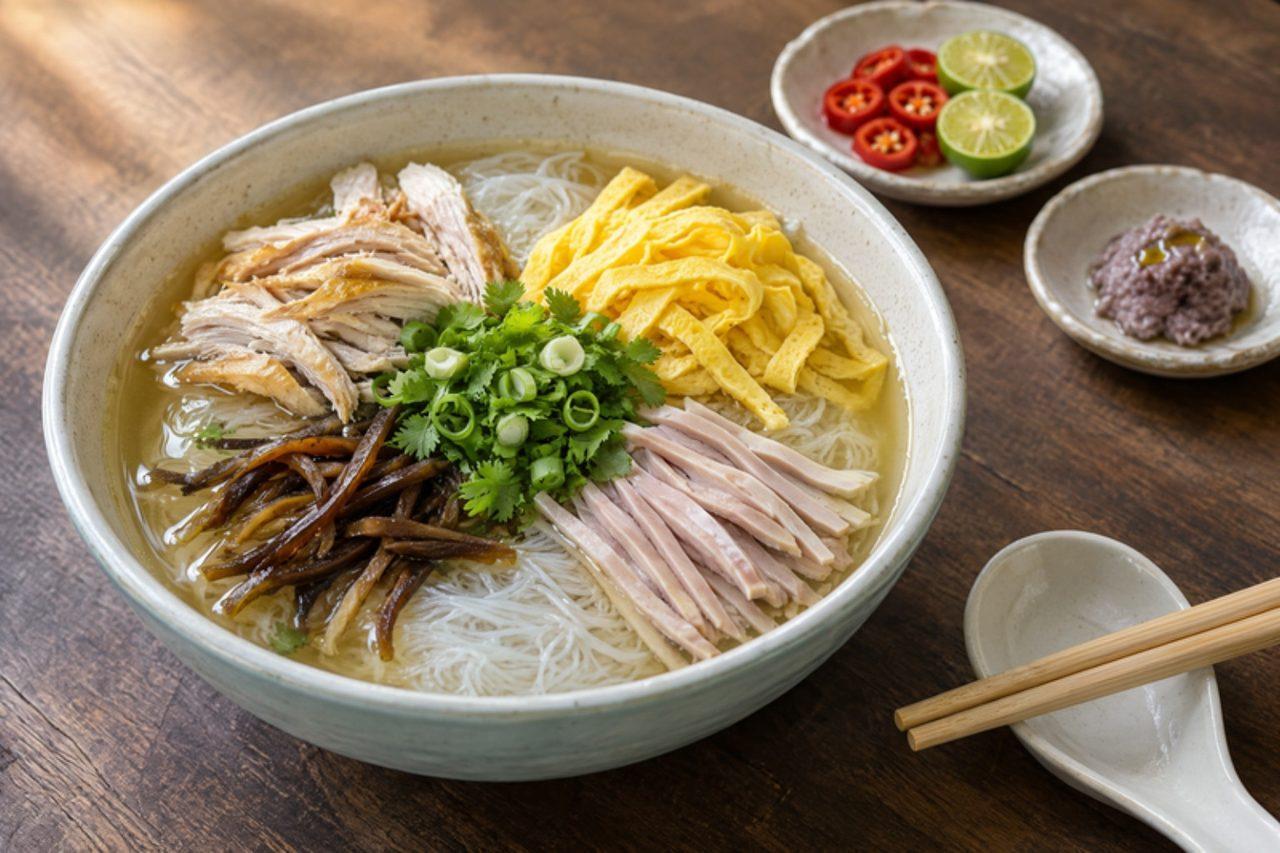
Bún thang began as a thrifty Hanoi meal made from the leftovers of Tết, the lunar new year feast, and it is still the most delicate noodle soup in the city, served in small, careful bowls on Cầu Gỗ Street near Hoàn Kiếm Lake. Fine vermicelli sits under neat piles of shredded chicken, thread-thin omelette strips and giò lụa, a smooth Vietnamese pork roll, all covered with a clear broth sweetened by dried shrimp and shiitake. It is eaten for a light lunch or a late breakfast. Chef's tip: keep the broth at a bare simmer and skim often; boiling makes it cloudy.

by KrazyBadal 0 views

NoribenSeaweed and fish cake bento

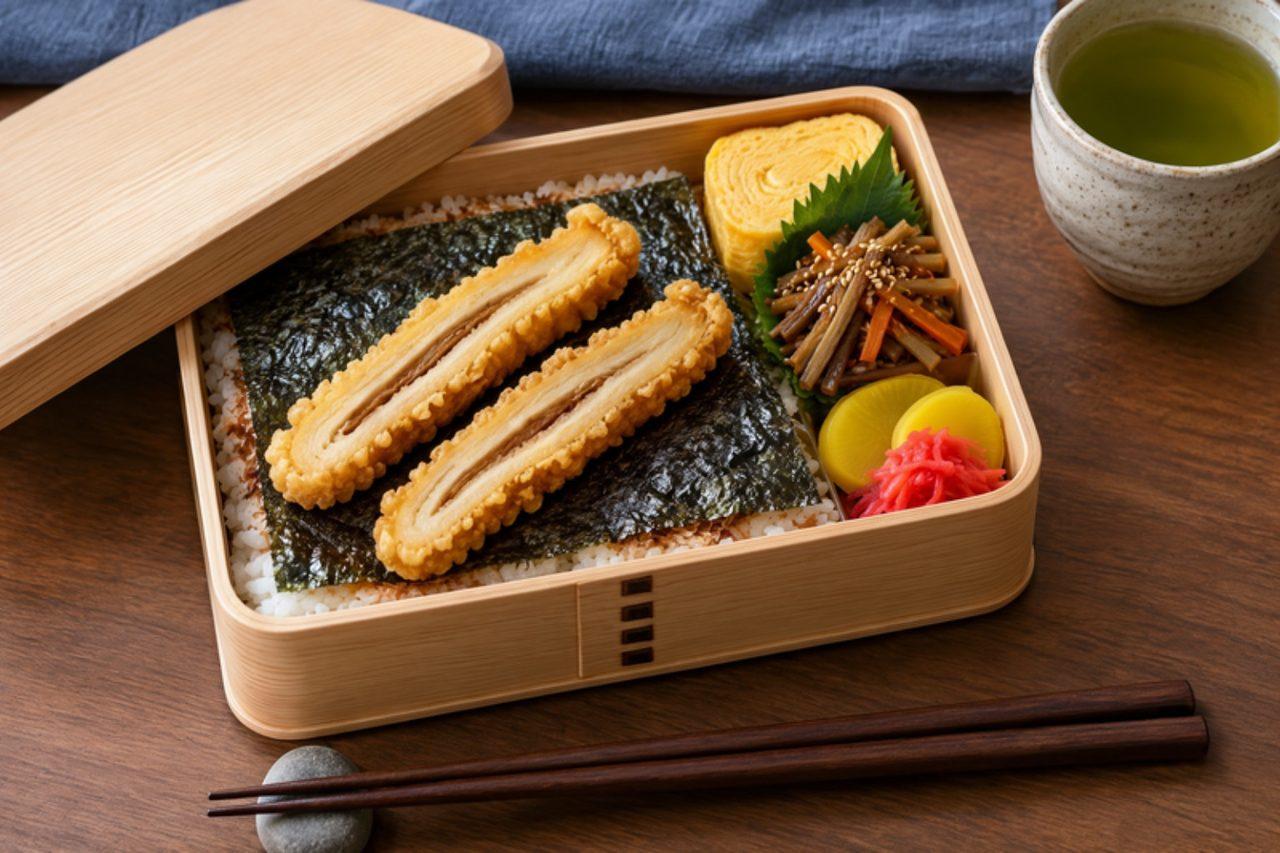
Noriben is the humblest and most nostalgic Japanese packed lunch: rice spread with okaka (bonito flakes in soy) and covered with a whole sheet of nori, sometimes twice in layers, then topped with something fried such as chikuwa fish cake or white fish. Convenience stores and bento shops across Japan sell it for a few hundred yen. The usual mistake is laying the nori on steaming rice and closing the lid, which leaves it soggy and torn; let the rice cool a little first. Chef's tip: snip the nori into a few strips before it goes on, so it is easy to bite through with chopsticks.

by KrazyBadal 0 views

NozawanazukePickled turnip greens

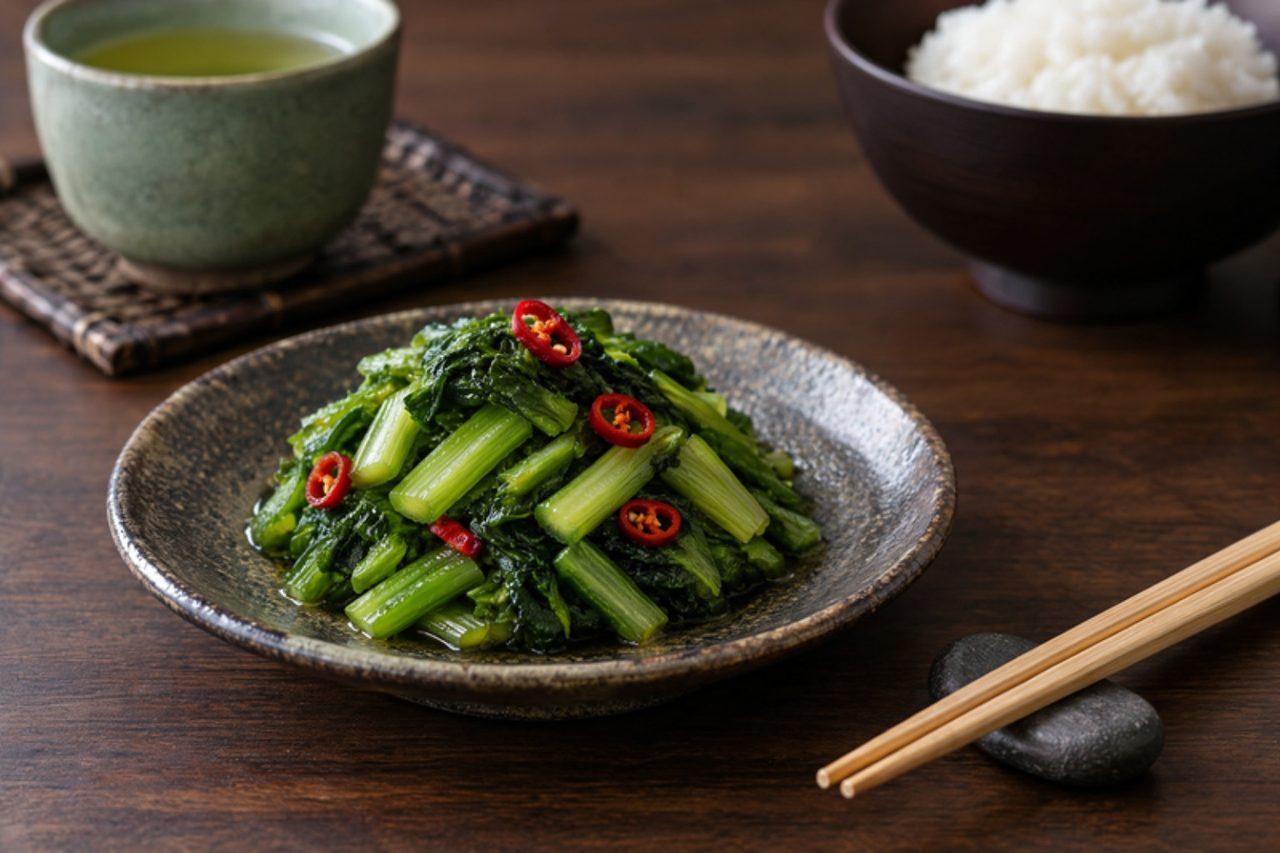
In the snowy hot-spring village of Nozawa Onsen in northern Nagano, early November is 'onsen washing' time: families carry armfuls of nozawana, a turnip relative with stalks taller than a child, to the steaming public spring to wash them, then salt them in big barrels for winter. The pickle is the region's tea-time snack, set out with green tea for neighbours, and the side for every winter meal. In the first weeks it is bright green, crisp and lightly salty (aozuke); by late winter it ferments to a golden-brown, sour 'ame-iro' stage, which locals chop and fry with sesame oil. Outside Japan use turnip greens, young mustard greens or the stems of komatsuna or choy sum. The common mistake is salting straight from cold water: rinsing in hand-hot water (around 40 °C) for a minute softens the stalks so the salt penetrates evenly. It is ready when the stalks are flexible, a vivid deep green and taste salty, juicy and fresh. Chef's tip: cut it into 3 cm lengths right before serving and toss with a drop of sesame oil and toasted sesame seeds.

by KrazyBadal 0 views

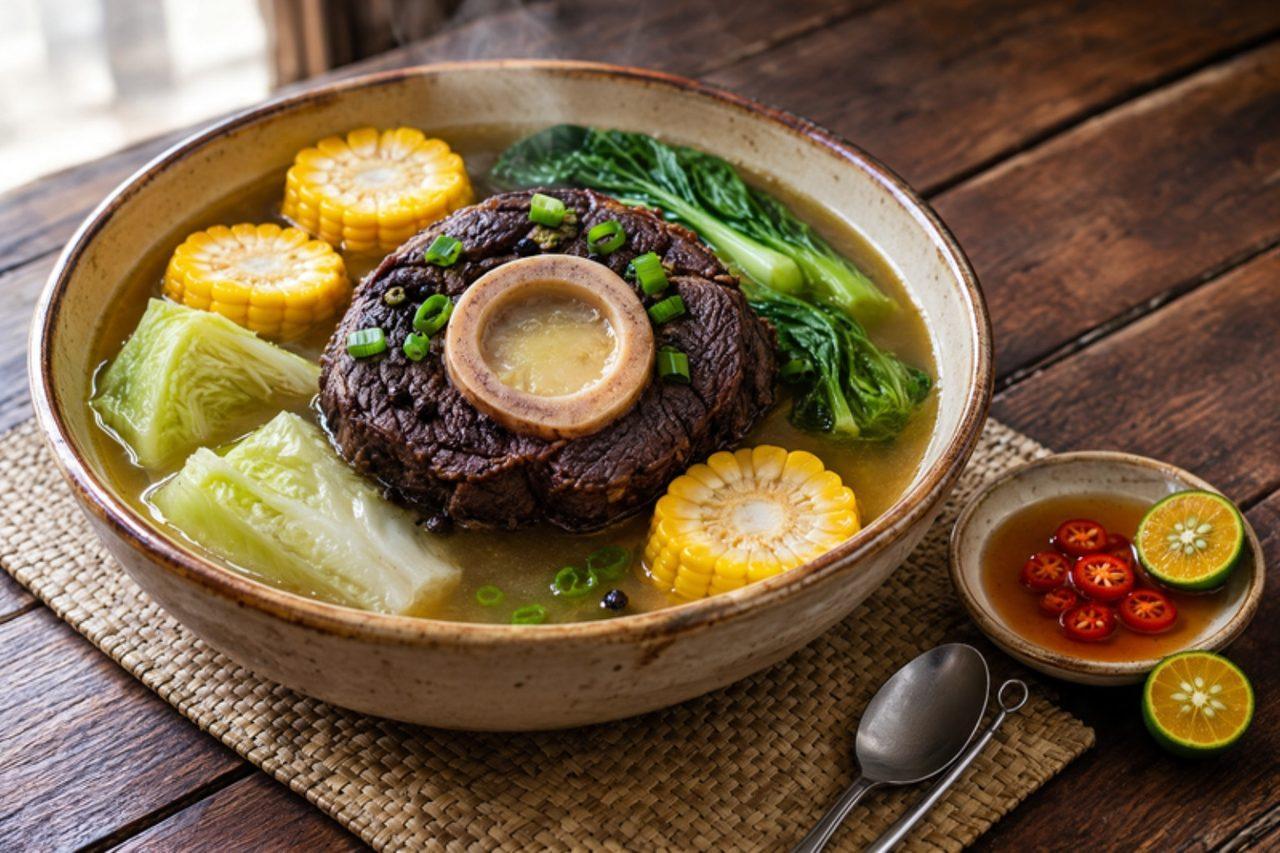
BulaloBeef shank and marrow soup

Bulalo is the pride of Batangas, south of Manila, served at roadside eateries on the way to Tagaytay where the cool upland air makes a steaming bowl the thing to order. Beef shank on the bone simmers for hours until the meat falls away and the marrow turns soft and wobbly, giving a clear, beefy broth seasoned just with fish sauce, onion and peppercorns. Corn on the cob, cabbage and pechay go in at the end. Spoon the marrow onto rice and dip the meat in fish sauce with calamansi and chilli. The usual mistake is skipping the first blanch: the broth turns grey and murky. Slow-cooker: after blanching, cook on low for 10 hours, adding the vegetables for the last 30 minutes on high. Chef's tip: keep the pot at a lazy simmer, never a boil, for the clearest broth.

by KrazyBadal 0 views

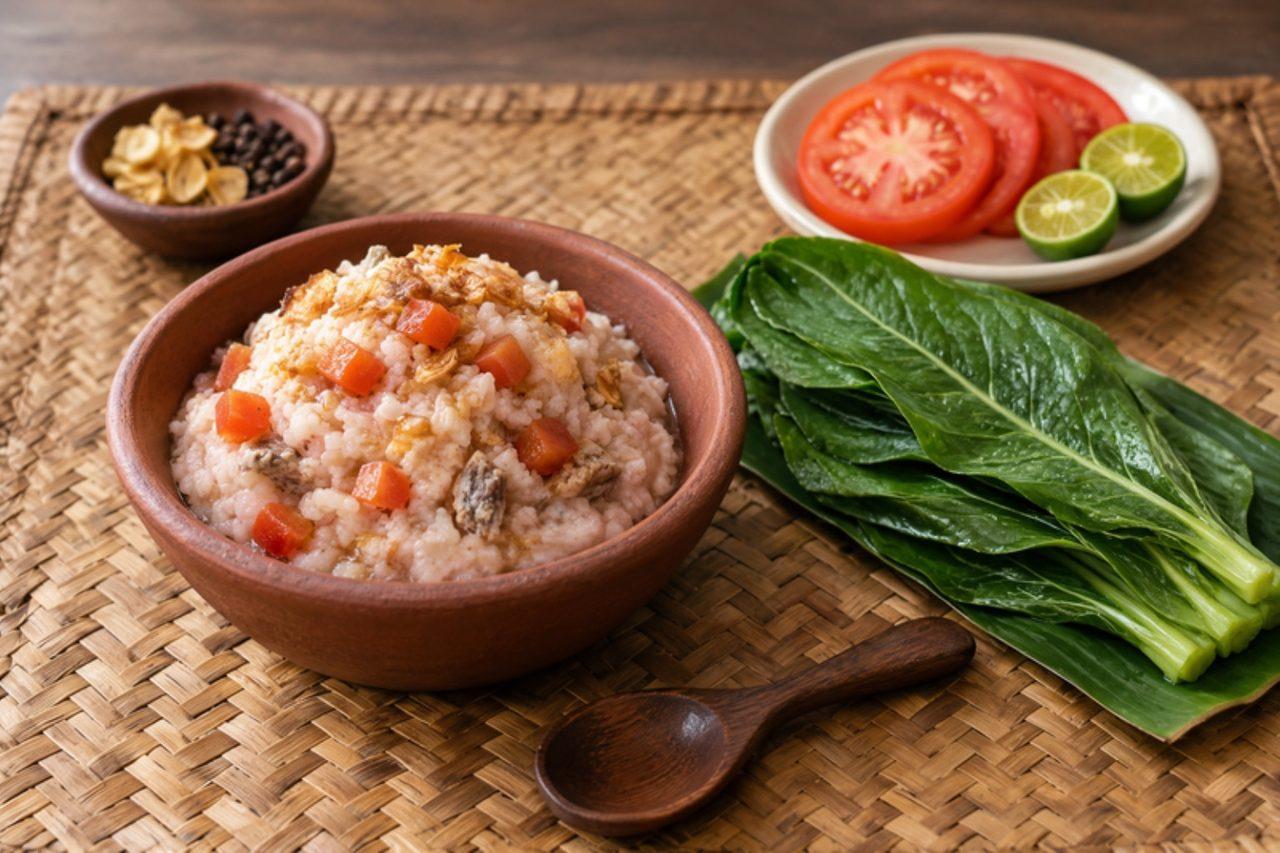
Burong isdaFermented fish and rice

Burong isda is a Kapampangan treasure. In Pampanga, and in neighbouring Bulacan and Tarlac, families make buro in the rainy months when mudfish and tilapia are plentiful, and the sautéed paste is set out at home lunches with fried or grilled fish, steamed okra and eggplant, and blanched mustard leaves (mustasa) to wrap it in. Cooked rice and salted fish ferment together for about a week until the rice has melted into a soft, pinkish porridge and the fish bones soften. Sautéed with garlic, onion and tomato, it becomes creamy, sour, salty and deeply savoury, a little like a cheese spread. Because the fish ferments raw, two rules matter: cure it first in 20% salt, and always cook the buro until bubbling hot before eating; never eat it straight from the jar. Pregnant people, babies, older people and anyone with weak immunity should only eat it freshly cooked, or skip it. Common mistake: packing hot rice, which spoils the ferment; cool it fully. It is ready to cook when it smells pleasantly sour, like sourdough, and the rice is soft. Chef's tip: a teaspoon of angkak (red yeast rice) gives the traditional pink colour.

by KrazyBadal 0 views

TenmusuPrawn tempura rice balls

Tenmusu, short for tempura musubi, began in Tsu and became a Nagoya speciality: small salted rice balls with a crisp little prawn tempura poking out of the top, wrapped in nori and sold in boxes at Nagoya Station as a travel lunch. The common mistake is wrapping hot, crunchy tempura straight into the rice, so it steams soft; let it cool on a rack first. Use raw prawns that smell of the sea; throw away any that smell of ammonia. Chef's tip: brush the cooled tempura with a quick sweet soy dip before you shape the rice round it, which is the Nagoya secret to its flavour.

by KrazyBadal 0 views

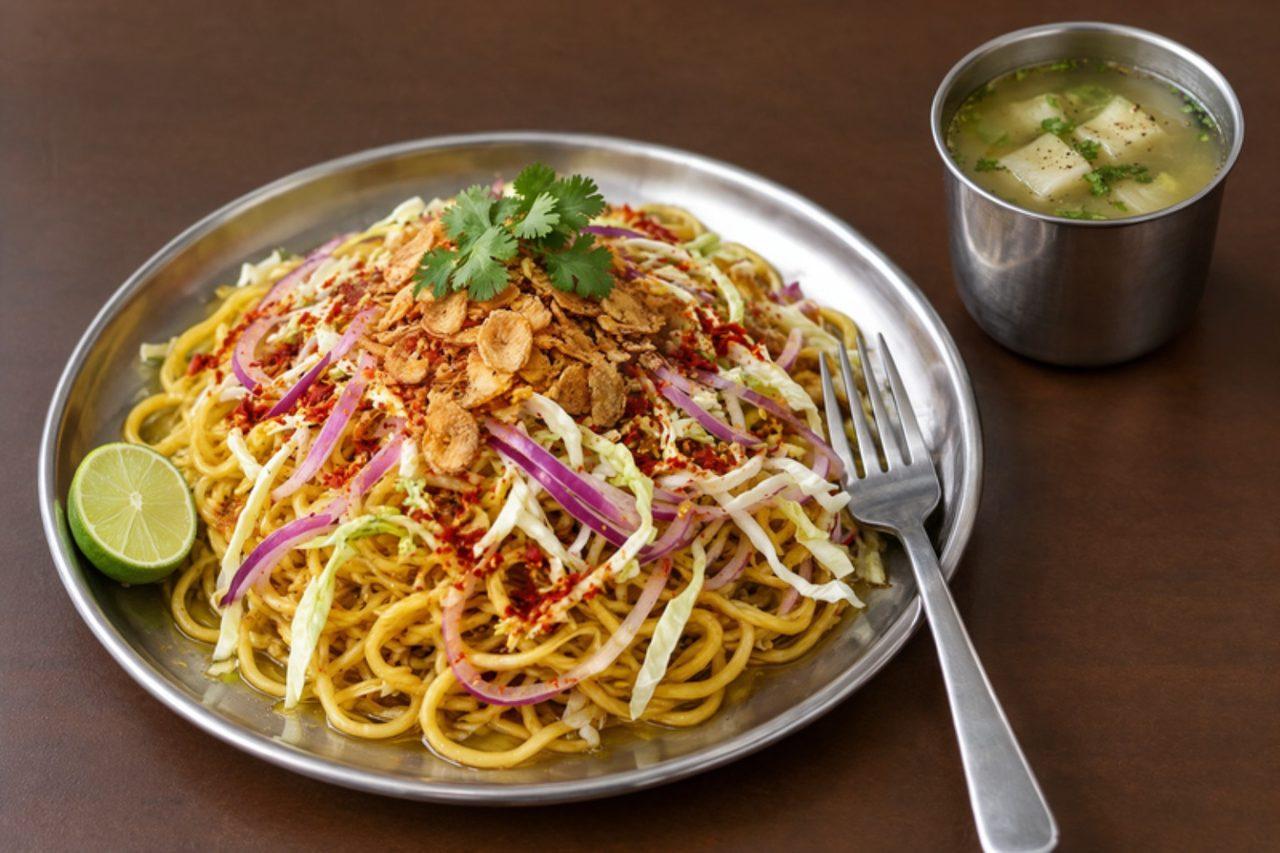
Burma athoBurmese noodle salad

When Tamil families returned from Burma in the 1960s they brought atho with them, and today it is cooked on carts around Burma Bazaar, Parry's Corner and along the roads near the harbour in George Town, busiest at lunch and in the early evening. Cold noodles are mixed by hand with raw cabbage and onion, crisp fried garlic, tamarind, chilli flakes, roasted gram powder and lime, and come with a peppery banana-stem soup on the side. It is sour, hot, crunchy and very moreish. Contains wheat. Chef's tip: fry the garlic slowly until only pale gold; it keeps darkening off the heat and turns bitter if you wait for brown.

by KrazyBadal 0 views

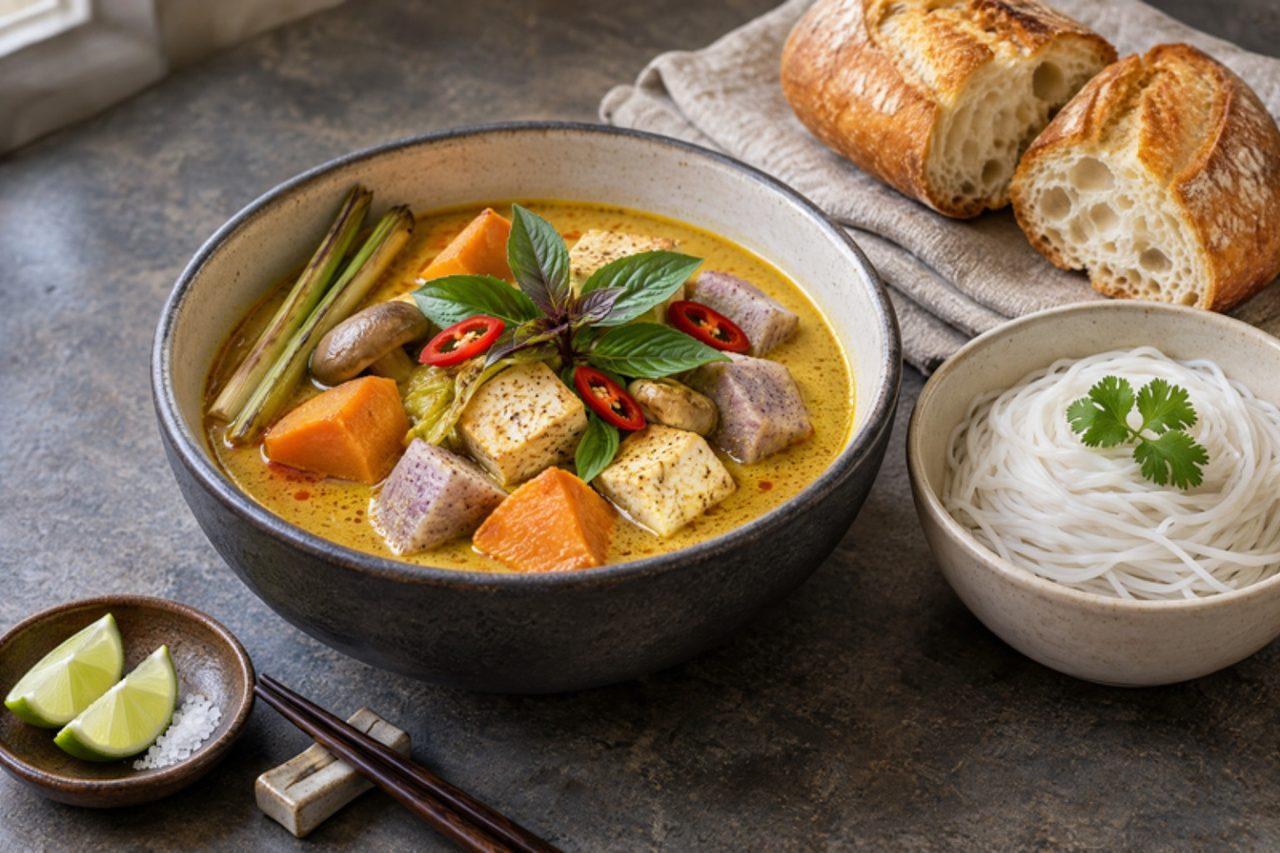
Cà ri chayVegetarian sweet potato curry

Cà ri chay is served at Buddhist temples and vegetarian restaurants across Saigon and the Mekong Delta, and many families cook it at home on rằm days, the first and fifteenth of the lunar month, when they eat no meat. Sweet potato and taro soften into a golden, lemongrass-scented coconut curry with fried tofu and meaty oyster mushrooms; it is mild and fragrant rather than fiery. Mop it up with a crusty baguette, or ladle it over rice vermicelli. The usual mistake is putting all the vegetables in at once: the sweet potato dissolves before the taro is cooked. Chef's tip: fry the taro and sweet potato briefly before simmering, which seals the outside so the chunks hold their shape in the sauce.

by KrazyBadal 0 views

Burong manggaPickled green mango

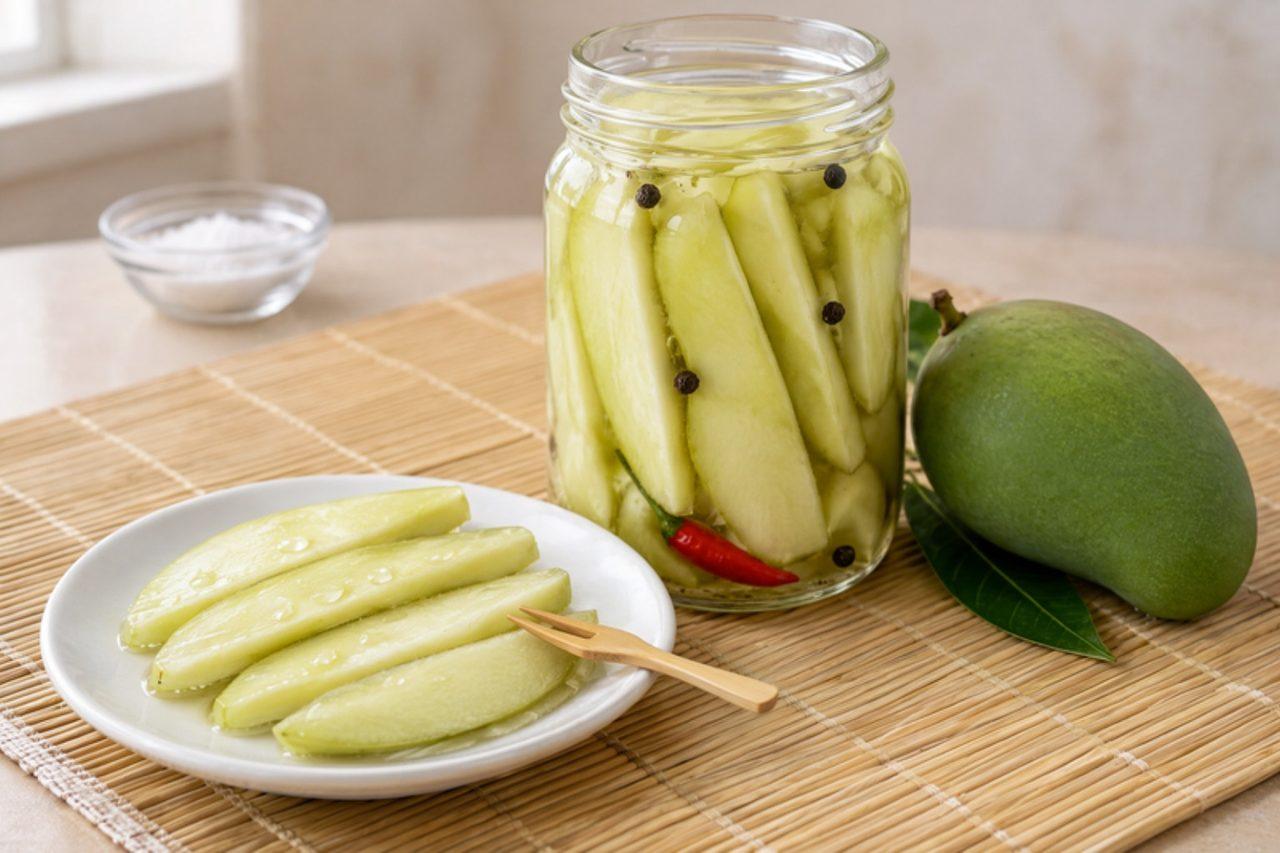
From Pampanga to Pangasinan, the hot months of March to May bring piles of hard green carabao mangoes to every palengke, and many households slice them into a jar of burong mangga. A week in a sweet salt brine turns the mango from mouth-puckering to bright and juicy: still crunchy, sour at the core, salty-sweet on the outside. It is eaten on the side of inihaw na isda and pritong tilapia, with rice and fried pork at lunch, or as an afternoon merienda straight from the jar, and the brine is sometimes sipped too. Common mistake: using mangoes that have started to ripen; a yellow blush makes the slices go soft and slimy, so choose rock-hard, deep-green fruit. Because the brine has no vinegar it keeps only in the fridge. It is ready when the slices have turned from opaque white to a translucent yellow-green and taste evenly seasoned right through. Chef's tip: let the boiled brine cool completely before pouring, and add a few slices of fresh chilli if you like heat. Outside Asia, use firm green Thai or Indian mangoes from an Asian grocer.

by KrazyBadal 0 views

Masu zushiPressed trout sushi

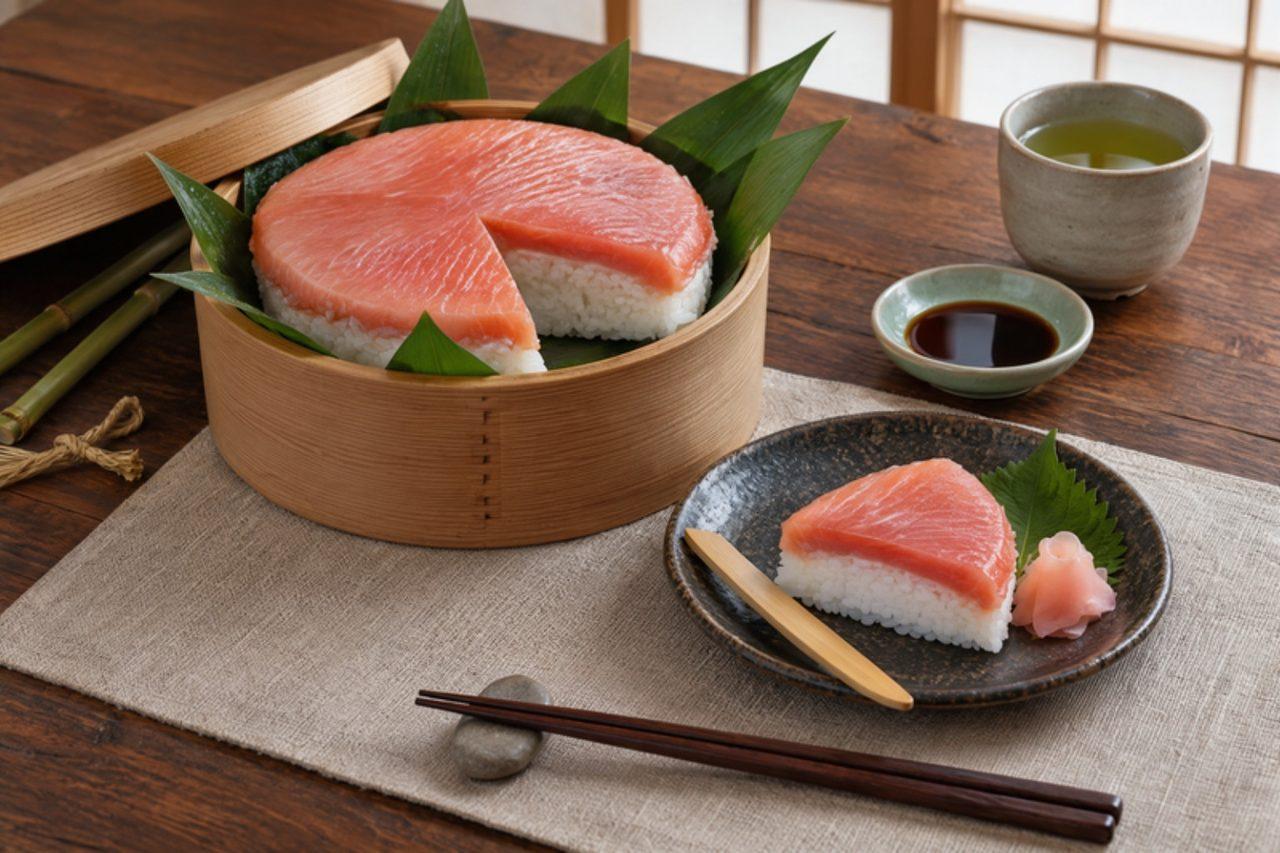
Masu zushi is Toyama's famous ekiben, the boxed lunch sold at the station for the train ride: a round, flat cake of vinegared rice pressed under a layer of salted, vinegar-cured trout and wrapped in bright green bamboo leaves, cut into wedges like a pie. The fish is cured but raw, so use only fish sold as safe to eat raw and previously frozen, and keep everything cold; this version is not for pregnant women, young children or anyone with a weakened immune system. For a safer version, use hot-smoked trout fillet instead, which is fully cooked. The usual mistake is pressing the rice while it is still warm, which turns it mushy; cool it to body temperature first. Chef's tip: press the cake for a full hour under a heavy weight so it slices cleanly, then cut it with a wet knife.

by KrazyBadal 0 views

Yubu jumeoniFried tofu pouches with glass noodles

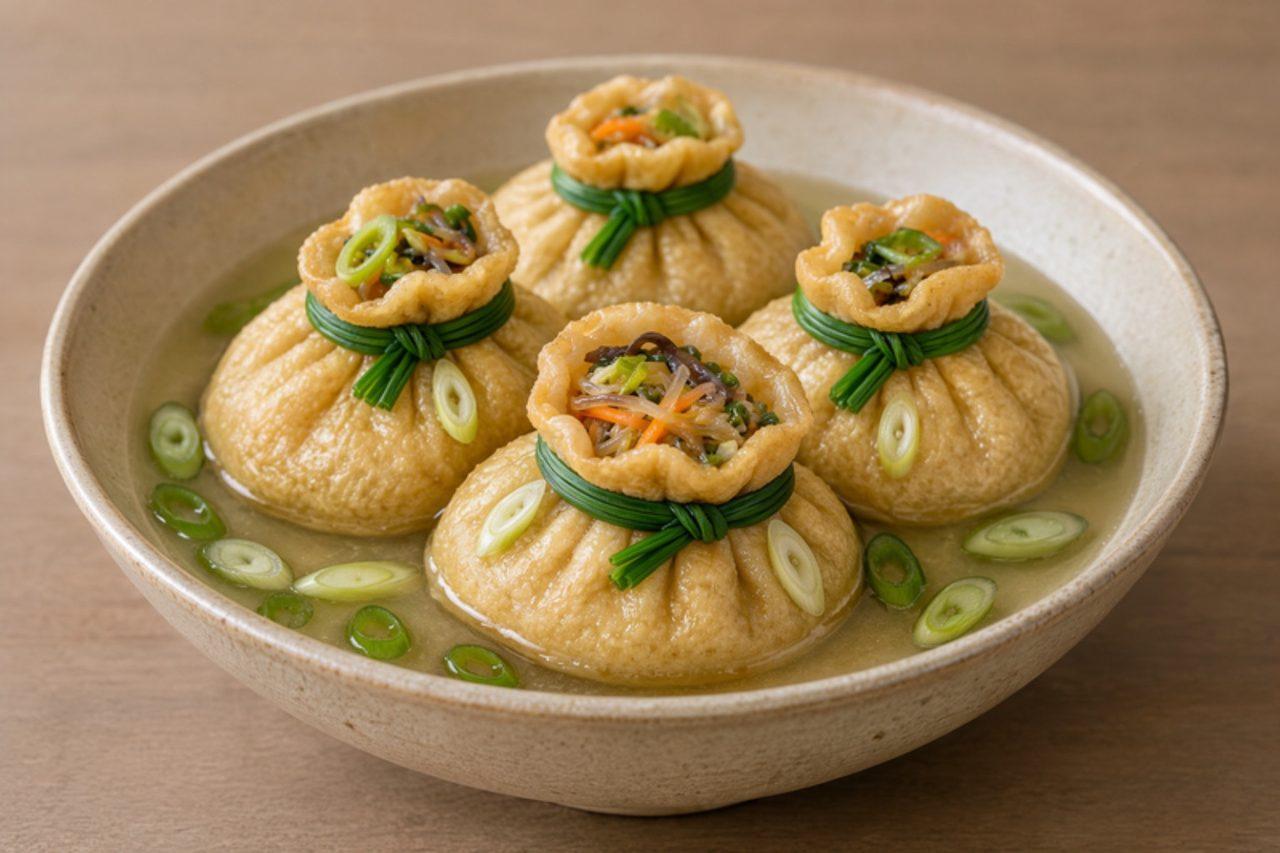
Yubu jumeoni, "tofu pockets", are a Bupyeong Kkangtong Market speciality, said to have been dreamed up by a fish-cake vendor there in the 1980s. Little fried tofu pouches are stuffed with glass noodles and vegetables, tied with a strip of chive like a drawstring purse and left to soak in a steaming pot of anchovy and kelp broth. On cold Busan evenings they are served in a paper cup with a ladle of broth and a dab of soy. Chef's tip: fill the pouches only three-quarters full; they swell as they absorb the broth and split if packed tight.

by KrazyBadal 0 views

Portuguese sausage, eggs and rice

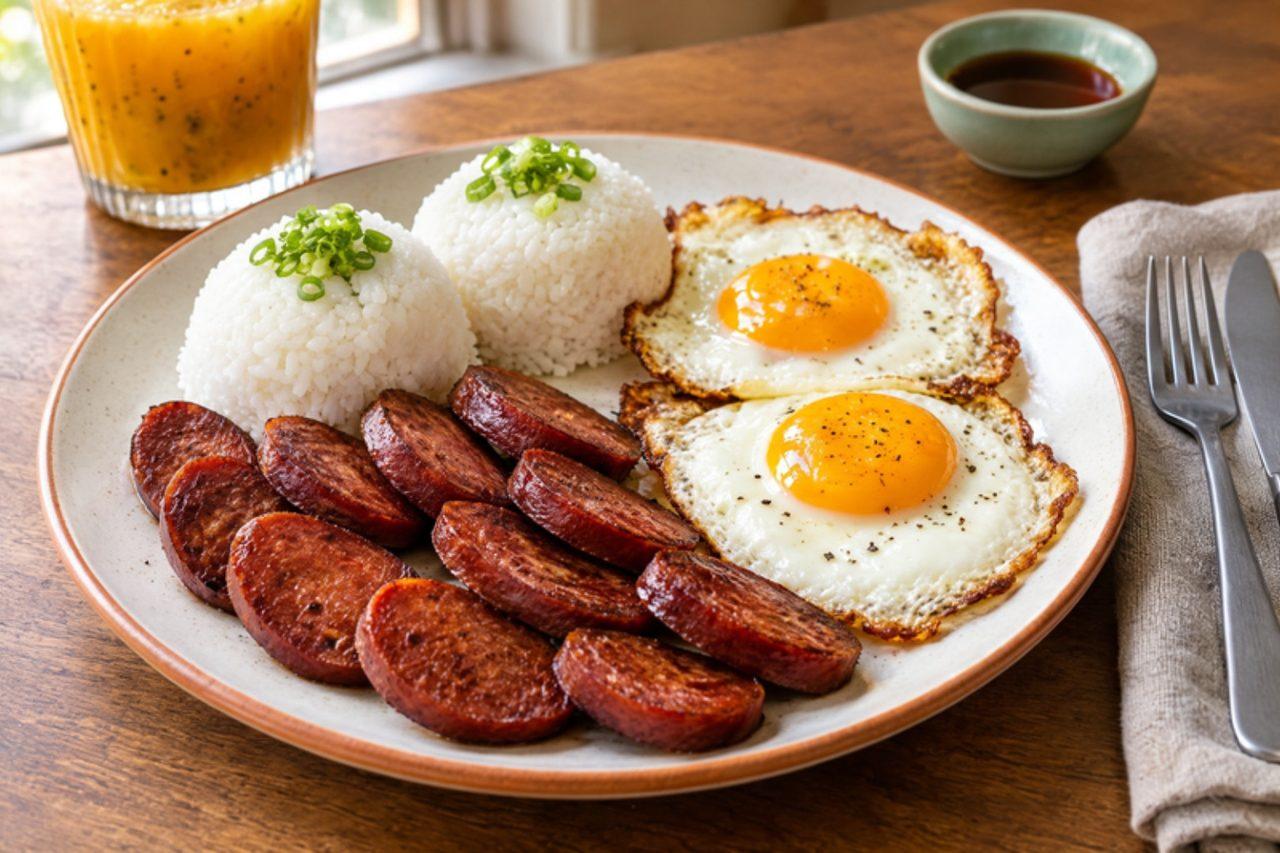
In Hawaii, a breakfast plate at a diner in Honolulu or Hilo, or at a drive-in on Maui, often means slices of smoky, garlicky, paprika-red Portuguese pork sausage (brought to the islands by Madeiran and Azorean immigrants in the 1800s) fried until caramelised, two eggs, and two scoops of short-grain rice. A splash of shoyu on the rice is optional. The common mistake is frying the sausage over a high heat so the sugar in it burns before it heats through; fry it steadily over a medium heat until sizzling and piping hot (71 °C if your sausage is uncooked rather than smoked). Cook the eggs fully set for pregnant people, young children, older or vulnerable people. Chef's tip: fry the eggs in the red fat the sausage leaves behind; they come out lacy and full of flavour.

by KrazyBadal 0 views

Café chorreadoCloth-filtered coffee

Every Costa Rican grandmother has a chorreador: a small wooden stand holding a cloth bag, the bolsita, over a cup or jug. Hot water is poured through the grounds by hand, a little at a time, and the result is the coffee drunk at breakfast with gallo pinto and again at the afternoon cafecito around three, with a tamal, a slice of pan casero or a rosquilla. The cloth catches the oils and fine grounds, so the cup is clean, bright and smooth, with the soft acidity and caramel sweetness of Tarrazú and Central Valley beans. In the countryside the water is sometimes sweetened with tapa de dulce before it goes through. It is strong coffee, so mind the caffeine late in the day. The common mistake is pouring all the water in at once, which floods the bag and leaves weak, uneven coffee; pour in slow circles, in four or five goes. It is ready when the drips slow to a trickle and the coffee is dark reddish-brown and smells of toasted caramel. Never wash the bag with soap; rinse it in hot water and hang it to dry. Chef's tip: boil a new bag once with a spoonful of coffee before using it, to season the cloth.

by KrazyBadal 0 views

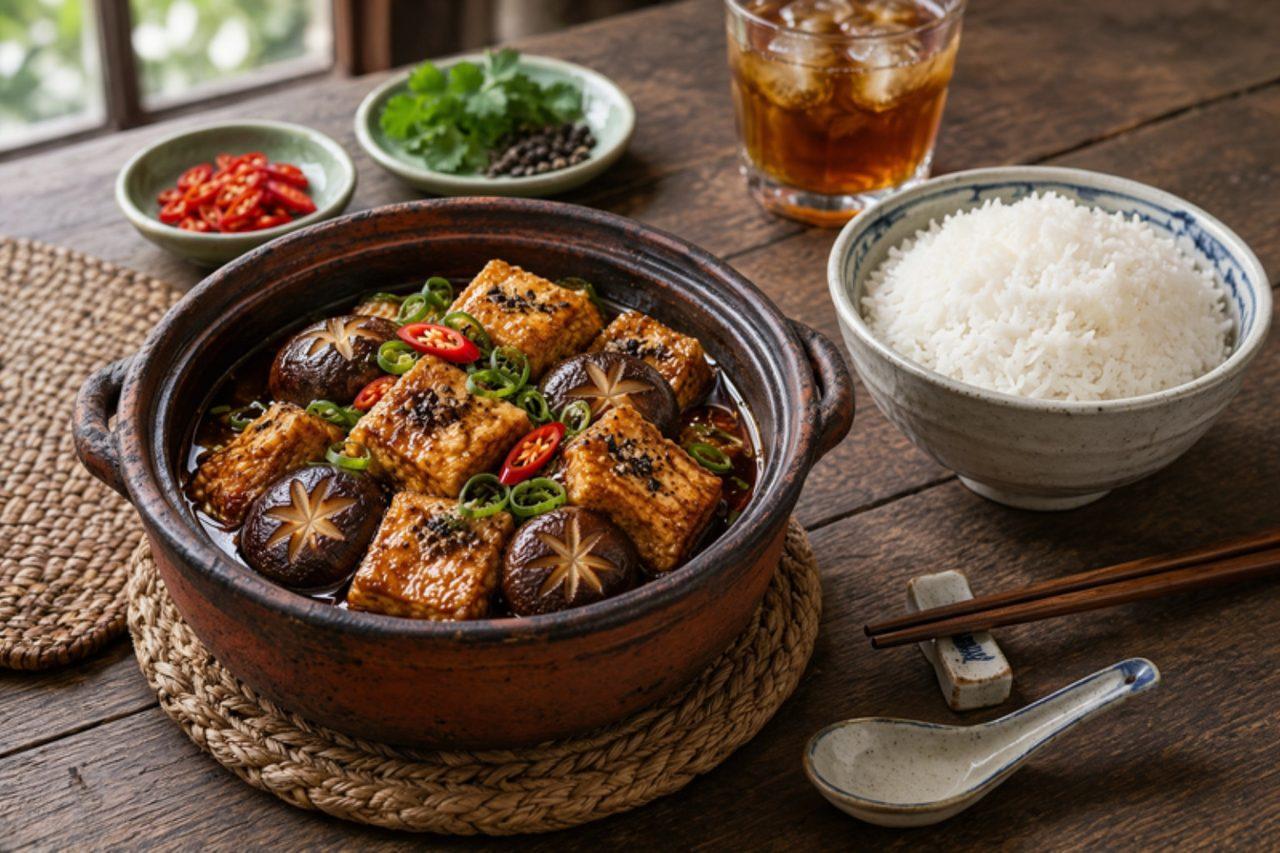
Đậu hũ khoBraised tofu with shiitake

Đậu hũ kho is the vegetarian cousin of the caramel braises (kho) cooked in clay pots all over Vietnam, and in the south it is a standard of Buddhist fasting days and a good companion for a pot of rice through the week. Golden fried tofu and chewy shiitake are braised in a dark caramel, soy sauce and coconut water until the sauce turns sticky, salty-sweet and peppery. Serve with steamed rice, a plate of fresh cucumber and a light soup. The usual mistake is letting the caramel go too dark, which makes the whole dish bitter; stop when it is the colour of strong tea. Chef's tip: coconut water gives a rounder sweetness than plain water, and the braise keeps for 3 days in the fridge.

by KrazyBadal 0 views

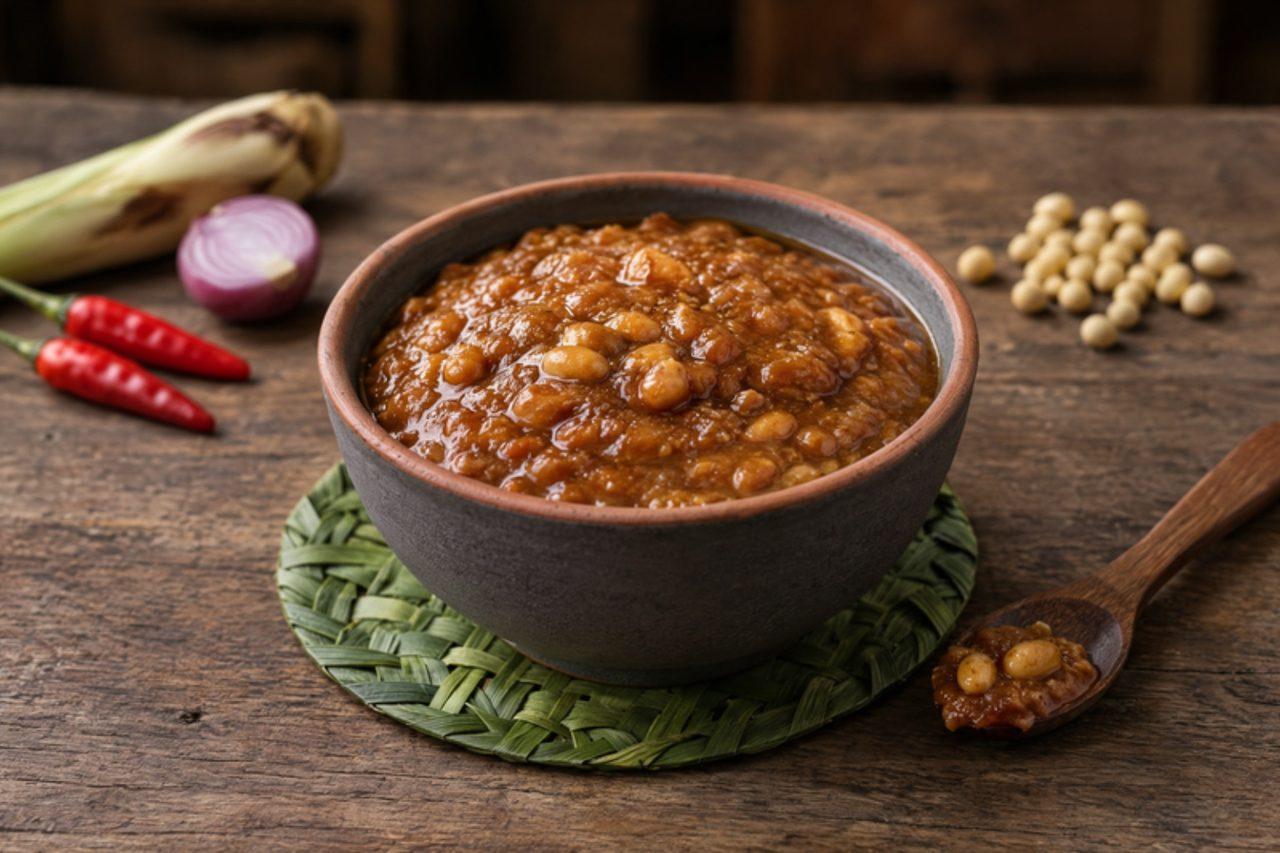
TaucoFermented soybean paste

Cianjur, in the hills of West Java, has made tauco since the late 1800s, when Chinese Peranakan families brought the technique, and the town's sweet, thick version is still sold in squat jars to every traveller on the Puncak road. Sundanese and Peranakan cooks fry it with garlic and chilli for tumis tauco with tofu, long beans or kangkung, and add a spoonful to fish stews. The beans are first grown with a mould culture, then ripened in strong salt brine in the sun for weeks, and finally simmered with palm sugar. The result is salty-sweet and deeply savoury, like a soft, chunky miso with caramel notes, half-whole beans in a glossy brown sauce. Common mistake: fermenting the moulded beans in a sealed tub; they sweat, turn slimy and smell of ammonia. They need air and 28–32 °C. Readiness cues: after the mould stage, the beans are knitted with white fluff turning pale yellow-green; after brining, they are brown and smell like soy sauce; after cooking, the sauce is thick and glossy. Chef's tip: a pandan leaf and a slice of galangal in the final simmer give the Cianjur fragrance.

by KrazyBadal 0 views

Showing 27 of 7,762 recipes

Show more recipes

Page 154 of 863