Skip to content
Enyucado
Featured recipe

Enyucado

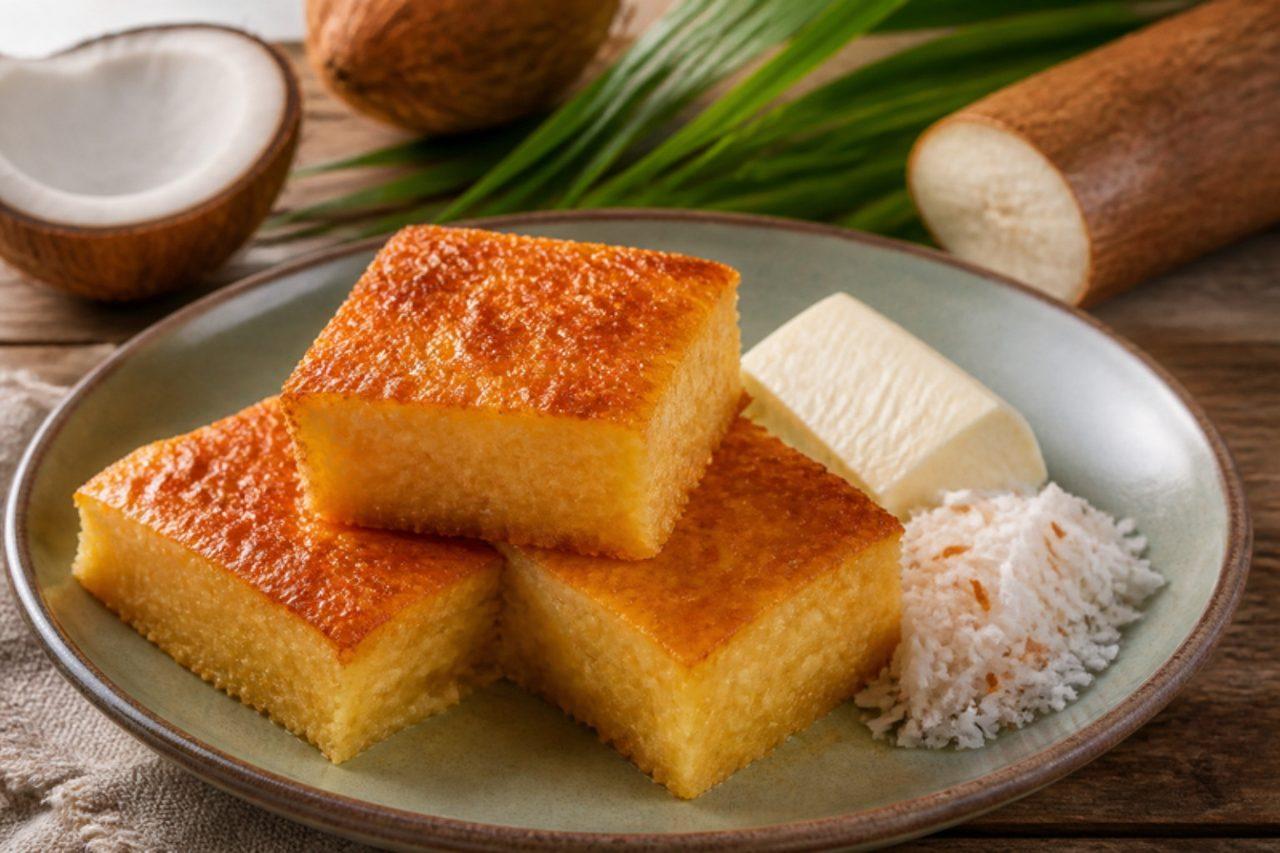
Cassava coconut cake

Bakeries and street vendors in Cartagena, Barranquilla and Montería sell enyucado by the square, wrapped in paper, as an afternoon sweet with coffee. It is a dense, moist cassava cake held together by coconut milk, sweetened with sugar, scented with aniseed and given a salty edge by grated white cheese; the top bakes to a golden, slightly chewy crust while the middle stays soft and pudding-like. It is also a fixture at birthday and holiday tables along the coast. Queso costeño is the cheese used; a firm feta-style one is the nearest swap, and as both are usually set with animal rennet, choose a vegetarian (microbial-rennet) cheese. People most often go wrong by cutting it warm: the starch needs at least an hour to set, otherwise the slices are gummy and fall apart. Frozen grated cassava from Latin or African shops saves a lot of work. Chef's tip: squeeze the grated cassava lightly so the cake sets well but stays moist.

Read more 0 views

What to eat today?

Around the world

Today's trip: Persian

A new country every day, from every cuisine on the site.

This week's collection

Kid-friendly dinners
537 recipes · a new collection every Monday

Latest recipes

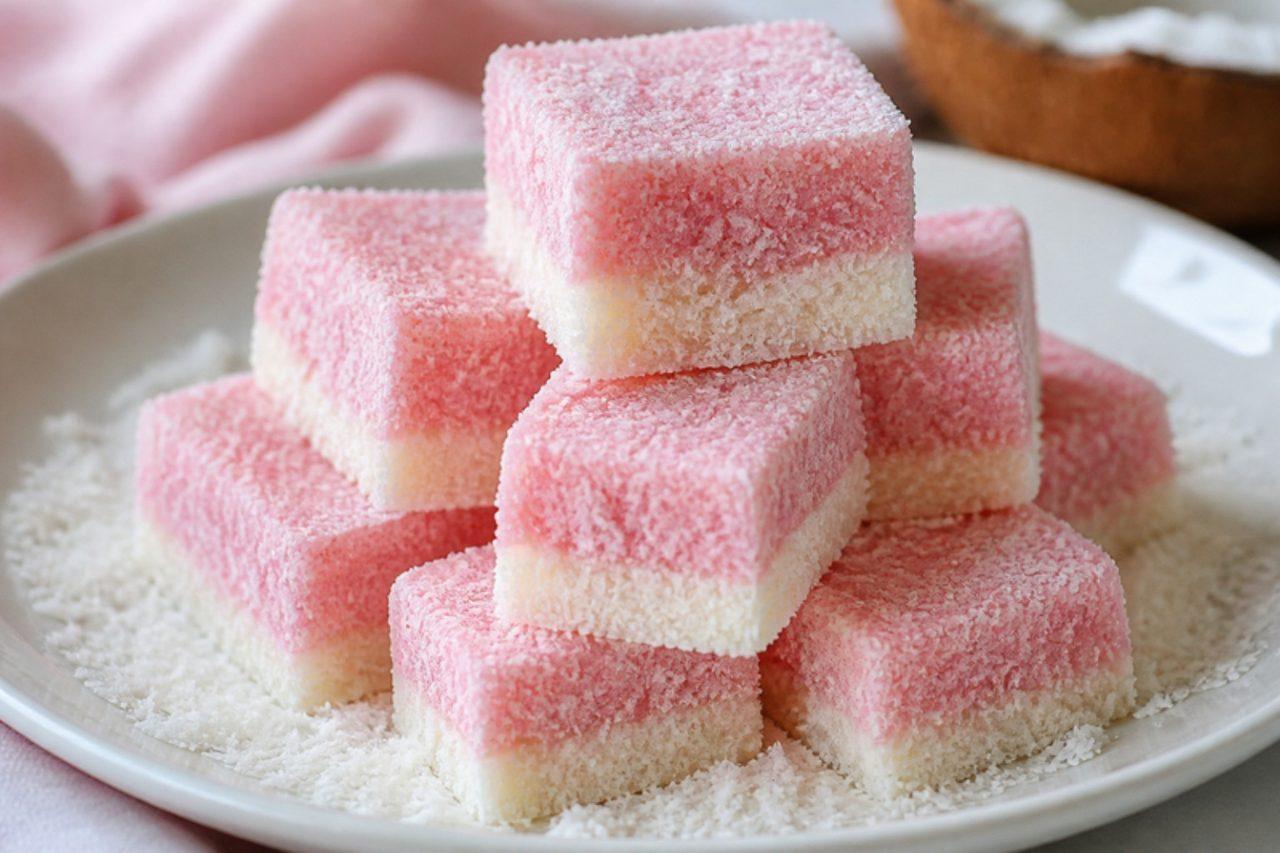
Coconut icePink and white coconut fudge

Coconut ice is the pink and white sweet that fills Australian school fete stalls, Christmas hampers and CWA cake tables, a no-cook fudge of desiccated coconut, condensed milk and icing sugar. It is soft, chewy and very sweet, so cut small squares. A common mistake is a mixture that's too wet to hold; add more coconut until it's firm enough to press. Chef's tip: press the white layer first, then the pink, and chill before cutting for sharp stripes.

by KrazyBadal 0 views

ChileroPickled vegetable and chilli relish

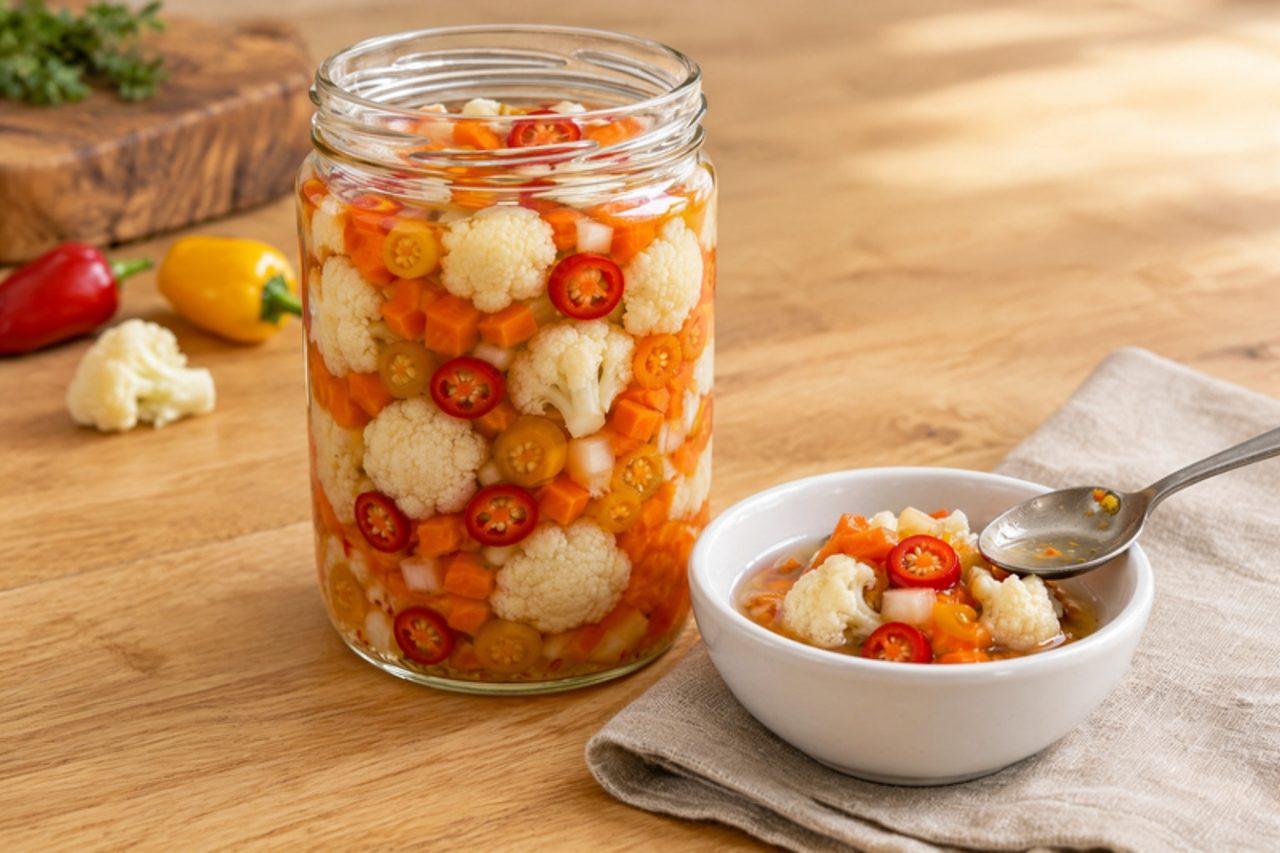
Sit down in any soda in Costa Rica, from San José to the Caribbean coast at Limón, and next to the napkins you will find a jar of chilero: small dice of carrot, cauliflower, onion and green beans with hot chile panameño, swimming in vinegar. Costa Ricans shake the spicy vinegar over gallo pinto at breakfast, spoon the crunchy vegetables onto a lunchtime casado of rice, black beans, plantain and salad, and add a splash to olla de carne on a rainy afternoon. It is more vinegar than vegetable, sharp and clean, with crunchy, sour bites and a fruity heat that grows the longer the jar sits. Unlike Guatemalan escabeche, nothing is blanched; the hot vinegar alone softens the vegetables slightly. The usual mistake is cutting the vegetables too big, so they will not come out of the bottle and do not pickle through; dice them no larger than 5 mm. It is ready after three days, when the vinegar has turned faintly yellow and tastes hot and the cauliflower is sour all the way through. Chef's tip: add a few strips of the vinegar-softened chile to your rice, but warn your guests.

by KrazyBadal 0 views

Chilcano de piscoPisco and ginger ale highball

When Lima's grey winter finally lifts and summer reaches the beaches south of the city, the chilcano takes over from the pisco sour: lighter, longer and made for an afternoon. Peru even gives it a Semana del Chilcano each January, and it is poured at weekend lunches with chifa or fried fish. This is a highball for adults only: pisco poured over a tall glass of ice with fresh lime and ginger ale, finished with a few drops of bitters. It should taste crisp and fizzy, with the ginger and lime lifting the floral grape notes of the pisco rather than hiding them. The common mistake is using too little ice and warm ginger ale, which gives a sweet, diluted drink that goes flat in minutes. Fill the glass to the top with ice and keep the ginger ale in the fridge until the last second. It is ready when the glass is frosty, the bubbles race up the sides and the bitters drift through the top as a pink haze. Light it may be, but drink responsibly. Chef's tip: try a fruit-infused pisco, made by steeping passion fruit or mandarin peel in the bottle for a few days; Limeños love a chilcano de maracuyá.

by KrazyBadal 0 views

Chileajo de verdurasVegetables in guajillo garlic sauce

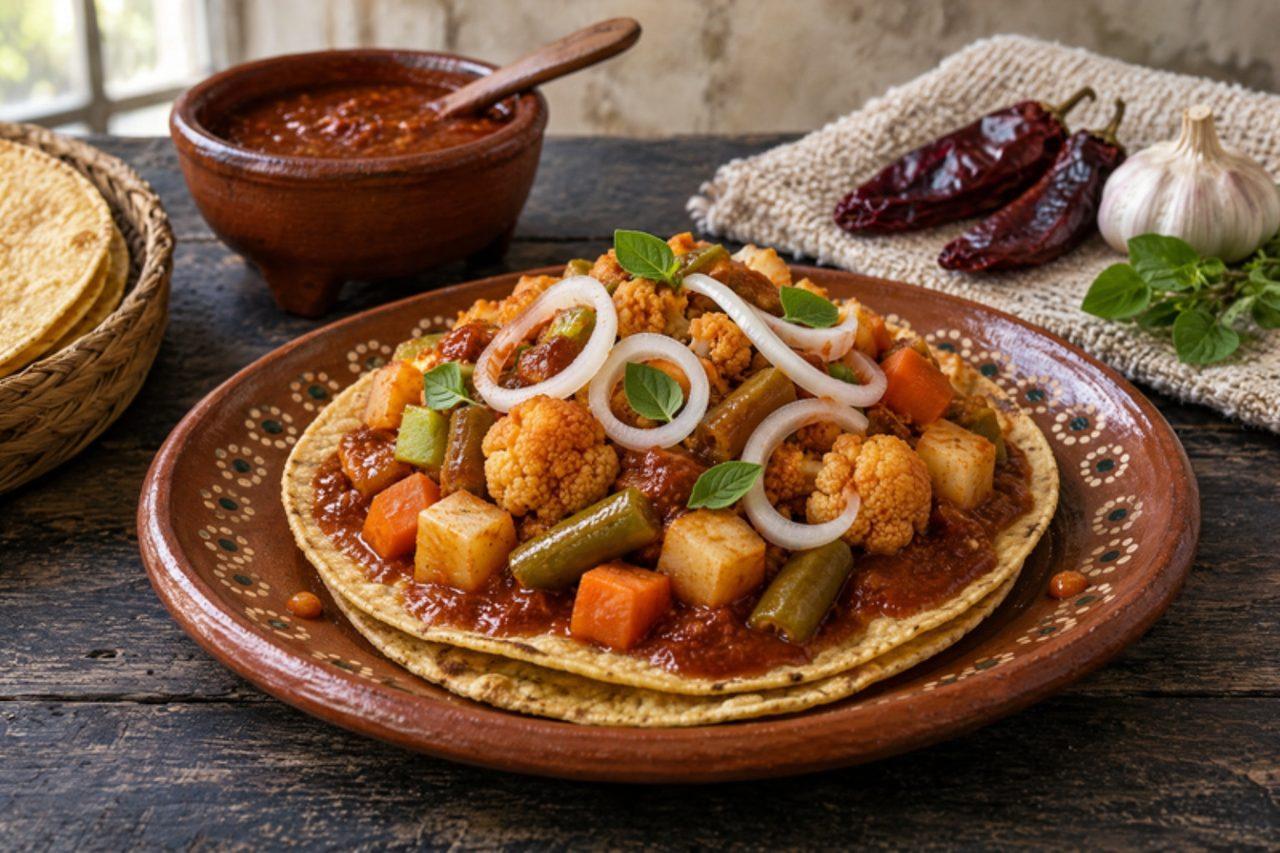
Chileajo is a cold dish of the Mixteca and the Oaxaca valley markets, sold from big clay bowls on Sundays and during Lent, and piled onto crisp tostadas at family fiestas. Potatoes, green beans, carrots, chayote, cauliflower and peas are cooked just tender and folded into a brick-red sauce of guajillo chiles, plenty of garlic, cloves and vinegar, then left to soak up its tangy, smoky heat. It keeps for days and improves as it sits. The usual mistake is overcooking the vegetables before they meet the sauce, so they turn mushy once mixed; they should still have a little bite. Chef's tip: toast the chiles only until they smell fragrant and blister, a few seconds a side; burnt chiles make the whole sauce bitter.

by KrazyBadal 0 views

Cháo cá hồi bí đỏ (salmon and pumpkin congee)

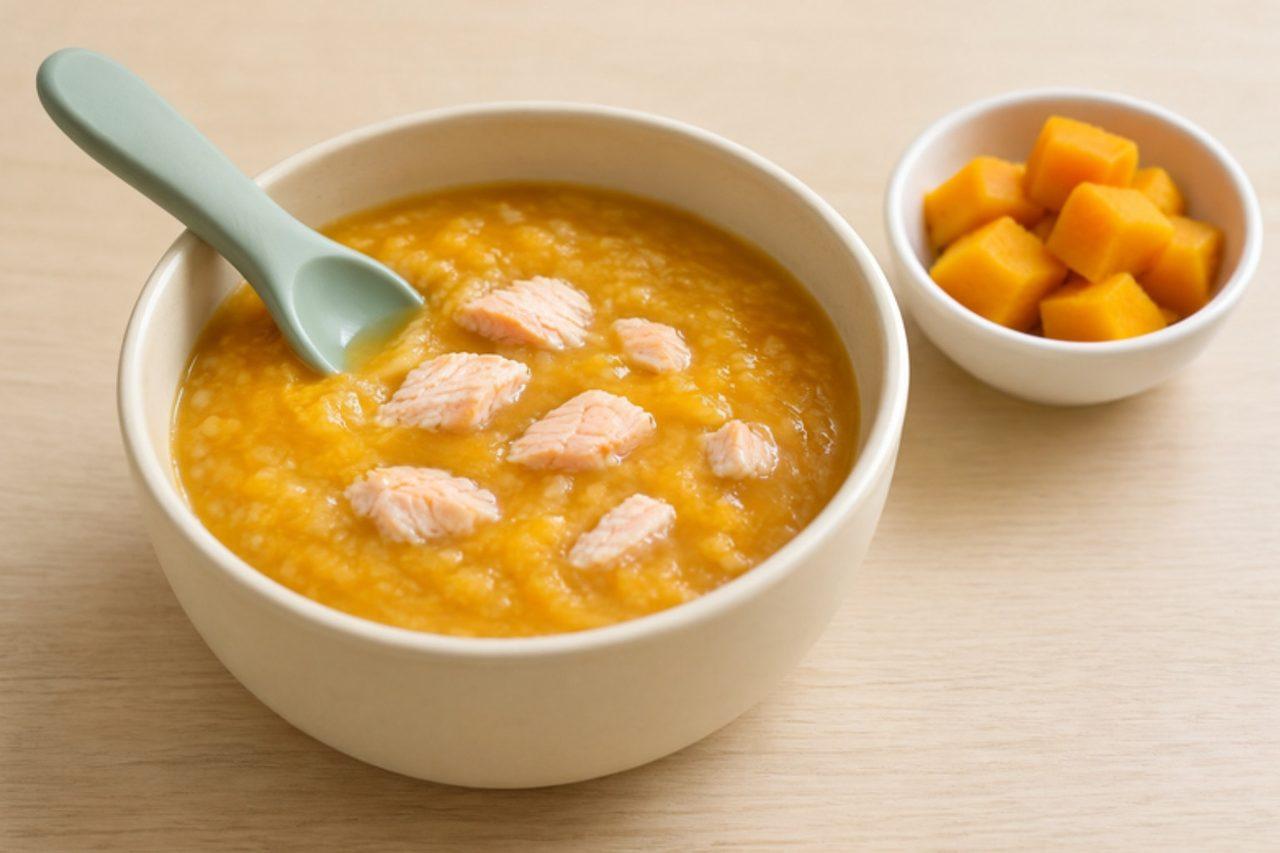
Cháo cá hồi bí đỏ, salmon and pumpkin congee, is one of the most-shared ăn dặm (weaning) recipes among young parents in Hanoi and Ho Chi Minh City, a sunny orange bowl full of omega-3 fats. Rice simmers soft with diced pumpkin, then fresh salmon is poached in the pot at the end, so it stays moist. There is no fish sauce, salt or sugar, just the natural sweetness of the pumpkin. It contains fish and is free of milk, egg, gluten, nuts, soya and sesame. Chef's tip: run your fingers along the salmon fillet before cooking and pull out the pin bones with tweezers; they are much easier to find raw.

by KrazyBadal 0 views

ChilreBuckwheat pancakes

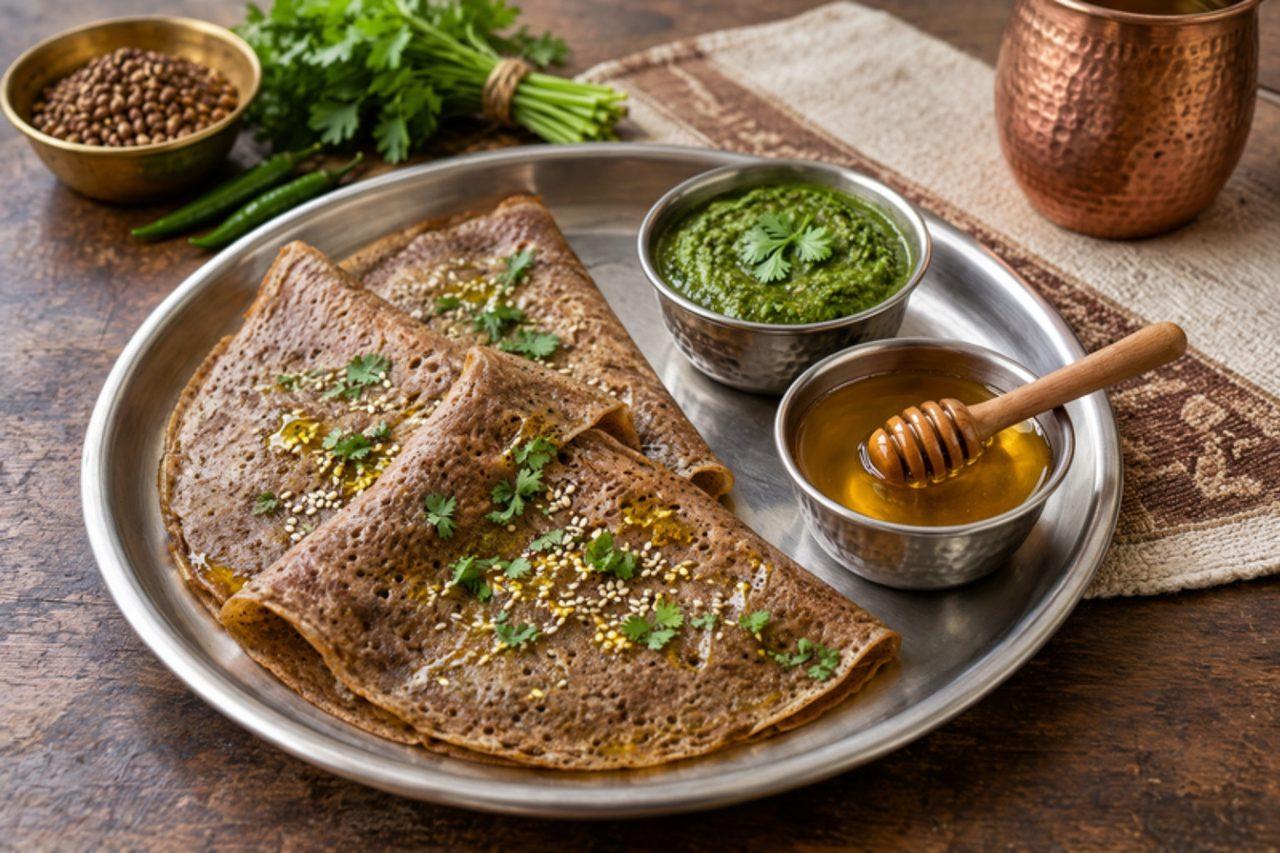
In the upper hills around Shimla and through Kinnaur, buckwheat (kuttu or ogla) grows where wheat struggles, and chilre are its everyday form: thin, lacy pancakes poured on a hot griddle for breakfast or a late-afternoon snack. They are eaten with a sharp mint-and-walnut chutney, or sweet with honey, and are naturally gluten free when made with pure buckwheat. The common mistake is making the batter too thick, so the chilre come out stodgy; it should pour like single cream. Chef's tip: let the batter rest 15 minutes so the buckwheat swells, and wipe the pan with an oiled cloth rather than pouring oil, for even, lacy pancakes.

by KrazyBadal 0 views

Chintha chiguru pappuDal with young tamarind leaves

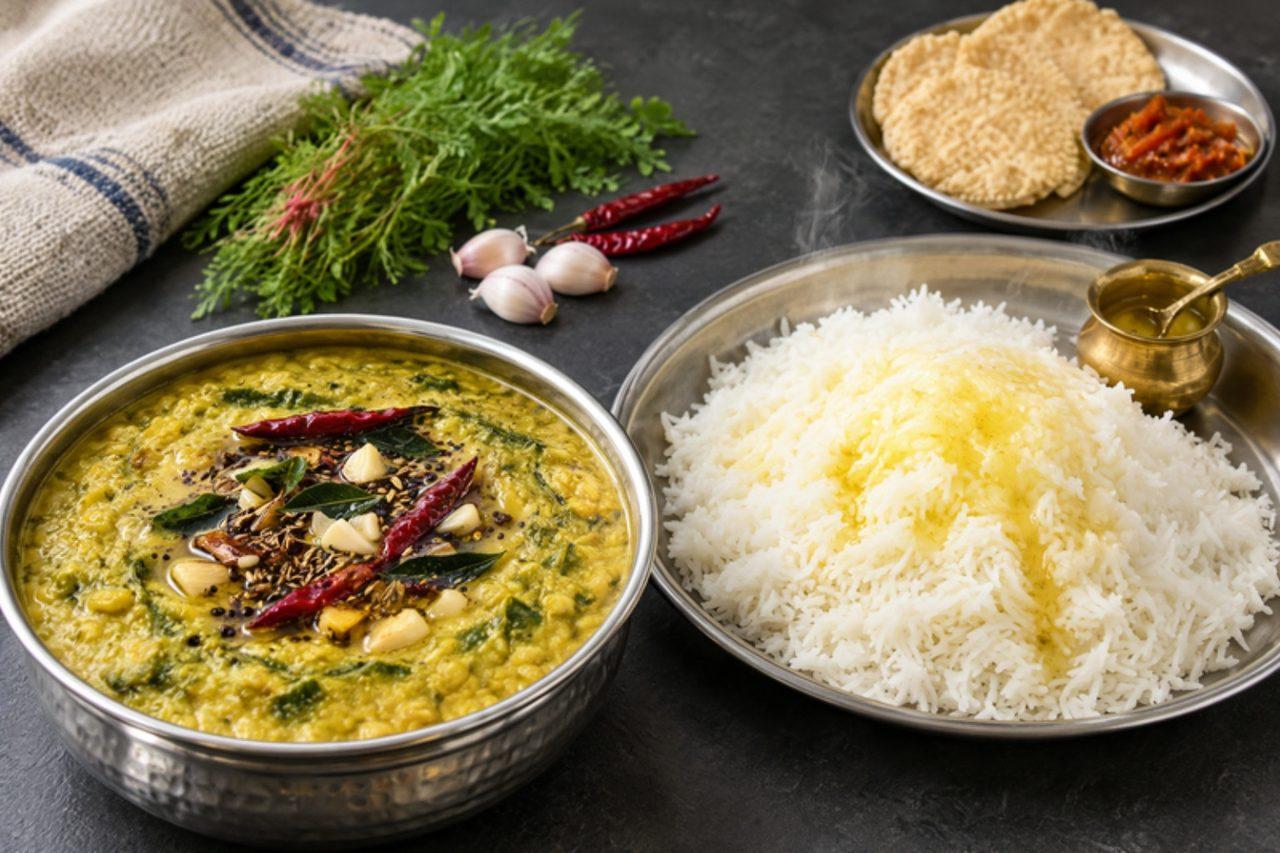
Every spring the tamarind trees of Telangana put out soft, coppery new leaves, chintha chiguru, and housewives in Hyderabad and the districts strip them by the handful for a few weeks of this pleasantly sour dal. The leaves give the tang that tamarind pulp gives the rest of the year, and the pappu is eaten with hot rice, ghee and a crisp papad. The common mistake is adding all the leaves at the start; they lose their fresh sourness, so stir half in near the end. Chef's tip: if tamarind shoots are out of reach, use a mix of sorrel and a teaspoon of tamarind paste.

by KrazyBadal 0 views

Chintakaya pachadiGreen tamarind pickle

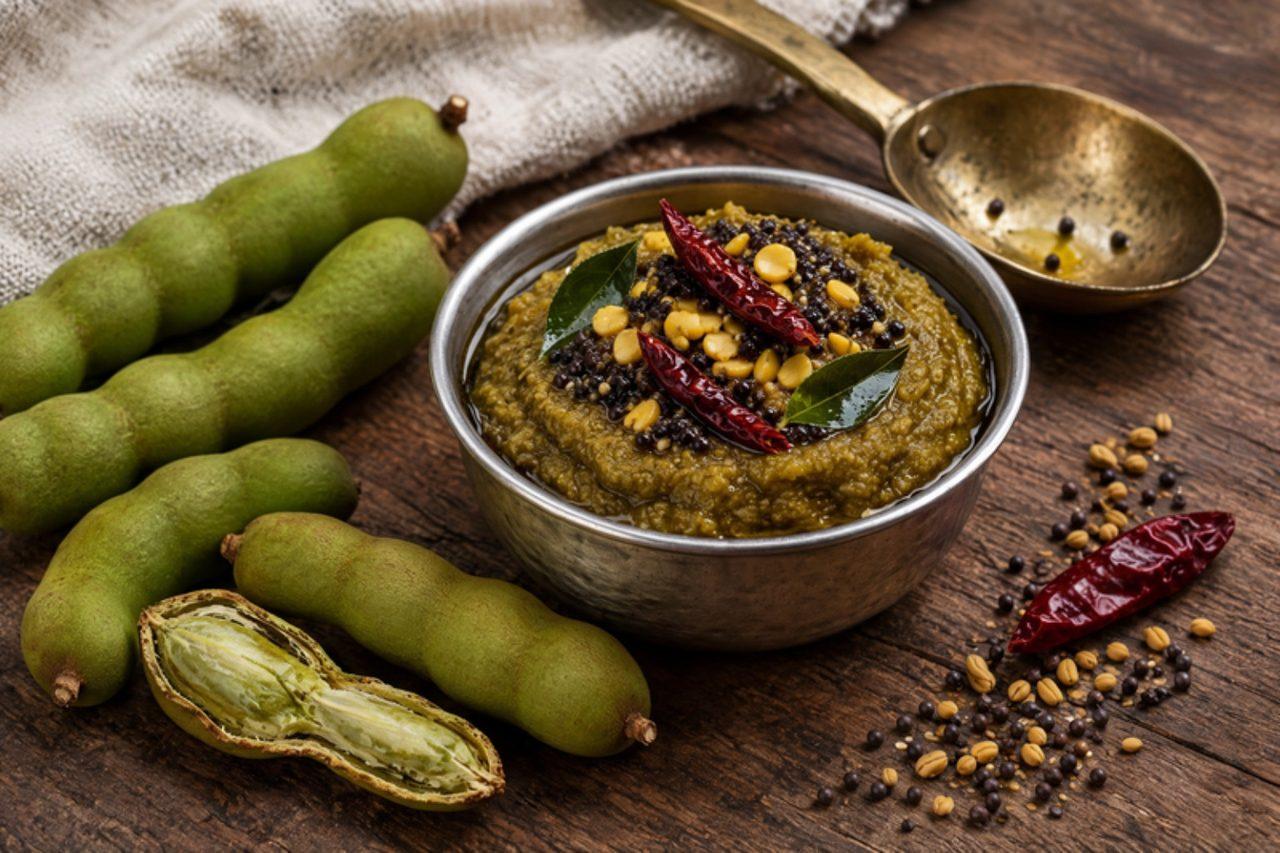
In Telangana and coastal Andhra, the tamarind trees hang heavy with tender green pods from December to February, and every household that can lays in a jar of chintakaya before the pods ripen and turn brown. The raw pods are pounded with salt and turmeric and left to mature into a sharp, olive-green base that keeps for the whole year. Small portions are then ground with chillies and finished with a crackling tadka whenever the family wants it. The taste is pure, mouth-puckering sourness with a fresh, almost apple-like green note, very different from ripe tamarind. Mix it into hot rice with sesame oil, or eat it with jonna rotte (sorghum flatbread) and raw onion. The common mistake is to let wet pods into the jar: wash the tamarind the day before, then spread it to dry completely. The salted base is very acidic and roughly 15% salt, so it keeps in a cool cupboard; the finished pachadi with chillies belongs in the fridge and is best within 3 weeks. It is ready when the paste is coarse, dark green and smells sharply sour. Chef's tip: roast dried chillies for a smoky winter version, or use green chillies for a brighter, fresher heat.

by KrazyBadal 0 views

Chirimoya alegreCherimoya in orange juice

Chileans call it 'happy cherimoya': ripe custard-apple pulp dropped into fresh orange juice and served ice-cold. It turns up as the summer dessert after a big lunch in the Central Valley and in the Aconcagua valley, where much of Chile's cherimoya grows. The fruit should be soft like a ripe avocado; a hard one tastes starchy. The most common mistake is preparing the fruit ahead without juice, so it turns brown and loses its perfume: drop each piece straight into the orange juice. Remove every black seed, as the seeds must not be eaten or crushed. Chef's tip: squeeze the oranges yourself and taste before you sweeten; good juice often needs no sugar at all.

by KrazyBadal 0 views

Pan con lechónRoast pork sandwich

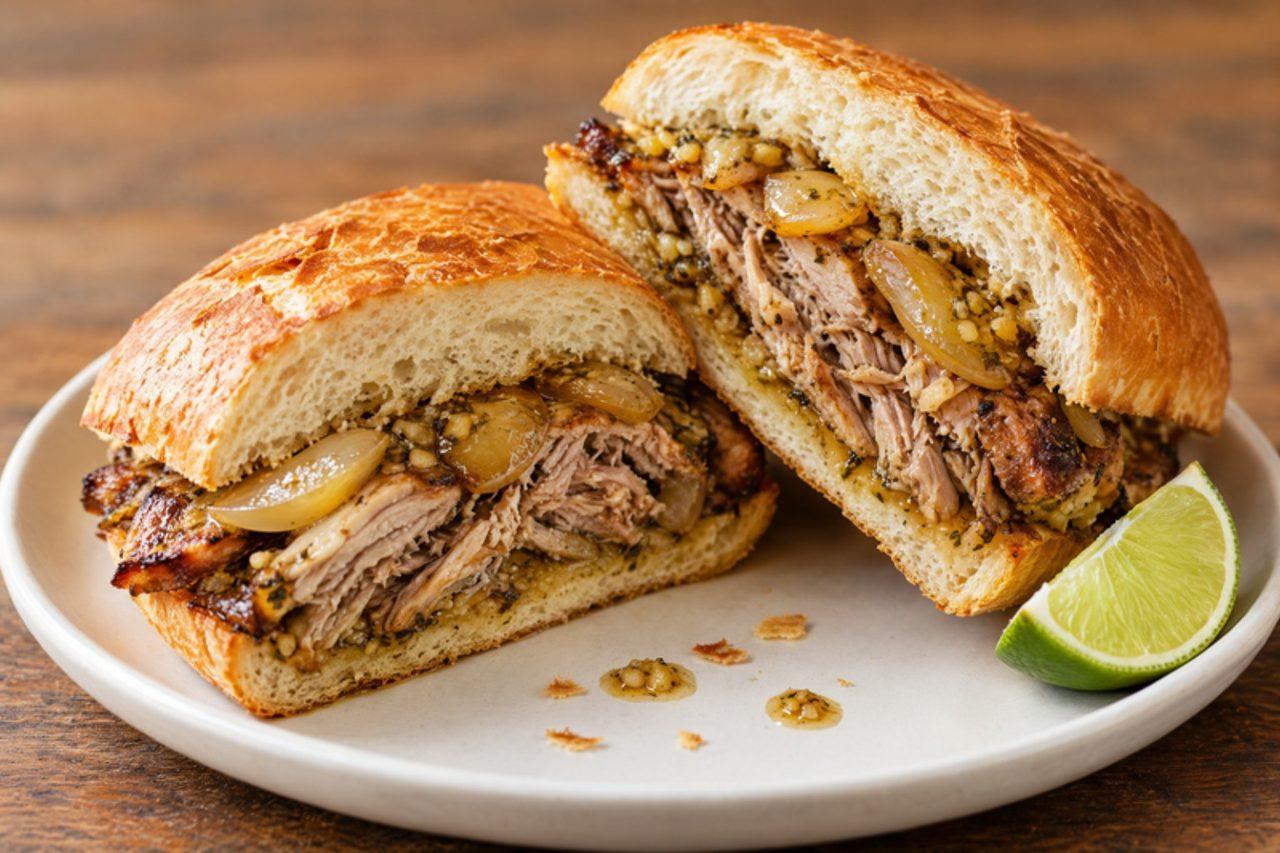
Cuba's great feast is a whole roast pig for Noche Buena on Christmas Eve, and the next best thing is pan con lechón: slices of juicy roast pork stuffed into soft Cuban bread with onions and plenty of mojo. In Havana it is sold from cafeterías and street windows in Centro Habana and along Calle Obispo, especially at weekends, and it is a favourite lunch or late-afternoon bite. This home version uses a boneless pork shoulder marinated overnight in sour orange, garlic, cumin and oregano and roasted until it falls apart, with crackly edges. Chef's tip: keep a few spoons of fresh mojo aside before the raw pork goes in, so you have a clean sauce to spoon over the sandwiches.

240 minCubanMeat
by KrazyBadal 0 views

Pan con paltaBread with mashed avocado

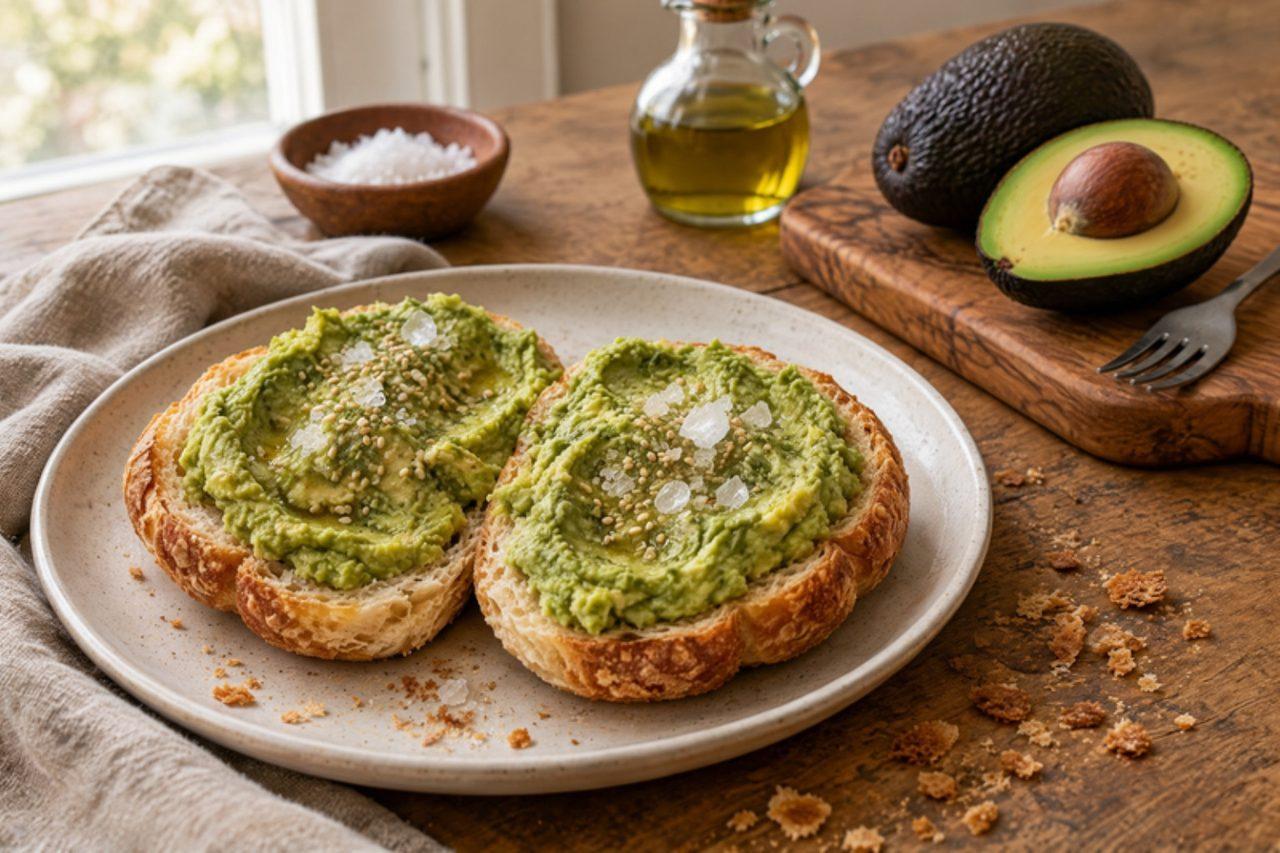
Chileans eat more avocado than almost anyone, and in Santiago homes the breakfast table (and the evening once) almost always has warm marraqueta or round hallulla bread spread with palta: ripe avocado simply mashed with salt. It is less a recipe than a ritual, but getting it right matters. The common mistake is using hard avocados or mashing them into a smooth purée with lime and onion like guacamole; Chileans want ripe Hass avocado, only lightly mashed, and salt, nothing more. Chef's tip: warm the bread first and mash the avocado right on it with a fork, so it sinks into the crumb.

by KrazyBadal 0 views

ChirmolCharred tomato and mint salsa

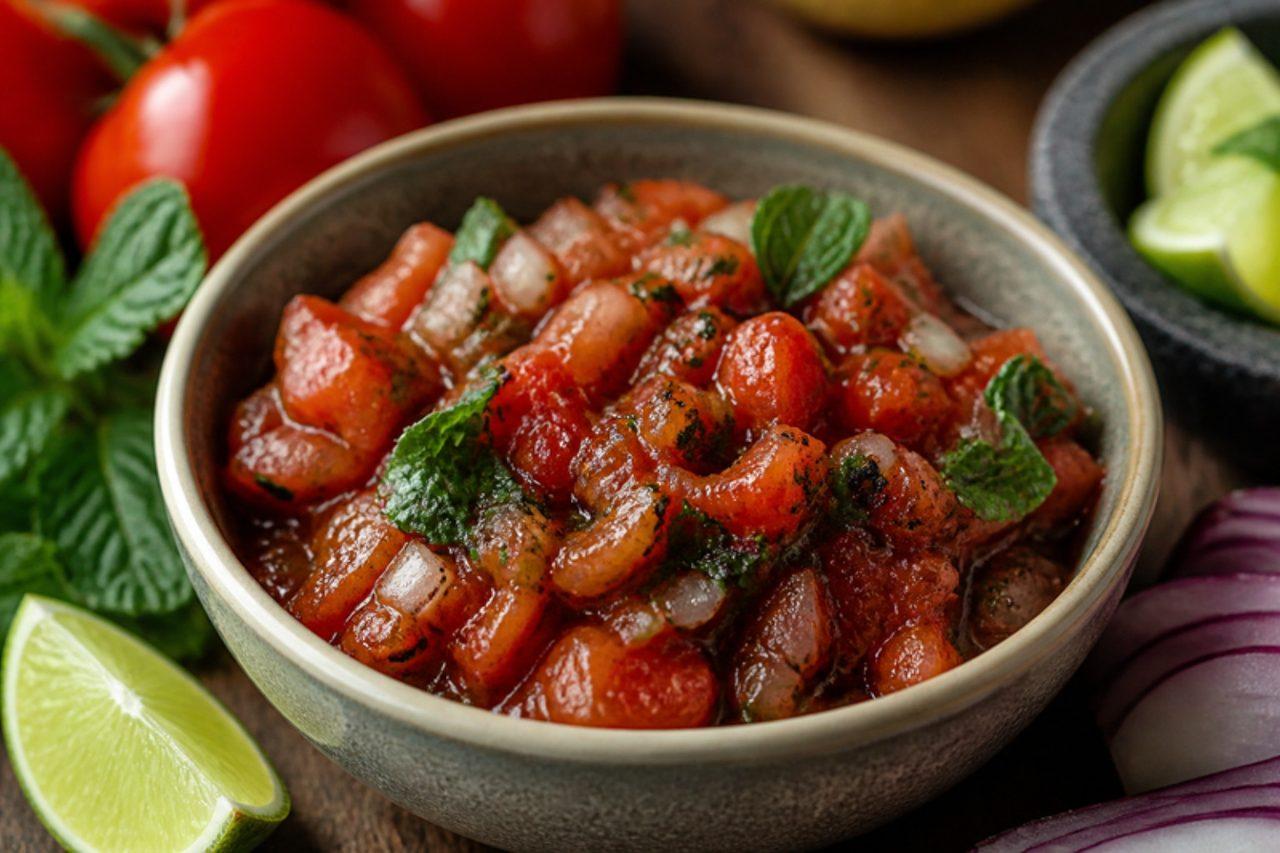
Wherever Guatemalans light a grill for Sunday carne asada, a bowl of chirmol sits beside it. The tomatoes are blackened on a comal until their skins split, then crushed with raw onion, lime and fresh mint, which is the herb that sets it apart from Mexican salsas. It is smoky, sharp and loose, meant to be spooned over grilled meat, black beans, eggs or plain rice. A common mistake is blending it smooth; chirmol should be chunky and juicy, crushed by hand or with a fork. Chef's tip: leave some of the charred skin in; those black flecks carry most of the smoky flavour.

by KrazyBadal 0 views

MchemshoBeef and vegetable pot

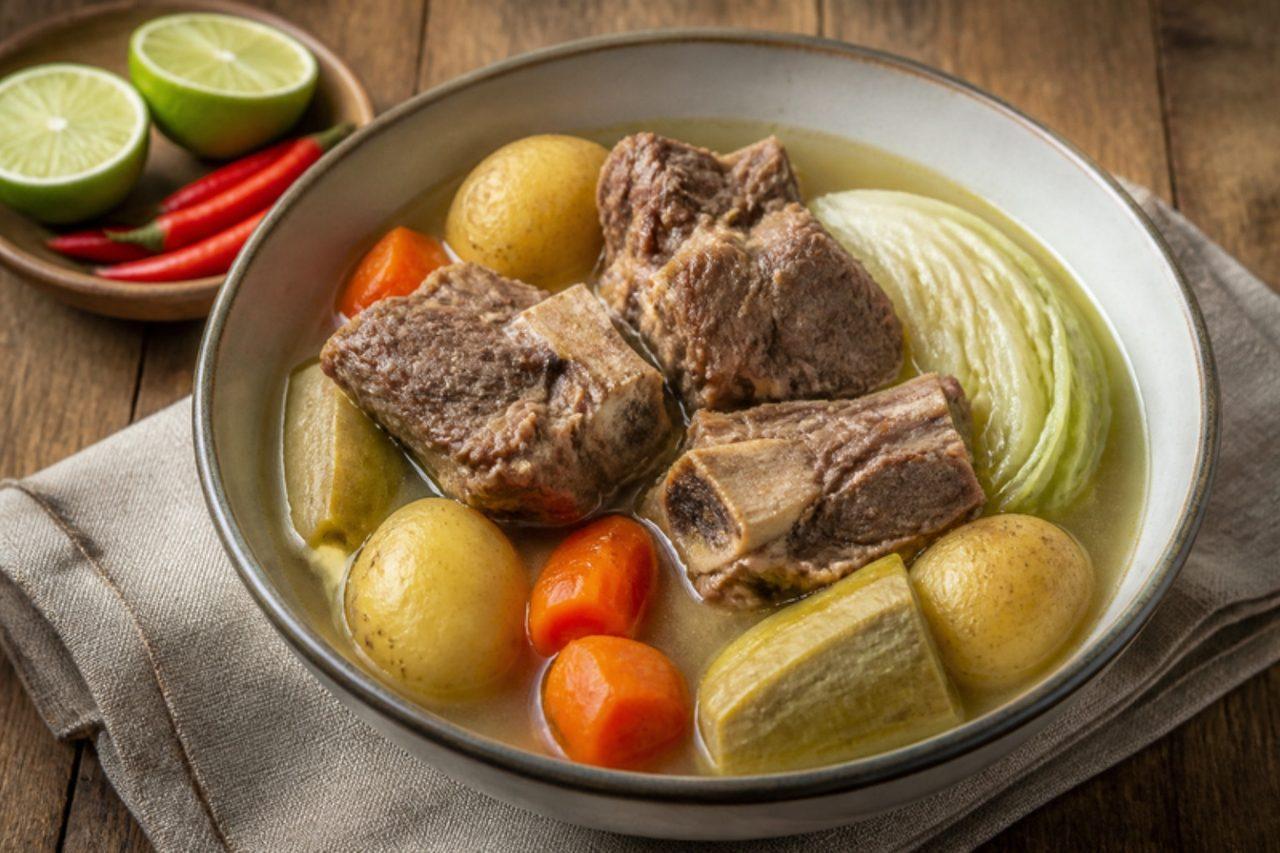
The name just means 'boiled', but Dar es Salaam families treat mchemsho as comfort food, made on a cool rainy evening or for anyone feeling under the weather. Beef on the bone simmers with garlic and ginger into a clear, savoury broth, and whole potatoes, carrots, green bananas and wedges of cabbage go in late so each stays distinct. It arrives in wide bowls, everything in big pieces, with lime and fresh chilli on the table to sharpen it to your taste; some cooks make it with chicken instead. Adding all the vegetables at once is the common error, leaving the cabbage grey and the potatoes in pieces. Chef's tip: blanch and rinse the beef first, then start again in fresh water, for a broth that stays clear.

by KrazyBadal 0 views

Daegu-sal juk (cod and vegetable baby porridge)

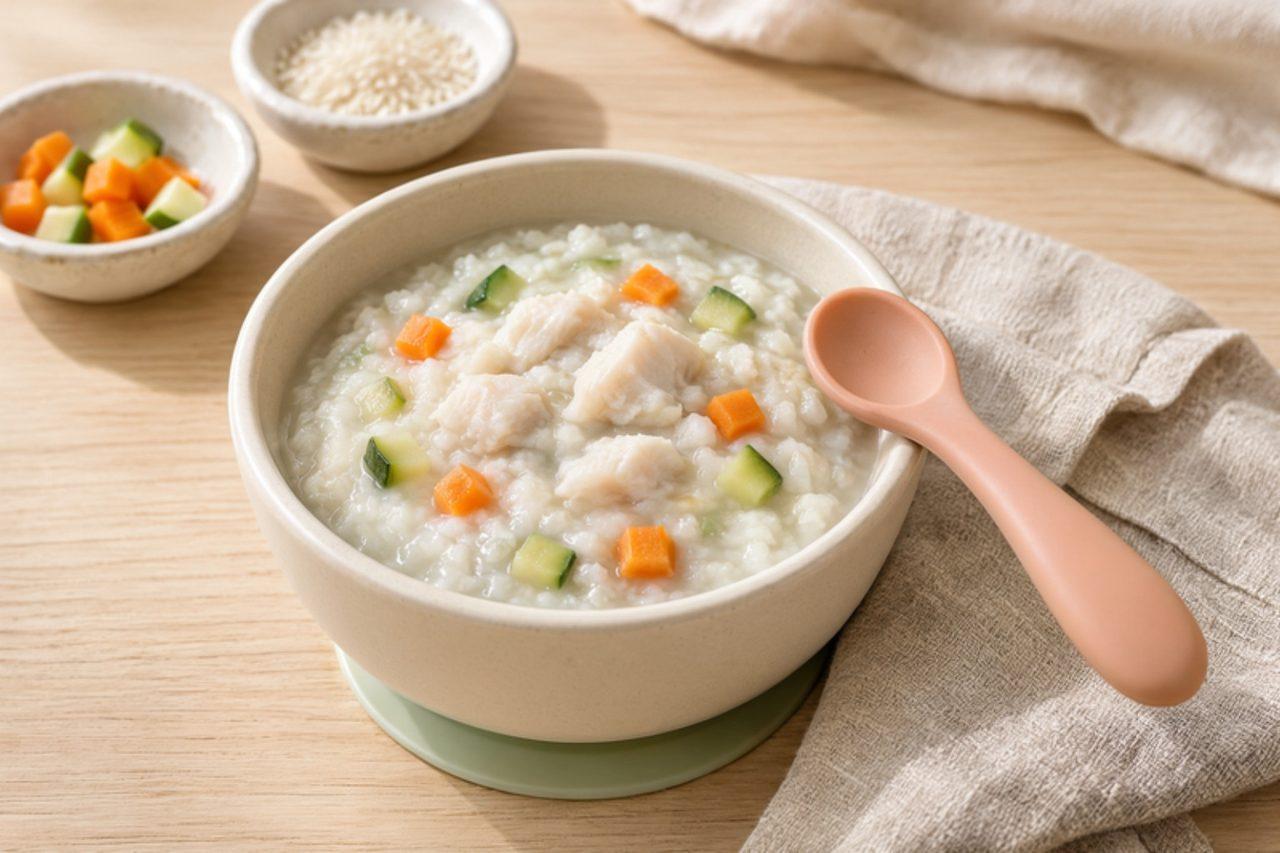
In Korea, homemade baby food (iyusik) follows clear stages, and by the late stage around nine months, Seoul parents are making juk with roughly crushed rice and small pieces of fish and vegetables. Daegu-sal juk uses mild, flaky cod with sweet courgette (aehobak) and carrot, and no soy sauce, salt or sesame oil. It is creamy, delicate and soft enough to mash between the gums. It contains fish and is free of milk, egg, gluten, nuts, soya and sesame. Chef's tip: crush the soaked rice lightly with a rolling pin or a couple of pulses in a blender; broken grains thicken the juk faster and give exactly the soft lumps this stage needs.

by KrazyBadal 0 views

Escabeche de polloChicken in vinegar and carrot

Pollo en escabeche is a home classic in Córdoba and Buenos Aires, a legacy of Spanish preserving that Argentines make on a Saturday to eat cold all week. It comes out of the fridge for a picada before the asado, as a summer lunch with a green salad and crusty bread, or packed for a day in the sierras. Chicken is browned, then gently cooked in oil and vinegar with carrot, onion, red pepper, garlic, bay and black peppercorns, and left to rest at least a day. The meat turns tender and lightly tangy, the carrots keep a little crunch, and the oil carries the flavour of bay and pepper. Because garlic sits in oil, safety matters: the liquid is half strong vinegar (at least 5% acidity, never diluted beyond what the recipe says), and the jar always lives in the fridge, never on the shelf. Eat it within 5 days. The common mistake is letting it boil hard, which makes the chicken dry and stringy; it should barely tremble. It is ready the next day, when the chicken tastes seasoned right through and the oil has turned golden. Chef's tip: take it out 20 minutes before serving so the oil melts back to liquid.

by KrazyBadal 0 views

ChorreadasSweet corn pancakes

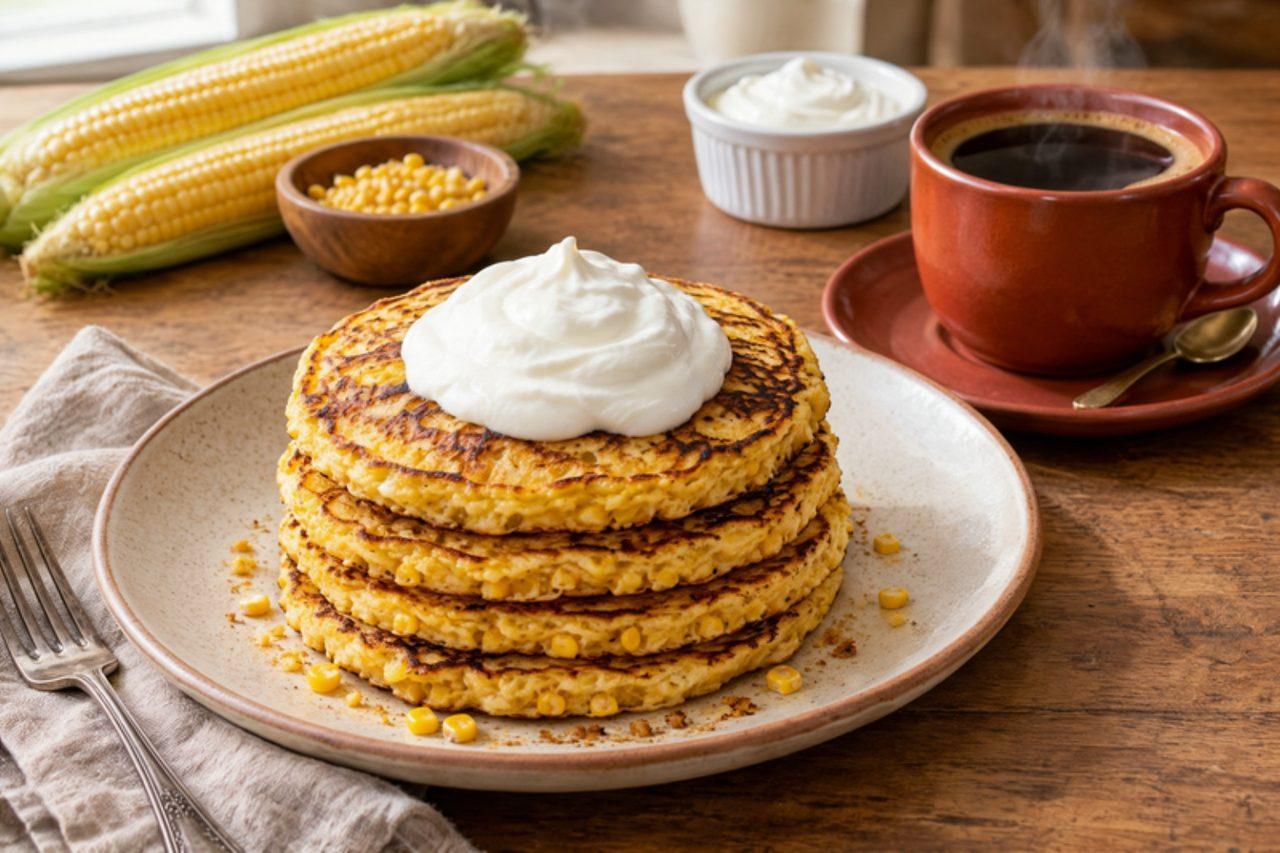
In the Costa Rican countryside, from the Central Valley to Guanacaste, chorreadas are made when the corn is fresh and milky: kernels are blended into a thick batter with a little sugar and butter and "poured" (chorrear) onto a hot griddle, then eaten with a dollop of natilla, Costa Rica's soured cream, and a cup of coffee. They are soft, sweet and taste purely of corn. The common mistake is a thin batter that spreads and tears; it should drop thickly from a spoon, so add masa harina if your corn is very juicy. Chef's tip: leave a few kernels only half-blended so the pancakes have little pops of whole corn.

by KrazyBadal 0 views

Chanko nabeChicken meatball hot pot

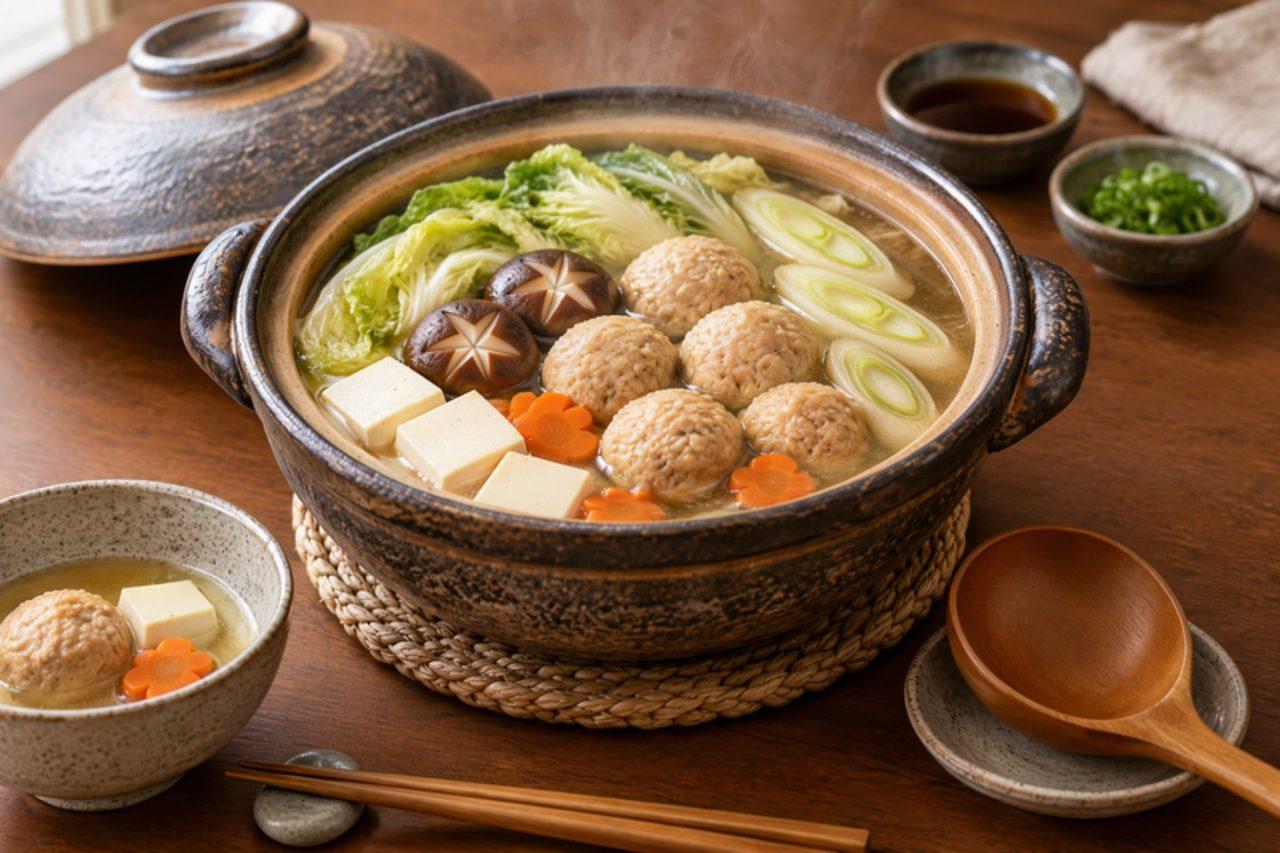
Chanko nabe is the daily meal of the sumo stables around Ryōgoku in east Tokyo, where young wrestlers cook a huge pot after morning practice and the senior ranks eat first. At home it is a winter supper cooked on a tabletop burner or on the hob: a clear chicken and kombu dashi seasoned lightly with soy, then loaded with ginger-scented chicken meatballs, tofu, napa cabbage, leek, carrot and mushrooms. Everything cooks in the one pot, and the last of the broth is often finished with udon or rice. The usual mistake is boiling the pot hard once the meatballs go in, which turns the broth cloudy and the tofu ragged; keep it at a lazy simmer. Chef's tip: shape the meatballs with two wet spoons and drop them in before the vegetables, so they flavour the broth while the cabbage softens.

by KrazyBadal 0 views

Chocolate cracklesChocolate puffed rice cakes

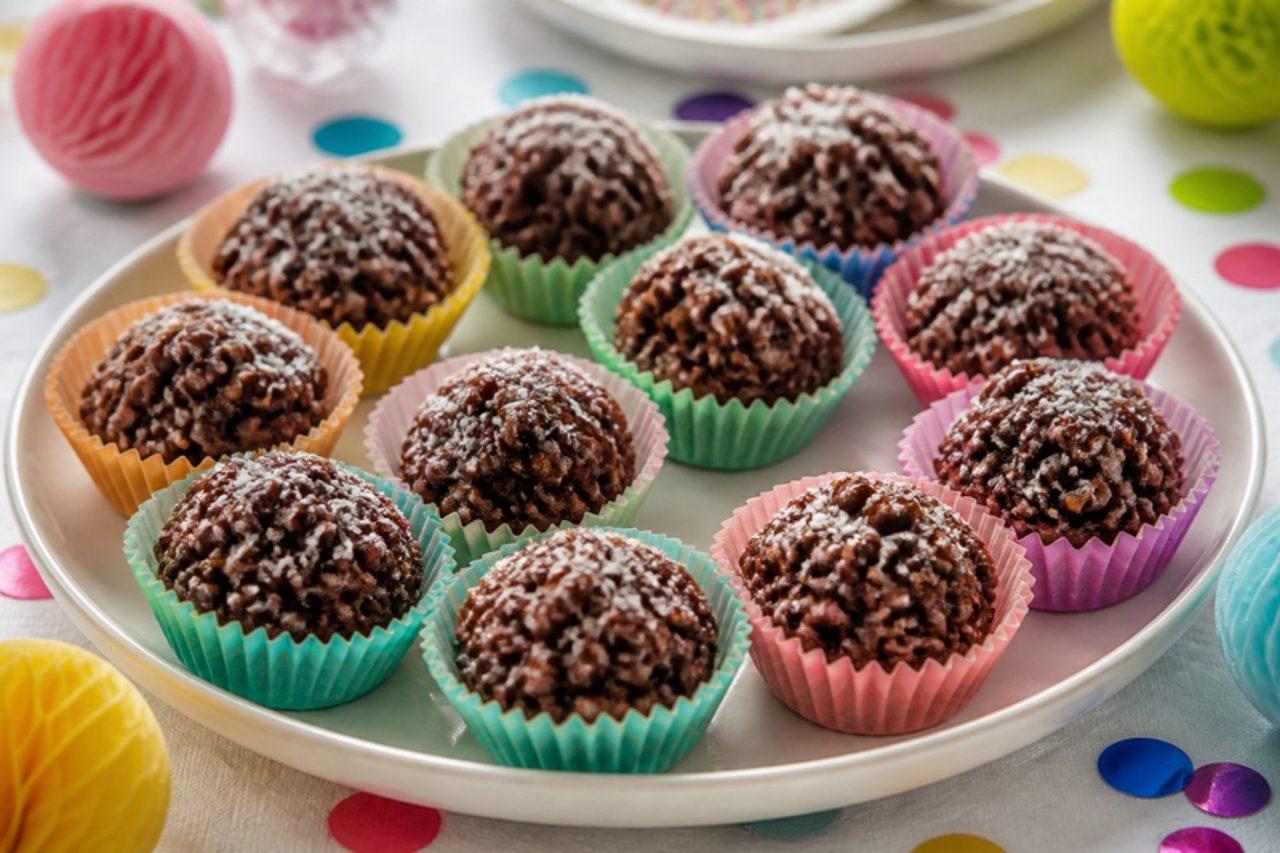
No Australian child's birthday party is complete without chocolate crackles, served in paper patty cases alongside fairy bread at backyard parties from Adelaide to Cairns. Puffed rice cereal is bound with melted solid coconut fat, icing sugar, cocoa and desiccated coconut, then set in the fridge. Kids can make them almost entirely on their own. A common mistake is using hot fat, which makes the mixture greasy; let it cool a few minutes. Chef's tip: use solid white hydrogenated coconut fat sold in blocks, not jarred coconut oil, which won't set firm at room temperature.

by KrazyBadal 0 views

Ensaladang talongGrilled aubergine salad

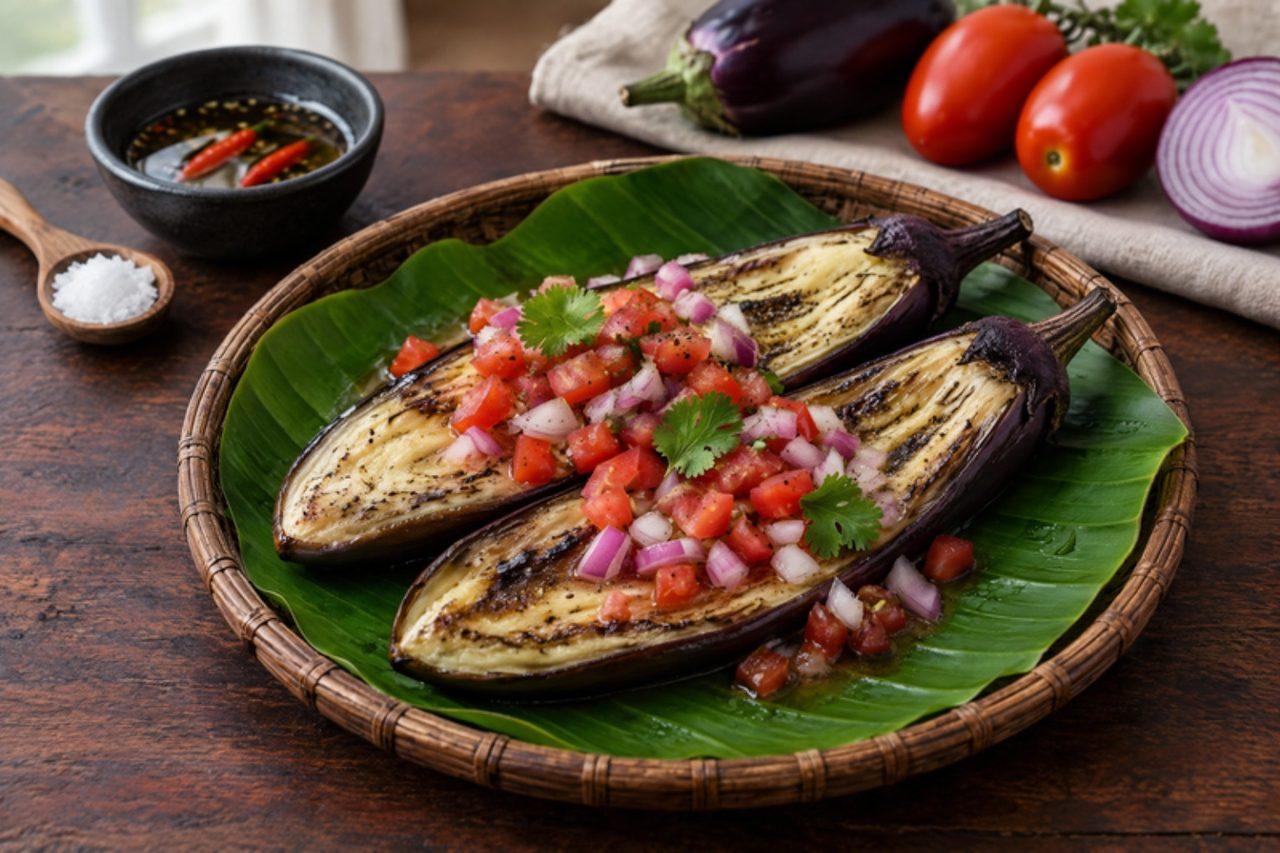
Ensaladang talong is the smoky side salad that sits beside grilled fish or pork at Filipino family lunches, from Pampanga to Davao, and on the table at weekend beach outings. Long Asian eggplants are charred whole until the flesh collapses, then peeled and topped with diced tomato, red onion and a sharp vinegar dressing. This version leaves out the usual fermented shrimp paste so it is vegan. Suitable as part of a balanced diet, it is low in starch: about 70 kcal and 10 g carbohydrate per portion. The usual mistake is pulling the eggplants off the heat too soon; they must be soft right through, or the flesh is spongy and raw. Chef's tip: peel the hot eggplants under a trickle of water with your fingertips to keep the smoky flesh whole.

by KrazyBadal 0 views

Pane toscanoUnsalted Tuscan bread

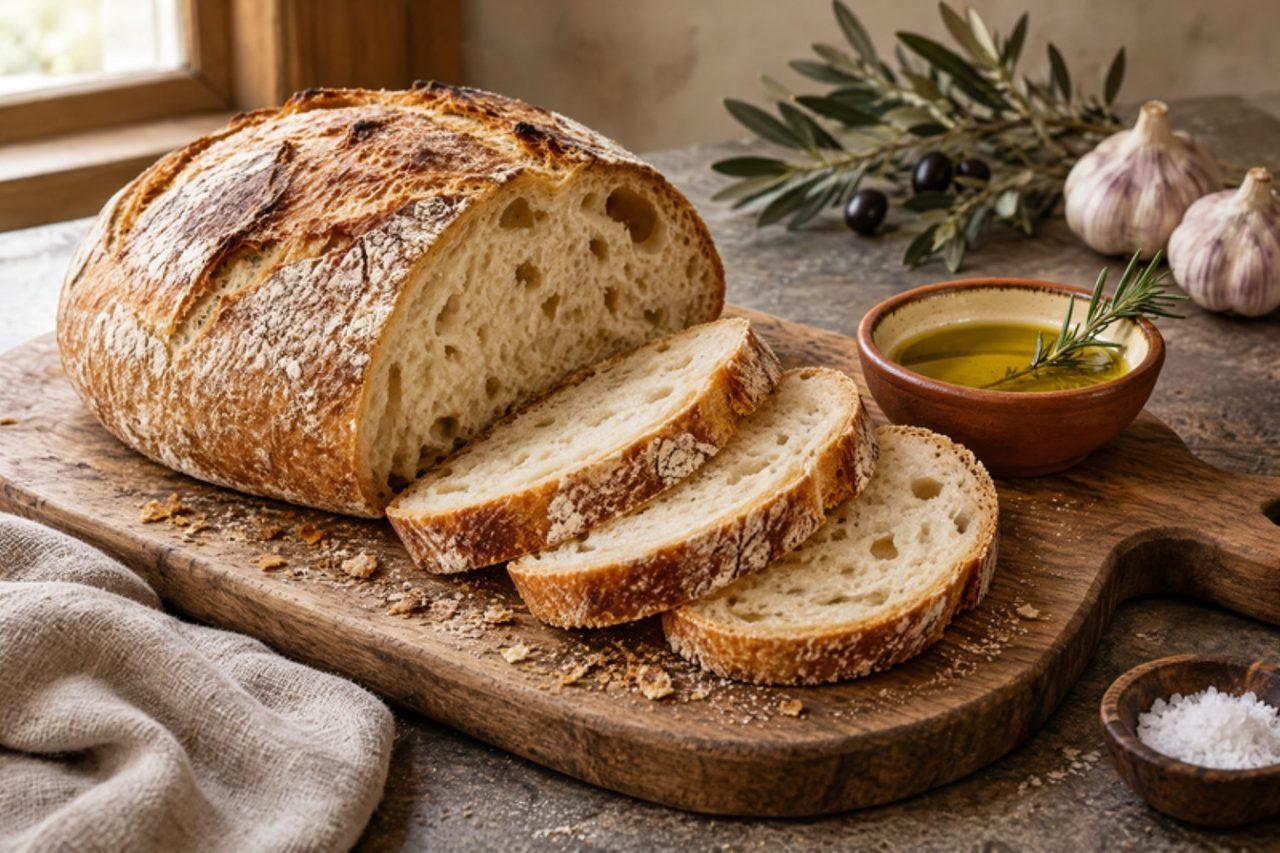
Pane toscano, called pane sciocco ('foolish' or 'bland' bread) in Florence and Siena, is the saltless loaf that Tuscans have eaten for centuries; legend blames a medieval salt tax. It has a thick, crackly crust and an open, chewy crumb, and it is made to be eaten with salty prosciutto, pecorino and ribollita, or soaked in panzanella and pappa al pomodoro. There is no salt in the dough: about 0.0 g salt per slice. The usual mistake is under-proving: without salt the dough rises fast, and with too little rest it tastes floury; a starter and a slow rise give it flavour. Chef's tip: bake with steam (a tray of boiling water in the oven) for the first 15 minutes, which is what gives the crust its proper Tuscan crunch.

by KrazyBadal 0 views

Churma na ladvaWheat crumb and jaggery balls

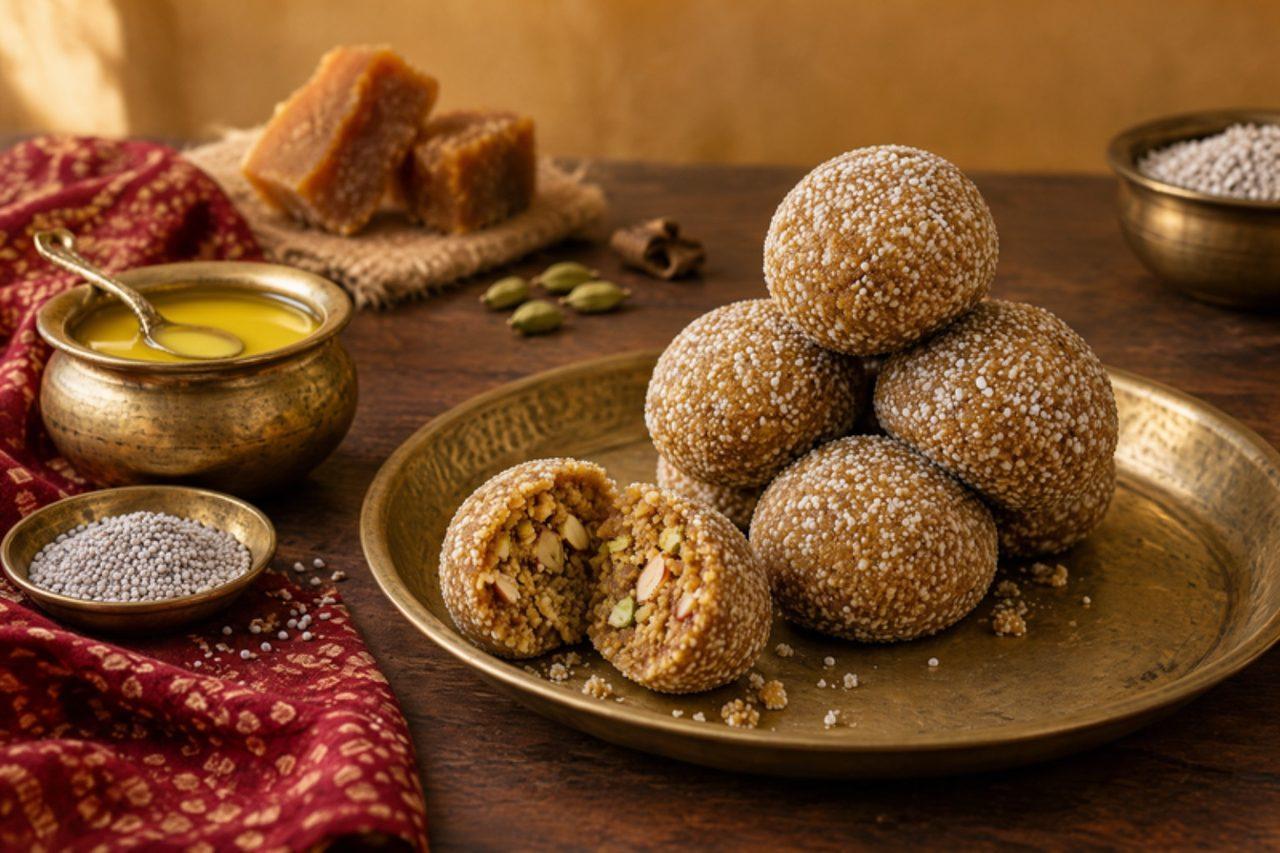
Churma na ladva are the laddus that sit beside Ganesh at Chaturthi in Kathiawad and fill the sweet course at Gujarati weddings, big rough-edged balls with a sandy crumb and a coat of white poppy seeds. Coarse wholewheat dough is shaped into fist-pressed muthiya, fried slowly in ghee until crisp right through, ground to crumbs and bound with jaggery melted in ghee, nutmeg and cardamom. The mistake that ruins them is frying the muthiya too fast: the outside browns while the inside stays doughy and the crumbs turn gummy. Chef's tip: break one muthiya open before you take the batch out; it should be dry and biscuit-like right to the centre.

by KrazyBadal 0 views

Jīdàn gēng for babies (steamed egg custard)

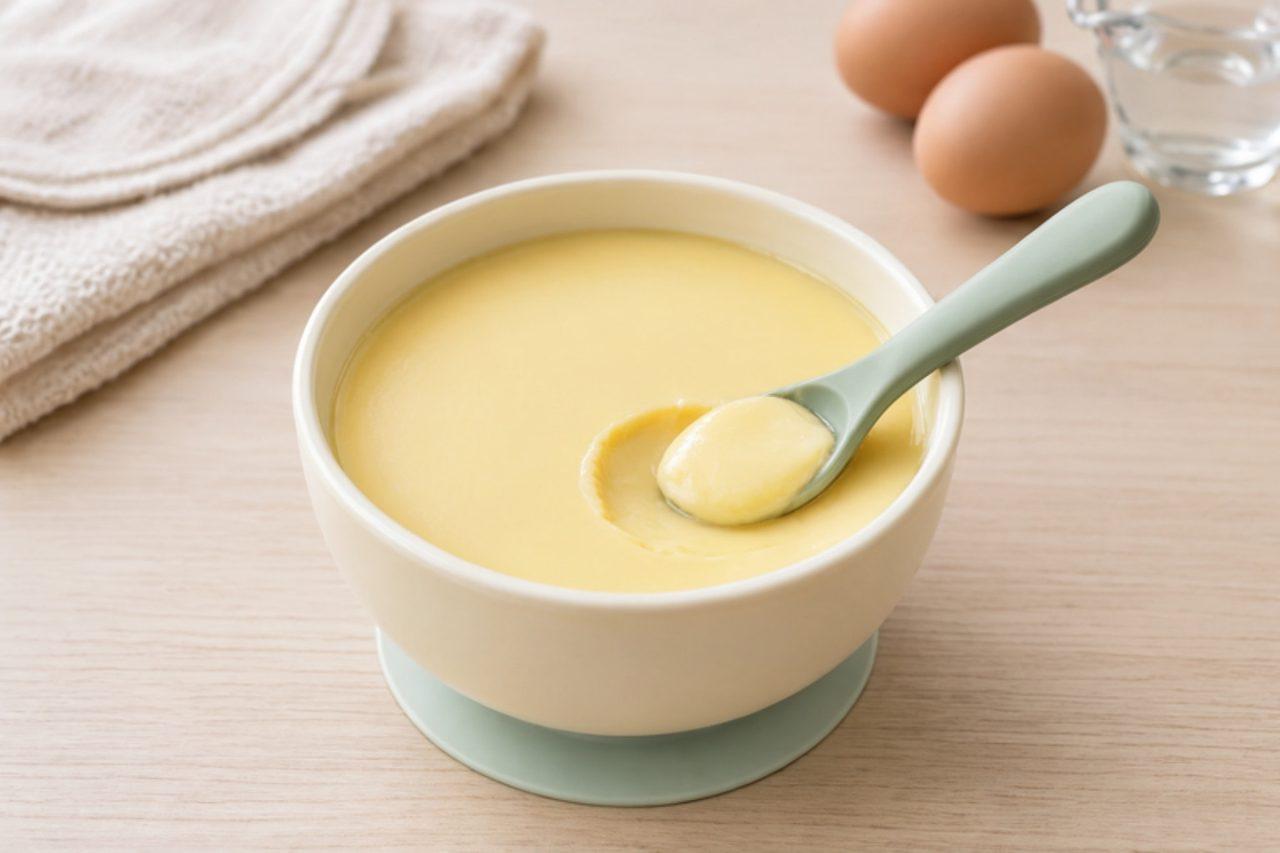
Jīdàn gēng, egg steamed with water into a quivering custard, is the dish Chinese grandparents everywhere from Shanghai to Guangzhou make for small children, and it is often the way a baby first meets whole egg at around nine months. The family version is finished with soy sauce, sesame oil and spring onion; this one is plain, so it tastes clean and gently eggy. Steamed slowly, it is smooth as silk and fully set. It contains egg and is free of milk, gluten, nuts, soya, sesame and fish. Chef's tip: cover the bowl with a plate while it steams; dripping condensation is what pockmarks the surface.

by KrazyBadal 0 views

ChumbequeLayered honey biscuit

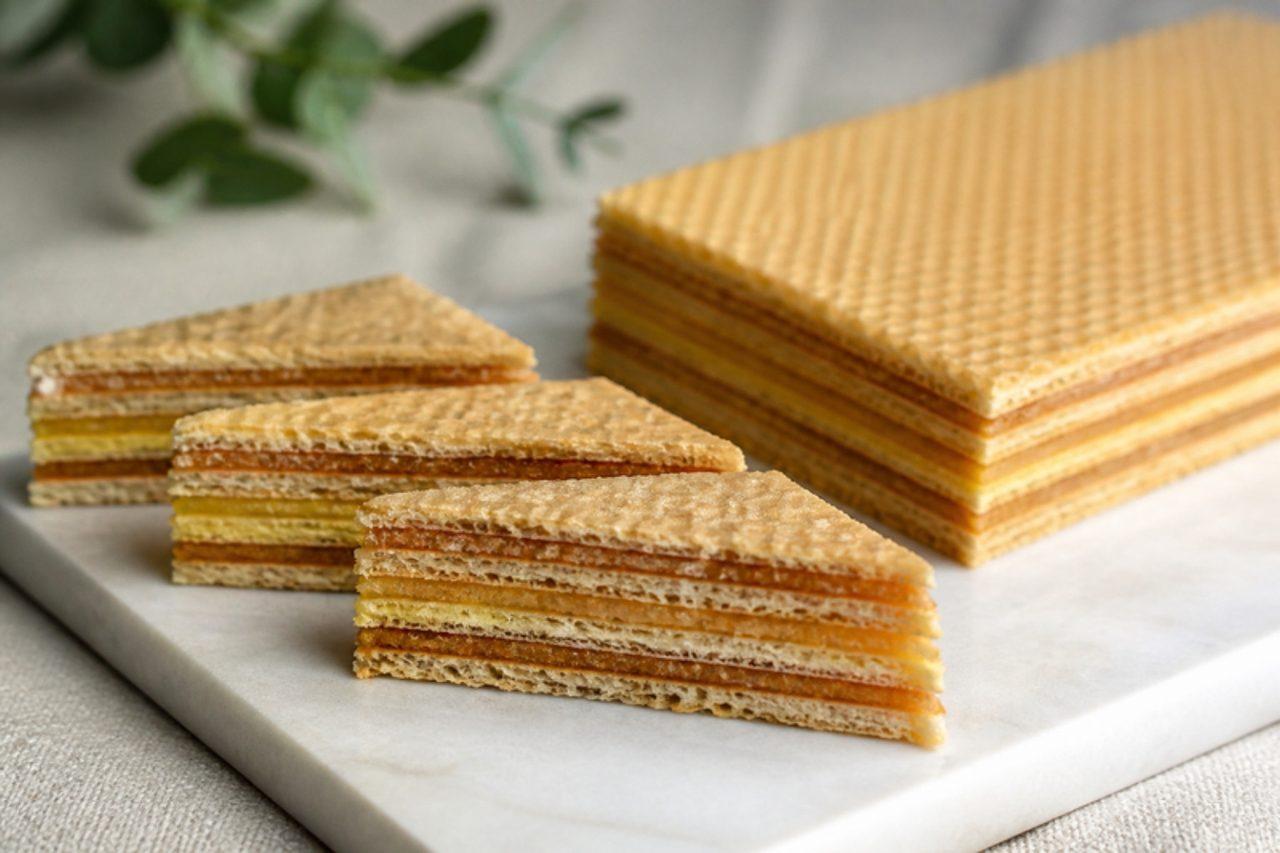
Iquique's Chinese community began baking chumbeque in the port's corner shops more than a century ago, and today it is the city's edible souvenir: crisp, honey-sweet pastry stacked in thin layers with a sharp lemon filling and a sticky guava one, cut into small bricks. People take it home from the Zofri market or nibble it with tea at once. At home, bake it as one slab and slice it when cold. Many people roll the dough too thick, which gives a cakey, dry bar instead of fine layers; aim for 3 mm. Chef's tip: chill the rolled sheets for 10 minutes before you stack them so they don't stretch out of shape.

by KrazyBadal 0 views

Papayas en almíbarPapayas in clove syrup

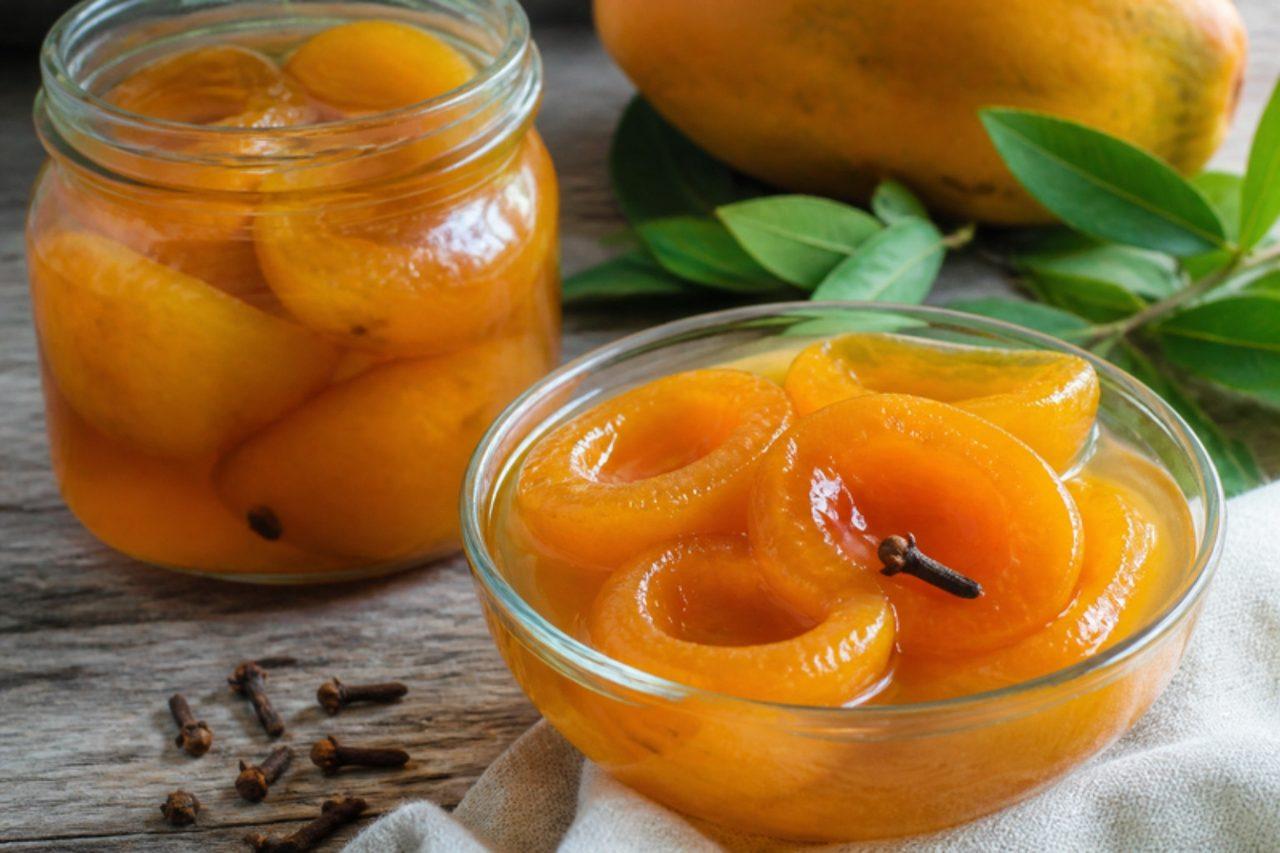
Drive up the Elqui Valley from La Serena and every roadside stall sells jars of these: small, intensely fragrant mountain papayas (papaya chilena) poached until they turn amber and translucent. Families spoon them over vanilla ice cream, eat them with a slice of fresh cheese, or simply serve them chilled after Sunday lunch. Outside Chile, tinned Chilean papayas are easy to find, or use firm, under-ripe ordinary papaya, which holds its shape in the syrup. The usual mistake is boiling the fruit hard: it breaks up and clouds the syrup, so keep it at a lazy simmer. Chef's tip: once the fruit is cooked, lift it out and boil the syrup alone for 5 minutes, so it is thick enough to cling and keeps longer in the jar.

by KrazyBadal 0 views

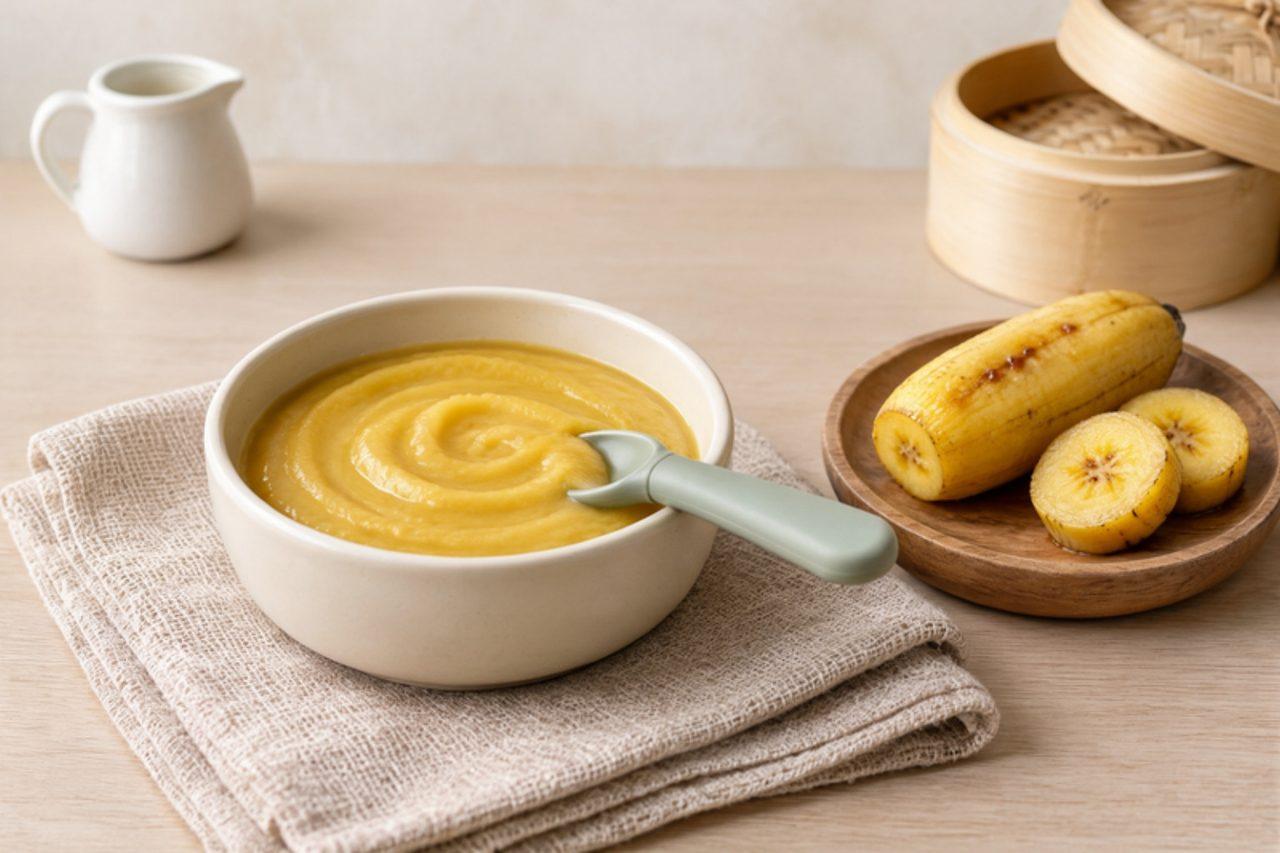
Steamed Nendran banana mash

Nendran is the long, golden plantain of Kerala, sold in hands at every market from Palakkad to Thiruvananthapuram, and a steamed ripe Nendran is one of the first fruits a Malayali baby tastes. Raw, it is too firm and starchy for a six-month-old, so it is steamed in its skin until the flesh turns soft and orange-gold, the dark string of seeds in the centre is pulled out, and the rest is mashed smooth. It is naturally sweet, so nothing is added: no sugar, jaggery, honey or salt. It is free of the major allergens. Chef's tip: wait until the skin is fully yellow with black freckles; a green Nendran stays chalky however long you steam it.

by KrazyBadal 0 views

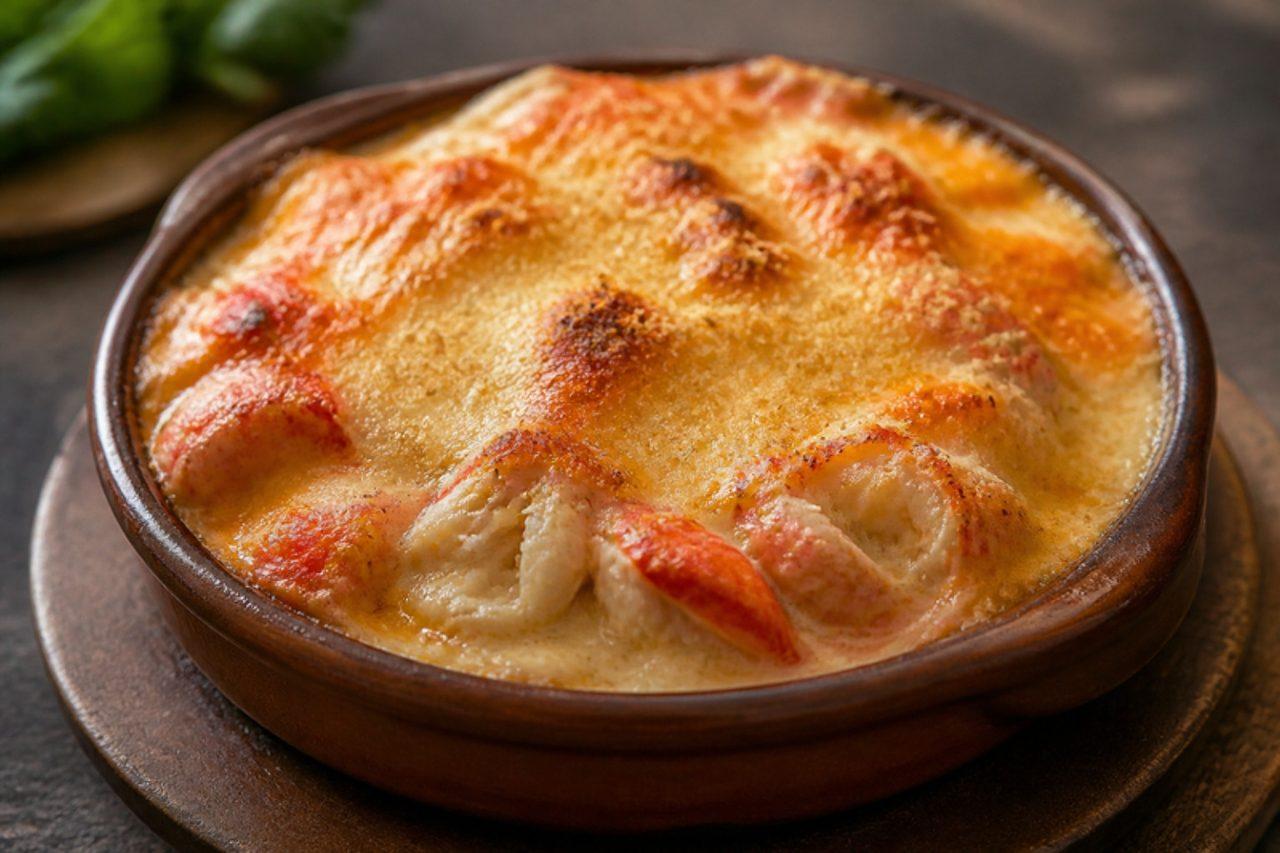
Chupe de centollaKing crab and cheese stew

In Punta Arenas and Puerto Natales, at the bottom of Chile, centolla (southern king crab) is the pride of every restaurant, and chupe is how it is served on a cold Magallanes evening: a soft, spoonable stew of crab meat cooked with bread, milk and stock until creamy, then topped with cheese and browned for a minute. It is looser than a crab gratin and eaten with a spoon. Any good cooked crab meat works. The usual mistake is boiling it fiercely once the cheese and cream go in, which makes the chupe grainy; keep it at a gentle bubble. Chef's tip: add the crab right at the end, just to heat through, so the big pieces of king crab stay whole and sweet.

by KrazyBadal 0 views

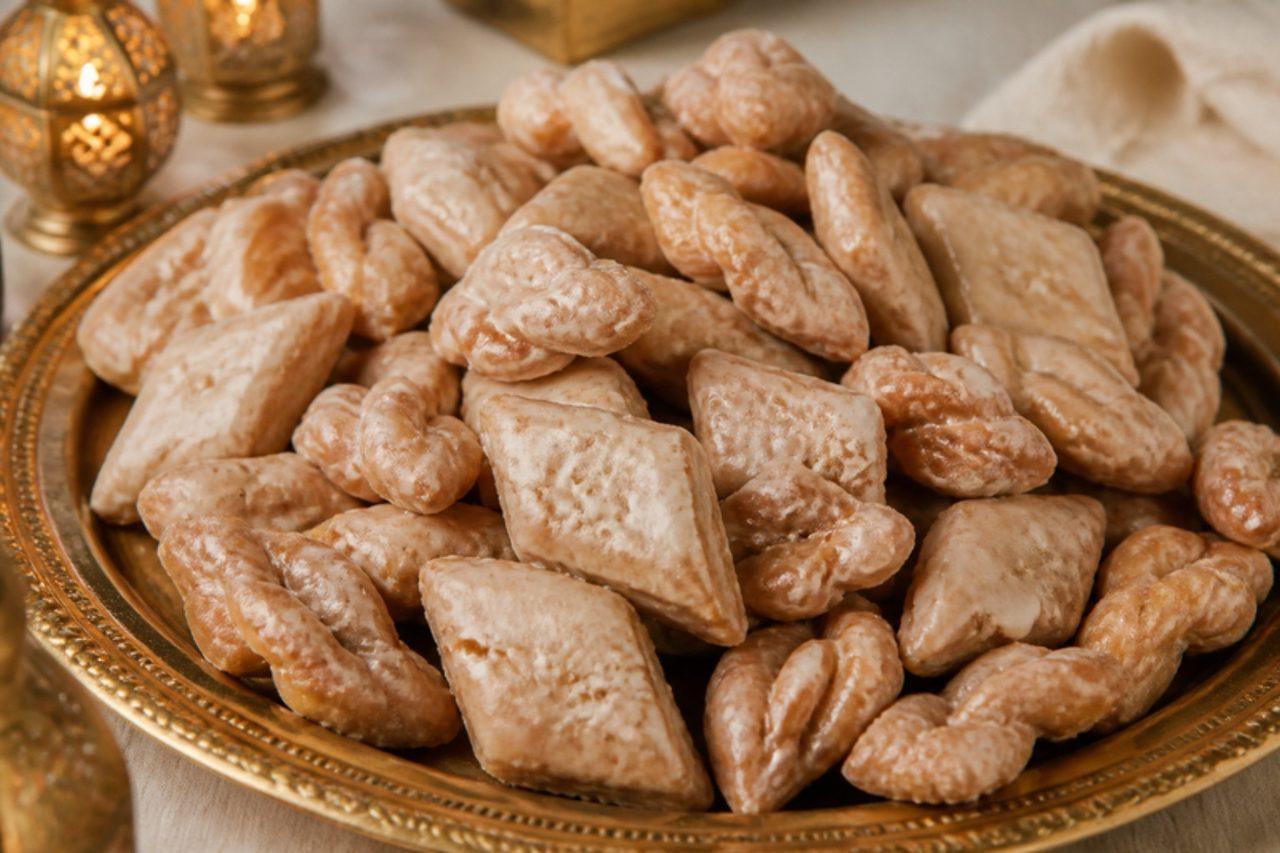
VishetiSugar-glazed fried dough

Tins of visheti appear in every Swahili home in Zanzibar and Mombasa in the days before Eid, ready for the visitors who drop by after prayers. They are small diamond or finger-shaped pieces of cardamom-and-coconut dough, fried until crisp and then tossed in boiling syrup until it dries to a crackly white shell; inside they stay crunchy with a faint softness at the heart. Kids love them, and they keep for a week in an airtight tin, so they make a good gift. The tricky bit is the glaze: if you stop stirring too early it stays sticky, and too late it turns to lumps of sugar. This version uses butter and milk powder, so it is vegetarian but not vegan. Chef's tip: keep stirring the visheti in the syrup off the heat until the pan suddenly looks cloudy and dry; that is the moment the coating sets.

by KrazyBadal 0 views

Showing 27 of 7,762 recipes

Show more recipes

Page 165 of 863