Skip to content
Fariñes
Featured recipe

Fariñes

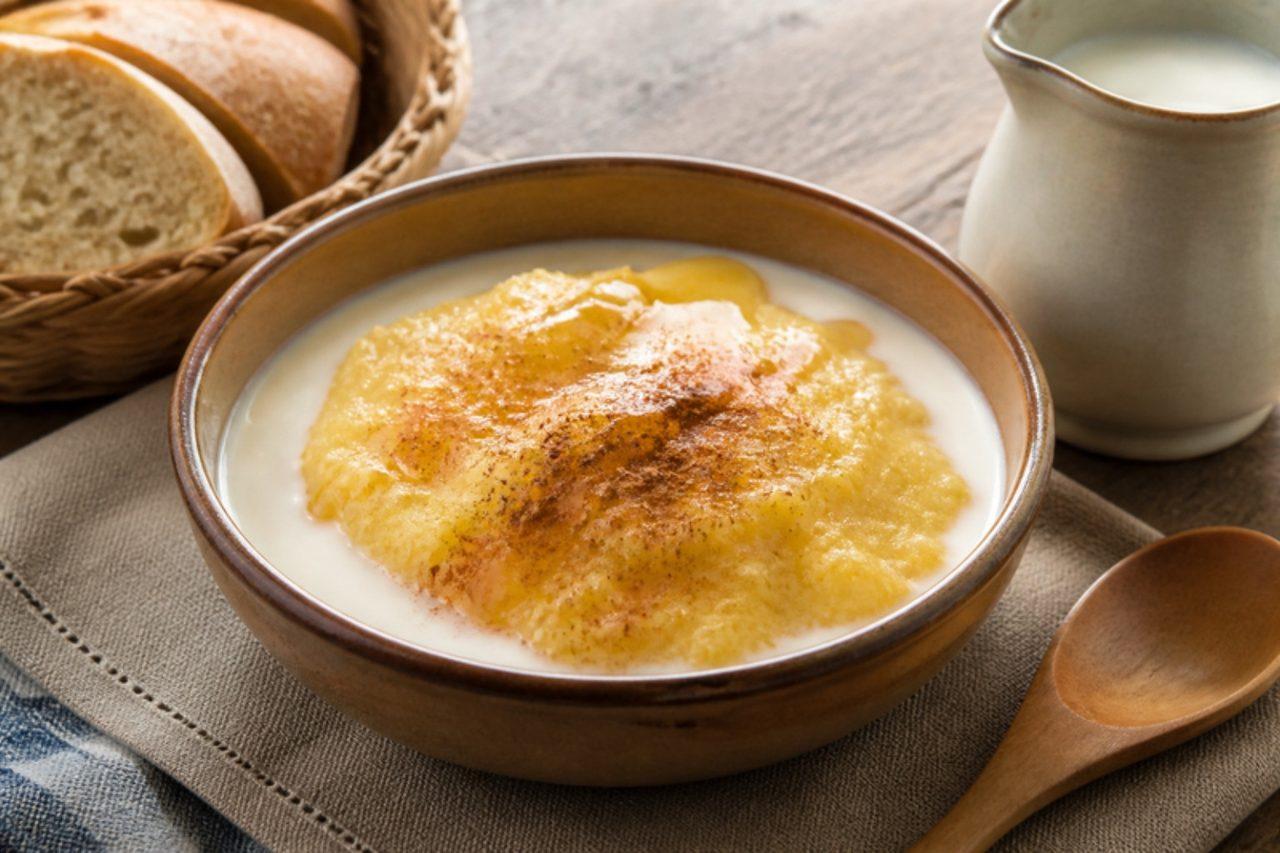
Cornmeal porridge with honey

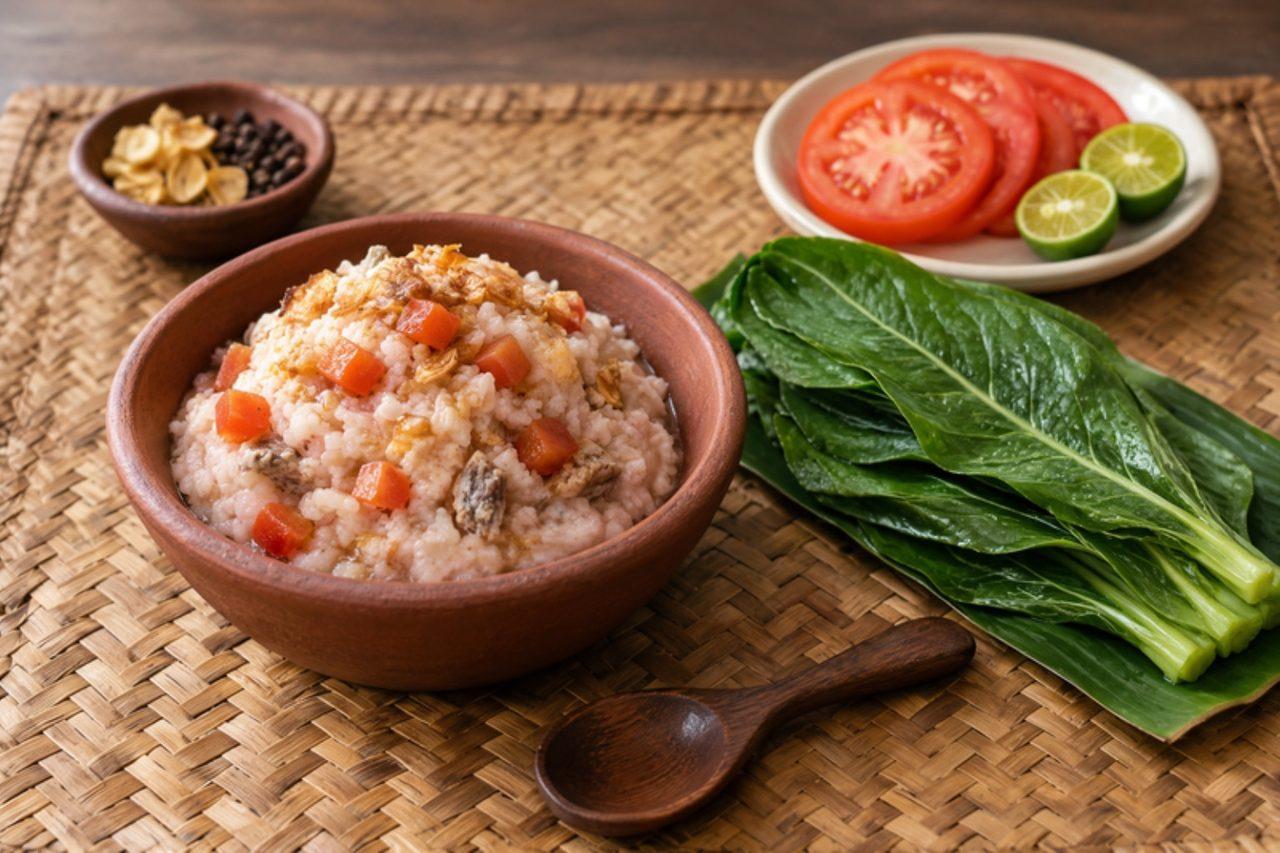
Fariñes, or farrapes in some valleys, fed Asturian farming families through the winter: a pot of maize meal stirred over the fire, eaten for breakfast or as a light supper with cold milk poured over the hot porridge. Today it is comfort food again, offered at rural guesthouses in the Oriente and made at home when the weather turns. The contrast of warm, soft porridge and cold milk is the whole point. Chef's tip: whisk the cornmeal into cold water before it heats so it never forms lumps.

Read more 0 views

What to eat today?

Around the world

Today's trip: Persian

A new country every day, from every cuisine on the site.

Persian

Nazkhatoon

Smoky aubergine with pomegranate 40 minMore from Persian (131) →

This week's collection

Kid-friendly dinners
578 recipes · a new collection every Monday

Latest recipes

Carato de maízChilled corn drink

Out on the hot plains of the Llanos, a jug of carato is kept cold for the afternoon: white corn cooked until soft, blended with its water, strained and sweetened with panela, cinnamon and clove. It is thick, creamy and filling enough to be a snack in a glass. Keep it in the fridge, because left out it starts to ferment. The common mistake is skipping the straining, which leaves it gritty. Chef's tip: strain through a fine sieve and then once more through a clean cloth for the silkiest drink.

by KrazyBadal 0 views

LapenaPigeon peas in sesame paste

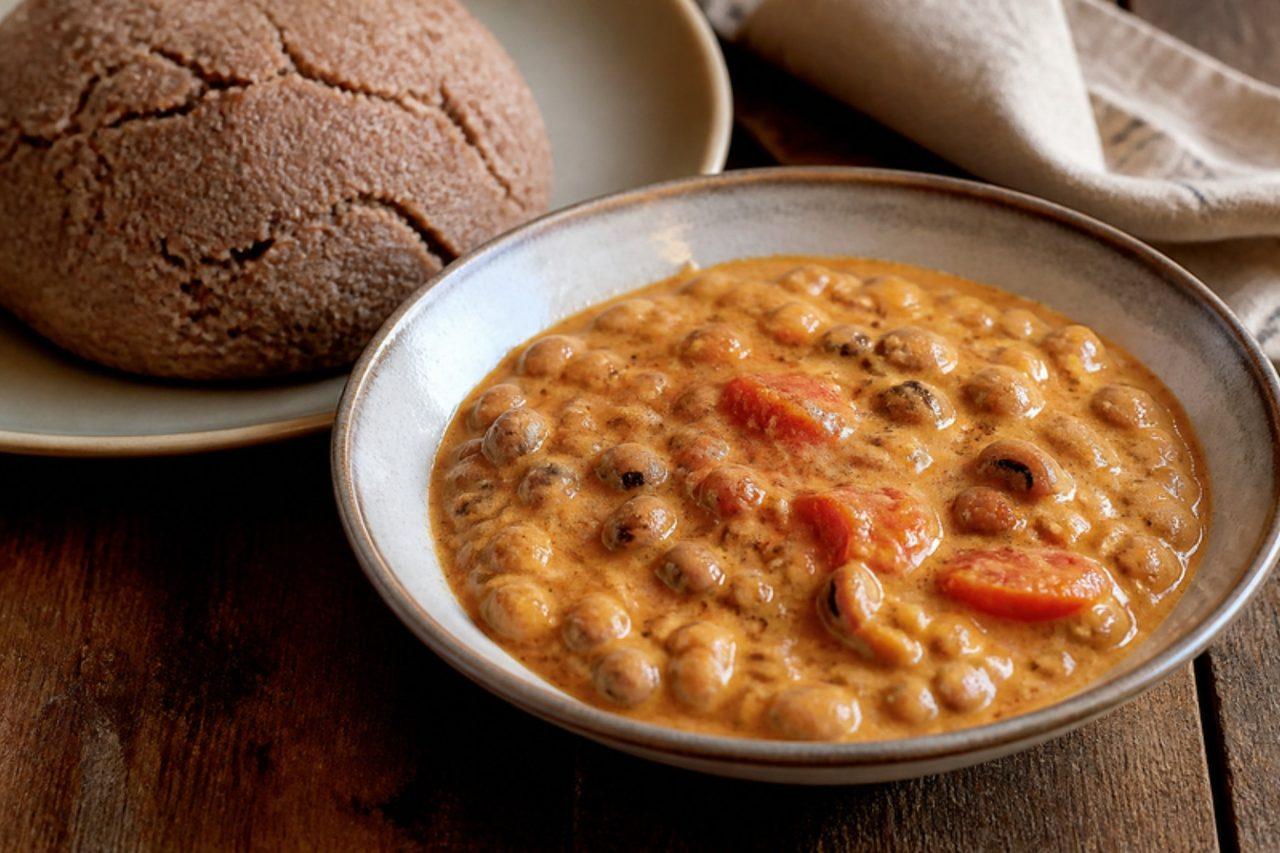
Lapena comes out for Christmas, weddings and the days when relatives arrive in Gulu from Kampala: dried pigeon peas boiled until soft, then cooked slowly in roasted sesame paste until thick, earthy and nutty, with a faint bitterness from the sesame that balances the sweetness of the peas. Some families mash it smooth, others keep the peas whole; both are eaten with kwon millet bread, rice or boiled cassava. Dried pigeon peas are sold as toor or arhar (whole, not split) in Indian grocers. The common mistake is adding salt before the peas are tender, which keeps the skins tough. Chef's tip: if you can only find light tahini, toast it in a dry pan for a minute or two until it darkens to get closer to Acholi sesame paste.

by KrazyBadal 0 views

TsukuneChicken meatball skewers

Tsukune are the minced chicken patties of yakitori bars all over Japan, and squashed into small ovals they are one of the most loved bento fillers, eaten cold at school or the office. Ginger and spring onion keep them fresh, and a glossy soy tare makes them sticky and sweet. The tare uses mirin, a sweet rice wine; most of its alcohol cooks off as it bubbles, and for an alcohol-free glaze use 1 tbsp sugar and 2 tbsp water instead. The common mistake is a loose mix that falls apart in the pan; knead it until sticky. Chef's tip: add a spoon of grated tofu or potato starch to the mince, which keeps the patties juicy even the next day.

by KrazyBadal 0 views

Kopitiam half-boiled eggsSoft-boiled eggs with soy sauce

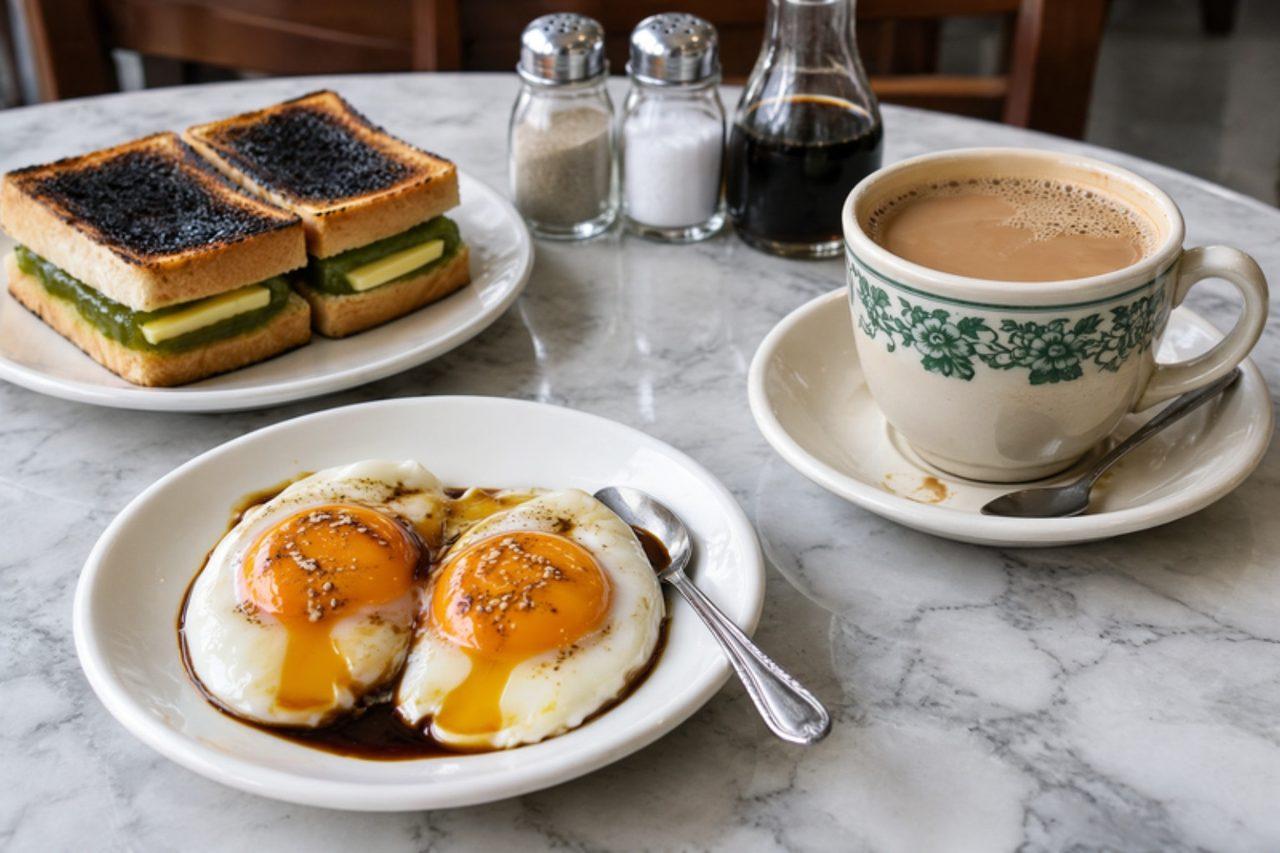
In the old coffee shops of Ipoh, Penang and Kuala Lumpur, breakfast is a cup of thick kopi, kaya toast and two eggs so lightly cooked they slide out of the shell into a saucer. You season them with dark soy and white pepper, stir and slurp them, or dip the toast in. The mistake is boiling the eggs: they are cooked off the heat in water just off the boil, so the white turns milky but stays wobbly. Because the eggs are barely set, cook them fully for anyone pregnant, young children, older people or anyone with a weakened immune system. Chef's tip: use a lidded mug or small pot that just fits the eggs, and warm it with hot water first so the temperature does not drop.

by KrazyBadal 0 views

Torta de chile rellenoStuffed poblano sandwich

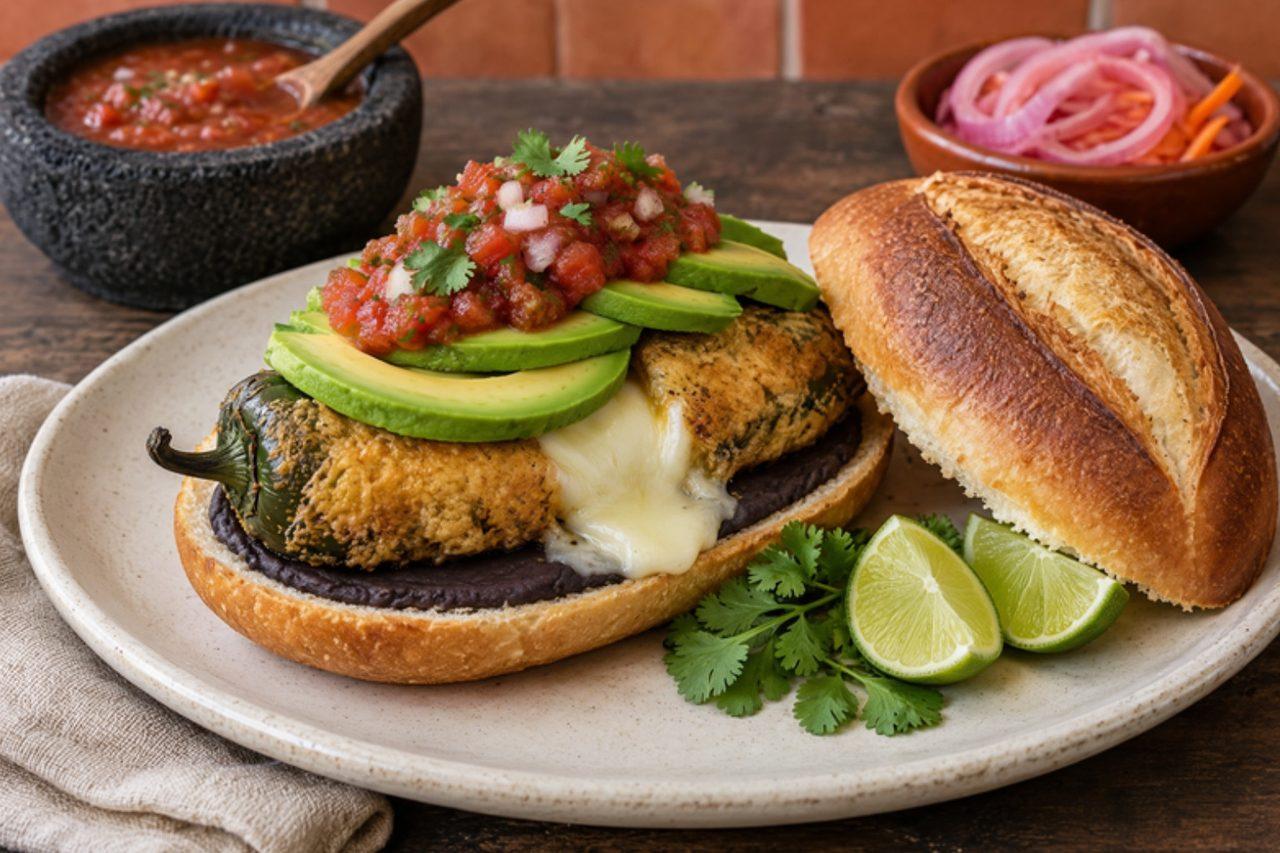
At Mexico City's torta stands and school gates, the chile relleno torta is the meat-free favourite: a whole poblano, roasted, peeled, stuffed with melting cheese, dipped in fluffy egg batter and fried, then pressed into a bolillo spread with refried beans and salsa. People buy them warm mid-morning or wrap them in foil for lunch. The common mistake is frying a wet chile: the batter slides off, so pat it dry and dust it with flour first. Oaxaca cheese and Monterey Jack are often made with animal rennet, so choose a vegetarian melting cheese, and check the refried beans are made without lard. Chef's tip: beat the egg whites to stiff peaks before folding in the yolks; that airy capeado is what makes it puff and stay crisp.

by KrazyBadal 0 views

Kratiam dongPickled garlic

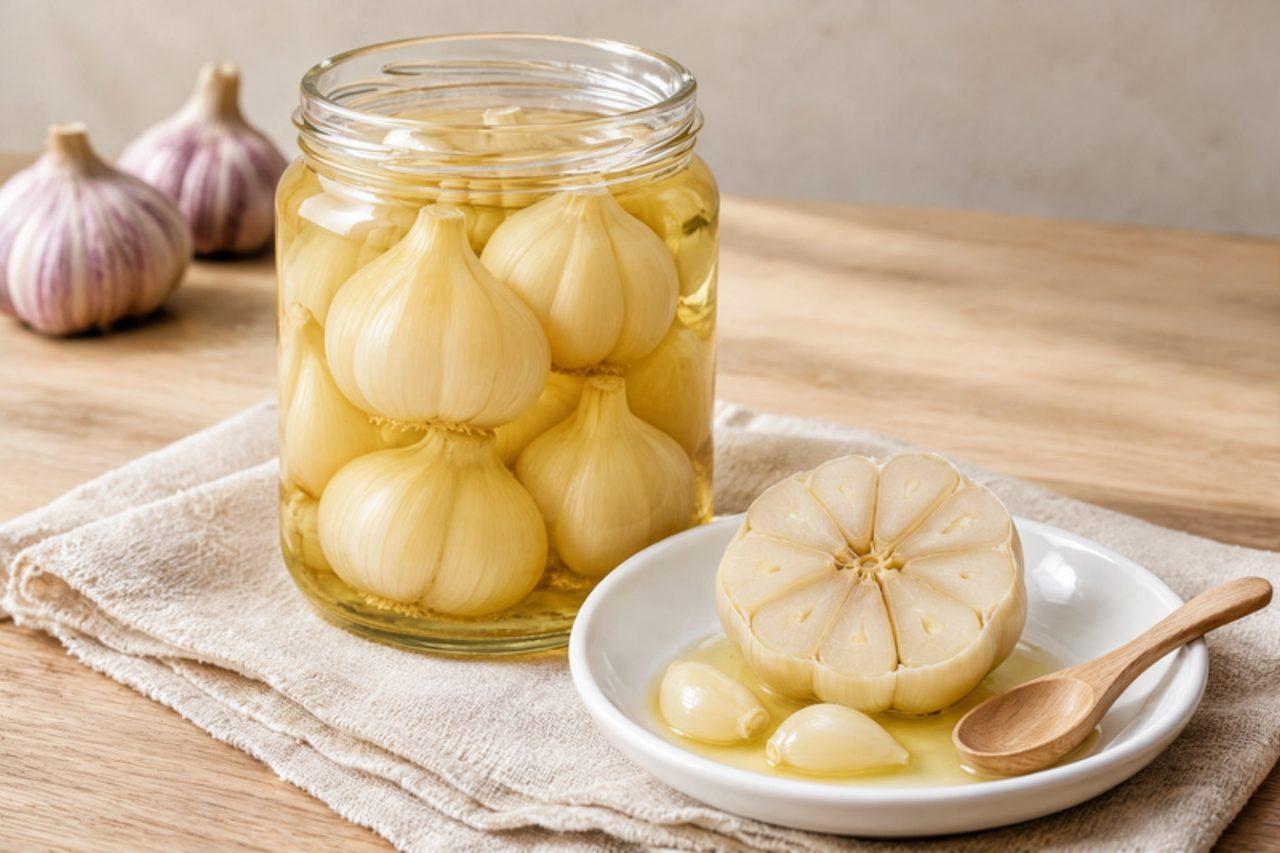
Order khao kha moo, the braised pork leg on rice sold from Bangkok shophouses to Chiang Mai night markets, and a few cloves of kratiam dong come on the side; they also sit in a bowl beside nam prik, congee, sai ua sausage and Isan-style sour pork. The garlic is picked young in the cool season, from December to February, when the heads are small, the skins thin and the cloves still tender, and it is cured whole so you nibble the cloves straight from the head. After about a month in brine the harshness is gone: the garlic is crunchy, sweet-sour and only faintly pungent, and the brine itself becomes a seasoning for stir-fries and dipping sauces. Common mistake: skipping the first salt-and-vinegar soak; it draws out the raw sting and some water, so the final brine stays strong. Do not worry if a few cloves turn blue-green; that is a harmless reaction between garlic and acid. They are ready when a clove bites through crisp and sweet with no burn. Chef's tip: look for small young heads at Asian grocers in early spring; large mature garlic works, but separate it into cloves and peel it.

by KrazyBadal 0 views

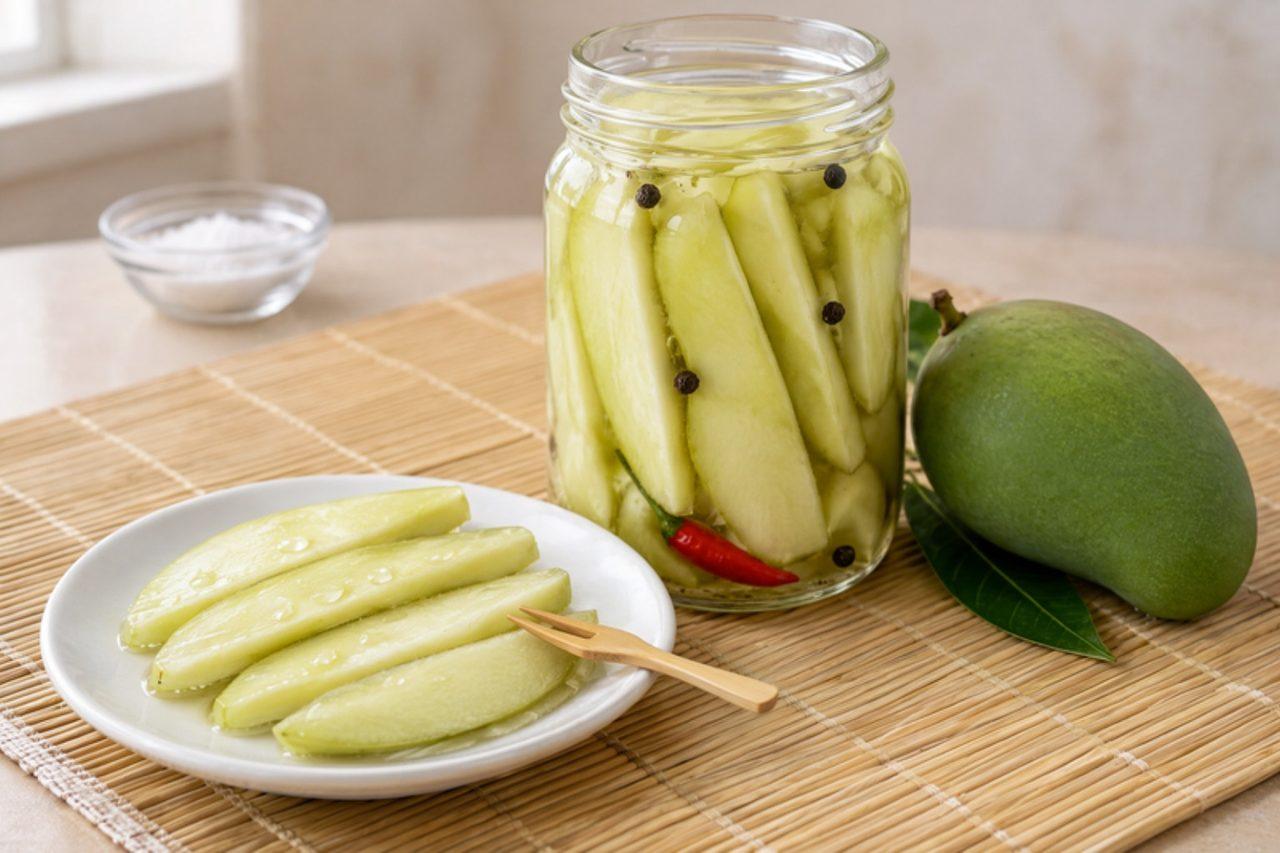
Burong manggaPickled green mango

From Pampanga to Pangasinan, the hot months of March to May bring piles of hard green carabao mangoes to every palengke, and many households slice them into a jar of burong mangga. A week in a sweet salt brine turns the mango from mouth-puckering to bright and juicy: still crunchy, sour at the core, salty-sweet on the outside. It is eaten on the side of inihaw na isda and pritong tilapia, with rice and fried pork at lunch, or as an afternoon merienda straight from the jar, and the brine is sometimes sipped too. Common mistake: using mangoes that have started to ripen; a yellow blush makes the slices go soft and slimy, so choose rock-hard, deep-green fruit. Because the brine has no vinegar it keeps only in the fridge. It is ready when the slices have turned from opaque white to a translucent yellow-green and taste evenly seasoned right through. Chef's tip: let the boiled brine cool completely before pouring, and add a few slices of fresh chilli if you like heat. Outside Asia, use firm green Thai or Indian mangoes from an Asian grocer.

by KrazyBadal 0 views

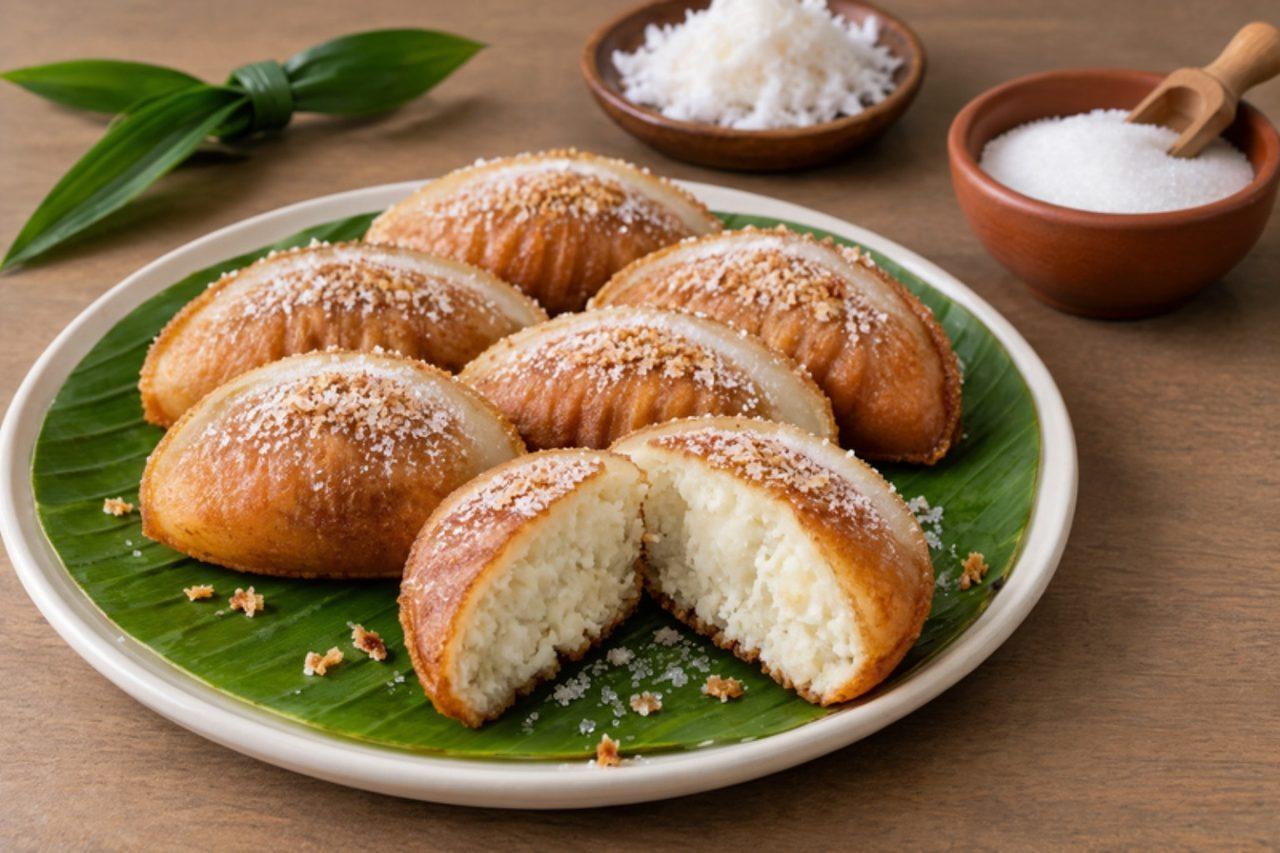
Kue pancongCoconut rice flour cakes

Kue pancong is a Betawi breakfast cake you smell before you see: vendors on Jalan Sabang and around Pasar Senen pour a coconut and rice-flour batter into blackened half-moon moulds over charcoal from first light, and office workers buy them by the paper bag with their morning coffee. The edges turn crisp and toasty, the middle stays almost molten and tastes of fresh coconut, and a scatter of sugar goes on just before they are handed over. At home, a takoyaki pan, an aebleskiver pan or a cast-iron kue cubit mould does the job. Chef's tip: grated fresh or frozen coconut gives the chewy, fibrous bite that defines pancong; desiccated coconut alone makes them dry.

by KrazyBadal 0 views

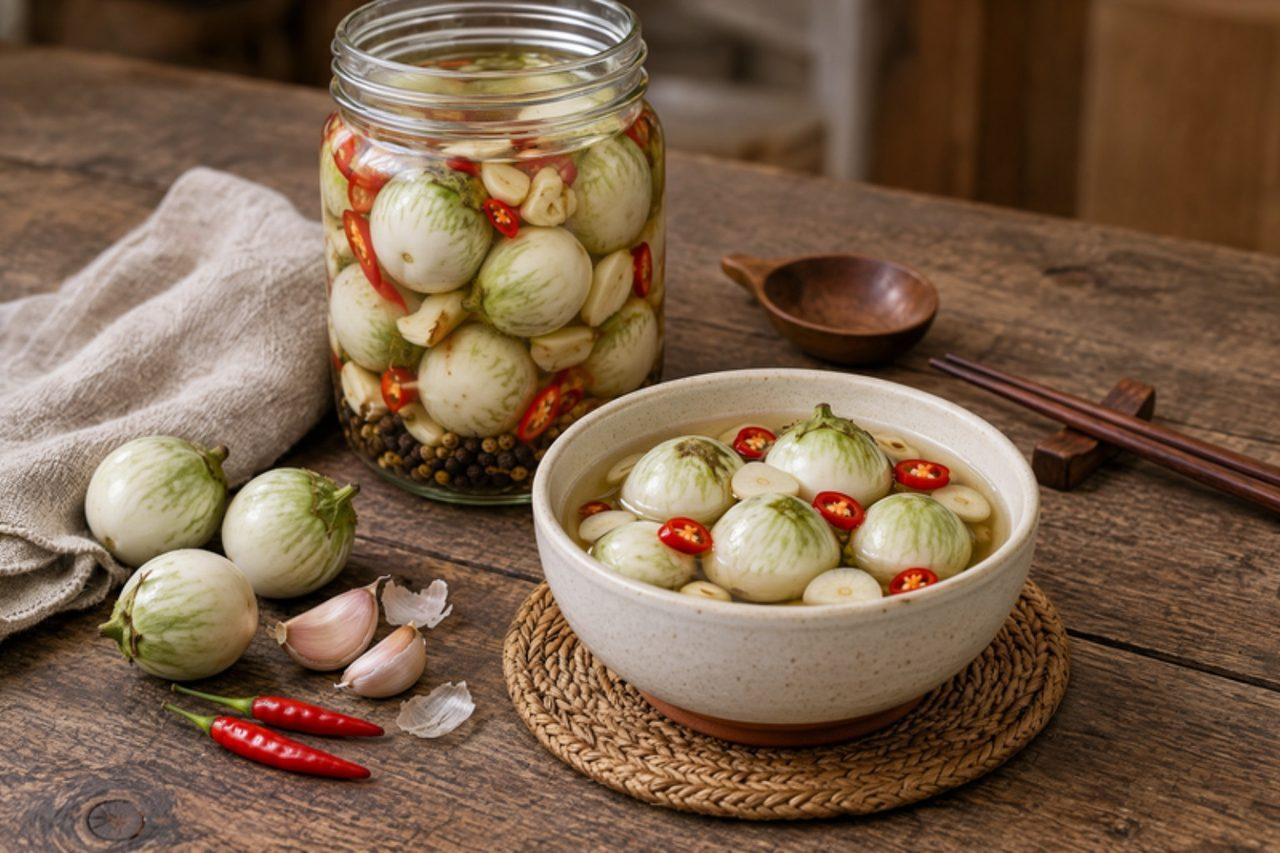
Cà pháo muốiPickled white aubergines

In northern Vietnam, a bowl of cà pháo muối is part of the plain summer meal: boiled water spinach, a light crab and jute-leaf soup, a few slices of braised pork and these small, round, white eggplants, crunched whole or halved with a dab of mắm tôm. Hanoi families pack them into jars in the hot months, when the eggplants are cheapest, with garlic, chilli and a few slices of galangal. After three to five days the skins turn an olive-yellow, the flesh goes creamy-ivory and the taste becomes clean, salty-sour and juicy, with a gentle crunch and no raw bitterness. Abroad, use firm green-and-white Thai eggplants about 3 cm across. Common mistake: letting the eggplants float above the brine; the exposed tops turn black and soft, so weigh them down. They are ready when the brine is cloudy, smells pleasantly sour and a halved eggplant has no white, raw-tasting core. Eat them only once fully soured, and in side-dish amounts. Chef's tip: soaking the cut eggplants in salted water first keeps their flesh pale and draws out bitterness.

by KrazyBadal 0 views

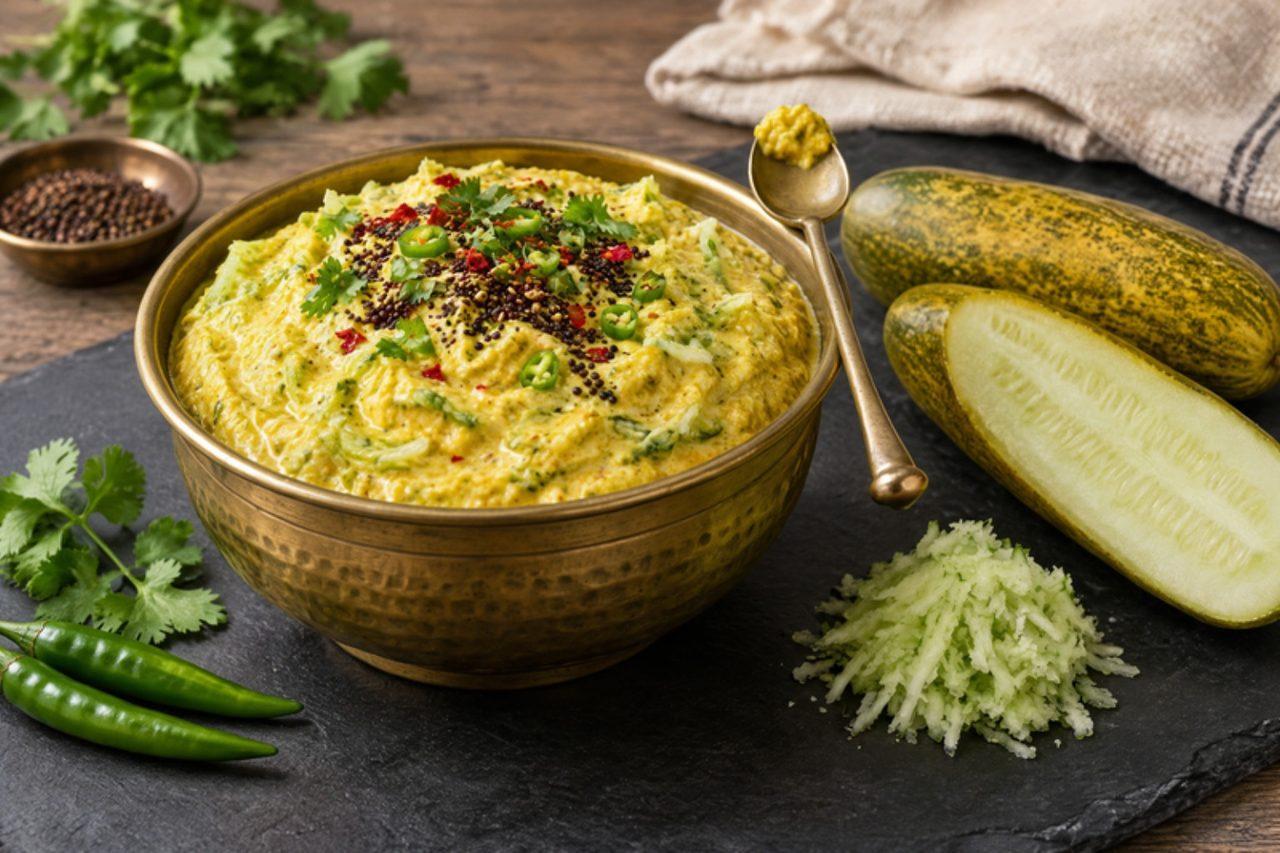
Kumaoni kheere ka raitaCucumber raita

This yellow raita is the famous one of Kumaon, made from the fat, pale hill cucumbers of late summer and served at every wedding and Holi gathering. It gets its nose-tingling kick from freshly ground raw mustard seed, which is left to mellow in the curd for an hour, and its sunny colour from turmeric. It is eaten with rice, puris and pakodas. The common mistake is not squeezing the grated cucumber, which floods the raita and dulls the mustard. Chef's tip: make it at least an hour ahead and chill it; the mustard grows sharper and rounder as it rests.

by KrazyBadal 0 views

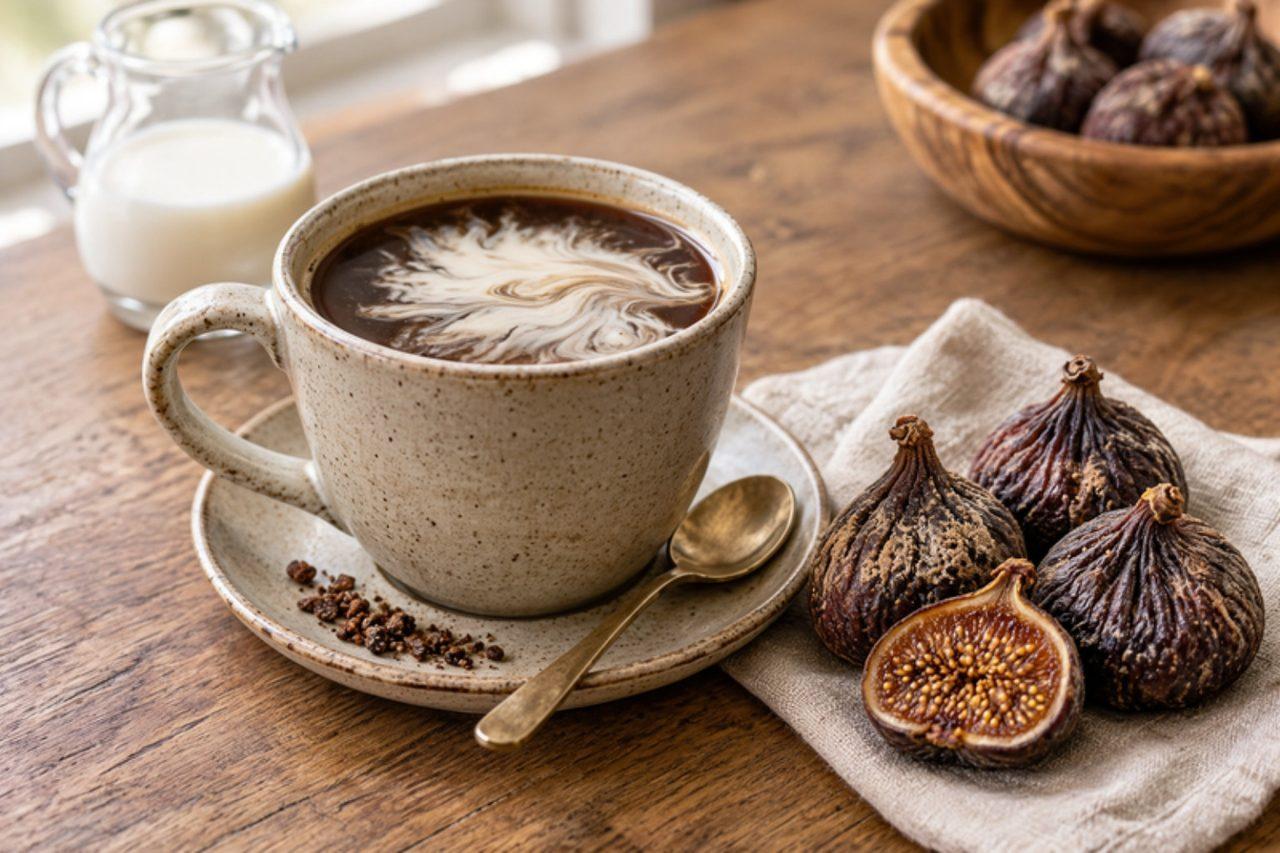
Café de higoFig and grain coffee

In the farmhouses of central Chile, in the Maule and O'Higgins valleys, people have long drunk café de higo: a dark, caffeine-free "coffee" made from dried figs roasted with grains such as barley and wheat, then ground. It's mellow, fruity and slightly caramel-like, and many Chileans still prefer it with milk at breakfast. The fig granules are sold in Chilean and Latin grocers. The common mistake is brewing it like instant coffee, with a quick stir; it's a ground blend, so simmer it briefly and strain. It contains grains, so it is not gluten free. Chef's tip: a strip of orange peel in the pan brings out the fig flavour.

by KrazyBadal 0 views

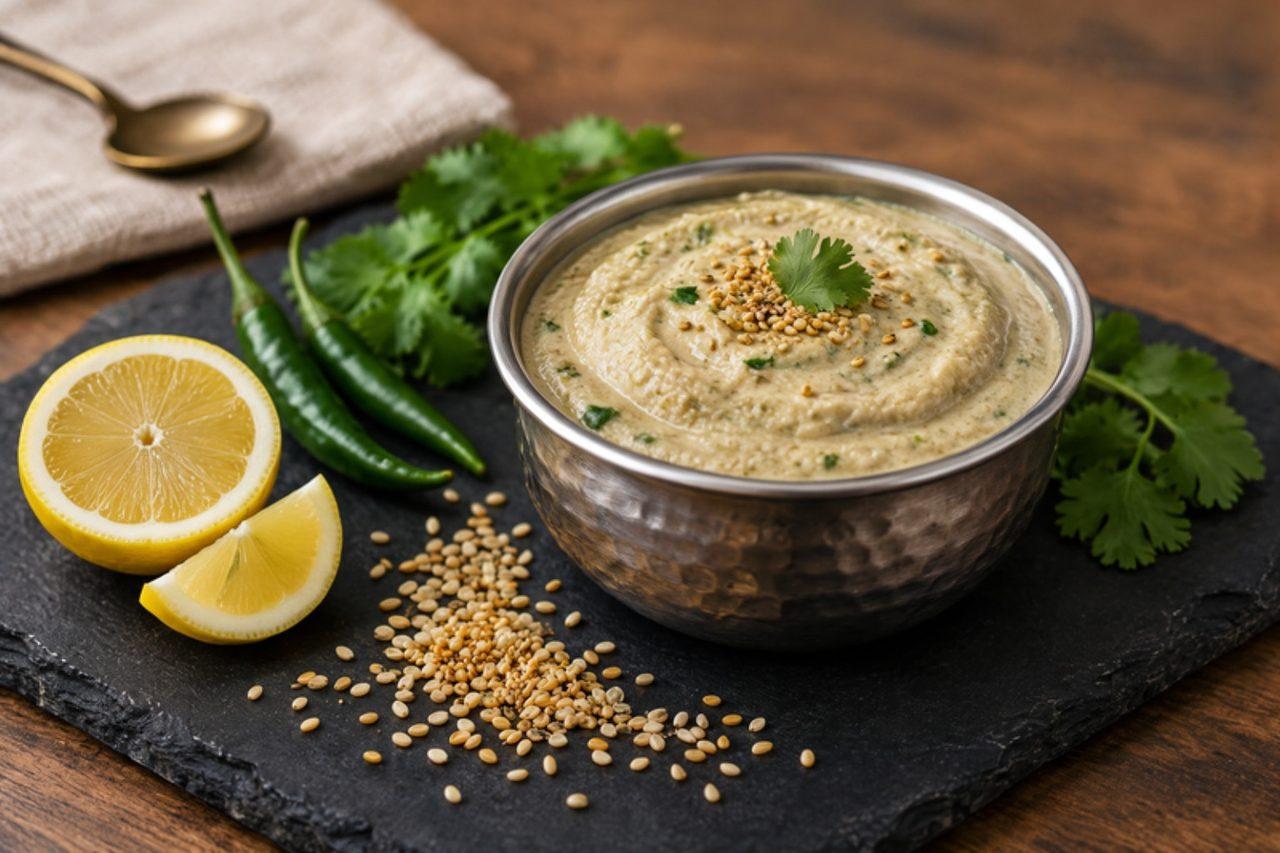
Til ki chutney (Kumaoni)Sesame chutney

This is the everyday sesame chutney of Kumaoni homes, ground on the sil-batta to go with mandua rotis, rice and dal, or the pakodas made for Harela and Ghughutiya. Unlike southern sesame chutneys, it has no coconut or tamarind: just toasted white sesame, green chilli, coriander and plenty of hill-lemon juice, so it tastes bright and nutty at once. It keeps for two days in the fridge. The most common mistake is burning the sesame, which only takes a few seconds too long and makes the chutney bitter. Chef's tip: pull the pan off the heat the moment the first seeds turn golden; they keep cooking in the hot pan.

by KrazyBadal 0 views

Tarta de zapallitosCourgette and cheese tart

In Buenos Aires every rotisería sells tartas by the slice, and at home a tarta de zapallitos is baked on Sunday evening so that a wedge can go into the vianda (packed lunch) for school and work all week. Zapallitos are round green courgettes; ordinary courgettes work just as well. The common mistake is adding the courgette raw, which floods the pastry; sauté it until the liquid has cooked away. Argentine queso rallado and many hard cheeses are made with animal rennet, so use a vegetarian hard cheese. Chef's tip: bake the tart on a preheated baking tray so the base crisps before the filling soaks in.

by KrazyBadal 0 views

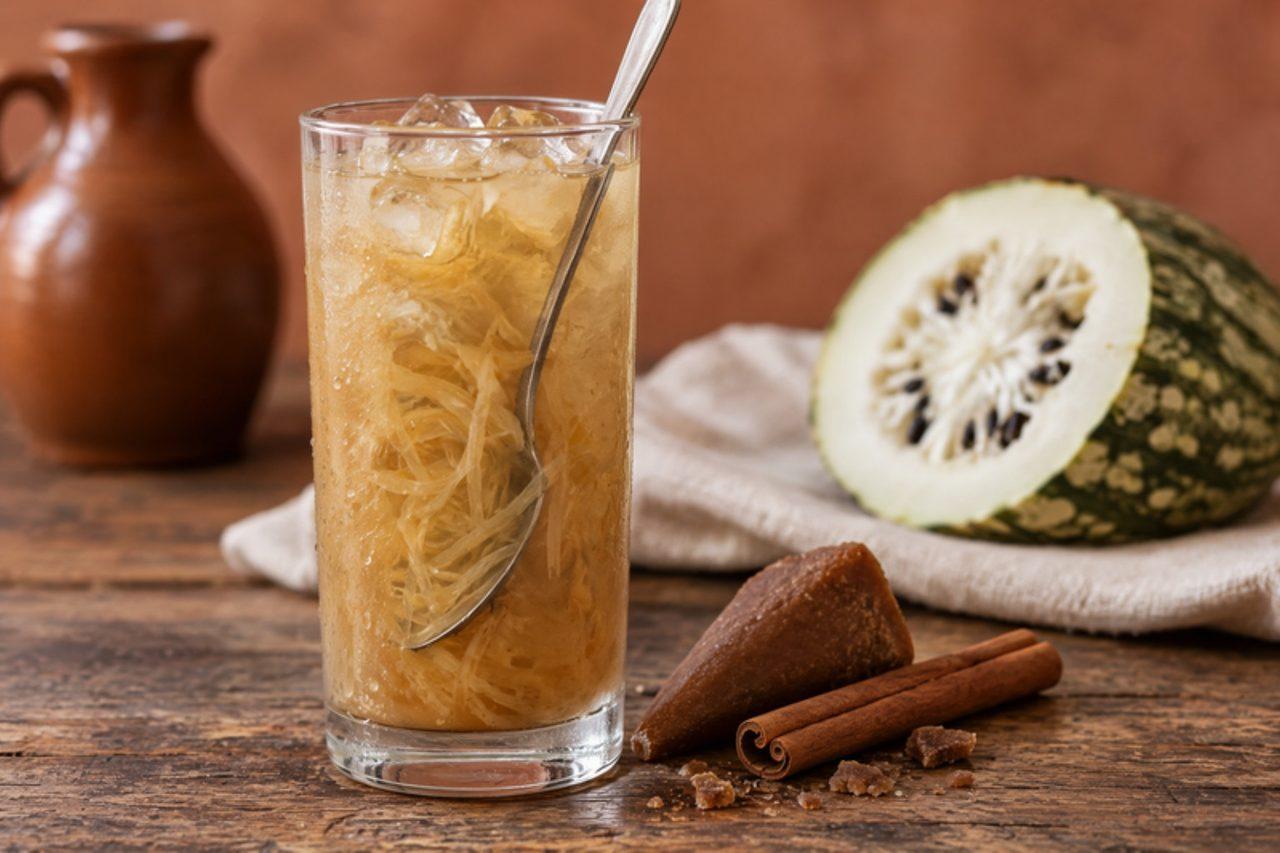
Agua de chilacayoteFig-leaf squash drink

When the big, mottled chilacayote squashes ripen at the end of the rains, cooks in Oaxaca's valleys and the Mixteca of Puebla turn them into a drink you eat with a spoon. The flesh is cooked with dark piloncillo and cinnamon until it falls into translucent threads, then cooled and loosened with water; in Oaxaca it is ladled out of clay jars at fairs, weddings and the Day of the Dead, often with a little pineapple. It tastes like cinnamon-scented panela, with soft, slightly crunchy strands that slide up the straw. The usual mistake is boiling it to mush; overcooked flesh goes cloudy and the strands disappear. Simmer gently and stop when the threads separate easily with a fork but still have a little bite. It is ready when the syrup is amber and the strands look glassy. Chilacayote is hard to find outside Mexico; spaghetti squash is the best substitute and gives the same threads. Keeps 3 days in the fridge. Chef's tip: grate a little orange zest into the pot in the last minute to brighten the piloncillo.

by KrazyBadal 0 views

Curried egg sandwich

A school canteen and church-fete favourite across Australia, the curried egg sandwich is soft white or wholemeal bread filled with hard-boiled egg mashed with mayonnaise and a little mild curry powder, often with lettuce or cress. It goes into lunch boxes cut into fingers. The common mistake is mashing the eggs while warm, which turns the mayonnaise oily and the filling runny; let them cool completely. Chef's tip: warm the curry powder in a dry pan for 20 seconds first, and the raw, dusty taste turns sweet and toasty.

by KrazyBadal 0 views

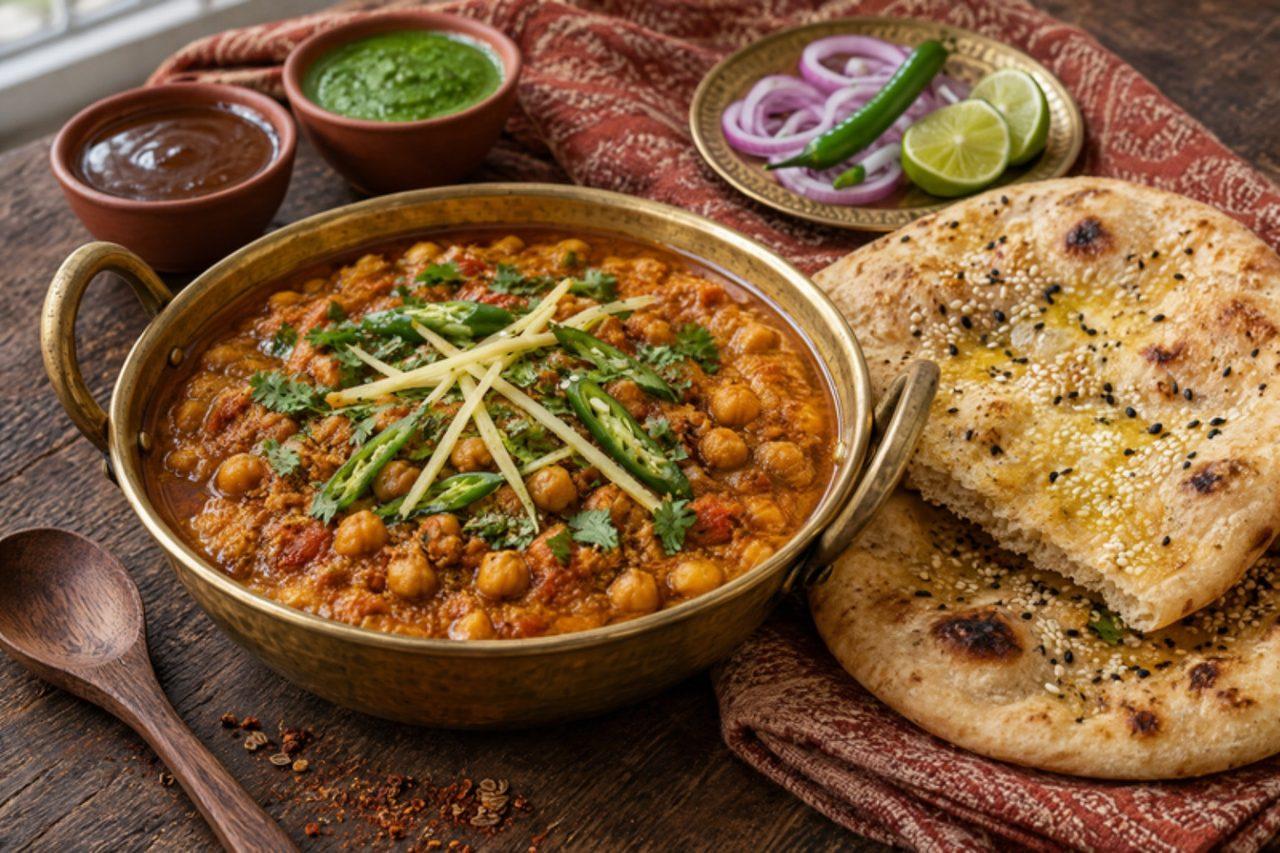
Chikar cholayThick chickpea curry

'Chikar' is Punjabi for mud, a fond joke about how thick these chickpeas are. In the old walled city of Lahore, around Lohari Gate and Gawalmandi, breakfast shops simmer huge pots from before dawn, mashing part of the chickpeas into the ghee and tomato until the whole lot clings like a paste; on Sunday mornings families eat them with fresh kulcha or puri, raw onion and lemon. Contains dairy (ghee). Chef's tip: boil the chickpeas until they squash with no resistance at all; firm ones never thicken into proper chikar.

by KrazyBadal 0 views

Poule au potStuffed hen with vegetables

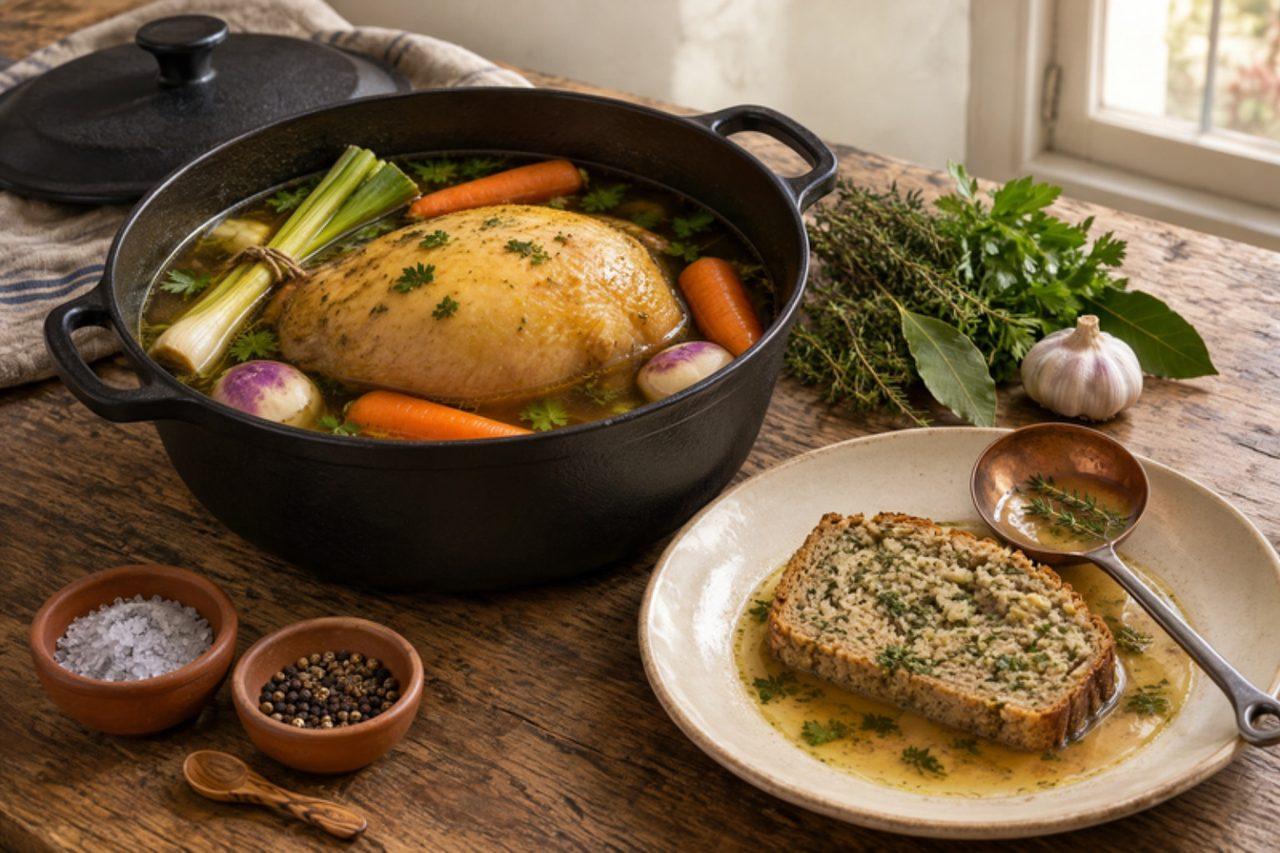
Poule au pot is the Sunday dish of Béarn in south-west France, linked for centuries with King Henri IV's wish that every peasant family should have a chicken in the pot on Sundays. A hen is filled with a stuffing of bread, Bayonne ham (a cured pork ham), chicken livers, garlic and parsley, then poached slowly with leeks, carrots and turnips. The golden broth is served first as a soup, followed by the sliced bird, stuffing and vegetables with a little coarse salt and mustard or a sauce gribiche. The usual mistake is stuffing the bird too tightly: the stuffing swells and can burst the skin, and a dense centre takes longer to cook through. Chef's tip: sew the neck and tail openings shut, or close them with cocktail sticks, so no stuffing leaks into the broth.

by KrazyBadal 0 views

Ägg och kaviarBoiled eggs with fish roe spread

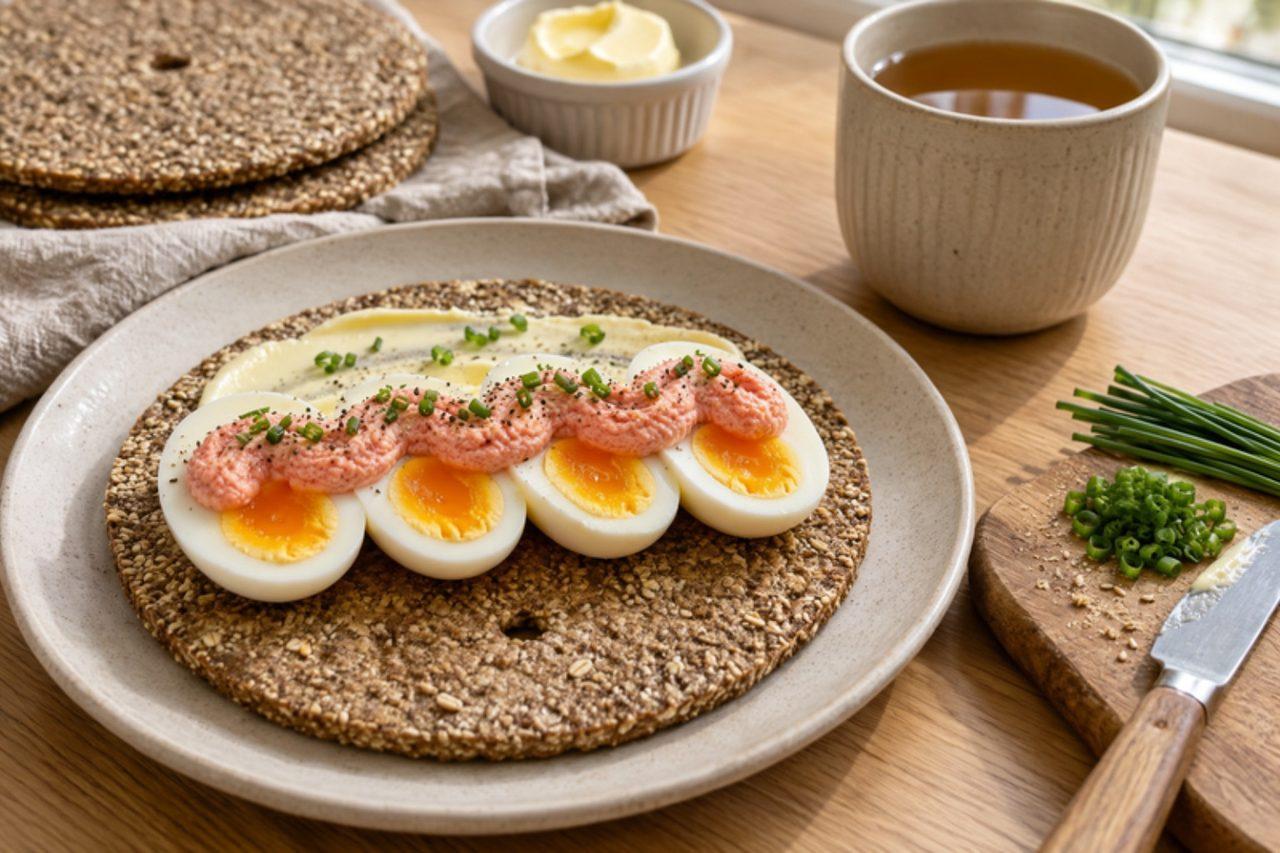
Open any fridge in Stockholm or Gothenburg and you'll find a blue tube of kaviar, a salty, smoky, slightly sweet spread of smoked cod roe, and at breakfast it goes on halved boiled eggs on crispbread or buttered bread. It's a combination Swedes love from childhood, eaten every day and at Easter. The kaviar is smoked and pasteurised, so it is safe for most people; boil the eggs fully for pregnant people and young children. The common mistake is over-boiling the eggs to a grey, chalky yolk; 8 minutes gives a set yolk that's still bright and slightly fudgy. Chef's tip: plunge the eggs into iced water straight away; they peel cleanly and the yolks stay sunny yellow.

by KrazyBadal 0 views

Aussie salad sandwich

The salad sandwich is the backbone of the Australian lunchbox and the school tuckshop order: soft bread built up with tinned beetroot, grated carrot, tasty cheese, tomato and crisp lettuce, cut into triangles and wrapped in paper. Beetroot is what makes it unmistakably Aussie. The common mistake is laying wet beetroot and tomato straight on bare bread, so by lunchtime it is pink and soggy. Many Cheddar-style "tasty" cheeses use animal rennet; choose one labelled vegetarian. Chef's tip: butter both slices to the edge and put the cheese and lettuce next to the bread, with the wet fillings sealed in the middle.

by KrazyBadal 0 views

Mkate wa mofaMillet and wheat flatbread

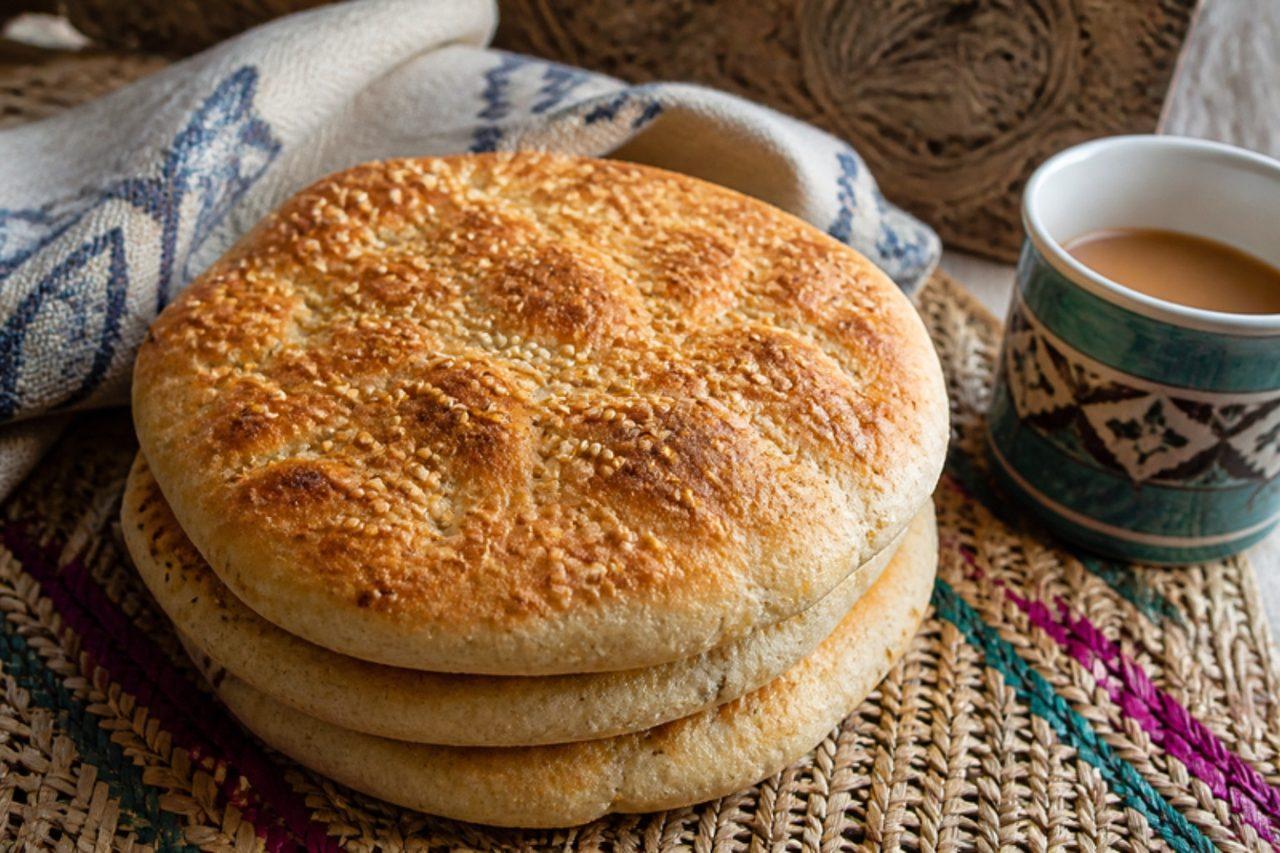
Before dawn in Lamu's narrow lanes, bakers slap rounds of mofa dough onto the hot walls of a clay oven, and by breakfast the breads are stacked in baskets beside glasses of spiced tea. The dough mixes millet and wheat flour with coconut milk, a little sugar and cardamom, then ferments overnight, so each bread comes out soft and slightly chewy with a tangy, nutty taste and a blistered top. Islanders eat them with tea, with fried fish, or split and dipped in a bean or coconut sauce. Without a clay oven, a heavy pan on the hob plus a hot grill gives the same blistering; just don't roll the dough thin like chapati, a common slip, because mofa should be about 1 cm thick and pressed out by hand. Chef's tip: wet your palms before shaping, as islanders do; the dough is soft and the water stops it sticking.

by KrazyBadal 0 views

Pâté en croûtePork and veal pie in pastry

Lyon's charcuteries display pâté en croûte like jewellery: a tall loaf of crisp, golden pastry wrapped around a coarse terrine of pork and veal. A slice wrapped in paper is a picnic and lunchbox luxury, and the whole loaf is a Sunday project eaten over several days. The common mistake is undercooking it for fear of drying it out: as it is made with minced pork, the centre must reach 71 °C, so use a probe thermometer. The classic farce has a splash of cognac; it's optional here, and apple juice or extra stock is the alcohol-free swap. Chef's tip: chill the filled, unbaked loaf for 30 minutes before baking so the pastry keeps its shape and pattern.

150 minFrenchMeat
by KrazyBadal 0 views

Frozen Christmas pudding

In the heat of an Australian December, many families swap the steamed pudding for a frozen one, ice cream packed with fruit, nuts and chocolate and set in a pudding basin so it still looks the part on the Christmas table in Brisbane or Perth. It is made days ahead and turned out just before serving. A common mistake is letting the ice cream melt too much while mixing, which makes it icy when refrozen; soften it only until stirrable. Chef's tip: soak the fruit in orange juice the night before so it stays soft when frozen.

by KrazyBadal 0 views

Bubur kacang hijauSweet mung bean porridge

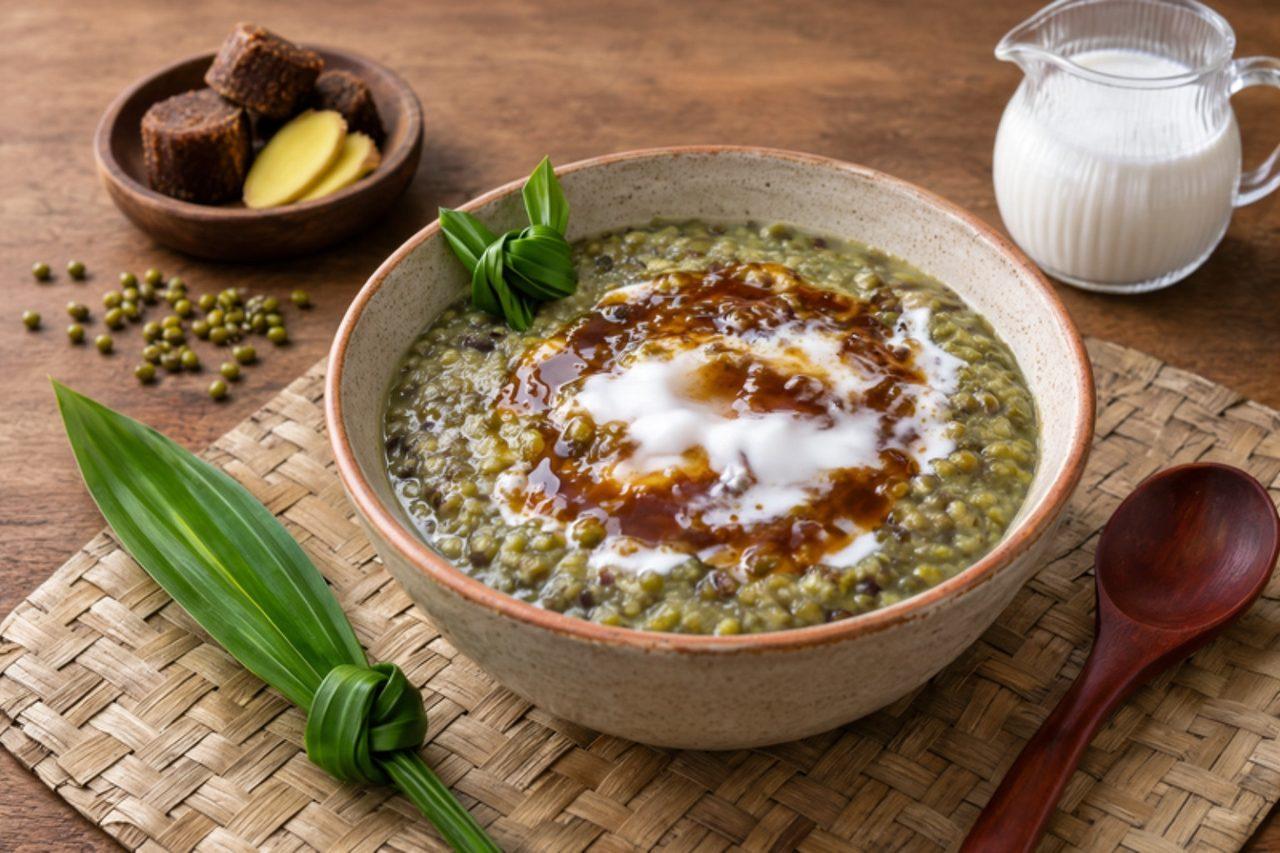
In Java, the bubur kacang ijo seller pushes a cart through the neighbourhood from early morning, ladling warm mung bean porridge sweetened with palm sugar and topped with thick coconut milk. Many people eat it with a slice of white bread dunked in, and late-night stalls in Jakarta sell it alongside instant noodles. The common mistake is adding the sugar too early, which keeps the beans firm; cook them soft first. Chef's tip: cook the coconut milk separately with a pinch of salt and a pandan leaf and pour it on top, so the bowl has a sweet layer and a slightly salty, creamy one.

by KrazyBadal 0 views

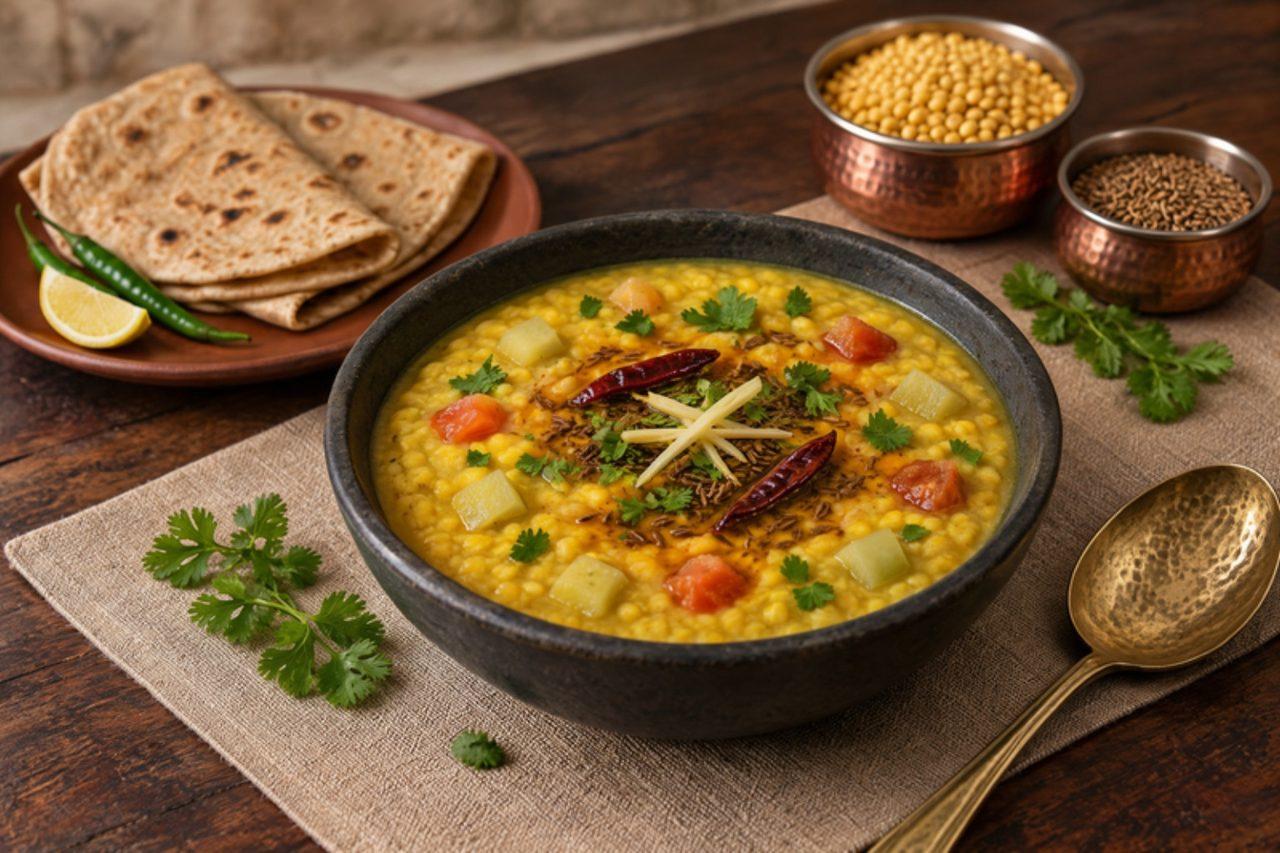
Lauki chana dalBottle gourd and chana dal

In Punjabi and Haryanvi homes lauki chana dal is a weekday staple, and it travels in the dabba's lidded steel bowl beside rotis or rice. Chana dal holds its shape while the bottle gourd melts into it, so the dal is thick enough not to slosh about. The mistake is adding the lauki at the start with the dal: it collapses into strings and turns the dal watery. Add it once the dal is half cooked. Chef's tip: choose a young, pale-green lauki that your nail dents easily; an old one is bitter and seedy, so taste a small piece raw and discard it if it is bitter.

by KrazyBadal 0 views

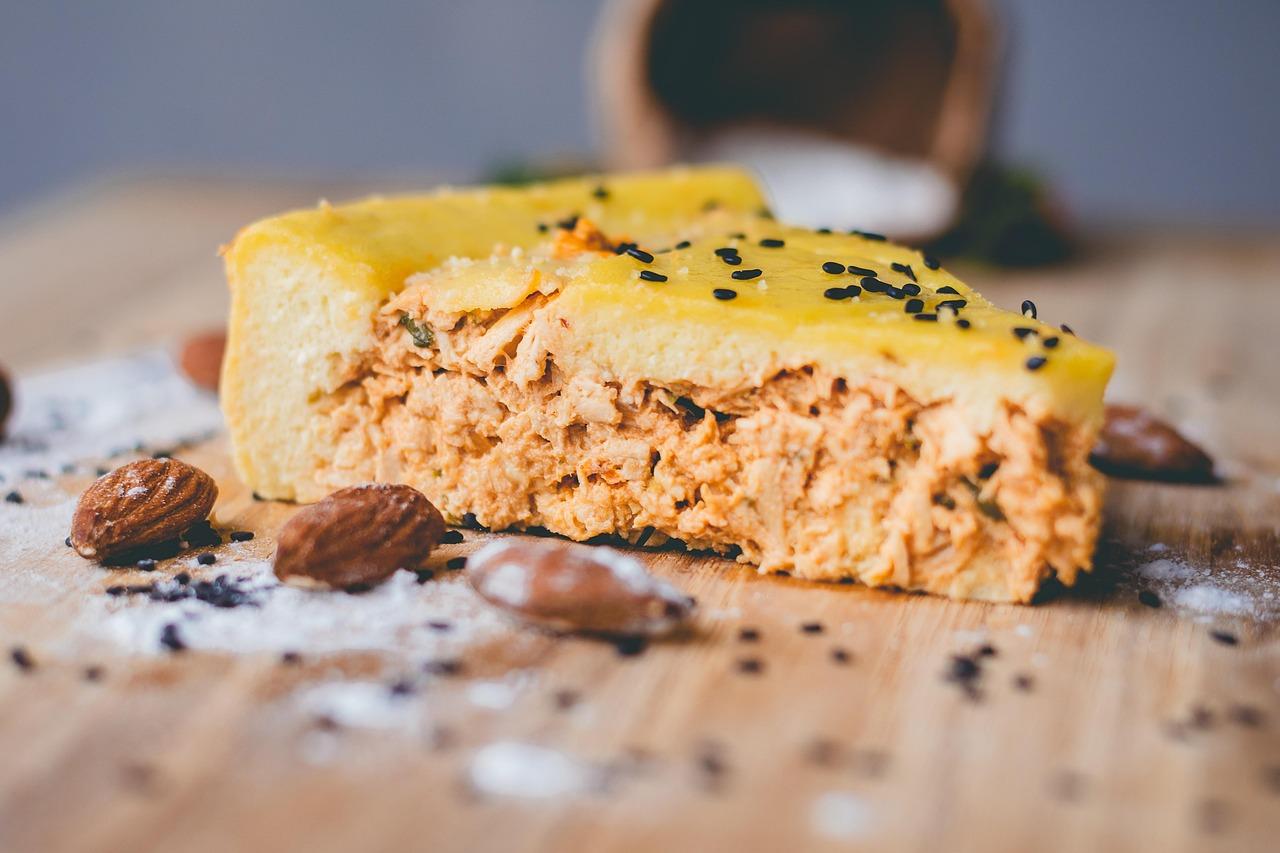
Polvorosa de polloChicken pie

Polvorosa is the pie that comes out for family birthdays and Sunday gatherings in Caracas: a melt-in-the-mouth, slightly sweet shortcrust (polvorosa means 'crumbly') around chicken stewed with leek, peppers, olives, capers and raisins, so each bite is salty, sweet and savoury at once. Serve it warm with a green salad. The common mistake is filling the pastry with hot stew, which melts the butter and makes a soggy, torn crust. Chef's tip: make the filling the day before and fill the pie straight from the fridge.

by KrazyBadal 0 views

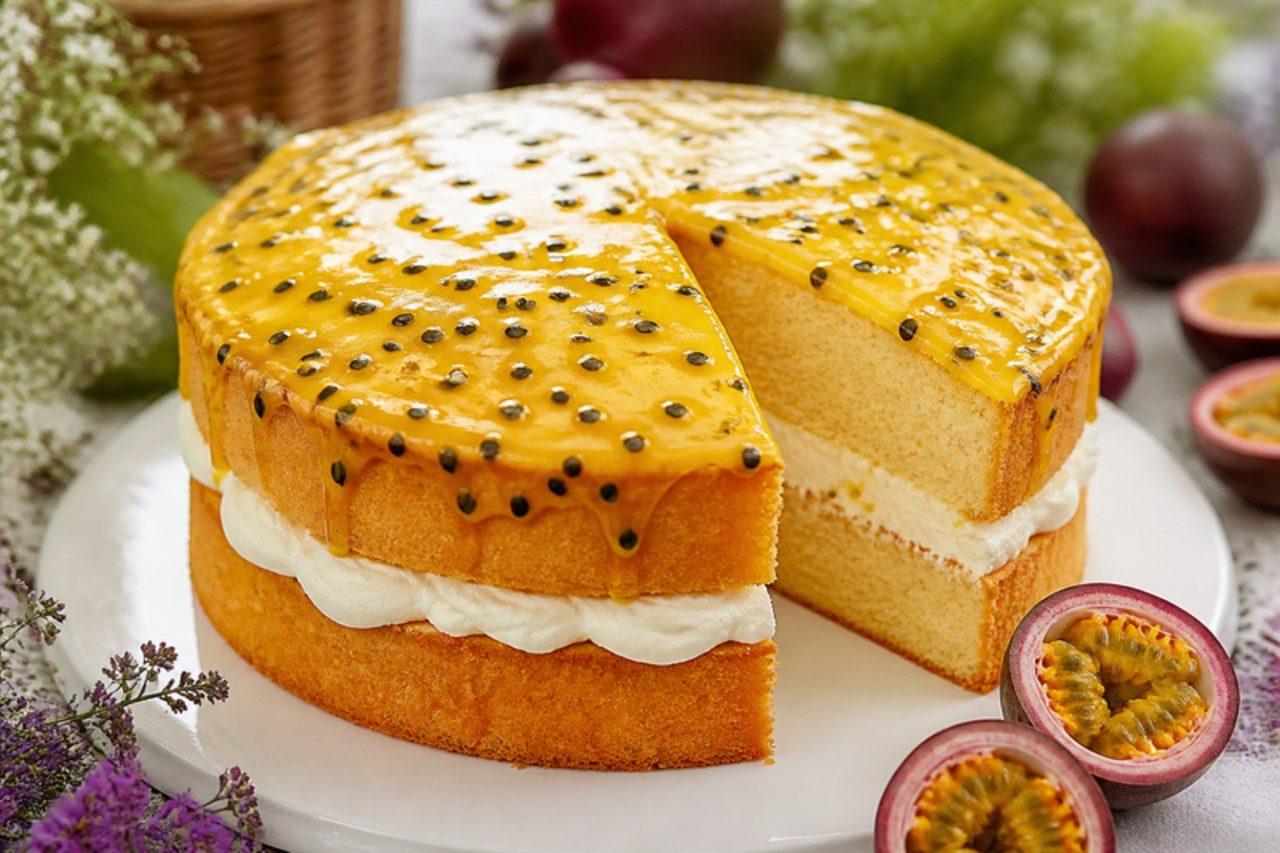
Passionfruit sponge

The passionfruit sponge is the star of the Australian country show cake table and every Sunday afternoon tea, made from the vines that cover back fences from Sydney to the Sunshine Coast. Two airy, fatless sponges are filled with whipped cream and topped with a tangy passionfruit icing. A common mistake is knocking the air out when folding in the flour; use a light hand and a big metal spoon. Chef's tip: beat the eggs and sugar for a full 8–10 minutes until thick enough to hold a trail.

by KrazyBadal 0 views

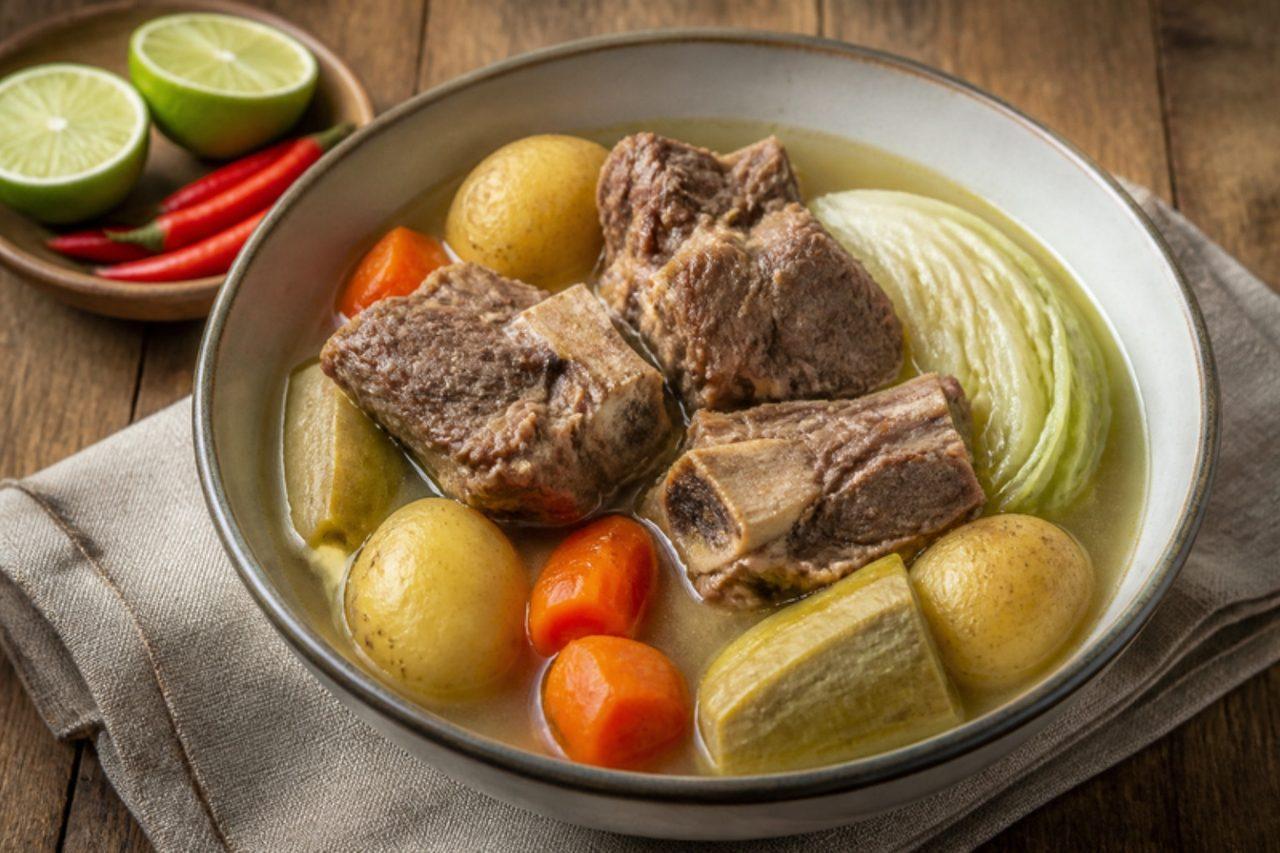
MchemshoBeef and vegetable pot

The name just means 'boiled', but Dar es Salaam families treat mchemsho as comfort food, made on a cool rainy evening or for anyone feeling under the weather. Beef on the bone simmers with garlic and ginger into a clear, savoury broth, and whole potatoes, carrots, green bananas and wedges of cabbage go in late so each stays distinct. It arrives in wide bowls, everything in big pieces, with lime and fresh chilli on the table to sharpen it to your taste; some cooks make it with chicken instead. Adding all the vegetables at once is the common error, leaving the cabbage grey and the potatoes in pieces. Chef's tip: blanch and rinse the beef first, then start again in fresh water, for a broth that stays clear.

by KrazyBadal 0 views

LavasaThin leavened flatbread

Every Kashmiri neighbourhood has its kandur, the baker who slaps breads onto the walls of a clay tandoor before dawn, and lavasa is the thin, soft, bubbly sheet bought for the afternoon or for wrapping hot seekh kebabs at weddings. It is lightly leavened, a little chewy and faintly smoky, and is eaten with noon chai or with harissa in winter. At home a very hot heavy pan or a pizza stone does a fine job. The common mistake is rolling it too thick; lavasa should be thin enough to see light through at the edges. Chef's tip: stack the breads under a clean cloth as they come off the heat, so the steam keeps them soft and foldable.

by KrazyBadal 0 views

Jambon-beurreHam and butter baguette

France sells millions of jambon-beurre every working day: half a crusty baguette, split, spread with good salted butter and filled with thin slices of jambon de Paris, the delicate cooked pork ham. Parisians eat it at the office, on a park bench or on the train. The common mistake is a stingy smear of hard butter; the butter is a filling, not a glue, so spread it soft and generous. Some add cornichons, which purists call a different sandwich. Chef's tip: fold each slice of ham loosely in half rather than laying it flat, so the sandwich is airy and every bite has ham.

by KrazyBadal 0 views

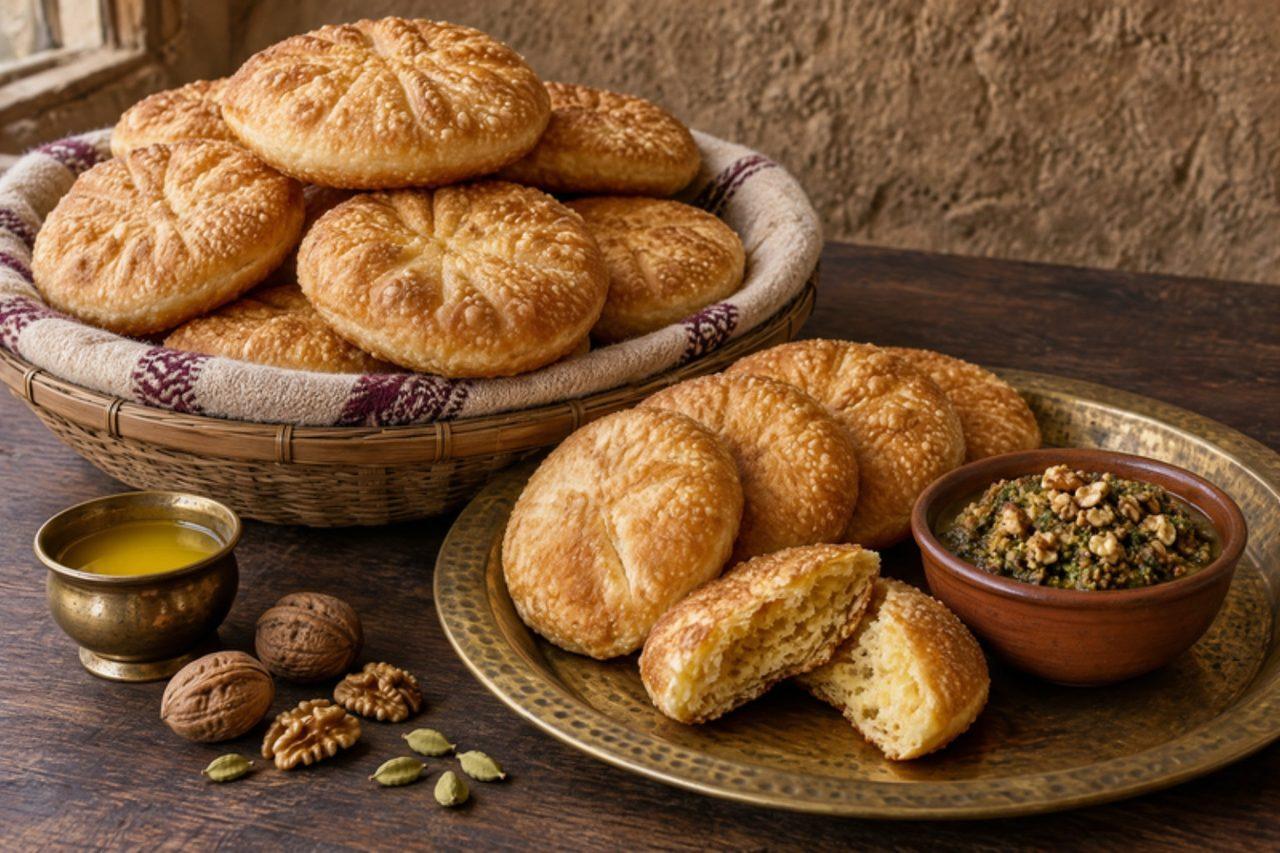
MarchuDeep-fried wheat breads

In the high Lahaul valley, marchu are fried by the basketful before the winter festivals of Halda and Losar, when families visit each other and every house must have a pile ready for guests. They are thick, soft rounds of wheat dough, sometimes lightly sweetened, fried in oil until puffed and golden, and they keep for days in the cold. They are eaten with butter tea or a spicy potato dish. The common mistake is frying in oil that is too hot, which browns the outside before the inside cooks; keep the heat medium. Chef's tip: prick each round twice with a fork so it puffs evenly rather than ballooning on one side.

by KrazyBadal 0 views

DakgangjeongSticky glazed fried chicken

Dakgangjeong is the boxed fried chicken of Sokcho's Jungang market on Korea's east coast, carried home by the tub and packed into lunchboxes the next day, because the double-fried pieces in their sticky glaze stay crunchy even when cold. The common mistake is frying only once; the second fry drives out moisture so the crust holds up to the sauce. Chef's tip: coat with potato starch rather than flour, and let the coated chicken sit for 5 minutes so the starch hydrates into a craggy crust.

by KrazyBadal 0 views

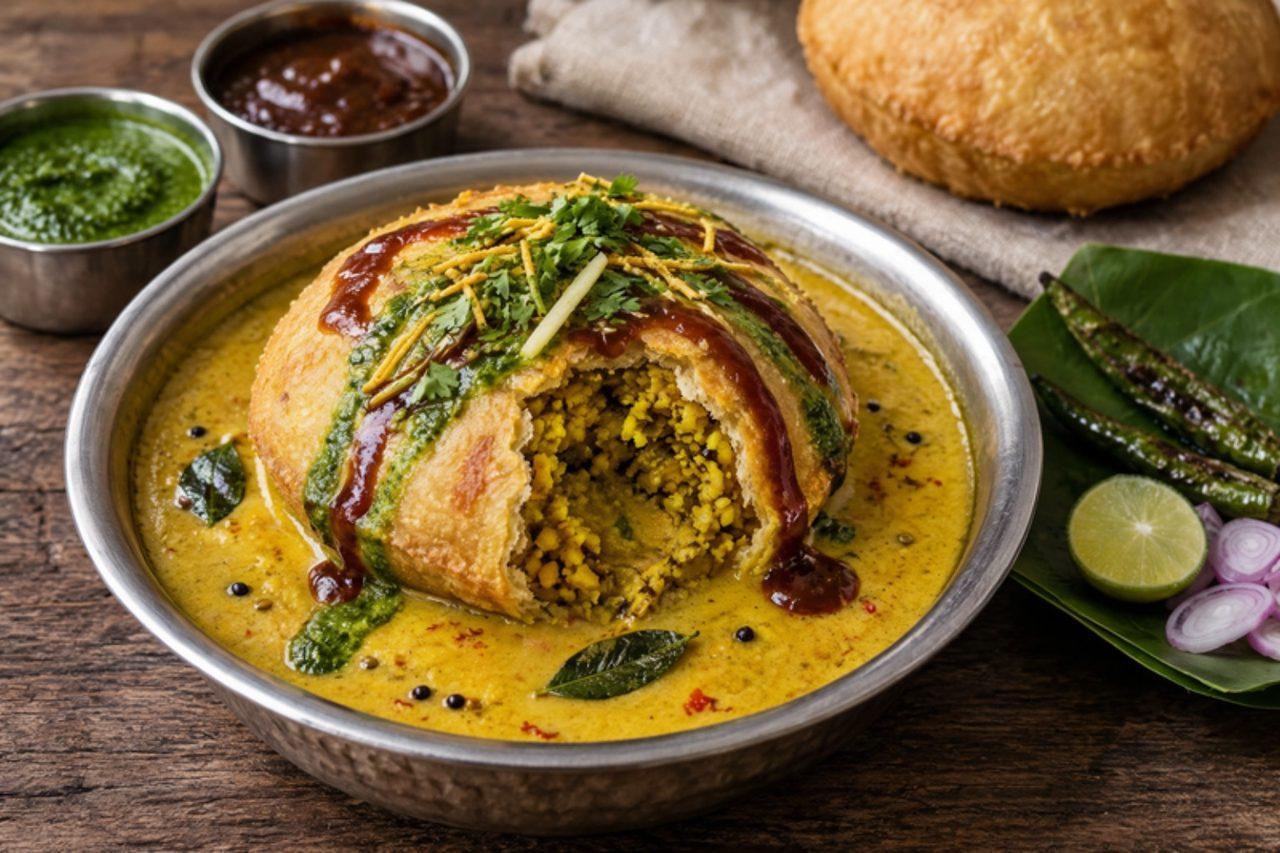
Ajmeri kadhi kachoriDal kachori in spiced kadhi

In Ajmer, near the dargah and in the lanes around Naya Bazaar, the breakfast crowd orders kadhi kachori: a crisp moong dal kachori broken open on a leaf plate and drowned in hot, thin, spicy kadhi, then topped with green chutney, sweet tamarind chutney and raw onion. The kachori soaks up the kadhi but keeps some crunch at the edges. The kadhi here is thinner and hotter than Gujarati kadhi, without sweetness. The common mistake is letting the kadhi boil hard before the gram flour cooks, which splits it; stir until it comes to the boil. Chef's tip: make the kachoris a day ahead and re-crisp them in a low oven, so only the kadhi is cooked fresh.

by KrazyBadal 0 views

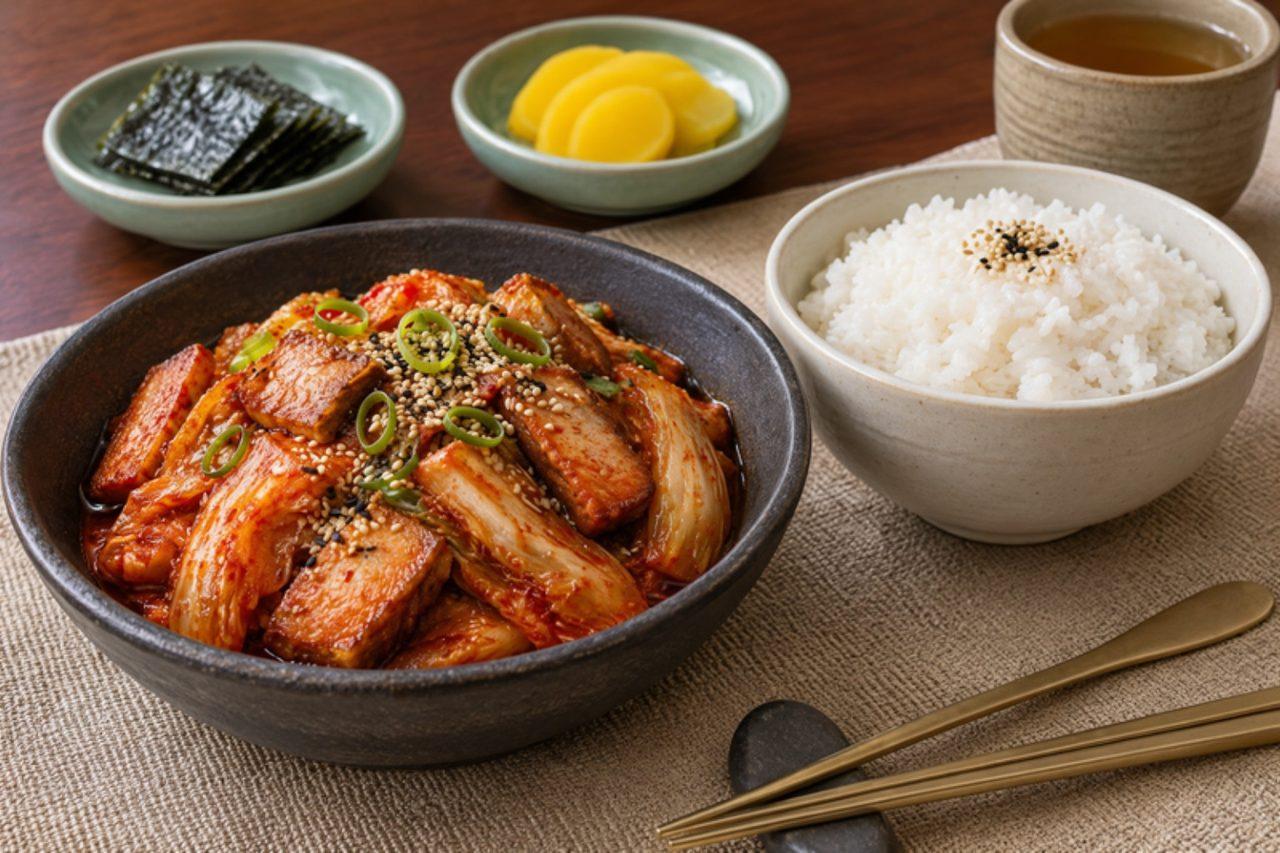
Bokkeum kimchiStir-fried kimchi with pork belly

When a jar of kimchi turns very sour in Korean homes, it gets stir-fried with a little sugar and sesame oil, and often with pork belly, into bokkeum kimchi, a deep, mellow side dish that keeps for days and is a favourite in school and office dosirak. For a vegan version, use kimchi made without fish sauce or salted shrimp and leave out the pork. The usual mistake is using fresh, crisp kimchi, which tastes harsh when fried; it needs to be properly sour. Chef's tip: fry the kimchi until the edges just begin to catch and caramelise, which is where the flavour is.

by KrazyBadal 0 views

Ají amarillo pasteYellow chilli paste

In Lima's markets ají amarillo is sold fresh all year, and most Peruvian cooks keep a tub of this paste in the fridge the way others keep tomato purée: it is the golden base of causa limeña, ají de gallina, papa a la huancaína, chupe and the sauce for tiraditos. The chillies are seeded, de-veined and blanched in three changes of water, which tames the heat and the raw grassiness, then peeled and blended with oil into a thick, silky, saffron-orange paste. It tastes fruity and sunny, almost like apricot and passion fruit, with a rounded, medium heat. Abroad, buy whole frozen ají amarillo from Latin grocers; dried ají mirasol, soaked, gives a darker, earthier paste. Common mistake: skipping the peeling; the thin skins leave papery flecks and a bitter edge. It is ready when it is completely smooth and holds a soft peak like thick hummus. This is a low-acid paste: keep it in the fridge for a week or freeze it, never on the shelf. Chef's tip: freeze it in an ice-cube tray; one cube is about a tablespoon, just right for a pot of ají de gallina.

by KrazyBadal 0 views

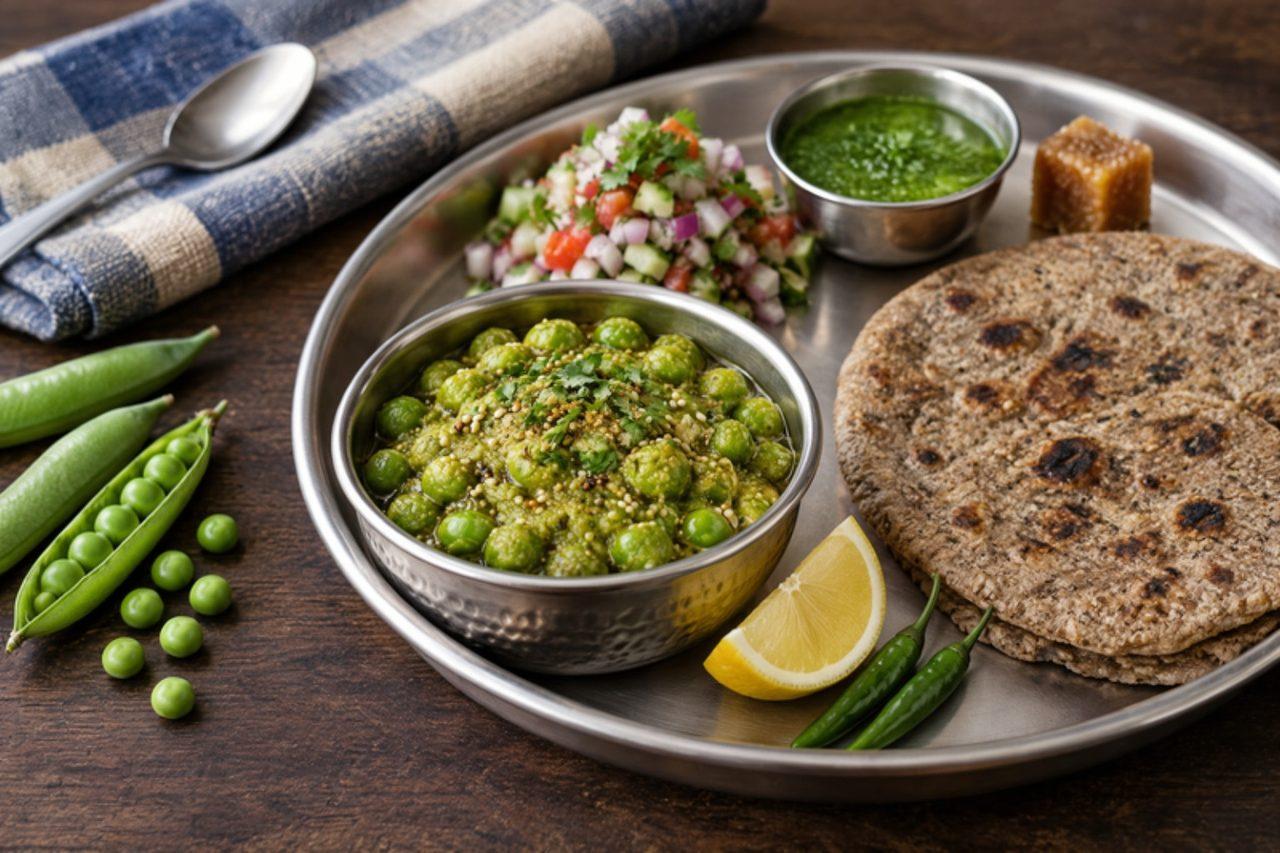
Lilva tuvar nu shaakGreen pigeon pea curry

From December to February, Gujarati markets fill with fresh tuvar pods, and families in Surat, Vadodara and Ahmedabad spend evenings shelling them for lilva dishes. This simple shaak cooks the sweet, nutty green pigeon peas with ginger, green chilli, ajwain and a fistful of coriander, with a squeeze of lemon and a pinch of sugar for the classic Gujarati balance. Eat it with bajra rotla, rotli or khichdi. The usual mistake is cooking the peas too long, which turns them grey and floury; they should stay green and tender. Chef's tip: frozen lilva from Indian grocers work well outside the season; add them straight from frozen and shorten the cooking time.

by KrazyBadal 0 views

Limonata a cosce aperteFizzy lemonade

On hot afternoons along the Lungomare and in Piazza Sannazaro, the old acquafrescai kiosks squeeze half a lemon into a glass of sparkling water, then add a pinch of bicarbonate of soda. The drink foams up and over the rim, so you have to lean forward with your legs apart to drink it without soaking your shoes, which is where the cheeky name comes from. It tastes sharp, salty-fresh and very fizzy, and Neapolitans swear by it after a heavy lunch. Chef's tip: have the glass at your lips before you stir in the bicarbonate; the foam rises in seconds.

by KrazyBadal 0 views

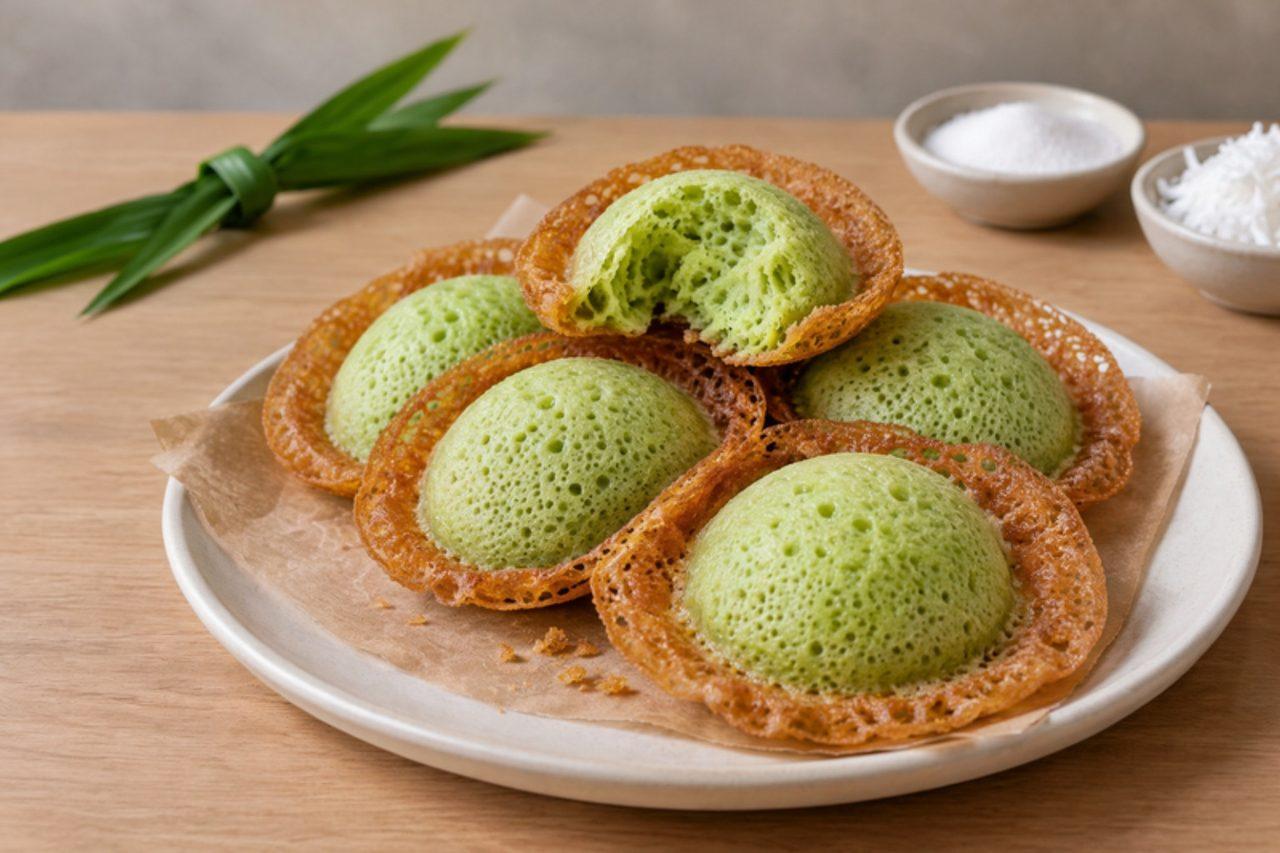
Kue apePandan pancakes with crisp edges

Kue ape (also called kue tetek for its shape) is a Betawi snack sold from pushcarts outside schools and along the lanes of Kebon Kacang in the late afternoon, when children come out hungry. The vendor swirls pandan batter around a small domed pan so the edges fry paper-thin and lacy while the centre puffs into a soft, slightly chewy bump. They are sweet, fragrant and best eaten within minutes. A small non-stick pan or a Chinese wok-shaped crêpe pan works at home. The batter contains wheat and egg. Chef's tip: the swirl must happen the second the batter hits the pan; hesitate and the edge sets thick instead of lacy.

by KrazyBadal 0 views

Locro de zapallo for toddlersPumpkin stew for toddlers

Locro de zapallo is the golden pumpkin stew of Lima's home kitchens and menú lunch spots, eaten on weekdays with white rice and, for adults, a fried egg and ají on the side. For toddlers from 12 months it is cooked without any ají, the pumpkin is simmered until it melts into a sauce, and just a little crumbled fresh cheese is stirred in, so it is sweet, creamy and easy to mash. It contains milk; there is no gluten, egg, nuts or soya. Queso fresco is often made with animal rennet, so for a vegetarian bowl choose one labelled vegetarian, or use a little paneer, and always a pasteurised cheese. Chef's tip: cut half the pumpkin small so it dissolves into the sauce and the rest larger so it keeps some shape.

by KrazyBadal 0 views

BozaFermented millet drink

In Bulgaria boza is a breakfast habit: a plastic bottle of it from the corner pastry shop and a slice of hot, flaky banitsa, bought on the way to work or school, especially from autumn through to spring. Towns such as Radomir, Plovdiv and Sofia argue over whose is best. It is the colour of milky coffee, thick enough to coat the glass, sweet up front with a sour, bready finish and a faint prickle. Like every fermented grain drink it makes a trace of alcohol, well under 1% when drunk young. The base is millet flour, toasted for flavour, cooked into a thin porridge, then fermented for about a day before being strained and sweetened. The common mistake is adding the yeast while the porridge is still hot, which kills it and leaves you with sweet gruel; wait until it feels only just warm on your wrist. It is ready when the surface is covered in small bubbles, it smells like fresh bread with a sour edge and tastes pleasantly tangy. Chef's tip: keep back a glass of each batch in the fridge and use it instead of yeast next time; boza made from an old starter is rounder and more sour.

by KrazyBadal 0 views

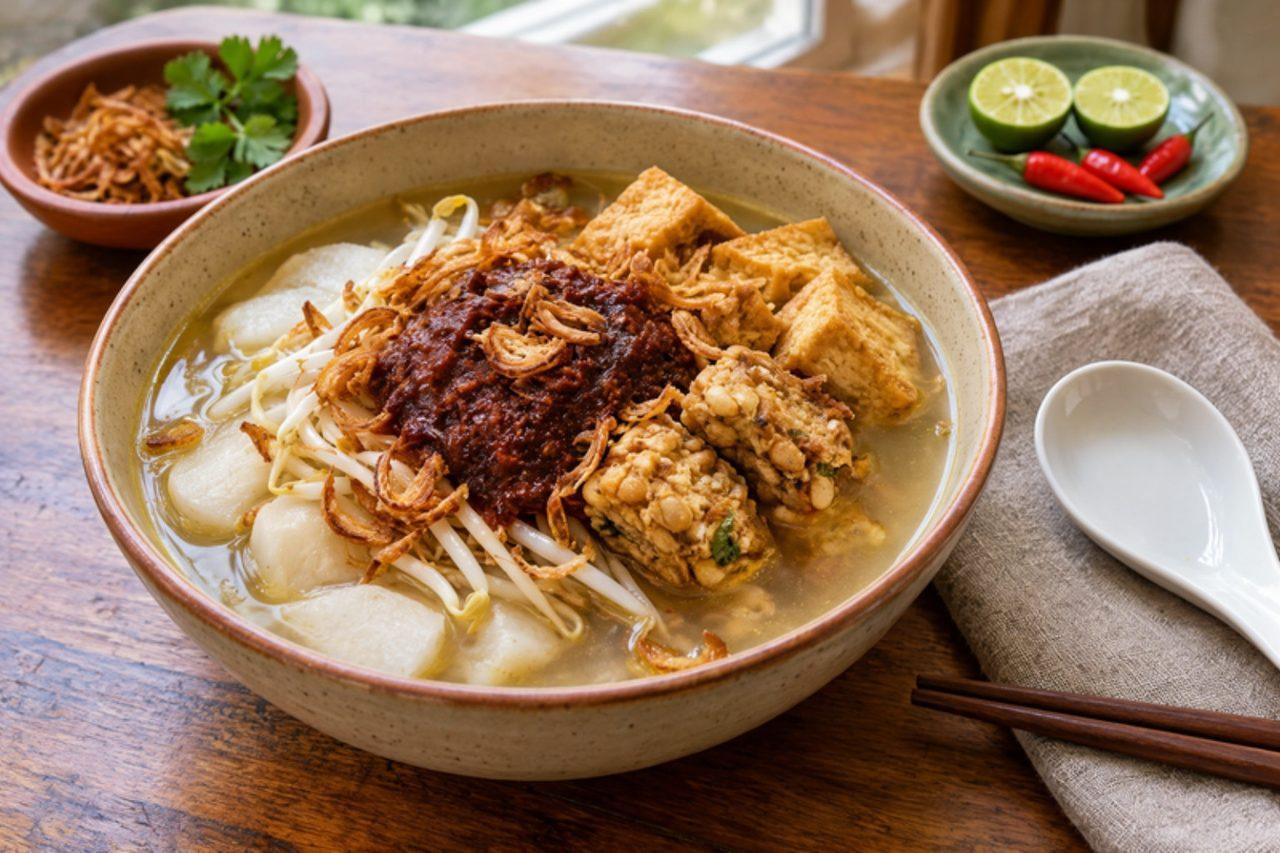
Lontong balapRice cakes and tofu in broth

Lontong balap is Surabaya's morning bowl, named after sellers who once raced (balap) each other to market with their heavy carts. Slices of compressed rice cake are piled with blanched bean sprouts, fried tofu and lentho, little fritters of black-eyed beans and cassava, then soaked with a light garlicky broth and a spoon of sambal mixed with petis, the dark, sweet shrimp paste of East Java. Eat it with skewers of sate kerang if you like. The common mistake is boiling the sprouts too long; they should keep a snap. Chef's tip: stir the petis into the sambal with a little hot broth first, so it melts into the bowl instead of sitting in a sticky blob.

by KrazyBadal 0 views

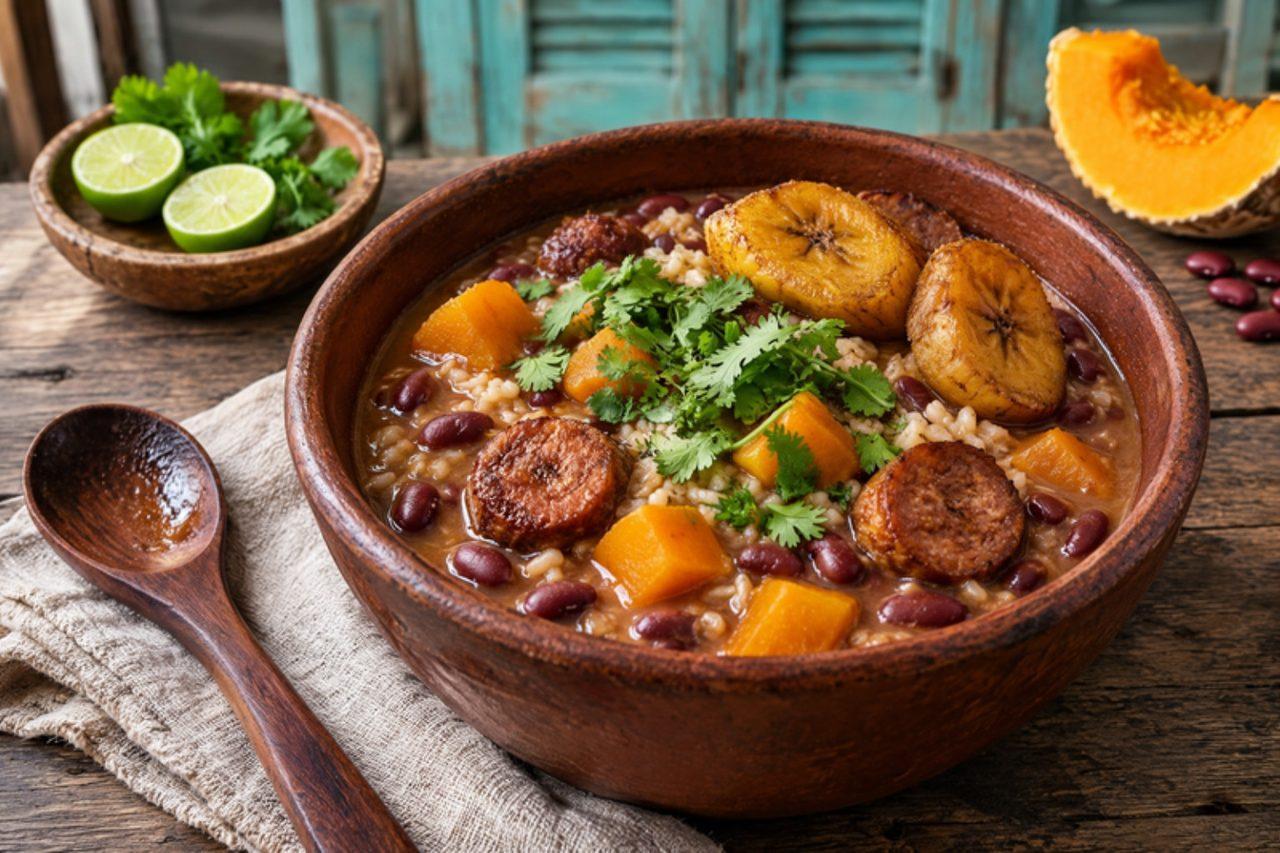
ChapeaRed beans with plantain and sausage

Chapea comes from the countryside of the Cibao and the south of the Dominican Republic, where it is cooked for big Sunday lunches and family gatherings: red beans stewed with auyama squash and ripe plantain, smoky pork longaniza or salami, then rice cooked right in the bean broth until it is soft and creamy, somewhere between a moro and a stew. The sweet plantain melts into the pot and gives the rice a gentle sweetness. Dried red kidney beans must be soaked and then boiled hard for 10 minutes before the gentle simmer, to destroy a natural toxin; tinned beans are already safe. The usual mistake is adding the rice to too little liquid, which leaves it hard; it should be swimming at first. Chef's tip: fry the sofrito until it smells sweet and the oil turns red before the beans go in, as that is where chapea gets its depth.

by KrazyBadal 0 views

Ají de tomate de árbolTamarillo chilli sauce

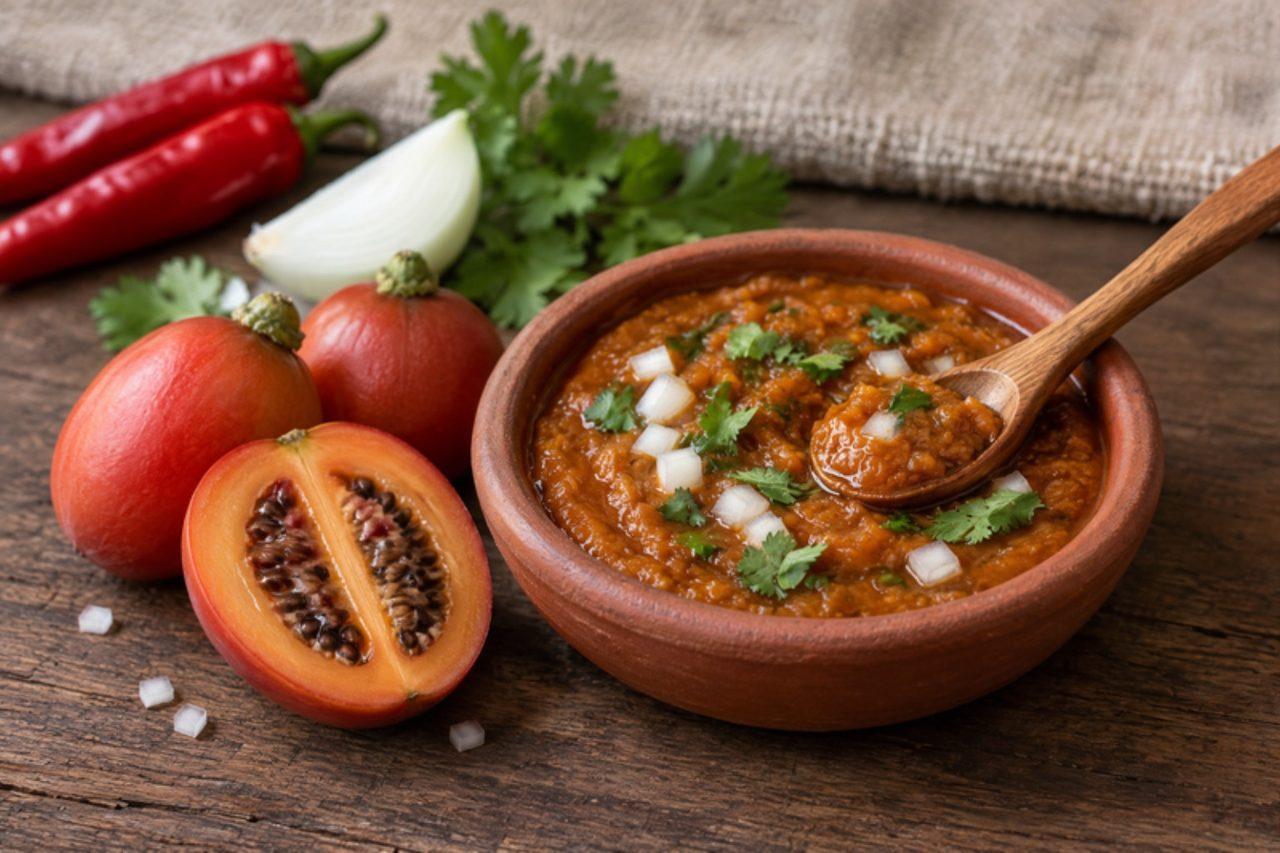
No Ecuadorian table in the Sierra, from Quito to Cuenca, is complete without a small bowl of ají, and the tamarillo version is the household favourite. Tomate de árbol, the egg-shaped, wine-red tree tomato, is blanched and peeled, blended with fresh hot chilli, salt and a little water, then finished with finely chopped onion and fresh coriander. It is spooned over locro de papa, llapingachos, empanadas de viento, hornado and fritada at the long Sunday family lunch, and onto everything at the street stalls of the Saturday markets. The flavour is tangy, fruity and slightly bitter-sweet, more sour than a tomato salsa, with a fresh bite of onion and a clean chilli heat. The common mistake is blending the tamarillos with their skins on, which makes the sauce bitter; blanch them until the skins split and slip off. It is ready when it is bright orange-red, loose and juicy, and the onion is still crisp. Abroad, tamarillos turn up in larger supermarkets; ripe plum tomatoes with the pulp of a passion fruit are the best stand-in. Chef's tip: rinse the chopped onion in salted water first, which tames its sharpness, as Ecuadorians do.

by KrazyBadal 0 views

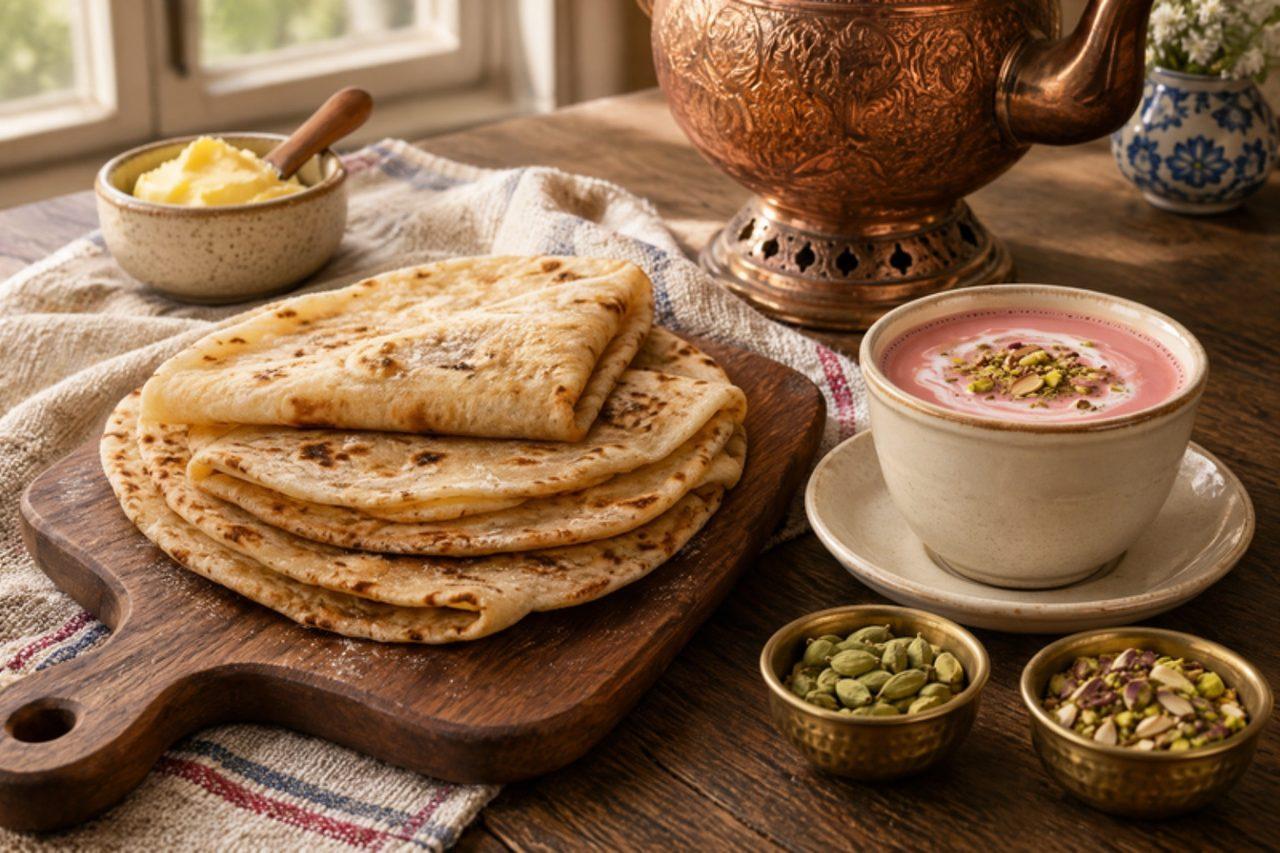
Nihari kulchaSlow-cooked mutton shank with bread

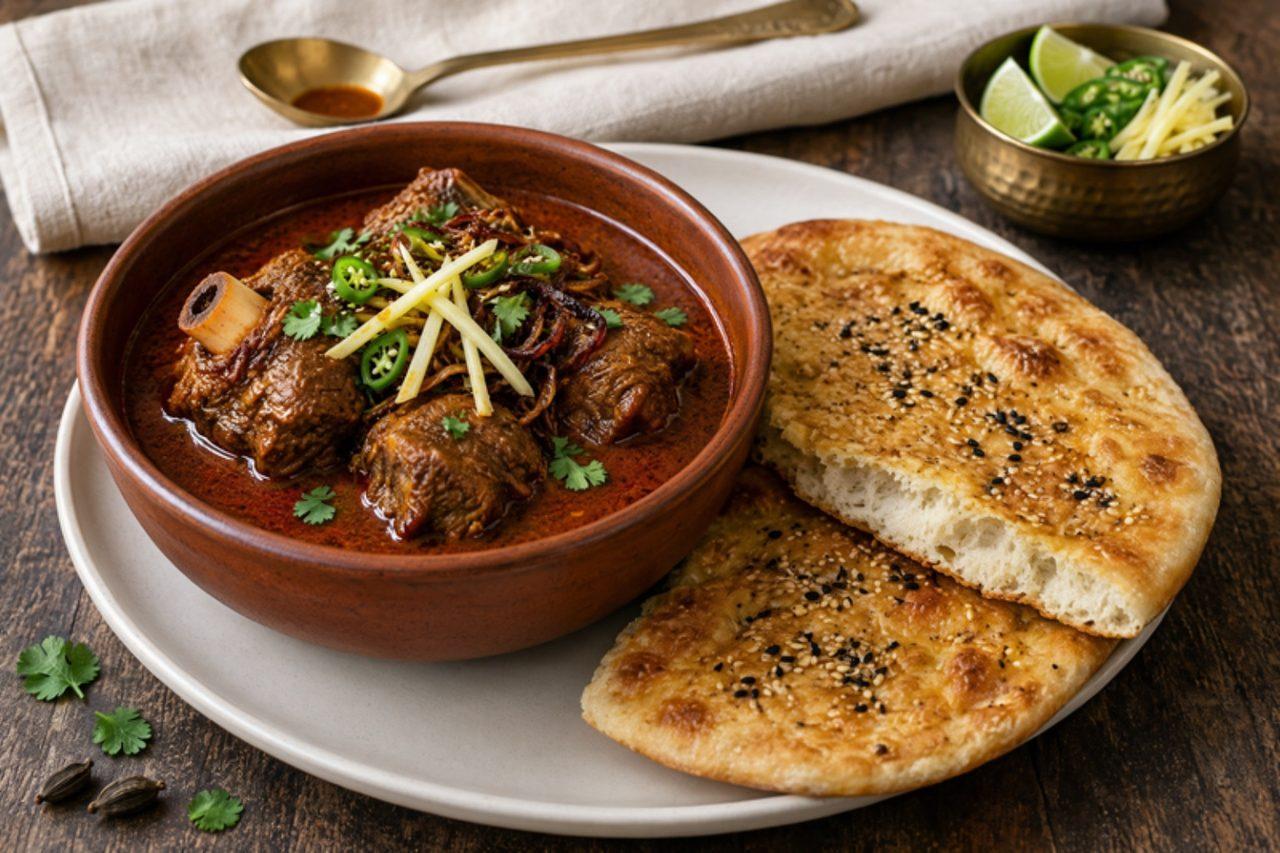
Nihari, from the Arabic word for morning, is Lucknow's great breakfast: around Akbari Gate and the Chowk, old shops simmer mutton shanks overnight in a deep pot of spiced, ghee-glossed gravy and serve it from dawn, especially during Ramadan, with soft, faintly sweet Lucknowi kulcha. The meat falls from the bone, the marrow melts into the gravy, and every bowl is finished at the table with shredded ginger, green chilli and lemon. Chef's tip: keep it at the barest simmer; a rolling boil makes the meat tight and stringy.

300 minIndianMeat
by KrazyBadal 0 views

Tokri chaatPotato basket chaat

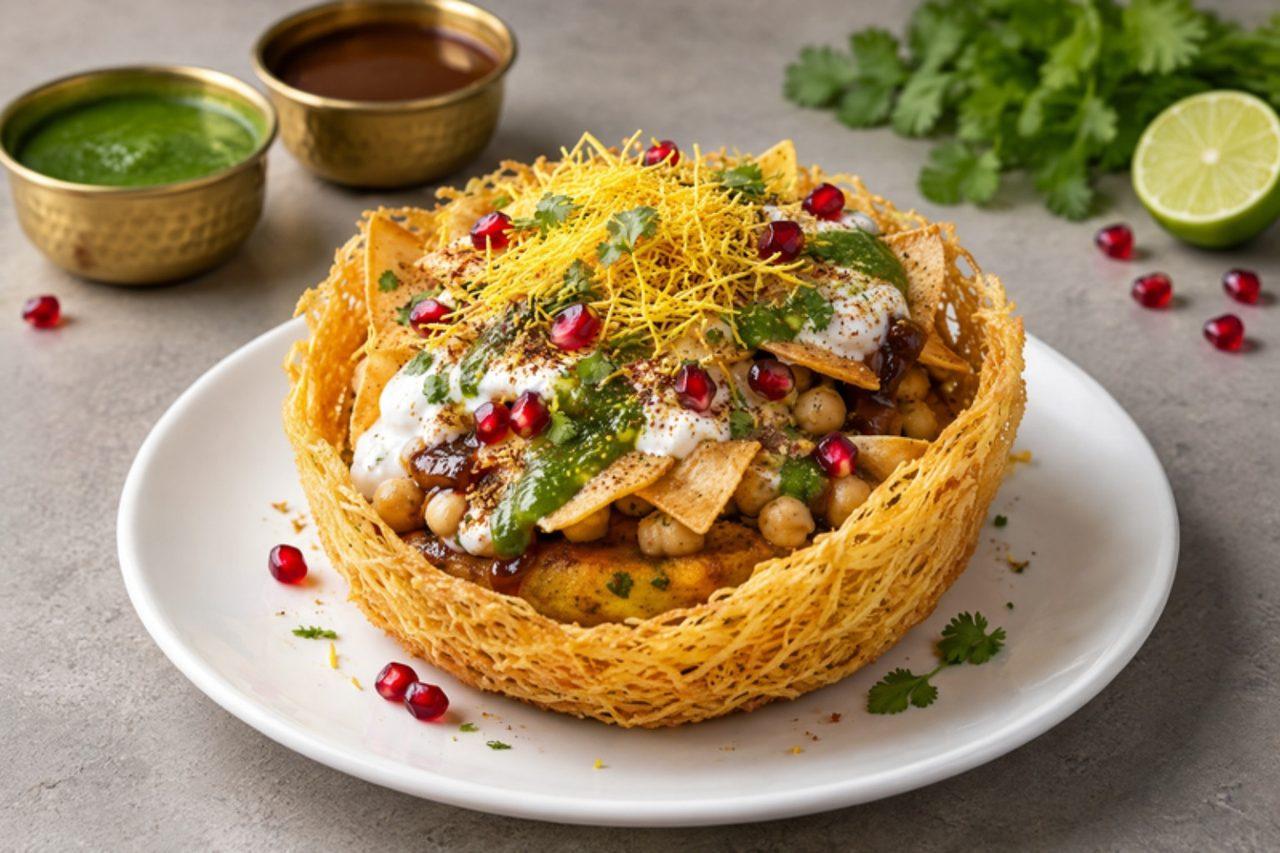
Tokri chaat was made famous by the chaat counter of Royal Café in Lucknow's Hazratganj, where families queue on winter evenings for an edible basket of crisp fried potato straws heaped with crushed aloo tikki, chickpeas, papdi, sweet yoghurt, chutneys, sev and pomegranate. It is as much a show-piece as a snack: you break the basket into the filling as you eat. You need two metal strainers or a nest-basket frier to shape the baskets. Chef's tip: rinse and dry the grated potato thoroughly; wet potato spatters and the basket falls apart.

by KrazyBadal 0 views

Burong isdaFermented fish and rice

Burong isda is a Kapampangan treasure. In Pampanga, and in neighbouring Bulacan and Tarlac, families make buro in the rainy months when mudfish and tilapia are plentiful, and the sautéed paste is set out at home lunches with fried or grilled fish, steamed okra and eggplant, and blanched mustard leaves (mustasa) to wrap it in. Cooked rice and salted fish ferment together for about a week until the rice has melted into a soft, pinkish porridge and the fish bones soften. Sautéed with garlic, onion and tomato, it becomes creamy, sour, salty and deeply savoury, a little like a cheese spread. Because the fish ferments raw, two rules matter: cure it first in 20% salt, and always cook the buro until bubbling hot before eating; never eat it straight from the jar. Pregnant people, babies, older people and anyone with weak immunity should only eat it freshly cooked, or skip it. Common mistake: packing hot rice, which spoils the ferment; cool it fully. It is ready to cook when it smells pleasantly sour, like sourdough, and the rice is soft. Chef's tip: a teaspoon of angkak (red yeast rice) gives the traditional pink colour.

by KrazyBadal 0 views

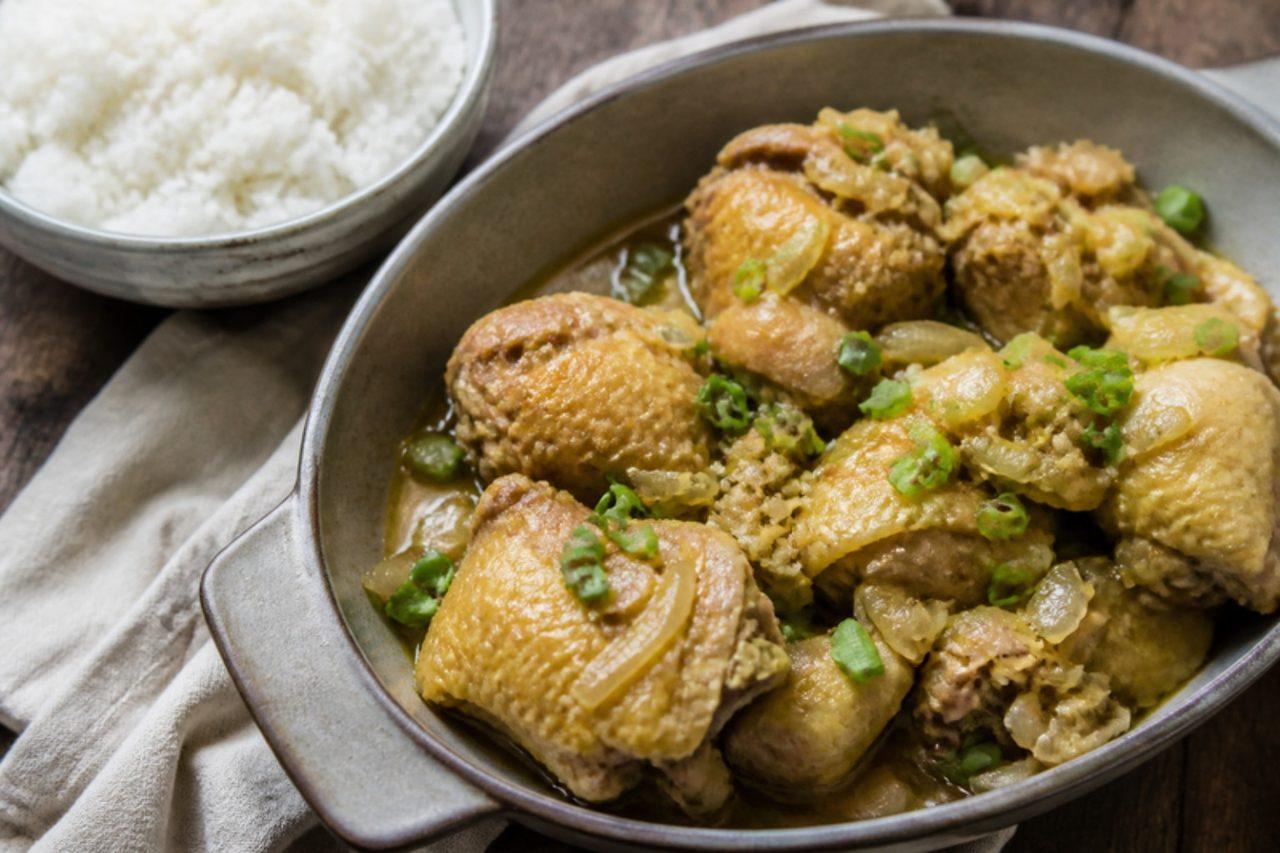
Akoho sy sakamalaoGinger and garlic chicken

Sakamalao means ginger, and Malagasy cooks are generous with it: this everyday braise from family kitchens across the island uses a whole fist of the root, along with a full head of garlic and soft onions. Bone-in chicken is browned, then simmered gently in its own juices until the meat slides off the bone and the sauce turns golden, sticky and warming, with ginger heat that lingers rather than burns. Serve it with a big plate of rice, a dish of romazava greens or lasary, and sakay for anyone who wants more fire. Many people rush the onions; give them time to turn soft and golden, because they become the body of the sauce. Chef's tip: pound the ginger and garlic together into a coarse paste rather than slicing them, so they melt into the sauce and coat every piece of chicken.

by KrazyBadal 0 views

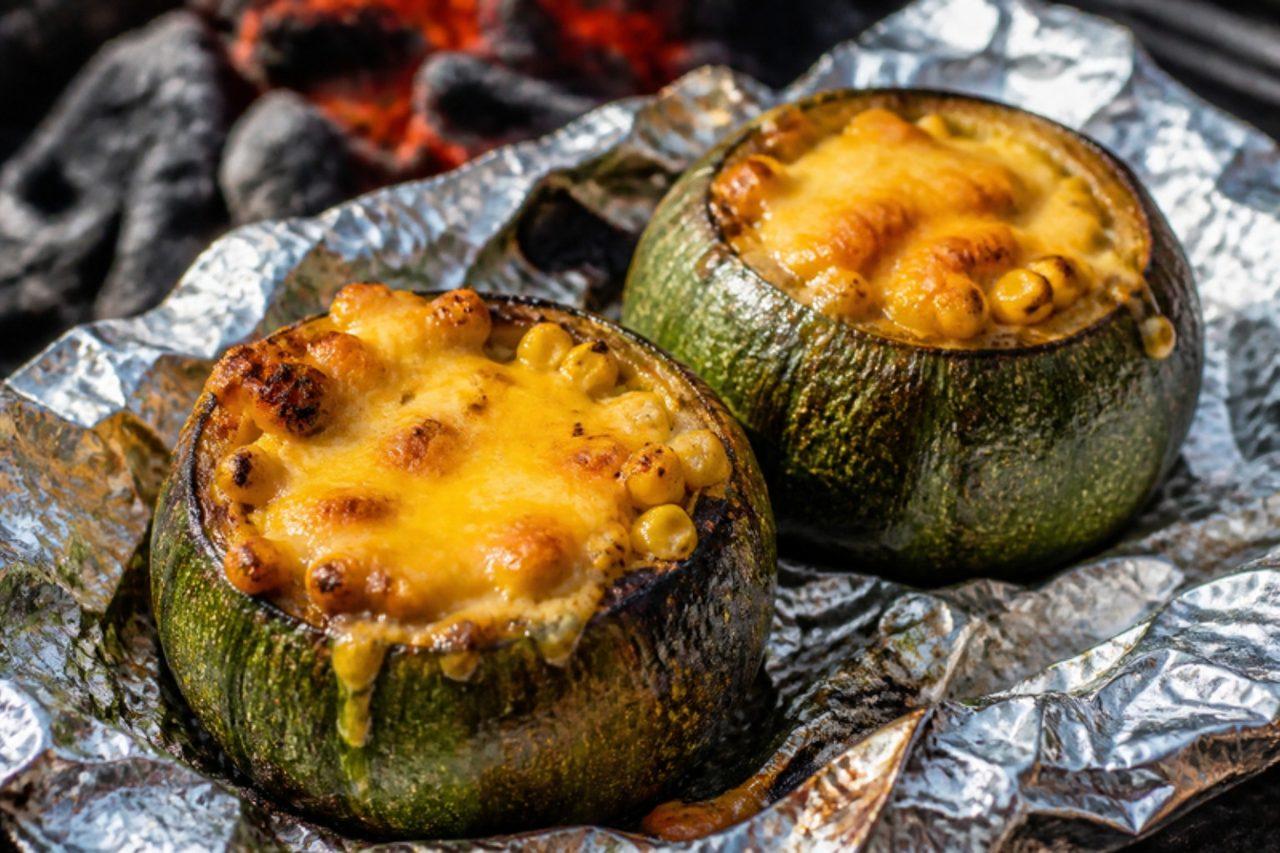
Braaied gem squashGem squash with sweetcorn and cheese

Small, round and dark green, gem squash is the vegetable South African children grow up scooping from the shell with a teaspoon, and at a weekend braai it goes into the coals wrapped in foil alongside the potatoes. The halves steam in their own juice until the orange flesh is tender and sweet, with a pool of melted butter, golden corn and cheese in the hollow. Serve them as a side for anything from the grid, or make a plate of them with pap tert and a tomato salad for a meat-free braai. Indoors, an oven gives the same result. Putting them straight onto flaming wood is the mistake: they char outside and stay hard inside, so wait for grey, glowing coals. Choose a vegetarian cheddar, since many are made with animal rennet. Chef's tip: trim a thin slice off the round base of each half so it sits flat and holds its filling.

by KrazyBadal 0 views

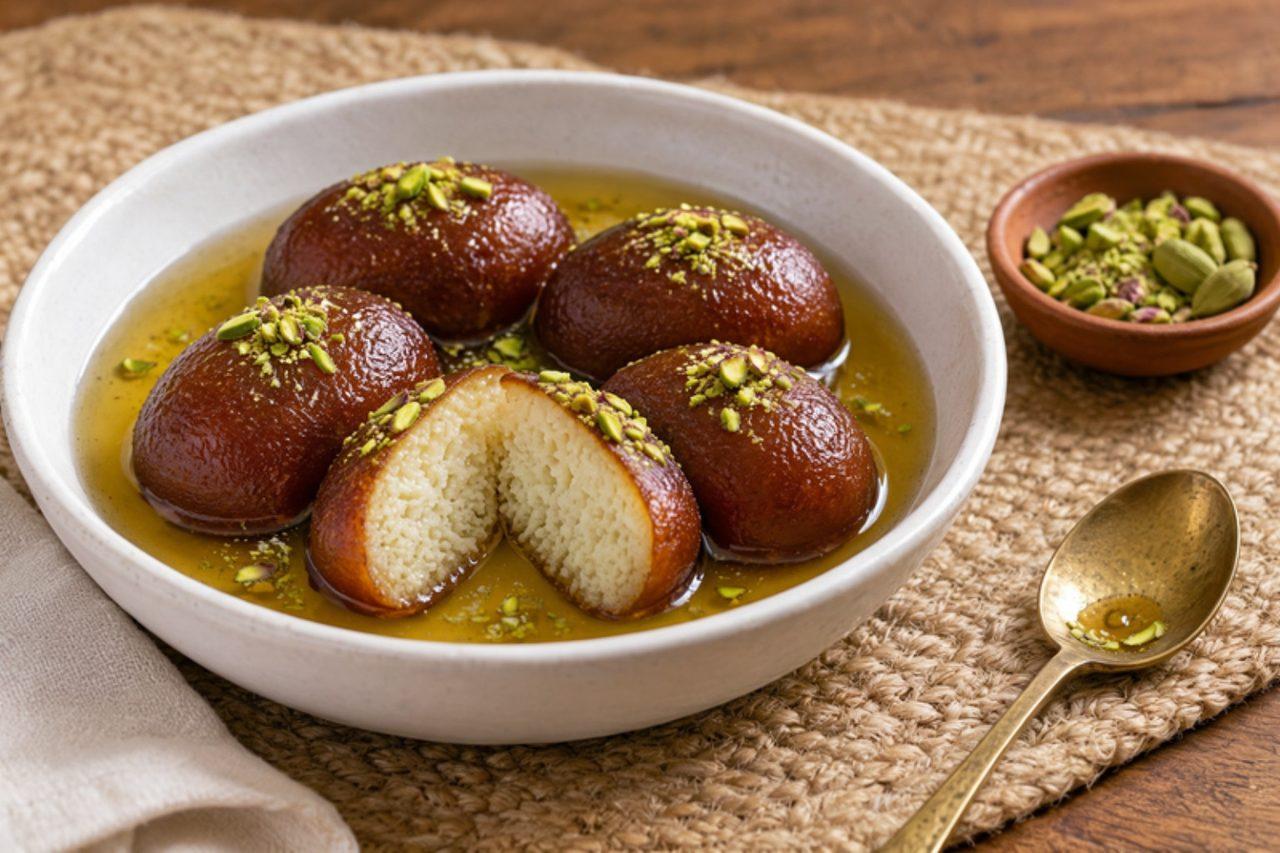
LyangchaFried milk sweets in syrup

Travellers on the road from Kolkata to Bardhaman stop at Shaktigarh for one reason: lyangcha, cylindrical sweets of chhena and khoya fried almost black and soaked in light syrup, sold hot from roadside shops and carried home in clay pots. The outside is caramelised and slightly chewy, the inside soft, juicy and milky. They are a winter and wedding favourite across Bengal. The common mistake is frying on high heat to get the dark colour quickly; the outside burns while the centre stays raw and the sweet splits in the syrup. Low, patient heat gives an even mahogany shell. Chef's tip: a teaspoon of sugar kneaded into the dough helps it darken evenly.

by KrazyBadal 0 views

Café guayoyoLong black coffee

In the coffee villages of the Venezuelan Andes, in Trujillo, Mérida and Táchira, the day starts in the dark with a pot of guayoyo, and it never really stops: a cup at breakfast with arepas, one mid-morning, one after lunch, one at the bodega counter in the afternoon. Guayoyo is the opposite of a short, dark negrito: plenty of water through a modest amount of coffee, poured through a colador de tela, a cotton cloth sock on a wire ring. It is light-bodied, mild and clean, closer to tea in strength, with gentle chocolate notes and almost no bitterness, so it is easy to drink cup after cup. It still has caffeine, so count the cups. The common mistake is pouring boiling water onto the grounds, which pulls out bitter flavours; let the kettle rest off the boil for a minute first. Never wash the cloth with soap either, or every cup tastes soapy. The coffee is ready when it runs through amber-brown, clear enough to see the bottom of a white cup. Sweeten with papelón (raw cane sugar) if you like. Chef's tip: keep the rinsed cloth in a jar of water in the fridge between uses so it never smells stale.

by KrazyBadal 0 views

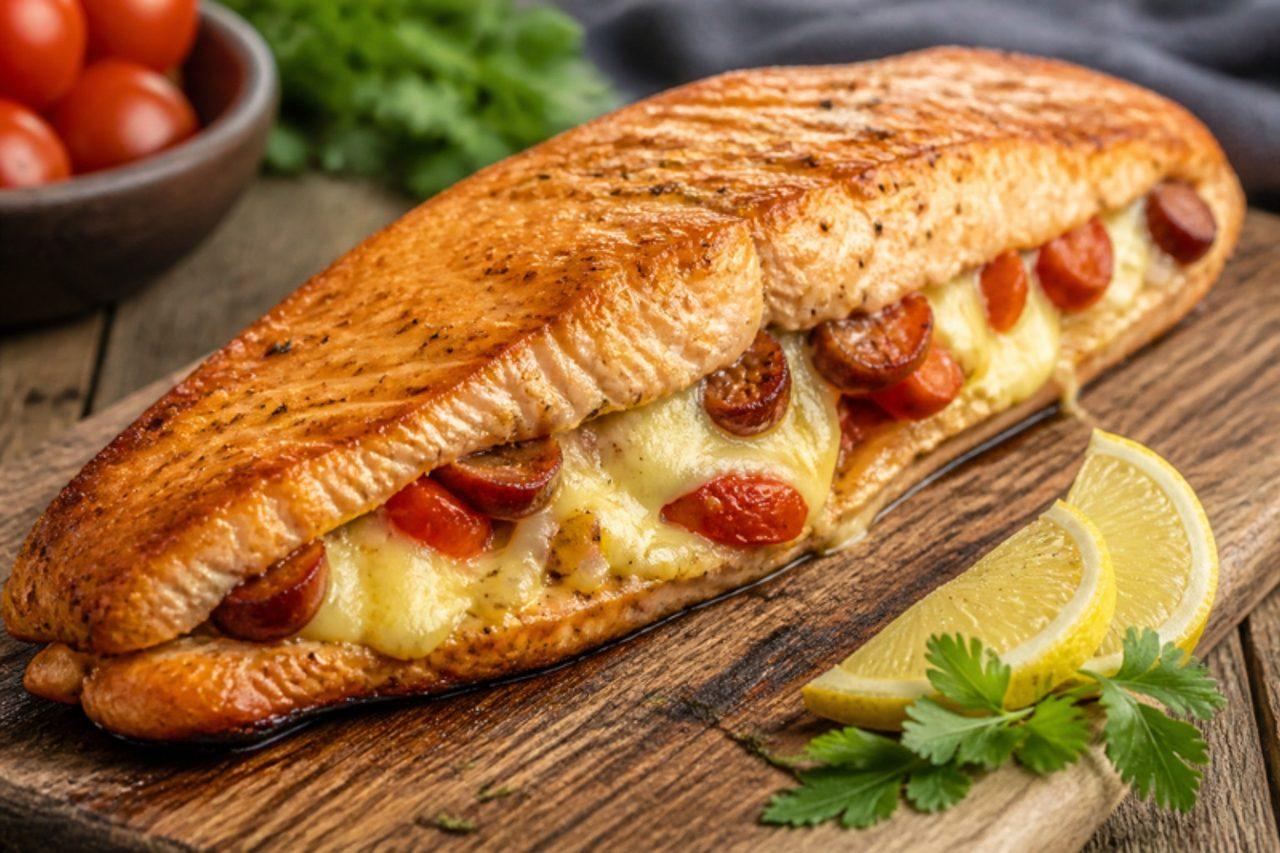
CancatoSalmon with cheese and tomato

Cancato belongs to Chiloé and the lakes around Puerto Montt, where salmon is everyday food: a whole fillet is opened like a book, stuffed with melting cheese, tomato, onion and slices of longaniza (a pork sausage like chorizo), then wrapped and cooked over embers or in the oven. It is party food, cut at the table. The common mistake is putting raw sausage inside: it won't cook through before the salmon dries out. Fry it first. Chef's tip: wrap the parcel in foil with the seam on top and open it for the last 5 minutes, so the cheese browns while the salmon stays juicy.

by KrazyBadal 0 views

Bunelos agaBanana fritters

Bunelos aga are the banana fritters of Guam, sold at fiesta food tables and church fundraisers in Hagåtña and made at home whenever the bananas over-ripen. Mashed sweet bananas are mixed into a soft batter, fried in spoonfuls and rolled in sugar, so they're crisp outside and custardy within. A common mistake is frying at too low a temperature, which makes them greasy. Chef's tip: use the small, sweet local bananas or the ripest regular ones you can find.

by KrazyBadal 0 views

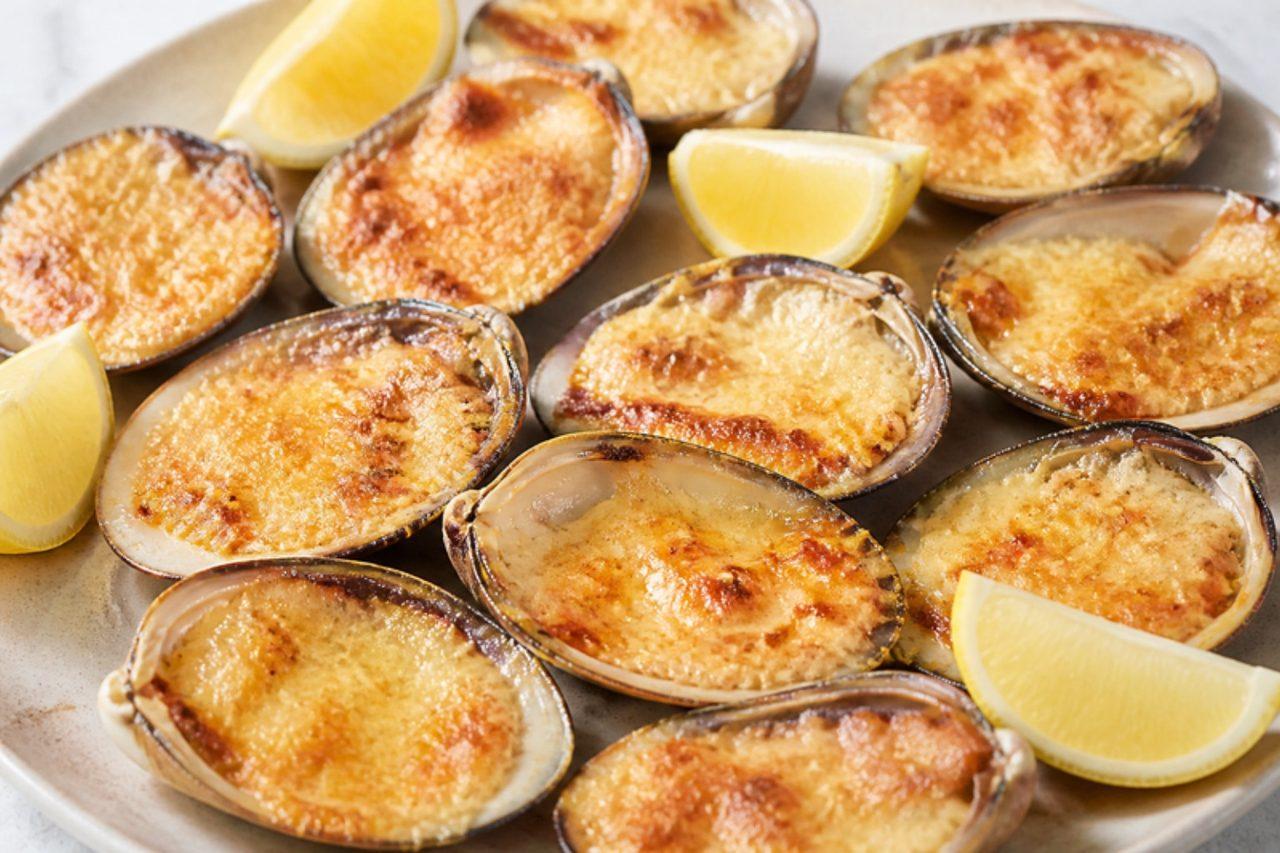
Machas a la parmesanaClams with parmesan

Machas a la parmesana arrive sizzling at almost every seafood restaurant on Chile's central coast: machas, the long, pink-tongued surf clams of the Pacific beaches, opened, set back in their shells and grilled under butter, cream and parmesan. Outside Chile, use razor clams or large clams. The usual mistake is grilling them too long; the clams are already cooked and turn to rubber. Grill only until the cheese browns. Chef's tip: open the clams briefly in a covered pan first rather than prising them raw, and keep any that stay shut out of the dish. Many restaurants add a splash of white wine; this version uses lemon juice instead.

by KrazyBadal 0 views

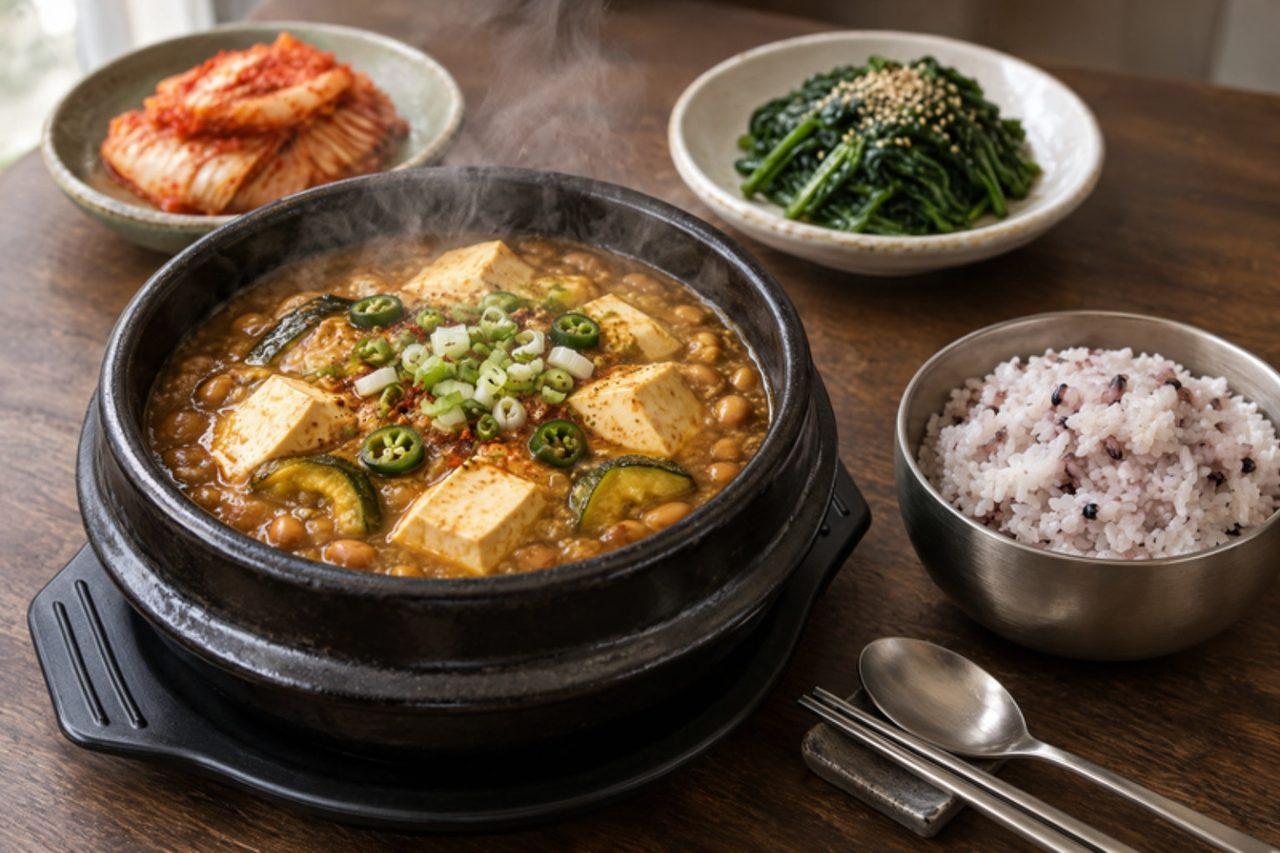
Cheonggukjang jjigaeFermented soybean stew

Cheonggukjang is a sticky, quick-fermented soybean paste made over two or three days in a warm room, and in Korean homes it becomes a bubbling winter stew, cooked in an earthenware pot and set in the middle of the table with rice and banchan. Its smell is famously strong, but the taste is nutty and deeply savoury, with tofu, courgette, onion and greens simmered in an anchovy-kelp stock. Suitable as part of a balanced diet: it is high in plant protein and fibre. About 230 kcal and 14 g carbohydrate per portion; eat it with a small bowl of mixed-grain rice. The usual mistake is boiling the cheonggukjang for a long time, which makes it bitter and dulls its flavour; it goes in for the last few minutes. Chef's tip: mash a spoon of doenjang in with it for a rounder, saltier base.

by KrazyBadal 0 views

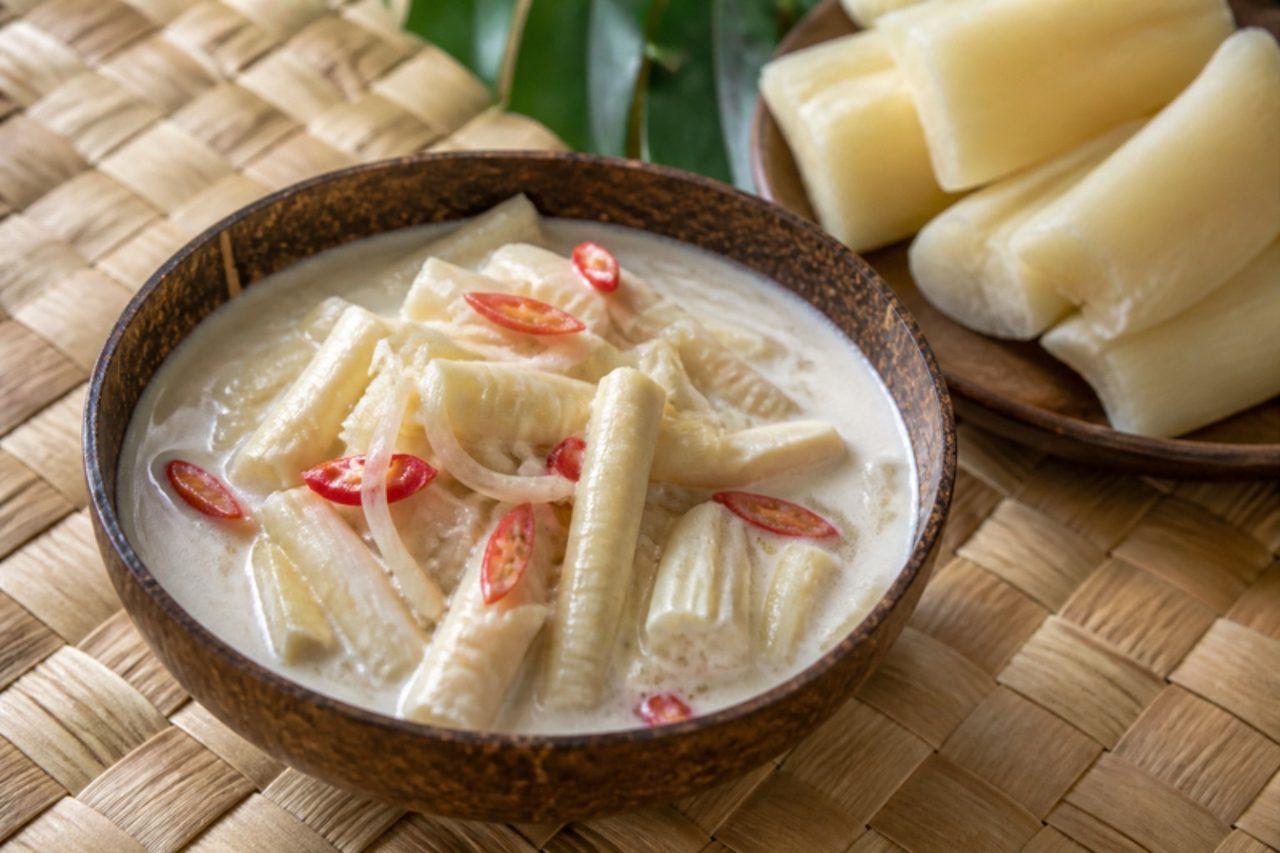
Duruka in coconut milkSugarcane flower in coconut milk

Duruka is the unopened flower of a wild sugarcane that Fijians call Fijian asparagus, in season for a few weeks around April and May when it fills the markets of Suva and Nausori in bundles. Peeled from its husk, it is tender and sweet with a taste between baby corn and asparagus, and the classic iTaukei way is to simmer it in lolo, fresh coconut milk, with onion and chilli. Outside Fiji you'll find it frozen or tinned in Pacific grocery shops; baby corn and asparagus make a fair stand-in. A common mistake is boiling the coconut milk hard, which splits it; keep it at a gentle simmer. Chef's tip: add a squeeze of lemon right at the end to lift the richness.

by KrazyBadal 0 views

Showing 54 of 8,120 recipes

Show more recipes

Page 168 of 903