


Skip to content
Ghalieh meygoo
Featured recipe

Ghalieh meygoo

Spicy prawn and tamarind stew

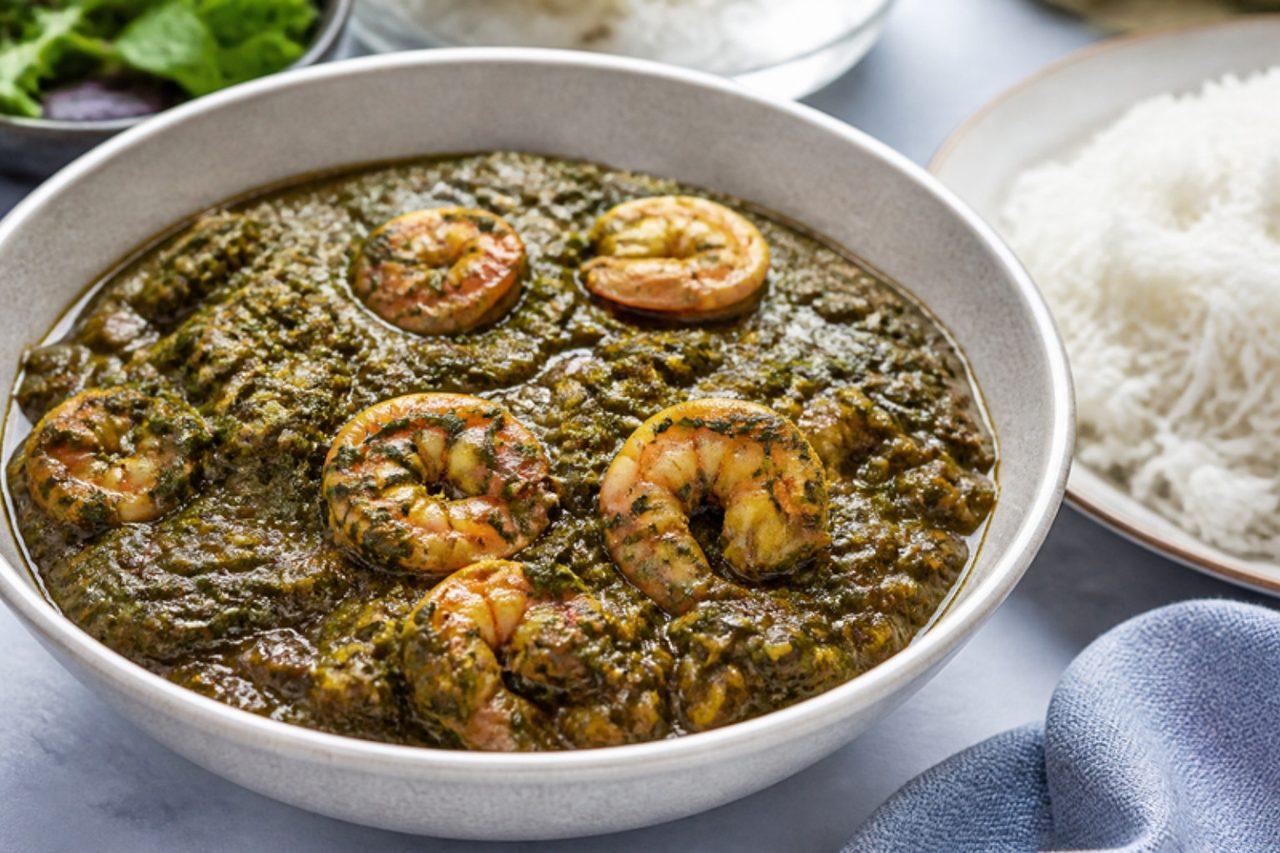
In Bushehr, where the fishing boats bring in Gulf prawns every morning, ghalieh meygoo is the dish cooks make when they want something quicker and a little more festive than the fish version. The same base of slow-fried coriander, fenugreek and garlic is soured with tamarind and fired up with chilli, then the prawns go in for just a few minutes so they stay sweet and juicy. It is eaten with plain chelow rice and a raw onion on the side. A common mistake is simmering the prawns with the sauce from the start, which leaves them rubbery and small. Chef's tip: simmer the prawn shells in the water for 10 minutes first and use that stock; it gives the sauce a real taste of the sea.

Read more 0 views

What to eat today?

Around the world

Today's trip: Persian

A new country every day, from every cuisine on the site.

Persian

Dizi

Lamb and chickpea stew 245 minMore from Persian (131) →

This week's collection

Kid-friendly dinners
537 recipes · a new collection every Monday

Latest recipes

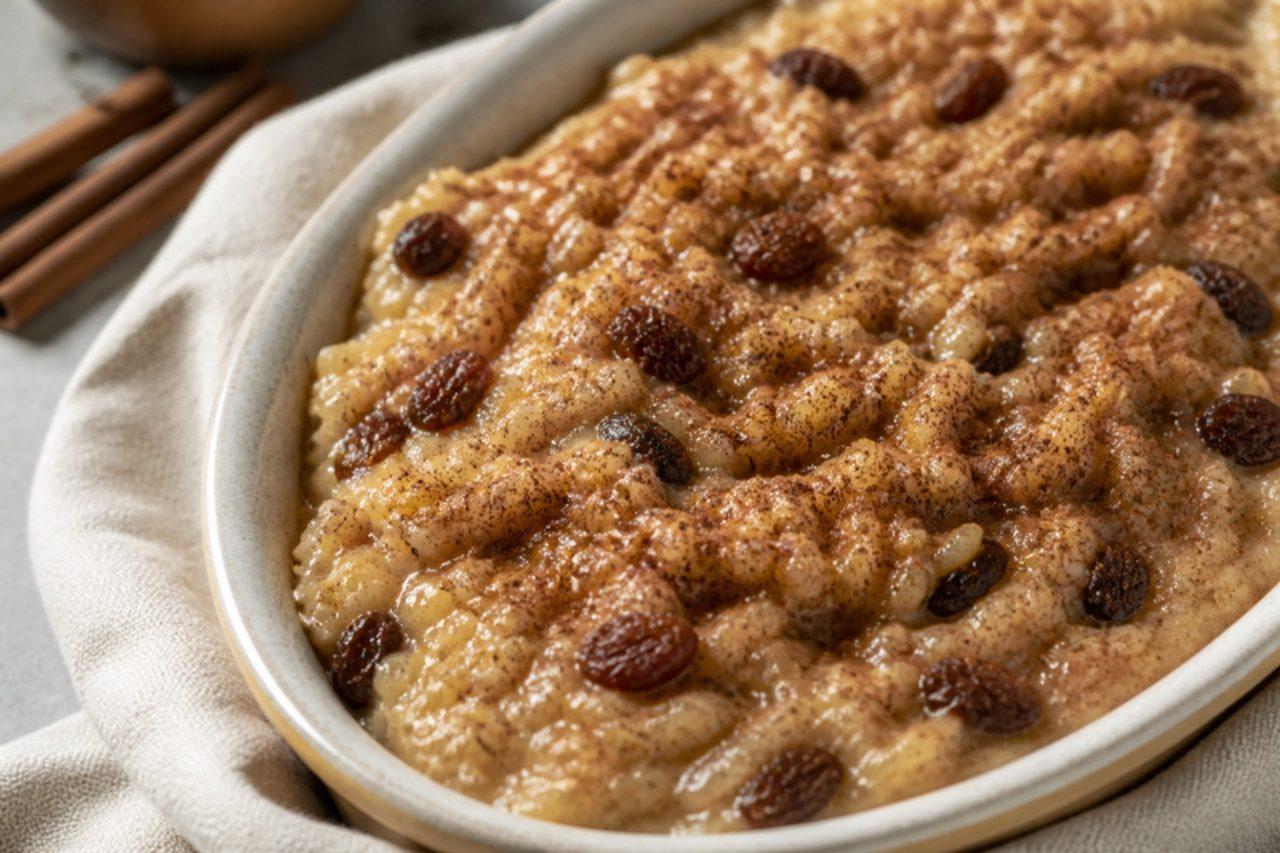
Arroz con dulceCoconut rice pudding

From the start of December to the Three Kings in January, trays of arroz con dulce cool on Puerto Rican kitchen counters, sliced into squares and handed round at parrandas when carollers arrive at the door late at night. Unlike a milky rice pudding, it is cooked in a water steeped with fresh ginger, cinnamon, cloves and star anise, then finished with coconut milk and raisins, so it is fragrant, firm enough to cut and dairy free. The common mistake is adding the sugar too early, which keeps the rice grains hard; sweeten only once they are soft. Chef's tip: soak the rice for an hour first, and it cooks evenly and absorbs the spiced coconut far better.

by KrazyBadal 0 views

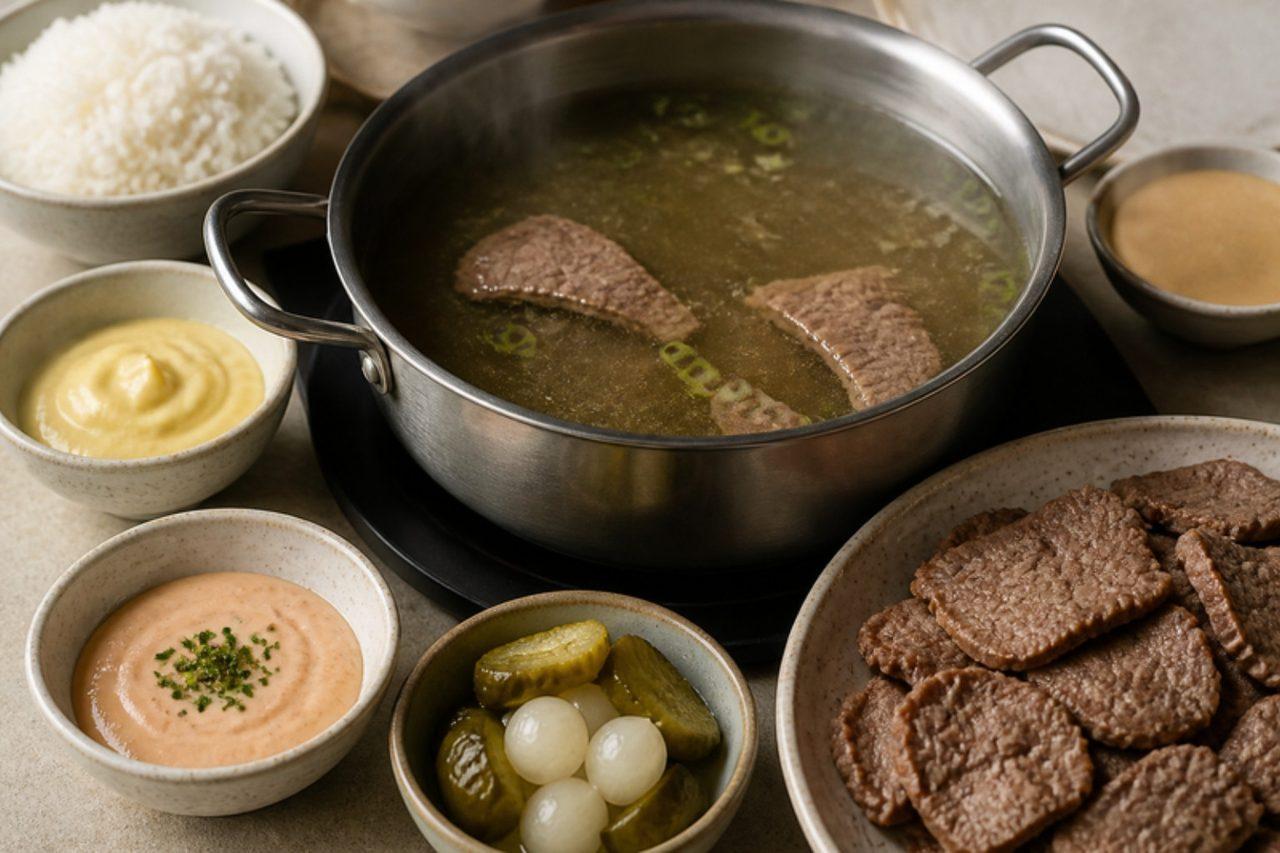
Fondue chinoise

Despite its name, fondue chinoise is a fixture of the Swiss Christmas and New Year table: a pot of simmering broth set on a burner in the middle of the table, into which everyone dips paper-thin slices of beef on long forks, cooks them for a few seconds and eats them with a spread of sauces, rice or potato chips, pickles and salads. It came to Switzerland via travellers to Asia in the 20th century. The broth is often made with white wine; this one uses stock only. A common mistake is slicing the meat thick, which takes too long and tightens. Chef's tip: half-freeze the beef for an hour so it slices paper-thin. Cook each slice until no longer pink, then eat; never use the same fork for raw and cooked meat.

45 minSwissMeat
by KrazyBadal 0 views

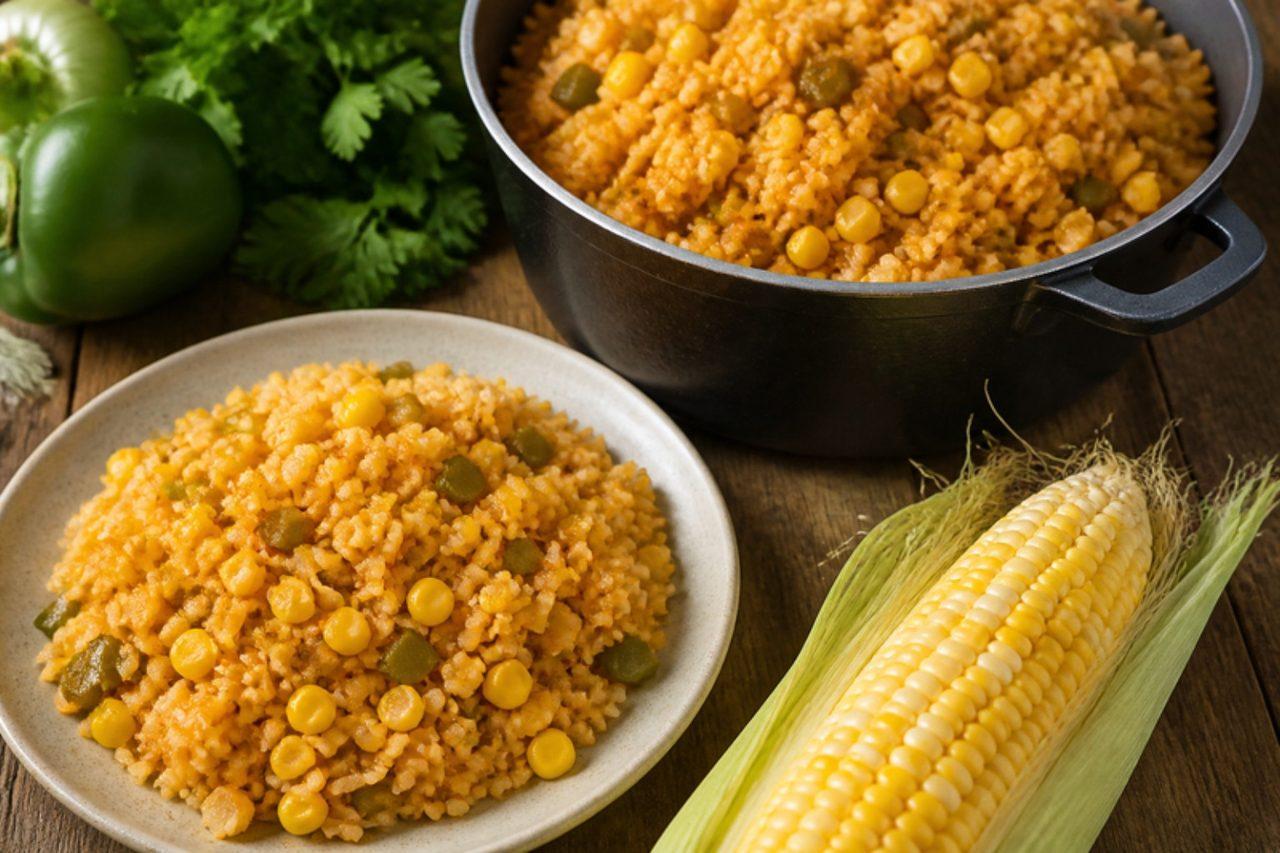
Arroz con maízRice with sweetcorn

In central Cuba, when the fields are full of young corn, families cut the kernels straight off the cob into the rice pot with a sofrito of onion, pepper, garlic and annatto, cooking everything together until golden and sticky at the base. Many farm cooks add salt pork; this vegan version leans on cumin and a little smoked paprika. A common mistake is using too much water, as fresh corn releases its own milk, so keep to the amounts given. Serve with black beans or a tomato and avocado salad. Chef's tip: scrape the cobs with the back of the knife after cutting off the kernels and add that milky pulp; it gives the rice a creamy sweetness.

by KrazyBadal 0 views

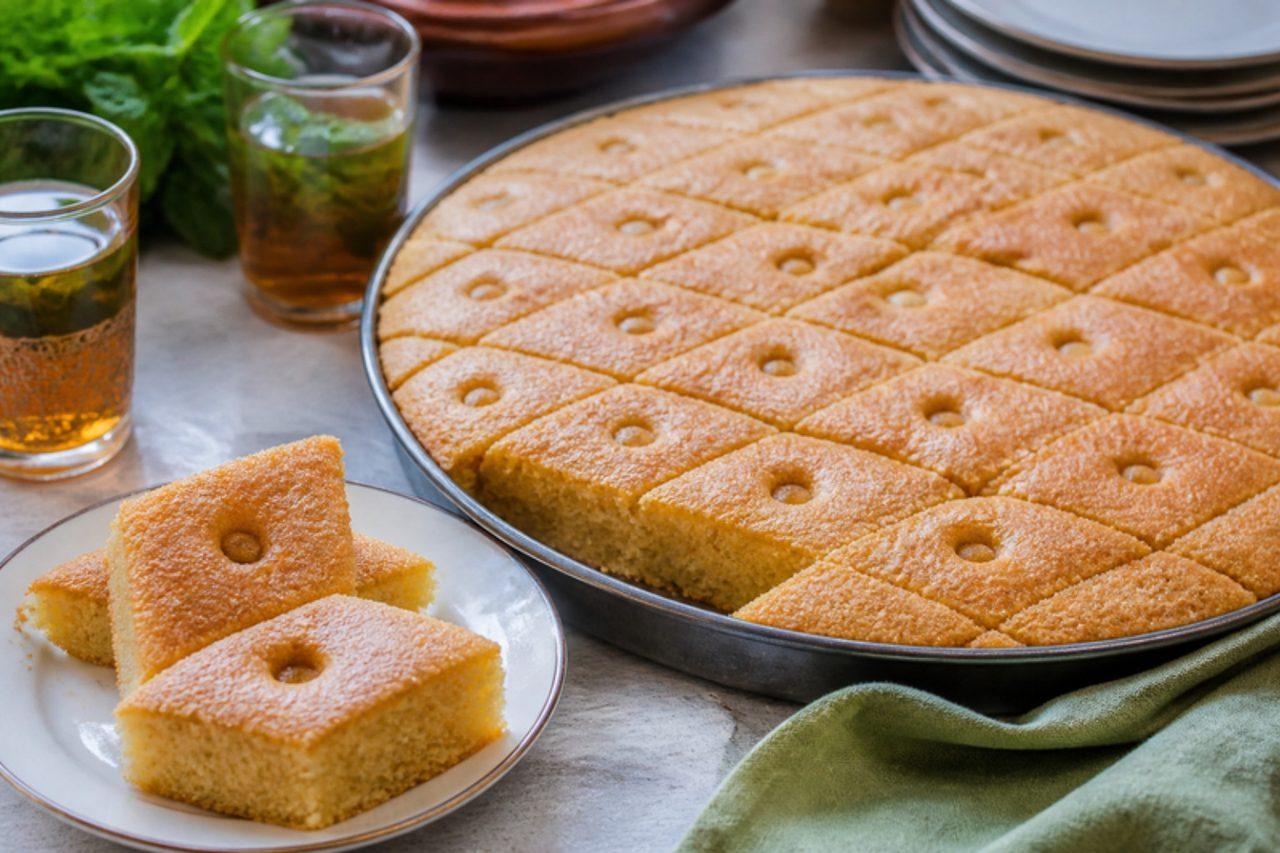
Mbesses (Kabyle semolina cake)

Somewhere between shortbread and cornbread, mbesses is the plain cake of Kabyle kitchens, a shallow tray of semolina rich with melted butter, lightly sweetened and baked until golden on top. The texture is sandy and tender, breaking into crumbs that taste of toasted grain and butter, with a hint of orange blossom. It is cut into diamonds and served with milky coffee in the afternoon, or offered to guests who drop by during Ramadan evenings. Some households scatter sesame or nigella seeds over the top before baking. Chef's tip: spread the mixture into the tray with a light hand; pressing it down hard is the most common mistake and gives a dense, heavy cake.

by KrazyBadal 0 views

Gullisuwa (fried milk balls in syrup)

Small kiosks in Kano sell gullisuwa in twists of plastic, and Hausa families make platefuls for Sallah and weddings. Milk powder, a little flour and sugar are worked into a soft dough, rolled into balls and fried slowly until deep golden, then soaked in syrup, which gives a rich, fudge-like centre and a faintly caramel crust. They recall Indian gulab jamun, but they are firmer and less spiced. Milk sugars burn fast, so the common mistake is hot oil that browns the outside in seconds while the inside stays doughy; keep it low. Chef's tip: oil your palms when rolling, so the balls stay smooth and don't crack in the pan.

by KrazyBadal 0 views

Jamaican cornmeal pudding

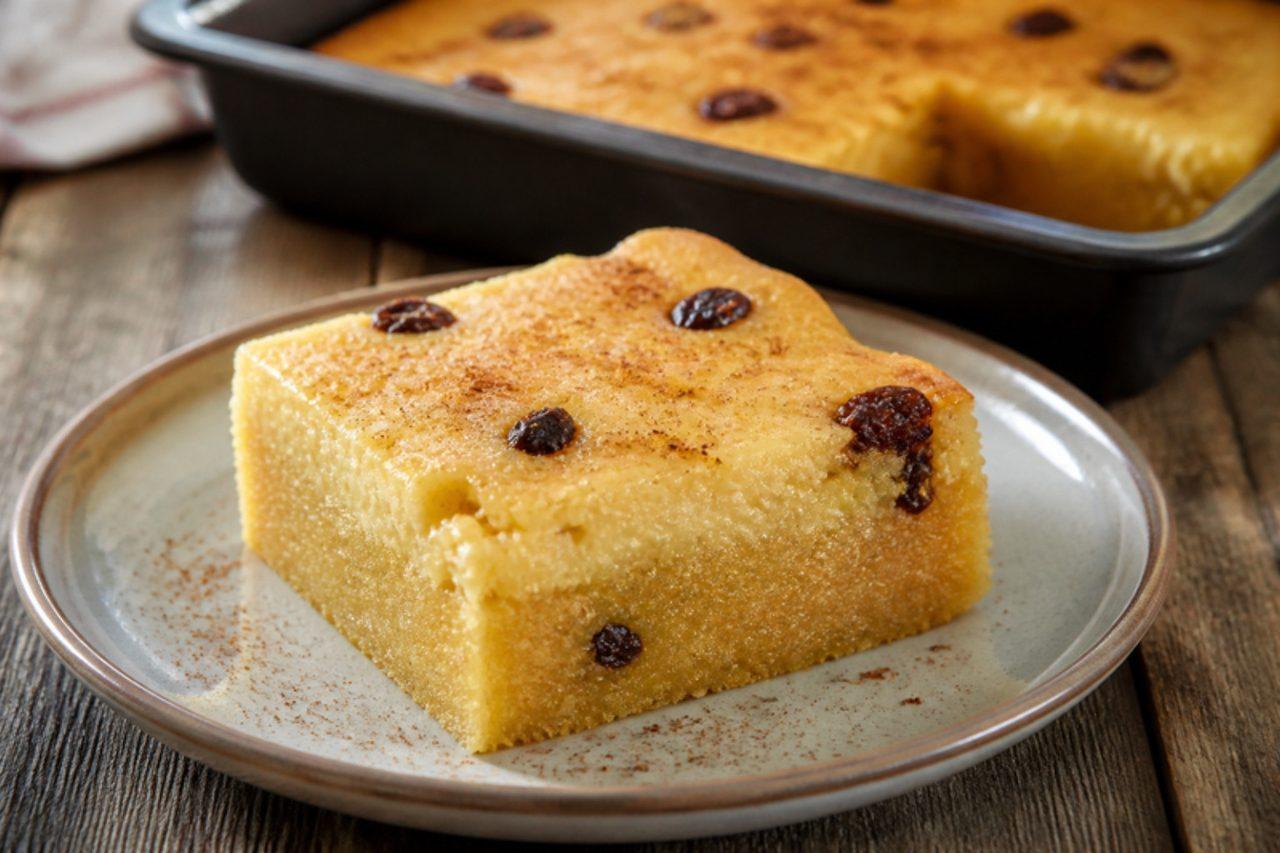
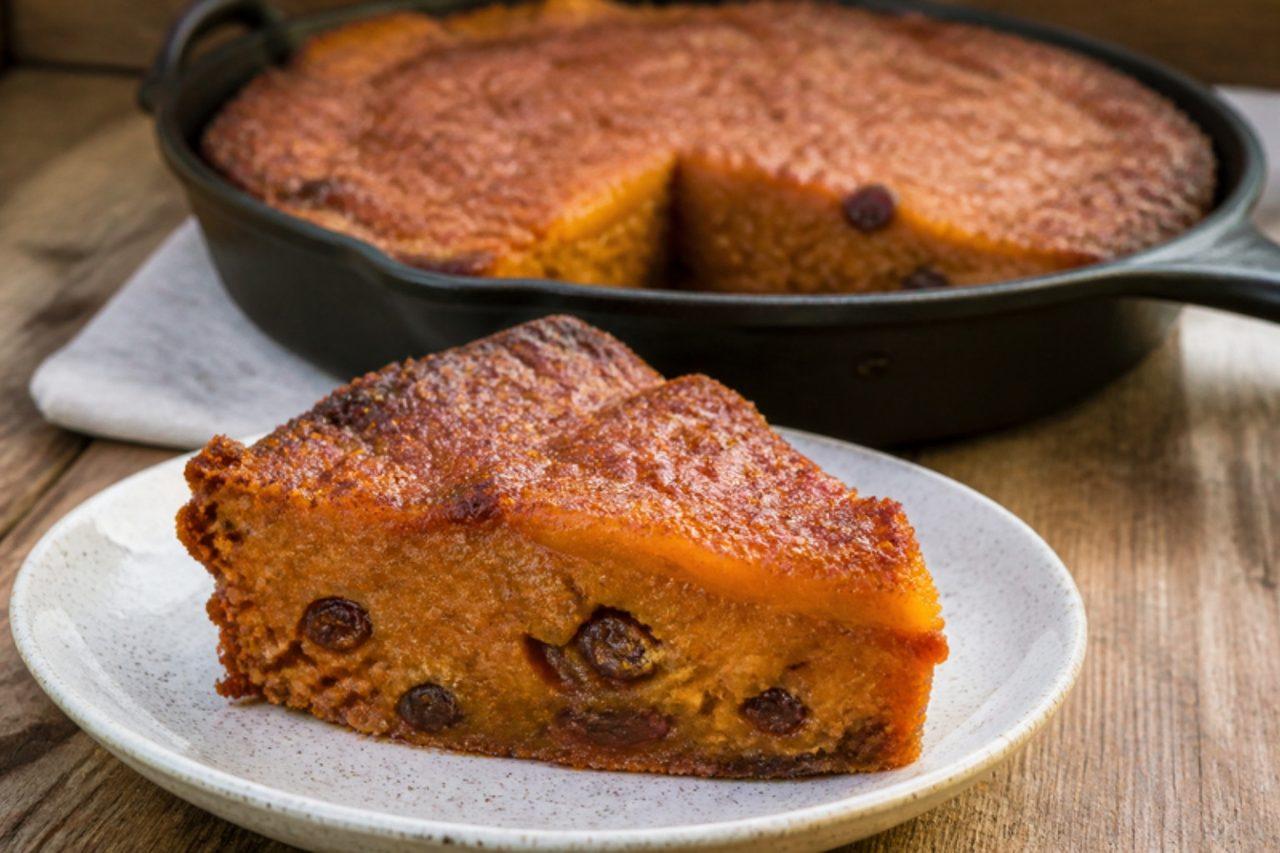
Jamaican cornmeal pudding is the cousin of sweet potato pudding, cheaper and quicker to make, and a fixture at Sunday dinner and church harvest suppers from Kingston to the hills of Manchester. Cornmeal is first cooked on the stove in coconut milk with sugar and nutmeg, then baked until firm, sliceable and caramel-edged, with a thin, soft layer on top. The classic mistake is pouring raw cornmeal straight into hot liquid, which makes lumps; whisk it into cold liquid first. Chef's tip: pour a little extra coconut milk over halfway through baking to get that custardy "hallelujah" top.

by KrazyBadal 0 views

GazozFruit syrup soda

Before bottled soft drinks, the kiosks along Rothschild Boulevard and in Florentin sold gazoz: a squirt of fruit syrup topped up with fizzy water from a tap. Tel Aviv cafés have revived it as a glass crammed with fresh and lightly fermented fruit, flowers and herbs, so it is pretty, tart and only gently sweet. Make it on hot afternoons, for children's birthdays or as an alcohol-free welcome drink. The mistake is pouring the soda too early, so it goes flat before you drink it. Chef's tip: macerate the fruit in syrup for at least 30 minutes, ideally overnight in the fridge, so it bleeds colour into the glass.

by KrazyBadal 0 views

Tklapi soup

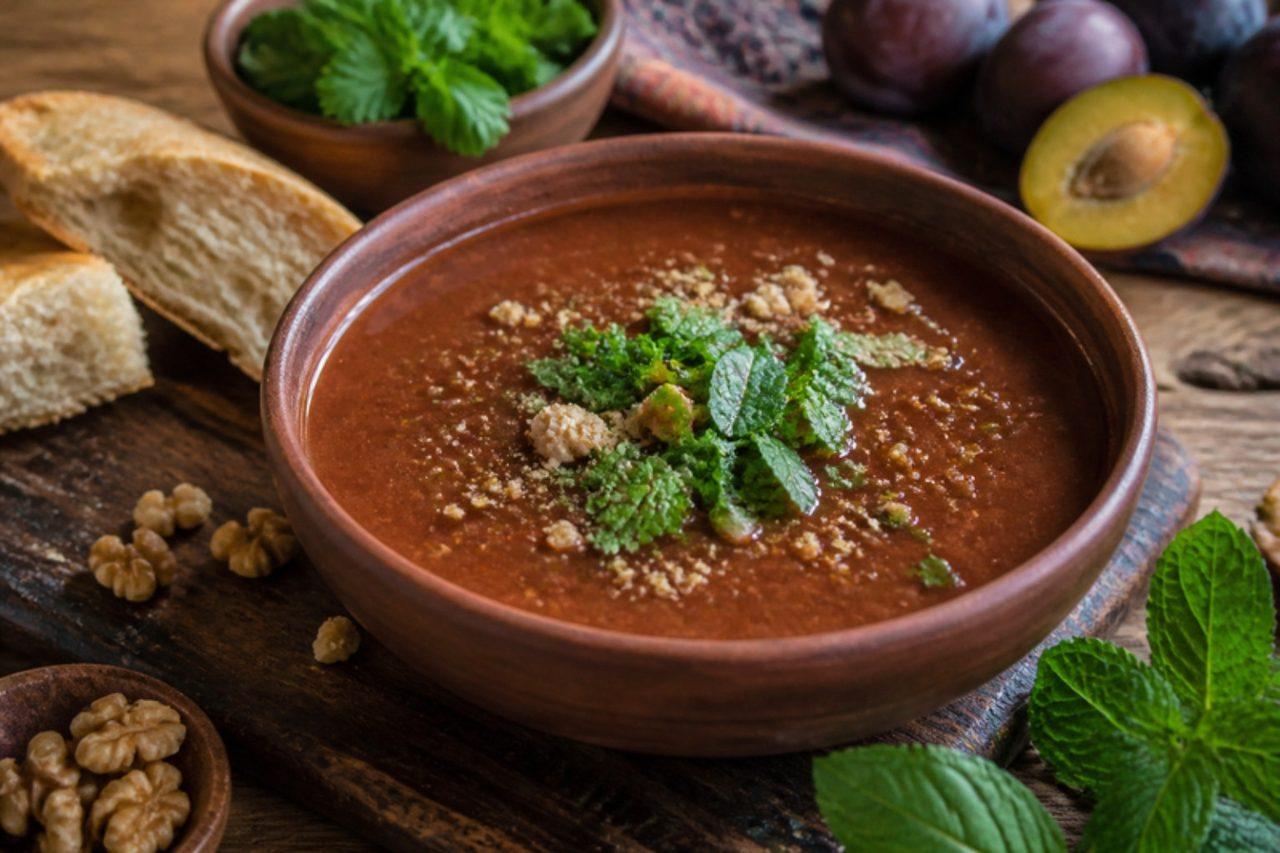
Tklapi are thin sheets of plum purée dried on boards in the late-summer sun around Kutaisi, rolled up and hung from rafters for the winter; dissolved in hot water, they turn into a sharp, fruity base for soups and sauces. This Imeretian Lenten soup is made in the cold months when fresh fruit is gone, thickened with walnuts and lifted with coriander, mint and garlic. If you cannot find tklapi, use dried sour plum leather or a mix of tkemali sauce and prunes. A common mistake is boiling the soup hard after the walnuts go in; they turn oily and the soup splits. Chef's tip: soak the tklapi in hot water first and rub it through a sieve, so the soup is smooth and free of stones or skins.

by KrazyBadal 0 views

GebzhaliaCheese rolls in mint yogurt sauce

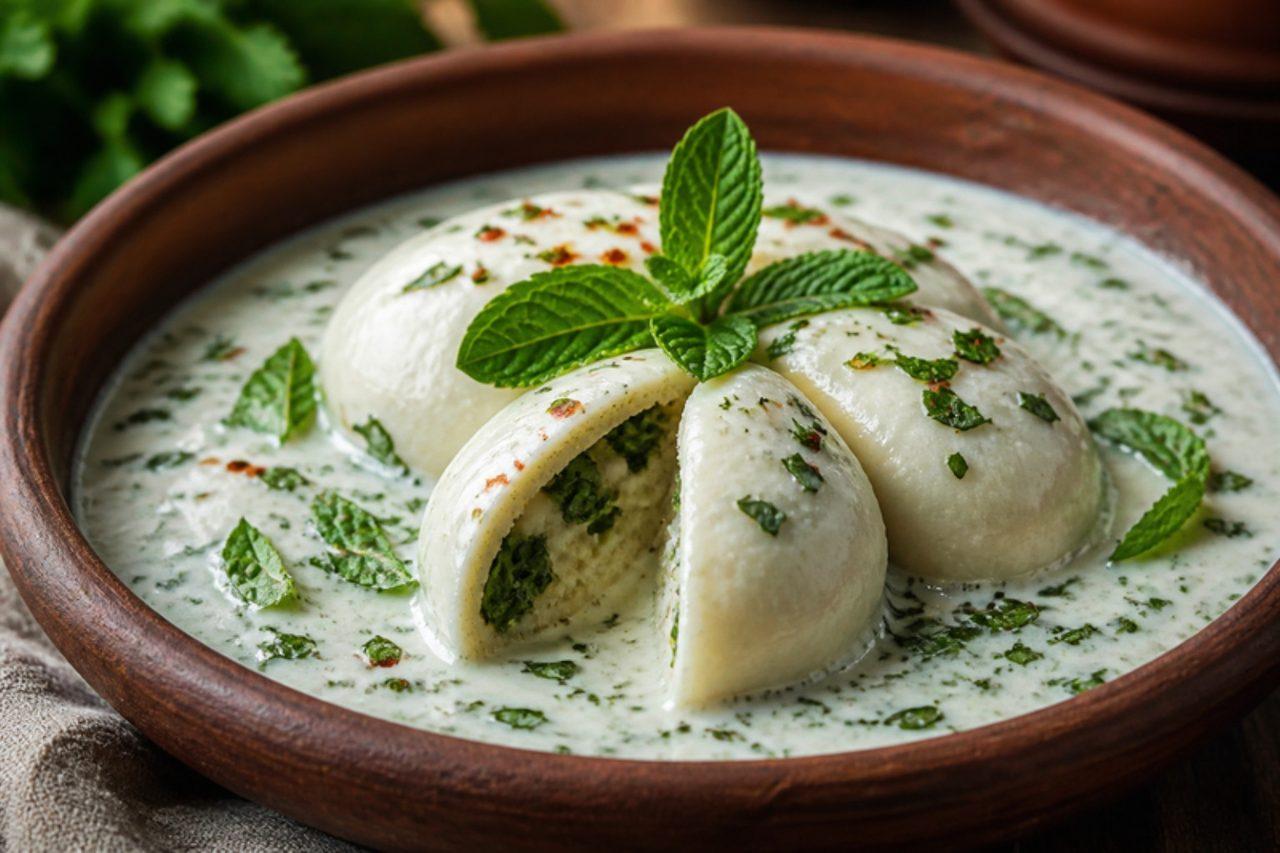
Gebzhalia is one of the dishes Mingrelian hosts in Zugdidi and Martvili bring out when guests arrive: soft, freshly made cheese is warmed in hot milk until pliable, flattened into sheets, scattered with mint and rolled up, then served in a cool, minty yogurt sauce. It is mild, salty and refreshing, served as a starter at a supra. Fresh imeruli cheese is the traditional choice; fresh mozzarella curd works well too. A common mistake is overheating the cheese, which makes it squeaky and tough instead of silky. Chef's tip: keep the milk just below a simmer and work the cheese with a spoon until it is soft enough to stretch, then roll while it is still warm. Fresh cheeses are often made with animal rennet, so choose a vegetarian one.

by KrazyBadal 0 views

Svanetian salt

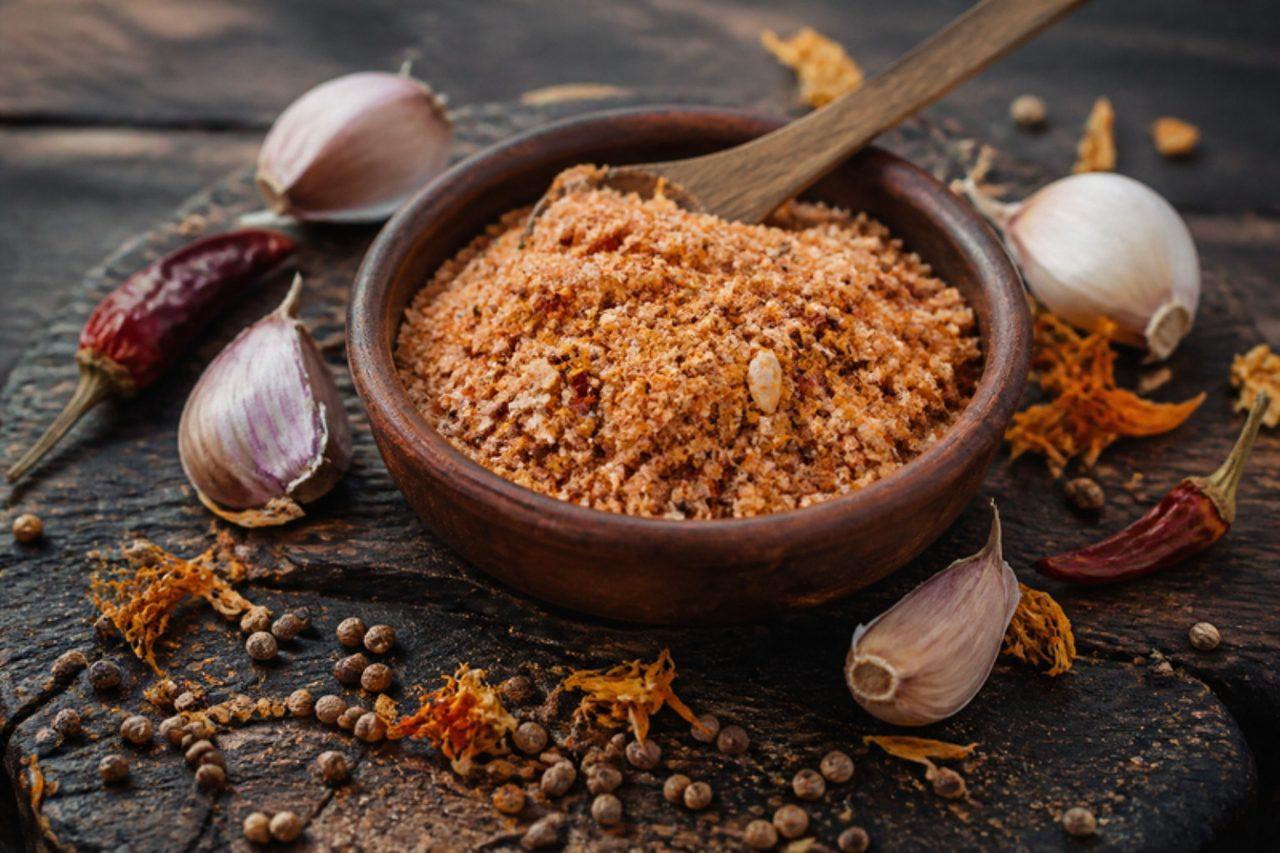
In the stone-towered villages of upper Svaneti, salt was precious and families stretched it by grinding it with garlic and the spices that grow on their slopes: blue fenugreek, coriander seed, dried dill seed, marigold and hot pepper. The result is a fragrant, damp, greenish salt that every Svan kitchen keeps in a jar, rubbed on potatoes, stirred into soups or sprinkled on tomatoes and cucumbers. A common mistake is using fine table salt, which turns to paste; coarse salt grinds the garlic and dries it at the same time. Chef's tip: spread the finished salt on a tray and let it dry for a day before jarring, so it keeps for months.

by KrazyBadal 0 views

Fryske dúmkesAnise and hazelnut biscuits

Dúmkes, 'little thumbs', are crisp, spiced biscuits from Friesland, shaped by pressing the dough with a thumb or rolling it into a log and slicing; their flavour comes from aniseed and toasted hazelnuts, and they are dunked in coffee at Frisian kitchen tables. A common mistake is baking them pale, which leaves them soft; they should be golden and snap when broken. Chef's tip: lightly crush the aniseed before mixing, so its sweet liquorice flavour runs through every bite.

by KrazyBadal 0 views

Arroz a la cubanaRice with tomato and egg

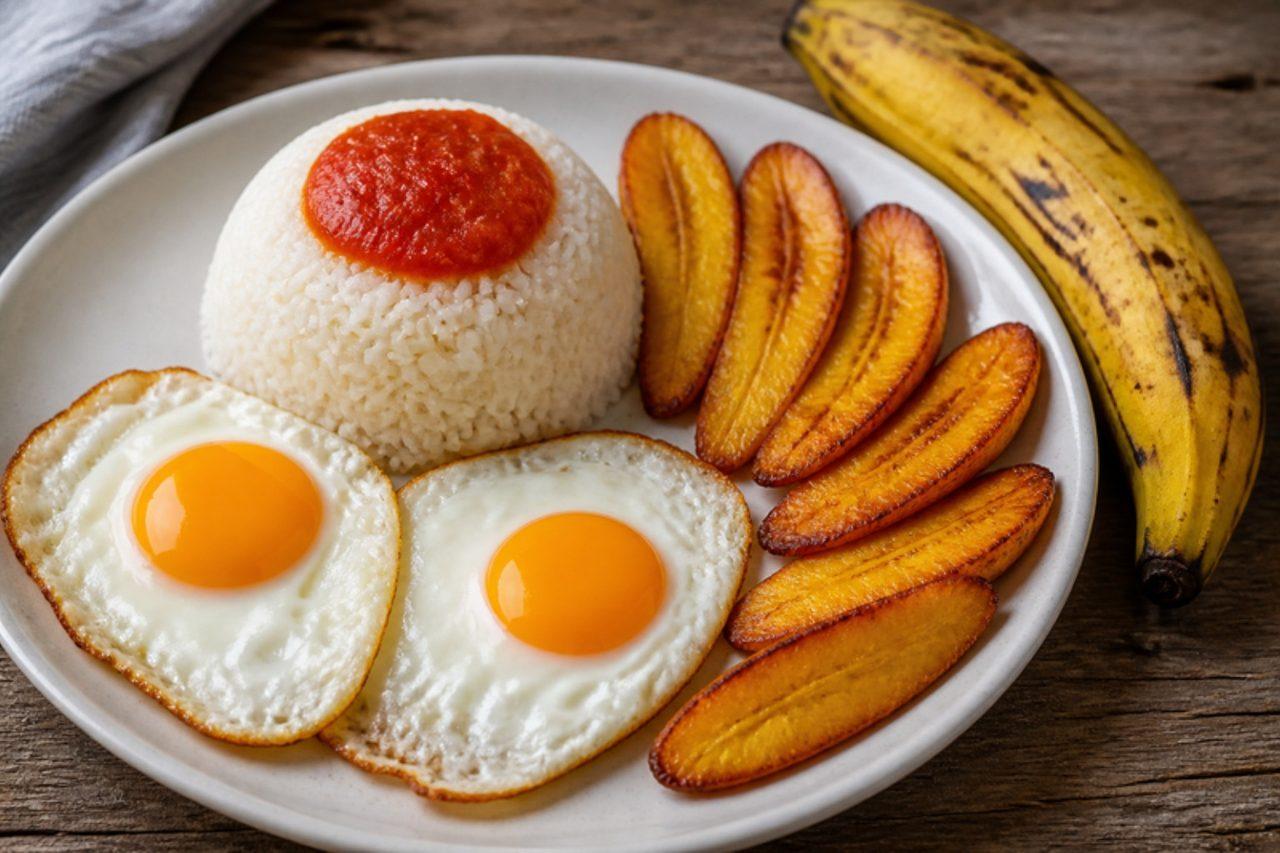
Havana cafeterías put this plate on the lunch board when cooks want something cheap, fast and filling: a mound of plain white rice, a ladle of garlicky tomato sauce, a fried egg with a runny yolk and slices of caramelised ripe plantain. Breaking the yolk into the rice and sauce is the whole point, so the eggs should be fried at the last minute. The usual mistake is using plantains that are still yellow-green; they need black-spotted skins to turn soft and sweet in the pan. Serve with a simple avocado salad. Chef's tip: baste the egg whites with hot oil from the pan so they set with lacy edges while the yolks stay liquid.

by KrazyBadal 0 views

Gefilte fishPoached fish dumplings

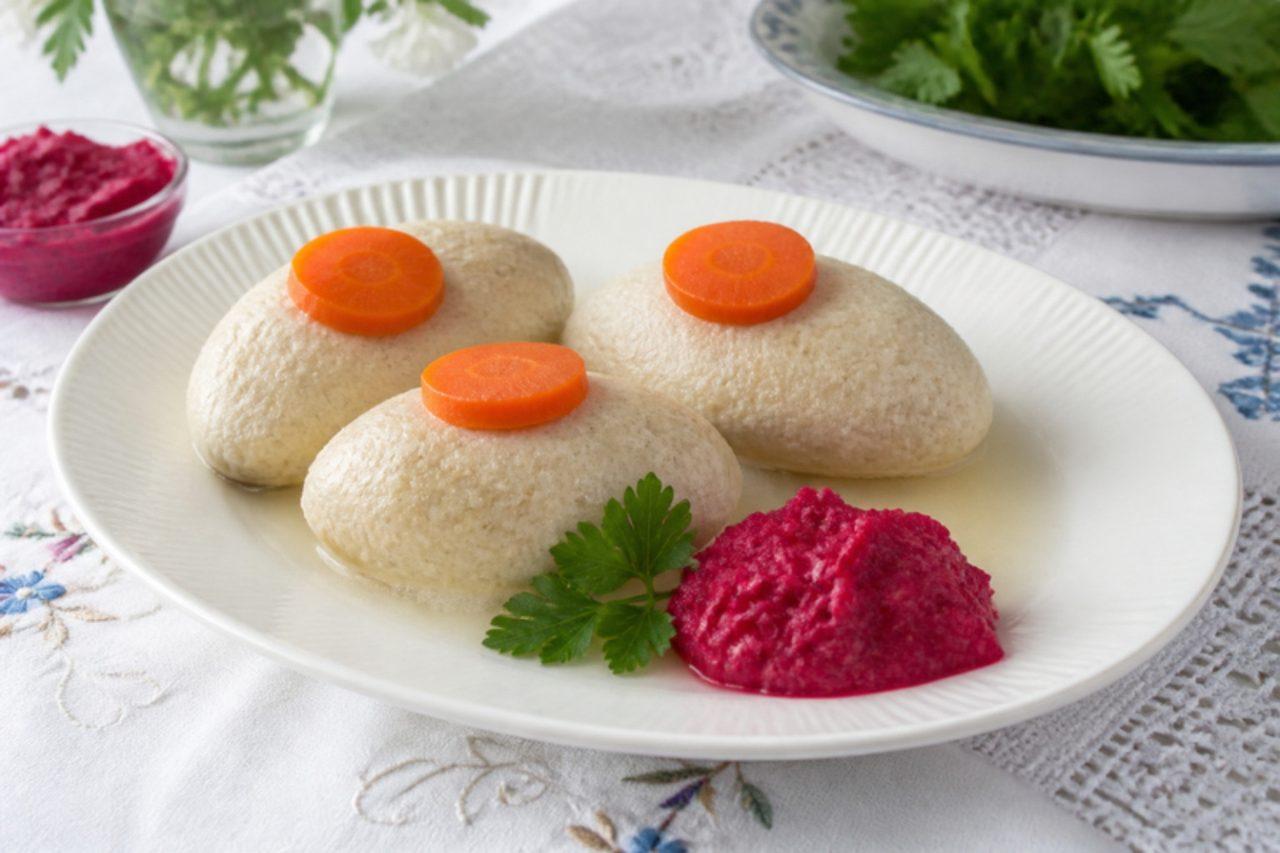
Poached fish dumplings start the Shabbat and Passover meal in many Ashkenazi homes across Israel, and families still argue about whether they should be sweet, Polish-style, or peppery like the Lithuanian version. Minced carp, pike or whiting is beaten with onion, egg and matzo meal, shaped into ovals and simmered in a broth made from the fish bones and vegetables, which sets into a light jelly when chilled. Each piece is served cold with a coin of carrot on top and a spoonful of sharp beetroot horseradish. The commonest mistake is boiling the broth hard, which makes the dumplings tough and breaks them up; it should barely tremble. Chef's tip: wet your hands with cold water before shaping each dumpling so the soft mixture does not stick.

120 minIsraeliFish
by KrazyBadal 0 views

Burmese tomato salad

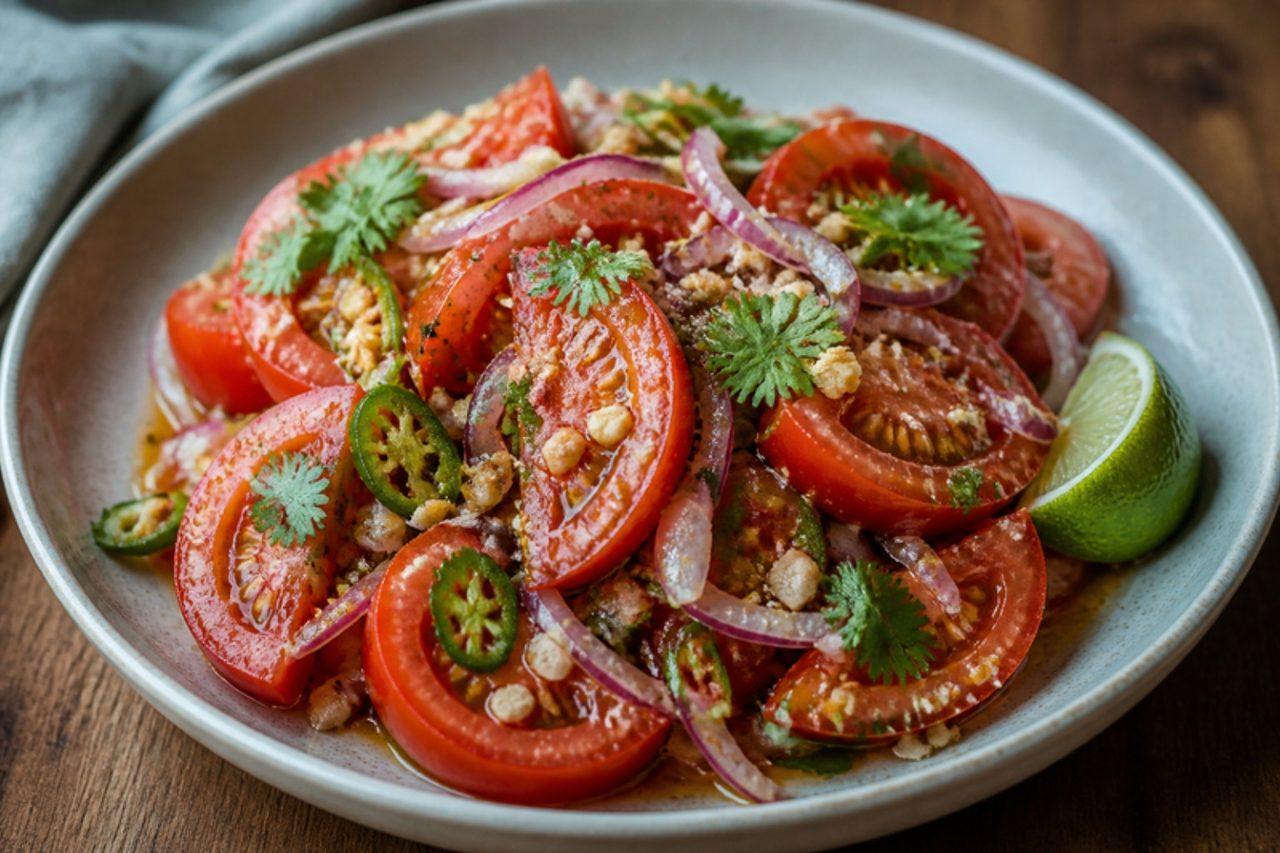
Come the cool season, when tomatoes are at their sweetest in Mandalay and the dry towns of Upper Burma, this thoke (a salad 'mixed by hand') is the quick dish that appears beside rice and curry at almost every meal. Slices of ripe tomato and onion are squeezed together with toasted chickpea flour, crushed peanuts and fried shallots in their oil, so the juices and flour turn into a light, nutty dressing that clings to every piece. Lime and fresh chilli sharpen it, and coriander lifts it. Home cooks often add fish sauce; this vegetarian version uses salt and a pinch of sugar. Dressing it too early is the most common mistake: salt pulls water from the tomatoes and leaves a soupy plate. Chef's tip: mix with your fingertips just before serving, pressing lightly so some tomato juice blends into the flour.

by KrazyBadal 0 views

GarnaalkrokettenGrey shrimp croquettes

Along the Flemish coast, from De Panne to Knokke, the North Sea grey shrimp is king, and garnaalkroketten are the dish every seaside restaurant is judged by: a molten, creamy shrimp-flavoured béchamel packed with little brown shrimps, set firm, crumbed and fried until golden, served with fried parsley and lemon. In Oostduinkerke, shrimp fishers on horseback still drag their nets through the shallows. A common mistake is a béchamel that isn't thick enough, so the croquettes burst in the oil. Chef's tip: make a strong shrimp stock from the shells, if you have them, for the béchamel, and chill the mix overnight so it is firm to shape. The shrimp are already cooked; fry until golden and hot through.

by KrazyBadal 0 views

Gurian pickled cabbage

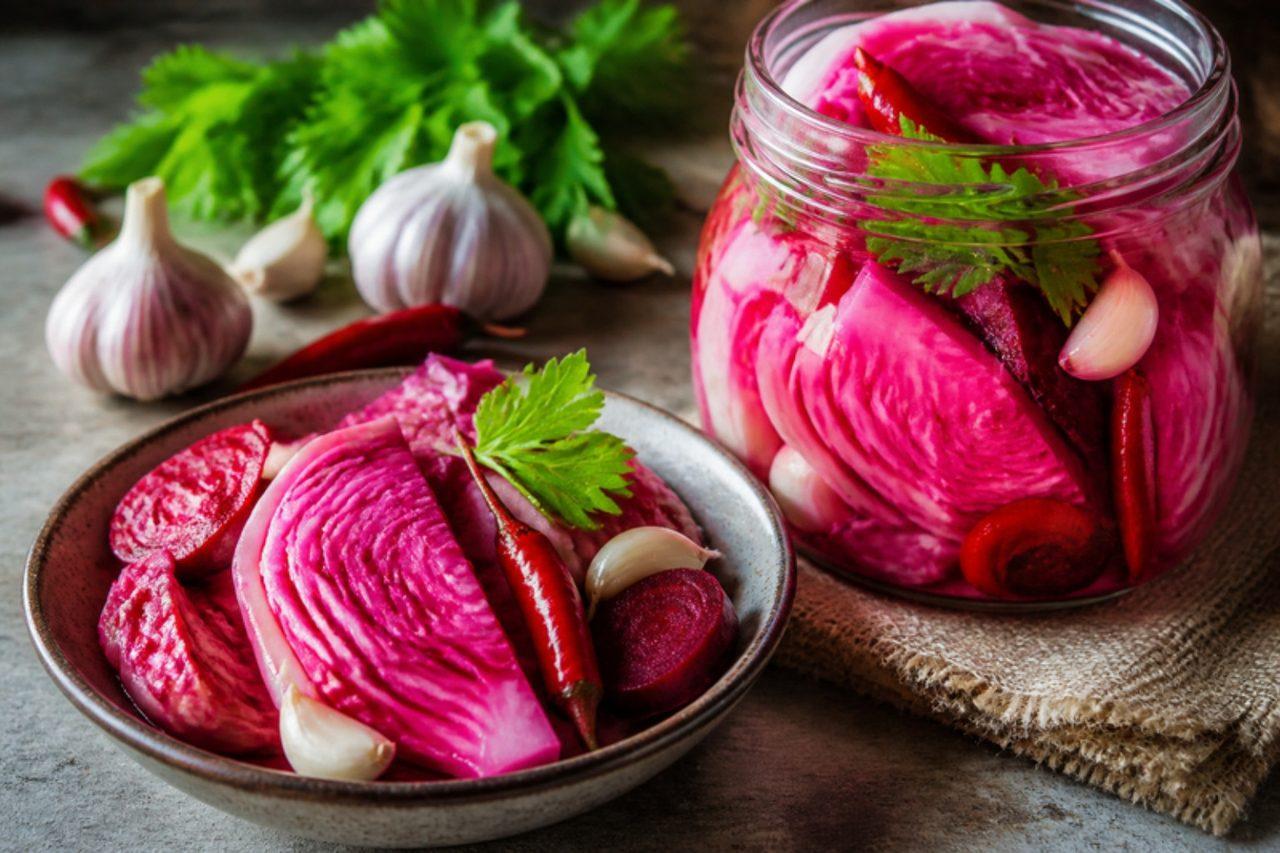
Gurian pickled cabbage turns heads at the Ozurgeti market: whole cabbage wedges stained deep pink by beetroot, layered with garlic, celery leaves and hot pepper and left to ferment in brine until crunchy and sour. Families in Guria put up big crocks in late autumn for the winter and the New Year table, and serve it beside fatty pork, beans and cornbread. A common mistake is using iodised salt, which can stop the ferment and darken the pickle. Chef's tip: keep the jar at cool room temperature for the first few days, then move it to the fridge once it tastes pleasantly sour, so it stays crisp.

by KrazyBadal 0 views

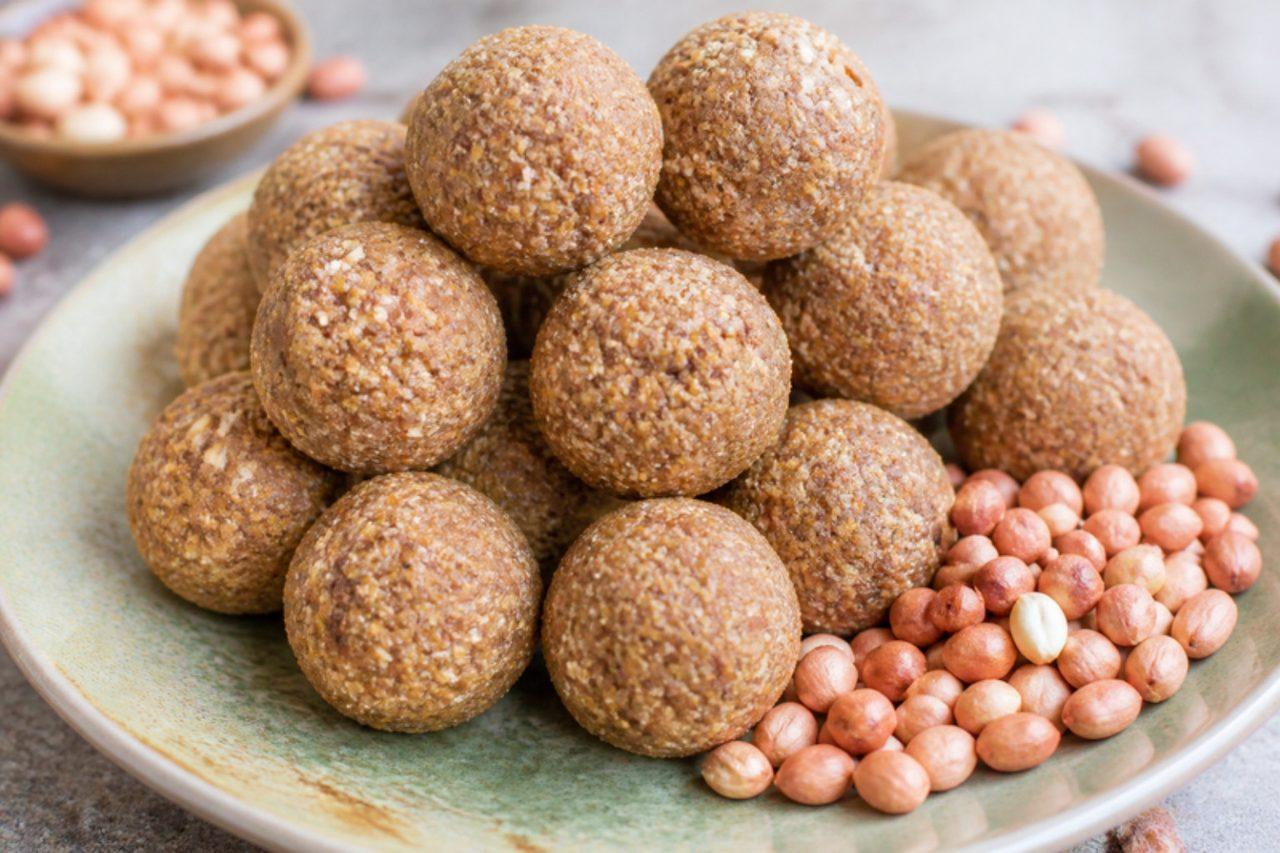
Dakuwa (groundnut and grain balls)

Hawkers in northern towns carry dakuwa on trays to schools and motor parks, and it keeps well enough to be a travelling snack. Roasted groundnuts are pounded with toasted maize or millet, sugar and warm spices until the oil from the nuts binds everything, then pressed into firm balls that are sweet, nutty and gently peppery. No cooking beyond toasting is needed. The usual mistake is over-blending until the nuts turn to butter and the mixture goes greasy; pulse and stop as soon as it holds when squeezed. Chef's tip: shape the balls while the mixture is still warm from the processor, when the oils are soft and it presses together easily.

by KrazyBadal 0 views

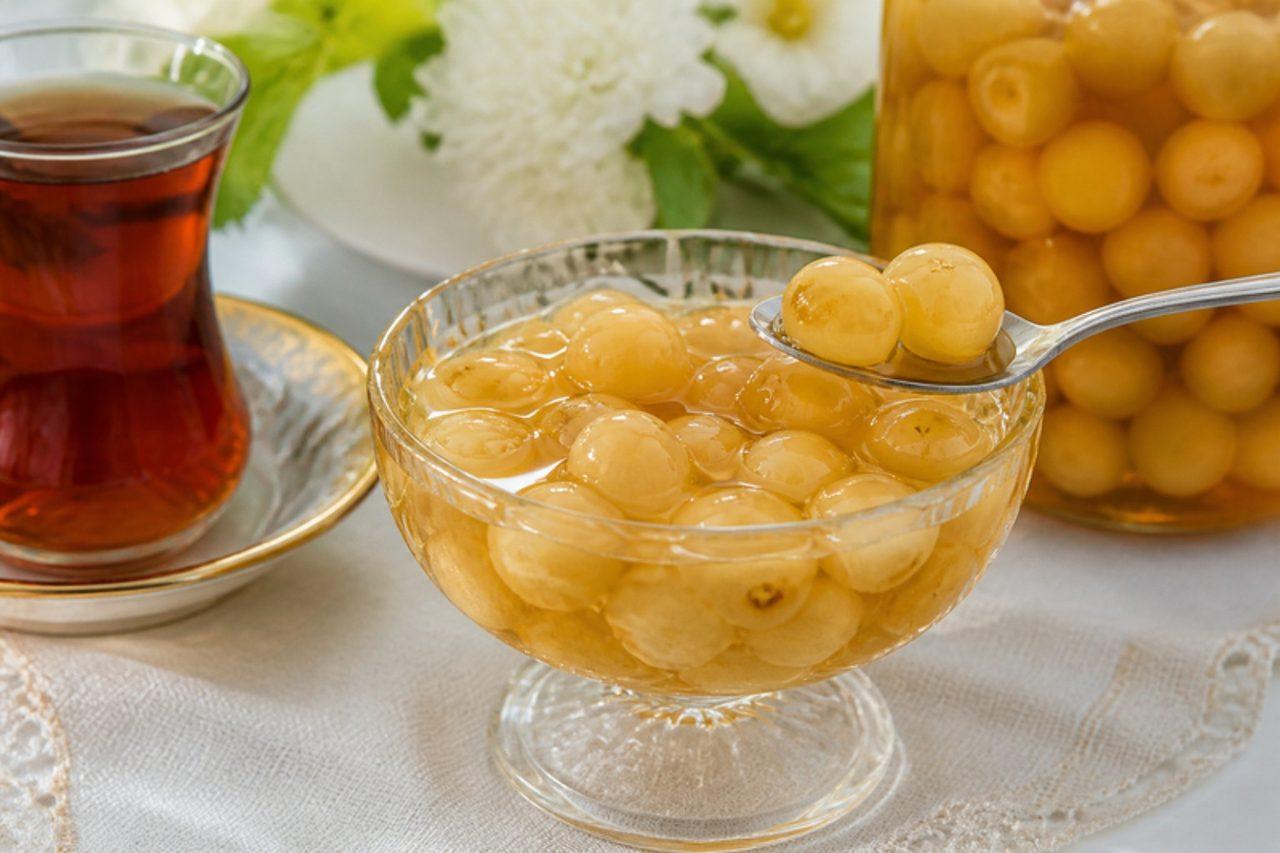
White cherry preserve

Absheron is famous for its white cherries, pale yellow fruit with a pink blush that ripen in June in the sandy orchards around Mardakan and Shuvalan. Baku families stone them one by one with a hairpin and cook them slowly into a clear golden preserve, sharpened with lemon, which is served in tiny glass bowls (mürəbbə qabı) with black tea; you sip the tea and eat a spoon of cherries between sips. A common mistake is cooking the fruit in one long boil, which shrivels it. Chef's tip: cook in short spells with long rests in between, so the cherries plump up with syrup and stay whole and glossy.

by KrazyBadal 0 views

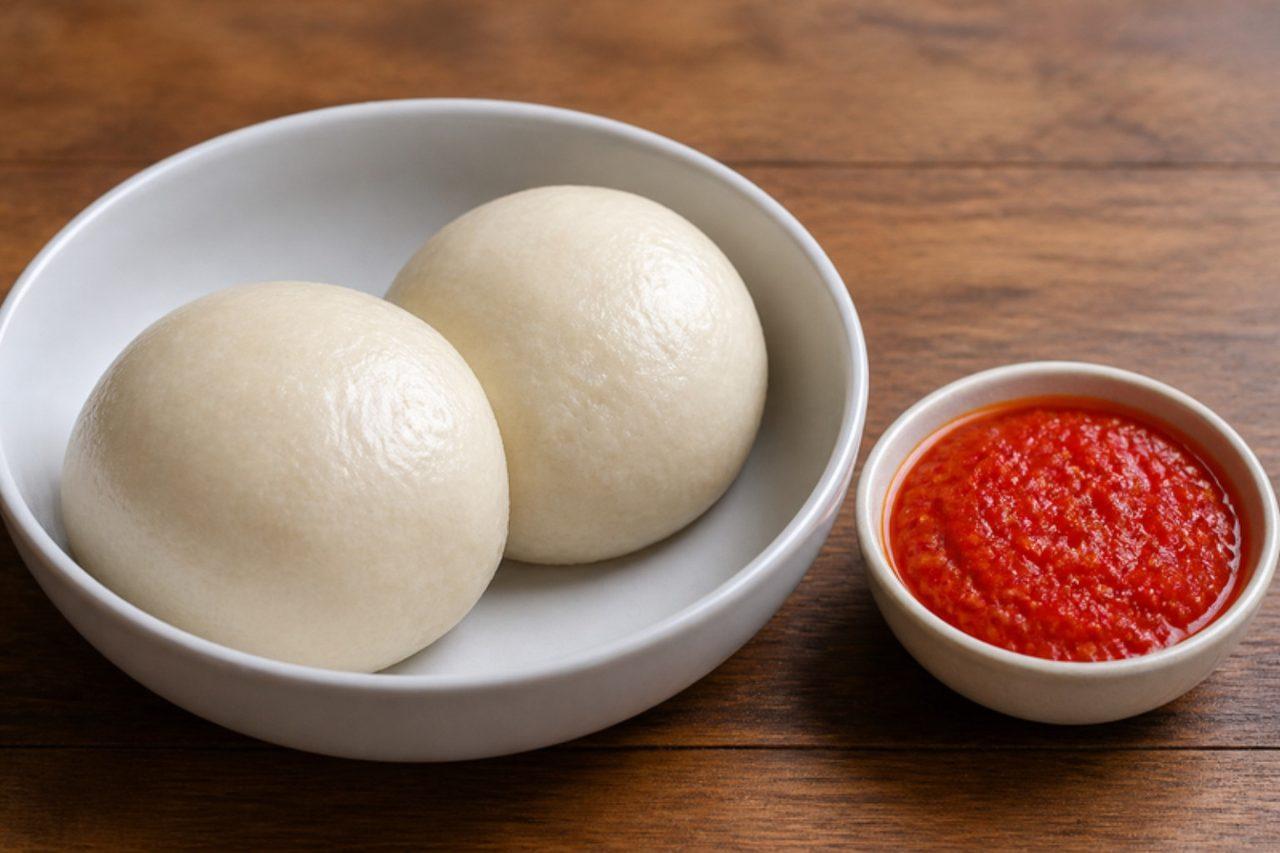
BankuFermented corn and cassava dough

Chop bars from Jamestown to Teshie serve banku all day, usually beside grilled tilapia, okro stew and a fierce raw pepper sauce. Fermented corn dough and cassava dough are cooked together and turned hard with a wooden spatula until they become a smooth, stretchy, faintly sour ball that you pinch off with your fingers and dip into soup or stew. At home it is good with any Ghanaian soup, and a meat-free okro stew or pepper sauce keeps the whole meal vegan. Ready-made doughs are sold in African grocers. A lumpy banku comes from adding dough to hot water; always mix it with cold water first, then heat. The commonest mistake is stopping the stirring; banku needs constant turning with a wooden spoon or it goes lumpy and raw in patches. Chef's tip: keep a bowl of water next to the pot and wet the spatula and your hands as you shape the balls, so the banku comes out glossy and nothing sticks.

by KrazyBadal 0 views

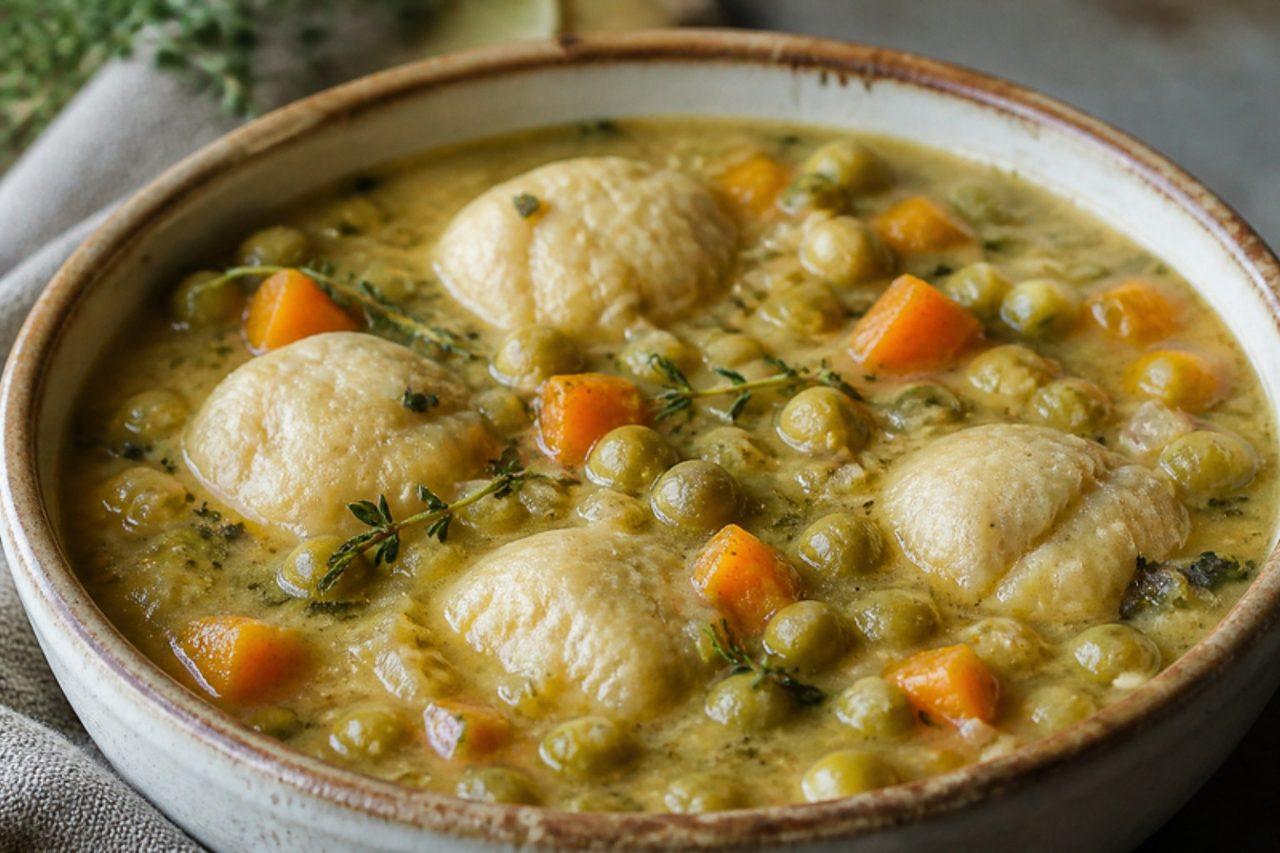
Jamaican gungo pea soup

Gungo peas ripen around December, so this soup belongs to the Christmas season in Jamaica, when the same peas also go into the festive rice and peas. Fresh or frozen green pigeon peas give a nutty, earthy broth that coconut milk, thyme and pumpkin turn rich and golden, and flour dumplings make it a meal. A common mistake is boiling the coconut milk hard for the whole time, which makes it split and oily; add it once the peas are soft and keep the pot at a simmer. Dried pigeon peas work too: soak them overnight and allow an extra 40 minutes. Chef's tip: blitz about a quarter of the soup and stir it back in for body while keeping plenty of whole peas.

by KrazyBadal 0 views

Zviti (pounded pepper and flatbread mash)

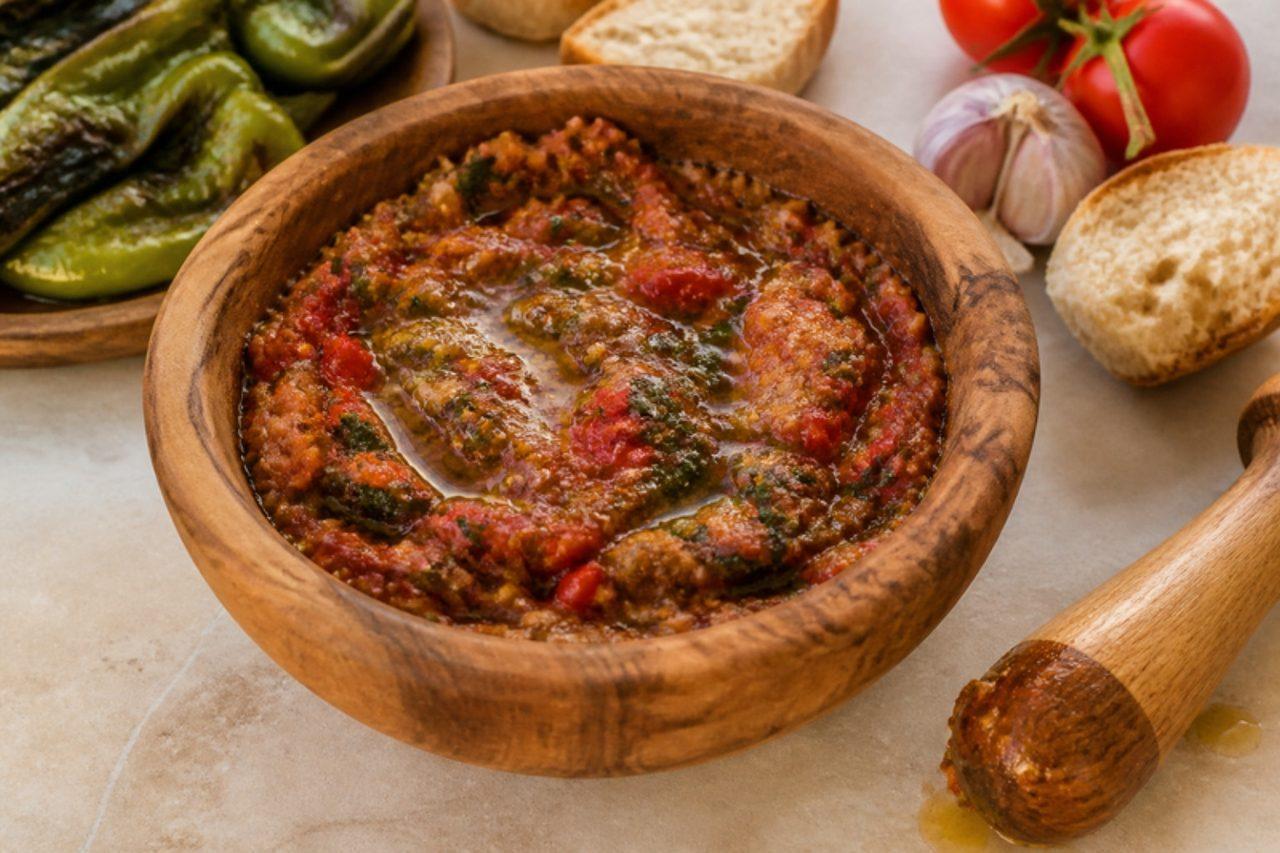
Fire-blistered green chillies, a few tomatoes and a fist of garlic go into a wooden mortar, and the cook in Bou Saâda or M'Sila pounds them with torn flatbread until everything turns into a coarse, hot, smoky mash. Zviti is served straight from that wooden bowl, sometimes in a carved mortar the size of a salad bowl, and eaten by hand with more bread, often on cold evenings in the steppe towns. The flavour is sharp and grassy from the chillies, sweet from the charred tomato and soothed by plenty of olive oil. Choose a mix of hot and milder long chillies to set the heat you like. Don't leave the charred skins on the peppers and tomatoes: they turn the mash bitter and stringy. Chef's tip: pound rather than blend; a food processor whips it into a watery soup, so if you must use one, pulse briefly and add the bread last.

by KrazyBadal 0 views

Guda cheese

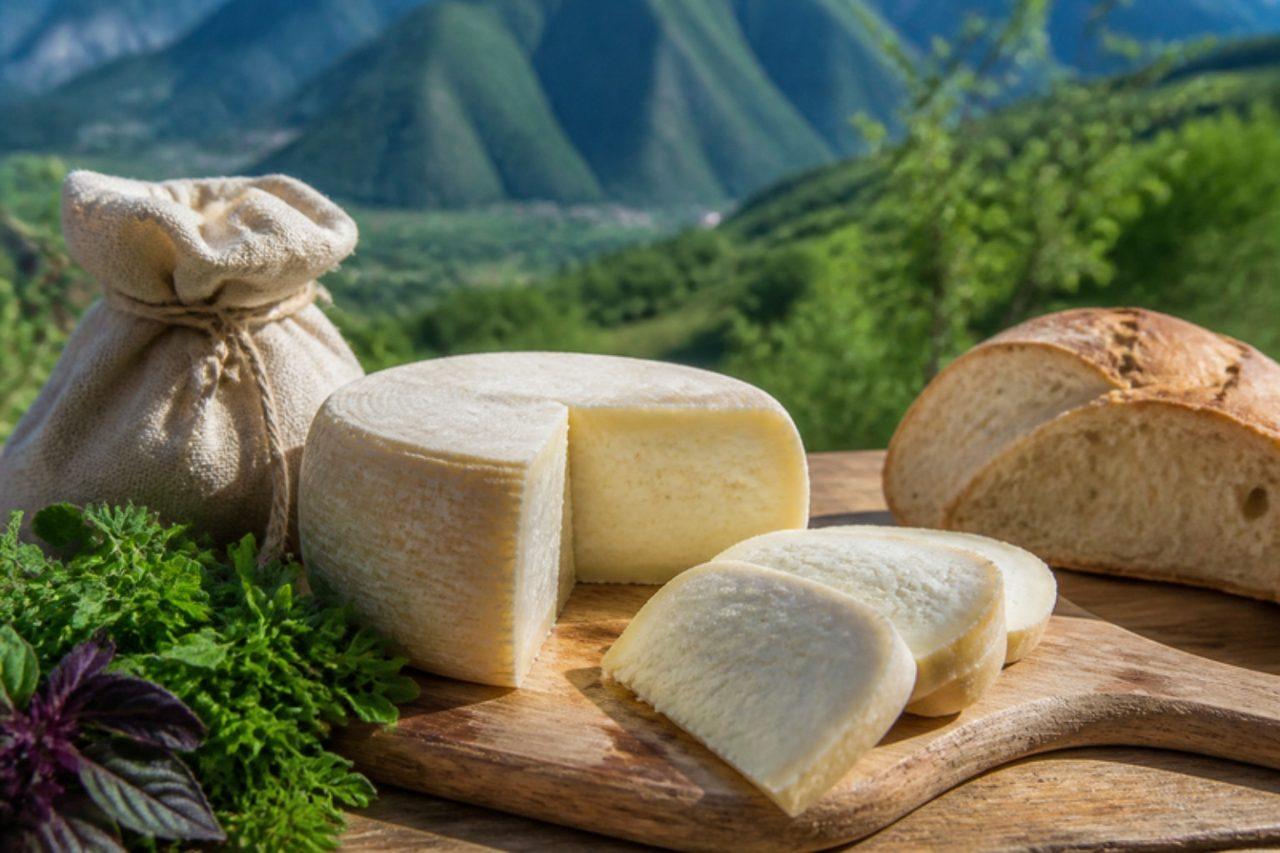
Tush shepherds make guda in summer huts high above the Alazani valley, pressing sheep's-milk curd into bags sewn from sheepskin, where it ripens into a crumbly, pungent cheese that travels down to Telavi markets in autumn. You cannot copy the sheepskin at home, but you can make a firm, salty sheep's-milk cheese and ripen it in a cloth in the fridge for two to three weeks, which gives a similar sharp, grassy bite. Traditionally the milk is set with animal rennet; vegetarian (microbial) rennet works the same way. A common mistake is cutting the curd before it gives a clean break, which leaves a soft, wet cheese that sours instead of ripening. Chef's tip: grate aged guda over hot ghomi or khinkali; its strong flavour goes a long way.

by KrazyBadal 0 views

ArishtaButtered egg noodles

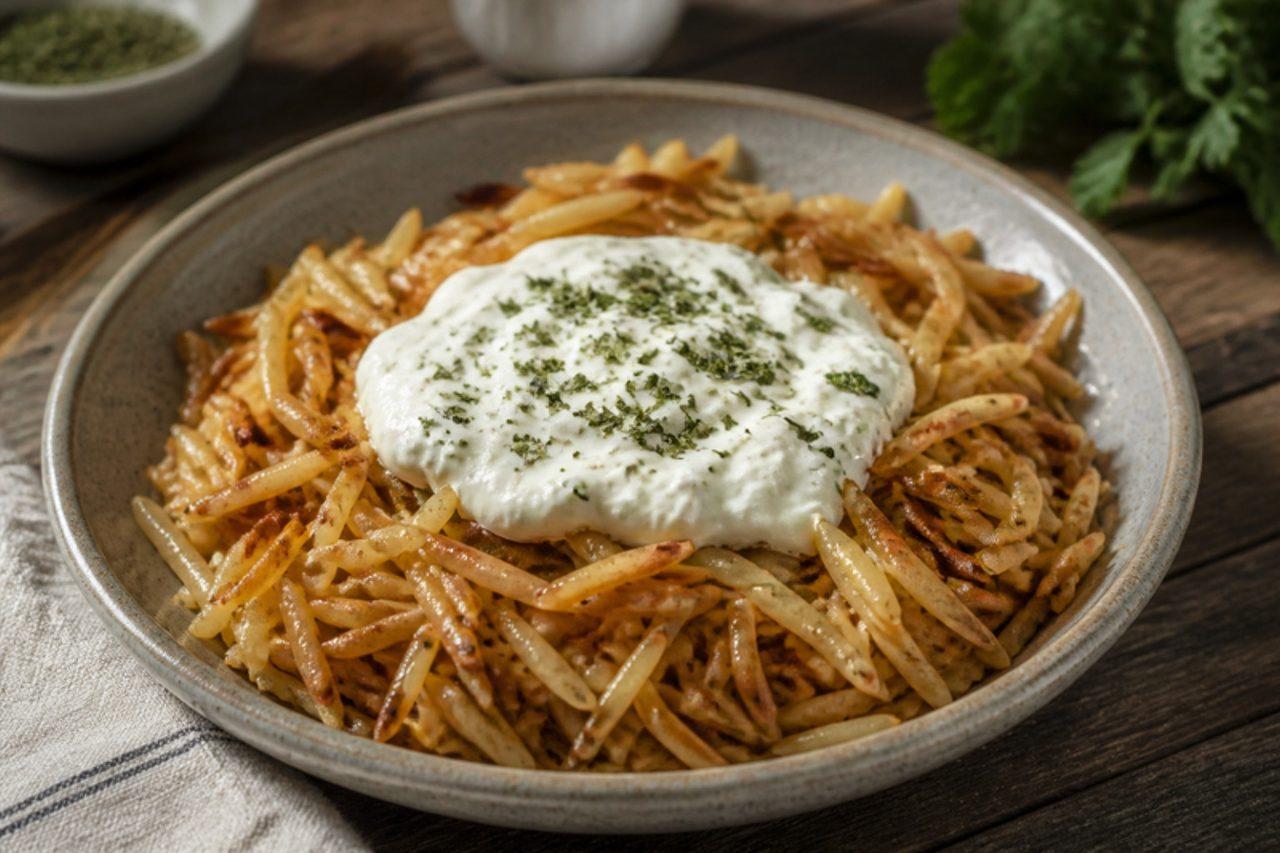
In Gyumri and the villages of Shirak, grandmothers still roll arishta by hand, cut it into thin strips and dry it in the sun to store for winter. To serve, the noodles are first toasted in butter until they turn golden and nutty, then boiled until tender and topped with garlicky matsun yogurt. It is simple, filling food for cold days on the Shirak plateau. A common mistake is skipping the toasting step, which gives soft, plain noodles without the characteristic roasted flavour. Chef's tip: dry the cut noodles for at least an hour before toasting, so they brown evenly instead of clumping.

by KrazyBadal 0 views

GánicaPotato and flour crumble

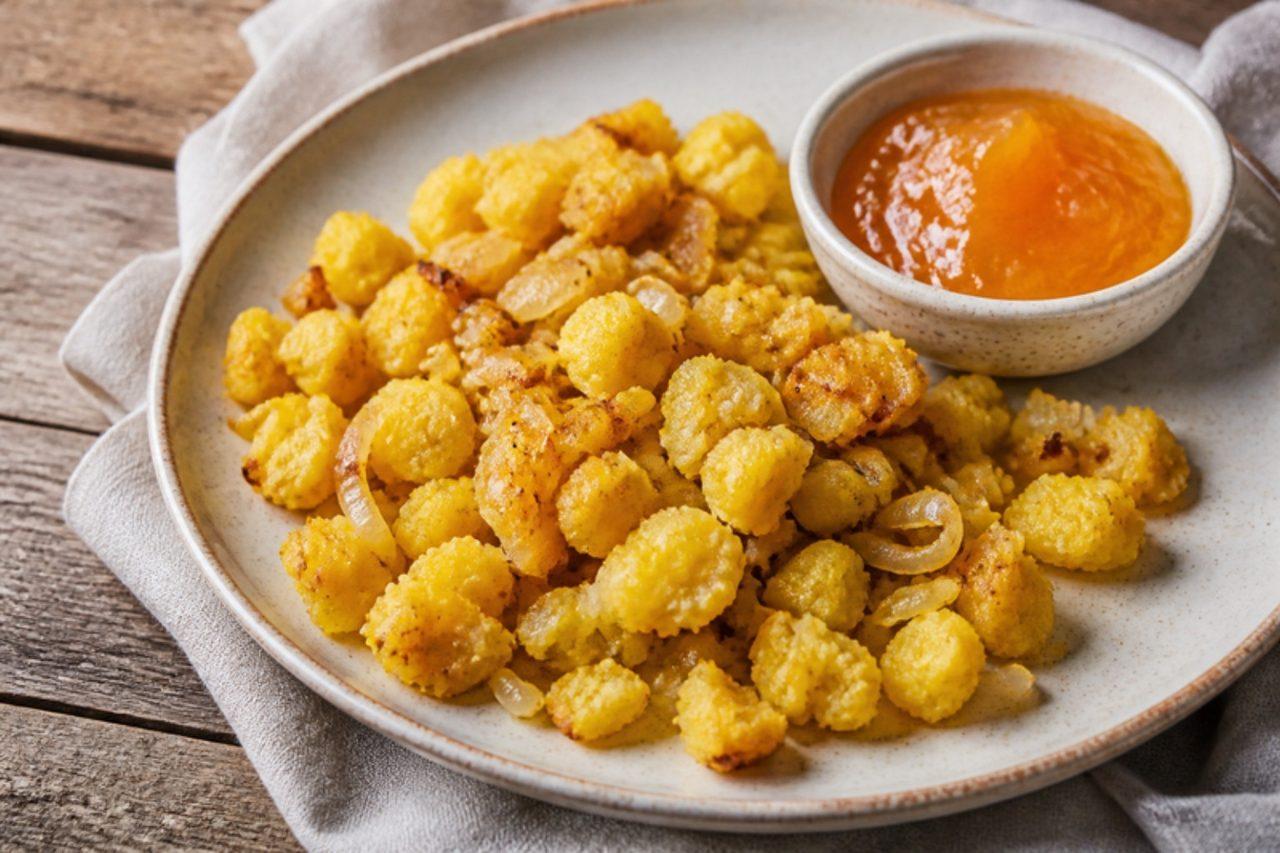
Up in the hills of northern Hungary, in Nógrád and Borsod, potatoes and flour were often all a farmhouse kitchen had in late winter, and gánica made a meal of them. The potatoes are mashed with flour into a heavy dough, then torn apart with two forks into small, uneven crumbs, which are tossed in a pan of onion-scented oil until golden in places. The result is soft and fluffy with crunchy edges, more like a savoury crumble than a dumpling. Eat it as a side with a mushroom stew, or sweet, spooned over with plum jam. The usual slip is under-cooking the flour, which leaves the crumbs pasty; give it the full time over the heat while you beat it. Chef's tip: tear the dough while it is still hot; once it cools it sets into a lump and will not crumble.

by KrazyBadal 0 views

Mushrooms on ketsi

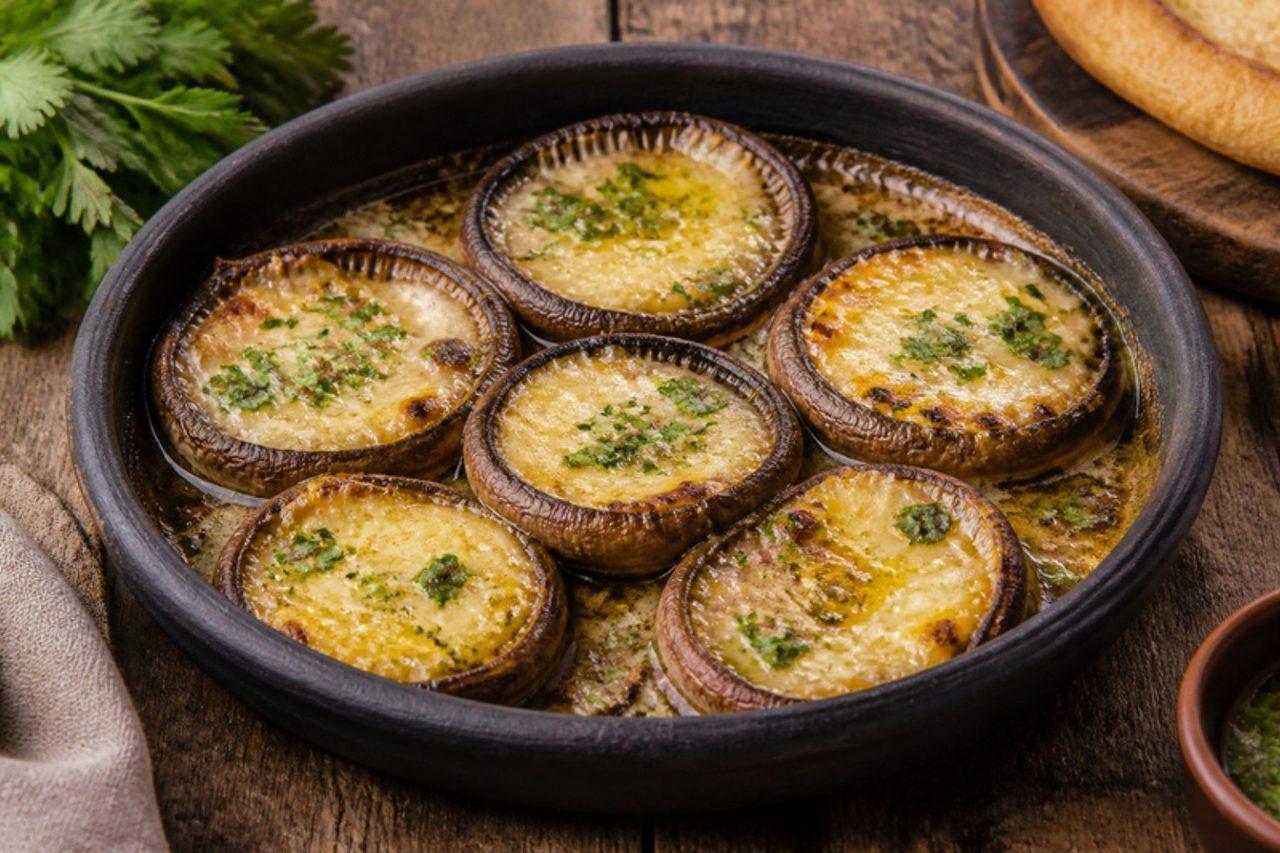
Every Tbilisi tavern has its sizzling ketsi, a shallow clay dish heated on the fire, and mushrooms baked in one with butter and a crust of melted sulguni are among the most ordered starters, brought to the table still crackling. In autumn, Georgian cooks use wild oyster mushrooms or field mushrooms; cups set gills up hold the butter like little bowls. A common mistake is overcrowding the dish, which makes the mushrooms steam instead of browning. Chef's tip: salt the mushrooms only after the first 10 minutes, so their juices stay inside and they cook in their own butter. Sulguni is usually made with animal rennet, so choose a vegetarian cheese.

by KrazyBadal 0 views

Jamaican pumpkin rice

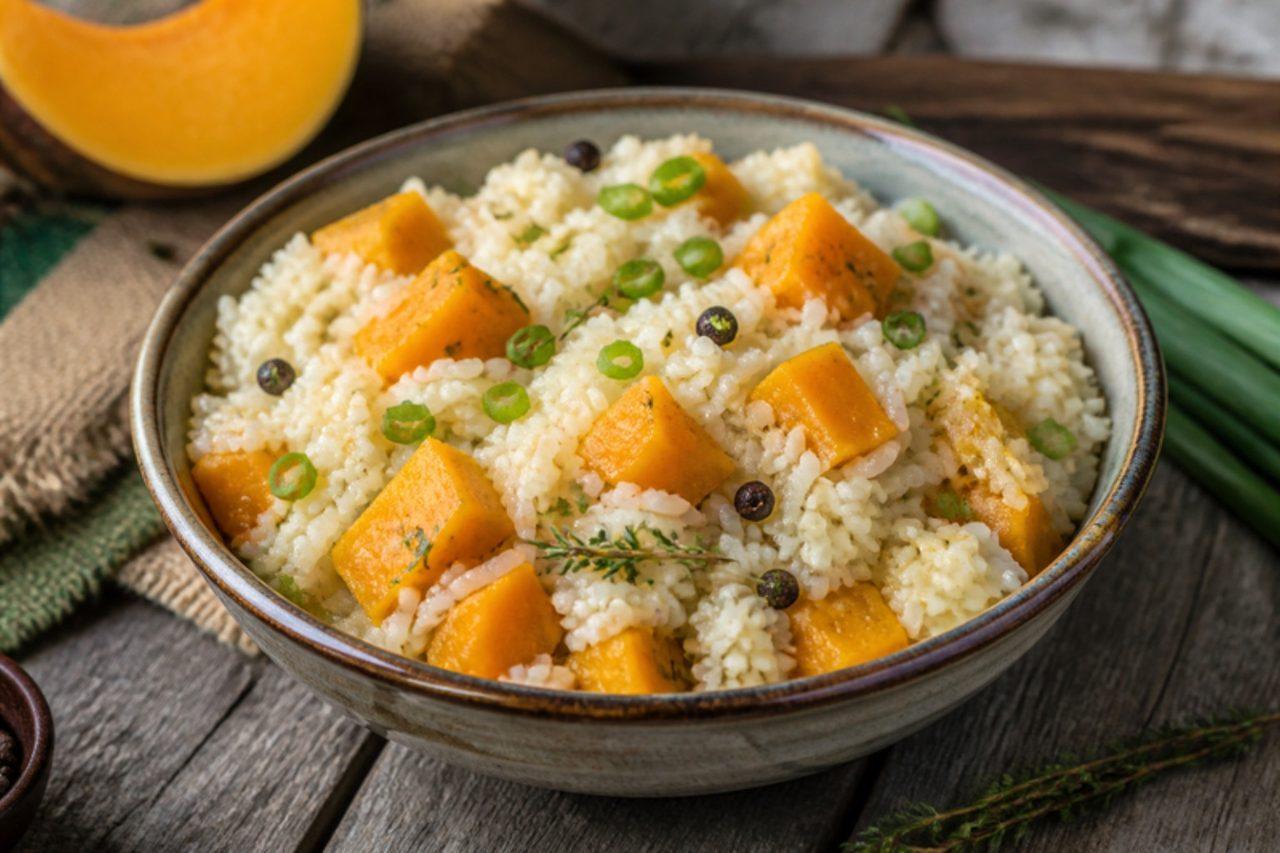
Along the north coast between Montego Bay and Ocho Rios, pumpkin rice turns up beside escovitch fish and steamed vegetables at Sunday lunch, the soft orange squash melting into the grains as they cook. Coconut milk, a sprig of thyme, scallion and a few pimento berries give it a gentle, savoury sweetness, and a whole scotch bonnet adds fragrance without much heat as long as it stays unburst. The common mistake is cutting the pumpkin too small, so it vanishes completely; 2 cm cubes partly melt and partly hold. Serve it with stew peas, jerk tofu or fried plantain. Chef's tip: rinse the rice until the water runs nearly clear, or the starch and pumpkin turn the pot sticky.

by KrazyBadal 0 views

Rougag (Saharan paper-thin flatbread)

Across the oases of the Algerian Sahara, from Biskra to Ouargla, women spread a soft semolina dough over a domed griddle so thin that light shows through it, then lift the sheet off within a couple of minutes. Rougag is the base of chakhchoukha and rfis, torn into pieces and soaked in sauce, but fresh sheets are also eaten folded around dates or a spoon of stew. Freshly made it is soft and flexible with toasty brown blisters; left to dry, it keeps for weeks in a tin. An upturned wok or a large non-stick pan stands in for the griddle. Chef's tip: oil your hands, not the pan; dough that is not wet enough to stretch is the common mistake, so it should feel almost too sticky to handle.

by KrazyBadal 0 views

Garash tortaWalnut meringue chocolate cake

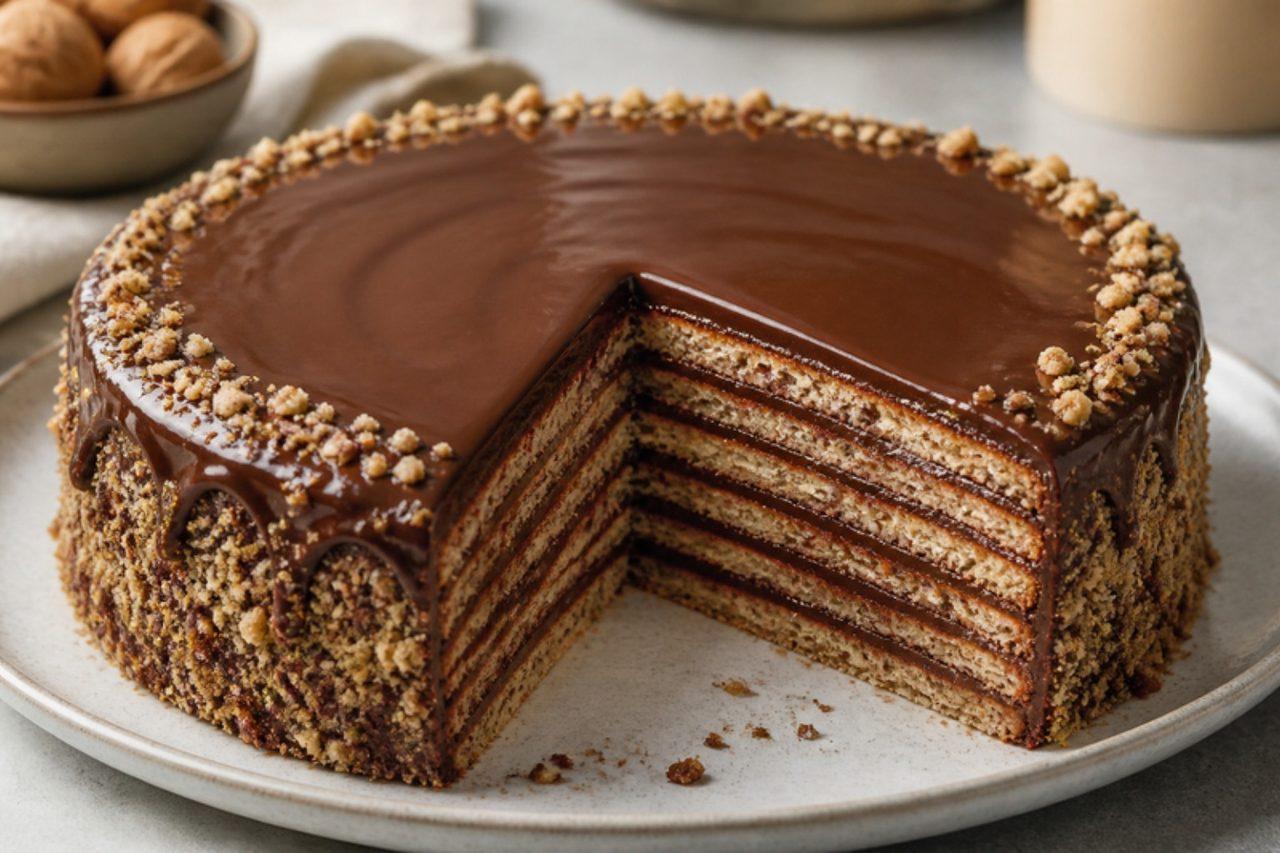
In 1885 a Hungarian confectioner named Kosta Garaš created this cake in Ruse, the elegant Danube town, and it has been the pride of Bulgarian patisseries ever since. Five thin, chewy layers of walnut meringue are stacked with a dark, glossy chocolate ganache and finished with a mirror-like chocolate glaze. Because it uses no flour, it is naturally gluten-free; it is rich and dense, so slices are thin, served with black coffee on name days and anniversaries. The cake is best made a day ahead and chilled so the meringue softens slightly into the ganache. Where most people go wrong is grinding the walnuts to an oily paste; pulse them only until like coarse sand. You will have ten yolks left over: use them for custard or pasta. Chef's tip: bake each layer on a circle drawn on baking paper and trim them all to the same size while still warm, when they cut cleanly.

by KrazyBadal 0 views

Ojojo (water yam fritters)

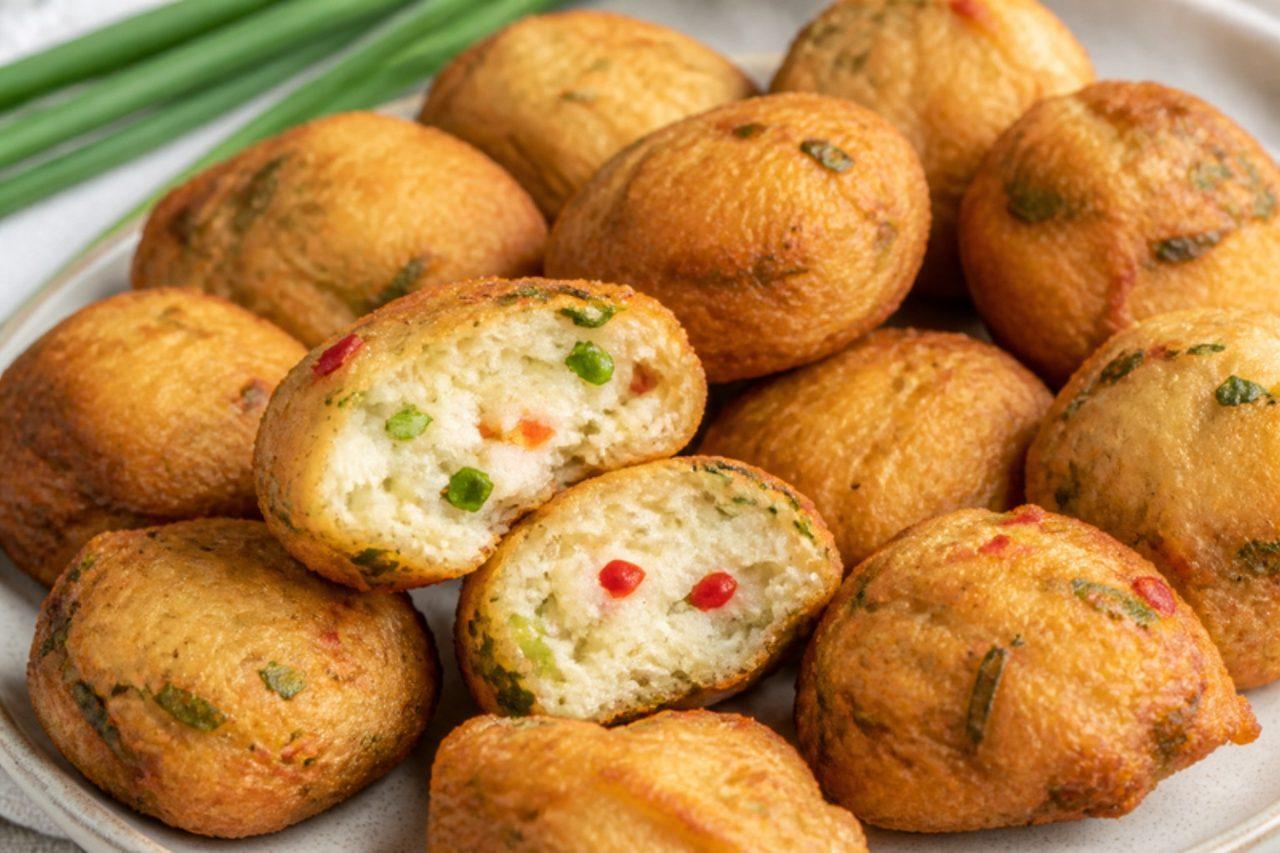
Ojojo is what Yoruba households do with water yam when they want a snack instead of a pottage, and roadside fryers in the Southwest sell it hot in paper with akara. The grated yam is mixed with chopped onion, fresh chilli and salt, then dropped by the spoonful into hot oil, where it puffs into craggy, golden fritters with a crisp shell and a soft, slightly chewy centre. Eat it hot with a pepper sauce, or with ogi (fermented corn pap) for breakfast. Wear gloves to peel and grate water yam, which makes the skin itch. Chef's tip: grate the yam just before frying and don't let the batter sit; it darkens and loosens as it stands.

by KrazyBadal 0 views

Arepa di pampunaCinnamon pumpkin pancakes

Curaçao and Aruba use the word arepa differently from their South American neighbours: arepa di pampuna are not corn arepas but small, sweet pumpkin pancakes, fried in a little oil and eaten warm for breakfast, or alongside a bowl of soup or stoba at lunch. The mashed pumpkin makes them tender and bright orange, with cinnamon and a little sugar. The mistake is too much flour, which makes them dense; the batter should be thick but soft. Chef's tip: cook the pumpkin the day before and drain it overnight in the fridge for the lightest pancakes.

by KrazyBadal 0 views

HurmašiceDate-shaped biscuits in lemon syrup

Plates of hurmašice come out for Bajram in Bosnia, offered to every visitor with a small cup of Bosnian coffee. The name comes from hurma, the date, because each little cookie is rolled into a date-like oval and pressed on the fine side of a grater to give it ridges. After baking they are soaked in cool lemon sugar syrup until they are moist, sticky and sweet right through, yet still hold their shape. A walnut half on top is a nice touch. Where most people go wrong is pouring hot syrup over hot biscuits, which turns them to mush; one of the two must be cool. Chef's tip: make them a day ahead; overnight the syrup spreads evenly and the texture becomes soft and tender.

by KrazyBadal 0 views

Arepa dominicanaSweet cornmeal coconut cake

Not the stuffed corn patty of Venezuela: in the Dominican Republic arepa means a dense, sweet cornmeal cake that grandmothers once baked in a covered pot with hot coals on the lid. The cornmeal is first cooked with coconut milk, milk, butter, sugar and cinnamon into a thick porridge, then baked until it sets with a dark, caramelised crust and a soft, pudding-like centre. It is eaten at merienda with coffee or a glass of cold milk. The common mistake is not cooking the cornmeal long enough on the hob, which leaves the cake gritty. Chef's tip: let the arepa cool completely before slicing; warm, it is too soft to cut cleanly.

by KrazyBadal 0 views

Tagella (Tuareg sand-baked bread)

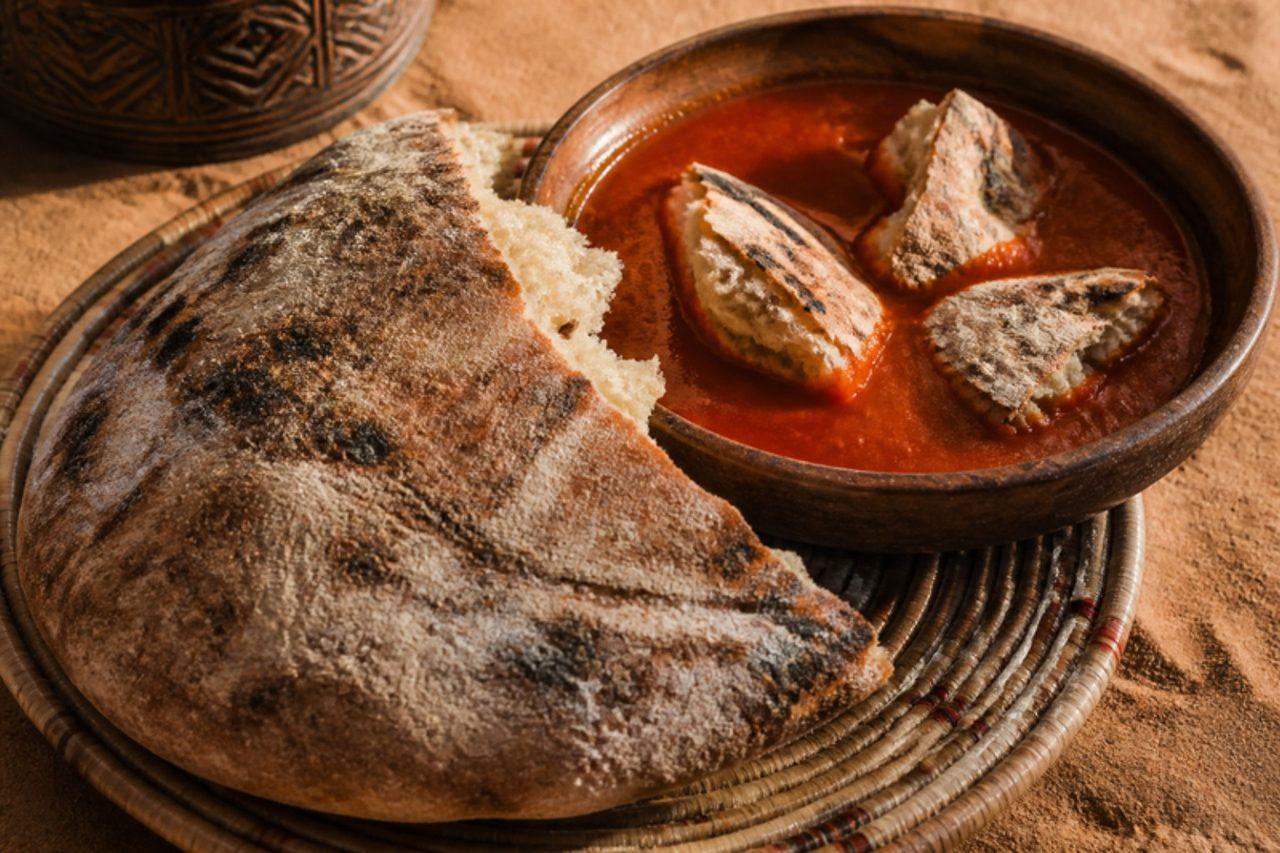
Out in the Hoggar mountains around Tamanrasset, Tuareg cooks bury a thick disc of dough in sand heated by a wood fire, cover it with embers and dig it up half an hour later with a dense, chewy crumb and a thick crust that is beaten clean of sand. The bread is then broken into pieces and soaked in a spicy tomato and onion sauce, a hearty meal for a camp or a desert evening; meat goes in when there is some, and this is the plain version cooked on ordinary days. At home, a very hot oven with a cast-iron pan gives a similar crust. Expect a filling, rustic dish with a smoky, peppery sauce. A frequent slip is making the dough too dry; it should be soft, or the thick round cracks and stays raw in the middle. Chef's tip: bake the bread until it sounds hollow when knocked, because an underbaked, doughy centre turns to paste in the sauce.

by KrazyBadal 0 views

Siu yuk (Cantonese crispy roast pork belly)

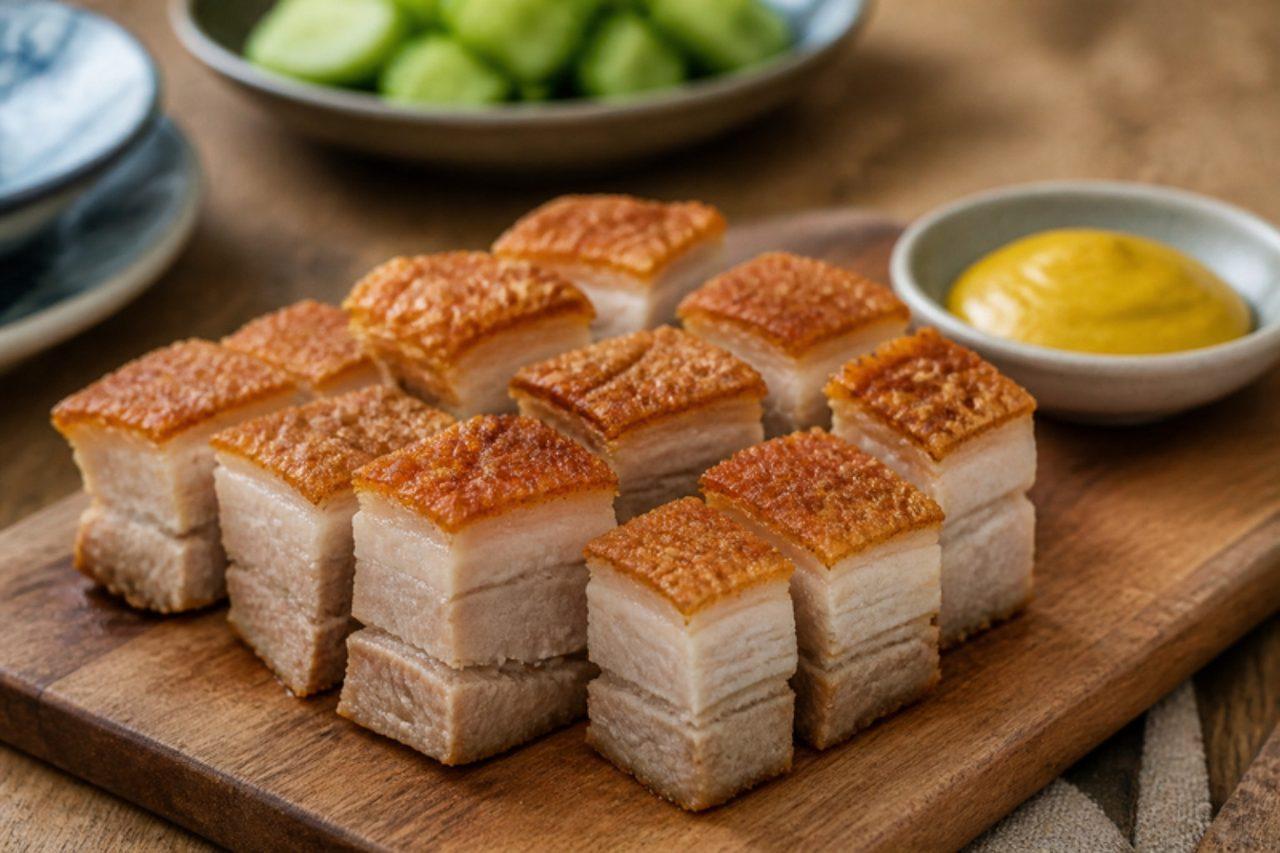
Hanging in the window of every Hong Kong siu mei shop beside the char siu and roast goose, siu yuk is a slab of pork belly whose skin has been roasted into a glassy, bubbled crackling that crunches loudly over juicy, five-spice-seasoned layers of meat and fat. Shops chop it into cubes for rice boxes at lunch, and whole slabs are carried to temples and family altars at Ching Ming and on festival days. Serve it with English-style mustard and a dish of sugar for dipping, plus rice and greens. The usual error is a damp skin: any moisture left on it steams instead of crackles, so the belly must dry uncovered in the fridge overnight. Chef's tip: prick the skin all over with a sharp skewer until it looks like sandpaper; those tiny holes are where the blisters start.

by KrazyBadal 0 views

Jamaican sweet potato pudding

Once baked in Dutch pots with coals heaped on the lid, Jamaica's sweet potato pudding gave rise to the saying "hell a top, hell a bottom, hallelujah in the middle", and it is still a Sunday and Christmas favourite in homes across the island. Grated sweet potato, coconut milk, a little flour-free cornmeal and spice bake into a dense, moist slab with a soft, custardy layer on top. People often cut it hot, but it needs to cool for at least an hour to set. Chef's tip: grate the sweet potato on the fine side of the grater; coarse shreds make a grainy pudding.

by KrazyBadal 0 views

Sugarcane juice

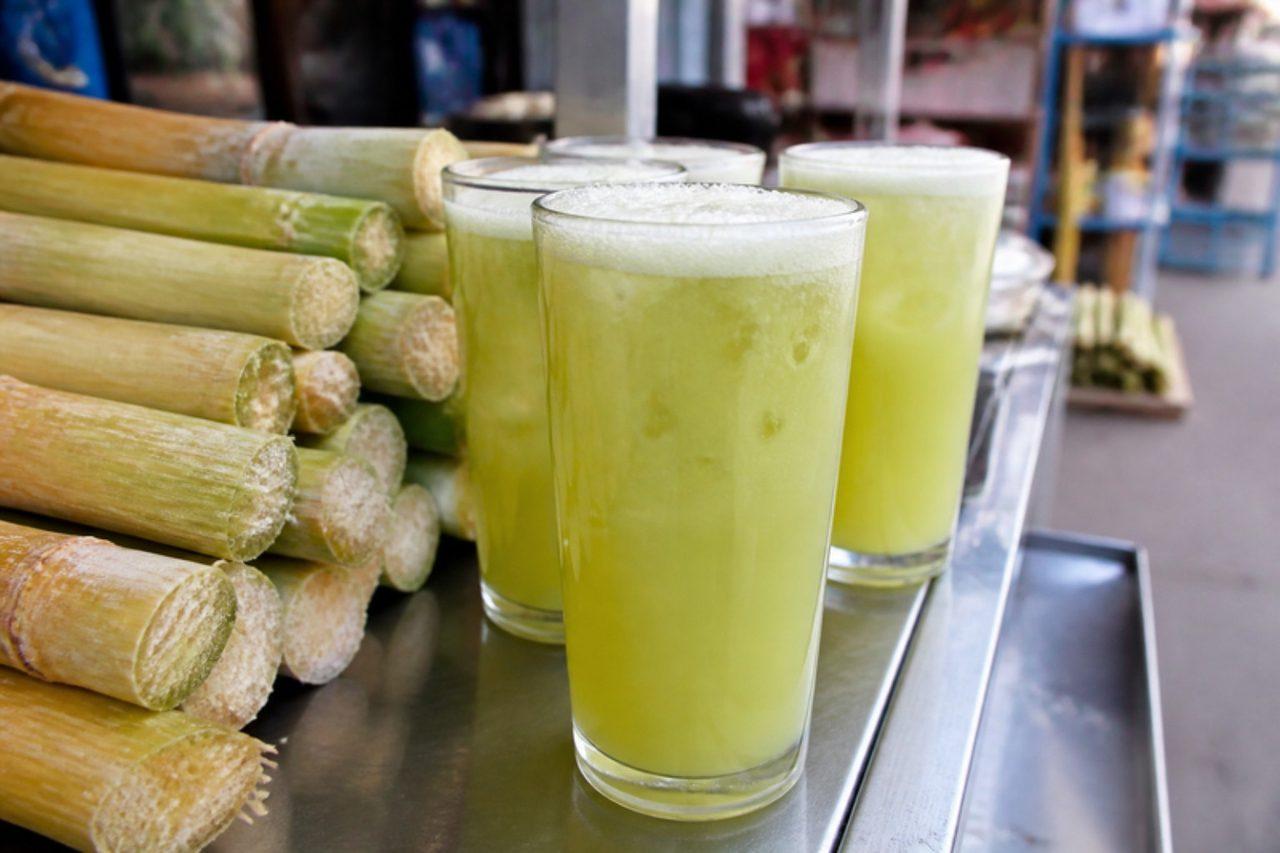
Juice shops all over Cairo and the towns of Upper Egypt crush sugarcane through clattering steel rollers and serve the pale green juice ice-cold for a few pounds a glass, a favourite in the summer heat and after Ramadan fasting. It is sweet, grassy and refreshing, with a faint lemony edge, and it tastes best within minutes of pressing. Without a press, peeled cane chopped small and blended with a little water gives a very close result at home. Chef's tip: peel the cane completely, because the hard green rind makes the juice bitter and dark.

by KrazyBadal 0 views

Showing 36 of 7,762 recipes

Show more recipes

Page 180 of 863