


Skip to content
Yangrou paomo
Featured recipe

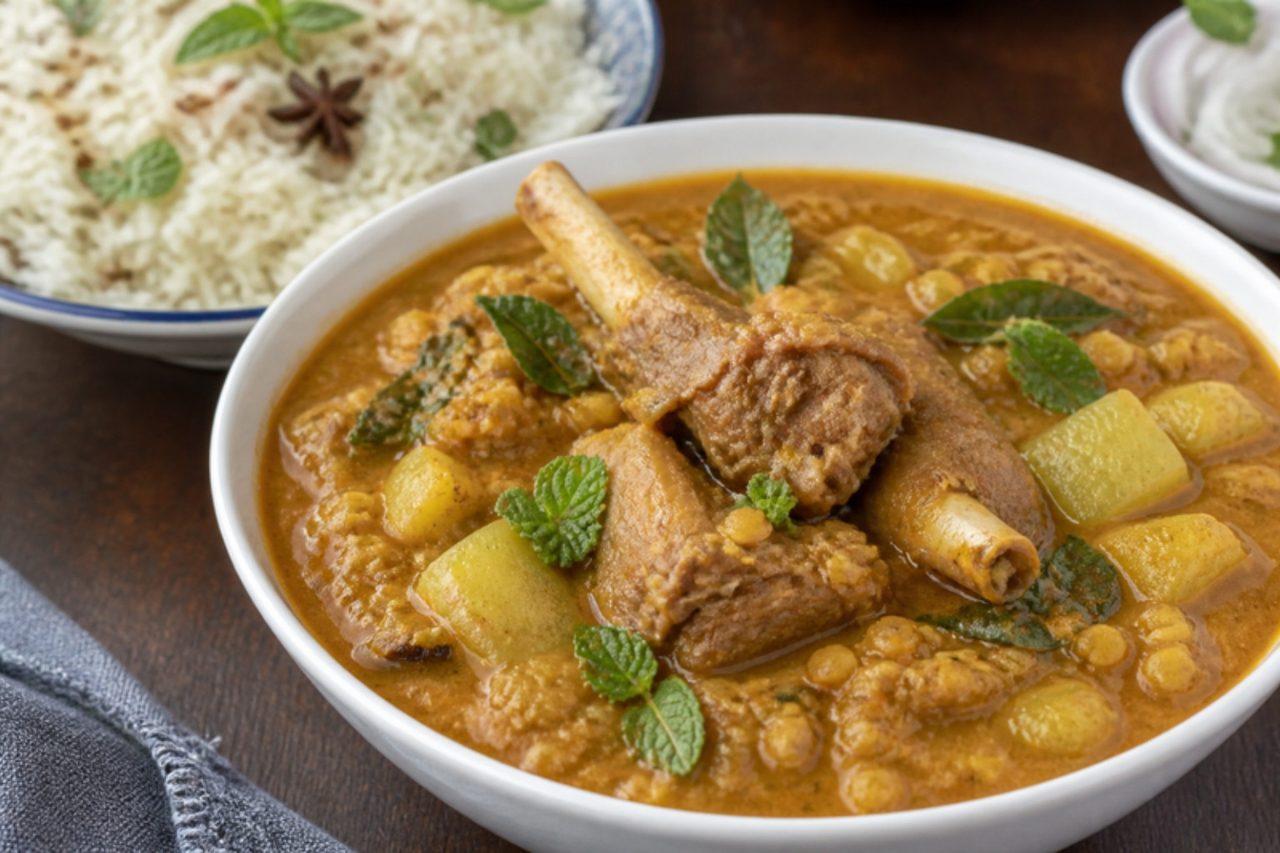
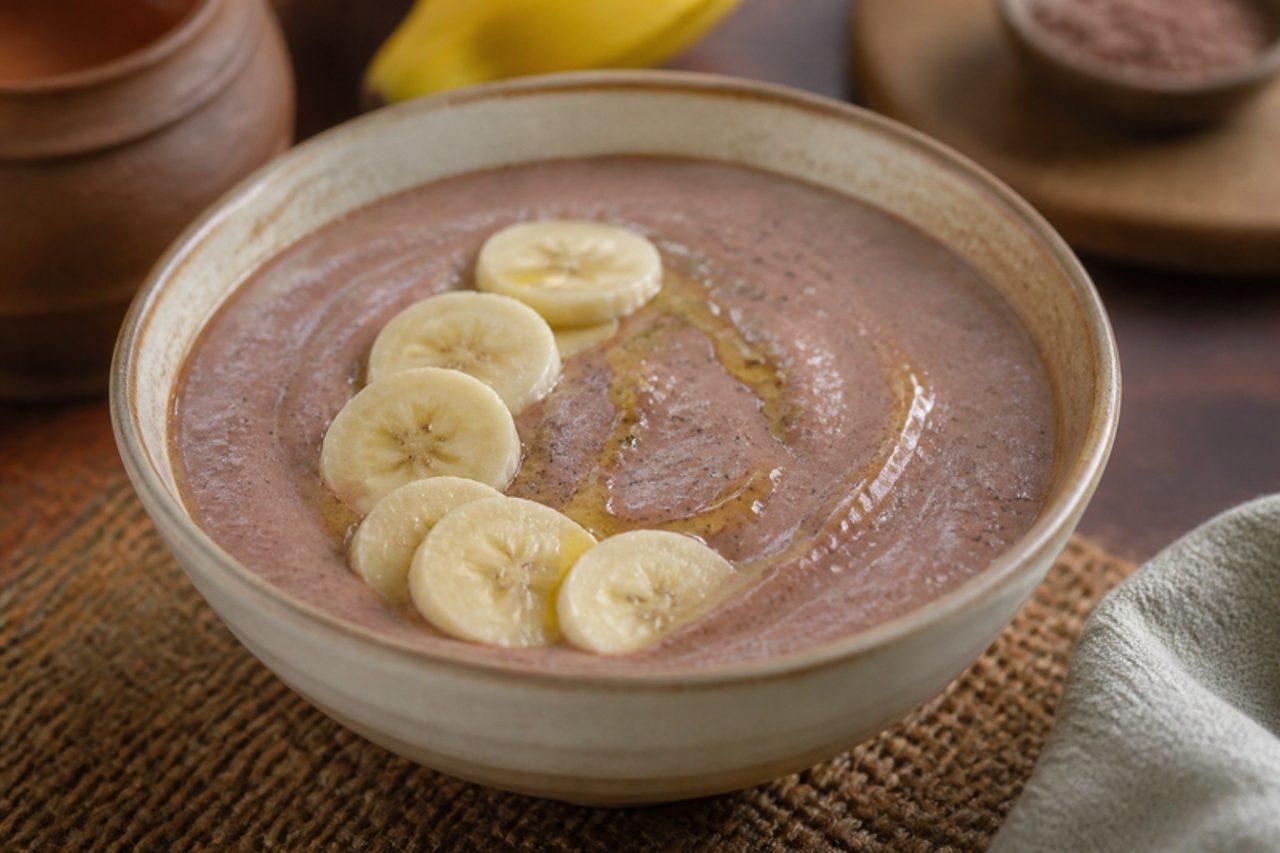
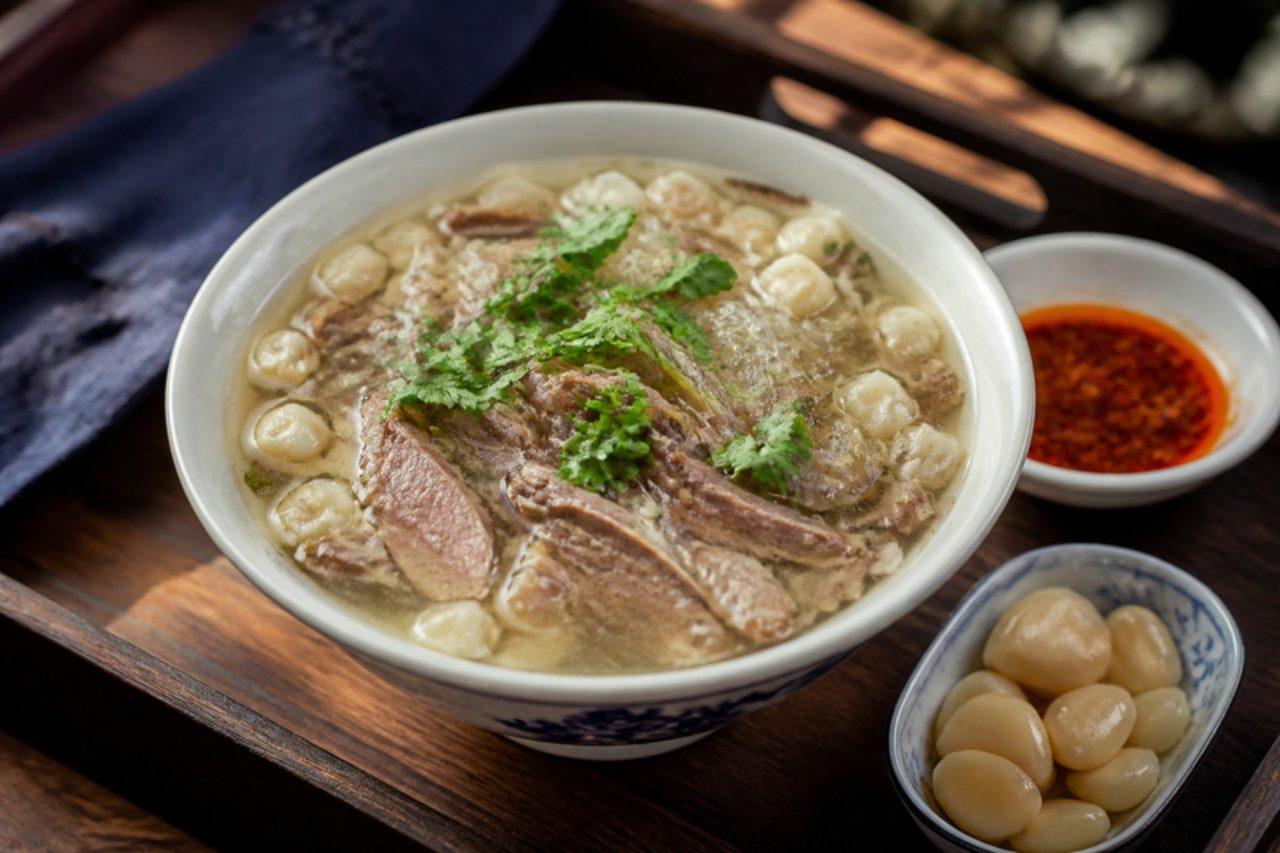
Yangrou paomo

Lamb soup with flatbread

Order this soup in one of the old Hui restaurants around Xi'an's Drum Tower and you are handed a dense, barely leavened flatbread and expected to tear it yourself into pea-sized crumbs while you chat; the kitchen then cooks it in rich lamb broth until each crumb is soft yet still chewy. Slices of tender lamb, glass noodles and wood ear mushrooms go in too, and the bowl comes with sweet pickled garlic and chilli sauce on the side. It is a soothing, filling soup, especially on Xi'an's freezing winter mornings. Expect a deep, clean lamb flavour scented with warm spices. Chef's tip: tear the bread small, no bigger than a soybean; big lumps stay doughy in the middle.

Read more 0 views

What to eat today?

Around the world

Today's trip: Persian

A new country every day, from every cuisine on the site.

Persian

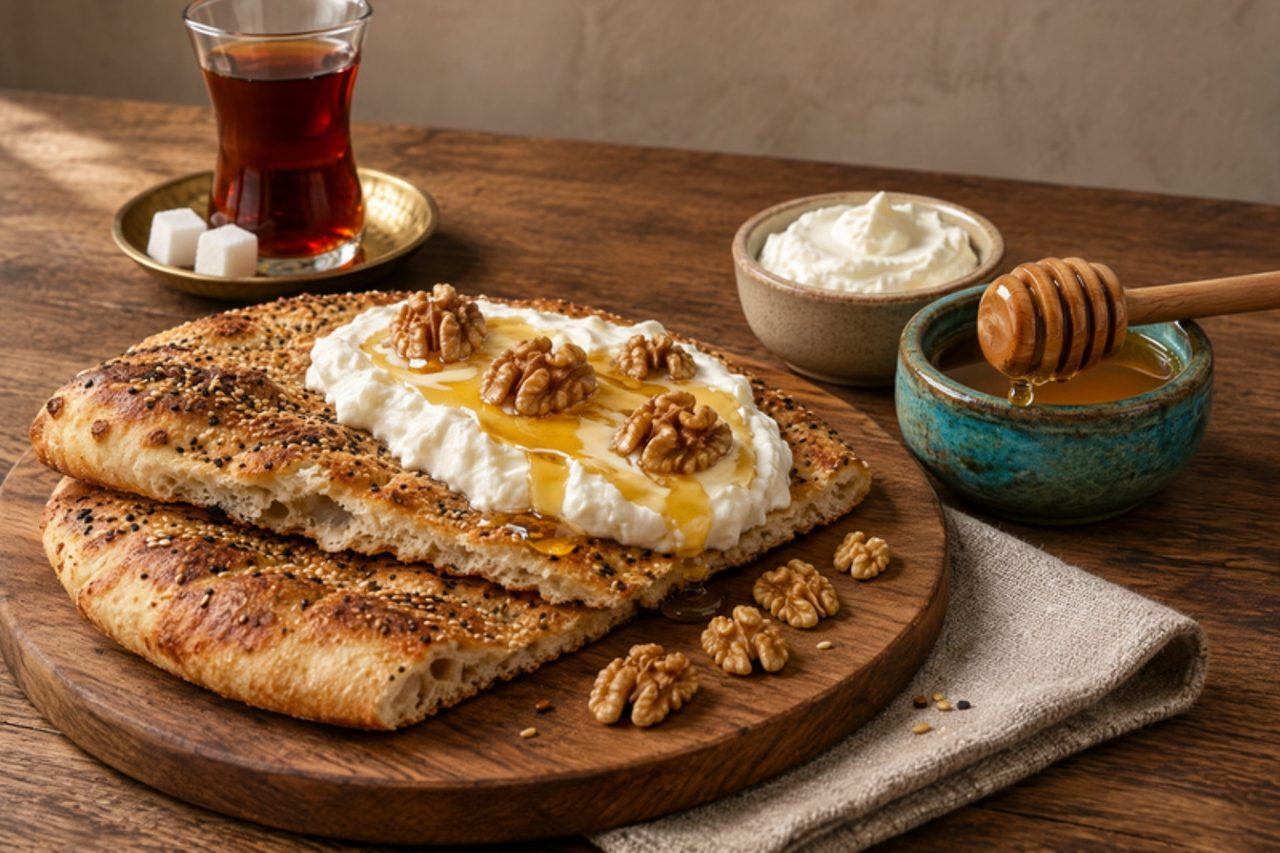
Asal-o-khameh

Clotted cream and honey on flatbread 8 minMore from Persian (131) →

This week's collection

Kid-friendly dinners
612 recipes · a new collection every Monday

Coming up

All occasions →

Latest recipes

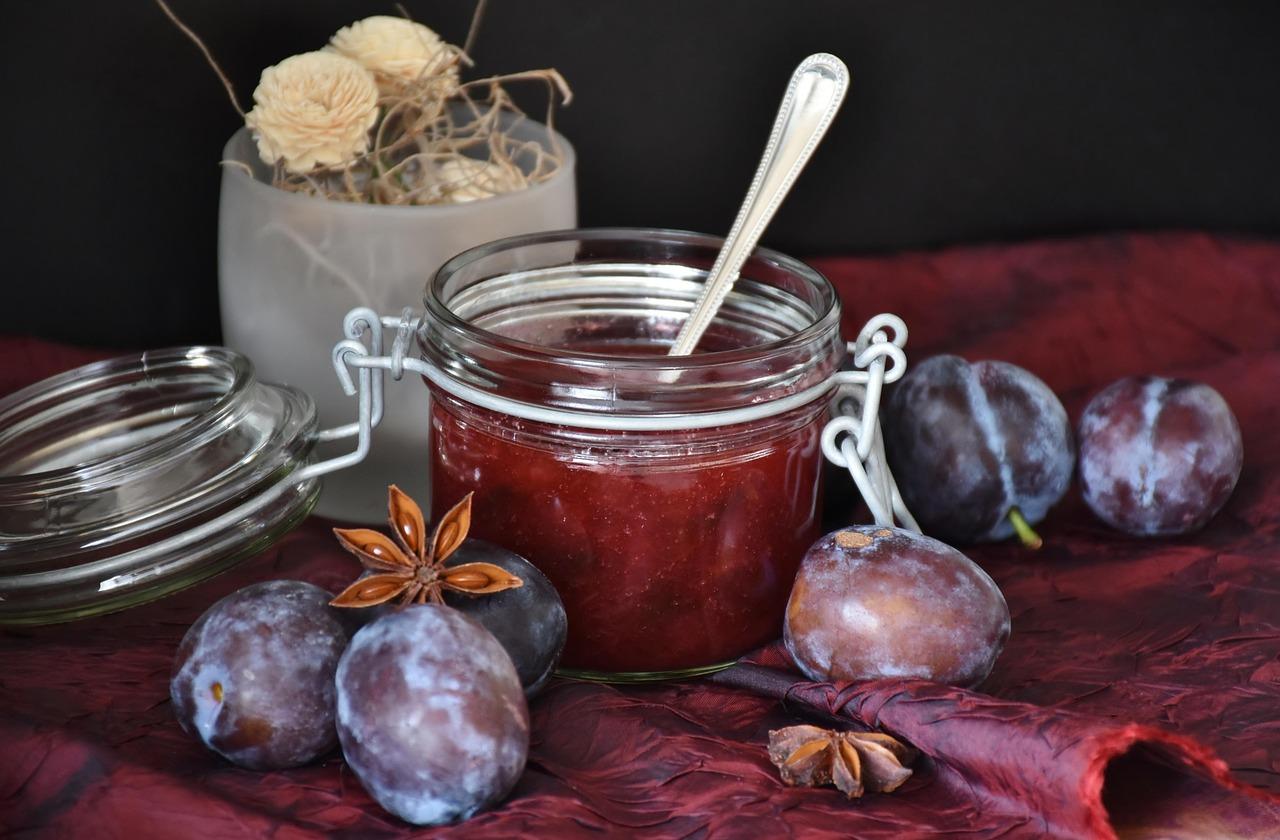
Davidson plum jam

Davidson plums grow on slender trees in the subtropical rainforests of northern New South Wales and south-east Queensland, ripening dark purple in summer. They are far too sour to eat raw but make a stunning deep-crimson jam with a sharp, tangy flavour, sold at farmers' markets around Byron Bay and the Sunshine Coast. Spread it on scones or serve with cheese. A common mistake is boiling it past the set; the plums are high in pectin and set fast. Chef's tip: if you can't find Davidson plums, use dark sour plums and add a squeeze of lemon.

by KrazyBadal 0 views

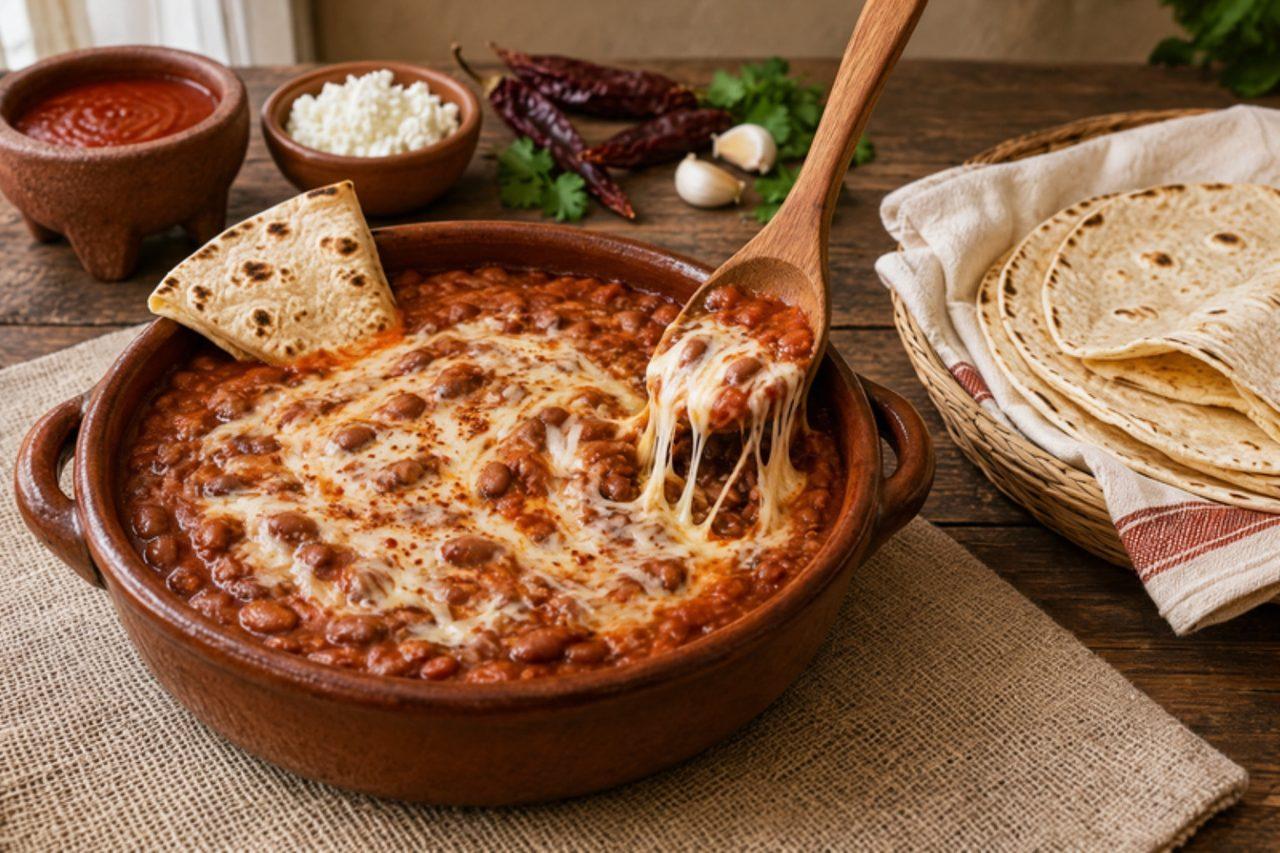
Frijoles maneadosPinto beans with chile and cheese

Frijoles maneados are the rich party beans of Sonora in northern Mexico, cooked for carne asada gatherings, weddings and Sunday lunch, and spooned onto flour tortillas. Soft pinto beans are mashed and beaten (maneados means stirred or worked) with dried red chile colorado, milk and so much melting cheese that the pot pulls into strings. Serve them with flour tortillas, grilled vegetables and a sharp salsa. The usual mistake is adding the cheese while the pot is boiling hard, which makes it go rubbery and oily; take the heat right down first. Chef's tip: Sonoran queso regional or Chihuahua cheese is often made with animal rennet, so for a vegetarian pot choose a vegetarian Monterey Jack-style or mild Cheddar cheese labelled suitable for vegetarians.

by KrazyBadal 0 views

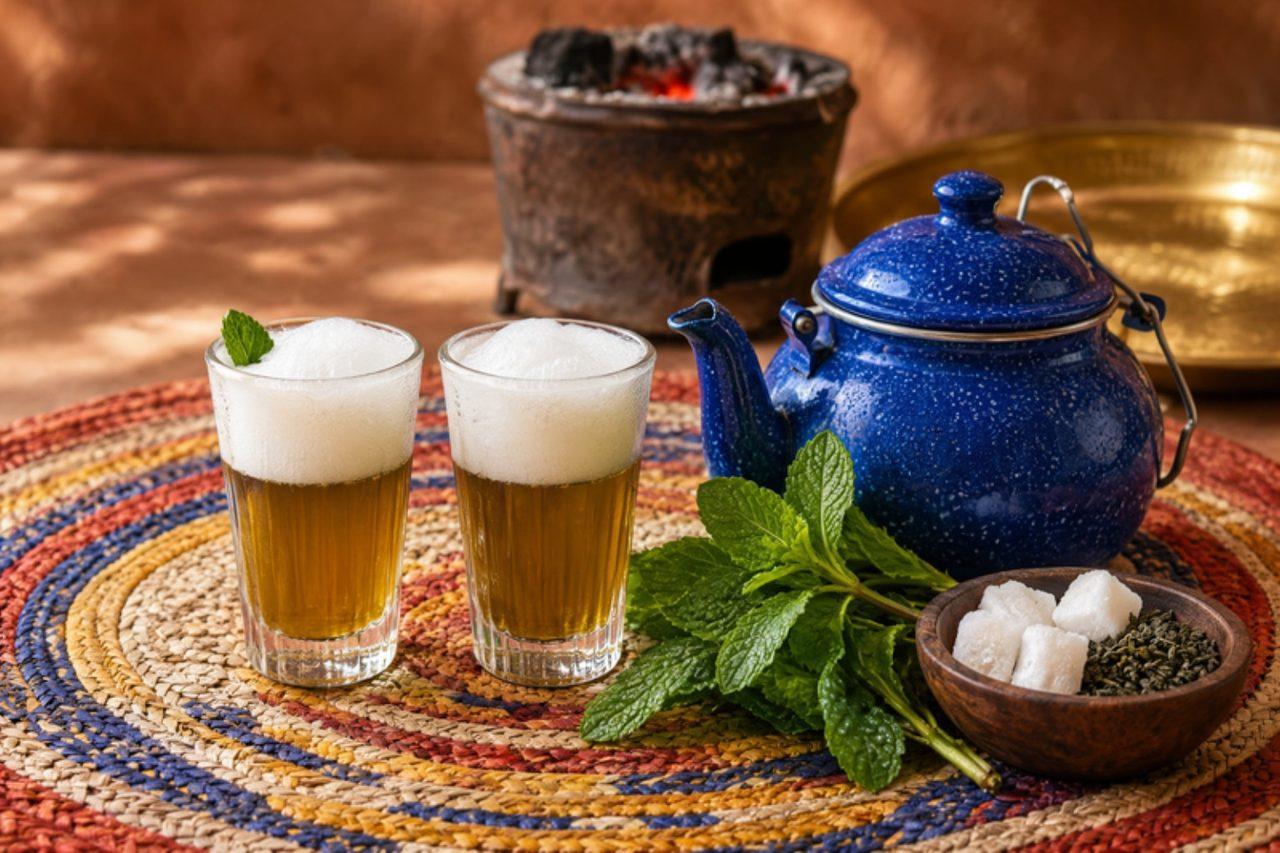
Attaya (Senegalese mint tea)

Attaya is less a drink than an afternoon. In Dakar courtyards, Banjul markets and village shade trees across Senegal and the Gambia, someone, usually the youngest man present, sets a tiny enamel teapot on a charcoal burner after lunch and makes three rounds, slowly, for an hour or more while everyone talks. The first glass, lewel, is strong and bitter; the second, naani, is sweeter and softer; the third, ñetteel, is the sweetest and most minty. The saying is that the first is bitter like death, the second gentle like life, the third sweet like love. Each tiny glass carries a thick, pale foam made by pouring the tea back and forth from height. The tea is boiled very strong, so it is high in caffeine: keep the glasses small and do not give it to children. The common mistake is rushing the foam; pour slowly and patiently, from as high as you can control, until a 1 cm head stands on the glass. A round is ready when the tea is dark amber, very sweet-bitter and the foam holds. Chef's tip: warm the empty glasses with a little hot tea first; foam lasts far longer in a warm glass.

by KrazyBadal 1 views

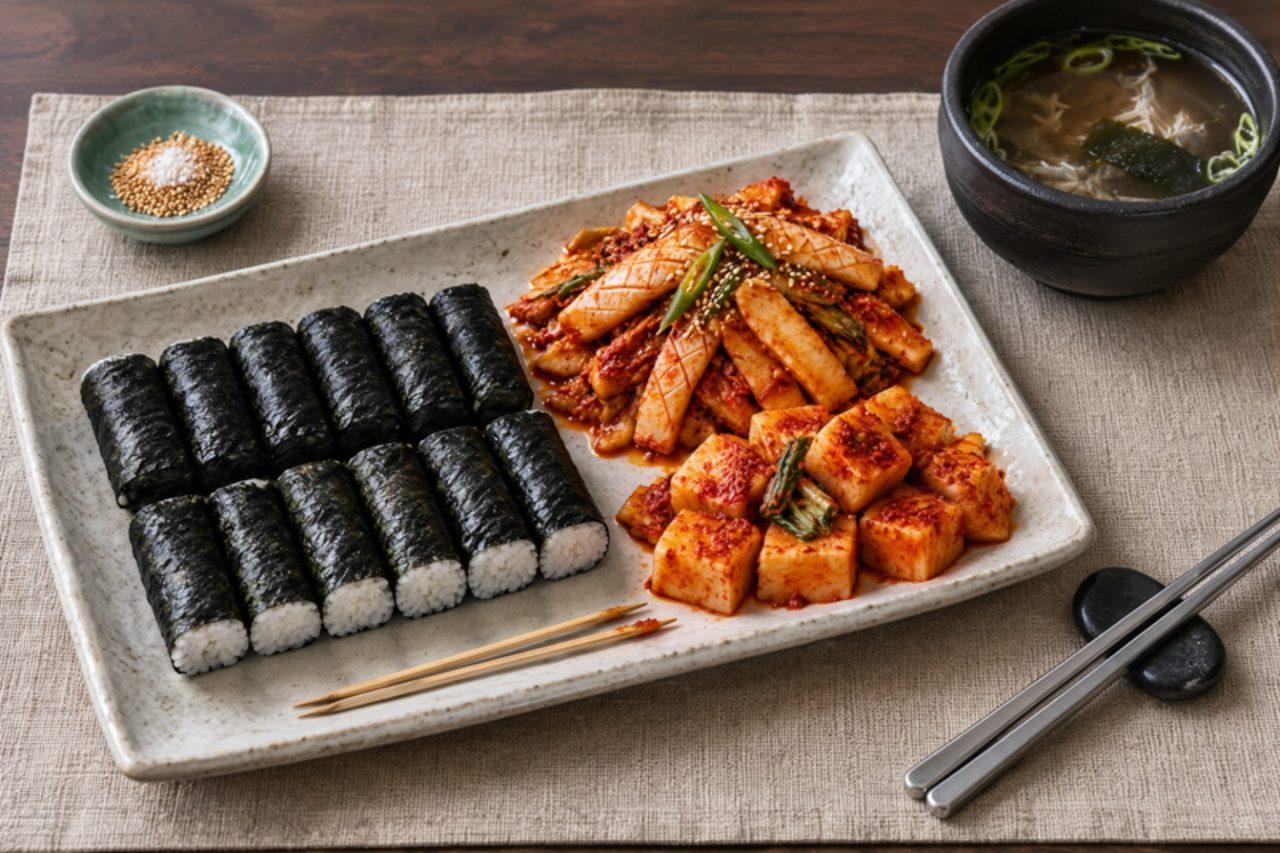
Chungmu gimbapRice rolls with spicy squid

In the harbour town of Tongyeong (once called Chungmu), fishermen's wives made plain rice rolls in laver with the spicy side dishes packed separately, because filled gimbap spoiled in the heat of the boats. Today Chungmu gimbap is a lunchbox and road-trip classic all over Korea: finger-sized rolls eaten with a toothpick, sweet-spicy squid and fish cake, and crunchy radish kimchi. The common mistake is overcooking the squid, which goes rubbery; blanch it just until it turns white and curls. Chef's tip: brush the gim lightly with sesame oil before rolling, which keeps it from going chewy.

by KrazyBadal 0 views

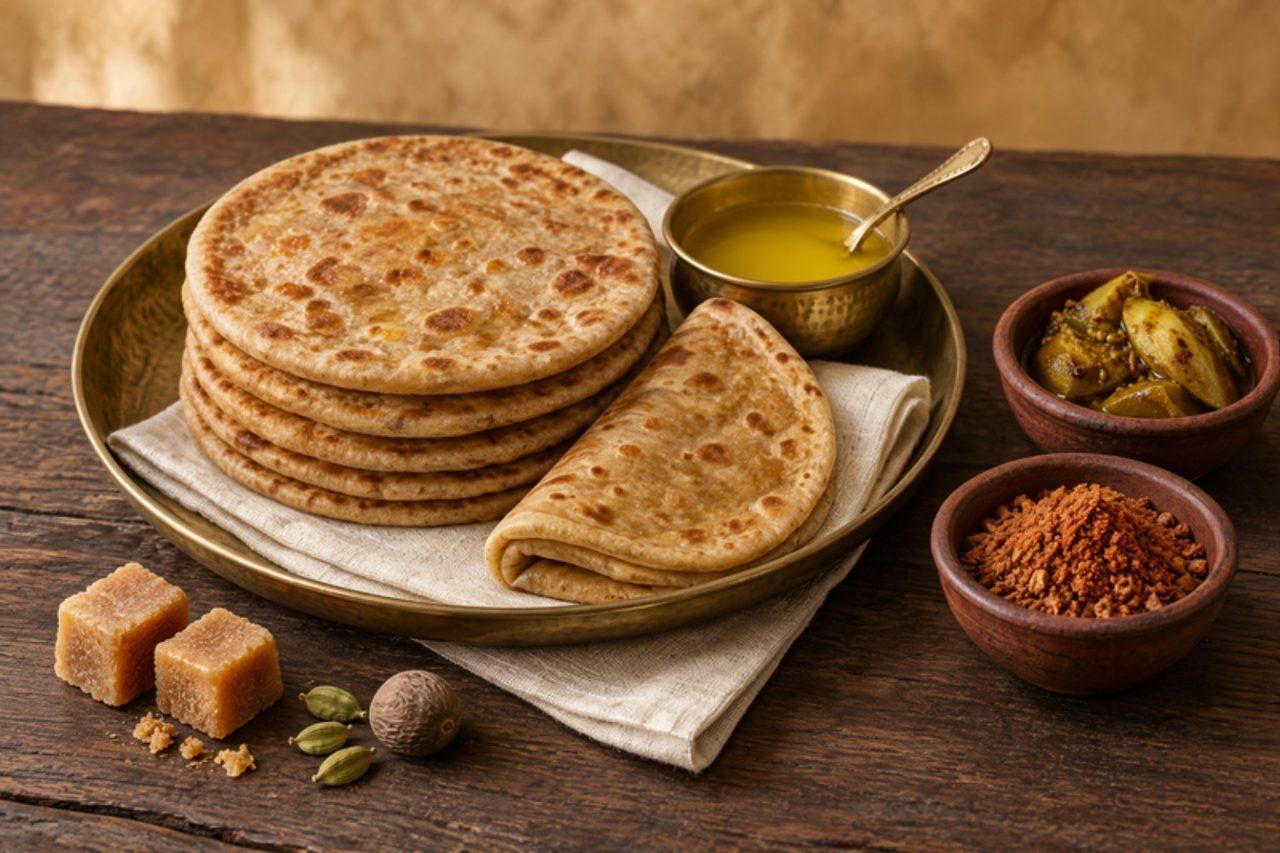
DashmiMilk and jaggery flatbread

Dashmi is the bread Maharashtrian mothers make for pilgrimages, school trips and the first days of a long journey: wholewheat dough kneaded with warm milk instead of water and sweetened with jaggery, cooked on a tawa until soft and spotted. Milk and ghee keep it tender for two or three days without a fridge in cool weather, and children eat it plain or with pickle. The common mistake is rolling it too thin and cooking it on a fierce tawa, which makes it crisp like a khakhra; it should stay soft and pliable. Chef's tip: stack the dashmis in a cloth as they come off the tawa, so the trapped steam softens them further.

by KrazyBadal 0 views

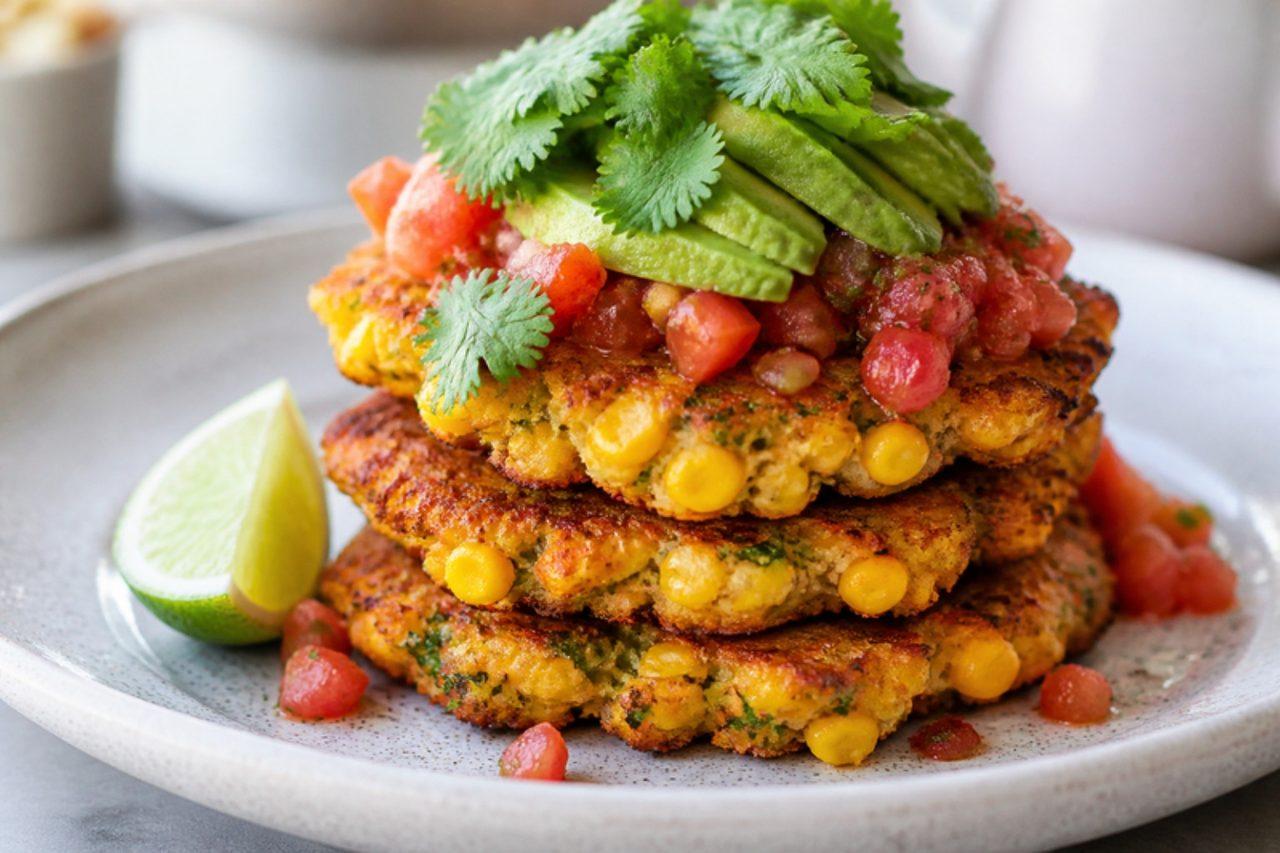
Corn fritters

Corn fritters are a Sydney café staple, the brunch that sits on every menu from Surry Hills to Manly, stacked with smashed avocado, roast tomato or relish and a handful of herbs. The batter is mostly corn, with just enough flour and egg to bind, plus spring onion, coriander and a little chilli. They are quick enough for a weekday breakfast. A common mistake is crowding the pan, which steams them instead of crisping. Chef's tip: blitz a quarter of the corn so its milky juice binds the fritters and keeps them tender.

by KrazyBadal 0 views

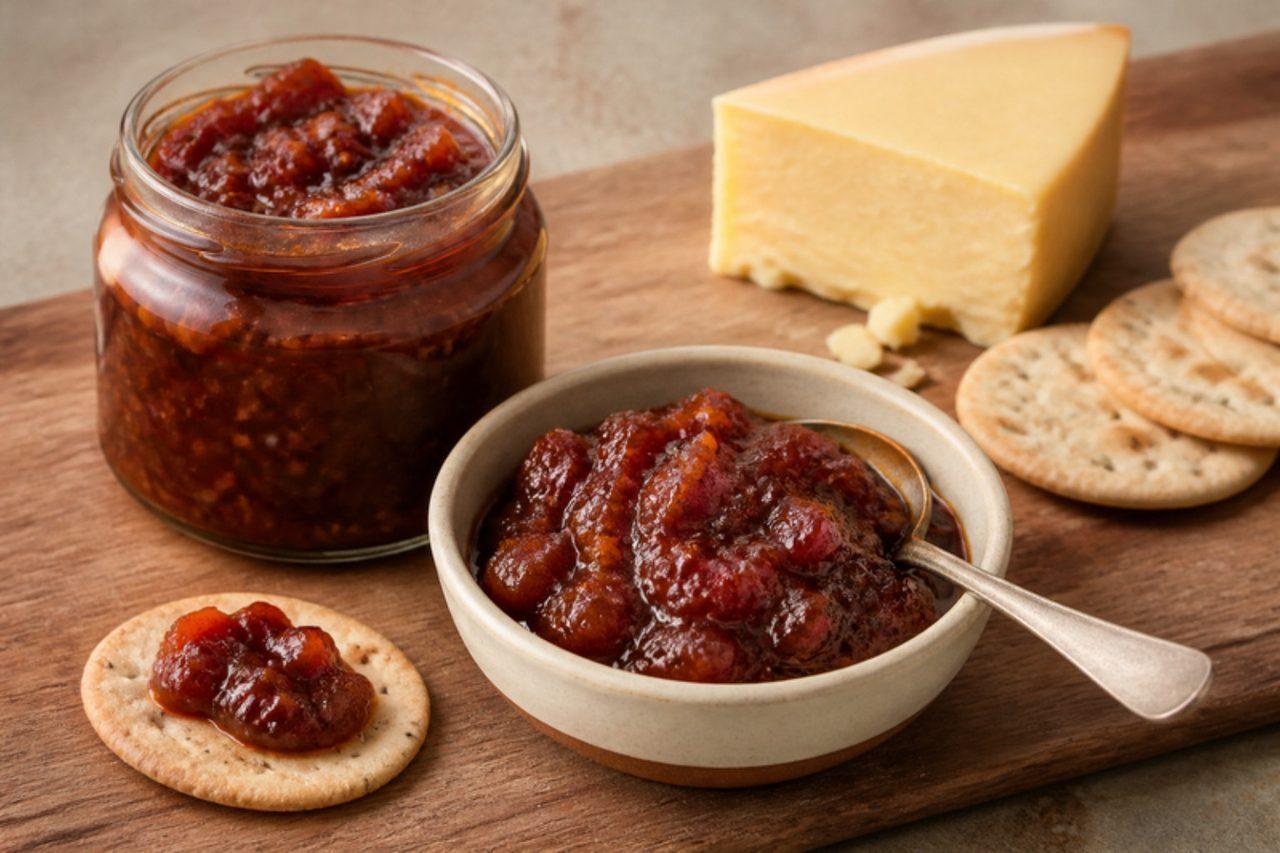
Bush tomato chutney

Bush tomato, known as akudjura or desert raisin, is the small fruit of a desert plant gathered by Aboriginal people in Central Australia and around Alice Springs; dried and ground, it tastes of caramel, tamarillo and sun-dried tomato. A spoon of it turns an ordinary tomato chutney into something rich and smoky, great with cheese, barbecues and burgers. Buy ground akudjura from a native food supplier; only the ripe dried fruit of the right species is safe to eat, so never forage it. A common mistake is adding too much; it is strong. Chef's tip: toast the ground bush tomato in the oil first to wake up its flavour.

by KrazyBadal 0 views

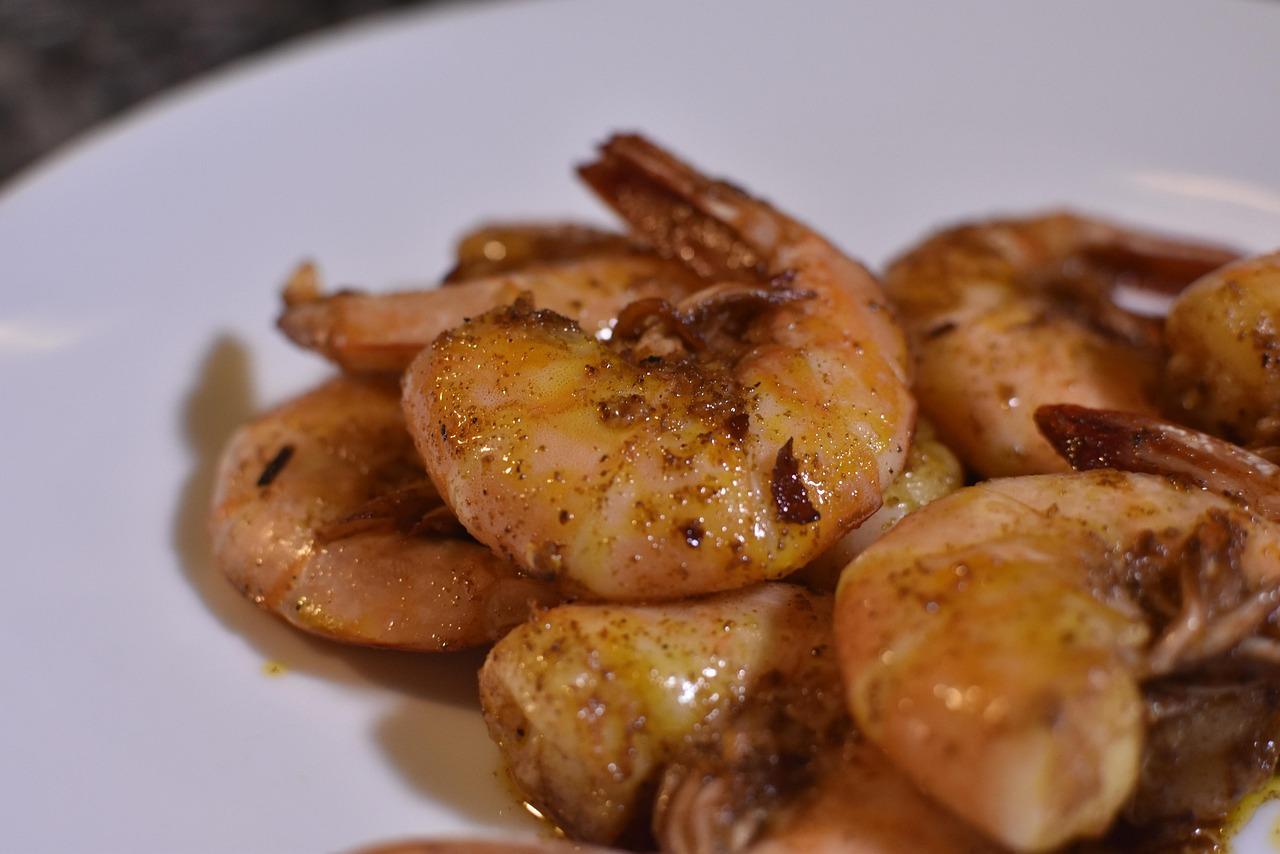
Spot prawns with garlic butter

For six weeks or so from May, Vancouver's False Creek dock fills with people buying live spot prawns straight off the boats, and the whole city cooks them simply in garlic butter. They are sweet, firm and delicate, so they need almost nothing else, just bread or rice to soak up the butter. If you buy them live, cook them on the day; remove the heads straight away, as an enzyme there turns the tail meat mushy. Throw away any prawns that smell of ammonia or have gone soft. A common mistake is overcooking; two minutes is plenty. Chef's tip: cook in batches so the pan stays hot and they sear rather than stew.

by KrazyBadal 0 views

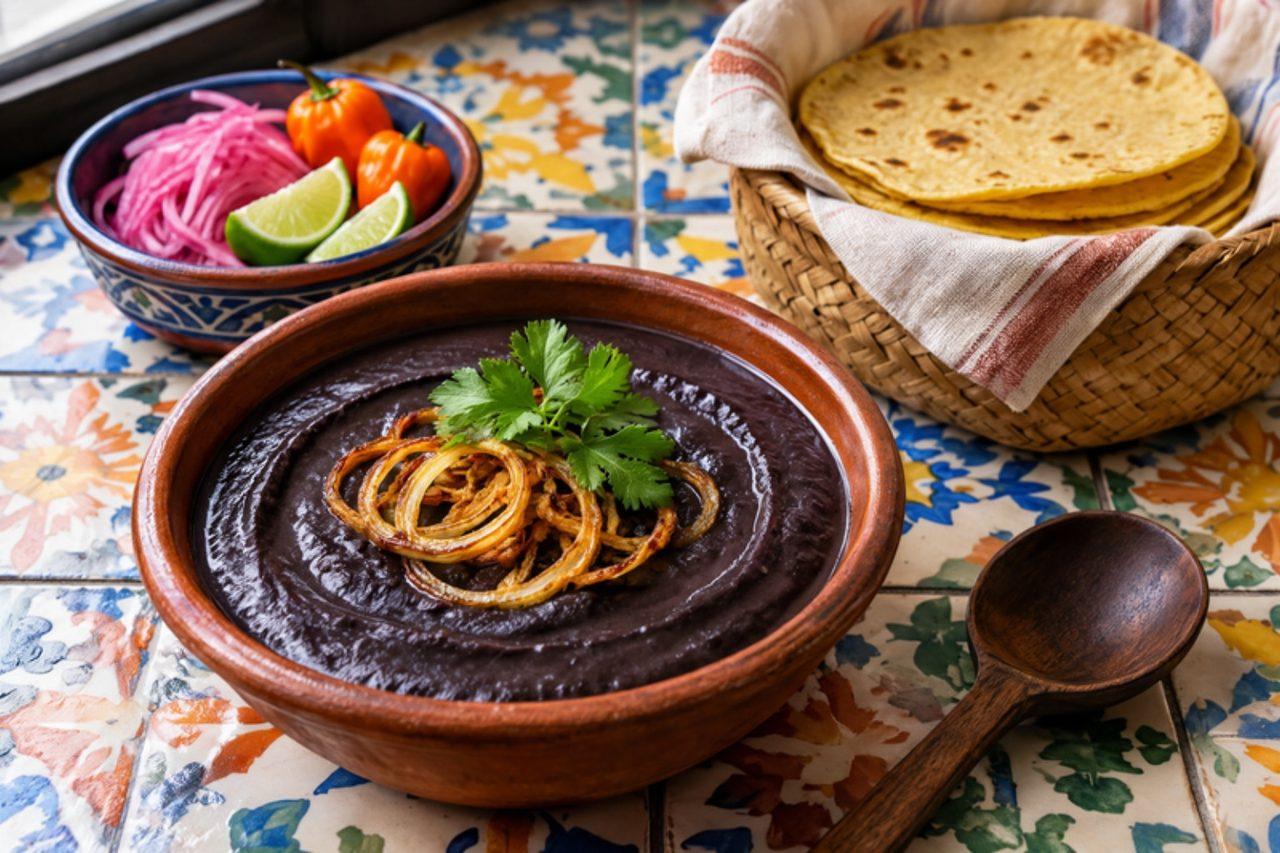
Frijoles coladosStrained black beans

Every cocina económica and family kitchen in Mérida keeps a pot of frijoles colados for the midday meal, the smooth, almost soupy black beans that sit beside cochinita, poc chuc, eggs or simply rice and tortillas across the Yucatán. The beans are cooked soft with epazote, pushed through a sieve, then simmered with onion fried until sweet. Traditionally the onion is fried in pork lard; this version uses oil so it is vegan. The usual mistake is straining beans that are not fully cooked, which gives a gritty, floury purée, so cook them until they crush with no effort. Chef's tip: drop a whole habanero into the simmering purée for 5 minutes for perfume without much heat, then fish it out.

120 minMexicanSidesVeganGluten free
by KrazyBadal 0 views

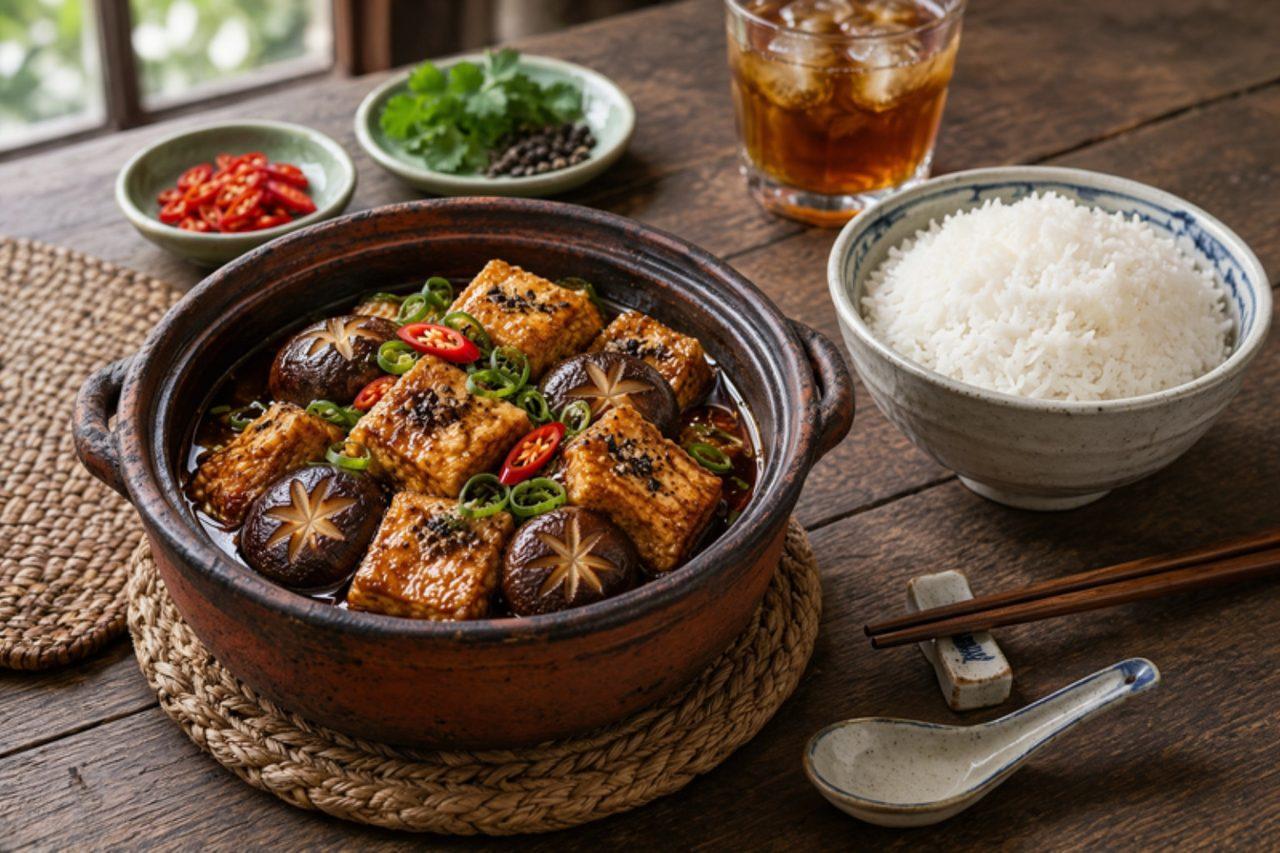
Đậu hũ khoBraised tofu with shiitake

Đậu hũ kho is the vegetarian cousin of the caramel braises (kho) cooked in clay pots all over Vietnam, and in the south it is a standard of Buddhist fasting days and a good companion for a pot of rice through the week. Golden fried tofu and chewy shiitake are braised in a dark caramel, soy sauce and coconut water until the sauce turns sticky, salty-sweet and peppery. Serve with steamed rice, a plate of fresh cucumber and a light soup. The usual mistake is letting the caramel go too dark, which makes the whole dish bitter; stop when it is the colour of strong tea. Chef's tip: coconut water gives a rounder sweetness than plain water, and the braise keeps for 3 days in the fridge.

by KrazyBadal 0 views

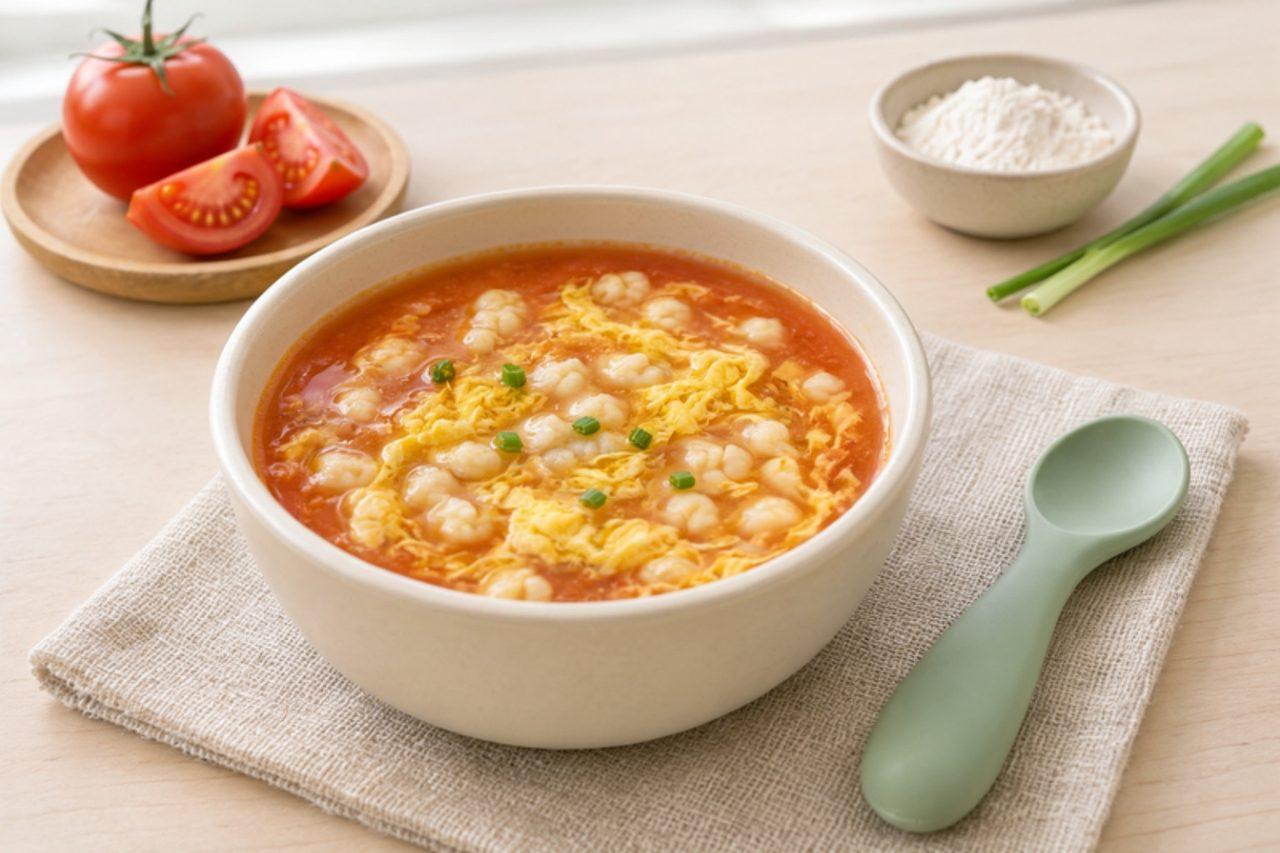
Gē da tāng (flour-knot soup with tomato and egg)

Gē da tāng is the soup of northern Chinese homes, from Beijing hutongs to the kitchens of Hebei and Shandong, made on cold evenings or when someone is under the weather. Water is dripped onto flour until it forms little knots, which are rained into a broth of soft tomatoes and finished with egg, so the bowl is part soup, part tiny dumpling. For toddlers from 12 months it is cooked without salt or soy sauce, and the egg is simmered until fully set. It contains wheat (gluten) and egg, and sesame if you add the oil; there is no milk, nuts or soya. Chef's tip: drip the water in a thin trickle while stirring with chopsticks, so you get rice-sized knots, not a paste.

by KrazyBadal 0 views

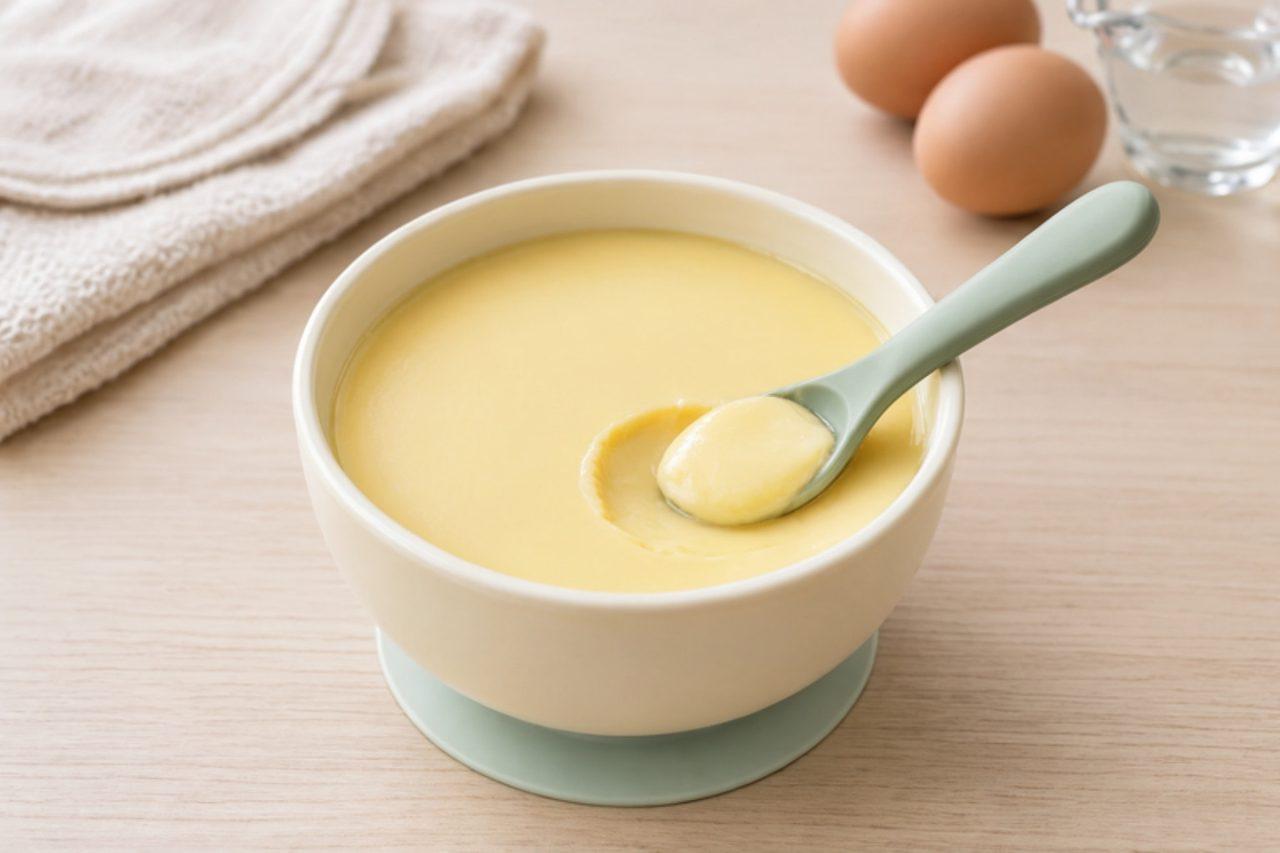
Jīdàn gēng for babies (steamed egg custard)

Jīdàn gēng, egg steamed with water into a quivering custard, is the dish Chinese grandparents everywhere from Shanghai to Guangzhou make for small children, and it is often the way a baby first meets whole egg at around nine months. The family version is finished with soy sauce, sesame oil and spring onion; this one is plain, so it tastes clean and gently eggy. Steamed slowly, it is smooth as silk and fully set. It contains egg and is free of milk, gluten, nuts, soya, sesame and fish. Chef's tip: cover the bowl with a plate while it steams; dripping condensation is what pockmarks the surface.

by KrazyBadal 0 views

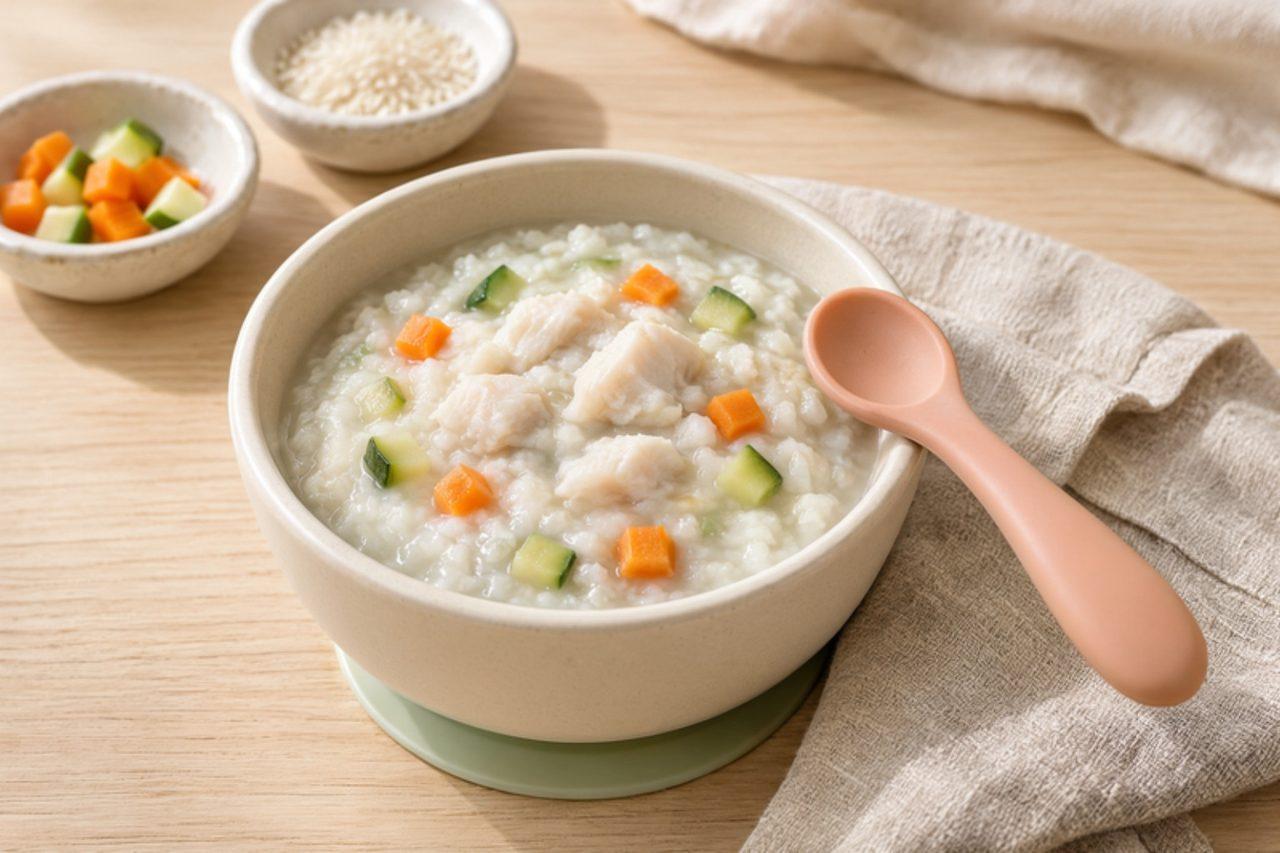
Daegu-sal juk (cod and vegetable baby porridge)

In Korea, homemade baby food (iyusik) follows clear stages, and by the late stage around nine months, Seoul parents are making juk with roughly crushed rice and small pieces of fish and vegetables. Daegu-sal juk uses mild, flaky cod with sweet courgette (aehobak) and carrot, and no soy sauce, salt or sesame oil. It is creamy, delicate and soft enough to mash between the gums. It contains fish and is free of milk, egg, gluten, nuts, soya and sesame. Chef's tip: crush the soaked rice lightly with a rolling pin or a couple of pulses in a blender; broken grains thicken the juk faster and give exactly the soft lumps this stage needs.

by KrazyBadal 0 views

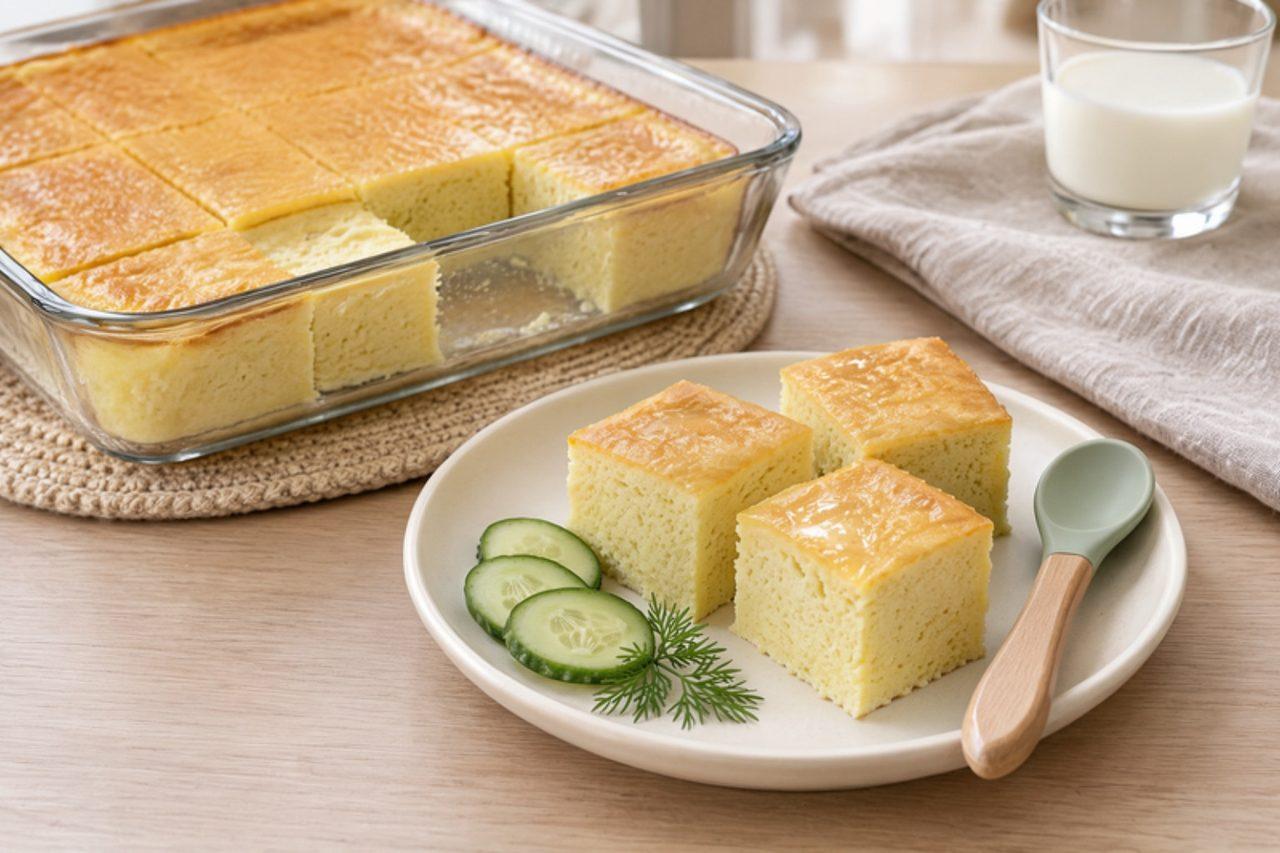
Detsadovsky omlet (kindergarten oven omelette)

Anyone who went to a detsky sad, a kindergarten, in Moscow, Kyiv or Minsk remembers this omelette: tall, pale and soft as a sponge, baked in big trays and served in squares with a slice of bread and butter. The secret is lots of milk and a deep dish, so the eggs steam-bake into a quivering, custardy block rather than a flat frittata. It makes a protein-rich breakfast or supper for toddlers from 12 months, made here without salt. It contains egg and milk; there is no gluten, nuts or soya. Chef's tip: stir the eggs and milk, don't whisk them into a foam, or the omelette rises and then collapses.

by KrazyBadal 0 views

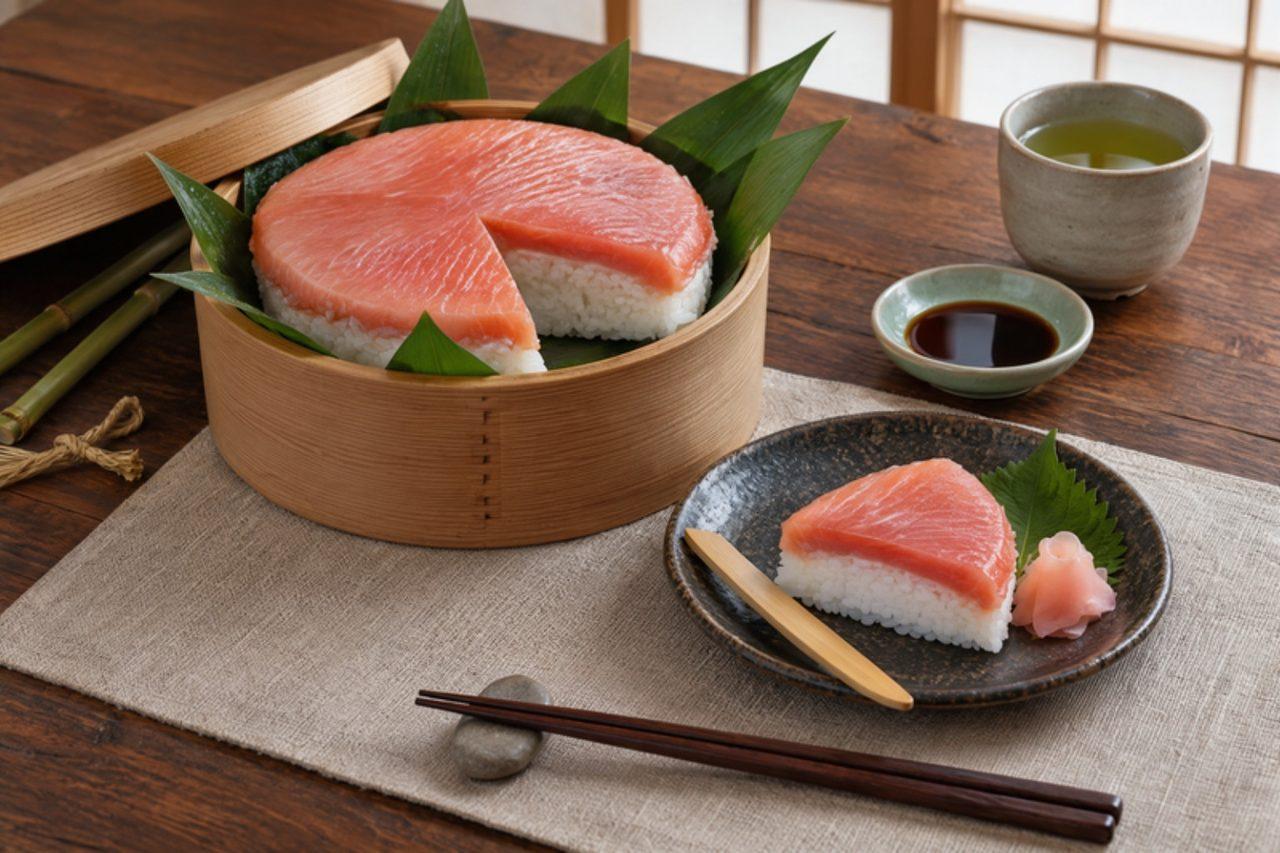
Masu zushiPressed trout sushi

Masu zushi is Toyama's famous ekiben, the boxed lunch sold at the station for the train ride: a round, flat cake of vinegared rice pressed under a layer of salted, vinegar-cured trout and wrapped in bright green bamboo leaves, cut into wedges like a pie. The fish is cured but raw, so use only fish sold as safe to eat raw and previously frozen, and keep everything cold; this version is not for pregnant women, young children or anyone with a weakened immune system. For a safer version, use hot-smoked trout fillet instead, which is fully cooked. The usual mistake is pressing the rice while it is still warm, which turns it mushy; cool it to body temperature first. Chef's tip: press the cake for a full hour under a heavy weight so it slices cleanly, then cut it with a wet knife.

by KrazyBadal 0 views

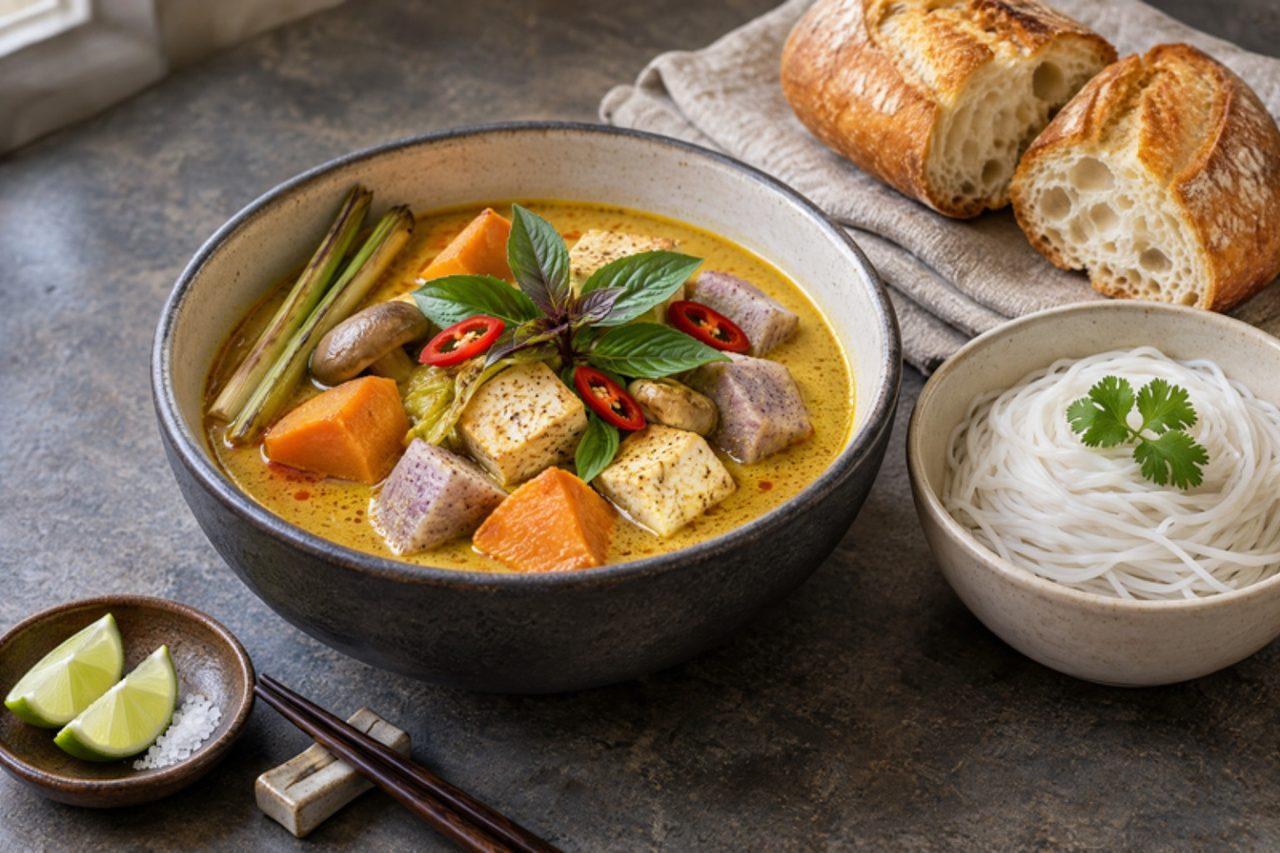
Cà ri chayVegetarian sweet potato curry

Cà ri chay is served at Buddhist temples and vegetarian restaurants across Saigon and the Mekong Delta, and many families cook it at home on rằm days, the first and fifteenth of the lunar month, when they eat no meat. Sweet potato and taro soften into a golden, lemongrass-scented coconut curry with fried tofu and meaty oyster mushrooms; it is mild and fragrant rather than fiery. Mop it up with a crusty baguette, or ladle it over rice vermicelli. The usual mistake is putting all the vegetables in at once: the sweet potato dissolves before the taro is cooked. Chef's tip: fry the taro and sweet potato briefly before simmering, which seals the outside so the chunks hold their shape in the sauce.

by KrazyBadal 0 views

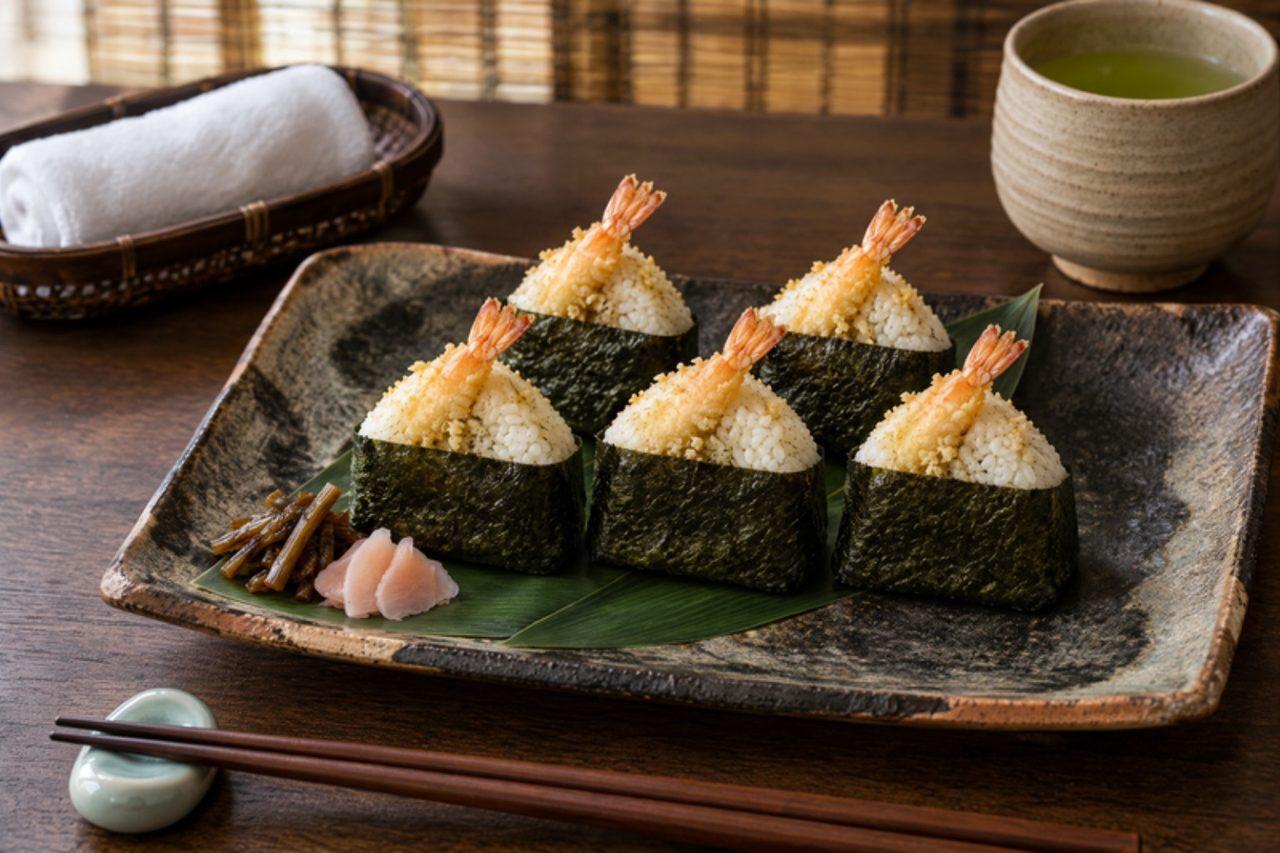
TenmusuPrawn tempura rice balls

Tenmusu, short for tempura musubi, began in Tsu and became a Nagoya speciality: small salted rice balls with a crisp little prawn tempura poking out of the top, wrapped in nori and sold in boxes at Nagoya Station as a travel lunch. The common mistake is wrapping hot, crunchy tempura straight into the rice, so it steams soft; let it cool on a rack first. Use raw prawns that smell of the sea; throw away any that smell of ammonia. Chef's tip: brush the cooled tempura with a quick sweet soy dip before you shape the rice round it, which is the Nagoya secret to its flavour.

by KrazyBadal 0 views

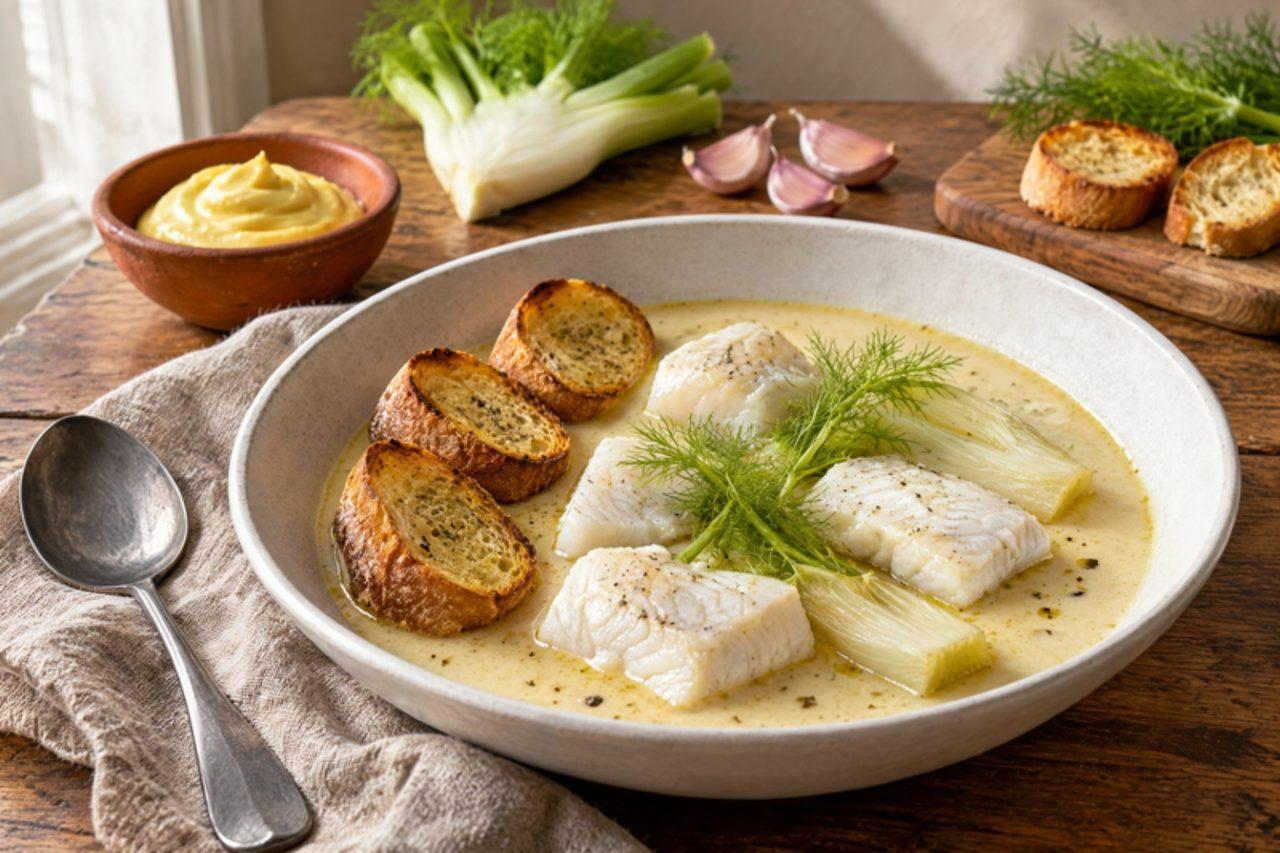
BourrideFish stew with garlic sauce

Bourride is the fish stew of Sète and the Provençal coast, a quieter, creamier cousin of bouillabaisse eaten for Friday lunch and summer dinners by the sea. Firm white fish poaches in a broth of fennel, leek, orange peel and thyme, then the broth is thickened with a rich garlic aïoli until it turns silky and pale gold. It is high in protein and suitable as part of a balanced diet; skip the traditional bread or keep it to one thin slice, and serve with steamed greens. About 400 kcal and 8 g carbohydrate per portion. The usual mistake is letting the broth boil after the aïoli goes in, which splits it like scrambled egg. Chef's tip: use pasteurised egg yolks, and stir the broth over a low heat until it coats a spoon and reaches about 72 °C.

50 minFrenchFishGluten free
by KrazyBadal 1 views

NoribenSeaweed and fish cake bento

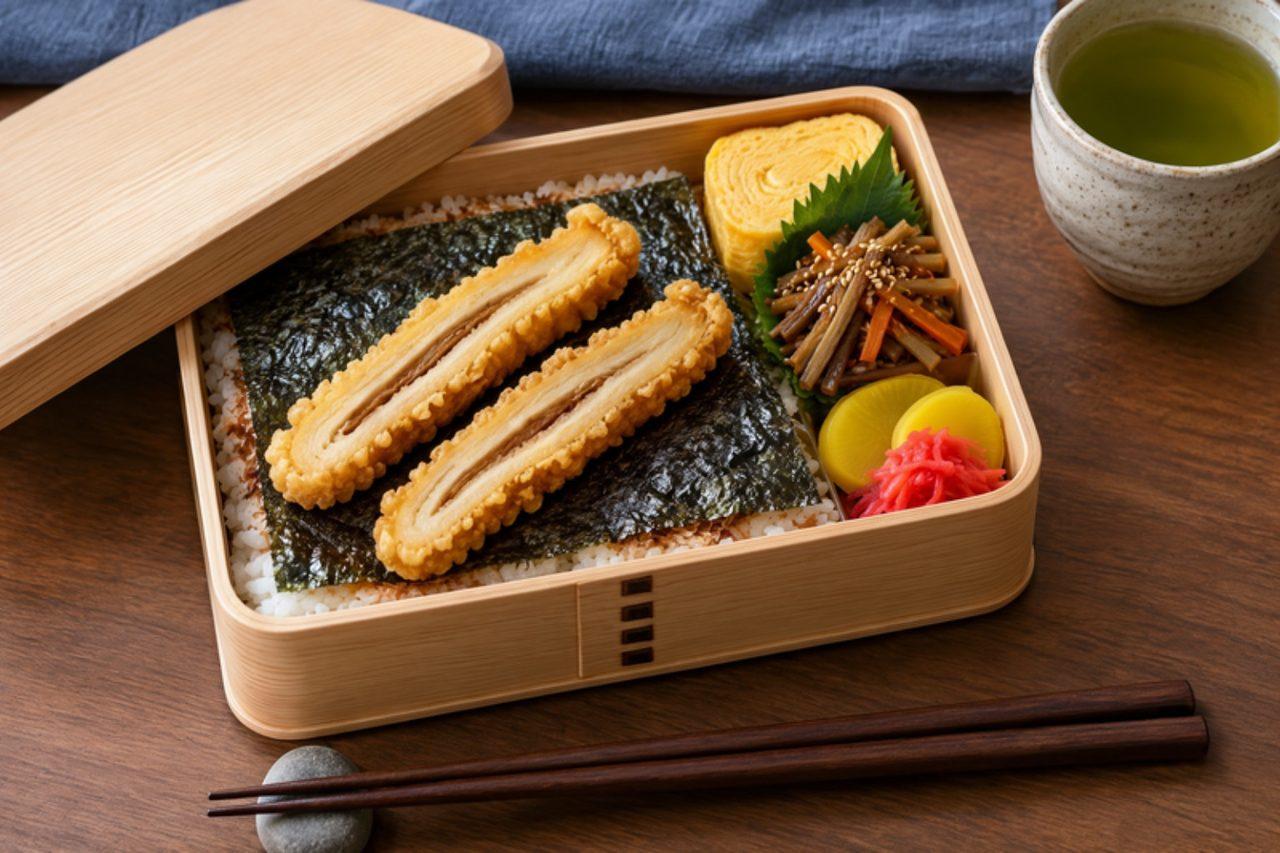
Noriben is the humblest and most nostalgic Japanese packed lunch: rice spread with okaka (bonito flakes in soy) and covered with a whole sheet of nori, sometimes twice in layers, then topped with something fried such as chikuwa fish cake or white fish. Convenience stores and bento shops across Japan sell it for a few hundred yen. The usual mistake is laying the nori on steaming rice and closing the lid, which leaves it soggy and torn; let the rice cool a little first. Chef's tip: snip the nori into a few strips before it goes on, so it is easy to bite through with chopsticks.

by KrazyBadal 0 views

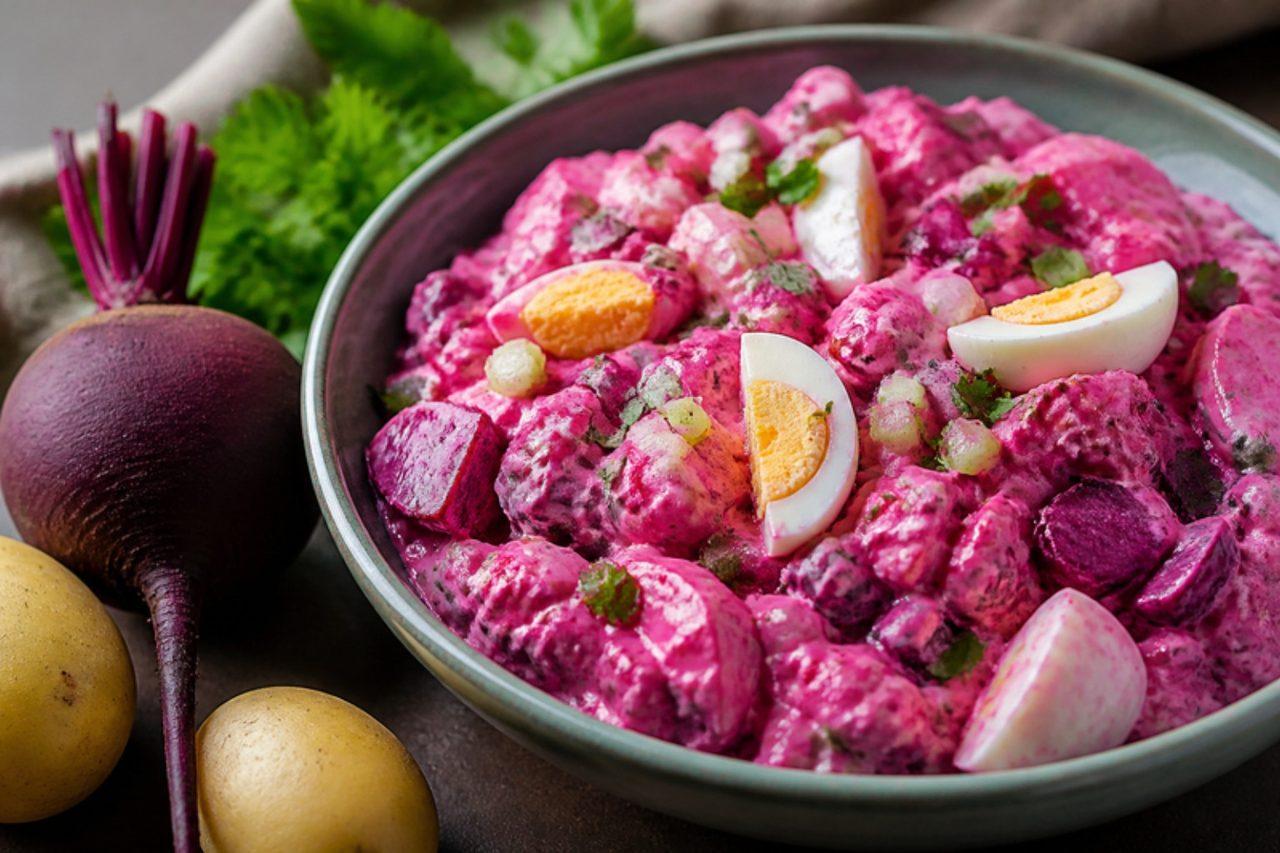
Ensalada de feriaBeetroot potato salad

No Panamanian Christmas, birthday or town feria table is complete without this bright pink potato salad: cubed potato, beetroot, chopped egg, onion and celery bound in mayonnaise, the beet staining everything a vivid rose. It is served cold next to arroz con pollo, tamales and roast meats. Overcooked potatoes are the usual mistake, turning the salad to mush; boil them whole and cube them once cool. Keep it chilled because of the eggs and mayonnaise, and don't leave it out more than two hours. Chef's tip: dress the warm potatoes with a little vinegar first; they absorb it and the salad tastes brighter.

by KrazyBadal 0 views

ErbokvertskhiEggs fried in butter

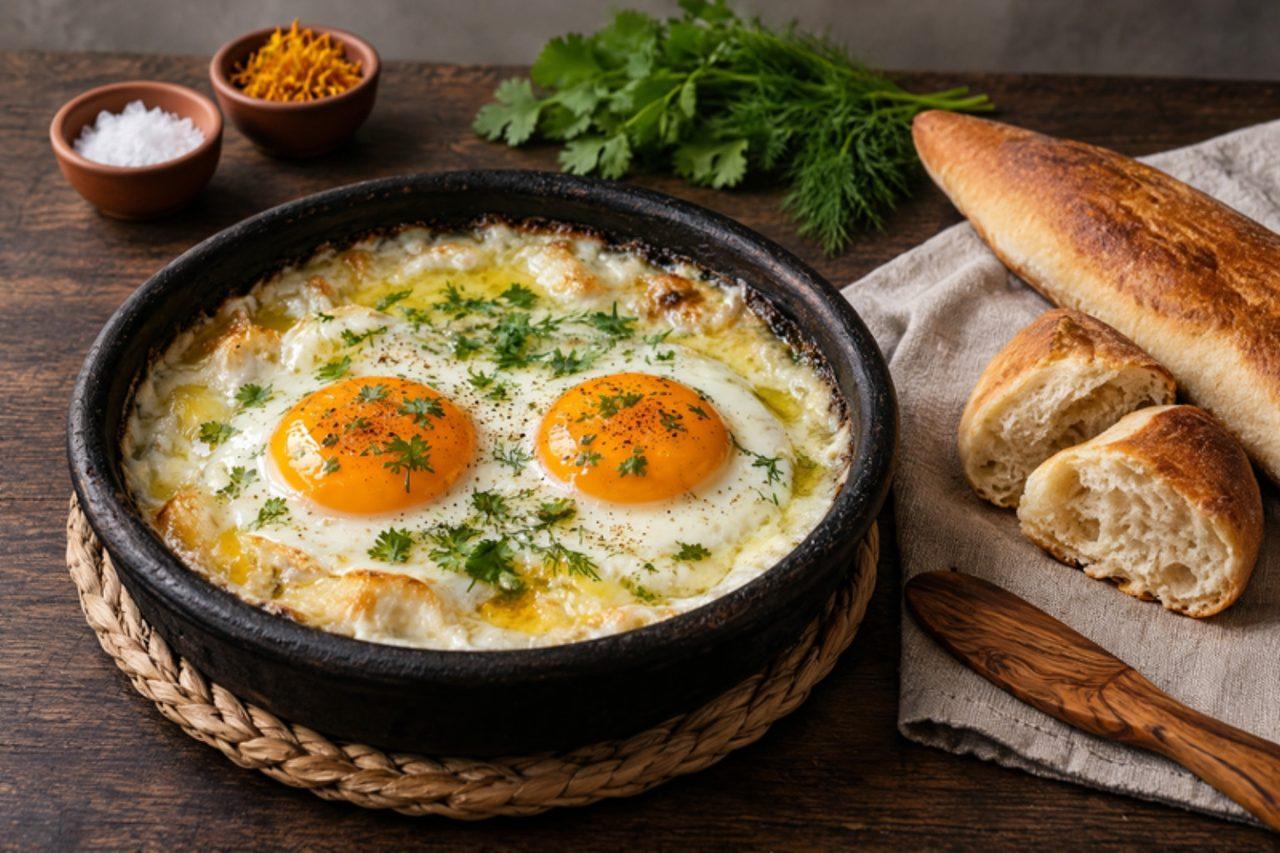
Erbokvertskhi means simply "butter-egg", and in Georgian homes from Tbilisi to the Imereti villages it is the breakfast cooked in a small clay ketsi or pan: eggs fried in plenty of erbo, the golden clarified butter, with slices of salty sulguni cheese melting around them. It is eaten with shoti bread and fresh herbs. Sulguni is often made with animal rennet; use a vegetarian mozzarella-style cheese if needed. The mistake is a timid amount of butter: the eggs should sizzle in it so the edges crisp. Serve the yolks fully set for anyone pregnant, young children, older people or anyone with a weakened immune system. Chef's tip: let the cheese melt and brown slightly before adding the eggs, so you get crisp cheese edges under soft whites.

by KrazyBadal 0 views

Zhū gān ní (pork liver purée)

Zhū gān ní, a smooth purée of pork liver, is the iron food Chinese grandmothers swear by, and wet markets from Chengdu to Shanghai sell small pieces of very fresh pork liver for exactly this. The liver is soaked to draw out the blood, steamed with a slice of ginger until cooked right through, then blended and stirred into rice porridge, where it gives a mild, savoury, slightly sweet taste. Liver is very rich in vitamin A, so babies should have it only in small amounts, no more than once a week. No salt, soy sauce, sugar or honey for babies. It is free of the major allergens. Chef's tip: buy the freshest liver you can find, glossy and deep red-brown, and freeze the purée in cubes so one portion is always ready.

by KrazyBadal 0 views

Shānyào ní (Chinese yam purée)

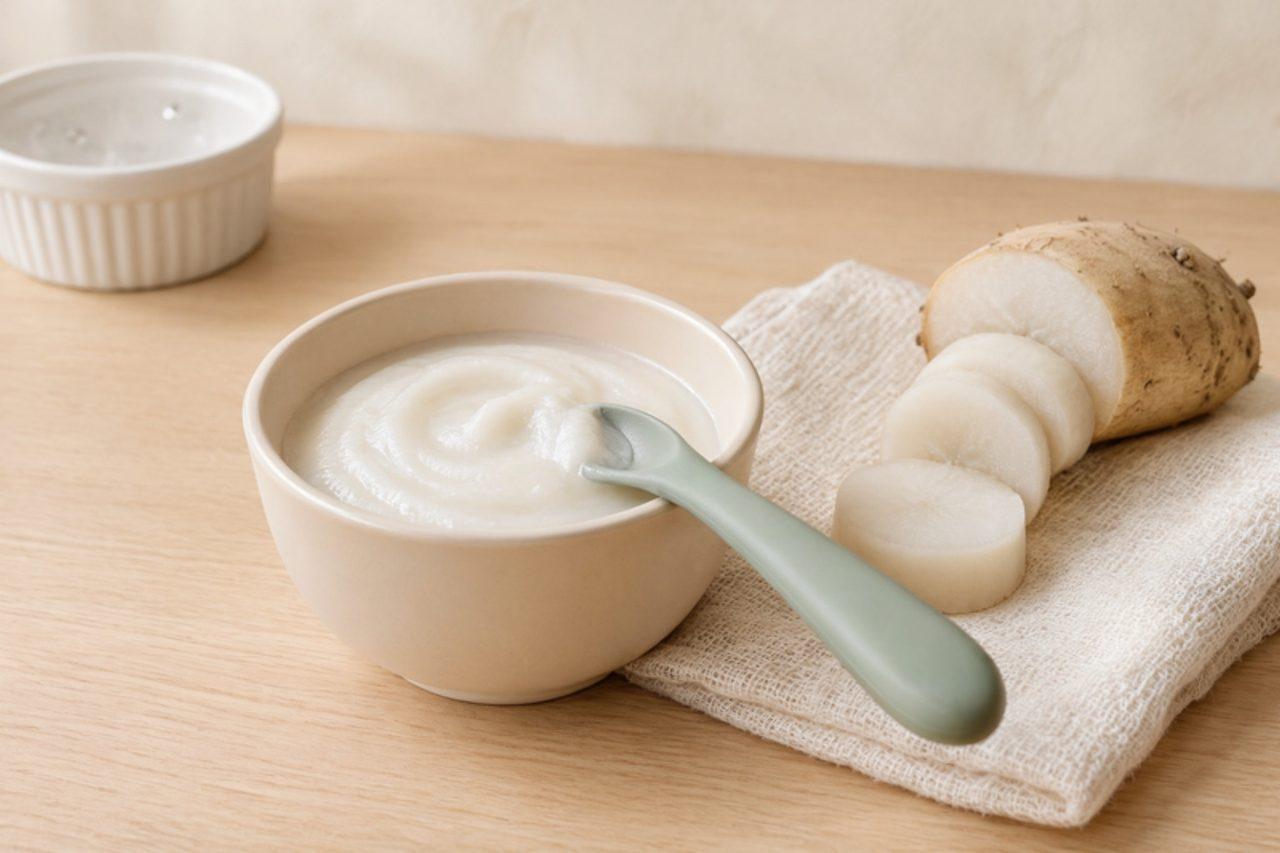
Chinese yam (shānyào, the long, hairy-skinned root sold in bundles in markets from Beijing to Guangzhou) is valued in Chinese homes as easy on the tummy, and steamed shānyào ní is one of the classic first purées offered at six months. Once steamed, the crisp, slippery flesh turns floury and pale, and pressed through a sieve it gives a smooth, slightly sweet, potato-like purée. Nothing else is added: no salt, sugar or honey for babies. It is free of the major allergens. Chef's tip: wear gloves or oil your hands before peeling; the raw sap makes skin itch, but cooking destroys it completely.

by KrazyBadal 0 views

Gohan oyaki (rice finger patties)

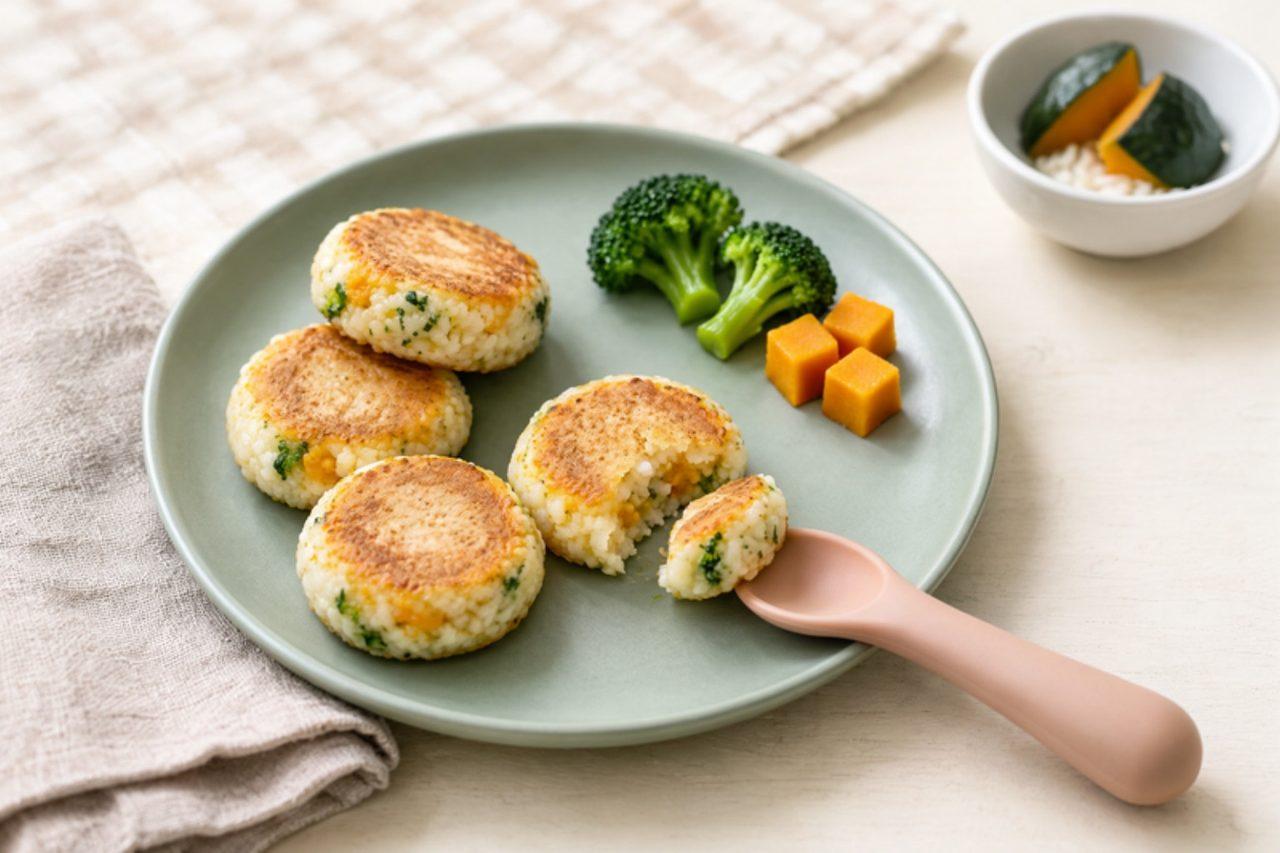
Oyaki means a little pan-cooked cake, and Japanese parents make gohan oyaki from leftover rice when babies around nine months start wanting to feed themselves. Mashed rice is mixed with steamed kabocha squash (or grated carrot) and a spoon of potato starch, shaped into finger-sized patties and cooked gently until lightly golden. They are soft and sweet inside, hold together in a small fist and squash easily against the gums. They are free of the major allergens: no milk, egg, gluten, nuts, soya, sesame or fish. Chef's tip: mash the rice while it is warm; cold rice will not stick together and the patties crumble.

by KrazyBadal 0 views

Tsestalulu (sea-buckthorn juice)

Sea buckthorn grows wild along the river beds of Ladakh, and in Leh the bright orange berries are pressed into tsestalulu, a sharp, tropical-tasting juice sold in summer cafés and made at home after the autumn harvest. It is drunk chilled, sweetened with sugar or honey and thinned with cold water. The berries are very sour and slightly oily, so the juice is always diluted. The common mistake is boiling the pulp, which dulls both the colour and the fresh taste; just blend and strain. Chef's tip: frozen sea-buckthorn berries or plain unsweetened purée from health shops work very well; strain twice through a fine sieve for a silky drink.

by KrazyBadal 0 views

Rolete de cana (sugarcane on a stick)

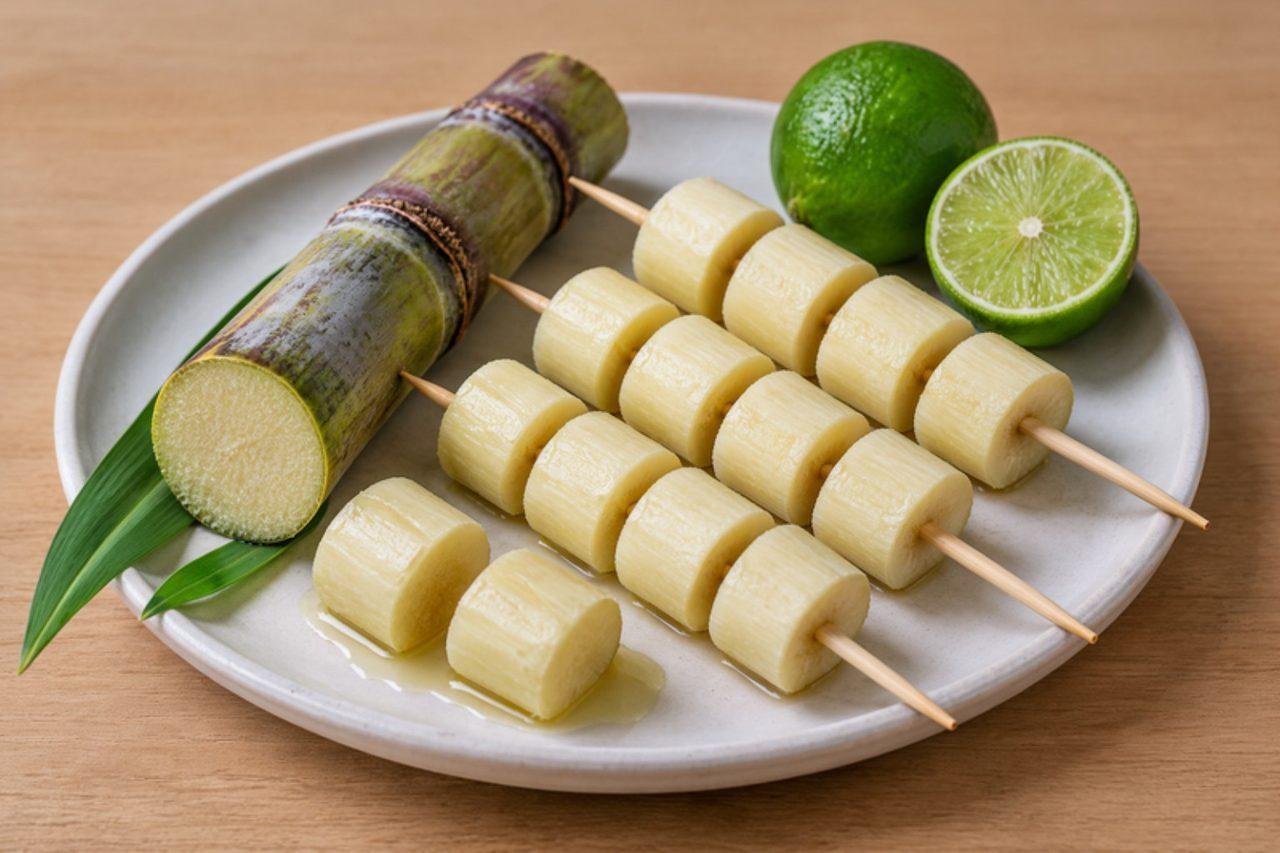
On the sand at Porto da Barra in Salvador, and in the crowds of the Festa de Iemanjá in Rio Vermelho every February, vendors walk with buckets of ice and bundles of skewers threaded with pale sugarcane discs. You chew each piece to squeeze out the cold, grassy-sweet juice, then spit out the fibre. It is the simplest snack there is and very refreshing in the heat. Not for small children, as the fibres are a choking risk. Chef's tip: cut between the knobbly joints, not through them; the nodes are hard as wood.

by KrazyBadal 0 views

Koova kurukku (arrowroot porridge)

Koova, the arrowroot that grows in Kerala's backyards, is dug, washed, grated and dried into a snow-white powder that many families in Thrissur and Kottayam still make themselves. Stirred with water over a low flame, it turns from chalky to clear and glossy in a few minutes, and this kurukku is a classic first spoonful at six months, often given in the hot months because it is thought to be cooling. It is very mild and smooth. No salt, sugar, jaggery or honey goes in for babies. It is free of the major allergens. Chef's tip: buy pure koova or arrowroot powder, not a cornflour blend, and stop cooking the moment the whole pan turns translucent.

by KrazyBadal 0 views

CuchuflíFilled wafer tubes

Cuchuflí are the thin, crisp wafer tubes filled with manjar that vendors sell from baskets on Chilean beaches and outside football stadiums, and that children beg for at the Fiestas Patrias fondas. At home you can bake the wafers yourself and roll them round a wooden spoon handle. The usual mistake is waiting too long to roll them: the wafers set within seconds and crack. Bake only three at a time. Chef's tip: fill them with a piping bag just before serving, or the manjar softens the wafer; dip the ends in melted chocolate if you like.

by KrazyBadal 0 views

Agi bulgogi (toddler bulgogi)

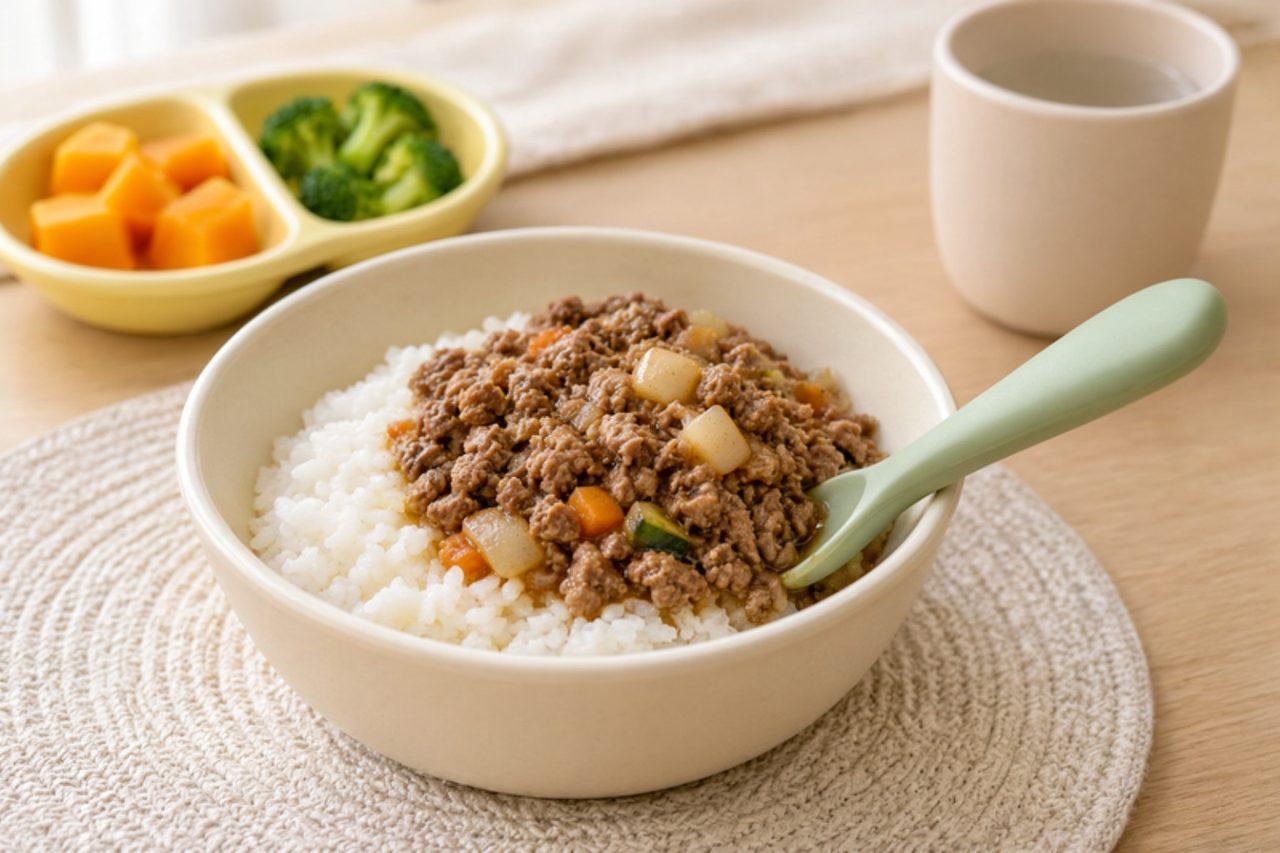
Agi bulgogi, 'baby bulgogi', is the dish Korean parents in Seoul's apartment blocks make once the iyusik stage ends and children start yuaosik, eating soft versions of family food at around 12 months. Grated Korean pear and onion tenderise the beef and sweeten it, so it needs only a drop of soy sauce rather than the sugary grown-up marinade. It is soft, juicy and easy to chew, served with soft rice and courgette. It contains soya and wheat (in soy sauce), and sesame if you use the oil; there is no milk, egg or nuts. Chef's tip: grate the pear finely and squeeze nothing out; the juice is what keeps the meat tender.

30 minKoreanMeat
by KrazyBadal 0 views

Pão com linguiça (grilled sausage roll)

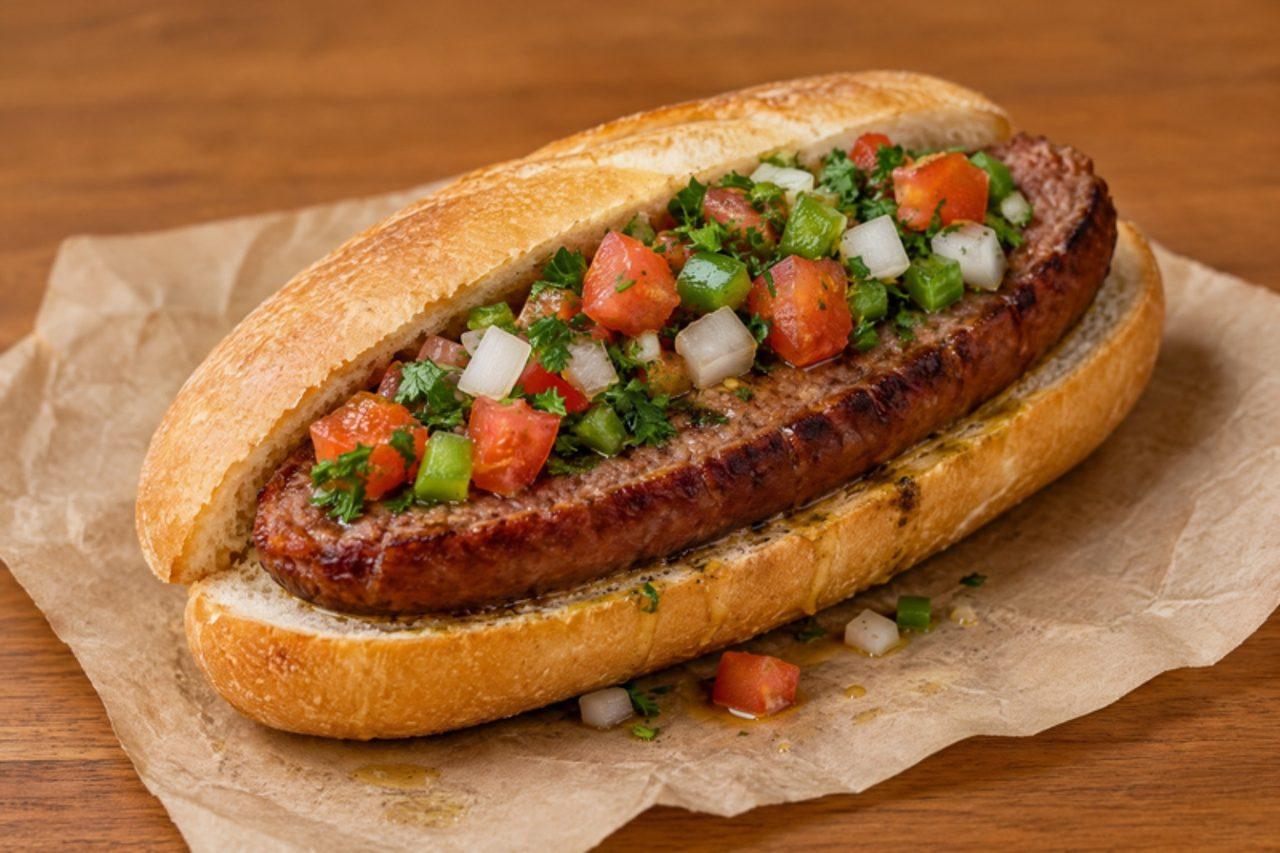
Outside every São Paulo football ground on match day, and above all on the streets around the Allianz Parque, carts with smoking griddles sell pão com linguiça: a coiled Tuscan-style pork sausage split open, crisped on the plate and tucked into a roll with vinaigrette and a splash of chilli sauce. It is fast, juicy and filling, eaten walking to the gate. The sausage is raw pork and must be cooked through. Chef's tip: once the sausage is nearly cooked, split it lengthwise and press it cut side down on the griddle; it browns all over and finishes cooking evenly.

by KrazyBadal 0 views

Pan-gayu (bread porridge)

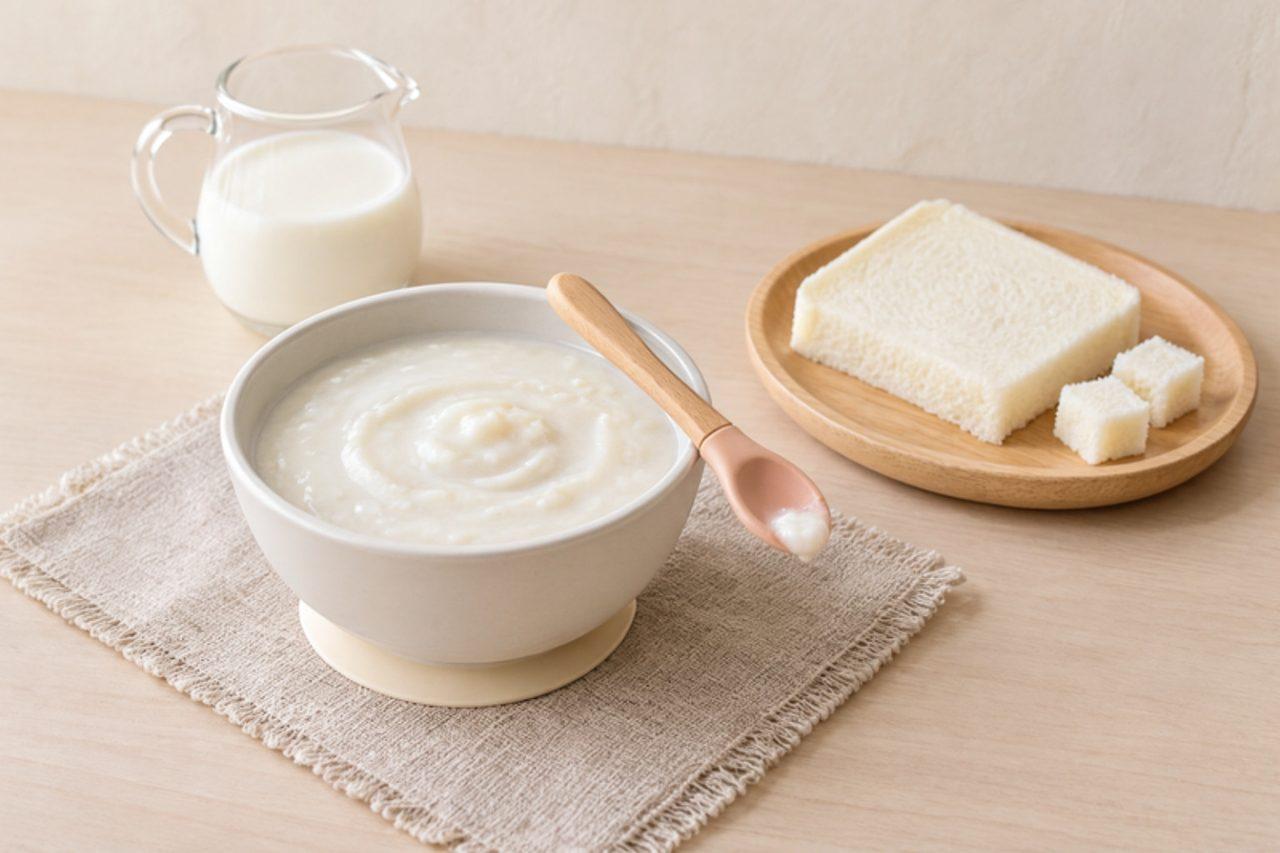
Pan-gayu is a staple of the early rinyushoku (weaning) stage in Japan, the second grain after rice porridge, and it fills the 'first foods' pages of every baby magazine sold in Tokyo convenience stores. Crustless white bread is torn into a pan of water, breast milk or formula and simmered until it collapses, then mashed smooth for a soft, milky, faintly sweet porridge. Bread already contains a little salt, so this is an occasional porridge rather than an everyday one, and no extra salt, sugar or honey goes in. It contains wheat (gluten) and milk if made with milk. Chef's tip: choose the softest, plainest white sandwich loaf with the lowest salt on the label, and cut away every bit of crust.

by KrazyBadal 0 views

Menchi katsuCrumbed meat patties

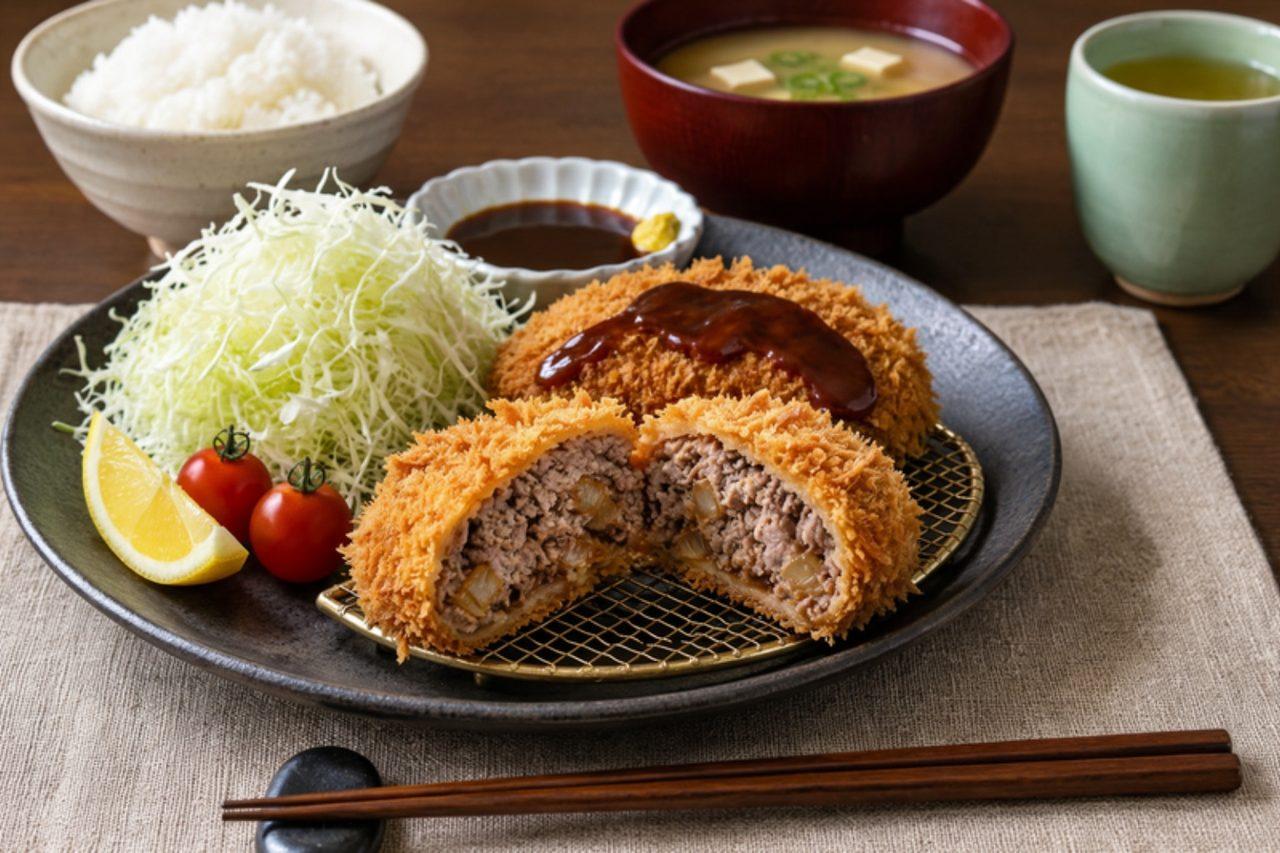
Menchi katsu, a juicy mince patty of beef and pork in a crisp panko coat, is sold hot at Tokyo butchers' shops like the famous ones in Kichijoji and packed cold in bento across Japan, with shredded cabbage and a drizzle of tonkatsu sauce. Sweet fried onion makes the inside tender. The common mistake is frying in oil that is too hot, so the crumb burns before the pork and beef in the middle are cooked. Chef's tip: chill the shaped patties for 20 minutes before crumbing so they keep their shape and stay juicy.

by KrazyBadal 0 views

TsukuneChicken meatball skewers

Tsukune are the minced chicken patties of yakitori bars all over Japan, and squashed into small ovals they are one of the most loved bento fillers, eaten cold at school or the office. Ginger and spring onion keep them fresh, and a glossy soy tare makes them sticky and sweet. The tare uses mirin, a sweet rice wine; most of its alcohol cooks off as it bubbles, and for an alcohol-free glaze use 1 tbsp sugar and 2 tbsp water instead. The common mistake is a loose mix that falls apart in the pan; knead it until sticky. Chef's tip: add a spoon of grated tofu or potato starch to the mince, which keeps the patties juicy even the next day.

by KrazyBadal 0 views

Masato de arroz (Bogotá spiced rice drink)

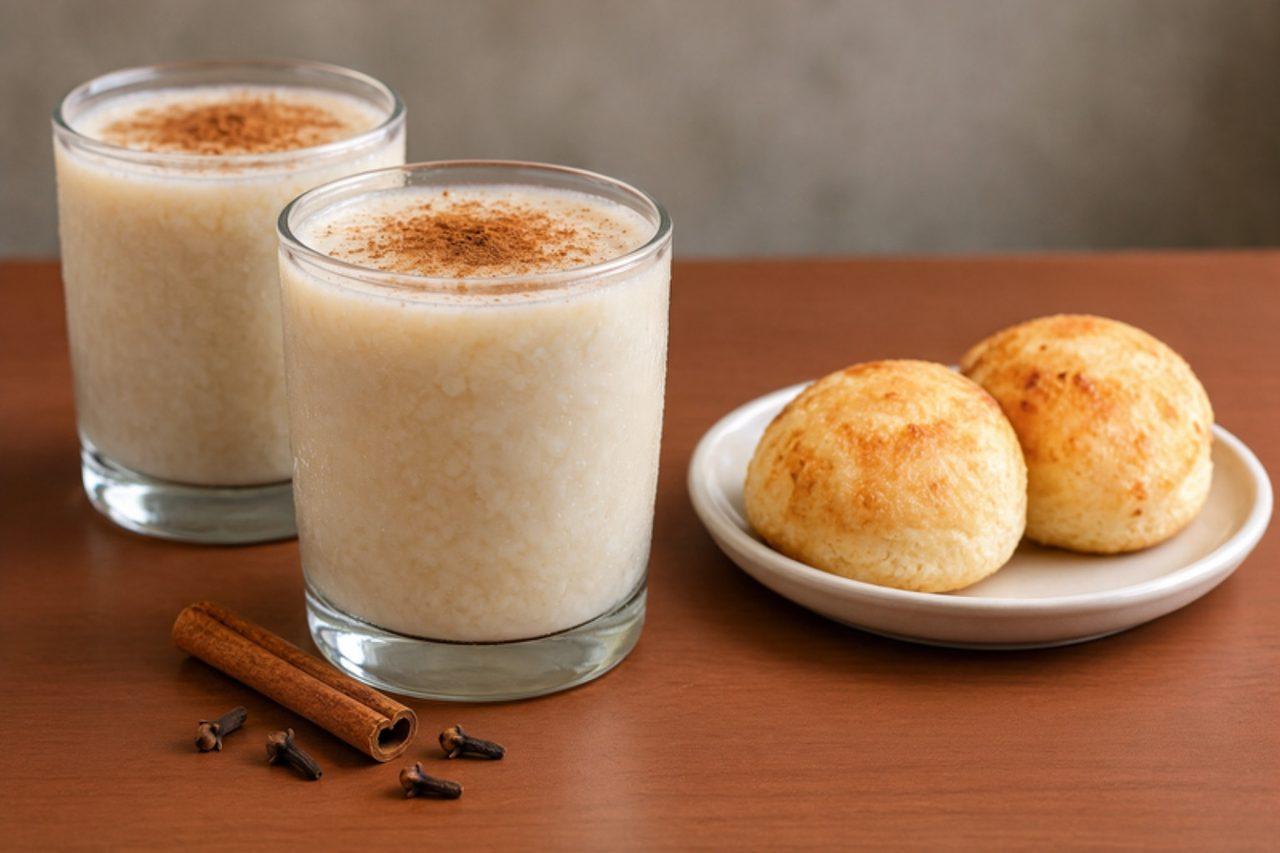
In the old bakeries of La Candelaria and at the juice stands of the Paloquemao market in Bogotá, masato is poured from big jugs to go with warm almojábanas and pandebono at mid-morning or with the afternoon onces. It is cooked rice blended with spiced syrup and left to rest until it turns gently tangy, so it tastes like a cross between rice pudding and a cool, creamy lemonade. Any natural fermentation produces a trace of alcohol the longer it goes on; this version rests only overnight and is then chilled, and for a completely alcohol-free drink skip the rest and add lime juice for the tang. Chef's tip: keep the rest short and taste it; it should be lightly sour and sweet, never fizzy or boozy.

by KrazyBadal 0 views

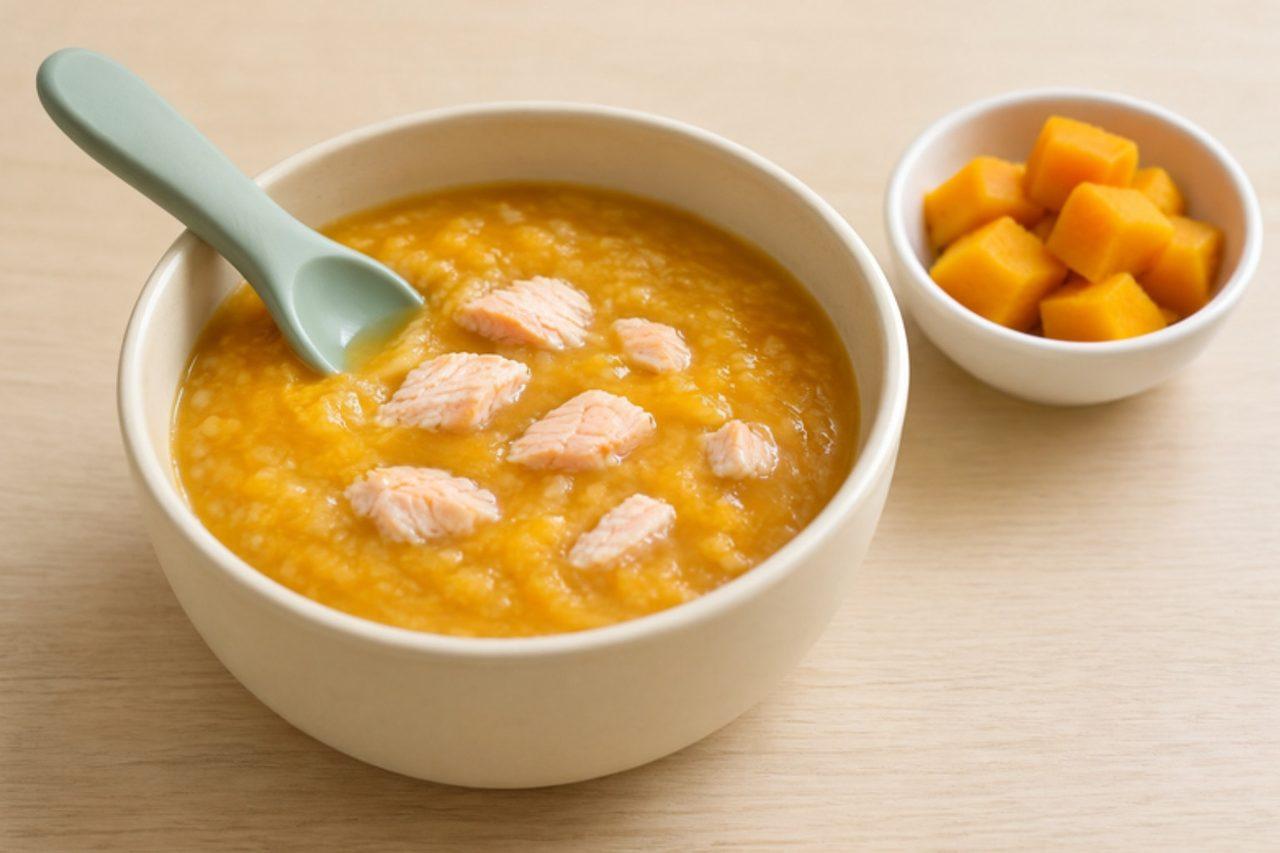
Cháo cá hồi bí đỏ (salmon and pumpkin congee)

Cháo cá hồi bí đỏ, salmon and pumpkin congee, is one of the most-shared ăn dặm (weaning) recipes among young parents in Hanoi and Ho Chi Minh City, a sunny orange bowl full of omega-3 fats. Rice simmers soft with diced pumpkin, then fresh salmon is poached in the pot at the end, so it stays moist. There is no fish sauce, salt or sugar, just the natural sweetness of the pumpkin. It contains fish and is free of milk, egg, gluten, nuts, soya and sesame. Chef's tip: run your fingers along the salmon fillet before cooking and pull out the pin bones with tweezers; they are much easier to find raw.

by KrazyBadal 0 views

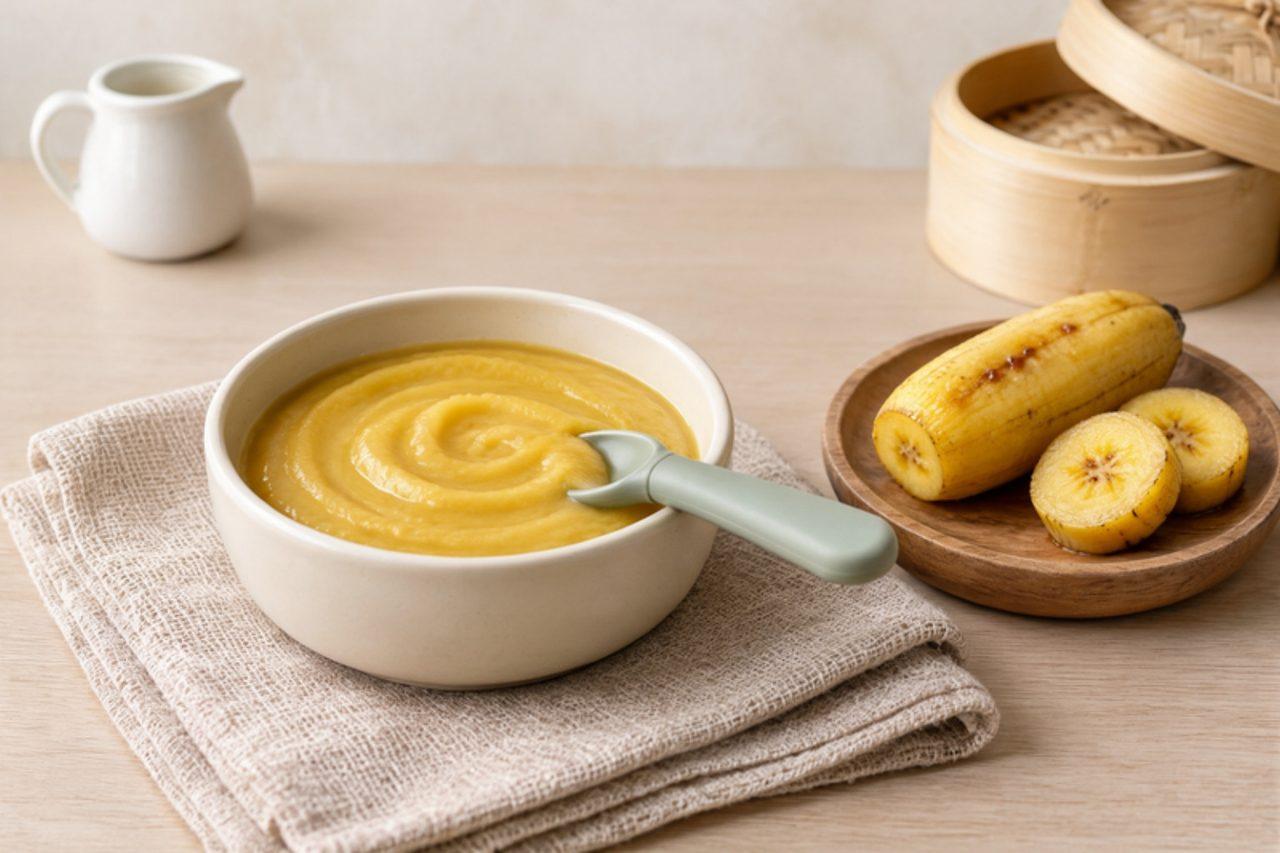
Steamed Nendran banana mash

Nendran is the long, golden plantain of Kerala, sold in hands at every market from Palakkad to Thiruvananthapuram, and a steamed ripe Nendran is one of the first fruits a Malayali baby tastes. Raw, it is too firm and starchy for a six-month-old, so it is steamed in its skin until the flesh turns soft and orange-gold, the dark string of seeds in the centre is pulled out, and the rest is mashed smooth. It is naturally sweet, so nothing is added: no sugar, jaggery, honey or salt. It is free of the major allergens. Chef's tip: wait until the skin is fully yellow with black freckles; a green Nendran stays chalky however long you steam it.

by KrazyBadal 0 views

Torta de chile rellenoStuffed poblano sandwich

At Mexico City's torta stands and school gates, the chile relleno torta is the meat-free favourite: a whole poblano, roasted, peeled, stuffed with melting cheese, dipped in fluffy egg batter and fried, then pressed into a bolillo spread with refried beans and salsa. People buy them warm mid-morning or wrap them in foil for lunch. The common mistake is frying a wet chile: the batter slides off, so pat it dry and dust it with flour first. Oaxaca cheese and Monterey Jack are often made with animal rennet, so choose a vegetarian melting cheese, and check the refried beans are made without lard. Chef's tip: beat the egg whites to stiff peaks before folding in the yolks; that airy capeado is what makes it puff and stay crisp.

by KrazyBadal 0 views

Tarta de zapallitosCourgette and cheese tart

In Buenos Aires every rotisería sells tartas by the slice, and at home a tarta de zapallitos is baked on Sunday evening so that a wedge can go into the vianda (packed lunch) for school and work all week. Zapallitos are round green courgettes; ordinary courgettes work just as well. The common mistake is adding the courgette raw, which floods the pastry; sauté it until the liquid has cooked away. Argentine queso rallado and many hard cheeses are made with animal rennet, so use a vegetarian hard cheese. Chef's tip: bake the tart on a preheated baking tray so the base crisps before the filling soaks in.

by KrazyBadal 0 views

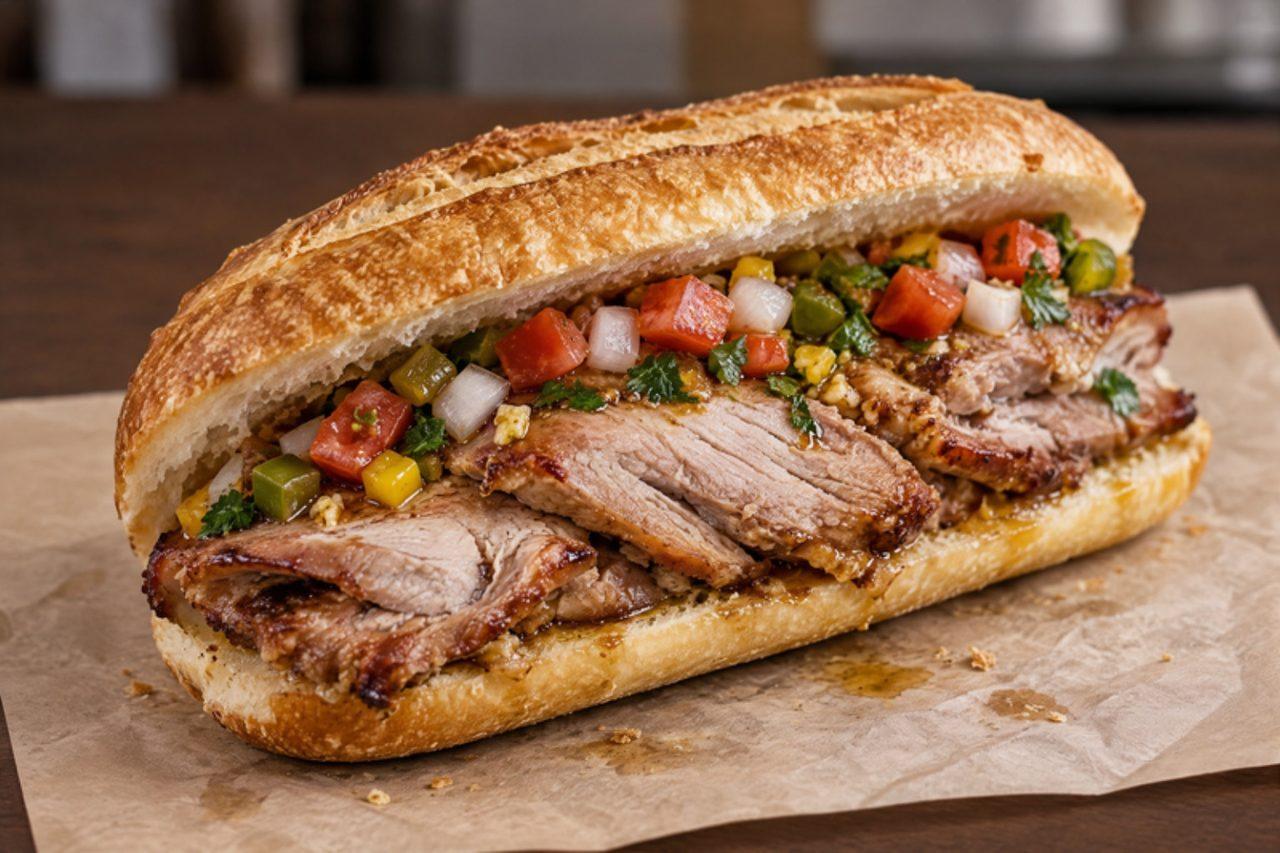
Sanduíche de pernil (São Paulo roast pork roll)

This is pork in its most loved São Paulo form: a leg marinated in garlic, lime and paprika, roasted until it falls into slices, and stuffed into a crusty pão francês. It is what fans eat outside the Pacaembu and Morumbi stadiums before a match, and the all-night bar on the Viaduto Nove de Julho has fed it to taxi drivers and night owls for decades. The meat is juicy and tangy, cut with a fresh tomato and onion vinaigrette. Chef's tip: slice the pork thin and drop it back into the roasting juices before filling the rolls; it should drip a little.

by KrazyBadal 0 views

Curried egg sandwich

A school canteen and church-fete favourite across Australia, the curried egg sandwich is soft white or wholemeal bread filled with hard-boiled egg mashed with mayonnaise and a little mild curry powder, often with lettuce or cress. It goes into lunch boxes cut into fingers. The common mistake is mashing the eggs while warm, which turns the mayonnaise oily and the filling runny; let them cool completely. Chef's tip: warm the curry powder in a dry pan for 20 seconds first, and the raw, dusty taste turns sweet and toasty.

by KrazyBadal 0 views

Aussie salad sandwich

The salad sandwich is the backbone of the Australian lunchbox and the school tuckshop order: soft bread built up with tinned beetroot, grated carrot, tasty cheese, tomato and crisp lettuce, cut into triangles and wrapped in paper. Beetroot is what makes it unmistakably Aussie. The common mistake is laying wet beetroot and tomato straight on bare bread, so by lunchtime it is pink and soggy. Many Cheddar-style "tasty" cheeses use animal rennet; choose one labelled vegetarian. Chef's tip: butter both slices to the edge and put the cheese and lettuce next to the bread, with the wet fillings sealed in the middle.

by KrazyBadal 0 views

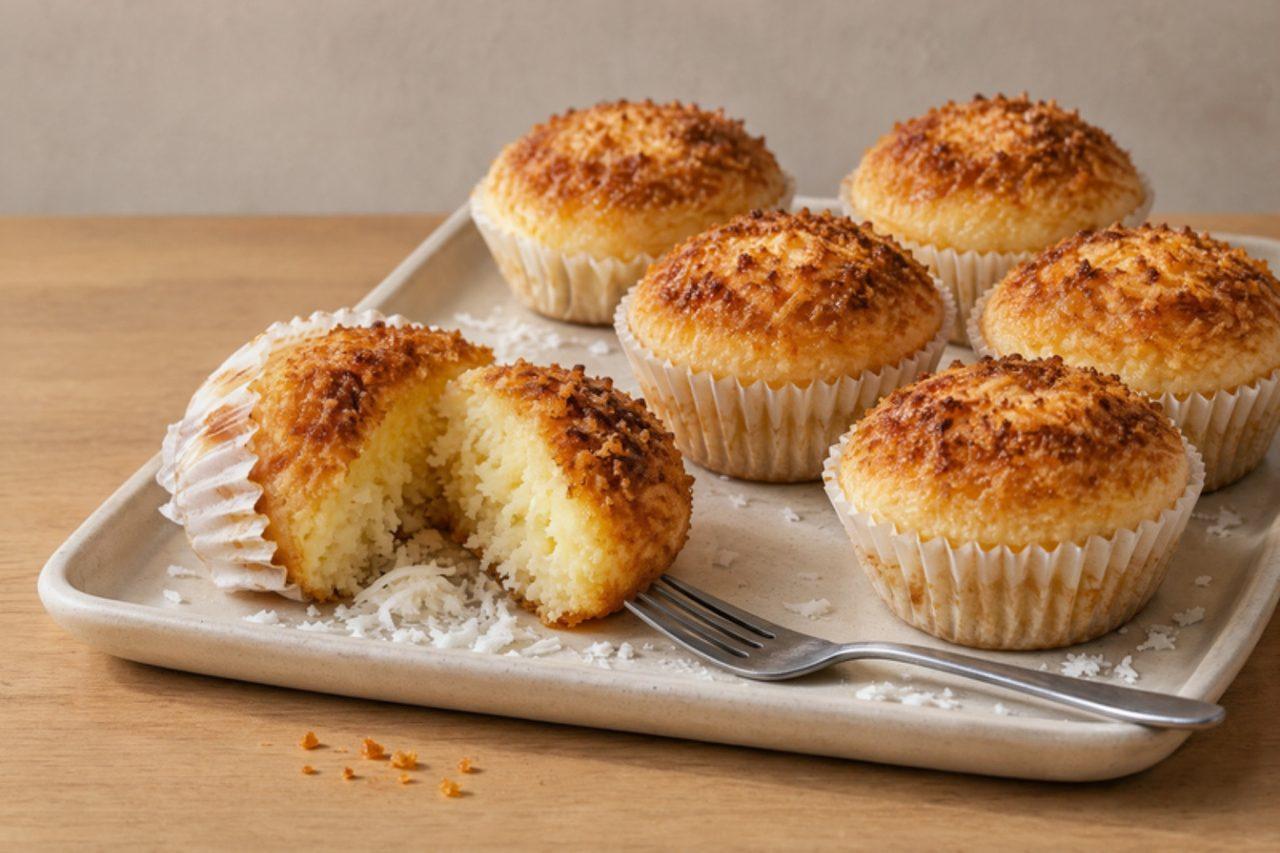
Queijadinha (Bahian coconut and cheese cakes)

In Salvador's Pelourinho and on the steps of the Largo do Pelourinho, baianas in white lace sell queijadinhas from wooden trays alongside cocadas: little paper cases of coconut and cheese that bake into a chewy, golden top over a soft, custardy layer. They are sweet with a salty edge from the cheese, perfect with a strong coffee in the afternoon. They contain egg and milk. Traditional Parmesan is made with animal rennet, so choose a hard cheese labelled vegetarian. Chef's tip: bake them until the tops are properly golden; pale queijadinhas never get their crusty top layer.

by KrazyBadal 0 views

Pâté en croûtePork and veal pie in pastry

Lyon's charcuteries display pâté en croûte like jewellery: a tall loaf of crisp, golden pastry wrapped around a coarse terrine of pork and veal. A slice wrapped in paper is a picnic and lunchbox luxury, and the whole loaf is a Sunday project eaten over several days. The common mistake is undercooking it for fear of drying it out: as it is made with minced pork, the centre must reach 71 °C, so use a probe thermometer. The classic farce has a splash of cognac; it's optional here, and apple juice or extra stock is the alcohol-free swap. Chef's tip: chill the filled, unbaked loaf for 30 minutes before baking so the pastry keeps its shape and pattern.

150 minFrenchMeat
by KrazyBadal 0 views

Bolo de pote (cake in a jar)

On Sundays, when Avenida Paulista closes to cars, sellers line the pavement with cool boxes of bolo de pote, and the same jars turn up at São Paulo's weekly street fairs and outside metro stations: soft sponge cake layered with creamy fillings and eaten with a spoon. Brigadeiro cream (condensed milk cooked with cocoa) and a sweet, milky cream made with milk powder are the two everyone wants. They are rich and very sweet, so the jars are small. They contain egg, wheat and milk. Chef's tip: take both creams off the heat while they are still a little runny; they thicken as they cool and must stay soft enough to spread.

by KrazyBadal 0 views

Jambon-beurreHam and butter baguette

France sells millions of jambon-beurre every working day: half a crusty baguette, split, spread with good salted butter and filled with thin slices of jambon de Paris, the delicate cooked pork ham. Parisians eat it at the office, on a park bench or on the train. The common mistake is a stingy smear of hard butter; the butter is a filling, not a glue, so spread it soft and generous. Some add cornichons, which purists call a different sandwich. Chef's tip: fold each slice of ham loosely in half rather than laying it flat, so the sandwich is airy and every bite has ham.

by KrazyBadal 0 views

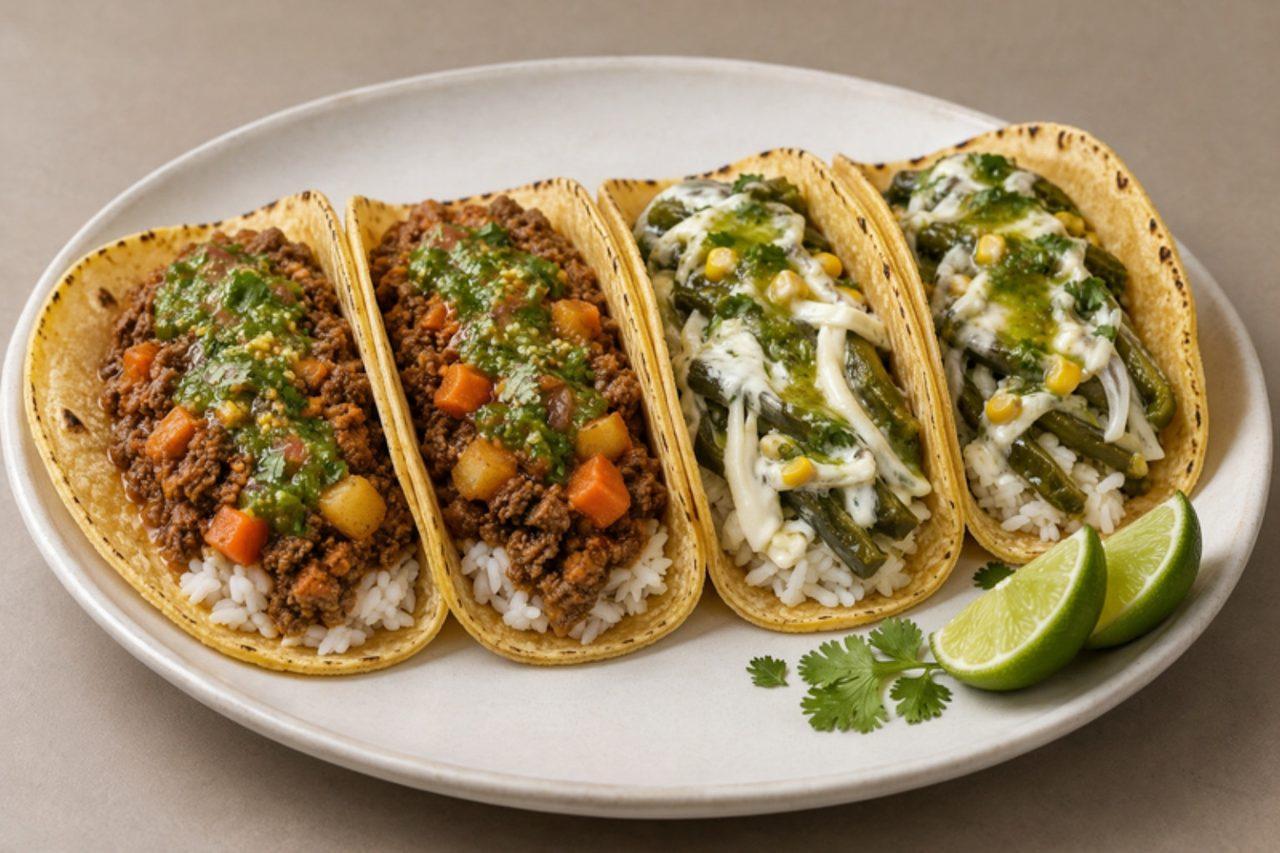
Tacos de guisado (picadillo and rajas con crema)

From about nine in the morning, guisado stalls set up on corners near offices and markets all over Mexico City, from the famous counters on Calle Ámsterdam in the Condesa to the stands outside the Mercado de Medellín. Clay pots line the counter, each with a different home-style stew: chicharrón in salsa verde, potato with chorizo, mole and many more. You point, and they spoon it into two warm tortillas. This home version makes two of the favourites, a tomatoey beef picadillo with potato and carrot, and smoky poblano strips with corn in cream. Chef's tip: always double the tortillas, as the stalls do; one tortilla tears under a juicy stew.

by KrazyBadal 0 views

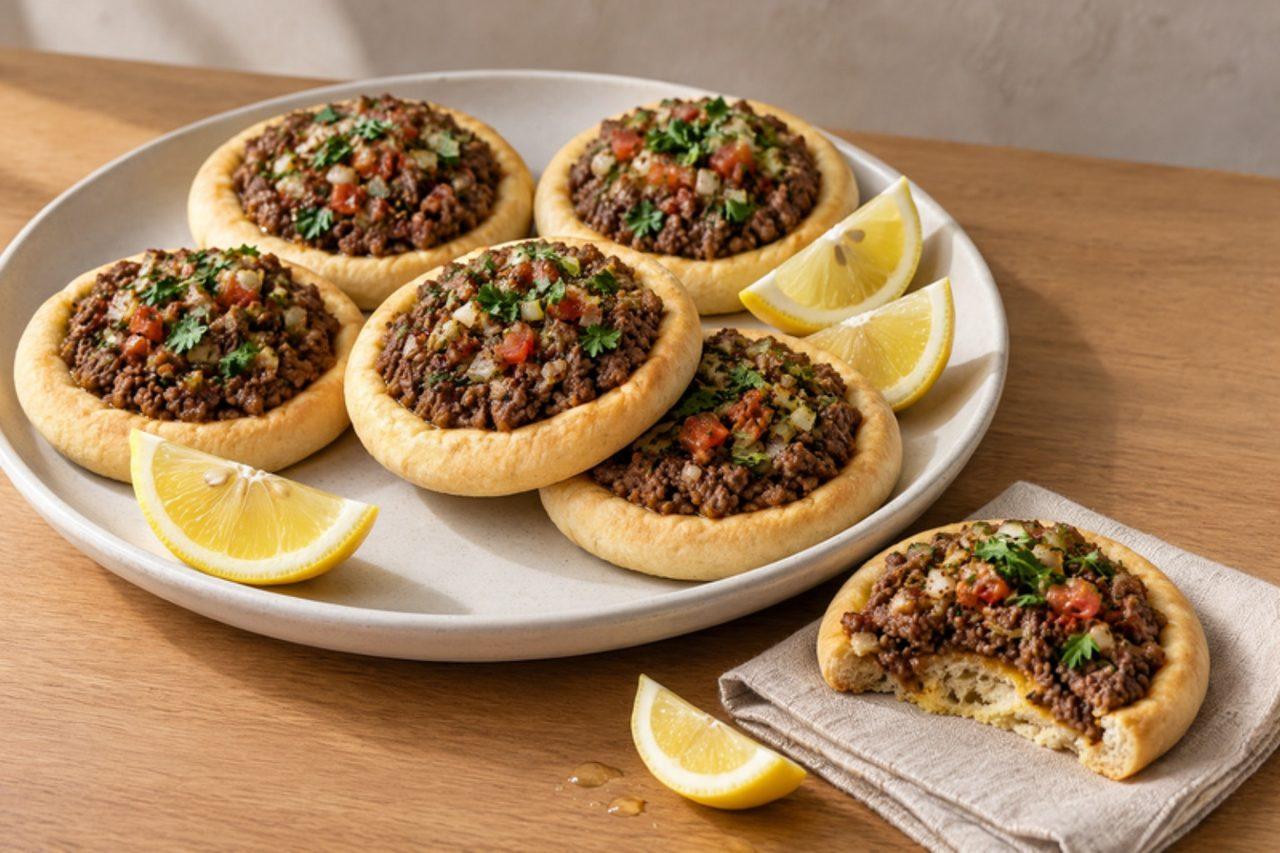
Esfiha de carne (São Paulo open beef pies)

The Syrian and Lebanese families who settled around Rua 25 de Março in central São Paulo brought sfiha with them, and the city made it its own: esfihas are now sold by the dozen from counters all over town, eaten standing up with a squeeze of lemon at lunchtime or as a cheap late snack. The dough is soft and lightly crisp at the base, and the topping of raw spiced beef, onion and tomato cooks on the pie in a hot oven. Chef's tip: squeeze the onion and tomato hard in a cloth before mixing; a wet topping makes the dough soggy.

by KrazyBadal 0 views

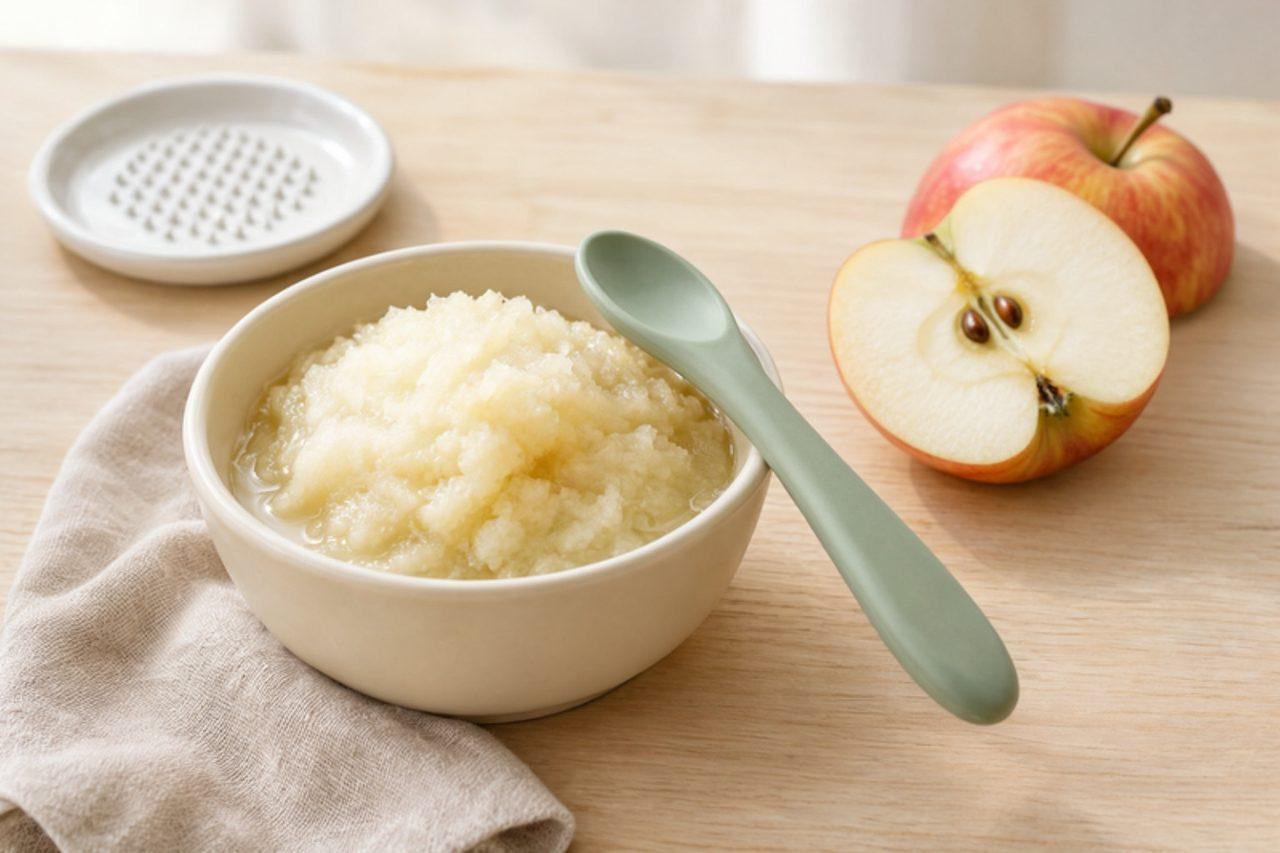
Mela grattugiata (grated apple)

Ask any Italian nonna what a baby has for merenda, the mid-afternoon snack, and she will mime grating an apple: in homes from Turin to Bari, a sweet apple is grated very finely on the small holes of a grater and spooned up at once, before it turns brown. Paediatricians in Italy suggest it from six months, and for the first few times many parents steam the apple briefly so it is softer still. It tastes fresh and naturally sweet; the old habit of crumbling in a biscuit or a spoon of sugar is not for babies under one, and honey never. It is free of the major allergens. Chef's tip: a squeeze of lemon is often added to stop browning, but for babies simply grate it right before serving.

by KrazyBadal 0 views

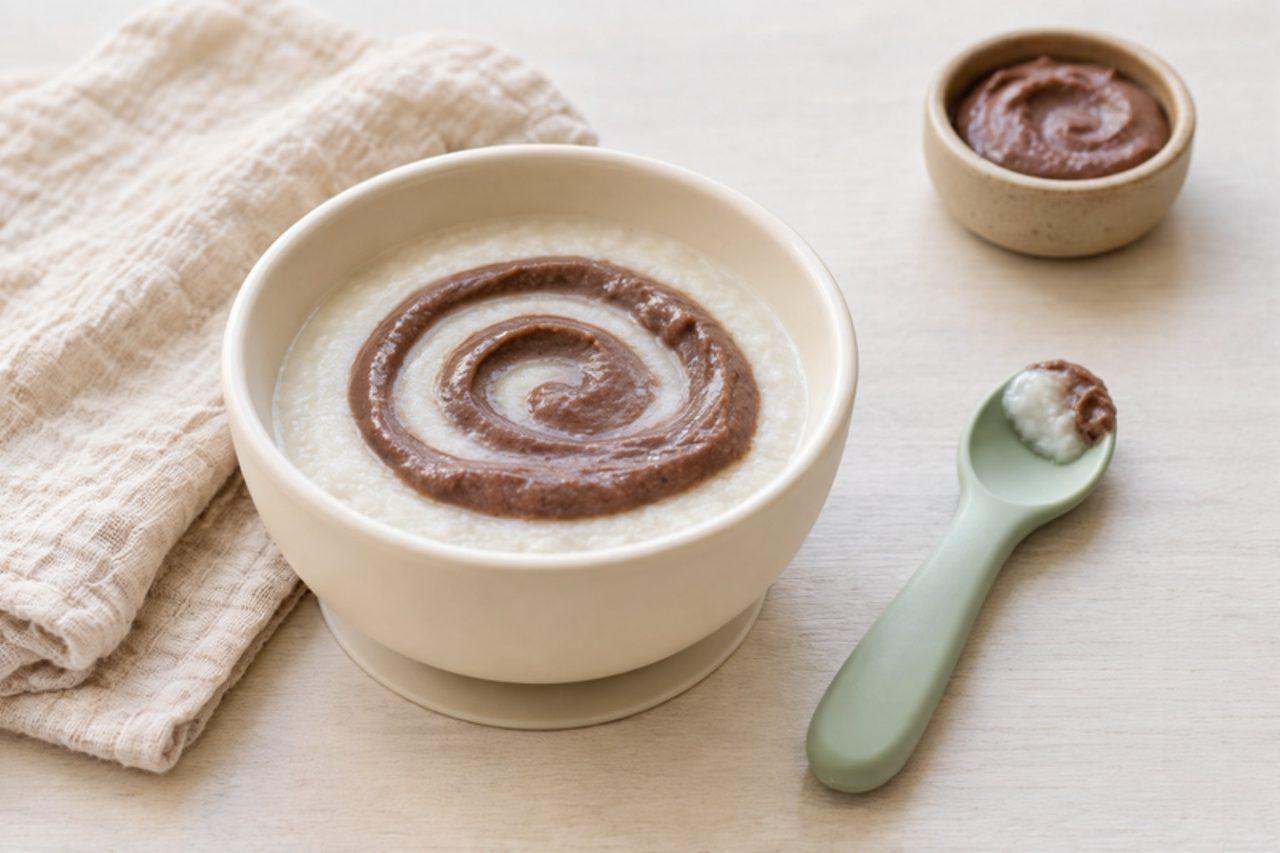
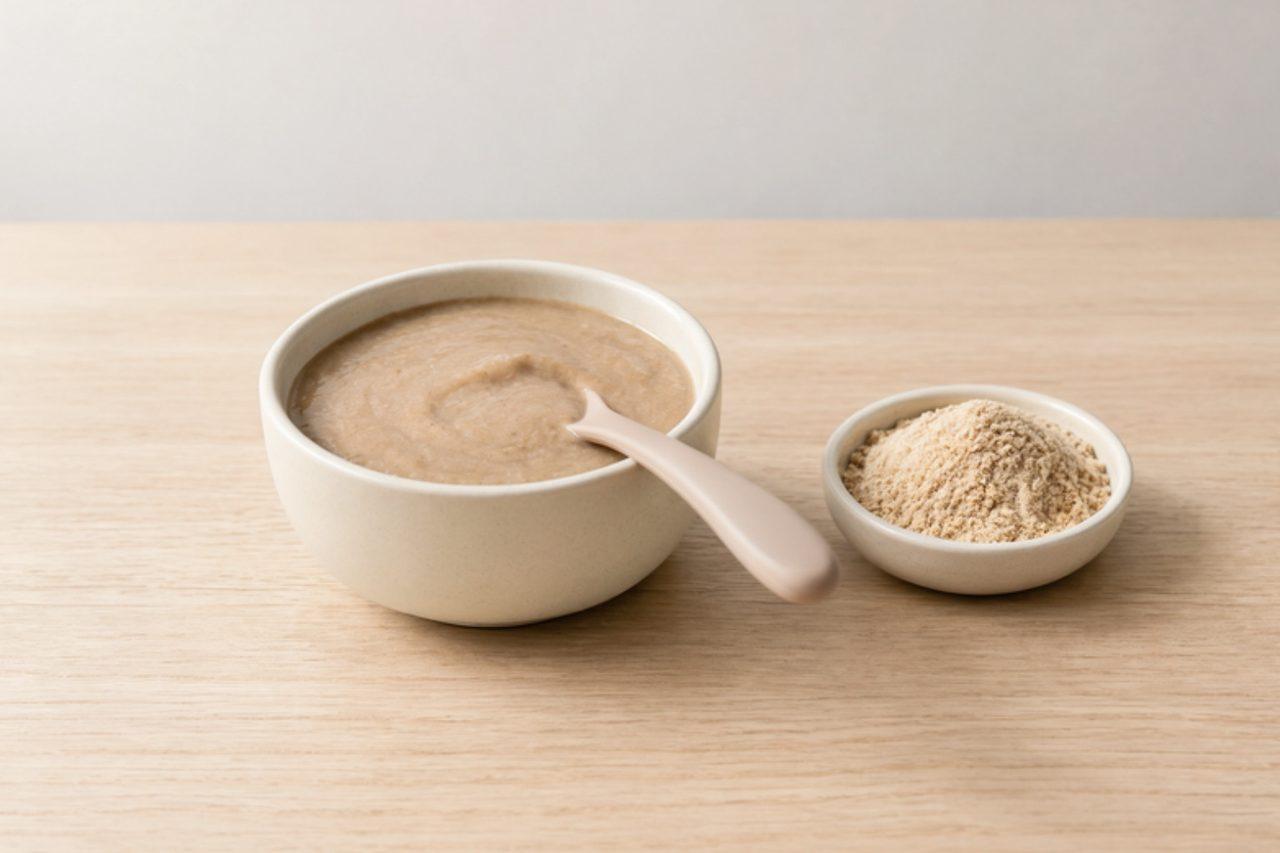
Lito (sarbottam pitho porridge)

Ask a mother in Kathmandu, Pokhara or a hill village what her baby eats after the pasni rice-feeding ceremony, and the answer is often lito: porridge made from sarbottam pitho, a 'super flour' that families roast and grind themselves from two parts soybean to one part each of maize and wheat. Cooked with water it becomes a smooth, nutty, toast-coloured porridge with more protein than plain rice. For babies there is no salt, sugar, jaggery, honey or ghee needed. It contains soya and wheat (gluten). Chef's tip: roast the grains separately, each until it smells nutty and cracks between your teeth, then grind and sieve; the beans need longest.

by KrazyBadal 0 views

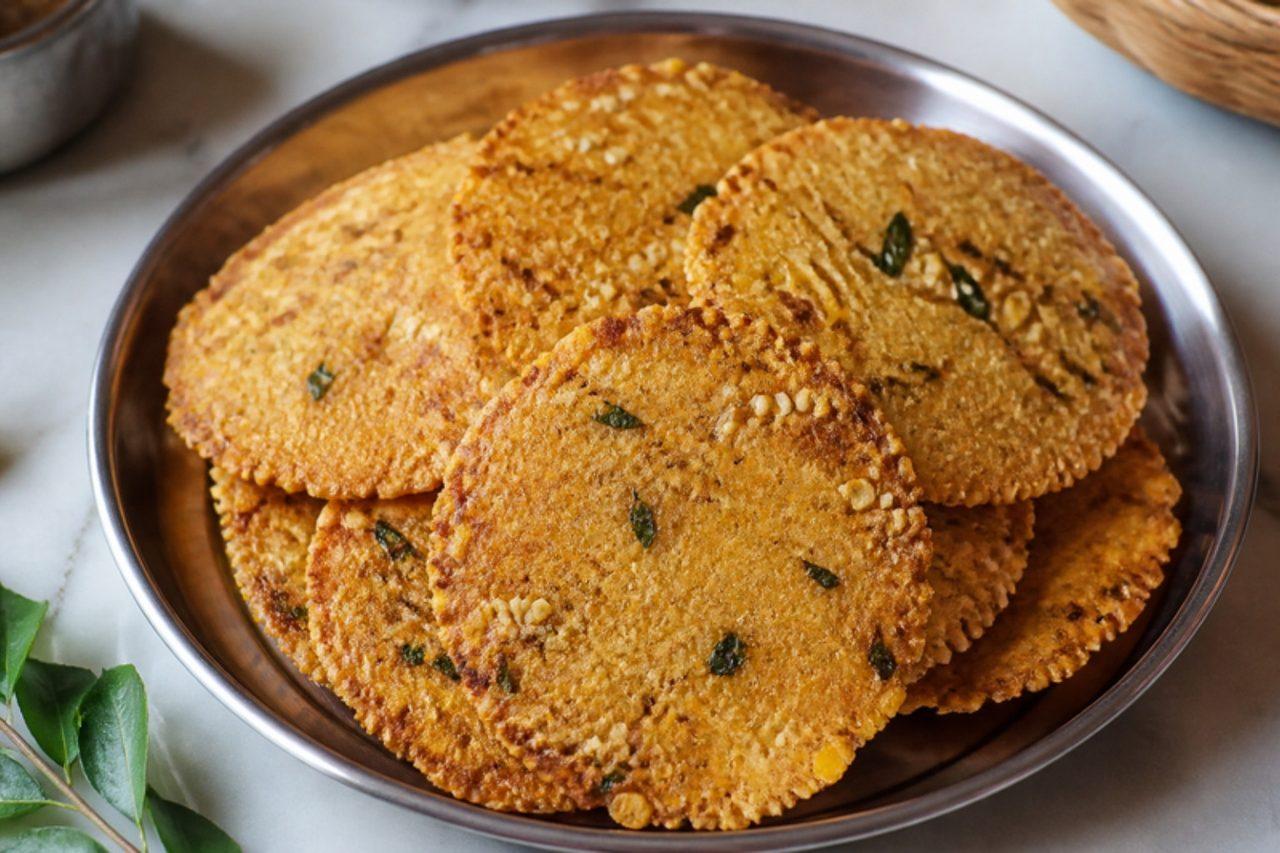
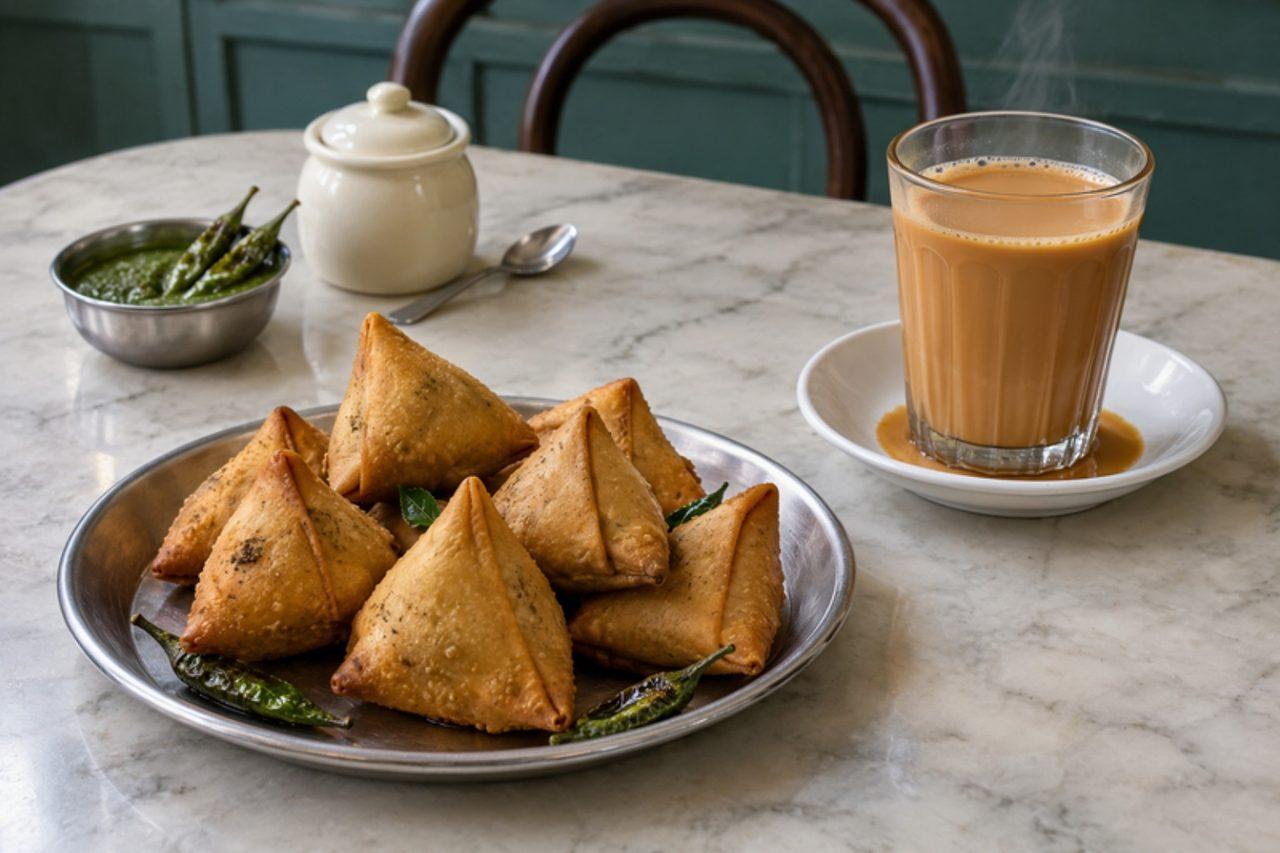
Chennai onion samosa

In Chennai's old tea shops, many started by Irani and Muslim families, a glass of strong tea comes with a plate of small onion samosas: thin, crackly pastry folded around a filling of nothing but slow-cooked onion, green chilli, curry leaves and a little poha to soak up the juices. They are sold by the dozen in the evenings and at bus stands across Tamil Nadu. The pastry is the thin, ready-rolled samosa-patti kind, so they are quick to fold. The common mistake is undercooking the onion, which leaks water and makes the samosas soggy; fry it until soft and sweet, then cool. Chef's tip: seal the folds with a thick paste of flour and water, not plain water, so they do not open in the oil.

by KrazyBadal 0 views

DakgangjeongSticky glazed fried chicken

Dakgangjeong is the boxed fried chicken of Sokcho's Jungang market on Korea's east coast, carried home by the tub and packed into lunchboxes the next day, because the double-fried pieces in their sticky glaze stay crunchy even when cold. The common mistake is frying only once; the second fry drives out moisture so the crust holds up to the sauce. Chef's tip: coat with potato starch rather than flour, and let the coated chicken sit for 5 minutes so the starch hydrates into a craggy crust.

by KrazyBadal 0 views

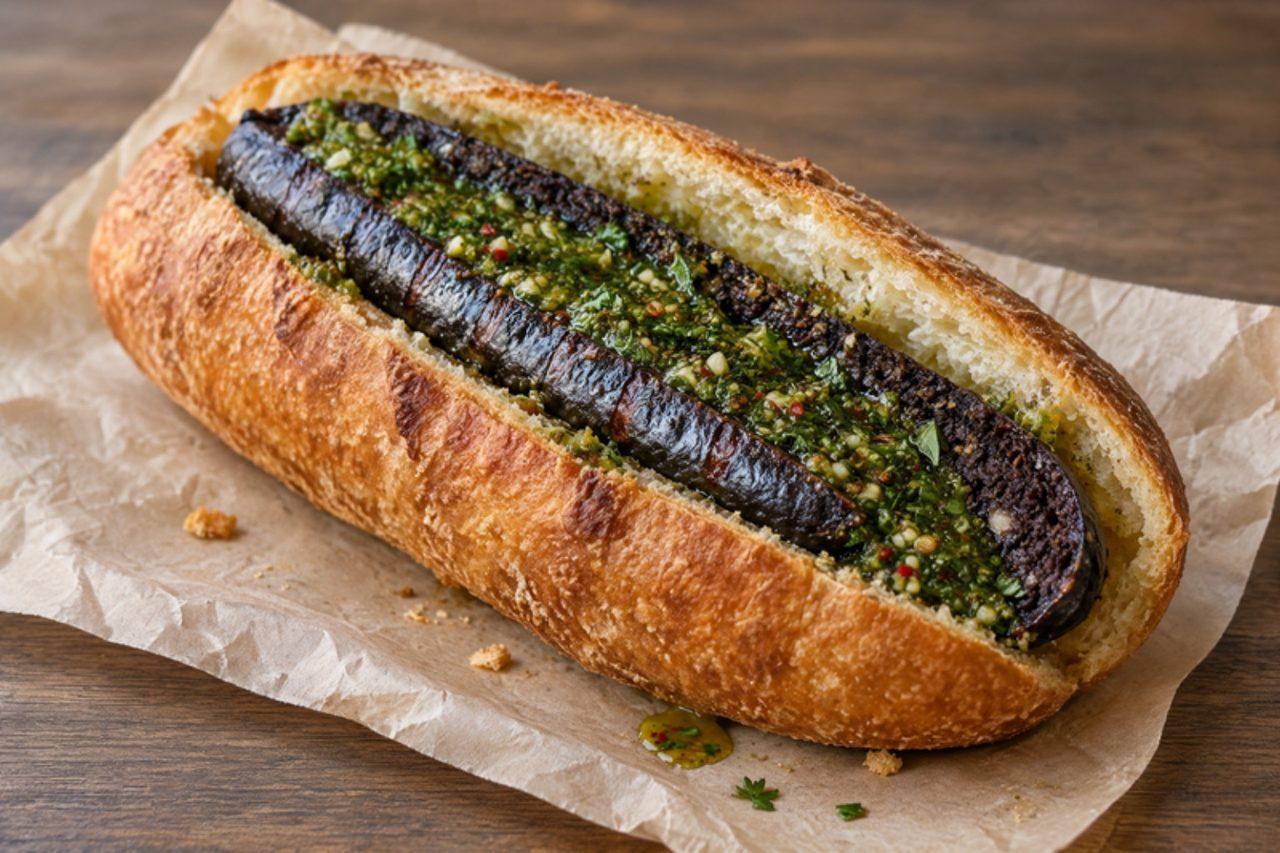
Morcipán (blood sausage roll)

At any Buenos Aires asado, and at the street grills outside football grounds like La Bombonera in La Boca, the choripán has a twin: the morcipán, a soft, rich morcilla split and laid in crusty bread. Argentine morcilla is a pork blood sausage with pork fat, onion and spices, sometimes with nuts or raisins, and it grills to a crisp skin around a soft, spoonable centre that tastes deep and slightly sweet. A sharp chimichurri cuts through it. Chef's tip: grill it over a gentle heat and turn it carefully with tongs; on a fierce grill the casing splits and the filling runs out.

by KrazyBadal 0 views

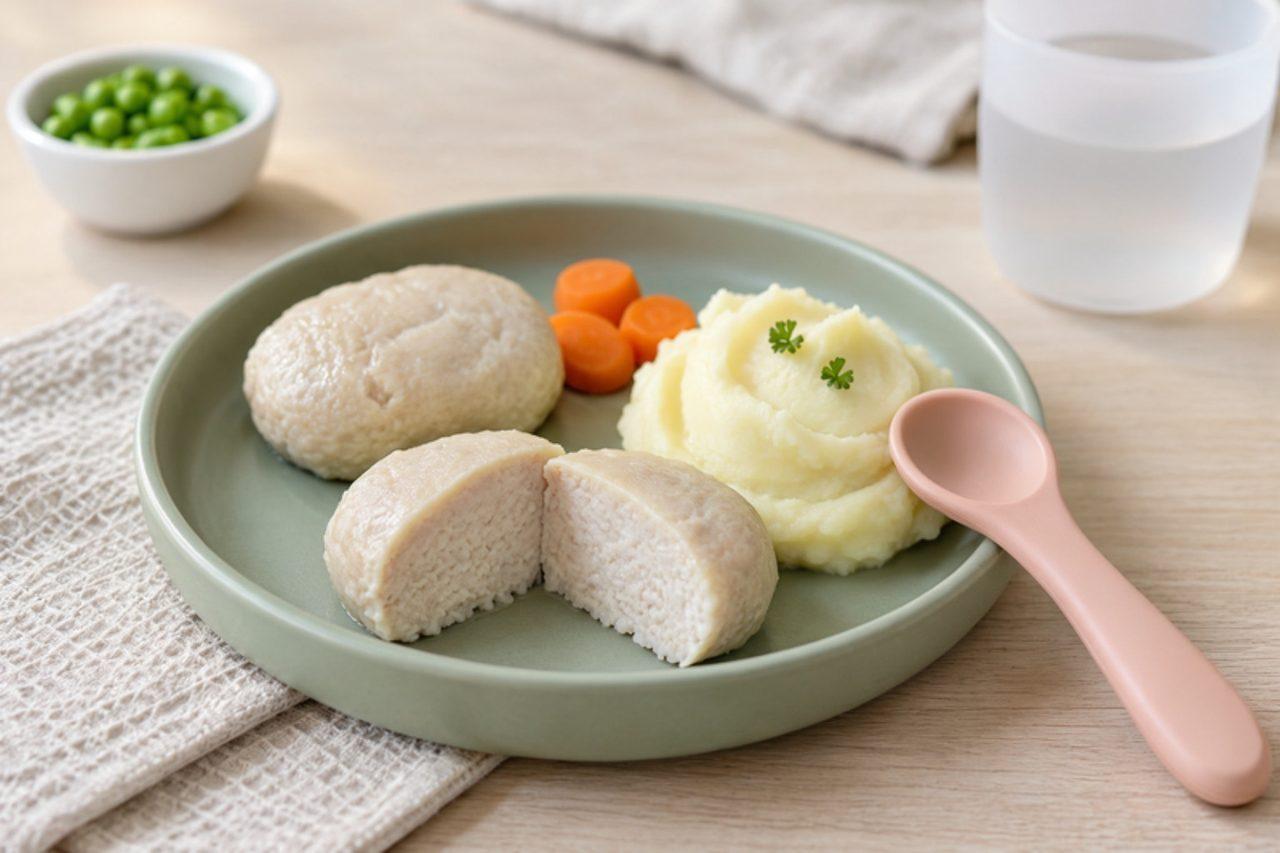
Parovye kotlety for toddlers (steamed cutlets)

Parovye kotlety, steamed cutlets, are the nursery and kindergarten classic of Russian homes from St Petersburg to Novosibirsk, served with mashed potato or buckwheat at lunch. Minced chicken or turkey is mixed with bread soaked in water and grated onion, shaped into small patties and steamed until soft and juicy, so there is no crust for small gums to struggle with. This version for toddlers from 12 months has no added salt and no egg. It contains wheat (gluten, in the bread); there is no milk, egg, nuts or soya. Chef's tip: beat the mince against the side of the bowl for a minute; it makes the cutlets hold together without egg.

by KrazyBadal 0 views

Bokkeum kimchiStir-fried kimchi with pork belly

When a jar of kimchi turns very sour in Korean homes, it gets stir-fried with a little sugar and sesame oil, and often with pork belly, into bokkeum kimchi, a deep, mellow side dish that keeps for days and is a favourite in school and office dosirak. For a vegan version, use kimchi made without fish sauce or salted shrimp and leave out the pork. The usual mistake is using fresh, crisp kimchi, which tastes harsh when fried; it needs to be properly sour. Chef's tip: fry the kimchi until the edges just begin to catch and caramelise, which is where the flavour is.

by KrazyBadal 0 views

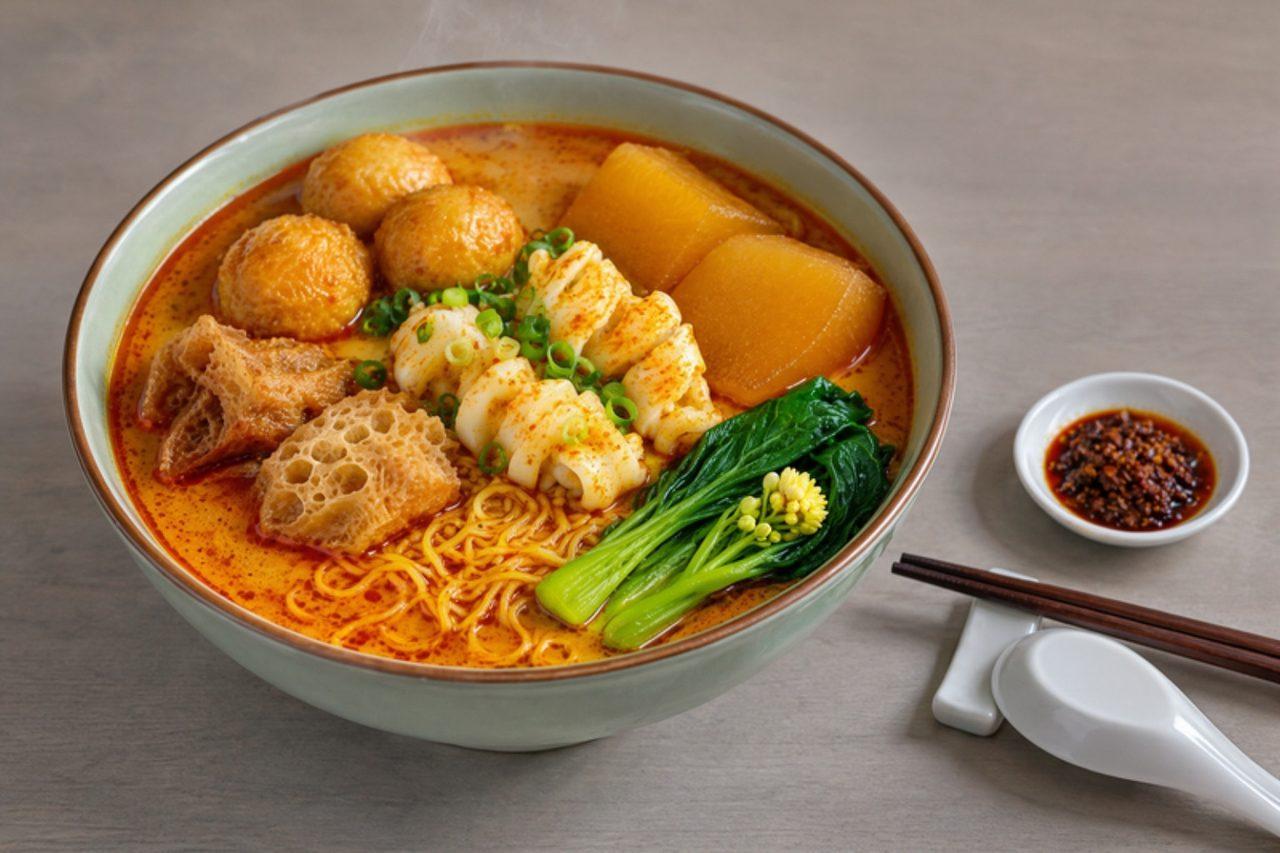
Cart noodles

Cart noodles began in the 1950s, when hawkers pushed carts of simmering pots through Sham Shui Po and Wong Tai Sin and let customers pick their own noodles and toppings. The carts are long gone, but the noodle shops of Mong Kok and Kowloon City keep the custom: tick off your choices on a slip, perhaps curry fish balls, soft braised daikon, chewy pork skin, pig's blood or squid, and choose your broth, here a spicy curry-satay one. It is a cheap, filling late-night meal. This version uses pork skin and pork stock. Contains fish, wheat, egg and soy. Chef's tip: give the pork skin time in the curry pot; it should be soft and jelly-like, soaking up the sauce.

by KrazyBadal 0 views

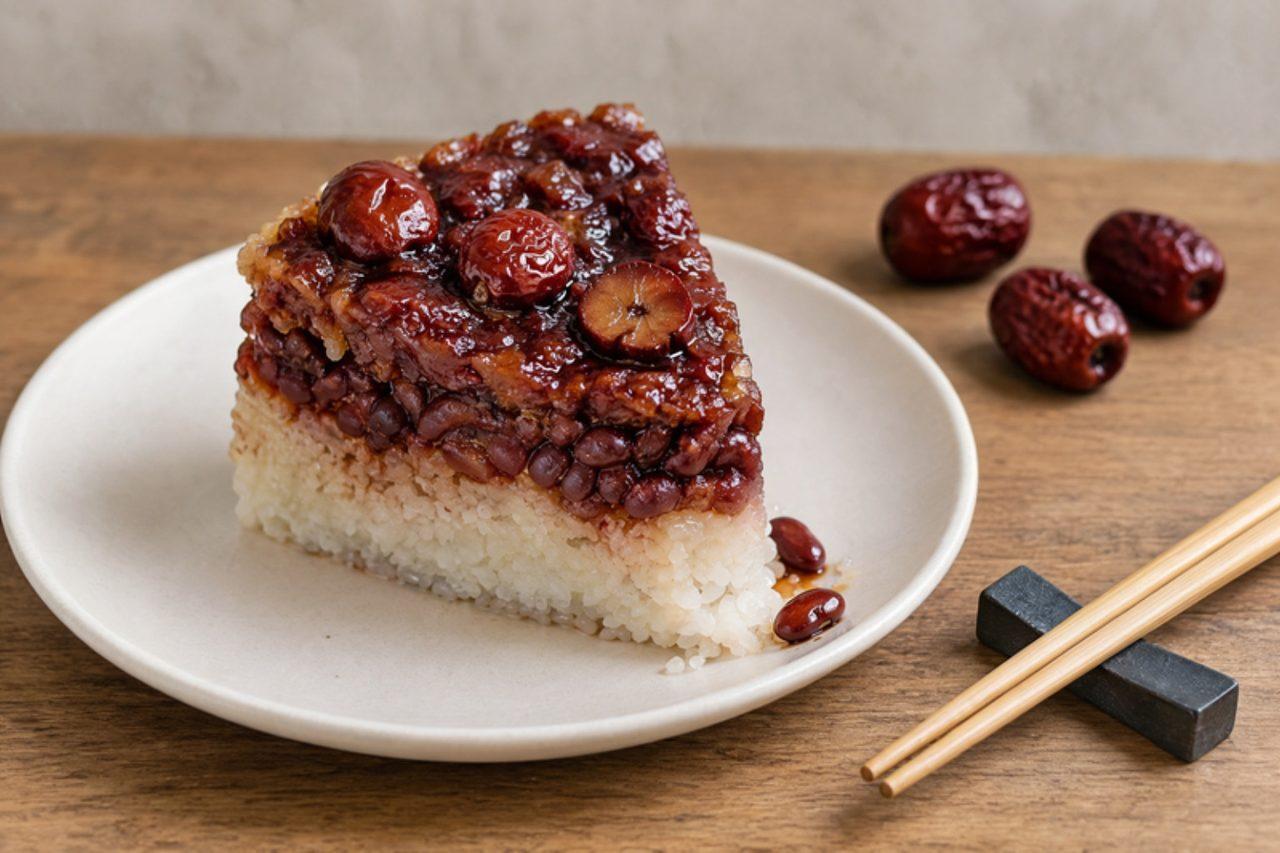
Jing gao (Xi'an steamed sticky rice and date cake)

Before the shops of Xi'an's Muslim Quarter open, vendors on Beiyuanmen and Sajinqiao lift the lids of huge iron zeng pots and carve out jing gao, a dense breakfast of glutinous rice, red dates and kidney beans steamed so long that the dates melt into a jammy layer. It is scooped onto paper plates with a flat spade and eaten hot, often with a sprinkle of sugar, by workers on their way in. The home version steams in a heatproof bowl and needs time rather than skill. The rice turns glossy and chewy, the dates taste of toffee and the beans give a soft, earthy bite. Chef's tip: lay the dates as the bottom and top layers, because their sugar is what colours and flavours the rice as it steams.

by KrazyBadal 0 views

Katsu sandoPork cutlet sandwich

Katsu sando began in Tokyo tonkatsu shops in the 1930s as a cutlet you could carry, and is now a fixture of department-store food halls, train-station kiosks and lunchboxes all over Japan: a crisp panko pork loin cutlet soaked in sweet-sour tonkatsu sauce between pillowy white bread, crusts trimmed off. The common mistake is slicing it while hot, which squashes the bread and makes it soggy; let it rest under a light weight first. Pork loin is a whole cut, so cook it to 63 °C and rest it for 3 minutes. Chef's tip: butter the bread with a little mustard mixed in; it stops the sauce soaking through and adds a gentle kick.

by KrazyBadal 0 views

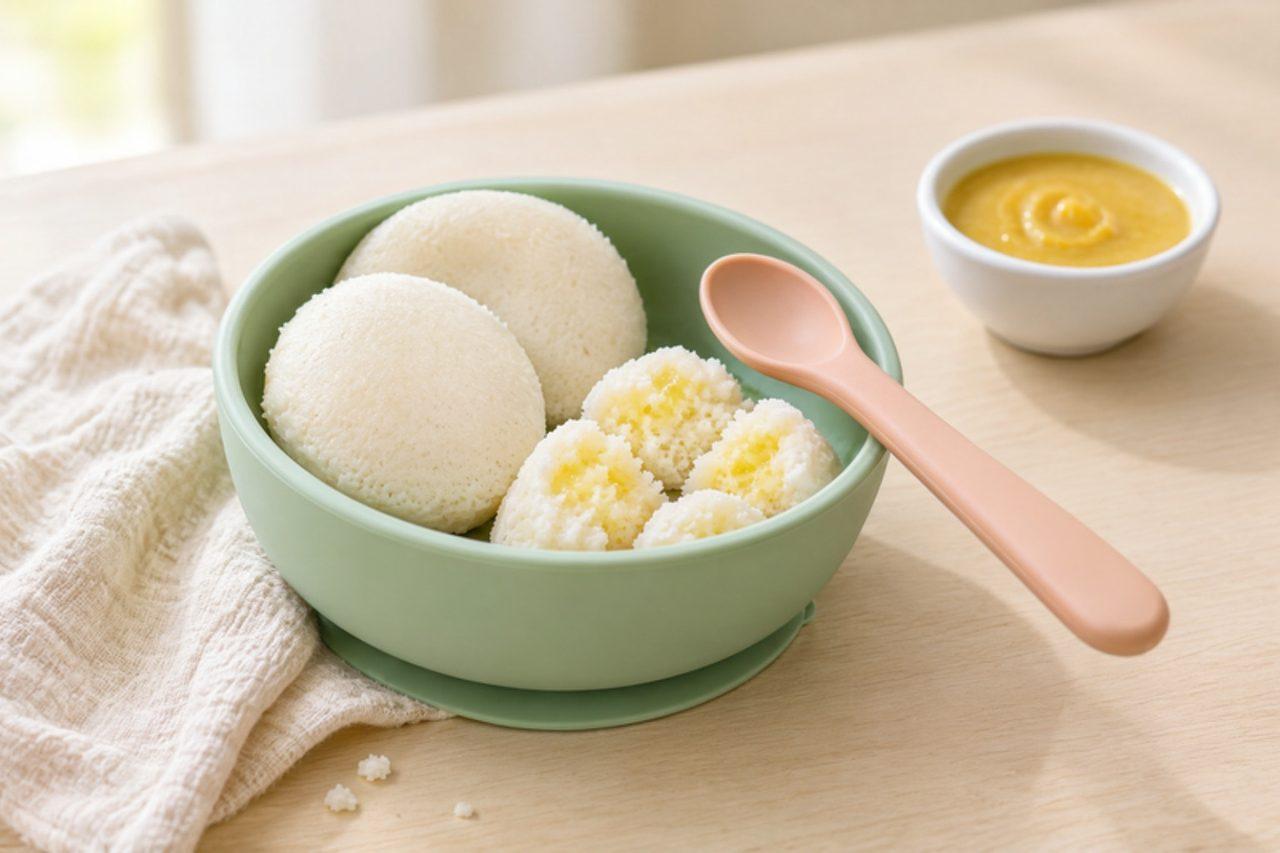
Soft idli for babies

Idli is breakfast across Tamil Nadu, from Chennai's Mylapore tiffin rooms to village kitchens, and a fluffy, plain idli is one of the first finger foods many South Indian babies hold. Since family batter is salted, parents make a separate salt-free batch for babies under one, or steam a few from it before the salt goes in. The cakes are pillowy, faintly sour and melt under the gums, torn into pieces or mashed with ghee or thin dal. They contain no gluten, egg, nuts, soya or sesame; they contain milk only if served with ghee. Chef's tip: grind the urad dal with ice-cold water until it is light and foamy; air in the batter, not salt, is what makes idli soft.

by KrazyBadal 0 views

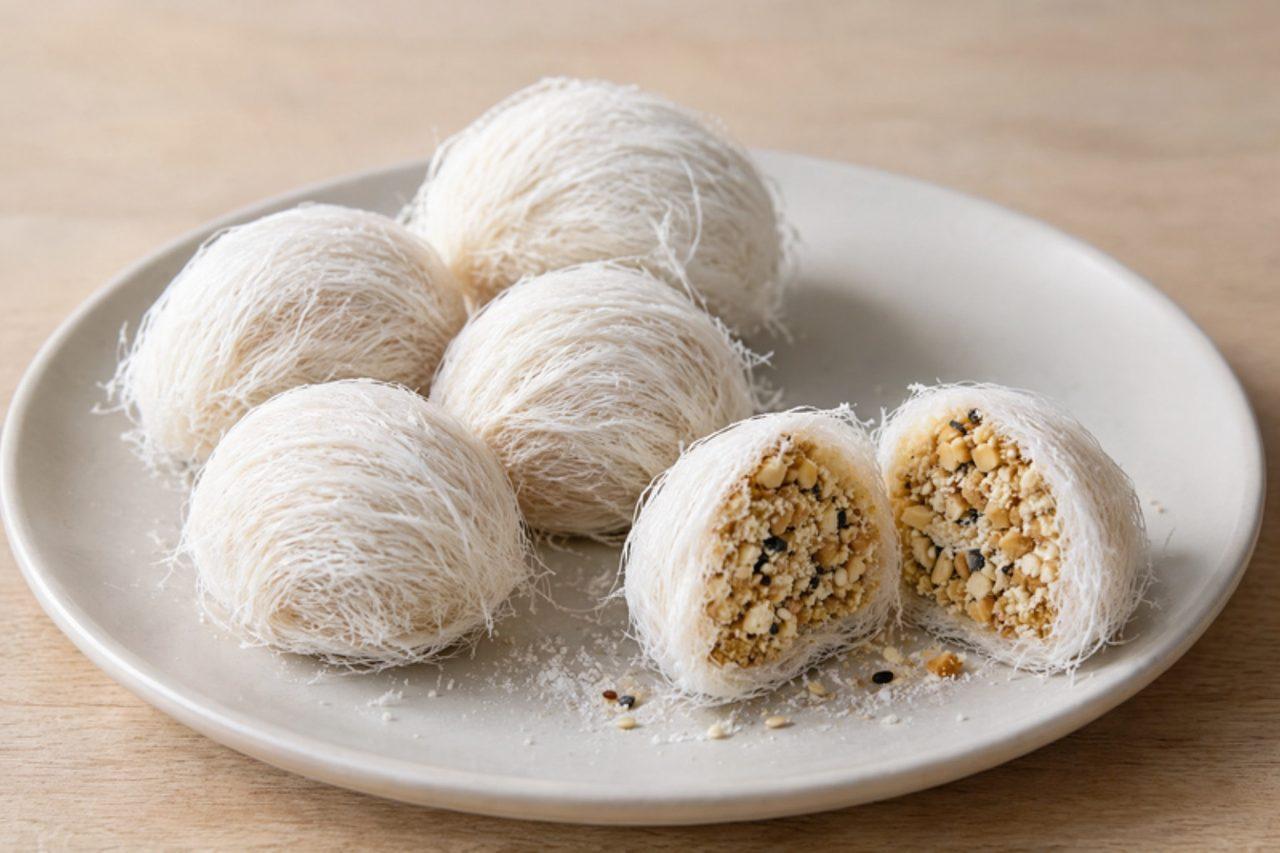
Dragon's beard candy

Dragon's beard candy is one of the old street crafts of Hong Kong, still demonstrated by a few hawkers in Tsim Sha Tsui and at Kowloon City snack shops, where children watch a hard disc of sugar stretched and folded in starch until it becomes a skein of hair-fine threads. Each cocoon is wrapped around a crunchy filling of peanuts, sesame and coconut and must be eaten within minutes, before it melts in the humidity. It takes practice; your first batch may be thicker threads, and that is fine. Contains peanuts and sesame; not for children under five, who can choke on the filling. Chef's tip: toast the cornflour first, as raw starch tastes chalky and is not safe to eat uncooked.

by KrazyBadal 0 views

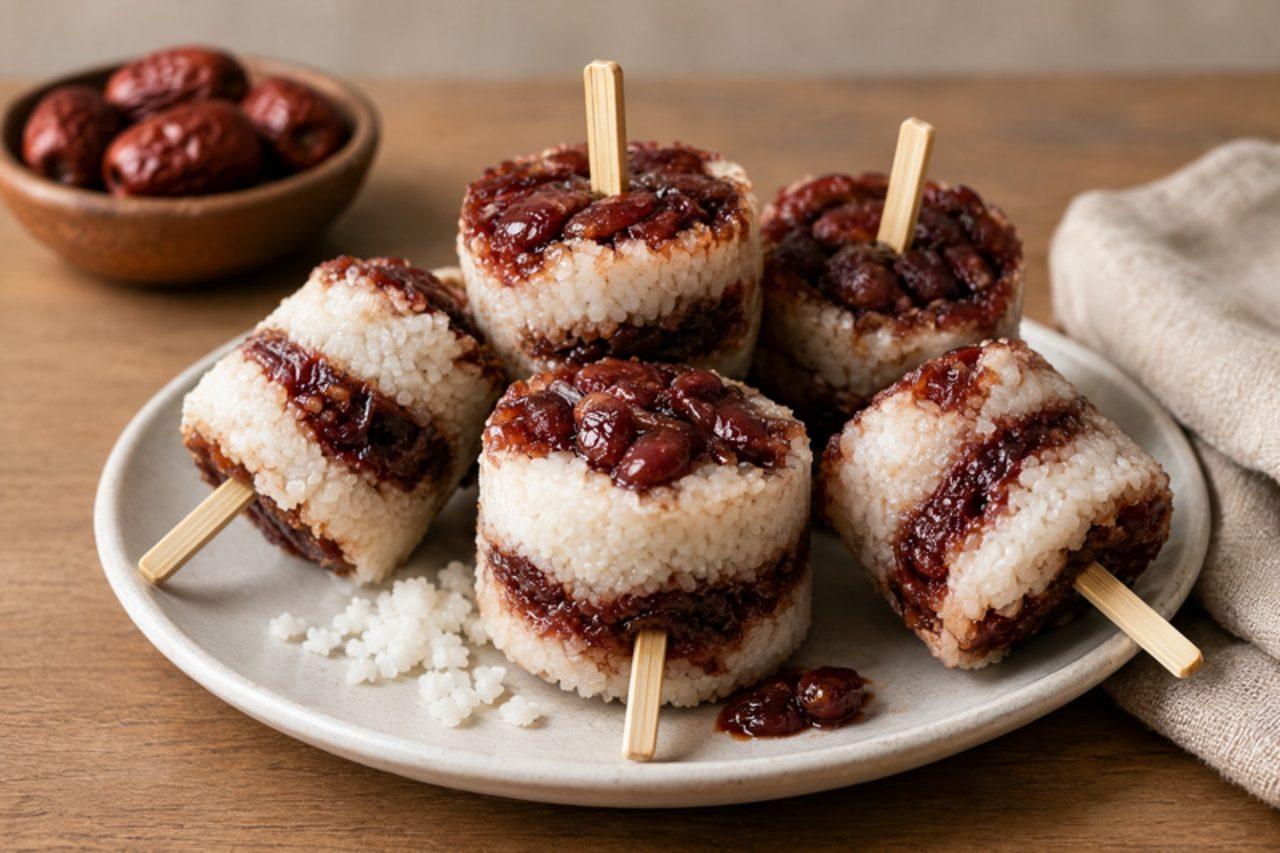
Zeng gao (Xi'an steamed rice cakes with jujube)

Walk the lanes of Huimin Jie in Xi'an in the late afternoon and you will see small round cakes steaming in stacked cups, then flipped out and speared onto bamboo sticks for children heading home from school. They are made from glutinous rice flour rubbed to a damp crumb, layered with sweet jujube paste and steamed until the crumb fuses into a soft, springy cake with a dark red stripe through the middle. They are lightly sweet, chewy and best eaten warm. Chef's tip: rub the flour with water until it just clumps when squeezed, then sieve it, because a light, airy crumb is what makes the cake tender.

by KrazyBadal 0 views

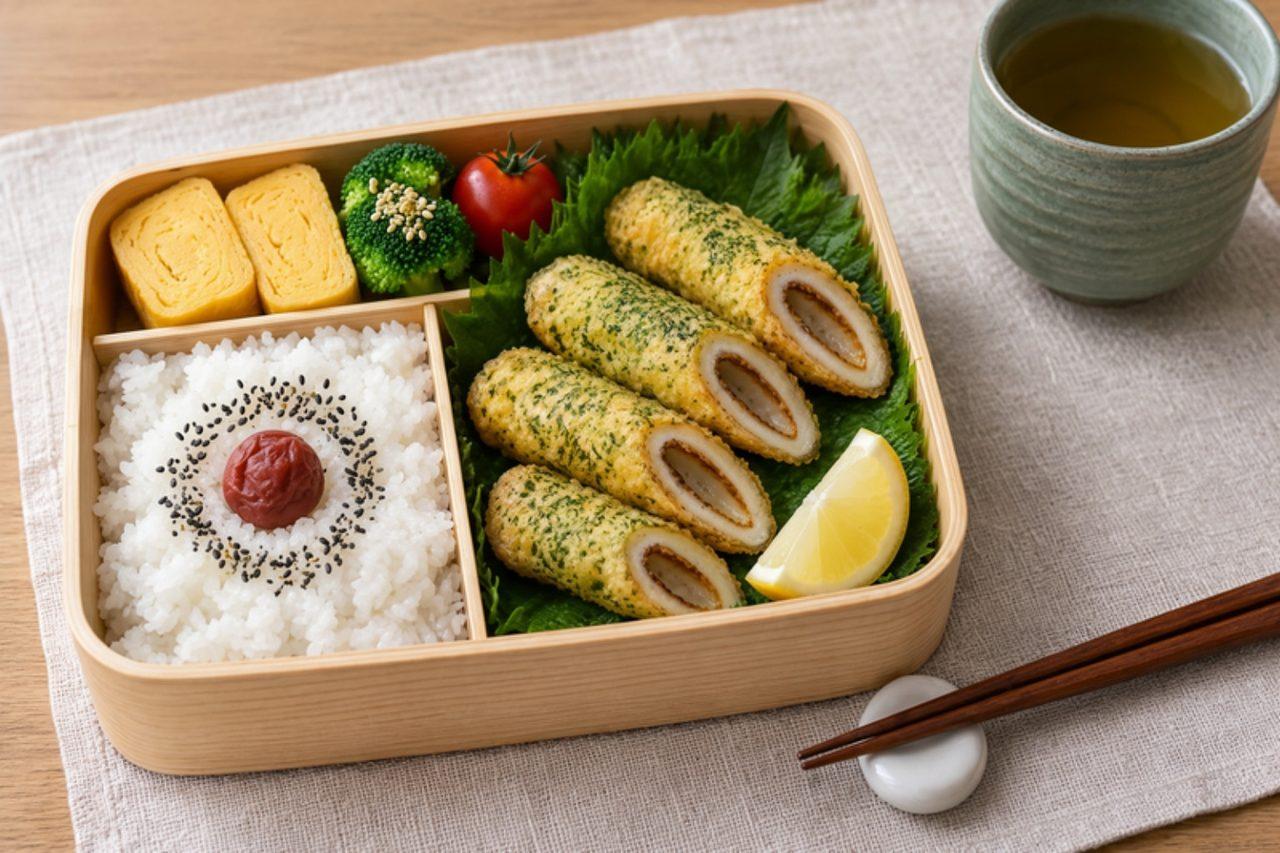
Chikuwa isobe-ageSeaweed-battered fish cake

Isobe-age, "fried in the style of the rocky shore", means anything coated in a batter speckled with green aonori seaweed, and chikuwa isobe-age is the one every Japanese parent tucks into a bento: tubes of chikuwa fish cake fried until puffed and crisp. It is just as good cold and takes ten minutes. The common mistake is a thick batter, which turns bready; it should be like single cream. Chef's tip: dust the chikuwa with a little flour before dipping, so the batter clings and does not slide off in the oil.

by KrazyBadal 0 views

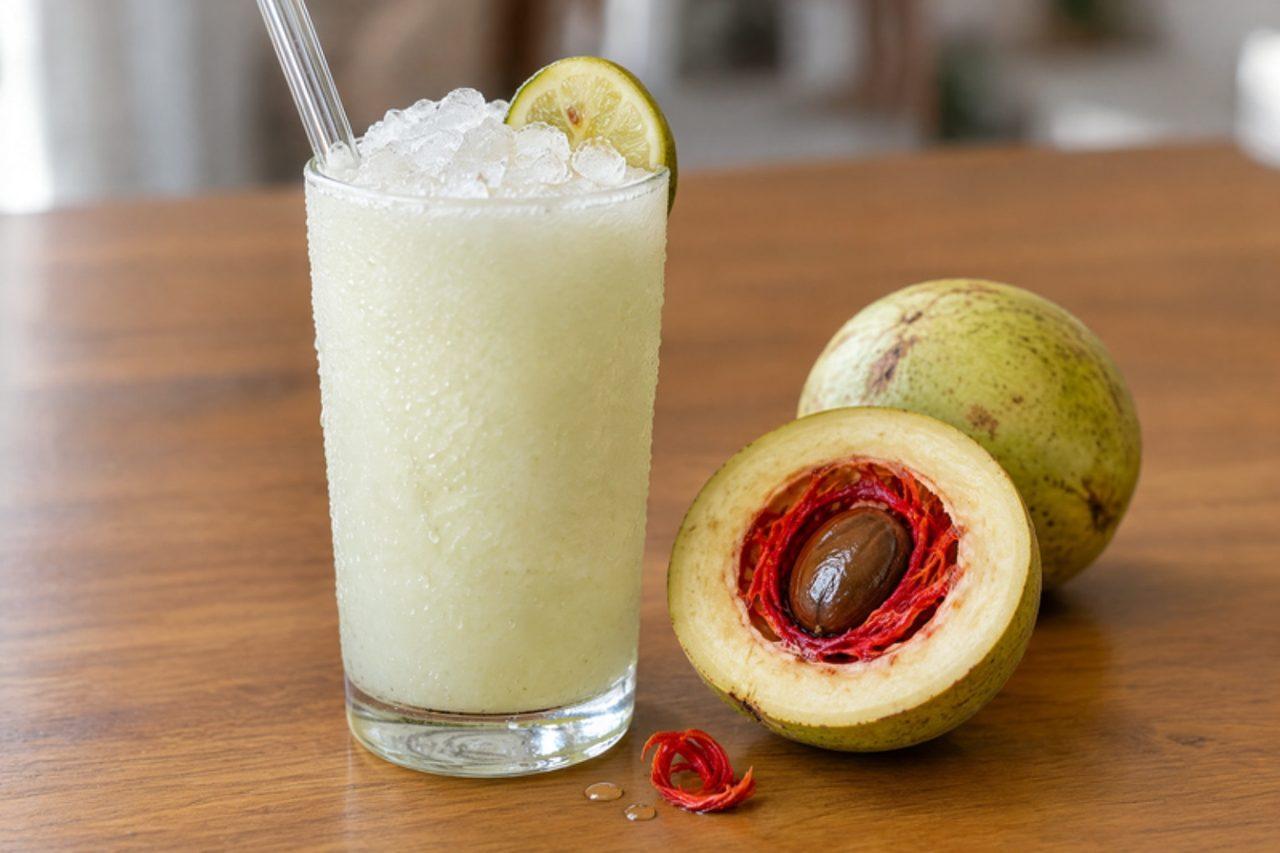
Nutmeg juice

Penang is one of the few places in the world where nutmeg trees grow in back gardens, and its hawkers turn the pale, tart flesh around the nutmeg seed into jus buah pala, a frosty pale drink served at Gurney Drive and the coffee shops of Chulia Street to cool you down after spicy noodles. It tastes sweet and sour with a soft, woody spice. Outside Malaysia, look for preserved or candied nutmeg fruit strips in Asian grocers. Chef's tip: use only the fruit flesh; the seed (the nutmeg spice) and its red lace of mace are far too strong to blend into a drink and can make you unwell.

by KrazyBadal 0 views

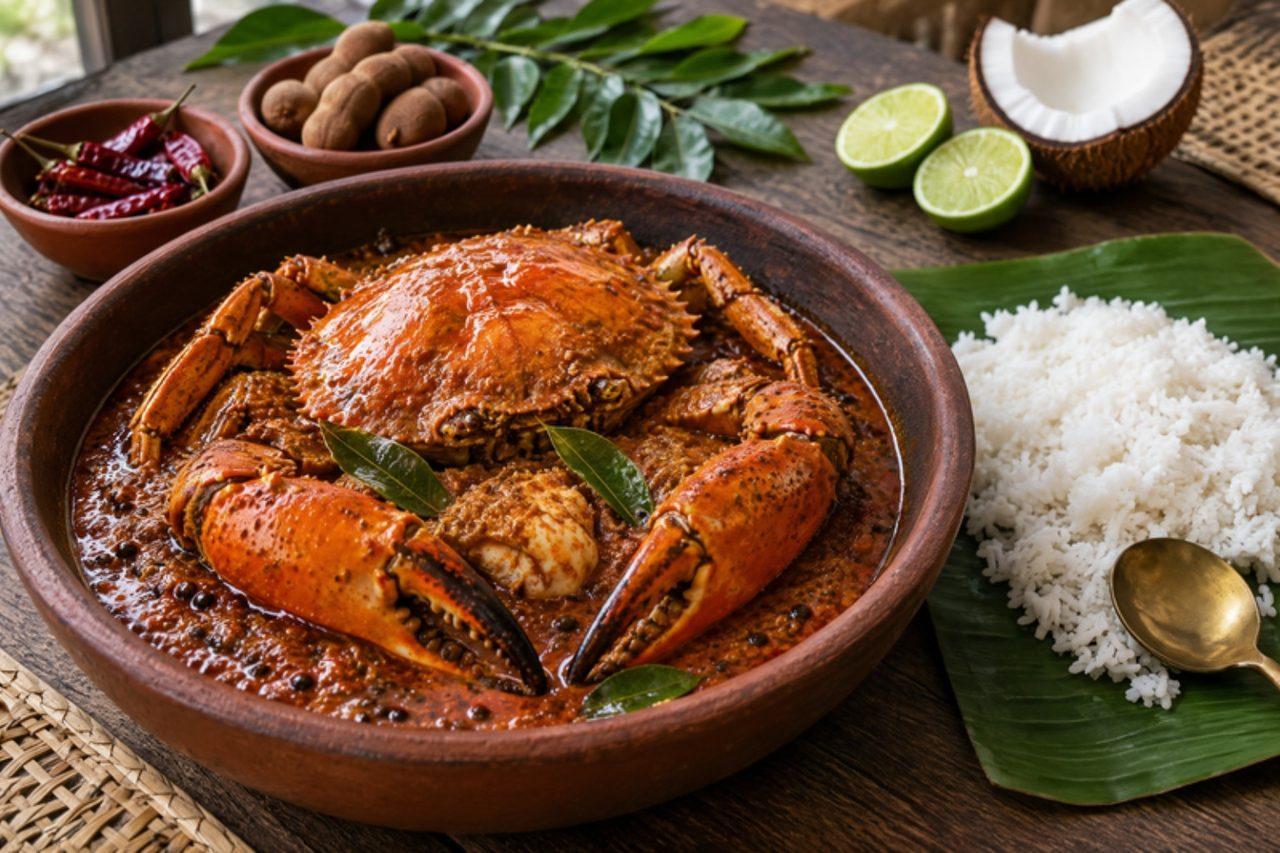
Andaman mud crab curry

The mangrove creeks around Port Blair give the Andaman Islands their famous mud crabs, and families of Bengali, Tamil and Malayali descent there cook them in a rich red curry of coconut, tamarind and roasted chilli for Sunday lunch and celebrations. It is messy, hands-on eating with plain rice, cracking the claws to reach the sweet meat. Buy live or very fresh crabs from a trusted fishmonger and have them dispatched and cleaned there. The common mistake is undercooking the crab: cook until every shell is bright orange-red and the meat inside is white and opaque. Chef's tip: crack the claws lightly with the back of a knife before they go in, so the gravy seasons the meat.

65 minIndianFishGluten freeSpicy
by KrazyBadal 0 views

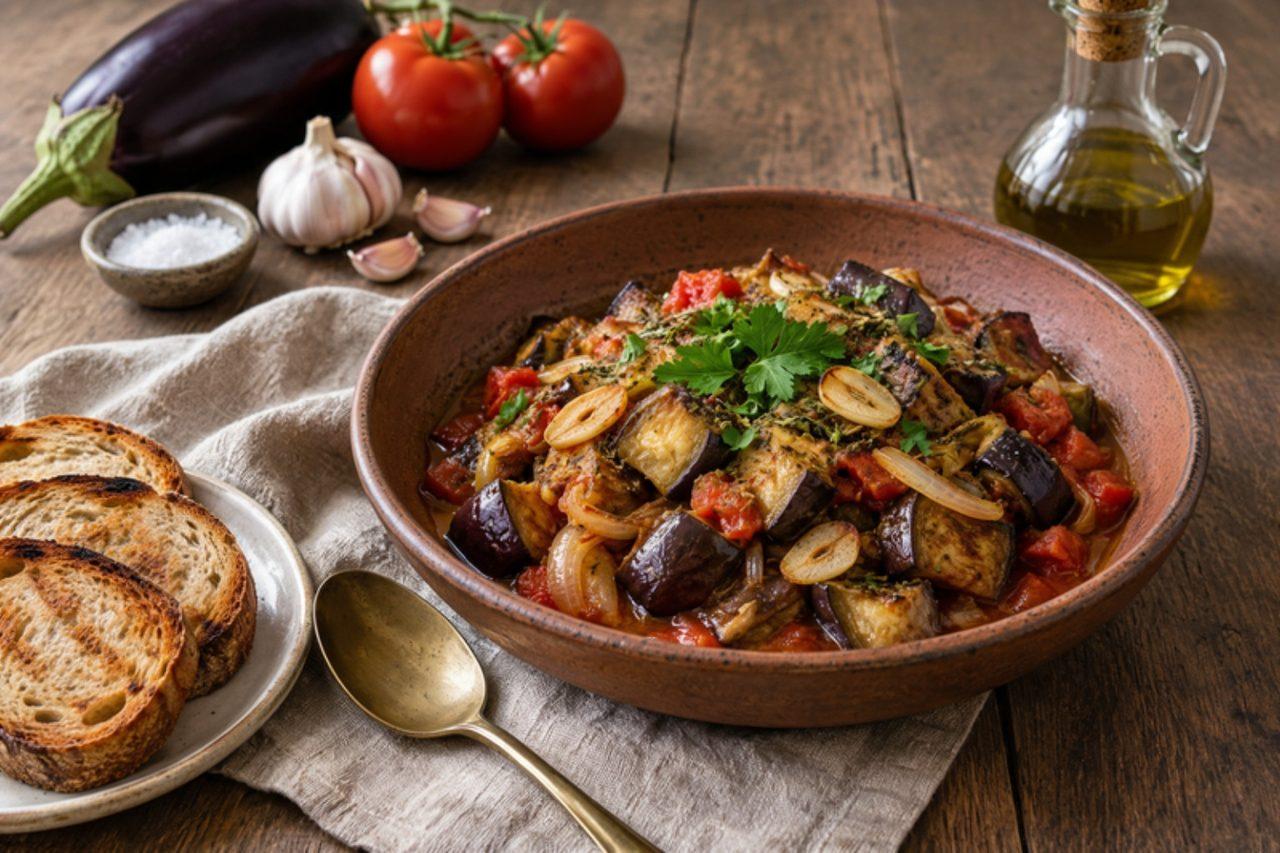
Berinjela refogadaSauteed aubergine with tomato

Brazilian home cooks make berinjela refogada on Sunday and spoon it into the week's marmitas beside rice, beans and a piece of grilled chicken or an egg; it reheats beautifully and tastes even better on the second day. The aubergine cooks down until silky with garlic, onion, tomato and oregano. The common mistake is pouring in more oil every time the pan looks dry; aubergine soaks it up and turns greasy. Add a splash of water instead and cover the pan so the cubes steam soft. Chef's tip: a squeeze of lime and a little chopped parsley just before packing lift the flavour after a night in the fridge.

by KrazyBadal 0 views

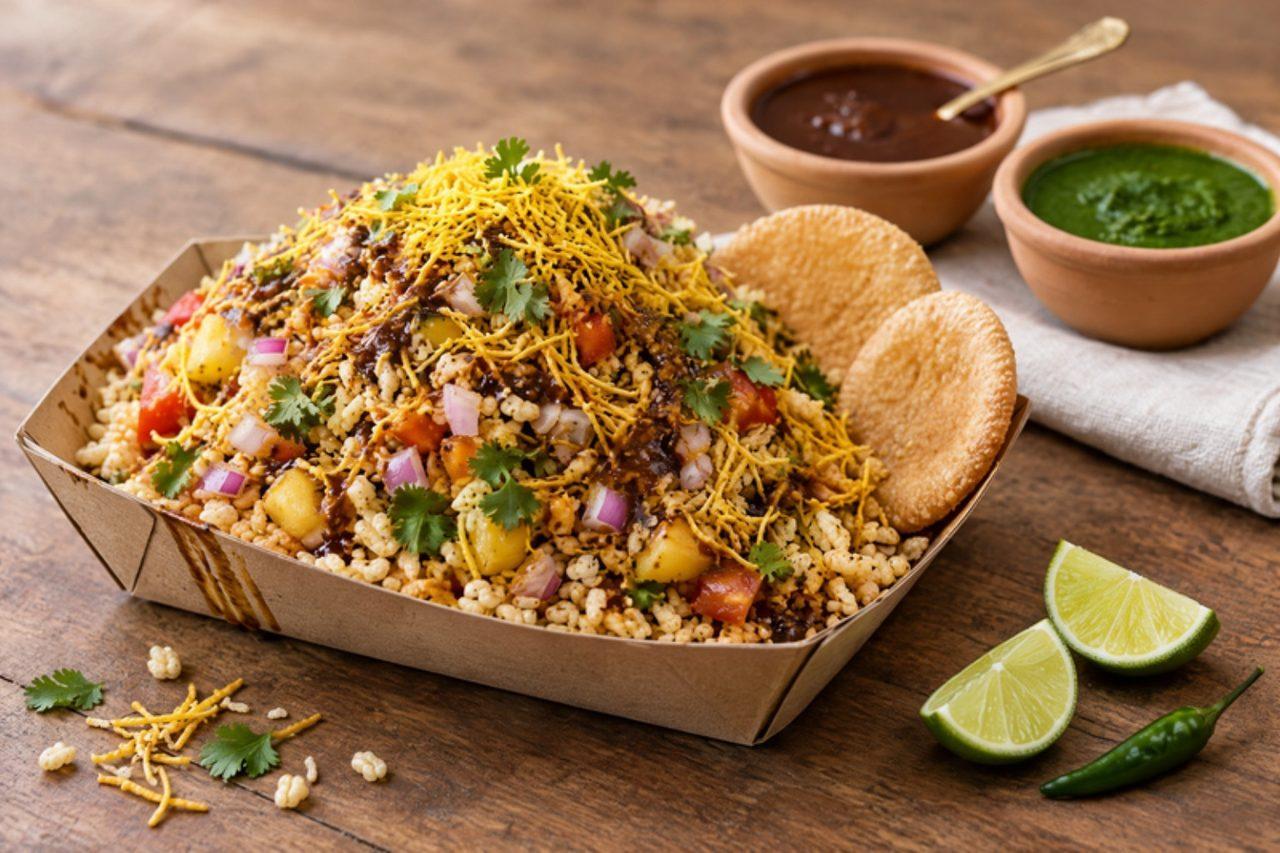
Bhel puri

On Girgaum and Juhu Chowpatty the bhelwalas set up as the sun drops into the Arabian Sea, and bhel puri is what Mumbai eats while it walks along the sand. Puffed rice, crushed flat puris and boiled potato are tossed in a steel bowl with sweet tamarind and fiery green chutneys, then buried under fine sev and handed over in a folded paper cone with a puri for a spoon. It is crunchy, sweet, sour and hot all at once, and it has to be eaten within minutes. Chef's tip: lay out every component before you start, because the mixing takes thirty seconds and the crunch only lasts about five minutes.

by KrazyBadal 0 views

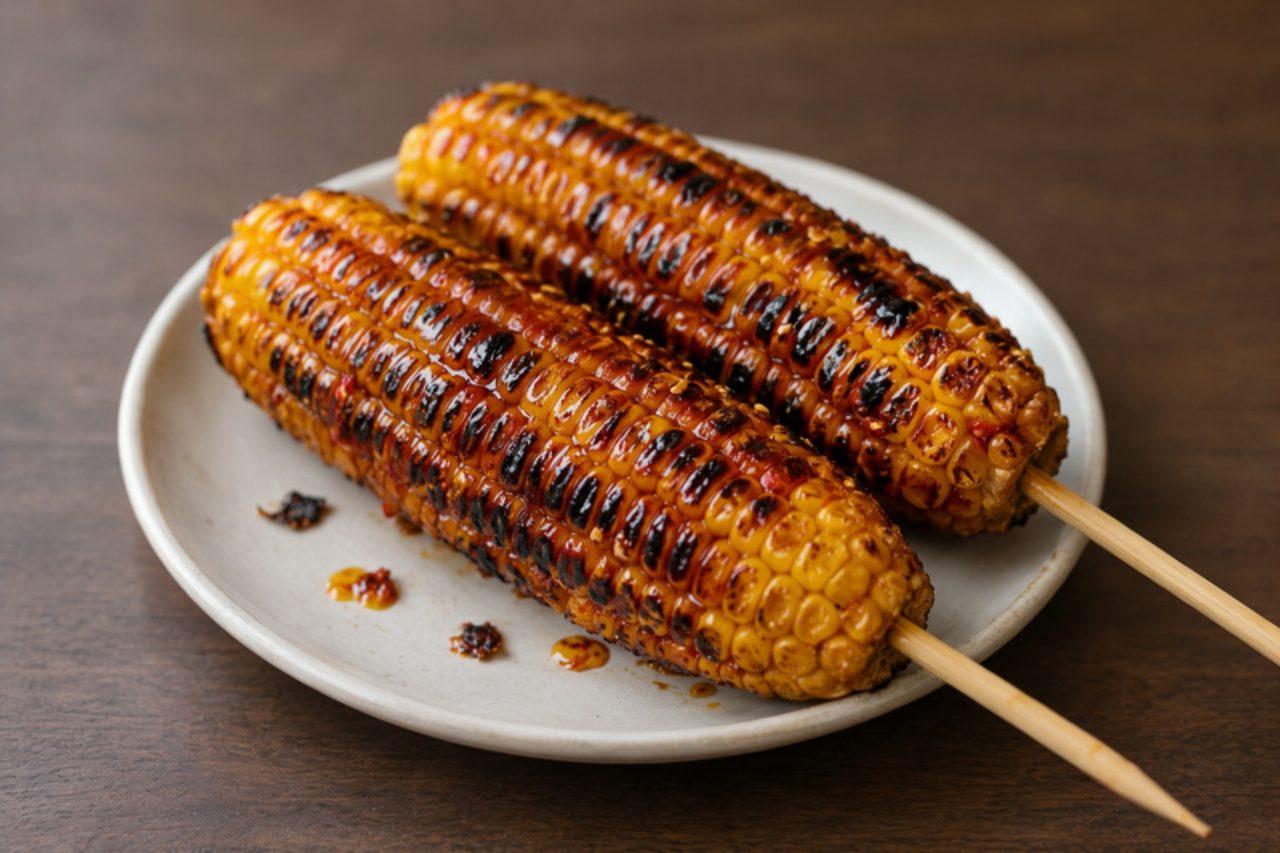
Taiwanese grilled corn

At Raohe and Shilin night markets the grilled-corn stalls are easy to find: look for the queue and the smoky, sweet smell. Cobs are par-cooked, then turned slowly over charcoal while the cook brushes them with a dark glaze of sacha sauce, thick soy paste, garlic and chilli, layer after layer, until the kernels are sticky, slightly charred and deeply savoury. It is eaten hot from a paper sleeve while walking the market. Sacha (shacha) sauce, a Taiwanese barbecue paste, usually contains dried fish and shrimp; vegetarian sacha is sold in Asian shops. Contains soy, wheat and fish. Chef's tip: brush thin coats and turn often; one thick coat burns before the corn chars.

by KrazyBadal 2 views

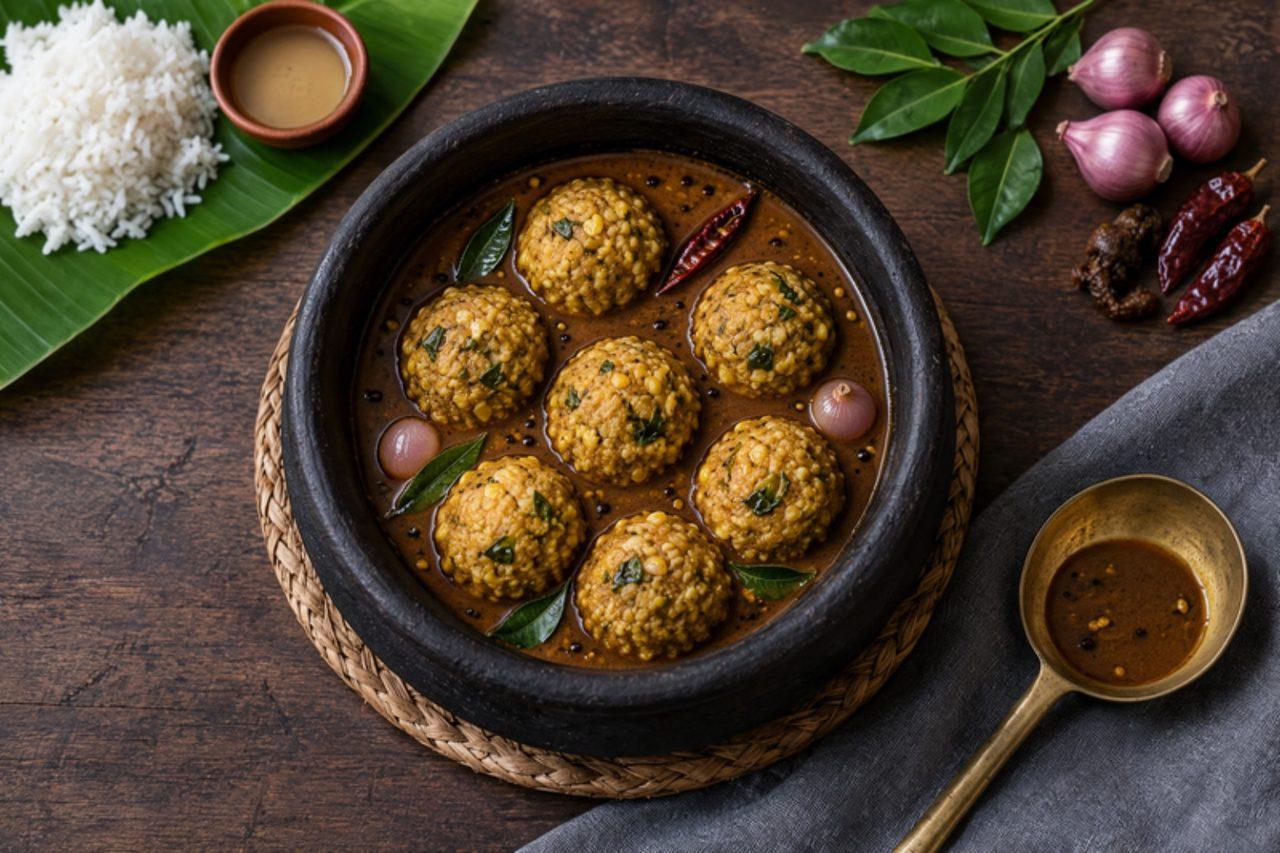
Paruppu urundai kuzhambuLentil dumpling gravy

Paruppu urundai kuzhambu is a Sunday-lunch treat in Tamil homes from Chennai to Coimbatore: coarse balls of soaked chana and toor dal, spiked with fennel, chilli and shallot, dropped raw into a bubbling tamarind gravy where they steam and firm up. The dumplings come out soft inside and soak up the sour, spicy sauce, and the crumbs that escape thicken the gravy. Serve it with plain rice, a spoon of sesame oil and a vegetable poriyal. The usual mistake is stirring as soon as the balls go in, which breaks them; leave them alone until they float and feel firm. Chef's tip: drop one test ball in first; if it cracks, knead a spoon of rice flour into the mixture before shaping the rest.

by KrazyBadal 0 views

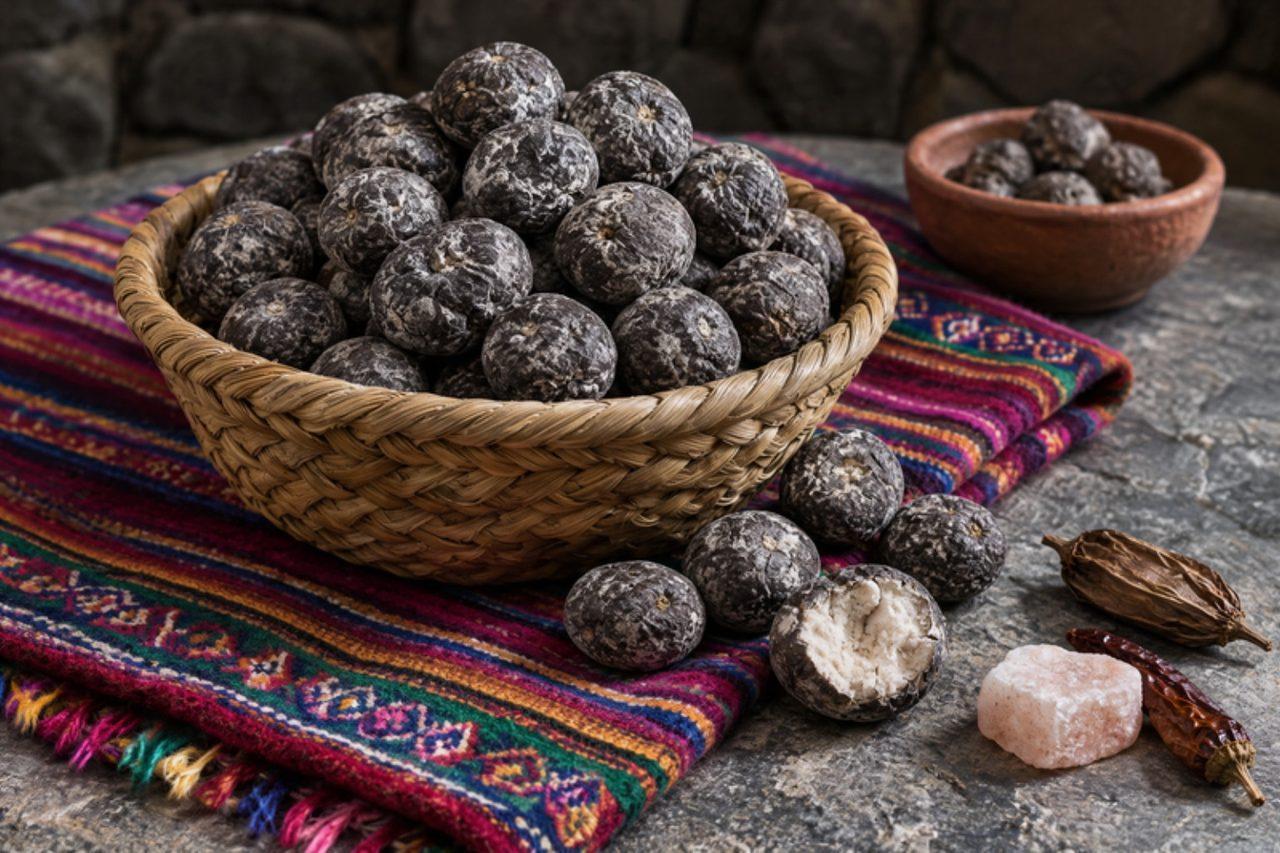
Chuño

On the Altiplano around Lake Titicaca, in June and July when the nights drop to -10 °C and the days are bright and dry, Aymara and Quechua families spread small, bitter potatoes on the grass to make chuño, a technique far older than the Inca. The potatoes freeze at night and thaw in the sun for several days, then are trodden barefoot to squeeze out the water and rub off the skins, and dried for a couple of weeks more. The result is light, wrinkled, grey-black chuño negro that keeps for years; soaked in running stream water instead, the same potatoes become white tunta. Rehydrated and boiled, chuño is firm, slightly chewy and spongy, with an earthy, faintly mineral, almost fermented taste; it goes into chairo soup, into chuño phuti, or beside grilled meat with spicy llajwa. Skipping the long soak is the big mistake: it stays bitter and gritty, so soak it for at least 12 hours, changing the water. Dried chuño is ready when it is rock hard, very light and rattles in a bag. Chef's tip: without Andean frosts, a freezer and a low oven make a fair version; the method is below.

by KrazyBadal 0 views

Naengchae jokbalCold sliced pork trotter

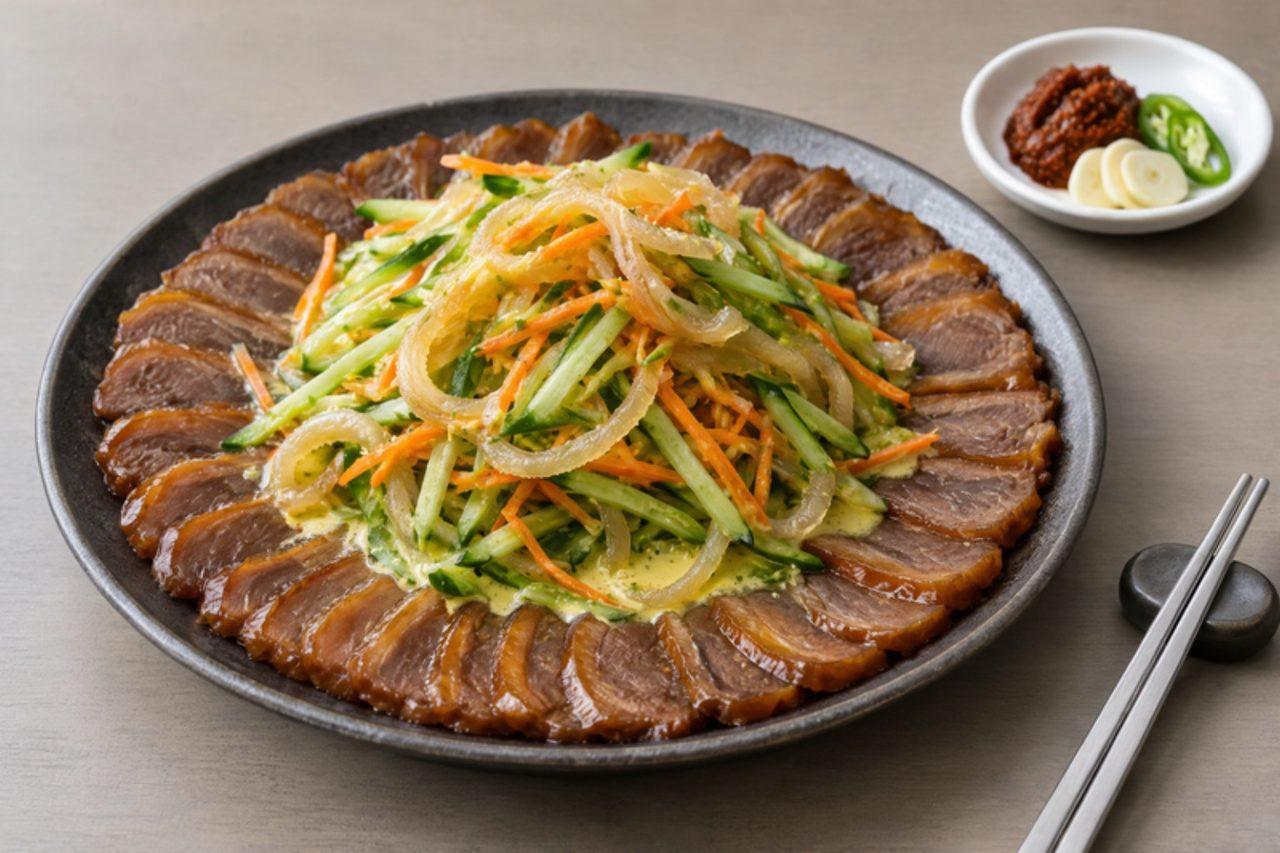
Busan's Jokbal Alley in Bupyeong-dong, beside Kkangtong Market, is where braised pork trotter was first served cold as a salad, a summer trick that spread across Korea. The pork trotters are simmered for hours in soy, ginger and spices until the skin turns sticky and tender, chilled, sliced thin and tossed with cucumber, shredded jellyfish and a nose-tingling dressing of Korean mustard, vinegar and garlic. It is evening food, shared from a big platter. Chef's tip: slice the meat only once it is fully cold; warm trotter meat tears instead of cutting into clean slices.

190 minKoreanMeat
by KrazyBadal 0 views

Keema naan (Lahore style)

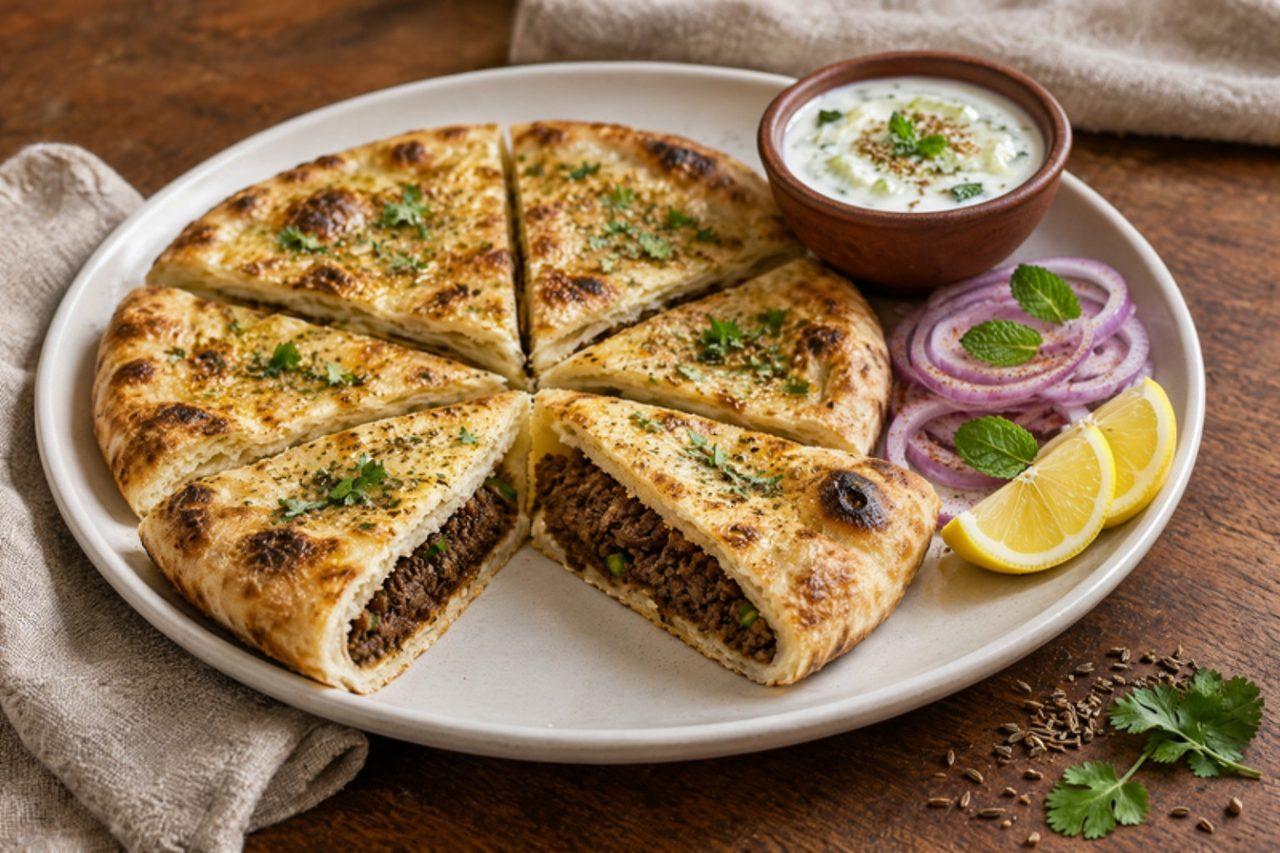
Along Lahore's Fort Road food street, in sight of the Badshahi Mosque, tandoors work late into the night baking naan with a thin layer of spiced mince pressed inside. The bread puffs and chars in the oven and comes out glossy with butter, with juicy, peppery meat in every bite. At home a very hot oven and a preheated tray stand in for the tandoor. Contains wheat and dairy. Chef's tip: cook the mince first and let it cool fully; warm filling softens the dough and it tears when you roll it.

by KrazyBadal 0 views

Velpuri (Dhaka style)

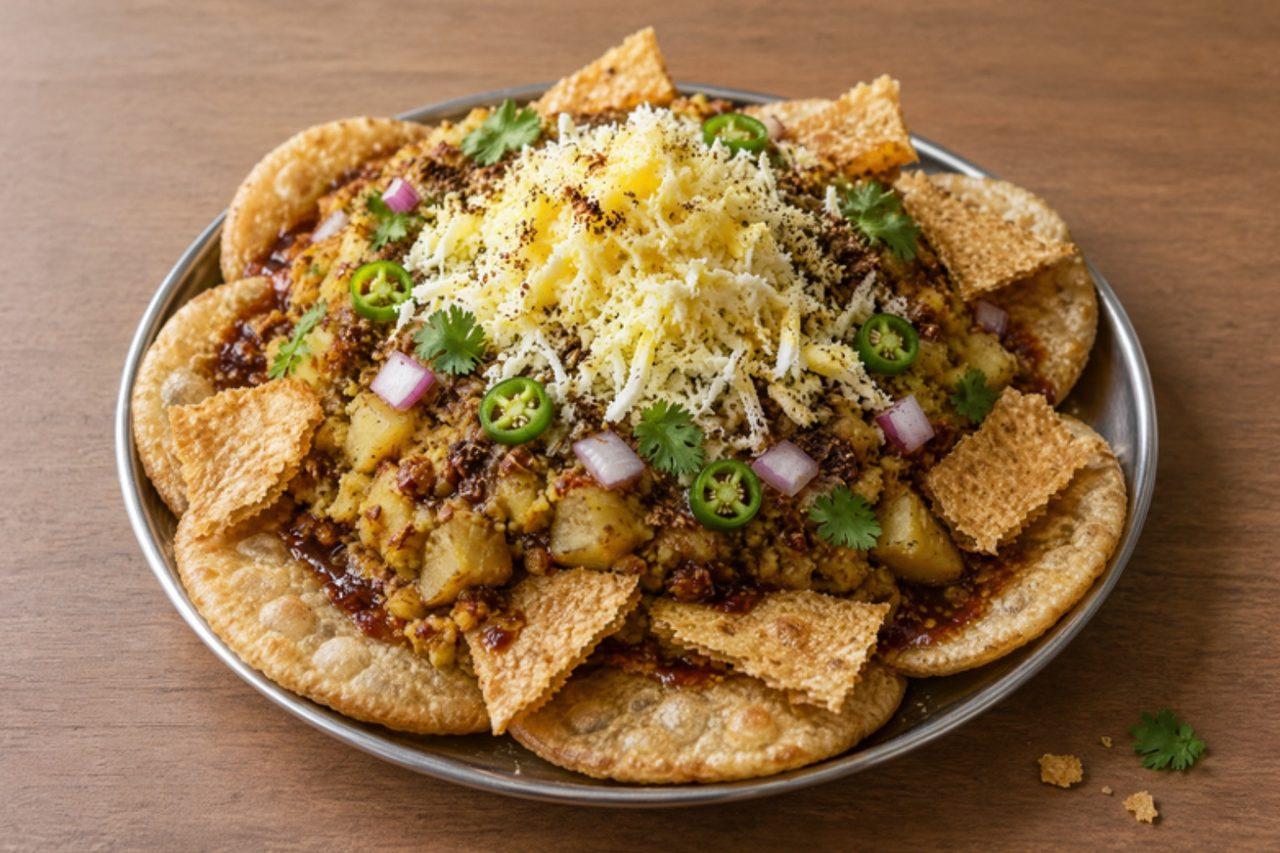
Dhaka's velpuri is a cousin of Mumbai's bhel but a very different plate: crisp puris are crushed and topped with a hot, spiced mash of chickpeas and potato, finely grated boiled egg, raw onion and green chilli, then soaked in sour tamarind water at the last second. Vendors sell it from glass-topped carts around Dhanmondi Lake and outside the TSC at Dhaka University on long afternoons. Contains wheat and egg. Chef's tip: grate the egg over at the very end with the fine side of a grater, so it falls in a soft yellow snow over the top.

by KrazyBadal 0 views

Cremolada (Lima passion fruit slush)

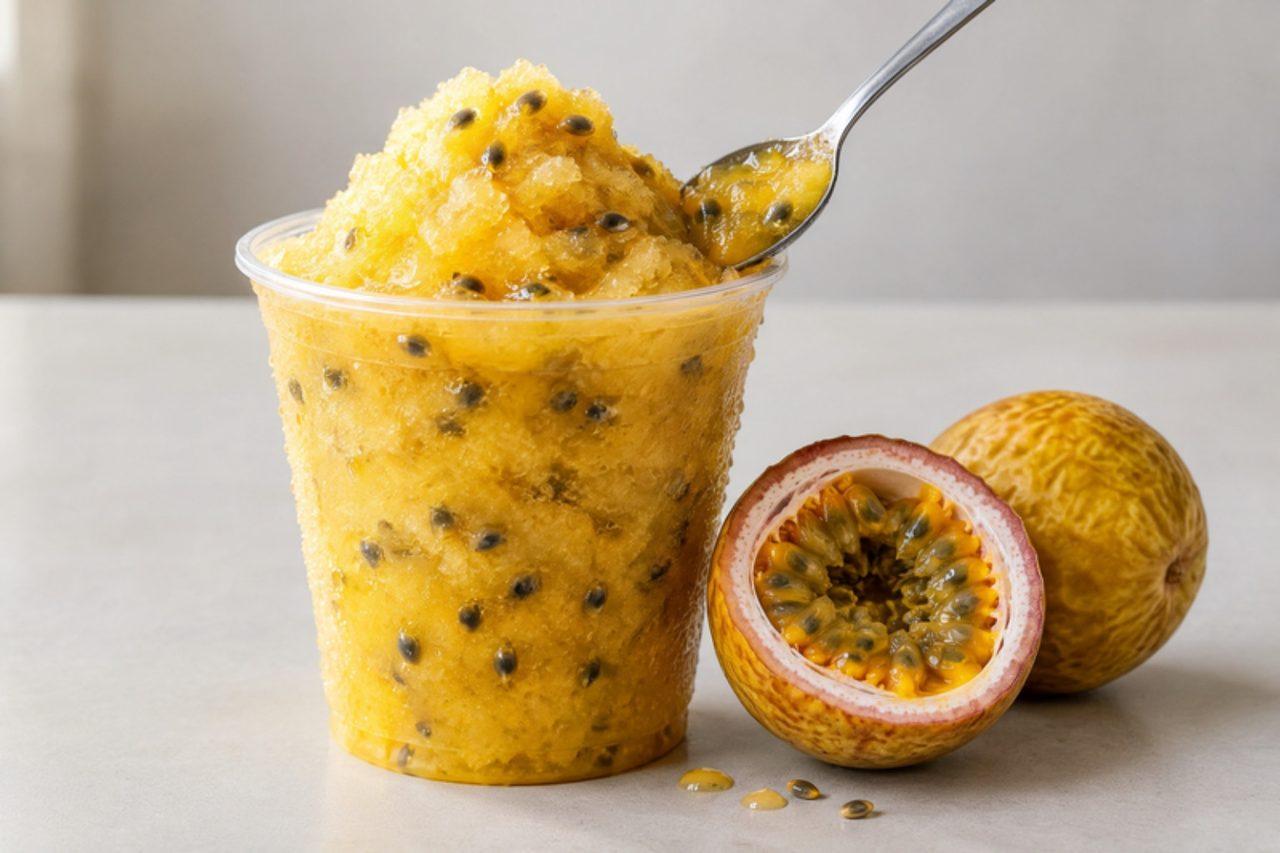
From January to March, when Lima's coast swelters, queues form at the cremolada counters of Barranco and along the Jirón de la Unión downtown for cups of this thick fruit ice. It sits between a granita and a sorbet: frozen fruit pulp scraped again and again until it is slushy and spoonable, with real bits of fruit through it. Passion fruit (maracuyá) gives a sharp, bright flavour; creamy lúcuma, with its maple and sweet potato taste, is the other favourite. Chef's tip: use a shallow metal tray; it freezes faster and evenly, so you get fine crystals rather than chunks.

by KrazyBadal 0 views

Huanggui shizi bing (Xi'an persimmon cakes)

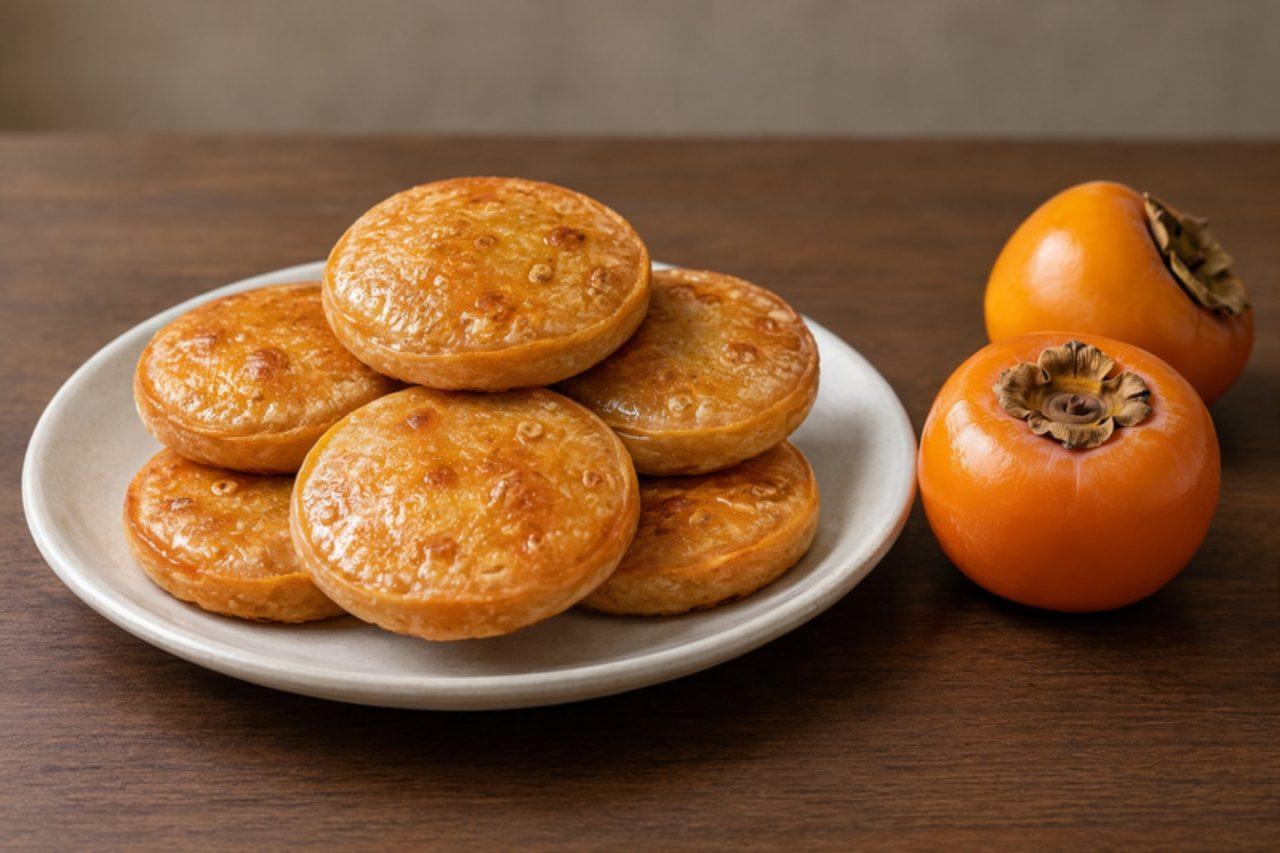
Every autumn, when Lintong's soft persimmons ripen outside Xi'an, griddles across the Muslim Quarter fill with these orange cakes. The dough is little more than ripe persimmon pulp and flour, so it fries crisp and caramelised outside while staying chewy and sticky inside, and the filling of brown sugar, walnuts, sesame and dried osmanthus melts into a fragrant syrup. They are bought hot in a paper sleeve as an afternoon snack. They contain wheat and walnuts. Chef's tip: use persimmons so ripe they feel like a water balloon; firm ones make the dough taste furry and astringent.

by KrazyBadal 0 views

Chinese plum sauce

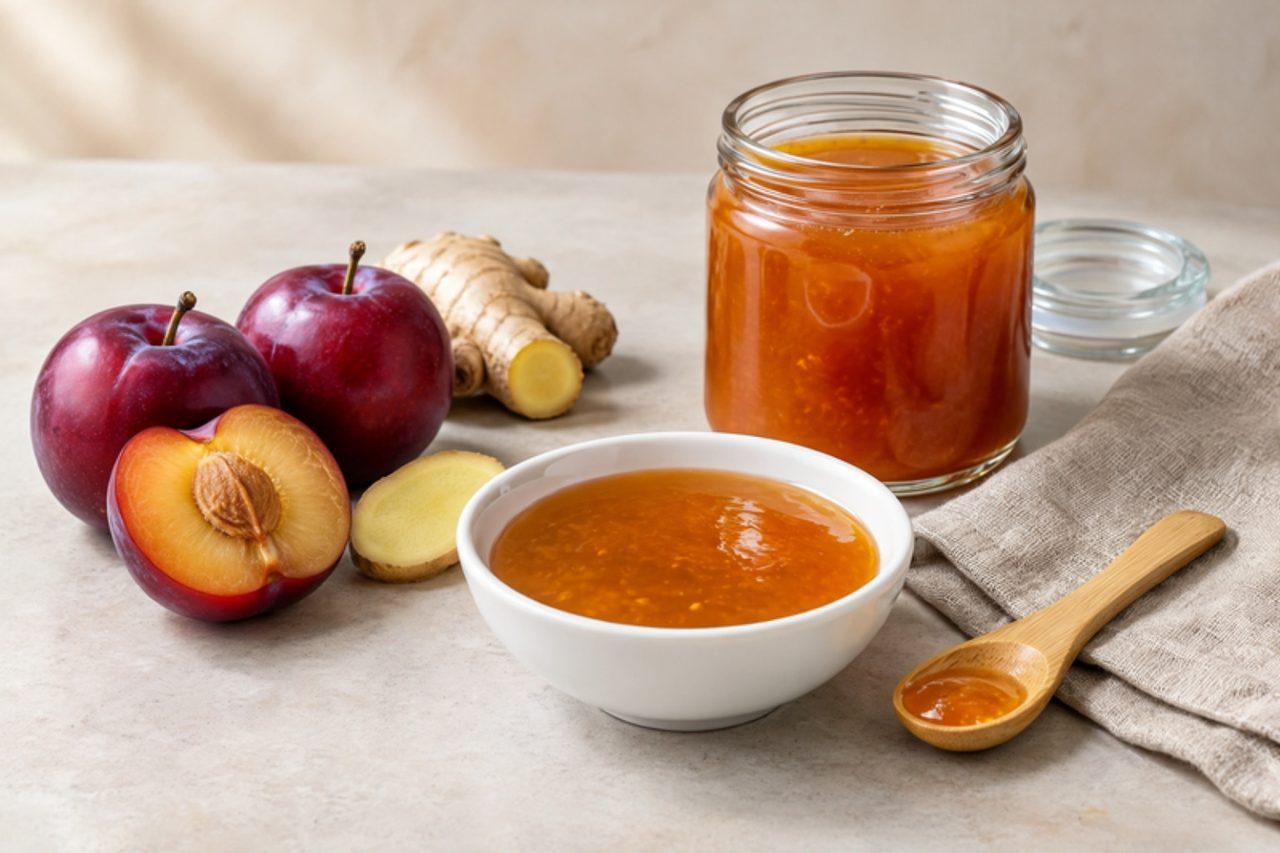
In Hong Kong and Guangzhou roast-meat shops, a small saucer of plum sauce comes with crisp roast goose and siu mei, and at home it is the dip for spring rolls at New Year and the glaze for vegetarian fried tofu or cha siu-style mushrooms. Cantonese suan mei jiang is fruitier and more sour than the gloopy bottled kind: ripe plums are simmered with sugar, rice vinegar, ginger and a little chilli until thick and glossy. Make it in late summer when dark plums are cheap. Common mistake: boiling it too thick; it sets further as it cools, so stop when it coats the back of a spoon and a drip on a cold plate wrinkles only slightly. Readiness cues: the plum skins have melted into the sauce, the colour is deep ruby and the taste balances sweet and sharp. This is a high-acid preserve: in the fridge it keeps 2 months, or water-bath process sealed jars for 20 minutes to keep them in a cupboard for a year (refrigerate once opened). Discard if you see mould, it fizzes, the lid bulges or leaks, or it smells fermented. Chef's tip: add 2 Chinese salted preserved plums, mashed, for the authentic salty-sour depth.

by KrazyBadal 0 views

Sinamak

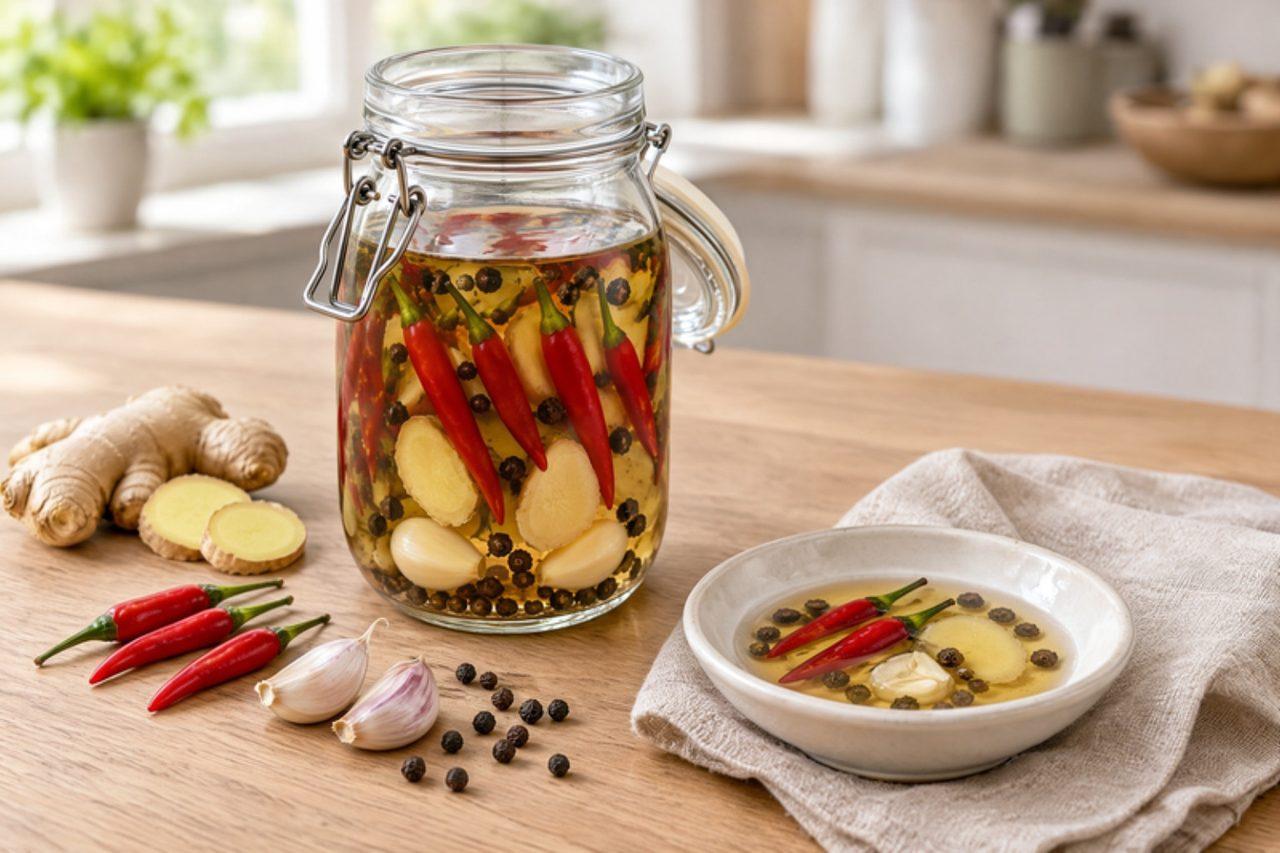
Iloilo is the home of La Paz batchoy and chicken inasal, and on every table there sits a tall bottle of sinamak, cane or coconut vinegar crowded with chillies, garlic and ginger. Visayan families keep a bottle going all year, and the dip turns up with grilled pork belly, crisp lechon kawali, fried fish and longganisa at breakfast. After a few days of steeping it is clean and sour, hot from siling labuyo, warm with ginger and peppery, with a faint sweetness from the cane vinegar. Common mistake: making a huge bottle and leaving it in a warm kitchen for months; fresh garlic and ginger are low-acid, so use full-strength vinegar, keep it in the fridge and make a fresh batch every couple of months. Toasting the garlic is not traditional and is not needed. It is ready when the vinegar has turned faintly golden and smells strongly of chilli and garlic, usually after 3 days. Chef's tip: bruise the chillies with the flat of a knife instead of slicing them; the heat comes out slowly and the vinegar stays clear. Cider vinegar can stand in for cane or coconut vinegar.

by KrazyBadal 0 views

Nutmeg jelly

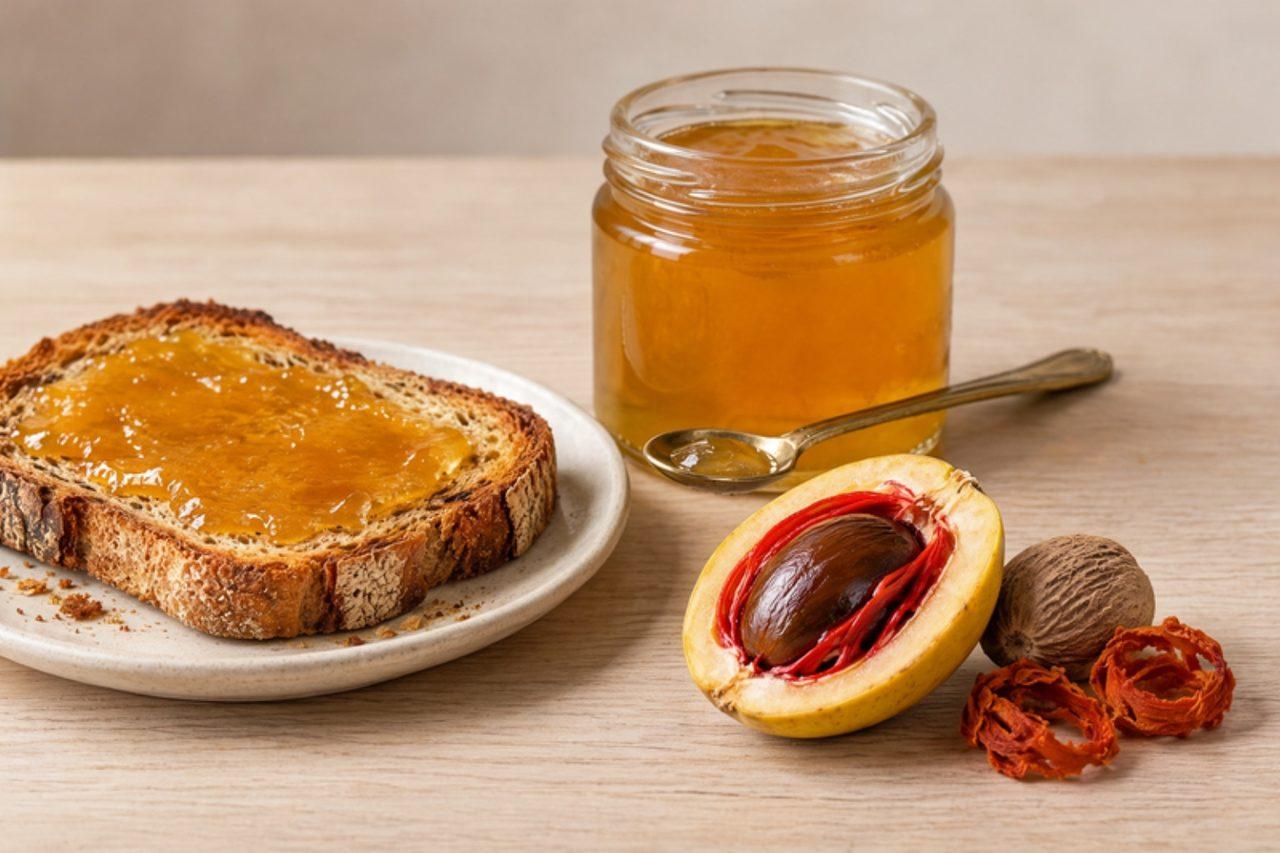
Grenada, the Spice Isle, grows nutmeg all over the green hills of St Andrew and St John, and the pale yellow, apricot-sized fruit that wraps the seed and its red lace of mace was long thrown away at the processing stations. Grenadian cooks turned that tart, slightly astringent flesh into nutmeg jelly, a clear amber spread that is eaten on hops bread or coconut bake at breakfast, sold in small jars in the St George's market and carried home by visitors at Christmas. The fruit is loaded with pectin, so it sets easily, and it tastes sweet-sharp and fragrant, faintly of apple, with a soft warm hint of the spice itself. Outside the Caribbean the fresh fruit is hard to get; tart cooking apples or quinces with a little freshly grated nutmeg make a close copy (see the notes). The common slip is boiling on long after the set point, which turns the jelly dark, gummy and dull, so start testing early. It is ready when a drop wrinkles on a cold saucer or the thermometer reads 104–105 °C. Chef's tip: drop a strand of the red mace into each jar for colour and a little extra perfume.

by KrazyBadal 0 views

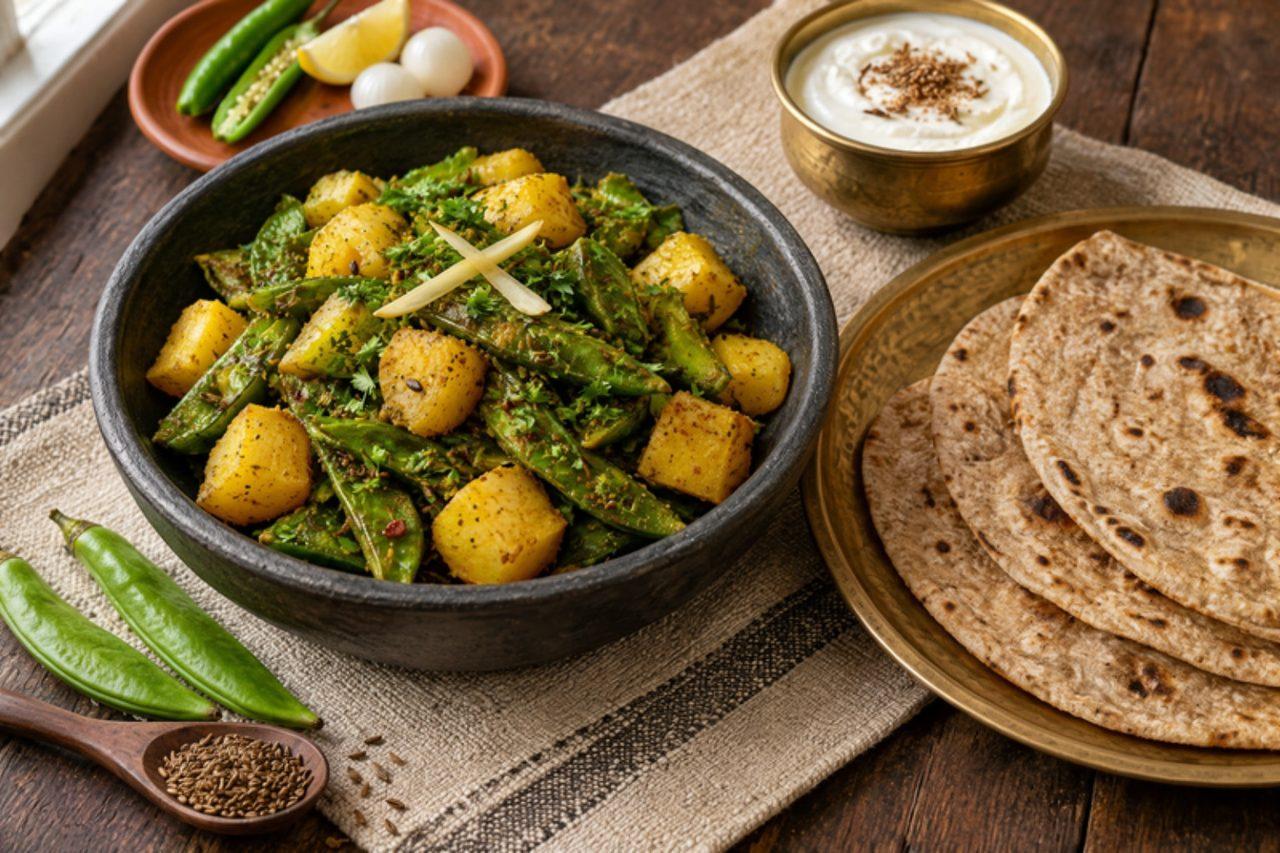
Sem ki sabzi (flat beans with potato)

When flat green sem pods fill the sabzi carts in Lucknow and Jaipur in winter, they go into this dry stir-fry with potato and a crackle of ajwain, the classic partner for paratha in an office dabba. The beans stay a little firm and sweet, the potato soaks up the spices, and nothing drips into the roti. The mistake is leaving the stringy edges on the pods; they never soften. Snap the tip and pull the string down each side before chopping. Chef's tip: cook covered for the first half to steam the beans tender, then uncover and turn up the heat so the potatoes catch and brown.

by KrazyBadal 0 views

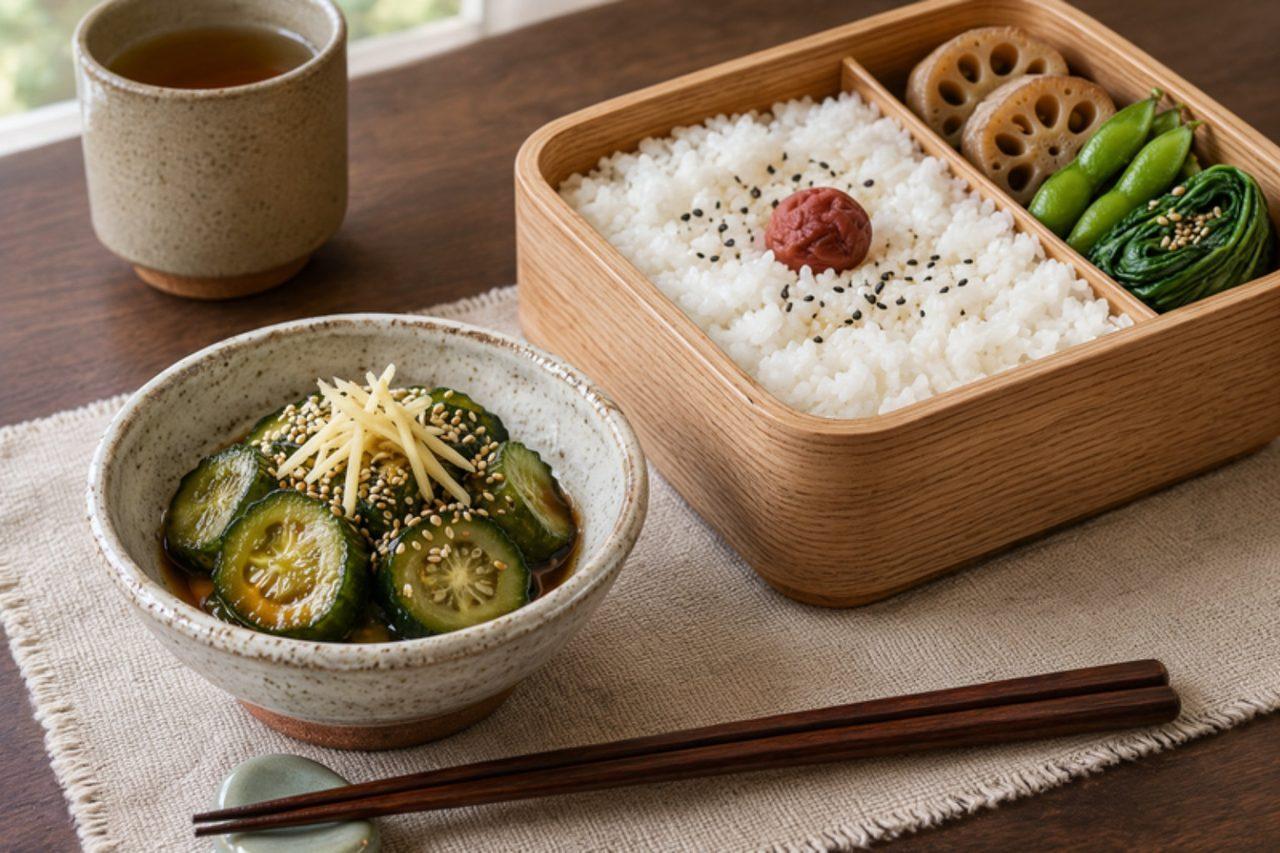
Kyuchan cucumber pickle

Kyuchan is the sweet-salty soy pickle that Japanese mothers tuck into the corner of a bento: thin coins of cucumber that stay crunchy for days thanks to an old trick of pouring hot pickling liquid over them several times. It brightens plain rice and cuts the richness of fried karaage-style dishes. The common mistake is simmering the cucumbers in the sauce, which makes them soft and grey; they should only ever sit in hot liquid off the heat. Chef's tip: squeeze the salted cucumbers really hard in a cloth, because every drop of water you remove is crunch you keep.

by KrazyBadal 0 views

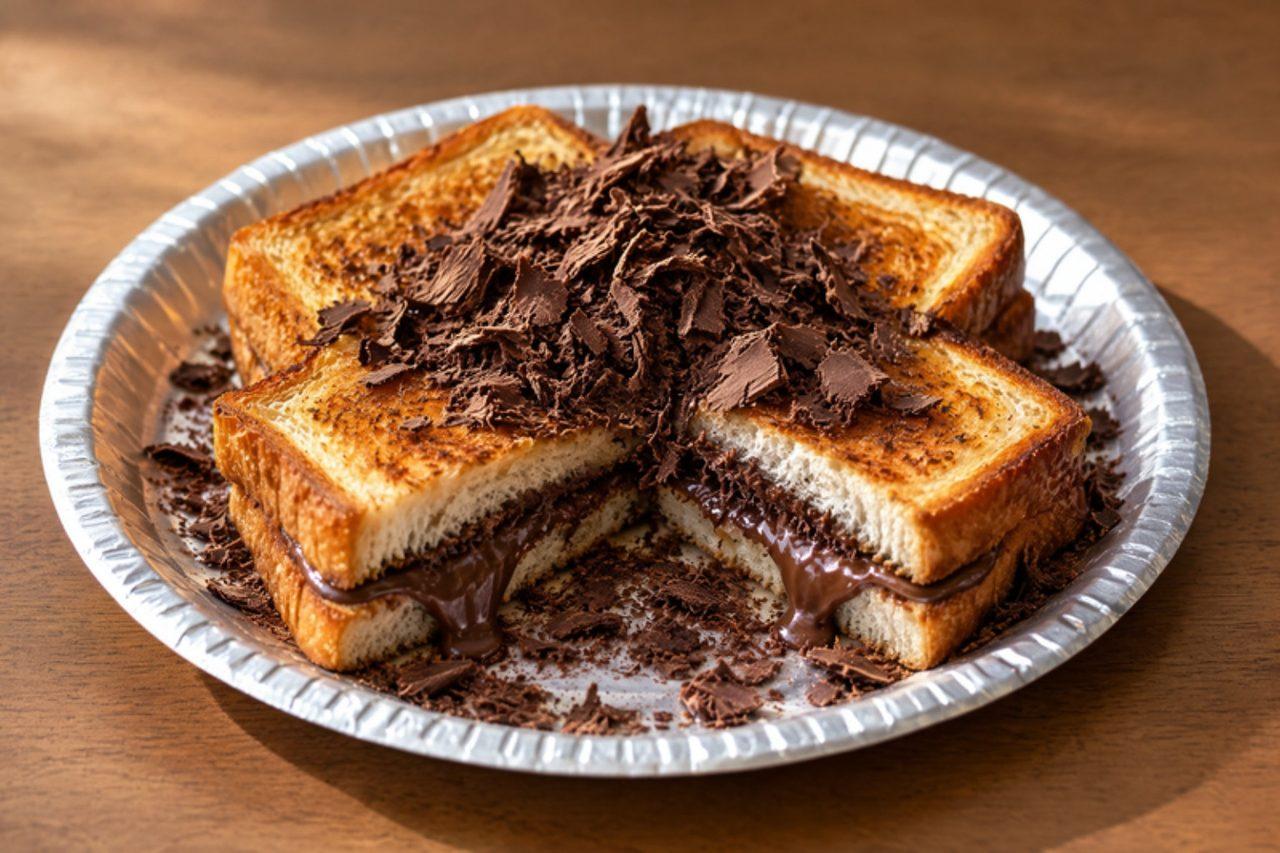
Ahmedabad chocolate sandwich

Manek Chowk is a jewellery market by day; at night its square fills with stalls, and among the pav bhaji and sandwich carts the chocolate sandwich is the one children beg for. Buttered white bread is packed with grated chocolate, sometimes with a layer of grated cheese for a salty edge, then toasted in a long-handled iron until crisp and dripping. Contains wheat and dairy, and the chocolate may contain soya and traces of nuts. If you add cheese, many cheeses are made with animal rennet; pick one labelled vegetarian. Chef's tip: toast it slowly over a medium-low heat, so the chocolate melts before the bread browns.

by KrazyBadal 1 views

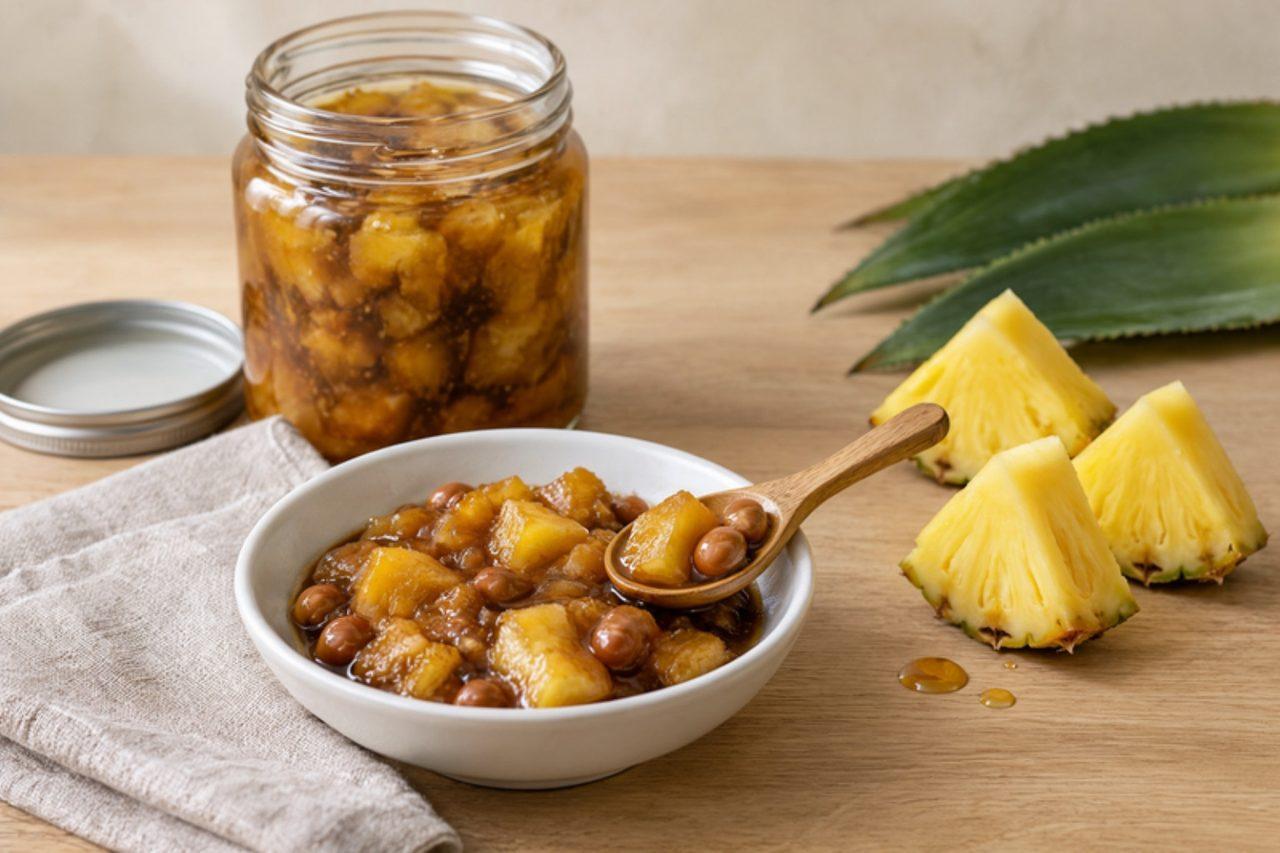
Pineapple soybean paste

Hakka households in Miaoli, Hsinchu and Pingtung are frugal and patient, and pineapple soybean paste (ong lai dau jiong) shows both. In early summer, when Taiwan's pineapples are plentiful, the fruit is cut into wedges and layered in jars with salted soybean koji and sugar, then left in a cool corner for months. The pineapple softens and goes golden-brown, the beans melt into a thick sauce, and the whole jar turns sweet, salty and tangy with a soft funk like miso. Spooned over steamed fish with ginger and scallion, stirred into braised bitter melon or tossed through stir-fried greens and wood ear, it is a back-pocket seasoning for everyday Hakka meals and bento. Common mistake: using very ripe, juicy pineapple; the fruit breaks into mush and the extra water dilutes the salt. Choose firm, just-ripe fruit and dry it after cutting. It is ready when the pineapple has turned amber and translucent and the beans are soft, after 1–3 months. Chef's tip: read the koji label — many brands are dusted with wheat flour, so it is not reliably gluten free.

by KrazyBadal 0 views

Wiri wiri pepper sauce

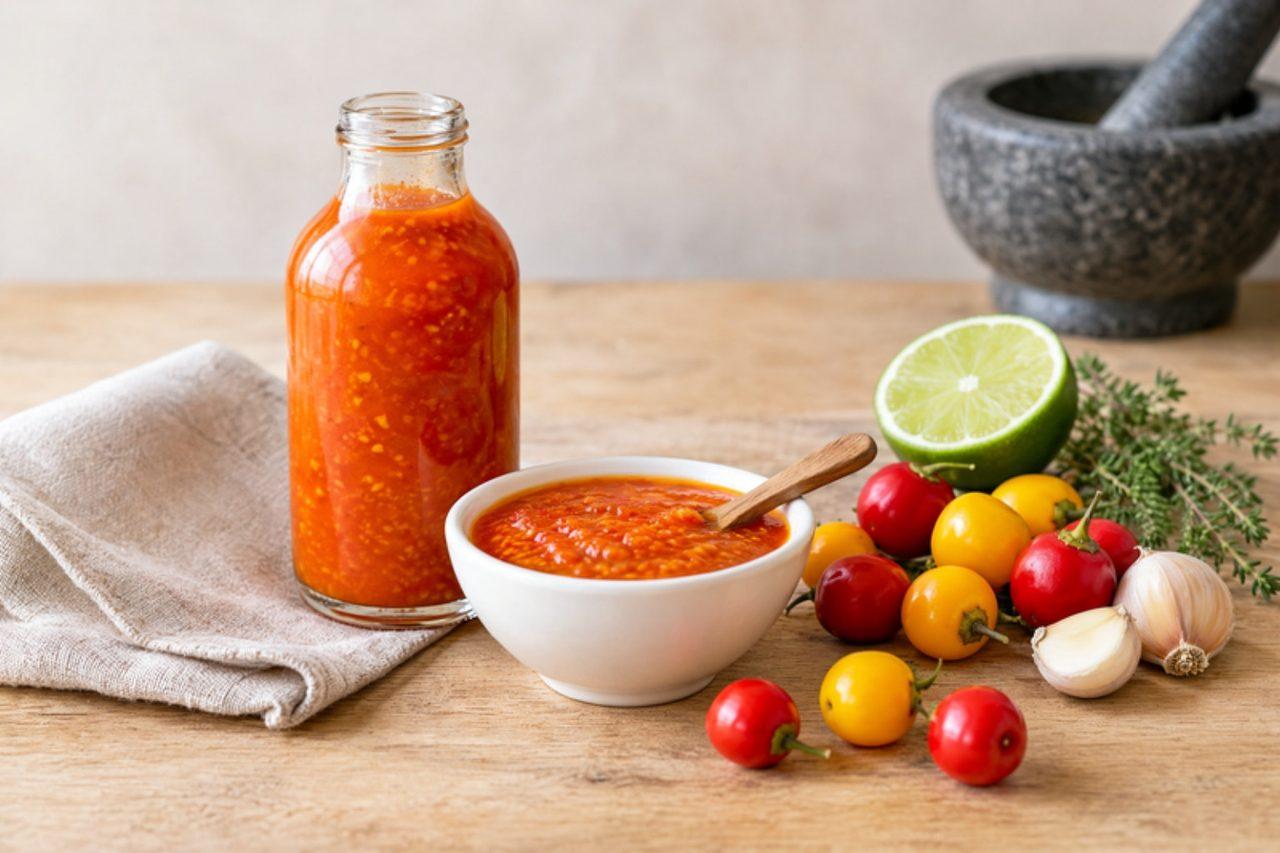
Every Guyanese household, from Georgetown to the villages of Berbice, has its own bottle of pepper sauce, and the most prized is made with wiri wiri: tiny, round peppers no bigger than a currant, red, orange or yellow, with a fruity, almost tomato-like heat that hits fast and fades clean. They are ground with plenty of garlic, a little onion, prepared mustard, salt and vinegar, and often a few slices of green mango or five-finger (carambola) for sourness. A dab goes on cook-up rice, dhal and rice, roti and curry, fried fish and bake, and on the pepperpot at Christmas. The sauce is coarse, bright orange-red and loose, sour first, then fiercely hot and garlicky. A common mistake is thinning it with water, which makes it spoil quickly; use vinegar alone for any loosening. It is ready after a day in the fridge, when the garlic has softened into the heat and the colour has deepened. Outside Guyana, wiri wiri is hard to find; Scotch bonnets or red bird's-eye chillies work, though the flavour is a little different. Chef's tip: grate in a few slices of green mango for the true sour, fruity Guyanese edge.

by KrazyBadal 0 views

Mochai kottai kuzhambuField bean gravy

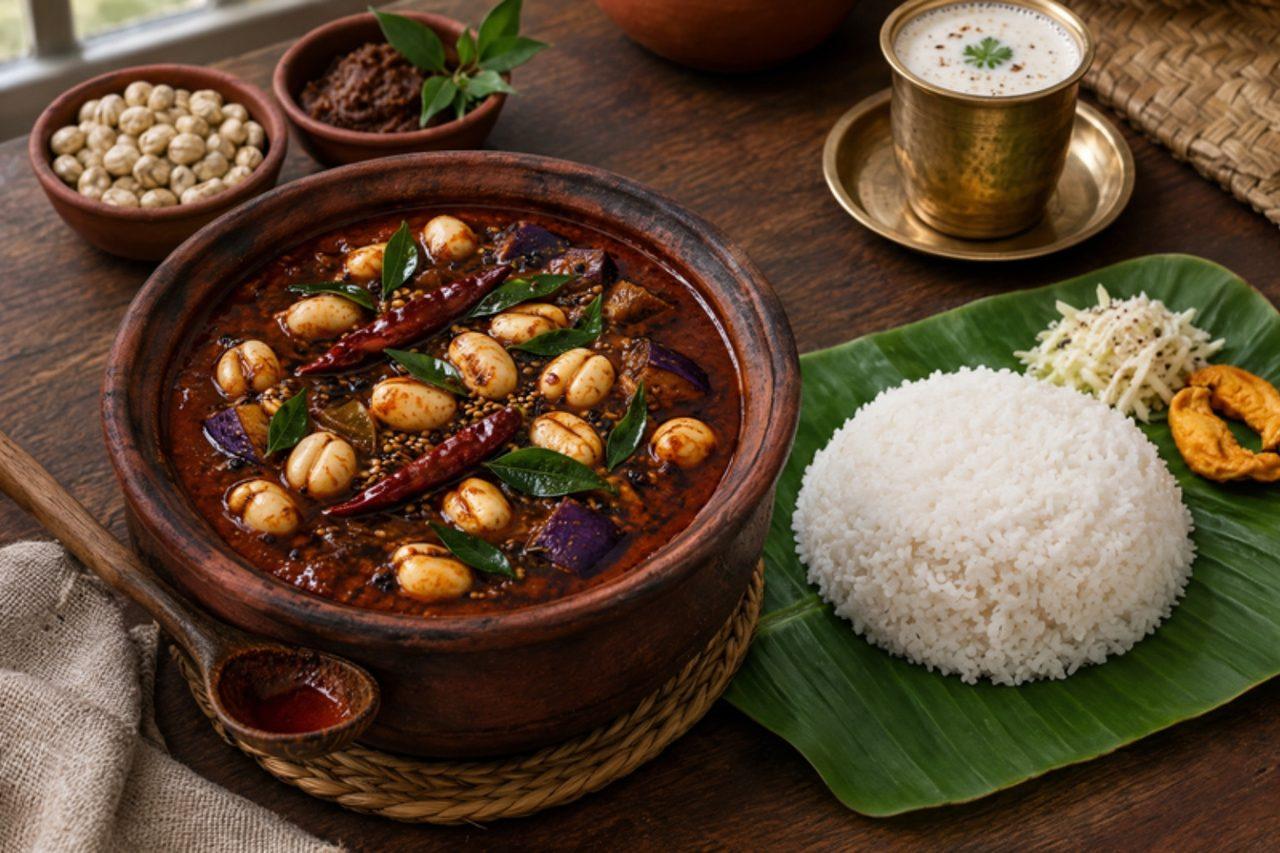
Across Tamil Nadu, from Madurai to Tirunelveli, mochai kottai kuzhambu is a winter and weekend curry: dried field beans and small brinjals stewed in a thick tamarind and sambar-powder gravy with shallots and garlic. It is cooked in a big batch, because everyone agrees it tastes better the next day, and eaten with rice, a spoon of sesame oil and appalam or a simple keerai. The beans turn creamy and the brinjal melts into the sauce. Dried field beans must be soaked and boiled until completely soft; never eat them undercooked. The usual mistake is adding the tamarind before the beans are tender, because acid stops them softening. Slow-cooker: boil the soaked beans hard on the hob for 10 minutes first, then cook everything on low for 6 hours. Chef's tip: fry the brinjal in the oil before the gravy goes in, so it holds its shape instead of dissolving.

by KrazyBadal 0 views

Portuguese sausage, eggs and rice

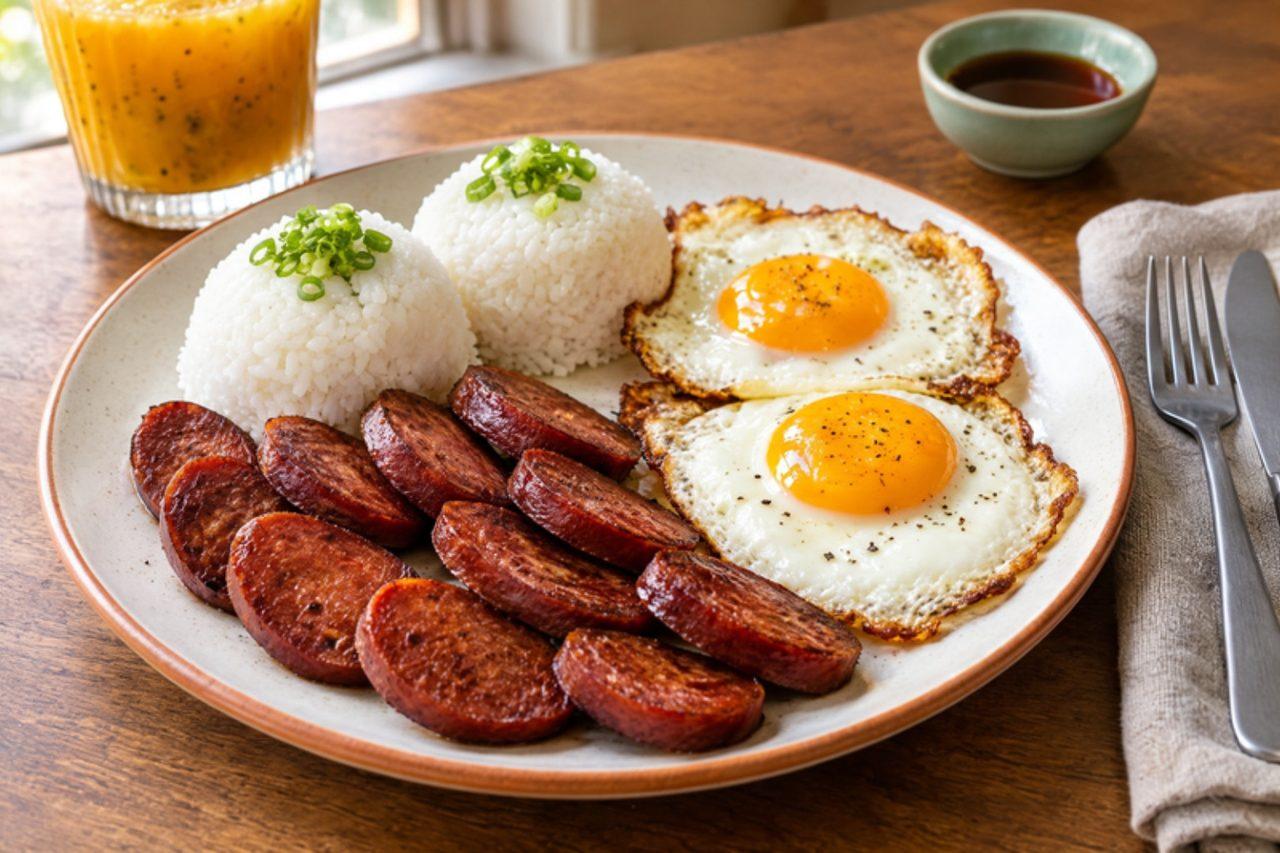
In Hawaii, a breakfast plate at a diner in Honolulu or Hilo, or at a drive-in on Maui, often means slices of smoky, garlicky, paprika-red Portuguese pork sausage (brought to the islands by Madeiran and Azorean immigrants in the 1800s) fried until caramelised, two eggs, and two scoops of short-grain rice. A splash of shoyu on the rice is optional. The common mistake is frying the sausage over a high heat so the sugar in it burns before it heats through; fry it steadily over a medium heat until sizzling and piping hot (71 °C if your sausage is uncooked rather than smoked). Cook the eggs fully set for pregnant people, young children, older or vulnerable people. Chef's tip: fry the eggs in the red fat the sausage leaves behind; they come out lacy and full of flavour.

by KrazyBadal 0 views

Charbat (Algerian lemon drink)

During Ramadan, as the afternoon wears on, vendors in Algiers' Bab El Oued, in Blida and Boufarik and in the old streets of Constantine fill plastic bags and jugs with ice-cold charbat for families to carry home before the call to iftar. It is lemonade made with lemon zest rubbed into sugar, a good splash of orange blossom water and a little milk, which turns it pale, opaque and silky and takes the sharp edge off the lemon. Served with zlabia, qalb el louz or straight after the dates and chorba, it tastes like lemon sherbet with a floral finish. The common mistake is adding the milk to strong, undiluted lemon juice, which curdles it into flecks; dilute the lemon fully, chill it, and only then pour in cold milk slowly while stirring. It is ready when it looks like pale lemon cream, smells of orange blossom and tastes sweet first, then tart. Lemon-and-milk drinks do not keep well, so make it the afternoon you serve it. Chef's tip: let the zest sit in the sugar for a good 10 minutes before adding water; the oils give charbat its perfume, far more than the juice alone.

by KrazyBadal 0 views

Cabbage paratha

North Indian mothers turn half a cabbage into a stack of parathas for the morning tiffin: the cabbage is grated, salted and squeezed, then seasoned with ginger, chilli and dry spices and rolled inside wholewheat dough. Warm with butter it is a breakfast; rolled and wrapped in foil it travels to school with curd or pickle. The common mistake is skipping the squeeze, so the cabbage weeps through the dough and the parathas tear. Chef's tip: mix the spices into the cabbage only just before stuffing, because the salt keeps drawing out water the longer it sits.

by KrazyBadal 0 views

French 75

The French 75 took its name from the light field gun of the First World War, because Parisian bartenders of the late 1910s and 1920s said it hit you just as hard. It has stayed a celebration drink in Paris and beyond: raised at weddings, New Year's Eve and long weekend brunches. It is for adults only and stronger than it tastes, so drink responsibly. A good one is bright and lemony with gin botanicals underneath, then a fine, persistent Champagne fizz that makes it feel light and dry. The common mistake is putting the sparkling wine in the shaker, which either blows the lid off or leaves the drink completely flat. Shake only the gin, lemon and syrup with ice, strain them into the glass and top with Champagne there. It is ready when the shaker is frosted, the foam has risen and fallen once, and a steady stream of small bubbles runs up the flute. Any dry traditional-method sparkling wine such as crémant works in place of Champagne; check the label if vegan matters. Chef's tip: twist the lemon peel over the glass, not into the shaker; the oil on the surface is the first thing you smell.

by KrazyBadal 0 views

Kawal

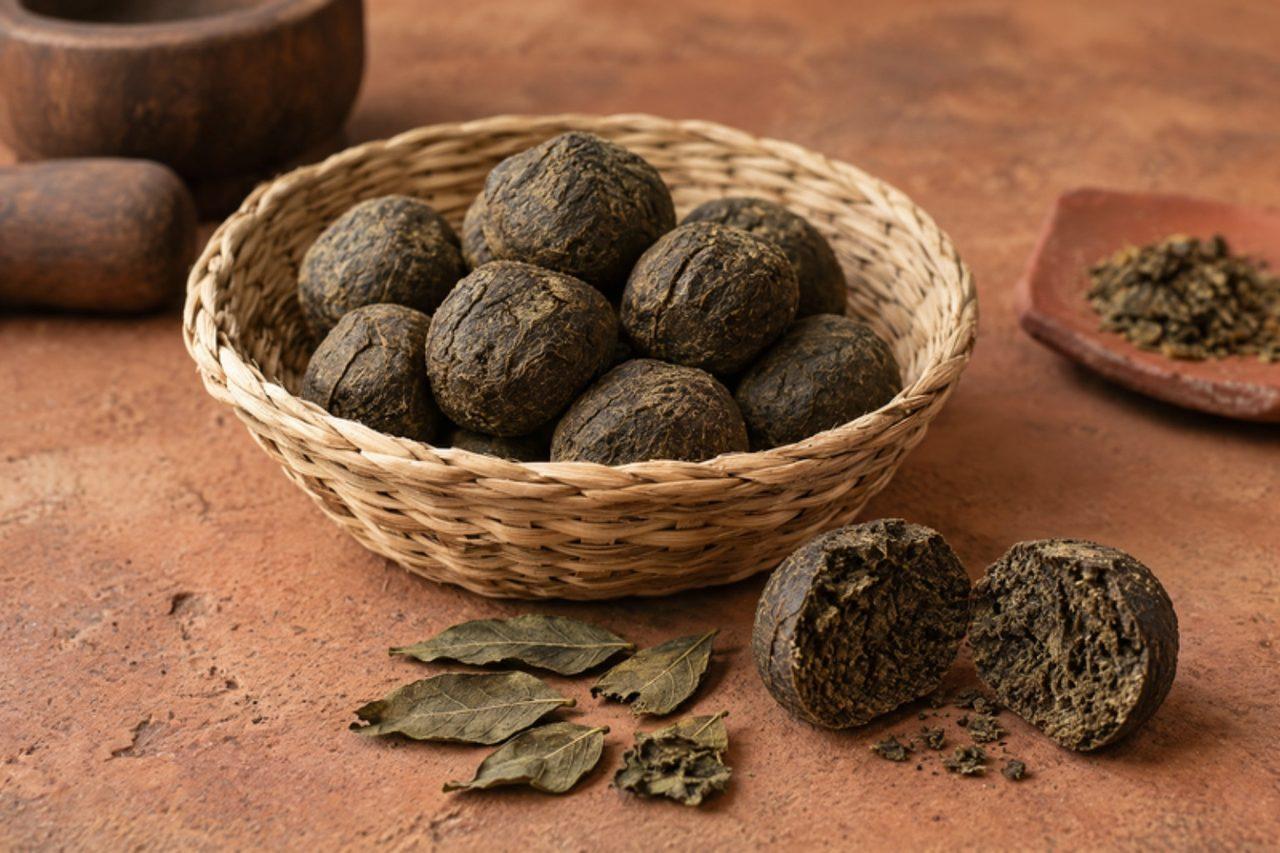
Kawal is one of the most distinctive pantry foods of western Sudan, made in Darfur and Kordofan at the height of the rains in August and September, when wild senna (Senna obtusifolia, called kawal or fedo) springs up thickly around villages. Women strip the young leaves, pound them to a dark green pulp and pack it into a clay pot sealed with sorghum leaves, then leave it in a cool, shaded spot for about two weeks, remixing it every few days. The fermented paste is rolled into small balls and dried in the sun, and these keep through the dry months. Crumbled into mullah stews with okra, onions and dried meat and eaten with kisra or aseeda, kawal gives a deep, meaty, pungent savour much like West African dawadawa; the smell straight from the pot is strong and ammonia-like but mellows completely in cooking. The usual mistake is leaving the pot somewhere warm and forgetting to remix it, so the paste rots instead of fermenting. It is ready when the paste is dark, sticky and strongly savoury but not putrid. Chef's tip: if you cannot be certain of the plant, buy dried kawal from a Sudanese grocer.

by KrazyBadal 0 views

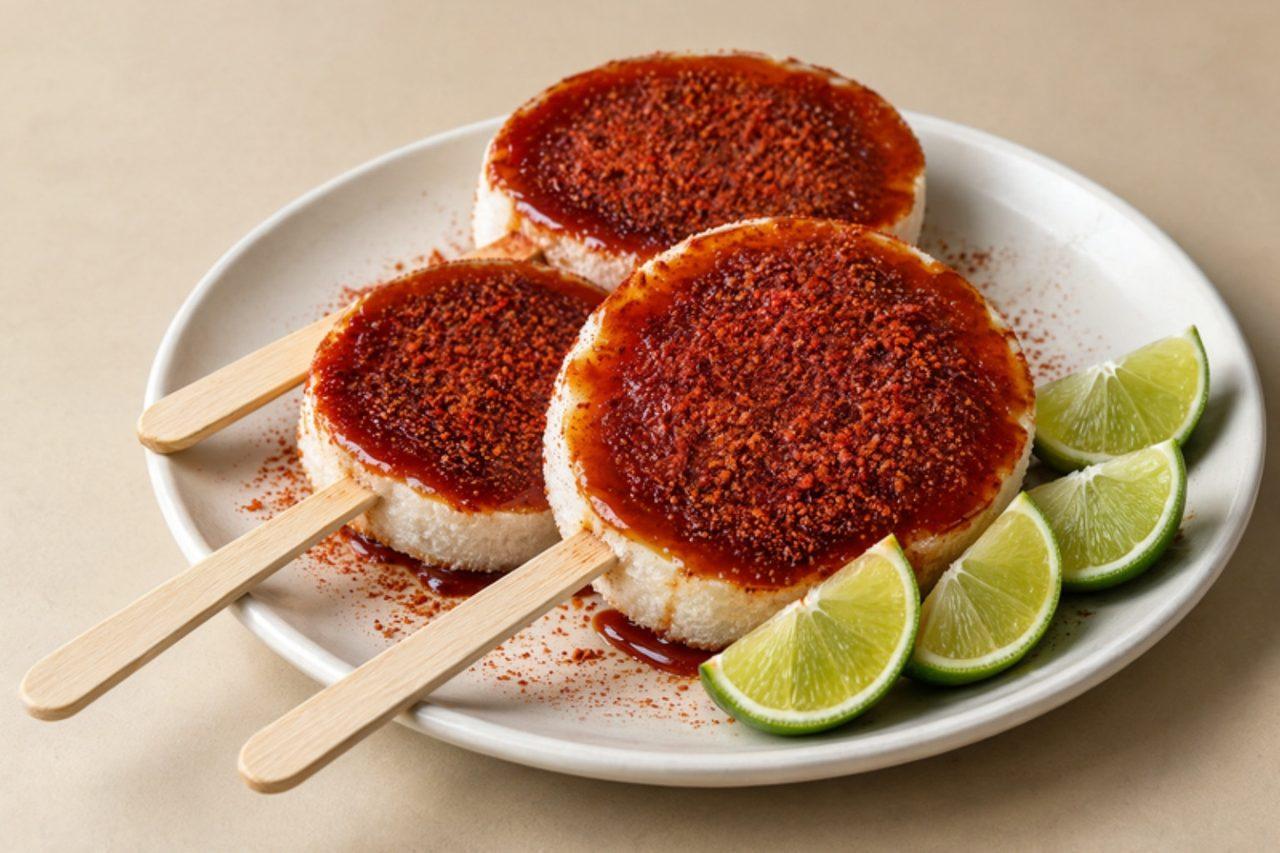
Jicaletas (jícama lollipops with chamoy)

At home time outside primary schools in Mexico City's Coyoacán and Narvarte, carts sell jicaletas, thick rounds of jícama pushed onto a stick like a giant lollipop and painted bright red with sweet-sour chamoy. They are crunchy, juicy and cold, with salty, sour and spicy layers on the outside, and make a light afternoon snack on a hot day. Chef's tip: cut the slices at least 1.5 cm thick, otherwise they snap off the stick at the first bite.

by KrazyBadal 0 views

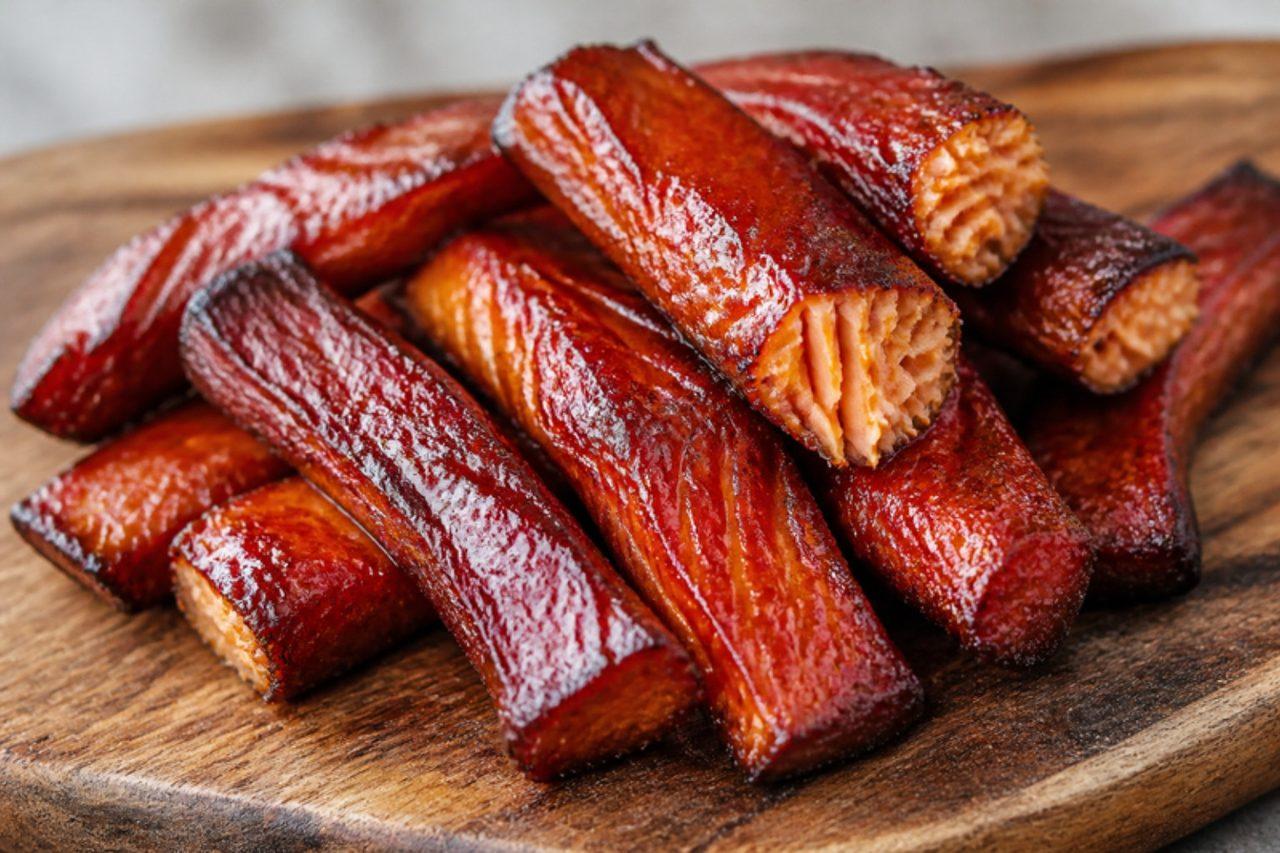
Candied salmon

Candied salmon, sometimes called salmon candy, comes from the First Nations smokehouses of British Columbia's coast, where strips of wild salmon are cured in salt and brown sugar, then slowly smoked and glazed until sticky, chewy and deep red. It is a snack for the trail, the fishing boat and the lunchbox. This home version cures the fish in the fridge and then cooks it low in the oven with a little smoked salt or liquid smoke, so it is fully cooked rather than cold-smoked. A common mistake is skipping the drying stage; the pellicle (a tacky skin) is what lets the glaze cling. Chef's tip: keep the oven low and steady; too hot and the fish weeps white albumen.

210 minCanadianFishGluten free
by KrazyBadal 0 views

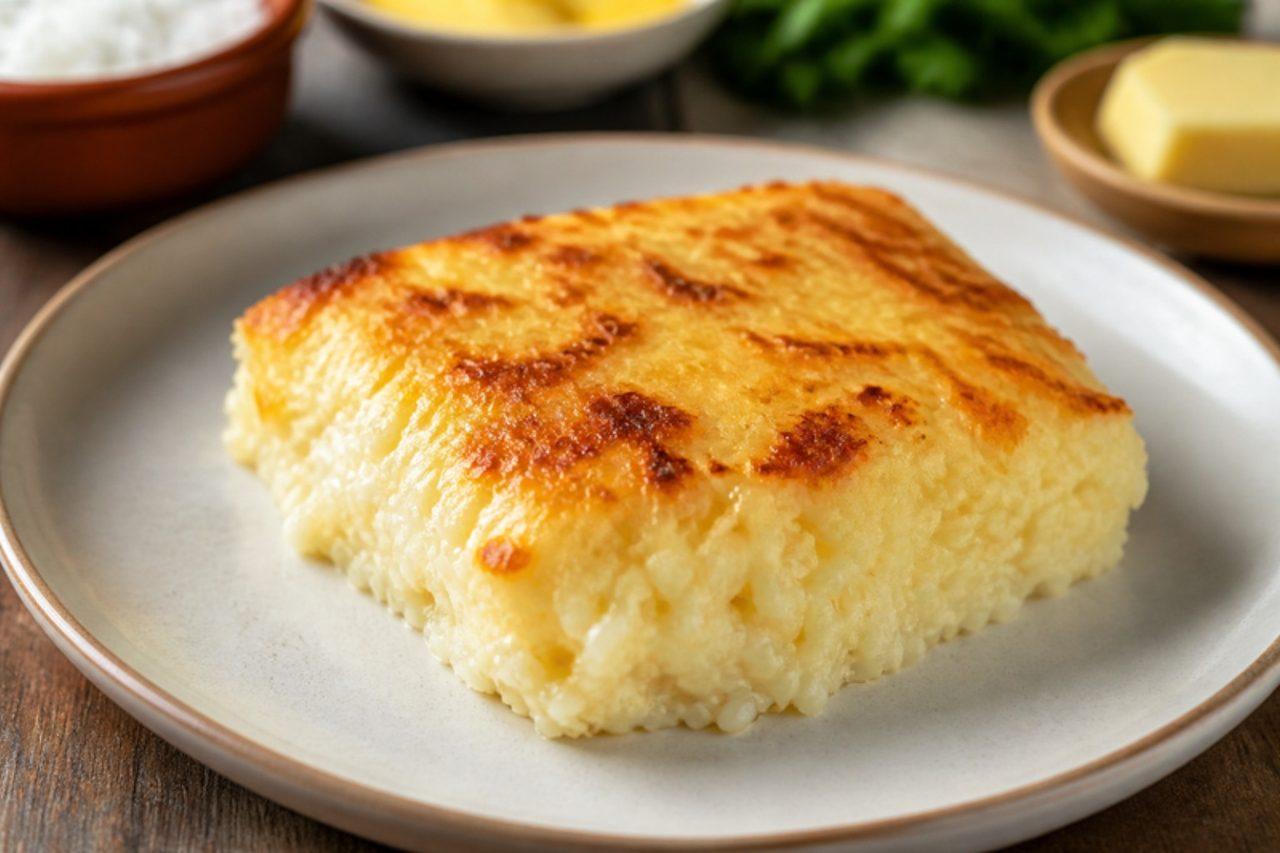
Arroz con queso cruceñoCreamy baked cheese rice

Lunch tables in Santa Cruz and Beni regularly carry a dish of arroz con queso next to the grilled meat: rice cooked soft and stirred with milk, butter and plenty of crumbled lowland cheese, then baked until the top turns golden. Cruceño cooks serve it with fried plantain and a tomato salad. Local cheese is usually made with animal rennet, so use a vegetarian mild Cheddar or a feta-style cheese if you need one. The most common mistake is draining the rice; it needs its starch to turn creamy. Chef's tip: hold back a third of the cheese and scatter it on top just before baking, so you get a melted core and a browned crust.

by KrazyBadal 0 views

Showing 90 of 8,687 recipes

Page 188 of 966