


Skip to content
Khurmi
Featured recipe

Khurmi

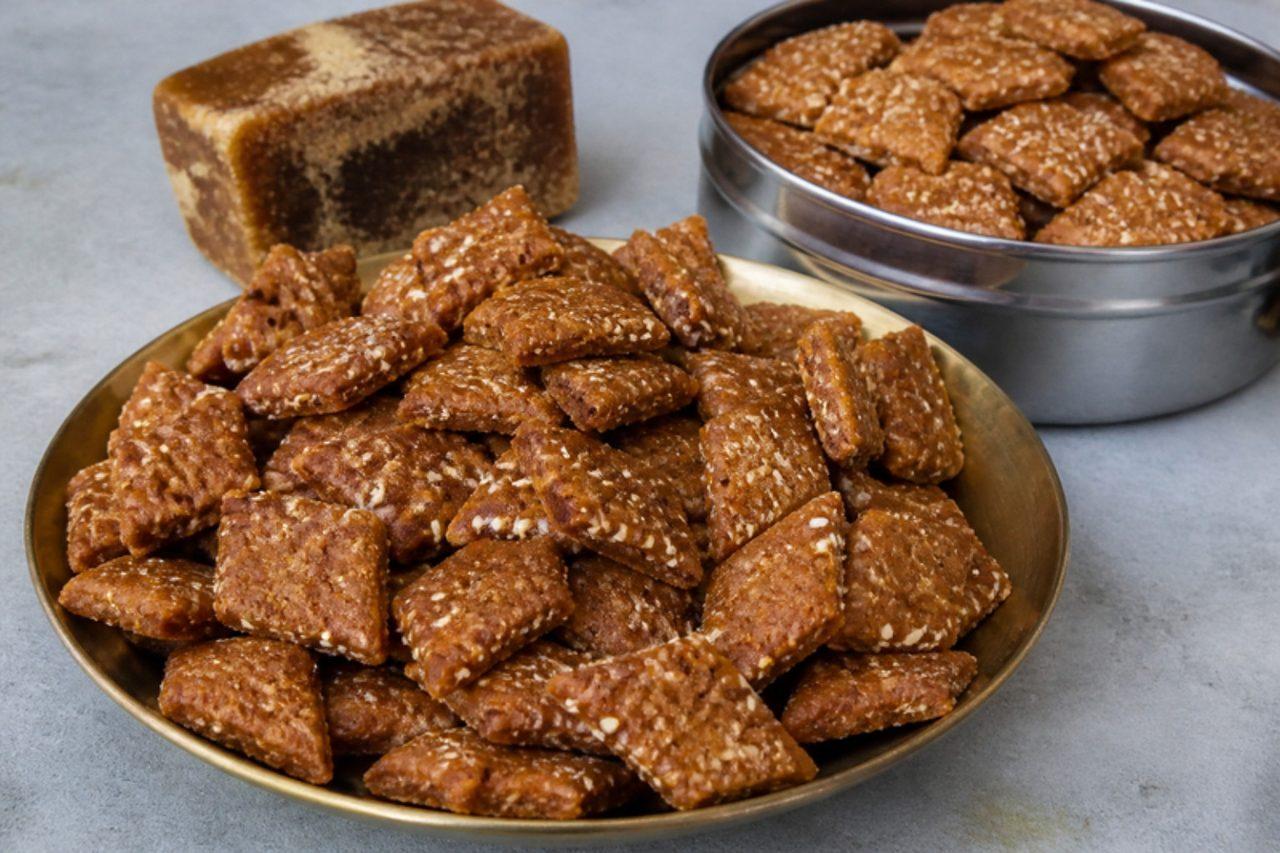
Wheat and jaggery biscuits

Khurmi are the sweet half of Chhattisgarh's Teeja-Pola festival snacks, made in big batches alongside the salty thethri. The dough is wheat flour and a little semolina bound with melted jaggery, studded with sesame and coconut, then cut into diamonds or pressed into small patterned shapes and fried until dark gold. They have a hard, crunchy bite and a deep caramel flavour, and they last for weeks in a steel dabba, ready for visitors and children back from school. Chef's tip: cool the jaggery water to lukewarm before kneading; hot jaggery makes a slack dough that spreads and soaks up oil.

Read more 1 views

What to eat today?

Around the world

Today's trip: Paraguayan

A new country every day, from every cuisine on the site.

Paraguayan

Buñuelos de algas

Sea lettuce fritters 35 minMore from Paraguayan (27) →

This week's collection

Kid-friendly dinners
537 recipes · a new collection every Monday

Latest recipes

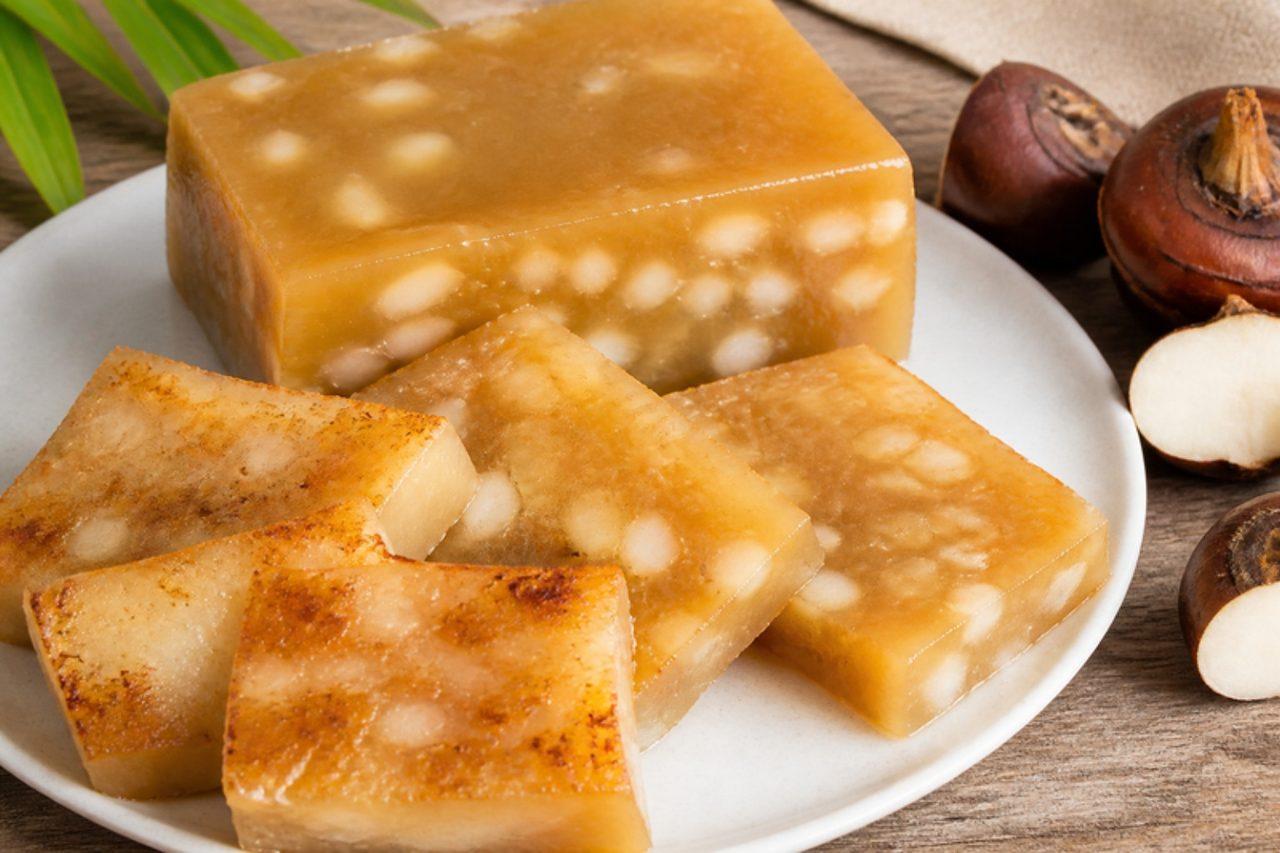
Water chestnut cake

Dim sum halls across Hong Kong lay out amber squares of water chestnut cake on small plates, and every Lunar New Year home kitchens steam a tray to give away to visitors. Set from water chestnut starch and brown slab sugar, the cake is translucent and gently chewy, flecked with pieces of fresh water chestnut that stay crisp and juicy. It is eaten cold and wobbly in summer, or sliced and pan-fried until the outside forms a caramel crust with a soft centre, with a cup of jasmine or oolong tea. A frequent problem is a lumpy, cloudy cake, which comes from pouring the hot syrup into the starch all at once without stirring. Chef's tip: let the cake set completely, ideally overnight in the fridge, before slicing with a knife dipped in water.

by KrazyBadal 0 views

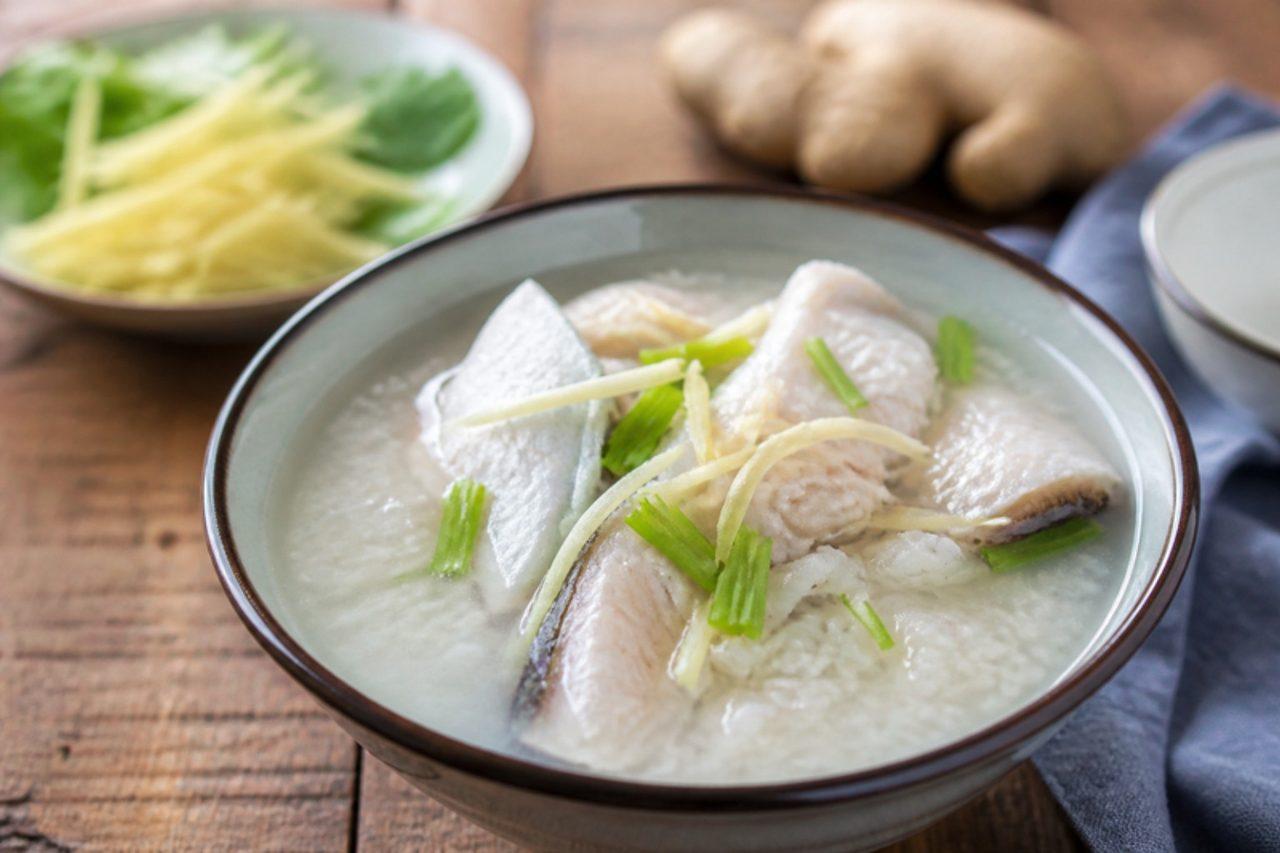
Milkfish belly congee

Tainan breakfast stalls open before six for this, ladling it into bowls beside plates of fried dough sticks and braised fish skin. It is not the thick Cantonese kind: cooked rice is simmered briefly in a light, ginger-scented broth, so the grains stay separate, and slices of rich, boneless milkfish belly are poached in it until just set, then showered with celery, fried shallots and white pepper. Milkfish is farmed in the ponds around Tainan; look for boneless frozen belly in Asian supermarkets, or use sea bass belly. The error most cooks make is boiling the belly hard, which breaks the soft fat and clouds the broth. Chef's tip: lower the slices into the pot skin-side down and keep the liquid just shivering; the belly firms gently and keeps its sweet, silky layer of fat.

by KrazyBadal 0 views

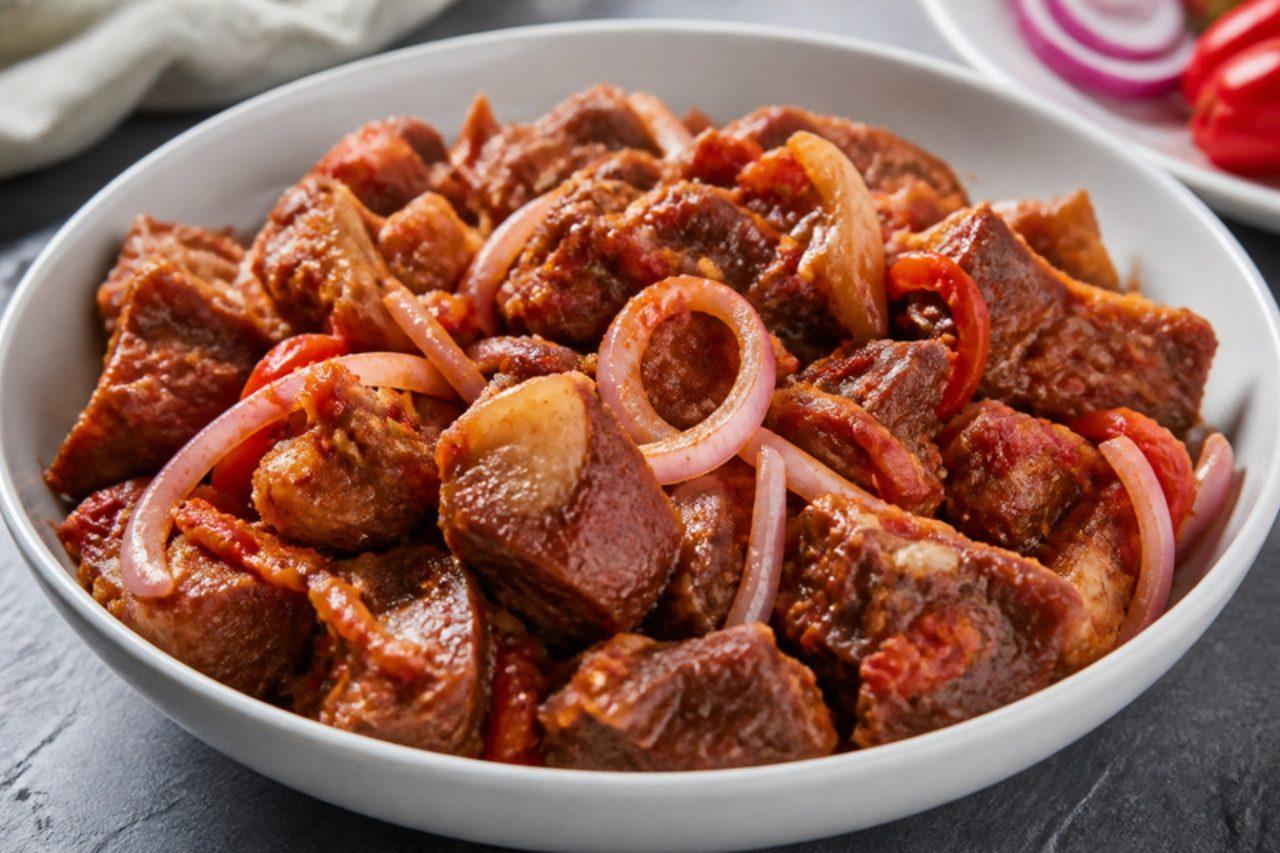
Asun peppered goatPeppered grilled goat

Asun started in Ekiti, where goat was roasted whole over an open fire, and it has become the star of Lagos owambe parties and Friday evenings at the bar. Skin-on goat is boiled with seasoning until just tender, grilled until smoky and charred at the edges, chopped into bite-size pieces, then tossed in a hot sauce of scotch bonnet, onion and a little oil. It is chewy in a good way, smoky and very spicy, eaten on its own, with jollof rice or with cold drinks. Cook the goat until tender and no pink remains. Chef's tip: dry the boiled goat well before grilling; wet meat steams and never takes on the charred, smoky flavour that makes asun.

by KrazyBadal 0 views

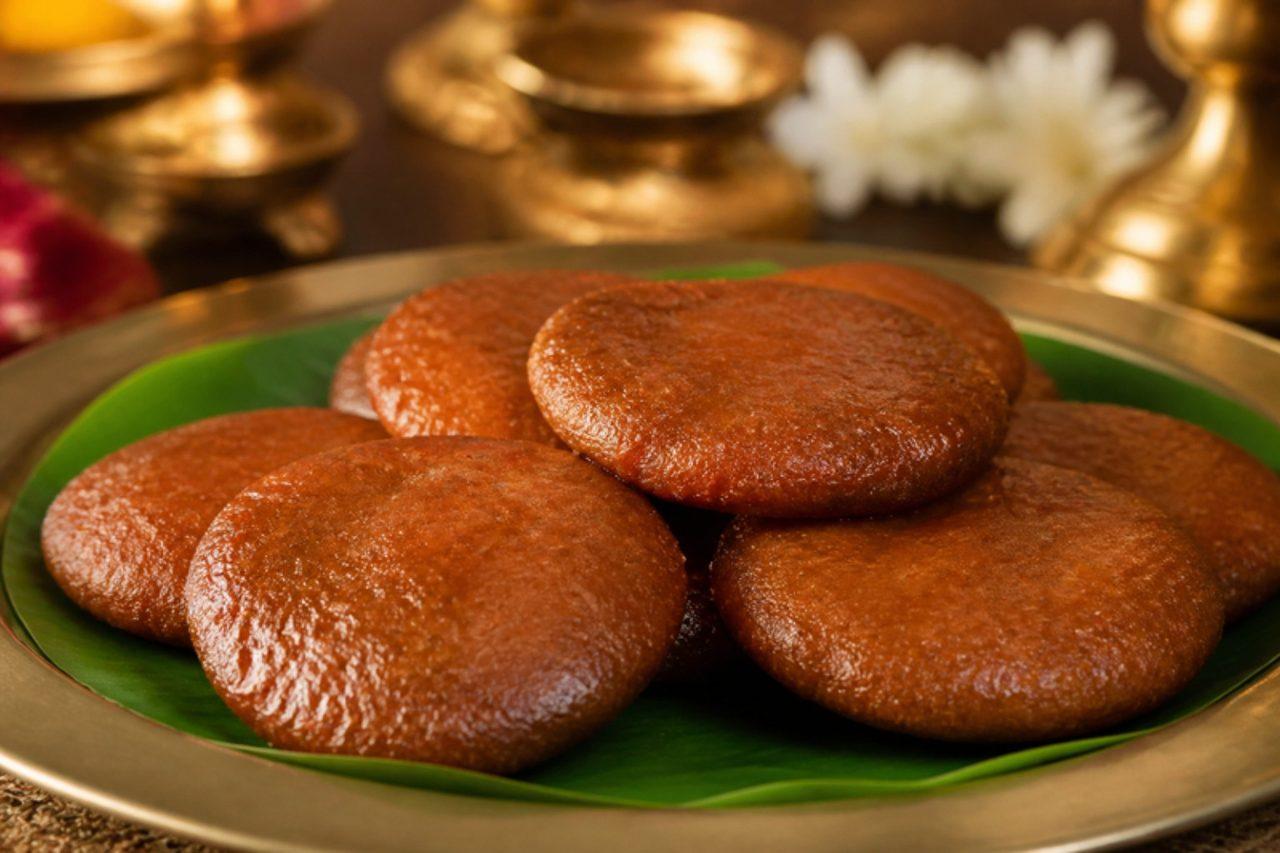
AthirasaFried rice flour jaggery cakes

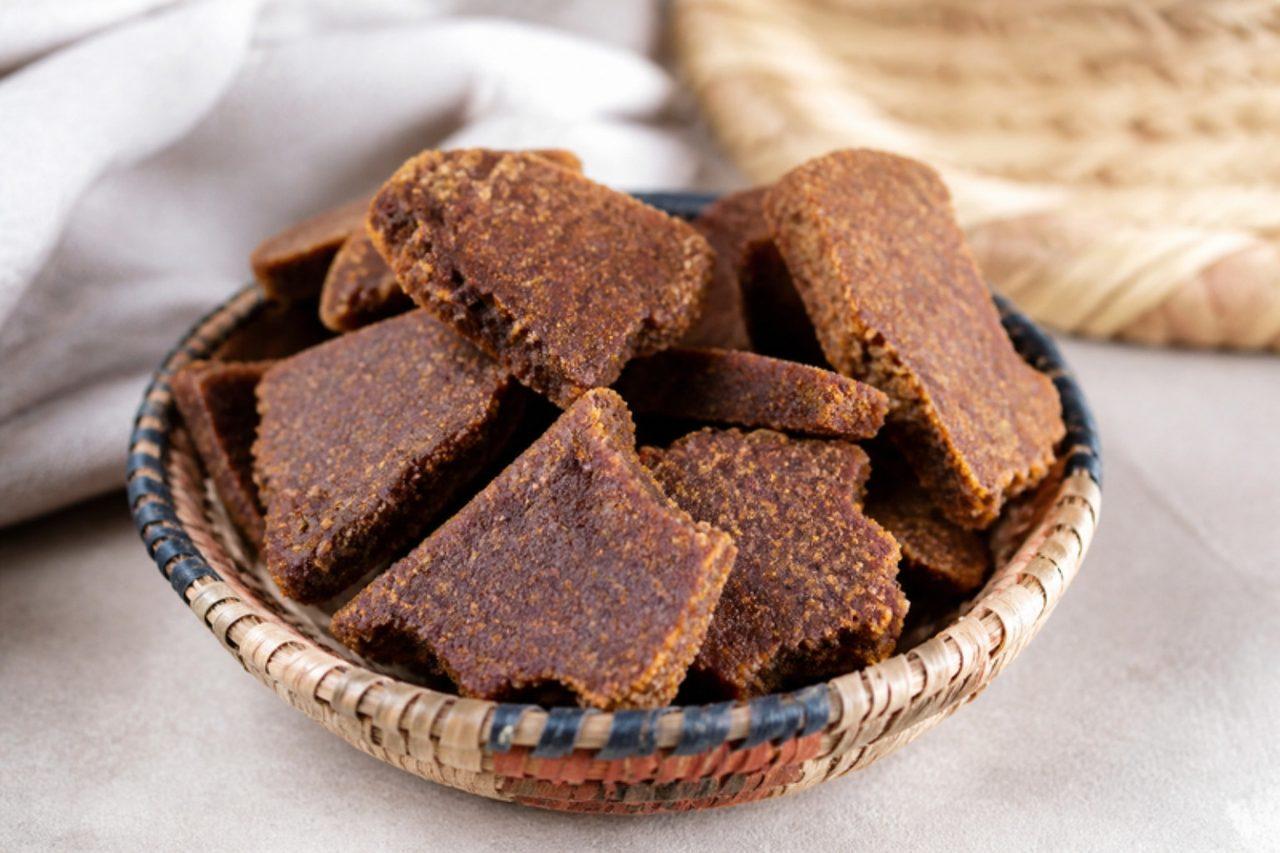
Athirasa, a dark, flat disc with a shiny, slightly crinkled surface, is one of the keeping sweets of the Avurudu season: families fry stacks of them in early April, store them in tins and offer them to every visitor for weeks. The dough is simply rice flour stirred into jaggery syrup cooked to the soft-ball stage, flavoured with cardamom and left to rest, then patted into rounds and fried until deep brown. The cook presses each one firmly between two flat spoons or saucers to squeeze out excess oil, which gives athirasa its chewy, toffee-like centre and lacy, crisp edges. The typical slip is undercooking the syrup, which makes the dough too soft to shape and causes the rounds to fall apart in the oil. Chef's tip: shape the discs on a piece of oiled banana leaf or baking paper and slide them straight into the oil from it, so they keep a neat round shape.

by KrazyBadal 0 views

Burmese gourd fritters

Afternoon fry stalls along the lanes of downtown Yangon sell these by the paper cone, golden sticks of bottle gourd still crackling from the wok, and they are the fritter most people choose to dunk into a breakfast bowl of mohinga. Inside the thin rice-flour shell, the gourd steams until soft and almost juicy, mild and slightly sweet against the crunchy, salty coating. A tangy tamarind sauce with garlic and chilli is the usual partner. The classic failure is a thick, gluey batter that hides the vegetable and goes chewy within minutes; it should be as thin as single cream. Chef's tip: add a few drops of lime juice and ice-cold water to the batter just before frying; the cold keeps the coating light and crisp.

by KrazyBadal 0 views

Ekuru (white bean pudding with pepper sauce)

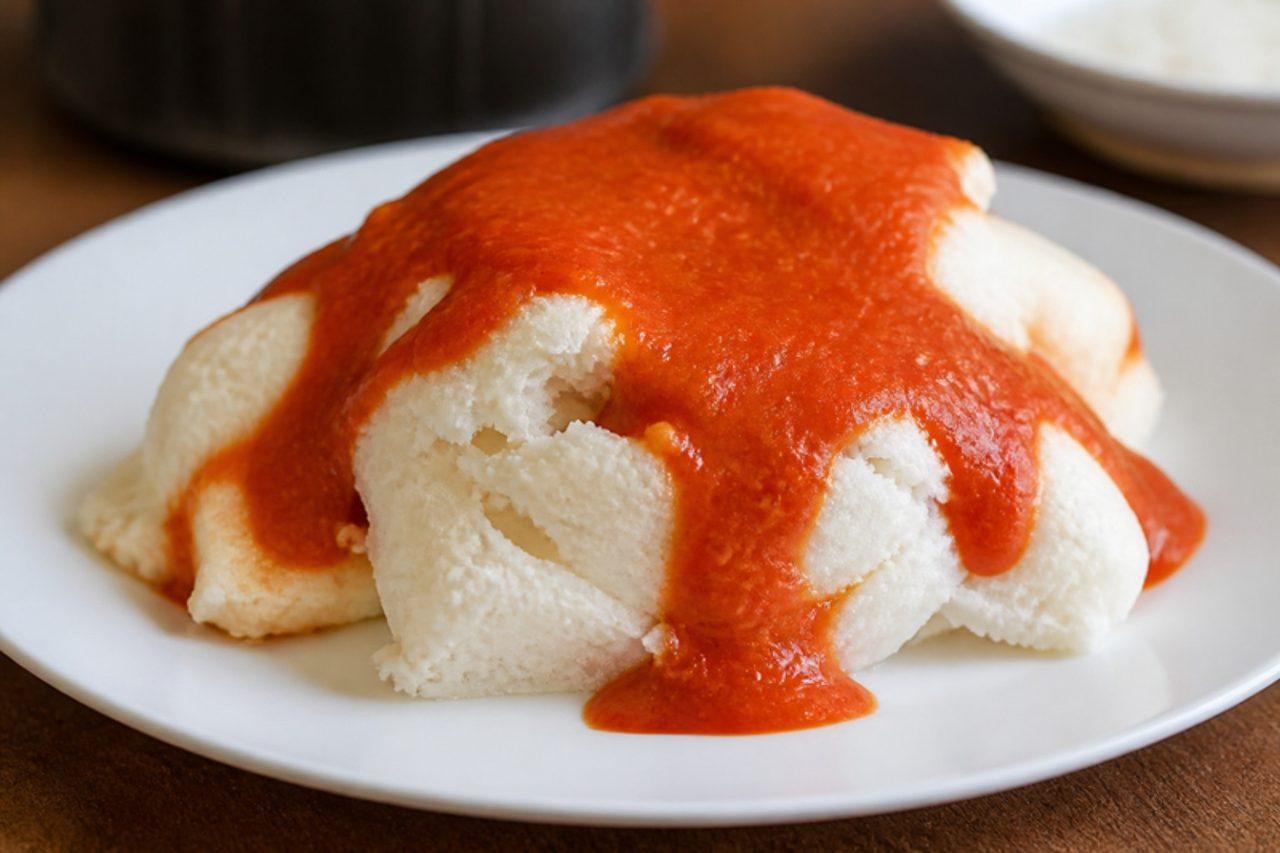
Pale and plain on purpose, ekuru is moin moin's quiet cousin: the same peeled black-eyed bean paste, but steamed with nothing in it except a little salt, so it comes out white, light and airy. In Ijebu and around Ogun State it is a breakfast and market snack, and all the flavour comes from the sauce served with it, a fried mix of red peppers, scotch bonnet, onion and locust beans in palm oil. The contrast of mild, fluffy pudding and hot, oily sauce is the whole point. This version is entirely plant-based. Chef's tip: beat the bean paste hard for several minutes before steaming; the trapped air is what makes ekuru light rather than dense.

by KrazyBadal 0 views

Black sesame soup

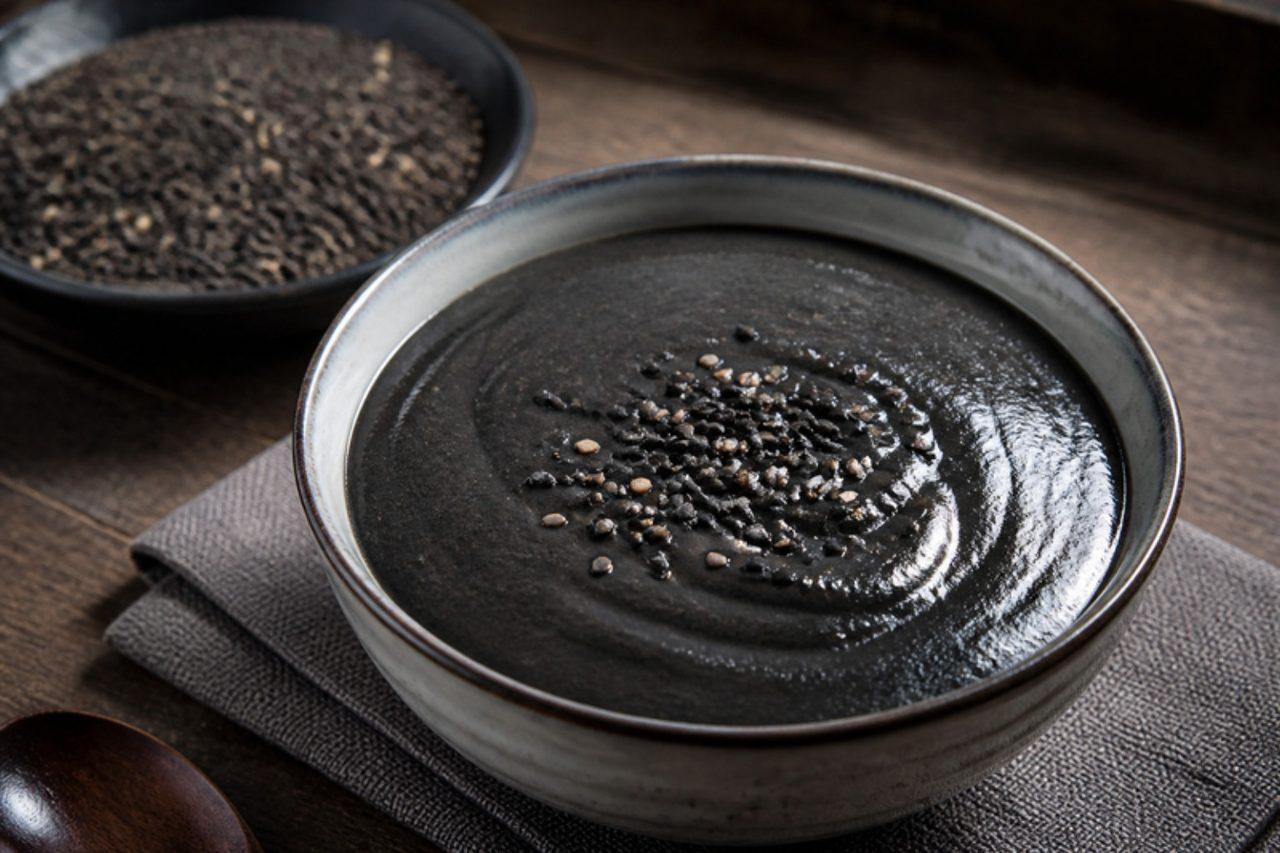
Steaming bowls of inky ji ma wu are a staple of Hong Kong dessert shops on cool evenings, eaten after dinner or as a late-night snack on the way home. The soup is thick enough to coat a spoon, nutty and roasted with a faint bitterness that balances the rock sugar, and so smooth it feels like warm velvet. It's often paired half-and-half in one bowl with almond tea or walnut soup, or served with sweet glutinous rice balls. Over-toasting the sesame is the mistake to avoid; once the seeds scorch, the whole pot tastes acrid. Chef's tip: blend the toasted seeds with water for a full two minutes, until no grit is left between your fingers, before it goes into the pan.

by KrazyBadal 0 views

Beef brisket noodles

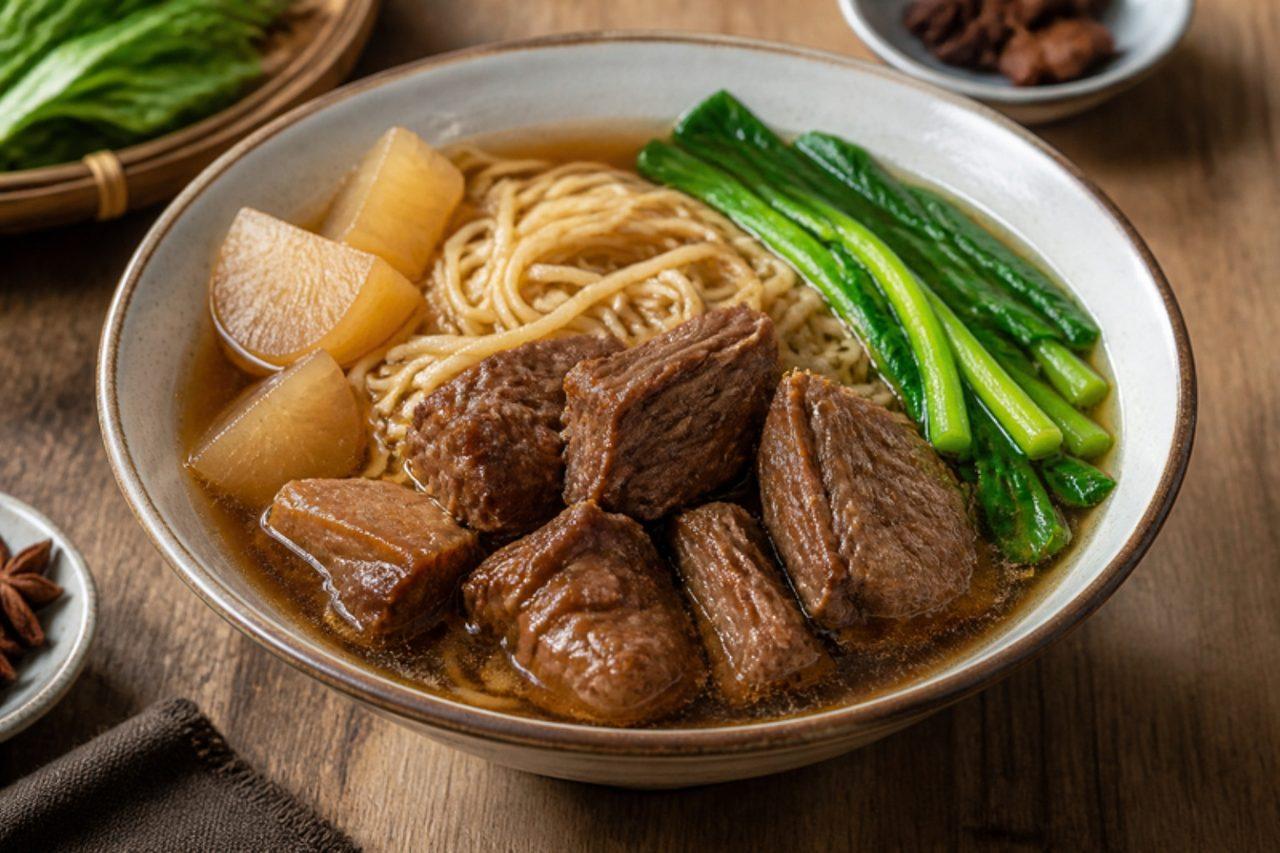
Queues form outside the brisket shops of Central and Sham Shui Po at lunchtime for a bowl of ngau naam min: wobbly chunks of beef brisket, braised for hours with chu hou paste, star anise, cinnamon and dried tangerine peel until the fat and sinew melt, set over springy egg noodles in a separate, clear, peppery broth with daikon. The braise is dark, sticky and aromatic, the broth light and clean, and you dip between them. A slosh of Shaoxing rice wine goes in the braise; an alcohol-free swap is in the ingredient list. Many home cooks cut the brisket before cooking into small cubes, which then shrink and dry out; braise it in big pieces and cut it afterwards. Chef's tip: the braise is better the next day, so make it ahead, chill it and lift off the fat before reheating.

by KrazyBadal 0 views

Wu gok (crispy taro dumplings)

Few dim sum crack like wu gok: the shell of mashed taro puffs in the fryer into a golden, honeycomb lace so delicate it shatters at a touch, giving way to a soft, nutty taro layer and a juicy filling of diced pork, shiitake and oyster sauce. Hong Kong teahouses fry them to order through the morning and they are a must at Lunar New Year banquets. Eat them straight away, with a pot of jasmine tea to cut the richness. Lard is the traditional fat in the taro dough; vegetable shortening works too. The classic failure is oil that is too cool or too hot: below about 170 °C the dumplings fall apart, above 190 °C they brown before the lace forms. Chef's tip: chill the shaped dumplings for half an hour so the dough is firm and the lace blooms evenly.

by KrazyBadal 0 views

Asopao de polloSoupy chicken and rice

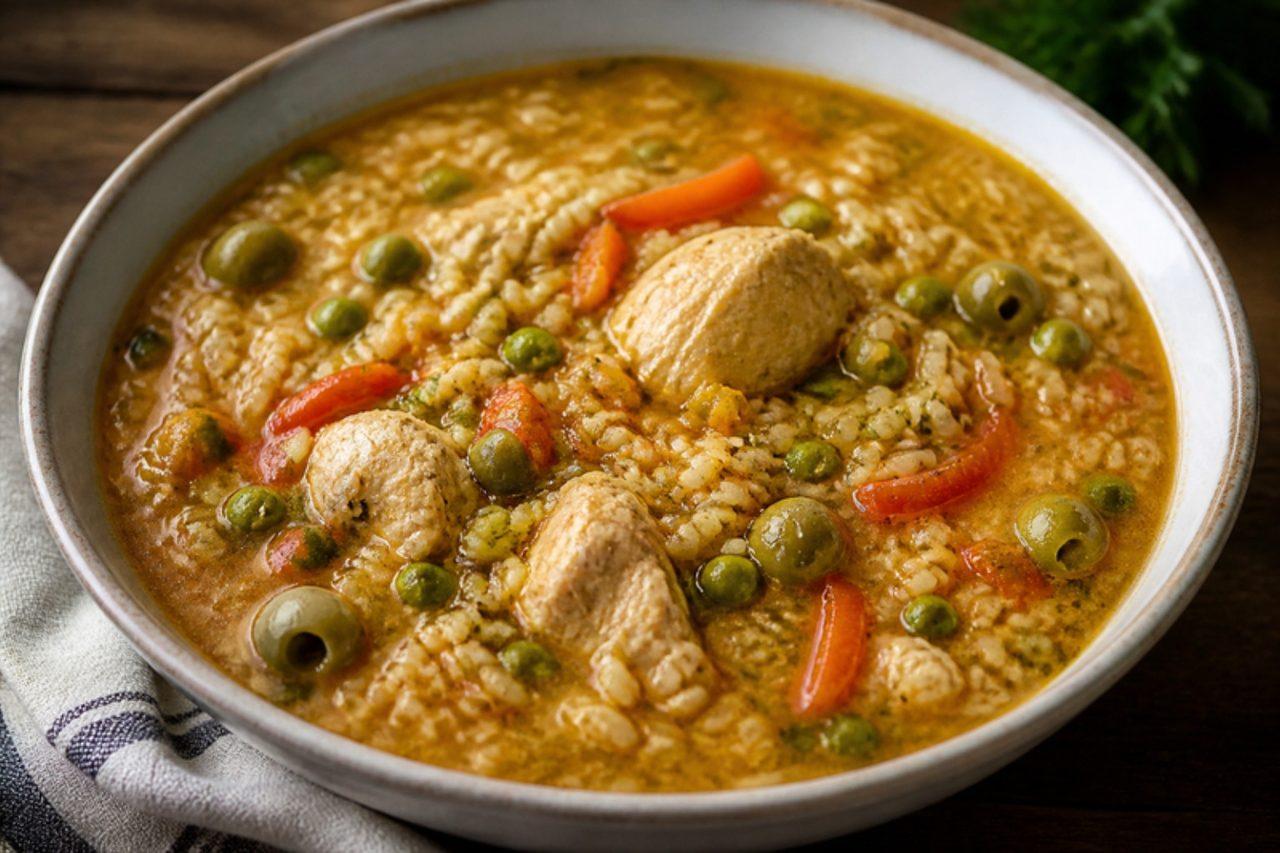
Somewhere between a soup and a risotto, asopao is the pot Puerto Rican mothers put on for a rainy Sunday, a cold, or a hangover after a long party night, and it is spooned straight from deep bowls with tostones on the side. Bone-in chicken is seasoned with garlic, oregano and lime, simmered in a sofrito broth, then rice goes in until the whole pot turns thick and brothy, finished with olives, capers, peas and strips of roasted pepper. The common mistake is making it ahead: the rice keeps drinking the broth and turns stodgy, so cook it just before eating, or keep extra stock to loosen leftovers. Chef's tip: take the pot off the heat while the rice is still a touch firm; it carries on cooking in the bowl.

by KrazyBadal 0 views

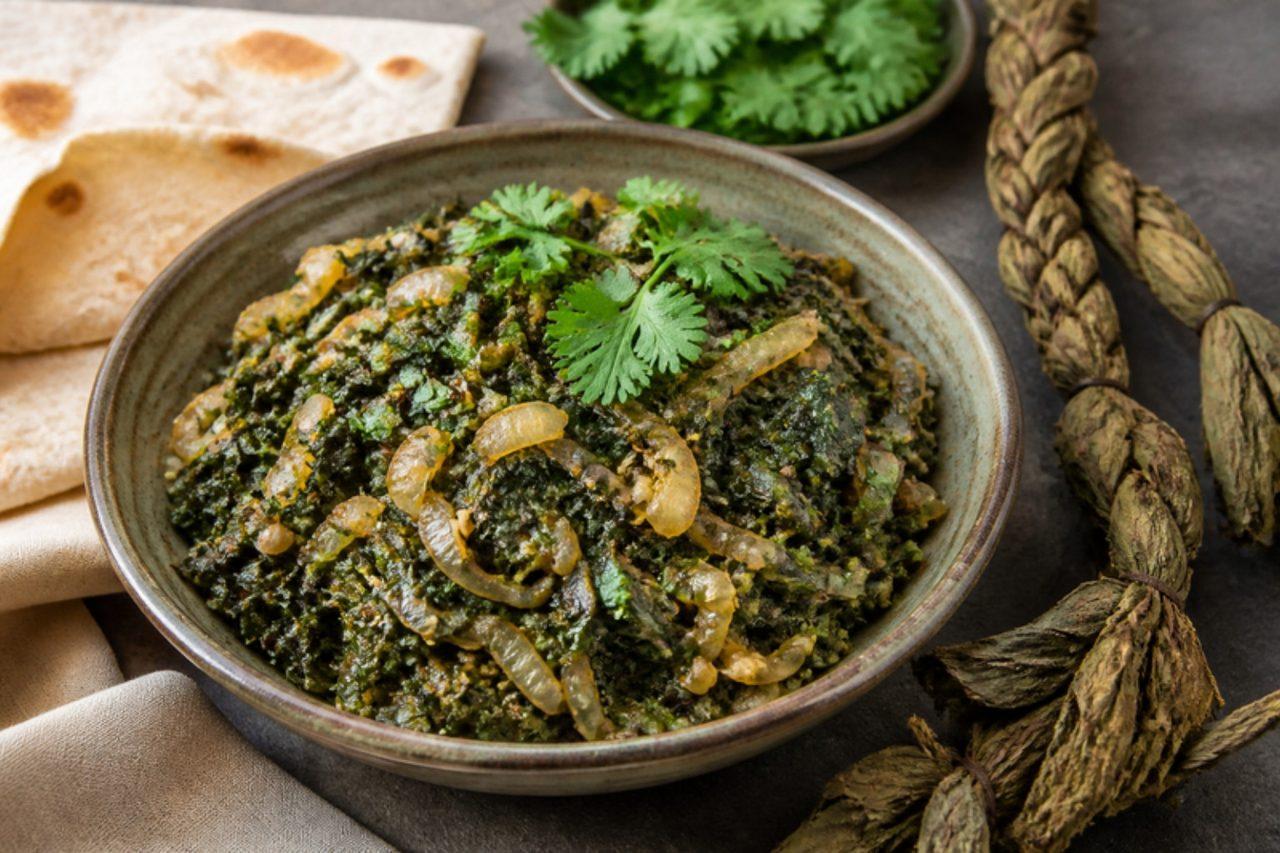
AvelookDried braided sorrel with walnuts

In Syunik, the mountainous south of Armenia around Goris, women pick wild mountain sorrel in May and braid the long leaves into ropes that hang drying in every kitchen. In winter and during Lent the braids are soaked, simmered until soft and fried with onion and walnuts, giving a dark, earthy, sour salad with a taste somewhere between spinach and olives. Braids are sold in Armenian shops. A common mistake is skipping the second boil, which leaves the leaves bitter and tough. Chef's tip: squeeze the cooked sorrel well and fry it long enough to dry and slightly crisp at the edges; that is when the flavour deepens.

by KrazyBadal 0 views

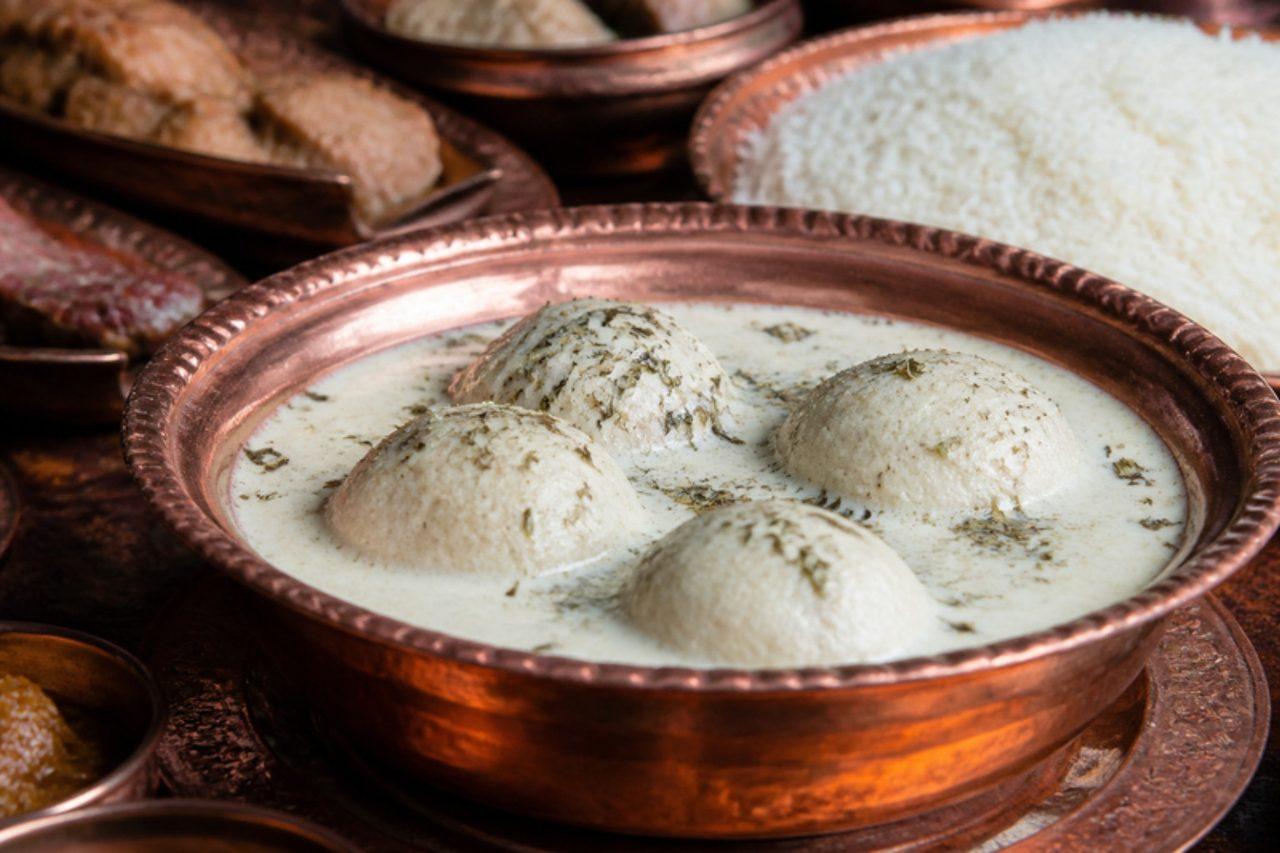
GushtabaMutton balls in yogurt gravy

No Kashmiri wedding feast ends without gushtaba. After hours of wazwan courses, the waza (master cook) brings out these large, pale balls of mutton pounded with fat until silky, swimming in a creamy yogurt gravy scented with fennel, dry ginger and cardamom, and its arrival tells guests the meal is over. Families of Kashmiri descent in Muzaffarabad, Mirpur and Rawalpindi still serve it at weddings and on special Fridays, with plain steamed rice. Good gushtaba is so smooth that it barely holds together on the spoon. Using lean meat is what lets people down: without about a quarter fat the balls turn grainy and hard. Chef's tip: traditionally the meat is pounded on a stone for an hour; at home, process it in short bursts with chilled fat and ice-cold water, stopping to scrape down, until it looks like a sticky, shiny paste.

by KrazyBadal 0 views

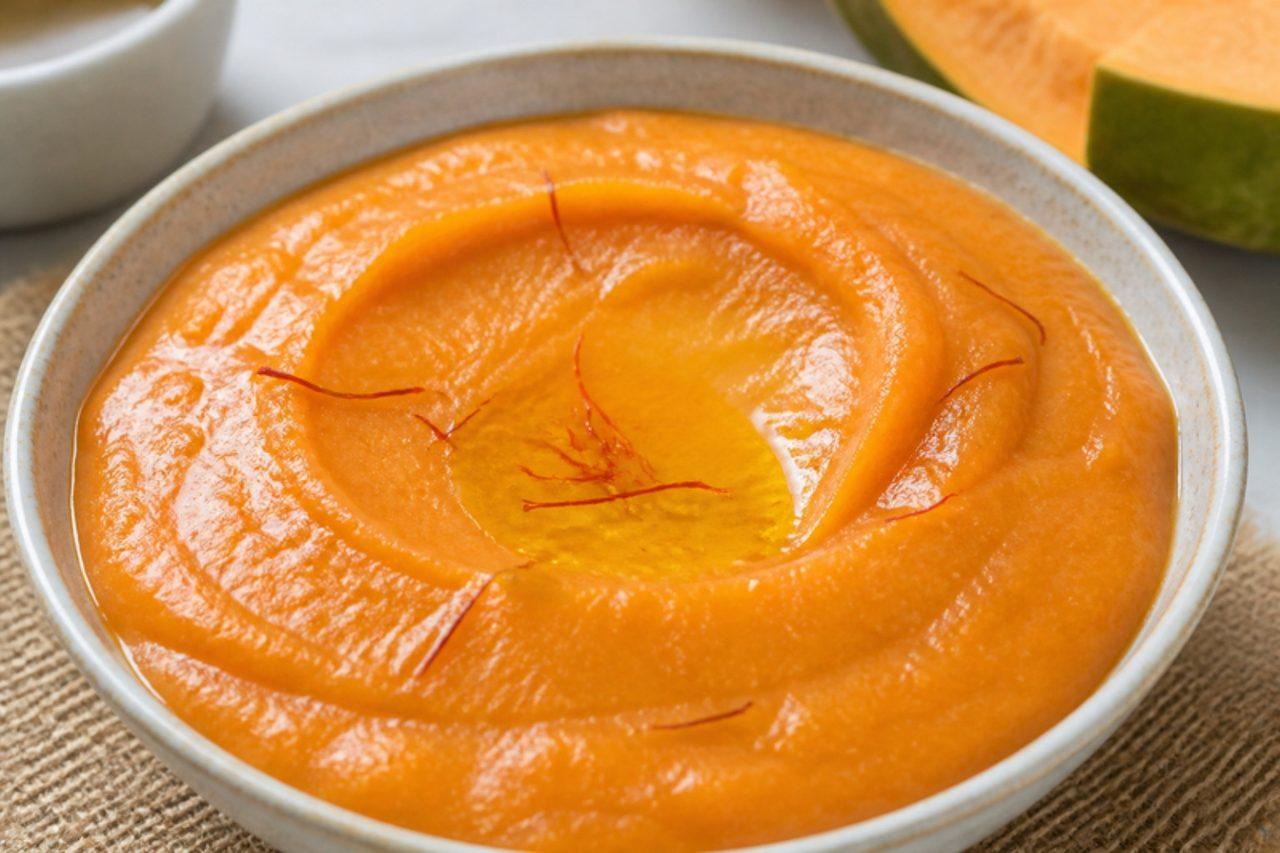
Aseedat bobarPumpkin pudding with ghee

In Doha and Kuwait City, aseedat bobar arrives on winter evenings and at Ramadan iftar in a shallow dish, smooth and orange, with a little pool of melted ghee in the centre. Bobar is the Gulf word for red pumpkin, cooked down and thickened with toasted flour, sugar and cardamom into a soft, spoonable sweet that tastes a bit like a spiced pumpkin pie filling. Scoop it warm with a spoon or with pieces of bread, alongside Arabic coffee. Stopping the stirring too soon is the usual mistake: the pudding must cook until it pulls away from the sides, or it tastes of raw flour. Chef's tip: toast the flour in a dry pan until it smells like biscuits before it goes in; that nutty note is what makes it.

by KrazyBadal 0 views

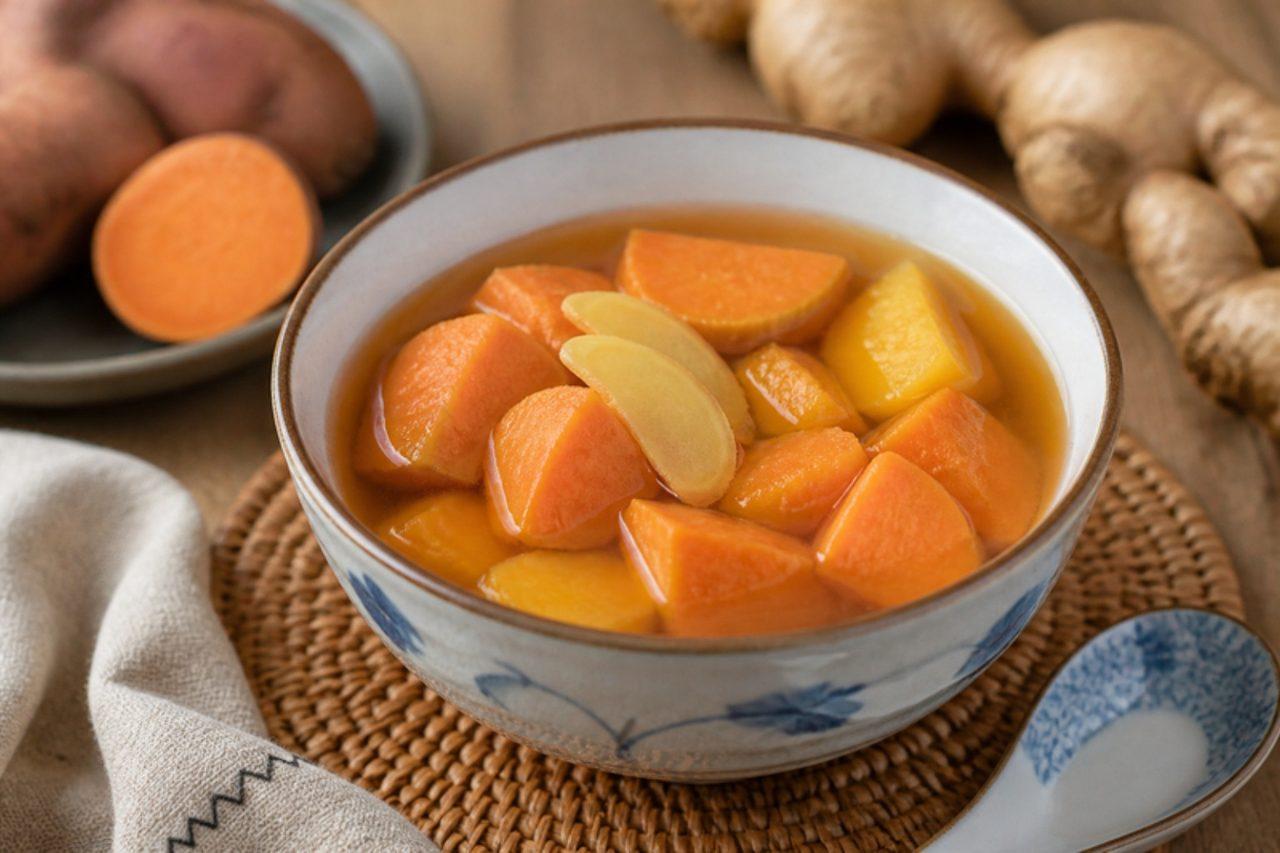
Sweet potato ginger soup

Cheap, warming and ready in under an hour, this is the tong sui Hong Kong families make at home on cold, damp winter nights, ladled out after dinner or before bed rather than ordered in a shop. Chunks of orange, yellow or purple sweet potato turn tender and fudgy in a clear amber syrup made with brown slab sugar and plenty of smashed ginger, so each spoonful is sweet first and then pleasantly hot. Some cooks add a few pitted red dates or a piece of dried tangerine peel. Boiling the sweet potatoes from the start is the usual slip; by the time the ginger has given up its heat, they've collapsed and clouded the syrup. Chef's tip: soak the cut sweet potato in cold water for 10 minutes to rinse off surface starch, and add it only once the ginger broth has simmered for a good 10 minutes.

by KrazyBadal 0 views

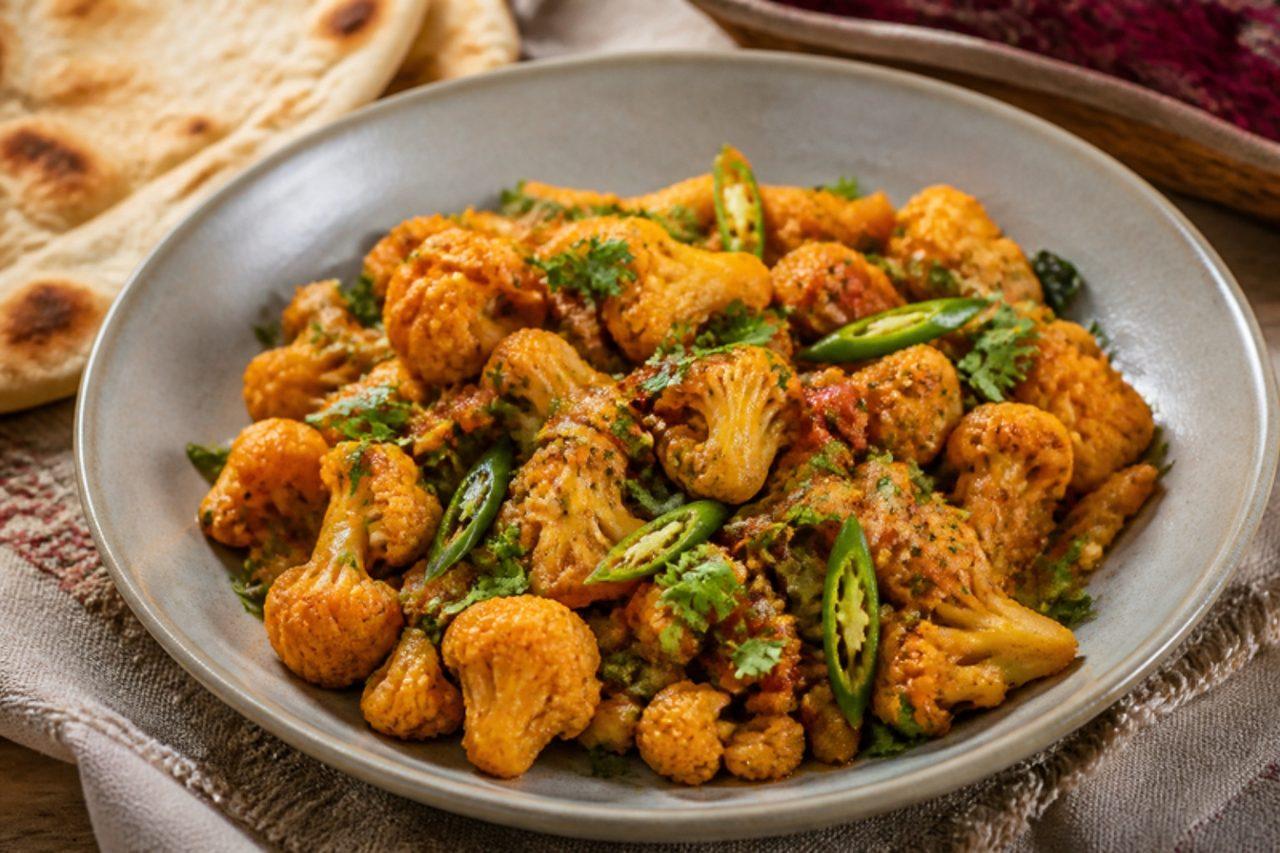
GulpiSpiced cauliflower

Gulpi is what an Afghan family cooks on an ordinary weeknight in Kabul or Jalalabad when cauliflower is cheap in the bazaar, and it is set on the dastarkhan, the cloth spread on the floor for meals, alongside rice or naan and a bowl of yogurt. The florets are fried until they catch a little colour, then simmered in a thick, turmeric-yellow sauce of onion, tomato, ginger and garlic until soft enough to break with the side of a spoon, with just a gentle heat from chilli. Many cooks stir in a few potatoes or peas, and some add a small piece of meat, but it is often fully vegetarian. Adding too much water is what spoils it: the cauliflower should steam in the tomato, not boil, so the sauce clings to every floret. Chef's tip: let the florets brown properly in the oil before anything else goes in, which gives the dish its nutty, slightly sweet depth.

by KrazyBadal 0 views

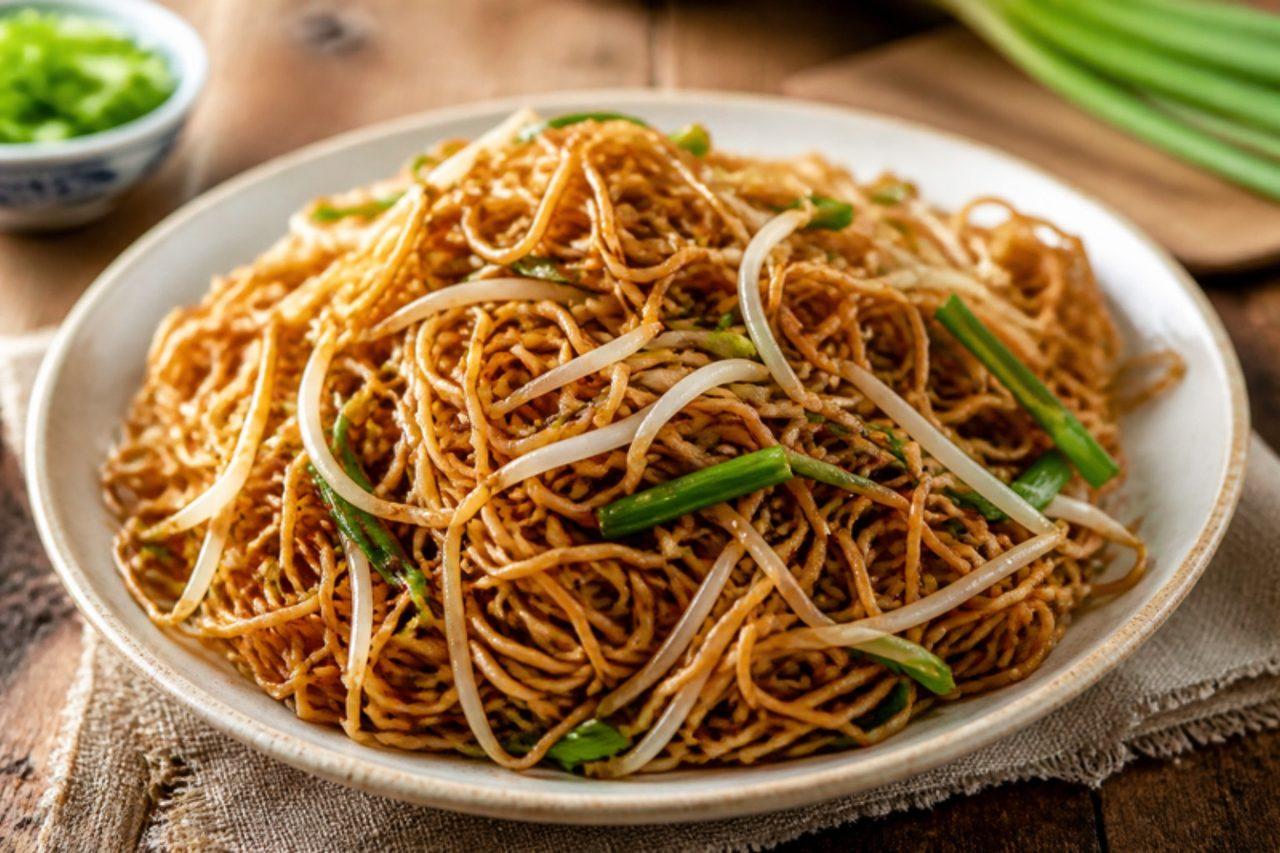
Soy sauce fried noodles

Order this at a Hong Kong cha chaan teng or a dim sum breakfast and it lands on the table glossy, mahogany brown and smelling of the wok, a plate of nothing more than noodles, soy sauce, bean sprouts and spring onions. Thin egg noodles turn springy and slightly crisp at the edges, coated in a sweet-salty soy glaze, while the sprouts stay crunchy. Locals eat it for breakfast with milk tea, or share it at yum cha next to steamed dumplings, often with a dab of chilli oil. Wet noodles are the enemy here: if they go into the wok damp, they steam, clump and turn soggy instead of frying. Chef's tip: toss the noodles with chopsticks or tongs rather than a spatula, lifting and shaking them through the sauce, so the strands stay long and separate.

by KrazyBadal 0 views

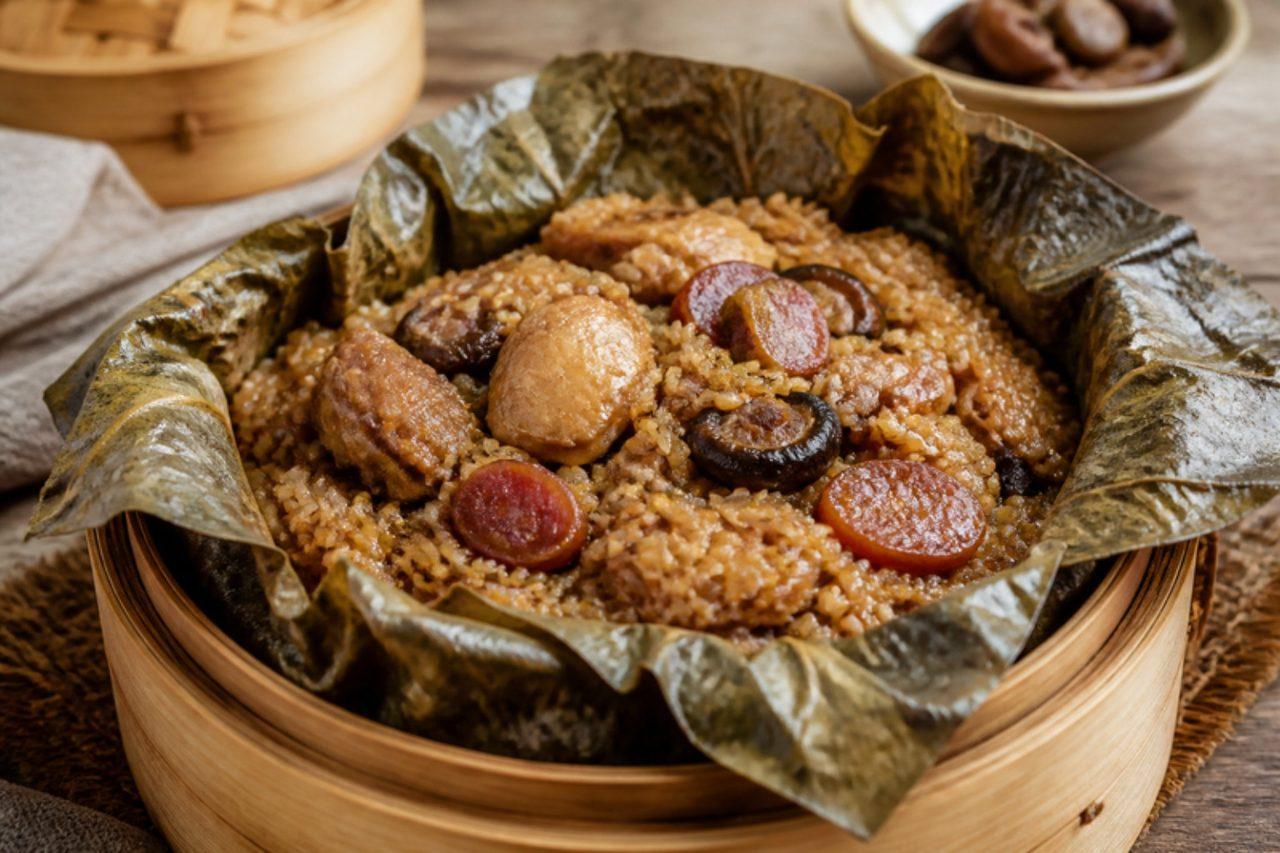
Lo mai gai (sticky rice in lotus leaf)

Unfold the dried lotus leaf at a Hong Kong yum cha table and a cloud of tea-scented steam rises from a parcel of glossy sticky rice, hiding a centre of soy-braised chicken thigh, shiitake and slices of lap cheong, the sweet Chinese pork sausage. Teahouses from Sheung Wan to Mong Kok sell it from the morning trolleys, and office workers grab one as a filling breakfast with a pot of pu'er. The rice is chewy and sticky but each grain stays whole, and the leaf gives it a faint grassy perfume. Shaoxing rice wine goes into the filling; an alcohol-free swap is given in the ingredient list. The most common mistake is cooking the rice in water like plain rice: soaked glutinous rice must be steamed, or it turns into paste. Chef's tip: wrap the parcels tightly and steam them again from cold or frozen; they reheat better than almost any dim sum.

by KrazyBadal 0 views

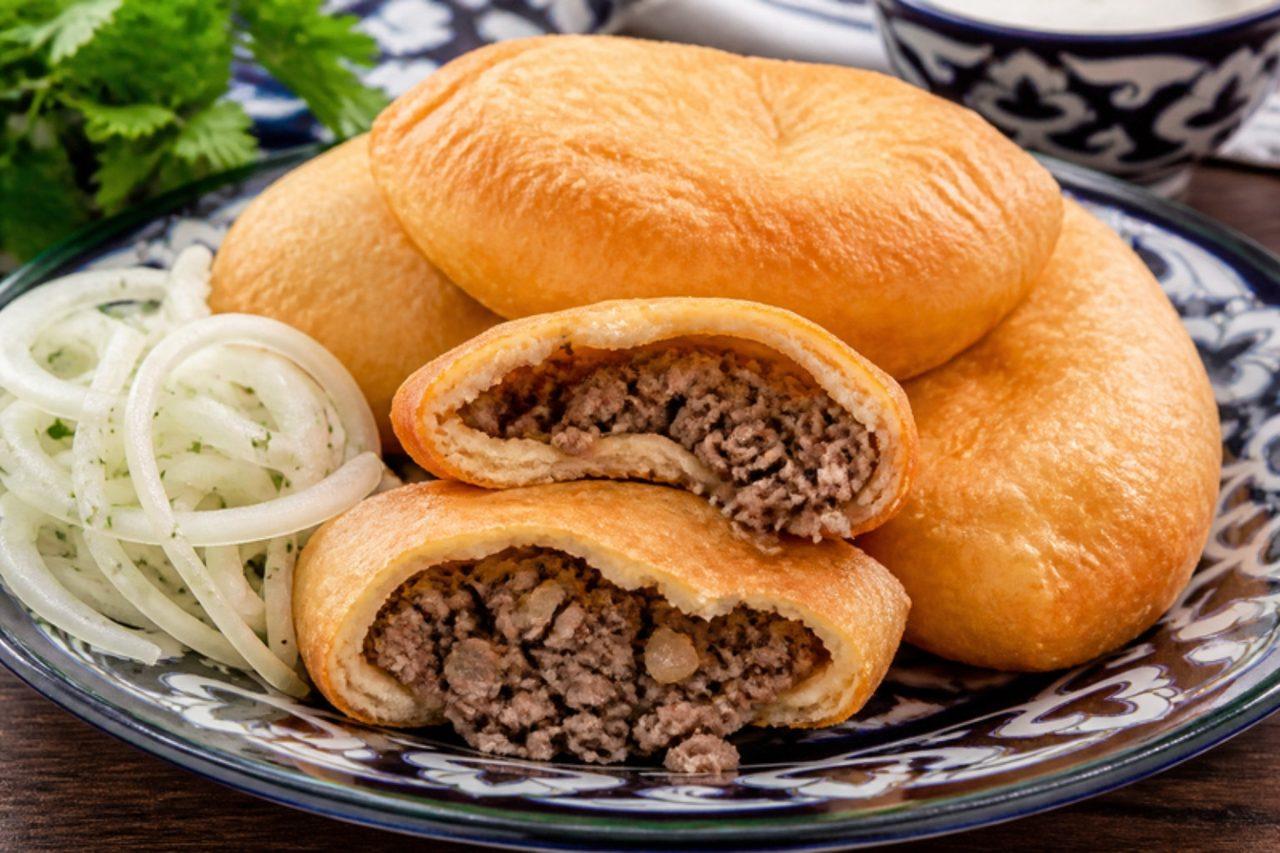
GummaFried pies with lamb liver

Gumma are the hot, puffy fried pies sold from big pans on Tashkent street corners and in bazaars like Chorsu, wrapped in paper and eaten in the morning with tea. The classic filling is cheap and hearty: lamb or beef offal, usually liver, heart and lung, minced with plenty of onion and black pepper; potato gumma is the vegetarian sister. This version uses lamb's liver and heart. A common mistake is frying in oil that is not hot enough, which makes the dough greasy and heavy. Chef's tip: cook the filling fully before shaping, then fry the pies at 175 °C until puffed and golden; the dough cooks in minutes while the filling only needs warming. Offal should be cooked until no pink remains, 71 °C.

by KrazyBadal 0 views

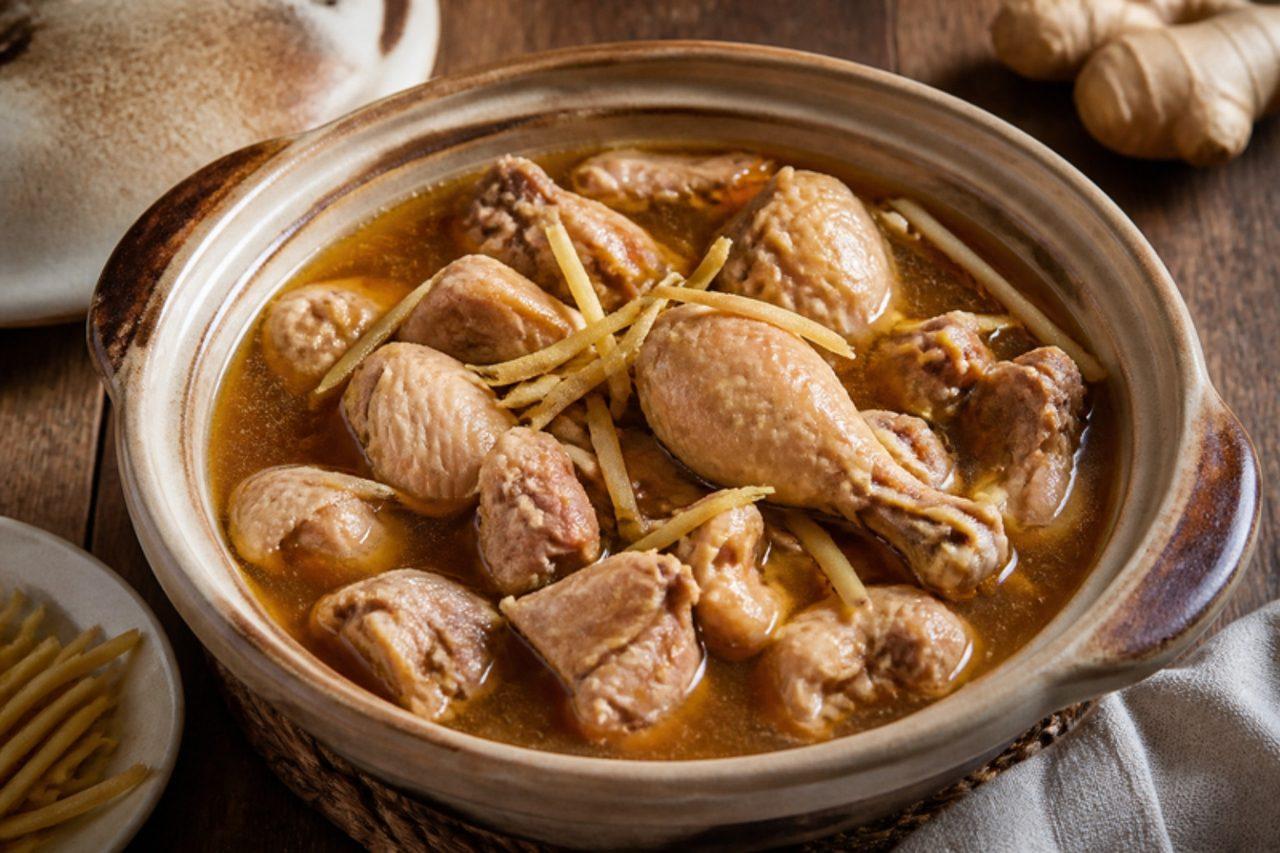
Taiwanese sesame oil chicken soup

When the first cold fronts reach Taipei, steam rises from clay pots of this at street-corner stalls, and families make it at home for new mothers and anyone run down by winter. Bone-in chicken is browned in dark, toasty black sesame oil with a mound of ginger fried until curled and crisp, then simmered in rice wine for a deeply warming, slightly bitter-sweet broth that is eaten with rice or thin wheat noodles. This soup is traditionally made with plenty of rice wine, and simmering does not cook all the alcohol off; for an alcohol-free pot, use the stock option given with the wine. A common error is heating black sesame oil on a high flame: it scorches quickly and makes the whole soup bitter. Chef's tip: fry the ginger slowly in the oil before the chicken goes in, until the slices curl at the edges and look dry; that is where the soup's warmth comes from.

by KrazyBadal 0 views

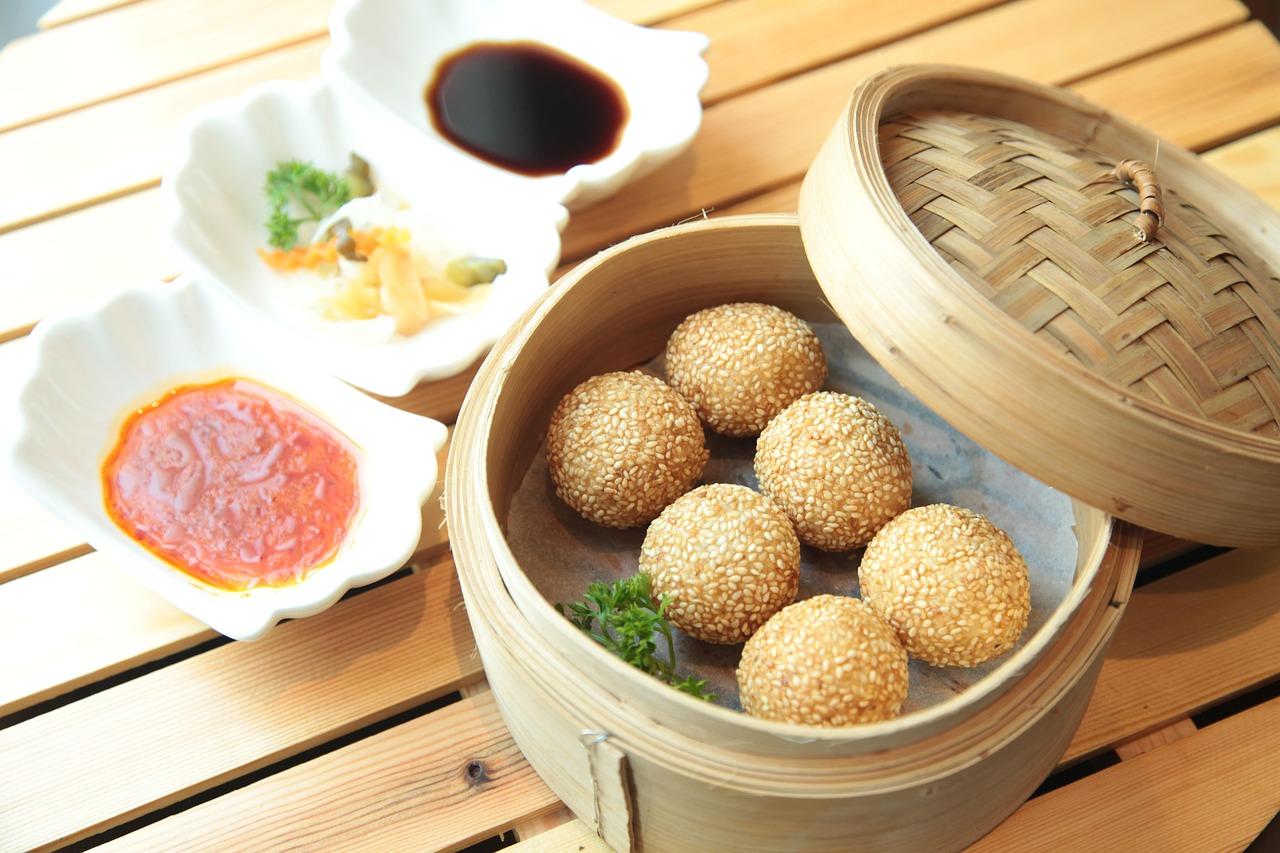
Sesame balls (jin deui)

No Hong Kong Lunar New Year feels complete without a plate of jin deui, though dim sum restaurants serve these golden globes every day of the year with morning tea. Each one is a thin, crackly shell of fried glutinous rice dough wrapped in toasted sesame seeds, hollow and chewy inside around a spoonful of red bean or lotus seed paste. They are best eaten within minutes of frying, alongside a pot of tea, when the shell still shatters and the seeds smell nutty. Dropping the balls into very hot oil is the classic error: the seeds scorch before the dough expands, and the balls can burst. Chef's tip: start them in moderately hot oil and keep gently pressing them against the side of the pan with a slotted spoon, which makes them swell and turn hollow.

by KrazyBadal 0 views

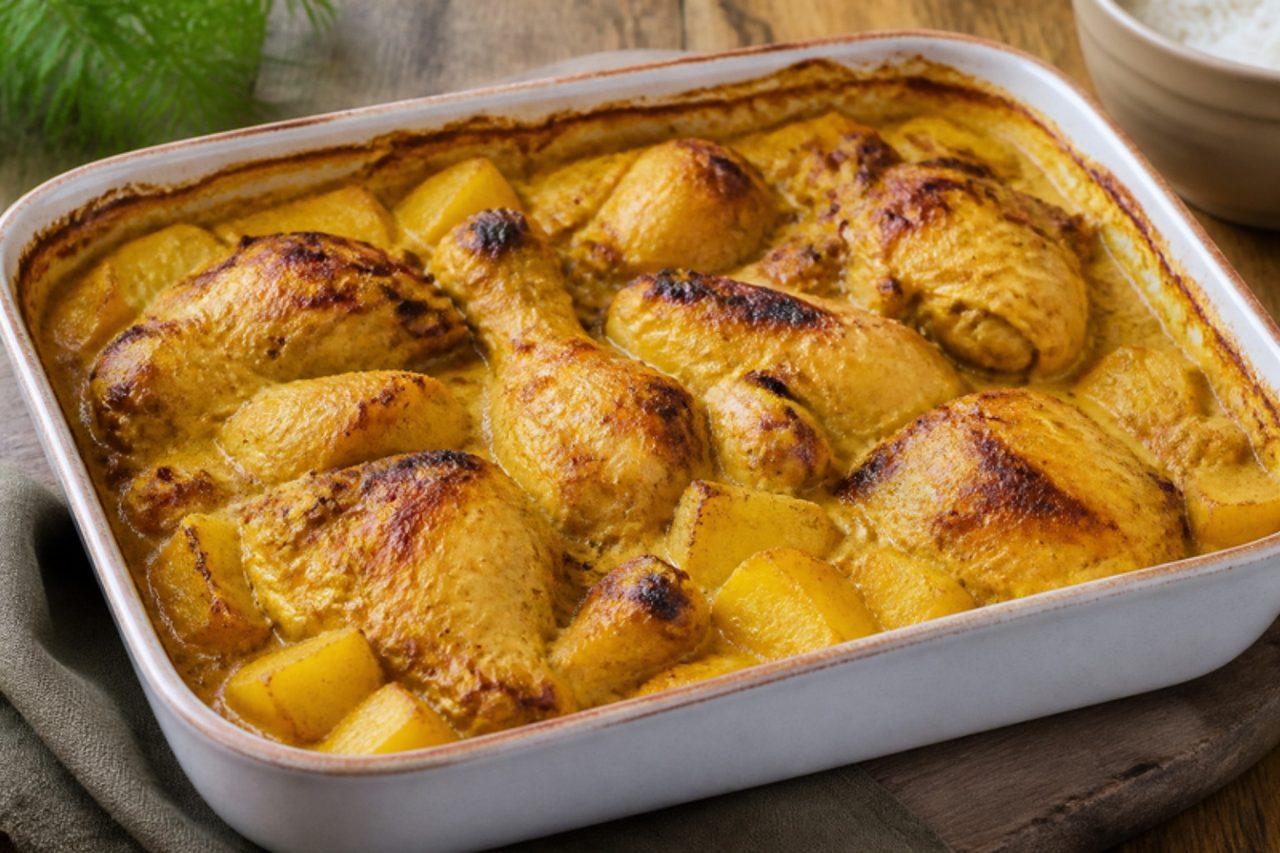
Galinha à portuguesa (Portuguese chicken)

Puzzlingly, you will not find this in Portugal: galinha à portuguesa belongs to Macau, where cooks mixed a Portuguese idea of a creamy baked chicken with the turmeric, curry powder and coconut milk that came through the Portuguese trading routes from Goa and Malacca. Macanese restaurants and Hong Kong's cha chaan teng serve it bubbling in a clay pot or baking dish, golden on top, with chicken and potatoes in a mild, yellow, gently sweet coconut sauce, always with white rice to soak it up. It is a favourite for family dinners and Christmas tables. The thing people get wrong is boiling the coconut sauce hard, so it splits and turns oily; keep it at a gentle simmer. Chef's tip: brown the chicken well first, and finish under a hot grill for the speckled golden top that Macau restaurants are known for.

by KrazyBadal 0 views

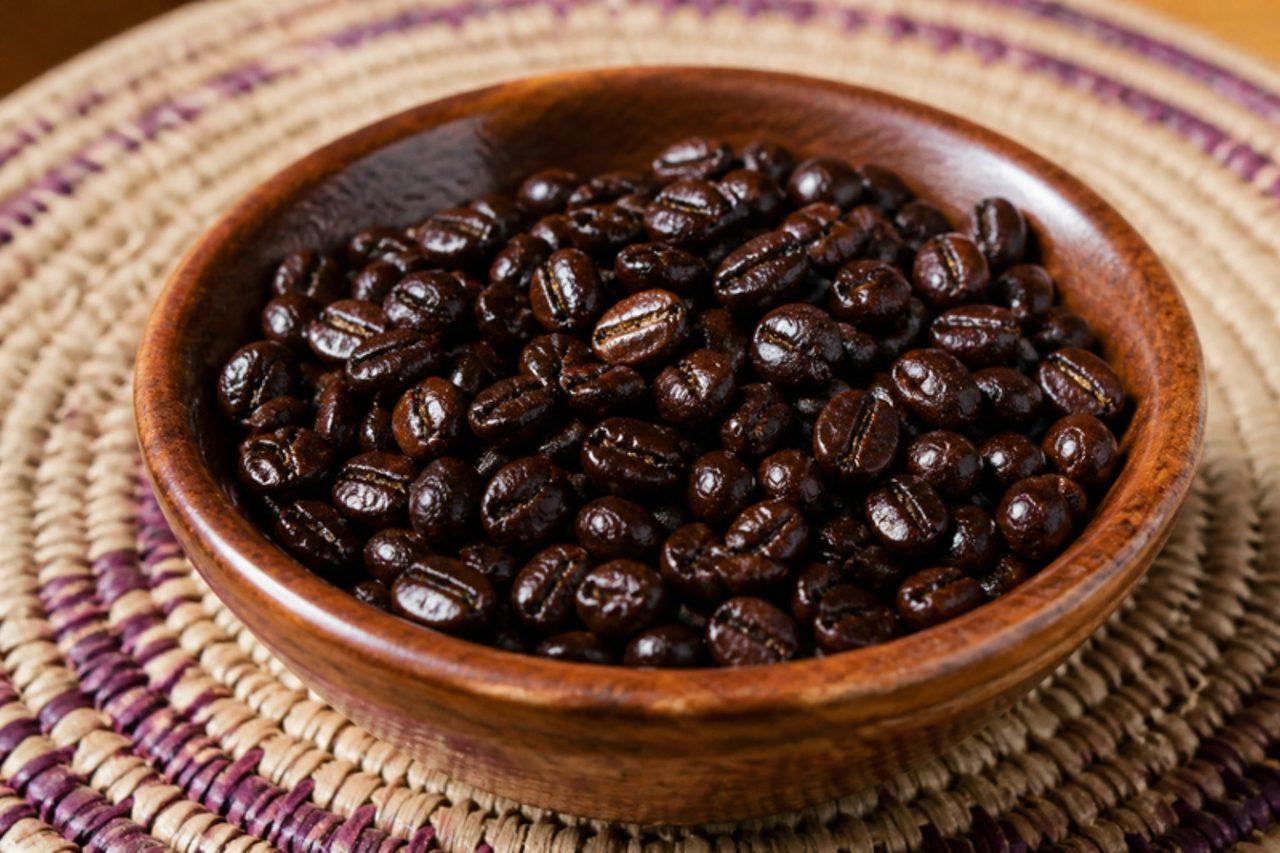
Buna qalaa (Oromo butter-roasted coffee beans)

Among the Oromo, buna qalaa is less a snack than a ritual: coffee beans are roasted in butter and shared at weddings, after a birth, at Irreecha and when elders bless a new undertaking, each guest taking a small spoonful. The beans turn glossy and dark, crunchy outside and slightly chewy within, with a bitter-sweet roast flavour, a rich buttery coating and a touch of salt. Some families use green beans and roast them right through in the butter, which is what this recipe does. Buy raw (green) coffee beans from a coffee roaster or Ethiopian shop. They are very high in caffeine, so serve a tablespoon each and keep them away from children. A common slip is frying the beans on high heat, which burns the butter before the beans are roasted. Chef's tip: keep the heat low and patient; on a high flame the butter burns black long before the beans are roasted inside.

by KrazyBadal 0 views

Abunuabunu (Ghanaian green soup)

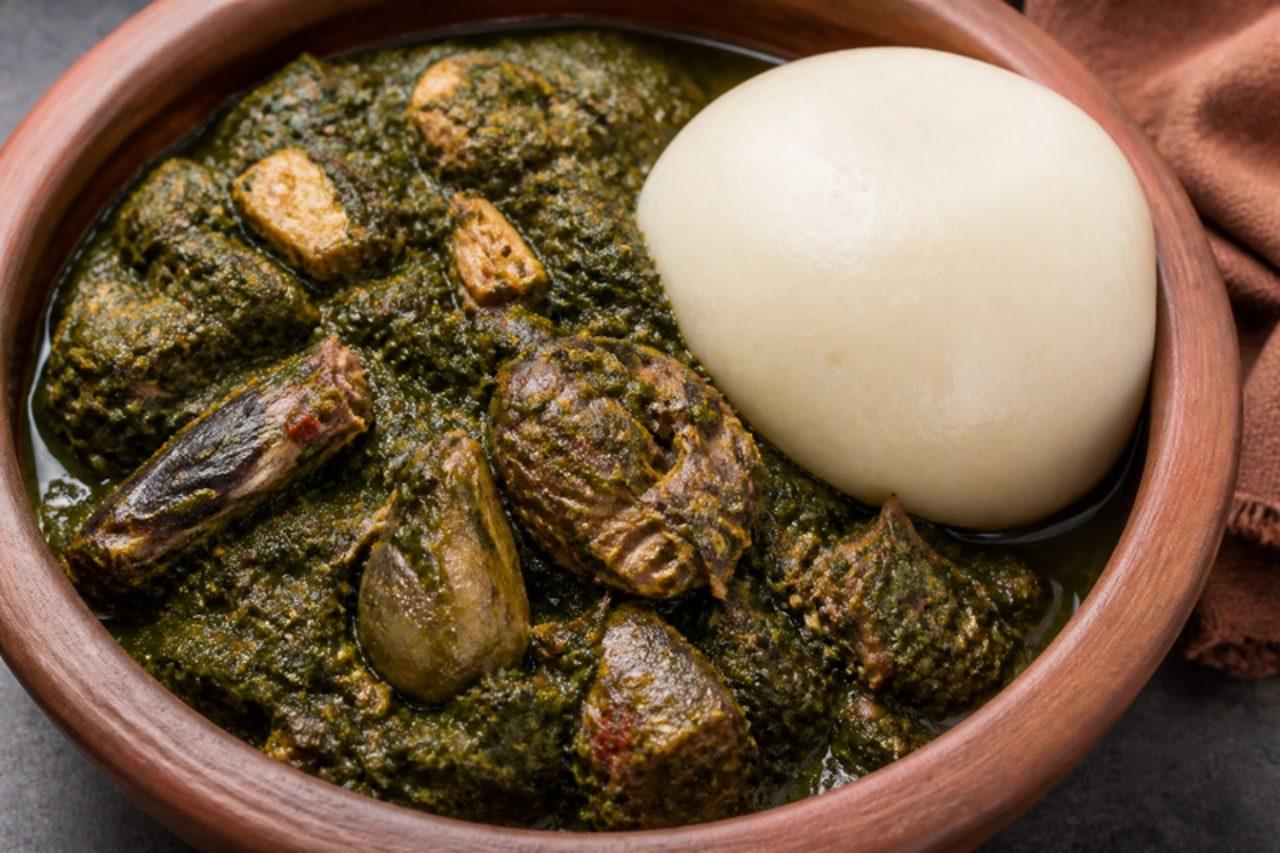
Green from cocoyam leaves (kontomire), garden eggs and green chillies, abunuabunu is a home-style soup from the Ashanti and Bono farmlands, cooked when the leaves are young and plentiful. Traditionally it is made with giant land snails or bush meat; this version uses goat or beef with smoked fish, which are easier to find. The leaves and vegetables are boiled, pounded or blended and returned to the meat stock, giving a fresh, grassy, peppery soup with a gentle bitterness. It is eaten with fufu or ampesi (boiled yam and plantain). Spinach works if you cannot buy cocoyam leaves. Don't skimp on the cooking time for the cocoyam leaves; undercooked, they leave an itchy, scratchy feel in the throat. Chef's tip: always boil cocoyam leaves for at least 15 minutes, because underdone leaves leave an itchy, scratchy feeling in the throat; if you use snails, buy them cleaned from a reputable seller and simmer them until firm.

by KrazyBadal 0 views

Kyay oh

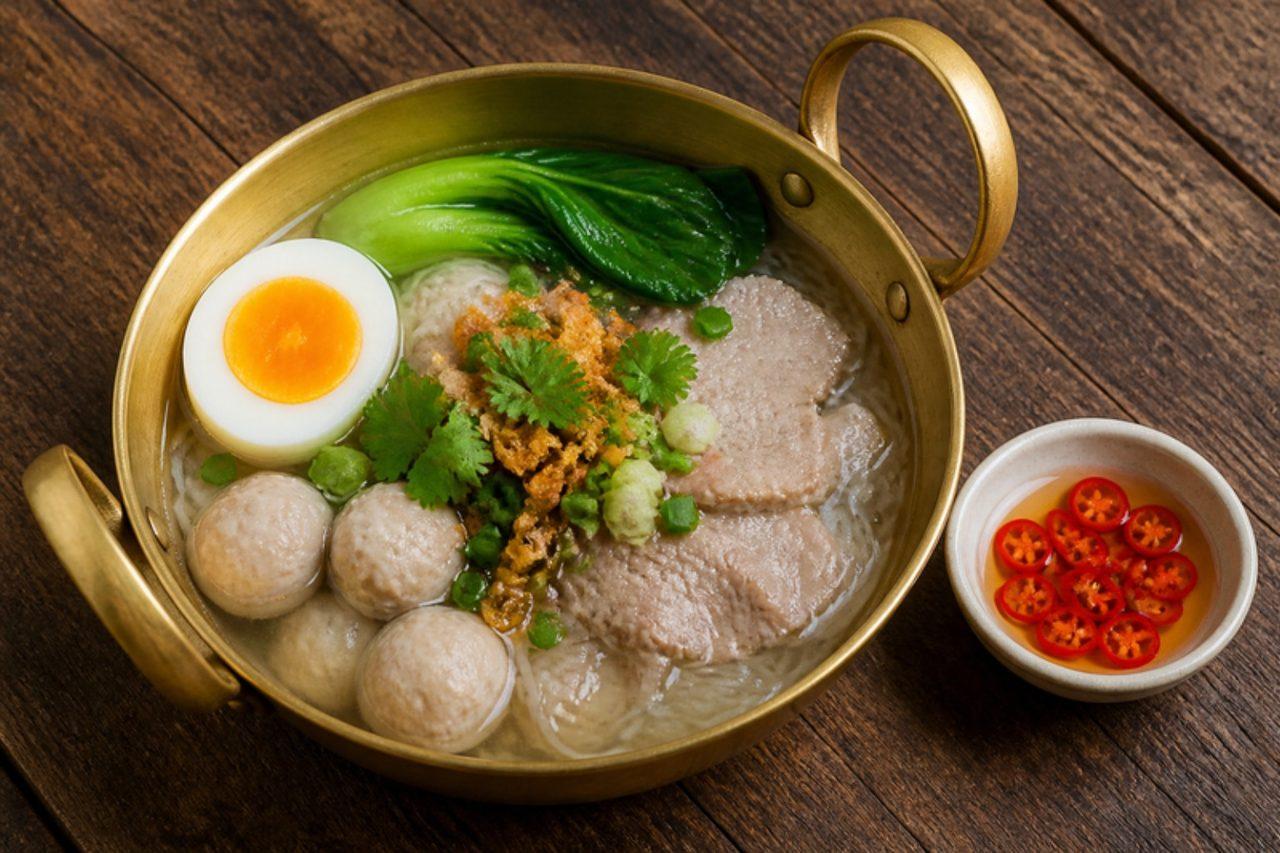
Served bubbling in a small brass pot, which is what kyay oh means, this Chinese-Burmese soup fills the late-night noodle shops of Yangon's Chinatown and the busy breakfast places of Mandalay. A clear, peppery pork broth carries thin rice noodles, springy hand-rolled pork balls, sliced pork, tender greens and an egg cracked in at the last moment so it poaches in the pot. Garlic oil, white pepper and a side of vinegar with chopped chilli keep each spoonful sharp and warming. The pitfall is boiling the broth hard once the pork balls are in; they toughen and the soup turns cloudy, so keep it at a gentle bubble. Chef's tip: slap the pork mince against the bowl for a minute before shaping; it gives the balls their bouncy, almost crunchy texture.

by KrazyBadal 0 views

BereketeFenugreek and cumin Shabbat bread

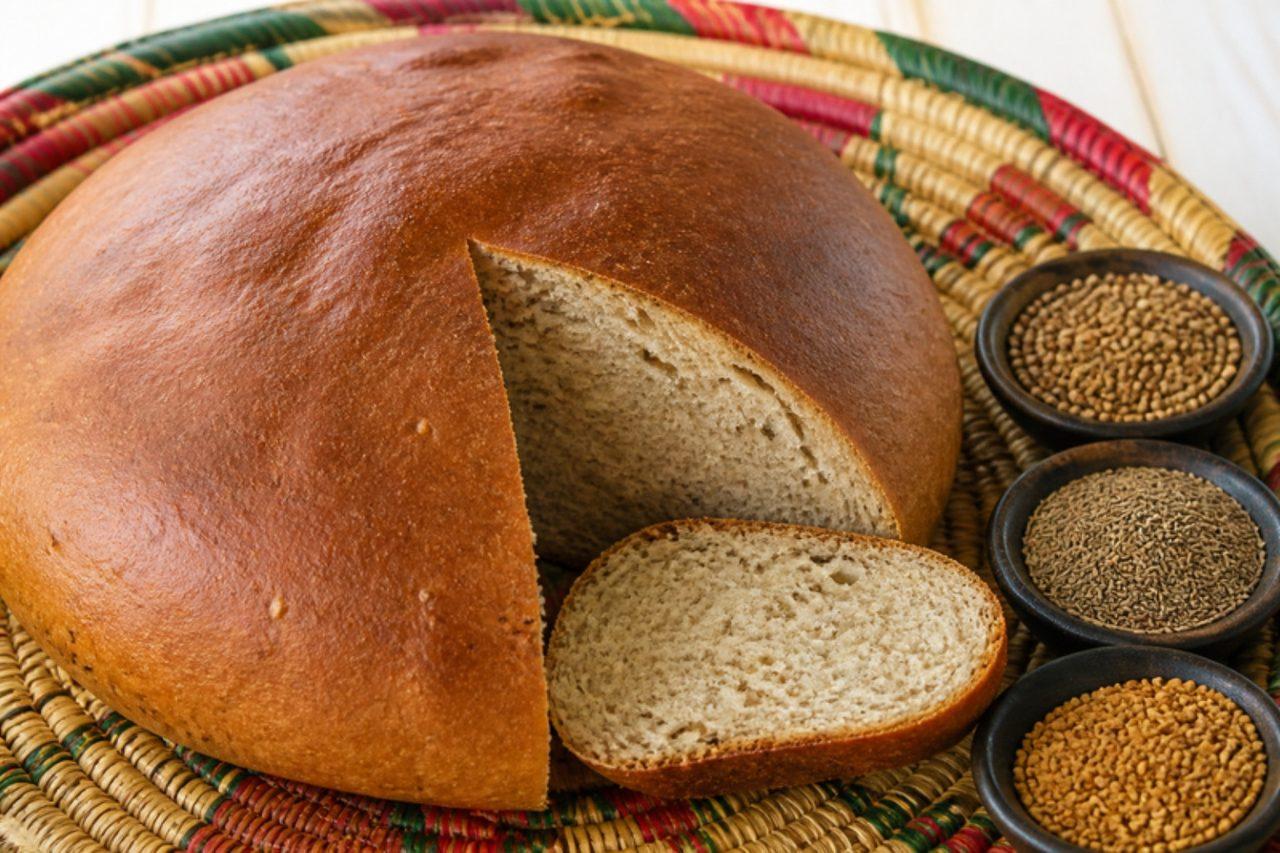
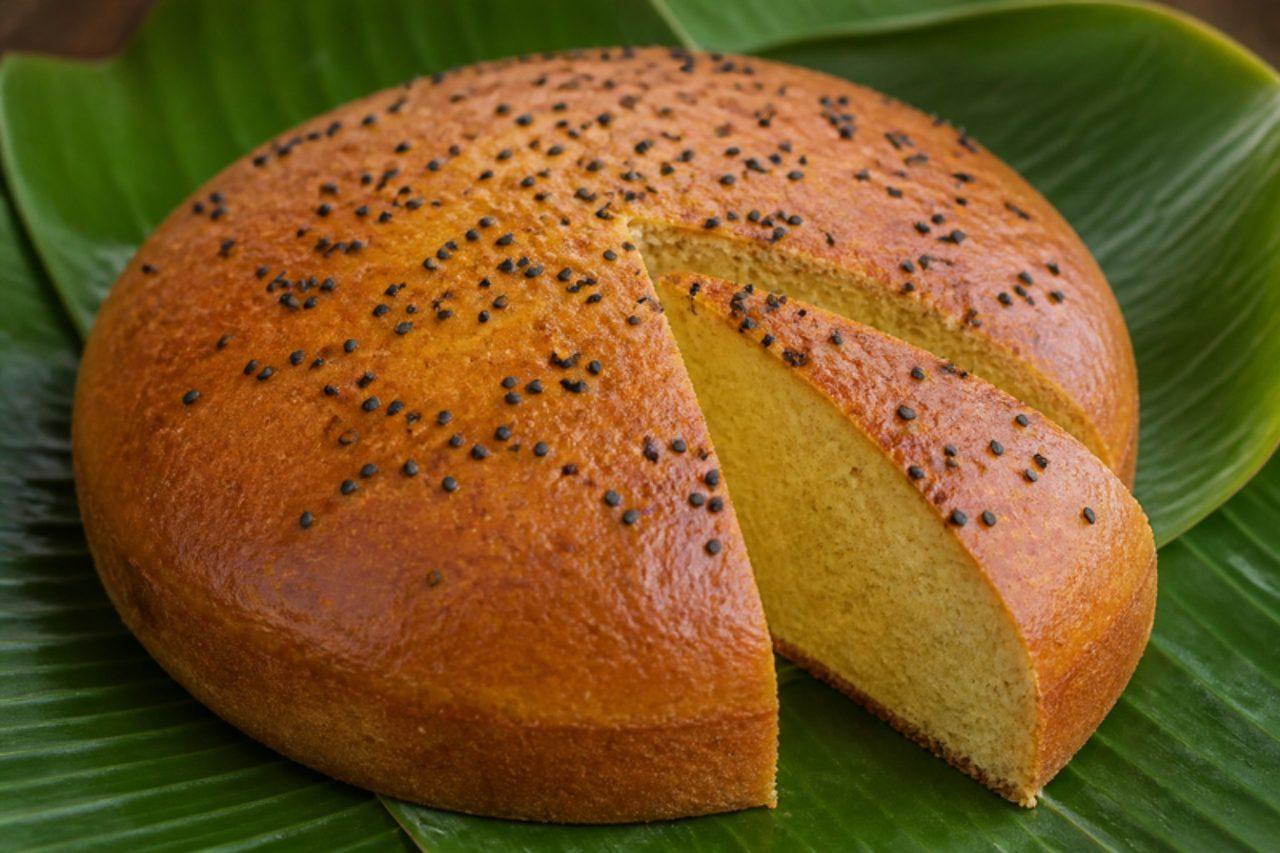
Among Ethiopian Israelis in Kiryat Malakhi, Netanya and Ashkelon, the Friday meal begins when the eldest at the table blesses a round loaf of berekete and breaks it for everyone. The bread is plain, dense and wheaty, with a soft crumb and the warm, faintly bitter scent of fenugreek, cumin and coriander baked in. It is eaten with spiced lentils, cabbage and potatoes or with a little honey on Shabbat morning. The usual mistake is baking it in a hot oven like a white loaf, which burns the bottom before the thick centre cooks. Chef's tip: bake it in a covered heavy pan at a moderate heat, as it would be on a mitad, so it steams through before browning.

by KrazyBadal 0 views

Shorbet lesan asfour (orzo soup)

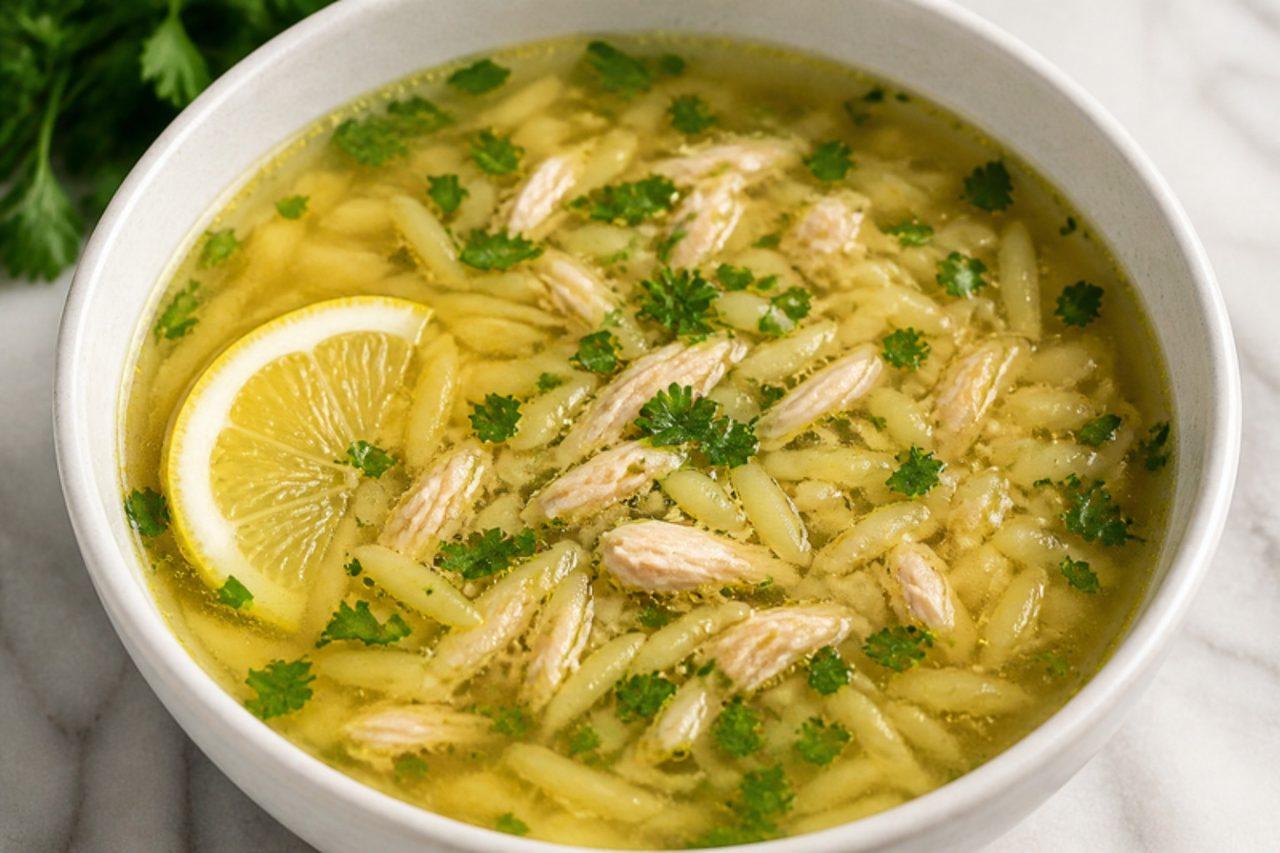
Bowls of this golden broth start the meal on winter nights all over Cairo, and it is one of the first things set on the table at iftar, when a gentle, warm soup comes before anything heavier. Lesan asfour means "bird's tongue", the Egyptian name for the small rice-shaped pasta the rest of the world calls orzo. Fried in butter until nutty and then simmered in a well-seasoned chicken stock, the grains turn plump and silky, and a squeeze of lemon at the table lifts the whole bowl. Children love it, and it is what many Egyptian households cook for anyone feeling under the weather. Chef's tip: toast the pasta until it is the colour of roasted hazelnuts, not just pale gold; that browning is where all the flavour comes from.

by KrazyBadal 0 views

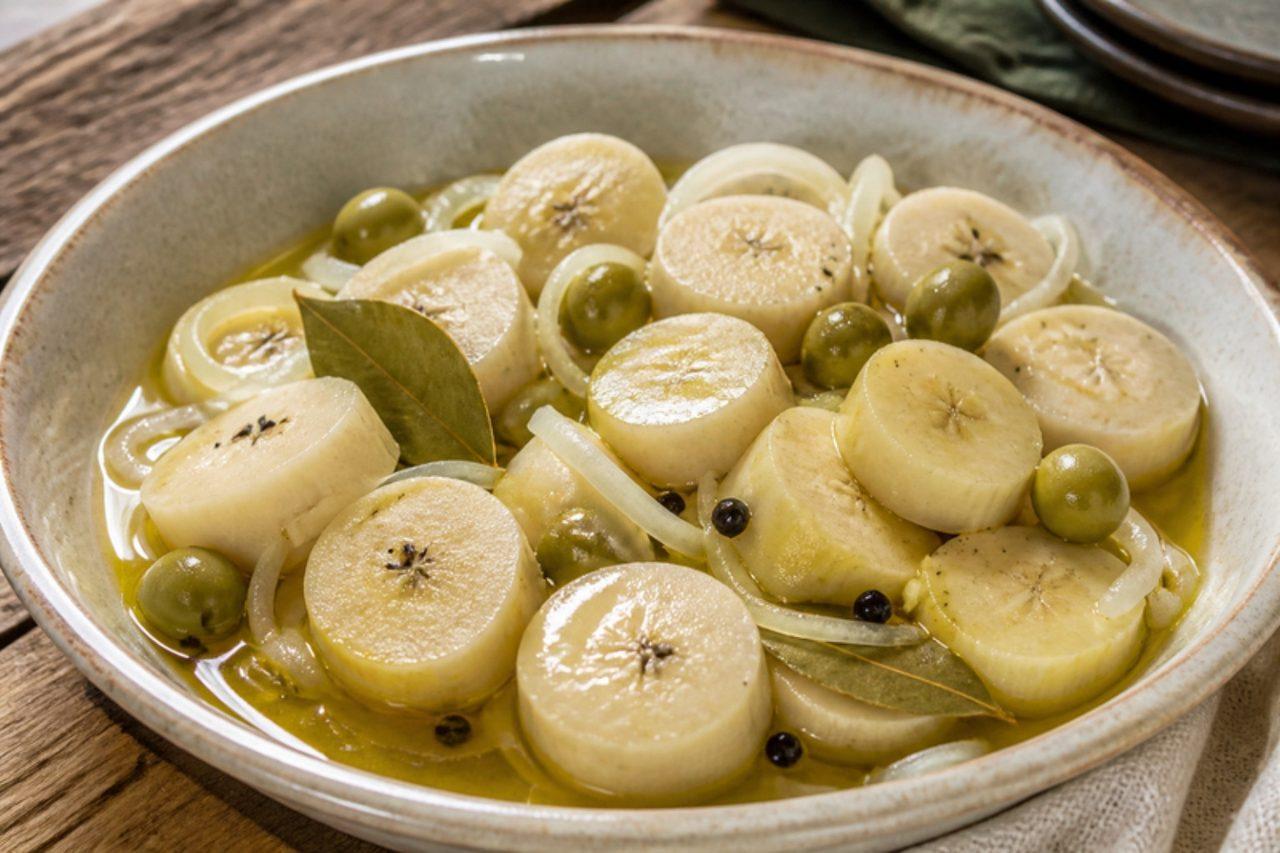
Guineítos en escabechePickled green bananas

Every Puerto Rican Christmas table and roadside lechonera on the Ruta del Lechón in Guavate seems to have a bowl of these: green bananas boiled, sliced into thick coins and left to steep in a garlicky olive-oil and vinegar marinade with soft onions, bay and green olives. They are sharp, silky and filling, and taste even better on the second day, so they are made in big batches for parties. The common mistake is boiling the bananas until mushy; they should be tender but still hold their coin shape. Peel them with oiled hands or gloves, because the sap stains. Chef's tip: pour the marinade over the bananas while both are still warm, so the starch soaks up the flavour.

by KrazyBadal 0 views

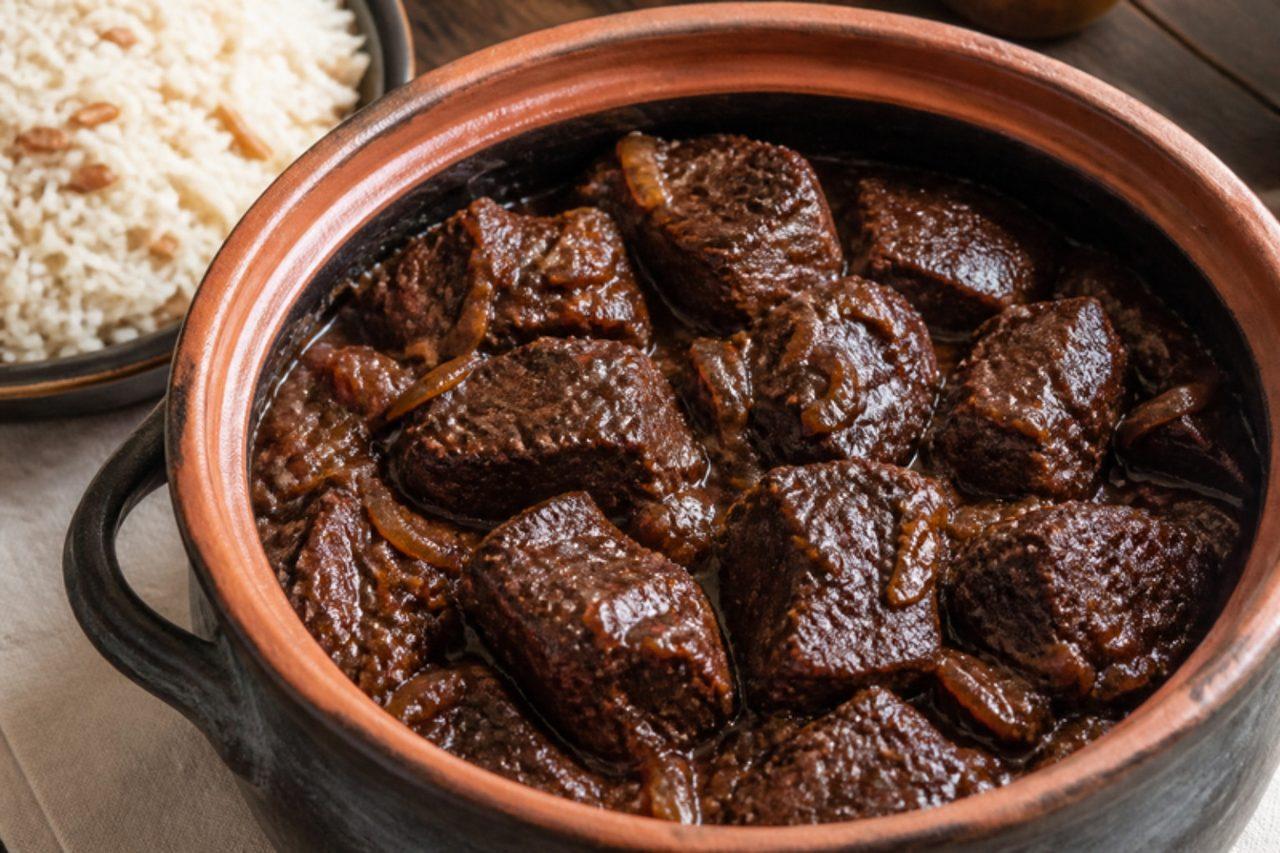
Kebab halla (beef braised in onions)

Despite the name, nothing here goes near a grill: kebab halla means "pot kebab", and it is the kind of unfussy Sunday or Friday dish that Cairo home cooks put on the stove and leave to its own devices. Chunks of beef are seared and then buried under a heap of sliced onions, which slowly give up their water and collapse into a glossy, almost jammy brown sauce with cardamom and bay. The meat ends up spoon-tender and the gravy tastes deeply savoury and a little sweet. It is eaten with Egyptian vermicelli rice, crusty bread or chips. Chef's tip: slice the onions into half-moons rather than chopping them; they melt evenly and give the sauce its silky body.

125 minEgyptianMeatGluten free
by KrazyBadal 0 views

Guda cheese

Tush shepherds make guda in summer huts high above the Alazani valley, pressing sheep's-milk curd into bags sewn from sheepskin, where it ripens into a crumbly, pungent cheese that travels down to Telavi markets in autumn. You cannot copy the sheepskin at home, but you can make a firm, salty sheep's-milk cheese and ripen it in a cloth in the fridge for two to three weeks, which gives a similar sharp, grassy bite. Traditionally the milk is set with animal rennet; vegetarian (microbial) rennet works the same way. A common mistake is cutting the curd before it gives a clean break, which leaves a soft, wet cheese that sours instead of ripening. Chef's tip: grate aged guda over hot ghomi or khinkali; its strong flavour goes a long way.

by KrazyBadal 0 views

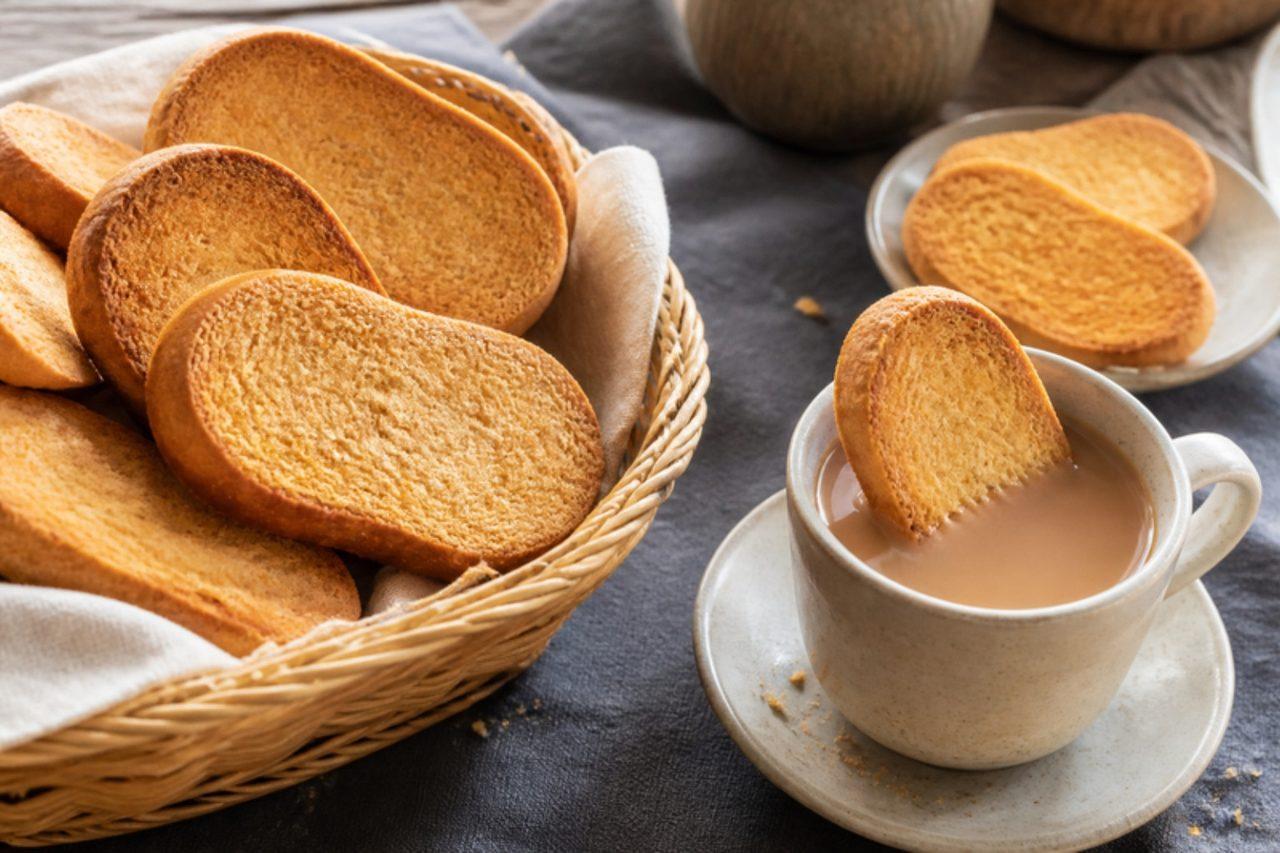
Bela biscuitTwice-baked tea biscuit

Old Chittagong bakeries, some of them in the Chandanpura area for well over a century, still fire their wood ovens for bela biscuit, a pale oval rusk so hard it cracks rather than snaps. It starts as a lightly sweet, enriched yeast dough that is baked once like a bun and then dried for a long time in a cooling oven until crisp right through. In Chittagong homes it comes out at teatime and when guests arrive, and the whole point is the dunk: a few seconds in hot milky tea and it softens into something like buttery bread. The classic slip is pulling the biscuits from the second bake too soon; they feel firm while warm but go chewy overnight if the centre is still damp. Chef's tip: break one open after drying; if the middle is pale and soft, give the tray another 20 minutes.

by KrazyBadal 0 views

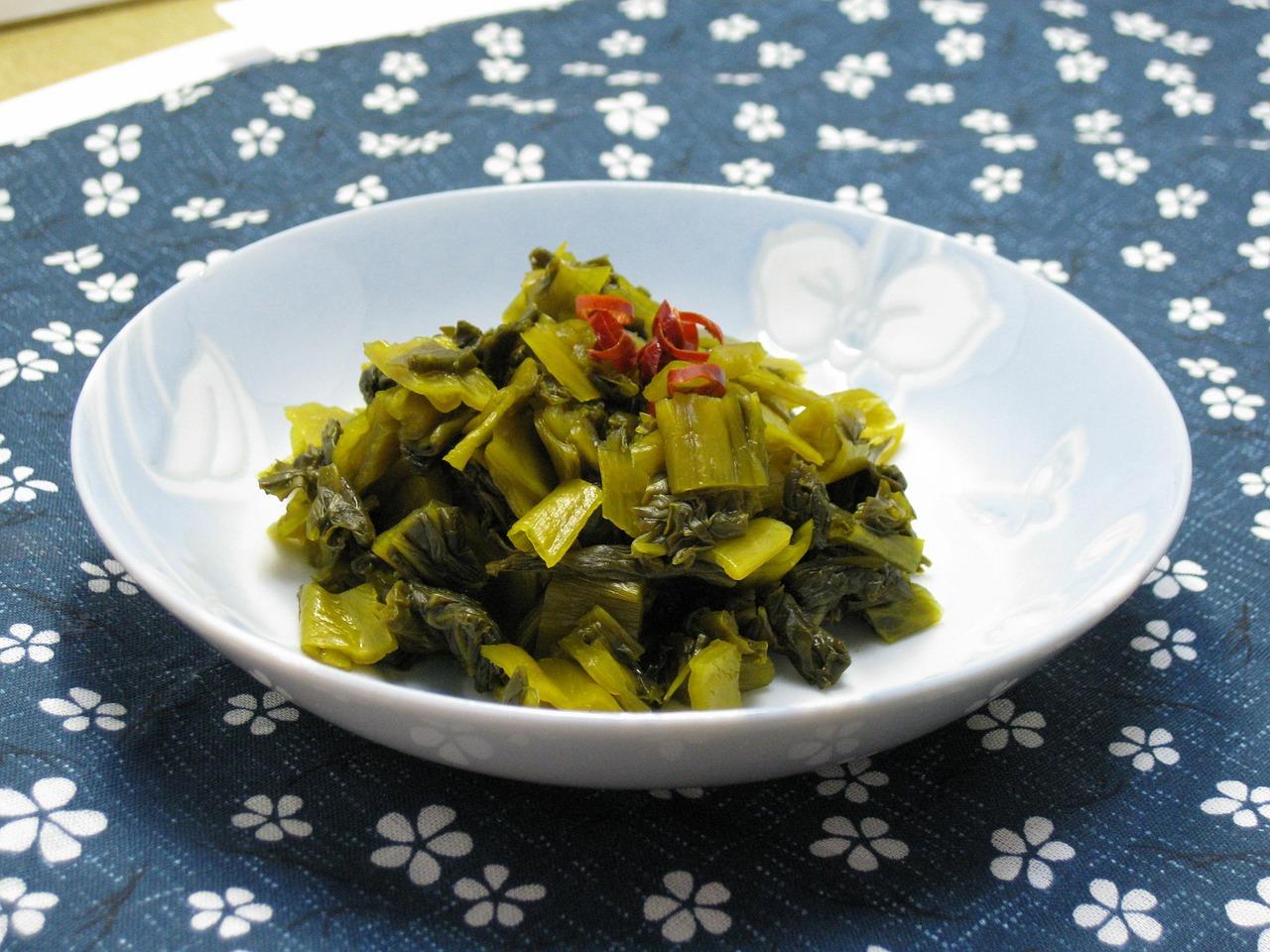
Shan pickled mustard greens

Jars of sour, olive-gold mustard greens sit on every noodle stall in Shan State, from Kengtung to the five-day markets around Inle Lake, and families keep a crock going through the cool season. The greens are wilted, rubbed with salt and packed under cloudy water saved from rinsing rice; its starch feeds the natural fermentation, and after a few days the leaves turn crunchy, tangy and pleasantly funky. A spoonful goes on top of Shan noodles, beside sticky rice, into soups, or stir-fried with garlic and chilli as a side dish. Leaves poking above the brine are the main thing that goes wrong, since that is where mould starts; keep everything pressed under the liquid. Chef's tip: use the cloudiest rice water from the first rinse, and add a spoon of cooked rice to get the souring going faster.

by KrazyBadal 0 views

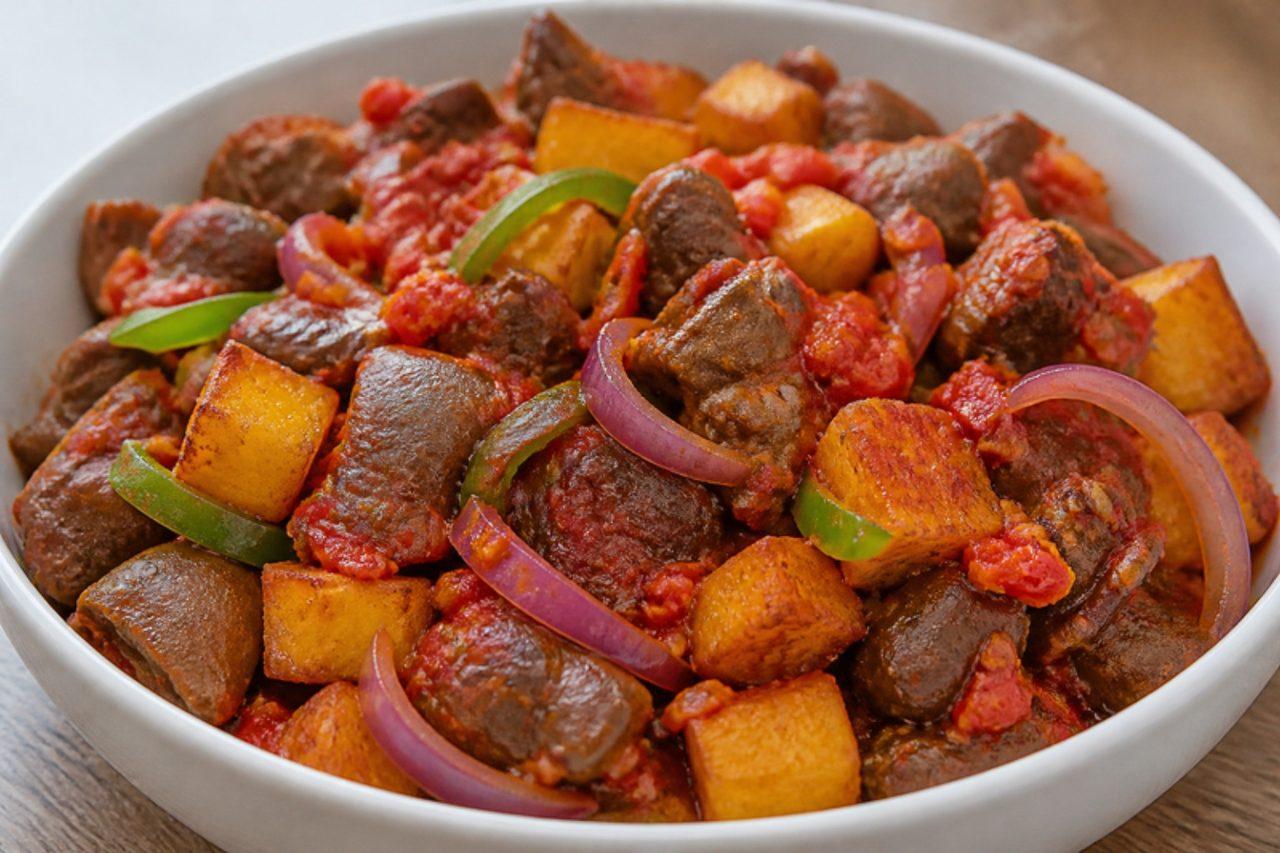
Gizdodo (gizzards and plantain in pepper sauce)

No Lagos owambe buffet is complete without a tray of gizdodo, where chewy fried chicken gizzards and caramelised cubes of ripe plantain (dodo) are tossed together in a glossy, fiery tatashe and scotch bonnet sauce. It is sweet, hot and savoury all at once, and served as a starter, a side to jollof or a snack. Gizzards must be boiled until tender before frying, and for safety they should reach 74°C in the thickest part, which they easily do by the end of the simmer. Frying plantain that is too green is a common mistake, leaving it starchy instead of sweet, so choose yellow fruit with black spots. Chef's tip: fry the plantain last, just before tossing, so it stays crisp-edged rather than soggy.

by KrazyBadal 0 views

Bahamian switchaKey lime drink

On Bahamian porches and at Fish Fry stalls in Nassau, switcha is the everyday cooler: fresh key limes squeezed with sugar and cold water, stirred up in a big jug with plenty of ice. It's sharper and more fragrant than lemonade, and you'll see the lime halves floating in the jug. The usual mistake is putting sugar straight into cold water, where it sinks undissolved: make a quick syrup first. Chef's tip: drop a few squeezed lime halves into the jug for 10 minutes for extra aroma, then take them out before the pith turns it bitter.

by KrazyBadal 0 views

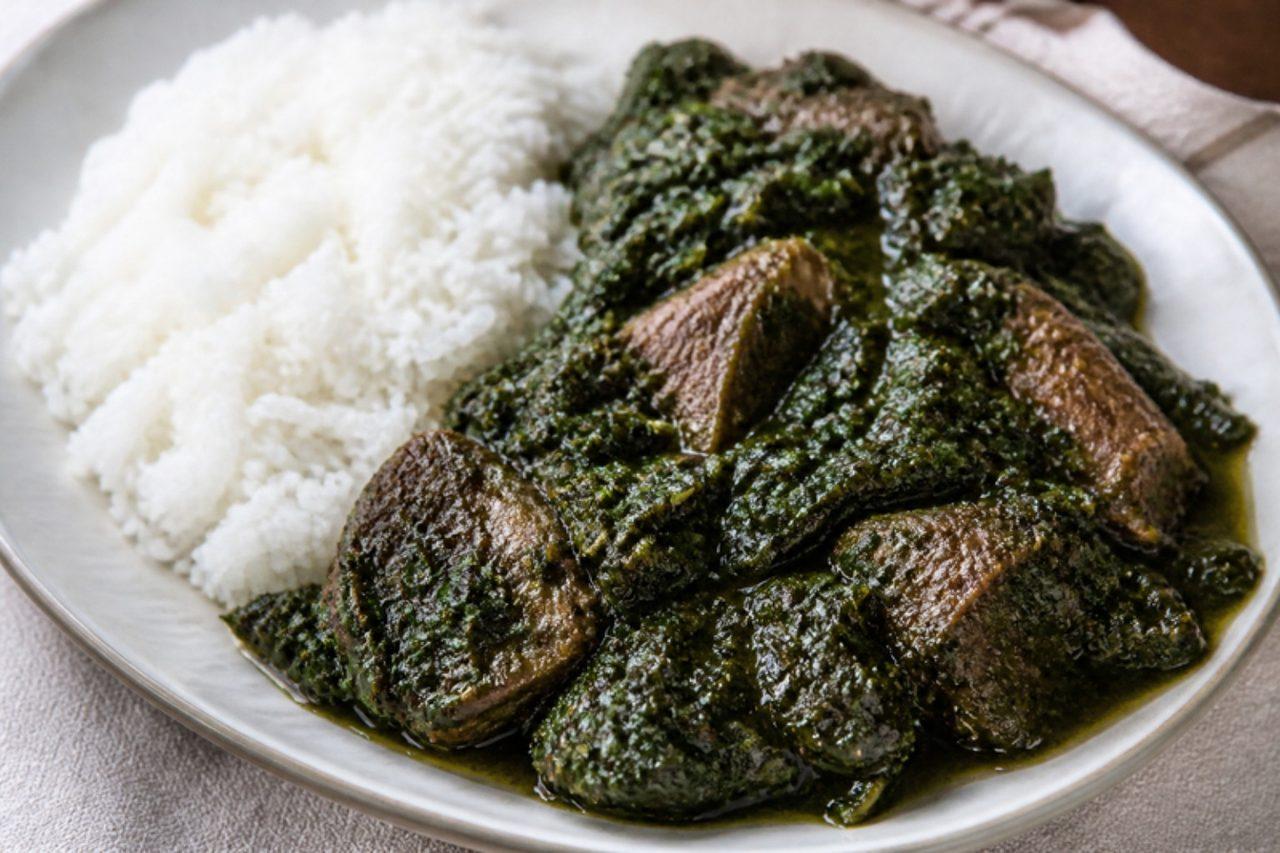
Haitian lalo with beefJute leaf and beef stew

In the rice-growing Artibonite valley, lalo means jute leaves, and the stew made from them is the region's pride: chopped leaves cooked down with beef (and often crab) until they turn dark, silky and slightly slippery, like a richer spinach stew, served over white rice. Fresh jute is hard to find abroad, but frozen chopped jute leaves (sold as molokhia in Middle Eastern shops) work very well. The common mistake is adding the leaves too early; they turn bitter and grey if they boil for an hour, so the beef is cooked first. Marinate the beef in the fridge. Chef's tip: a squeeze of sour orange at the table cuts the richness beautifully.

by KrazyBadal 0 views

GuarapoSugarcane juice

Guarapo stands, or guaraperas, pop up across Cuba wherever cane grows, crushing fresh stalks through a press and pouring the pale green juice straight over ice. It tastes grassy and gently sweet, never sugary, and it is drunk the moment it is pressed. You need a sugarcane press or juicer, or fresh peeled cane and a strong blender; bottled cane juice is a poor substitute. The common mistake is pressing the cane long before serving, because the juice darkens and starts to ferment within an hour. Chef's tip: chill the cane before pressing and add the lime as you press, which keeps the colour bright.

by KrazyBadal 0 views

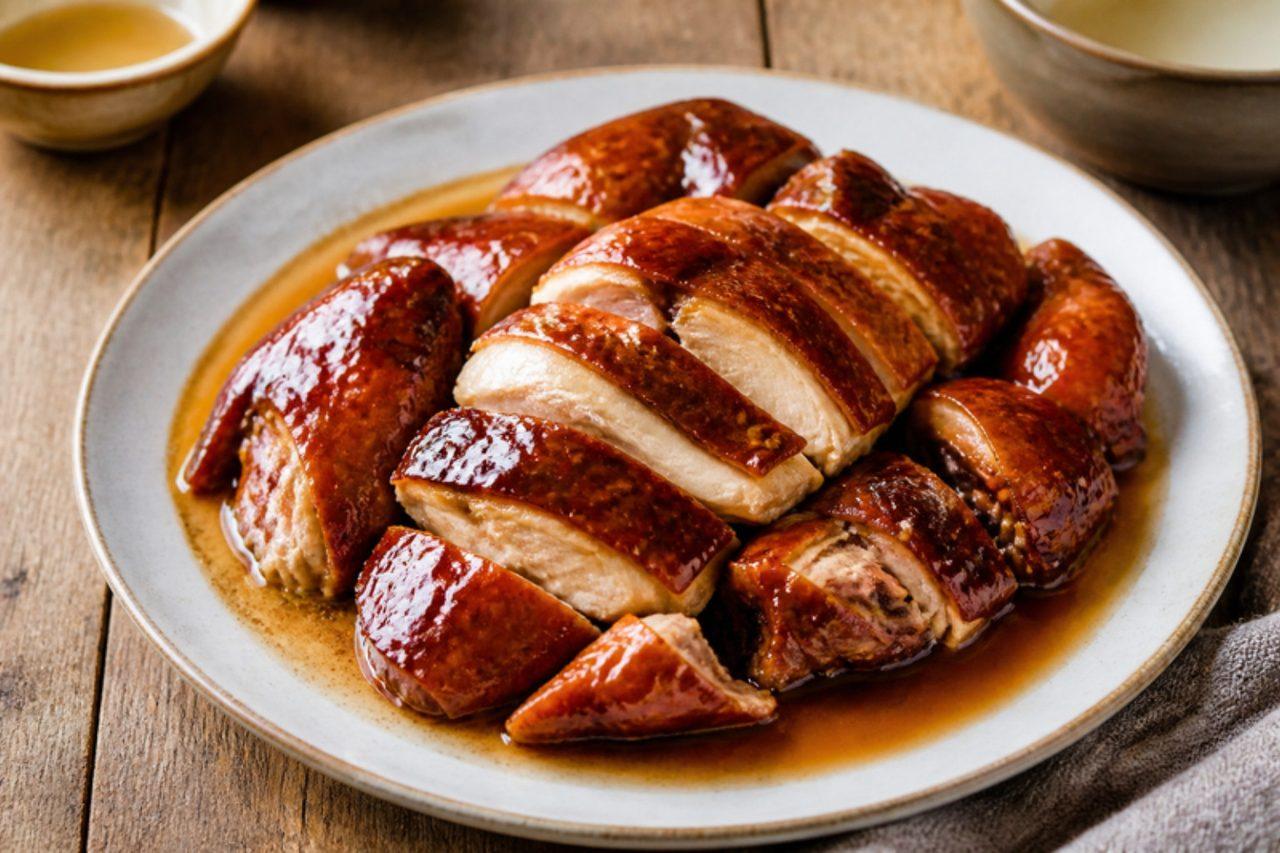
Soy sauce chicken

Glossy, chestnut-brown and hung by the neck in siu mei shop windows across Hong Kong, see yau gai is the gentle cousin of roast meats: a whole chicken poached in a fragrant master stock of light and dark soy, rock sugar, star anise, cinnamon and ginger until the skin is lacquered and the meat silky and sweet-savoury. It is chopped onto plates of rice with a ladle of the sauce for a quick lunch, or served at home with blanched greens. Shaoxing rice wine goes into the stock, with an alcohol-free option in the list. Traditional cooks pull the bird while it is still pink at the bone; this recipe does not, and the chicken is cooked to 74 °C in the thickest part of the thigh. The main pitfall is a rolling boil, which tears the skin and toughens the breast; keep the stock barely trembling. Chef's tip: strain and freeze the stock, and it gets deeper every time you reuse it.

by KrazyBadal 0 views

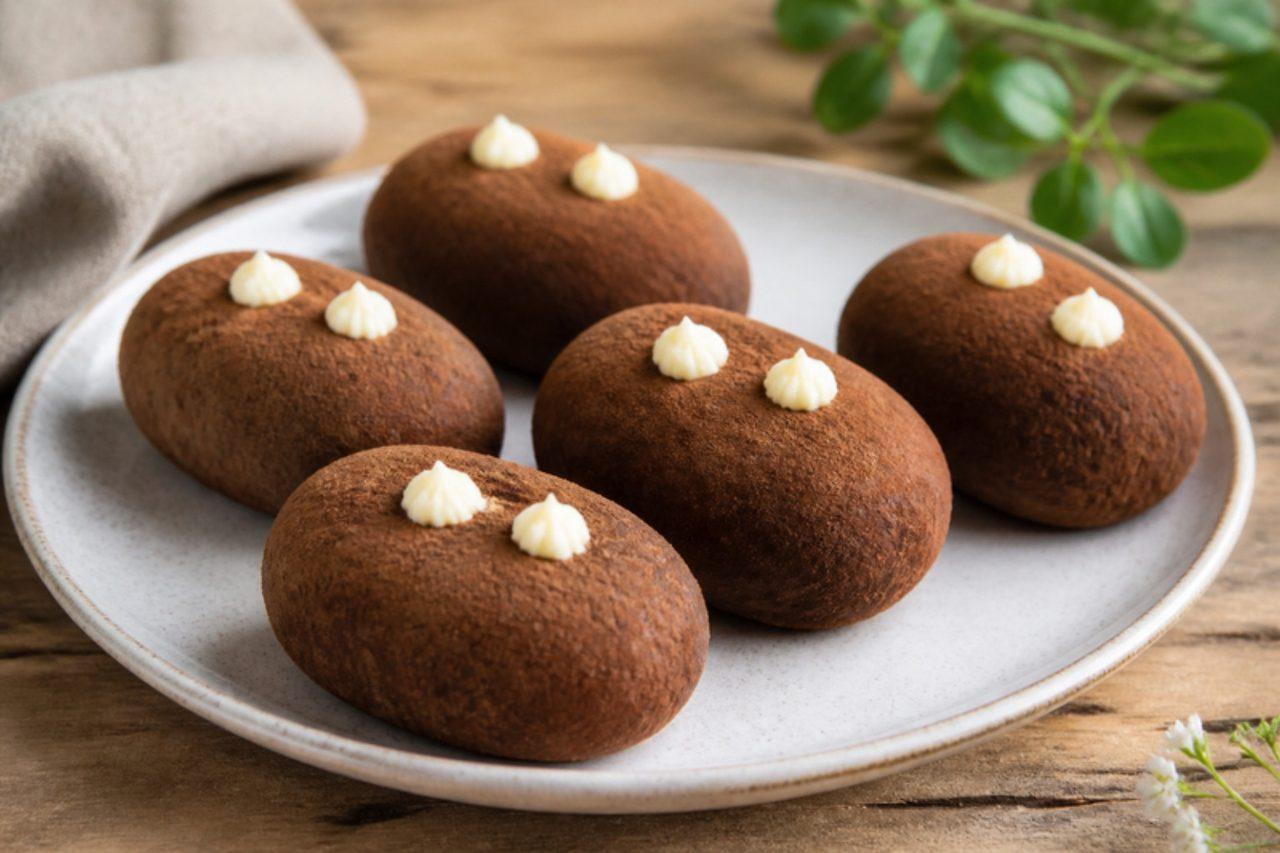
Kartoshka cakeCocoa and cake crumb truffles

Soviet cafés and school canteens sold these knobbly brown 'potatoes' for a few kopecks, and they began as a thrifty way to use up sponge and biscuit trimmings at the bakery. Crumbs are bound with butter and sweetened condensed milk, flavoured with cocoa and vanilla, shaped into little potatoes, rolled in cocoa and finished with two dabs of pale butter cream for the sprouts. They are fudgy and dense like a brownie truffle, need no oven, and children love making them. Traditional bakers added a spoonful of rum, an optional extra for adult batches only; this version is alcohol-free with vanilla. The usual slip is coarse crumbs, which make the potatoes crack, so blitz them as fine as sand. Chef's tip: chill the shaped potatoes for at least 20 minutes so they hold their shape and slice cleanly.

by KrazyBadal 2 views

Defo dabo (Ethiopian festive pot bread)

For Genna (Christmas), Fasika (Easter), weddings and christenings, cooks in Gondar and Gojjam bake defo dabo: a huge, tall round loaf whose dough is wrapped in enset or banana leaves and baked slowly in a heavy covered pot, traditionally with coals above and below. The leaves leave a faint green aroma and a pale, soft crust, and the crumb is fine and close, scented with black cumin, korerima and a little niter kibbeh. On feast days the loaf is blessed and cut before it is shared out. At home a cast-iron casserole in the oven does the job; allow about 2 hours of rising on top of the times given. Do not cut it hot: the crumb is still setting and turns gummy. Chef's tip: bake until the inside reads 94 °C on a probe thermometer; this dense loaf can look brown long before the centre is cooked.

by KrazyBadal 0 views

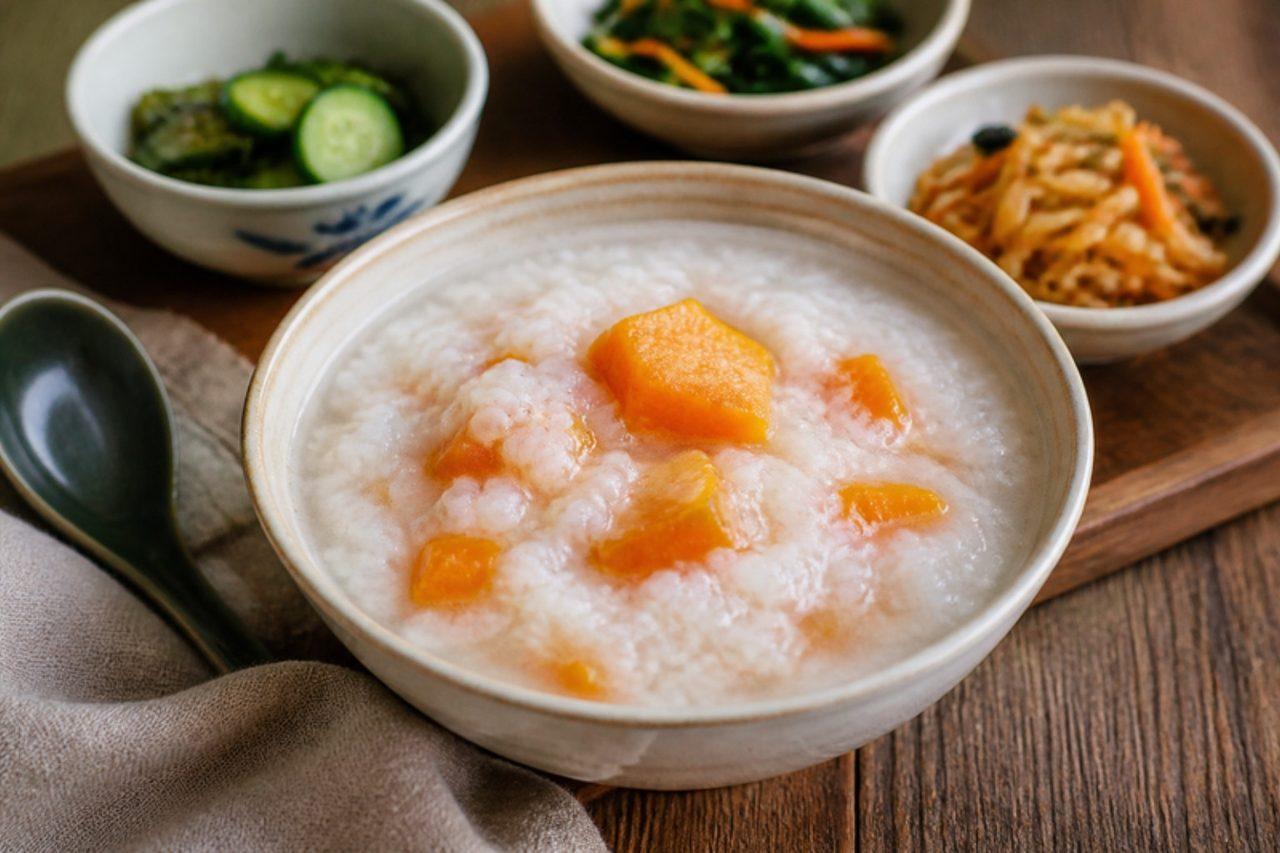
Taiwanese sweet potato congee

Tainan's late-night congee shops lay out dozens of little dishes under glass, and the bowl that goes with them is this loose, gently sweet rice porridge dotted with soft orange sweet potato. Older Taiwanese remember it as the food of lean years, when sweet potato stretched the rice; today it is comfort food at breakfast, at midnight after the markets, and whenever someone is unwell. Unlike Cantonese congee, the grains stay distinct in a cloudy, silky liquid. Many cooks cut the sweet potato too small, so it collapses into mush and turns the pot muddy; chunks of about 3 cm keep their shape. Chef's tip: serve it with something salty and crunchy, such as pickled cucumbers, peanuts or a radish omelette, because the contrast is the whole point.

by KrazyBadal 0 views

Groninger mosterdsoepMustard and leek soup

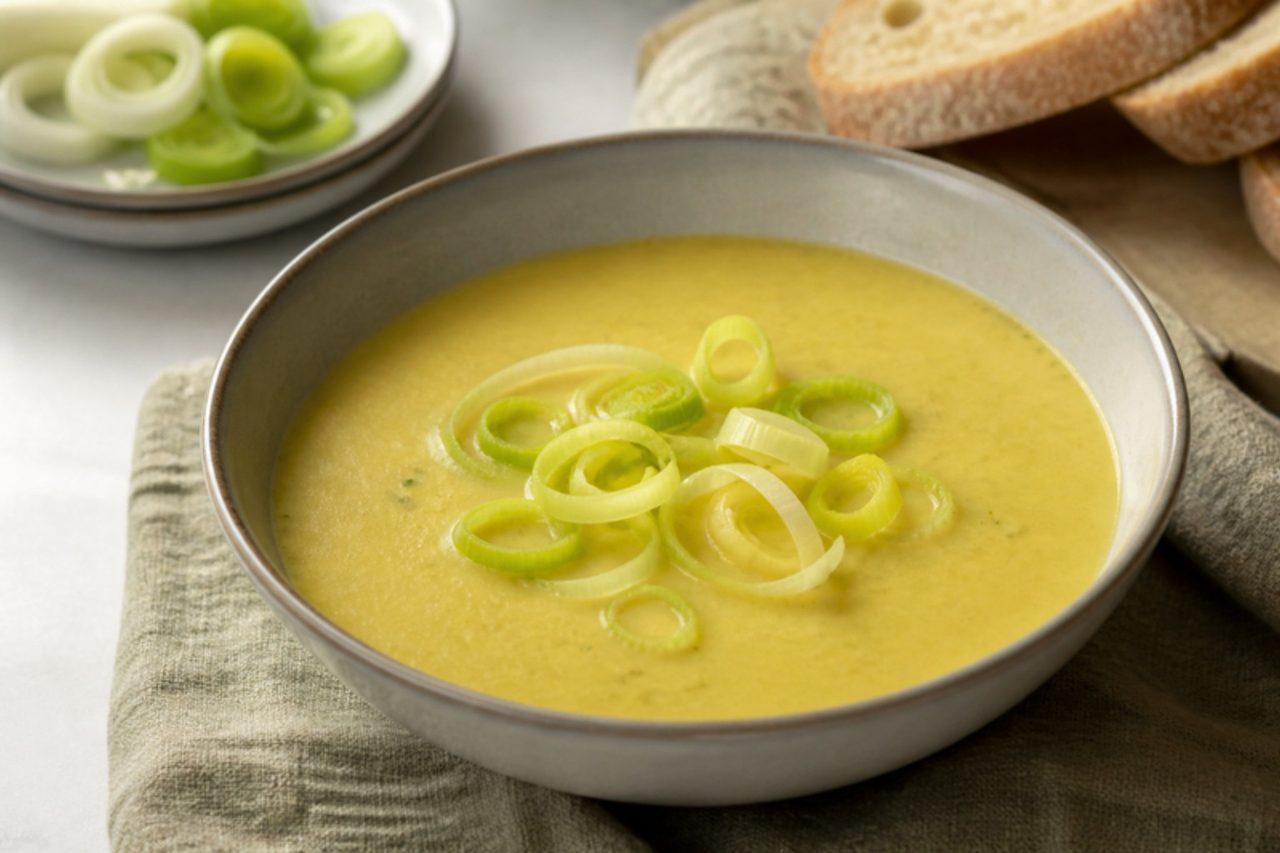
Groningen in the far north of the Netherlands has been making mustard since the Middle Ages, and its creamy mustard soup is served in every café in the city: a velvety roux soup with leek, stock and cream, sharpened with a generous amount of coarse Groninger mustard. Most cafés top it with crisp bacon bits; this vegetarian version uses toasted croutons and chives. A common mistake is boiling the soup after the mustard goes in, which makes it bitter and grainy. Chef's tip: whisk the mustard in off the heat at the end, so it keeps its tang.

30 minDutchSoups
by KrazyBadal 0 views

Chuko (Tigrayan roasted barley and spiced butter snack)

Tigrayan mothers pack chuko for sons and daughters leaving home, for pilgrims walking to Aksum and for long bus journeys, because it keeps for weeks and a small piece goes a long way. Roasted barley flour is rubbed with warm niter kibbeh, berbere and a little sugar and salt, then pressed into a dense cake or shaped into fingers. The texture is crumbly and rich, like a savoury shortbread that melts in the mouth, with a slow chilli warmth and the toasty taste of the grain. It is eaten with coffee or black tea. The usual mistake is skimping on the butter, which leaves a dry mix that will not hold; squeeze a handful, and it should keep its shape. Chef's tip: warm the butter until just liquid, not hot, and work it in with your fingertips so every grain of flour is coated.

by KrazyBadal 0 views

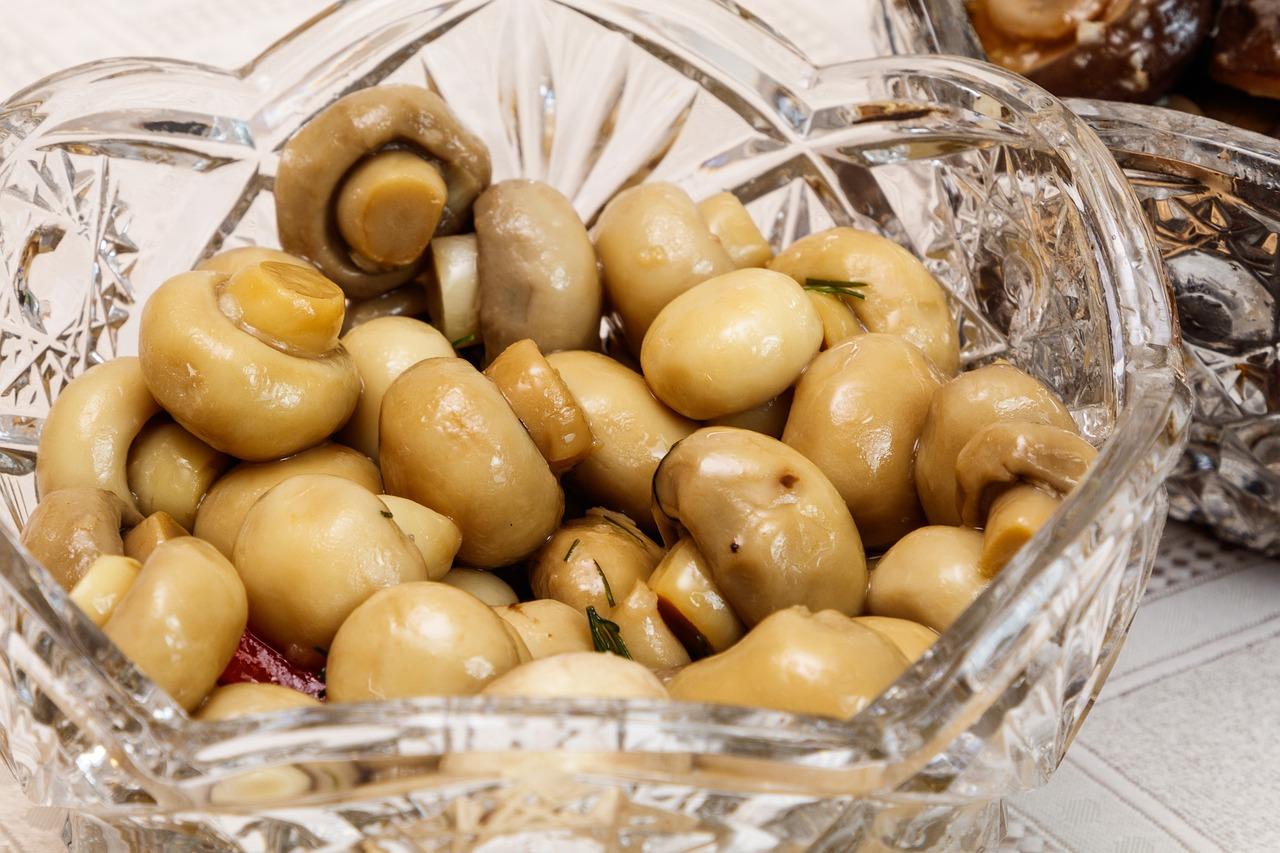
Grzybki marynowanePickled forest mushrooms

After an autumn morning of mushroom picking in the forests of Podlasie or the Bieszczady, the smallest, firmest boletes and slippery jacks are set aside for jars of grzybki marynowane. They come out at Christmas and on name days as a zakąska, sharp and sweet with allspice and mustard seed, sliced onion and firm, slightly slippery mushrooms. Only use wild mushrooms you bought from a trusted seller or had checked by an expert; cultivated chestnut or button mushrooms work well too. A common mistake is skipping the first boil in salted water, which leaves the pickle cloudy and the mushrooms soft. Chef's tip: cook the mushrooms until they sink, then pack them while hot under boiling marinade.

by KrazyBadal 0 views

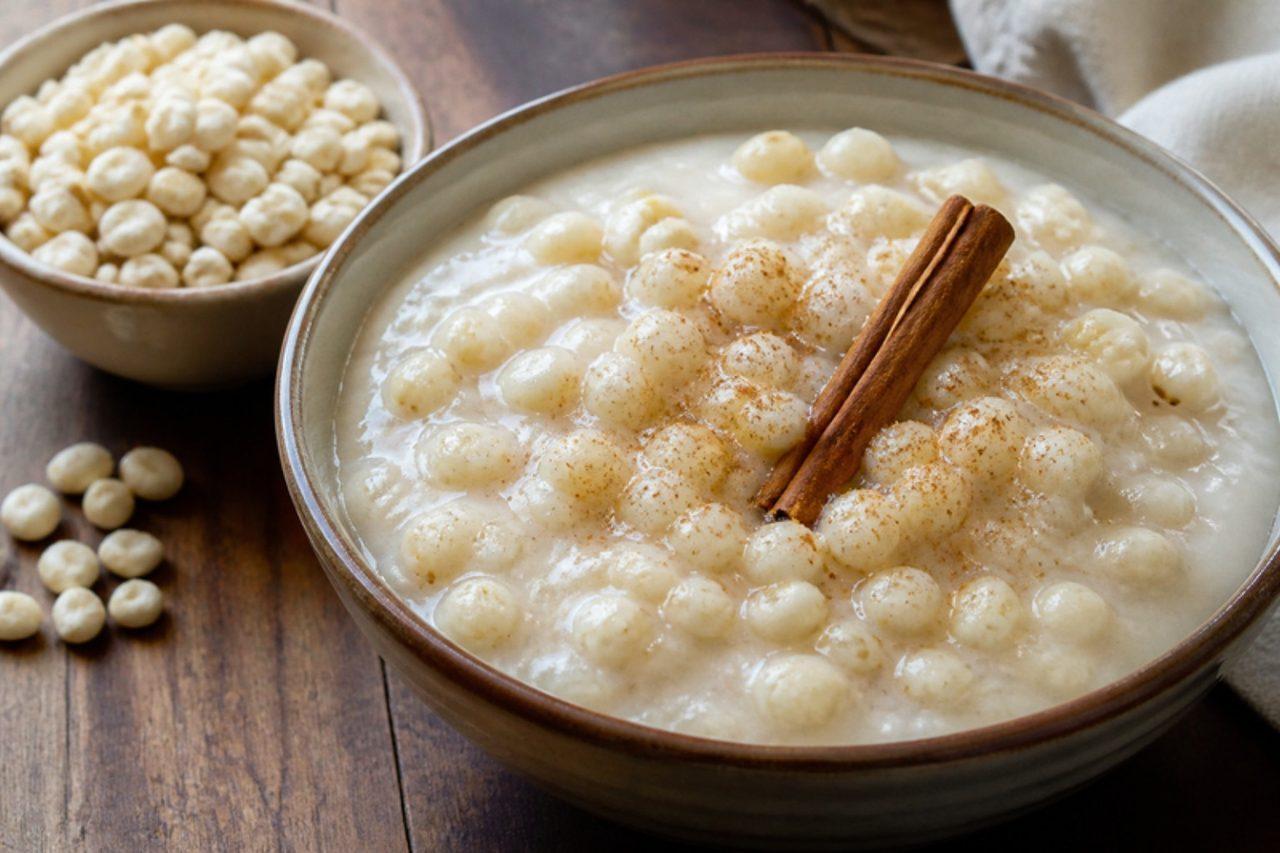
Jamaican hominy corn porridge

Hominy porridge is a weekend job in Jamaican homes from Spanish Town to Mandeville: the dried, hulled corn kernels need soaking overnight and a long, slow simmer before they burst open, tender and chewy, in a creamy coconut and spice base. The finished porridge is thick and comforting, sweetened with condensed milk and perfumed with cinnamon, nutmeg and vanilla, and it reheats beautifully through the week. The mistake many people make is adding the coconut and milk at the start, where they catch and burn during the long cook; boil the corn in water first. Look for dried white hominy at Caribbean or Latin shops, and remember the overnight soak. Chef's tip: stir in a spoonful of cornmeal or flour mixed with water at the end if you like it thicker, as many Jamaican cooks do.

by KrazyBadal 0 views

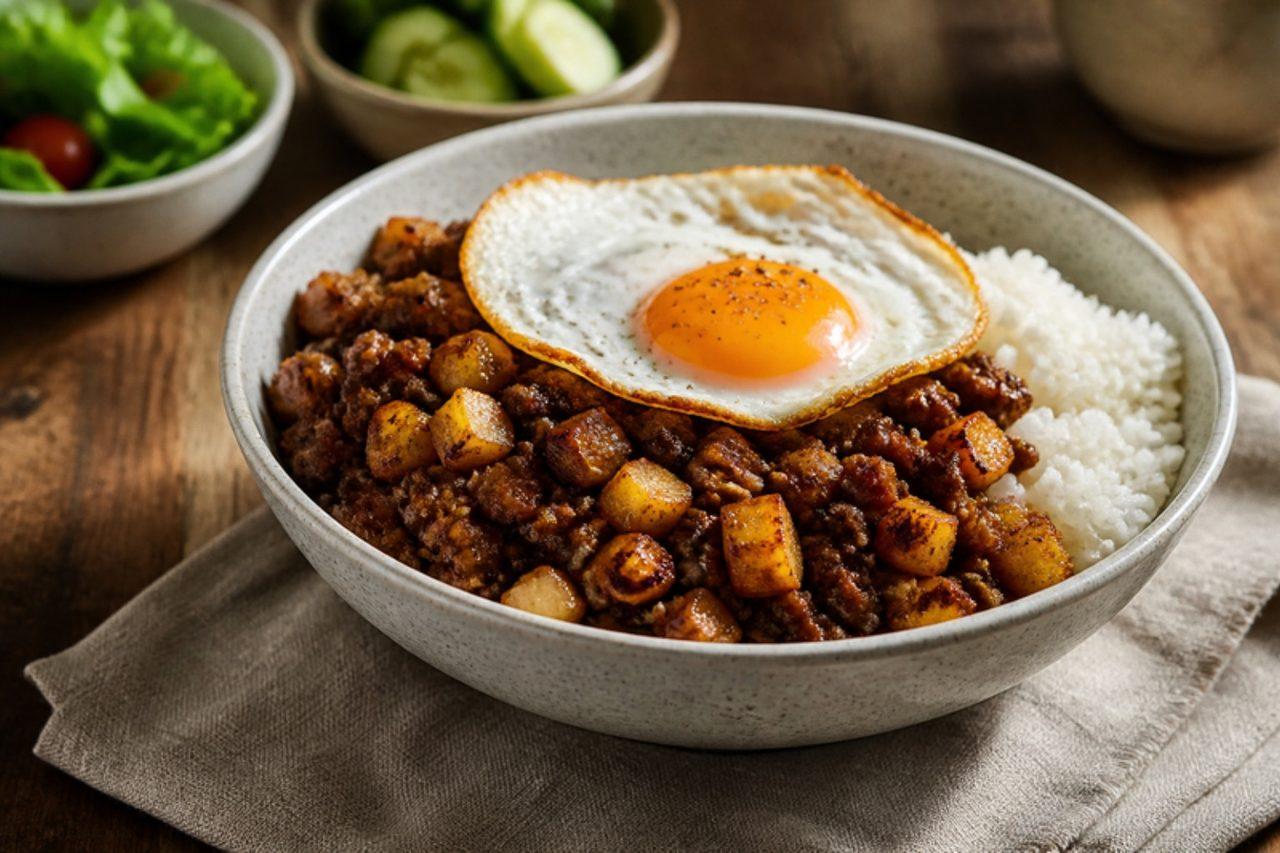
Minchi (Macanese minced meat with potatoes)

If one dish says home to Macanese families, the descendants of Portuguese and Chinese Macau, it is minchi: a quick hash of minced beef and pork seasoned with soy sauce, Worcestershire sauce and a touch of sugar, mixed with crisp little cubes of fried potato and crowned with a runny fried egg. It appears on weeknight tables, at Macanese restaurants near Rua do Cunha, and at gatherings of the Macanese community abroad, always with plain white rice. Savoury, slightly sweet and full of crunch, it tastes like the meeting of a Portuguese kitchen and a Cantonese wok. A common error is stirring the potatoes into the meat too early, which makes them soft and floury; fry them separately until crisp and fold them in at the end. Chef's tip: let the mince sit undisturbed for a minute in the hot pan before stirring, so it browns instead of stewing.

by KrazyBadal 0 views

Bradj (date-filled semolina diamonds)

When the first warm days arrive, families in Constantine and across eastern Algeria mark the spring festival with picnics, boiled eggs and plates of bradj: diamonds of buttery semolina sandwiching a layer of spiced date paste, cooked slowly on a griddle rather than baked. The outside turns golden and crumbly, the date layer stays soft and sticky, and orange-blossom water perfumes the whole thing. Bradj is served warm with a drizzle of honey or a cold glass of buttermilk, and is just as good the next day with coffee. Chef's tip: press the dough together rather than kneading it; worked like bread dough, semolina turns tough, and bradj should break with a crumble.

by KrazyBadal 0 views

Showing 45 of 7,762 recipes

Show more recipes

Page 187 of 863