Skip to content
Sakarpada
Featured recipe

Sakarpada

Sweet fried dough diamonds

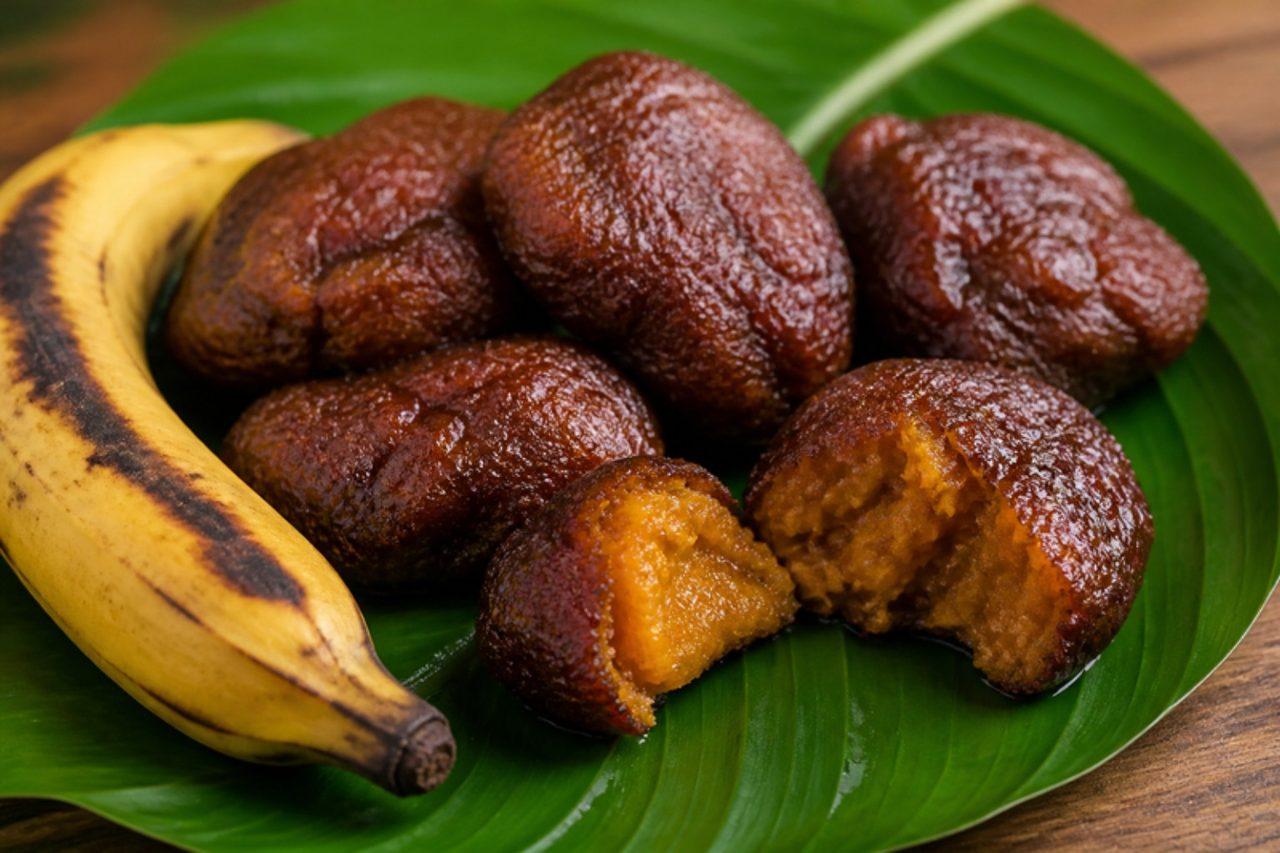
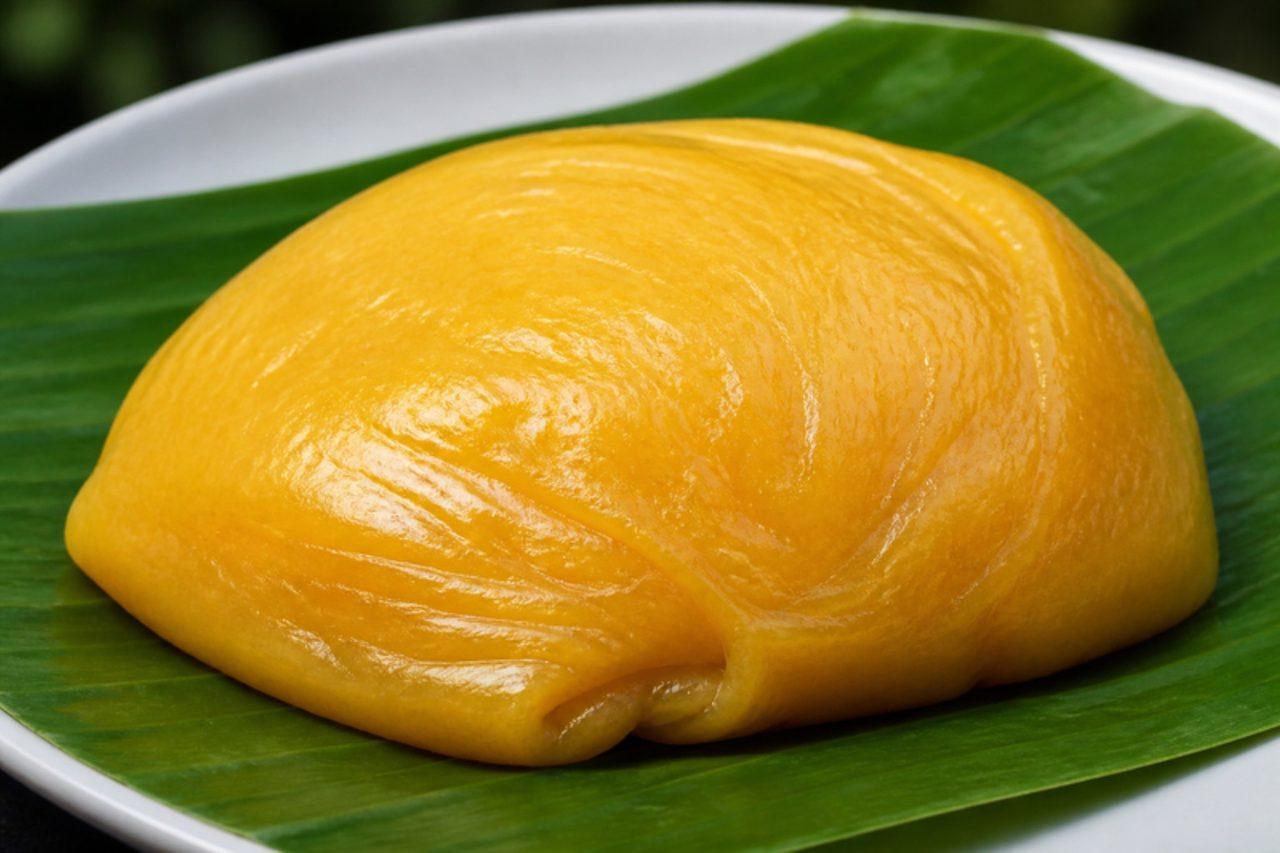
Sakarpada (shakarpara) are little sweet diamonds of a rich dough made with ghee, milk and sugar, fried until golden and crunchy. They are a Diwali favourite with tea, and the cubes go into bhusu too. They keep for weeks in an air-tight tin.

Read more 1 views

What to eat today?

Around the world

Today's trip: Paraguayan

A new country every day, from every cuisine on the site.

Paraguayan

Chipa

Cheese bread rings 50 minMore from Paraguayan (27) →

This week's collection

Kid-friendly dinners
537 recipes · a new collection every Monday

Latest recipes

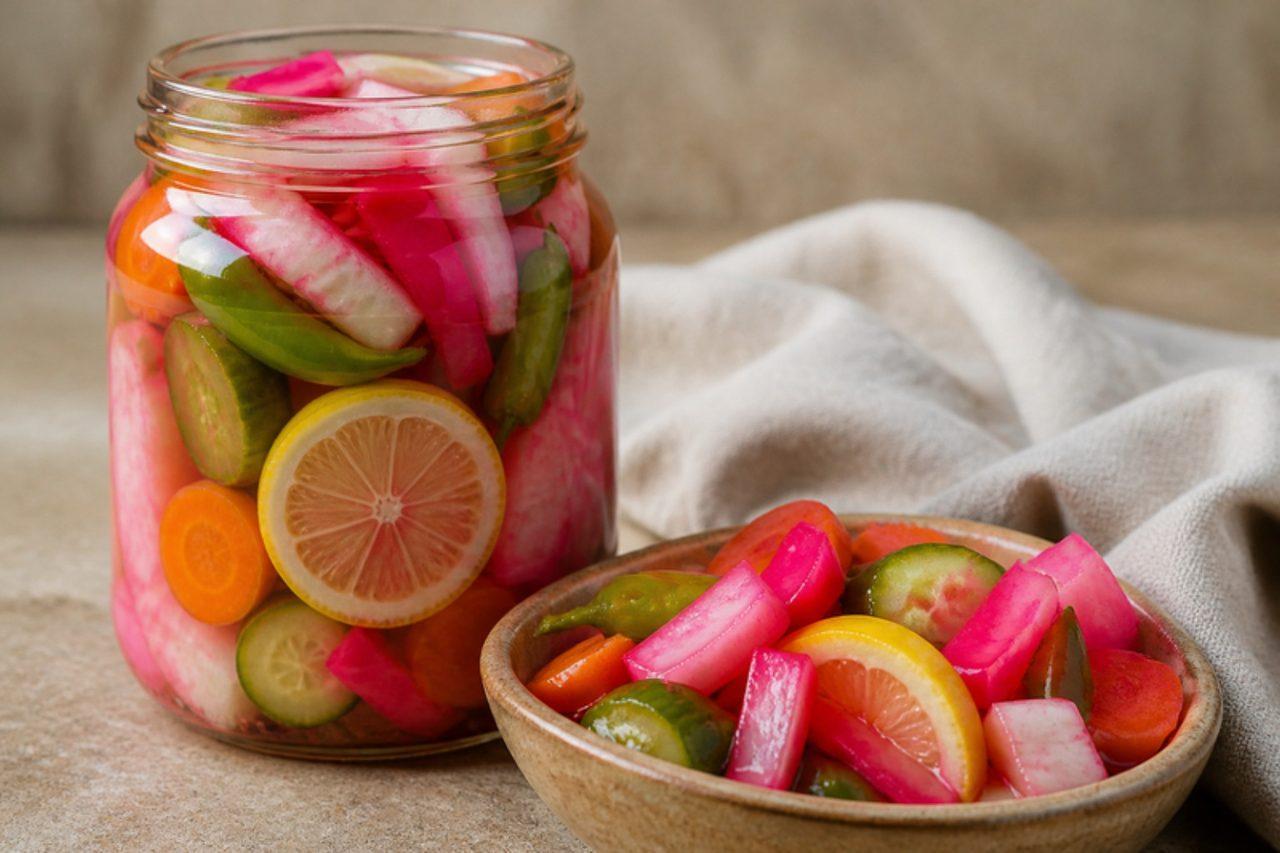
Egyptian mixed pickles

Every koshari shop, ful cart and shawarma stall in Cairo puts a little dish of mekhalel on the counter, and Egyptians at home keep a jar going all year. Turnip batons are the star, dyed bright pink by a single slice of beetroot, with carrot, cucumber, chilli and lemon packed in alongside for crunch, heat and a bitter citrus edge. This quick fridge version is ready to eat in about 5 days and keeps for a month, cold. A common mistake is using iodised table salt, which clouds the brine and can soften the vegetables, so buy plain non-iodised salt. Chef's tip: cut the lemon into quarters but leave them joined at the base, so they flavour the brine without turning the whole jar bitter.

by KrazyBadal 0 views

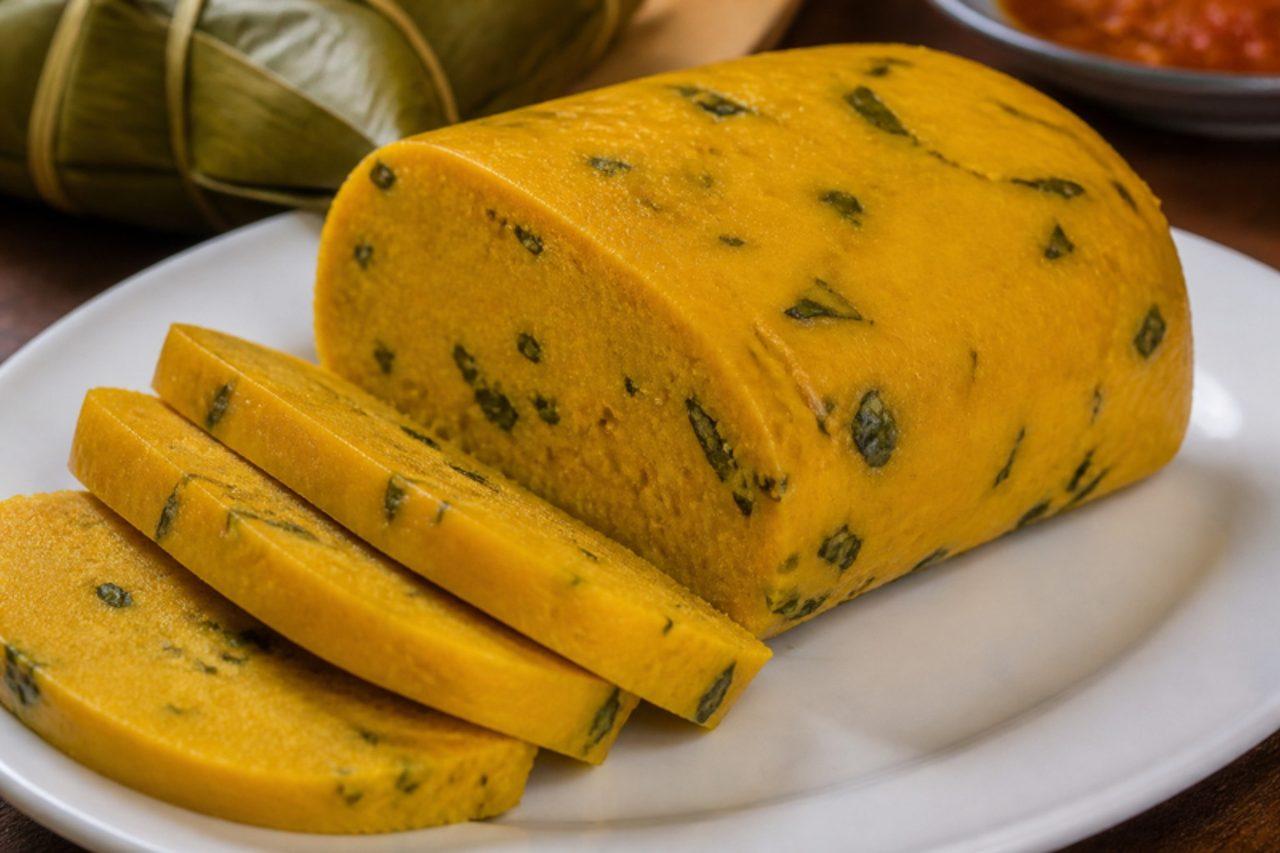
Okpa (Bambara nut pudding)

Early in the morning in Nsukka and Enugu, sellers set out wheelbarrows piled with steaming okpa wrapped in leaves or cooked in small tins, and students and workers eat it standing up with a bottle of cold drink or a cup of pap. It is made from Bambara nut flour beaten with palm oil, warm water, pepper and salt into a bright orange batter and steamed until it sets into a firm, dense pudding with a nutty, earthy taste. It is filling and naturally high in protein. Bambara nut flour is sold in African shops as okpa flour. Undercooked okpa tastes raw and bitter and is hard to digest, so steam until a knife comes out clean. A common mistake is a batter that is too thick, which steams into a hard, dry block instead of a soft-set pudding. Chef's tip: mix the oil into the dry flour before adding any water; it keeps the batter smooth and gives okpa its even colour.

by KrazyBadal 0 views

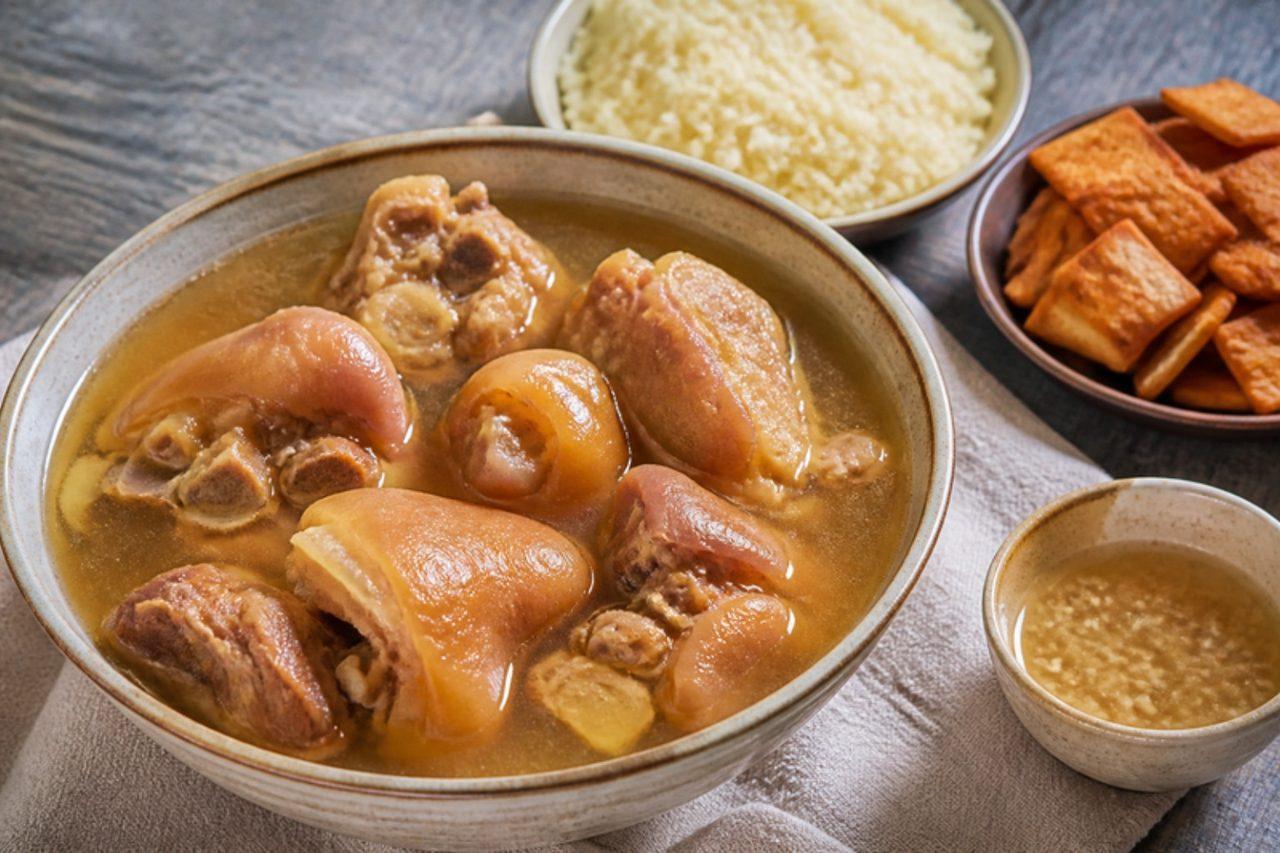
Kaware' (cow's trotter soup with fatta)

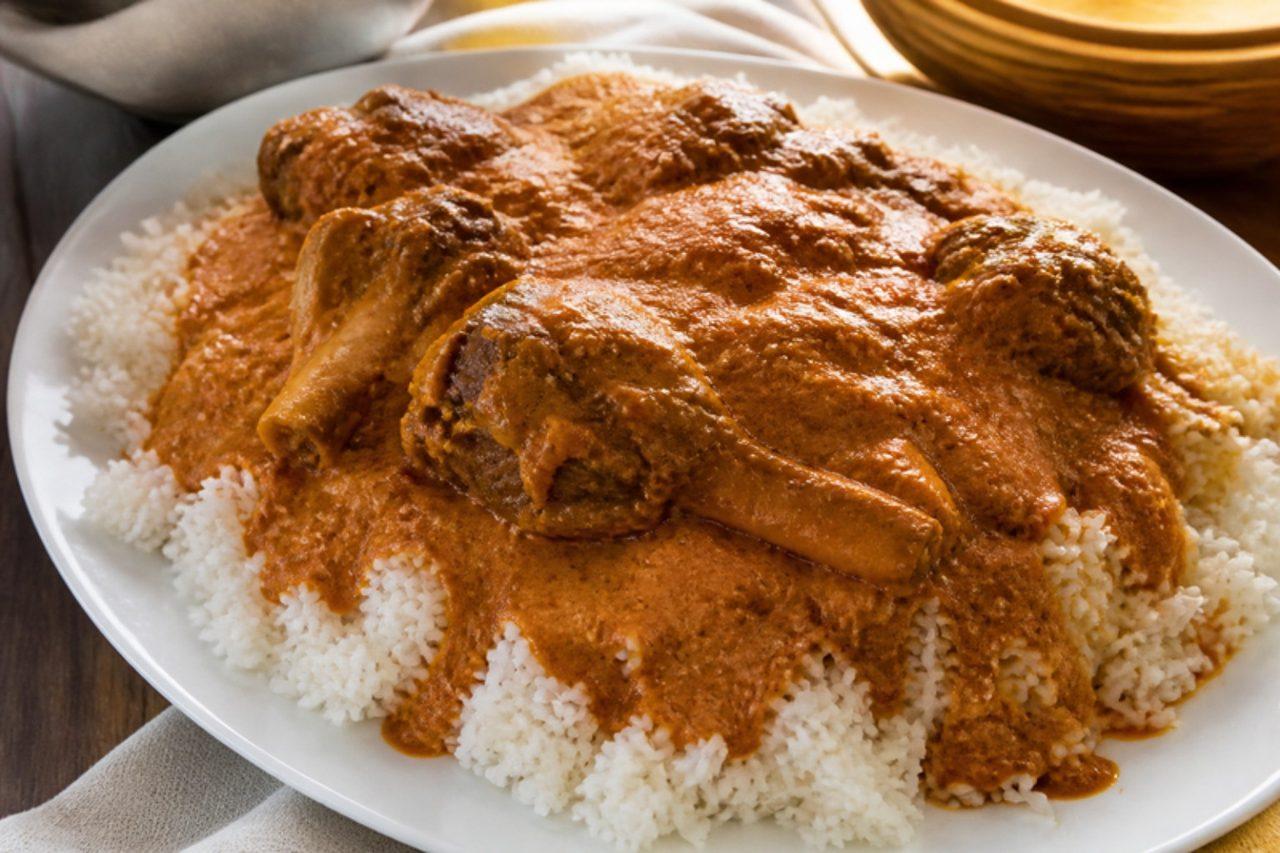
Old Cairo eateries that specialise in it open early, and kaware' has a loyal following on cold winter mornings and as a restorative after Ramadan nights; at home it is usually made after Eid al-Adha. Cow's feet are cleaned, blanched and then simmered for hours with onion, garlic and whole spices until the meat and skin turn soft and sticky and the broth sets like jelly when cold. It is served over fatta: layers of toasted flatbread and rice drenched with broth and a sharp garlic-and-vinegar sauce, with the tender trotter pieces on top. Ask the butcher to clean the feet and saw them into pieces. Chef's tip: a pressure cooker cuts the simmering to about 1 hour 30 minutes with no loss of flavour.

260 minEgyptianMeat
by KrazyBadal 0 views

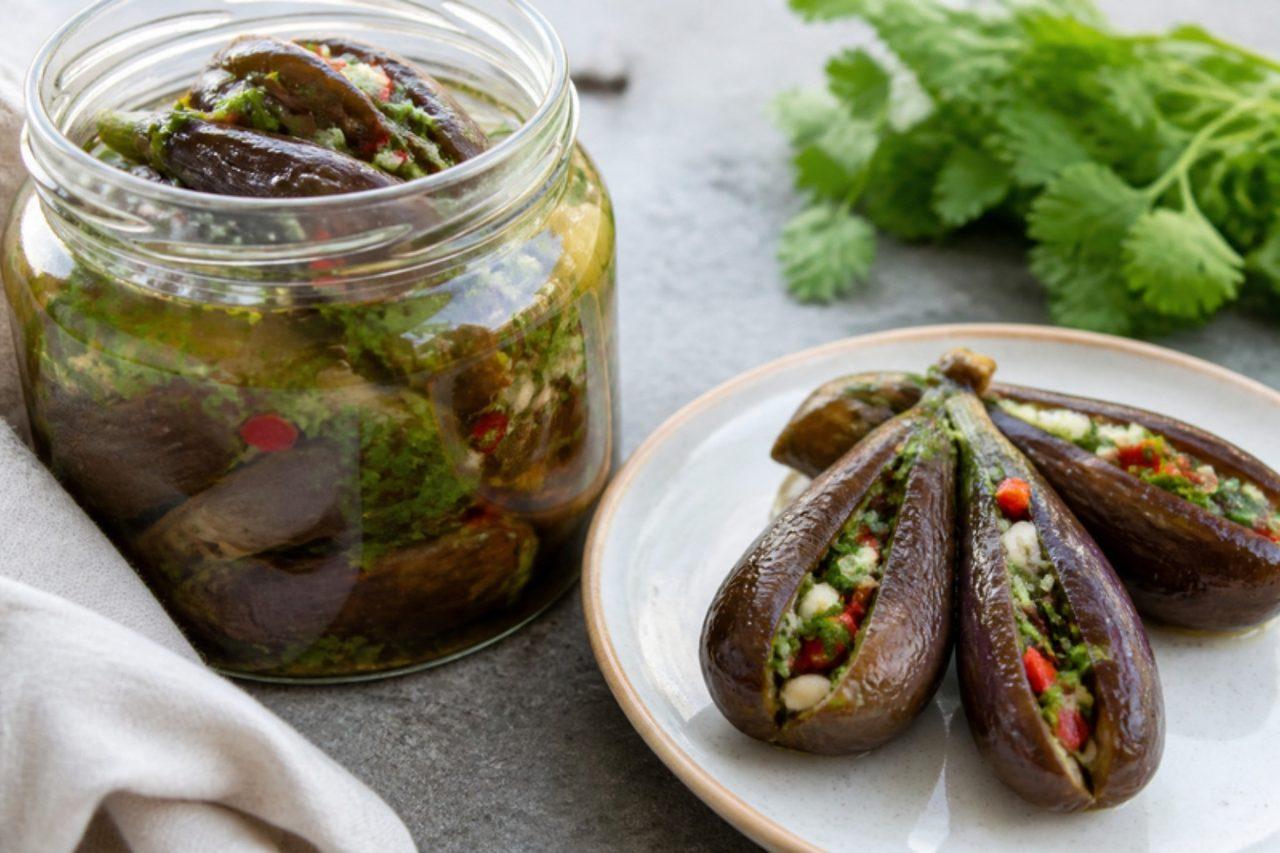
Egyptian stuffed pickled aubergines

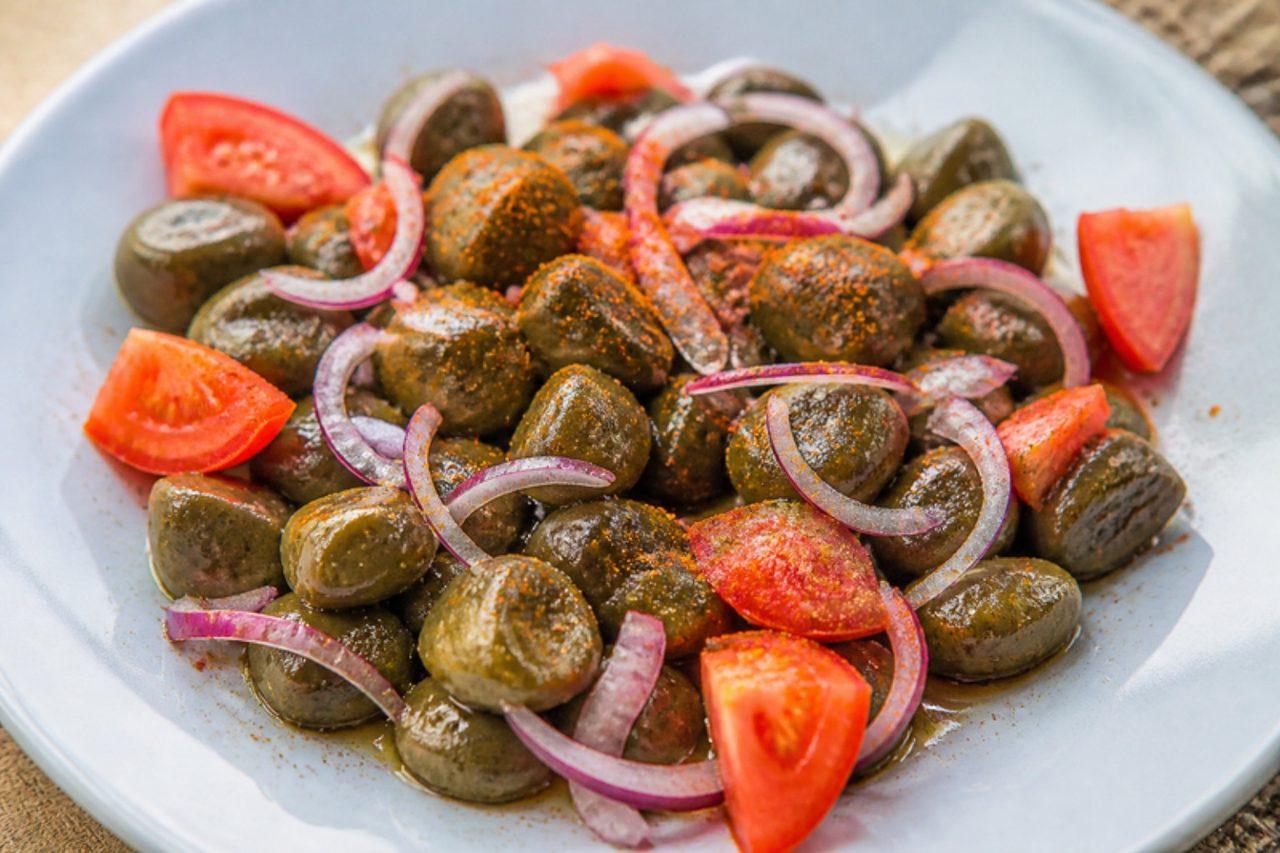
Pickle shops in old Cairo stack jars of these small dark aubergines next to the turnips and lemons, and at home they are sliced beside ful, falafel or a plate of koshari. Each one is boiled until just tender, split down one side and packed with a sharp, hot stuffing of garlic, chilli and green pepper, then left in vinegar for several days until it turns silky and tangy. Only about 40 minutes of the work is active; the jar then needs 5 days in the fridge. Keep the pickle refrigerated and eat it within 3 weeks. The usual mistake is undercooking the aubergines before stuffing, so they stay spongy and never absorb the brine. Chef's tip: press the boiled aubergines under a weighted plate before stuffing, so they hold the vinegar rather than their own bitter water.

by KrazyBadal 0 views

Kebda iskandarani (Alexandrian liver)

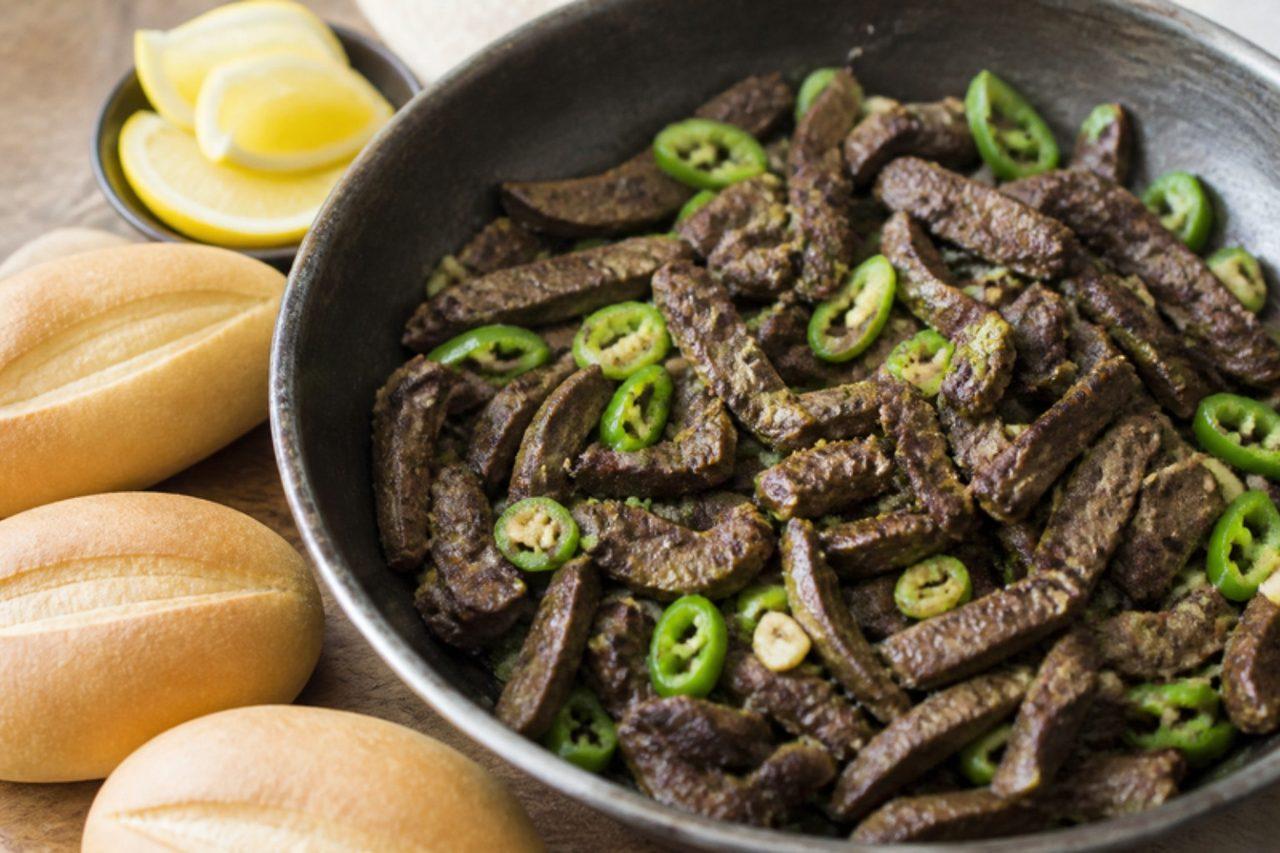
After dark in Alexandria, carts and tiny shops fry liver to order on blackened griddles, and a couple of small, crackly baguette sandwiches of kebda make a late supper or a working breakfast all over Egypt. The liver is sliced into thin ribbons and seared hard and fast with plenty of garlic, hot green chilli, green pepper and cumin, finished with lemon so it stays juicy, tender and sharp. Stuff it into soft rolls with a smear of tahini and a few pickles. Liver is very rich in vitamin A, so pregnant women are usually advised to avoid it. Chef's tip: soak the strips in cold water for 15 minutes and pat them very dry; they sear rather than stew and taste milder.

by KrazyBadal 0 views

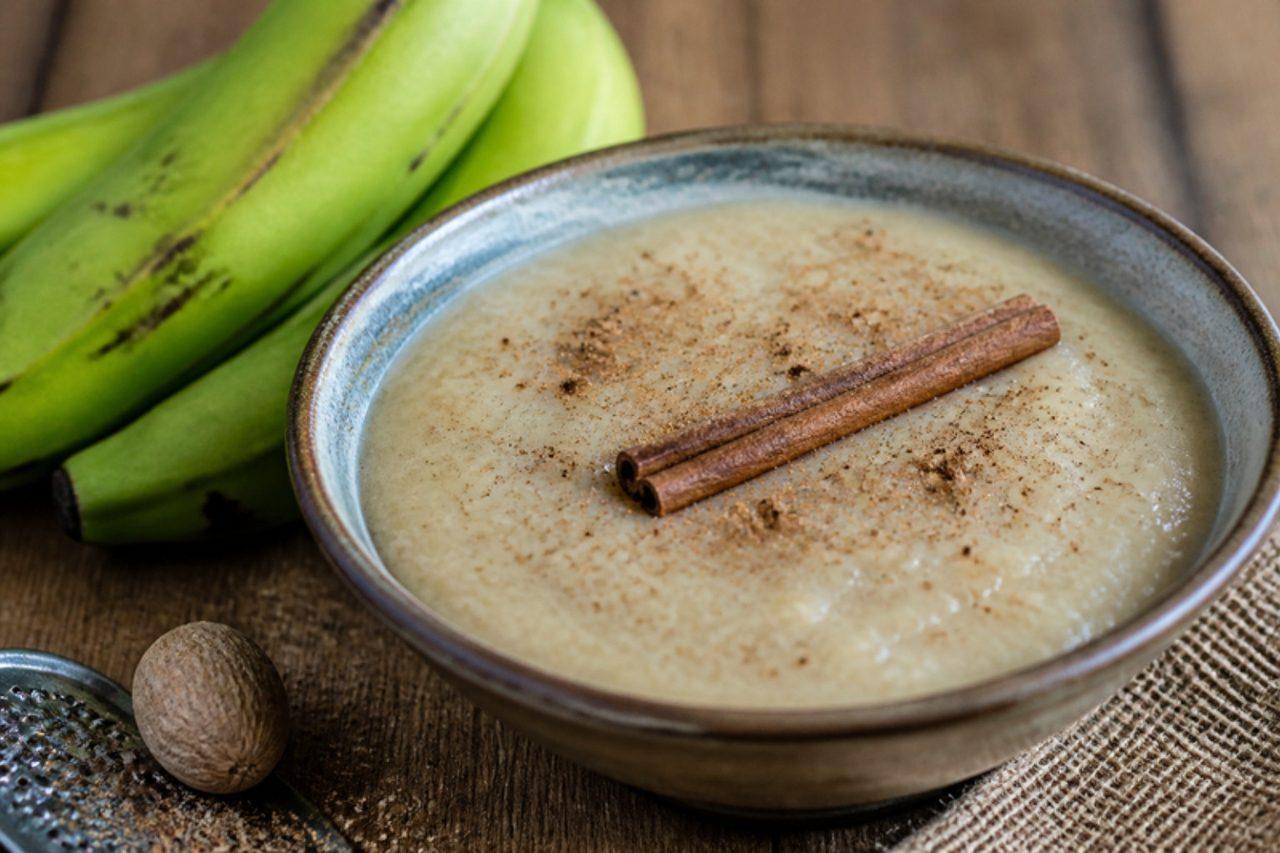
Jamaican green banana porridge

Green banana porridge is the breakfast many Jamaicans remember from their grandmothers' kitchens in St Mary and St Ann, where bananas are cheap and plentiful and the porridge was said to "build you up" for the day. Unripe bananas grated or blended with water cook into a smooth, silky porridge with a gentle, earthy flavour, sweetened with condensed milk and scented with nutmeg, cinnamon and vanilla. The common mistake is not whisking as it heats; the starch thickens suddenly and goes lumpy within a minute. Peel the green bananas with oiled hands or gloves, because the sap stains. Chef's tip: blend the bananas with the water until completely smooth before they go into the pot, which makes it far easier to keep lump-free.

by KrazyBadal 0 views

Gullisuwa (fried milk balls in syrup)

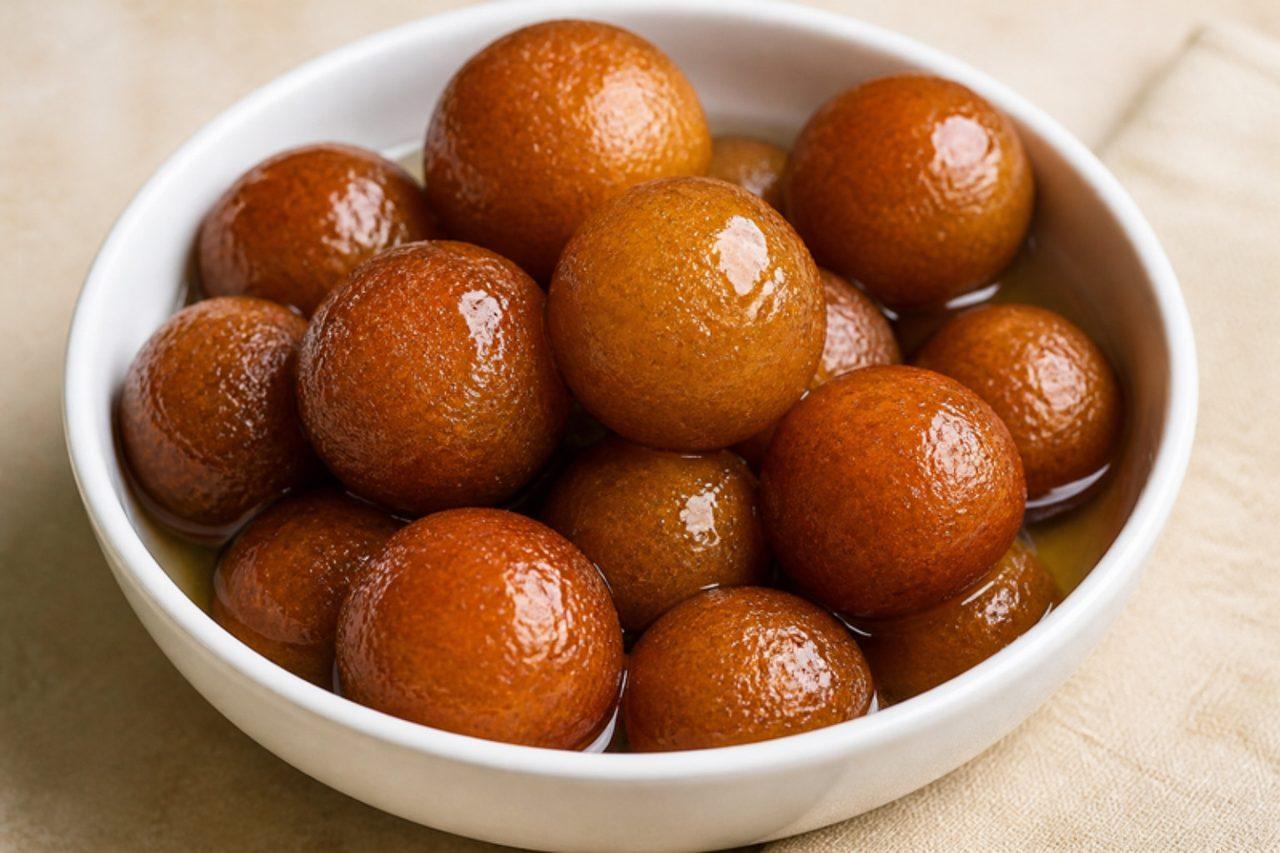
Small kiosks in Kano sell gullisuwa in twists of plastic, and Hausa families make platefuls for Sallah and weddings. Milk powder, a little flour and sugar are worked into a soft dough, rolled into balls and fried slowly until deep golden, then soaked in syrup, which gives a rich, fudge-like centre and a faintly caramel crust. They recall Indian gulab jamun, but they are firmer and less spiced. Milk sugars burn fast, so the common mistake is hot oil that browns the outside in seconds while the inside stays doughy; keep it low. Chef's tip: oil your palms when rolling, so the balls stay smooth and don't crack in the pan.

by KrazyBadal 0 views

Ila asepo (Yoruba okra soup)

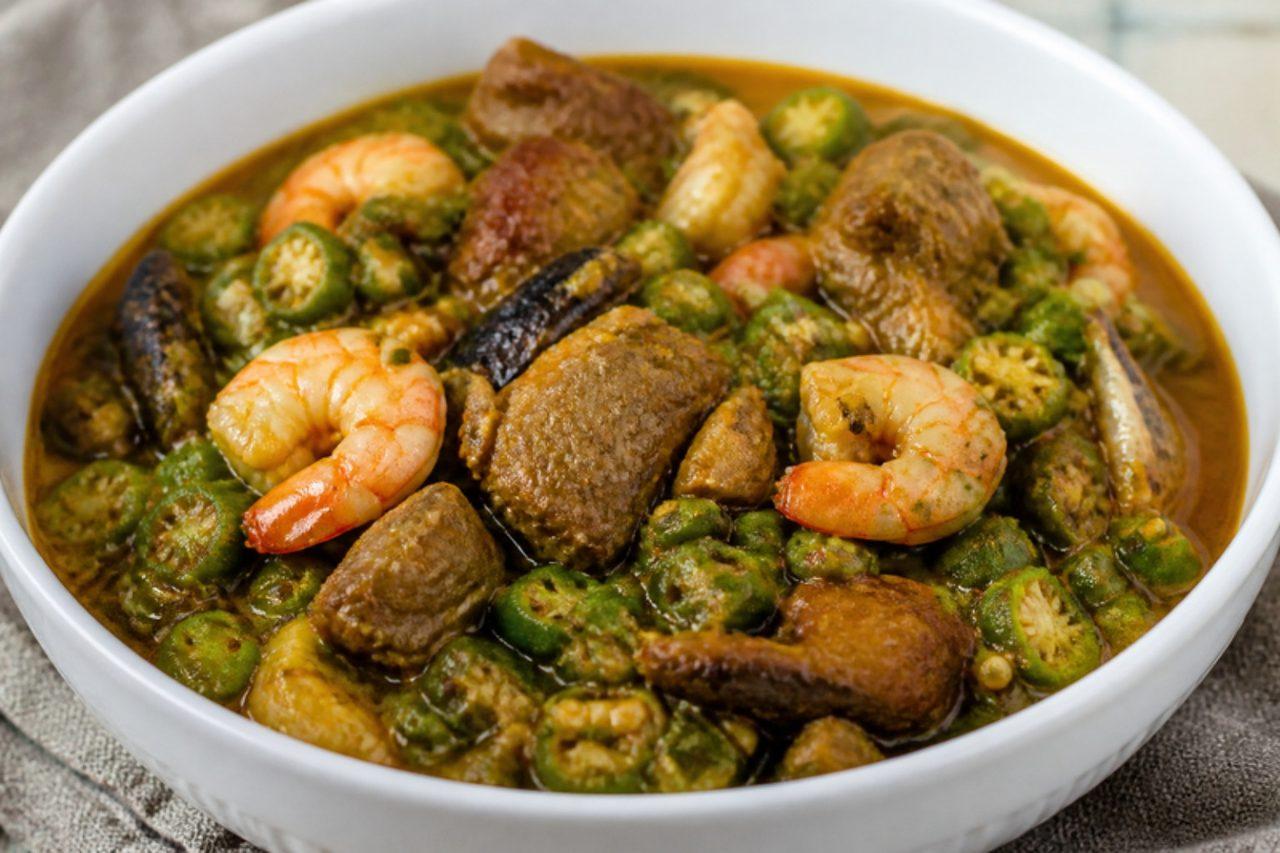
Ibadan and Abeokuta buka ladle ila asepo over amala at lunchtime: a bright, chunky okra soup cooked in a palm-oil pepper base, rather than the plain boiled okra of other regions. Iru and crayfish give depth, assorted meat and smoked fish give body, and prawns go in at the end, so every spoonful is drawy, savoury and loaded. It is just as good with eba or pounded yam. Cooking the okra too long is the usual mistake; it loses its stretch and its green colour, so add it last and give it only 4–5 minutes. Chef's tip: chop the okra by hand into small dice instead of blending it, and the soup keeps its pleasant crunch.

by KrazyBadal 0 views

Chapman (Nigerian fruit punch)

Order a chapman in a Lagos club house or at an owambe party and it arrives in a tall glass full of ice, glowing red and crowded with slices of cucumber, orange and lemon. Lemon-lime and orange sodas are mixed with blackcurrant cordial and grenadine for a sweet, fruity, fizzy drink with a fresh edge from the cucumber. The classic recipe adds a few dashes of aromatic bitters, and those bitters contain alcohol; leave them out (or use an alcohol-free bitters) and it is fully alcohol-free and fine for children. Adding the soda too early is the usual mistake, as it goes flat, so mix the syrups and fruit first and top up just before serving. Chef's tip: chill every bottle well beforehand, so less ice melts into the drink.

by KrazyBadal 0 views

Spris (layered fruit juice)

Juice houses all over Addis Ababa, with their towers of fruit stacked in the window, are famous for spris: a tall glass of thick purées poured in stripes, usually green avocado, golden mango and orange papaya, with a wedge of lime on the rim. It is closer to a spoonable smoothie than a juice, and people often eat the layers one by one before stirring the rest together. It makes a filling breakfast or an afternoon pick-me-up, and children love the colours. Chef's tip: blend each fruit separately and keep every purée thick enough to hold a spoon; runny purées bleed into each other and the stripes vanish.

by KrazyBadal 0 views

Rokak bel lahma (Eid meat pie)

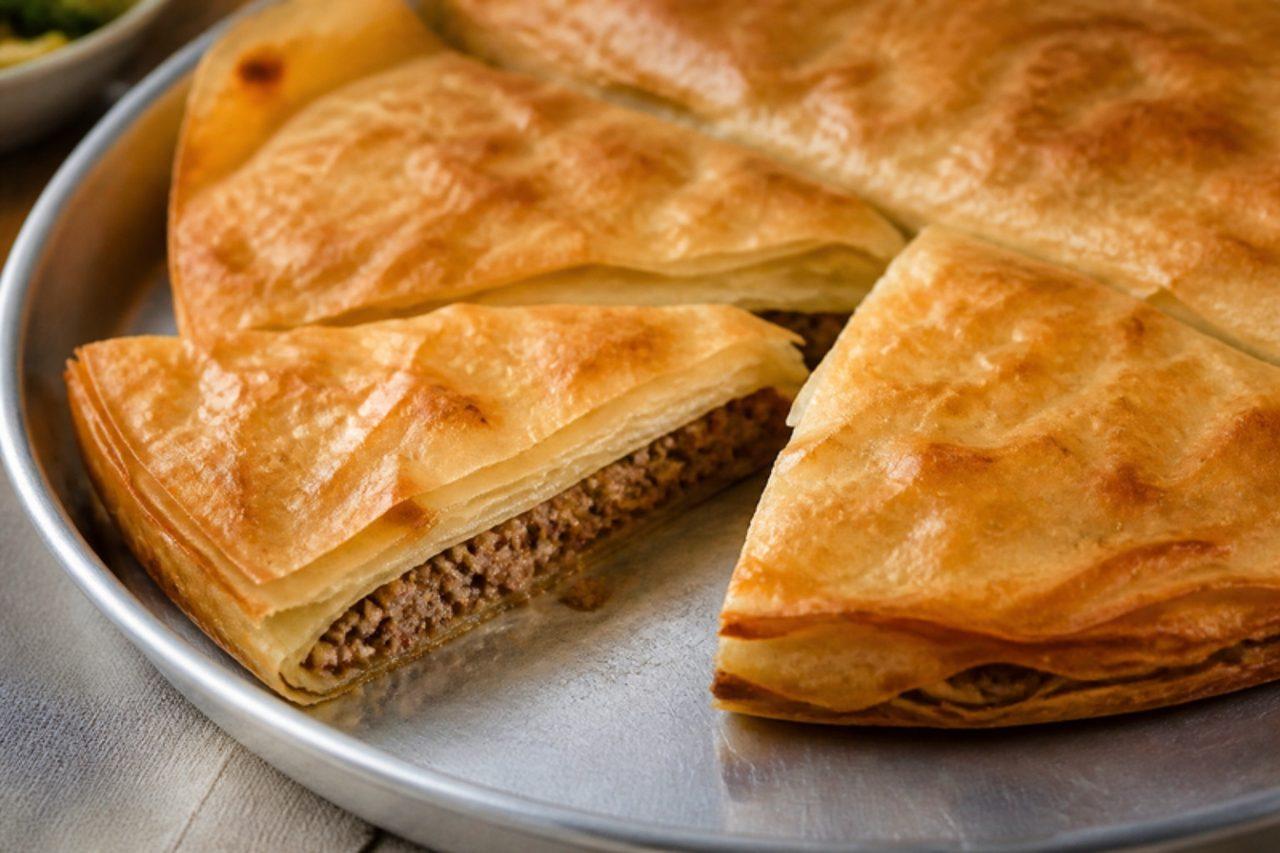
When Eid comes round, Egyptian shops stack up rounds of rokak, a very thin, brittle unleavened pastry baked on a hot dome, and cooks turn them into this layered pie for the family lunch. Each sheet is moistened with hot meat broth and a little ghee, layered with beef mince fried with onion, then baked until the top crackles and the inside turns tender and savoury, somewhere between a pie and a lasagne. It is cut into squares and served with rice, salad and pickles. If you cannot find rokak, sheets of filo baked dry for a few minutes are the nearest substitute. Chef's tip: soak each layer just enough to soften it; too much broth makes a heavy, soggy pie, and too little leaves dry shards, the mistake most people make the first time.

by KrazyBadal 0 views

Blini

Maslenitsa, the week of butter before Lent, is when Russia makes blini by the stack: thin, lacy, slightly sour pancakes raised with yeast and fried one after another in a hot pan, each brushed with melted butter. Old Moscow recipes used buckwheat, and a share of it here gives a nutty, earthy flavour and a speckled grey-gold colour. Eat them folded into quarters with sour cream, jam, honey or condensed milk; red caviar is the festive classic, but this version stays vegetarian. The usual slip is a pan that is not hot enough, which makes thick, pale blini that stick; the first one is always a test. A splash of boiling water whisked in at the end gives the lacy holes. Chef's tip: stack the blini on a plate and cover with a bowl as you go; the steam keeps them soft and supple.

by KrazyBadal 0 views

Grilled bolti (Nile tilapia)

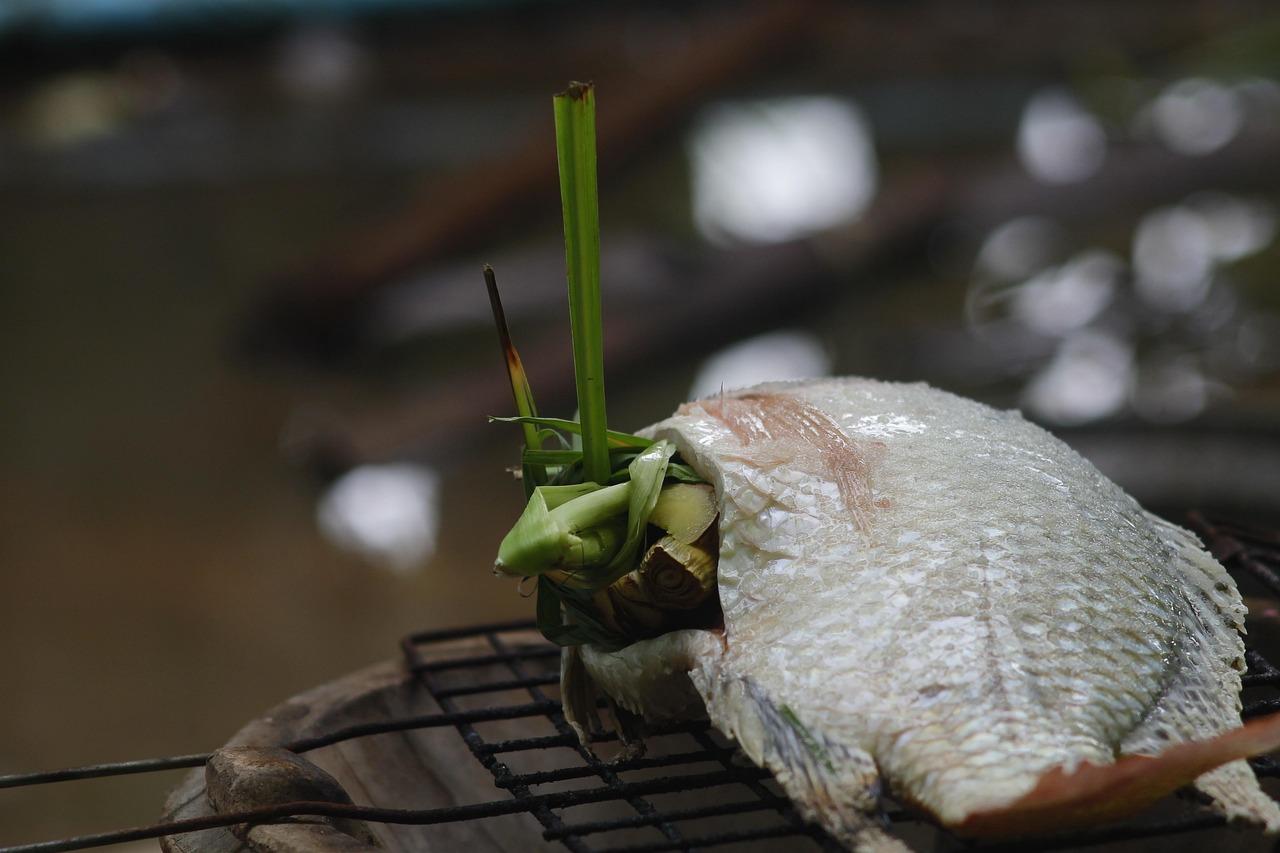
From the Nubian villages near Aswan to the fishing camps on Lake Nasser, bolti caught that morning is gutted, slashed and grilled over charcoal for lunch, and fish grills all over Egypt cook it the same way. The rub is simple: crushed garlic, plenty of cumin, lemon, chilli and oil, which toasts on the skin and seasons the sweet, mild flesh. A stuffing of onion and parsley in the belly keeps it moist. Eat it with your hands, picking the flesh from the bones, alongside tahini, green salad and rice or bread. Chef's tip: oil the grill bars as well as the fish and leave it alone for the first 6 minutes; fish moved too early tears and sticks, which is the usual grilling mistake.

by KrazyBadal 0 views

Boiled groundnuts in the shell

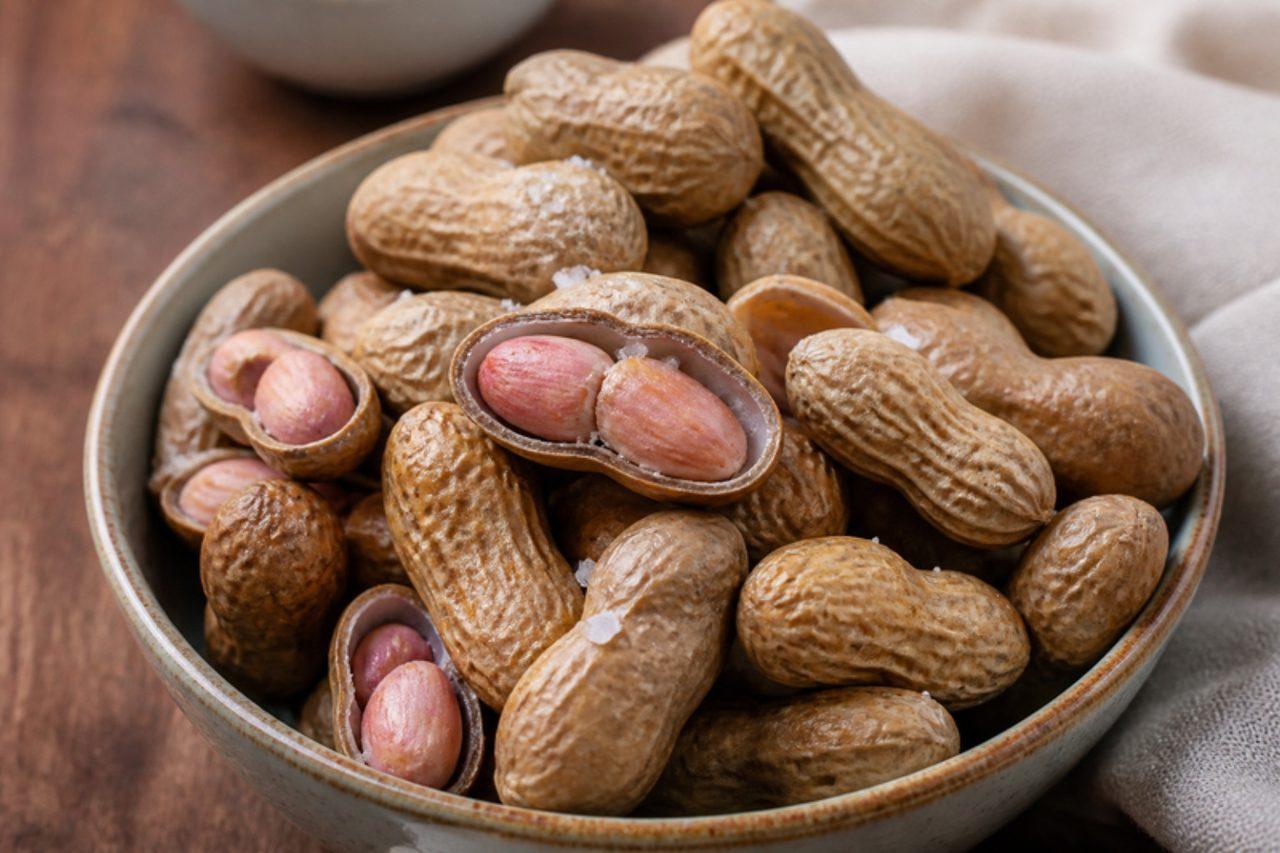
Freshly dug groundnuts appear in markets from Ibadan to Kano when the rains come, still muddy in their pale shells, and hawkers sell them boiled in salt water by the cupful, often next to roasted corn. Boiling turns the kernels soft and creamy, like a cooked bean, with salt seeping through the shell. They are eaten warm on the way home, cracked open with the thumbs. Using dried shop peanuts and boiling them for the same time is the usual mistake: they stay hard, so soak dried ones overnight and boil for 2–3 hours. Chef's tip: let them sit in the hot brine for 15 minutes after cooking, so the salt soaks in.

by KrazyBadal 0 views

Nigerian coconut candy
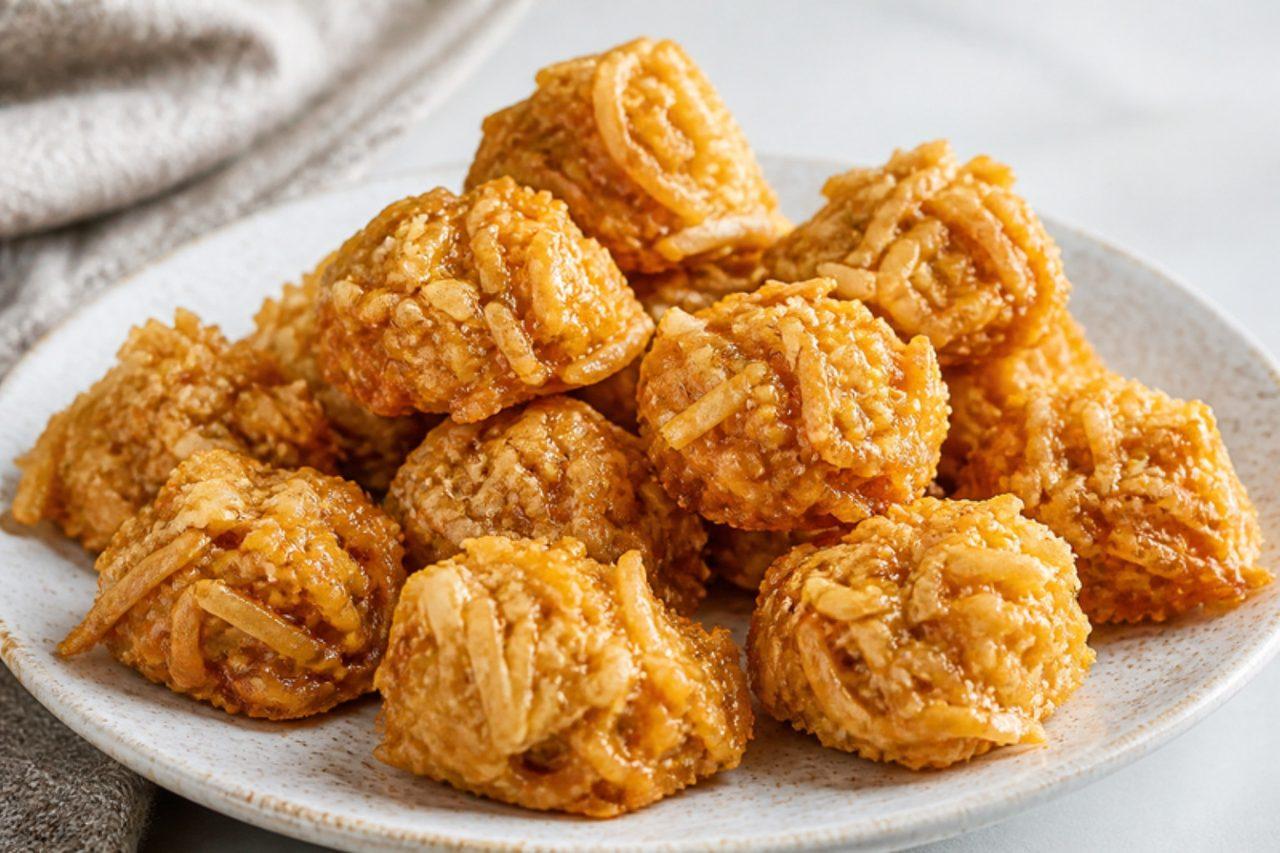
Children across Nigeria spend their pocket money on coconut candy, little clusters of fresh coconut set in amber caramel, sold in small bags by school gates and at market stalls. Made at home it takes about half an hour, with a chewy-crunchy bite and a toffee flavour against the clean taste of fresh coconut. Taking the caramel too far is the common mistake, since dark caramel tastes bitter, so stop at a deep golden colour. Children can help shape the cooled candy, but keep them away from the hot sugar. Chef's tip: use freshly grated coconut, not desiccated; its moisture keeps the clusters chewy in the centre.

by KrazyBadal 0 views

Trida (steamed pasta squares in chicken sauce)

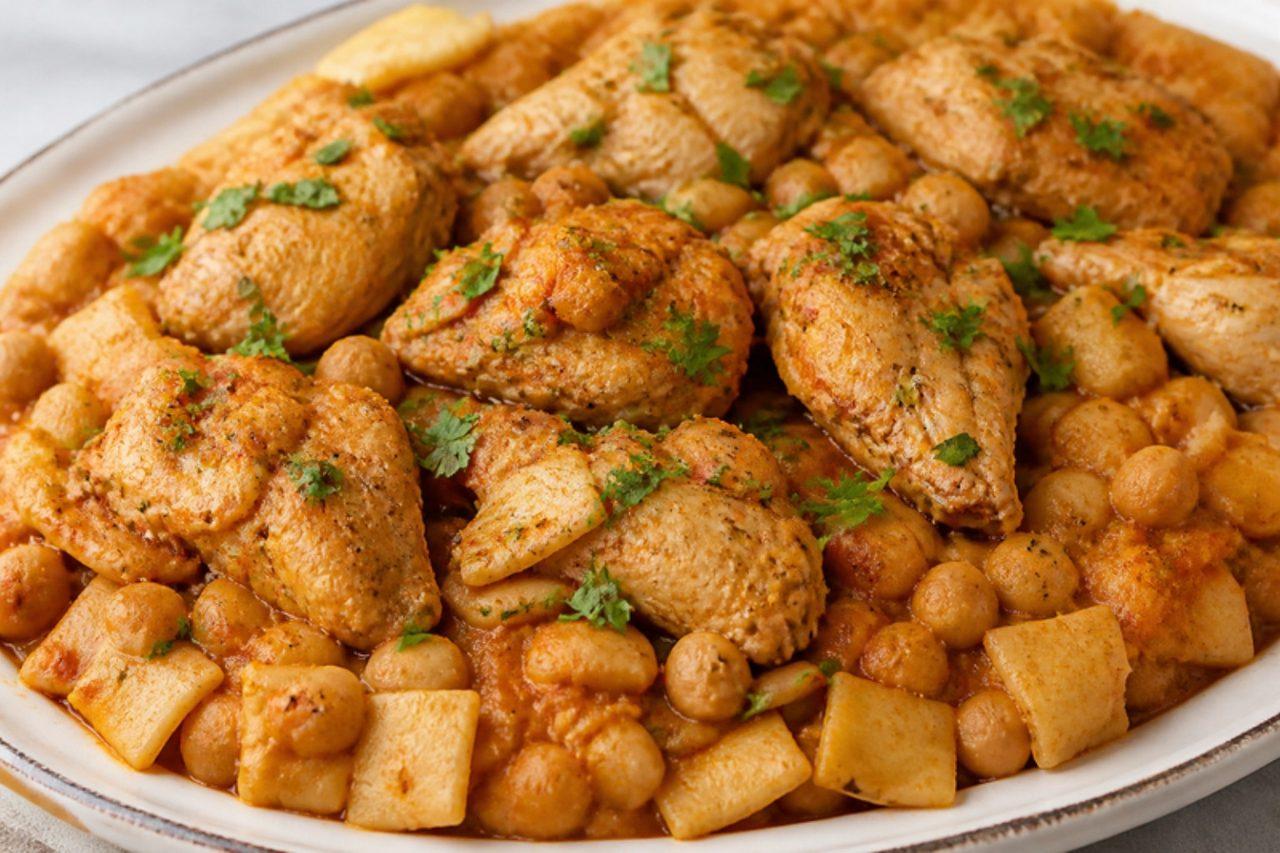
Making trida is an afternoon's work shared around a Constantine kitchen table, especially before Mawlid or a family celebration: a firm semolina dough is rolled paper-thin, cut into small squares, dried, and then steamed twice over a pot of chicken and chickpea sauce flavoured with cinnamon and a touch of tomato. The squares come out tender with a slight bite, glossy with butter and sauce, and are piled on a platter under the chicken. A pasta machine saves a lot of rolling. Chef's tip: dust the cut squares well with semolina and let them dry for half an hour; damp squares are the usual mistake and stick into a single mass in the steamer.

by KrazyBadal 0 views

Chakhchoukha (torn flatbread in lamb sauce)

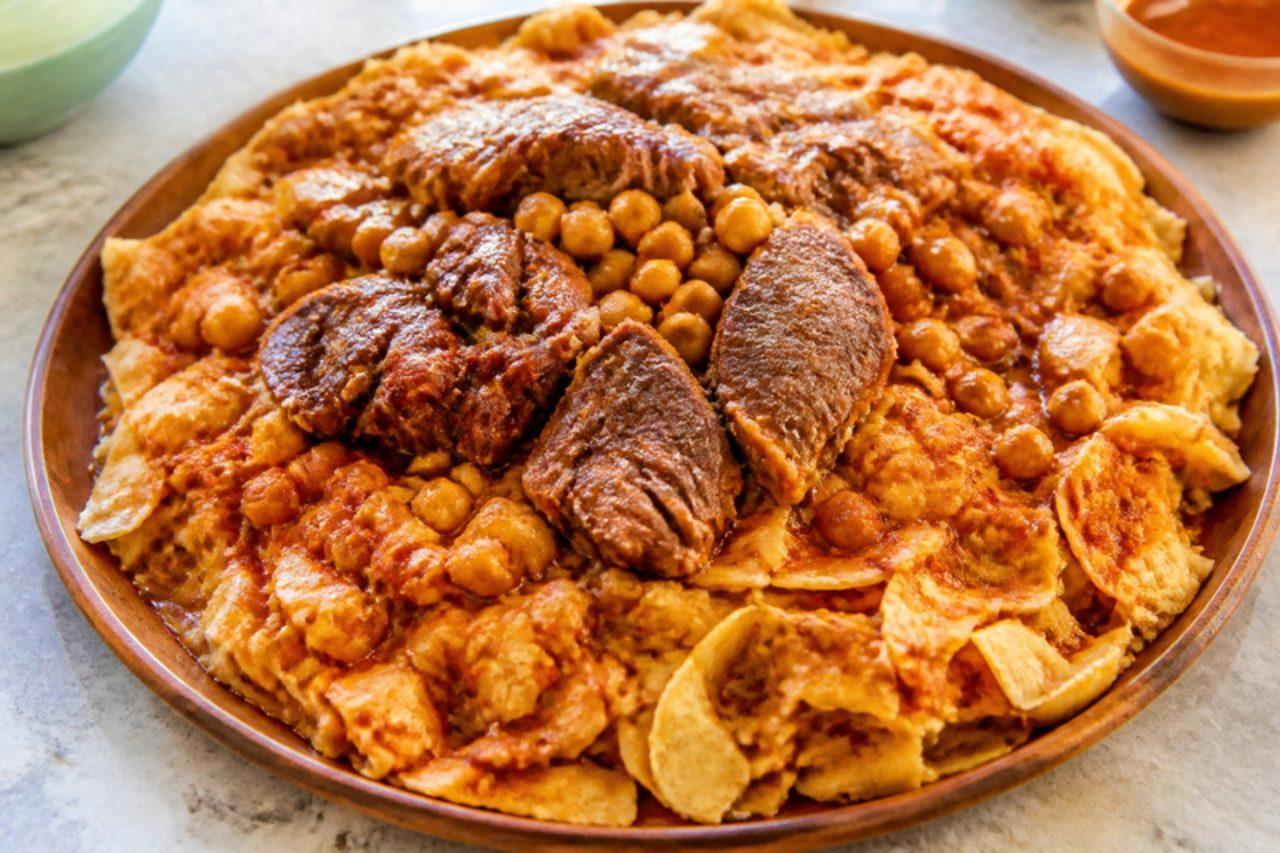
Biskra claims chakhchoukha as its own, though Constantine and the whole east cook it for weddings, Eid and the arrival of guests: sheets of thin rougag are torn into small pieces, softened with steam and soaked in a fiery red sauce of lamb, tomato, chickpeas and whole green chillies, then served from one big wooden or clay dish. The bread turns soft and silky, almost like pasta, and soaks up the peppery, deeply savoury sauce. Use homemade rougag or the dried sheets sold in Algerian shops. Chef's tip: moisten the bread with sauce a ladle at a time and toss between additions; pouring it all over at once is the usual mistake, and the bread turns to paste.

120 minAlgerianMeatSpicy
by KrazyBadal 0 views

Chbah essafra (almond fritters in lamb sauce)

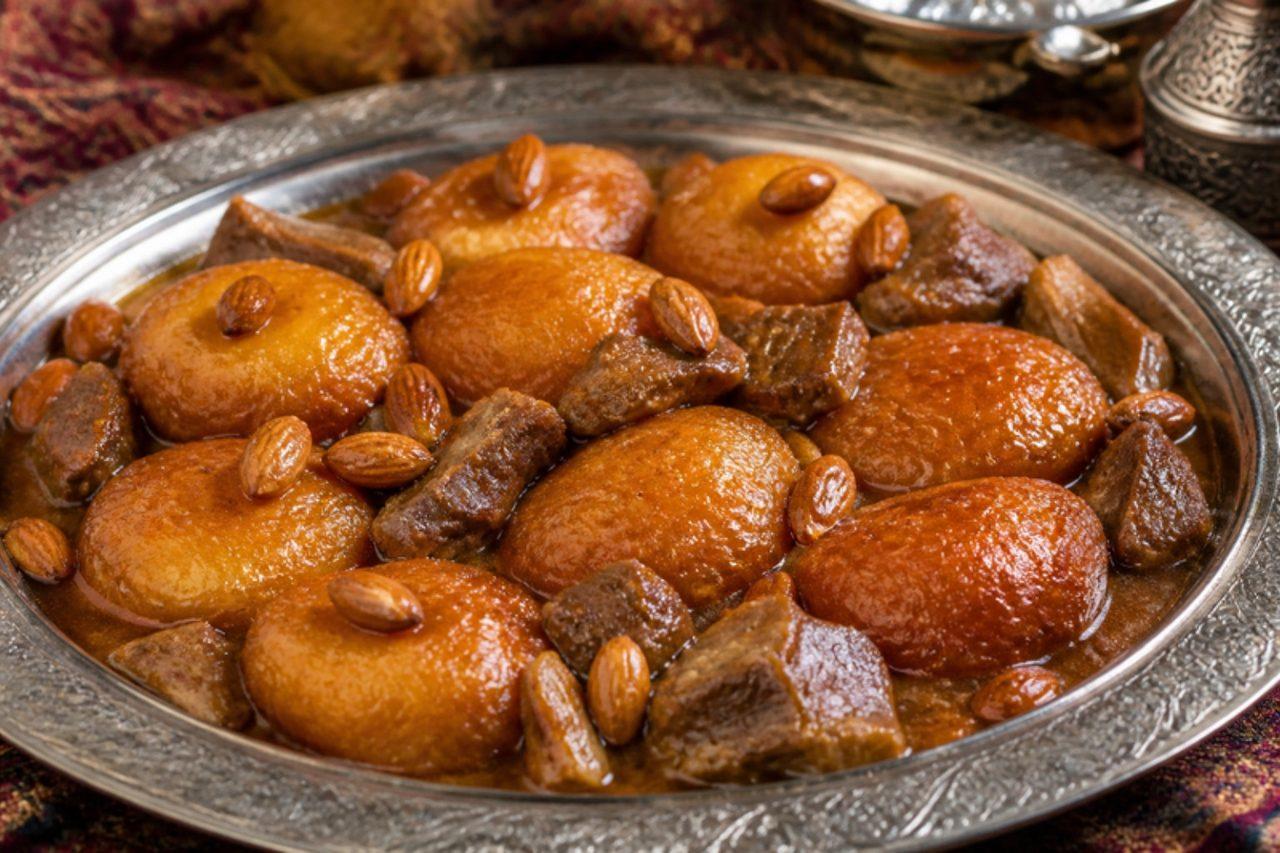
Cooks in Algiers bring out chbah essafra for weddings and grand family dinners, where it is served as the sweet main course: diamonds of almond paste scented with lemon and cinnamon are dipped in egg, fried golden and laid around tender lamb in a pale, buttery sauce sweetened with sugar and orange-blossom water. The contrast of savoury meat and soft, sweet almond is the point, and the dish is rich, so small portions with bread are usual. Chicken can replace the lamb, with a shorter cooking time. Chef's tip: warm the fritters in the sauce only at the table; dropping them into bubbling sauce is a common mistake, and they fall apart.

130 minAlgerianMeat
by KrazyBadal 0 views

Bole (roasted plantain with pepper sauce)

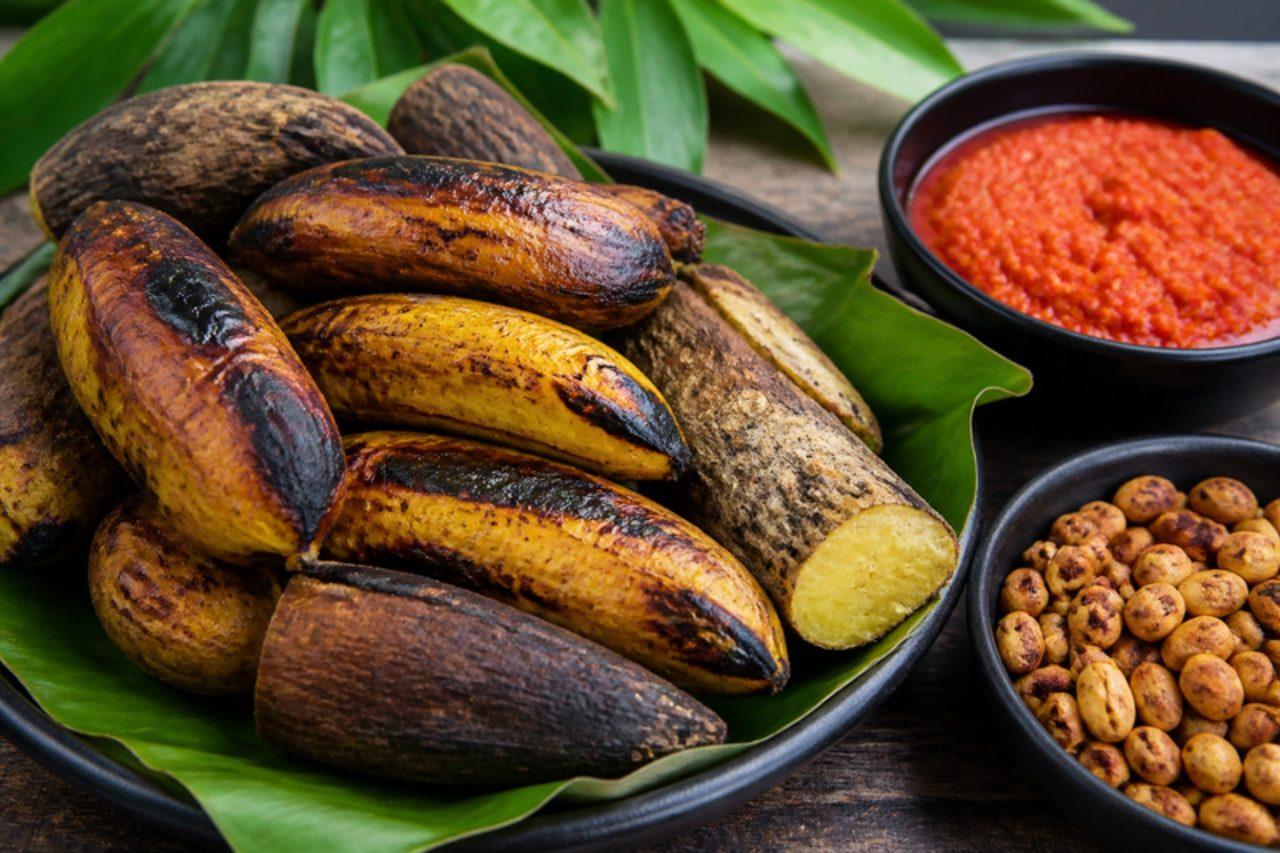
Roadside grills all over Port Harcourt send up smoke from bole, the city's beloved street food, and the Rivers State capital even holds a festival in its honour. Plantains and pieces of yam are roasted over charcoal until the skins blacken and the flesh turns smoky, sweet and creamy, then split and served with a spicy palm-oil pepper sauce. The full version comes with grilled fish; this meat-free way pairs it with a handful of roasted groundnuts, which is also how many people snack on it at the roadside. A gas flame, barbecue or a very hot oven all work at home. Chef's tip: choose plantains that are just yellow and still firm; very ripe ones turn mushy and burn before the inside cooks, the commonest bole mistake.

by KrazyBadal 0 views

Meatball stew

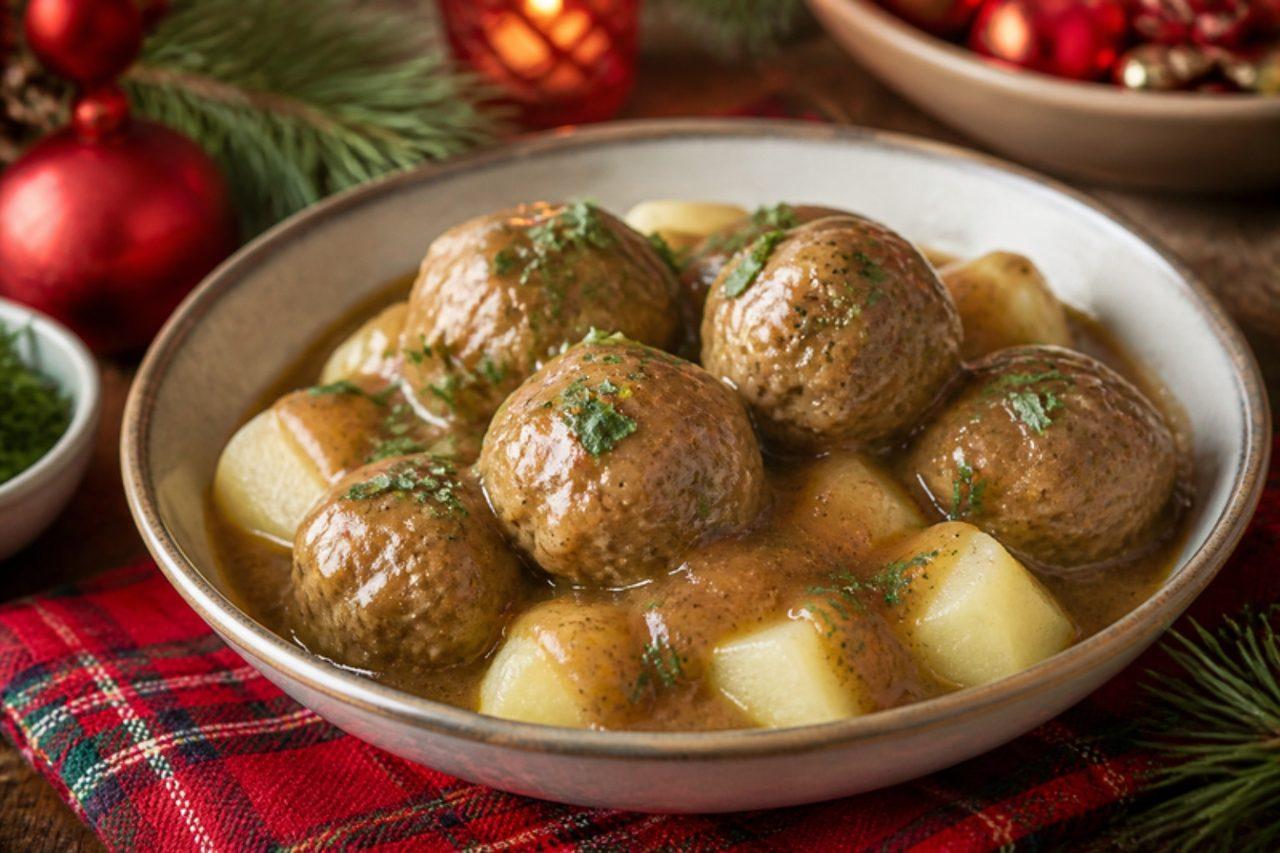
Ragoût de boulettes is a Quebec Christmas Eve and New Year dish, simmered in big pots for the réveillon in the Saguenay and Beauce, often served with pork hocks and boiled potatoes. The meatballs are made from minced pork, gently spiced with cinnamon, clove and nutmeg, and simmered in a gravy thickened with flour toasted dry in a pan until brown. That toasted flour gives the stew its colour and nutty taste. A common mistake is toasting the flour too quickly so it burns; keep the heat moderate and stir constantly. Chef's tip: it tastes even better the next day, so make it ahead and reheat until piping hot.

150 minCanadianMeat
by KrazyBadal 0 views

Dodo Ikire (Ikire plantain balls)

Travellers on the Ibadan–Ife road stop at Ikire in Osun State to buy cones of dodo Ikire from the women who line the roadside, and the town is famous for little else. Overripe plantain, black-skinned and soft, is fried, mashed with fresh scotch bonnet and salt, moulded into small balls or cones and fried again until it is almost black outside, sticky and chewy inside, with a sweet-hot flavour like plantain caramel with a kick. It keeps well and is eaten as a snack on its own or with roasted groundnuts. Don't use firm plantain: it must be black and very soft, or the balls never turn dark and chewy. Chef's tip: use plantains so ripe they feel soft and the skins are fully black; yellow plantain gives ordinary fried dodo, not the dark, toffee-like Ikire kind.

by KrazyBadal 0 views

Ofada rice with green pepper sauce

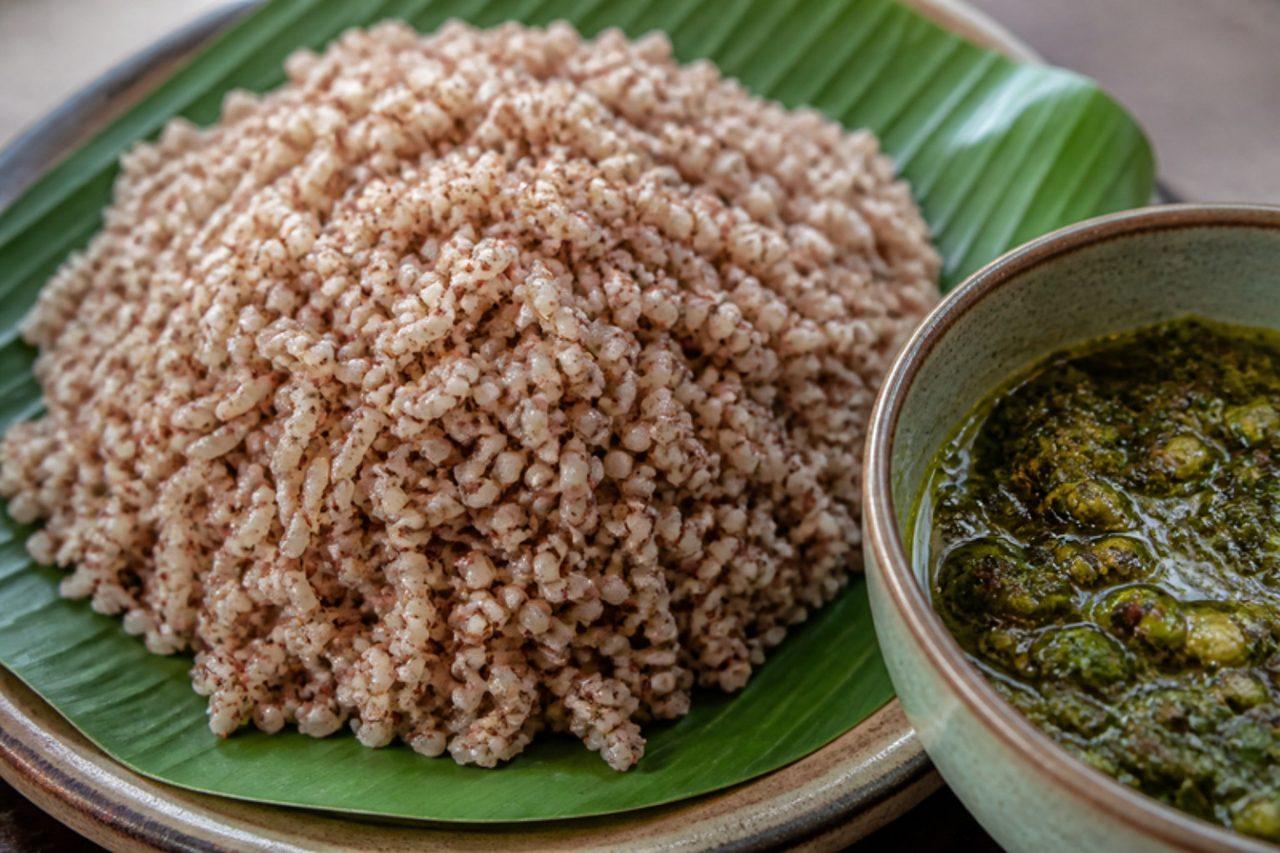
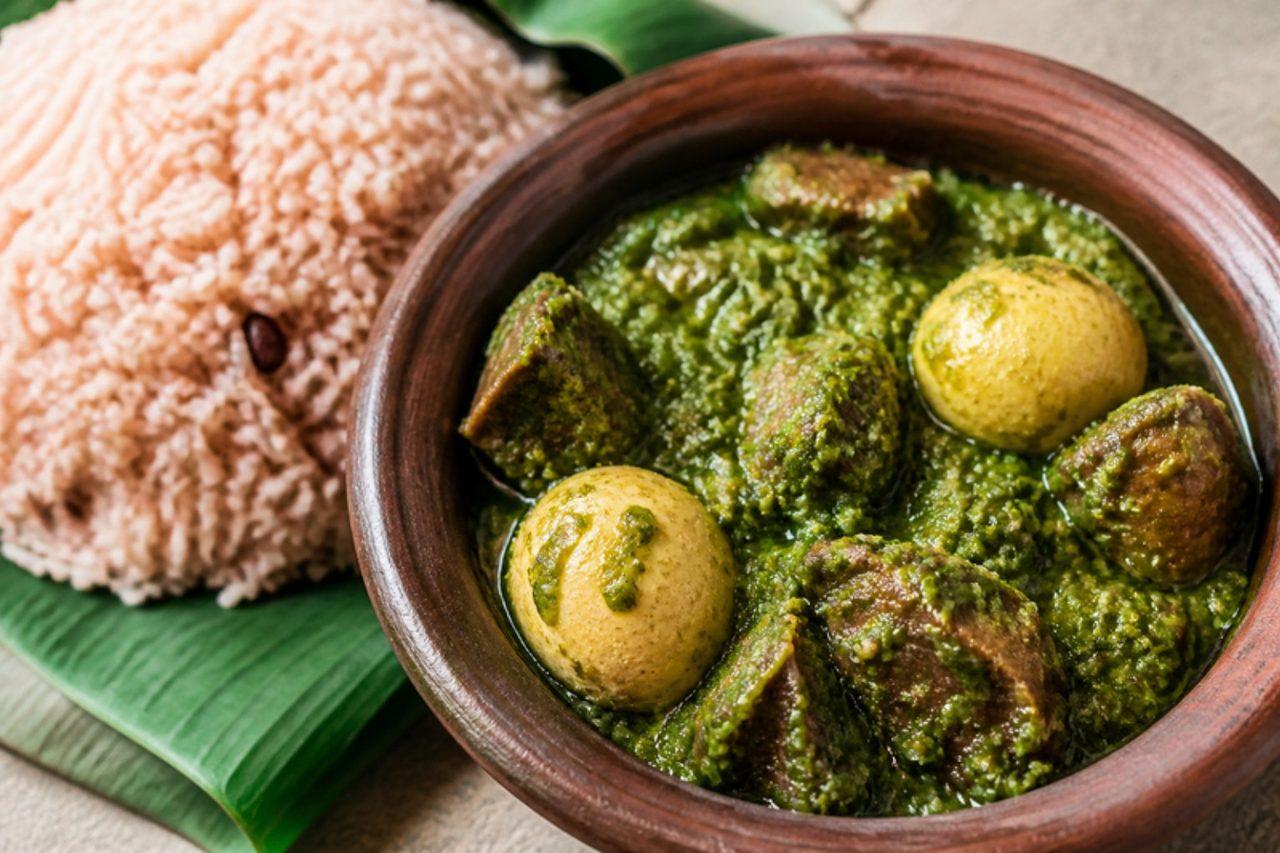
Ofada rice takes its name from a town in Ogun State and is grown on small farms across the Southwest; the grains are short, unpolished and sometimes speckled, with a nutty, earthy aroma that some love and others find strong. It is served wrapped in uma (thaumatococcus) leaves at parties and in Lagos restaurants, with ayamase, a fiery green pepper sauce cooked in bleached palm oil. Ayamase is usually loaded with assorted meats and boiled eggs; this vegan version keeps the green peppers, scotch bonnets and locust beans and adds mushrooms if you like. Banana leaves or a plain plate stand in for uma leaves. The mistake to avoid is skipping the picking and washing: local rice often holds small stones and husk. Chef's tip: bleach the palm oil with the lid nearby, the window open and the extractor on full, and never leave the pan.

by KrazyBadal 0 views

Akidi (Igbo black beans with plantain)

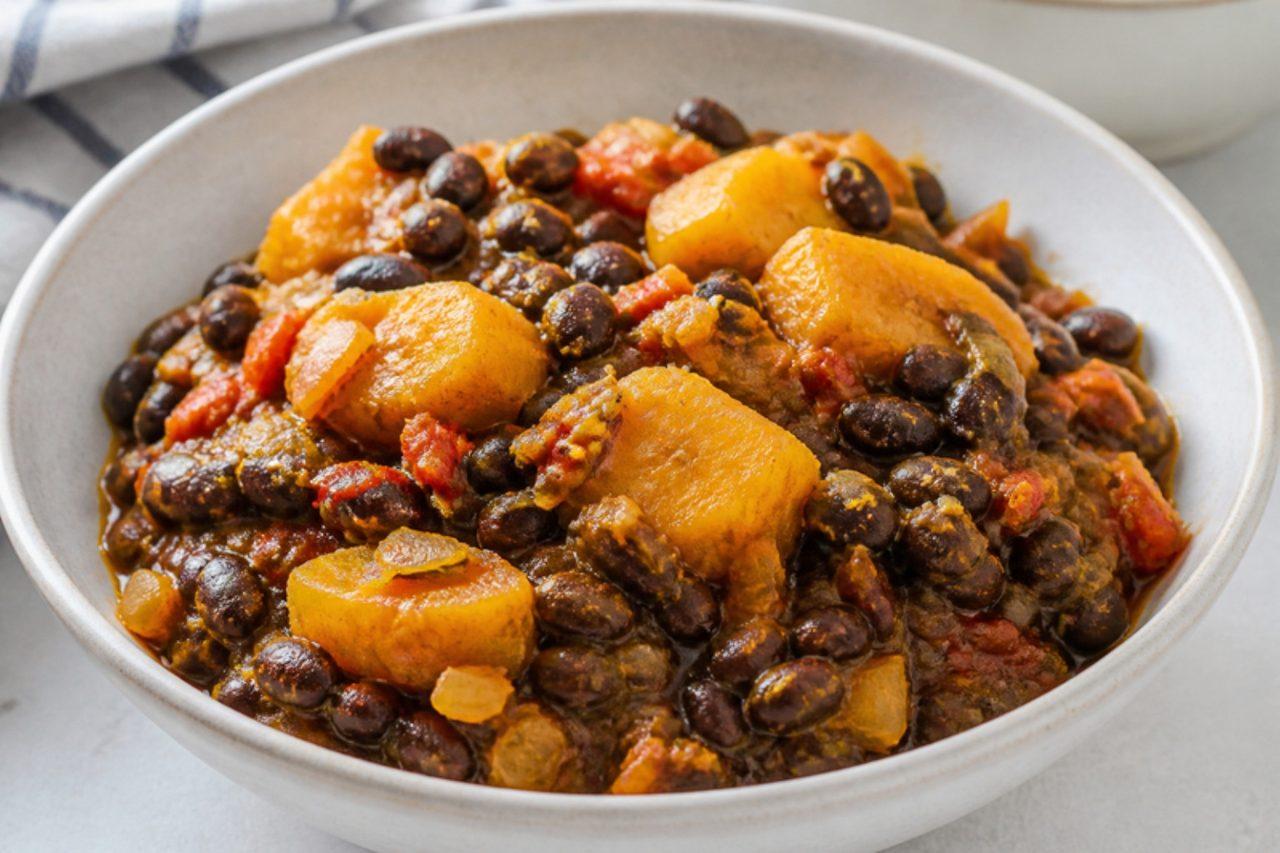
Akidi, a small, glossy black bean, is a quiet staple of Igbo home cooking around Enugu, Anambra and Imo, cooked like beans porridge and usually with ripe plantain for sweetness. After a long simmer the beans turn creamy inside while holding their shape, and they are finished with palm oil, onion, scotch bonnet and a handful of fragrant leaves, so the pot tastes earthy, sweet and peppery. It is a filling meal on its own, often eaten with a cold drink or a side of fried plantain. If you cannot find akidi, black turtle beans are a good substitute. Chef's tip: add the plantain only for the last 15 minutes; put in at the start, it dissolves into the beans, which is the usual mistake.

by KrazyBadal 0 views

Hong Kong borschtTomato beef and cabbage soup

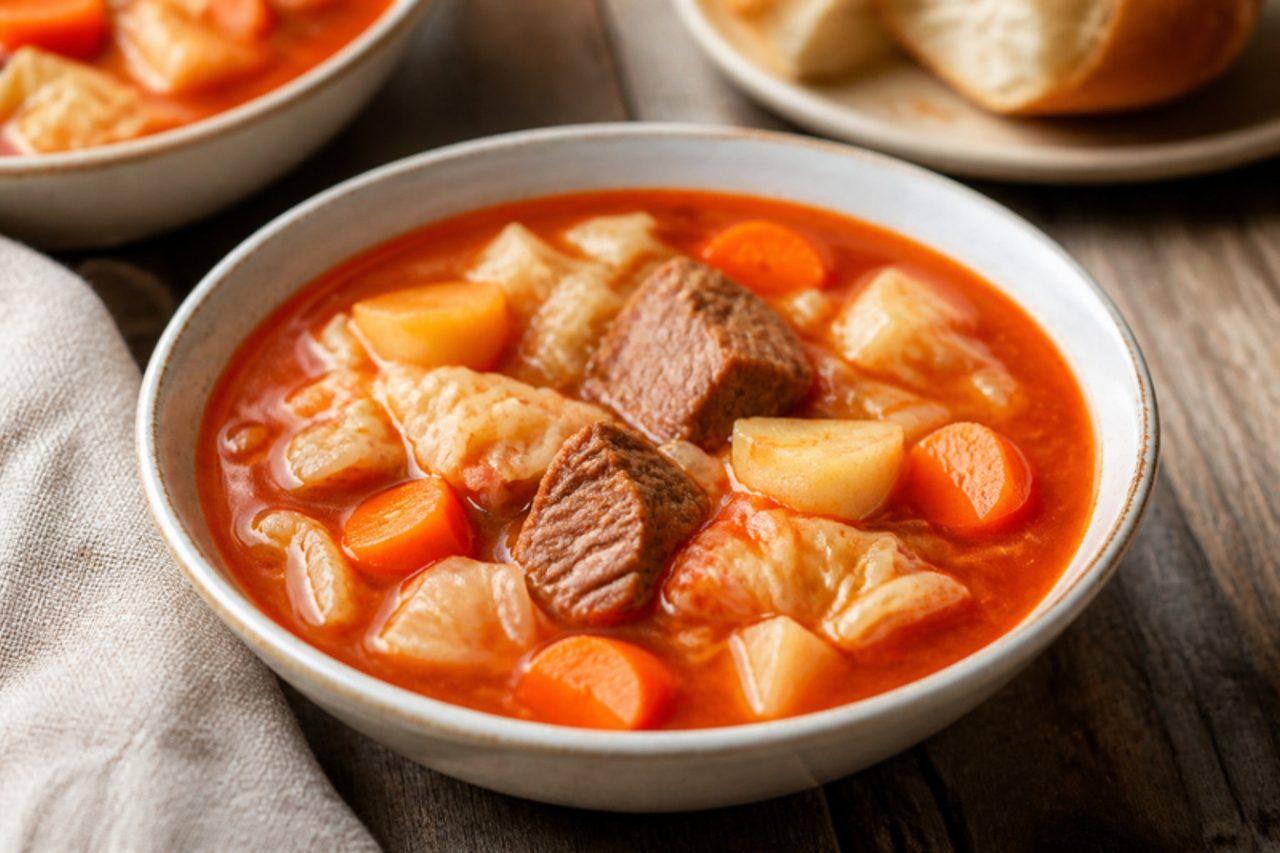
Order a set lunch at a Hong Kong cha chaan teng and the waiter will ask "red or white?": red is lo sung tong, the diner's tomato version of borscht, brought to the city by Russians who arrived from Shanghai in the 1940s. It has no beetroot at all; instead, beef shin, cabbage, potato, carrot, onion and celery simmer with fresh tomatoes and a spoonful of ketchup into a thick, sweet-sour, brick-red soup. It comes with buttered toast or a bun before a plate of baked rice or spaghetti, and makes a filling meal by itself on a rainy day. A typical slip is adding all the vegetables at once, so the cabbage turns to mush before the beef is tender; add them in stages. Chef's tip: fry the tomato paste and ketchup until they darken before adding water, which gives the soup its deep red colour.

by KrazyBadal 0 views

Tlitli (Algerian rice-shaped pasta with chicken)

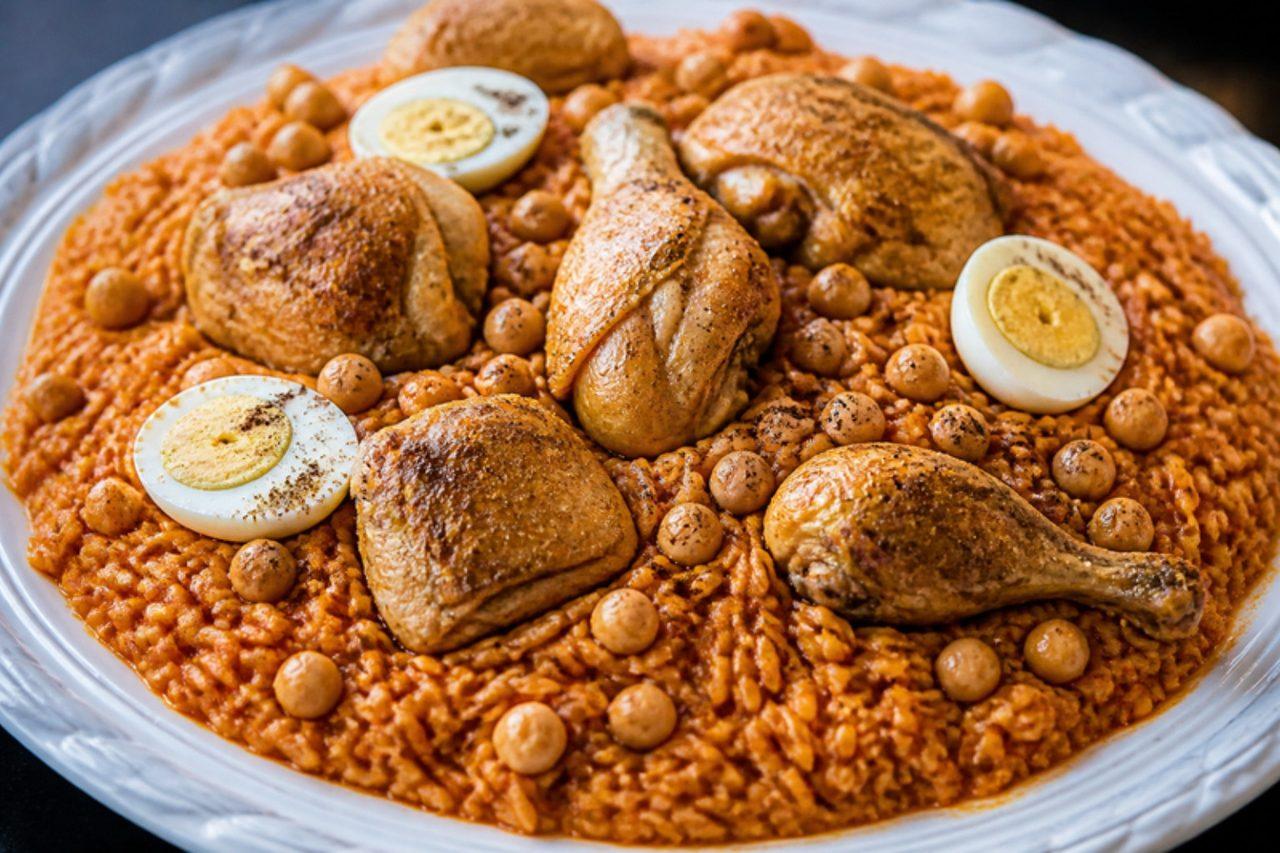
Tlitli is a tiny pasta shaped like grains of rice, once rolled by hand and now sold dried, and in Algiers and Constantine it is cooked for family feasts such as Ennayer, the Amazigh New Year, or the return of a pilgrim. The pasta soaks up a red sauce of chicken, onion, tomato, paprika, cinnamon and chickpeas, and is piled on a platter with the chicken and halved boiled eggs on top. Expect a cosy, gently spiced dish, a bit like a red risotto, with soft pasta and tender chicken. Orzo is a good stand-in if you cannot find tlitli. Chef's tip: toast the pasta in oil before adding sauce; untoasted tlitli tends to clump and turn mushy, a common mistake.

by KrazyBadal 0 views

Sfiria (cheese croquettes in chicken sauce)

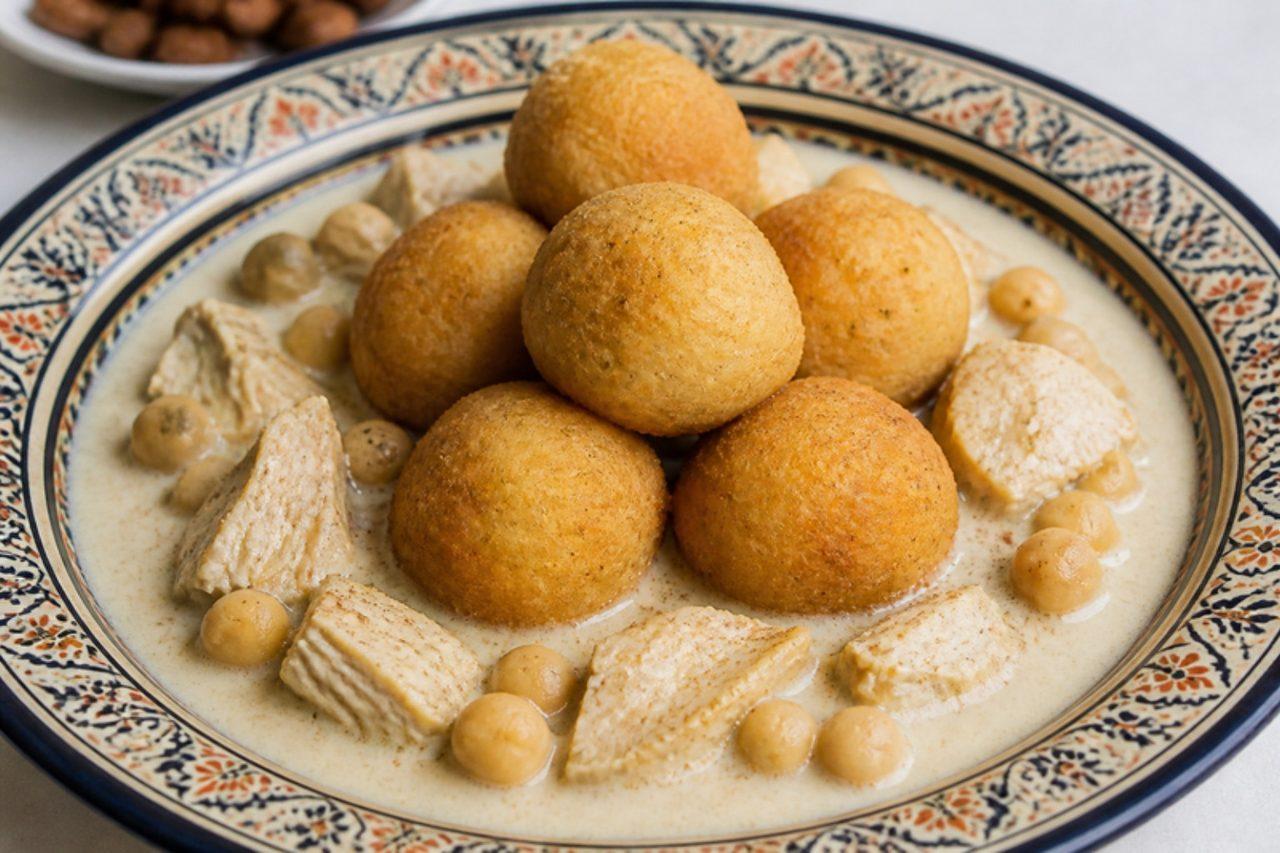
Sfiria belongs to the old bourgeois cooking of Algiers, served on Ramadan evenings and at family celebrations: little croquettes of soaked bread, grated cheese and egg, scented with cinnamon, are fried golden and then laid in a pale chicken and chickpea sauce flavoured with cinnamon and white pepper. The croquettes are light and spongy, soaking up just enough sauce to be juicy, and the dish tastes delicate and faintly sweet. Day-old white bread without crusts gives the best texture. Chef's tip: add the croquettes to the sauce only at the last minute; leaving them to simmer is the common mistake, and they swell, go soggy and fall apart.

by KrazyBadal 0 views

Burabisko (Borno millet couscous)

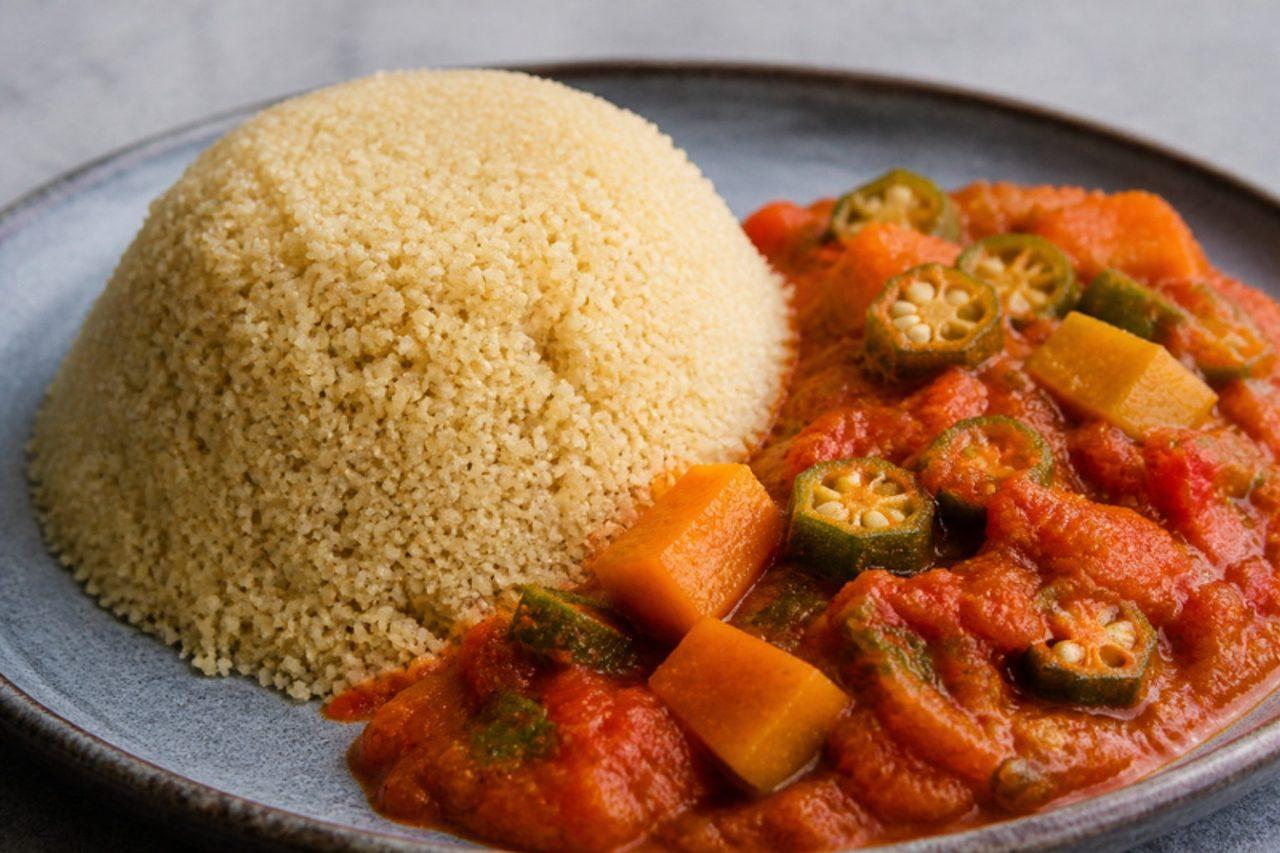
Kanuri cooks in Maiduguri and across Borno make burabisko by rubbing millet flour with water into tiny grains and steaming them twice, much like the couscous of the Sahara, to which it is related. The grains turn fluffy and slightly nutty, and they are heaped beside a tomato and pepper sauce for Sallah, weddings and Friday lunch. The sauce usually holds lamb or beef; this meat-free version uses carrots, green beans and potato, as is common on ordinary days. Too much water at the rubbing stage turns the flour into a paste instead of grains, so sprinkle and rub, never pour. Chef's tip: short of time, steam 300 g wheat couscous over the sauce instead (it will no longer be gluten free).

by KrazyBadal 0 views

Chorba beida (Algerian white chicken soup)

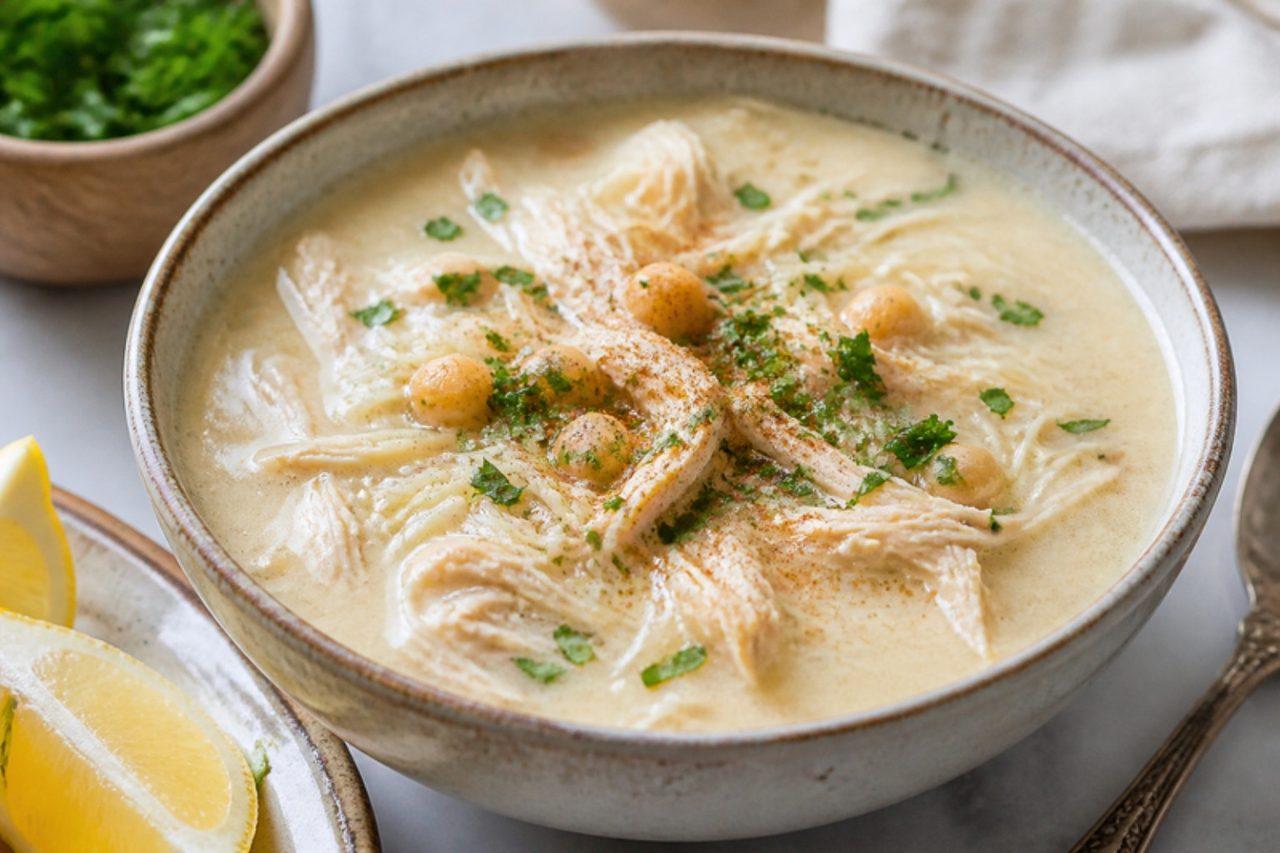
Unlike the red chorba of the rest of the country, the 'white' chorba of Algiers has no tomato at all: chicken, onion and a cinnamon stick are cooked gently in butter, simmered with chickpeas and fine vermicelli, then thickened at the end with egg yolks and lemon. It is a classic of Ramadan tables in the capital, and is also cooked for guests at weddings and family gatherings. The soup is silky and pale gold, mild and comforting, with a soft lemony tang. Serve it with bread and a squeeze of extra lemon. Chef's tip: once the egg yolks are in, never let the soup boil; boiling is the common mistake that curdles it into scrambled threads.

by KrazyBadal 0 views

Usi (Urhobo starch swallow)

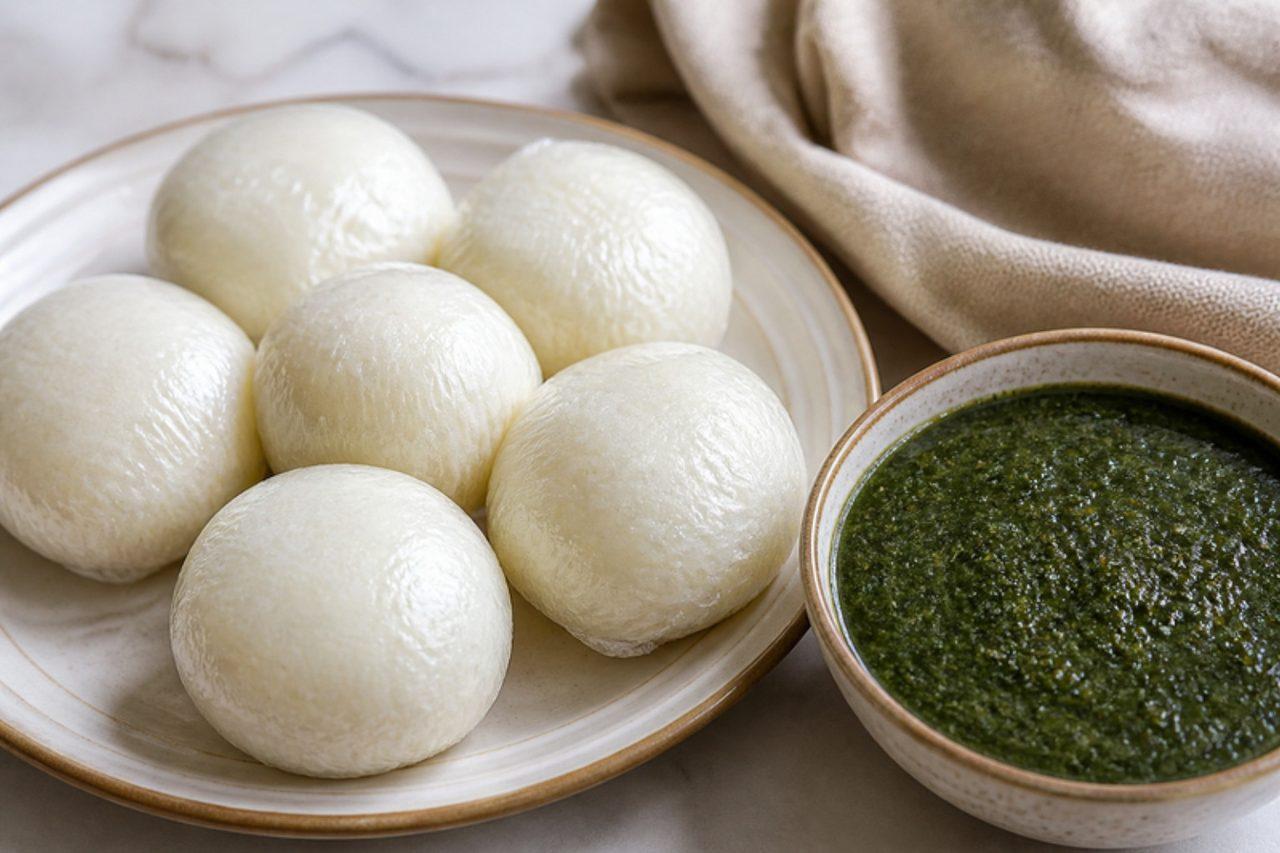
Bright yellow-orange and wobbly, usi, often just called starch, is the pride of Urhobo cooking in Delta State, and in Warri and Ughelli it is the only proper partner for banga (palm-nut) soup or owo soup. It is made from cassava starch cooked with water and a little palm oil, stirred hard over a low heat until it turns from a chalky white paste into a translucent, glossy, elastic mass. It tastes very mild; it is a vehicle for rich soups, and its smooth stretch is the point. Look for cassava starch (wet or dried) in African shops. Banga and owo soup are usually made with fish, so serve usi with a meat-free banga for a vegan meal. Chef's tip: keep the heat low and never stop stirring; a high flame is the mistake that scorches the bottom and leaves raw, white lumps.

by KrazyBadal 0 views

Tuwo shinkafa (soft rice swallow)

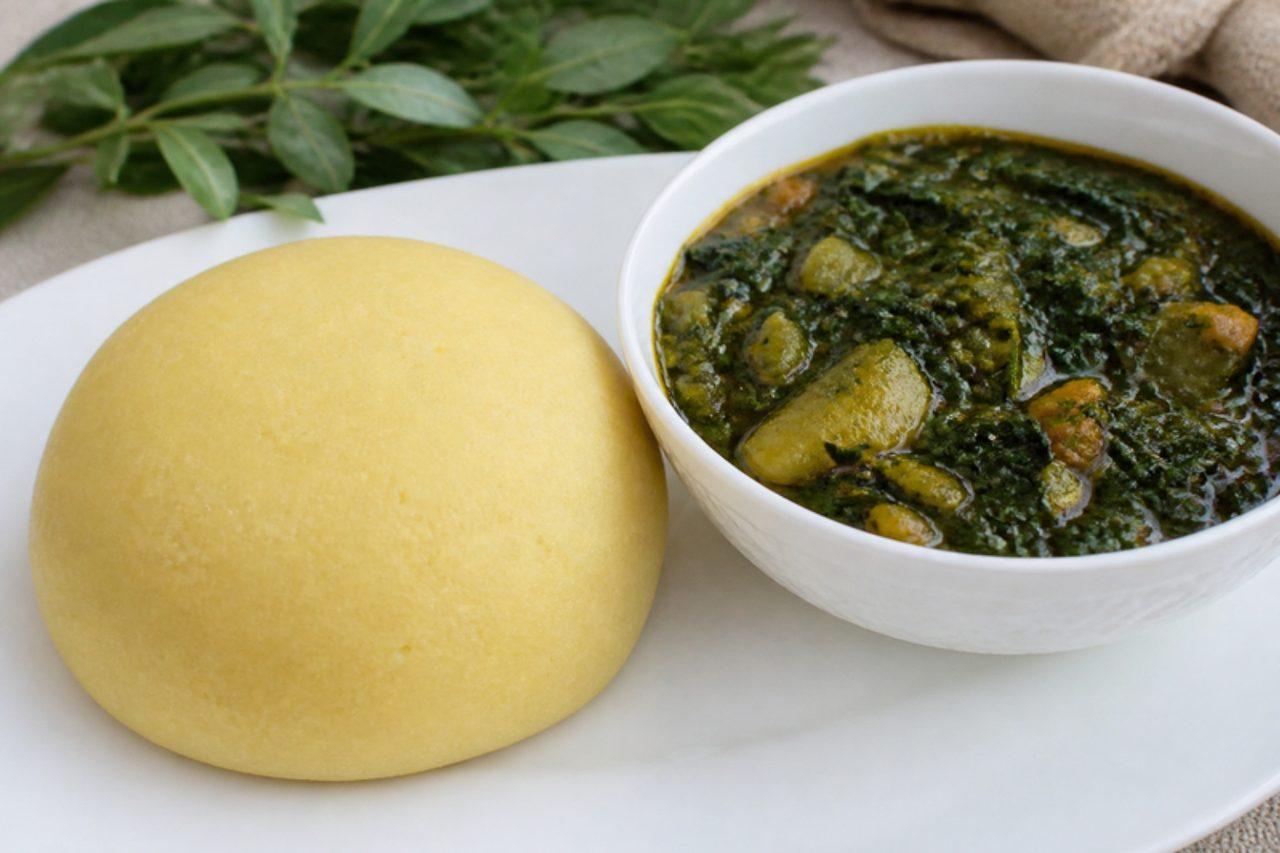
Across Kano, Kaduna and the wider Hausa north, the evening meal very often means a dome of tuwon shinkafa beside a bowl of soup. Short-grain rice is cooked well past the point most cooks would stop, then beaten with a wooden spoon until the grains collapse into a smooth, faintly sticky mass that still shows a few soft grains. It tastes mild and clean, which is exactly its job: you pinch off a piece, dip it into miyan kuka, miyan taushe or an okra soup and swallow. It also turns up at naming ceremonies and weddings, wrapped in plastic or leaves and carried home by guests. Chef's tip: wet the bowl or cup you mould it in, and the balls slide out glossy and round instead of tearing.

by KrazyBadal 0 views

Nigerian pancakes

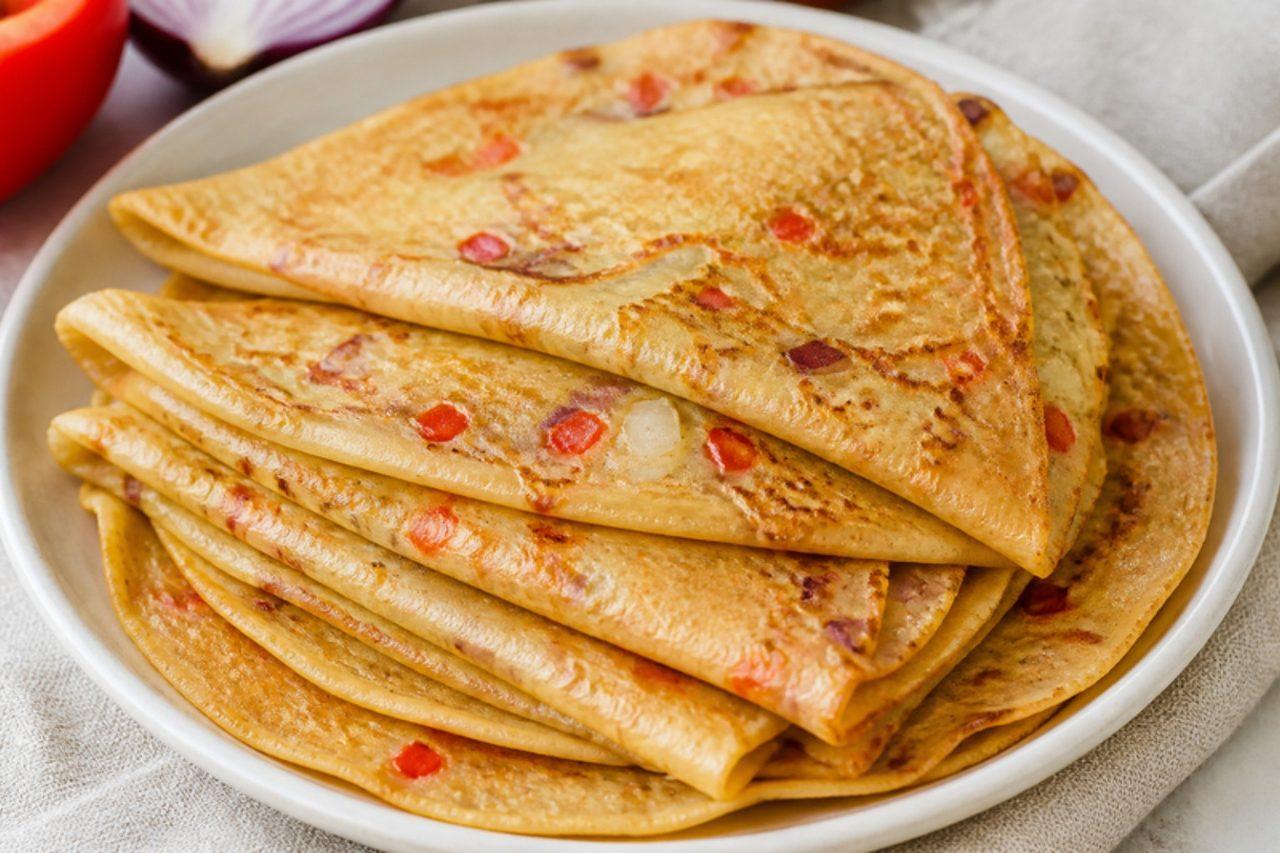
Somewhere between a crêpe and a Western pancake, the Nigerian version is thin, slightly chewy and folded into quarters, often cooked for children before school or on a slow Saturday. Savoury ones get chopped onion and a bit of fresh chilli in the batter; sweet ones simply have more sugar and a pinch of nutmeg. They need nothing alongside except tea or a cup of hot chocolate. A pan that isn't hot enough is the classic mistake and gives pale, greasy pancakes, so heat it until a drop of batter sets at once. Chef's tip: rest the batter for 10 minutes while the pan heats; it gives a smoother, chewier pancake.

by KrazyBadal 0 views

Djelbana (Algerian lamb and pea stew)

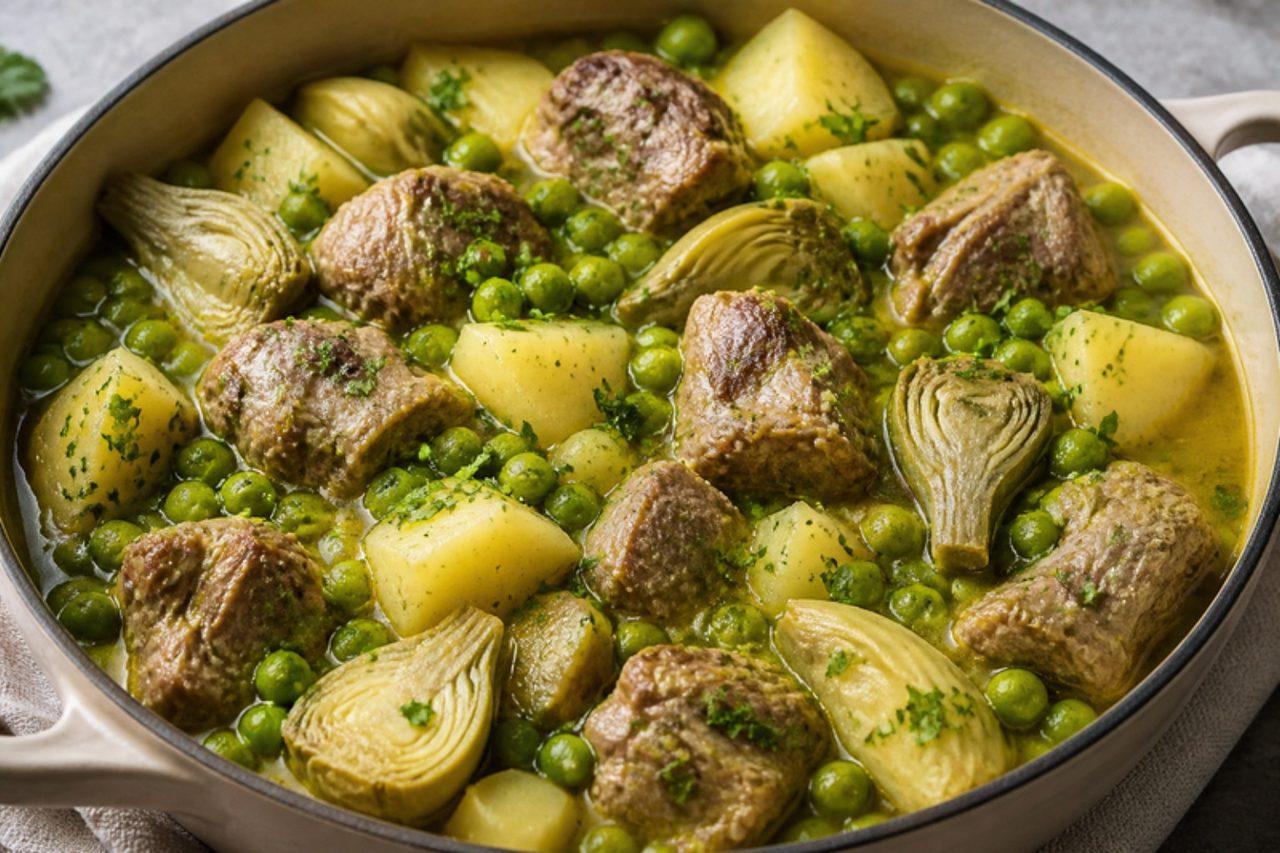
Spring markets in Algiers fill with sacks of fresh peas and violet artichokes, and that is the moment for djelbana, a light, pale stew of lamb, peas, artichoke hearts and potatoes cooked with onion, garlic and a little turmeric, finished with fresh coriander. Families serve it at lunch with plenty of bread to soak up the sauce; on meat-free days it is made the same way without the lamb. It tastes fresh, sweet and gently peppery rather than heavily spiced. Frozen peas and artichoke hearts are fine out of season. Chef's tip: add the peas only for the last 10 minutes; peas put in with the meat are the usual mistake and turn grey and mushy.

by KrazyBadal 0 views

Lafidi (Guinean rice with lamb and peanut sauce)

High in the green hills of the Fouta Djallon in Guinea, Fula (Peul) families prepare lafidi for feast days and for guests: a mound of white rice topped with tender lamb and a generous peanut sauce, served on a shared platter. Some households make it with a leaf sauce of cassava or sweet potato leaves instead; this version uses the peanut sauce, which is smooth, nutty and lightly tangy from tomato, with a steady warmth of chilli. The lamb is simmered slowly in the sauce, so it is soft enough to pull apart with your fingers. Chef's tip: simmer the peanut sauce uncovered and stir it from the bottom often; peanut sauces catch and burn easily, and a scorched taste runs through the whole pot.

100 minAfricanMeatGluten free
by KrazyBadal 0 views

Danwake (bean flour dumplings)

Roadside danwake sellers in Kano and Kaduna ladle the little dumplings out of big pots, then dress them on the plate with groundnut oil, a dusting of fiery yaji, raw onion and tomato. The dough is bean flour stiffened with baobab leaf powder and a pinch of potash or bicarbonate, which gives the dumplings their dark colour and springy bite. Boiled eggs are often served alongside; leave them out, as here, and the dish is fully vegan and still satisfying, thanks to the beans. A dough that is too soft falls apart in the water, so boil one test dumpling before you shape the rest. Chef's tip: drop the cooked dumplings into cold water straight away; it stops them sticking together and firms the surface.

by KrazyBadal 0 views

Alkaki (Hausa syrup-dipped twists)

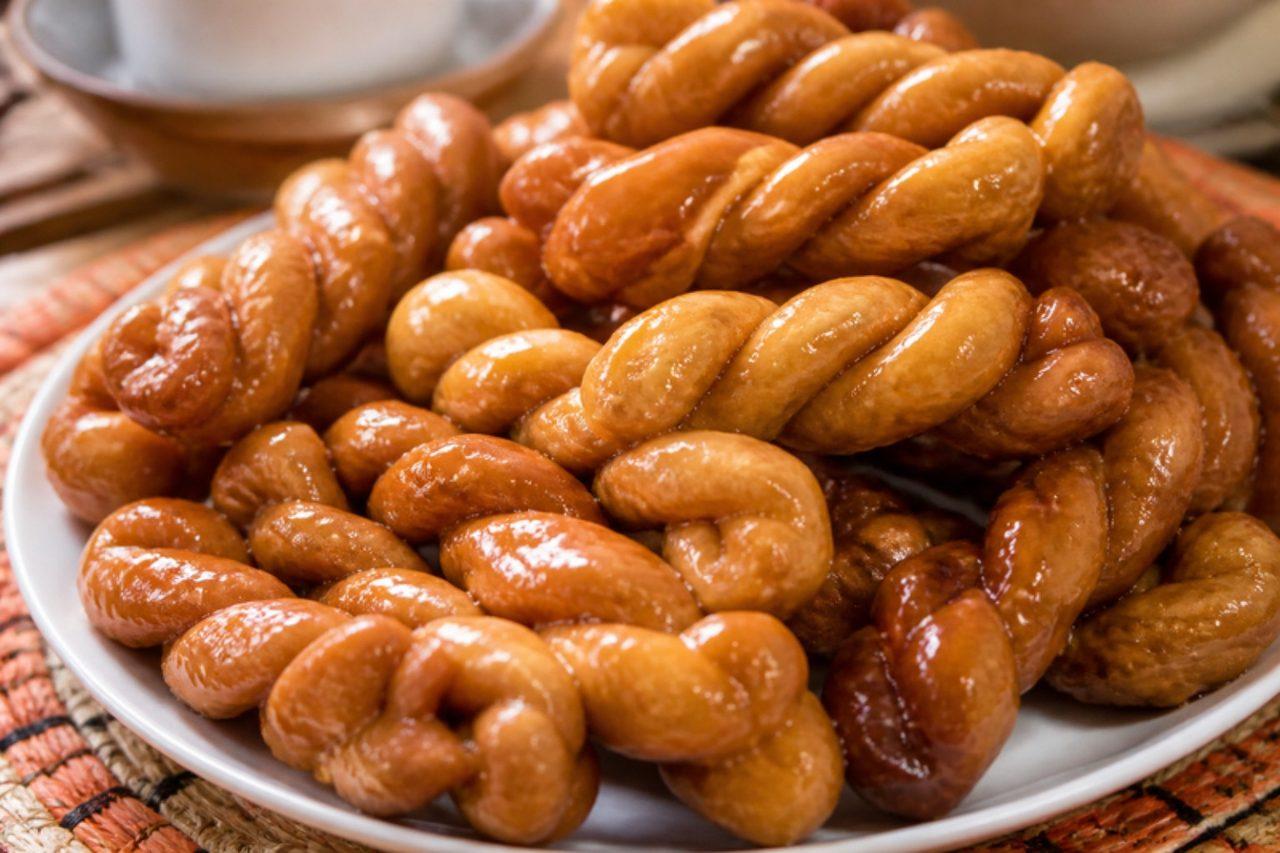
Trays of alkaki are a sign that a Hausa wedding is close: in Sokoto and Kano the twisted fried dough is made in big batches for the bride's family to share out, and again for Sallah visits. The dough is simple flour and water, rolled into ropes and twisted before frying, then dipped in a thick syrup that sets into a thin, crackly white coat. Under it the dough is crunchy at the edges and slightly chewy inside. Frying too hot is the trap; the outside browns while the middle stays raw, so keep the oil moderate and be patient. Chef's tip: boil the syrup until it falls from a spoon in a thin thread, and it will dry glossy rather than sticky.

by KrazyBadal 0 views

Maple-glazed ham

At the cabanes à sucre of Quebec in March and April, a smoked pork ham baked in maple syrup is the centrepiece of the long tables, carved alongside pea soup, beans and omelette. At home it is an Easter favourite in the Eastern Townships. The ham is simmered, then glazed and baked, basted again and again until it shines. Check the label: most smoked hams are already cooked and only need heating, while uncooked ones need full cooking. A common mistake is glazing too early, which burns the sugar before the ham is hot. Chef's tip: a splash of cider vinegar in the glaze balances the sweetness.

150 minCanadianMeatGluten free
by KrazyBadal 0 views

Ayamase (ofada green pepper stew)

Ofada rice, the short, fragrant local rice from Ogun State, is almost always served in Lagos with ayamase, a stew so green and so hot it is sometimes called designer stew. Green bell peppers and green scotch bonnets are blended coarse, dried out in the pot, then fried in palm oil that has been bleached clear, with plenty of iru for a deep, funky savouriness. Assorted meat (beef, tripe and cow skin) and boiled eggs are folded in. Watery pepper is the mistake that makes it taste sour and raw, so boil the blended pepper dry before it meets the oil. Chef's tip: bleaching palm oil makes heavy smoke; open the windows, keep the lid nearby and never leave the pot.

120 minNigerianMeatGluten freeSpicy
by KrazyBadal 0 views

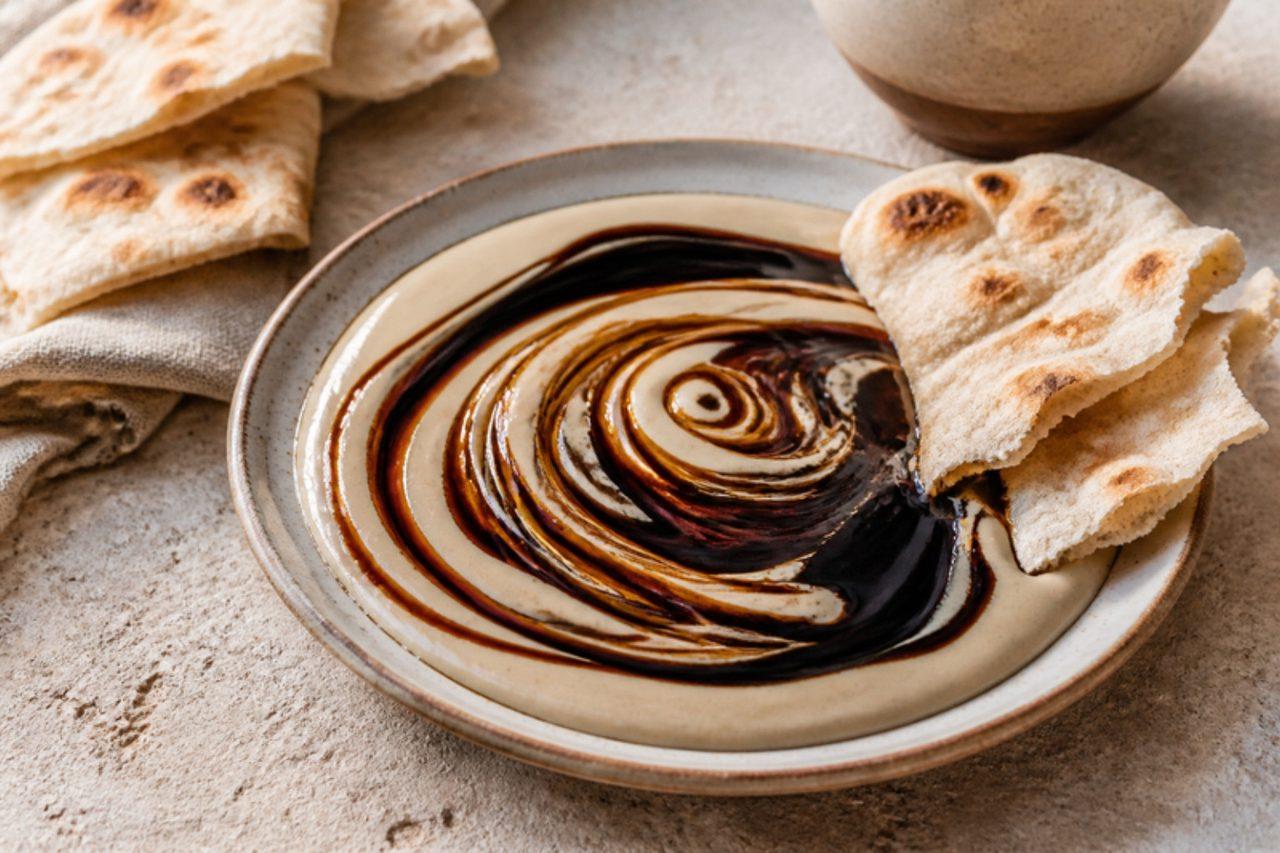
Molasses with tahini

Upper Egypt grows the country's sugarcane, and its dark molasses, asal eswed or black honey, has found its way onto breakfast and supper tables from Aswan to Alexandria. Spooned over tahini and swirled together, it becomes a glossy, bittersweet, nutty dip that children love and grown-ups eat after a light evening meal, scooped up with warm aish baladi or fino. Many families eat it in winter, when they want something warming and filling. A frequent slip is stirring the molasses and tahini together completely; leave them swirled so each bite gets both. Chef's tip: stir the tahini jar thoroughly first; the thick paste at the bottom and the oil on top must be mixed, or the dip comes out stiff and dry.

by KrazyBadal 0 views

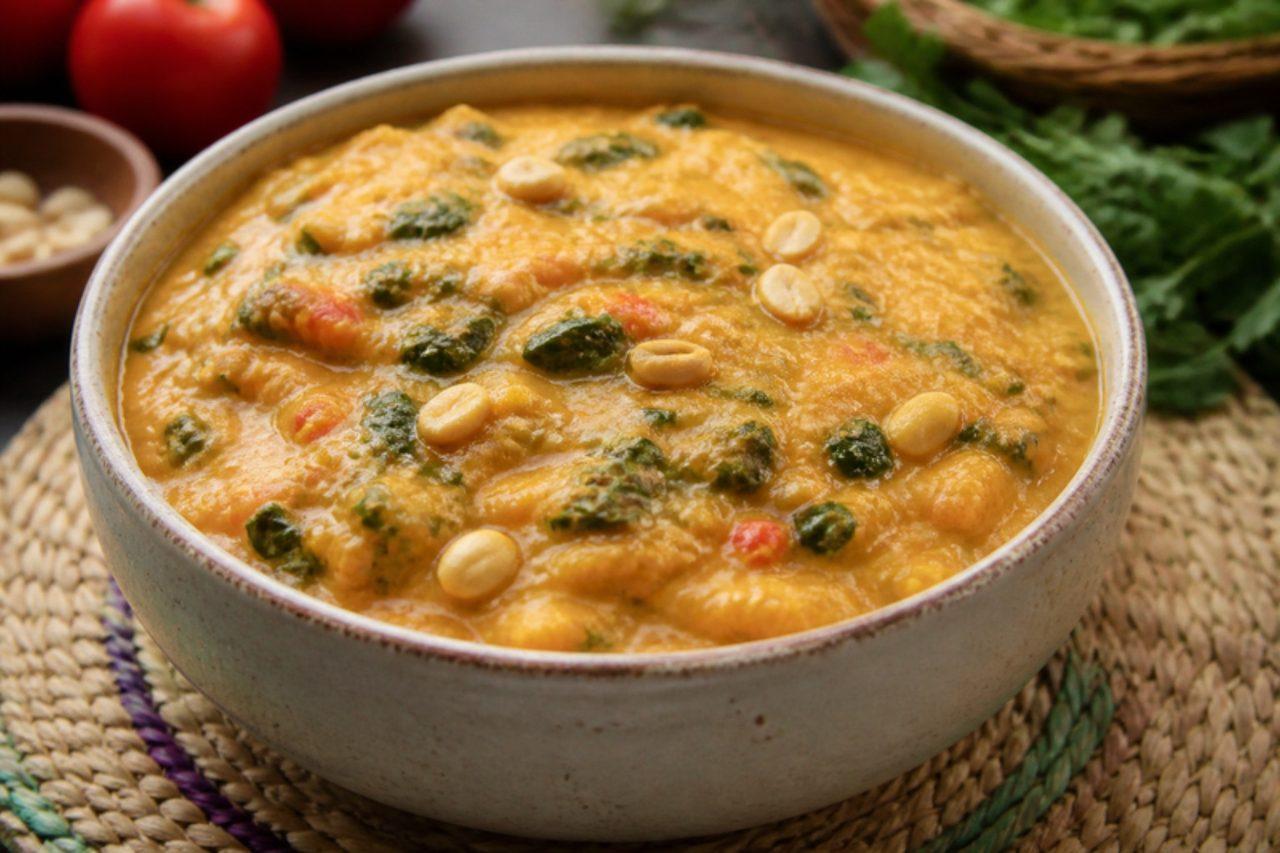
Pate (Nigerian maize porridge with greens)

Not the French spread at all: Nigerian pate is a thick, savoury porridge of coarsely ground maize from Southern Kaduna and the Plateau, where it is everyday food at home and in small chop houses. The maize simmers in a palm-oil and tomato base with groundnut and plenty of leaves until it is soft and spoonable, a bit like a rustic polenta packed with greens. Some cooks use acha (fonio) instead, and many add dried fish or meat; this version is meat-free. Pouring the maize in all at once makes lumps, so rain it in while stirring. Don't stop stirring after adding the maize: lumps form fast and stick to the base. Chef's tip: heat the palm oil gently, just until it melts and turns runny, so it keeps its colour and fruity taste.

by KrazyBadal 0 views

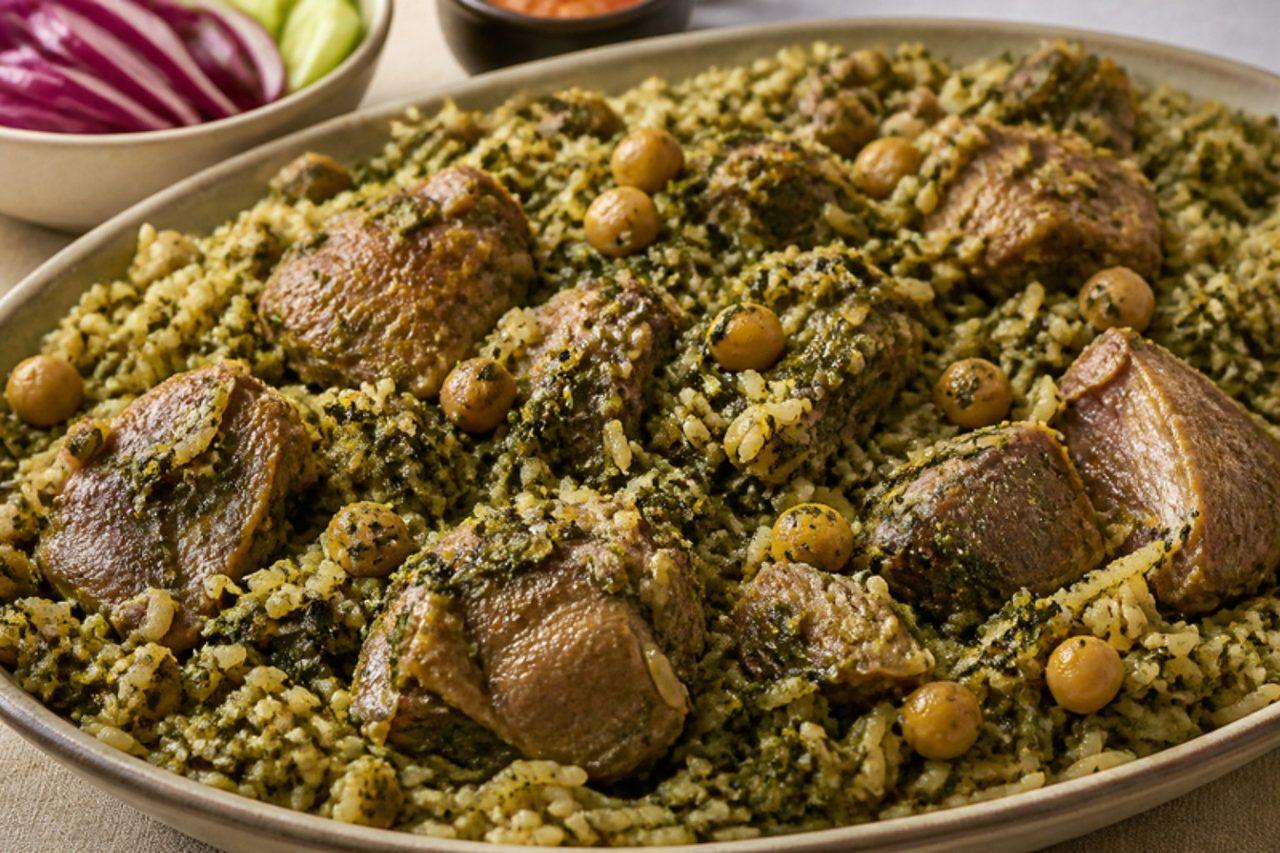
Rouz jerbi (Djerban steamed rice)

Djerba islanders cook rice the way the rest of Tunisia cooks couscous, in the top of a couscoussier: raw rice is mixed with small pieces of lamb, chopped spinach, a mound of herbs, chickpeas, tomato paste, harissa and spices, then steamed over boiling water until every grain is tender and stained red-gold. Rouz jerbi is a Friday and family-gathering dish on the island, served from one large platter. The rice stays separate and fluffy, the greens melt in, and the lamb picks up the scent of mint and tabil. Chef's tip: stir the rice from the bottom every 20 minutes; leaving it untouched is a common mistake, as the bottom turns soggy while the top stays hard.

by KrazyBadal 0 views

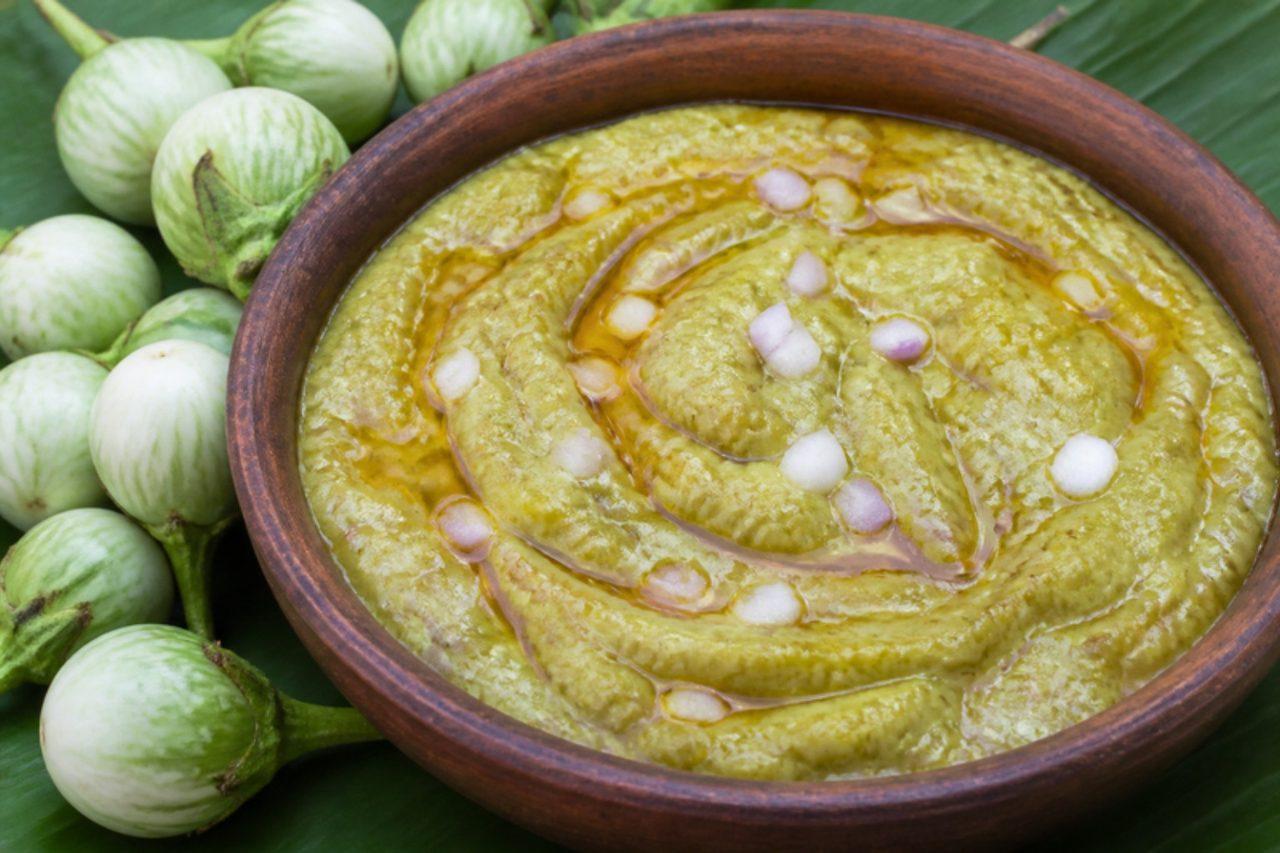
Garden egg sauce

Igbo families in Enugu, Anambra and Imo cook the little white-and-green garden eggs into a soft, chunky sauce to scoop up with boiled yam, plantain or rice. The aubergines are boiled, peeled and mashed, then simmered in palm oil with onion and fresh chilli, giving a smoky-sweet, slightly bitter, very savoury spread. Crayfish or dried fish is often stirred in; leave them out, as here, for a vegan sauce. Chef's tip: soften the garden eggs fully before mashing, or the sauce will be squeaky and raw-tasting instead of creamy.

by KrazyBadal 0 views

Chorbet hout (Sfax fish soup)

Along the coast around Sfax, a bowl of chorbet hout often opens the meal at Ramadan iftar, after dates and water: a red, peppery broth of tomato, harissa and caraway, thick with tiny bird's-tongue pasta and flakes of white fish, finished with a squeeze of lemon. Grouper, sea bream or mullet are the local choices, and any firm white fish works. The soup is warming and spicy with a fresh lift from parsley and celery, and goes well with bread and a brik. Chef's tip: poach the fish briefly, lift it out and only return the flakes at the end; leaving it to boil with the pasta is the common mistake, and it breaks into threads.

by KrazyBadal 0 views

Eba (gari swallow)

Students in hostels, office workers at lunchtime buka and families from Warri to Lagos all lean on eba, because it is ready in about five minutes from a bag of gari, the toasted granules of fermented cassava. Stirred into hot water, gari swells into a smooth, firm, slightly tangy dough that you pinch, roll and dip into egusi, okra, ogbono or efo riro. Yellow gari has been fried with a little palm oil and gives a richer, golden eba; white gari is sharper and paler. Chef's tip: pour the gari onto the water, never the water onto the gari, and wait a minute before stirring so every grain soaks evenly.

by KrazyBadal 0 views

Ye-kosta wat (Swiss chard and potato)

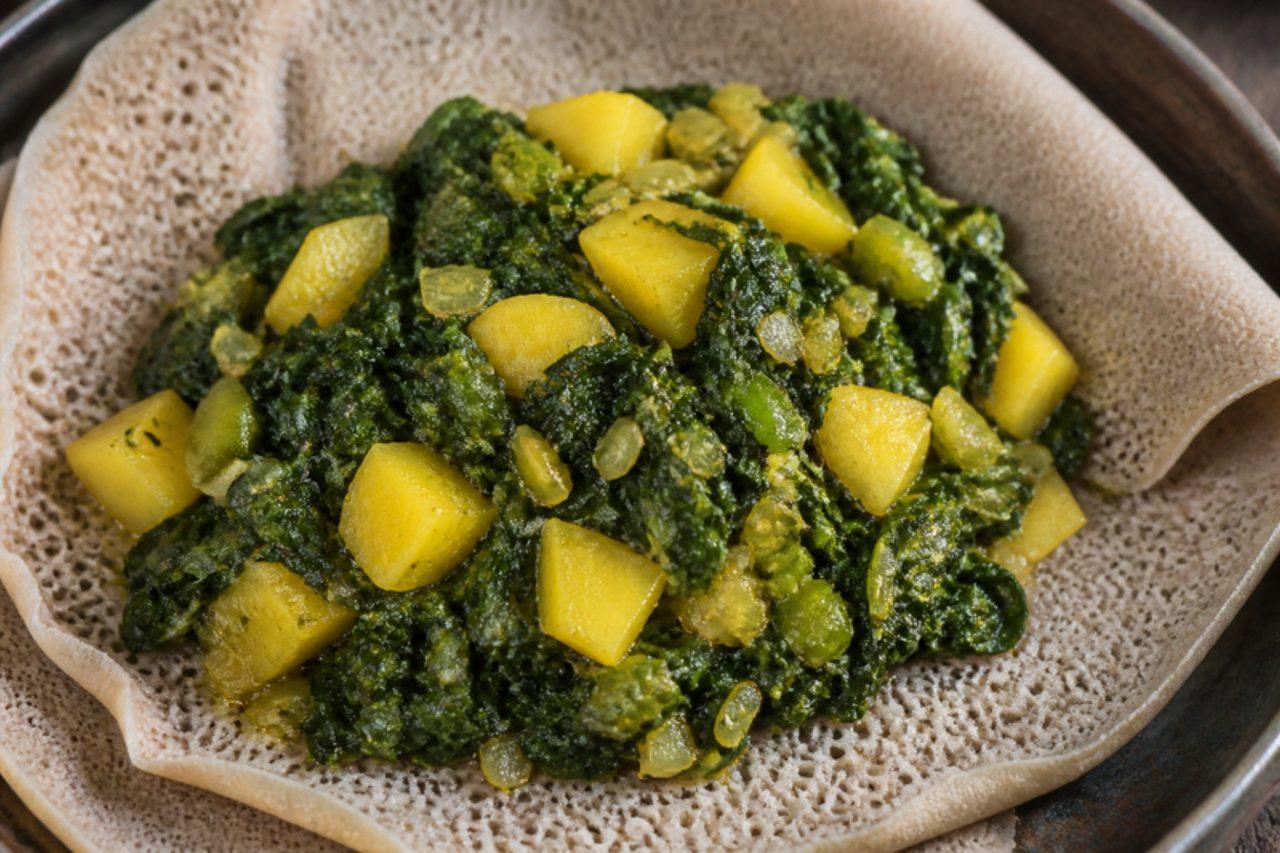
Kosta, Swiss chard, is grown in backyard plots from Bahir Dar to Hawassa, and during the long fasts it is stewed with potatoes into this simple green dish found on almost every vegan beyaynetu. Onion, garlic and ginger soften in oil, potatoes go in first, then the chopped chard stems and leaves, all cooking down together into a soft, juicy stew that is mild, fresh and a little sweet, with a gentle heat from green chilli. Spoon it onto injera beside spicier wats, or eat it with rice. The common mistake is adding the stems and leaves at the same time; the stems need a few minutes longer. Chef's tip: a pinch of turmeric is not traditional in every home but gives the potatoes a warm golden colour against the green.

by KrazyBadal 0 views

Boiled yam with egg sauce

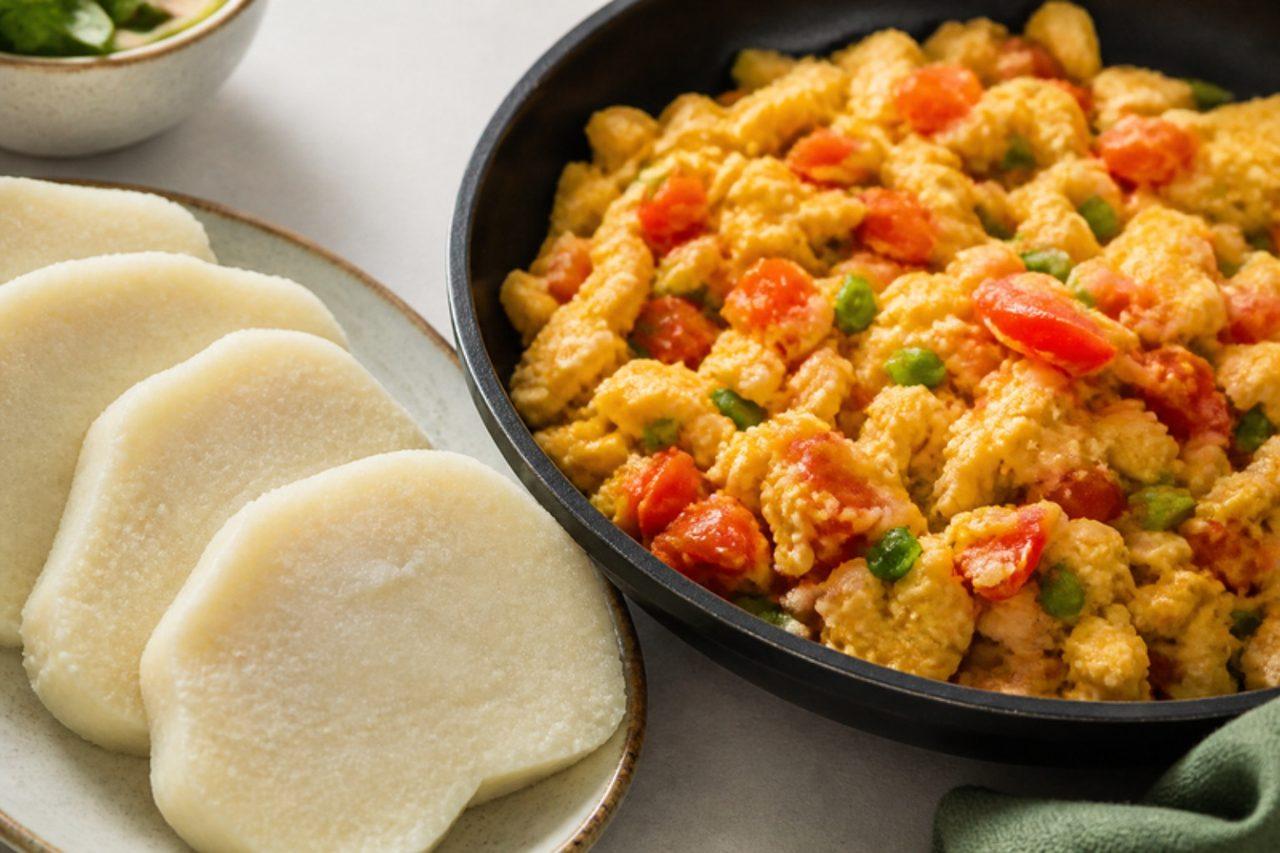
Saturday breakfast in many Nigerian homes means thick slices of boiled white yam and a pan of egg sauce, eggs gently scrambled into a quick fried sauce of tomato, onion and fresh chilli. The yam is fluffy and starchy, the sauce juicy, peppery and soft, and the two are made in the same half hour. It is just as popular for supper. Overcooking the eggs is the usual mistake: take the pan off the heat while they still look slightly wet and they finish in their own warmth. Chef's tip: wear gloves or oil your hands while peeling yam, since the raw skin and flesh can make your hands itch.

by KrazyBadal 0 views

Osban (Tunisian stuffed lamb sausages)

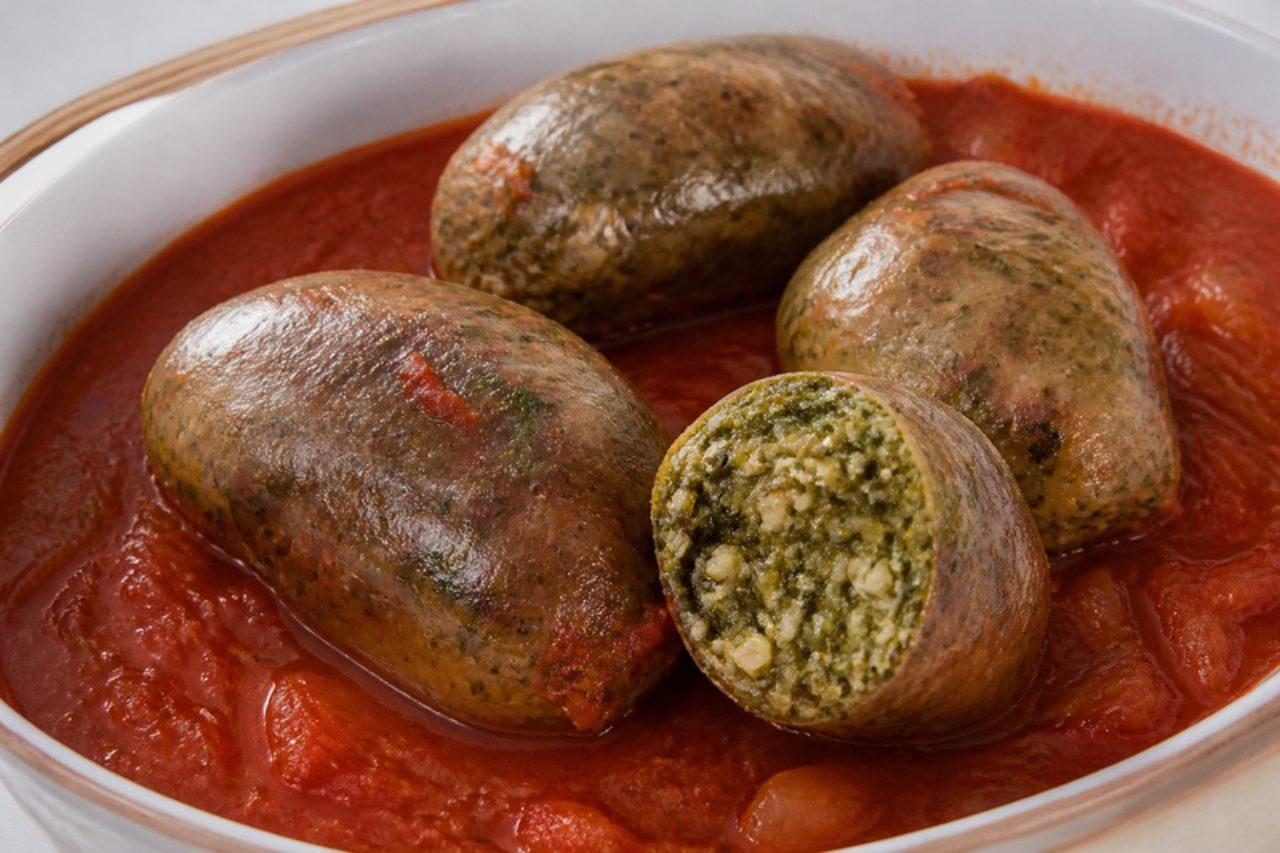
Eid al-Adha in Tunisia means using every part of the sheep, and osban is how the tripe is honoured: cleaned pieces are sewn into pouches and packed with rice, chopped liver and lamb, chard, a big bunch of parsley and coriander, dried mint and harissa, then simmered in a red chickpea sauce and served over couscous. Families all over the country, from Tunis to the south, make a batch and freeze some for later. The filling cooks into a soft, herby, peppery sausage and the tripe turns tender. Buy tripe that the butcher has already cleaned and scalded, or use natural sausage casings for an easier version. Chef's tip: fill the pouches only two-thirds full and prick them with a needle; the rice swells as it cooks, and overstuffed osban burst, which is the most common mistake.

180 minTunisianMeat
by KrazyBadal 0 views

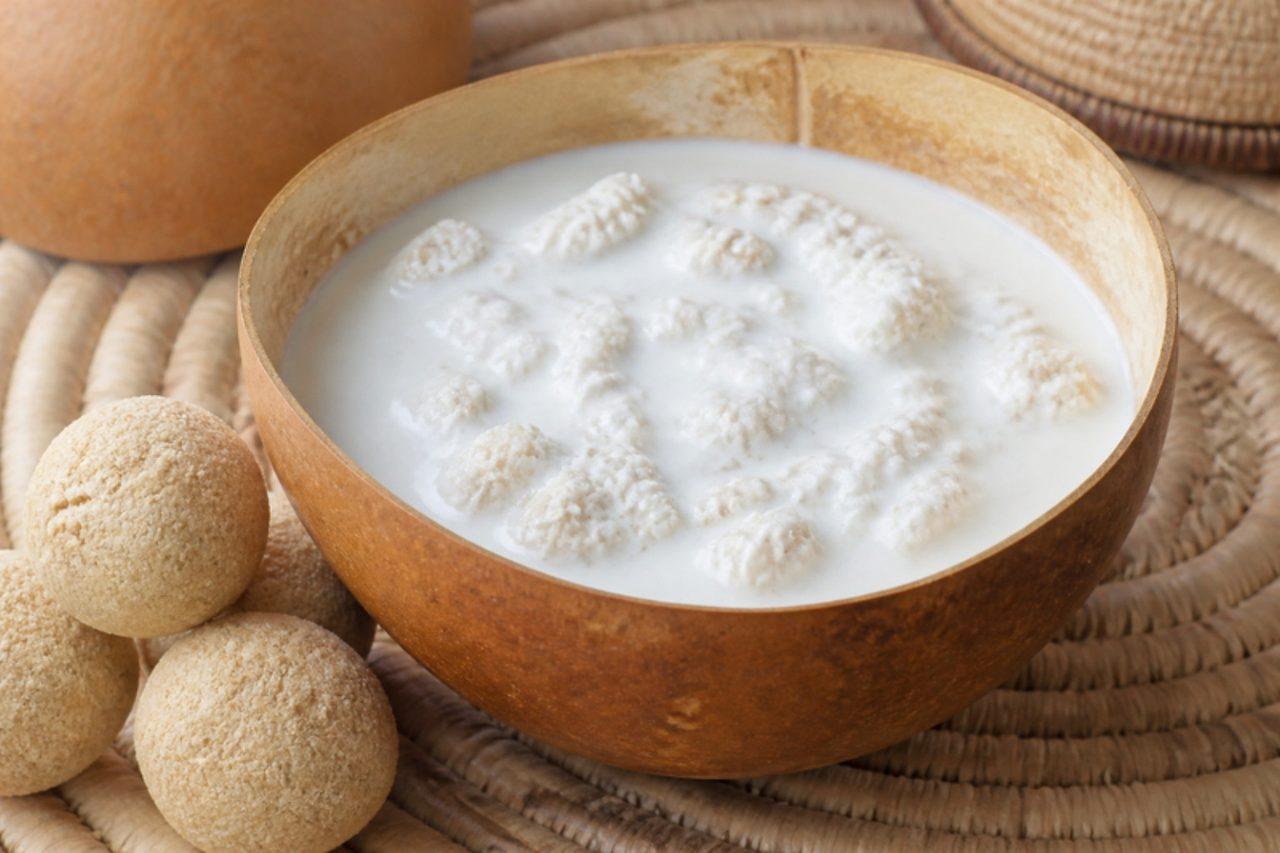
Fura da nono (millet balls in cultured milk)

Fulani women carry fura da nono to markets across the north in calabashes balanced on their heads: balls of spiced, cooked millet dough sold next to nono, cow's milk that has been left to sour. Crumbled into the milk and sweetened, the fura makes a thick, cooling drink that is part breakfast, part refreshment, tangy with ginger and a gentle heat from the spices. Traditional nono is made from raw milk; this home version uses pasteurised yoghurt and milk for safety, and it should be kept in the fridge. Mashing the fura straight into all the milk leaves lumps, so crumble it with a little milk first. Don't crumble the fura balls coarsely; large lumps stay chalky in the drink. Chef's tip: dust the shaped fura in millet flour and it keeps for 3 days in the fridge, ready to mix.

by KrazyBadal 0 views

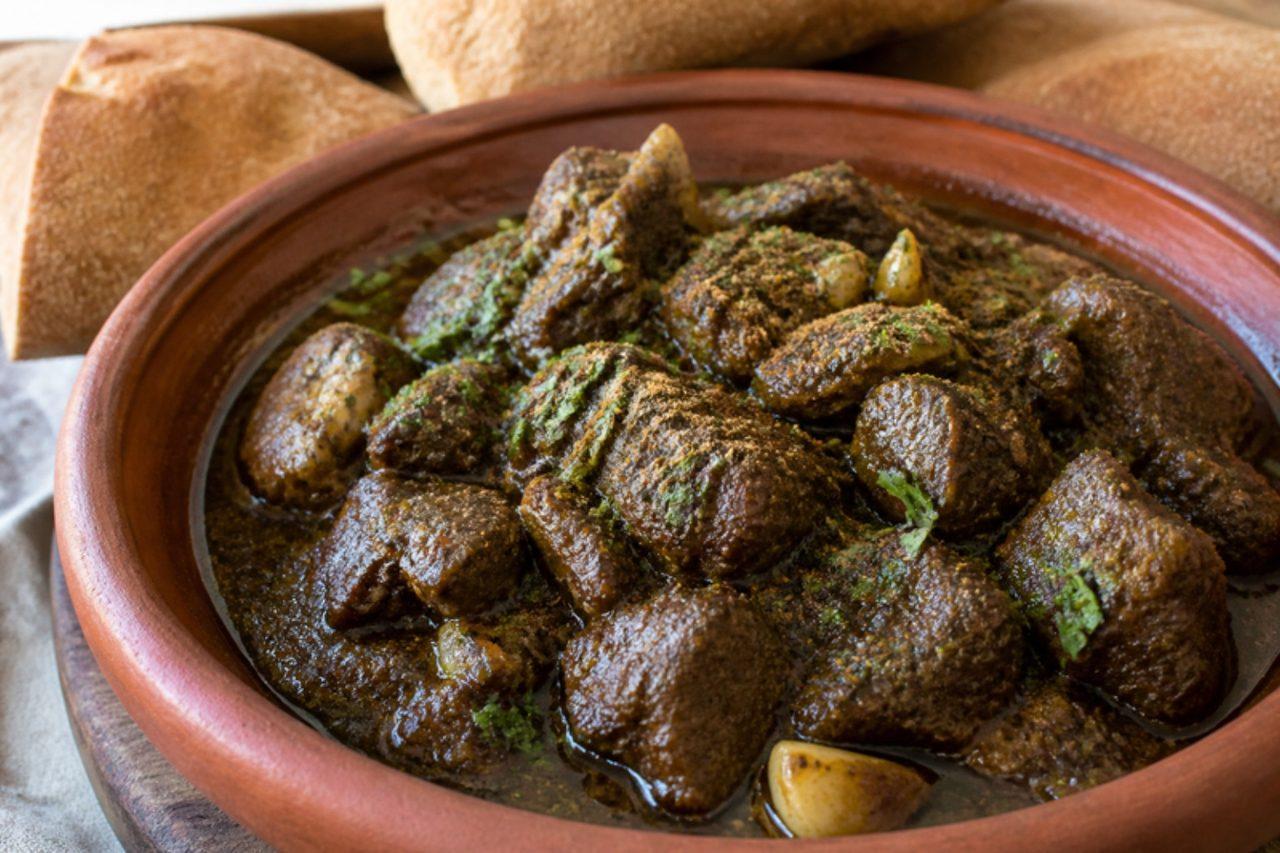
Kammounia (Tunisian cumin beef stew)

Cumin, kammoun in Arabic, gives kammounia its name, and the dish uses it boldly: chunks of beef, or in many Tunis homes lamb's liver, simmer in a thick, dark sauce of garlic, tomato paste and a generous amount of ground cumin until the meat is tender and the sauce clings to it. It is everyday family food in Tunis and Sfax, scooped up with crusty bread or served alongside a salad and olives. The flavour is earthy, warm and garlicky with a gentle heat from harissa. The usual mistake is adding the cumin at the start and frying it hard, which makes it bitter; it goes in once the sauce is simmering. Chef's tip: add half the cumin at the start and the rest in the last 10 minutes; all of it at once risks a flat, slightly bitter sauce, while the late addition keeps the aroma bright.

by KrazyBadal 0 views

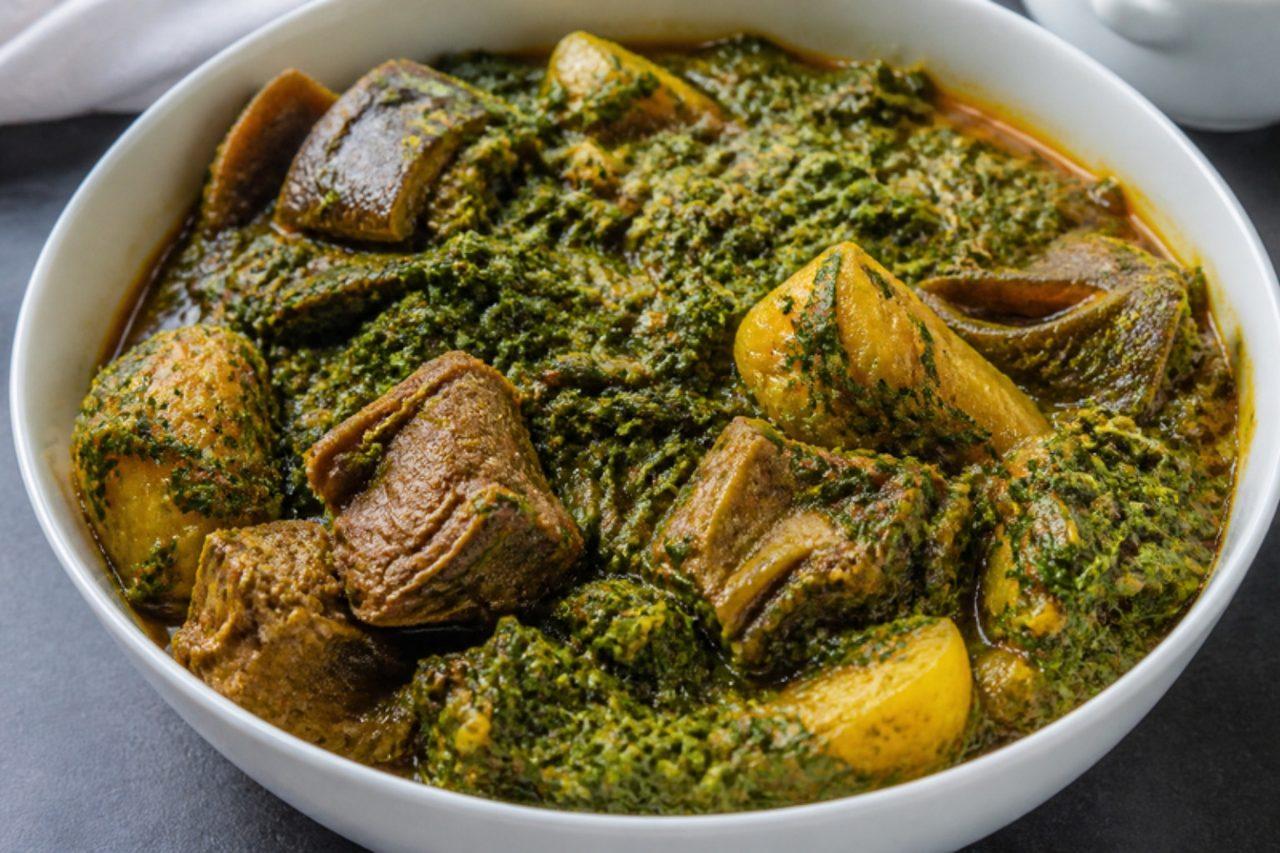
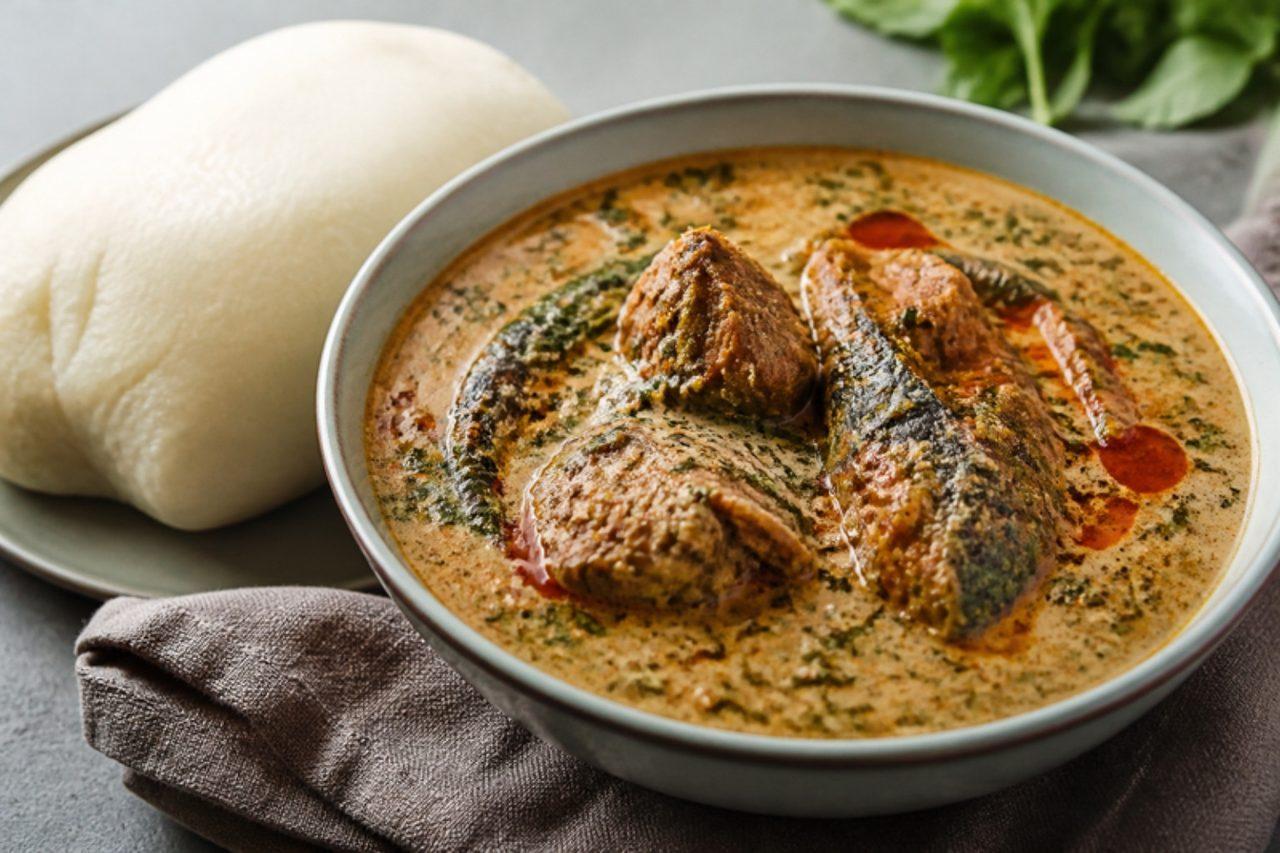
Ofe Owerri (festive ugu and okazi soup)

Owerri people speak of their soup with pride, and it is famous for how much goes into the pot: goat meat, tripe, stockfish and dried fish, simmered in palm oil and thickened with cocoyam, then finished with two leaves, chewy okazi and soft, sweet ugu. It is festive food for weddings, Christmas and big family gatherings across Imo State, and it is served with pounded yam or fufu. Adding the ugu too early is a common mistake that leaves the leaves dark and mushy; it goes in last, after the okazi has had time to soften. Stockfish needs an overnight soak first unless bought pre-soaked. Chef's tip: soak dried okazi in warm water for 10 minutes before cooking so it softens evenly.

140 minNigerianMeatGluten free
by KrazyBadal 0 views

Bkaila (Tunisian spinach and beef stew)

Tunisian Jewish families in Tunis, and those who carried the dish to Paris and Israel, cook bkaila for Rosh Hashanah and for Friday-night dinners: a heap of spinach is fried in olive oil for over an hour, until it shrinks to a dark, almost black, crumbly paste, then simmered for hours with chunks of beef, white beans, garlic and dried mint. The result looks dramatic and tastes deep and earthy, a little like a long-braised green sauce, with tender meat and creamy beans. It is eaten with couscous or bread, and is even better reheated the next day. Start the beans soaking the night before. Chef's tip: fry the spinach over a medium-low heat and stir often; turning up the heat to save time is the classic mistake, scorching the leaves so the whole pot turns bitter.

240 minTunisianMeatGluten free
by KrazyBadal 0 views

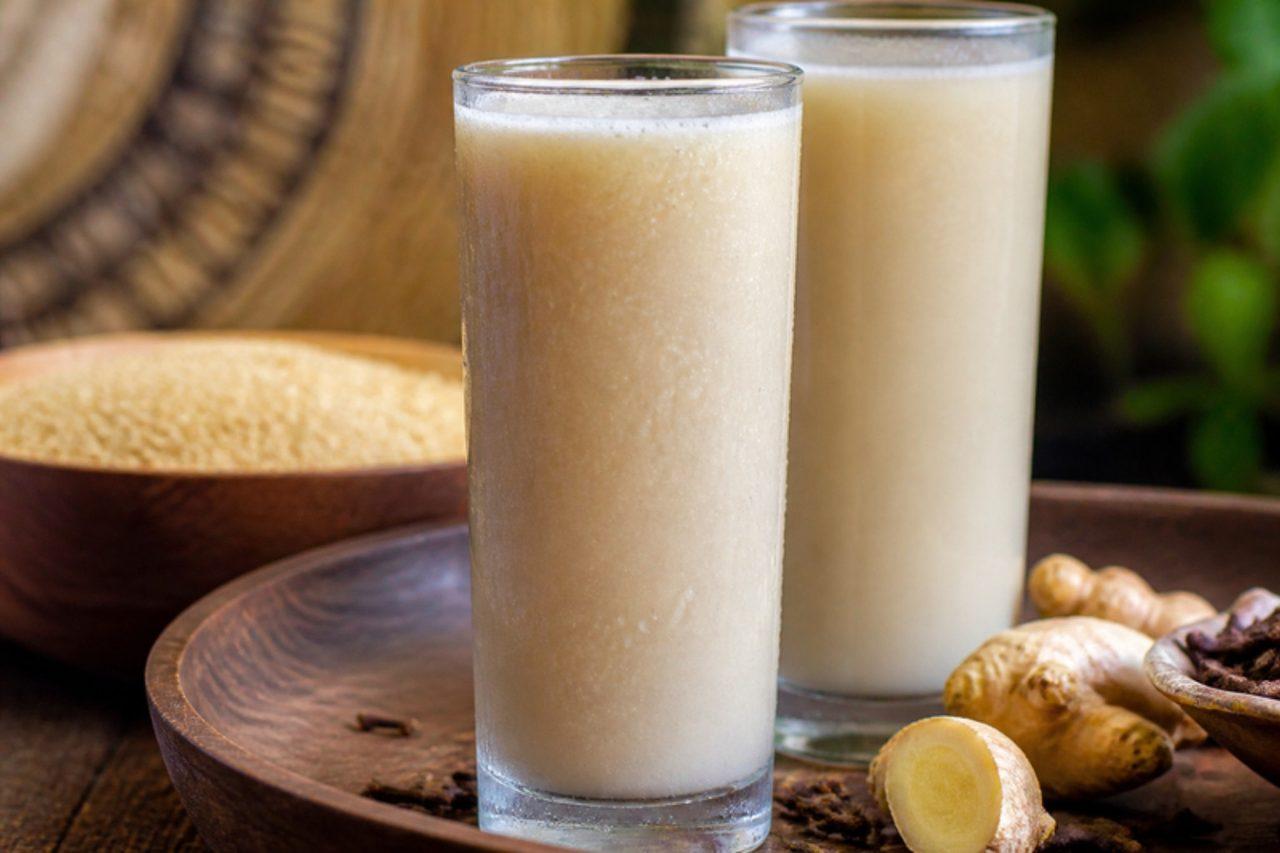
Kunun zaki (millet and ginger drink)

Chilled kunun zaki is what people reach for in the heat of Kano and Kaduna afternoons, and at Ramadan iftar it is one of the first things poured. Millet is soaked, ground with fresh ginger and cloves, then partly cooked; the uncooked portion stirred back in sweetens the drink naturally and gives it a light, refreshing tang. It is creamy-looking but thin, spicy at the back of the throat and best ice cold. Pouring boiling water over all the slurry is the classic mistake, since it stops the natural sweetening, so always keep a third raw. Chef's tip: start a day ahead (12 hours soaking, 4–6 hours resting) and strain twice through a fine cloth for a silky drink with no grit.

by KrazyBadal 0 views

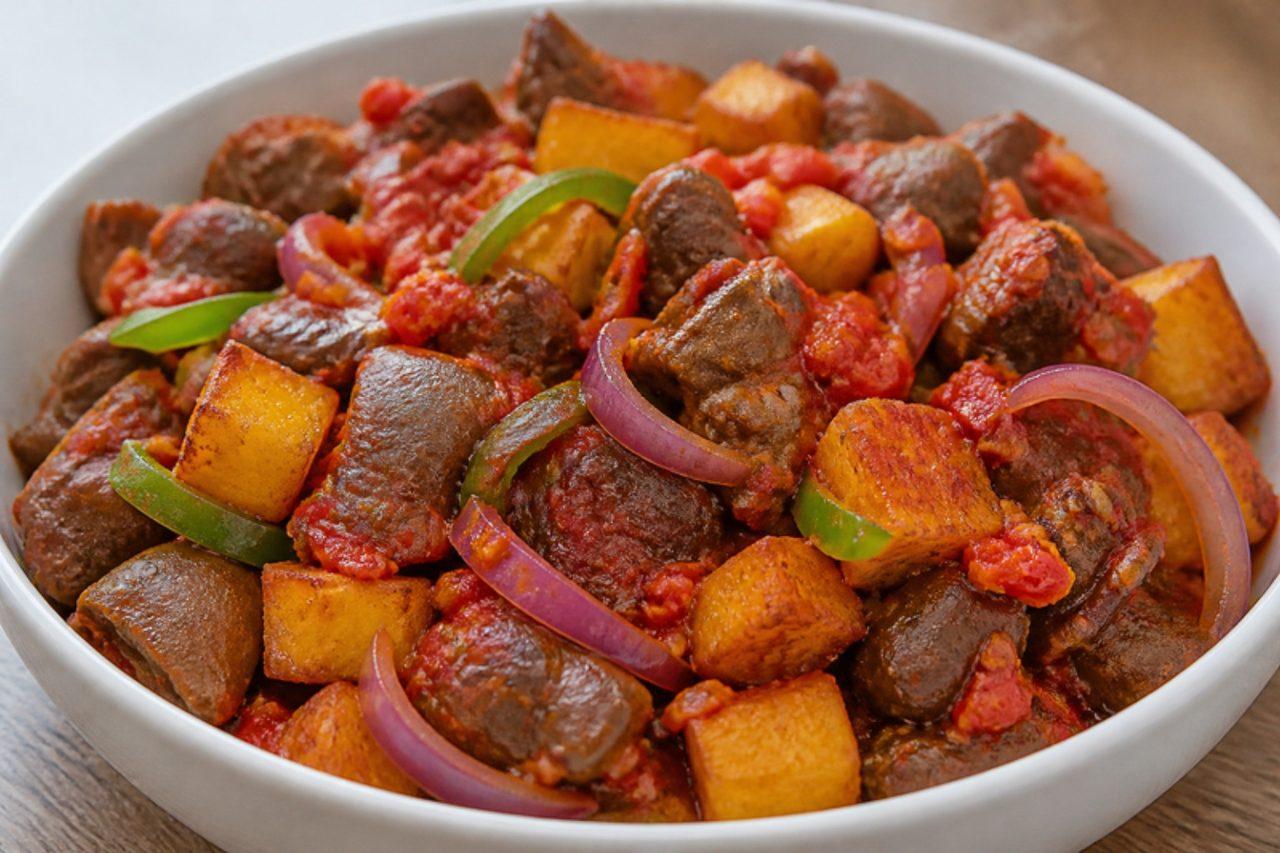
Gizdodo (gizzards and plantain in pepper sauce)

No Lagos owambe buffet is complete without a tray of gizdodo, where chewy fried chicken gizzards and caramelised cubes of ripe plantain (dodo) are tossed together in a glossy, fiery tatashe and scotch bonnet sauce. It is sweet, hot and savoury all at once, and served as a starter, a side to jollof or a snack. Gizzards must be boiled until tender before frying, and for safety they should reach 74°C in the thickest part, which they easily do by the end of the simmer. Frying plantain that is too green is a common mistake, leaving it starchy instead of sweet, so choose yellow fruit with black spots. Chef's tip: fry the plantain last, just before tossing, so it stays crisp-edged rather than soggy.

by KrazyBadal 0 views

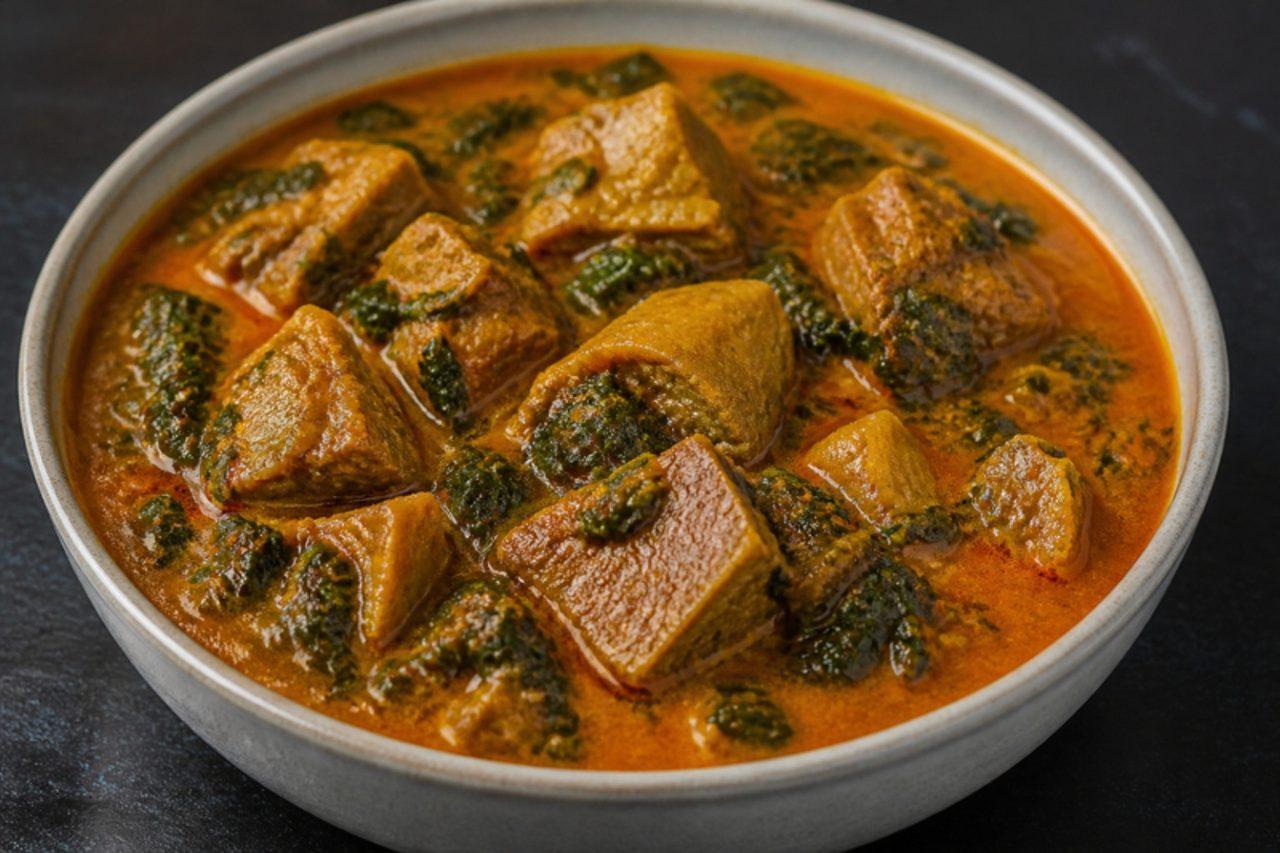
Ofe oha (oha leaf soup)

Tender oha leaves, with their mild, slightly sweet taste, are prized in Enugu and Anambra, and ofe oha is the soup many Igbo families bring out for Christmas, weddings and Sunday visits. Boiled cocoyam is pounded and melted into a palm-oil broth rich with beef, stockfish, dried fish and crayfish, giving a thick, velvety soup with the oha folded in at the very end, to eat with pounded yam, fufu or eba. Adding all the cocoyam at once is a frequent mistake that turns the soup gluey; add it in stages and stop at the thickness you want. Stockfish needs an overnight soak first unless you buy it pre-soaked. Chef's tip: tear oha leaves by hand rather than cutting them, as cooks traditionally do, and add them in the last 2 minutes.

120 minNigerianMeatGluten free
by KrazyBadal 0 views

Djouzia (walnut and honey nougat)

Shops in old Constantine wrap djouzia in twists of paper and sell it by weight, a soft, pale caramel-coloured nougat of honey, whipped egg white and plenty of walnuts. It is chewier and darker than white Provençal nougat, with a deep honey flavour and the slight bitterness of walnut skins. Djouzia is a gift sweet, carried to weddings and offered with coffee to visitors, and keeps for weeks. A sugar thermometer makes it reliable. Chef's tip: cook the honey syrup to 125 °C; syrup that is pulled off too early is the most common mistake, and the nougat stays sticky and will not set enough to cut.

by KrazyBadal 0 views

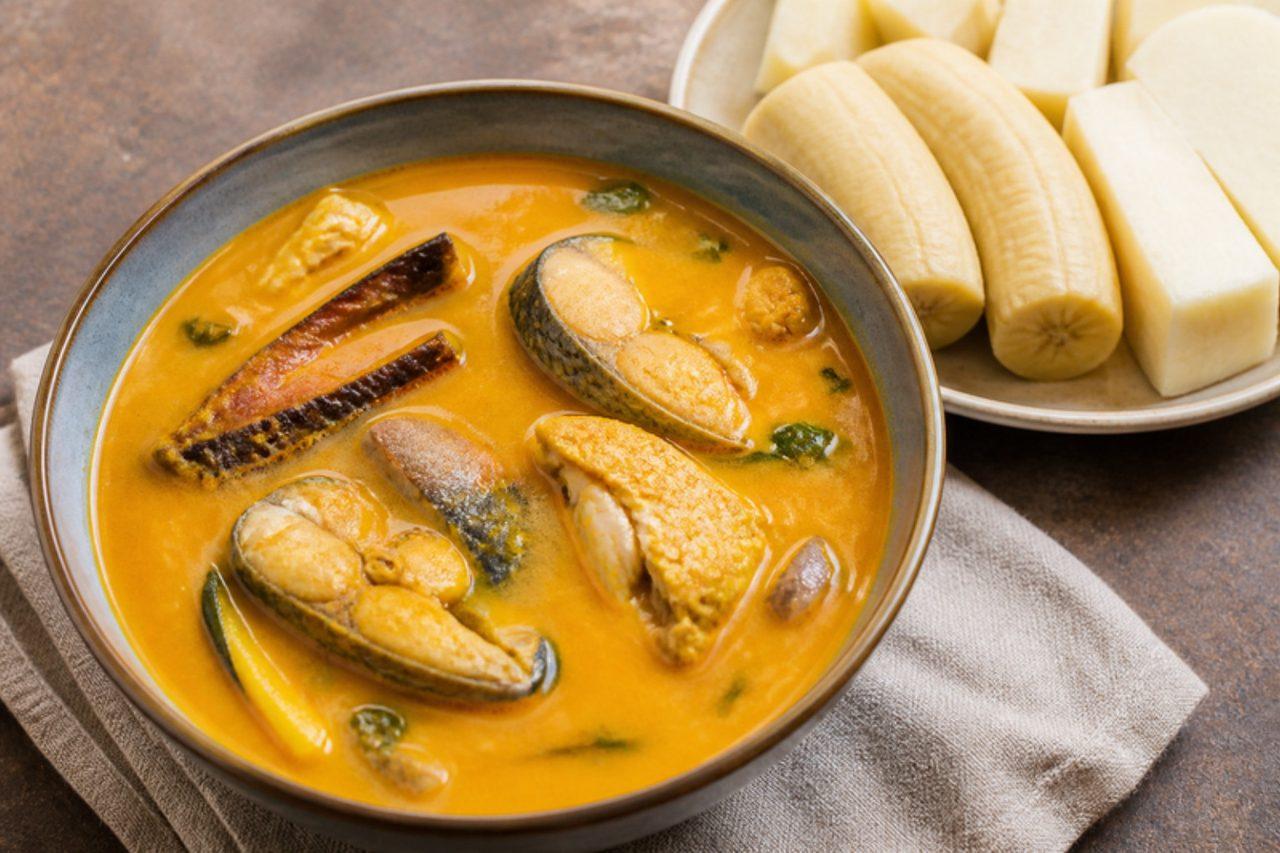
Owo soup with fish

Owo looks almost like custard: palm oil is whisked with a little potash water until it turns from red to a creamy yellow, then thickened with cassava starch and seasoned with crayfish and pepper. Urhobo and Isoko homes in Delta State serve it with boiled unripe plantain or yam, which you dip and scoop rather than swallow, and it is a favourite on market days because it is quick once the fish is ready. Fresh or smoked fish both work; many cooks use both. Too much potash makes the soup soapy and bitter, so add the strained potash water little by little and stop as soon as the colour changes. The usual mistake is pouring in the potash too fast, which splits the palm oil instead of turning it smooth and yellow. Chef's tip: mix the starch with cold water first, then pour it into the pot in a thin stream while stirring, or it will set in lumps.

by KrazyBadal 0 views

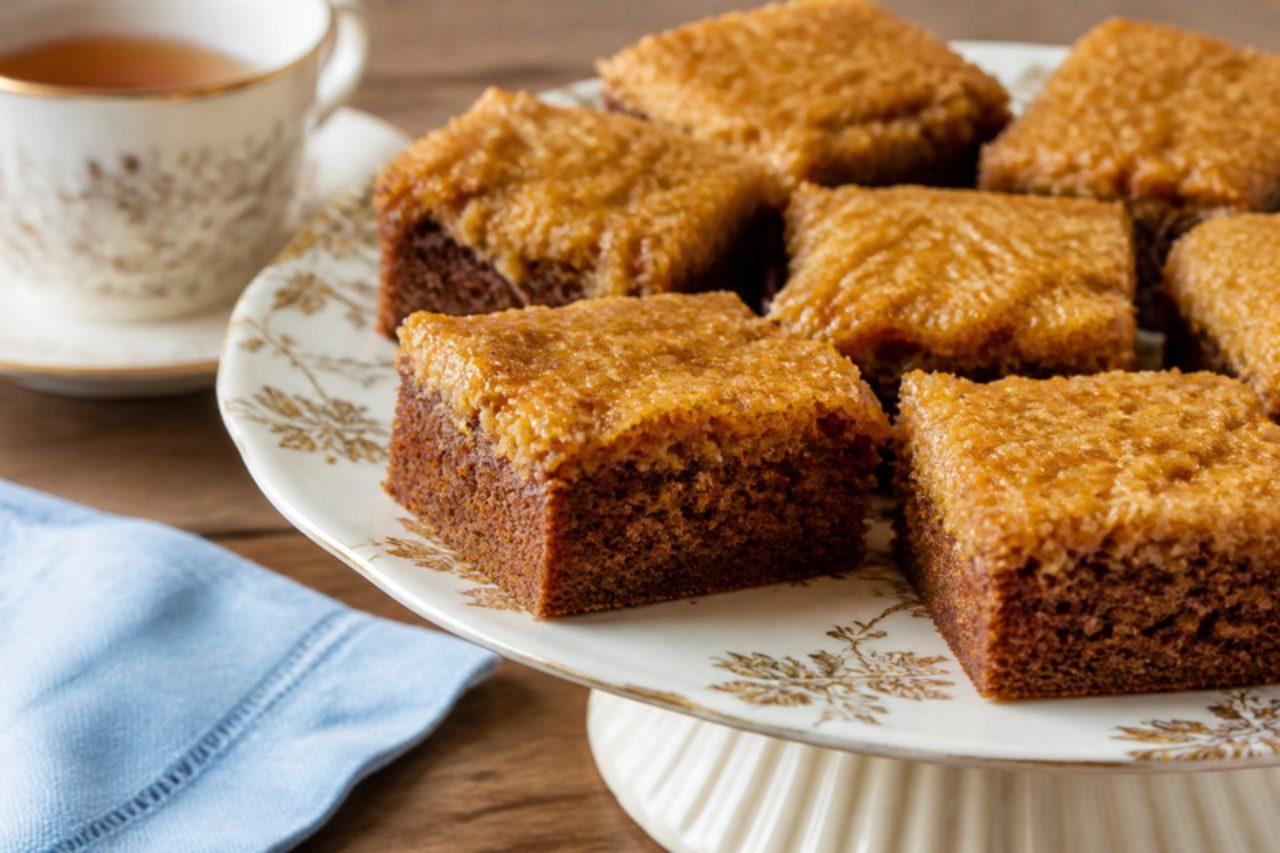
Queen Elizabeth cake

Queen Elizabeth cake has been a favourite in Canadian homes and Quebec bakeries since the 1950s, especially around coronations and royal visits, and it still turns up at Montreal family birthdays and Sunday teas. A moist, tender date cake is baked, then covered in a bubbling coconut and brown-sugar topping and put under the grill until it caramelises. It is humble, rich and keeps well for days. A common mistake is walking away from the grill; the topping goes from golden to burnt in under a minute. Chef's tip: soak the dates in boiling water with the bicarbonate so they melt into the crumb.

by KrazyBadal 0 views

Date squares

Date squares are on the tea table in every Canadian church hall and school bake sale, called carrés aux dattes in Quebec and matrimonial cake in the West. A buttery oat crumble is pressed into a tin, spread with a soft date filling and covered with more crumble, then baked until golden. They keep for days and freeze well. A common mistake is spreading the dates while hot onto loose crumb, which makes the base soggy; press the base firmly. Chef's tip: add a strip of orange zest to the dates for a brighter flavour.

by KrazyBadal 0 views

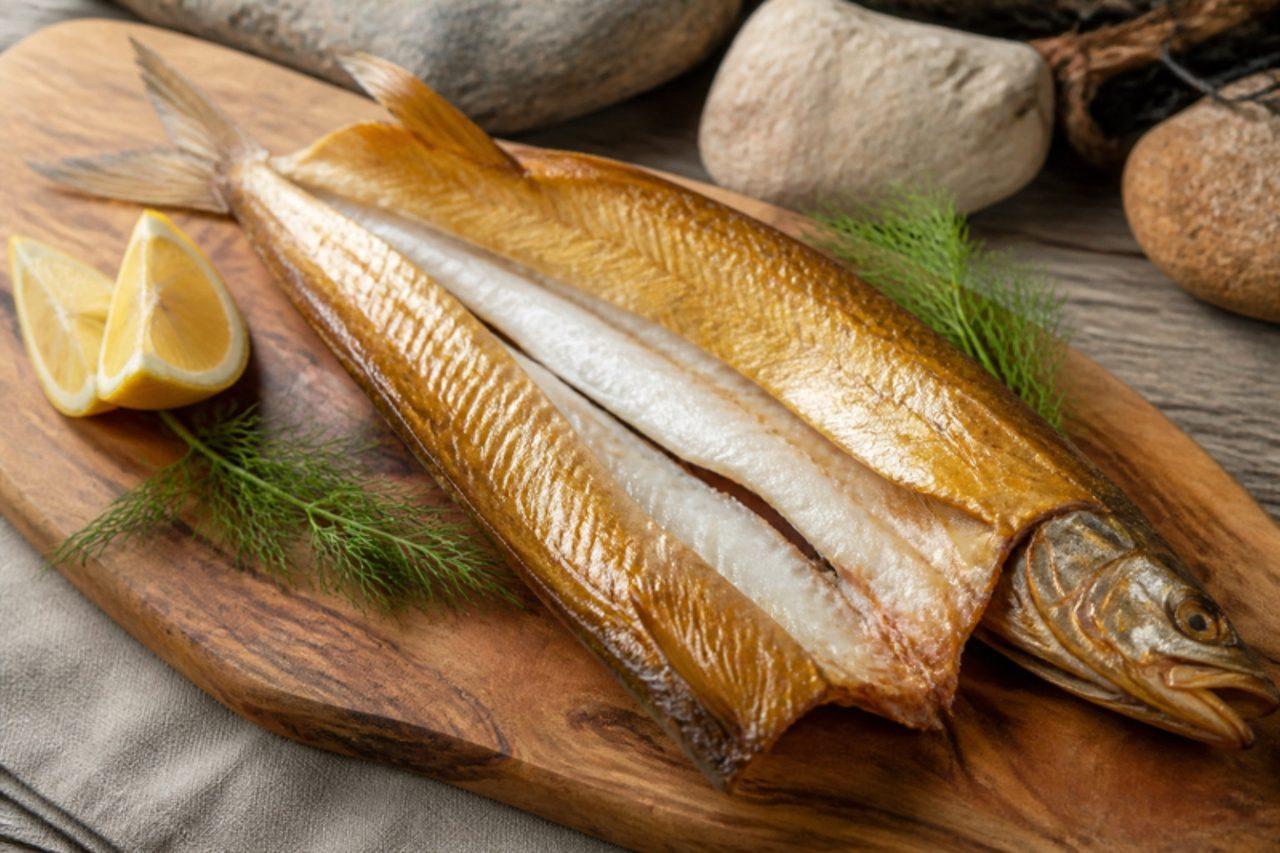
Smoked omul

On the shingle beaches of Listvyanka, at the edge of Lake Baikal, women sell omul still warm from the smoke, the fish split open, threaded onto alder sticks and set around a fire until the skin turns bronze and the flesh pulls away in moist, salty flakes. Omul lives only in Baikal, so at home use small whitefish, trout or mackerel, gutted and split. A short brine in the fridge seasons the fish, then it is hot-smoked in a kettle barbecue or a lidded smoker until cooked right through. Serve it warm or cold with boiled potatoes, black bread and spring onions. The usual slip is smoking over flames rather than smouldering chips, which chars the skin before the inside is done. Chef's tip: let the brined fish dry in the fridge, uncovered, for an hour: the tacky surface takes the smoke far better.

120 minRussianFishGluten free
by KrazyBadal 0 views

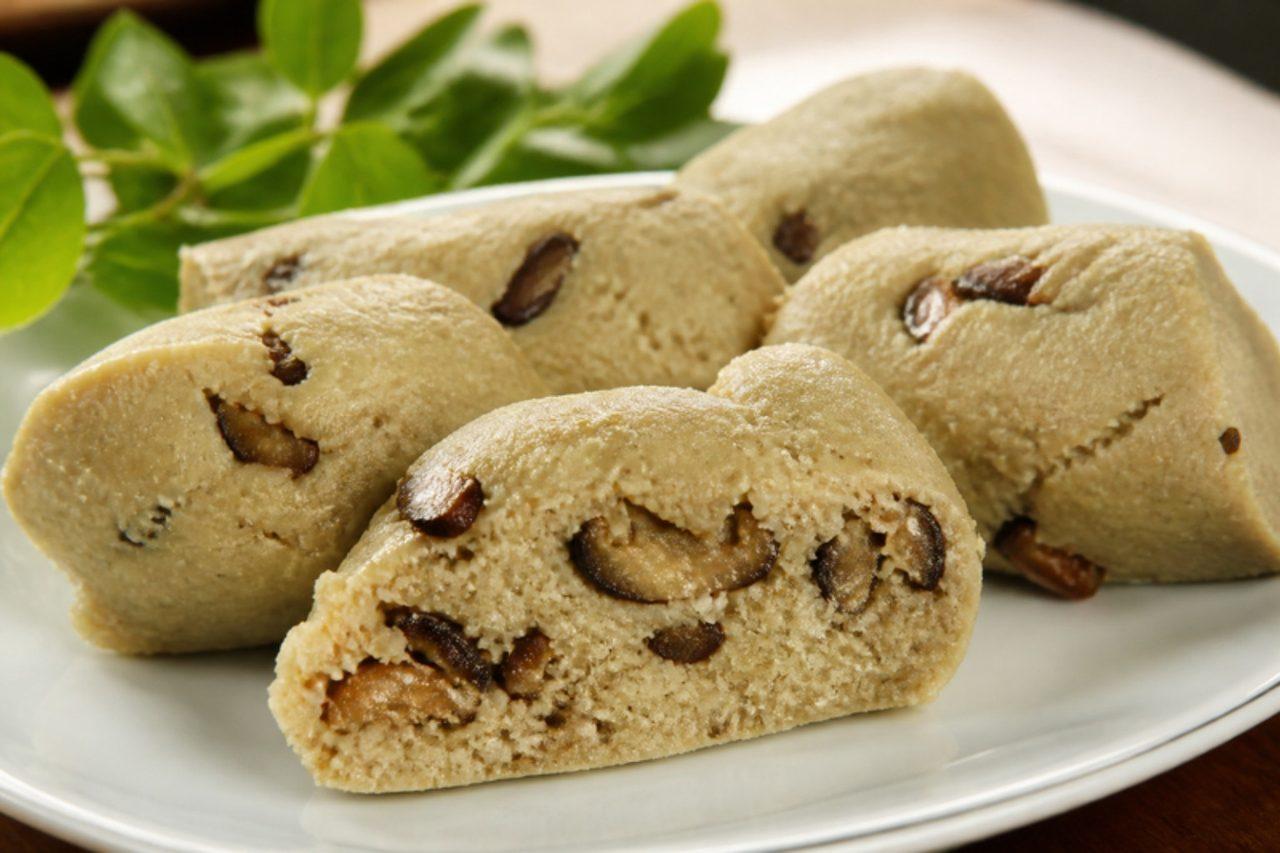
Nnam ngon with mushrooms

Steamed parcels of nnam ngon turn up at Beti weddings, funerals and big Sunday tables in the Centre, unwrapped to reveal a firm, pale cake of ground pumpkin seeds that slices like a terrine. The seeds are ground with onion, garlic, ginger and hot pepper, then bound with water and steamed slowly in leaves until rich, savoury and almost meaty. Smoked fish is the classic addition; here browned mushrooms take its place, so the parcels are vegan and still very filling. Serve with bobolo, boiled plantain or sweet ripe plantain. Chef's tip: brown the mushrooms in a dry pan first; added raw, they release water inside the parcel and leave the mixture loose.

by KrazyBadal 0 views

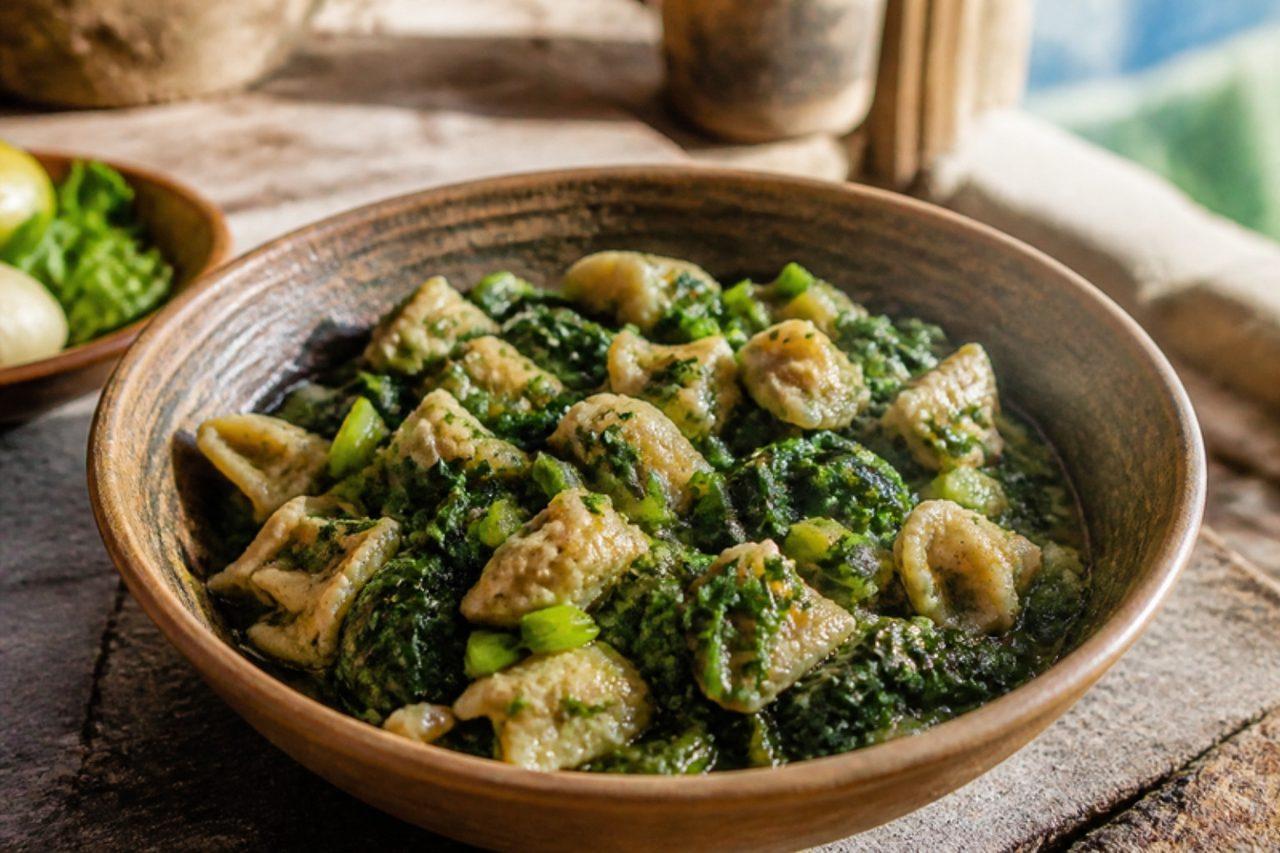
Hoilo garmaGreens with dough pieces

In early spring the first wild greens appear on the terraces of Hunza before anything else is ready, and families gather them for hoilo garma, a thick, warming pot of chopped greens cooked with small pieces of wholewheat dough pinched off by hand. The dough pieces turn soft and slightly chewy, almost like dumplings, and the greens melt into a glossy, savoury mass enriched at the end with butter and a little apricot-kernel oil. It is a one-pot lunch eaten from a shared dish with the fingers or a spoon, often with salty tea. Rolling the dough pieces too thick is the common error; they stay doughy in the middle. Chef's tip: spinach is the easiest choice, but a handful of dill, spring onion or chard makes it closer to the mix of wild greens used in the valley.

by KrazyBadal 0 views

Maple syrup pie

Tarte au sirop d'érable closes many a family meal in Quebec at Easter and through the sugaring season, a cousin of the sugar pie made with real maple syrup. The filling of syrup, cream and egg bakes into a soft, trembling, caramel-brown layer that tastes deeply of maple. Slice it thin; it is rich. A spoonful of crème fraîche or plain whipped cream cuts the sweetness. A common mistake is skipping the blind bake, which leaves a soggy base. Chef's tip: take the pie out while the centre still wobbles like jelly; it sets as it cools and over-baking makes it weep.

by KrazyBadal 0 views

Ocho beniseed soup

Beniseed, the local name for sesame, grows widely in Benue, and the Idoma turn it into ocho: a creamy, nutty soup thickened with the ground seeds, cooked with beef, dried fish and green leaves. It has a gentle, toasty flavour and a slightly grainy, pleasant texture, and it is eaten with pounded yam, often at family gatherings and festive meals. Cooks vary the leaves; spinach or ugu are easy to find. Some families add palm oil and some leave it pale; this version uses a little. Chef's tip: toast the beniseed in a dry pan only until it smells nutty and turns light gold; the common mistake is letting it go brown, which makes the whole pot bitter.

by KrazyBadal 0 views

Nigerian sausage roll

Every Lagos bakery and supermarket counter has a tray of these, wrapped in paper and eaten mid-morning with a cold soft drink, at school break or on the way to work. The Nigerian sausage roll is made with seasoned minced beef rather than pork sausage meat, flavoured with onion, thyme, curry powder and a little chilli, and wrapped in a rich, short pastry that flakes rather than puffs. Children love them, and they freeze well before baking. The filling goes in raw, so bake until the meat reaches 71 °C in the centre. Chef's tip: keep the butter and water ice cold and stop mixing as soon as the dough comes together; warm, overworked pastry is the common mistake that bakes up tough.

by KrazyBadal 0 views

Lac-Saint-Jean blueberry pie

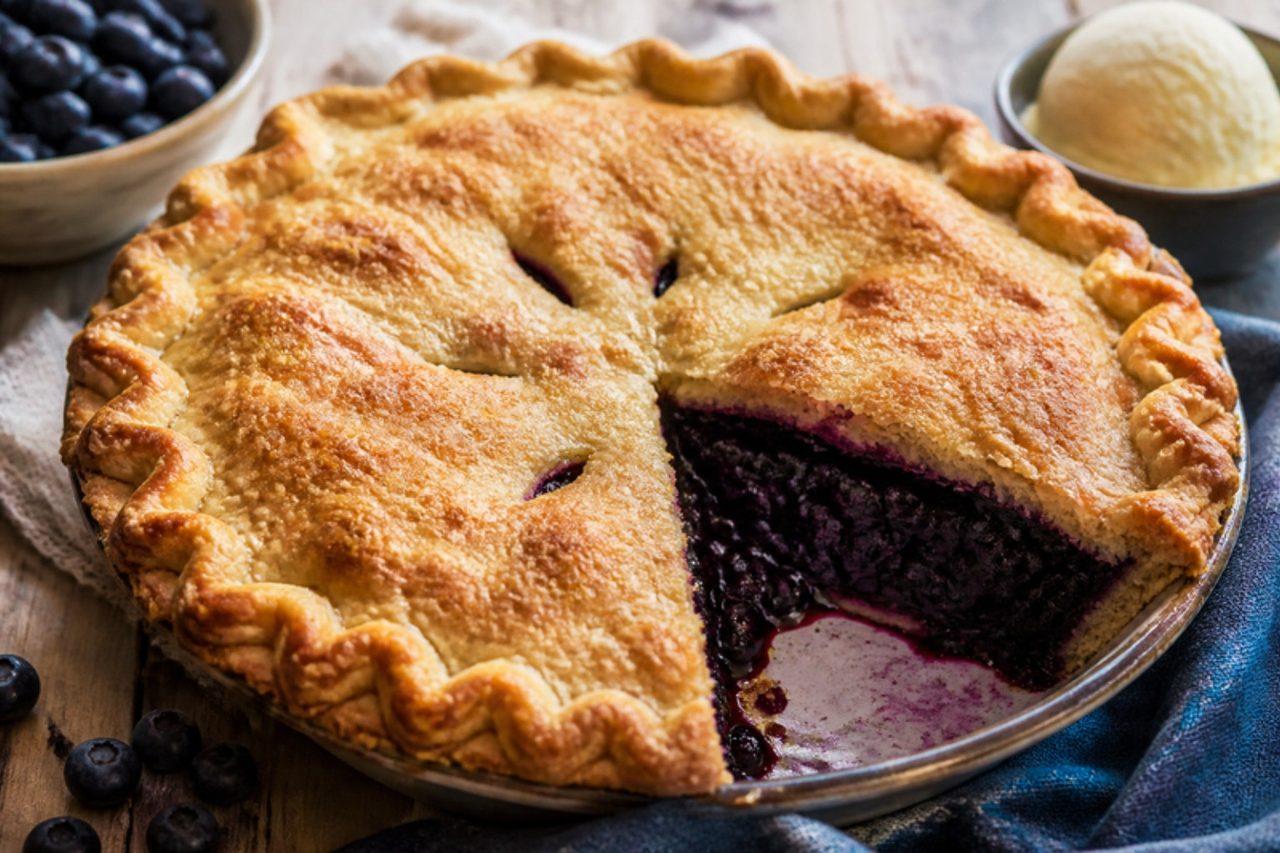
Around Lac-Saint-Jean in Quebec the low wild blueberries ripen in August, and the region is so proud of them that locals are nicknamed bleuets. Every church supper and roadside casse-croûte there sells a deep tarte aux bleuets with a flaky top crust and a dark, jammy filling that holds when sliced. Wild berries are smaller and more intense than cultivated ones and frozen wild berries work well. Serve slightly warm with vanilla ice cream or a jug of cream. A common mistake is skimping on the cornflour, which leaves a soupy filling. Chef's tip: let the pie cool for at least three hours so the juices set; cut it hot and the filling runs all over the plate.

by KrazyBadal 0 views

Ghana sugar bread

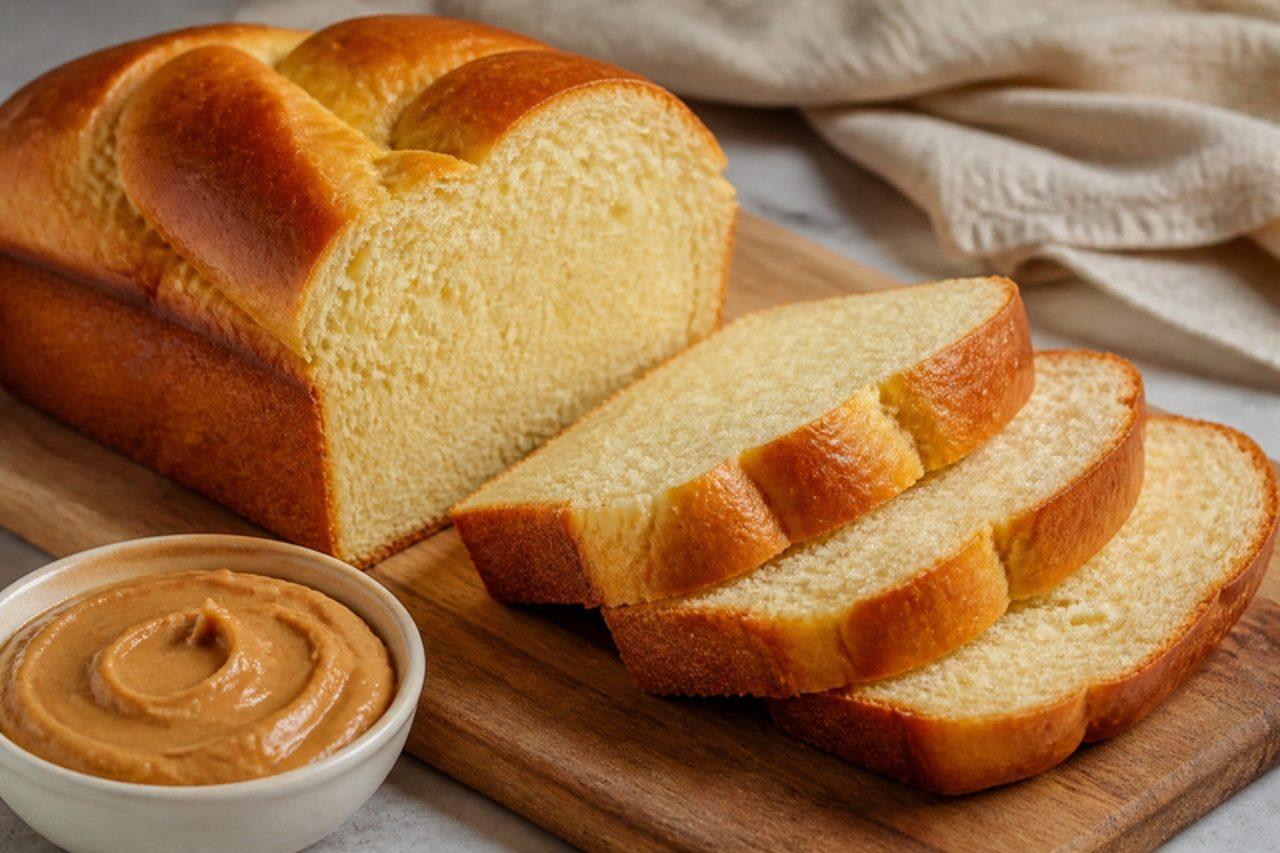
Bread vans, kiosks and hawkers balancing glass boxes on their heads sell sugar bread all over Ghana, from Accra lorry stations to small-town junctions. The crumb is soft, fine and slightly yellow from egg and butter, with a gentle sweetness and a hint of nutmeg, and it tears into fluffy strands. Ghanaians eat it with a mug of tea or cocoa drink, spread with groundnut paste, or wrapped around an omelette for a quick breakfast. Allow about two hours for the two rises. Chef's tip: the dough should stay soft and a little tacky after kneading; adding extra flour to make it easy to handle is the usual mistake, and it gives a dry, crumbly loaf.

by KrazyBadal 0 views

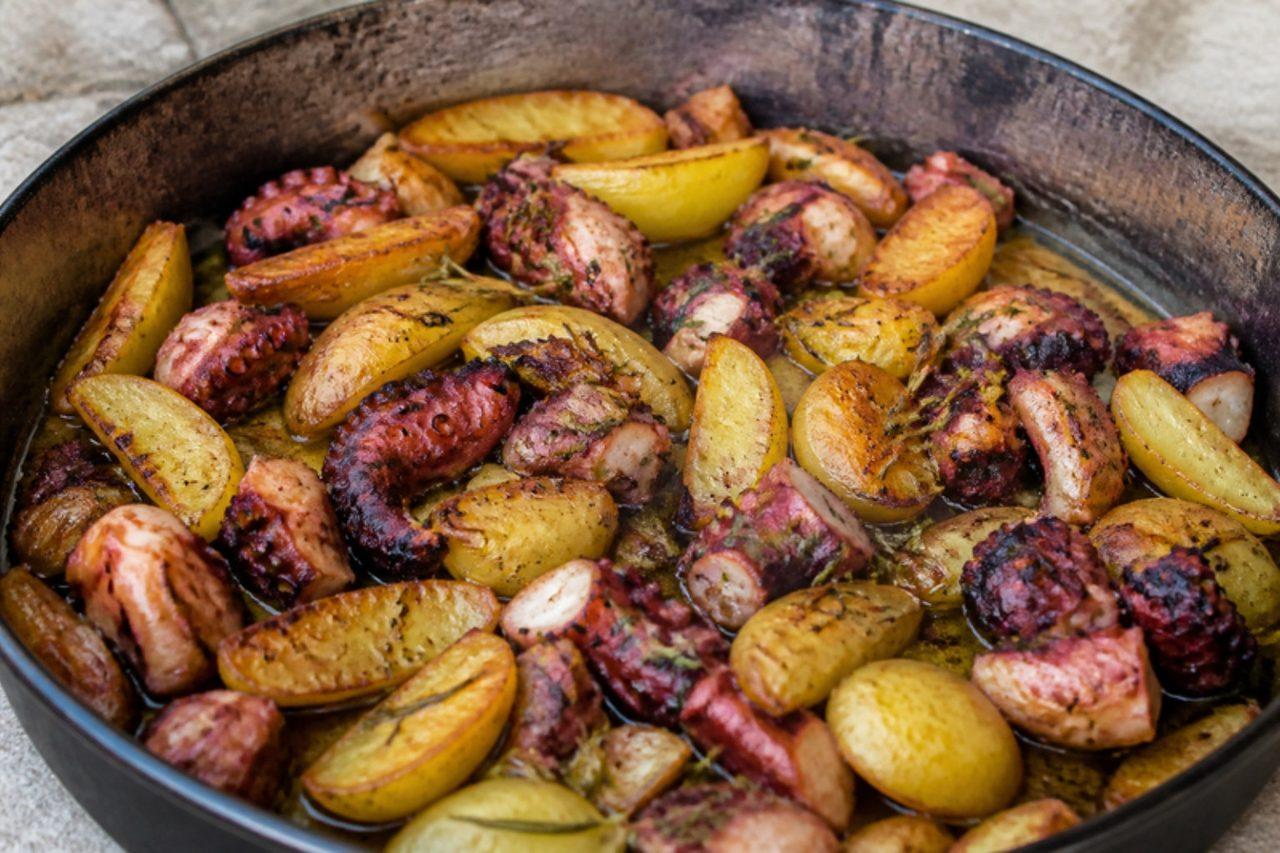
Hobotnica ispod pekeBell-roasted octopus and potatoes

Order octopus under the peka in a Dalmatian konoba on Korčula or Hvar and you will often be asked to ring ahead, because it cooks for hours under an iron bell buried in embers. Octopus, potatoes, onion, garlic, rosemary and lots of olive oil steam in their own juices, then crisp at the edges, so the octopus becomes tender and sweet and the potatoes soak up the pink, briny juices. At home, a heavy cast-iron casserole in a hot oven does the job; many cooks add a splash of white wine, but this version needs none. Bring it to the table in the pot with bread and a green salad. Adding water is the usual slip, as the octopus releases plenty of liquid and extra just boils it. Chef's tip: buy frozen octopus, or freeze fresh for a couple of days, as the freezing tenderises it; thaw it overnight in the fridge.

120 minBalkanFishGluten free
by KrazyBadal 0 views

Asaana (caramelised corn drink)

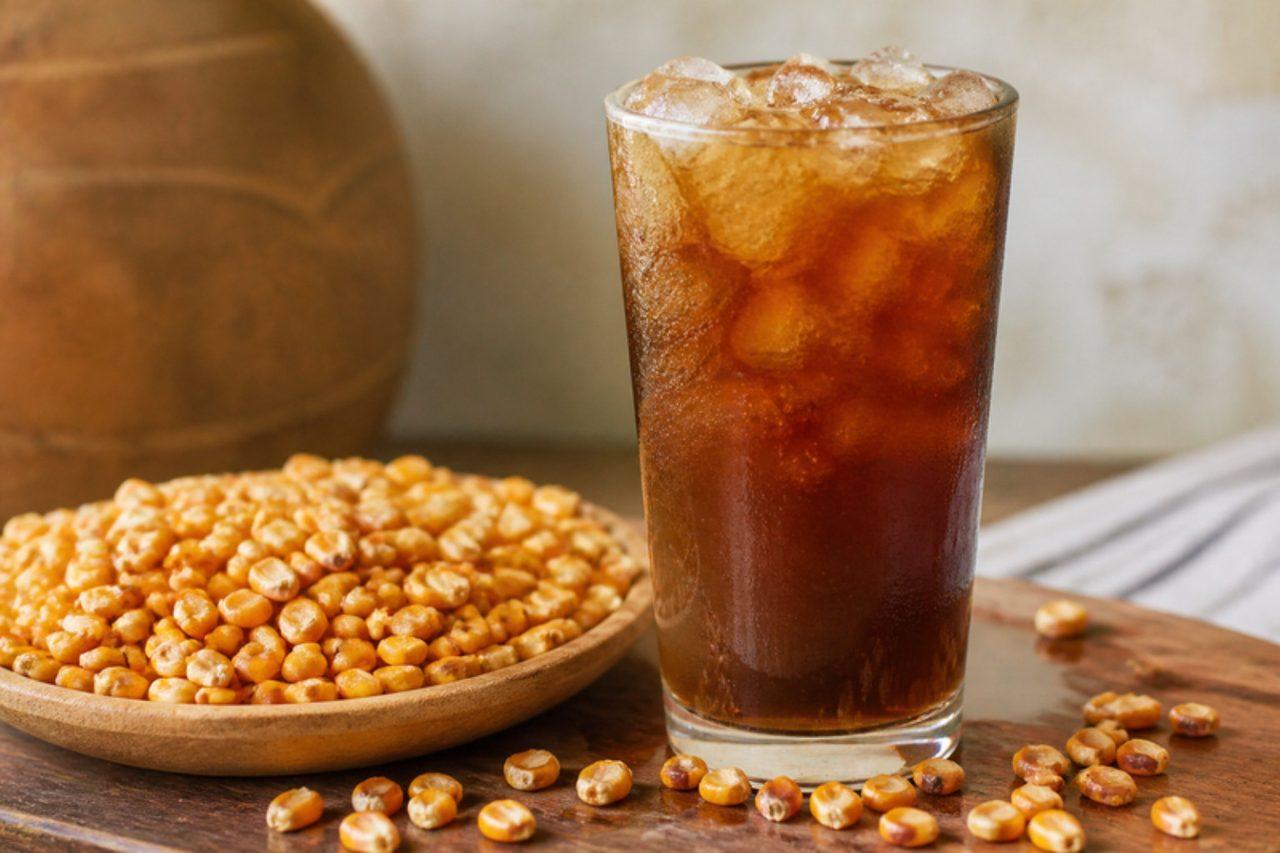
Chilled in plastic bottles and sold from cool boxes at lorry parks, schools and roadside stalls, asaana is one of the most loved soft drinks in Ghana. Maize is soaked, ground and left to sour for a day, then boiled and strained, and the pale liquid is coloured and sweetened with sugar caramelised almost to bitterness. The result is tangy, toasty and refreshing, a little like a light malt drink. Boiling after the souring stops the fermentation, so asaana is a non-alcoholic drink. It needs about two days of mostly hands-off waiting. Chef's tip: take the caramel to a deep mahogany colour before adding water; pale caramel is the usual mistake and gives a flat, sugary drink without the classic toasted edge.

by KrazyBadal 0 views

Maple cream

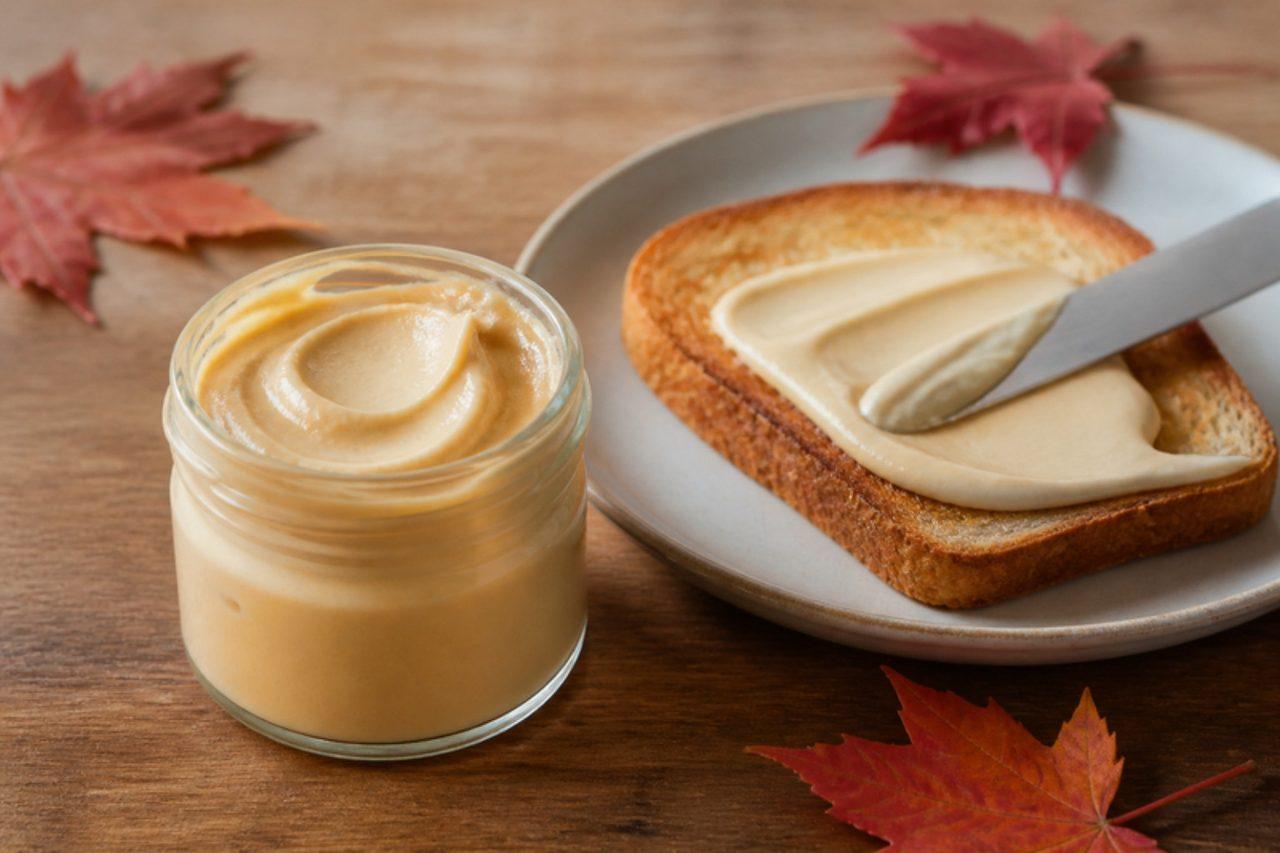
Crème d'érable is sold in little jars in every Quebec market from Jean-Talon to the Beauce farm stands, and despite the name there is no cream in it: pure maple syrup is boiled to the soft-ball stage, cooled without stirring and then beaten until it turns pale and creamy. It is spread on toast, crêpes and warm bagels. Patience and a thermometer are the whole trick. The common mistake is stirring the syrup while it cools, which sets off large grainy crystals instead of a smooth cream. Chef's tip: use a light, golden syrup; dark syrups taste stronger but can stay runny.

by KrazyBadal 0 views

Mbourake (peanut and date bread crumble)

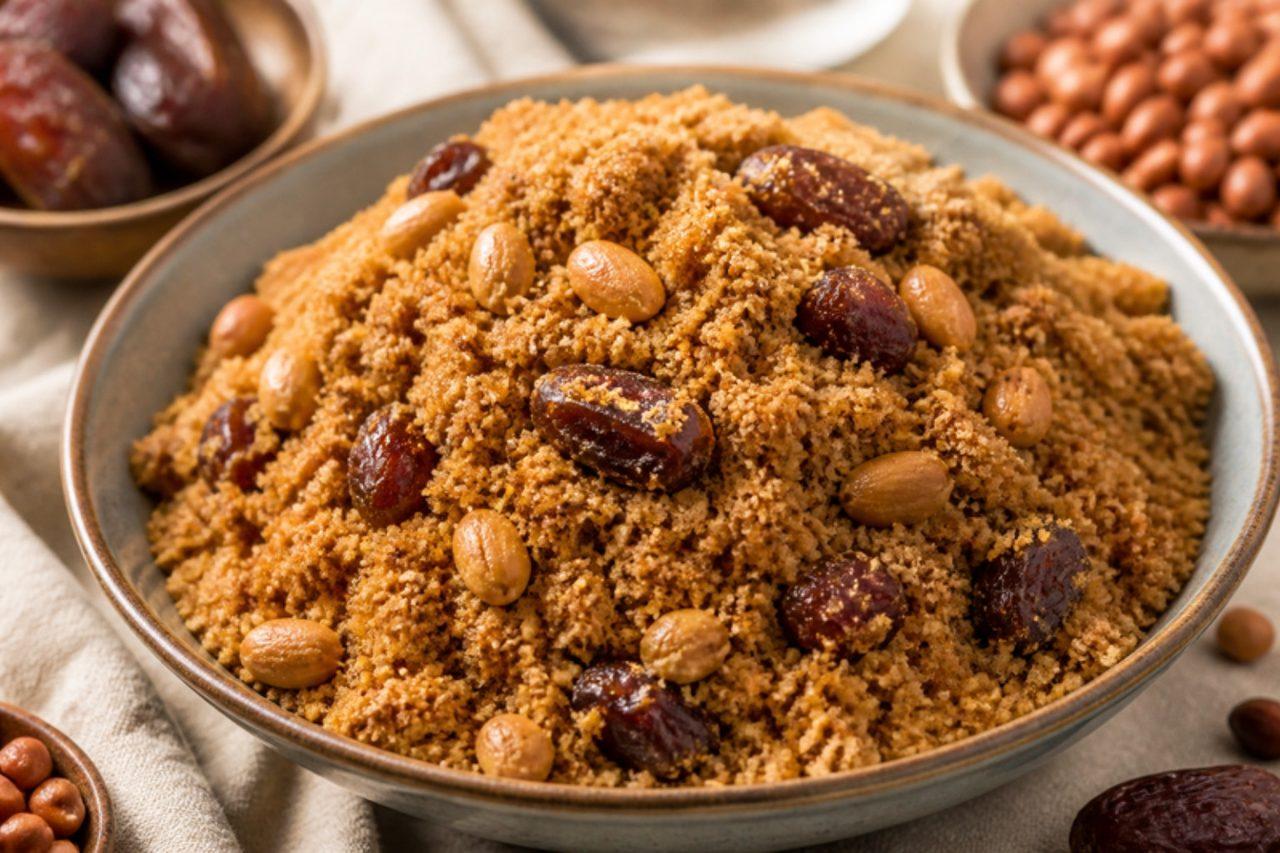
Yesterday's baguette never goes to waste in a Senegalese kitchen during Ramadan. Mbourake turns it into a rich, crumbly sweet: the bread is dried, rubbed to crumbs and pounded with roasted peanut paste and sugar until it clumps, then mixed with chopped dates and pressed into balls or served loose in a bowl at the ndogu, the evening meal that breaks the fast. Some families use steamed millet instead of bread. It tastes like a cross between peanut cookie dough and a date bar, sweet, nutty and filling, and it is good with a glass of café Touba or milk. Chef's tip: dry the bread fully until it snaps; soft bread gives a gummy paste instead of a light crumble.

by KrazyBadal 0 views

Puffed wheat squares

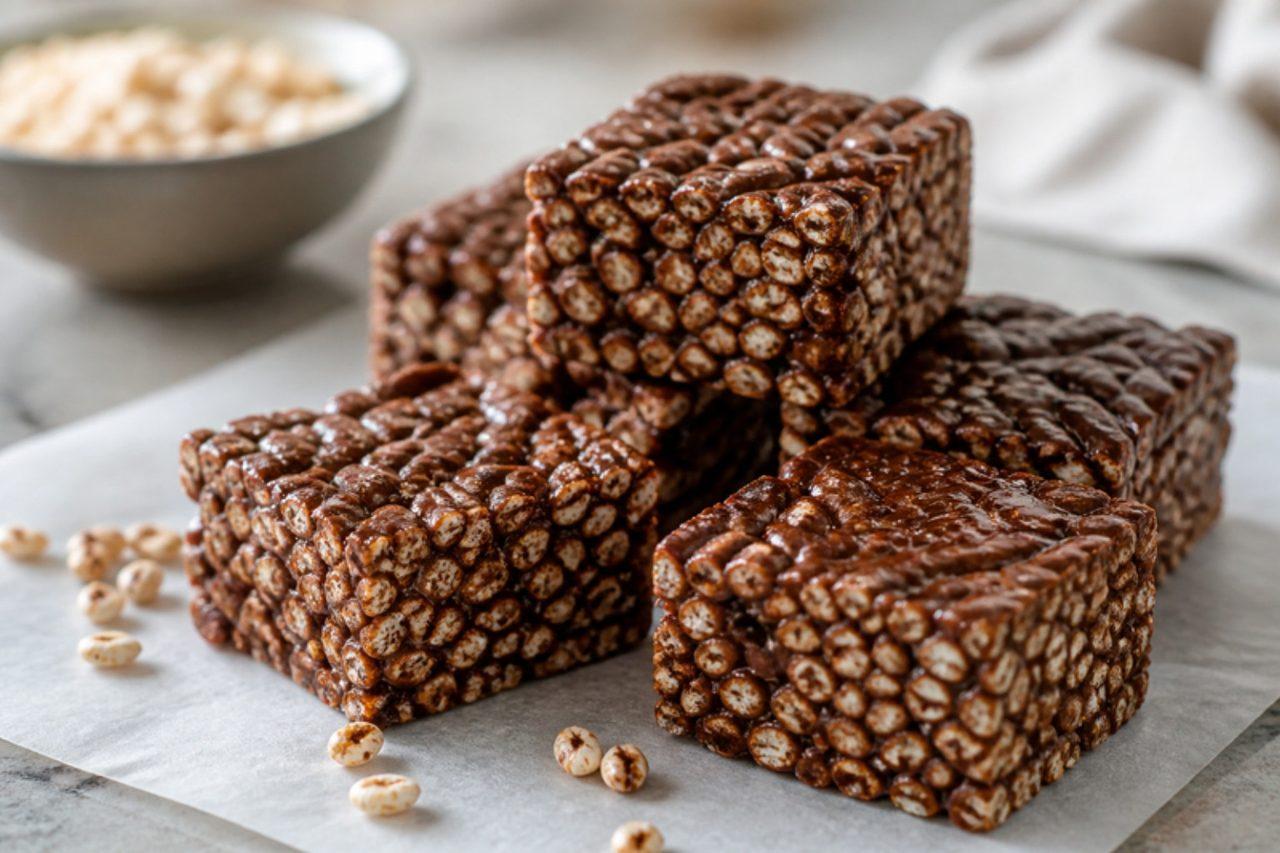
Puffed wheat squares are the Prairie kids' party treat, made in Alberta and Saskatchewan kitchens for hockey bake sales and lunchboxes since the 1950s. Puffed wheat is stirred into a quick toffee of butter, brown sugar, golden syrup and cocoa, pressed into a pan and cut once set. They are chewy rather than crunchy and very hard to stop eating. A common mistake is boiling the syrup too long, which sets them rock hard; one minute of boiling is enough. Chef's tip: butter your hands, not just the pan, to press the mix down evenly.

by KrazyBadal 0 views

Ghanaian rock buns

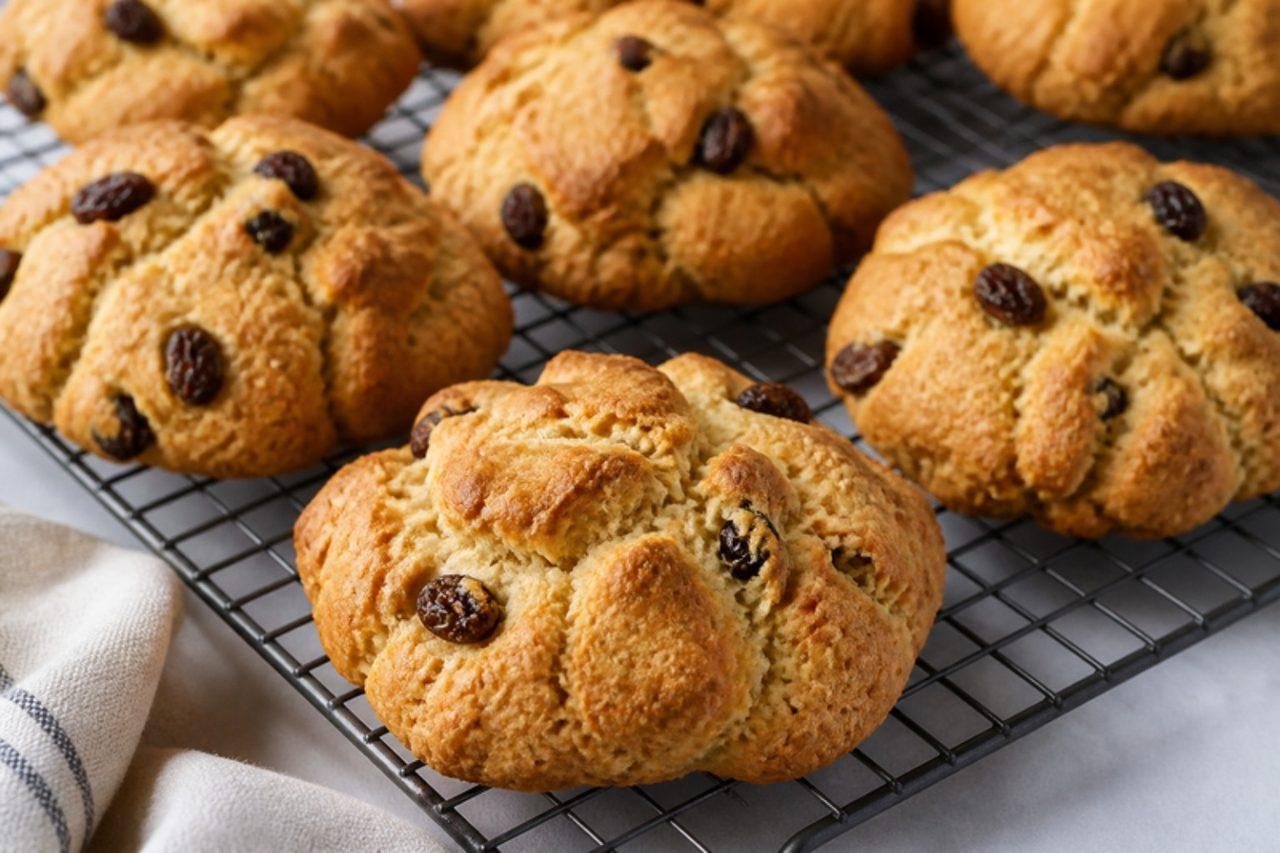
Rock buns came to Ghana with colonial-era baking and never left: every neighbourhood bakery and many school canteens sell these rough, golden mounds, eaten with tea in the morning or with a soft drink after school. They are crisp on the craggy outside, soft and cakey inside, scented with nutmeg and studded with raisins. They take minutes to mix and are a good first bake for children. Chef's tip: keep the dough stiff and drop it in rough heaps without smoothing; too much milk is the common mistake, and the buns spread into flat cookies instead of rising into 'rocks'.

by KrazyBadal 0 views

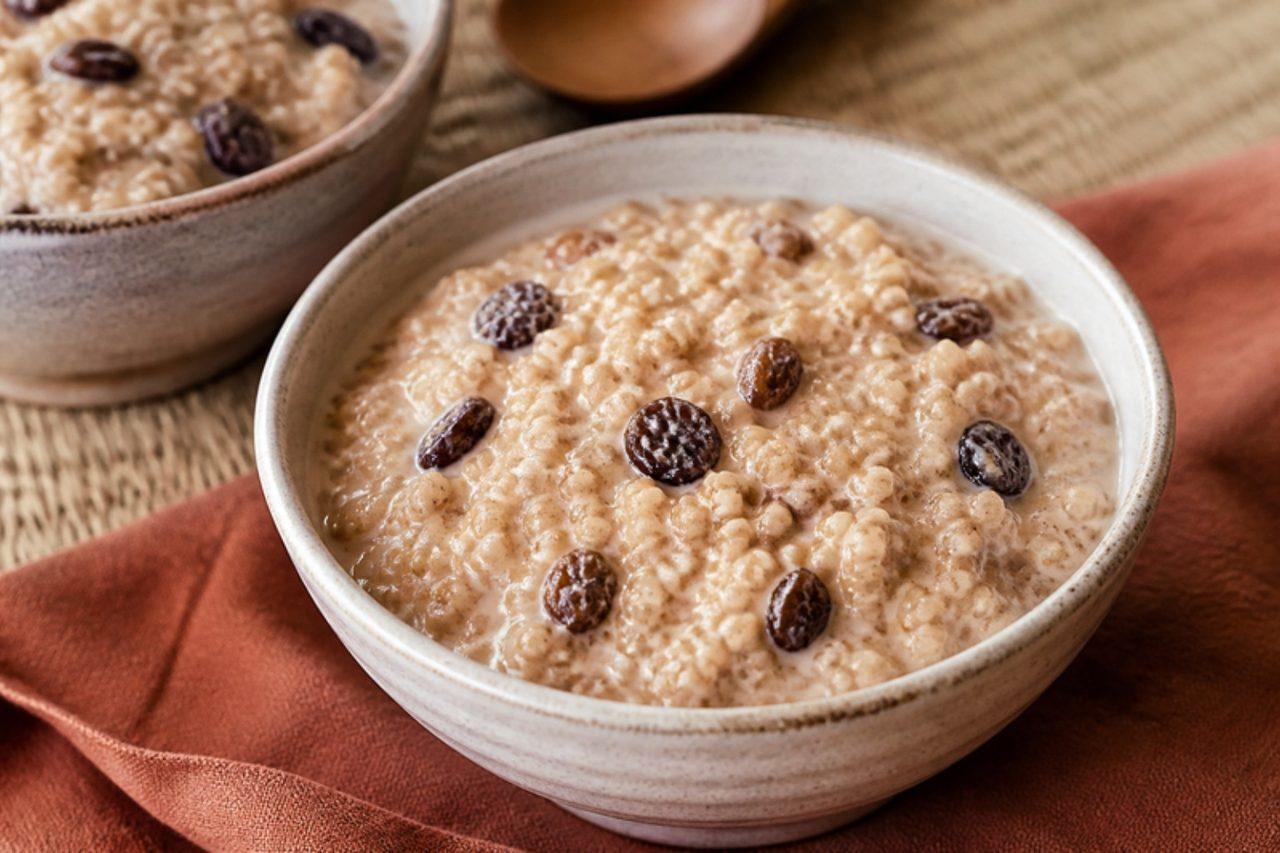
Pumpkin millet porridge

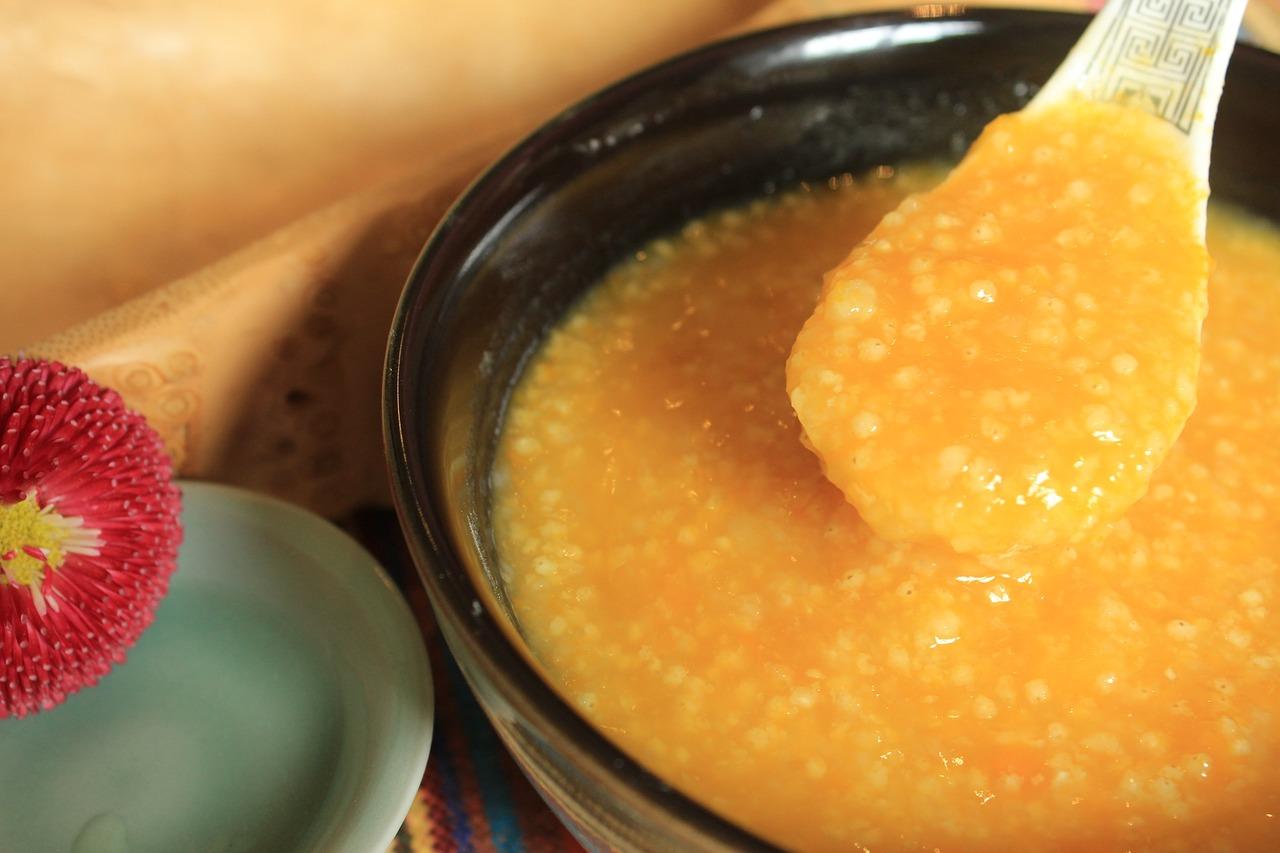
Autumn in central Ukraine means piles of grey-skinned pumpkins in every yard, and the first thing many grandmothers make with them is this golden breakfast porridge. Diced pumpkin is simmered until it collapses, then millet and milk are added and the pot is left to cook down into something thick, creamy and faintly sweet, finished with butter and a spoon of honey. In villages around Cherkasy and Vinnytsia it was once baked for hours in the clay stove; a heavy pan on a low heat gives a very similar result. Serve it hot in deep bowls, with extra honey and a few raisins for children. The usual slip is skipping the rinse: millet carries a bitter dust, and only washing it in several changes of hot water takes it away. Chef's tip: choose a dense, deep-orange pumpkin such as butternut or a Ukrainian 'muscat' type; watery Halloween pumpkins make a thin, pale kasha.

by KrazyBadal 0 views

Hollandse nieuwe haringYoung herring with onion

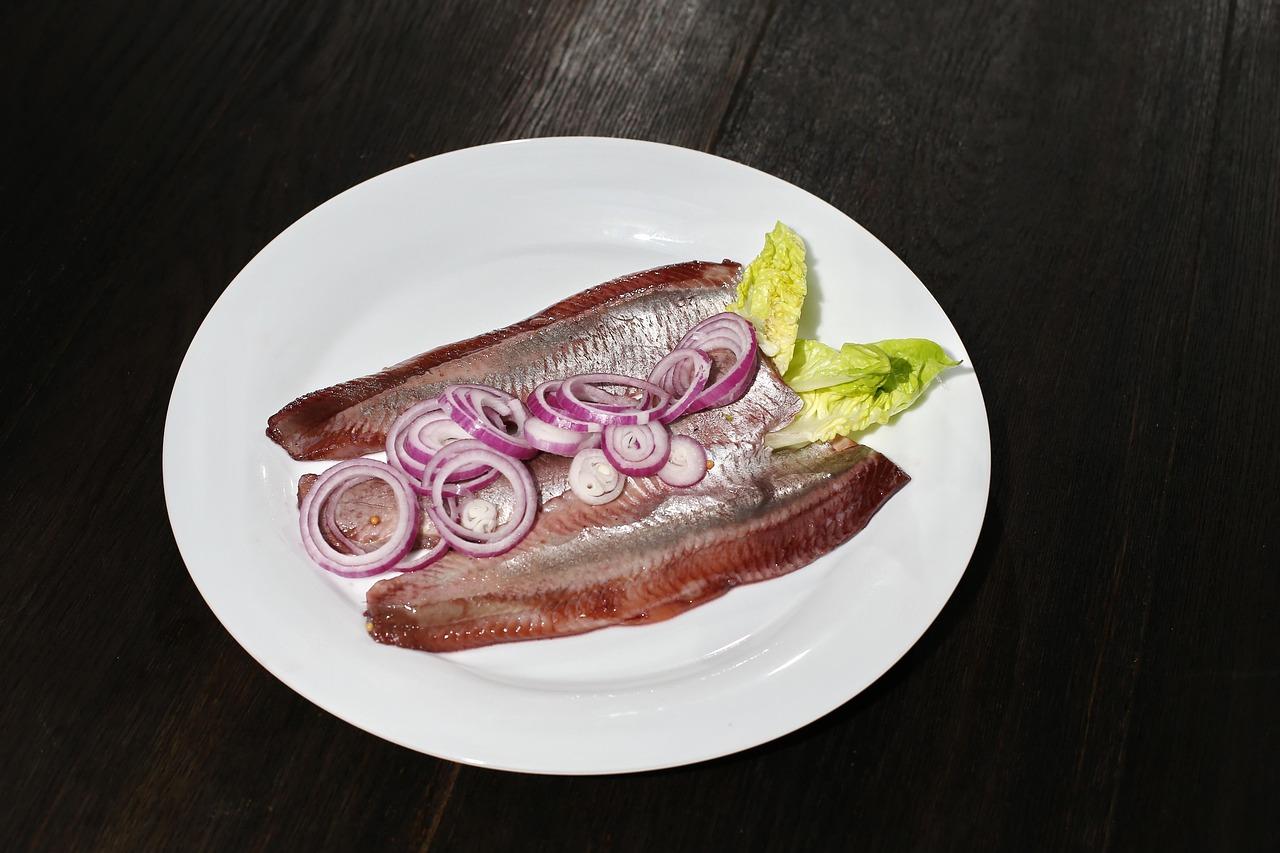
Every June, the first barrel of Hollandse nieuwe, the new season's young herring, is auctioned in Scheveningen and the herring stalls of Amsterdam, Rotterdam and The Hague fly their flags: the fish is mild, fatty and lightly salted, sold cleaned with the tail on and eaten raw, either lowered head-back into the mouth by the tail or cut into pieces on a paper tray with chopped raw onion and gherkin. Dutch law requires the herring to be frozen first, which kills parasites; buy it ready-cleaned from a fishmonger. It is not cooked, so it is not for pregnant women, young children or anyone with a weakened immune system. A common mistake is keeping it at room temperature; serve it ice-cold. Chef's tip: eat it within a few hours of buying, on a cold plate, for the clean, sweet taste.

10 minDutchFishGluten free
by KrazyBadal 0 views

Ekwang with mushrooms

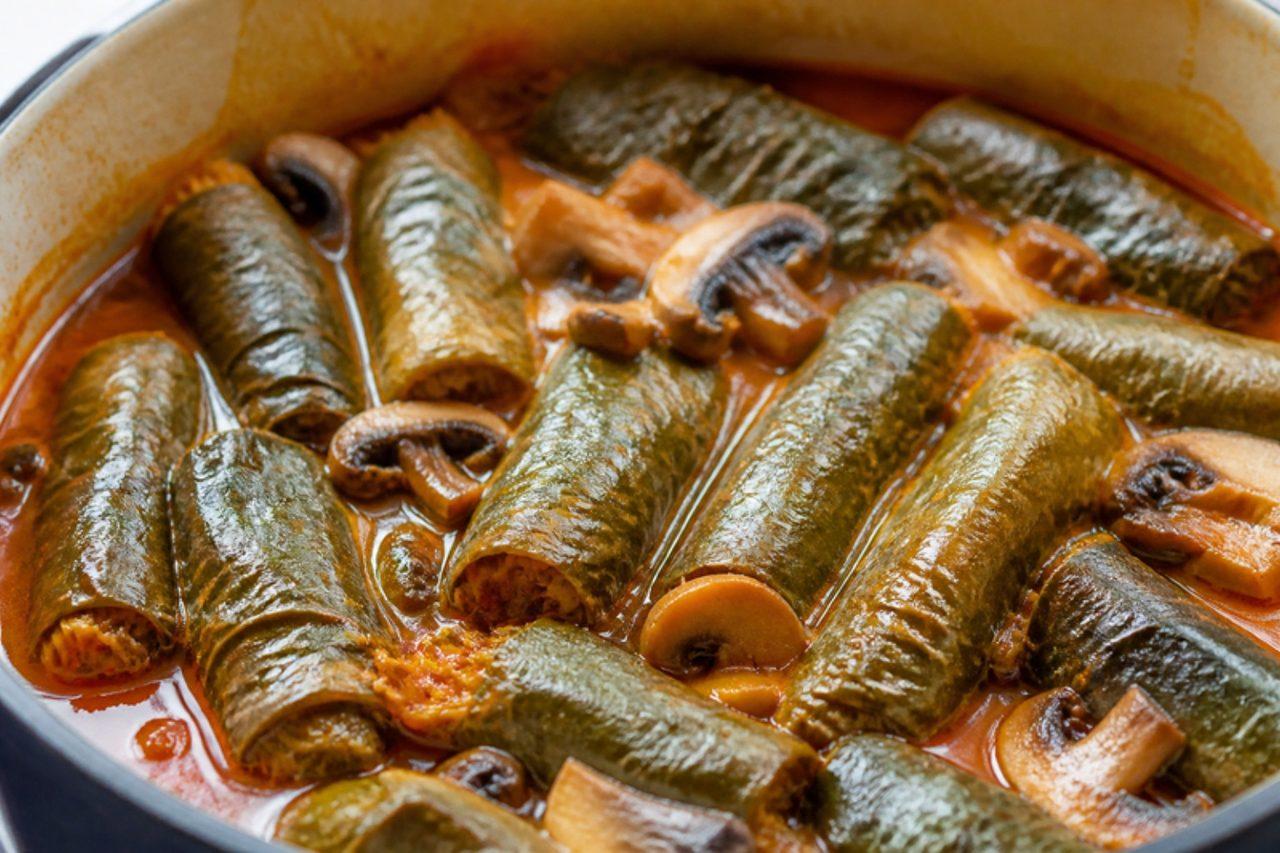
Rolling ekwang is a job for many hands: in the Southwest and around Douala, relatives sit together grating cocoyam and tucking it into leaves for a festive Sunday or a homecoming. The little green cigars are packed into a pot, drenched in red palm oil and left to simmer until the grated tuber binds into soft, almost creamy rolls in a rich, glossy sauce. Smoked fish and crayfish are the usual partners; this meat-free version gets its depth from fresh and dried mushrooms and a pinch of smoked paprika, so it suits vegetarian and vegan guests alike. Serve it on its own, scooping up the sauce, or with boiled plantain. Chef's tip: grate the cocoyam on the finest holes, almost to a purée, so the rolls hold together; coarse shreds stay separate and the pot turns grainy.

by KrazyBadal 0 views

Lakh (millet porridge with sweet curd)

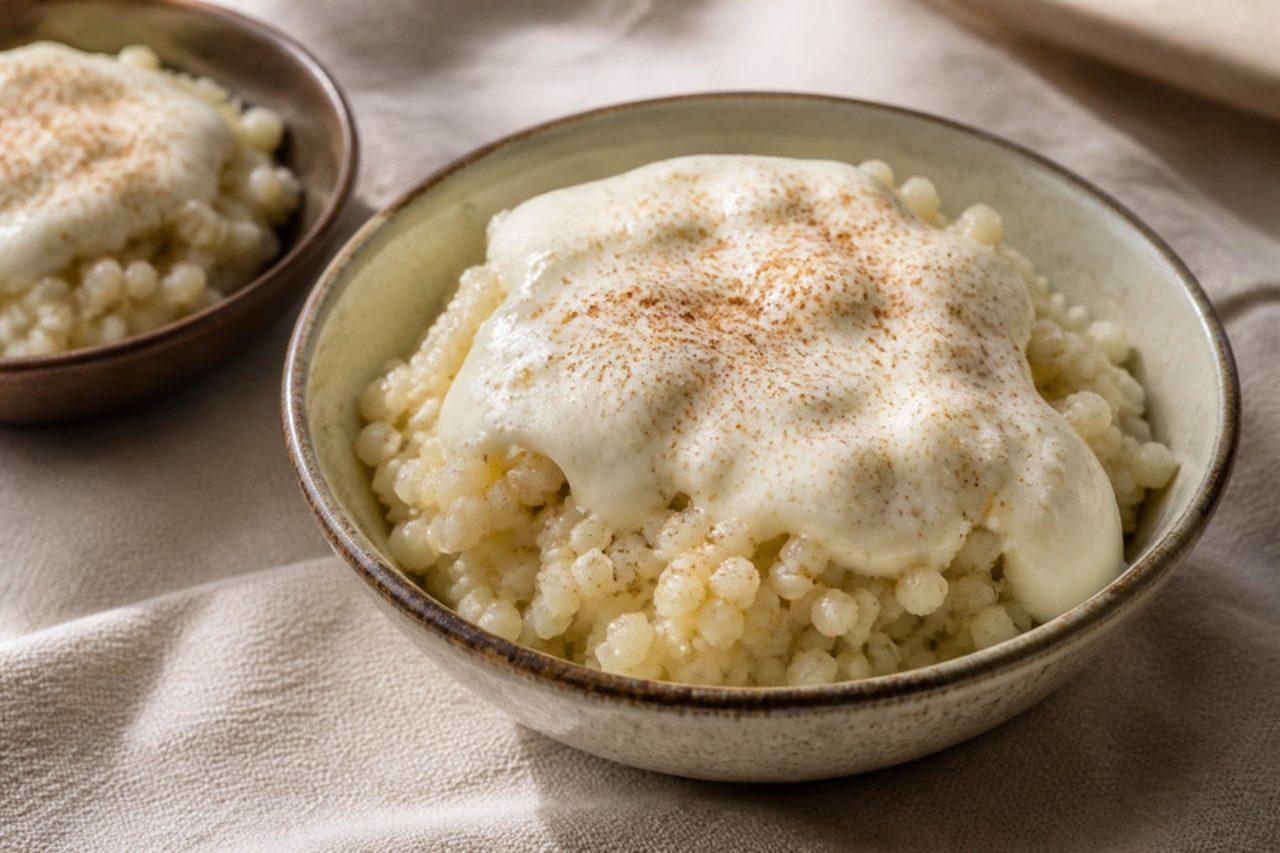
Thick, warm millet porridge topped with cold, sweetened curd: lakh is a Senegalese pairing of contrasts that turns up at naming ceremonies, family gatherings and on Ramadan evenings in Dakar. The millet is rolled into tiny pellets and simmered until it sets like soft polenta, then a creamy sauce of soured milk, sugar and baobab powder is poured over, its tang lifted by vanilla or orange flower water. Each spoonful mixes chewy, nutty grains with something cool and lightly sour. Plain yoghurt mixed with a little cream stands in well for Senegalese soow; use pasteurised dairy and keep leftovers in the fridge. Don't pour the curd over hot porridge; let the lakh cool so the curd stays thick and fresh. Chef's tip: cool the porridge until just warm before adding the curd, so the sauce stays thick instead of thinning out.

by KrazyBadal 0 views

Ngalakh (millet in baobab-peanut cream)

Every Easter, Christian families in Dakar, Thiès and Ziguinchor make big pots of ngalakh and carry bowls of it to Muslim neighbours and friends, a gesture of sharing that many Senegalese treasure. Steamed millet pellets are folded into a thick, tangy cream of baobab pulp and peanut butter, scented with vanilla, orange flower water and nutmeg, and sometimes studded with raisins. It is served chilled, sweet and nutty with a citrus-like sourness from the baobab, and it keeps well for a couple of days. No dairy is used, so it is vegan. Chef's tip: use plain peanut butter with no added sugar or palm oil, and let the dessert rest in the fridge for a few hours, because the flavours only come together once the millet has drunk up some of the cream.

by KrazyBadal 0 views

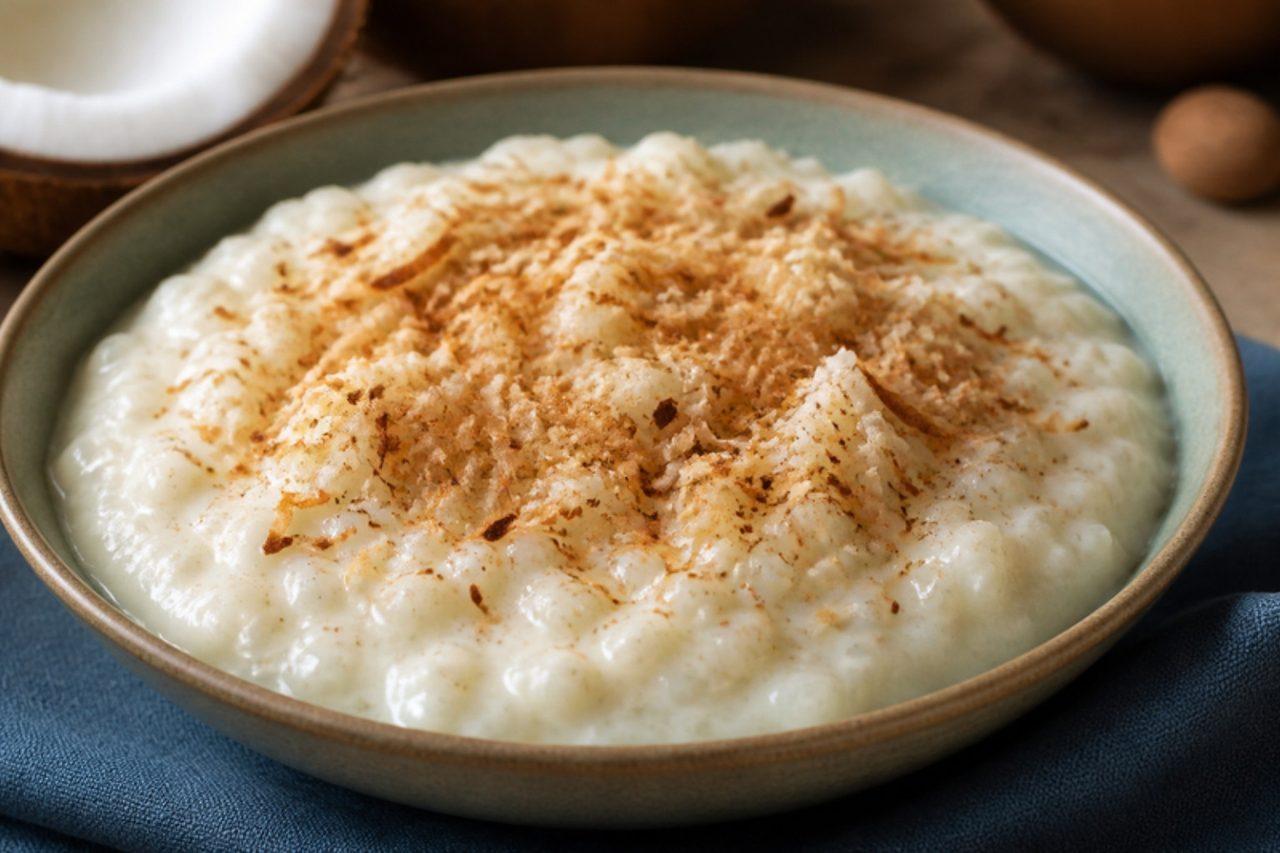
Sombi (Senegalese coconut rice pudding)

Spooned warm from a pot at the Ramadan ndogu, the evening break of the fast, or eaten as a gentle supper on cool Dakar nights, sombi is the Senegalese take on rice pudding. Broken rice is simmered in water first, then in coconut milk and a little dairy milk until it turns soft and creamy, sweetened just enough and finished with vanilla and a pinch of nutmeg. The texture is looser than a baked rice pudding, almost porridge-like, with a clean coconut taste. Broken rice, sold as brisures in African shops, cooks fastest and gives the right silky feel. Avoid boiling hard once the coconut milk goes in, or it splits and turns greasy. Chef's tip: add the coconut milk only after the rice is half cooked in water, because grains boiled from raw in coconut milk stay hard and the fat can split.

by KrazyBadal 0 views

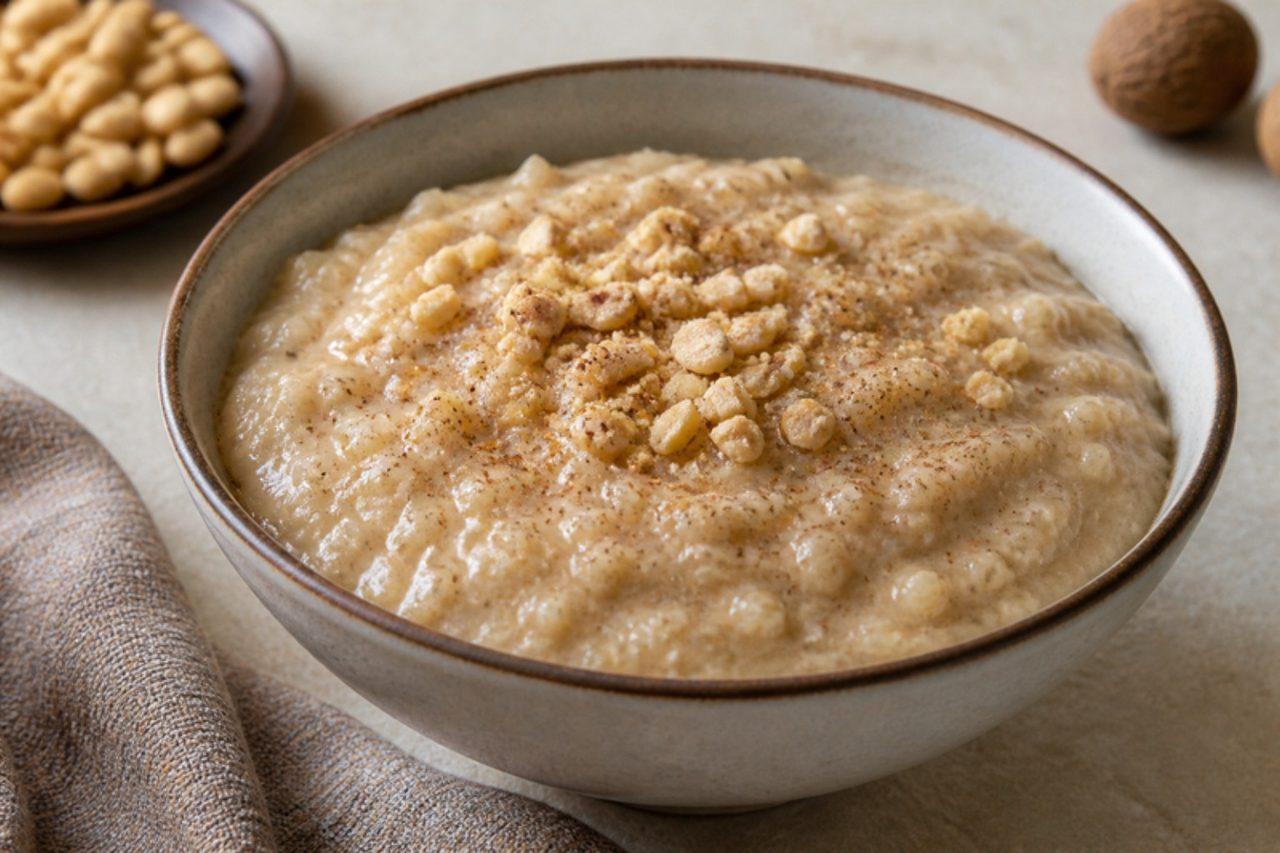
Chura gerte (Gambian rice and peanut porridge)

Groundnuts are The Gambia's great crop, and chura gerte, rice porridge cooked with ground roasted peanuts, is how many families in Banjul and Serekunda start the day. Broken rice is simmered until soft and creamy, then the peanut paste goes in with sugar, a pinch of salt and sometimes vanilla or nutmeg. It is thick, comforting and nutty, a bowl that keeps children going until lunch. Some households pour sour milk over the top; leave it out, as here, and the porridge is vegan. Avoid adding the peanut paste in one lump; whisk it in loosened with hot liquid or it clumps. Chef's tip: stir the peanut paste into the rice only once the grains are completely soft, because rice cooked in peanut from the start catches on the base and stays chalky.

by KrazyBadal 0 views

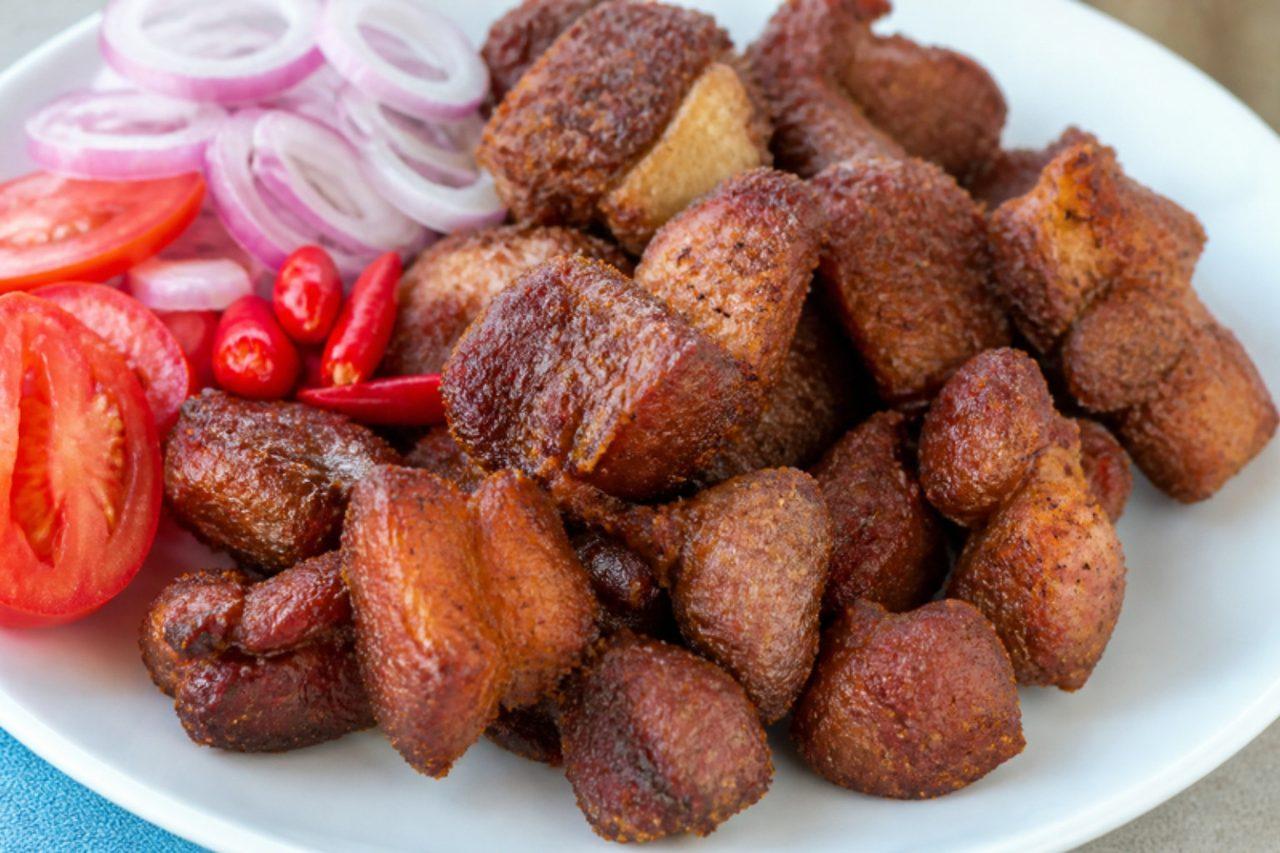
Domedo (Ghanaian spiced pork)

Domedo is pork: chunks of pork shoulder or belly rubbed with ginger, garlic, onion, cloves and chilli, simmered until tender, then roasted or fried until the edges turn crisp and caramelised. Around Accra it is a favourite at chop bars and roadside grills in the evening, wrapped in paper with raw onion, sliced tomato and a pile of fresh pepper, often alongside kenkey. The meat is juicy and spicy with a crackling, salty outside. Cooking it twice means the fat renders out and the chunks stay moist. Chef's tip: dry the boiled pork well before roasting and give the pieces space on the tray; crowding them is the usual mistake, and they steam instead of crisping.

by KrazyBadal 0 views

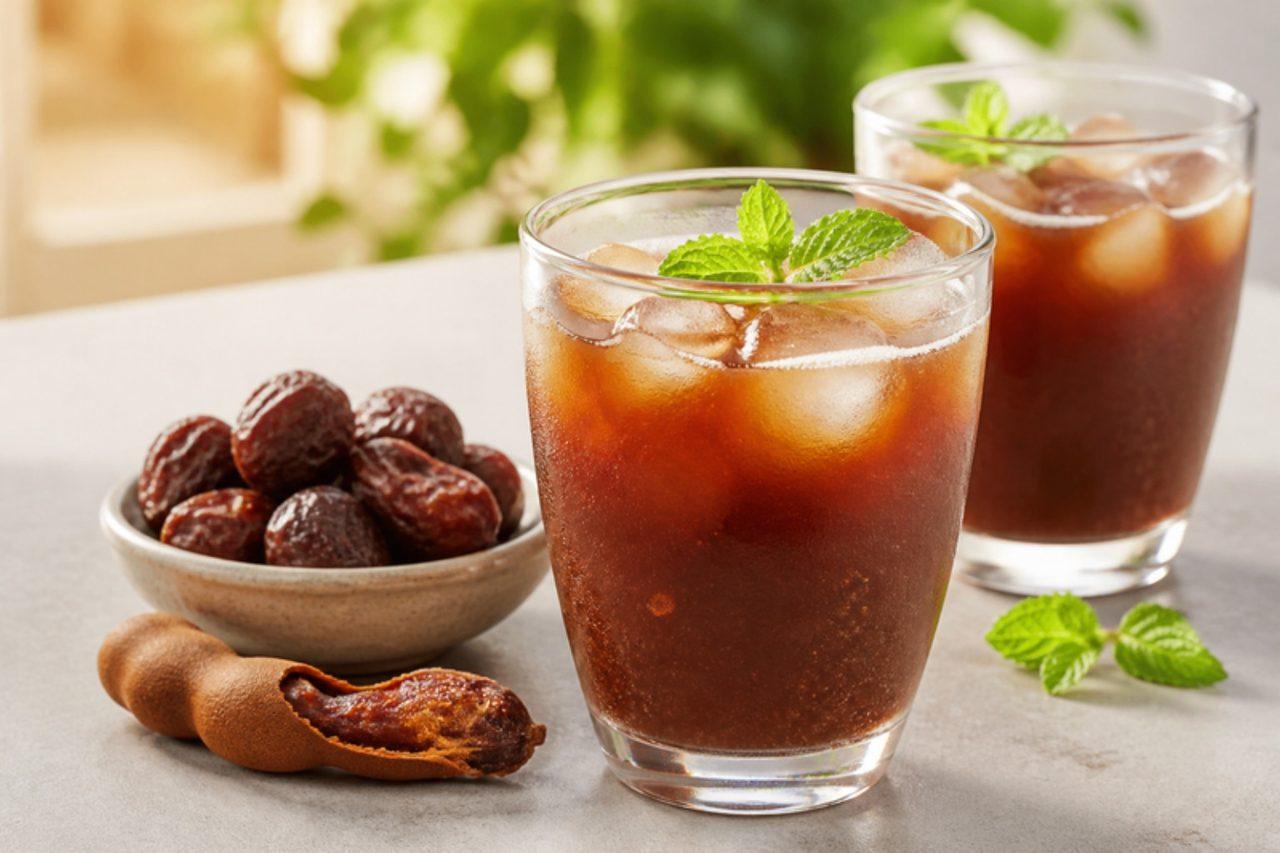
Imli aloo bukhara sharbatTamarind and plum cooler

Pakistani grandmothers prescribe this deep brown drink for heatstroke, an upset stomach and the sluggish days of Ramadan fasting in June, and it is sold in tall glasses at sehri and iftar stalls in Karachi, Hyderabad and Lahore. Tamarind and dried aloo bukhara plums are soaked, simmered, mashed and strained into a concentrate, which is then sweetened, seasoned with black salt and roasted cumin and served poured over ice. The flavour is fruity, tart and slightly smoky from the plums, with the savoury lift of the salt. The concentrate keeps for a week in the fridge, so a big batch lasts through a heatwave. The usual problem is skipping the straining step and serving it thick with fibres and seeds, which makes it more like a chutney than a drink. Chef's tip: let the plums soak in the hot liquid for an hour after simmering, so they give up all their sourness and colour before you strain them.

by KrazyBadal 0 views

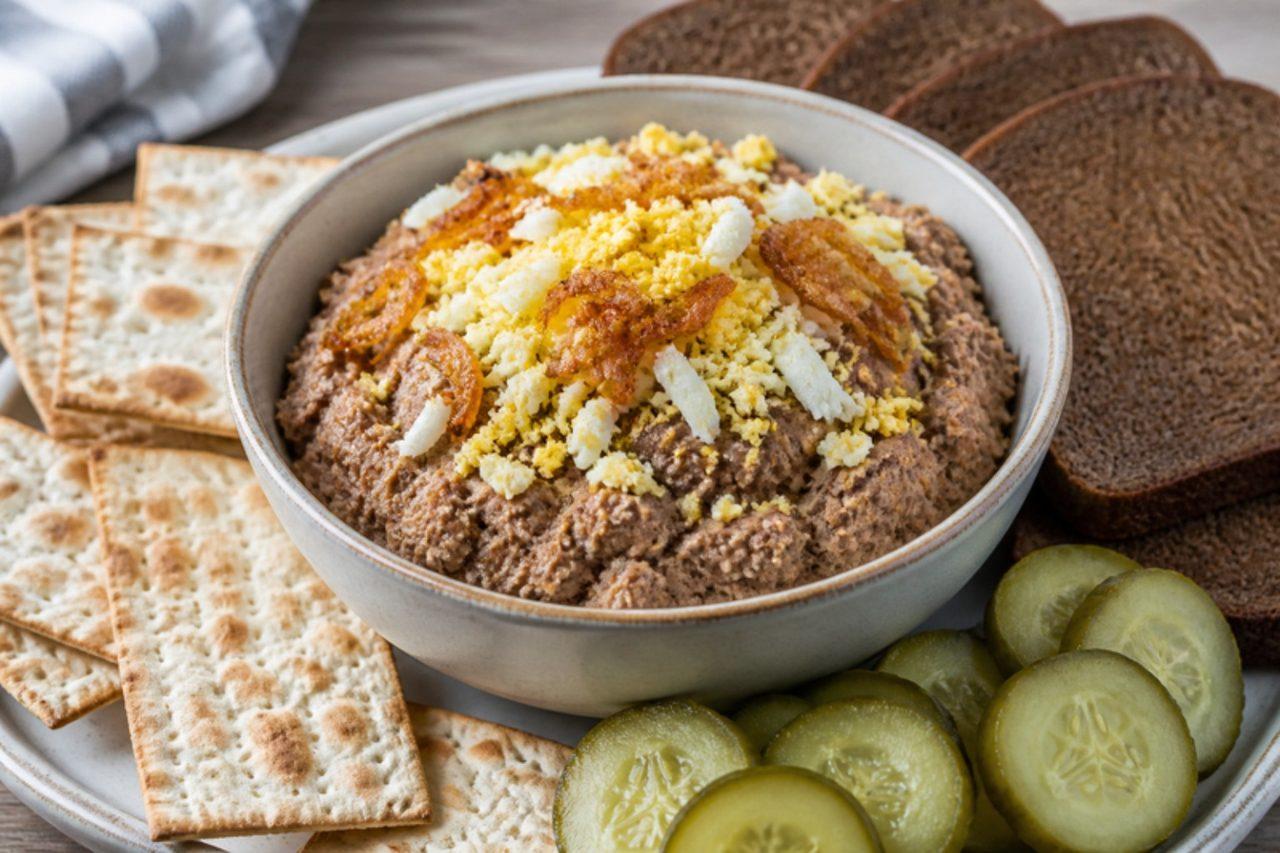
Chopped liver

Chopped liver is the first course of many Friday-night dinners in Ashkenazi homes from Haifa to Petah Tikva, spread on challah before the soup, and Tel Aviv delis still sell it by weight on Thursdays. Chicken livers are cooked through in schmaltz with a mountain of slowly browned onion, then chopped with hard-boiled egg into a coarse, rich spread that is sweet from the onion and deeply savoury. It is served cool, with challah, crackers or rye bread and a pickled cucumber. People often undercook the livers to keep them soft, but for safety they must have no pink left inside; the onion and schmaltz keep the texture tender anyway. Chef's tip: pulse in short bursts or chop by hand; a smooth purée loses the rustic texture that makes this different from a French pâté.

by KrazyBadal 0 views

Showing 81 of 7,762 recipes

Show more recipes

Page 200 of 863