


Skip to content
Frustingo
Featured recipe

Frustingo

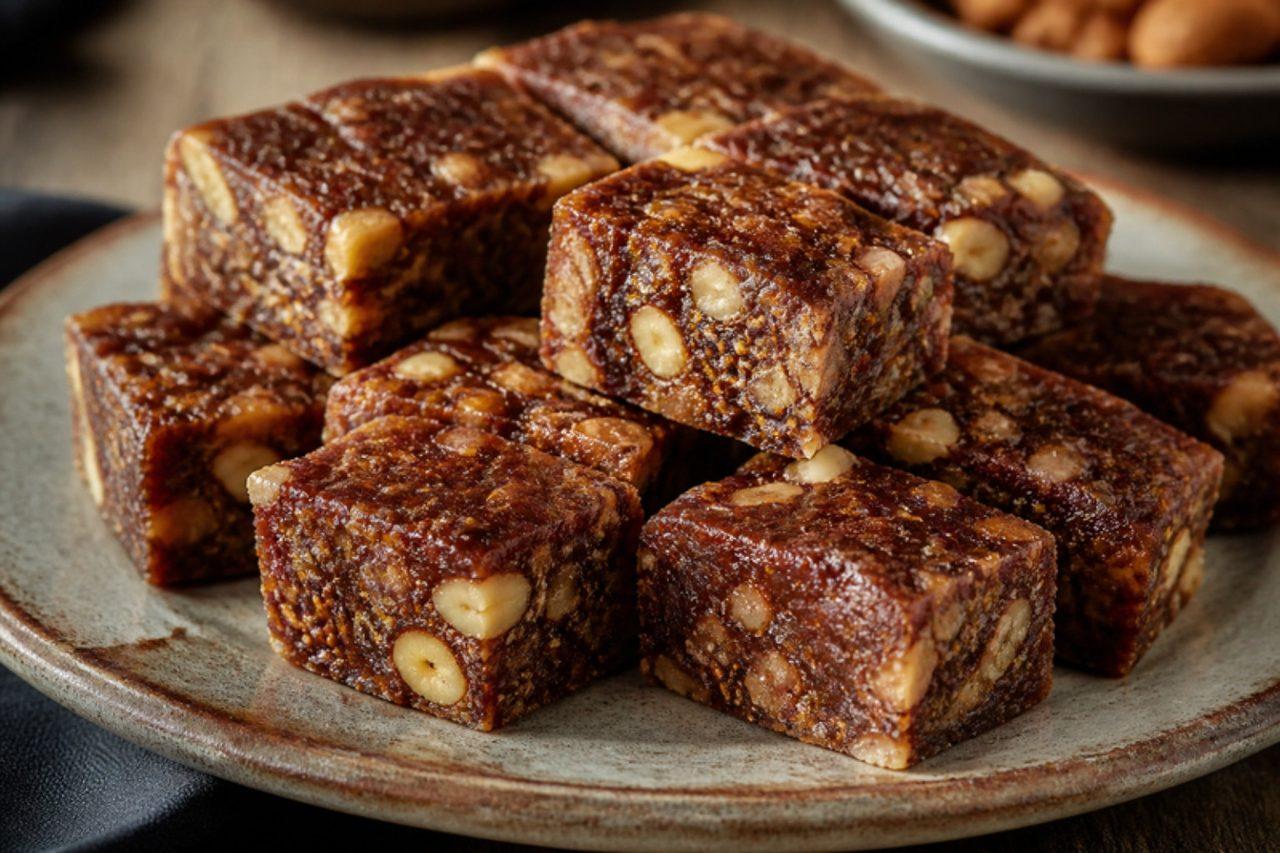
In the Marche, from Ancona down to Ascoli Piceno, frustingo is the dark, dense Christmas cake every family makes its own way, born as a thrifty sweet of dried figs, nuts and stale bread. Chopped figs are soaked and simmered, then mixed with walnuts, almonds, raisins, candied peel, cocoa and coffee, and bound with sapa, the thick cooked grape must of the region. Many recipes also add mistrà, a local aniseed liqueur; this one uses ground anise seed for an alcohol-free cake. It bakes into a fudgy, almost black slab, rich with spice and not too sweet. Chef's tip: let it mature for two days in foil before cutting; it slices cleanly and the flavours come together.

Read more 0 views

What to eat today?

Around the world

Today's trip: Paraguayan

A new country every day, from every cuisine on the site.

This week's collection

Kid-friendly dinners
537 recipes · a new collection every Monday

Latest recipes

Paskha

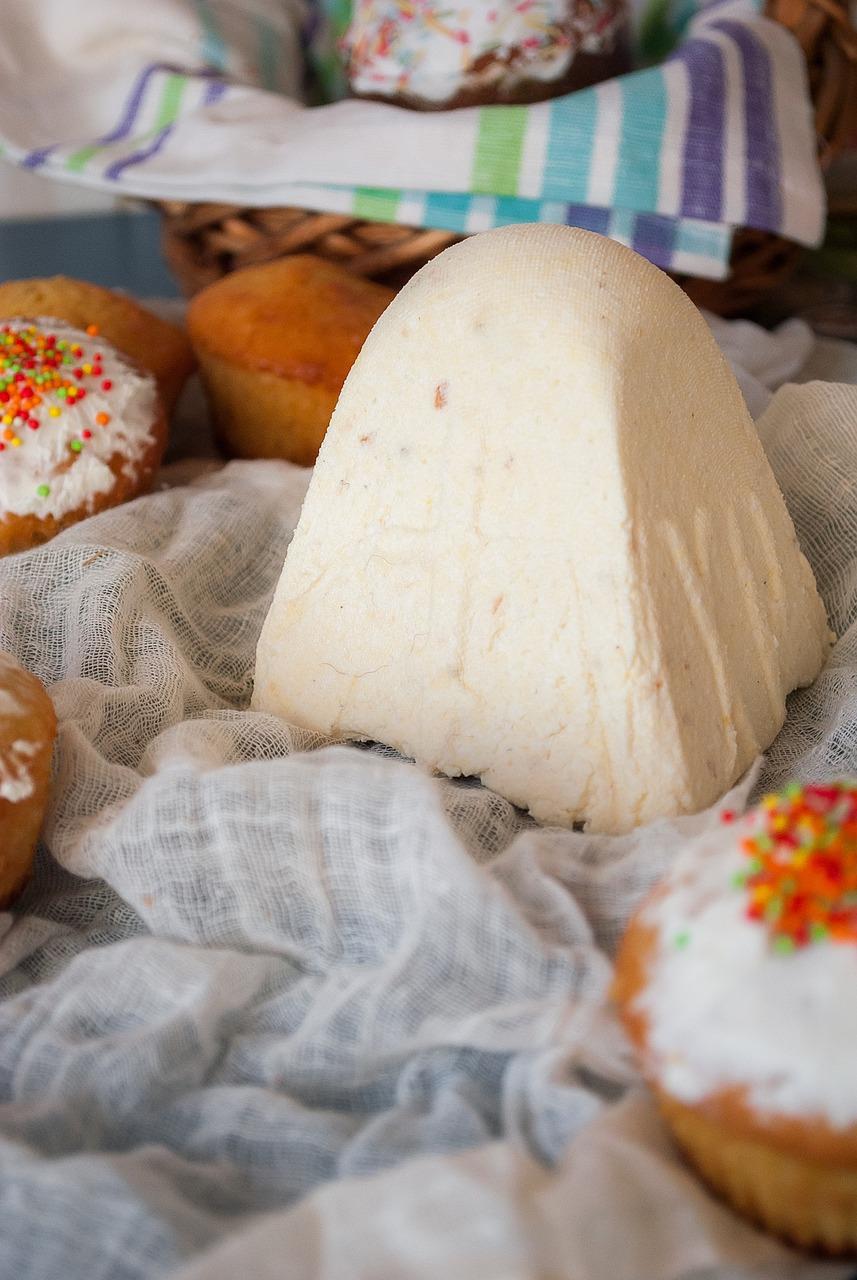
Next to the kulich on every Russian Easter table stands a white pyramid stamped with the letters ХВ, for 'Christ is risen', cut into thin wedges and spread on slices of the sweet bread. Old recipes stir raw yolks and cream straight into the curd; this is a cooked paskha (zavarnaya), where yolks, cream and sugar are first heated into a custard, which is safer and keeps longer. Use pasteurised tvorog, cream and eggs, and check the tvorog label if you want it rennet-free. The texture is dense and smooth like a firm cheesecake filling, sweet with vanilla, raisins, candied peel and almonds. Where most people go wrong is skipping the sieving; unsieved curd stays grainy whatever else you do. Chef's tip: no pyramid mould? A new, clean flowerpot or a sieve lined with muslin works, with a weight on top overnight in the fridge.

by KrazyBadal 0 views

Grittibänz

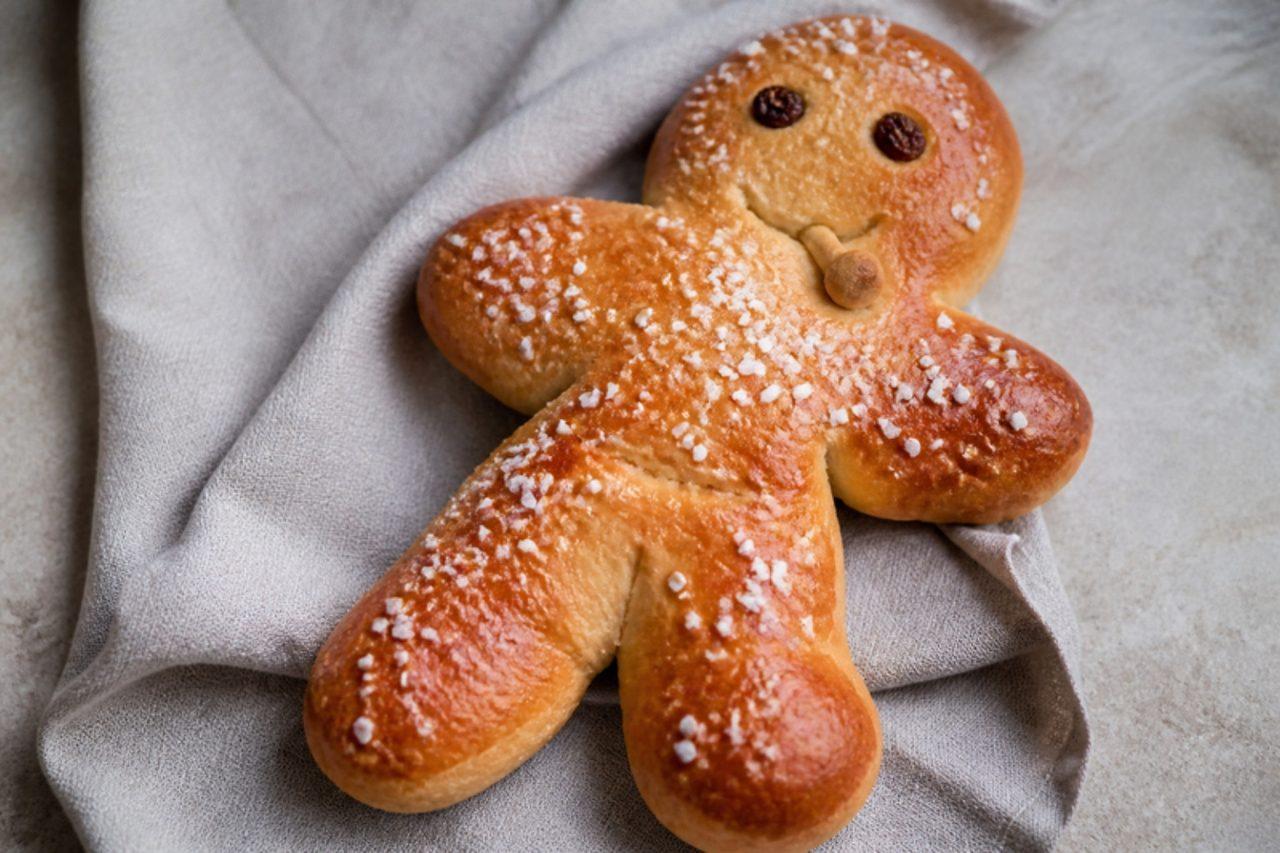
On 6 December, Samichlaus Day, bakeries across German-speaking Switzerland fill their windows with Grittibänz: little men of soft, sweet Zopf-style dough with raisin eyes and buttons, sometimes a pipe or a scarf, given to children with mandarins, nuts and gingerbread. Families shape them together at home, and every one comes out different. A common mistake is making the arms and legs too thin; they burn before the body bakes. Chef's tip: make the figures chunky and snip the arms and legs with scissors rather than rolling them separately, so the shape holds as it rises.

by KrazyBadal 0 views

Pyshki

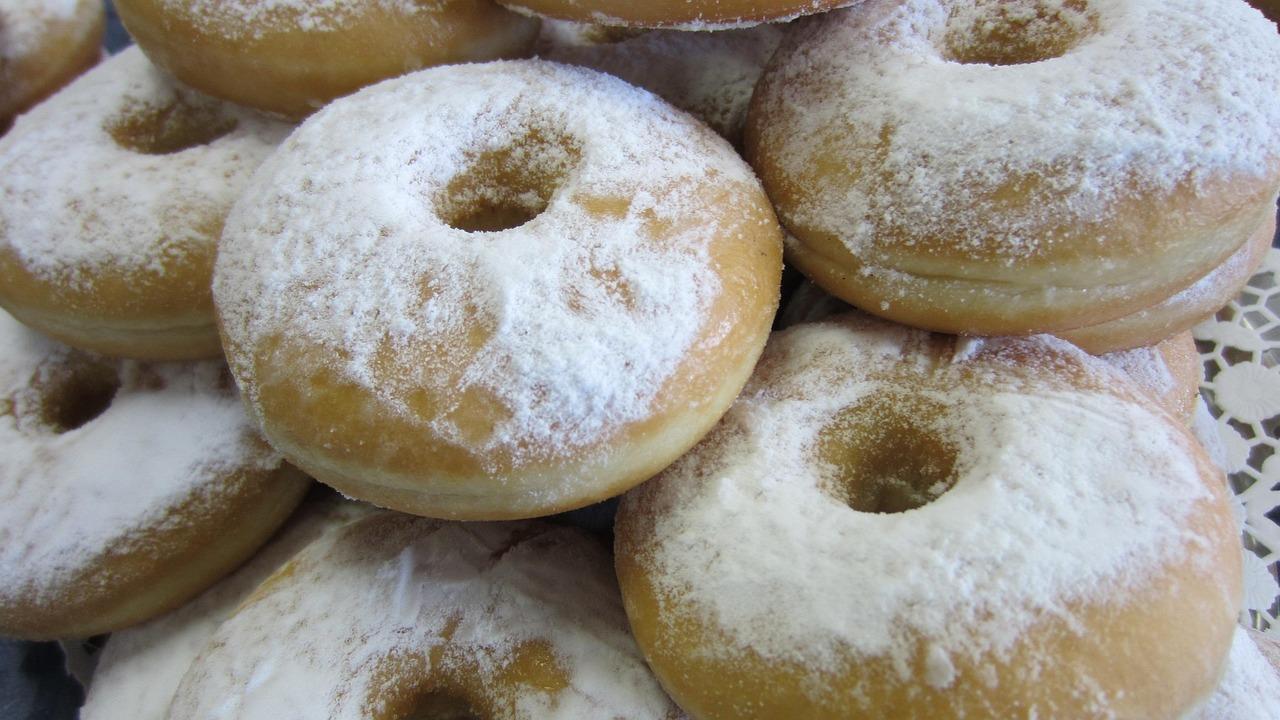
On Bolshaya Konyushennaya street in St Petersburg a small pyshechnaya has been frying these since the 1950s, and locals will tell you firmly that a pyshka is not a ponchik, the filled Moscow doughnut. They come in a paper bag five or six at a time, so hot that the icing sugar melts at the edges, with a glass of sweet milky coffee from a big urn. The soft, fairly wet yeast dough gives a light, open crumb inside a thin golden shell. The usual slip is oil that is too cool: the rings soak it up and turn heavy, so keep a thermometer in the pan at 175 °C. Chef's tip: set each shaped ring on its own small square of baking paper and lower the paper into the oil with it; the paper slips off after a few seconds and the ring stays perfectly round.

by KrazyBadal 0 views

Chlebíčky

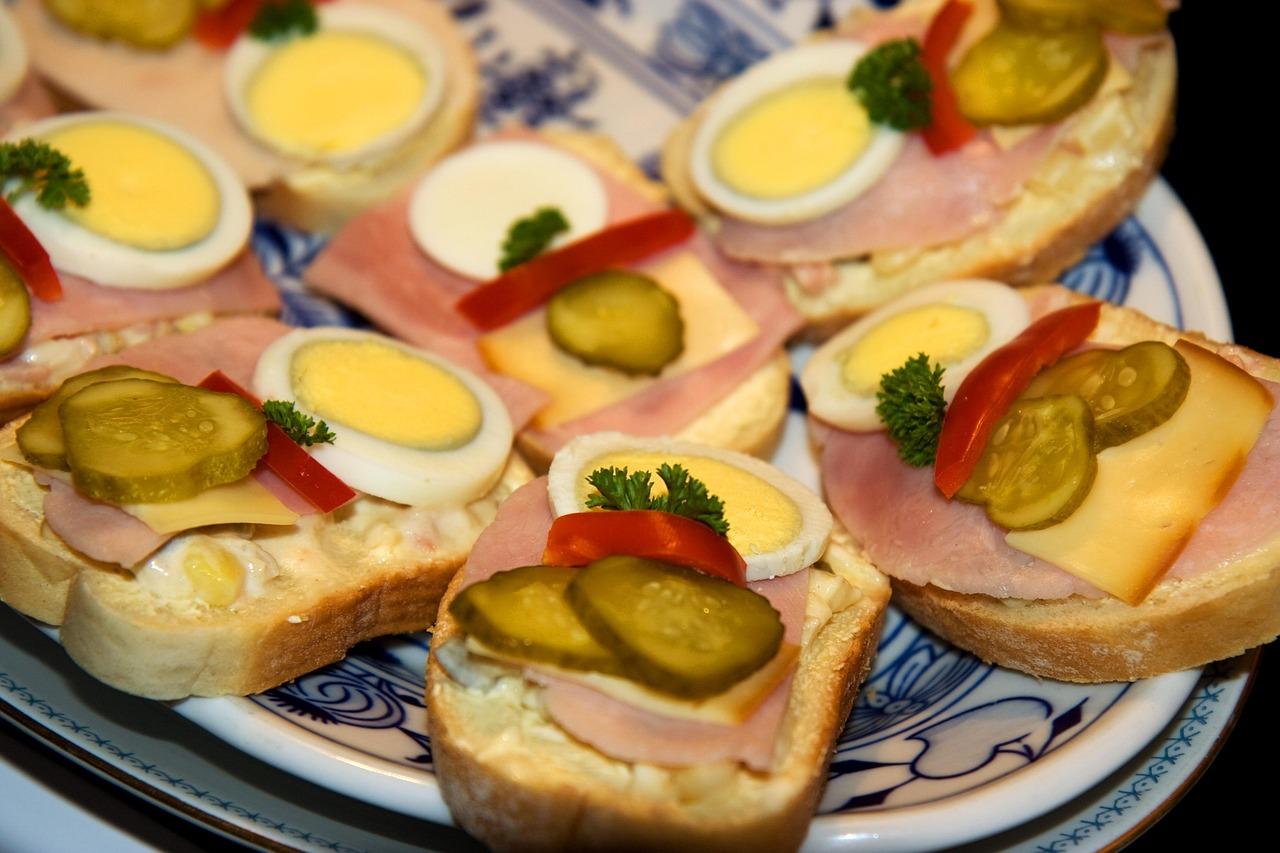
Prague's lahůdky delicatessens have sold chlebíčky since the early twentieth century, and these little open sandwiches are still the first thing laid out for office celebrations, birthdays and New Year's Eve. Diagonal slices of soft white veka bread are spread with potato salad, then decorated with a rolled slice of cooked pork ham, half a hard-boiled egg, cheese, gherkin and a dot of mayonnaise, so each one looks like a small, neat picture. They are creamy, salty and fresh at once. A common mistake is assembling hours ahead on soft bread, which goes soggy; build them no more than an hour before serving and keep them in the fridge, never out for more than 2 hours. Boil the eggs until the yolks are firm. For a meat-free tray, skip the ham and double the egg and cheese. Chef's tip: a firm, day-old baguette slices more cleanly than fresh bread.

by KrazyBadal 0 views

Gubadia

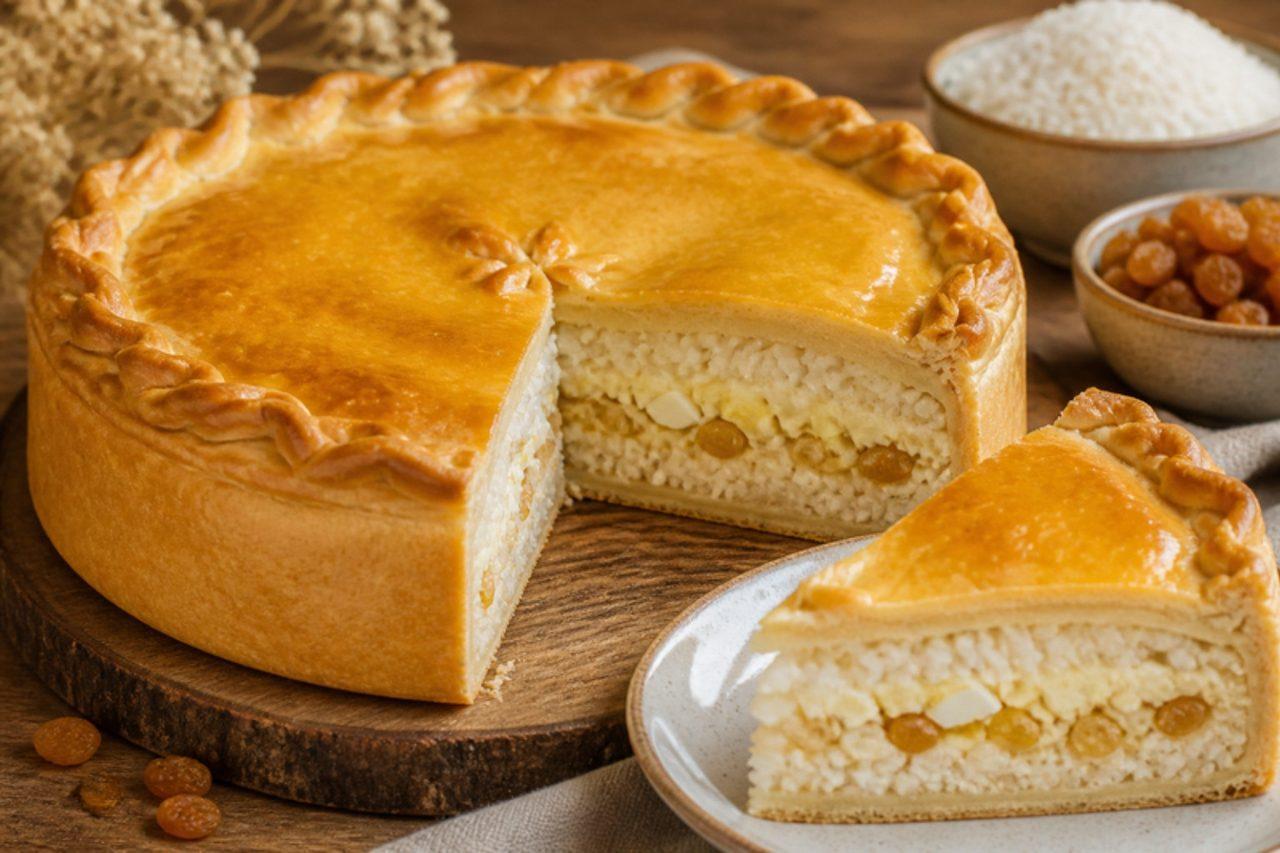
Weddings, Eid and the arrival of honoured guests in Tatarstan call for gubadia, a high round pie that is cut at the table like a cake and served with tea. Inside sit neat layers of buttery rice, kort – Tatar curd cooked down until rosy and fudge-sweet – raisins and chopped hard-boiled egg, under a domed lid of soft yeast dough. Many families add a layer of minced meat with onion; this is the meat-free version, as many sweet tea-table gubadias are. Kort is hard to buy outside the region, so you make it here from tvorog (check the label if you need it rennet-free). Where most people go wrong is a dry pie: every layer needs its share of melted butter. Chef's tip: let the baked pie stand for twenty minutes before cutting so the layers settle and come away in clean wedges.

by KrazyBadal 0 views

Paradicsomos káposzta

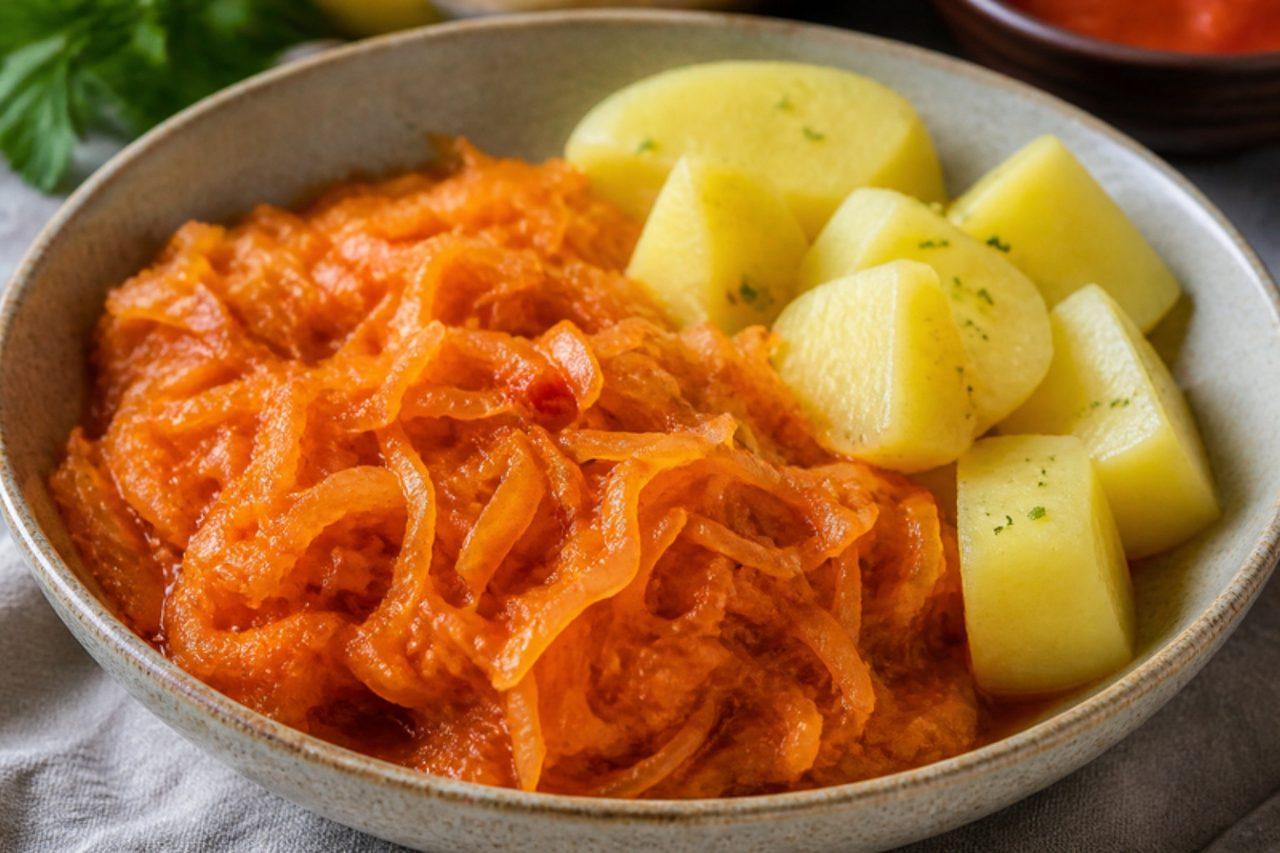
Sweet, sour and bright red, paradicsomos káposzta is the dish Hungarians either loved or dreaded on the school canteen menu, and most end up cooking it at home as adults. Fine ribbons of white cabbage are braised in tomato with onion, a bay leaf and enough sugar and vinegar to make it taste like a warm relish. In Budapest it is eaten with boiled potatoes, or as a side to fried breaded vegetables or meatballs. This version skips the usual flour thickener and reduces the tomato instead, so it is vegan and gluten free. The usual slip is cooking the cabbage until it collapses into mush; it should be soft but still have a little spring. Chef's tip: balance it at the end, not the start, because the tomato sweetens as it cooks down.

by KrazyBadal 0 views

Kurnik

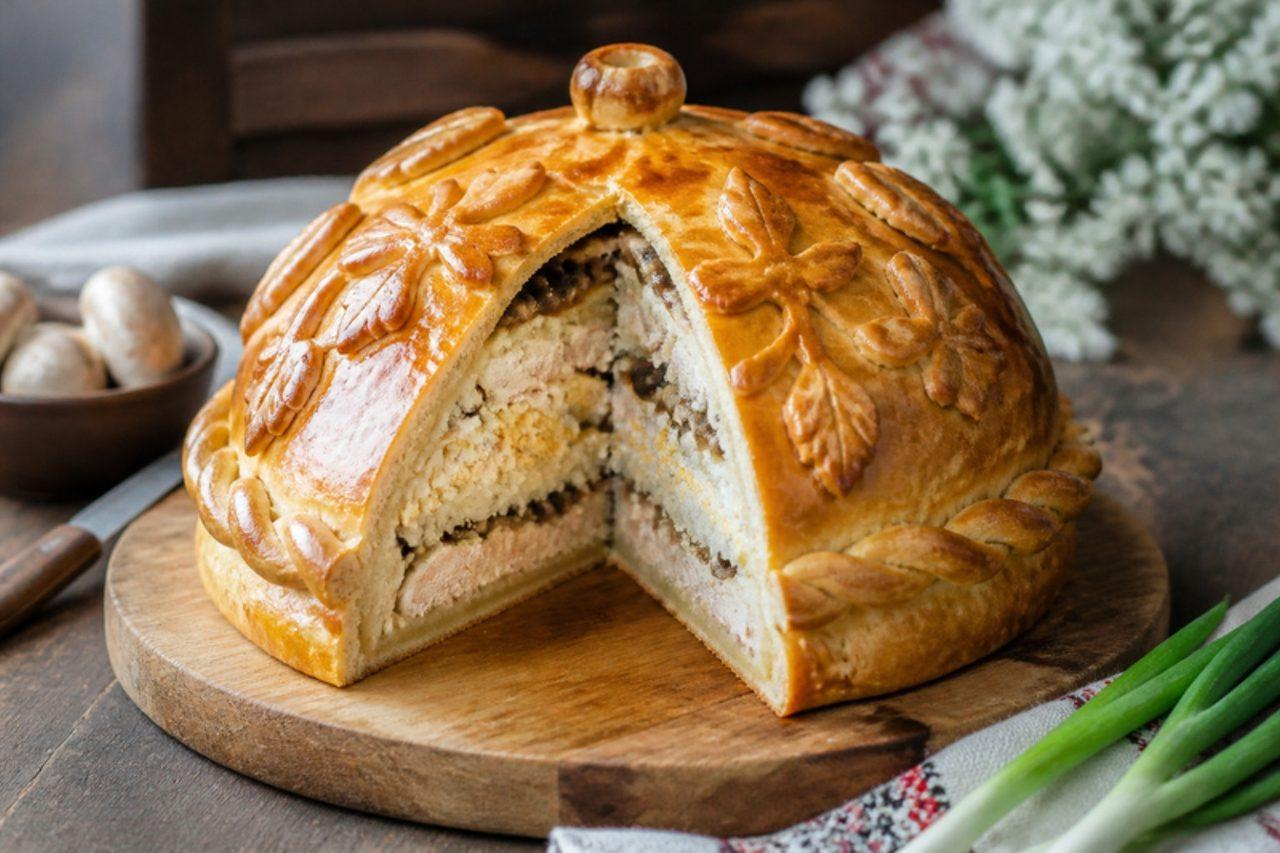
Cossack weddings along the Don and Kuban were not complete without kurnik, the tall "king of pies": a domed short pastry crust packed with layers of chicken, rice and egg and mushrooms, each separated by a thin pancake so the juices stay put. Bride and groom each had a kurnik baked by their families, and it is still made for big birthdays and holidays. The crust is crumbly and rich from sour cream; the inside moist and savoury. A common mistake is skimping on the broth: spooning some of the chicken poaching liquid over each layer keeps the rice from drying out. Poach the chicken until it reaches 74 °C. Chef's tip: make the pancakes and fillings the day before and chill them; the pie then goes together in half an hour.

by KrazyBadal 0 views

Rákóczi túrós

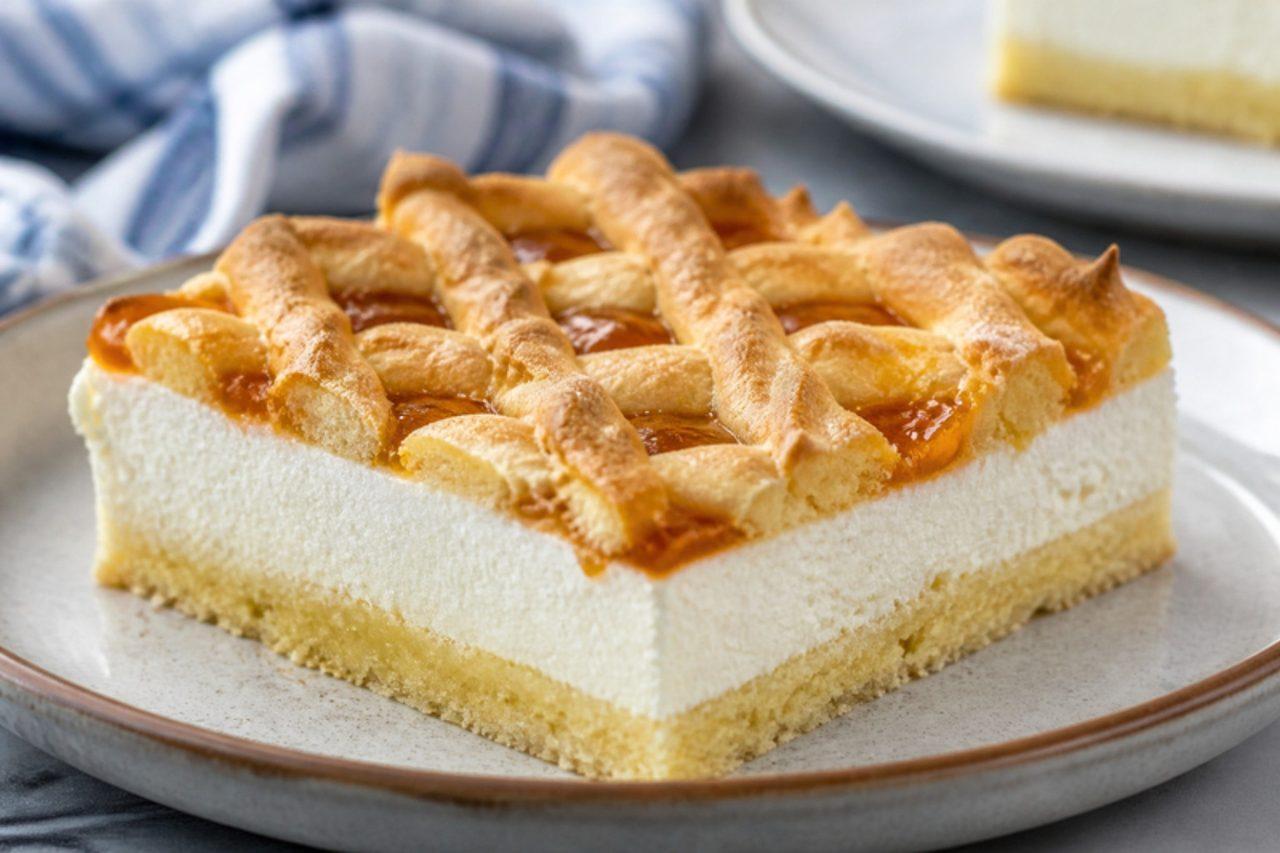
Look along the counter of any Budapest cukrászda and you will see Rákóczi túrós: a slab of shortcrust under a creamy, lemony túró filling, crossed with a lattice of golden meringue and dotted with apricot jam in the gaps. It was invented by the pastry chef János Rákóczi in the 1930s and won a prize at the Paris World Fair, and it has been a Hungarian favourite ever since. The textures make it: crisp pastry, soft cheese, and meringue that is crunchy on top and marshmallowy underneath. Túró is usually set without rennet, but check the label. The usual slip is piping the meringue onto a filling that is still wobbly, so the lattice sinks; bake the filling until just set first. Chef's tip: press the túró through a sieve for a silky filling with no grainy bits.

by KrazyBadal 0 views

Koldskål

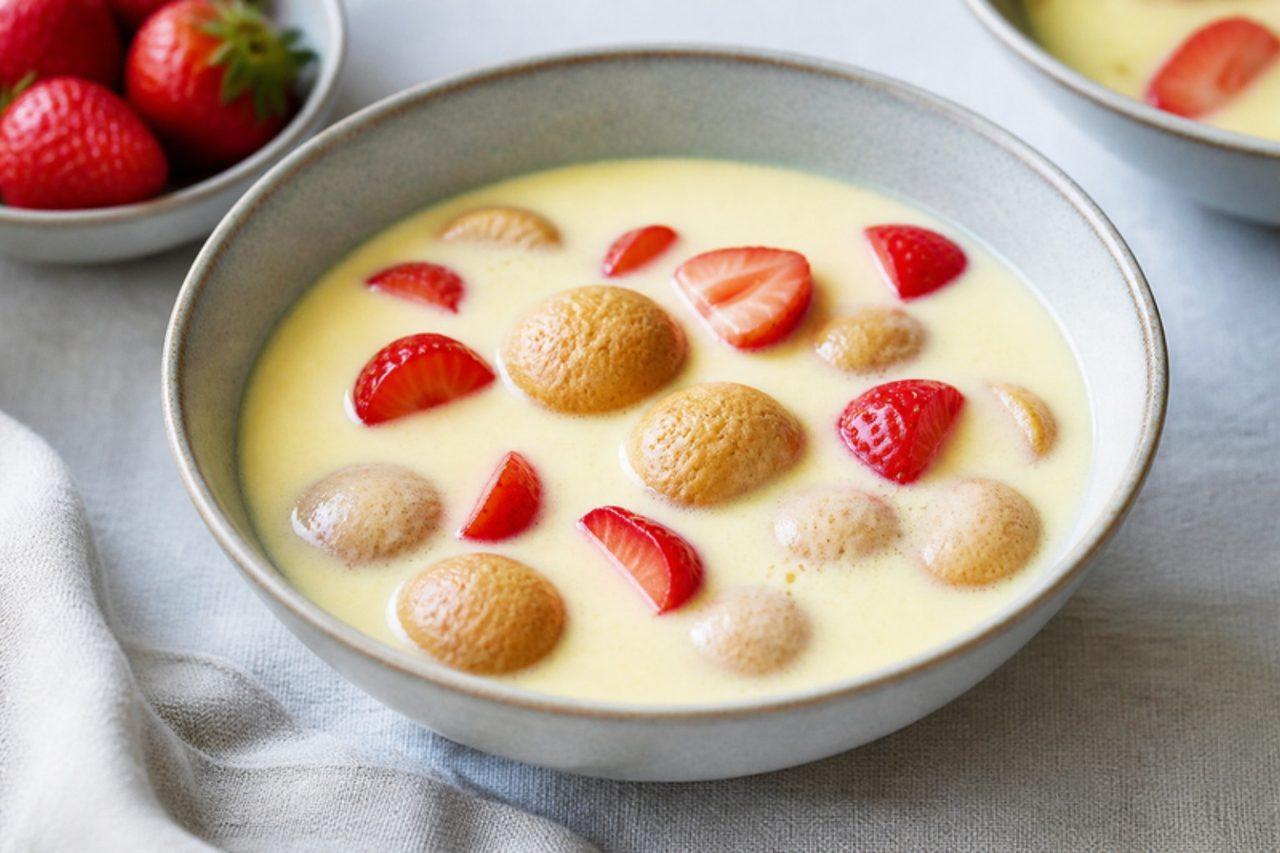
On the first warm day of summer, Danes buy cartons of koldskål and packets of kammerjunker, small crunchy rusks, and the season has begun: koldskål is a cold, sweet, tangy buttermilk 'soup' with lemon and vanilla, eaten from bowls as a dessert or a light supper, sometimes with strawberries. Homemade, it is whisked with egg yolks for richness. Raw egg yolk is not suitable for pregnant women, young children or anyone with a weakened immune system, so this recipe uses pasteurised egg yolks. A common mistake is serving it at room temperature; it must be very cold. Chef's tip: whisk the yolks and sugar until thick and pale before the buttermilk goes in, which gives a silky, foamy soup.

by KrazyBadal 0 views

Showing 9 of 7,762 recipes

Show more recipes

Page 199 of 863