


Skip to content
Karışık turşu
Featured recipe

Karışık turşu

Mixed vegetable pickle

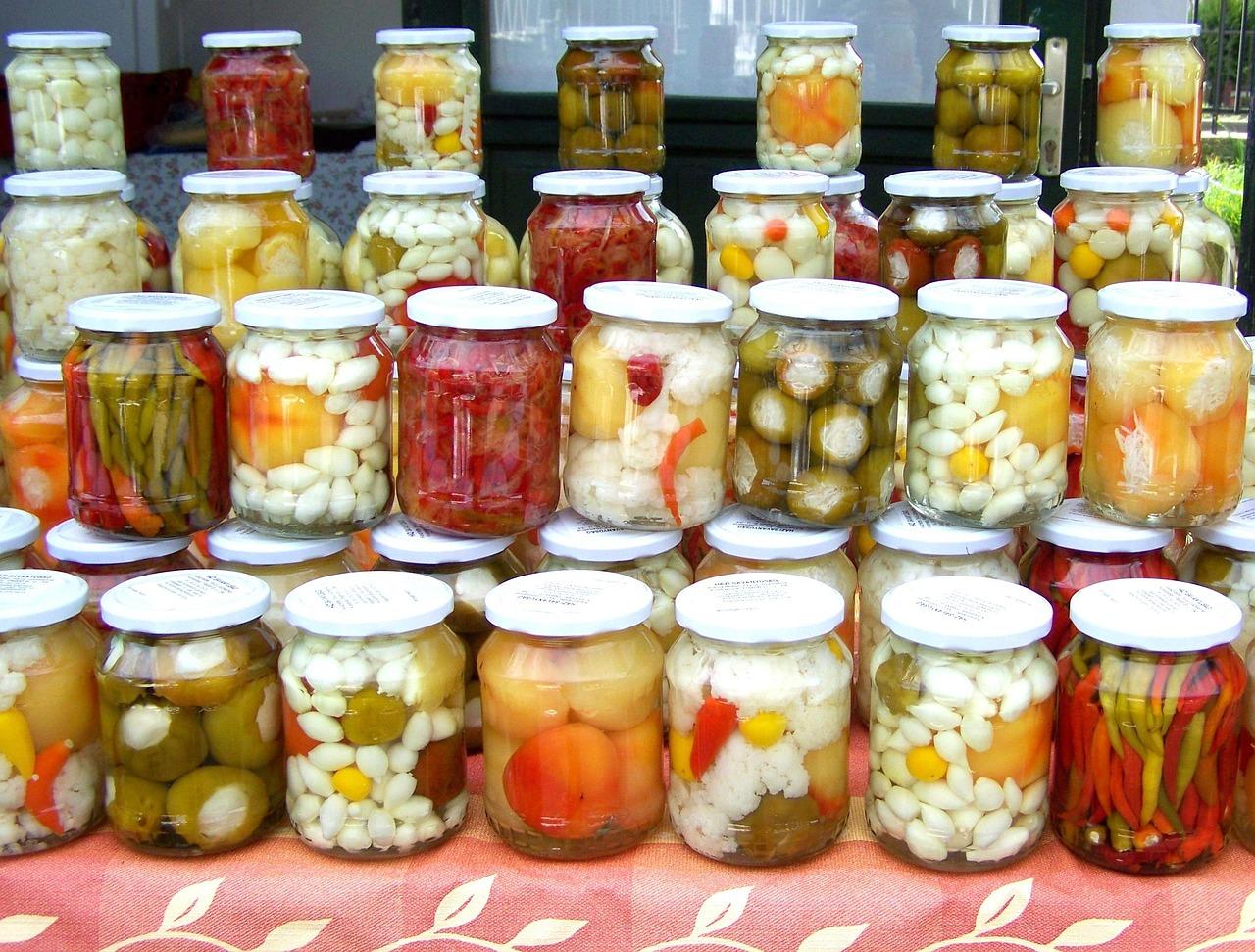
Every autumn Turkish kitchens line up jars of karışık turşu, and in Istanbul pickle shops (turşucu) sell it by the glass with its sour juice to drink. Crunchy cabbage, carrots, cucumbers, green peppers and cauliflower are packed with garlic and chickpeas in a salted, vinegar-spiked brine and left to sour for a couple of weeks. It sits beside bean stews, pilaf and kebab at almost every home meal. Common mistake: iodised table salt, which clouds the brine and softens the vegetables; use rock or pickling salt. Chef's tip: a few dried chickpeas in the jar help the fermentation get going, as Turkish grandmothers swear.

Read more 0 views

What to eat today?

Around the world

Today's trip: Paraguayan

A new country every day, from every cuisine on the site.

Paraguayan

Chipa

Cheese bread rings 50 minMore from Paraguayan (27) →

This week's collection

Kid-friendly dinners
537 recipes · a new collection every Monday

Latest recipes

Spris (layered fruit juice)

Juice houses all over Addis Ababa, with their towers of fruit stacked in the window, are famous for spris: a tall glass of thick purées poured in stripes, usually green avocado, golden mango and orange papaya, with a wedge of lime on the rim. It is closer to a spoonable smoothie than a juice, and people often eat the layers one by one before stirring the rest together. It makes a filling breakfast or an afternoon pick-me-up, and children love the colours. Chef's tip: blend each fruit separately and keep every purée thick enough to hold a spoon; runny purées bleed into each other and the stripes vanish.

by KrazyBadal 0 views

Ukwa (African breadfruit porridge)

Ukwa is festival and family food in the Igbo Southeast, cooked for guests and for the New Yam season, and its price in the market shows how prized it is. The seeds of the African breadfruit are dehulled and slow-cooked with a little potash until soft and creamy, then finished with palm oil, onion, pepper and fragrant utazi or scent leaves, giving a rich, nutty, slightly beany porridge. Dried fish is often stirred in; this version stays meat-free. Some cooks add fresh sweetcorn or cooked maize in the last 10 minutes. A pressure cooker saves an hour of simmering. Chef's tip: add the salt and stock cube only once the seeds are soft; seasoning early, a common mistake, keeps them hard for much longer.

by KrazyBadal 0 views

Tuwo masara (stiff maize swallow)

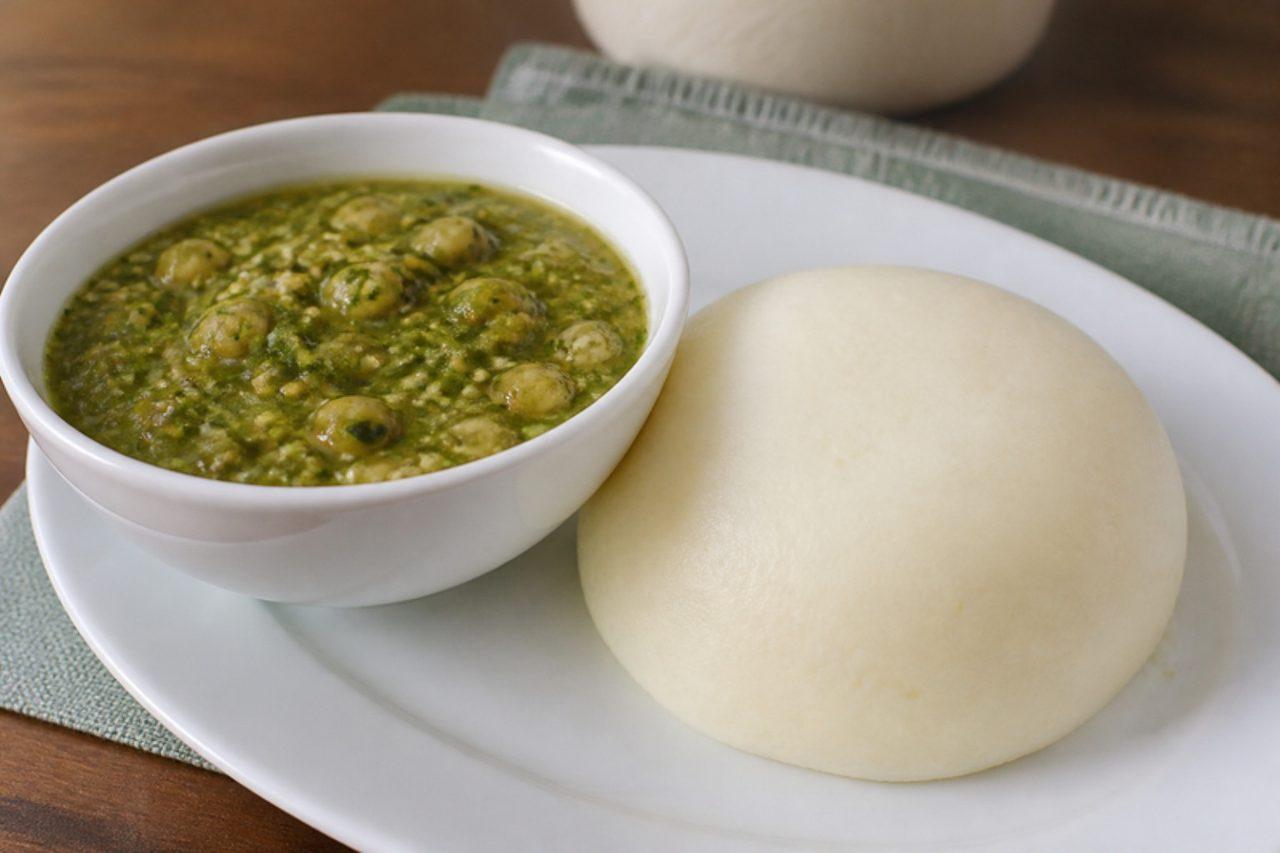
On the Plateau and throughout the north, a pot of white maize flour turned stiff with a wooden paddle is the daily partner to miyan kubewa (okra soup), miyan kuka and vegetable soups. Tuwon masara is smooth, slightly springy and mild, with a faint sweetness of corn. The secret is to start with a thin cooked paste and only then add the dry flour, which keeps it lump-free; dumping all the flour into boiling water is the mistake that gives raw, gritty pockets. Chef's tip: use a sturdy, flat wooden spoon and press the tuwo hard against the side of the pot when you turn it.

by KrazyBadal 0 views

Roasted corn and ube (African pear)

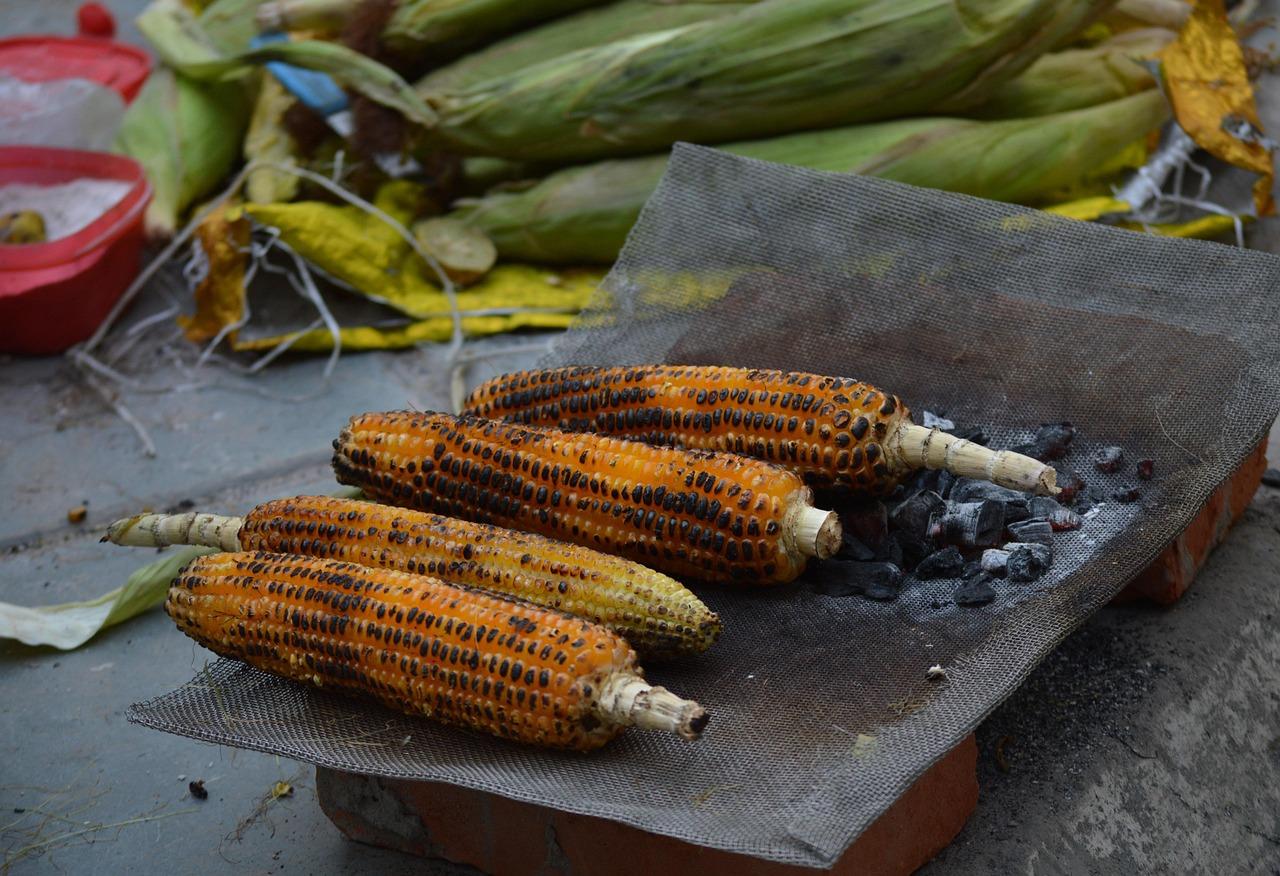
When the rains come between June and September, roadside roasters all over southern Nigeria fan charcoal under rows of maize cobs, and next to them sits a basin of ube, the purple African pear, softened in hot water. A bite of chewy, smoky corn and a scrape of the pear's rich, salty, almost avocado-like flesh is the whole point, and at home a grill or a gas flame does the job. Dropping ube into boiling water is a common mistake: the skins split and the flesh turns watery and bitter, so use water that is hot but not bubbling. Chef's tip: no ube? Fresh coconut chunks are the other classic partner for roasted corn.

by KrazyBadal 0 views

Boiled groundnuts in the shell

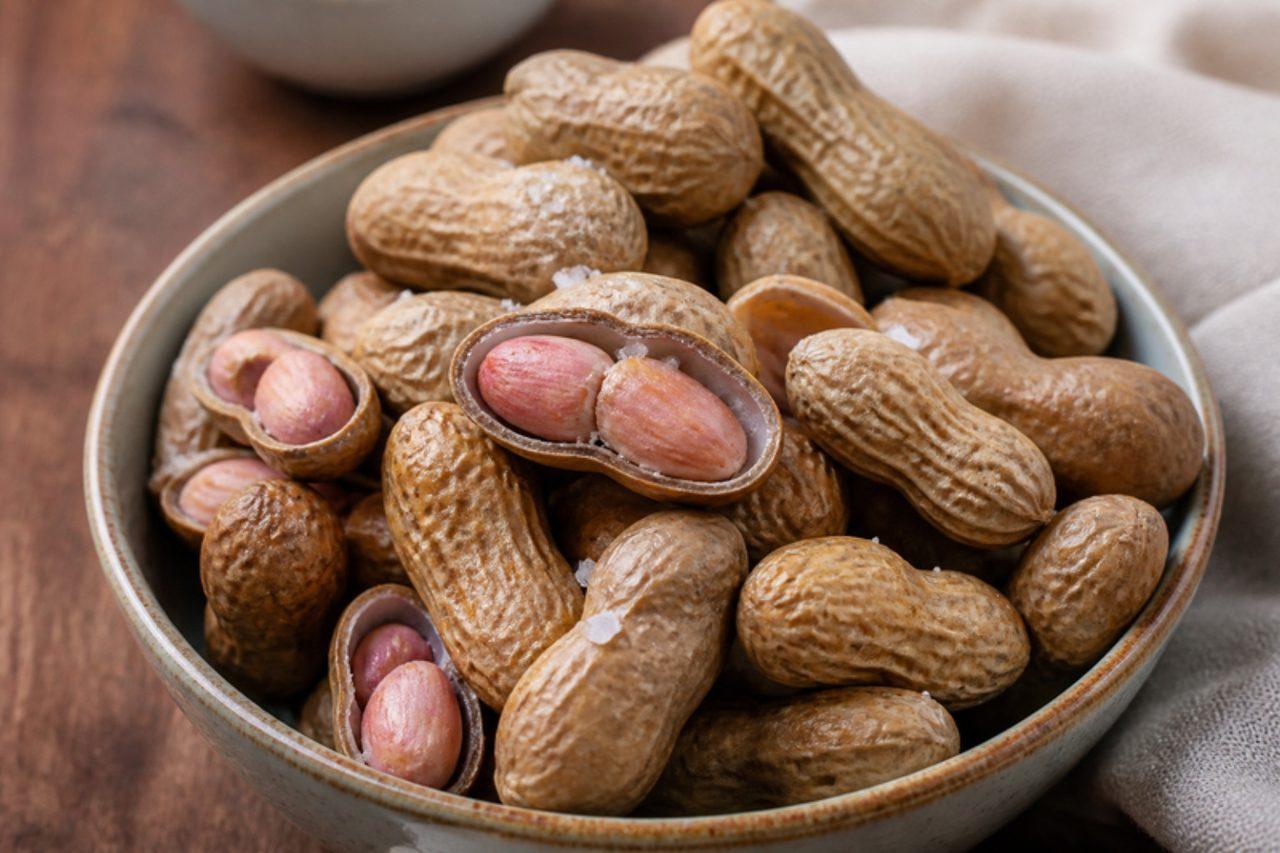
Freshly dug groundnuts appear in markets from Ibadan to Kano when the rains come, still muddy in their pale shells, and hawkers sell them boiled in salt water by the cupful, often next to roasted corn. Boiling turns the kernels soft and creamy, like a cooked bean, with salt seeping through the shell. They are eaten warm on the way home, cracked open with the thumbs. Using dried shop peanuts and boiling them for the same time is the usual mistake: they stay hard, so soak dried ones overnight and boil for 2–3 hours. Chef's tip: let them sit in the hot brine for 15 minutes after cooking, so the salt soaks in.

by KrazyBadal 0 views

Nigerian coconut candy
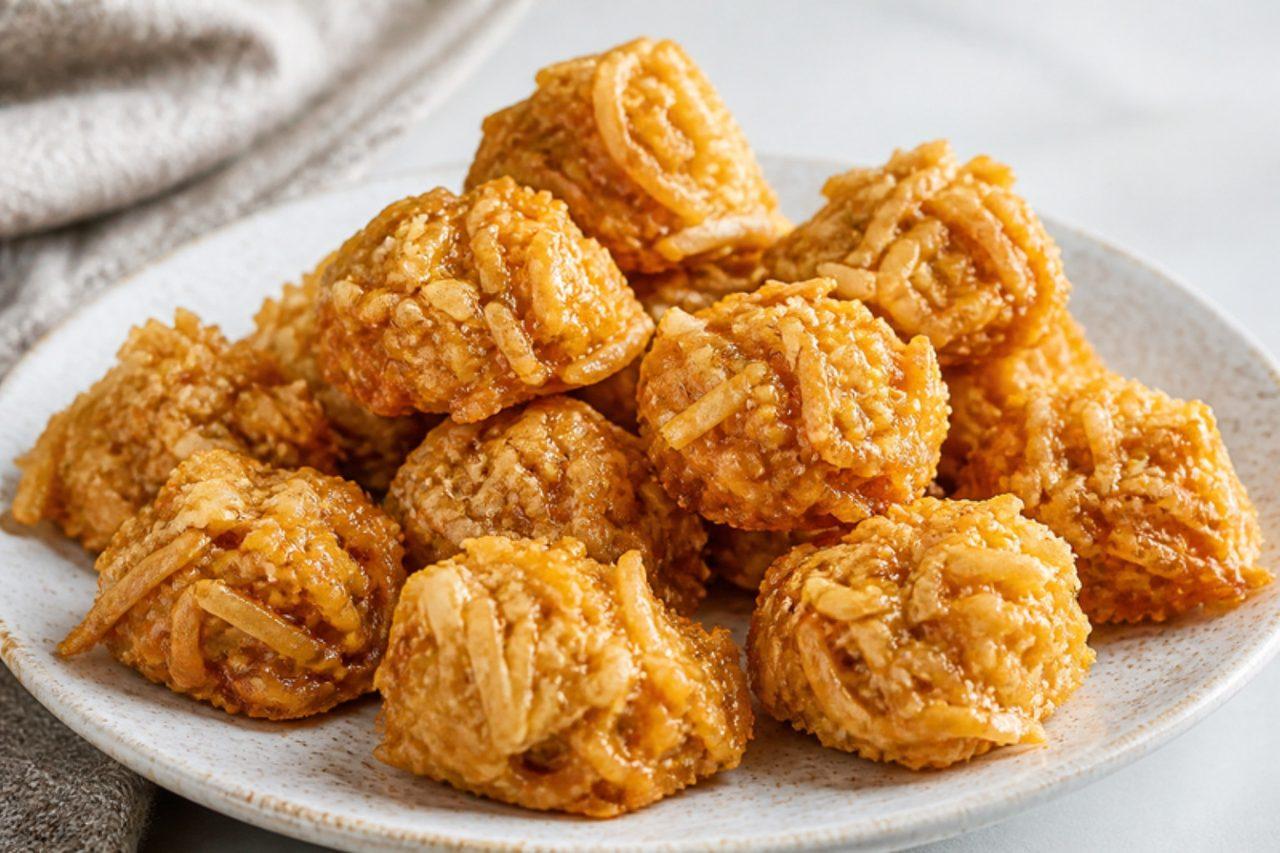
Children across Nigeria spend their pocket money on coconut candy, little clusters of fresh coconut set in amber caramel, sold in small bags by school gates and at market stalls. Made at home it takes about half an hour, with a chewy-crunchy bite and a toffee flavour against the clean taste of fresh coconut. Taking the caramel too far is the common mistake, since dark caramel tastes bitter, so stop at a deep golden colour. Children can help shape the cooled candy, but keep them away from the hot sugar. Chef's tip: use freshly grated coconut, not desiccated; its moisture keeps the clusters chewy in the centre.

by KrazyBadal 0 views

Rokak bel lahma (Eid meat pie)

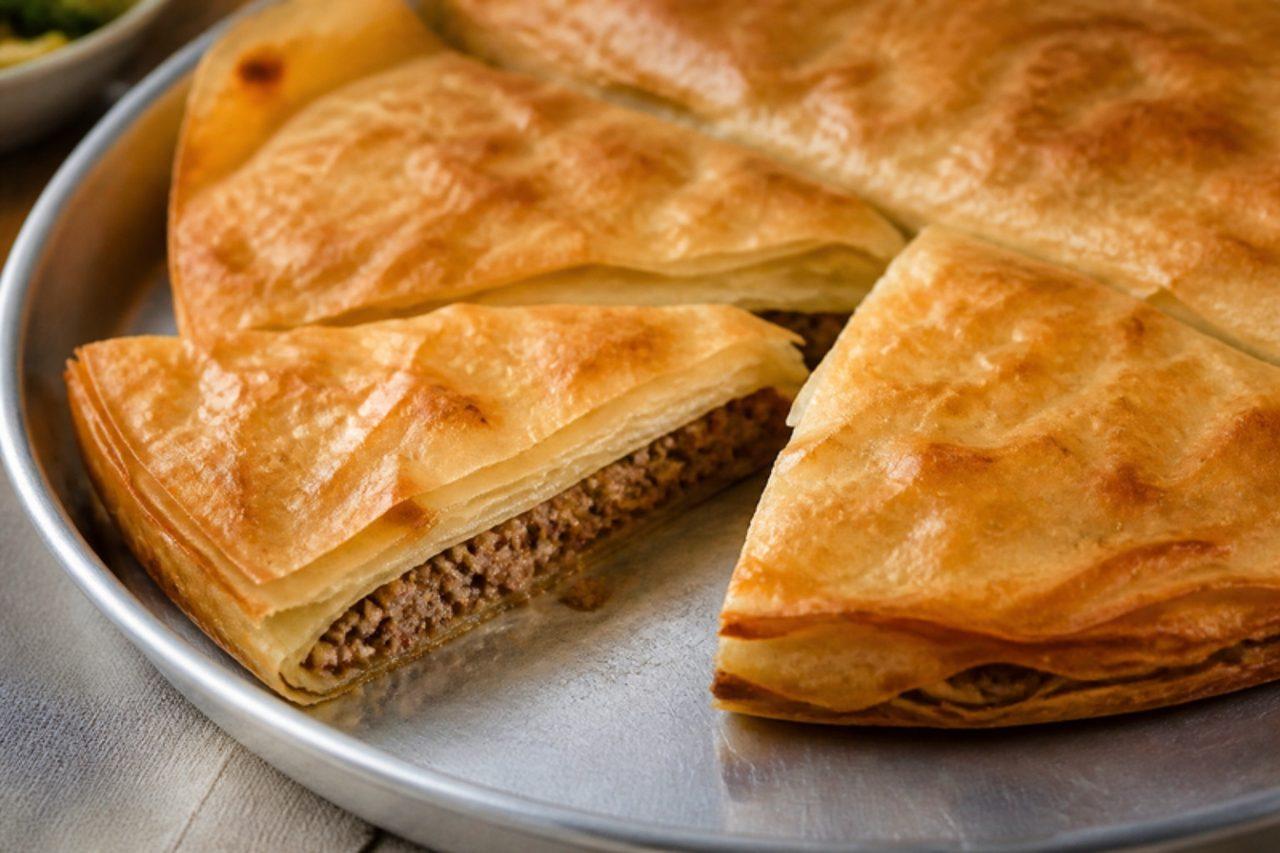
When Eid comes round, Egyptian shops stack up rounds of rokak, a very thin, brittle unleavened pastry baked on a hot dome, and cooks turn them into this layered pie for the family lunch. Each sheet is moistened with hot meat broth and a little ghee, layered with beef mince fried with onion, then baked until the top crackles and the inside turns tender and savoury, somewhere between a pie and a lasagne. It is cut into squares and served with rice, salad and pickles. If you cannot find rokak, sheets of filo baked dry for a few minutes are the nearest substitute. Chef's tip: soak each layer just enough to soften it; too much broth makes a heavy, soggy pie, and too little leaves dry shards, the mistake most people make the first time.

by KrazyBadal 0 views

Kokoro (crunchy maize sticks)

Kokoro is sold in clear bags at motor parks, markets and school gates across the Southwest, and it is the snack people tuck into a pocket for a long bus ride. The dough is made by cooking part of the maize flour with water into a thick paste, then kneading in more flour with a little sugar, salt, chilli and ginger, and rolling it into thin sticks that are fried slowly until hard and golden. The result is very crunchy, lightly sweet and peppery, and it keeps for weeks. Children love it, and it is traditionally eaten with roasted groundnuts or coconut. Avoid frying in oil that is too hot; the outside browns before the sticks are crisp all the way through. Chef's tip: roll the sticks no thicker than a pencil and fry them at a moderate heat so they crisp right through; thick sticks fried hot stay hard outside and doughy inside.

by KrazyBadal 0 views

Seven-layer tea

Visitors to the tea gardens of Srimangal, in Sylhet's Moulvibazar district, queue at small tea cabins to see a glass of tea striped in seven distinct bands, from creamy white at the bottom to pale green-gold at the top. The original recipe is a closely guarded secret of the tea-maker who made it famous, but the principle is simple physics: each layer carries a different amount of sugar, so the heaviest sits at the bottom and the lightest floats on top. This home version uses condensed milk, green tea, strong black tea, milk tea, lemon tea, spiced tea and plain tea, and it is drunk slowly, layer by layer, with a long spoon. Pouring too fast is what ruins it; each layer should trickle down the inside of the glass over the back of a spoon. Chef's tip: let all the brews cool to warm, about 50 °C, so temperature differences don't stir the layers.

by KrazyBadal 0 views

Bole (roasted plantain with pepper sauce)

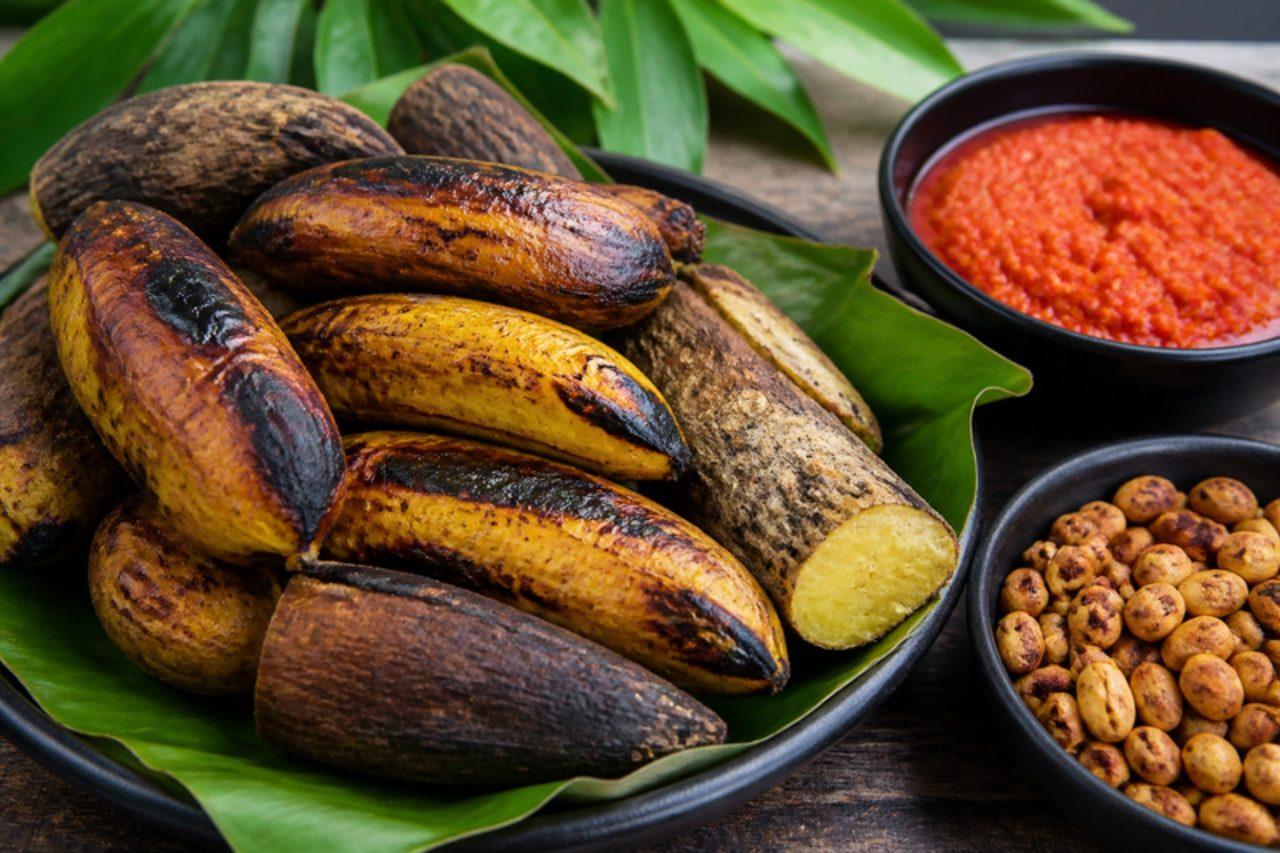
Roadside grills all over Port Harcourt send up smoke from bole, the city's beloved street food, and the Rivers State capital even holds a festival in its honour. Plantains and pieces of yam are roasted over charcoal until the skins blacken and the flesh turns smoky, sweet and creamy, then split and served with a spicy palm-oil pepper sauce. The full version comes with grilled fish; this meat-free way pairs it with a handful of roasted groundnuts, which is also how many people snack on it at the roadside. A gas flame, barbecue or a very hot oven all work at home. Chef's tip: choose plantains that are just yellow and still firm; very ripe ones turn mushy and burn before the inside cooks, the commonest bole mistake.

by KrazyBadal 0 views

Unripe plantain porridge

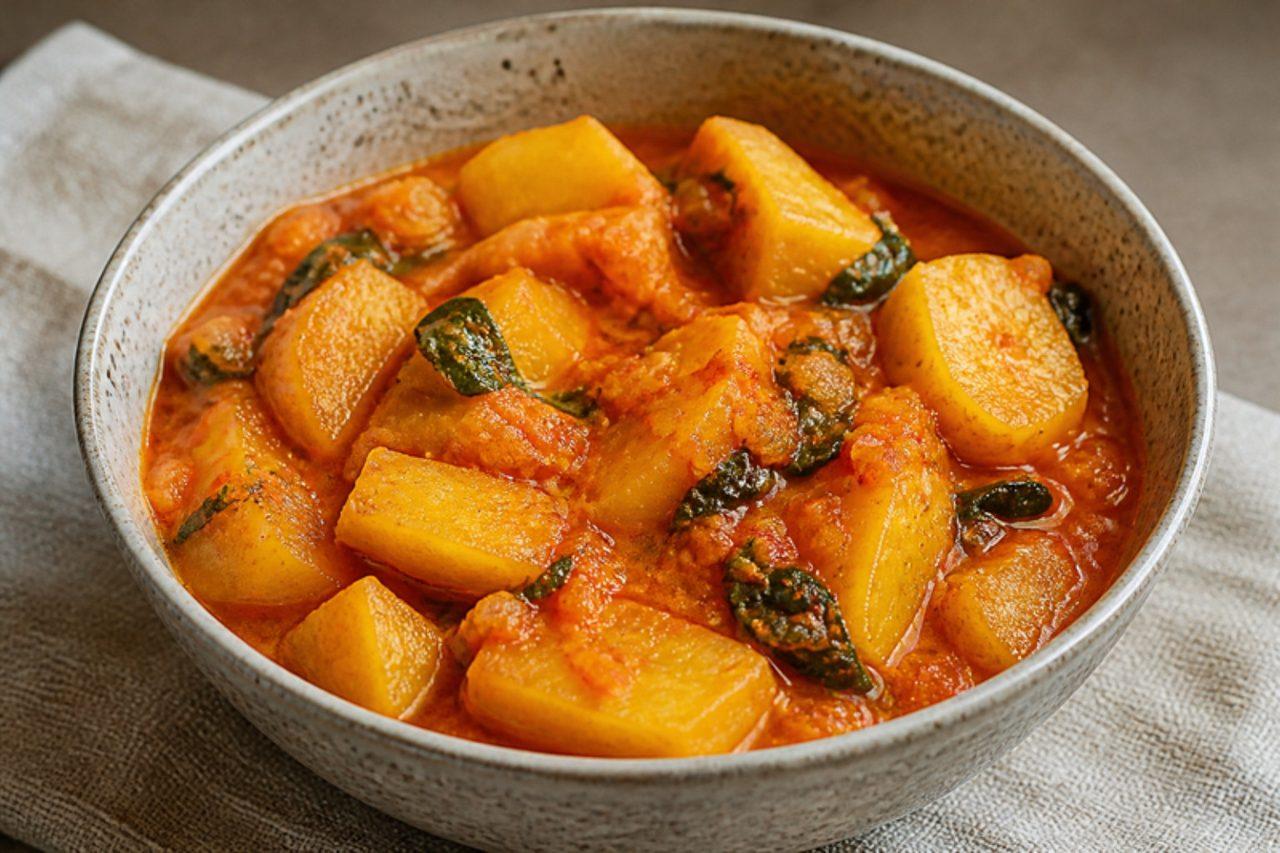
Green plantain porridge is everyday home food in Rivers and Delta states and well beyond, and many Nigerians cook it when they want something filling but lighter than yam or rice. Hard, green plantains are cut into chunks and cooked in a pepper broth with a little palm oil until they soften and the starch thickens the liquid into a savoury, slightly tangy stew, finished with peppery scent leaf. Smoked fish, crayfish or periwinkles often go in; this version is meat-free and still deeply savoury. It is a meal in itself. Adding the scent leaf too early is the usual mistake; stir it in at the very end so it stays fragrant rather than bitter. Chef's tip: oil your hands before peeling green plantain to stop the sticky sap staining your skin.

by KrazyBadal 0 views

Dodo Ikire (Ikire plantain balls)

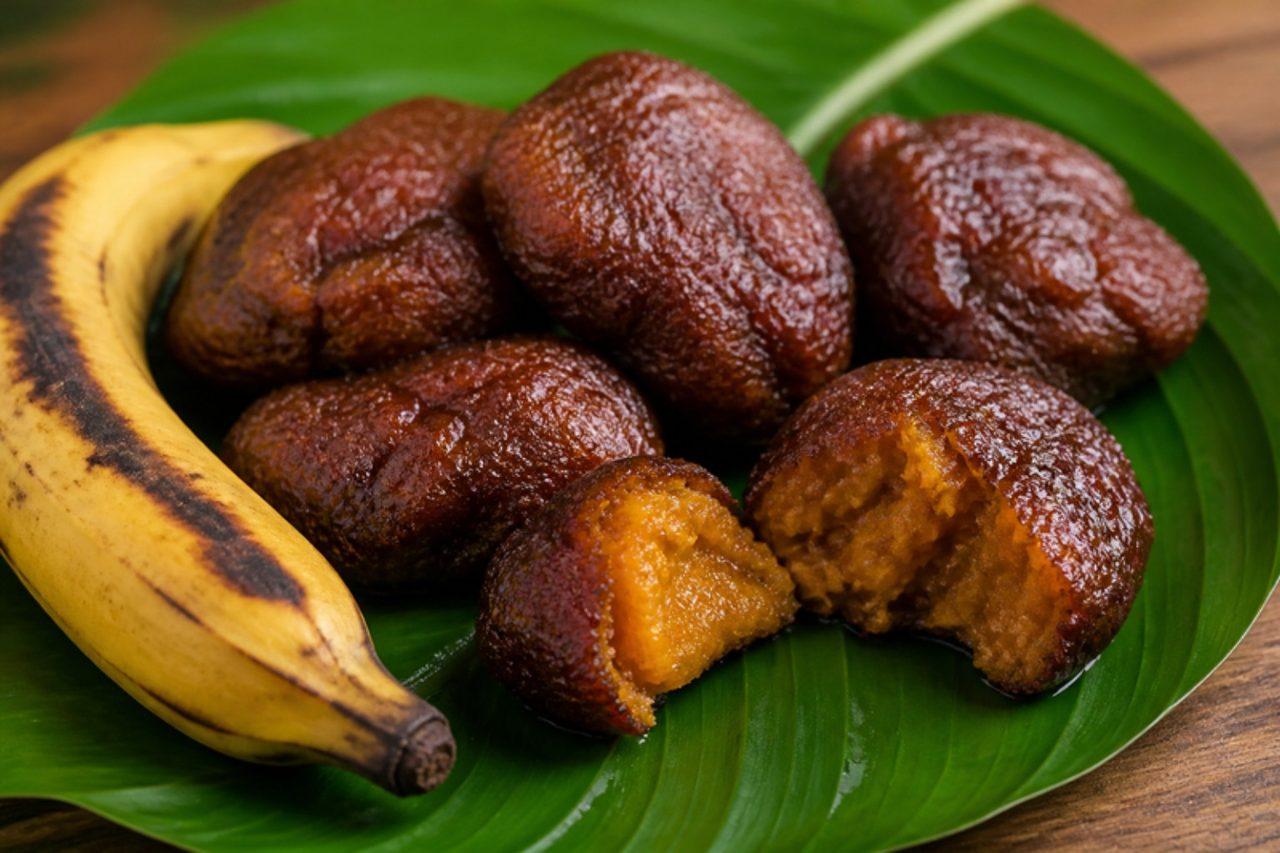
Travellers on the Ibadan–Ife road stop at Ikire in Osun State to buy cones of dodo Ikire from the women who line the roadside, and the town is famous for little else. Overripe plantain, black-skinned and soft, is fried, mashed with fresh scotch bonnet and salt, moulded into small balls or cones and fried again until it is almost black outside, sticky and chewy inside, with a sweet-hot flavour like plantain caramel with a kick. It keeps well and is eaten as a snack on its own or with roasted groundnuts. Don't use firm plantain: it must be black and very soft, or the balls never turn dark and chewy. Chef's tip: use plantains so ripe they feel soft and the skins are fully black; yellow plantain gives ordinary fried dodo, not the dark, toffee-like Ikire kind.

by KrazyBadal 0 views

Ofada rice with green pepper sauce

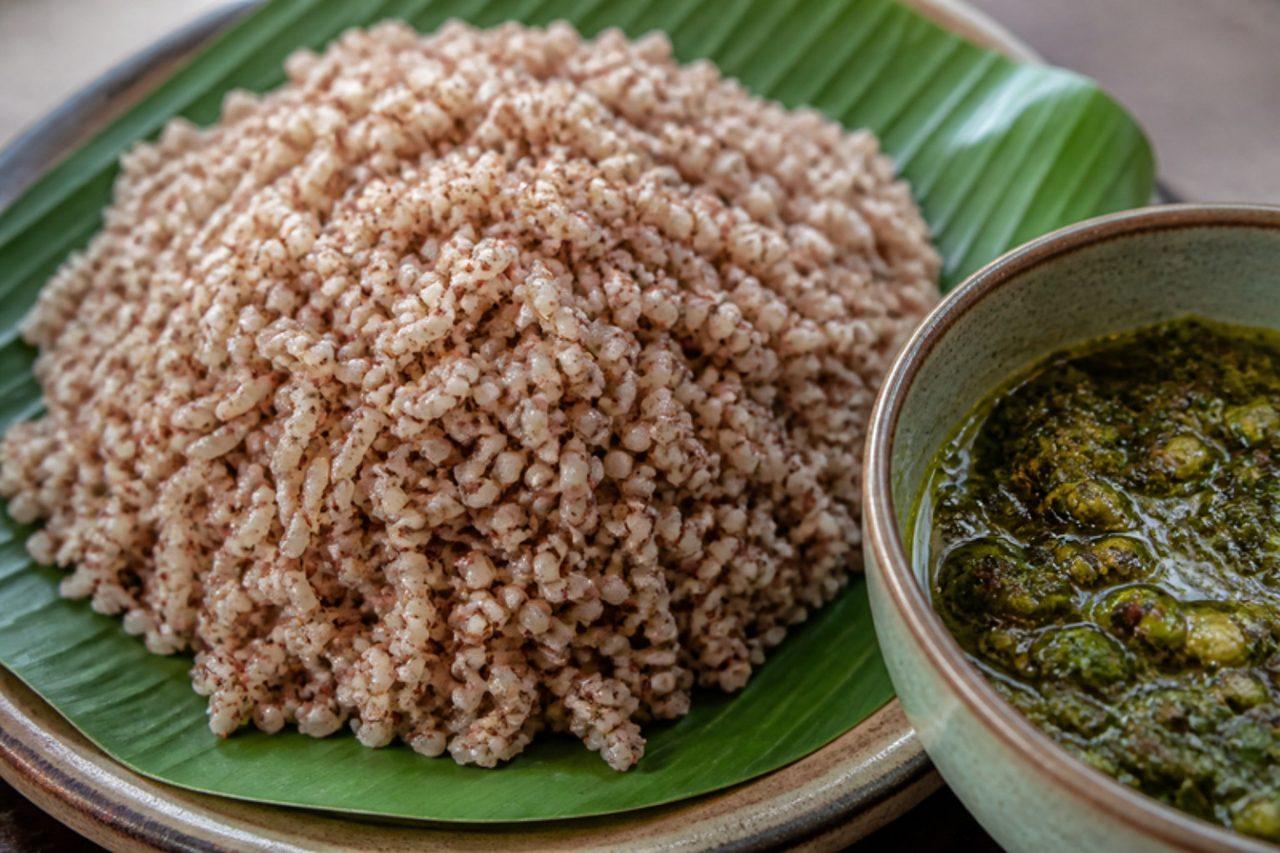
Ofada rice takes its name from a town in Ogun State and is grown on small farms across the Southwest; the grains are short, unpolished and sometimes speckled, with a nutty, earthy aroma that some love and others find strong. It is served wrapped in uma (thaumatococcus) leaves at parties and in Lagos restaurants, with ayamase, a fiery green pepper sauce cooked in bleached palm oil. Ayamase is usually loaded with assorted meats and boiled eggs; this vegan version keeps the green peppers, scotch bonnets and locust beans and adds mushrooms if you like. Banana leaves or a plain plate stand in for uma leaves. The mistake to avoid is skipping the picking and washing: local rice often holds small stones and husk. Chef's tip: bleach the palm oil with the lid nearby, the window open and the extractor on full, and never leave the pan.

by KrazyBadal 0 views

Akidi (Igbo black beans with plantain)

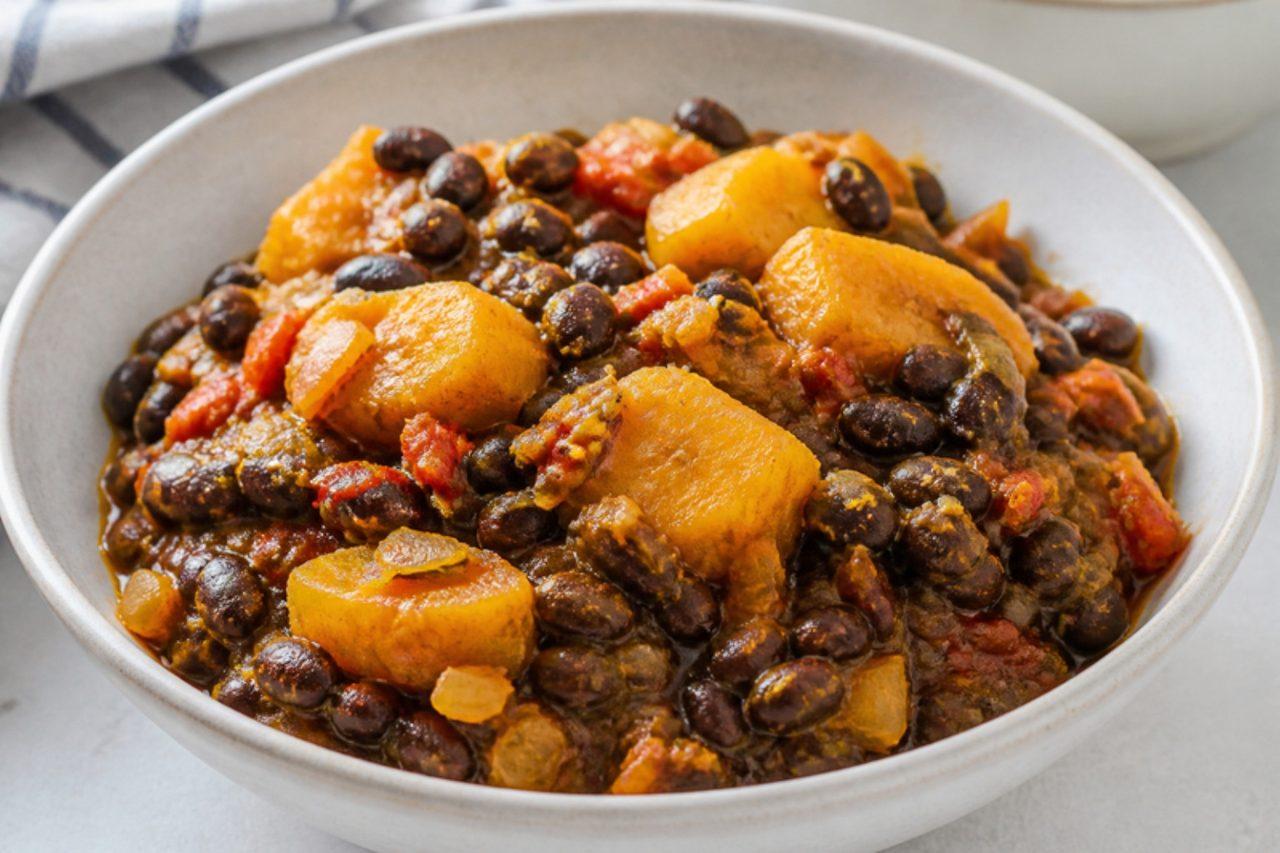
Akidi, a small, glossy black bean, is a quiet staple of Igbo home cooking around Enugu, Anambra and Imo, cooked like beans porridge and usually with ripe plantain for sweetness. After a long simmer the beans turn creamy inside while holding their shape, and they are finished with palm oil, onion, scotch bonnet and a handful of fragrant leaves, so the pot tastes earthy, sweet and peppery. It is a filling meal on its own, often eaten with a cold drink or a side of fried plantain. If you cannot find akidi, black turtle beans are a good substitute. Chef's tip: add the plantain only for the last 15 minutes; put in at the start, it dissolves into the beans, which is the usual mistake.

by KrazyBadal 0 views

Pandan chiffon cake

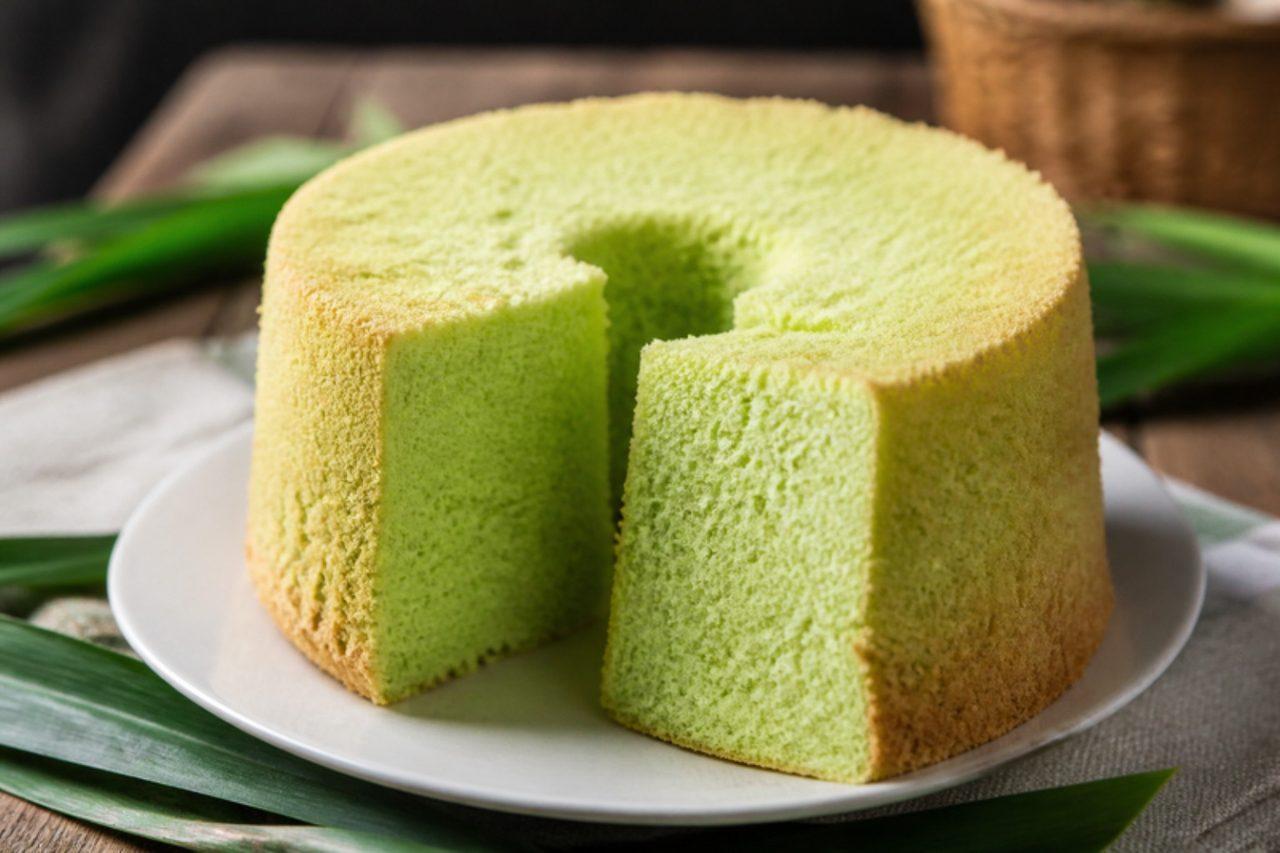
No Singapore birthday table, office tea or visit to grandma's feels complete without a pandan chiffon cake, the pale green ring sold whole at heritage bakeries and neighbourhood confectioners and carried home in a box, and travellers fly home with one in their hand luggage. The crumb is cottony and springy, moist from coconut milk, and the flavour comes from juice squeezed from blended pandan leaves: grassy, vanilla-like and faintly nutty. It is served plain, in tall wedges, with kopi or tea. The usual mistake is greasing the tube pan; a chiffon needs to cling to bare metal to climb, and cooling it upside down is what keeps it tall. Chef's tip: beat the egg whites only to firm, glossy peaks that curl over at the tip; stiff, dry whites won't fold in smoothly and leave white streaks and holes.

by KrazyBadal 0 views

Miyan taushe (pumpkin and groundnut soup)

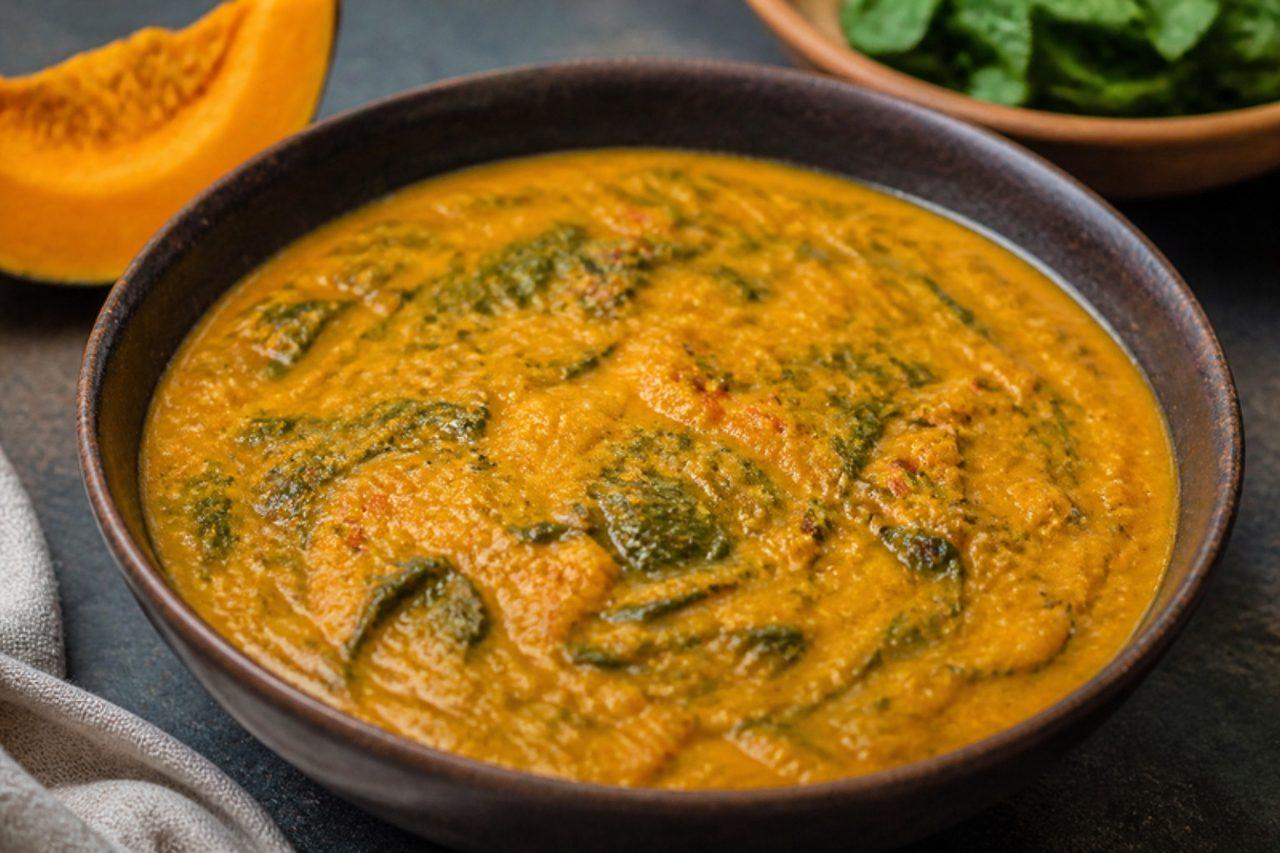
Golden pumpkin, sour sorrel leaves and freshly ground roasted groundnuts meet in this thick, gently sweet soup from Kano and the Hausa north. It is cooked for family meals and special visits alike, and served with tuwon shinkafa or with masa, the little fermented rice cakes. Meat or dried fish usually simmers in it; this version is meat-free, so it leans on dawadawa and a good vegetable stock for savouriness. The groundnut catches on the pot easily, and scorching it is the most common mistake: once it goes in, keep the heat low and stir from the bottom. Chef's tip: leave some pumpkin cubes whole while mashing the rest, so the soup is thick but still has soft pieces to bite.

by KrazyBadal 0 views

Gwote (grain-ball porridge with leaves)

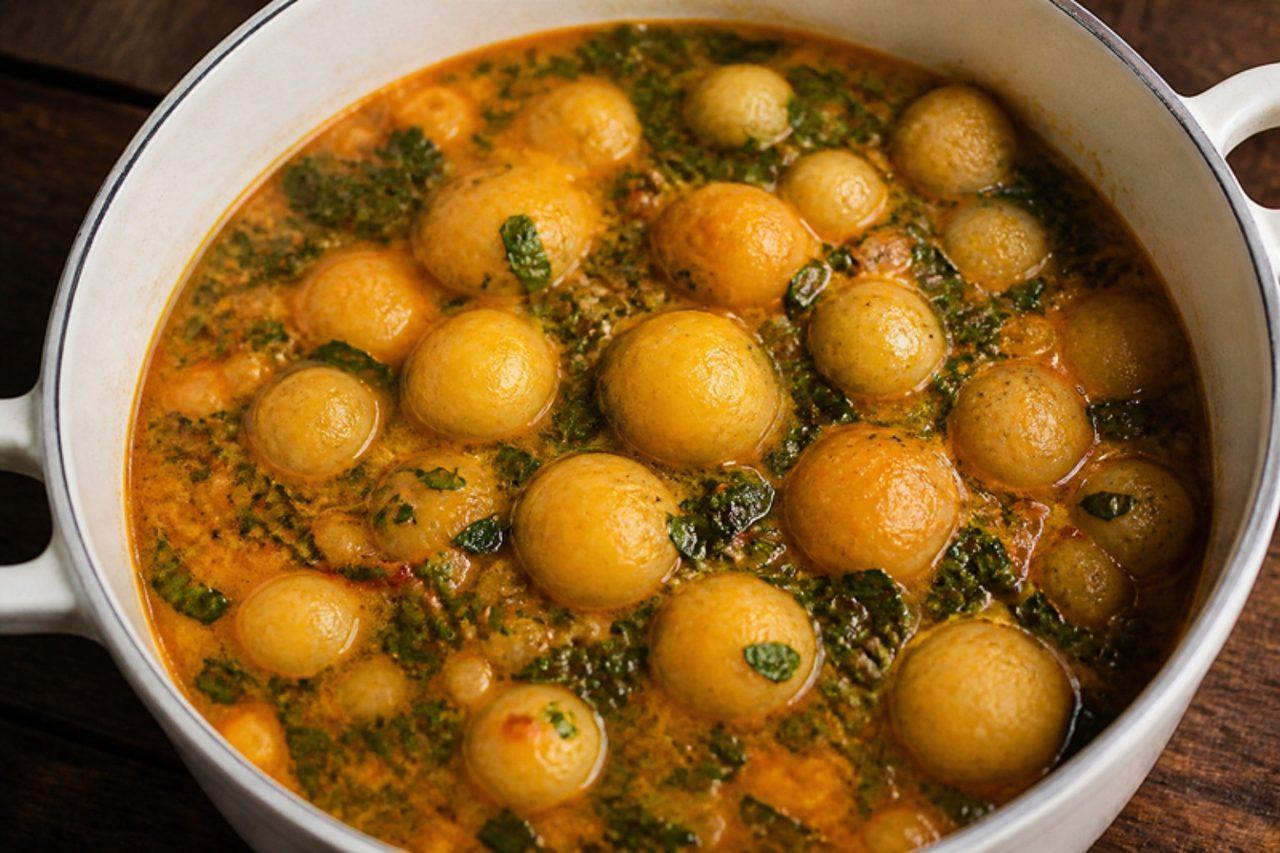
Cold harmattan mornings in the villages around Kano and Bauchi are when gwote comes into its own: a pot of small, chewy maize or millet balls simmered in a tomato and pepper broth with whatever leaves are to hand. The balls swell and cloud the liquid until it becomes a thick, savoury porridge, warming and filling on a modest budget. It is eaten from a bowl with a spoon, with nothing else needed. Watch out for balls that are too big; they stay raw and floury in the middle, so keep them marble-sized. Chef's tip: knead the dough while it is still hot, so it turns smooth and the balls keep their shape in the pot.

by KrazyBadal 0 views

HangopHung buttermilk with fruit

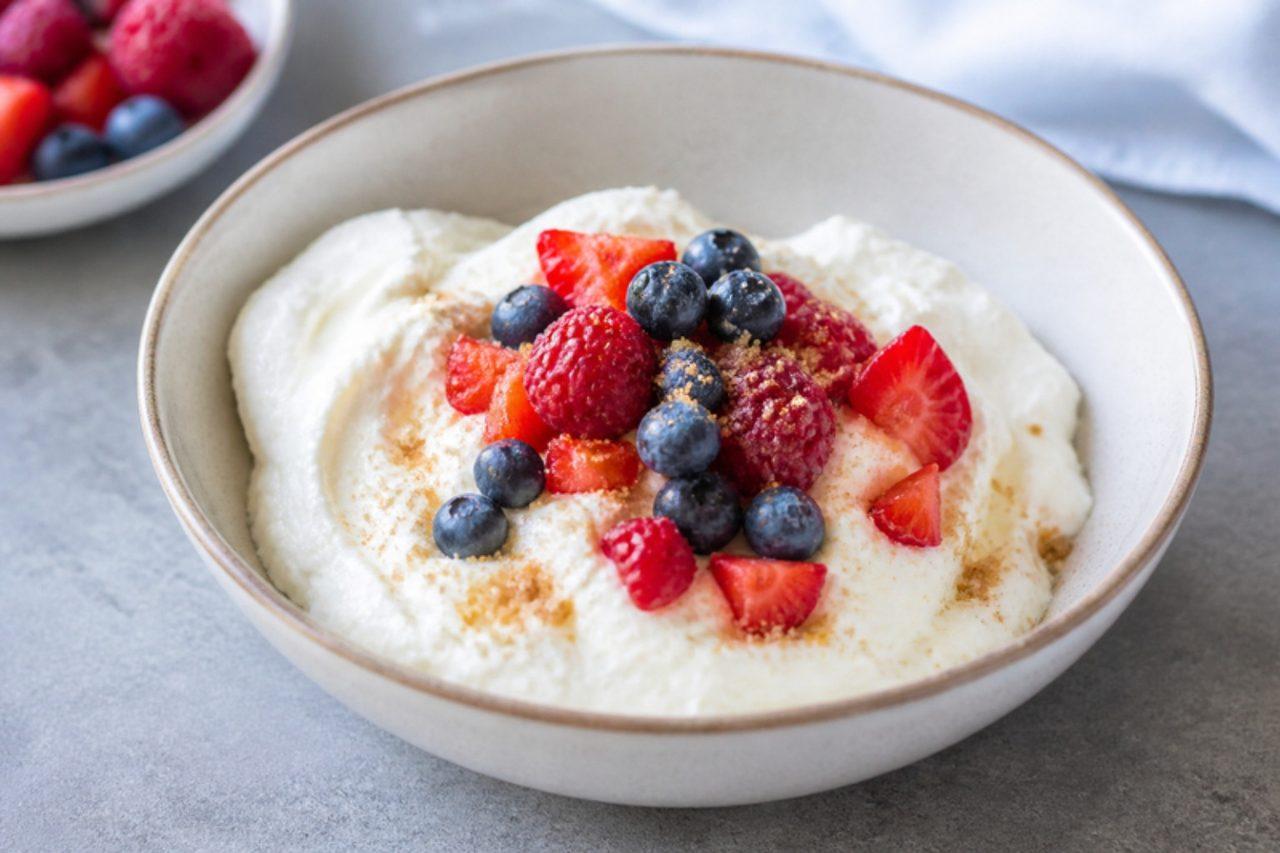
Hangop means 'hang up', and that is the method: buttermilk poured into a cloth, hung up over a bowl overnight until it thickens into something like a tangy, creamy fresh cheese. It was a summer dessert on Dutch farms, eaten with rusk crumbs, brown sugar and fresh fruit, and is having a revival in Amsterdam restaurants. A common mistake is straining it at room temperature, which lets it turn too sour. Chef's tip: strain it in the fridge, and use a clean tea towel rather than cheesecloth; the finer weave keeps more of the creamy curd.

by KrazyBadal 0 views

Showing 18 of 7,762 recipes

Show more recipes

Page 194 of 863