


Skip to content
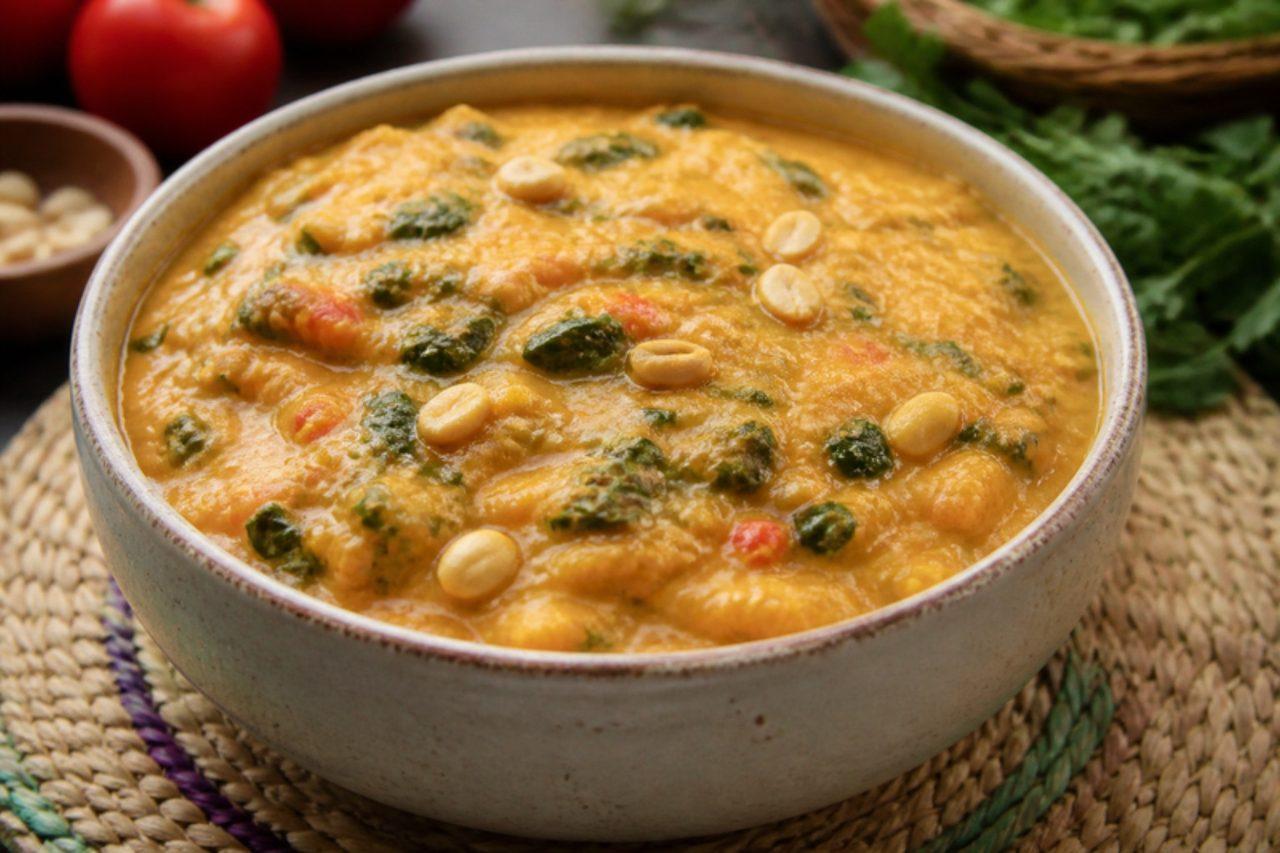
Umngqusho
Featured recipe

Umngqusho

Samp and sugar beans

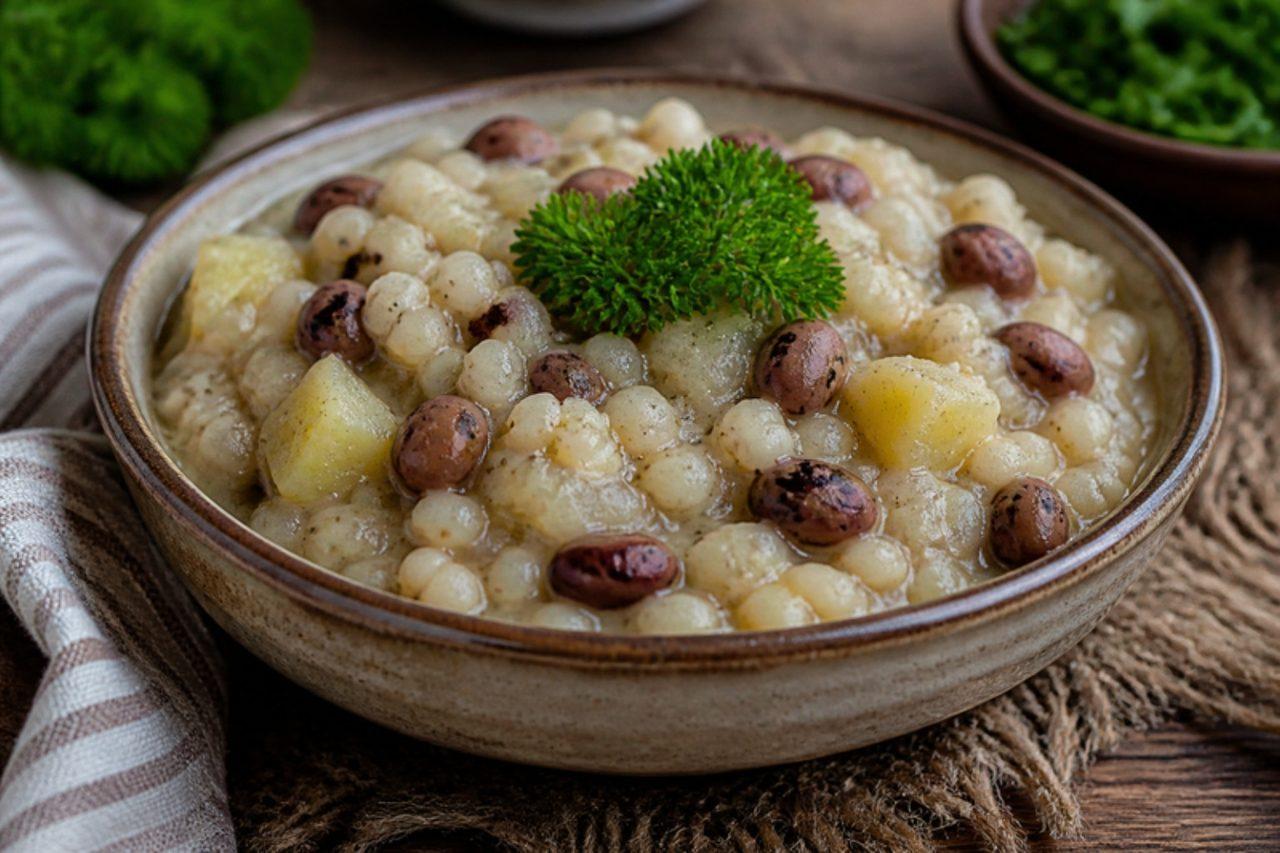
Xhosa households from Mthatha to Qunu put a pot of umngqusho on the fire on Sunday morning and let it murmur for hours while the rest of lunch comes together; Nelson Mandela famously named it his favourite meal. Crushed maize kernels and speckled sugar beans cook down together into something halfway between a risotto and a bean stew, chewy and creamy at once, sweet with slowly softened onion and thickened by potato that collapses into the pot. Eat it as it is with a spoon of chakalaka, or next to cabbage and a tomato relish. The usual mistake is skipping the overnight soak: unsoaked samp stays chalky in the centre no matter how long you cook it. Chef's tip: hold back the salt until the samp is soft, then season generously, because this dish swallows salt.

Read more 0 views

What to eat today?

Around the world

Today's trip: Paraguayan

A new country every day, from every cuisine on the site.

Paraguayan

Chipa

Cheese bread rings 50 minMore from Paraguayan (27) →

This week's collection

Kid-friendly dinners
537 recipes · a new collection every Monday

Latest recipes

Nigerian fish roll

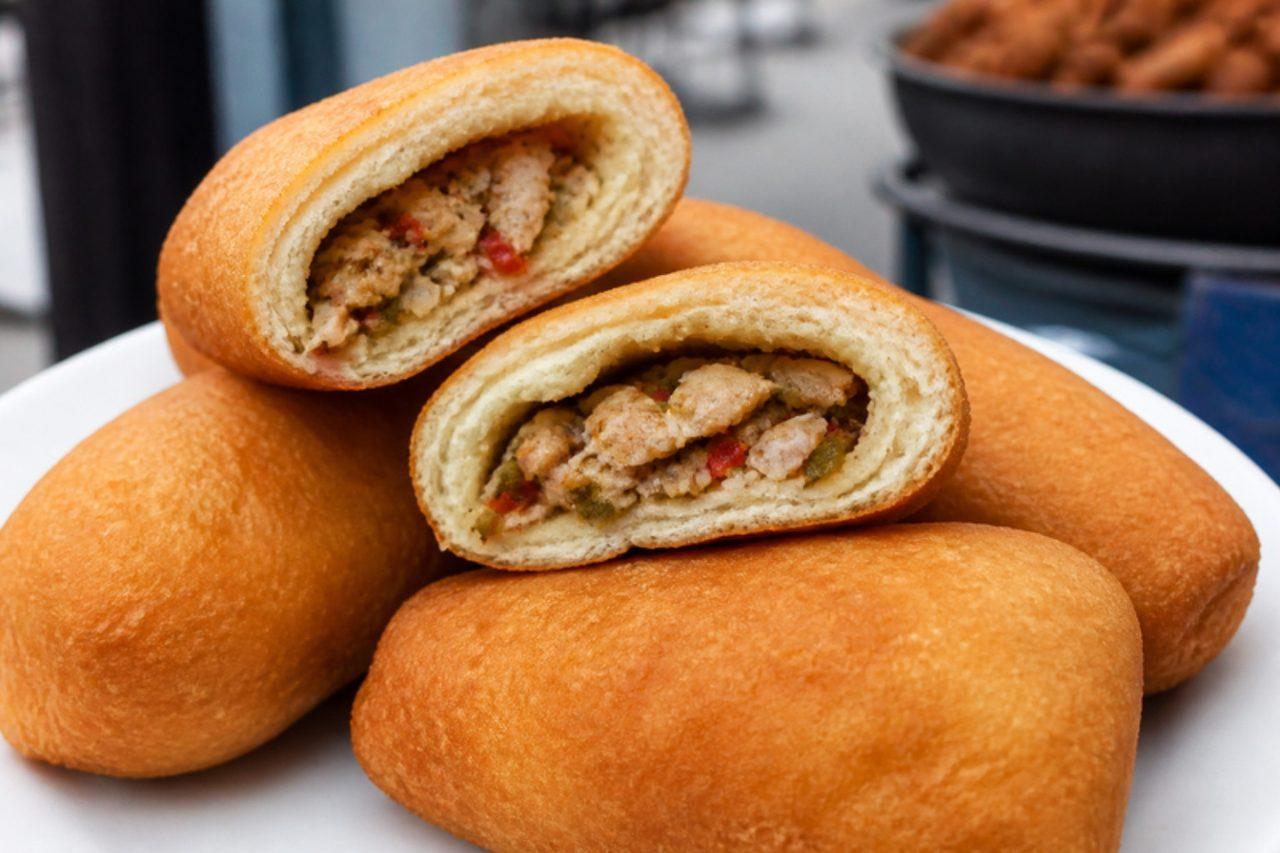
Hawkers carry glass boxes of fish rolls through Lagos traffic, and they are a fixture at parties among the small chops. The dough is a sweetish, slightly cakey one, wrapped around mackerel mashed with onion, pepper and thyme, then deep-fried to a deep gold with a crisp shell. They are good warm or at room temperature, with a soft drink or tea. Tinned mackerel works as well as fresh; poach fresh fish until it flakes before mashing. This version uses oil in the dough, so it is dairy free. Chef's tip: keep the oil at 170 °C; the common mistake is frying too hot, which browns the outside while the inner layer of dough stays raw.

by KrazyBadal 0 views

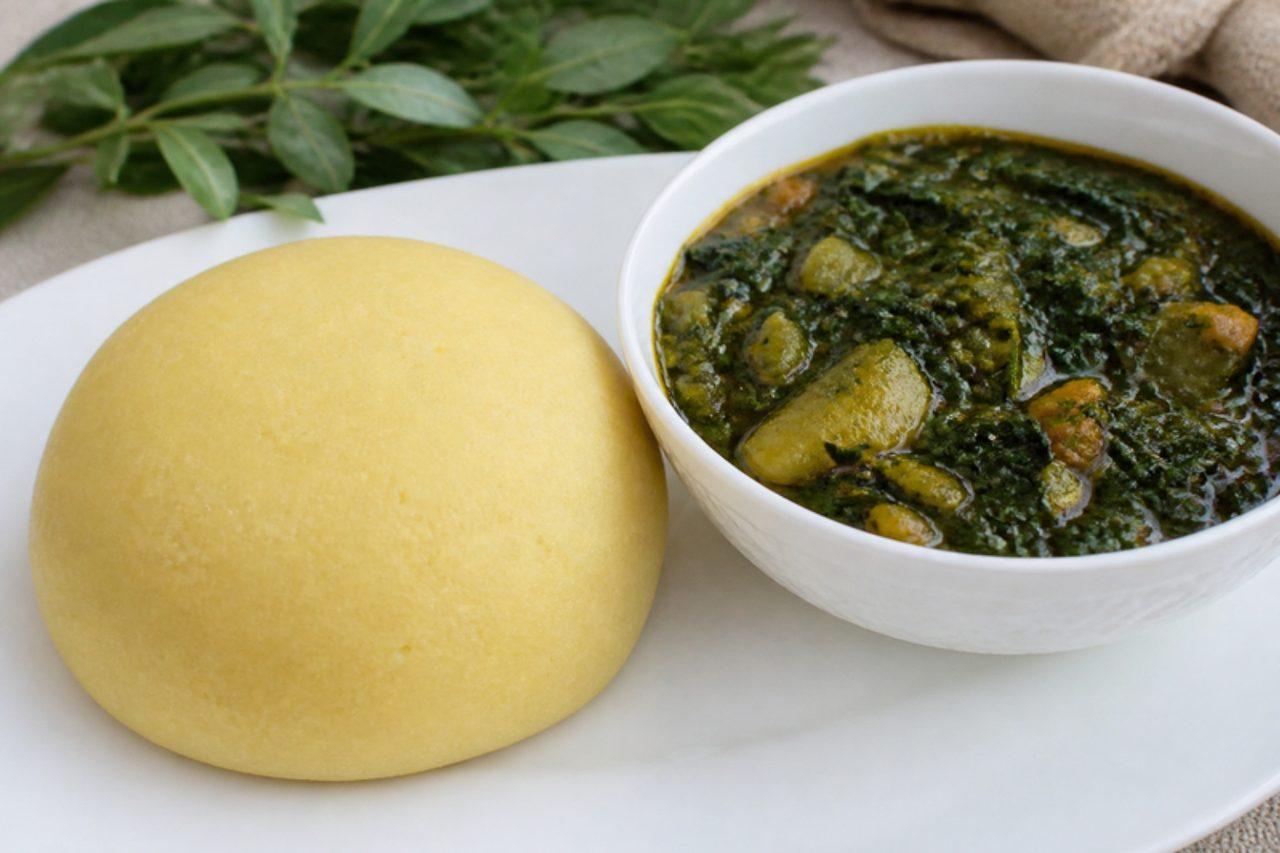
Usi (Urhobo starch swallow)

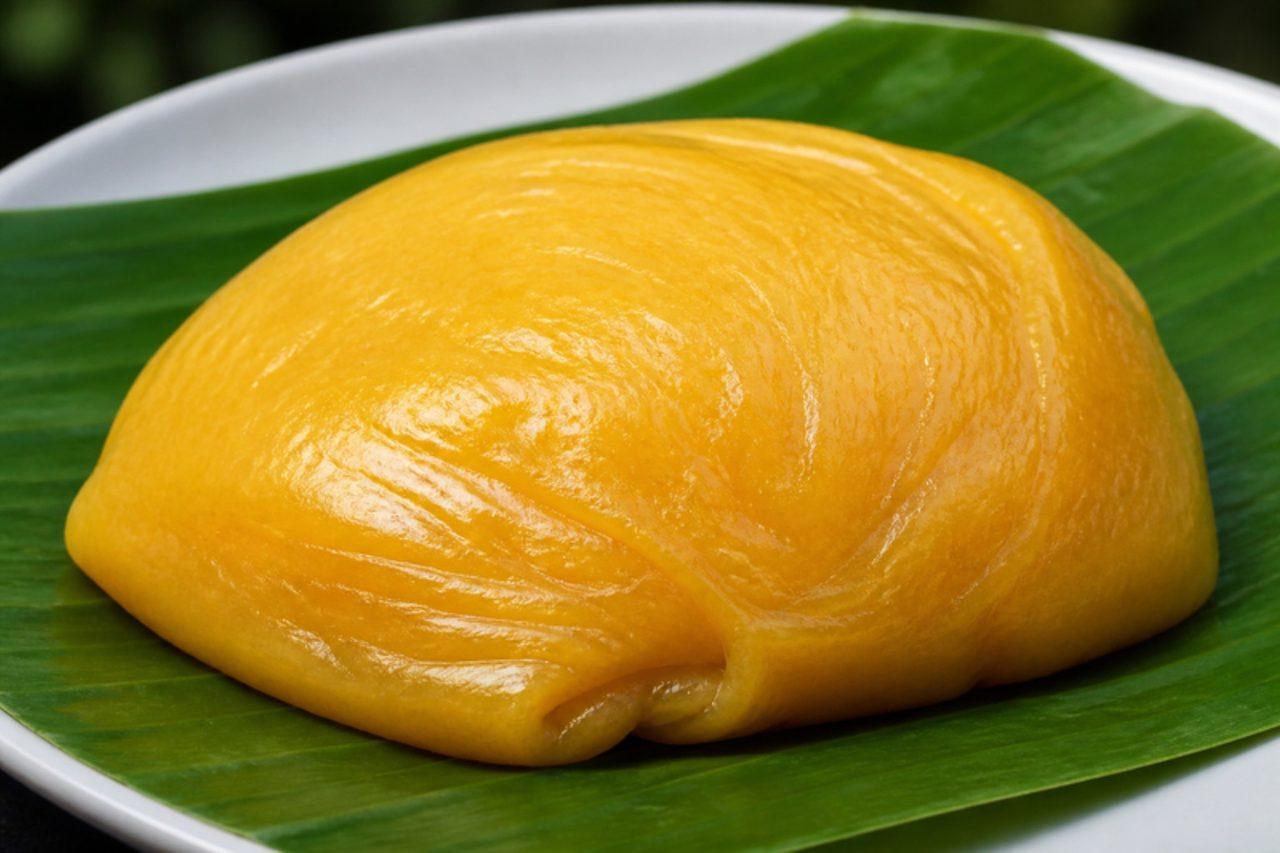
Bright yellow-orange and wobbly, usi, often just called starch, is the pride of Urhobo cooking in Delta State, and in Warri and Ughelli it is the only proper partner for banga (palm-nut) soup or owo soup. It is made from cassava starch cooked with water and a little palm oil, stirred hard over a low heat until it turns from a chalky white paste into a translucent, glossy, elastic mass. It tastes very mild; it is a vehicle for rich soups, and its smooth stretch is the point. Look for cassava starch (wet or dried) in African shops. Banga and owo soup are usually made with fish, so serve usi with a meat-free banga for a vegan meal. Chef's tip: keep the heat low and never stop stirring; a high flame is the mistake that scorches the bottom and leaves raw, white lumps.

by KrazyBadal 0 views

Tuwo shinkafa (soft rice swallow)

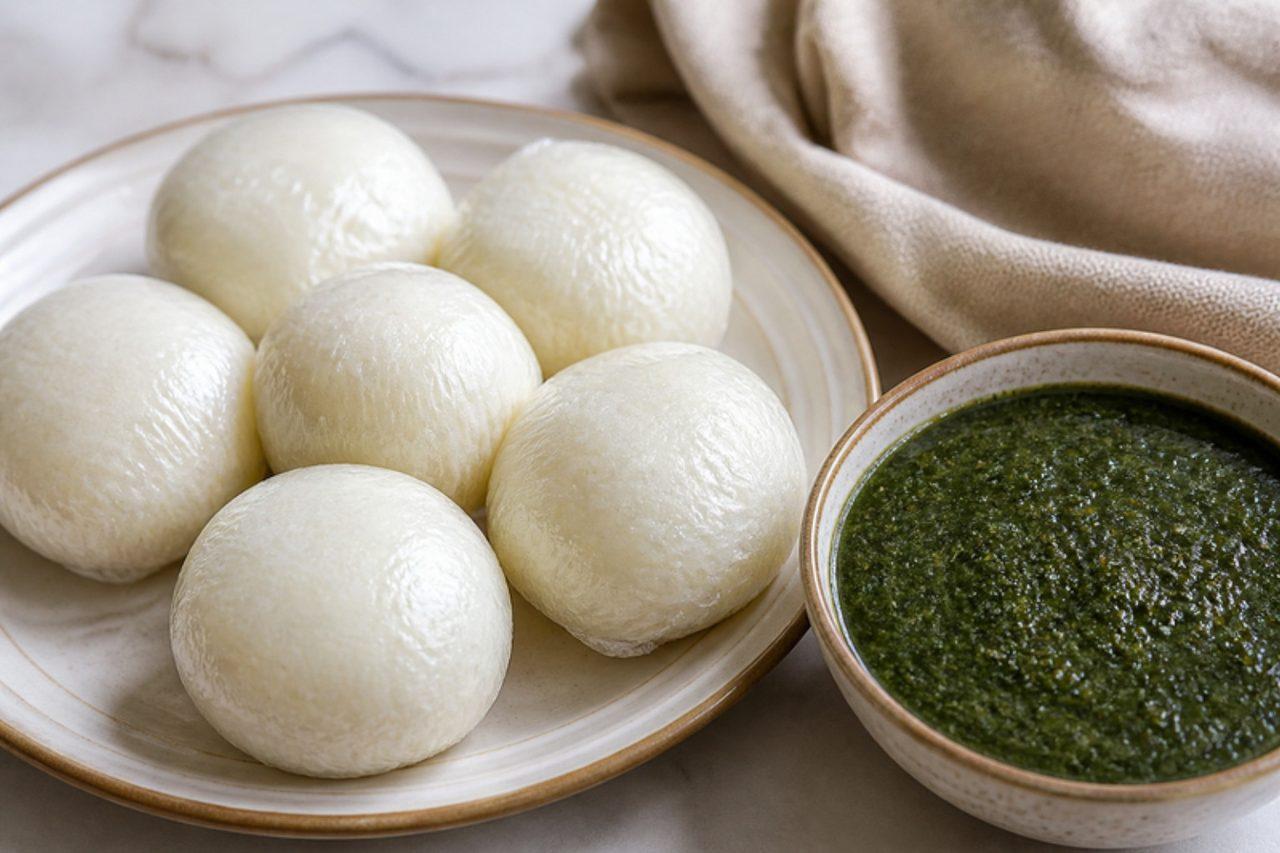
Across Kano, Kaduna and the wider Hausa north, the evening meal very often means a dome of tuwon shinkafa beside a bowl of soup. Short-grain rice is cooked well past the point most cooks would stop, then beaten with a wooden spoon until the grains collapse into a smooth, faintly sticky mass that still shows a few soft grains. It tastes mild and clean, which is exactly its job: you pinch off a piece, dip it into miyan kuka, miyan taushe or an okra soup and swallow. It also turns up at naming ceremonies and weddings, wrapped in plastic or leaves and carried home by guests. Chef's tip: wet the bowl or cup you mould it in, and the balls slide out glossy and round instead of tearing.

by KrazyBadal 0 views

Nigerian pancakes

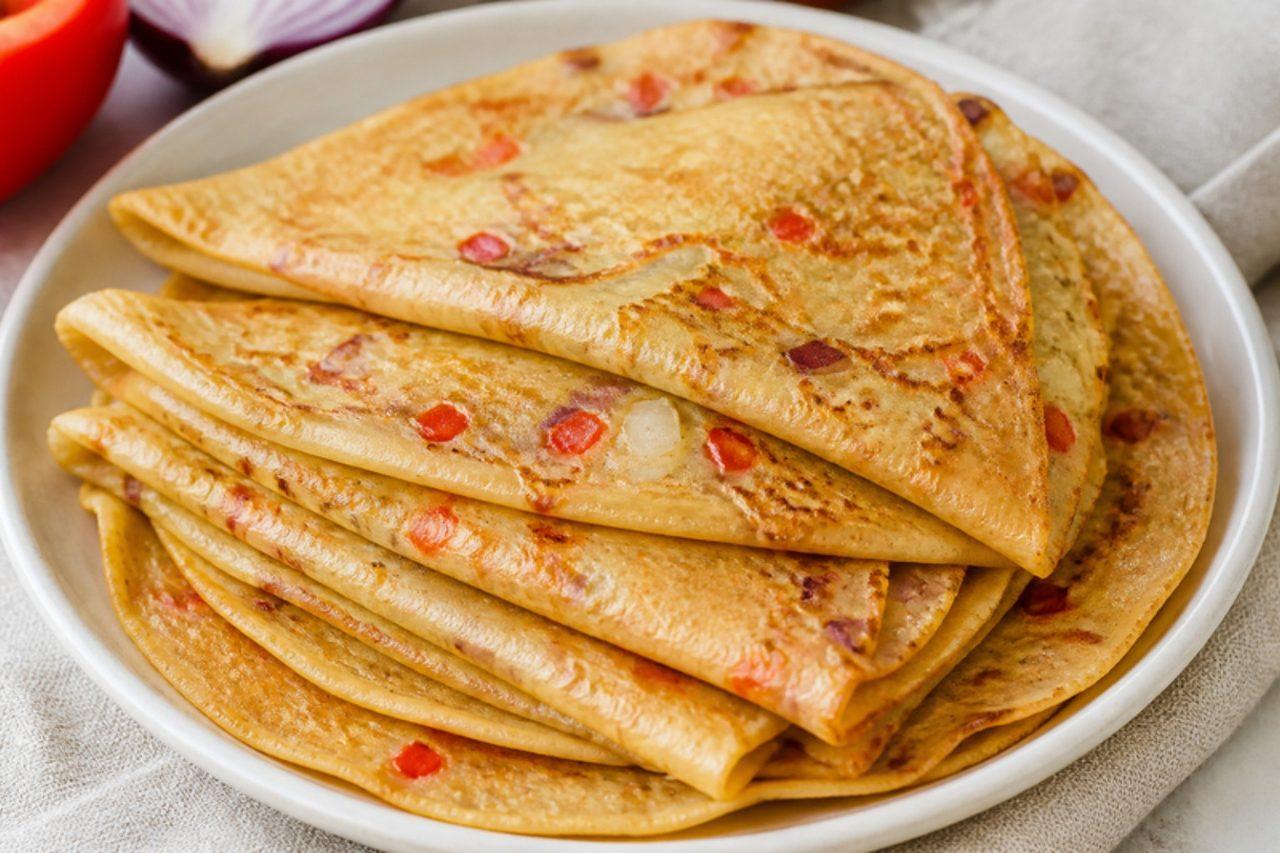
Somewhere between a crêpe and a Western pancake, the Nigerian version is thin, slightly chewy and folded into quarters, often cooked for children before school or on a slow Saturday. Savoury ones get chopped onion and a bit of fresh chilli in the batter; sweet ones simply have more sugar and a pinch of nutmeg. They need nothing alongside except tea or a cup of hot chocolate. A pan that isn't hot enough is the classic mistake and gives pale, greasy pancakes, so heat it until a drop of batter sets at once. Chef's tip: rest the batter for 10 minutes while the pan heats; it gives a smoother, chewier pancake.

by KrazyBadal 0 views

Singapore-style fried vermicelli

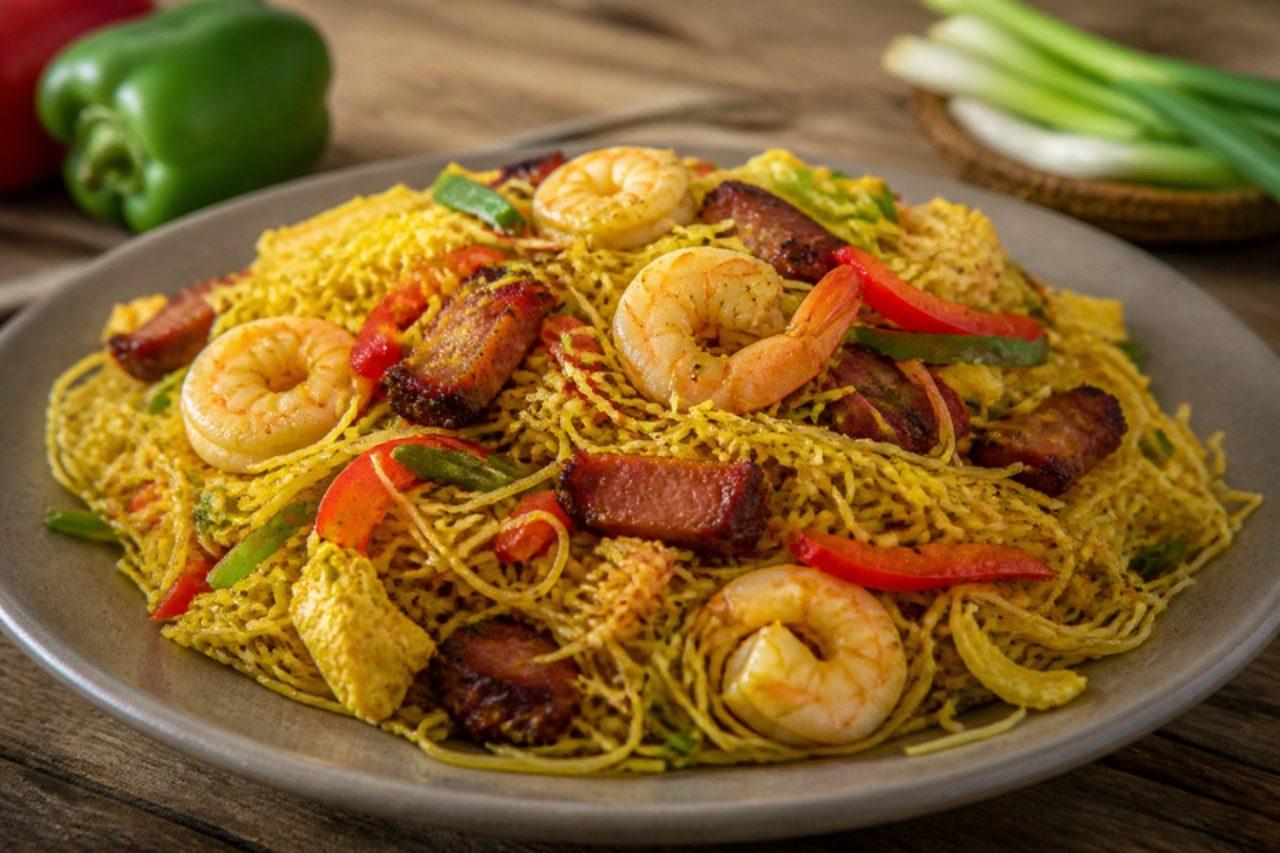
Despite the name, nobody in Singapore grew up on this: sing chau chau mai was invented in Hong Kong's cha chaan teng and Cantonese kitchens, where a little curry powder and a hot wok turn thin rice vermicelli golden-yellow. It is tossed with strips of char siu (Cantonese barbecued pork), prawns, egg ribbons, peppers, onion and bean sprouts, and comes out dry, springy and fragrant with a gentle curry warmth. Diners order it for lunch with a glass of iced lemon tea. A classic misstep is soaking the vermicelli too long in hot water, so it breaks into short, mushy bits in the wok; soak it in cold water until just pliable. Chef's tip: toast the curry powder in the oil for a few seconds before the noodles go in, so it tastes rounded rather than raw and dusty.

by KrazyBadal 0 views

Masa (Hausa fermented rice cakes)

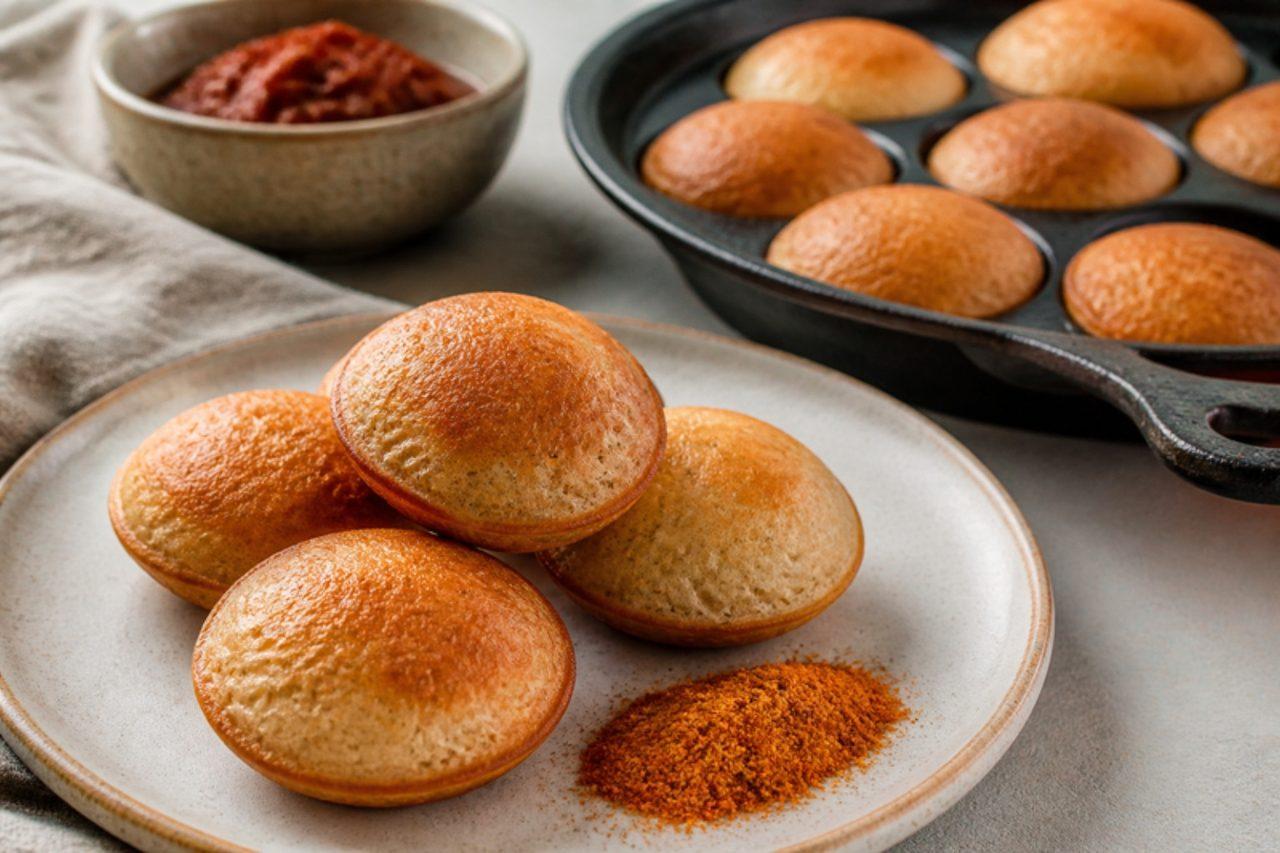
Before sunrise in Kano, Sokoto and Katsina, women set out clay or cast-iron pans with round hollows and fry masa by the dozen for breakfast, and during Ramadan they are a favourite at the breaking of the fast. Soaked rice is ground with a little cooked rice, left to ferment until bubbly, then cooked in the hollows, so each cake is crisp and brown underneath and soft and spongy inside, with a gentle sourness. They are eaten with sugar syrup, yaji pepper or miyan taushe (honey is common too, while syrup keeps them vegan). A thin batter is the classic mistake: it spreads and fries flat, so aim for the thickness of a thick pancake batter. Chef's tip: start the night before, since the rice soaks 8 hours and the batter ferments 4–8 hours more, and use an aebleskiver or paniyaram pan if you have no masa pan.

by KrazyBadal 0 views

Danwake (bean flour dumplings)

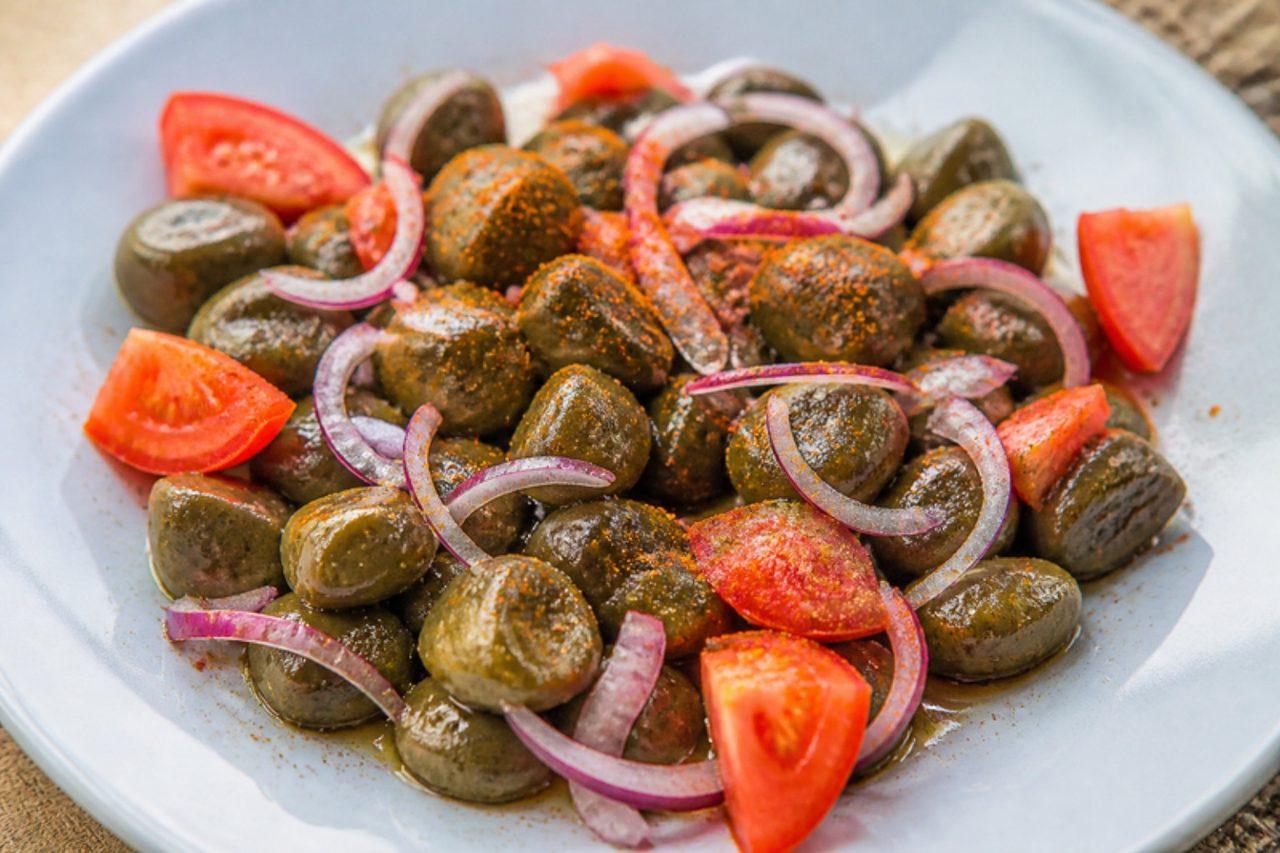
Roadside danwake sellers in Kano and Kaduna ladle the little dumplings out of big pots, then dress them on the plate with groundnut oil, a dusting of fiery yaji, raw onion and tomato. The dough is bean flour stiffened with baobab leaf powder and a pinch of potash or bicarbonate, which gives the dumplings their dark colour and springy bite. Boiled eggs are often served alongside; leave them out, as here, and the dish is fully vegan and still satisfying, thanks to the beans. A dough that is too soft falls apart in the water, so boil one test dumpling before you shape the rest. Chef's tip: drop the cooked dumplings into cold water straight away; it stops them sticking together and firms the surface.

by KrazyBadal 0 views

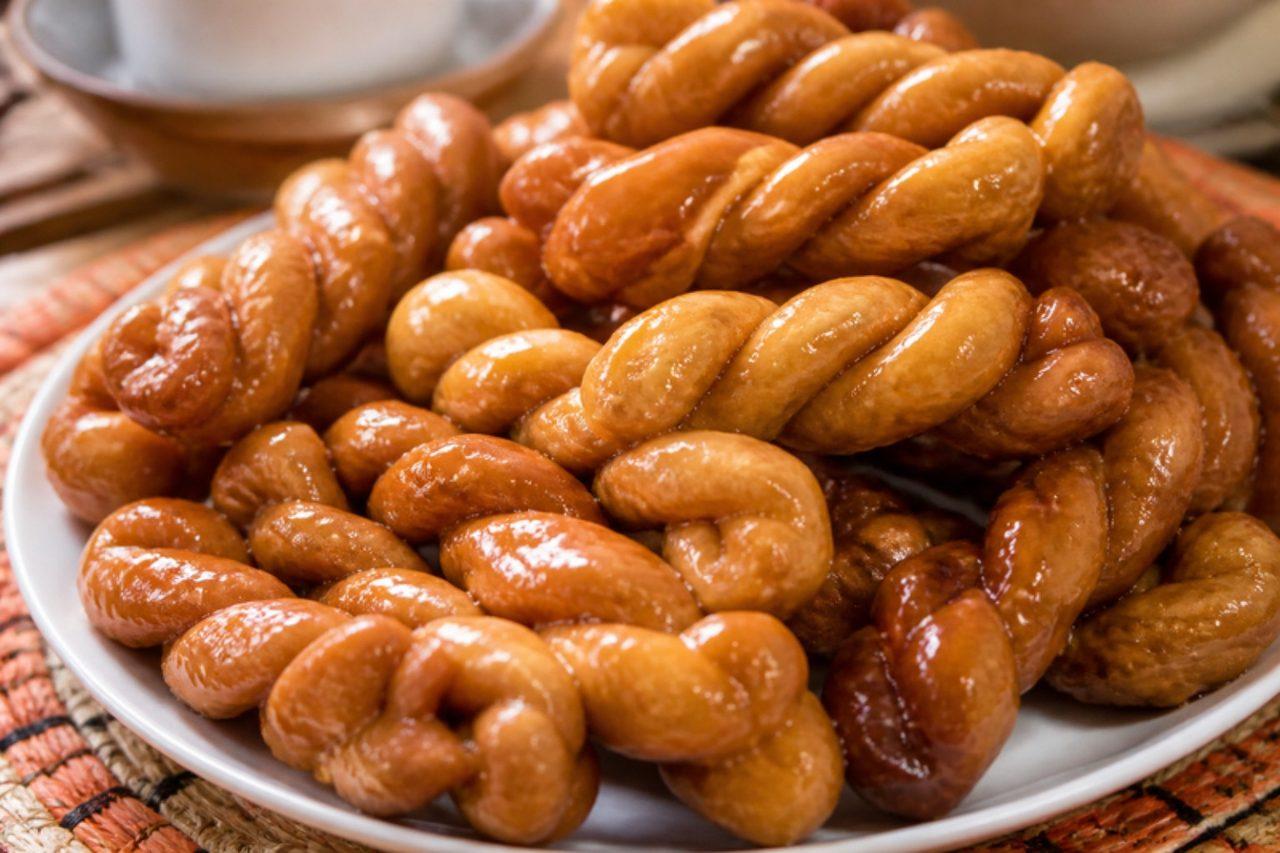
Alkaki (Hausa syrup-dipped twists)

Trays of alkaki are a sign that a Hausa wedding is close: in Sokoto and Kano the twisted fried dough is made in big batches for the bride's family to share out, and again for Sallah visits. The dough is simple flour and water, rolled into ropes and twisted before frying, then dipped in a thick syrup that sets into a thin, crackly white coat. Under it the dough is crunchy at the edges and slightly chewy inside. Frying too hot is the trap; the outside browns while the middle stays raw, so keep the oil moderate and be patient. Chef's tip: boil the syrup until it falls from a spoon in a thin thread, and it will dry glossy rather than sticky.

by KrazyBadal 0 views

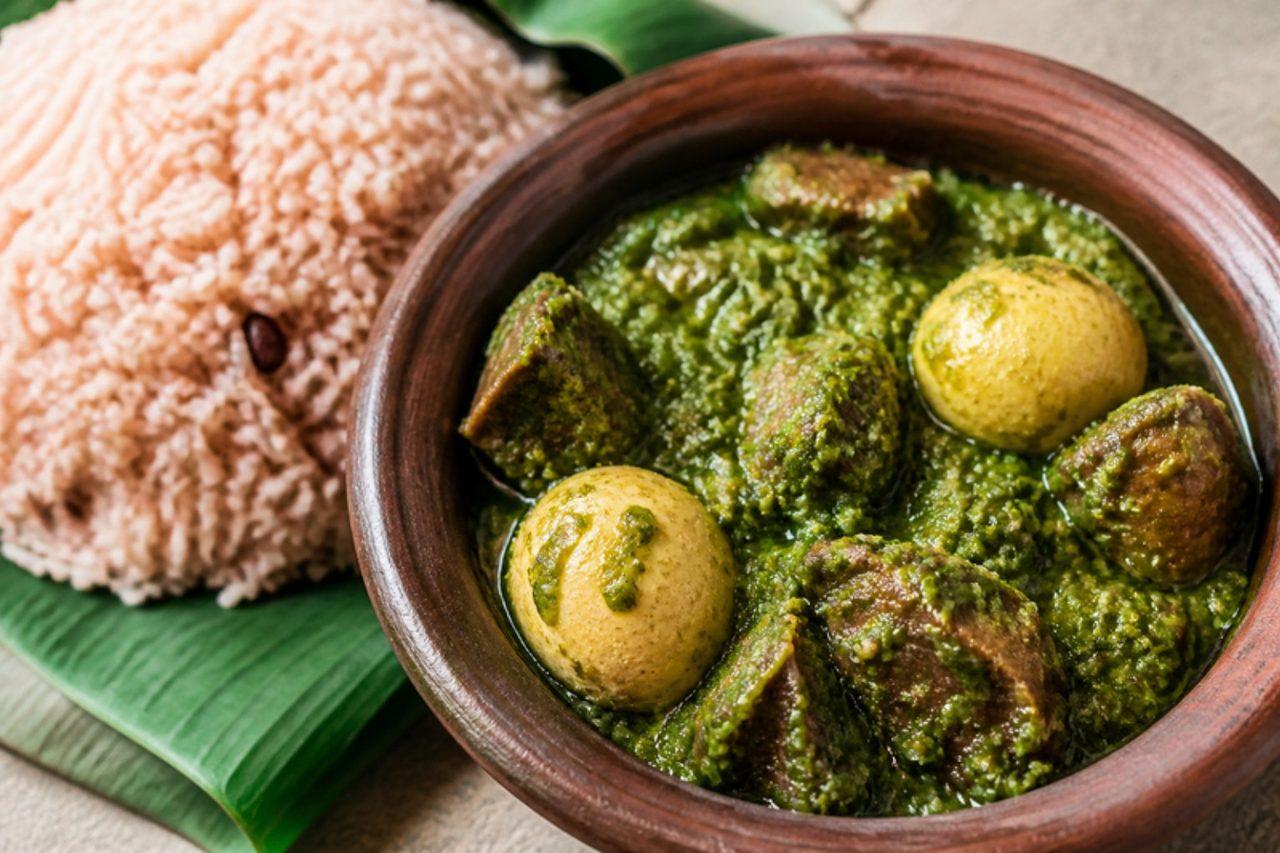
Ayamase (ofada green pepper stew)

Ofada rice, the short, fragrant local rice from Ogun State, is almost always served in Lagos with ayamase, a stew so green and so hot it is sometimes called designer stew. Green bell peppers and green scotch bonnets are blended coarse, dried out in the pot, then fried in palm oil that has been bleached clear, with plenty of iru for a deep, funky savouriness. Assorted meat (beef, tripe and cow skin) and boiled eggs are folded in. Watery pepper is the mistake that makes it taste sour and raw, so boil the blended pepper dry before it meets the oil. Chef's tip: bleaching palm oil makes heavy smoke; open the windows, keep the lid nearby and never leave the pot.

120 minNigerianMeatGluten freeSpicy
by KrazyBadal 0 views

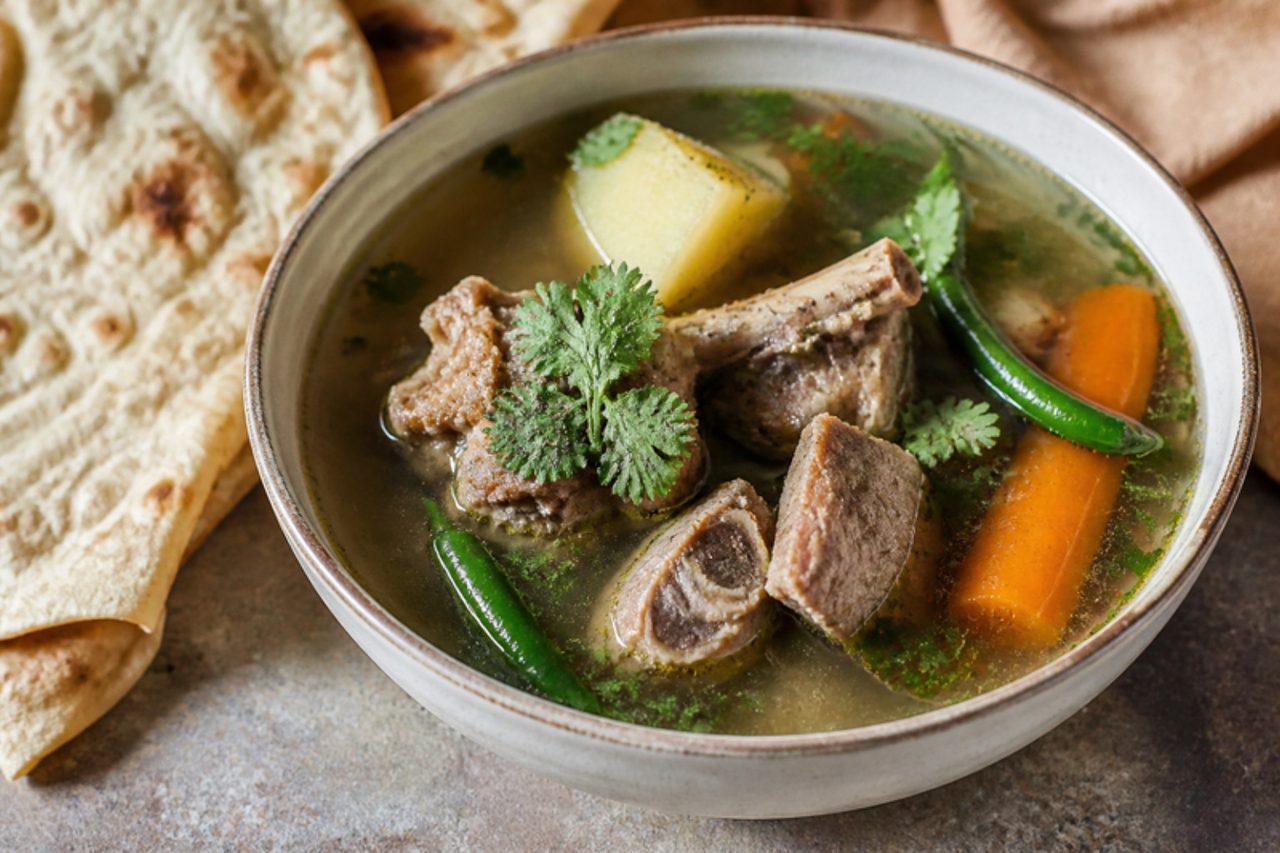
Fah-fah (Djiboutian spicy goat soup)

Djibouti City's cafés and Somali-speaking homes across the Horn claim fah-fah as a national dish: a clear but deeply flavoured goat broth simmered on the bone with garlic, cumin and black pepper, filled with potatoes and carrots and sharpened at the end with plenty of green chilli and coriander. It is often eaten at lunch or as a restorative supper, and is especially loved during the cool season and Ramadan, with canjeero torn into the bowl to soak. The broth should be clean-tasting and spicy rather than thick. Letting the soup boil hard makes it cloudy and greasy, so skim well and keep it at a gentle simmer. Don't skip skimming the broth at the start, or the soup stays cloudy and tastes muddy. Chef's tip: add the chilli and coriander only in the final minutes so they stay bright and green.

110 minSomaliSoupsGluten freeSpicy
by KrazyBadal 0 views

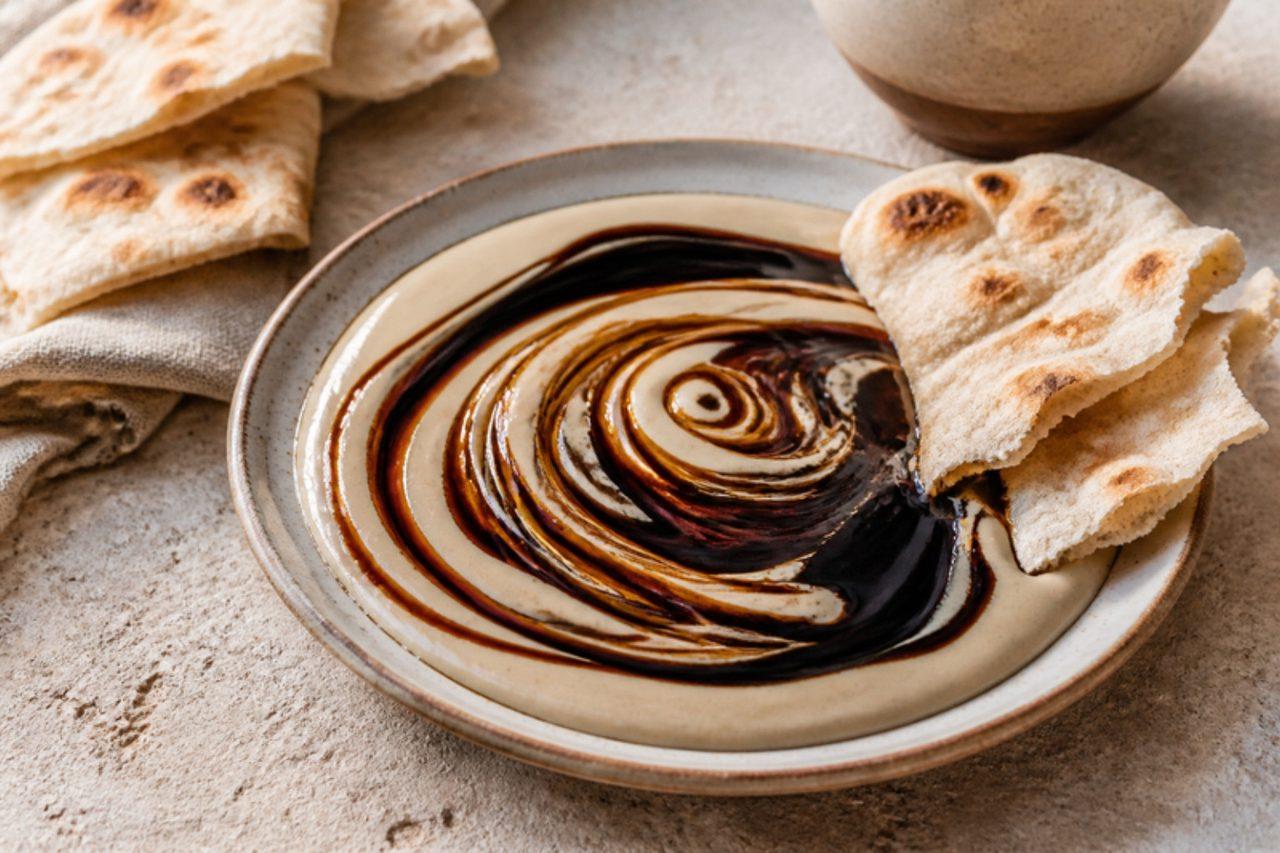
Molasses with tahini

Upper Egypt grows the country's sugarcane, and its dark molasses, asal eswed or black honey, has found its way onto breakfast and supper tables from Aswan to Alexandria. Spooned over tahini and swirled together, it becomes a glossy, bittersweet, nutty dip that children love and grown-ups eat after a light evening meal, scooped up with warm aish baladi or fino. Many families eat it in winter, when they want something warming and filling. A frequent slip is stirring the molasses and tahini together completely; leave them swirled so each bite gets both. Chef's tip: stir the tahini jar thoroughly first; the thick paste at the bottom and the oil on top must be mixed, or the dip comes out stiff and dry.

by KrazyBadal 0 views

Pate (Nigerian maize porridge with greens)

Not the French spread at all: Nigerian pate is a thick, savoury porridge of coarsely ground maize from Southern Kaduna and the Plateau, where it is everyday food at home and in small chop houses. The maize simmers in a palm-oil and tomato base with groundnut and plenty of leaves until it is soft and spoonable, a bit like a rustic polenta packed with greens. Some cooks use acha (fonio) instead, and many add dried fish or meat; this version is meat-free. Pouring the maize in all at once makes lumps, so rain it in while stirring. Don't stop stirring after adding the maize: lumps form fast and stick to the base. Chef's tip: heat the palm oil gently, just until it melts and turns runny, so it keeps its colour and fruity taste.

by KrazyBadal 0 views

HanumSteamed potato and pumpkin roll

Hanum is a rolled steamed dumpling loved across the Ferghana Valley and Tashkent: a thin sheet of dough spread with a filling, rolled into a long log, coiled and steamed in the tiers of a kaskan steamer, then sliced and served with tomato sauce or yogurt. Meat versions are common, but potato and pumpkin hanum is a favourite on fasting days and in autumn. A common mistake is rolling the dough too thick, which makes it heavy and doughy. Chef's tip: oil the steamer basket and coil the roll so it doesn't touch the sides; it expands as it steams. Without yogurt it is vegan.

by KrazyBadal 0 views

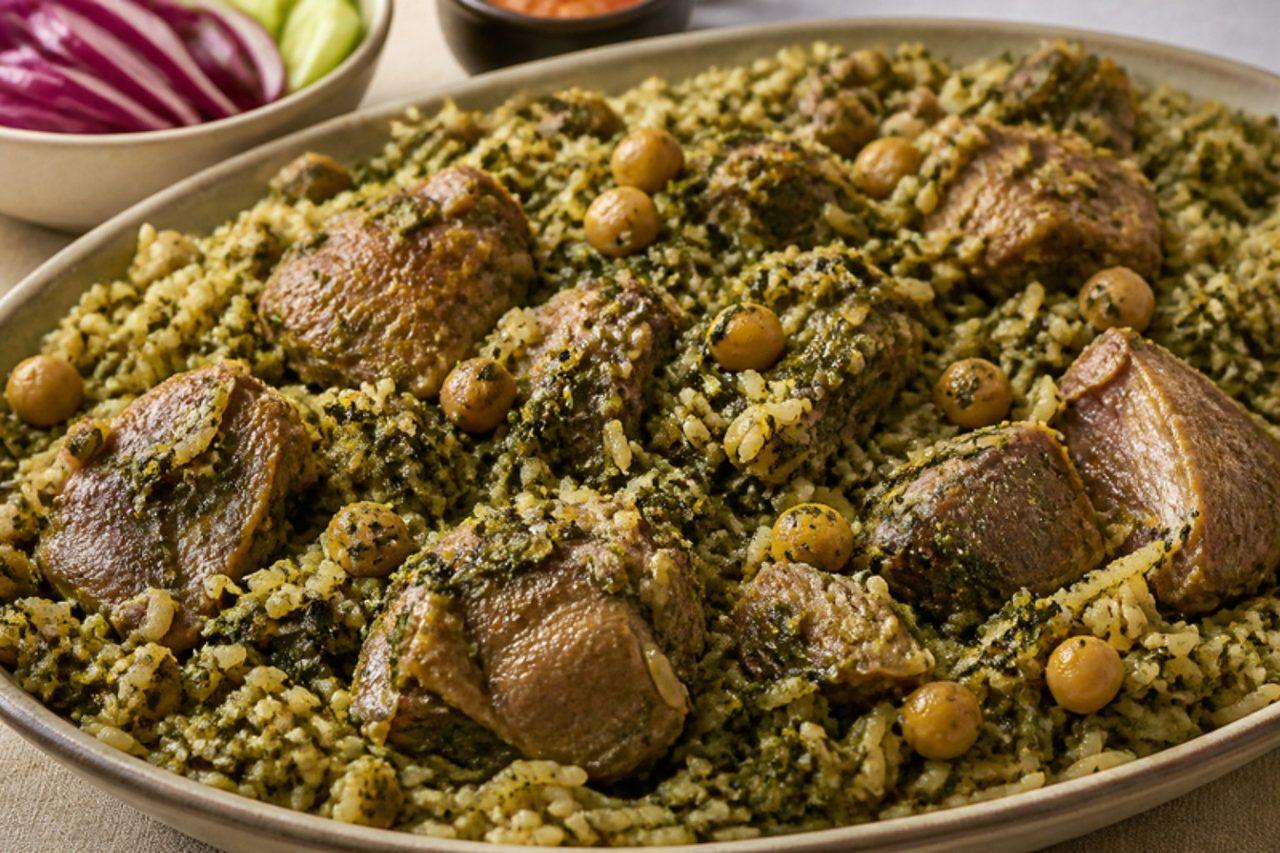
Rouz jerbi (Djerban steamed rice)

Djerba islanders cook rice the way the rest of Tunisia cooks couscous, in the top of a couscoussier: raw rice is mixed with small pieces of lamb, chopped spinach, a mound of herbs, chickpeas, tomato paste, harissa and spices, then steamed over boiling water until every grain is tender and stained red-gold. Rouz jerbi is a Friday and family-gathering dish on the island, served from one large platter. The rice stays separate and fluffy, the greens melt in, and the lamb picks up the scent of mint and tabil. Chef's tip: stir the rice from the bottom every 20 minutes; leaving it untouched is a common mistake, as the bottom turns soggy while the top stays hard.

by KrazyBadal 0 views

Kunun aya (tiger nut drink)

Street sellers in Jos, Kaduna and Kano keep kunun aya cold in coolers, and on a hot afternoon a glass of the creamy, nutty milk is hard to beat. Tiger nuts, which are small tubers rather than nuts, are soaked until plump, blended with dates, fresh coconut and a little ginger, then strained. Dates do the sweetening, so most people add no sugar at all. Skimping on the soak is the most common mistake; dry tiger nuts give a thin, gritty drink, so soak them for at least 8 hours. Chef's tip: soak them in the fridge and keep everything cold, because the fresh milk sours quickly in the heat.

by KrazyBadal 0 views

Eba (gari swallow)

Students in hostels, office workers at lunchtime buka and families from Warri to Lagos all lean on eba, because it is ready in about five minutes from a bag of gari, the toasted granules of fermented cassava. Stirred into hot water, gari swells into a smooth, firm, slightly tangy dough that you pinch, roll and dip into egusi, okra, ogbono or efo riro. Yellow gari has been fried with a little palm oil and gives a richer, golden eba; white gari is sharper and paler. Chef's tip: pour the gari onto the water, never the water onto the gari, and wait a minute before stirring so every grain soaks evenly.

by KrazyBadal 0 views

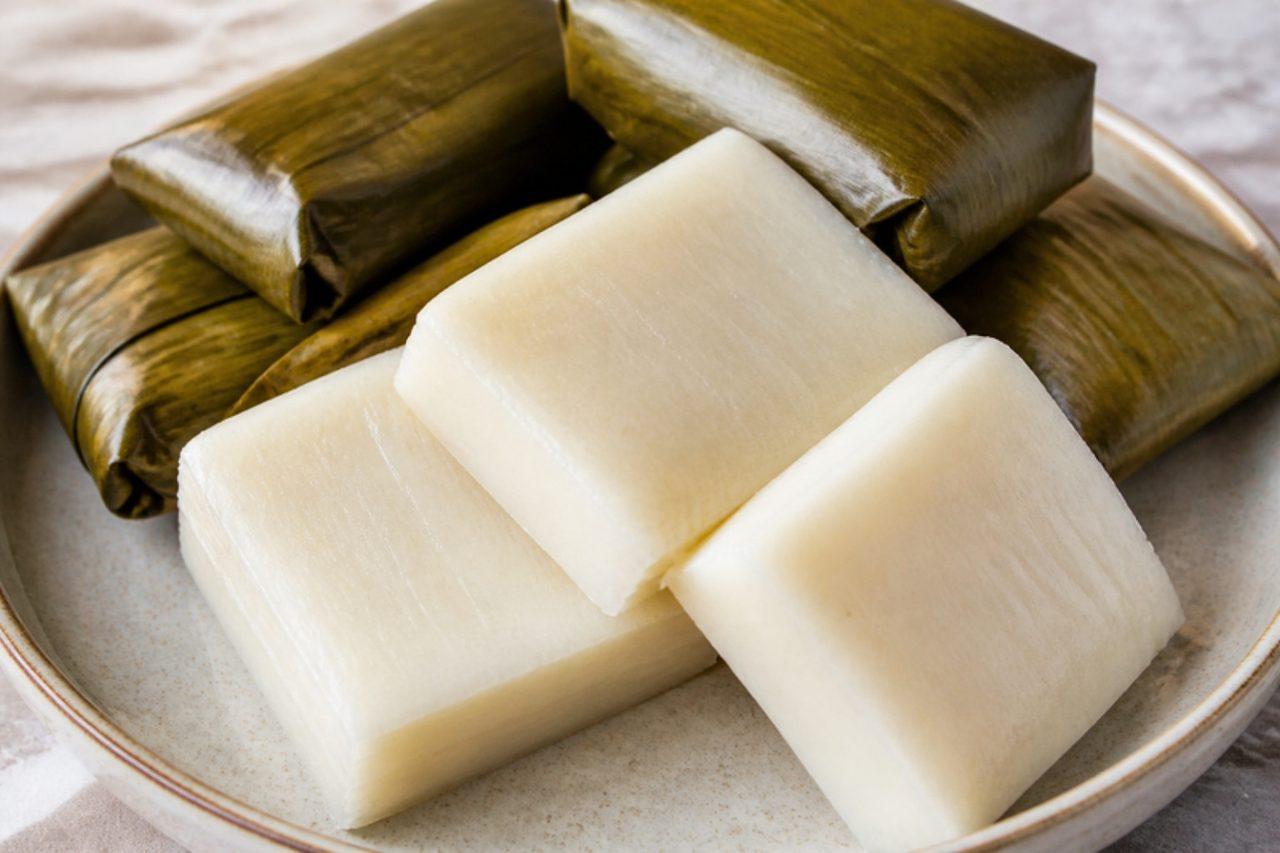
Agidi (set fermented maize in leaves)

Wrapped in green leaves and stacked in pyramids, ẹ̀kọ (Yoruba) or agidi (Igbo) is the solid form of ogi: the same fermented maize paste cooked much thicker, then left to set into a cool, wobbly block. It tastes gently sour and very clean, which is why it suits a hot pepper stew, moi moi, akara or a bowl of efo. Buka in Lagos and Ibadan sell it at breakfast and lunch. Undercooking is the most common mistake, and the agidi then stays soft and runny, so cook until a spoon leaves a clear trail across the pot. Chef's tip: pass banana leaves quickly over a flame until they turn shiny and supple, and they will fold without tearing.

by KrazyBadal 0 views

Chorbet hout (Sfax fish soup)

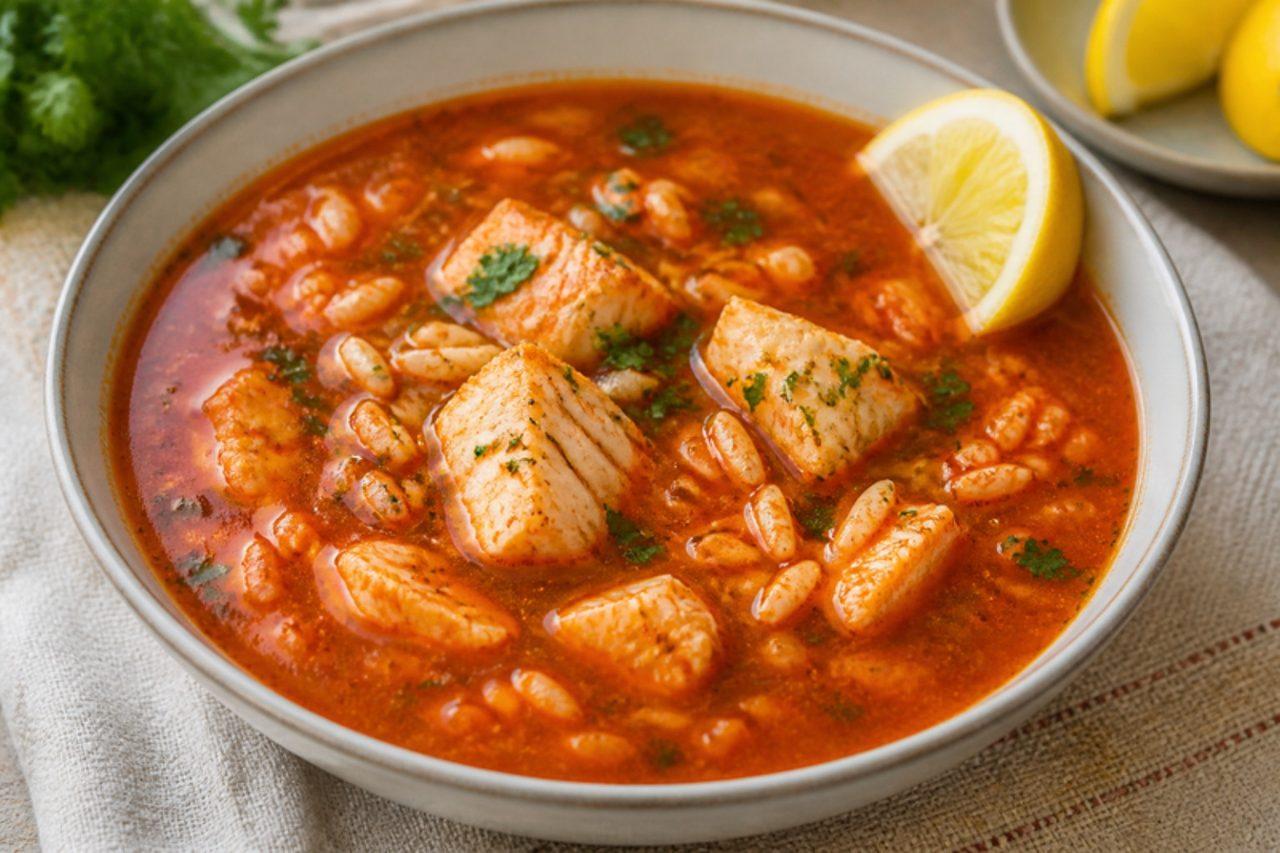
Along the coast around Sfax, a bowl of chorbet hout often opens the meal at Ramadan iftar, after dates and water: a red, peppery broth of tomato, harissa and caraway, thick with tiny bird's-tongue pasta and flakes of white fish, finished with a squeeze of lemon. Grouper, sea bream or mullet are the local choices, and any firm white fish works. The soup is warming and spicy with a fresh lift from parsley and celery, and goes well with bread and a brik. Chef's tip: poach the fish briefly, lift it out and only return the flakes at the end; leaving it to boil with the pasta is the common mistake, and it breaks into threads.

by KrazyBadal 0 views

Showing 18 of 7,762 recipes

Show more recipes

Page 196 of 863