Skip to content
Bsissa
Featured recipe

Bsissa

Roasted barley flour with olive oil

A tin of bsissa sits in many Tunisian kitchen cupboards, from Tunis flats to farmhouses in the south: a finely ground flour of roasted barley, roasted chickpeas and spices such as coriander, fennel and aniseed. In the morning a few spoonfuls are worked with olive oil and something sweet into a nutty, crumbly paste, or stirred with water into a thick drink, and it keeps you going until lunch. Travellers and pilgrims once carried it for the road. Roasting your own flour takes 15 minutes and makes a jar that lasts weeks. Sugar and dates keep it vegan; some families use honey. Chef's tip: roast the flours separately over a low heat and stir constantly; the moment they smell like toasted biscuits and turn light tan, tip them out of the pan.

Read more 2 views

What to eat today?

Around the world

Today's trip: Paraguayan

A new country every day, from every cuisine on the site.

Paraguayan

Lampreado

Cassava starch cheese fritters 30 minMore from Paraguayan (27) →

This week's collection

Kid-friendly dinners
537 recipes · a new collection every Monday

Latest recipes

Fisherman soup

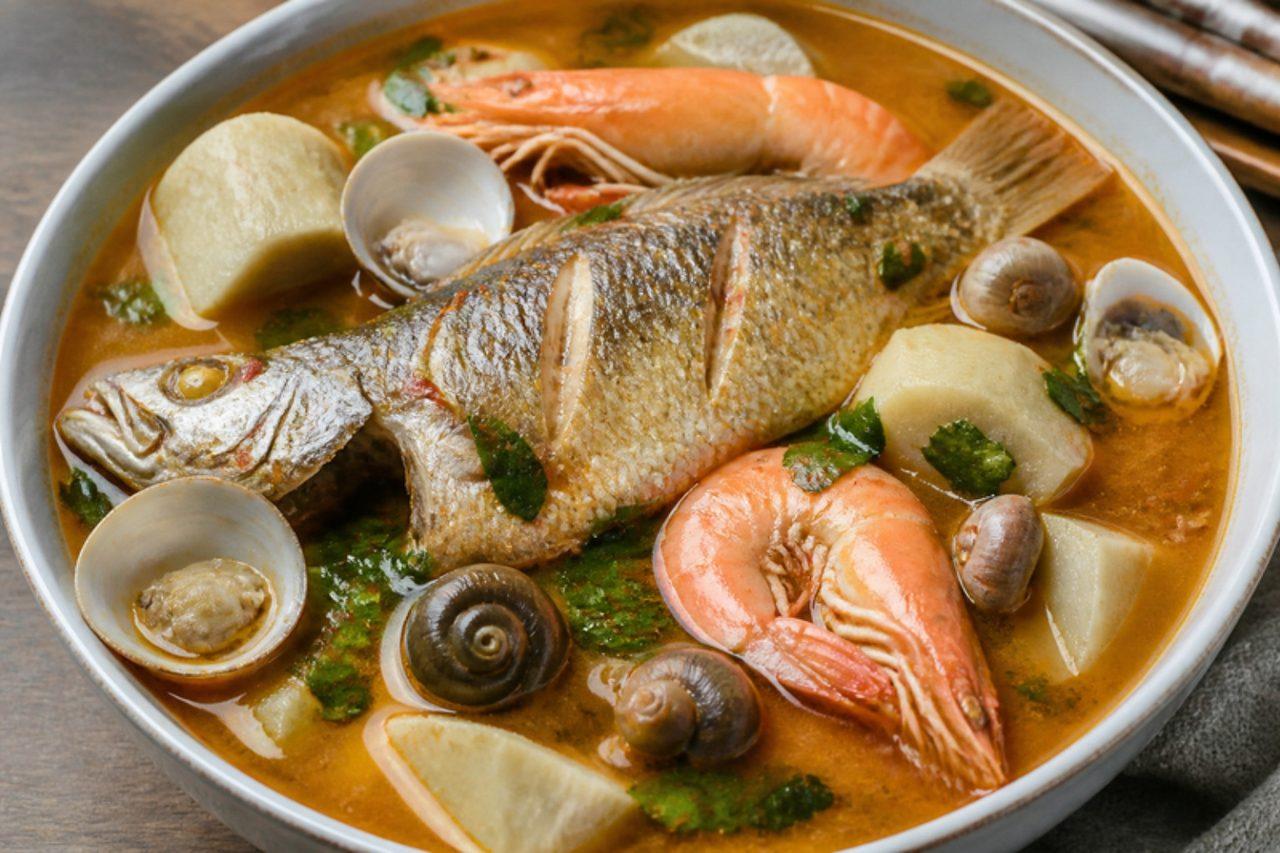
Fishing families in the creeks of Rivers and Bayelsa made this soup from whatever came in on the boat, and it is still the pride of Port Harcourt and Yenagoa kitchens. Unlike heavier Nigerian soups it is light and brothy, just thickened with a little cocoyam paste, so the sweetness of fresh fish, prawns and periwinkles comes through the scotch bonnet heat and the scent leaf. Eat it with boiled yam, plantain or a light swallow such as eba or starch. Buy shellfish from a reputable fishmonger, discard any periwinkles with broken shells, and if you add clams, throw away any that stay open when tapped before cooking or stay shut after. Chef's tip: add the seafood in order of cooking time, fish first and prawns last, so nothing turns rubbery.

by KrazyBadal 0 views

Ocho beniseed soup

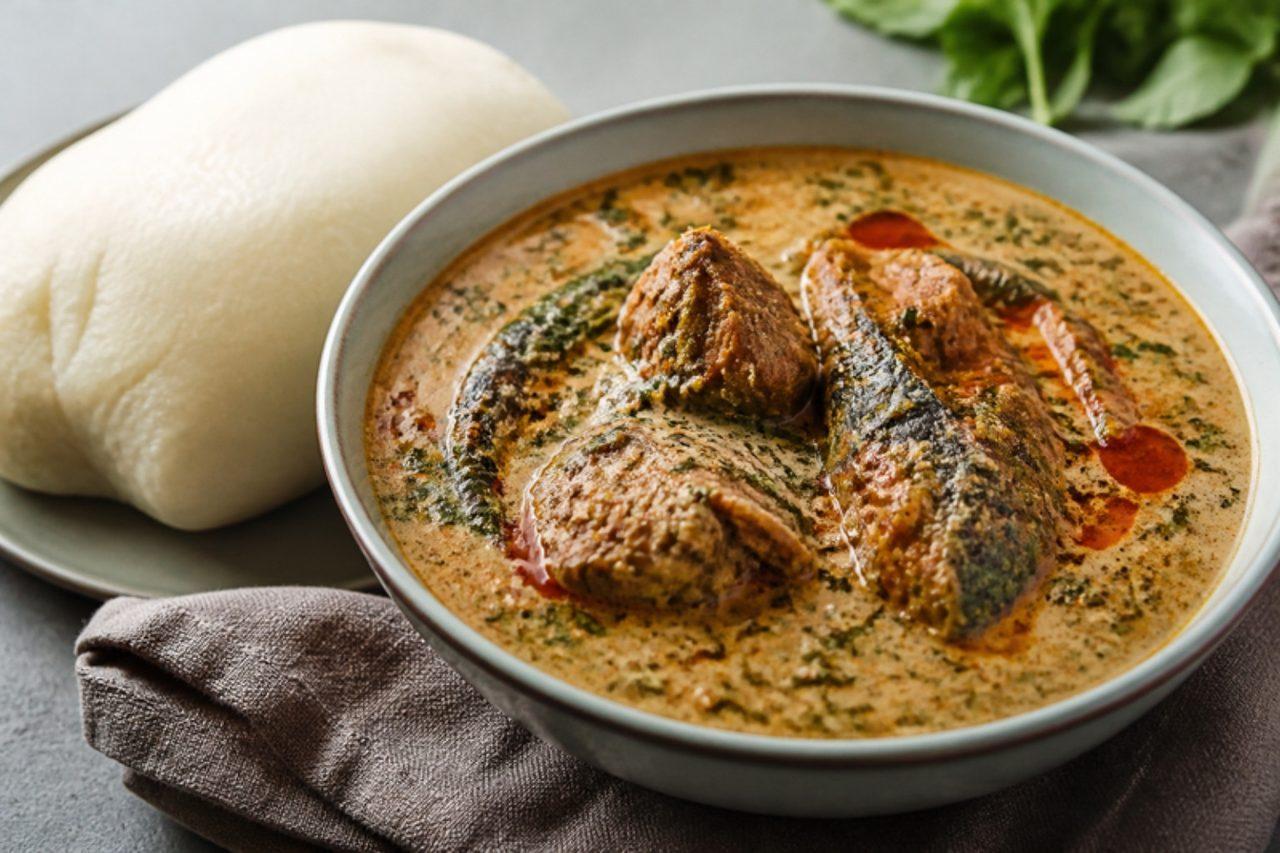
Beniseed, the local name for sesame, grows widely in Benue, and the Idoma turn it into ocho: a creamy, nutty soup thickened with the ground seeds, cooked with beef, dried fish and green leaves. It has a gentle, toasty flavour and a slightly grainy, pleasant texture, and it is eaten with pounded yam, often at family gatherings and festive meals. Cooks vary the leaves; spinach or ugu are easy to find. Some families add palm oil and some leave it pale; this version uses a little. Chef's tip: toast the beniseed in a dry pan only until it smells nutty and turns light gold; the common mistake is letting it go brown, which makes the whole pot bitter.

by KrazyBadal 0 views

Tlitli (Algerian rice-shaped pasta with chicken)

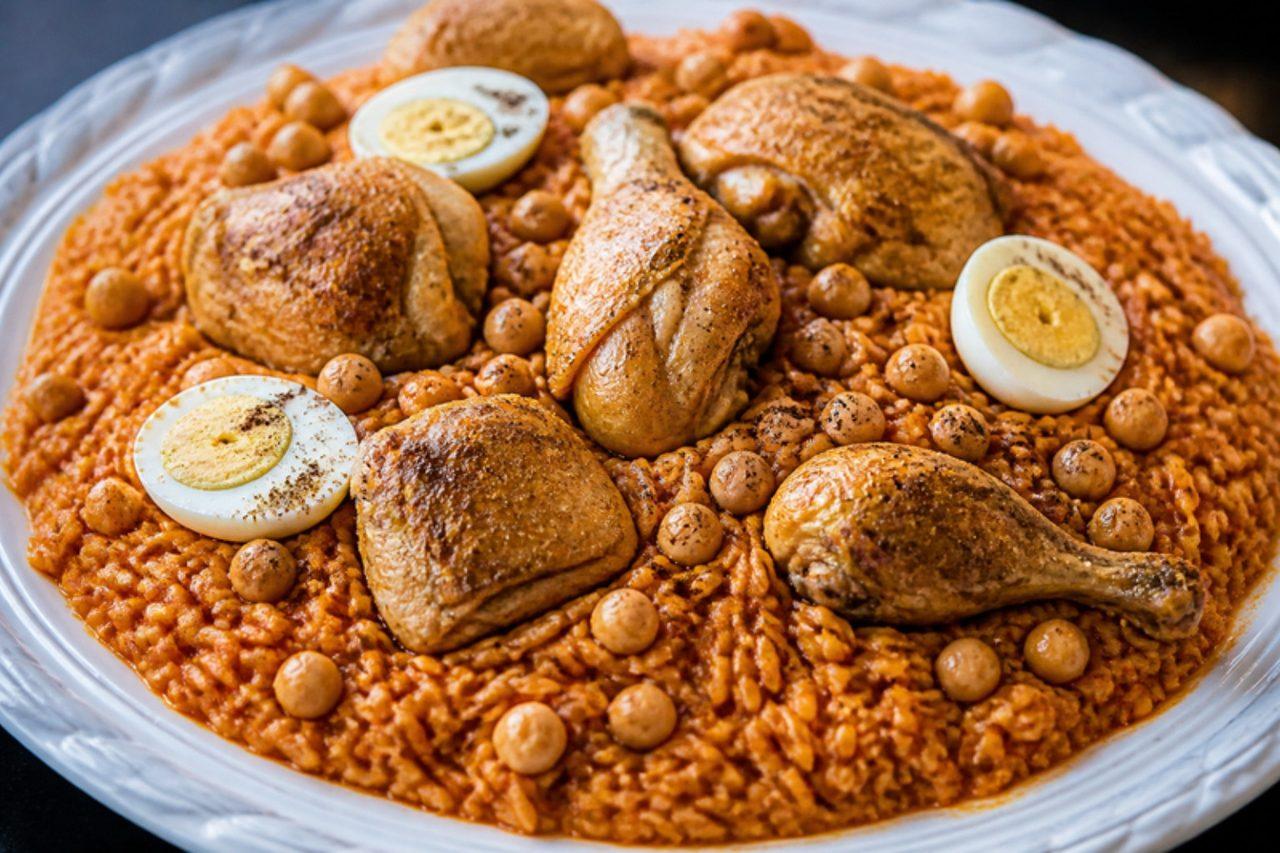
Tlitli is a tiny pasta shaped like grains of rice, once rolled by hand and now sold dried, and in Algiers and Constantine it is cooked for family feasts such as Ennayer, the Amazigh New Year, or the return of a pilgrim. The pasta soaks up a red sauce of chicken, onion, tomato, paprika, cinnamon and chickpeas, and is piled on a platter with the chicken and halved boiled eggs on top. Expect a cosy, gently spiced dish, a bit like a red risotto, with soft pasta and tender chicken. Orzo is a good stand-in if you cannot find tlitli. Chef's tip: toast the pasta in oil before adding sauce; untoasted tlitli tends to clump and turn mushy, a common mistake.

by KrazyBadal 0 views

Sfiria (cheese croquettes in chicken sauce)

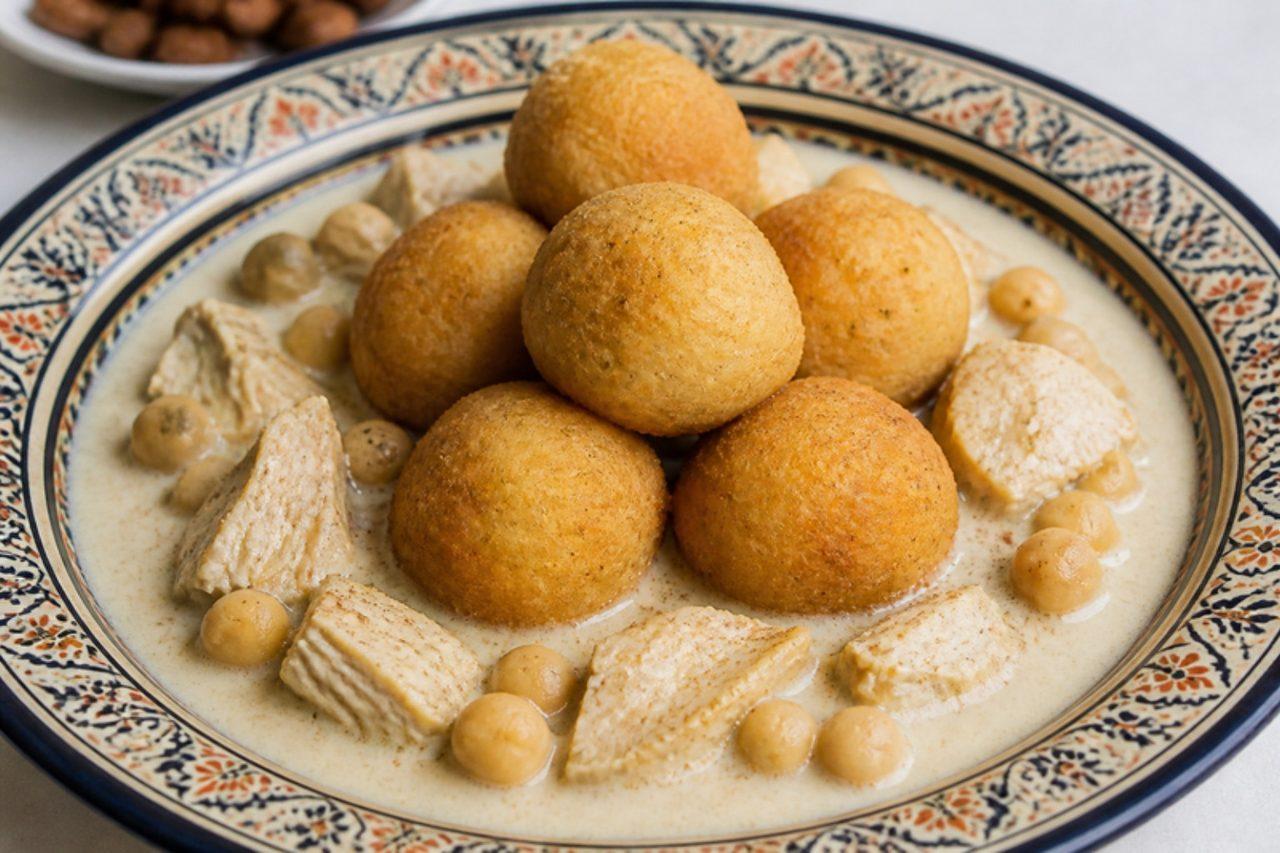
Sfiria belongs to the old bourgeois cooking of Algiers, served on Ramadan evenings and at family celebrations: little croquettes of soaked bread, grated cheese and egg, scented with cinnamon, are fried golden and then laid in a pale chicken and chickpea sauce flavoured with cinnamon and white pepper. The croquettes are light and spongy, soaking up just enough sauce to be juicy, and the dish tastes delicate and faintly sweet. Day-old white bread without crusts gives the best texture. Chef's tip: add the croquettes to the sauce only at the last minute; leaving them to simmer is the common mistake, and they swell, go soggy and fall apart.

by KrazyBadal 0 views

Chorba beida (Algerian white chicken soup)

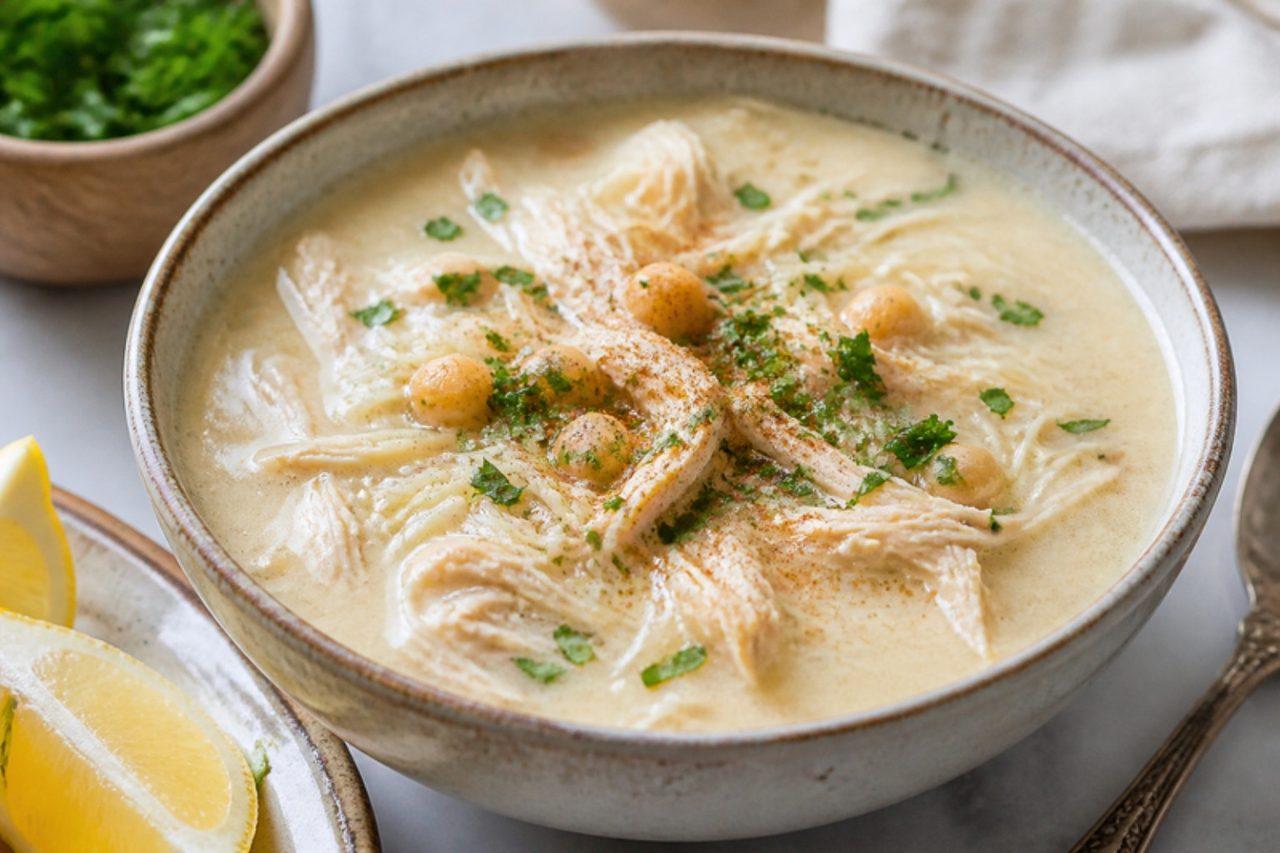
Unlike the red chorba of the rest of the country, the 'white' chorba of Algiers has no tomato at all: chicken, onion and a cinnamon stick are cooked gently in butter, simmered with chickpeas and fine vermicelli, then thickened at the end with egg yolks and lemon. It is a classic of Ramadan tables in the capital, and is also cooked for guests at weddings and family gatherings. The soup is silky and pale gold, mild and comforting, with a soft lemony tang. Serve it with bread and a squeeze of extra lemon. Chef's tip: once the egg yolks are in, never let the soup boil; boiling is the common mistake that curdles it into scrambled threads.

by KrazyBadal 0 views

Atadwe milkye (tiger nut pudding)

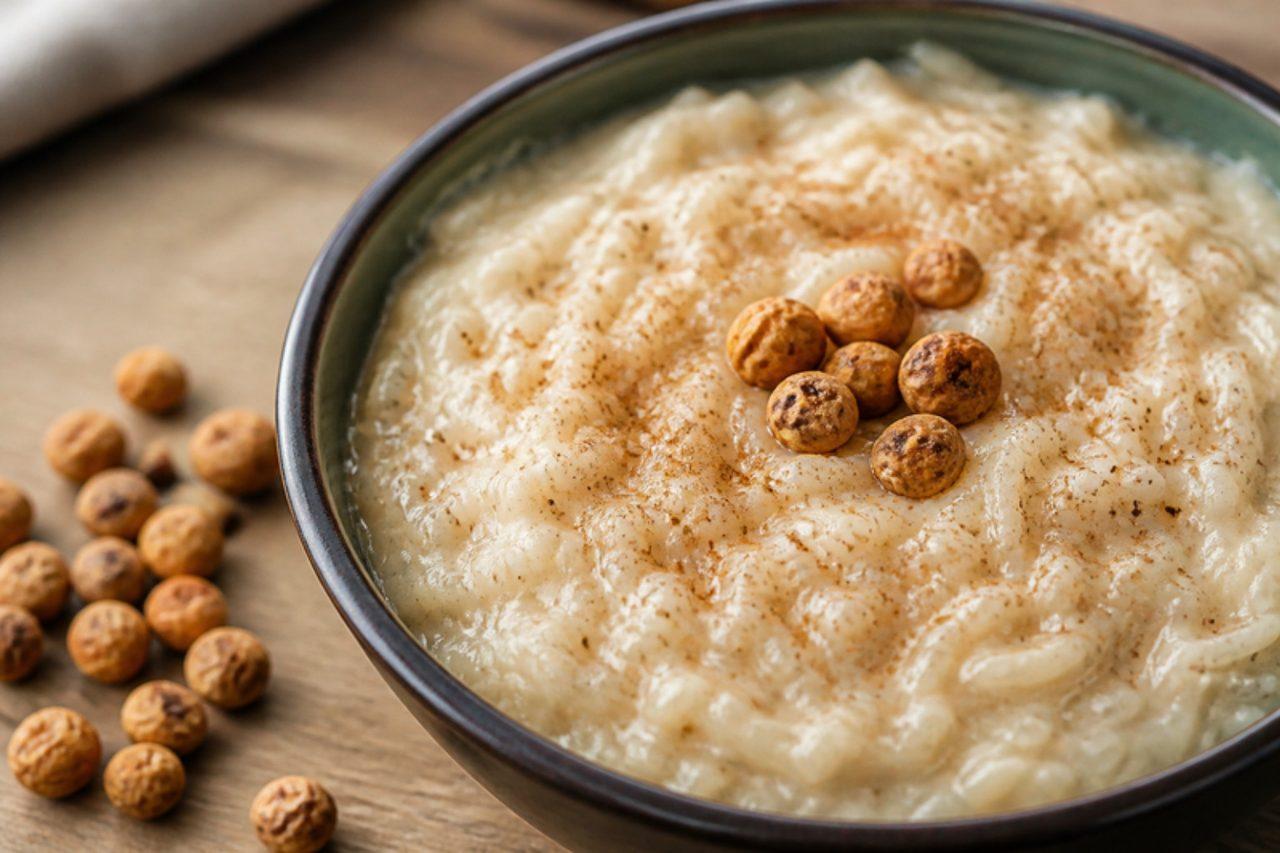
Tiger nuts, called atadwe in Twi, are small wrinkled tubers sold in heaps by market women across southern Ghana during the rainy season. For atadwe milkye they are soaked, blended and squeezed into a sweet, nutty milk, then cooked with ground rice and coconut milk into a pourable pudding that sets softly as it cools. Street sellers ladle it into small bags or cups, and at home it is eaten warm for breakfast or chilled as an afternoon treat. The flavour is mild, like almond and coconut with a light earthy note. Start soaking the tiger nuts the night before. Chef's tip: stir without stopping once the rice paste goes in; walking away for even a minute is the common mistake, and it leaves lumps and a scorched base.

by KrazyBadal 0 views

Skyr

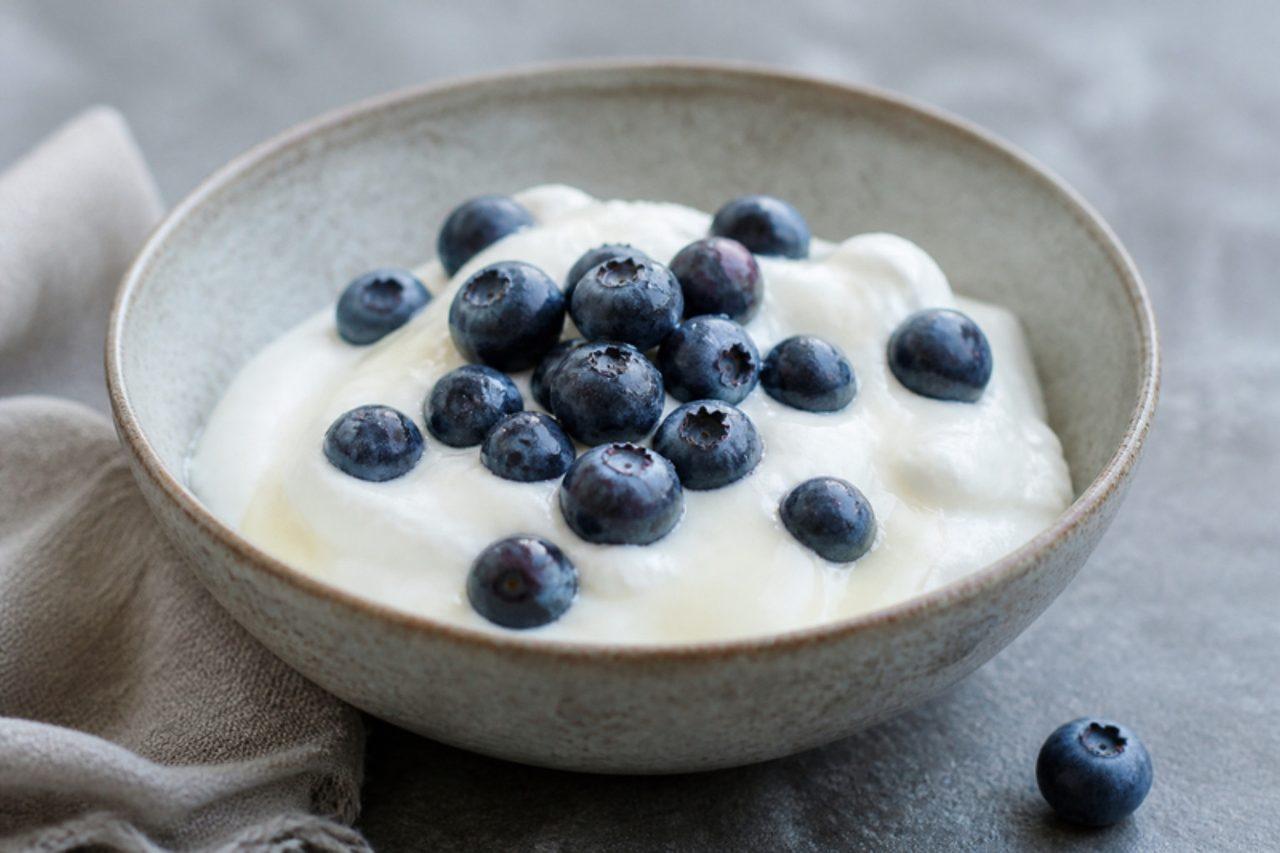
Skyr has been made in Iceland since the Viking settlers arrived: skimmed milk soured with a spoonful of the last batch, set with a drop of rennet, then strained until very thick, high in protein and mildly sour. Icelanders eat it every day with milk or cream and berries, or whisked into a drink, and skyrkaka is a favourite cheesecake. You need a few spoonfuls of plain shop skyr with live cultures as a starter. A common mistake is skipping the long, slow set; rushed skyr is thin and grainy. Chef's tip: strain it in the fridge overnight and stir it smooth before serving. Rennet is traditionally animal; use vegetarian rennet.

by KrazyBadal 0 views

Djelbana (Algerian lamb and pea stew)

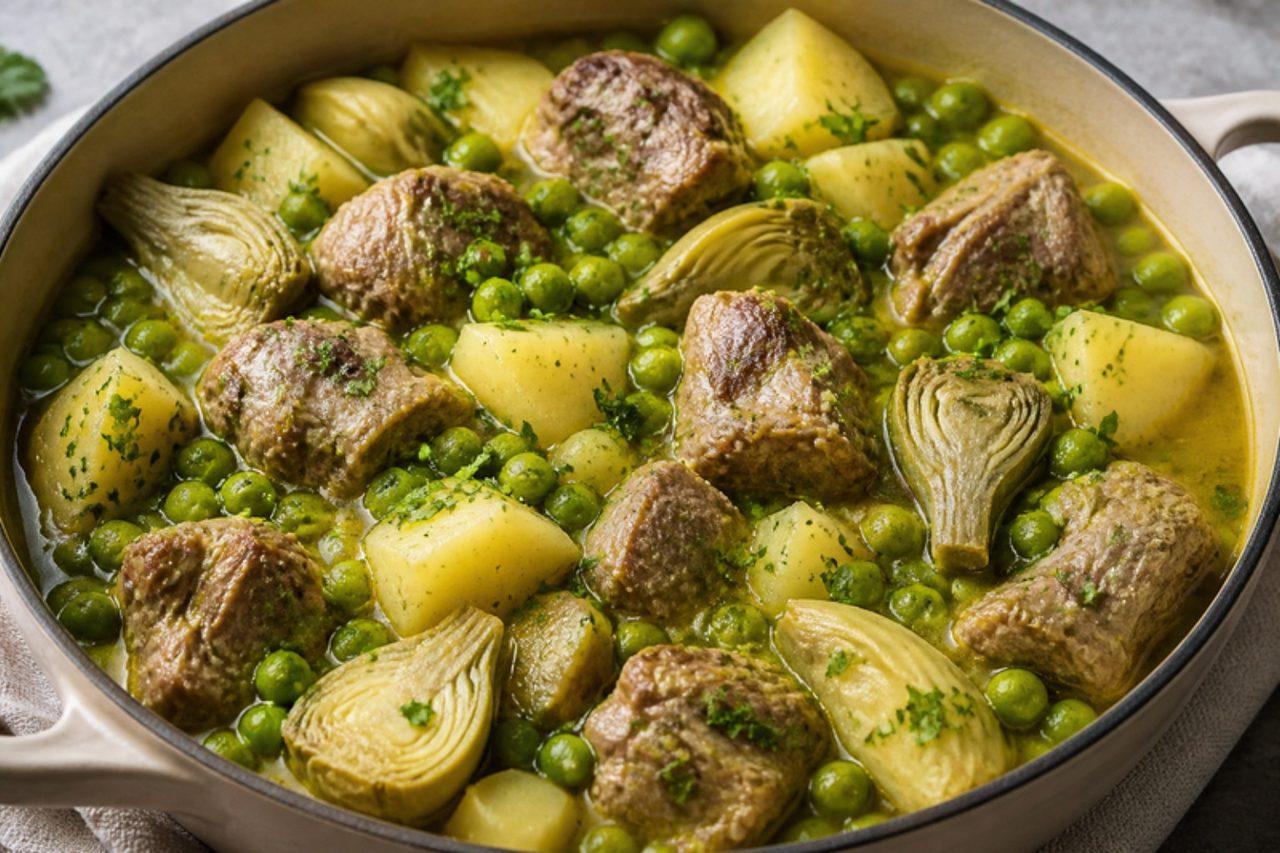
Spring markets in Algiers fill with sacks of fresh peas and violet artichokes, and that is the moment for djelbana, a light, pale stew of lamb, peas, artichoke hearts and potatoes cooked with onion, garlic and a little turmeric, finished with fresh coriander. Families serve it at lunch with plenty of bread to soak up the sauce; on meat-free days it is made the same way without the lamb. It tastes fresh, sweet and gently peppery rather than heavily spiced. Frozen peas and artichoke hearts are fine out of season. Chef's tip: add the peas only for the last 10 minutes; peas put in with the meat are the usual mistake and turn grey and mushy.

by KrazyBadal 0 views

Ayamase (ofada green pepper stew)

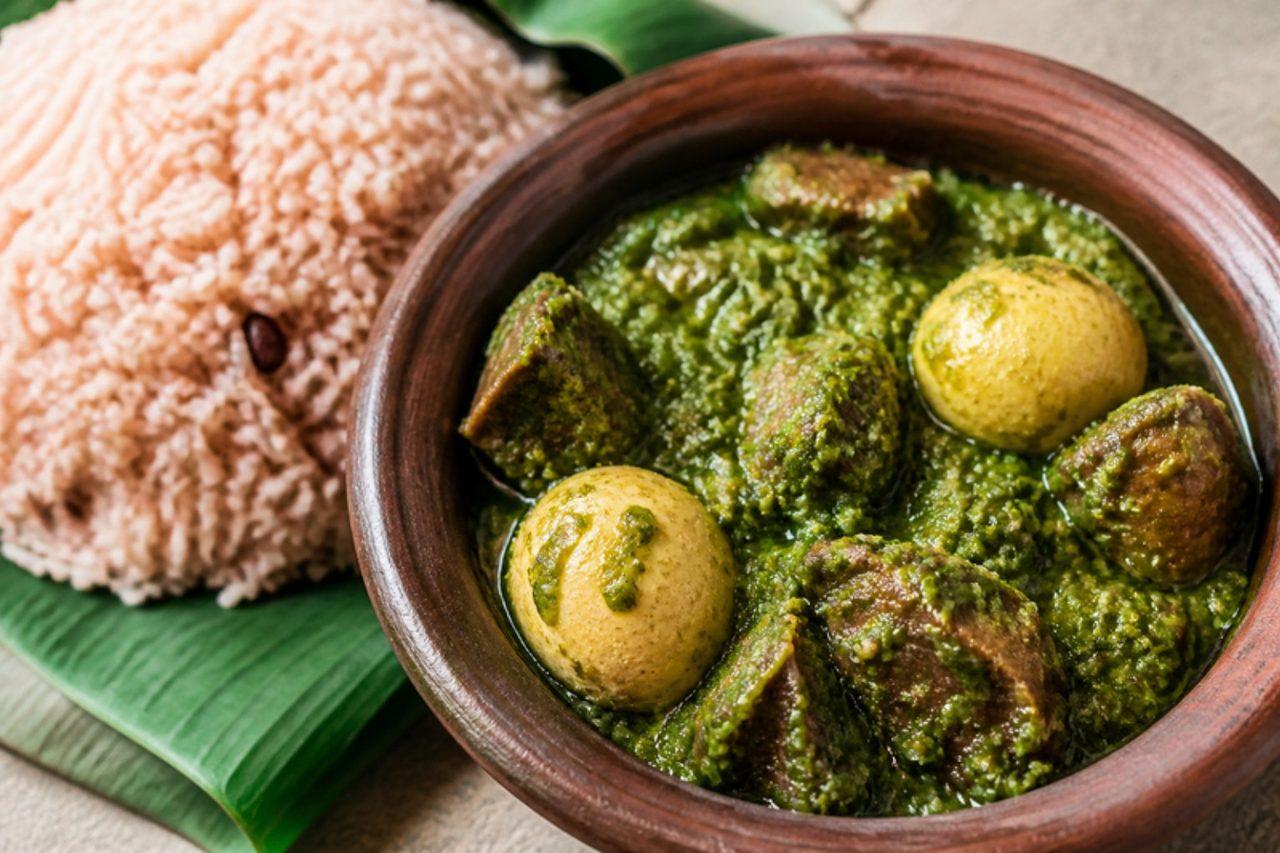
Ofada rice, the short, fragrant local rice from Ogun State, is almost always served in Lagos with ayamase, a stew so green and so hot it is sometimes called designer stew. Green bell peppers and green scotch bonnets are blended coarse, dried out in the pot, then fried in palm oil that has been bleached clear, with plenty of iru for a deep, funky savouriness. Assorted meat (beef, tripe and cow skin) and boiled eggs are folded in. Watery pepper is the mistake that makes it taste sour and raw, so boil the blended pepper dry before it meets the oil. Chef's tip: bleaching palm oil makes heavy smoke; open the windows, keep the lid nearby and never leave the pot.

120 minNigerianMeatGluten freeSpicy
by KrazyBadal 0 views

Ampesi with garden egg stew

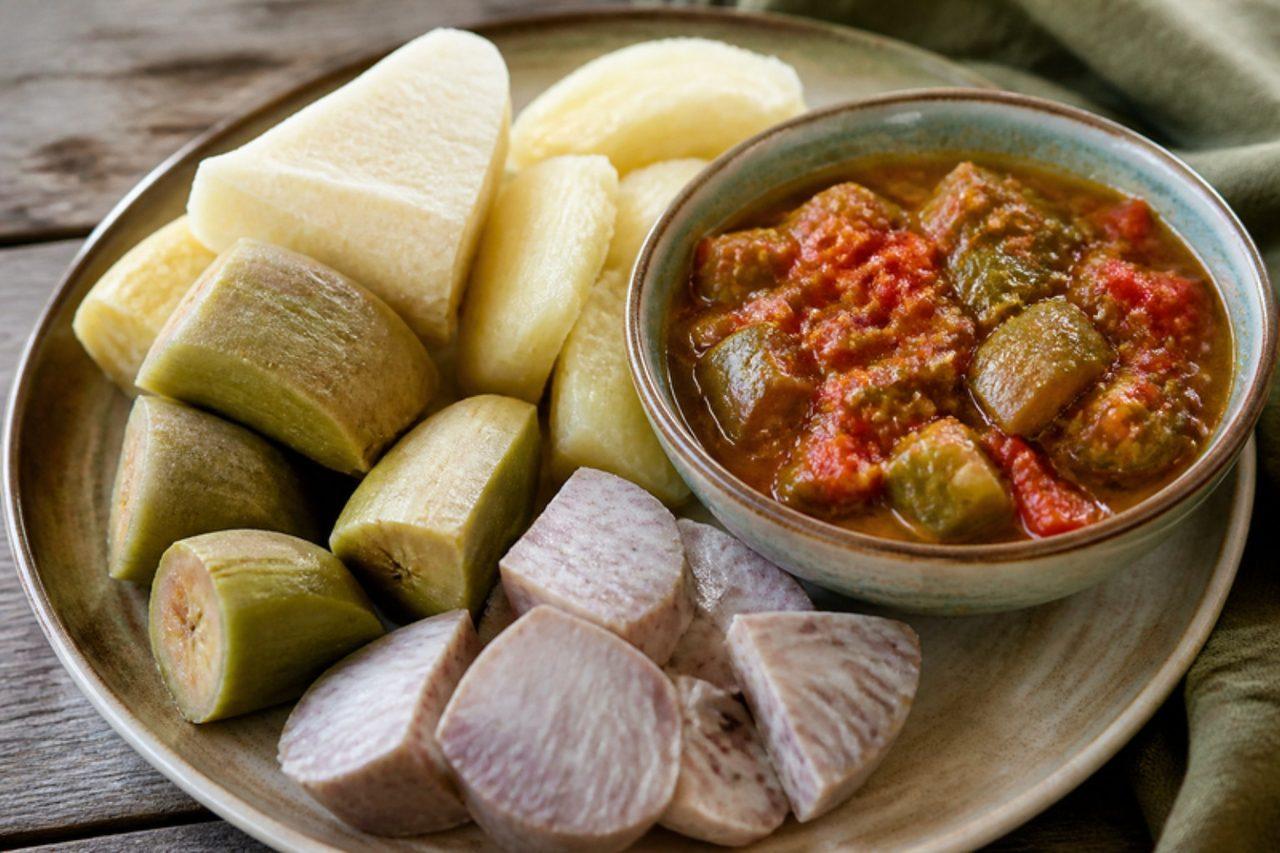
Ampesi is about as plain and honest as Ashanti food gets: slices of yam, green plantain and cocoyam boiled until tender and eaten with a stew, here one made from garden eggs, the small white or green African eggplants sold by the bowlful in Kumasi markets. They are boiled, mashed and simmered with onion, tomato and pepper into a soft, slightly bitter, savoury stew with very little oil. Ghanaian homes often add fish or egg to it; this version is fully vegan and light. Asian or Thai aubergines are a good swap if you cannot get garden eggs. Chef's tip: boil the yam, plantain and cocoyam separately or add them in stages; cooking them together from the start is the common mistake, and the yam turns to mush before the plantain is done.

by KrazyBadal 0 views

Banatage (tuna potato croquettes)

Golden, crunchy outside and soft inside, banatage are mashed-potato croquettes hiding a spoon of tuna, parsley and harissa, rolled in breadcrumbs and fried. They come out during Ramadan beside the brik and chorba, are tucked into lunchboxes and are a favourite with children all over Tunisia. Leftover mash works well, as long as it is firm. Serve them hot with lemon wedges, a salad or a dab of harissa. Chef's tip: dry the boiled potatoes in the hot pan for a minute before mashing; wet, watery mash is the usual mistake and makes croquettes that split open in the oil.

by KrazyBadal 0 views

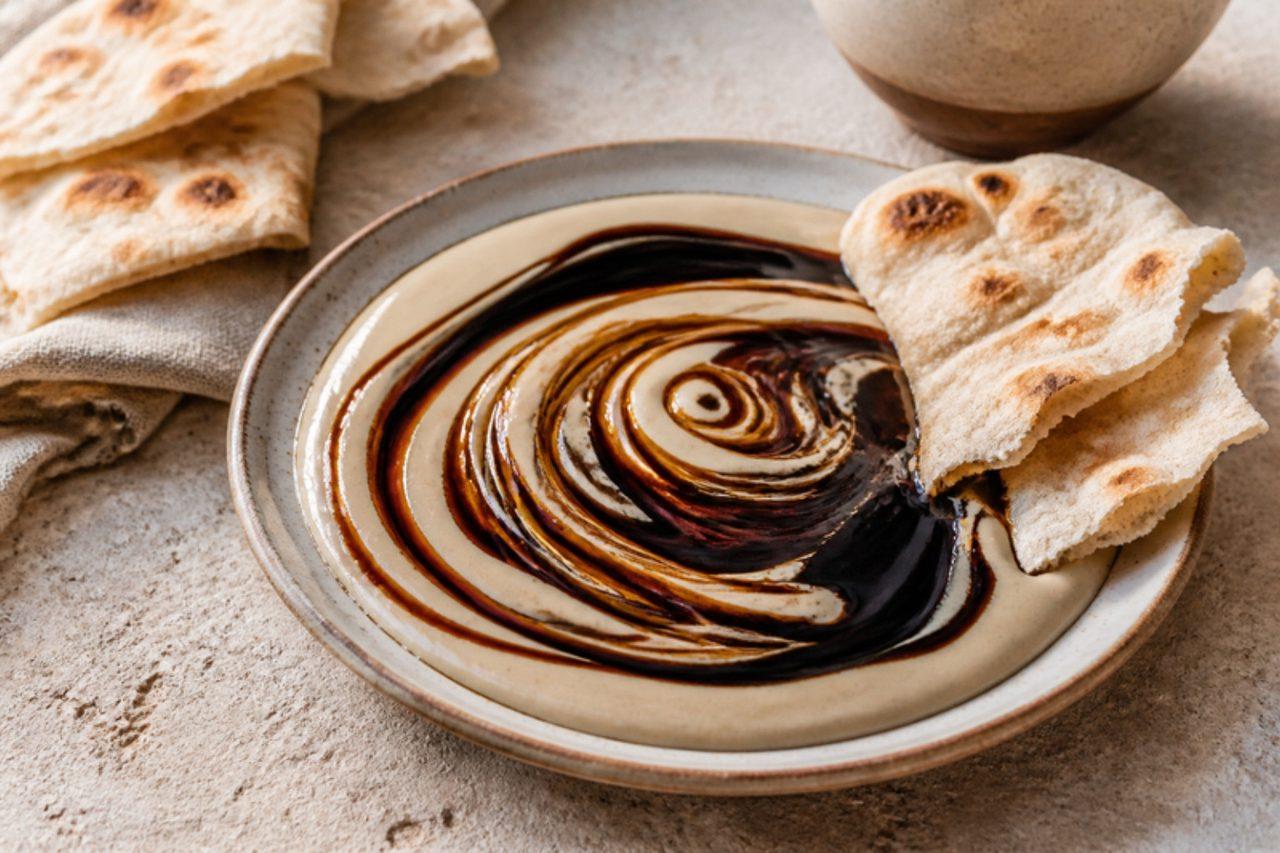
Molasses with tahini

Upper Egypt grows the country's sugarcane, and its dark molasses, asal eswed or black honey, has found its way onto breakfast and supper tables from Aswan to Alexandria. Spooned over tahini and swirled together, it becomes a glossy, bittersweet, nutty dip that children love and grown-ups eat after a light evening meal, scooped up with warm aish baladi or fino. Many families eat it in winter, when they want something warming and filling. A frequent slip is stirring the molasses and tahini together completely; leave them swirled so each bite gets both. Chef's tip: stir the tahini jar thoroughly first; the thick paste at the bottom and the oil on top must be mixed, or the dip comes out stiff and dry.

by KrazyBadal 0 views

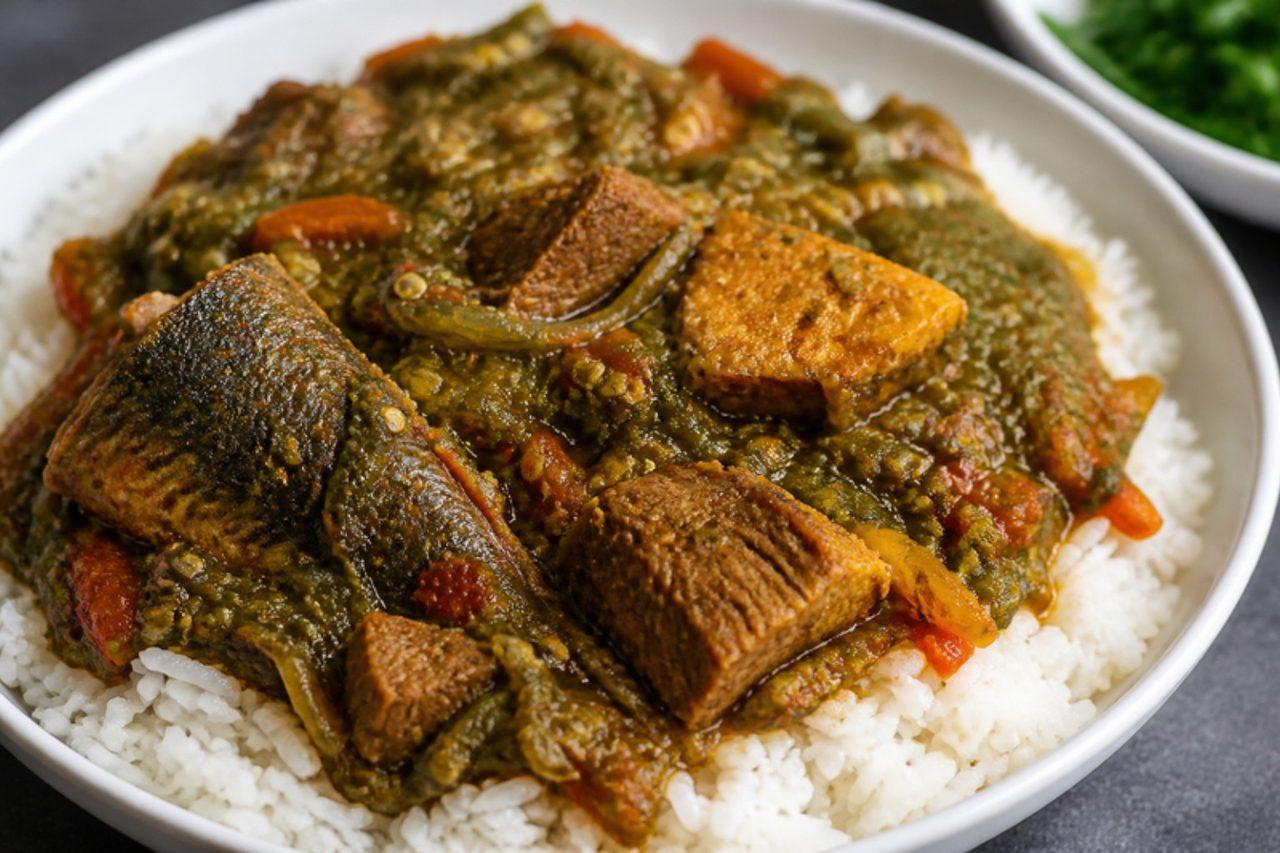
Superkanja (Gambian okra stew)

Superkanja is one of The Gambia's best-loved stews, cooked in compounds from Banjul to the river villages and always served with plain white rice. Okra is simmered and beaten into a thick, glossy stew with red palm oil, beef, fish and nététou, the pungent fermented locust beans that give West African cooking its deep savoury base. Smoked or dried fish adds smokiness, Scotch bonnets bring the heat, and the whole thing is slippery, rich and earthy. If you cannot find nététou, iru or dawadawa from African shops do the same job. Chef's tip: beat the okra vigorously with a wooden spoon for the last few minutes of cooking; that beating is what turns it into the smooth, cohesive kanja rather than a loose soup.

by KrazyBadal 0 views

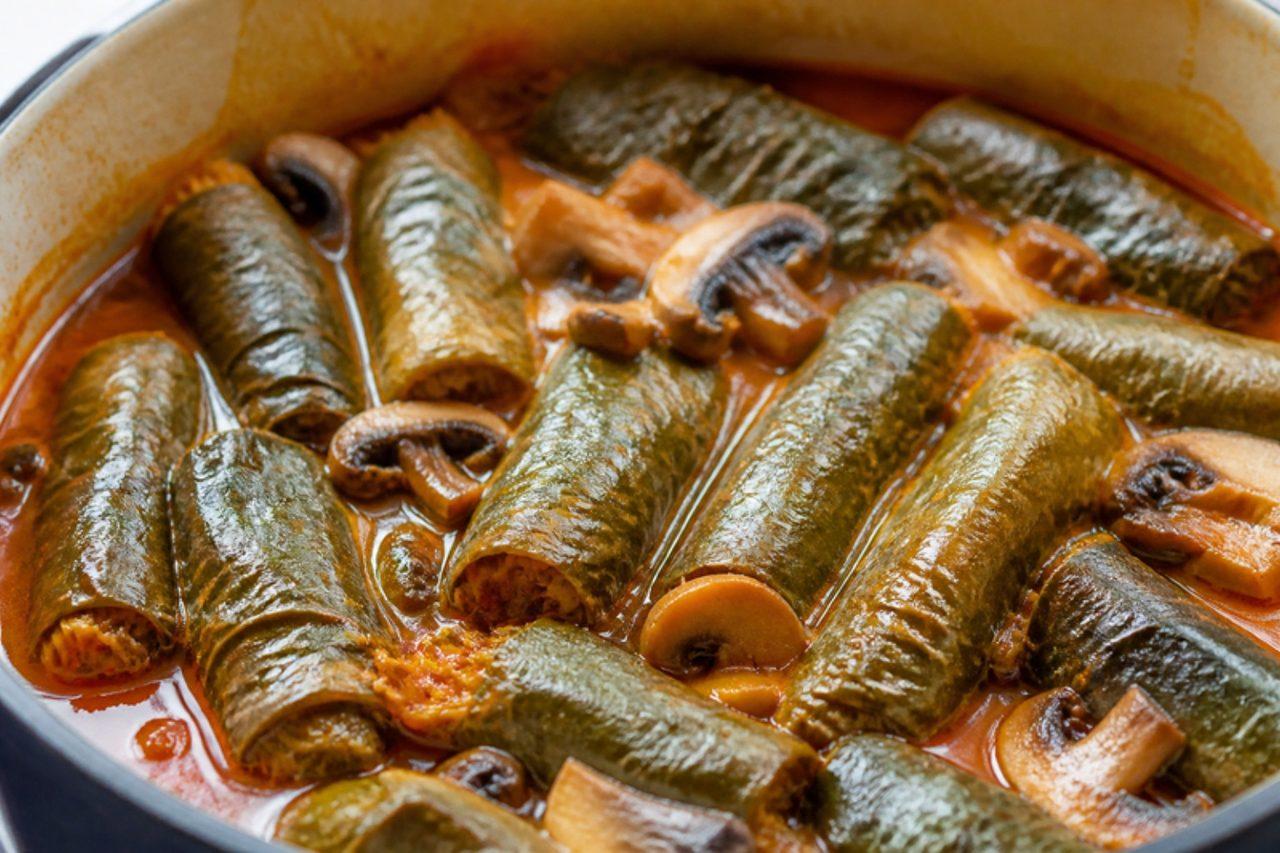
Ekwang with mushrooms

Rolling ekwang is a job for many hands: in the Southwest and around Douala, relatives sit together grating cocoyam and tucking it into leaves for a festive Sunday or a homecoming. The little green cigars are packed into a pot, drenched in red palm oil and left to simmer until the grated tuber binds into soft, almost creamy rolls in a rich, glossy sauce. Smoked fish and crayfish are the usual partners; this meat-free version gets its depth from fresh and dried mushrooms and a pinch of smoked paprika, so it suits vegetarian and vegan guests alike. Serve it on its own, scooping up the sauce, or with boiled plantain. Chef's tip: grate the cocoyam on the finest holes, almost to a purée, so the rolls hold together; coarse shreds stay separate and the pot turns grainy.

by KrazyBadal 0 views

KletskoppenLacy almond biscuits

Kletskoppen are the lacy, crackly biscuits of Bruges, sold in the old city's bakeries and served with coffee in the cafés around the Markt: brown sugar, butter and chopped almonds with very little flour (this version uses none), baked until they spread into thin, see-through, toffee-flavoured lace. A common mistake is putting them too close on the tray; they spread enormously and join up. Chef's tip: let them cool for a minute on the tray before lifting, and drape them over a rolling pin while still warm if you want curved tuiles.

by KrazyBadal 0 views

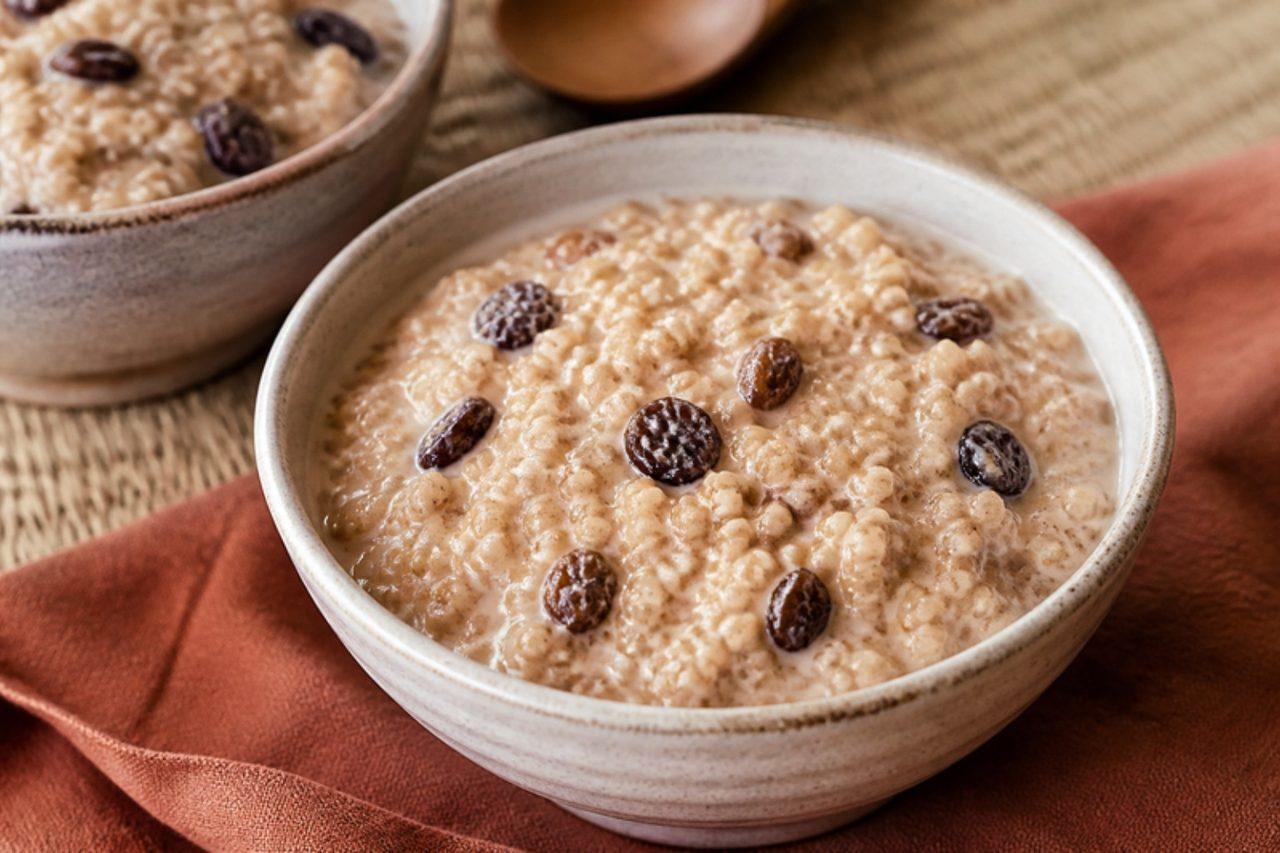
Ngalakh (millet in baobab-peanut cream)

Every Easter, Christian families in Dakar, Thiès and Ziguinchor make big pots of ngalakh and carry bowls of it to Muslim neighbours and friends, a gesture of sharing that many Senegalese treasure. Steamed millet pellets are folded into a thick, tangy cream of baobab pulp and peanut butter, scented with vanilla, orange flower water and nutmeg, and sometimes studded with raisins. It is served chilled, sweet and nutty with a citrus-like sourness from the baobab, and it keeps well for a couple of days. No dairy is used, so it is vegan. Chef's tip: use plain peanut butter with no added sugar or palm oil, and let the dessert rest in the fridge for a few hours, because the flavours only come together once the millet has drunk up some of the cream.

by KrazyBadal 0 views

Rouz jerbi (Djerban steamed rice)

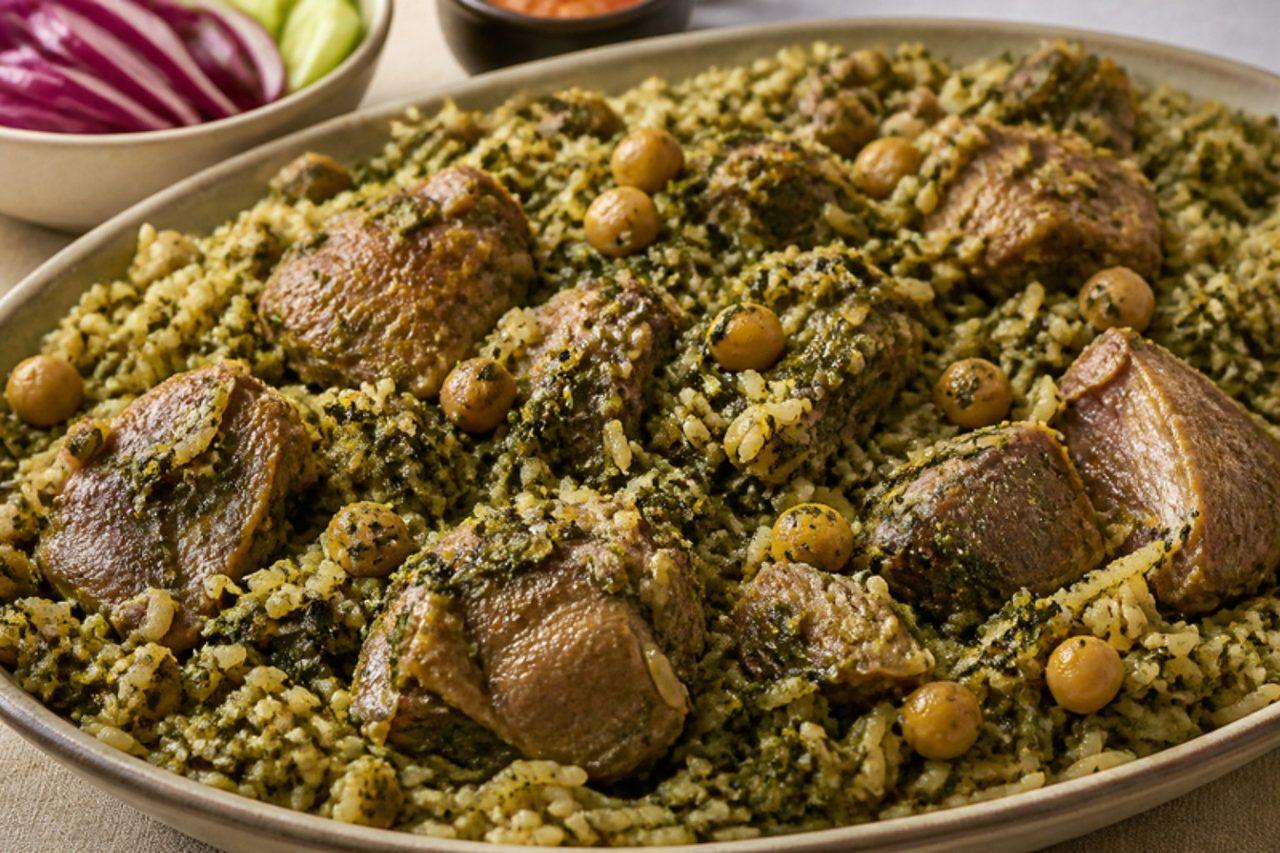
Djerba islanders cook rice the way the rest of Tunisia cooks couscous, in the top of a couscoussier: raw rice is mixed with small pieces of lamb, chopped spinach, a mound of herbs, chickpeas, tomato paste, harissa and spices, then steamed over boiling water until every grain is tender and stained red-gold. Rouz jerbi is a Friday and family-gathering dish on the island, served from one large platter. The rice stays separate and fluffy, the greens melt in, and the lamb picks up the scent of mint and tabil. Chef's tip: stir the rice from the bottom every 20 minutes; leaving it untouched is a common mistake, as the bottom turns soggy while the top stays hard.

by KrazyBadal 0 views

Chorbet hout (Sfax fish soup)

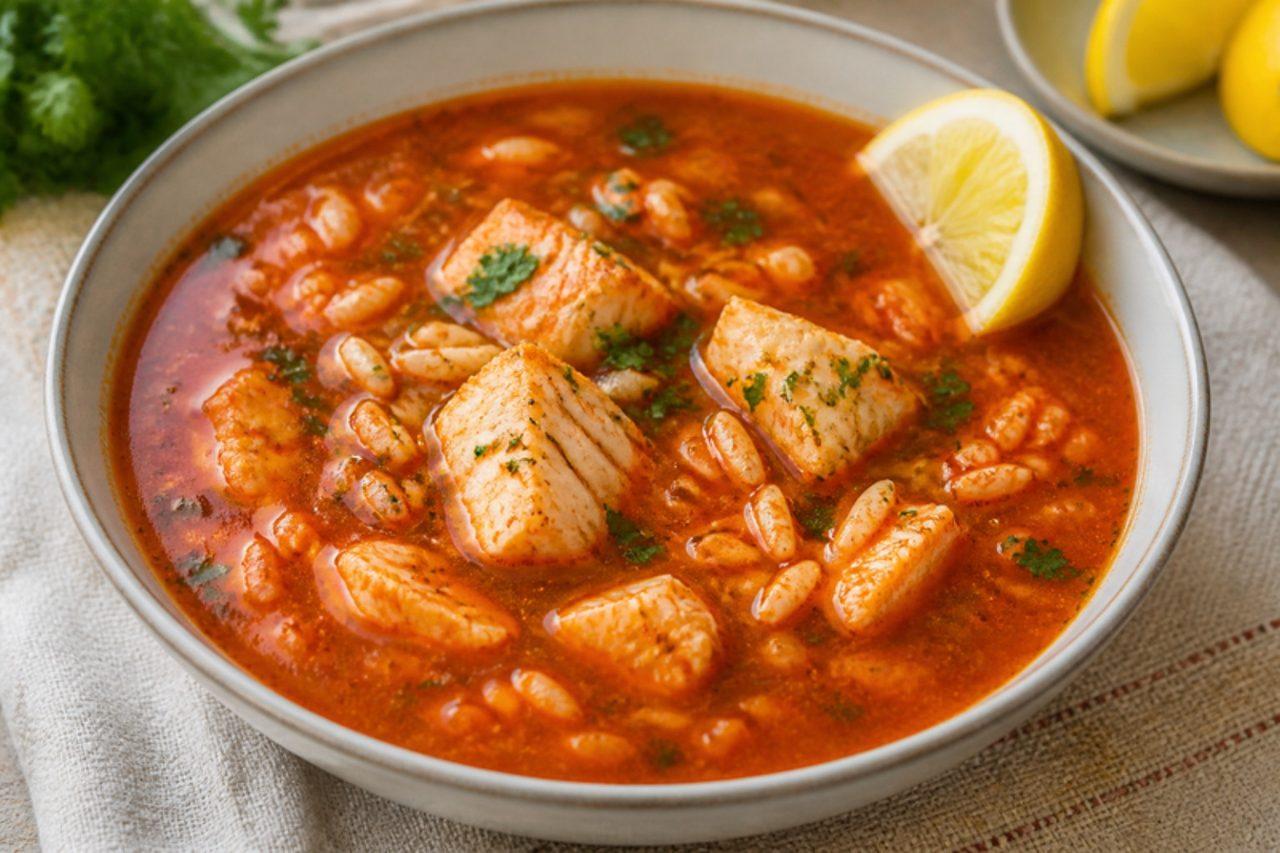
Along the coast around Sfax, a bowl of chorbet hout often opens the meal at Ramadan iftar, after dates and water: a red, peppery broth of tomato, harissa and caraway, thick with tiny bird's-tongue pasta and flakes of white fish, finished with a squeeze of lemon. Grouper, sea bream or mullet are the local choices, and any firm white fish works. The soup is warming and spicy with a fresh lift from parsley and celery, and goes well with bread and a brik. Chef's tip: poach the fish briefly, lift it out and only return the flakes at the end; leaving it to boil with the pasta is the common mistake, and it breaks into threads.

by KrazyBadal 0 views

Showing 18 of 7,762 recipes

Show more recipes

Page 198 of 863