


Skip to content
Escudella i carn d'olla
Featured recipe

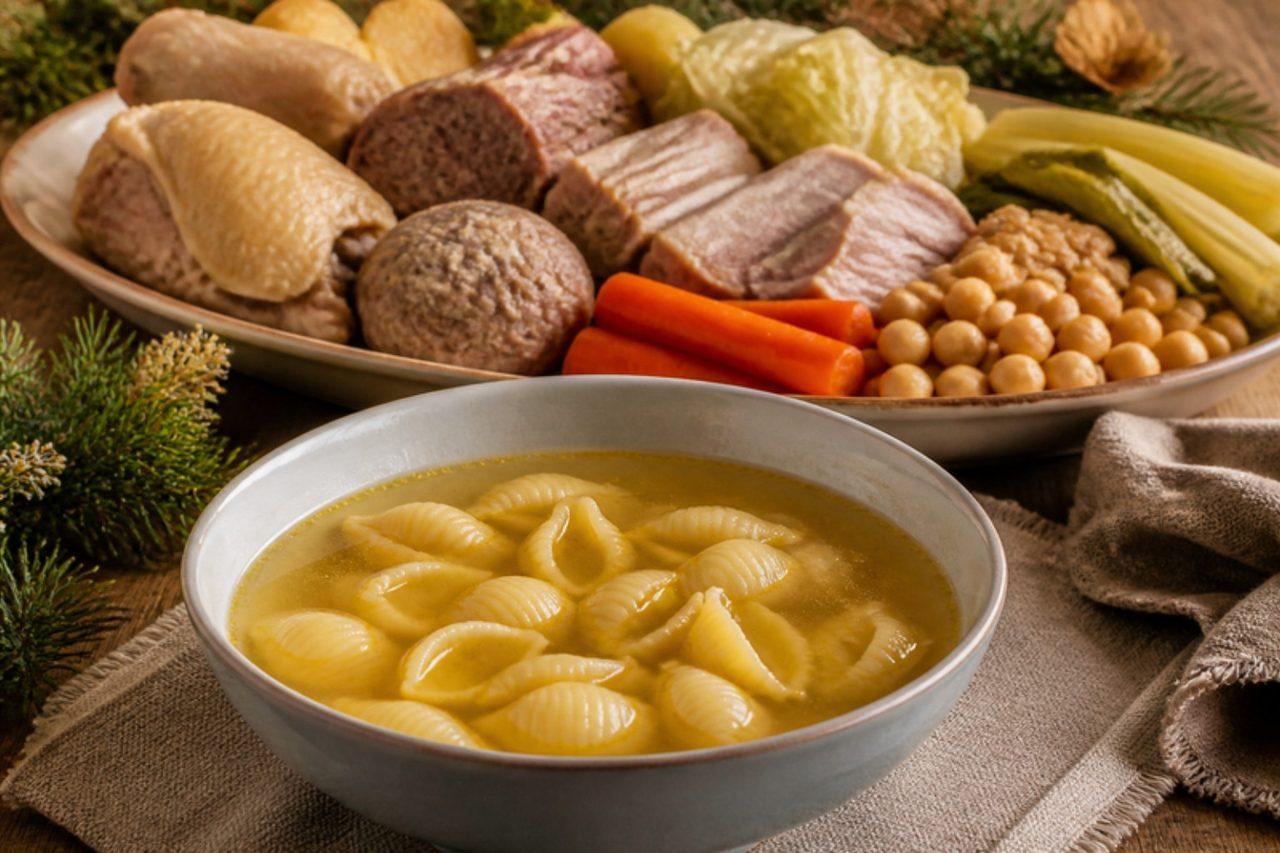
Escudella i carn d'olla

Christmas soup with giant pasta

This contains pork (pork belly and pork mince). On Christmas Day, Catalan families sit down to escudella i carn d'olla, served in two courses: first the broth with giant snail-shaped galets pasta, then the carn d'olla, a platter of the meats, chickpeas and vegetables that made it, including the pilota, a large herby meatball. The pot simmers for hours, and the leftovers become the next day's canelons. Chef's tip: start the meats in cold water and skim patiently as it comes to the boil; it is the only way to a clear, golden broth.

Read more 1 views

What to eat today?

Around the world

Today's trip: Paraguayan

A new country every day, from every cuisine on the site.

Paraguayan

Buñuelos de algas

Sea lettuce fritters 35 minMore from Paraguayan (27) →

This week's collection

Kid-friendly dinners
537 recipes · a new collection every Monday

Latest recipes

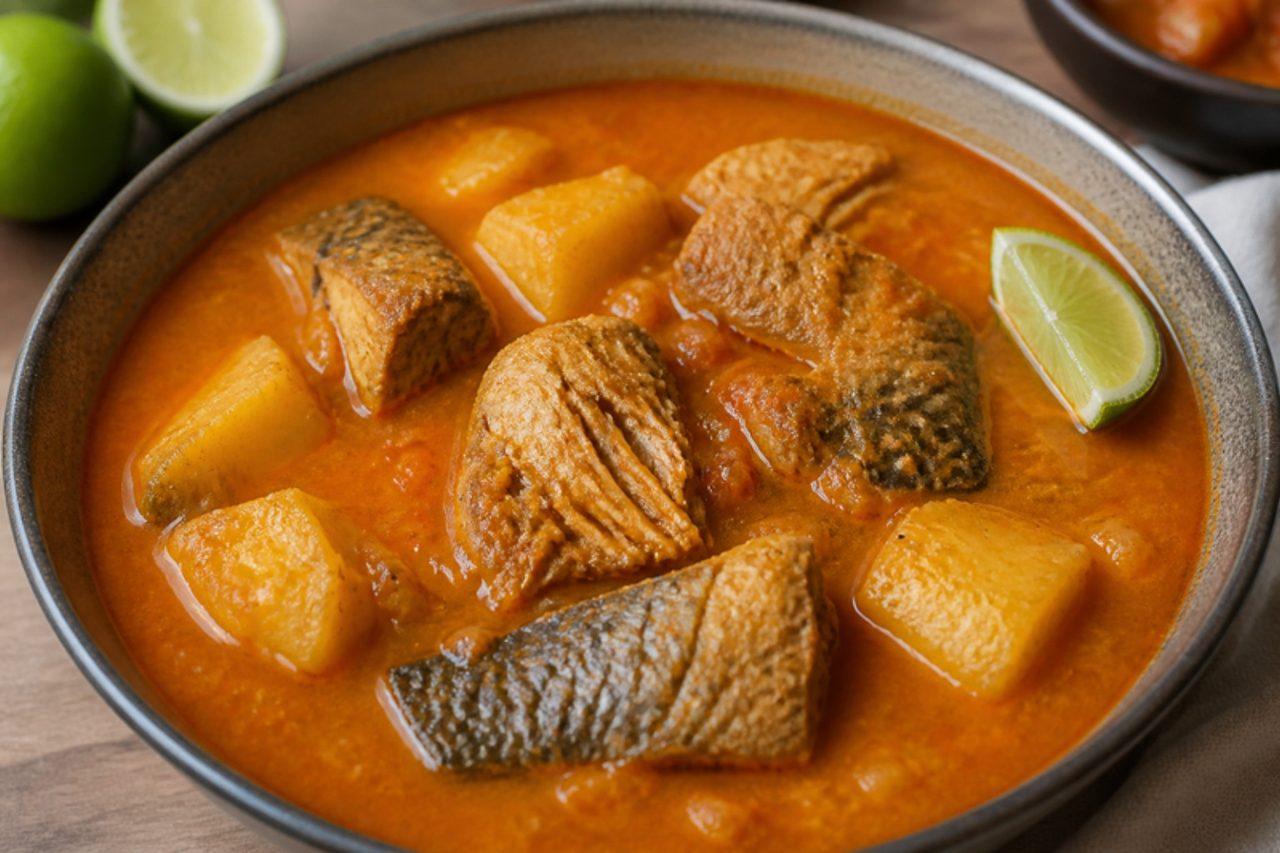
Ebbeh (Gambian cassava and fish soup)

Bowls of ebbeh are a favourite late-afternoon snack and supper at Gambian markets and beach stalls, sold steaming from big pots. Cassava is boiled until it breaks down and thickens the broth, then fish, red palm oil, onion and plenty of chilli go in, and the soup is finished with a sharp squeeze of lime. It is thick and starchy, hot, sour and savoury all at once, with soft chunks of cassava and flaky fish. Some cooks add crab or a little smoked fish; this version uses fresh fish with smoked fish for depth. Avoid stirring hard once the fish goes in, or it breaks into shreds. Chef's tip: cook the cassava until some of it collapses before adding the fish, because the cassava itself is the thickener; undercooked cassava gives a thin soup and is unsafe to eat.

by KrazyBadal 0 views

Rouz jerbi (Djerban steamed rice)

Djerba islanders cook rice the way the rest of Tunisia cooks couscous, in the top of a couscoussier: raw rice is mixed with small pieces of lamb, chopped spinach, a mound of herbs, chickpeas, tomato paste, harissa and spices, then steamed over boiling water until every grain is tender and stained red-gold. Rouz jerbi is a Friday and family-gathering dish on the island, served from one large platter. The rice stays separate and fluffy, the greens melt in, and the lamb picks up the scent of mint and tabil. Chef's tip: stir the rice from the bottom every 20 minutes; leaving it untouched is a common mistake, as the bottom turns soggy while the top stays hard.

by KrazyBadal 0 views

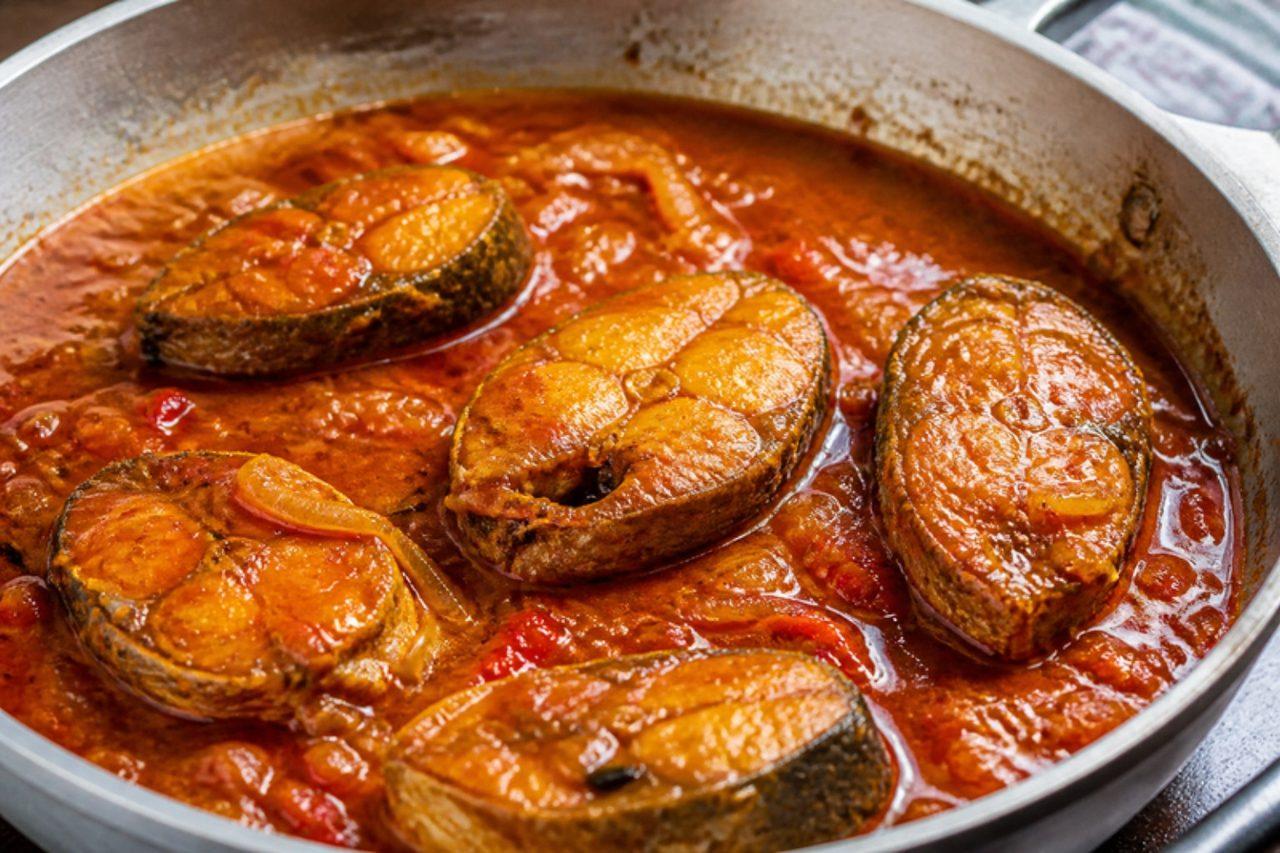
Fante fante (Fante fresh fish stew)

Fishing towns such as Elmina and Winneba cook fante fante when the canoes come in: fresh fish laid into a fragrant red sauce of palm oil, onion, tomato and pepper and gently simmered until just cooked. It is quick, bright and spicy, with the palm oil giving the sauce its colour and a slightly floral, earthy note, and the fish staying sweet and juicy. Serve it with kenkey, banku or boiled plantain, and plenty of sauce. Any firm white fish or oily fish steaks work, from red snapper to mackerel. Chef's tip: once the fish is in, shake the pan rather than stirring; stirring is the usual mistake and breaks the fish into shreds.

by KrazyBadal 0 views

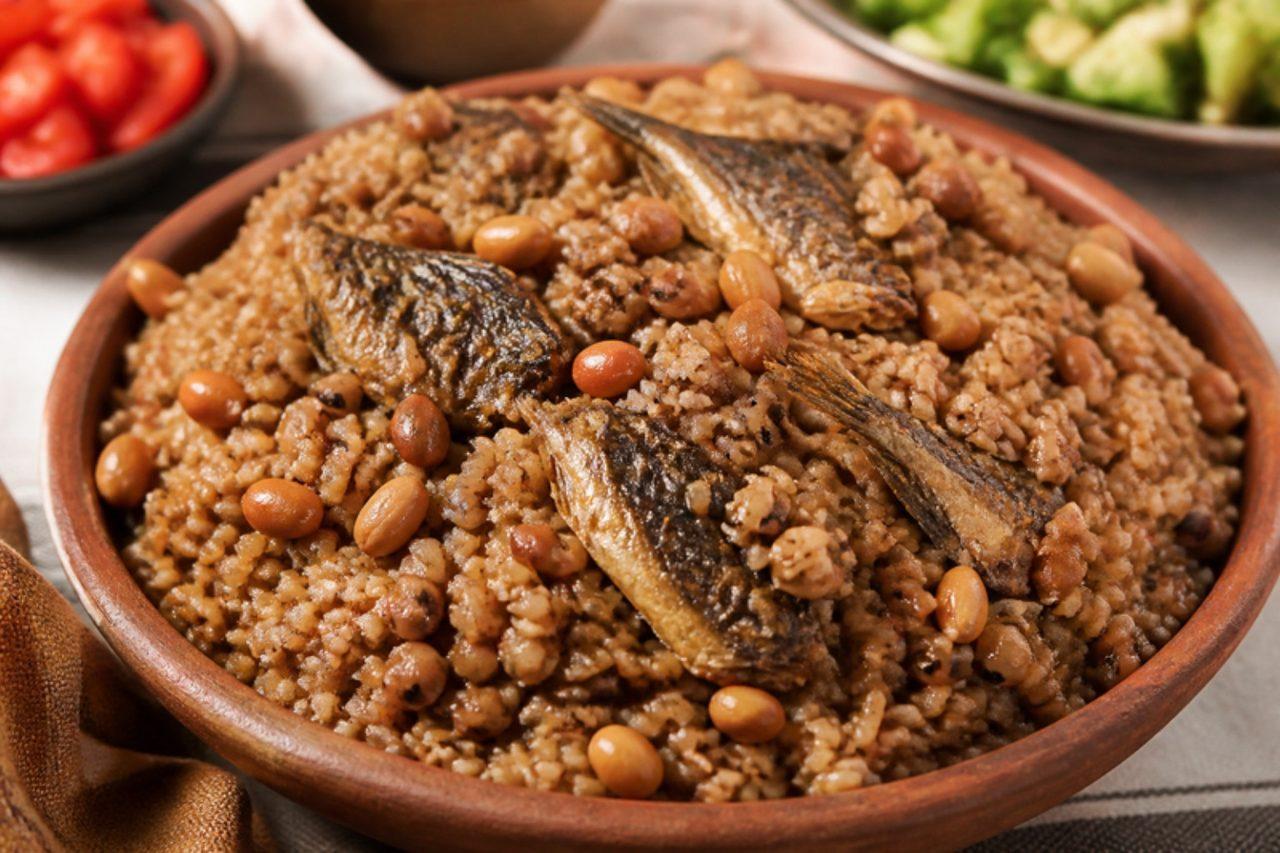
Mbakhal (Saloum rice with peanuts and dried fish)

Mbakhal belongs to the Saloum, the peanut country around Kaolack and the Sine-Saloum delta, where it is cooked for gatherings and the Muslim feast days. Rice is simmered until soft and almost porridge-like in a sauce of ground peanuts, tomato and onion, together with black-eyed beans and guedj, the sun-dried, salted fish of the Senegalese coast. The flavour is deep and savoury, the texture creamy with bursts of bean and chewy flakes of fish. Salt cod or smoked fish are fair substitutes for guedj. Chef's tip: soak and taste the dried fish before you season, and add salt only at the end; over-salting is the most common mistake with mbakhal, since guedj and stock both carry plenty.

by KrazyBadal 0 views

Dakhine (rice with peanut sauce and lamb)

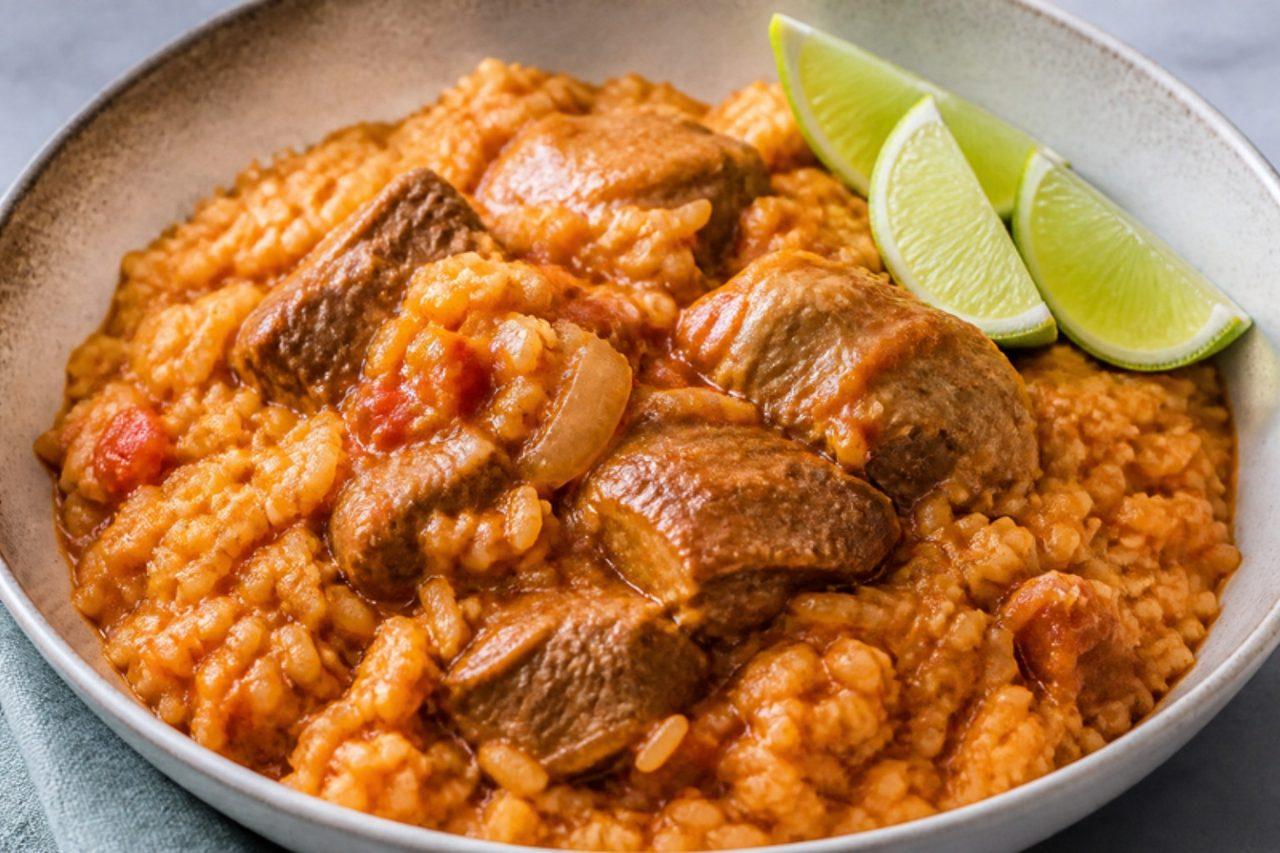
Somewhere between mafé and a risotto, dakhine is everyday Dakar comfort food: lamb or beef simmered in a peanut and tomato sauce, with the rice cooked right in the same pot until it soaks up all that nutty, savoury flavour. The result is thick, rich and very filling, the meat falling apart into the rice and a gentle heat from a whole Scotch bonnet. It is eaten from a shared bowl at lunchtime, with a squeeze of lime or a little chilli sauce on the side. Chef's tip: make sure the lamb is completely tender before the rice goes in, because the rice sets the timetable after that; adding it too early is the common mistake that leaves tough meat in mushy rice.

by KrazyBadal 0 views

Muufo (Somali maize flatbread)

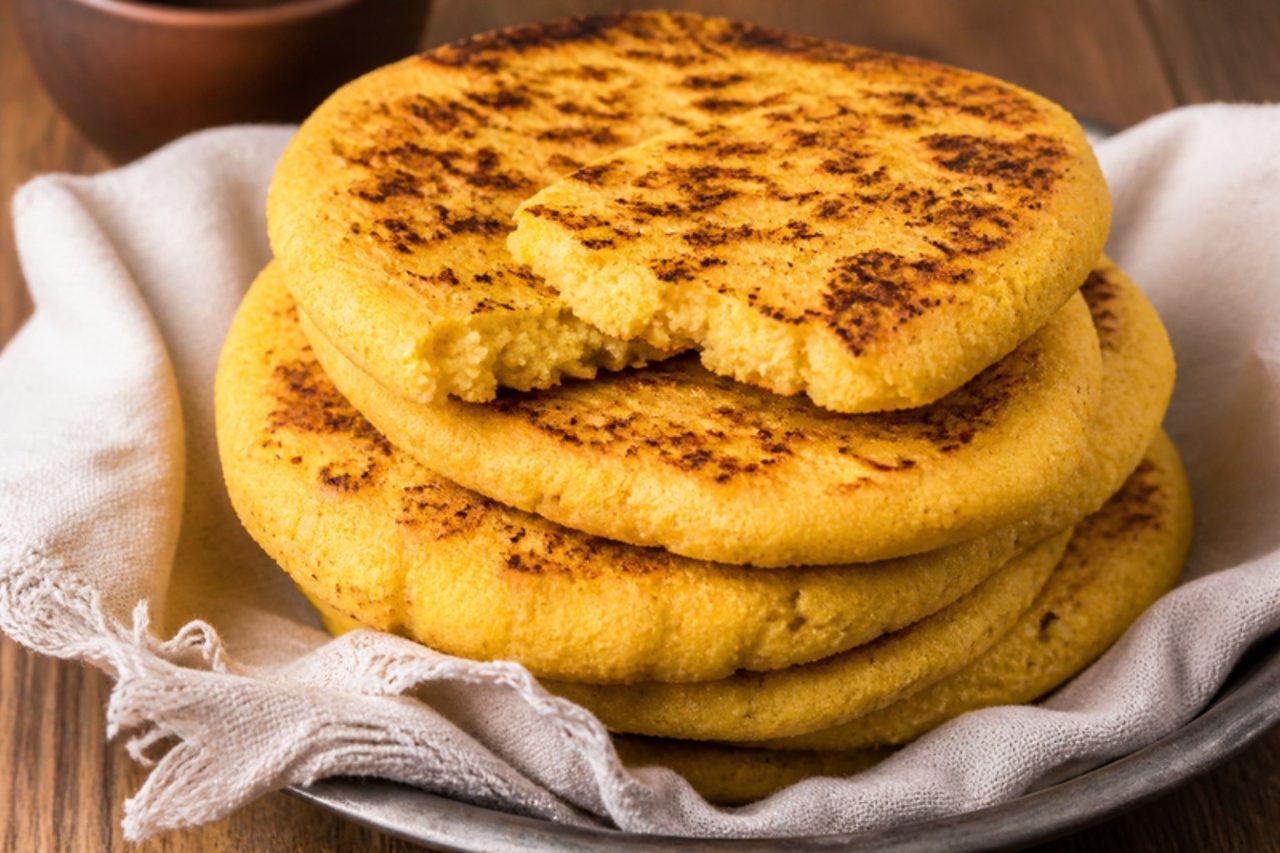
Along the southern Somali coast and in the farming areas of the Shabelle valley, muufo is baked by pressing rounds of maize dough against the hot inner wall of a clay oven, where they puff and char in minutes. The bread is thick, a little sweet from the corn and slightly tangy, and its dimpled surface is perfect for soaking up digir, maraq or a drizzle of sesame oil and sugar at breakfast. At home a heavy pan and a very hot grill do a good job. Most cooks mix maize flour with some wheat flour so the dough holds together; this version uses yeast and oil, so it is vegan. The usual mistake is an oven or pan that is not hot enough, which gives a pale, dense bread; let the pan heat for a full 5 minutes. Chef's tip: wet your hands when shaping, as the sticky dough is far easier to pat out.

by KrazyBadal 0 views

IshlekliMinced meat pie

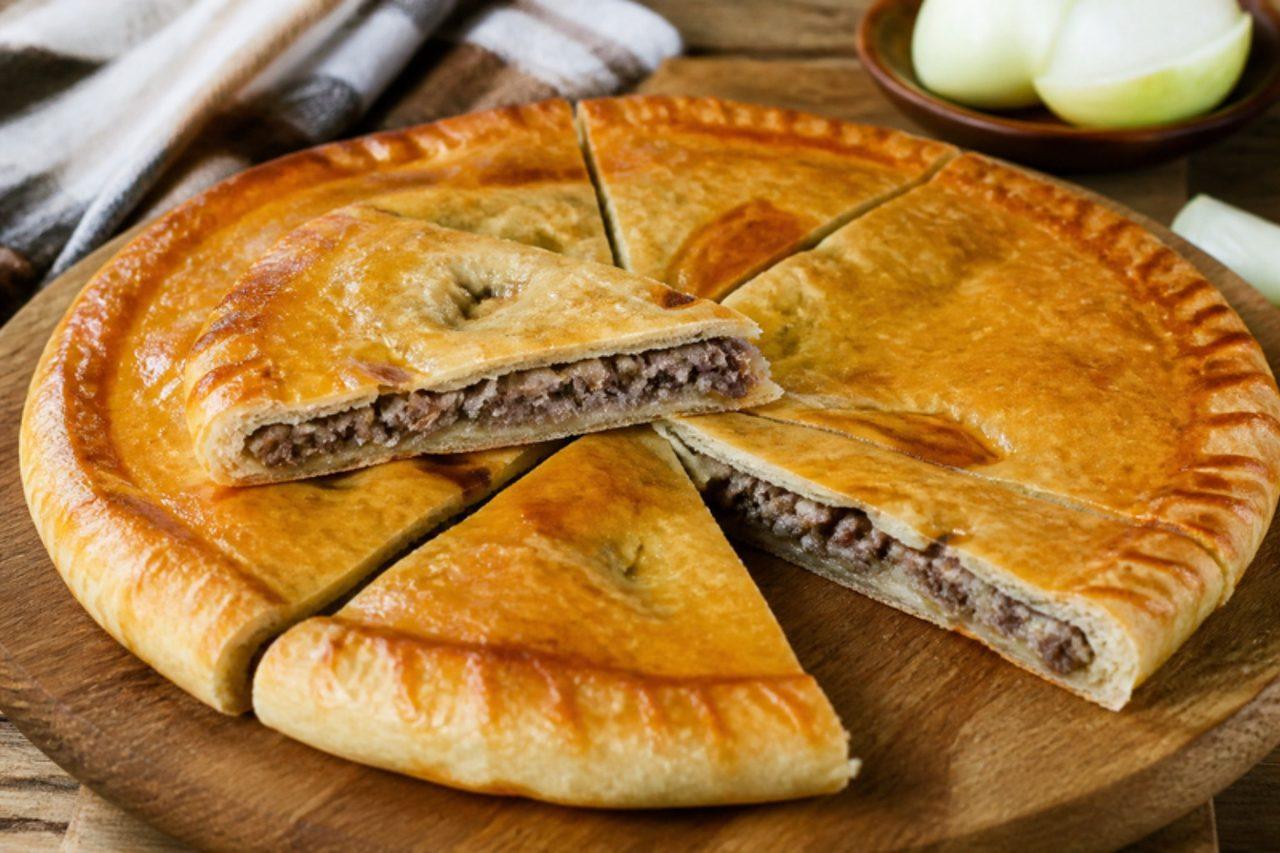
Ishlekli is the shepherds' pie of the Karakum desert: a large round of dough filled with chopped lamb and onion, sealed, and buried in sand heated by a fire, so it bakes slowly into a thick, golden crust filled with juicy meat. Turkmen families still make it on camping trips and at holidays in the countryside around Ashgabat. This version bakes it in a hot oven on a preheated tray. A common mistake is using lean meat, which makes the filling dry; the lamb fat bastes the inside as it bakes. Chef's tip: chop the lamb by hand rather than mincing it; small chunks stay juicy and give the pie its rustic texture. The filling should reach 71 °C.

100 minTurkmenMeat
by KrazyBadal 0 views

Chorbet hout (Sfax fish soup)

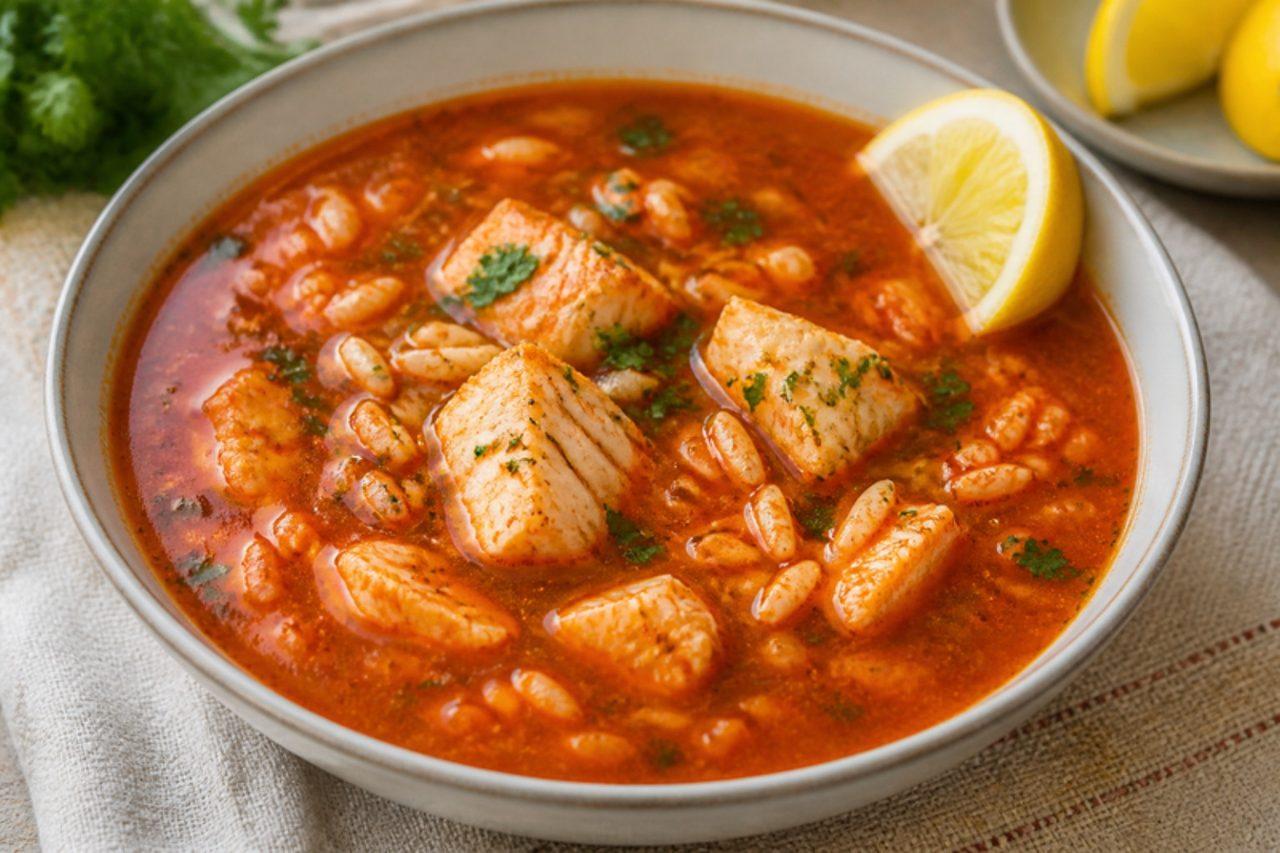
Along the coast around Sfax, a bowl of chorbet hout often opens the meal at Ramadan iftar, after dates and water: a red, peppery broth of tomato, harissa and caraway, thick with tiny bird's-tongue pasta and flakes of white fish, finished with a squeeze of lemon. Grouper, sea bream or mullet are the local choices, and any firm white fish works. The soup is warming and spicy with a fresh lift from parsley and celery, and goes well with bread and a brik. Chef's tip: poach the fish briefly, lift it out and only return the flakes at the end; leaving it to boil with the pasta is the common mistake, and it breaks into threads.

by KrazyBadal 0 views

Lafidi (Guinean rice with lamb and peanut sauce)

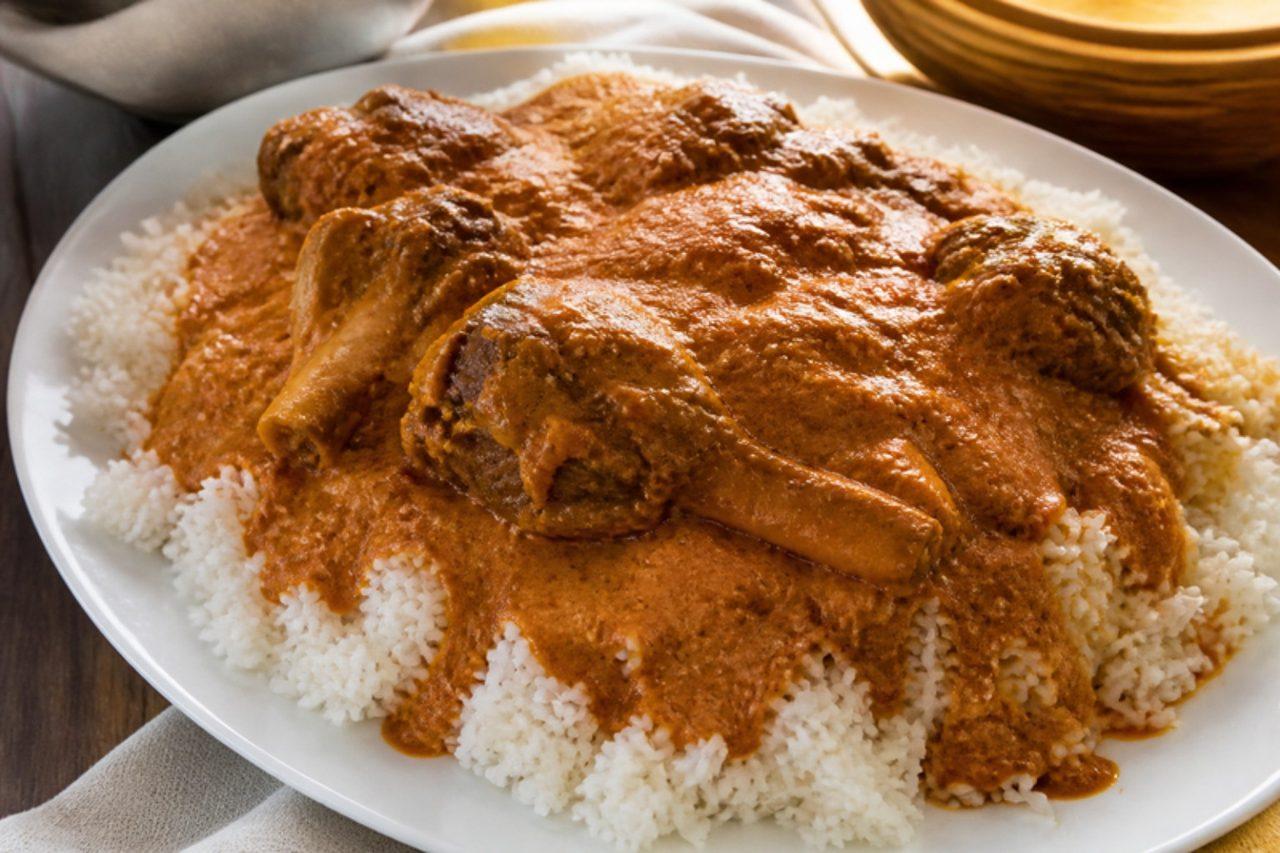
High in the green hills of the Fouta Djallon in Guinea, Fula (Peul) families prepare lafidi for feast days and for guests: a mound of white rice topped with tender lamb and a generous peanut sauce, served on a shared platter. Some households make it with a leaf sauce of cassava or sweet potato leaves instead; this version uses the peanut sauce, which is smooth, nutty and lightly tangy from tomato, with a steady warmth of chilli. The lamb is simmered slowly in the sauce, so it is soft enough to pull apart with your fingers. Chef's tip: simmer the peanut sauce uncovered and stir it from the bottom often; peanut sauces catch and burn easily, and a scorched taste runs through the whole pot.

100 minAfricanMeatGluten free
by KrazyBadal 0 views

Osban (Tunisian stuffed lamb sausages)

Eid al-Adha in Tunisia means using every part of the sheep, and osban is how the tripe is honoured: cleaned pieces are sewn into pouches and packed with rice, chopped liver and lamb, chard, a big bunch of parsley and coriander, dried mint and harissa, then simmered in a red chickpea sauce and served over couscous. Families all over the country, from Tunis to the south, make a batch and freeze some for later. The filling cooks into a soft, herby, peppery sausage and the tripe turns tender. Buy tripe that the butcher has already cleaned and scalded, or use natural sausage casings for an easier version. Chef's tip: fill the pouches only two-thirds full and prick them with a needle; the rice swells as it cooks, and overstuffed osban burst, which is the most common mistake.

180 minTunisianMeat
by KrazyBadal 0 views

Wagasi in tomato sauce

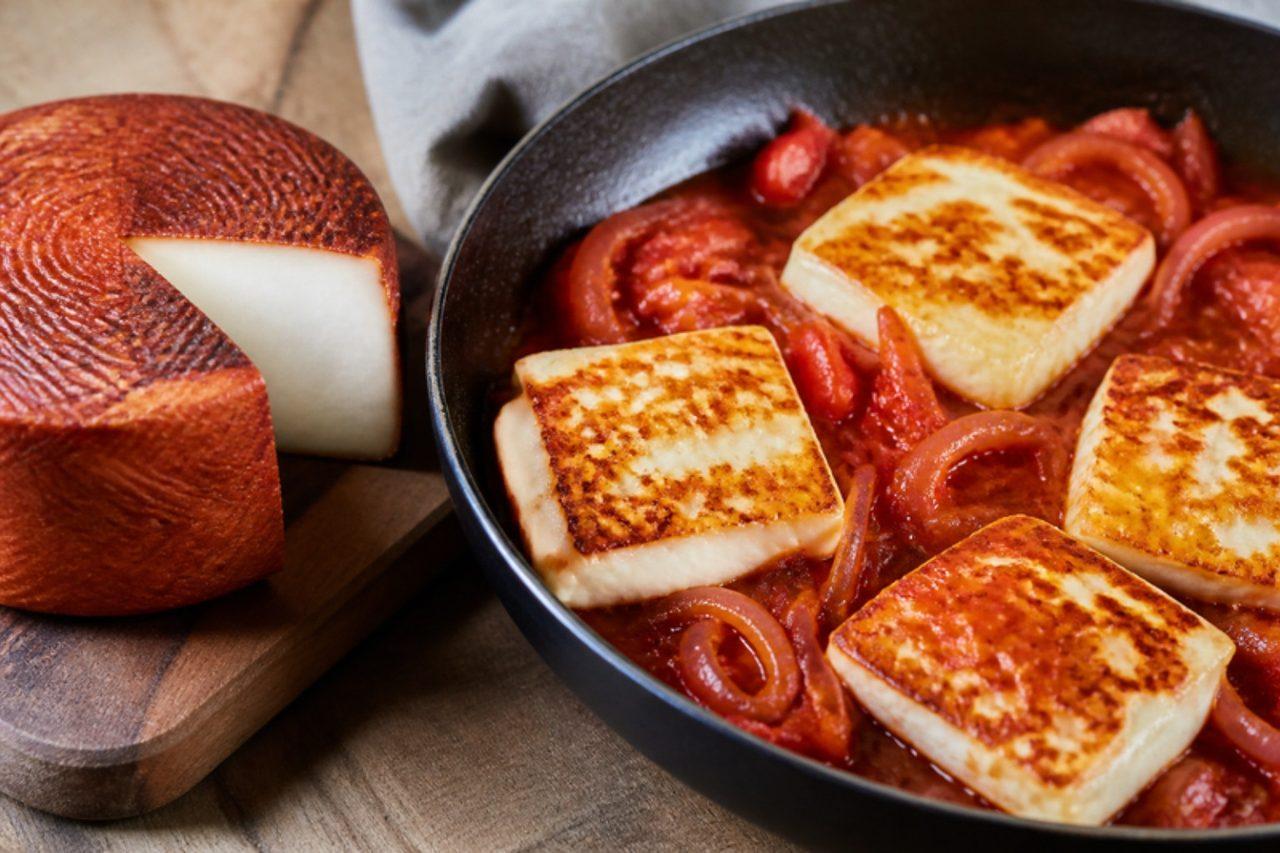
In the Borgou and Alibori country of northern Benin, Fulani women carry wagasi to market in basins: small, springy rounds of fresh cheese, often with a red rind coloured by sorghum leaves. Sliced, fried golden and simmered in tomato and pepper sauce, it is sold across Benin and eaten with rice, akassa or bread. Herders traditionally set the milk with sap from the Calotropis shrub; that sap is toxic, so never use it at home. This version sets pasteurised whole milk with vegetarian rennet, giving the same mild, squeaky, slightly chewy cheese; bought wagasi, or paneer as a vegetarian stand-in, lets you skip straight to the frying. Chef's tip: let the slices sit undisturbed in the hot oil until a crust forms; moved too soon, fresh cheese sticks and tears.

by KrazyBadal 0 views

Key sir alicha (mild beetroot and potato)

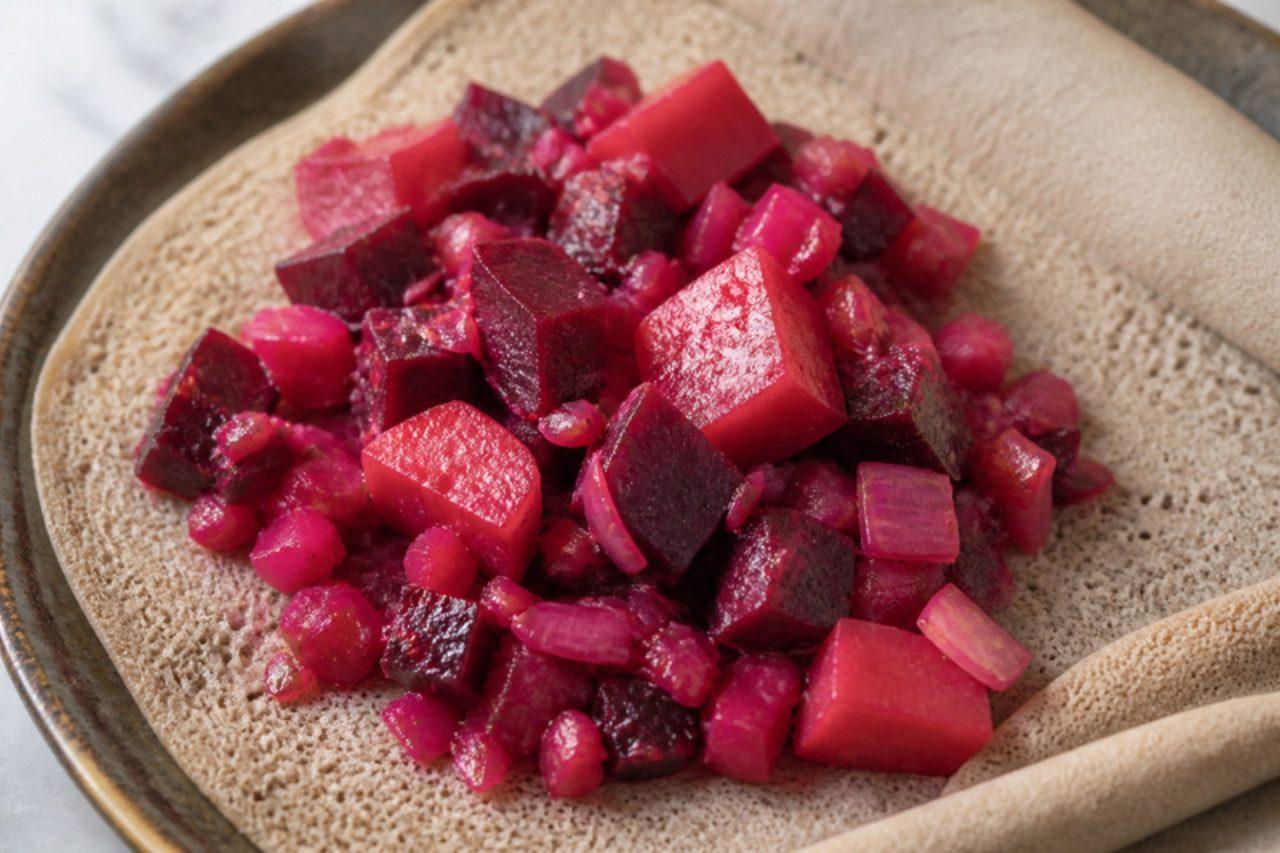
A magenta heap of key sir is the splash of colour on a beyaynetu fasting platter, served in restaurants all over Addis Ababa and at home through Lent. Being an alicha, it is mild rather than fiery: beetroot and potato cook slowly with onion, garlic, ginger and oil until tender and shiny, sweet and earthy with only a little heat from green chilli. It balances the hotter wats and cools the palate between bites of injera. A common mistake is cutting the beetroot too large, so the potato turns to mush before the beet is tender; cut the beet smaller, or give it a ten-minute head start. Chef's tip: cook it a day ahead if you can, because the flavours mellow and the potatoes take on even more colour overnight.

by KrazyBadal 0 views

Ye-kosta wat (Swiss chard and potato)

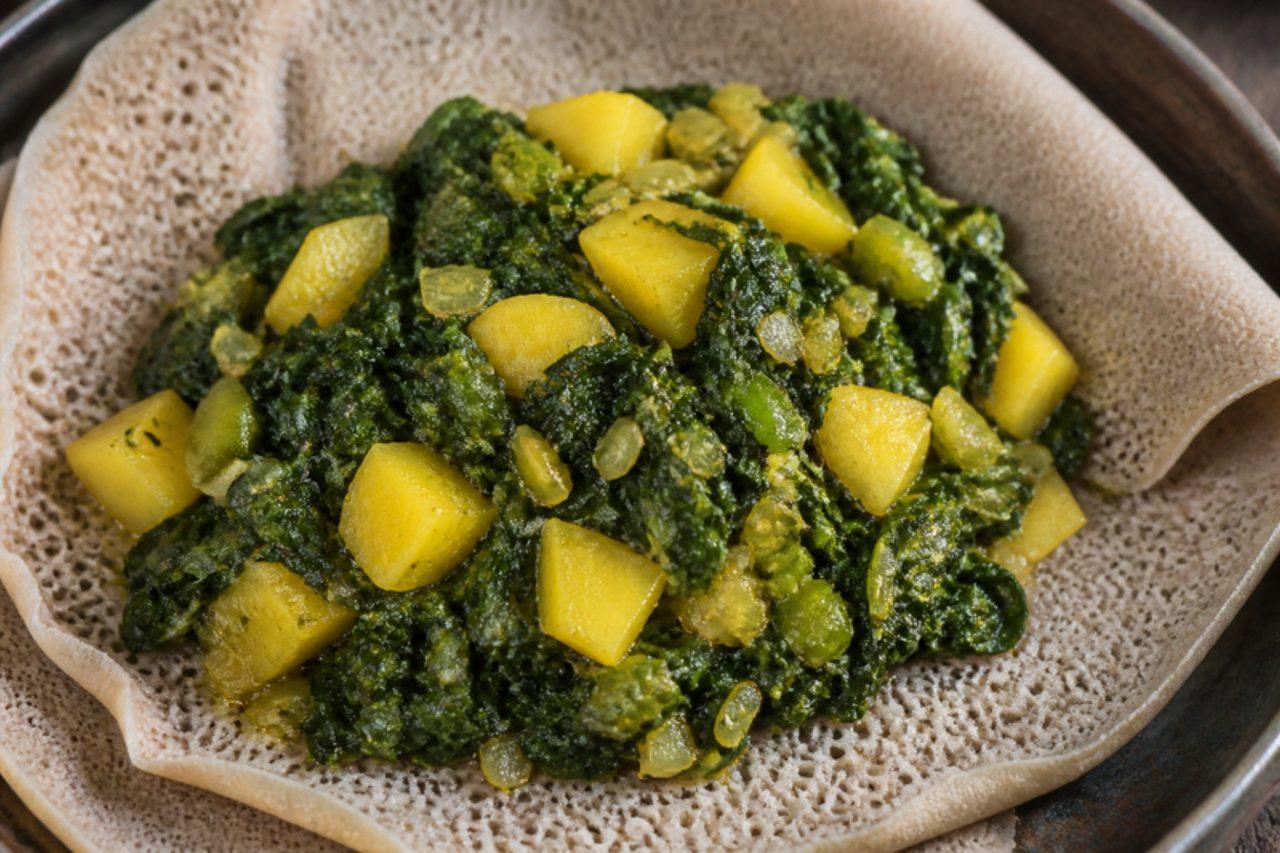
Kosta, Swiss chard, is grown in backyard plots from Bahir Dar to Hawassa, and during the long fasts it is stewed with potatoes into this simple green dish found on almost every vegan beyaynetu. Onion, garlic and ginger soften in oil, potatoes go in first, then the chopped chard stems and leaves, all cooking down together into a soft, juicy stew that is mild, fresh and a little sweet, with a gentle heat from green chilli. Spoon it onto injera beside spicier wats, or eat it with rice. The common mistake is adding the stems and leaves at the same time; the stems need a few minutes longer. Chef's tip: a pinch of turmeric is not traditional in every home but gives the potatoes a warm golden colour against the green.

by KrazyBadal 0 views

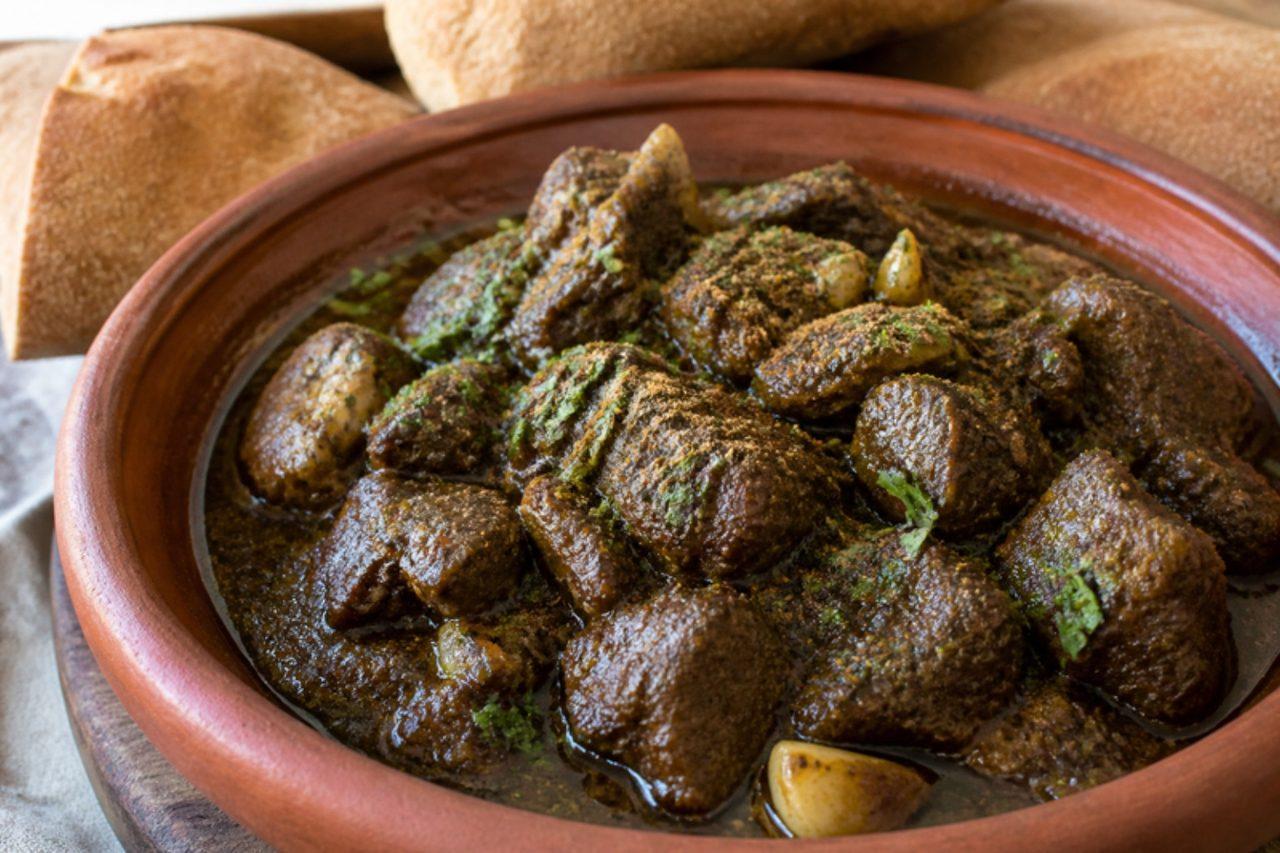
Kammounia (Tunisian cumin beef stew)

Cumin, kammoun in Arabic, gives kammounia its name, and the dish uses it boldly: chunks of beef, or in many Tunis homes lamb's liver, simmer in a thick, dark sauce of garlic, tomato paste and a generous amount of ground cumin until the meat is tender and the sauce clings to it. It is everyday family food in Tunis and Sfax, scooped up with crusty bread or served alongside a salad and olives. The flavour is earthy, warm and garlicky with a gentle heat from harissa. The usual mistake is adding the cumin at the start and frying it hard, which makes it bitter; it goes in once the sauce is simmering. Chef's tip: add half the cumin at the start and the rest in the last 10 minutes; all of it at once risks a flat, slightly bitter sauce, while the late addition keeps the aroma bright.

by KrazyBadal 0 views

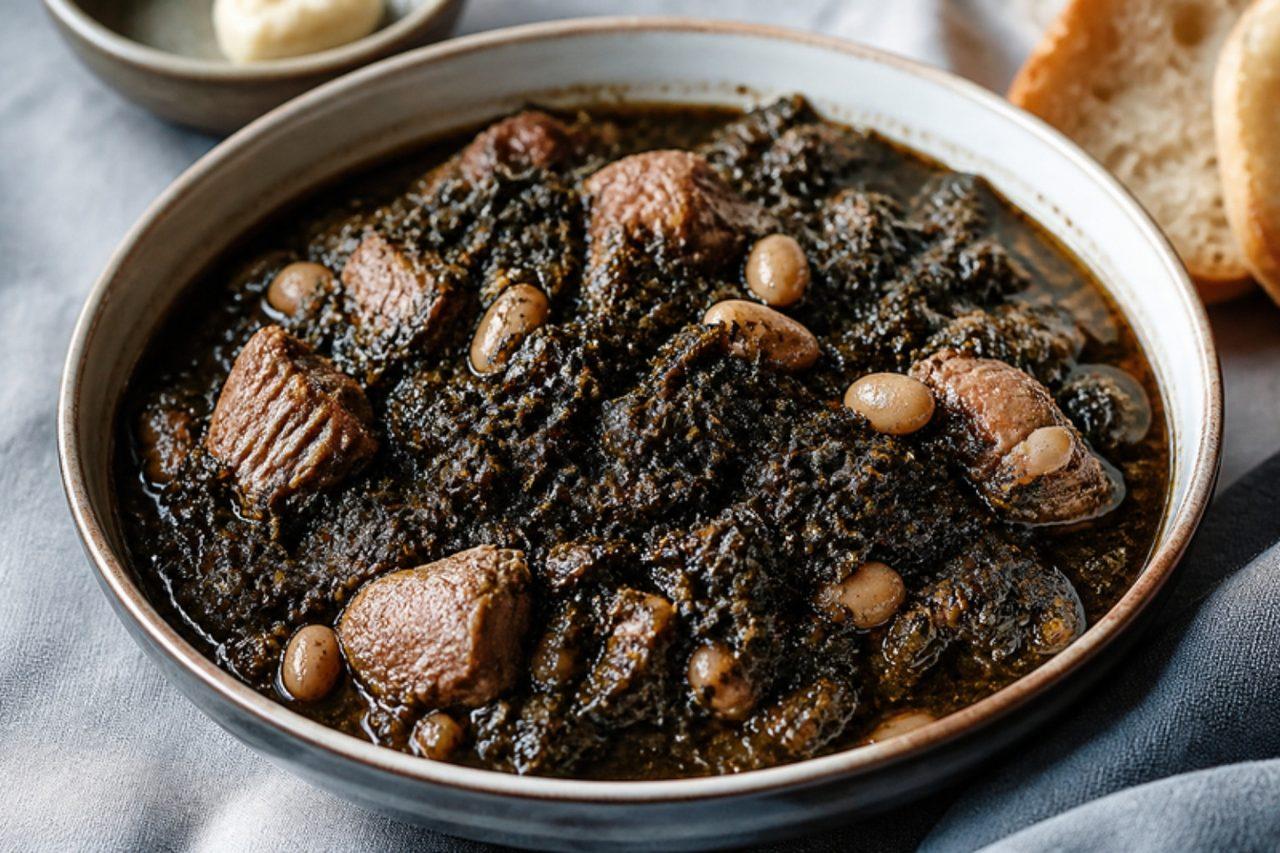
Bkaila (Tunisian spinach and beef stew)

Tunisian Jewish families in Tunis, and those who carried the dish to Paris and Israel, cook bkaila for Rosh Hashanah and for Friday-night dinners: a heap of spinach is fried in olive oil for over an hour, until it shrinks to a dark, almost black, crumbly paste, then simmered for hours with chunks of beef, white beans, garlic and dried mint. The result looks dramatic and tastes deep and earthy, a little like a long-braised green sauce, with tender meat and creamy beans. It is eaten with couscous or bread, and is even better reheated the next day. Start the beans soaking the night before. Chef's tip: fry the spinach over a medium-low heat and stir often; turning up the heat to save time is the classic mistake, scorching the leaves so the whole pot turns bitter.

240 minTunisianMeatGluten free
by KrazyBadal 0 views

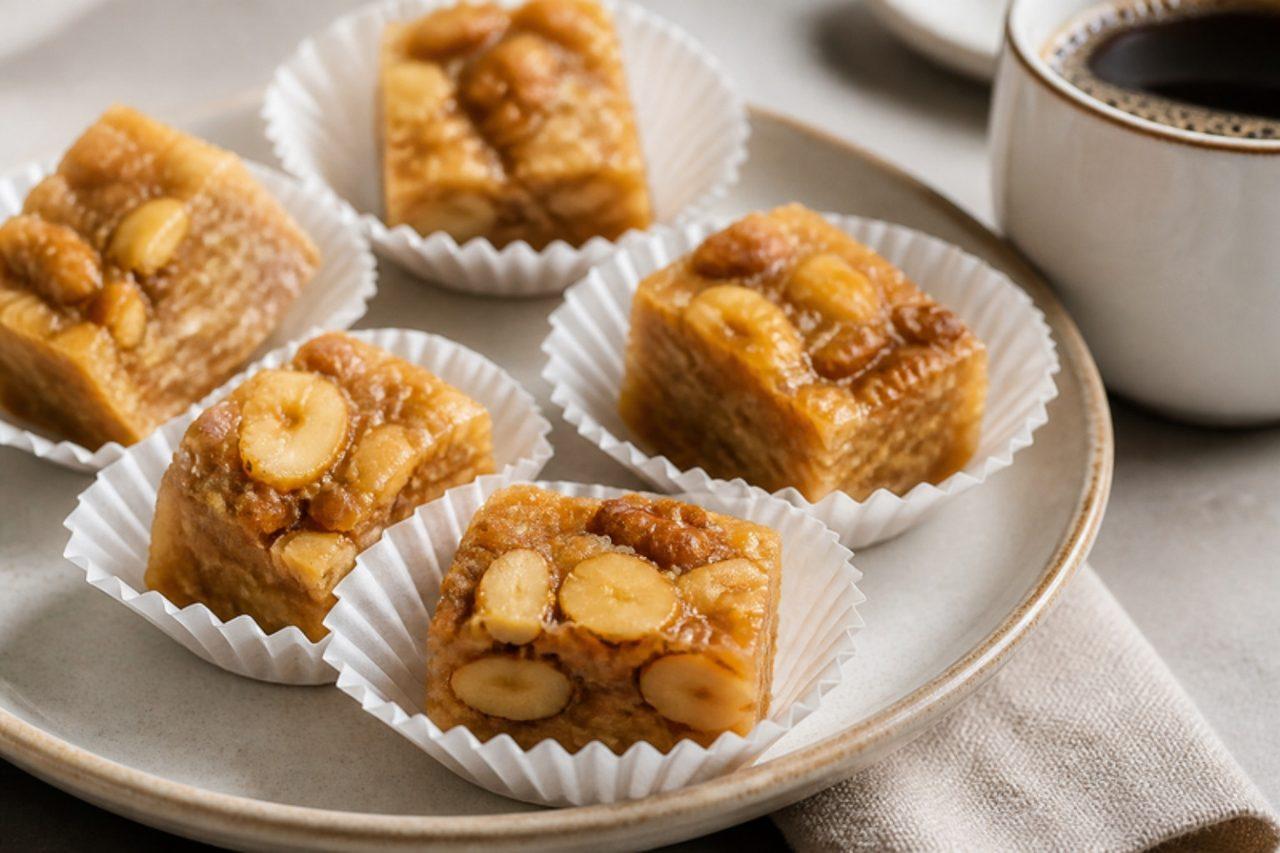
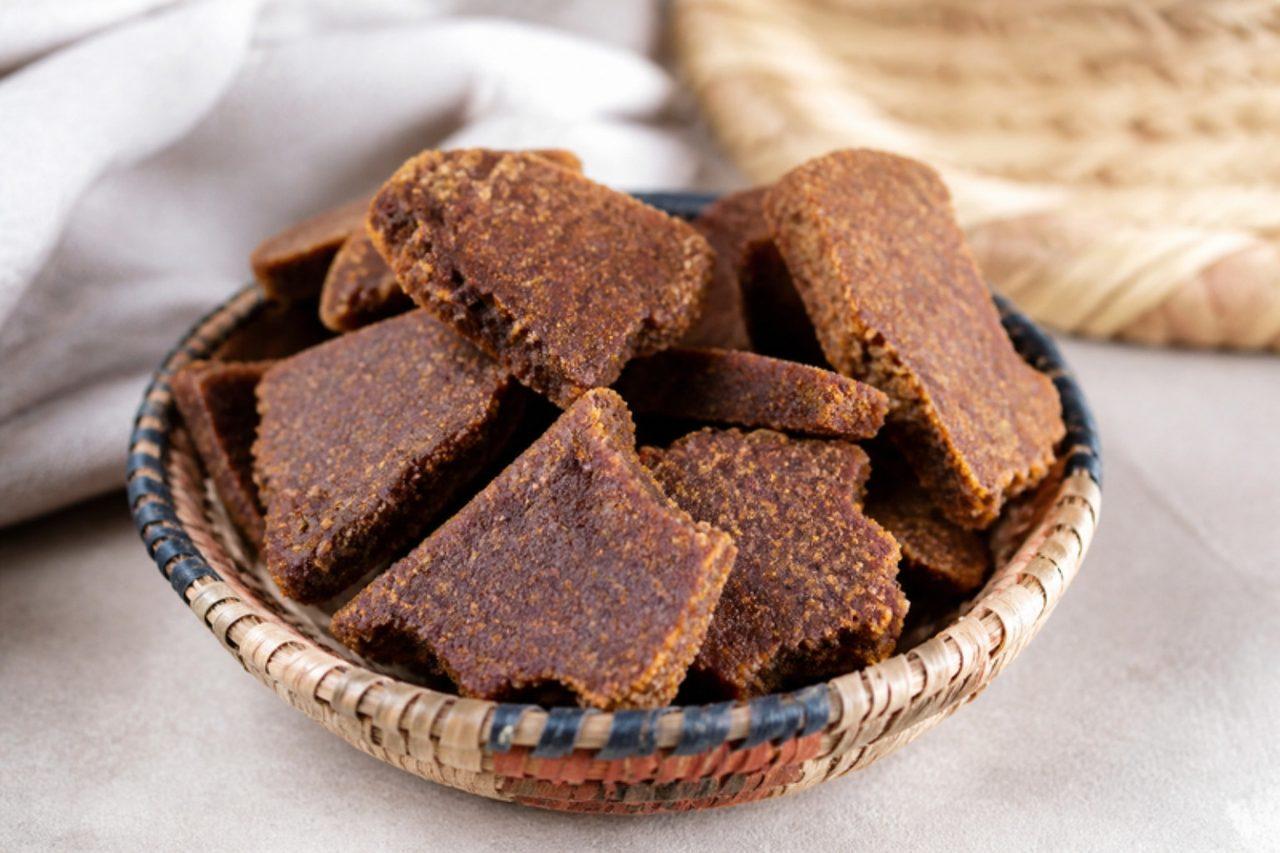
Djouzia (walnut and honey nougat)

Shops in old Constantine wrap djouzia in twists of paper and sell it by weight, a soft, pale caramel-coloured nougat of honey, whipped egg white and plenty of walnuts. It is chewier and darker than white Provençal nougat, with a deep honey flavour and the slight bitterness of walnut skins. Djouzia is a gift sweet, carried to weddings and offered with coffee to visitors, and keeps for weeks. A sugar thermometer makes it reliable. Chef's tip: cook the honey syrup to 125 °C; syrup that is pulled off too early is the most common mistake, and the nougat stays sticky and will not set enough to cut.

by KrazyBadal 0 views

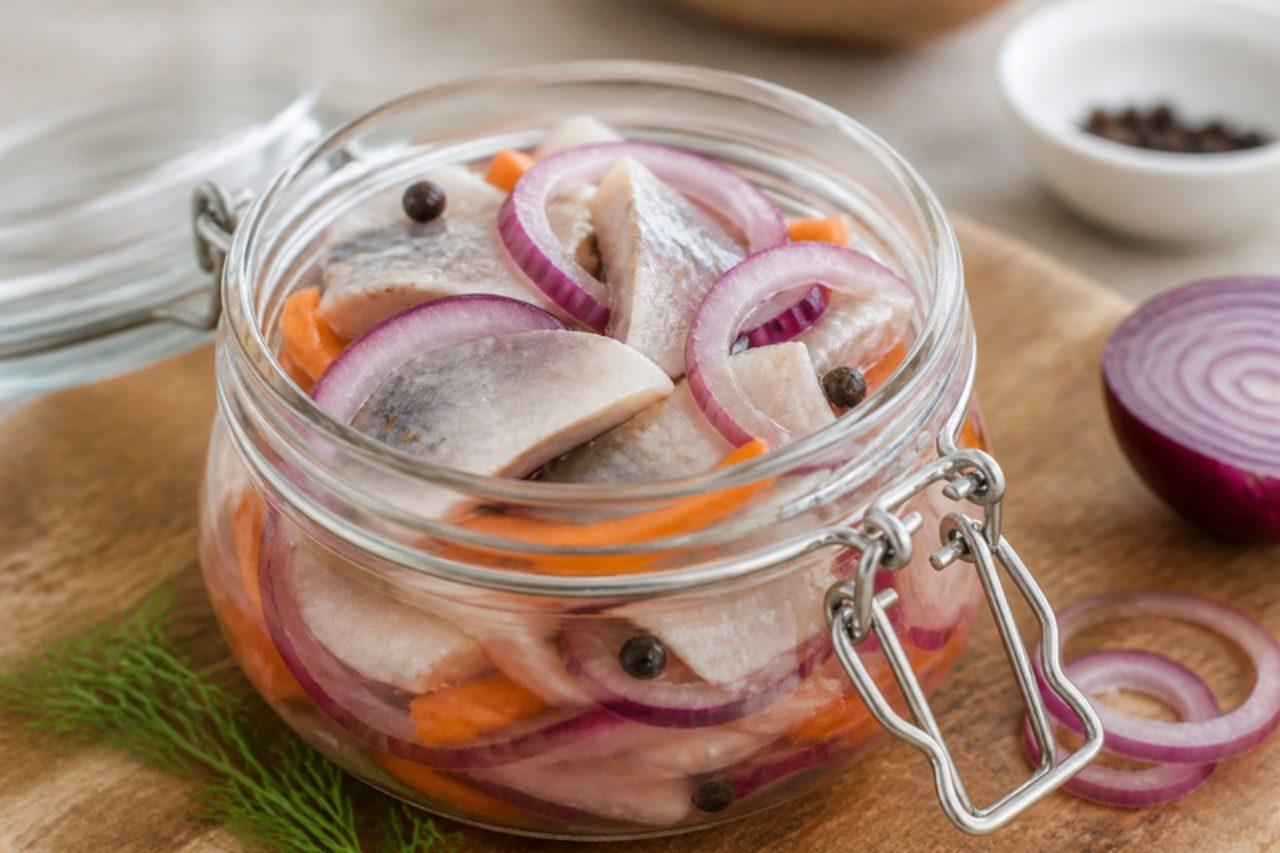
Inlagd sillPickled herring

No Swedish midsummer, Easter or Christmas table is without inlagd sill: salt herring fillets soaked to remove the salt, then pickled for at least two days in a sweet, clear brine of vinegar, sugar, onion, carrot, allspice and bay. It is eaten with new potatoes, sour cream, chives and crispbread, and a mustard sauce variant (senapssill) sits beside it. Herring that is pickled, not cooked, is not for pregnant women, young children or anyone with a weakened immune system. Use salt herring that has been frozen, as commercial salt herring is. A common mistake is skipping the soak, which makes the herring far too salty. Chef's tip: taste a corner after soaking; it should be pleasantly salty, like an olive.

by KrazyBadal 0 views

Anchote (Oromo root with spiced butter)

Anchote is a climbing plant native to western Ethiopia, and its orange-fleshed root is treasured in Wollega, where it is served at Meskel, at weddings and whenever honoured guests arrive. The root is boiled whole in its skin, peeled, then chopped or roughly mashed and warmed through with niter kibbeh, garlic and a pinch of fiery mitmita. The result is soft, slightly sticky and buttery, with a gentle sweetness somewhere between sweet potato and squash, and it is eaten on its own or with ayib and injera. Look for anchote at Ethiopian grocers; if you cannot find it, taro or cassava boiled the same way gives a close texture with a milder taste. Peeling it raw is a mistake: the sap is sticky and the flesh crumbles; boil it in its skin and the peel slips off. Chef's tip: stir the butter in over a very low heat so the root becomes glossy without frying or catching.

by KrazyBadal 0 views

Liberian rice bread

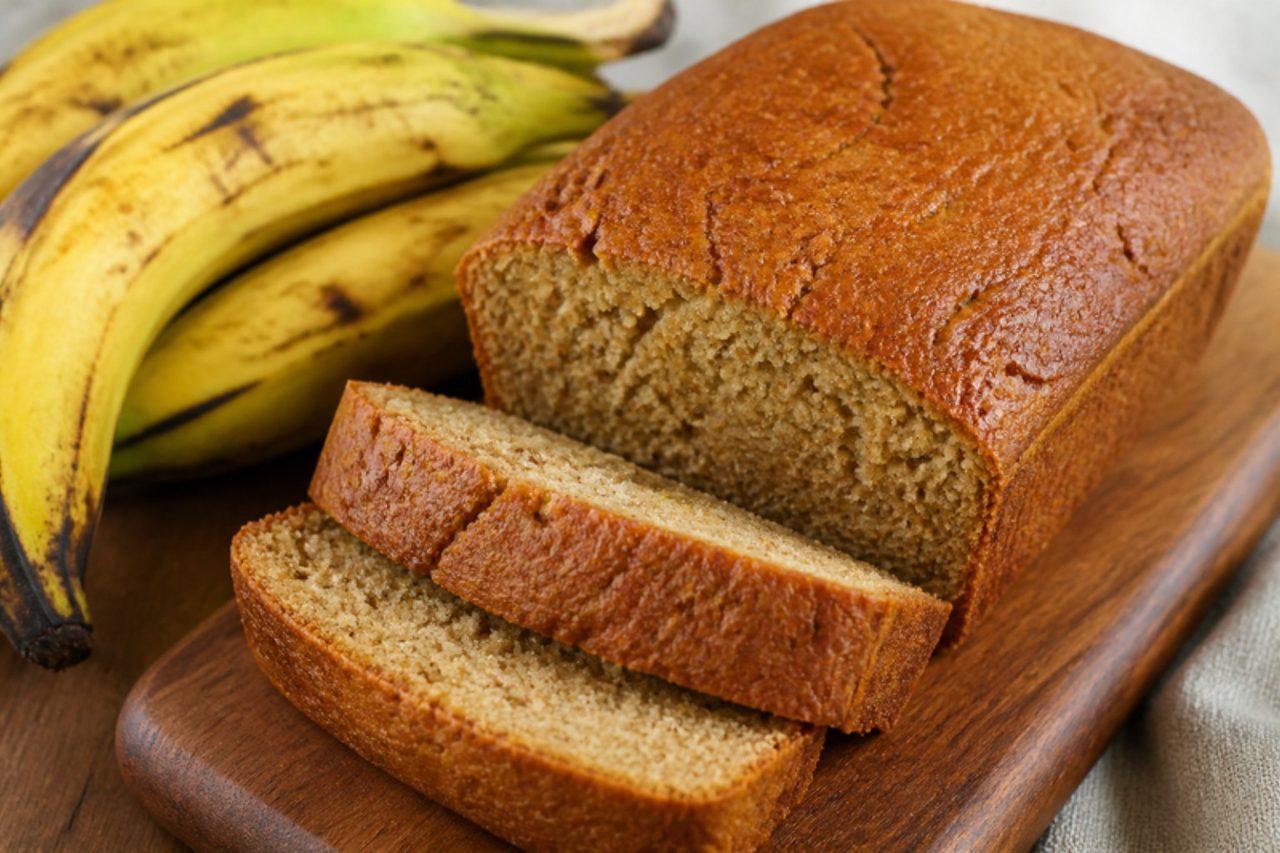
Liberian rice bread sits somewhere between banana bread and a soft pudding: a moist, close-textured loaf made with cream of rice instead of wheat, sweetened with very ripe bananas and warmed with nutmeg. Families in Monrovia bake it for Sunday breakfast, birthdays and holiday gatherings, and slices are often eaten with tea or coffee. Because it contains no wheat flour, it is naturally gluten free when you use a gluten-free baking powder. The batter is surprisingly runny, so do not be tempted to add more rice. Chef's tip: let the loaf cool in the tin for at least fifteen minutes; rice batters firm up as they cool and fall apart if cut hot.

by KrazyBadal 0 views

Date squares

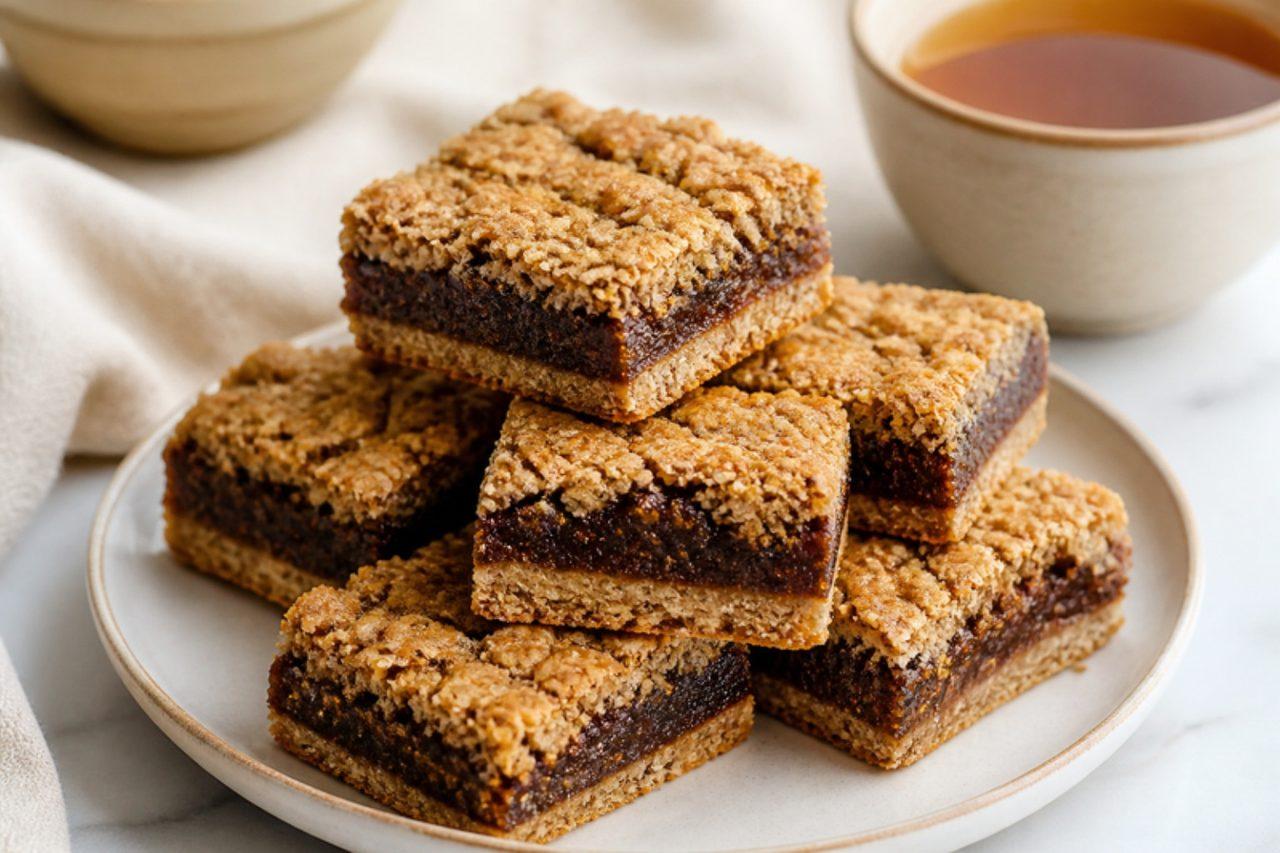
Date squares are on the tea table in every Canadian church hall and school bake sale, called carrés aux dattes in Quebec and matrimonial cake in the West. A buttery oat crumble is pressed into a tin, spread with a soft date filling and covered with more crumble, then baked until golden. They keep for days and freeze well. A common mistake is spreading the dates while hot onto loose crumb, which makes the base soggy; press the base firmly. Chef's tip: add a strip of orange zest to the dates for a brighter flavour.

by KrazyBadal 0 views

Ertib (Addis Ababa street sandwich)

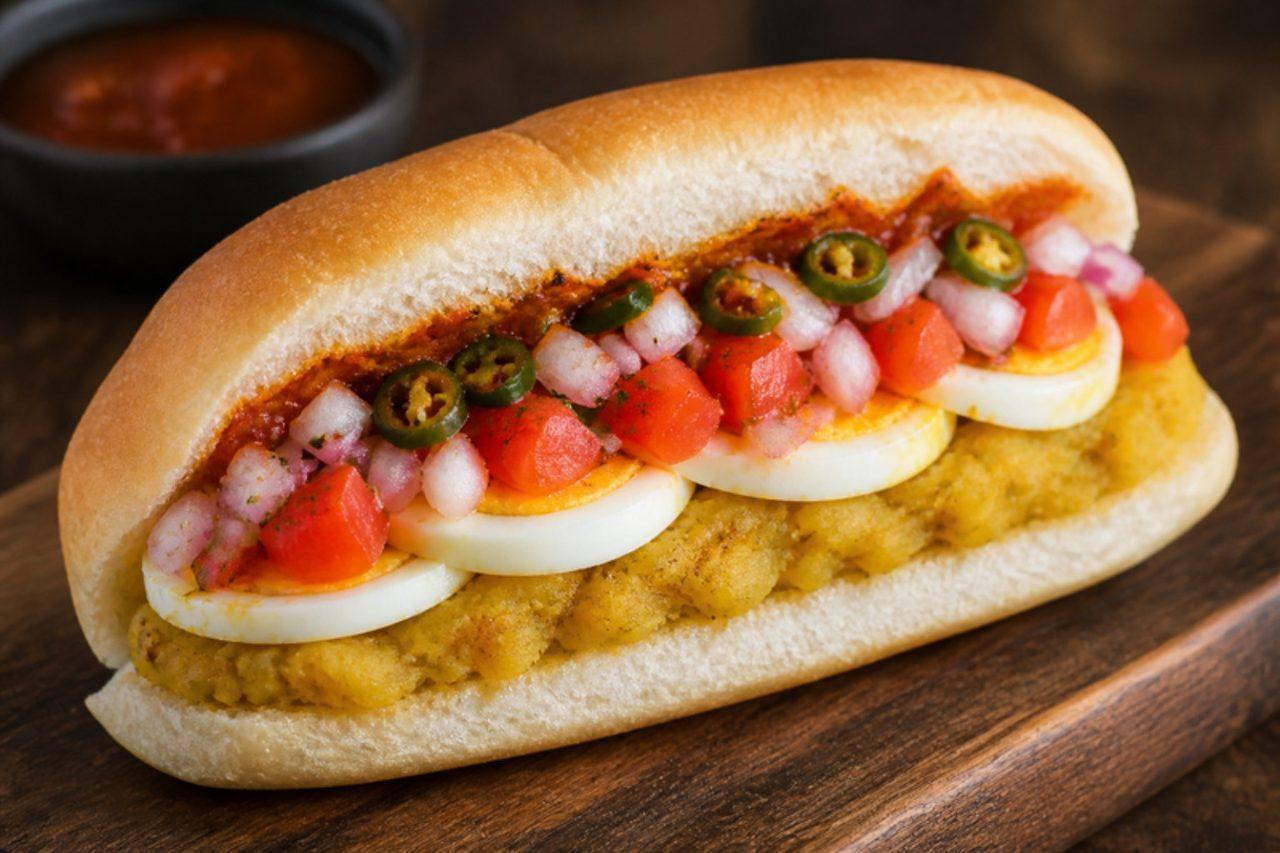
Ertib means 'wet' in Amharic, and the name fits: small kiosks around Piassa, Merkato and the universities of Addis Ababa split soft rolls and pack them with mashed spiced potato, sliced boiled egg, tomato, raw onion and a spoon of runny chilli sauce that soaks into the crumb. Some stalls tuck in a crushed sambusa or a spoon of canned tuna; this version keeps it meat-free with potato and egg, the way most students buy it. It is cheap, filling and messy, eaten standing up at lunchtime or after school. The sauce is a quick awaze-style mix of berbere, lemon and oil, so the sandwich is tangy and hot against the mild potato. Avoid filling the bread too far ahead; the sauce soaks through and the sandwich falls apart. Chef's tip: dress the onion and tomato with the lemon and salt a few minutes before building, so their juice softens the bread the way the street version does.

by KrazyBadal 0 views

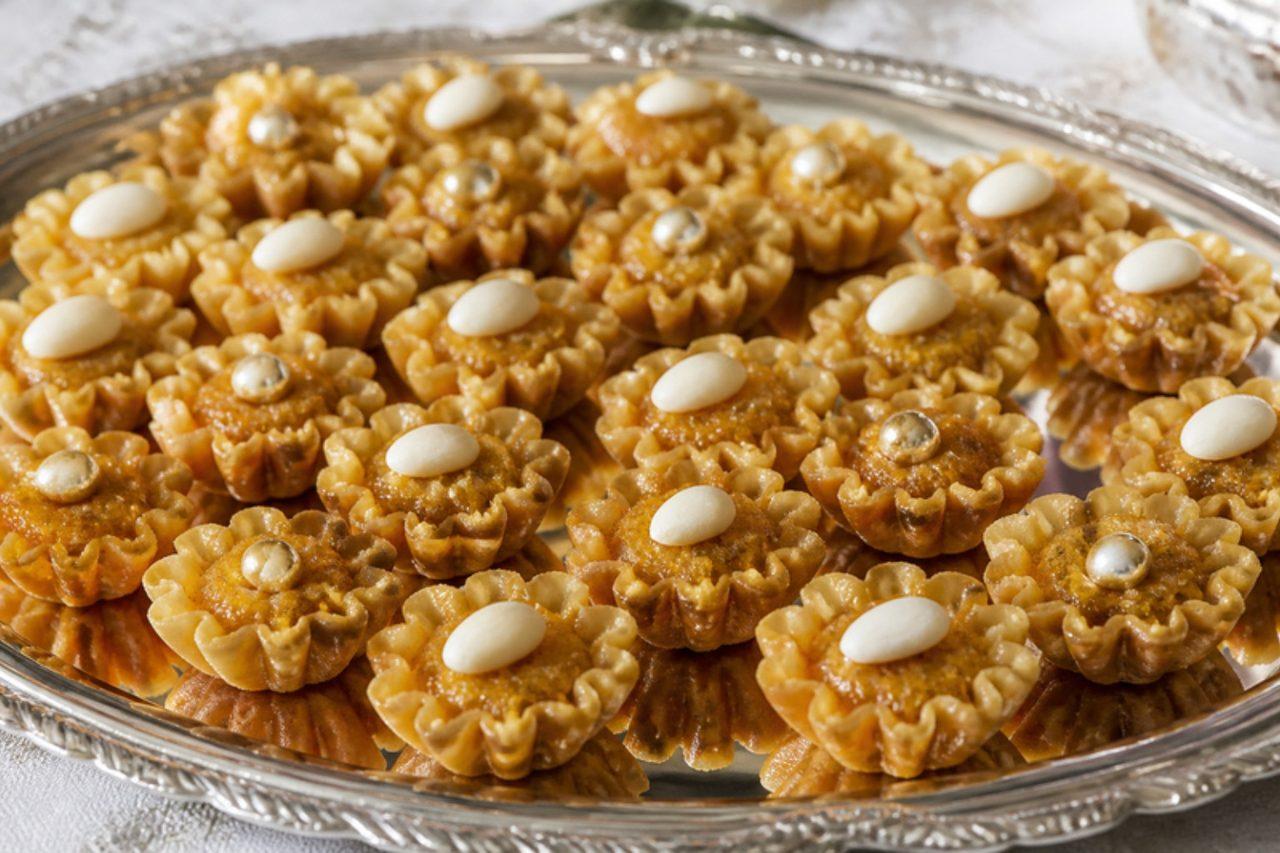
Dziriettes (almond flower pastries)

Named after the women of Algiers, dziriettes are the jewels on any wedding or Eid tray: thin, crisp pastry pinched into a flower or crown, filled with a dome of almond paste scented with orange blossom, then baked and soaked in warm honey. They take patience, but the result is delicate and fragrant, with a shatter of pastry giving way to a soft, moist almond centre. Families often make a few hundred over several evenings, together, before a celebration, and serve them with mint tea or coffee. Chef's tip: roll the dough so thin you can almost see the worktop through it; thick pastry is the commonest mistake and turns dziriettes stodgy instead of crisp.

by KrazyBadal 0 views

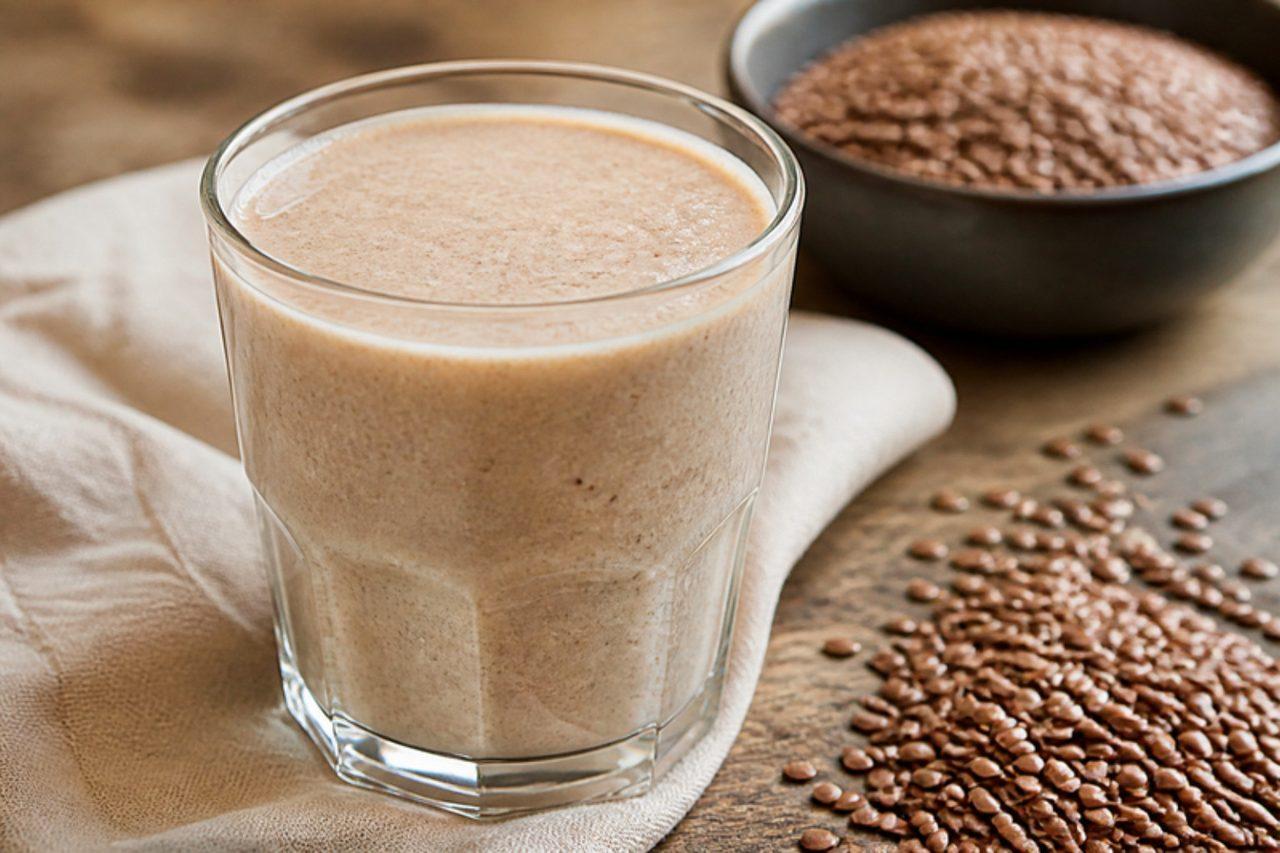
Telba (roasted flaxseed drink)

Flax grows across the highlands of Gojjam, and on Wednesdays, Fridays and through Lent its toasted seeds become telba, a creamy, nutty drink that fills you up when animal food is off the menu. The seeds are dry-roasted until they pop, ground fine, then whisked with water and strained, giving a pale brown drink with a faint toasted-sesame flavour and a slightly silky body. It is also taken as a gentle remedy for an upset stomach. Families often sweeten it with honey; sugar keeps it fully vegan. Don't roast the flaxseed too far: over-roasted seeds turn the drink bitter. Chef's tip: grind only what you need that day, because ground flax goes stale and bitter within days; whole roasted seeds keep for weeks in a jar.

by KrazyBadal 0 views

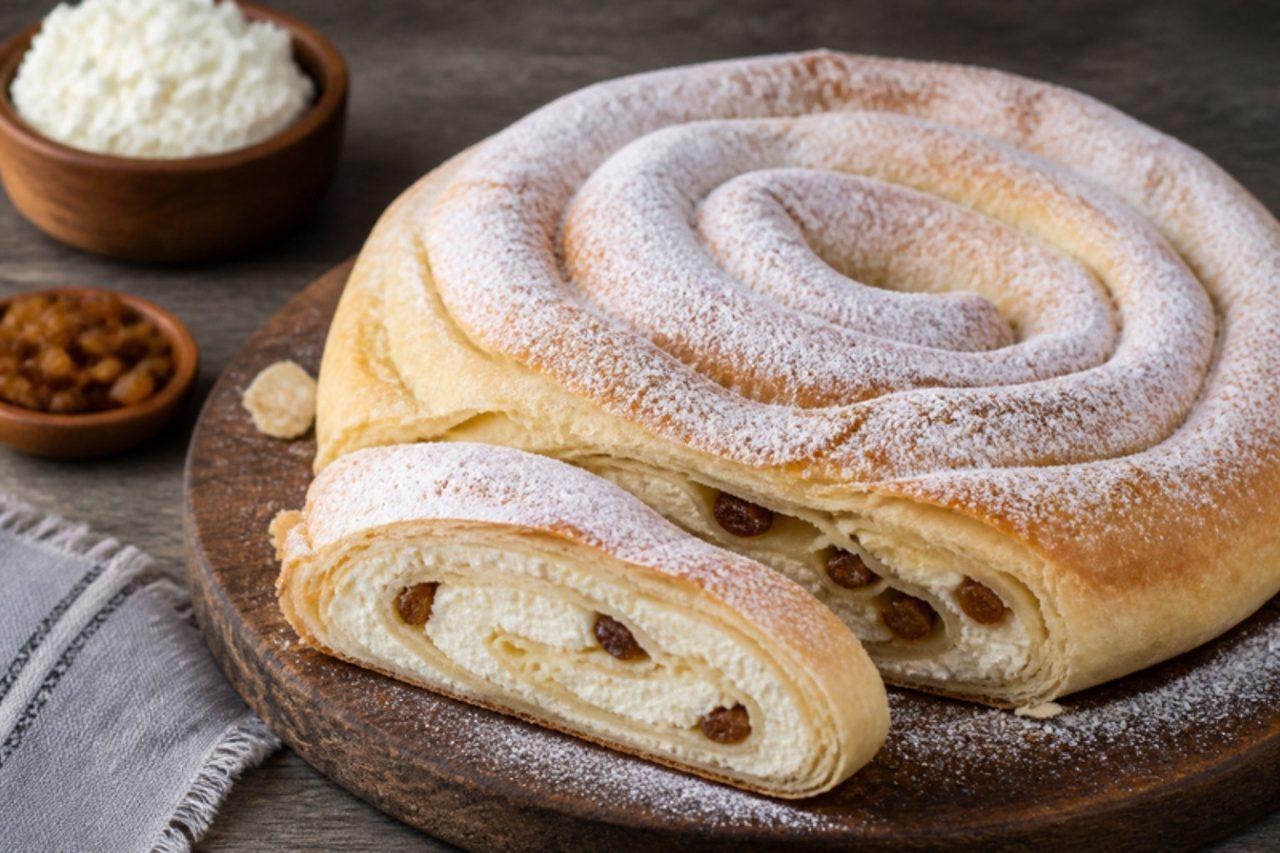
ÎnvârtităRolled sweet cheese pastry

Sunday visits in the villages around Iași and Suceava rarely happen without a tray of învârtită, the coiled pastry whose name simply means 'twisted'. A soft dough is pulled over a floured tablecloth until it is as fine as paper, brushed with butter, covered in sweet cottage cheese with raisins and lemon zest, rolled up and wound into a snail before baking. Fresh from the oven it is crackly at the edges and moist in the middle; it is cut into wedges and eaten with coffee or a glass of milk. Families also fill it with sour cherries in June or grated pumpkin in autumn. Cottage cheese is usually made without animal rennet, but check the label if you keep strictly vegetarian. Lots of bakers stretch the dough too soon after mixing, and it tears into holes; give it the full rest. Chef's tip: drain the cottage cheese in a sieve for 20 minutes first, so the filling stays creamy and does not run out of the seams.

by KrazyBadal 0 views

Chuko (Tigrayan roasted barley and spiced butter snack)

Tigrayan mothers pack chuko for sons and daughters leaving home, for pilgrims walking to Aksum and for long bus journeys, because it keeps for weeks and a small piece goes a long way. Roasted barley flour is rubbed with warm niter kibbeh, berbere and a little sugar and salt, then pressed into a dense cake or shaped into fingers. The texture is crumbly and rich, like a savoury shortbread that melts in the mouth, with a slow chilli warmth and the toasty taste of the grain. It is eaten with coffee or black tea. The usual mistake is skimping on the butter, which leaves a dry mix that will not hold; squeeze a handful, and it should keep its shape. Chef's tip: warm the butter until just liquid, not hot, and work it in with your fingertips so every grain of flour is coated.

by KrazyBadal 0 views

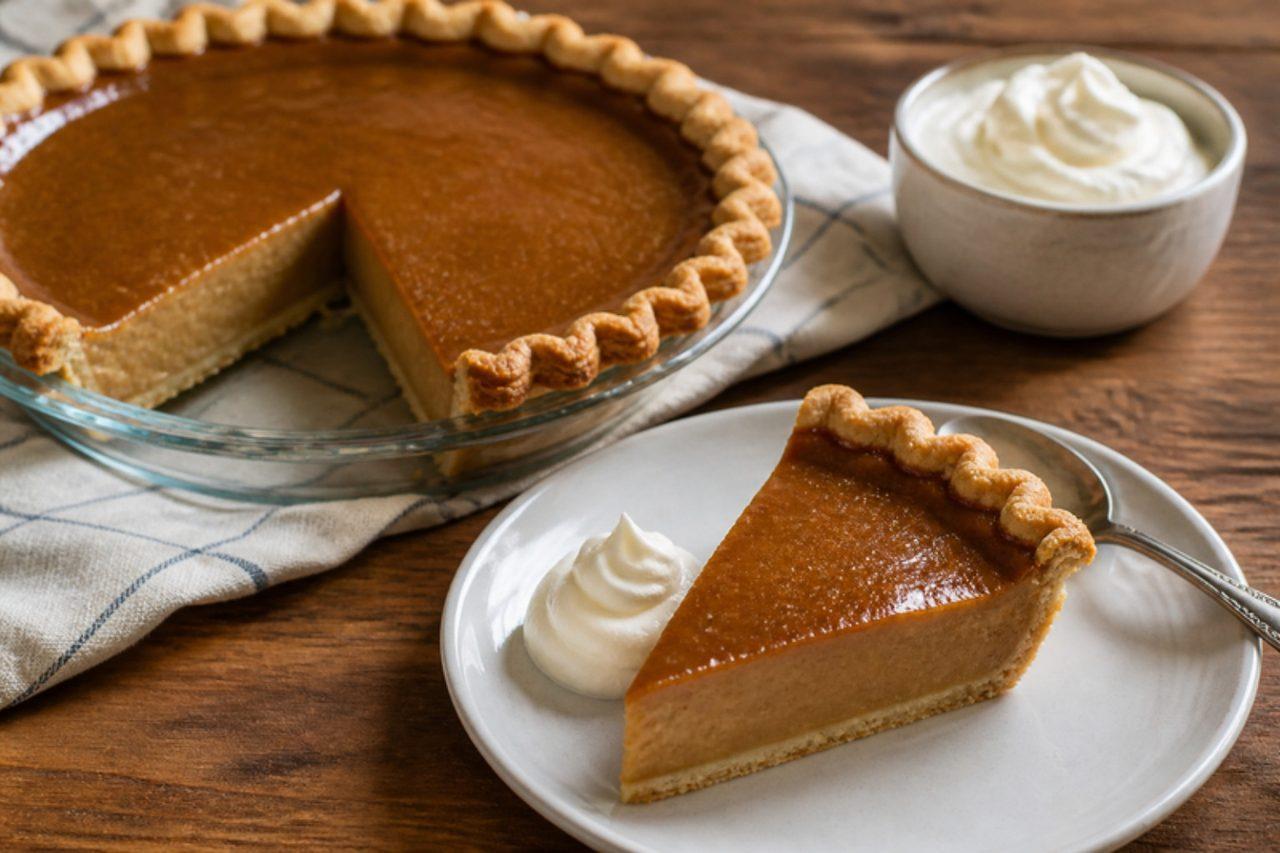
Maple syrup pie

Tarte au sirop d'érable closes many a family meal in Quebec at Easter and through the sugaring season, a cousin of the sugar pie made with real maple syrup. The filling of syrup, cream and egg bakes into a soft, trembling, caramel-brown layer that tastes deeply of maple. Slice it thin; it is rich. A spoonful of crème fraîche or plain whipped cream cuts the sweetness. A common mistake is skipping the blind bake, which leaves a soggy base. Chef's tip: take the pie out while the centre still wobbles like jelly; it sets as it cools and over-baking makes it weep.

by KrazyBadal 0 views

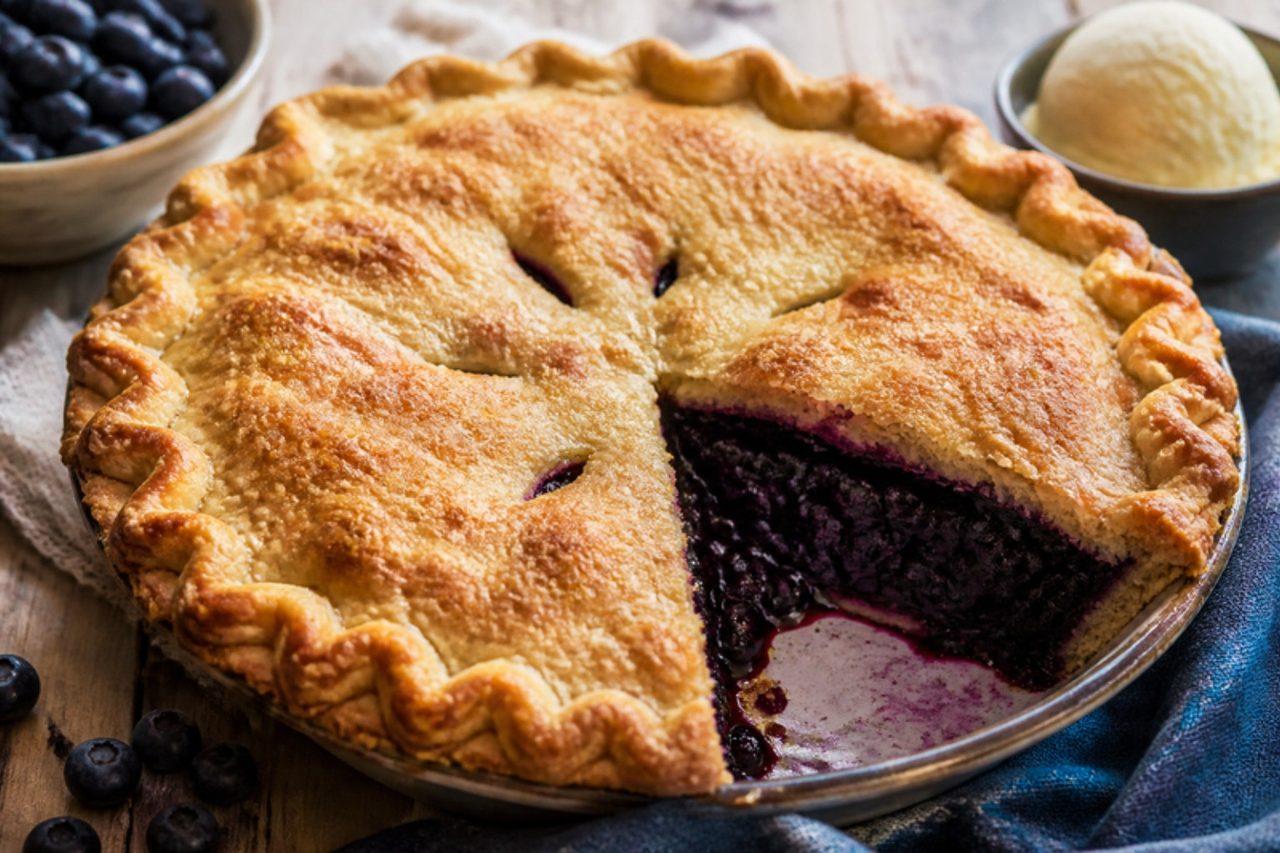
Lac-Saint-Jean blueberry pie

Around Lac-Saint-Jean in Quebec the low wild blueberries ripen in August, and the region is so proud of them that locals are nicknamed bleuets. Every church supper and roadside casse-croûte there sells a deep tarte aux bleuets with a flaky top crust and a dark, jammy filling that holds when sliced. Wild berries are smaller and more intense than cultivated ones and frozen wild berries work well. Serve slightly warm with vanilla ice cream or a jug of cream. A common mistake is skimping on the cornflour, which leaves a soupy filling. Chef's tip: let the pie cool for at least three hours so the juices set; cut it hot and the filling runs all over the plate.

by KrazyBadal 0 views

Showing 27 of 7,762 recipes

Show more recipes

Page 204 of 863