


Skip to content
Şıllık
Featured recipe

Şıllık

Walnut crepes in lemon syrup

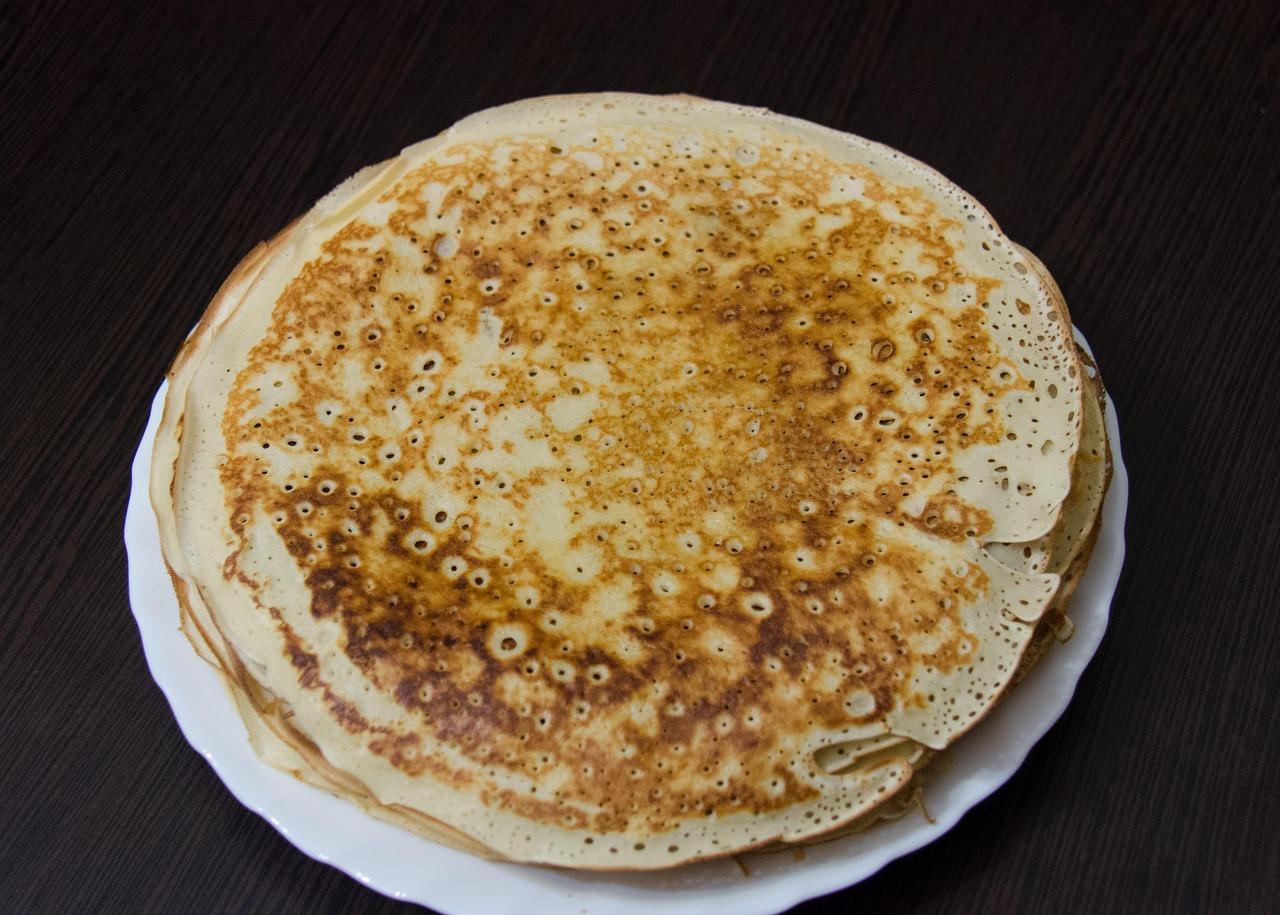
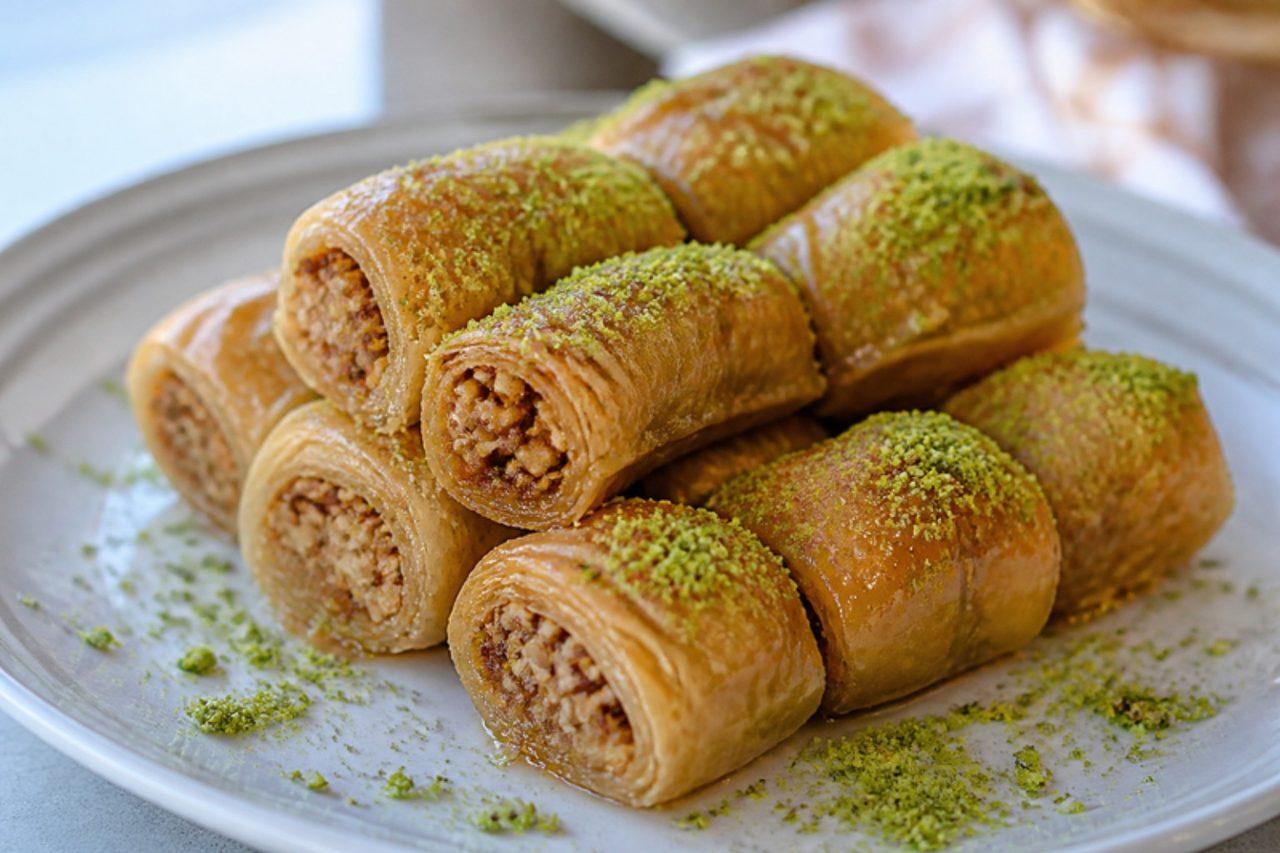
Şıllık is a home sweet of Şanlıurfa, made for guests and special Fridays: lacy crepes cooked on a hot sac or flat pan, filled with sugared walnuts, rolled up and doused in syrup until soft and sticky. Rich with butter and cut into short logs, it is eaten warm with a tiny cup of bitter mırra coffee to balance the sweetness. The batter should be as thin as single cream; thick batter gives rubbery pancakes. Chef's tip: syrup and crepes should be at different temperatures, so pour cooled syrup over the warm rolls, which drink it up without falling apart.

Read more 0 views

What to eat today?

Around the world

Today's trip: Paraguayan

A new country every day, from every cuisine on the site.

Paraguayan

Chipa

Cheese bread rings 50 minMore from Paraguayan (27) →

This week's collection

Kid-friendly dinners
537 recipes · a new collection every Monday

Latest recipes

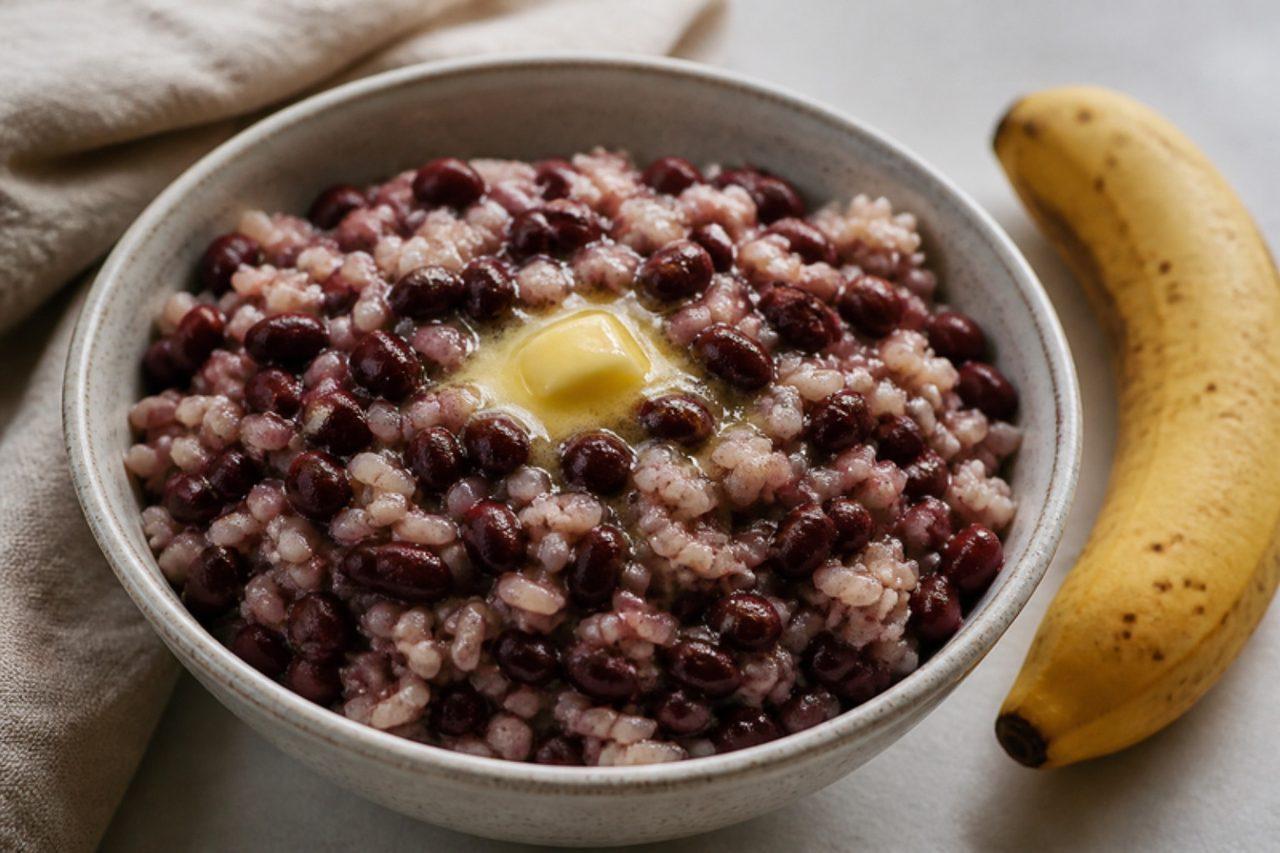
Cambuulo (Somali adzuki beans with butter and sugar)

Small red adzuki beans, cooked slowly until they almost collapse, are the heart of cambuulo, a dish Mogadishu households make for a cheap, filling evening meal. Once the beans are soft they are glossed with butter, a spoonful of sugar and a pinch of salt, so the flavour lands somewhere between savoury and gently sweet. Many families stir the beans into plain rice or serve the two side by side, with a drizzle of sesame oil and a banana on the plate. The texture should be creamy, with some beans still whole. The usual mistake is pulling the pot off too early: firm beans never turn creamy, so keep simmering until one crushes easily against the side of the pan. Chef's tip: soak the beans overnight and change the water before cooking; they cook more evenly and are easier to digest.

by KrazyBadal 0 views

Jamaican pan chickenOil-drum jerk chicken

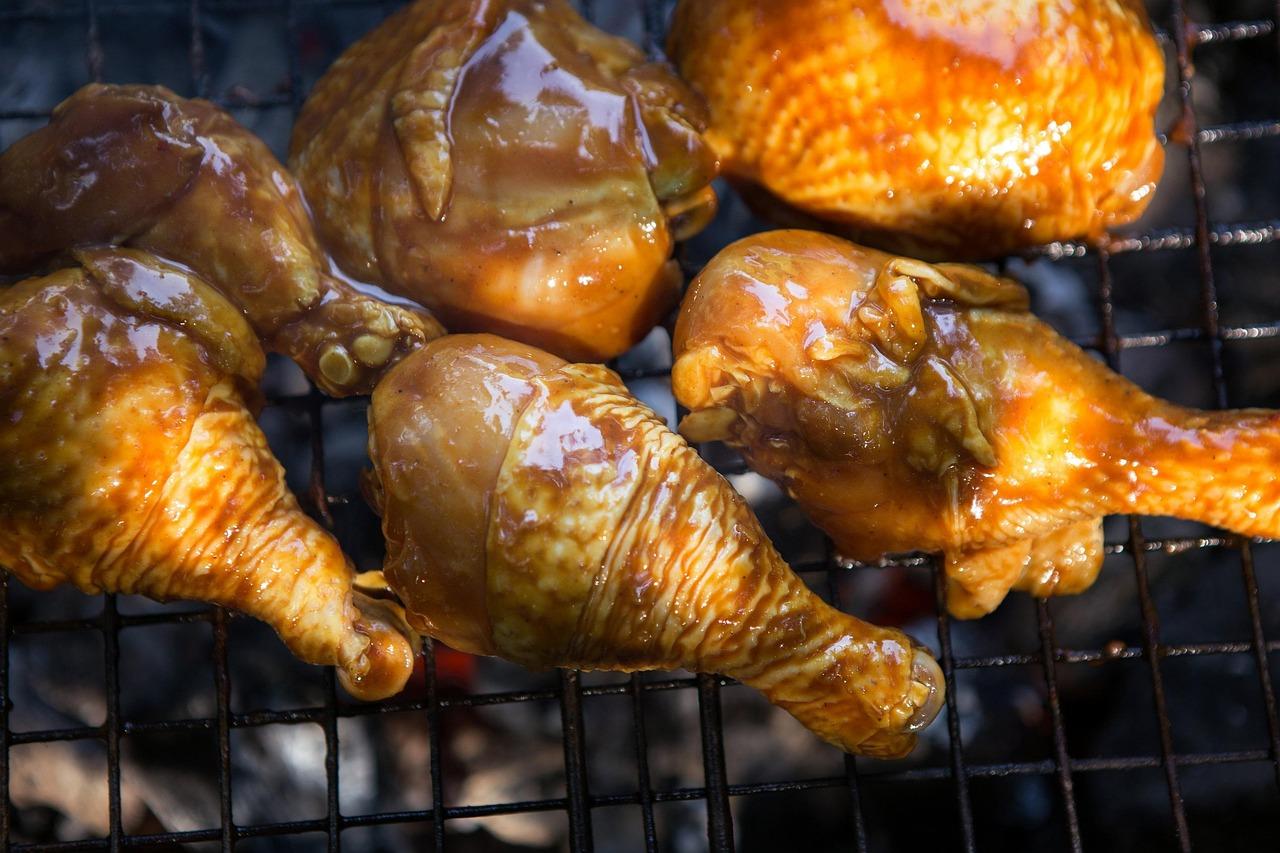
After dark on Red Hills Road in Kingston, smoke rises from rows of oil-drum barbecues where vendors grill pan chicken, a peppery jerk-style chicken served wrapped in foil with a slice of hard dough bread and a squeeze of ketchup-based pepper sauce. It is less smoky and sharper than Portland jerk, with plenty of black pepper, scallion and pimento. The common mistake is cooking over flaming coals, which burns the outside before the inside is safe; grill over steady medium heat with the lid down. The chicken is done when the thickest part reaches 74 °C and the juices run clear. Chef's tip: marinate overnight in the fridge and cook the pieces skin-side up first so the fat bastes the meat.

by KrazyBadal 0 views

Hilib geel (Somali fried camel meat)

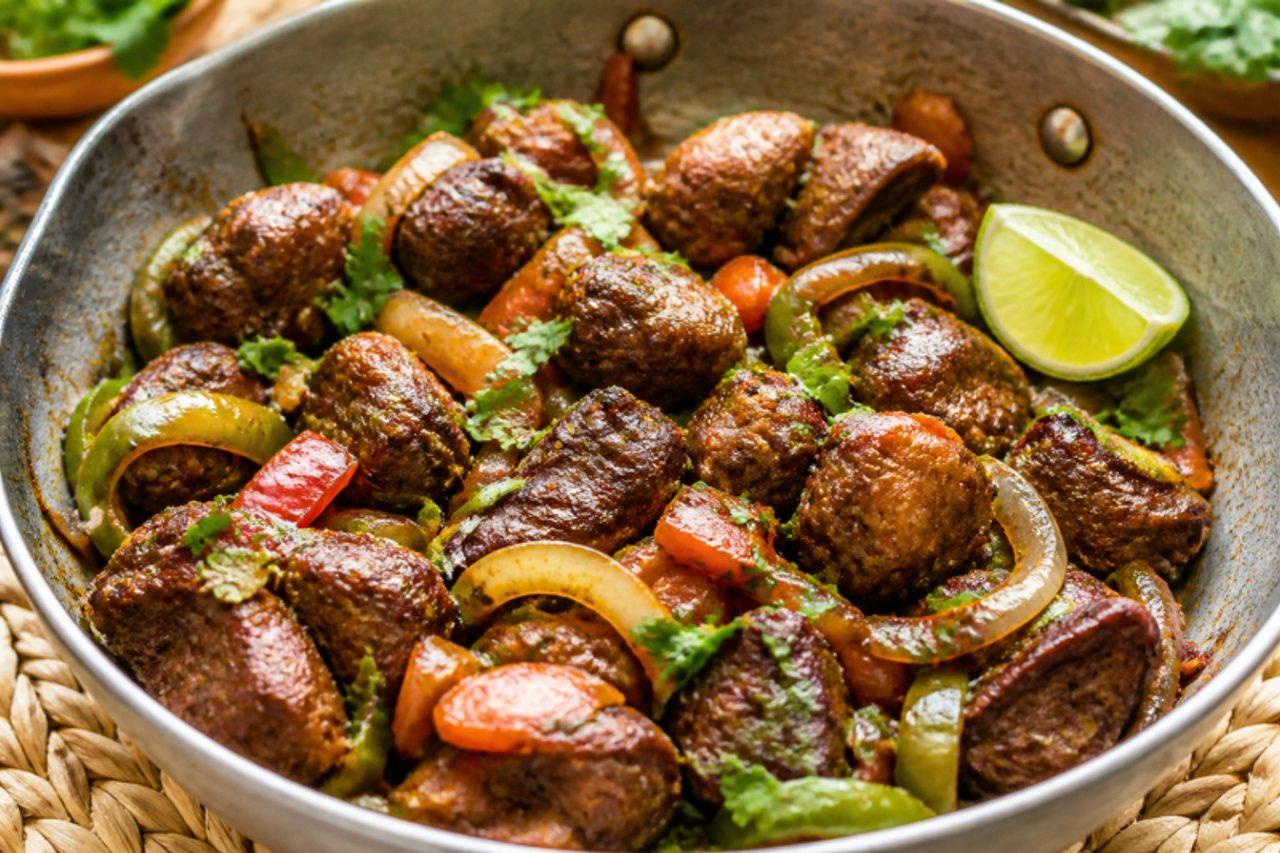
Camels are wealth in Somaliland, and their meat, lean and slightly sweet with a deep red colour, is a favourite in Hargeisa restaurants, where hilib geel is served fried with onion, garlic and xawaash alongside rice or sabaayad, banana and lime. Camel is a hard-working muscle, so it is first simmered until tender and then fried quickly in a hot pan until browned and fragrant. Halal butchers serving East African communities often sell it; if you cannot find it, beef chuck is the closest substitute and cooks the same way. Skipping the simmer and frying the raw meat straight away is the usual mistake, and it leaves the cubes tough as boots. Chef's tip: keep the simmering liquid; a ladle of it in the pan at the end makes a little glossy sauce for the rice.

85 minSomaliMeatGluten free
by KrazyBadal 0 views

Kalluun duban (Somali grilled whole fish)

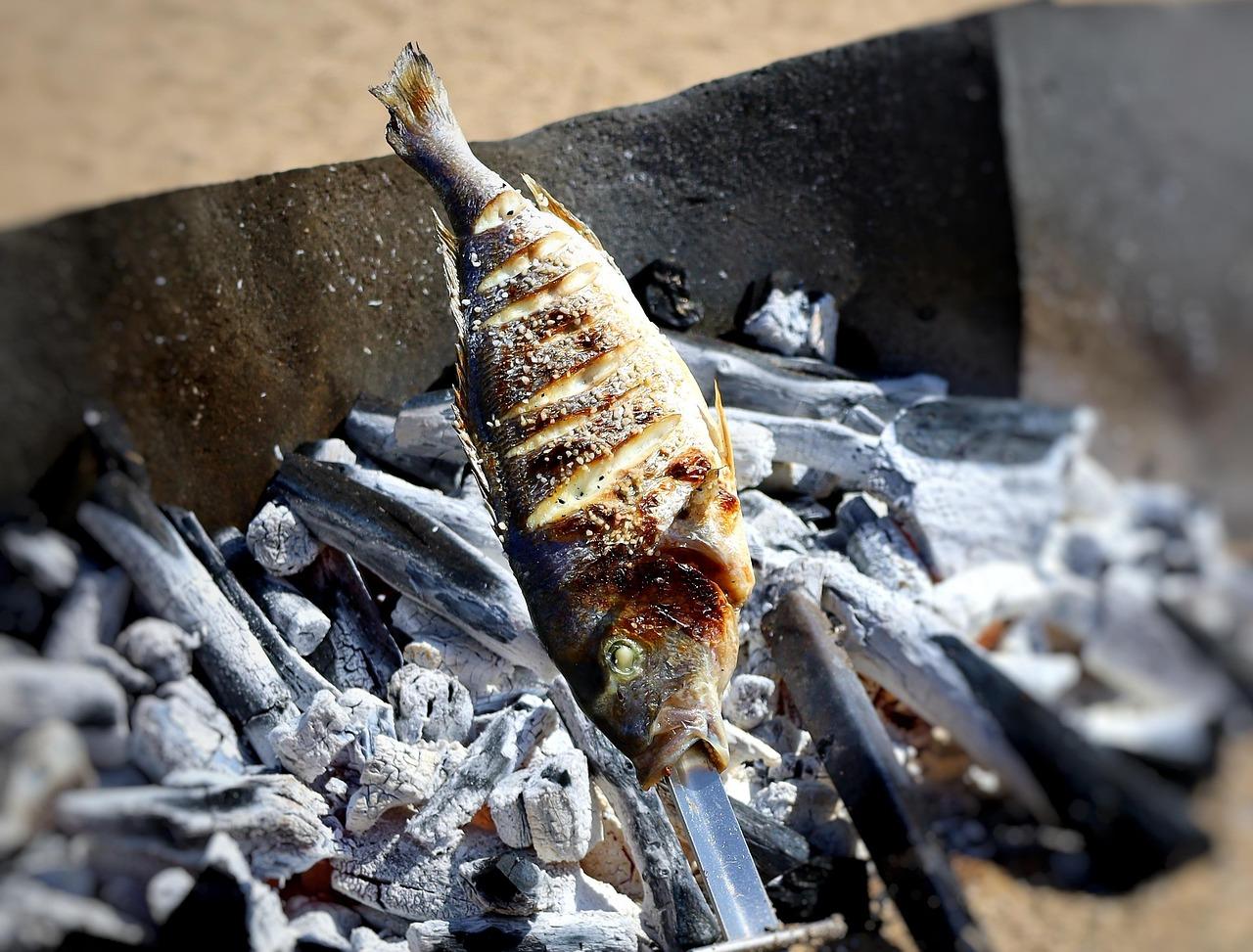
Seafront restaurants on Mogadishu's Lido beach are famous for kalluun duban, whole fish rubbed with a paste of garlic, lime, chilli and xawaash and grilled over charcoal until the skin blisters. Diners pick a fresh catch, often snapper, grouper or kingfish, and it comes to the table on a platter of spiced rice with lime, salad, banana and fiery basbaas. The flesh should be moist and smoky, tangy with lime. Marinating fish for hours in lime juice is a mistake: the acid starts to 'cook' it and the flesh turns mushy, so 20–30 minutes in the fridge is plenty. Chef's tip: slash the fish deeply down to the bone on both sides, so the marinade gets in and the thick part cooks as fast as the tail.

40 minSomaliFishGluten free
by KrazyBadal 0 views

Digaag qumbe (Somali chicken in coconut milk)

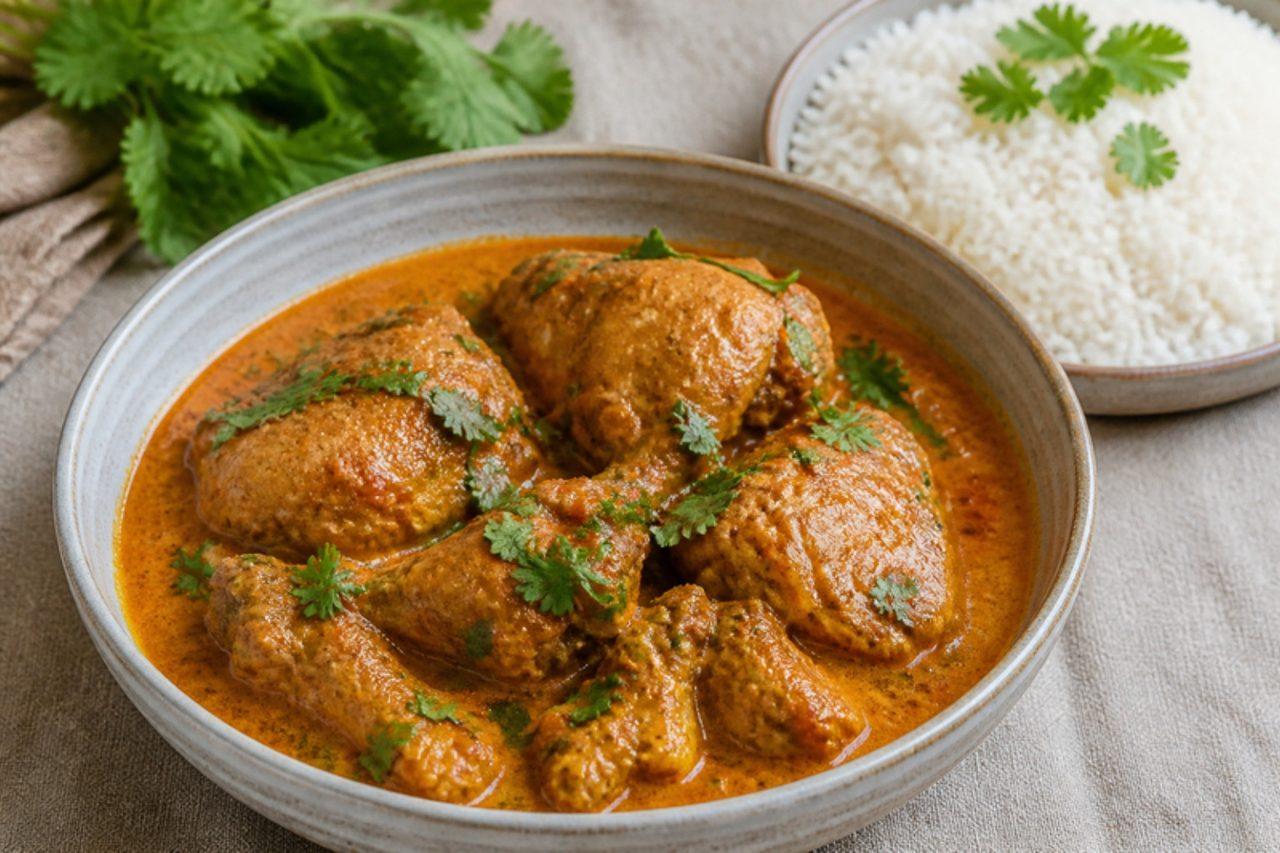
Coconut milk is the signature of the Benadir coast from Mogadishu south to Kismayo and Barawa, where the Swahili-speaking world meets Somali cooking, and digaag qumbe shows it off: chicken pieces simmered in a creamy coconut sauce with tomato, garlic, a hint of turmeric and xawaash. The sauce is mellow and gently spiced, coloured golden-orange, and generous enough to soak into rice, canjeero or sabaayad. Families make it for Friday lunch and to welcome guests. Boiling the sauce hard after the coconut milk goes in is the mistake to avoid, as it splits and turns oily; keep it at a gentle bubble. Chef's tip: brown the chicken well first, as the caramelised skin gives the mild sauce its savoury backbone.

by KrazyBadal 0 views

Malawax (Somali cardamom crepes)

Fragrant with cardamom and just sweet enough, malawax are the thin, soft pancakes Somali families make on weekend mornings and for guests, stacked high and eaten with honey, sugar or a smear of ghee beside a pot of shaah. They are thinner than canjeero and contain egg and milk, so they cook in a minute and stay tender rather than spongy. Children roll them up and eat them in their hands; adults tend to tear them and dip them in tea. The batter should be as thin as single cream, and the classic mistake is a pan that is not hot enough, which gives pale, rubbery crepes that stick. Chef's tip: let the batter rest for 10 minutes so the flour hydrates; the first crepe is always a tester, so adjust the heat after it.

by KrazyBadal 0 views

Kac kac (Somali fried dough cubes in cardamom sugar)

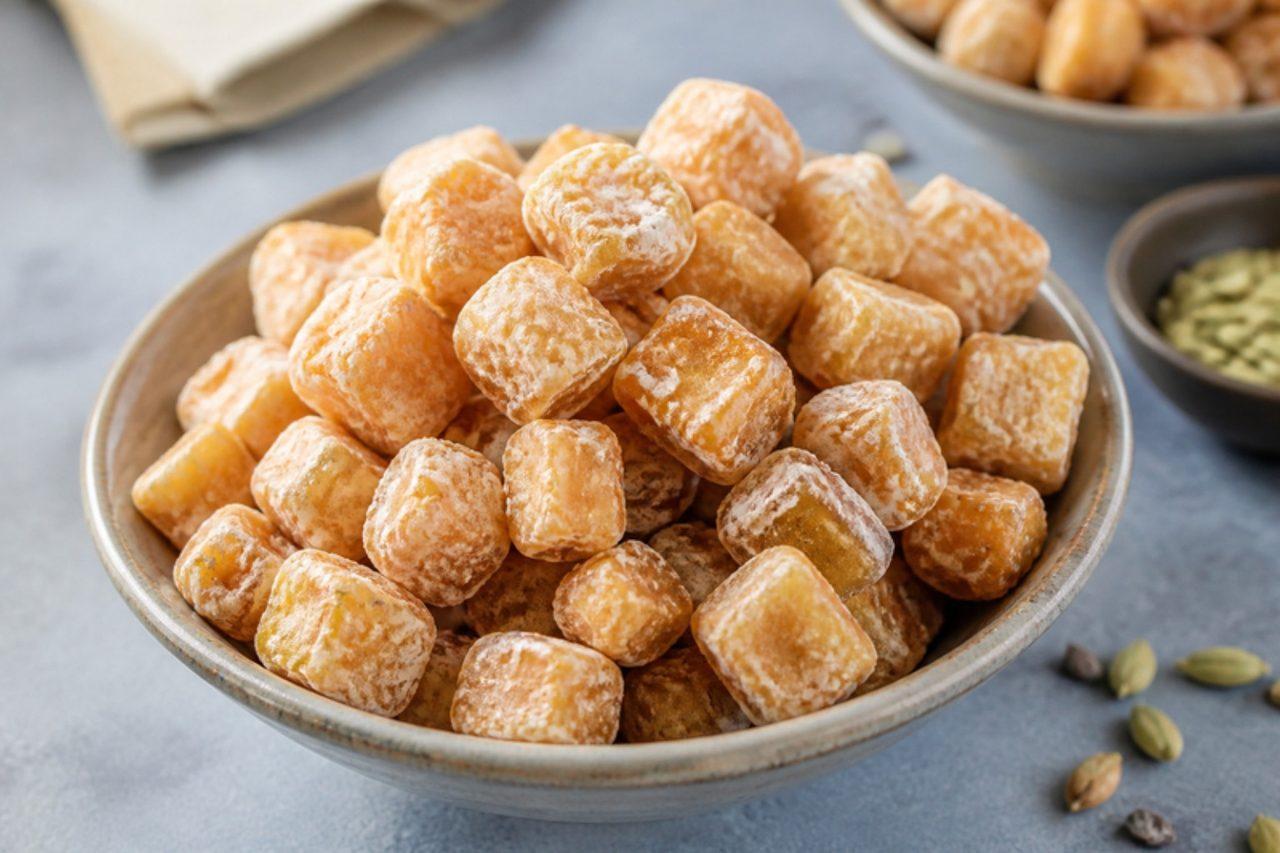
Jars of kac kac sit on the table at Somali weddings, Eid gatherings and afternoon tea across the country and in the diaspora, ready to be handed round by the fistful. The dough is enriched with egg and butter, cut into small cubes, fried until hard and golden, then tossed in hot cardamom syrup that dries to a frosty white crust. Each piece cracks loudly when bitten, which is how it got its name. Undercooking the syrup is the usual problem: it stays sticky instead of turning to a dry, sugary coat, so boil it until it forms a thread and keep stirring the cubes as it cools. Chef's tip: cut the cubes no bigger than 1.5 cm; small pieces fry right through and stay crunchy for weeks in an airtight jar.

by KrazyBadal 0 views

Osban (Tunisian stuffed lamb sausages)

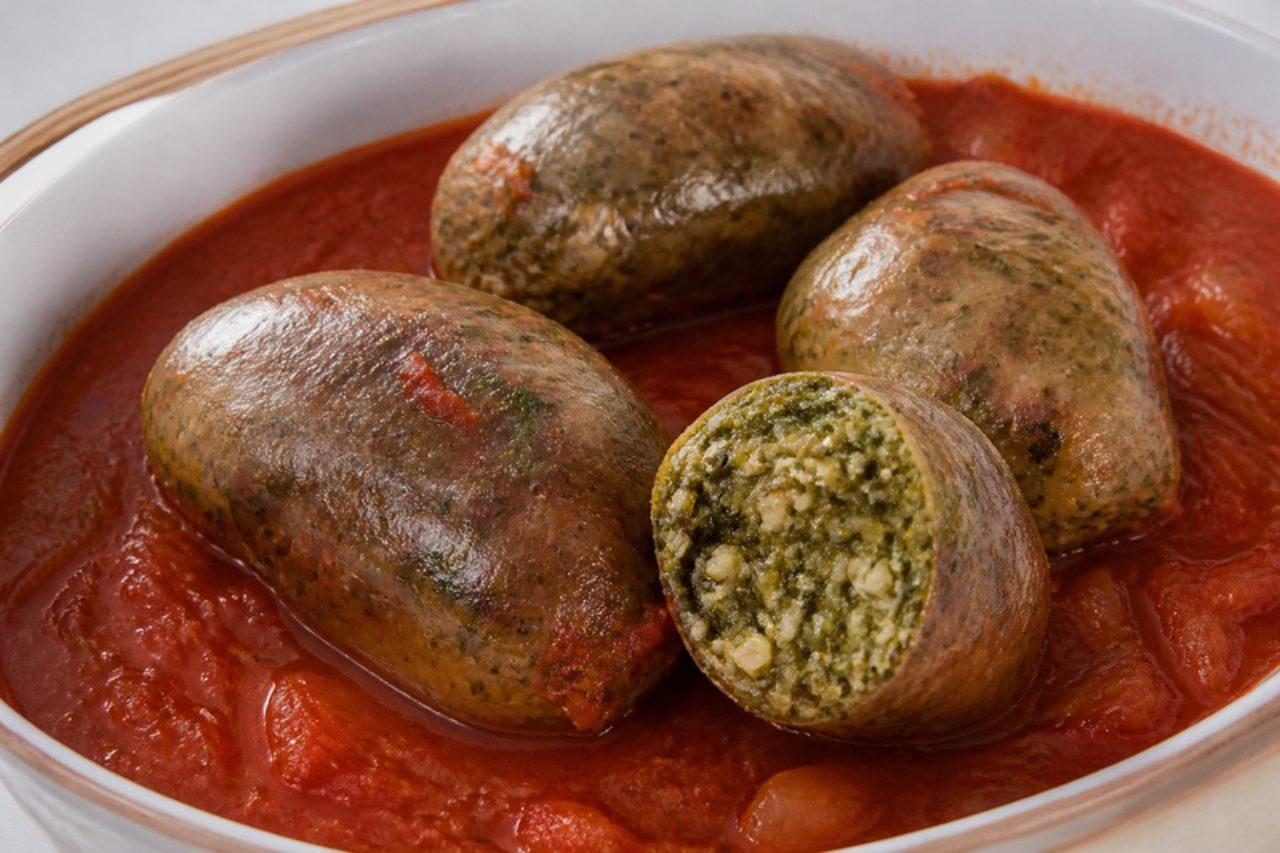
Eid al-Adha in Tunisia means using every part of the sheep, and osban is how the tripe is honoured: cleaned pieces are sewn into pouches and packed with rice, chopped liver and lamb, chard, a big bunch of parsley and coriander, dried mint and harissa, then simmered in a red chickpea sauce and served over couscous. Families all over the country, from Tunis to the south, make a batch and freeze some for later. The filling cooks into a soft, herby, peppery sausage and the tripe turns tender. Buy tripe that the butcher has already cleaned and scalded, or use natural sausage casings for an easier version. Chef's tip: fill the pouches only two-thirds full and prick them with a needle; the rice swells as it cooks, and overstuffed osban burst, which is the most common mistake.

180 minTunisianMeat
by KrazyBadal 0 views

Kammounia (Tunisian cumin beef stew)

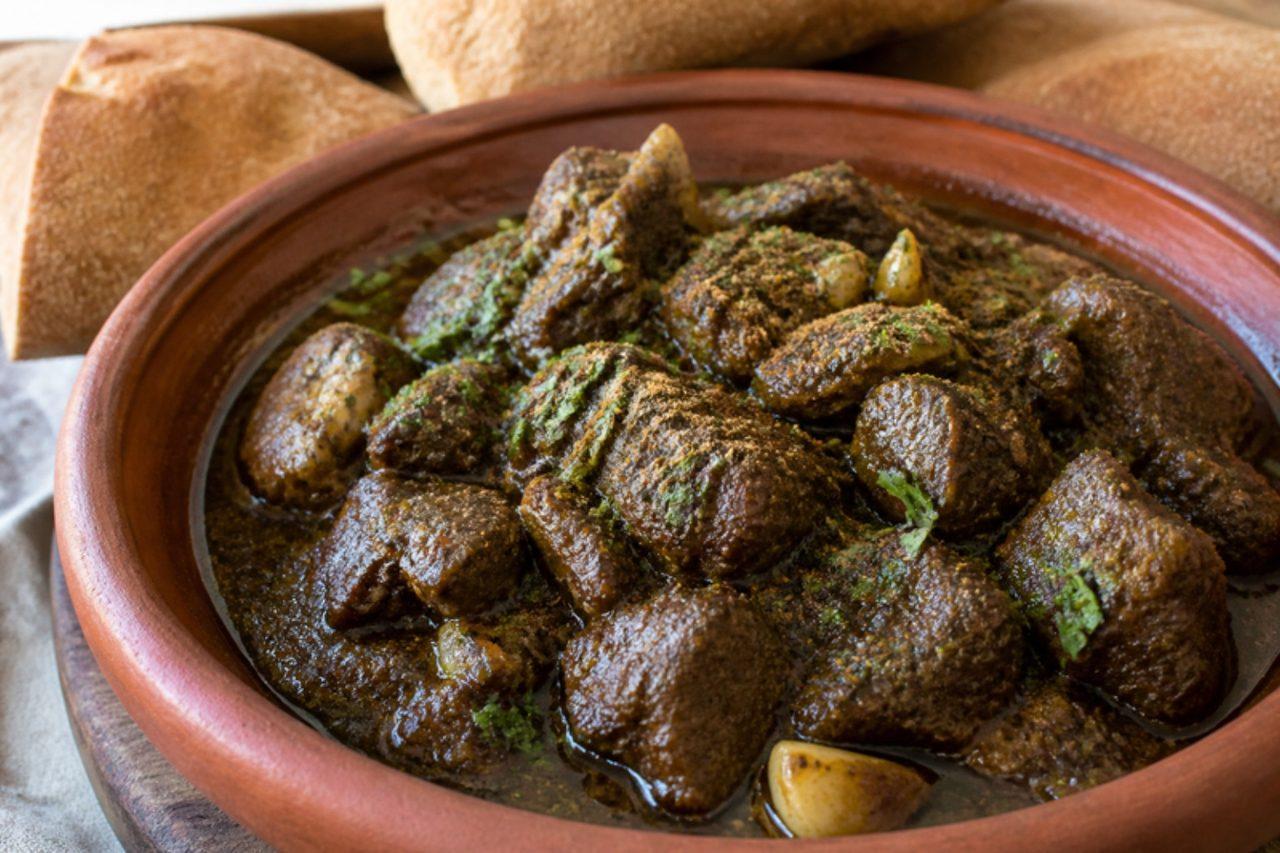
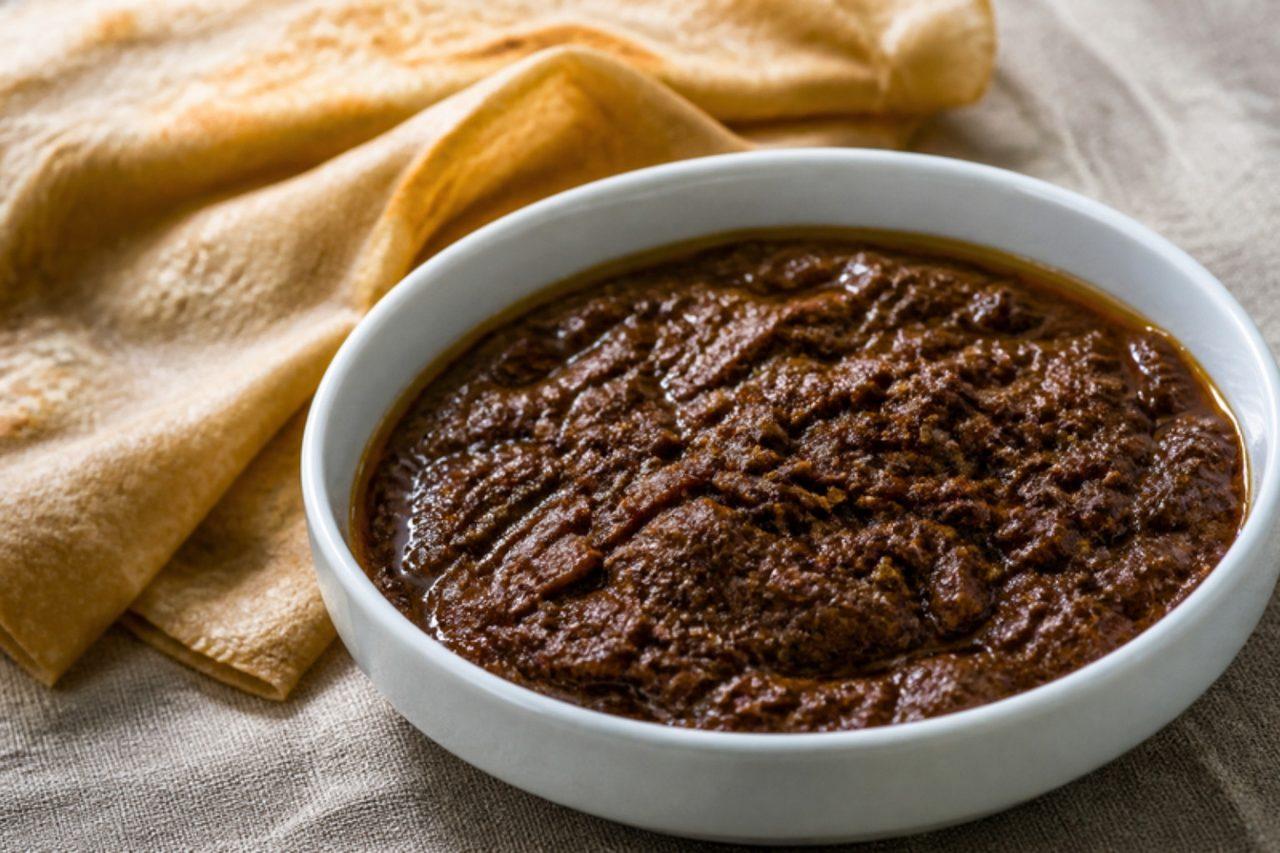
Cumin, kammoun in Arabic, gives kammounia its name, and the dish uses it boldly: chunks of beef, or in many Tunis homes lamb's liver, simmer in a thick, dark sauce of garlic, tomato paste and a generous amount of ground cumin until the meat is tender and the sauce clings to it. It is everyday family food in Tunis and Sfax, scooped up with crusty bread or served alongside a salad and olives. The flavour is earthy, warm and garlicky with a gentle heat from harissa. The usual mistake is adding the cumin at the start and frying it hard, which makes it bitter; it goes in once the sauce is simmering. Chef's tip: add half the cumin at the start and the rest in the last 10 minutes; all of it at once risks a flat, slightly bitter sauce, while the late addition keeps the aroma bright.

by KrazyBadal 0 views

Bkaila (Tunisian spinach and beef stew)

Tunisian Jewish families in Tunis, and those who carried the dish to Paris and Israel, cook bkaila for Rosh Hashanah and for Friday-night dinners: a heap of spinach is fried in olive oil for over an hour, until it shrinks to a dark, almost black, crumbly paste, then simmered for hours with chunks of beef, white beans, garlic and dried mint. The result looks dramatic and tastes deep and earthy, a little like a long-braised green sauce, with tender meat and creamy beans. It is eaten with couscous or bread, and is even better reheated the next day. Start the beans soaking the night before. Chef's tip: fry the spinach over a medium-low heat and stir often; turning up the heat to save time is the classic mistake, scorching the leaves so the whole pot turns bitter.

240 minTunisianMeatGluten free
by KrazyBadal 0 views

Kimis (Somali thick pan bread)

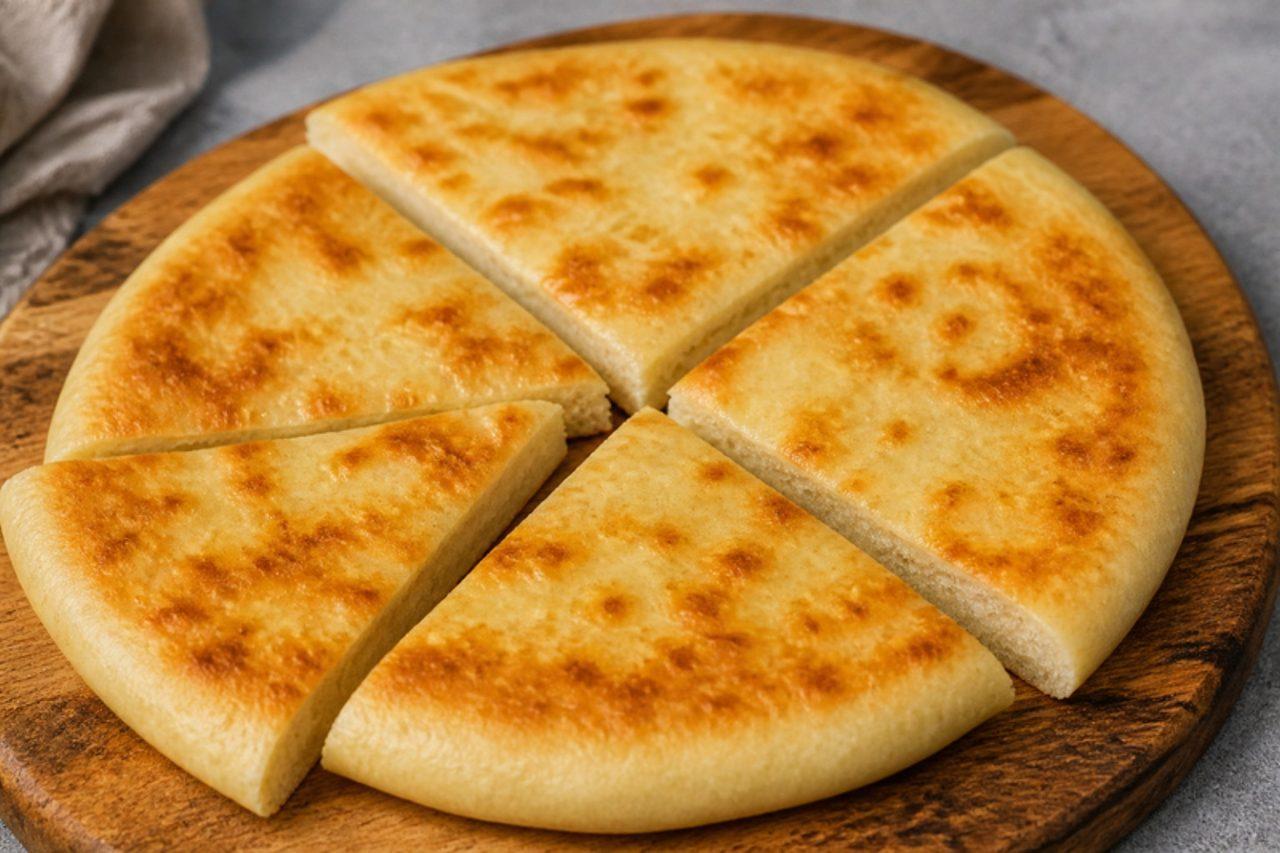
Thicker and plainer than sabaayad, kimis is the everyday bread of Hargeisa and the north, cooked in a heavy pan and cut into wedges to soak up maraq, the thin spiced meat or vegetable broths eaten at lunch. The dough is simple flour and water raised with a little baking powder, so it puffs into a soft, bready round about 2 cm thick with a lightly freckled crust. It is also good for breakfast with tea and a spoonful of sugar or honey. This version uses oil, so it is vegan. Cooking over too high a heat is the classic mistake: the outside scorches before the middle is done, so keep the flame medium-low and cover the pan. Chef's tip: knock the bread on its base when you think it is ready; it should sound hollow.

by KrazyBadal 0 views

Djouzia (walnut and honey nougat)

Shops in old Constantine wrap djouzia in twists of paper and sell it by weight, a soft, pale caramel-coloured nougat of honey, whipped egg white and plenty of walnuts. It is chewier and darker than white Provençal nougat, with a deep honey flavour and the slight bitterness of walnut skins. Djouzia is a gift sweet, carried to weddings and offered with coffee to visitors, and keeps for weeks. A sugar thermometer makes it reliable. Chef's tip: cook the honey syrup to 125 °C; syrup that is pulled off too early is the most common mistake, and the nougat stays sticky and will not set enough to cut.

by KrazyBadal 0 views

Sudanese shata (dried chilli, garlic and lime sauce)

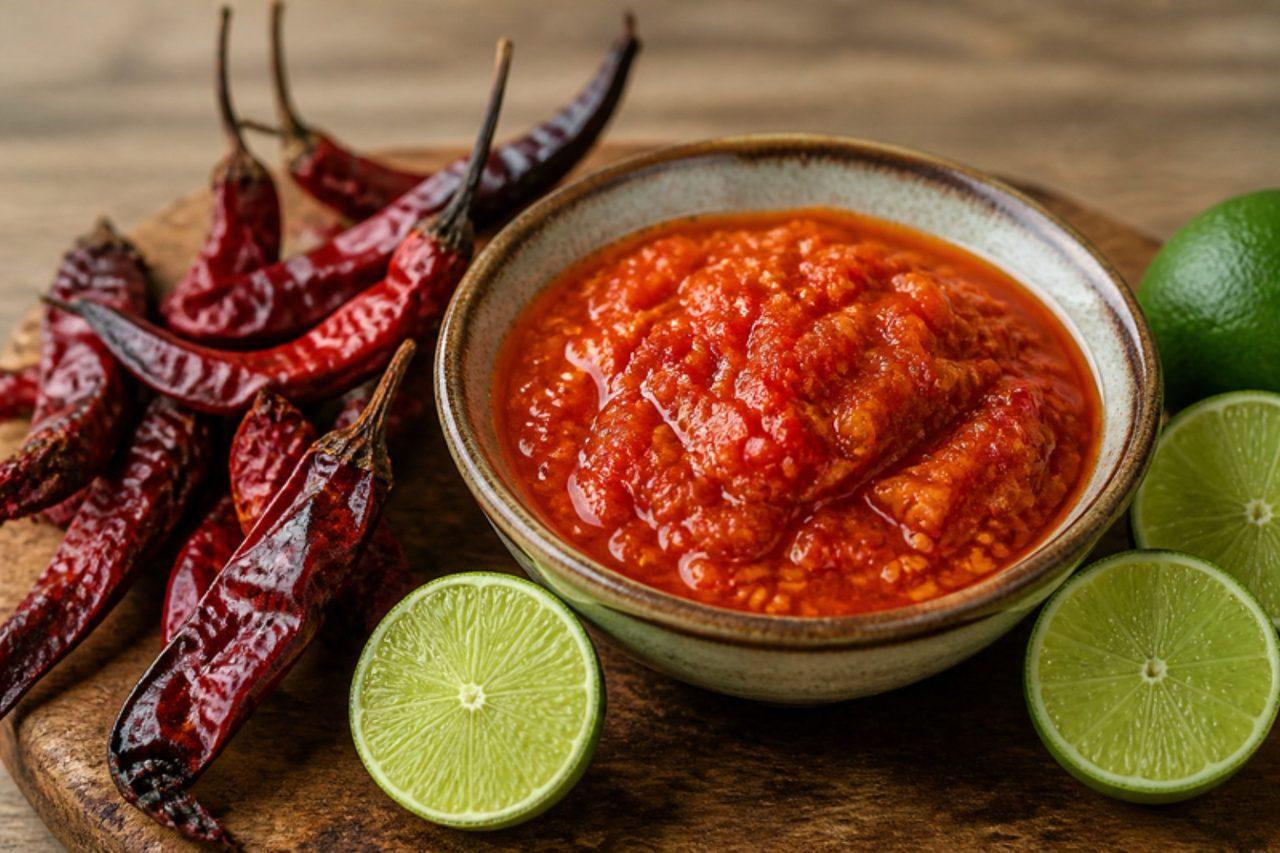
No Sudanese meal is complete without a little dish of shata on the side, and every household and roadside grill from Port Sudan to Nyala has its own version. This one is the classic everyday type: dried red chillies soaked soft and pounded with raw garlic, salt and plenty of lime juice into a loose, brick-red sauce that is fiery, sour and garlicky all at once. A spoonful goes over ful, fried fish, grilled meat, salads and stews. Wear gloves when handling the chillies, and do not rub your eyes. Using the soaking water in place of fresh water is a mistake, as it can taste bitter and dusty; drain it off. Chef's tip: make it a few hours ahead and keep it in the fridge; the heat settles and the garlic mellows.

by KrazyBadal 0 views

Bitifoor (Sudanese Eid butter biscuits)

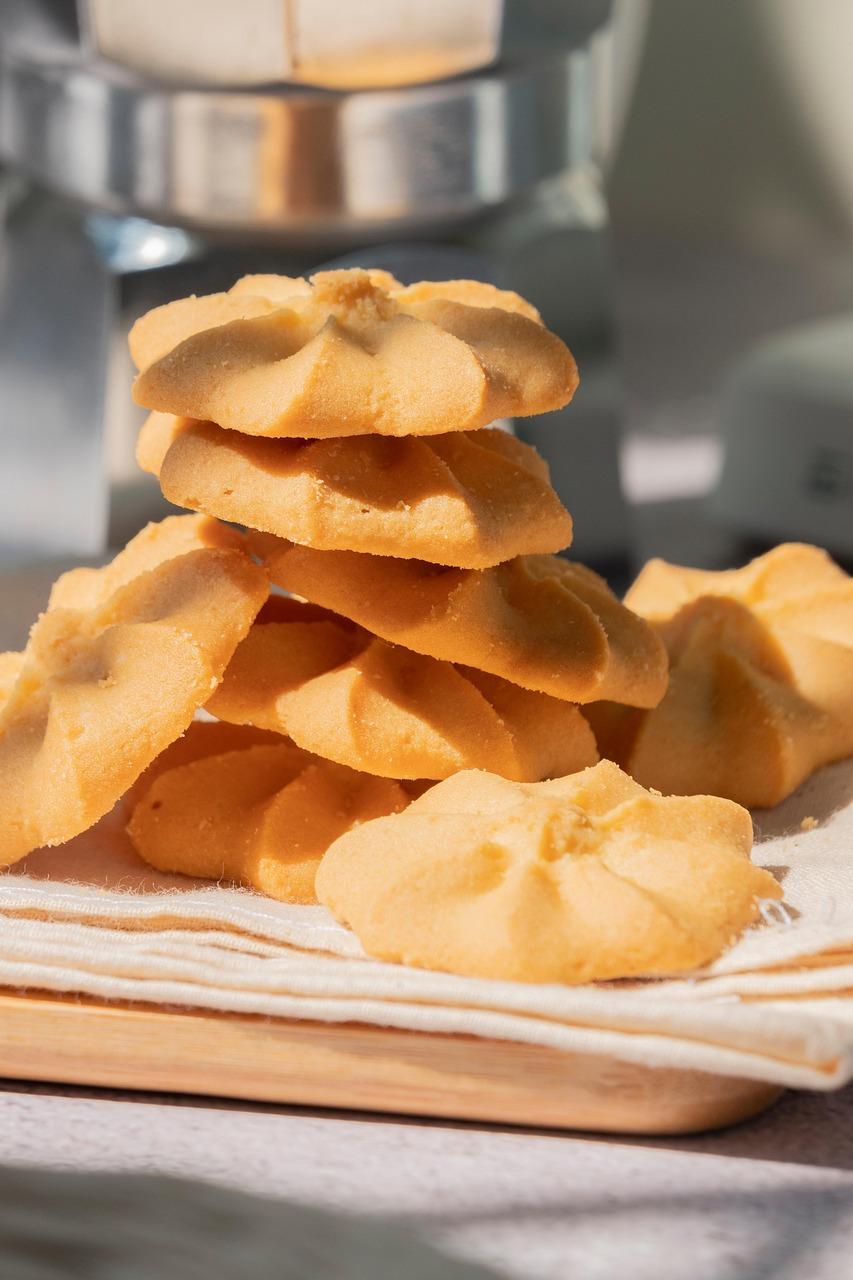
During the last days of Ramadan, Khartoum neighbourhoods smell of butter and vanilla as women bake bitifoor, the piped biscuits whose name comes from the French petit four, for the Eid visits that follow. They are piped into rosettes, fingers and swirls, sometimes topped with a piece of glacé cherry or dipped in chocolate, and arranged on platters with ka'ak and sweets for guests. The texture is melt-in-the-mouth, short and delicate. Over-soft butter is the classic mistake, giving biscuits that spread into flat puddles; use butter soft enough to dent, not oily, and chill the piped trays for 15 minutes. Chef's tip: a little cornflour in the flour keeps them extra tender and crisp.

by KrazyBadal 0 views

Tabaldi (Sudanese baobab drink)

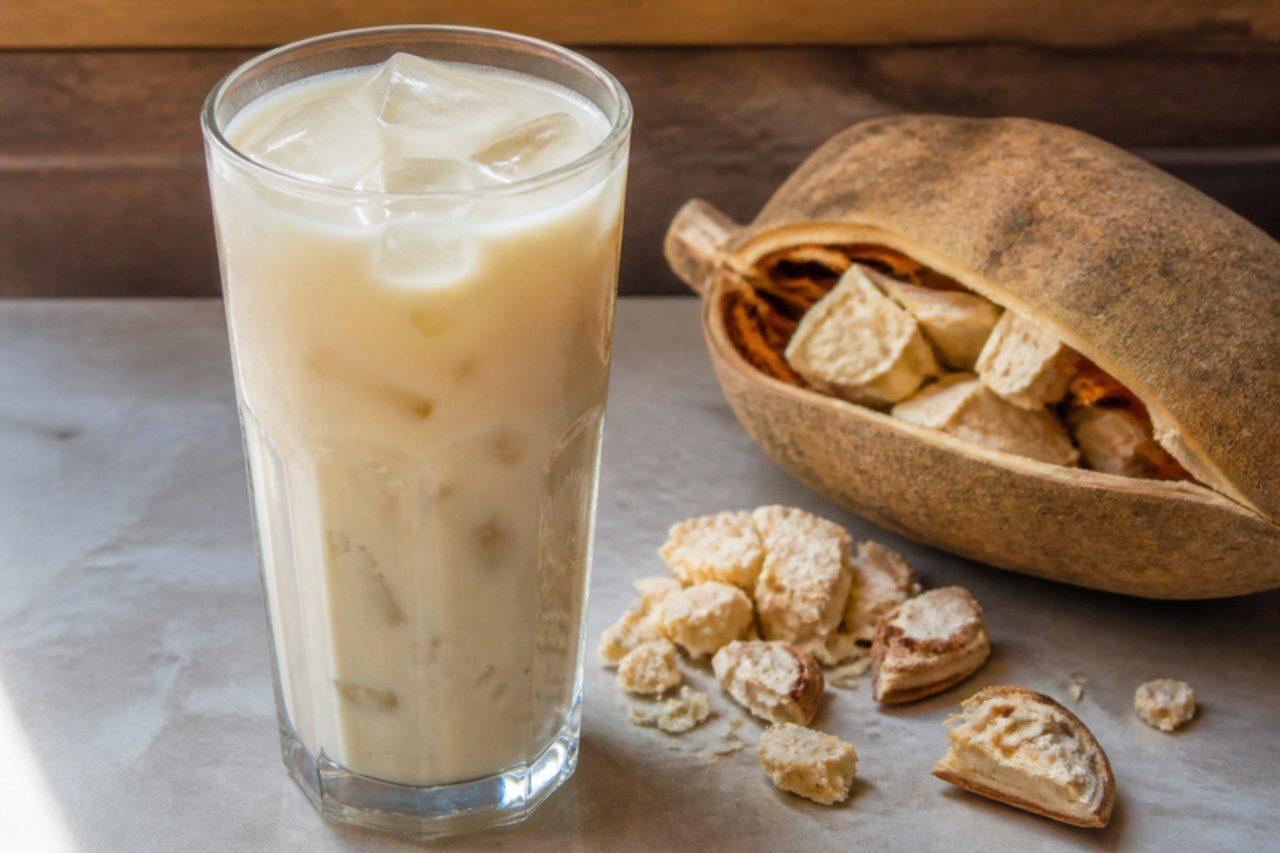
The great baobab trees of Kordofan and Darfur drop hard pods full of chalky, cream-coloured pulp, and Sudanese cooks soak it in water to make tabaldi, a thick, milky-looking drink with a sherbet-like tang. It is sold from big cool-boxes in Khartoum markets in summer, served at weddings, and appears on the iftar table during Ramadan. Fresh pulp pieces with seeds are sold in African and Middle Eastern shops; baobab powder is a good substitute and needs no straining. Leave the drink to soak for an hour in the fridge before straining (soaking time is not counted in the total). The usual mistake is blending the seeds, which makes the drink bitter; rub the pulp off by hand instead. Chef's tip: a few drops of rose water or a pinch of ground cardamom makes it feel festive.

by KrazyBadal 0 views

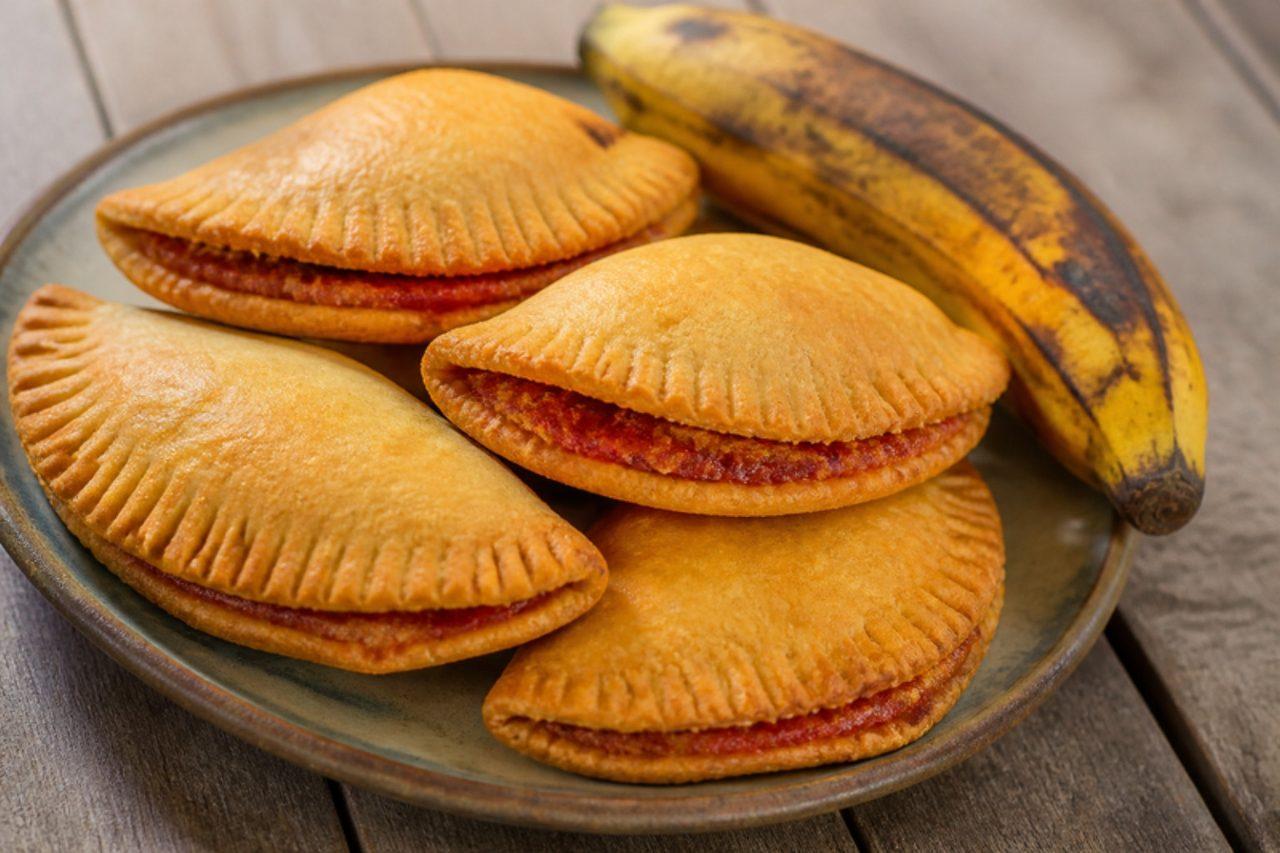
Jamaican plantain tartsSpiced plantain turnovers

Bakeries across Jamaica sell plantain tarts in the glass case beside gizzada and bulla, each a half-moon of short pastry with a sticky, spiced ripe plantain filling and a pink-red rim from a dab of food colouring in the crimped edge. They are eaten as an afternoon snack with a cold drink or a cup of cocoa tea. People often use plantains that are only half ripe, and the filling never turns jammy; you want skins that are mostly black. The red edge is traditional but optional. Chef's tip: cook the filling until it is thick enough to hold a trail when you drag a spoon through it, or it will leak in the oven.

by KrazyBadal 0 views

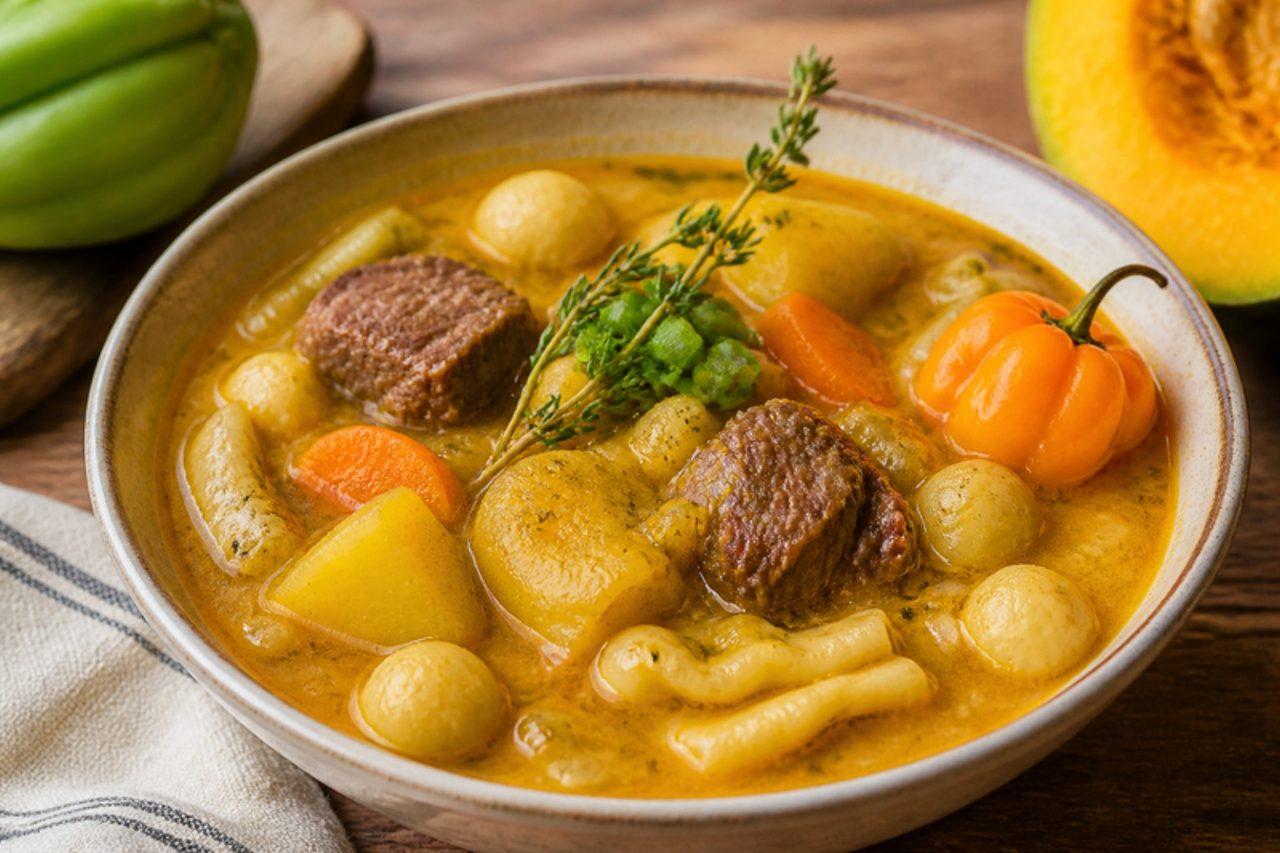
Jamaican Saturday soupBeef soup with pumpkin and dumplings

Saturday is soup day in Jamaica: the week's cleaning and market shopping get done while a big pot of beef soup bubbles on the stove, and by afternoon the whole yard is called in for a bowl. Beef shin and bones simmer with pumpkin until it melts and thickens the broth, then yam, chocho (christophene), carrot and cornmeal dumplings and thin "spinners" go in, with a whole scotch bonnet for perfume. The usual mistake is adding all the ground provisions at the start, so they collapse into mush; they go in during the last 40 minutes. Chef's tip: leave the scotch bonnet whole and lift it out before serving; you get the fruity aroma without the burn.

by KrazyBadal 0 views

Madeeda (Sudanese warm millet and milk drink)

Thick enough to sip slowly from a glass but thinner than porridge, madeeda is a warming drink from northern Sudan made by cooking flour, often pearl millet, in milk and sweetening it with sugar or dates. Families make it on cool winter mornings, for anyone feeling under the weather and for new mothers, and it is a gentle way to break the fast in Ramadan. This version uses millet flour with cardamom and a little cinnamon, so it is smooth, nutty and lightly spiced. Lumps are the usual problem: whisk the flour into cold milk before it goes onto the heat. A frequent slip is not stirring enough, so the millet catches and the milk scorches. Chef's tip: for a date version, blitz 6 soft pitted dates with the milk and halve the sugar.

by KrazyBadal 0 views

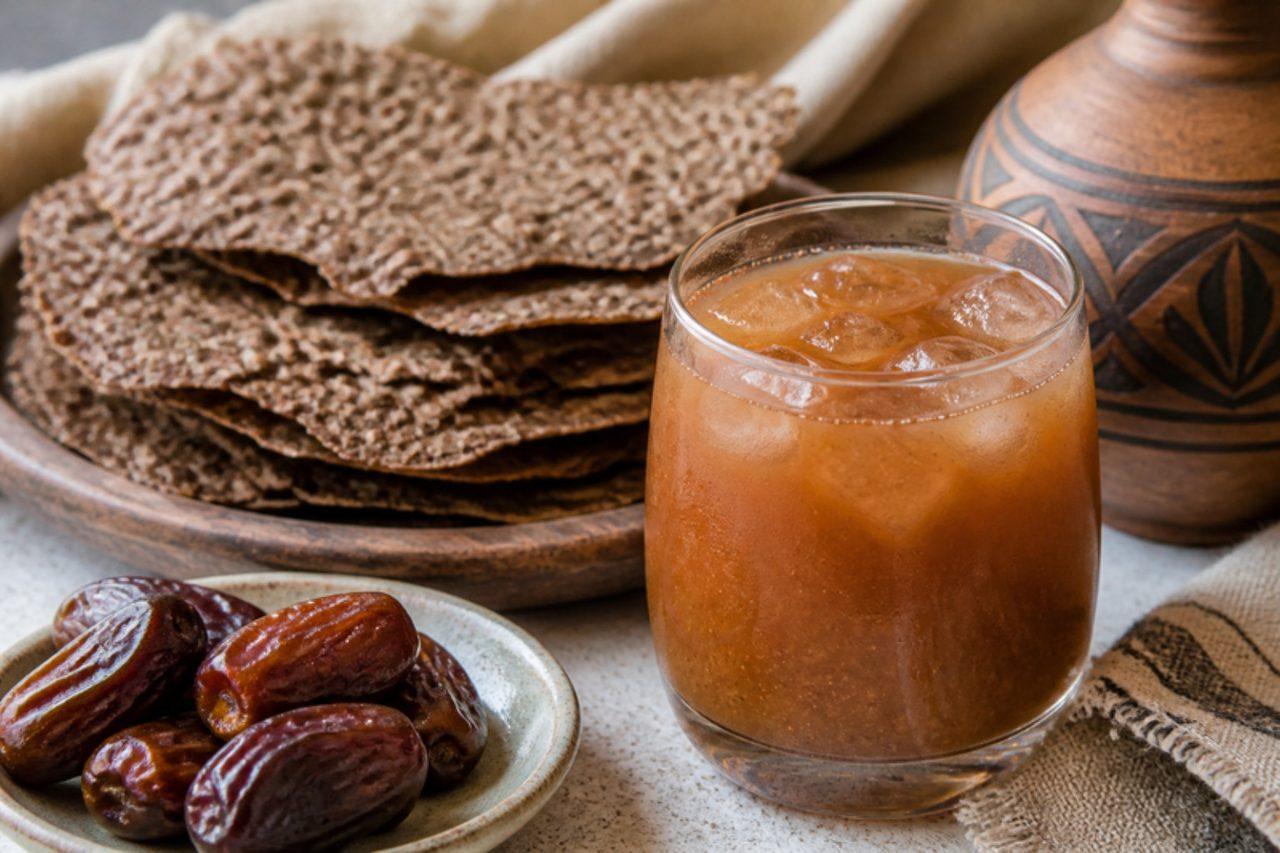
Hilu-mur (Sudanese spiced sorghum Ramadan drink)

Weeks before Ramadan, households across Sudan fill with the smell of hilu-mur, literally 'sweet-bitter', as sorghum is sprouted, dried, ground and mixed with flour, dates and a heady spice blend, left to sour for a day, then spread paper-thin on a hot griddle into brittle reddish-brown flakes. Each evening during the month a handful is soaked in water, strained and sweetened, giving the dark, tangy, clove-and-ginger-scented drink that breaks the fast. The souring is short, like a sourdough, and the flakes are cooked dry; the drink is non-alcoholic and served to the whole family. The full process takes about 5 days: 3 days to sprout, 1 to dry and a night to sour, so only active and cooking time are in the totals. Many people buy ready-made flakes from Sudanese shops. Discard any grain that smells musty or shows mould while sprouting. The usual mistake is pouring the batter too thick on the griddle; the flakes should be paper-thin to dry crisp. Chef's tip: spread the batter as thinly as you can; thick flakes stay chewy and go mouldy in storage.

by KrazyBadal 0 views

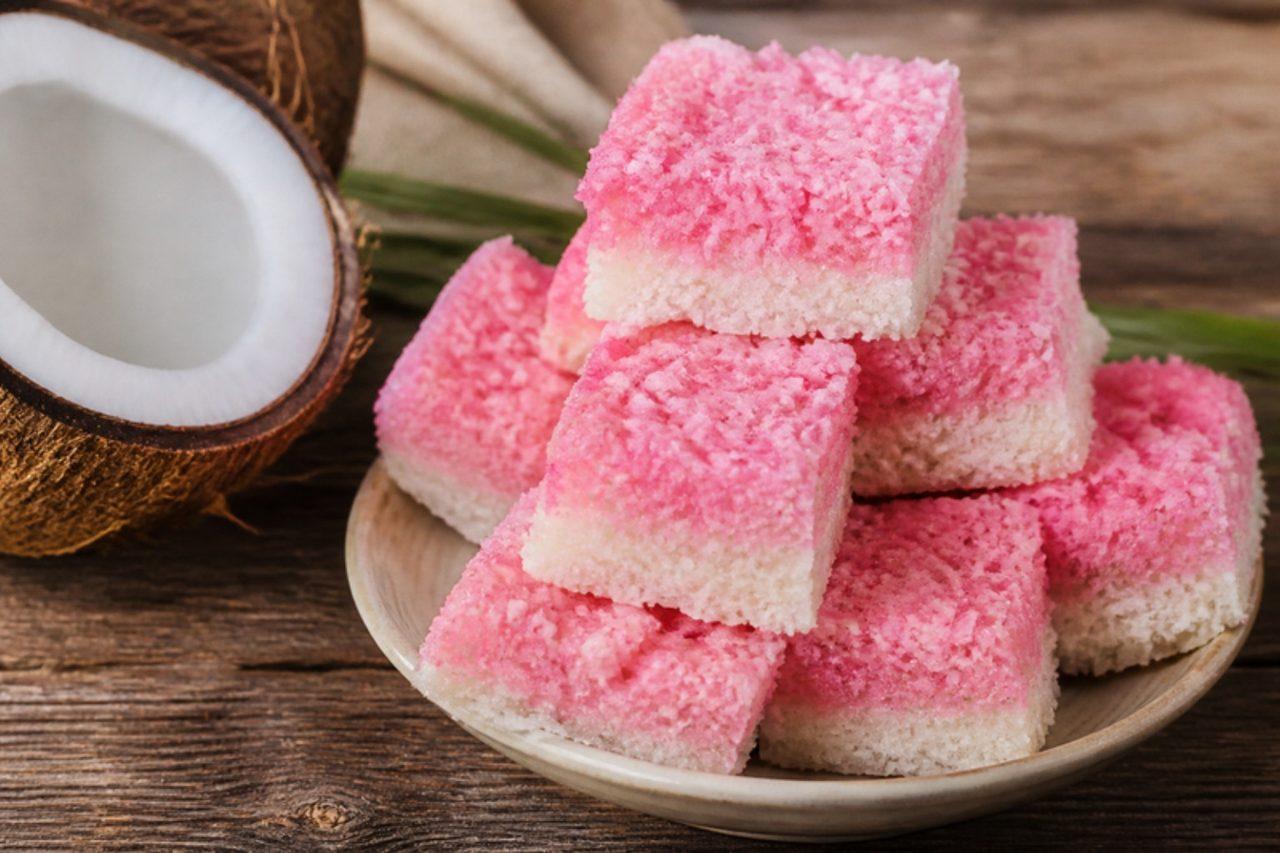
Jamaican grater cakeCoconut sugar squares

Grater cake is the pink-topped coconut sweet sold in glass cases by higglers at Jamaican bus parks and on school gates, named for the hand grater that shreds the coconut. It is chewy and very sweet, with the fresh, milky taste of coconut and a breath of ginger, and the classic look is a white layer under a pink one. The mistake most people make is taking the pan off too soon: undercooked syrup never sets and the squares slump. Chef's tip: test a little on a cold saucer; if it holds a soft ball when pushed together after a minute, it is ready.

by KrazyBadal 0 views

Dama (Sudanese beef and tomato stew)

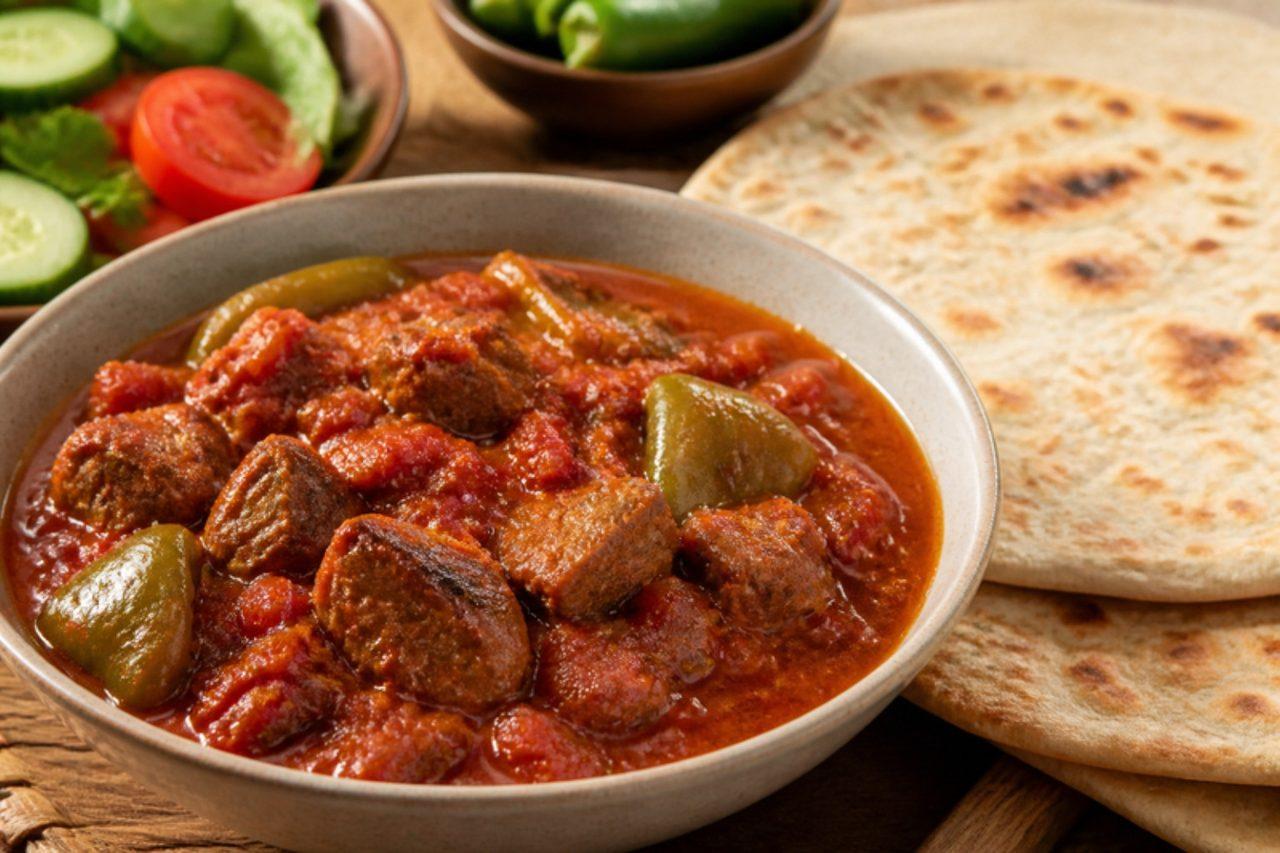
Thick, red and full of garlic, dama is the tomato stew that Khartoum families make for weekday lunches and that restaurants serve in shiny steel bowls with gurasa, the soft, thick Sudanese pancake, or with bread and rice. Beef is browned, then simmered with a generous amount of onion, fresh tomato, tomato paste and gentle warm spices, cardamom and a little cinnamon, until the sauce is rich enough to cling to every piece. The meat ends up spoon-tender. Adding all the liquid at once is the common mistake; it gives a thin, watery sauce, so add water little by little as the stew needs it. Chef's tip: grate the onions rather than chopping them, so they melt into the sauce and thicken it without flour.

105 minSudaneseMeatGluten free
by KrazyBadal 0 views

Date squares

Date squares are on the tea table in every Canadian church hall and school bake sale, called carrés aux dattes in Quebec and matrimonial cake in the West. A buttery oat crumble is pressed into a tin, spread with a soft date filling and covered with more crumble, then baked until golden. They keep for days and freeze well. A common mistake is spreading the dates while hot onto loose crumb, which makes the base soggy; press the base firmly. Chef's tip: add a strip of orange zest to the dates for a brighter flavour.

by KrazyBadal 0 views

Agashe (Sudanese peanut-crusted beef skewers)

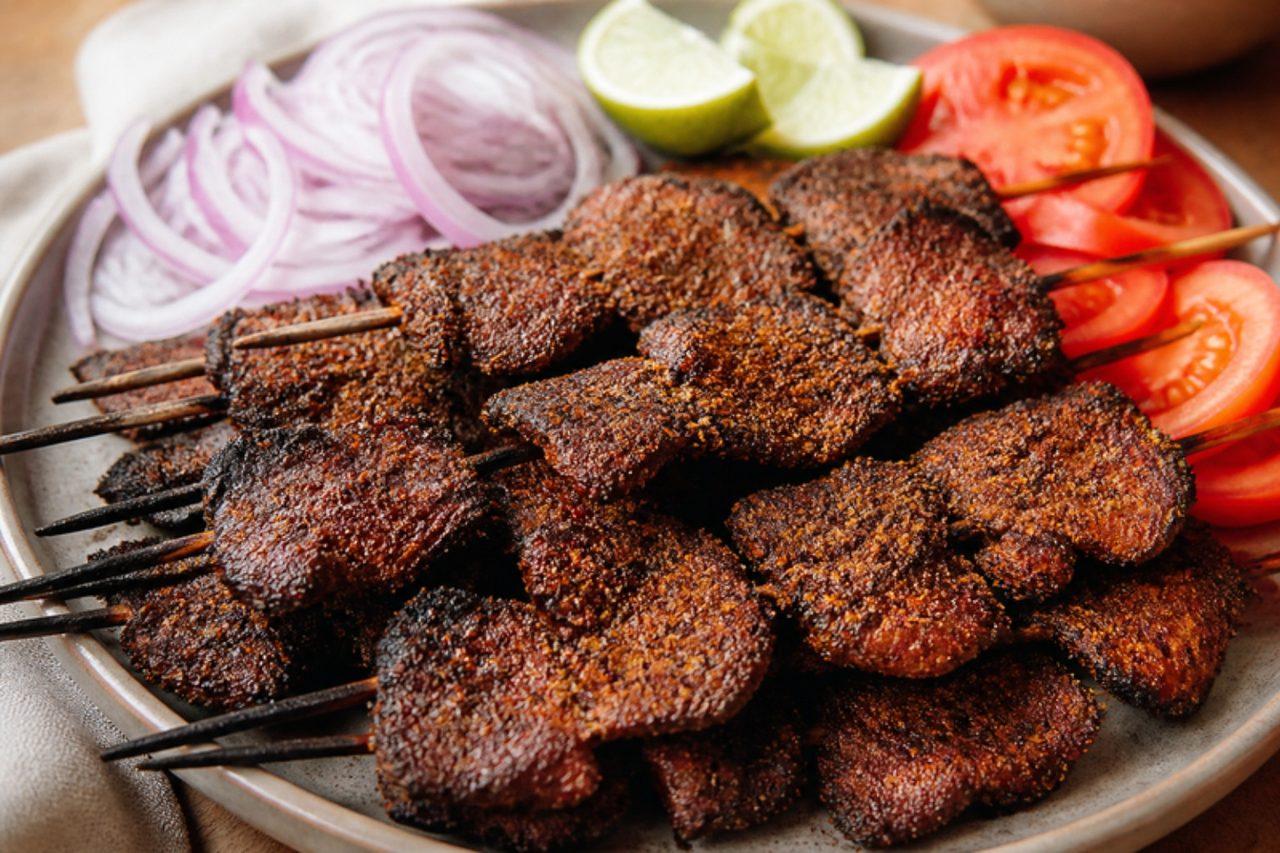
On Khartoum evenings the smoke from agashe grills drifts across the streets: thin slices of beef threaded onto sticks, coated in a dry rub of ground roasted peanuts, ginger, chilli and garlic, and grilled fast over charcoal until crusty and fragrant. The style came to Sudan with West African communities and is close cousin to Nigerian suya, but it has become a Khartoum favourite in its own right, served with sliced onion, tomato, lime and a sprinkle of extra spice. Slicing the beef too thick is the usual error, because the crust burns before the inside is done; aim for 5 mm. Marinate in the fridge, never on the counter. Chef's tip: dust the skewers with a second coat of peanut mix halfway through grilling for the best crust.

by KrazyBadal 0 views

Steamed custard buns (lau sa bao)

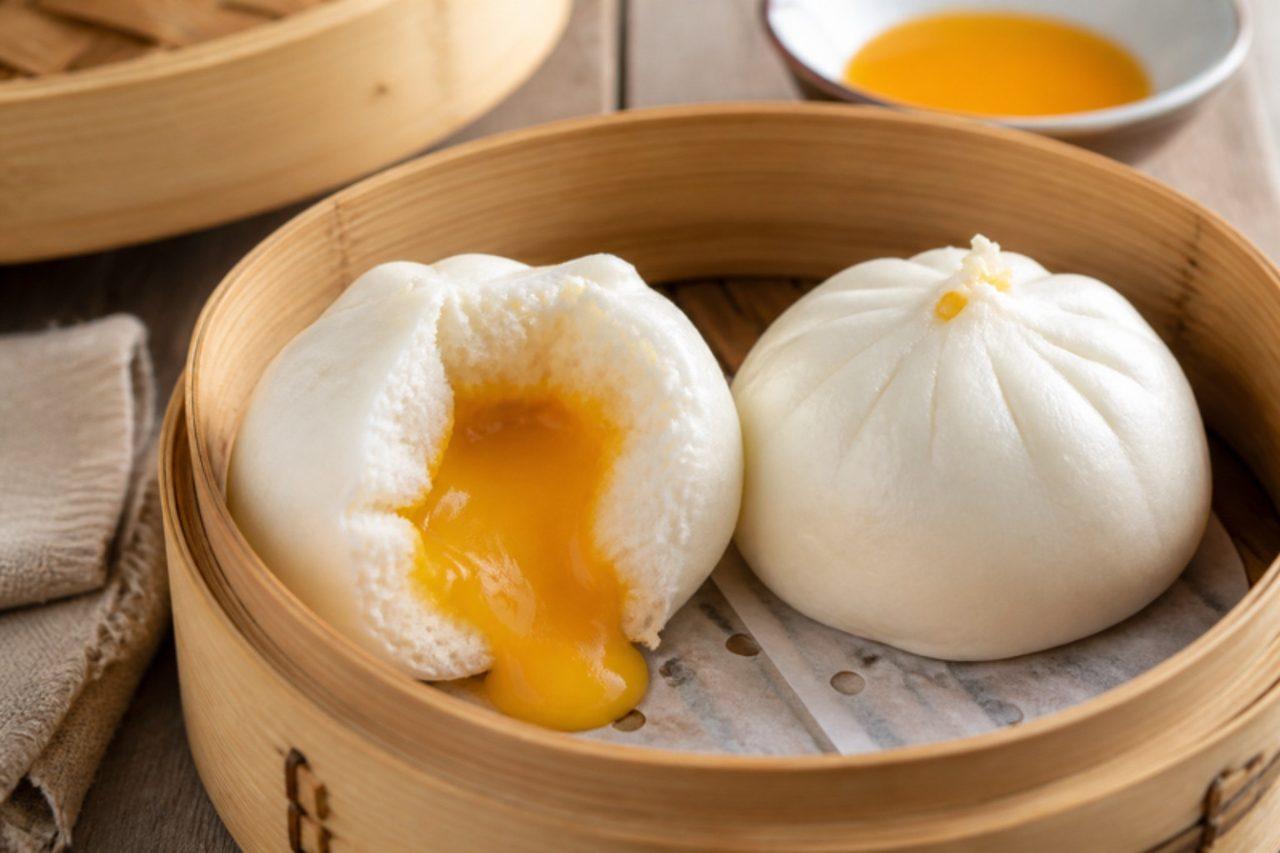
Tear one open at a Hong Kong yum cha table and a stream of golden, buttery custard runs out, which is exactly why the name means 'flowing sand'. The filling is sweet and salty at once, grainy with mashed salted duck egg yolk and rich with butter and milk powder, wrapped in a snow-white, cotton-soft bun. Teahouses from Central to Mong Kok bring them out in bamboo baskets of three, usually near the end of the meal with a pot of pu'er or chrysanthemum tea. Most failures happen when the filling goes into the dough soft: it smears, leaks through the seams and never turns runny inside. Chef's tip: freeze the filling balls until rock hard before wrapping, then serve the buns within a few minutes of steaming, while the butter is still liquid.

by KrazyBadal 0 views

Mullah tagalia (Sudanese dried-meat and okra stew)

Tagalia is the stew northern Sudanese families turn to for everyday lunches and when guests arrive unannounced, because it is made almost entirely from the store cupboard: pounded sharmout, dried okra powder called weika and a mountain of onions fried slowly until dark. Unlike mullah bamia, which uses fresh okra, it is smooth, thick and dark brown, with a rich, savoury, slightly smoky taste, and it is scooped up with kisra or aseeda from one shared bowl. Cooks in Nubia and along the Nile say good tagalia is all in the onion. Dumping the weika in at once is the classic mistake, and it sets into slimy lumps; sprinkle it slowly while whisking. Chef's tip: keep frying the onions until they are a deep chestnut colour but never black; burnt onion makes the whole pot bitter.

by KrazyBadal 0 views

Jamaican hard dough breadDense sweet sandwich loaf

Chinese-Jamaican bakers gave the island hard dough bread, and today a sliced "hardo" loaf is in every shop from Montego Bay to Morant Bay, toasted with butter for breakfast, wrapped around fried fish or dipped in soup. The crumb is close, smooth and faintly sweet, firm enough to hold its own against ackee or bun and cheese. The usual mistake is making the dough too soft; it should be stiff and need hard kneading, which is where the name comes from. Allow around 2 hours for rising on top of the working time. Chef's tip: roll the dough into a tight Swiss roll before it goes into the tin, which gives the even, layered crumb that peels off in sheets.

by KrazyBadal 0 views

Maple syrup pie

Tarte au sirop d'érable closes many a family meal in Quebec at Easter and through the sugaring season, a cousin of the sugar pie made with real maple syrup. The filling of syrup, cream and egg bakes into a soft, trembling, caramel-brown layer that tastes deeply of maple. Slice it thin; it is rich. A spoonful of crème fraîche or plain whipped cream cuts the sweetness. A common mistake is skipping the blind bake, which leaves a soggy base. Chef's tip: take the pie out while the centre still wobbles like jelly; it sets as it cools and over-baking makes it weep.

by KrazyBadal 0 views

Showing 27 of 7,762 recipes

Show more recipes

Page 210 of 863